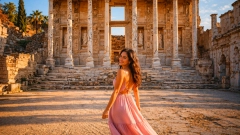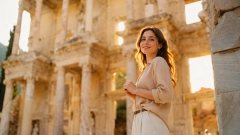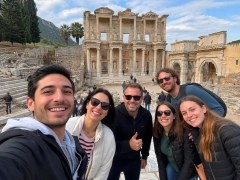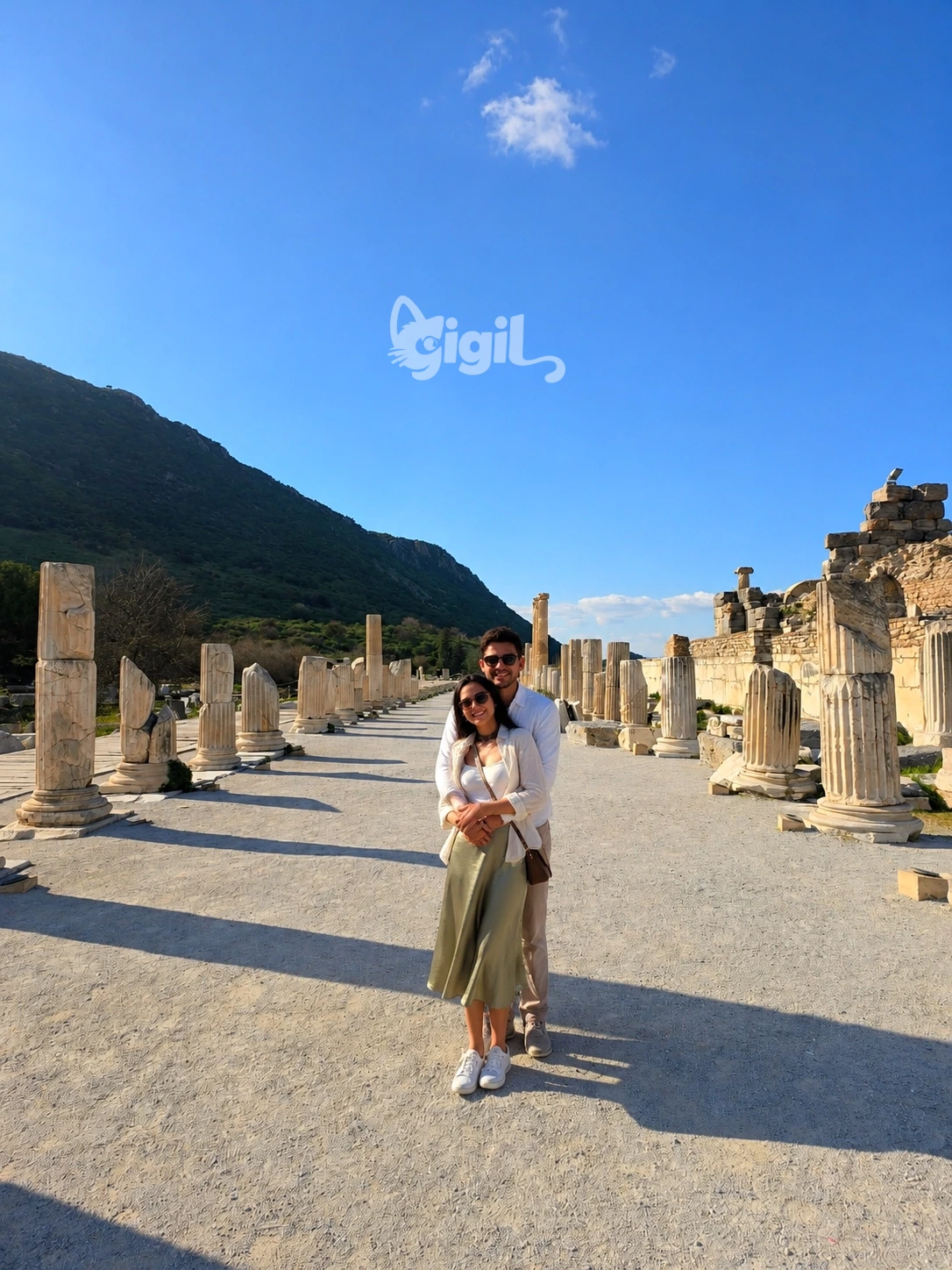

Highlights
- Private 3-day Cappadocia package by vehicle: Cover the complete Ephesus heritage route with a slower, more comfortable overland pace from start to finish.
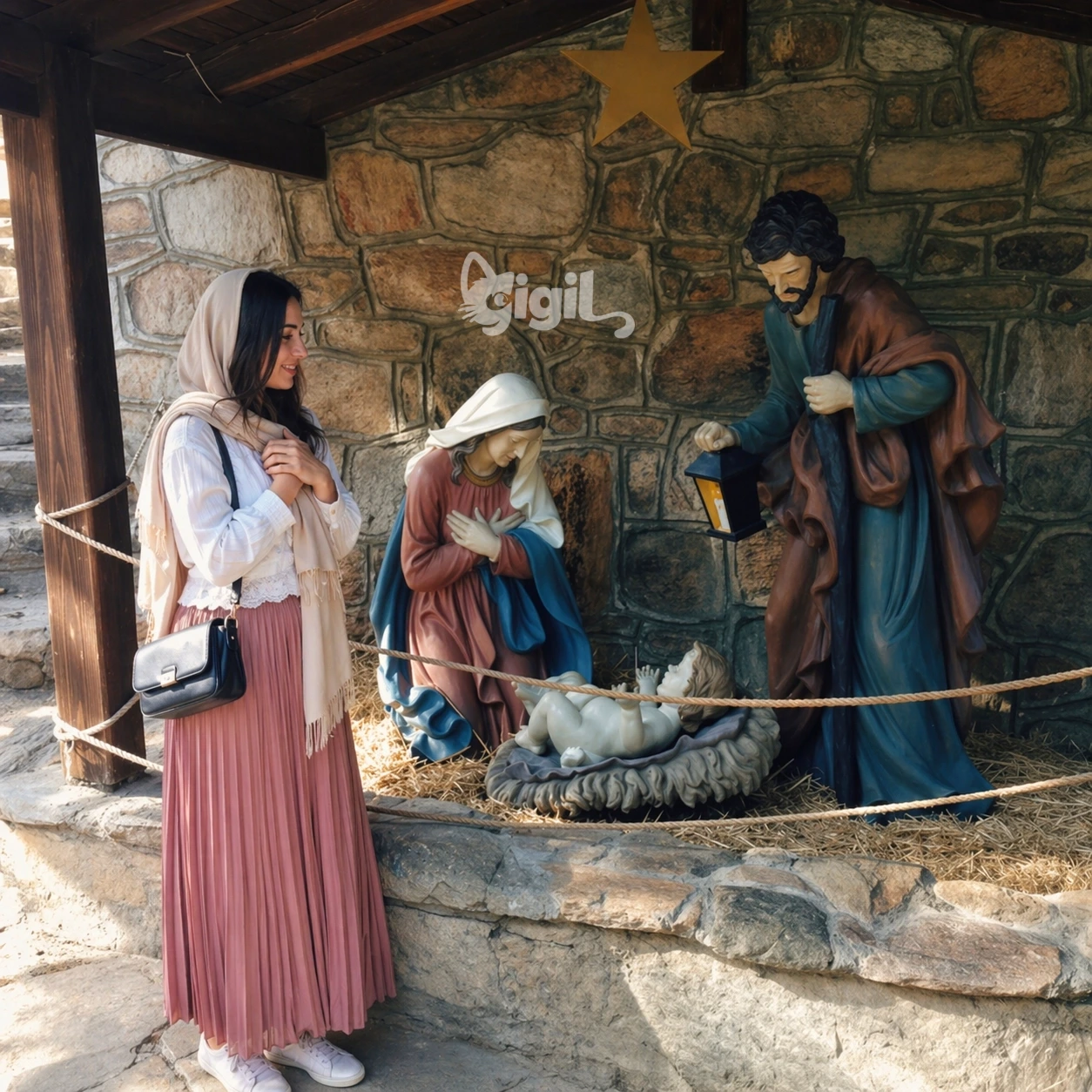
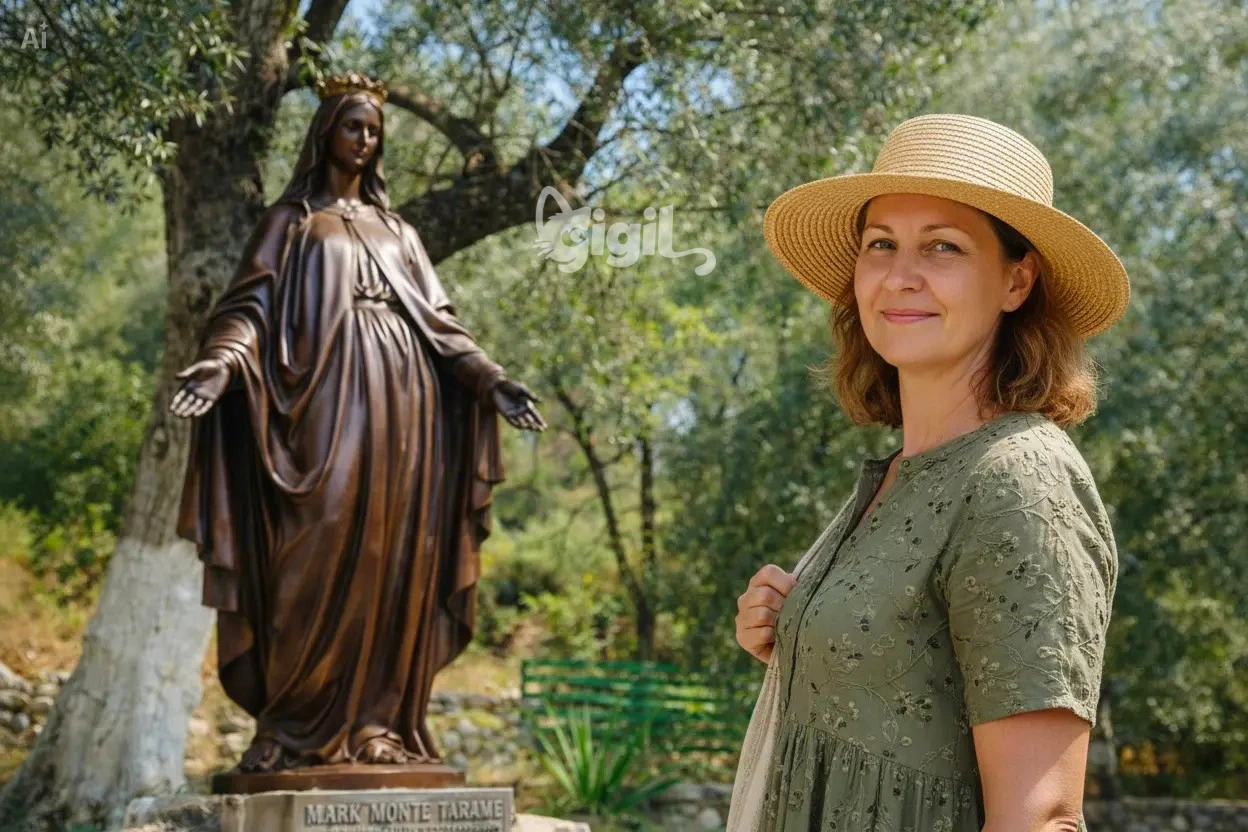
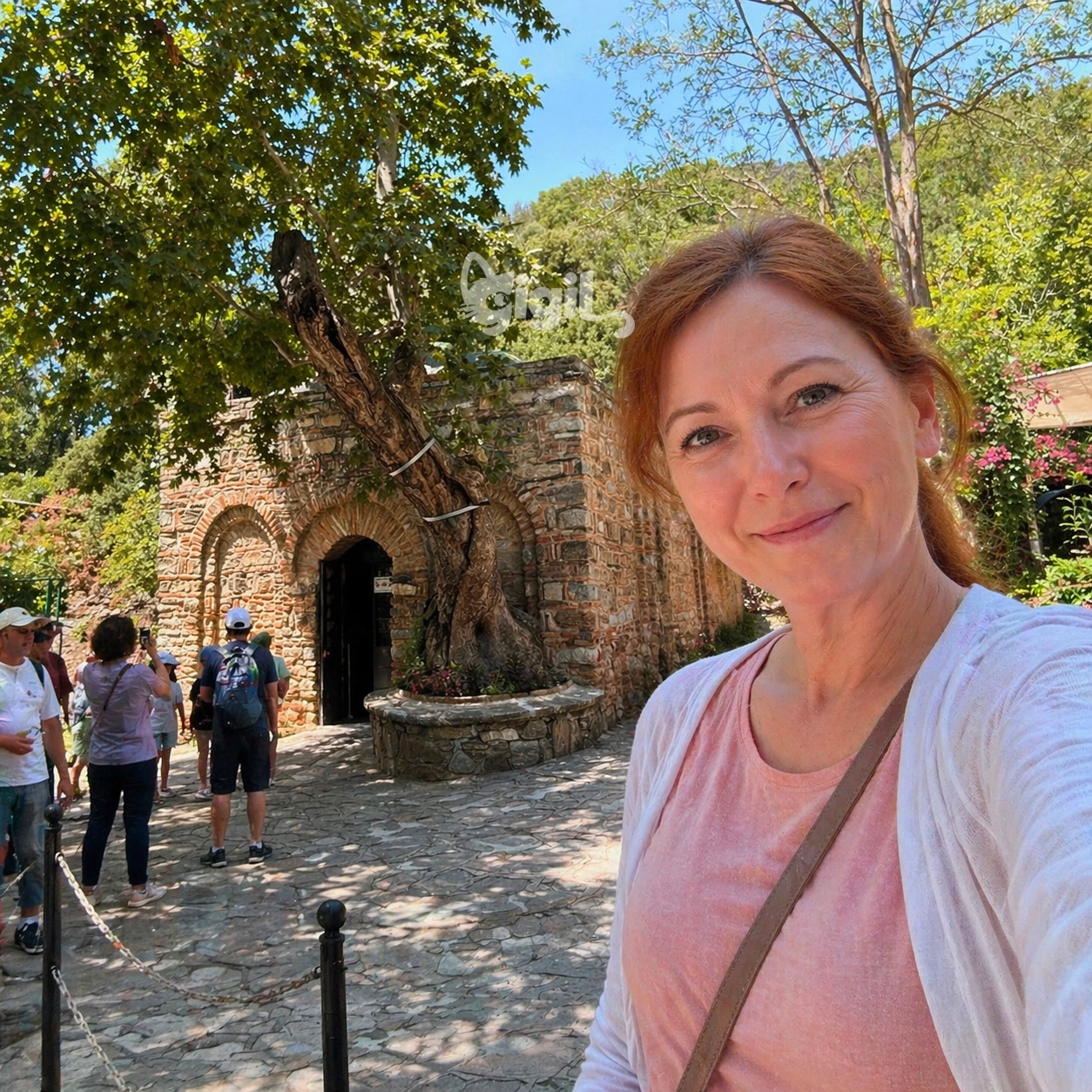
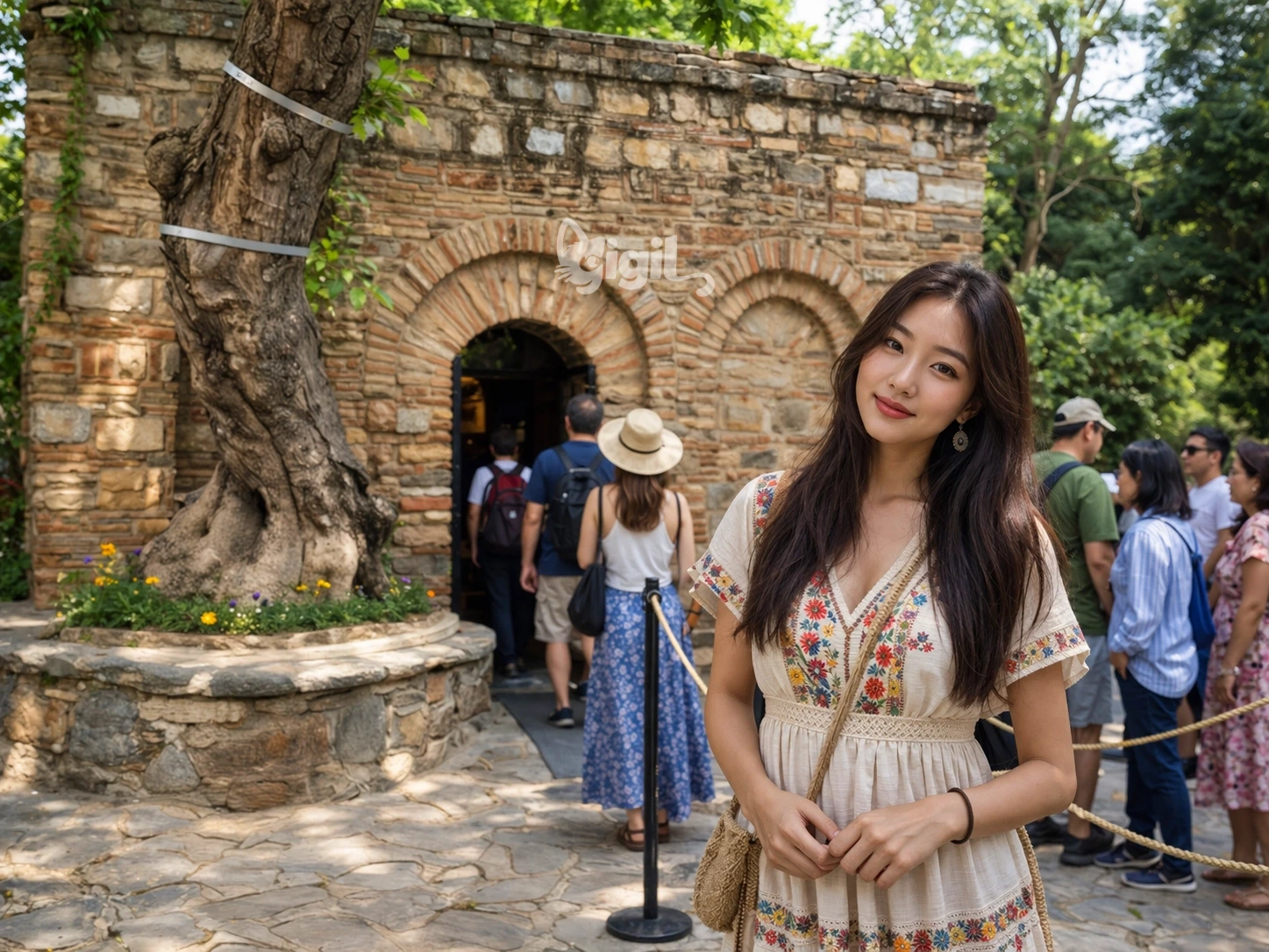
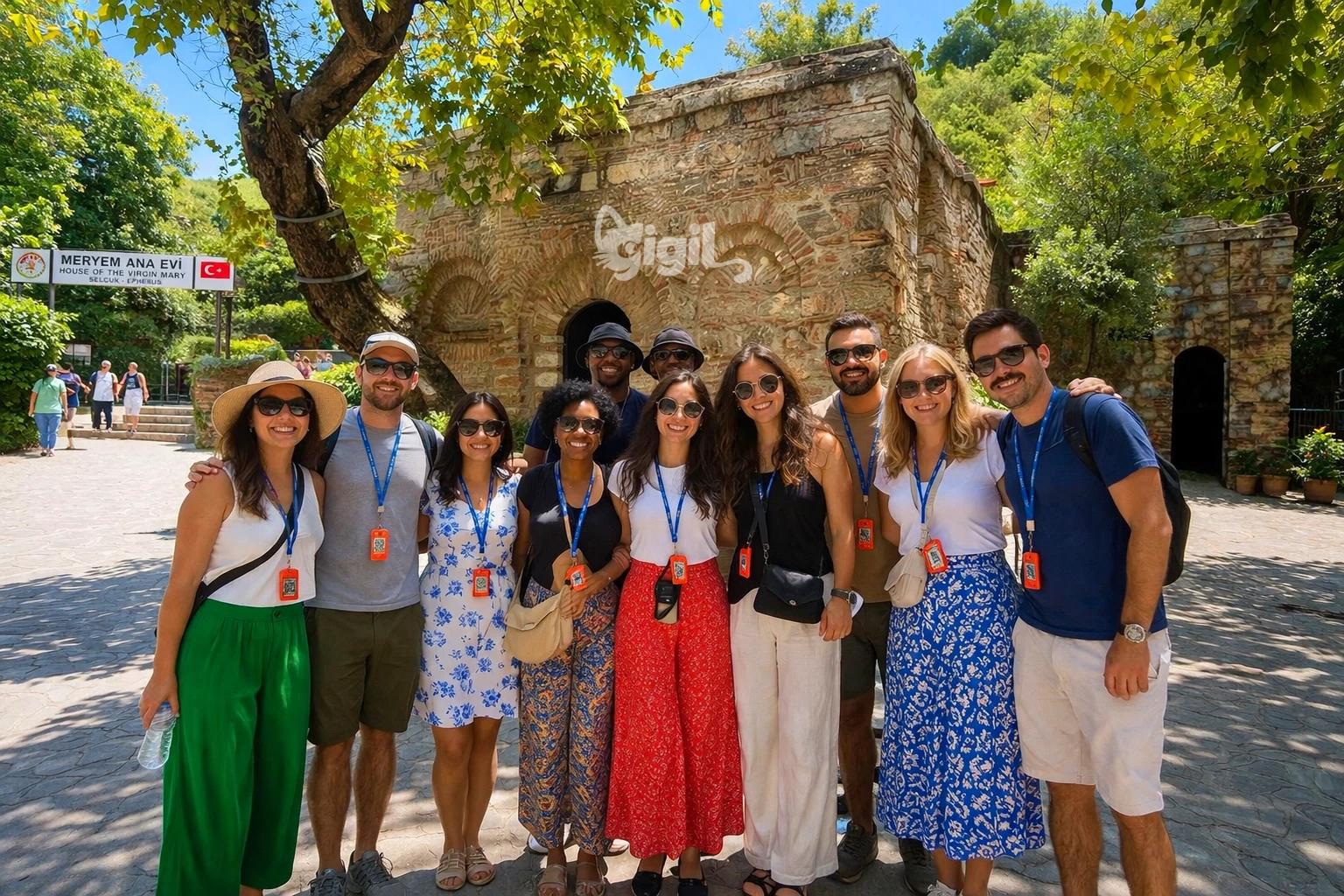
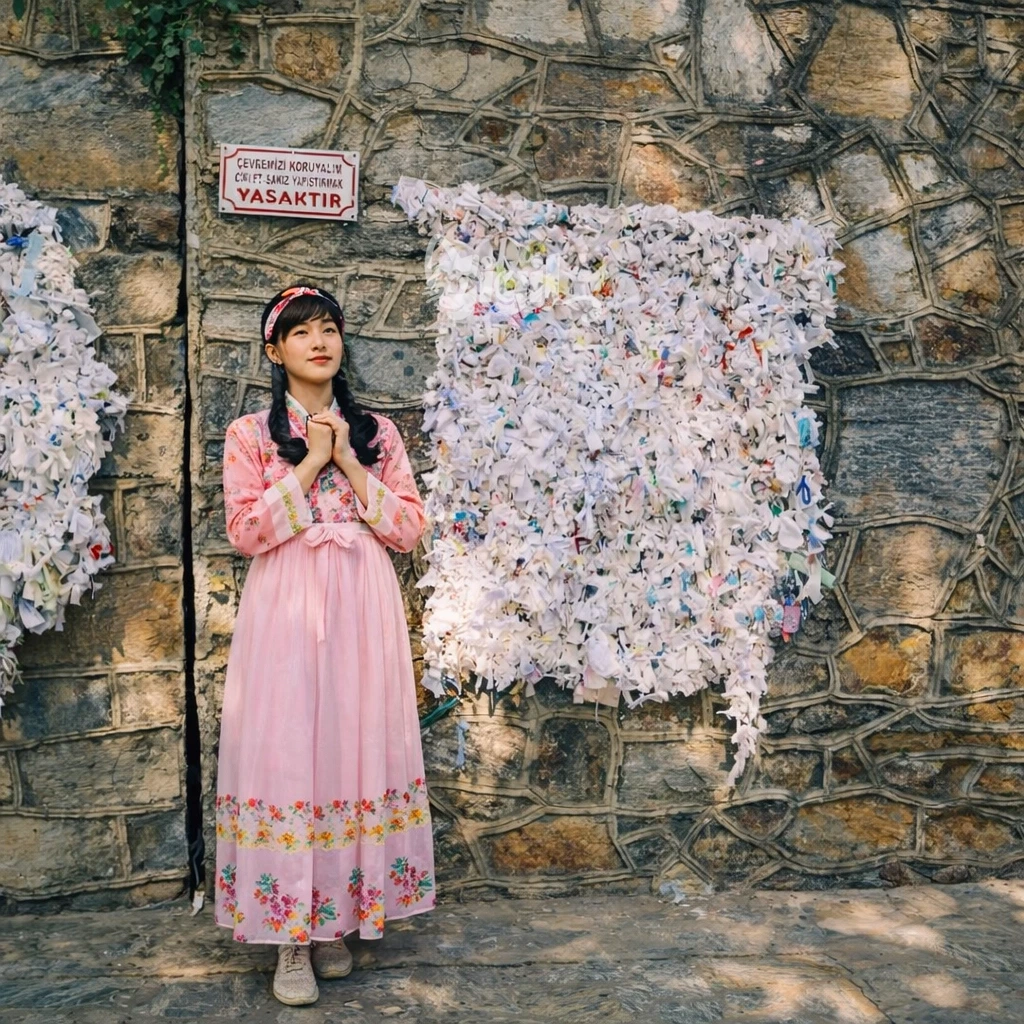
- House of the Virgin Mary: Include one of the region's best-known Christian pilgrimage sites above Ephesus on the main touring day.
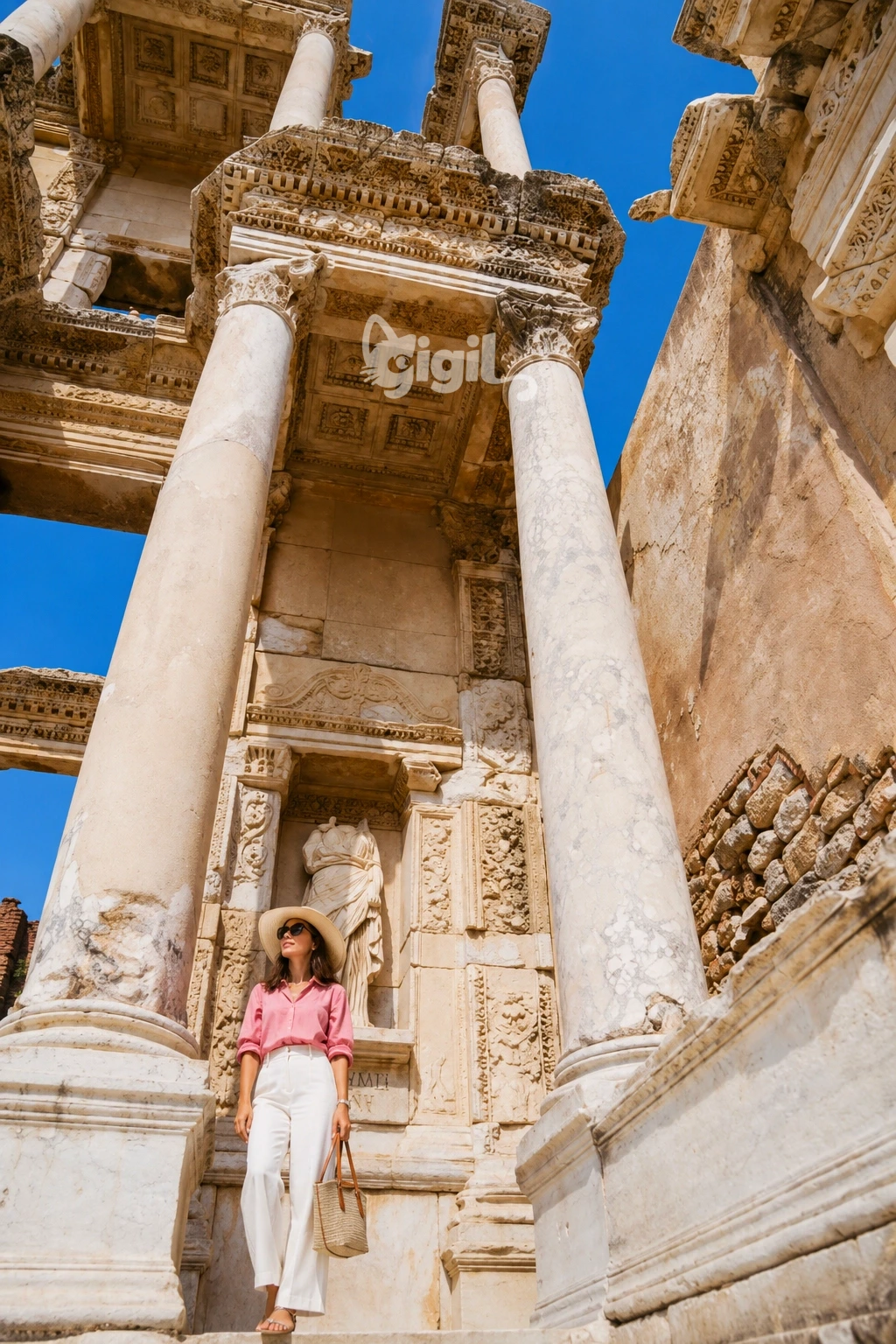
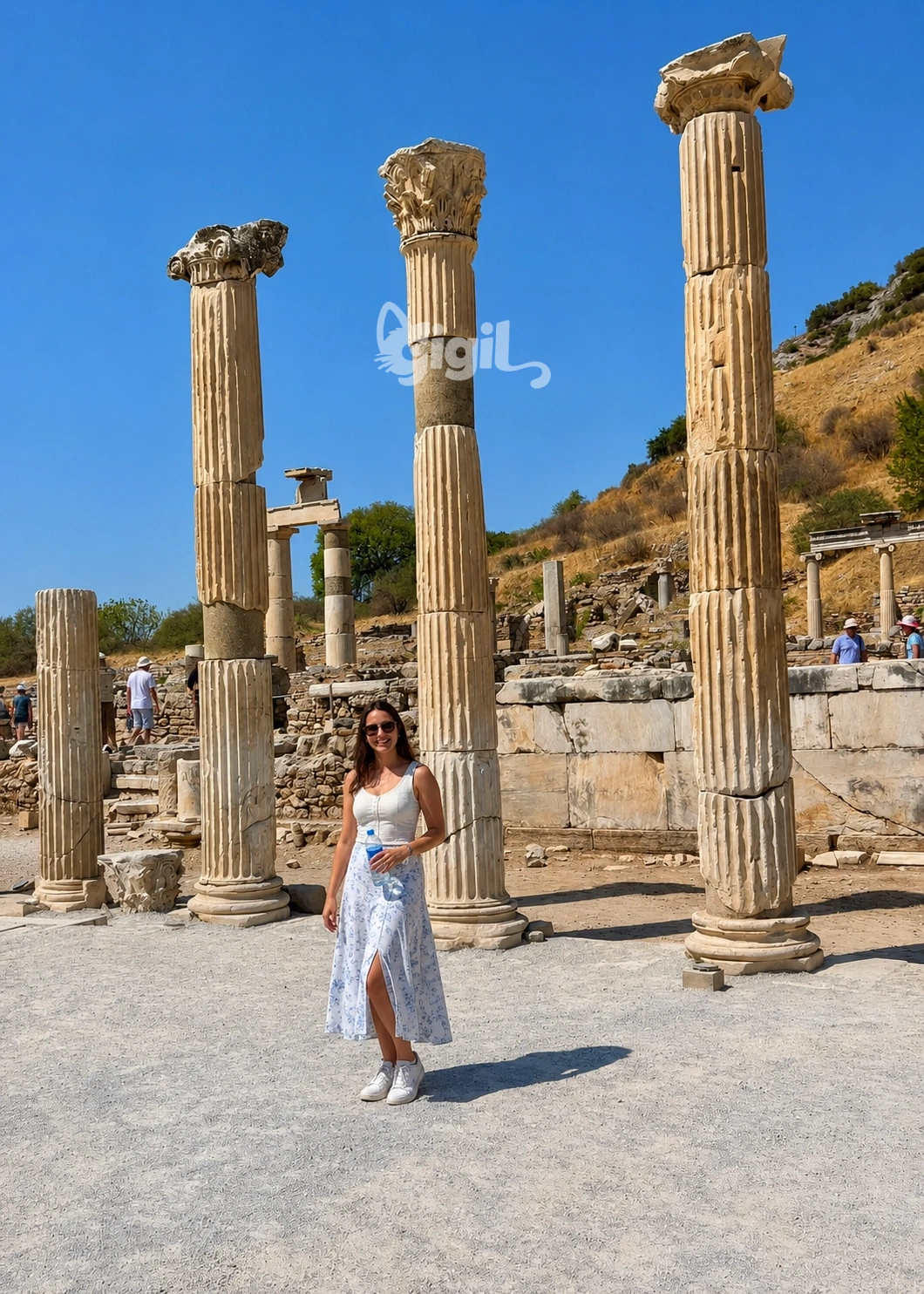
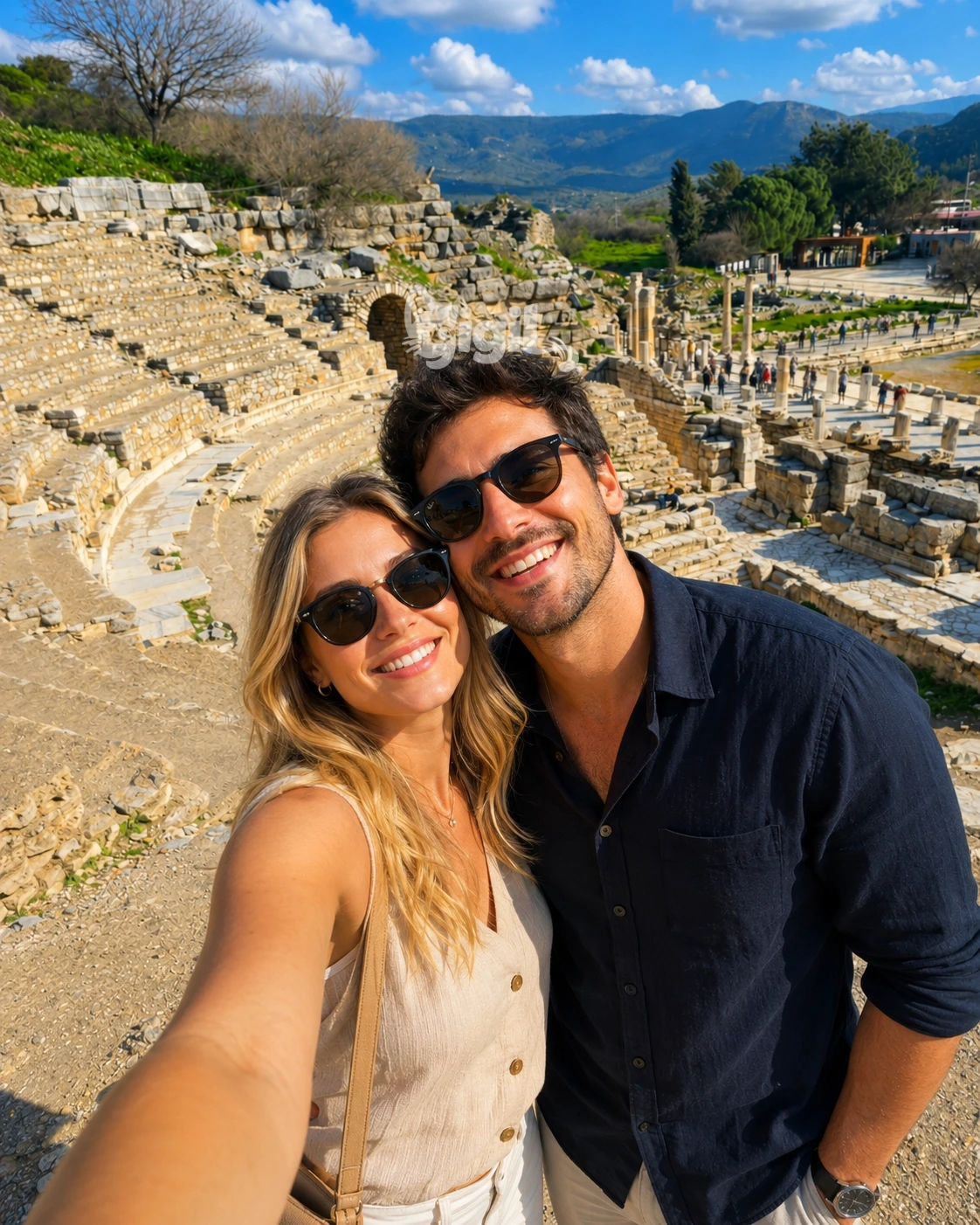
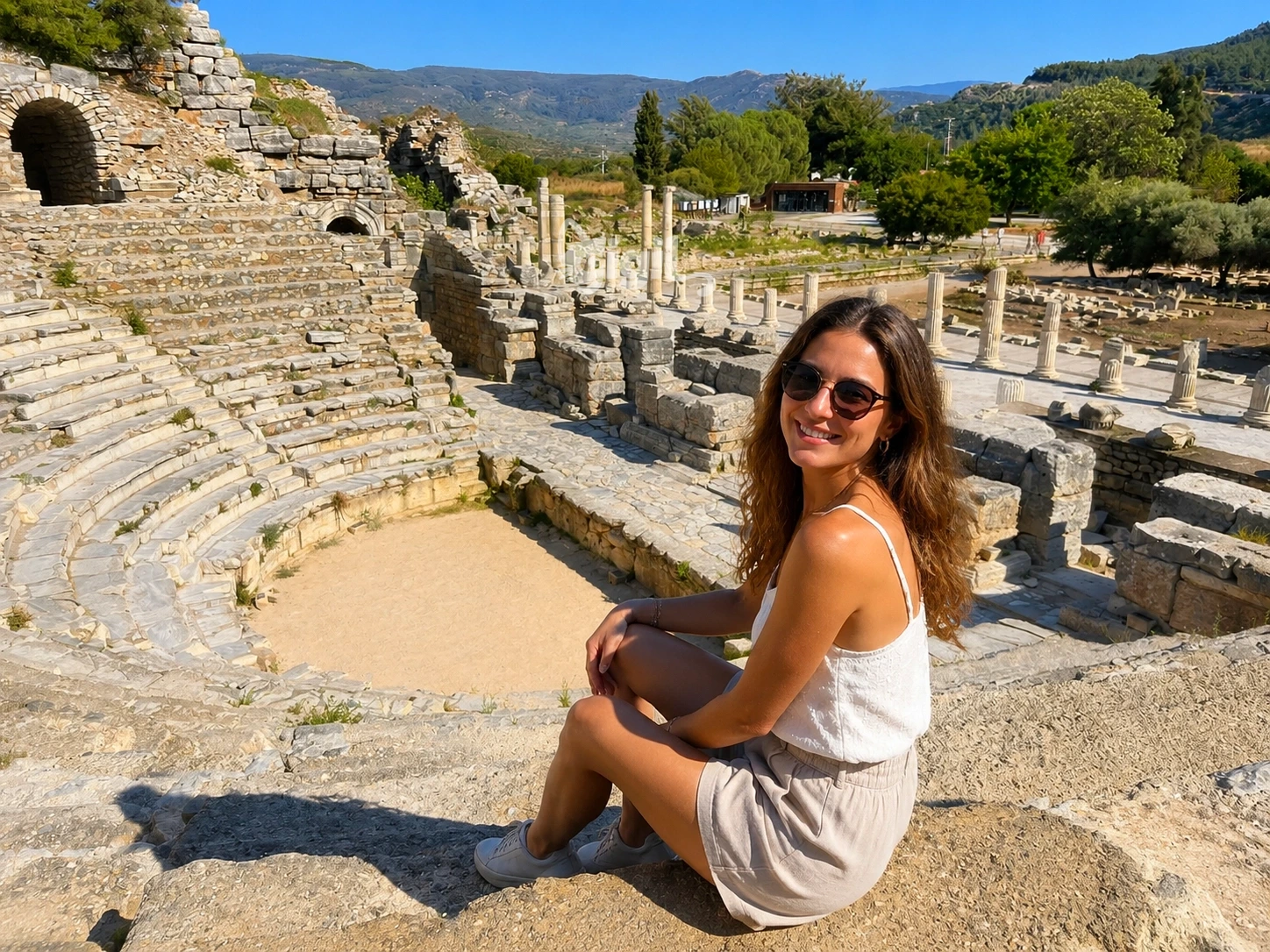
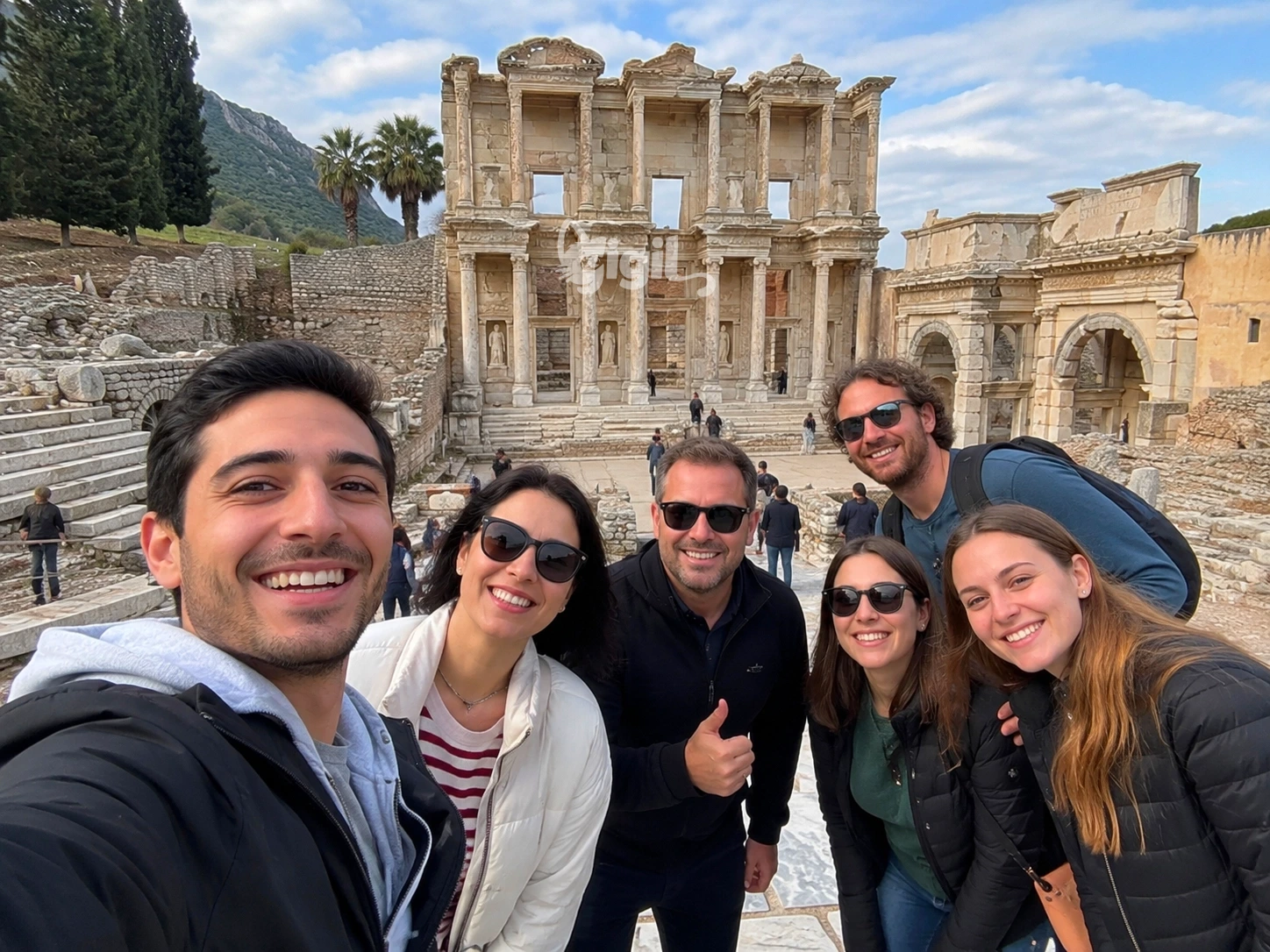
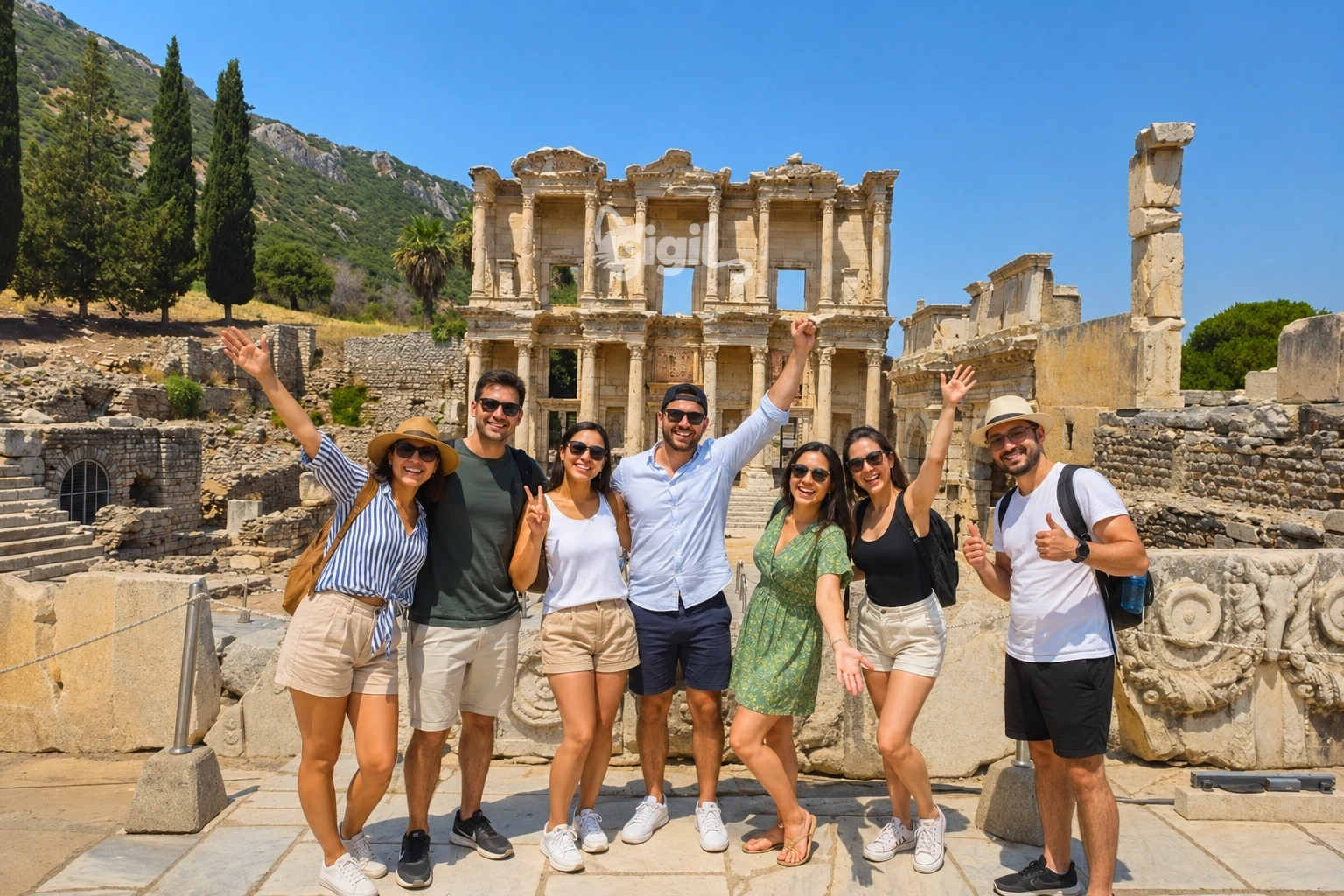
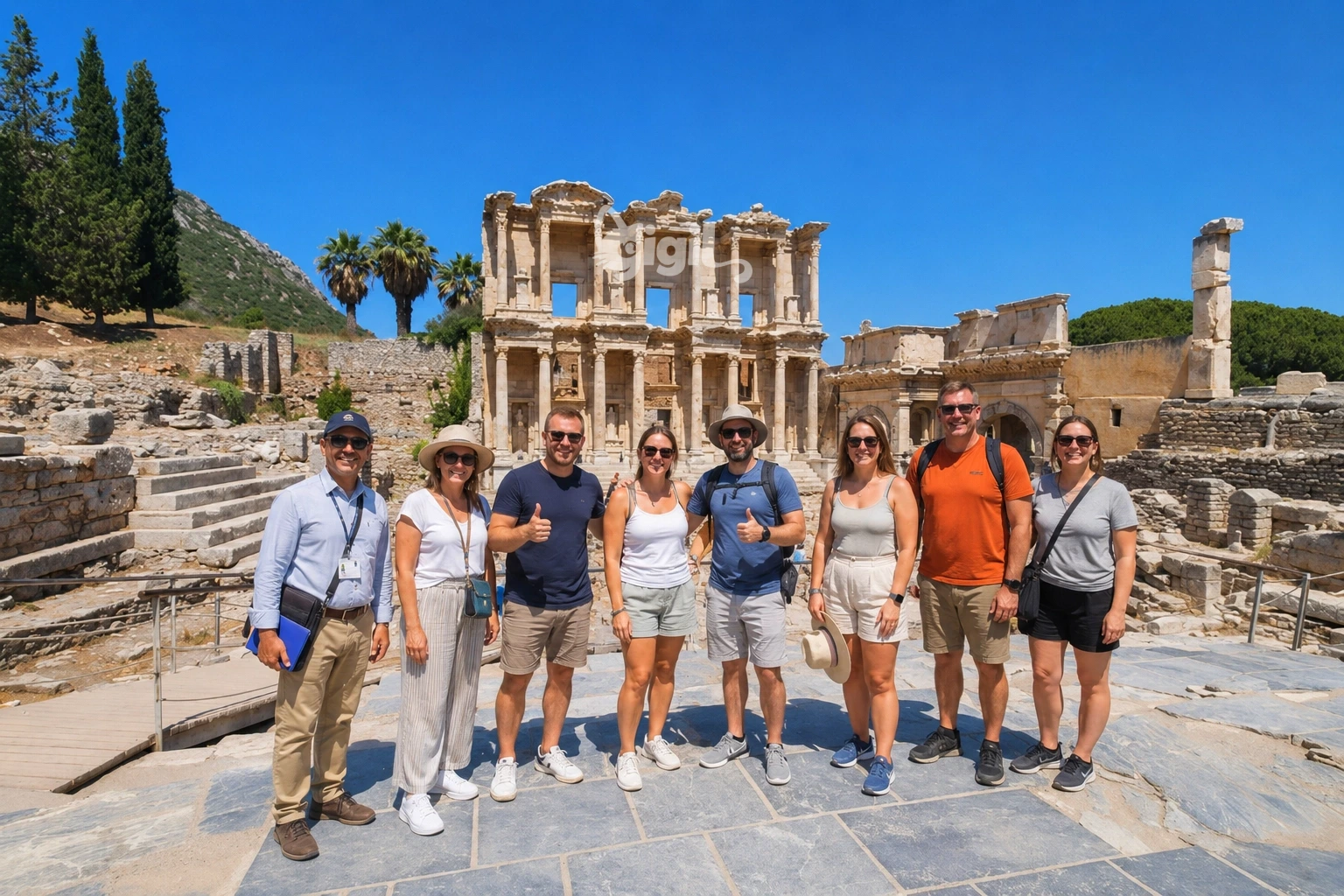
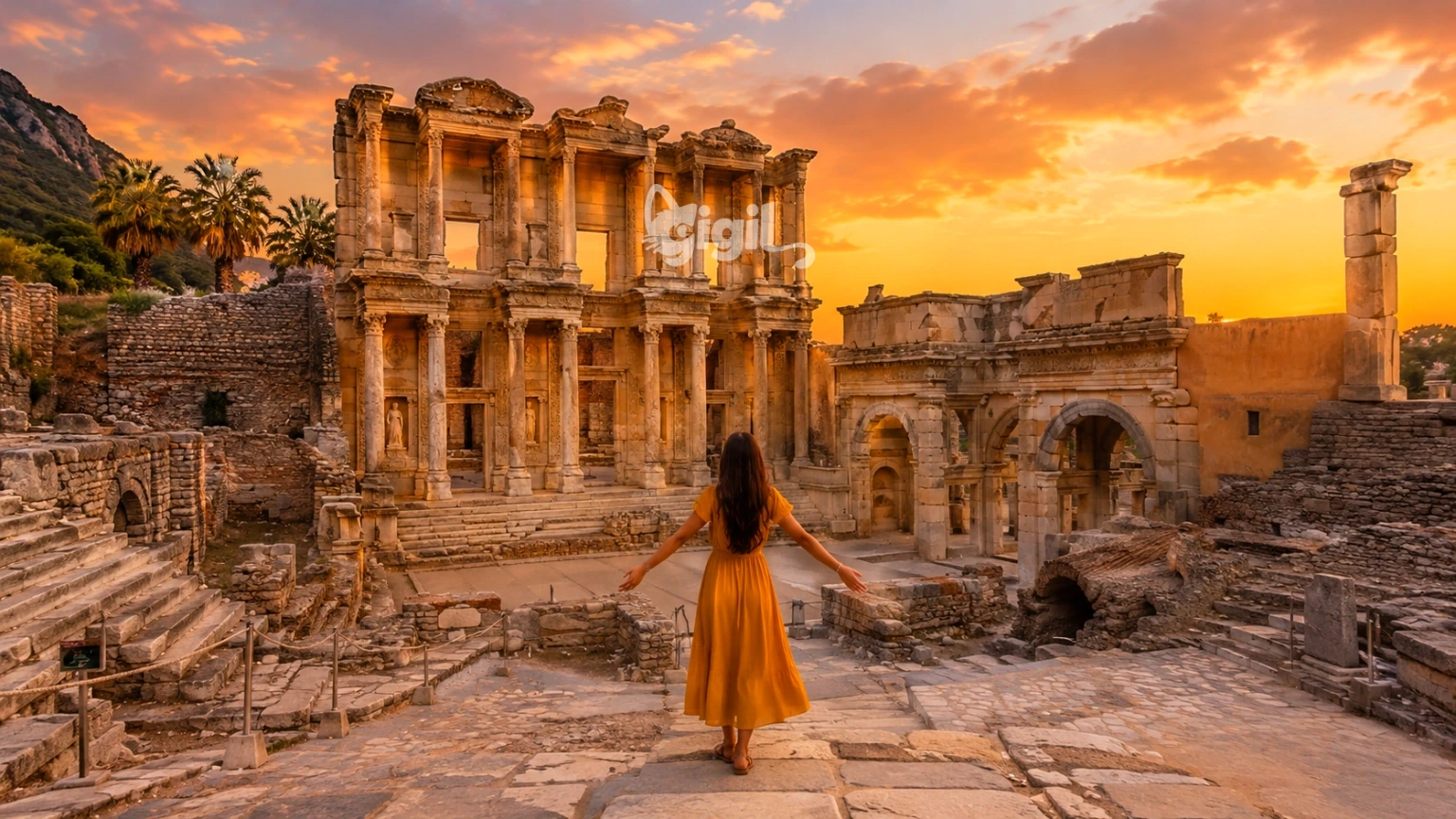
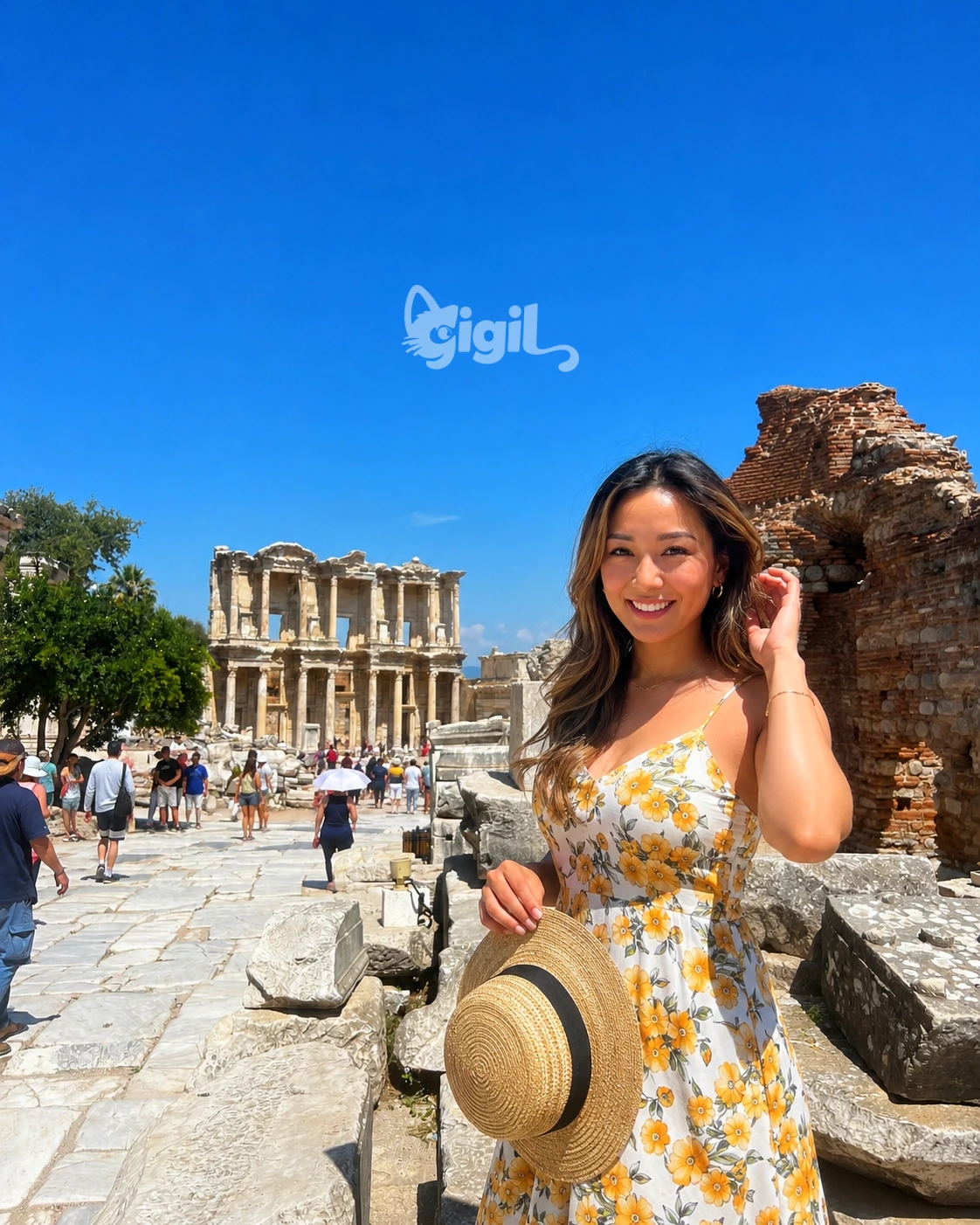
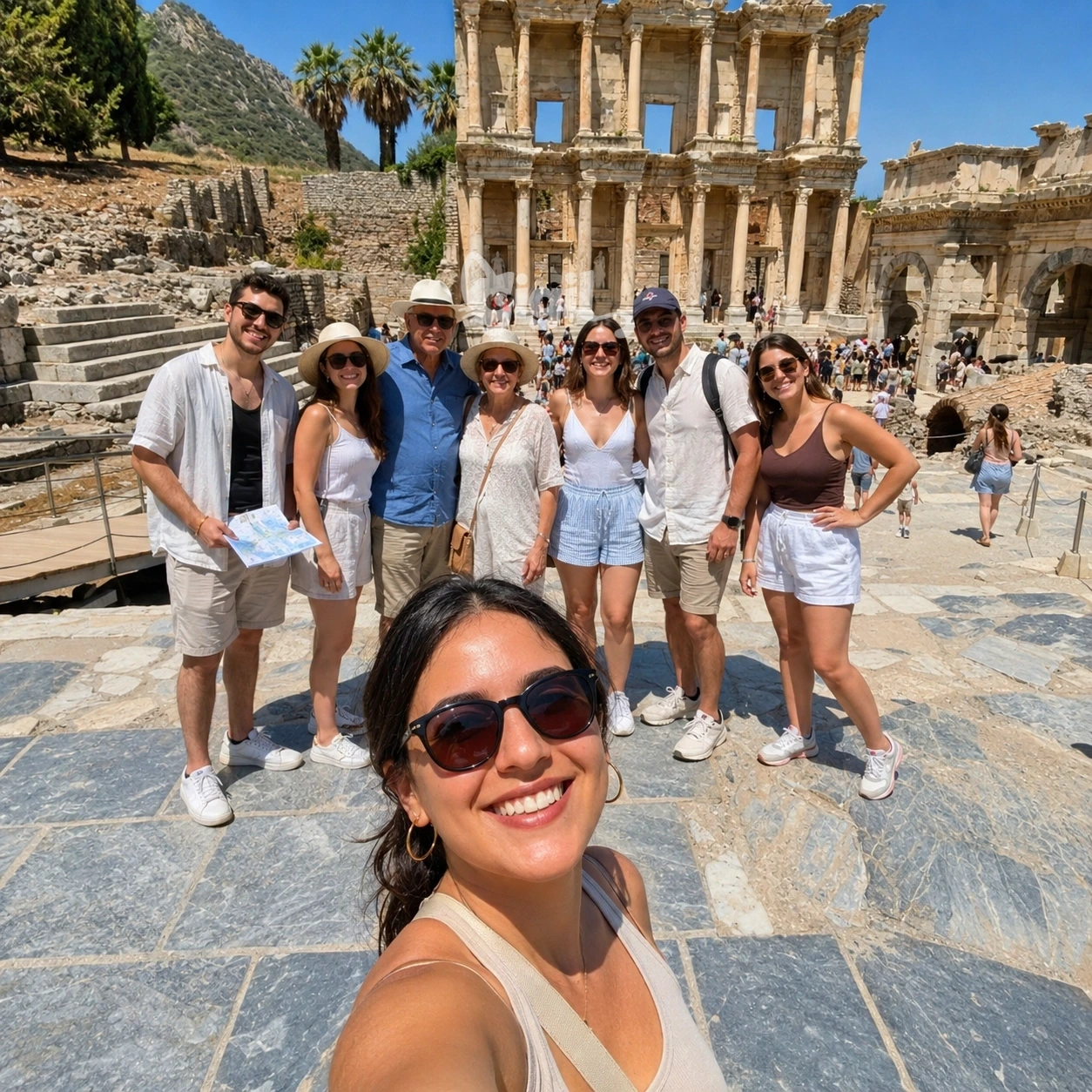
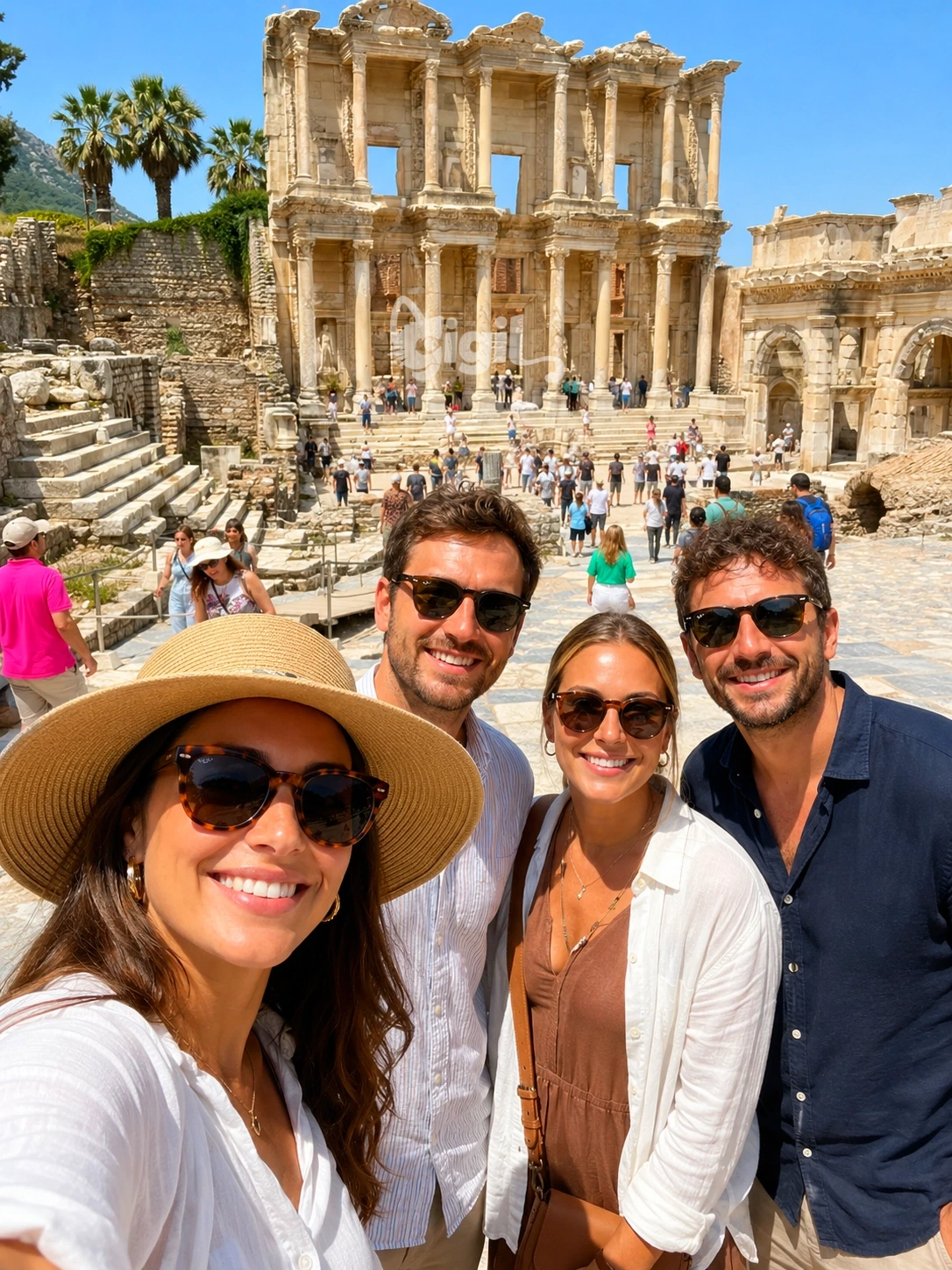
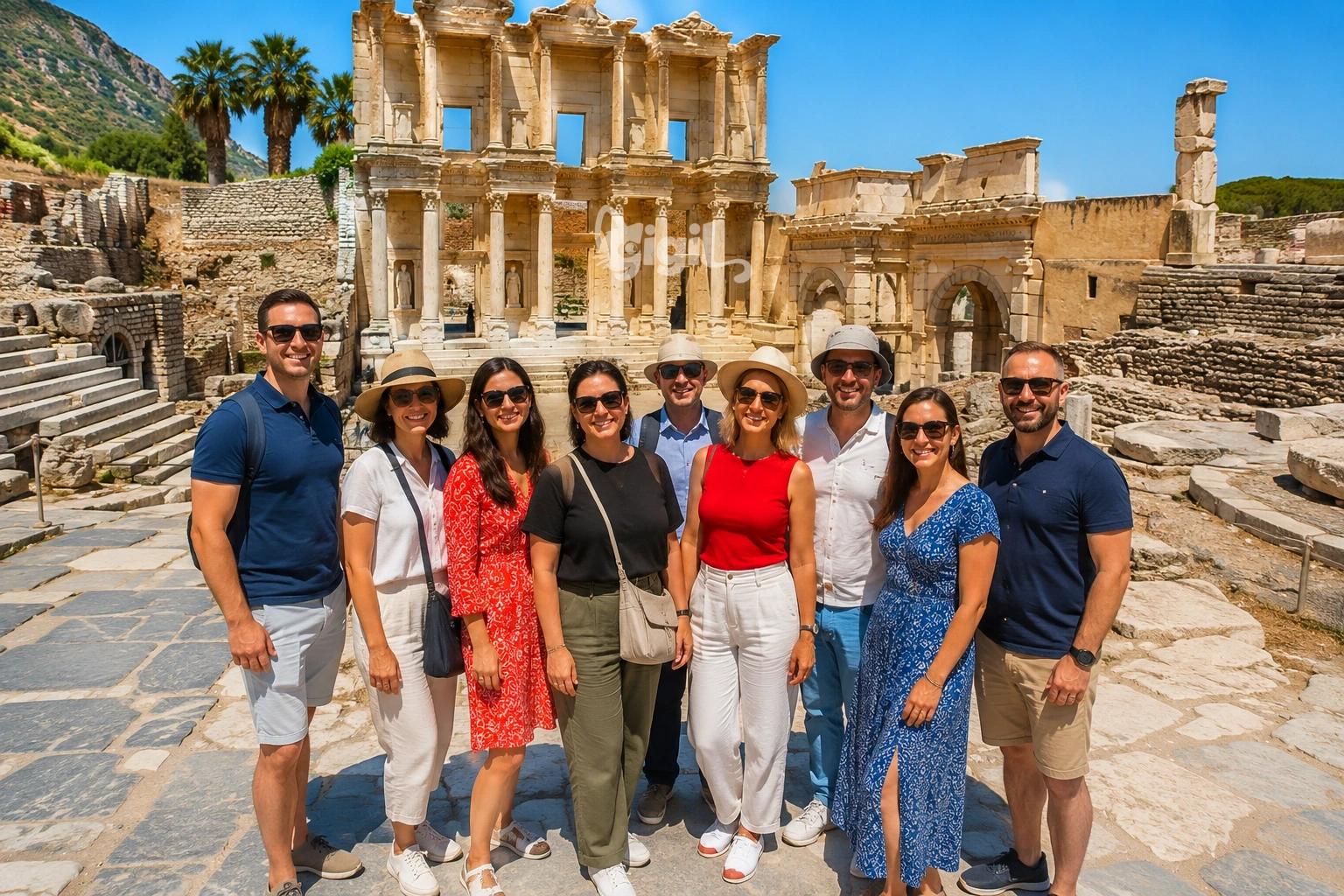
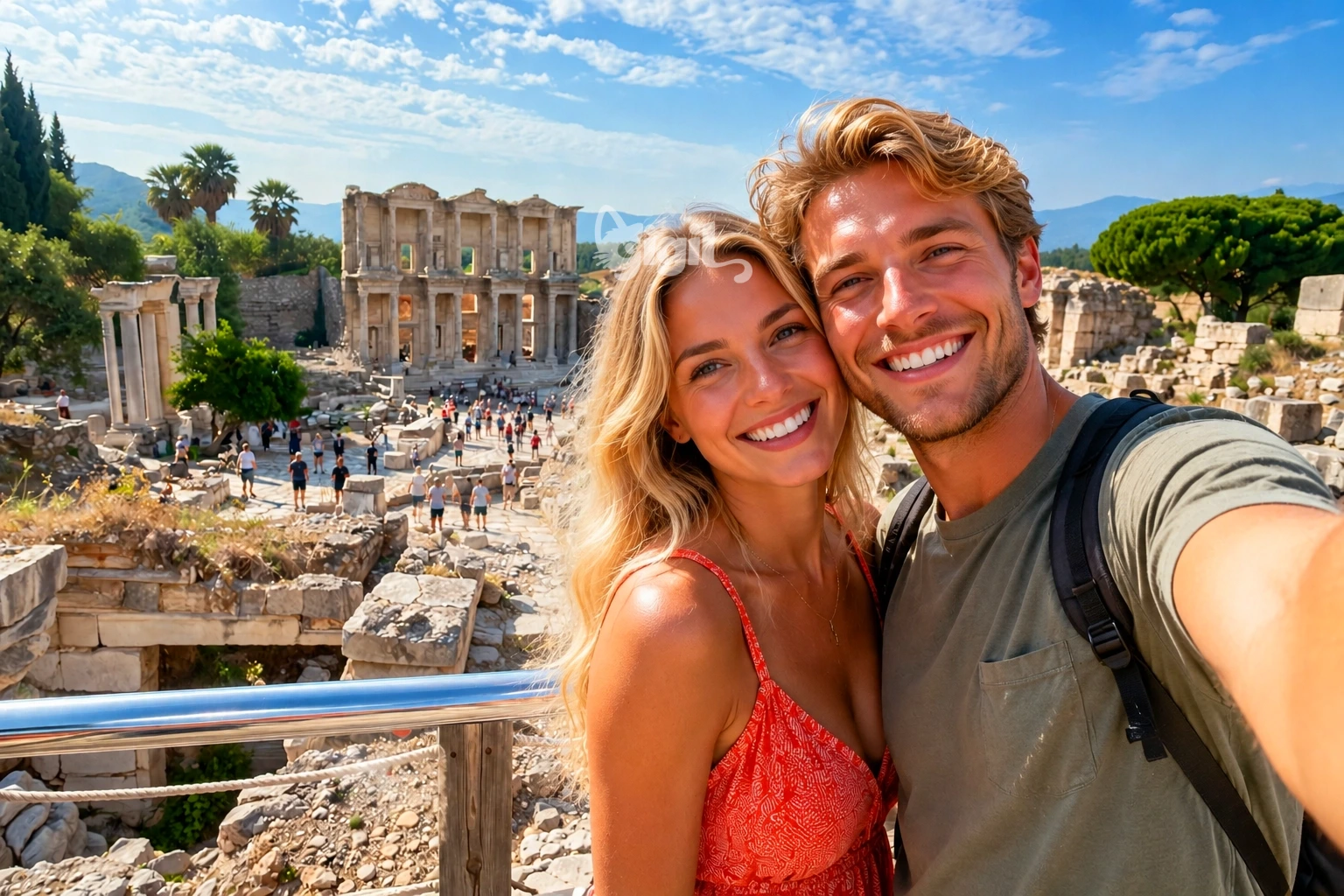
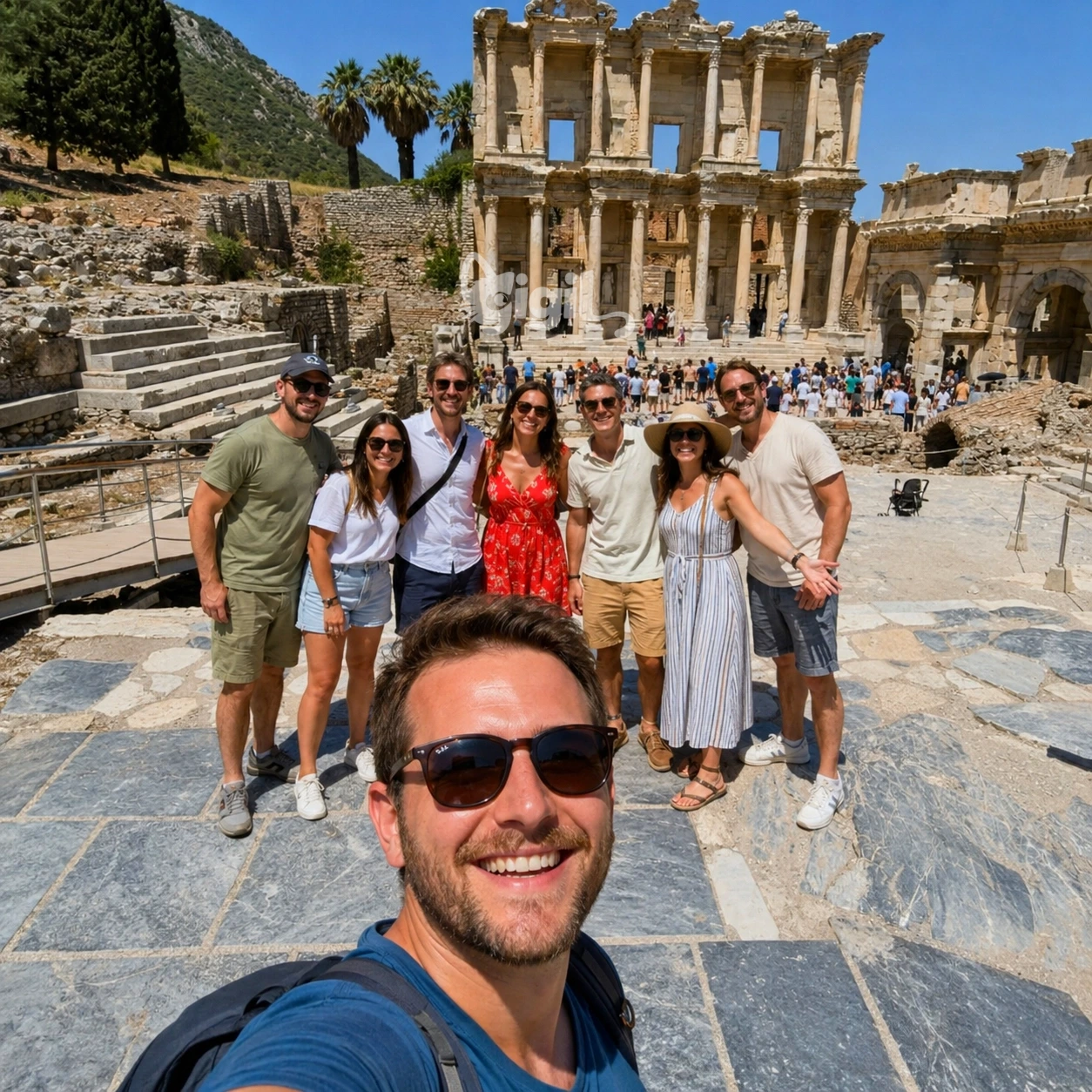
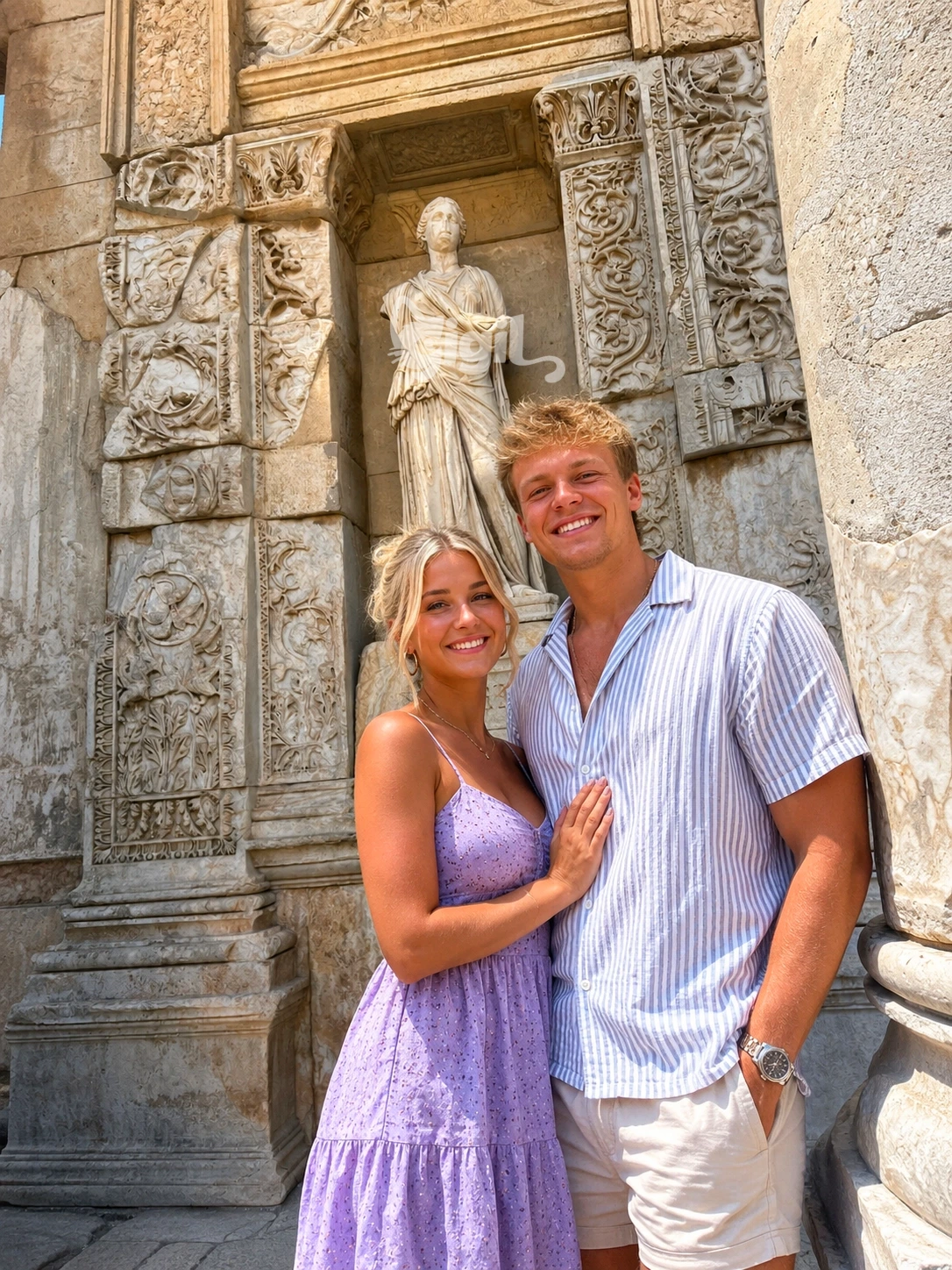
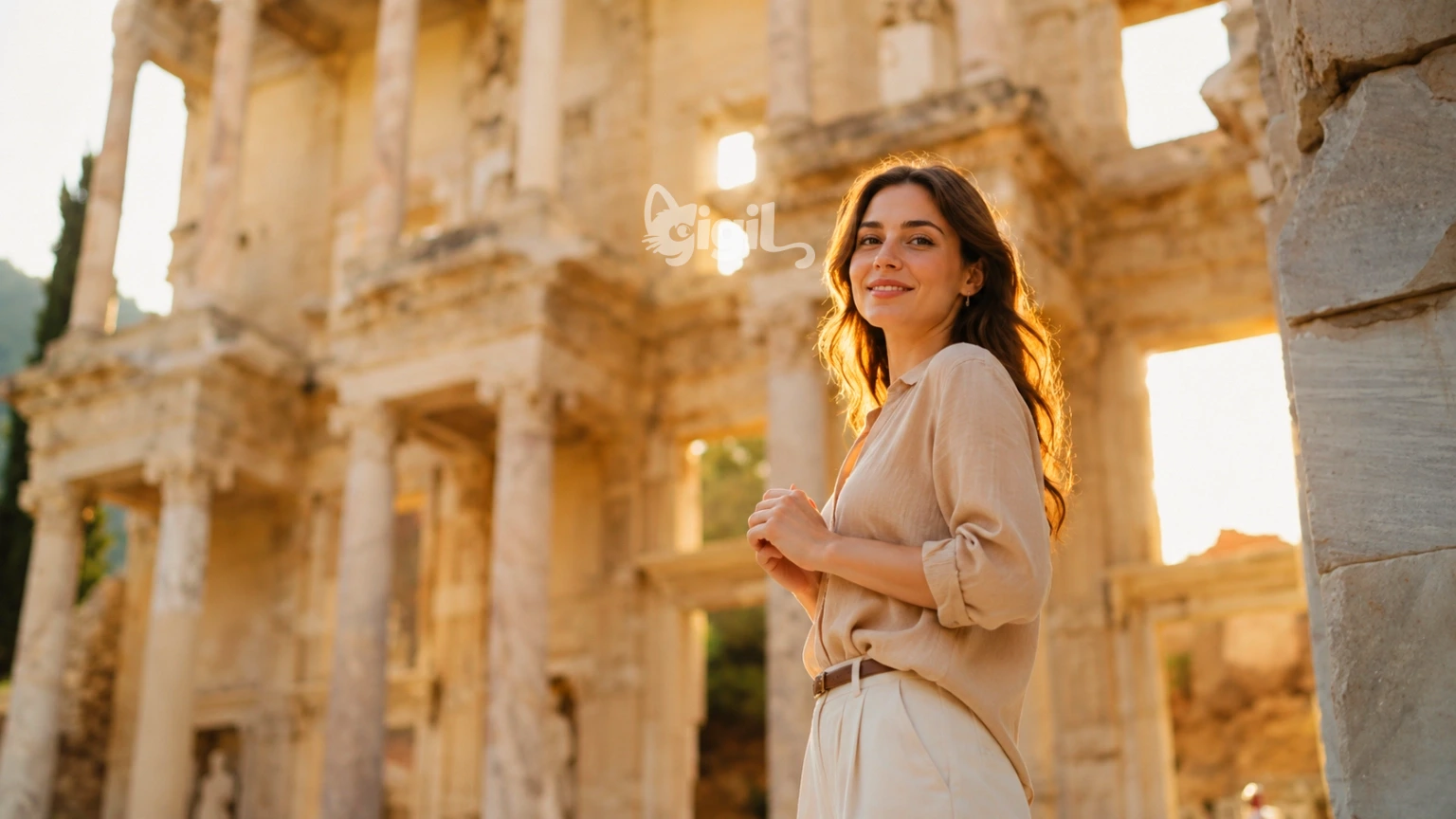
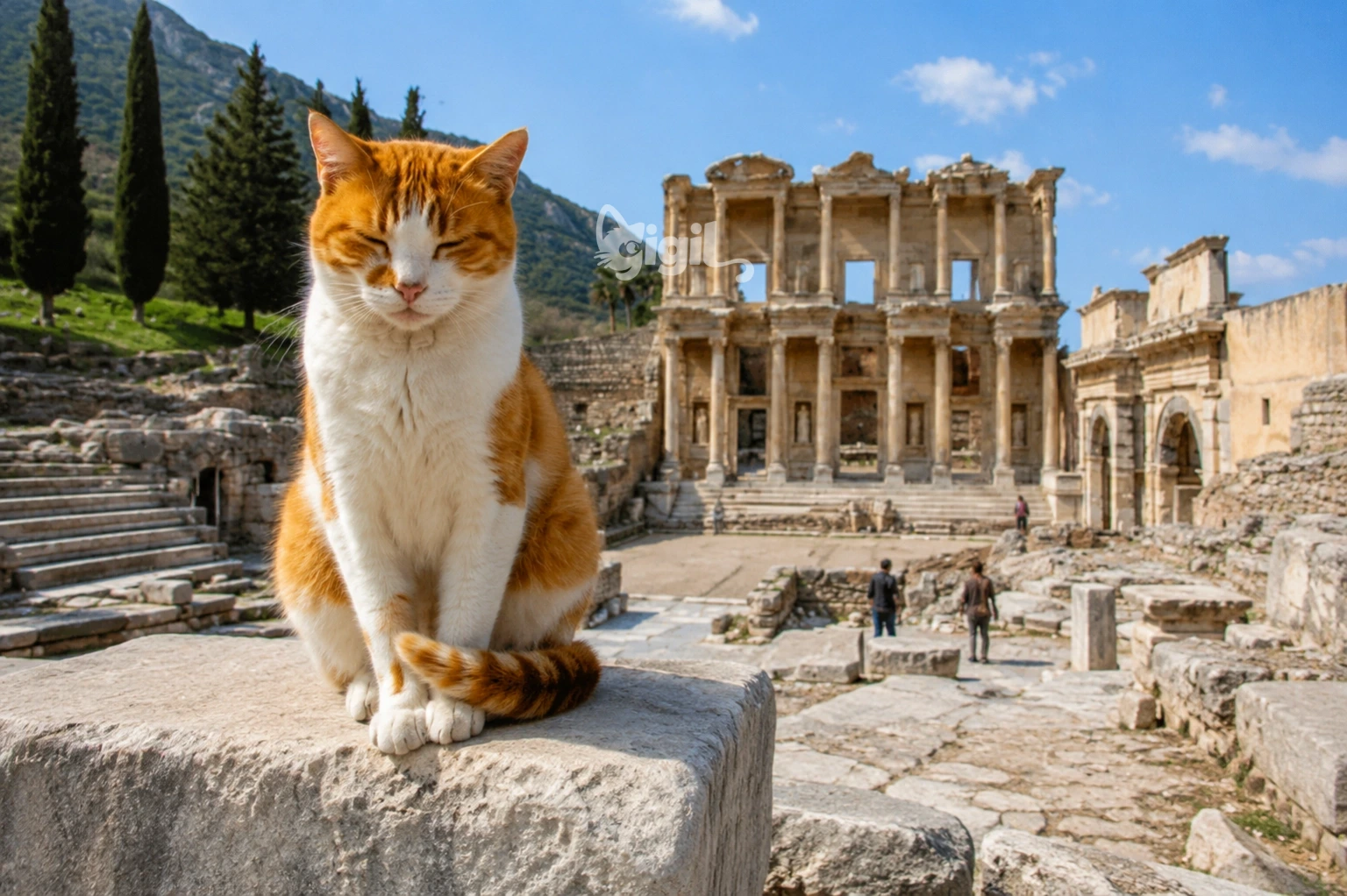
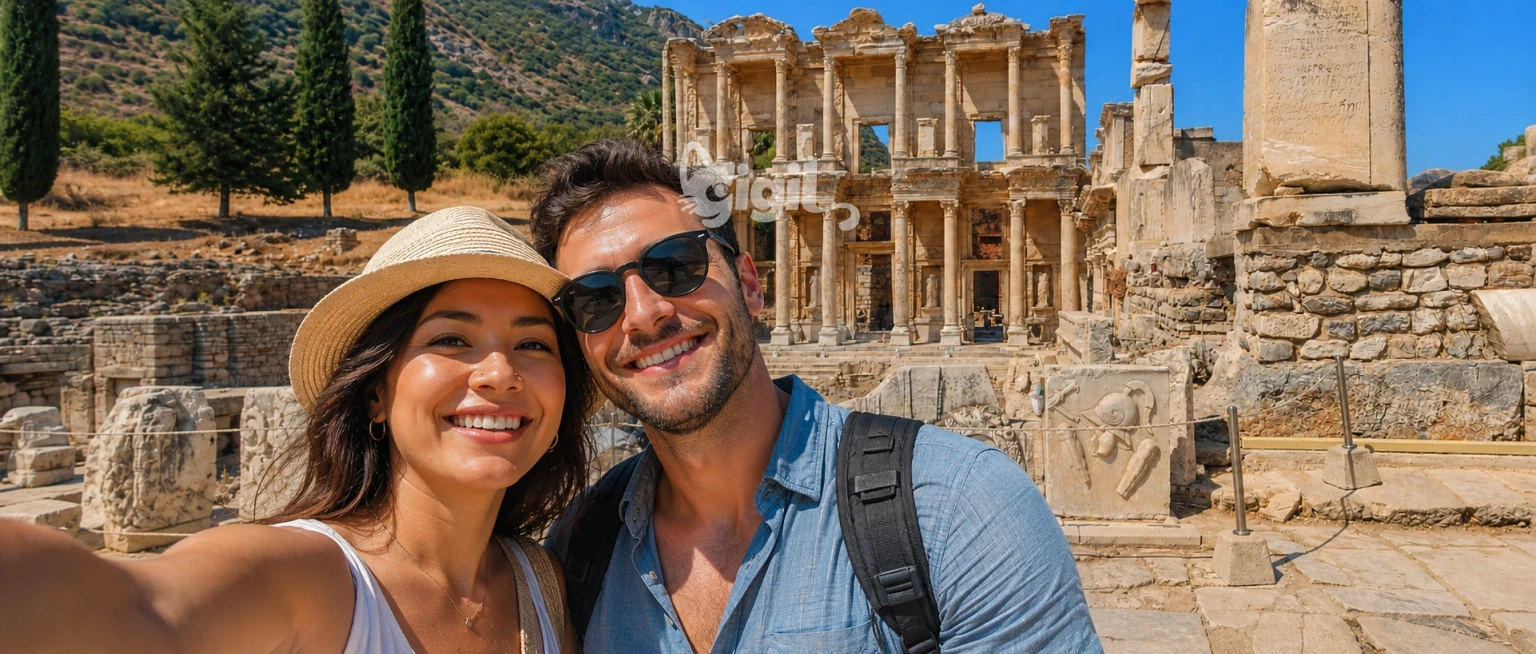
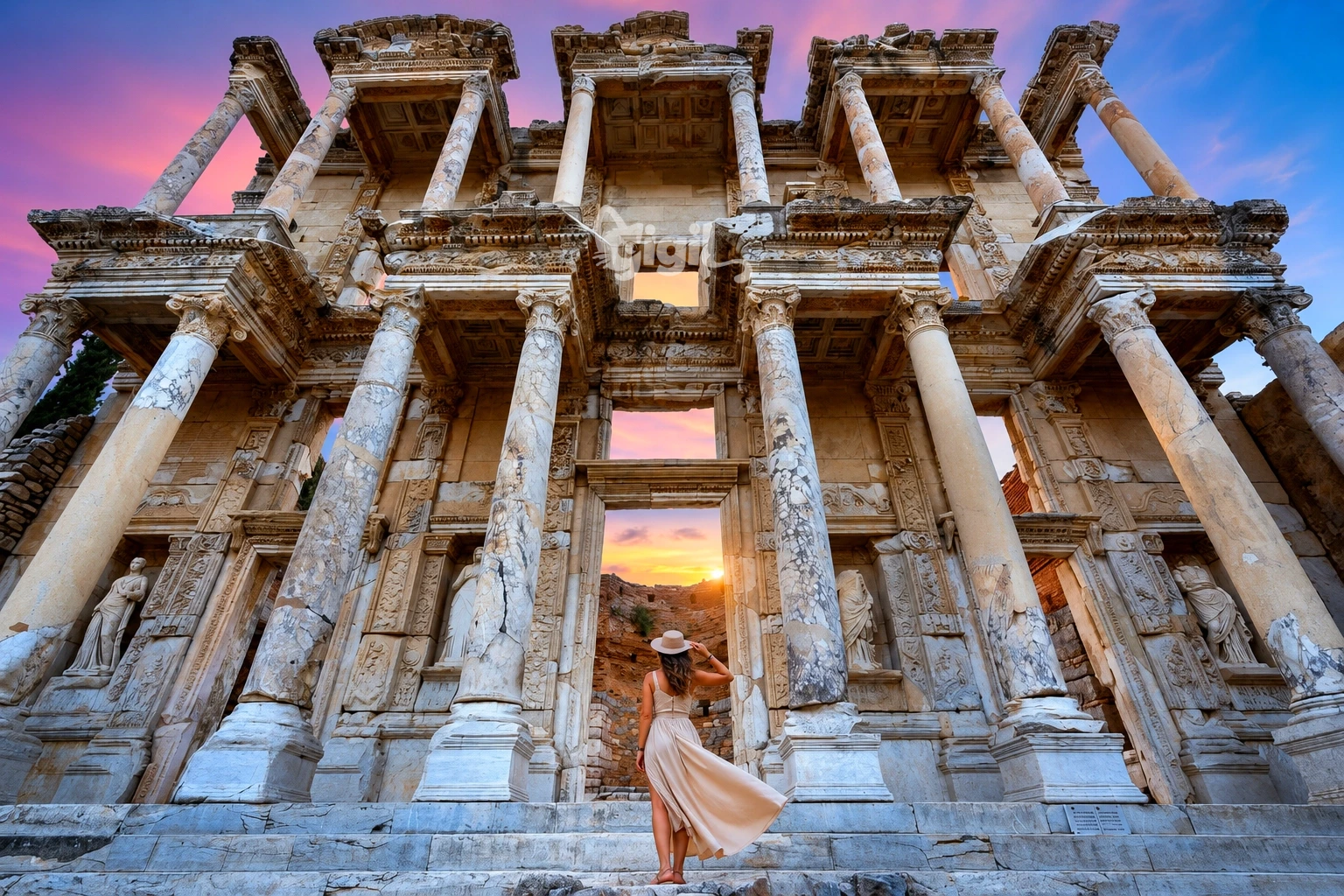
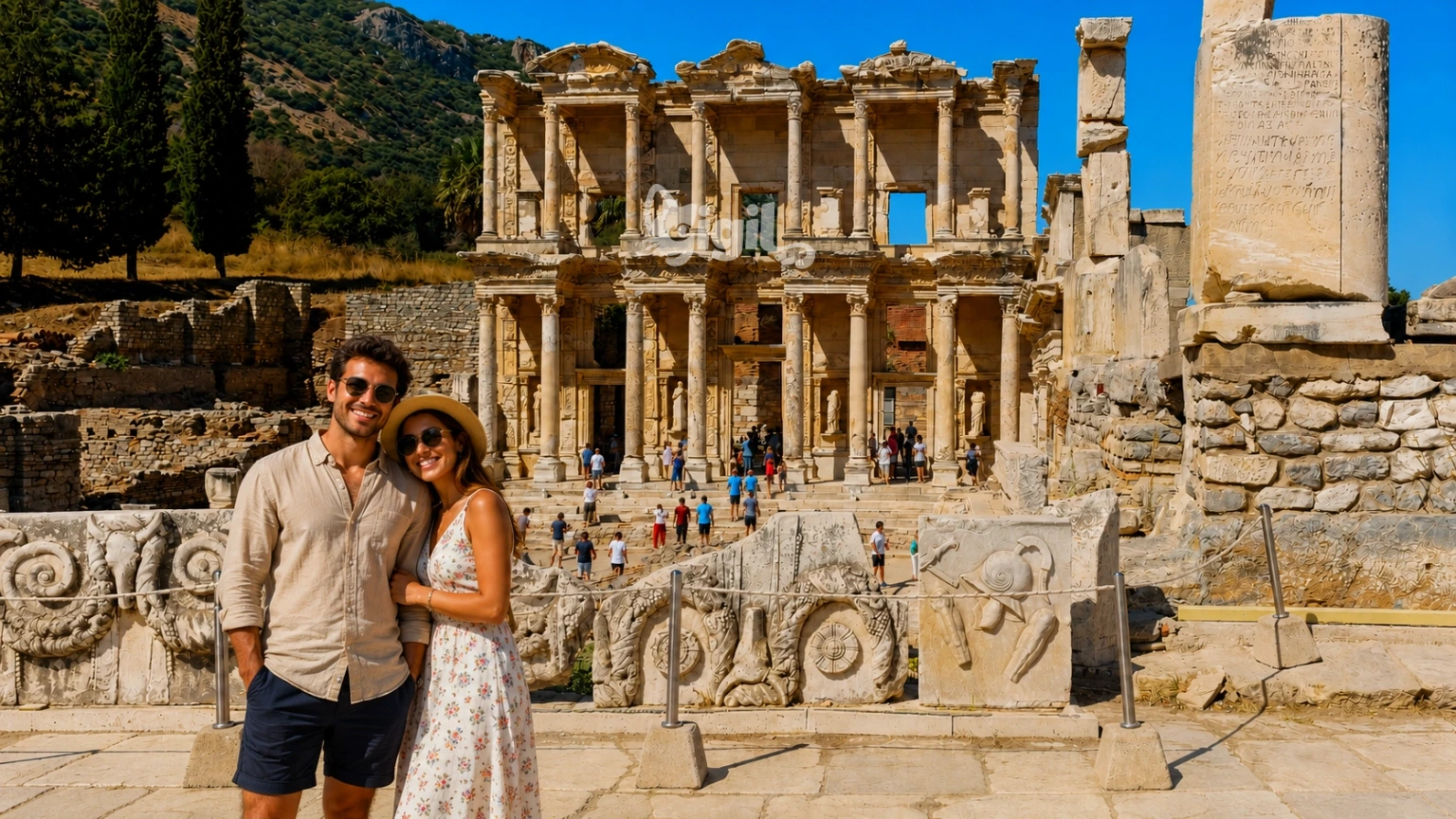
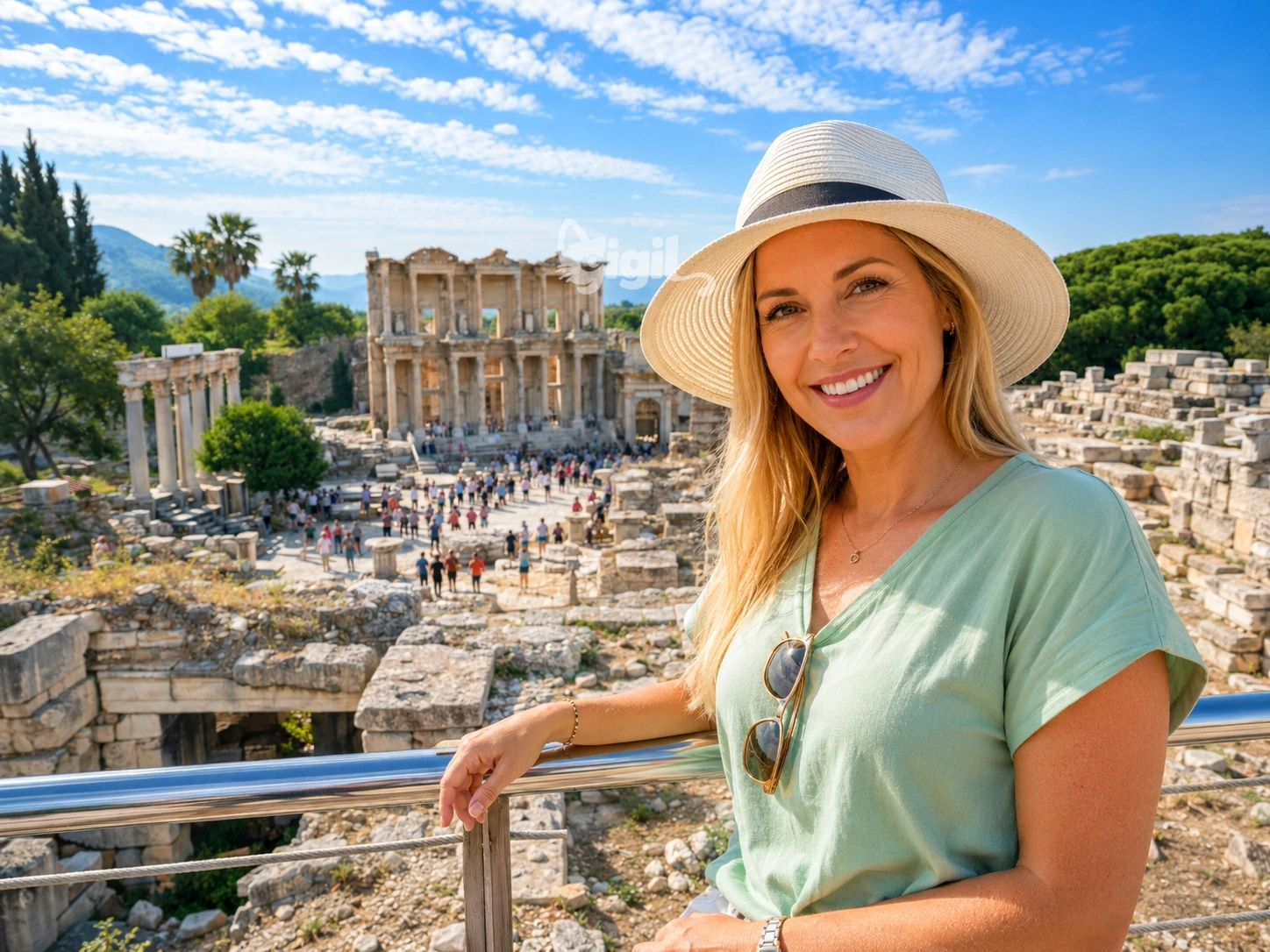
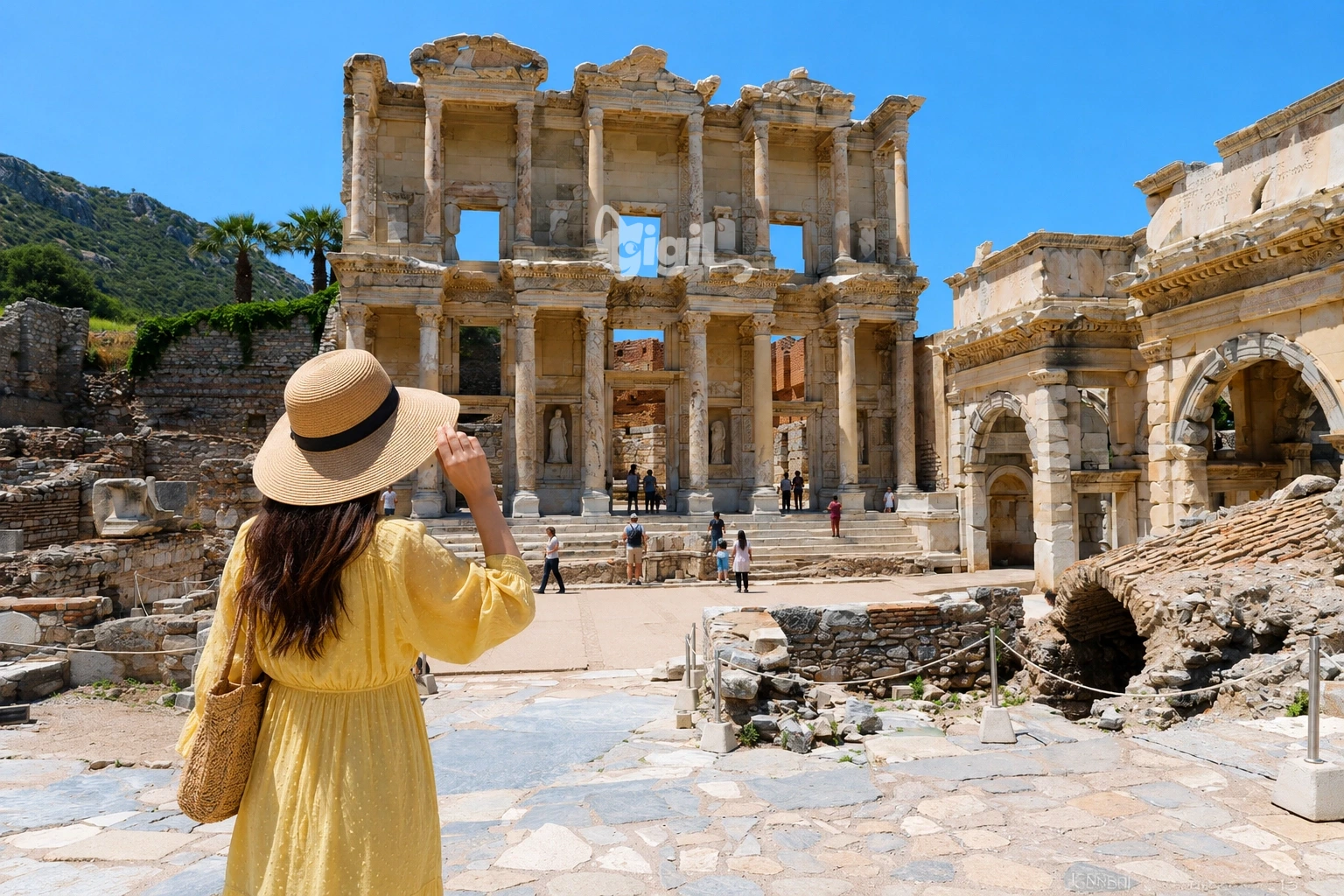
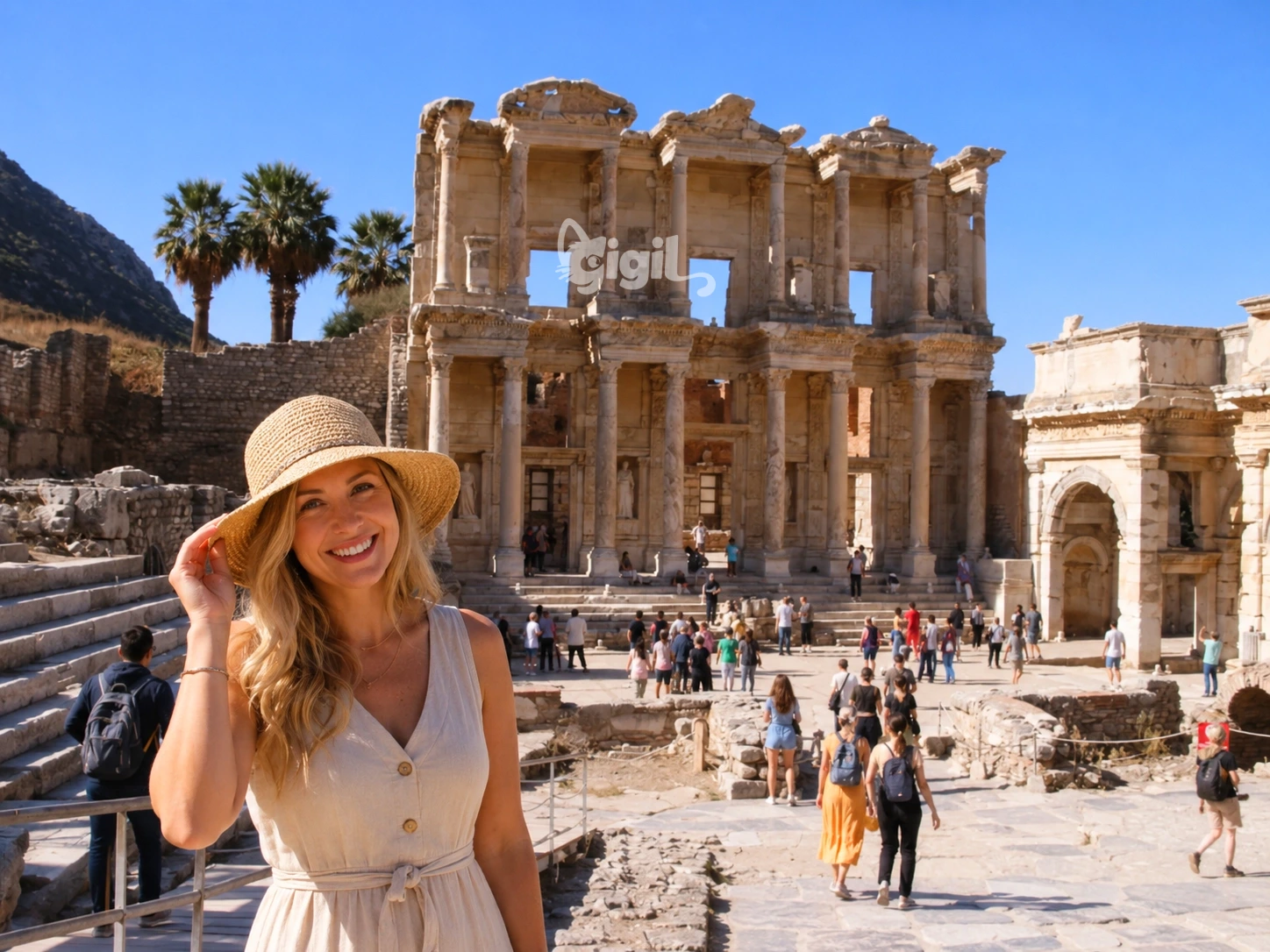
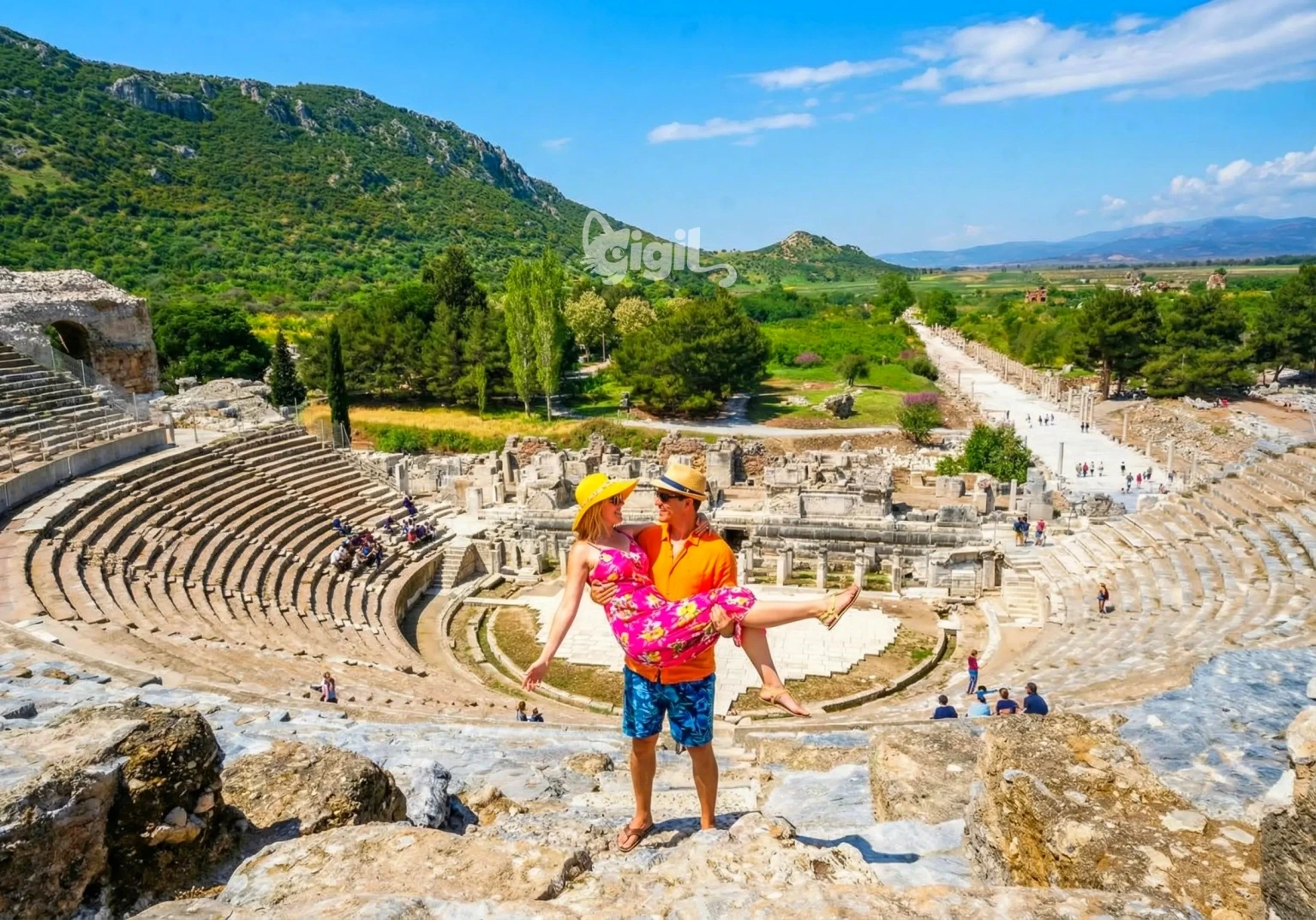
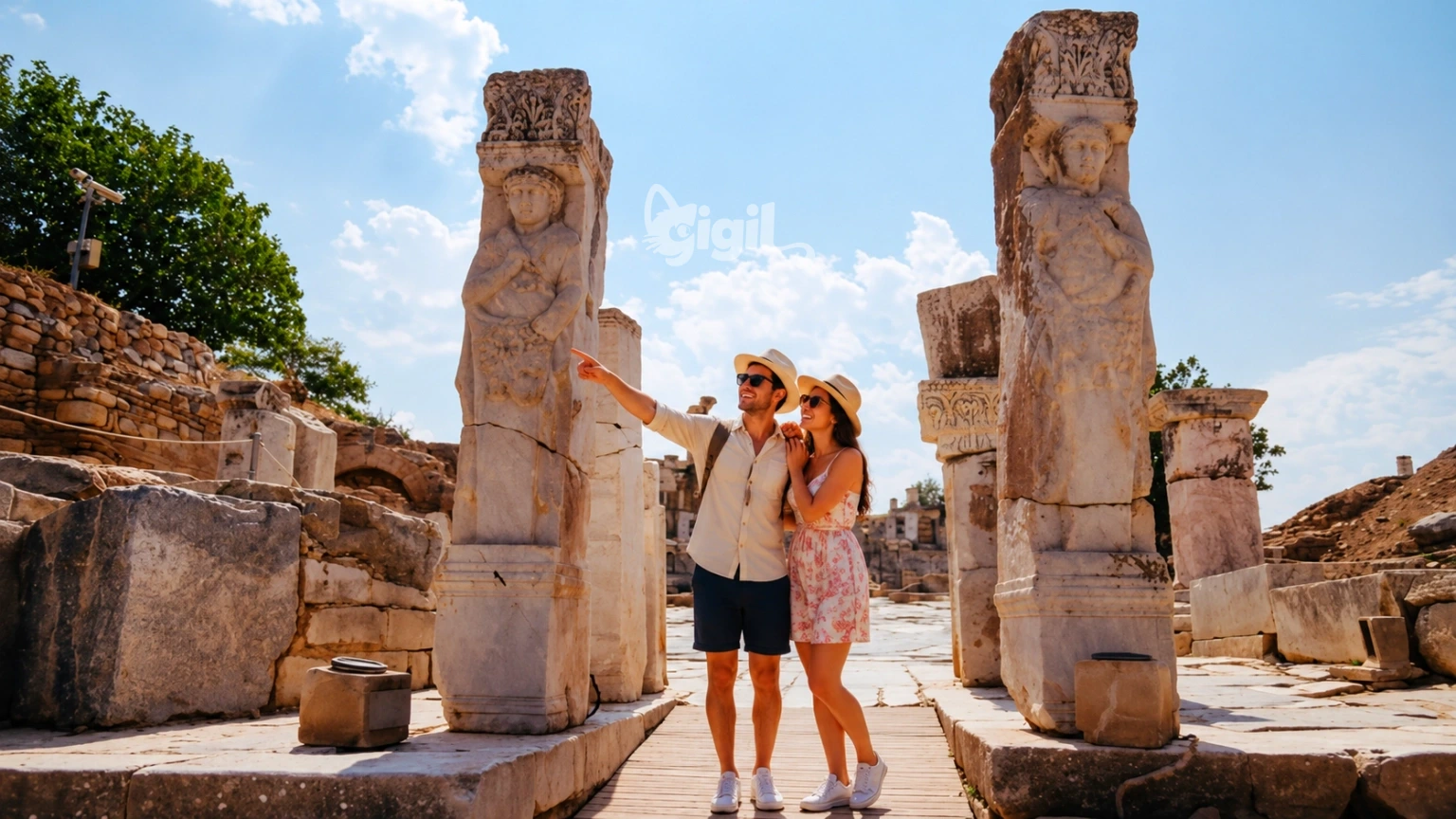
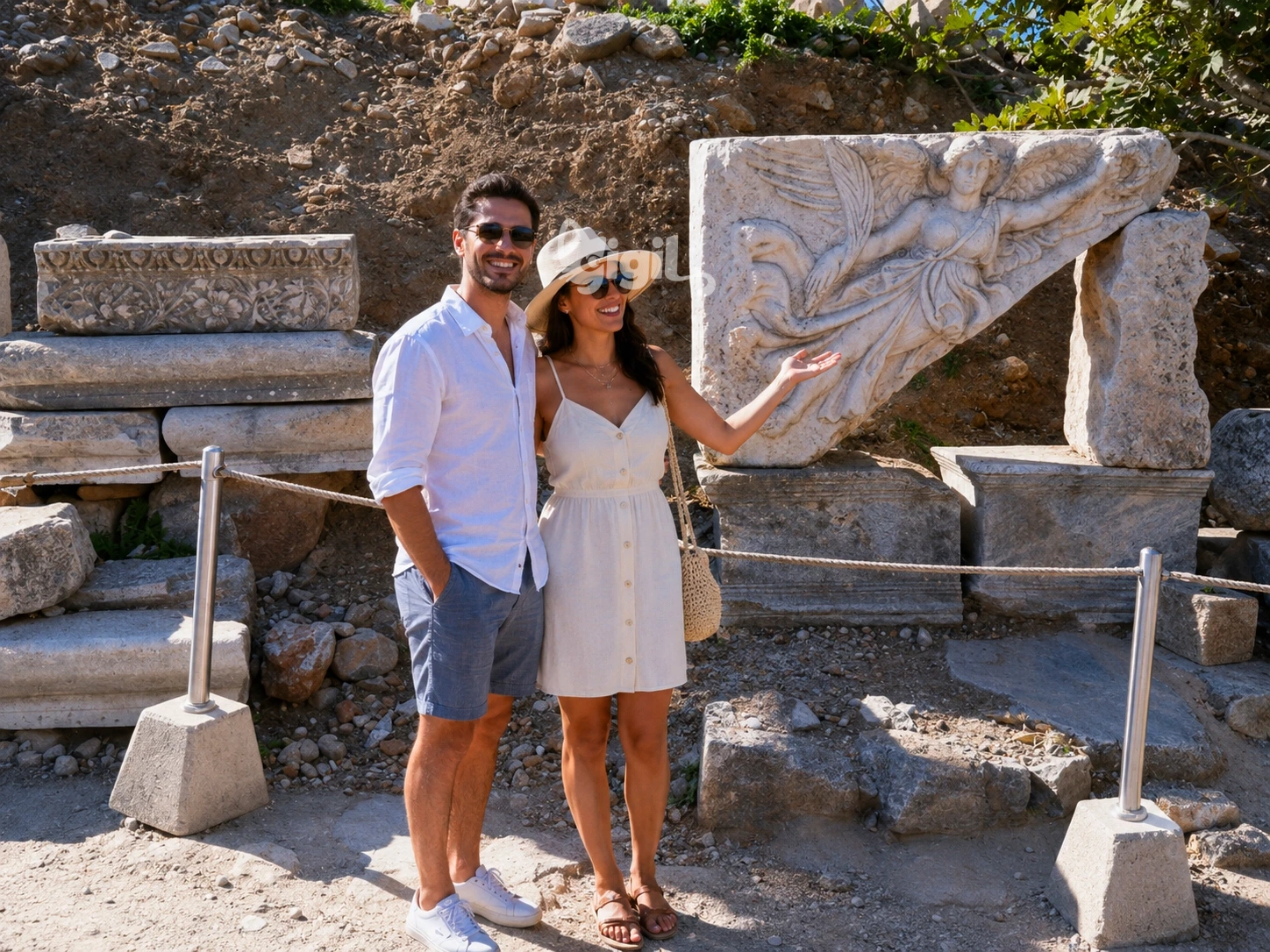
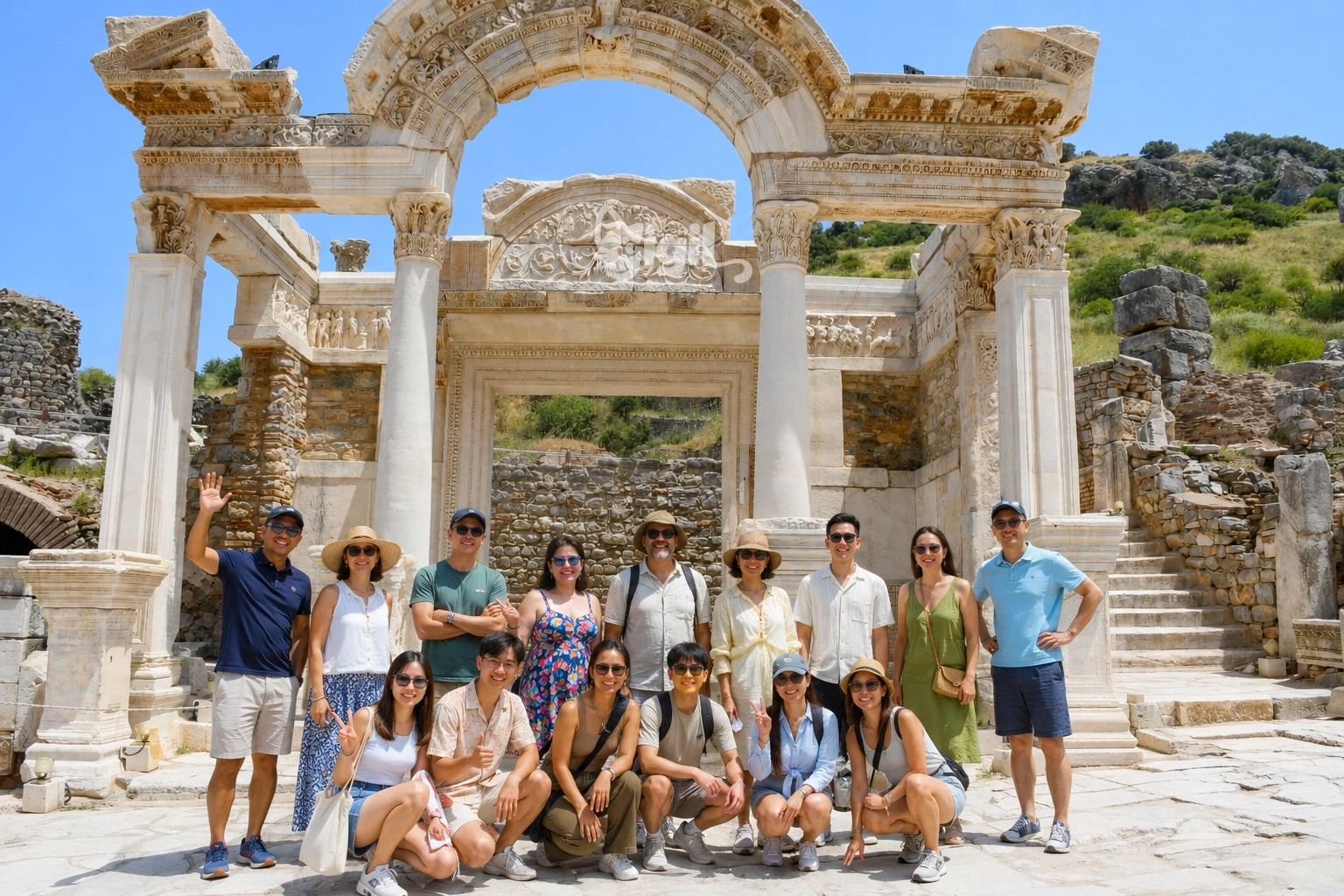
- Ephesus Ancient City: Explore marble streets and major Roman remains through the archaeological core of ancient Ephesus.
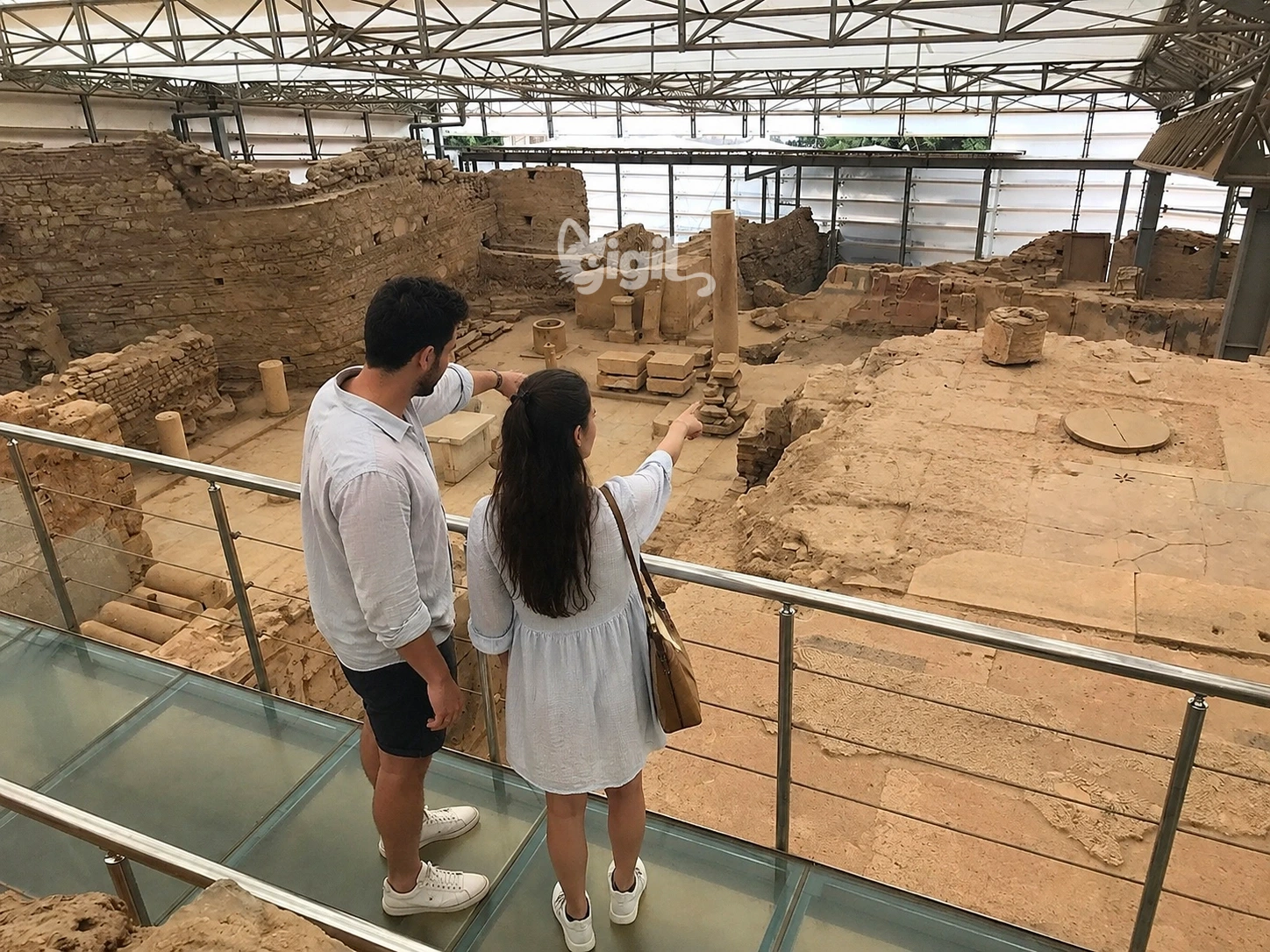
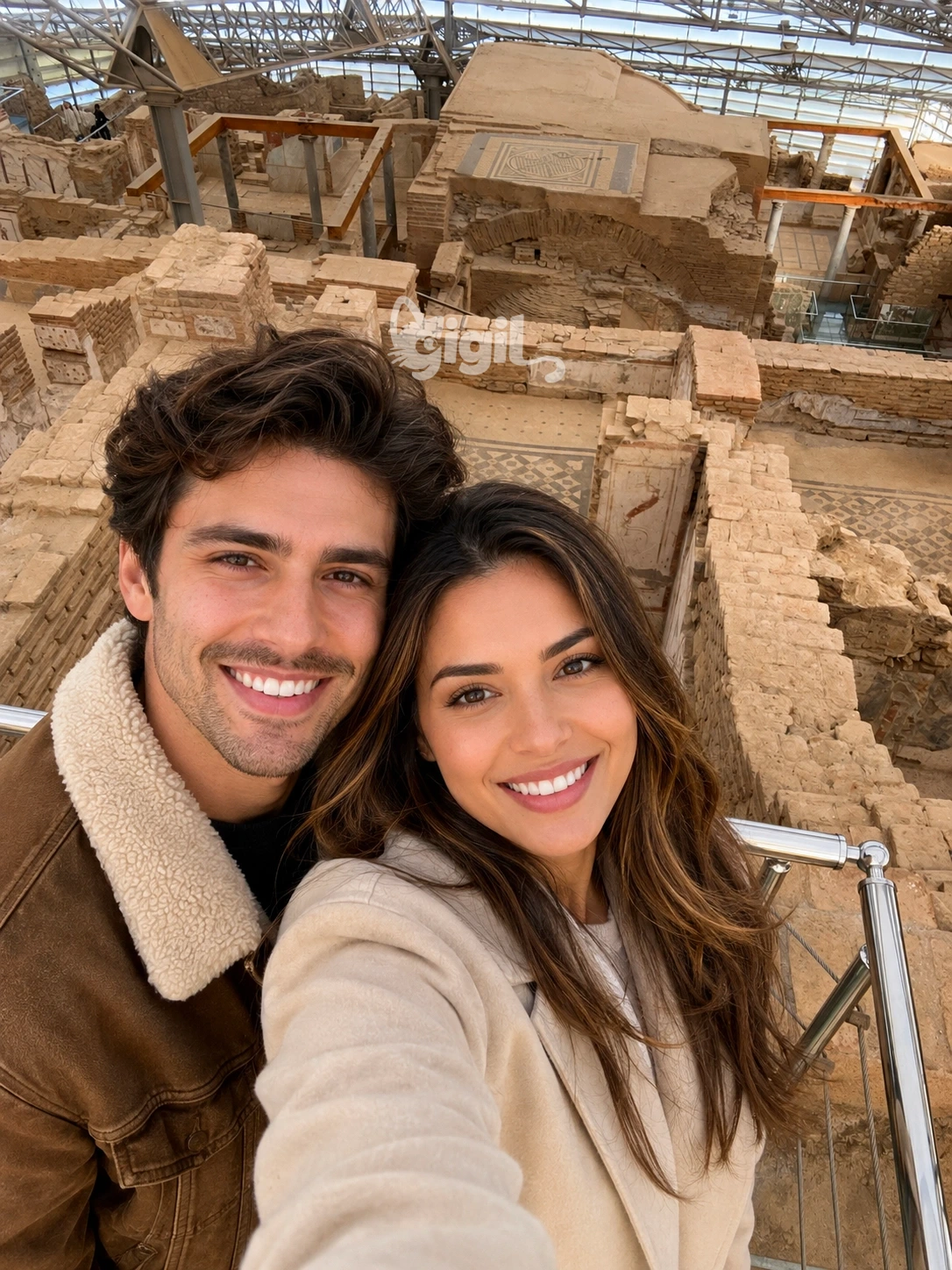
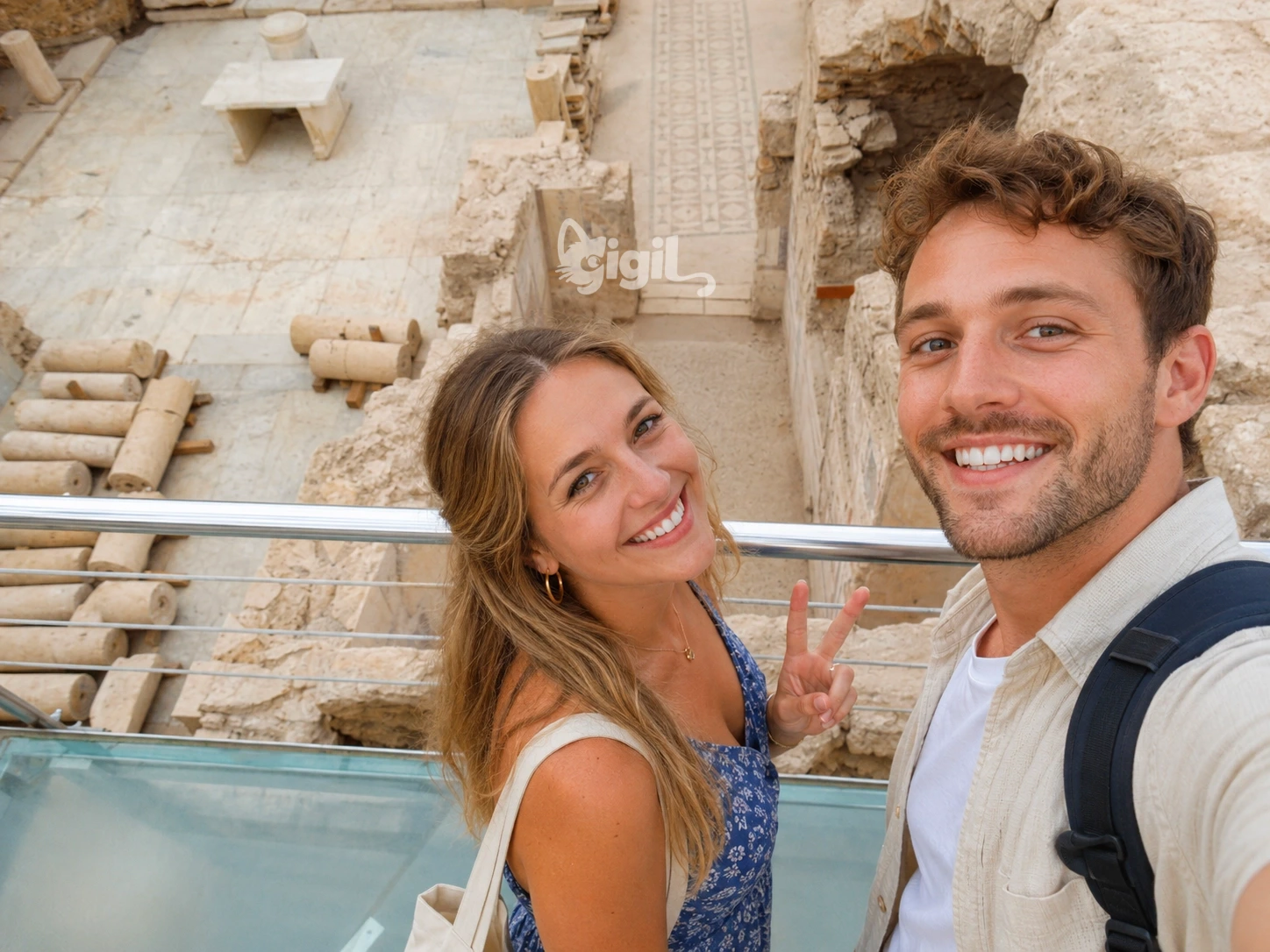
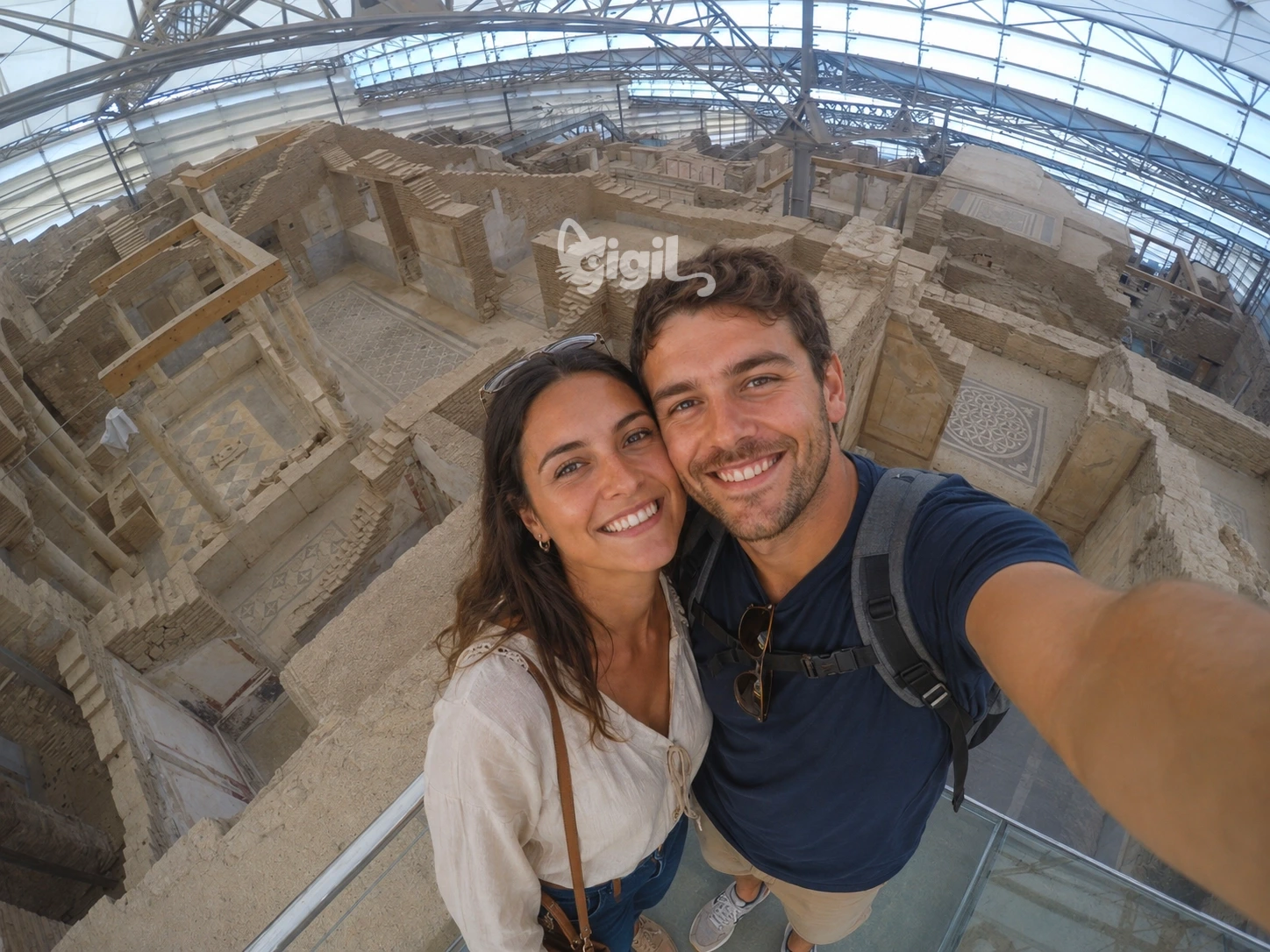
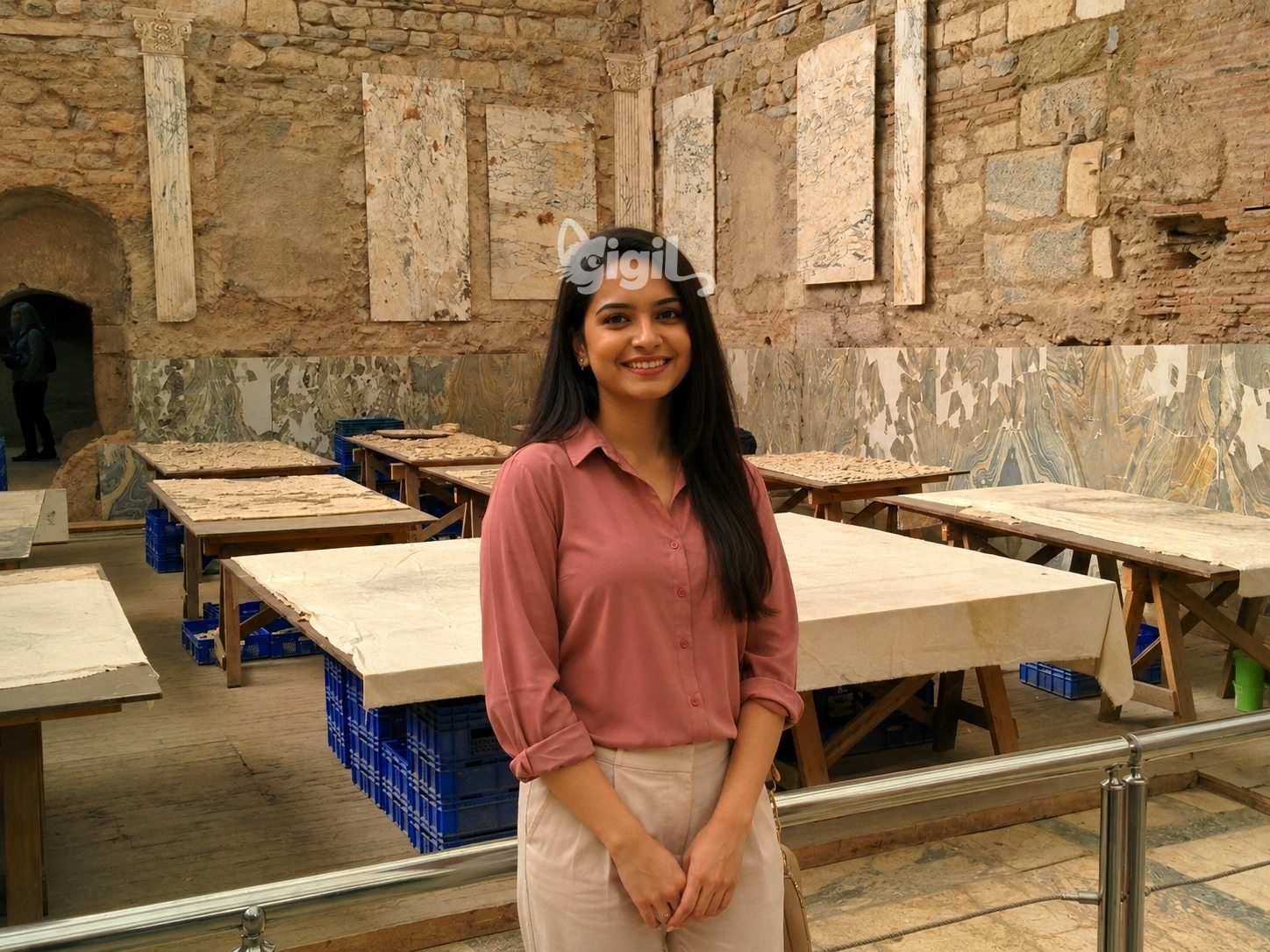
- Terrace Houses: Add preserved mosaics, frescoes and the domestic world of Ephesus' elite to the main site visit.
- Basilica of St. John: Bring early Christian heritage into the package on Ayasoluk Hill in Selcuk.
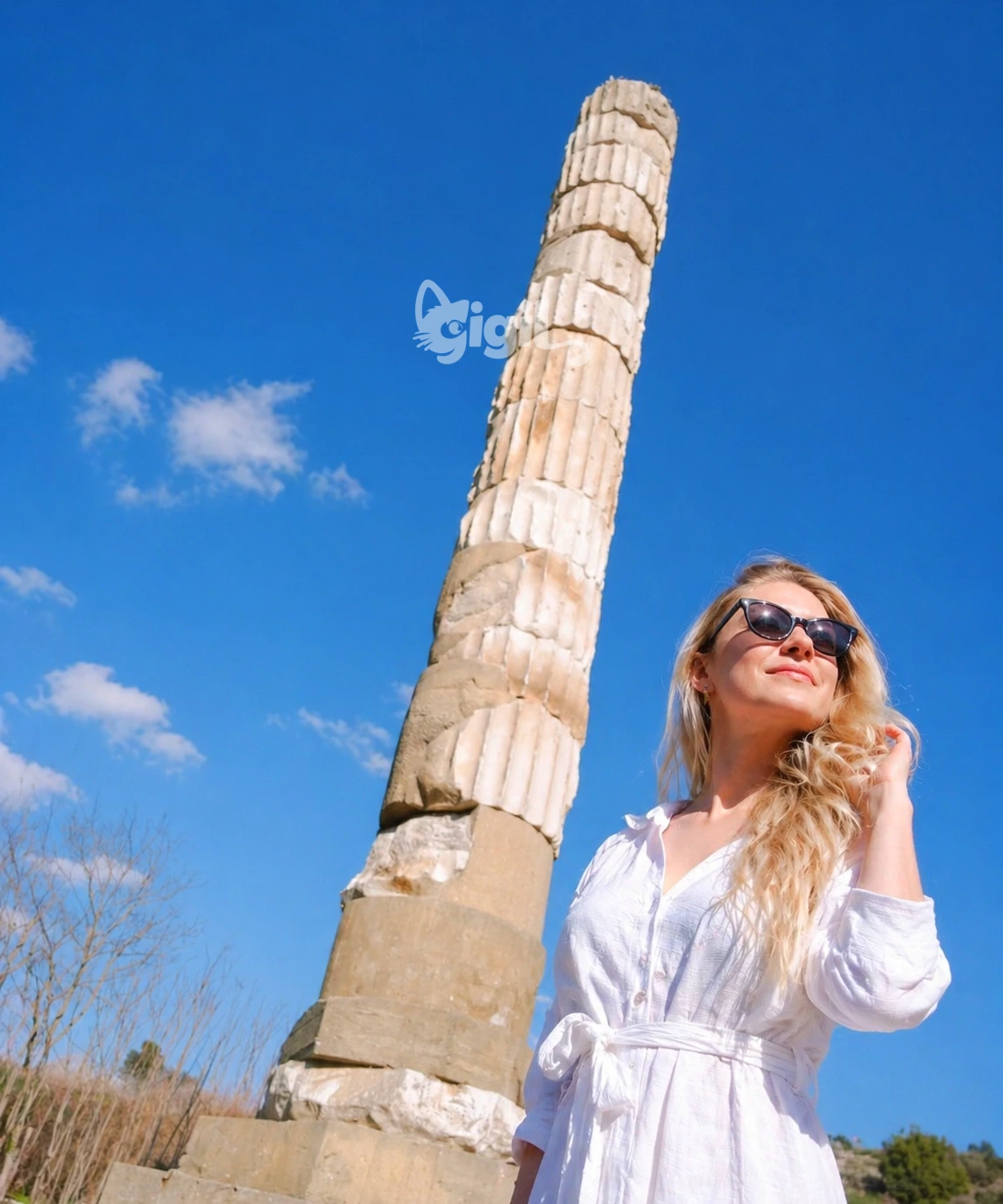
- Temple of Artemis: Finish the route with the remains of one of the Seven Wonders of the Ancient World.
Why You Will Love This Tour
- The private overland structure gives you a more comfortable rhythm across three days while still covering the complete Ephesus heritage route.
- Avoiding flights and overnight coach travel can make the long-distance journey feel more straightforward for travelers who prefer a continuous road-based plan.
- The combination of Virgin Mary, Ephesus, Terrace Houses, St. John Basilica and Artemis creates a much richer experience than a shorter heritage visit.
- It is a strong fit for travelers who want a private Cappadocia Ephesus package with full route depth, vehicle comfort and clearer pacing.

Overview
-
Day 1 Cappadocia to Kusadasi / Selcuk Region Cappadocia departure, long private road journey and first hotel night.Mustafapasa Hotel / Meeting Point Pick-up
Private pickup from Mustafapasa and continue toward the Cappadocia overland departure route.
The route starts with private hotel or meeting point pickup in Mustafapasa. From this pickup area, the transfer joins the Cappadocia departure flow and continues on the long private road route toward the Kusadasi, Selcuk and Ephesus region.
Breakfast Break on Route BBreakfast break during the private road journey.
Because this road package starts in the morning, a breakfast break can be planned during the long transfer day.
MealsBreakfast meal ExcludedBreakfast Break on Route opens the private road package with a practical local pause after leaving Cappadocia. Along long-distance routes in Turkey, breakfast is often simple and familiar, centered on tea, bread, cheese, olives, eggs, tomatoes, cucumbers and other everyday staples.
The stop is useful because it sets the pace of the journey. It gives guests a chance to rest from the road, reset comfortably and connect with a very ordinary but authentic side of Turkish travel culture.
Questions
What kind of breakfast is common on private road journeys in Turkey?
Breakfast breaks on long Turkish road journeys are usually simple and familiar, often centered on tea, bread, cheese, olives, eggs and fresh vegetables.Should I expect a fixed breakfast menu on the route?
No. The exact venue and selection may change, so the best expectation is a practical local breakfast rather than a guaranteed menu.Cappadocia to Kusadasi / Selcuk Road JourneyLong private road journey toward the Ephesus region.
Travel from Cappadocia toward the Kusadasi or Selcuk area by private vehicle. The road day should be paced with comfort breaks because the distance is too long for a rushed same-day sightseeing tour.
Lunch Break on Route LLunch break during the private road journey.
A planned lunch break is used during the long road transfer toward the Ephesus region.
MealsLunch meal ExcludedLunch Break on Route adds a midday pause to the long private road transfer toward the Ephesus region. These meal stops are usually chosen for timing and convenience, so the focus is on comfort, refreshment and a practical break in the journey.
Menus can vary, but guests may encounter soups, grilled dishes, salads, rice-based sides or simple local-style plates. It is best approached as part of the travel rhythm rather than as a destination dining experience.
Questions
What should I expect from a midday lunch break on the road?
The stop is usually selected for comfort and timing, with practical Turkish meal options such as soups, grilled foods, salads or home-style dishes.Does the route lunch break add cultural value too?
Yes. Even though it is mainly practical, it still offers a glimpse of everyday long-distance travel and food culture in the region.Hotel Check-in (Kusadasi / Selcuk Area)Check in near Ephesus for the first overnight stay.
Arrive in the Kusadasi or Selcuk area and check in for the first overnight stay near Ephesus.
Accommodation & Hotel MealsOvernight accommodation ExcludedHotel dinner Excluded -
Day 2 Ephesus / Selcuk Region House of Virgin Mary, Ephesus Ancient City, Terrace Houses, lunch, St. John Basilica, Temple of Artemis and return connection.
Complete the Ephesus heritage route in the Selcuk region and continue to the confirmed return connection.
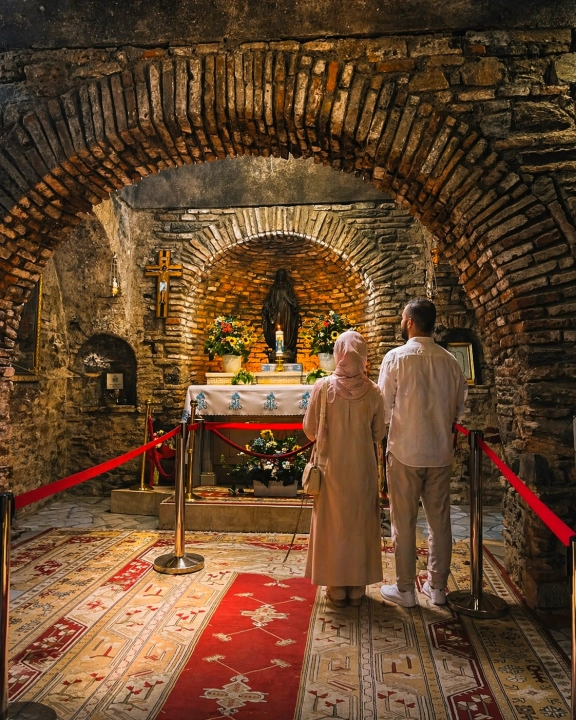
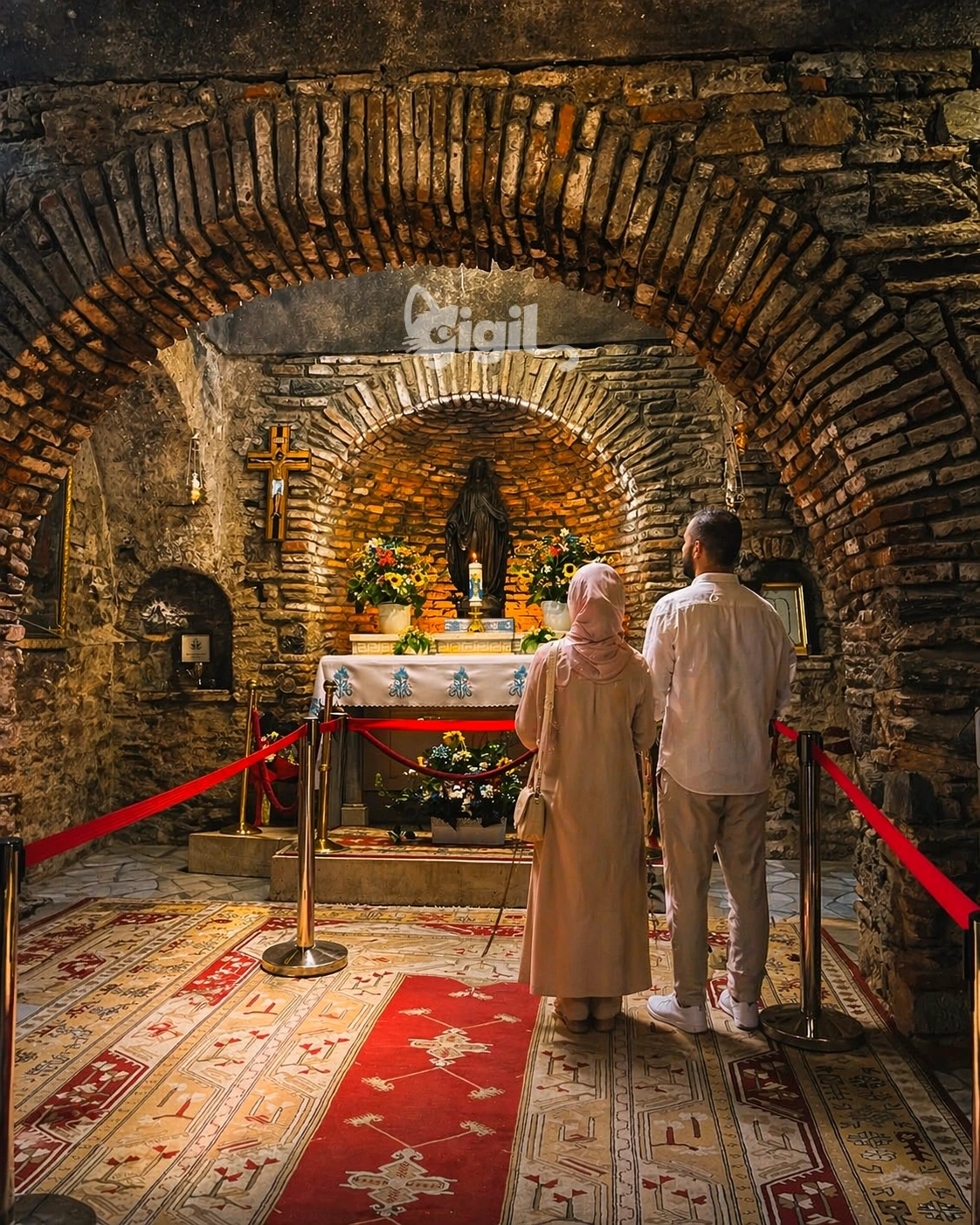
This Day Physical Rating: Moderate This Day Intensity: Extreme Day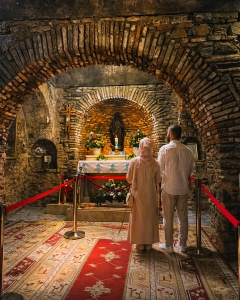 Interior Chapel and Altar at House of Virgin Mary
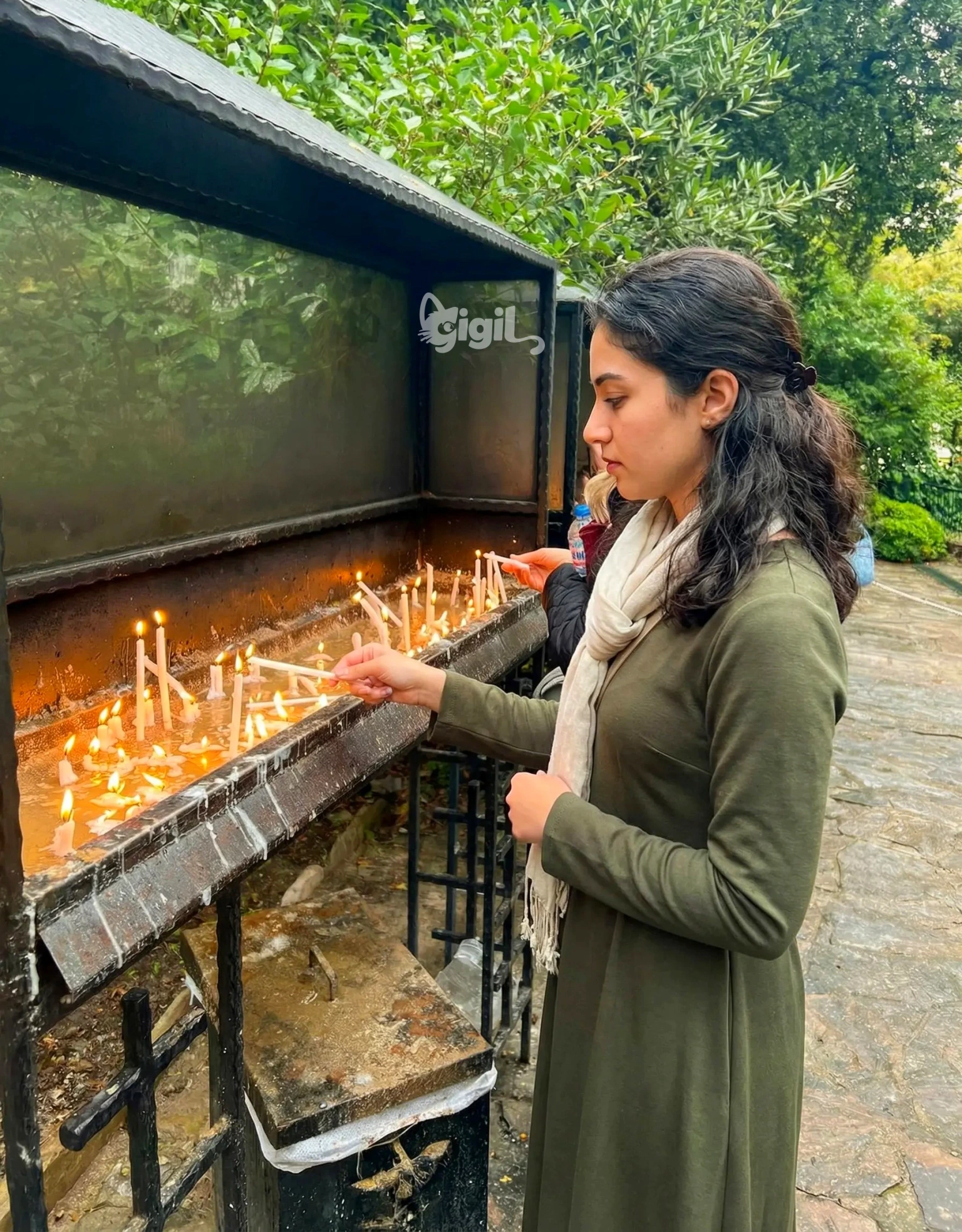
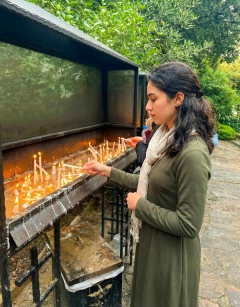 Votive Candle Area at House of Virgin Mary
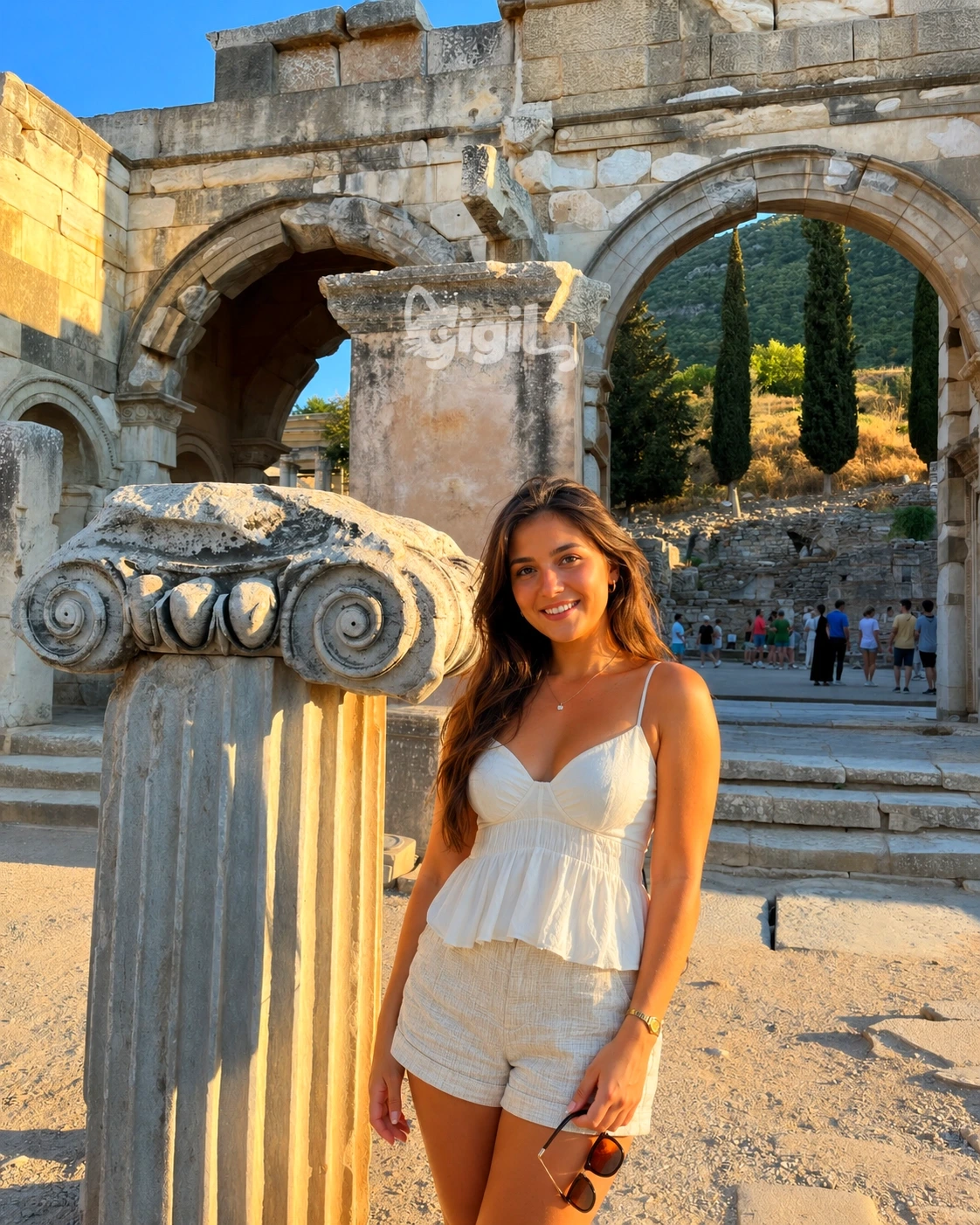
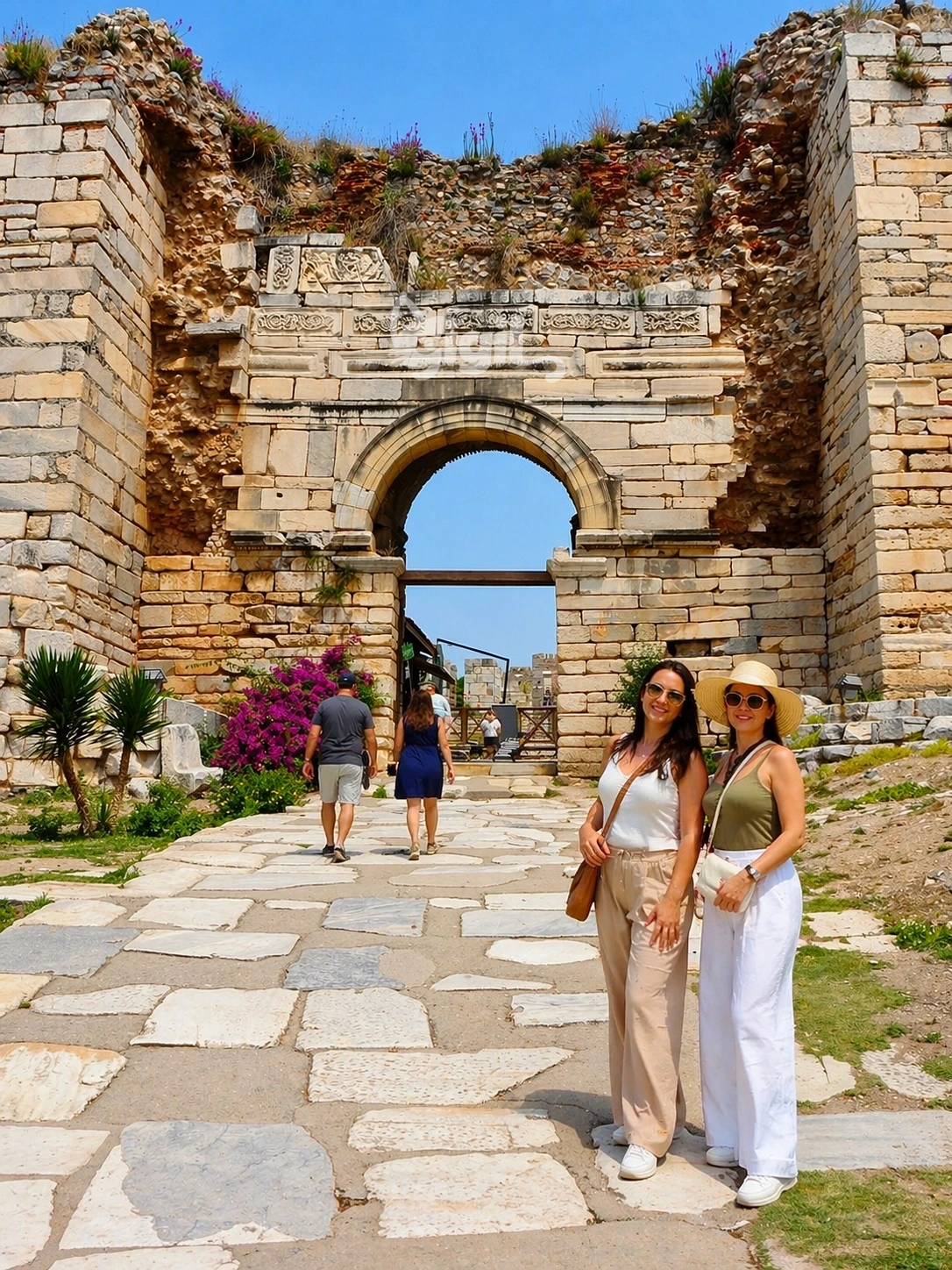
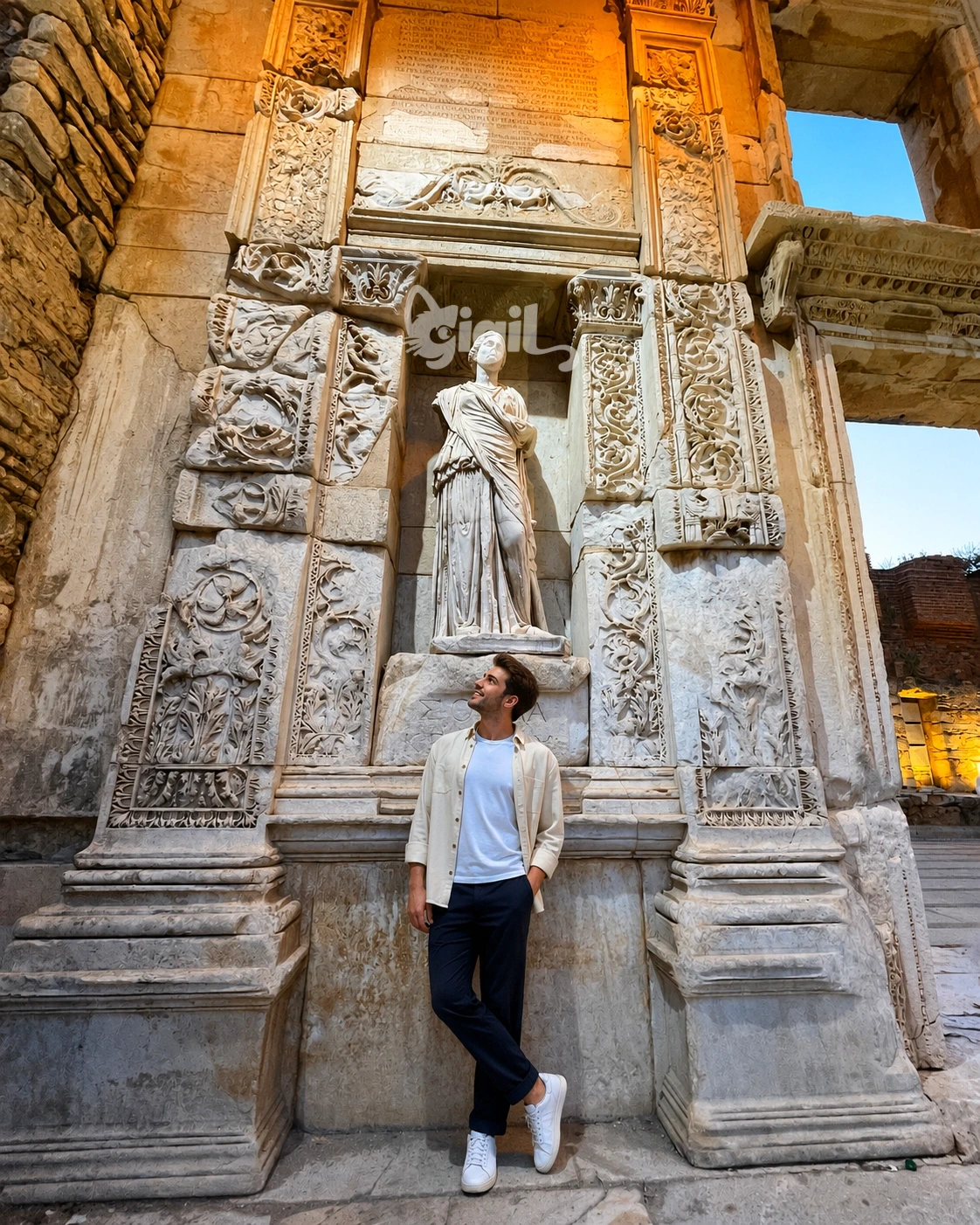
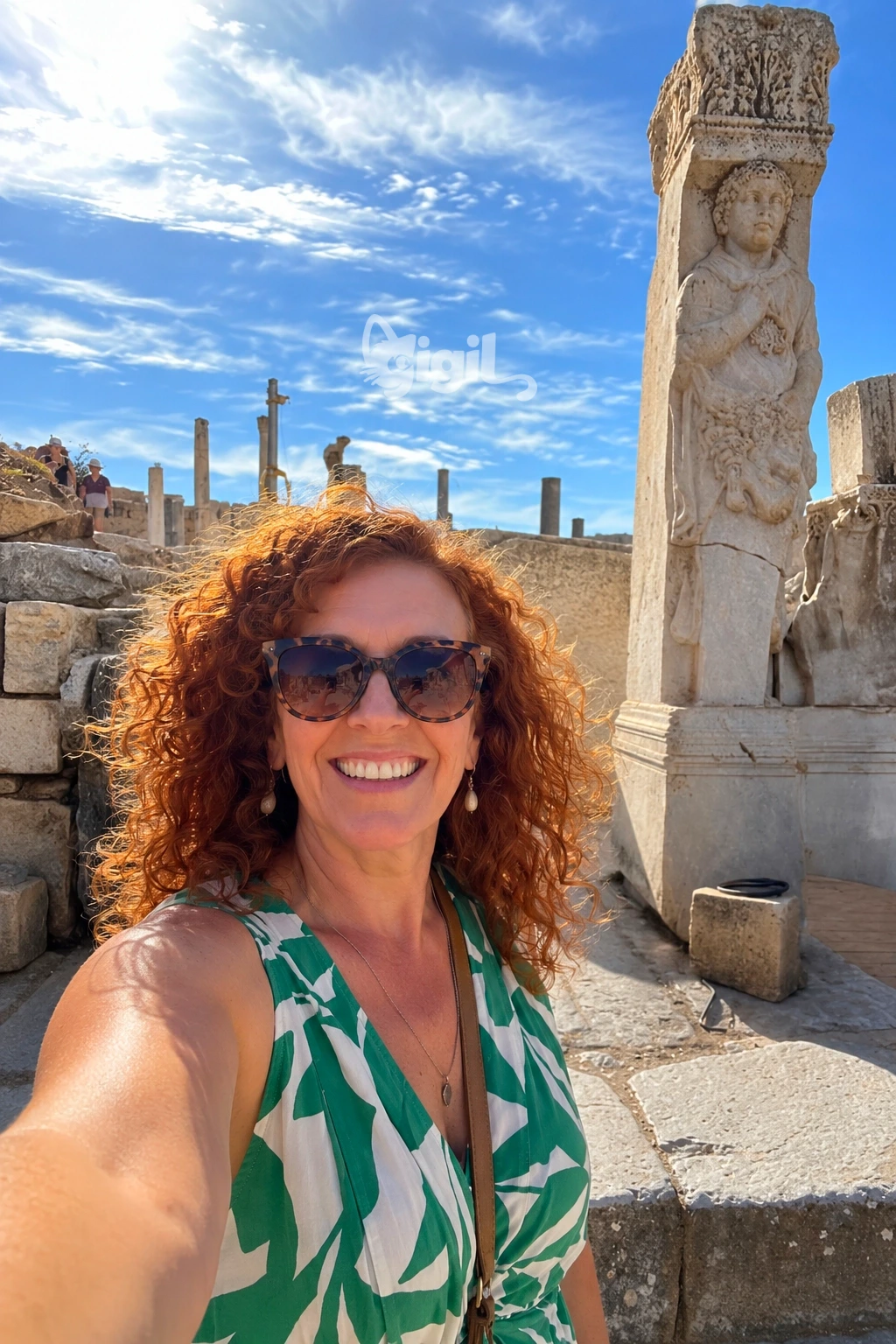
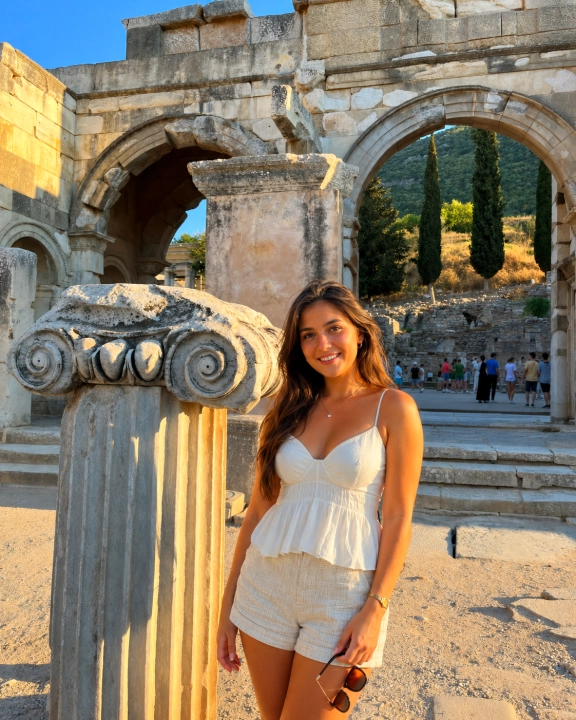
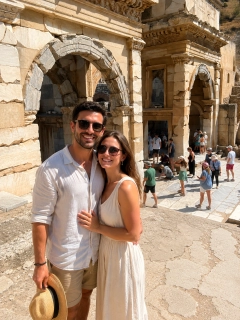 Augustus Gate Stone Passage in Ephesus
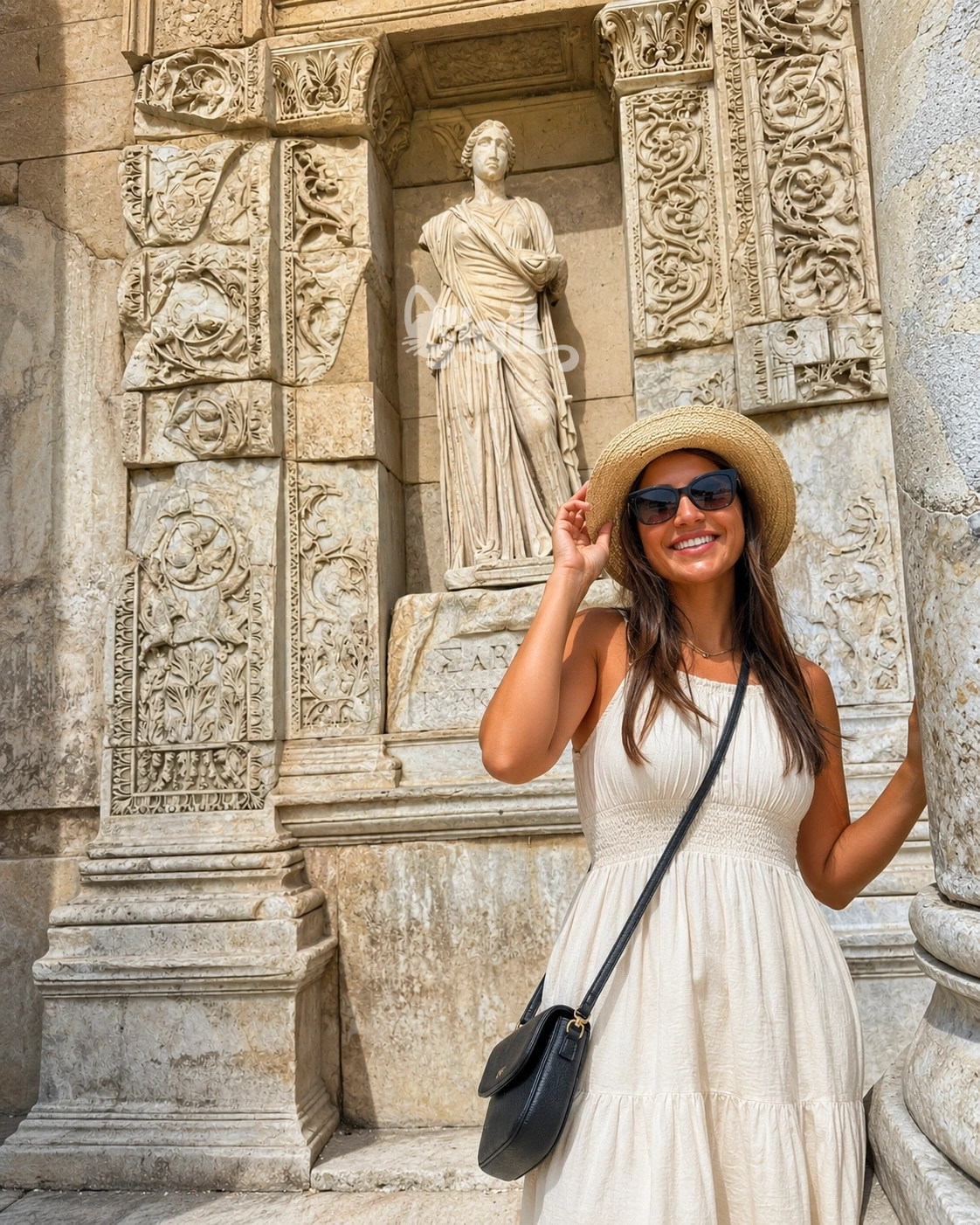
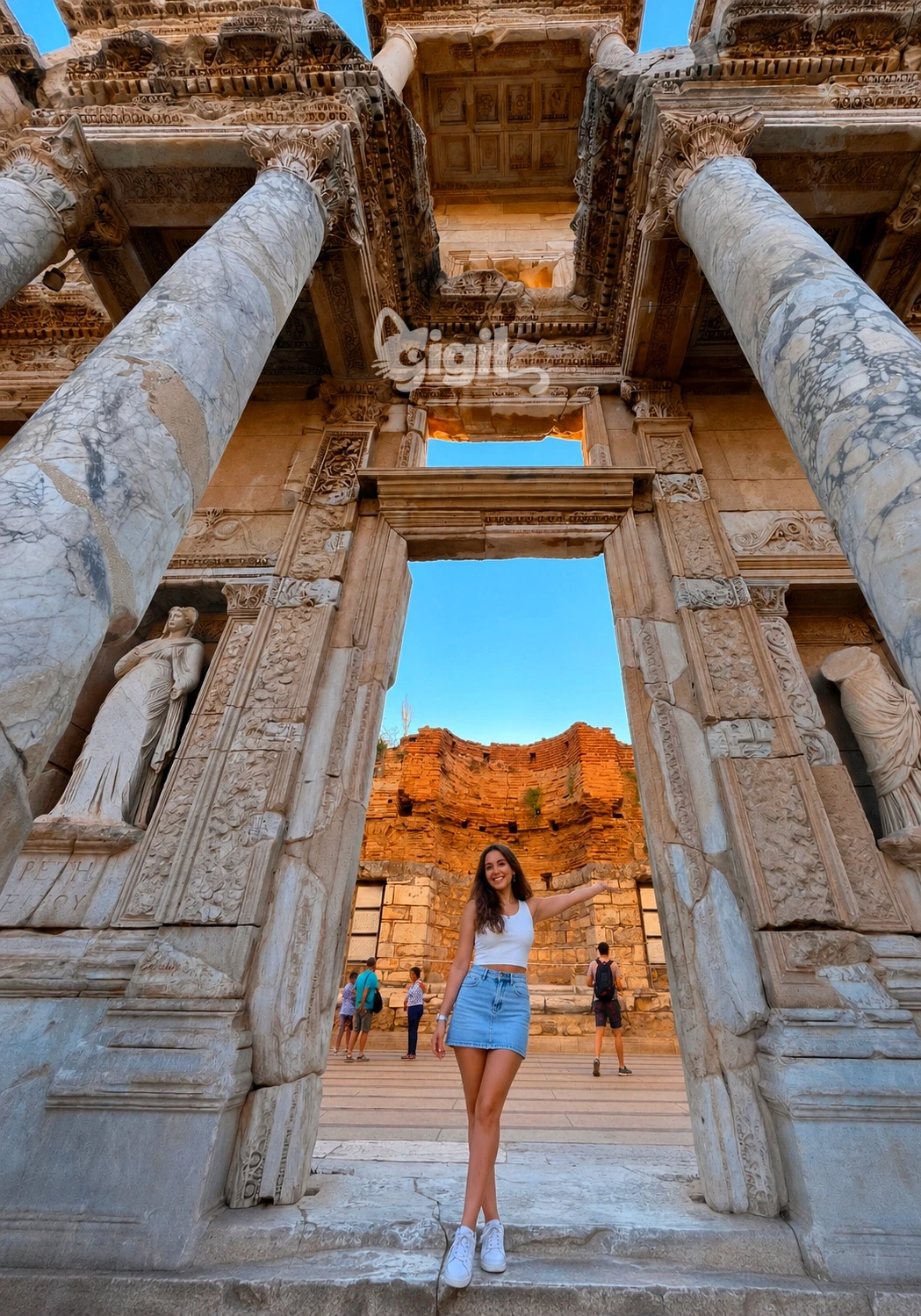
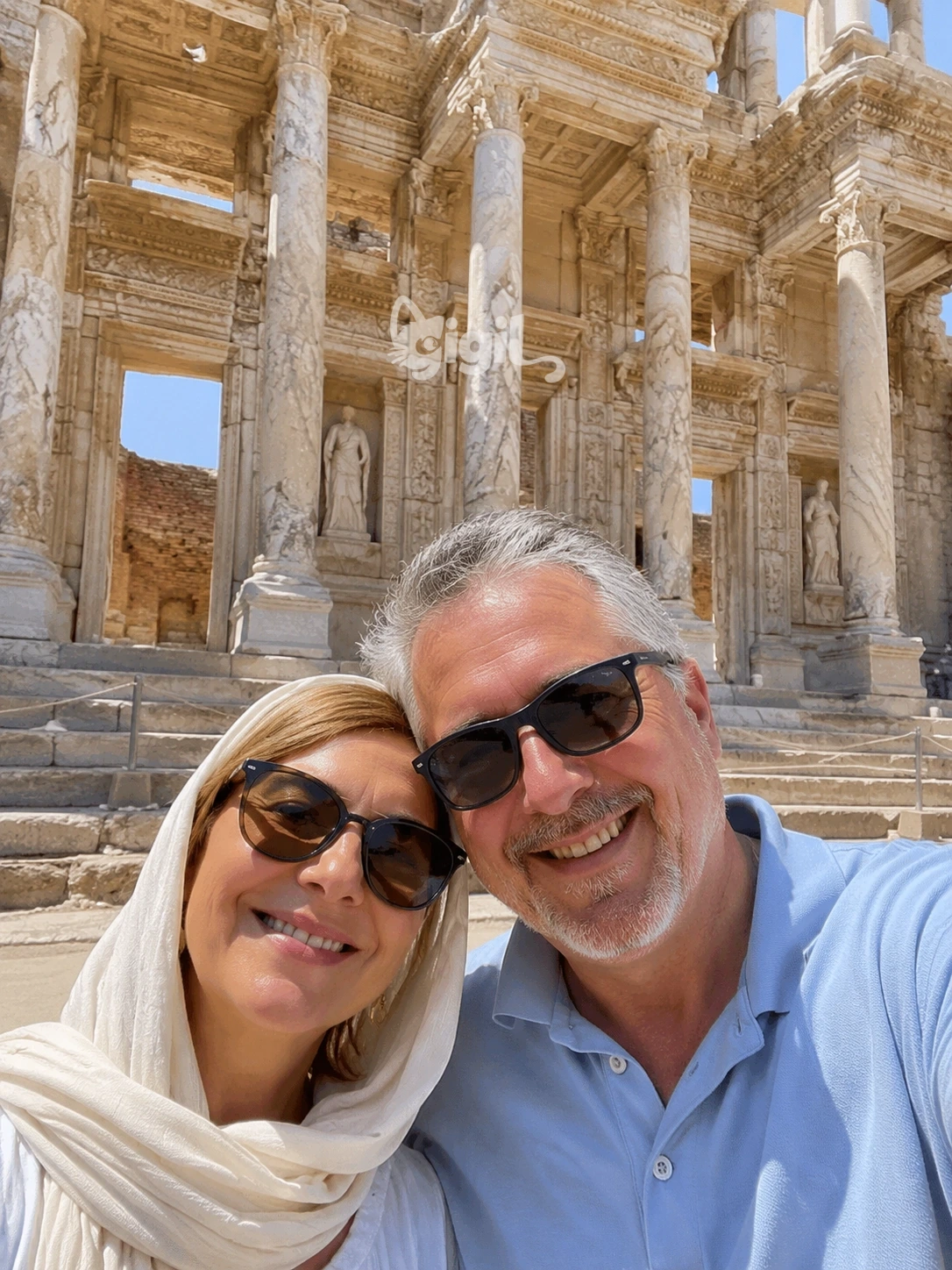
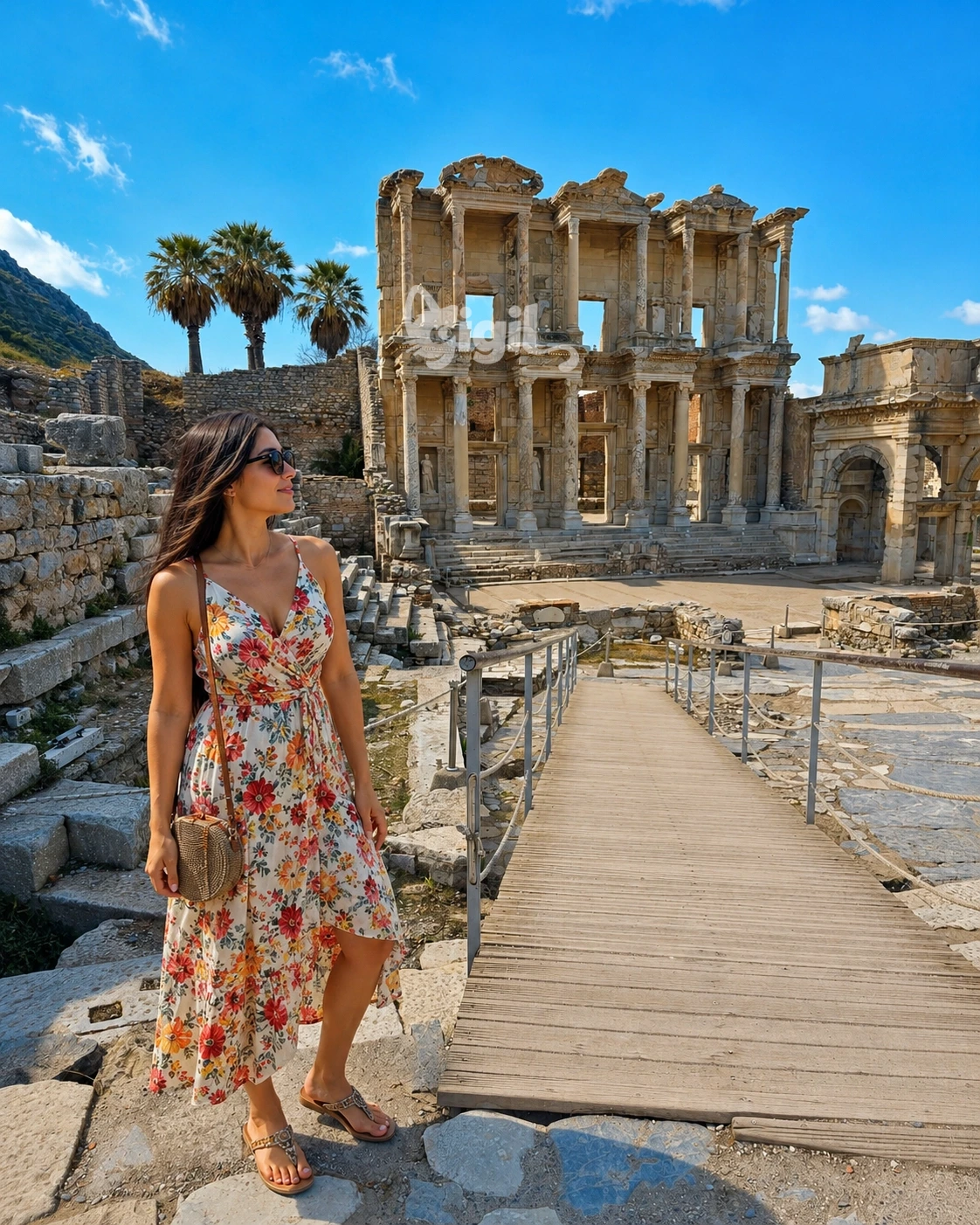
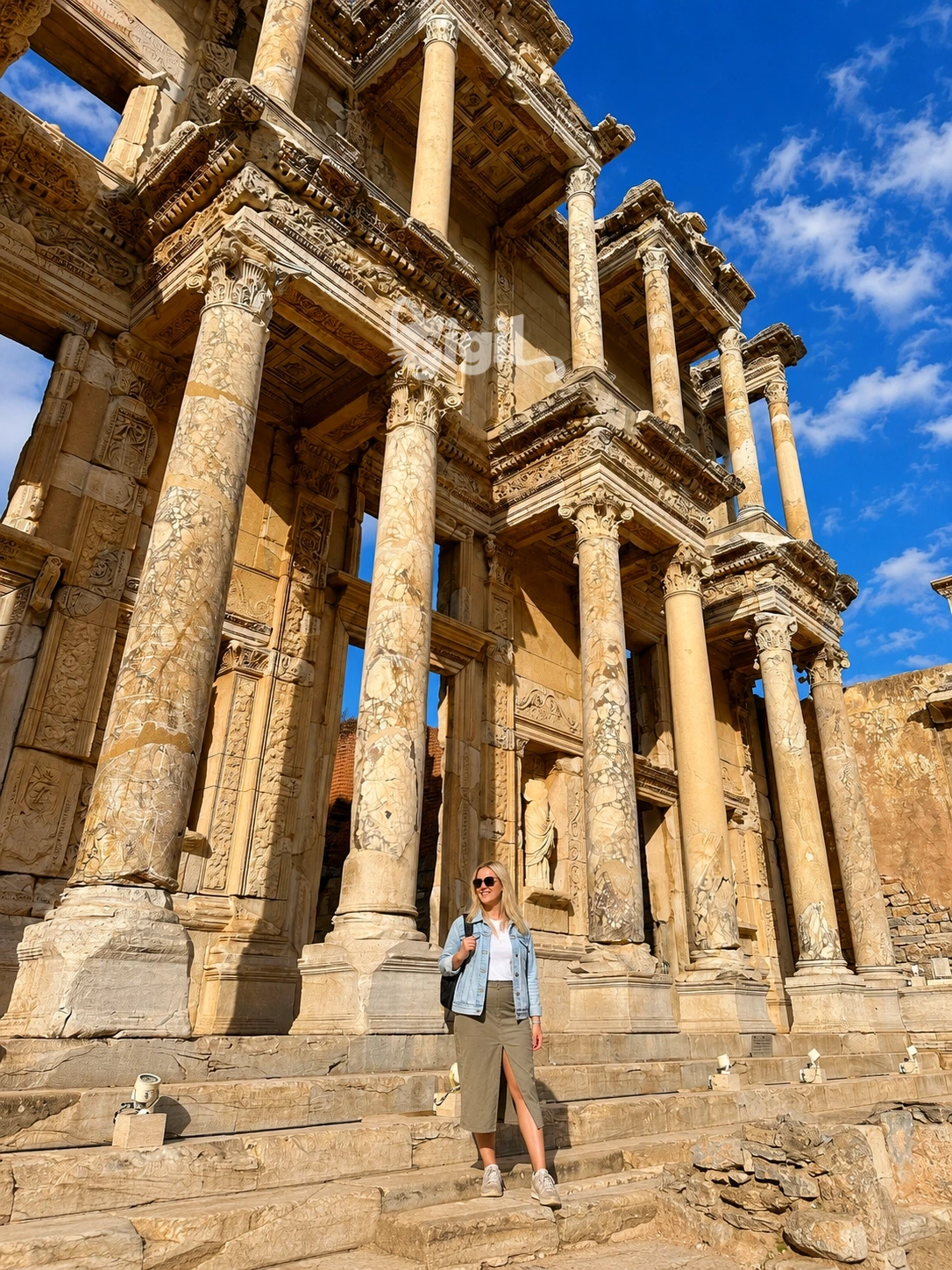
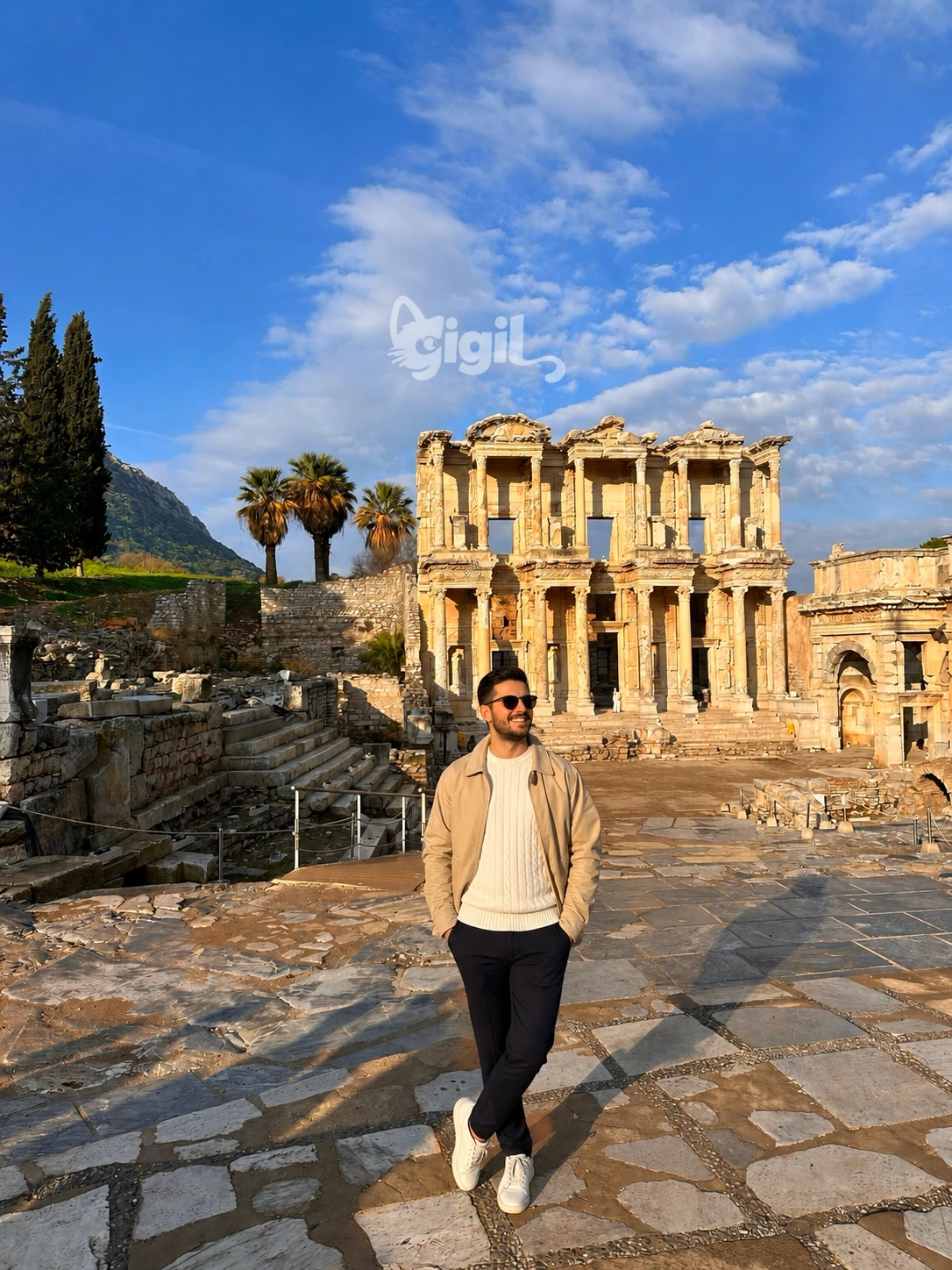
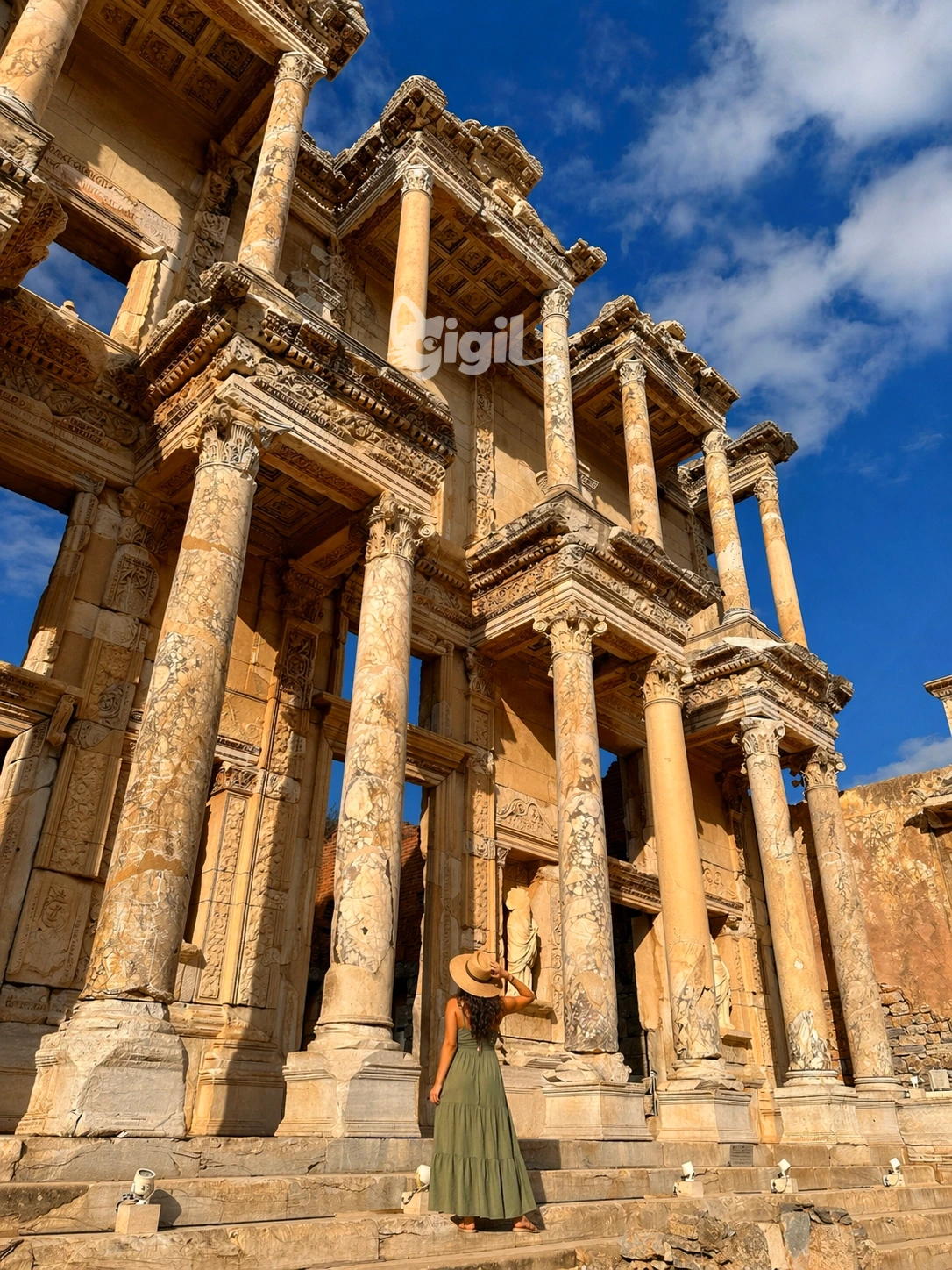
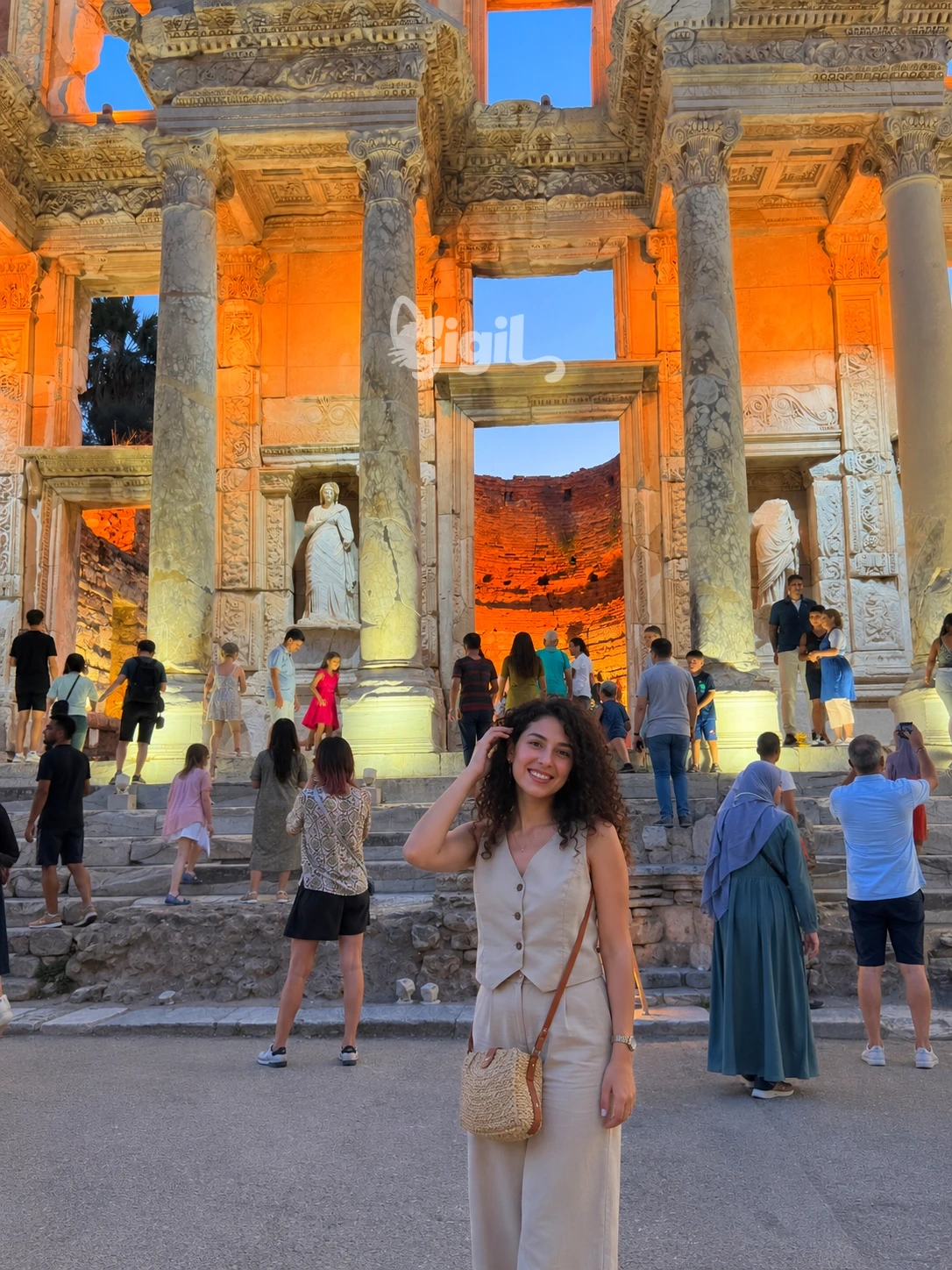
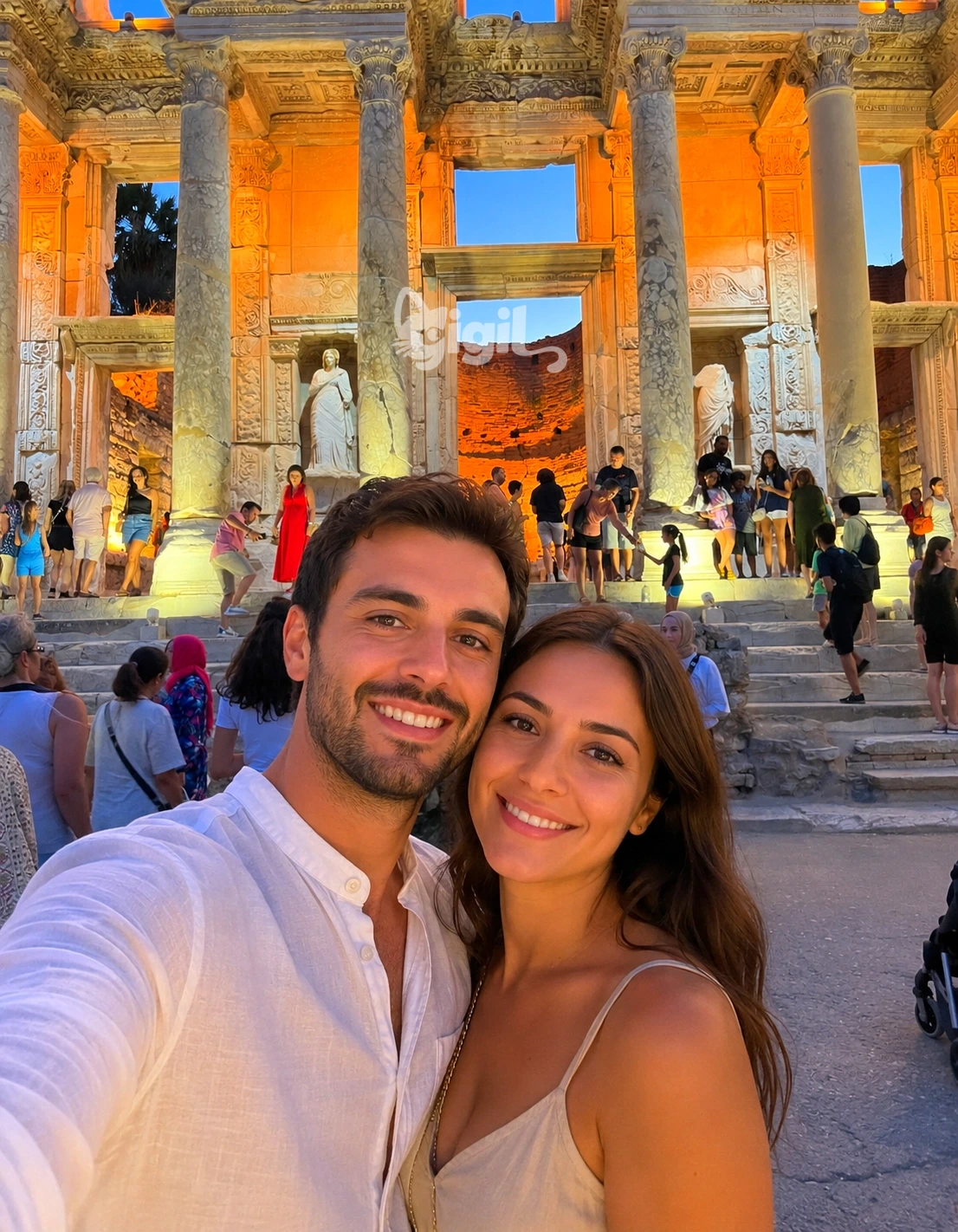
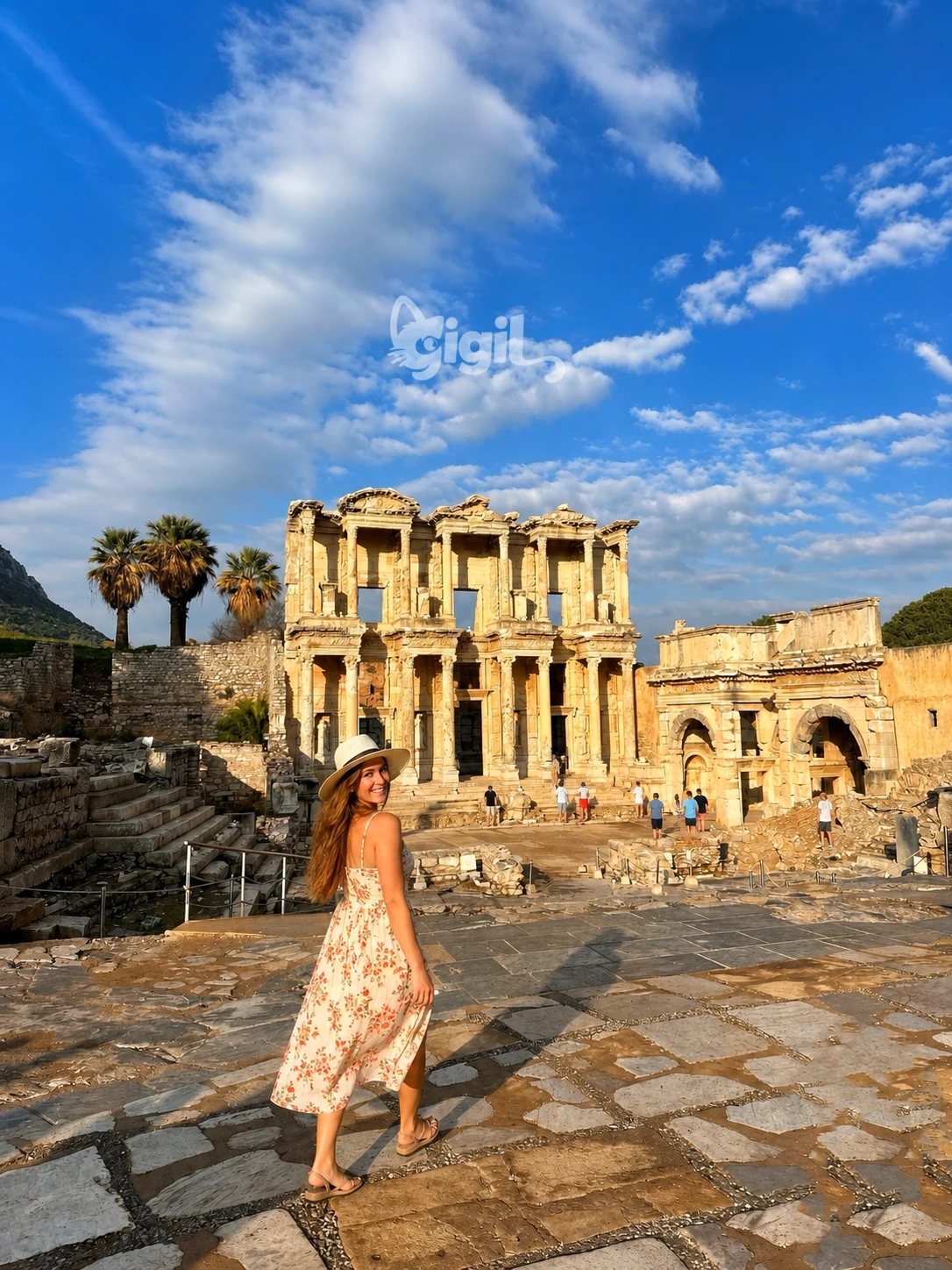
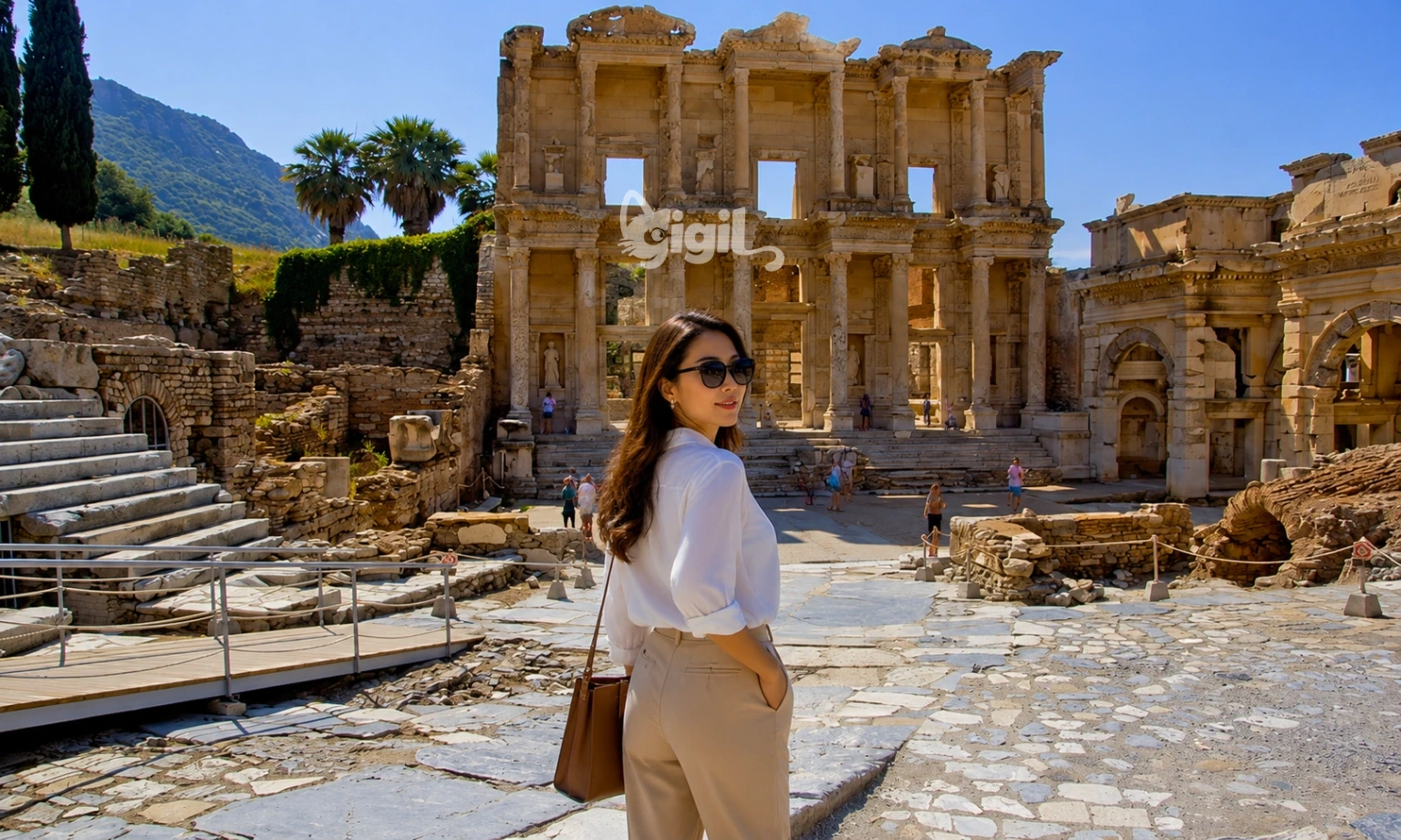
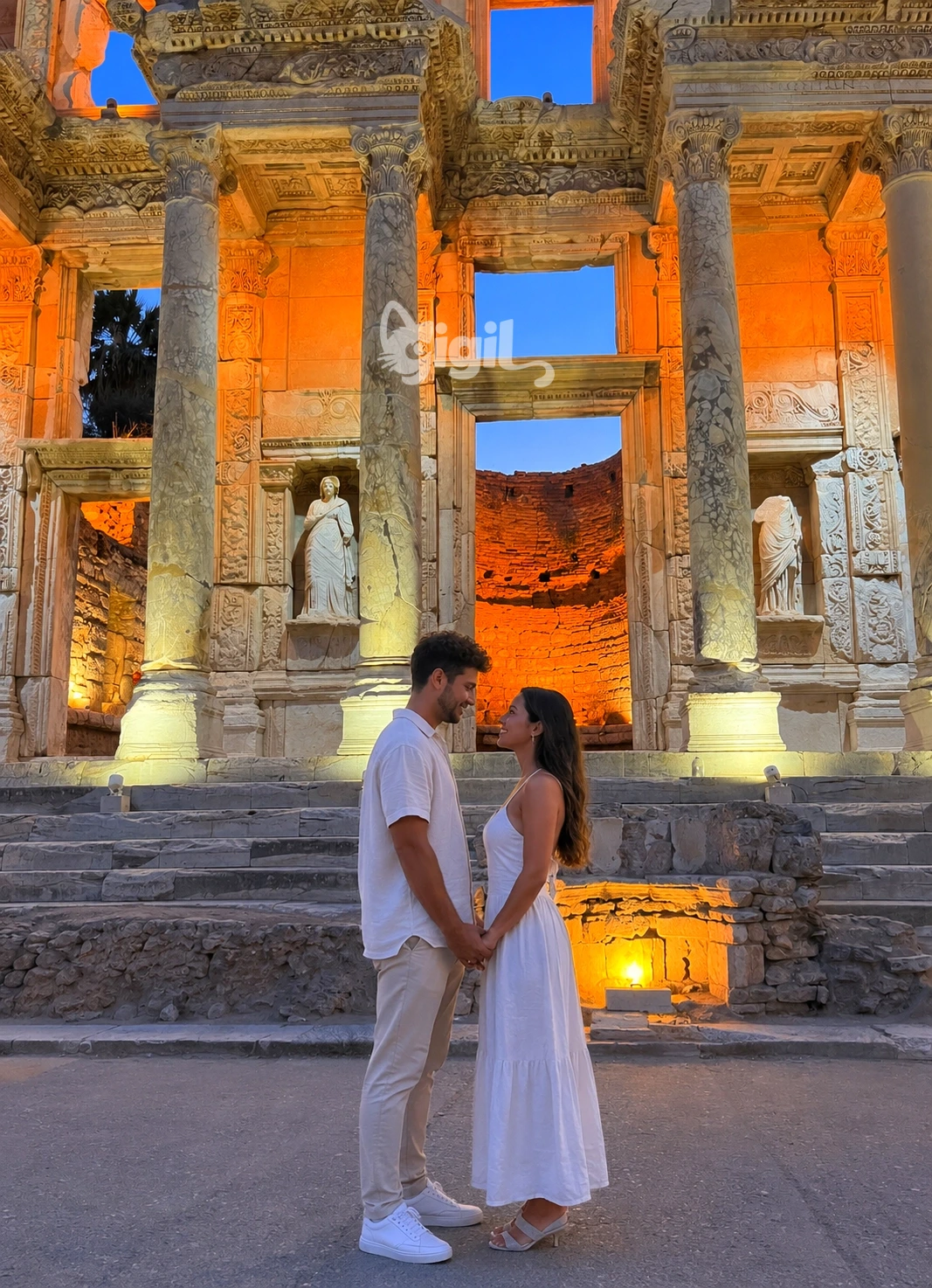
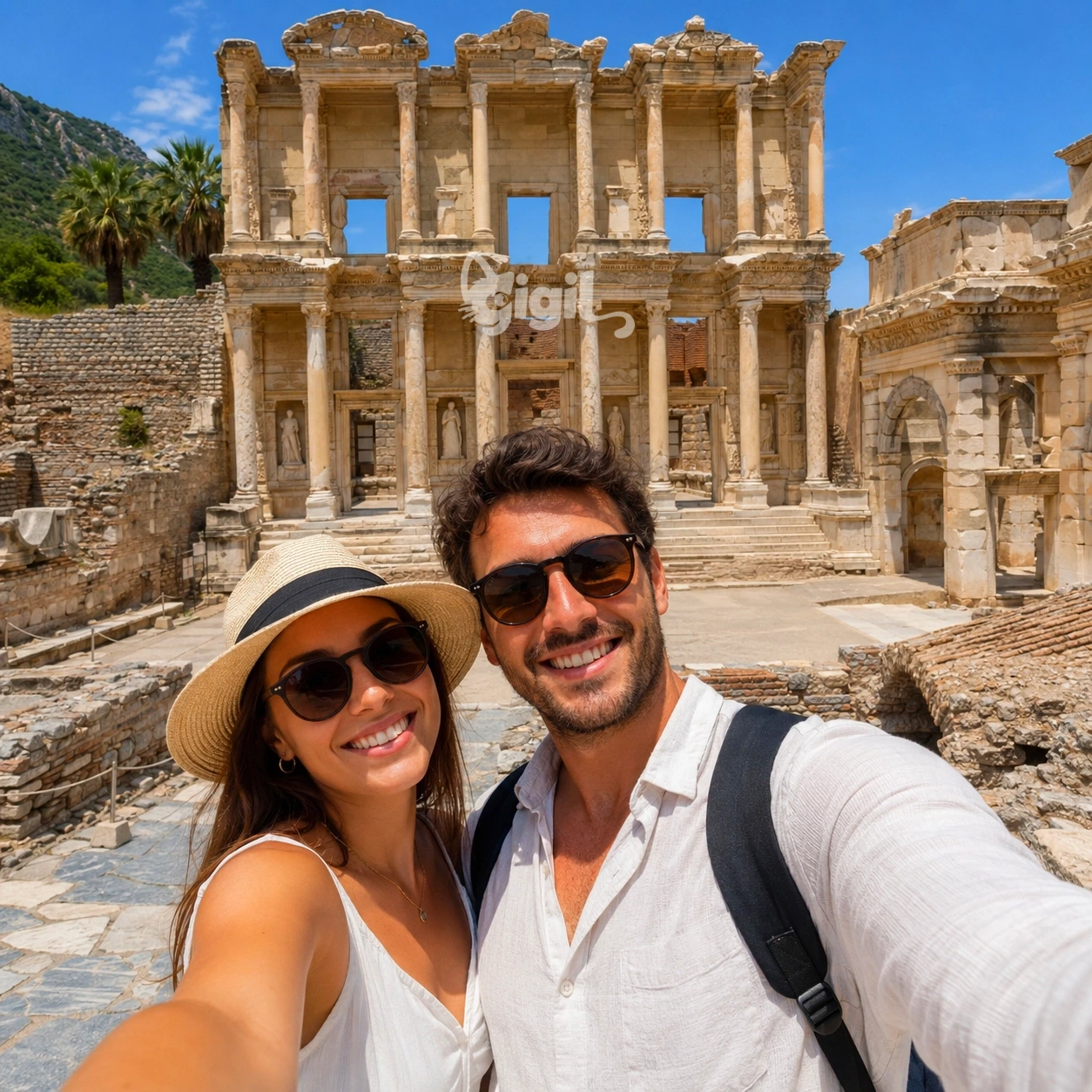
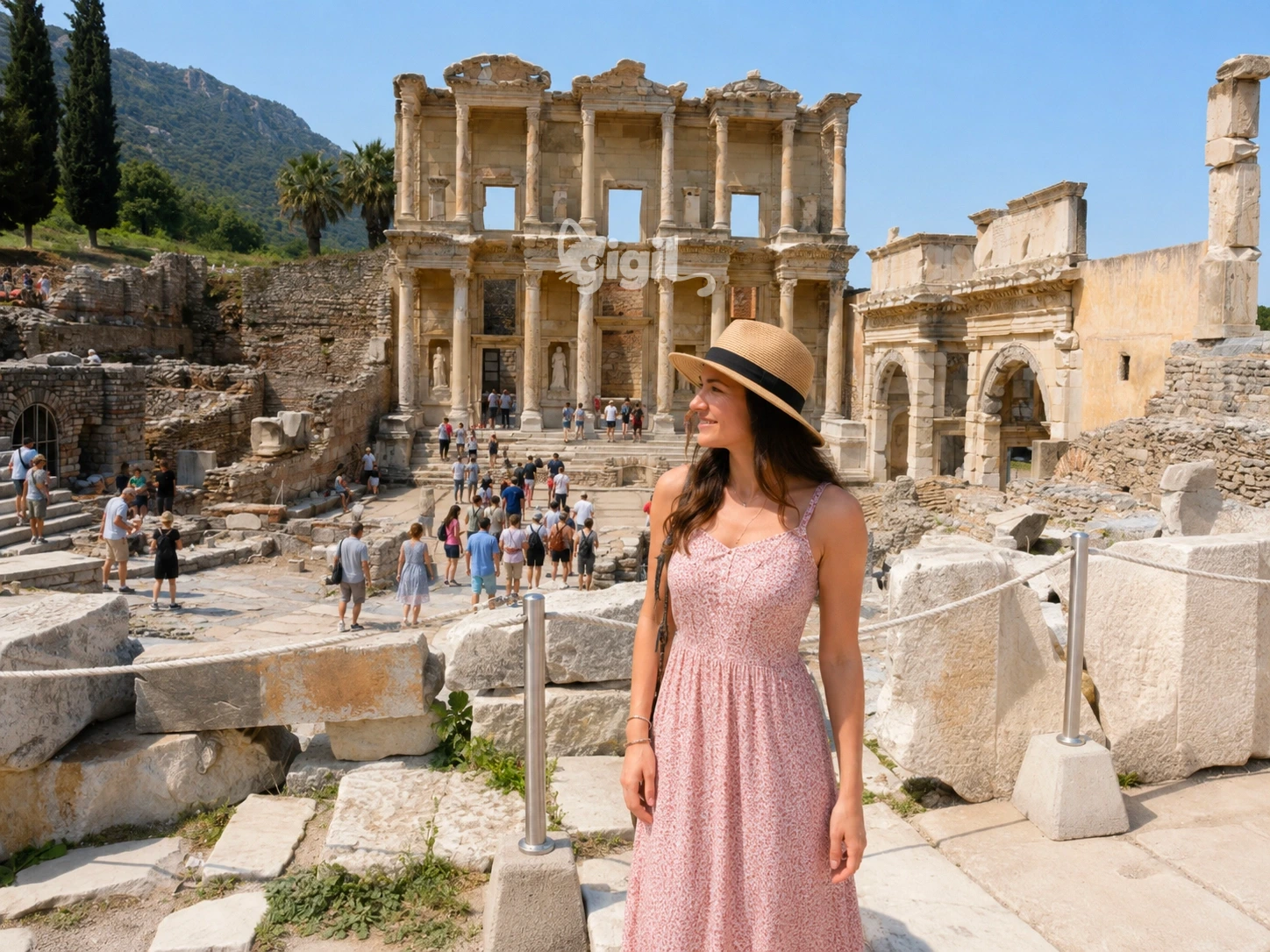
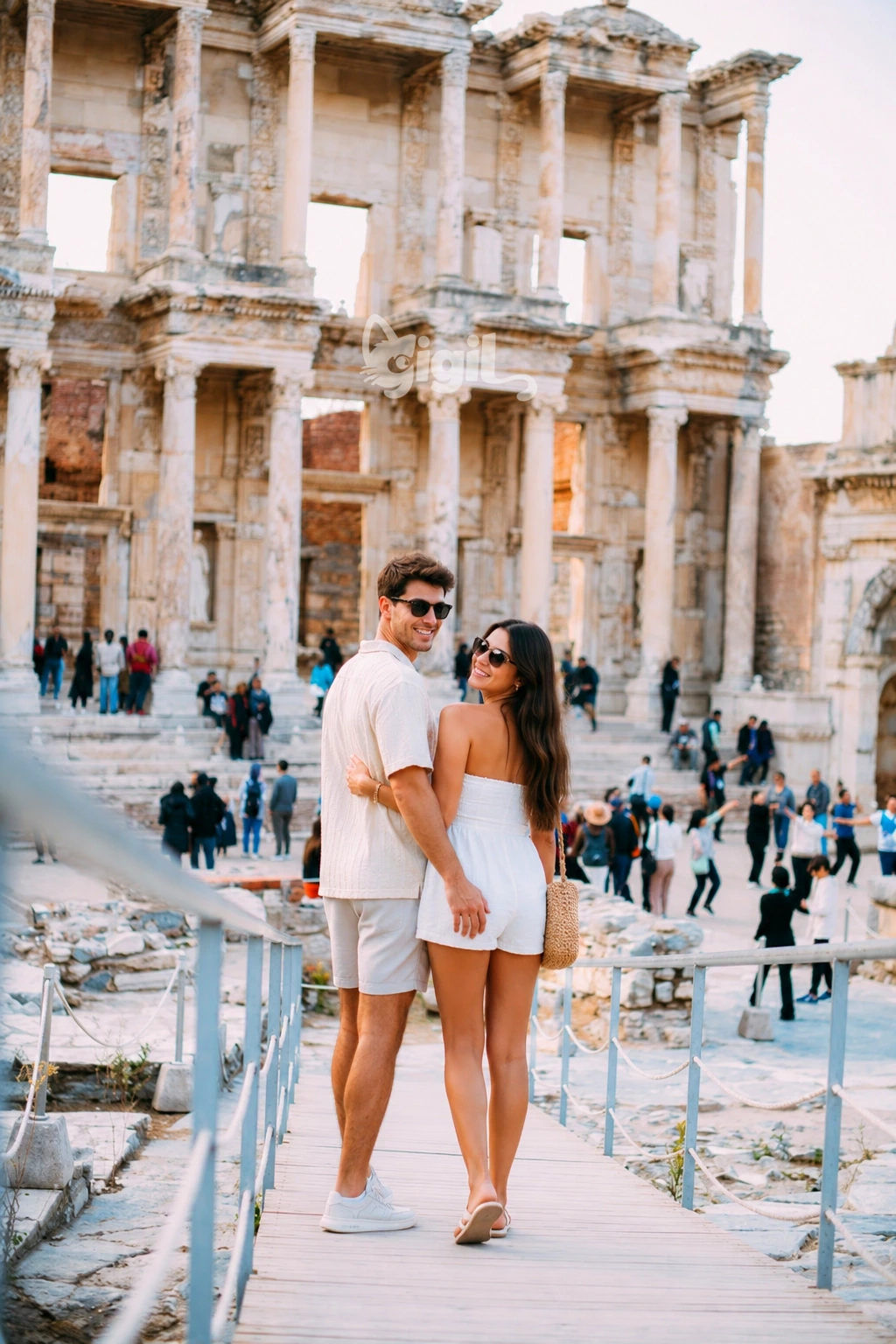
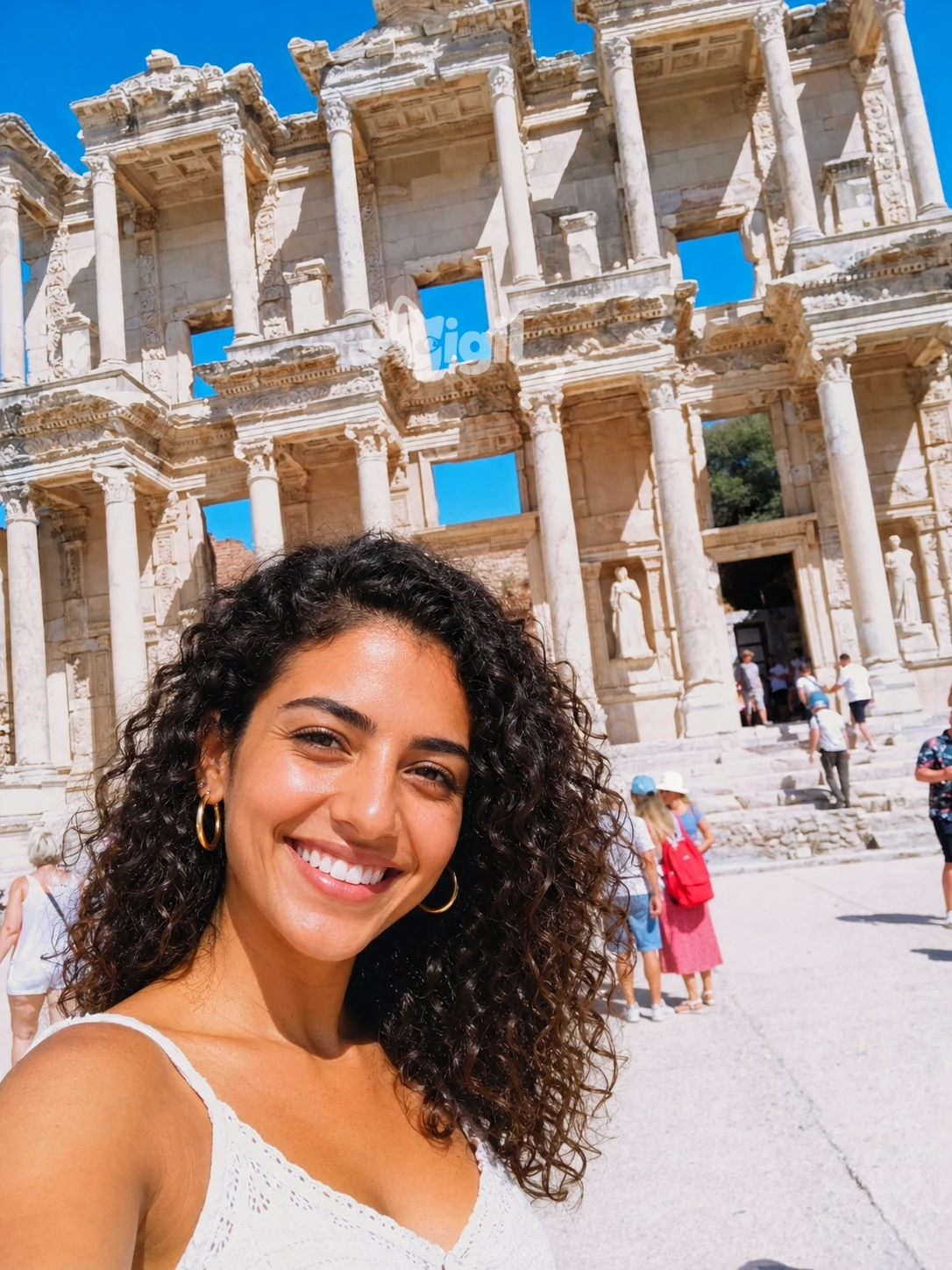
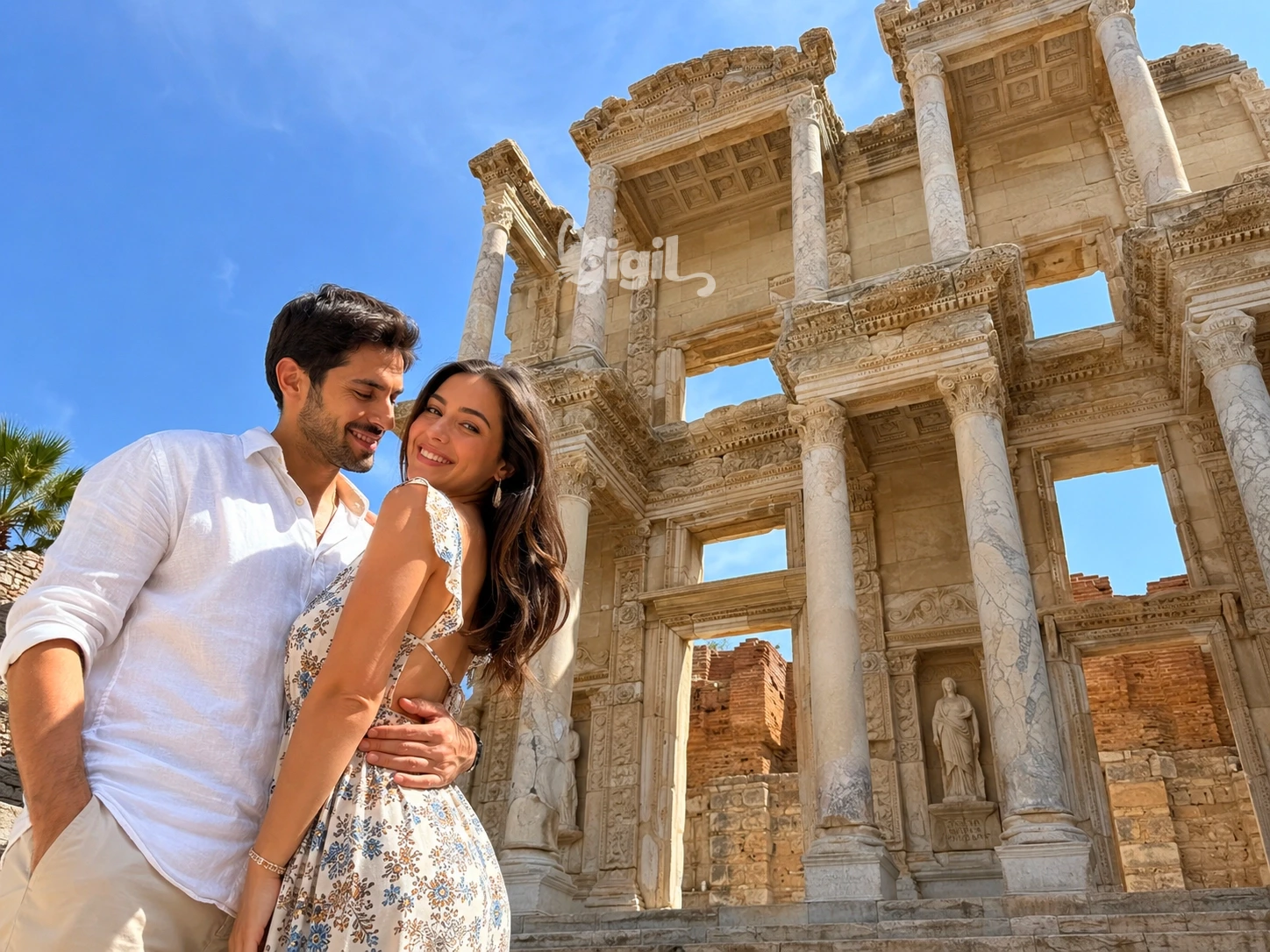
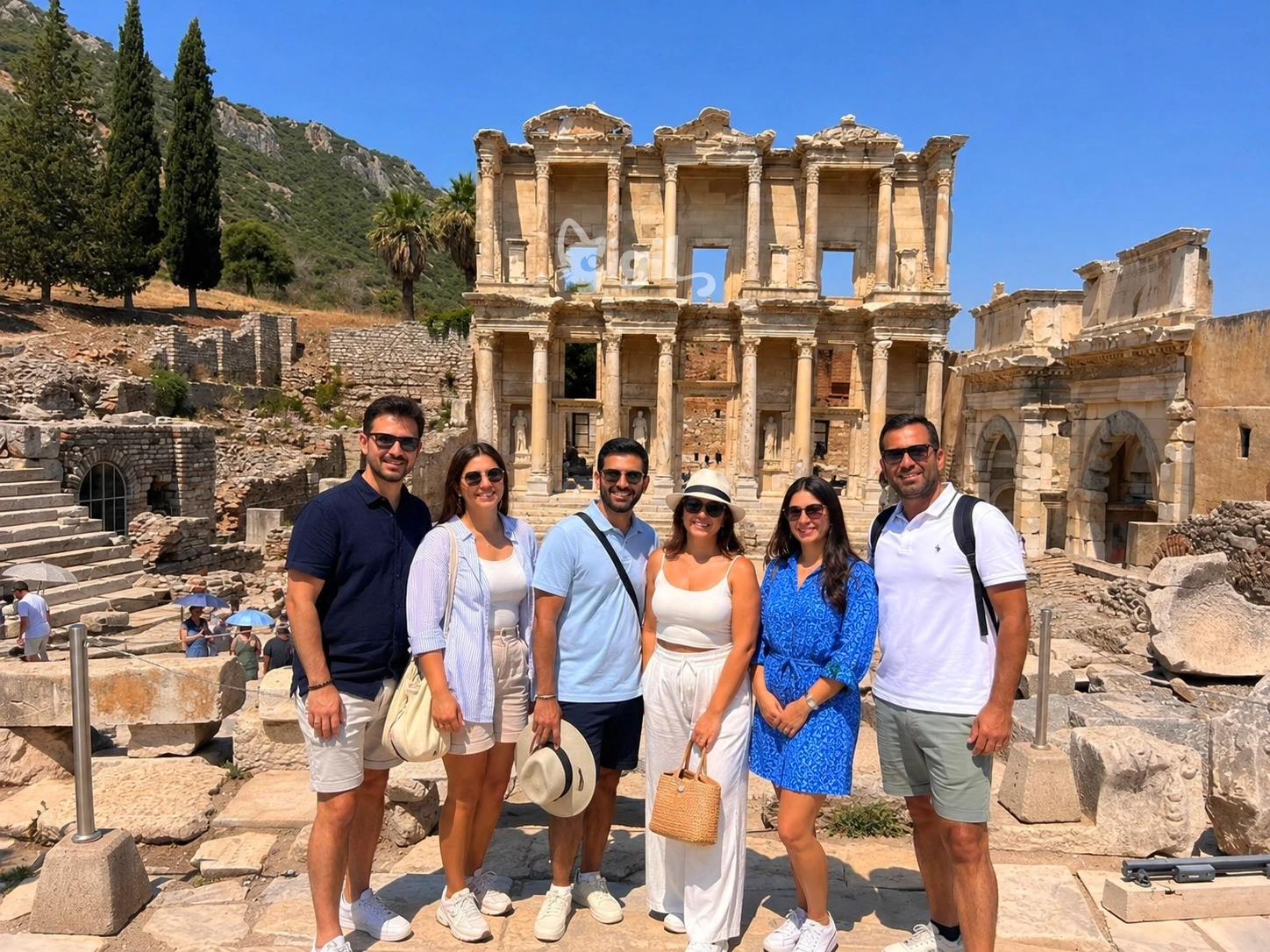
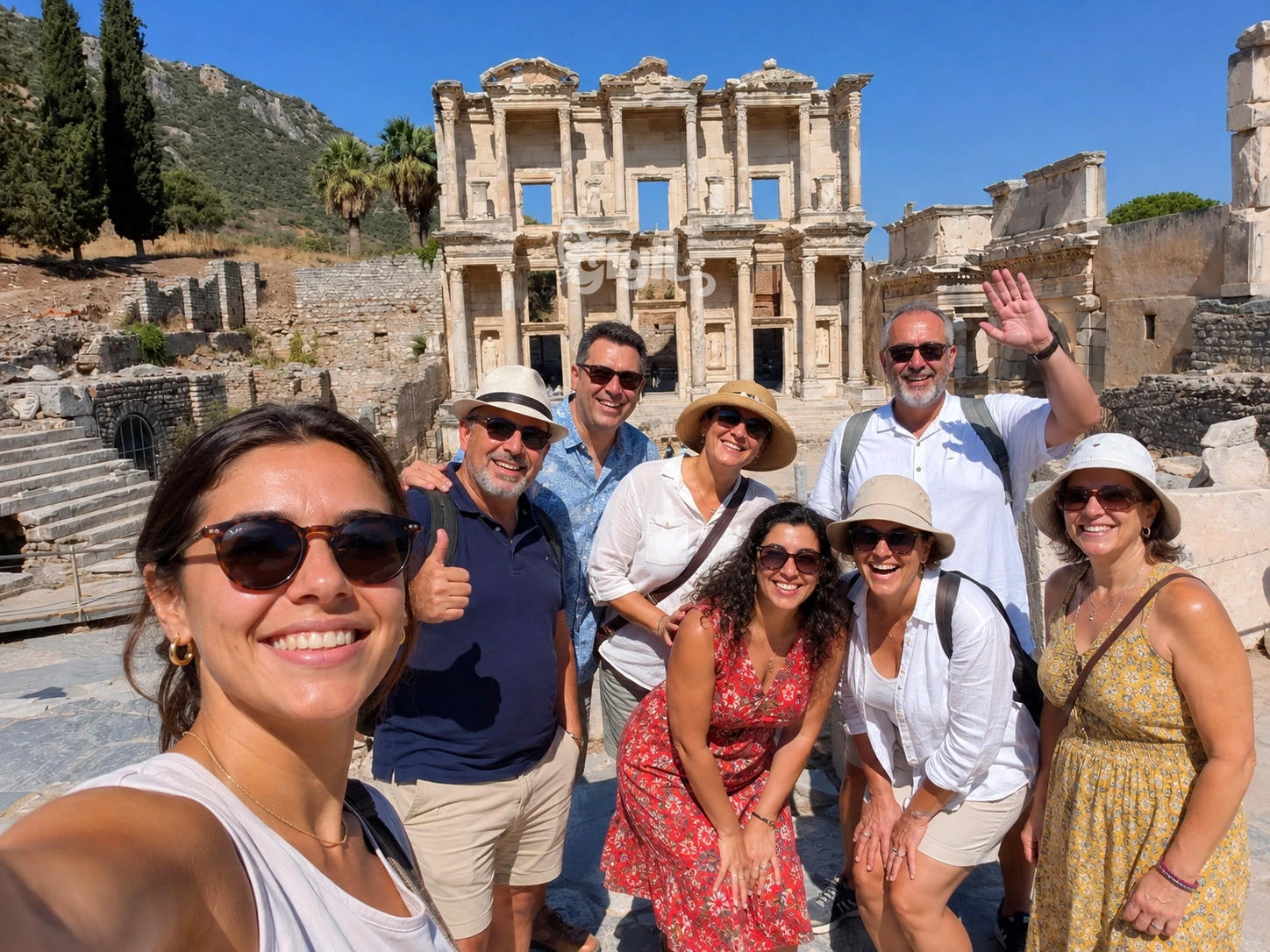
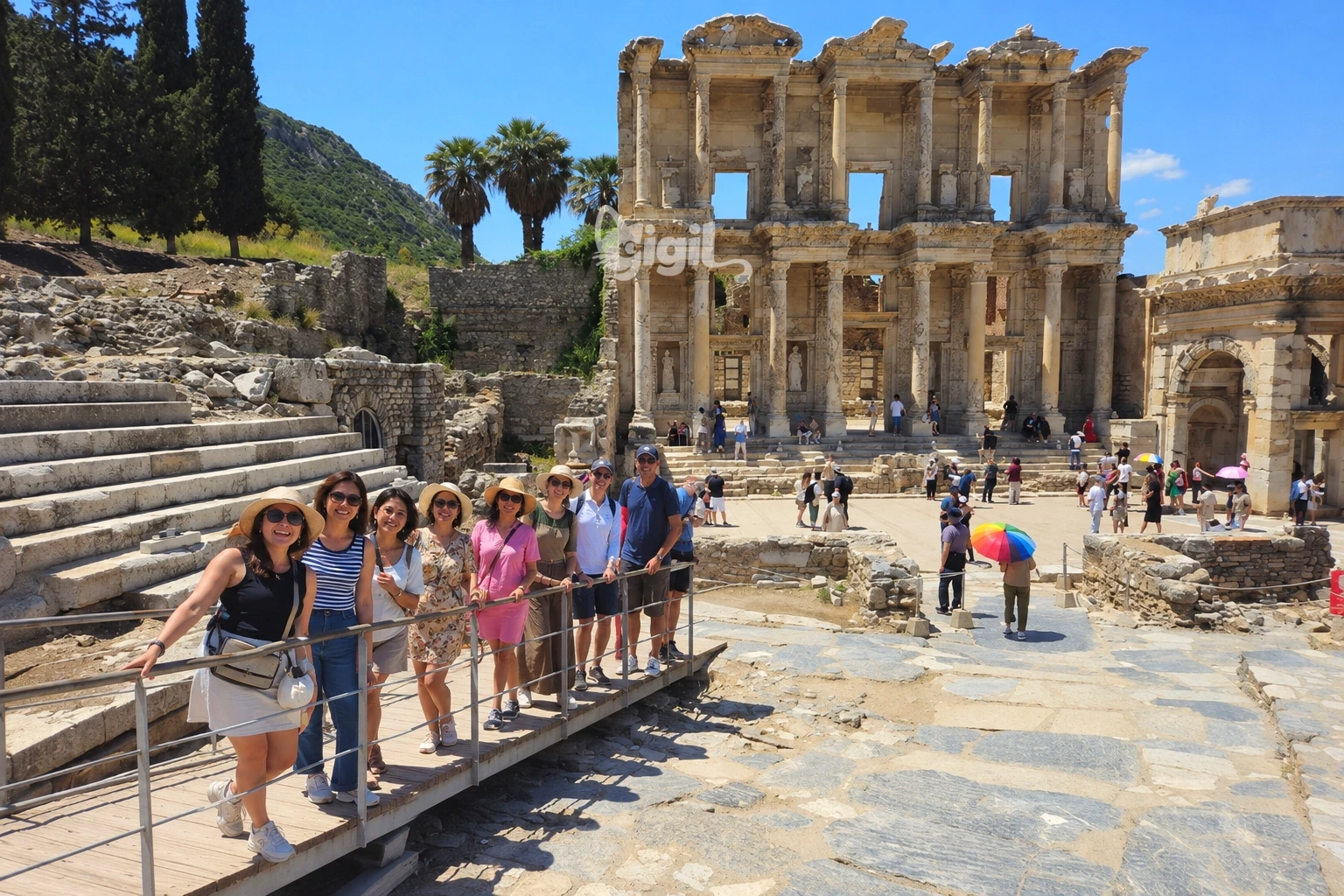
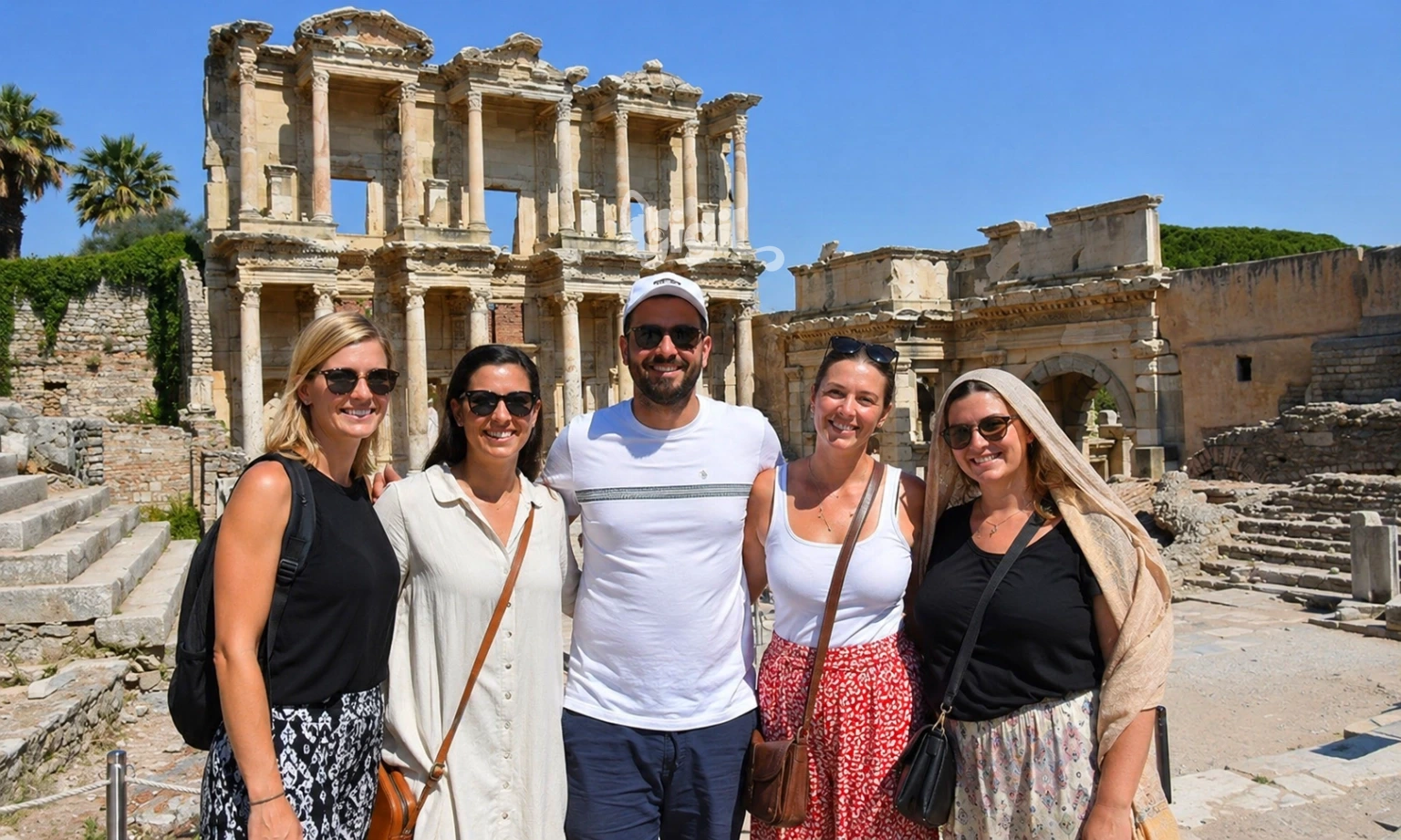
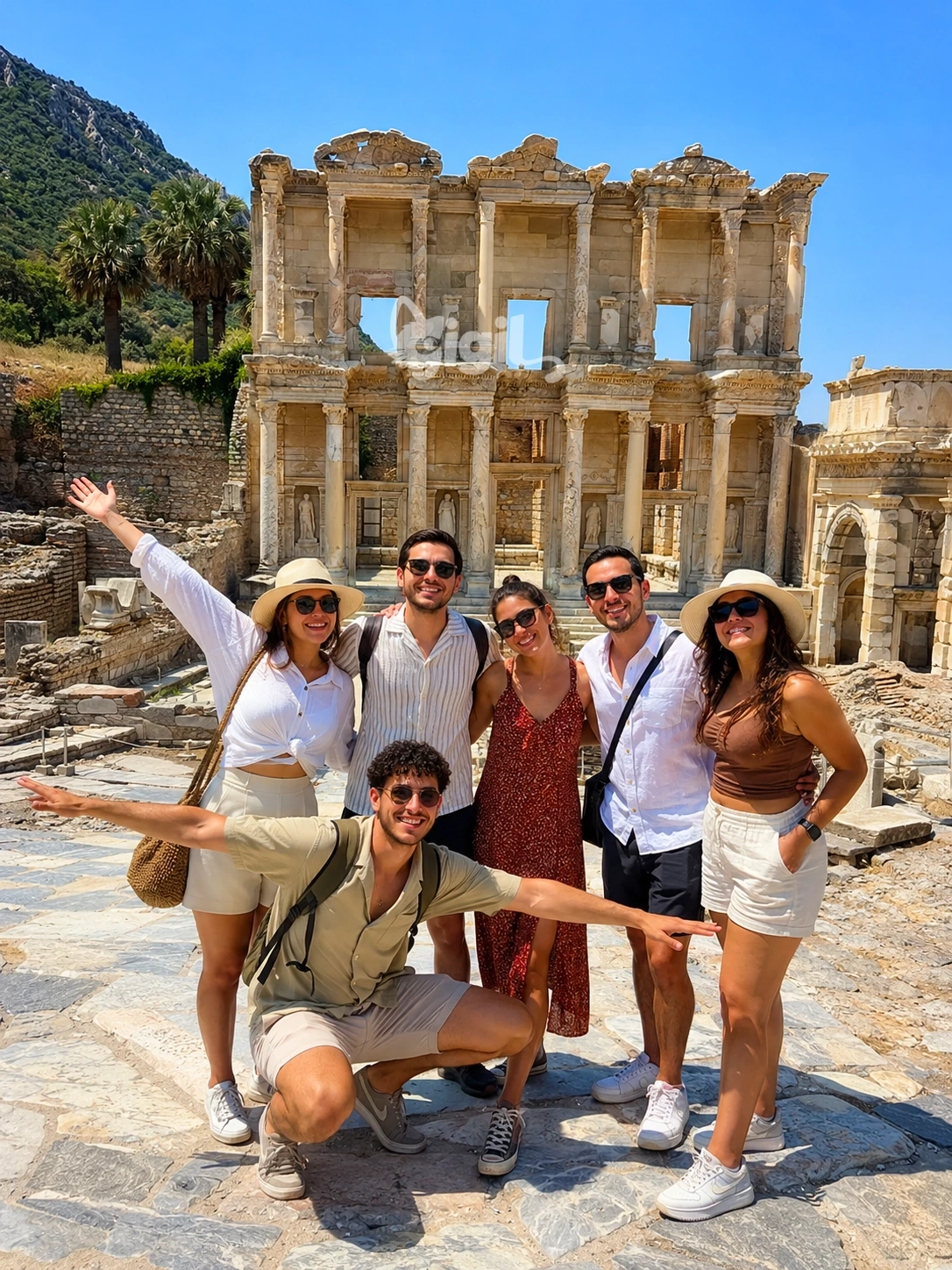
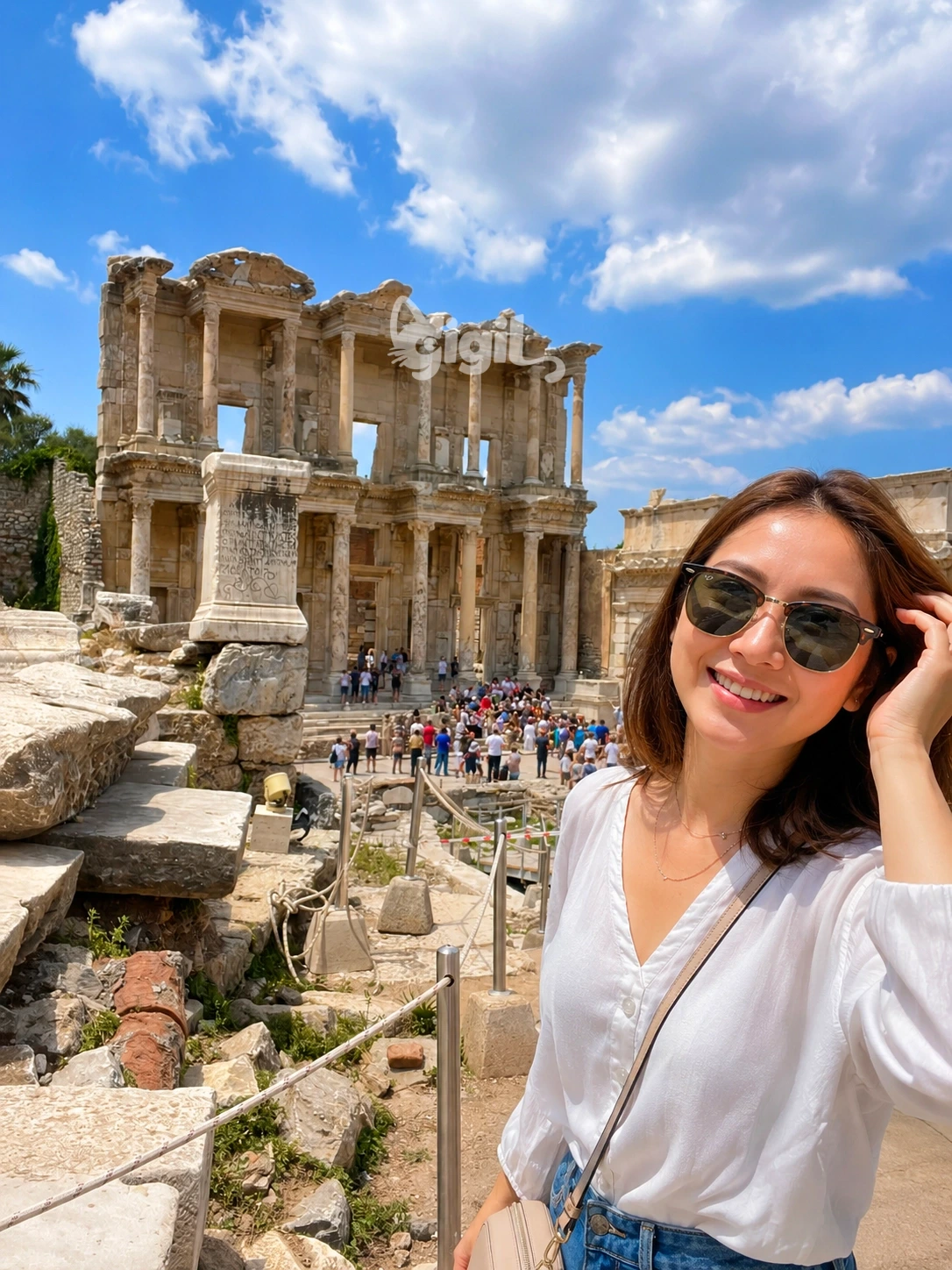
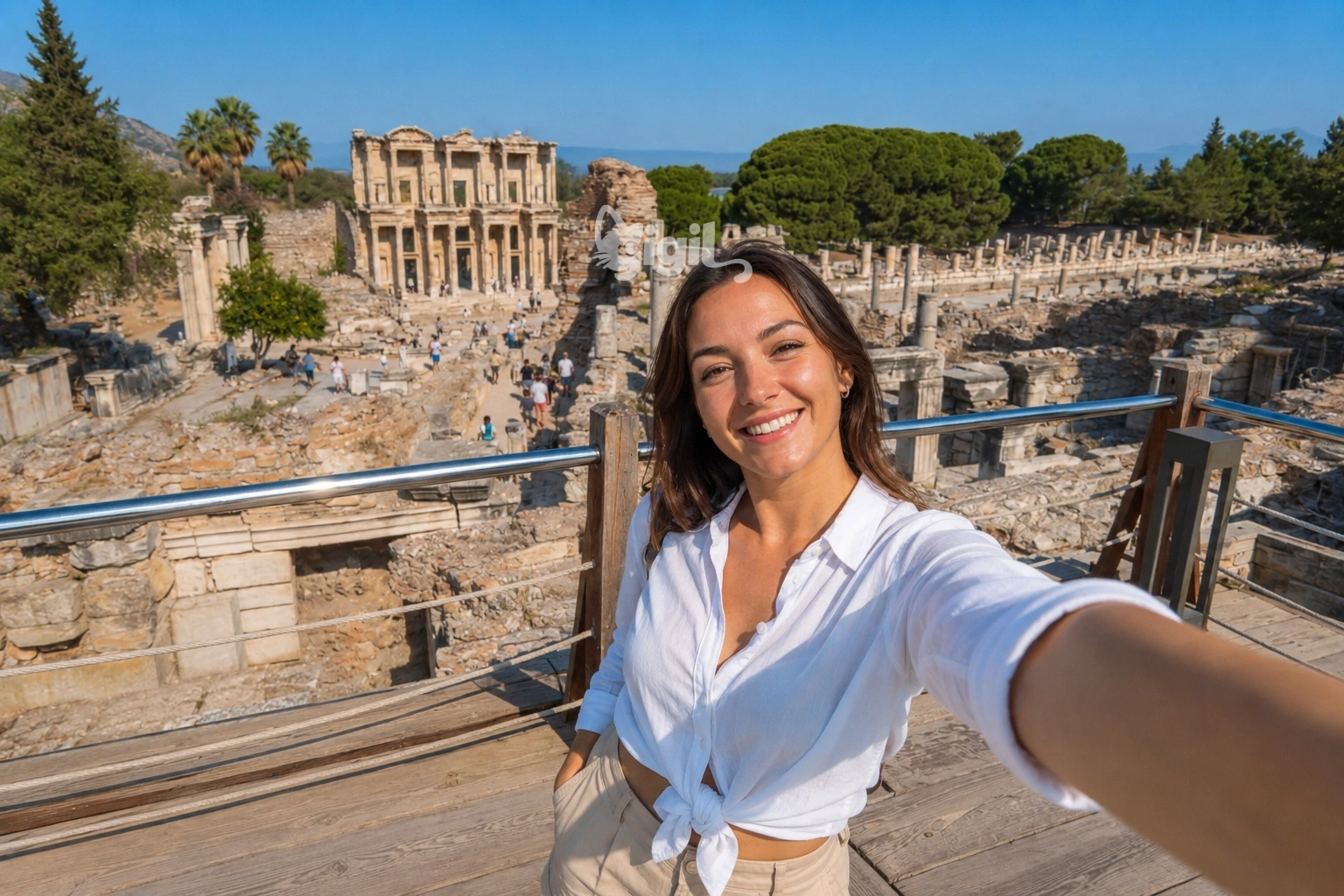
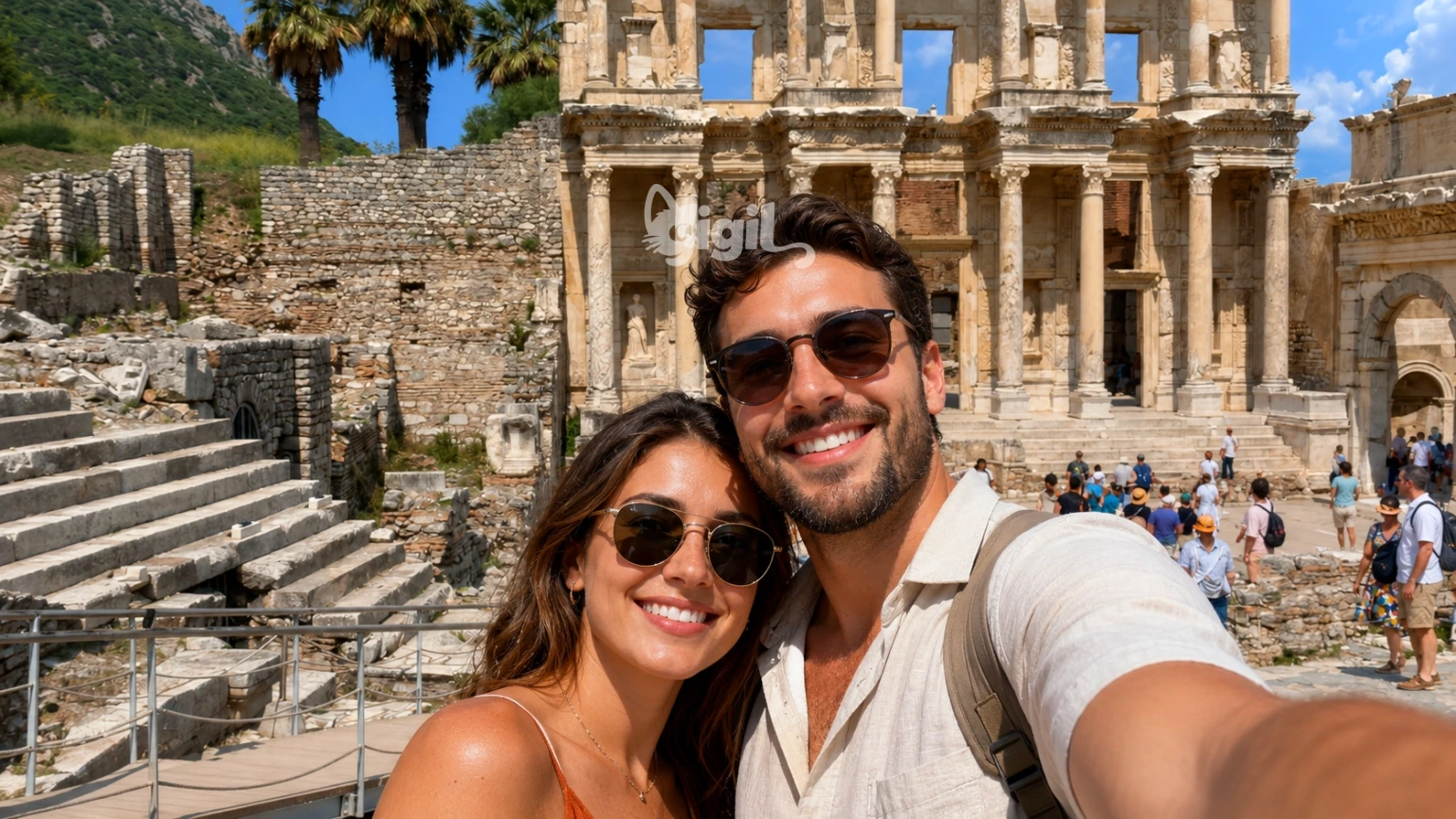
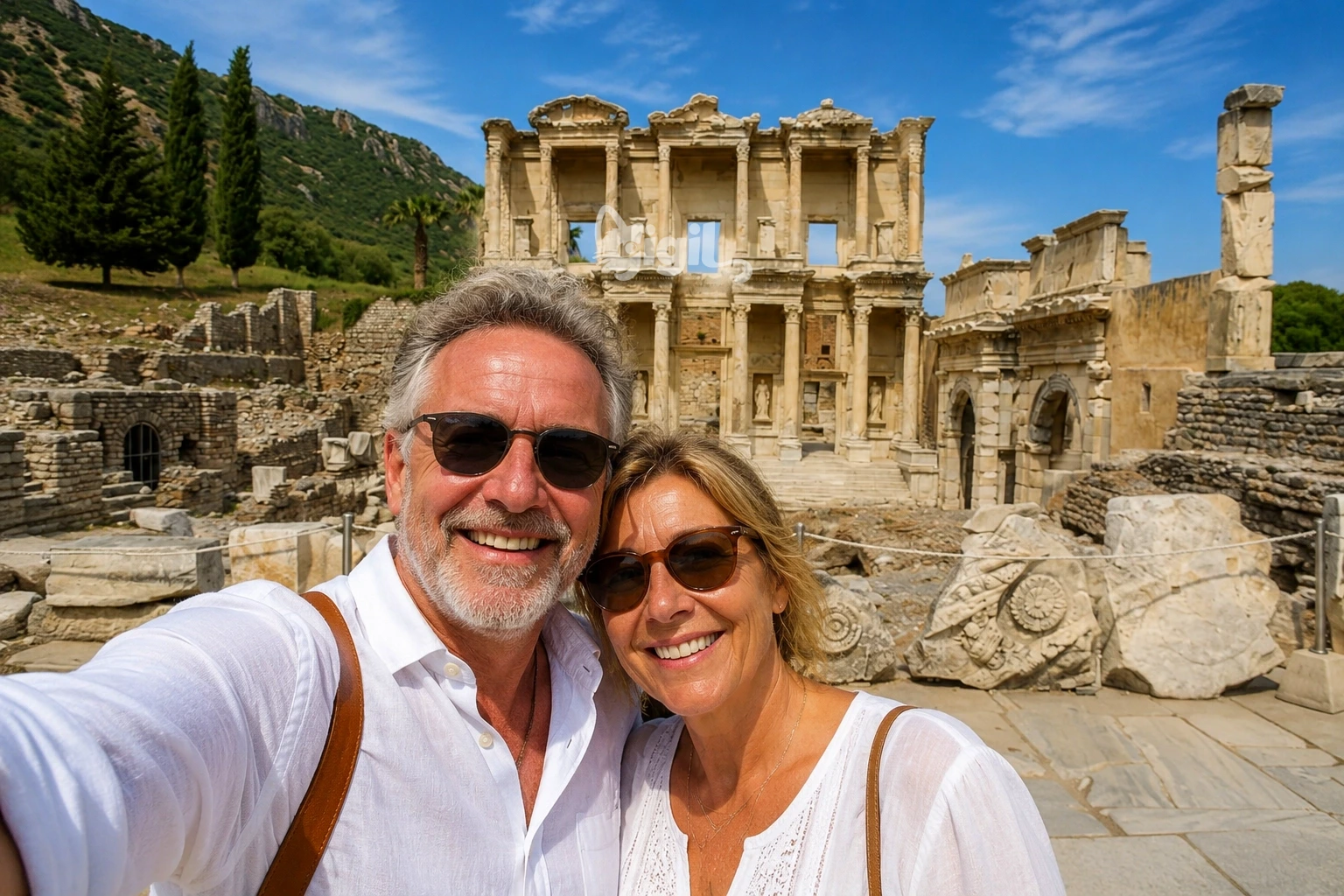
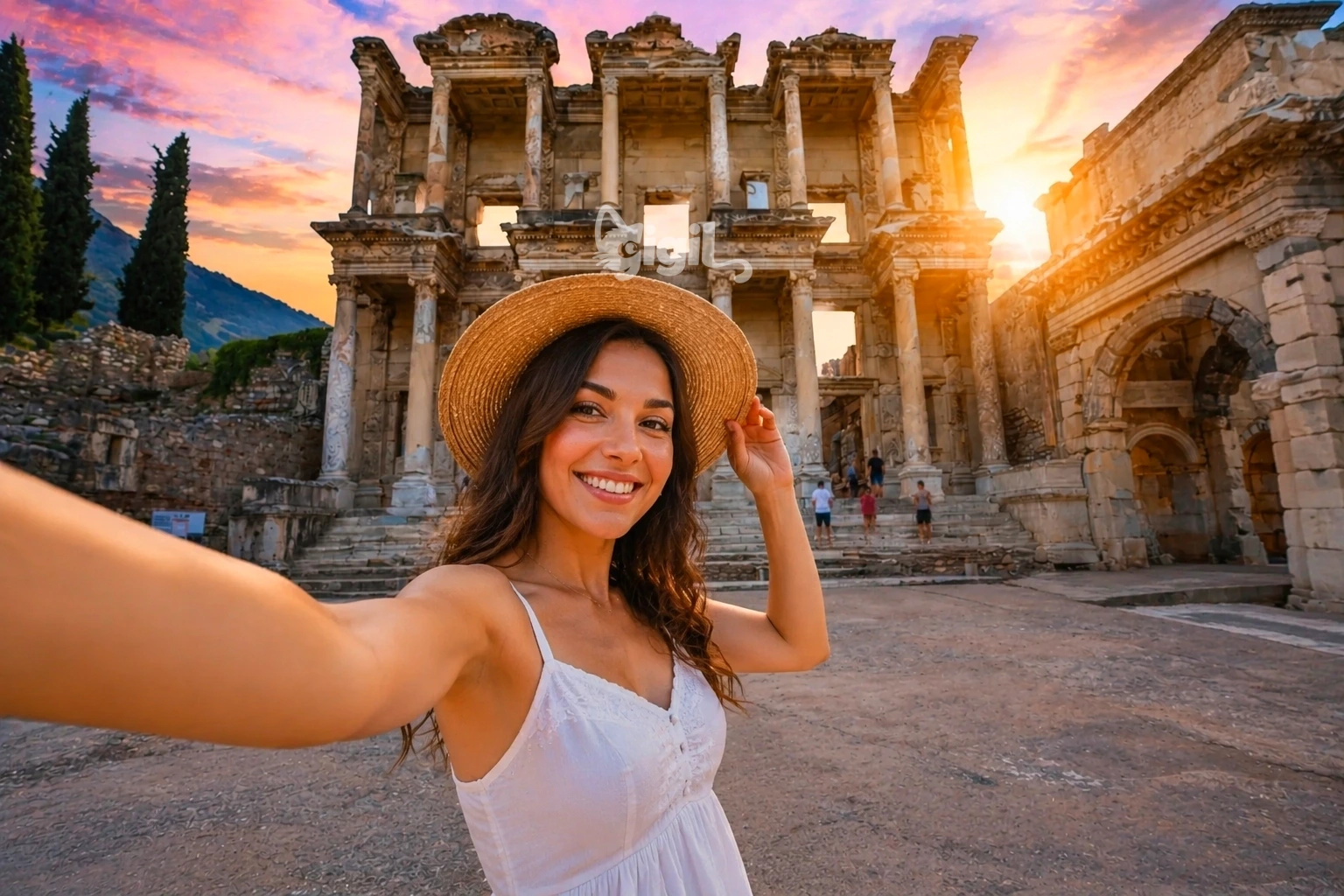
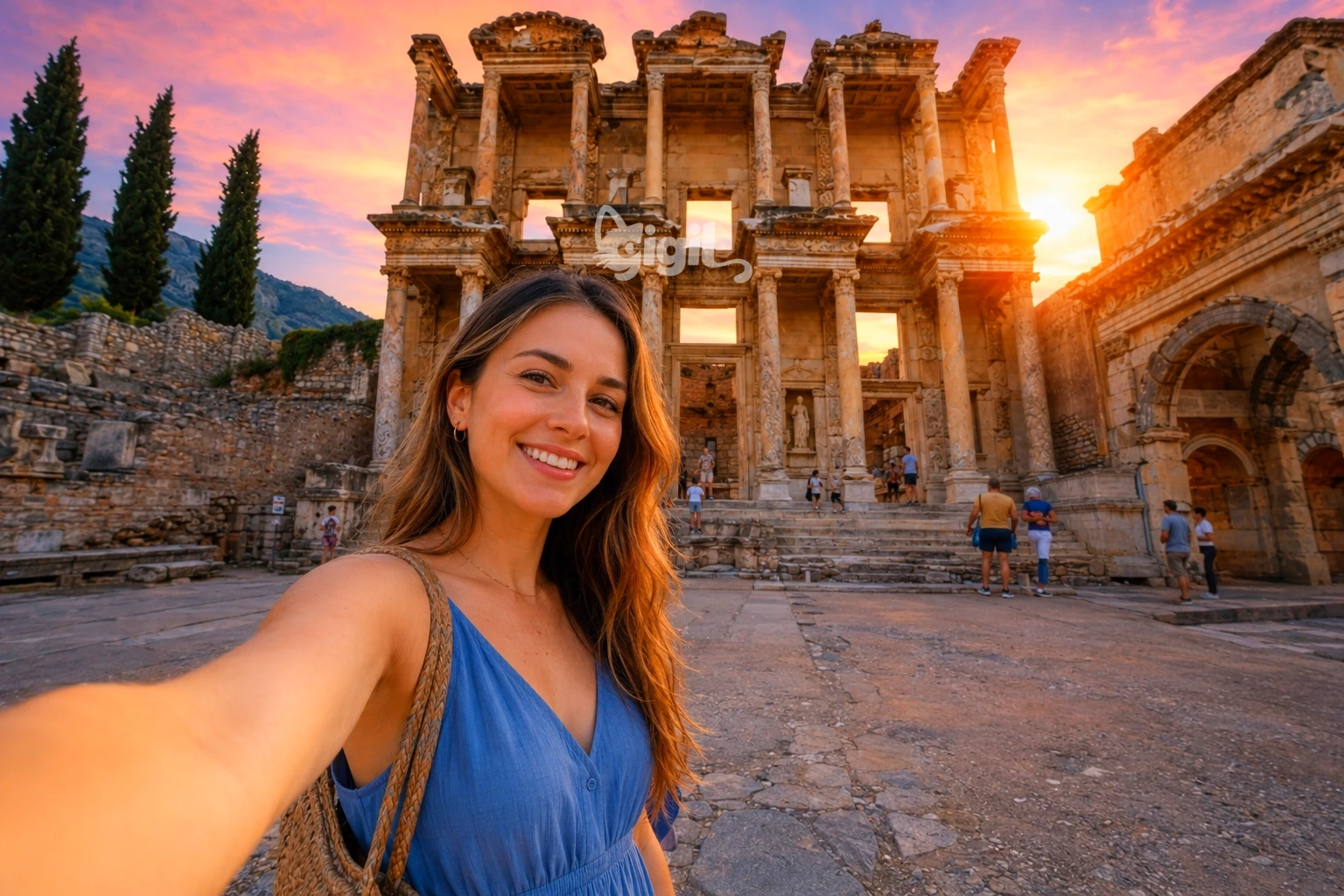
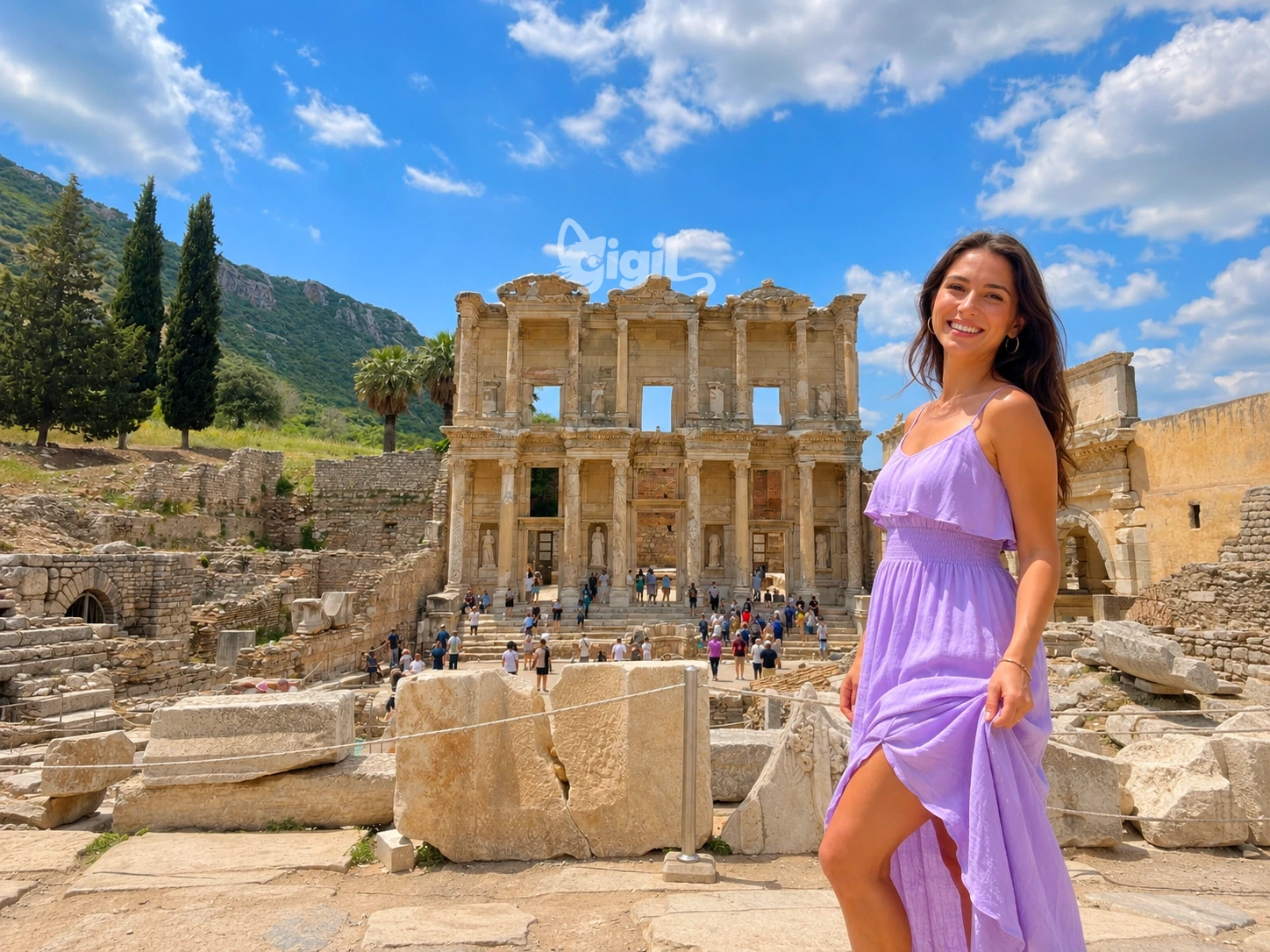
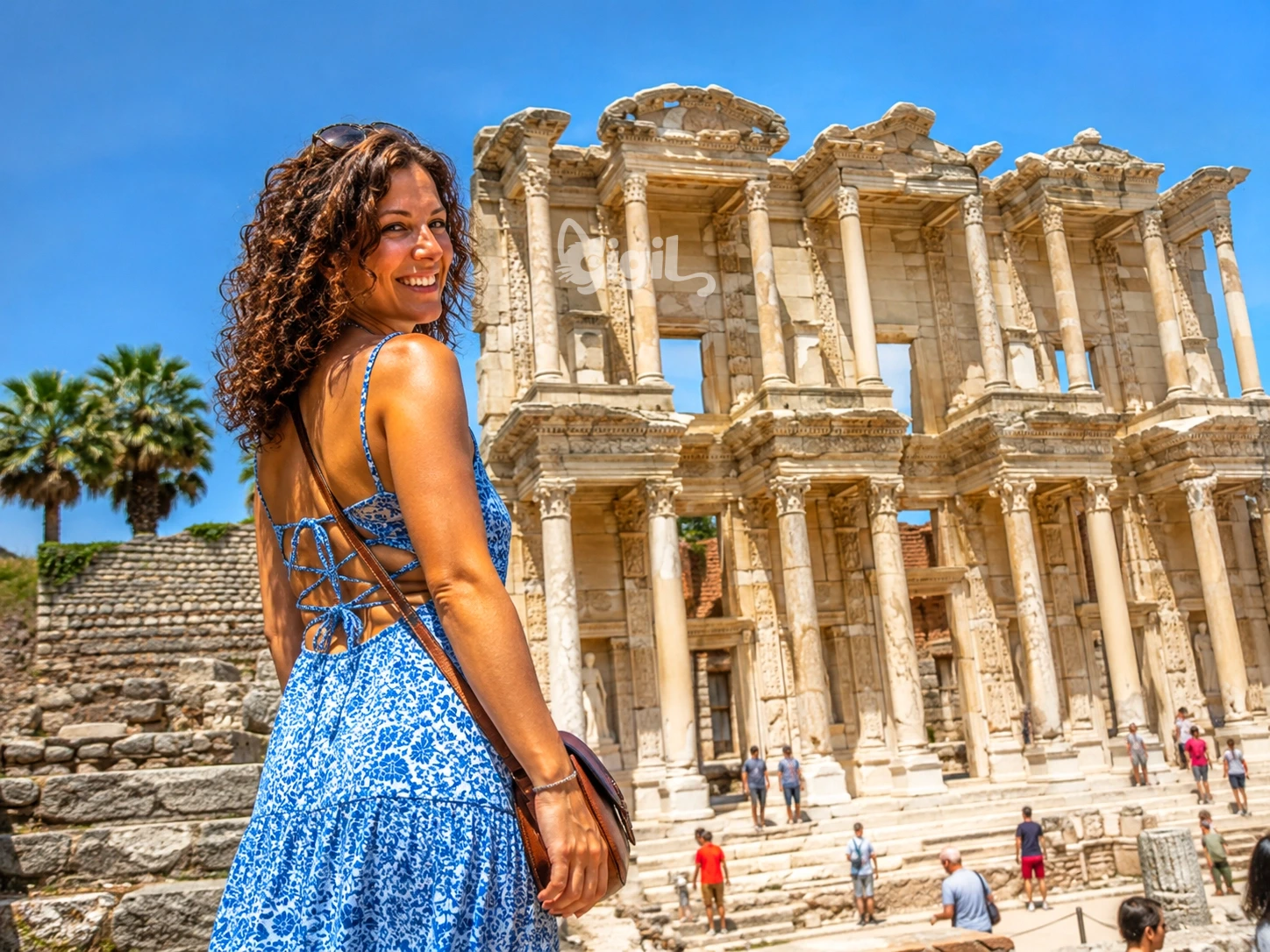
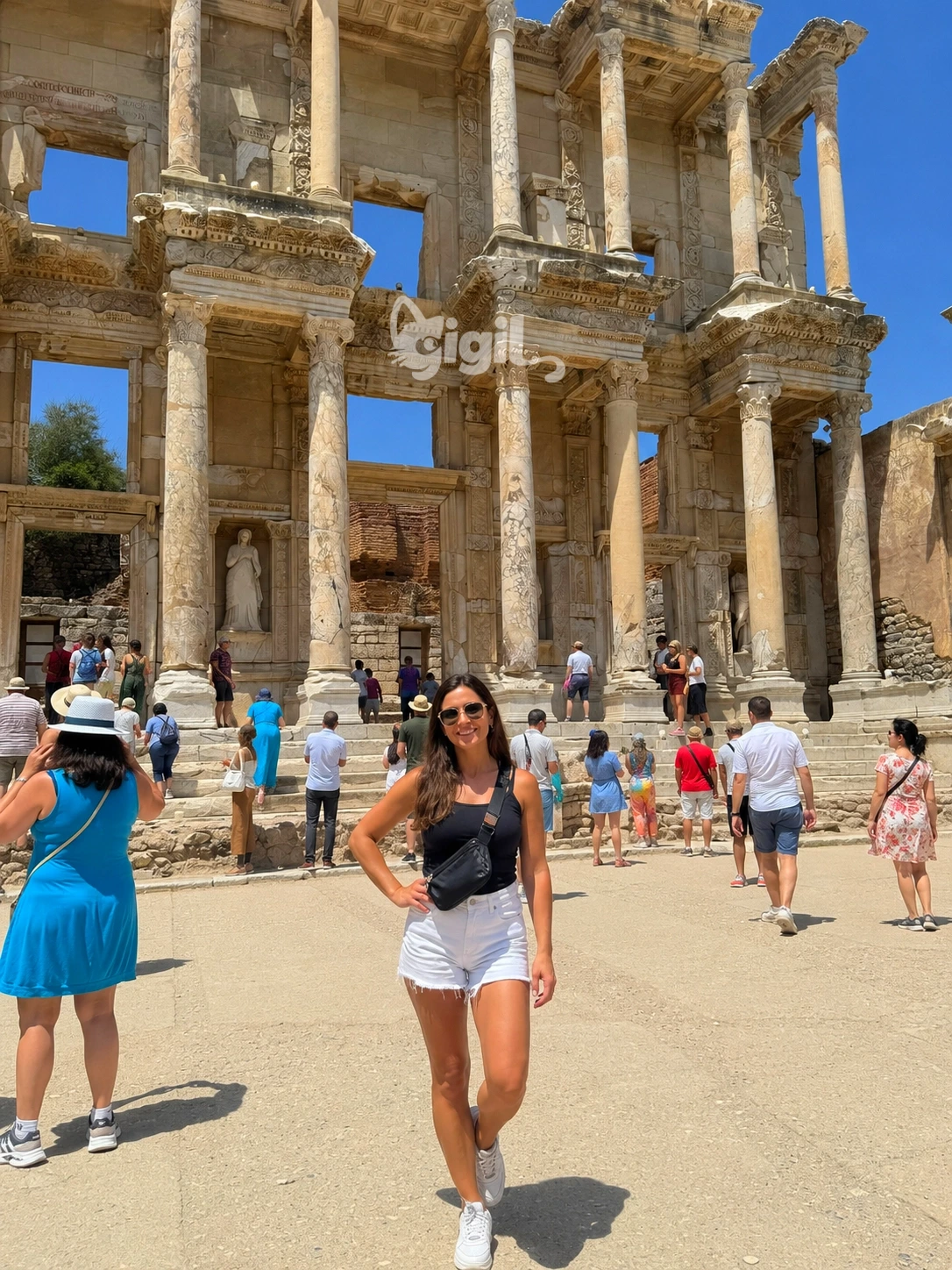
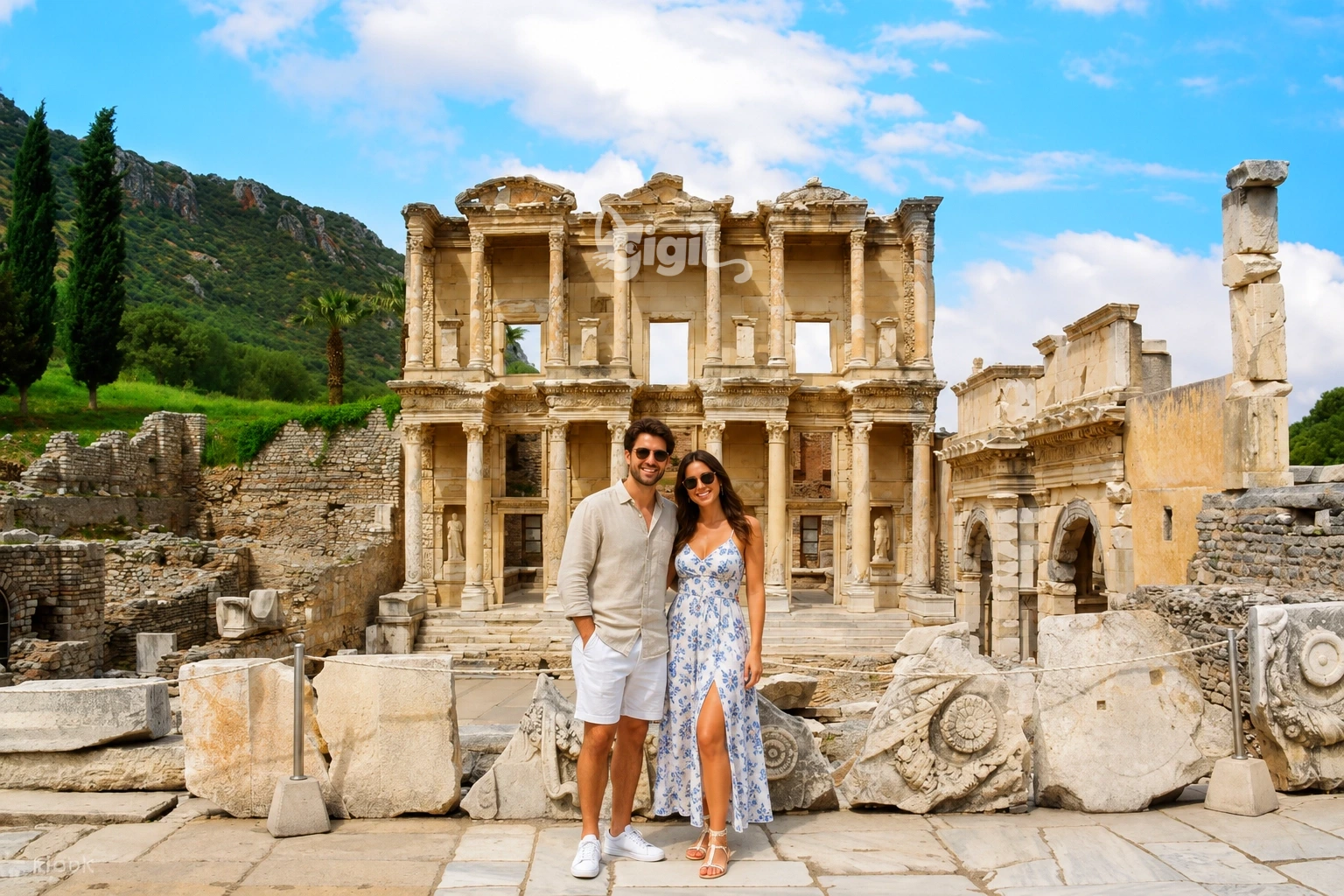
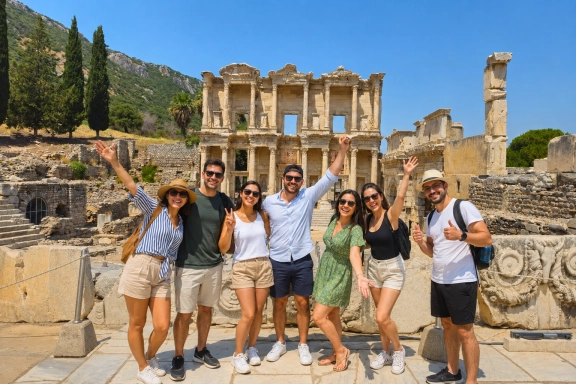
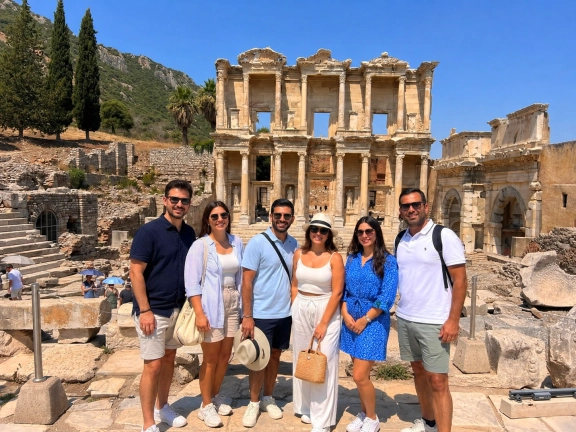
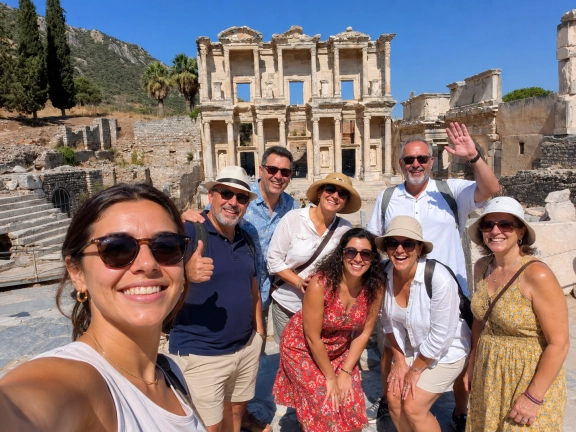
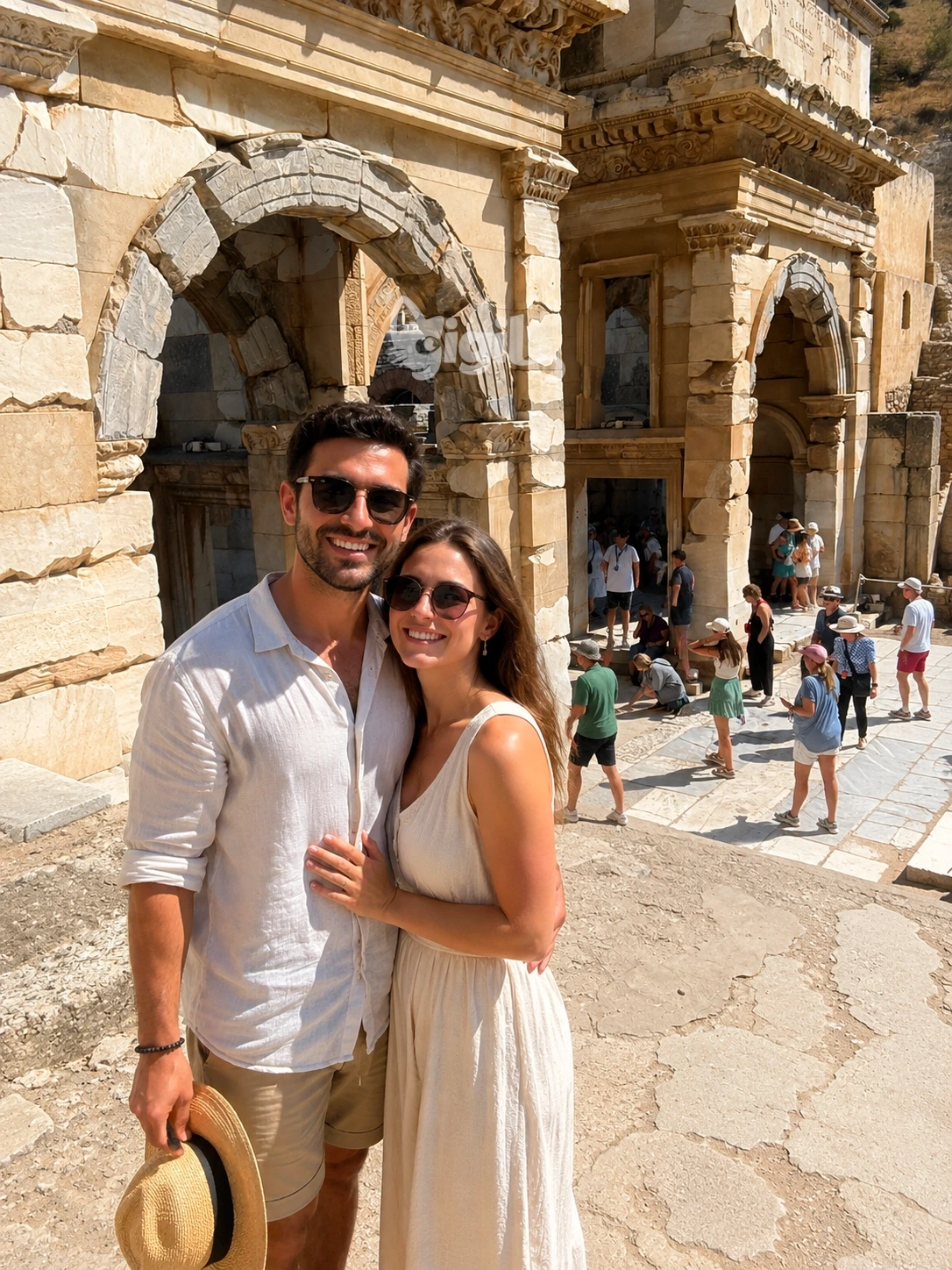
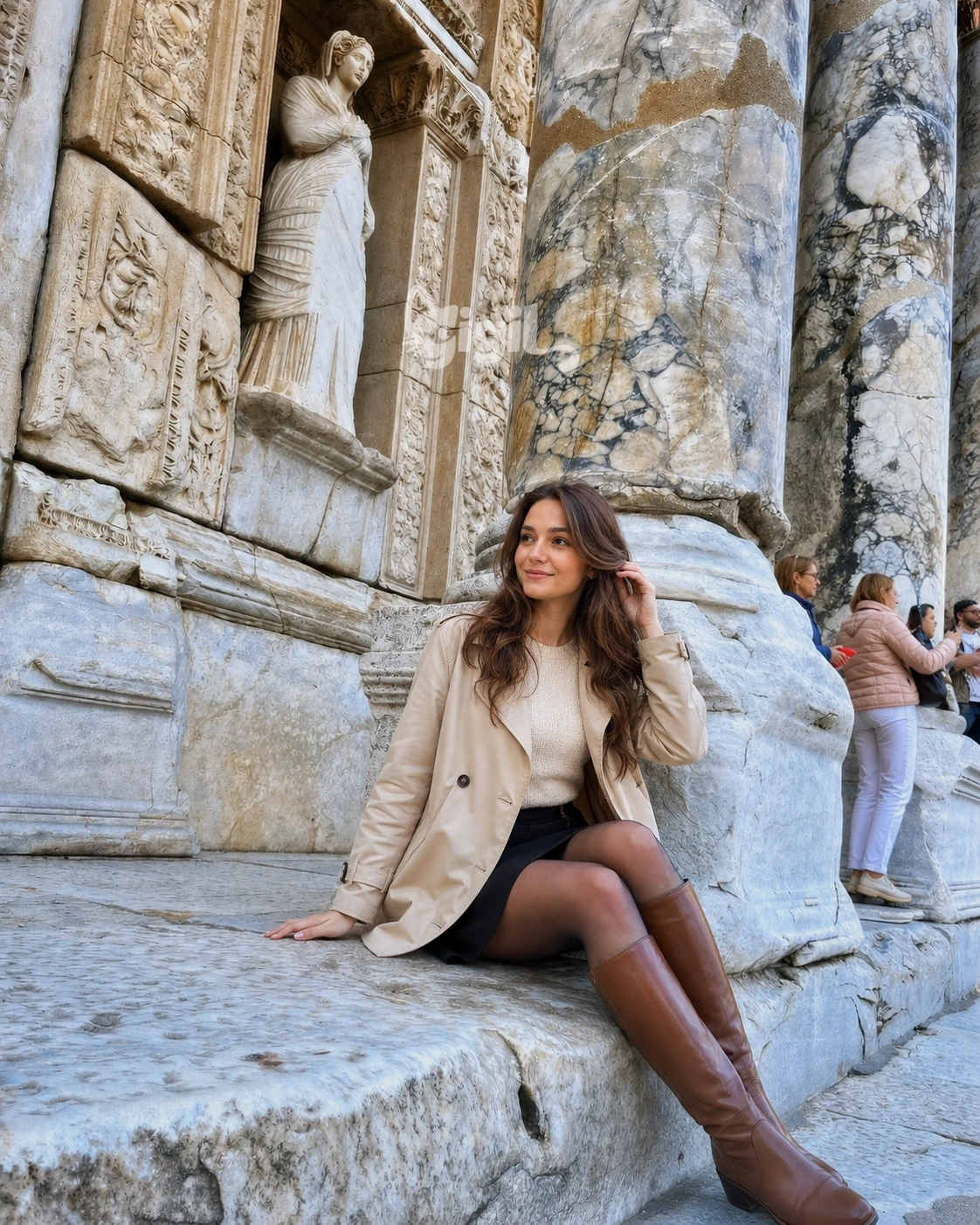
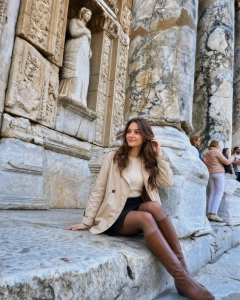 Photo Point at the Library of Celsus
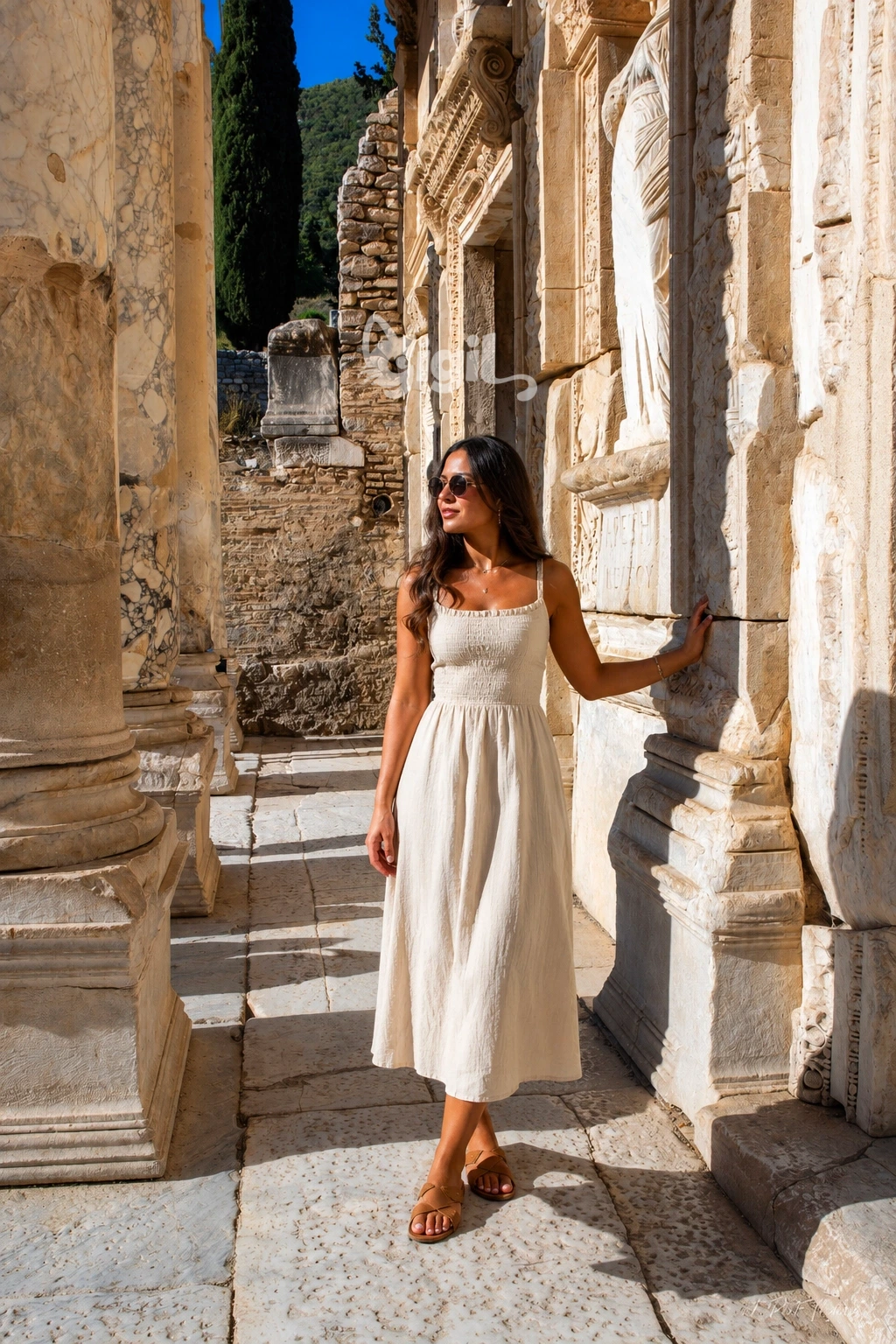
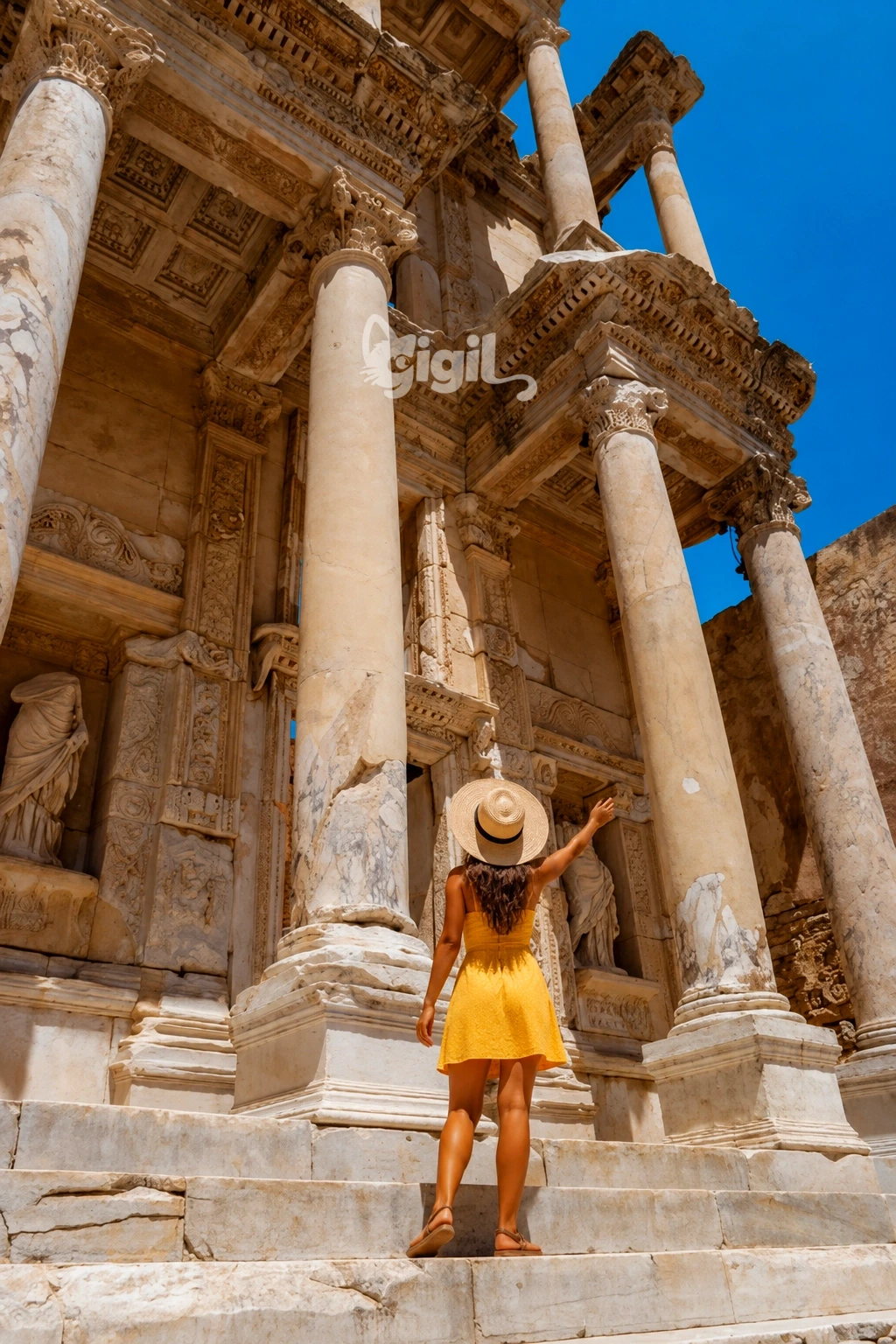
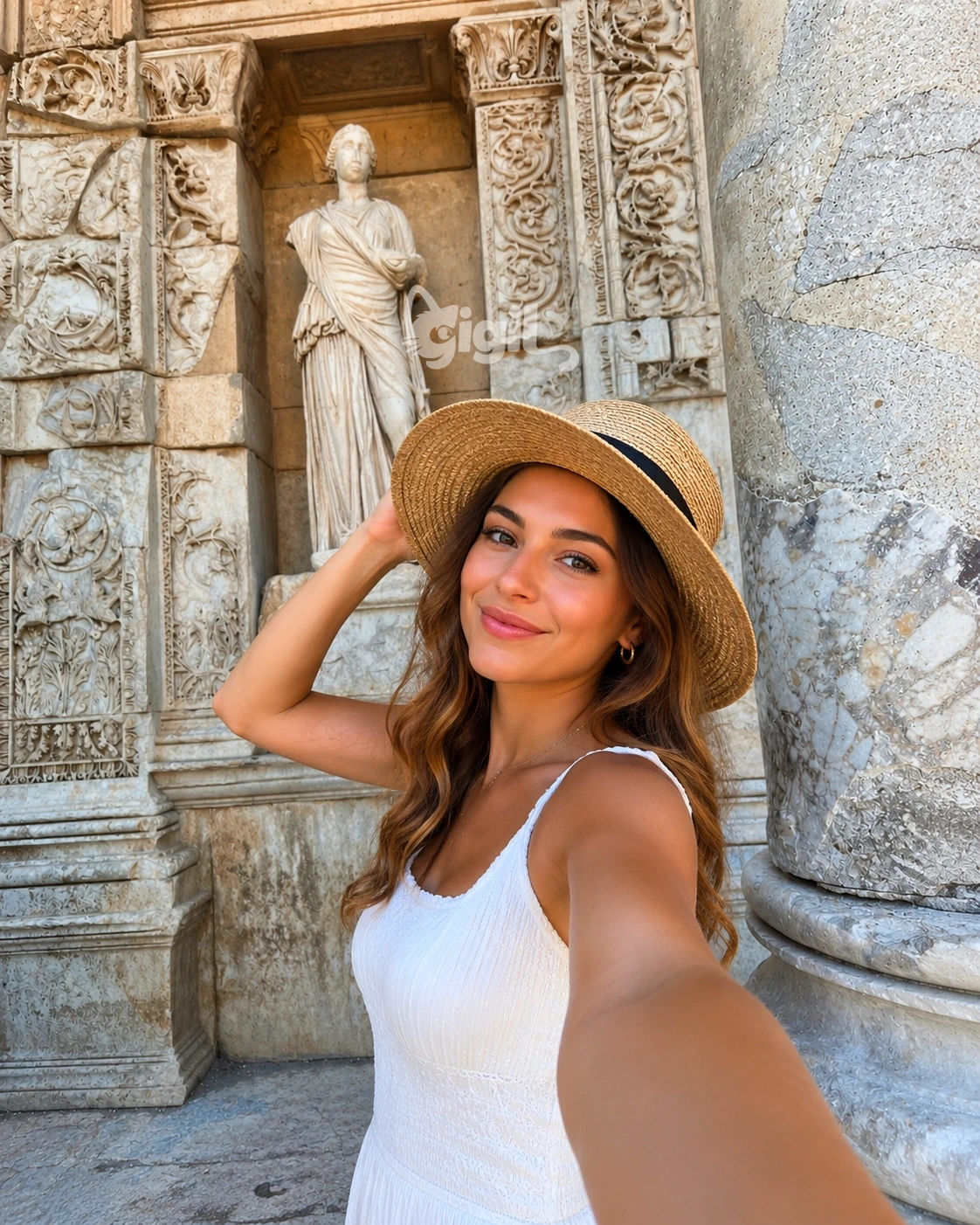
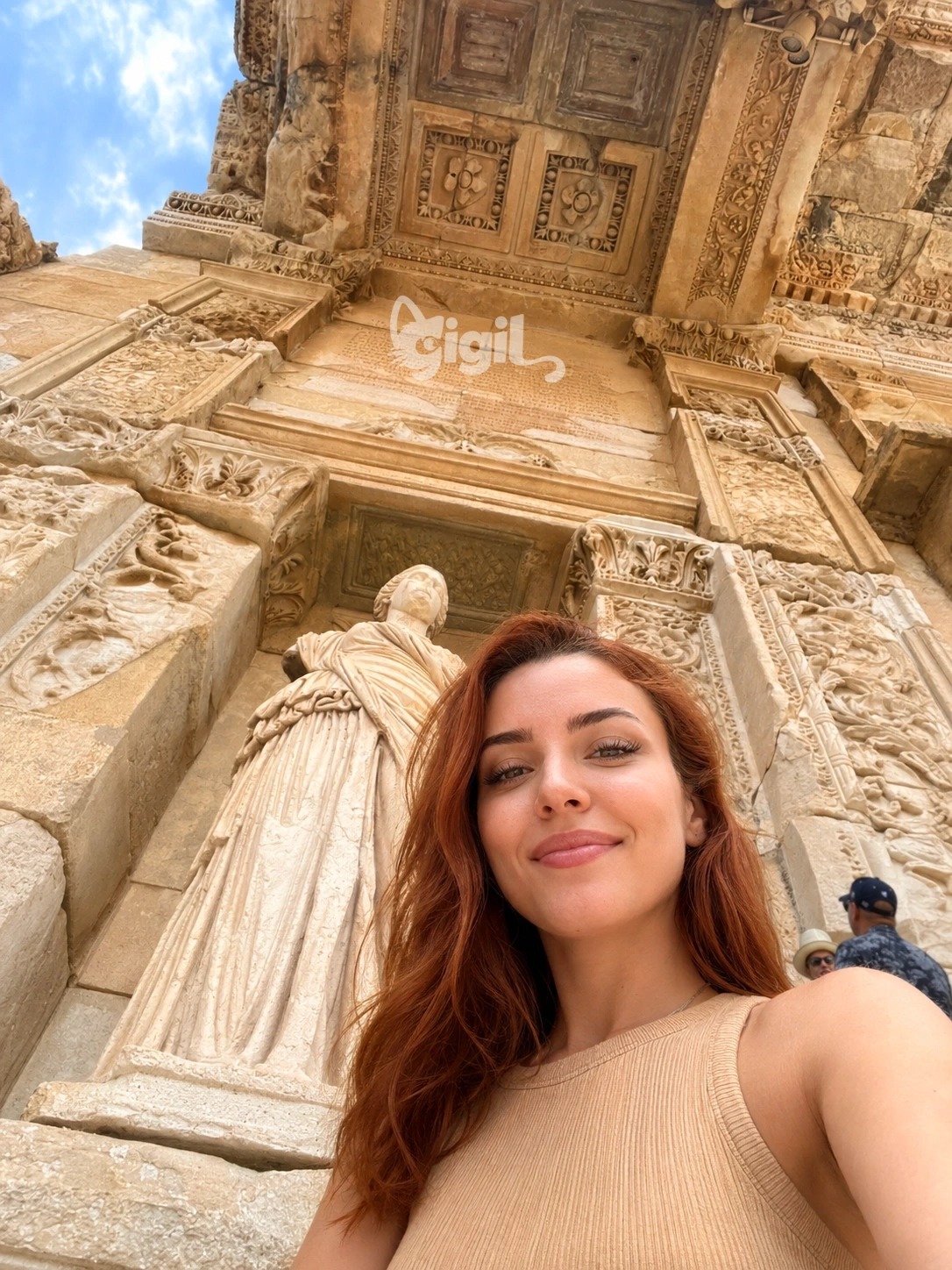
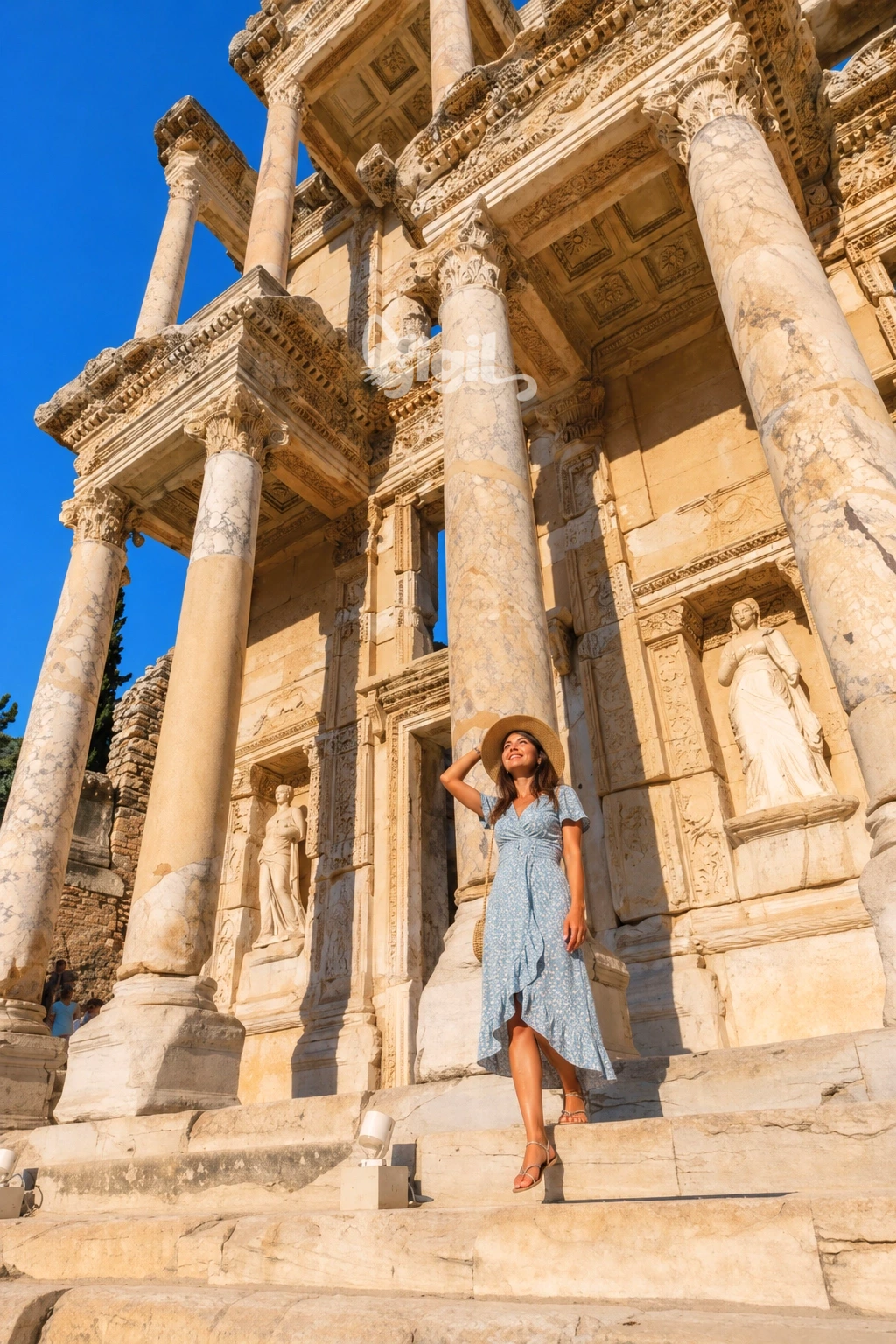
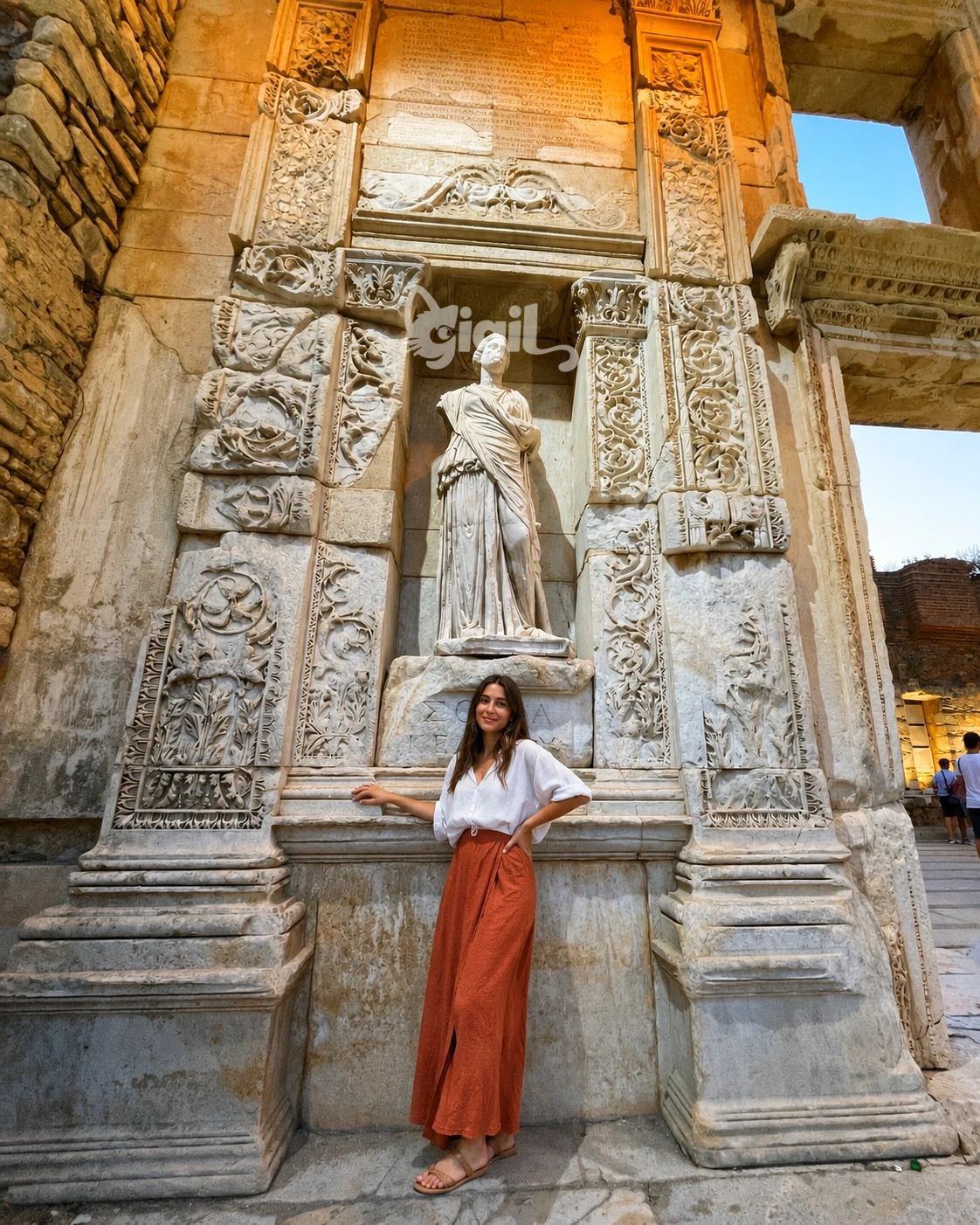
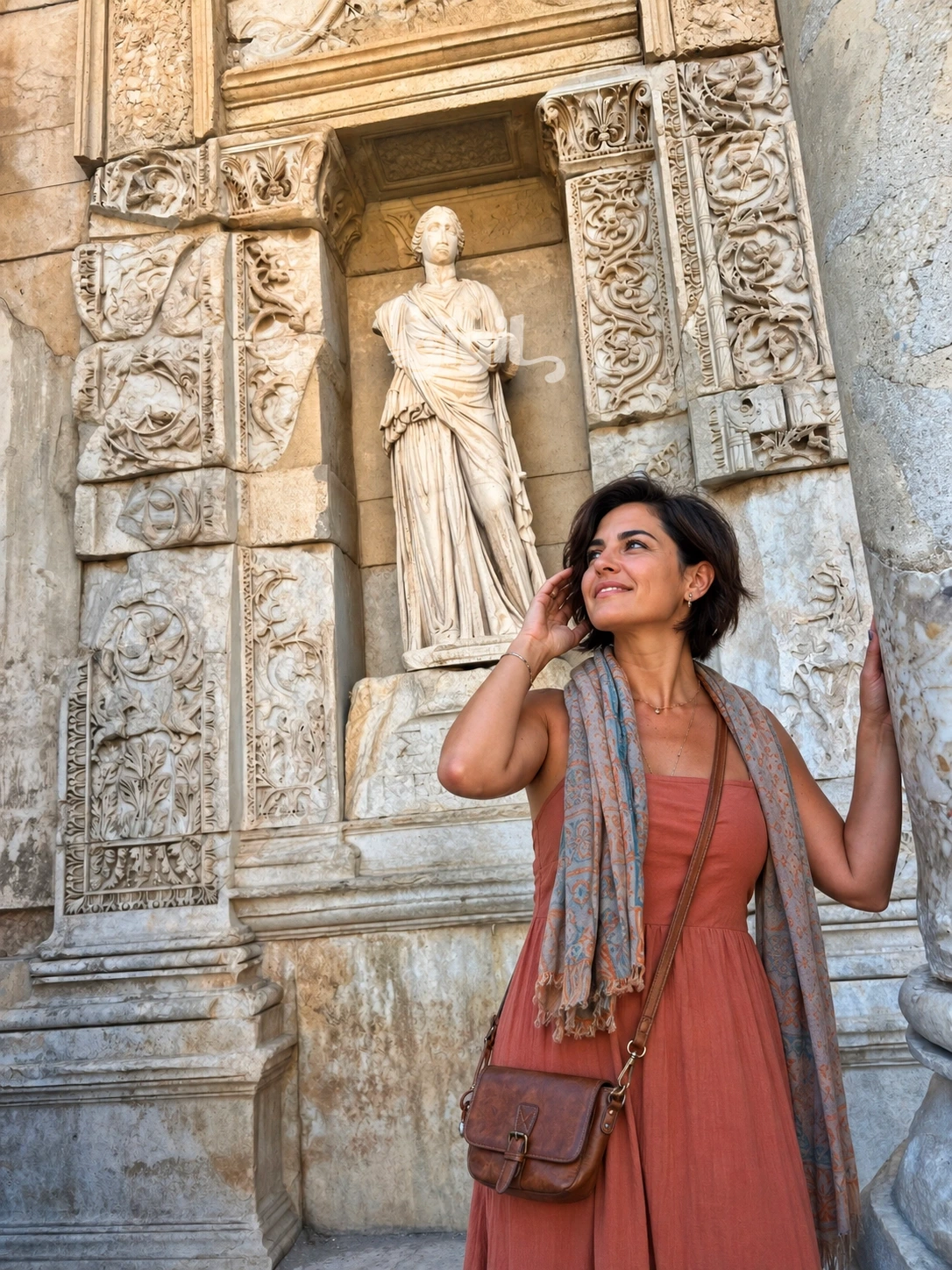
 Roman Architecture of Celsus Library
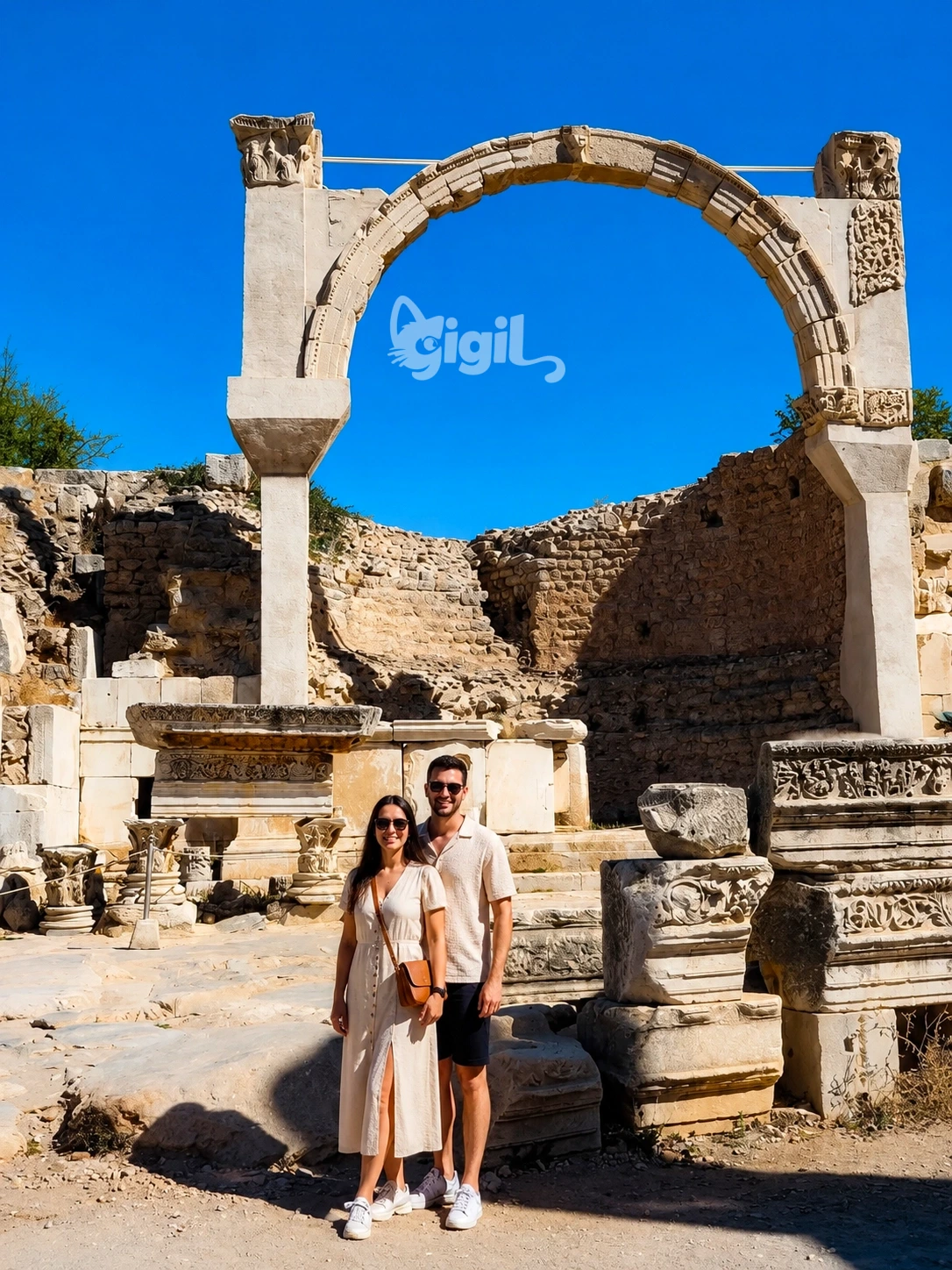
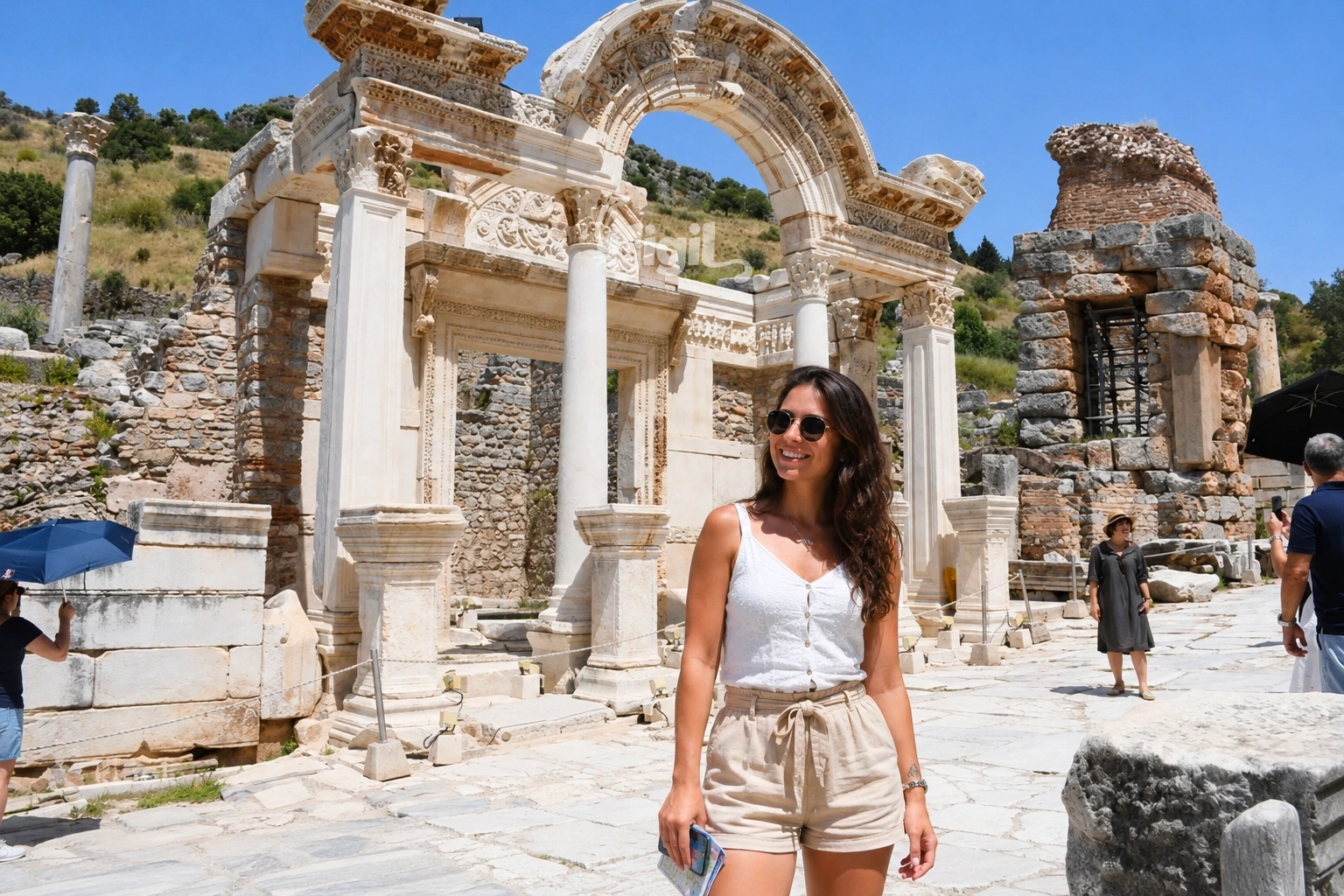
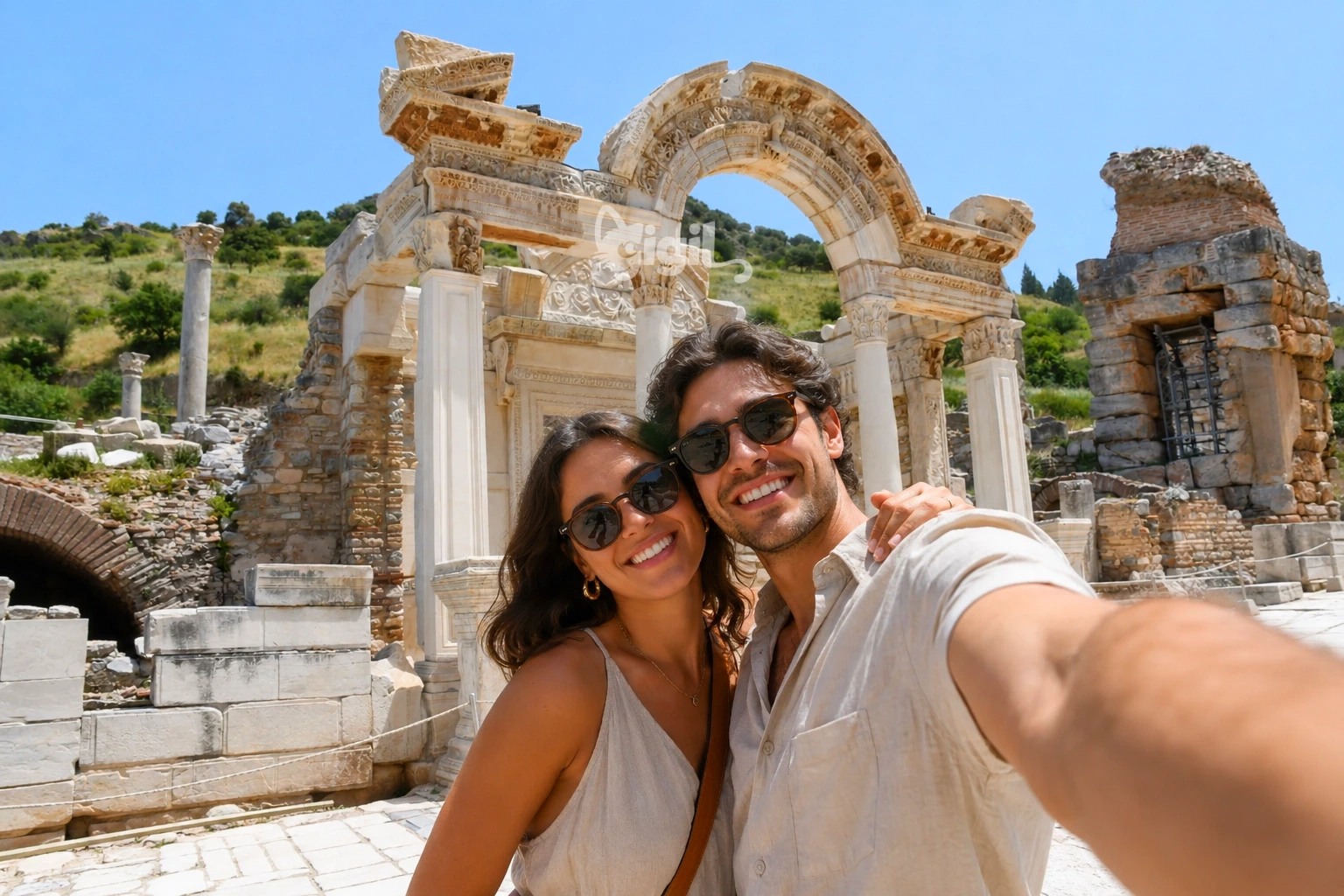
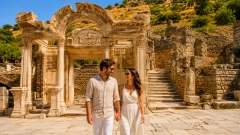 Temple of Hadrian Facade in Ephesus
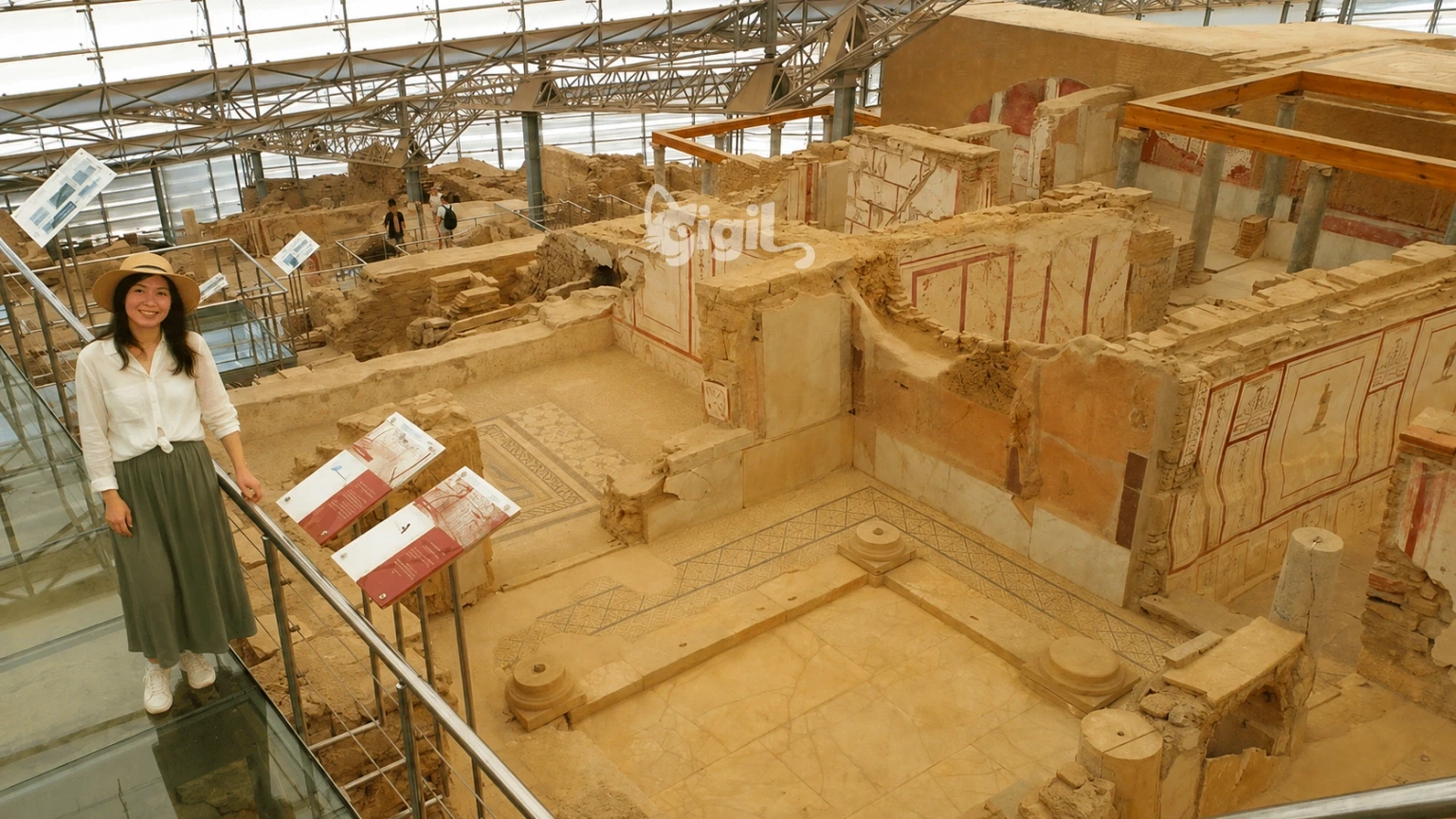
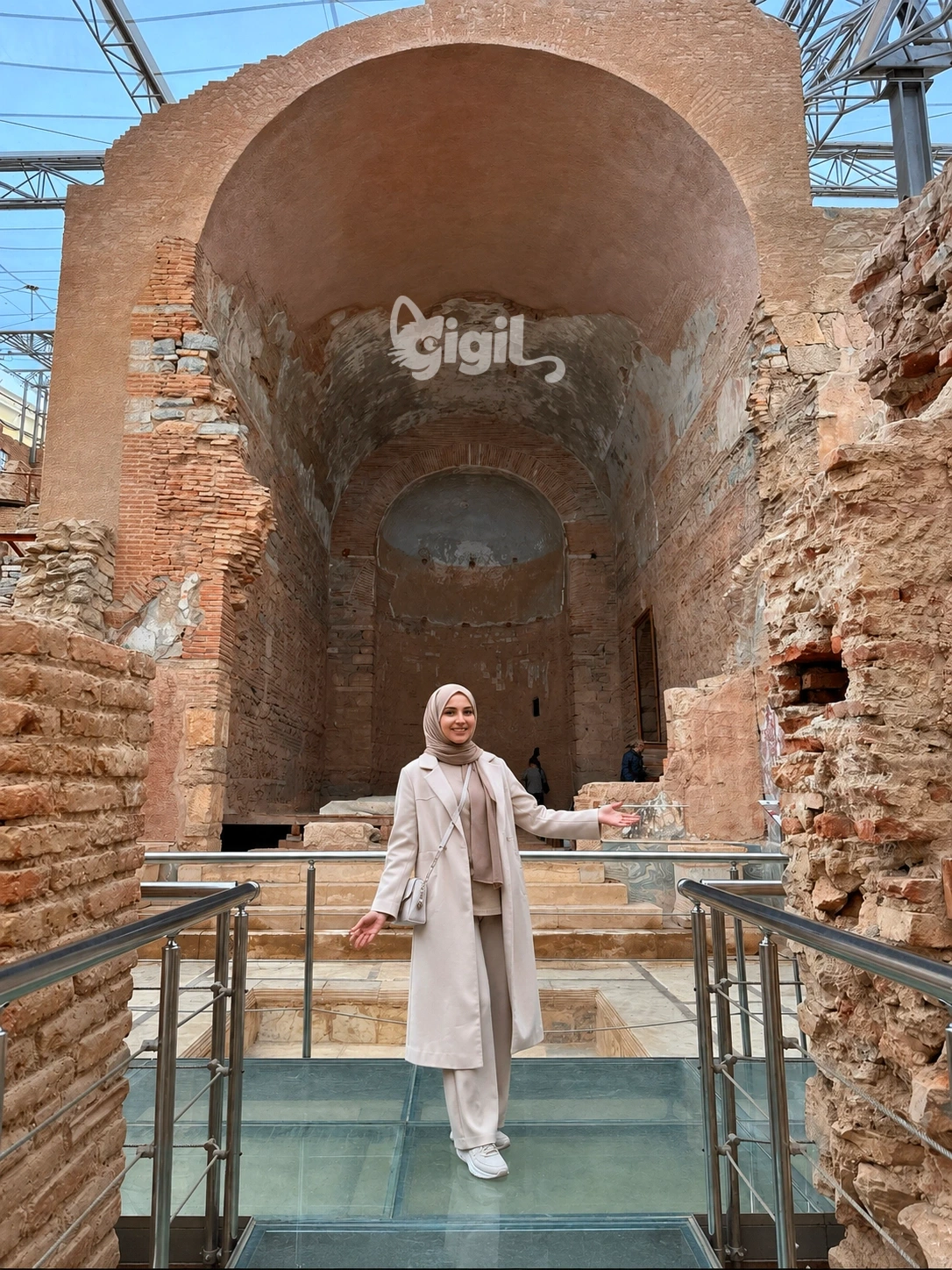
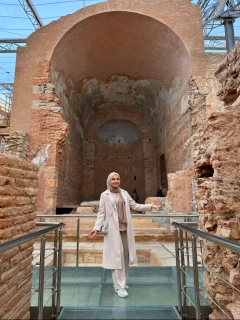 Historic Detail at the Terrace Houses
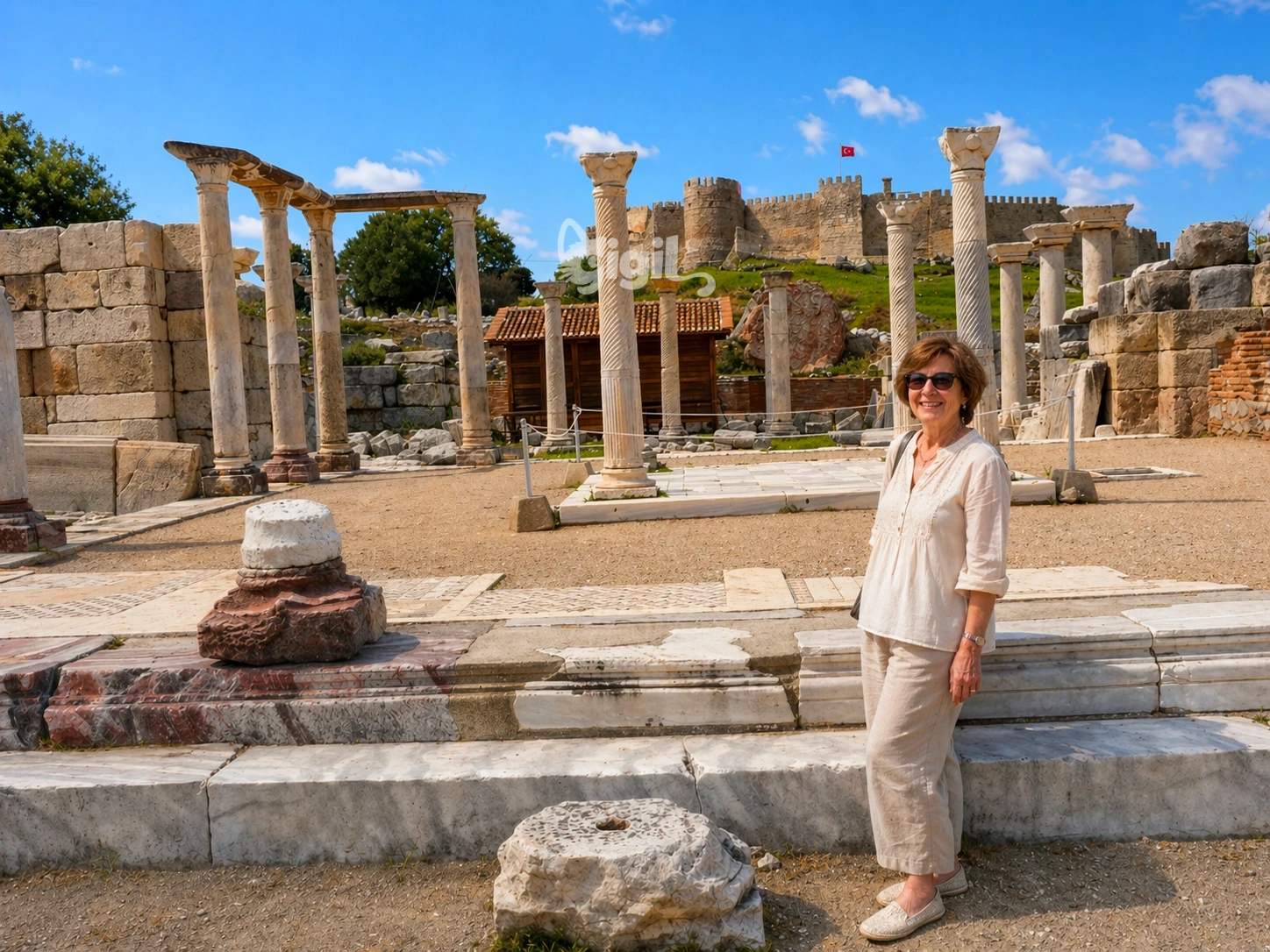
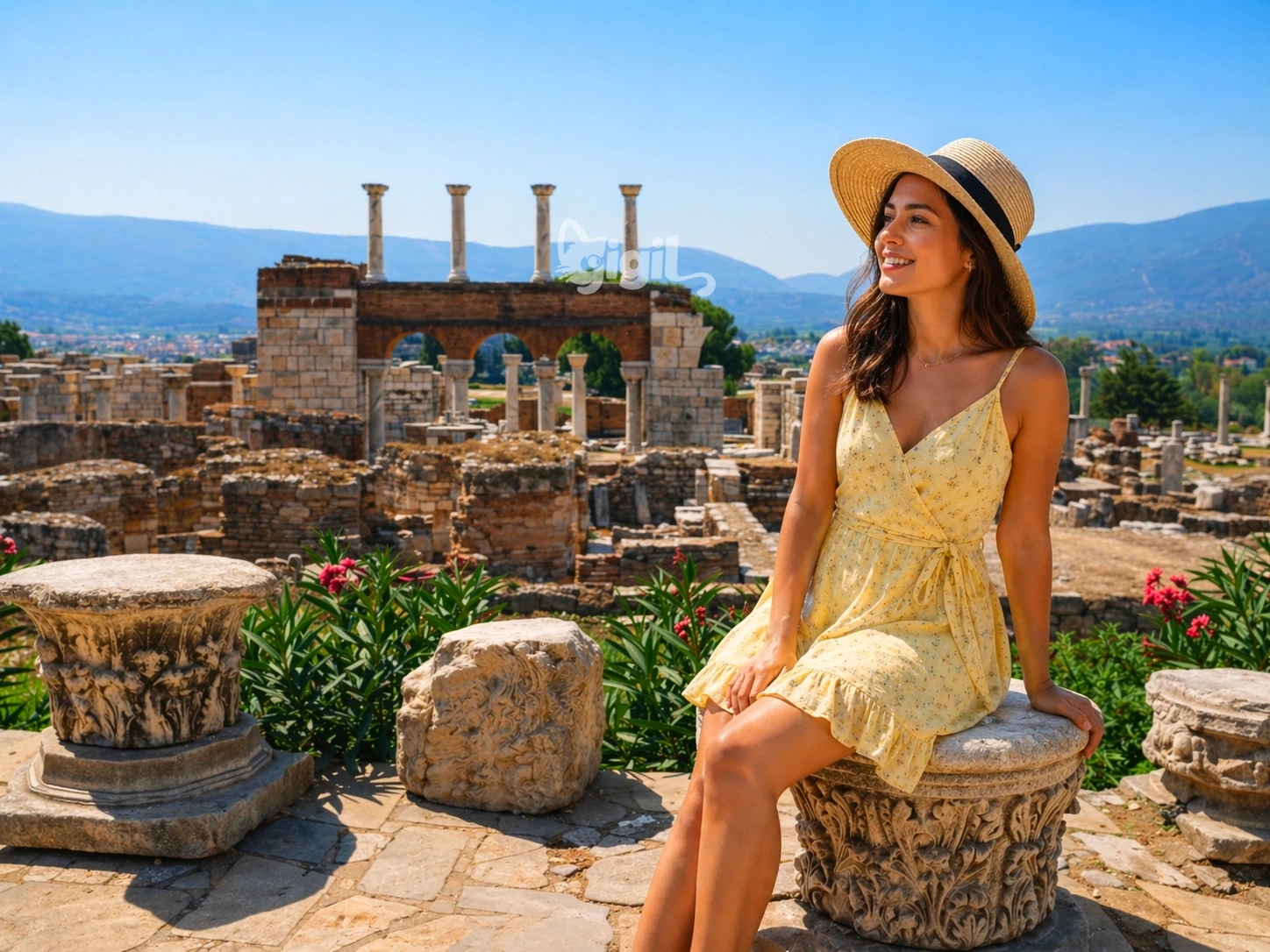
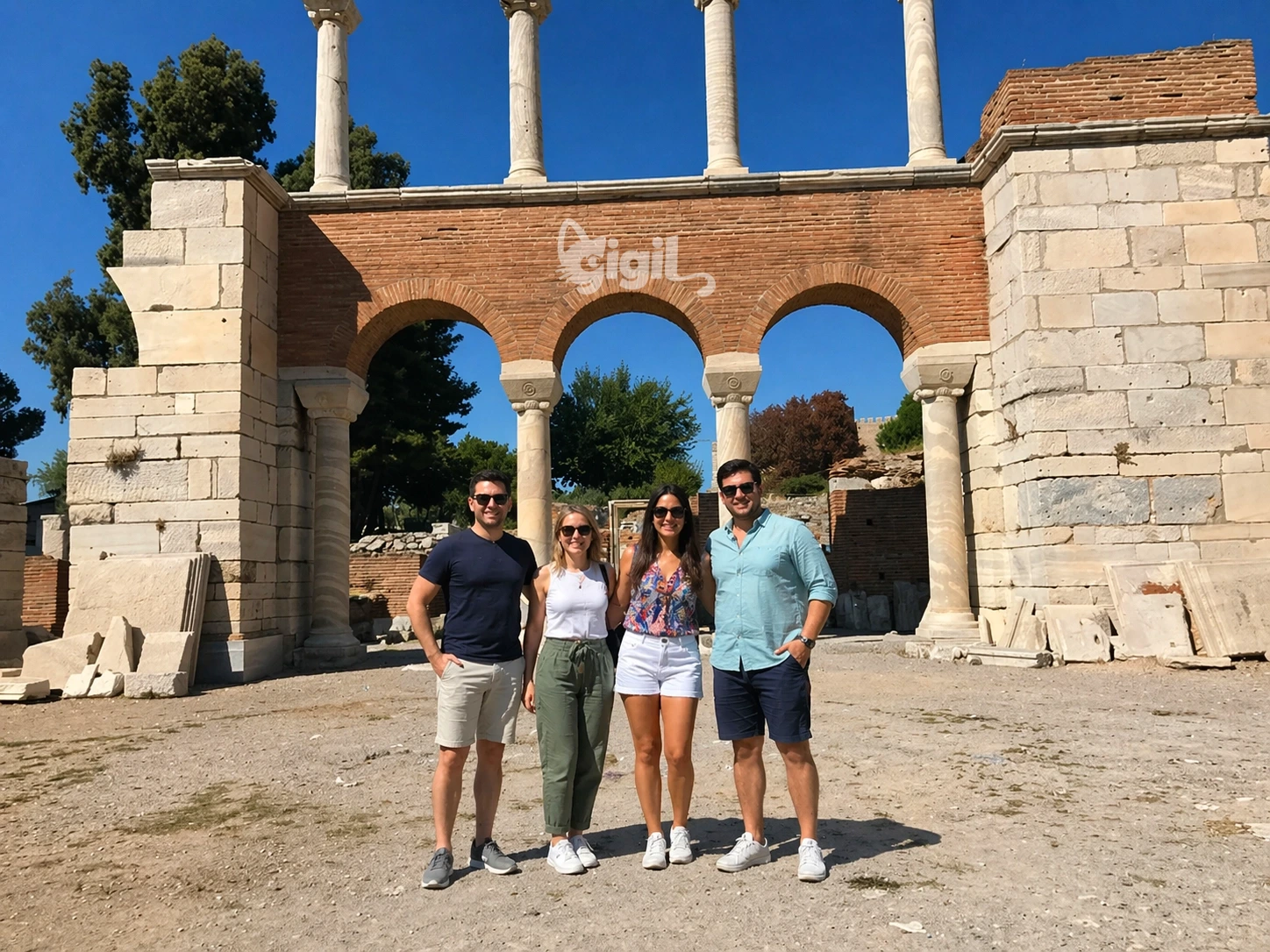
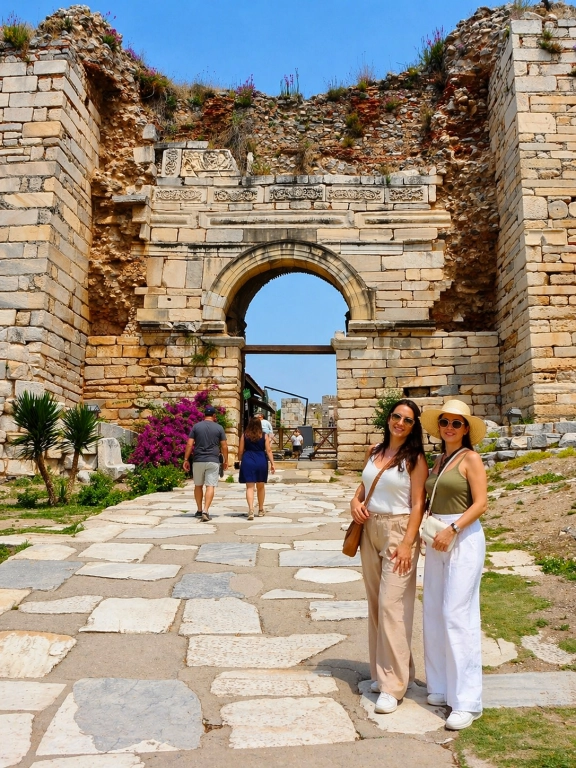
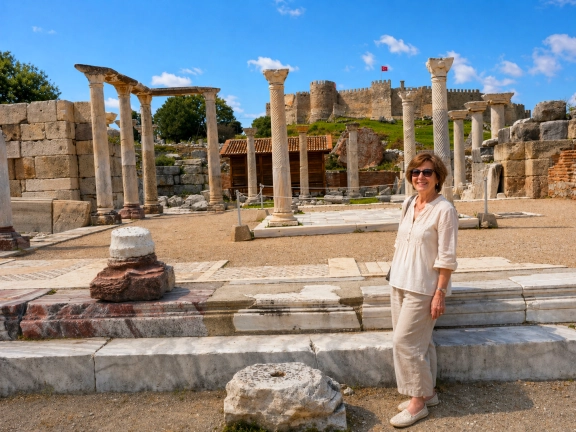
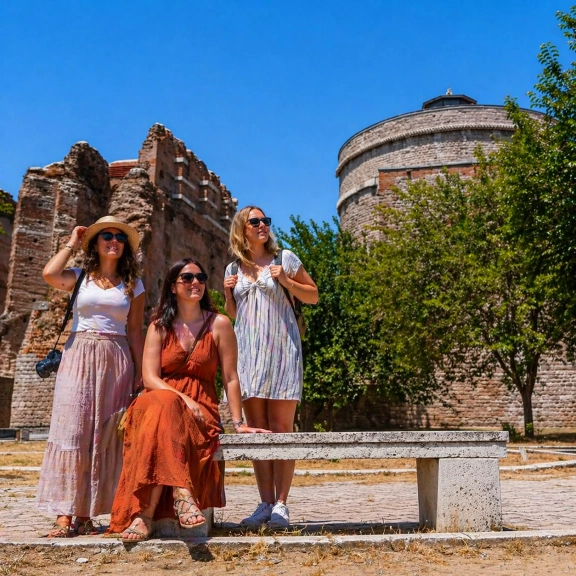
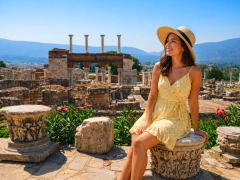 St. John Basilica Ruins in Selcuk
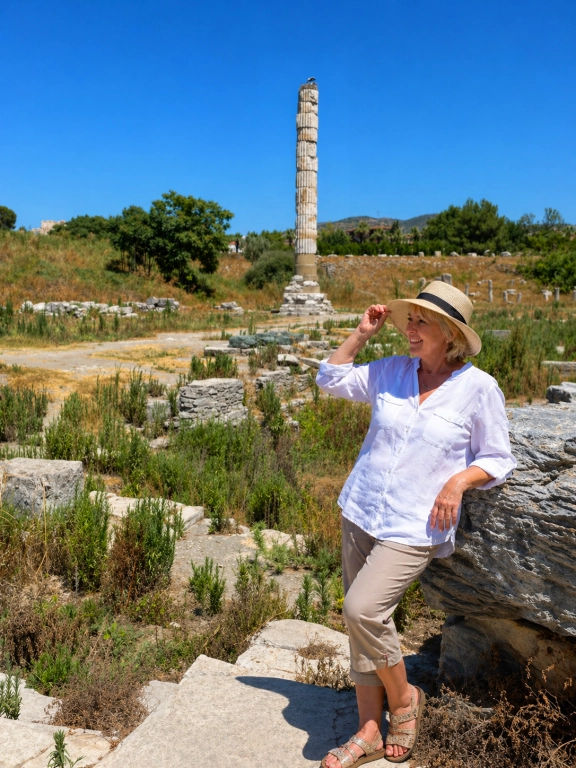
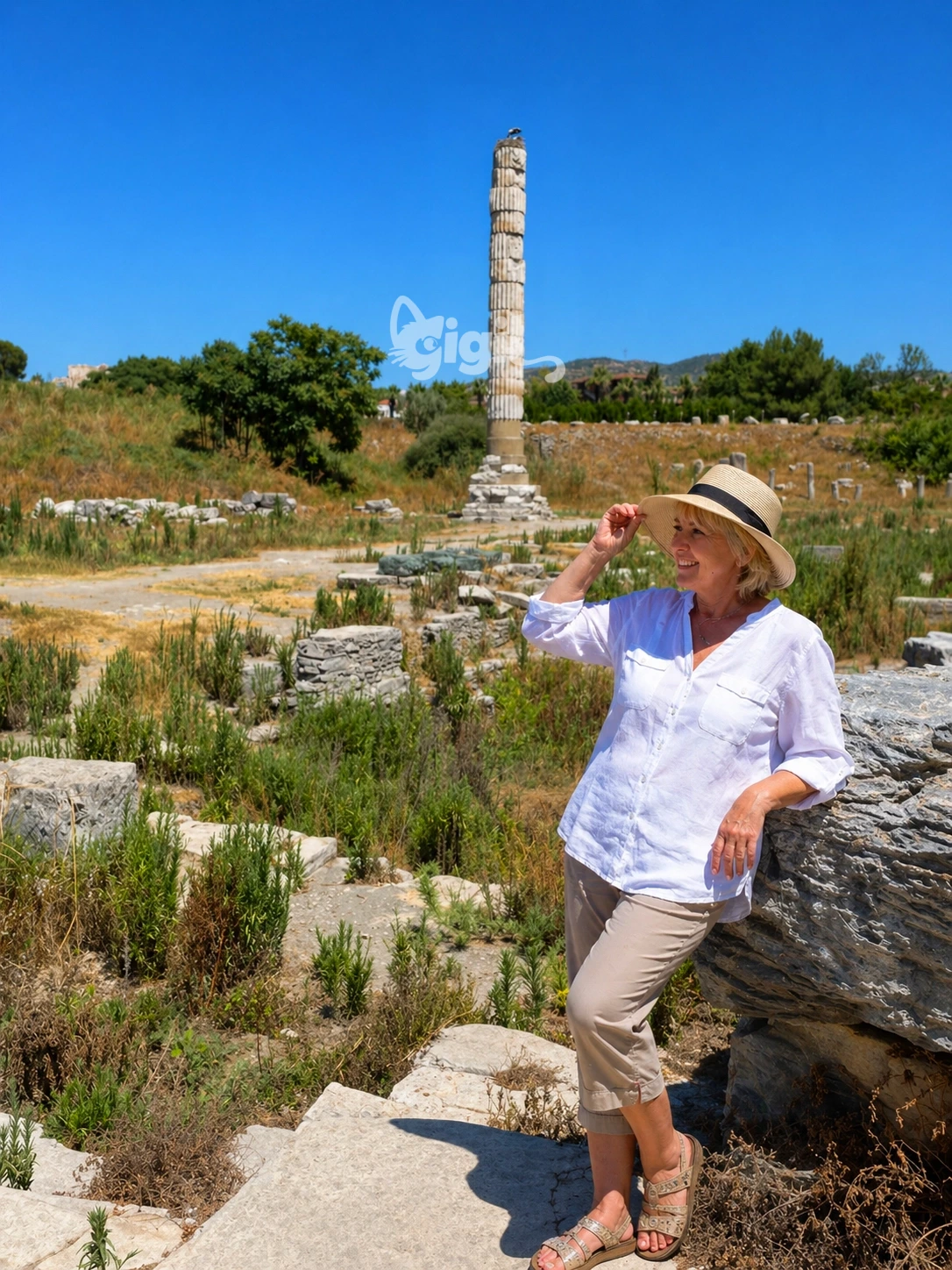
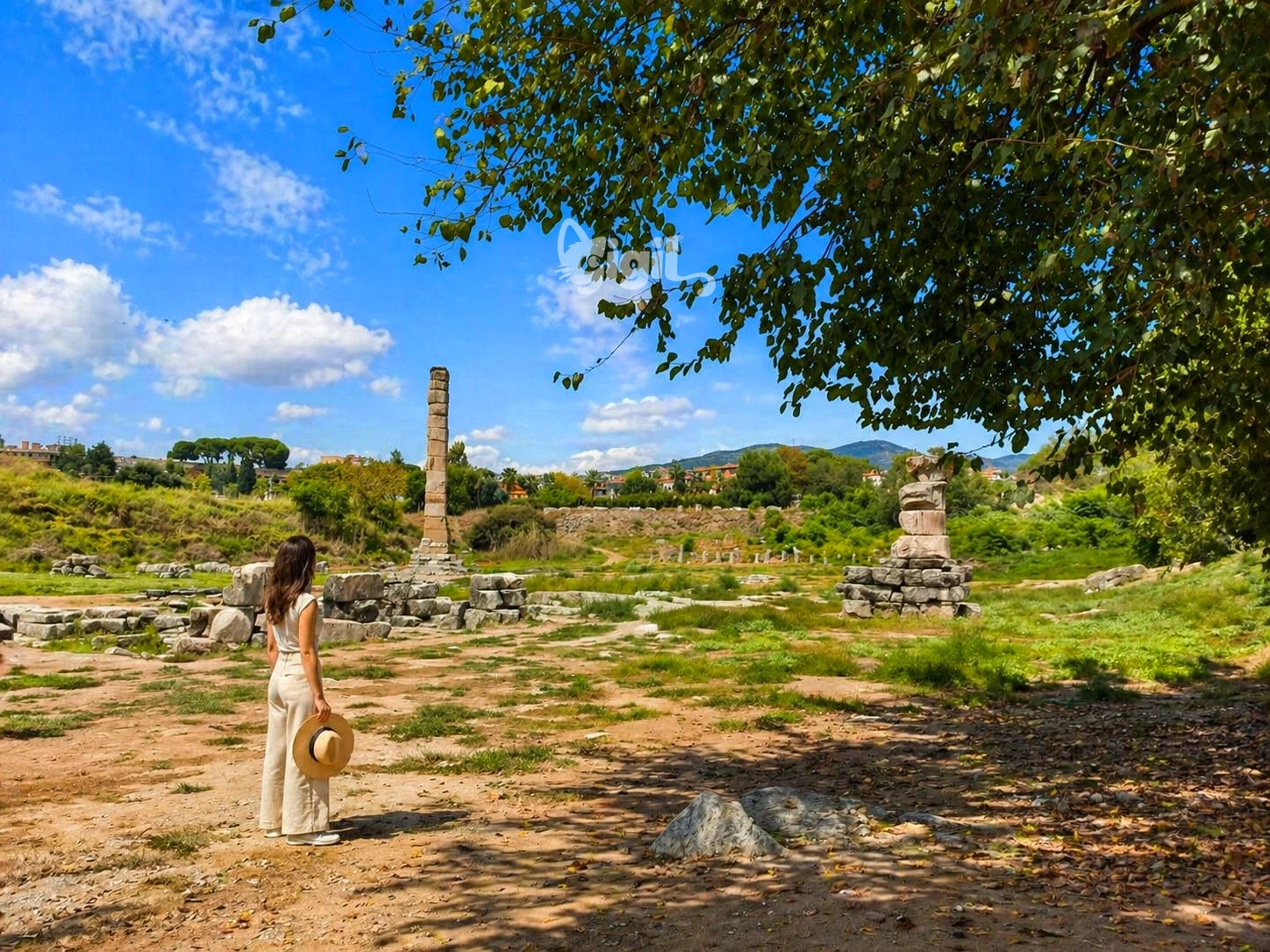
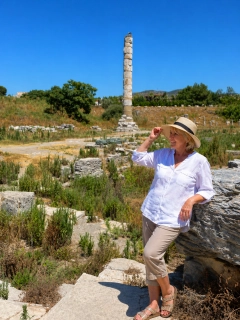 Archaeological Context of Temple of Artemis
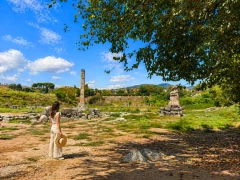 Heritage Scene at Temple of ArtemisHotel Check-out / Departure
Depart from the hotel for the guided Ephesus route.
After breakfast, depart from the hotel for the guided Ephesus route in the Ephesus and Selcuk region.
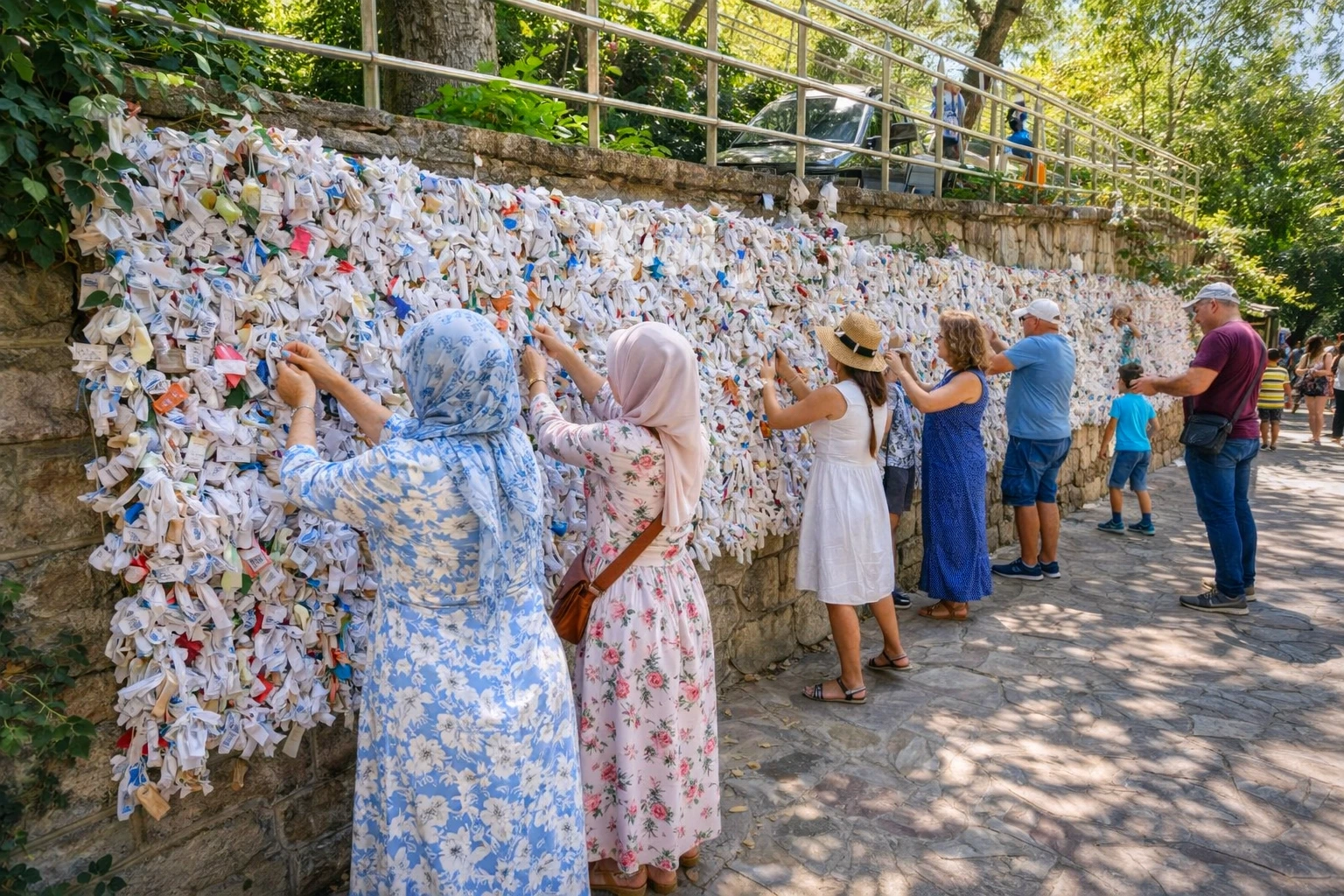
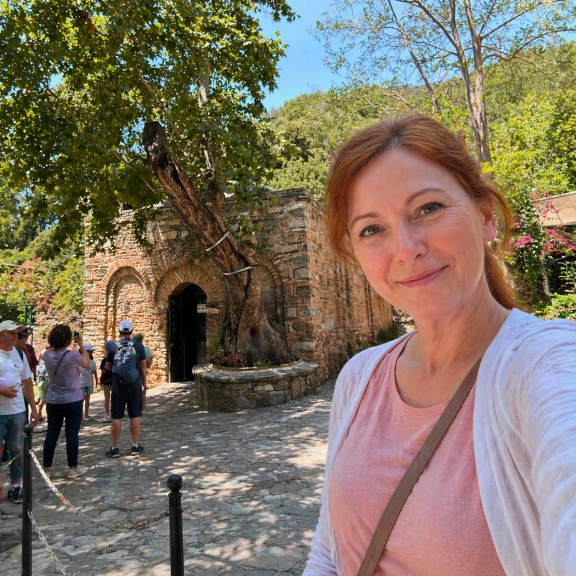
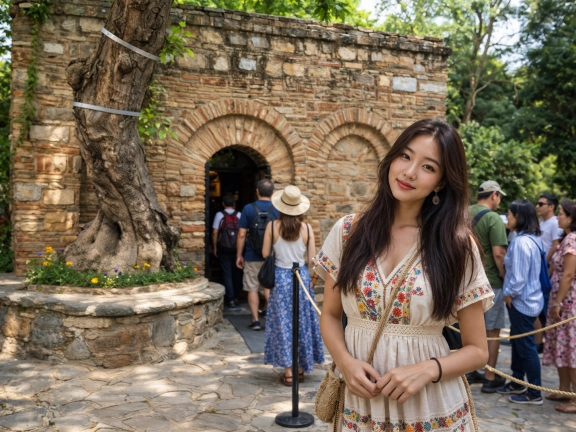
House of Virgin MaryVisit the pilgrimage site on Bulbul Mountain near Ephesus.
Start the local heritage route at the House of Virgin Mary, one of the region's most meaningful Christian pilgrimage sites.
Entrance FeesHouse of Virgin Mary , €13.5 ExcludedHouse of Virgin Mary begins the private sightseeing day with a quiet spiritual tone. Surrounded by wooded hills above Ephesus, the site is meaningful primarily because of its pilgrimage association, devotional character and calm atmosphere.
Many guests respond most strongly to the peaceful mood of the place. It helps introduce the Ephesus region as a landscape of sacred memory in addition to its archaeological significance.
Questions
Why does House of Virgin Mary matter on the private route?
It gives the day a spiritual and reflective beginning, adding sacred memory and pilgrimage tradition to the wider Ephesus experience.What makes House of Virgin Mary different from Ephesus Ancient City?
Its significance comes more from devotion, sacred association and atmosphere than from monumental archaeological remains.What atmosphere should visitors expect there?
Expect a calm, quiet and respectful setting that feels devotional rather than dramatic.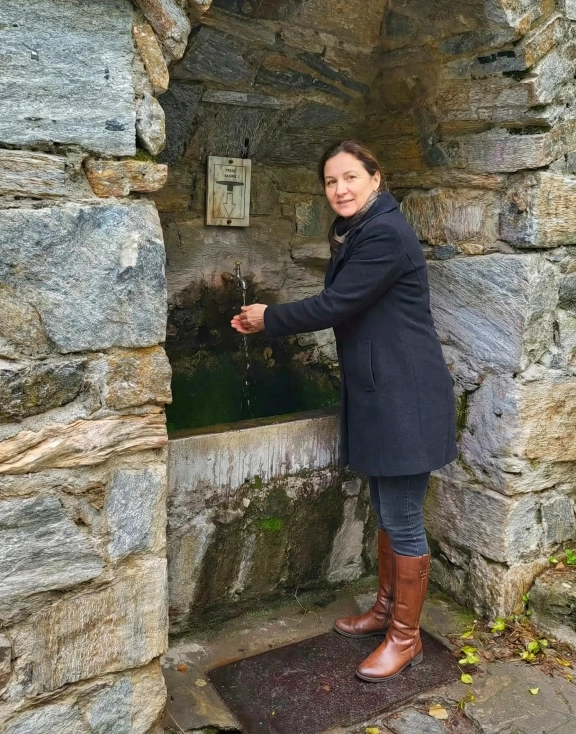
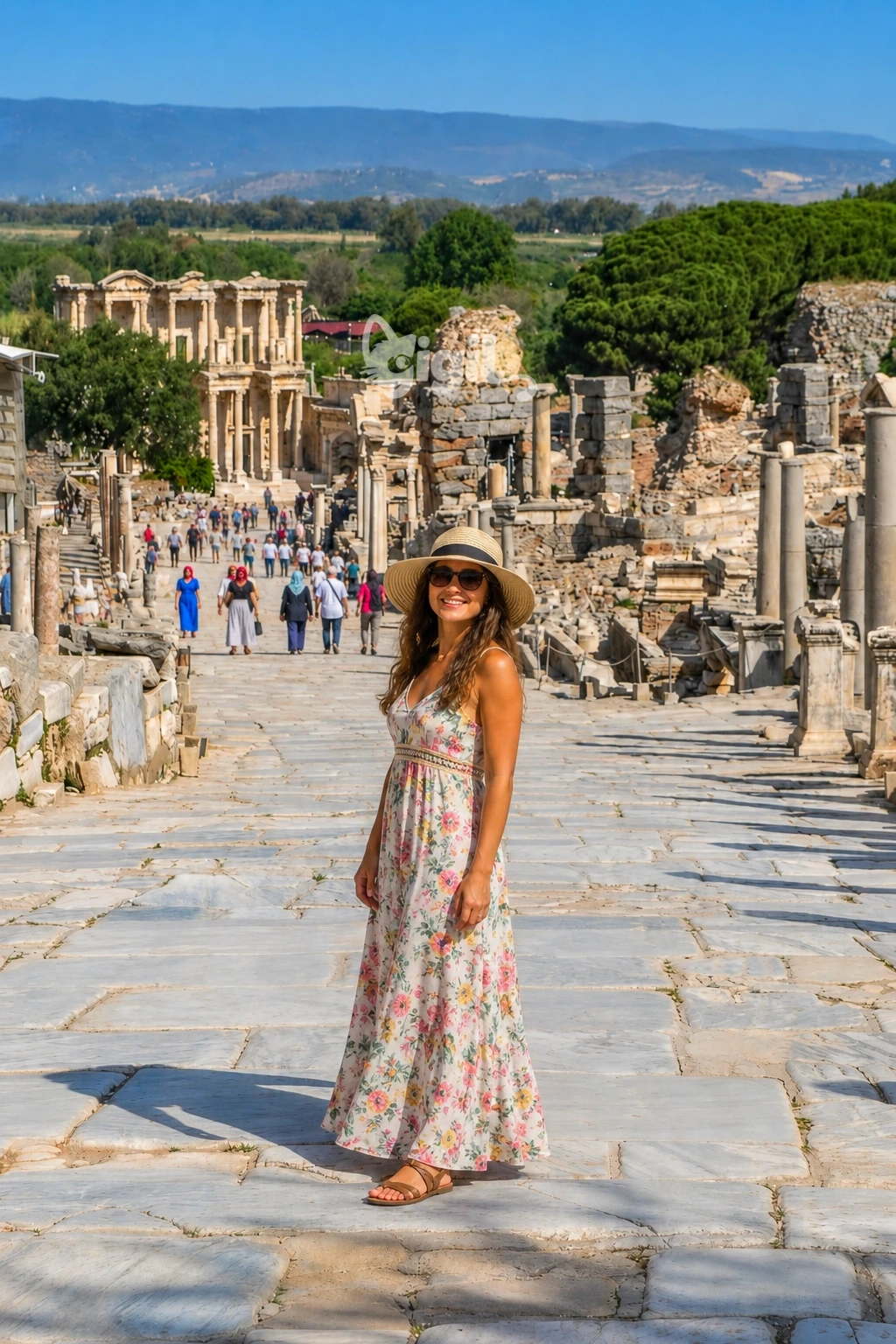
 Ephesus Ancient City
Guided highlights walk through the main archaeological areas.
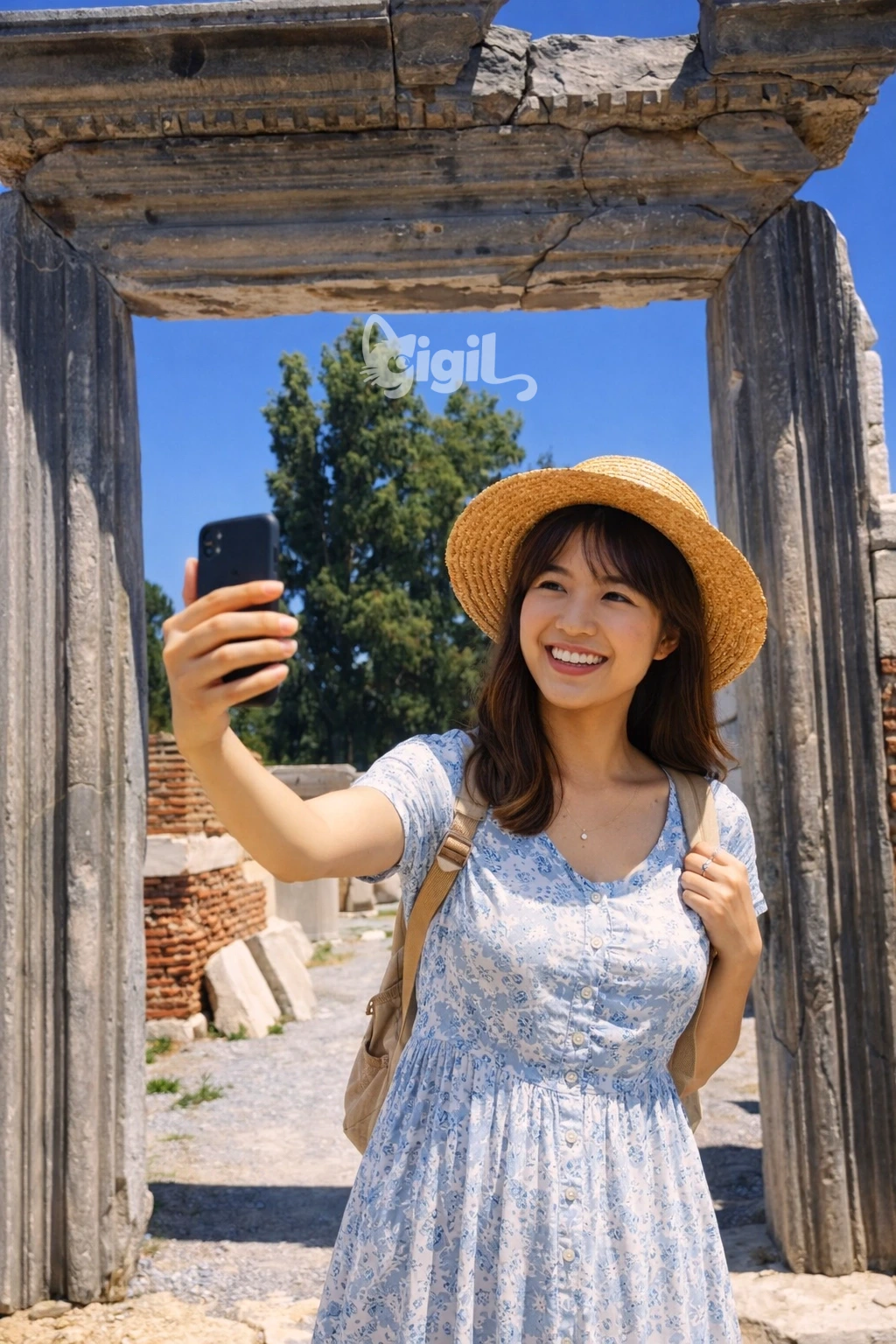
Continue to Ephesus Ancient City and explore the marble streets, civic monuments, theatre and major archaeological highlights with your licensed guide.
Entrance FeesEphesus Ancient City , €40 ExcludedEphesus Ancient City opens into one of the most legible ancient cityscapes in the eastern Mediterranean. Streets, public buildings, monuments and circulation routes remain arranged in a way that still explains how urban life was structured in antiquity.
The city feels compelling because it can still be read as a whole. Rather than isolated ruins, visitors encounter a connected environment shaped by movement, ceremony, trade, religion and civic identity.
Questions
What makes Ephesus Ancient City so compelling?
It still reads as a complete city, with streets, monuments and public areas arranged in a way that explains ancient urban life clearly.How should I approach Ephesus during the visit?
Try to see it as a connected urban plan rather than a series of isolated ruins. The site reveals how movement, religion, trade and civic life fit together.What does Ephesus reveal beyond architecture?
It shows how trade, religion, status and public life were organized inside a major Roman city. The value of the site lies in that broader urban story.Why does Ephesus feel more complete than many archaeological sites?
Because the city plan is still legible enough to show how the place functioned as a living urban environment.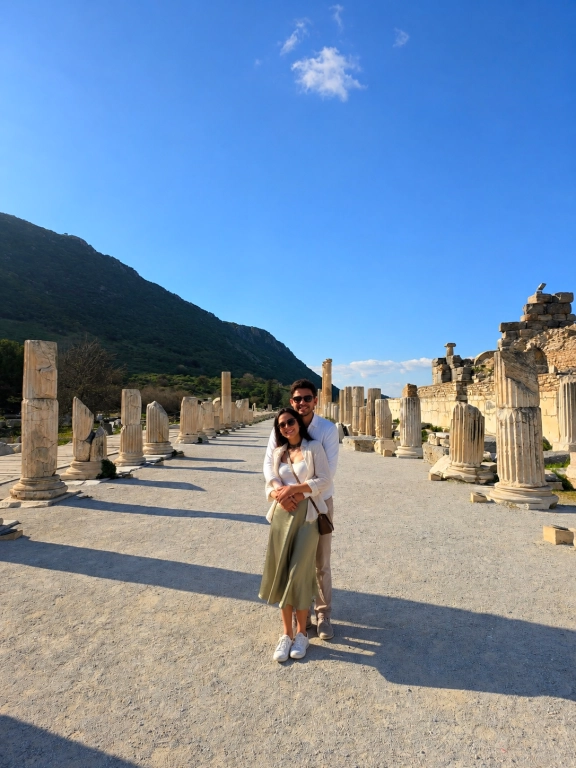
 Terrace Houses
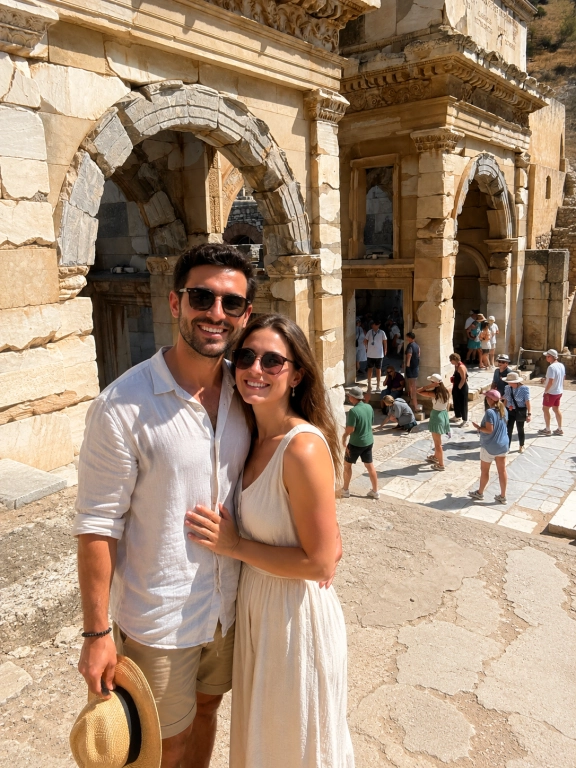
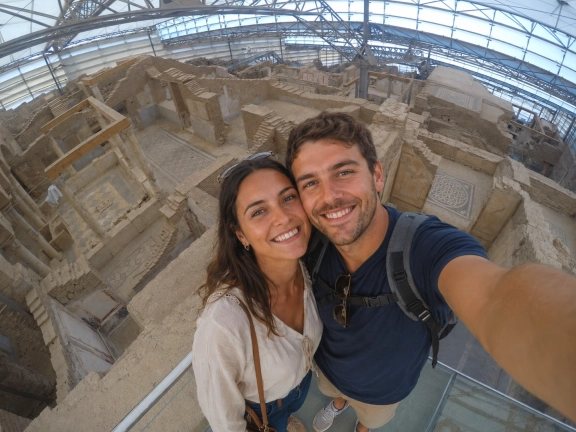
Visit the Terrace Houses section of Ephesus to see Roman residences, mosaics, and wall paintings.
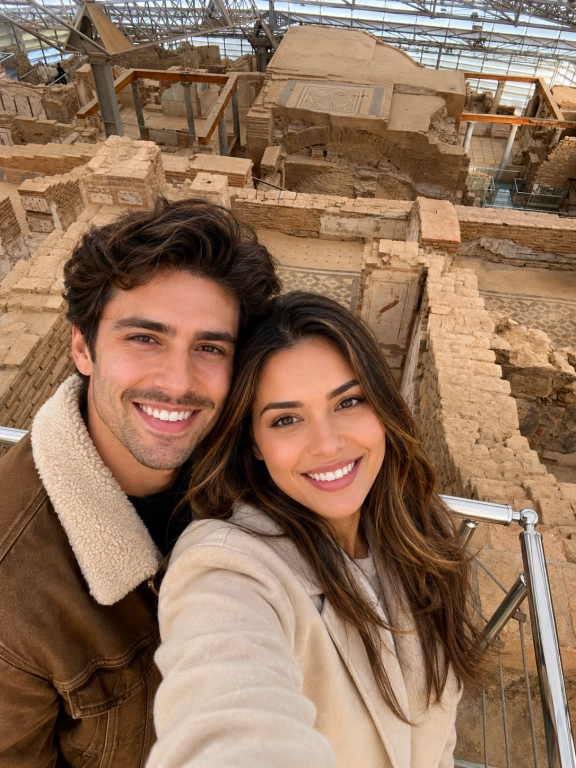
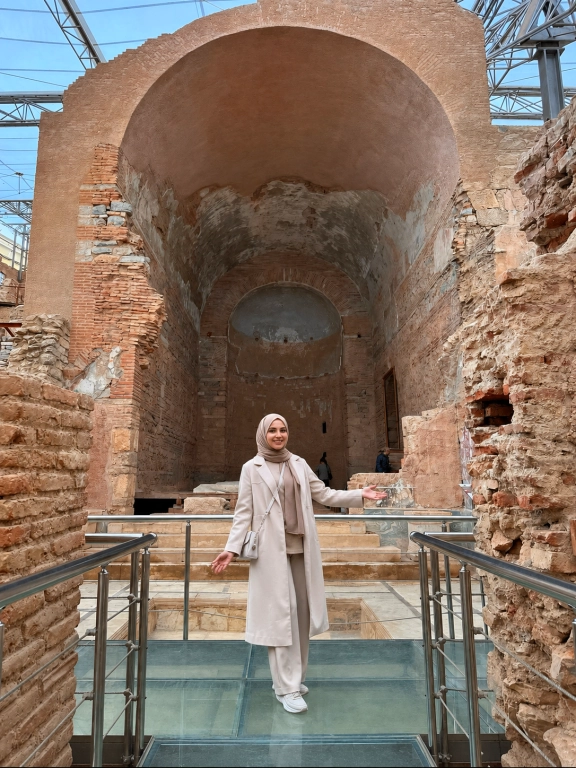
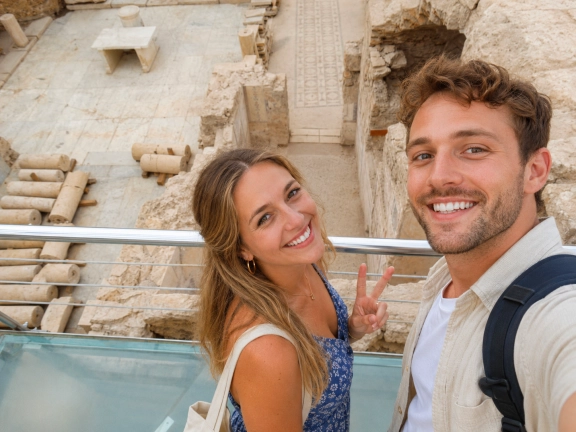
Continue inside the Ephesus archaeological zone to the Terrace Houses and see the preserved Roman residences, mosaics, and wall paintings. This section involves stairs and uneven surfaces.
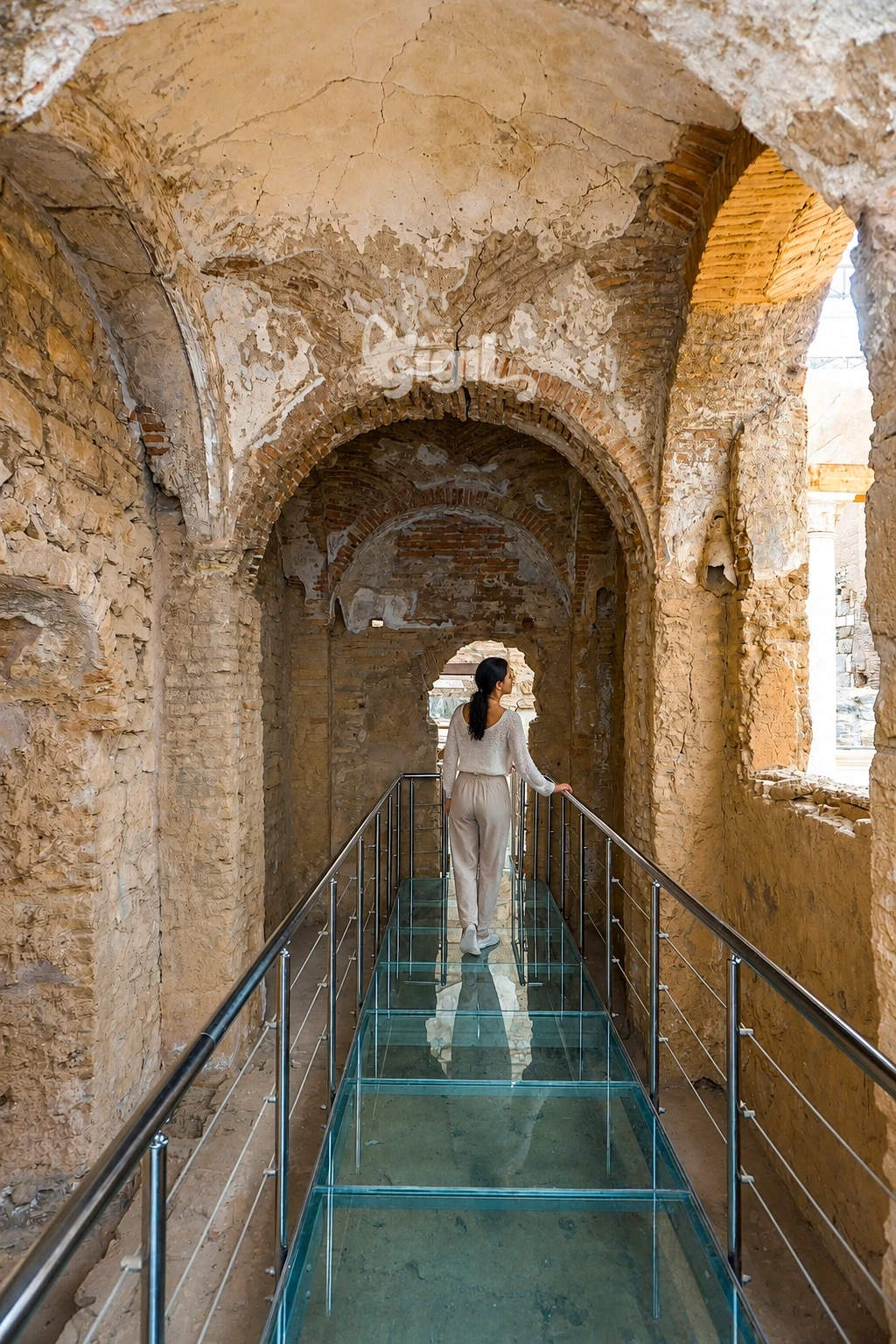
Entrance FeesTerrace Houses of Ephesus , €15 ExcludedTerrace Houses bring the visit closer to the domestic refinement of Ephesus. Their painted interiors, mosaics and carefully organized rooms show how elite households expressed status and comfort within the city.
This part of the route is especially useful because it adds a human scale to the wider archaeological experience. It shows how private life complemented the public grandeur seen elsewhere in Ephesus.
Questions
Why are the Terrace Houses important for understanding Ephesus?
They show how private household life looked inside the city and add a domestic dimension that public monuments alone cannot provide.What do the Terrace Houses contribute to the experience?
They make the city feel more human by revealing household life, decoration and private sophistication behind the public image of Ephesus.What should visitors focus on inside the Terrace Houses?
Look at the mosaics, painted surfaces and room organization. These details help explain comfort, taste and social distinction in the ancient city.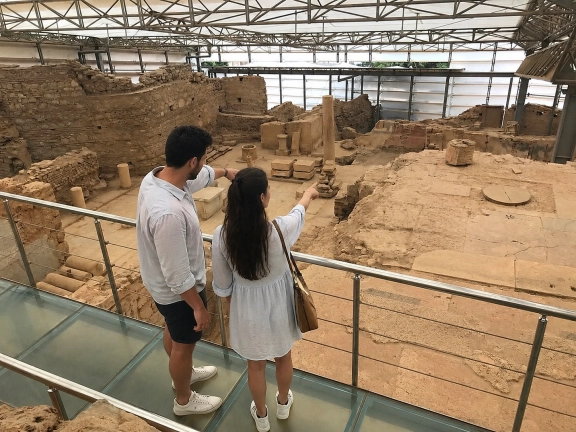

 Lunch Stop (Selcuk) L
Lunch break near Selcuk before the final heritage stops.
Take a planned lunch stop near Selcuk before continuing to the final heritage stops of the day.
MealsLunch meal ExcludedLunch Stop in Selcuk offers a welcome food break in the middle of the heritage route. Meals in this region often reflect Aegean-style Turkish cooking, with olive oil dishes, vegetables, soups, salads, grilled items and practical regional flavors appearing in simple combinations.
Because the venue can vary, it is safer to expect a fresh regional meal than a fixed list of dishes. The stop matters as both rest time and a small connection to the everyday food culture of the area.
Questions
What food style is common near Selcuk?
The local style often includes Aegean-influenced Turkish dishes built around olive oil, herbs, vegetables, soups, grilled foods and seasonal ingredients.Should I expect a guaranteed lunch menu?
No. Menus depend on the venue and the daily arrangement, so it is better to expect a regional meal than a fixed dish list.Why does the lunch break matter in a heritage itinerary?
It provides rest between major visits and adds a simple but useful connection to everyday local life and hospitality.St. John BasilicaVisit the landmark basilica in Selcuk.
Continue to the Basilica of St. John in Selcuk and learn about its significance and the surrounding historical setting.
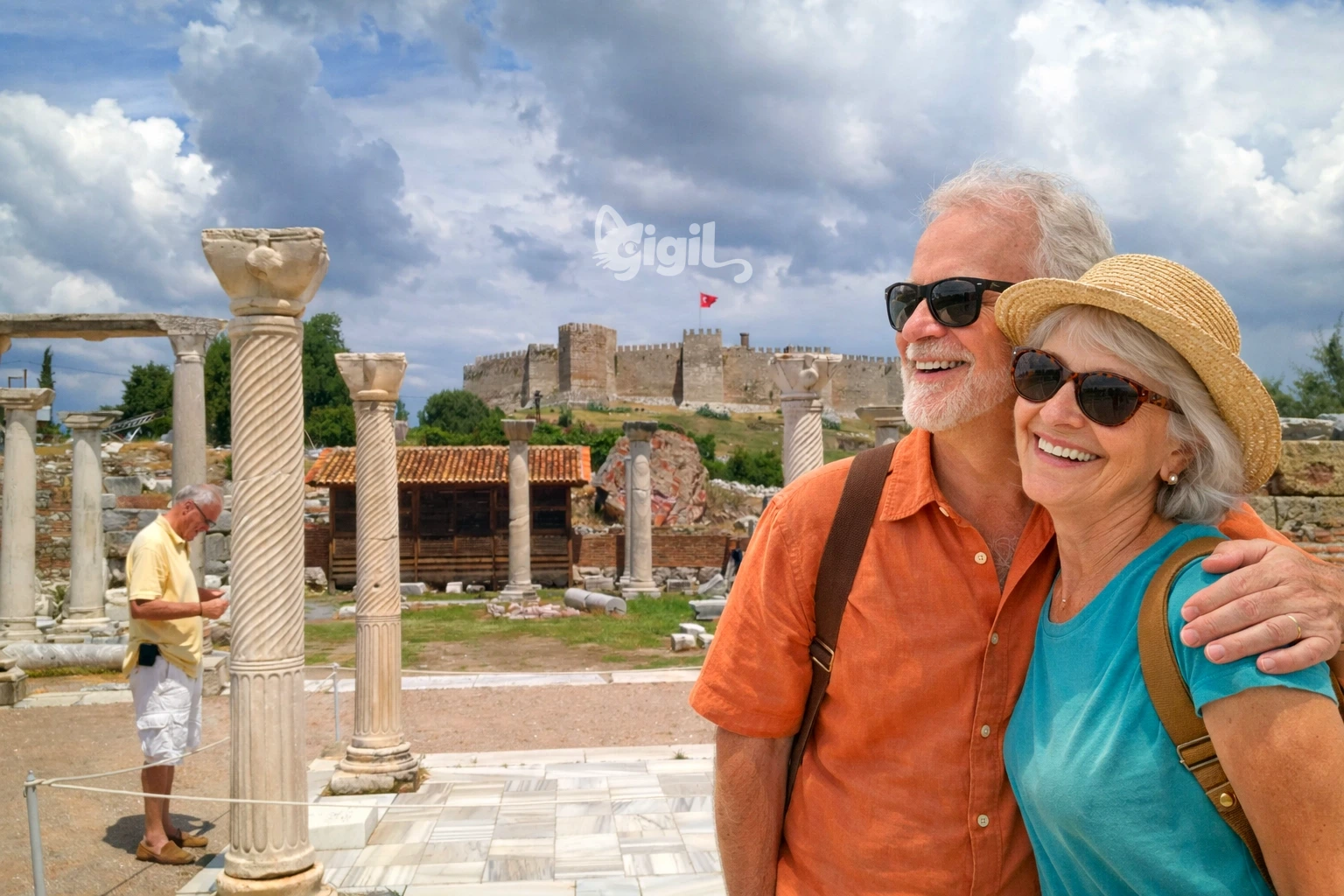
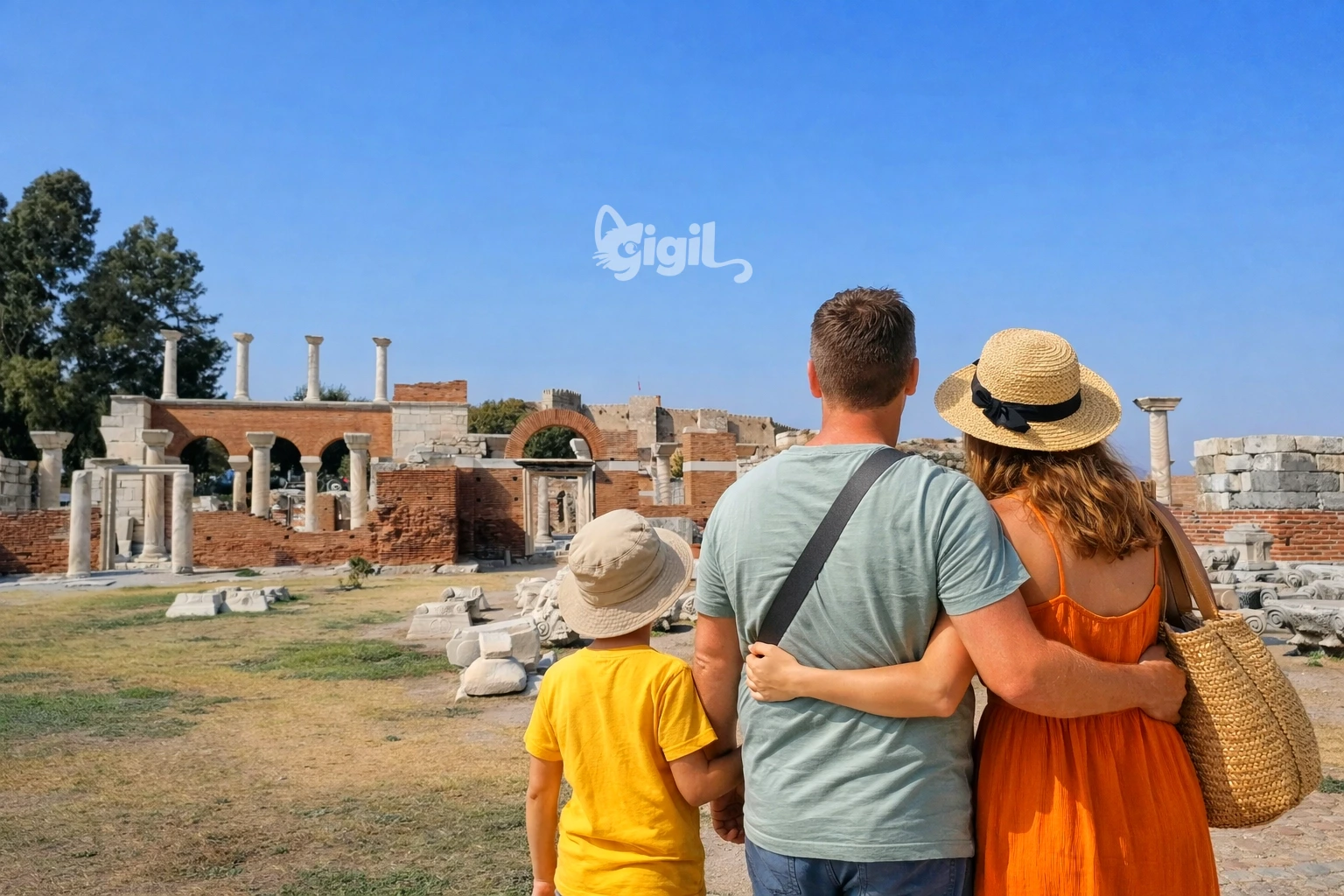
Entrance FeesSt. John Basilica , €6 ExcludedSt. John Basilica helps complete the wider historical and religious story of the region. Its setting on Ayasuluk Hill shows that Selcuk continued to hold spiritual and strategic importance long after the classical age of Ephesus.
The ruins are meaningful not only for what survives physically, but for the continuity they represent. They anchor the route in a landscape shared by Roman, Christian, Byzantine and later Anatolian layers.
Questions
Why does St. John Basilica matter in the Ephesus region?
It shows that the region remained spiritually and historically important in later Christian and Byzantine periods, not only in classical antiquity.What makes the basilica's setting meaningful?
Its position on Ayasuluk Hill and its relationship to Selcuk help visitors understand the continuity of sacred and strategic importance in the landscape.How should I understand the basilica as part of the route?
It works as a later historical layer that completes the region's story, linking the ancient city with Christian memory and medieval continuity.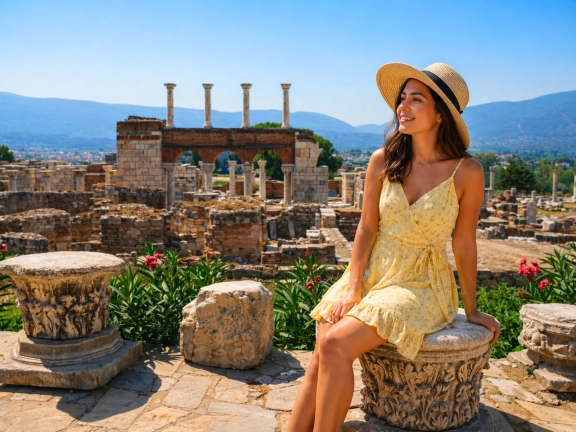
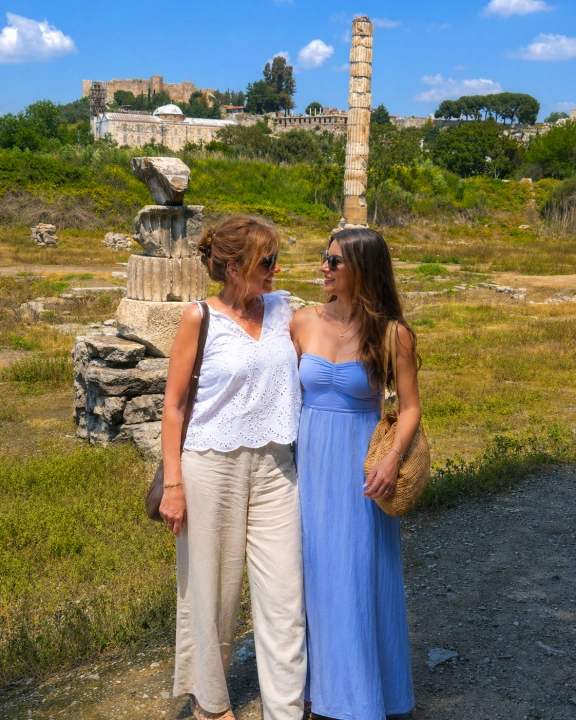
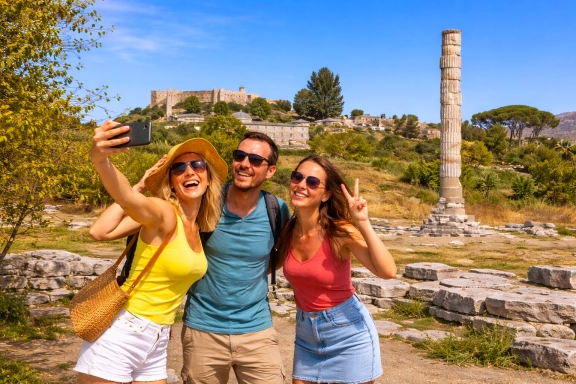
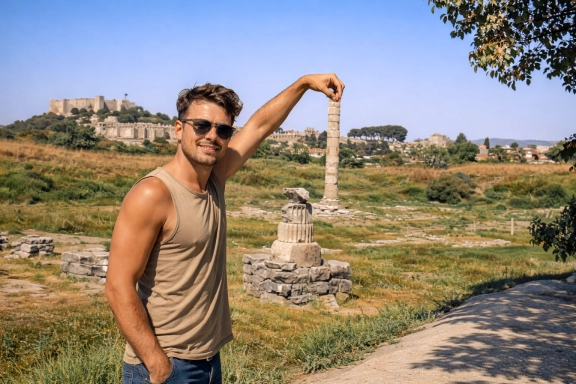
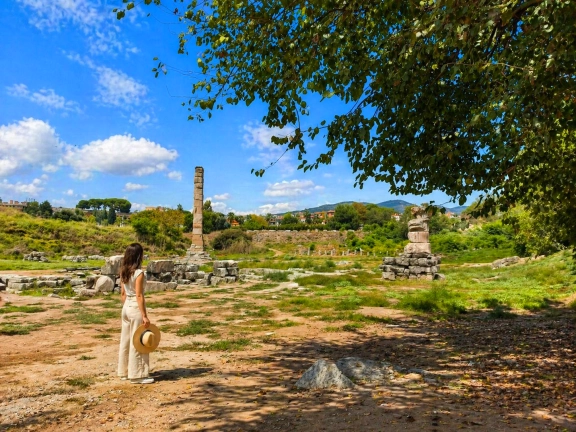
 Temple of Artemis
Short stop at the Temple of Artemis area for photos and context.
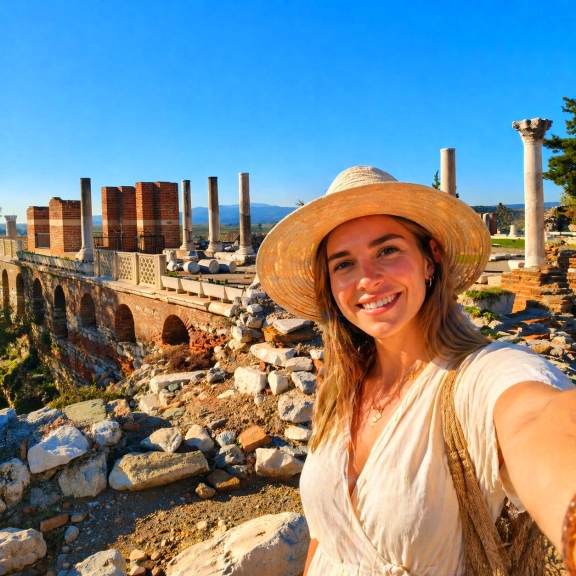
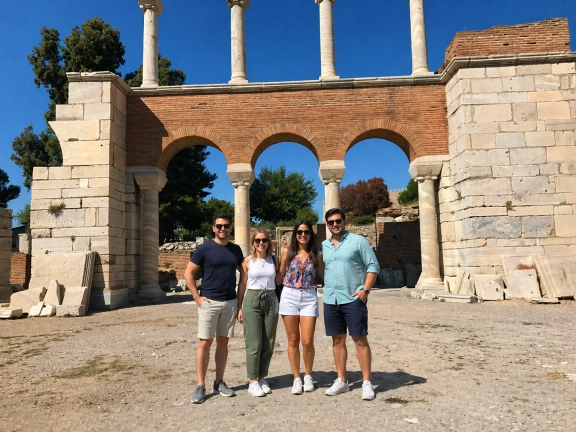
See the Temple of Artemis heritage zone and hear why it is remembered as one of the Seven Wonders of the Ancient World.
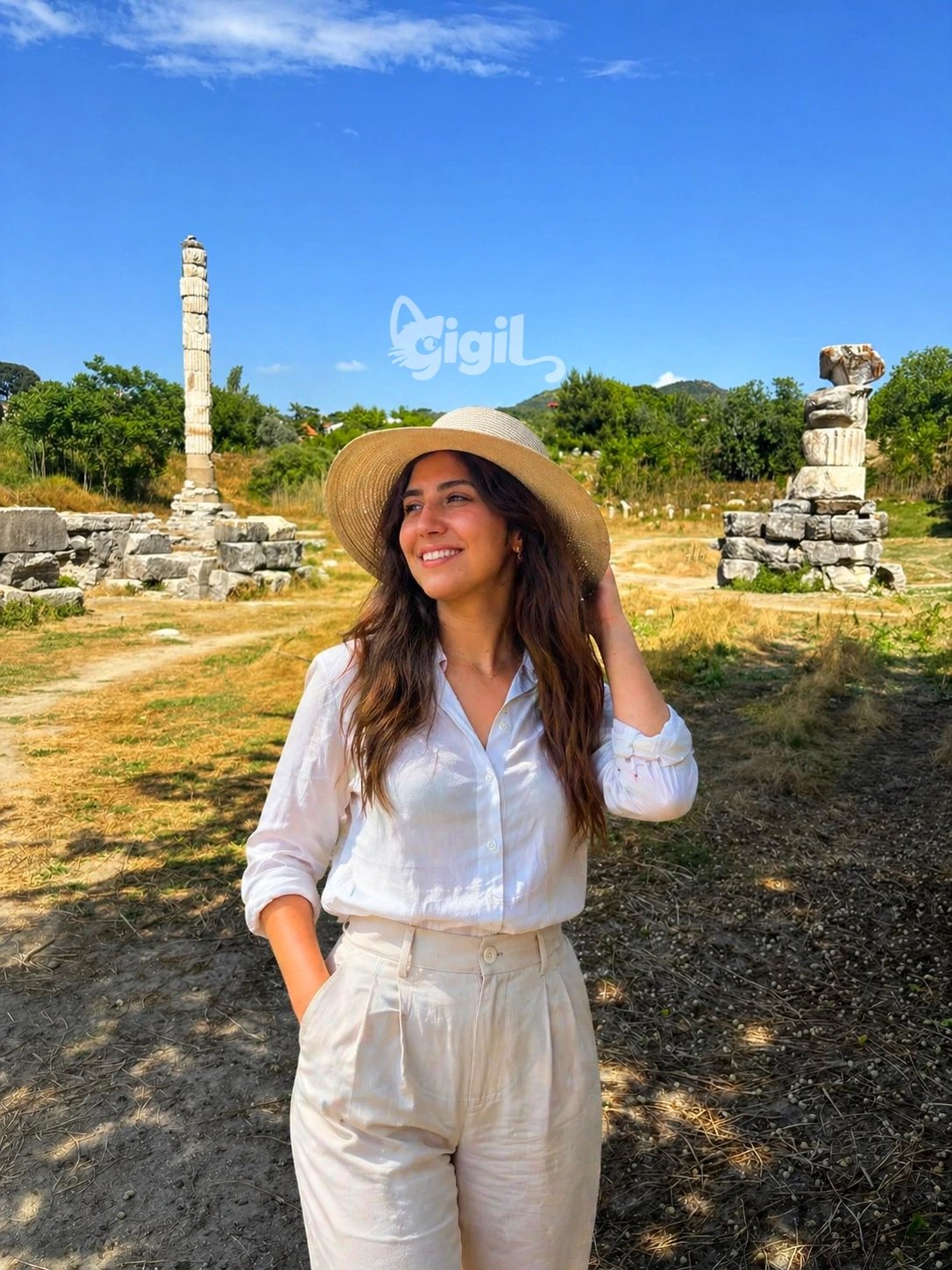
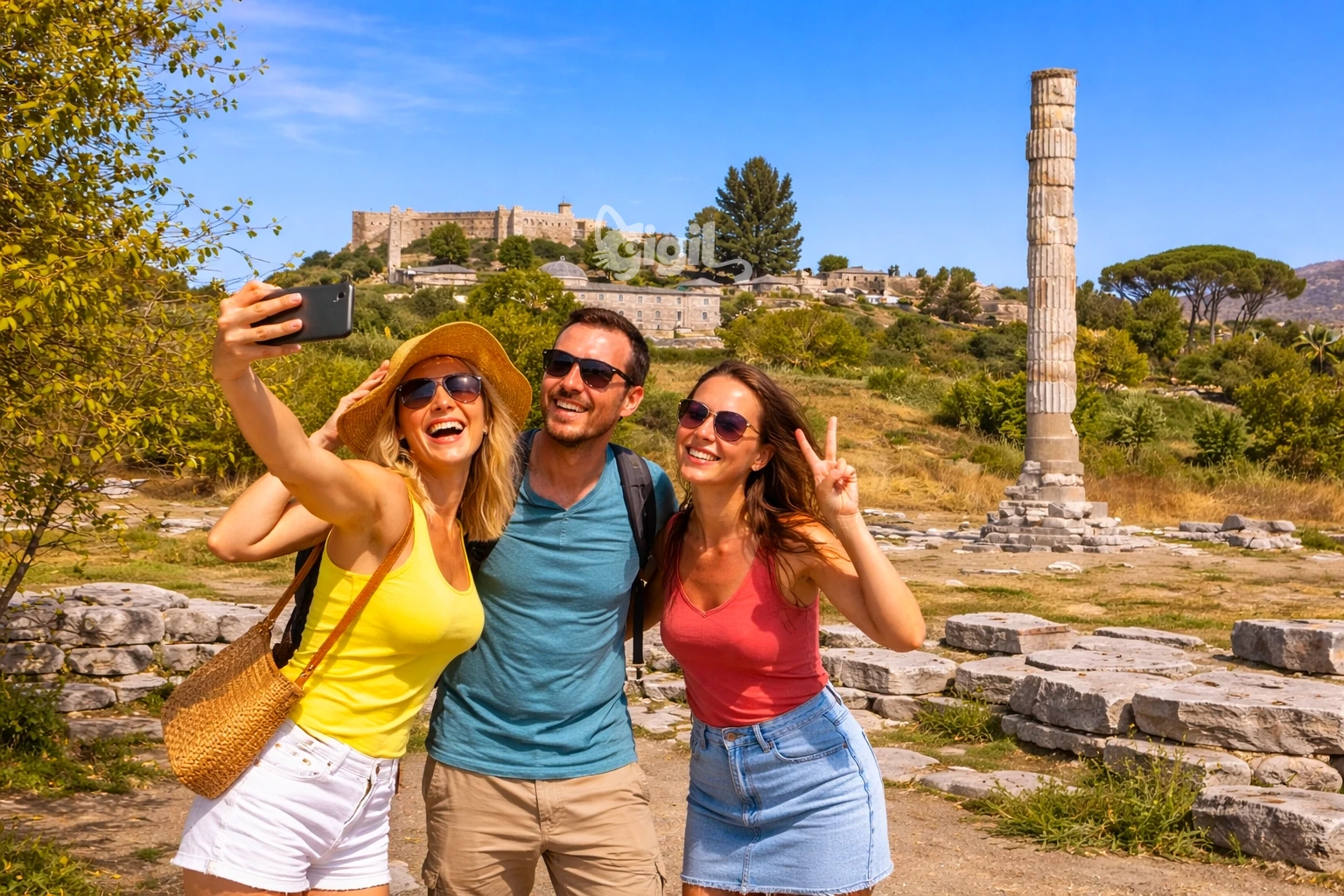
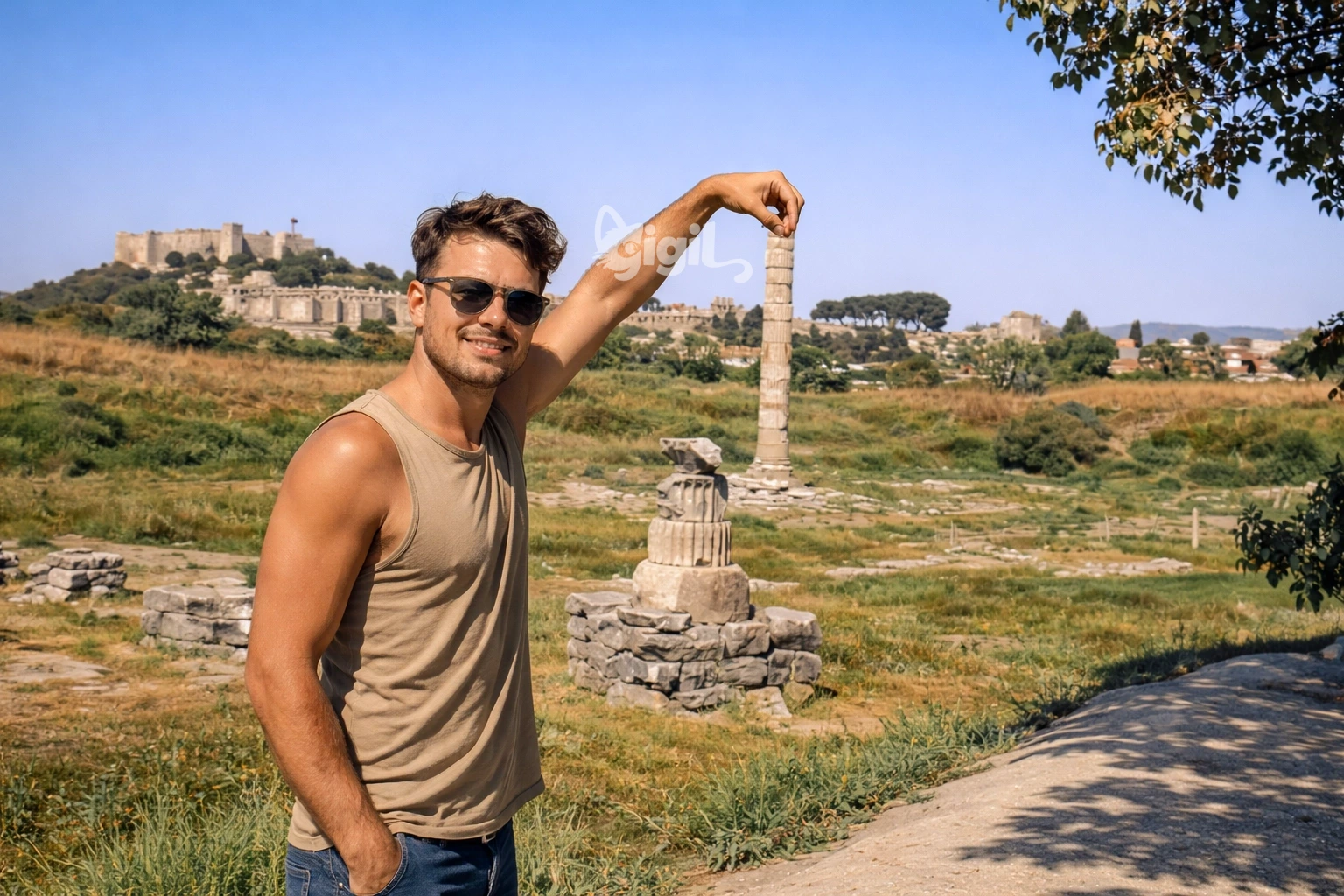
Temple of Artemis is a reminder that historical importance can outlast physical scale. Once one of the Seven Wonders, the sanctuary played a defining role in the sacred prestige and international fame of ancient Ephesus.
Today the surviving remains are modest, but the site still invites visitors to think in terms of lost grandeur, long memory and the difference between visible fragments and former influence.
Questions
Why is Temple of Artemis still important even with few remains?
Its significance comes from what it once represented. As one of the Seven Wonders, it shaped the sacred identity and fame of Ephesus far beyond the region.What does the Temple of Artemis stop help explain?
It shows how a monument can lose most of its physical structure but still remain central to historical memory and cultural importance.How should visitors think about the site today?
It is best approached as a place of historical imagination, where the visible fragments point to a much larger story of sacred prestige and lost grandeur.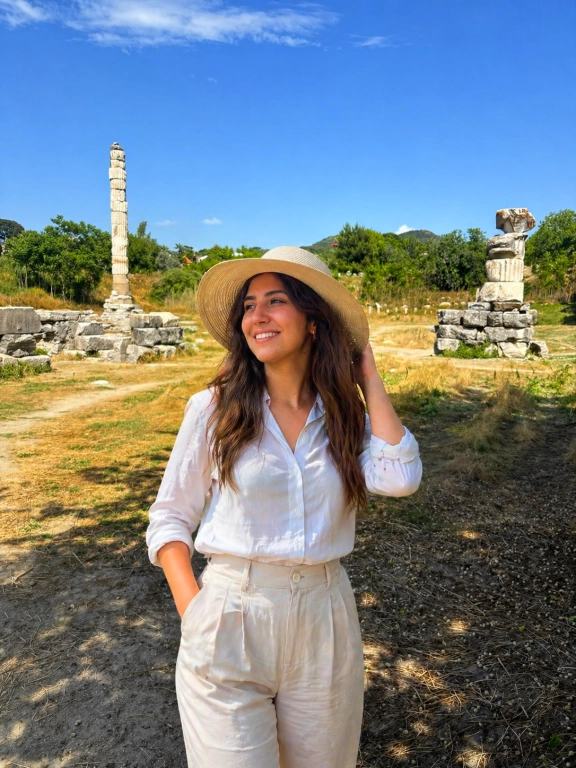
 Hotel Return / Overnight (Kusadasi / Selcuk Area)
Return to the hotel for the second overnight stay.
After the guided route, return to the hotel in the Kusadasi or Selcuk area for the second overnight stay.
Accommodation & Hotel MealsHotel breakfast ExcludedOvernight accommodation ExcludedHotel dinner Excluded -
Day 3 Kusadasi / Selcuk to Cappadocia Return Hotel check-out and private road return to Cappadocia. Different tour end?Hotel Check-out / Departure
Check out and begin the return road journey to Cappadocia.
After breakfast, check out and begin the private road return from the Ephesus region to Cappadocia.
Return Road Journey to CappadociaLong private road journey back to Cappadocia.
Travel back to Cappadocia by private vehicle. The return day should include planned comfort and meal breaks because of the long distance.
Lunch Break on Return Route LLunch break during the return road journey.
A planned lunch break is used during the return road transfer to Cappadocia.
MealsLunch meal ExcludedLunch Break on Return Route adds a useful midday rest to the long private drive back toward Cappadocia. These route stops are usually selected for practicality and timing, offering a chance to pause for soups, grilled foods, salads, rice-based sides or other straightforward Turkish travel meals.
The exact venue can change depending on the route flow. The stop is best understood as a comfort break that helps divide the return drive into a more manageable and relaxed journey.
Questions
What should I expect from a lunch break on the return road?
Return-route lunch stops are practical rest breaks, usually offering straightforward Turkish meal options such as soups, grilled foods, salads and simple home-style food.Is the return-route lunch venue fixed?
No. The exact stop may change according to timing and route conditions, so it is better to understand it as a comfort break rather than a guaranteed venue.Dinner Break on Return Route DDinner break before final arrival if timing requires it.
Because the return transfer is long, a dinner break can be planned before final arrival in Cappadocia.
MealsDinner meal ExcludedDinner Break on Return Route creates a final rest point before the private road journey reaches Cappadocia again. Evening stops on long transfers are usually selected for practicality, giving guests time to eat, pause and continue the return in greater comfort.
The meal itself may vary by location, but common expectations include soups, grilled foods, vegetable dishes, salads and standard Turkish roadside options. The stop is best understood as a useful travel break rather than a fixed dining experience.
Questions
What kind of dinner stop is common on a long private return route?
Dinner stops are usually practical roadside pauses offering soups, grilled dishes, salads, vegetable options and standard Turkish travel-route meals.Is the dinner break always at the same place?
No. The exact stop can vary depending on timing, traffic and route flow, so it should be understood as a practical comfort stop rather than a fixed venue.Mustafapasa Hotel / Meeting Point Drop-off Different tour end?Return transfer and final private drop-off in Mustafapasa after the Cappadocia overland route.
After the return road journey from the Kusadasi and Selcuk area, the route returns to Mustafapasa for private drop-off at your hotel or meeting point.
Different tour end?Accommodation & Hotel MealsHotel breakfast Excluded


Got a question about this tour?
Reach out to our travel experts.
What's Included
- Private licensed professional tour guide.
- Private deluxe air-conditioned VIP vehicle.
- Transfers mentioned in the itinerary.
- Hotel or meeting point pick-up and drop-off.
- Parking fees.
- Local taxes.
What's Not Included
- Day 1: Overnight accommodation (Hotel Check-in (Kusadasi / Selcuk Area)).
- Day 2: Overnight accommodation (Hotel Return / Overnight (Kusadasi / Selcuk Area)).
- Day 1: Breakfast meal, Lunch meal, Hotel Dinner meal.
- Day 2: Hotel Breakfast meal, Lunch meal, Hotel Dinner meal.
- Day 3: Hotel Breakfast meal, Lunch meal, Dinner meal.
- Drinks.
- Meals not mentioned in the itinerary.
- Personal expenses.
- House of Virgin Mary, €13.5.
- Ephesus Ancient City, €40.
- St. John Basilica, €6.
- Terrace Houses of Ephesus, €15.
- Gratuities to guides and drivers.
- Travel insurance.
- Visa fees if required.
- Optional activities not listed in the itinerary.
Informations
- Please wear comfortable walking shoes and casual clothing.
- Please dress according to the season and weather conditions.
- Bring warm clothing for cooler weather or early morning departures.
- Please bring your passport or ID card.
- Guests should watch their step at all times to avoid injuries.
- For Cappadocia private-vehicle packages, Day 1 and Day 3 are long road-transfer days, so comfortable clothing, light luggage and flexible timing are recommended.
- This tour involves walking on uneven and cobblestone surfaces.
- The tour route may be adjusted due to weather, traffic, or site conditions.
- Children must be accompanied by an adult.
- Please be ready at your confirmed pick-up or meeting point 15 minutes before the scheduled time.
- The private vehicle route may be adjusted according to traffic, comfort stops, weather and hotel check-in timing.
Your Peace of Mind Options
Cancellation Policy
A transparent overview of applicable fees.
Tour Reminder!
You can create a reminder for yourself for this tour. We will send you a reminder e-mail/sms about this tour on the date you specify.
FAQs
-
What does this 3-day package cover?
This private 3-day package focuses on Ephesus Ancient City, House of Virgin Mary, Terrace Houses, St. John Basilica and Temple of Artemis. The wording is based on the confirmed route for Private 3-Day Ephesus, Virgin Mary, Terrace Houses, St. John Basilica & Artemis Tour from Cappadocia by Vehicle, with the experience kept around Ephesus and the listed Selcuk-area heritage stops.
-
Where does this Ephesus tour start and finish?
The tour is arranged from Cappadocia and is planned to finish at Cappadocia, unless your selected booking option confirms a different supported drop-off. Final meeting details are confirmed after booking.
-
Is this a private or small-group tour?
This is a private Ephesus tour. The route content stays focused on the confirmed sightseeing program, while the service style follows the selected private tour structure.
-
Is this a road-connected Ephesus route?
Yes. The route is planned around the confirmed departure area and the Ephesus sightseeing program, with road timing depending on the selected option, traffic and seasonal conditions.
-
How much walking should I expect?
Expect steady walking at Ephesus and the other heritage stops. Ancient paving, steps and open sunny areas can be part of the visit, so comfortable shoes are strongly recommended.
-
Can I book this Ephesus tour online?
Yes. The tour can be booked online through the website, and your selected date, traveler details and available route options should be reviewed before payment.
-
Which pickup areas can be selected for this tour?
Active pickup variants include Urgup, Uchisar, Avanos, Ortahisar, Cavusin and Mustafapasa. Pickup-area selection can affect the final route context or displayed price when distance and transfer setup change.
-
What should I expect at Ephesus Ancient City?
Ephesus Ancient City is the main archaeological focus of the route, with ancient streets, public spaces and visible city remains that help explain the scale of Roman-period Ephesus.
-
Does the route visit the House of Virgin Mary?
Yes. The route includes the House of Virgin Mary when it appears in the confirmed tour program, adding an important religious and pilgrimage context to the Ephesus day.
-
Does the route visit the Terrace Houses?
Yes. Terrace Houses adds residential archaeology context inside the Ephesus area, with preserved house spaces, wall details and a closer view of ancient domestic life.
General FAQs
-
Is Ephesus a good shore excursion from Kusadasi port?
Yes. Ephesus is one of the most popular and efficient day trips from Kusadasi.
- The drive is usually short compared to many other ports.
- We plan the route around your ship timing and keep a safe return buffer.
- Early starts help avoid heat and heavy crowds in peak season.
-
How do cruise shore excursions work (meeting point and return time)?
Shore excursions are built around your ships docking schedule.
- We confirm a clear meeting point close to the port exit.
- We recommend a comfortable buffer before all-aboard time.
- If your ship uses tender boats, allow extra time and tell us your tender details.
-
Where is Ephesus located and what is it close to?
Ephesus is an ancient city near Selcuk on Turkeys Aegean coast.
- The closest main cruise port town is Kusadasi.
- Izmir is the nearest major city and transport hub.
- Many day tours combine Ephesus with nearby stops based on your available time.
-
Can I visit Ephesus from Izmir port in one day?
Yes, but it is a longer drive than from Kusadasi.
- Timing must be planned carefully to avoid rushing.
- If your port stay is short, we may recommend an Izmir-focused program instead.
- Share your ship schedule and we will suggest the most realistic plan.
-
What are the must-see highlights inside Ephesus?
Ephesus is a large open-air archaeological site with world-famous monuments.
- Library of Celsus and Curetes Street.
- Great Theatre and main marble streets.
- Key public areas such as agoras, baths, and temples depending on route and time.
-
Should I add the Terrace Houses in Ephesus?
The Terrace Houses offer a closer look at Roman-era homes, mosaics, and frescoes.
- This visit usually requires extra time and is often a separate ticket.
- If you love details, art, and interiors, it is a great upgrade.
- For cruise days with limited time, we can advise if it fits comfortably.
-
How much walking is there at Ephesus?
Ephesus involves a lot of walking on stone surfaces and open paths.
- Paths can be uneven and can feel slippery when wet.
- There are gentle slopes and limited shade in some areas.
- If you have mobility concerns, tell us and we can suggest the best route or alternatives.
-
What should I wear for an Ephesus tour?
Comfort and sun protection make a big difference.
- Wear comfortable walking shoes.
- Bring a hat and sunscreen in warm months.
- Carry water, especially in summer and on cruise days.
-
When is the best time to visit Ephesus?
Ephesus can be visited year-round, but the experience changes by season.
- Spring and autumn are comfortable for long outdoor visits.
- Summer is hotter and busier, so early starts are recommended.
- Winter has fewer crowds but cooler weather and occasional rain.
-
Is Ephesus crowded and how do we avoid peak crowds?
Ephesus is very popular, especially in summer and on cruise days.
- Starting early is the best way to reduce crowds and heat.
- We can adjust stop order based on ship traffic and site flow.
- Weekends and holidays can be busier.
-
Do I need to buy Ephesus tickets in advance?
In peak season, planning helps avoid delays, but rules can change.
- Some areas may have separate tickets.
- Starting early is often more important than pre-buying.
- On guided tours, we plan entry timing to keep the day smooth.
-
Should I add the House of Virgin Mary to my tour?
It is a meaningful stop for many visitors and can be added based on timing.
- It is a short drive from Ephesus.
- It can be busier at certain times, so we plan the order carefully.
- If your cruise time is limited, we will suggest a realistic priority list.
-
Is Sirince village worth visiting from Ephesus?
Sirince is a small hillside village near Selcuk and is often added for variety.
- It is popular for its relaxed atmosphere, small cafes, and local products.
- It works well if you want something beyond ruins.
- We add it only when it fits safely with your return schedule.
-
Can I combine Ephesus with Pamukkale in one day?
It is usually too long for a comfortable day, especially for cruise schedules.
- Pamukkale is a longer drive and needs more time on site.
- For a better experience, consider an overnight plan.
- If you share your exact timing, we can advise what is realistic.
-
Can I combine Ephesus with Pergamon on the same day?
It is usually not recommended for a single day from Kusadasi.
- Pergamon is closer to Izmir than to Kusadasi.
- Doing both can feel rushed and increases return-time risk.
- If you have extra days, plan them on separate days for a better experience.
-
What if my ship docks late or departs earlier than planned?
Ship schedules can change, and we plan with buffer time.
- If you receive an updated schedule, message us immediately.
- We can shorten or adjust the route while keeping key highlights.
- Our priority is always a safe, on-time return to port.
-
Private tour or group tour: what is better for Ephesus?
For cruise travelers, private tours are often the most comfortable option.
- Private tours allow flexible pace, timing, and photo stops.
- Group tours can be good value, but timing is less flexible.
- We can recommend the best option based on your ship schedule and preferences.
-
Is Ephesus suitable for seniors or limited mobility?
It depends on comfort level, as the site is large and mostly outdoors.
- There are uneven stones and some slopes.
- We can select a route that reduces walking where possible.
- Please tell us about mobility needs in advance so we can plan correctly.
-
Do I need a visa to visit Turkey?
Visa requirements depend on your passport and may change.
- Please check the latest official entry rules for your nationality before travel.
- Many visitors use an e-Visa when eligible for short tourist stays.
- If you share your passport country, we can guide you to the correct official source to verify.
-
What currency is used in Turkey?
Turkey uses the Turkish Lira (TRY).
- ATMs are common in Kusadasi, Selcuk, and Izmir.
- Cards are widely accepted, but cash is useful for small purchases and tips.
- Keep small bills for convenience.
-
Are credit cards accepted in Kusadasi and around Ephesus?
Cards are accepted in many restaurants, shops, and hotels.
- Small vendors and some taxis may prefer cash.
- For markets and quick purchases, cash is helpful.
- Keep a backup payment option, especially on busy port days.
-
Is tap water safe to drink in Turkey?
Many travelers prefer bottled water.
- Bottled water is easy to find and inexpensive.
- If you have a sensitive stomach, avoid ice in unknown places.
-
Is tipping common in Turkey?
Tipping is common and appreciated for good service.
- Restaurants: rounding up or leaving a small amount is typical.
- Guides and drivers: optional and based on service quality.
- Carry small notes for convenience.
-
What plug type and voltage are used in Turkey?
Turkey typically uses Type C and Type F plugs (220V, 50Hz).
- Bring an adapter if your plug type is different.
-
How can I get a SIM or eSIM in Turkey?
SIM and eSIM options are available from major operators.
- Official stores usually require passport registration.
- If you only need data, compare short-term packages.
- Download offline maps if you plan to explore independently.
-
Do Ephesus and museums have closure days or seasonal hours?
Opening hours can change by season and some venues may have weekly closure days.
- Public holidays can also affect schedules.
- Some venues have different winter and summer hours.
- We plan visits based on current opening information.
-
Can I take photos inside Ephesus and museums?
Photography rules vary by venue.
- Outdoor ruins usually allow photos.
- Some museums restrict flash or photography in certain areas.
- Always follow posted rules and staff instructions.
-
What is ship time vs local time and why does it matter?
Some cruise ships keep ship time different from local Turkey time.
- Always confirm whether your port schedule is in ship time or local time.
- Tell us what your cruise line uses so we plan pickups correctly.
- This helps avoid confusion on meeting points and return timing.
-
Is Turkey safe for cruise travelers and day tour guests?
Tourist areas like Kusadasi and major sites are used to international visitors.
- Use normal precautions in crowded places near the port and markets.
- Stick to licensed transport and agreed meeting points.
- Keep valuables secure and avoid carrying unnecessary cash.
-
What can I do in Kusadasi if I skip Ephesus?
If you prefer a lighter day, there are good alternatives.
- Explore Kusadasi town and waterfront.
- Consider local food stops and shopping areas.
- We can suggest a shorter cultural route depending on your time in port.
-
Should I carry my passport during port days?
We recommend keeping your passport safely on the ship or at your accommodation and carrying a copy if needed.
- A phone photo plus a printed copy is usually enough for day trips.
- For buying a SIM, you may need the original passport at the store.
-
What is the emergency number in Turkey?
Dial 112 for emergencies (medical, police, fire, and urgent situations).
- If you are on a guided day, inform your guide so we can help quickly.
Good to Know
-
Comfortable walking shoes are recommended for this Ephesus route.
The route includes archaeological and heritage sites such as Ephesus Ancient City, House of Virgin Mary, Terrace Houses, St. John Basilica and Temple of Artemis, where surfaces can be uneven and exposed to sun.
-
Check the confirmed meeting and drop-off details before travel.
This private tour is arranged from Cappadocia and planned toward Cappadocia, with final timing and meeting instructions confirmed in your booking details.
-
Bring modest clothing for religious heritage stops.
Some route stops carry religious or pilgrimage importance, so respectful clothing and calm visitor behavior are recommended.
-
Road timing can vary by season and traffic.
Longer departure routes can be affected by road conditions, so use the confirmed booking details for final operational timing.
-
Package routes need careful booking review.
Hotel, transfer, ticket and meal handling can vary by selected package option, so review the booking summary before payment.
Want to read it later?
Download this tour’s PDF brochure and start tour planning offline
Similar Tours
This tour also has a group tour version.
This tour also has transport options.