


Highlights
- Private long-day route structure makes Biblical Ephesus reachable from Ayvalik in a more personal format.
- House of Virgin Mary opens the visit with a major pilgrimage stop that carries strong Christian meaning.
- Ephesus Ancient City gives the day its main archaeological scale, civic history and visual depth.
- St. John Basilica deepens the Biblical heritage thread that shapes the Selcuk-side route.
- Temple of Artemis closes the visit with one of the ancient world's most recognized sacred landmarks.
- Private pacing gives a longer overland day more flexibility and a steadier sightseeing rhythm.
Why You Will Love This Tour
- Travel from Ayvalik to the core Biblical Ephesus sites in one private guided day.
- Pair Christian heritage highlights with the archaeological depth of Ephesus in one tightly shaped route.
- Move through a longer overland itinerary with more flexibility and less shared-tour pressure.
- Finish the day with a clearer picture of why Selcuk matters in both Biblical tradition and ancient history.
Overview


-
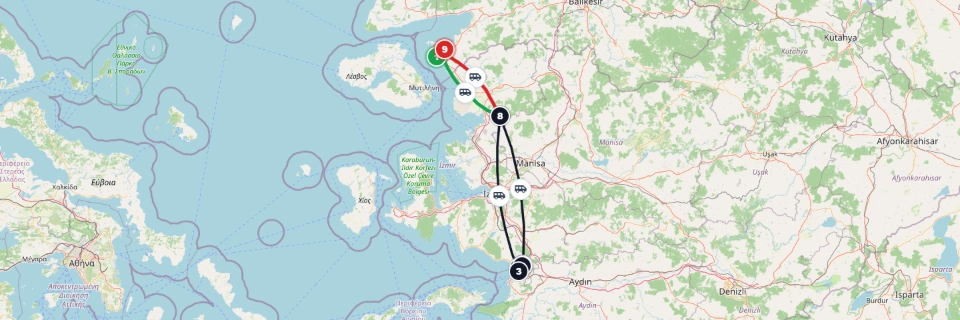
Meet at the confirmed Ayvalik hotel or meeting point before continuing toward the Ephesus region.
House of Virgin Mary -
This morning pause gives the long regional day a comfortable start before reaching the Ephesus region.
MealsBreakfast meal ExcludedThe breakfast break on route helps set the day's rhythm before the main heritage visits begin. Along road-based western Anatolian routes, breakfast usually leans toward familiar Turkish staples such as bread, olives, cheese, tomatoes, eggs and tea, offering a practical and locally recognizable start to the journey.
It is a useful stop not only for rest but also for mood. Before the route enters the more sacred and archaeological side of the day, this meal break provides a grounded sense of everyday regional life.
Questions
What is a typical breakfast like on a western Anatolian road route?
It is usually simple and filling, often built around bread, olives, cheese, tomatoes, eggs, tea and familiar Turkish morning staples.Why is the breakfast stop meaningful for travelers?
It adds a grounded everyday local moment before the route turns fully toward the sacred and archaeological sites. -
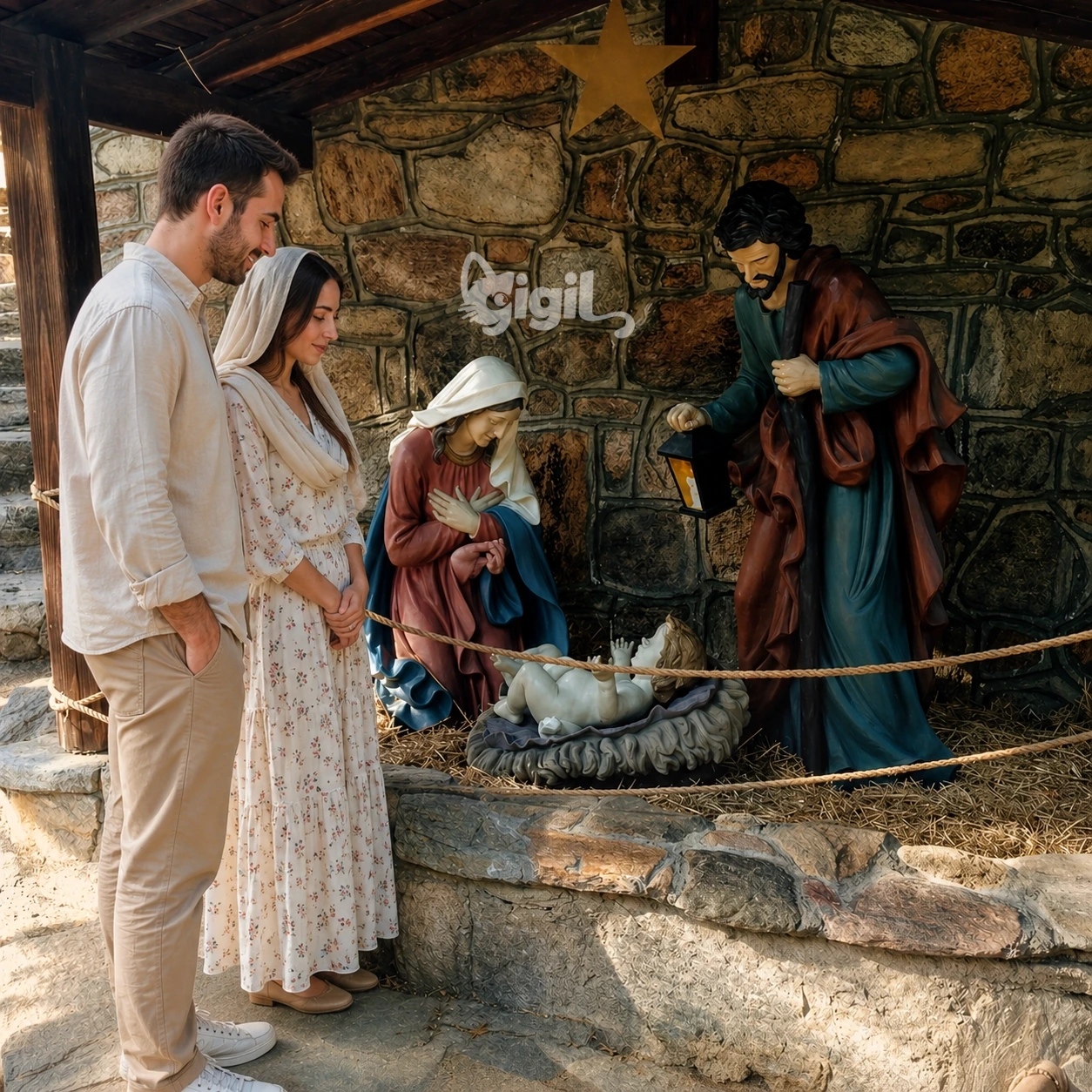
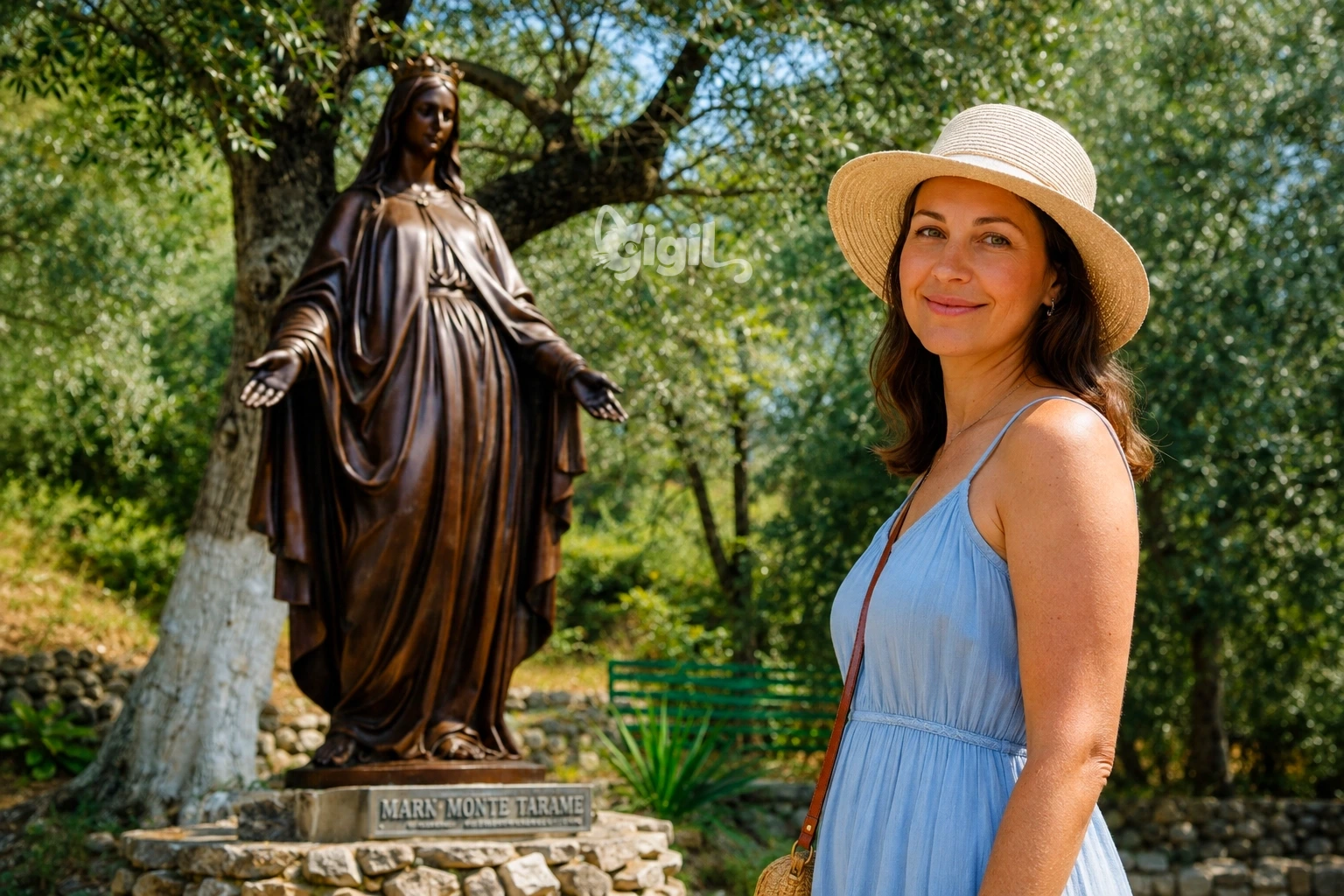
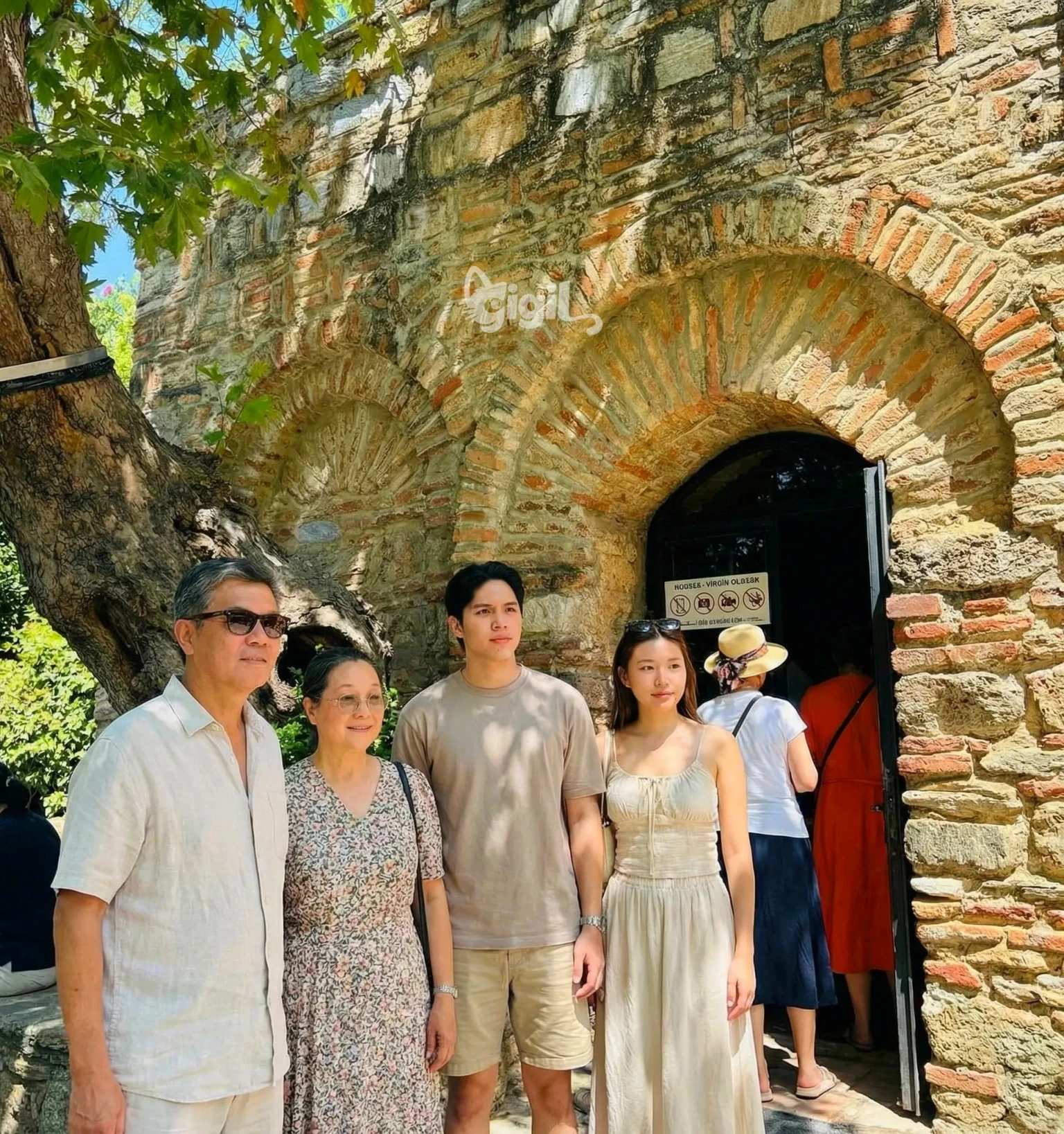
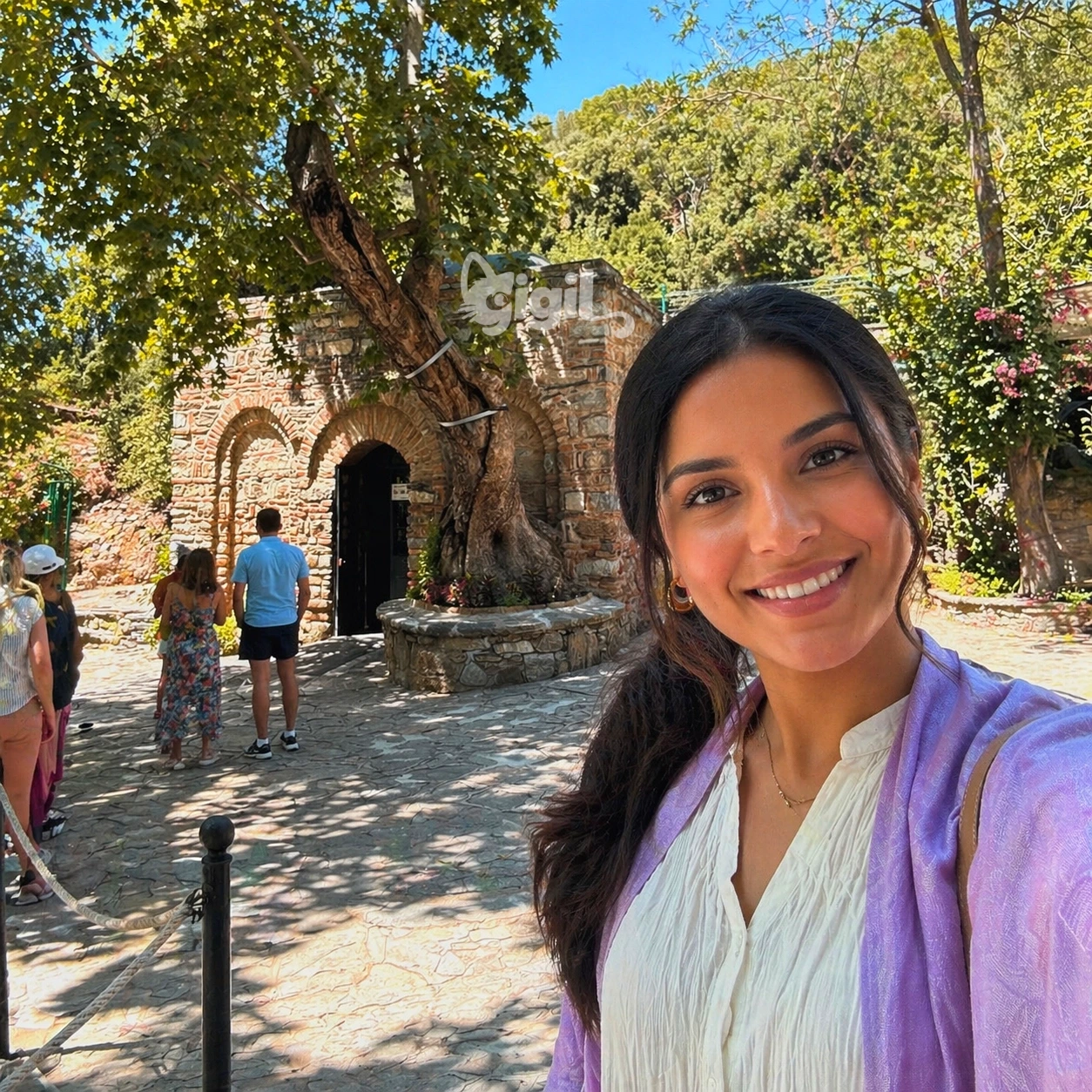
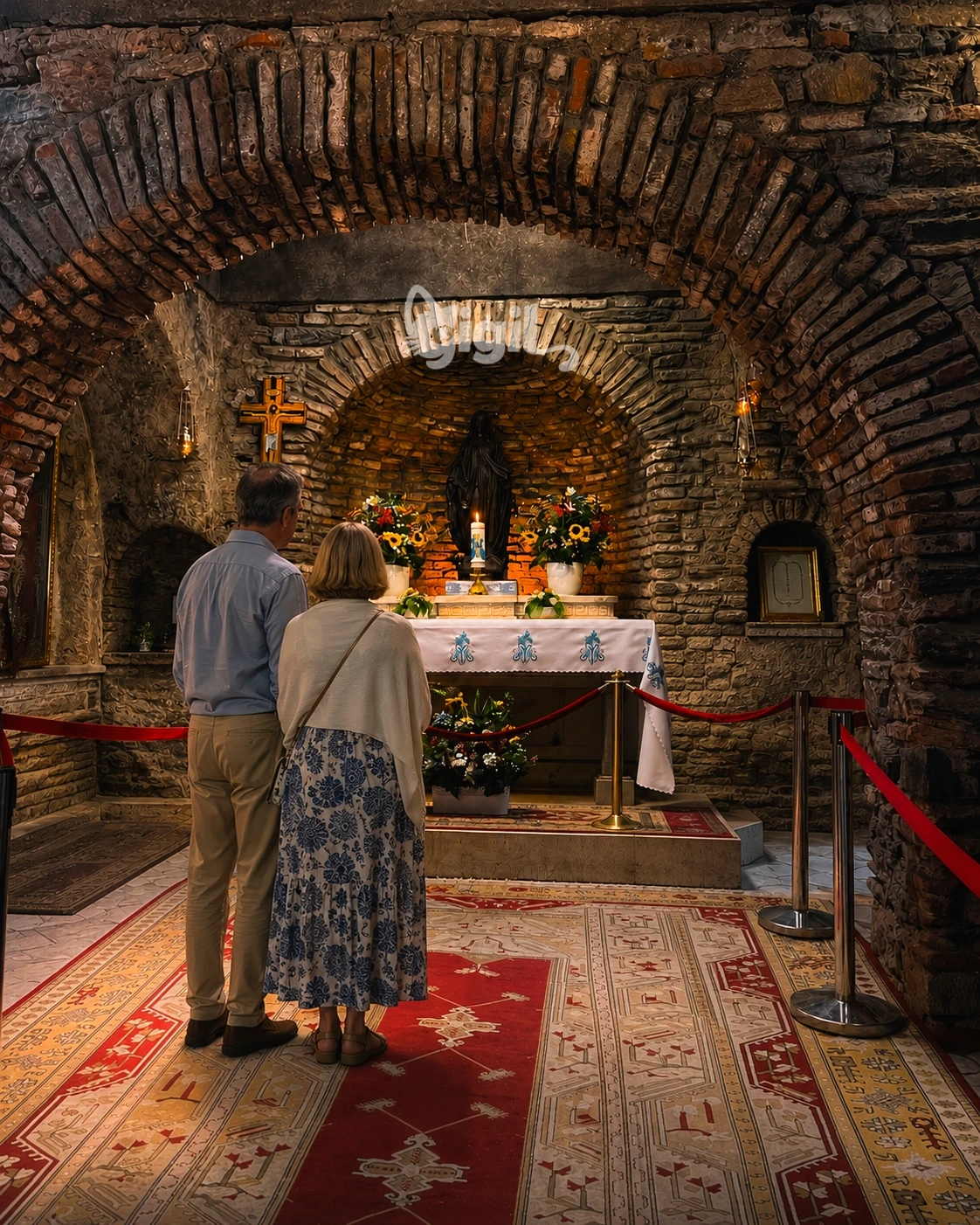
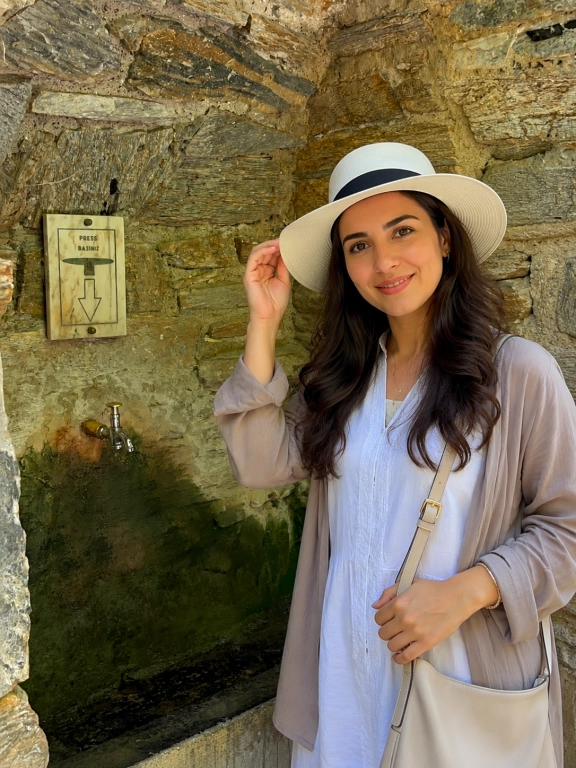
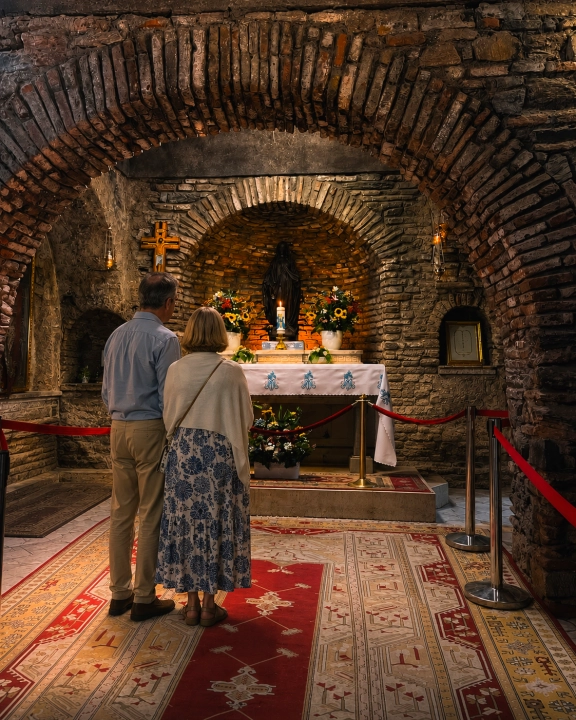
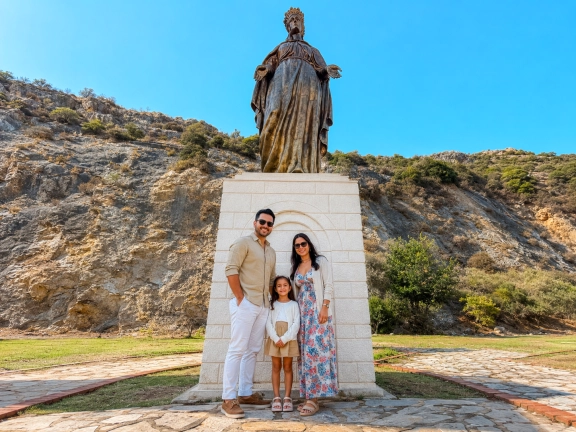
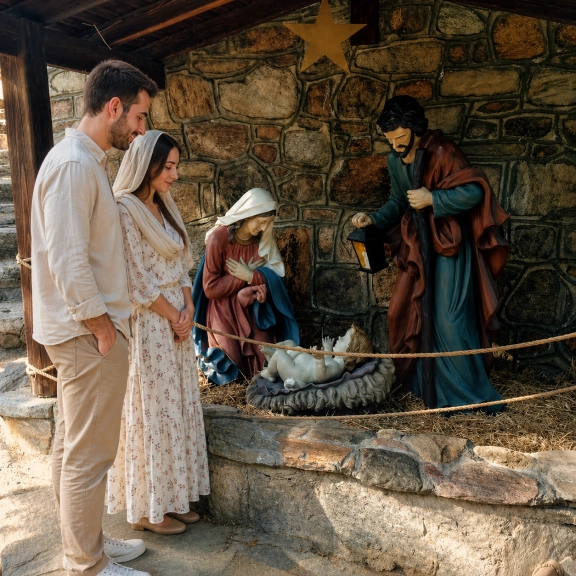
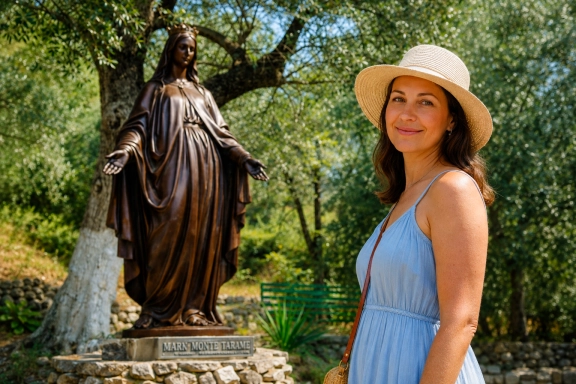
House of Virgin Mary gives the route a quiet spiritual opening before the ancient city visit.
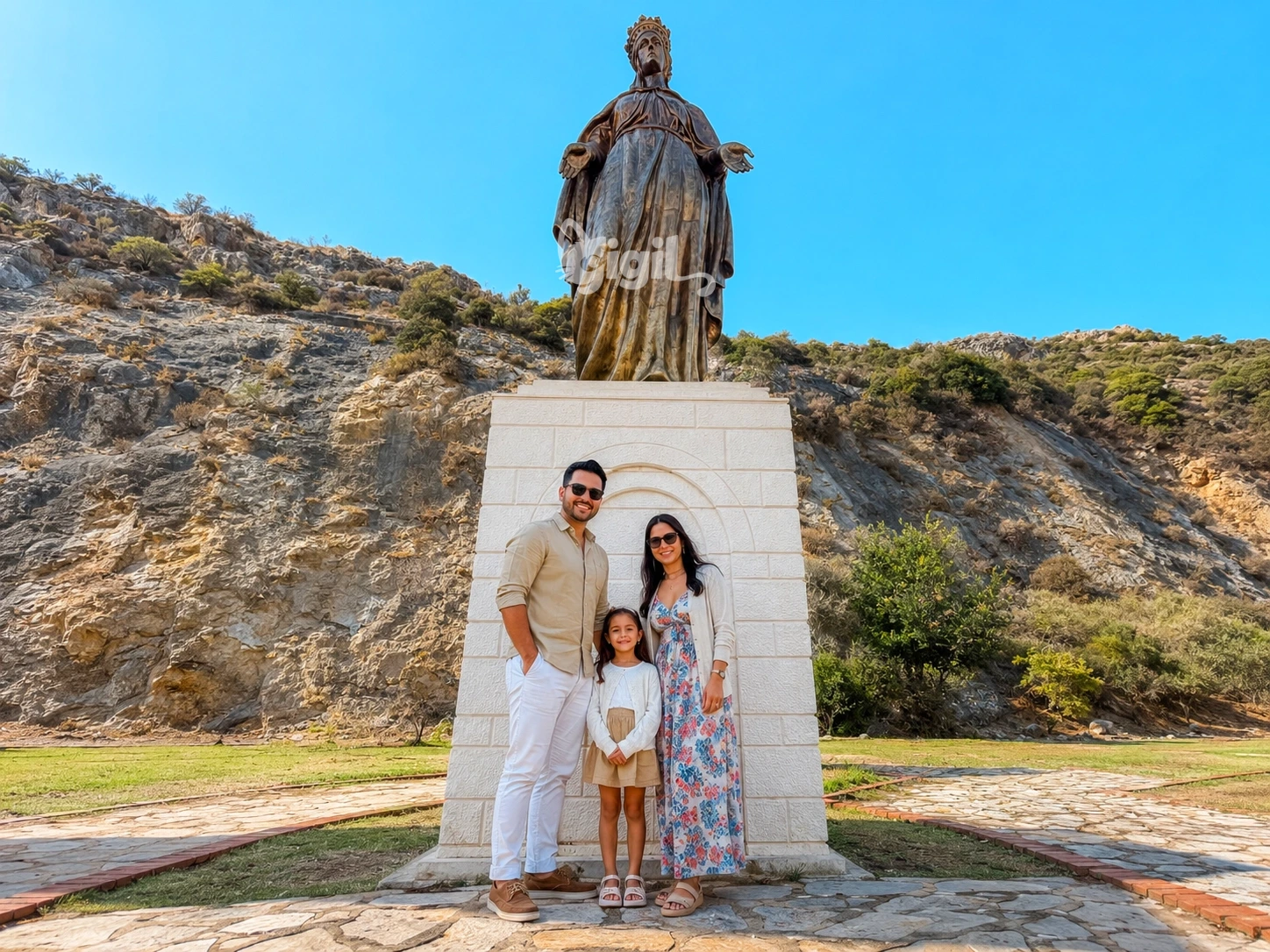
Entrance FeesHouse of Virgin Mary , €13.5 ExcludedHouse of Virgin Mary remains one of the most meaningful sacred visits near Ephesus because it is traditionally associated with Mary's final years. Visitors often respond to the site through its silence, intimacy and devotional atmosphere rather than through monumental scale.
The modest structure and the wooded hillside environment give the stop a reflective quality that stays with many travelers. Its importance lies in the relationship between place, memory and living tradition.
Questions
Why does the House of Virgin Mary remain meaningful to so many visitors?
Because it combines sacred tradition, quiet atmosphere and historical memory in one compact but emotionally powerful stop.What usually stands out most at the House of Virgin Mary?
The calm hillside setting, the intimate scale of the site and the reflective mood usually stand out most strongly.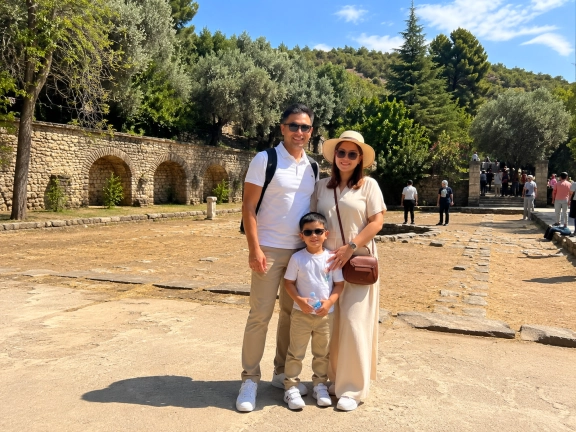
-
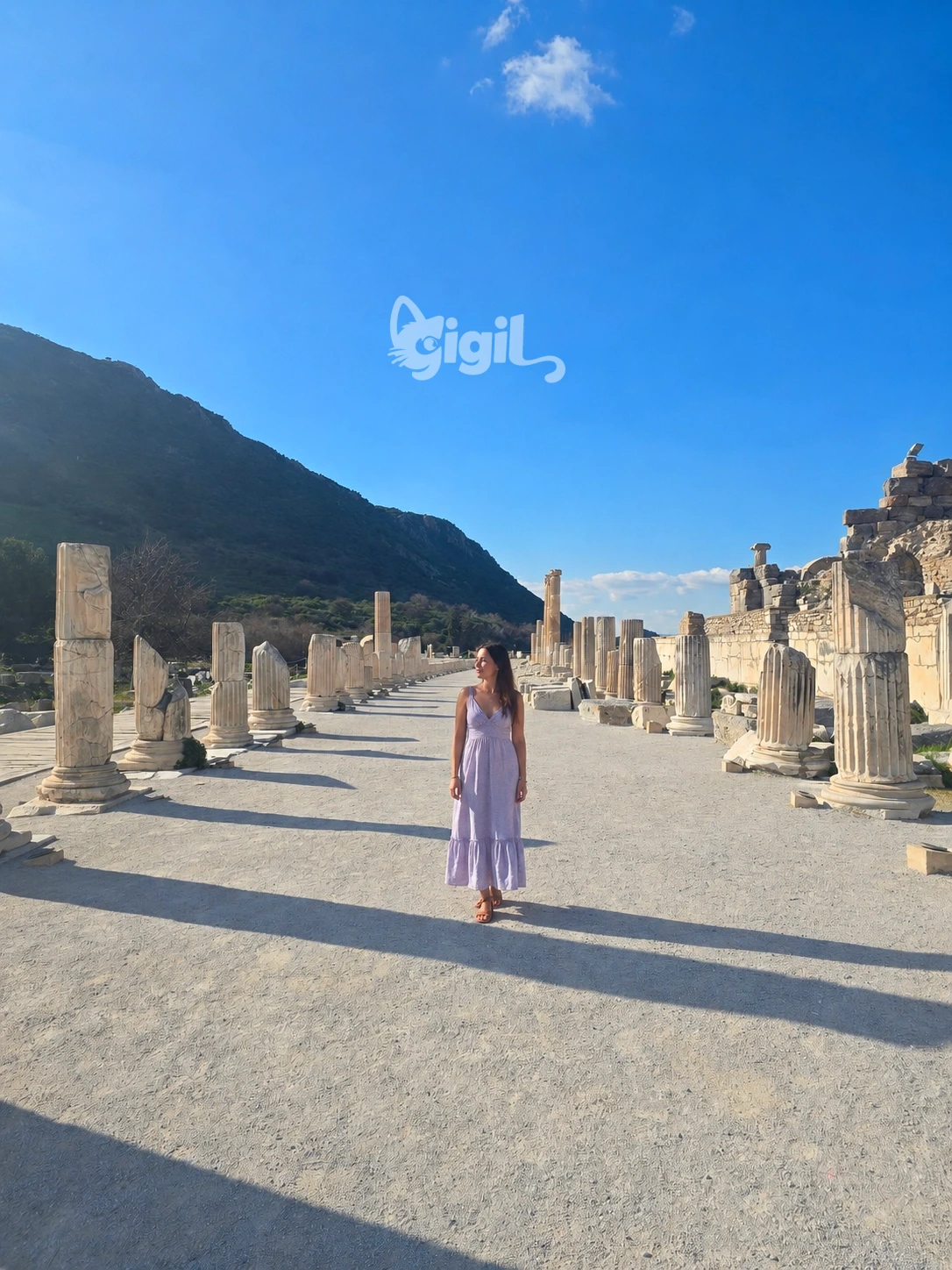
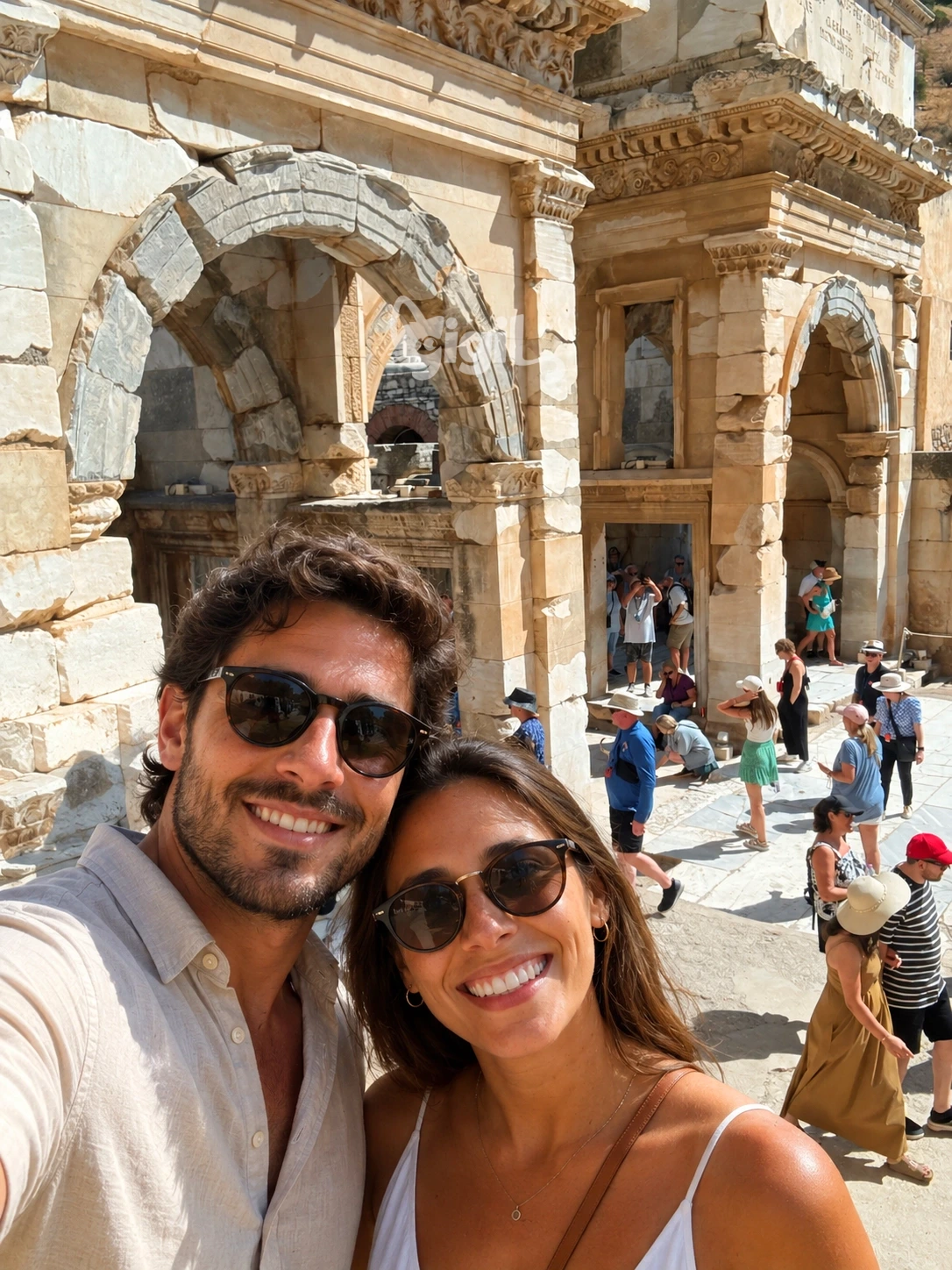
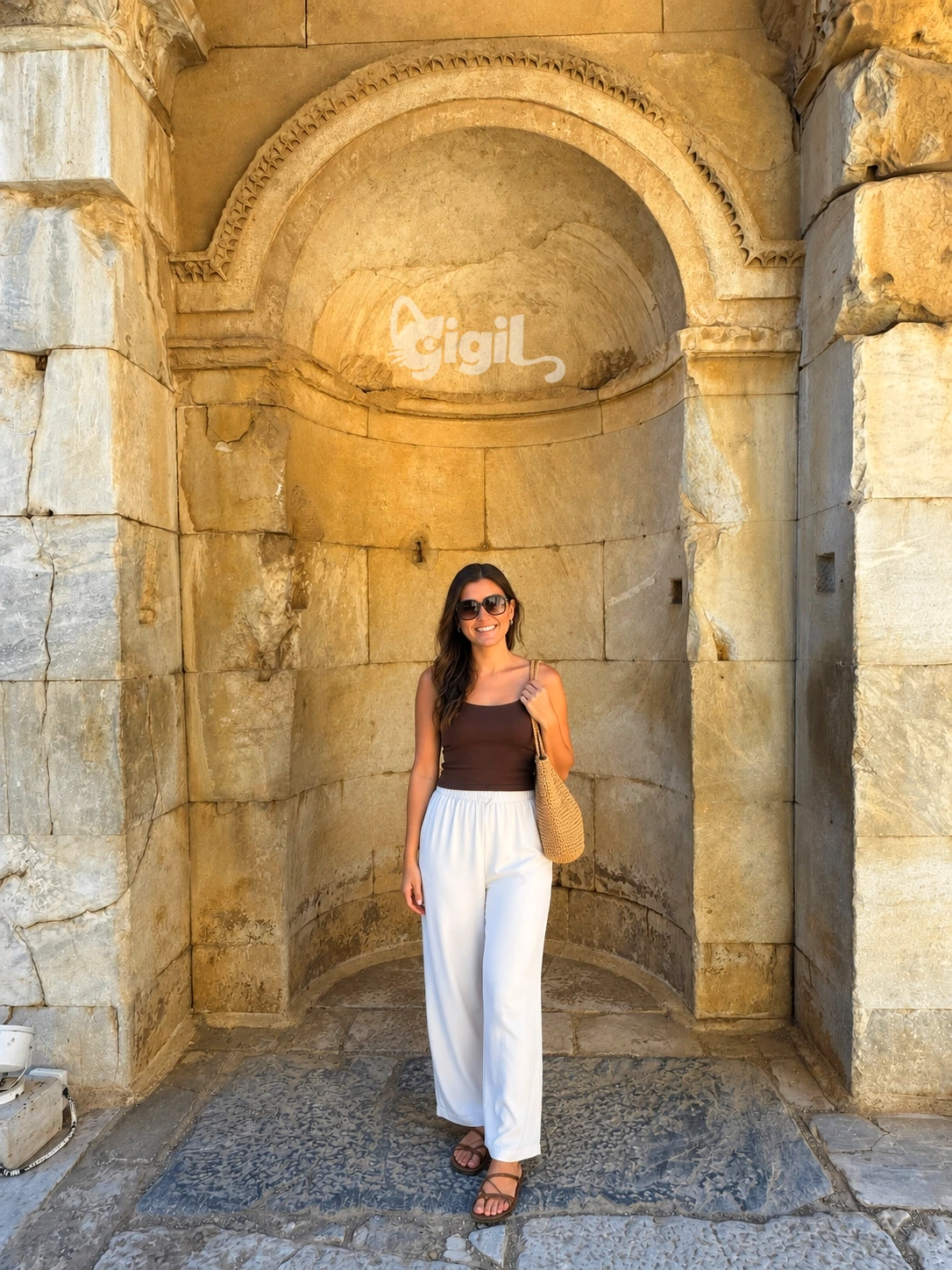
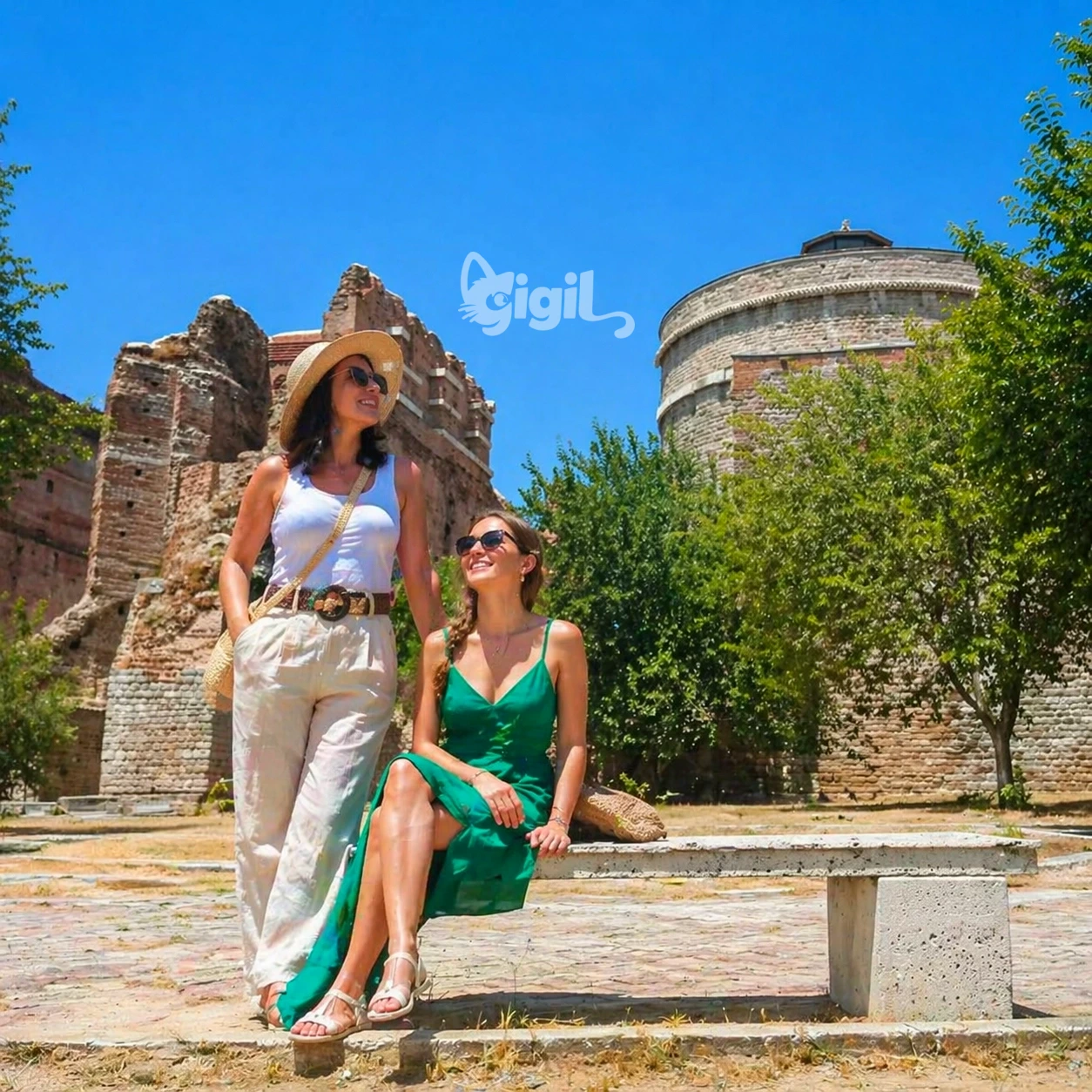
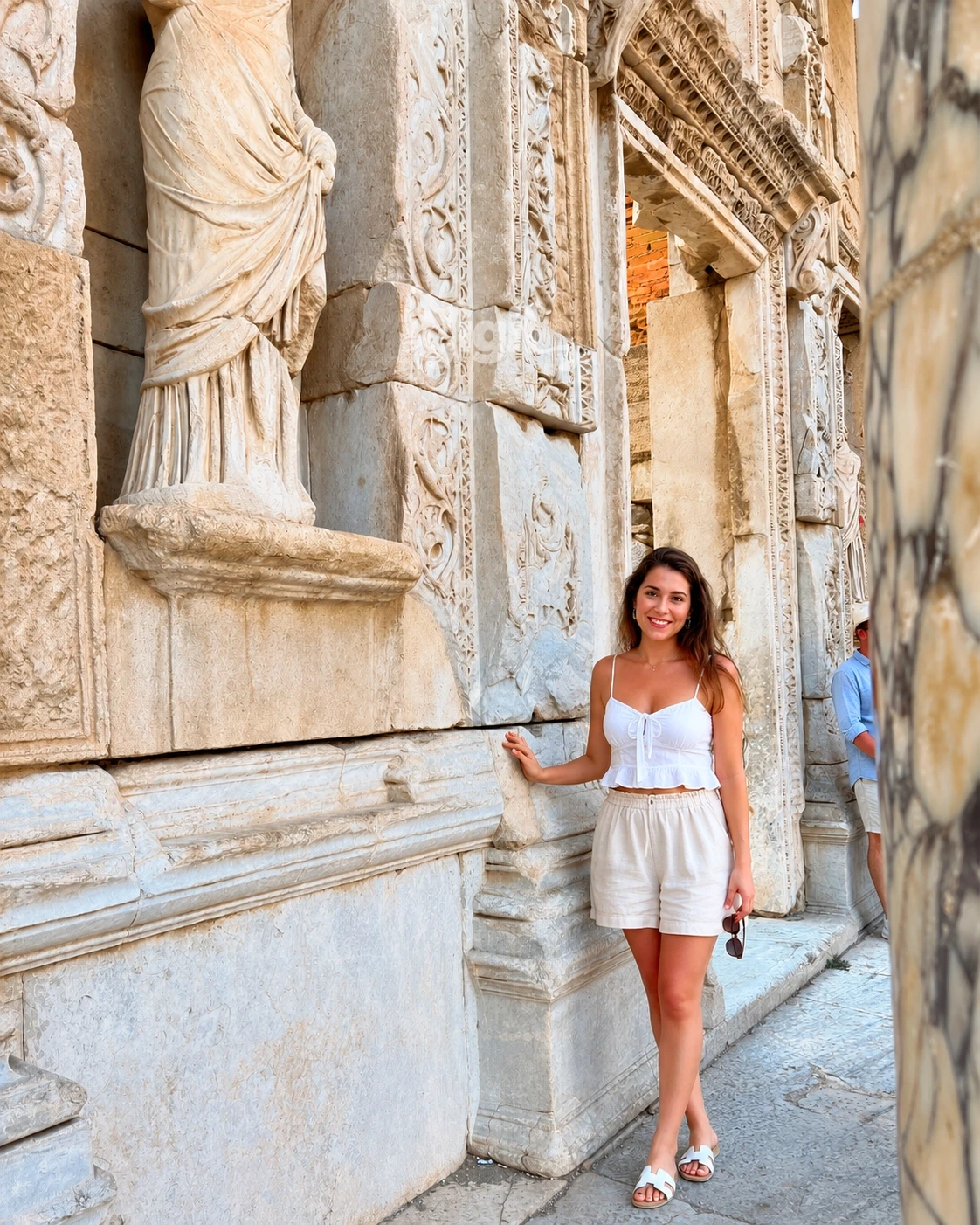
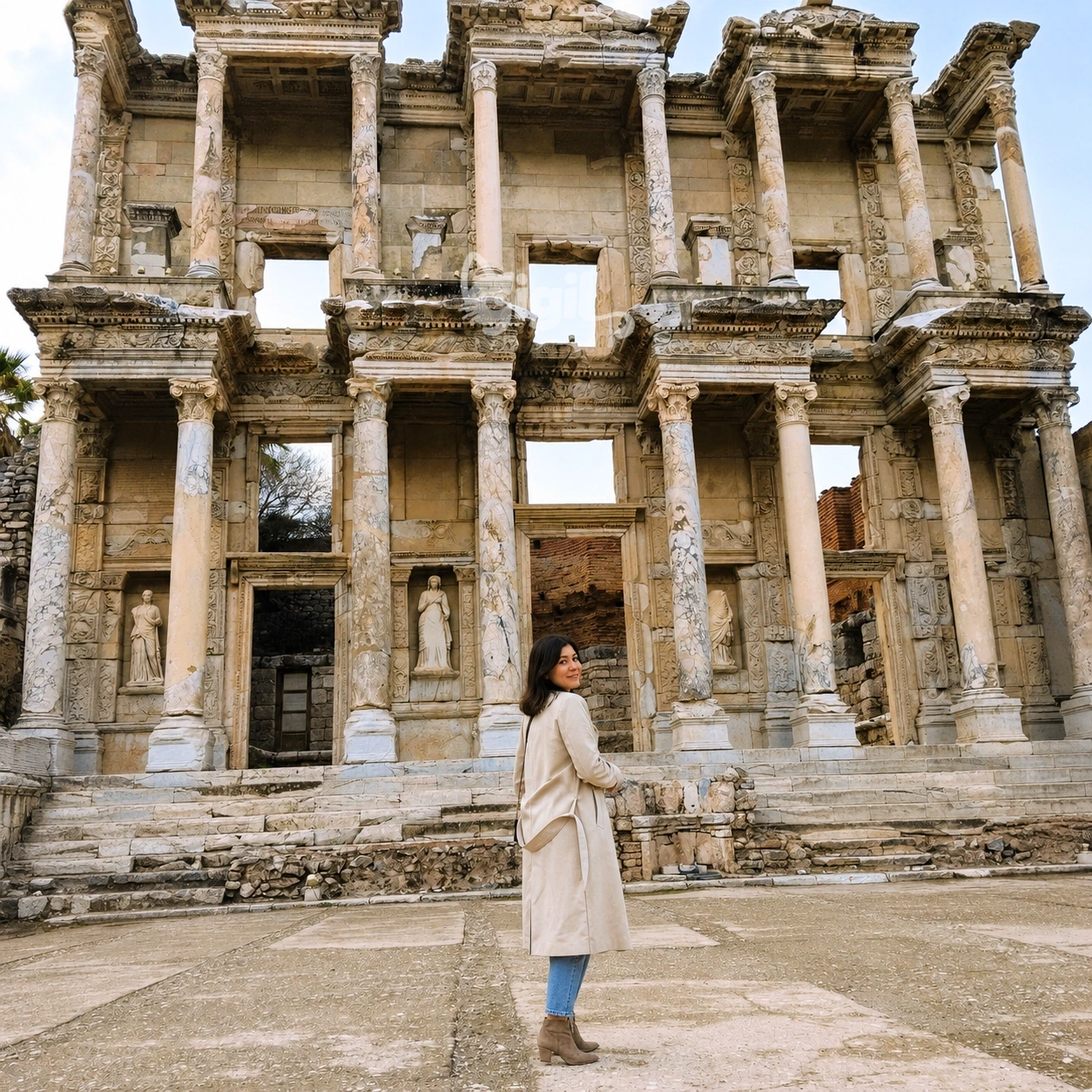
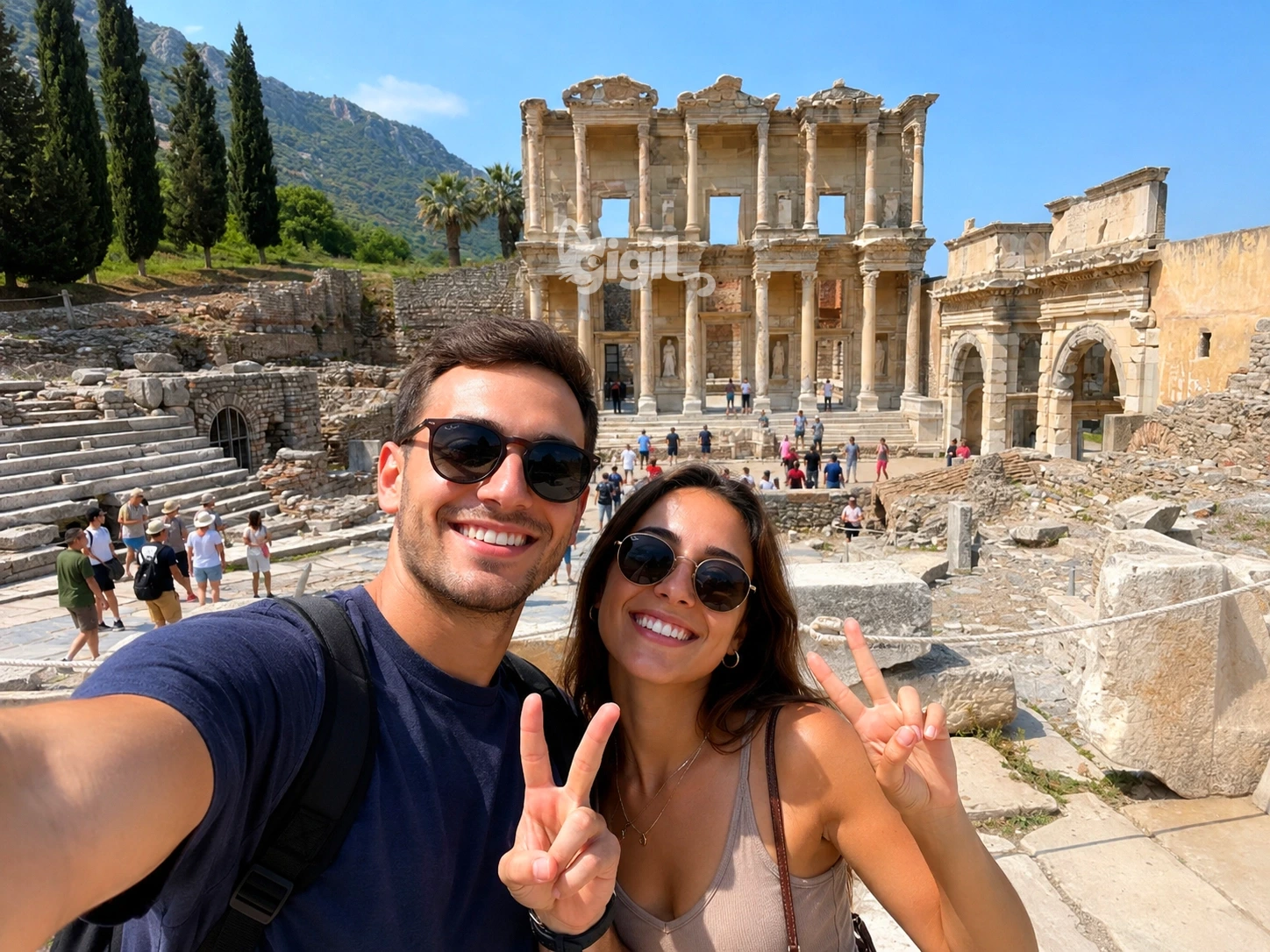
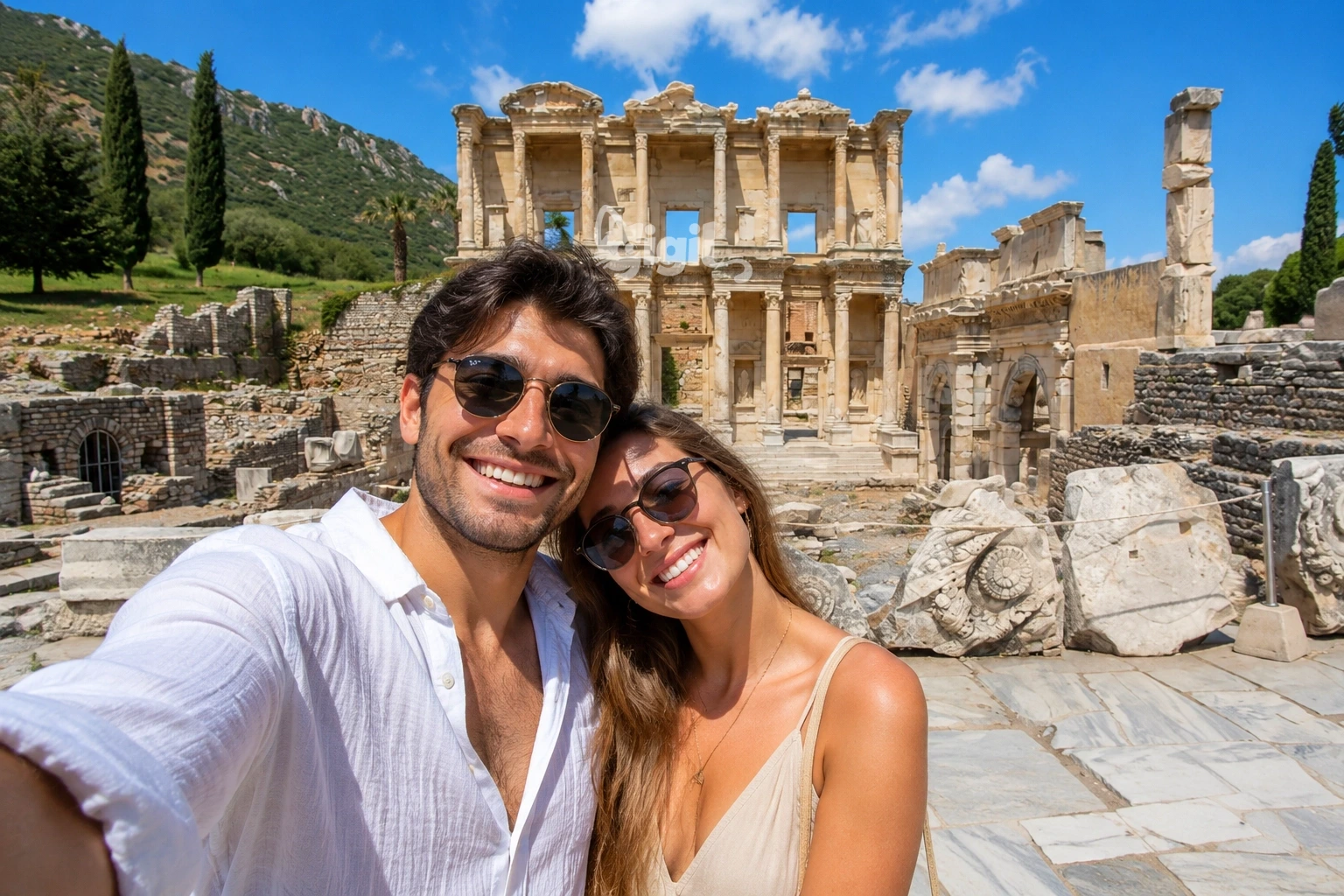
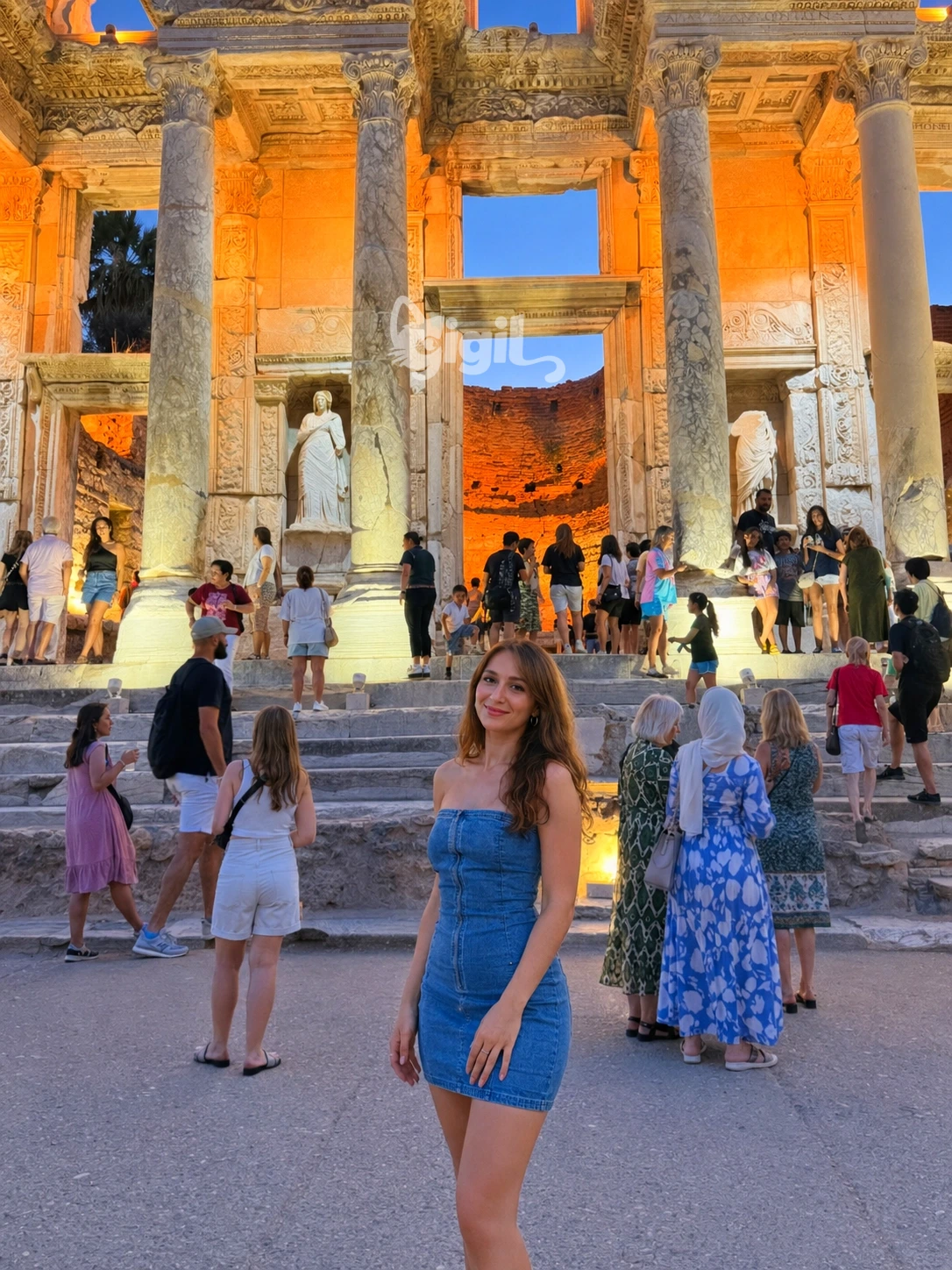
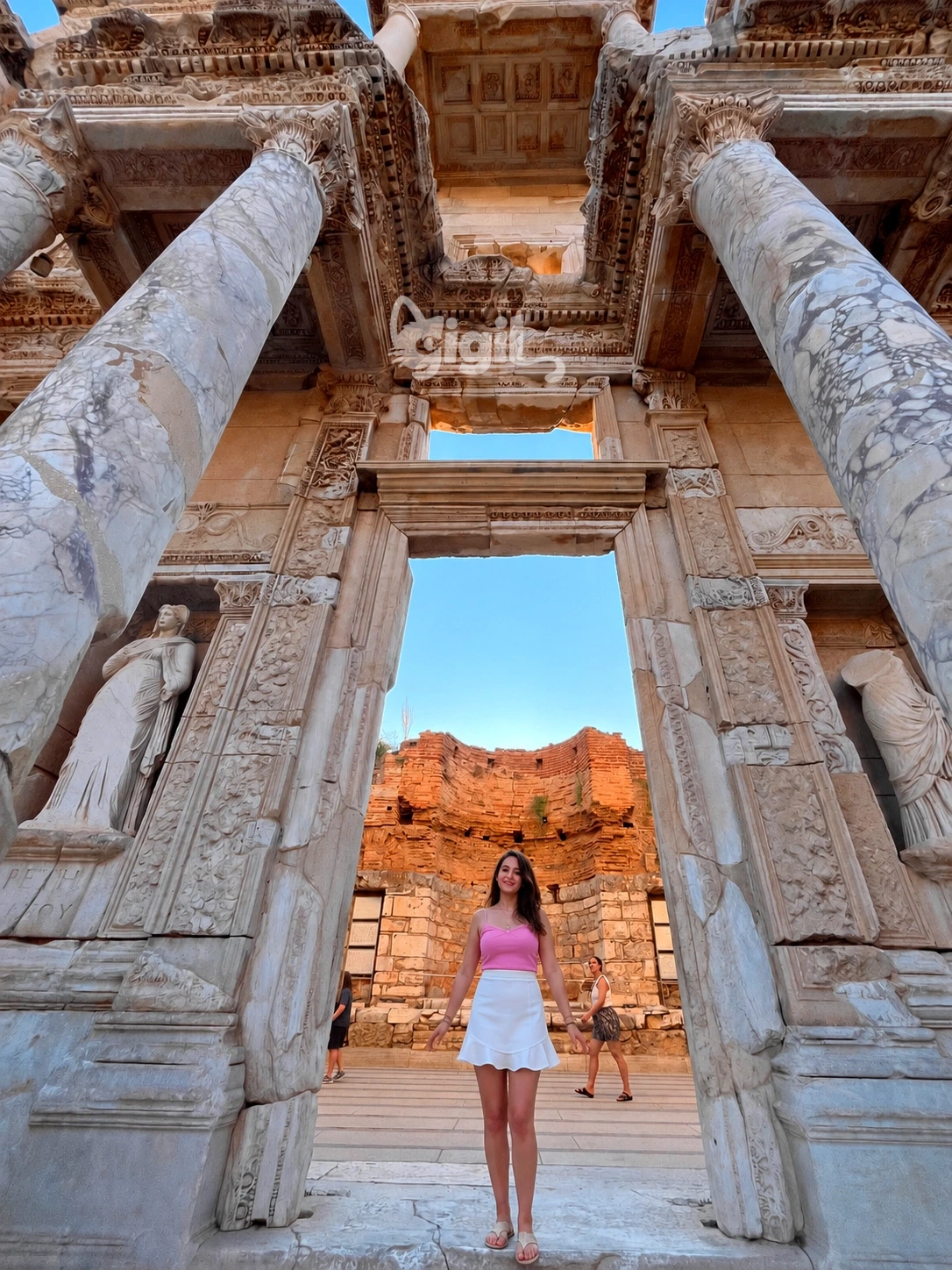
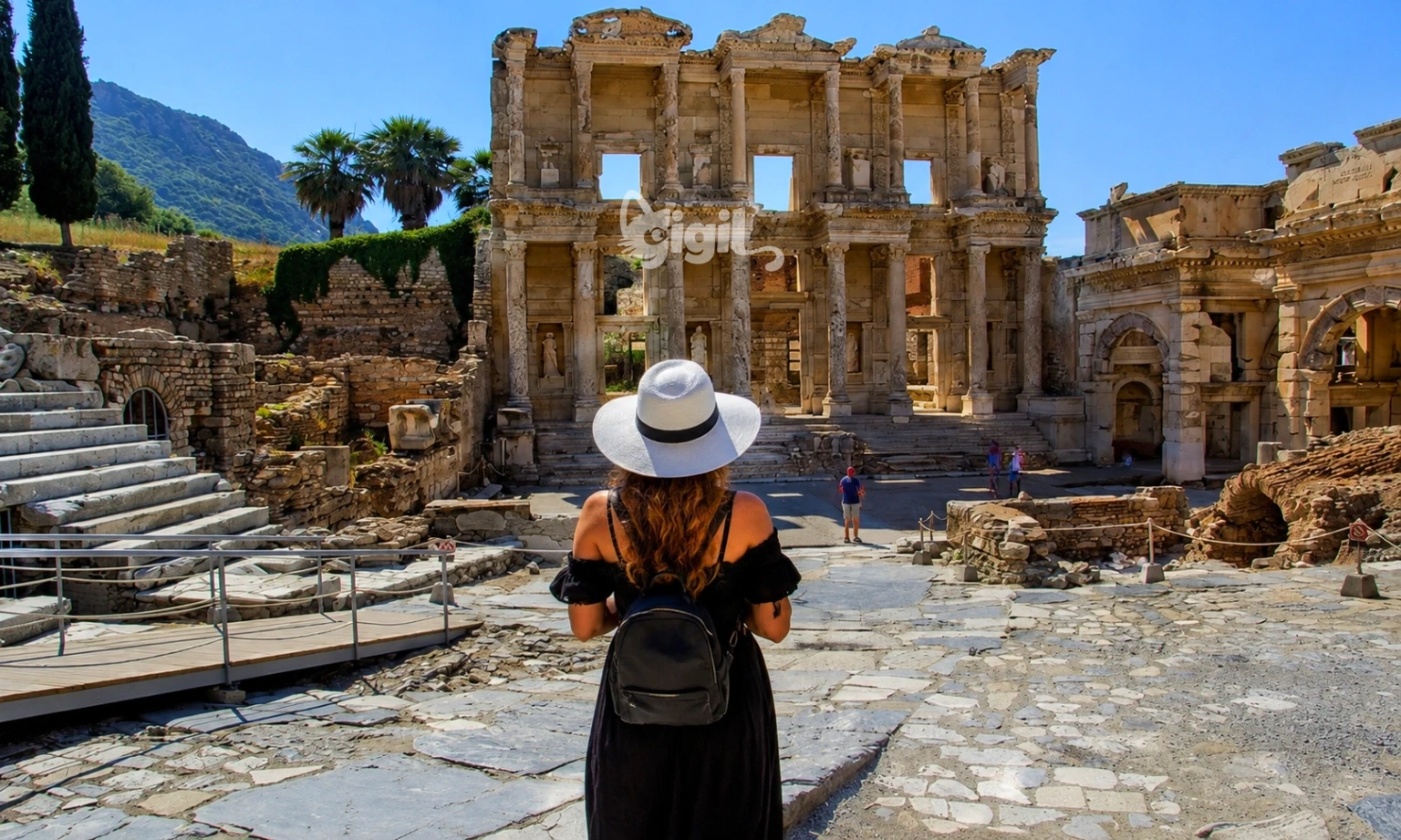
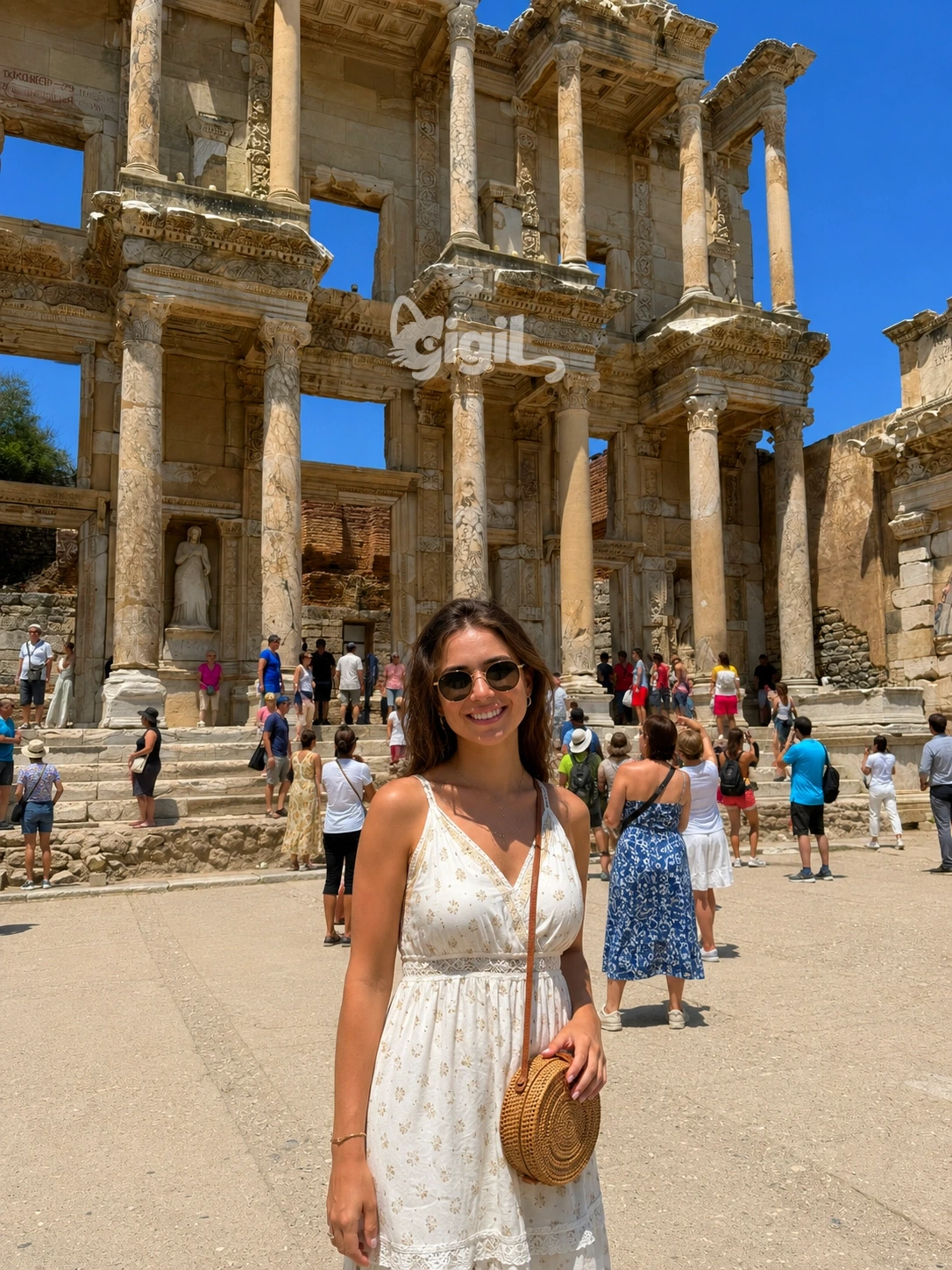
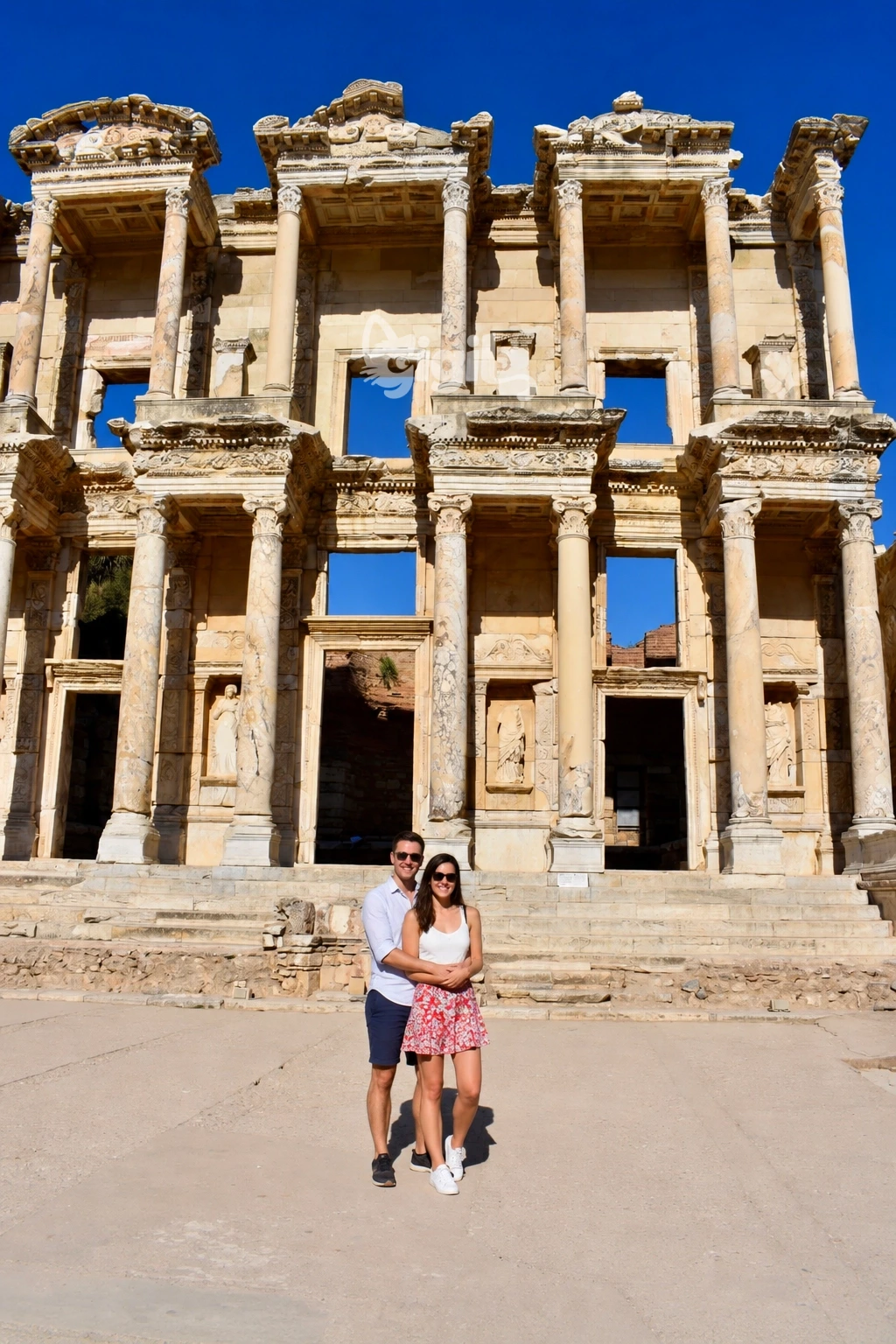
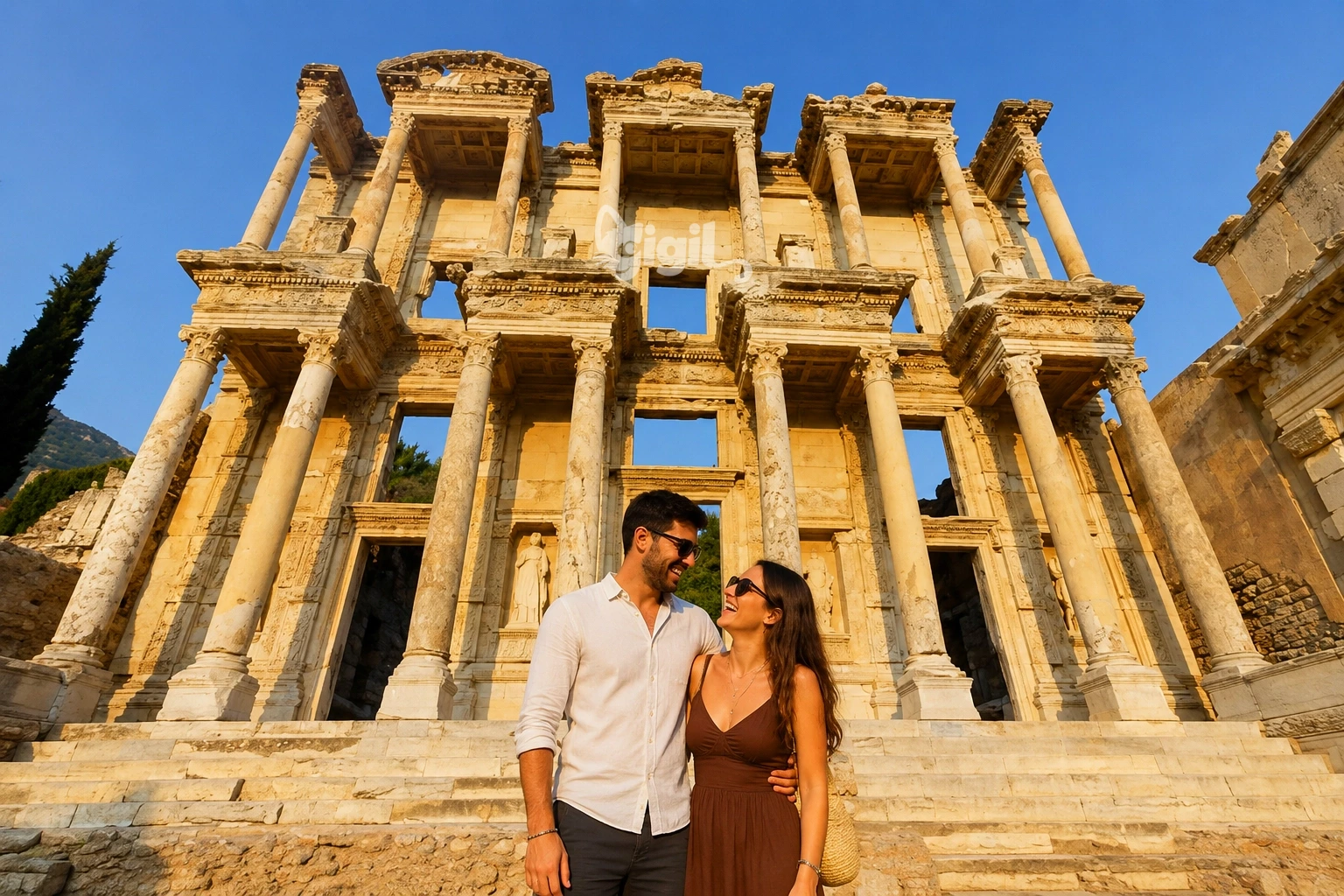
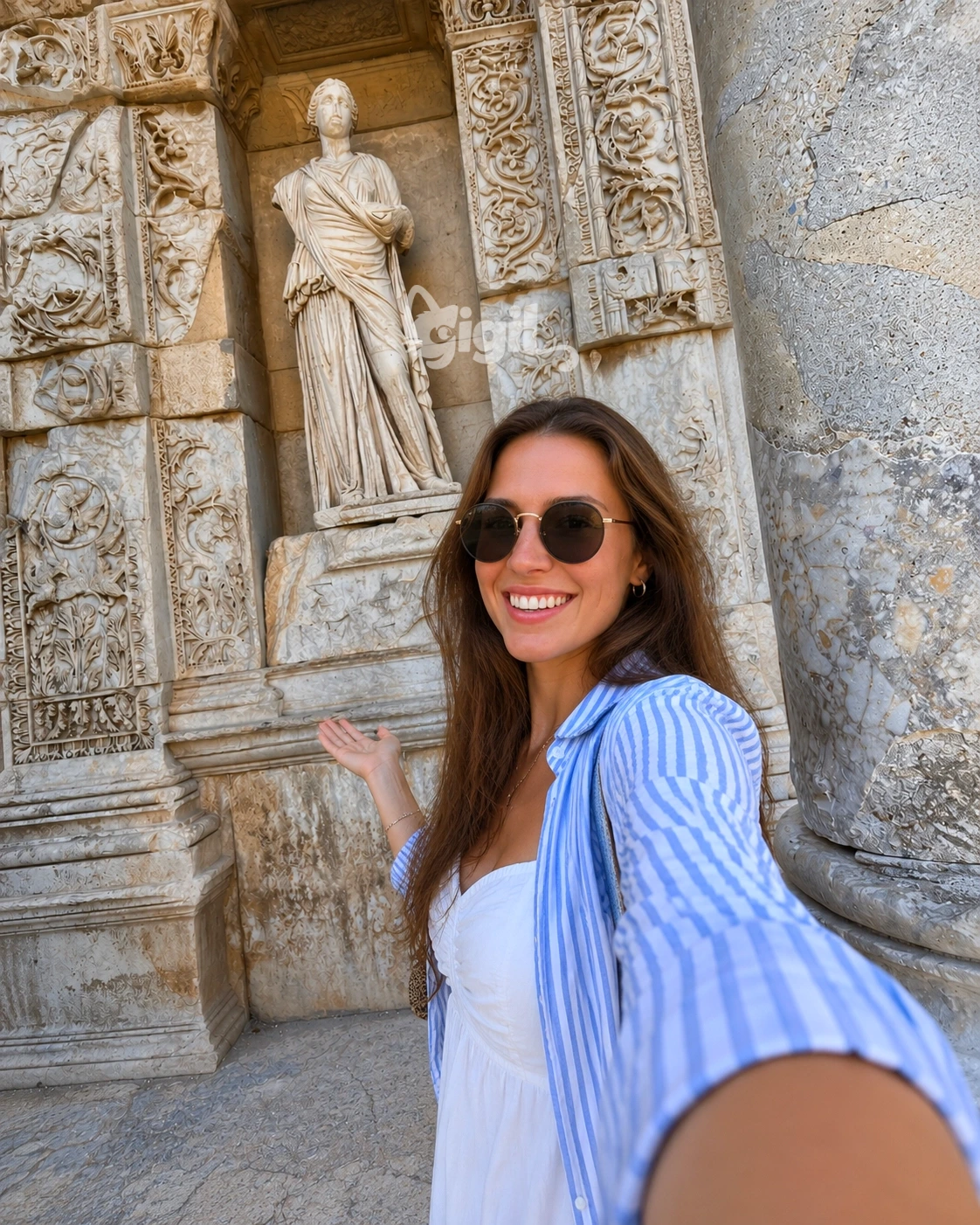
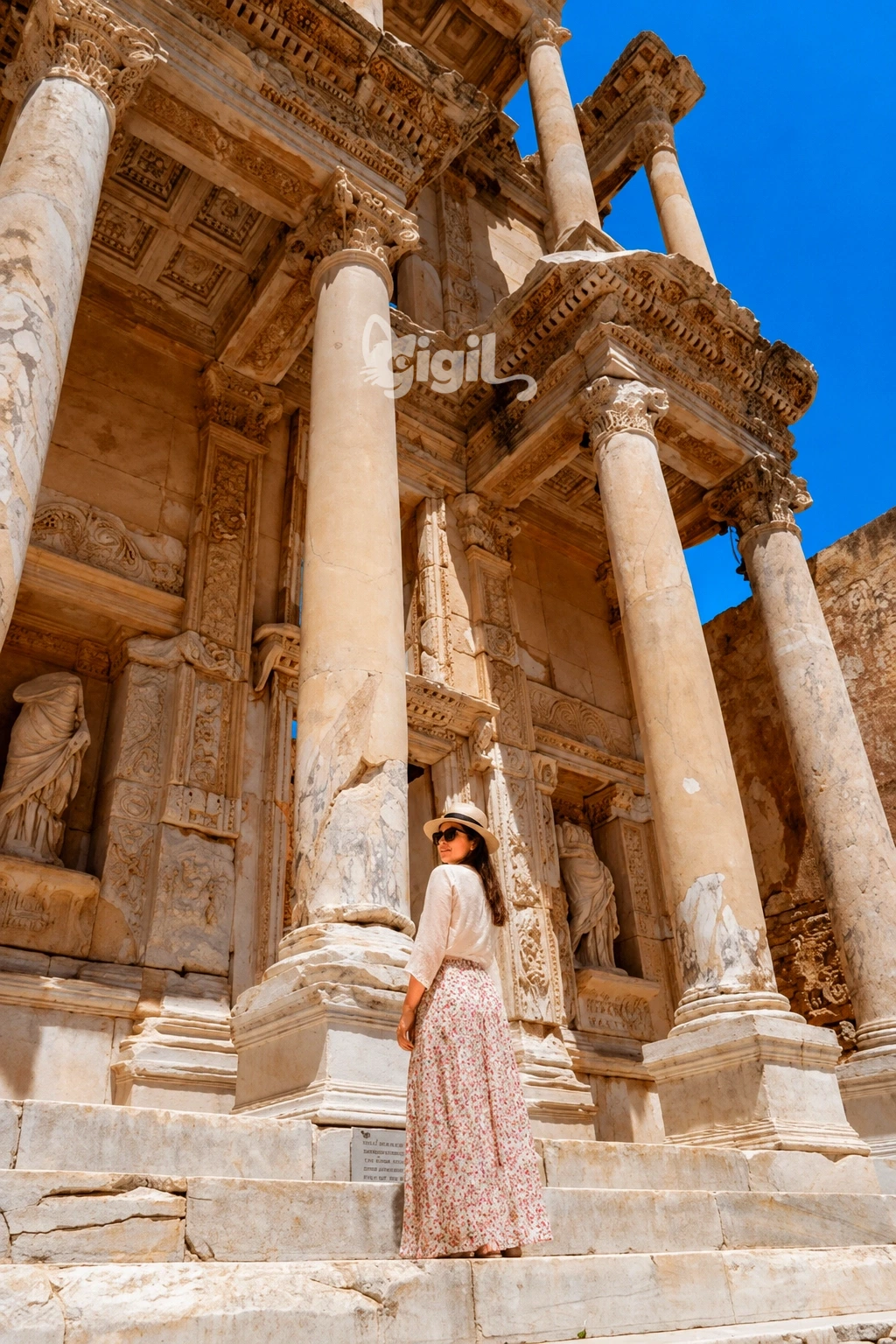
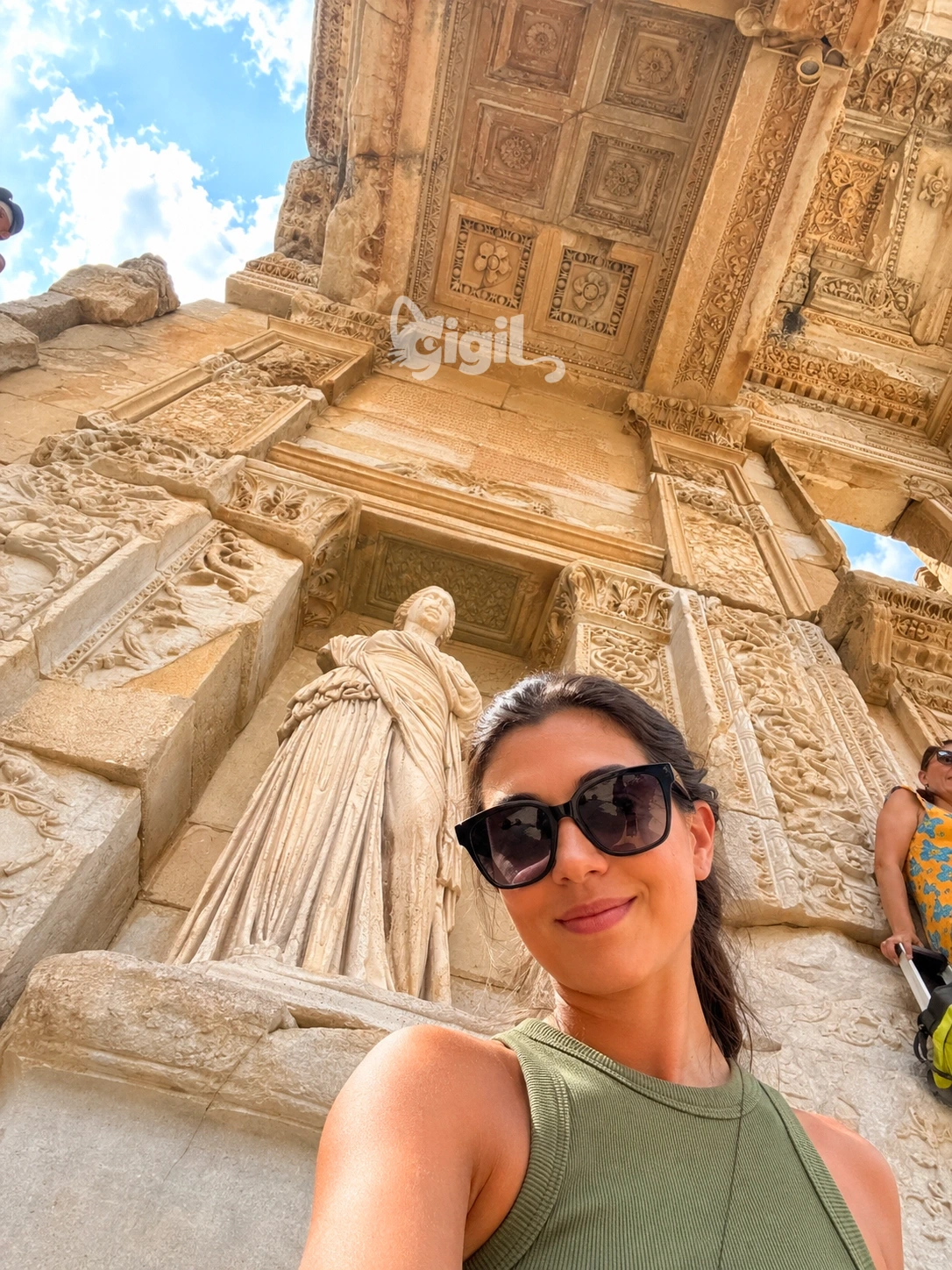
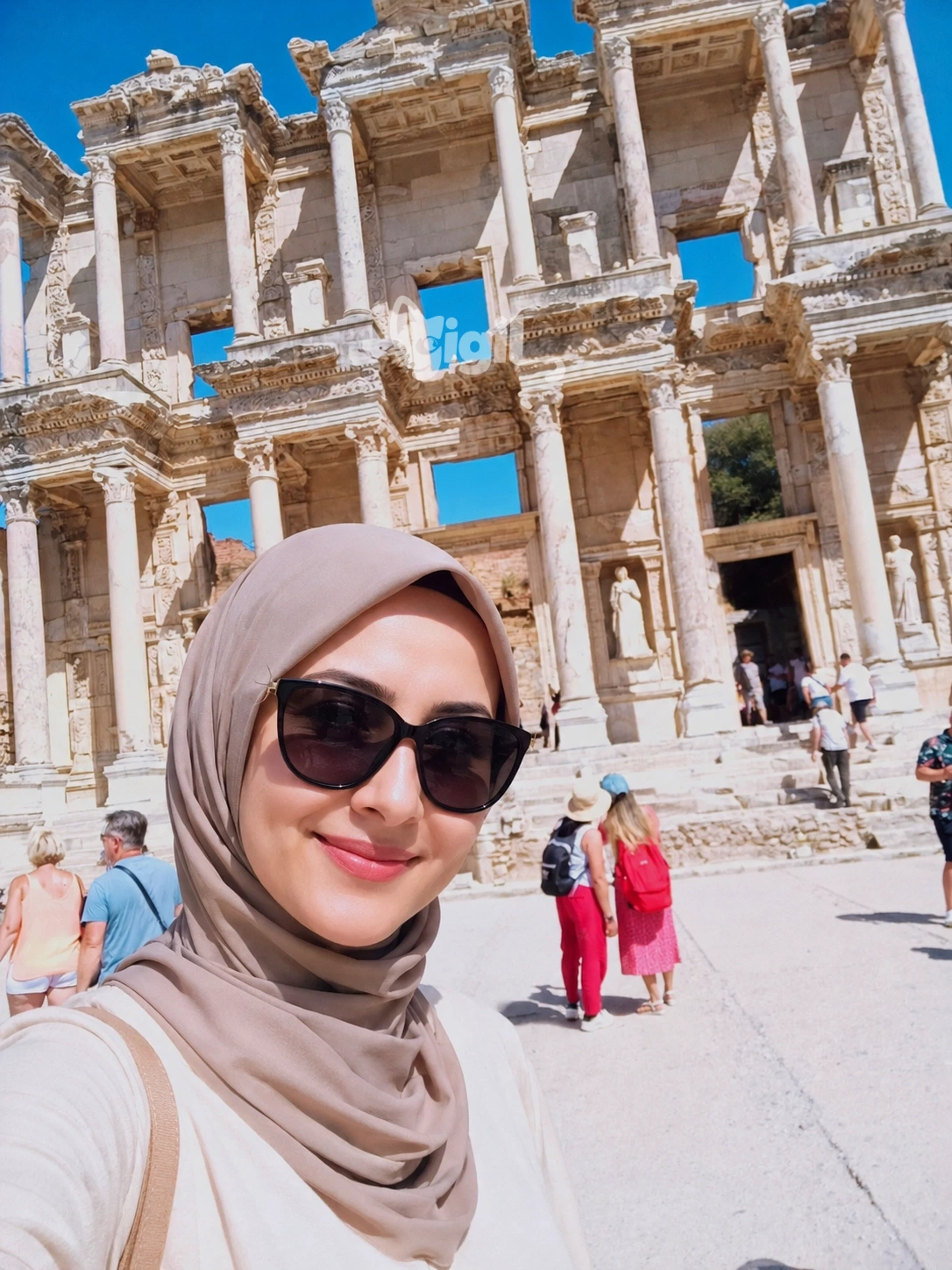
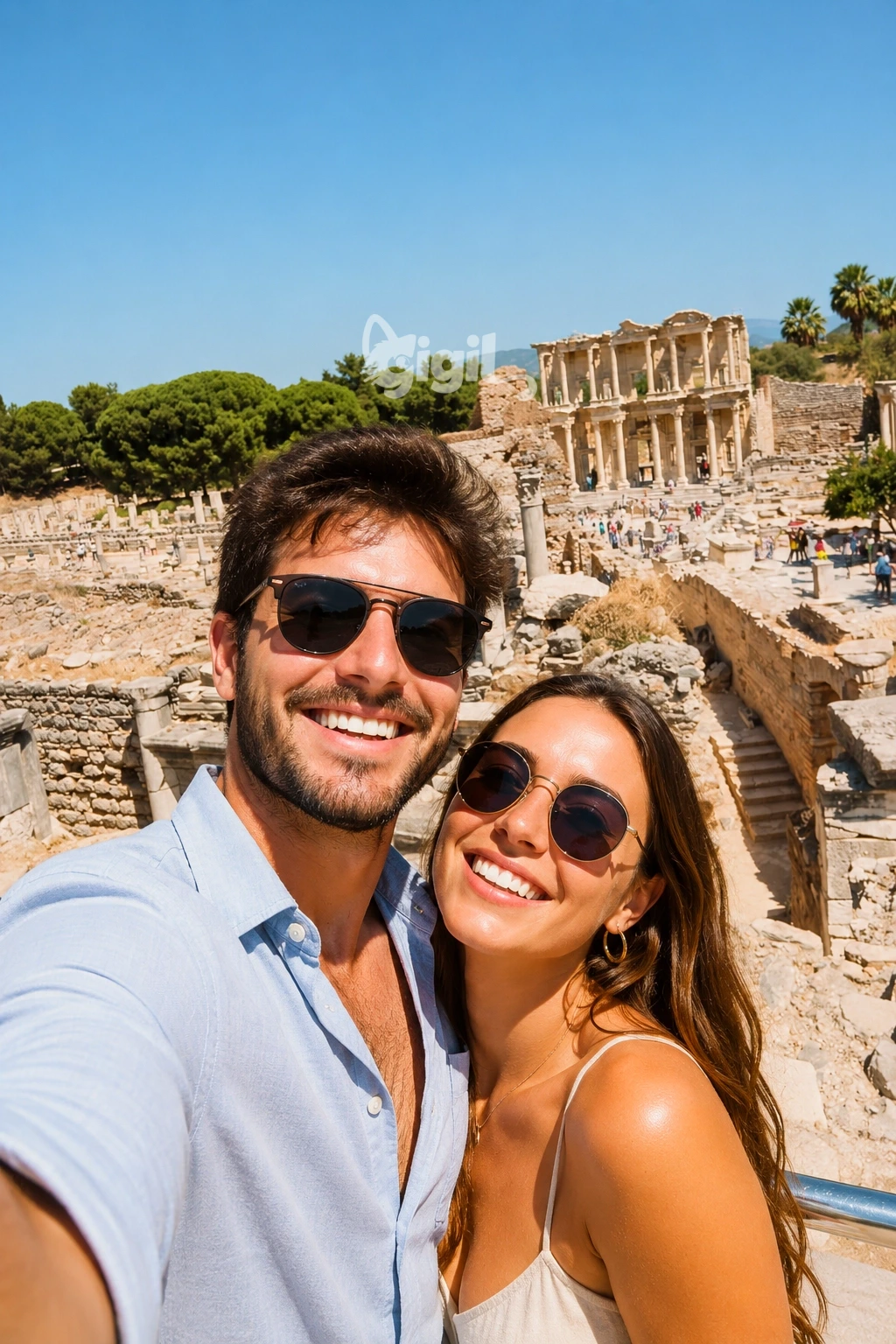
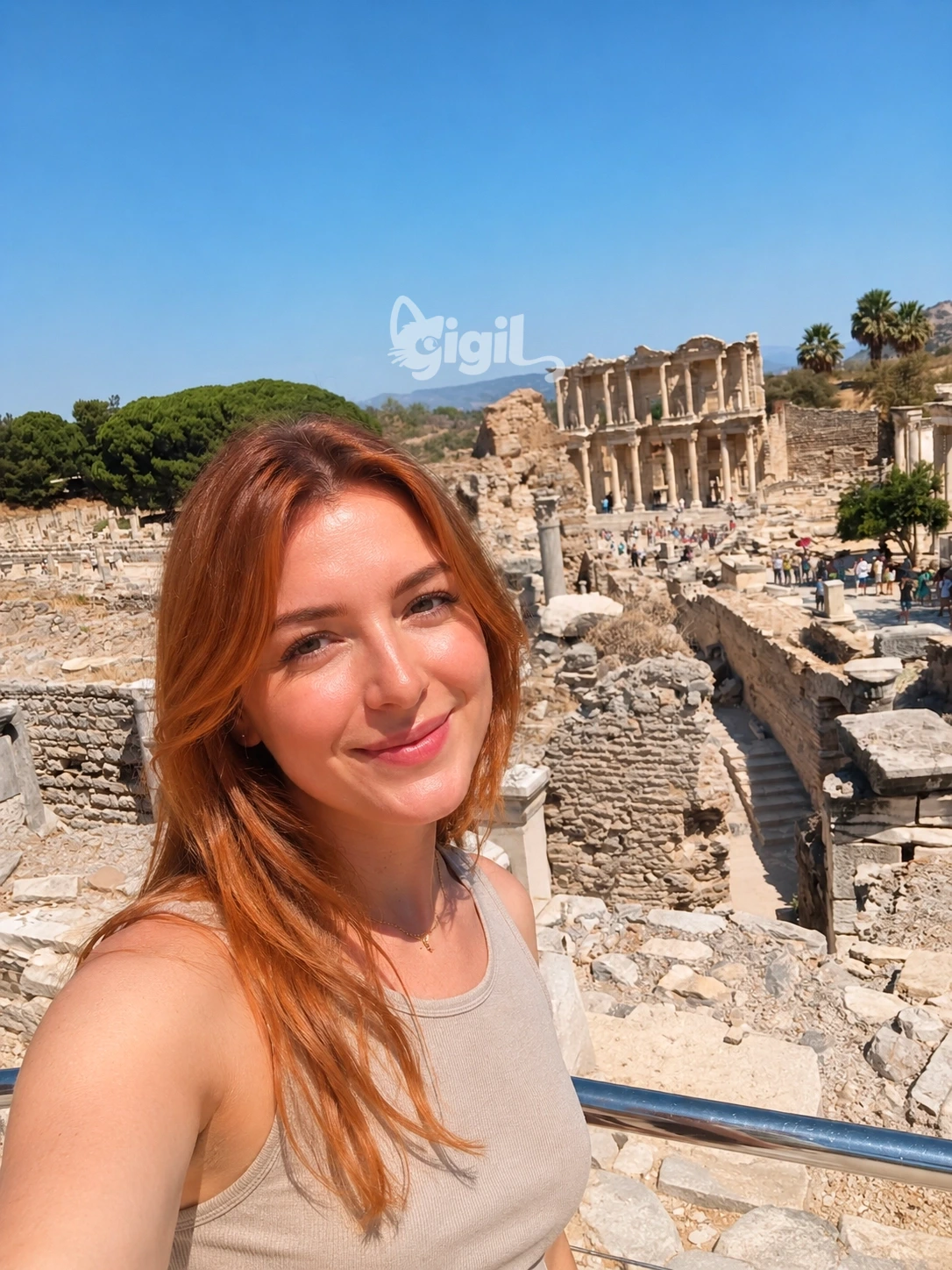
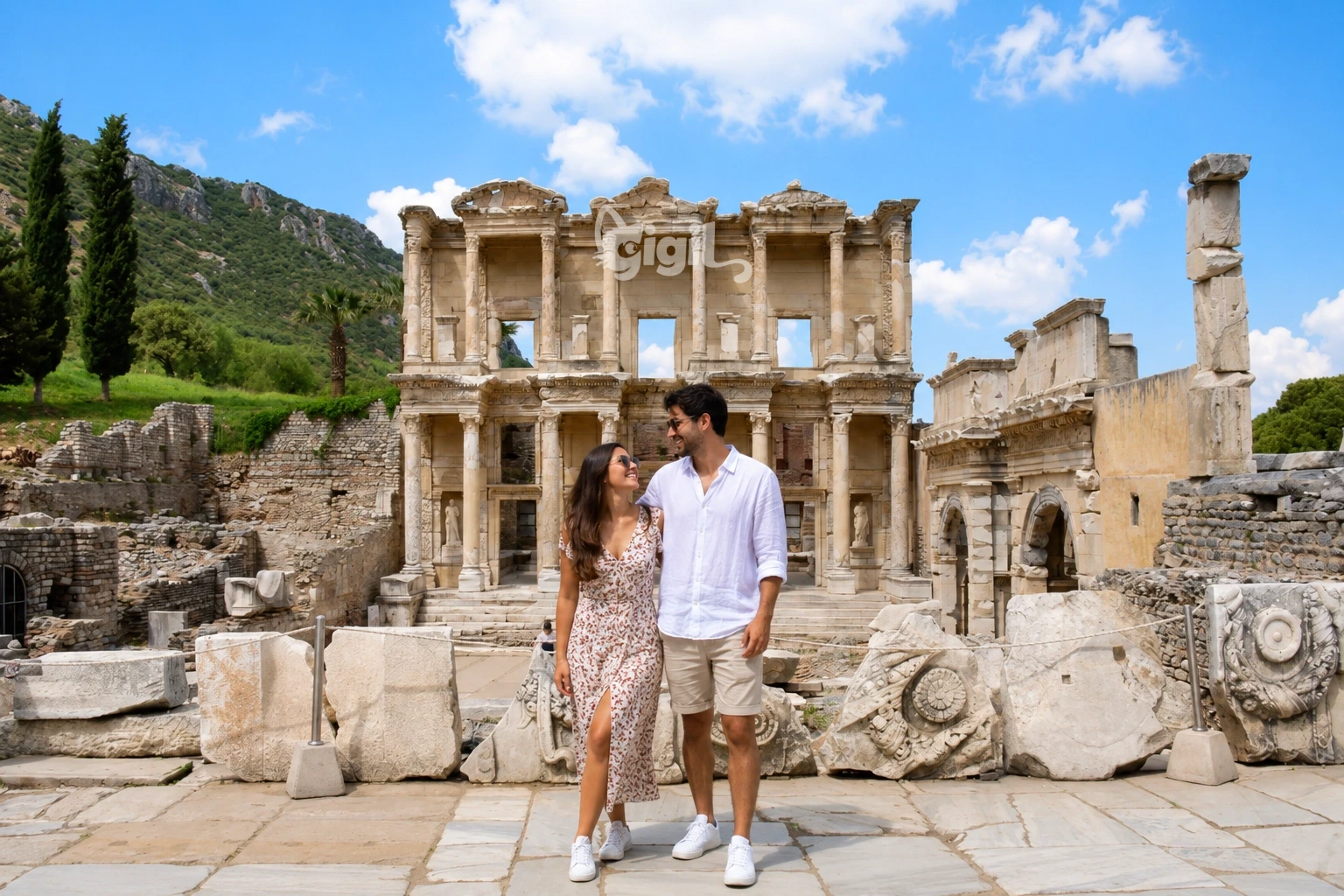
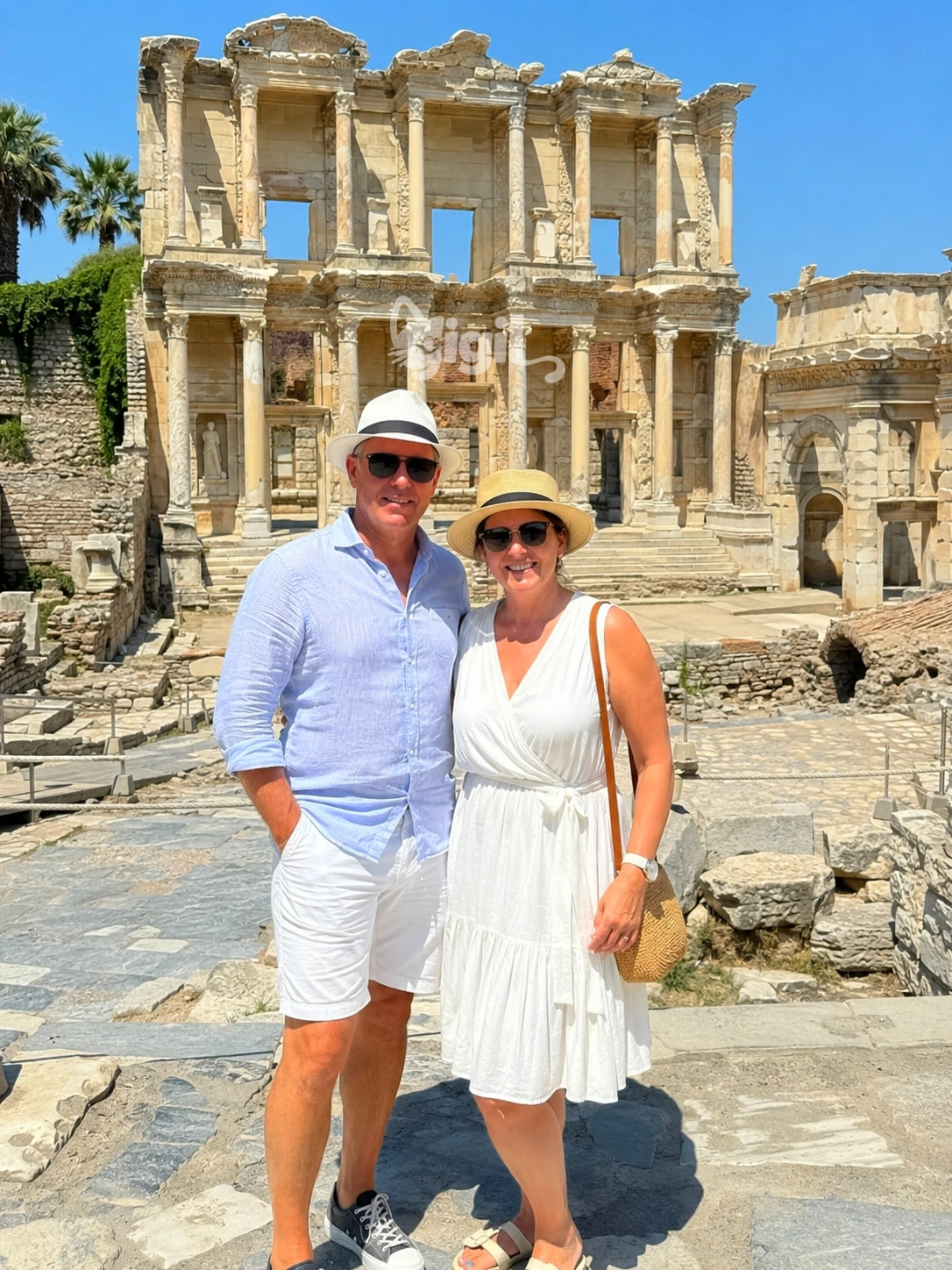
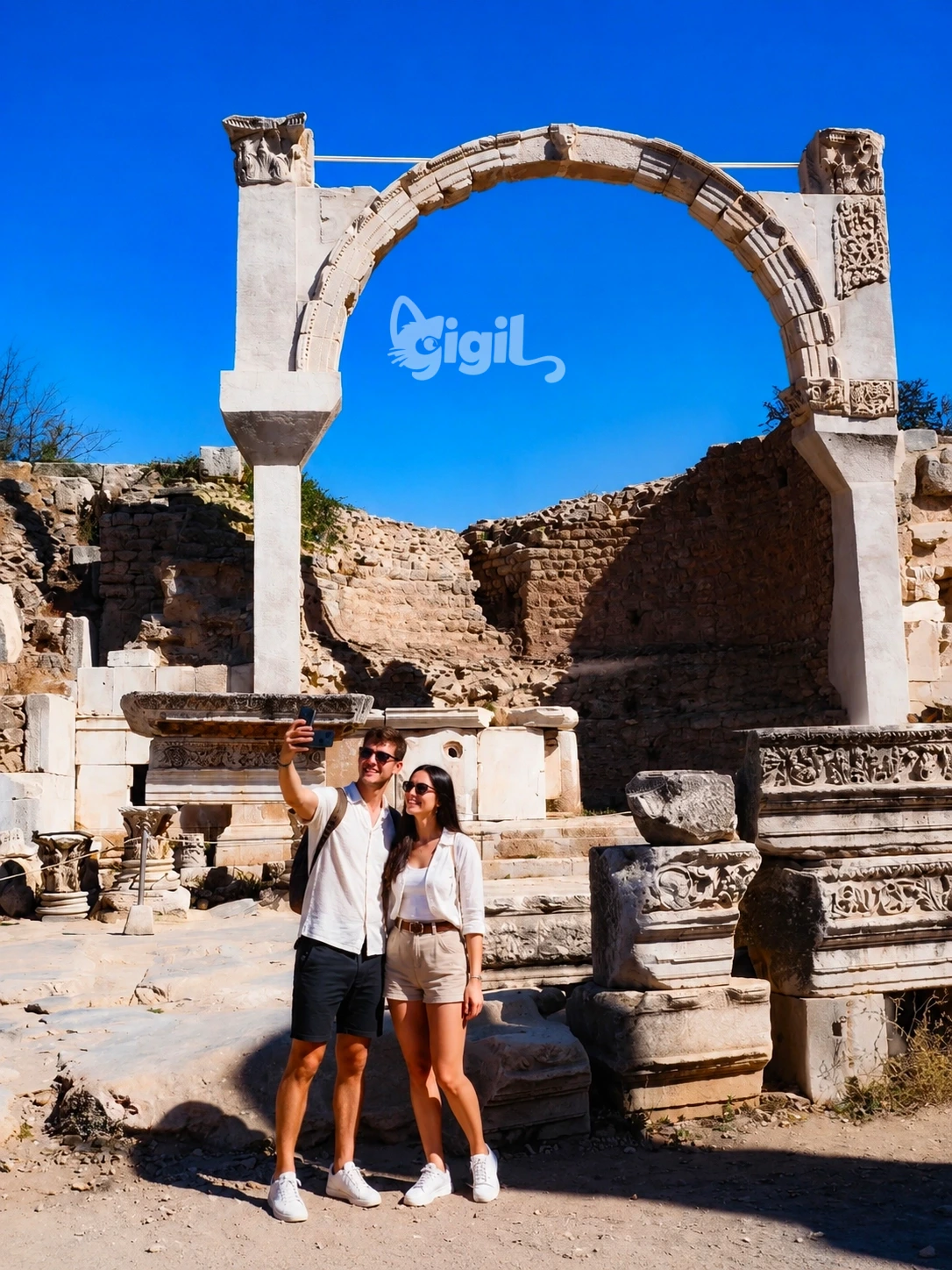
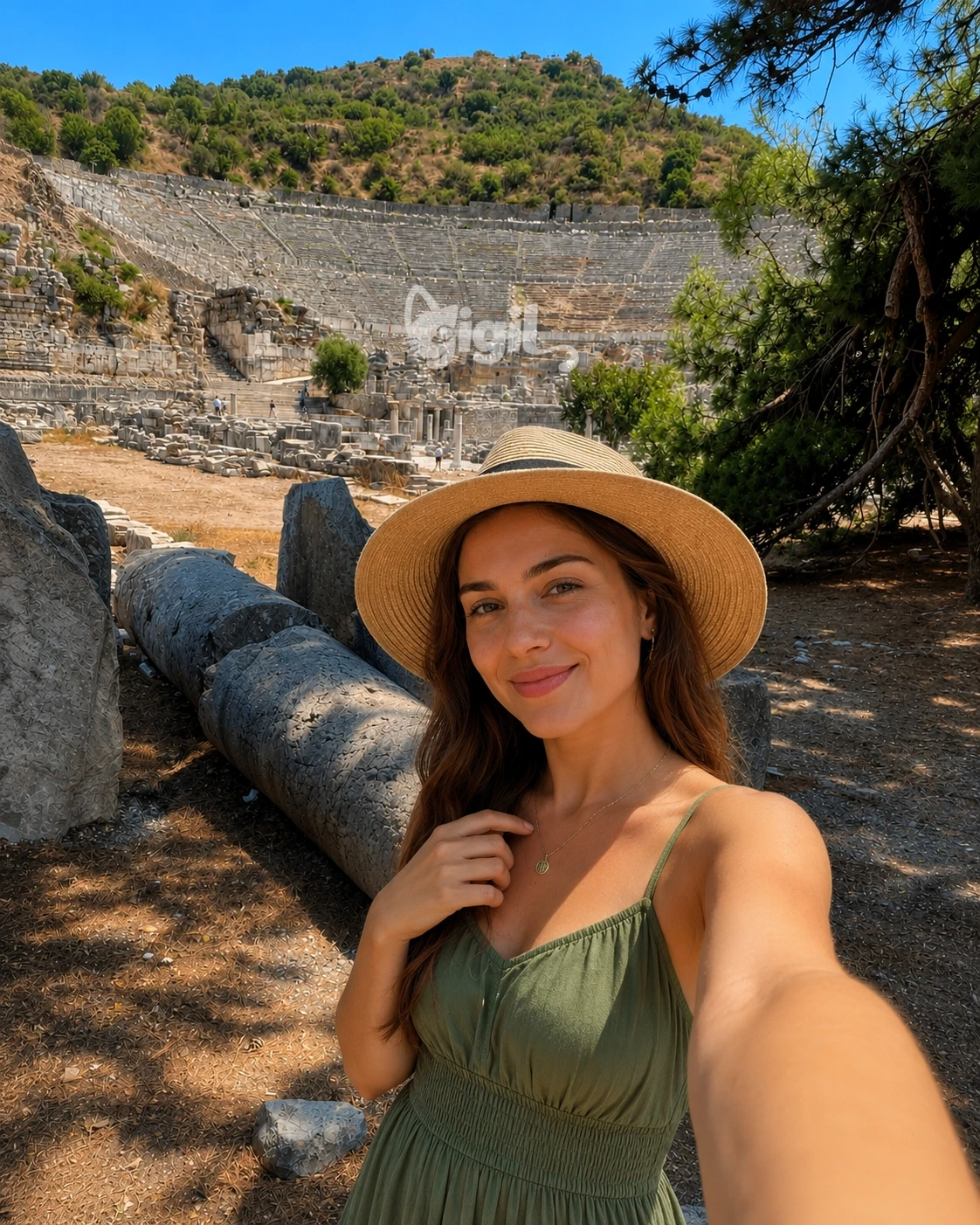
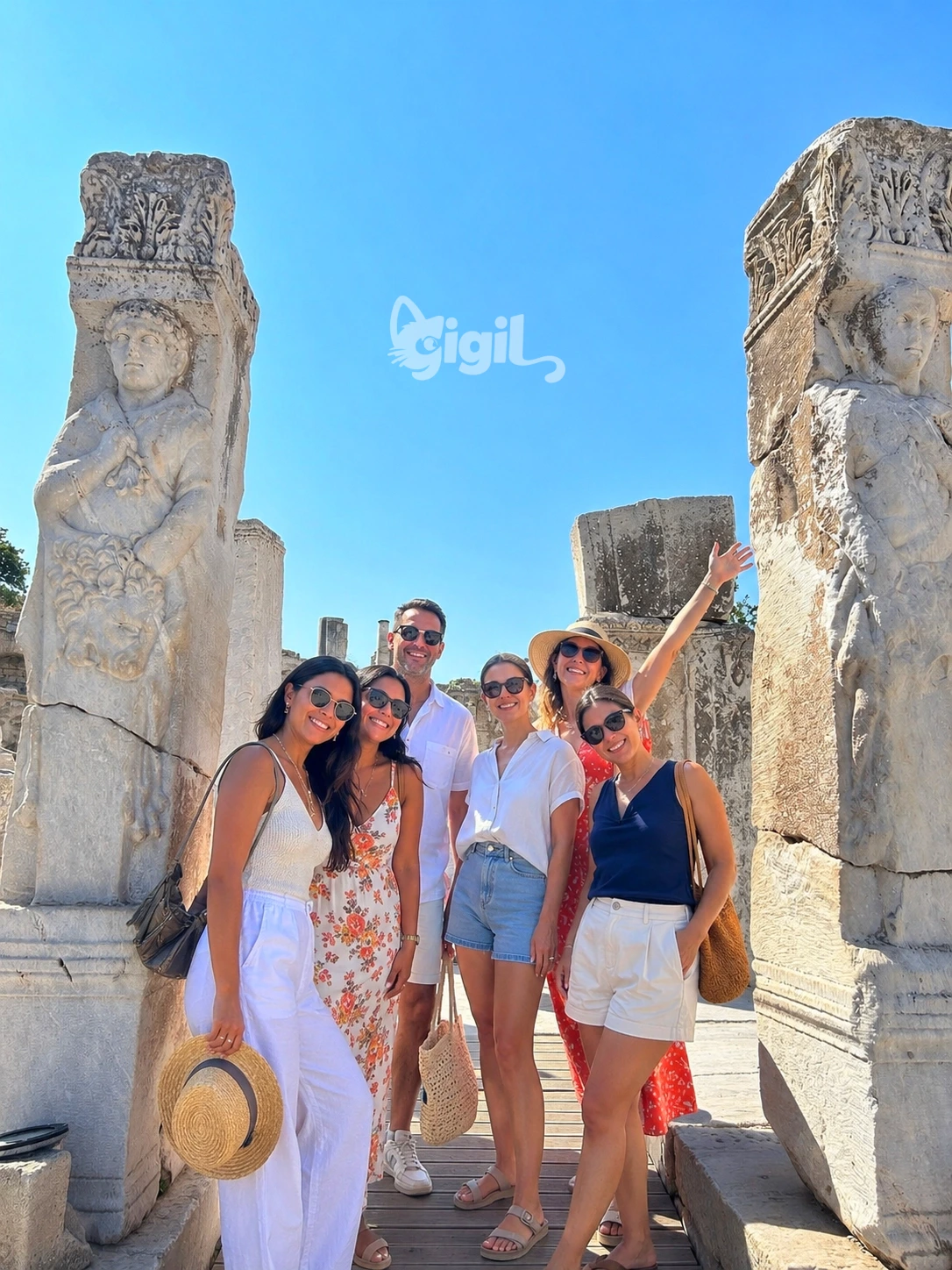
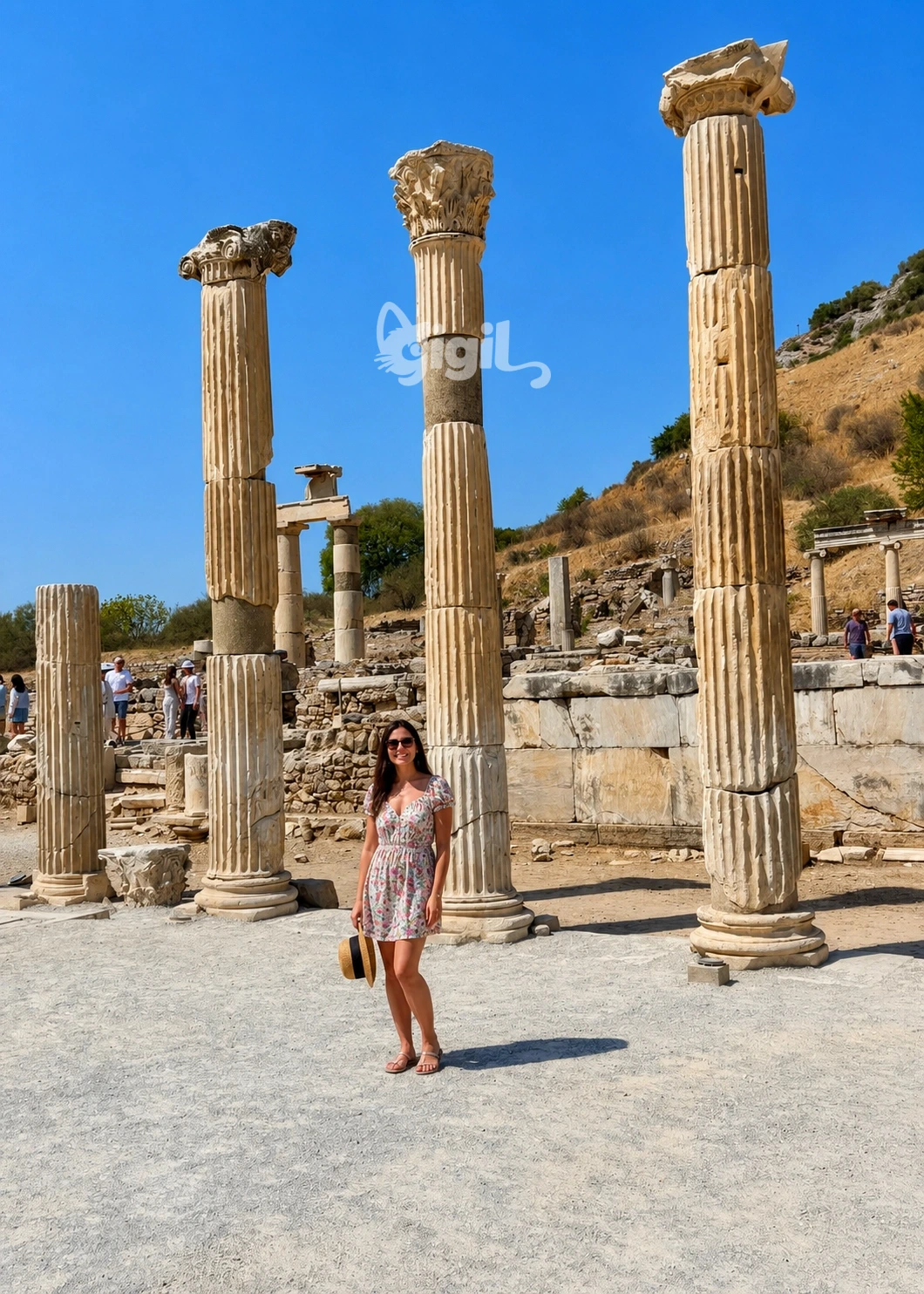
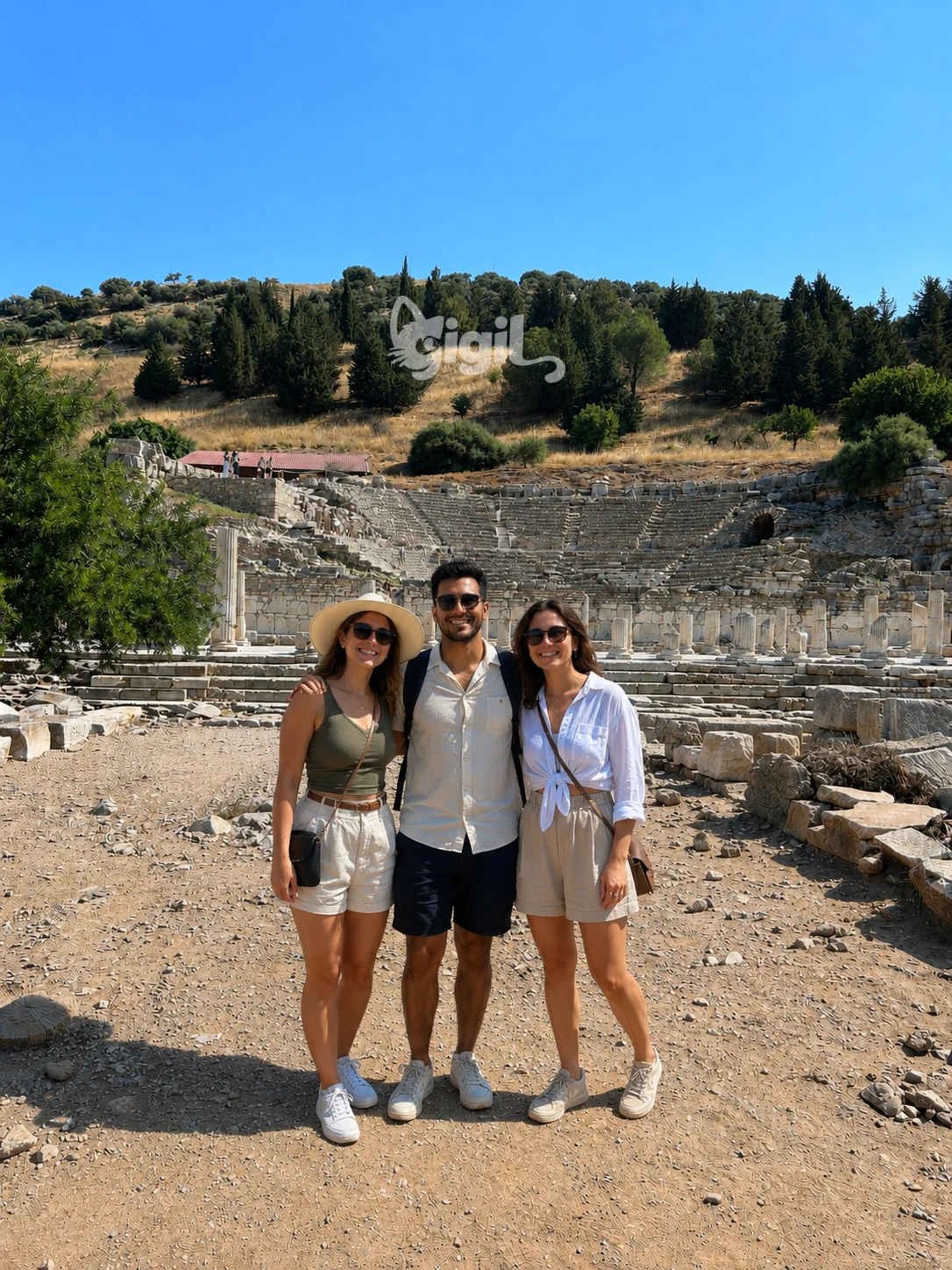
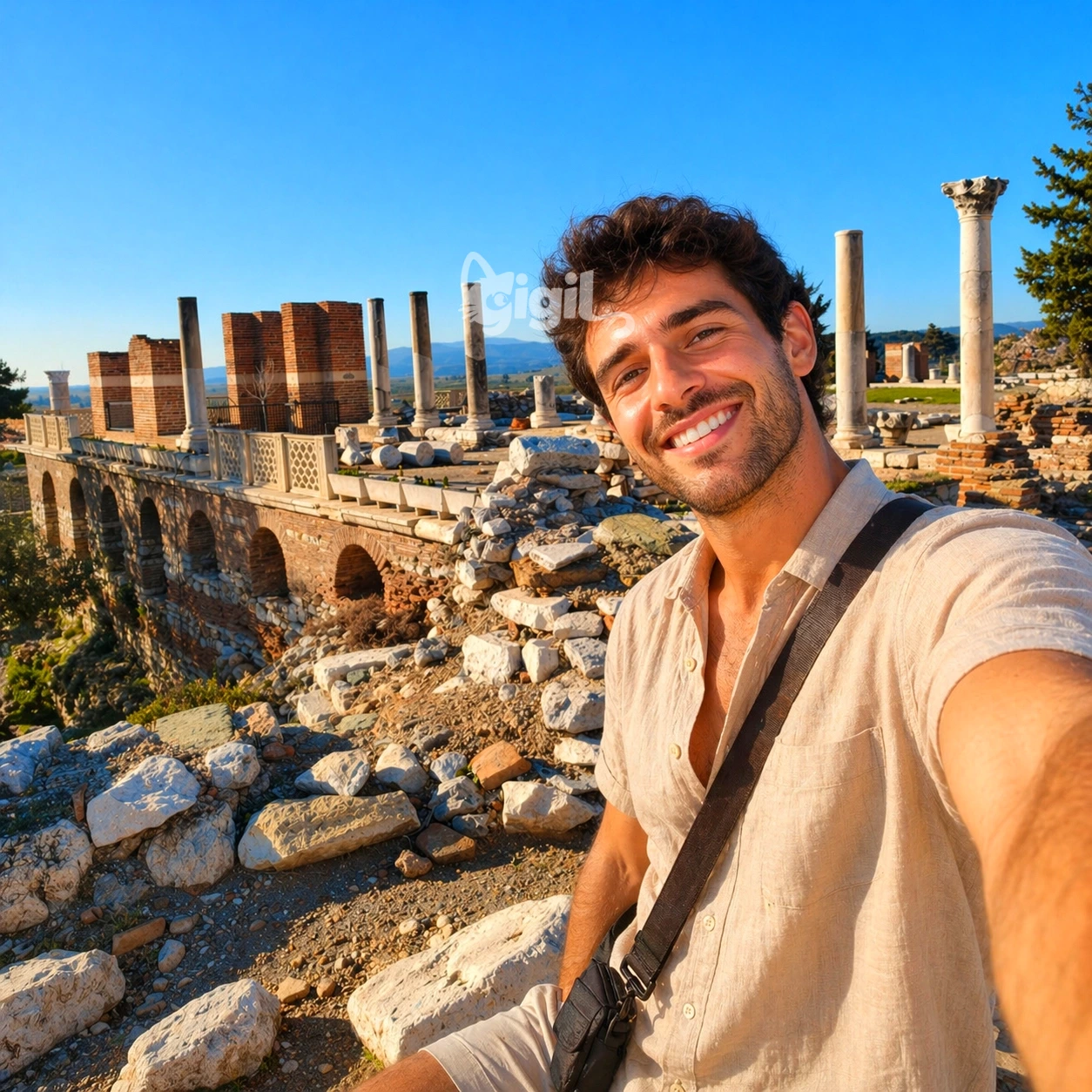
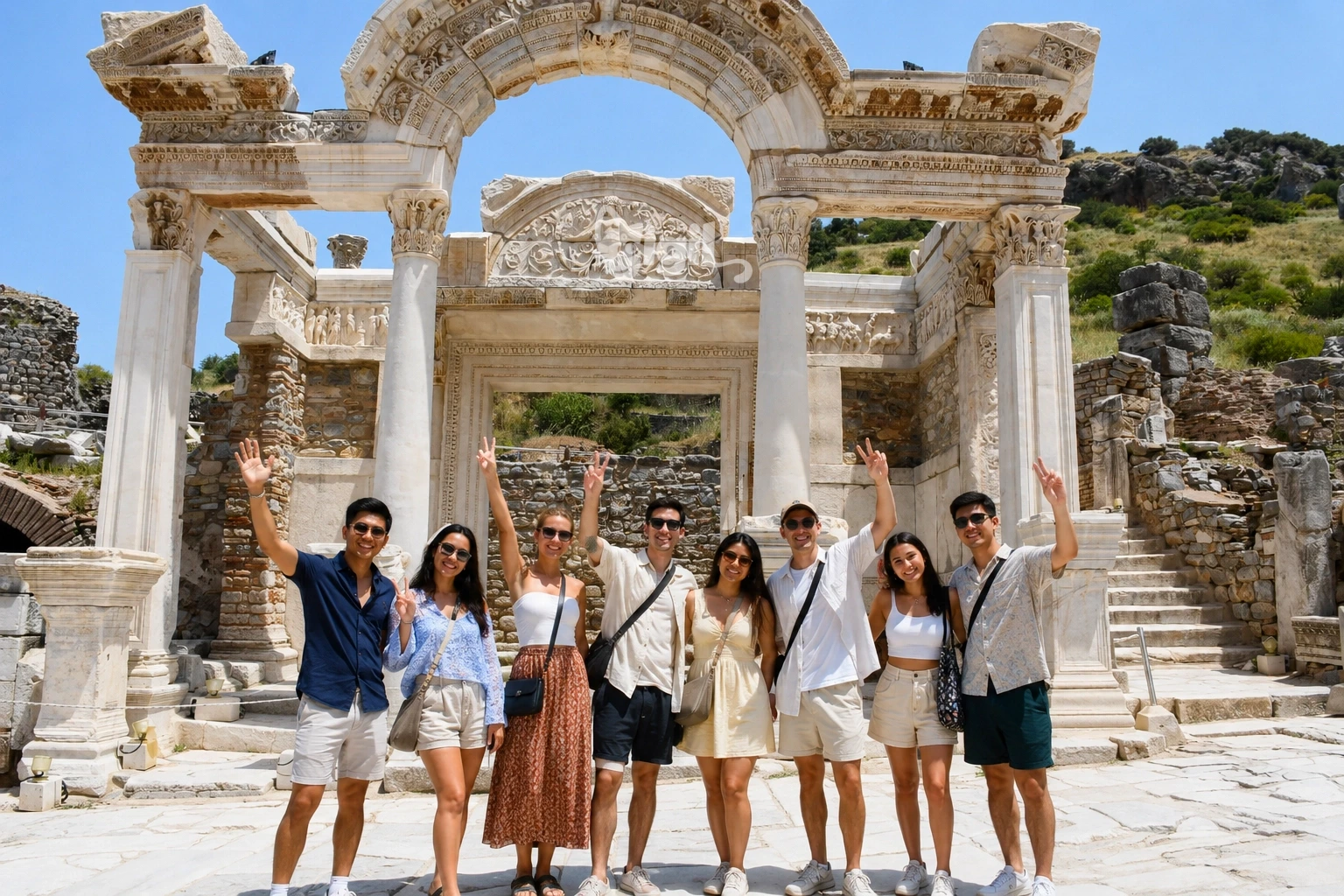
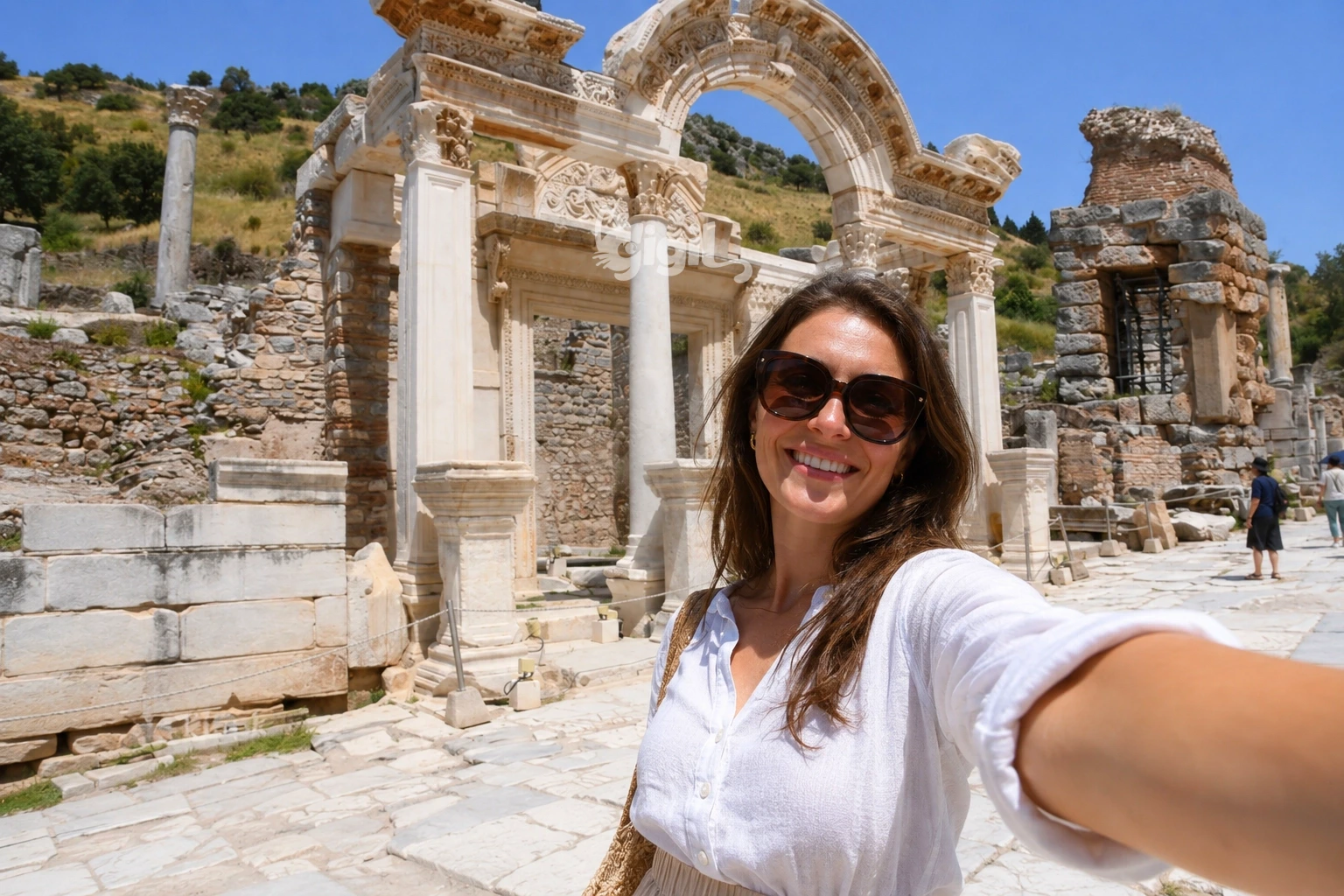
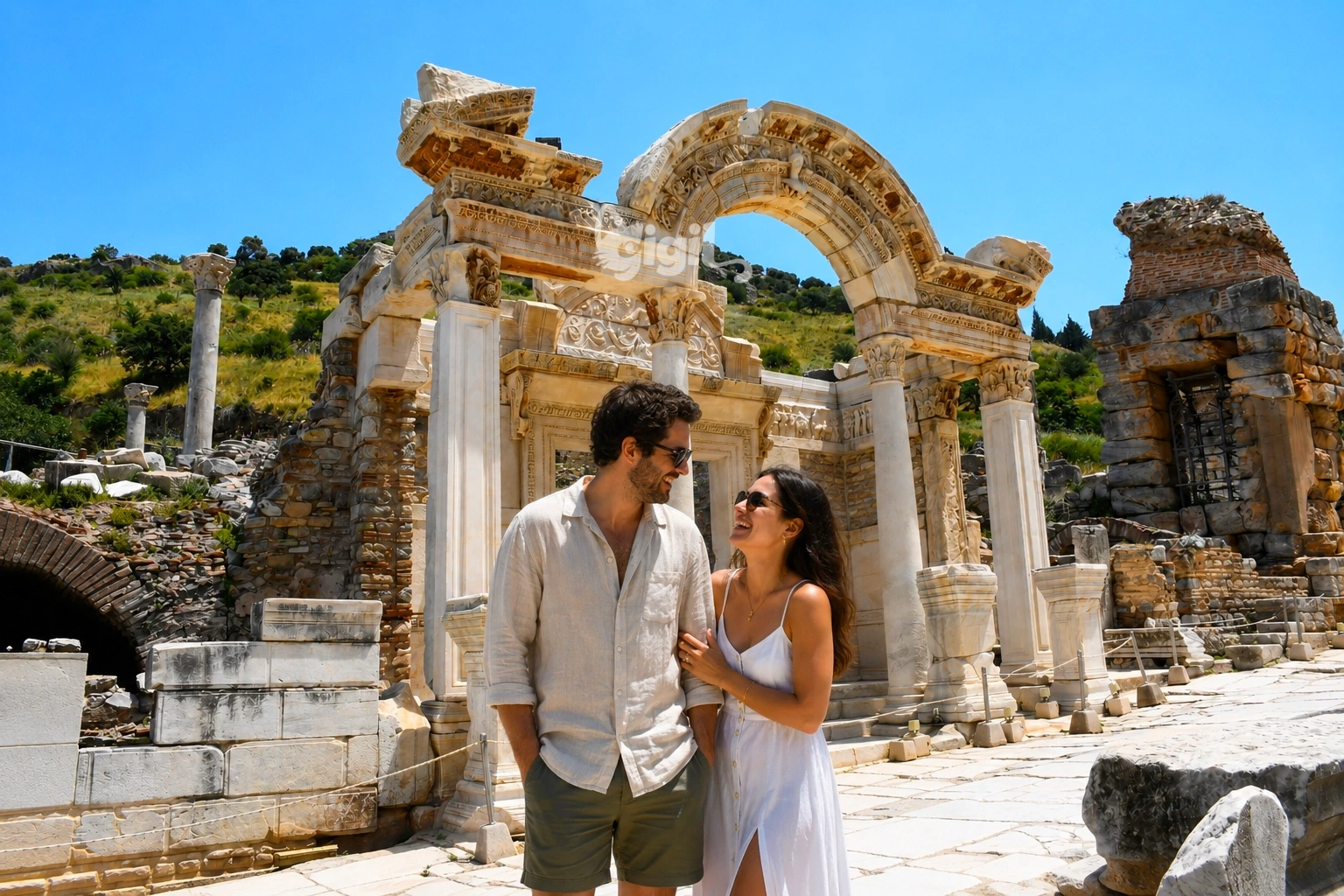
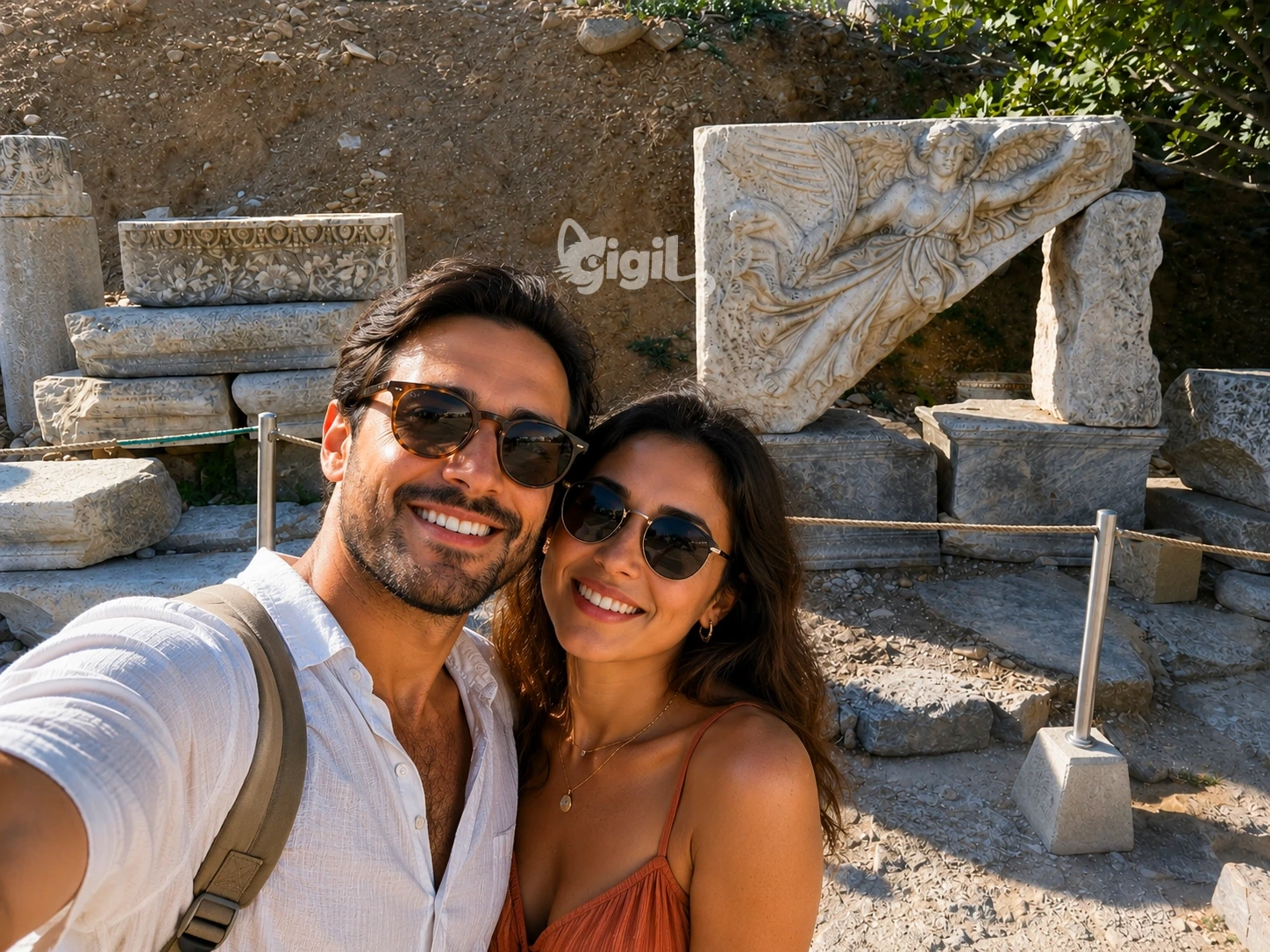
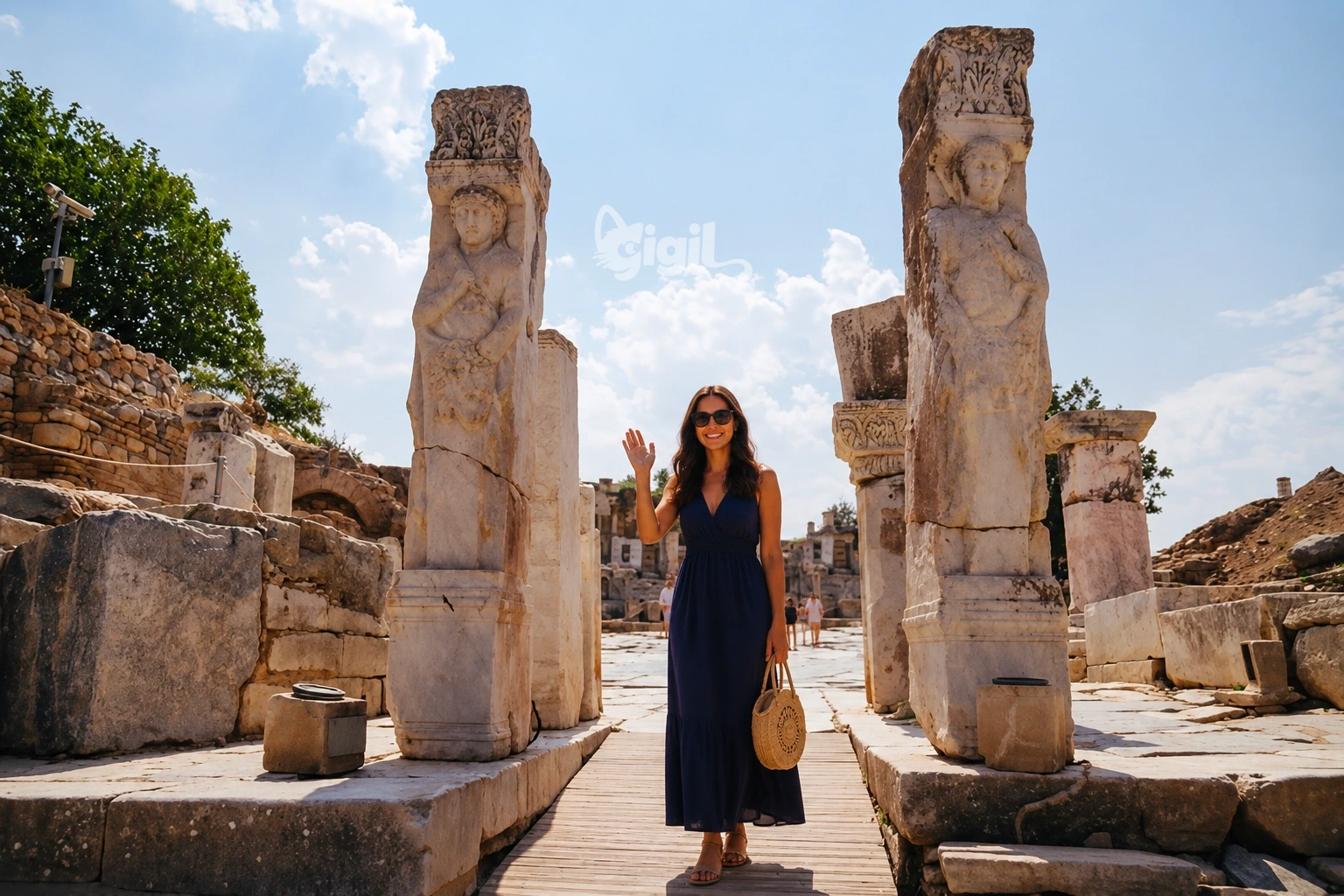
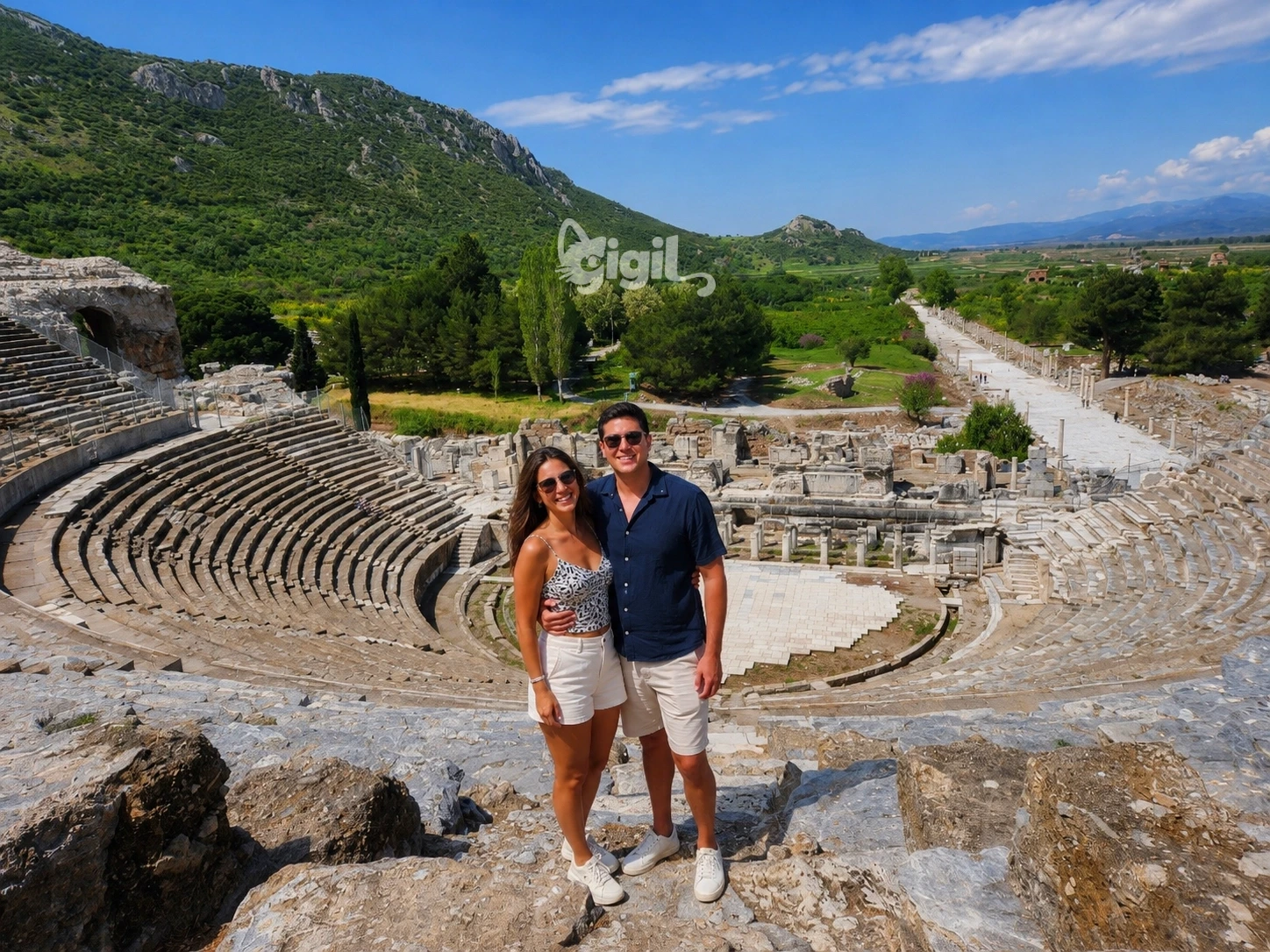
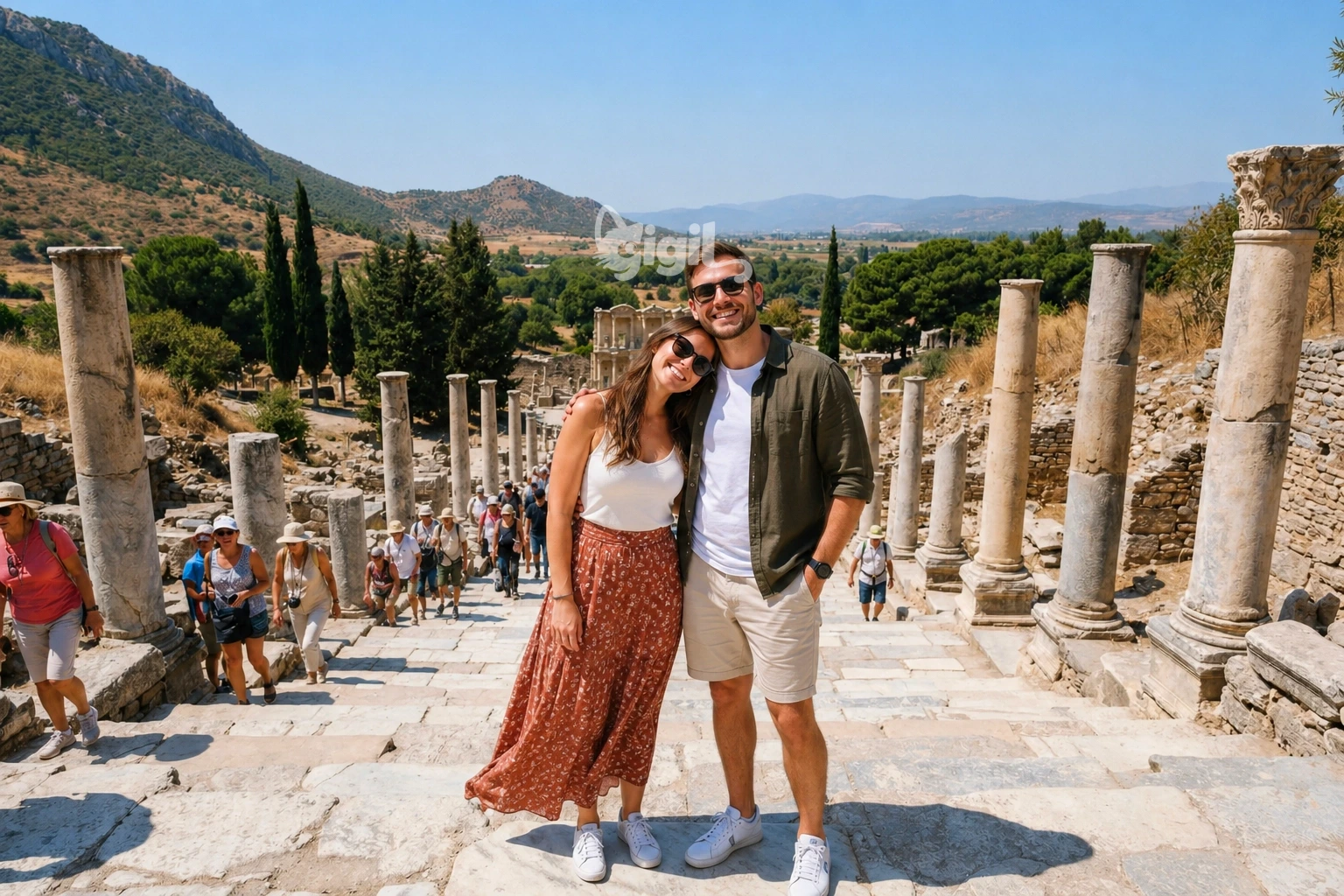
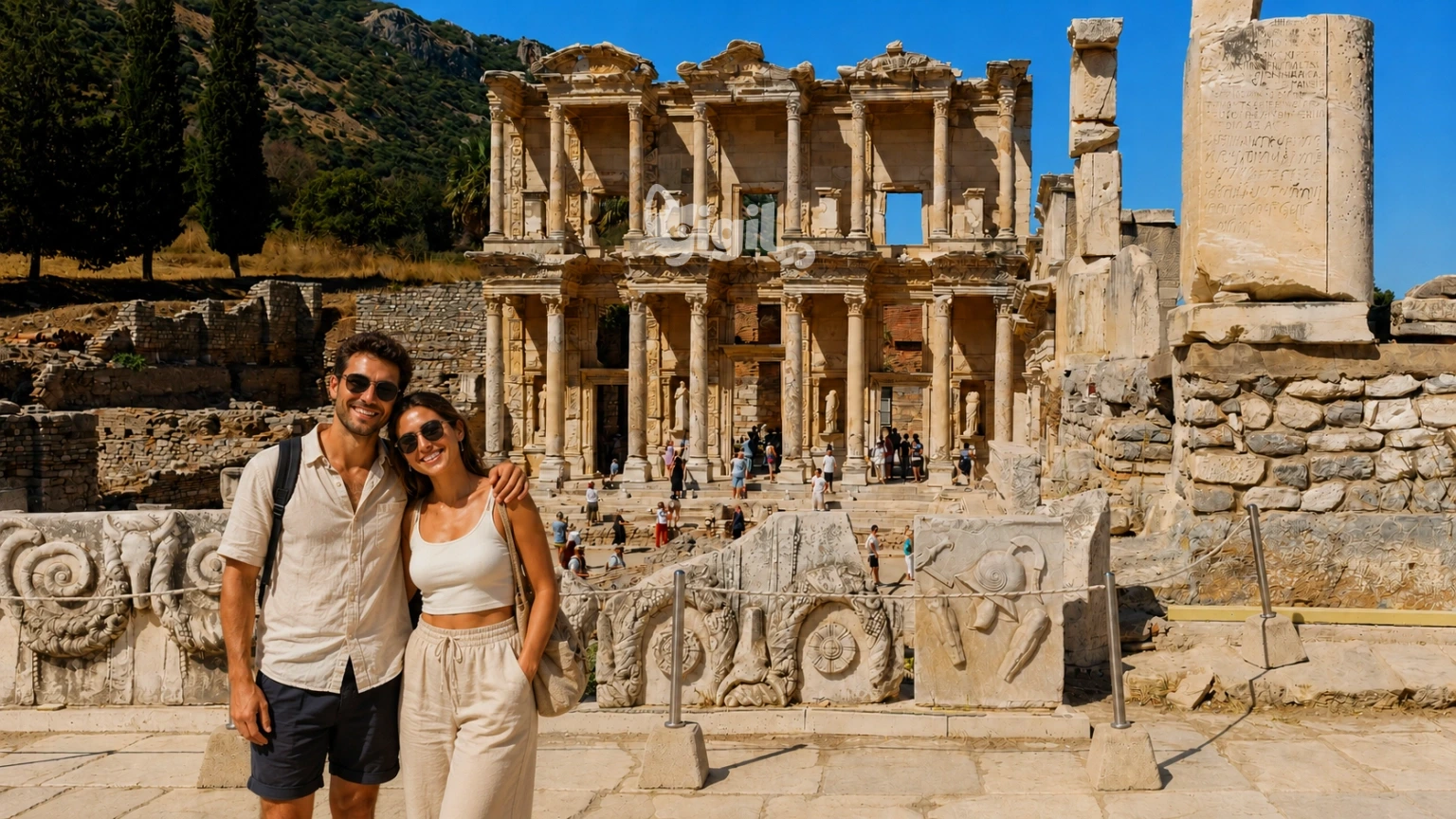
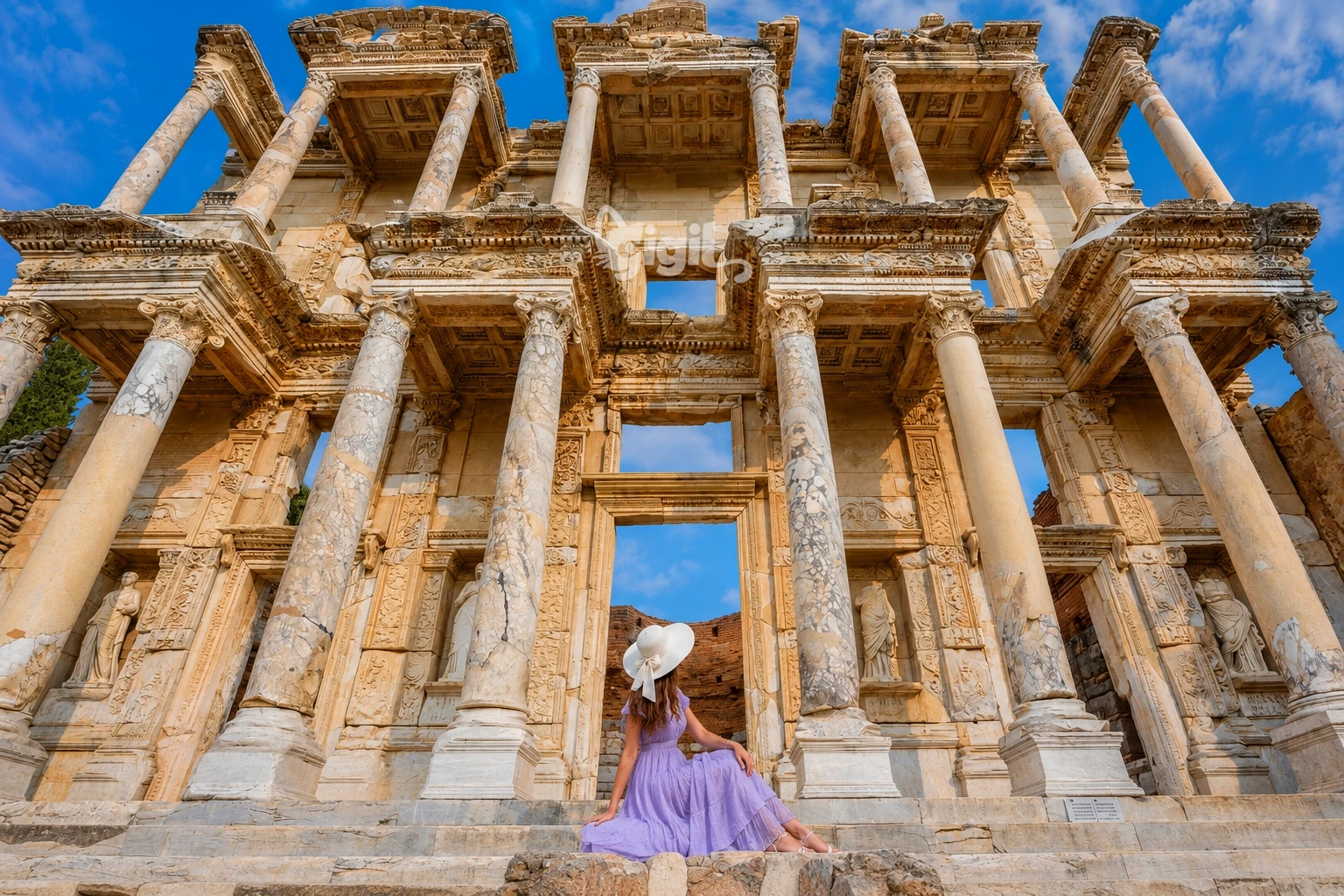
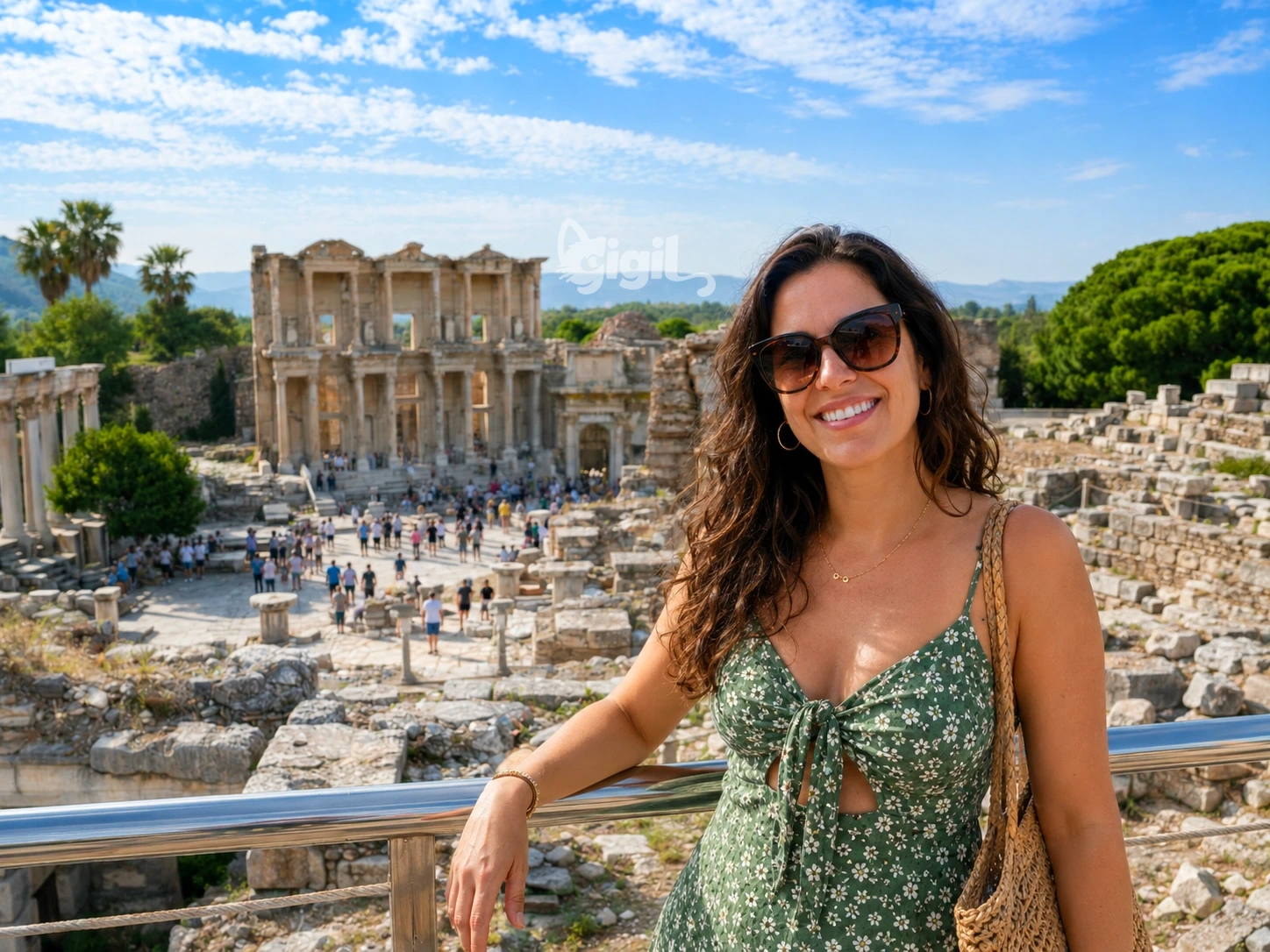
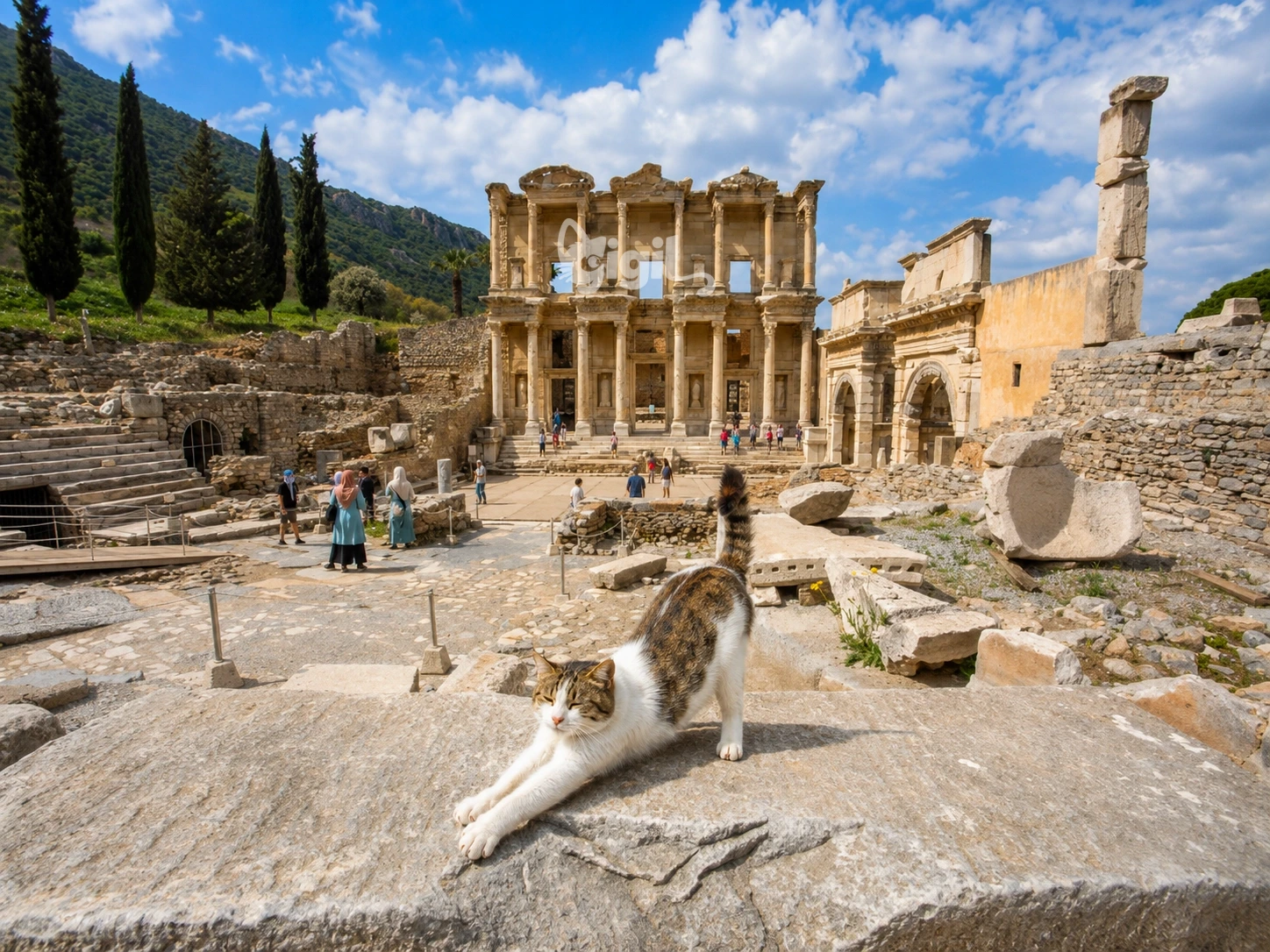
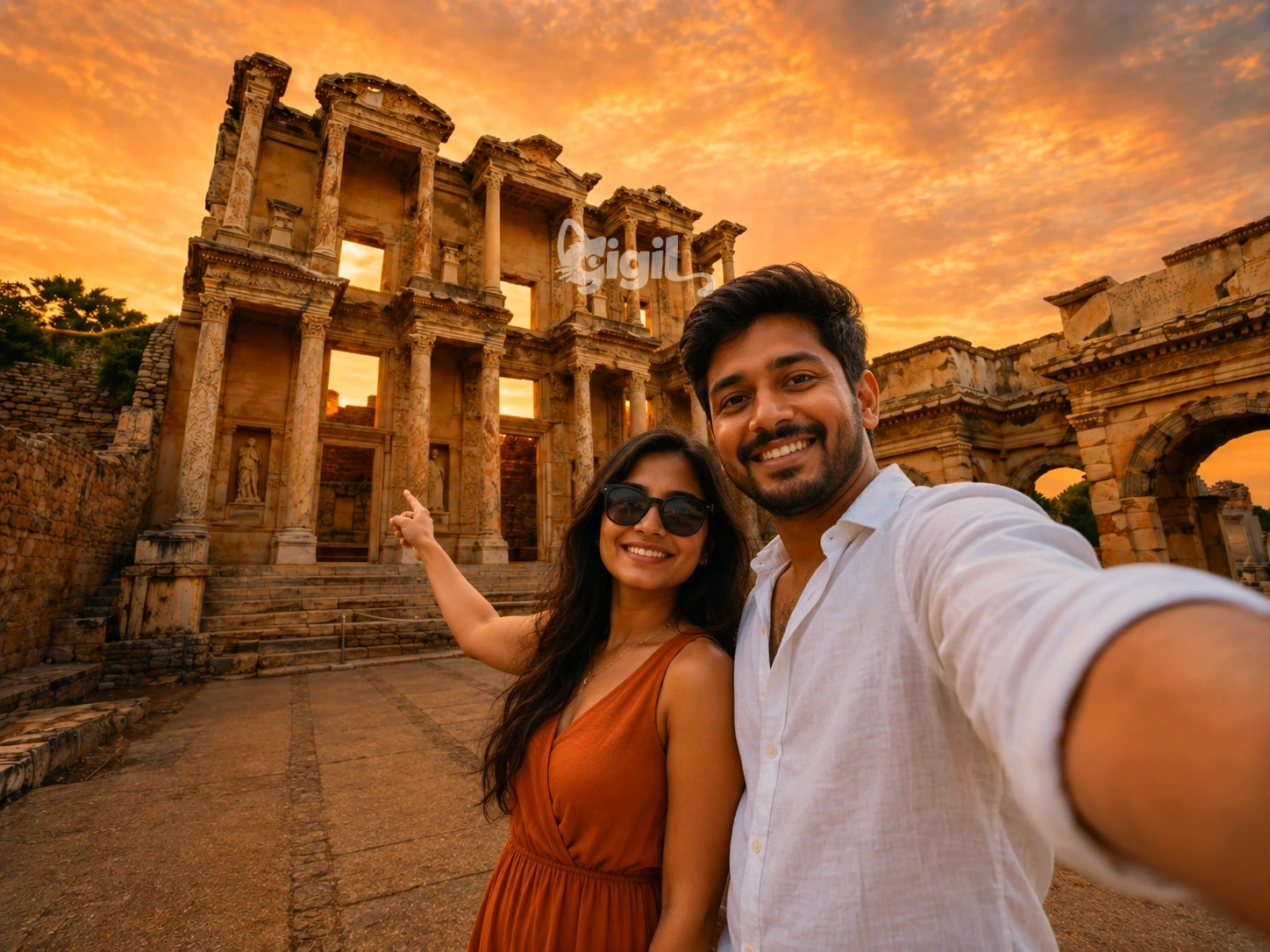
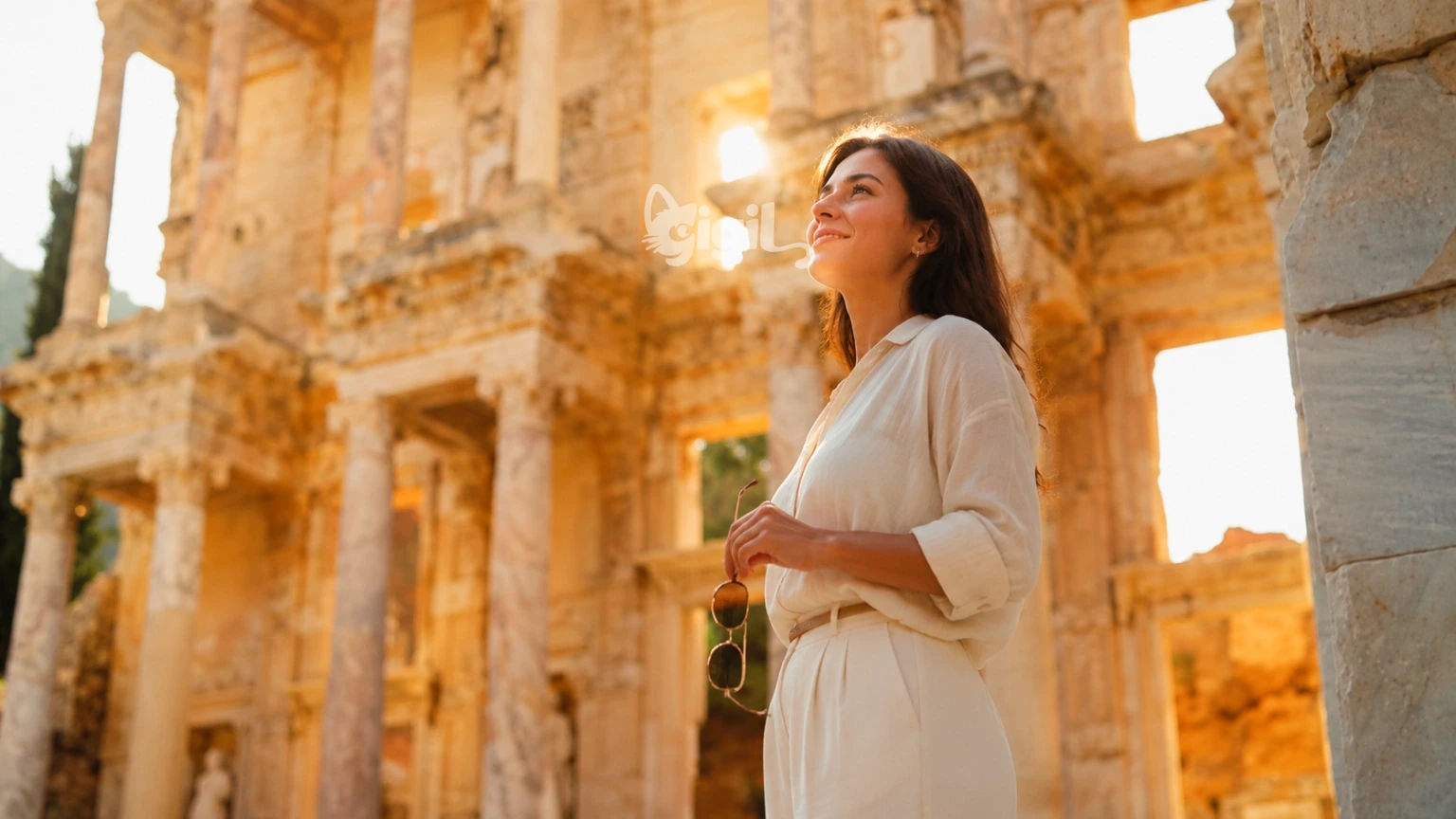
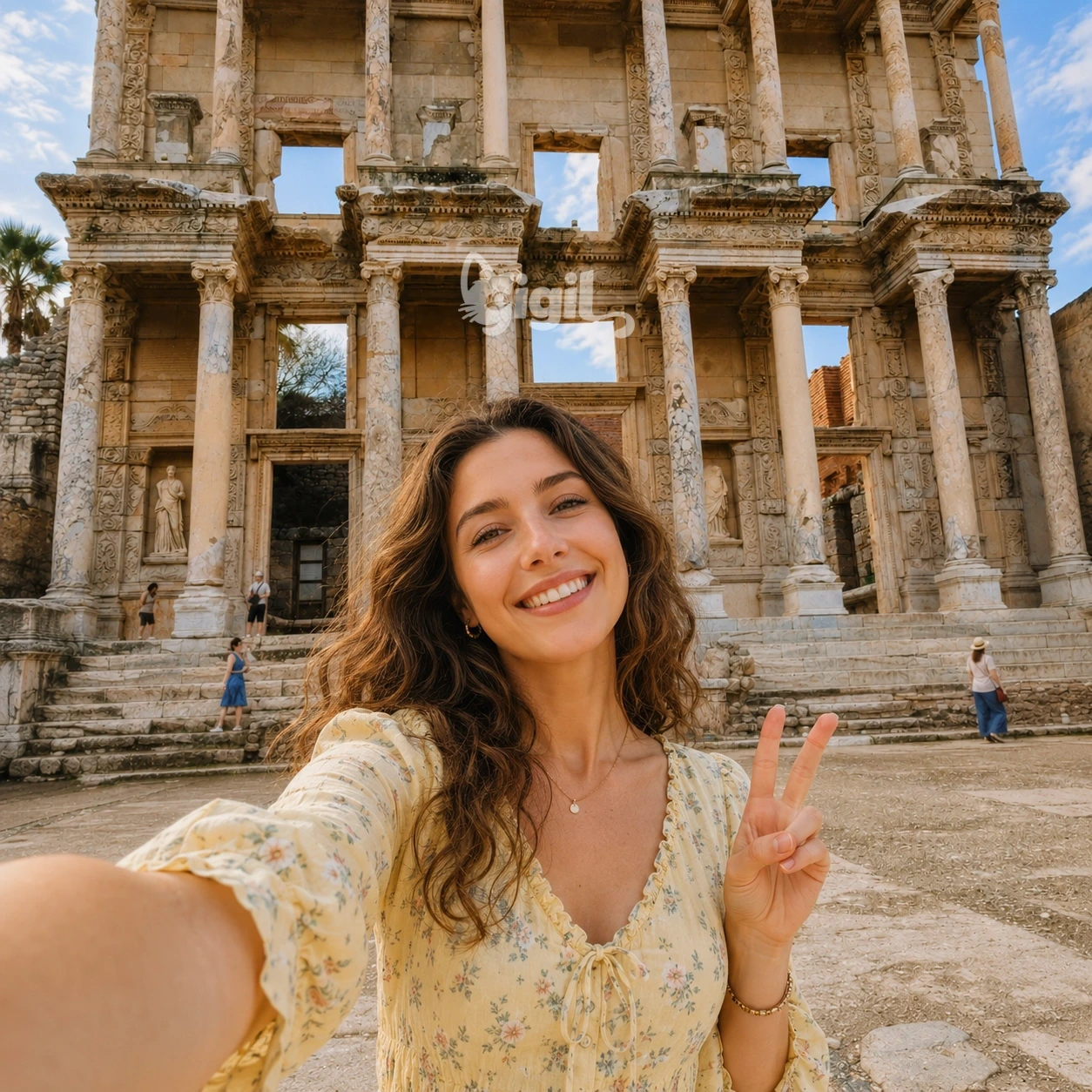
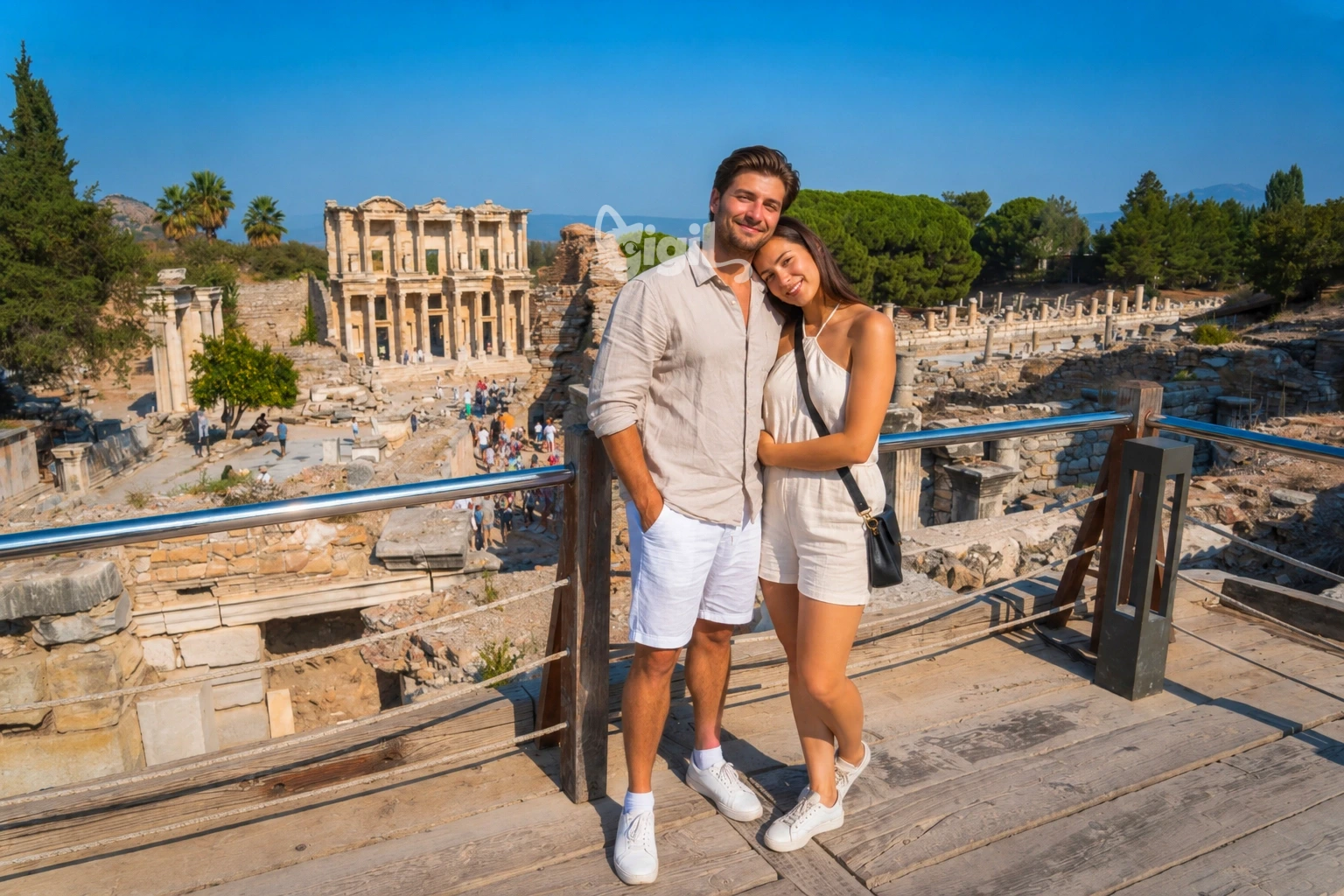
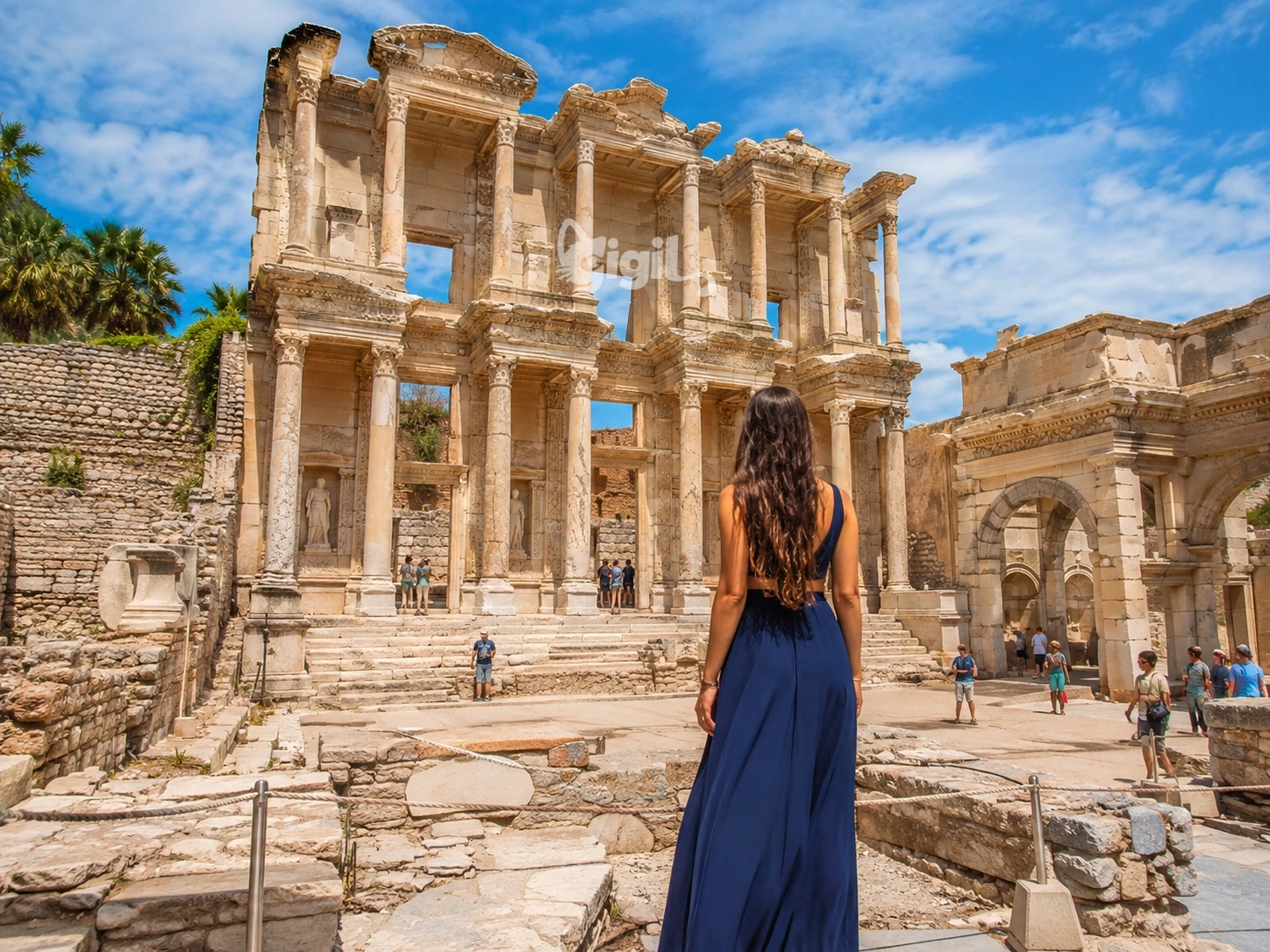
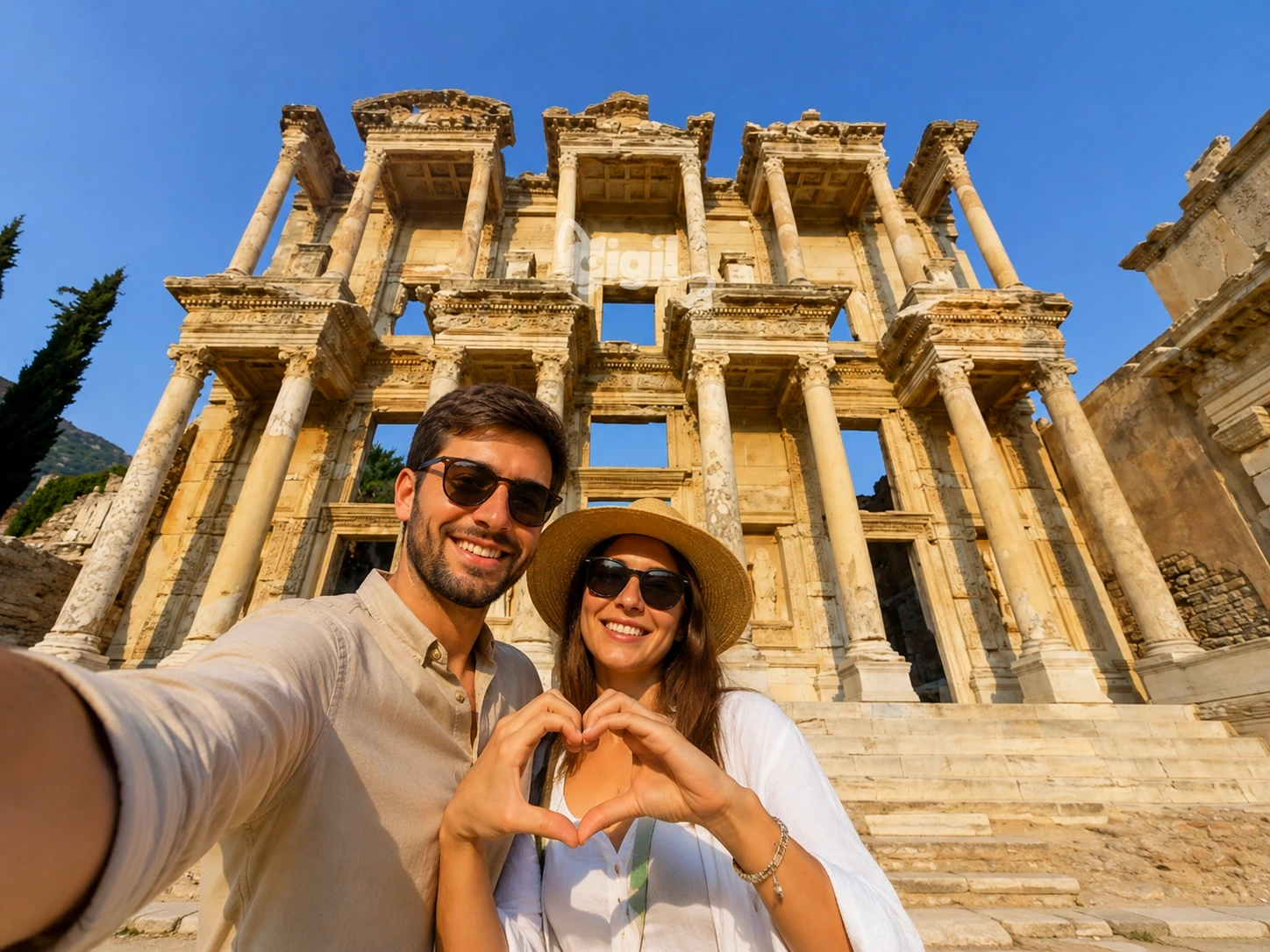
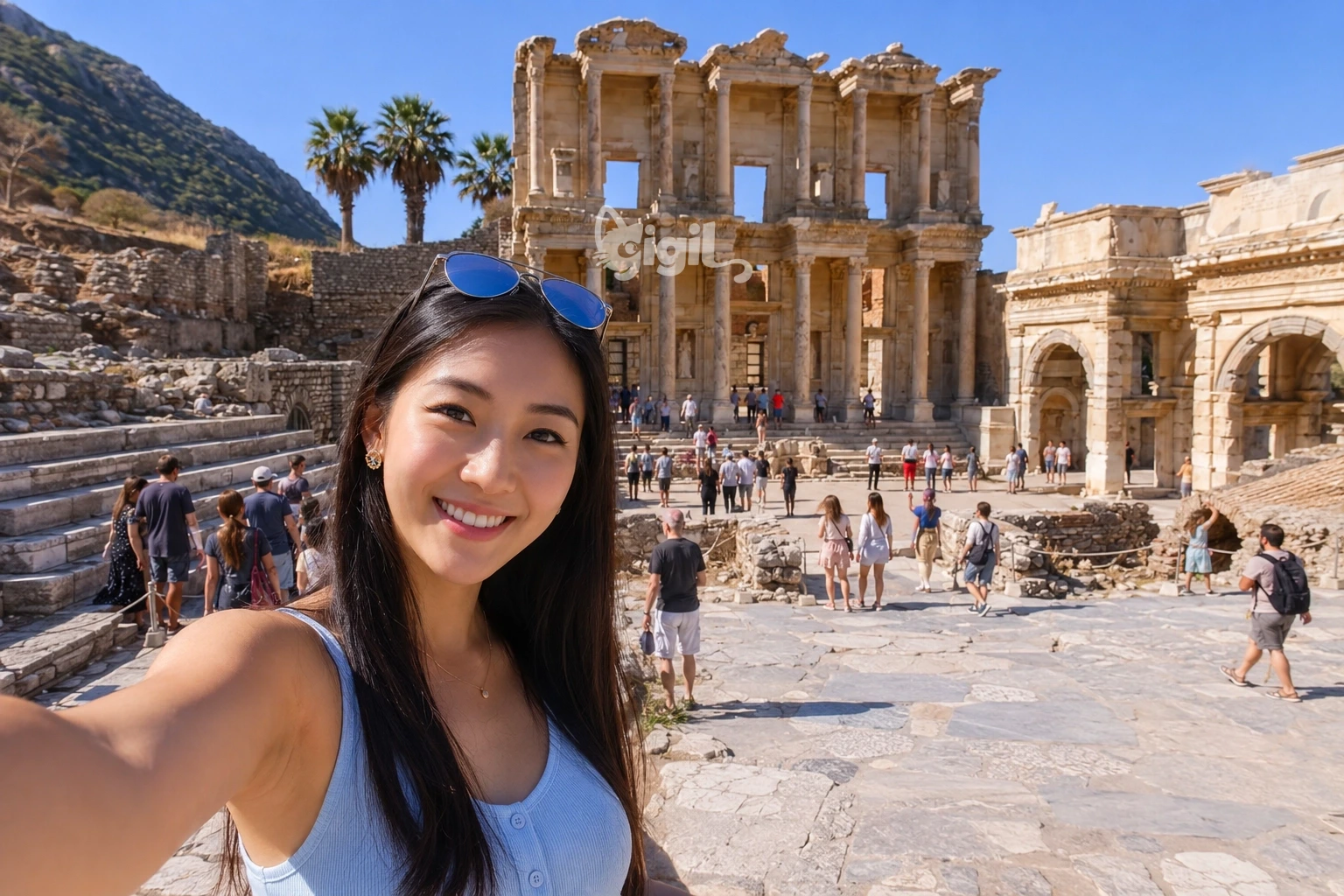
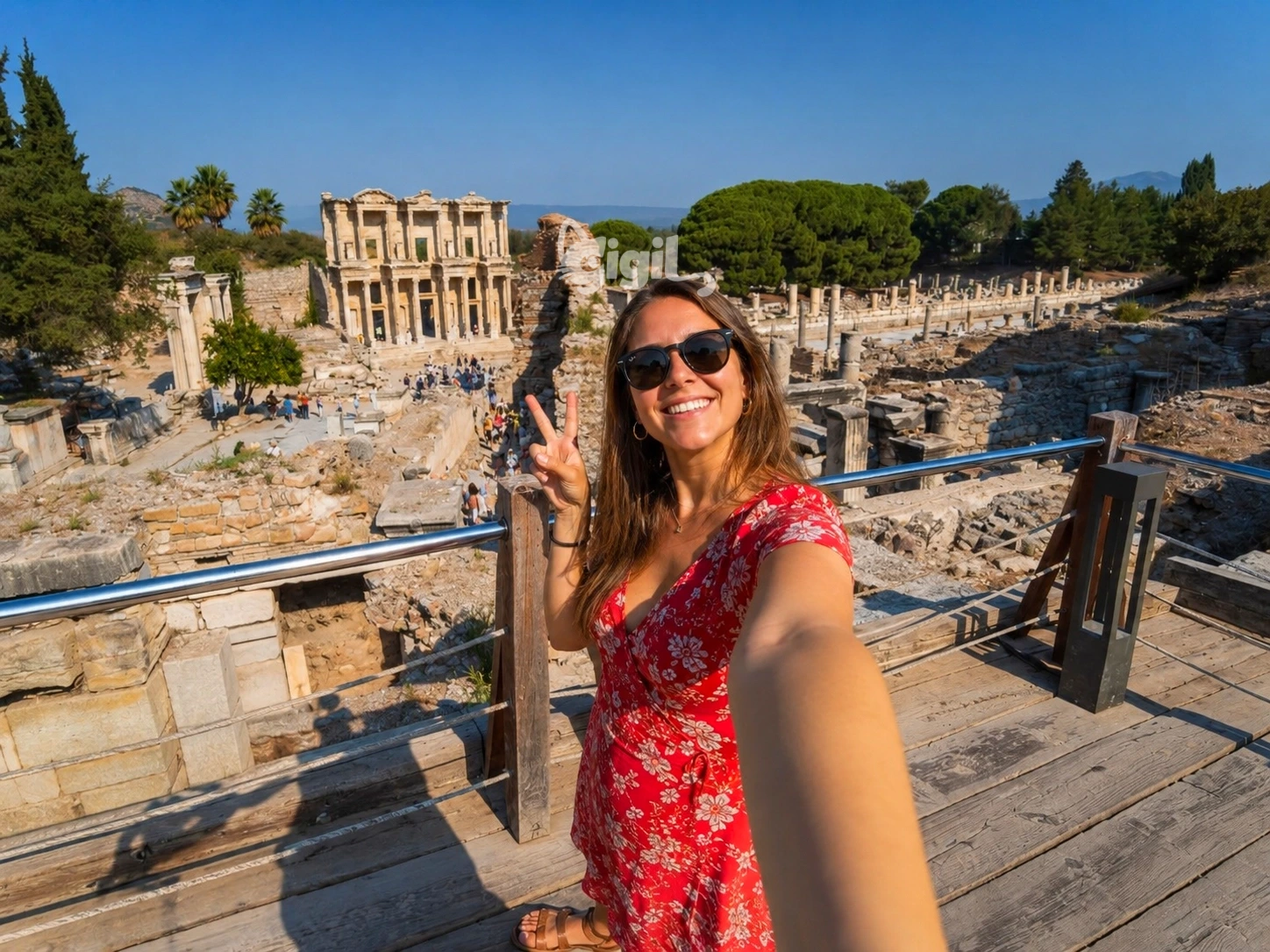
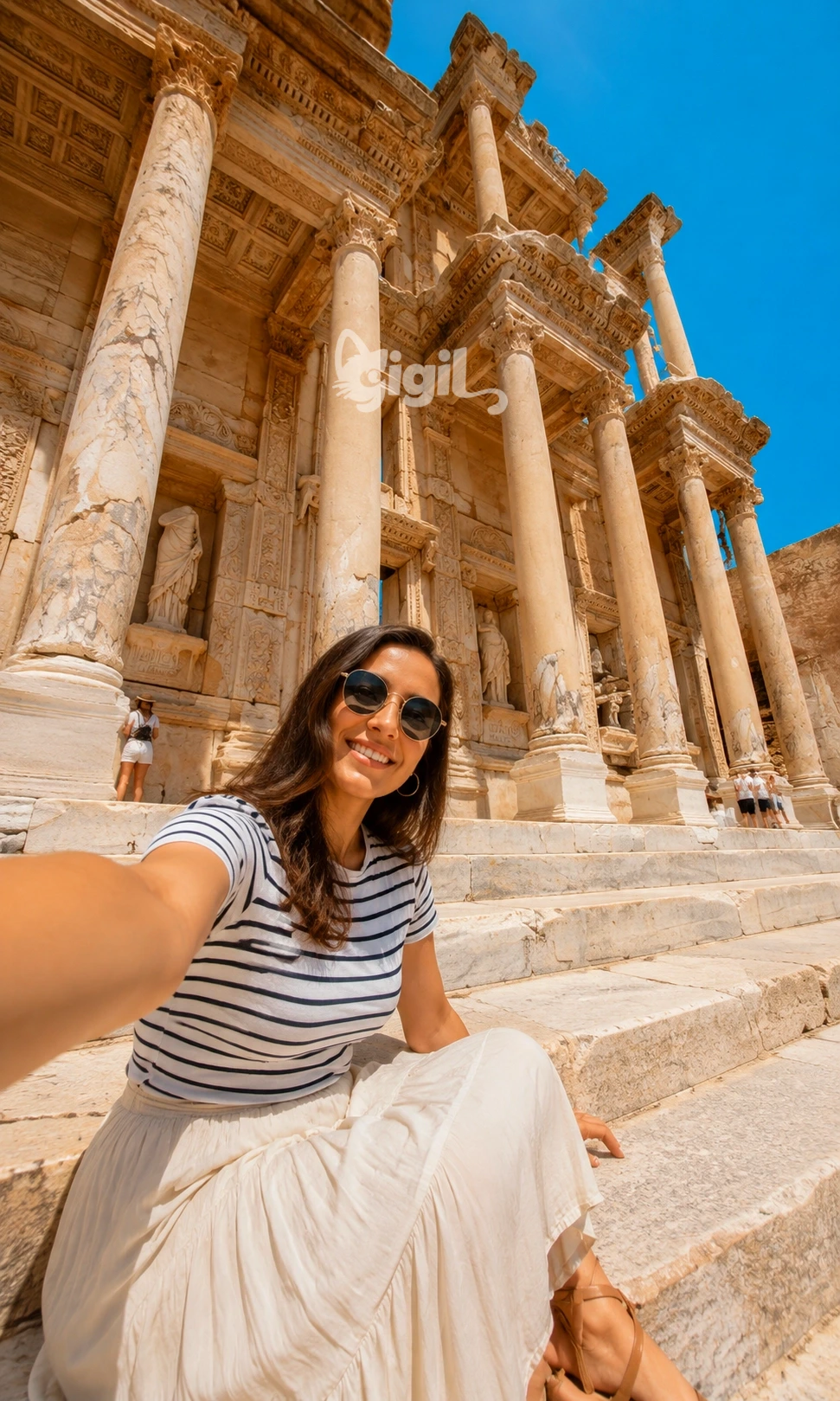
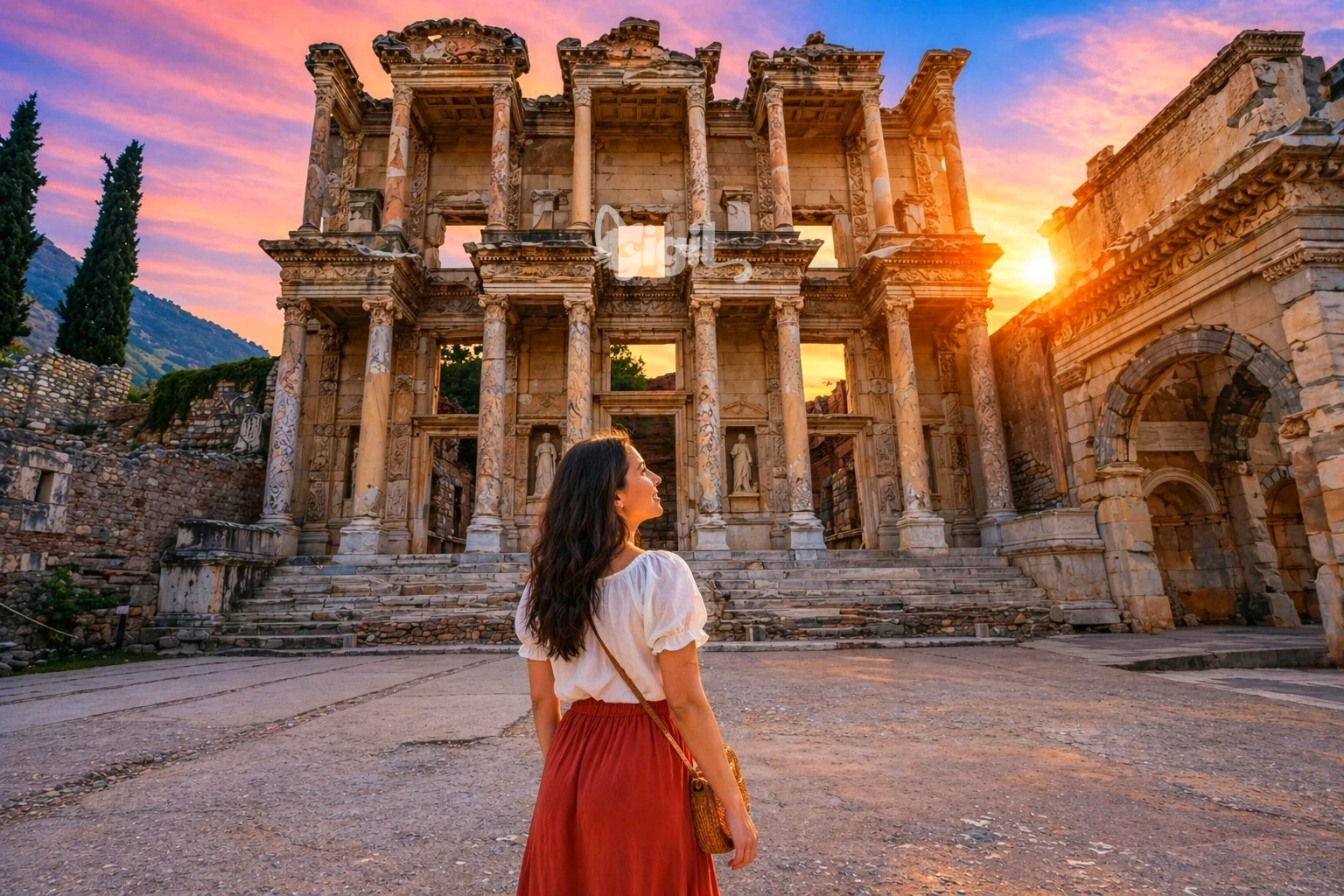
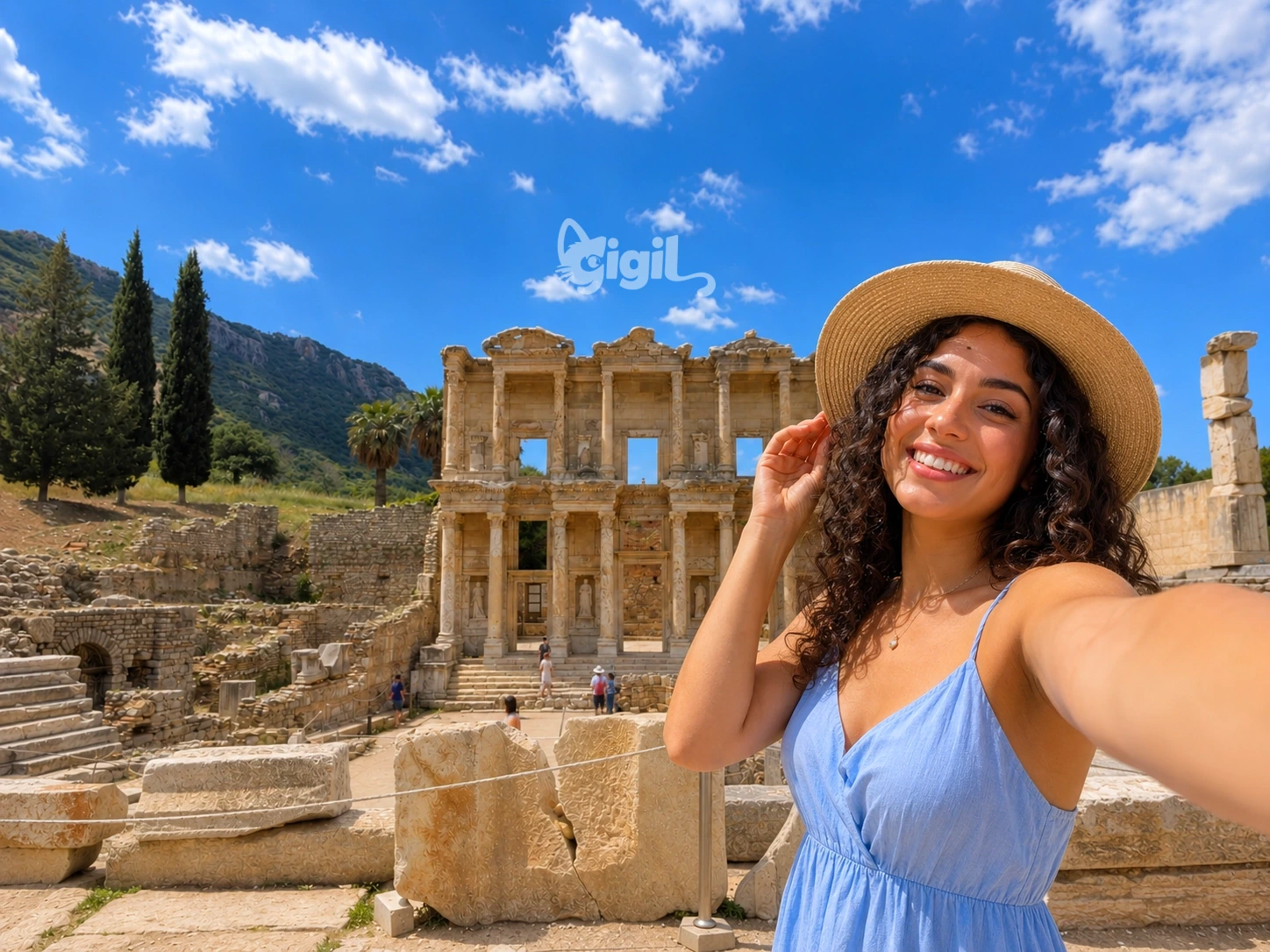
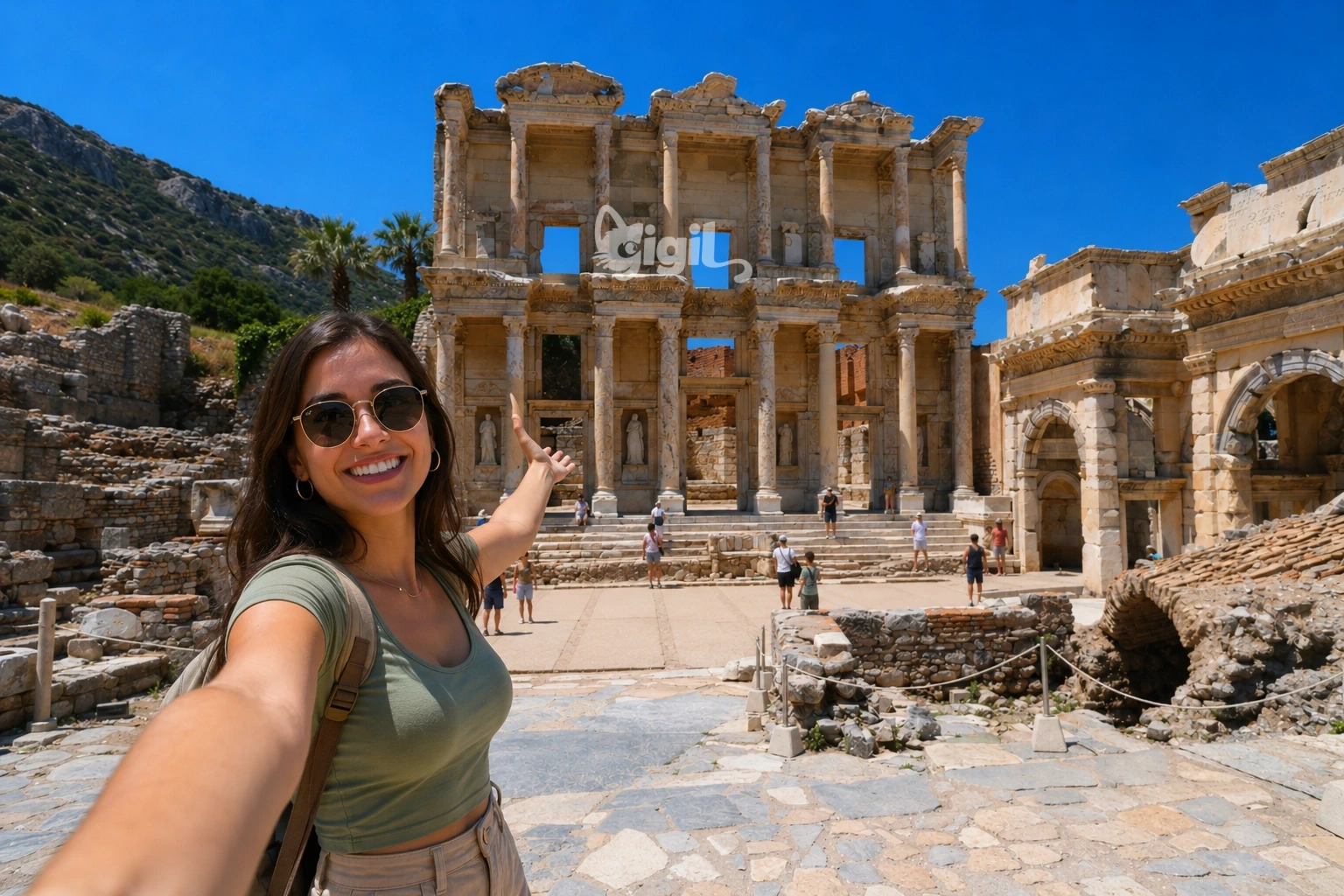
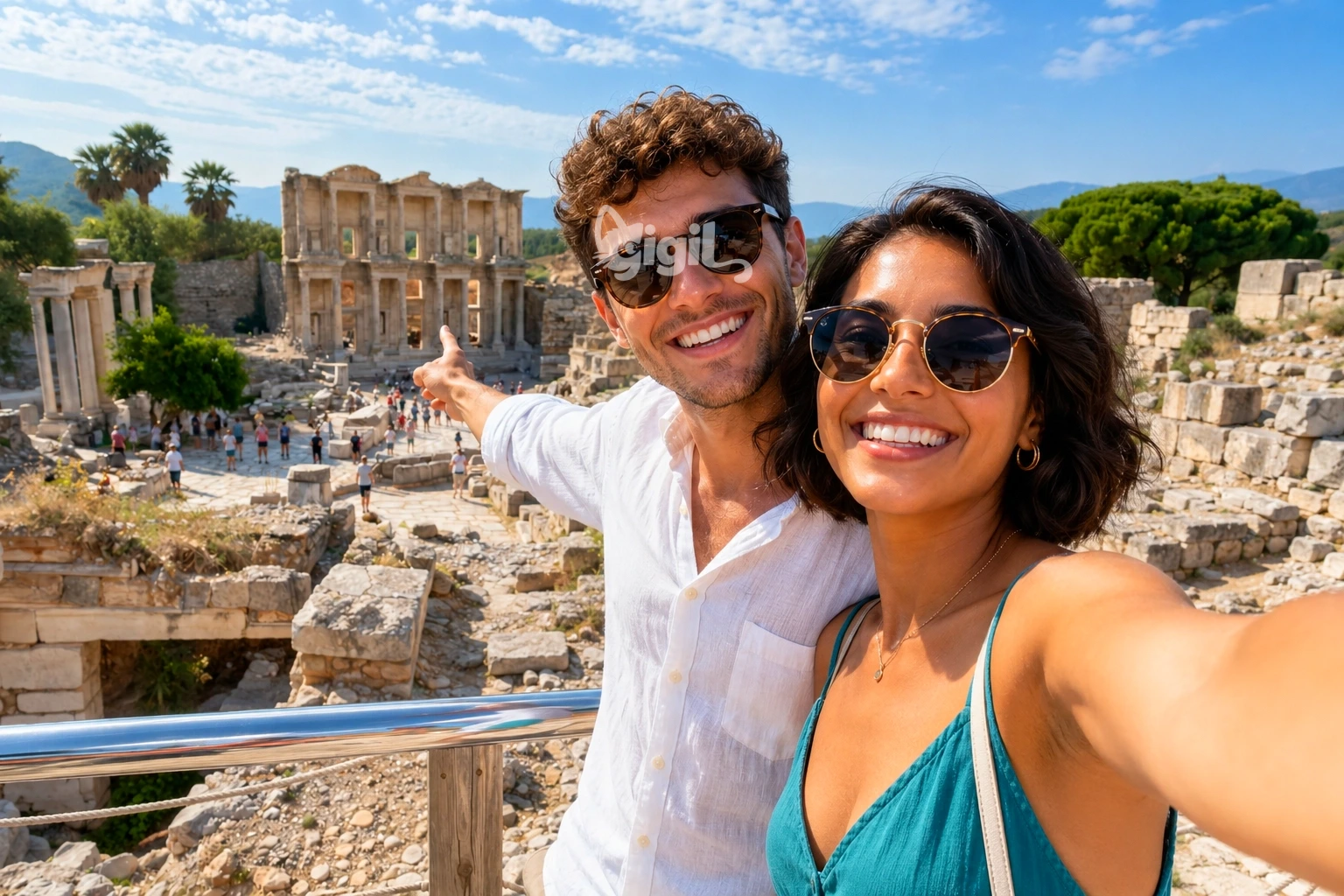
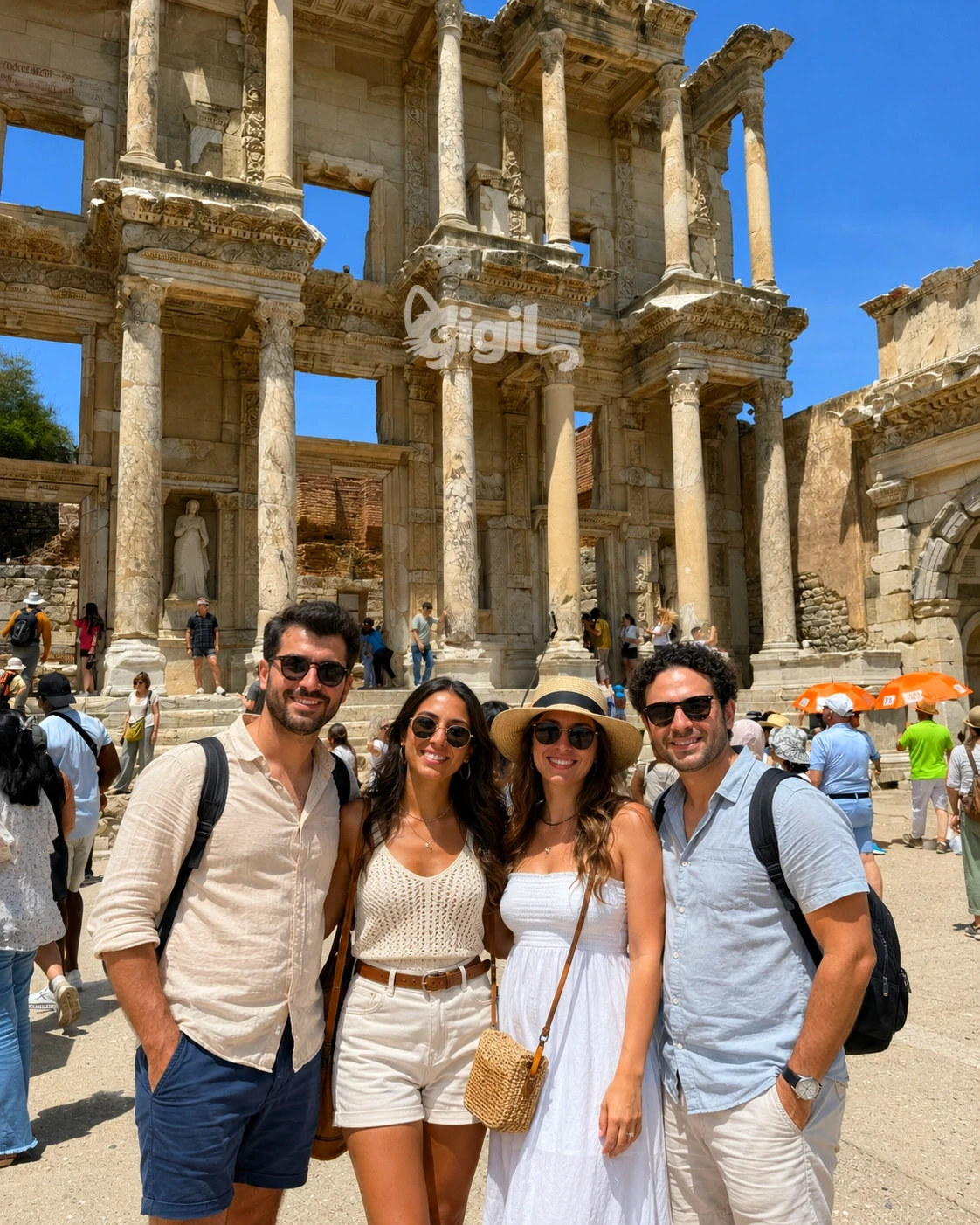
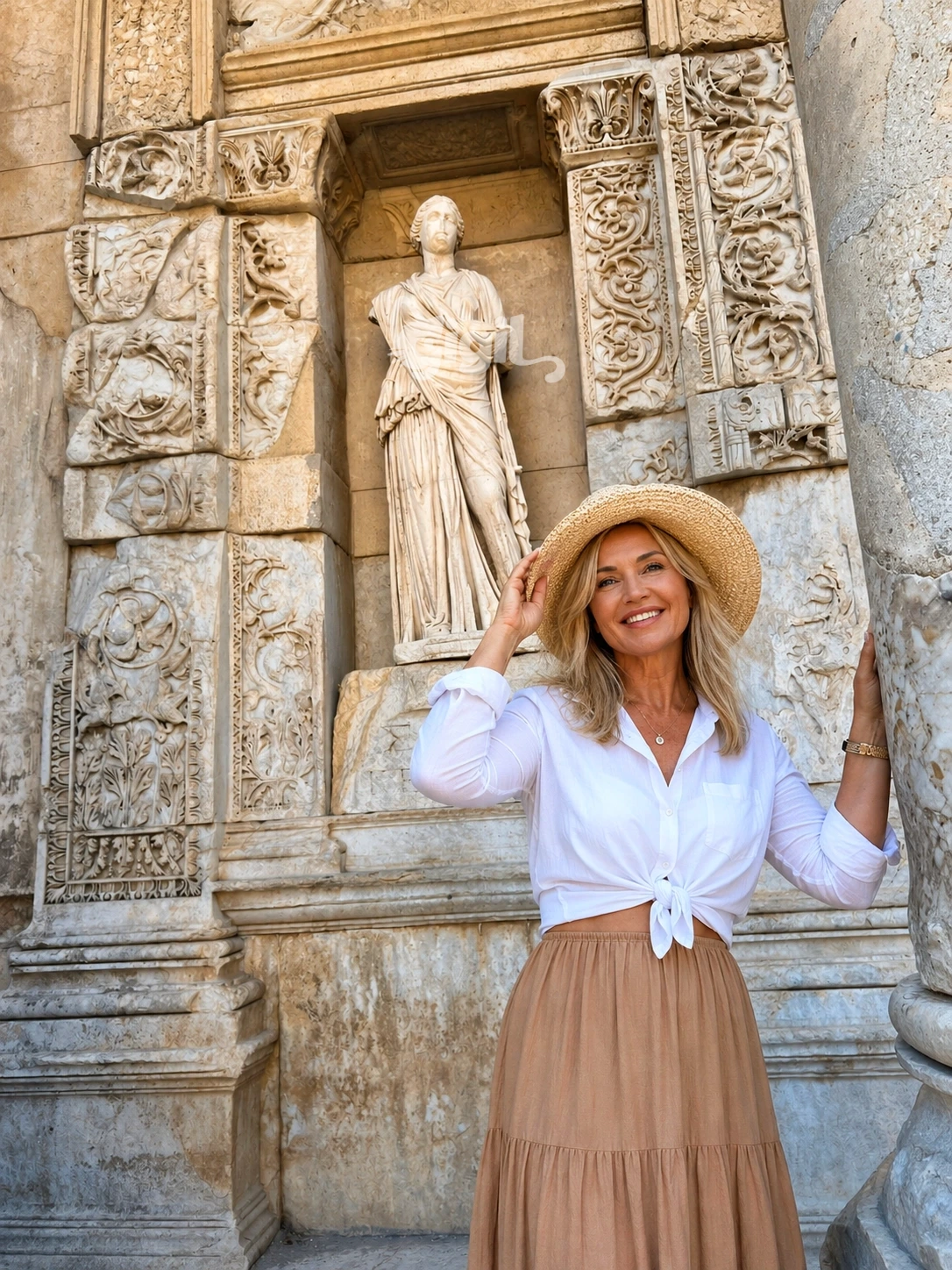
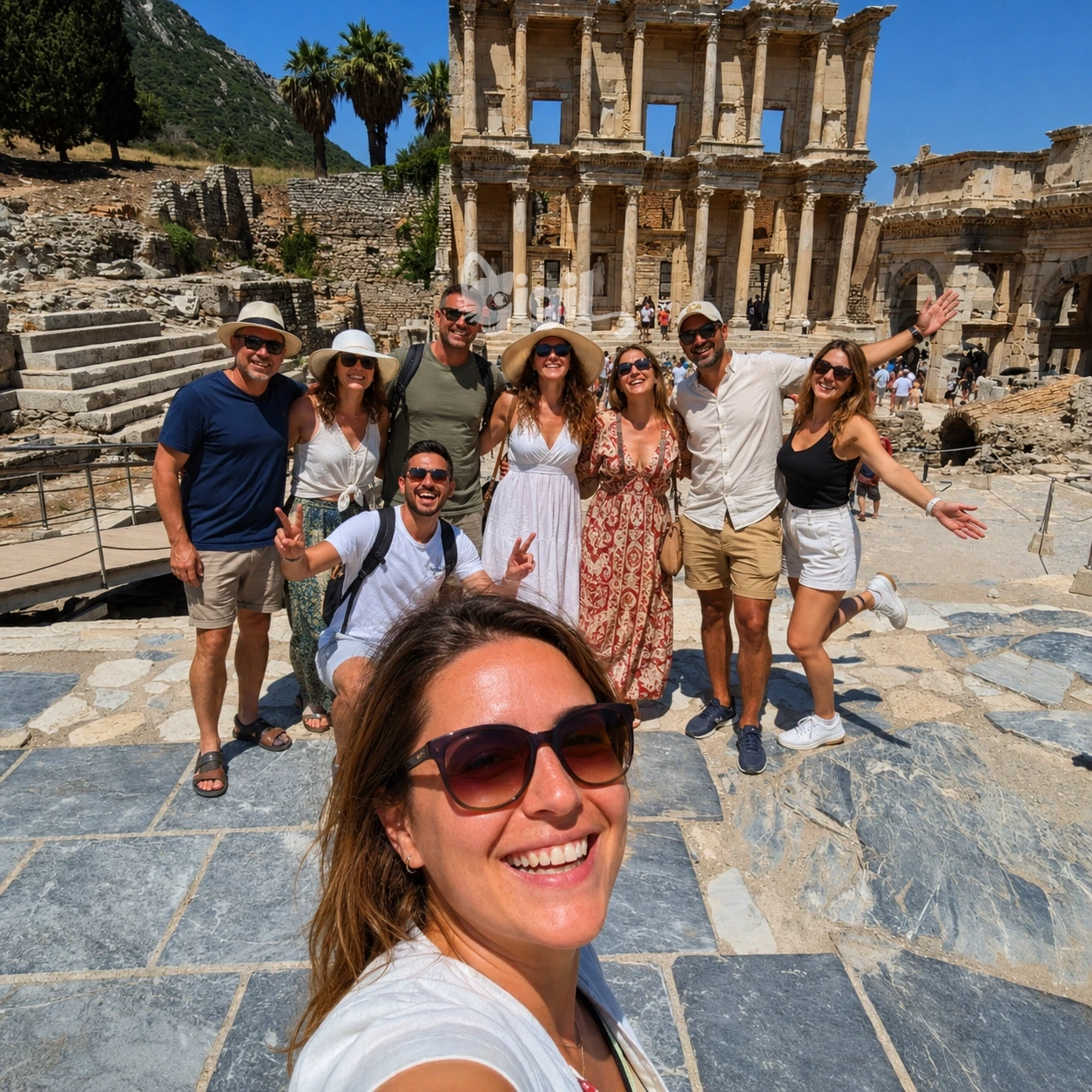
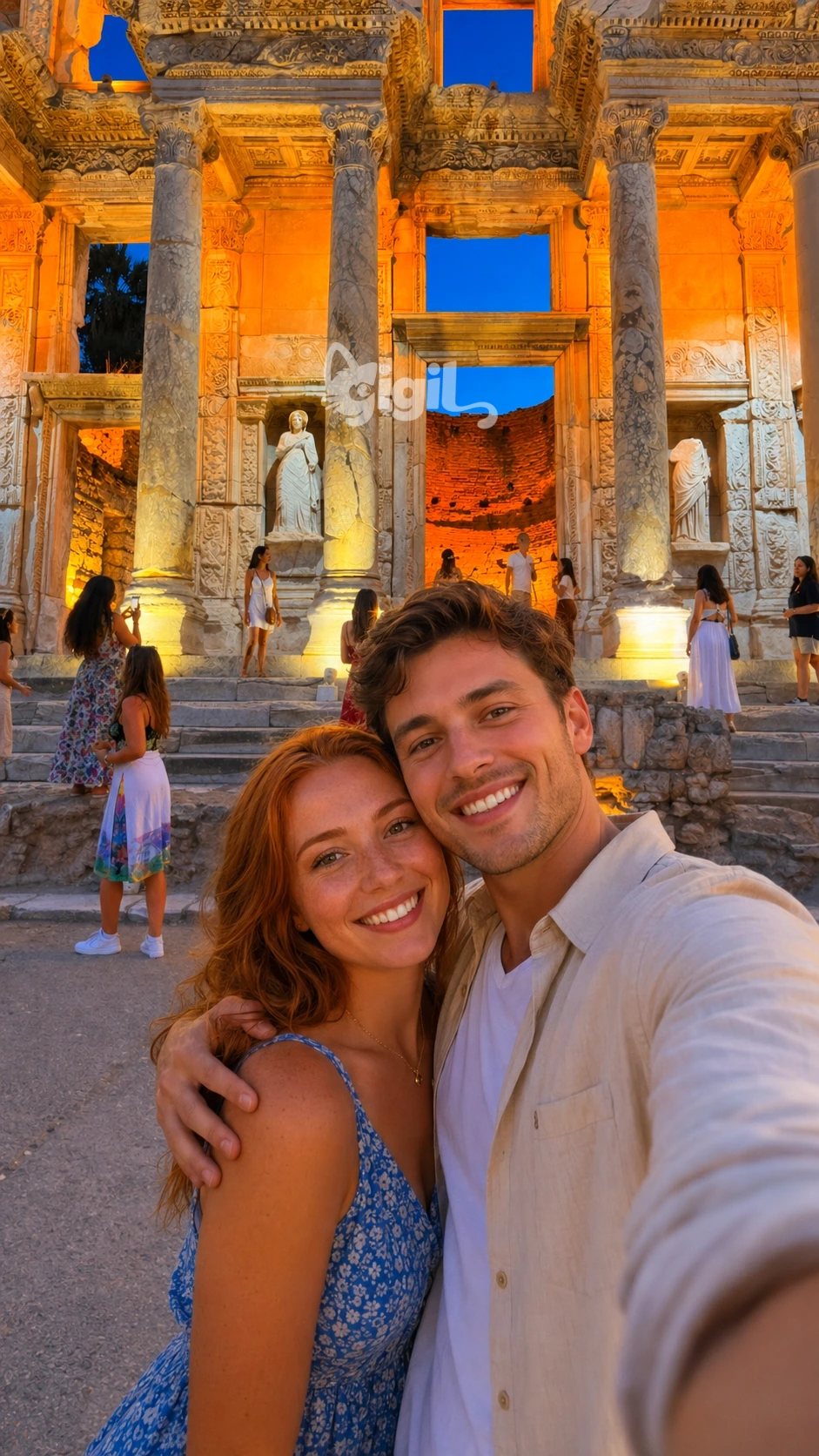
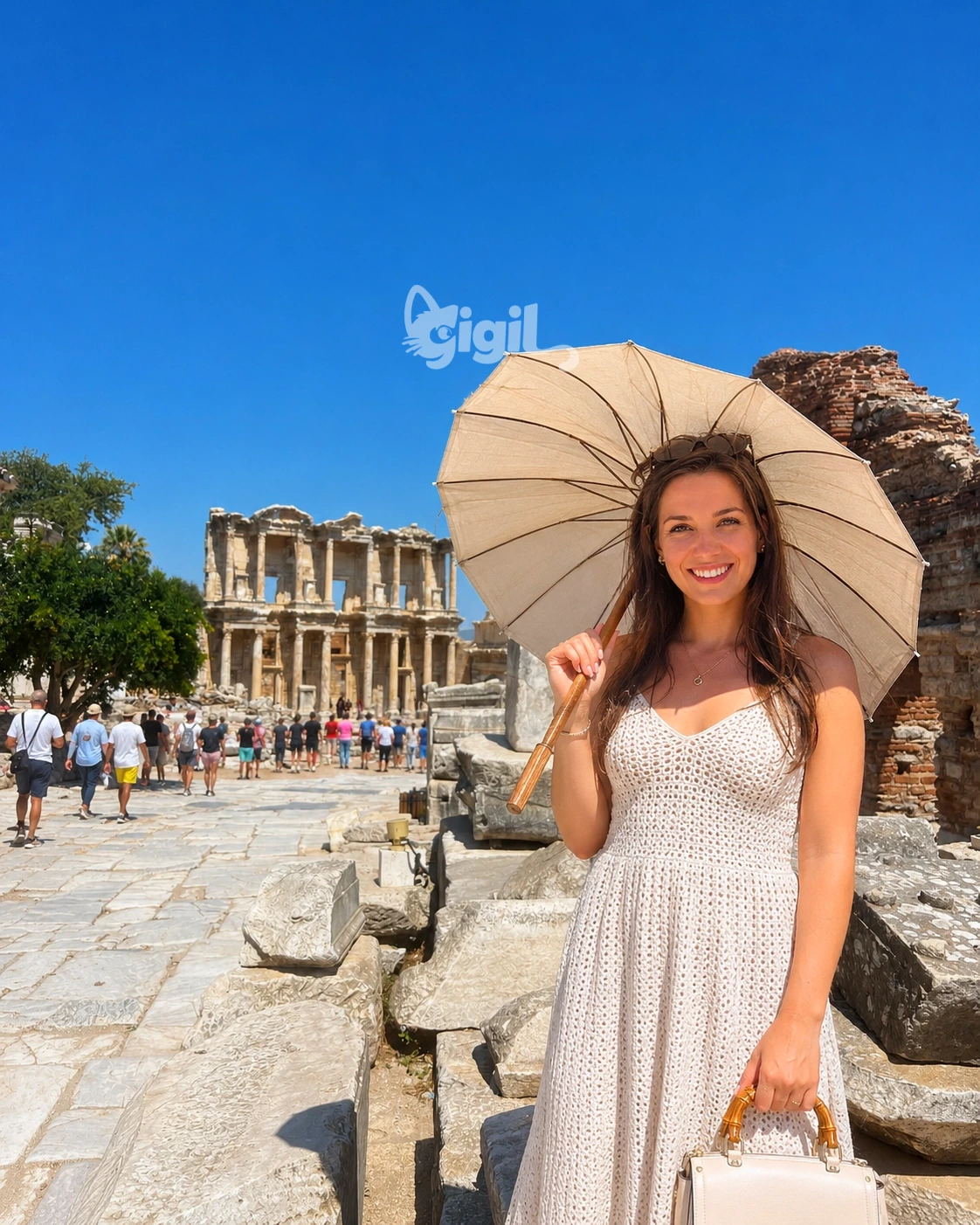
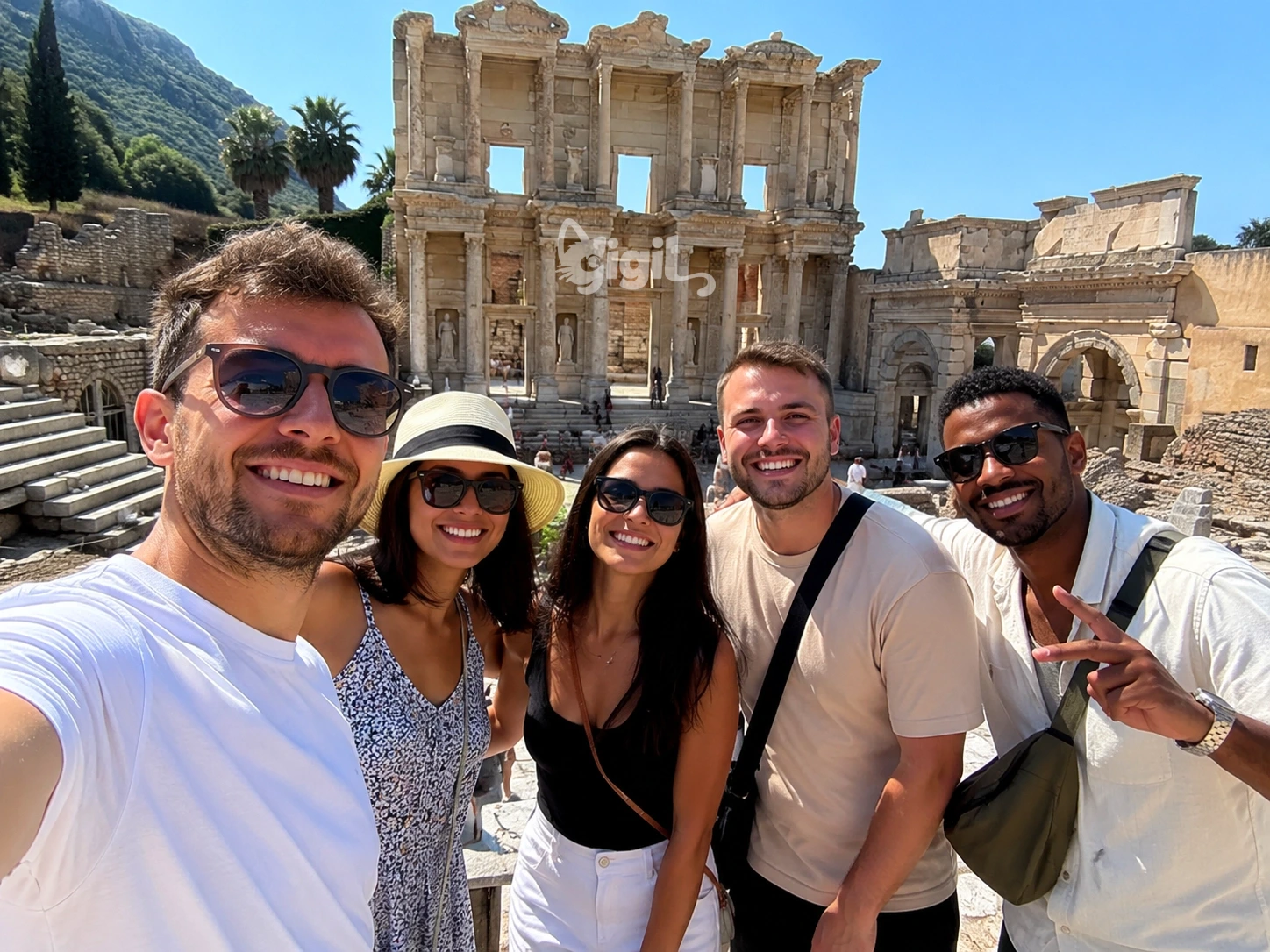
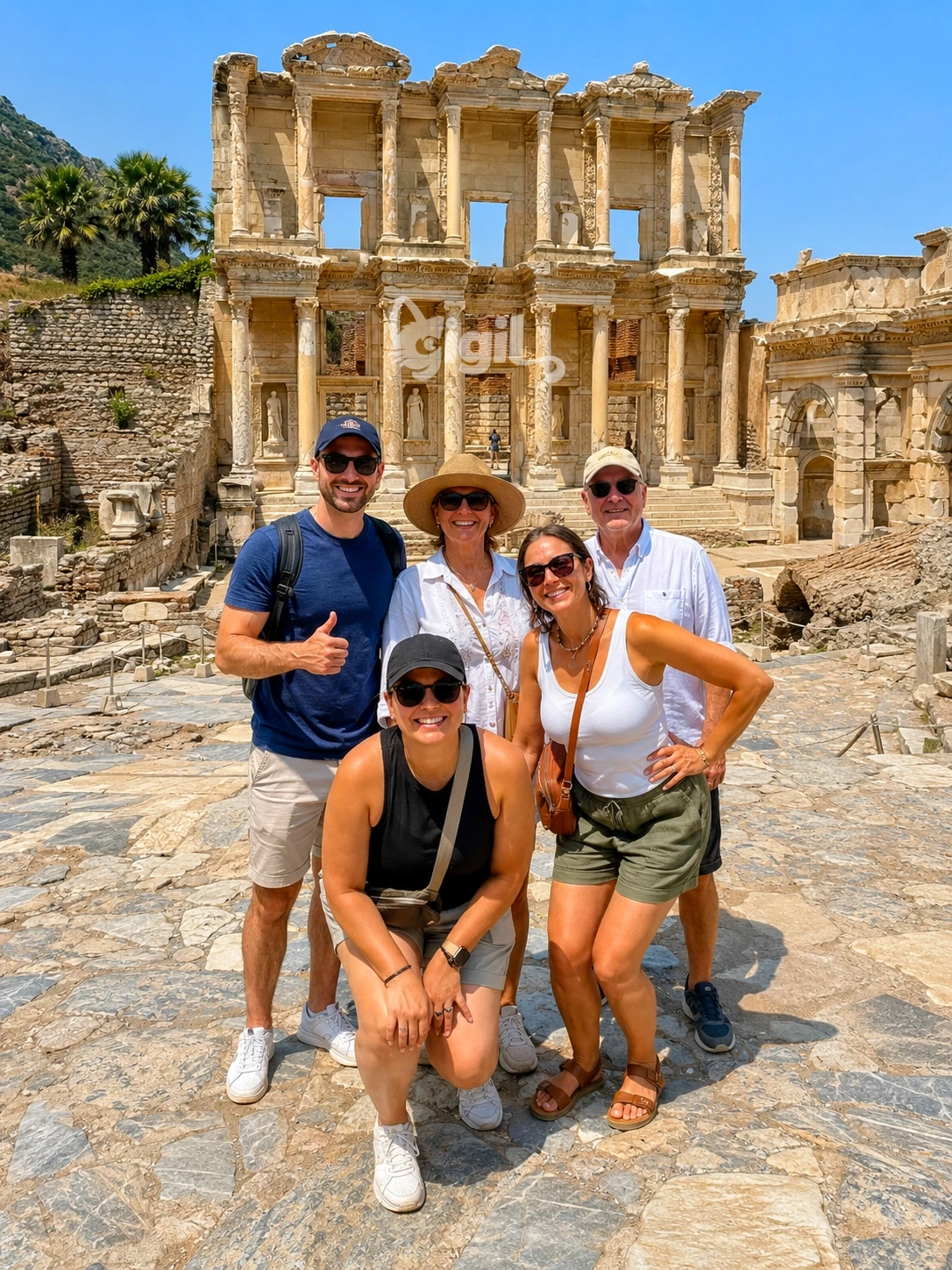
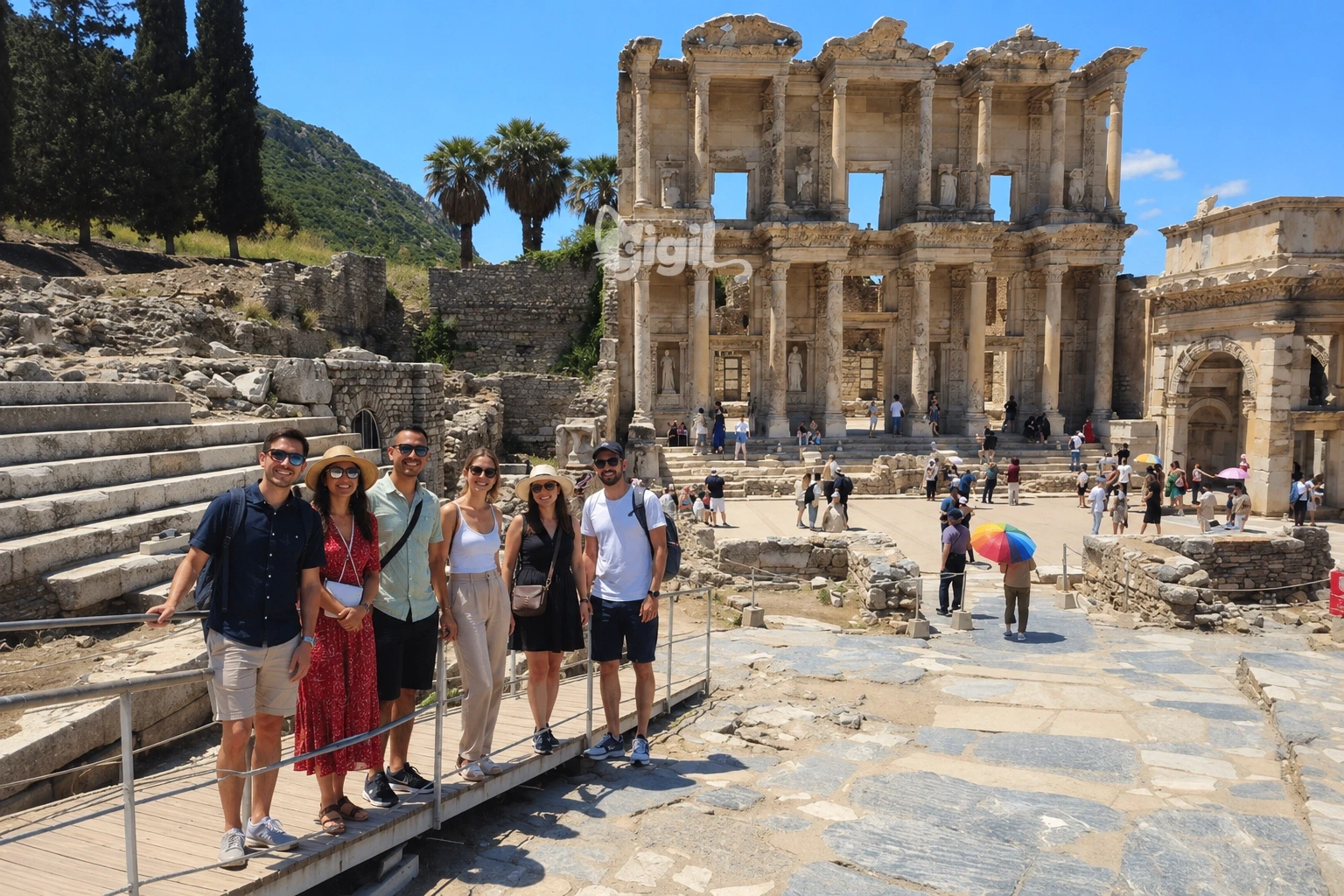
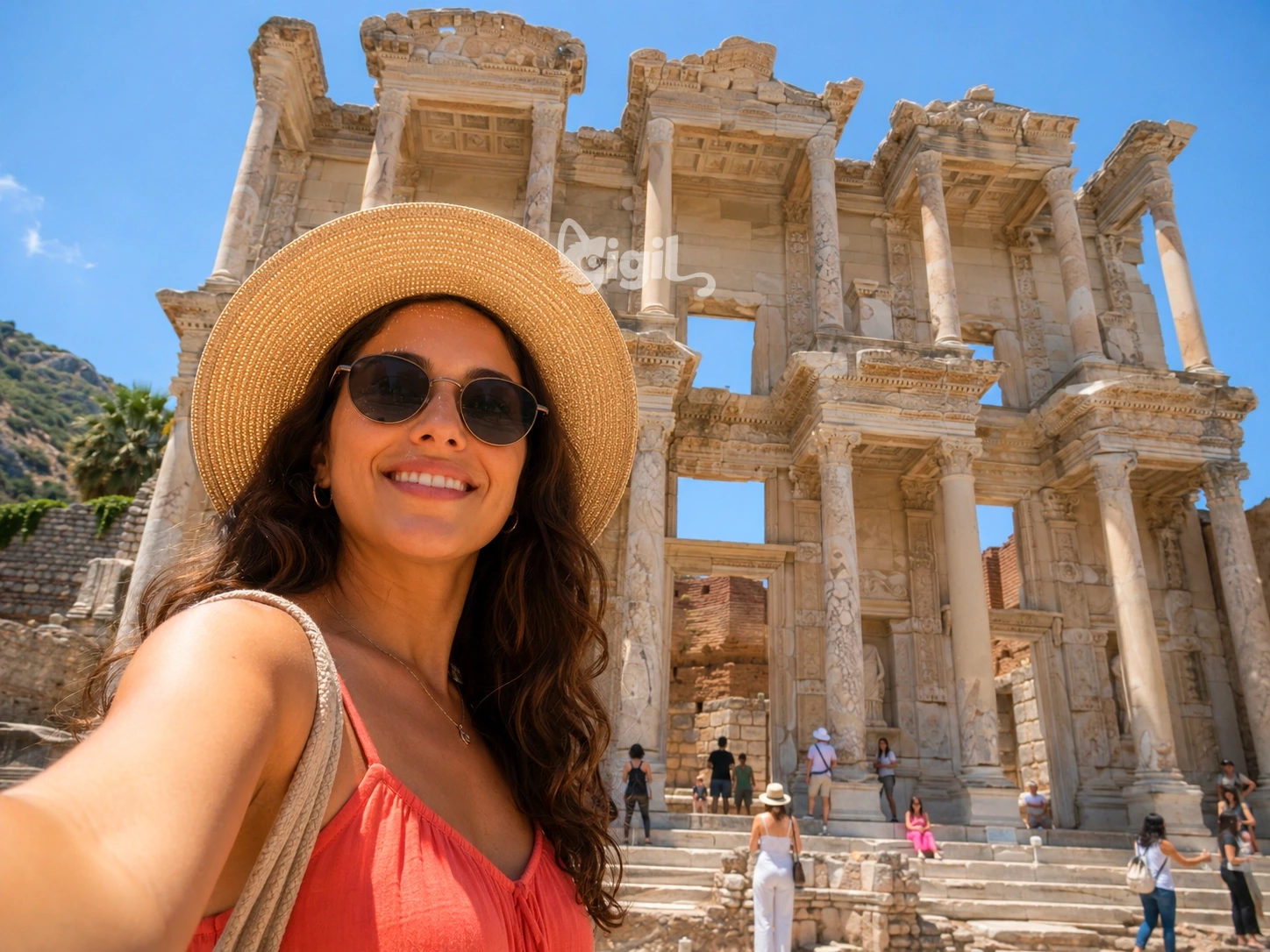
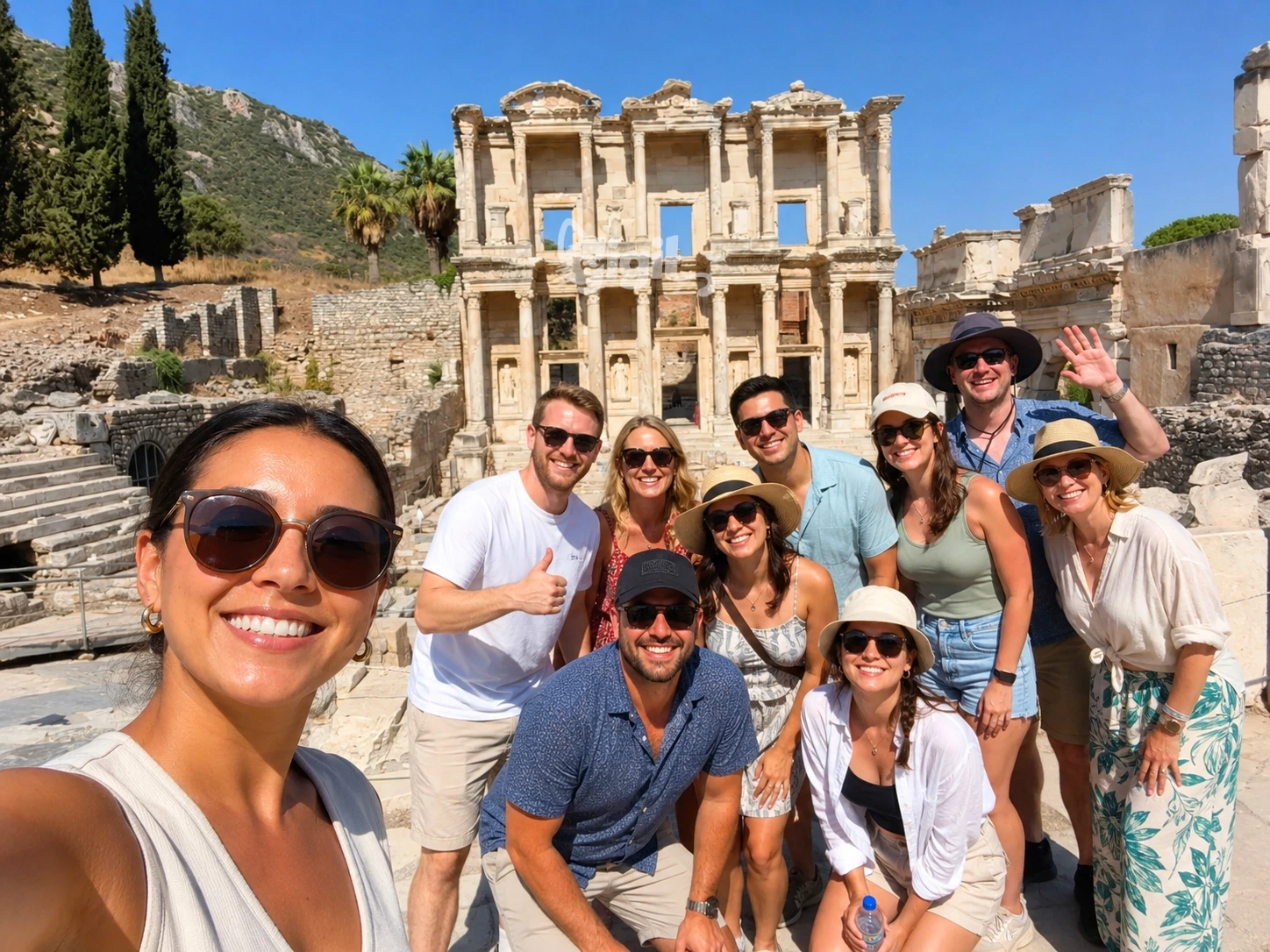
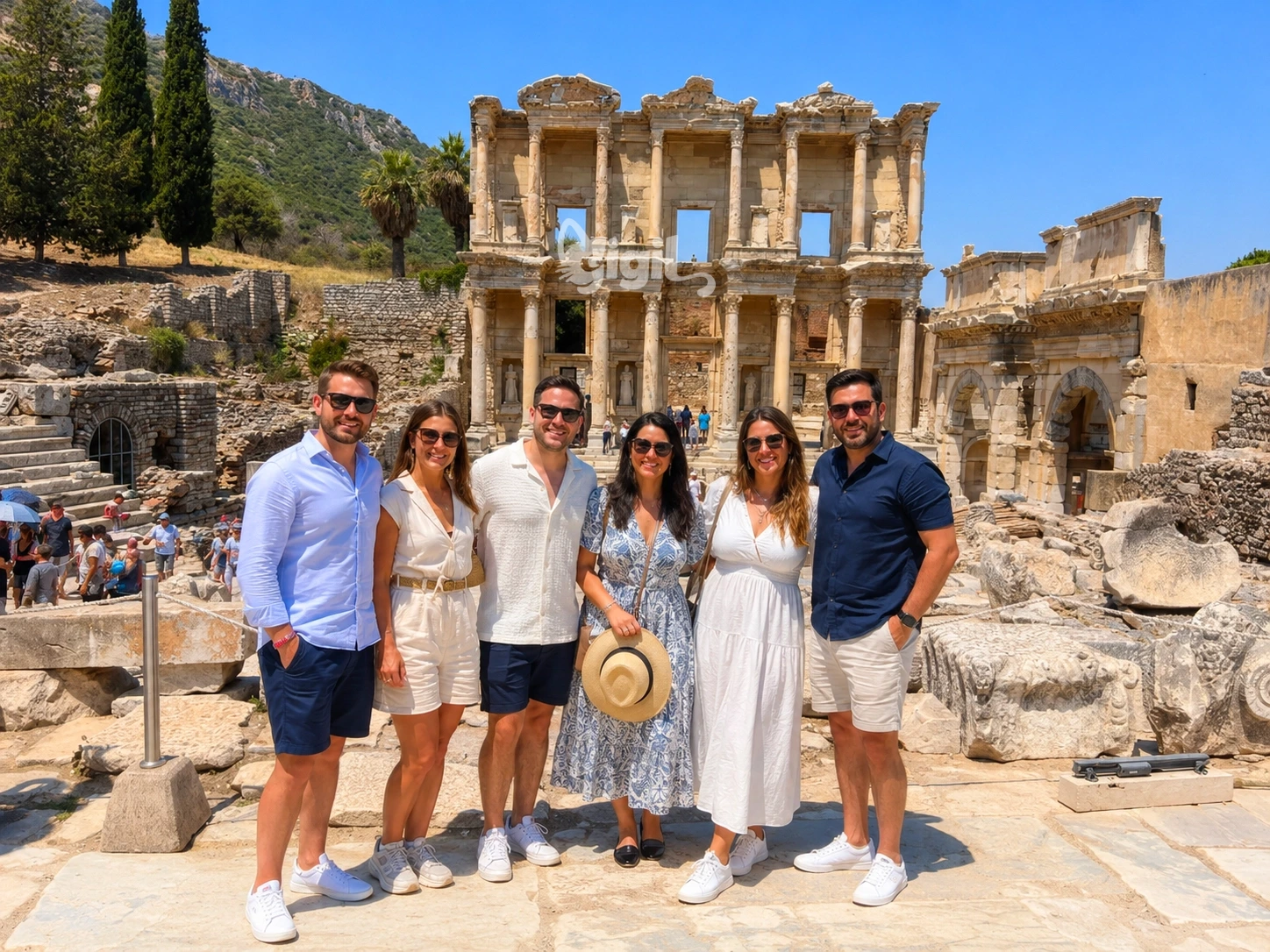
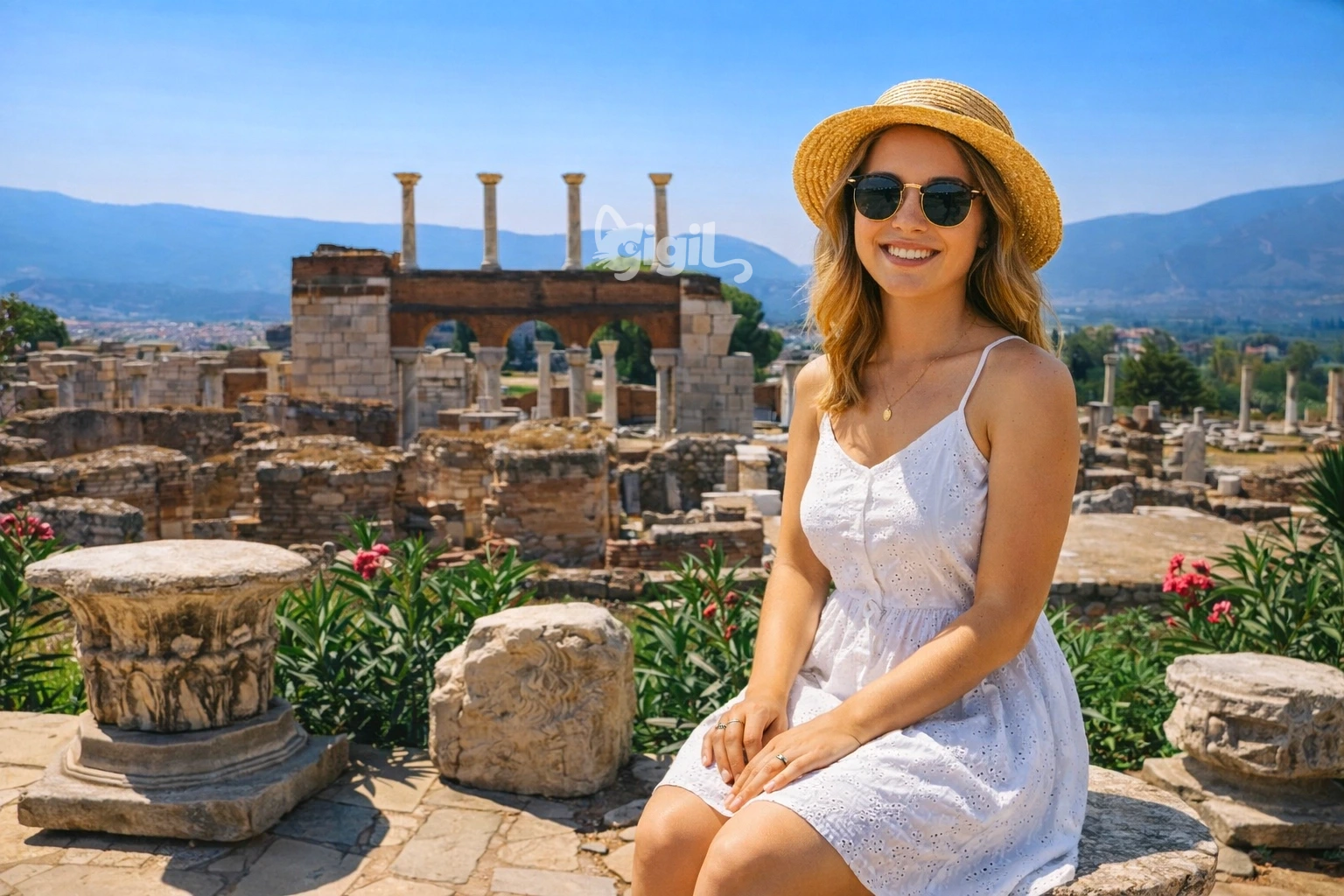
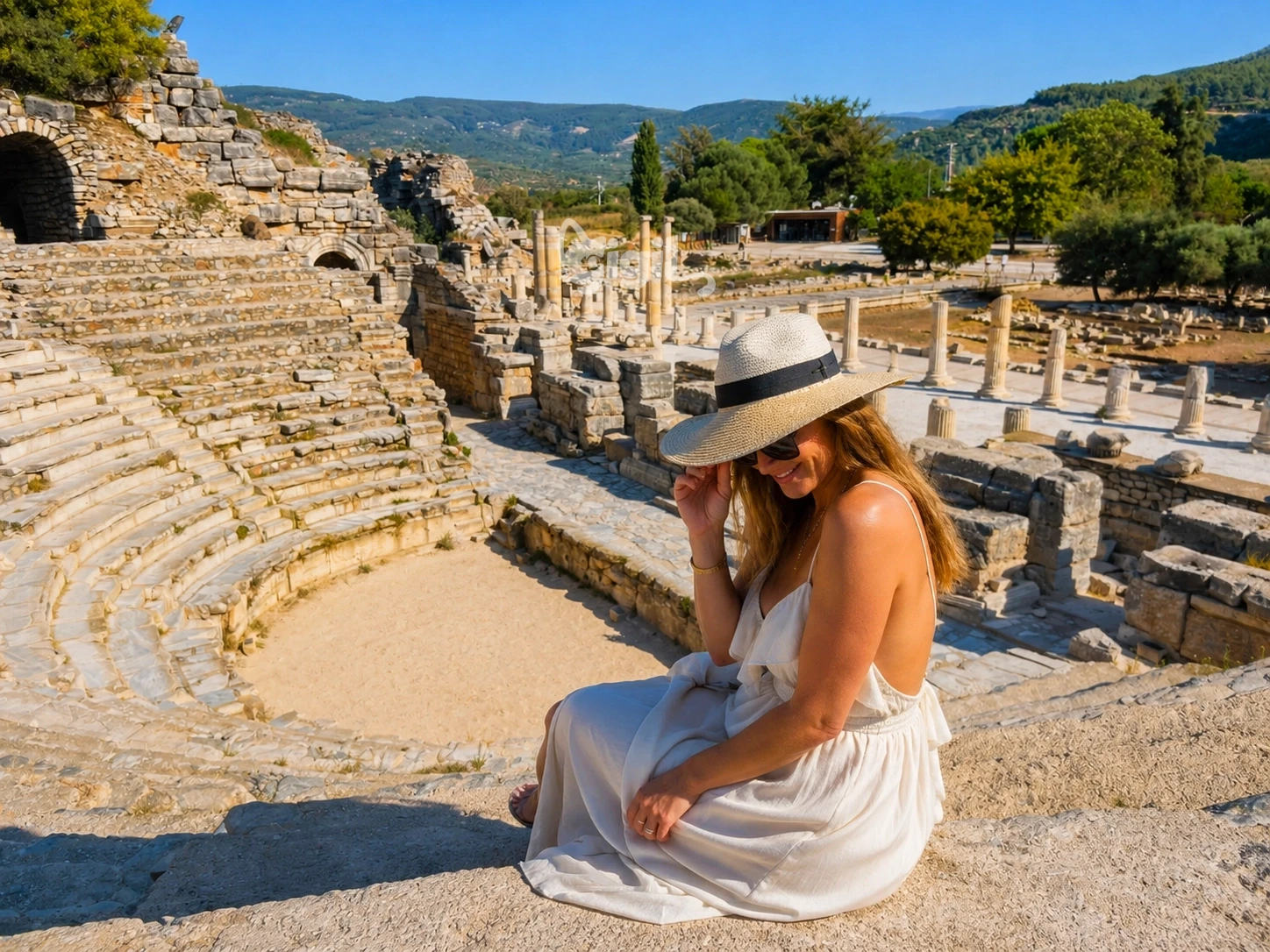
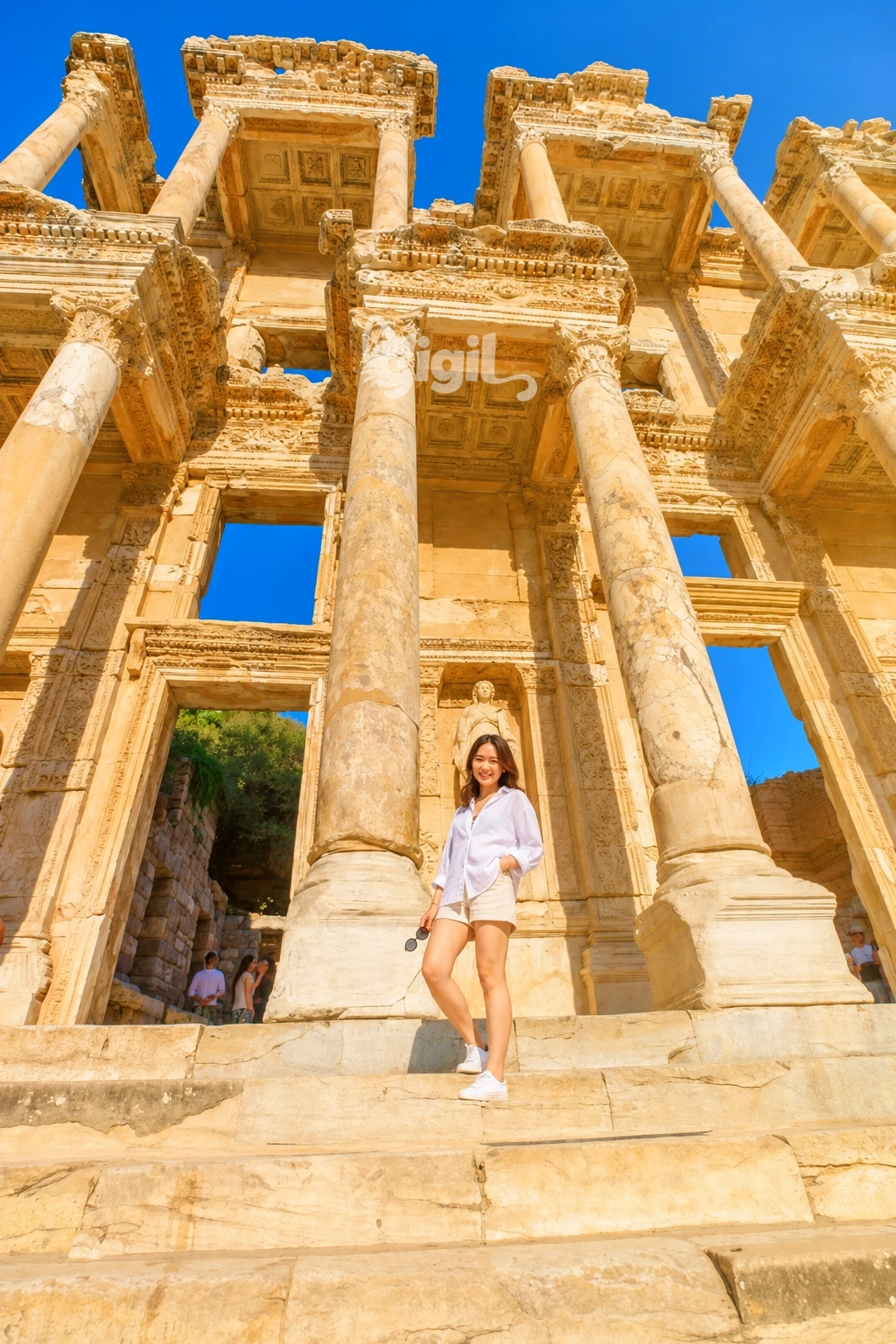
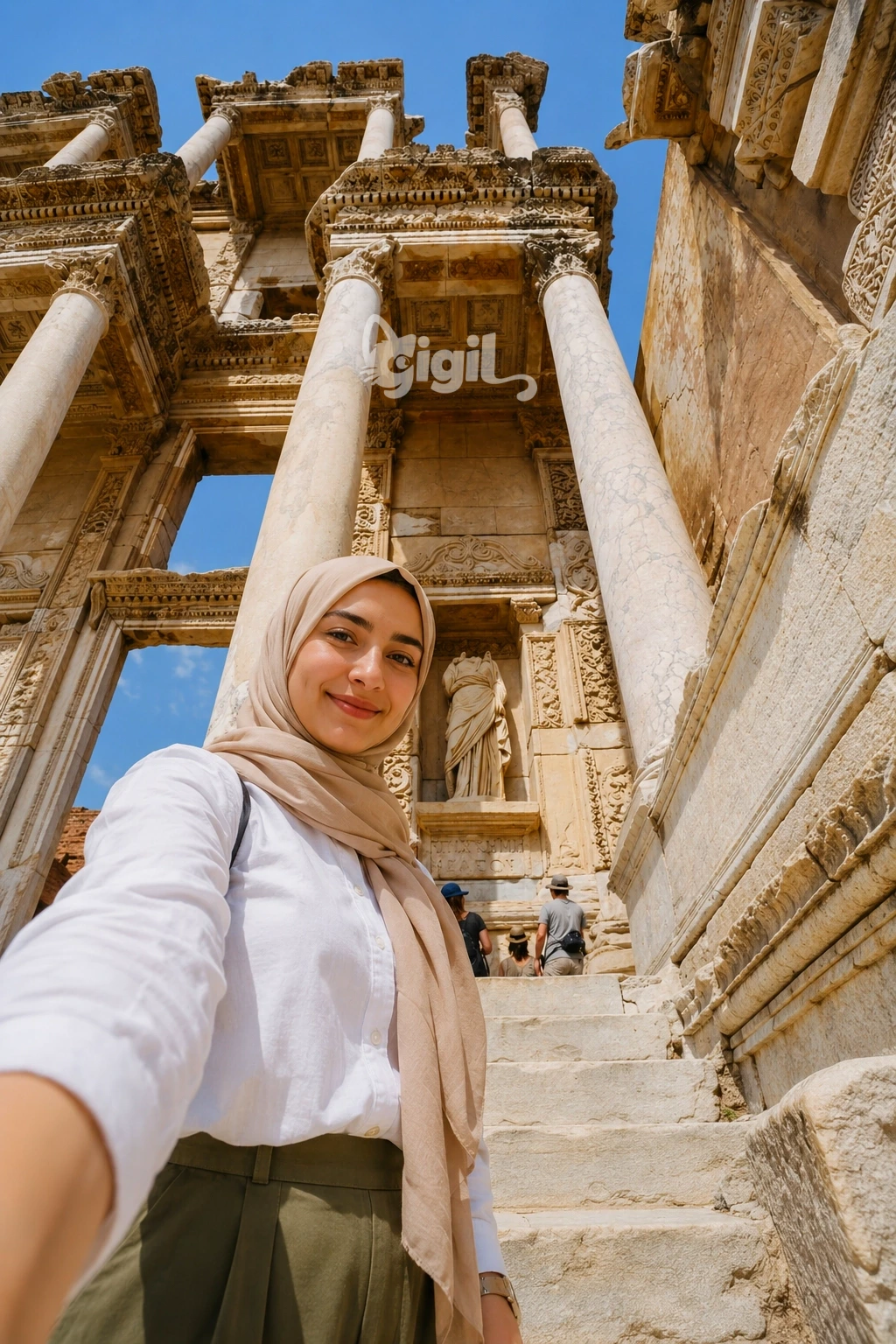
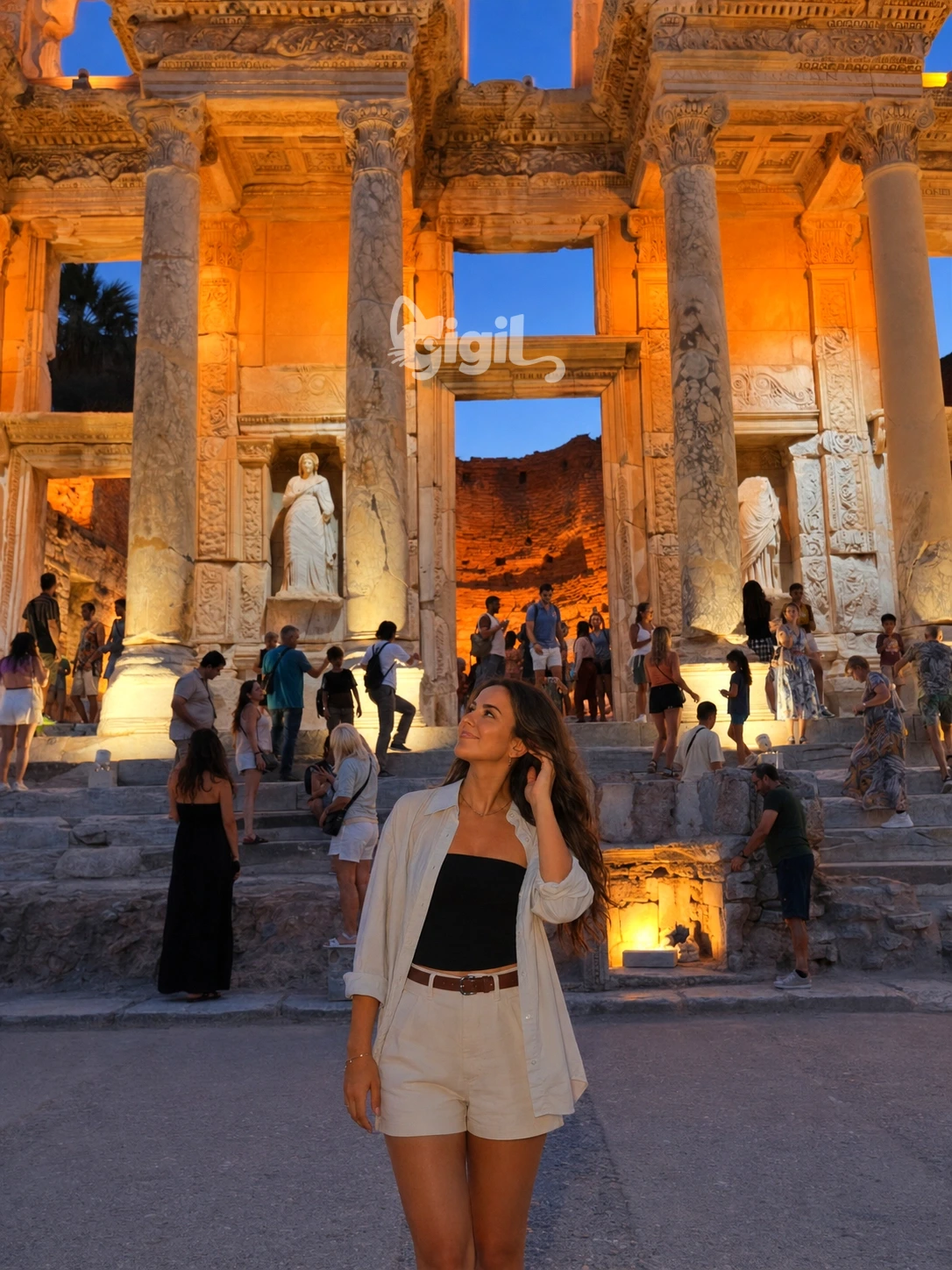
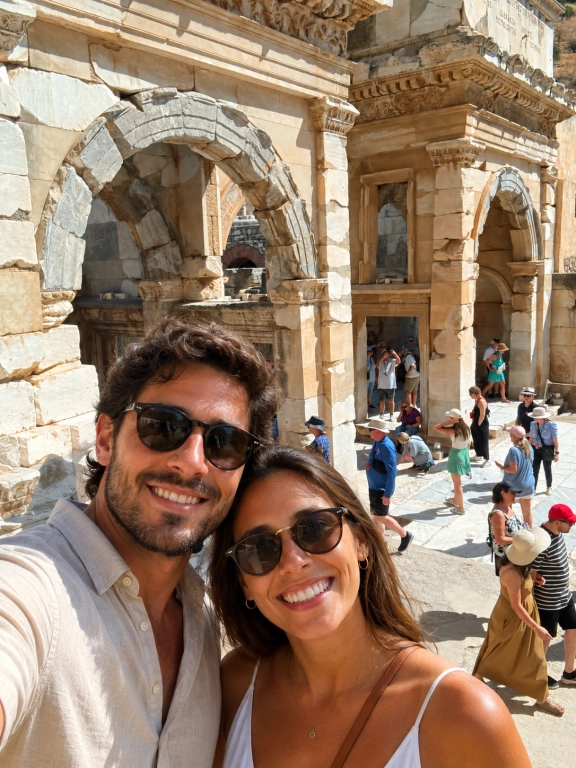
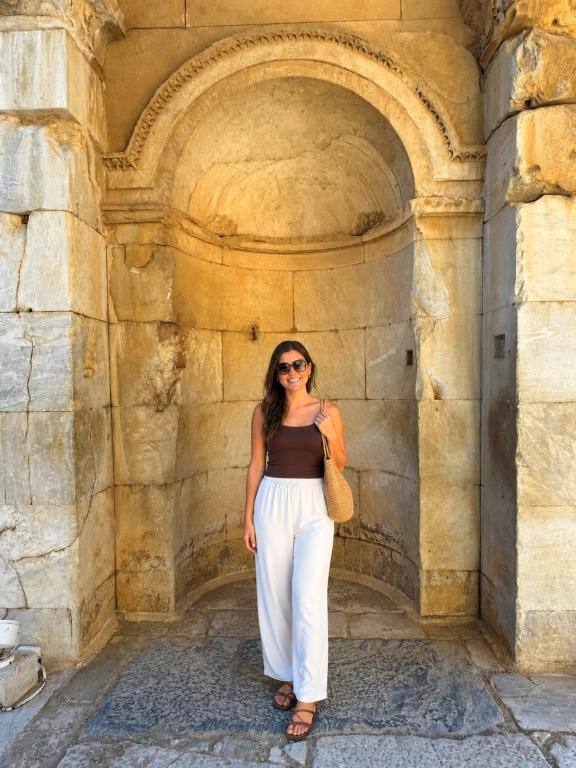
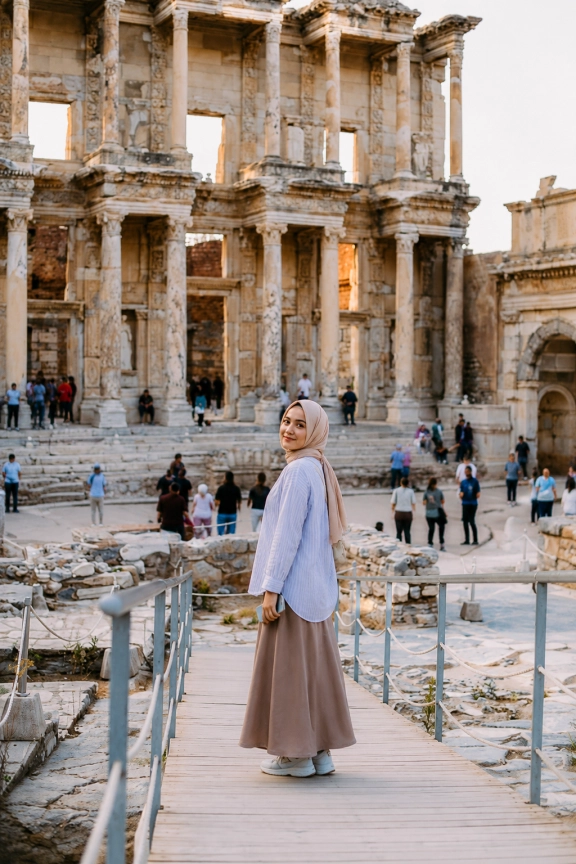
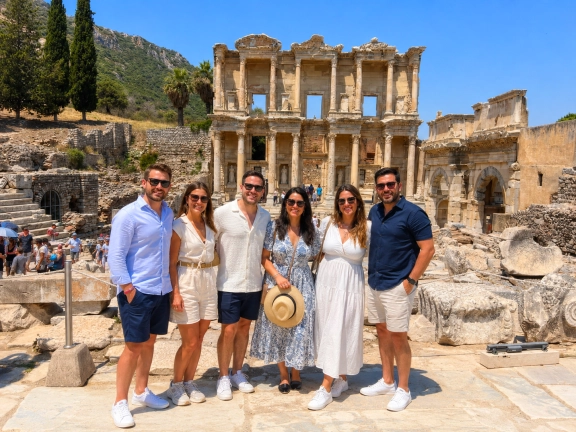
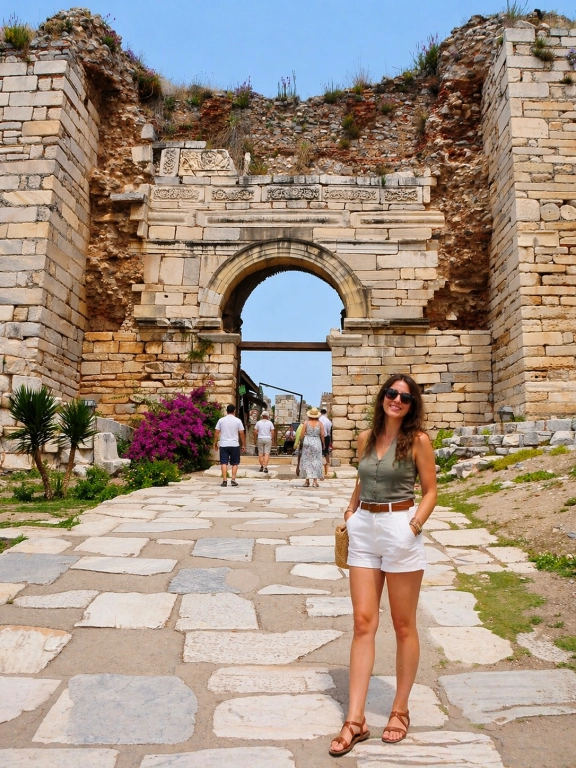
Ephesus Ancient City is the main archaeological stop, with marble streets and monumental remains from the ancient city. Terrace Houses can be visited optionally inside the site when timing allows.
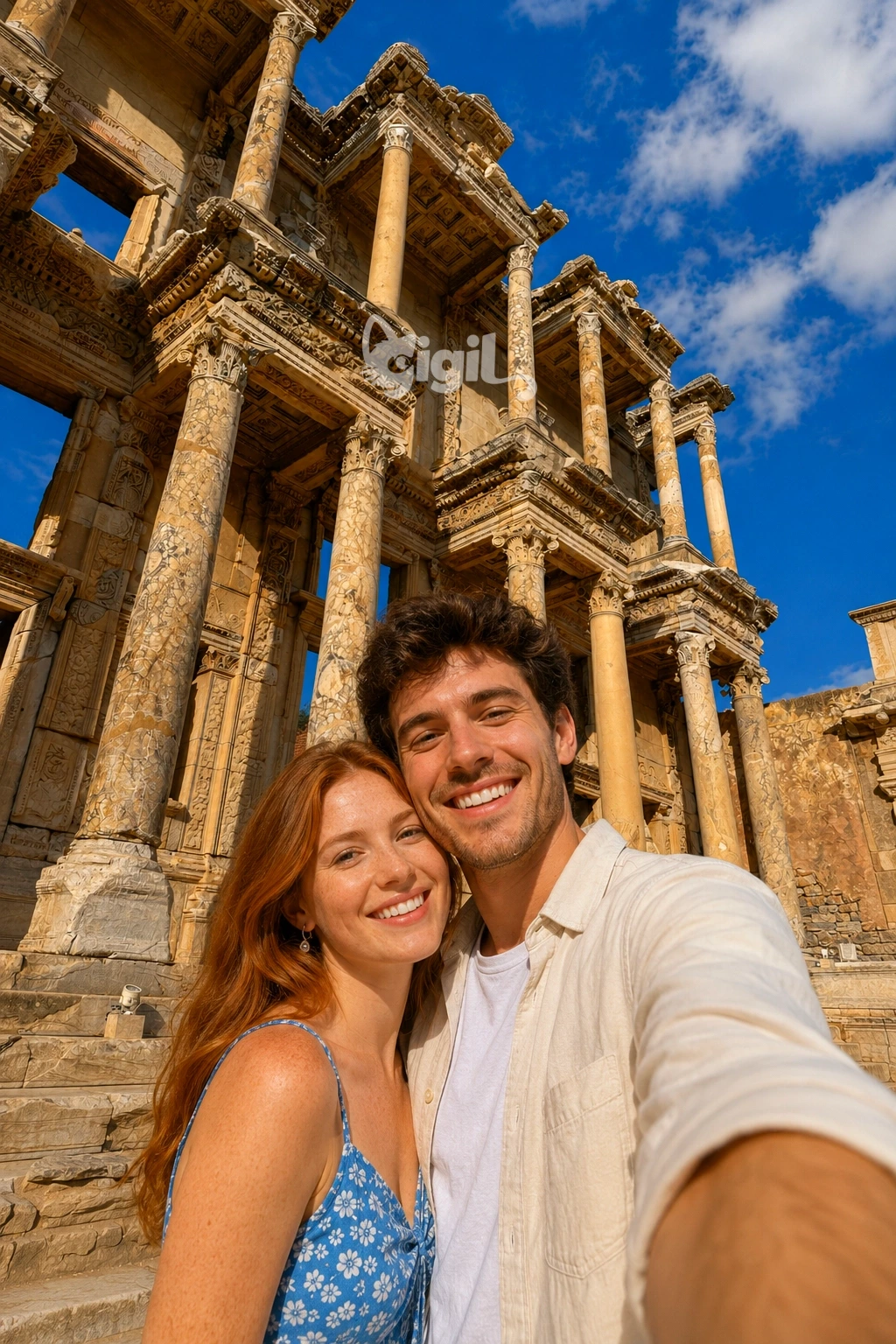
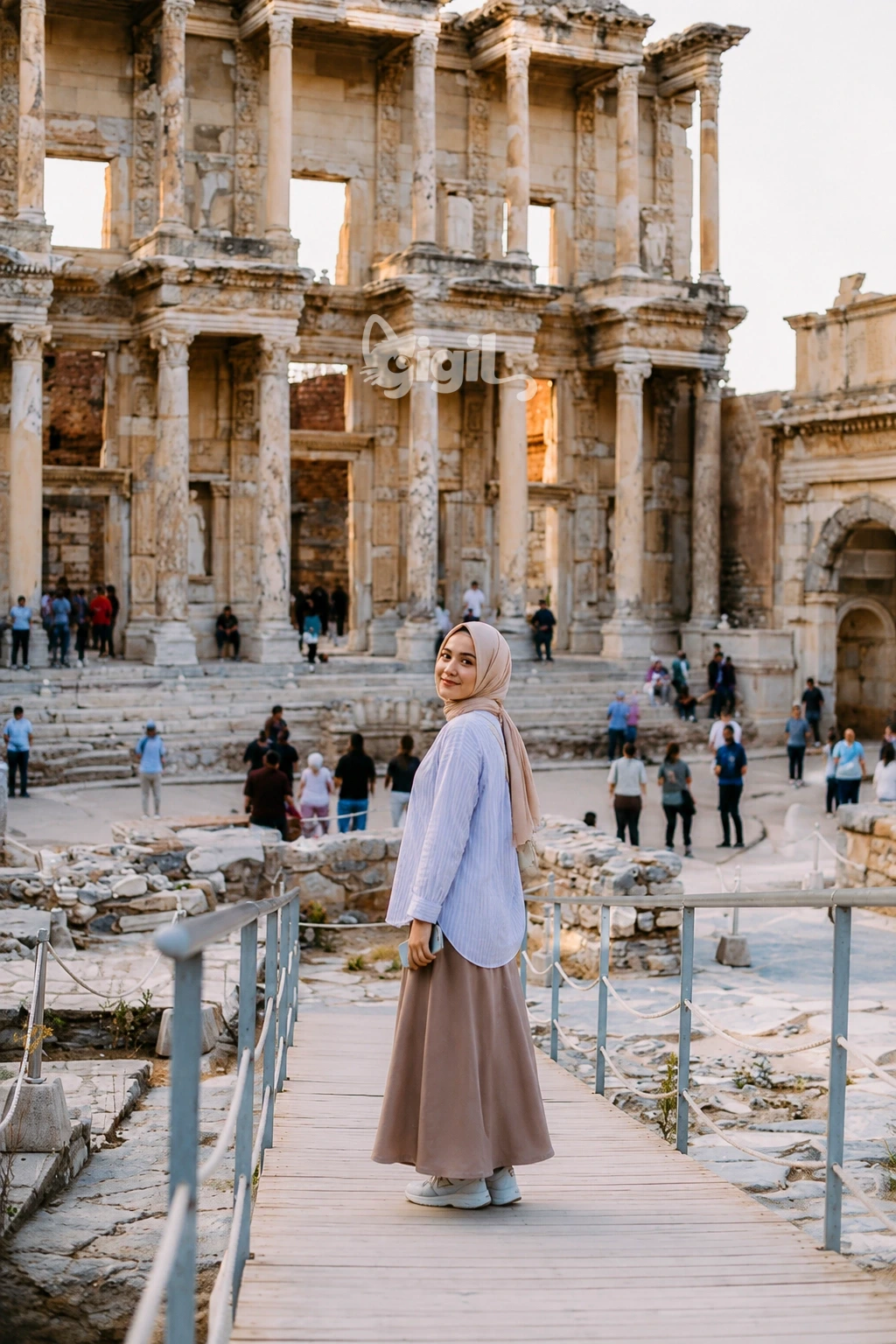
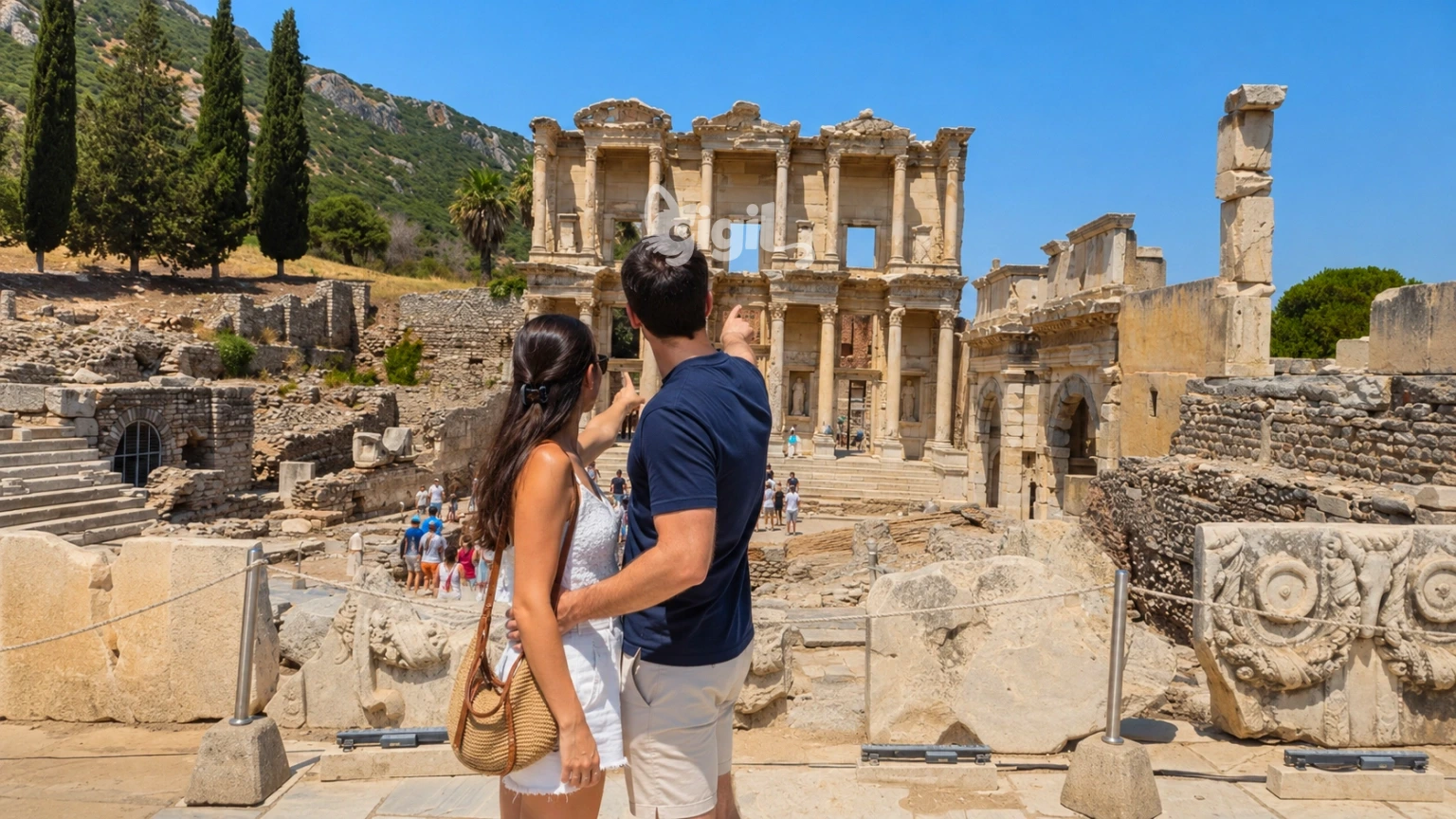
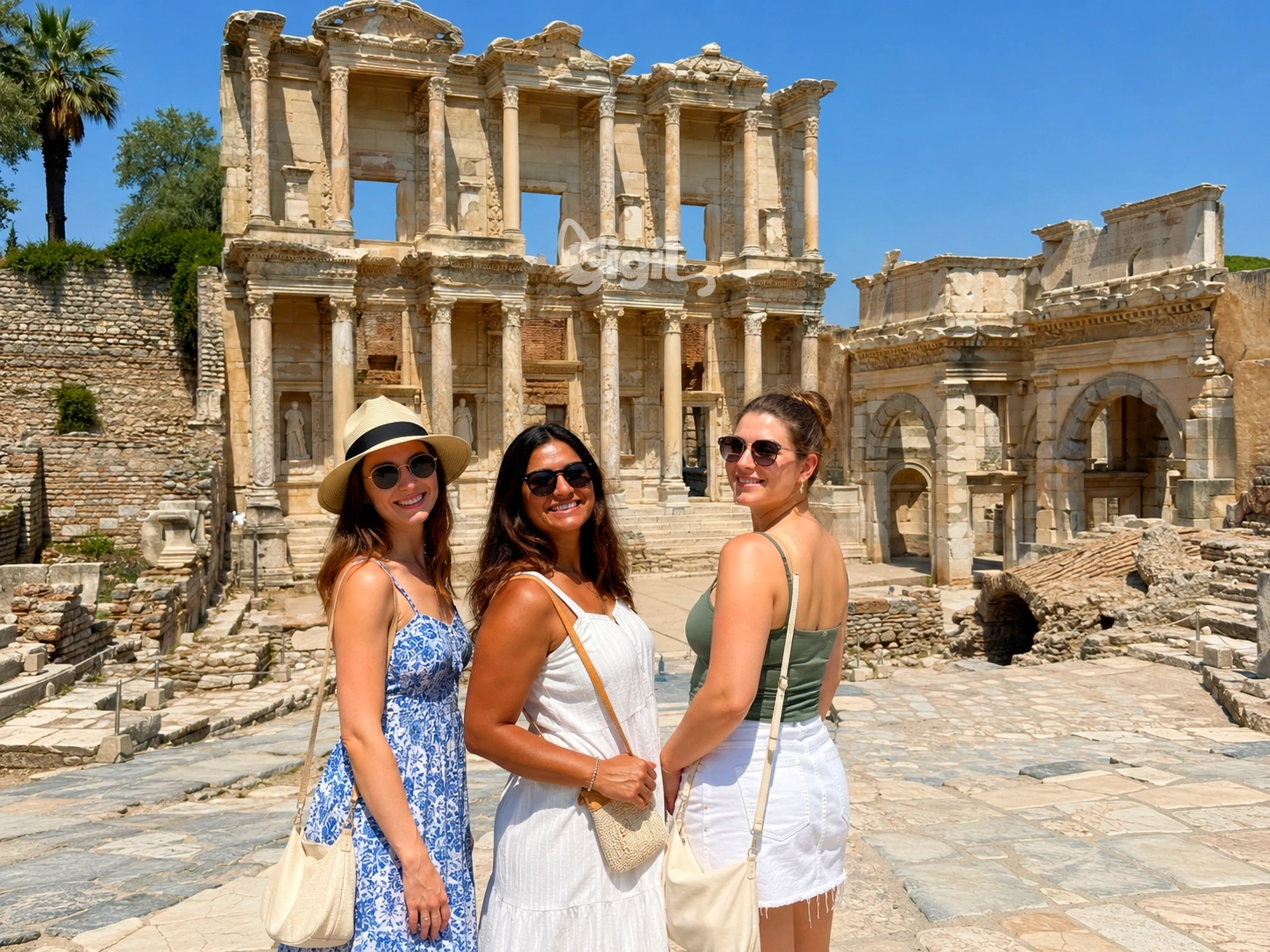
Entrance FeesEphesus Ancient City , €40 ExcludedTerrace Houses of Ephesus , €15 Excluded OptionalEphesus Ancient City stands out because it still feels like a legible city rather than a field of disconnected remains. Streets, facades, public spaces and major monuments remain linked strongly enough that visitors can understand how urban, civic and ceremonial life once worked together here.
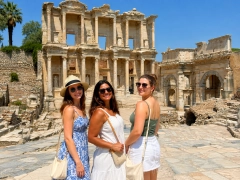
Famous landmarks such as the Library of Celsus help anchor the experience, but the deeper value of Ephesus comes from following the continuity between those highlights and the wider city fabric. That is what gives the site its lasting archaeological power.
Questions
What makes Ephesus Ancient City such a complete historical visit?
It lets visitors move through a coherent city landscape where monuments, streets and public spaces still explain the life of the ancient city.Why do travelers often remember the route through Ephesus as much as the monuments themselves?
Because the strength of the site lies in how its major landmarks connect to the wider urban fabric around them.How is Ephesus different from a ruin site made up of scattered remains?
Ephesus still preserves enough continuity that visitors can follow the logic of the city as a whole rather than seeing only disconnected fragments.

-
The Selcuk stop gives the local route a practical pause between the ancient city and Ayasoluk Hill.
MealsLunch meal ExcludedThe Selcuk lunch stop brings a more local and practical layer into a route shaped by biblical heritage and ancient history. Regional meal culture here often reflects Aegean preferences for olive oil, vegetables, soups, grilled foods and straightforward Turkish table habits.
For many guests, this break is useful because it adds contemporary regional life to a day otherwise dominated by sacred sites and ruins. It helps the route feel rooted in a living place, not only in the past.
Questions
What food character might travelers expect around Selcuk?
They can usually expect regional Aegean and Turkish meal traditions shaped by olive oil, vegetables, soups, grilled foods and practical table culture.Why is the Selcuk lunch break culturally useful?
It brings a living local dimension into a route otherwise dominated by biblical and archaeological heritage. -
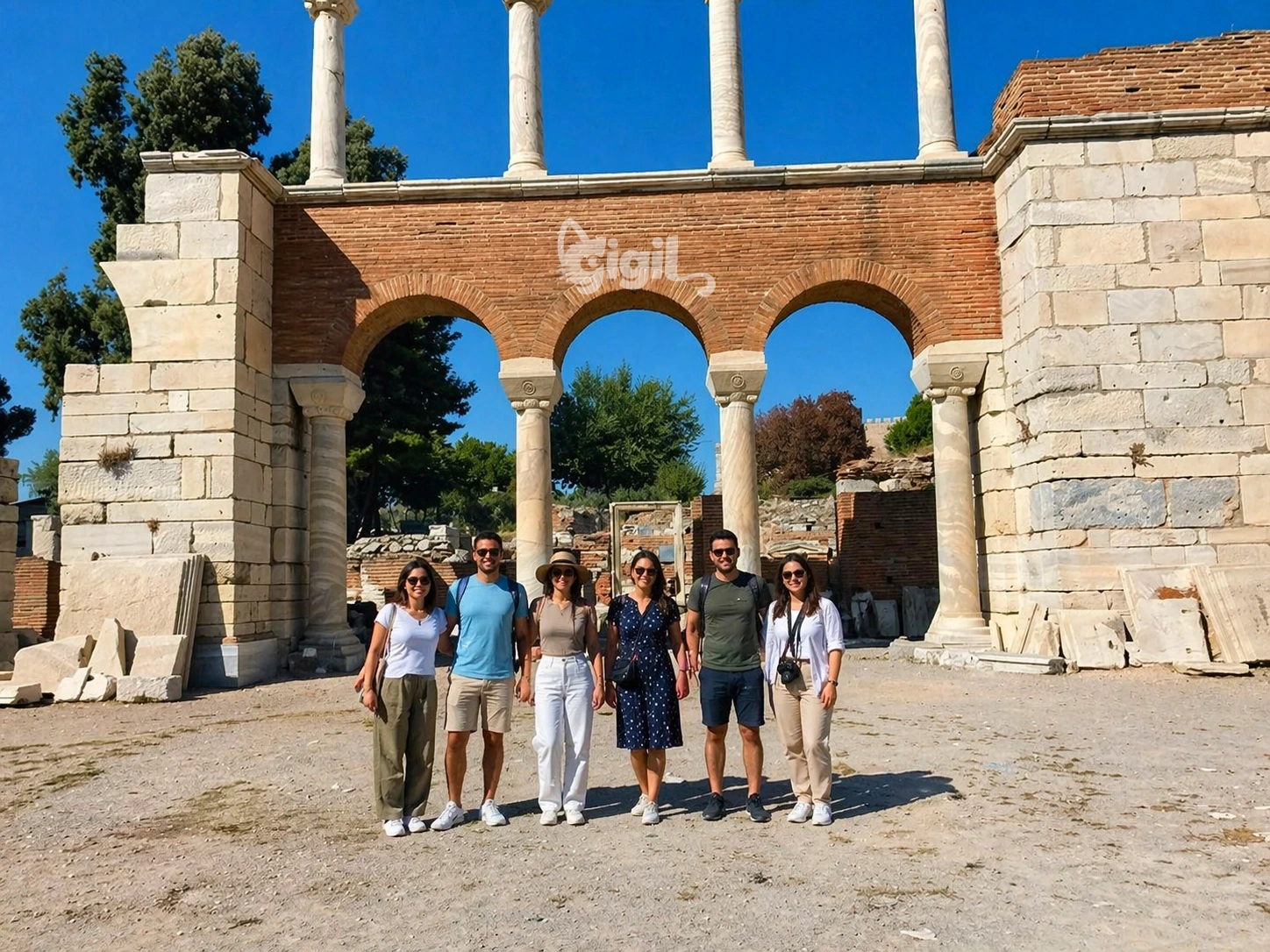
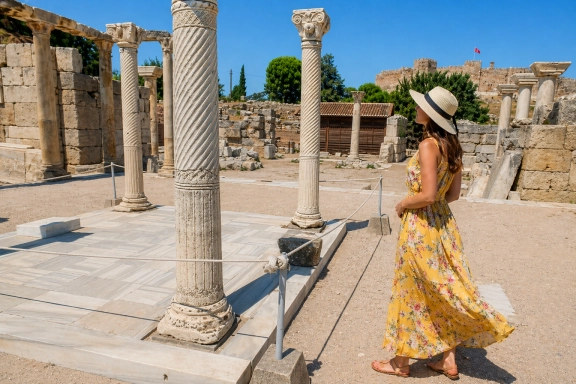
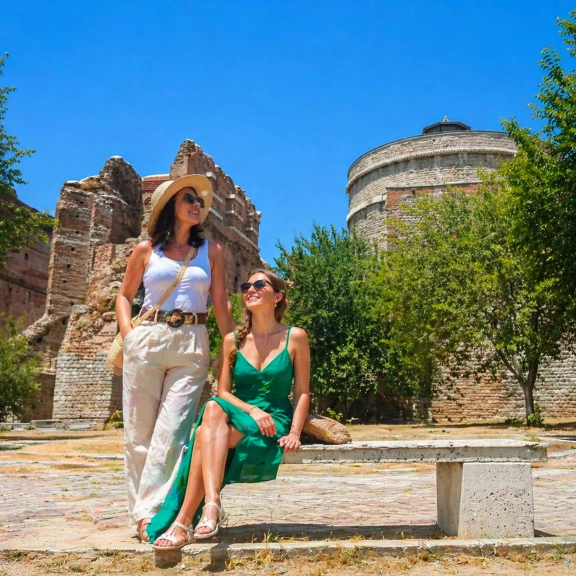
St. John Basilica adds an important early Christian heritage layer between Ephesus Ancient City and Temple of Artemis.
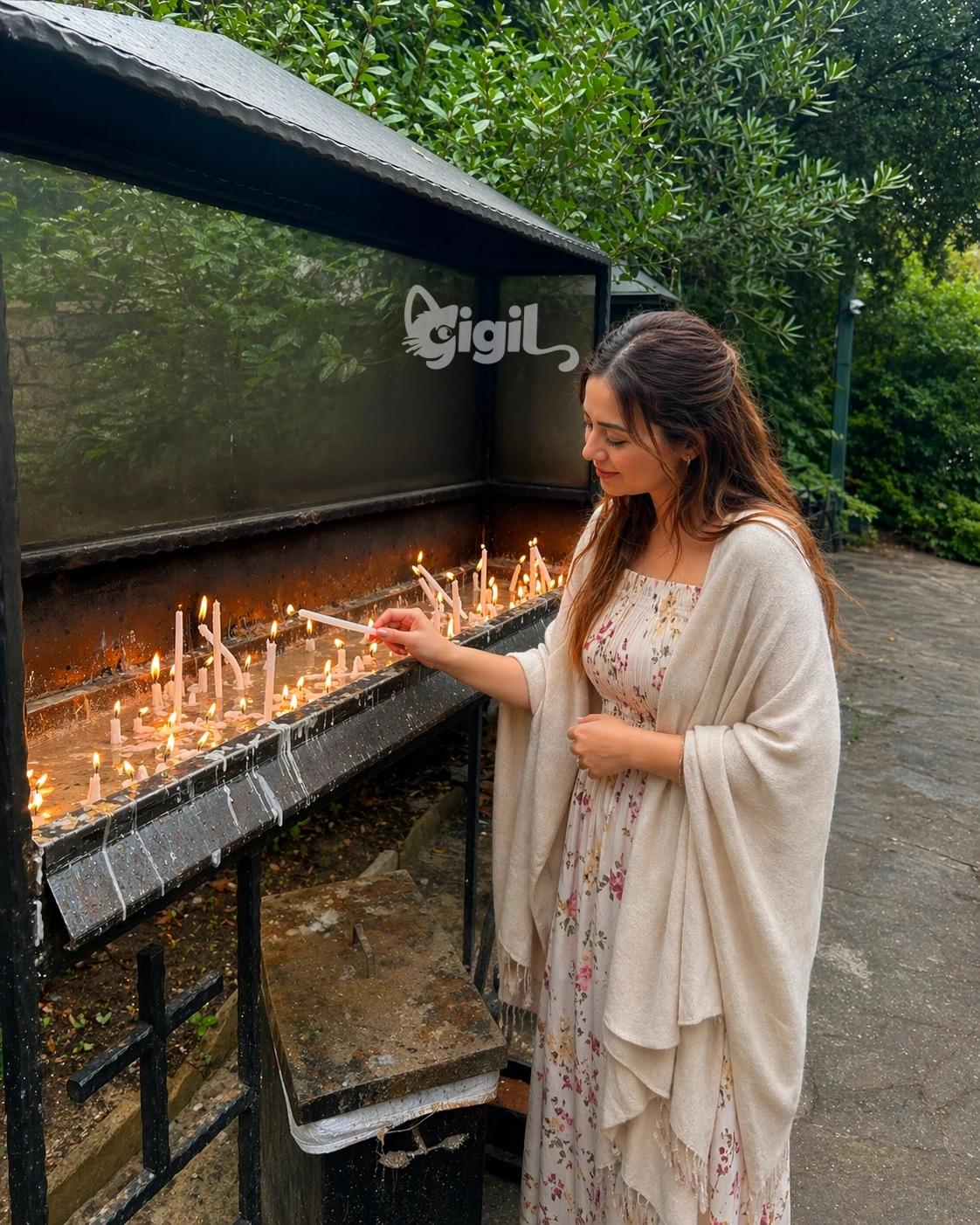
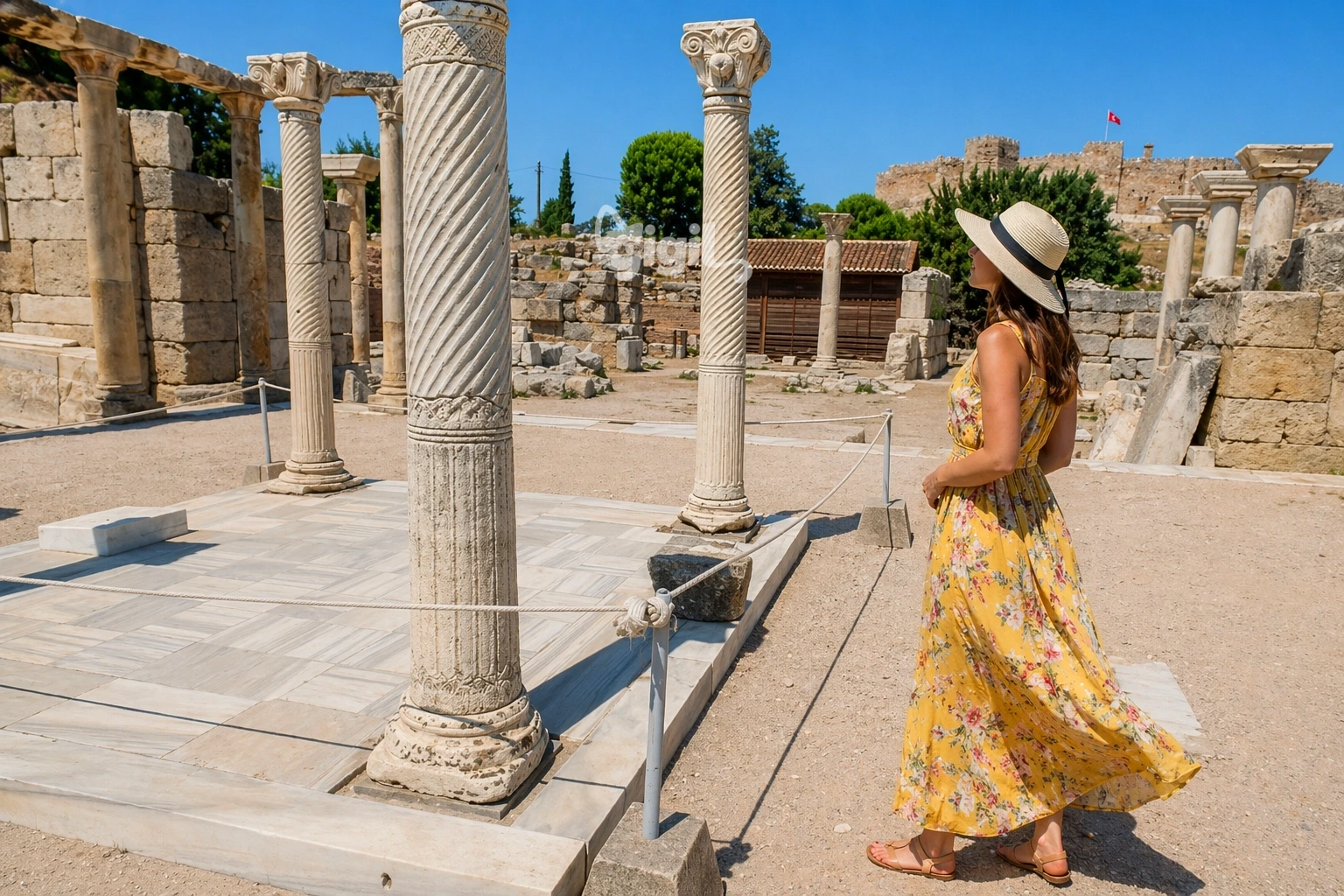
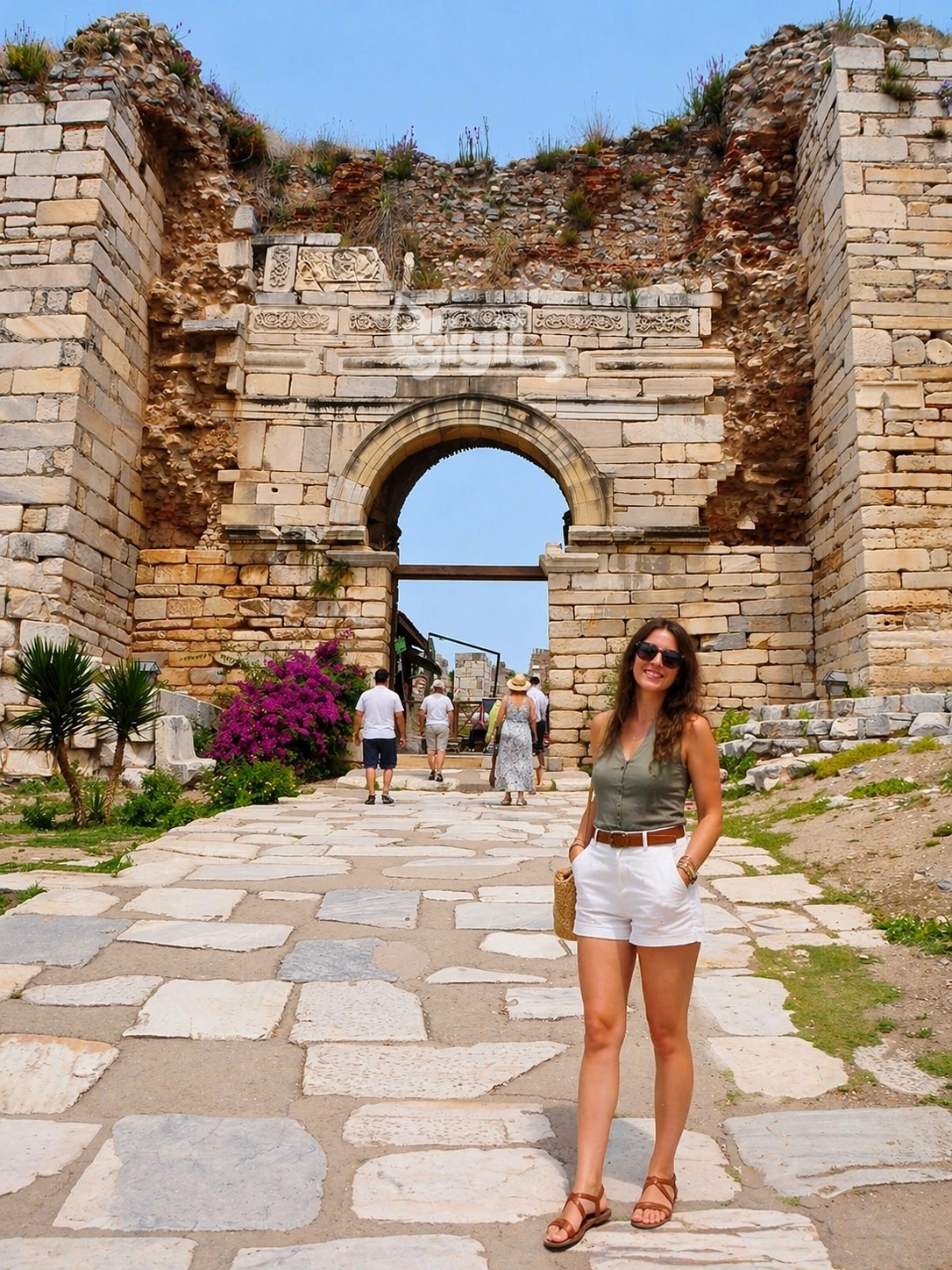
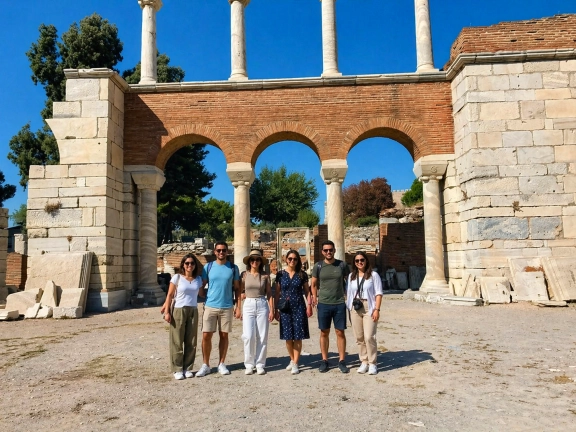
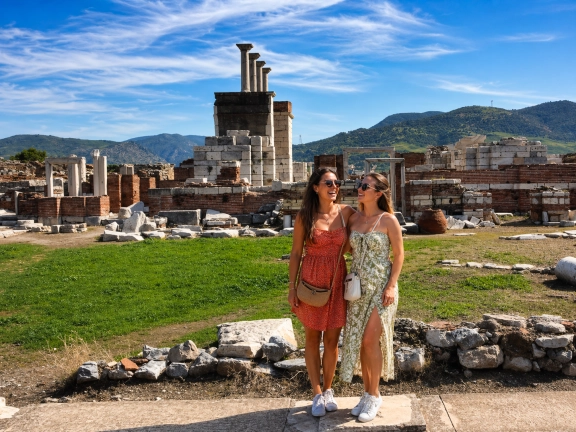
Entrance FeesSt. John Basilica , €6 ExcludedSt. John Basilica is one of the strongest Christian reference points in the Ephesus region. Because the basilica was built over the site traditionally linked to the tomb of St. John the Apostle, the visit carries importance at the level of memory, theology and Byzantine religious history.
The Ayasuluk Hill setting also adds perspective. It helps visitors read the wider sacred geography of the area and understand why this elevated position remained so important through different historical periods.
Questions
Why is St. John Basilica one of the route's key Christian heritage points?
Because it is tied to the tradition of St. John the Apostle's tomb and anchors the region within early Christian and Byzantine history.What perspective does Ayasuluk Hill add to the St. John Basilica visit?
It helps visitors understand the wider sacred geography and the long significance of this elevated religious landscape.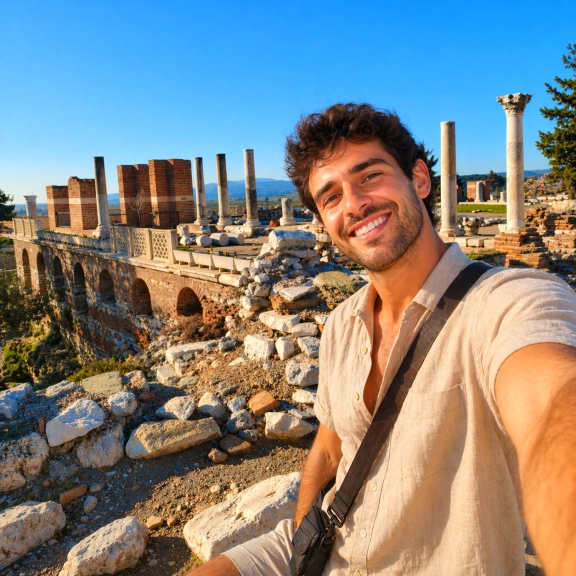
-
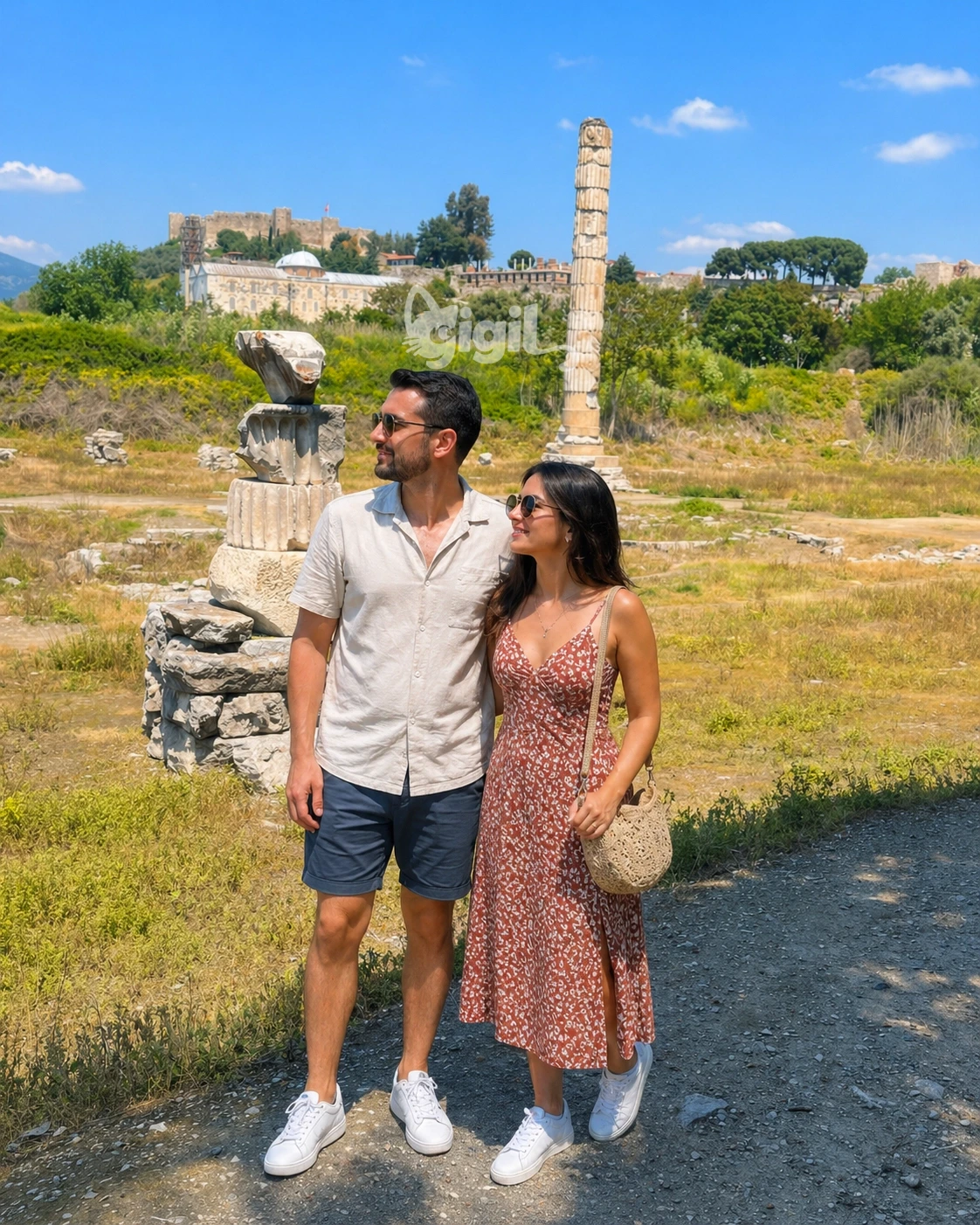
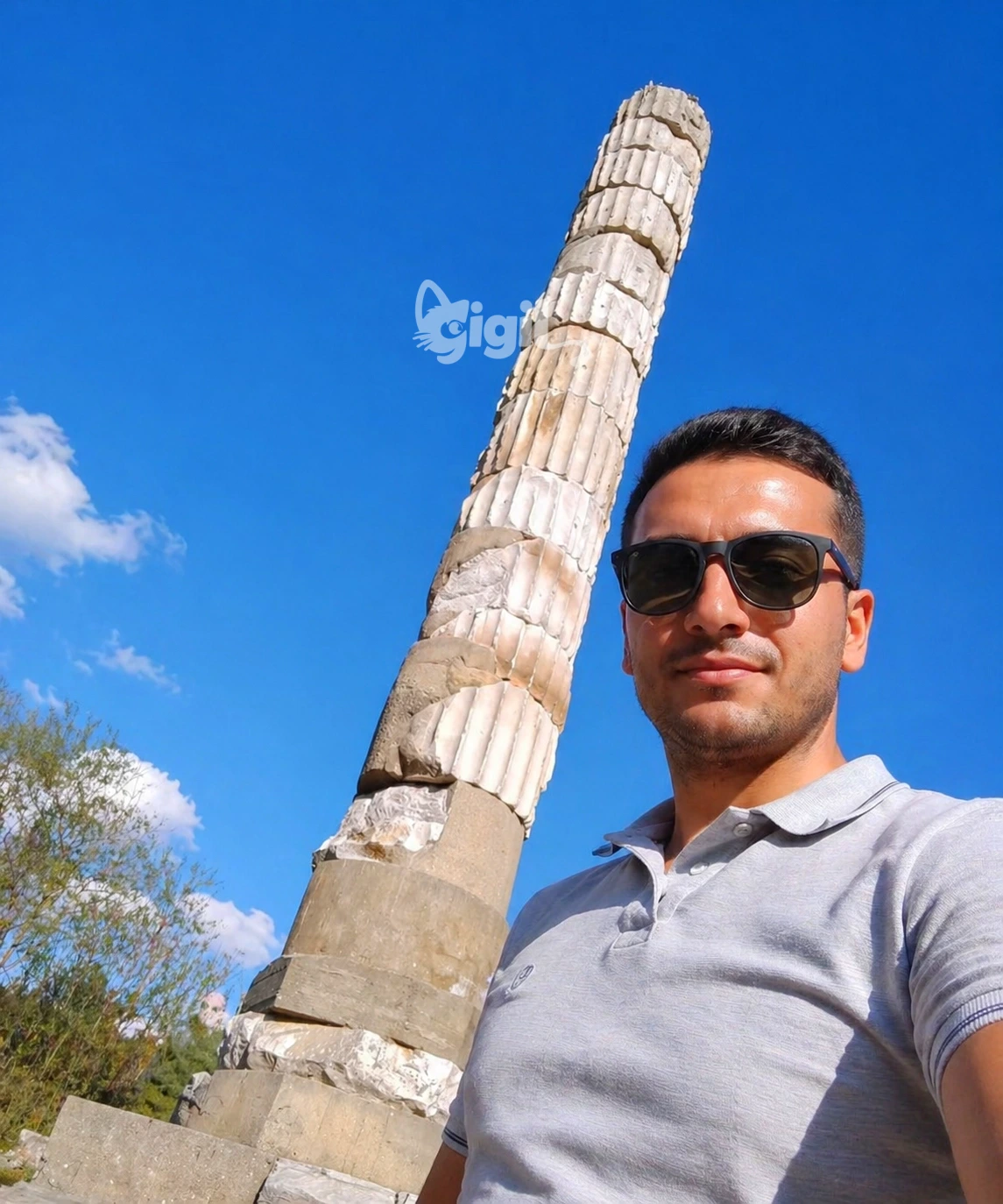
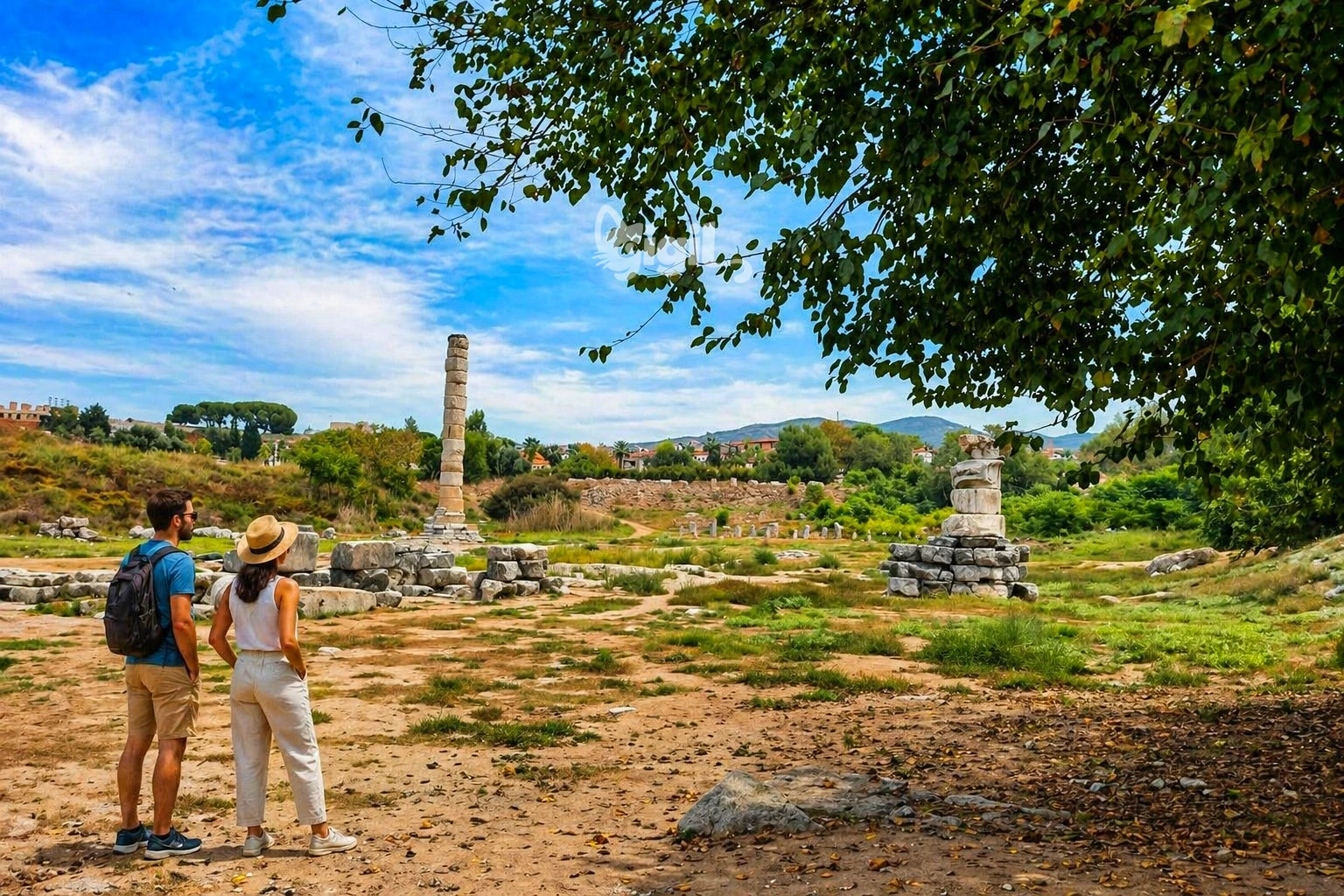
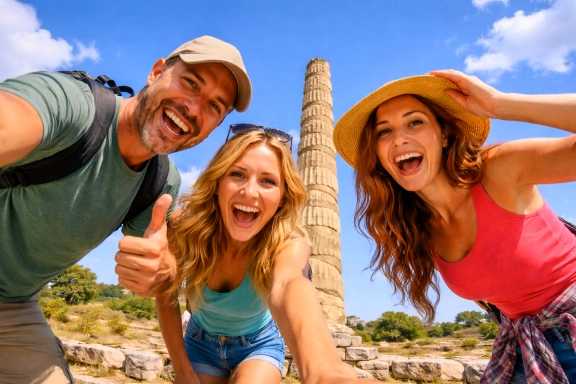
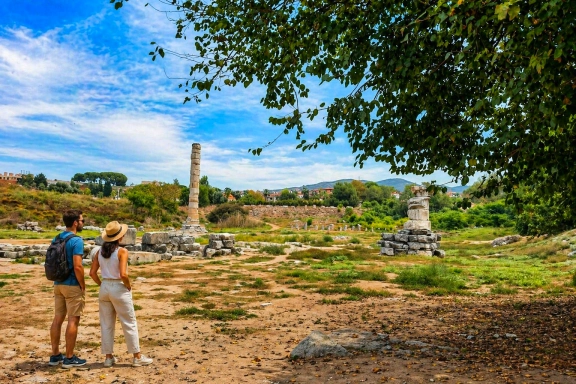
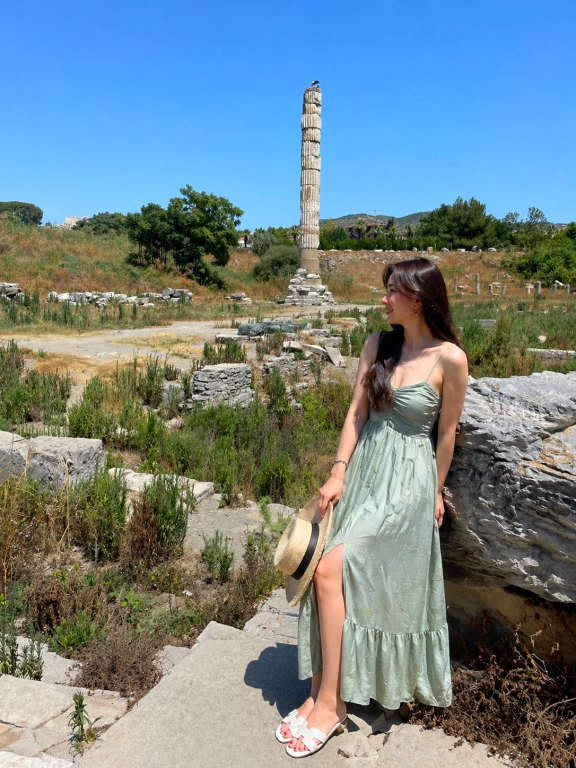
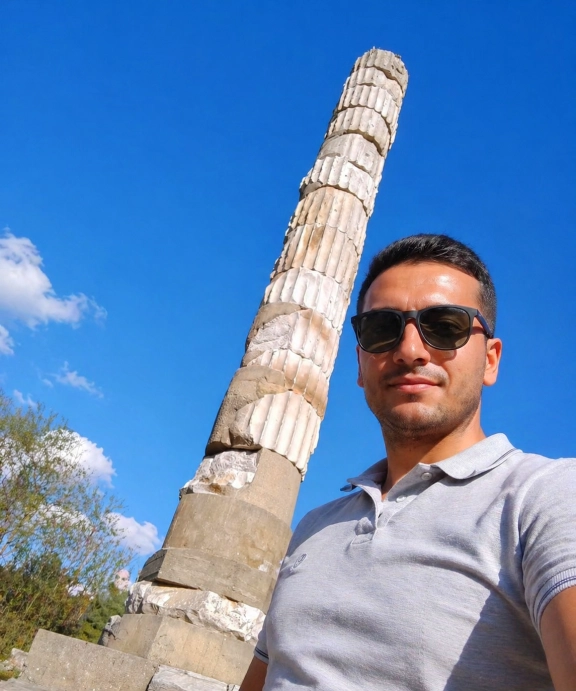
Temple of Artemis closes the local route with the story of a sanctuary remembered among the ancient wonders.
Temple of Artemis is one of the key places where the fame of ancient Ephesus becomes easier to understand in historical terms. Even with limited physical remains, the site still represents the sanctuary prestige and sacred identity that once made Ephesus internationally renowned.
It is best approached as a place of legacy rather than visual preservation. What matters most here is the memory of what the sanctuary once meant to the city and to the wider ancient world.
Questions
Why is the Temple of Artemis essential to the story of Ephesus?
Because it represents the sanctuary prestige and sacred identity that once helped make Ephesus famous across the ancient world.What is the best way to approach the Temple of Artemis today?
It is best approached as a legacy site where symbolic meaning and historical reputation matter more than the amount of surviving stone.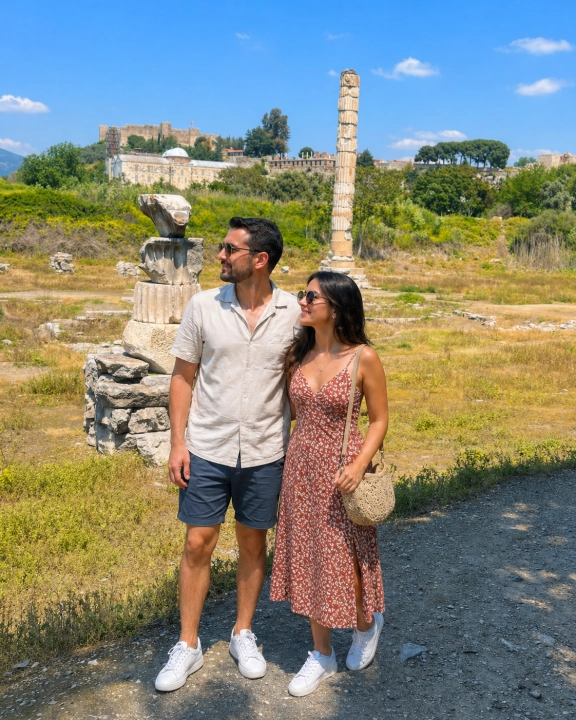
-
This evening pause breaks up the return connection before final arrival.
MealsDinner meal ExcludedThe dinner break on the return route gives the journey a final regional pause after the main visits are done. Evening road meals in this part of Turkey are usually practical and familiar, often shaped by soups, grilled foods, vegetable dishes and simple Turkish comfort meals.
For travelers, this stop is valuable because it marks the shift from sightseeing back into return travel. It closes the day with a more everyday, local rhythm before the route completes its drive toward Ayvalik.
Questions
What kind of evening meal culture might appear on the return route?
Evening road meals here are usually practical and familiar, often centered on soups, grilled foods, vegetables and simple Turkish comfort dishes.Why is the dinner stop helpful near the end of the route?
It gives travelers a final pause after the main visits and helps shift the day back from sightseeing intensity into the return rhythm toward Ayvalik. -
Return to the confirmed Ayvalik hotel, meeting point or terminal after the Biblical Ephesus route.


Got a question about this tour?
Reach out to our travel experts.
What's Included
- Private licensed professional tour guide.
- Private deluxe air-conditioned VIP vehicle.
- Transfers mentioned in the itinerary.
- Parking fees.
- Hotel or meeting point pick-up and drop-off.
- Local taxes.
What's Not Included
- Breakfast meal.
- Lunch meal.
- Dinner meal.
- Drinks.
- Meals not mentioned in the itinerary.
- Personal expenses.
- House of Virgin Mary, €13.5.
- Ephesus Ancient City, €40.
- Terrace Houses of Ephesus, €15.Optional
- St. John Basilica, €6.
- Gratuities to guides and drivers.
- Travel insurance.
- Optional activities not listed in the itinerary.
Informations
- Please wear comfortable walking shoes and casual clothing.
- Please dress according to the season and weather conditions.
- Hat, sunscreen and sunglasses are recommended in sunny weather.
- Bring water, especially on hot days.
- Please bring your passport or ID card.
- Cameras are welcome, but tripods may not be permitted in some museums and archaeological sites.
- Guests should watch their step at all times to avoid injuries.
- Please check the weather forecast before your tour.
- Ayvalik is a long regional road departure, so comfortable shoes, sun protection and clear meeting details are important.
- This tour involves walking on uneven and cobblestone surfaces.
- The exact pick-up time will be confirmed after booking.
- The tour route may be adjusted due to weather, traffic, or site conditions.
- Children must be accompanied by an adult.
- Please be ready at your confirmed pick-up or meeting point 15 minutes before the scheduled time.
- Entrance fees may be paid by credit card or Turkish Lira.
- The route focuses on House of Virgin Mary, Ephesus Ancient City, St. John Basilica and Temple of Artemis.
- Terrace Houses are optional under the Ephesus Ancient City visit and are not added as a separate route stop.
- This tour starts and ends in Ayvalik and follows the Biblical Ephesus sightseeing core in the Ephesus region.
- Private pacing may vary according to road timing, coach schedules and site conditions.
Your Peace of Mind Options
Cancellation Policy
A transparent overview of applicable fees.
Tour Reminder!
You can create a reminder for yourself for this tour. We will send you a reminder e-mail/sms about this tour on the date you specify.
FAQs
-
Is this a same-day private Biblical Ephesus tour from Ayvalik?
Yes. This private day tour starts from Ayvalik, follows the Biblical Ephesus sightseeing route by transfer vehicle and returns to Ayvalik on the same day.
-
Is this the private version?
Yes. This tour is the private format, so the Ayvalik departure and the Ephesus-region sightseeing program run in privately guided structure rather than shared group format.
-
How does transport work on this private Ayvalik day trip?
The route begins with Ayvalik hotel or meeting-point pickup, continues by transfer vehicle toward the Ephesus region, follows the sightseeing line privately and then returns to Ayvalik at the end of the same day.
-
Which places are included in the sightseeing route?
The main sightseeing route covers House of Virgin Mary, Ephesus Ancient City, a Selcuk lunch pause, St. John Basilica and the Temple of Artemis during the private Biblical Ephesus day.
-
Does this route include stopovers during the long road day?
Yes. The current route structure shows a breakfast break on the outbound road section and a dinner break on the return road section in addition to the main Selcuk lunch stop.
-
How long does this private Ayvalik to Ephesus day trip usually take?
This is a long same-day road route and the current duration setting is about 20 hours, combining the Ayvalik departure, regional transfer time, the private Biblical Ephesus sightseeing sequence and the return drive.
-
Are entrance fees included in the base private tour?
No. In the base private structure, entrance fees are not included and are paid separately unless a selected option clearly states otherwise.
-
Is this route suitable for travellers focused on Biblical Ephesus landmarks?
Yes. The sightseeing line is built around the Biblical Ephesus highlights, especially House of Virgin Mary, Ephesus Ancient City, St. John Basilica and the Temple of Artemis in one privately guided day.
-
What is the entrance fee for House of Virgin Mary on this tour?
The current entrance fee is shown with the latest linked fee data. In the base private tour structure, that entrance fee is not included and is paid separately unless your selected option states otherwise. House of Virgin Mary entry fee is €13.5.
-
What is the entrance fee for Ephesus Ancient City on this tour?
The current entrance fee is shown with the latest linked fee data. In the base private tour structure, that entrance fee is not included and is paid separately unless your selected option states otherwise. Ephesus Ancient City entry fee is €40.
-
Is the Terrace Houses visit optional on this tour?
Yes. The linked Terrace Houses ticket is marked as optional in the current route setup, so it should be treated as an extra paid visit rather than part of the base private structure. Terrace Houses of Ephesus entry fee is €15.
-
What is the entrance fee for St. John Basilica on this tour?
The current entrance fee is shown with the latest linked fee data. In the base private tour structure, that entrance fee is not included and is paid separately unless your selected option states otherwise. St. John Basilica entry fee is €6.
General FAQs
-
Is Ephesus a good shore excursion from Kusadasi port?
Yes. Ephesus is one of the most popular and efficient day trips from Kusadasi.
- The drive is usually short compared to many other ports.
- We plan the route around your ship timing and keep a safe return buffer.
- Early starts help avoid heat and heavy crowds in peak season.
-
How do cruise shore excursions work (meeting point and return time)?
Shore excursions are built around your ships docking schedule.
- We confirm a clear meeting point close to the port exit.
- We recommend a comfortable buffer before all-aboard time.
- If your ship uses tender boats, allow extra time and tell us your tender details.
-
Where is Ephesus located and what is it close to?
Ephesus is an ancient city near Selcuk on Turkeys Aegean coast.
- The closest main cruise port town is Kusadasi.
- Izmir is the nearest major city and transport hub.
- Many day tours combine Ephesus with nearby stops based on your available time.
-
Can I visit Ephesus from Izmir port in one day?
Yes, but it is a longer drive than from Kusadasi.
- Timing must be planned carefully to avoid rushing.
- If your port stay is short, we may recommend an Izmir-focused program instead.
- Share your ship schedule and we will suggest the most realistic plan.
-
What are the must-see highlights inside Ephesus?
Ephesus is a large open-air archaeological site with world-famous monuments.
- Library of Celsus and Curetes Street.
- Great Theatre and main marble streets.
- Key public areas such as agoras, baths, and temples depending on route and time.
-
Should I add the Terrace Houses in Ephesus?
The Terrace Houses offer a closer look at Roman-era homes, mosaics, and frescoes.
- This visit usually requires extra time and is often a separate ticket.
- If you love details, art, and interiors, it is a great upgrade.
- For cruise days with limited time, we can advise if it fits comfortably.
-
How much walking is there at Ephesus?
Ephesus involves a lot of walking on stone surfaces and open paths.
- Paths can be uneven and can feel slippery when wet.
- There are gentle slopes and limited shade in some areas.
- If you have mobility concerns, tell us and we can suggest the best route or alternatives.
-
What should I wear for an Ephesus tour?
Comfort and sun protection make a big difference.
- Wear comfortable walking shoes.
- Bring a hat and sunscreen in warm months.
- Carry water, especially in summer and on cruise days.
-
When is the best time to visit Ephesus?
Ephesus can be visited year-round, but the experience changes by season.
- Spring and autumn are comfortable for long outdoor visits.
- Summer is hotter and busier, so early starts are recommended.
- Winter has fewer crowds but cooler weather and occasional rain.
-
Is Ephesus crowded and how do we avoid peak crowds?
Ephesus is very popular, especially in summer and on cruise days.
- Starting early is the best way to reduce crowds and heat.
- We can adjust stop order based on ship traffic and site flow.
- Weekends and holidays can be busier.
-
Do I need to buy Ephesus tickets in advance?
In peak season, planning helps avoid delays, but rules can change.
- Some areas may have separate tickets.
- Starting early is often more important than pre-buying.
- On guided tours, we plan entry timing to keep the day smooth.
-
Should I add the House of Virgin Mary to my tour?
It is a meaningful stop for many visitors and can be added based on timing.
- It is a short drive from Ephesus.
- It can be busier at certain times, so we plan the order carefully.
- If your cruise time is limited, we will suggest a realistic priority list.
-
Is Sirince village worth visiting from Ephesus?
Sirince is a small hillside village near Selcuk and is often added for variety.
- It is popular for its relaxed atmosphere, small cafes, and local products.
- It works well if you want something beyond ruins.
- We add it only when it fits safely with your return schedule.
-
Can I combine Ephesus with Pamukkale in one day?
It is usually too long for a comfortable day, especially for cruise schedules.
- Pamukkale is a longer drive and needs more time on site.
- For a better experience, consider an overnight plan.
- If you share your exact timing, we can advise what is realistic.
-
Can I combine Ephesus with Pergamon on the same day?
It is usually not recommended for a single day from Kusadasi.
- Pergamon is closer to Izmir than to Kusadasi.
- Doing both can feel rushed and increases return-time risk.
- If you have extra days, plan them on separate days for a better experience.
-
What if my ship docks late or departs earlier than planned?
Ship schedules can change, and we plan with buffer time.
- If you receive an updated schedule, message us immediately.
- We can shorten or adjust the route while keeping key highlights.
- Our priority is always a safe, on-time return to port.
-
Private tour or group tour: what is better for Ephesus?
For cruise travelers, private tours are often the most comfortable option.
- Private tours allow flexible pace, timing, and photo stops.
- Group tours can be good value, but timing is less flexible.
- We can recommend the best option based on your ship schedule and preferences.
-
Is Ephesus suitable for seniors or limited mobility?
It depends on comfort level, as the site is large and mostly outdoors.
- There are uneven stones and some slopes.
- We can select a route that reduces walking where possible.
- Please tell us about mobility needs in advance so we can plan correctly.
-
Do I need a visa to visit Turkey?
Visa requirements depend on your passport and may change.
- Please check the latest official entry rules for your nationality before travel.
- Many visitors use an e-Visa when eligible for short tourist stays.
- If you share your passport country, we can guide you to the correct official source to verify.
-
What currency is used in Turkey?
Turkey uses the Turkish Lira (TRY).
- ATMs are common in Kusadasi, Selcuk, and Izmir.
- Cards are widely accepted, but cash is useful for small purchases and tips.
- Keep small bills for convenience.
-
Are credit cards accepted in Kusadasi and around Ephesus?
Cards are accepted in many restaurants, shops, and hotels.
- Small vendors and some taxis may prefer cash.
- For markets and quick purchases, cash is helpful.
- Keep a backup payment option, especially on busy port days.
-
Is tap water safe to drink in Turkey?
Many travelers prefer bottled water.
- Bottled water is easy to find and inexpensive.
- If you have a sensitive stomach, avoid ice in unknown places.
-
Is tipping common in Turkey?
Tipping is common and appreciated for good service.
- Restaurants: rounding up or leaving a small amount is typical.
- Guides and drivers: optional and based on service quality.
- Carry small notes for convenience.
-
What plug type and voltage are used in Turkey?
Turkey typically uses Type C and Type F plugs (220V, 50Hz).
- Bring an adapter if your plug type is different.
-
How can I get a SIM or eSIM in Turkey?
SIM and eSIM options are available from major operators.
- Official stores usually require passport registration.
- If you only need data, compare short-term packages.
- Download offline maps if you plan to explore independently.
-
Do Ephesus and museums have closure days or seasonal hours?
Opening hours can change by season and some venues may have weekly closure days.
- Public holidays can also affect schedules.
- Some venues have different winter and summer hours.
- We plan visits based on current opening information.
-
Can I take photos inside Ephesus and museums?
Photography rules vary by venue.
- Outdoor ruins usually allow photos.
- Some museums restrict flash or photography in certain areas.
- Always follow posted rules and staff instructions.
-
What is ship time vs local time and why does it matter?
Some cruise ships keep ship time different from local Turkey time.
- Always confirm whether your port schedule is in ship time or local time.
- Tell us what your cruise line uses so we plan pickups correctly.
- This helps avoid confusion on meeting points and return timing.
-
Is Turkey safe for cruise travelers and day tour guests?
Tourist areas like Kusadasi and major sites are used to international visitors.
- Use normal precautions in crowded places near the port and markets.
- Stick to licensed transport and agreed meeting points.
- Keep valuables secure and avoid carrying unnecessary cash.
-
What can I do in Kusadasi if I skip Ephesus?
If you prefer a lighter day, there are good alternatives.
- Explore Kusadasi town and waterfront.
- Consider local food stops and shopping areas.
- We can suggest a shorter cultural route depending on your time in port.
-
Should I carry my passport during port days?
We recommend keeping your passport safely on the ship or at your accommodation and carrying a copy if needed.
- A phone photo plus a printed copy is usually enough for day trips.
- For buying a SIM, you may need the original passport at the store.
-
What is the emergency number in Turkey?
Dial 112 for emergencies (medical, police, fire, and urgent situations).
- If you are on a guided day, inform your guide so we can help quickly.
Good to Know
-
Long same-day road schedule
This is a long road-based same-day private program from Ayvalik, so guests should plan for an early start, a full-day sightseeing rhythm and a late return.
-
Walking conditions at the sites
House of Virgin Mary, Ephesus Ancient City and St. John Basilica include walking sections with stone paths, slopes and uneven archaeological surfaces, so supportive walking shoes are strongly recommended.
-
Travel-day comfort planning
Because the route includes long road sections plus sightseeing, guests should keep water, light personal items and weather-appropriate clothing ready throughout the day.
-
Base private cost planning
The base private setup should be reviewed carefully for items such as entrance fees and optional paid visits, because private tours do not automatically follow the same inclusion model as shared tours.
Want to read it later?
Download this tour’s PDF brochure and start tour planning offline
Similar Tours
This tour also has a group tour version.
This tour also has transport options.