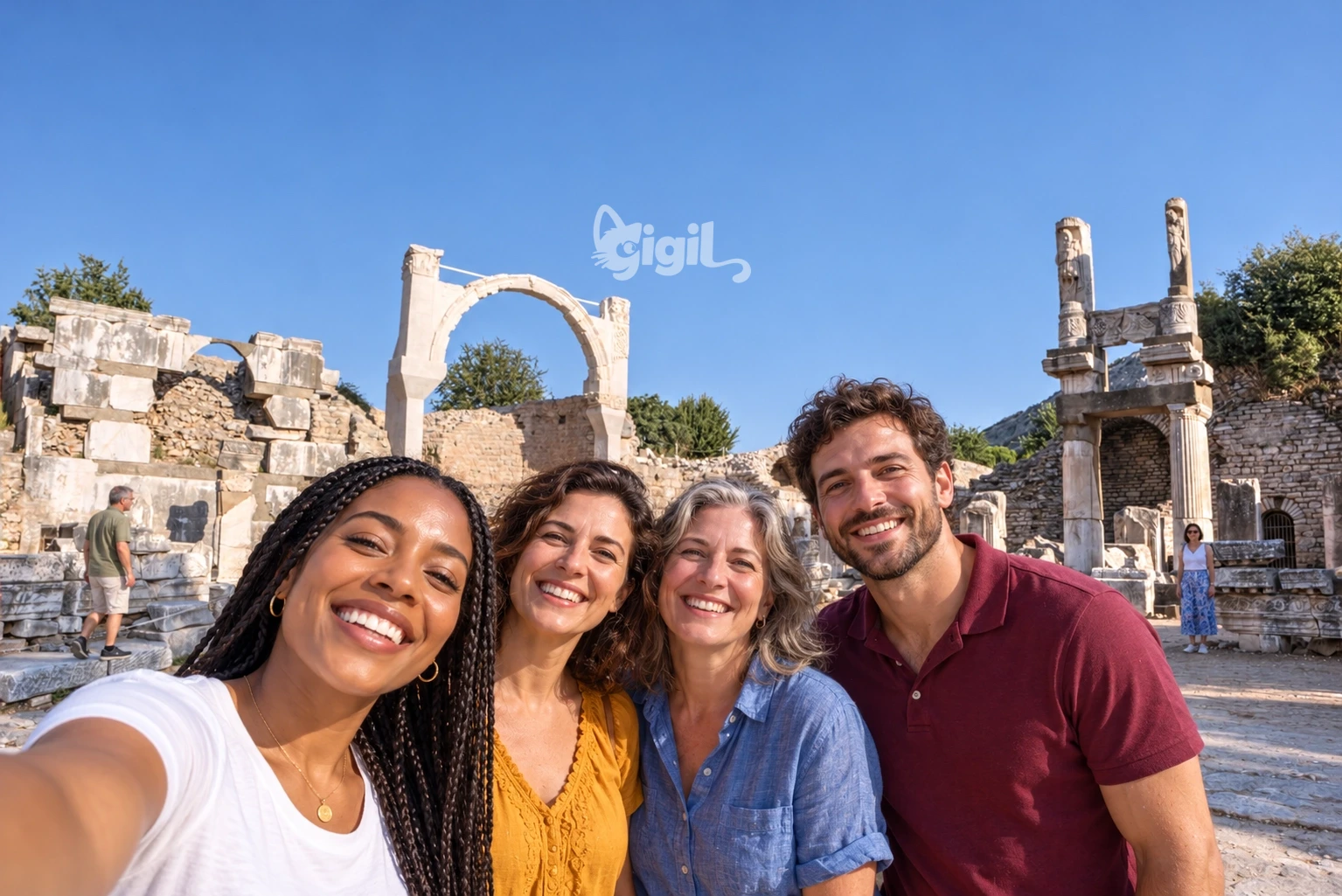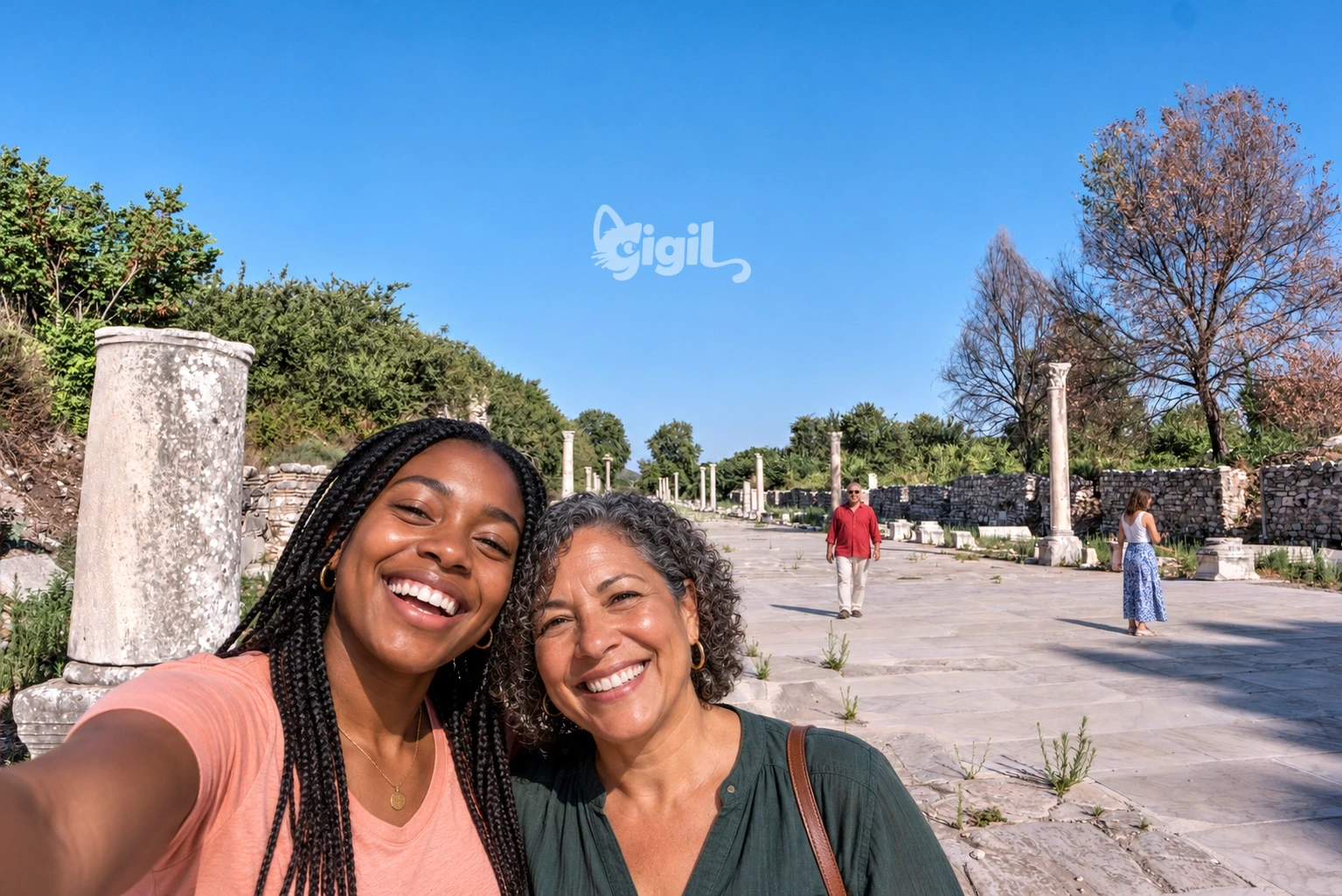








Very well looked after
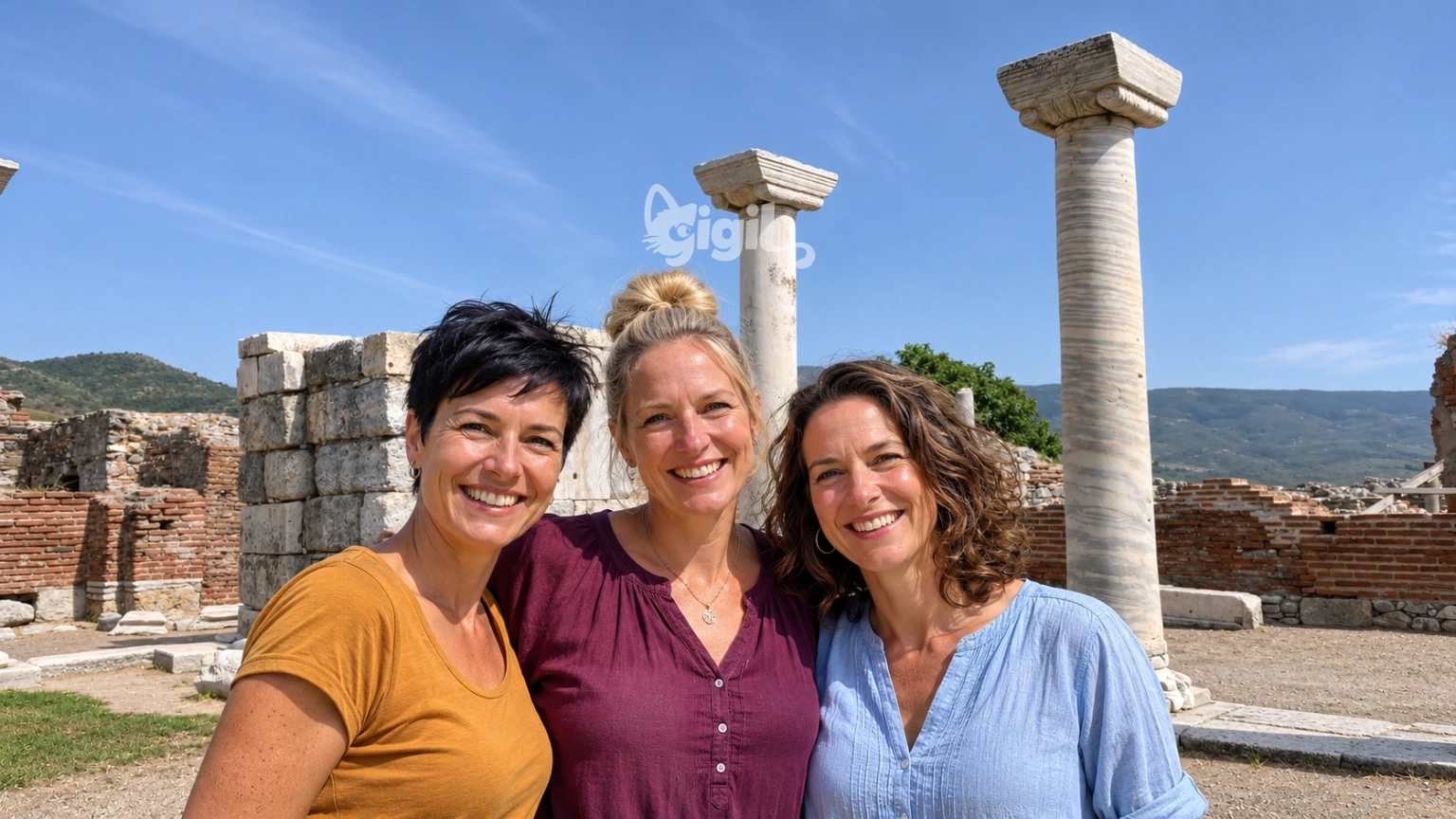
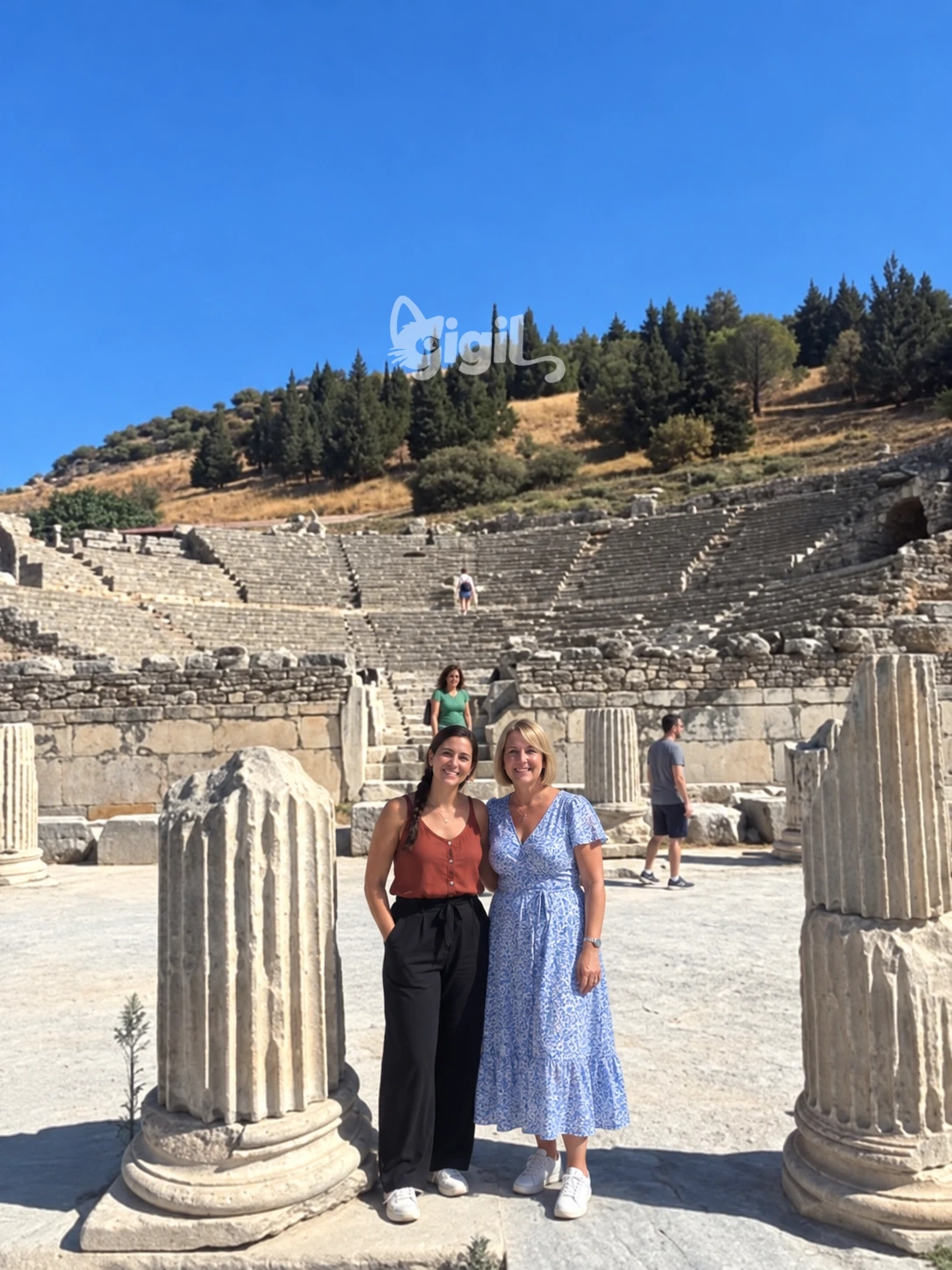
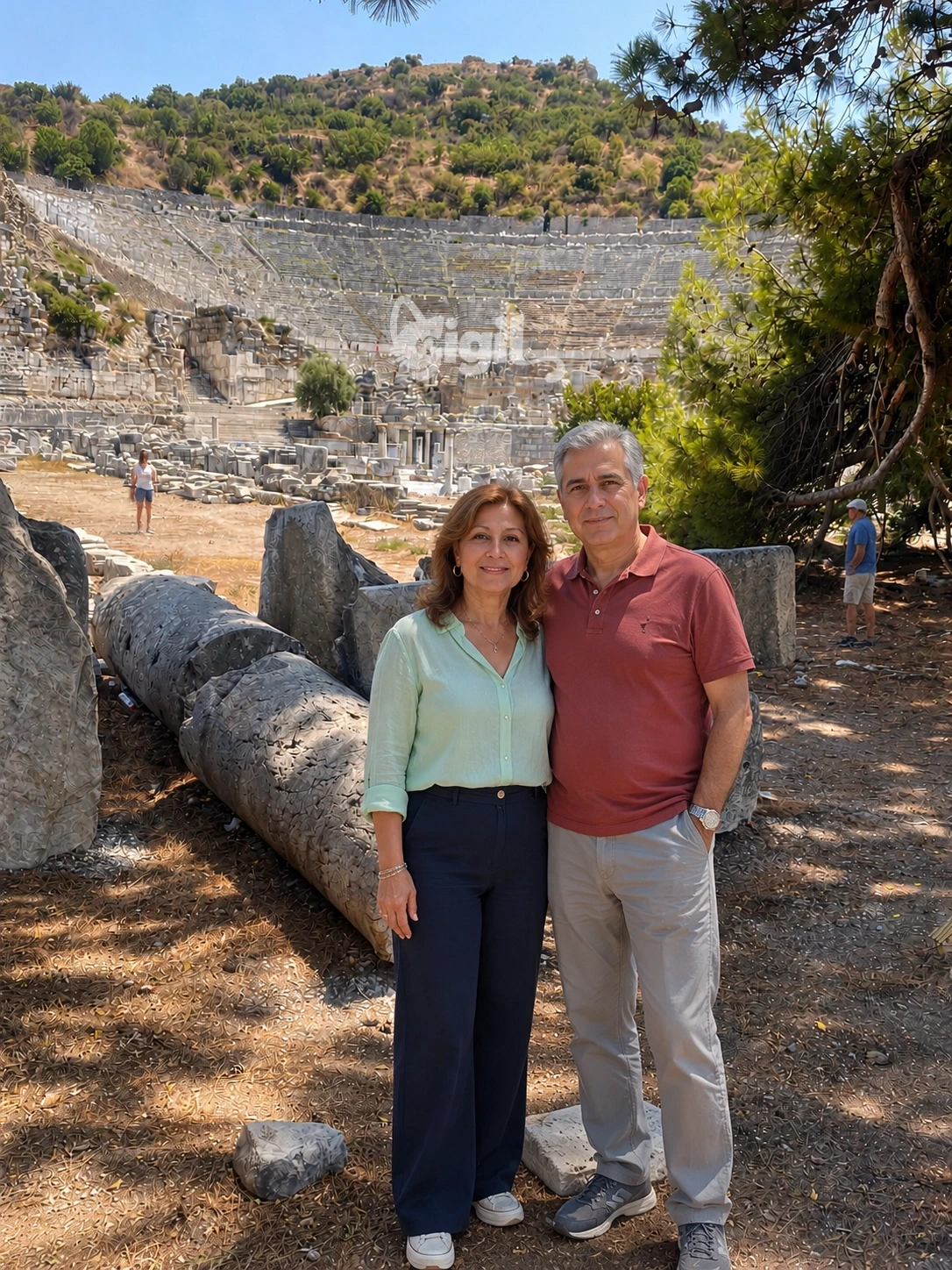
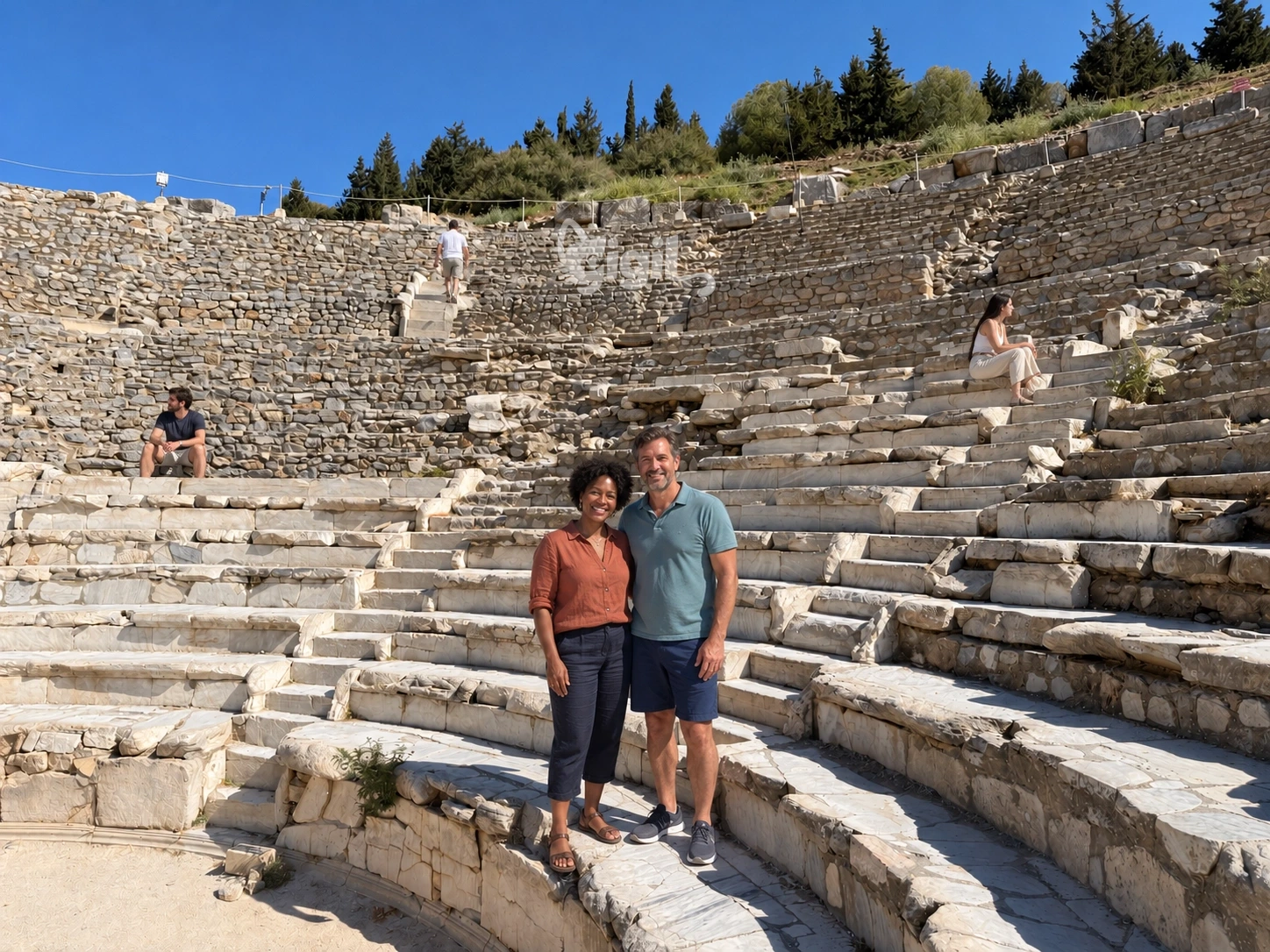
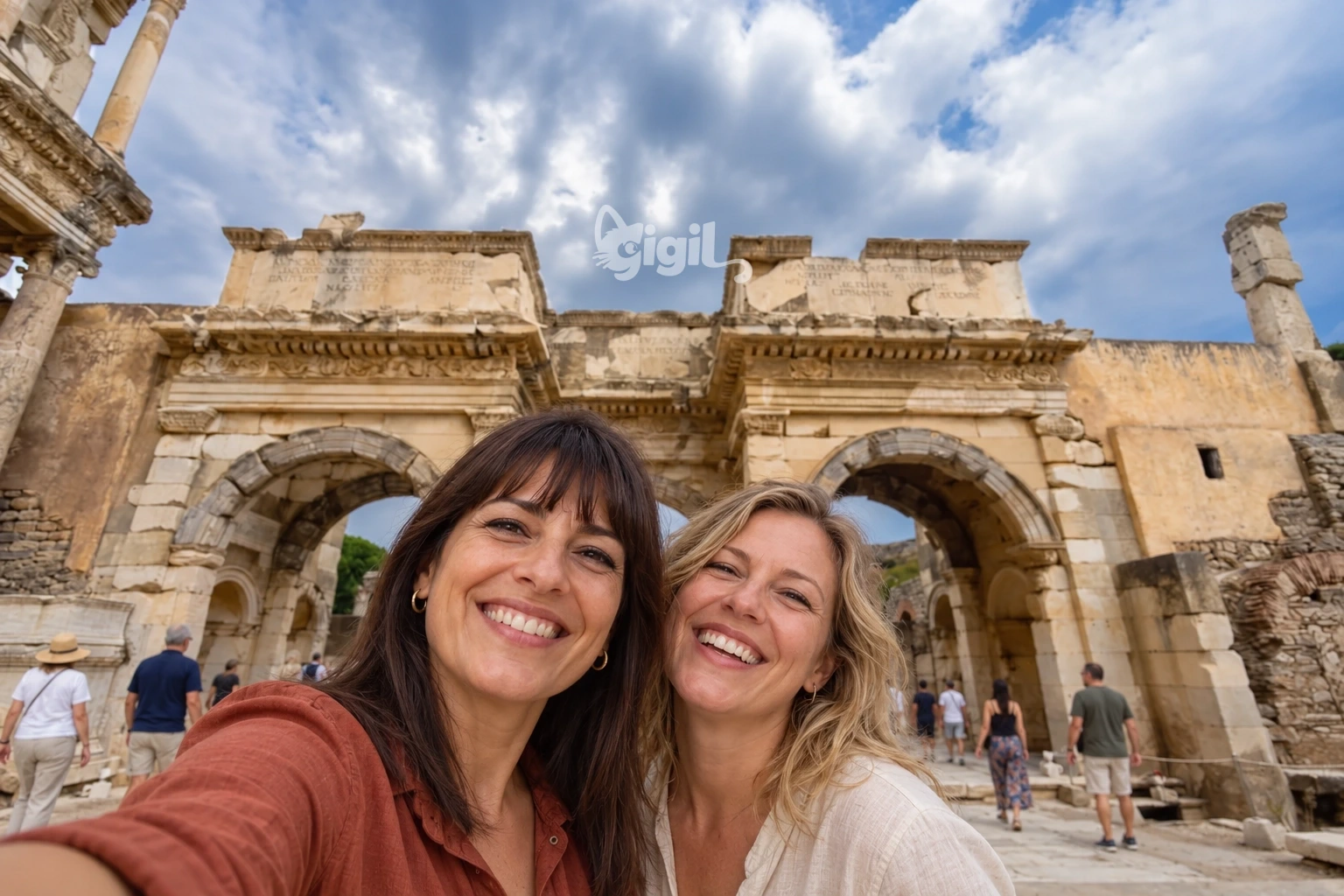
My sister and I like to take our time, which was why we chose a private tour. We never felt hurried along when we stopped to look at something. The driver was kind and the whole day felt straightforward.
Choose how you would like to see prices.
No currencies found. Try a different name or code.
Use the first day for the bus connection toward the Ephesus region and the overnight stay.
Meet at the confirmed pickup point.
Transfer from the confirmed departure area to the Denizli bus connection.
Board the intercity bus.
Take the scheduled bus toward Kusadasi Bus Terminal.
Arrive at Kusadasi Bus Terminal.
Meet the local vehicle and continue to the accommodation area.
Check in for the overnight stay.
Check in to the selected hotel in the Selcuk or Kusadasi area.
Check out and follow the full route before the confirmed return service.
Depart from the hotel area.
Check out and meet the guide for the full route.
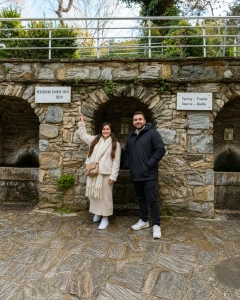
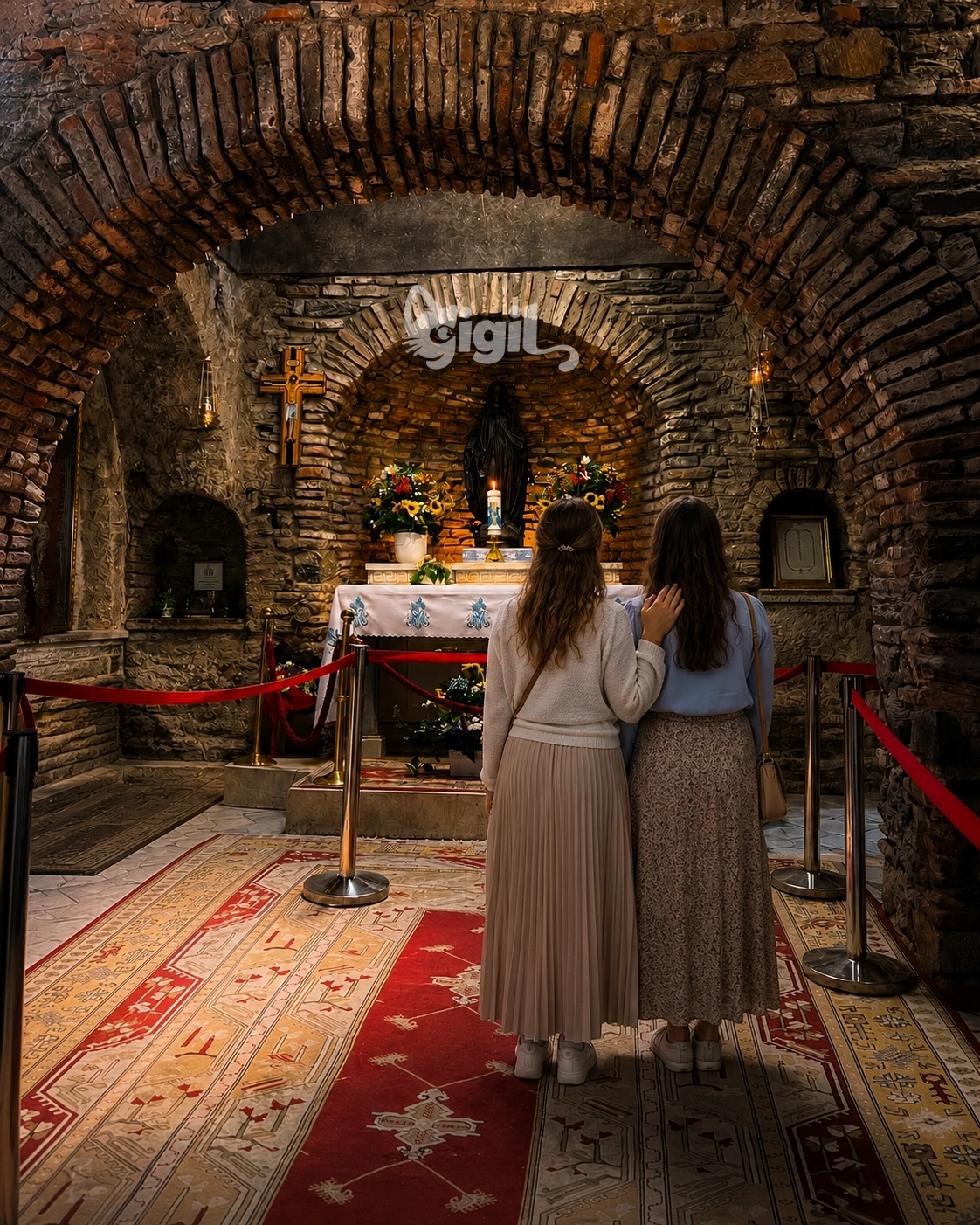
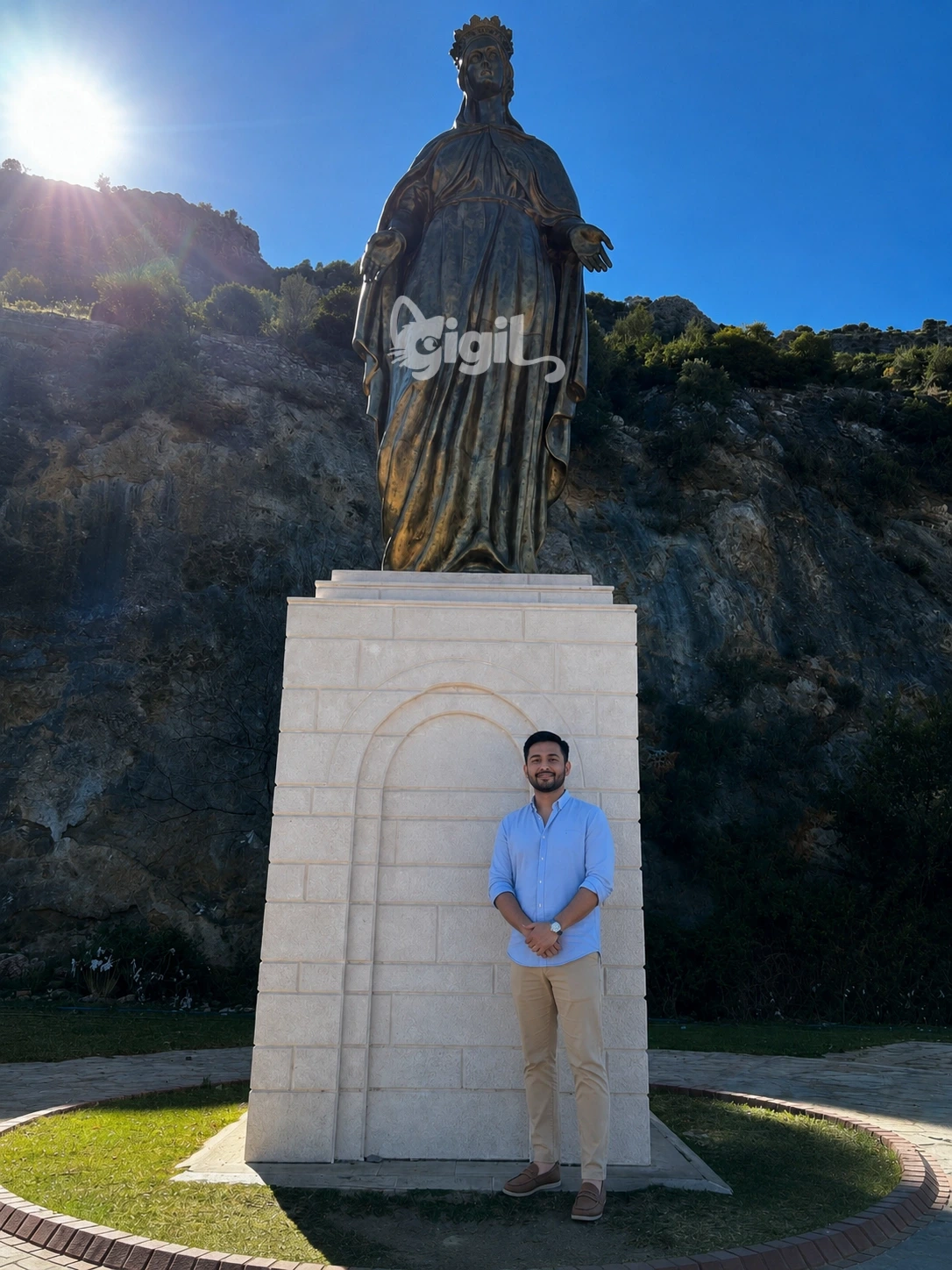
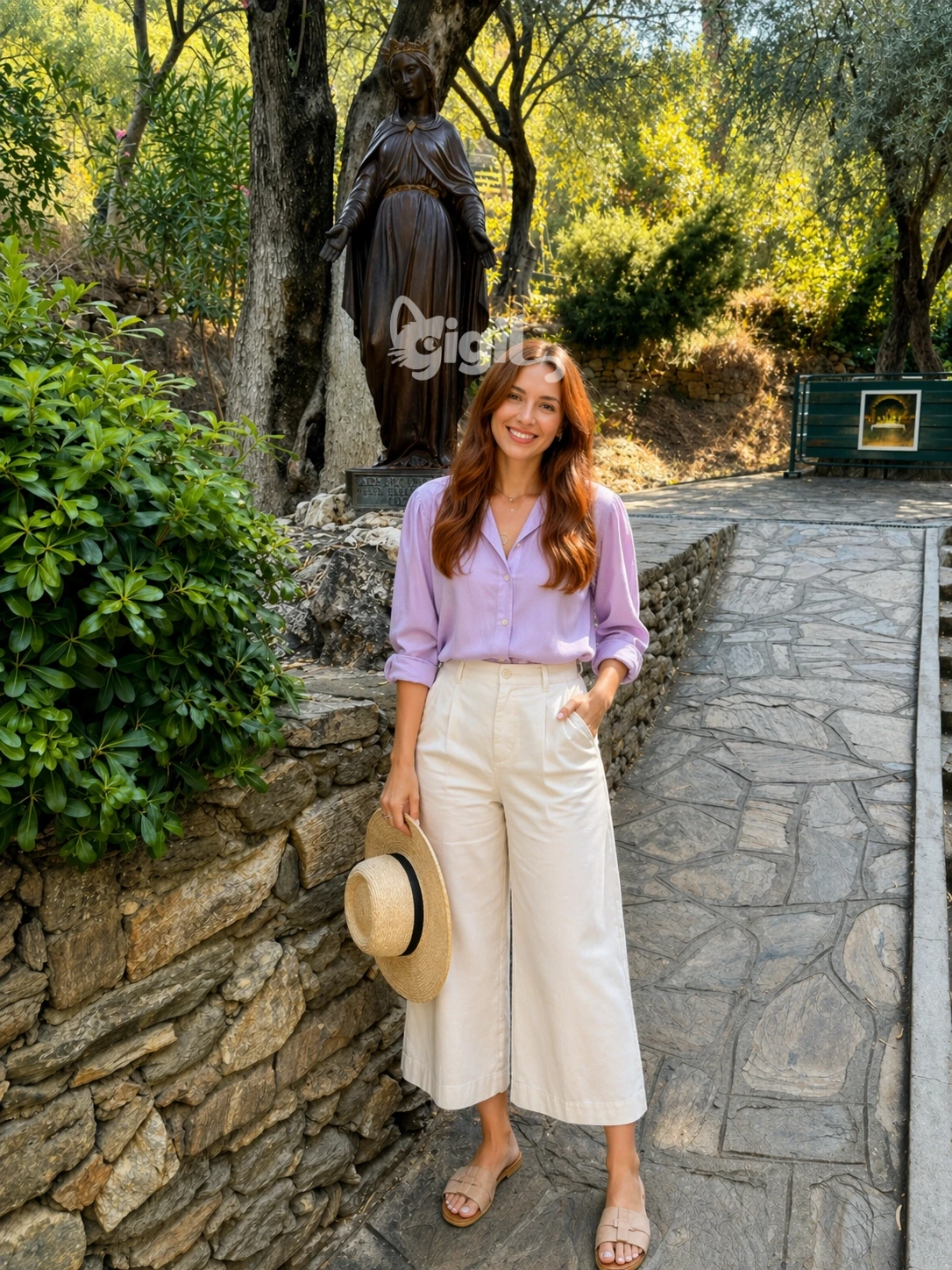
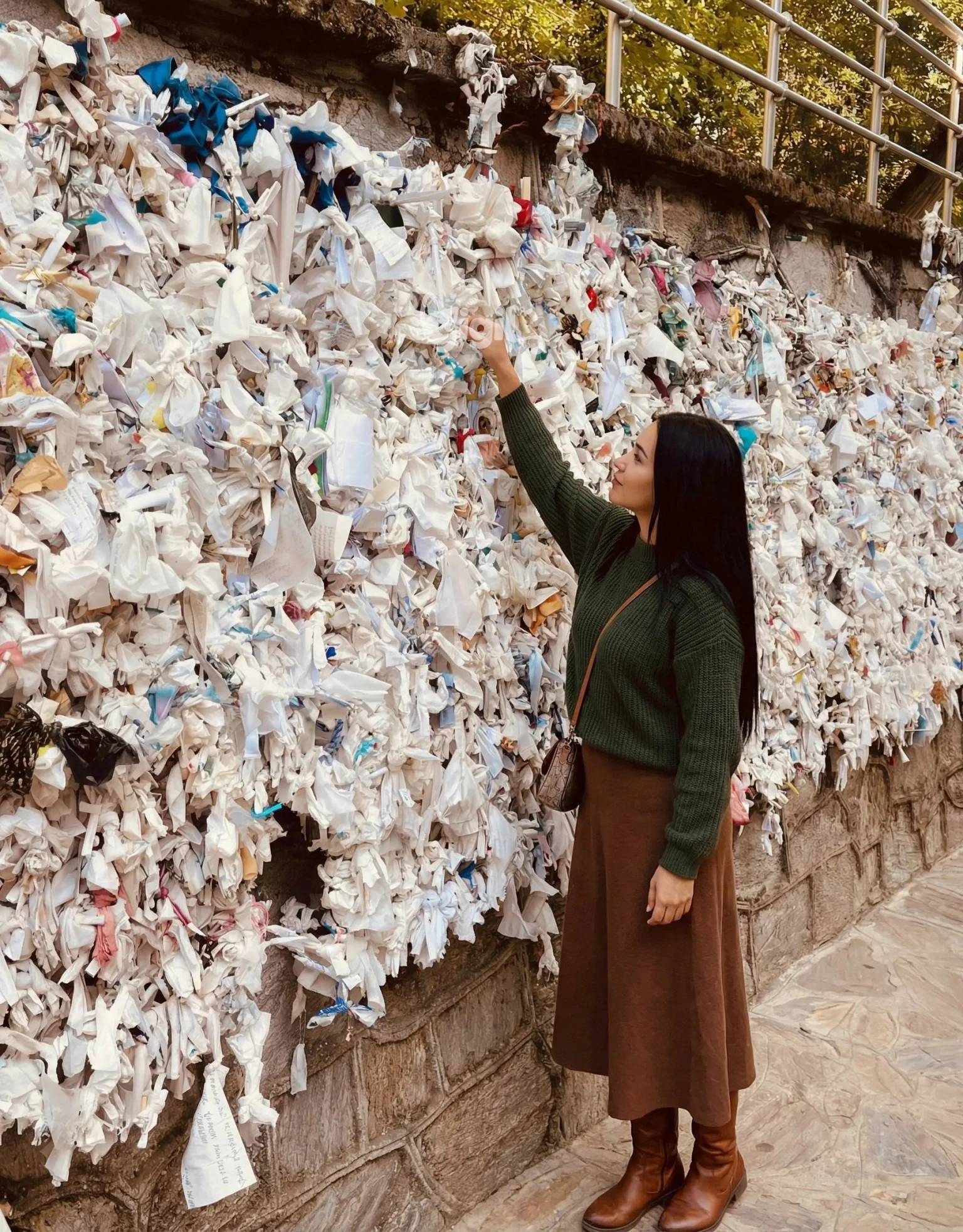
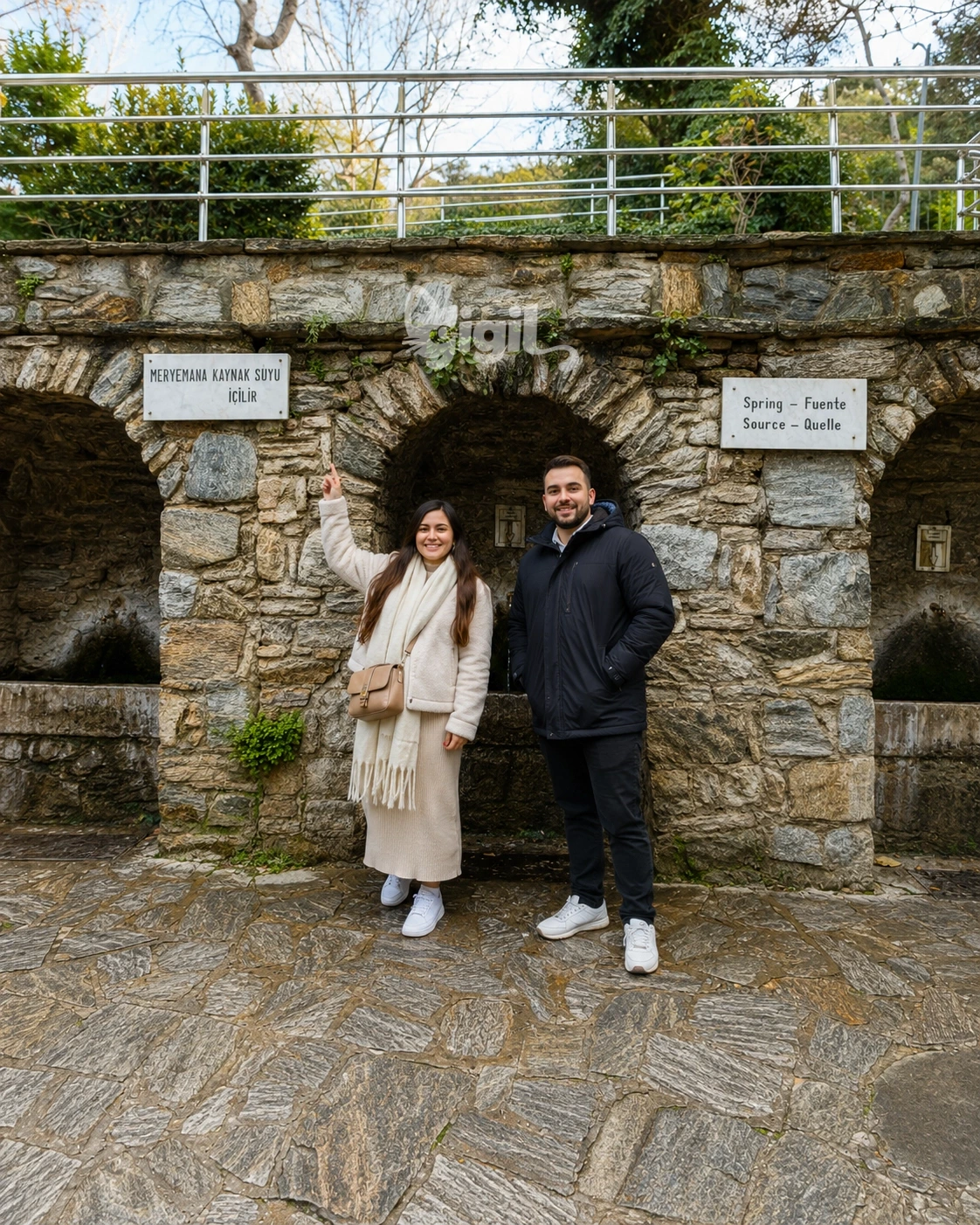
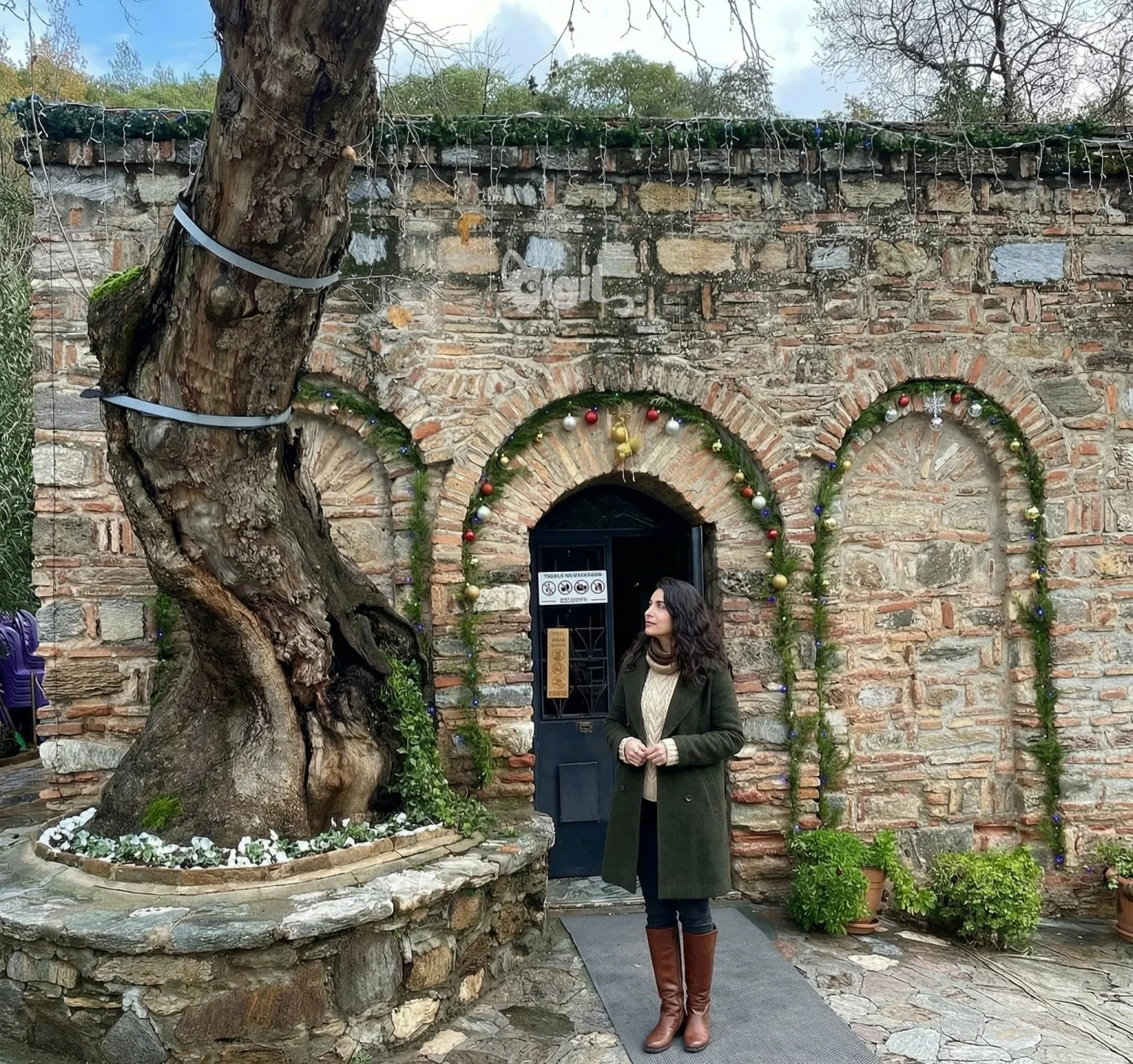
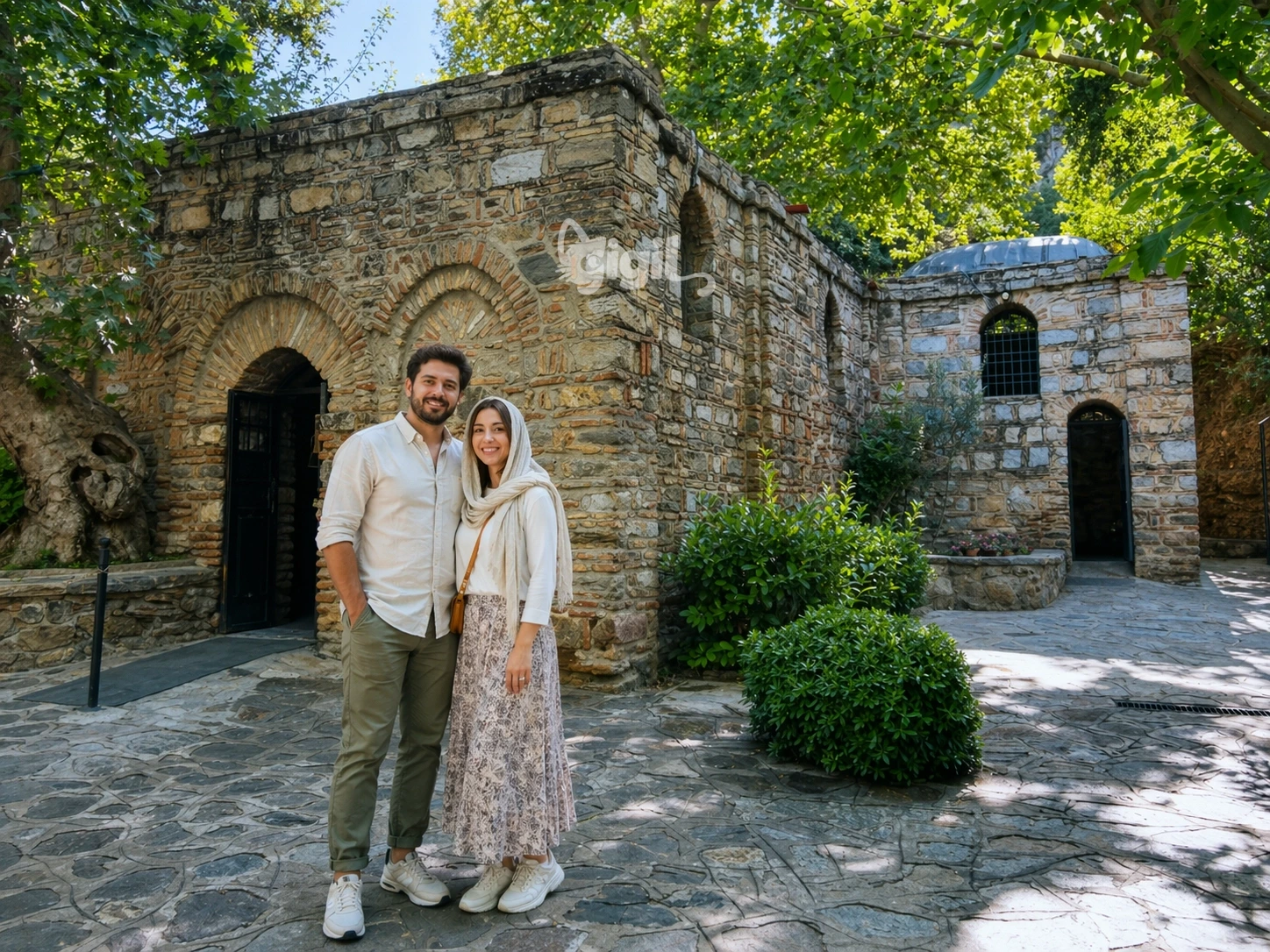
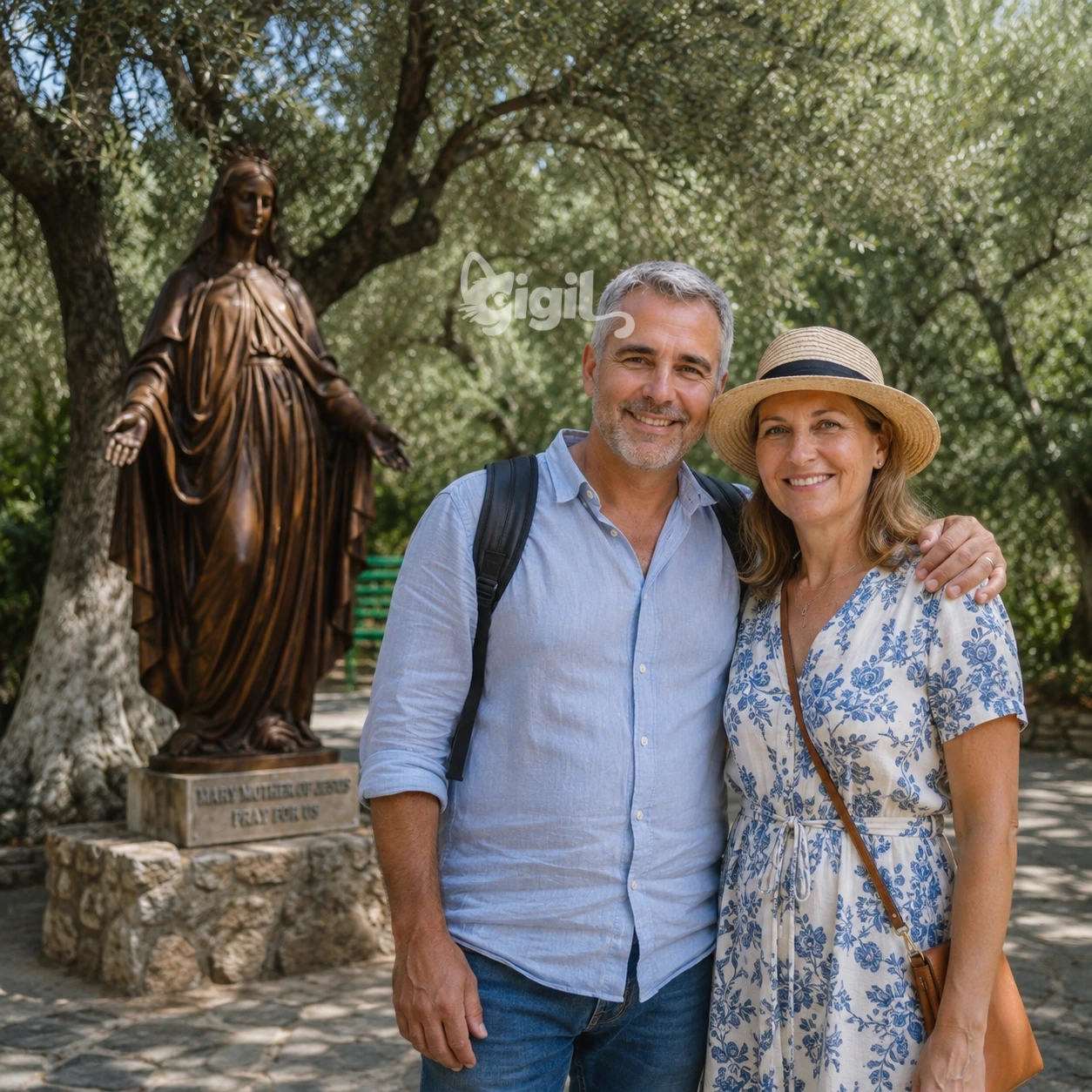
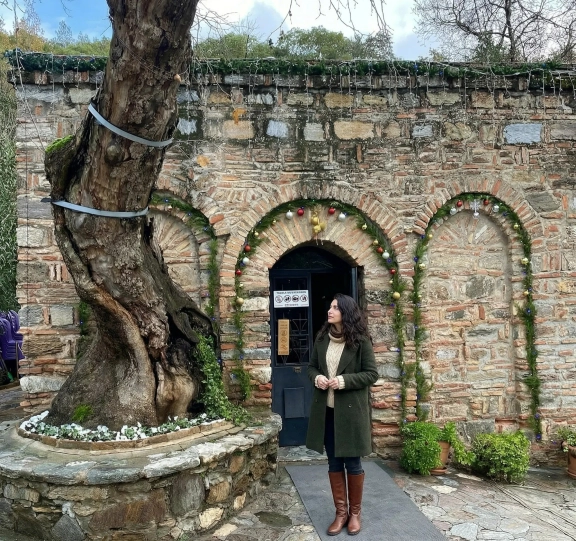
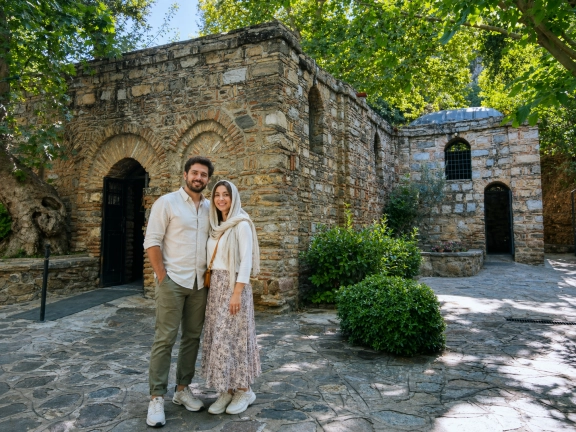
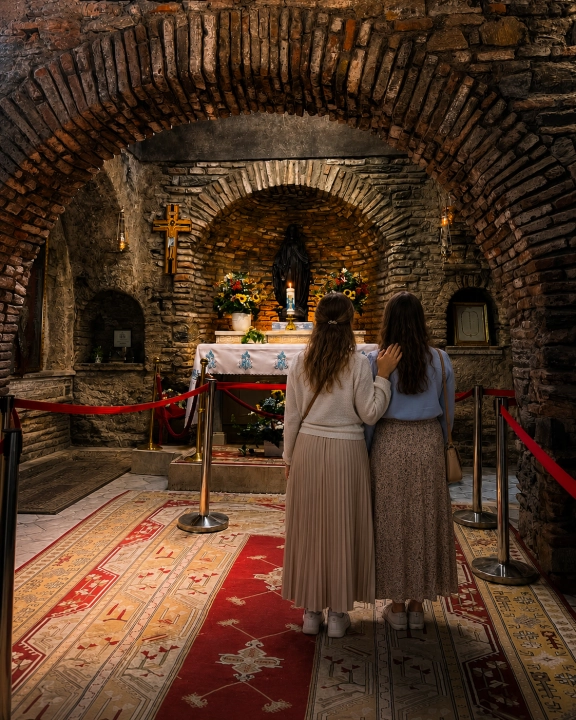
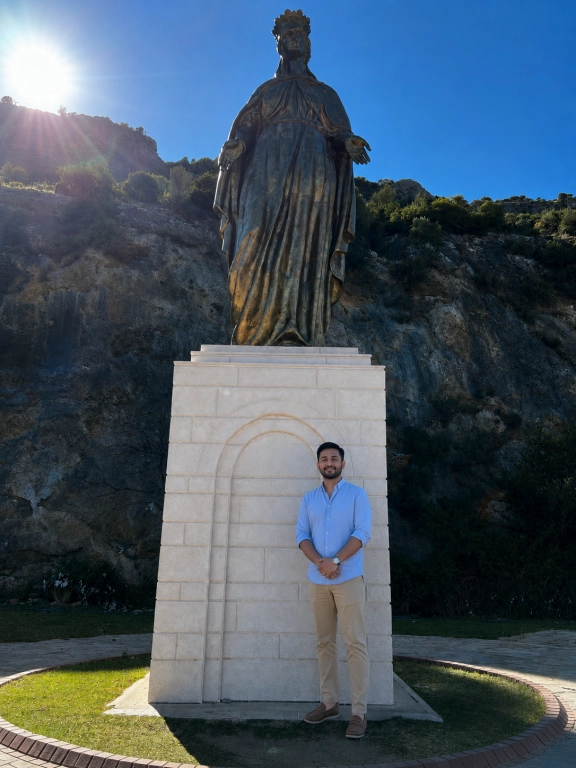
Visit the House of Virgin Mary.
Begin above Ephesus at the House of Virgin Mary, keeping the visit respectful and well paced.
House of the Virgin Mary adds living religious context to the wider Ephesus story through a sanctuary traditionally associated with Mary's later life. The setting rewards attentive observation, while worship activity and current visitor access can affect how the visit unfolds.
The visit starts the sequence with religious tradition, then yields to the civic landscape of ancient Ephesus. This visit contributes its own evidence and traditions to an itinerary that crosses several periods and faith settings. This measured approach makes the site's role in the itinerary easy to understand.
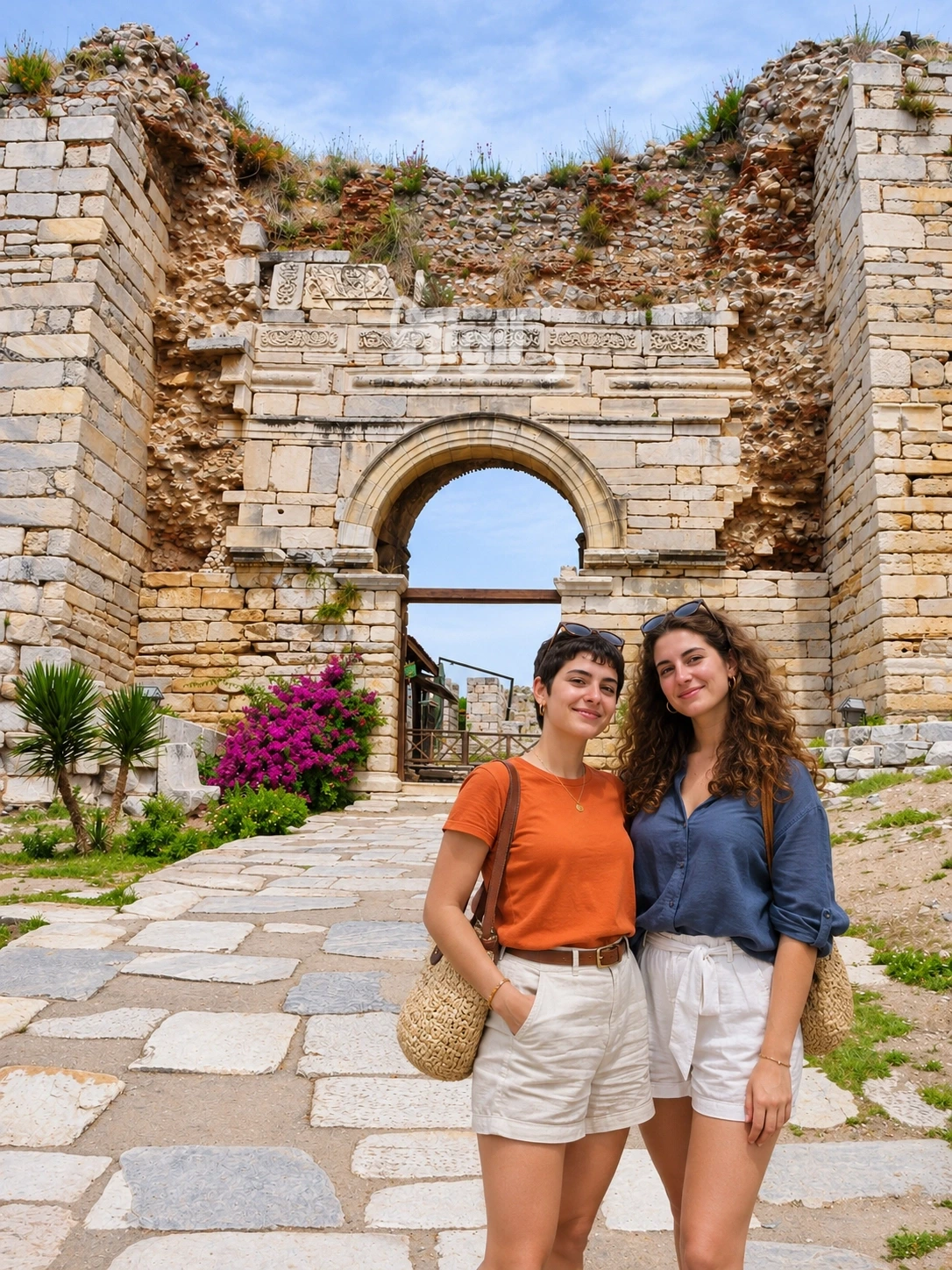
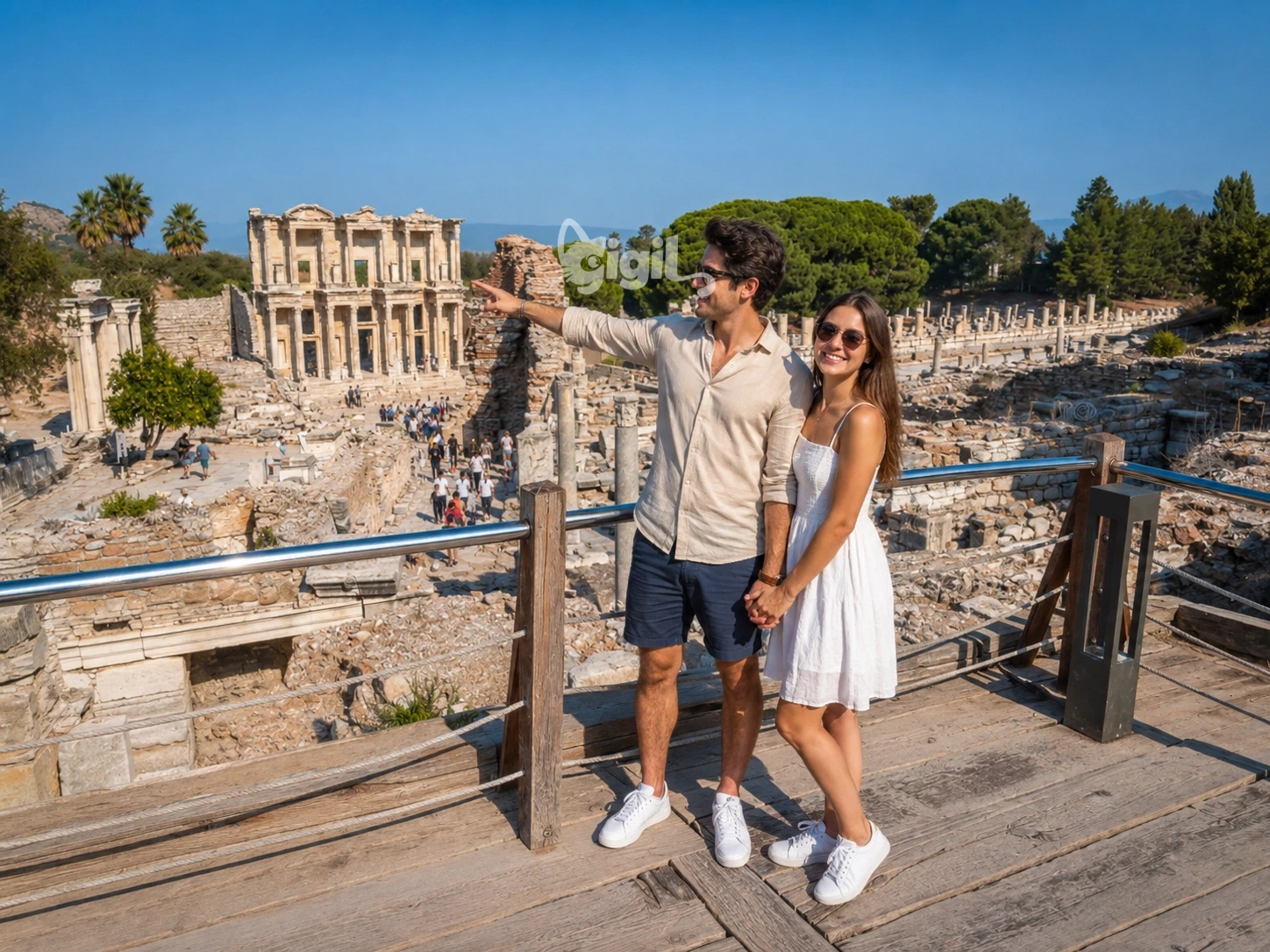
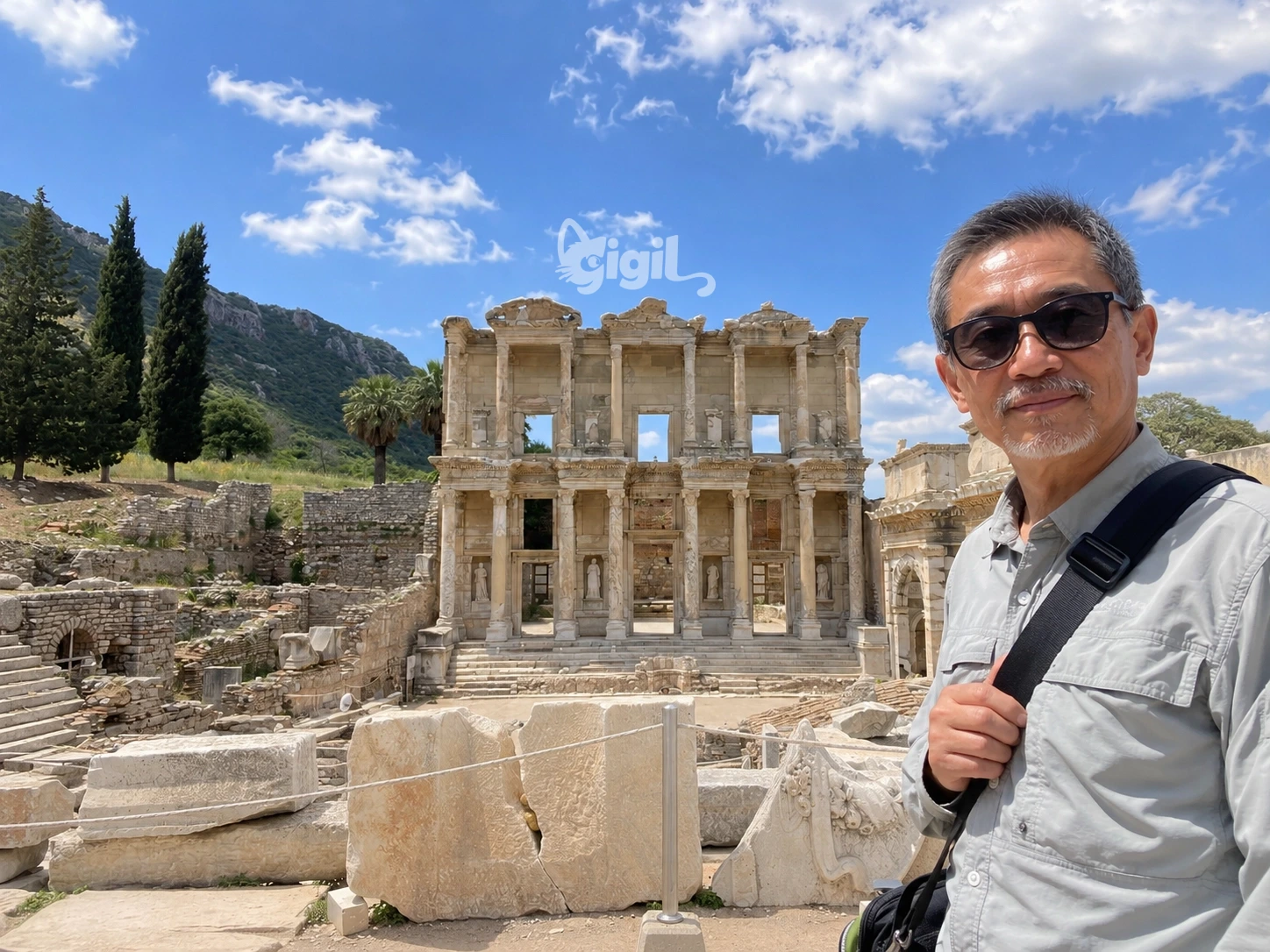
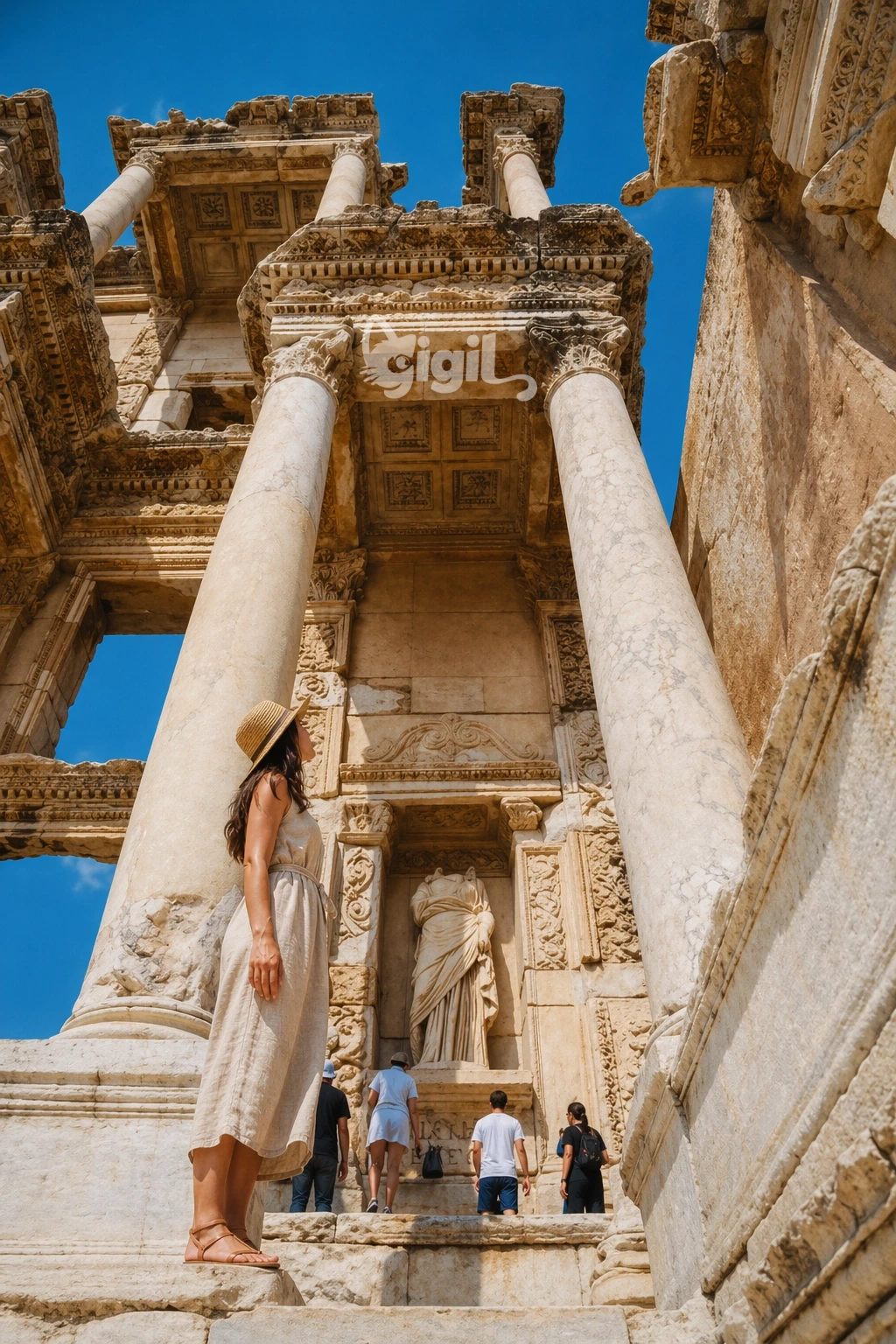
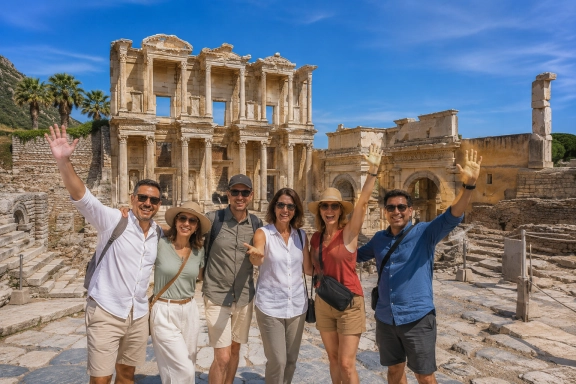
Explore Ephesus Ancient City from the Upper Gate.
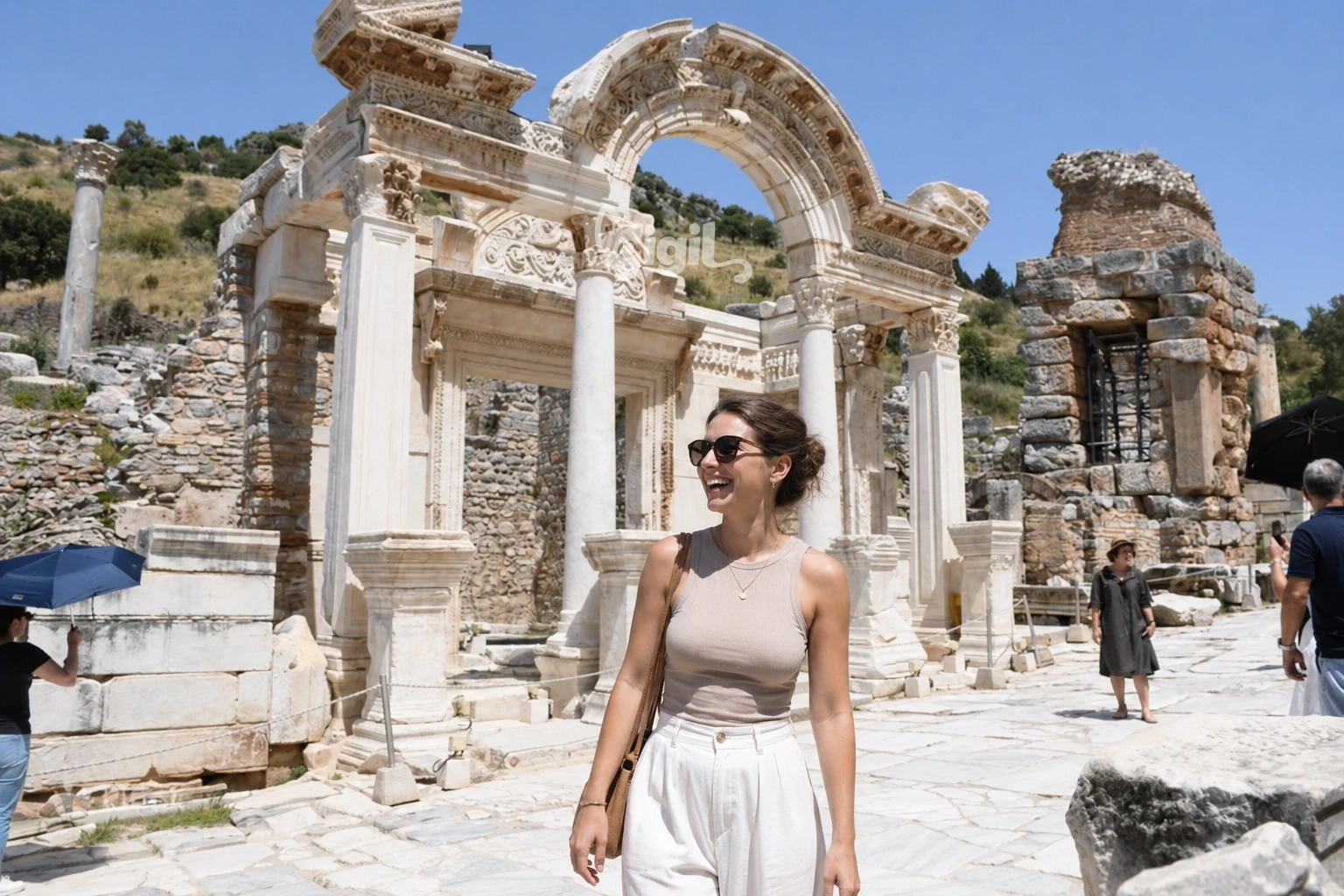
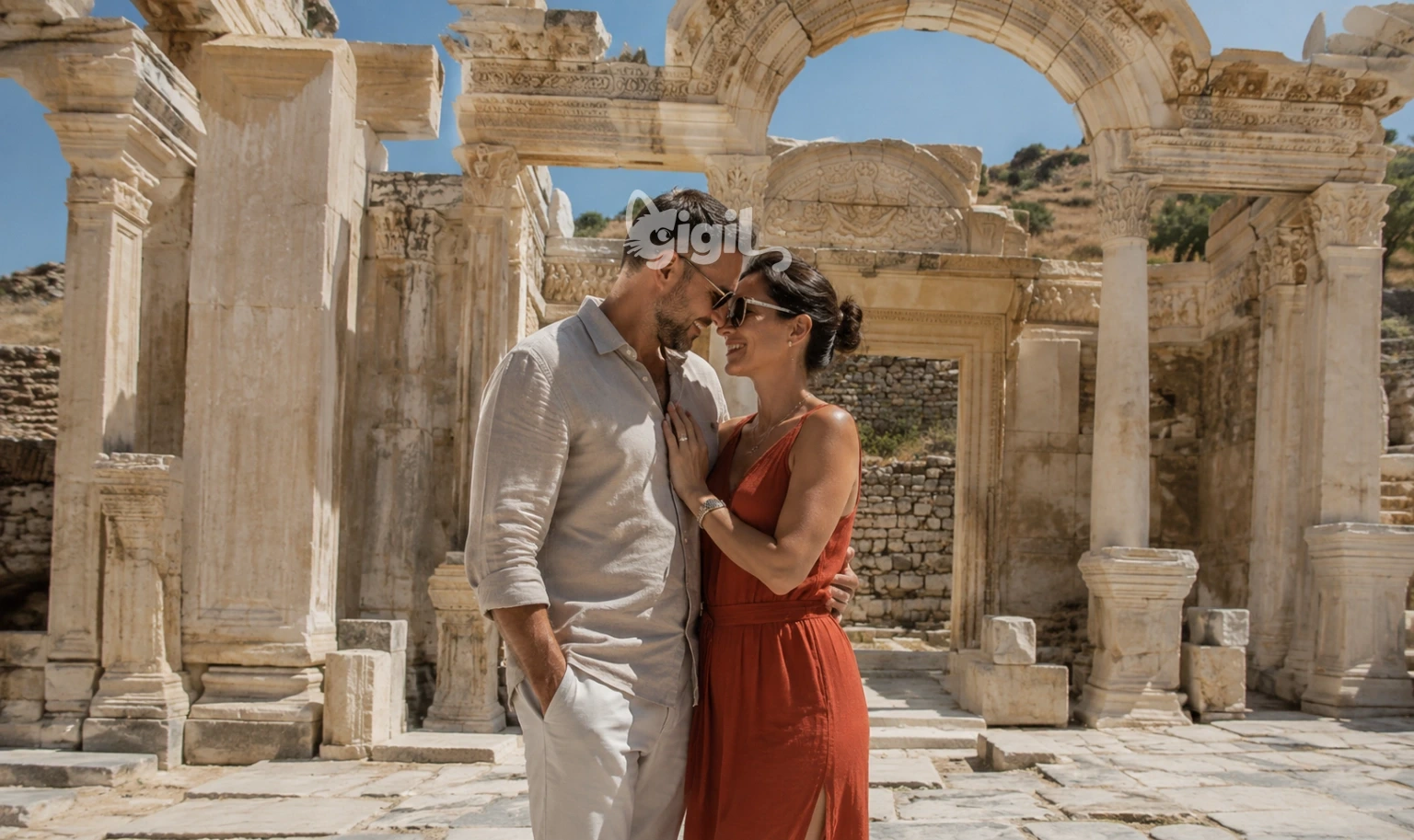
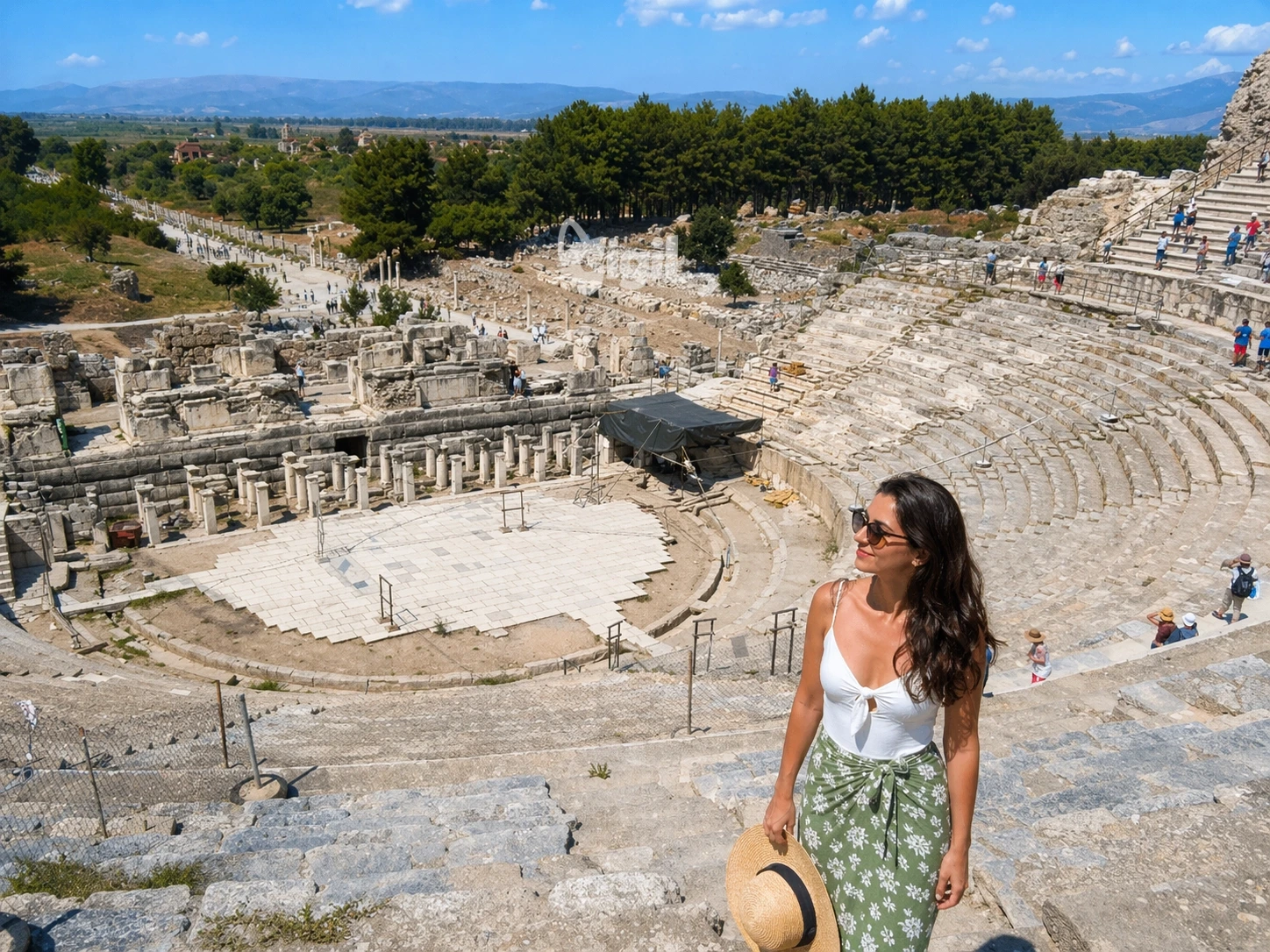
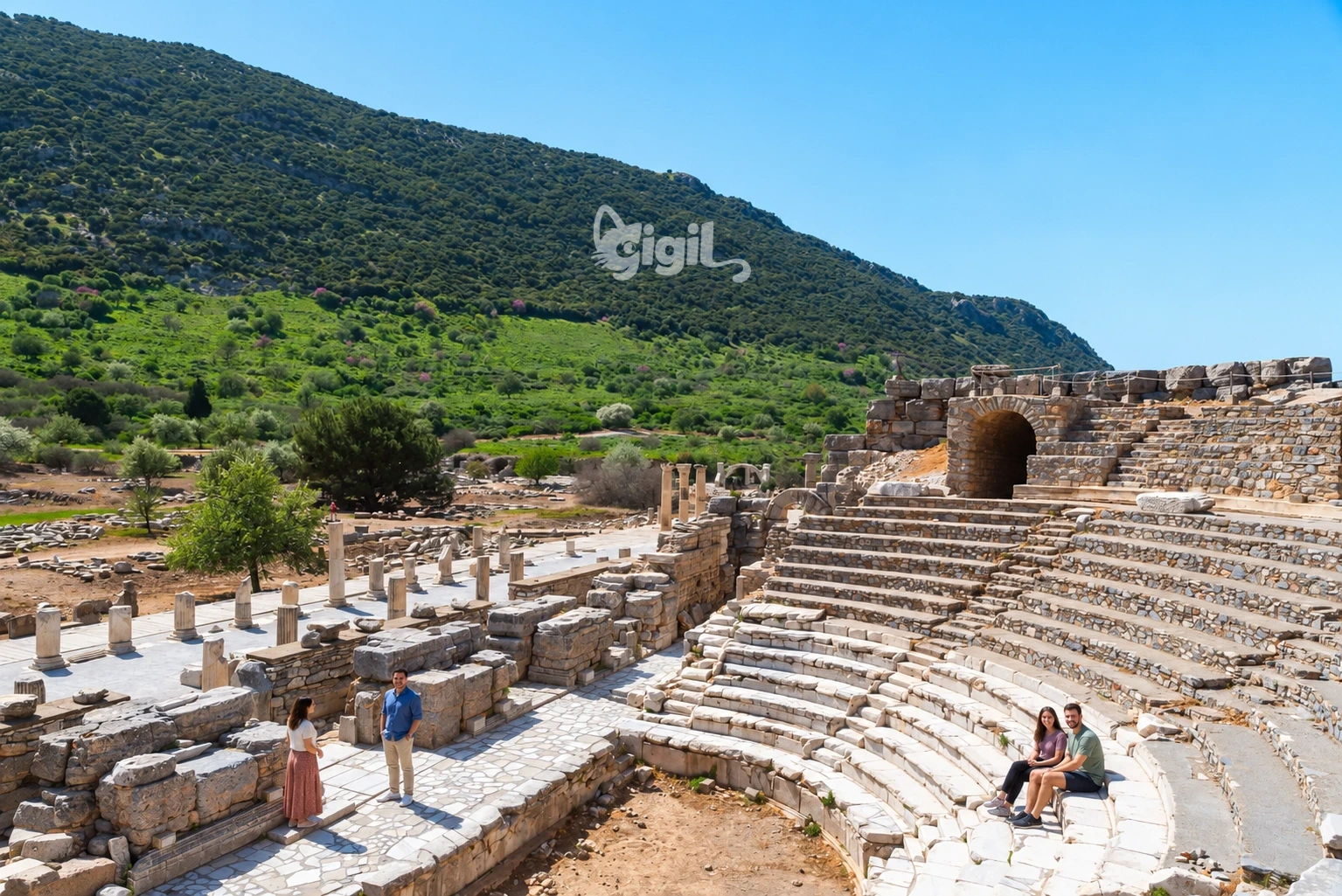
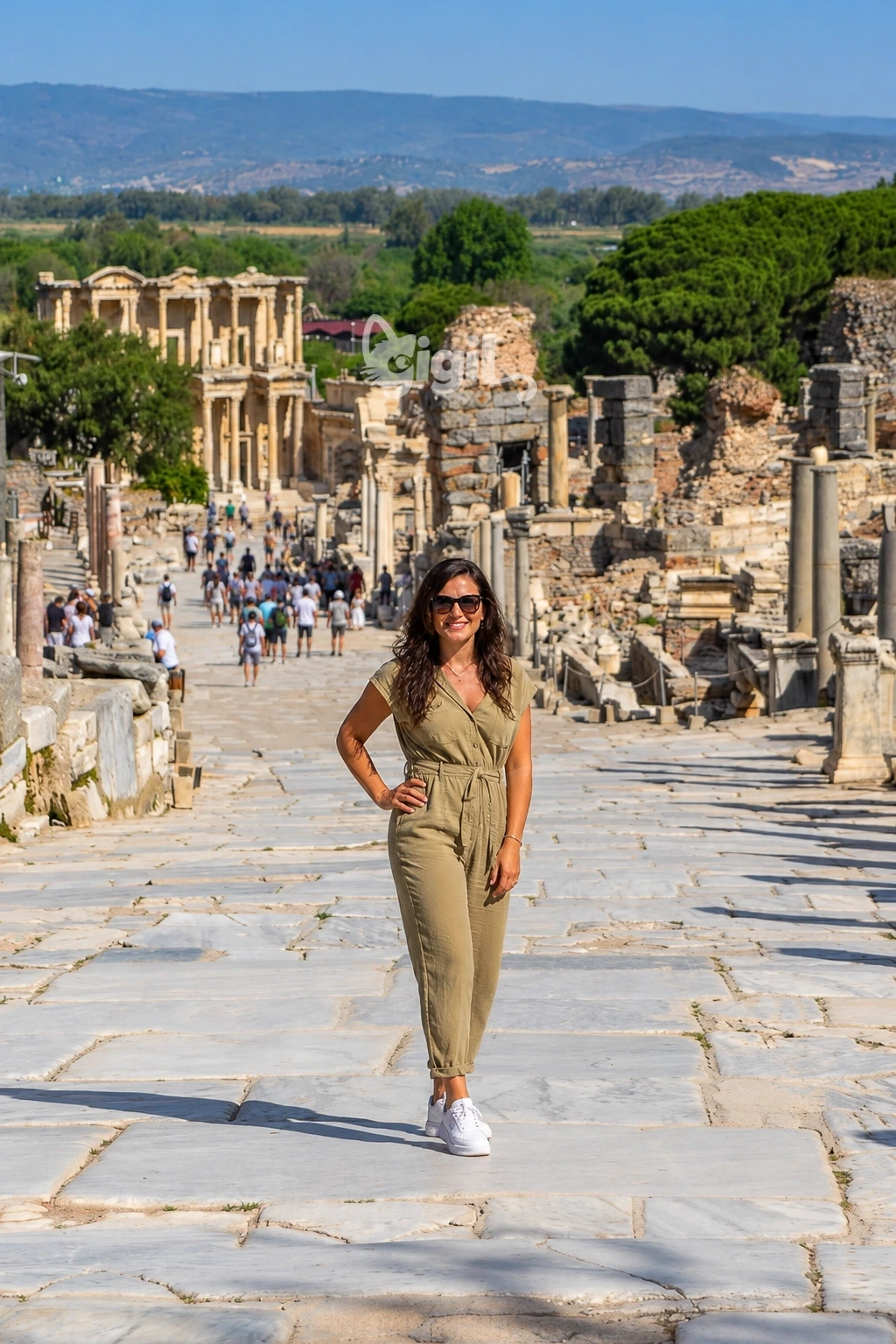
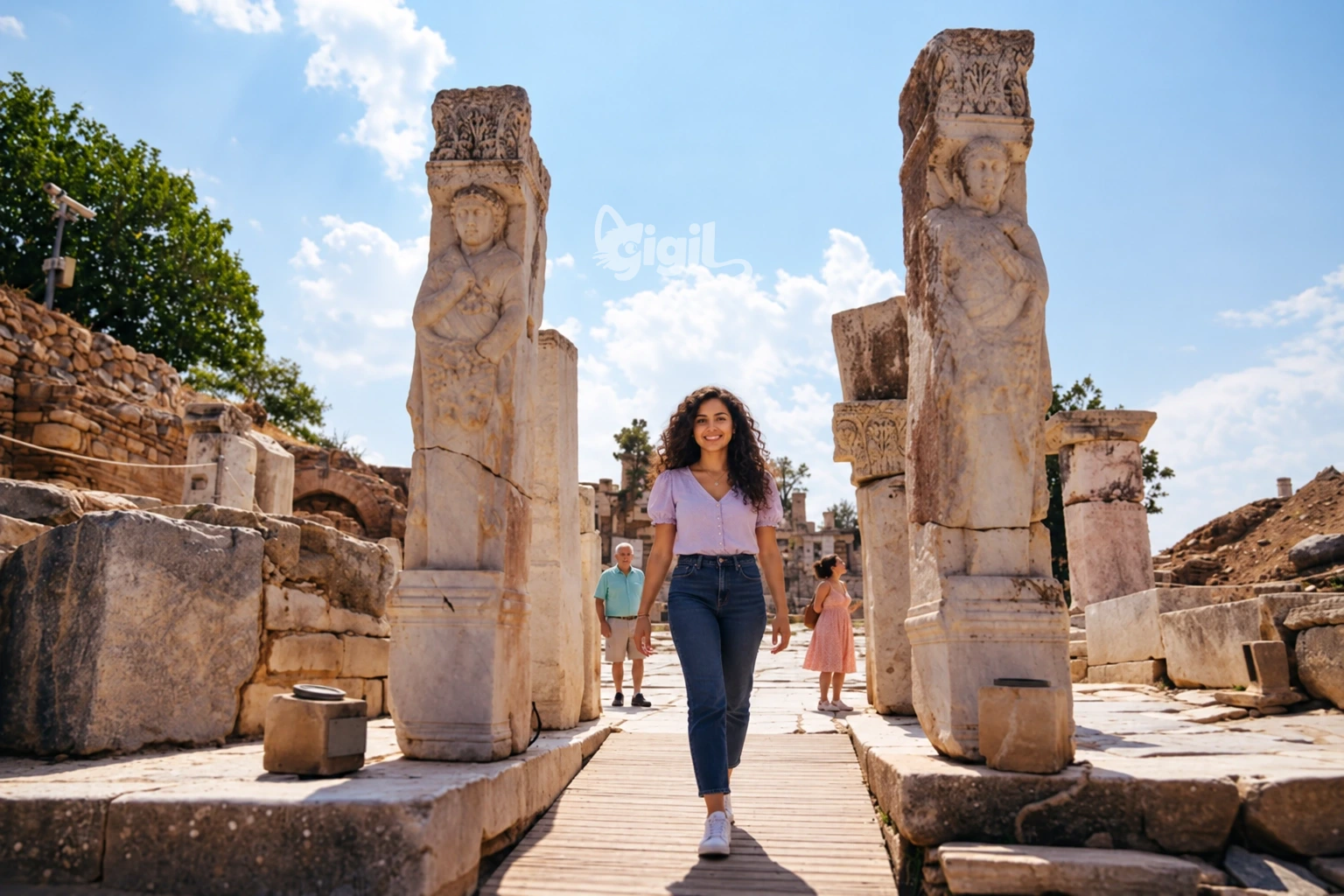
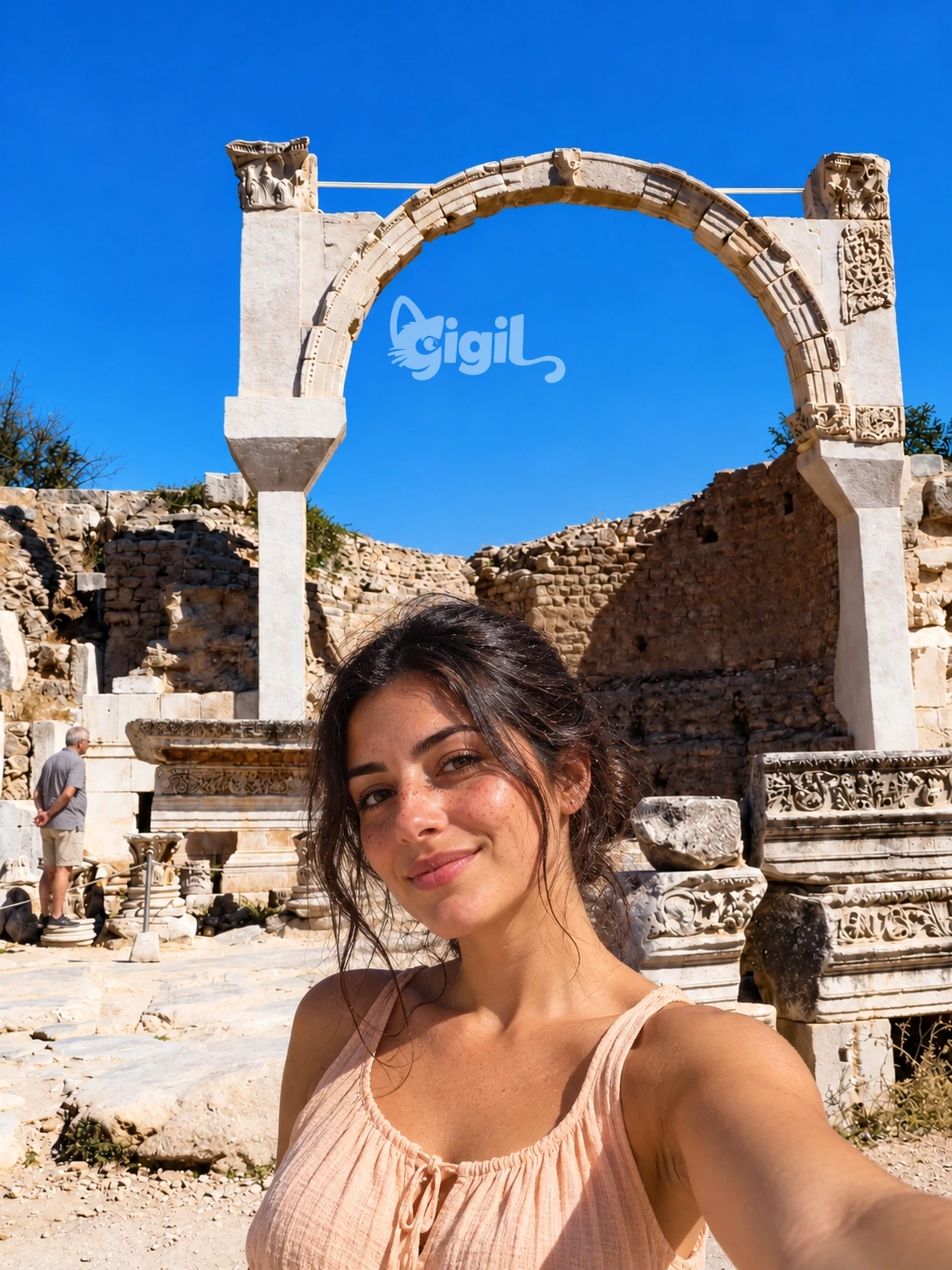
Enter Ephesus from the Upper Gate and begin the main ancient city route through marble streets, civic spaces, theatre areas and landmark monuments.
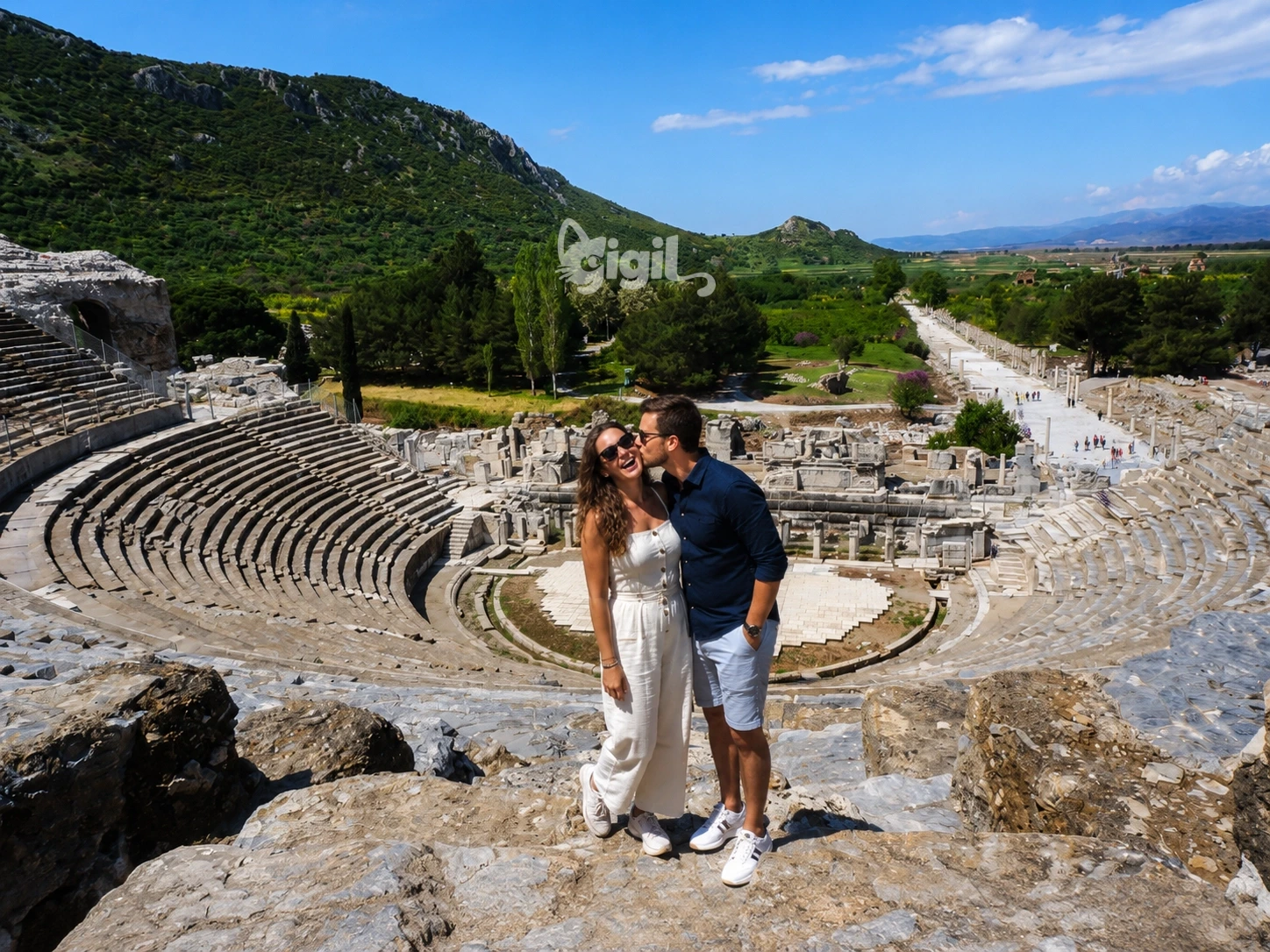
Ephesus Ancient City sets the historical scale of the tour through urban remains that show how Ephesus developed across the Hellenistic, Roman and later periods. The walking experience is central, while usable gates, paths and event arrangements still depend on current site conditions.
The route enters the ancient city after its Marian sanctuary stop, then leaves through Lower Gate before continuing into Selcuk. Accurate place-based interpretation lets this destination deepen the journey without introducing claims beyond the confirmed visit. Travelers therefore receive useful context without a promise the site cannot support.
Walk through Ephesus toward the Lower Gate.
Continue through the ancient city on foot while the vehicle repositions toward the Lower Gate pickup area.
Ephesus Ancient City Lower Gate serves as the stated exit context for Ephesus Ancient City before the itinerary resumes beyond the archaeological site.
The gate context keeps the published sequence clear between Ephesus Ancient City and the later Selcuk stops. The label should therefore be read as navigation context, with no promise of an additional monument or interior visit.
Pause for lunch in Selcuk.
Take a practical lunch stop in the Selcuk area before the museum and Ayasoluk visits.
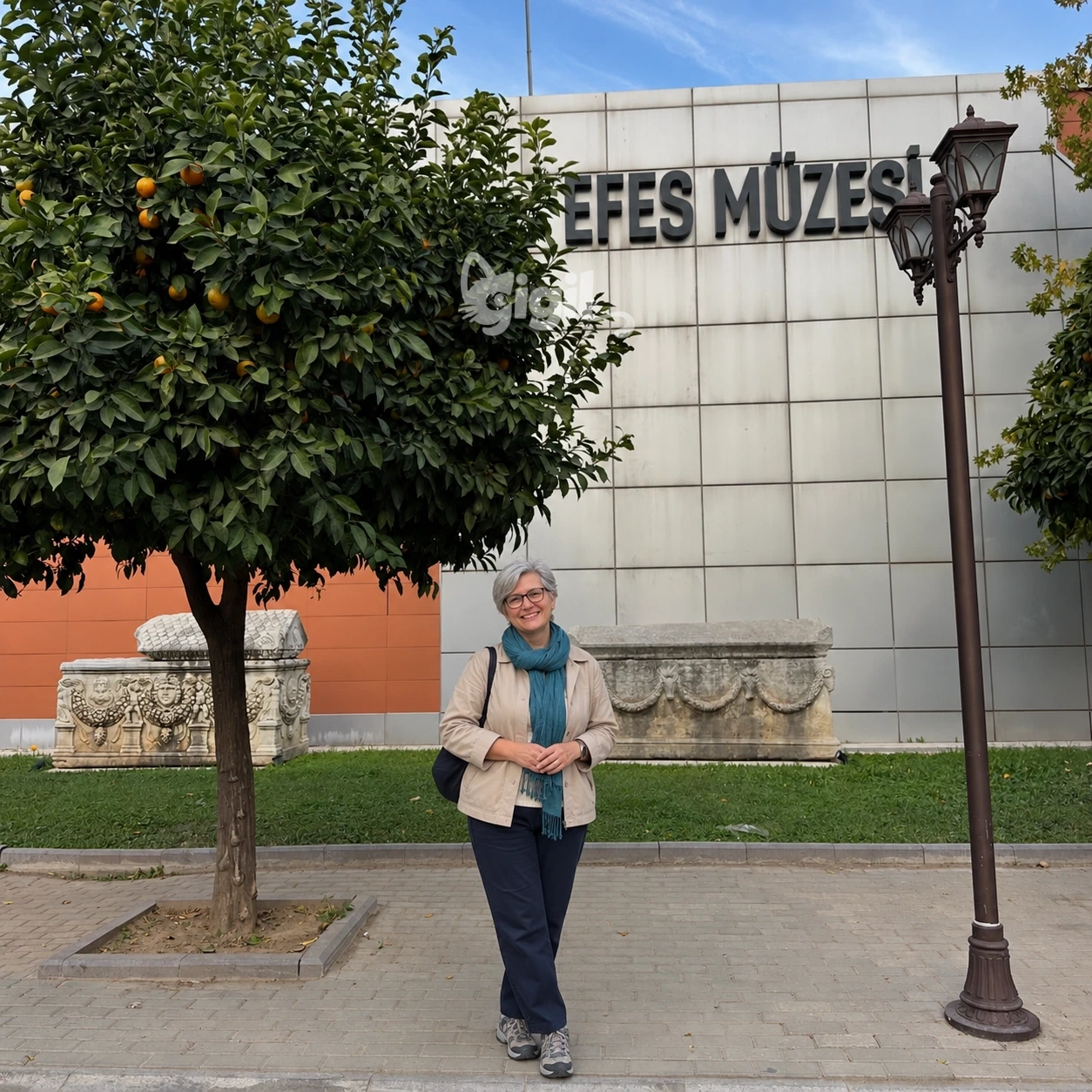
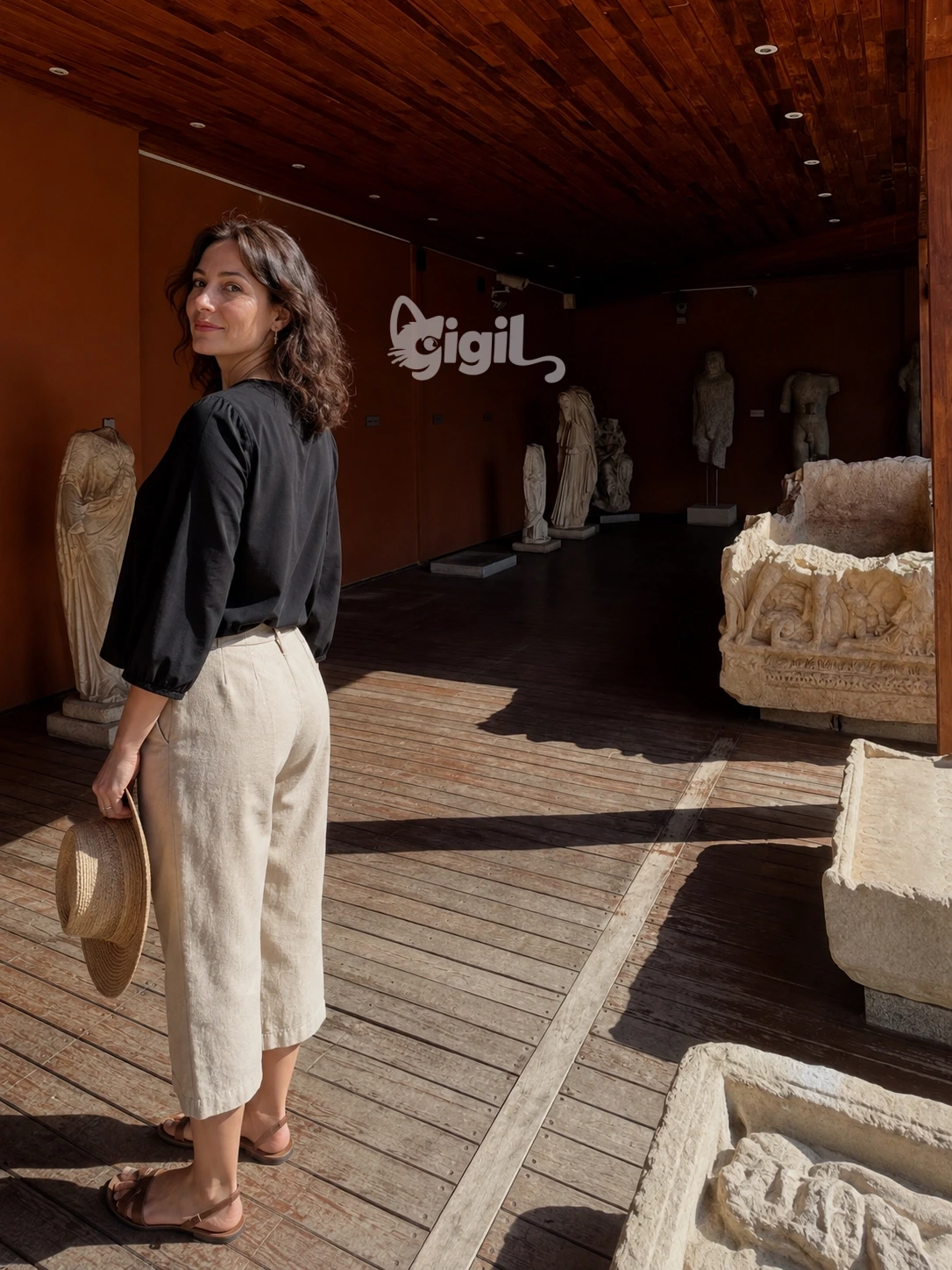
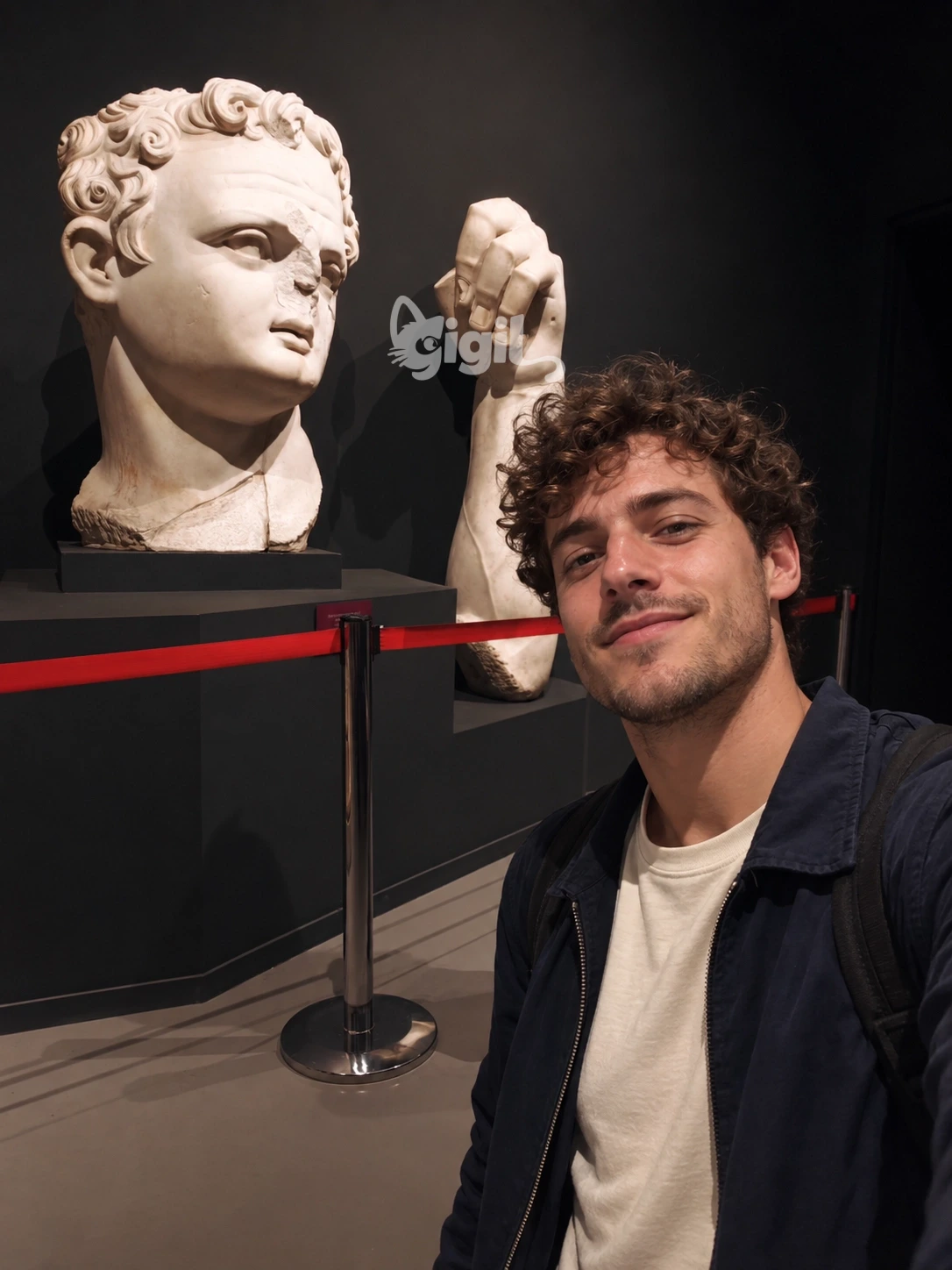
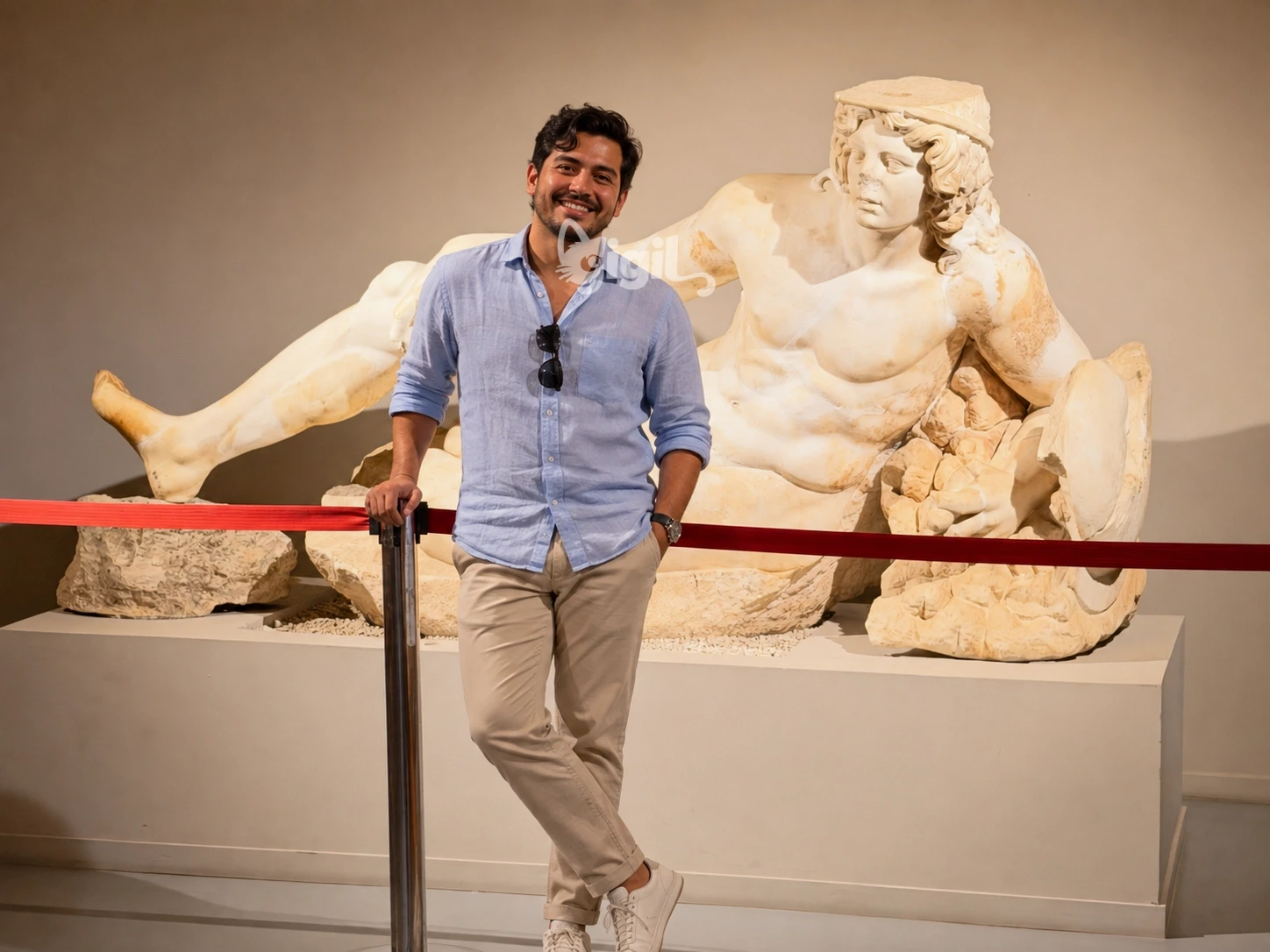
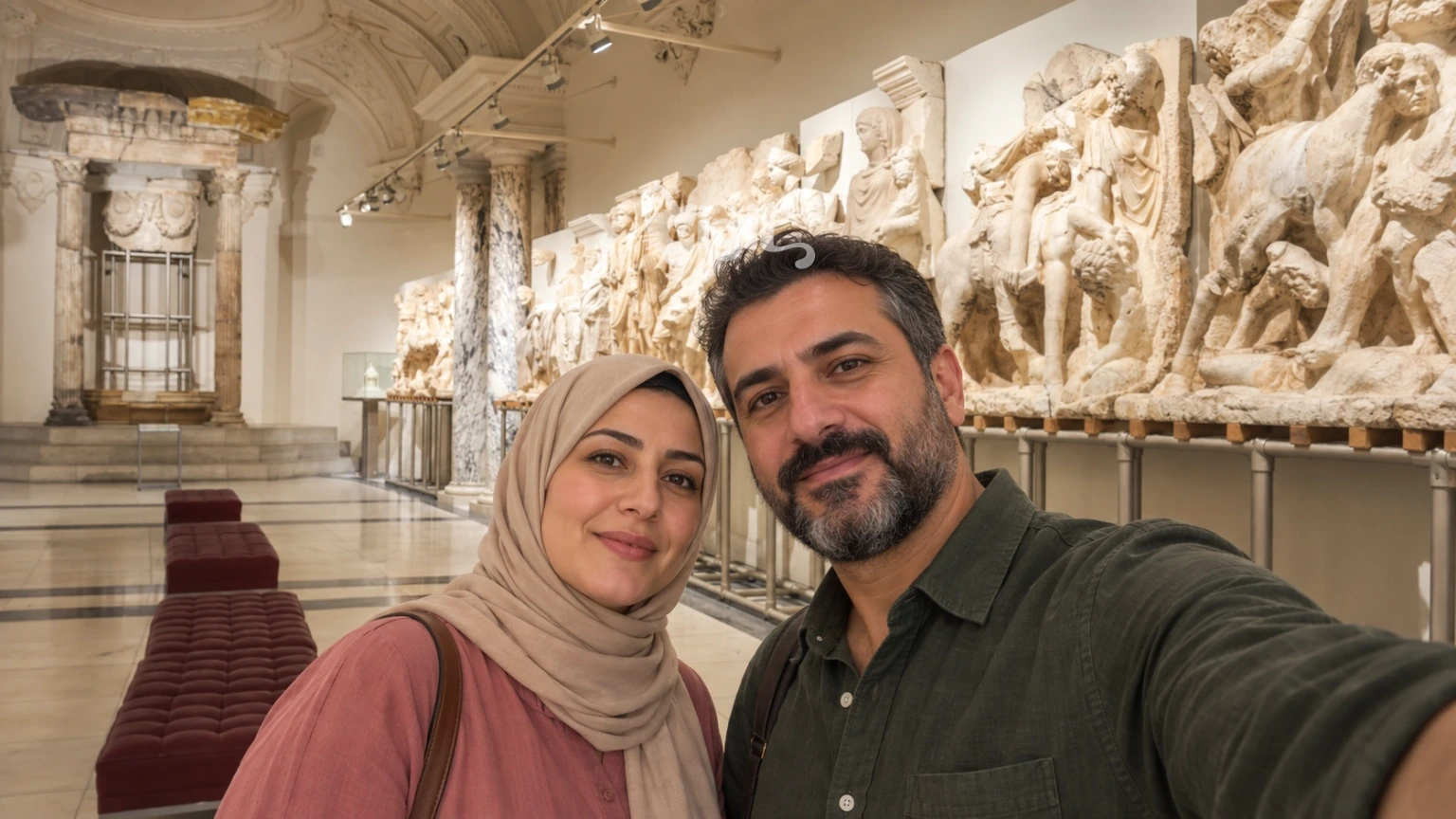
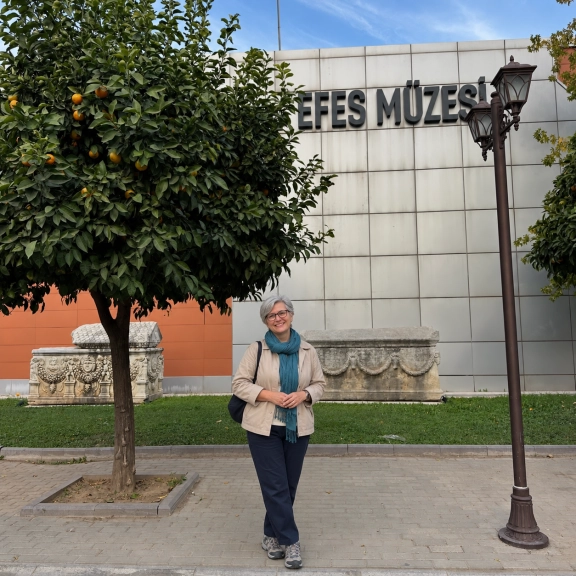
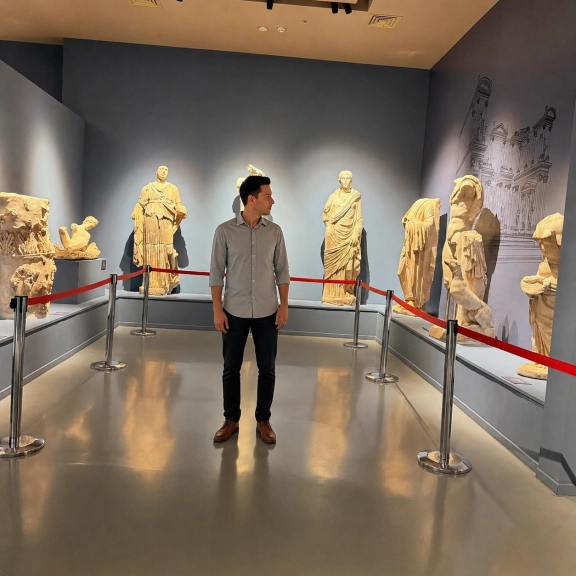
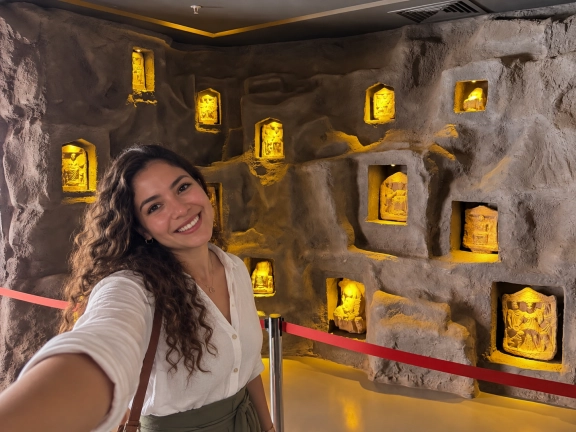
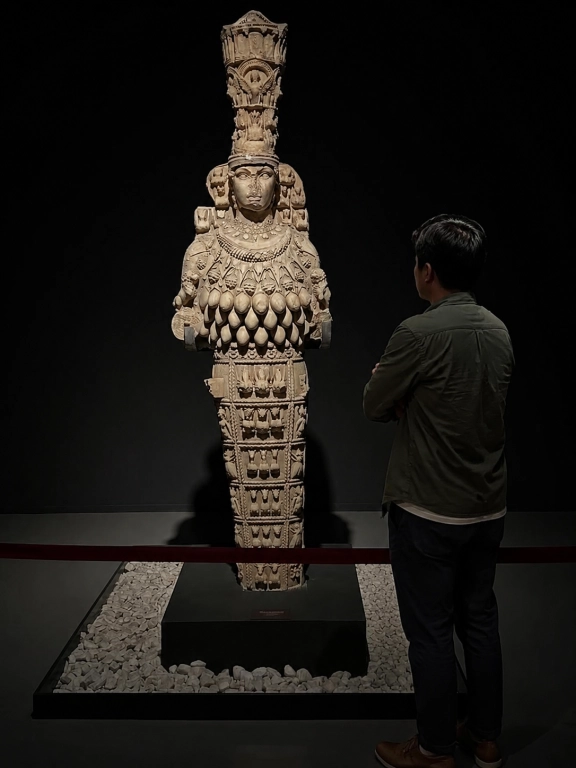
Visit the Ephesus Archaeological Museum.
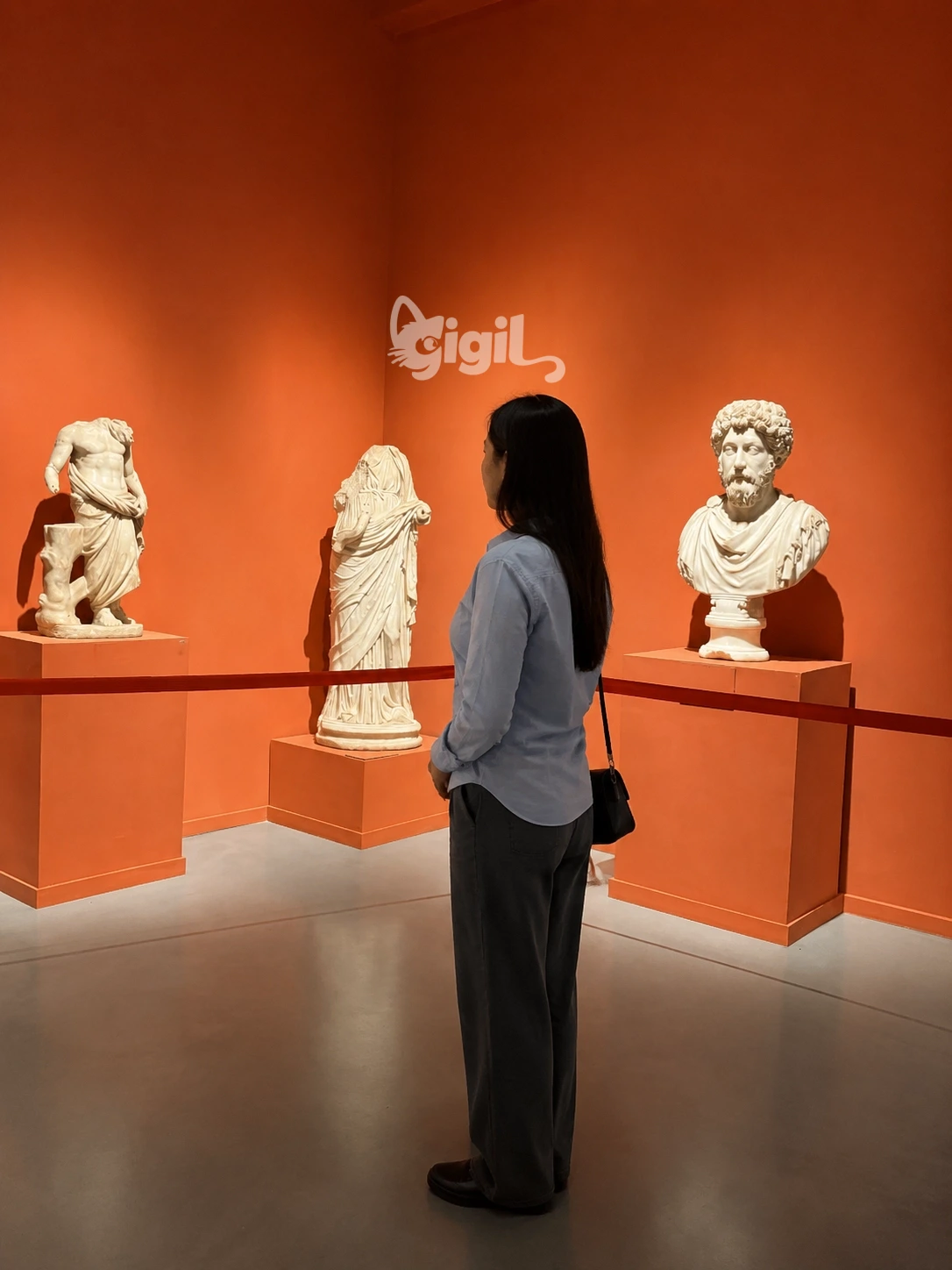
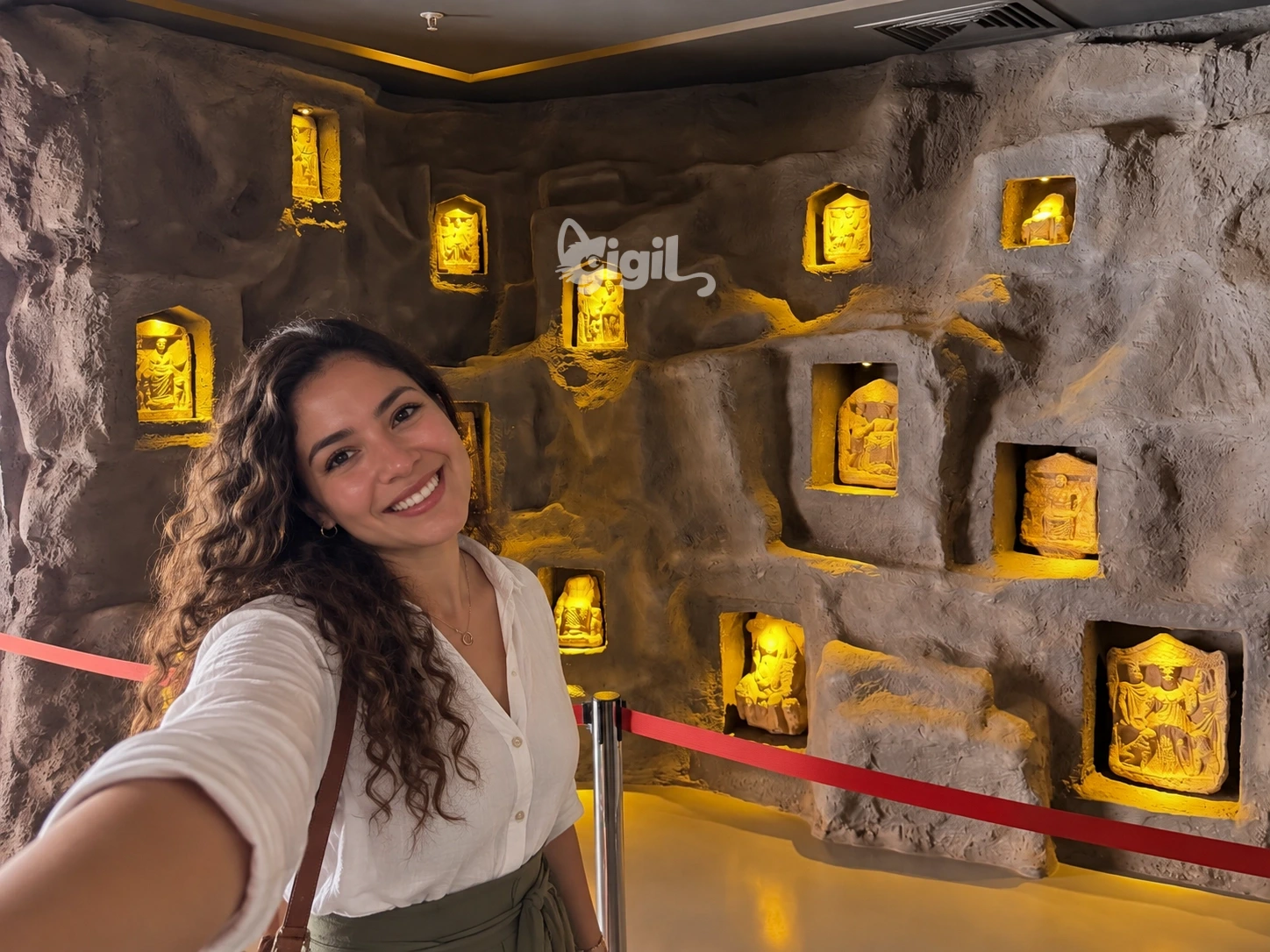
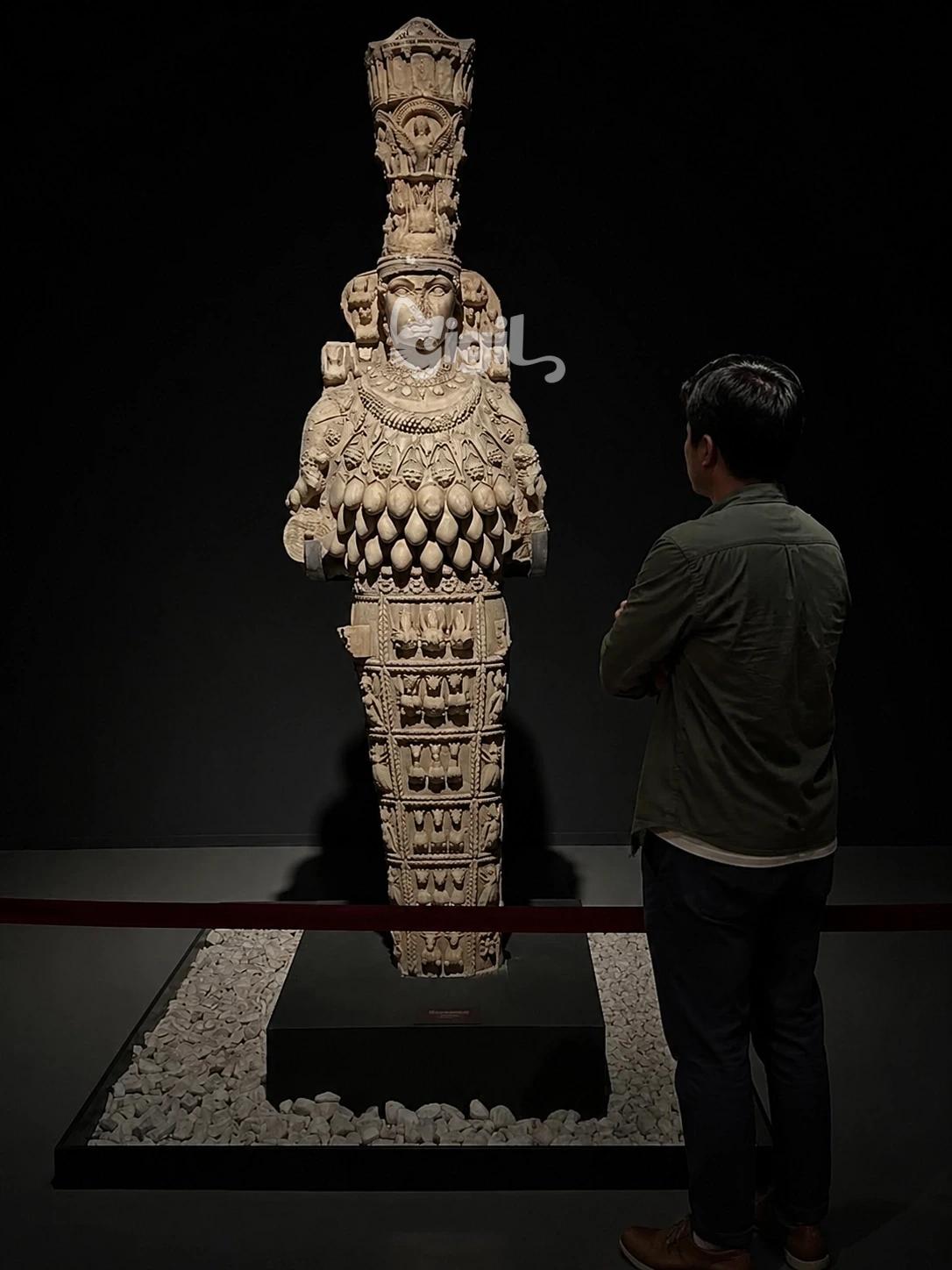
Use the museum visit to connect the ancient city with regional finds, sacred objects and daily life context.
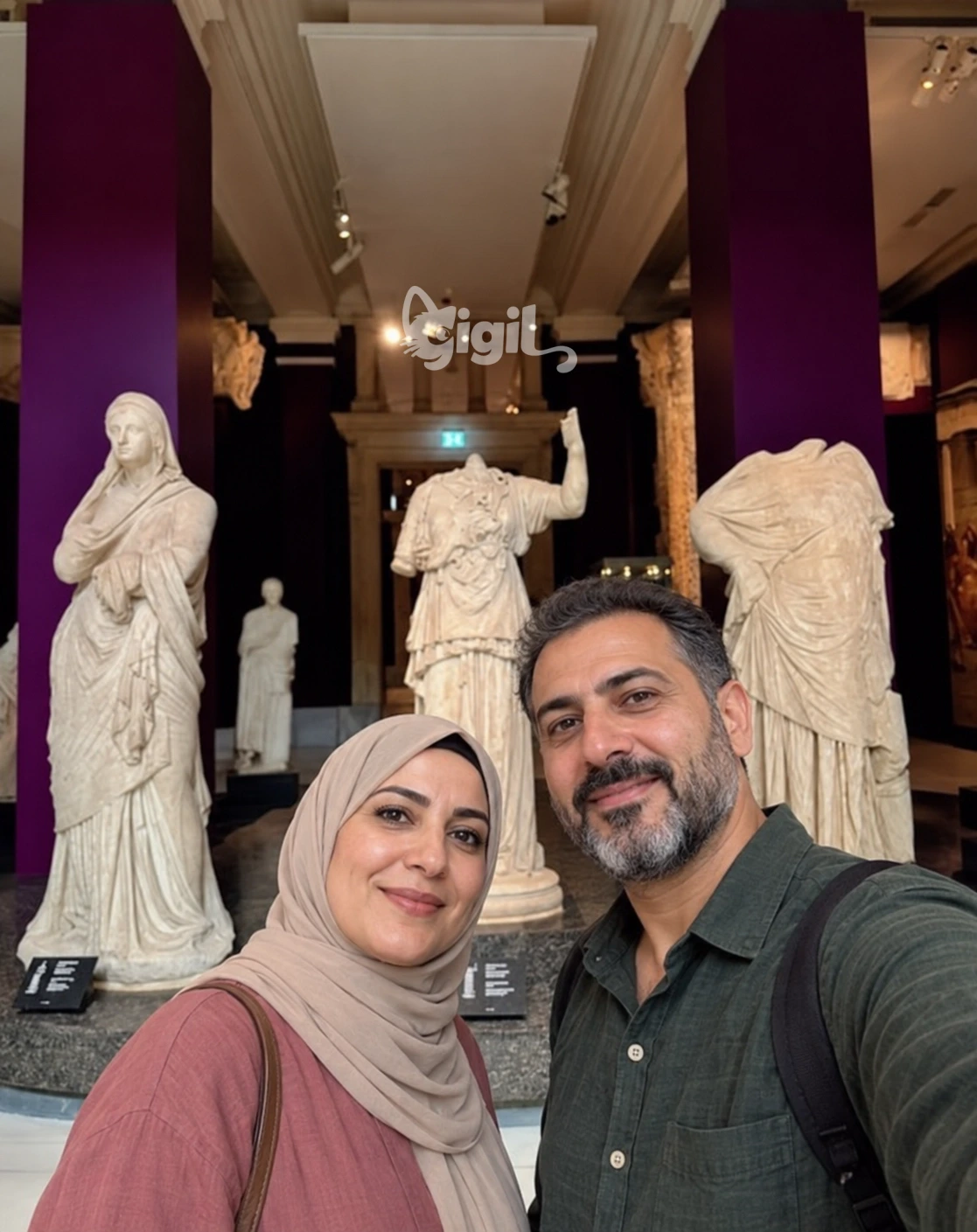
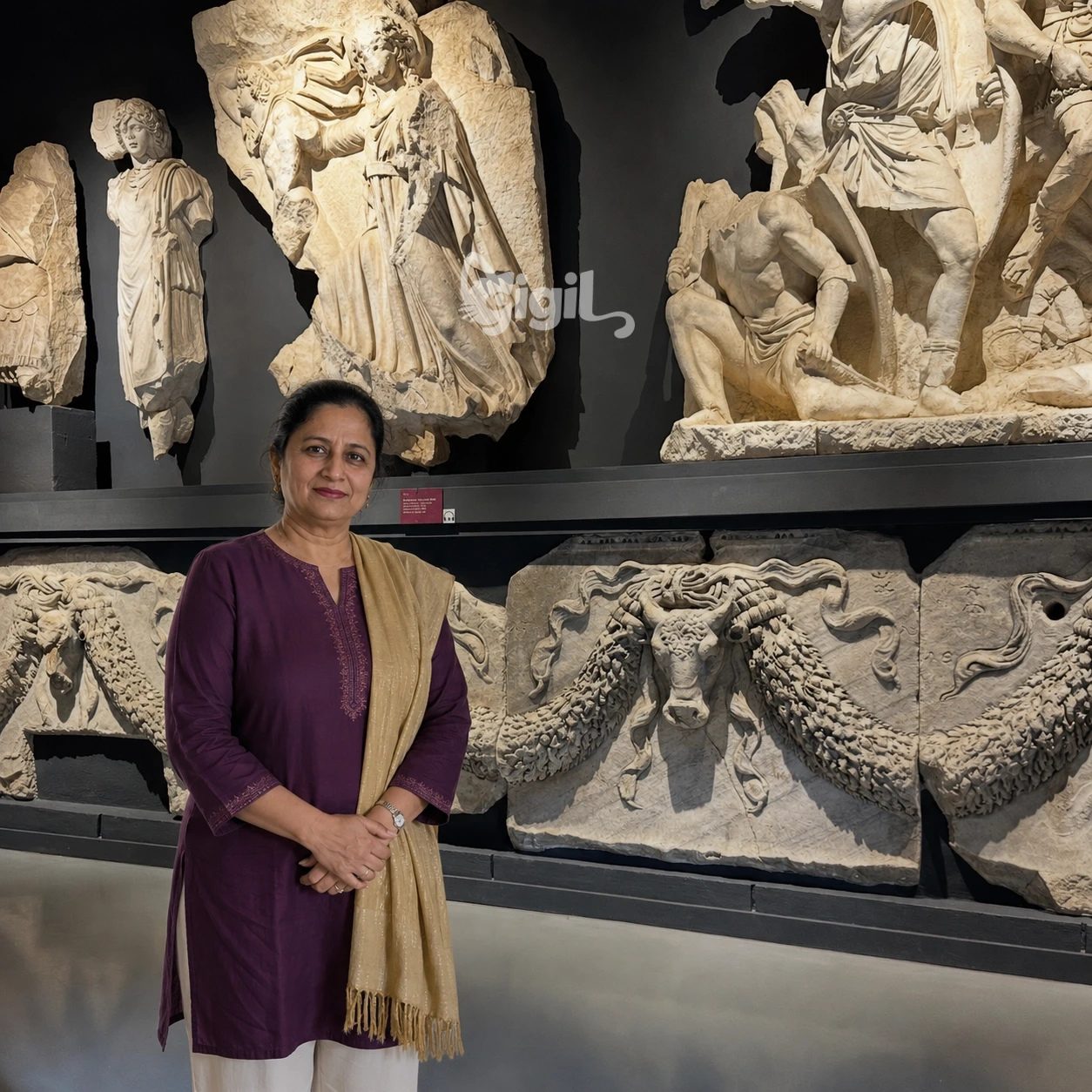
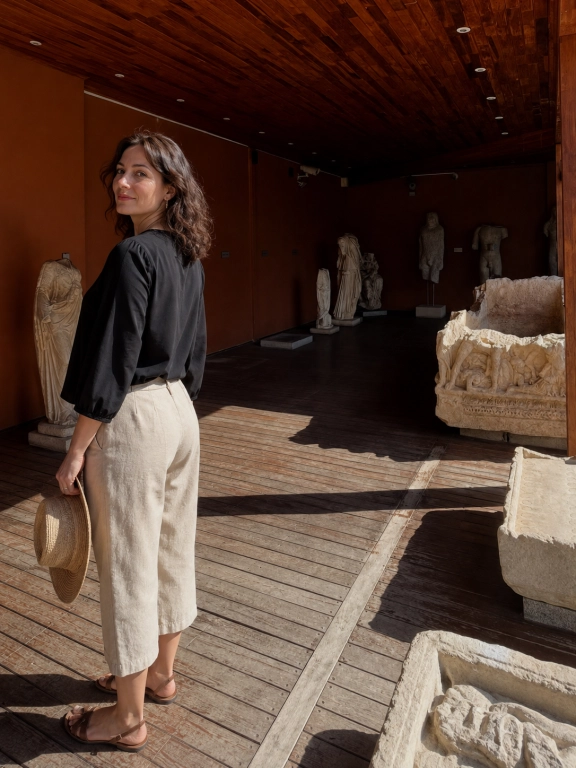
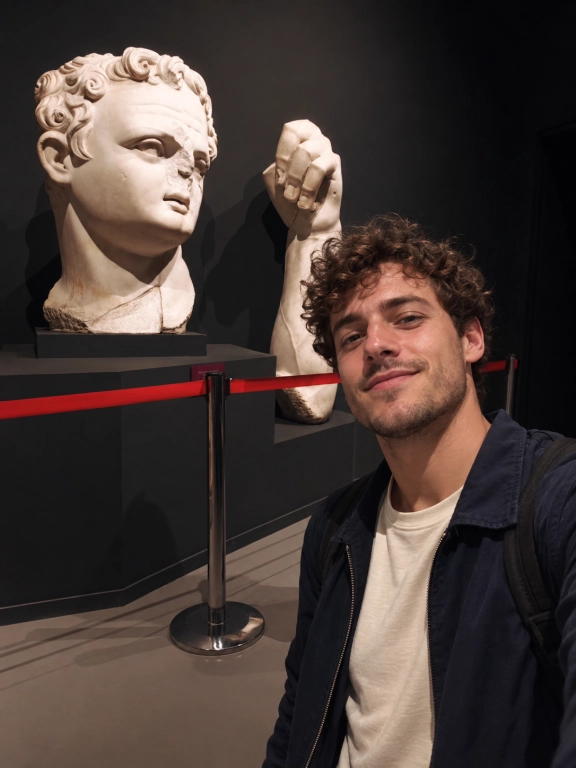
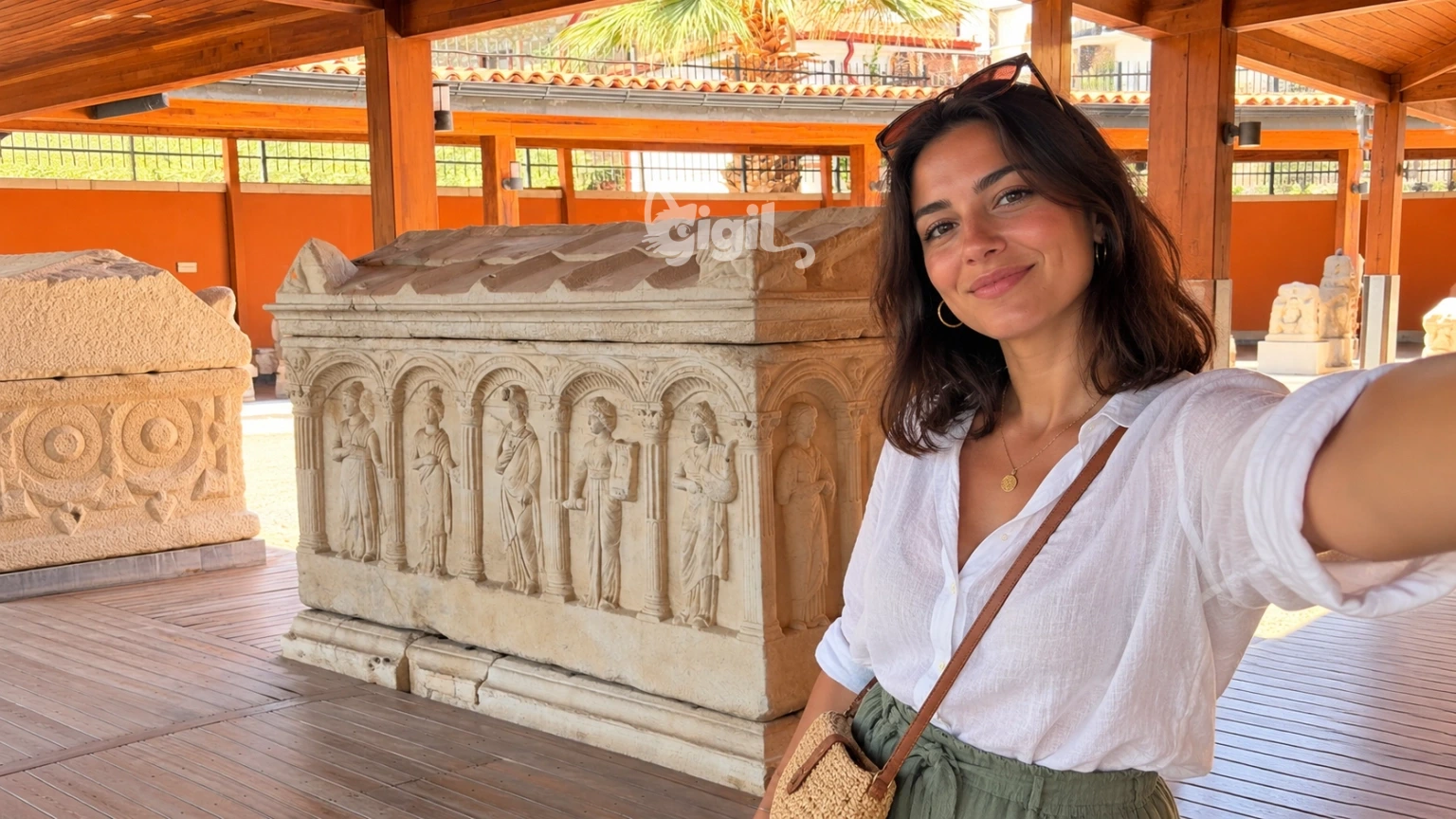
Ephesus Archaeological Museum moves the story from outdoor ruins to curated finds that help explain art, belief and daily life in the region. Museum interpretation extends the archaeological story without presenting artifacts as substitutes for the places visited outdoors.
Its collections deepen the first half of the day and prepare travelers for the contrasting monuments that complete the route. Within the six-attraction itinerary, this destination retains its own historical identity while contributing to the wider Ephesus and Selcuk narrative. This place-led perspective supports both discovery and realistic visitor expectations.
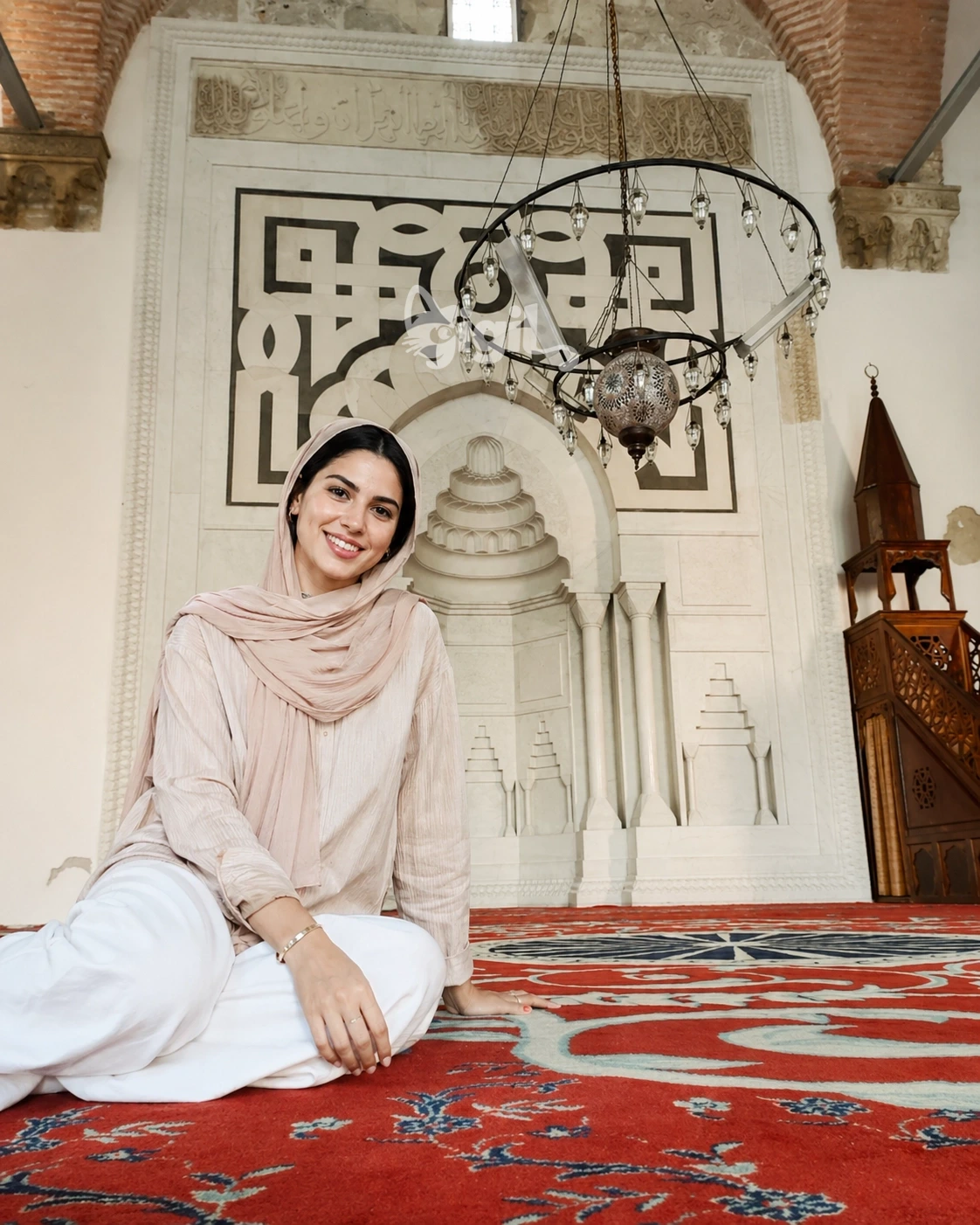
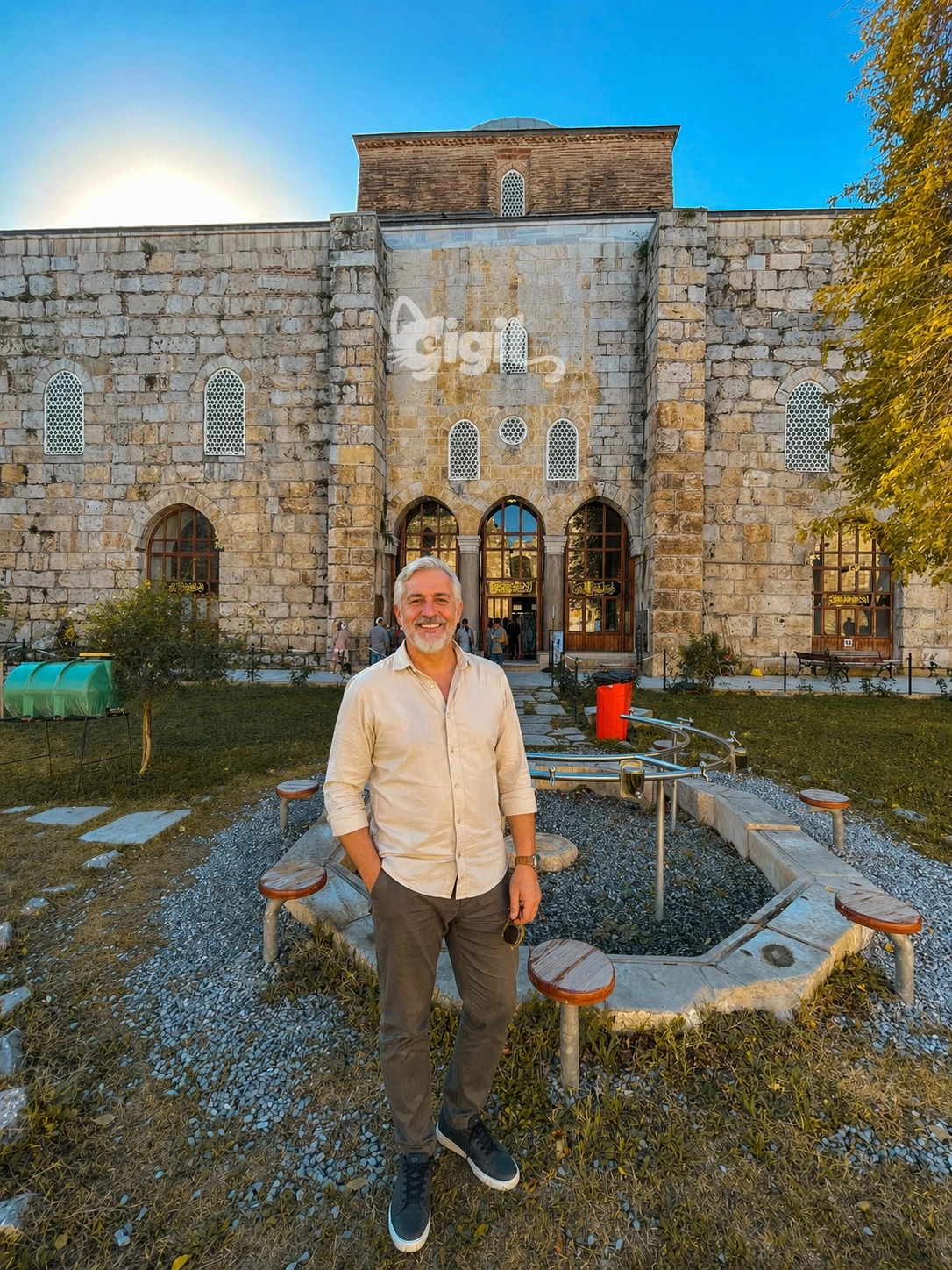
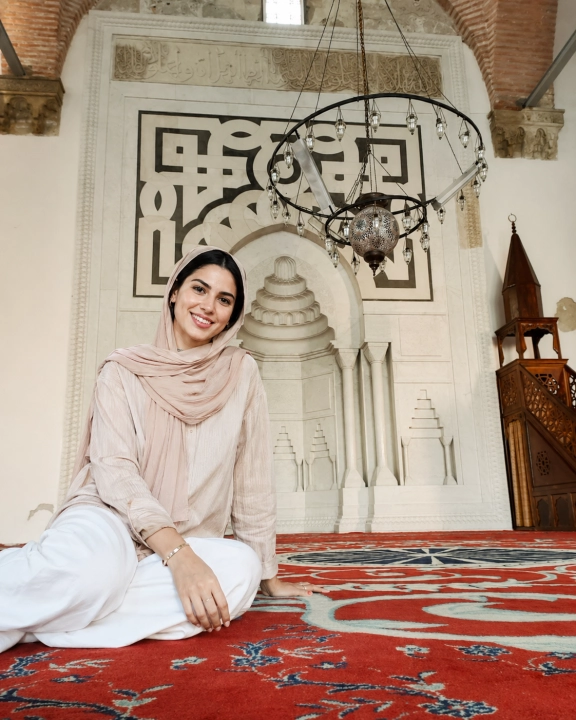
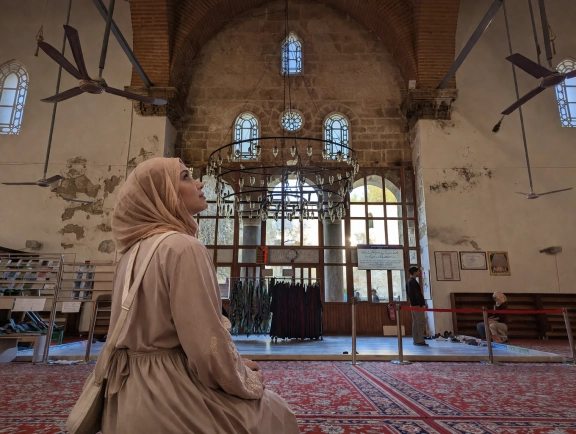
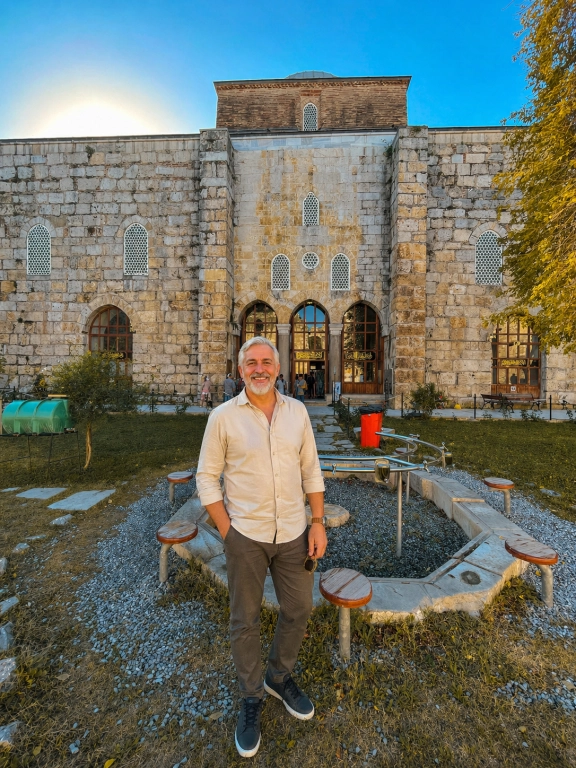
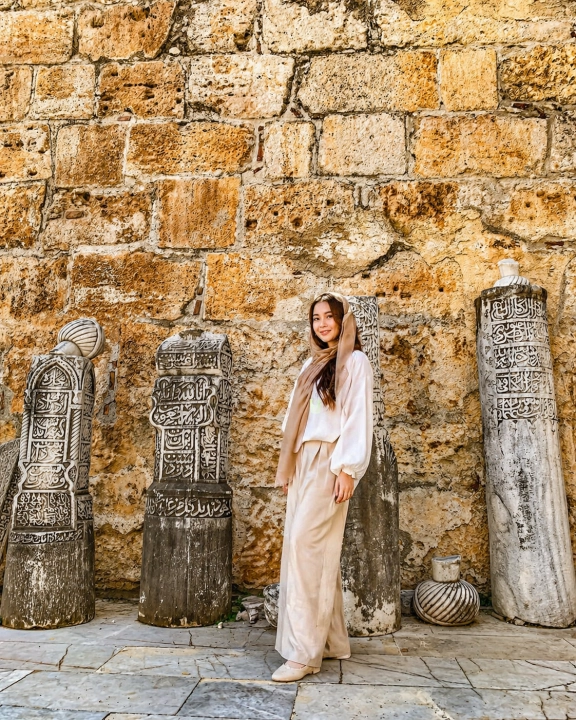
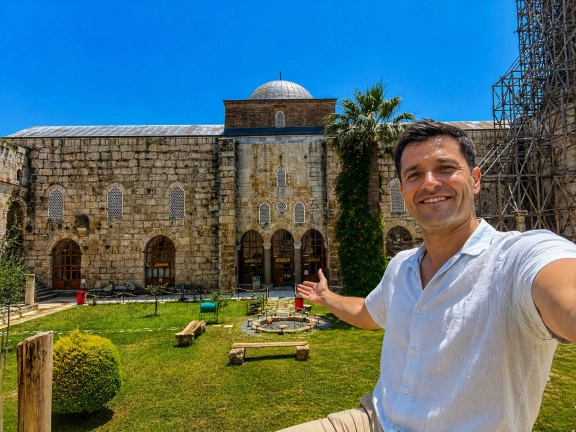
Visit Isa Bey Mosque.
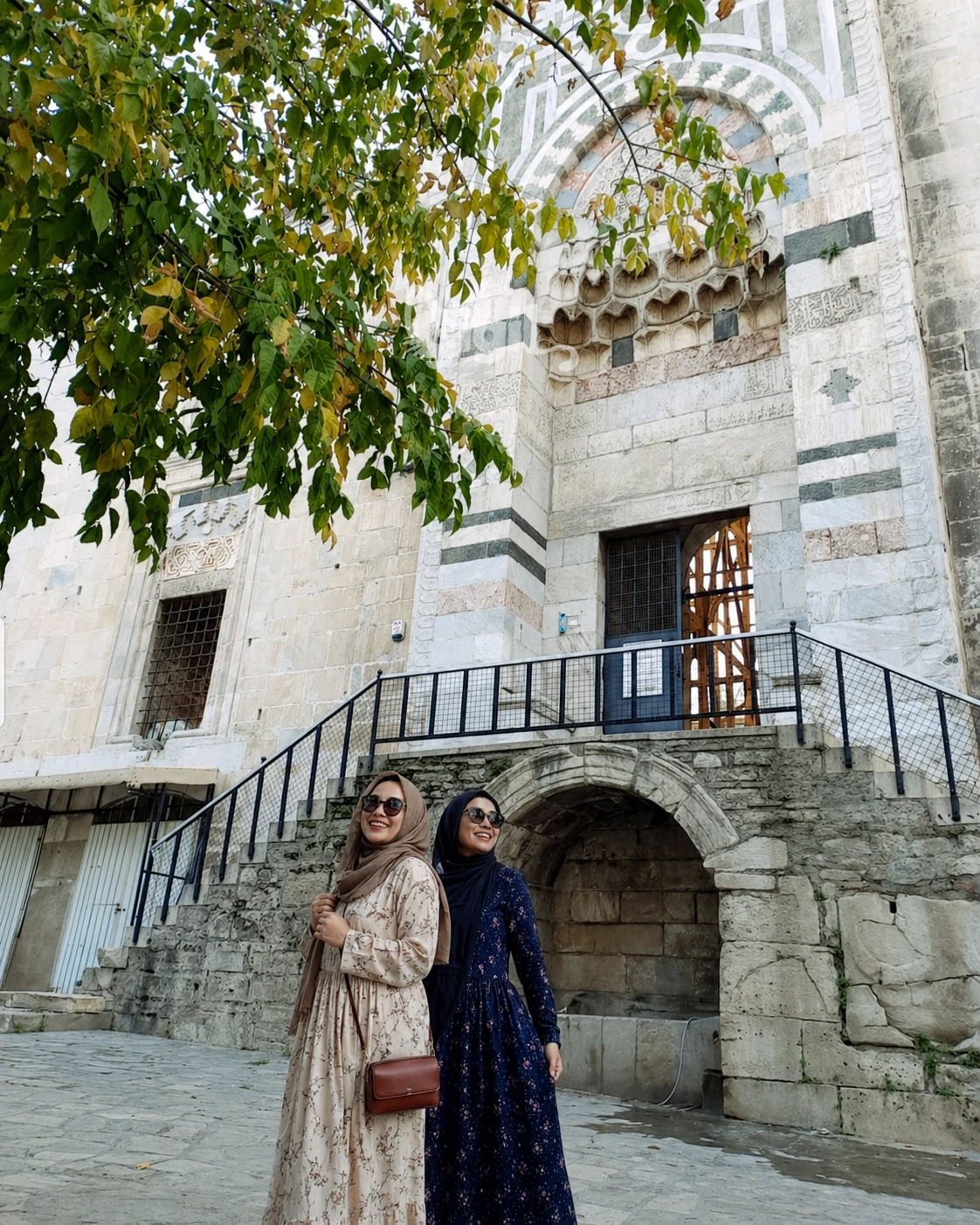
Stop at the historic mosque below Ayasoluk Hill, respecting prayer times and visitor access rules.
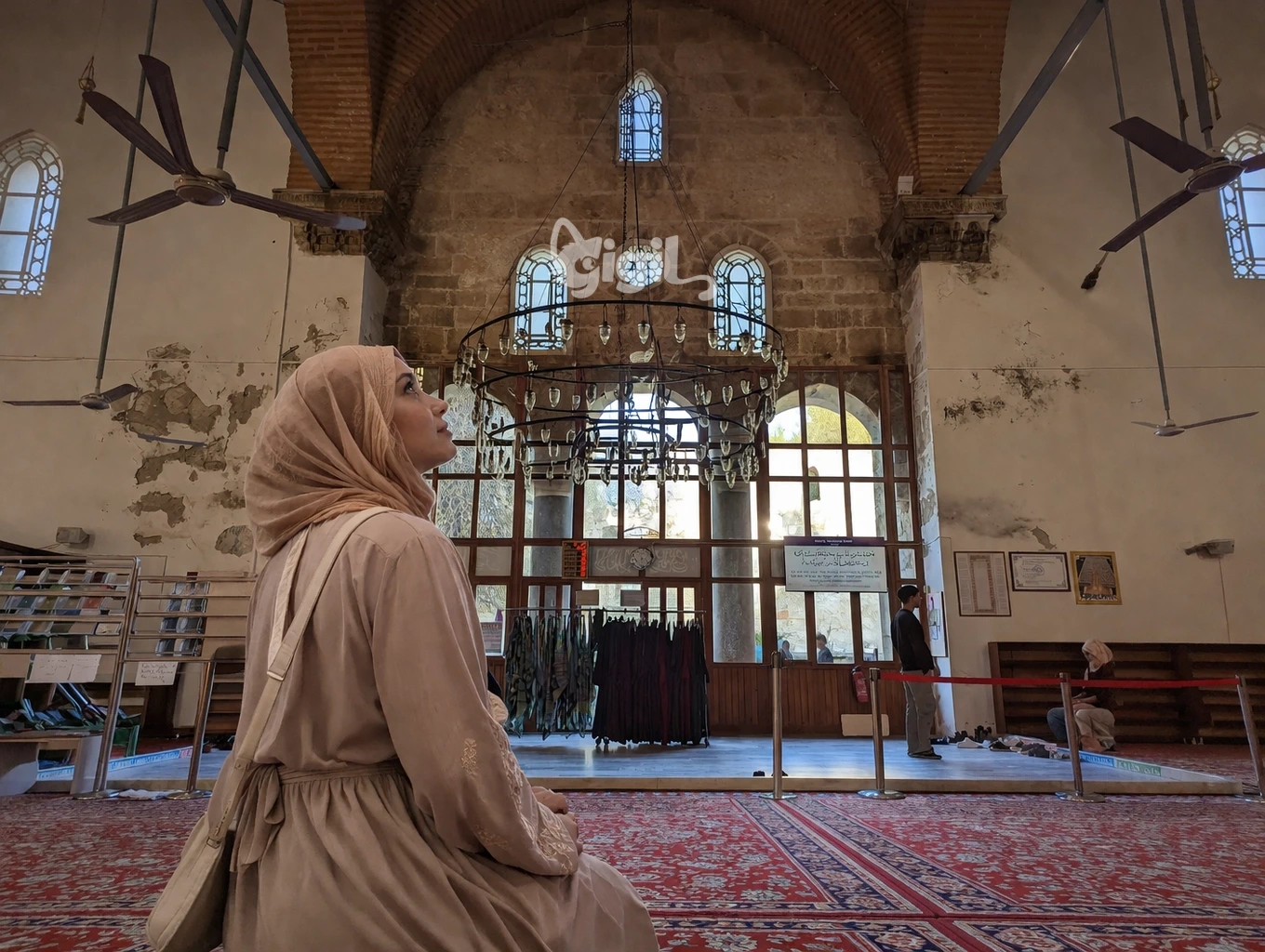
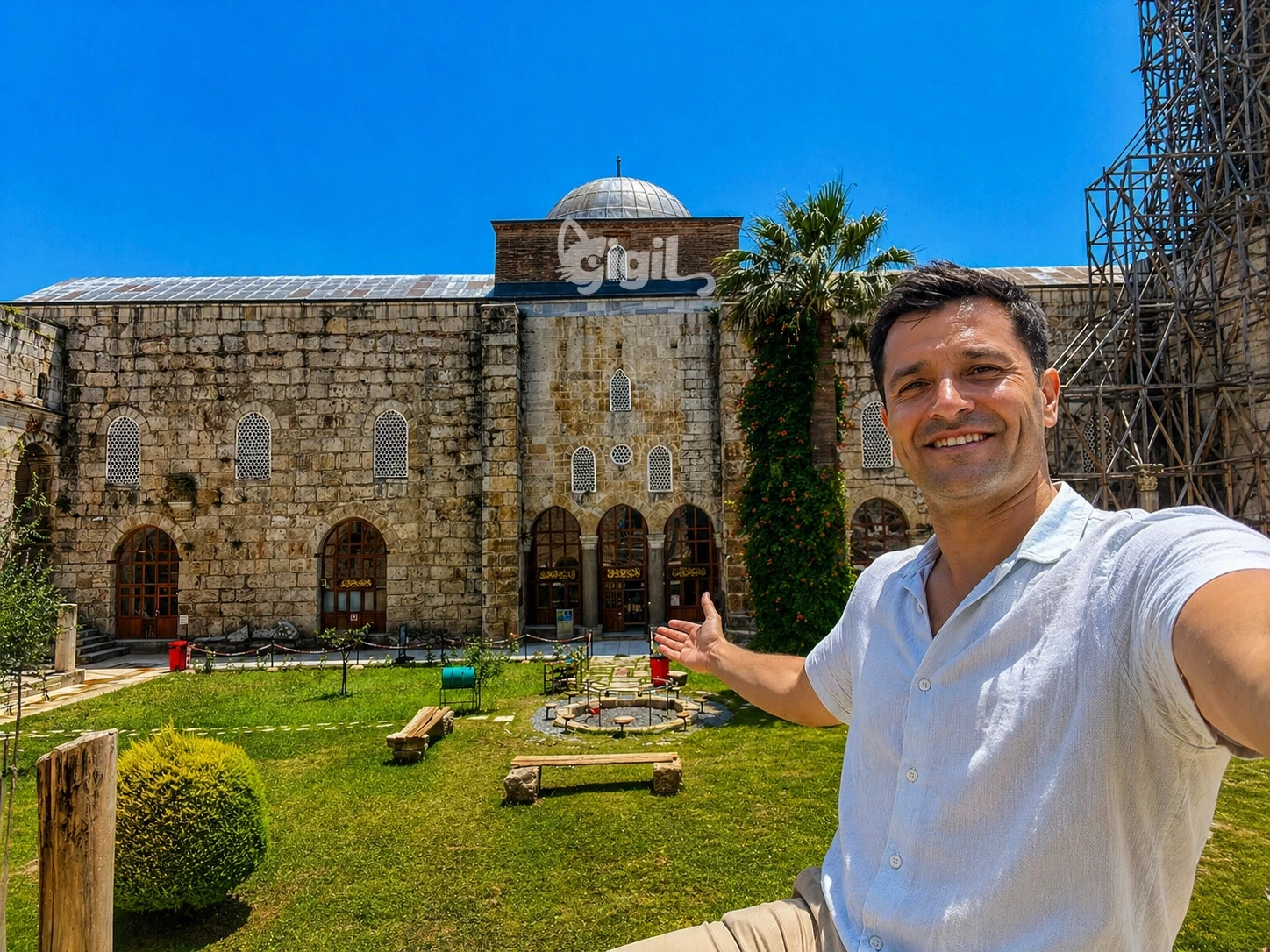
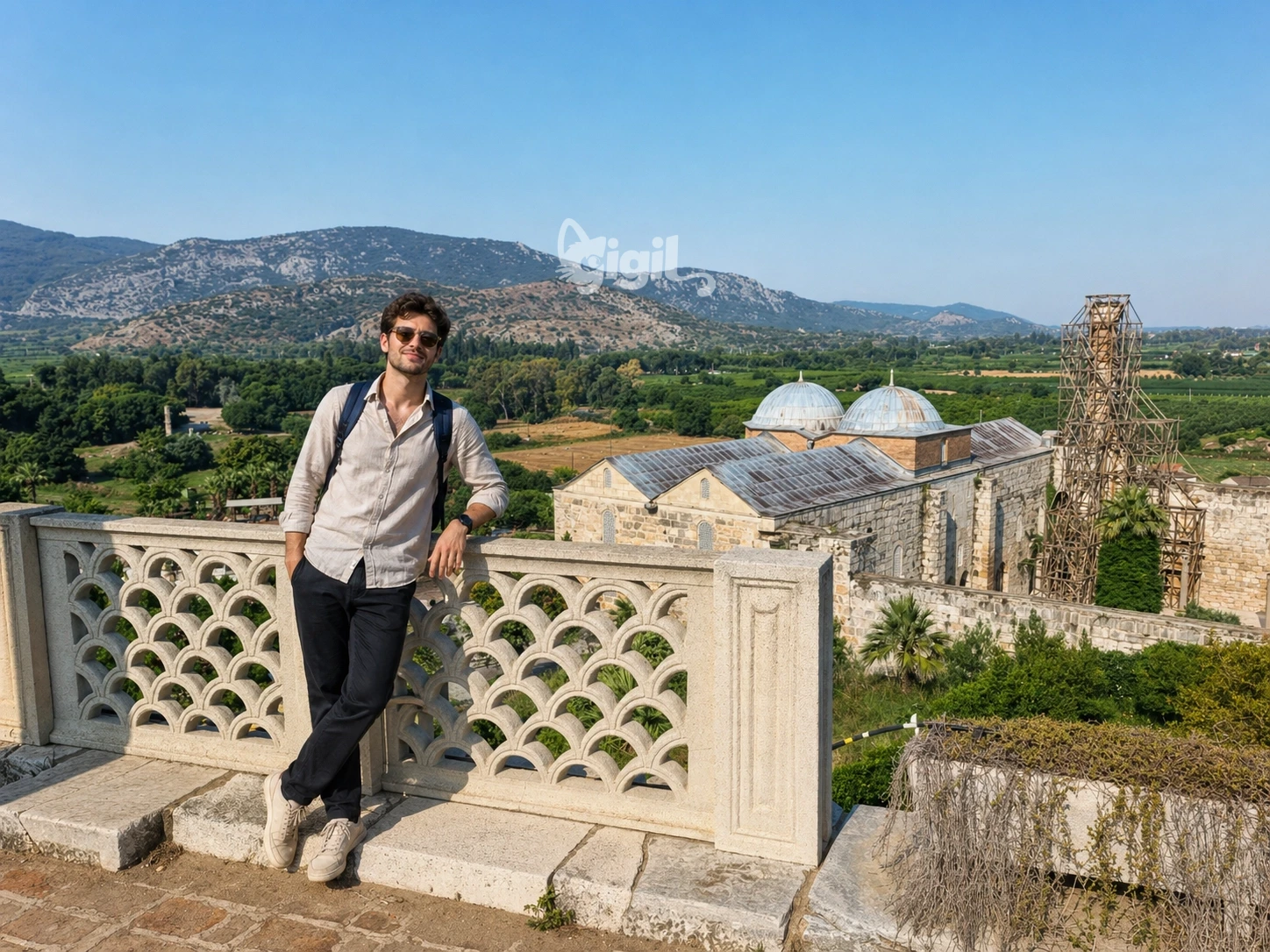
Isa Bey Mosque broadens the historical range of the day with an Aydinid mosque whose architecture belongs to a different era from Ephesus. Visitors can appreciate the building's historical setting without assuming participation in prayer or an organized religious program.
It follows the archaeological museum and precedes St. John Basilica, making the contrast between living mosque and ruined basilica especially clear. Travelers encounter this destination as one carefully placed chapter in a route spanning archaeology, architecture and religious tradition. The route gains variety while the destination's factual boundaries remain clear.
Walk to St. John Basilica.
Continue on foot to the basilica complex and its viewpoints above Selcuk.
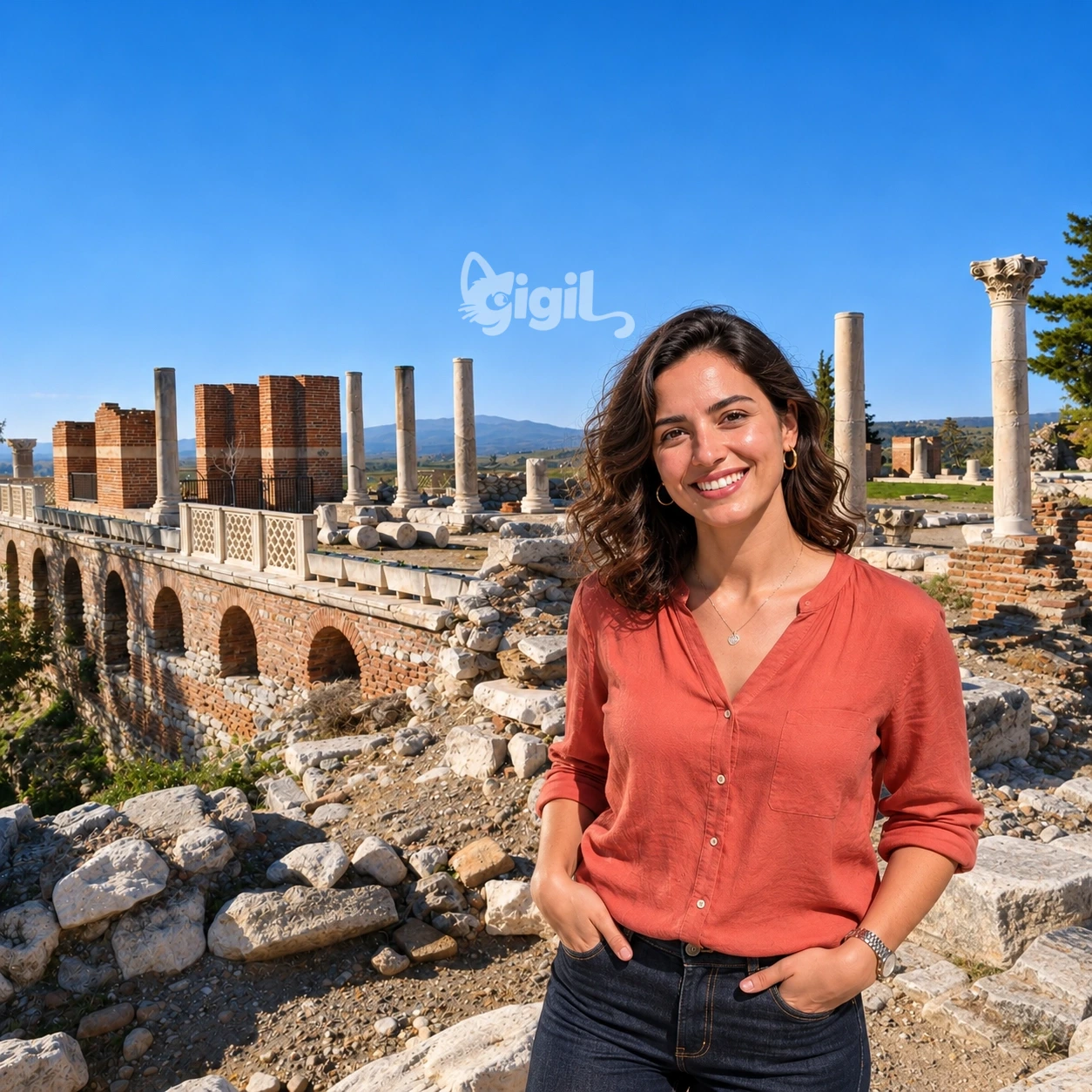
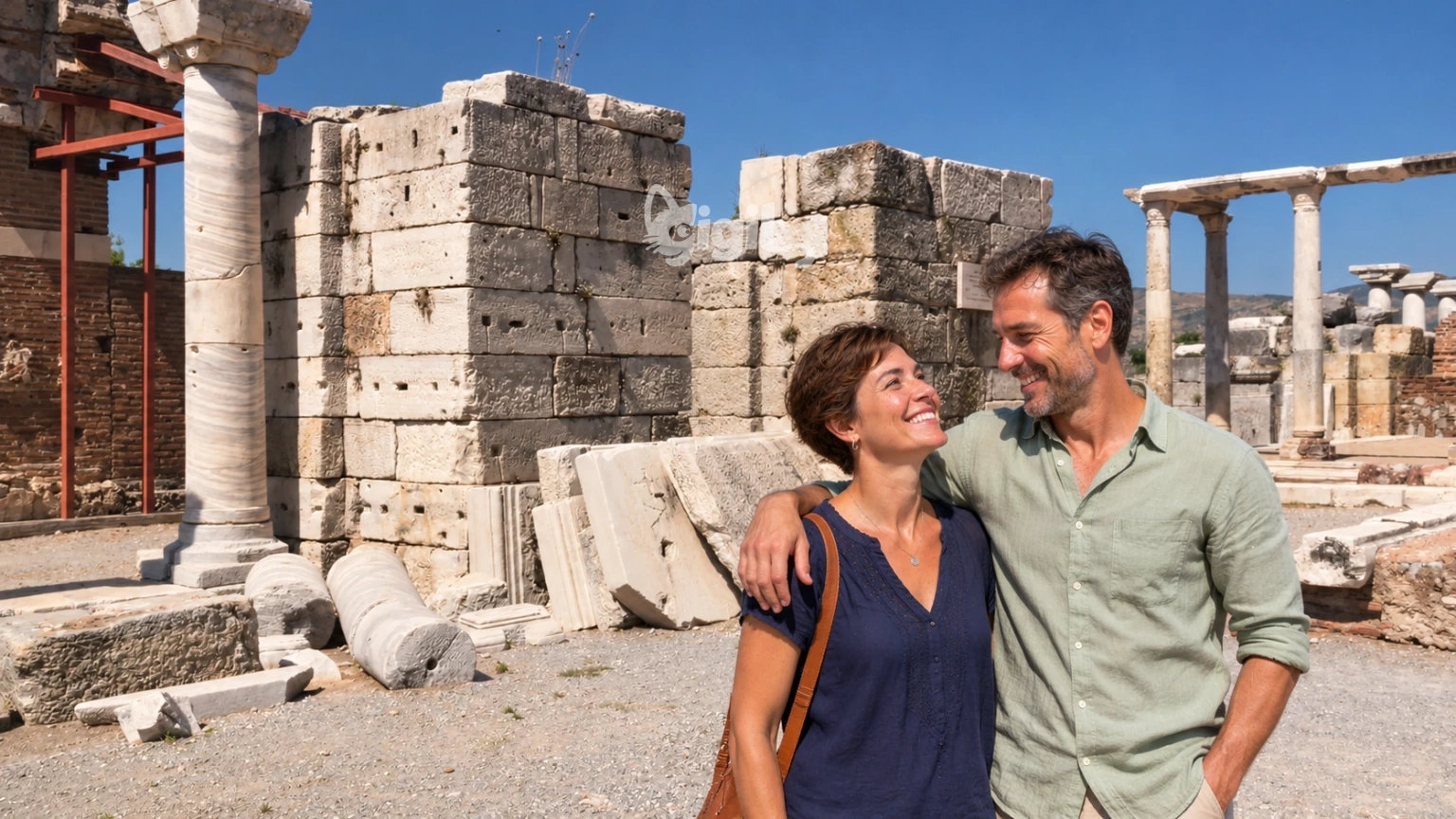
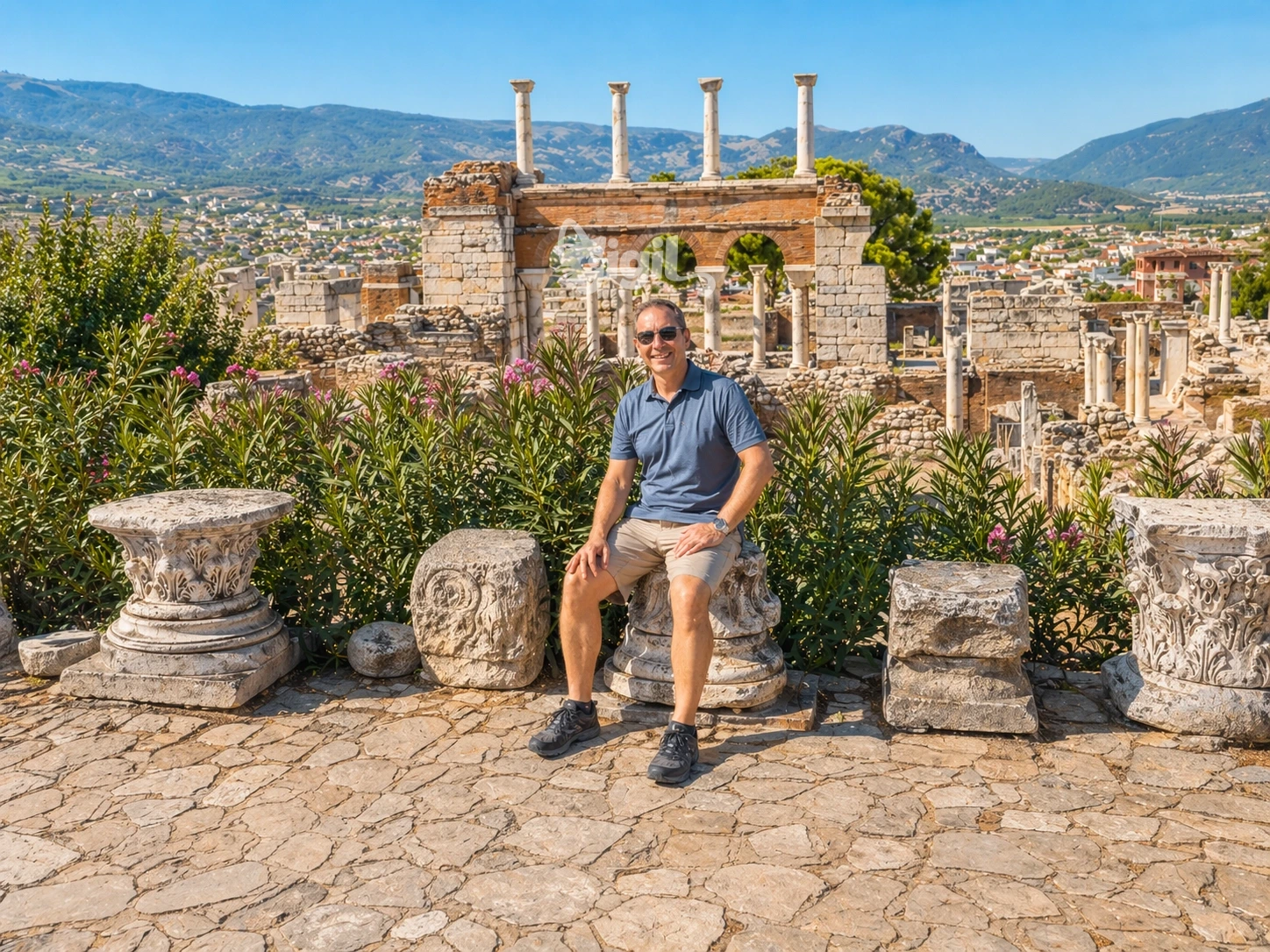
St. John Basilica offers a hilltop archaeological monument where Byzantine history and the tradition of St. John's burial are interpreted separately. Its role is distinct from both the House of the Virgin Mary and the active Isa Bey Mosque.
Its position near the end of the route sharpens the chronological movement from medieval Selcuk back to antiquity. Its place in the itinerary supports a fuller reading of Ephesus and Selcuk without changing the site's established identity. The result is practical destination context grounded in the place itself.
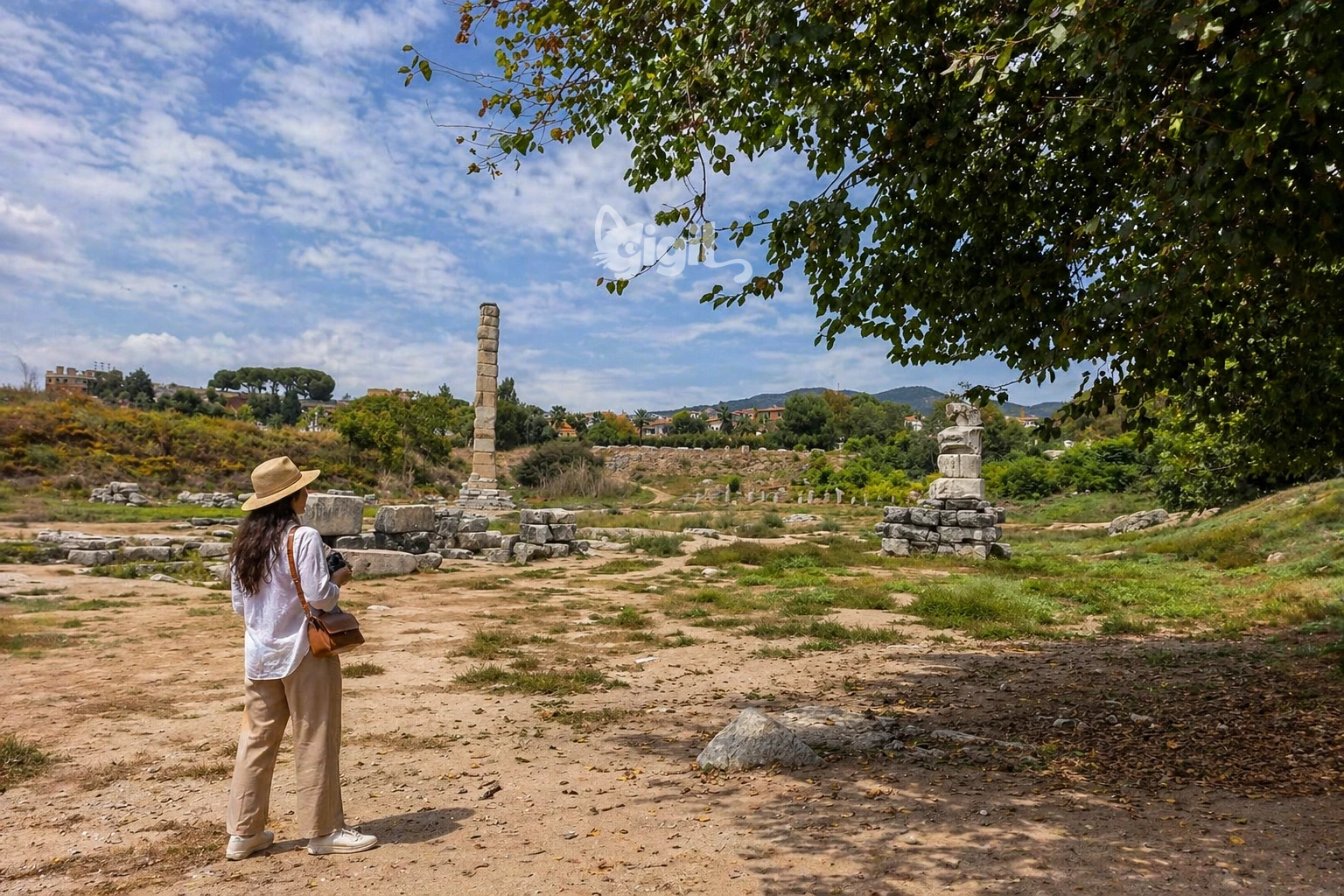
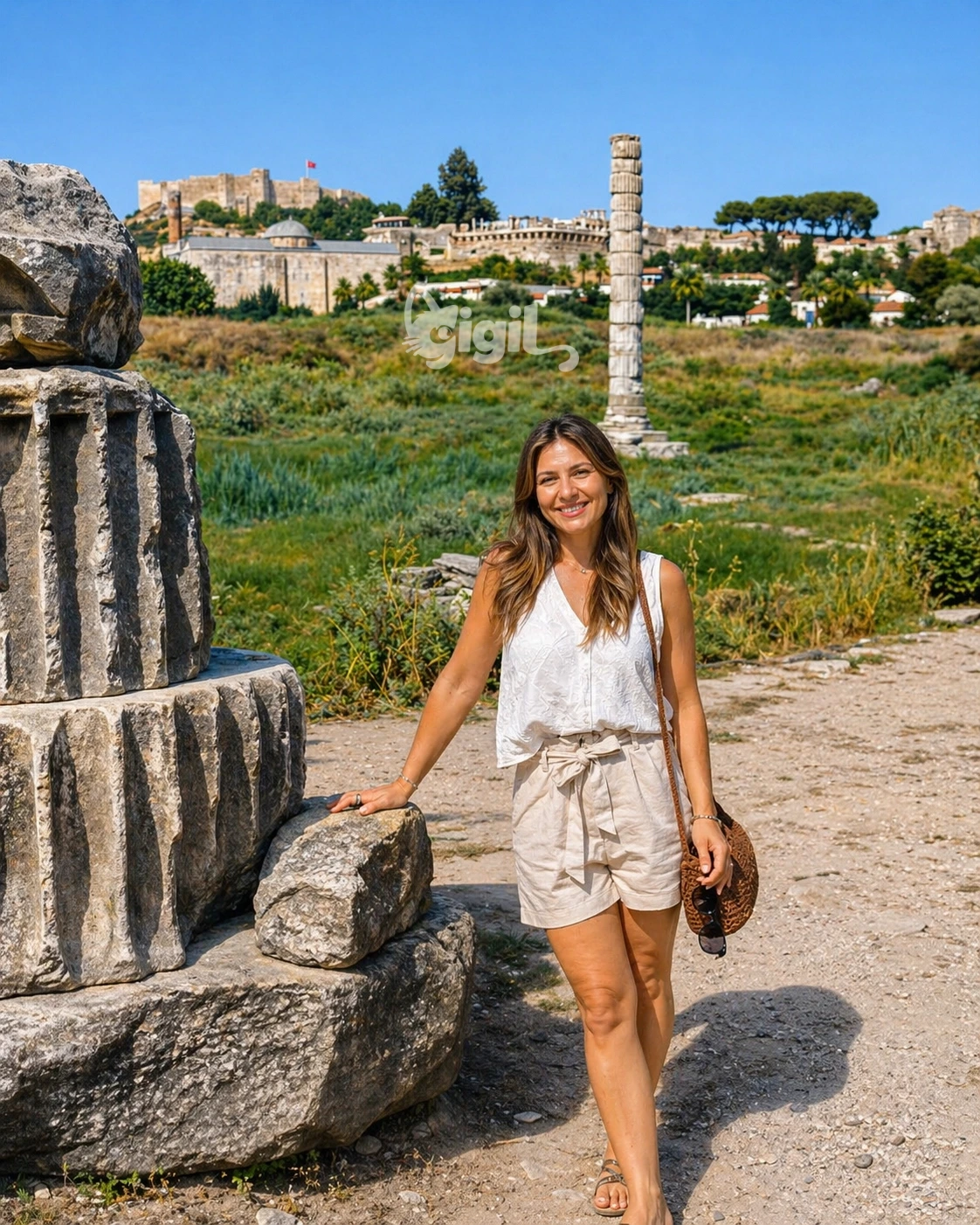
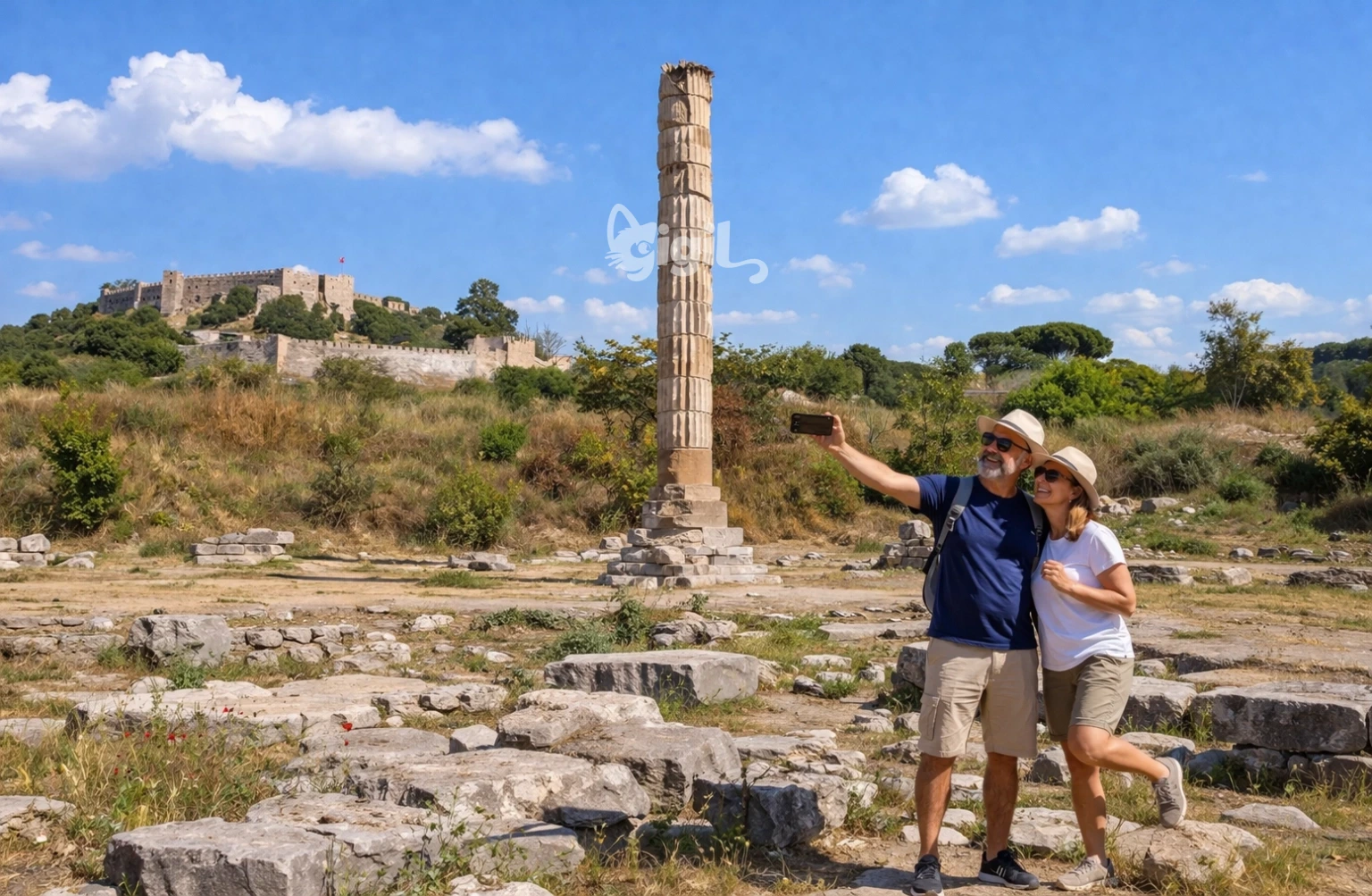
Walk to the Temple of Artemis.
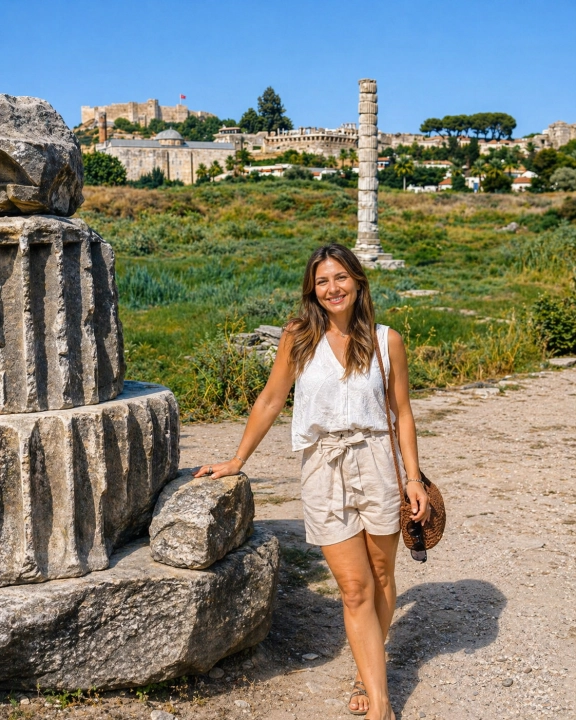
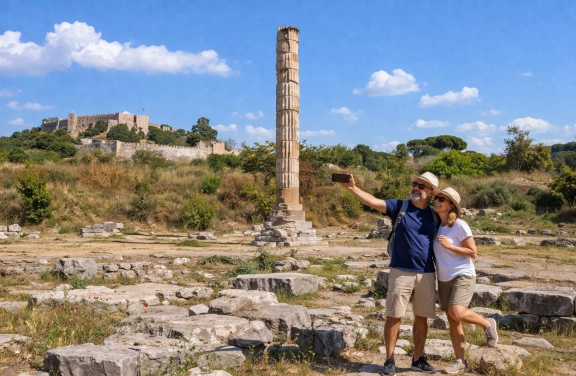
Finish the Selcuk heritage section with the remains of the Temple of Artemis before meeting the vehicle.
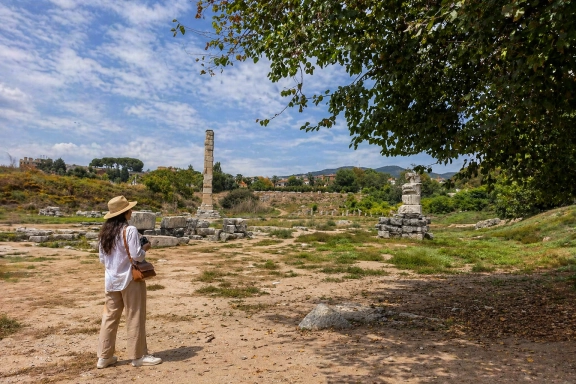
Temple of Artemis concludes the six-attraction sequence with the surviving traces of a temple renowned in ancient accounts as an architectural wonder. Current access and fee conditions require local confirmation rather than assumptions based on the site's open appearance.
After five contrasting heritage attractions, the Artemis remains supply a concise ancient-world conclusion. The destination is interpreted in relation to the whole route while remaining separate from the lunch pause and travel arrangements. This focus keeps the visitor's expectations clear before the day begins.
Board the return bus.
Take the return intercity bus to Denizli Bus Terminal.
Arrive back at Denizli Bus Terminal.
Arrive at the bus terminal and continue to the final drop-off area.
Return to the selected departure area.
Drop-off is made at the confirmed departure area after the return connection.
Reach out to our travel experts.
Cancellation Policy
A transparent overview of applicable fees.
Traveller feedback for this tour group, published after review.
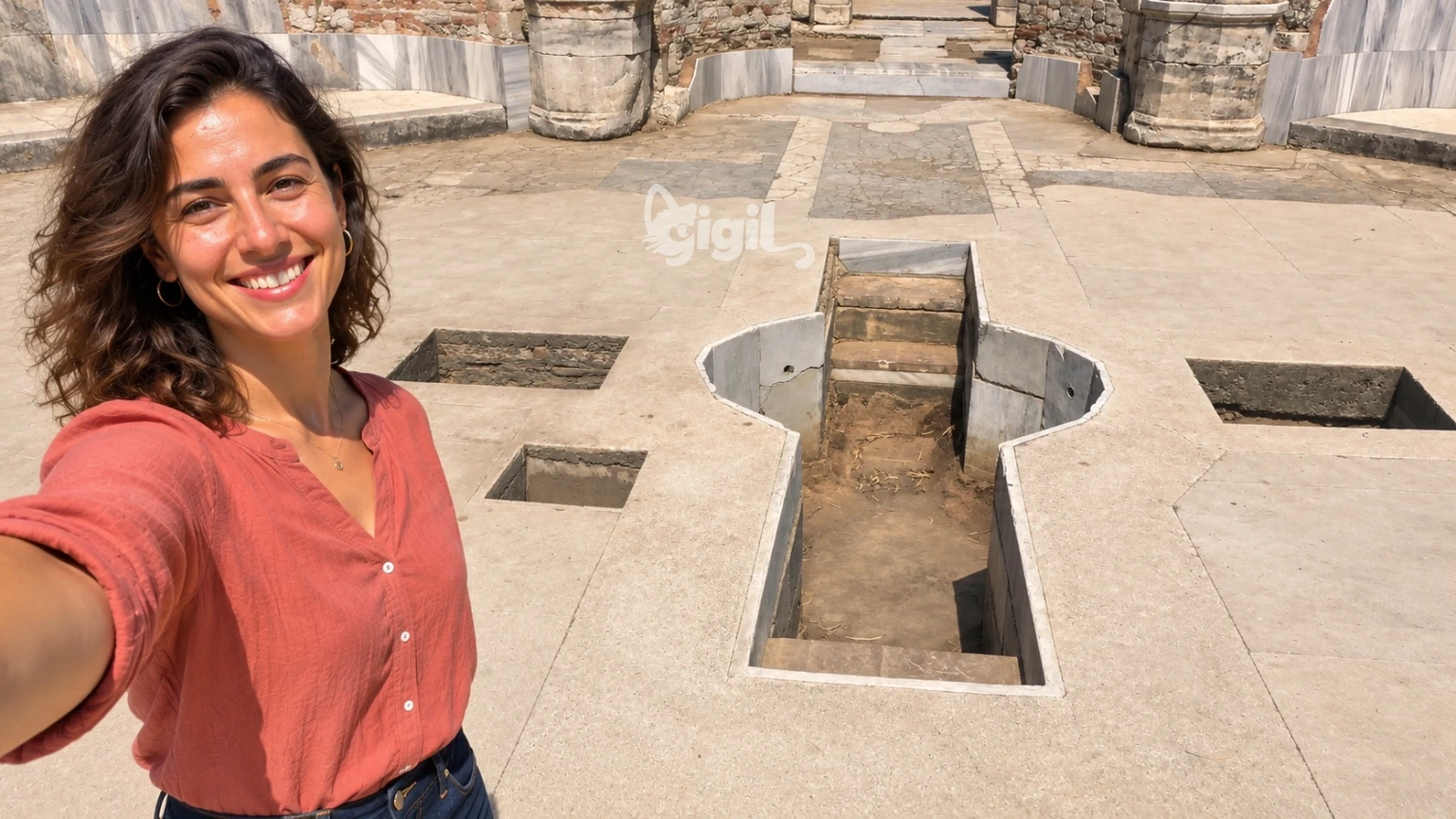
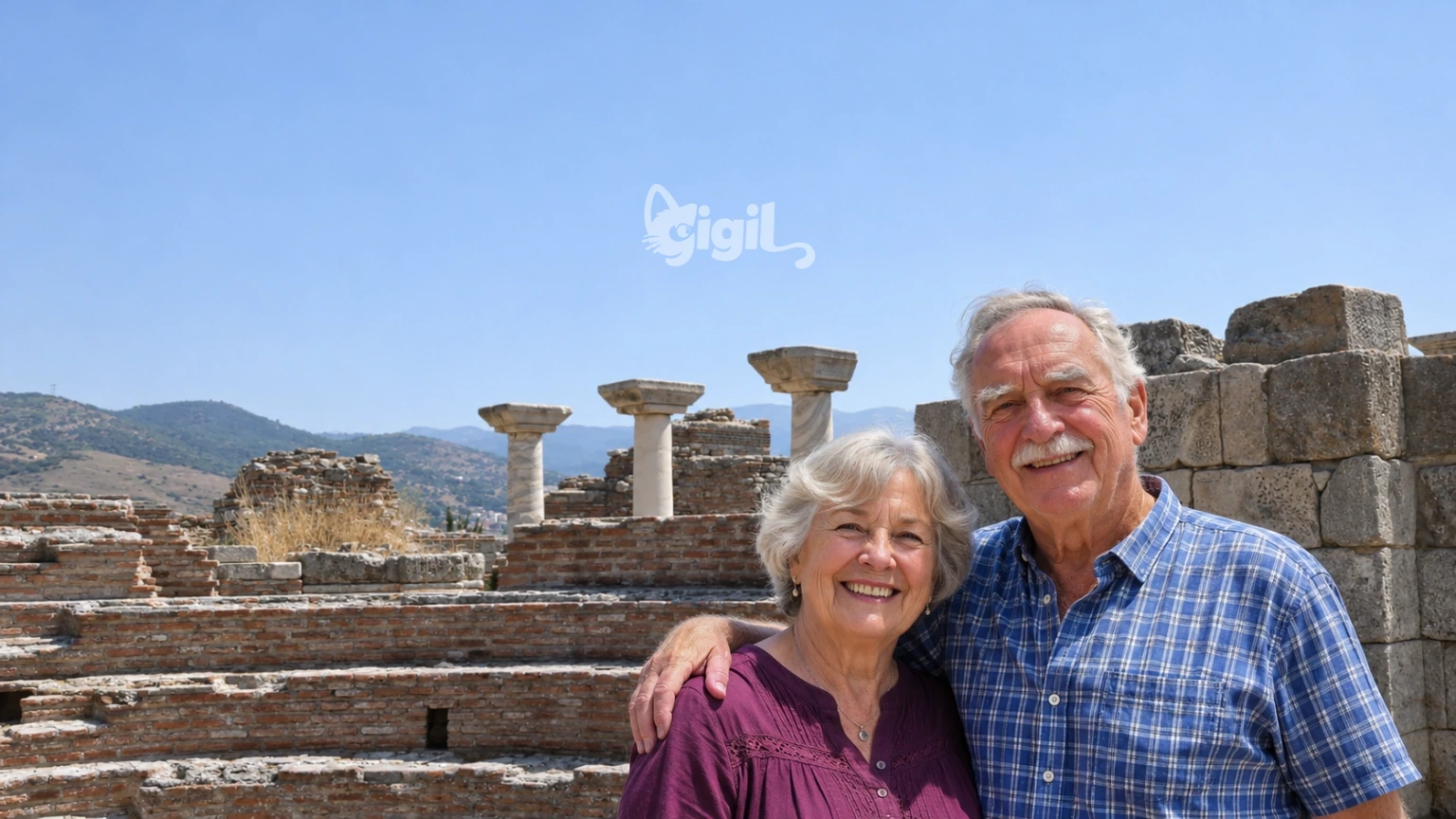
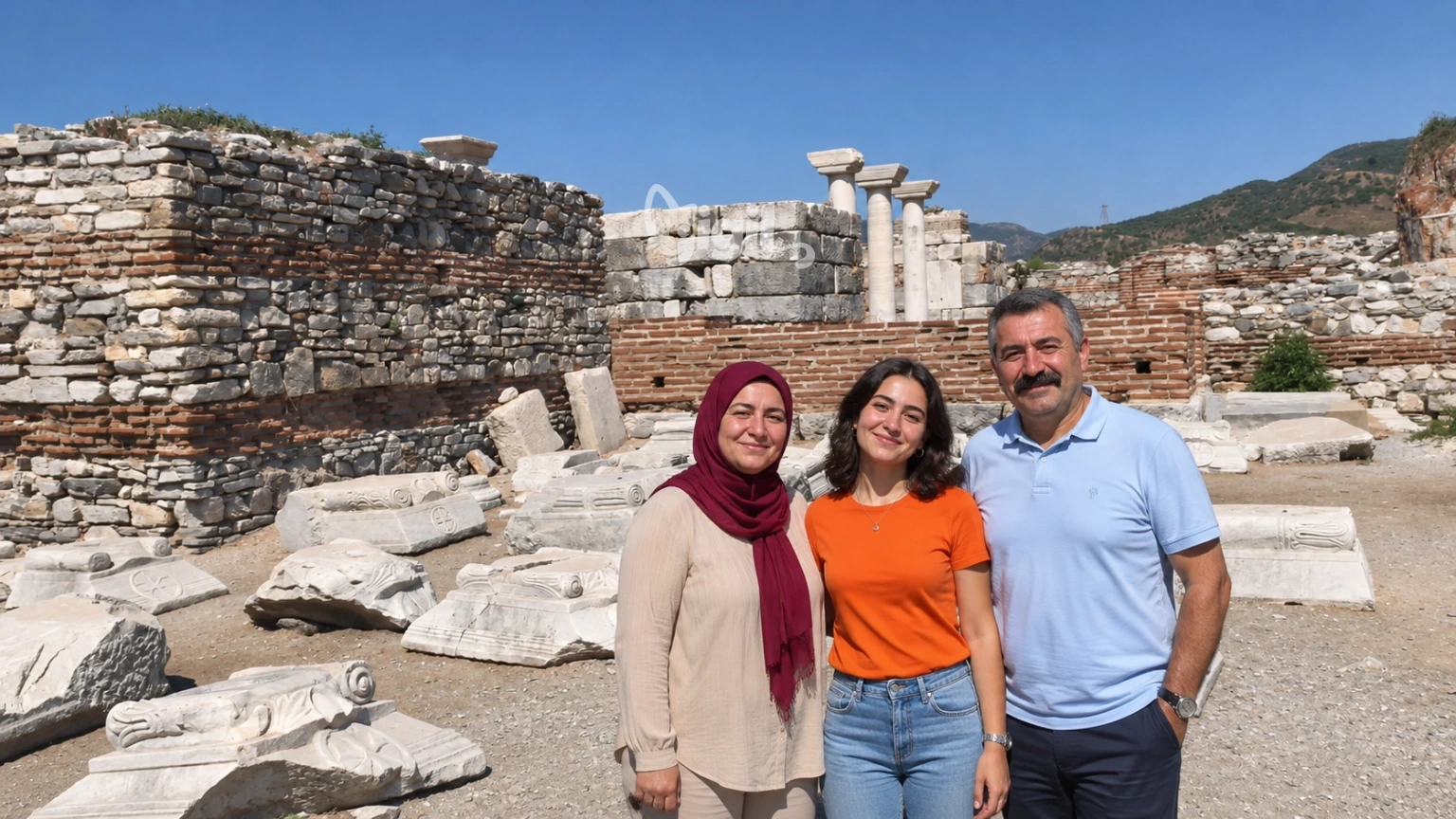
Write a ReviewMy sister and I like to take our time, which was why we chose a private tour. We never felt hurried along when we stopped to look at something. The driver was kind and the whole day felt straightforward.
We had a few questions about meeting up and getting back to the ship. Emrah from Gigil Travel explained the arrangements clearly. On the day we could just enjoy the visit instead of worrying about the logistics.
You can create a reminder for yourself for this tour. We will send you a reminder e-mail/sms about this tour on the date you specify.
Yes. Ephesus is one of the most popular and efficient day trips from Kusadasi.
Shore excursions are built around your ships docking schedule.
Ephesus is an ancient city near Selcuk on Turkeys Aegean coast.
Yes, but it is a longer drive than from Kusadasi.
Ephesus is a large open-air archaeological site with world-famous monuments.
The Terrace Houses offer a closer look at Roman-era homes, mosaics, and frescoes.
Ephesus involves a lot of walking on stone surfaces and open paths.
Comfort and sun protection make a big difference.
Ephesus can be visited year-round, but the experience changes by season.
Ephesus is very popular, especially in summer and on cruise days.
In peak season, planning helps avoid delays, but rules can change.
It is a meaningful stop for many visitors and can be added based on timing.
Sirince is a small hillside village near Selcuk and is often added for variety.
It is usually too long for a comfortable day, especially for cruise schedules.
It is usually not recommended for a single day from Kusadasi.
Ship schedules can change, and we plan with buffer time.
For cruise travelers, private tours are often the most comfortable option.
It depends on comfort level, as the site is large and mostly outdoors.
Visa requirements depend on your passport and may change.
Turkey uses the Turkish Lira (TRY).
Cards are accepted in many restaurants, shops, and hotels.
Many travelers prefer bottled water.
Tipping is common and appreciated for good service.
Turkey typically uses Type C and Type F plugs (220V, 50Hz).
SIM and eSIM options are available from major operators.
Opening hours can change by season and some venues may have weekly closure days.
Photography rules vary by venue.
Some cruise ships keep ship time different from local Turkey time.
Tourist areas like Kusadasi and major sites are used to international visitors.
If you prefer a lighter day, there are good alternatives.
We recommend keeping your passport safely on the ship or at your accommodation and carrying a copy if needed.
Dial 112 for emergencies (medical, police, fire, and urgent situations).
Download this tour’s PDF brochure and start tour planning offline
This tour also has a group tour version.
This tour also has transport options.
Ada
Book Ephesus Tours Assistance