







Very well looked after
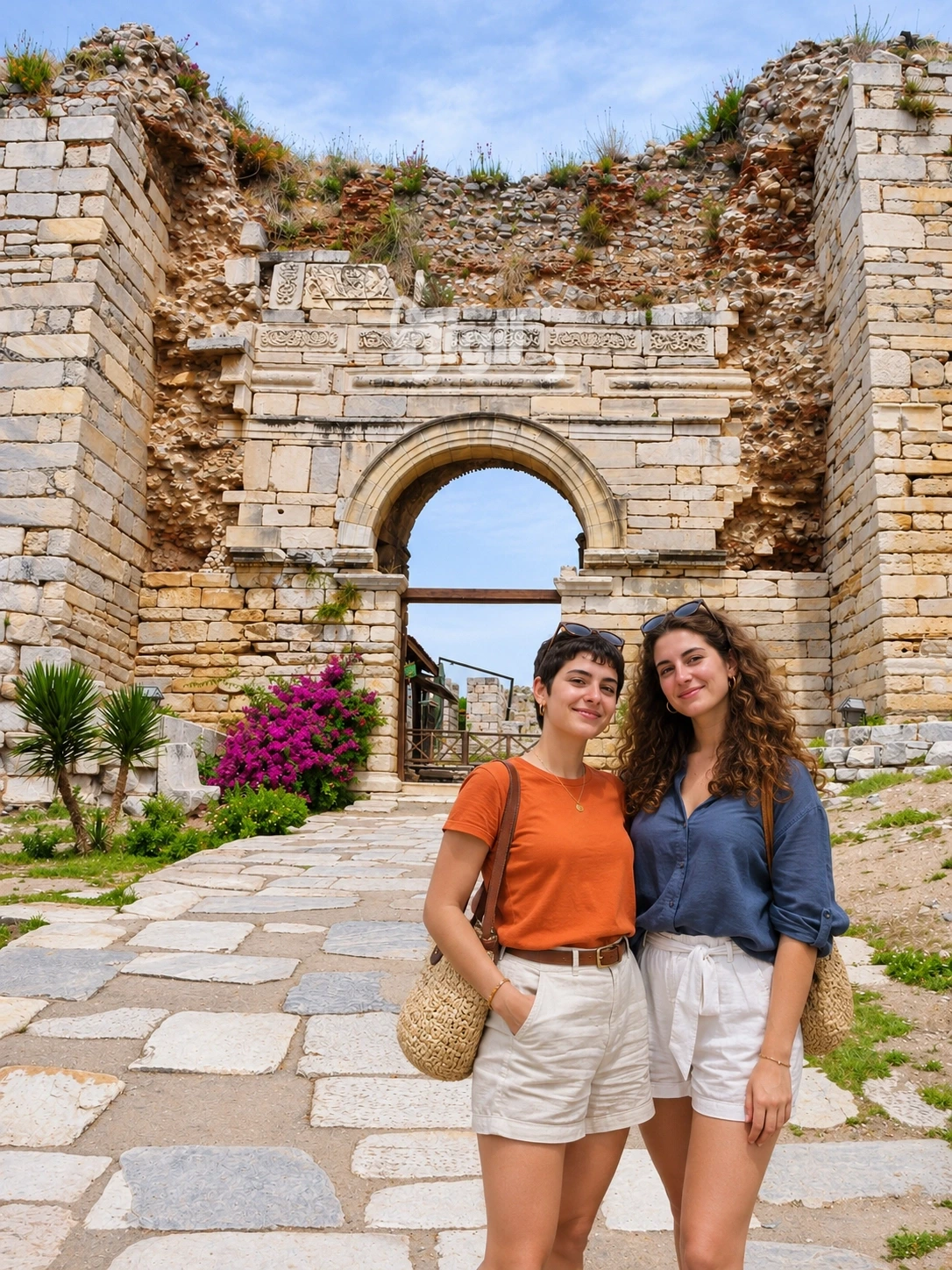
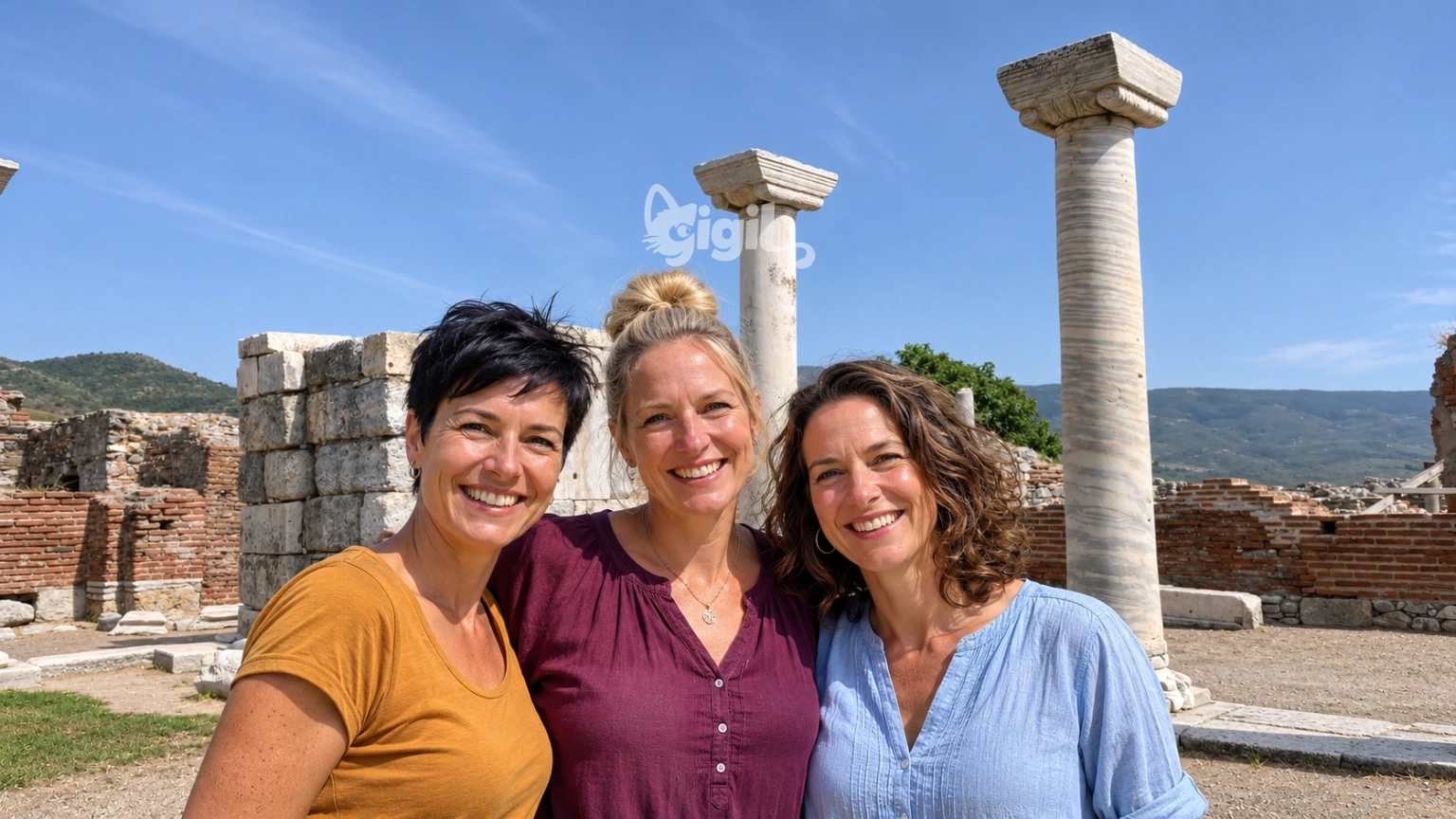
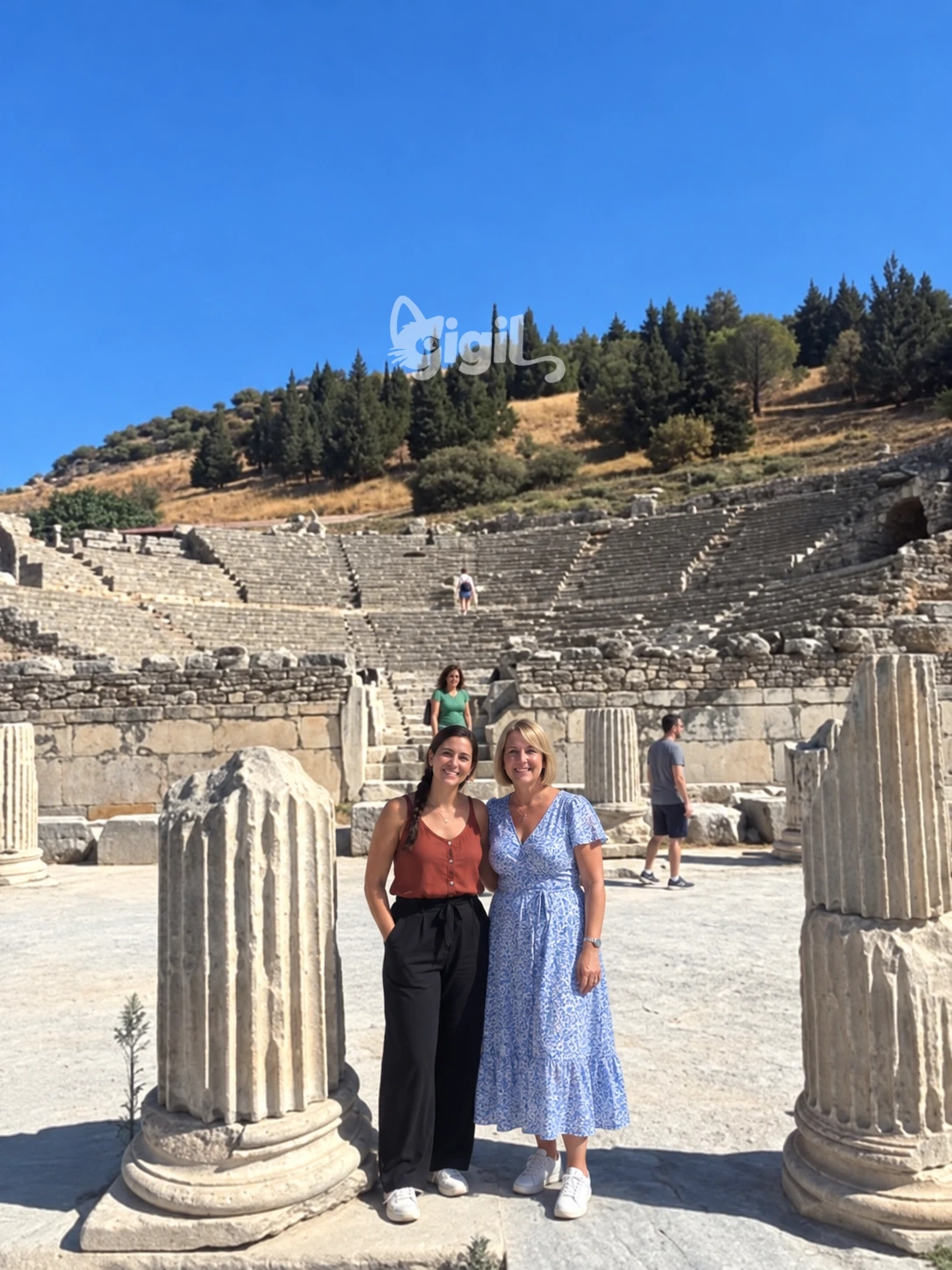
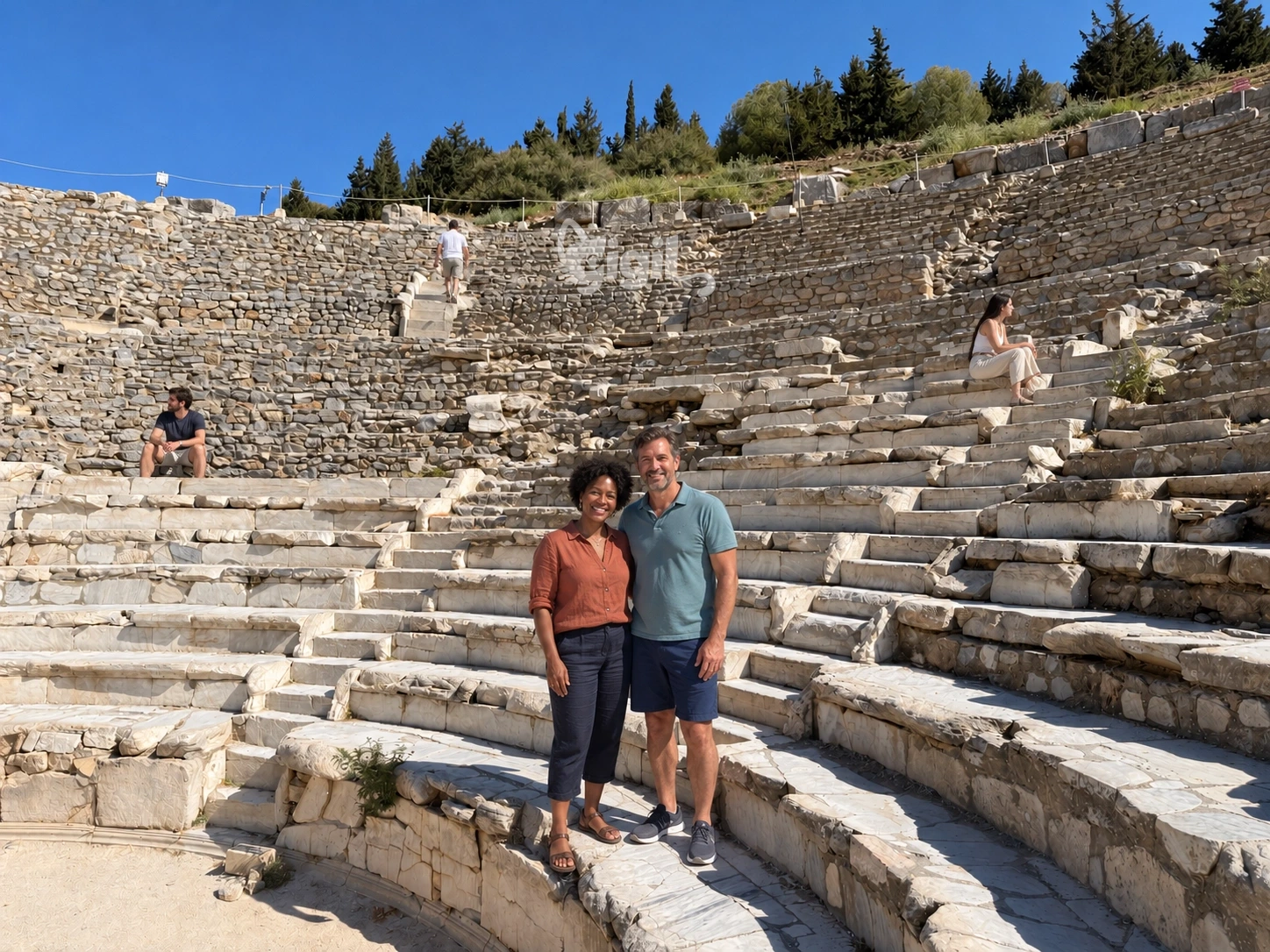
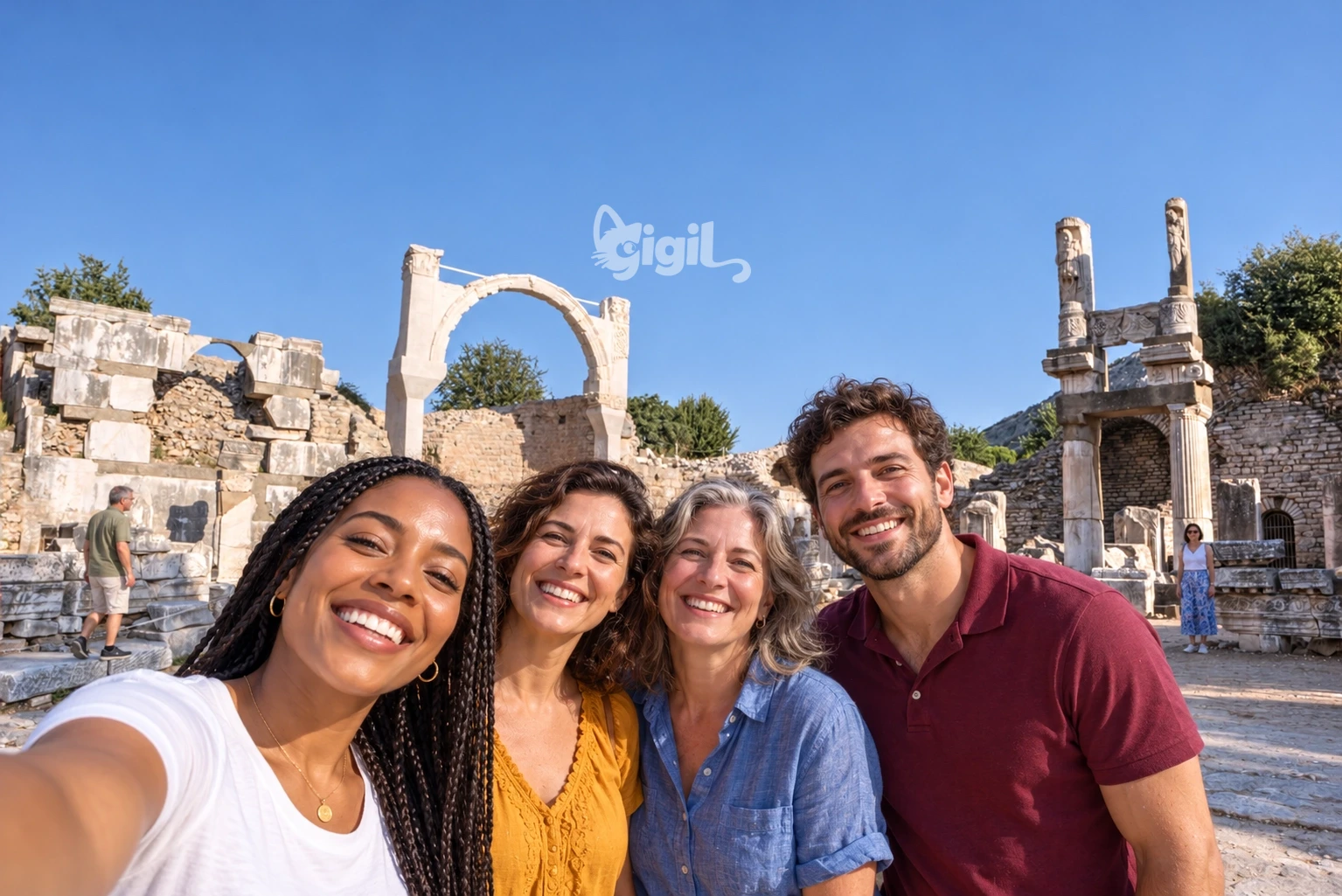
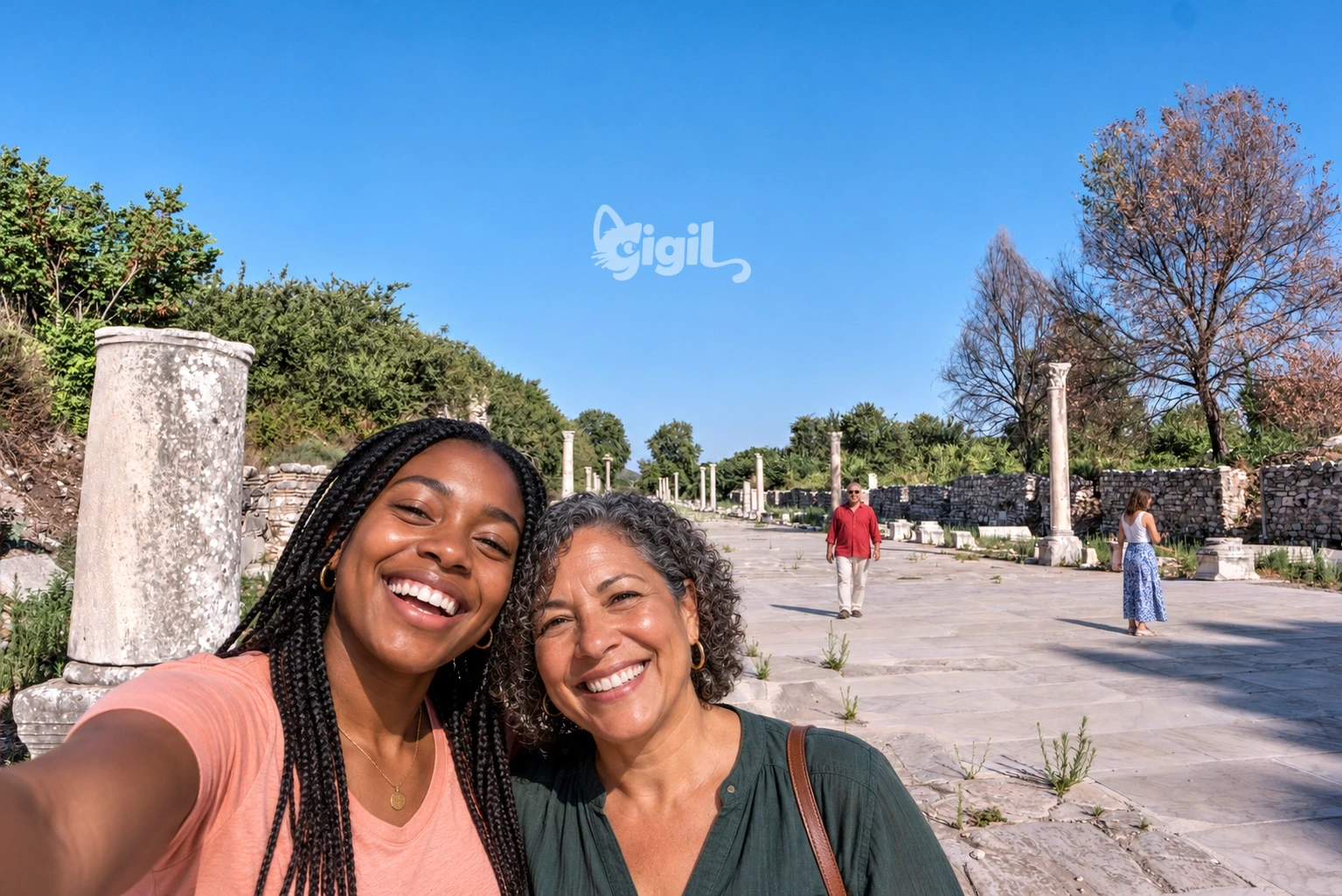
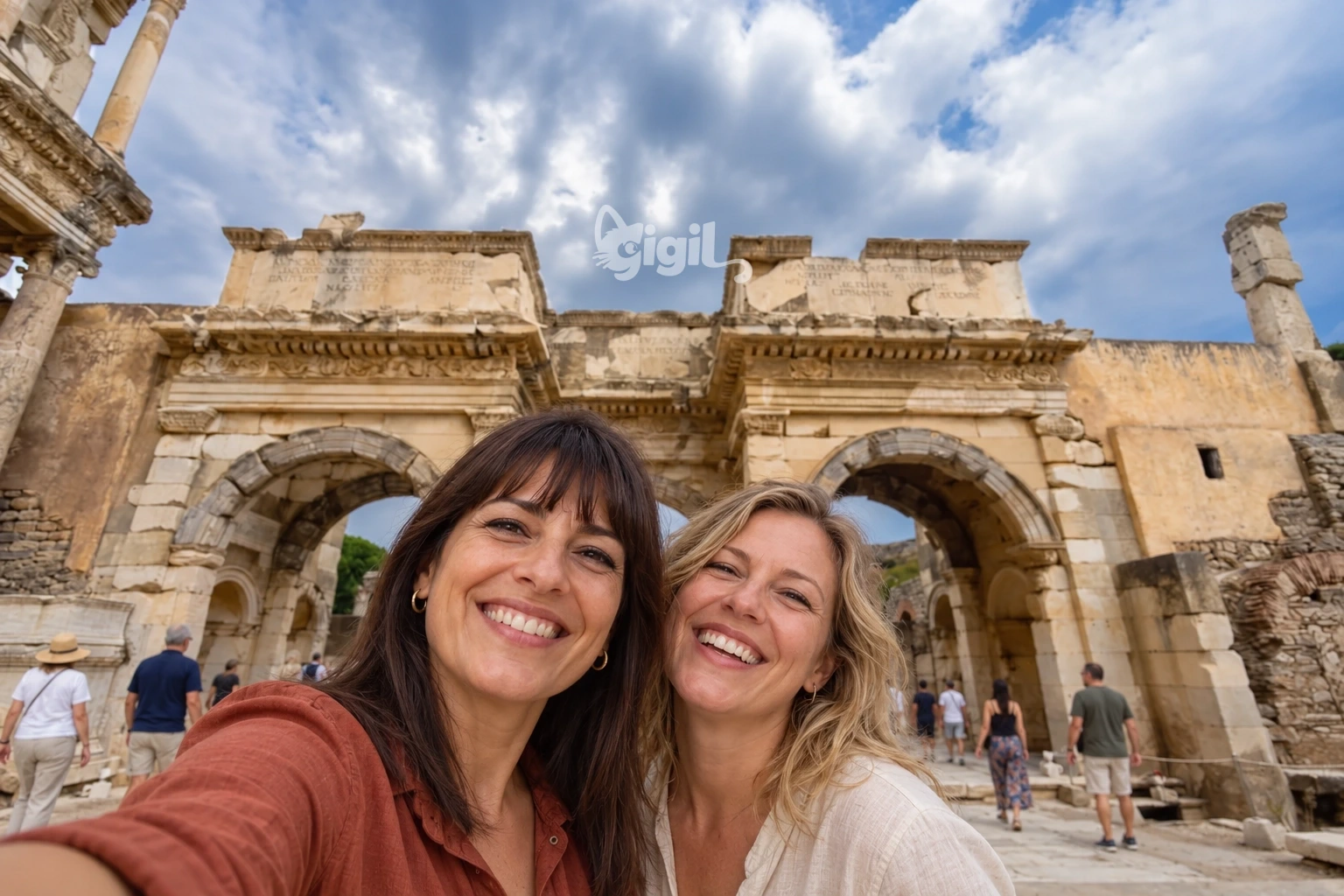
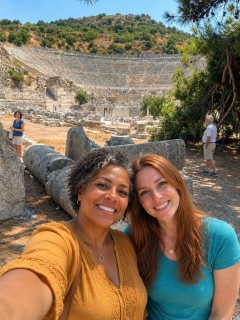
My sister and I like to take our time, which was why we chose a private tour. We never felt hurried along when we stopped to look at something. The driver was kind and the whole day felt straightforward.
Choose how you would like to see prices.
No currencies found. Try a different name or code.
Use the first day for the bus connection toward the Ephesus region and the first overnight stay.
Meet at the confirmed pickup point.
Transfer from the confirmed departure area to the confirmed bus connection point.
Board the intercity bus.
Take the scheduled bus toward Kusadasi Bus Terminal.
Arrive at Kusadasi Bus Terminal.
Meet the local vehicle and continue to the accommodation area.
Check in for the first overnight stay.
Check in to the selected hotel in the Selcuk or Kusadasi area.
Follow the full route and return to the hotel area for the second overnight stay.
Meet the guide for the full route.
Start the guided Ephesus and Selcuk route from the hotel area.
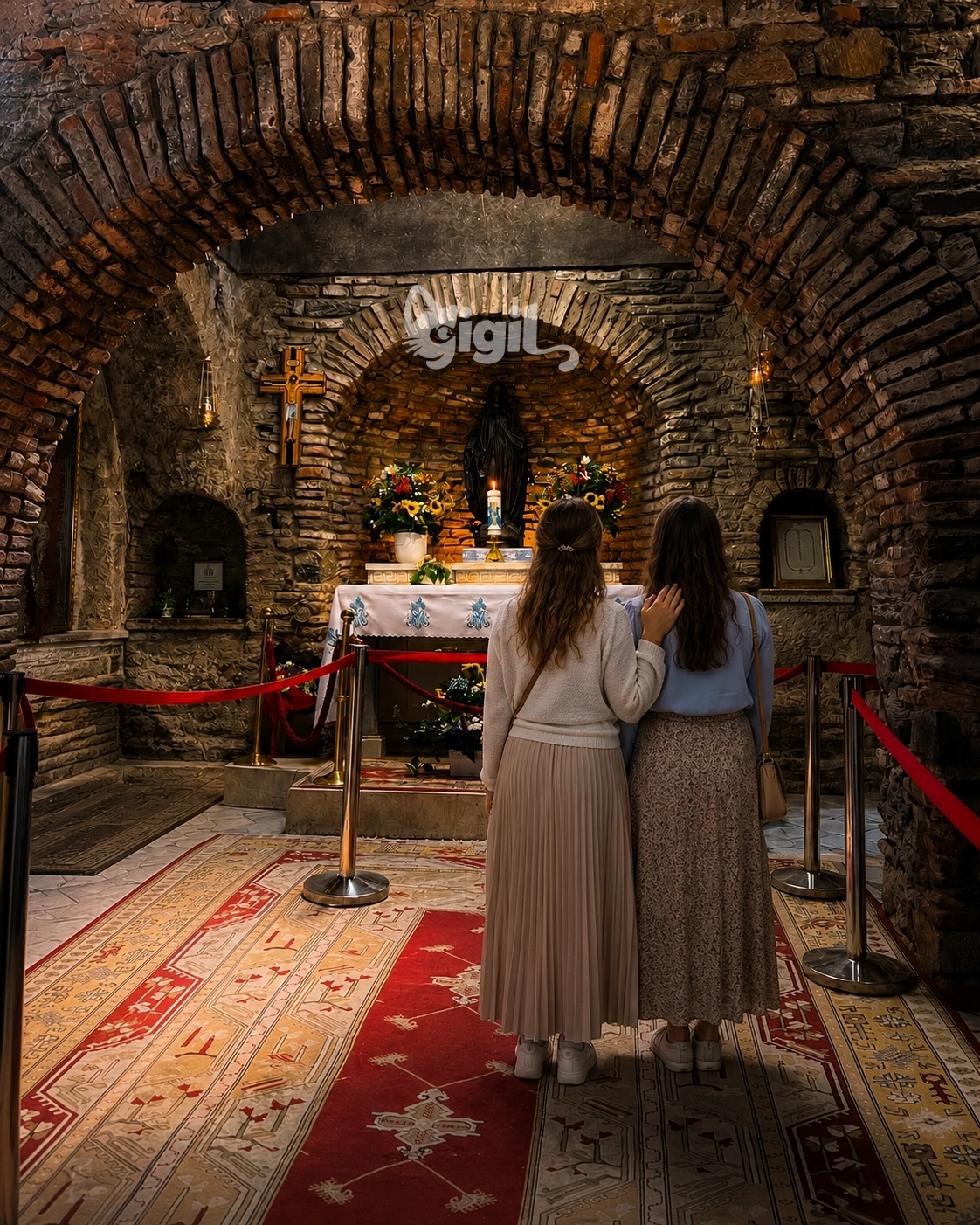
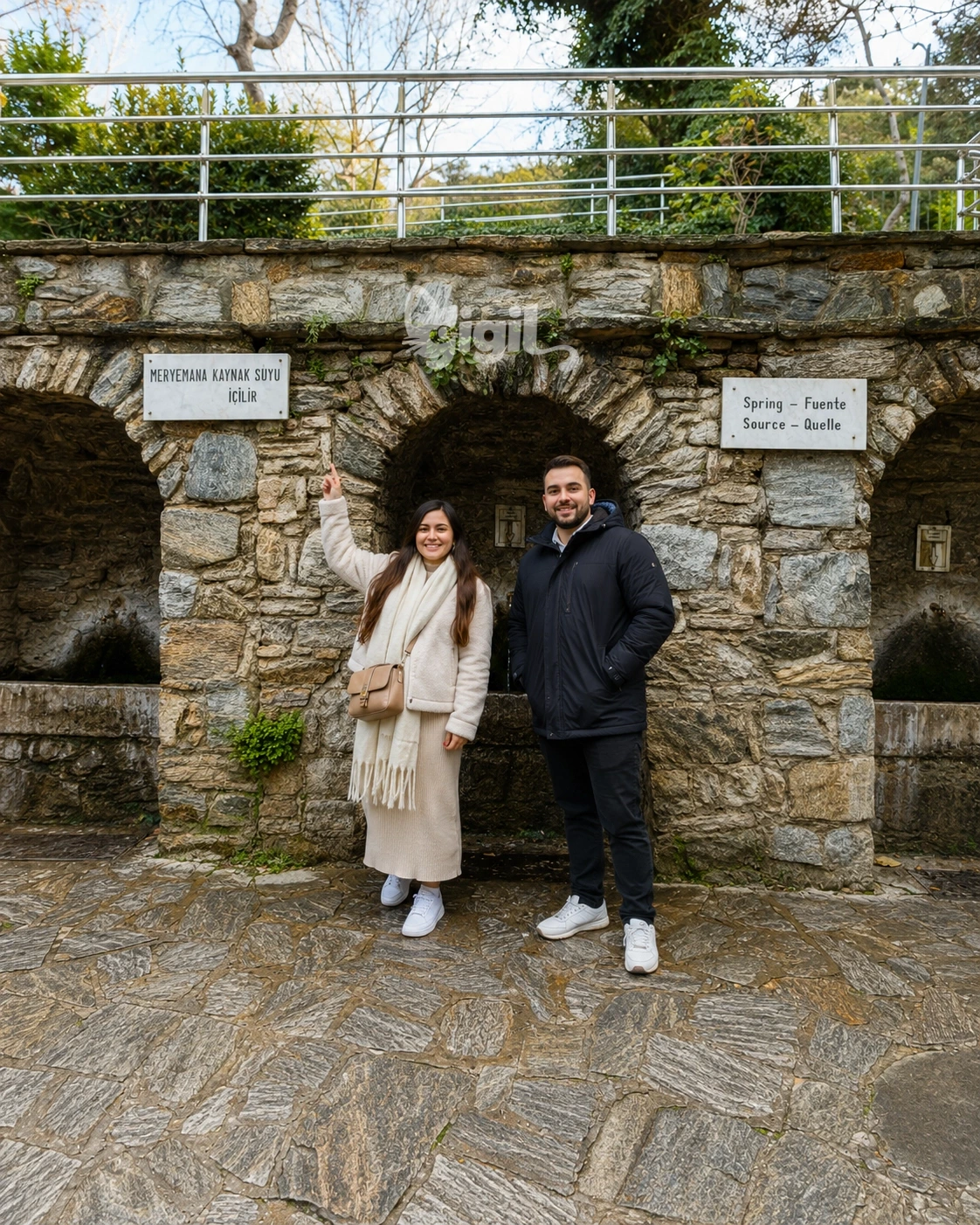
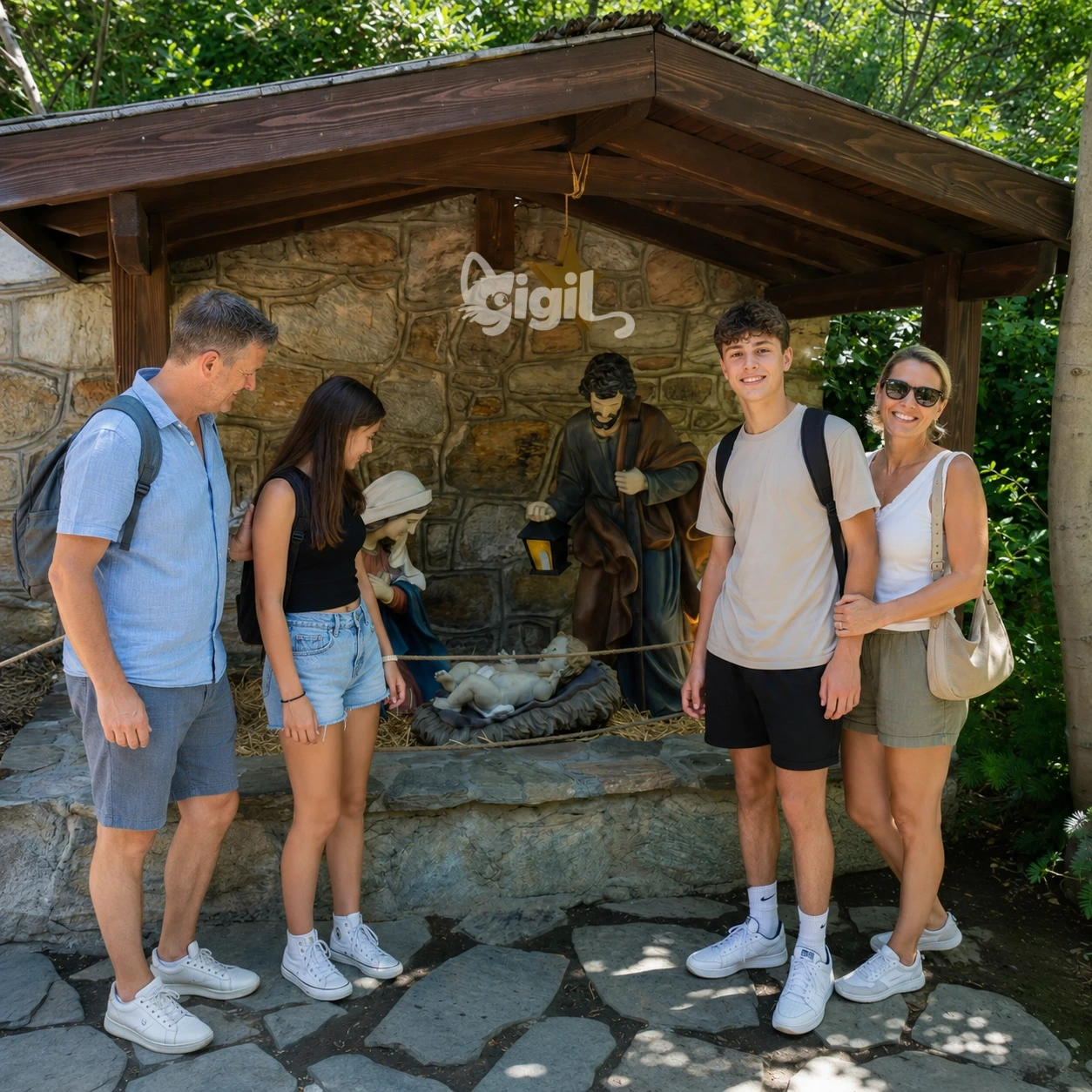
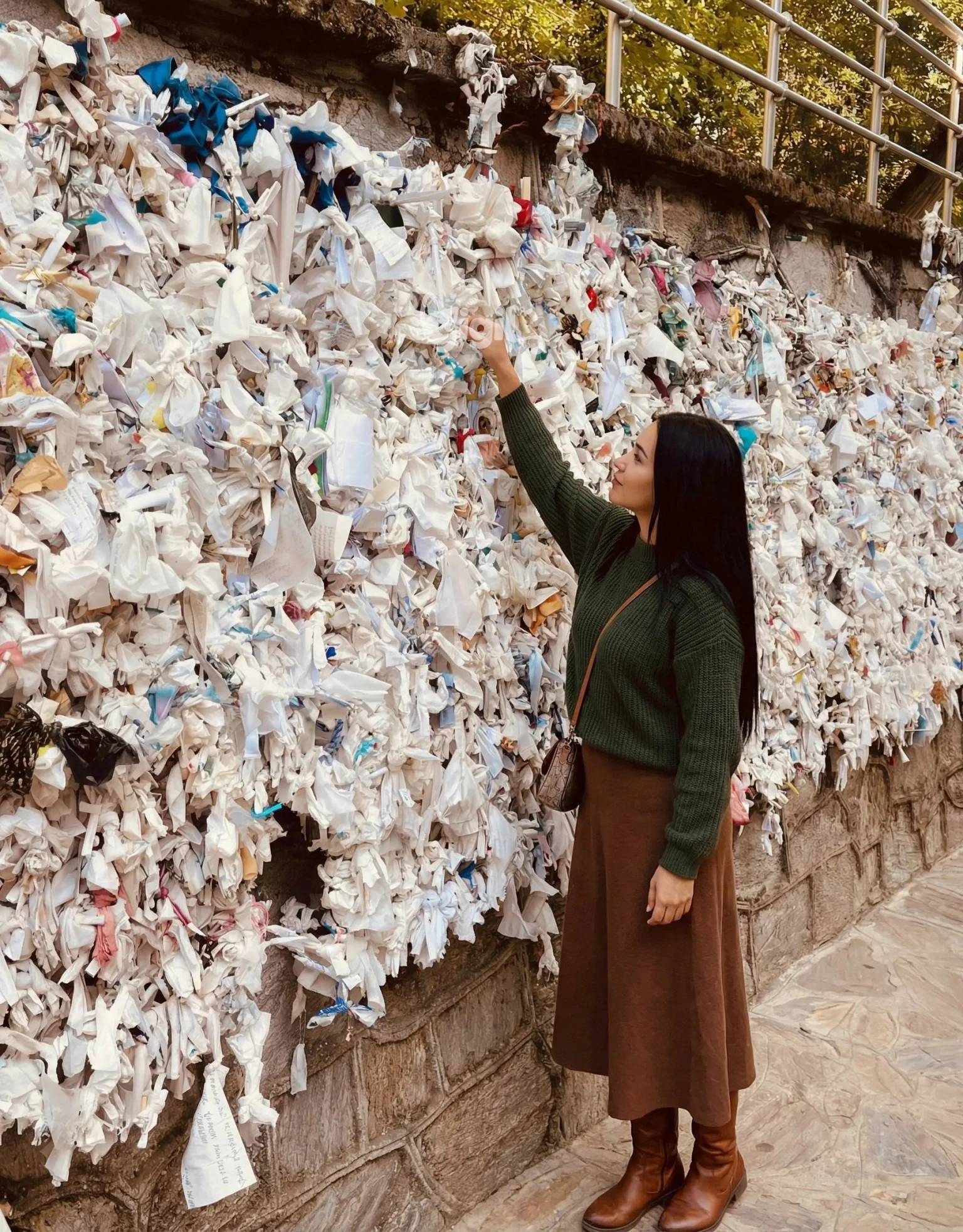
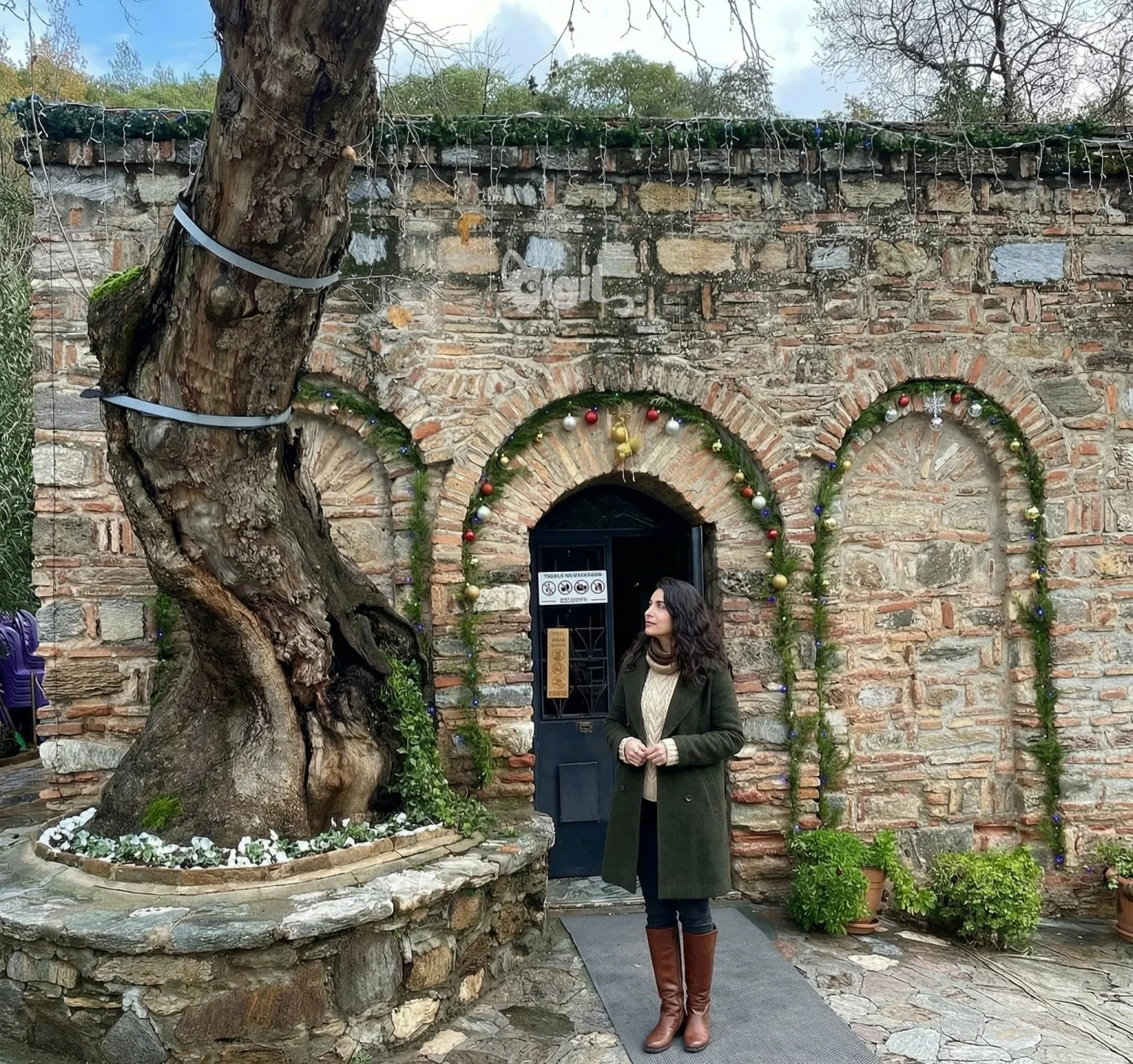
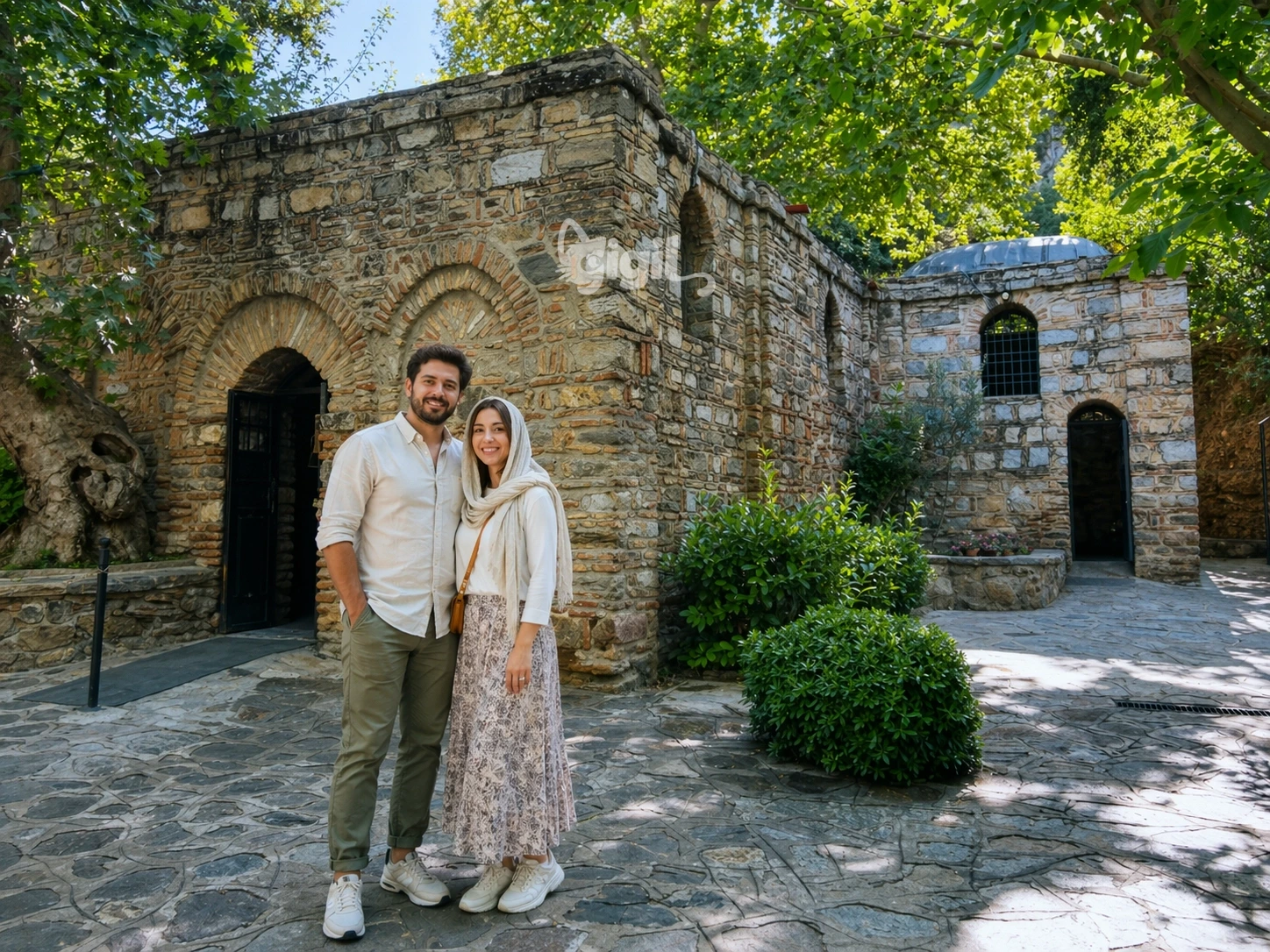
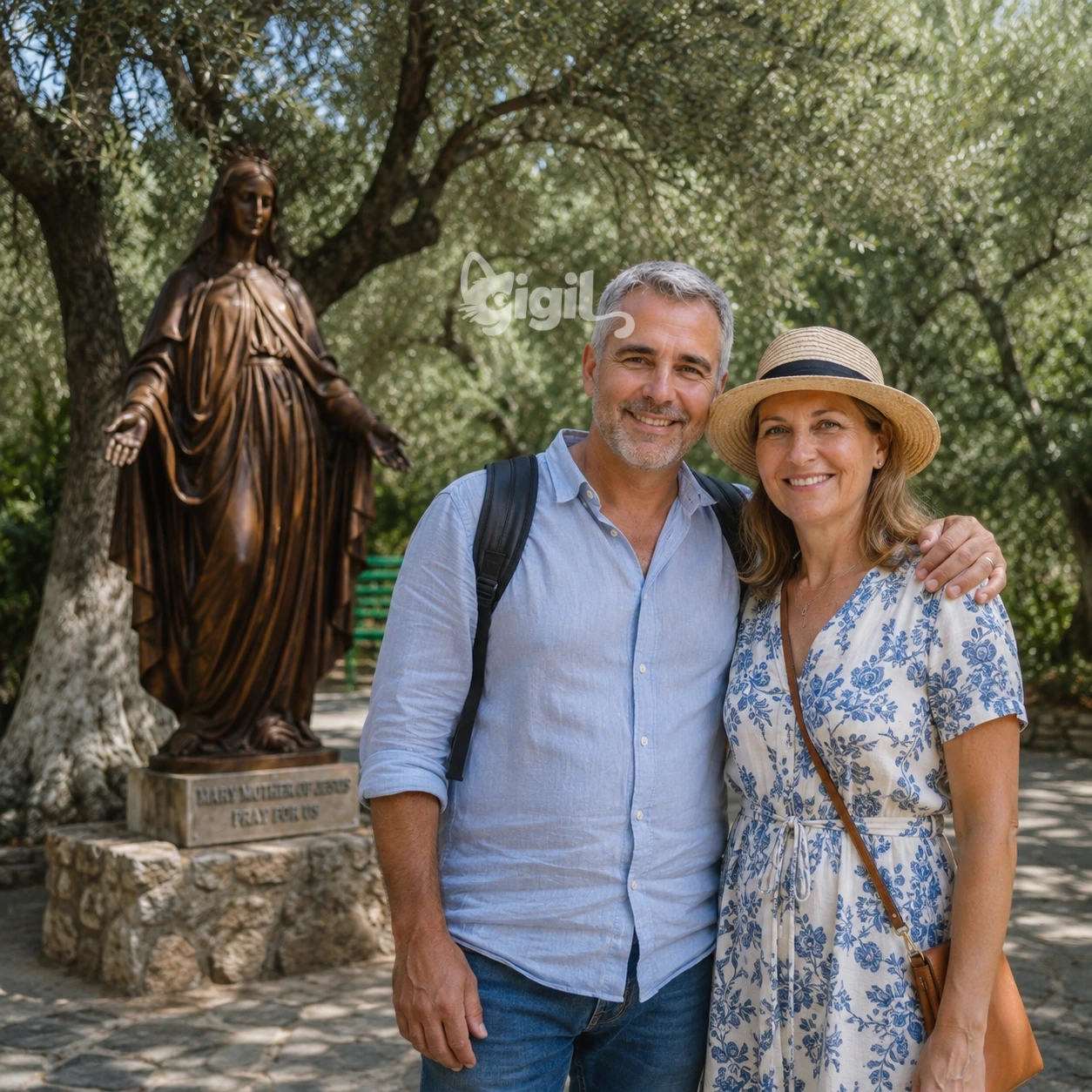
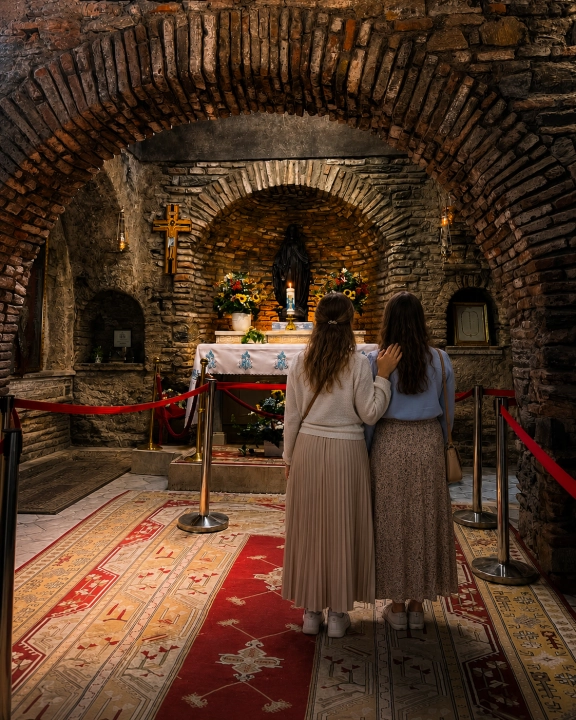
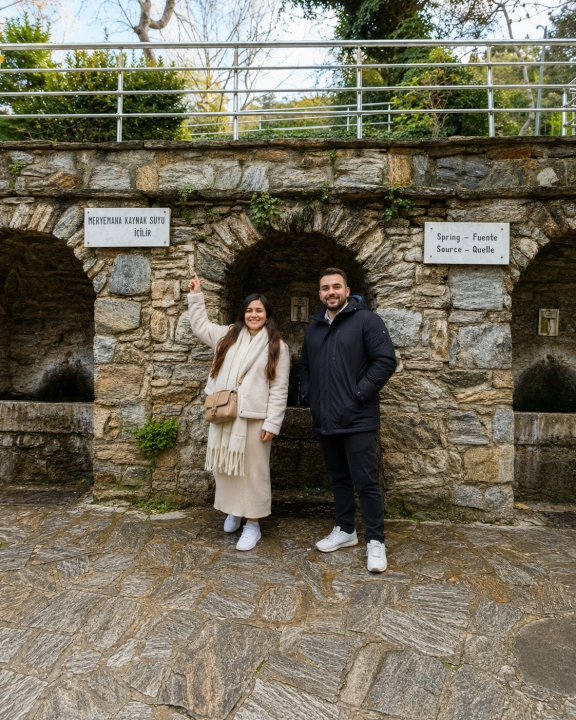
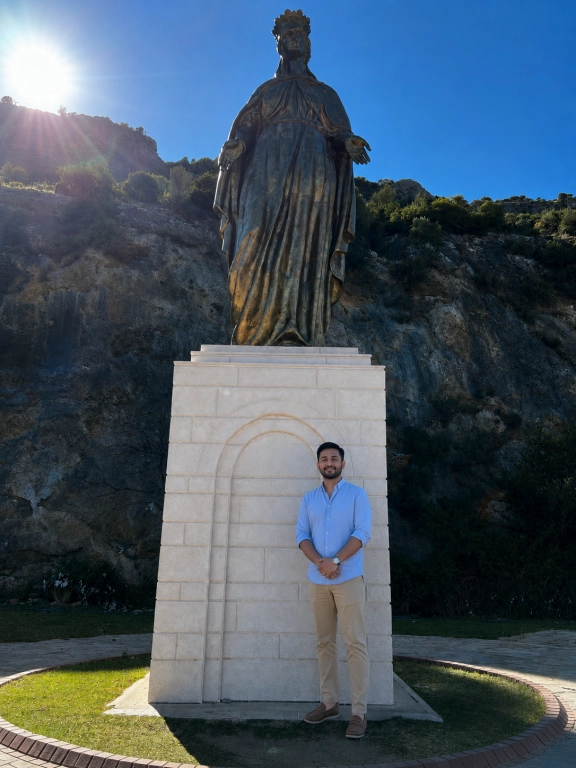
Visit the House of Virgin Mary.
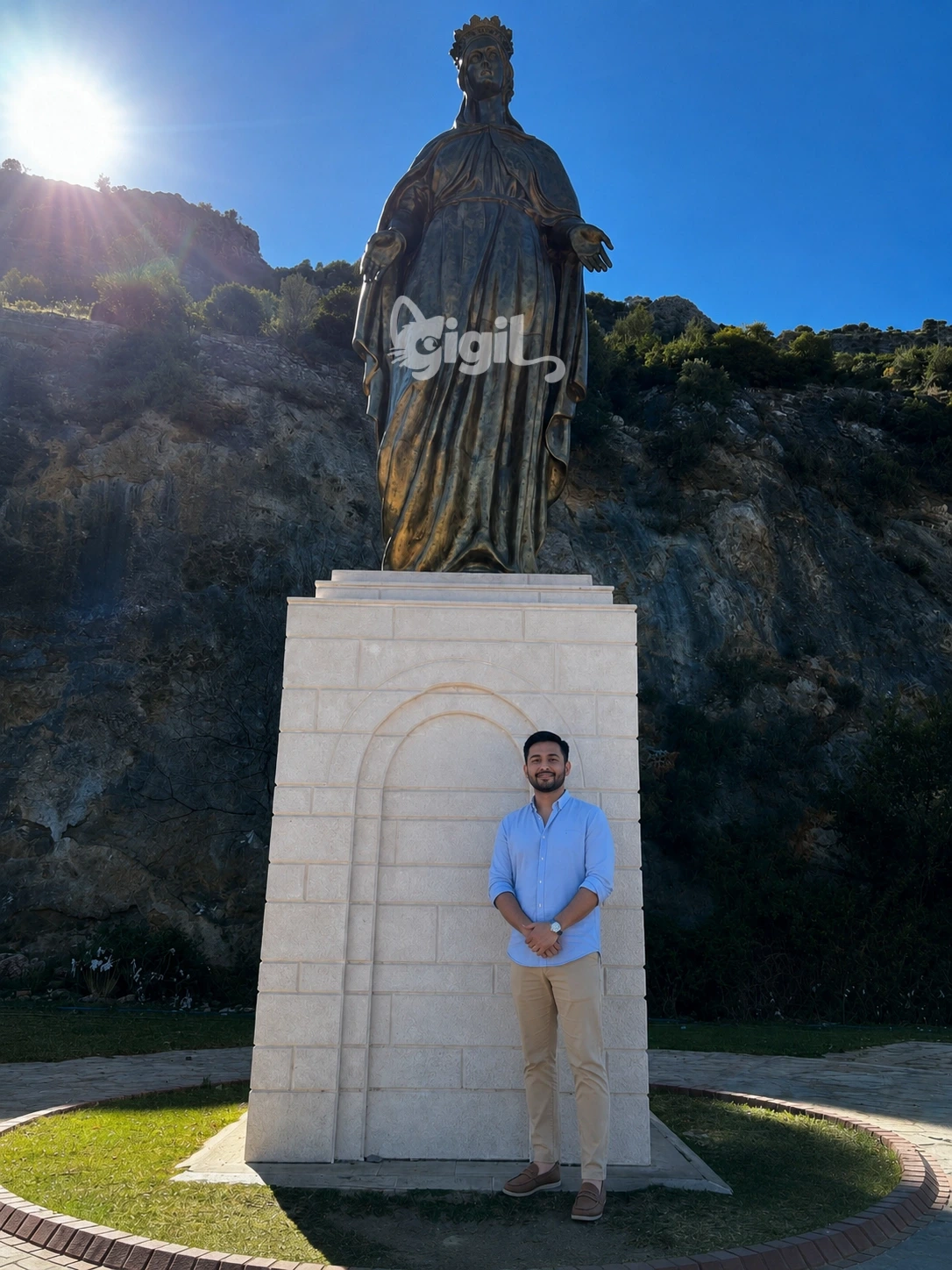
Begin above Ephesus at the House of Virgin Mary, keeping the visit respectful and well paced.
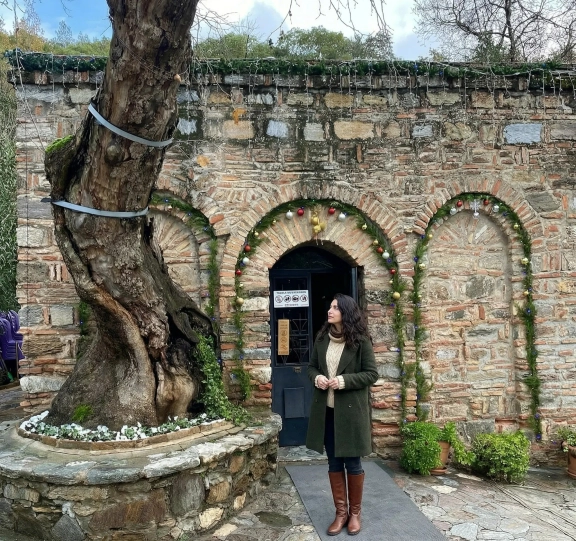
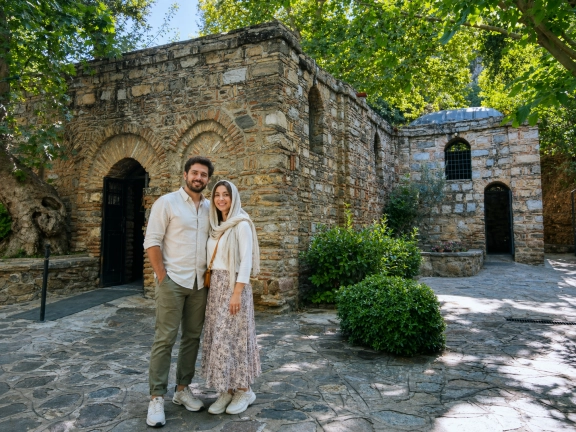
House of the Virgin Mary brings a reflective religious-heritage dimension to the day at a sanctuary traditionally linked with the Virgin Mary. A calm visitor approach suits the site, with any service, access or photography arrangements confirmed for the day.
Its sanctuary setting provides a thoughtful first chapter before the route enters Ephesus Ancient City. As a genuine sightseeing destination, the stop broadens the route while remaining distinct from accommodation, transport and meeting logistics. The emphasis remains on evidence, setting and an informed visitor experience.
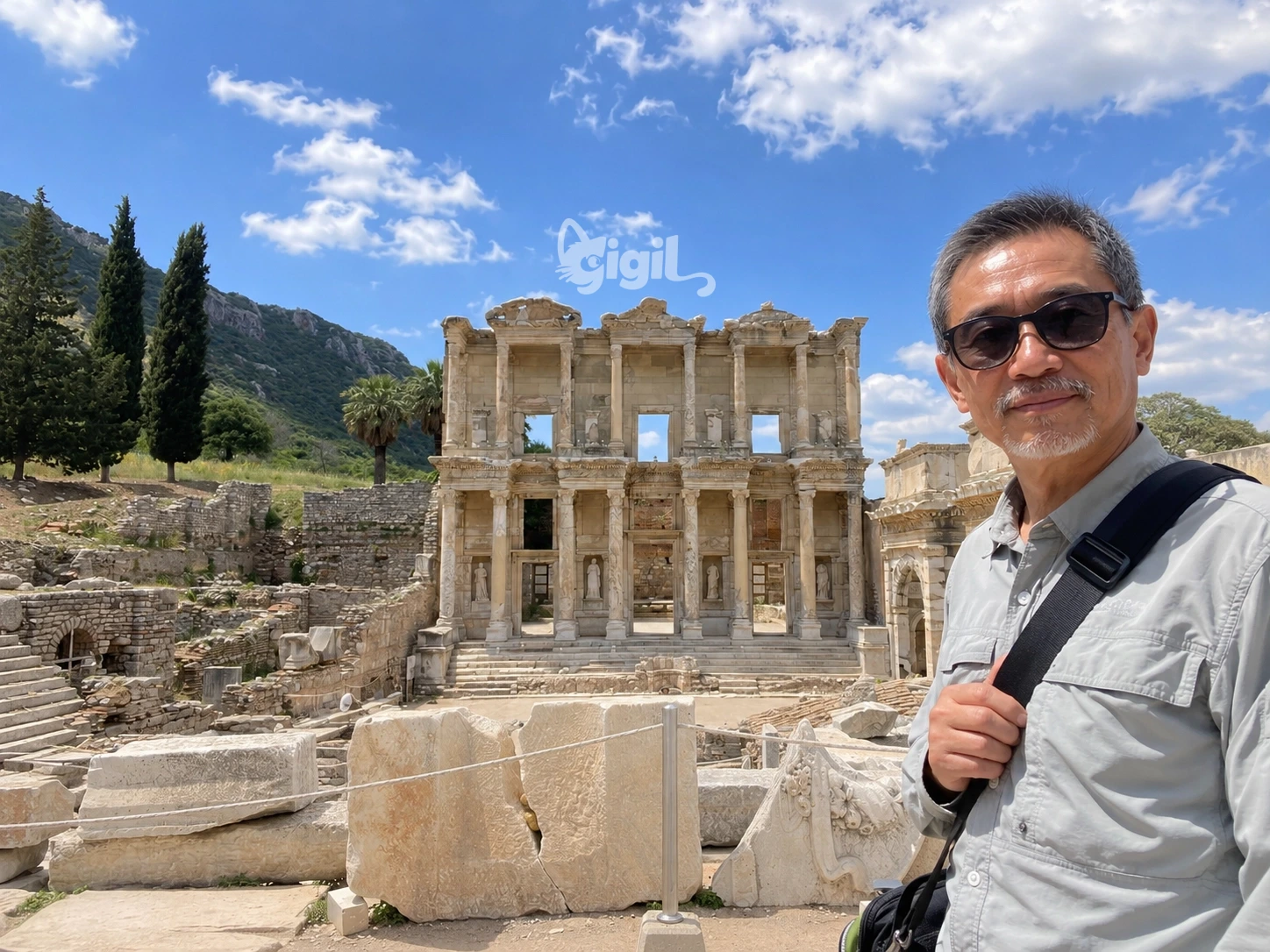
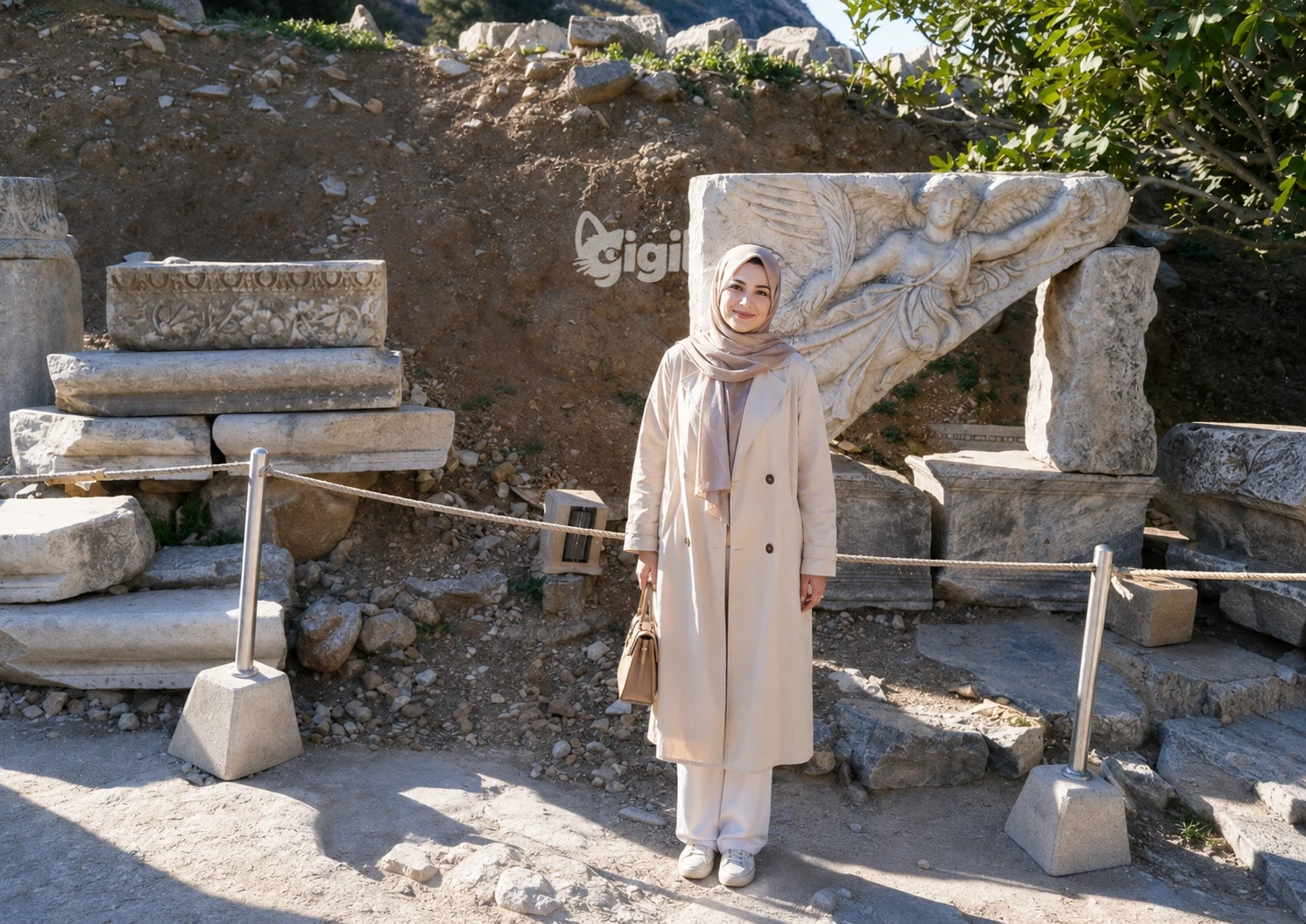
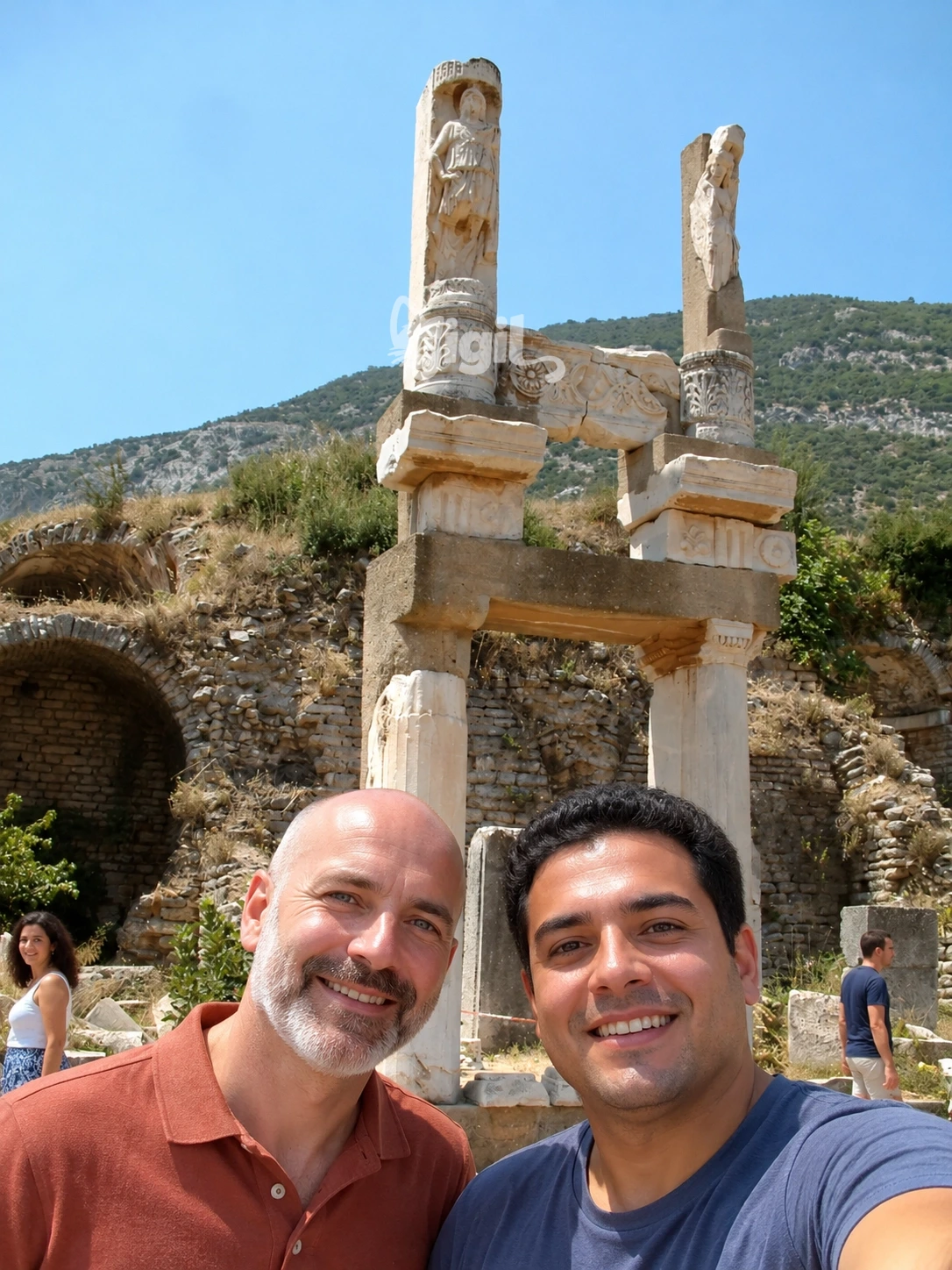
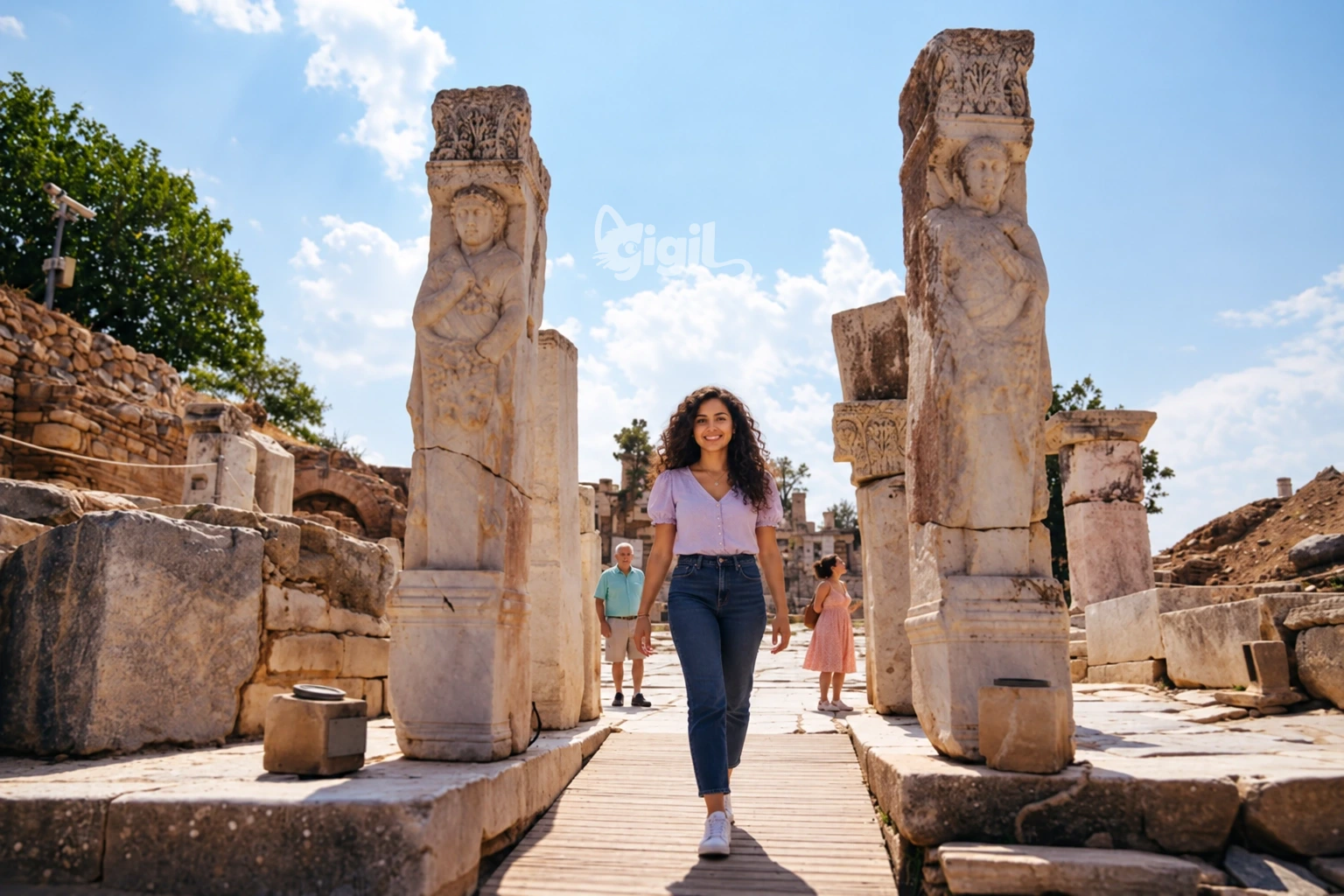
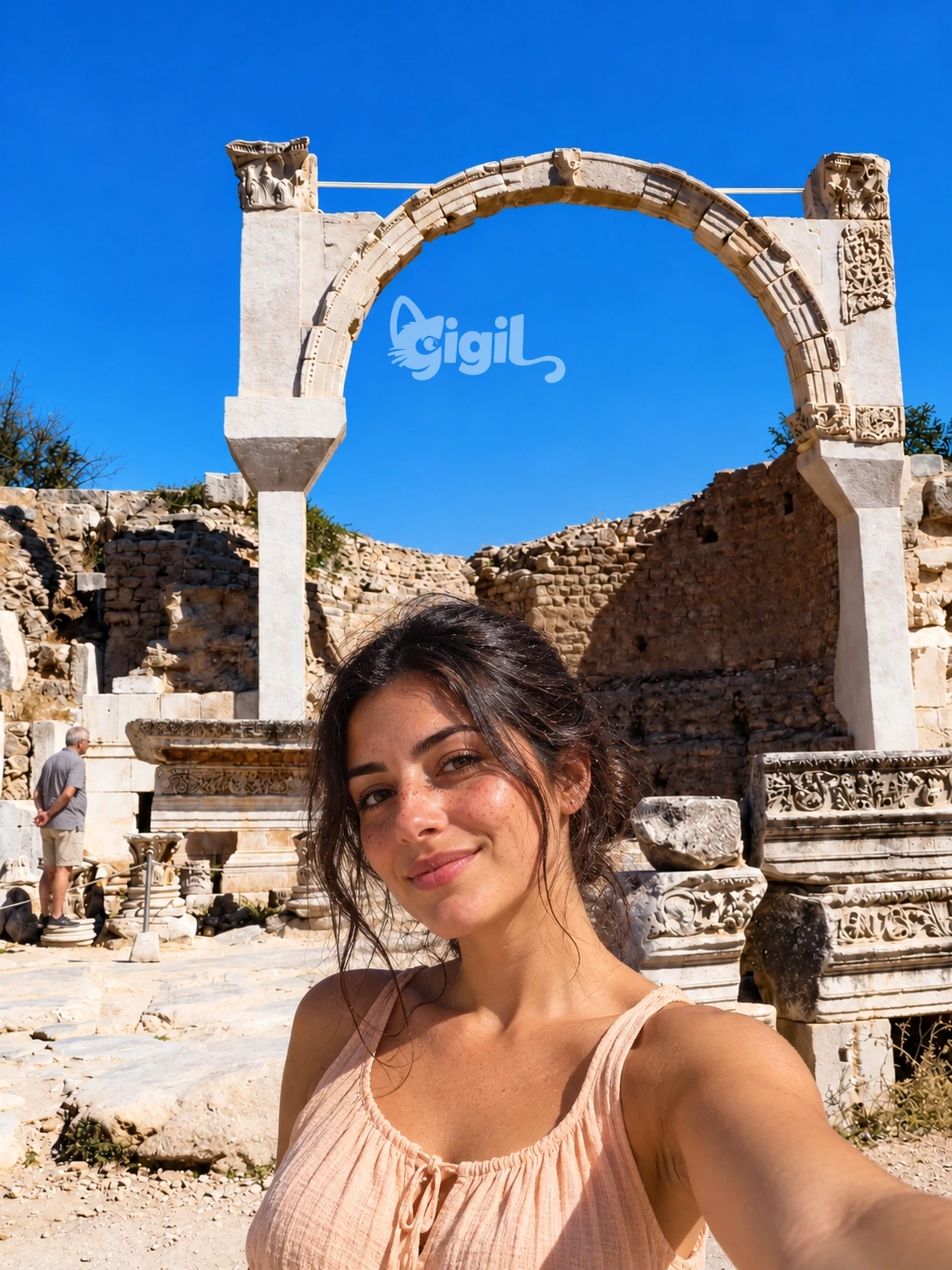
Explore Ephesus Ancient City from the Upper Gate.
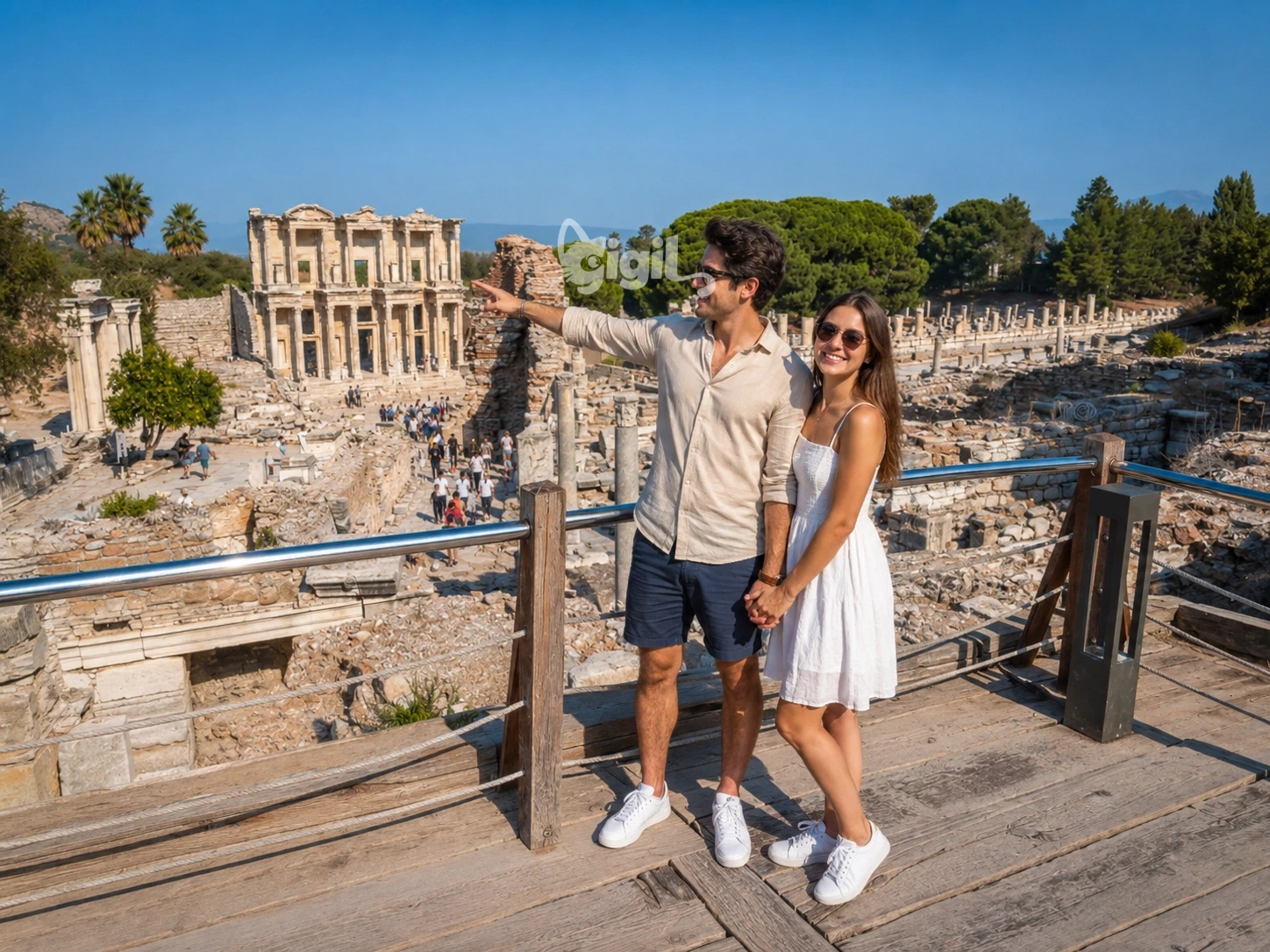
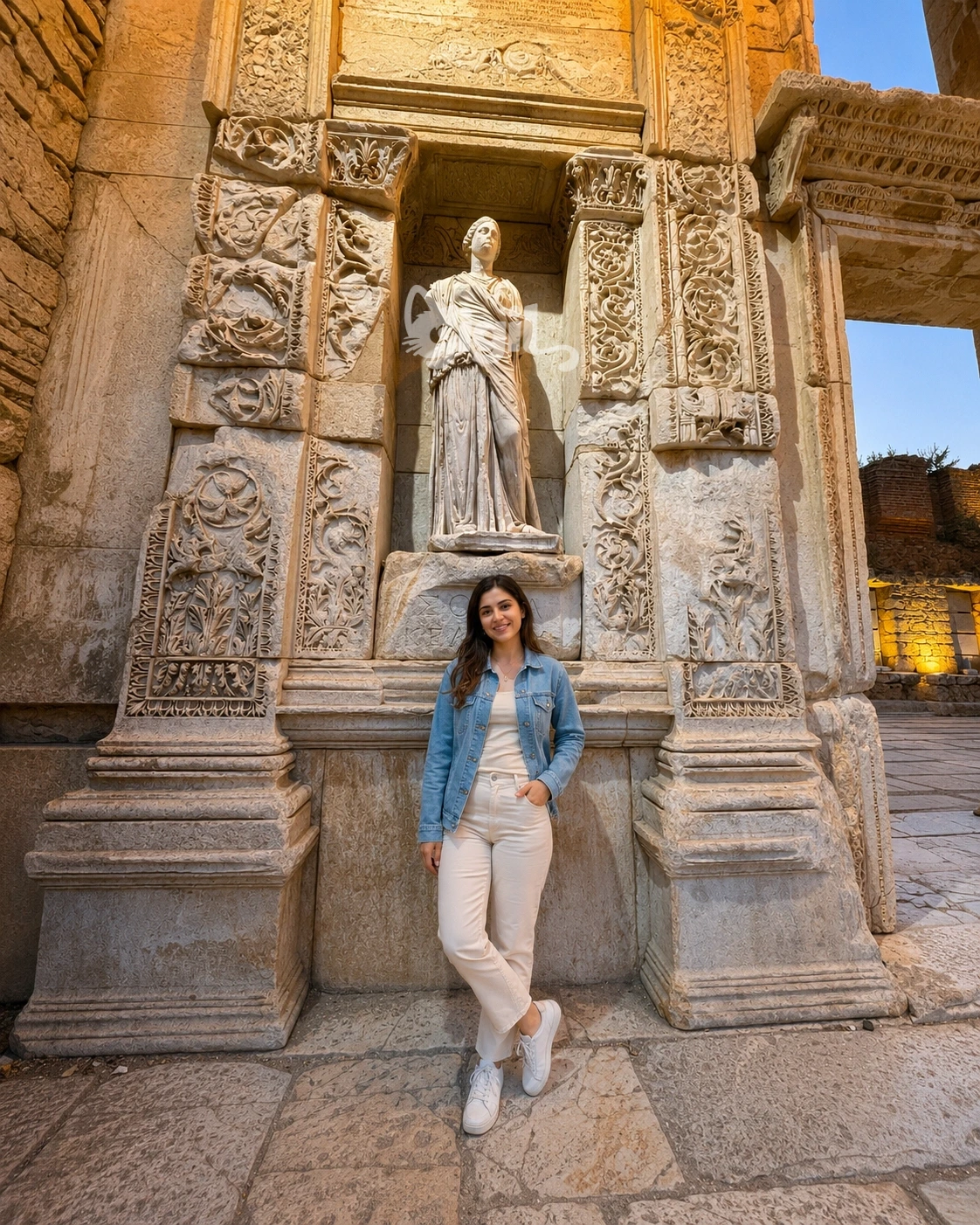
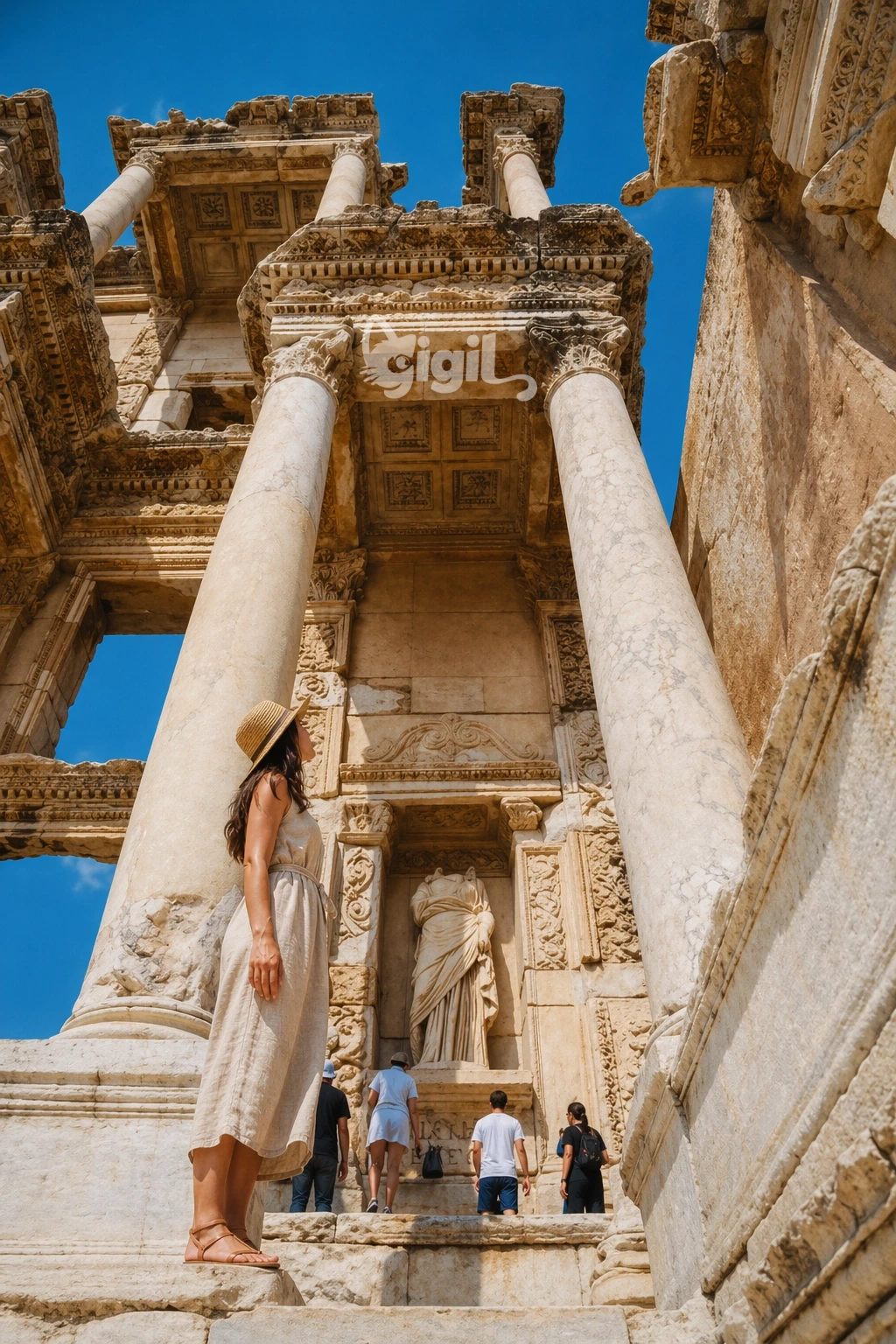
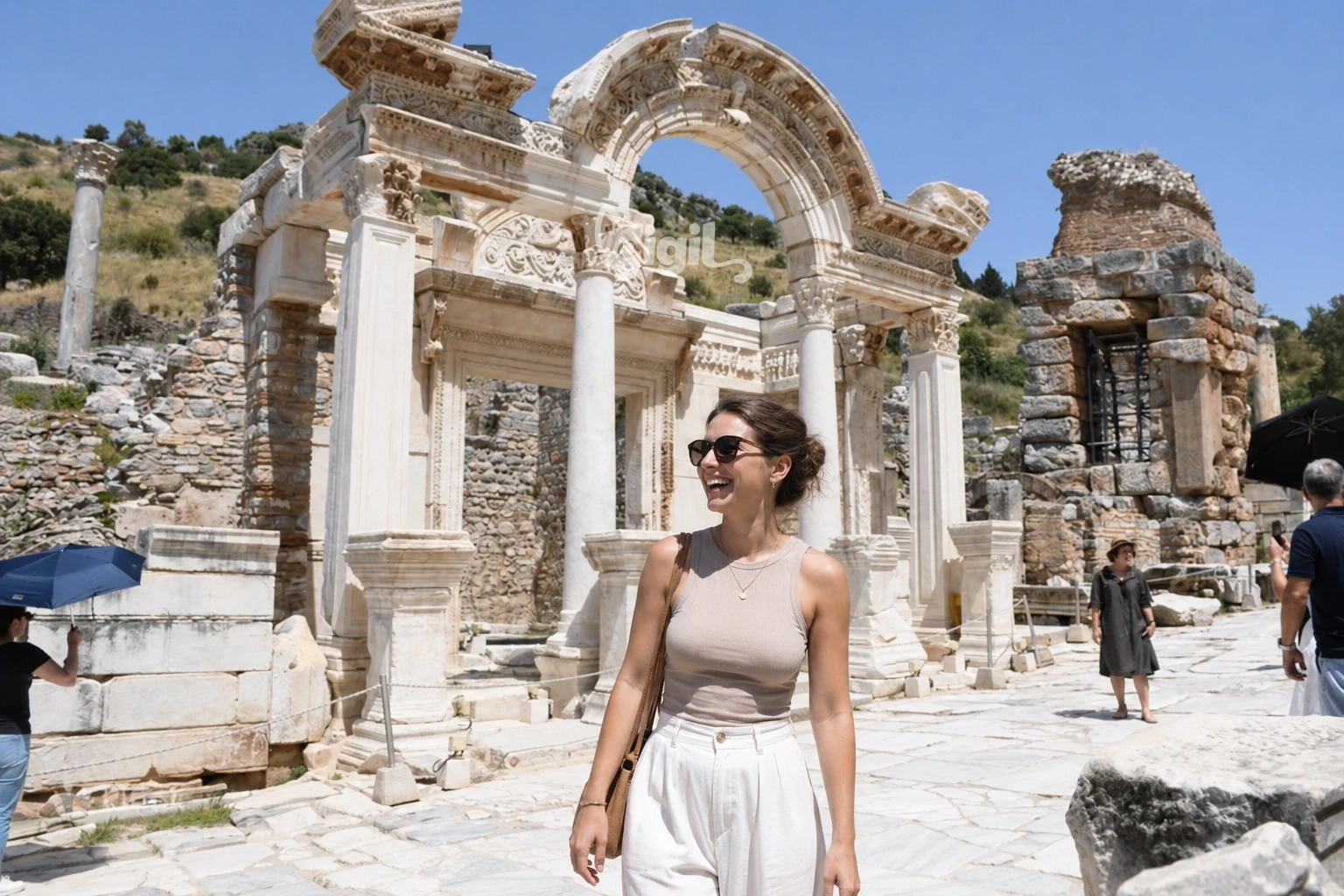
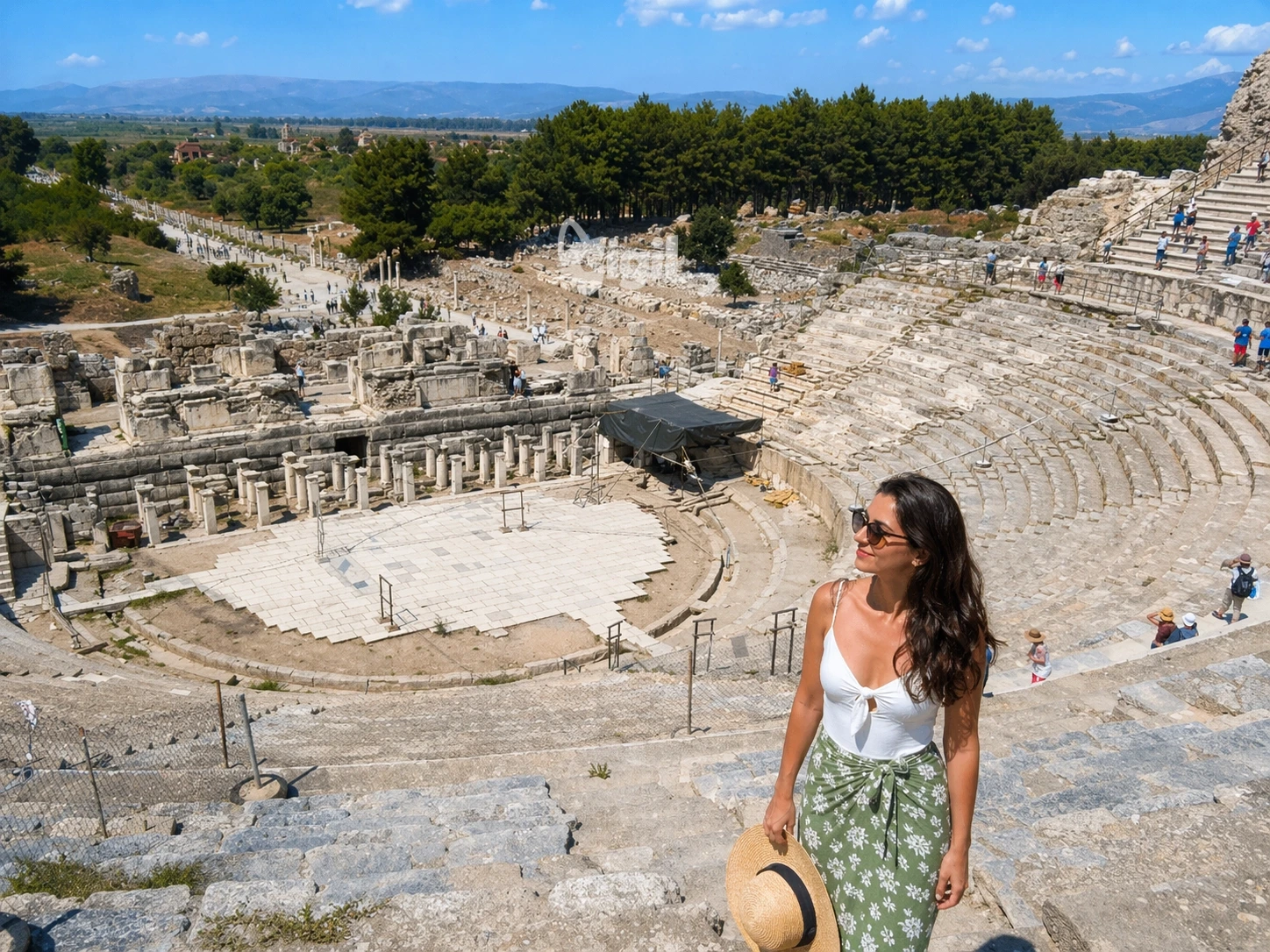
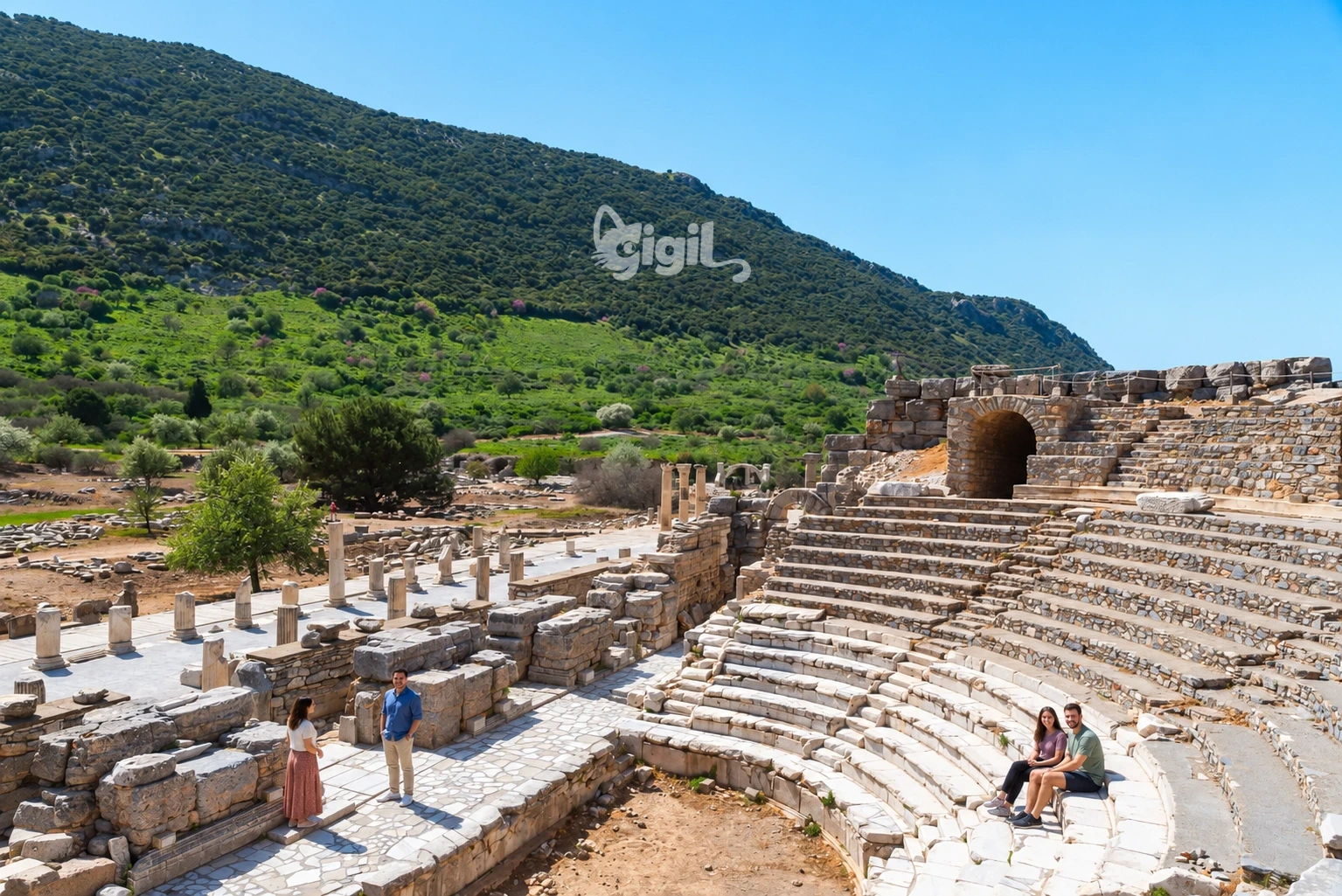
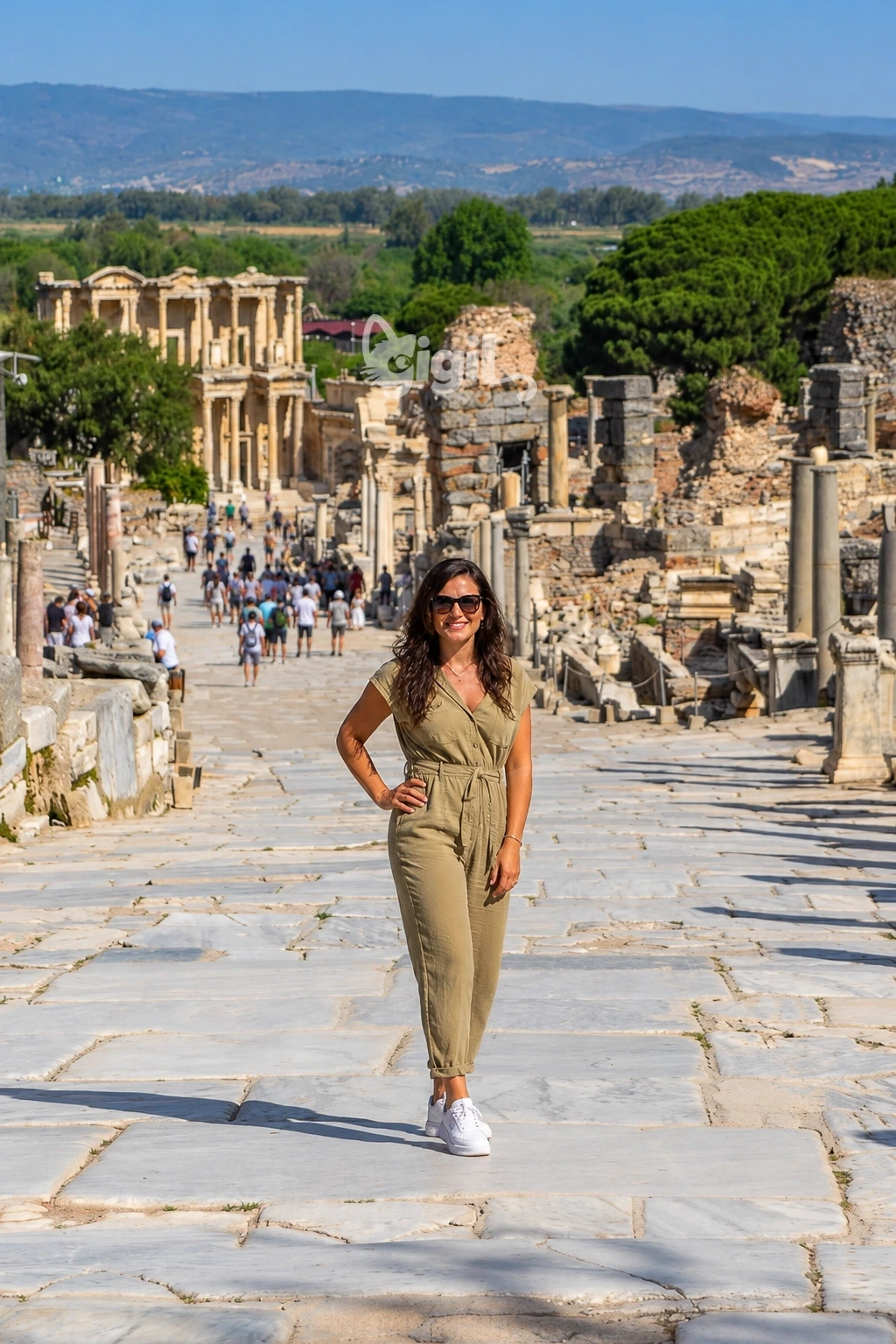
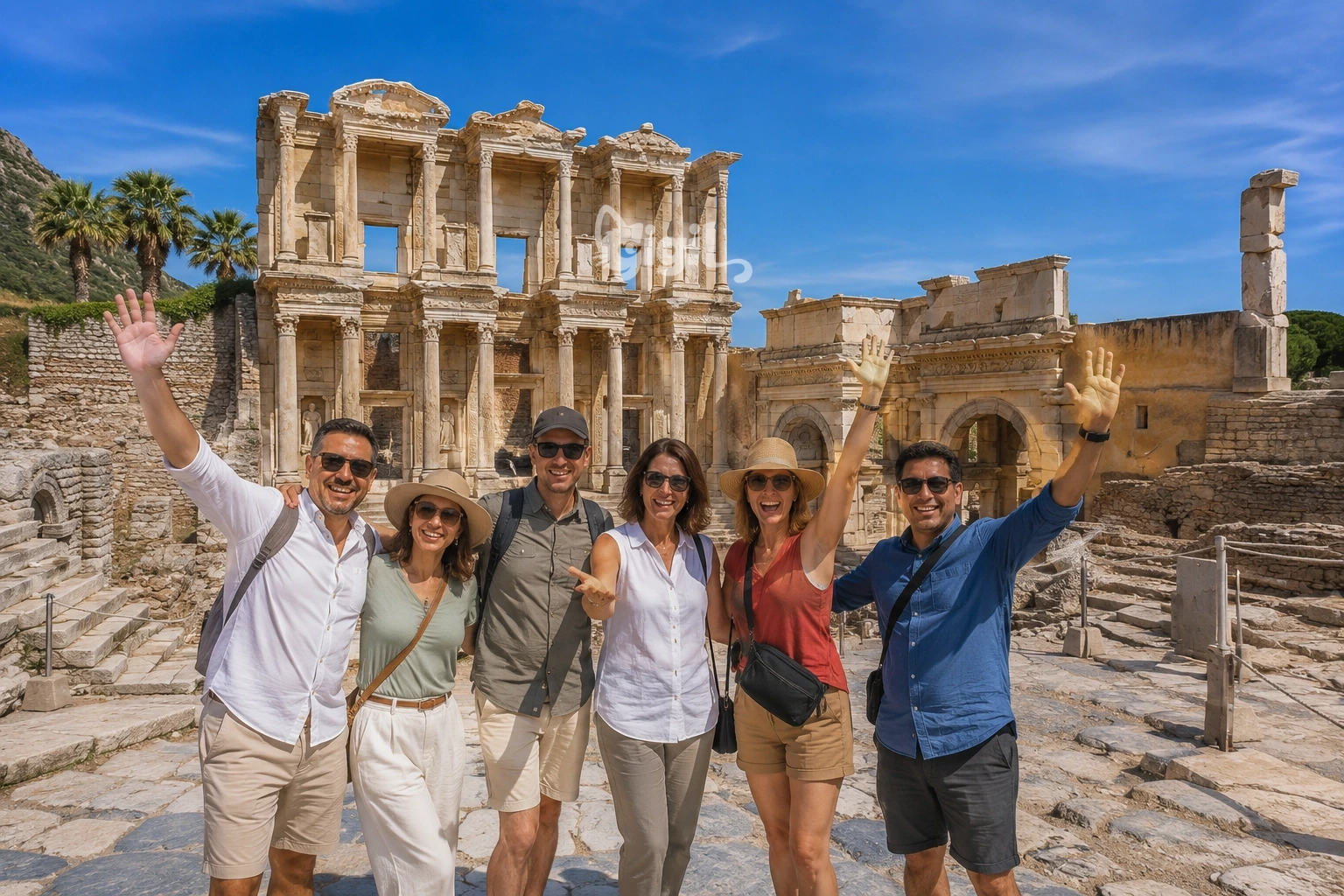
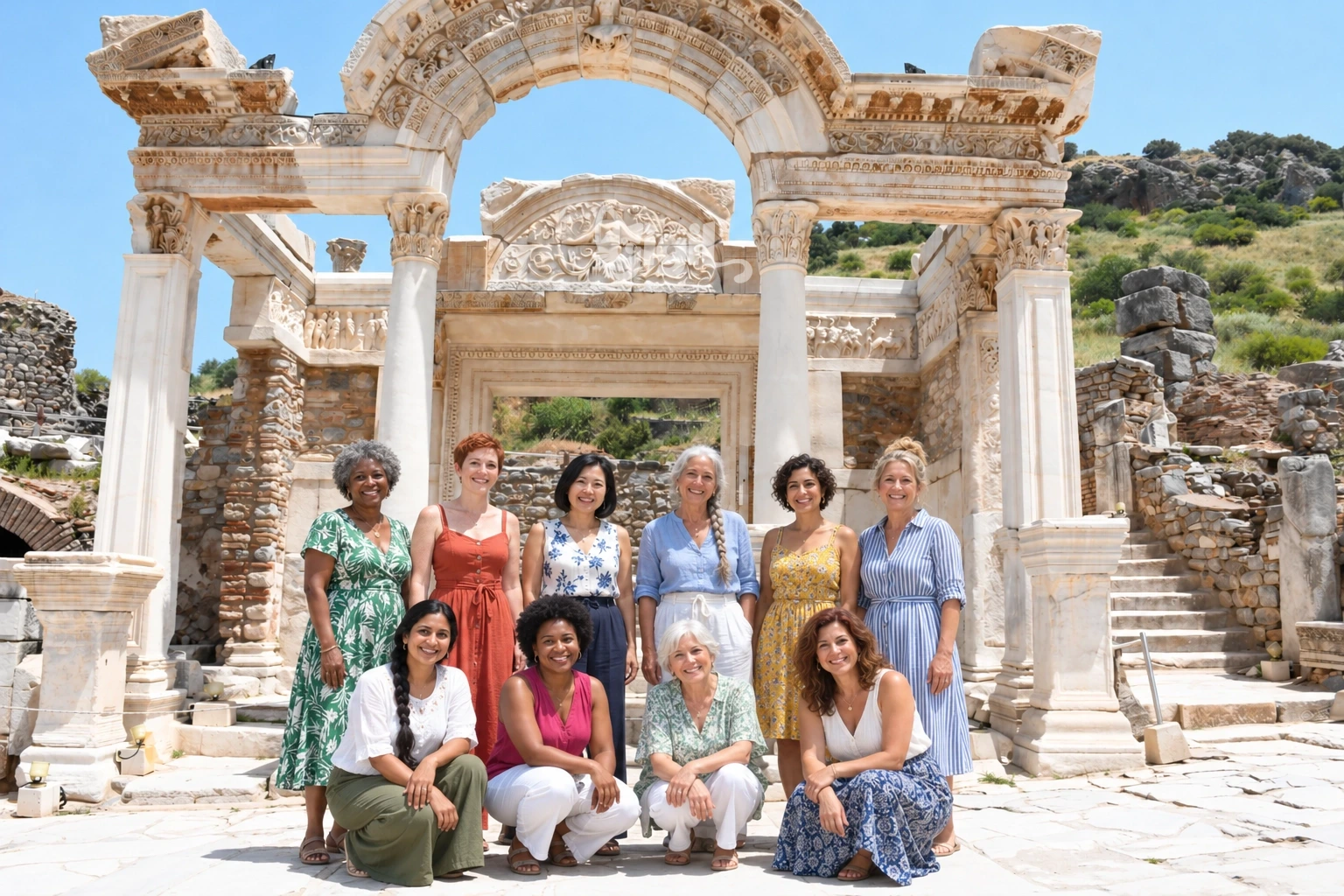
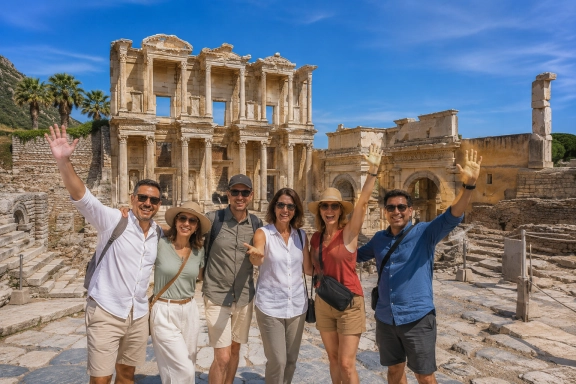
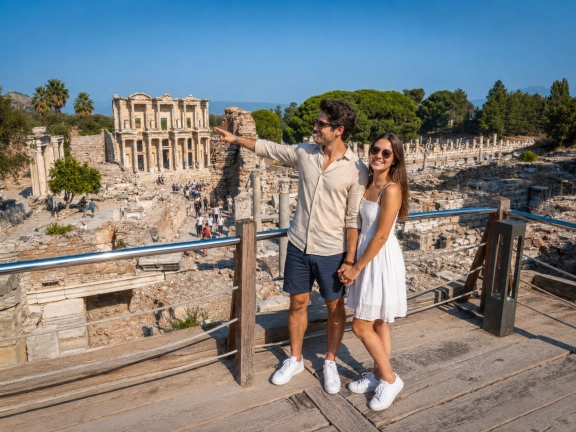
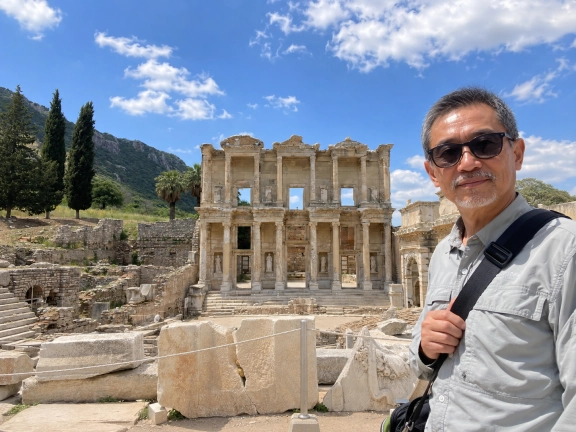
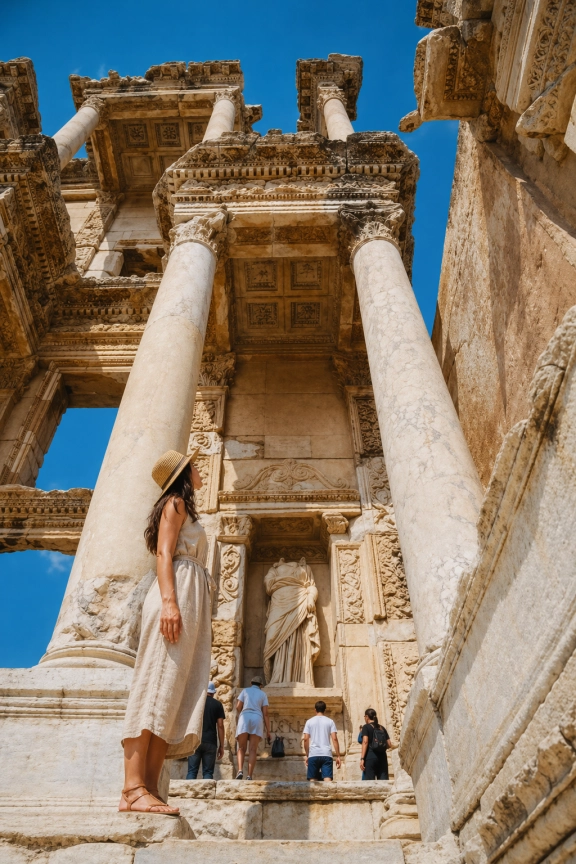
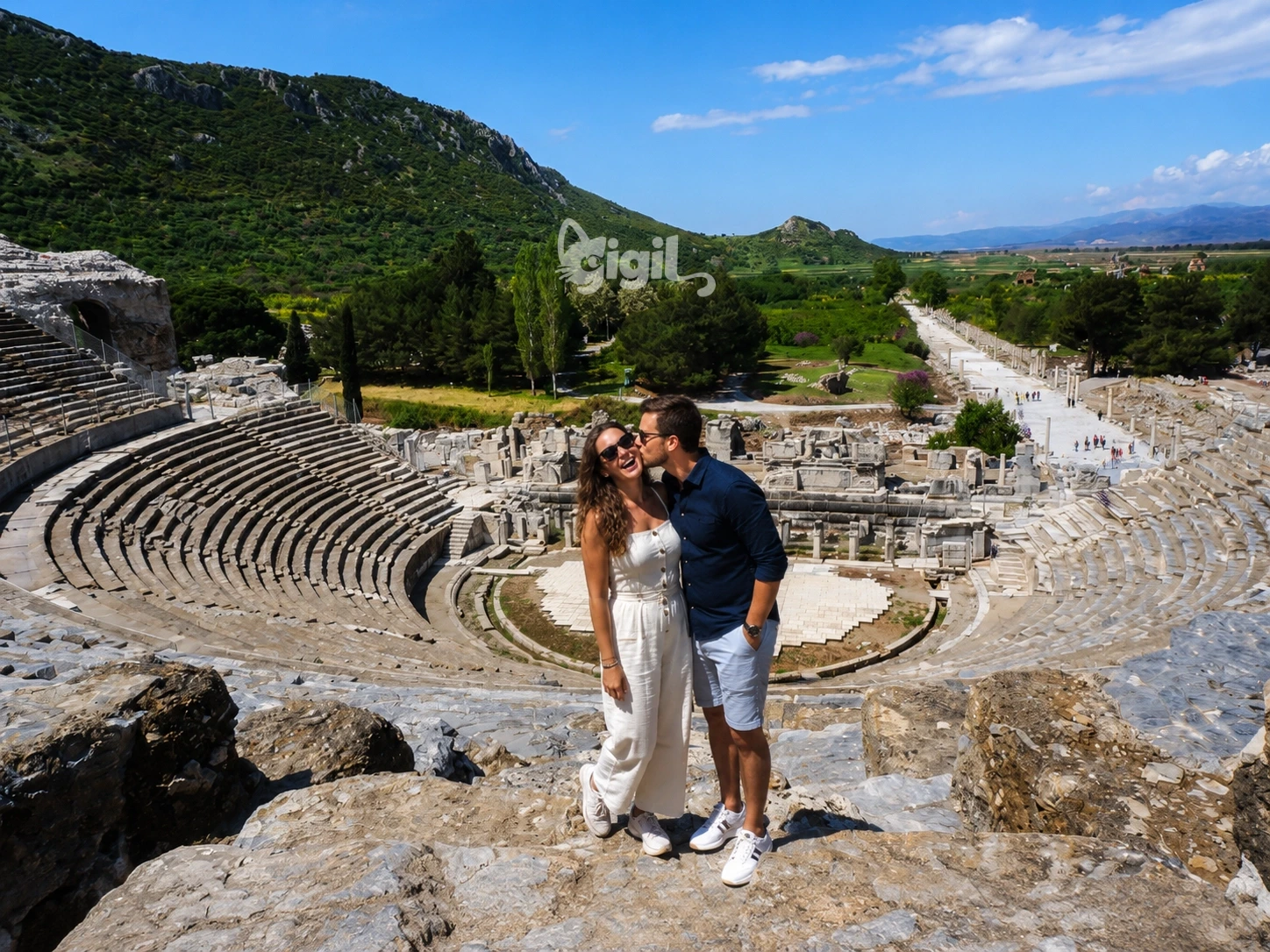
Enter Ephesus from the Upper Gate and begin the main ancient city route through marble streets, civic spaces, theatre areas and landmark monuments.
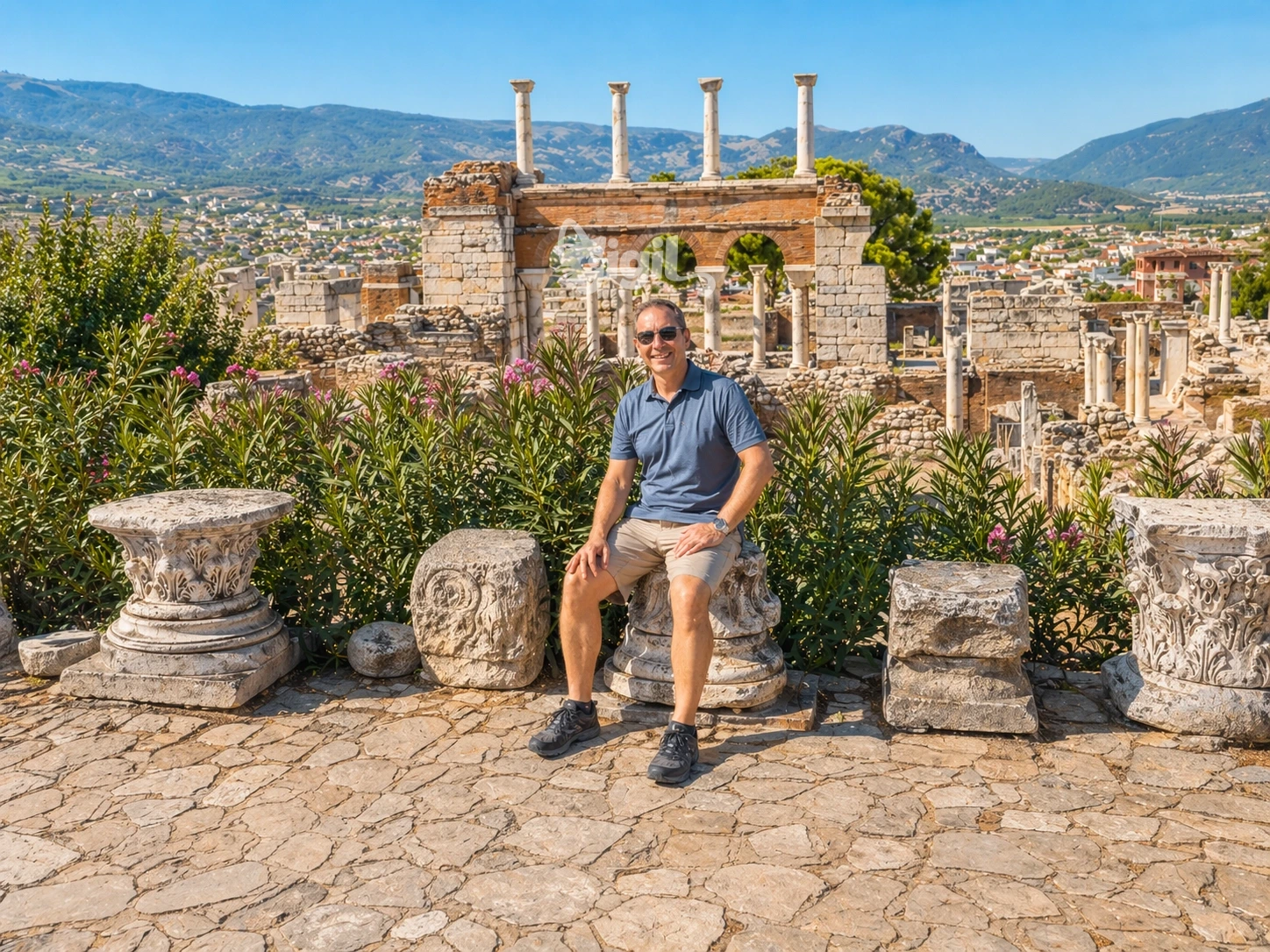
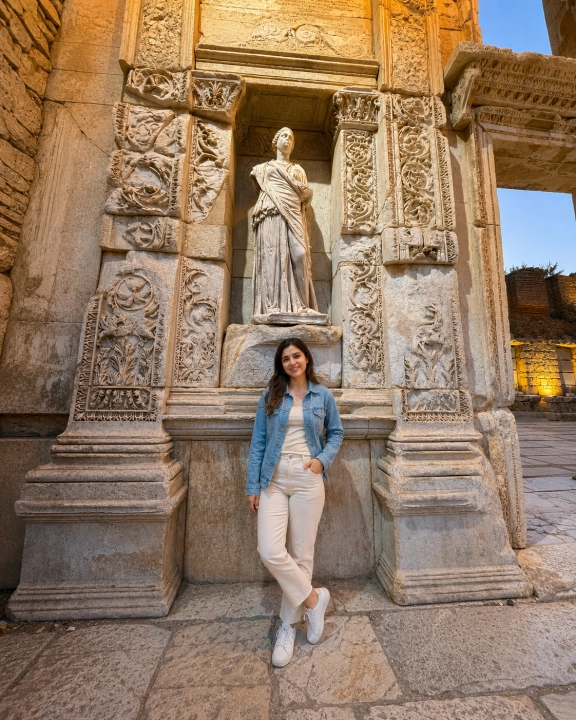
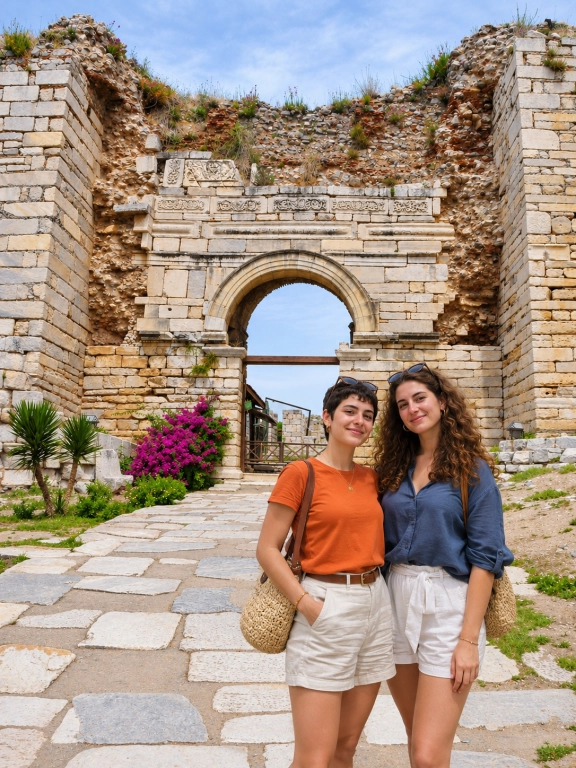
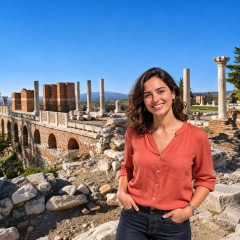
Ephesus Ancient City presents the strongest urban-archaeology chapter of the day through preserved streets and monuments from several periods. The experience combines visible ruins with historical explanation while avoiding claims of privileged entry or complete access.
It follows the House of the Virgin Mary and leads onward to the Lower Gate exit context. Its role in the ordered itinerary helps travelers understand the regional story through a specific place rather than a generic summary. This measured approach makes the site's role in the itinerary easy to understand.
Walk through Ephesus toward the Lower Gate.
Continue through the ancient city on foot while the vehicle repositions toward the Lower Gate pickup area.
Ephesus Ancient City Lower Gate helps define the end of the ancient-city walk and the beginning of the route's onward Selcuk logistics.
This transition separates the Ephesus walk from the next destination-focused section of the itinerary. The point adds orientation only and does not create a separate historical attraction or ticket entitlement.
Pause for lunch in Selcuk.
Take a practical lunch stop in the Selcuk area before the museum and Ayasoluk visits.
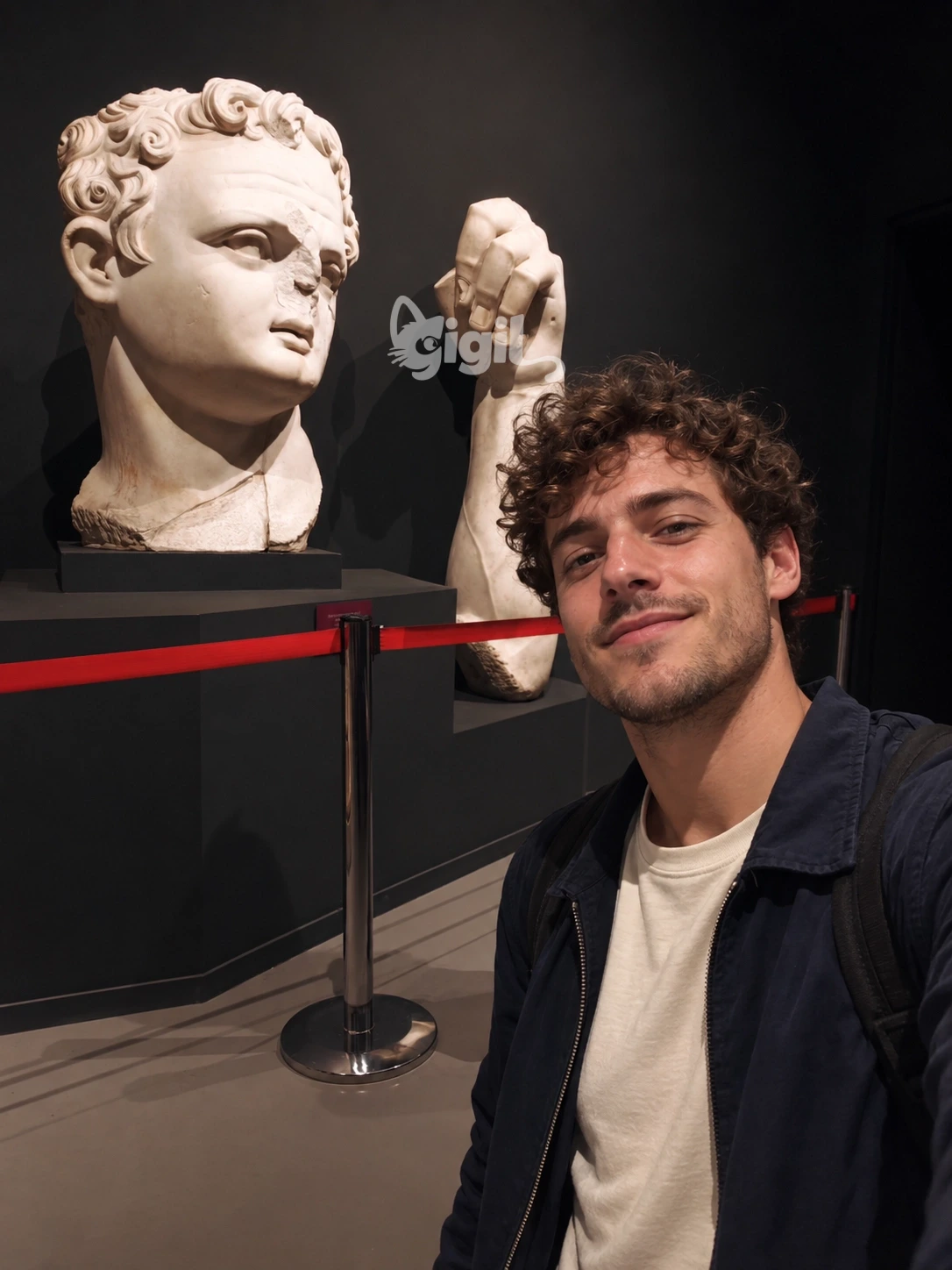
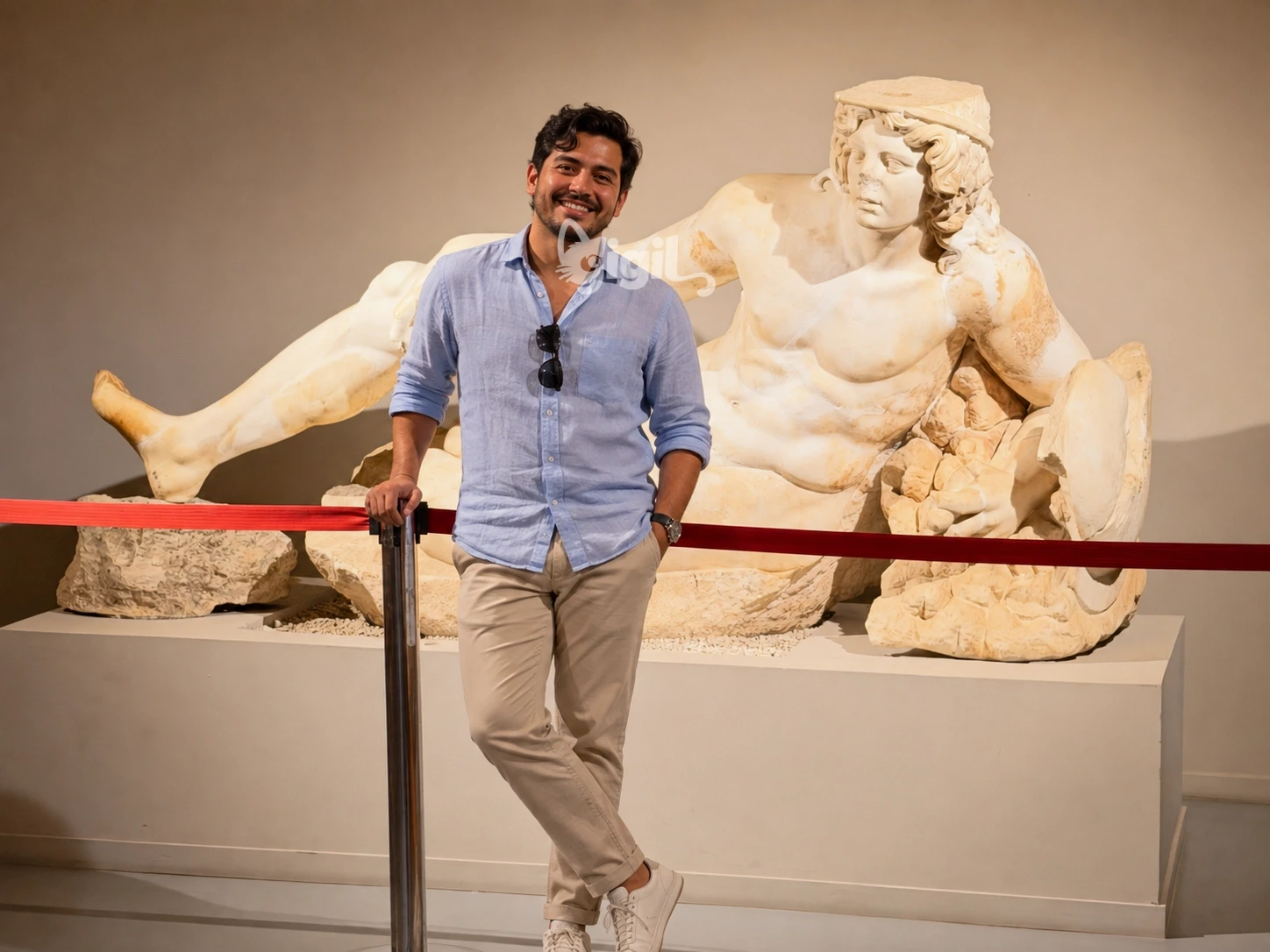
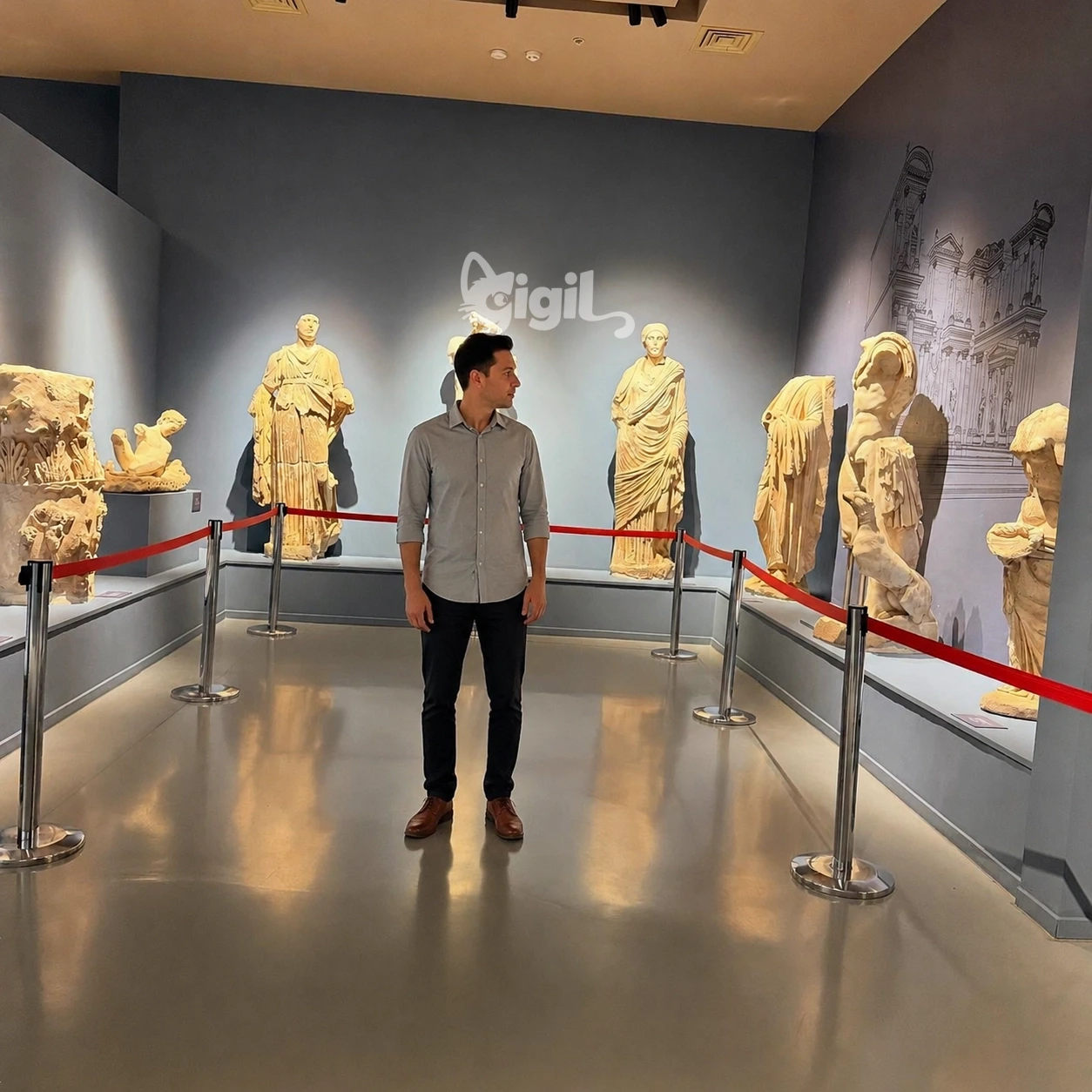
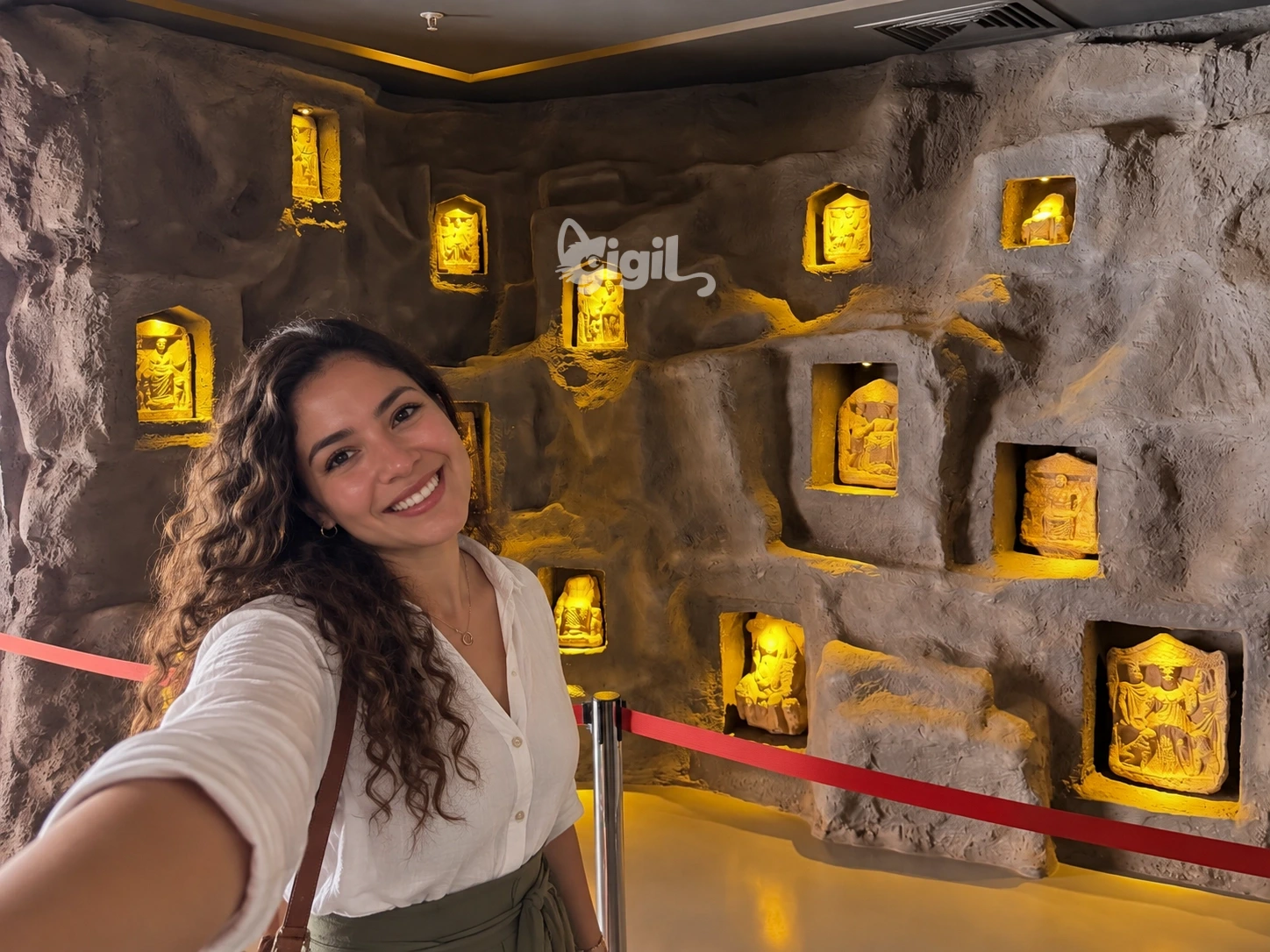
Visit the Ephesus Archaeological Museum.
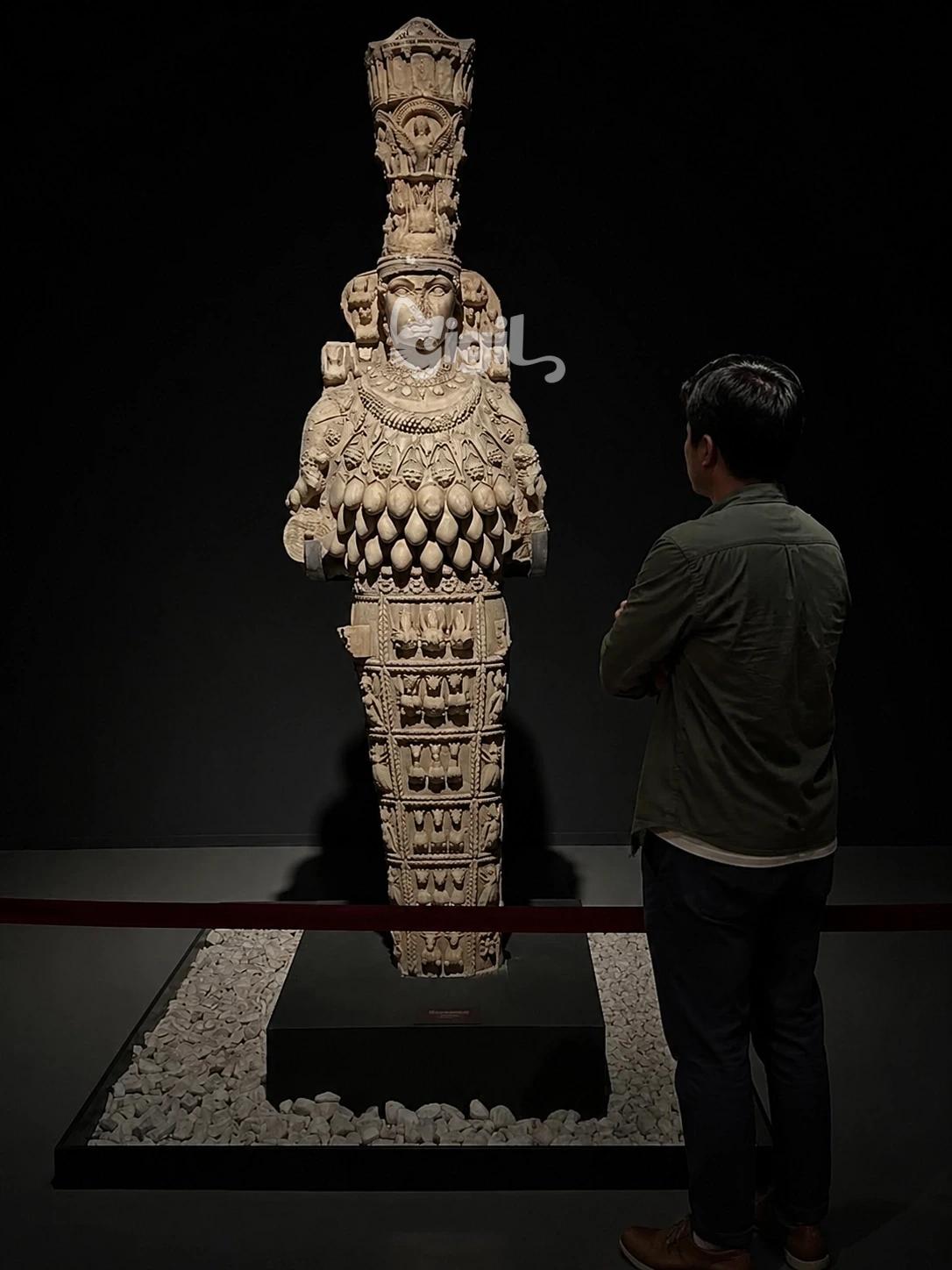
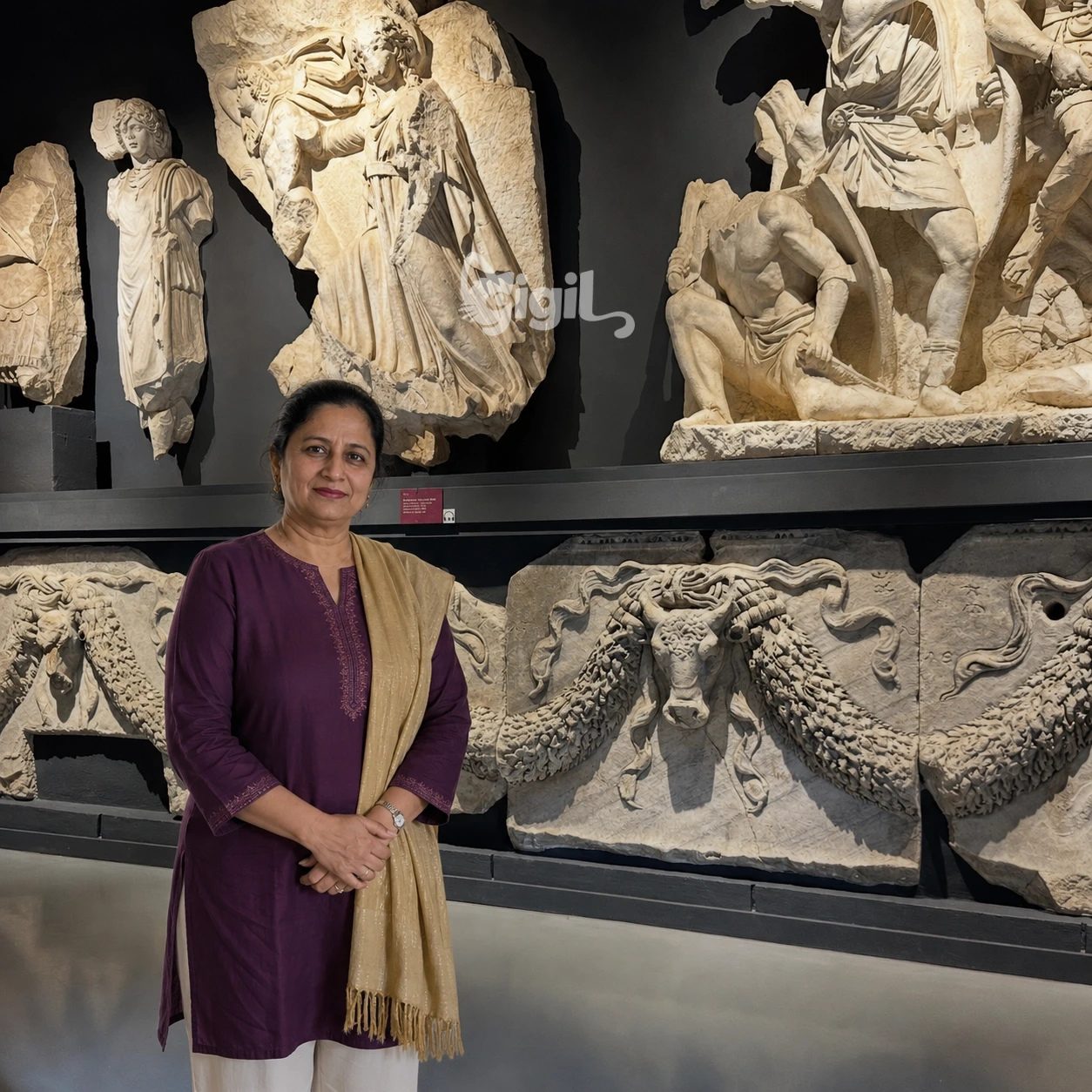
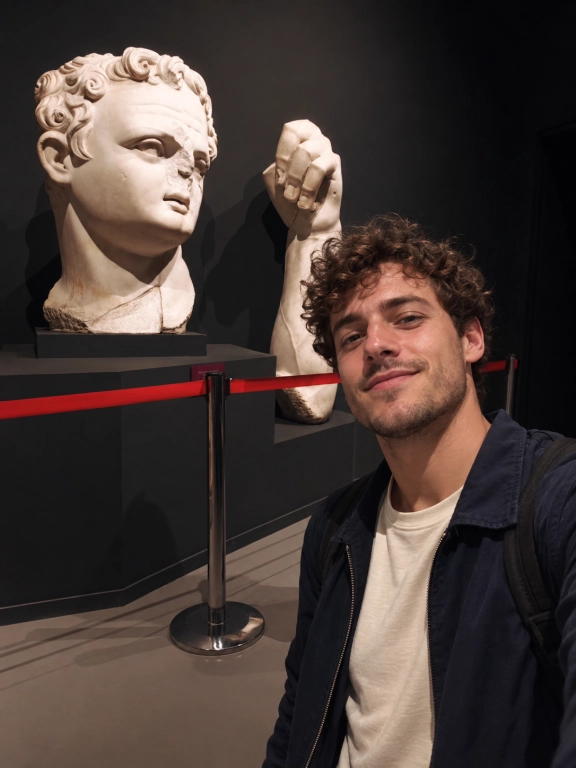
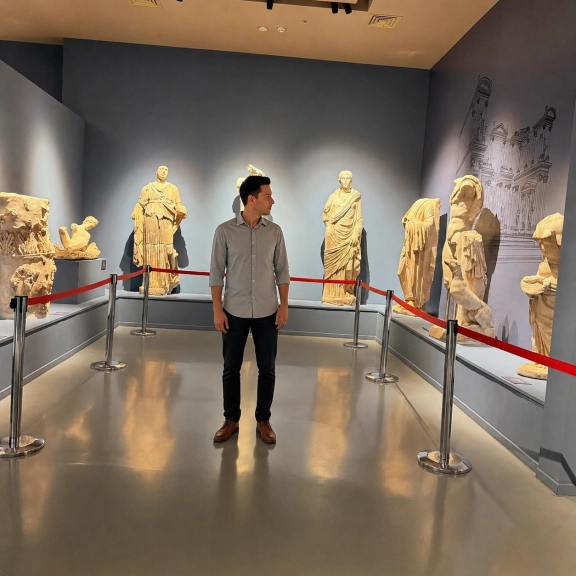
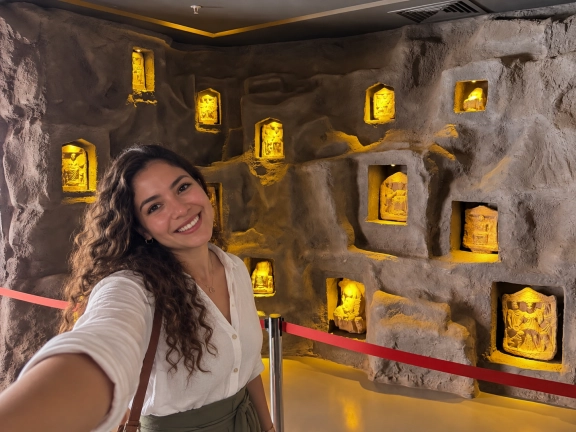
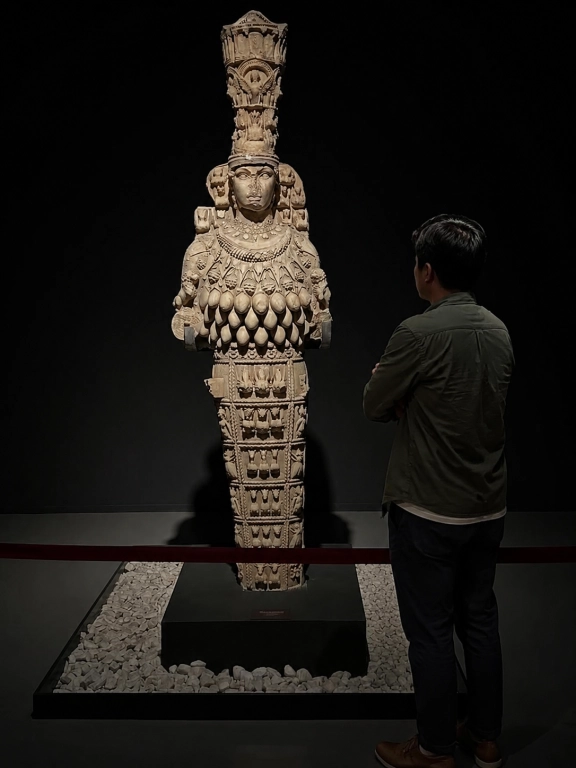
Use the museum visit to connect the ancient city with regional finds, sacred objects and daily life context.
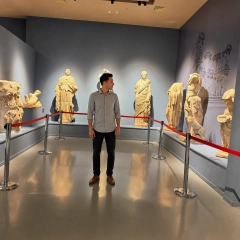
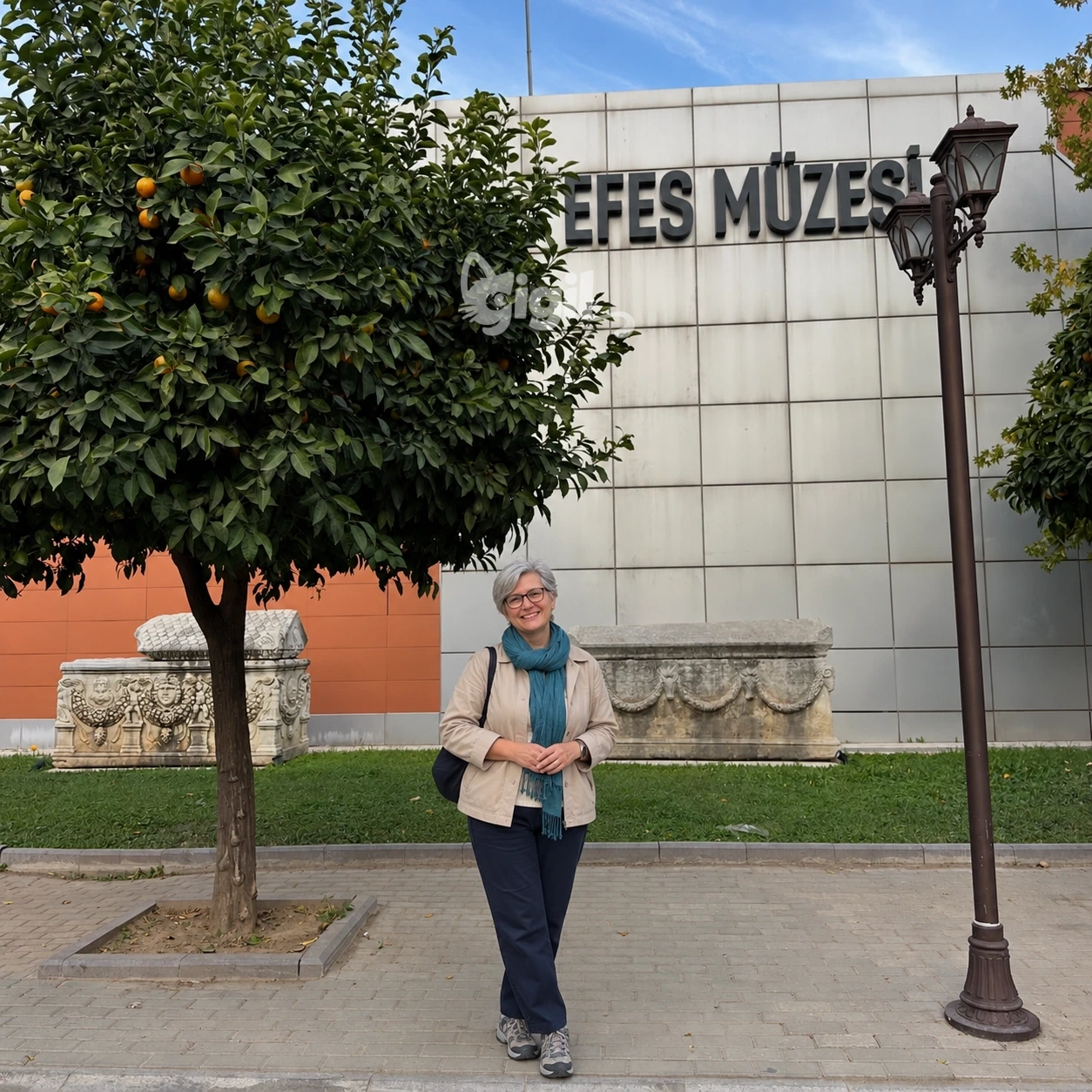
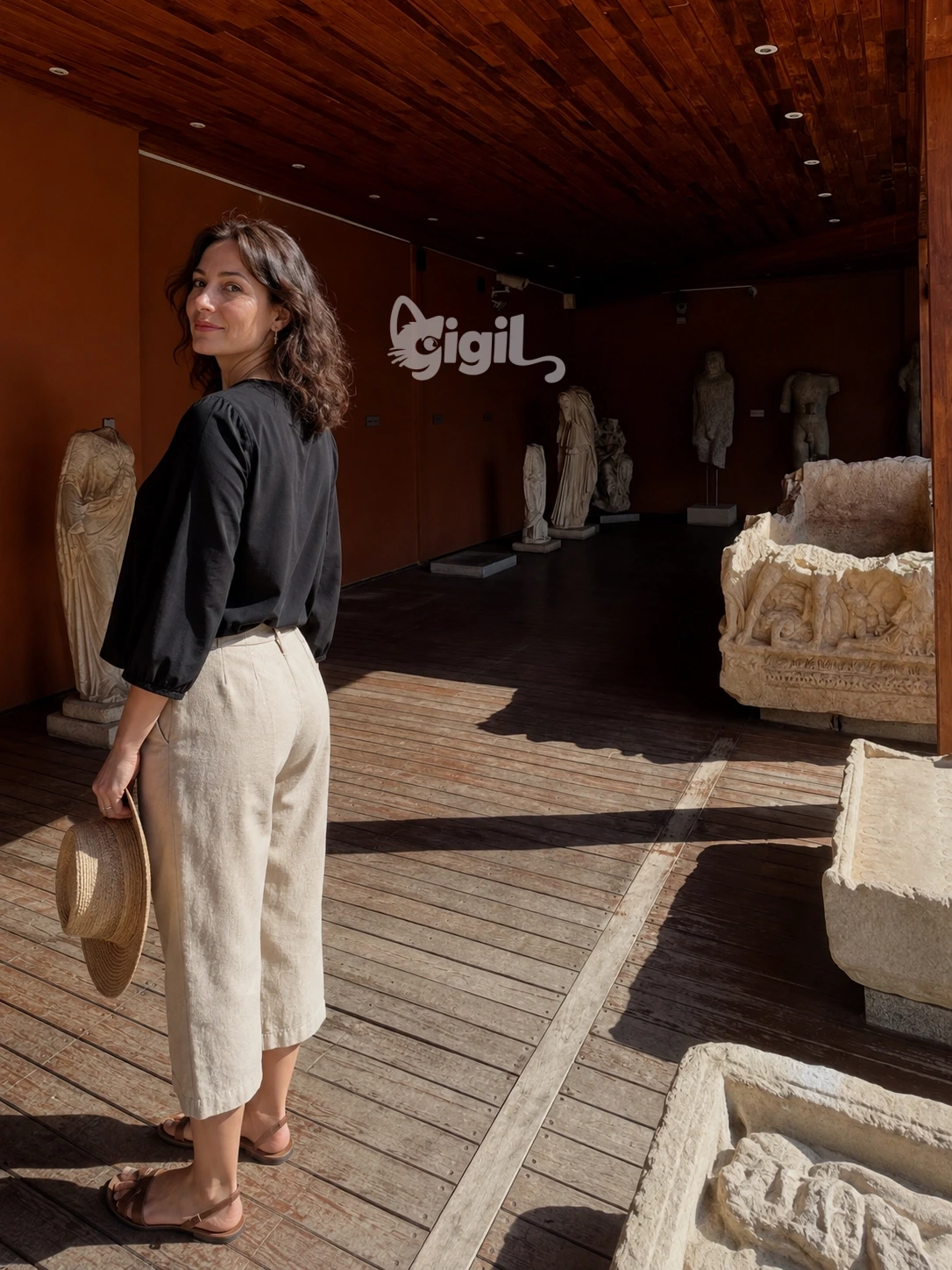
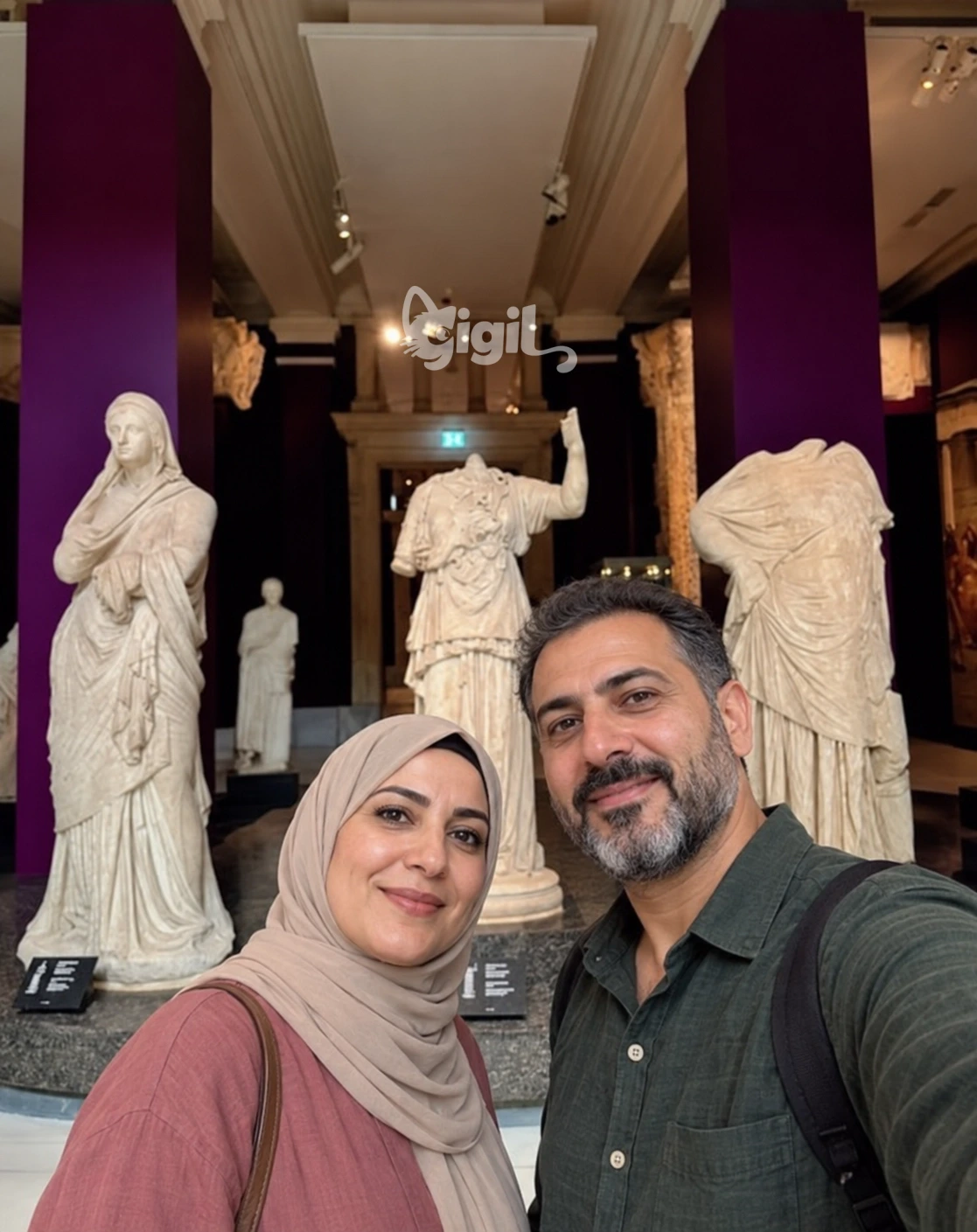
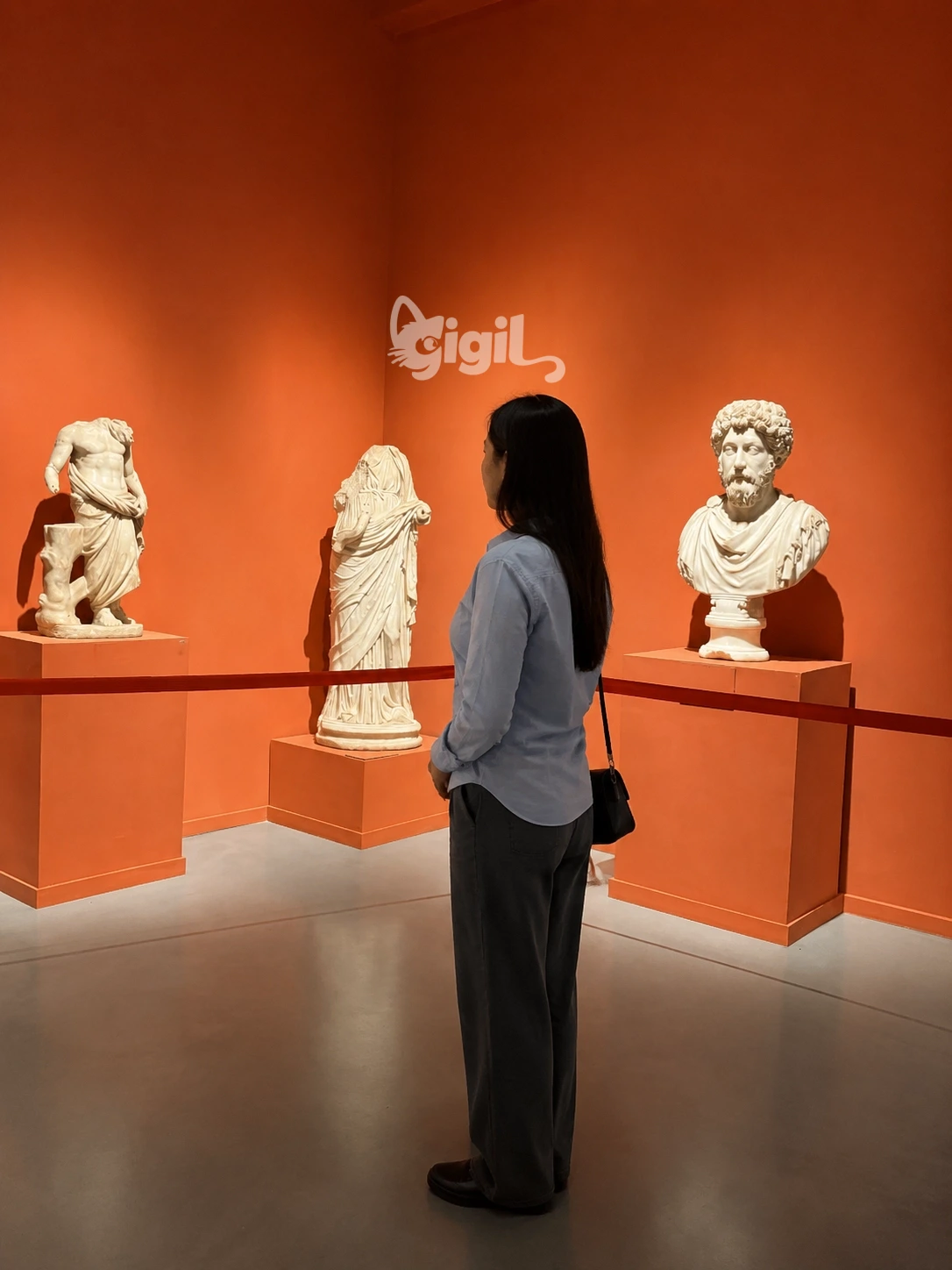
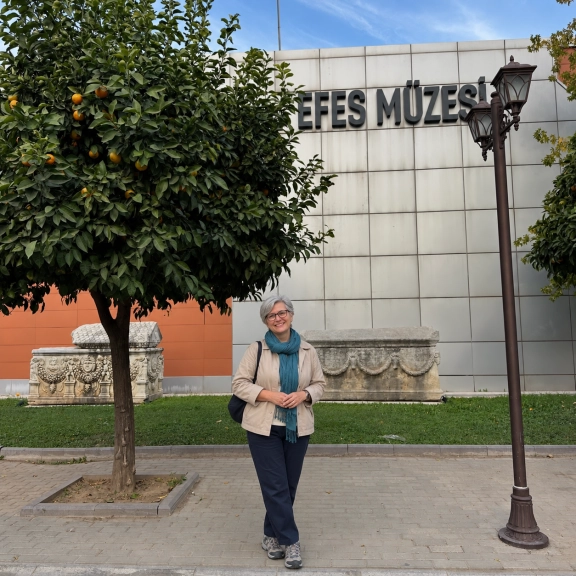
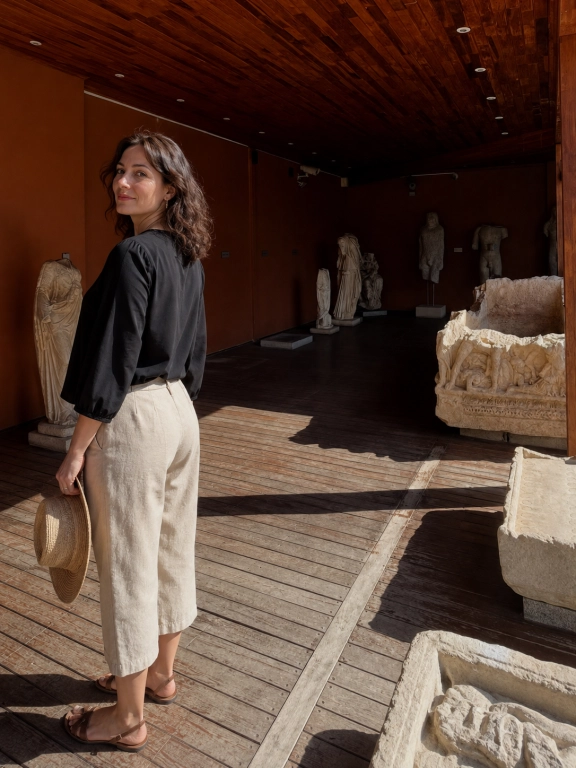
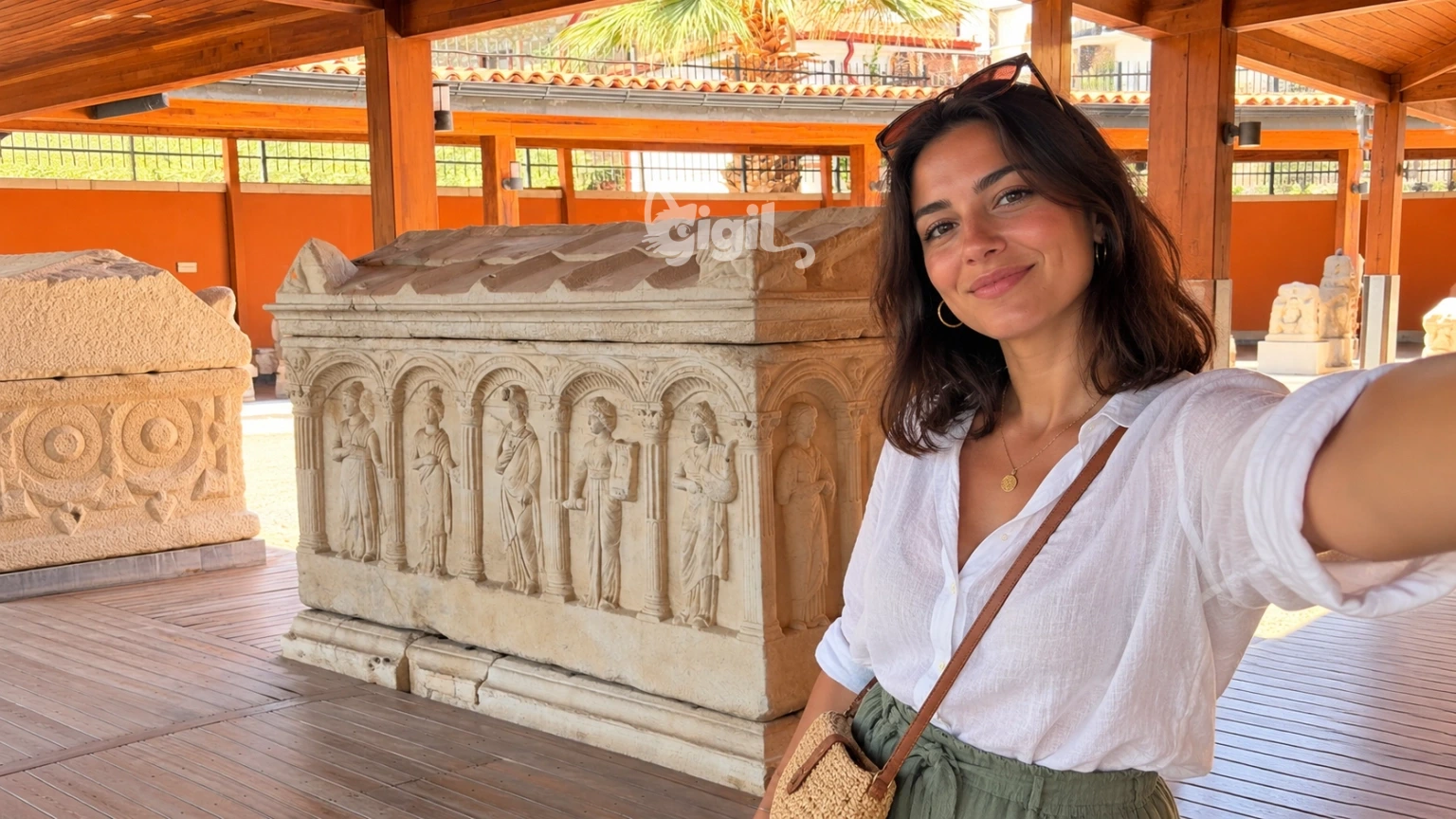
Ephesus Archaeological Museum helps translate the monumental remains of Ephesus into human-scale stories through objects preserved and displayed in Selcuk. Artifacts provide texture and evidence, while any current gallery closure or object rotation remains an operating condition.
Placed in the second half of the sightseeing sequence, it gathers earlier themes before the route explores medieval Selcuk. Its place in the itinerary supports a fuller reading of Ephesus and Selcuk without changing the site's established identity. Its value comes from accurate interpretation rather than broad promotional claims.
Visit Isa Bey Mosque.
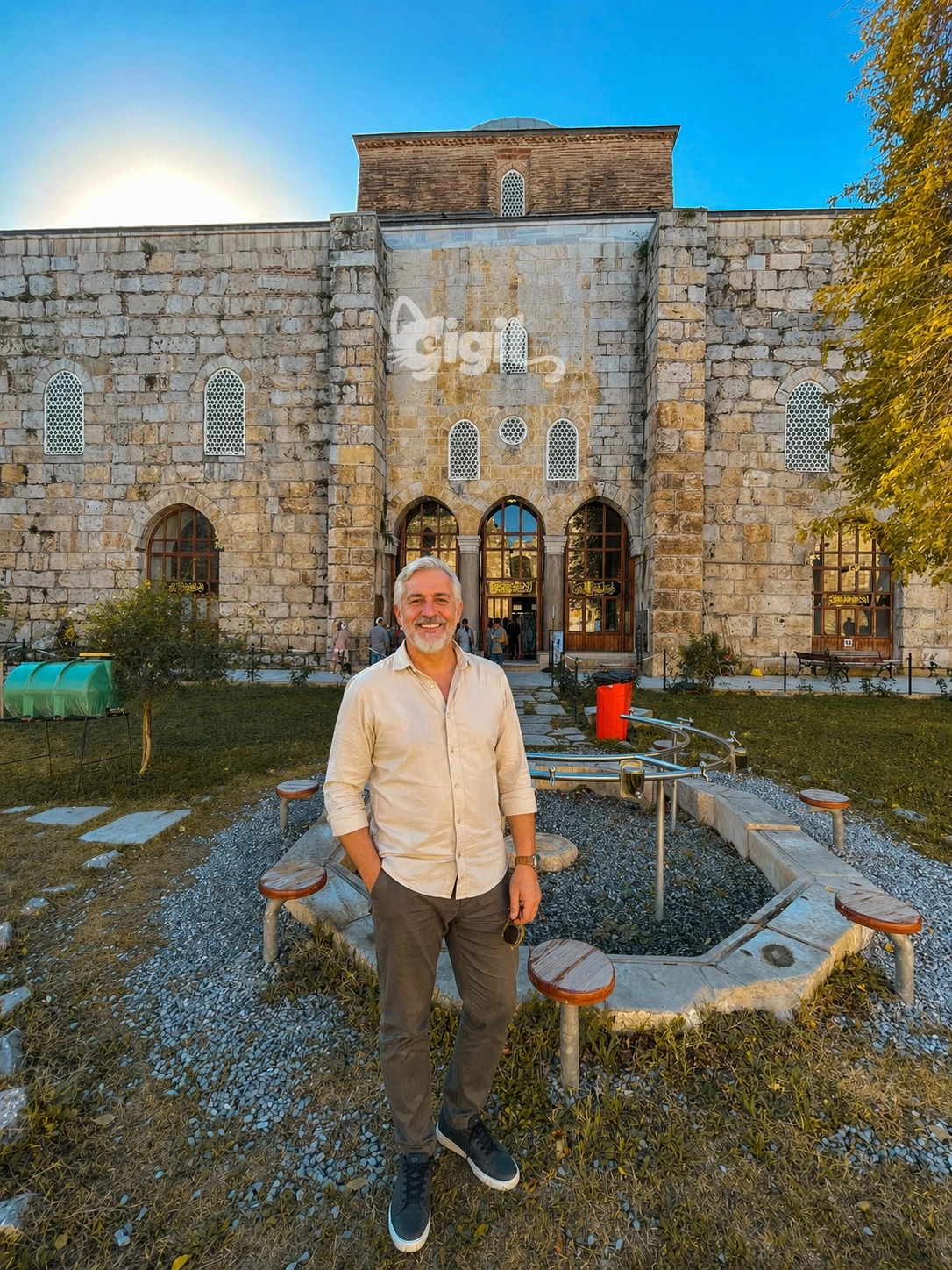
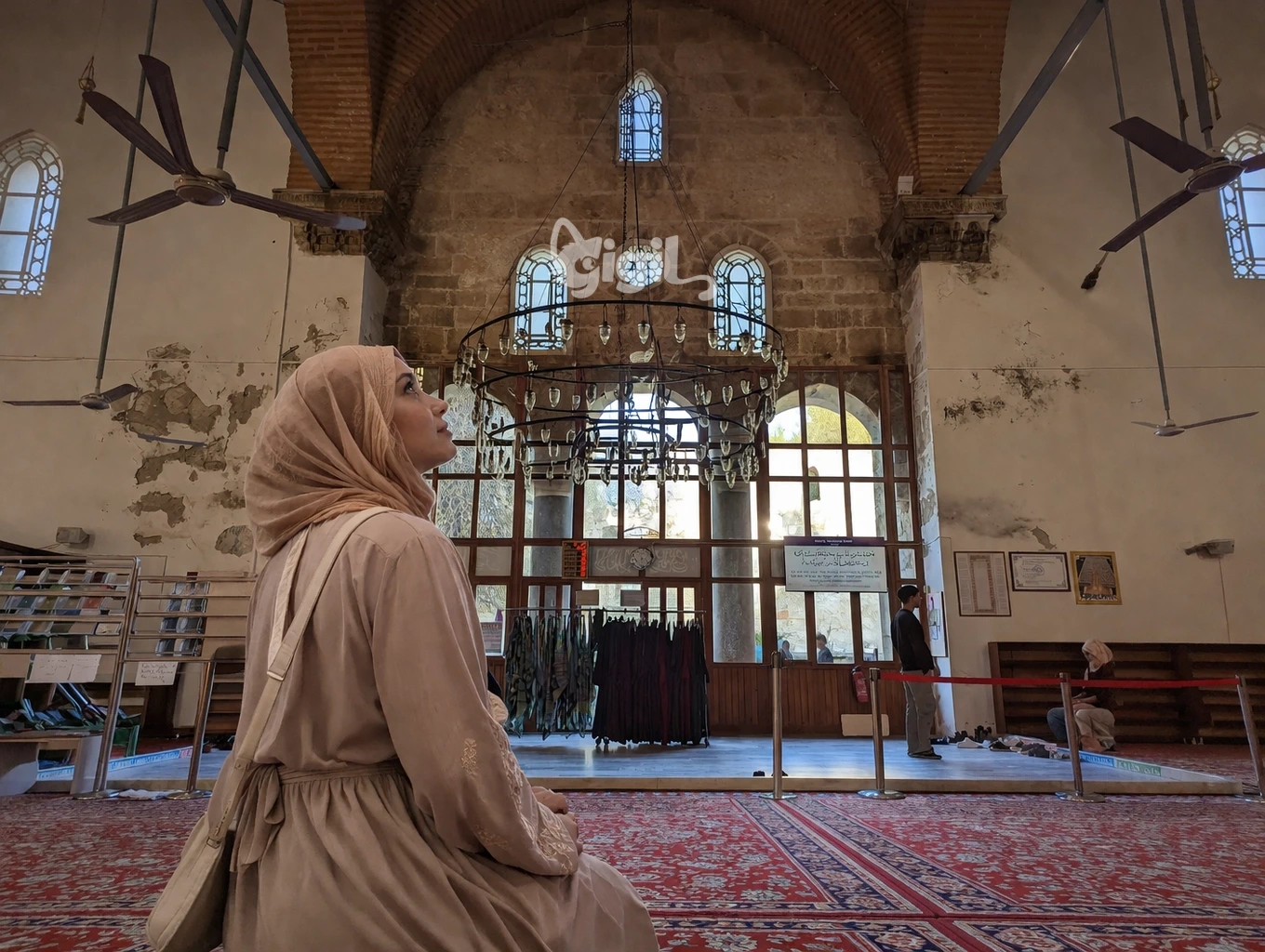
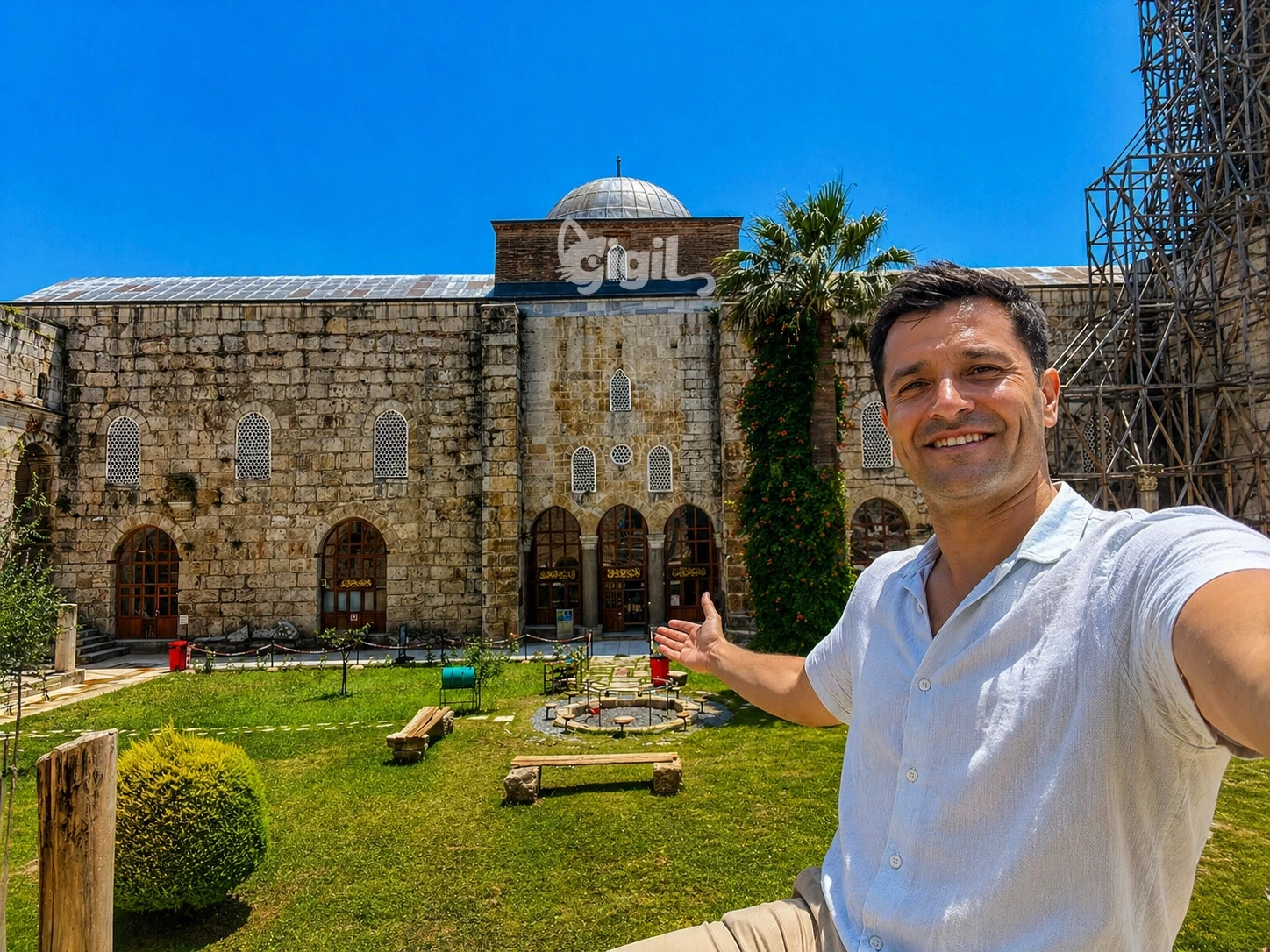
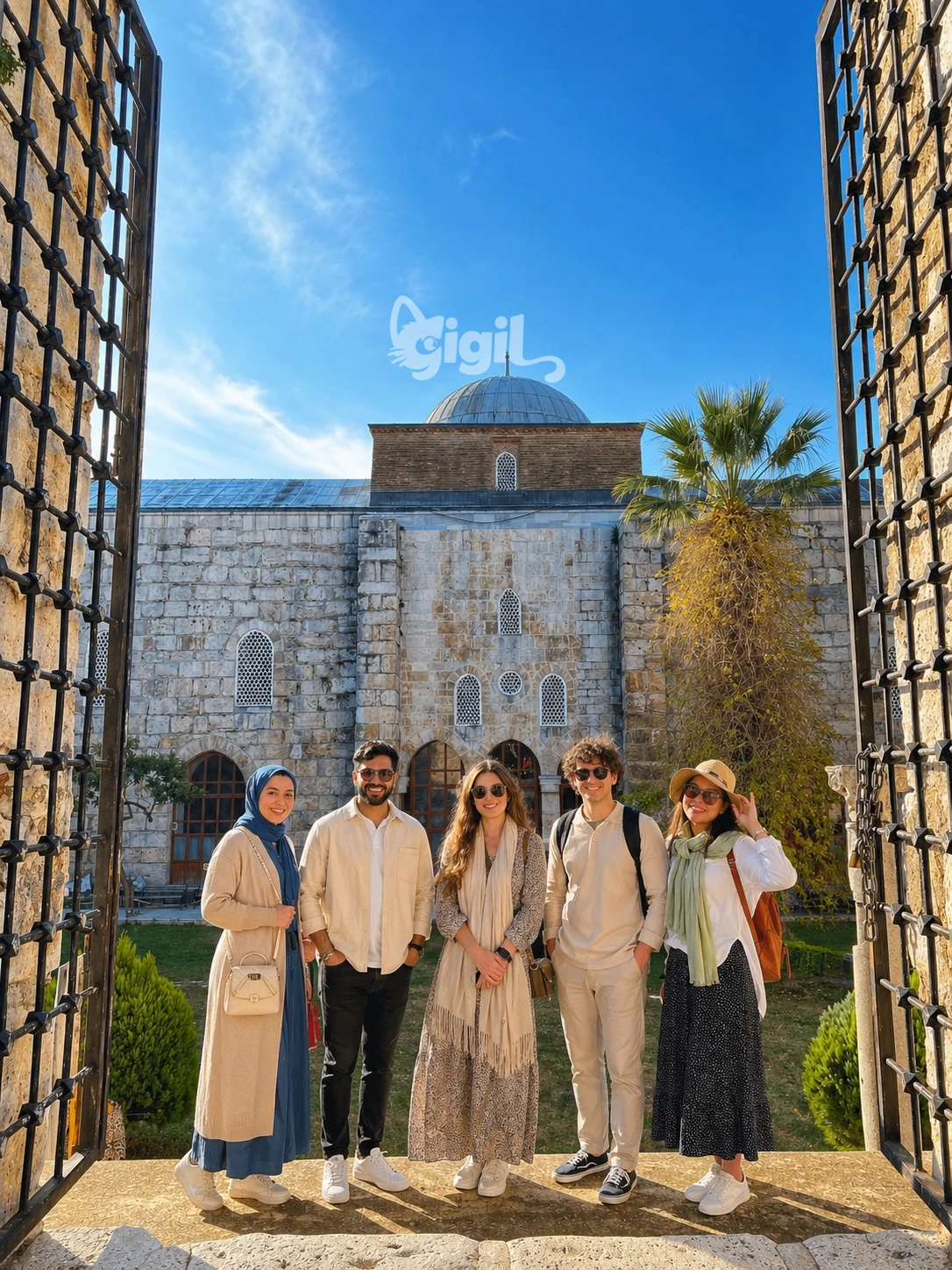
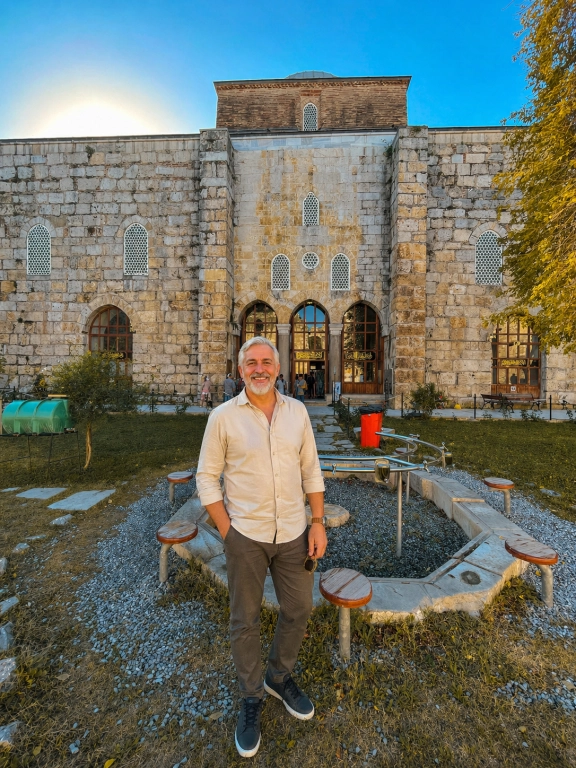
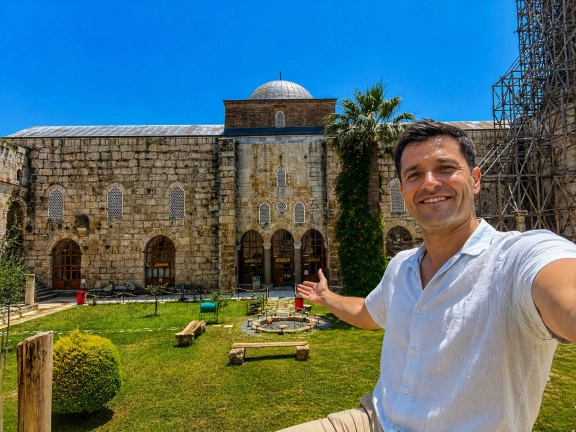
Stop at the historic mosque below Ayasoluk Hill, respecting prayer times and visitor access rules.
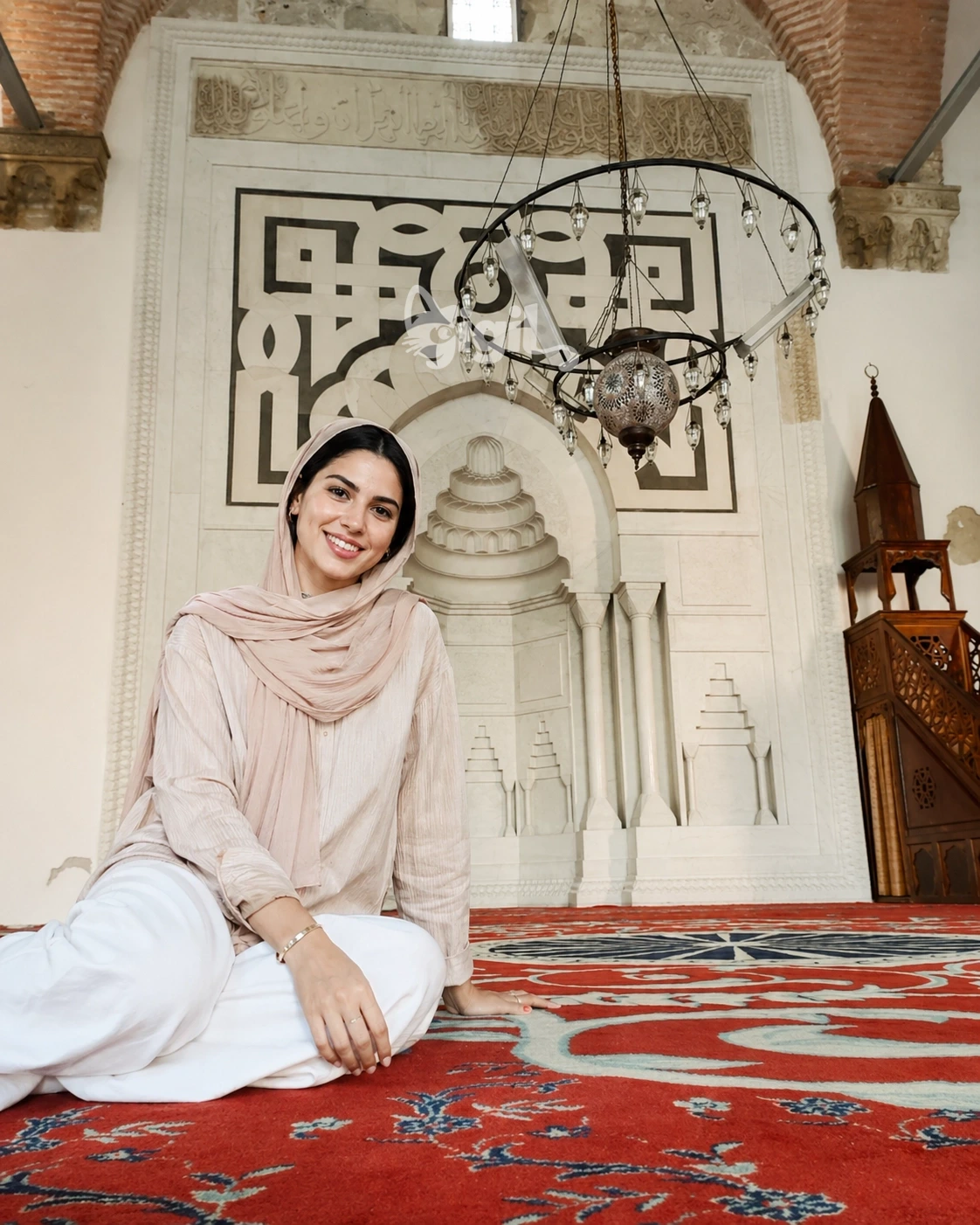
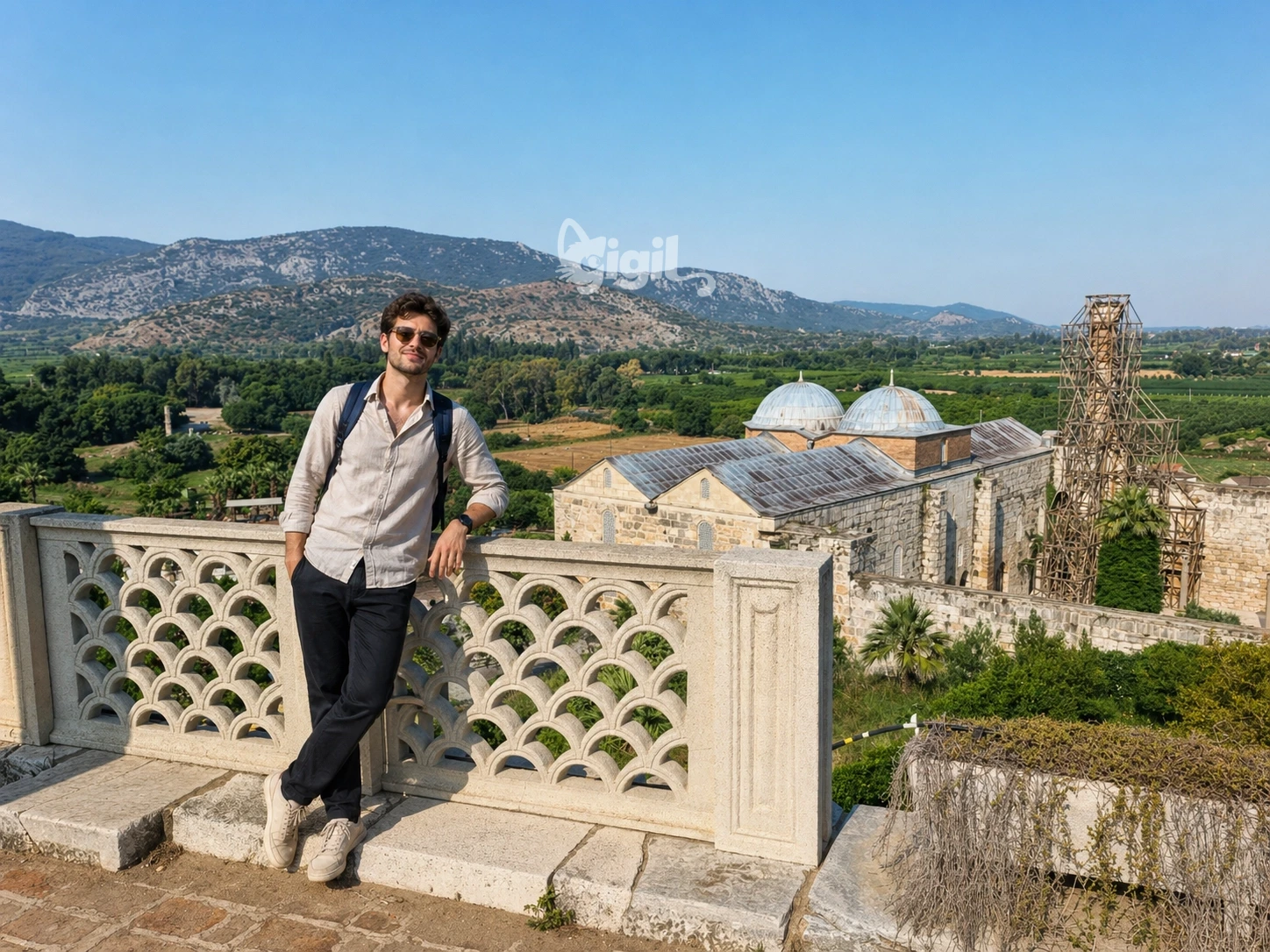
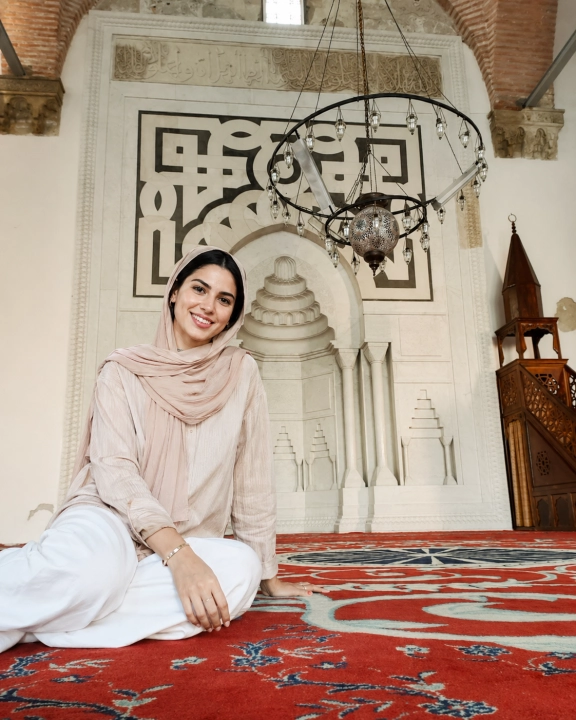
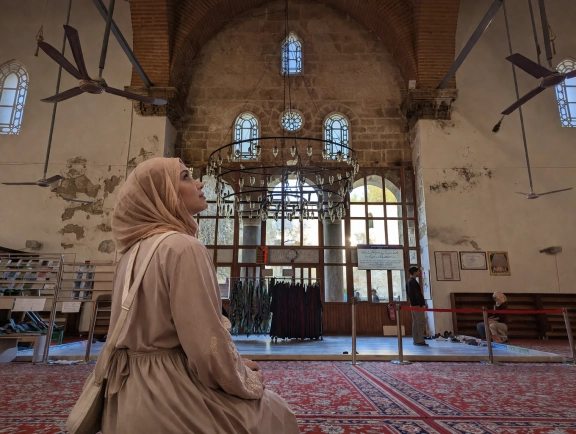
Isa Bey Mosque presents one of the route's clearest chronological contrasts, moving from ancient collections to a living medieval monument. The destination works as architecture and living heritage, not as a staged ceremony or interfaith event.
The visit begins the Selcuk monument pairing, followed by St. John Basilica and then the Temple of Artemis. The destination is interpreted in relation to the whole route while remaining separate from the lunch pause and travel arrangements. This place-led perspective supports both discovery and realistic visitor expectations.
Walk to St. John Basilica.
Continue on foot to the basilica complex and its viewpoints above Selcuk.
St. John Basilica presents the remains of the monumental sixth-century Byzantine basilica on Ayasuluk Hill. This is an archaeological monument, not a functioning parish church or a promise of a religious service.
The sequence places Byzantine remains after the living mosque, then closes with the much older Artemis sanctuary. The route gives the site enough context to be meaningful without blending it with neighboring monuments or operational stops. The route gains variety while the destination's factual boundaries remain clear.
Walk to the Temple of Artemis.
Finish the Selcuk heritage section with the remains of the Temple of Artemis before meeting the vehicle.
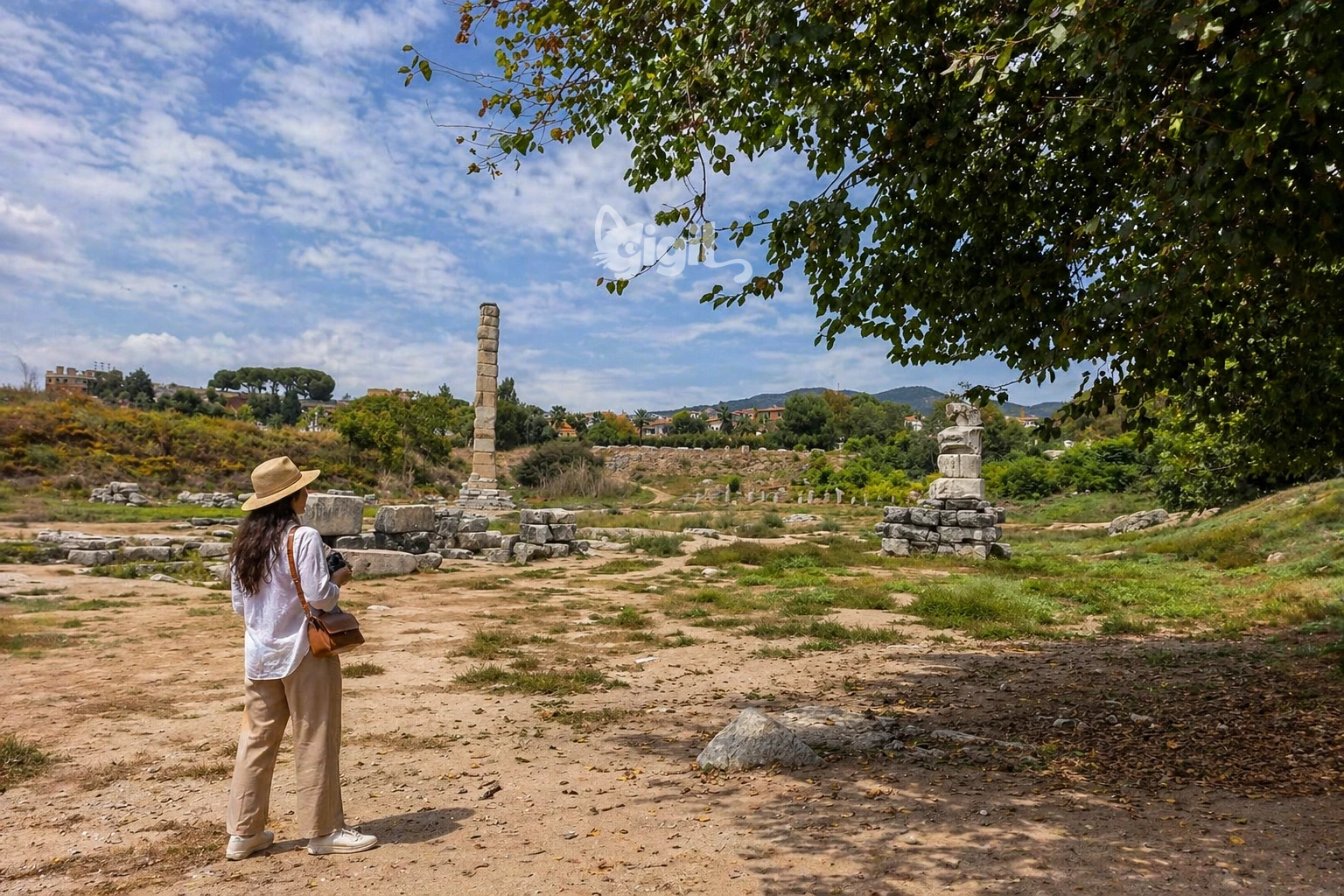
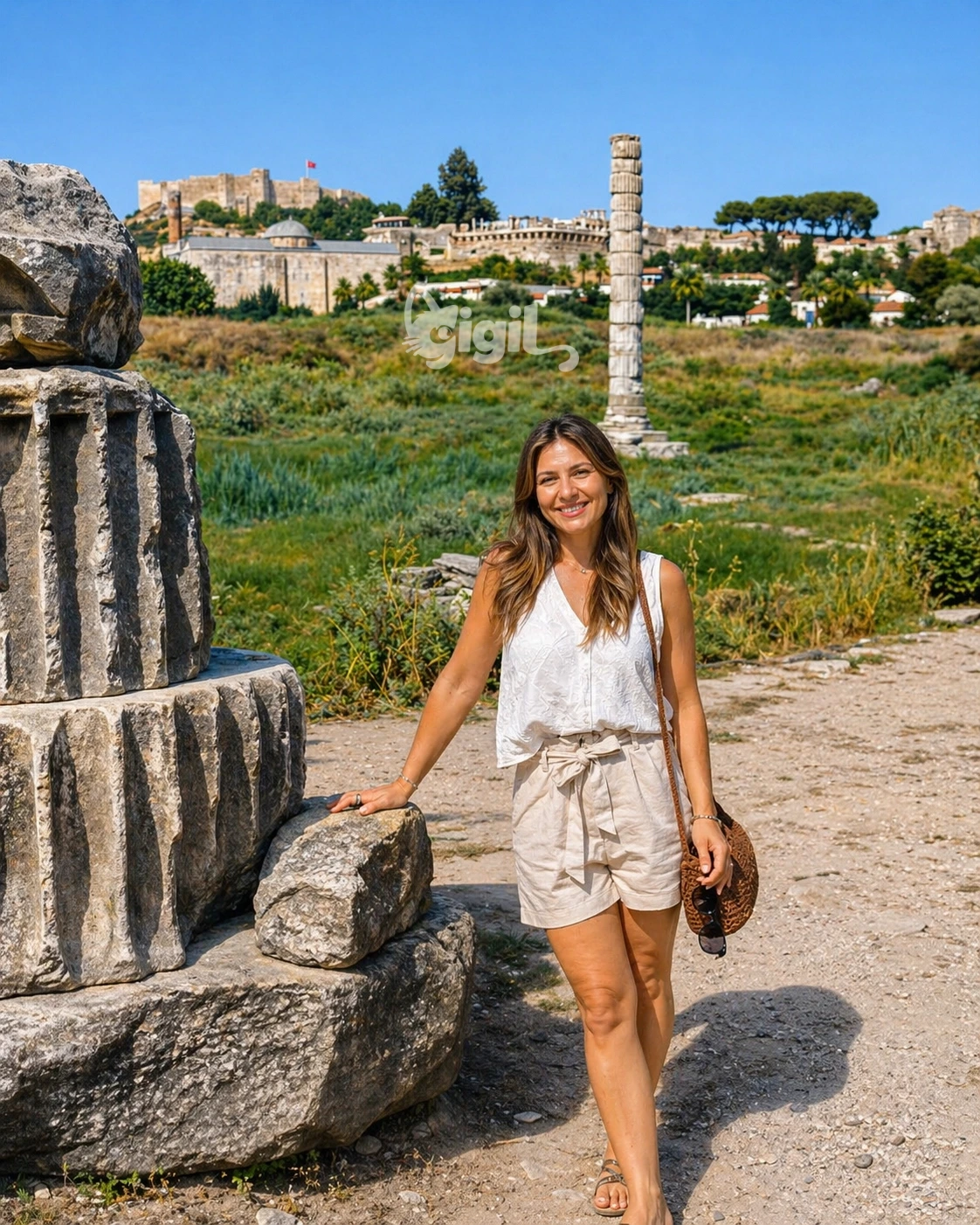
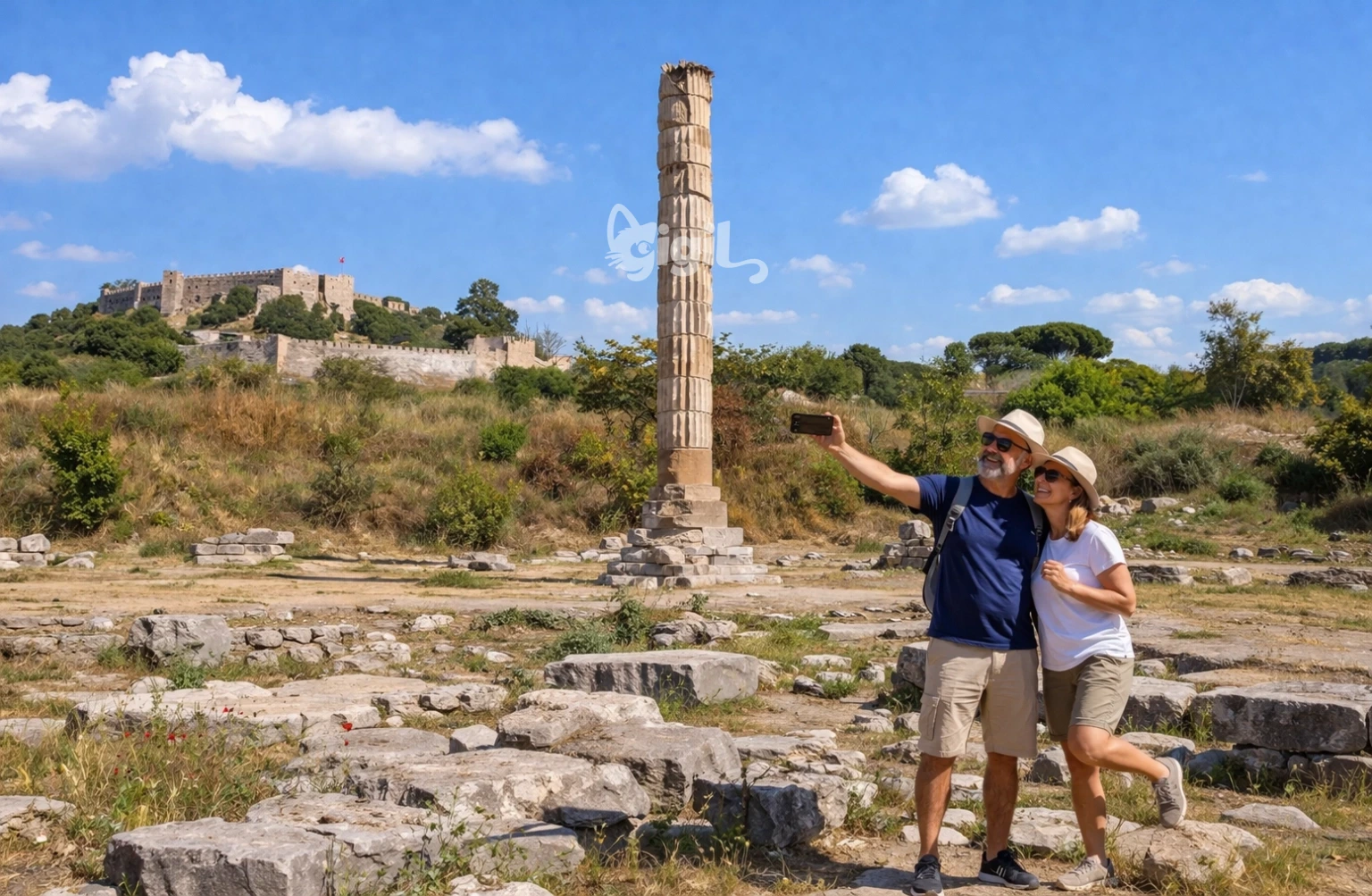
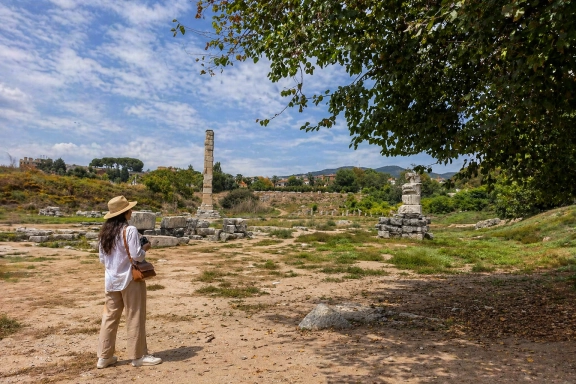
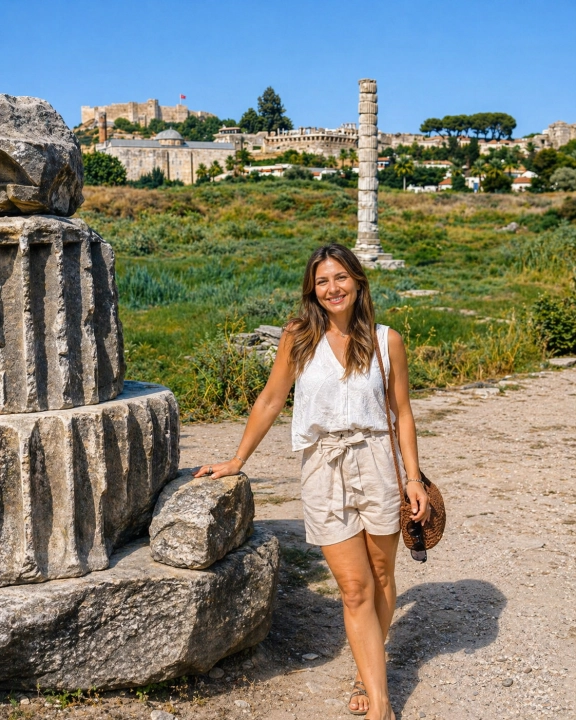
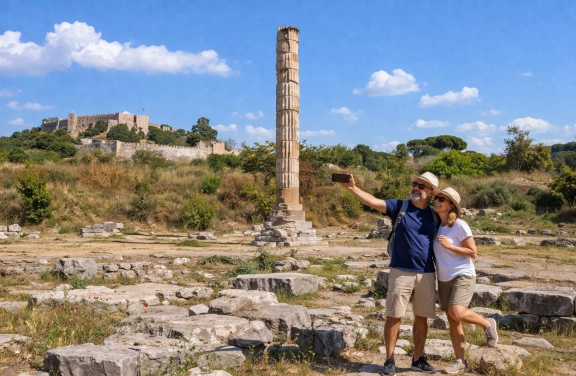
Temple of Artemis offers a final ancient-world perspective through the modest surviving remains of a sanctuary famous far beyond Ephesus. The contrast between reputation and survival is the key to appreciating the place honestly.
Its closing position lets the route finish with reflection on what survives and how ancient fame is interpreted today. Accurate place-based interpretation lets this destination deepen the journey without introducing claims beyond the confirmed visit. The result is practical destination context grounded in the place itself.
Stay overnight after the route.
Use the second overnight stay so the return bus is not forced after a long route day.
Check out and take the confirmed return bus connection.
Transfer to the bus terminal.
Check out and continue to Kusadasi Bus Terminal for the return bus.
Board the return bus.
Take the return intercity bus to the confirmed bus connection point.
Arrive back at the bus connection point.
Arrive at the bus connection point and continue to the final drop-off area.
Return to the selected departure area.
Drop-off is made at the confirmed departure area after the return connection.
Reach out to our travel experts.
Cancellation Policy
A transparent overview of applicable fees.
Traveller feedback for this tour group, published after review.
Write a ReviewMy sister and I like to take our time, which was why we chose a private tour. We never felt hurried along when we stopped to look at something. The driver was kind and the whole day felt straightforward.
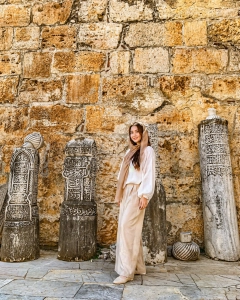
We had a few questions about meeting up and getting back to the ship. Emrah from Gigil Travel explained the arrangements clearly. On the day we could just enjoy the visit instead of worrying about the logistics.
You can create a reminder for yourself for this tour. We will send you a reminder e-mail/sms about this tour on the date you specify.
Yes. Ephesus is one of the most popular and efficient day trips from Kusadasi.
Shore excursions are built around your ships docking schedule.
Ephesus is an ancient city near Selcuk on Turkeys Aegean coast.
Yes, but it is a longer drive than from Kusadasi.
Ephesus is a large open-air archaeological site with world-famous monuments.
The Terrace Houses offer a closer look at Roman-era homes, mosaics, and frescoes.
Ephesus involves a lot of walking on stone surfaces and open paths.
Comfort and sun protection make a big difference.
Ephesus can be visited year-round, but the experience changes by season.
Ephesus is very popular, especially in summer and on cruise days.
In peak season, planning helps avoid delays, but rules can change.
It is a meaningful stop for many visitors and can be added based on timing.
Sirince is a small hillside village near Selcuk and is often added for variety.
It is usually too long for a comfortable day, especially for cruise schedules.
It is usually not recommended for a single day from Kusadasi.
Ship schedules can change, and we plan with buffer time.
For cruise travelers, private tours are often the most comfortable option.
It depends on comfort level, as the site is large and mostly outdoors.
Visa requirements depend on your passport and may change.
Turkey uses the Turkish Lira (TRY).
Cards are accepted in many restaurants, shops, and hotels.
Many travelers prefer bottled water.
Tipping is common and appreciated for good service.
Turkey typically uses Type C and Type F plugs (220V, 50Hz).
SIM and eSIM options are available from major operators.
Opening hours can change by season and some venues may have weekly closure days.
Photography rules vary by venue.
Some cruise ships keep ship time different from local Turkey time.
Tourist areas like Kusadasi and major sites are used to international visitors.
If you prefer a lighter day, there are good alternatives.
We recommend keeping your passport safely on the ship or at your accommodation and carrying a copy if needed.
Dial 112 for emergencies (medical, police, fire, and urgent situations).
Download this tour’s PDF brochure and start tour planning offline
This tour also has a group tour version.
This tour also has transport options.
Ada
Book Ephesus Tours Assistance