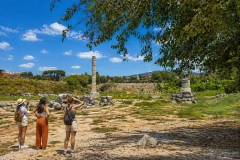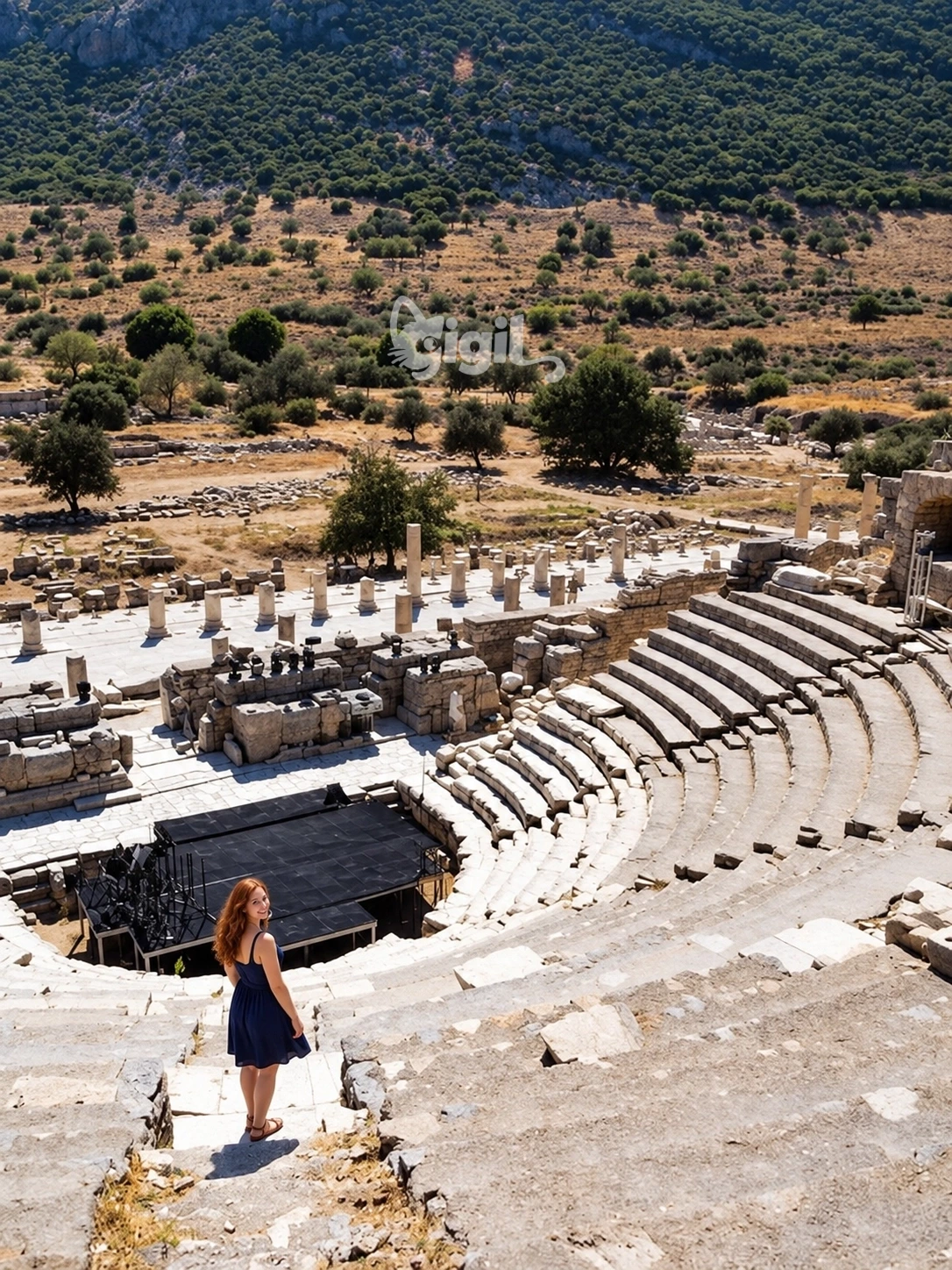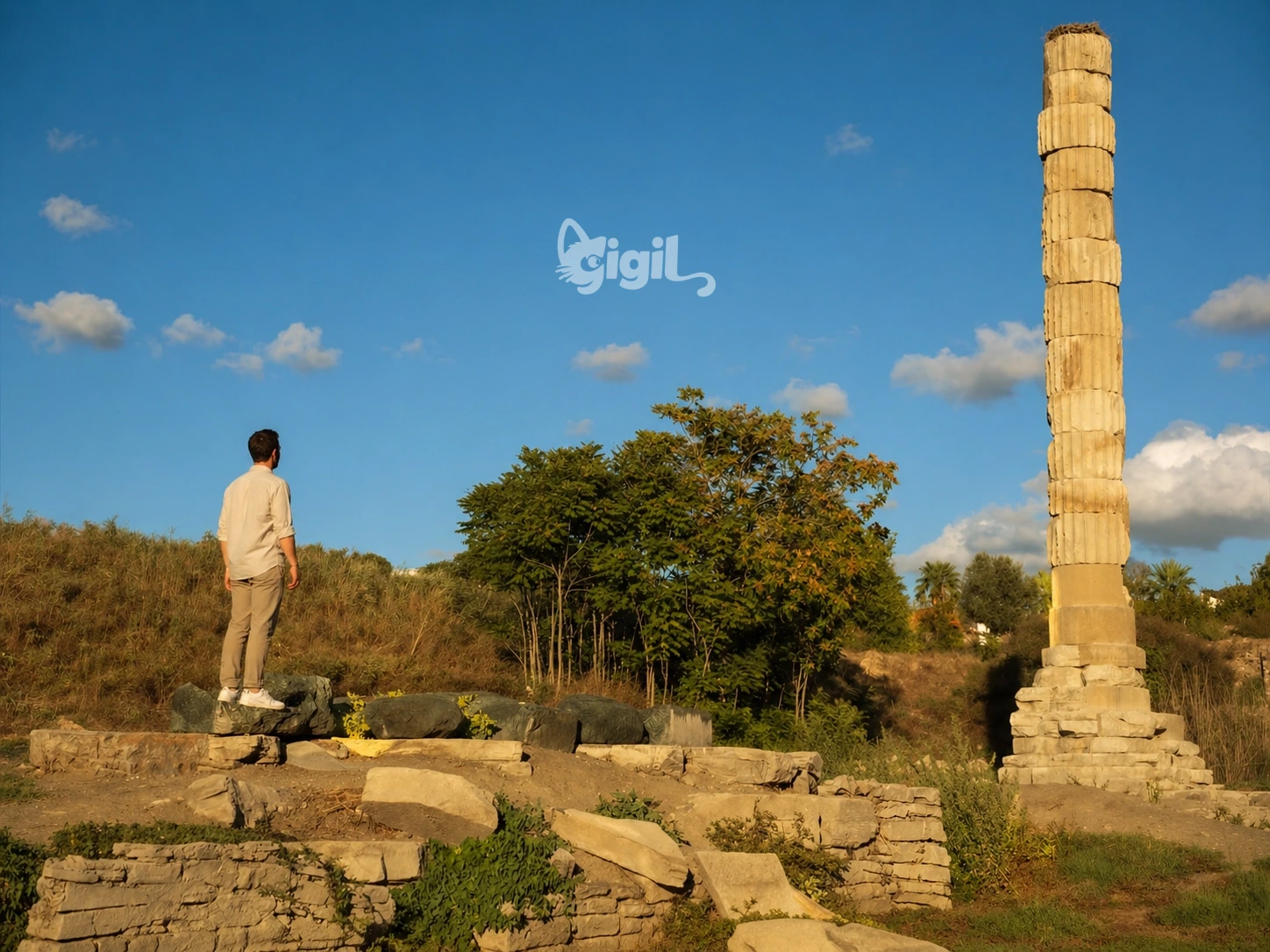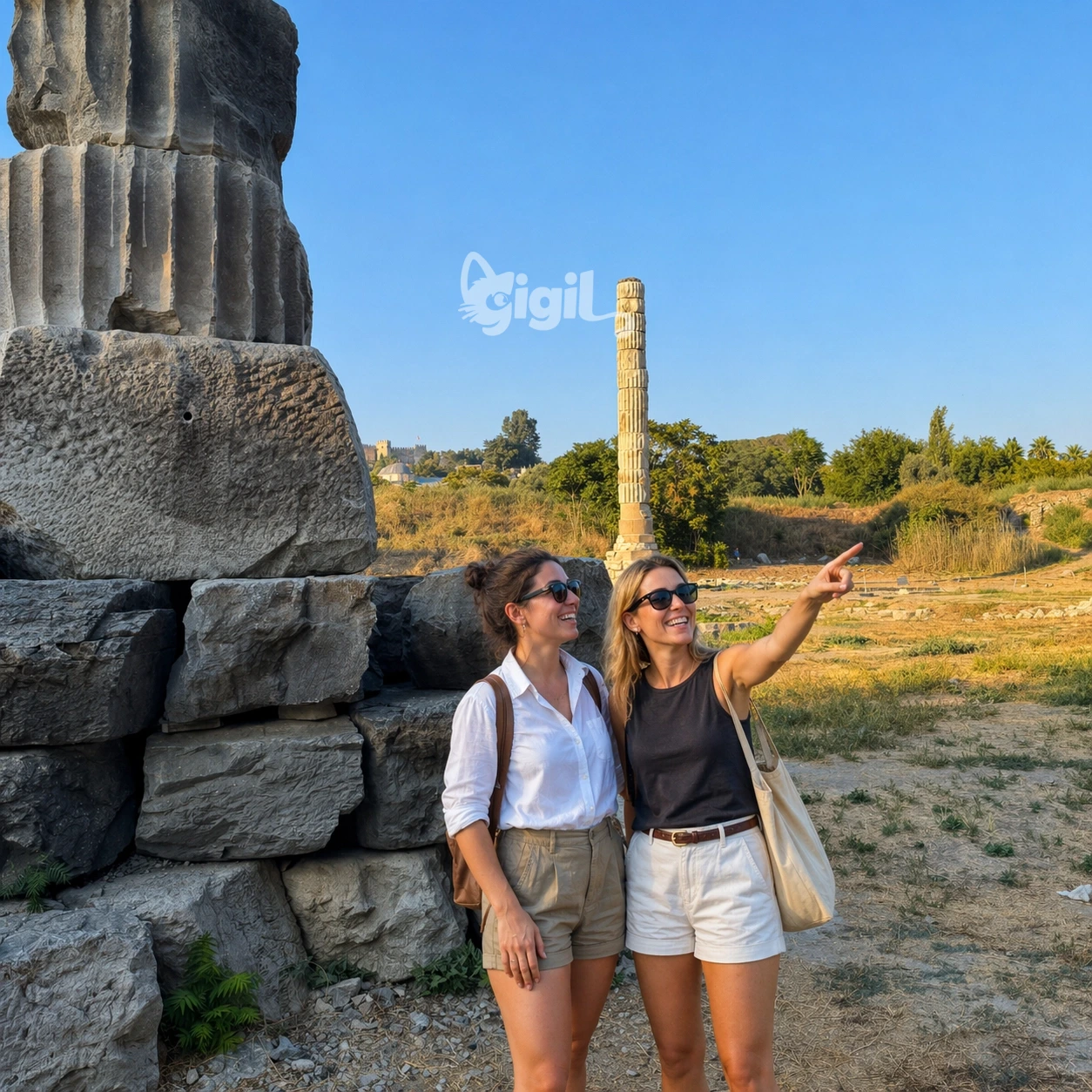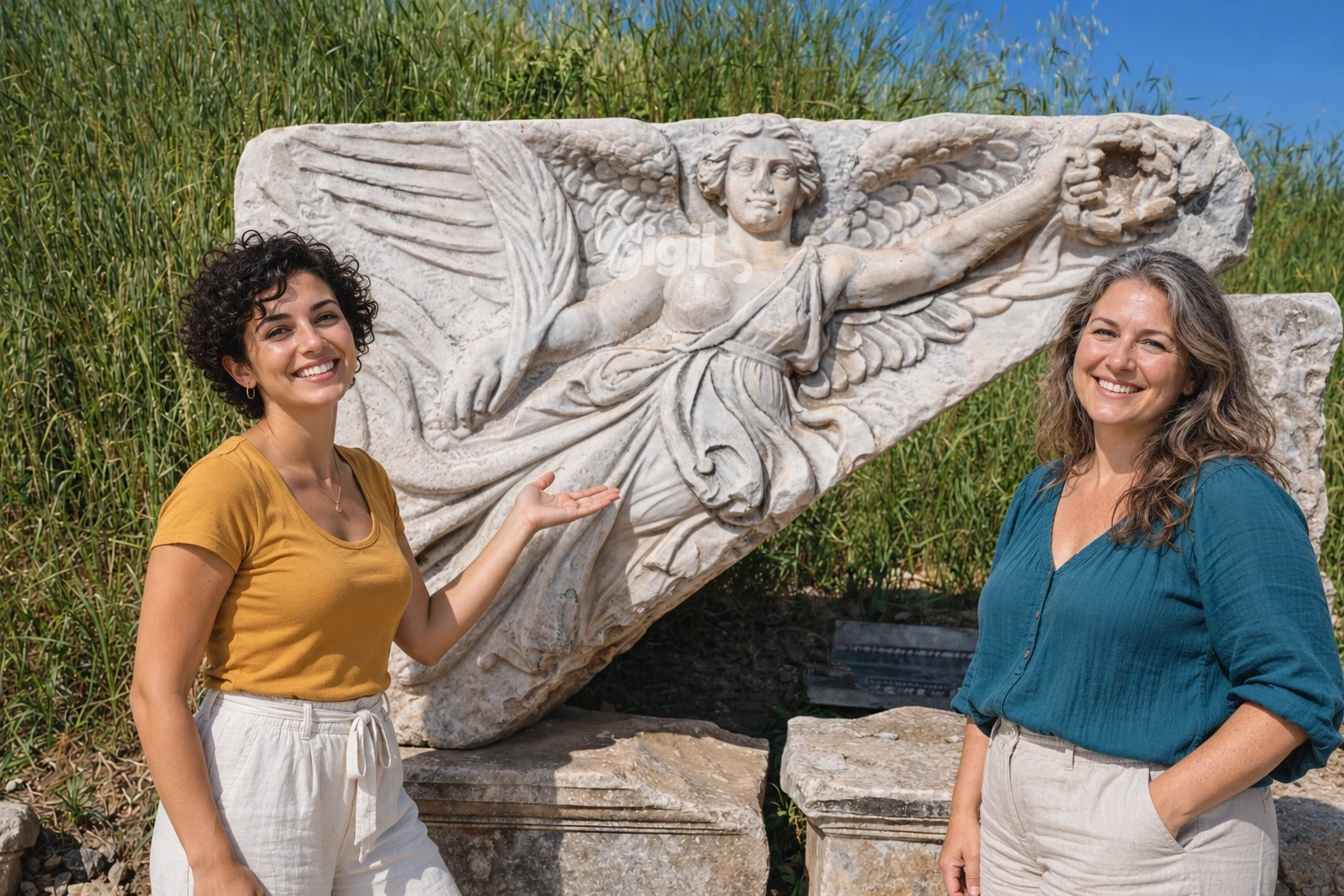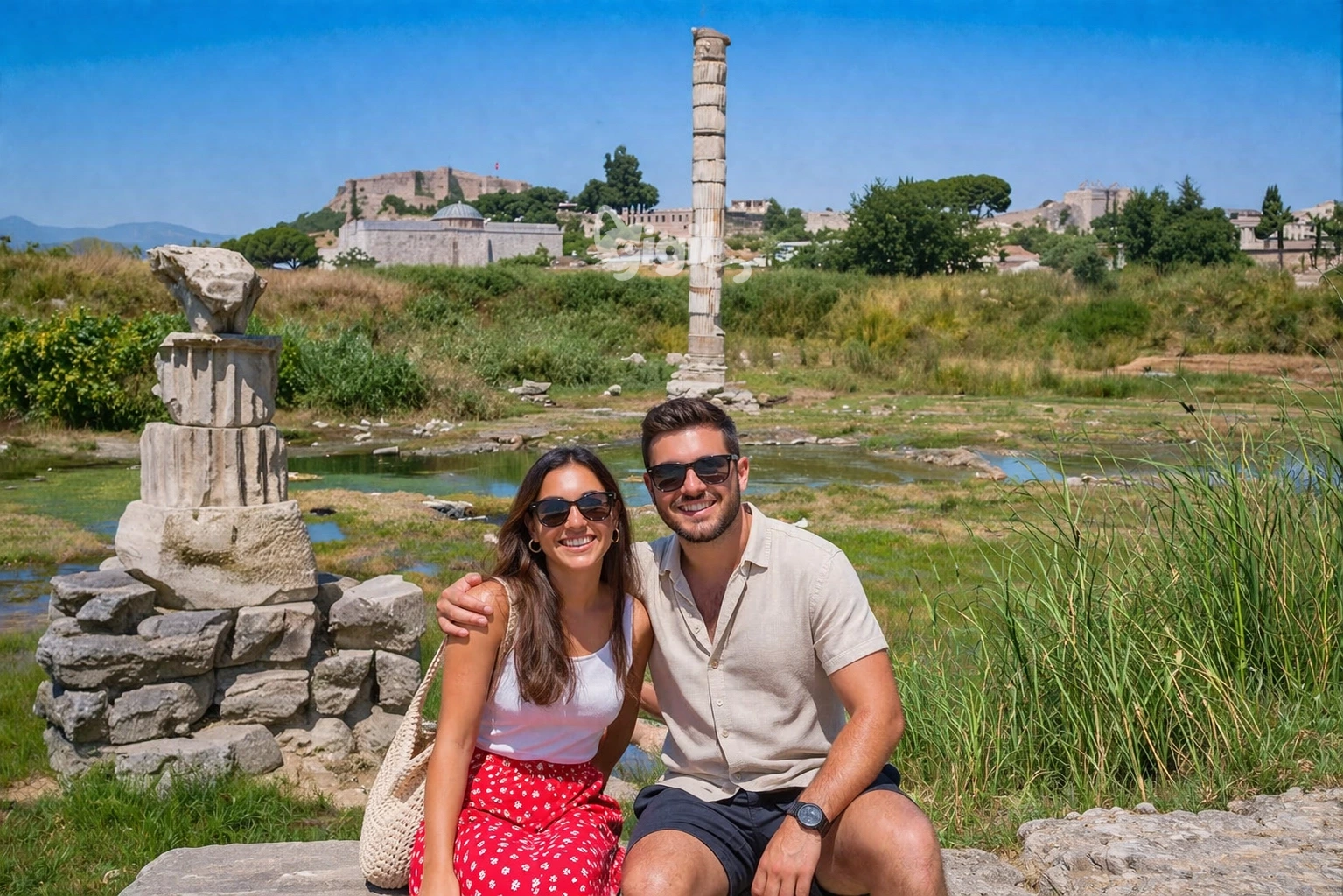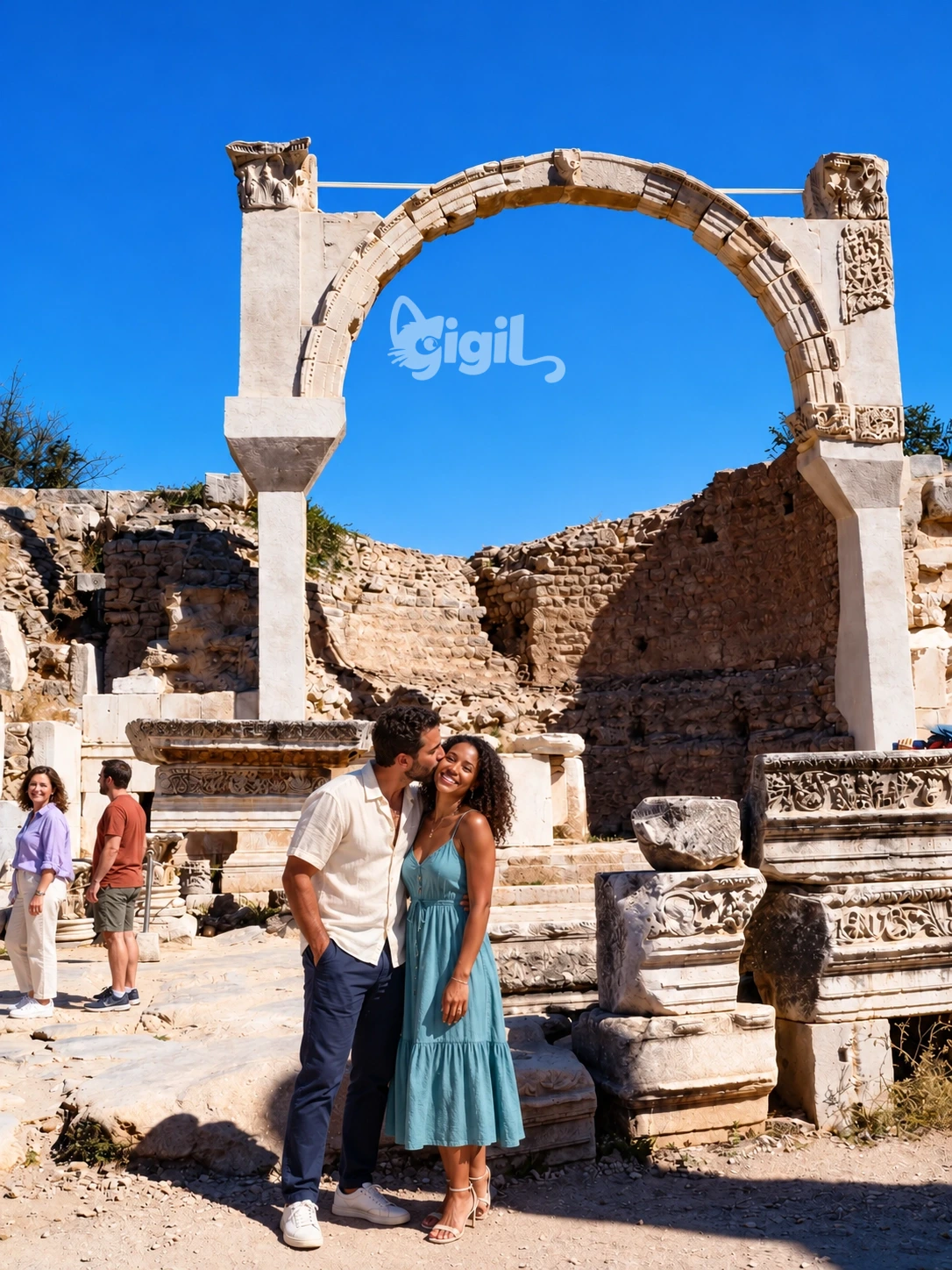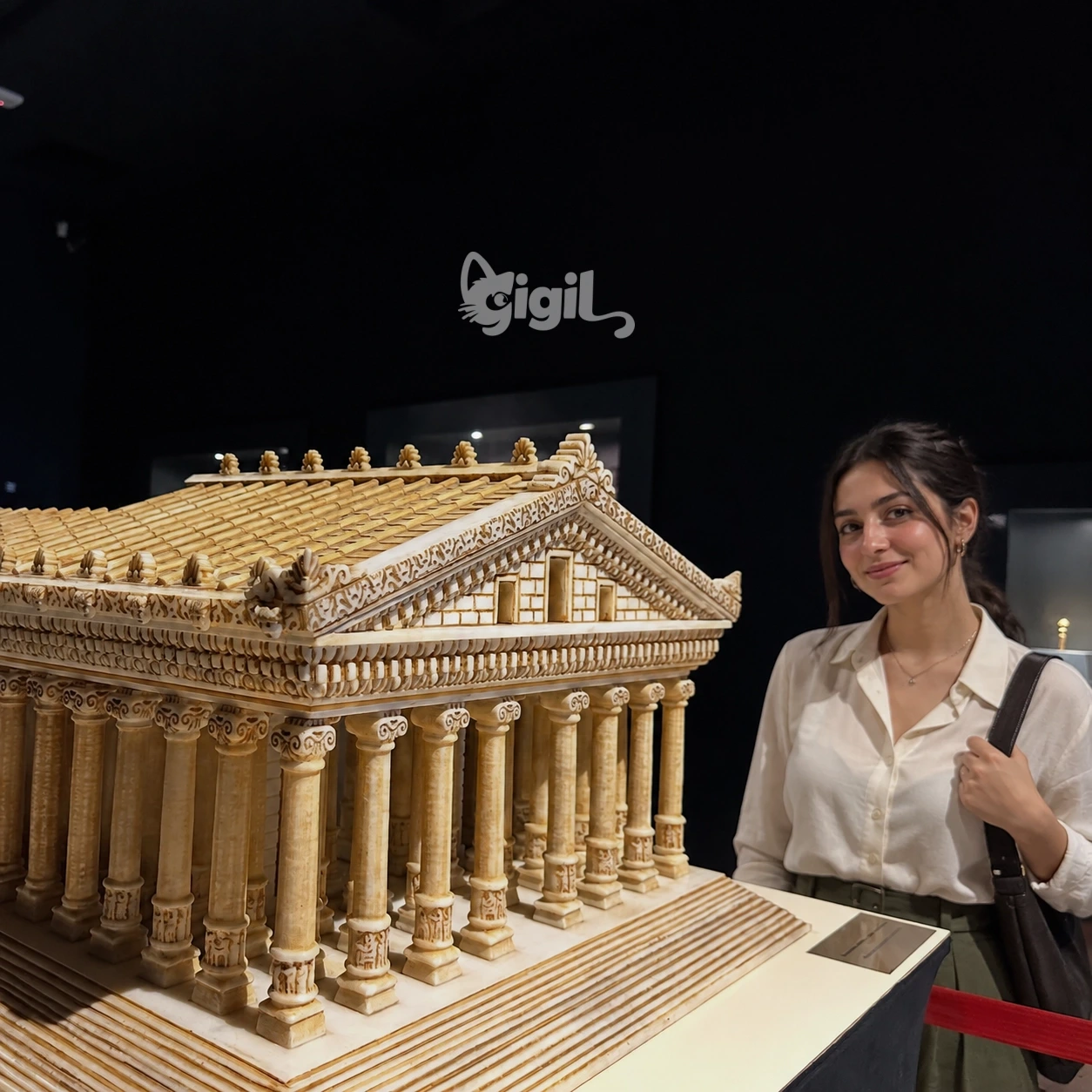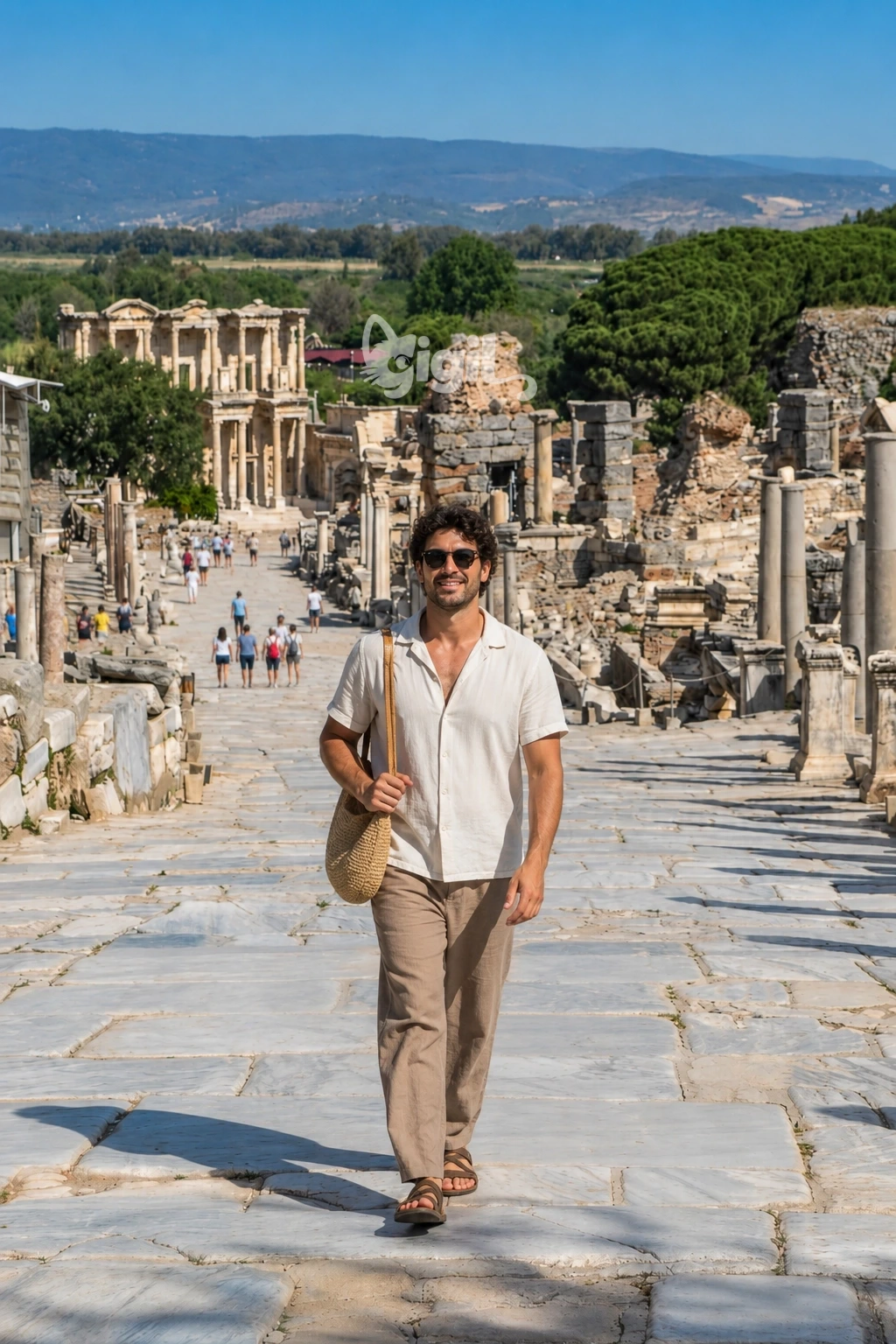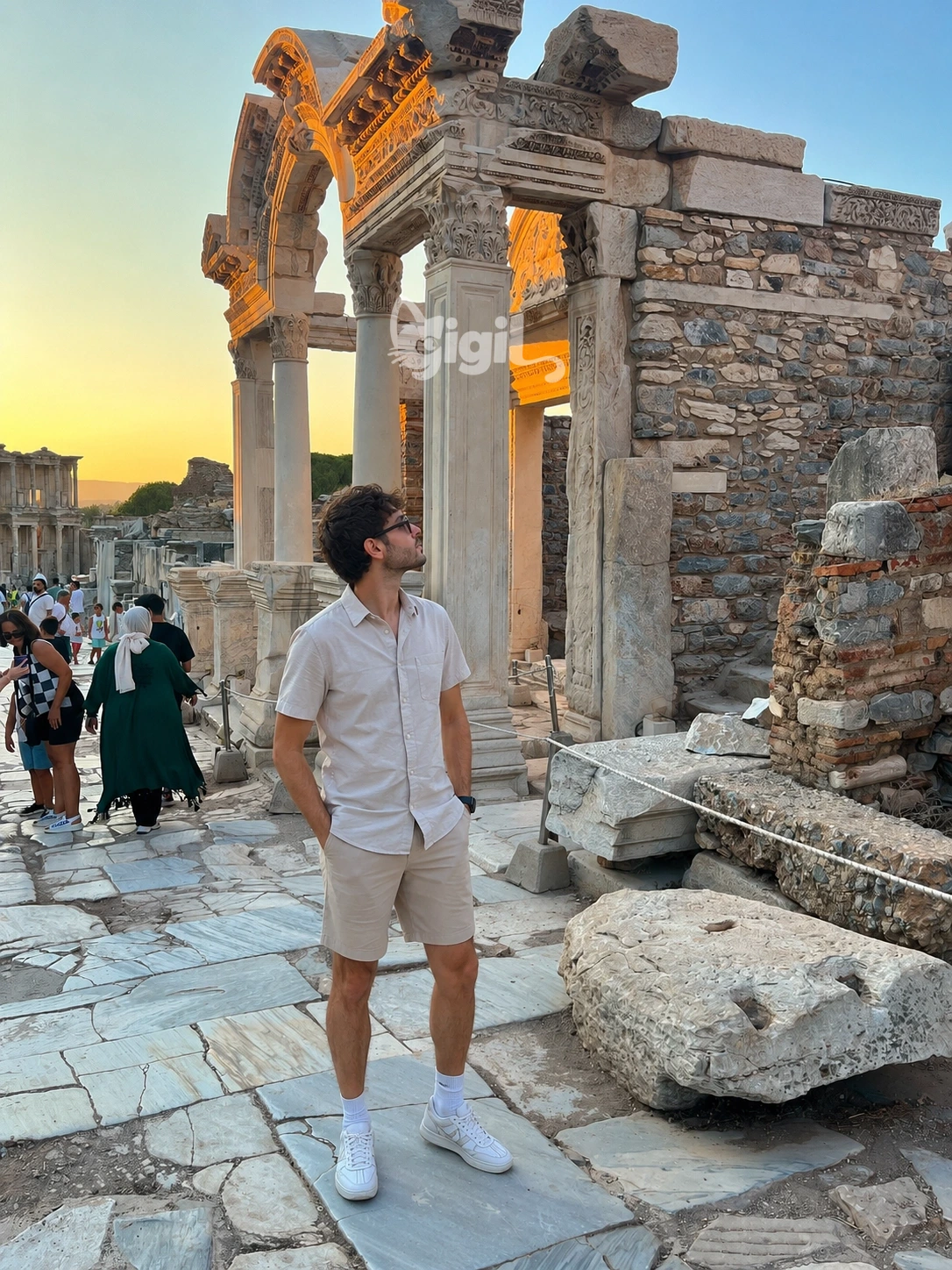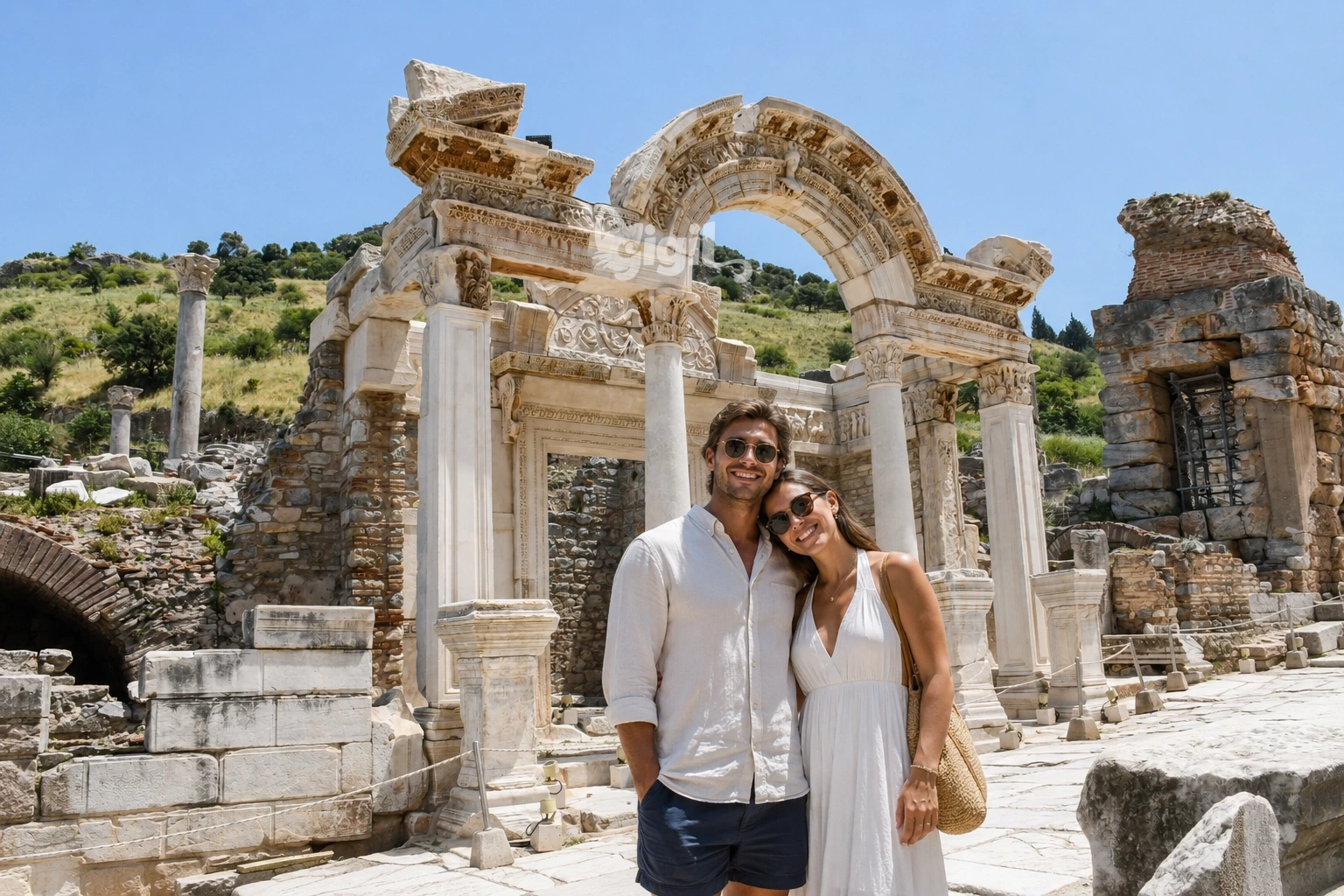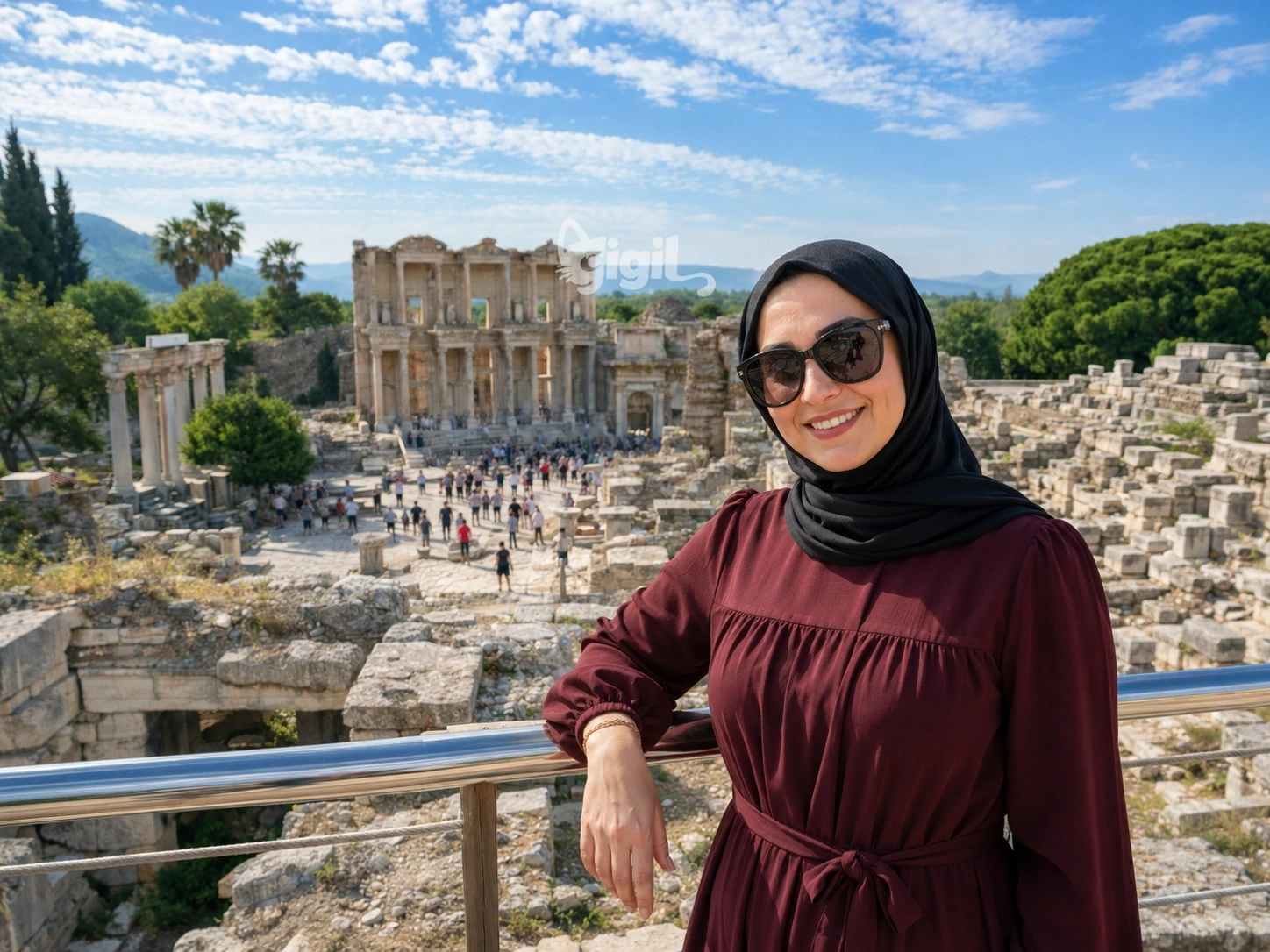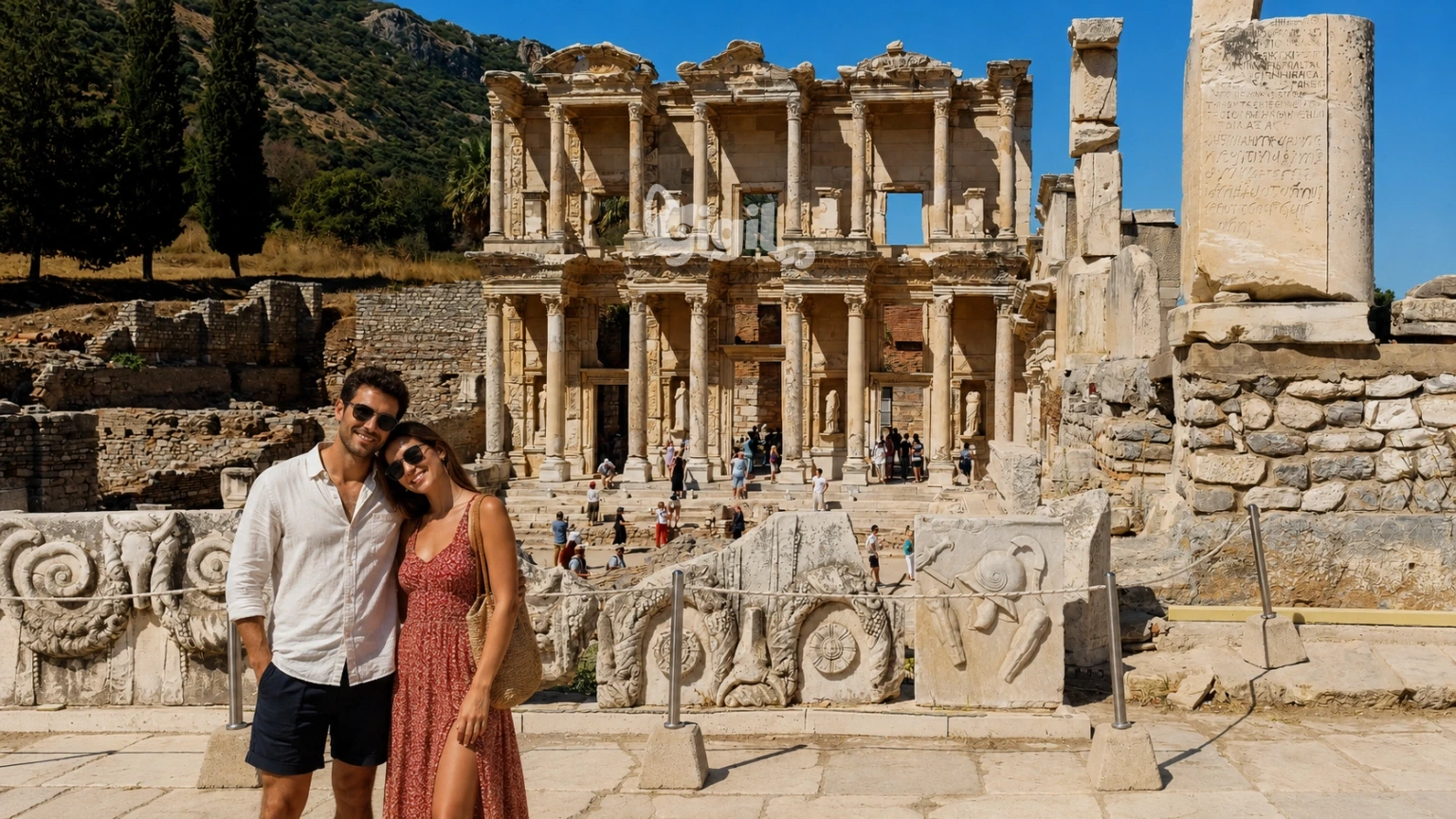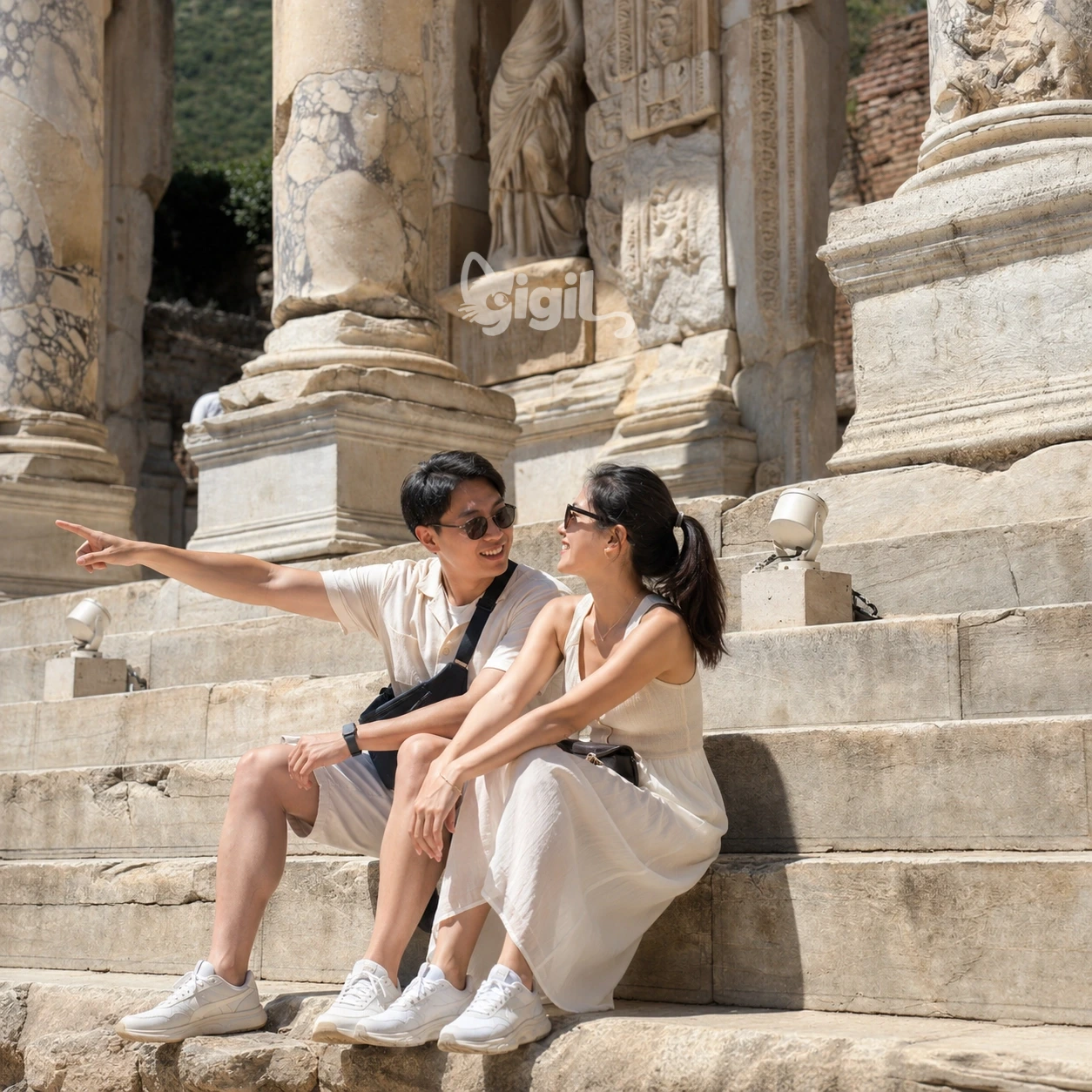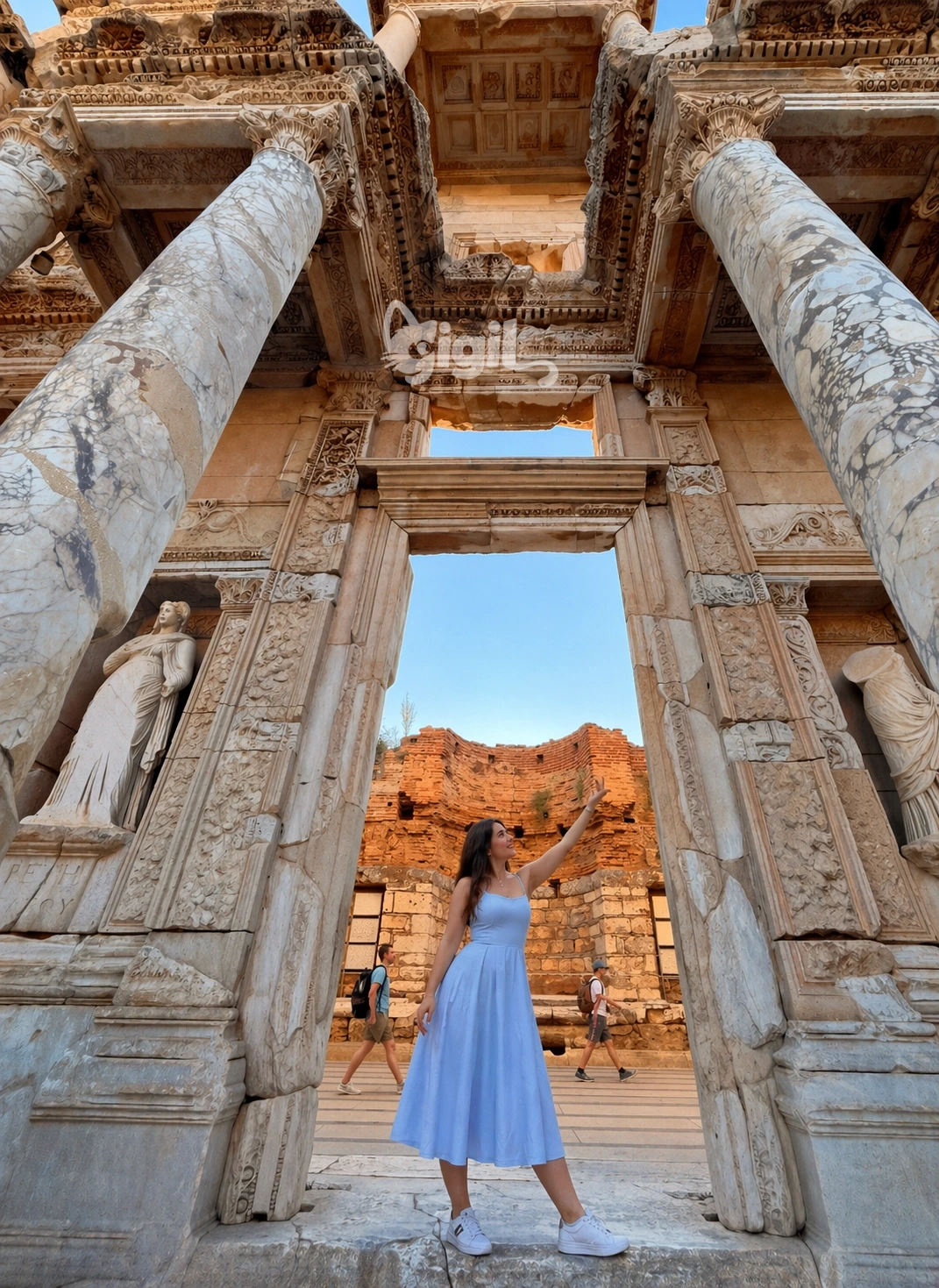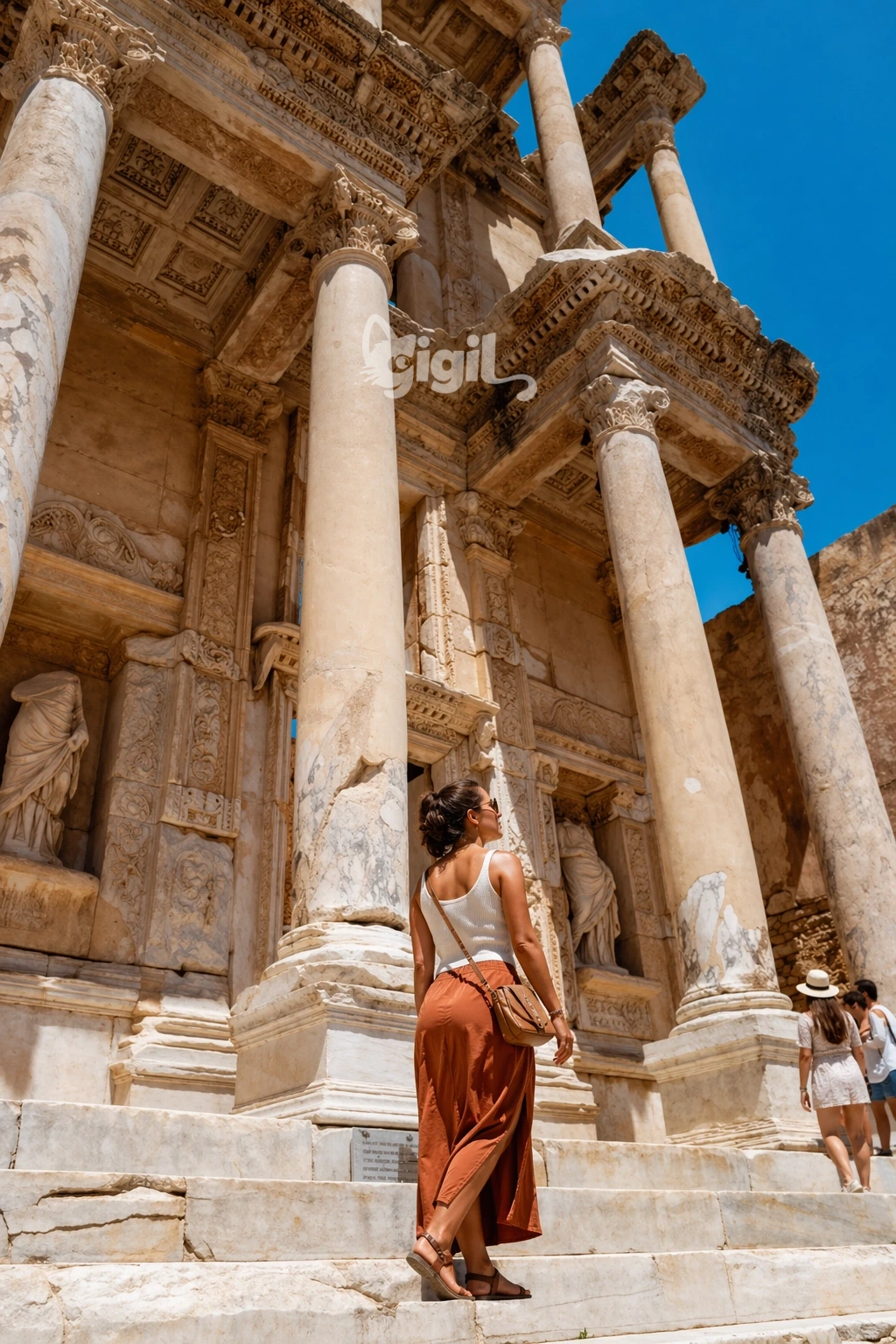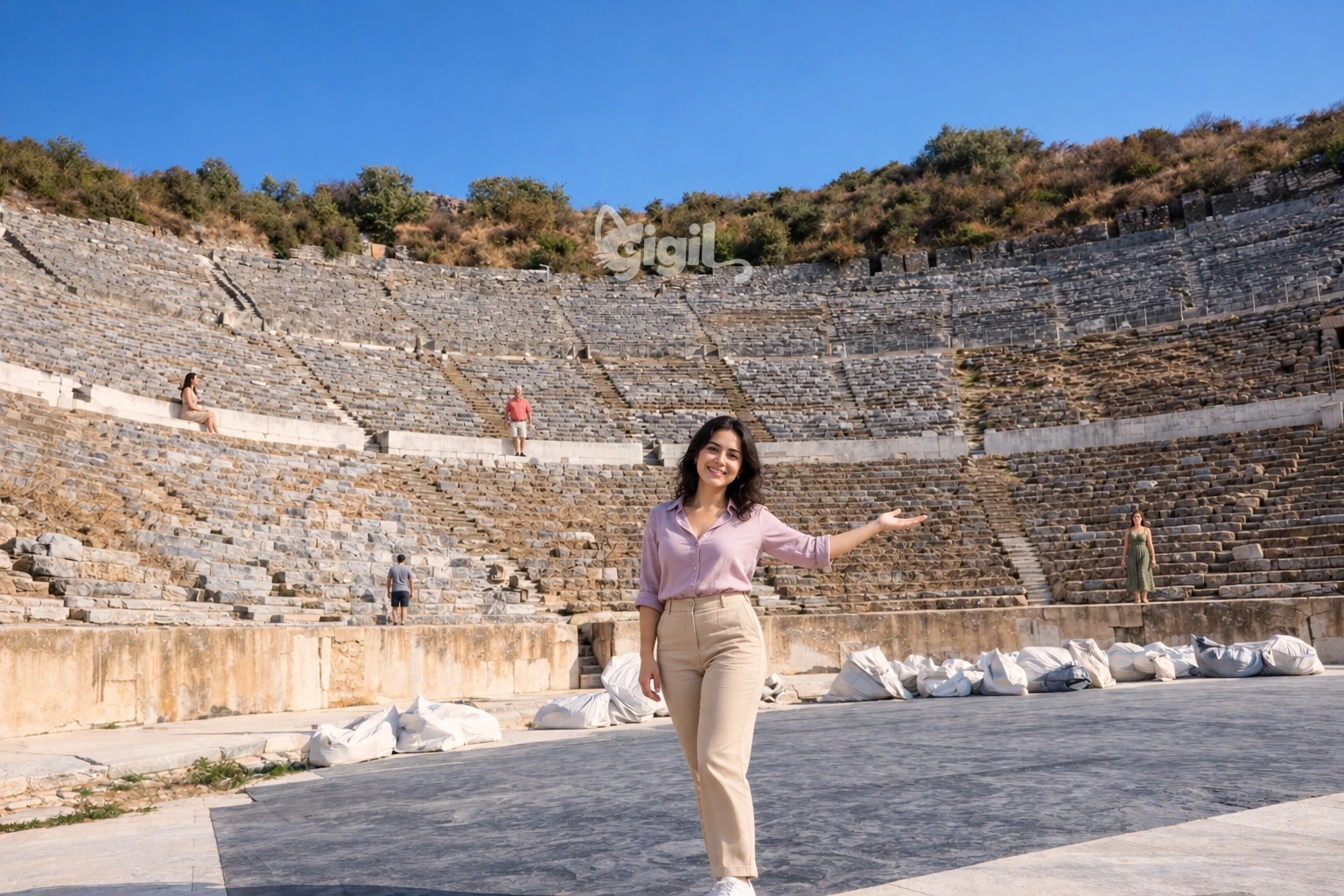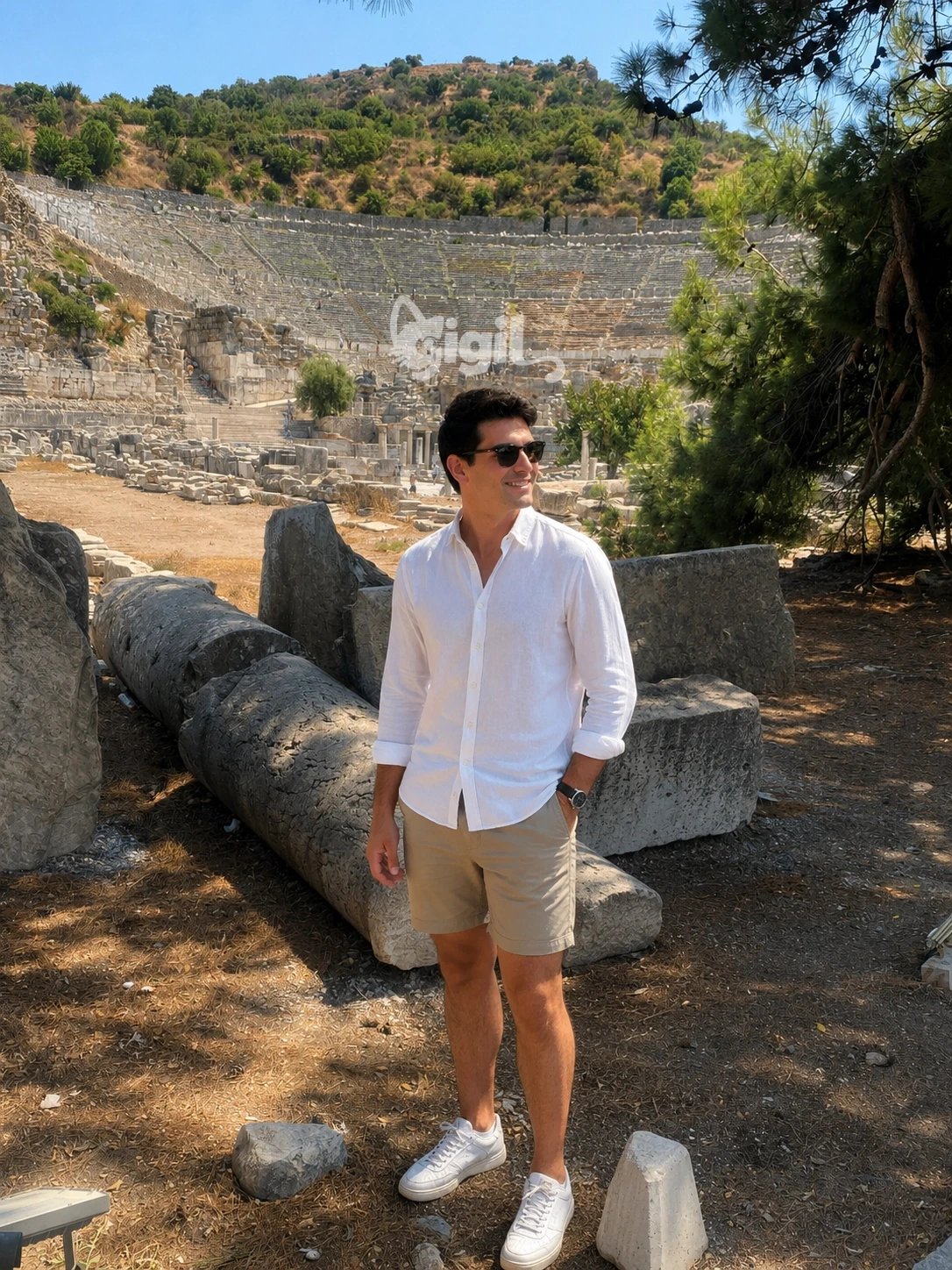








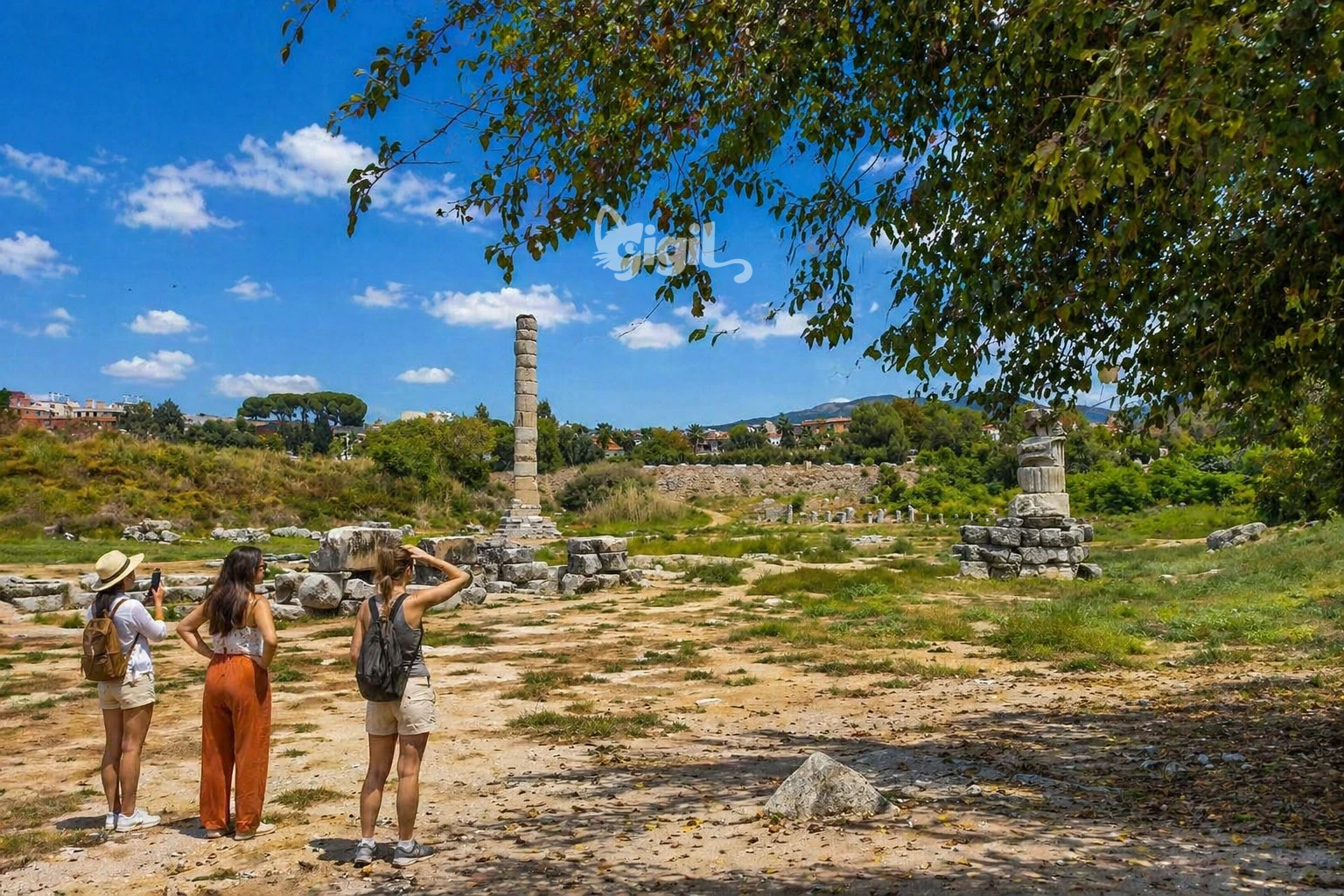
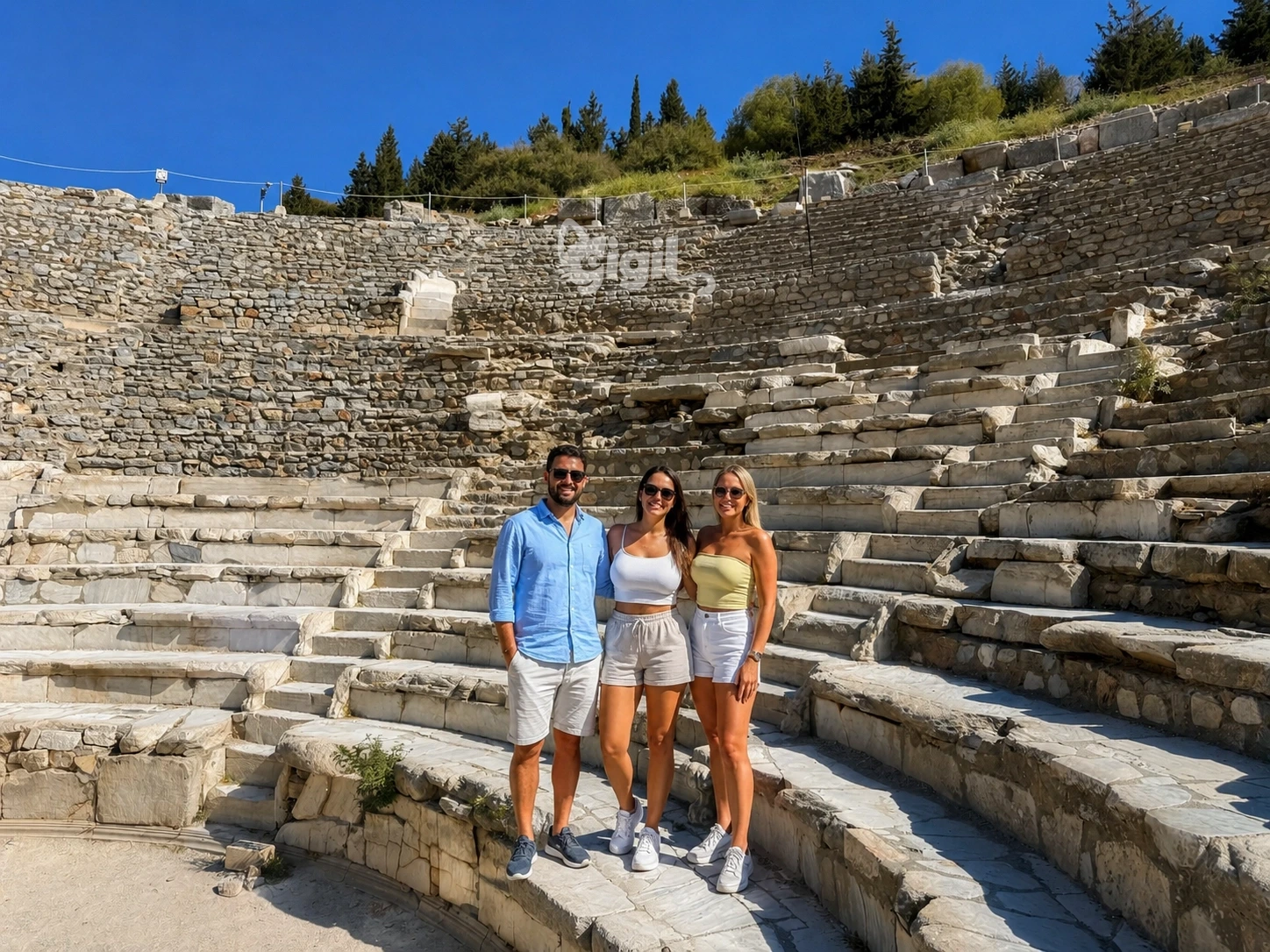
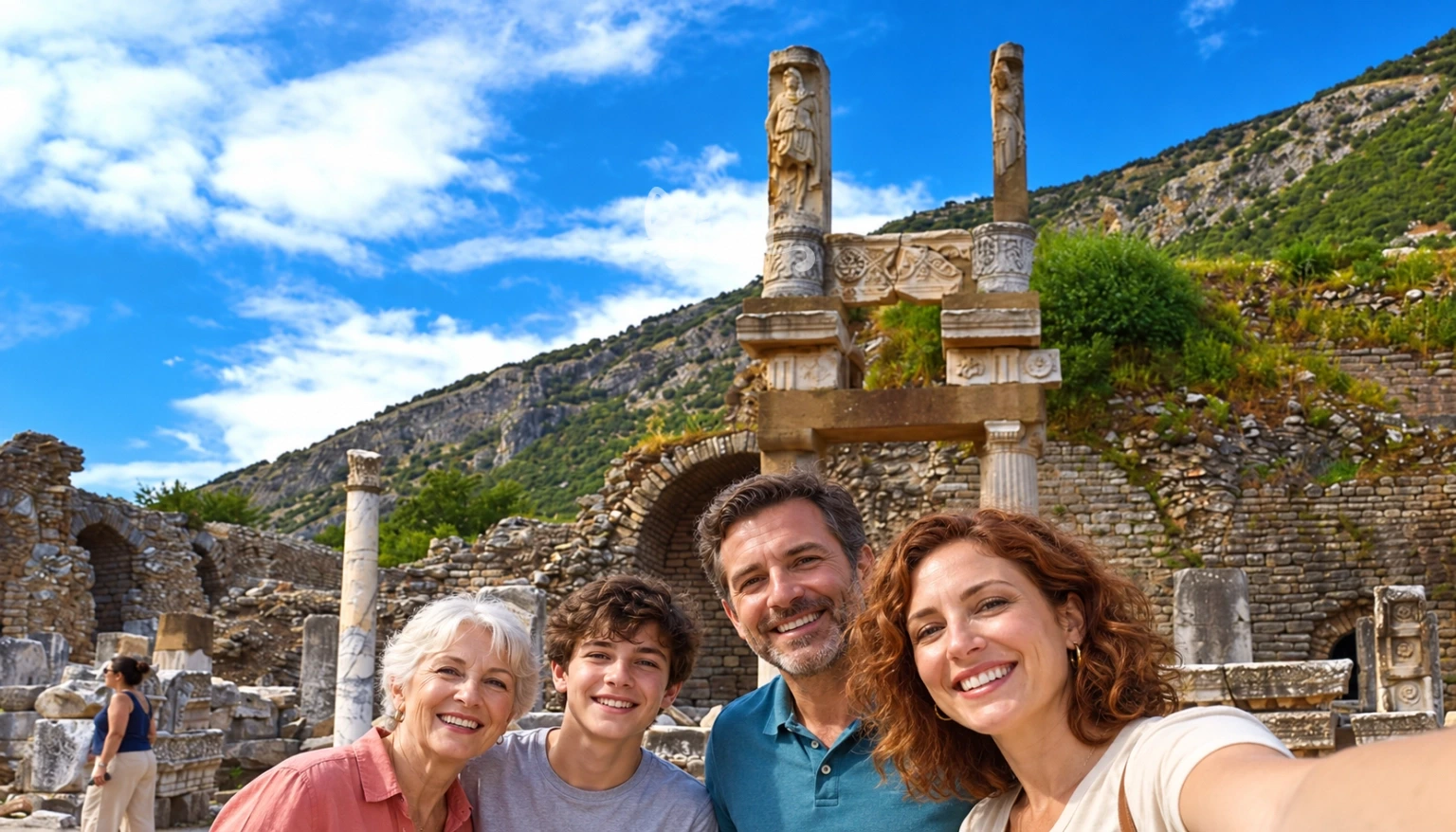
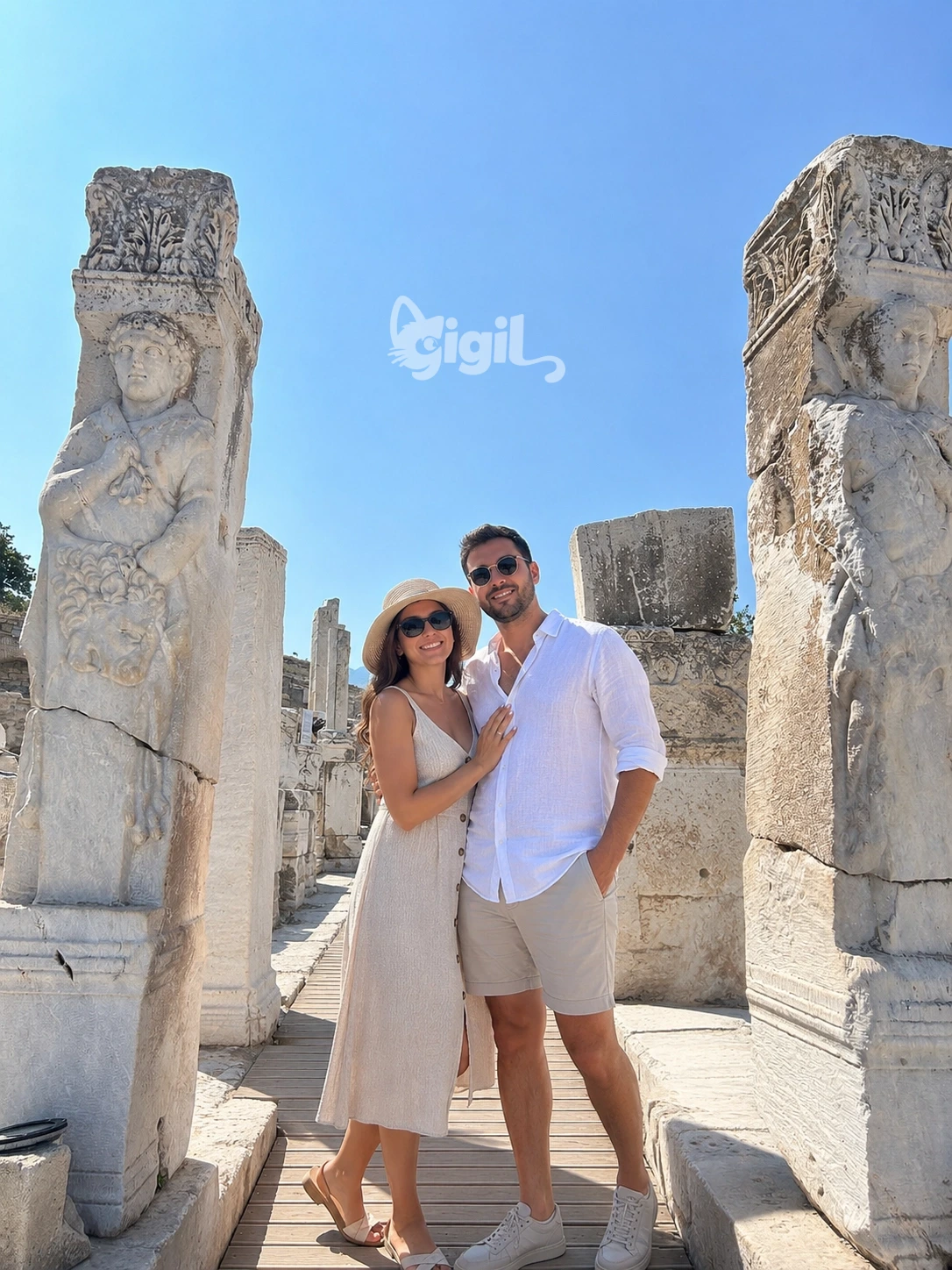
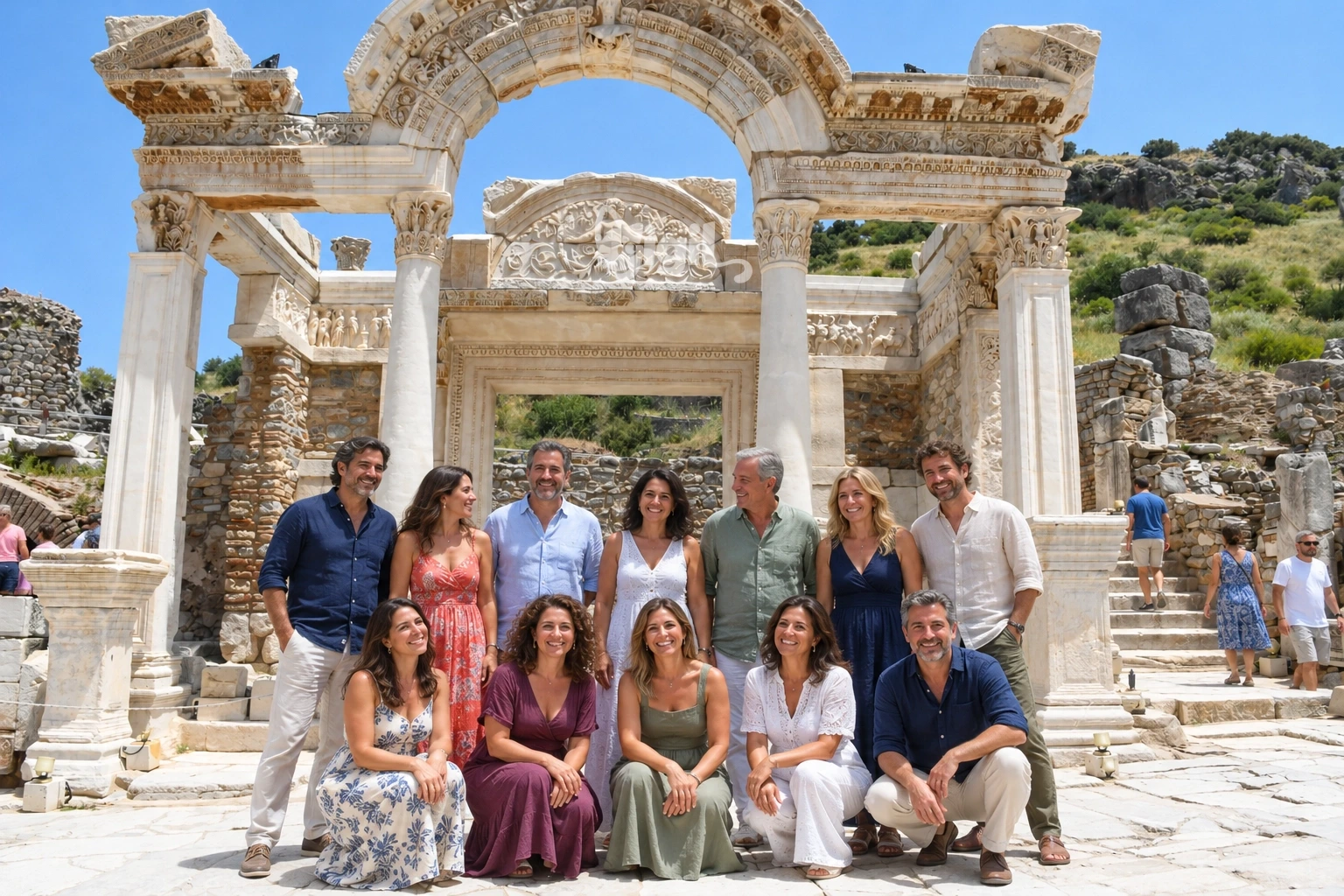
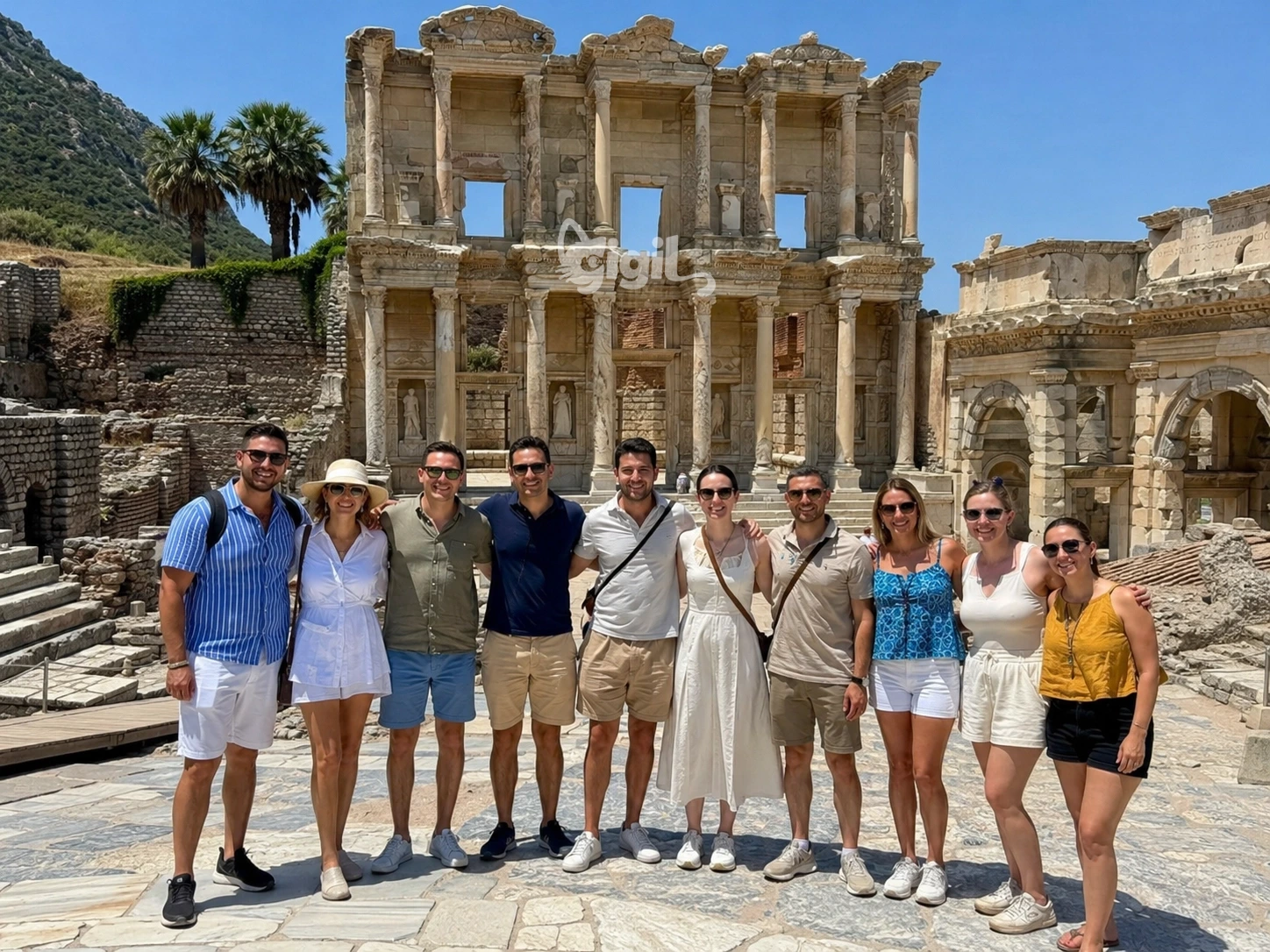
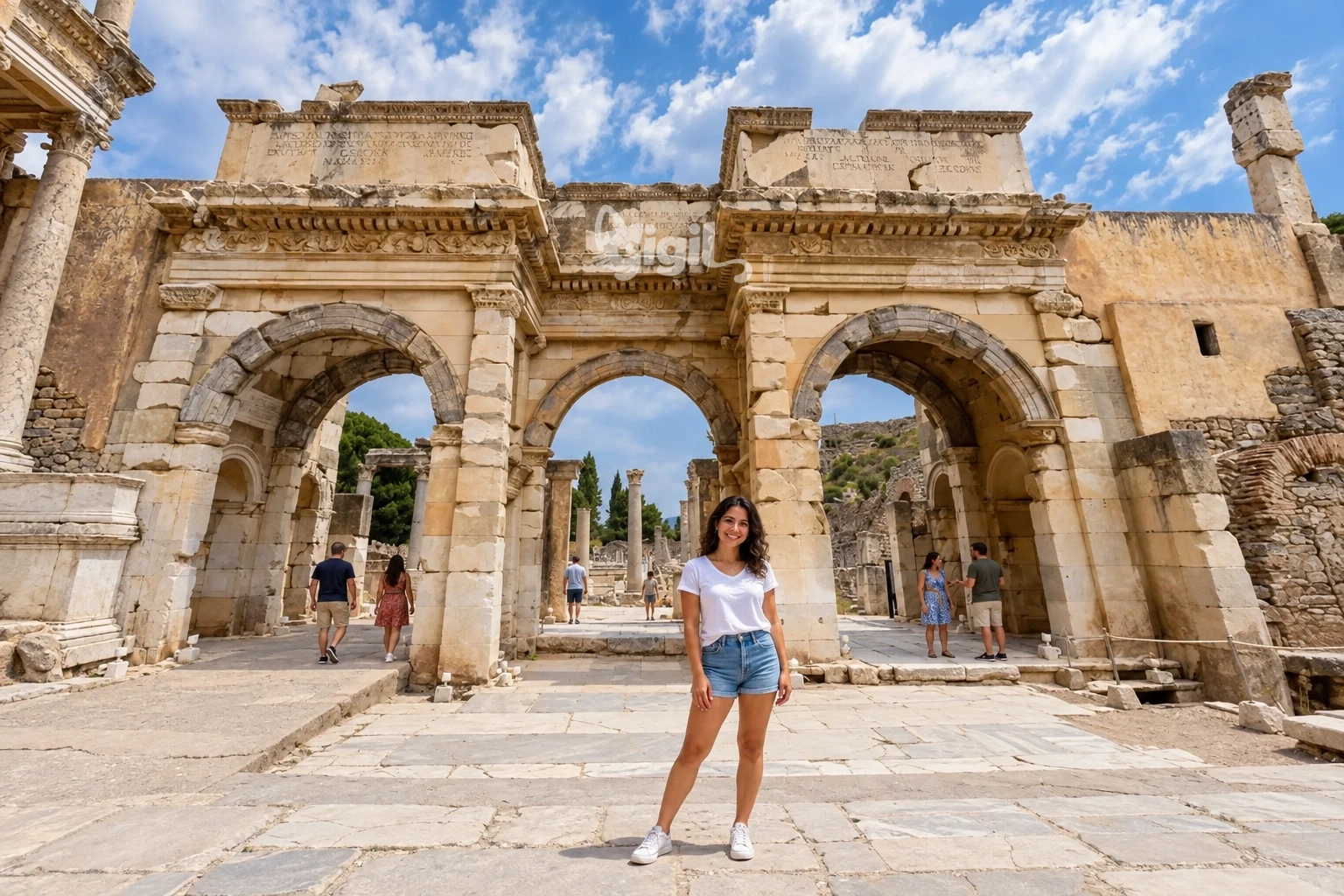
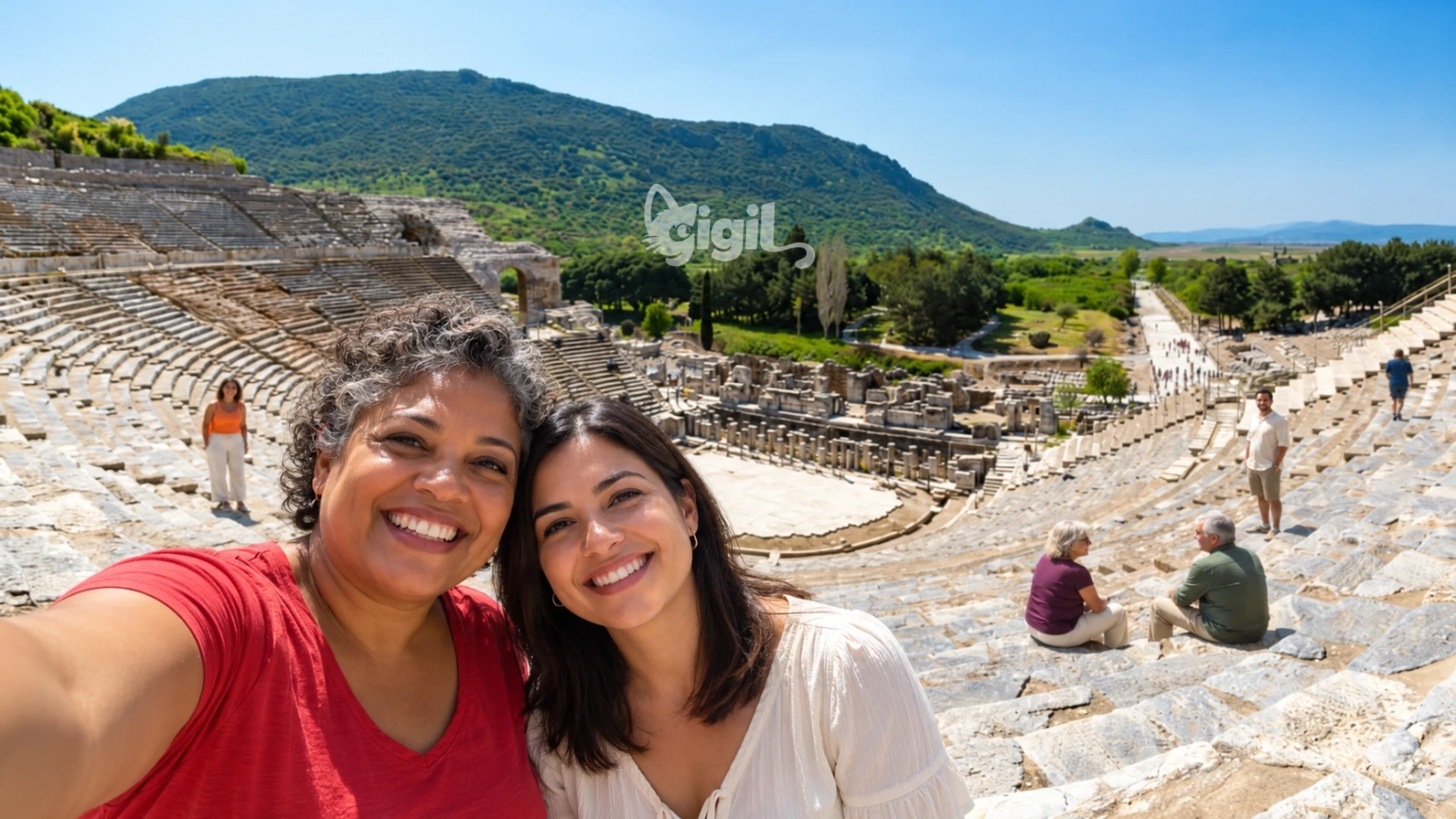
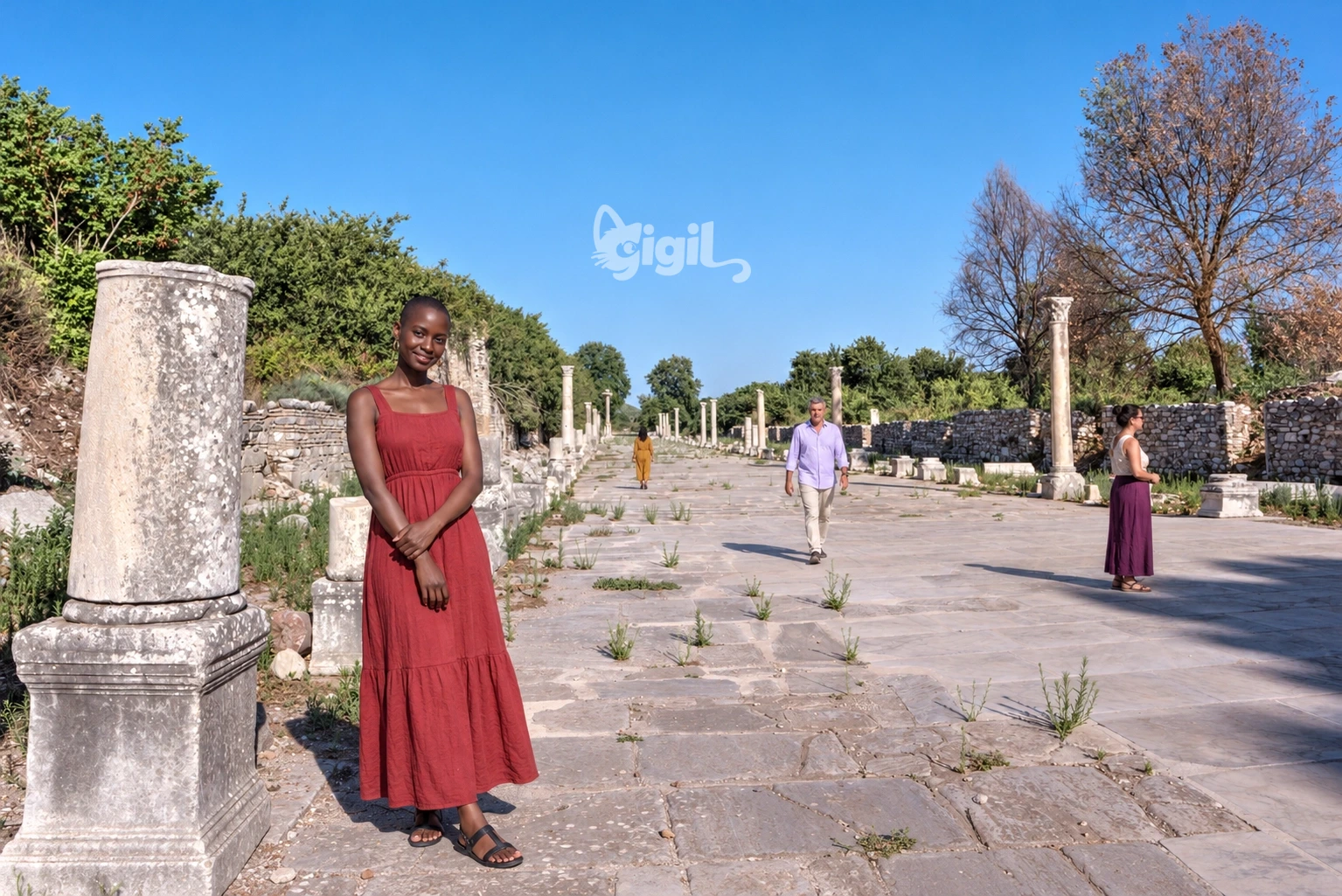

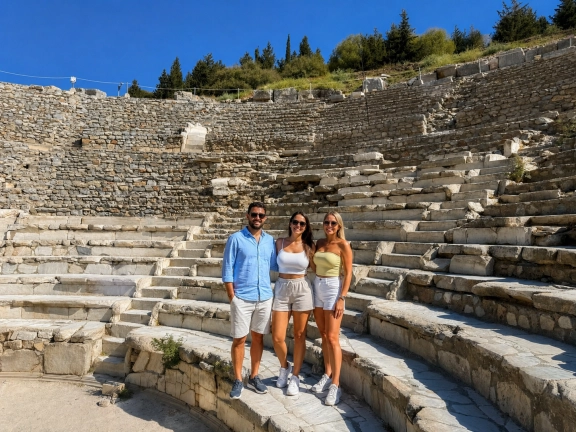
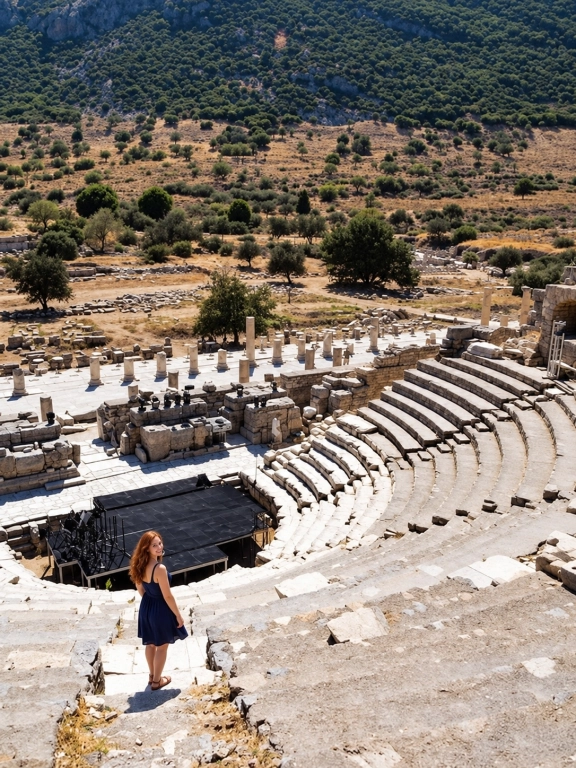
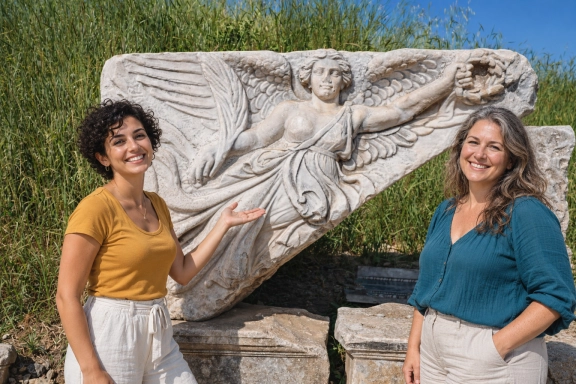
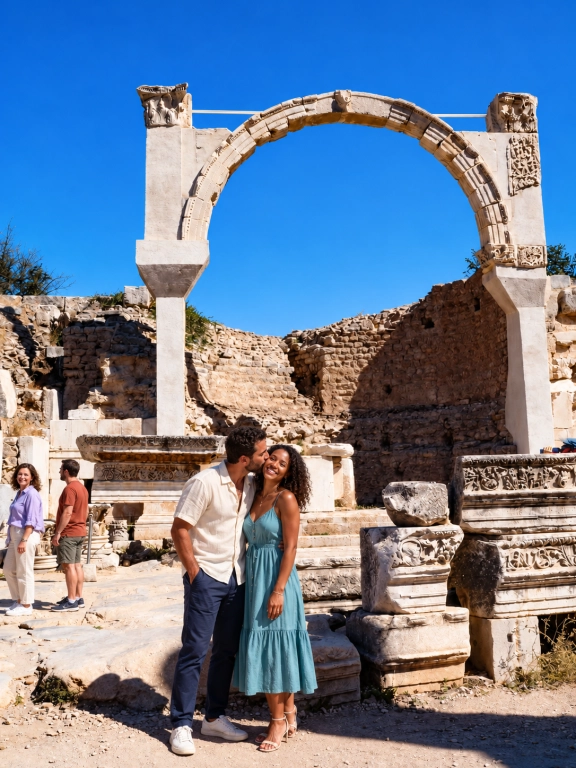
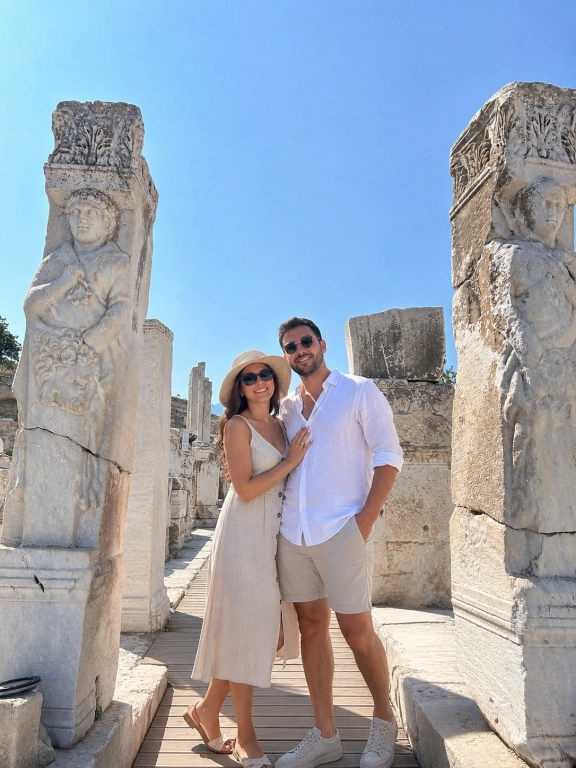
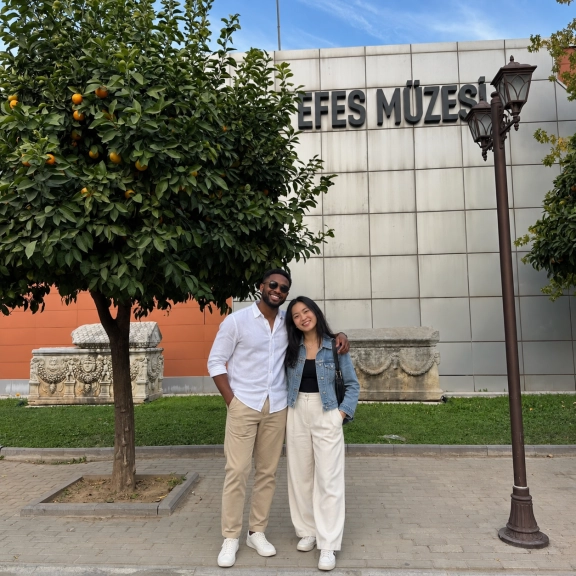
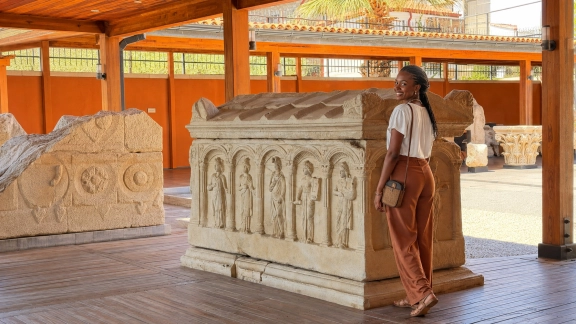
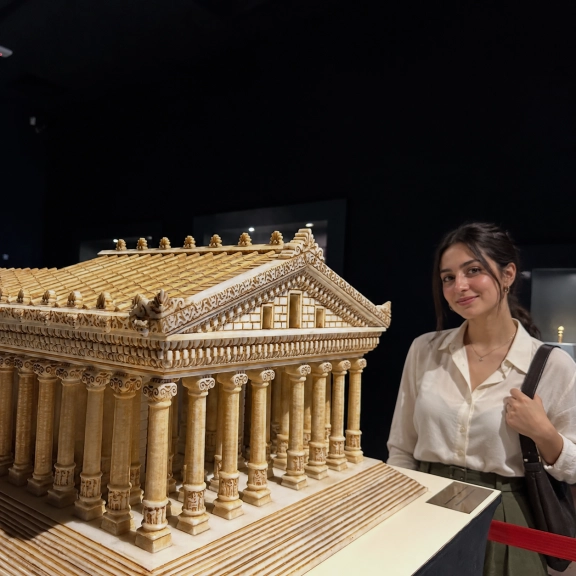

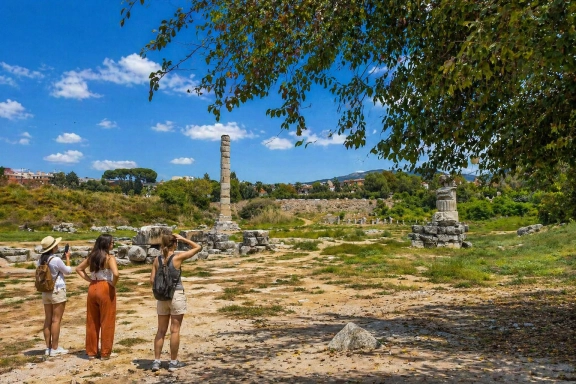
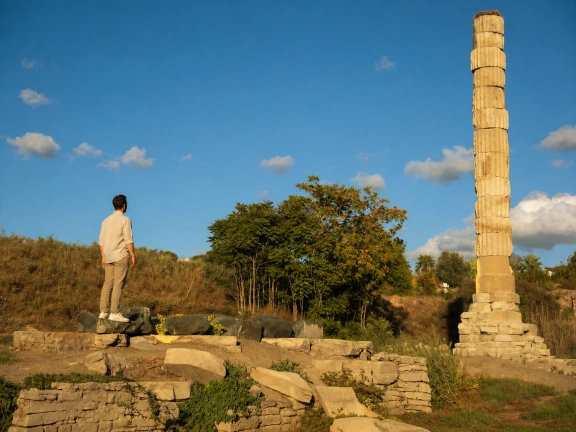
Ephesus Ancient City brings together public architecture and the routes that served it. The Library of Celsus and Great Theatre attract attention, but the street layout explains how such landmarks fitted within a larger settlement shaped by movement, work and gathering.
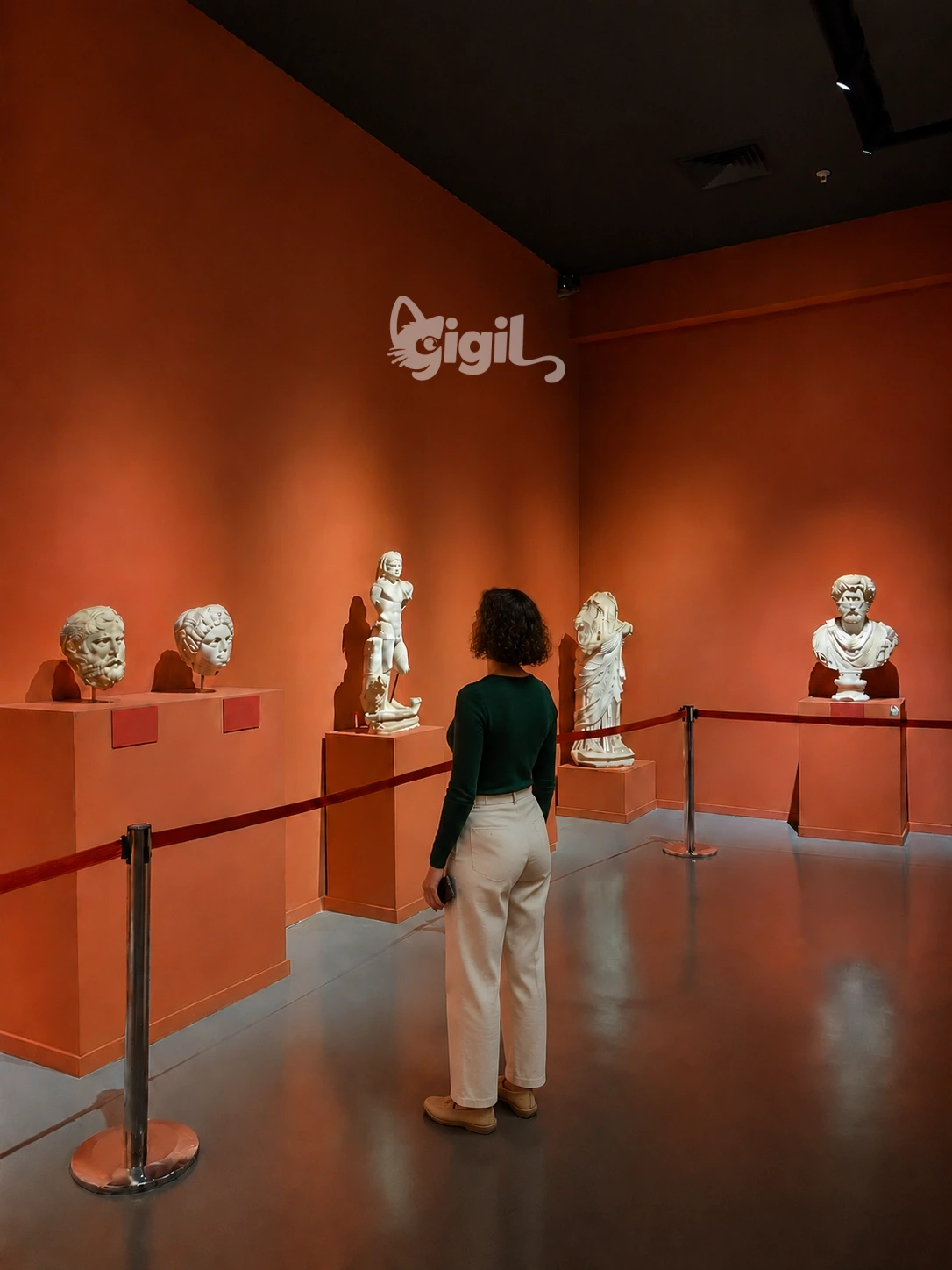
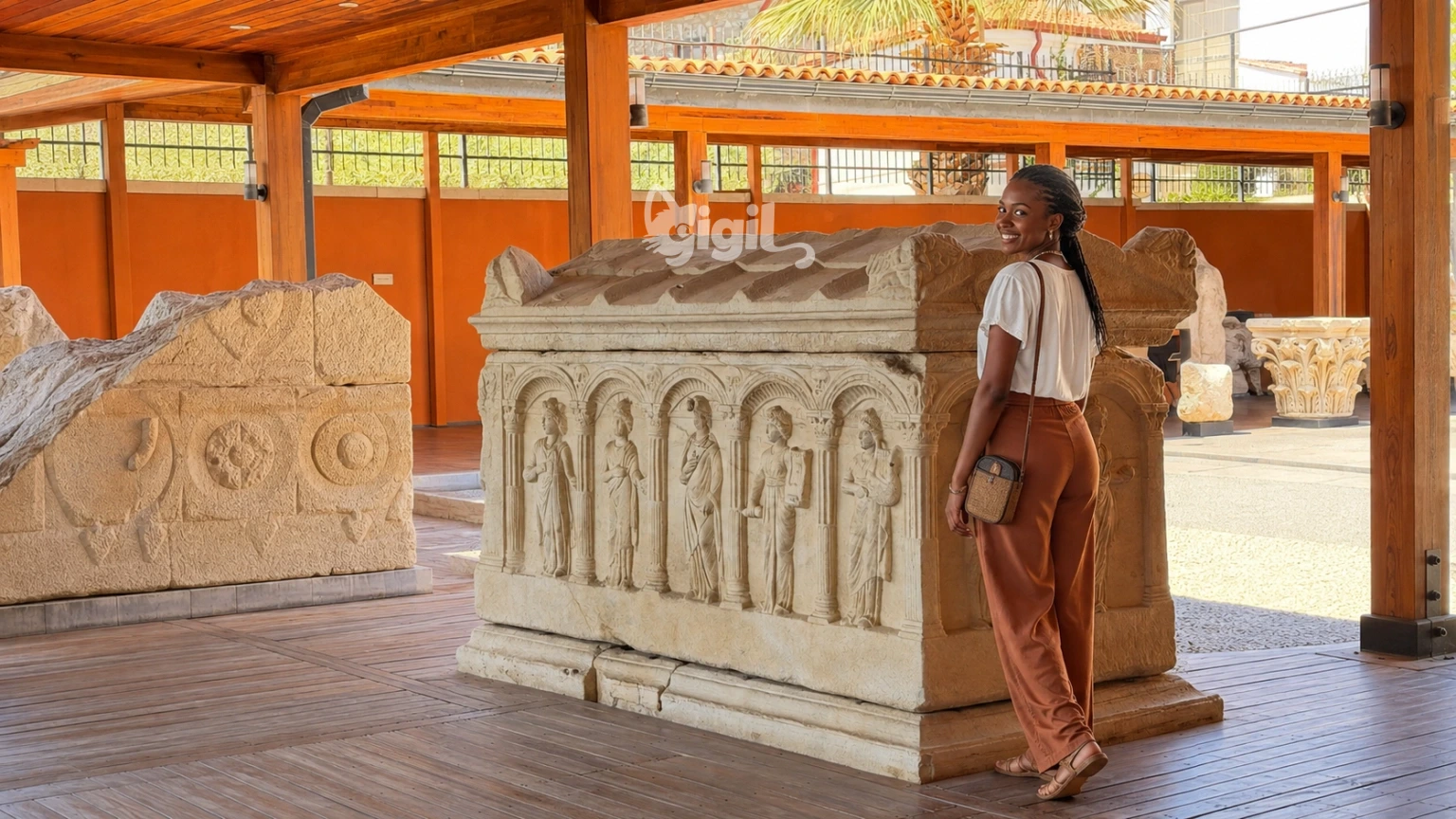
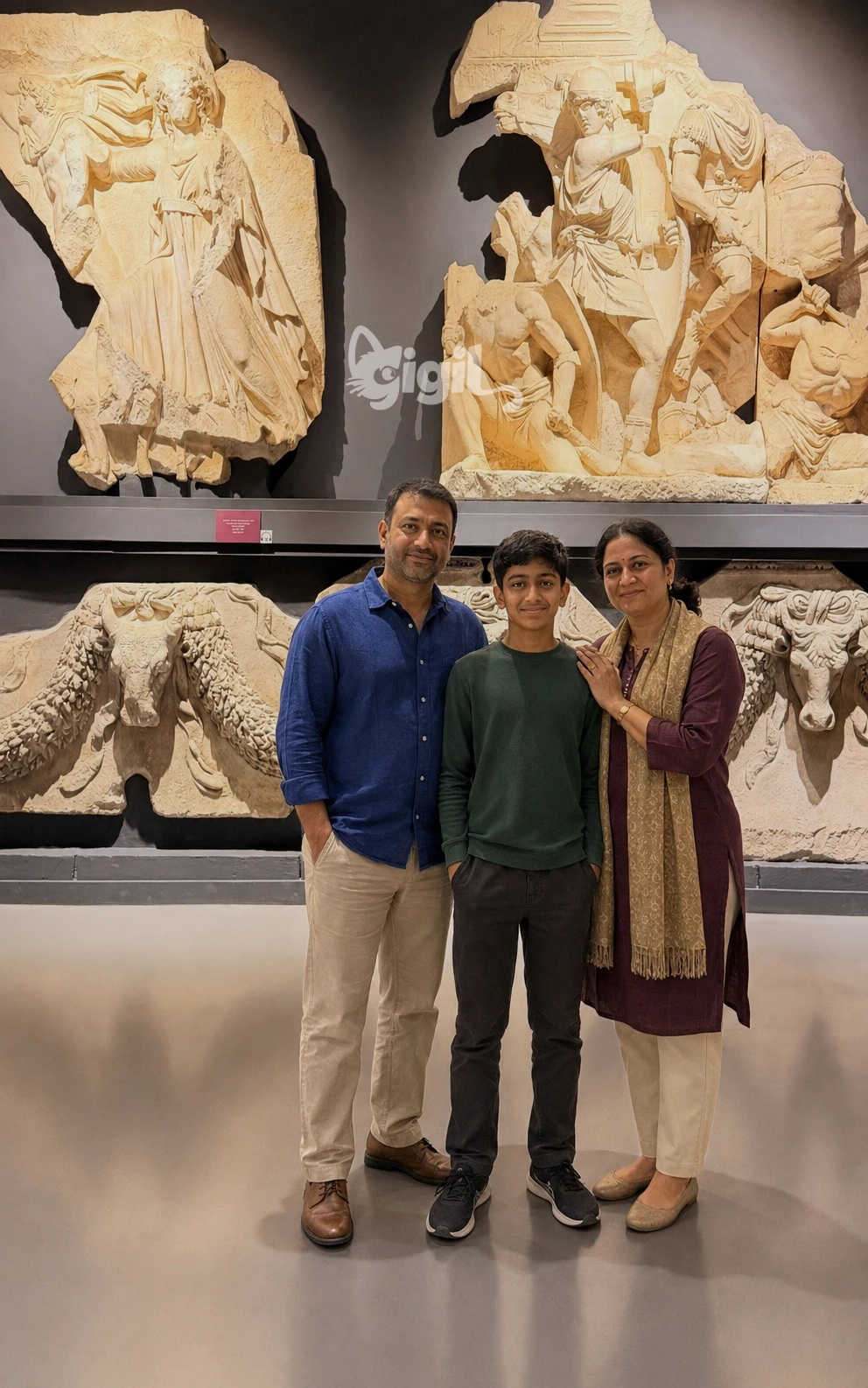
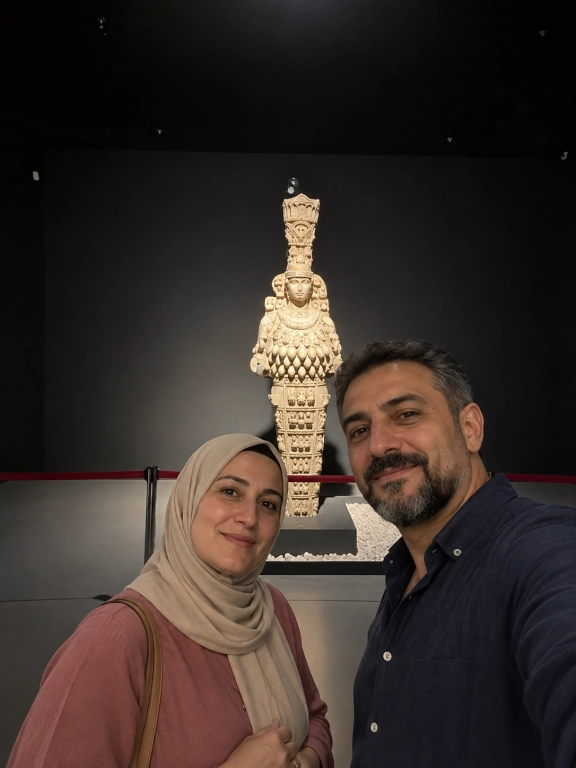
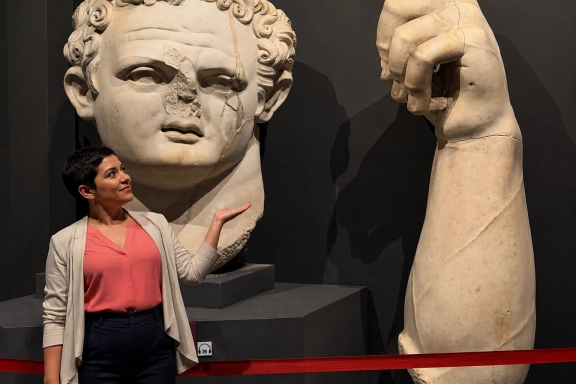
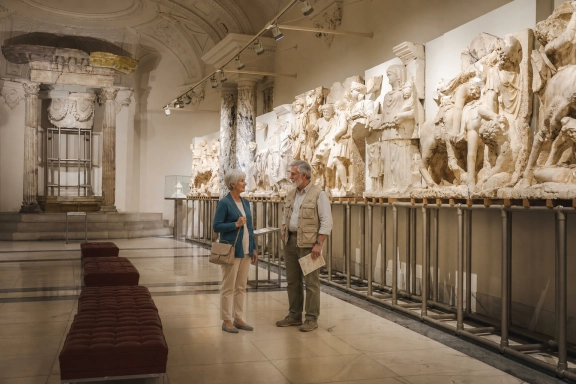
Read the remains from the ground upwards: paving suggests direction, thresholds suggest passage and facades express status. This approach makes the monumental setting easier to understand without imagining that every building survives intact. Later museum displays add the smaller-scale evidence of Ephesian life.
Questions
Where should I begin when trying to understand the remains?
Start with the connections between the ground plan, streets and prominent public buildings.
Was Ephesus always presented as an archaeological park?
No. It was an inhabited settlement whose surviving remains have subsequently been excavated, conserved and interpreted.
Does the library's facade tell its entire architectural story?
No. The visible frontage is only part of the building's history and includes reconstruction.
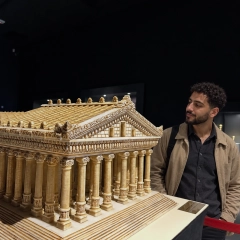
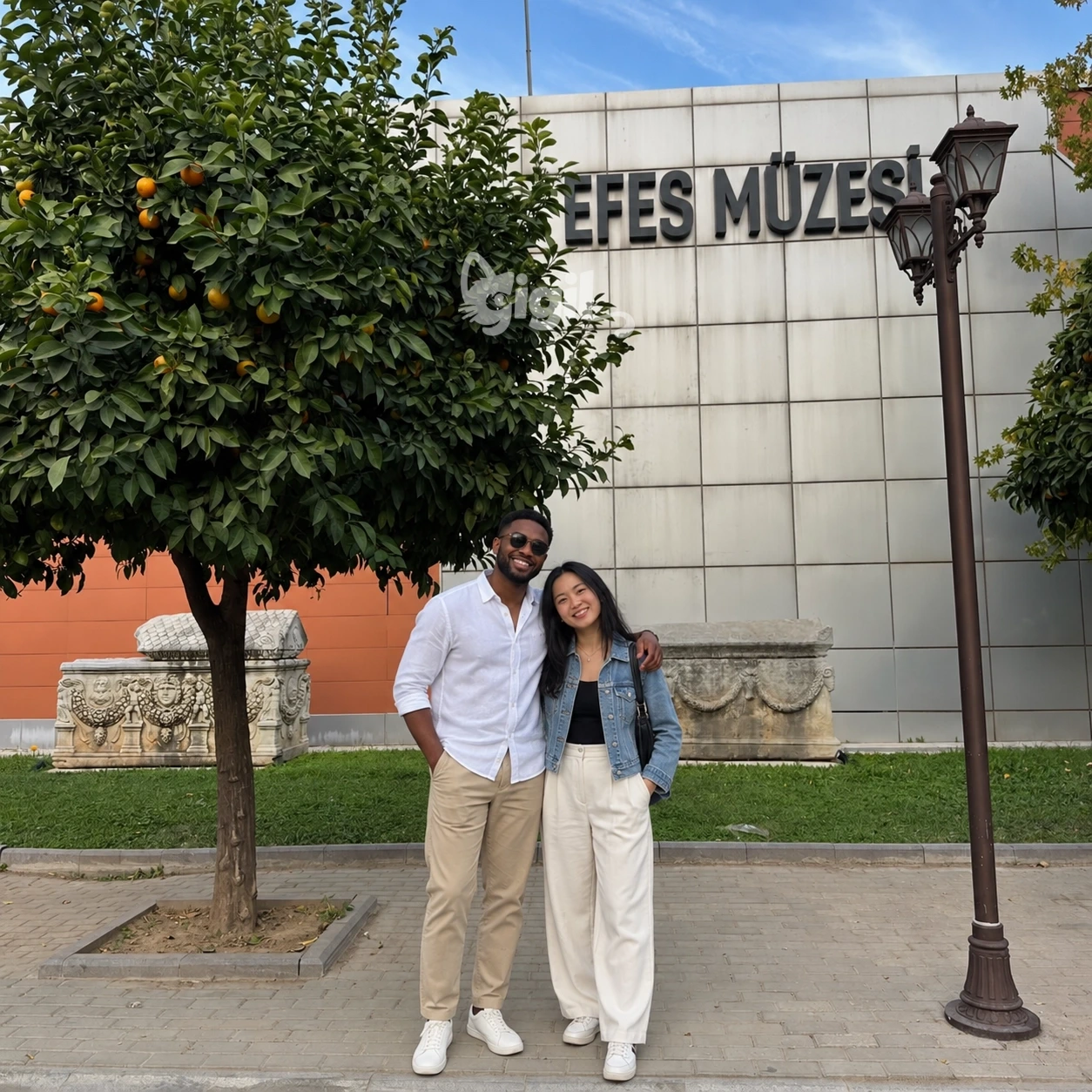
How can the museum deepen this outdoor experience?
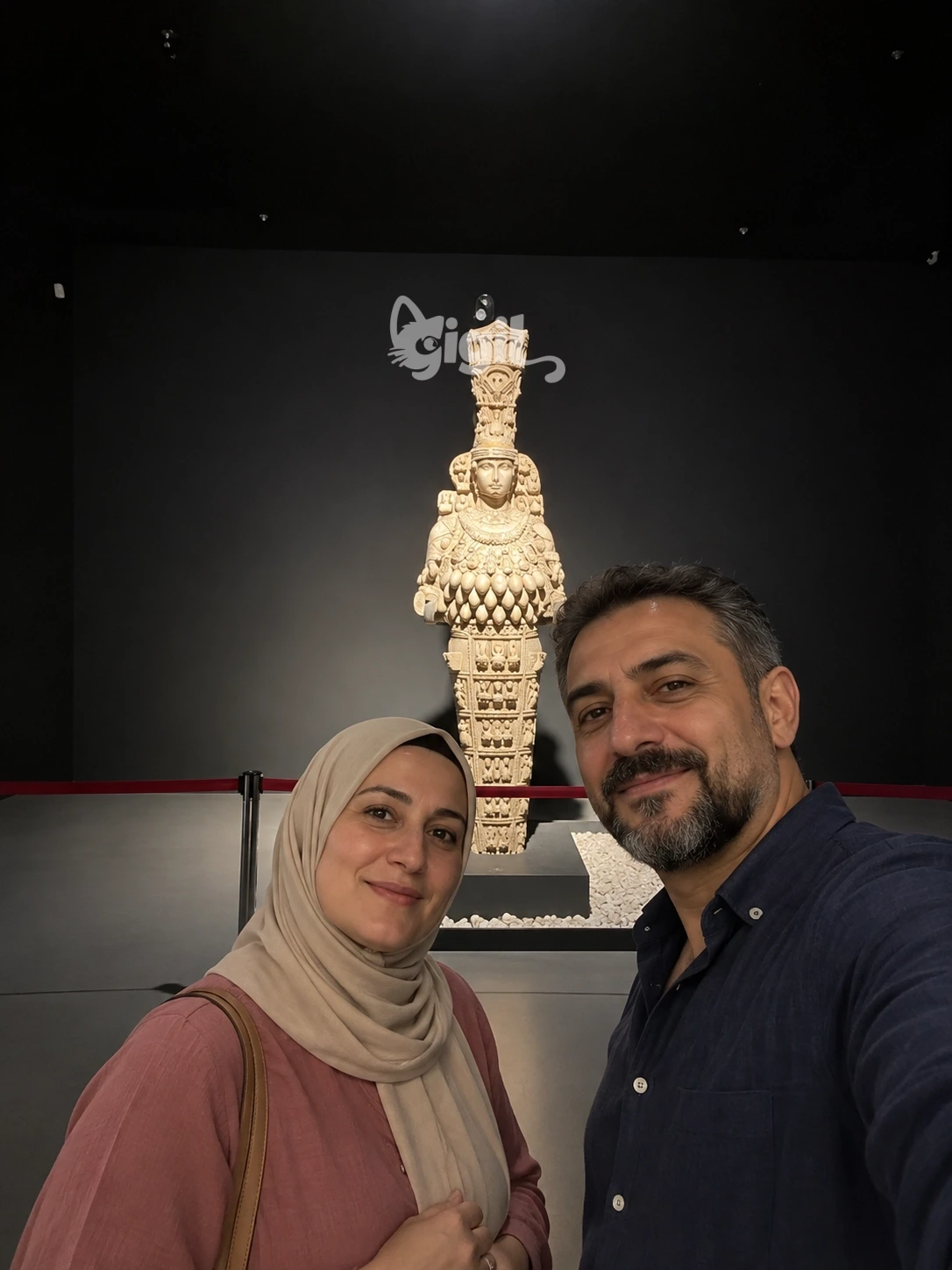
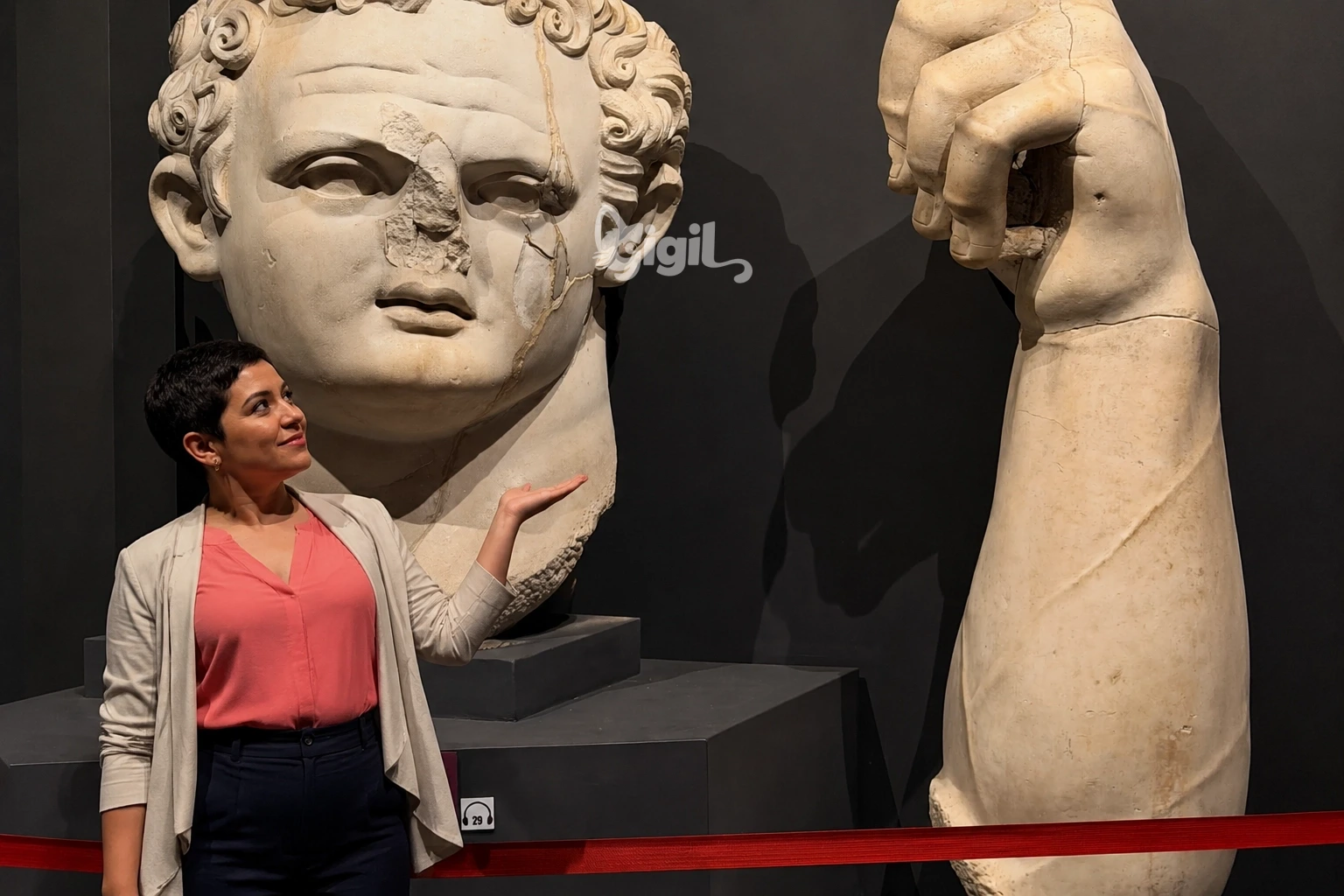
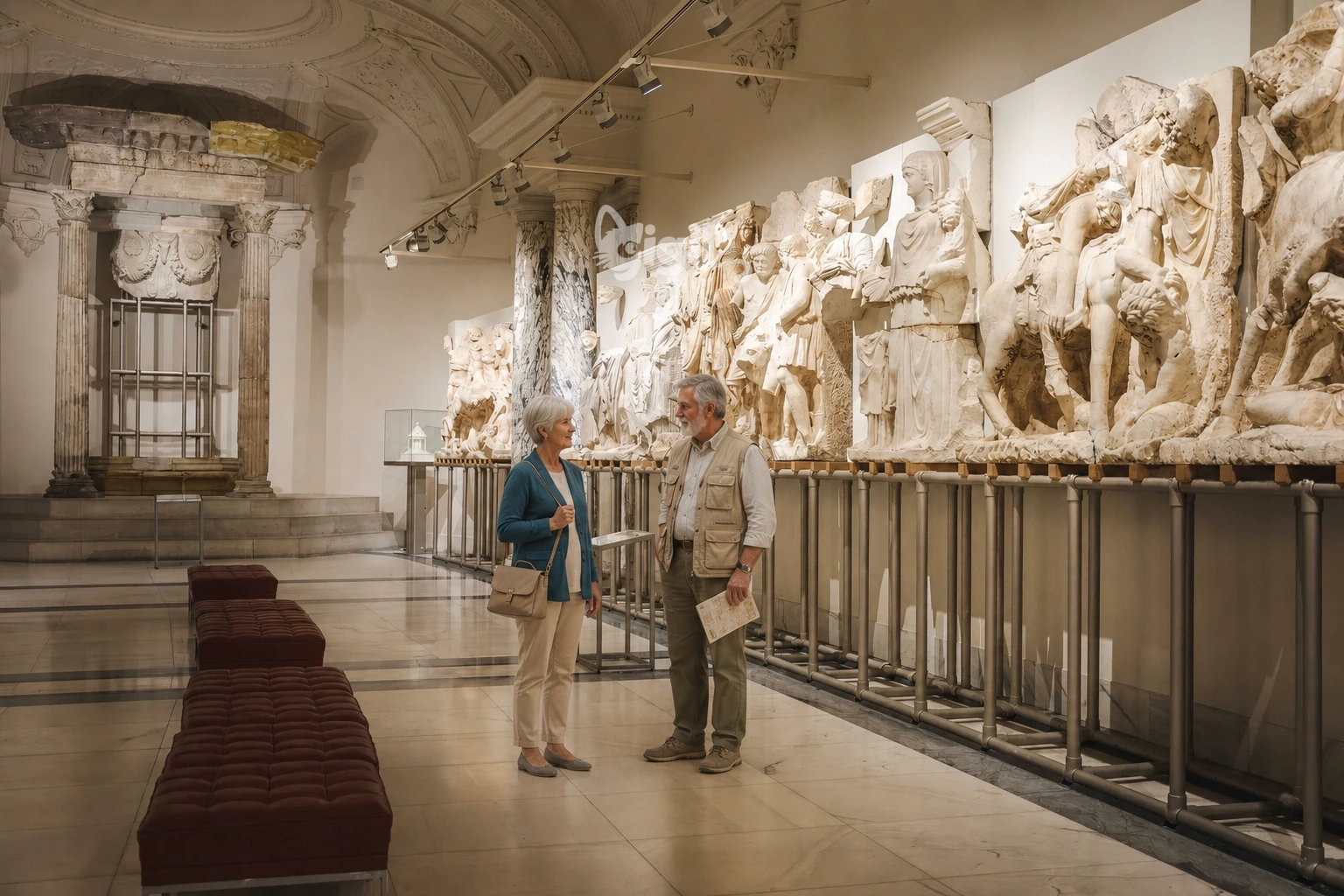
Portable finds provide details of culture and daily life that are difficult to read from large stone remains alone.