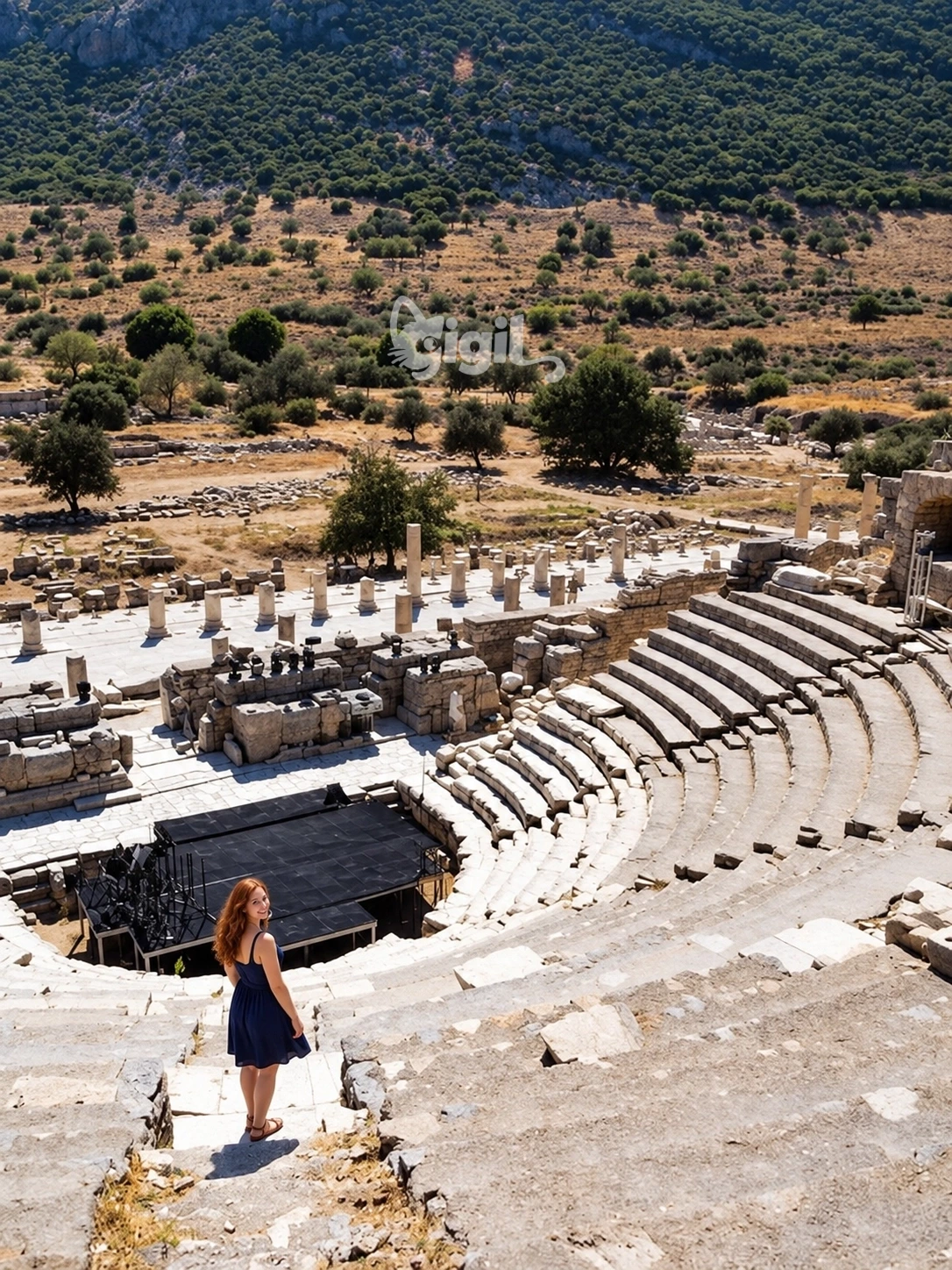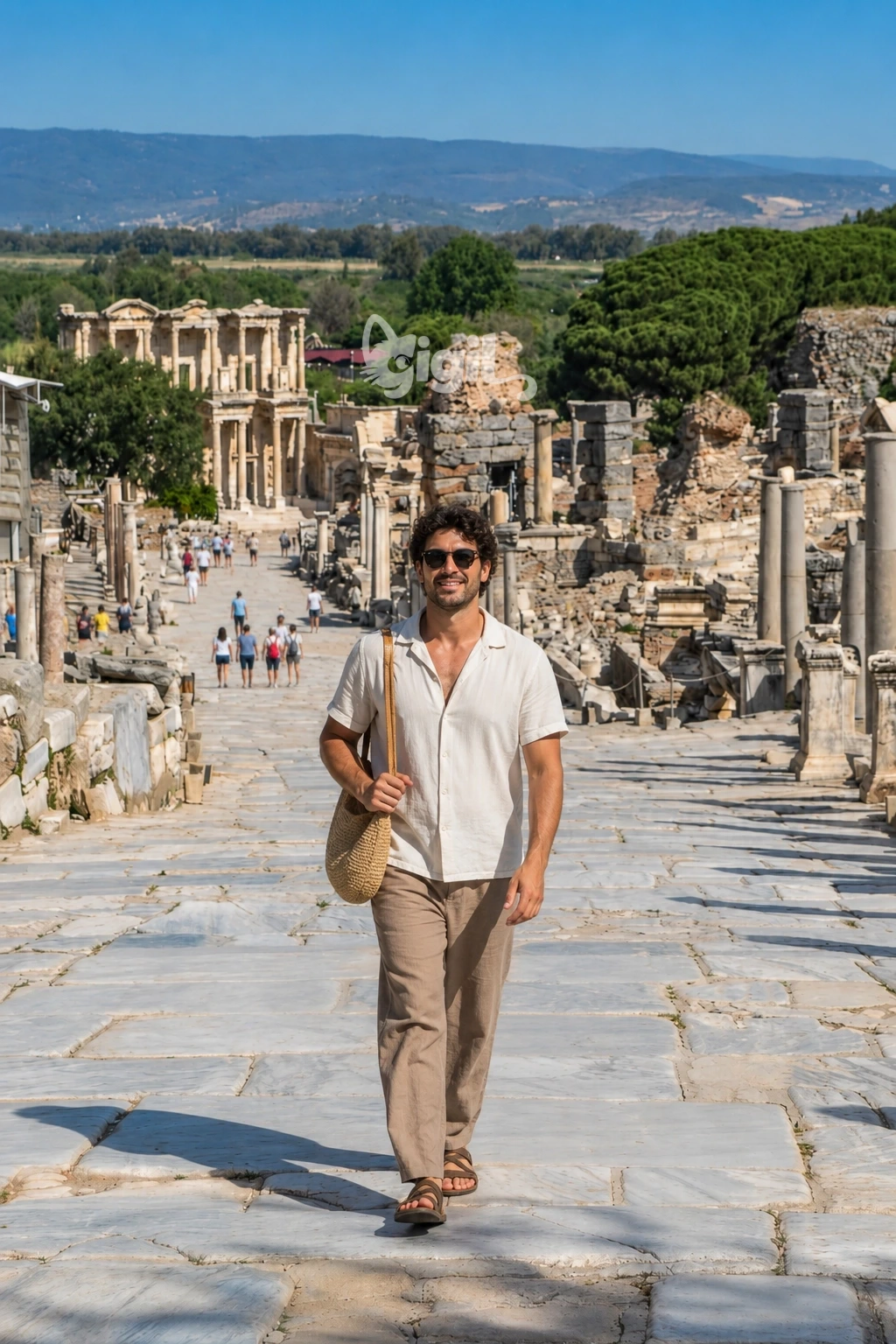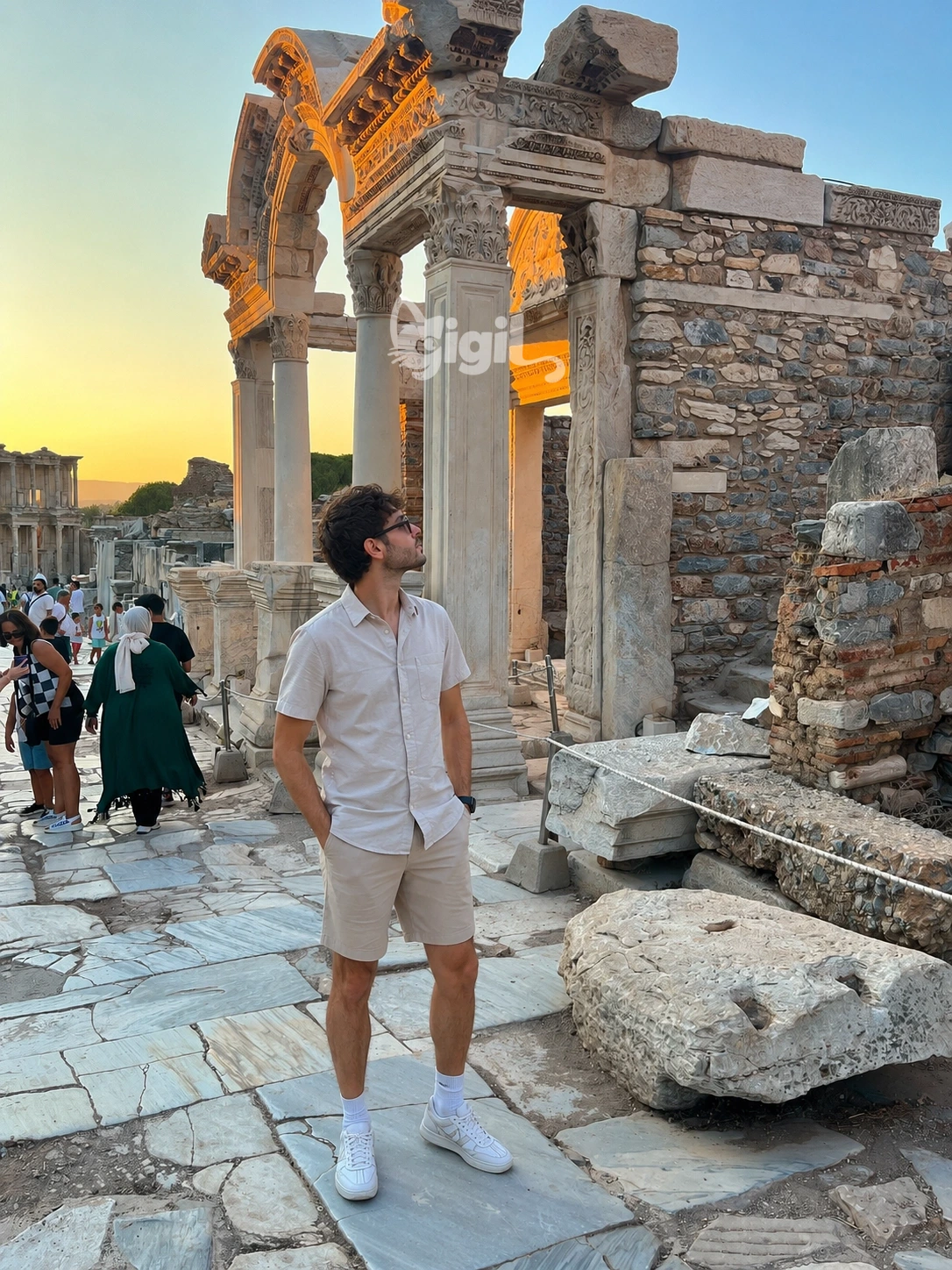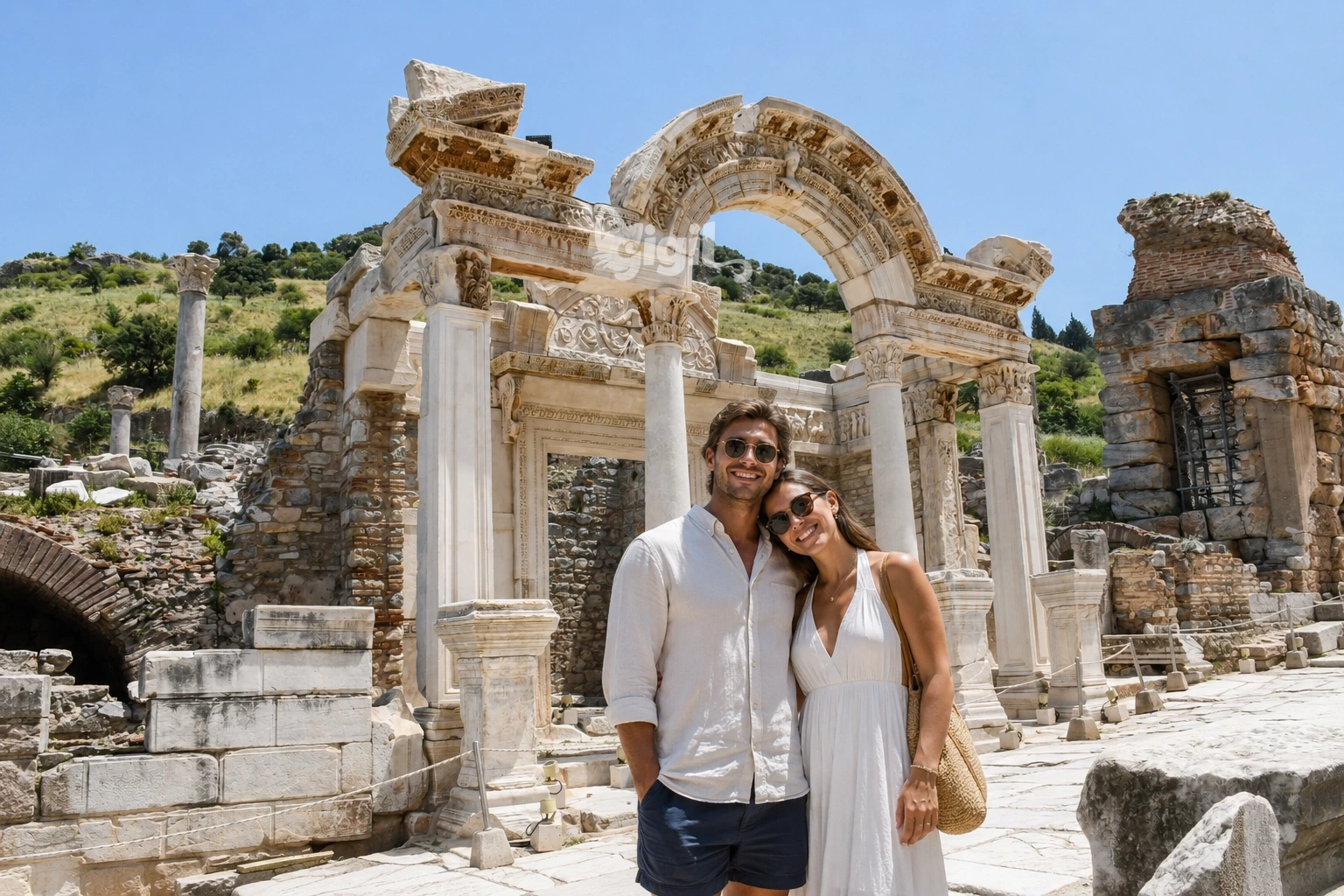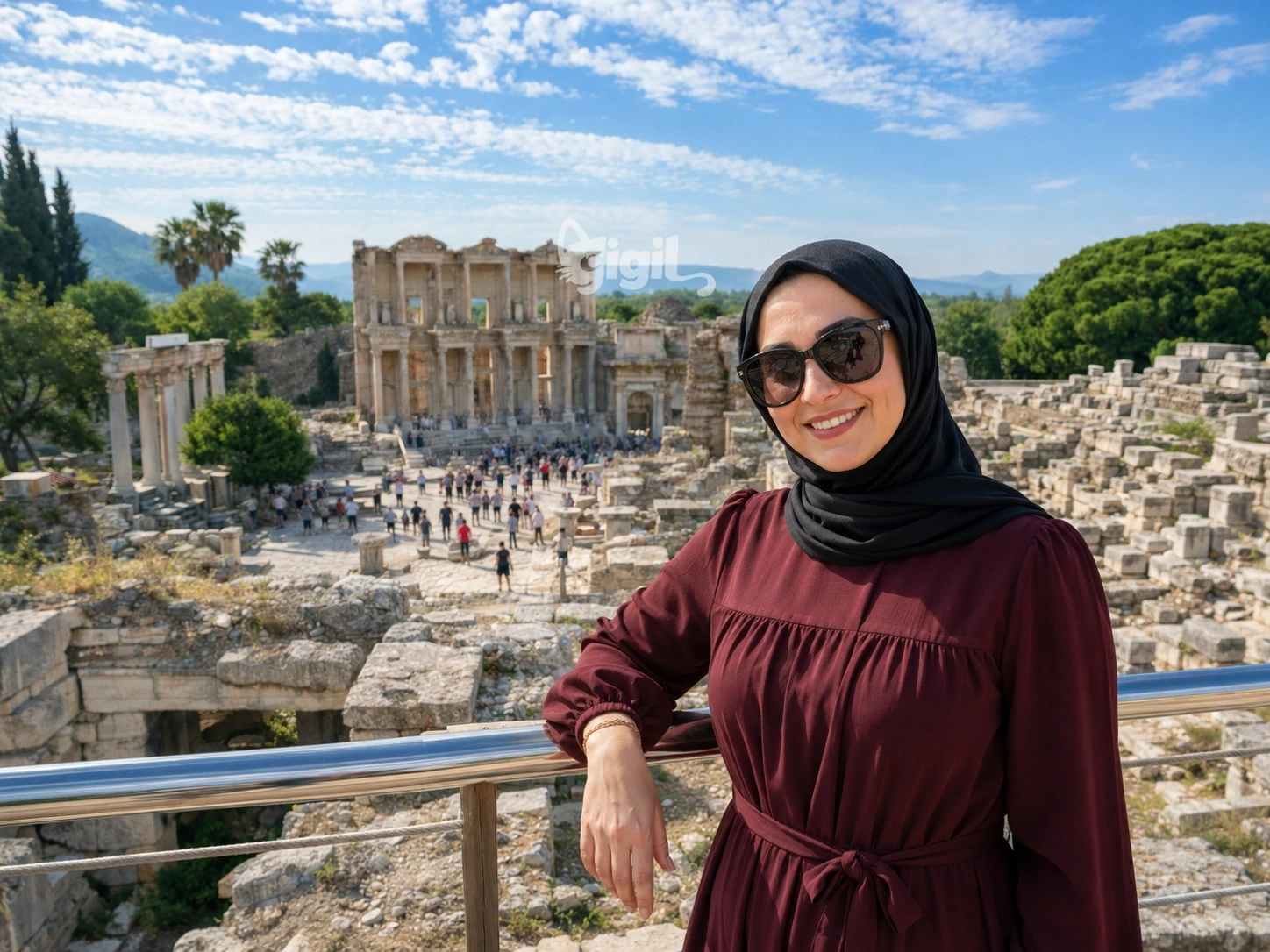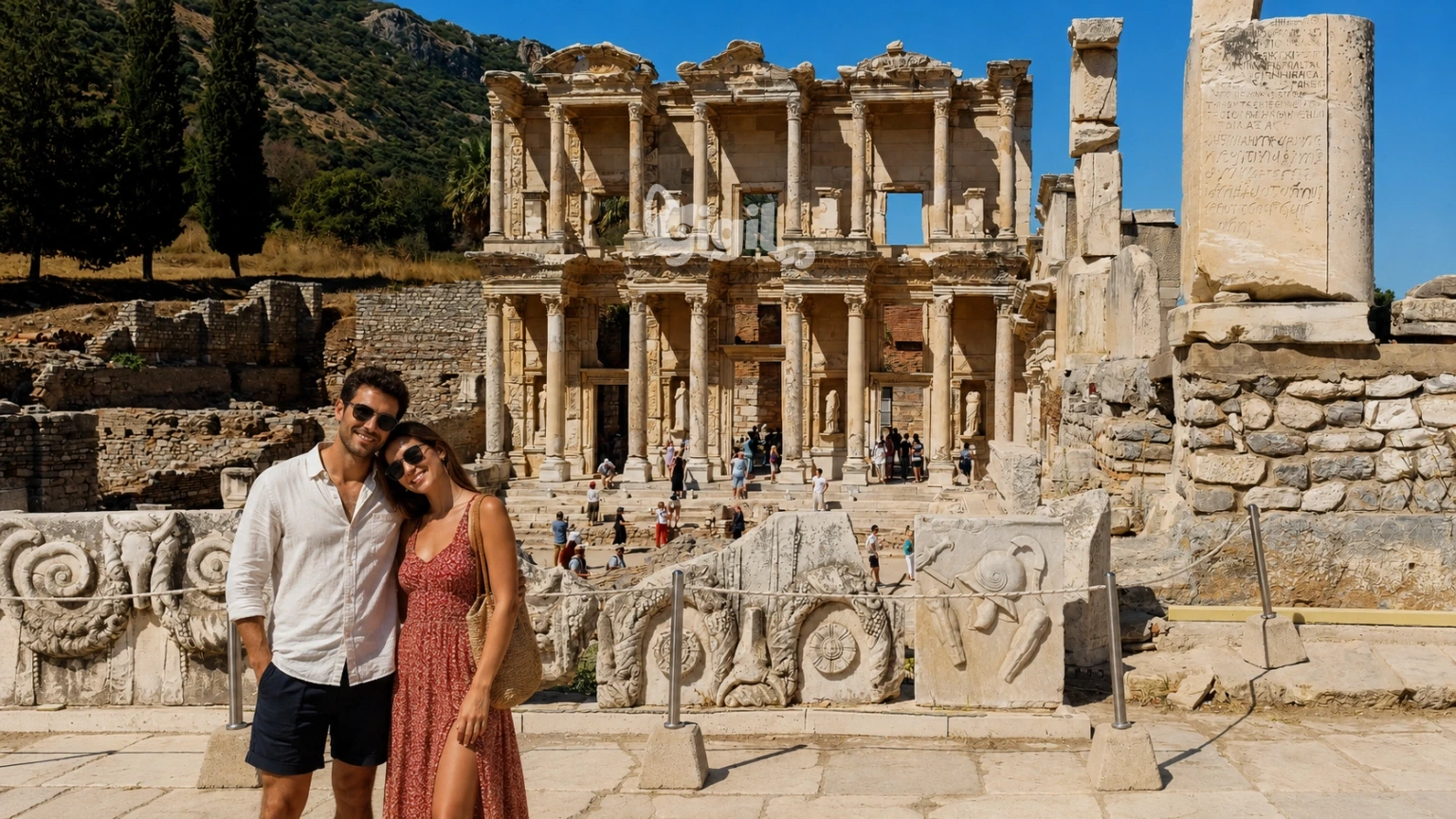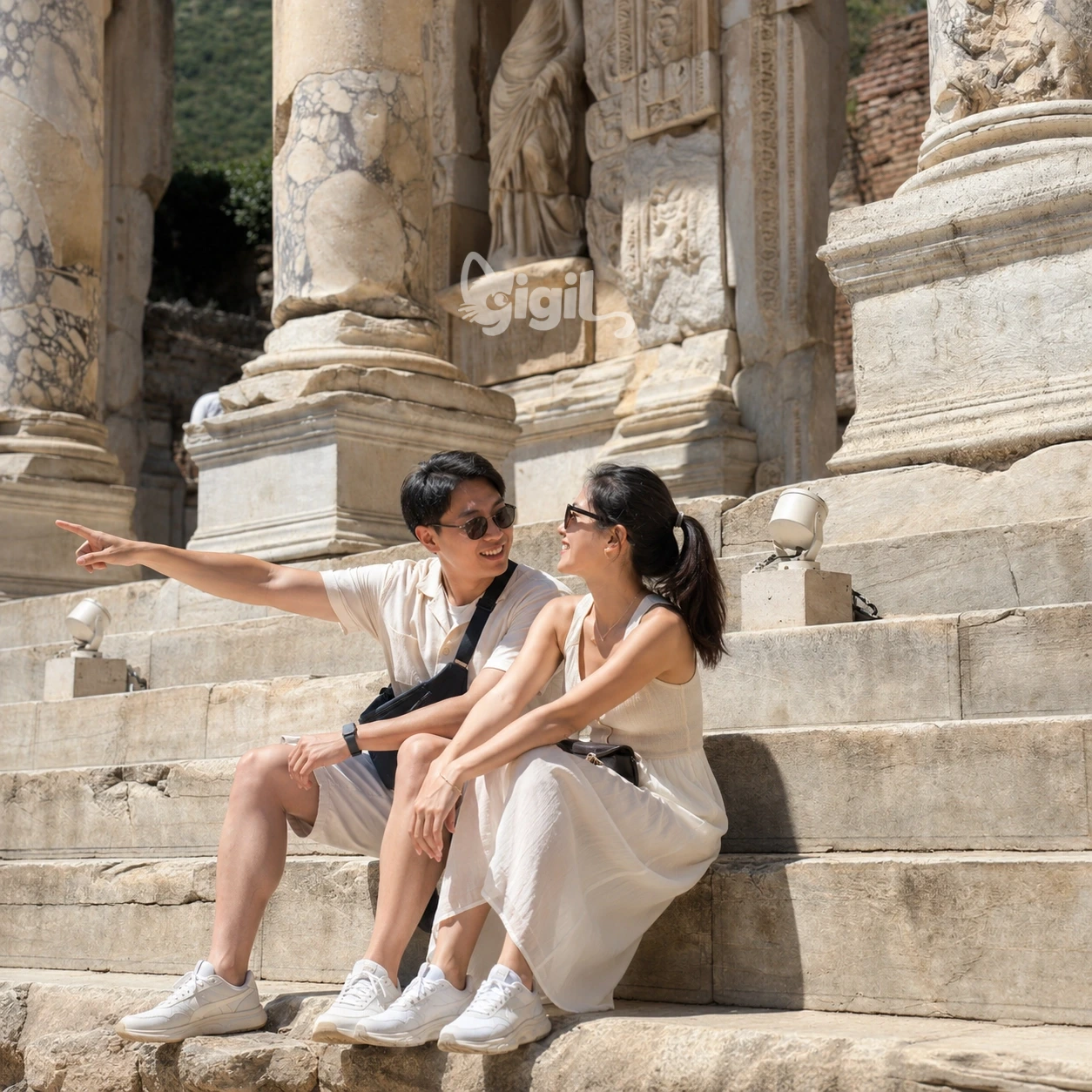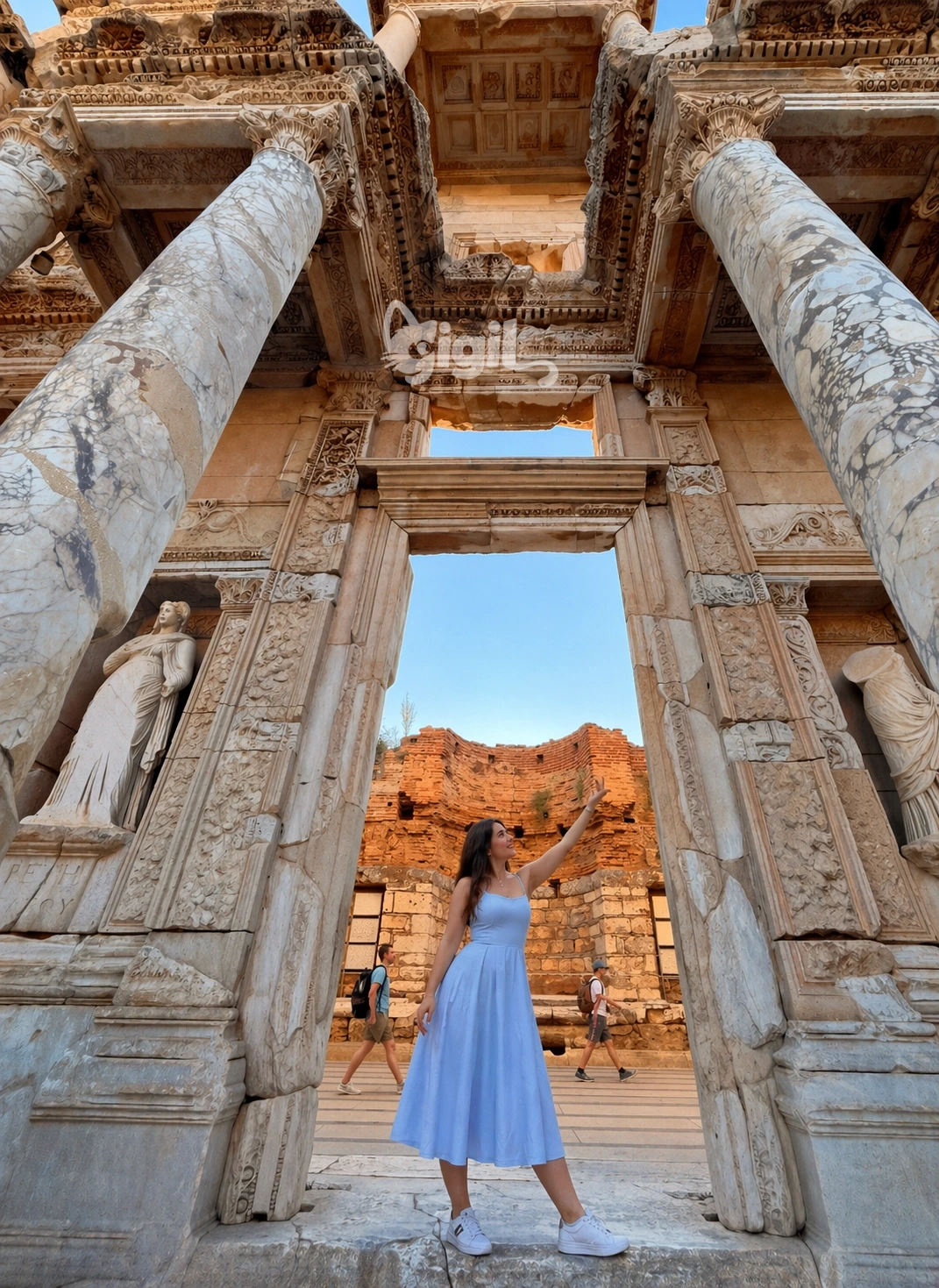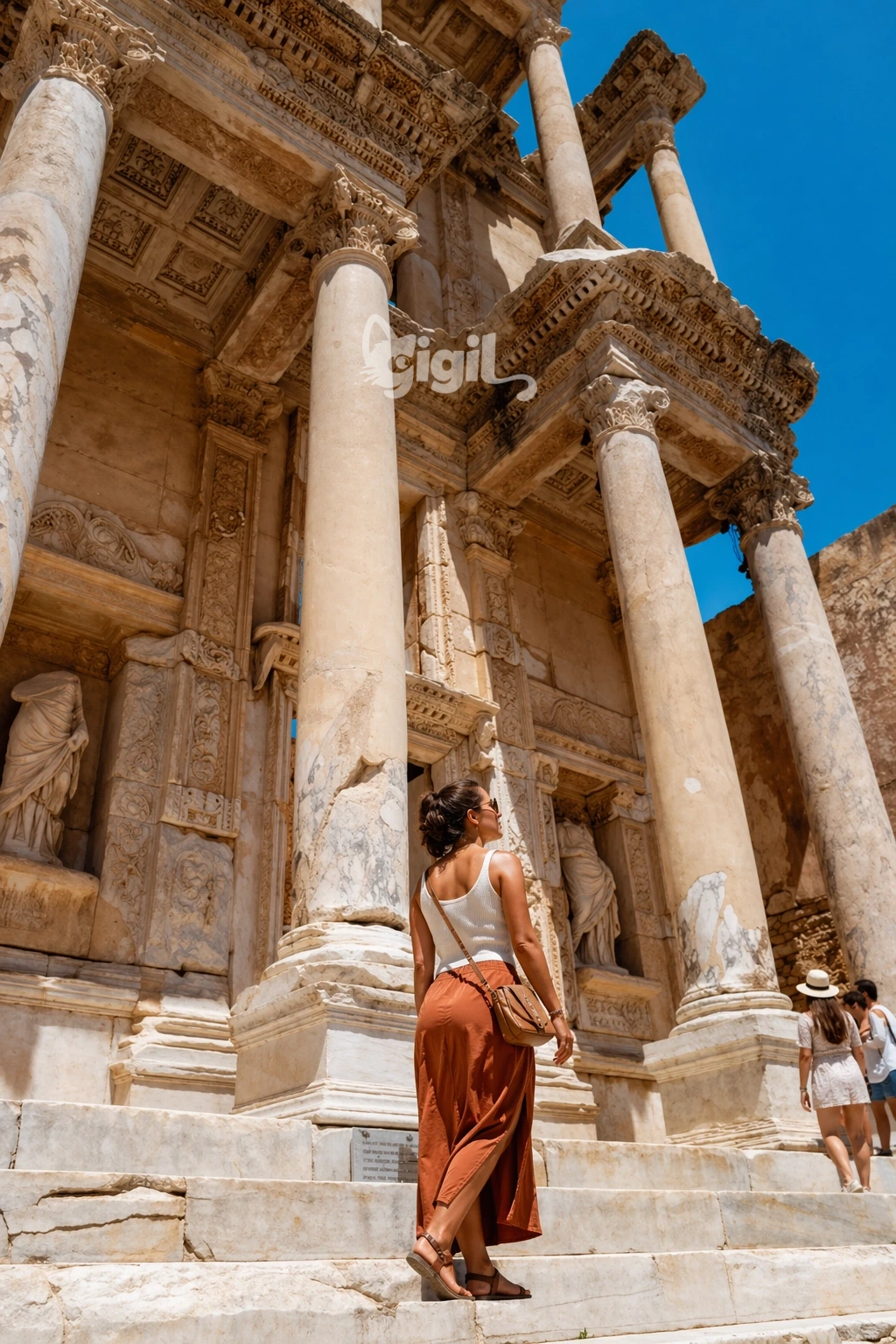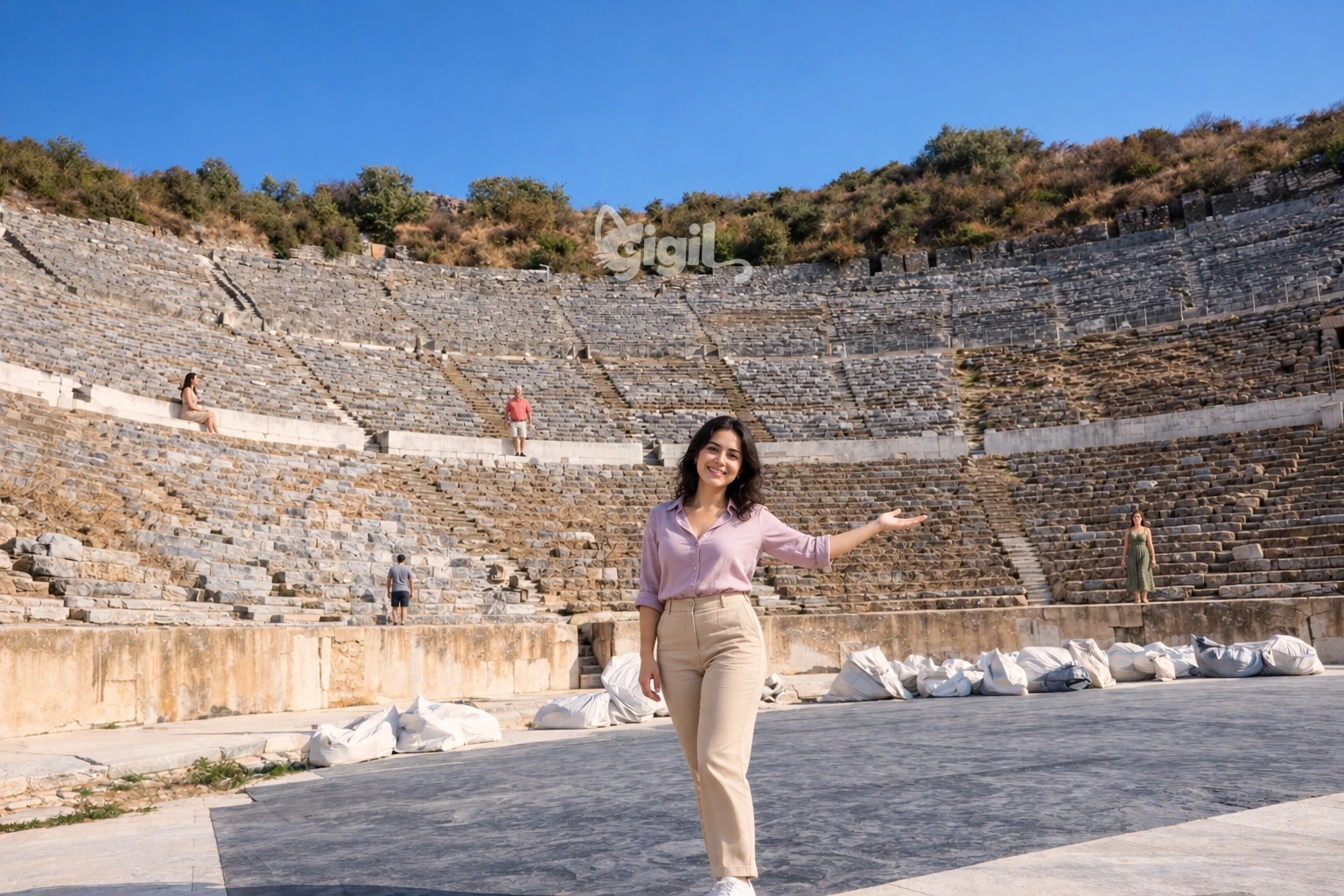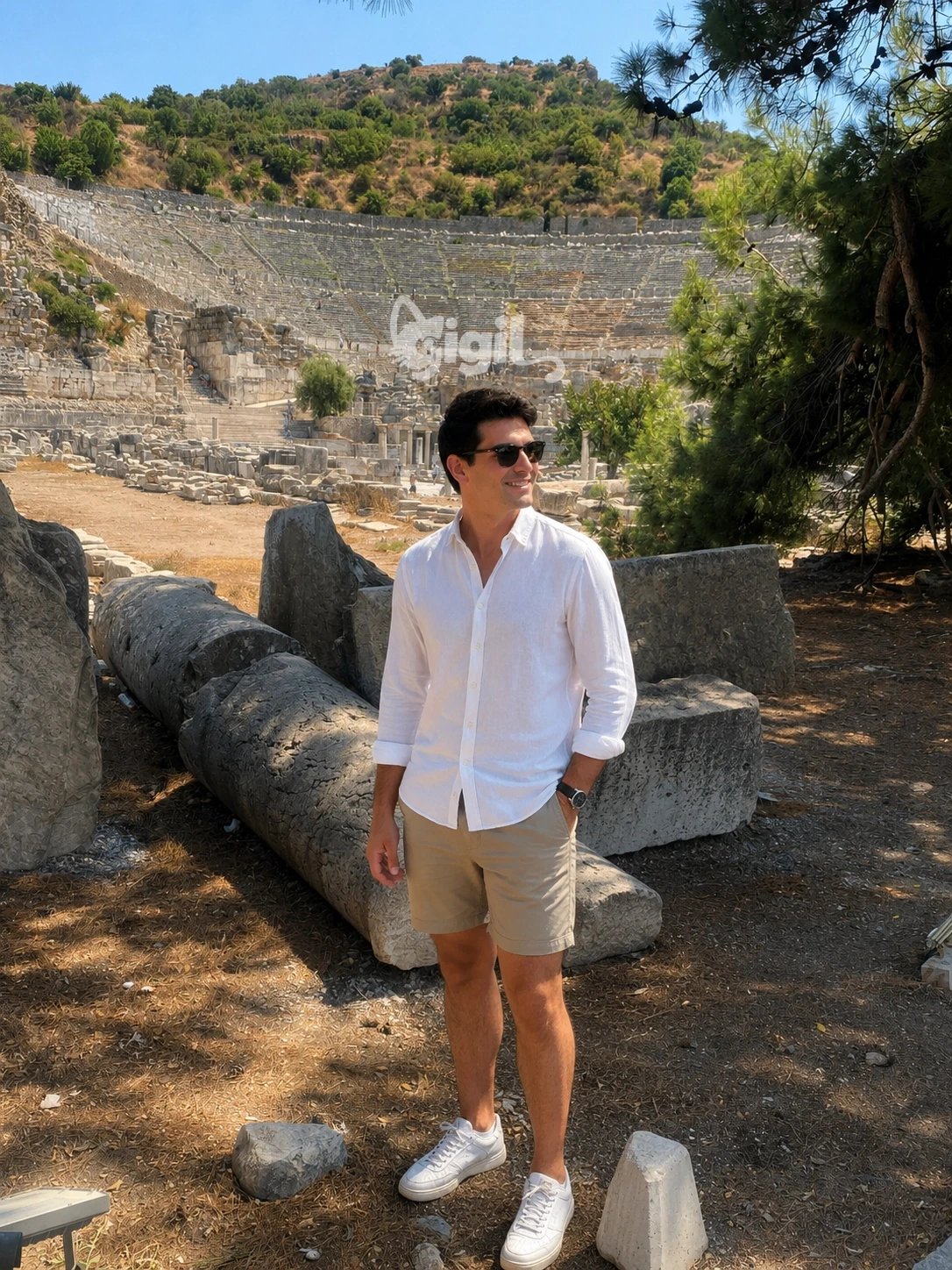








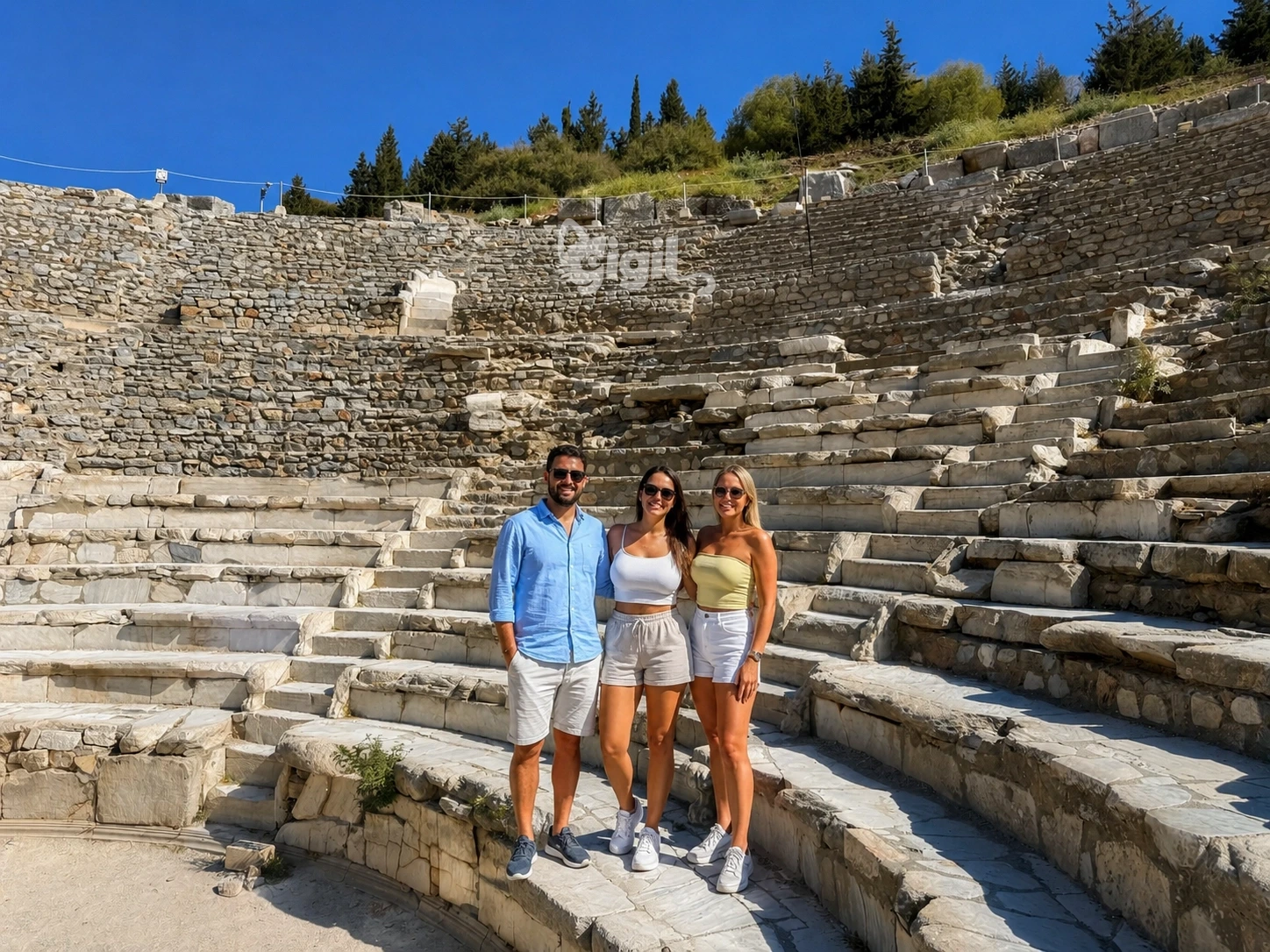
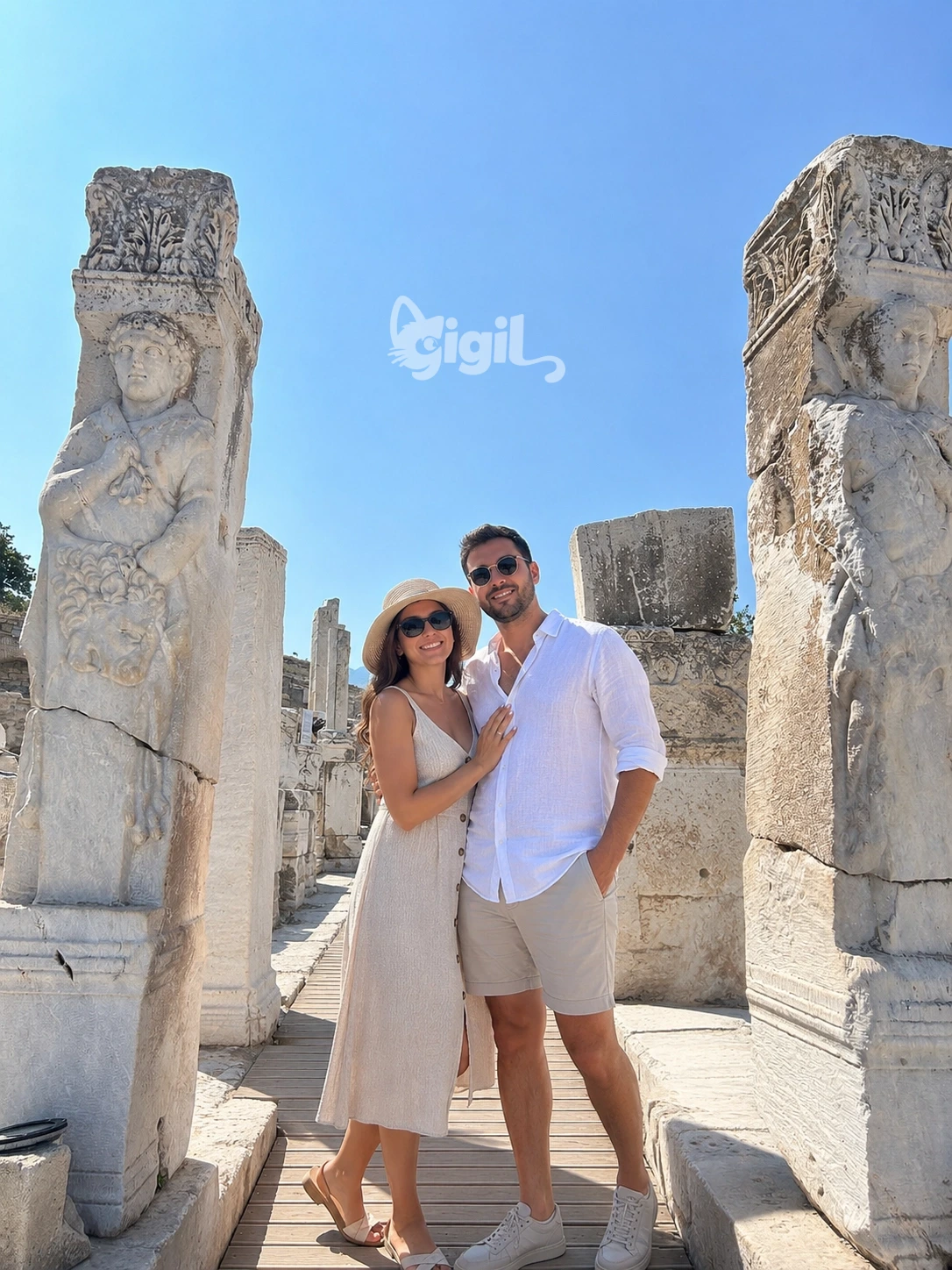

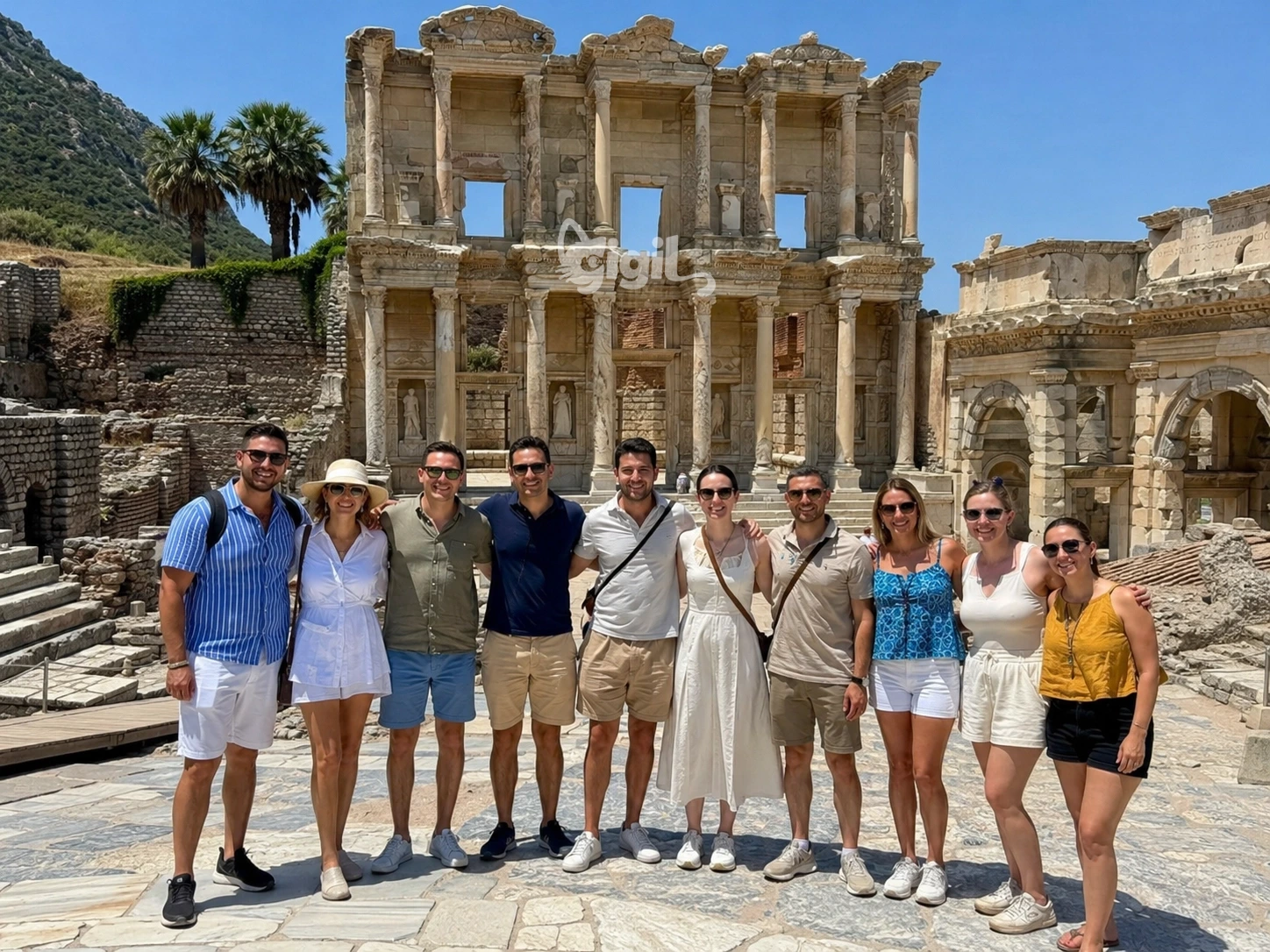
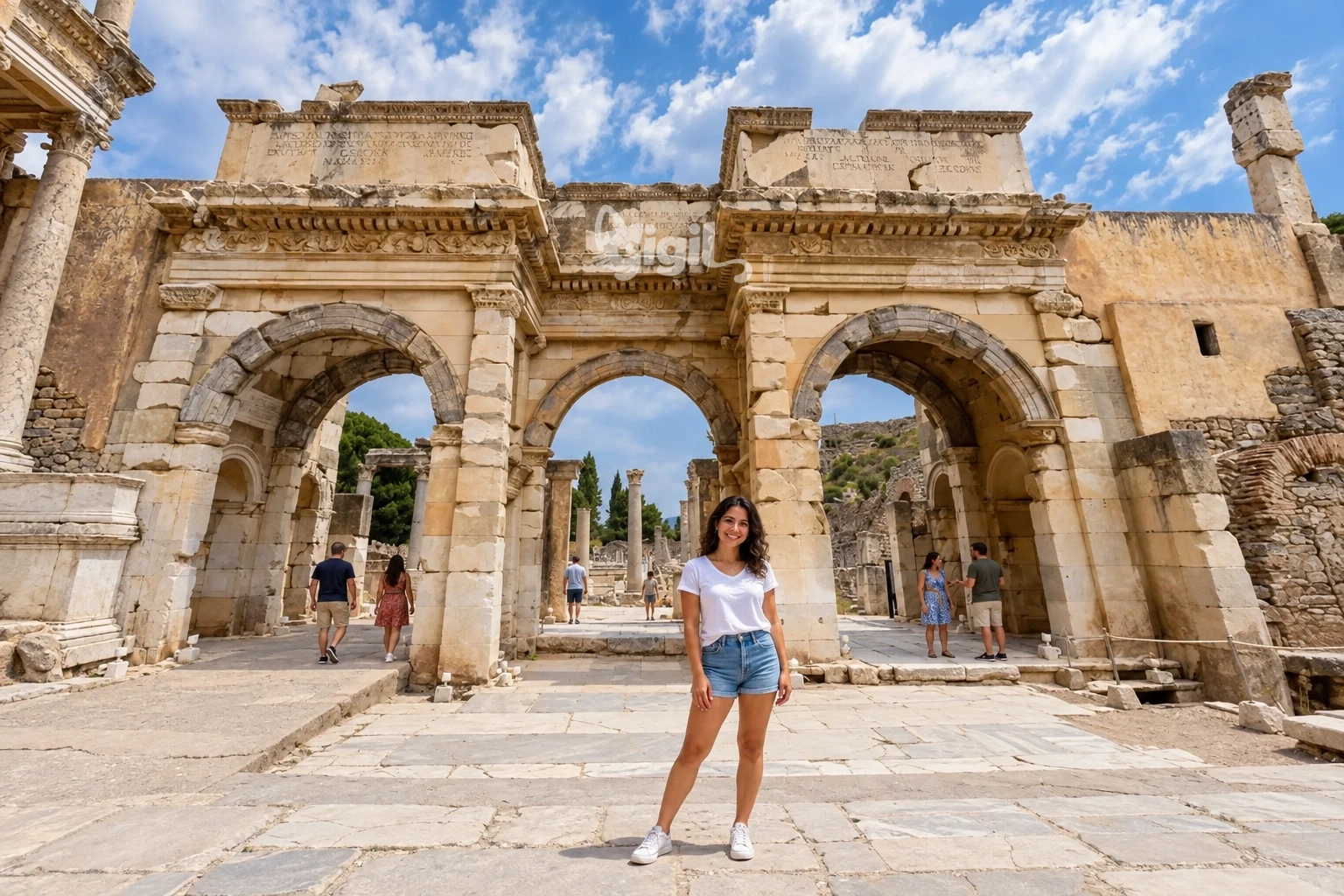
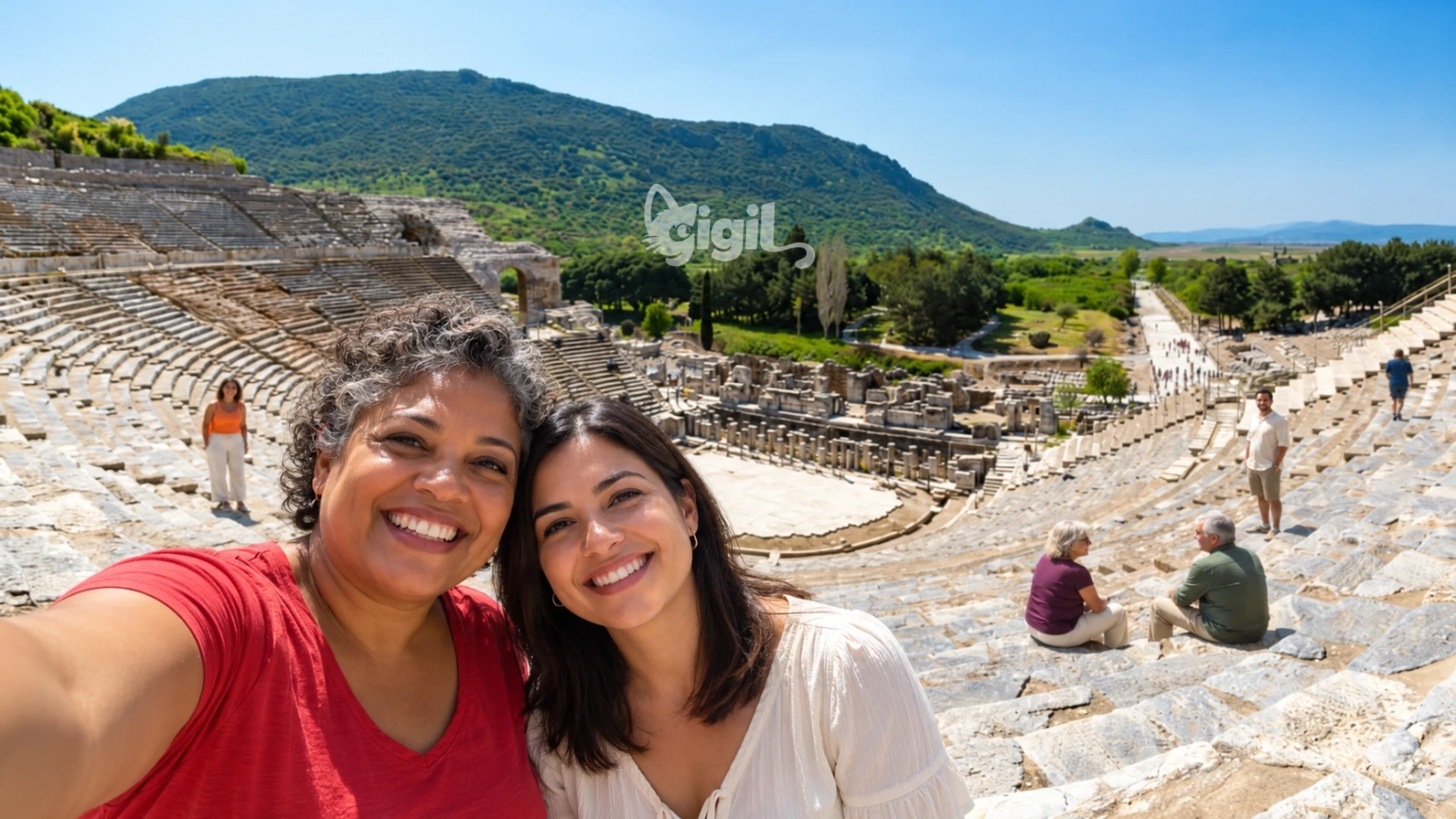
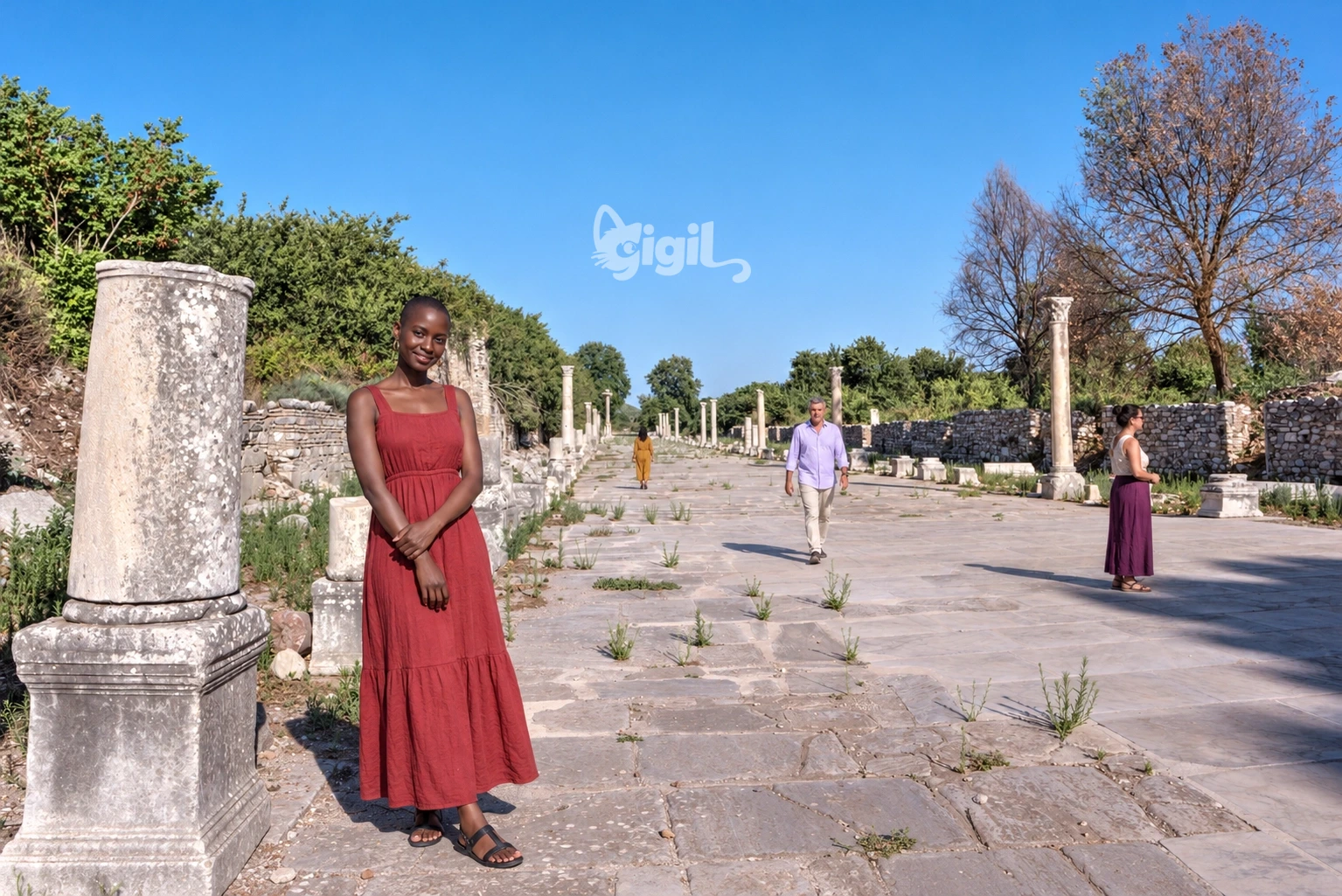



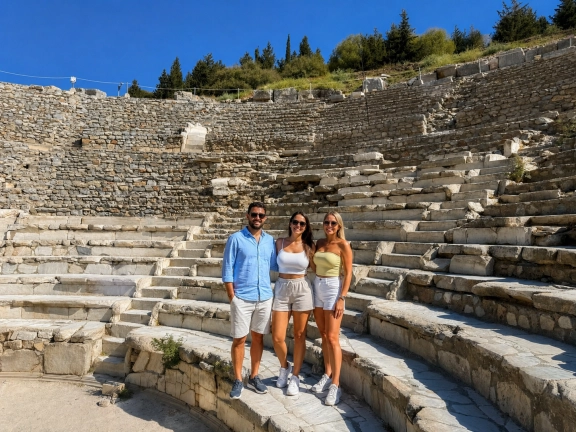
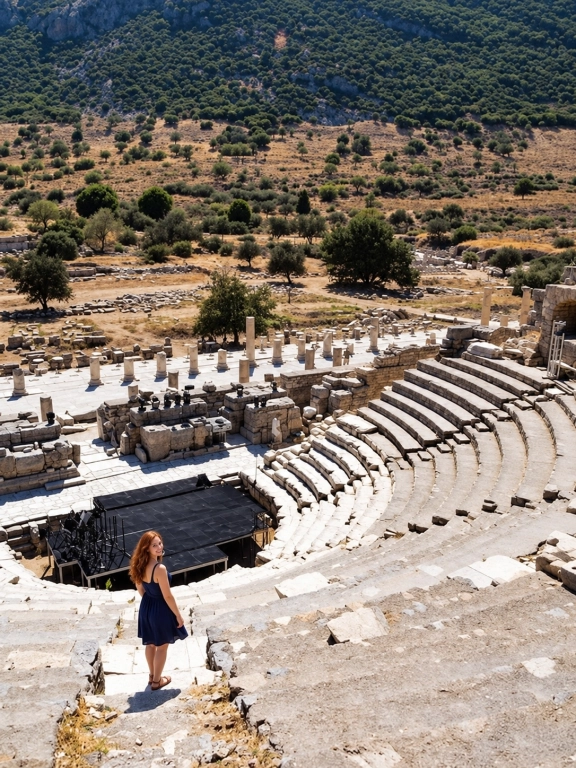
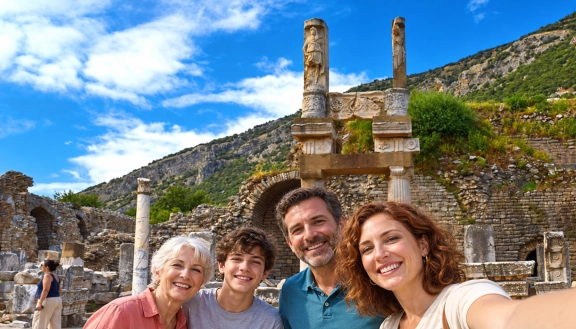
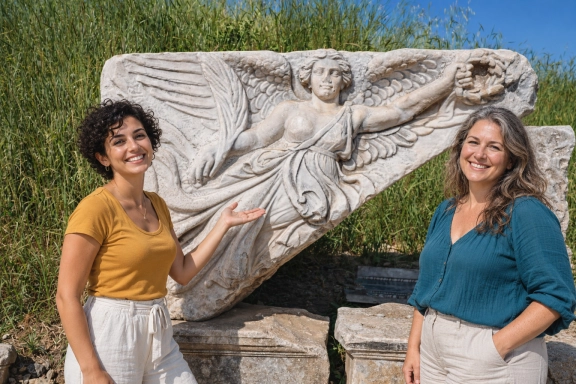

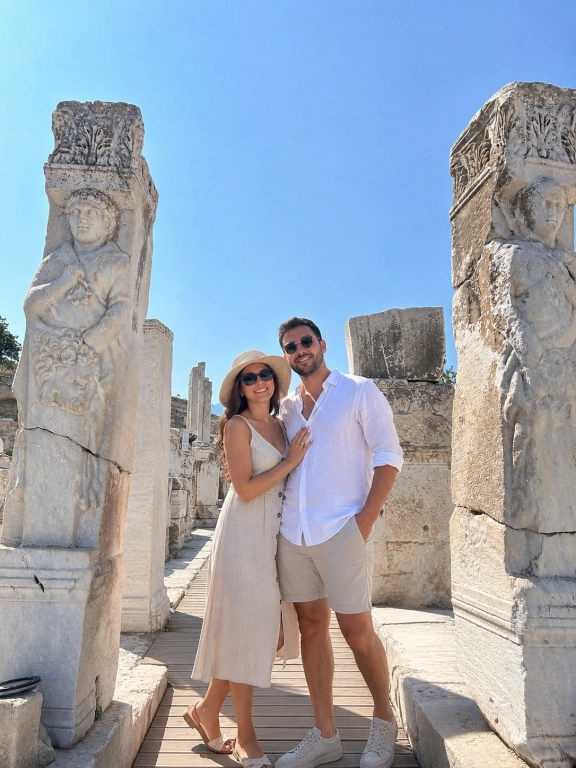






Ephesus can be understood through the relationship between a monumental face and an ordinary street. The Library of Celsus and Great Theatre represent different forms of public architecture, while the routes around them reveal the connected setting in which they were used.
Try looking at the buildings from their approaches as well as straight ahead. Public spaces were experienced in movement, not only as fixed views. The surviving remains give a valuable but incomplete record, with modern conservation contributing to how that record is presented.
Questions
Why consider the approach to a building?
It explains how the monument was encountered within the movement and public spaces of the city.
Is Ephesus limited to a few famous structures?
No. Its significance includes the larger urban layout and settlement history around the best-known monuments.
How complete is the library seen today?
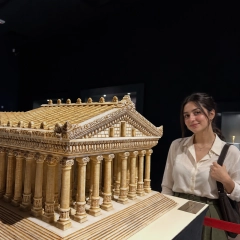
The facade includes reconstruction; it does not represent an entire ancient library preserved unchanged.
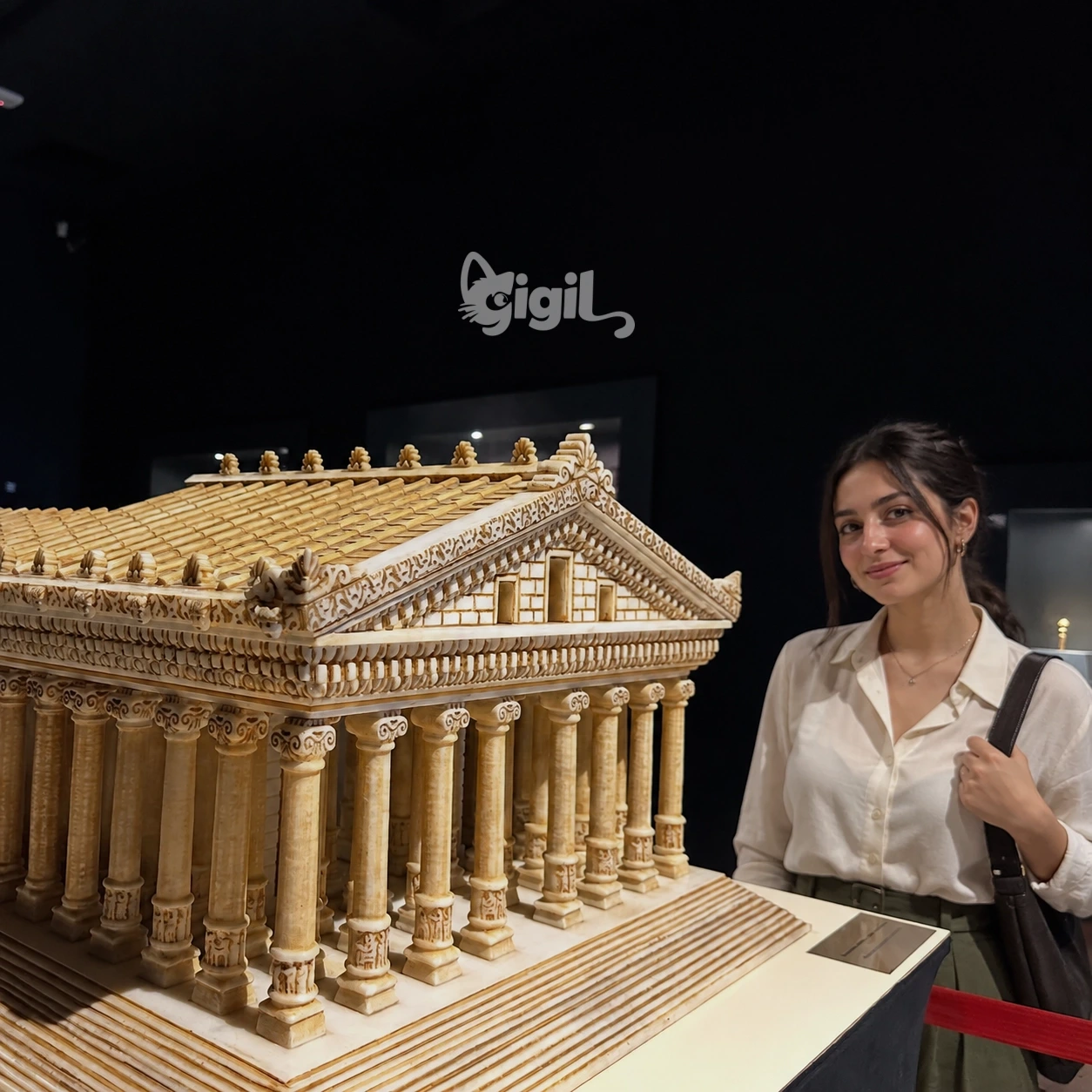
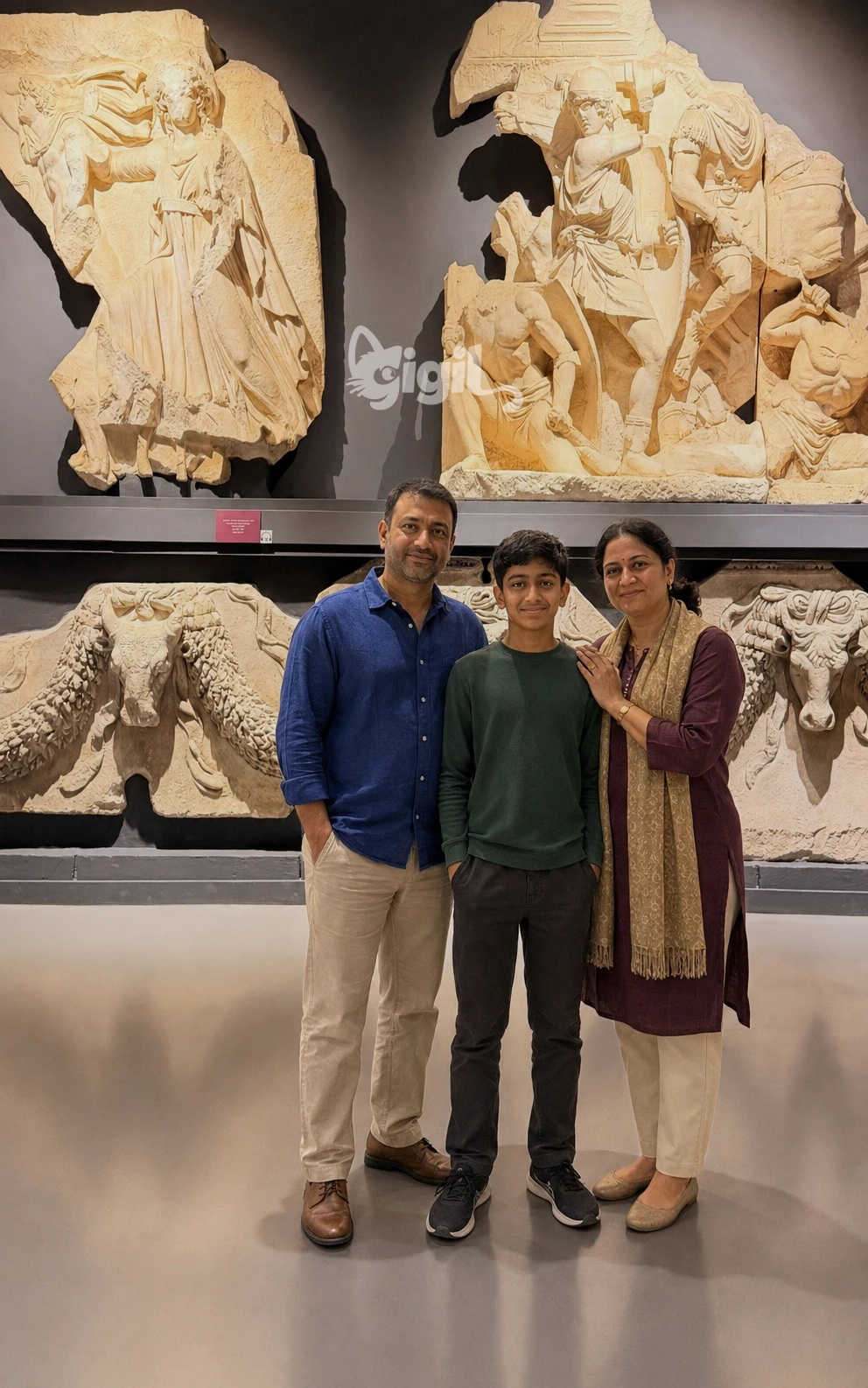
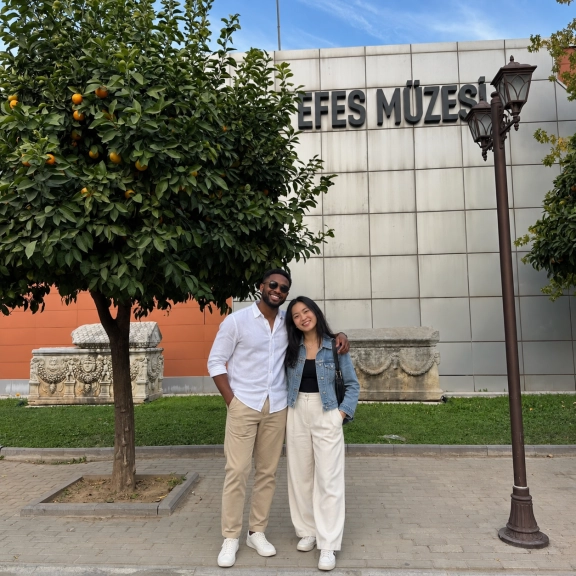
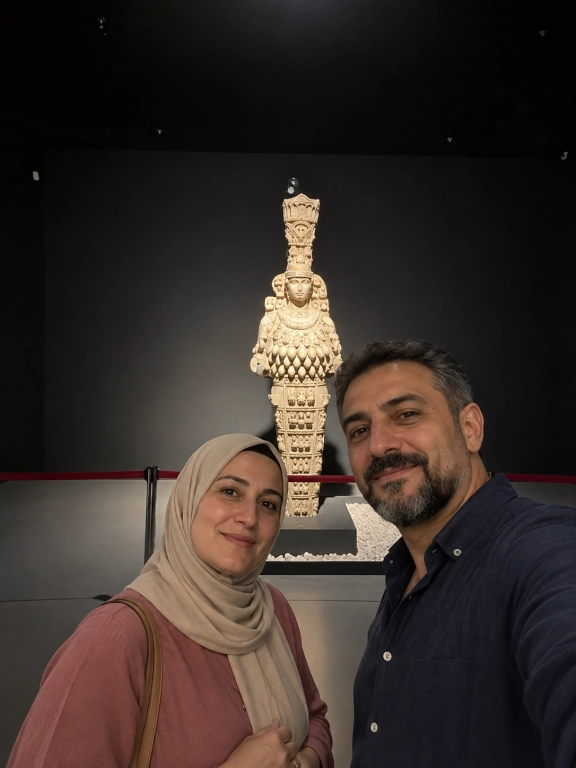
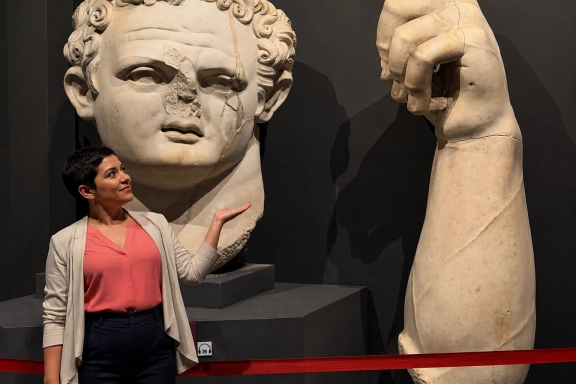
What links architecture here with the later museum visit?
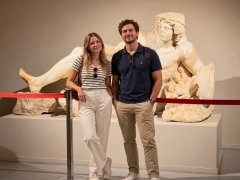
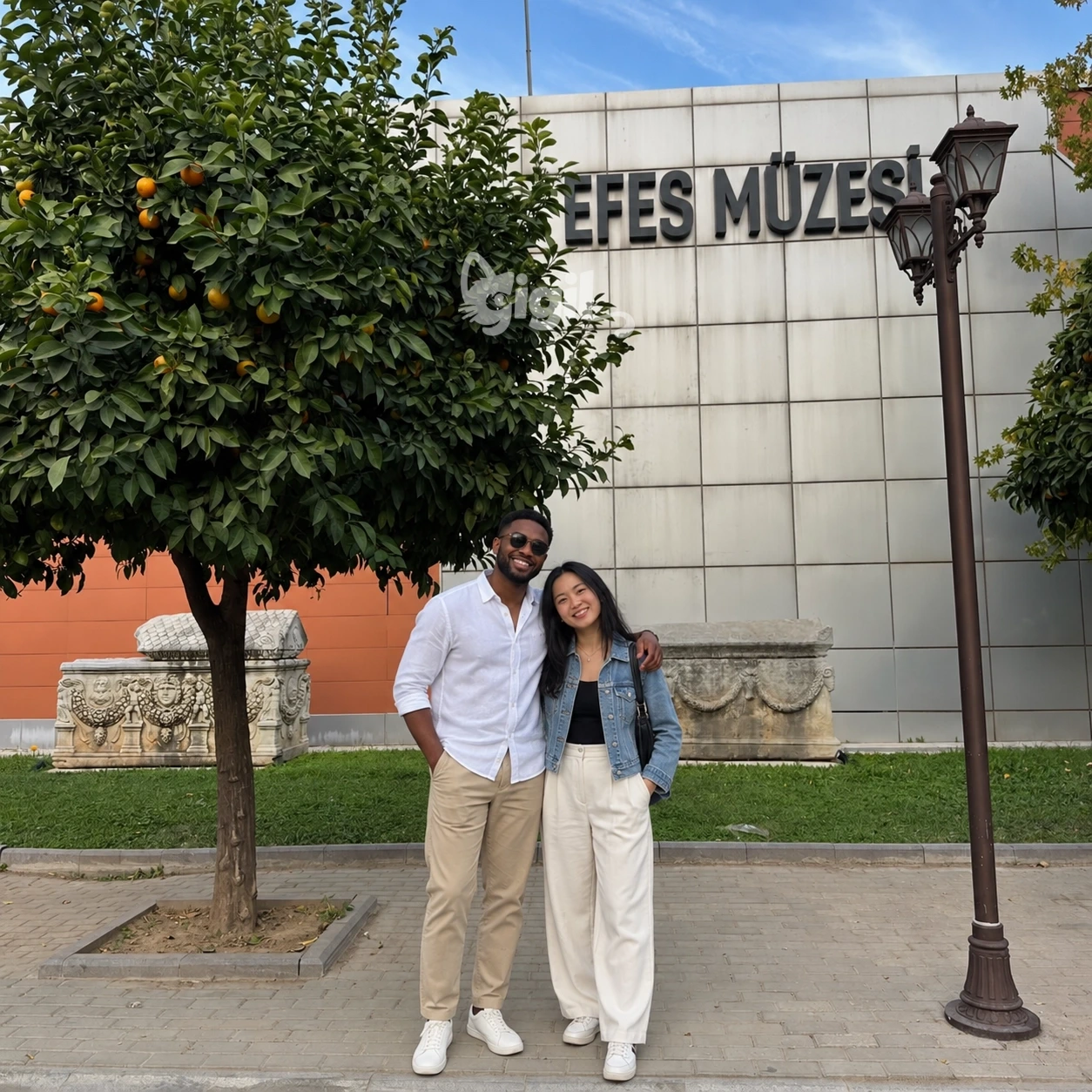
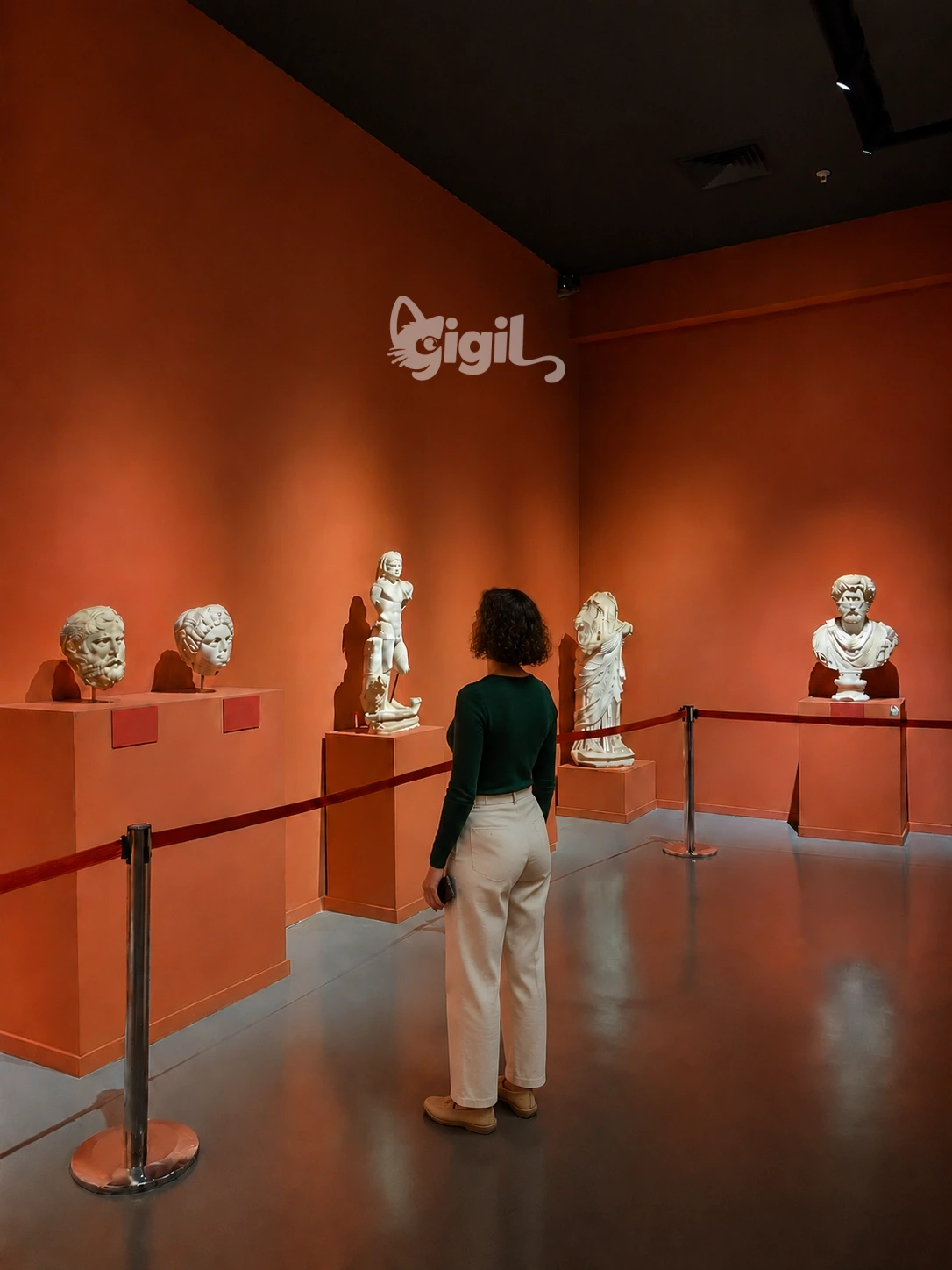
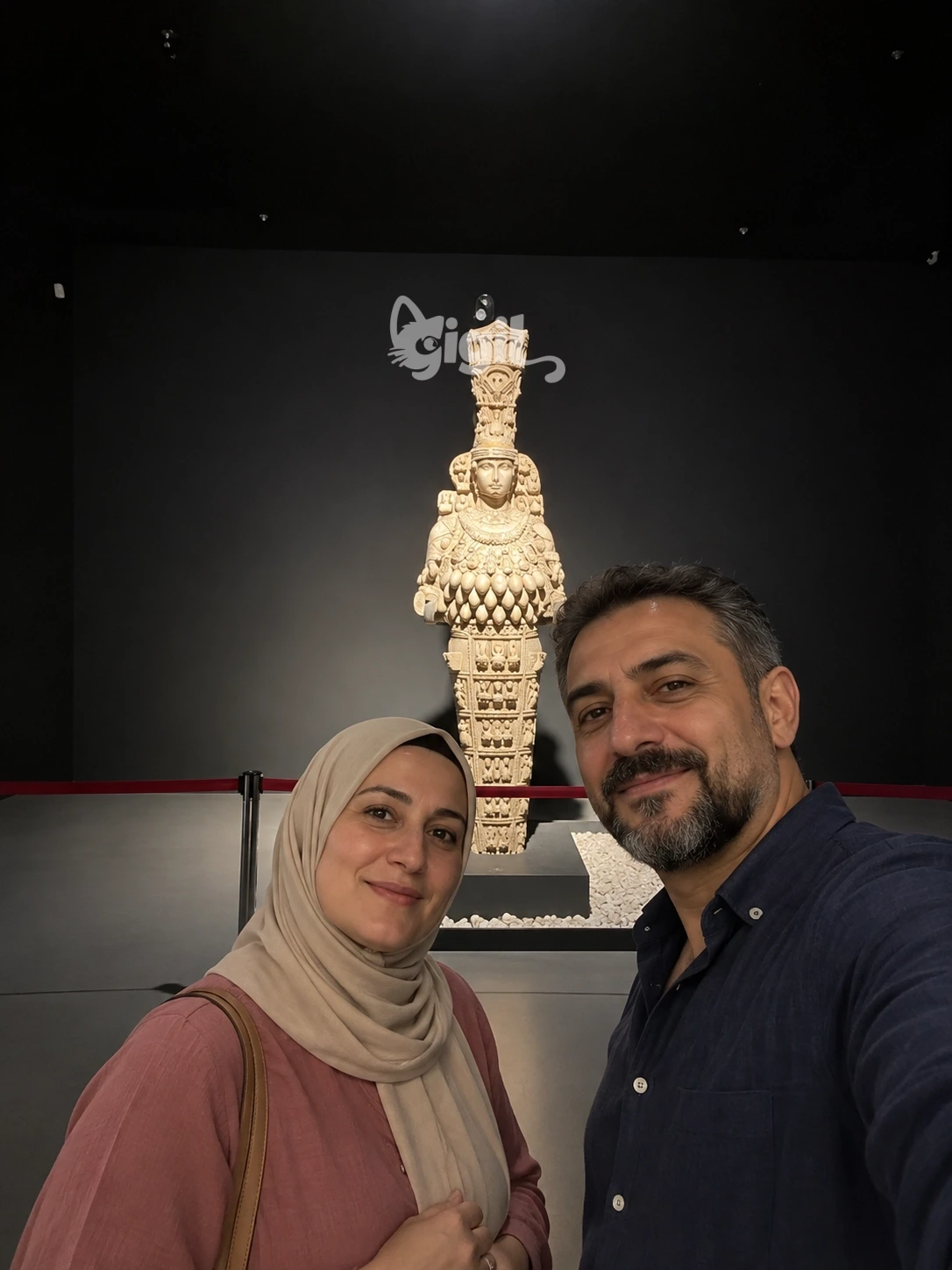
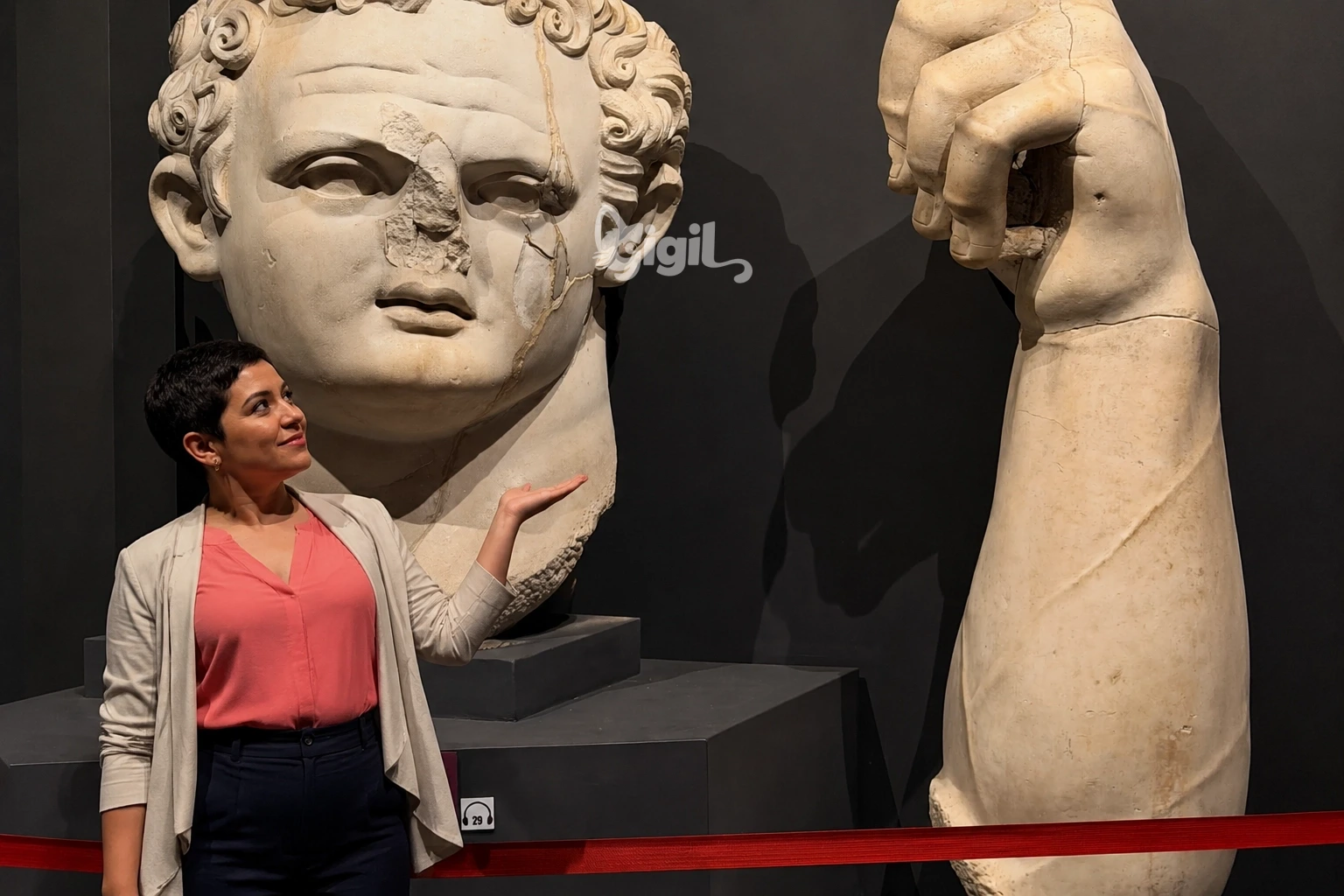
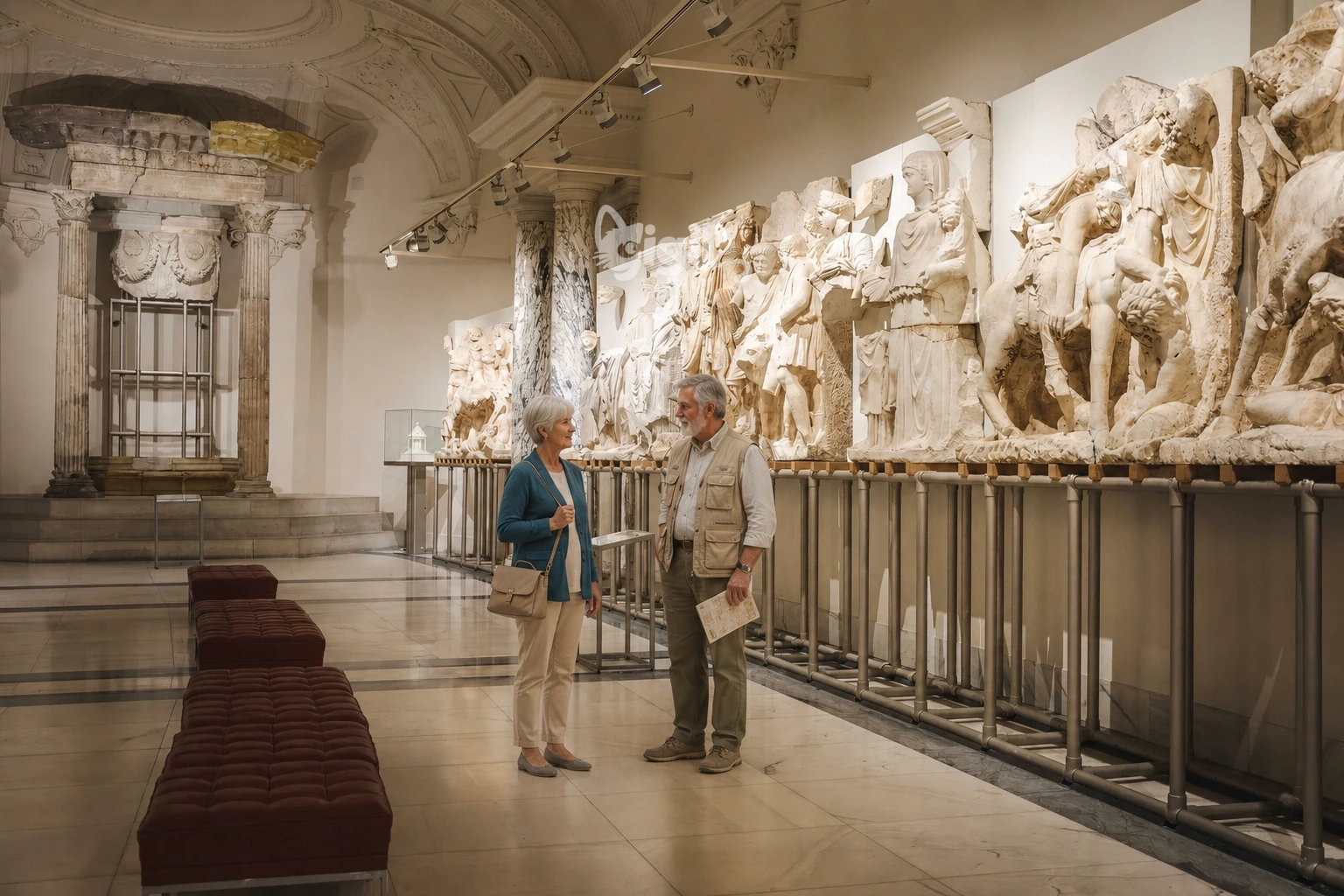
The buildings establish a setting, while the museum's finds offer smaller pieces of evidence about the culture within it.