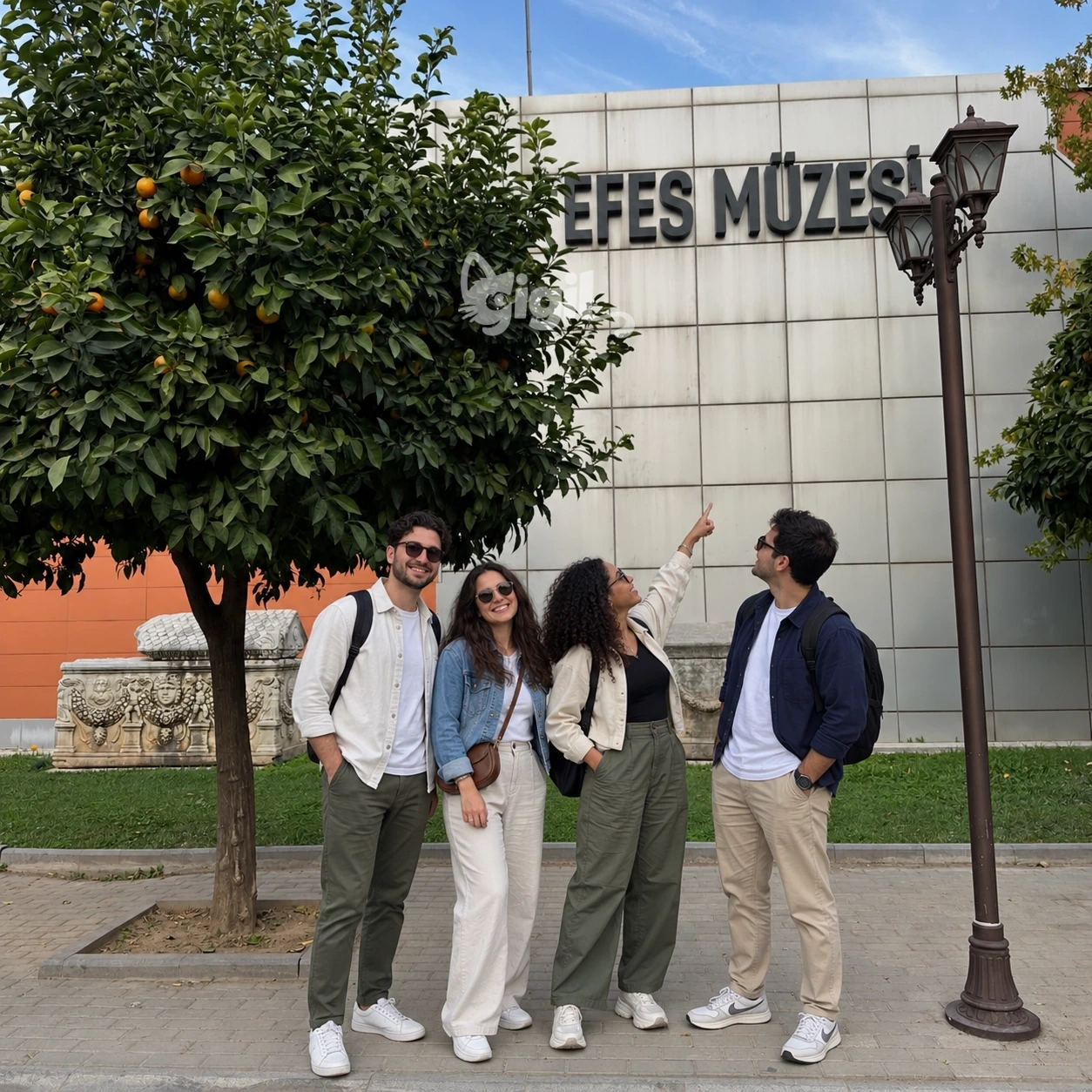
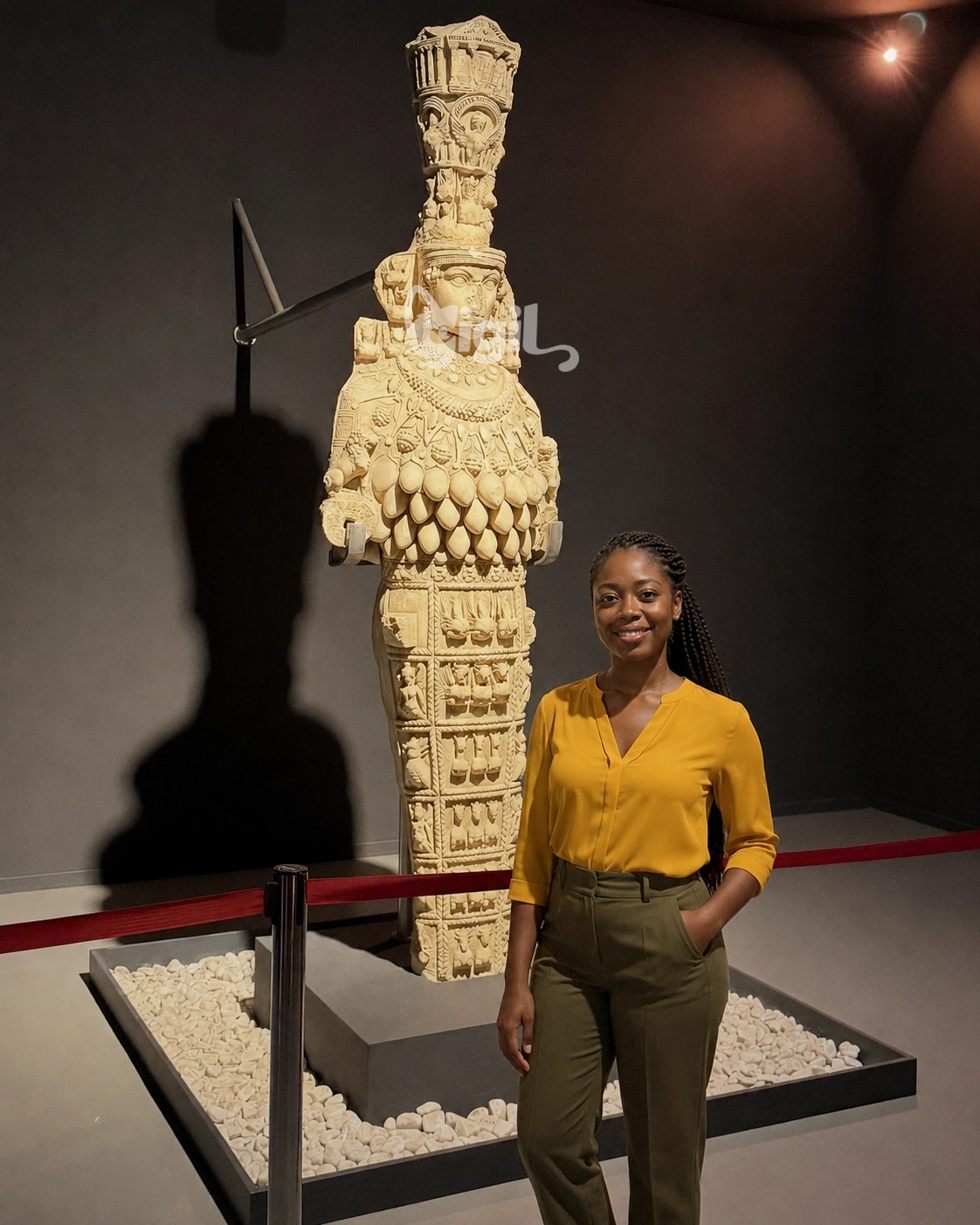
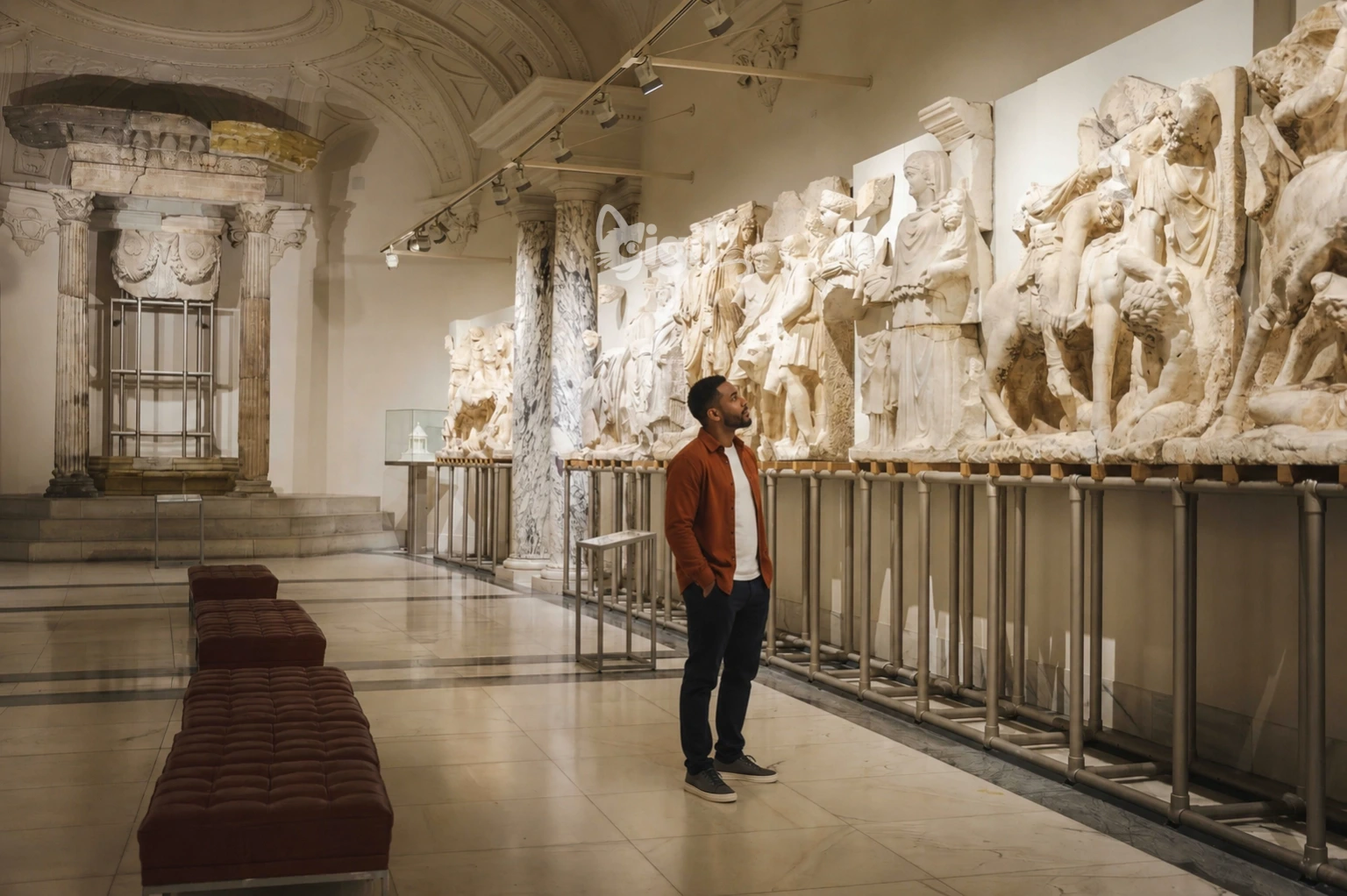
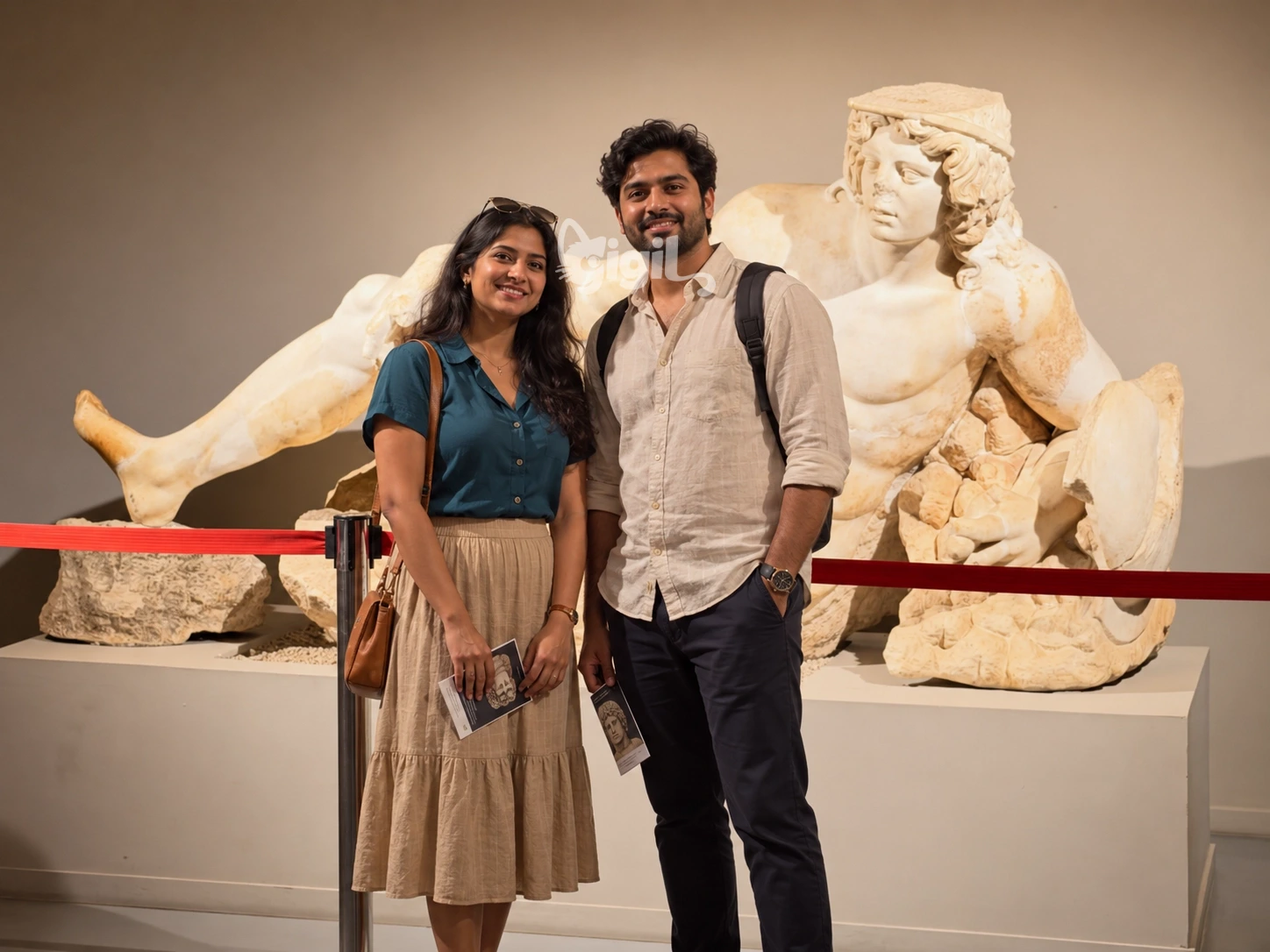
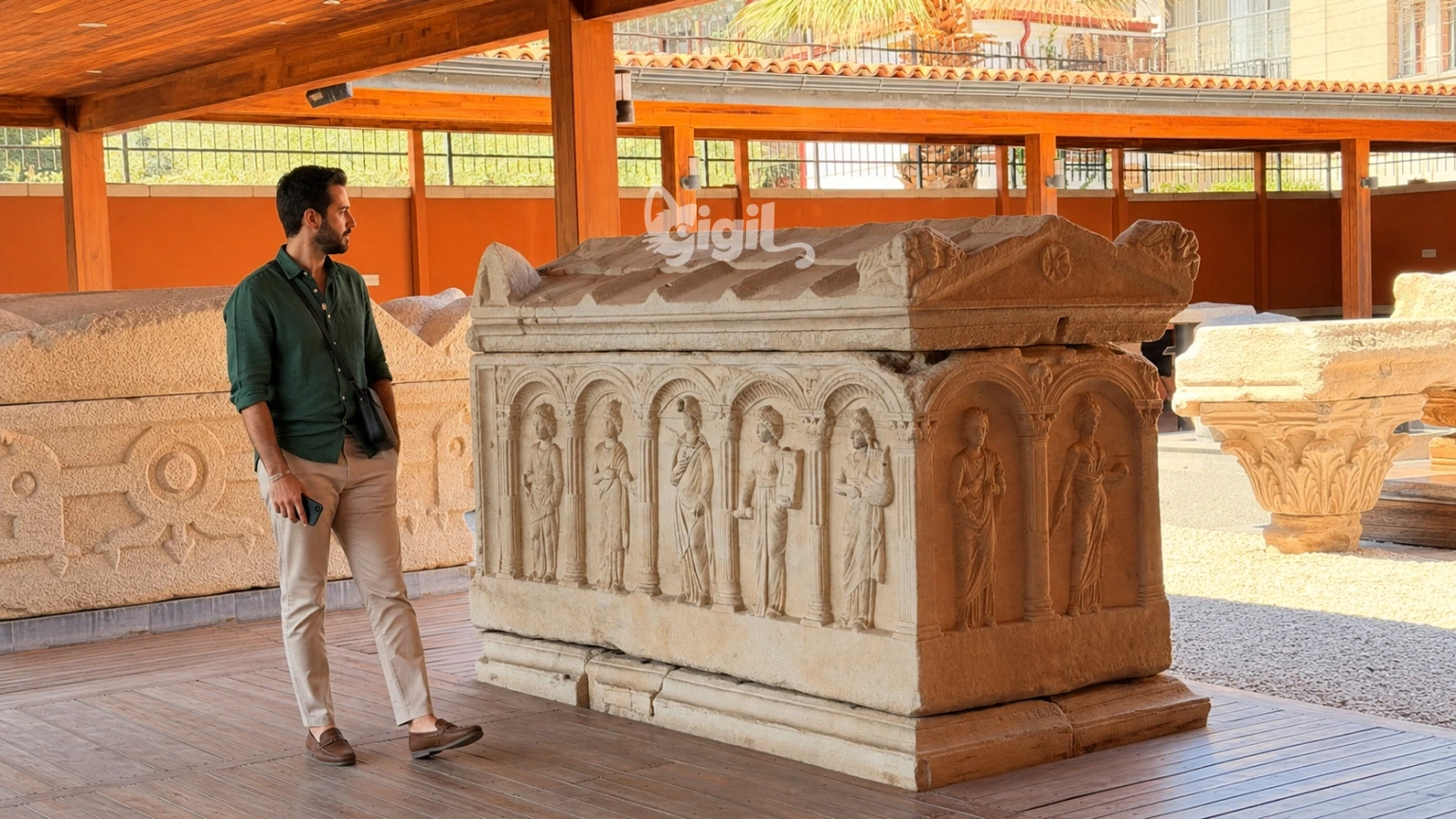
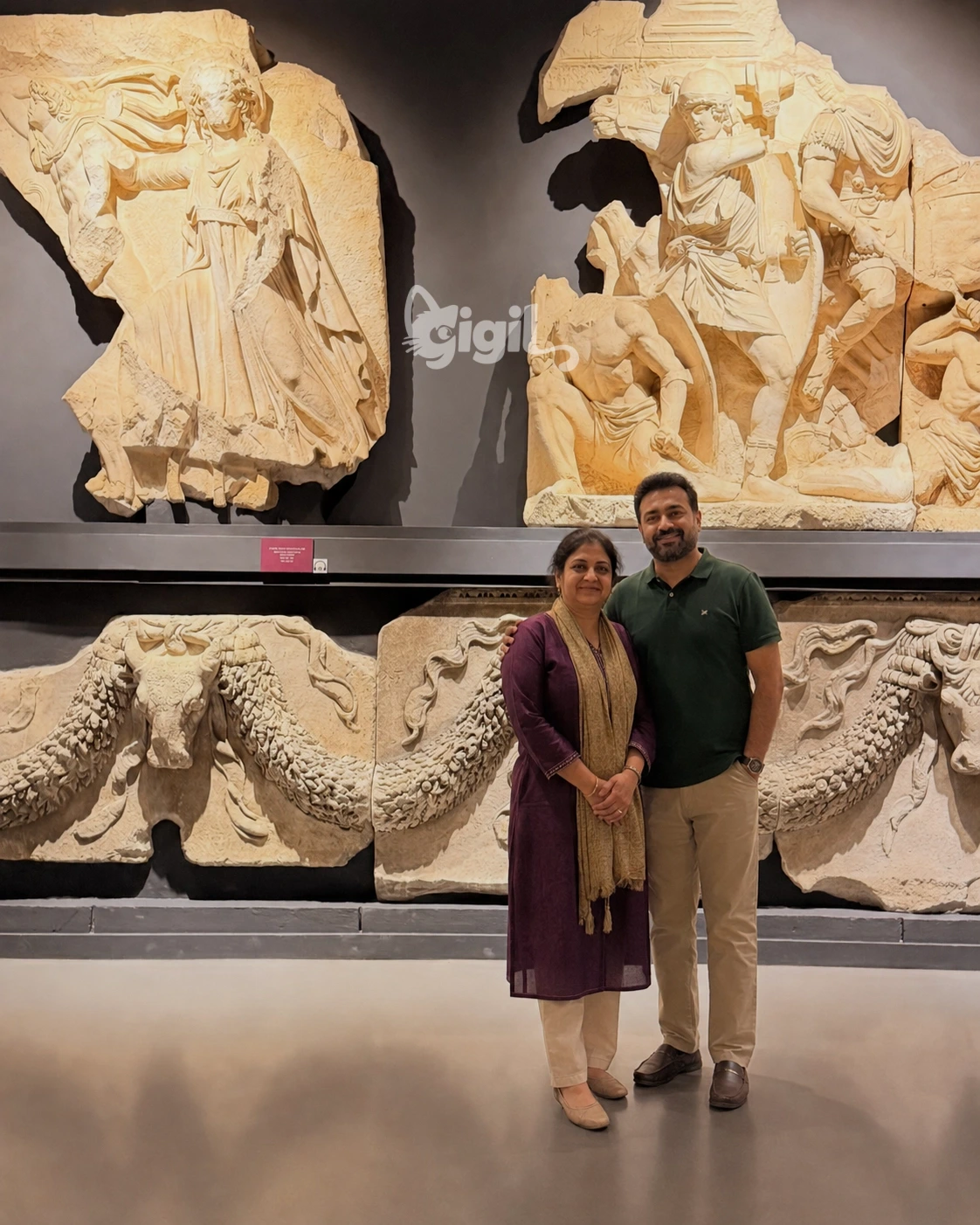
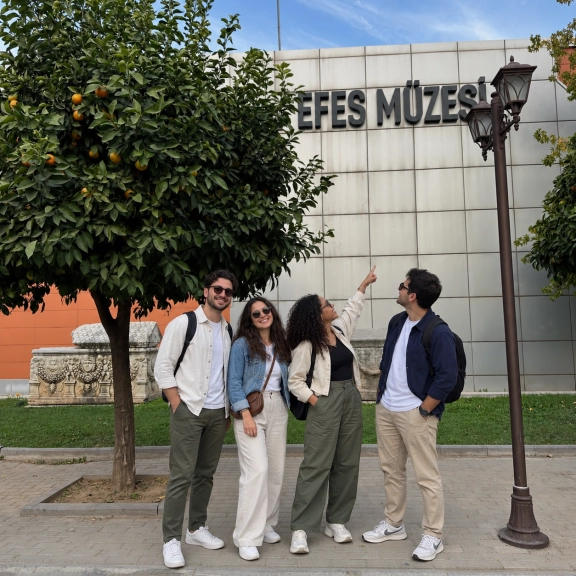
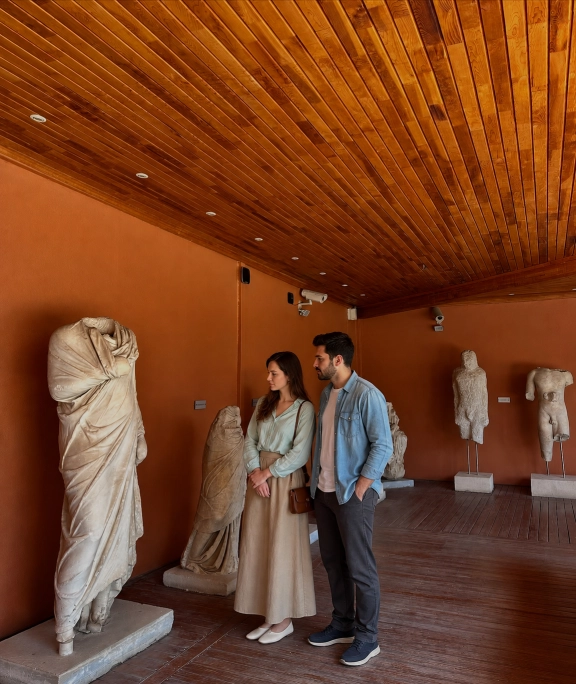
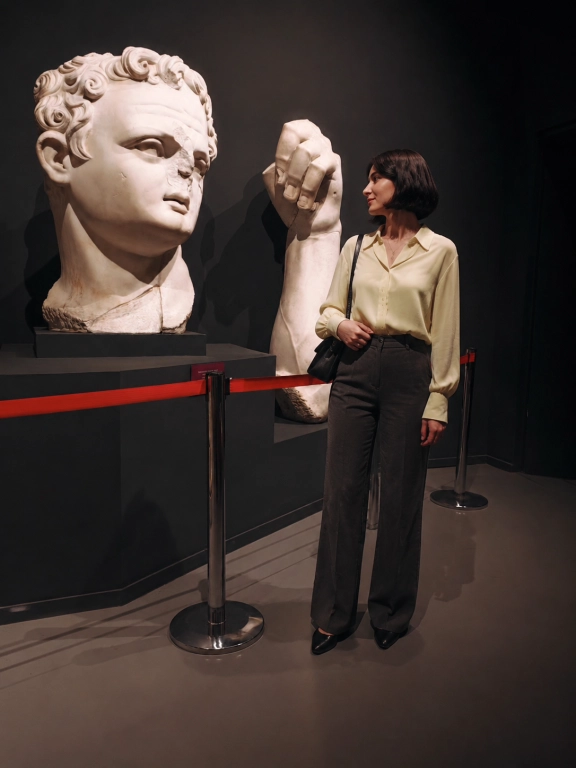
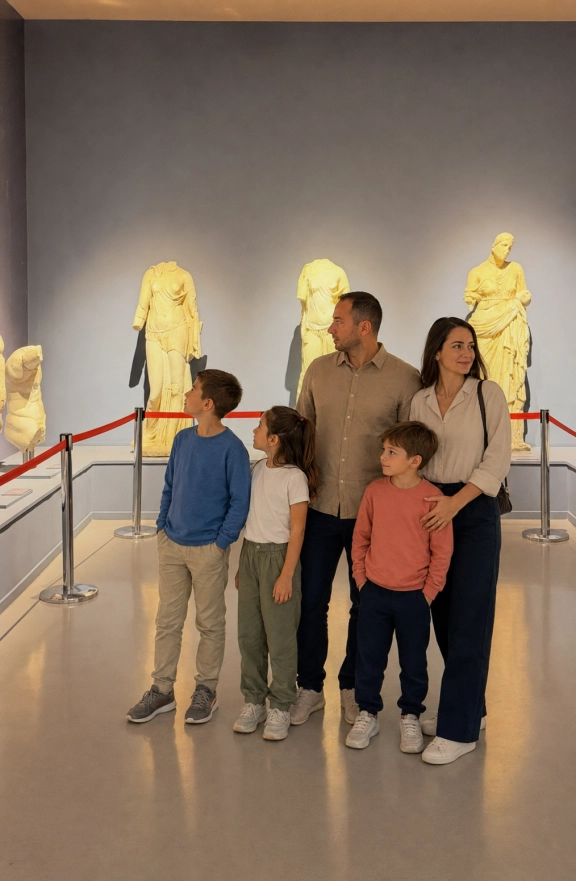
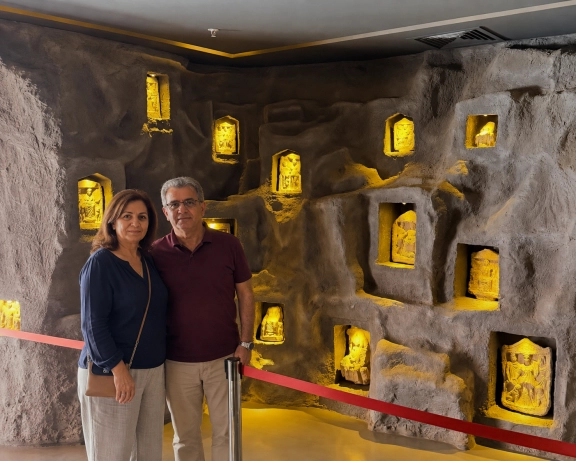
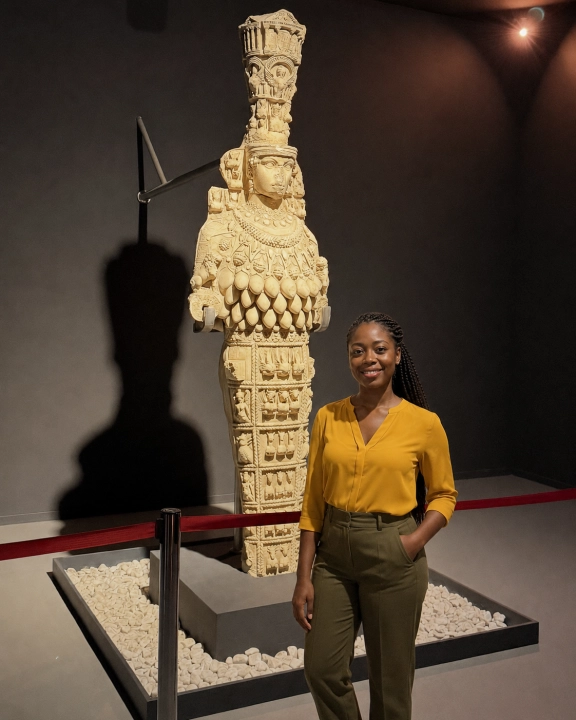
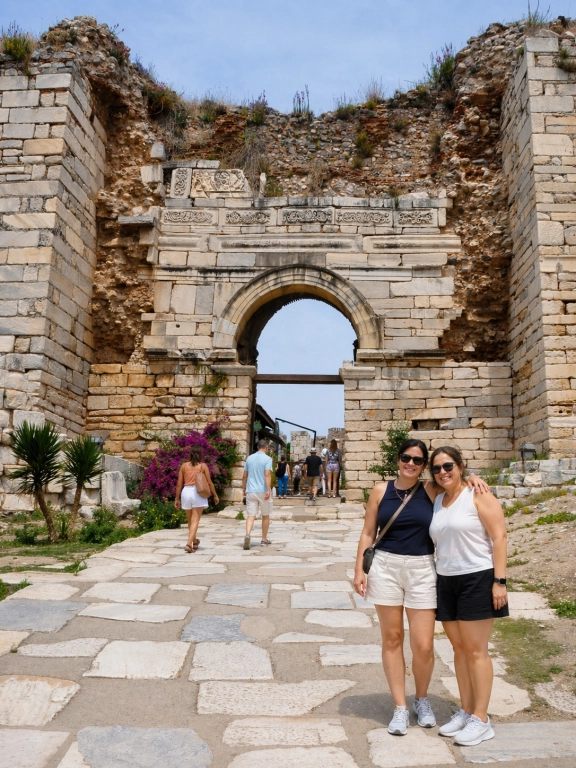
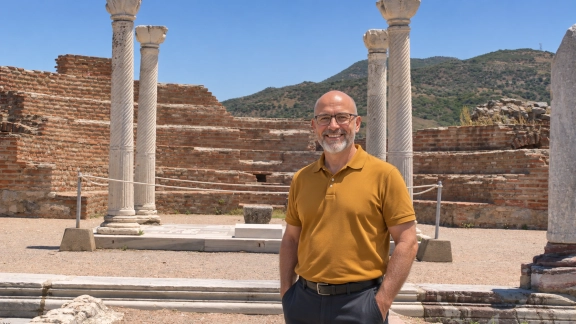
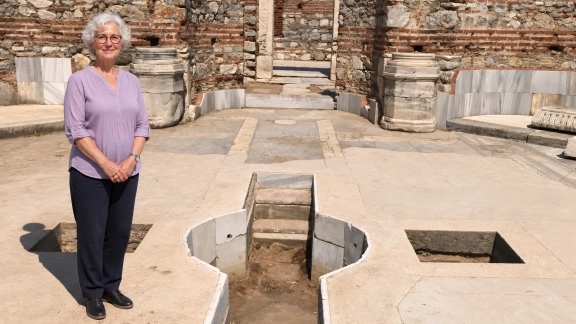
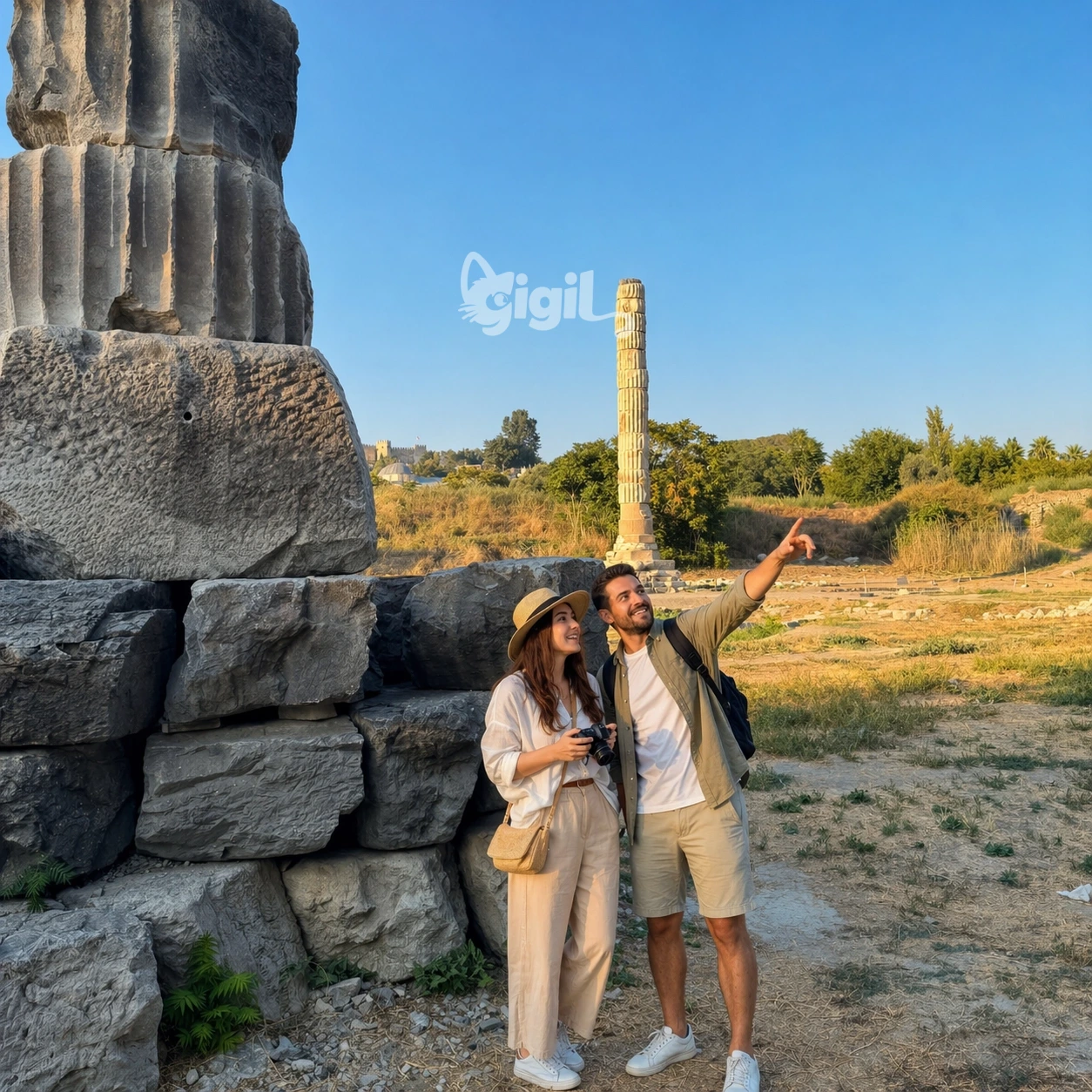
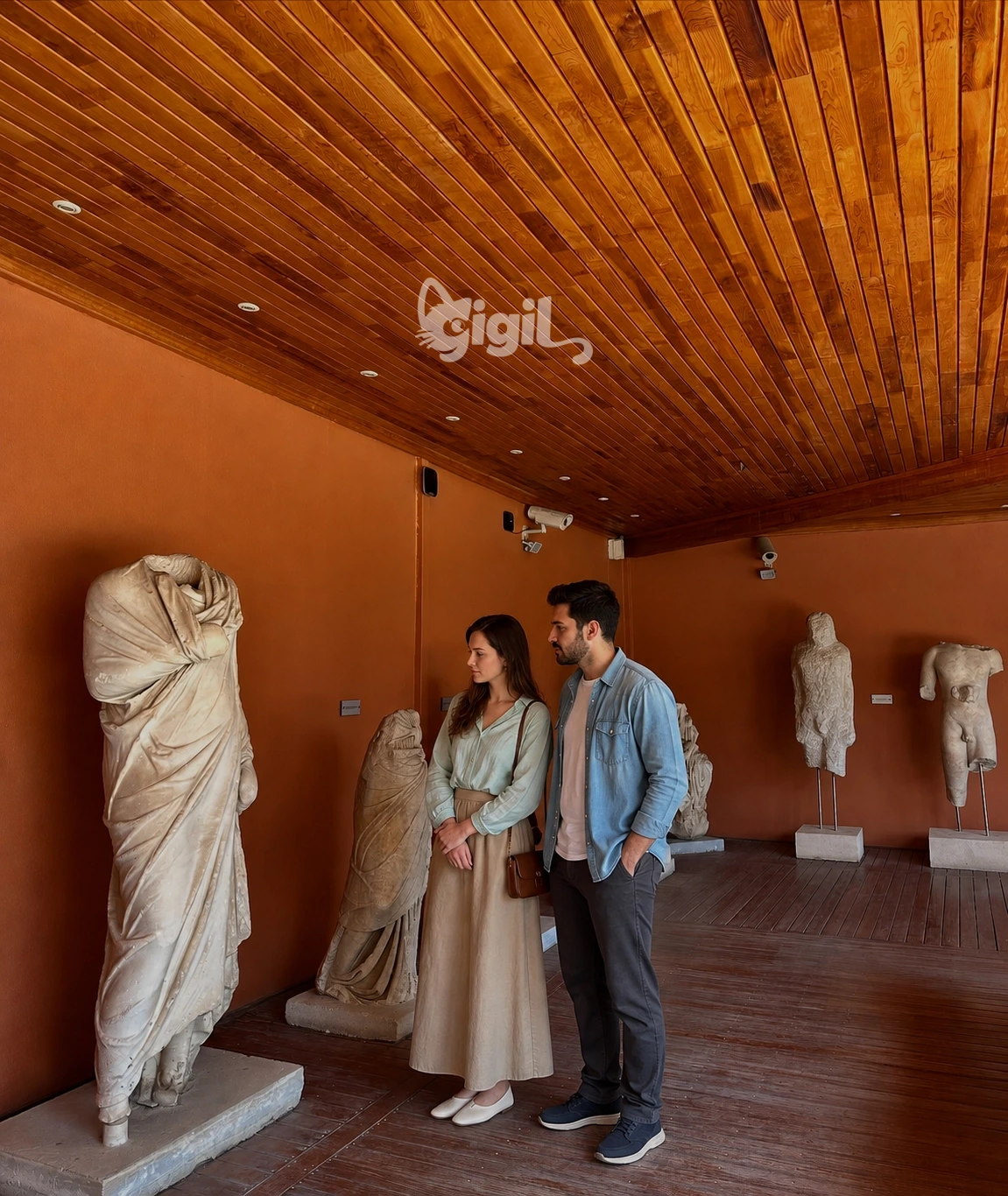
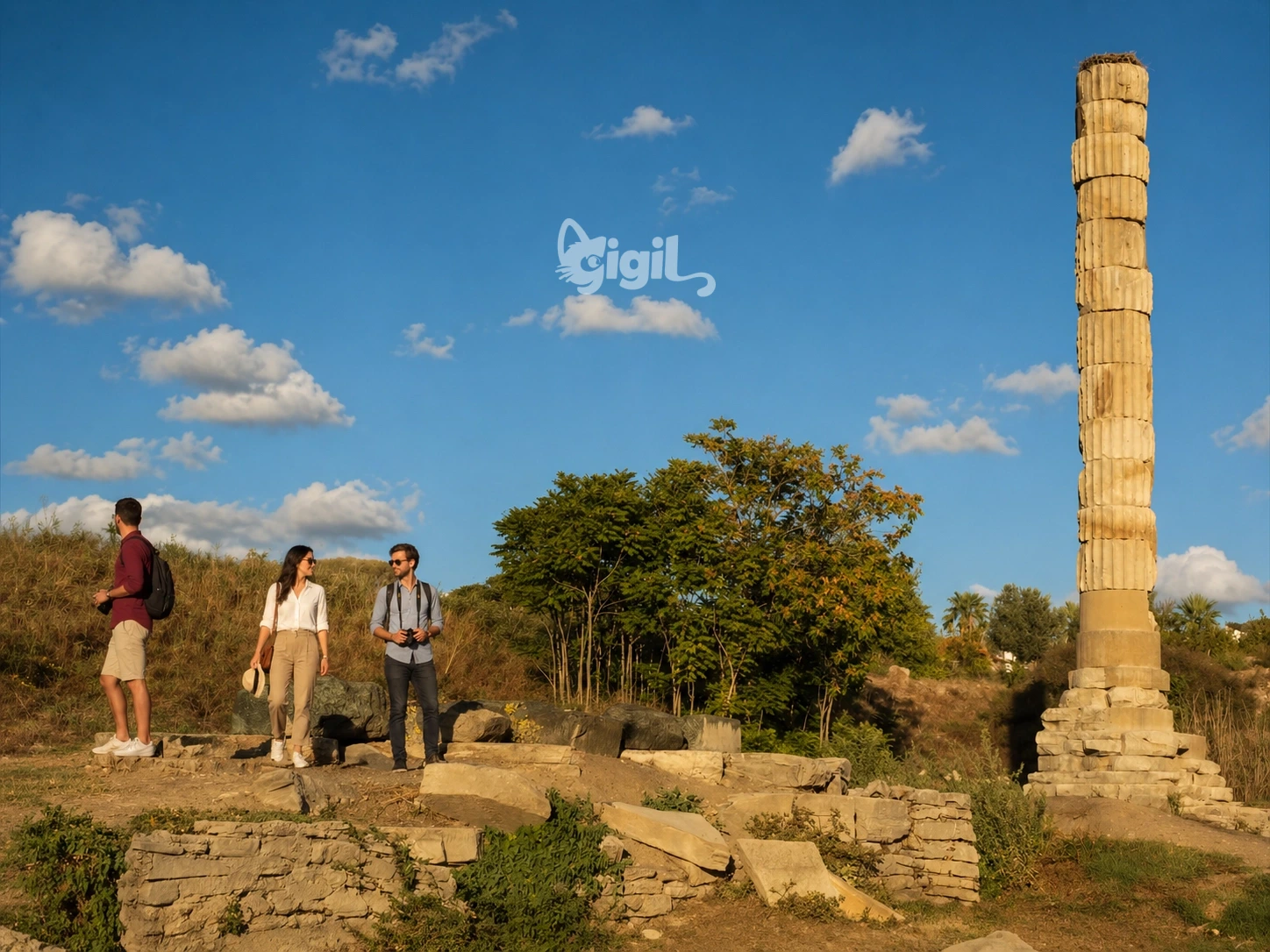
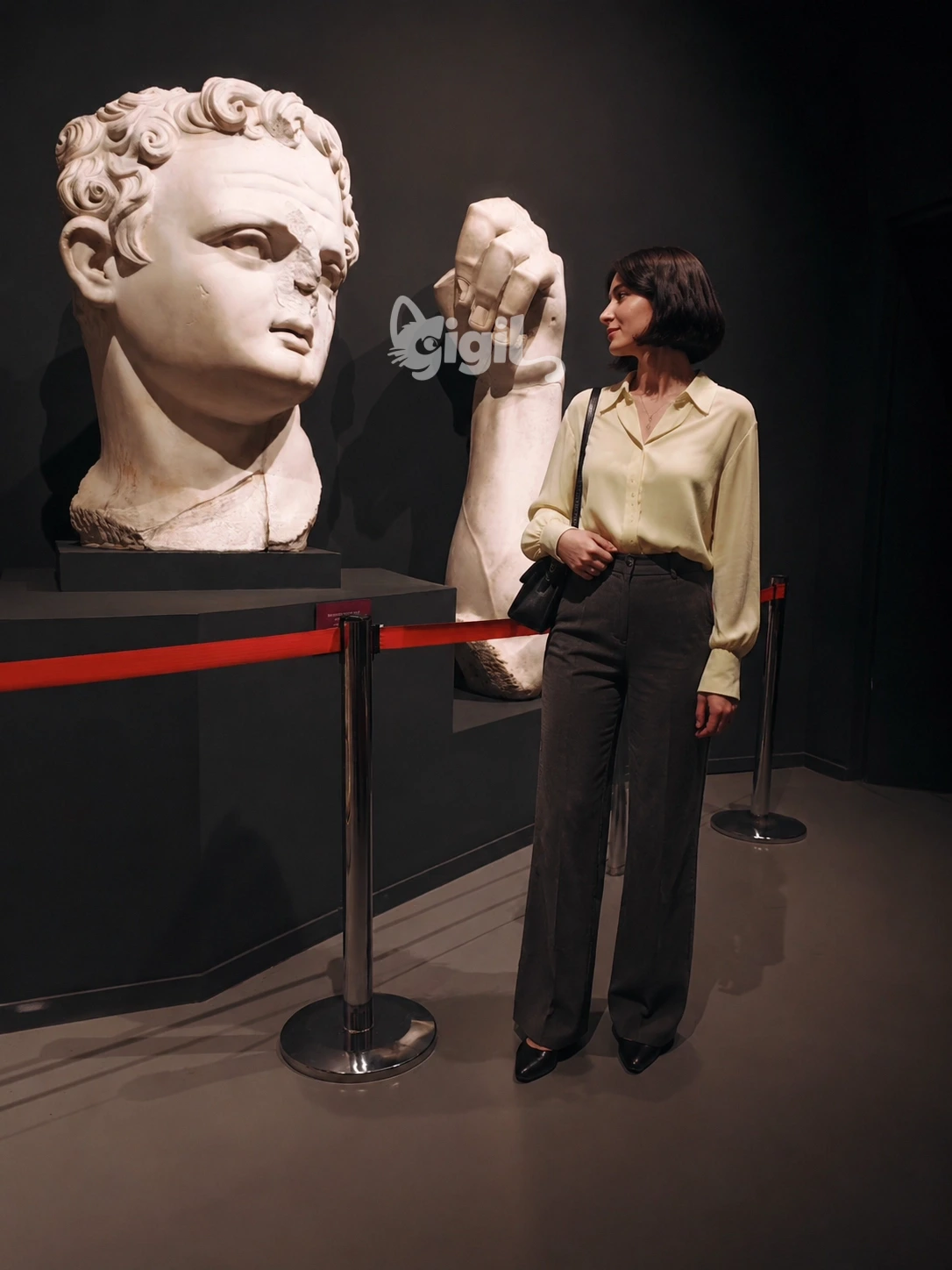
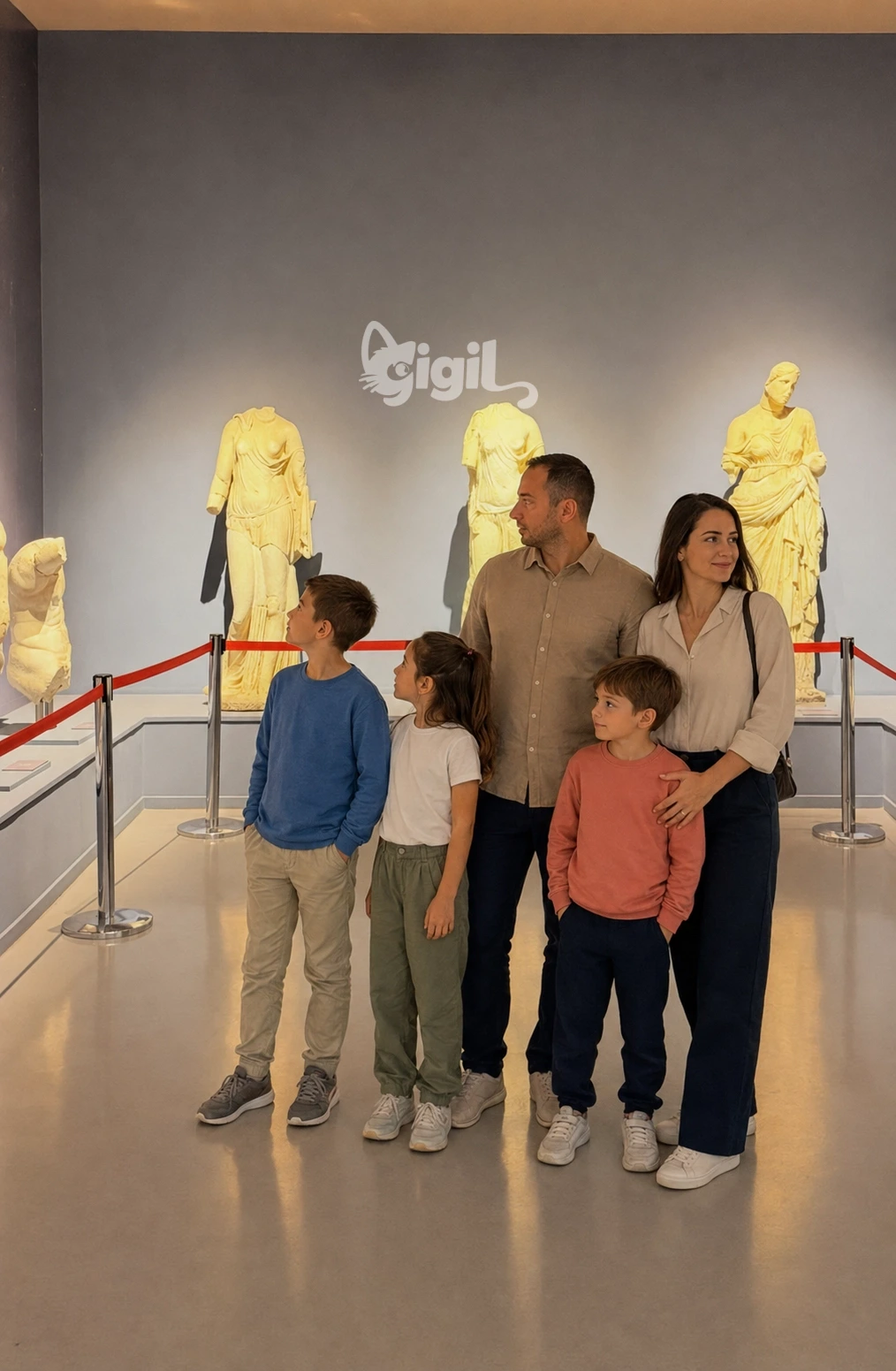
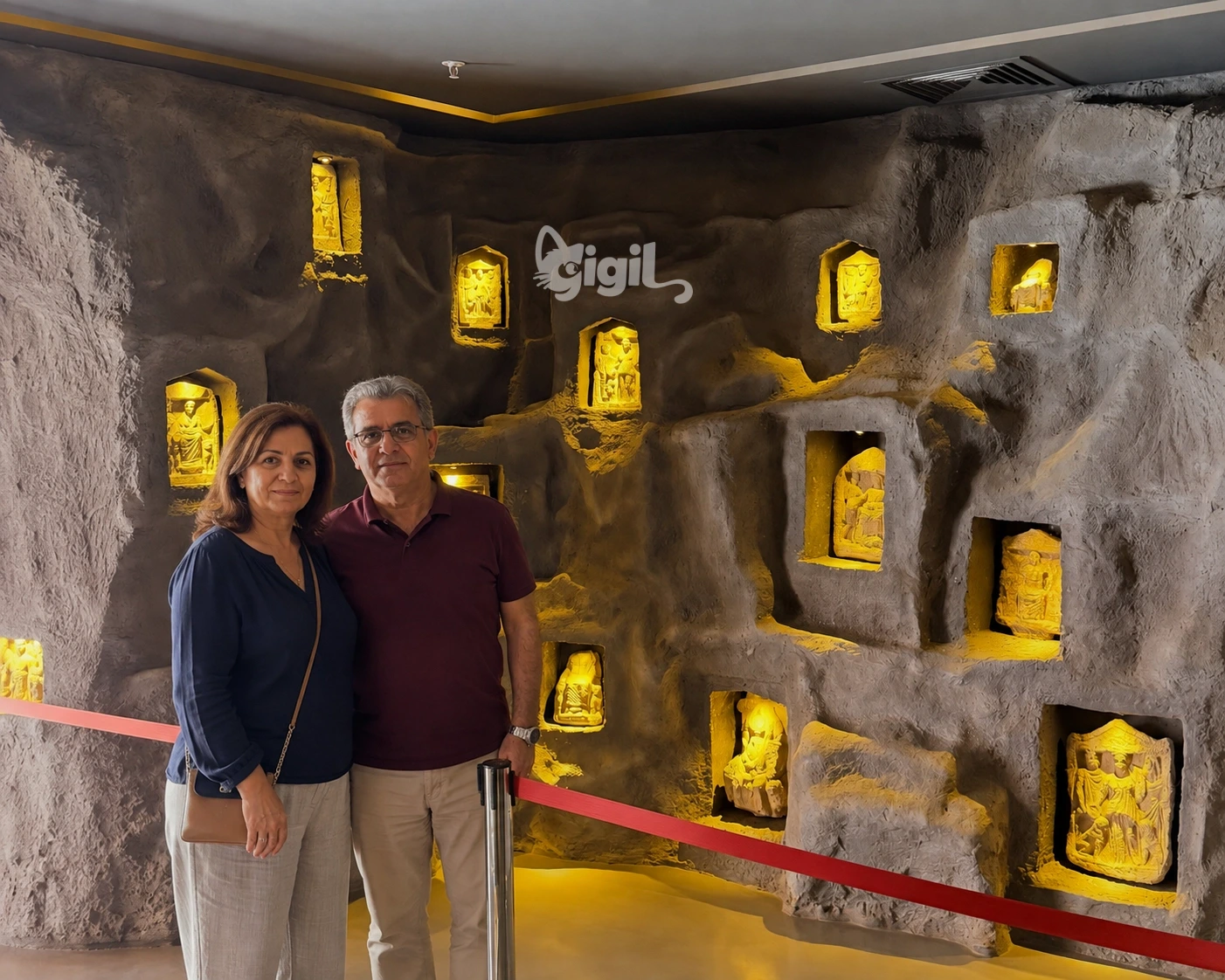
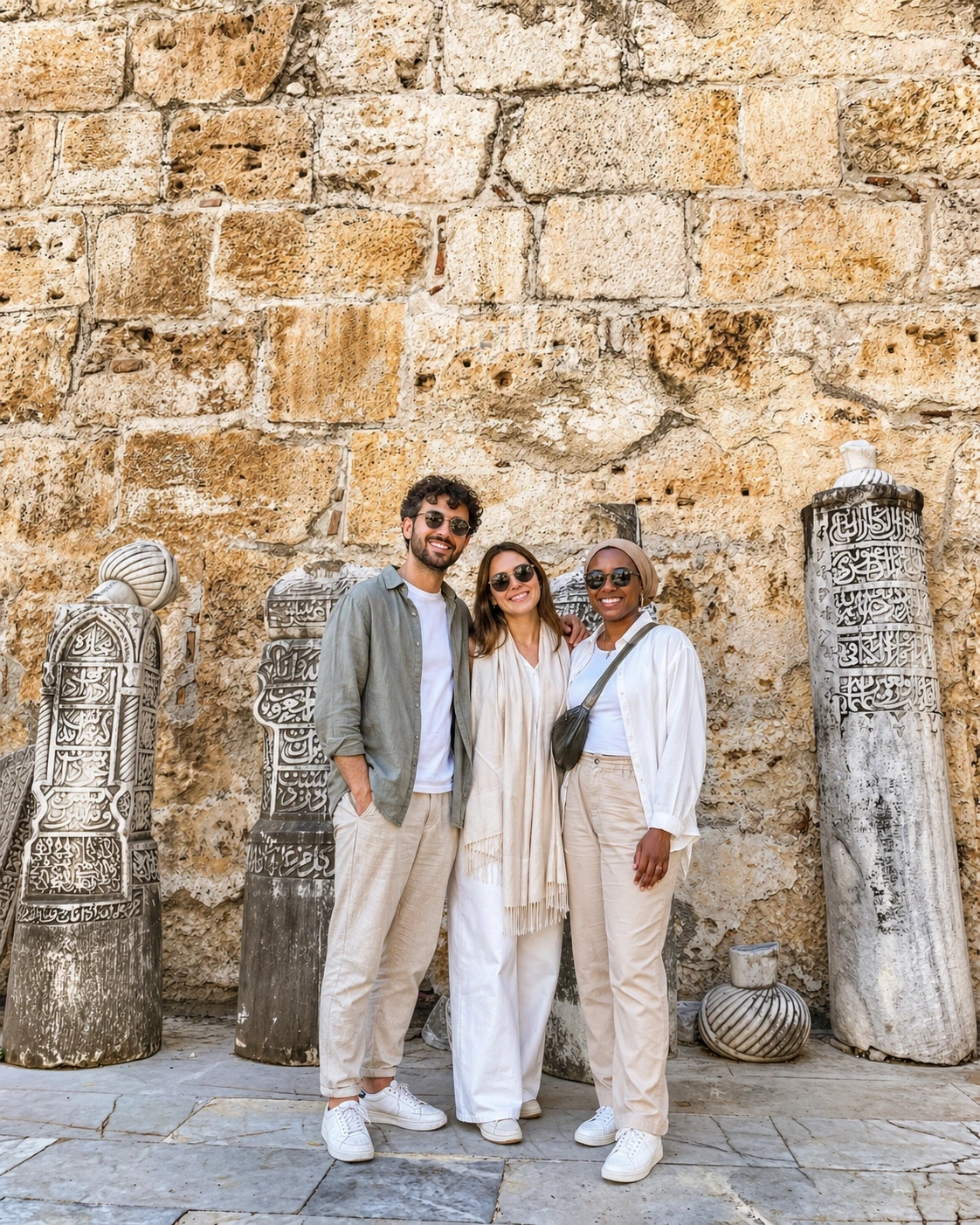
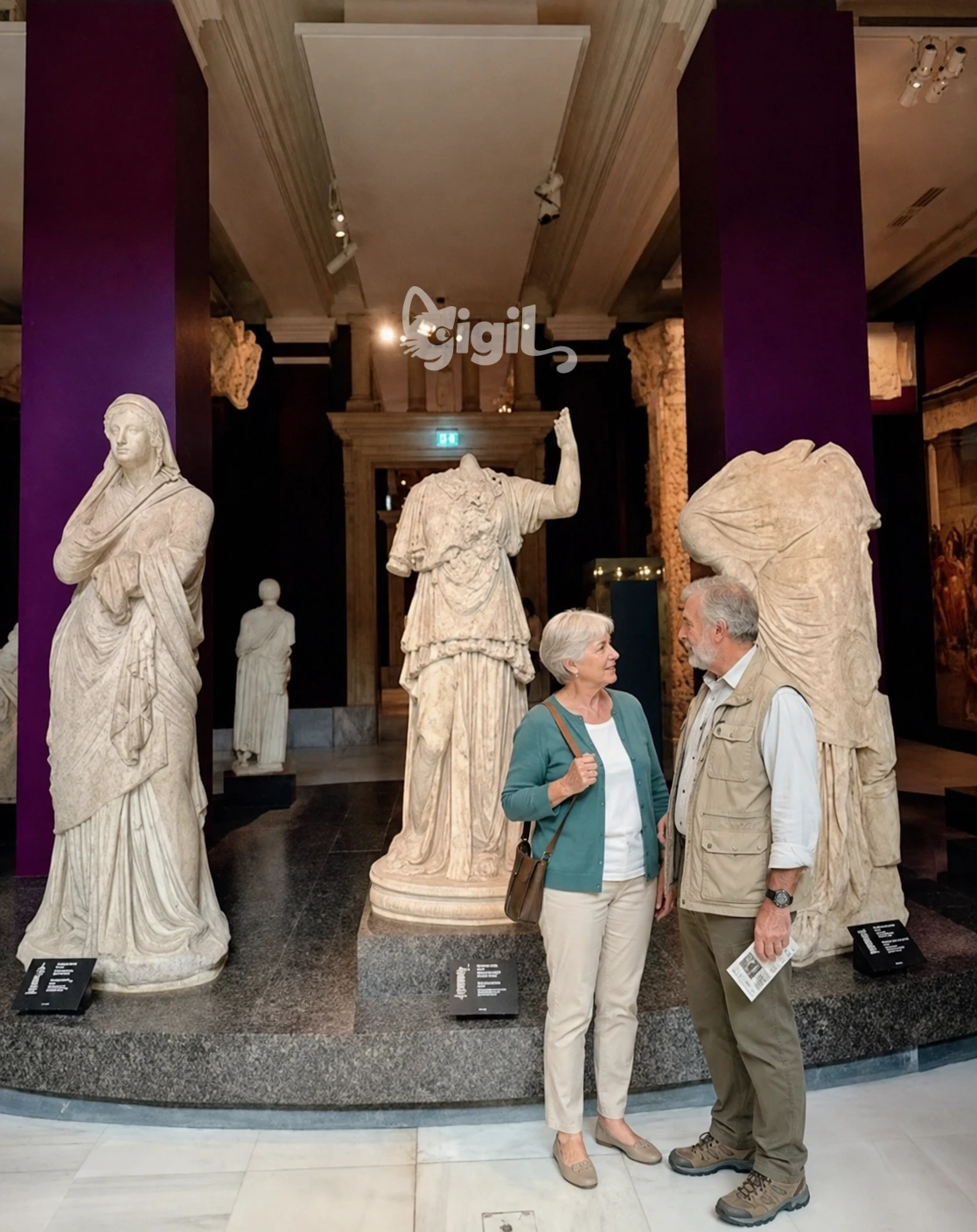
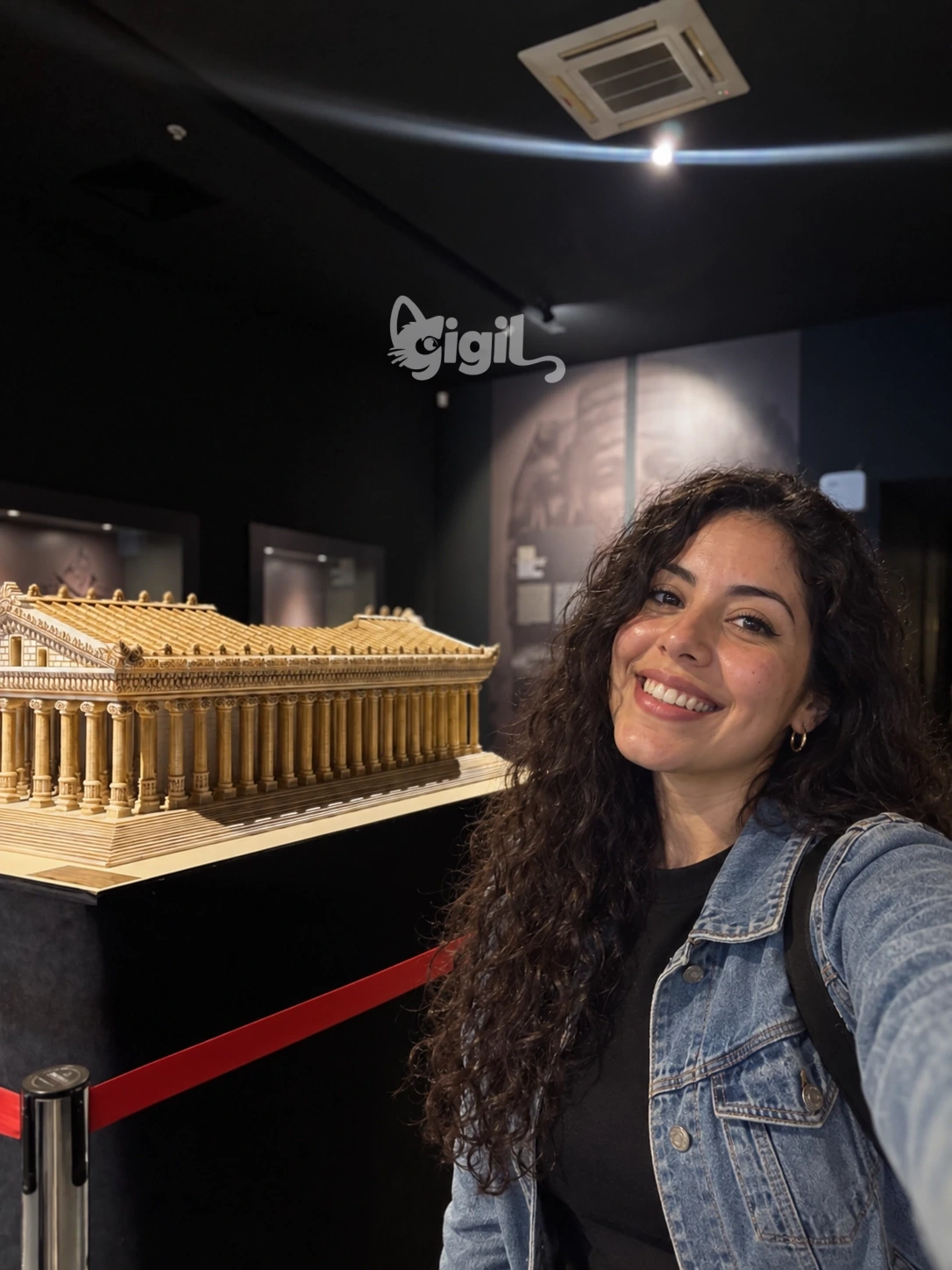
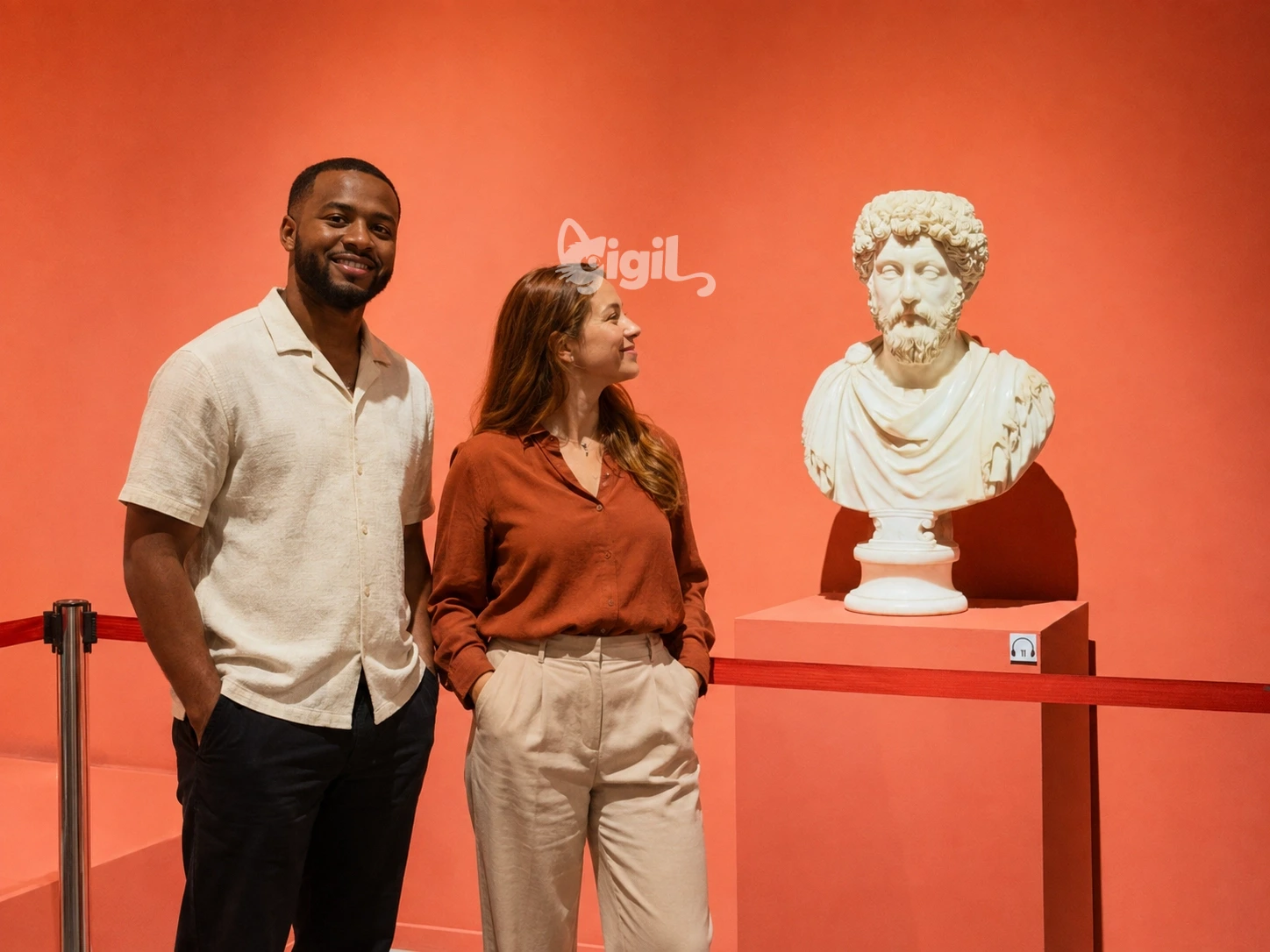
Ephesus Archaeological Museum is Selcuk's place for reading the region through its material finds. The collections connect objects with the ancient landscape, bringing together themes of religious life, artistic expression and everyday activity in a setting different from an open-air ruin.
Notice how information changes your reading of a piece. An image first seen as decoration may become evidence of belief or public identity once its context is understood. Use the displays present on the day, and distinguish broad collection themes from the particular exhibits available during your visit.
Questions
What can religious imagery tell me here?
It can show how a figure or belief was represented in a particular object and context. Begin with the label's identification; an image alone should not be used to invent a complete ritual or a precise history of its ownership.
Why does the place of discovery matter?
A findspot helps connect an object with the people, buildings or activities around it. Without that context, an attractive piece can easily be misunderstood as a general example rather than evidence from a particular setting.
Is the collection only about monumental architecture?
No. Objects relating to sculpture, money and daily life broaden the picture beyond buildings. The museum can therefore answer different questions from those raised by foundations, walls or architectural fragments outdoors.