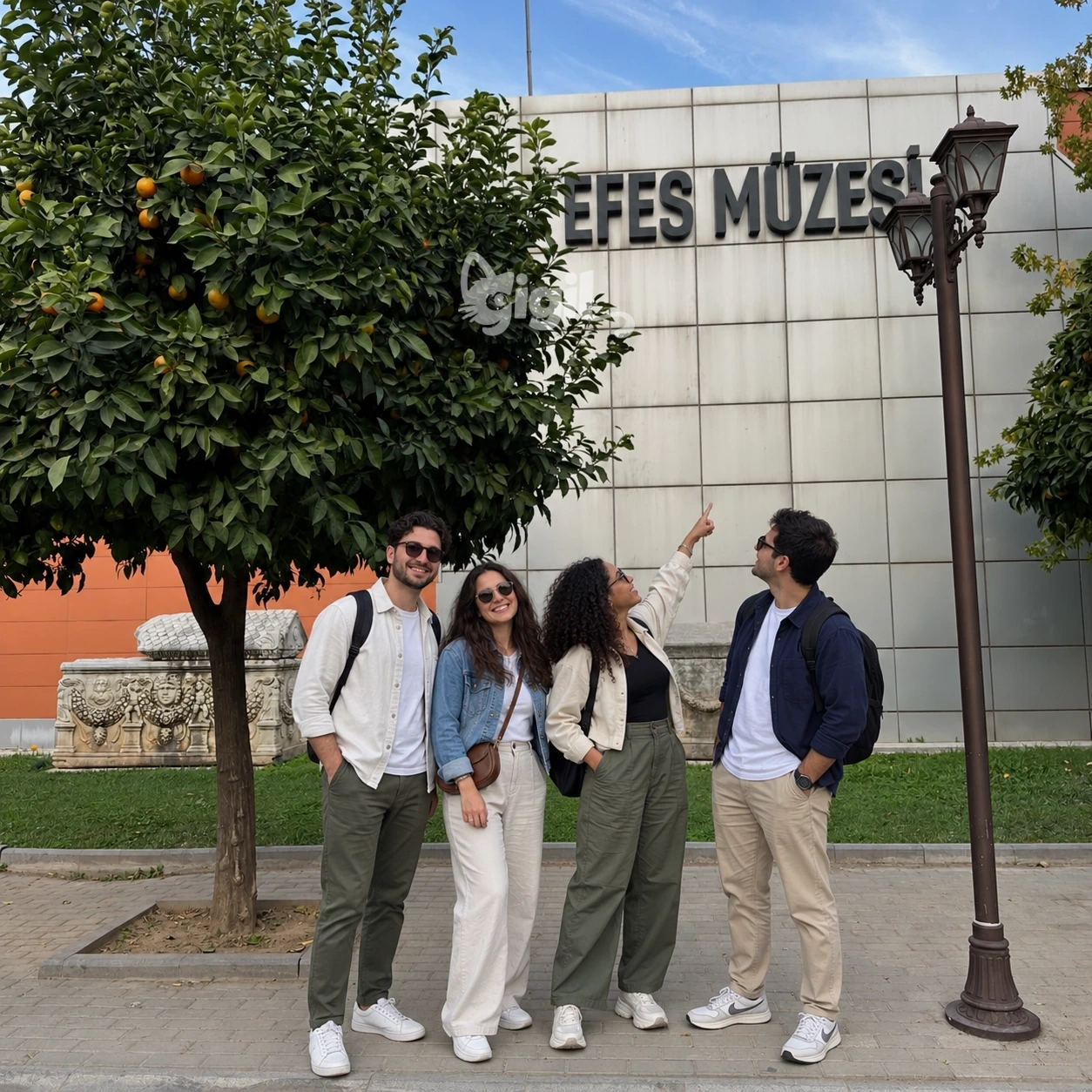
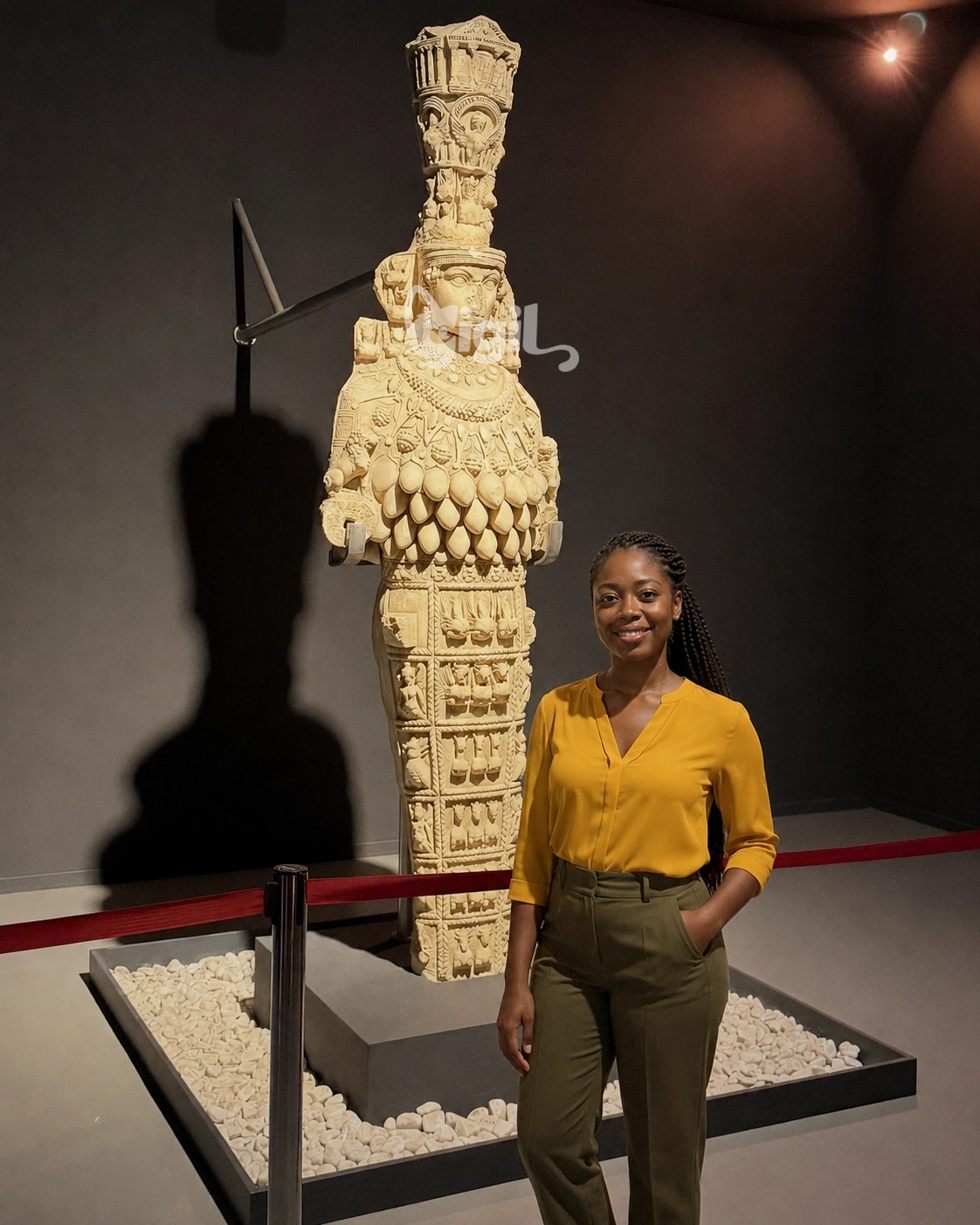
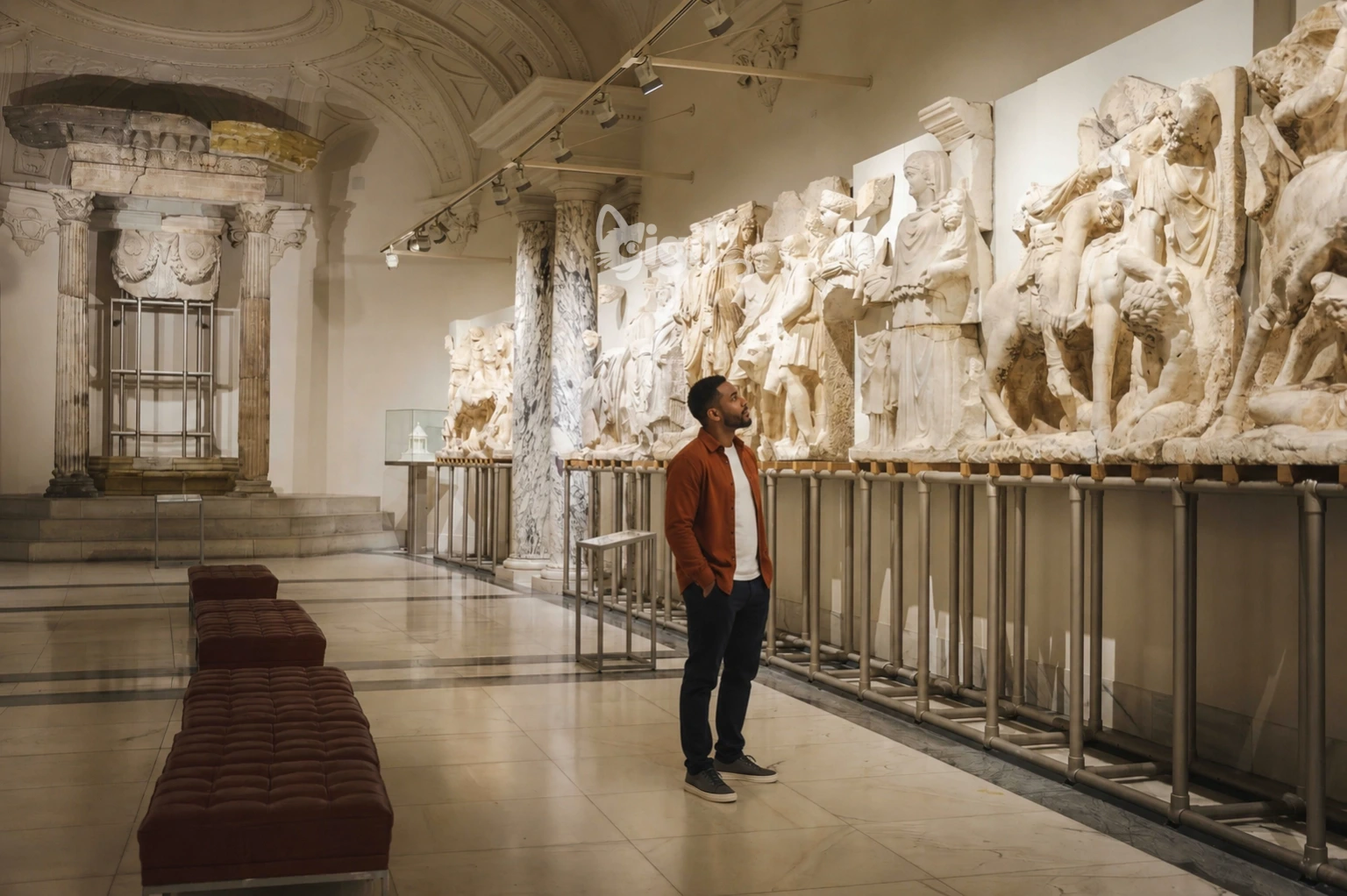
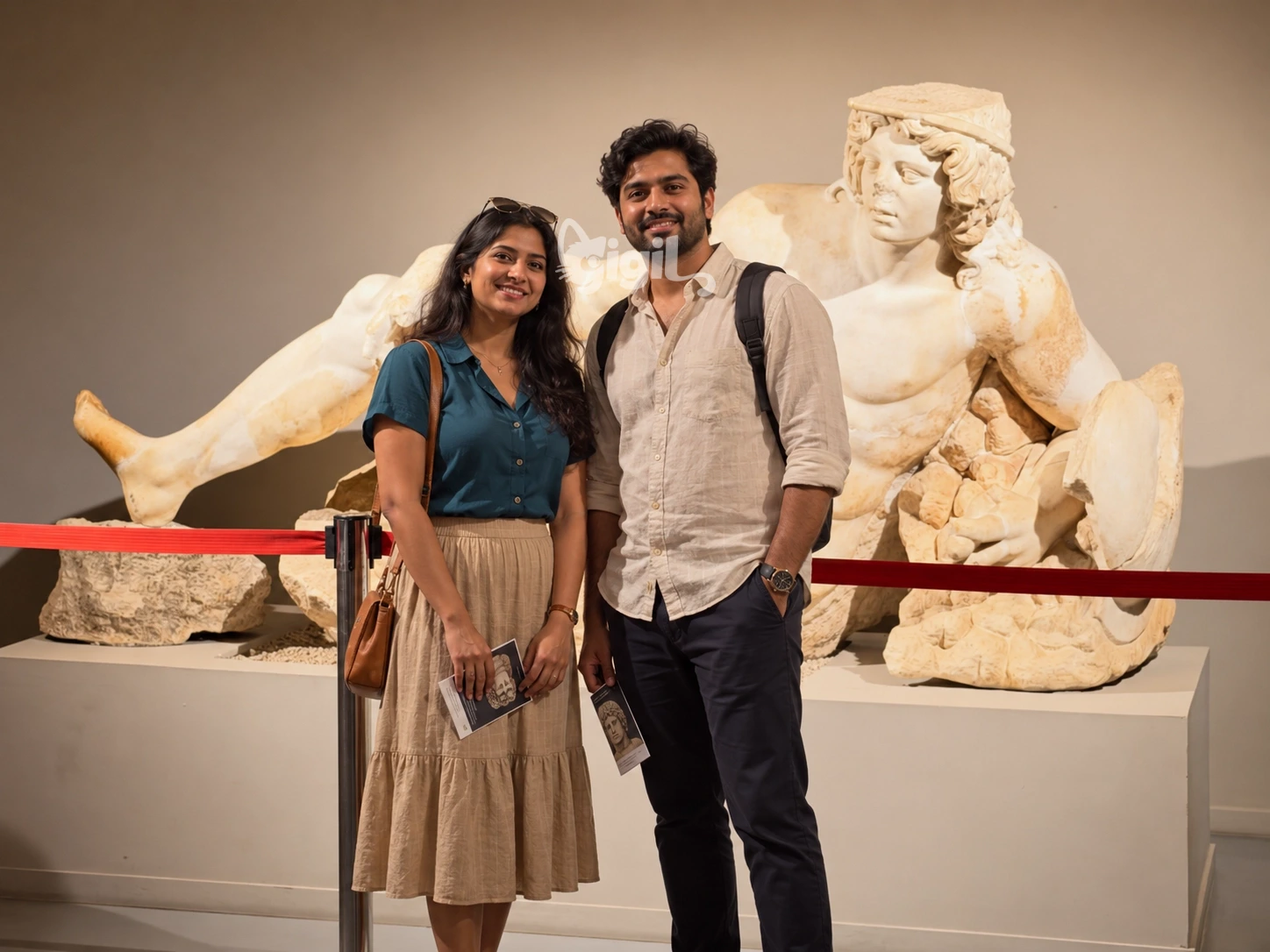
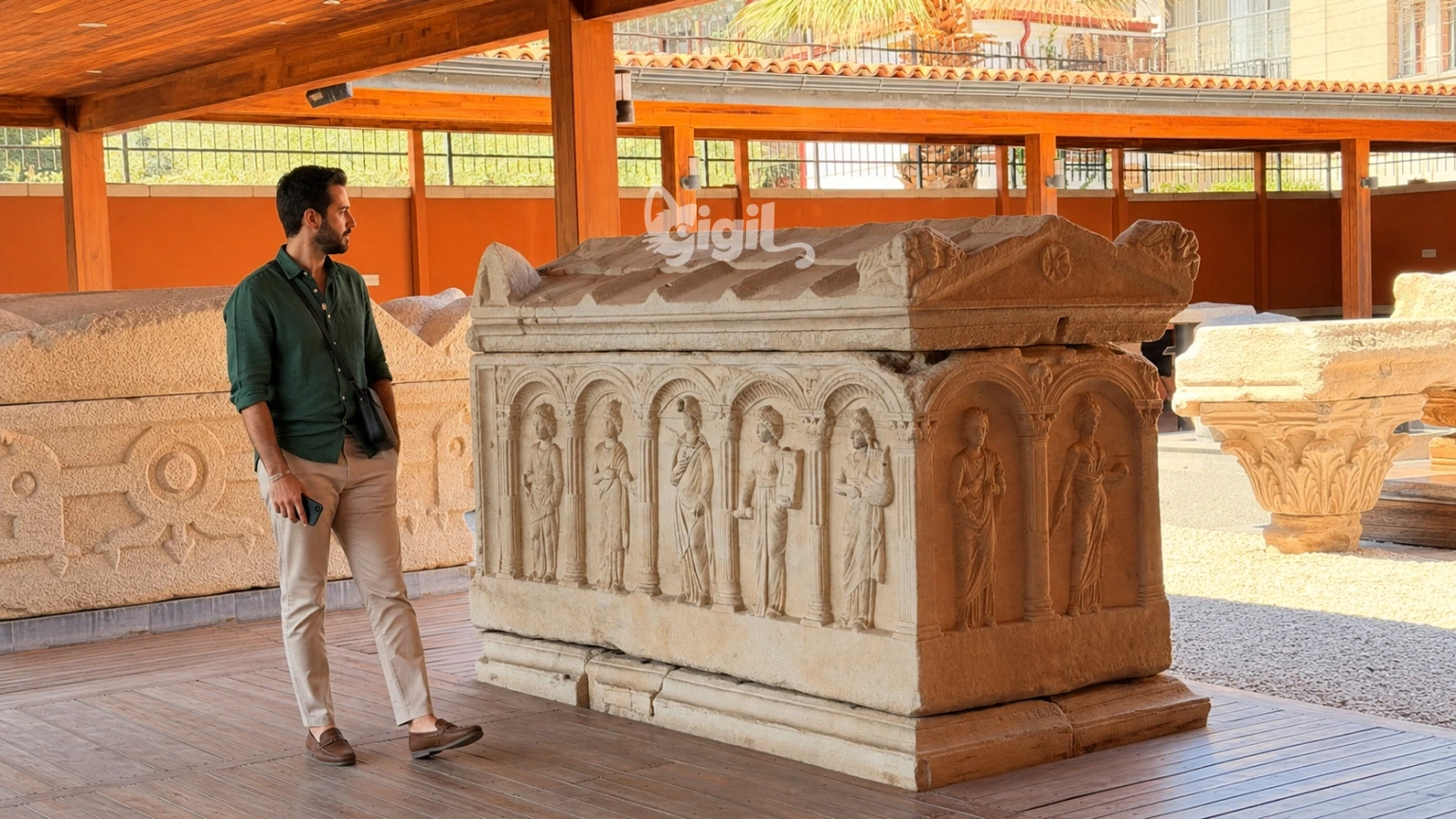
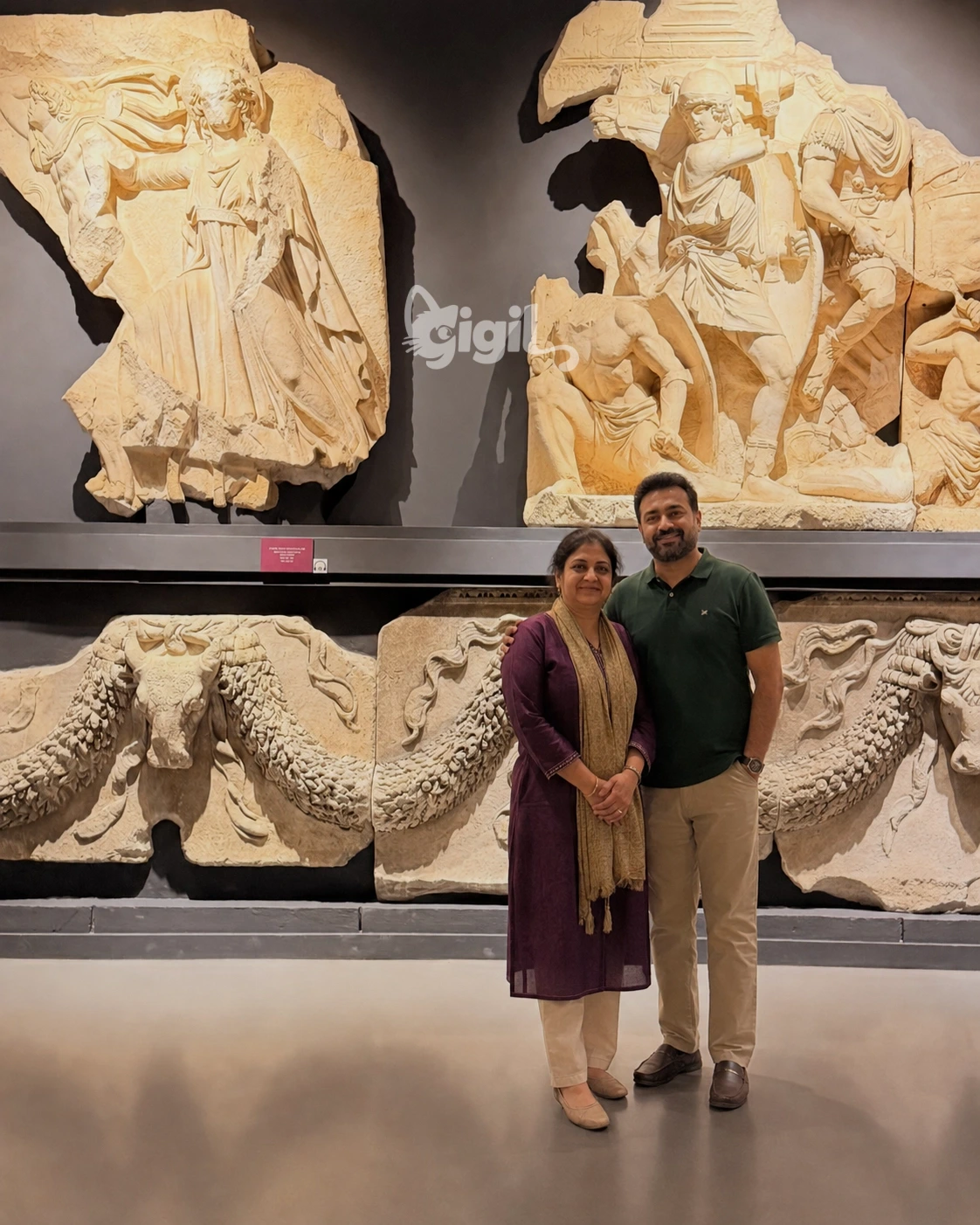
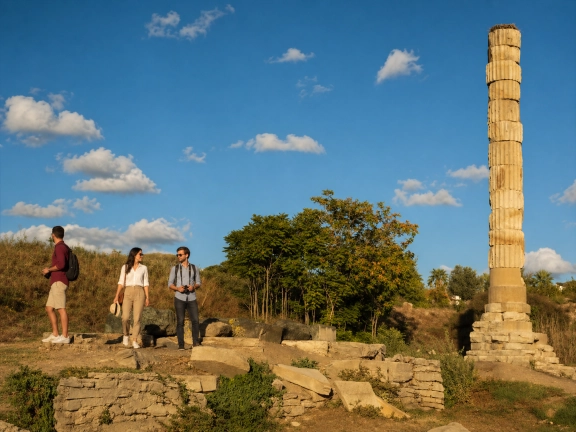
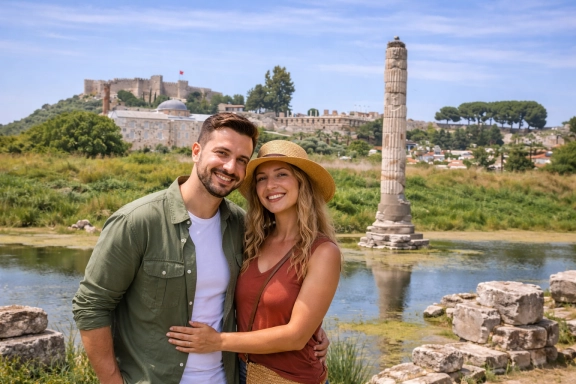
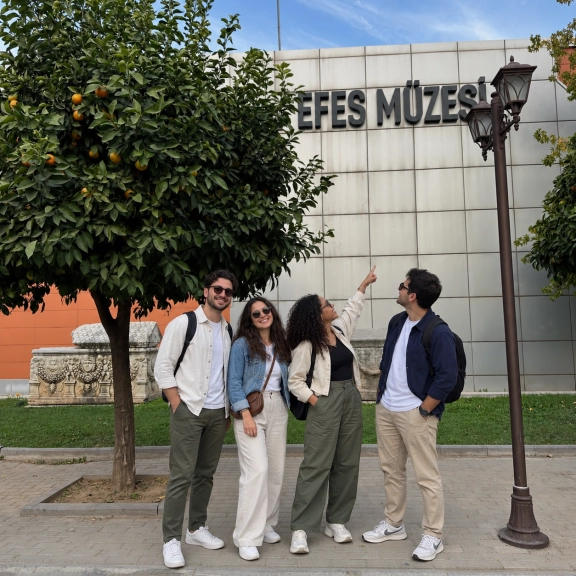
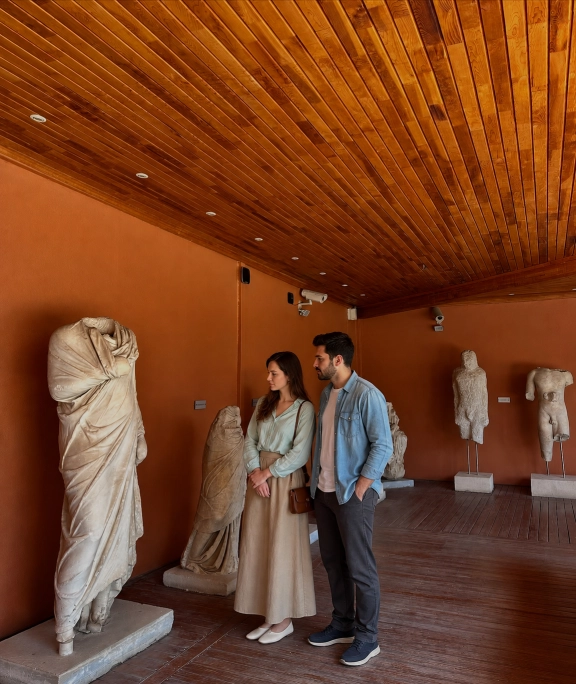
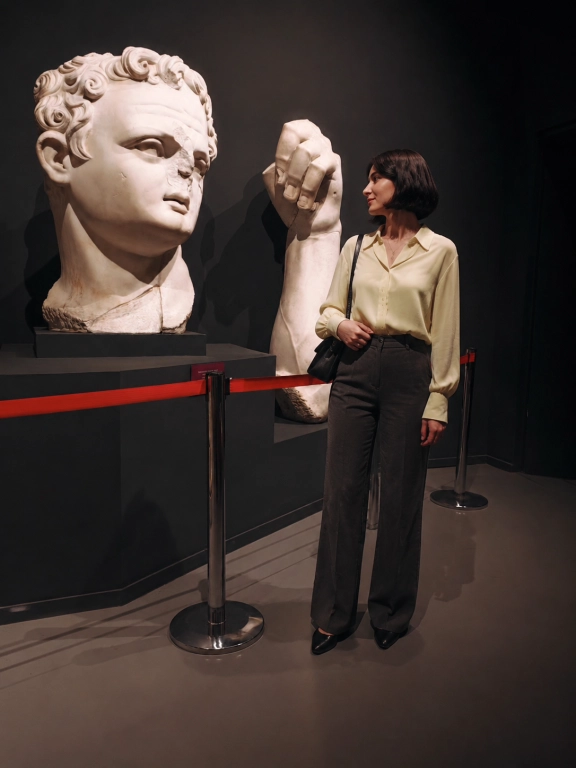
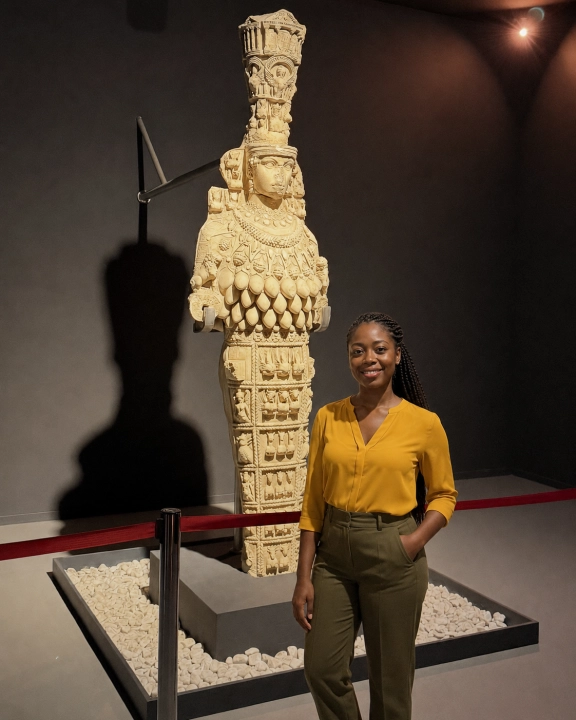
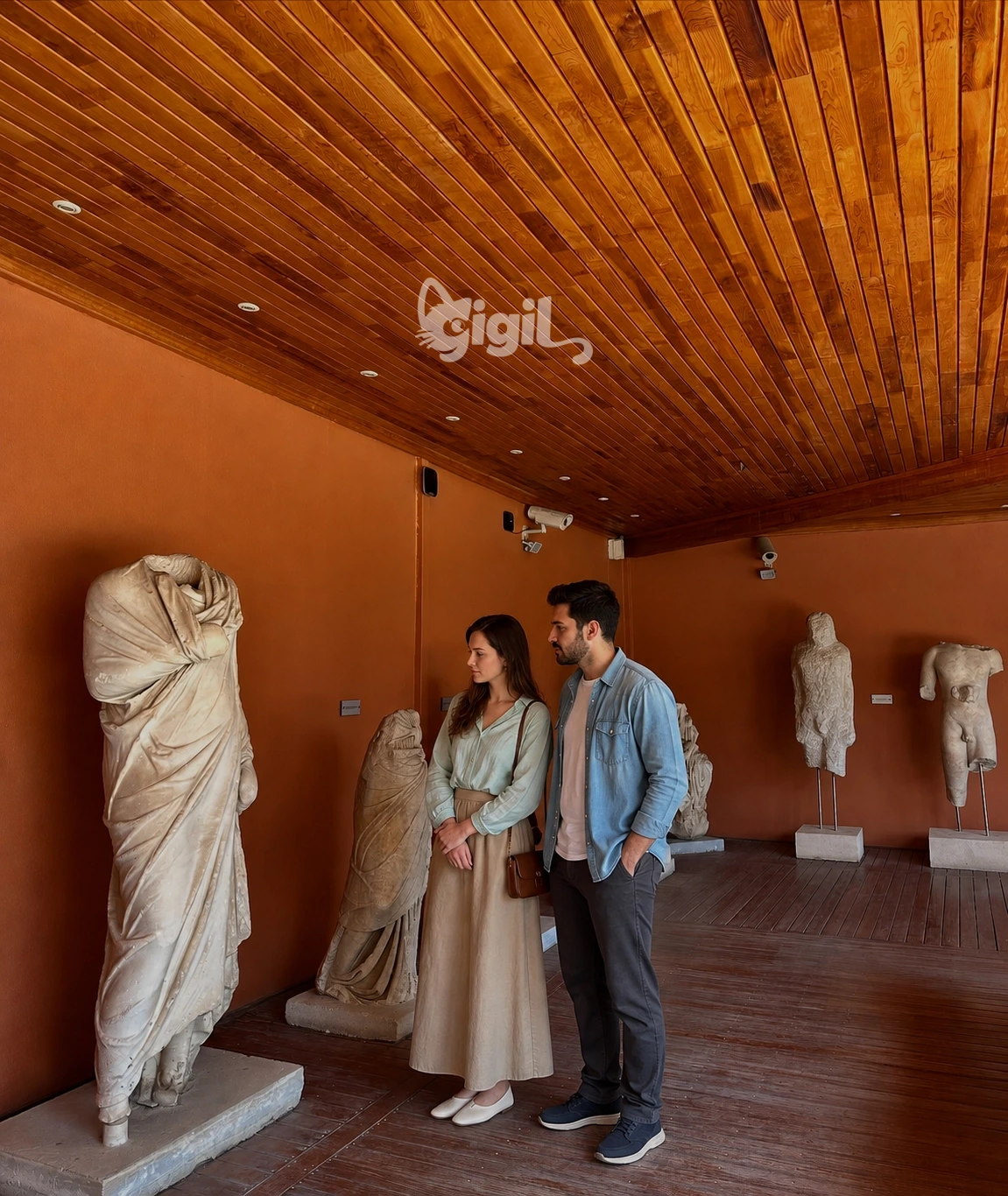
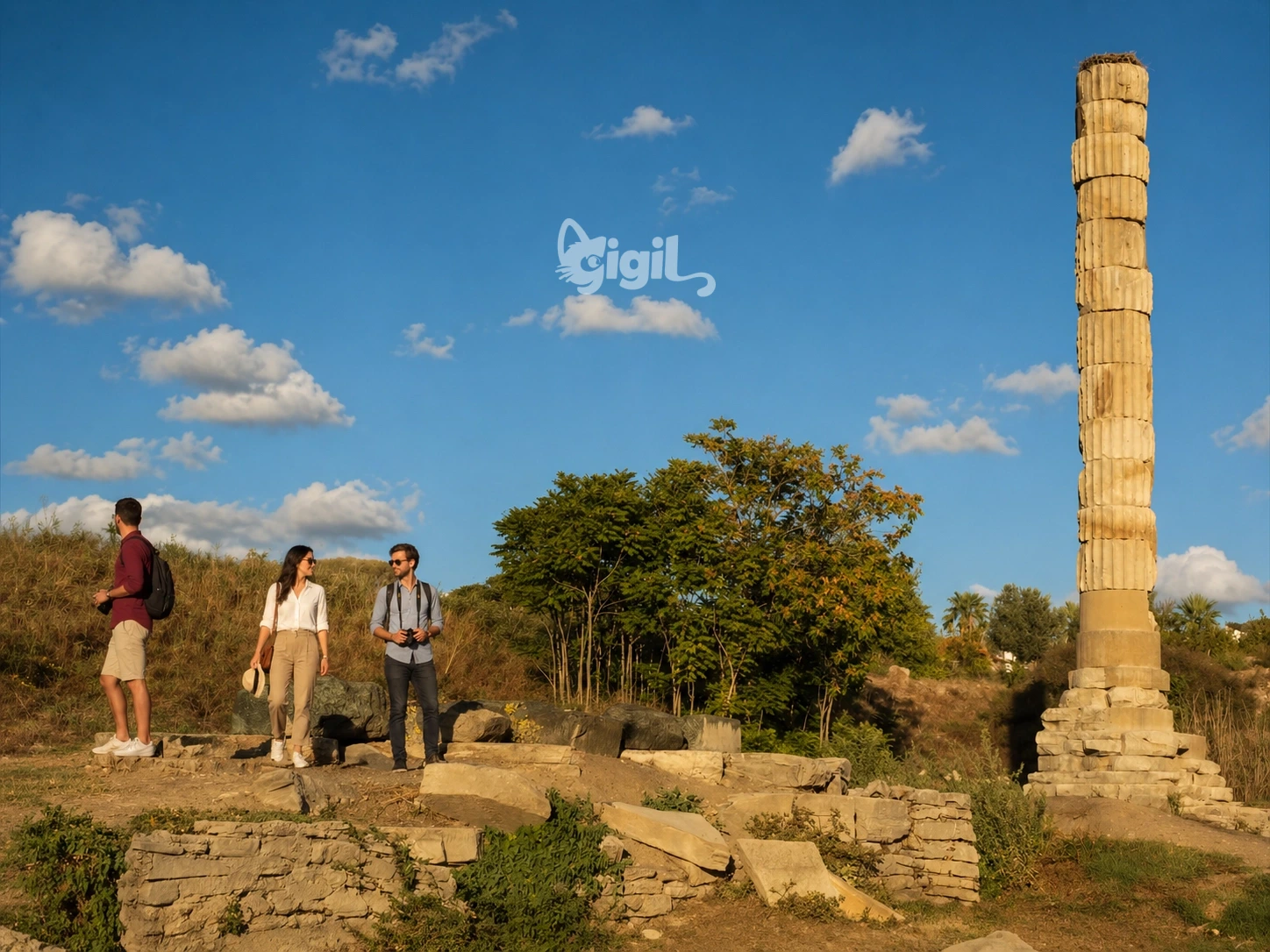
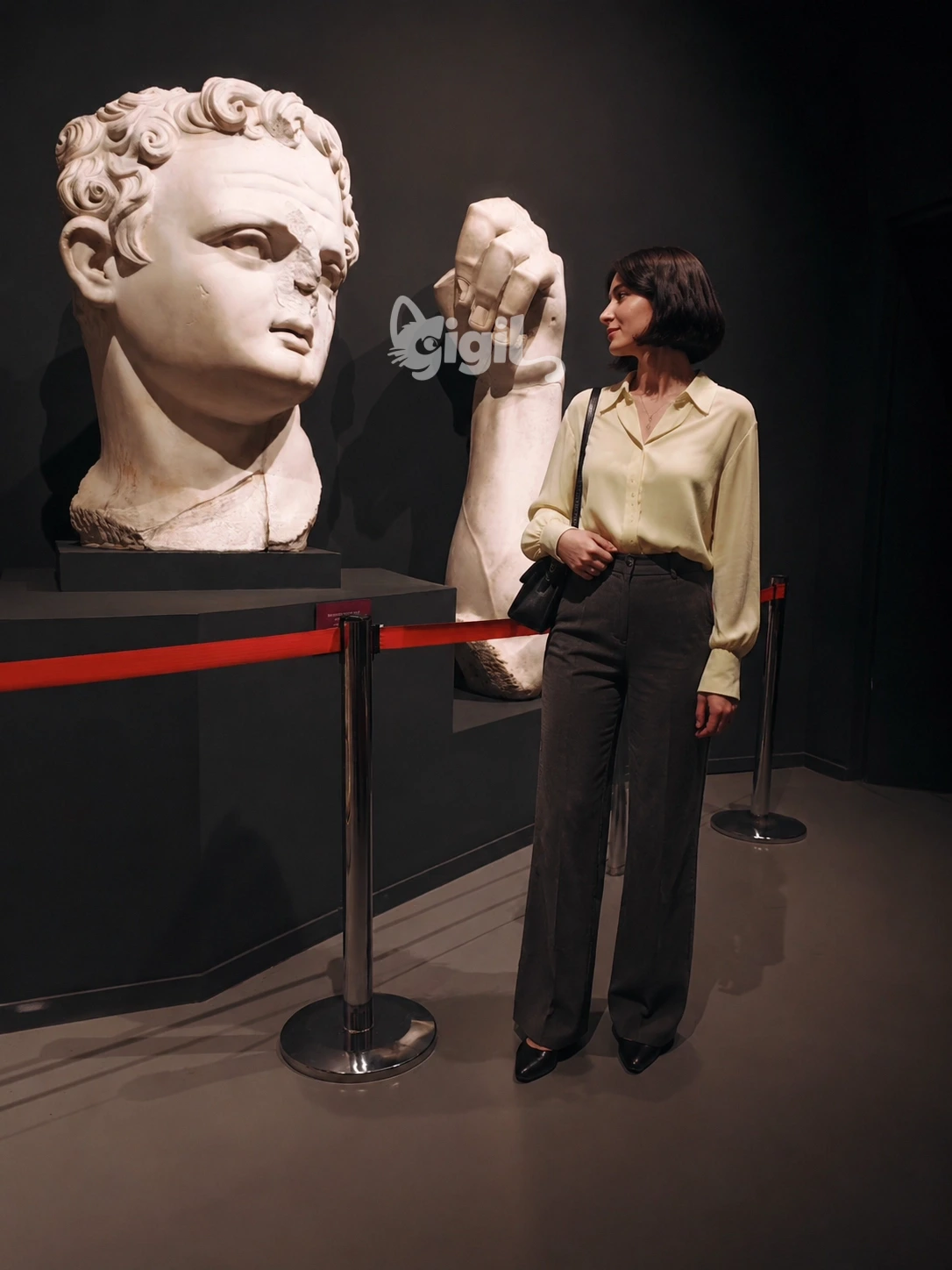
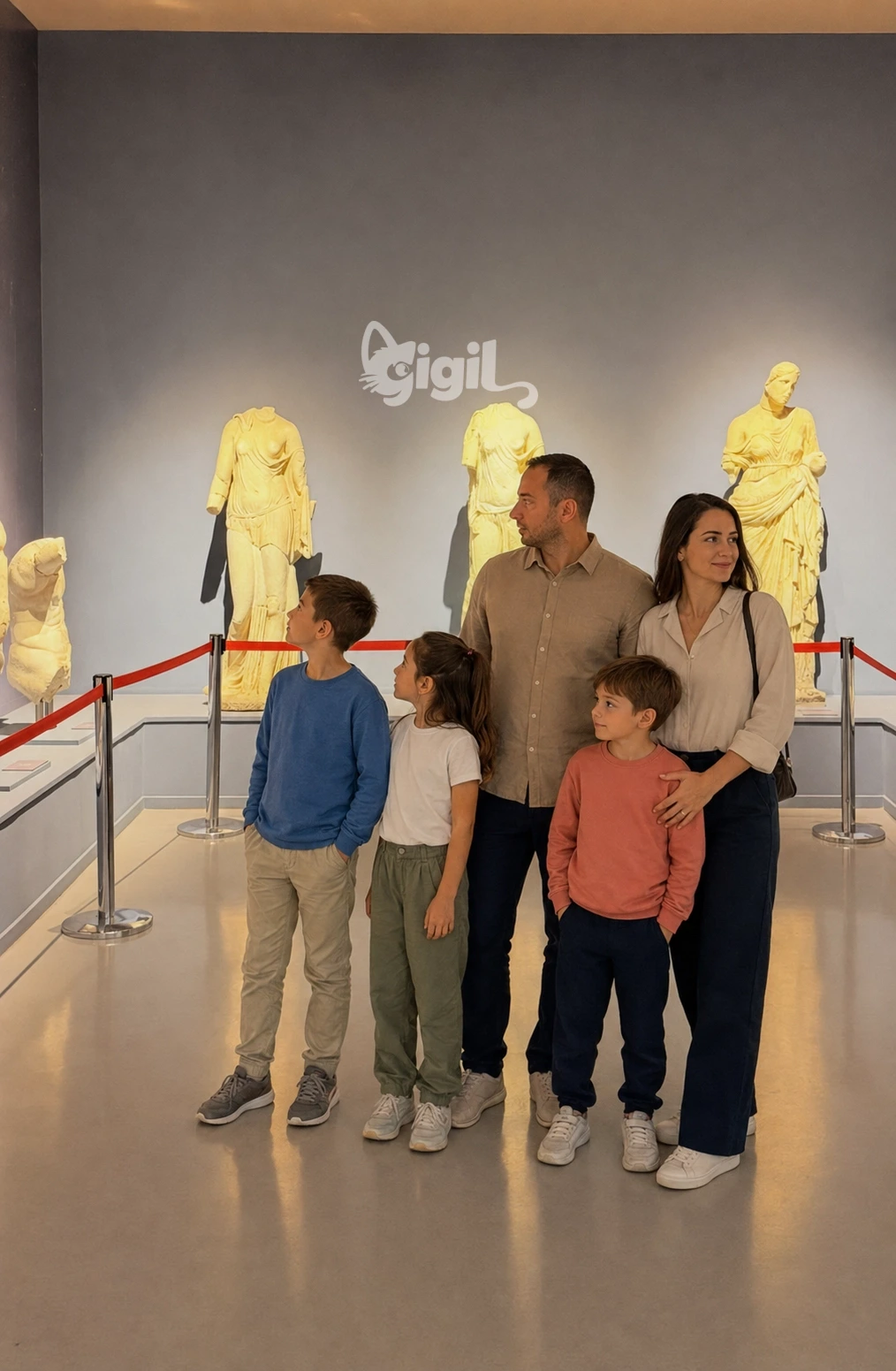
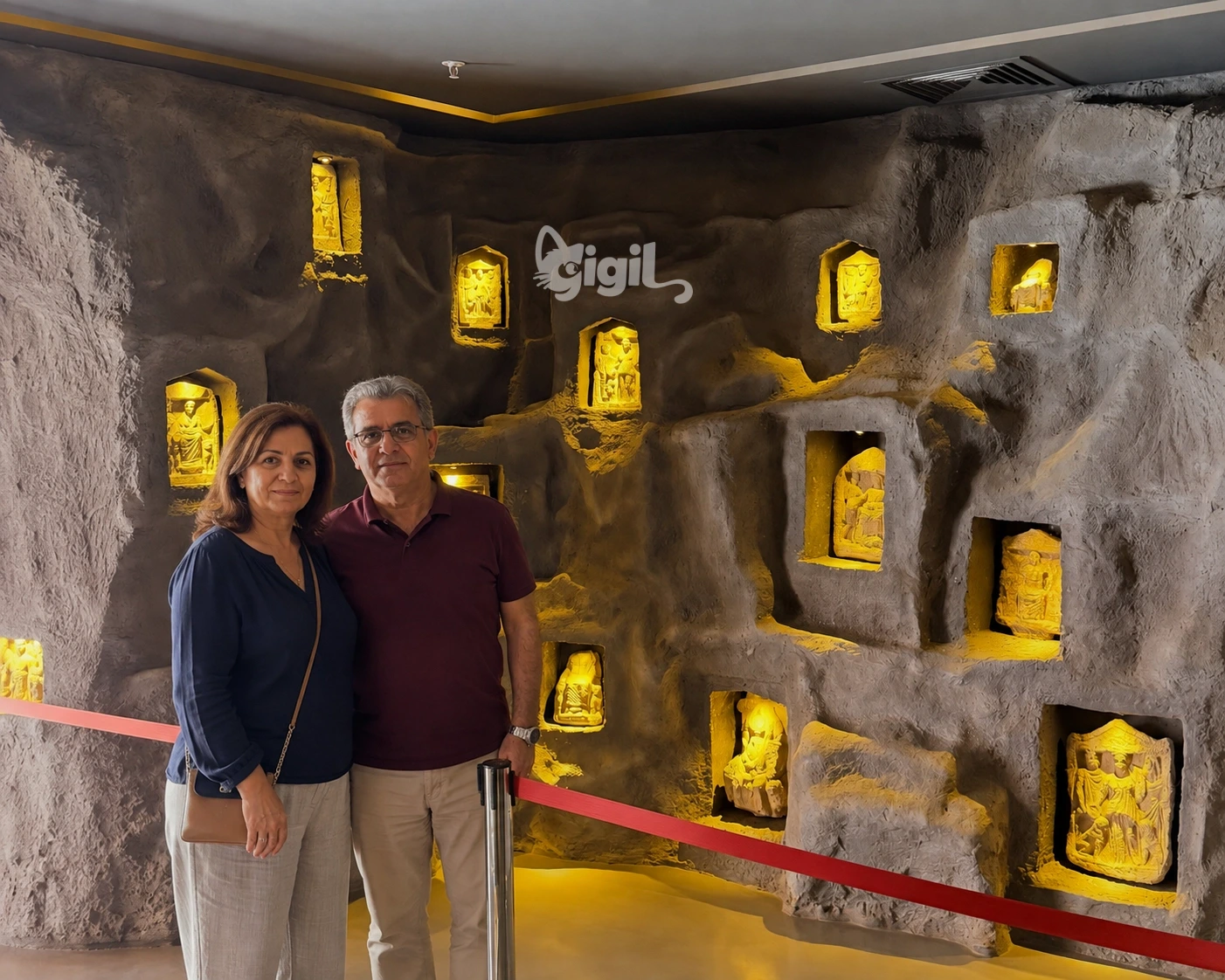
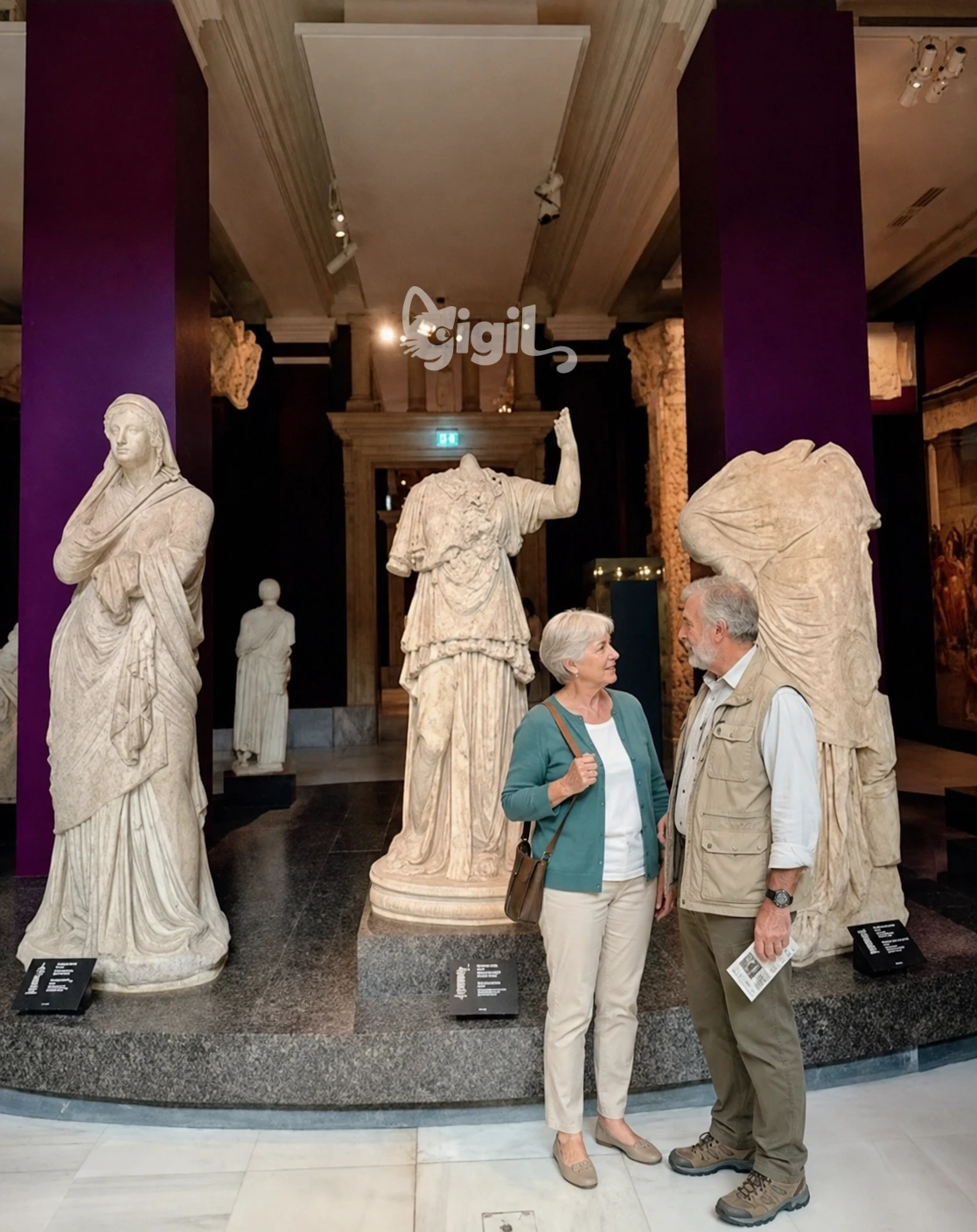
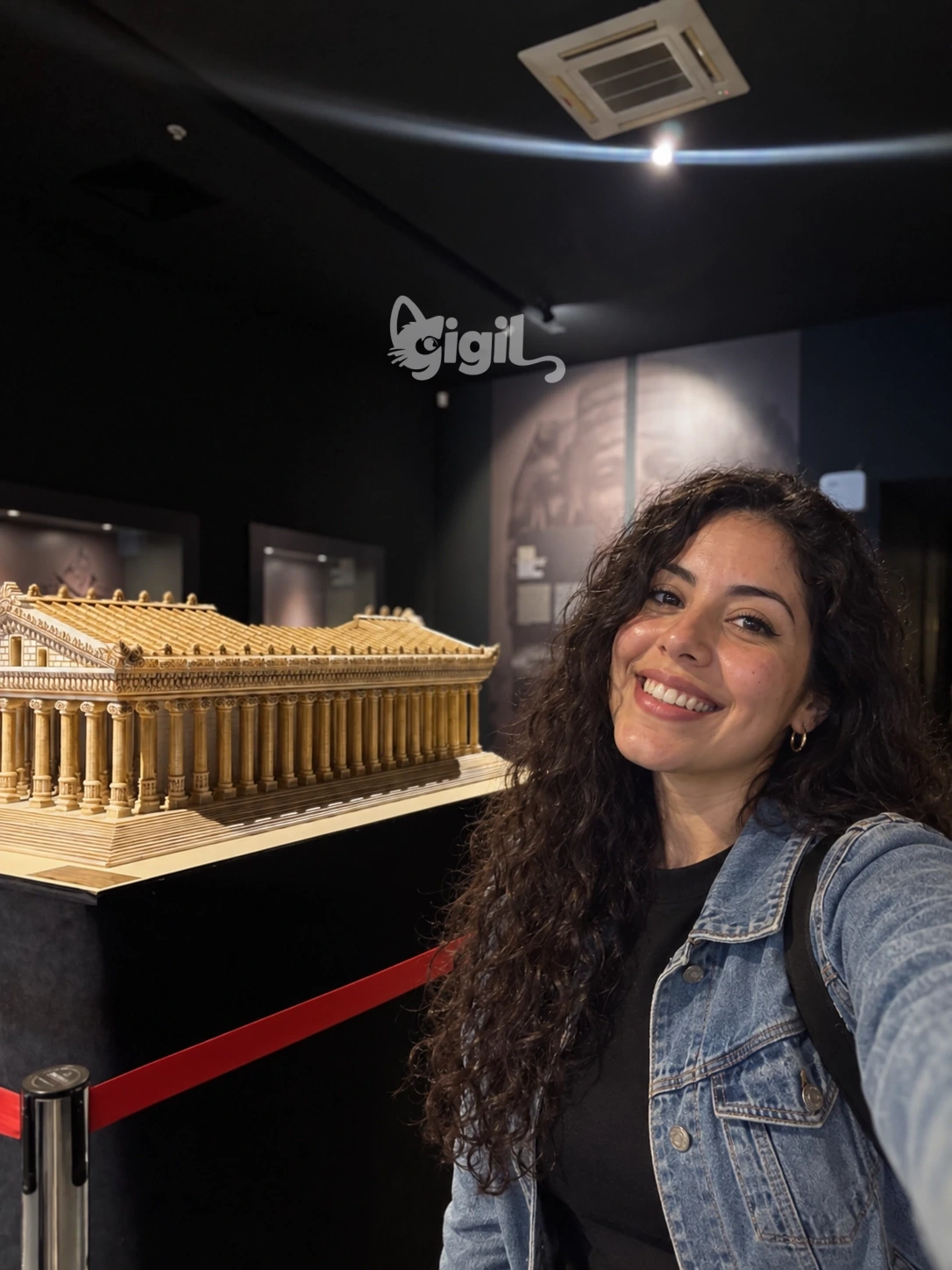
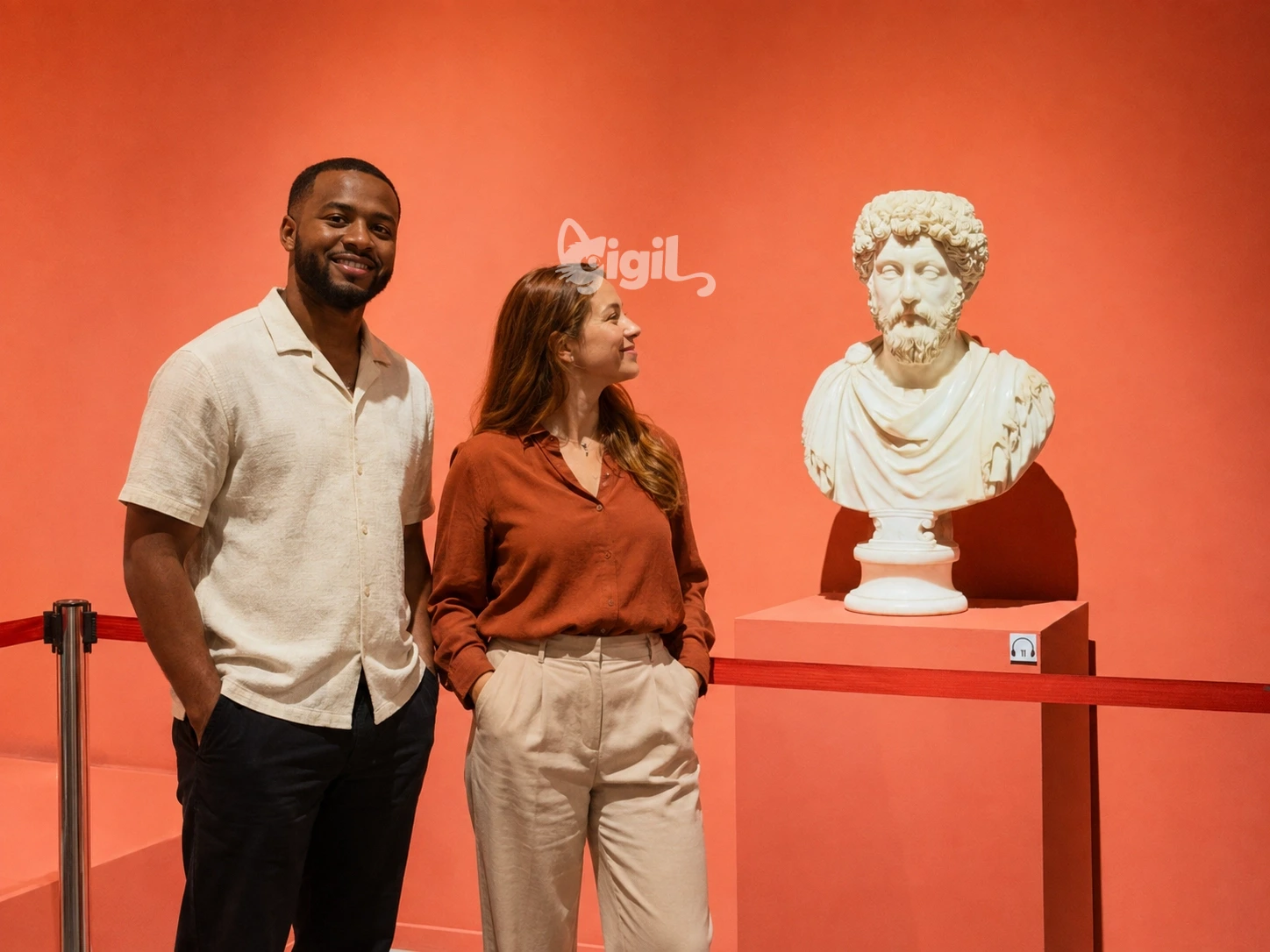
Ephesus Archaeological Museum in Selcuk gives surviving objects room to tell stories that a ruined landscape cannot always make visible. Religious imagery, sculpture and items associated with daily activity offer different views of the region's ancient communities.
Start with the question an object helps answer. Was it made to represent someone, express a belief or serve a practical purpose? The labels and available interpretation can help, while reminding you that similar-looking pieces do not necessarily share a date, function or place of discovery.
Questions
How does the museum complement outdoor remains?
It shifts attention from spaces and buildings to objects and their contexts. That difference can add detail about representation and everyday activity without making the museum visit equivalent to entering an archaeological site.
Should matching images be treated as evidence of a shared findspot?
No. A repeated subject can appear in objects from different contexts. Follow the museum's identification and provenance information before connecting pieces with one sanctuary, building or place of discovery.
Must I see a particular artifact to understand the museum?
No single object is essential to every visitor's understanding. The displays available can support a wider picture of the region, so use their themes and explanations rather than building the visit around an assumed permanent display of one item.