







Very well looked after
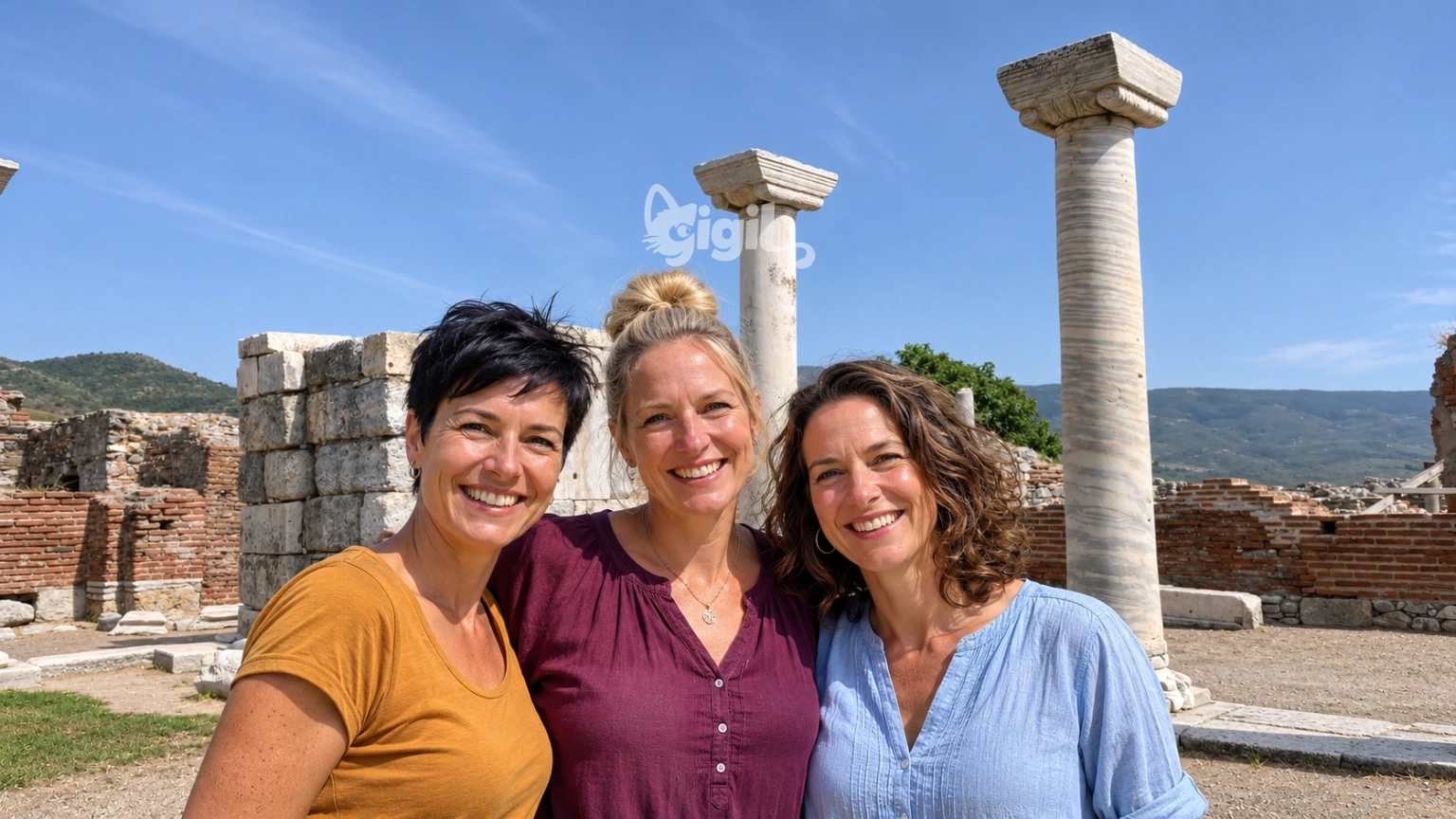
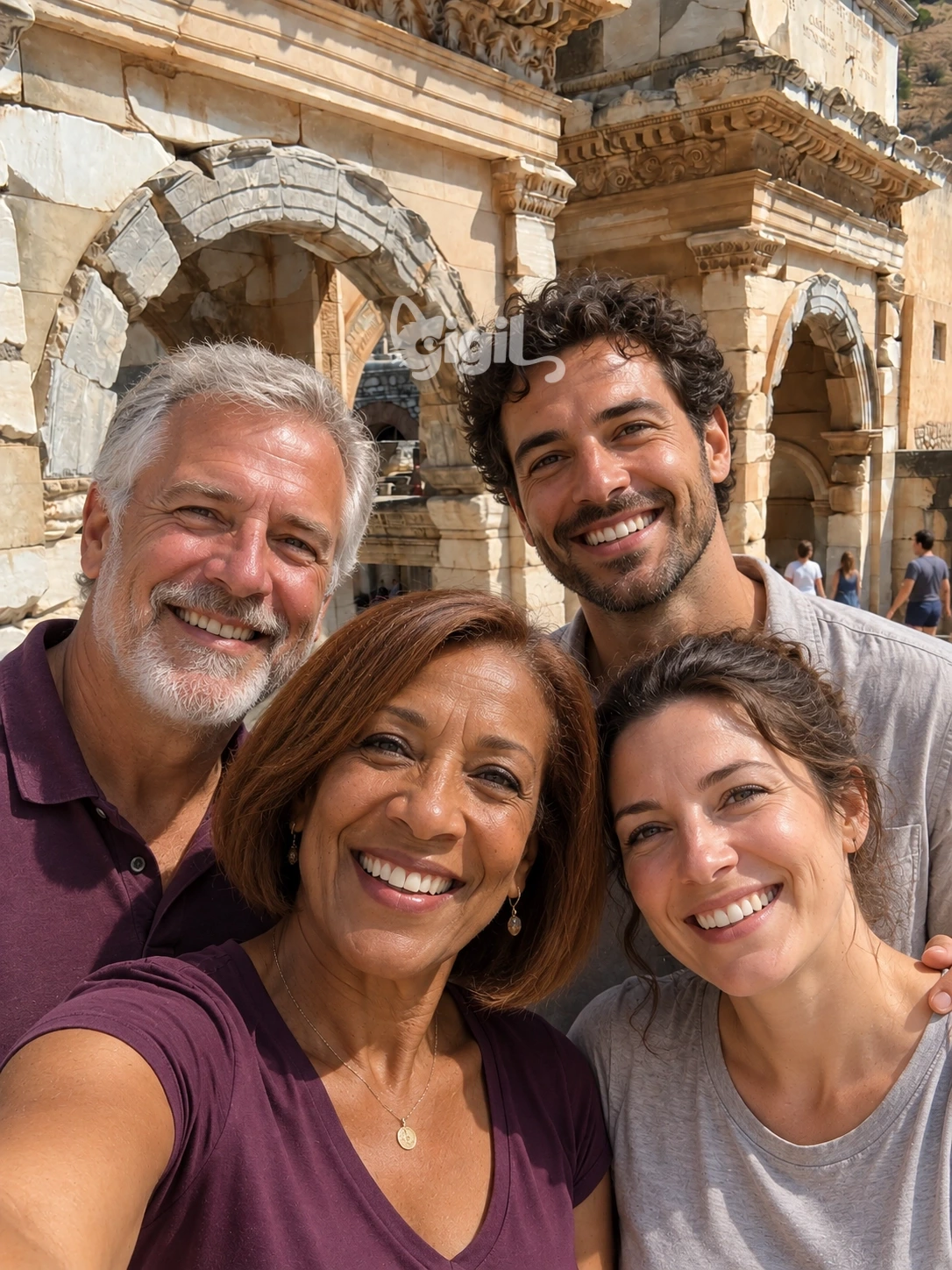
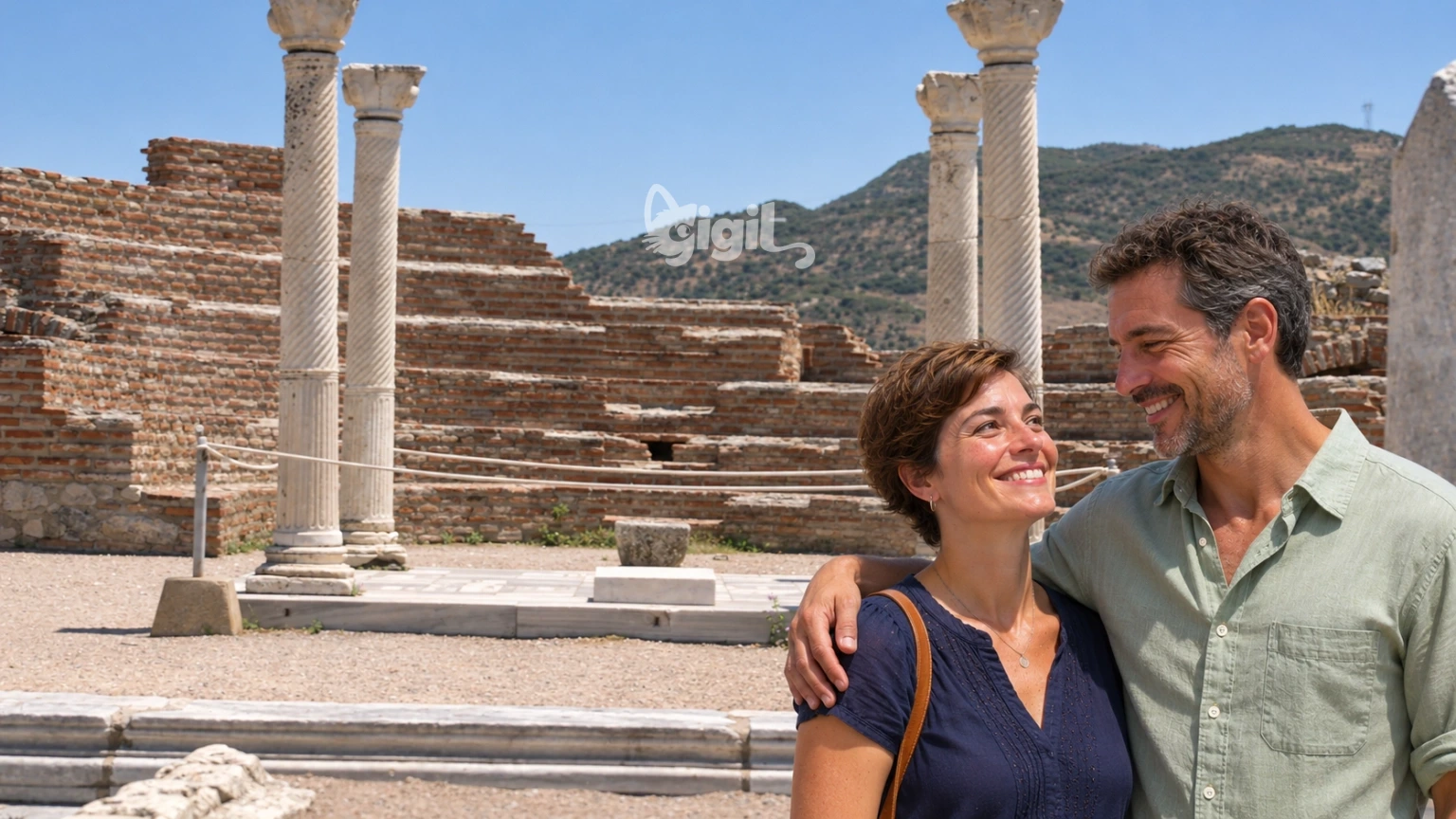
My sister and I like to take our time, which was why we chose a private tour. We never felt hurried along when we stopped to look at something. The driver was kind and the whole day felt straightforward.
Choose how you would like to see prices.
No currencies found. Try a different name or code.
Use the first day for the transfer to the Selcuk or Kusadasi hotel area.
Meet at the confirmed hotel or meeting point in Troy, Canakkale.
Collection in Troy, within the wider Canakkale area, connects to the Canakkale departure for the private guided 3-day local route. The exact meeting details are confirmed for the selected pickup option.
Check in for the overnight stay.
Check in to the selected hotel in the Selcuk or Kusadasi area.
Follow the full route and return to the hotel area for the second overnight stay.
Meet the guide for the full route.
Start the guided Ephesus and Selcuk route from the hotel area.
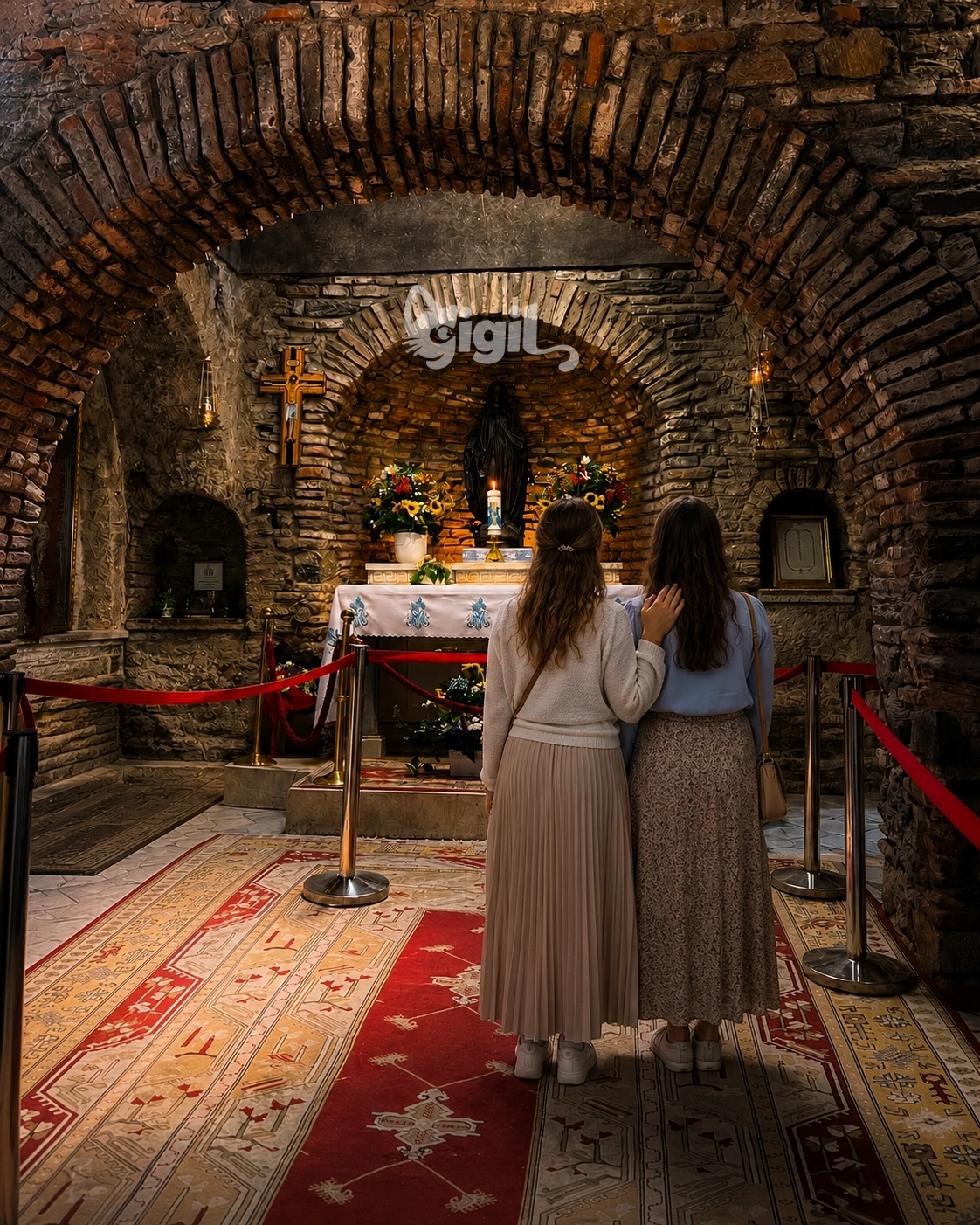
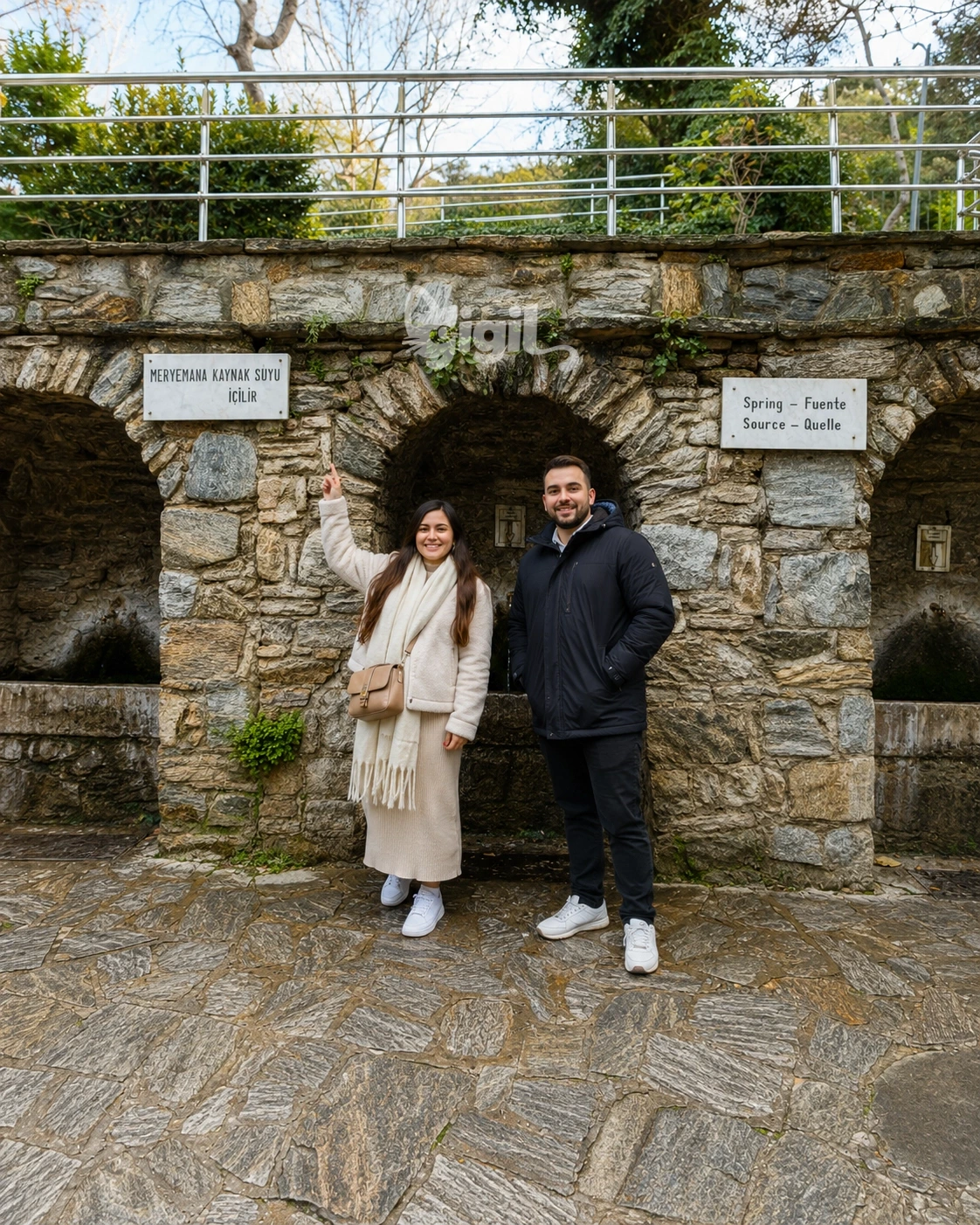
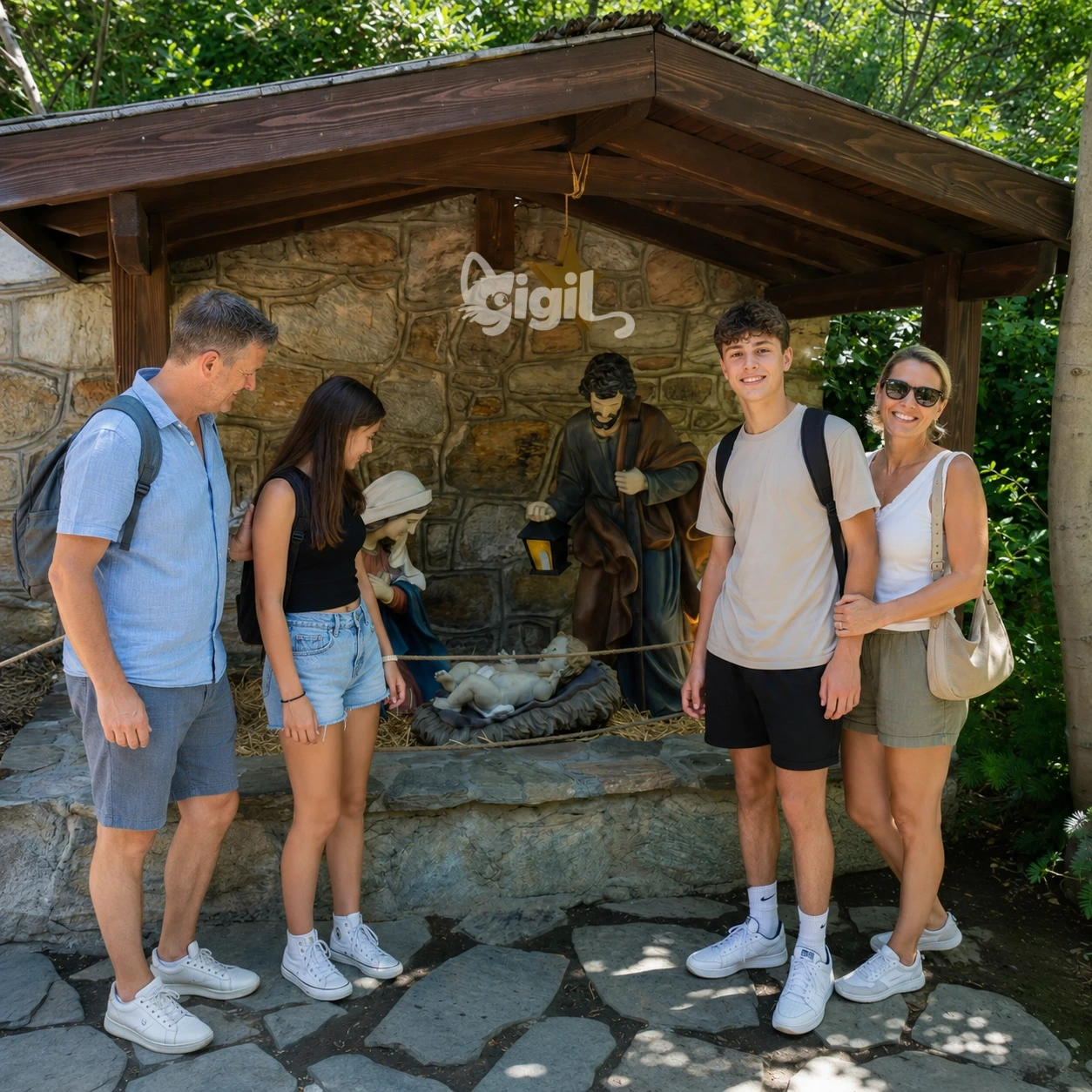
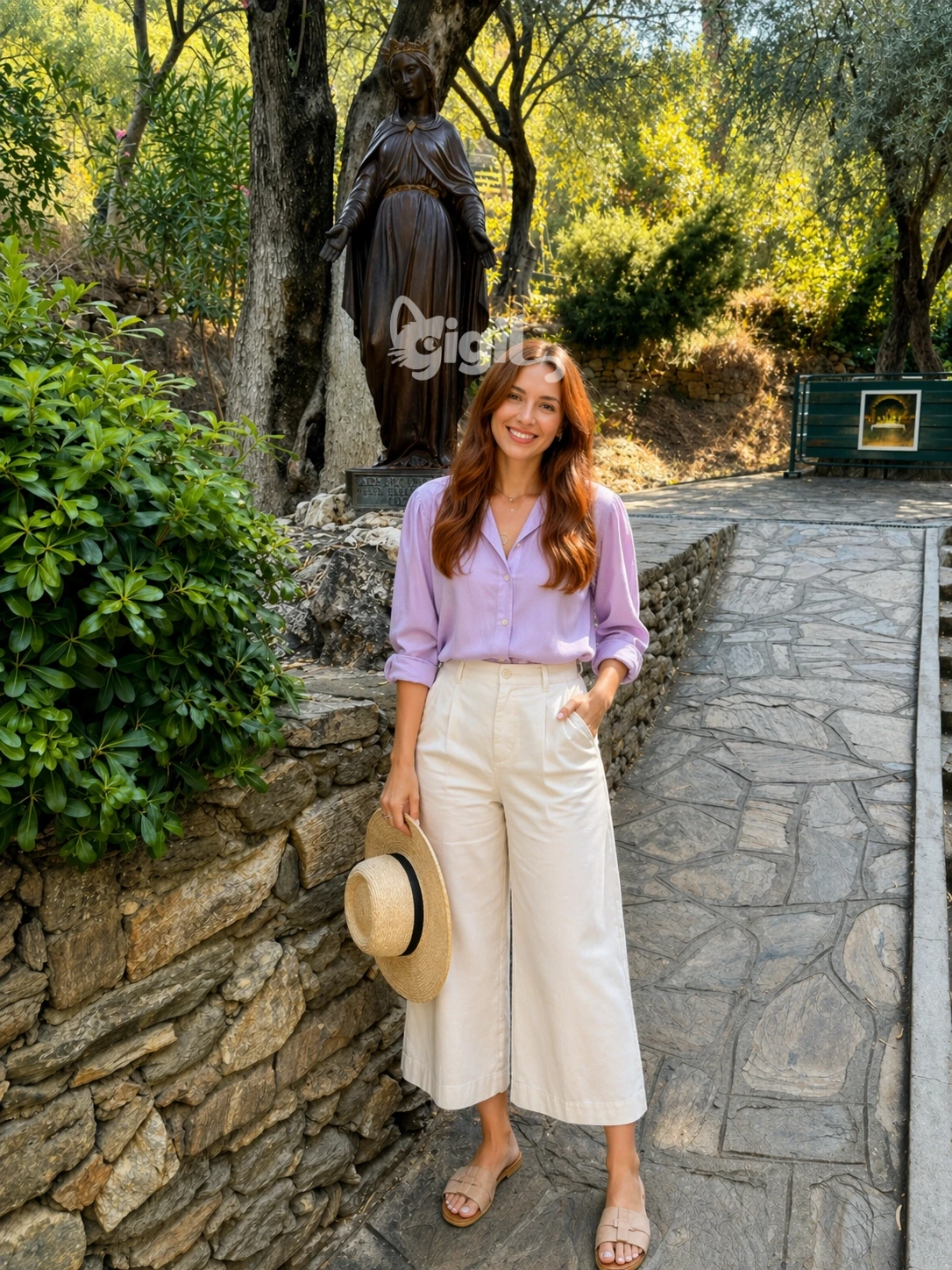
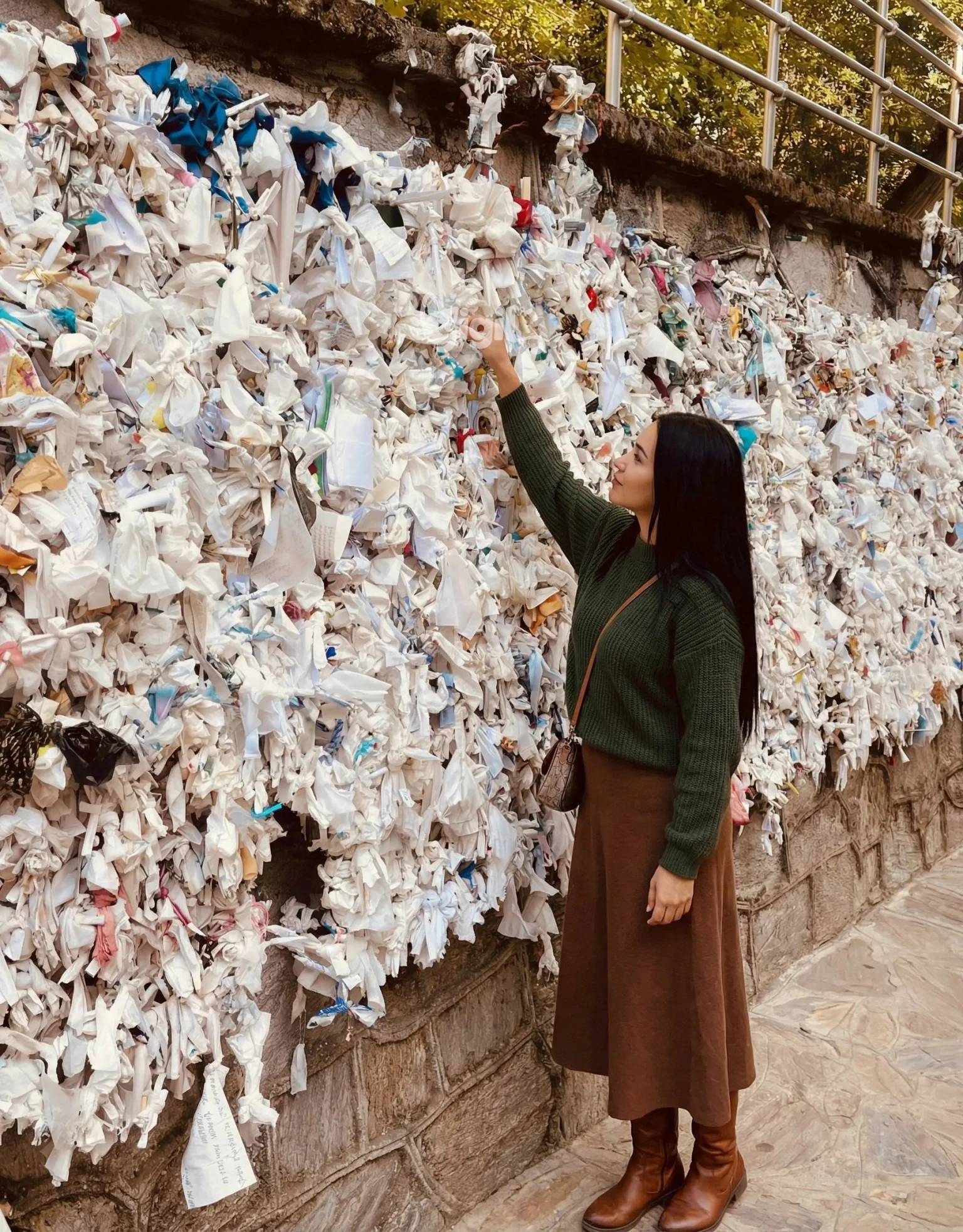
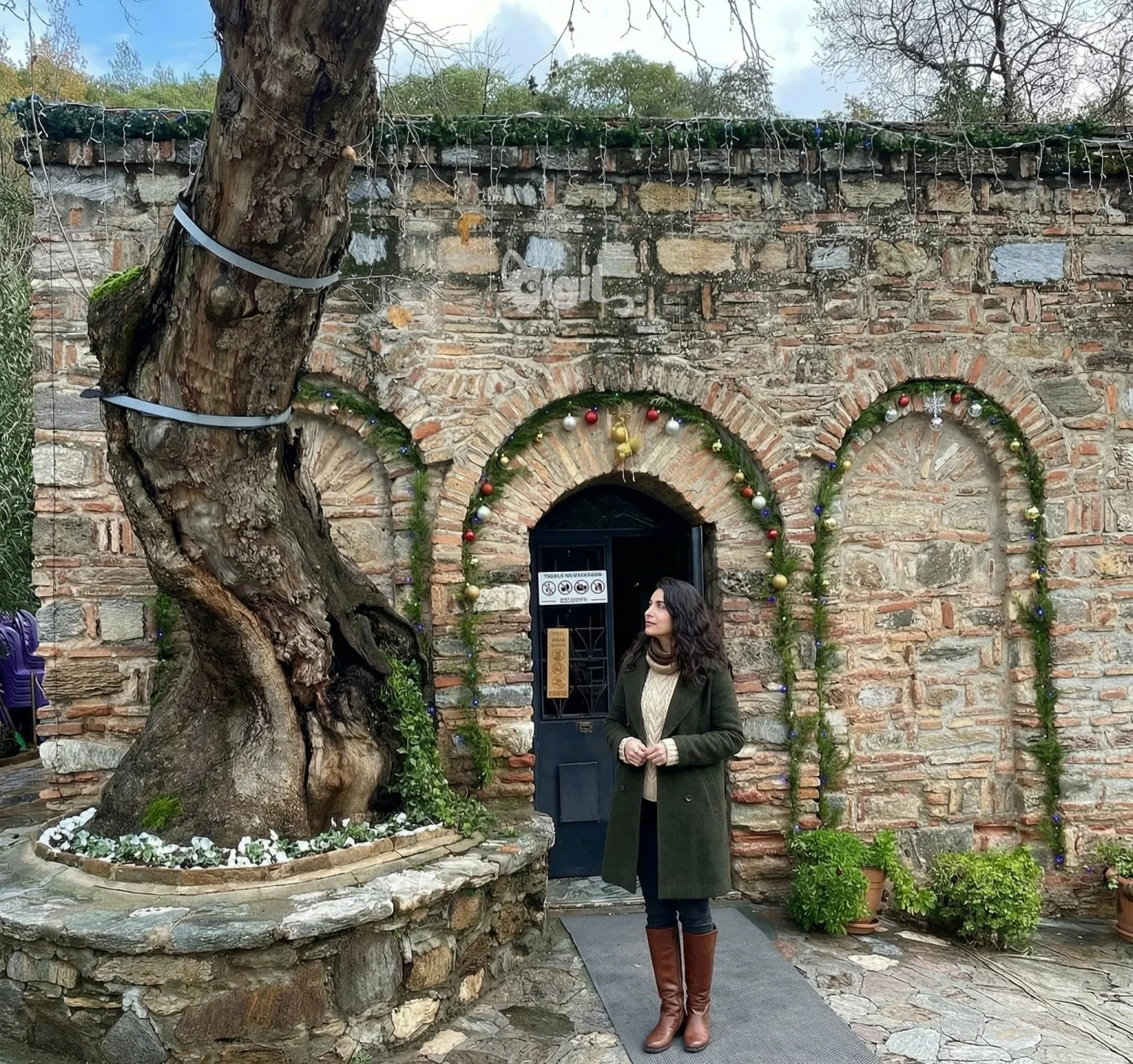
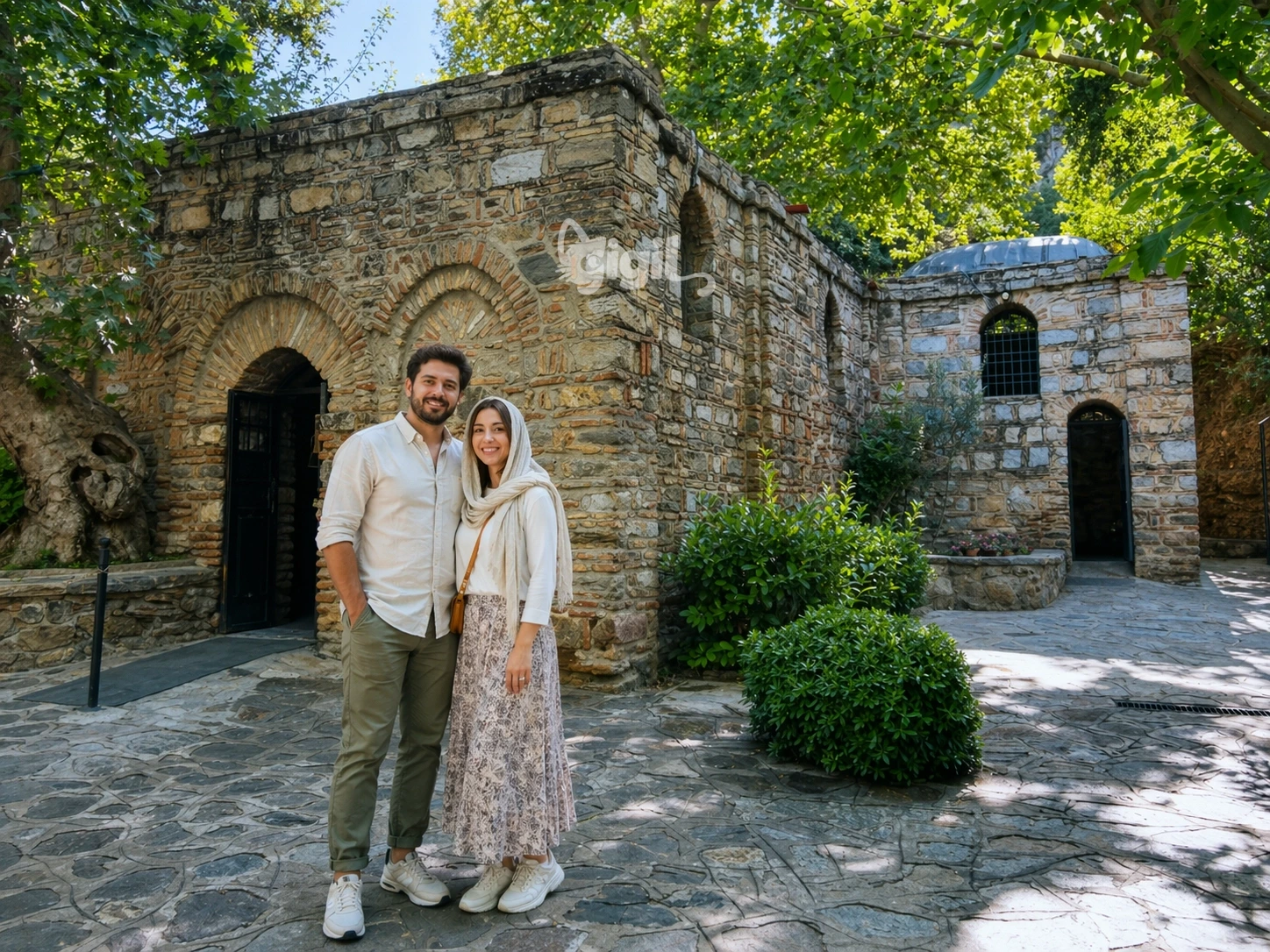
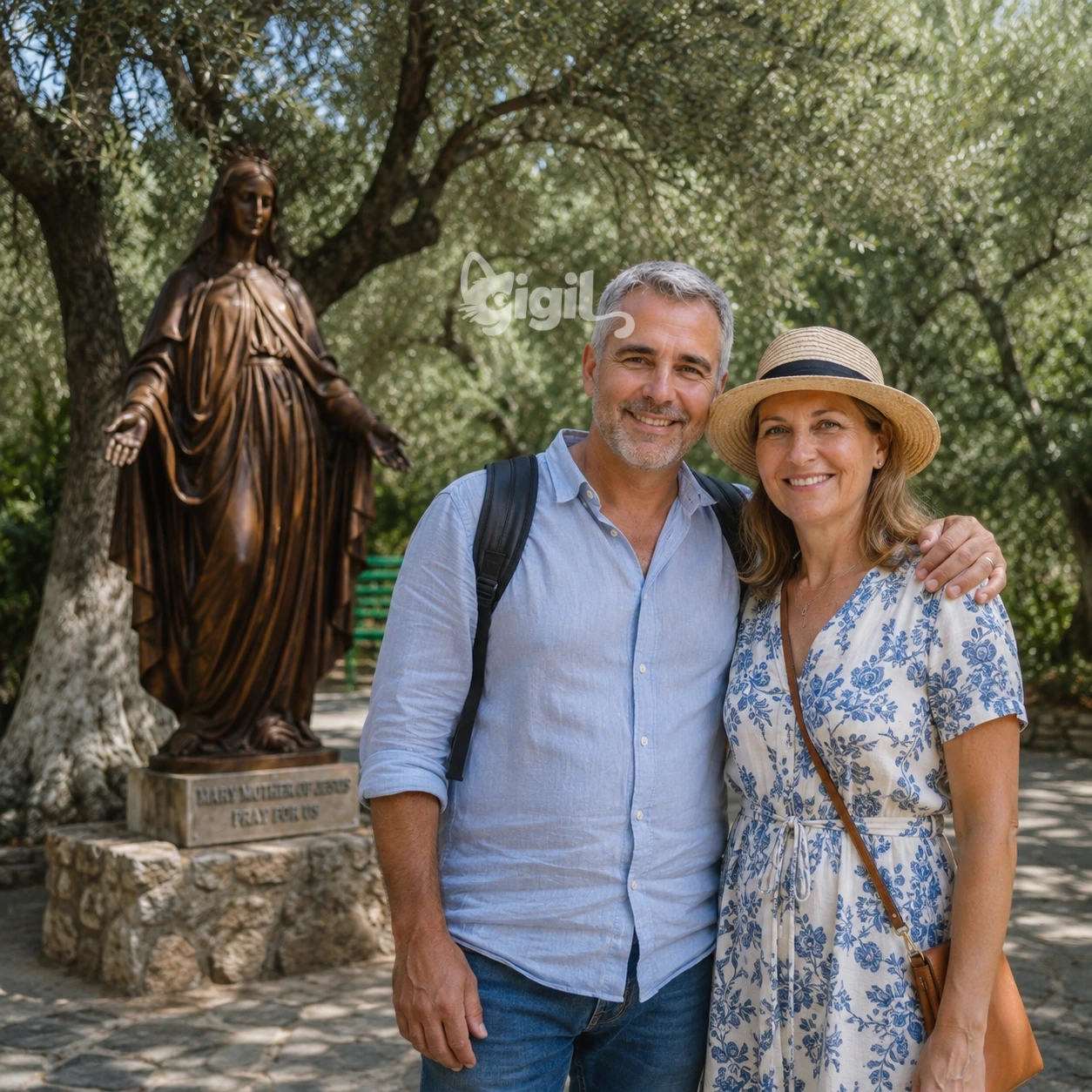
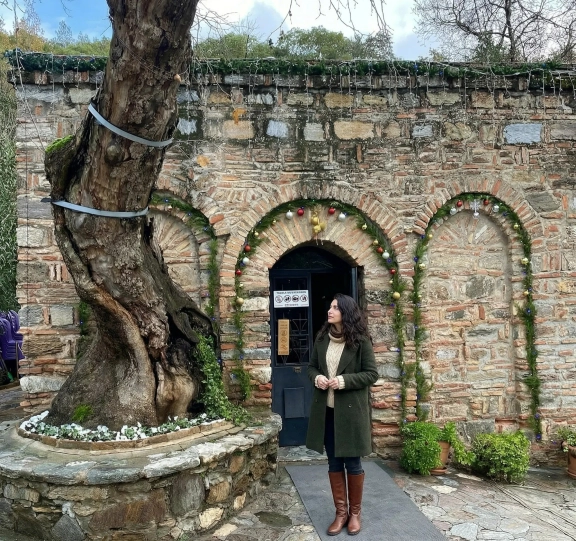
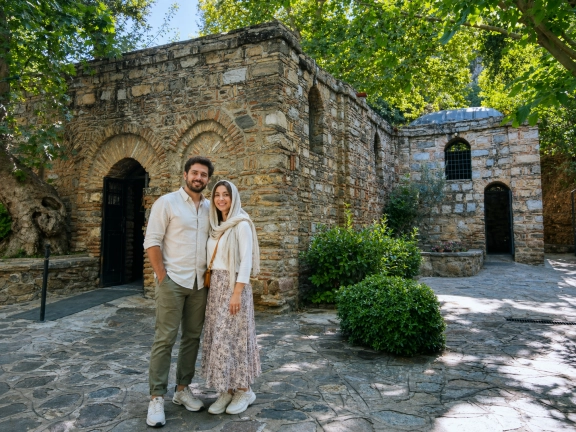
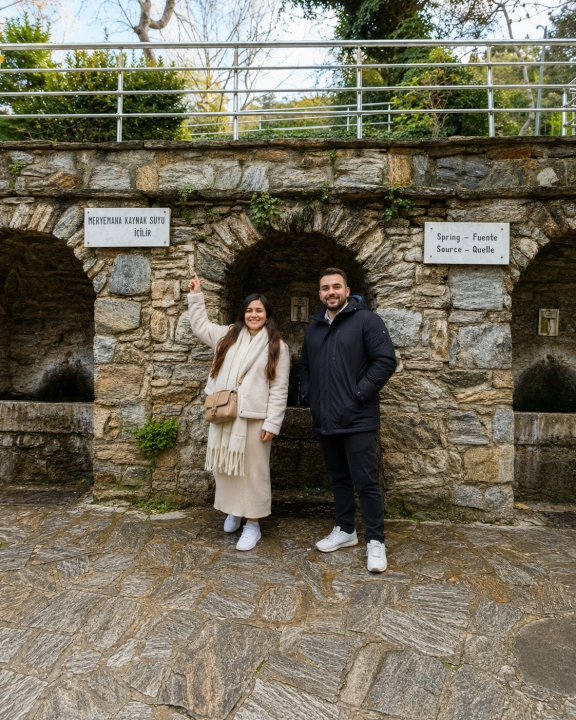
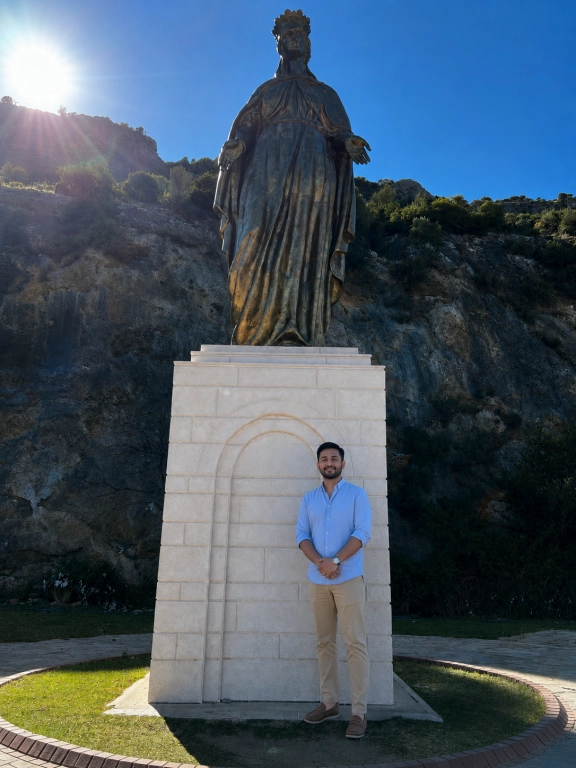
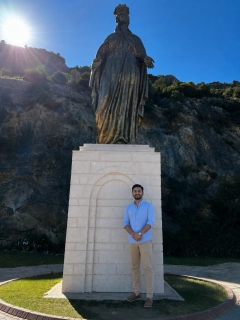
Visit the House of Virgin Mary.
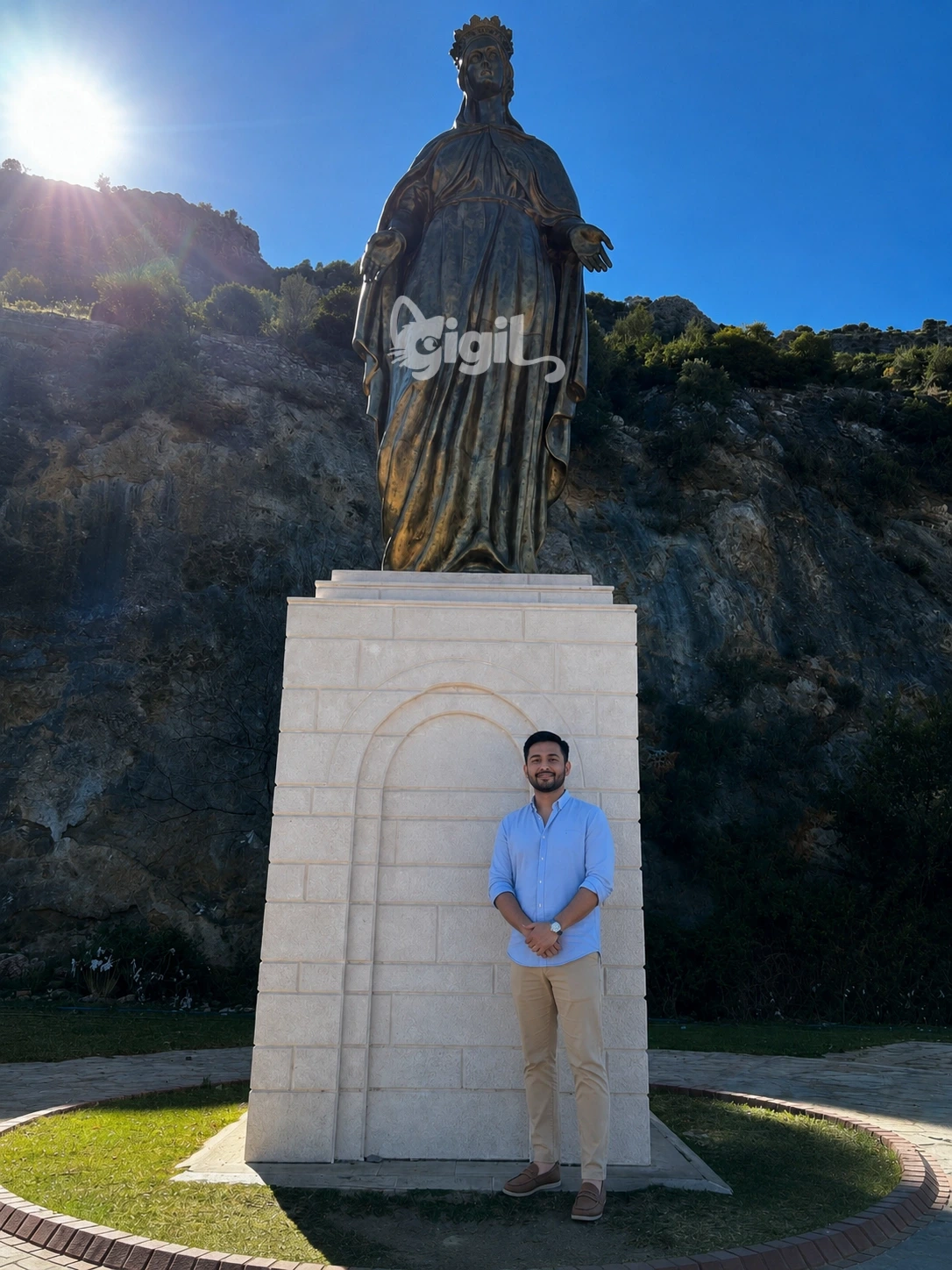
Begin above Ephesus at the House of Virgin Mary, keeping the visit respectful and well paced.
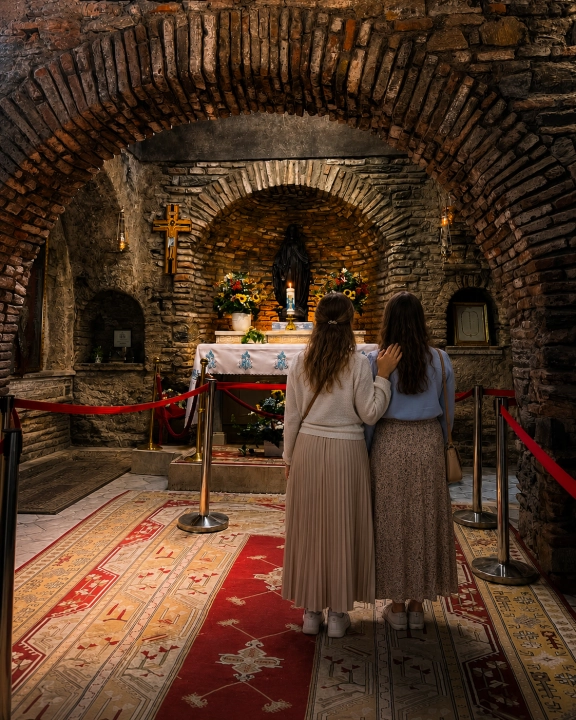
House of the Virgin Mary introduces the route through a hillside sanctuary whose Marian tradition is meaningful to visitors from more than one faith. A calm visitor approach suits the site, with any service, access or photography arrangements confirmed for the day.
Its sanctuary setting provides a thoughtful first chapter before the route enters Ephesus Ancient City. Its role in the ordered itinerary helps travelers understand the regional story through a specific place rather than a generic summary. It also gives the wider route historical depth without exaggerating the visit.
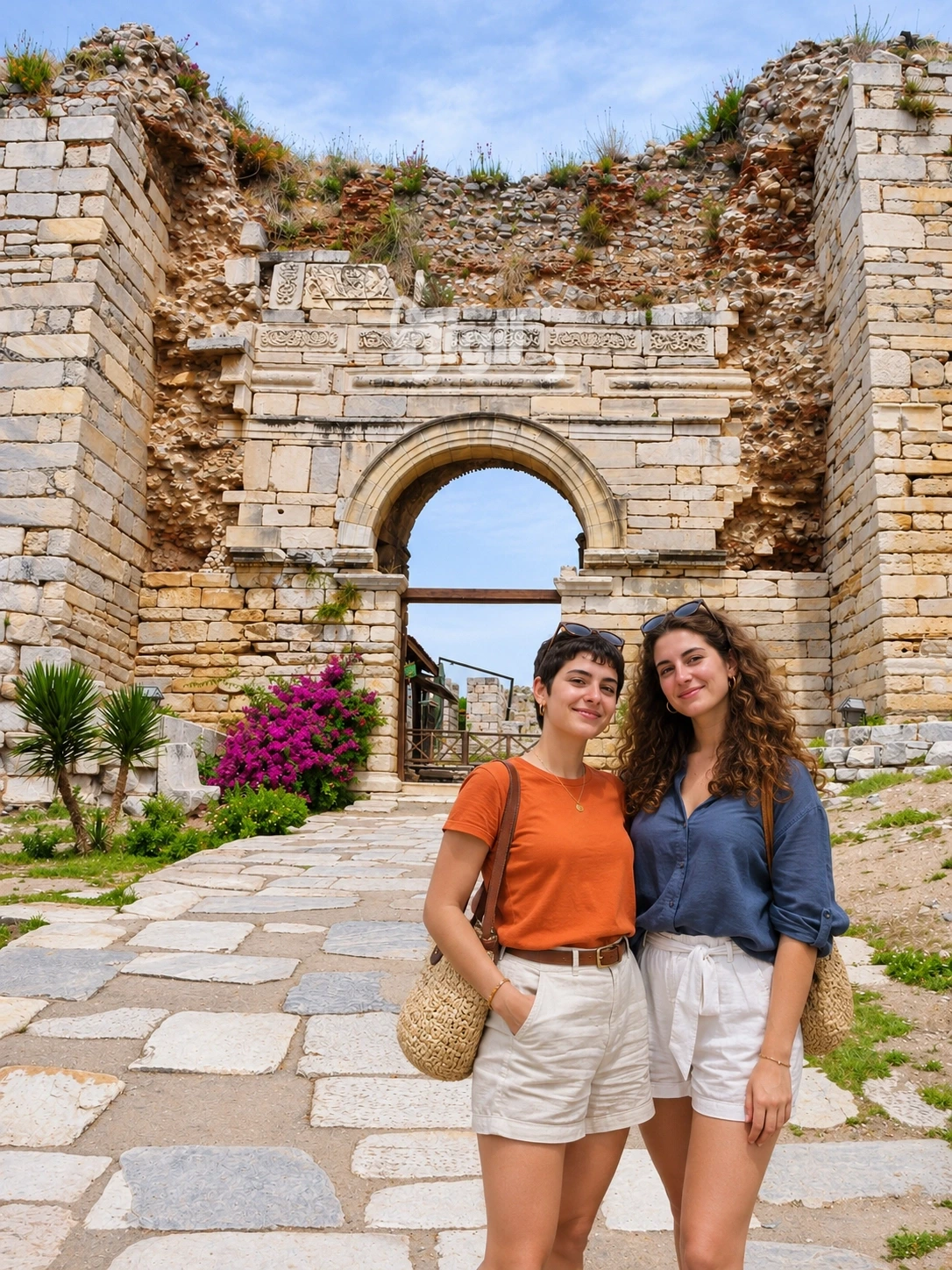
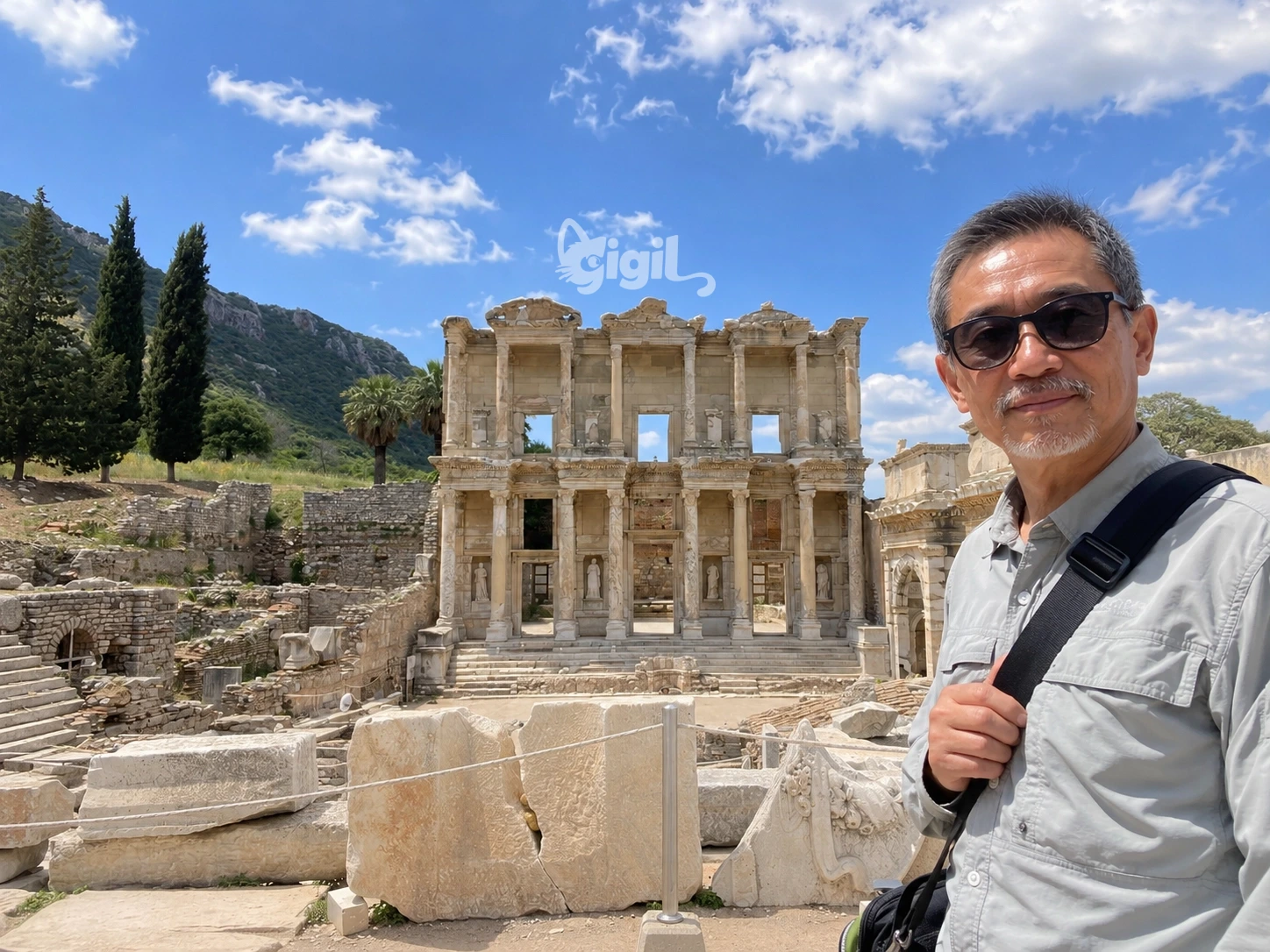
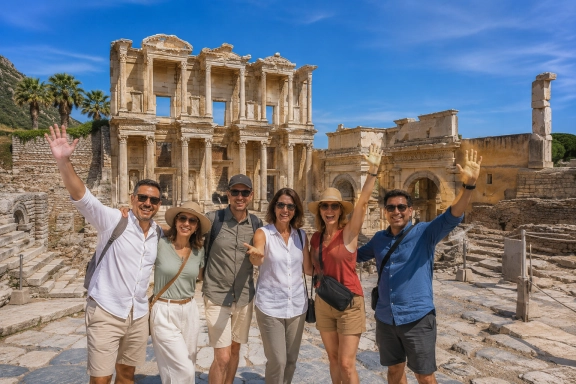
Explore Ephesus Ancient City from the Upper Gate.
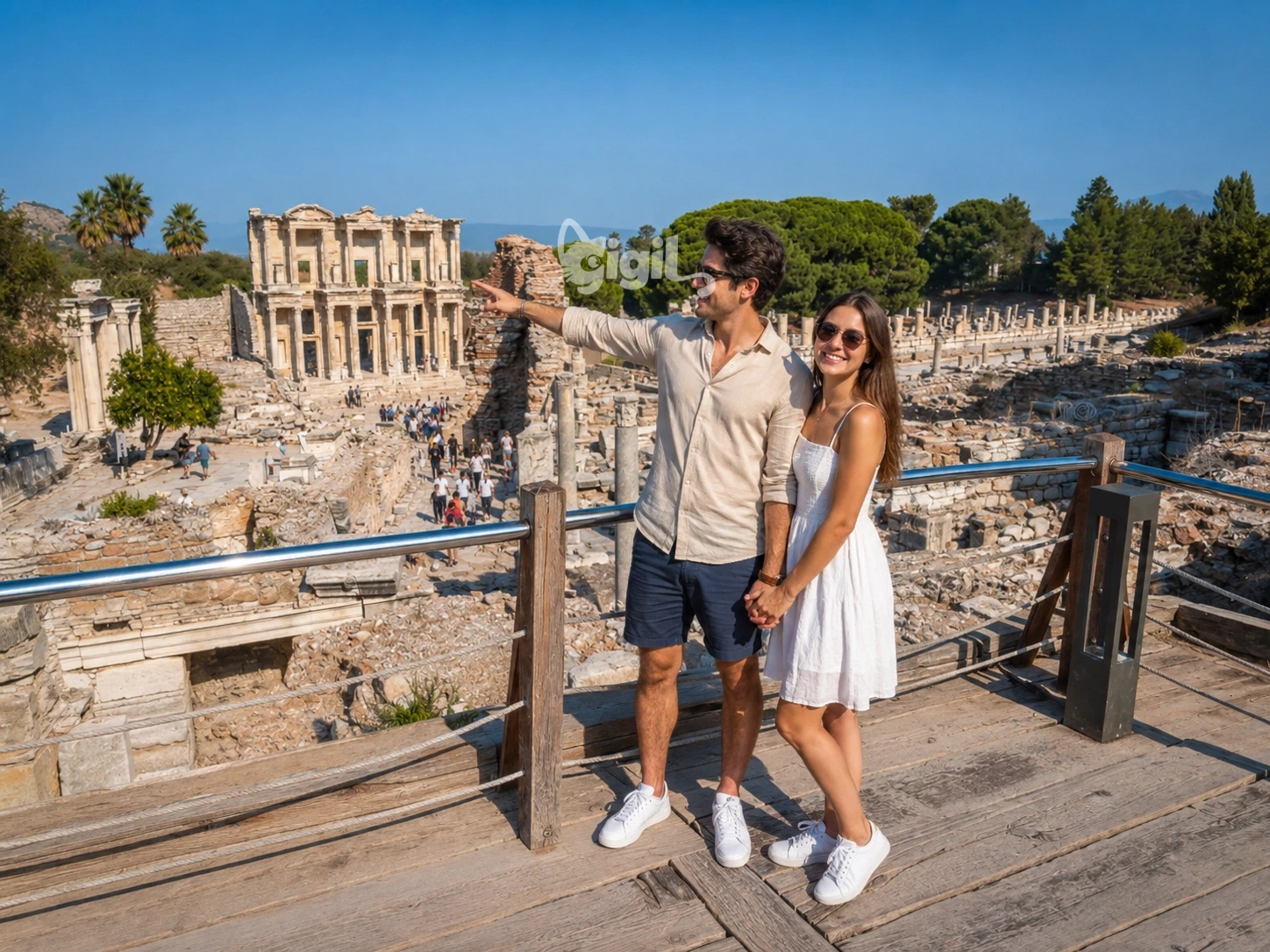
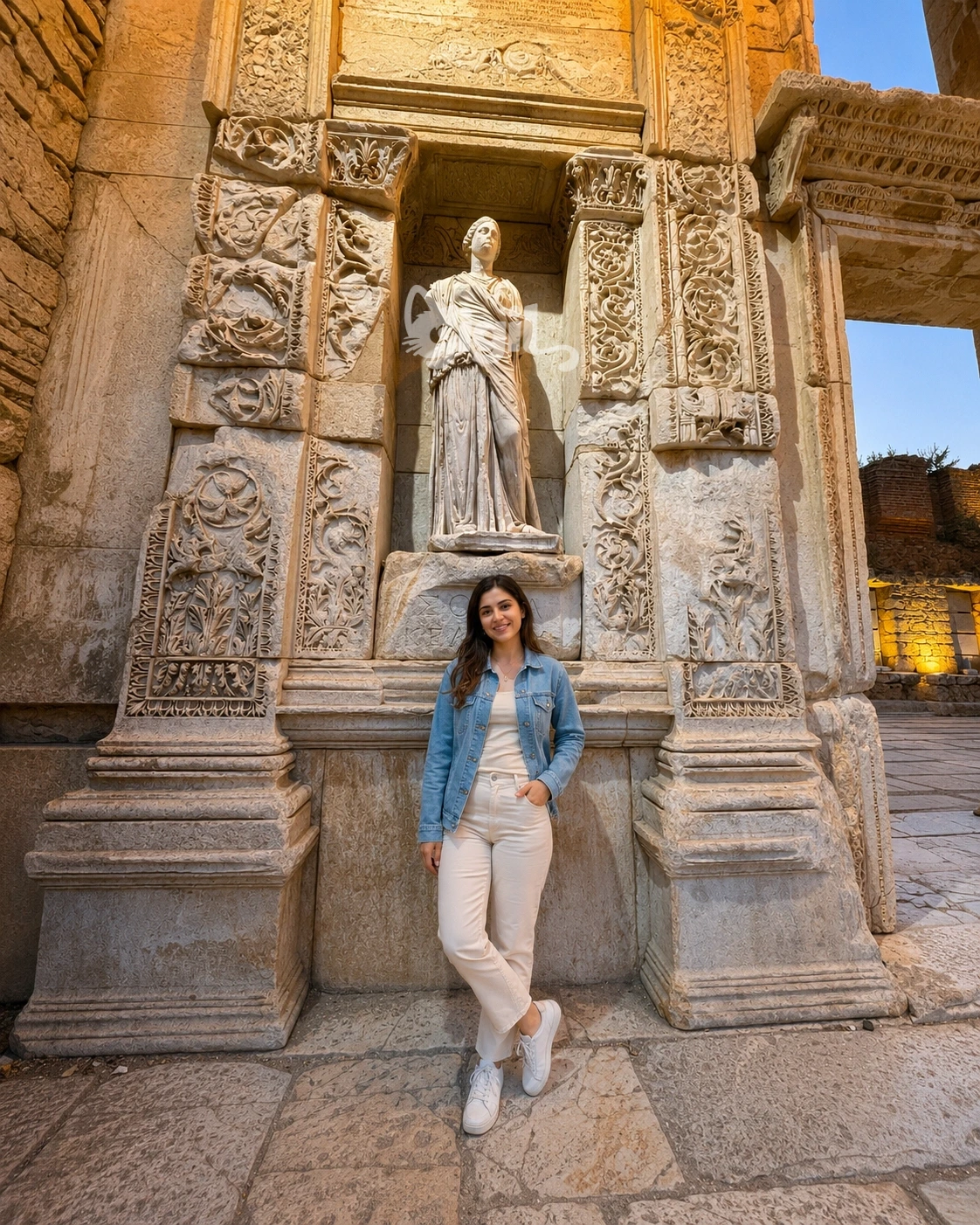
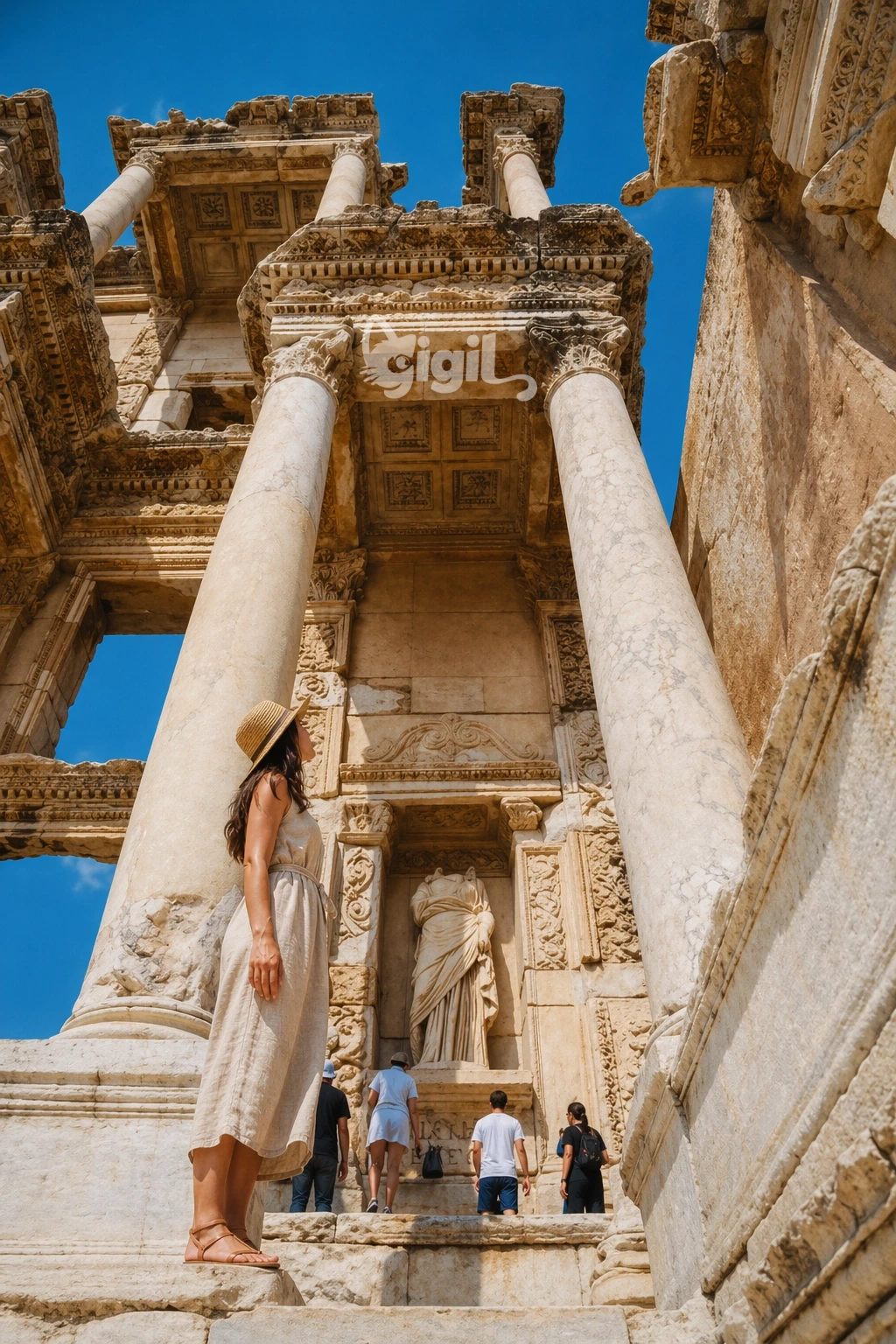
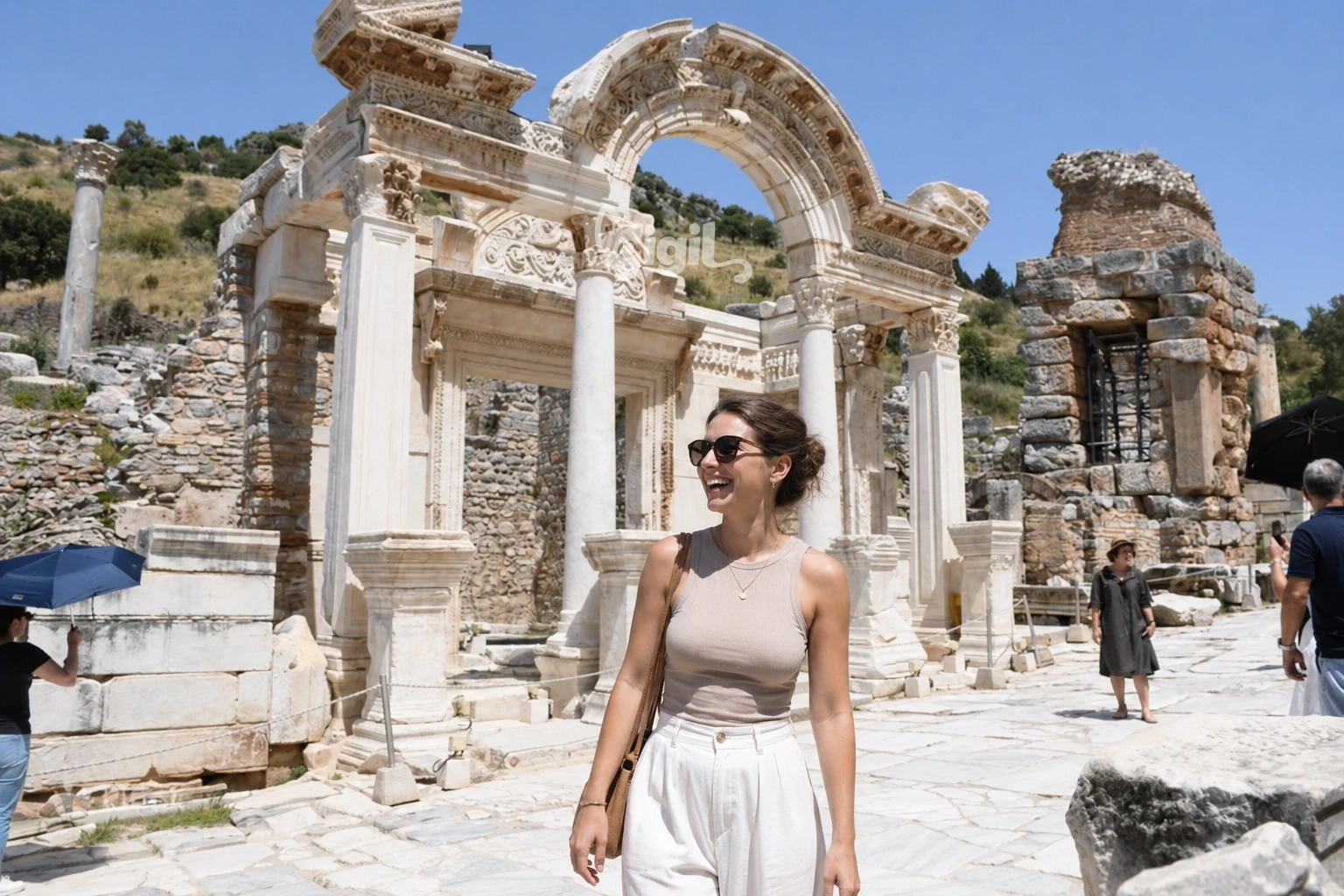
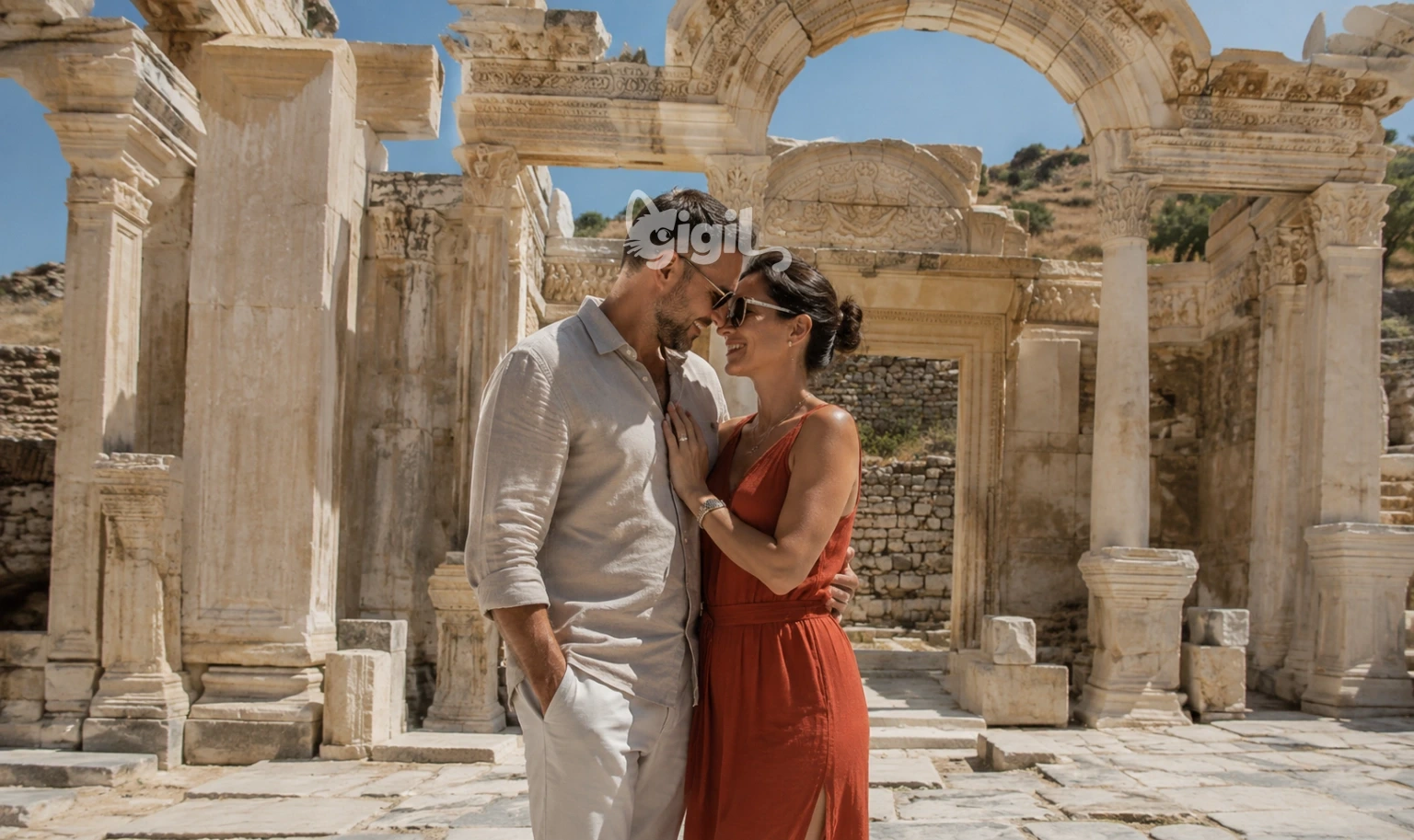
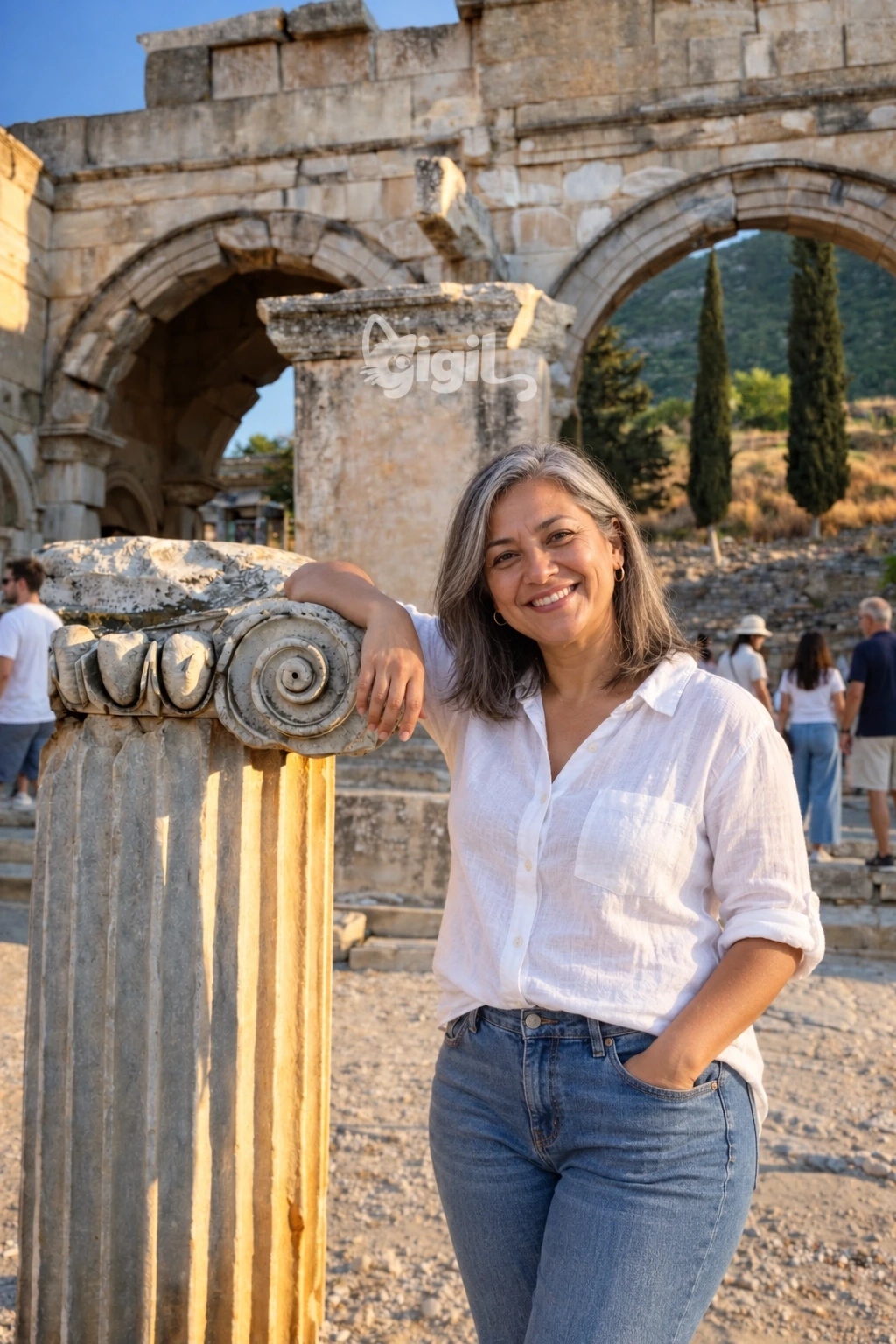
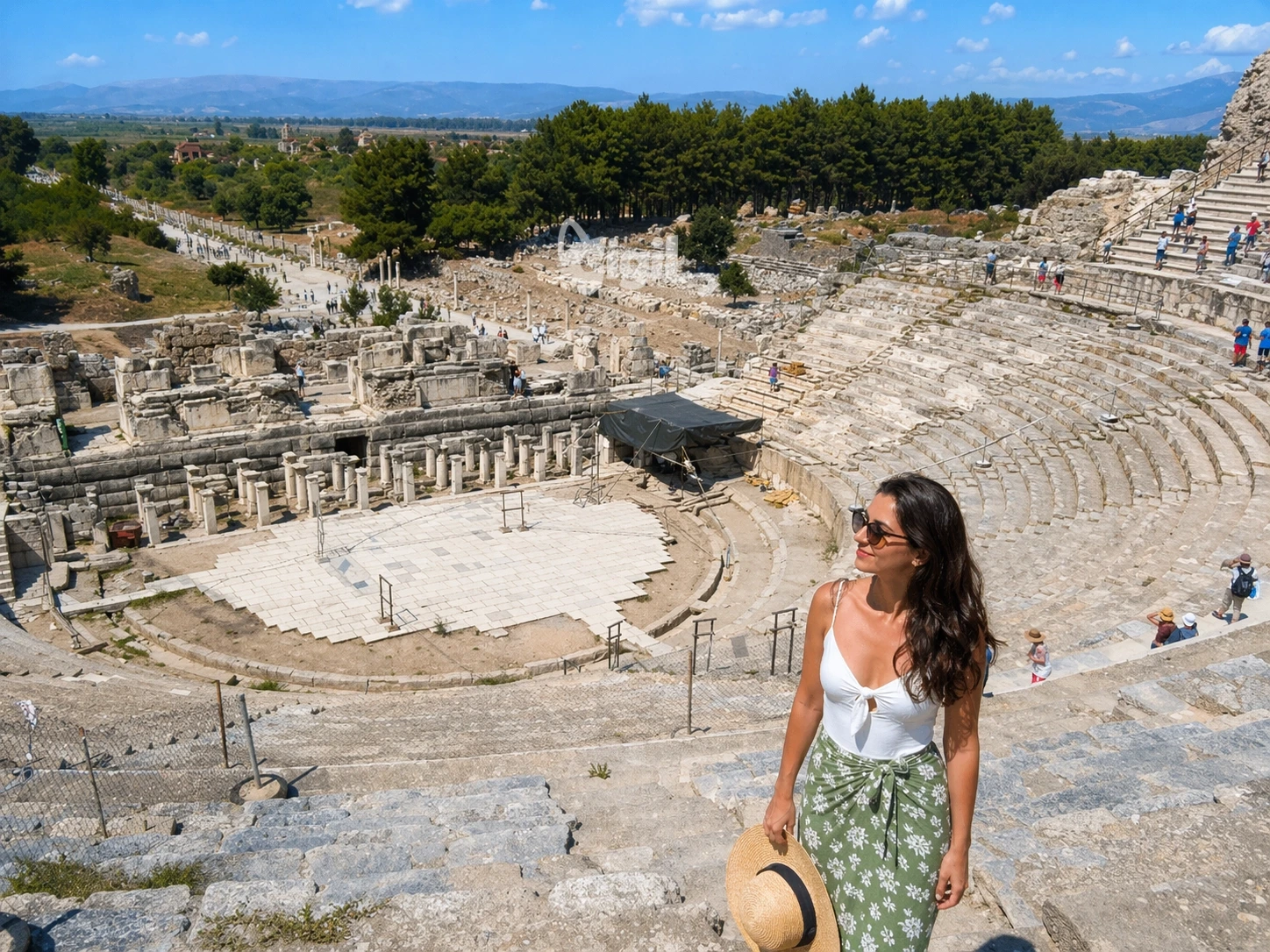
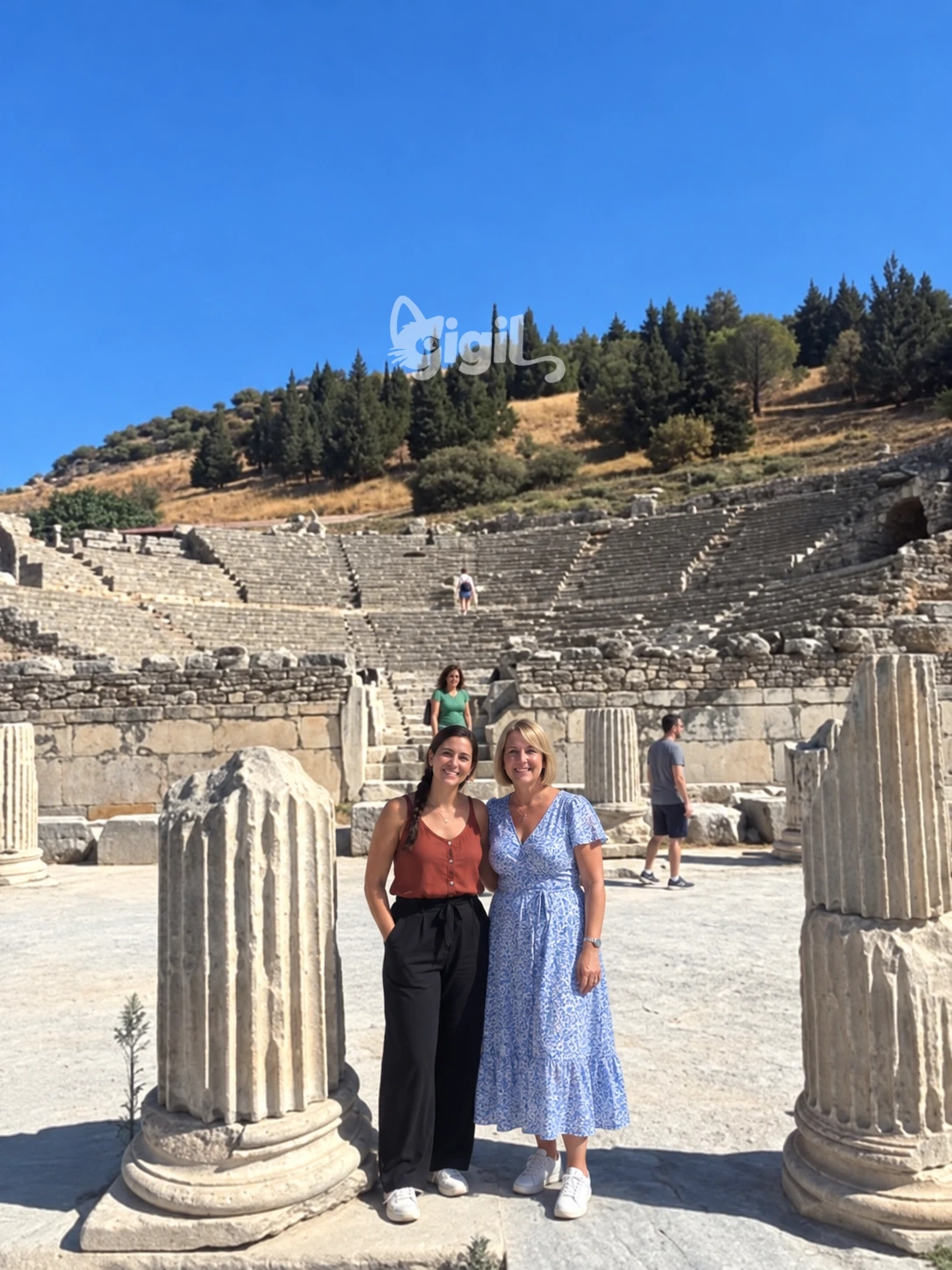
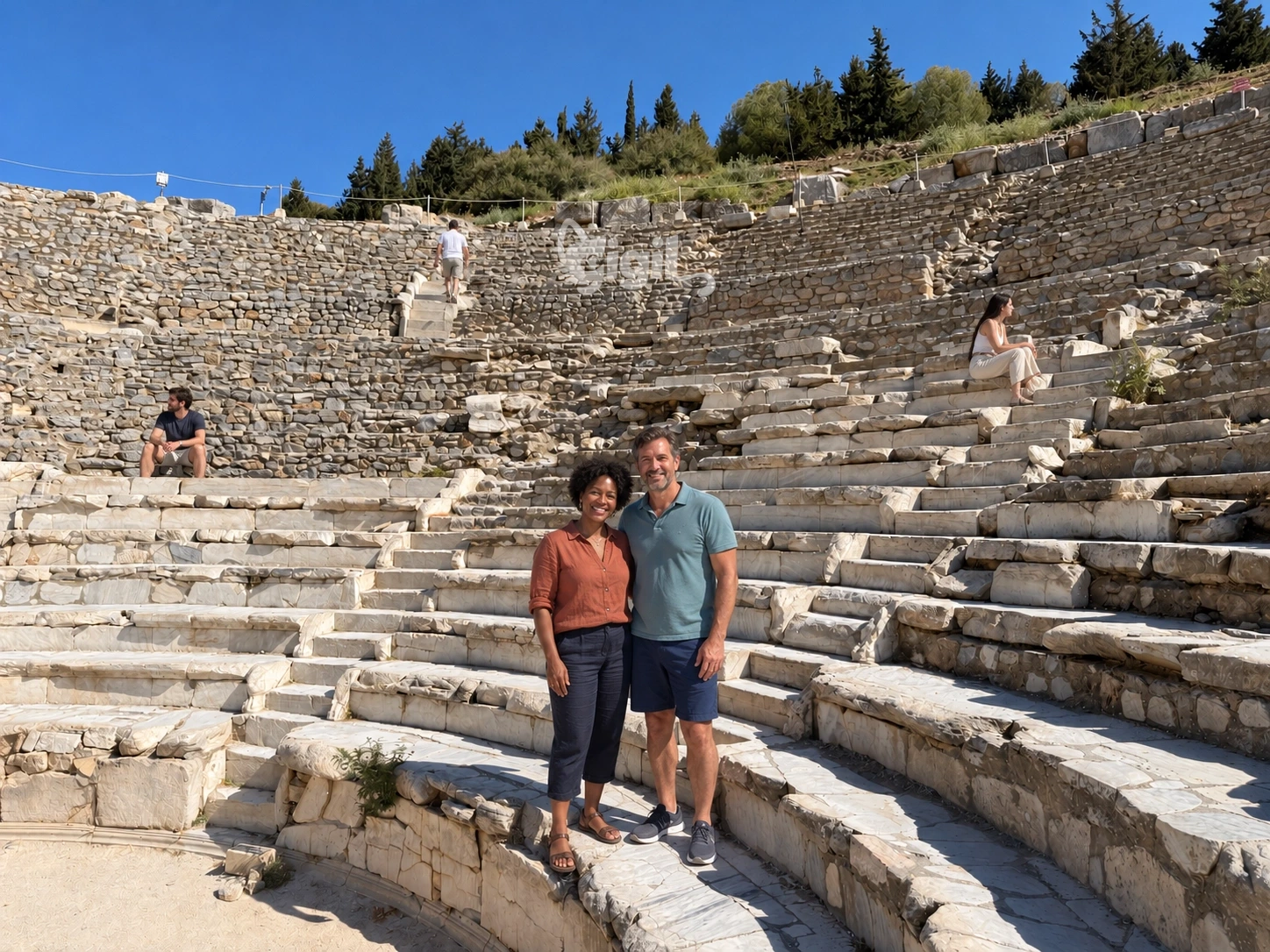
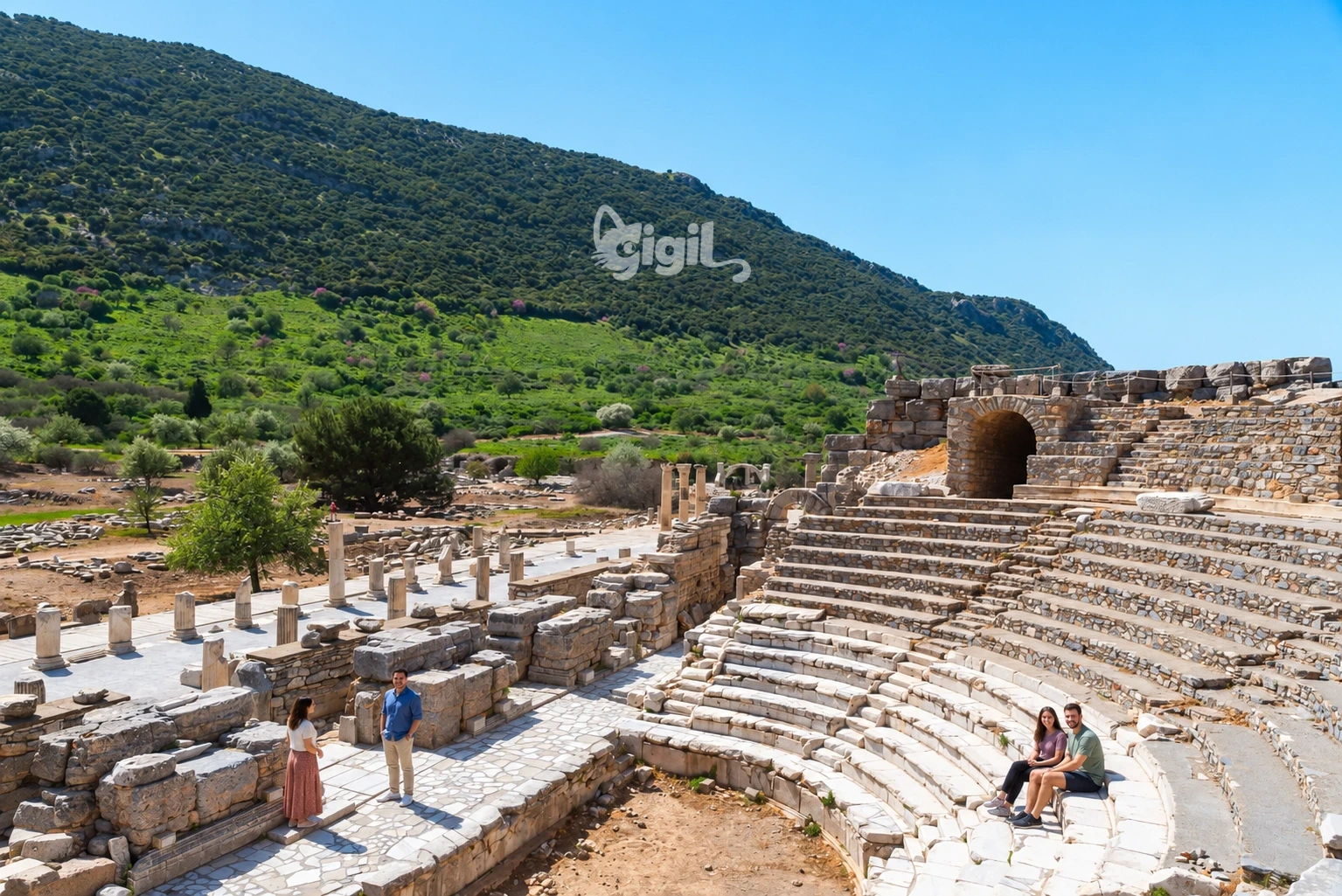
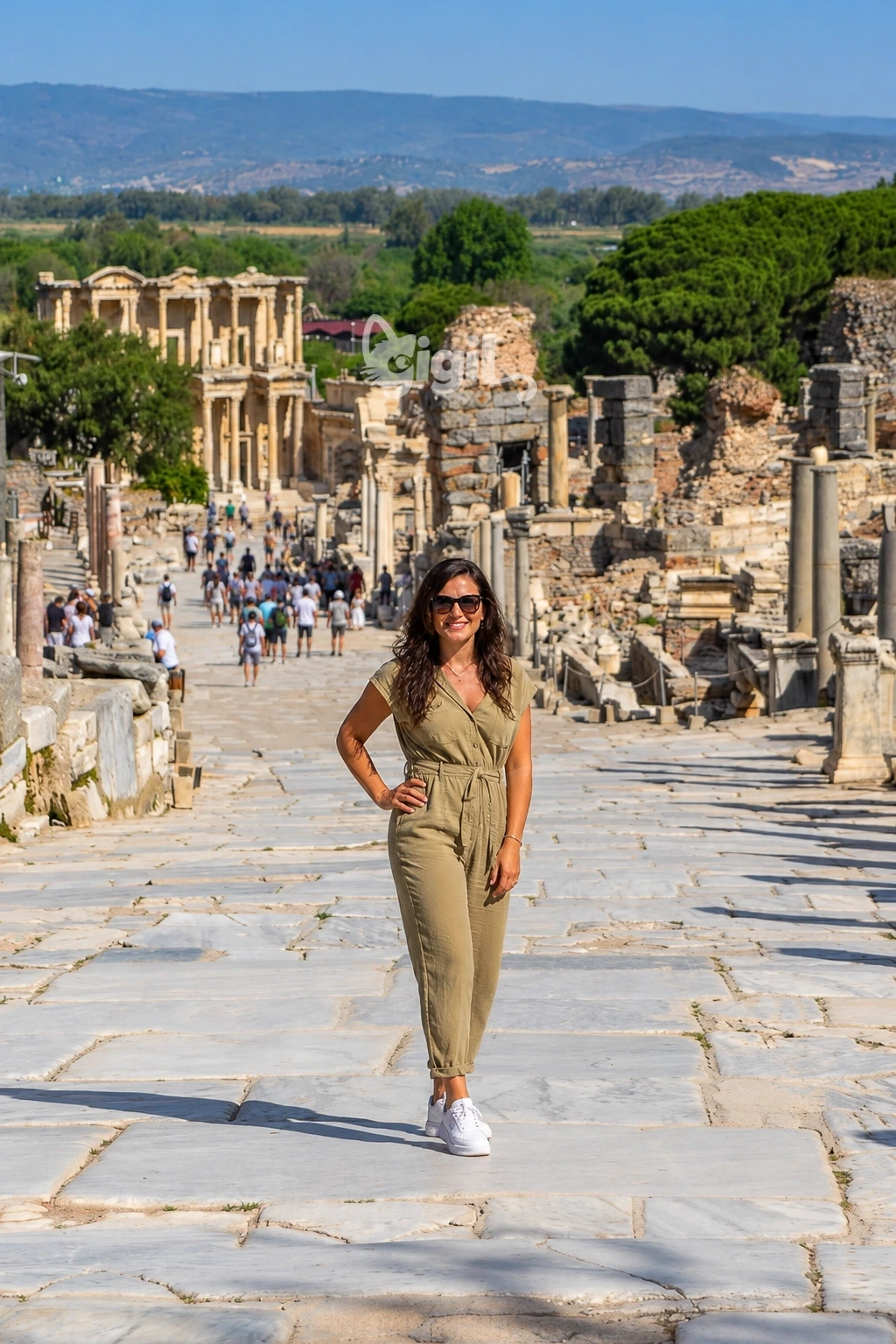
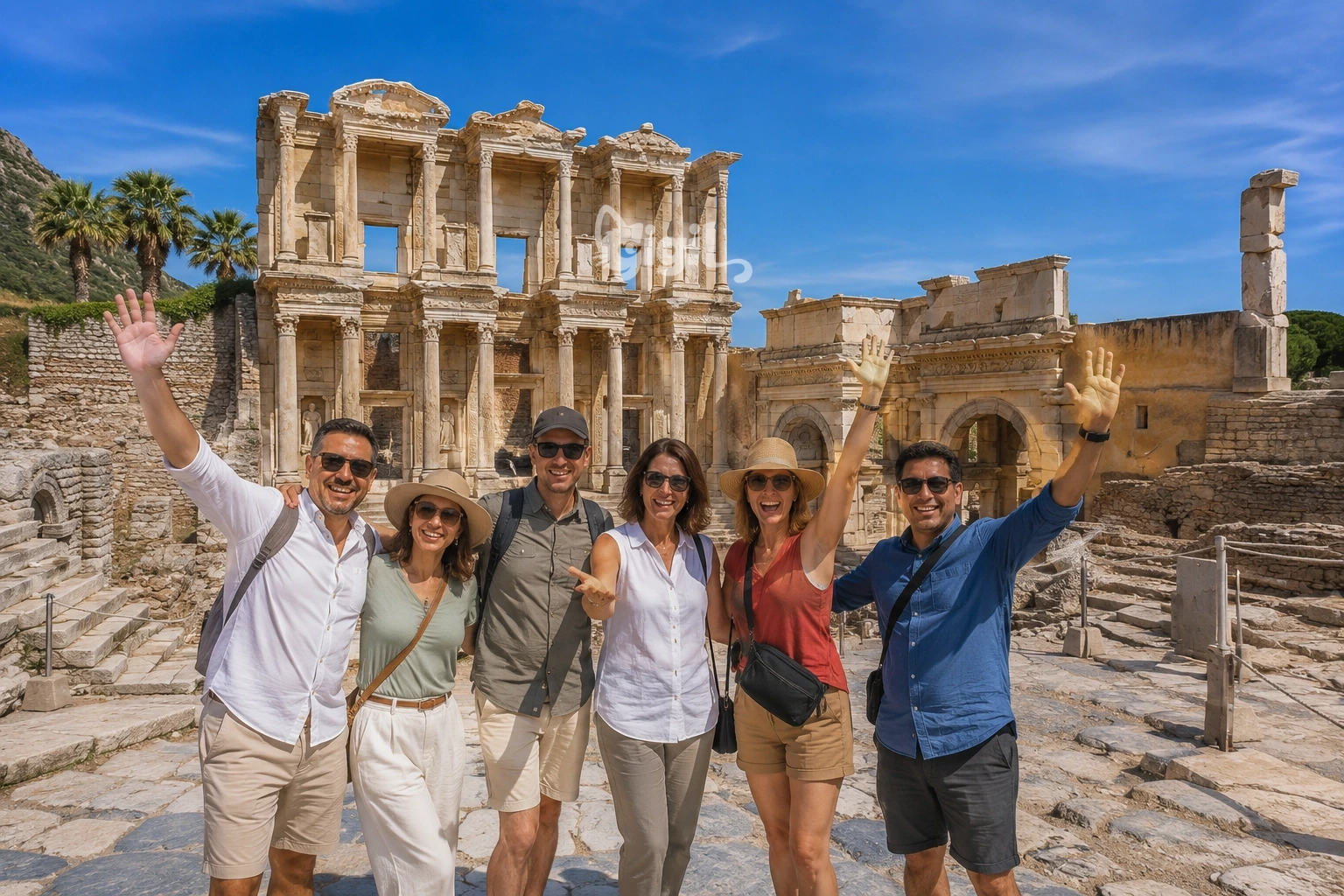
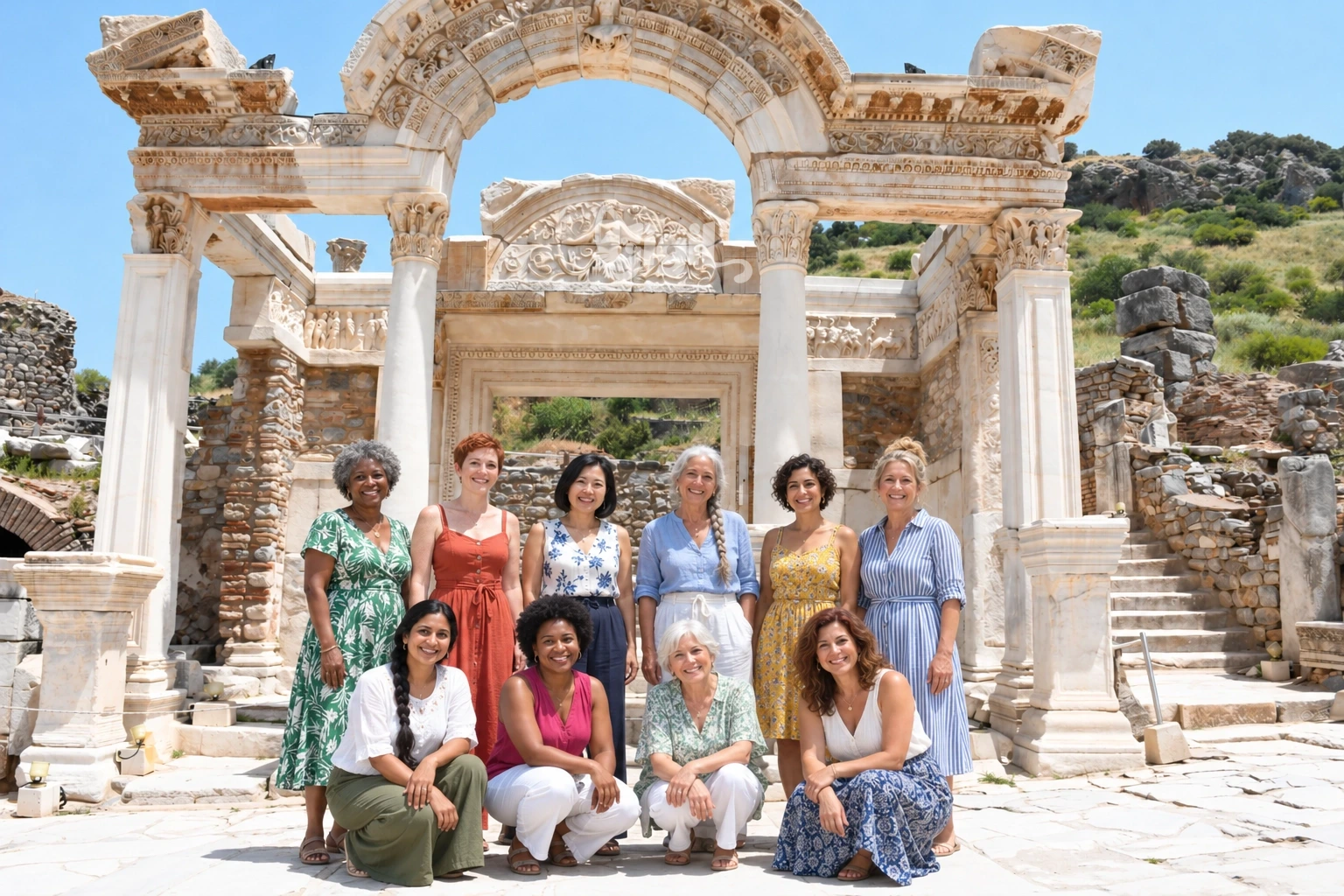
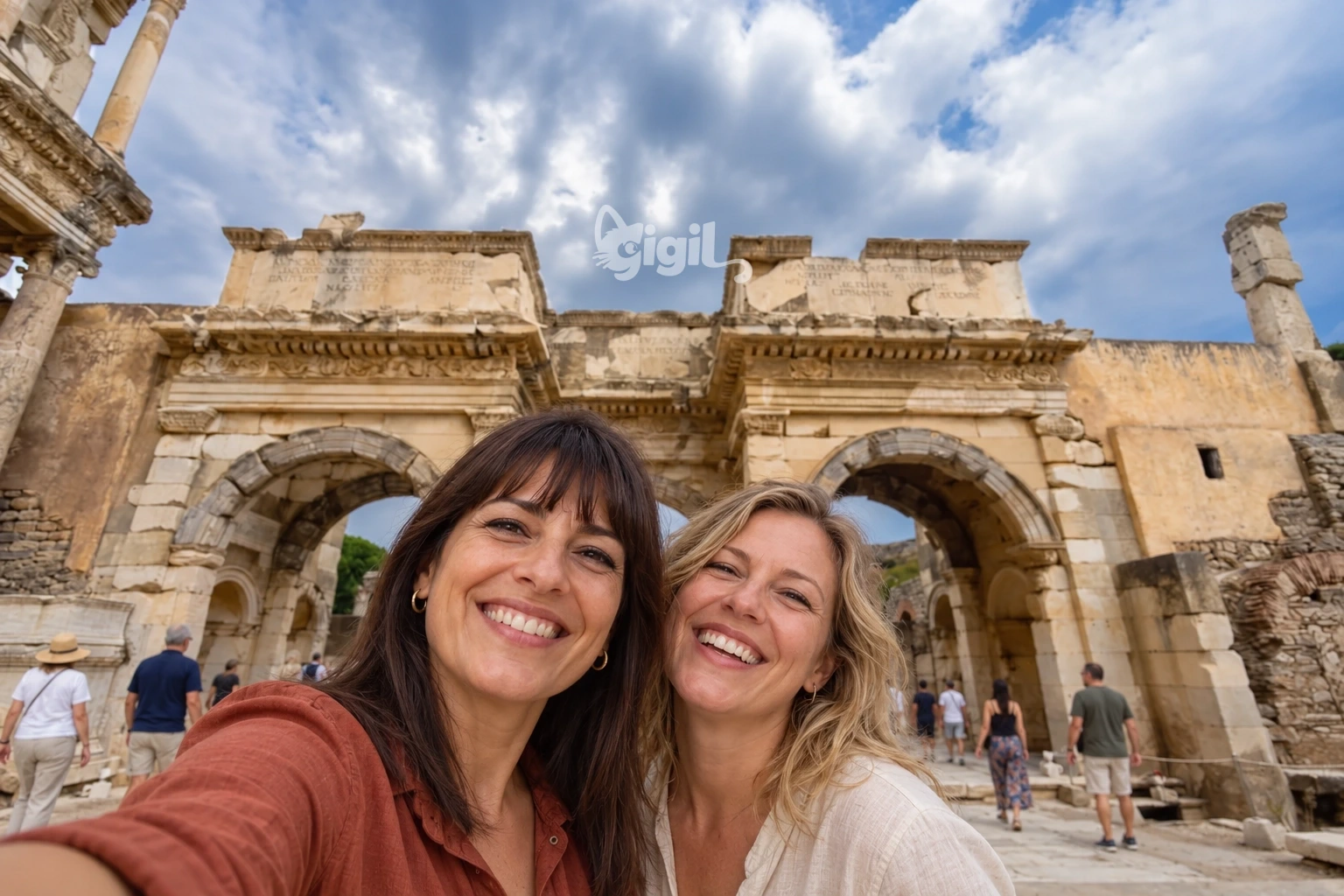
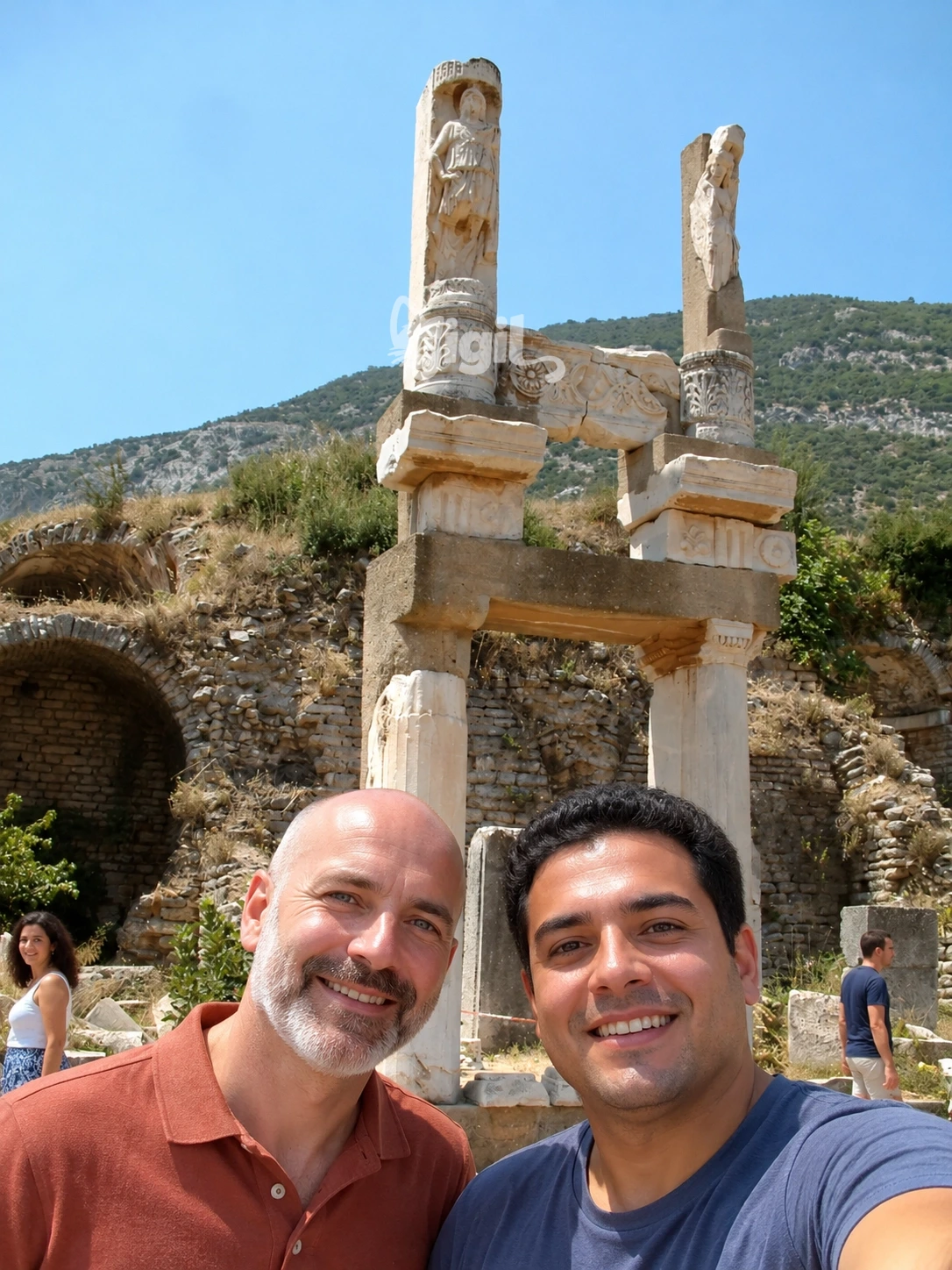
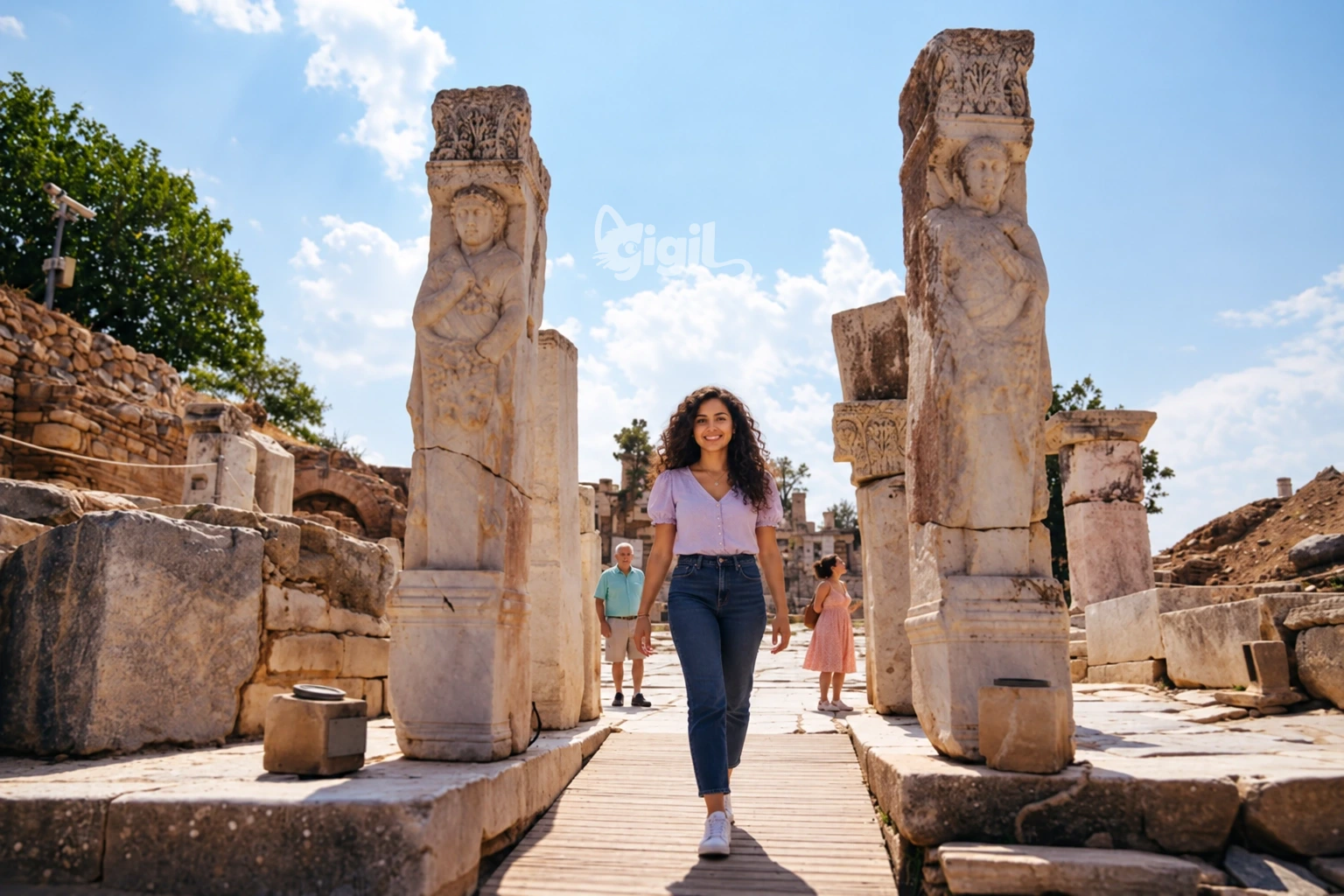
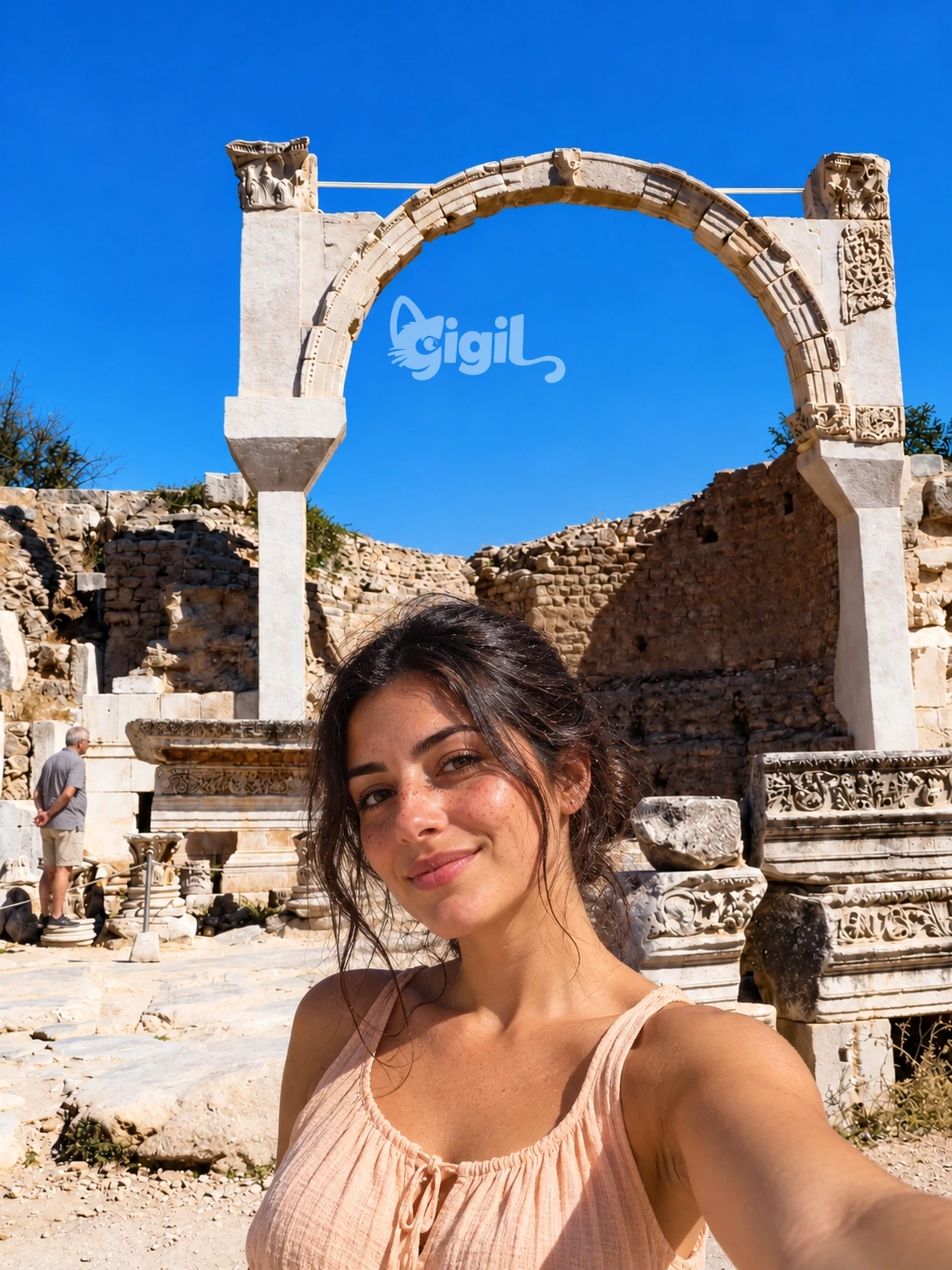
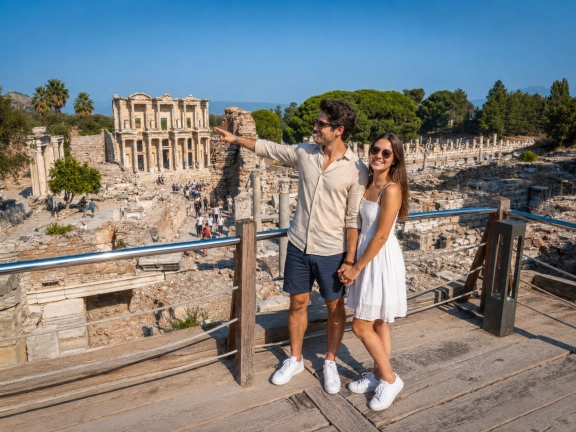
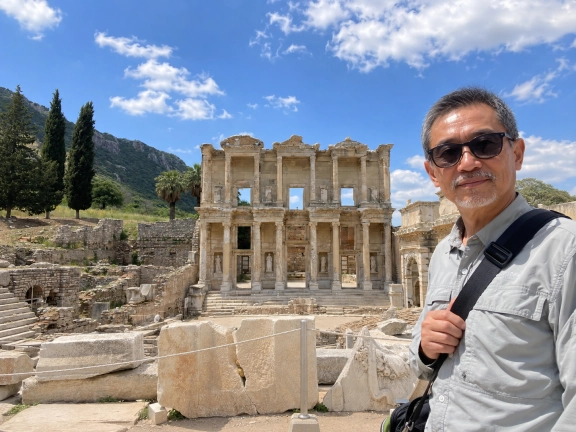
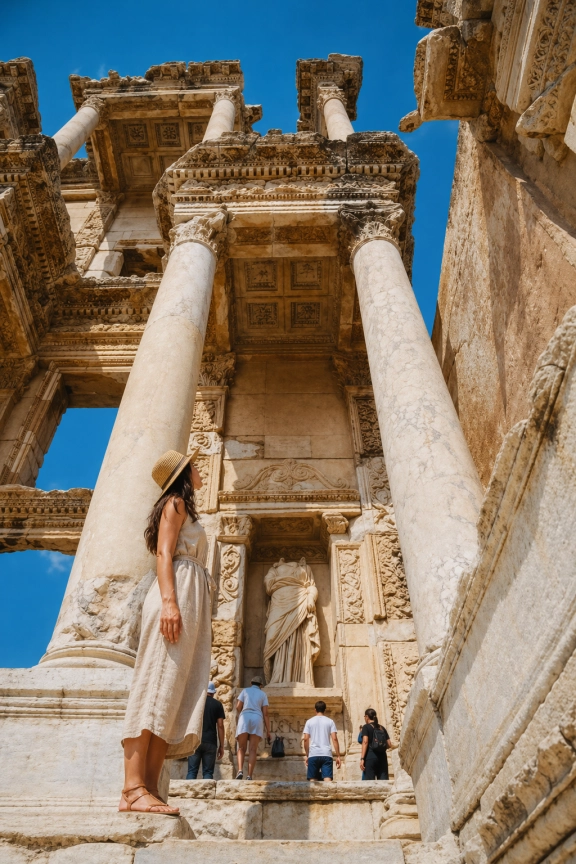
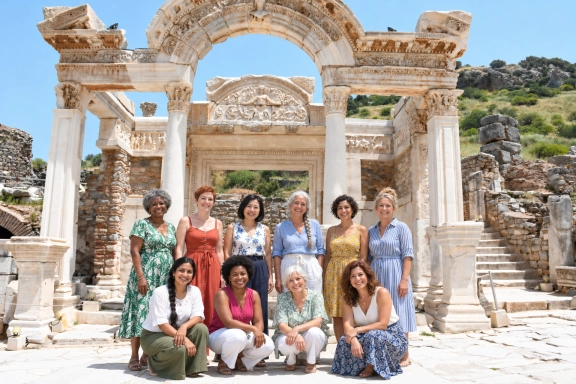
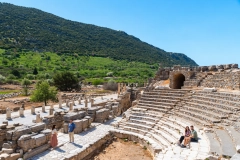
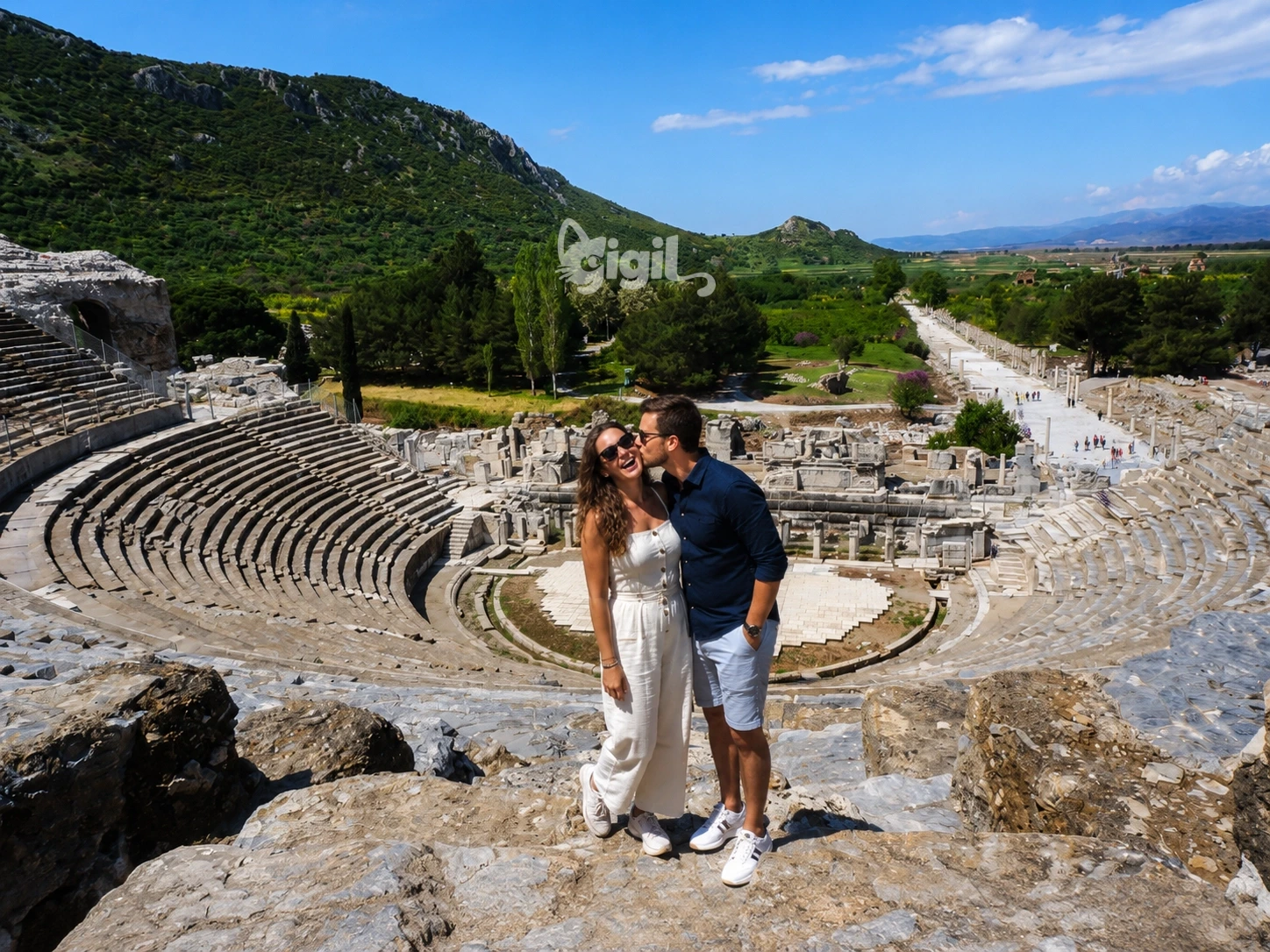
Enter Ephesus from the Upper Gate and begin the main ancient city route through marble streets, civic spaces, theatre areas and landmark monuments.
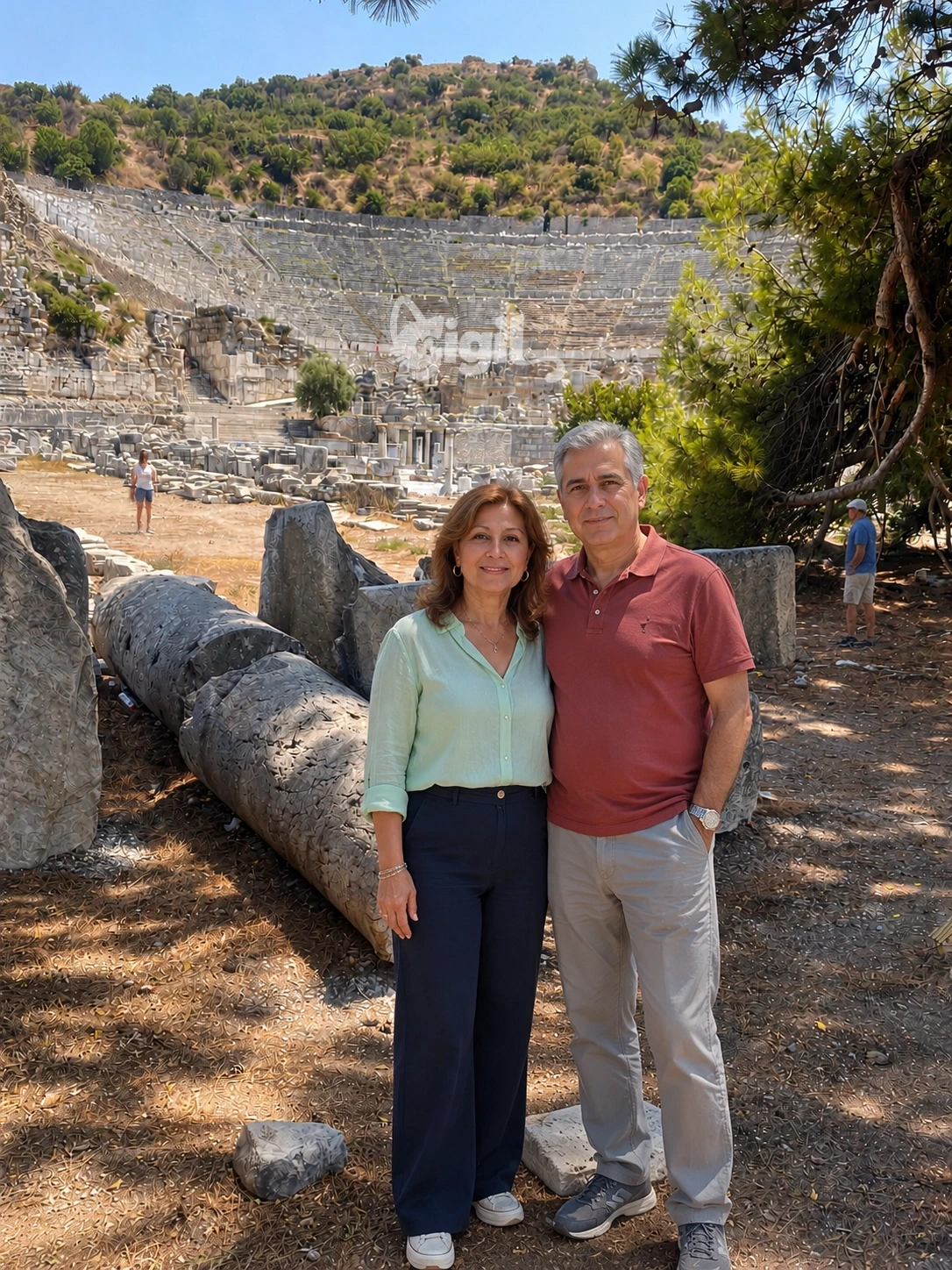
Ephesus Ancient City gives the itinerary its main sense of place through an archaeological landscape recognized for its layered urban history. The destination is best appreciated as a connected urban landscape, not merely a checklist of famous facades.
It follows the House of the Virgin Mary and leads onward to the Lower Gate exit context. The stop adds a distinct historical layer to the complete heritage sequence rather than serving as a logistics or transfer point. That distinction helps travelers understand what makes the stop worth seeing.
Walk through Ephesus toward the Lower Gate.
Continue through the ancient city on foot while the vehicle repositions toward the Lower Gate pickup area.
Ephesus Ancient City Lower Gate helps define the end of the ancient-city walk and the beginning of the route's onward Selcuk logistics.
The route leaves the archaeological site here, then continues toward lunch and the museum in Selcuk. This operational wording keeps the gate distinct from the genuine destinations described elsewhere on the route.
Pause for lunch in Selcuk.
Take a practical lunch stop in the Selcuk area before the museum and Ayasoluk visits.
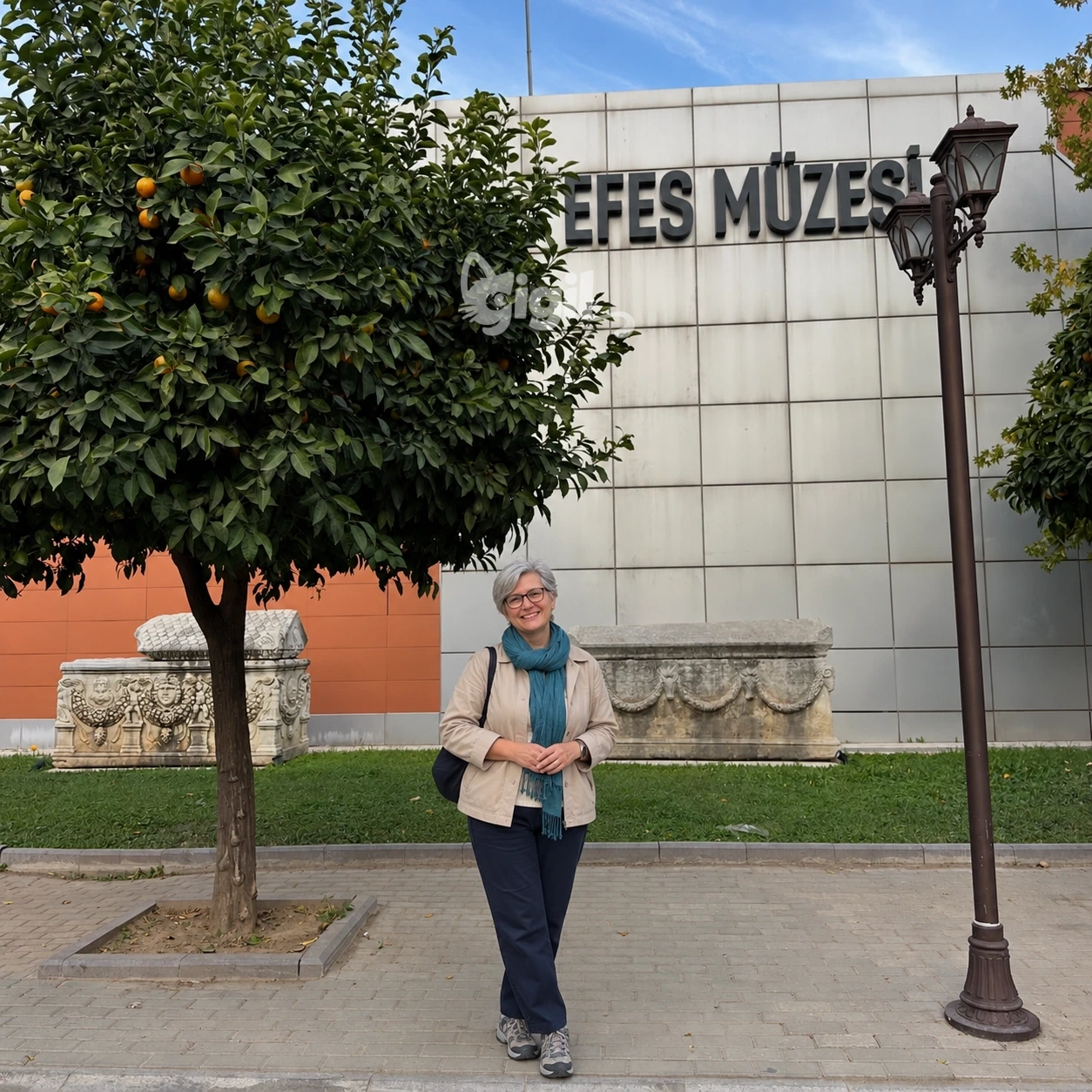
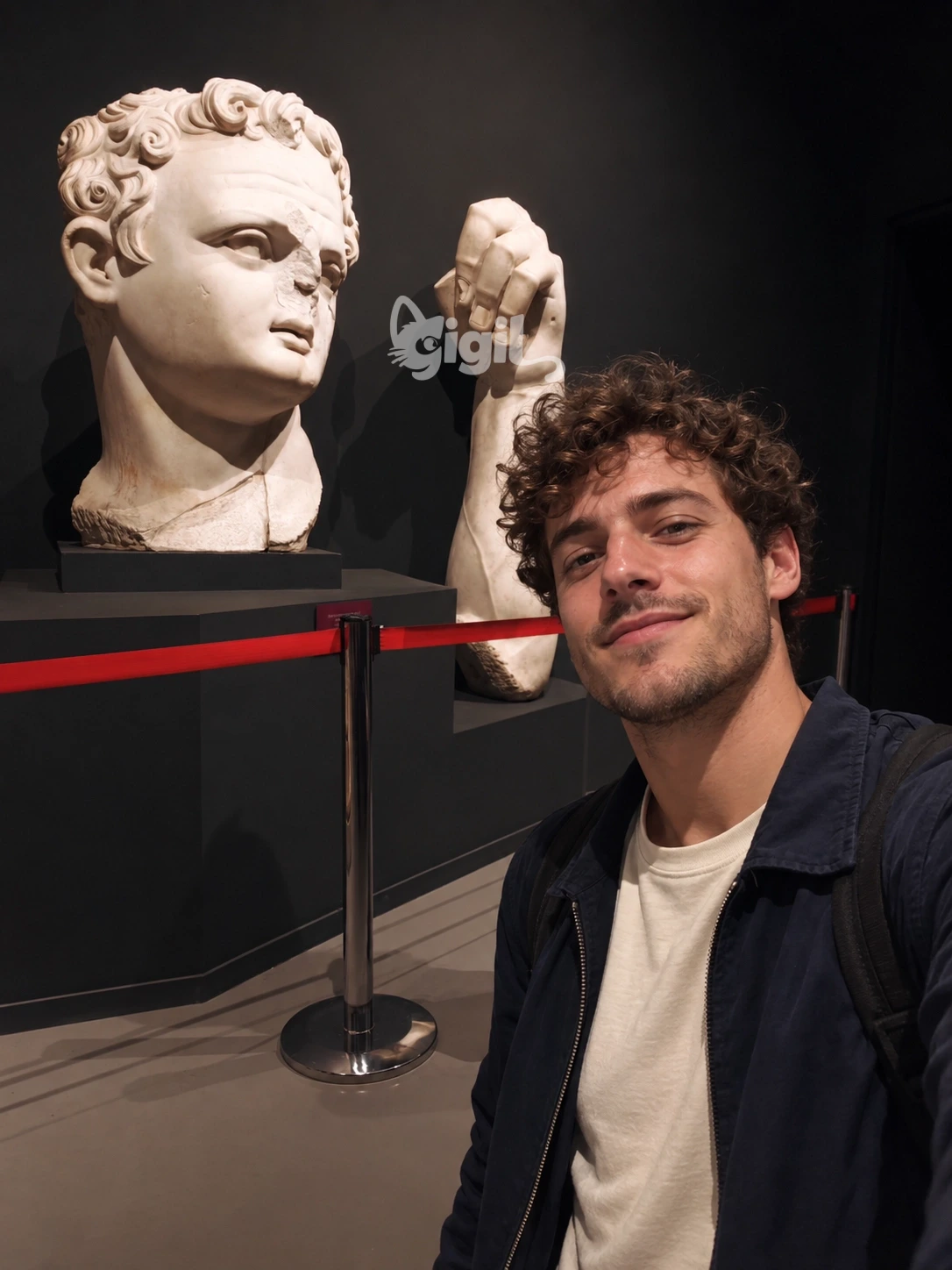
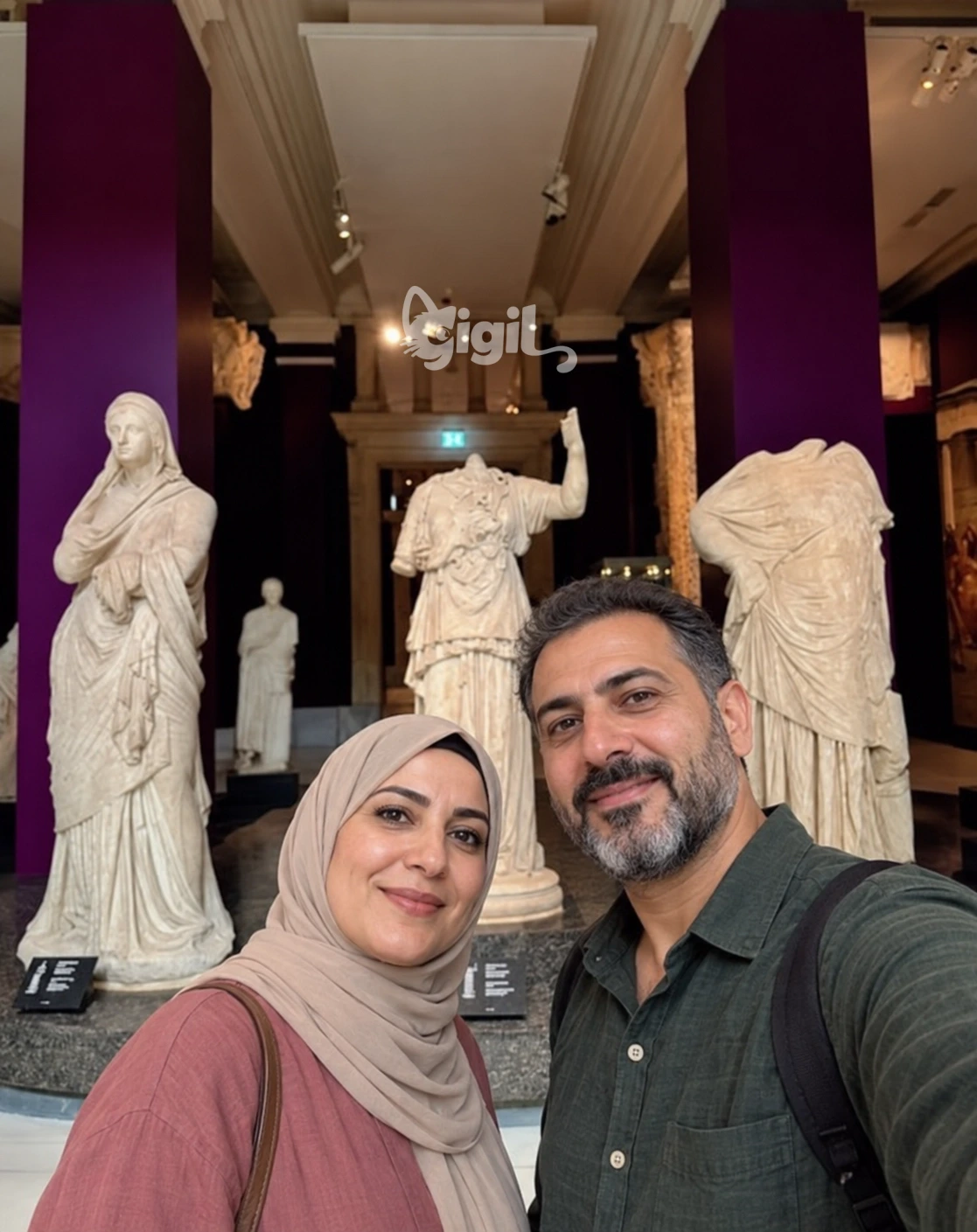
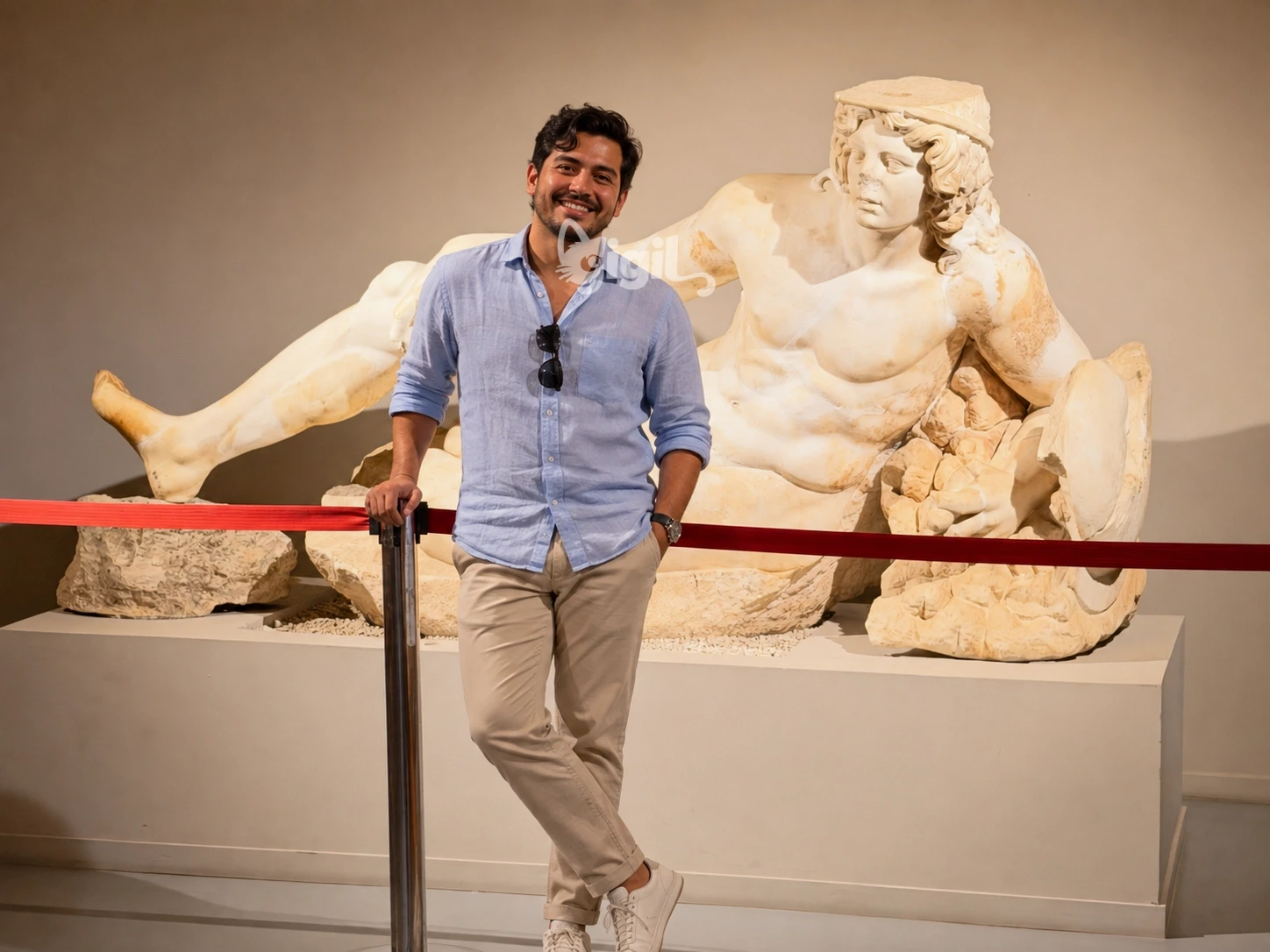
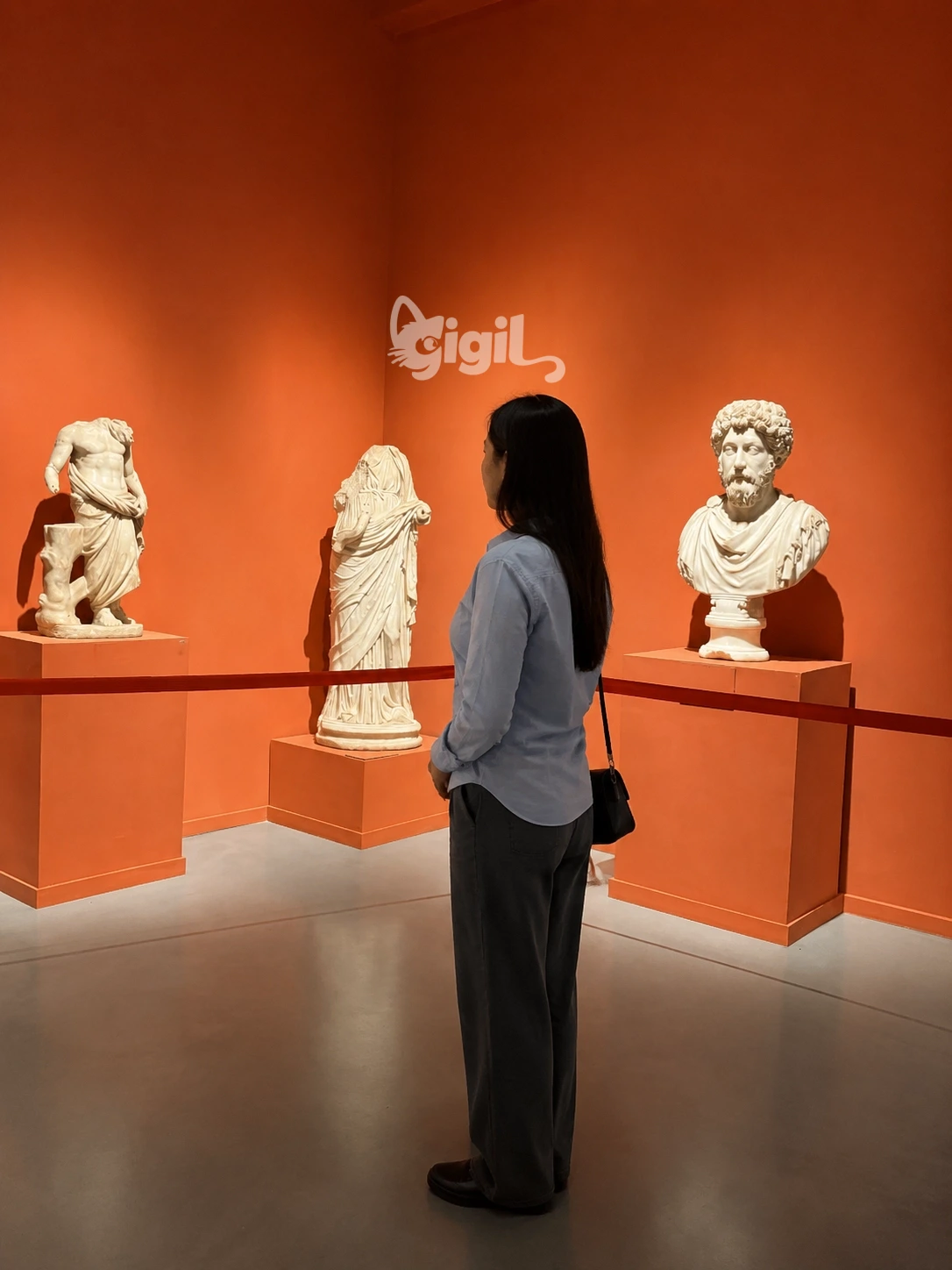
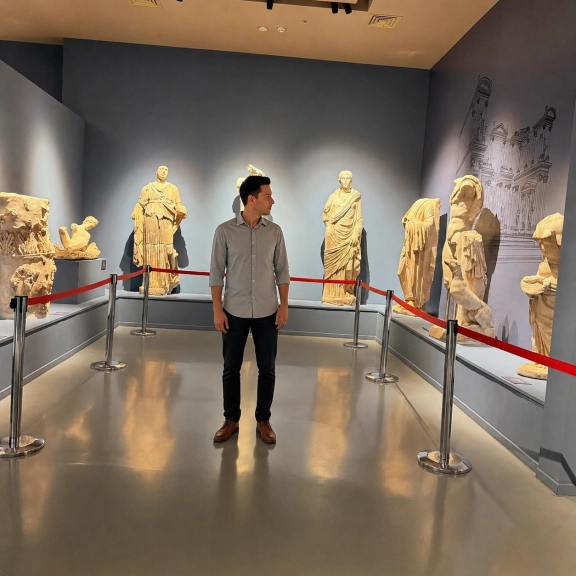
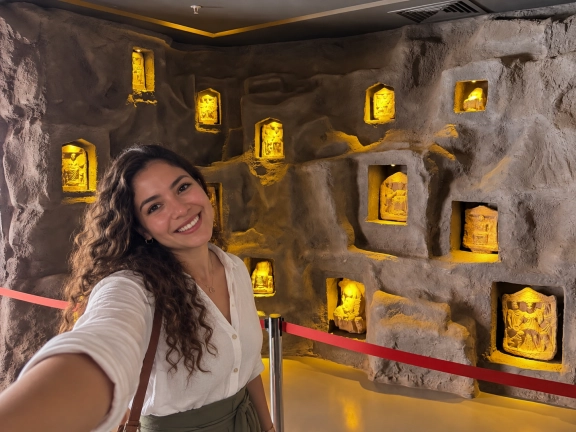
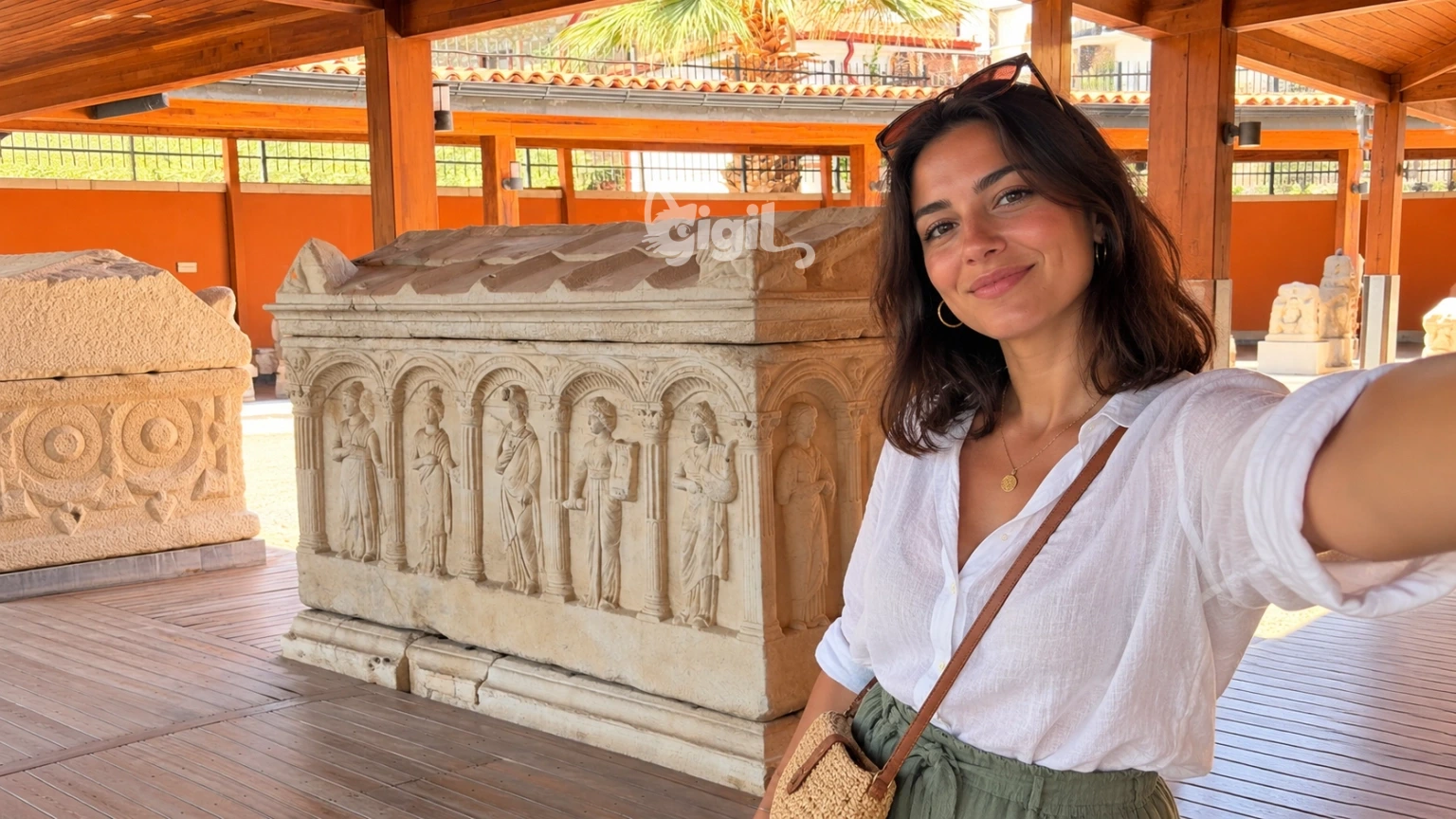
Visit the Ephesus Archaeological Museum.
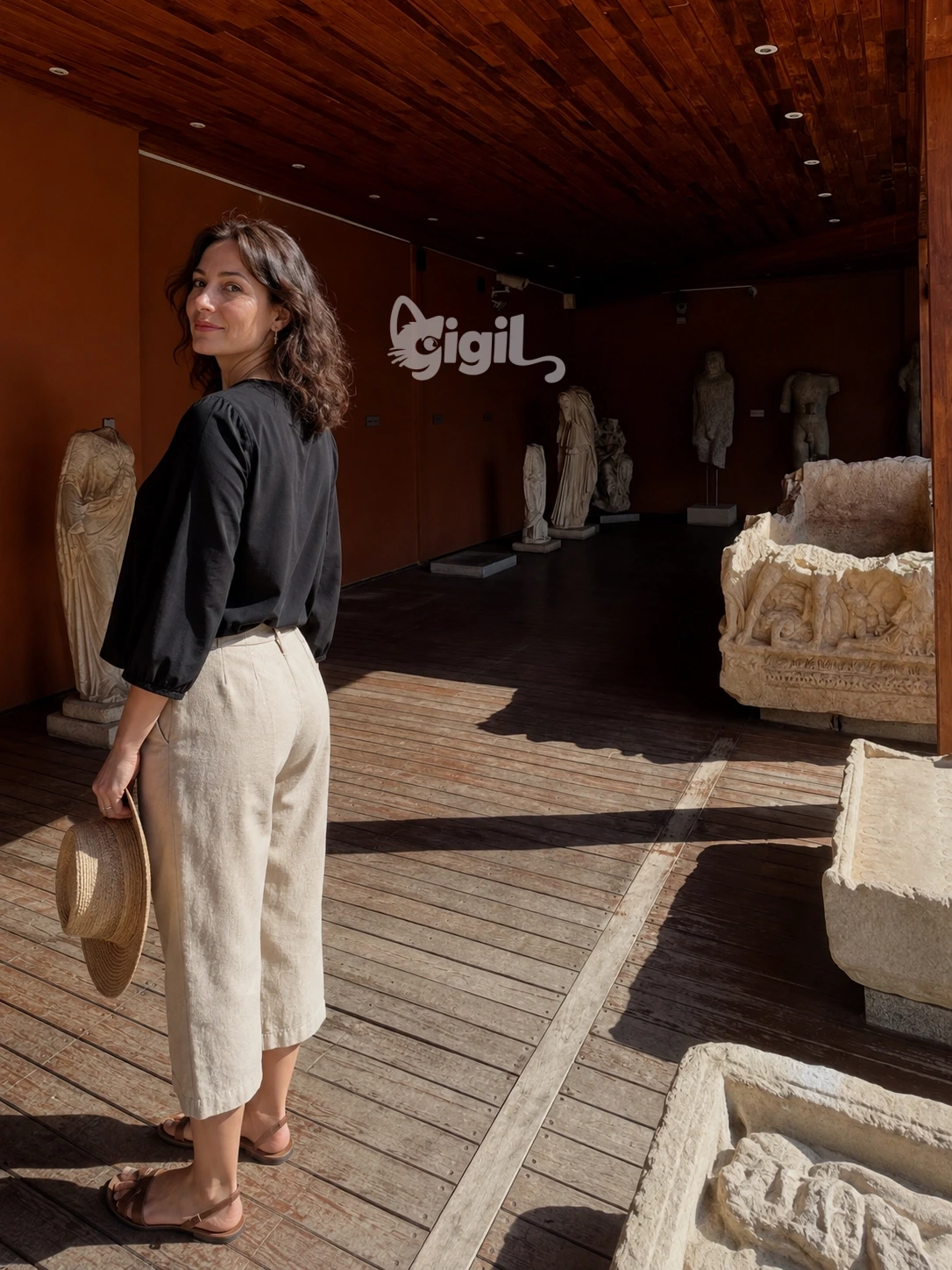
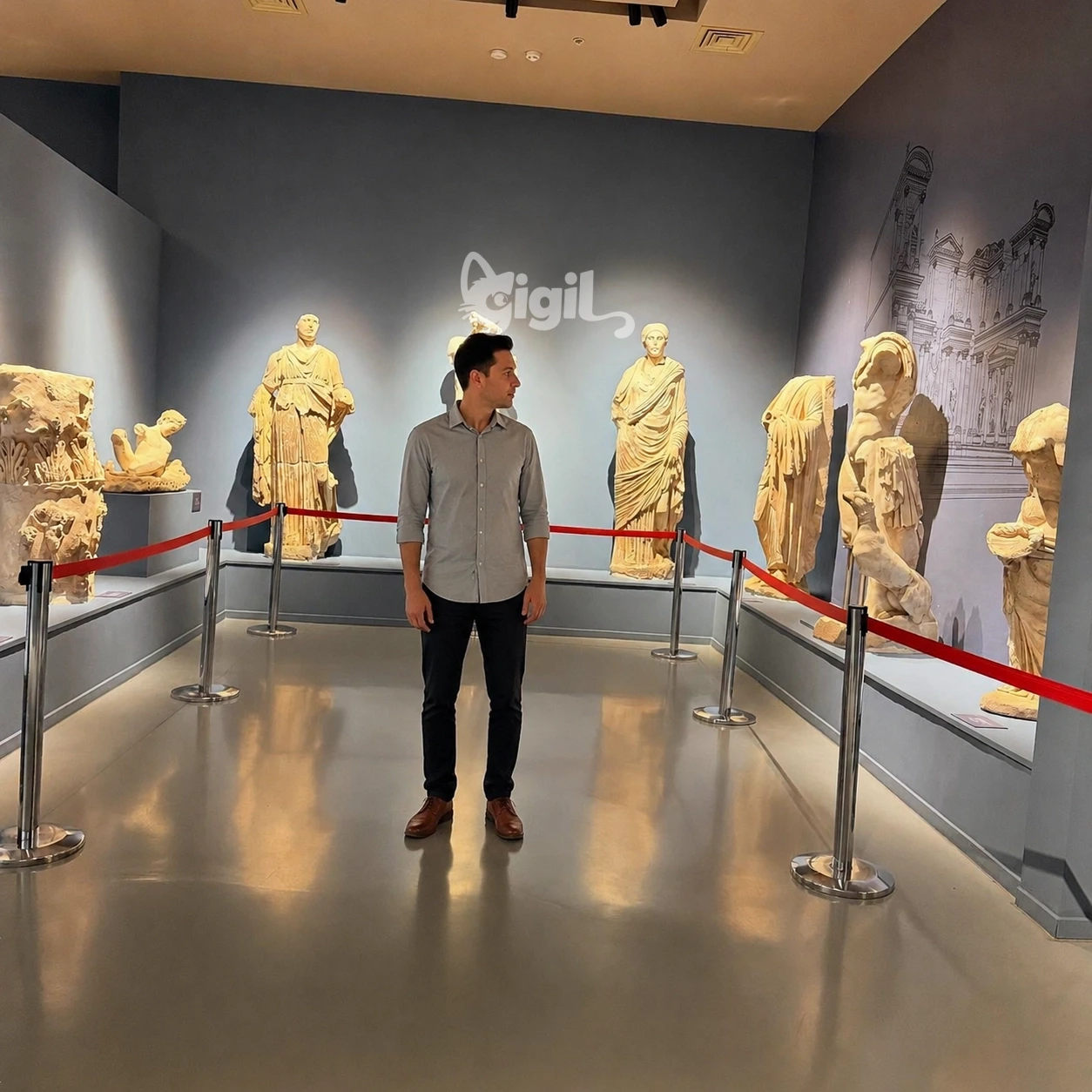
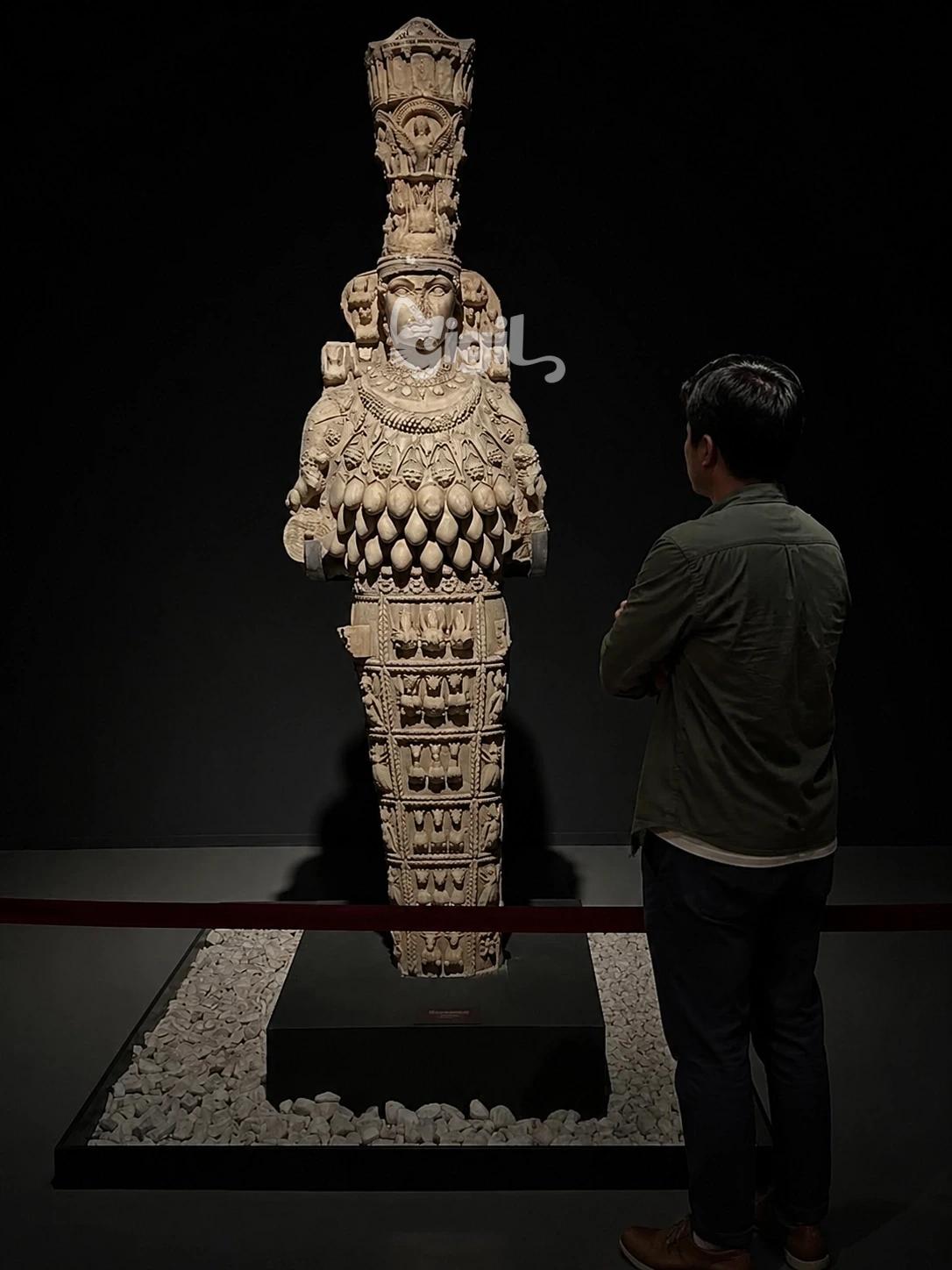
Use the museum visit to connect the ancient city with regional finds, sacred objects and daily life context.
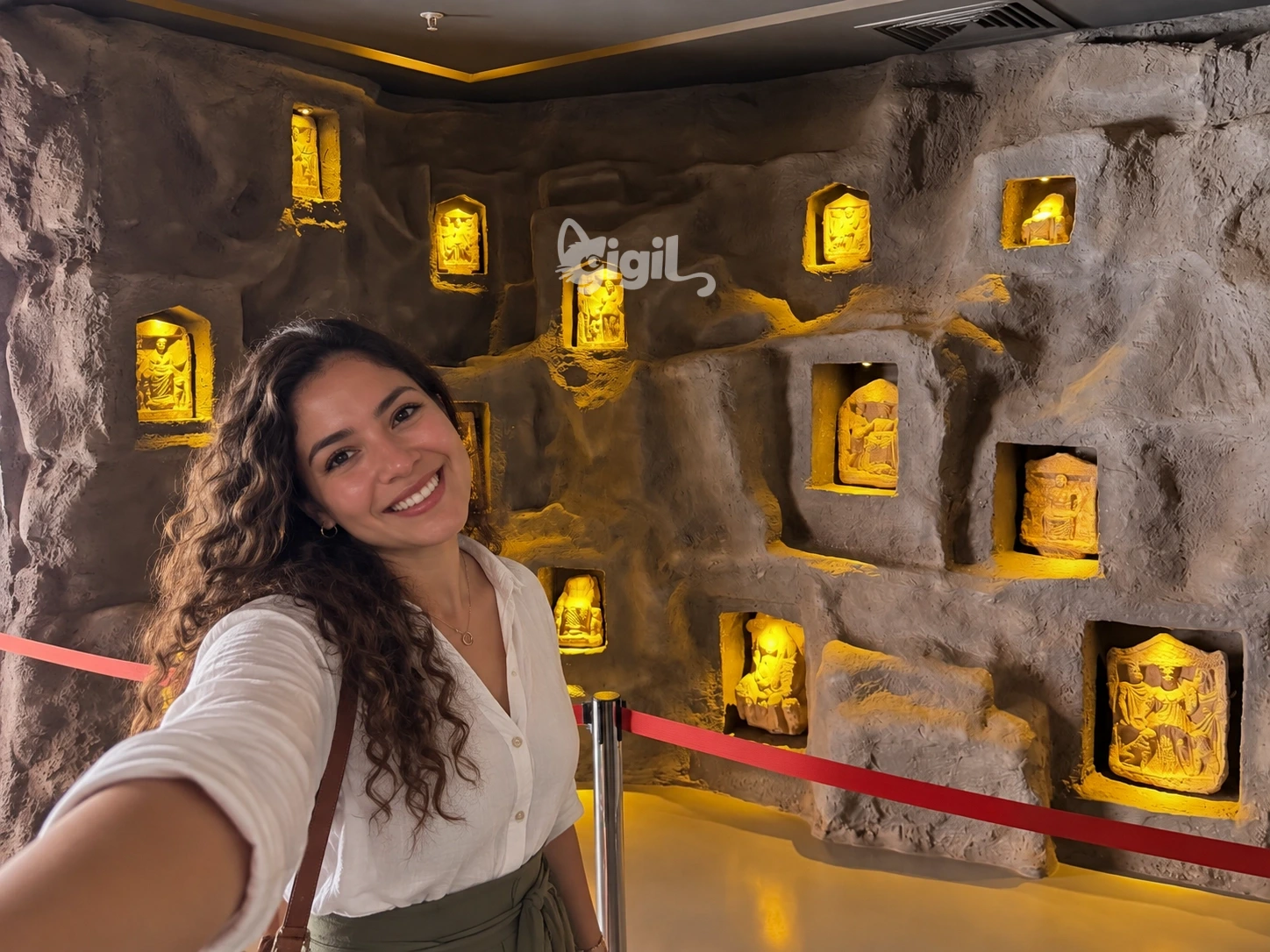
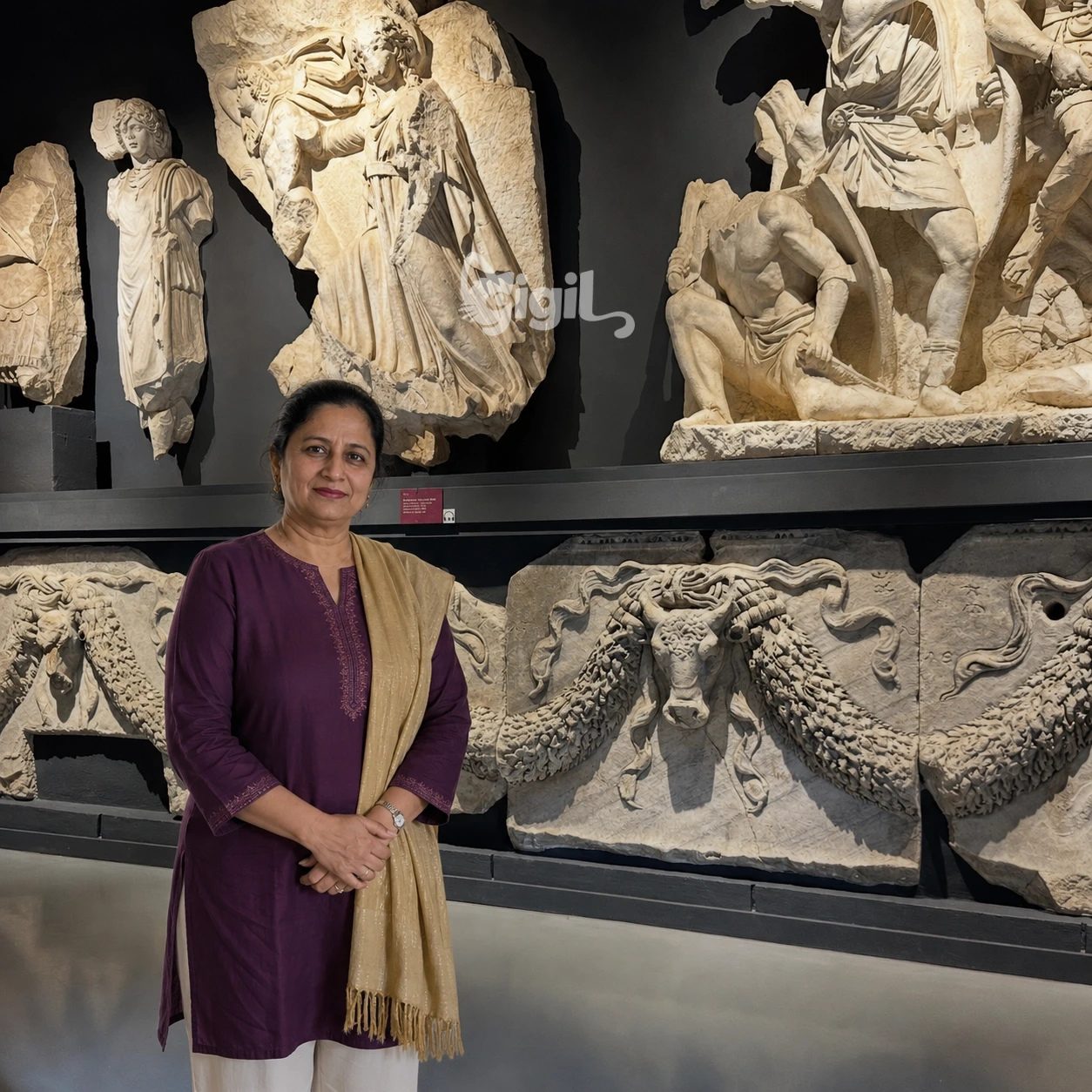
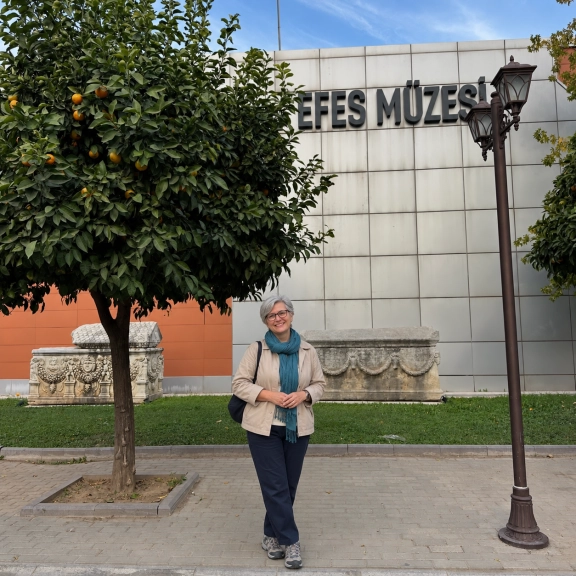
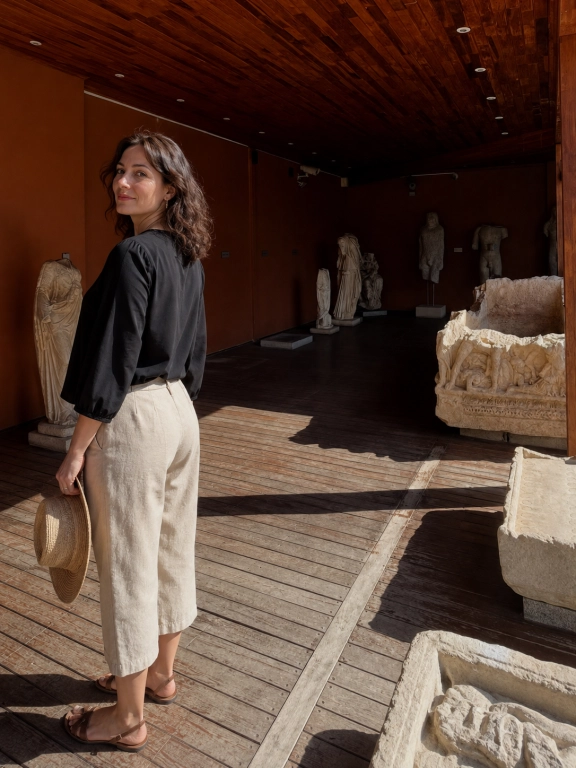
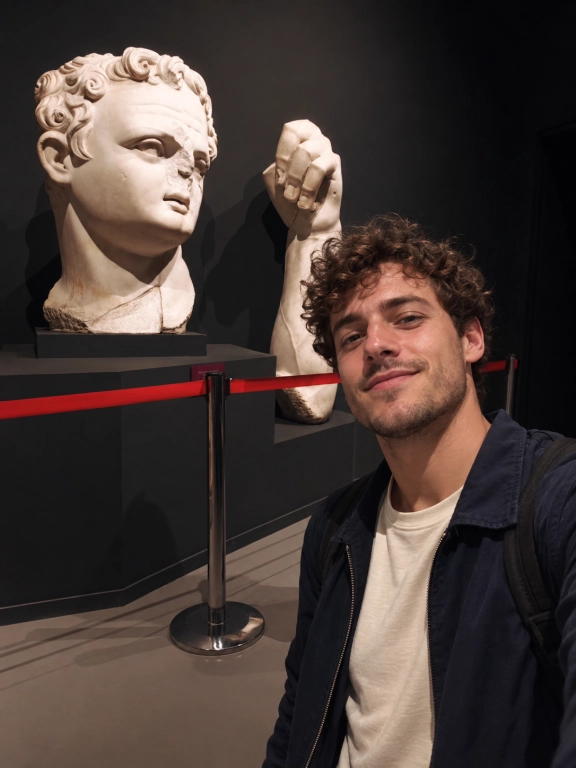
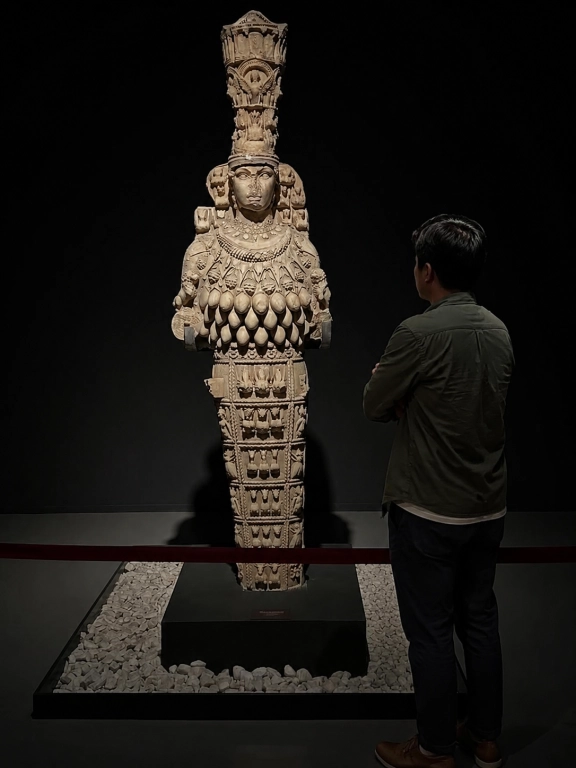
Ephesus Archaeological Museum provides the route's indoor collection context in Selcuk, where artifacts add scale and detail to the archaeological landscape. Artifacts provide texture and evidence, while any current gallery closure or object rotation remains an operating condition.
Placed in the second half of the sightseeing sequence, it gathers earlier themes before the route explores medieval Selcuk. The destination is interpreted in relation to the whole route while remaining separate from the lunch pause and travel arrangements. Travelers therefore receive useful context without a promise the site cannot support.
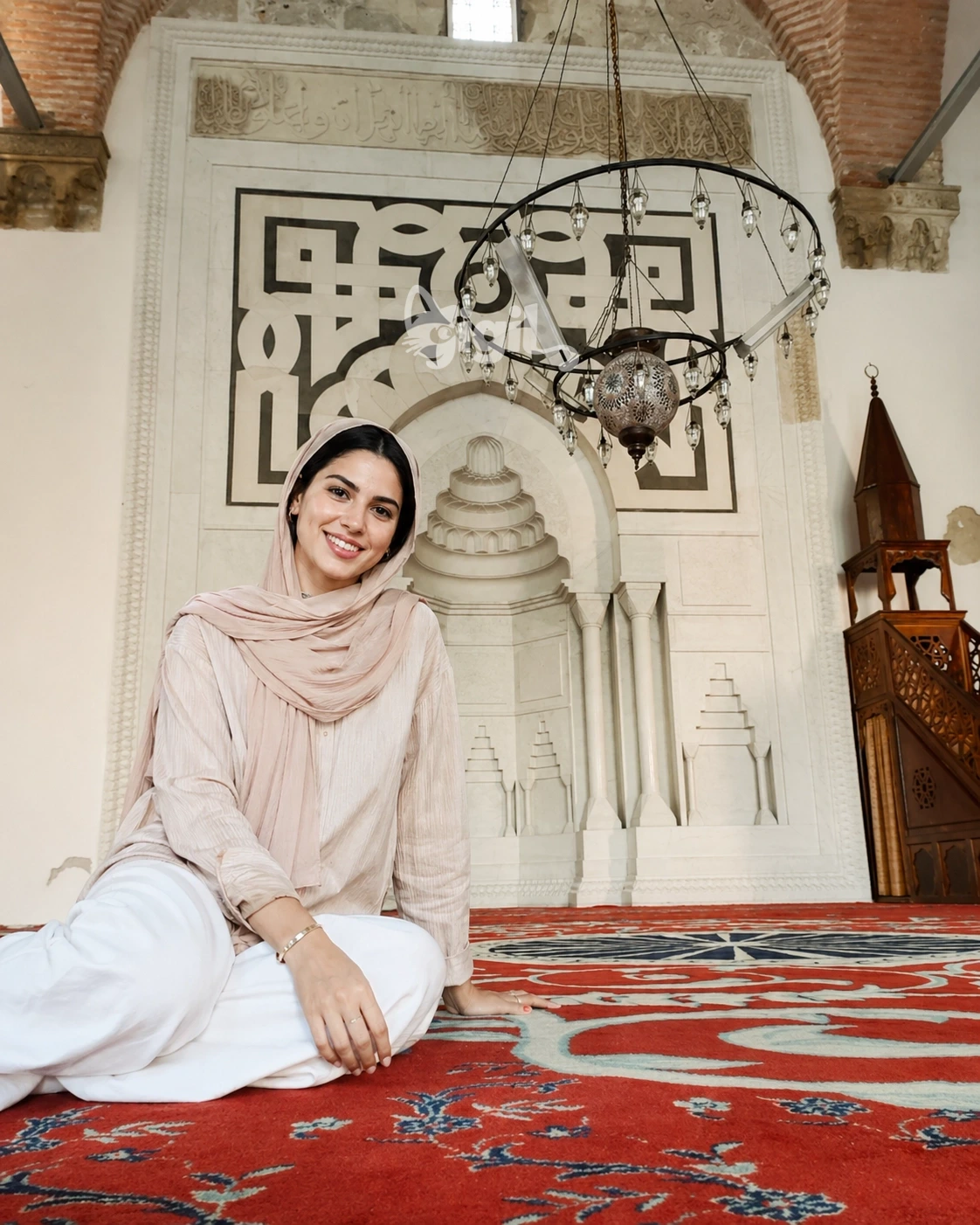
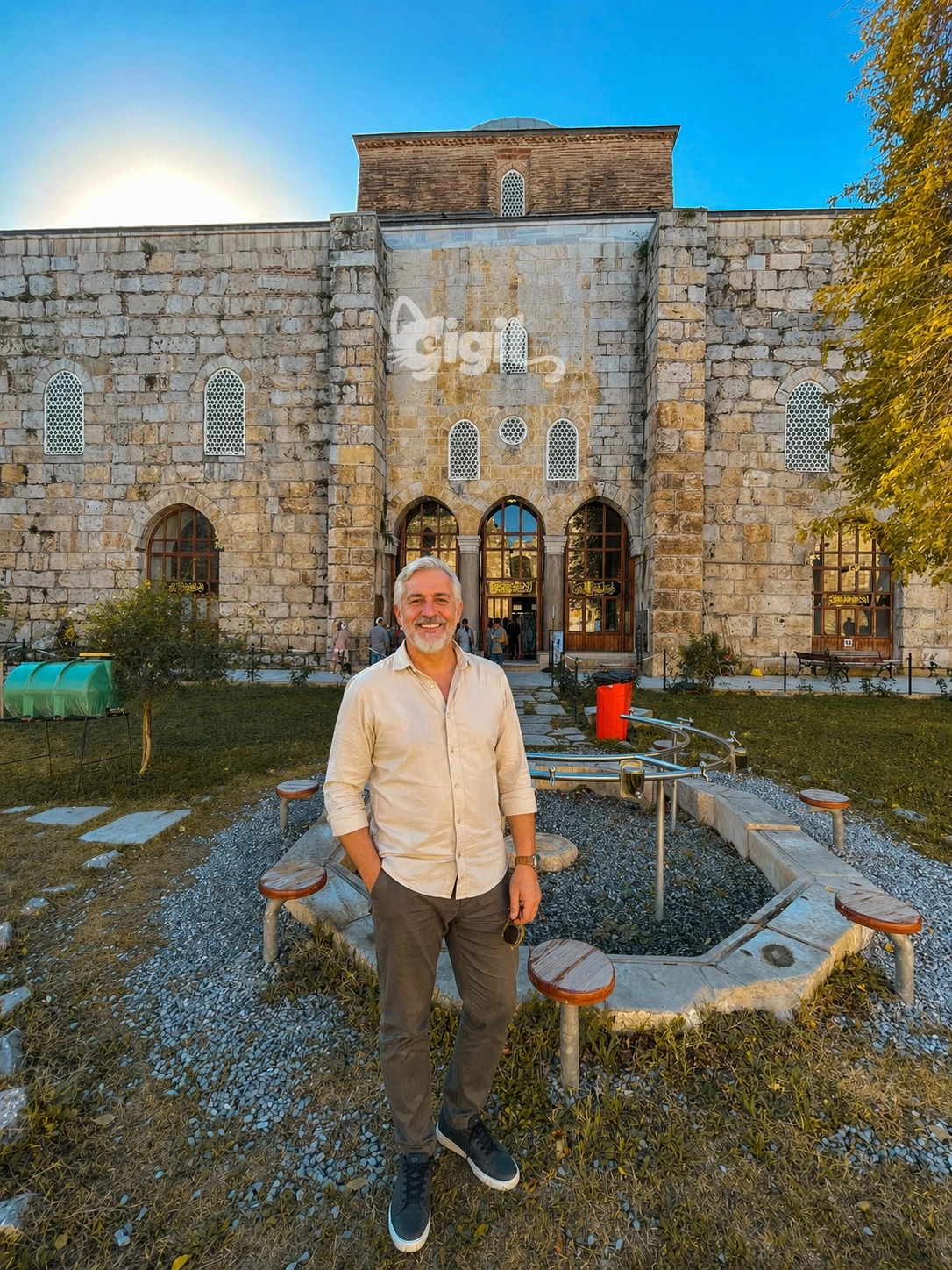
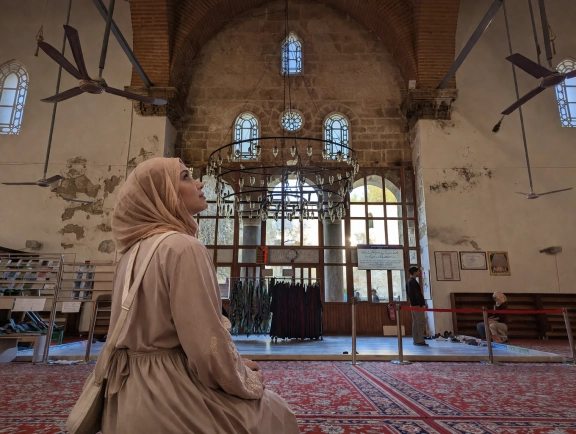
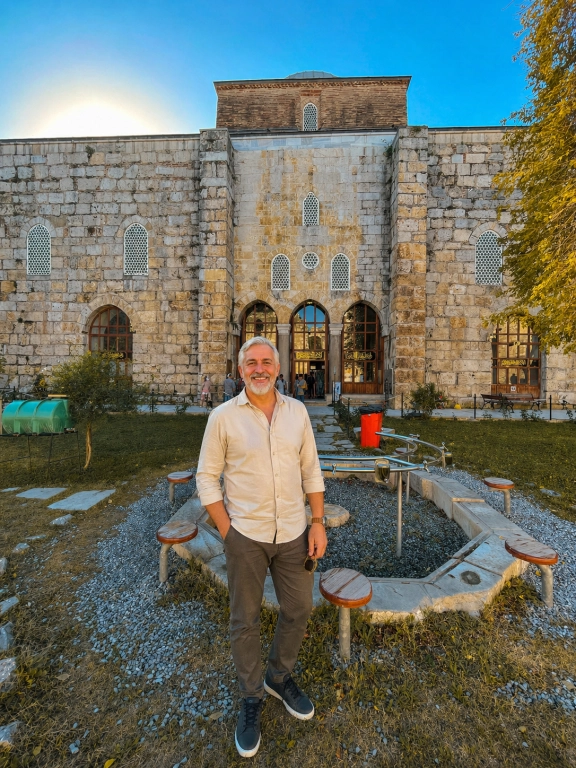
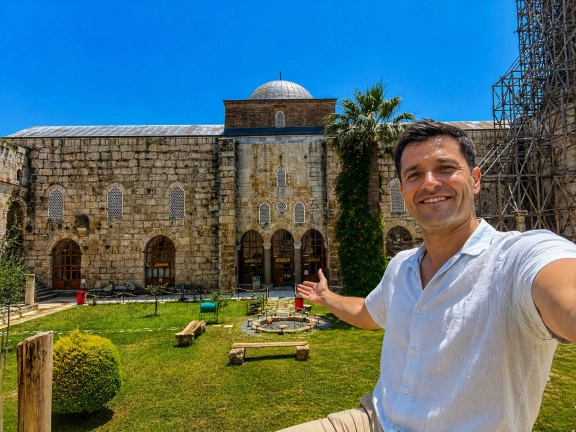
Visit Isa Bey Mosque.
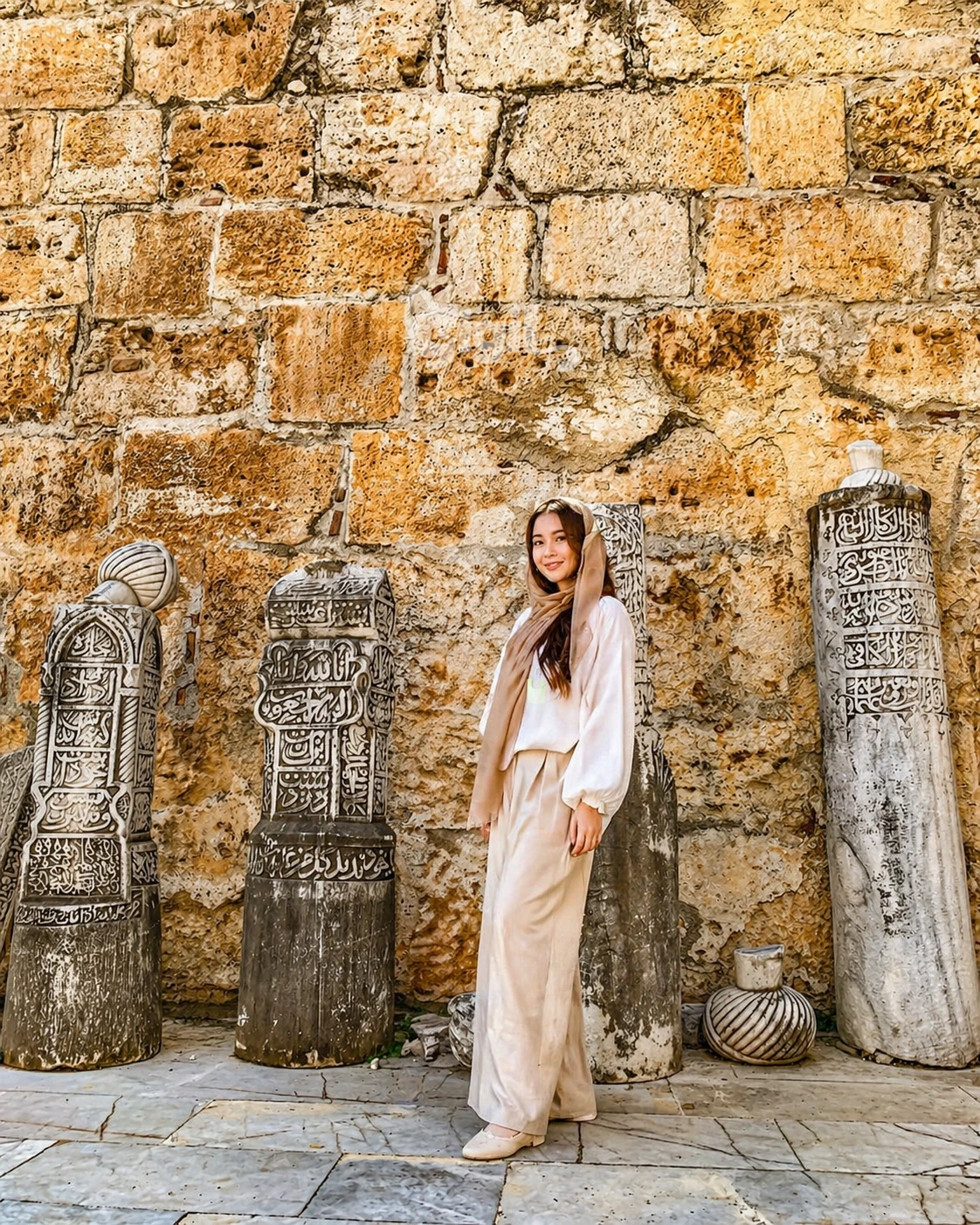
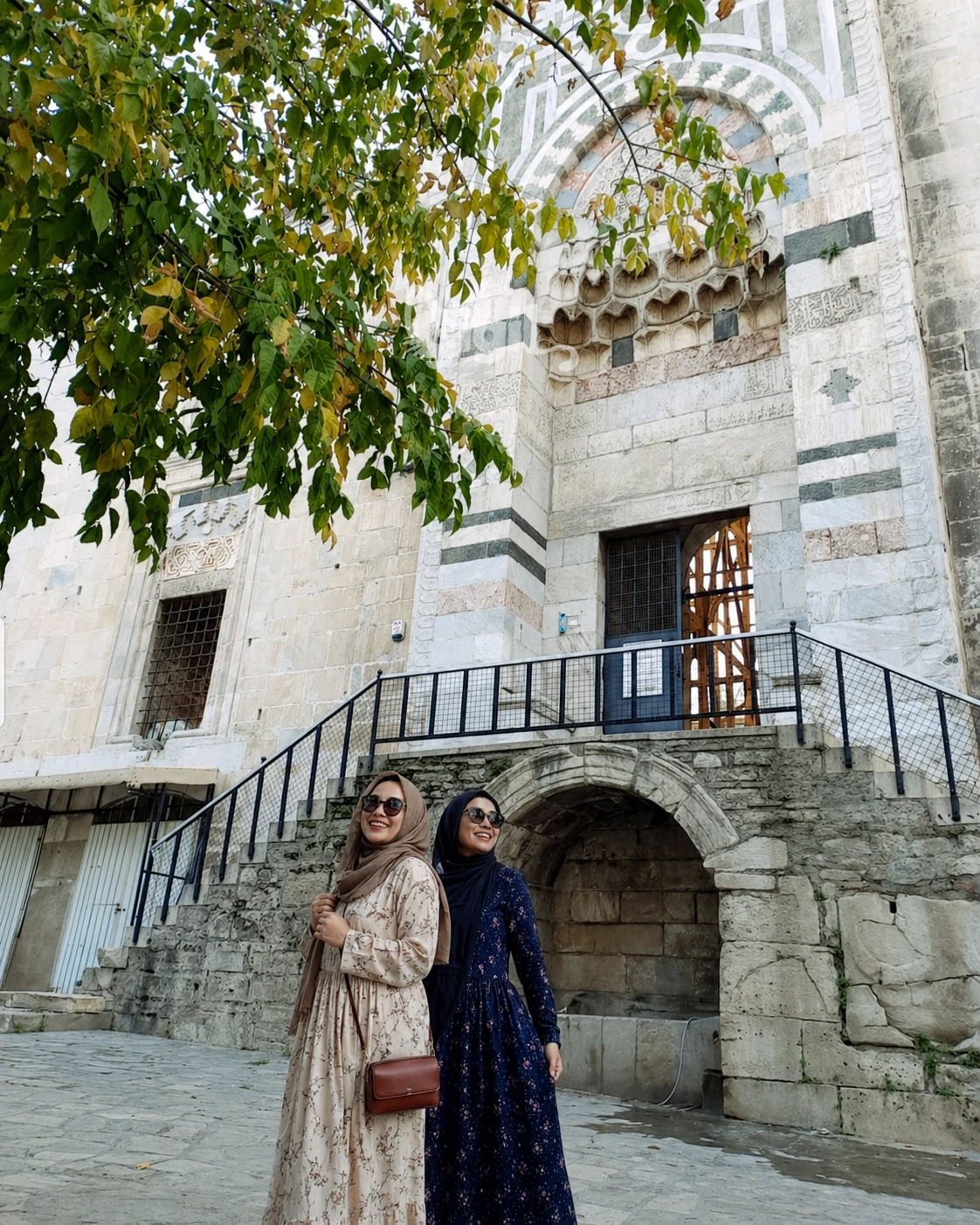
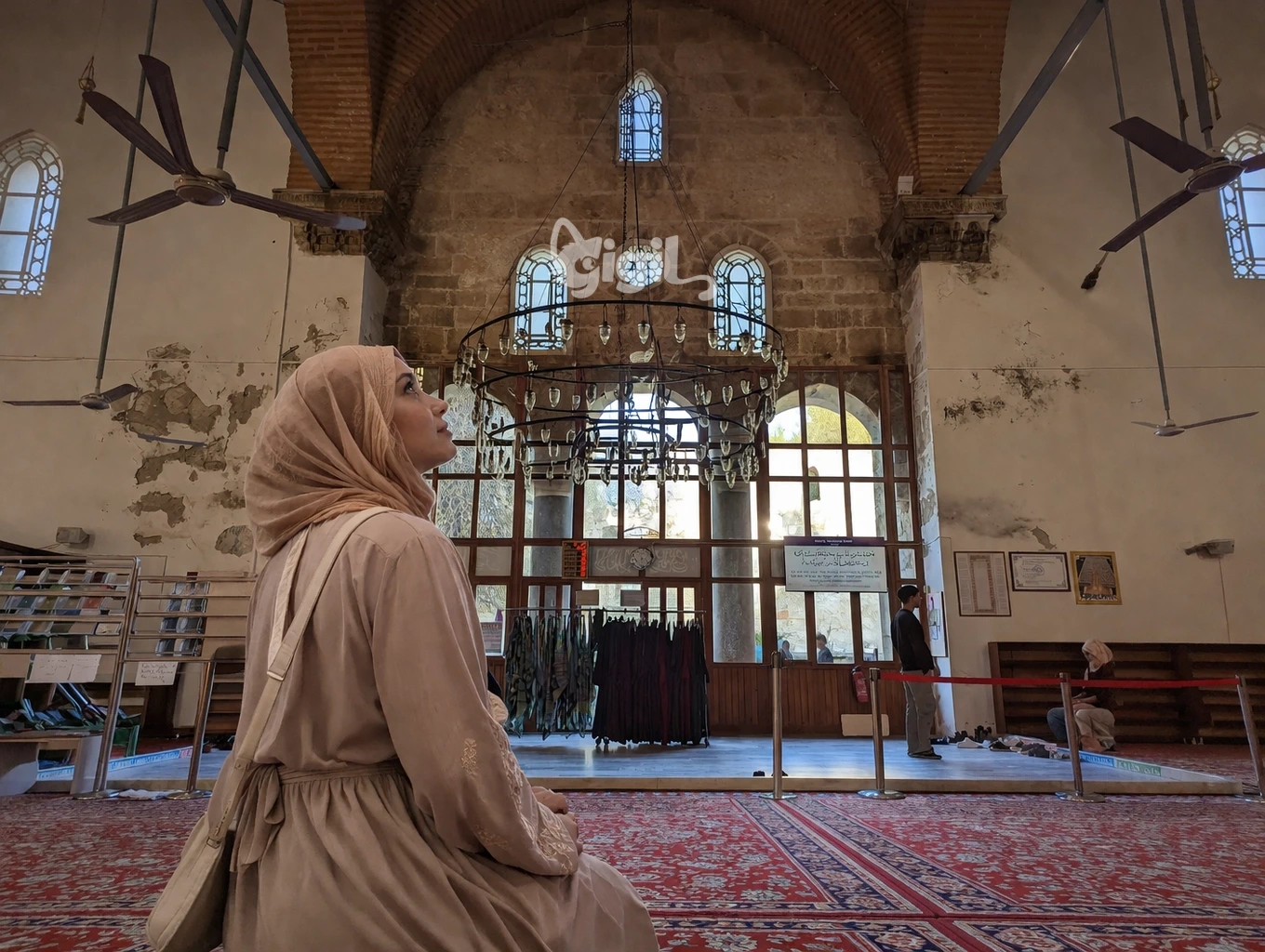
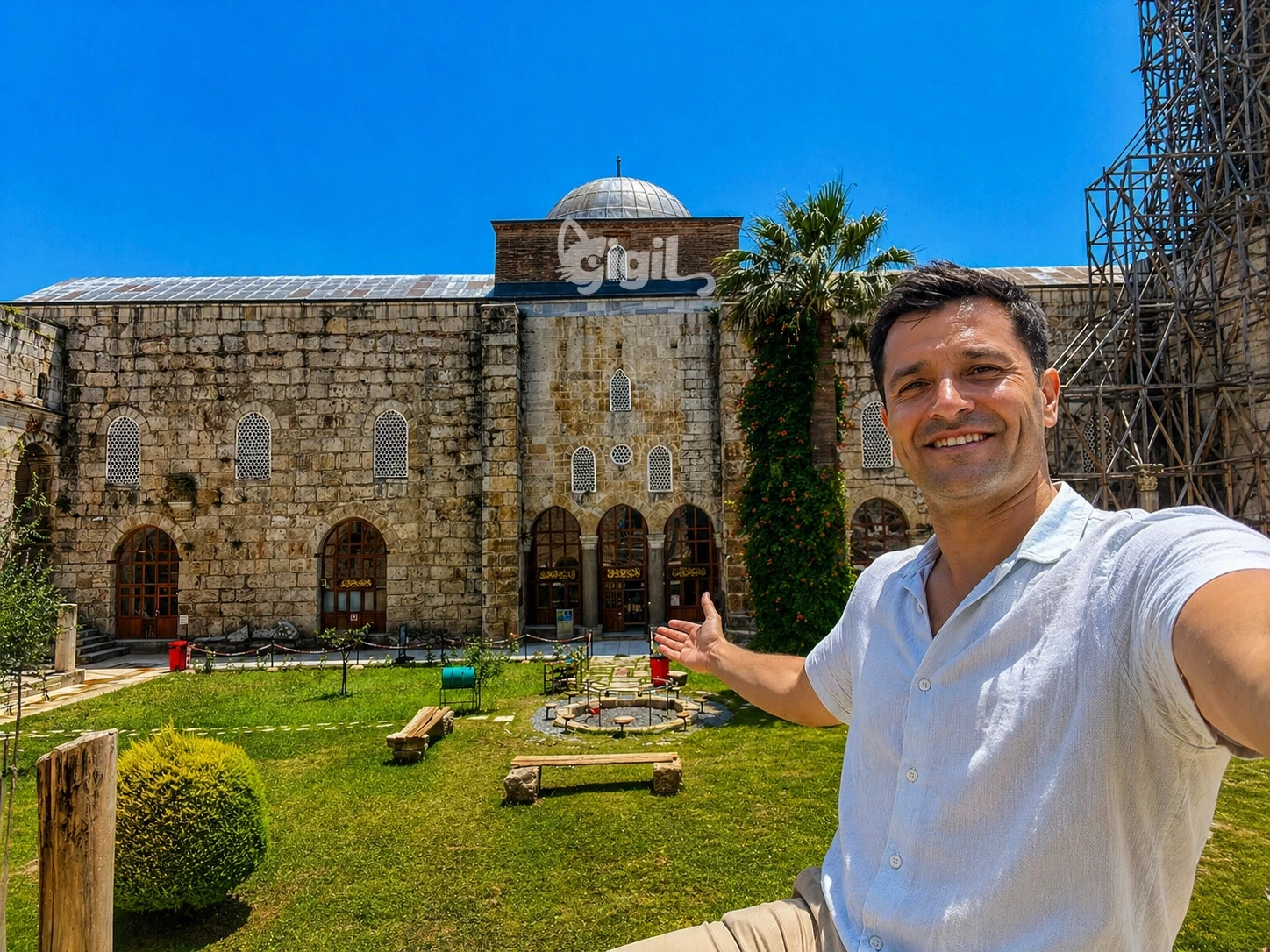
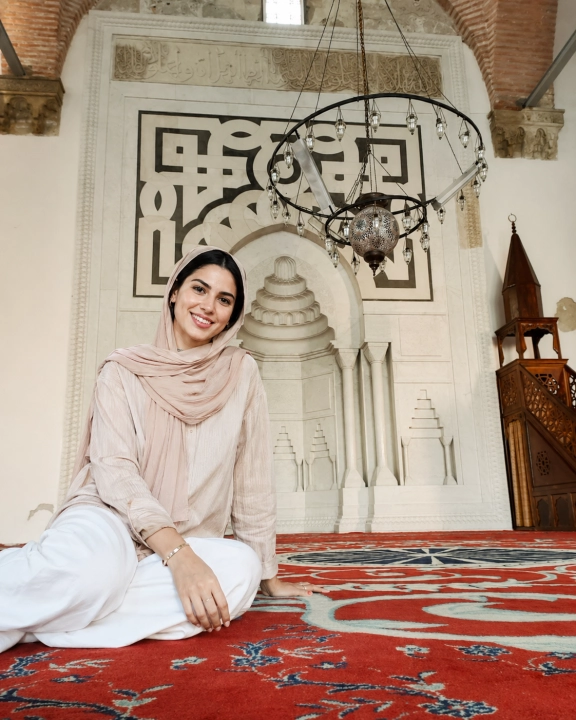
Stop at the historic mosque below Ayasoluk Hill, respecting prayer times and visitor access rules.
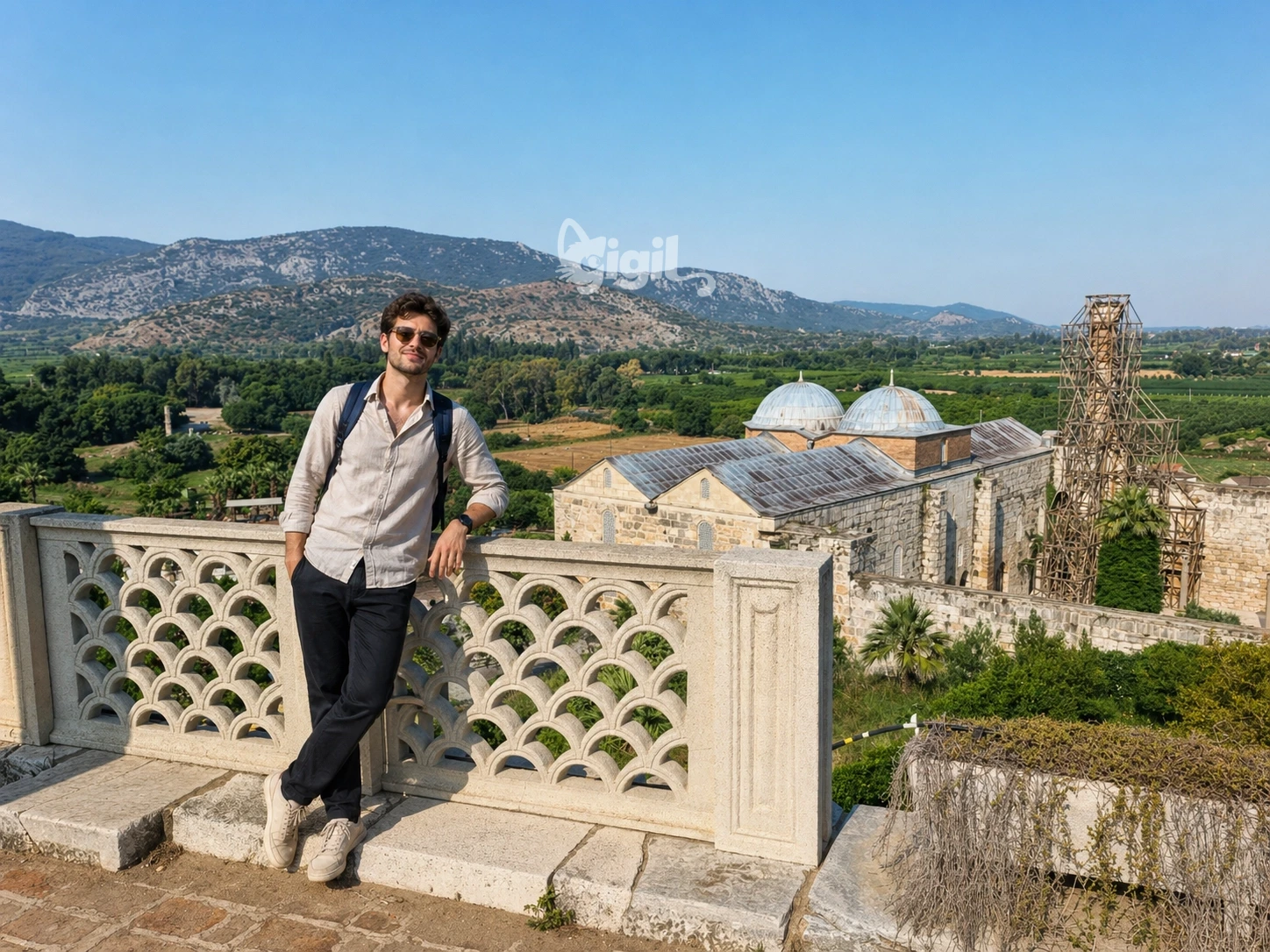
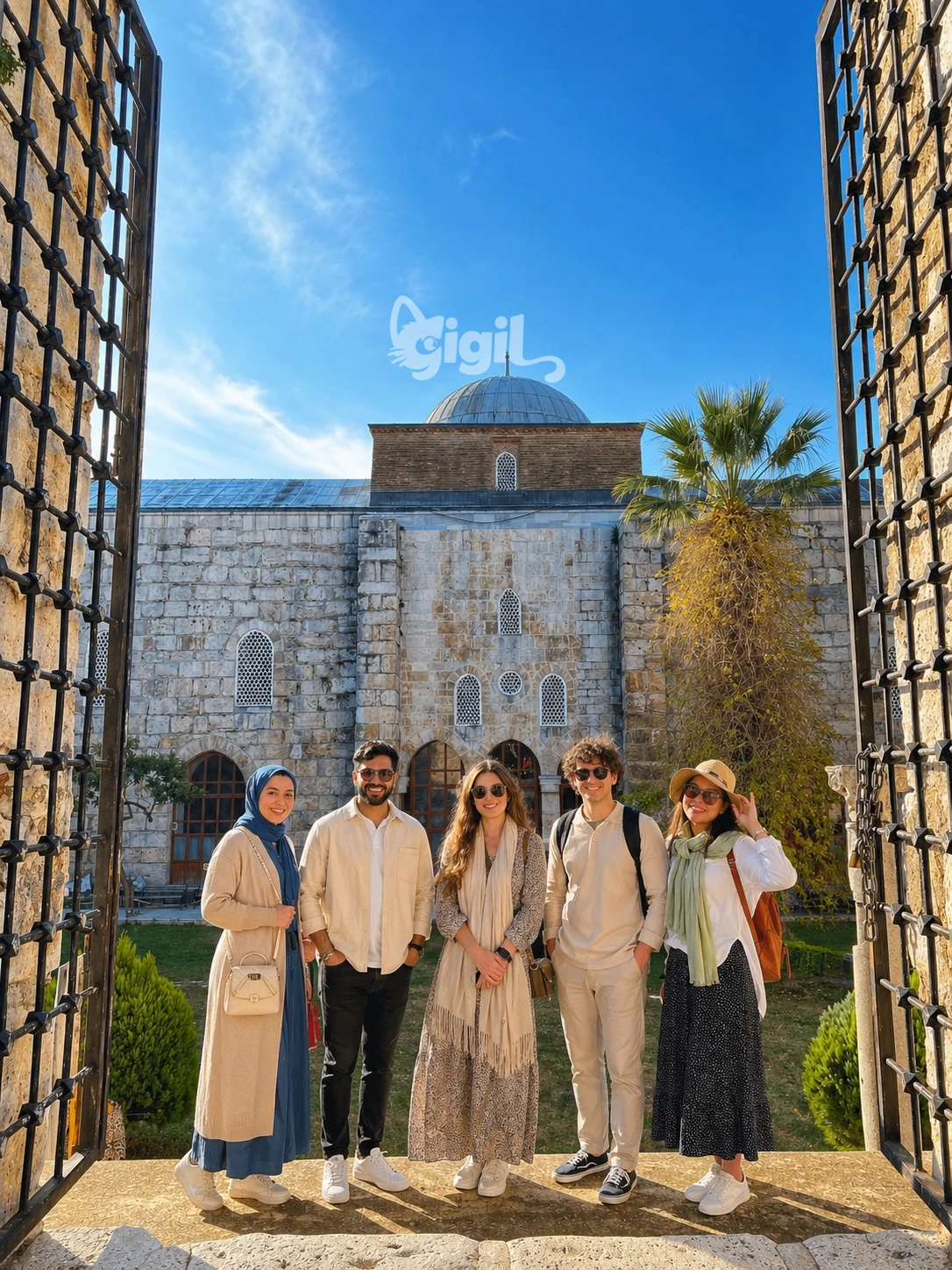
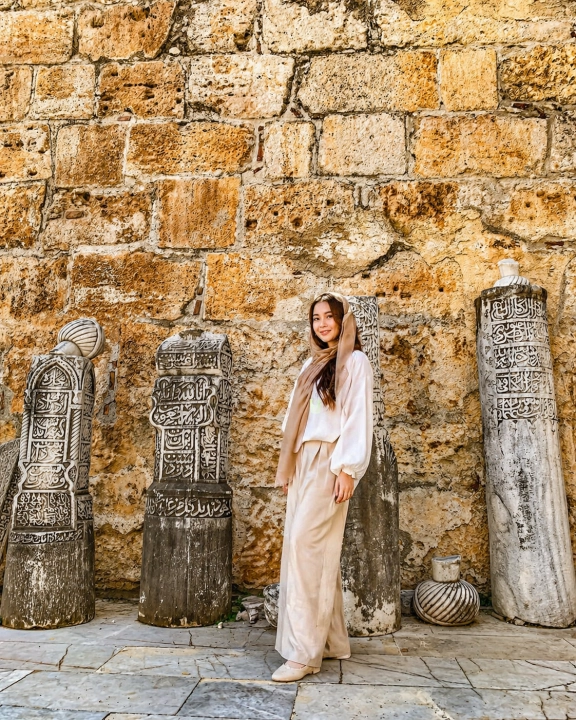
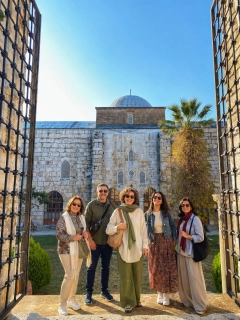
Isa Bey Mosque provides a distinct Aydinid perspective through a fourteenth-century mosque that remains connected with active worship. Current access, photography and group-entry arrangements should follow local guidance on the day of the visit.
The visit begins the Selcuk monument pairing, followed by St. John Basilica and then the Temple of Artemis. The route gives the site enough context to be meaningful without blending it with neighboring monuments or operational stops. The description stays specific to the destination and useful for route comparison.
Walk to St. John Basilica.
Continue on foot to the basilica complex and its viewpoints above Selcuk.
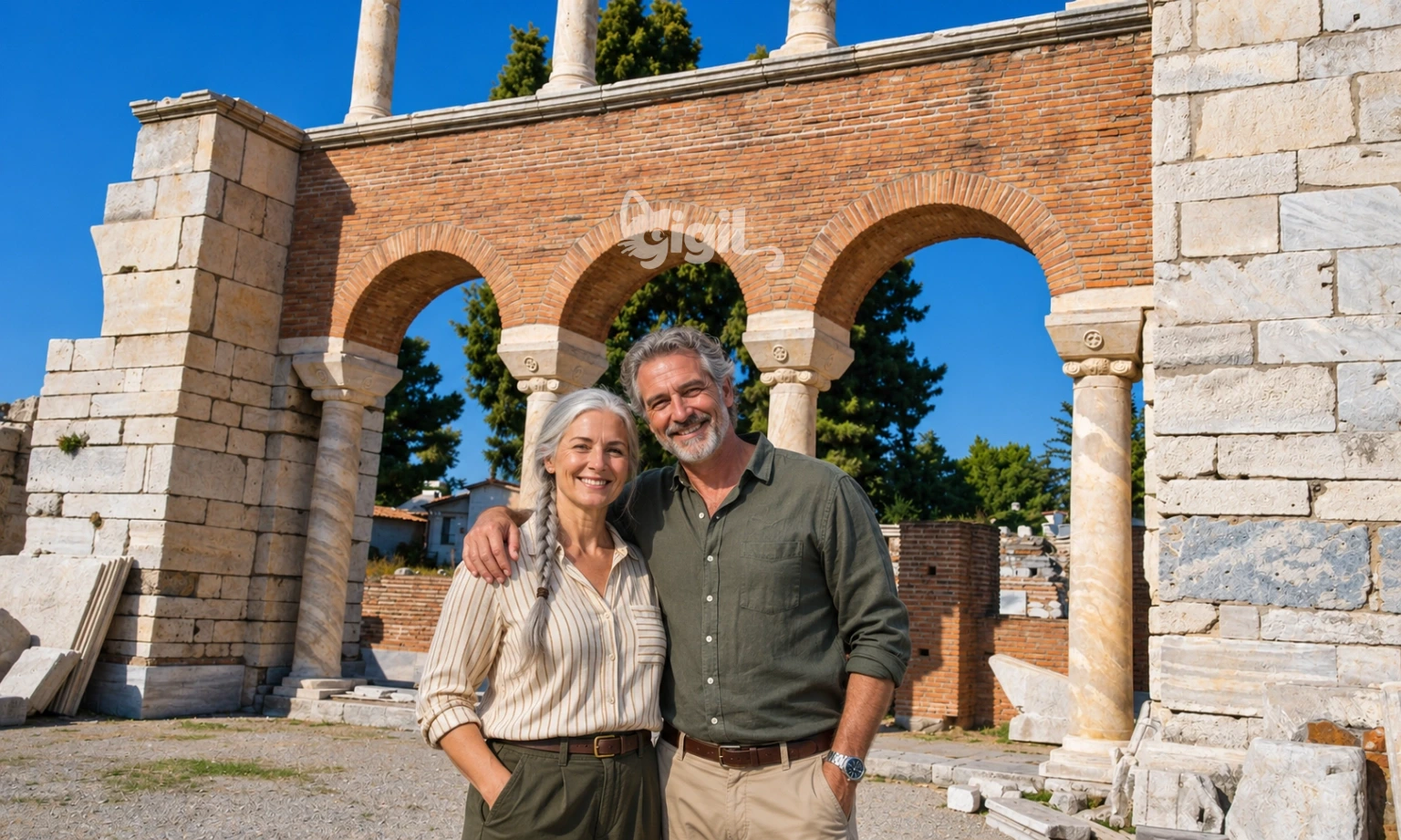
St. John Basilica adds a Christian archaeological landmark whose physical remains differ clearly from the living sanctuary visited earlier. This is an archaeological monument, not a functioning parish church or a promise of a religious service.
The sequence places Byzantine remains after the living mosque, then closes with the much older Artemis sanctuary. Accurate place-based interpretation lets this destination deepen the journey without introducing claims beyond the confirmed visit. Its value comes from accurate interpretation rather than broad promotional claims.
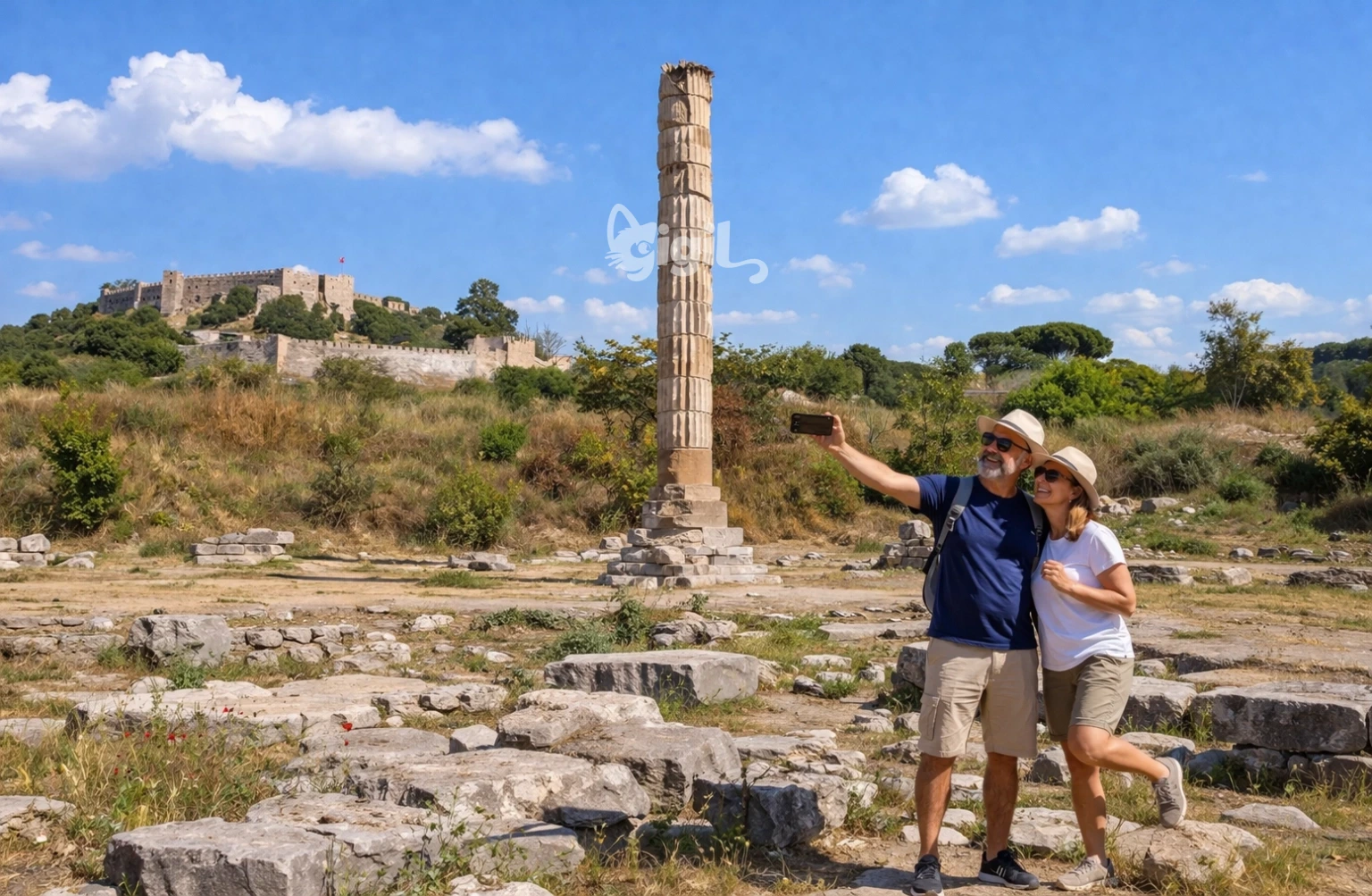
Walk to the Temple of Artemis.
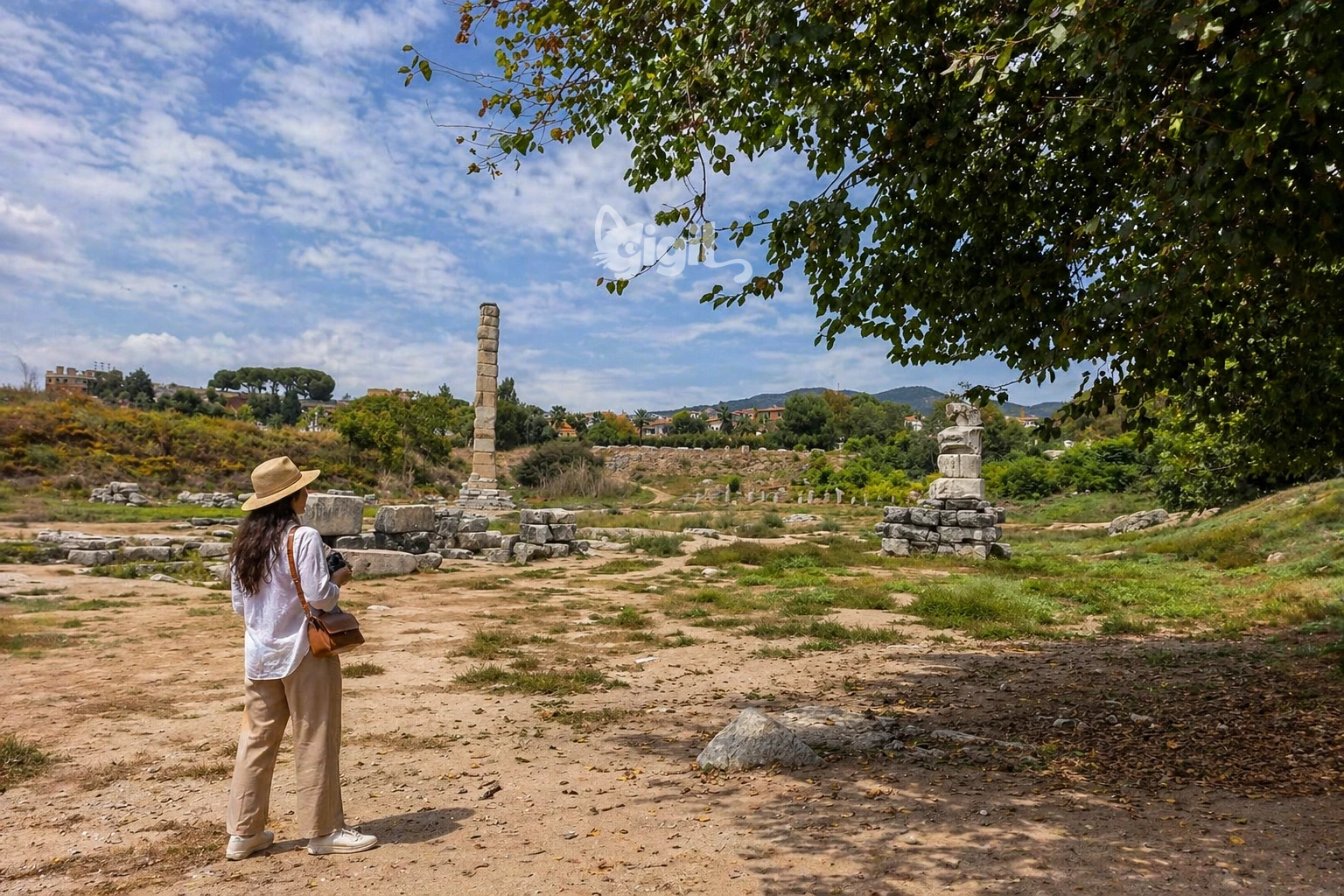
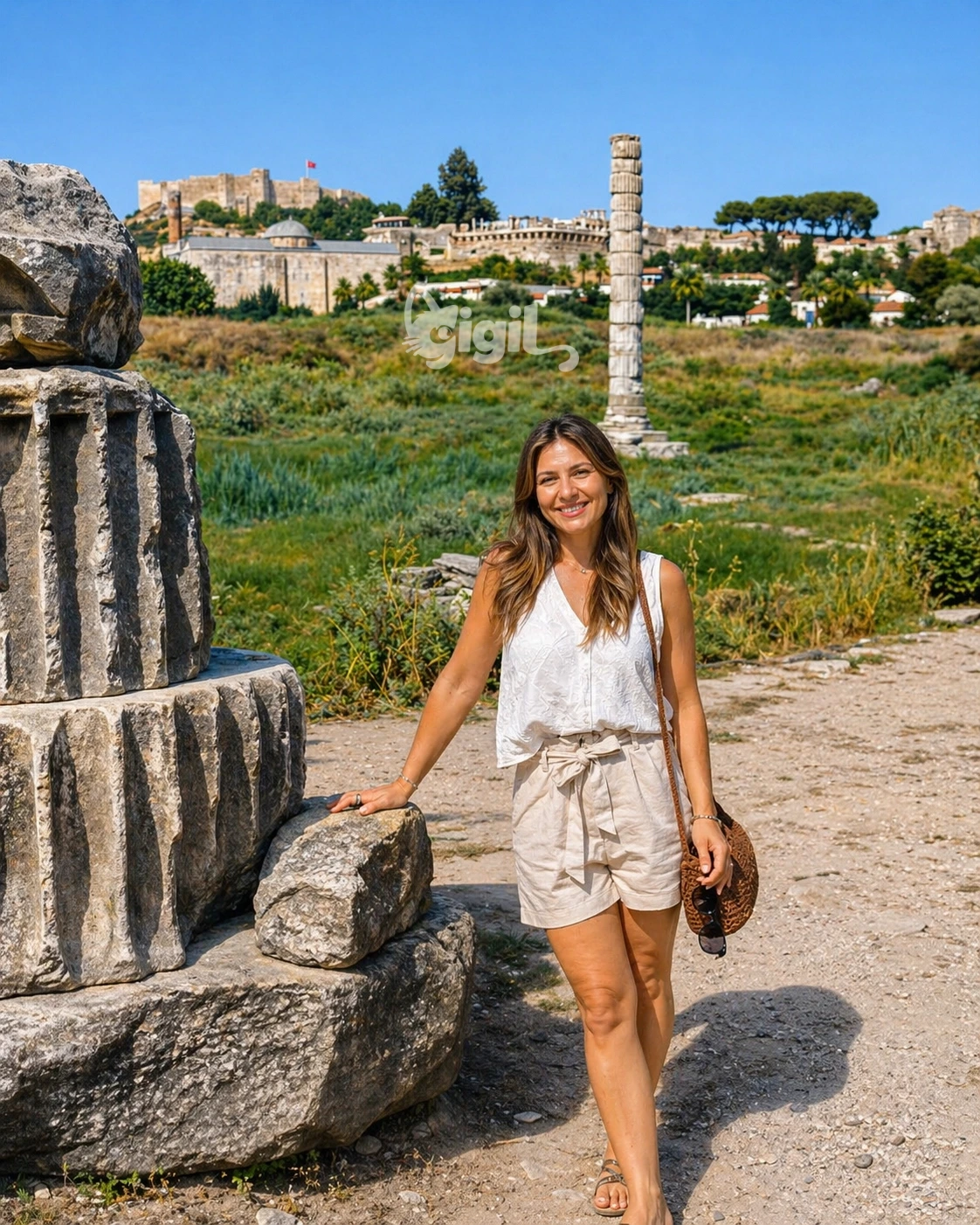
Finish the Selcuk heritage section with the remains of the Temple of Artemis before meeting the vehicle.
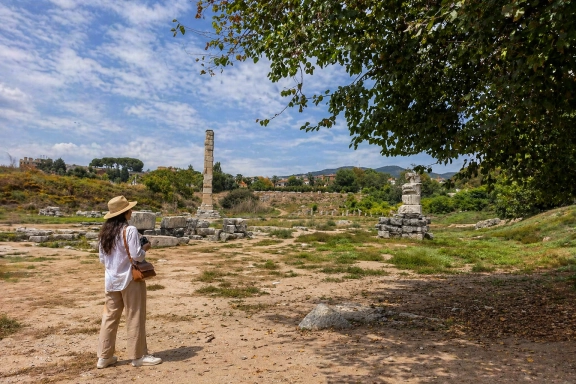
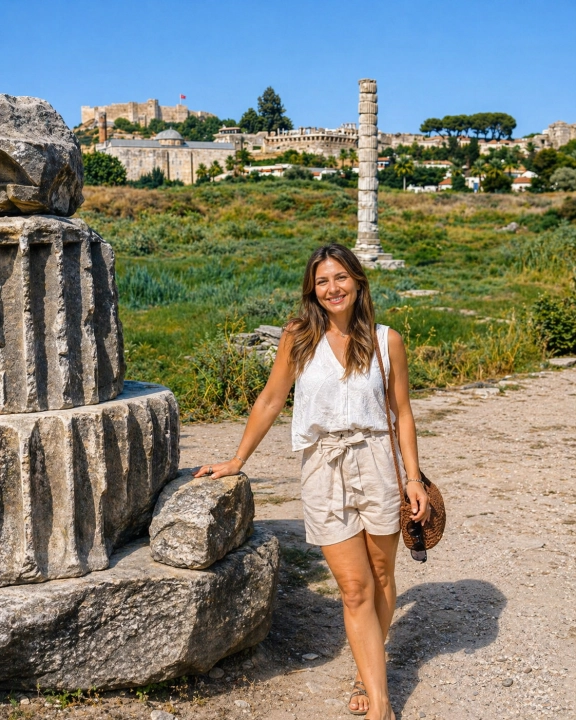
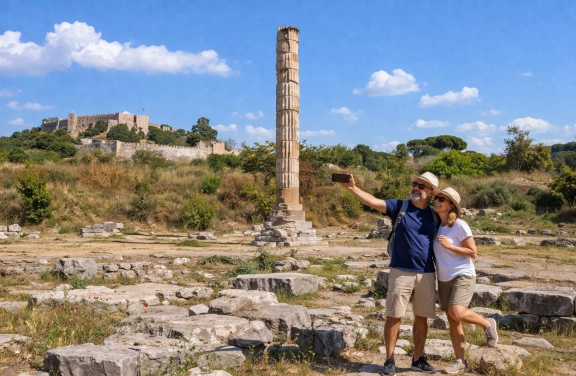
Temple of Artemis provides the final heritage contrast: a once-monumental Artemis sanctuary now understood through its remaining site and historical context. The contrast between reputation and survival is the key to appreciating the place honestly.
Its closing position lets the route finish with reflection on what survives and how ancient fame is interpreted today. As a genuine sightseeing destination, the stop broadens the route while remaining distinct from accommodation, transport and meeting logistics. This place-led perspective supports both discovery and realistic visitor expectations.
Stay overnight after the route.
Use the second overnight stay before the return transfer.
Check out and return by road to the original departure area.
Depart from the hotel area.
Check out and begin the long road transfer back.
Return to the confirmed hotel or meeting point in Troy, Canakkale.
After the heritage route and its supported travel sections, return drop-off is arranged at the confirmed hotel or meeting point in Troy, within Canakkale.
Reach out to our travel experts.
Cancellation Policy
A transparent overview of applicable fees.
Traveller feedback for this tour group, published after review.
Write a ReviewMy sister and I like to take our time, which was why we chose a private tour. We never felt hurried along when we stopped to look at something. The driver was kind and the whole day felt straightforward.
We had a few questions about meeting up and getting back to the ship. Emrah from Gigil Travel explained the arrangements clearly. On the day we could just enjoy the visit instead of worrying about the logistics.
You can create a reminder for yourself for this tour. We will send you a reminder e-mail/sms about this tour on the date you specify.
Yes. Ephesus is one of the most popular and efficient day trips from Kusadasi.
Shore excursions are built around your ships docking schedule.
Ephesus is an ancient city near Selcuk on Turkeys Aegean coast.
Yes, but it is a longer drive than from Kusadasi.
Ephesus is a large open-air archaeological site with world-famous monuments.
The Terrace Houses offer a closer look at Roman-era homes, mosaics, and frescoes.
Ephesus involves a lot of walking on stone surfaces and open paths.
Comfort and sun protection make a big difference.
Ephesus can be visited year-round, but the experience changes by season.
Ephesus is very popular, especially in summer and on cruise days.
In peak season, planning helps avoid delays, but rules can change.
It is a meaningful stop for many visitors and can be added based on timing.
Sirince is a small hillside village near Selcuk and is often added for variety.
It is usually too long for a comfortable day, especially for cruise schedules.
It is usually not recommended for a single day from Kusadasi.
Ship schedules can change, and we plan with buffer time.
For cruise travelers, private tours are often the most comfortable option.
It depends on comfort level, as the site is large and mostly outdoors.
Visa requirements depend on your passport and may change.
Turkey uses the Turkish Lira (TRY).
Cards are accepted in many restaurants, shops, and hotels.
Many travelers prefer bottled water.
Tipping is common and appreciated for good service.
Turkey typically uses Type C and Type F plugs (220V, 50Hz).
SIM and eSIM options are available from major operators.
Opening hours can change by season and some venues may have weekly closure days.
Photography rules vary by venue.
Some cruise ships keep ship time different from local Turkey time.
Tourist areas like Kusadasi and major sites are used to international visitors.
If you prefer a lighter day, there are good alternatives.
We recommend keeping your passport safely on the ship or at your accommodation and carrying a copy if needed.
Dial 112 for emergencies (medical, police, fire, and urgent situations).
Download this tour’s PDF brochure and start tour planning offline
This tour also has a group tour version.
This tour also has transport options.
Ada
Book Ephesus Tours Assistance