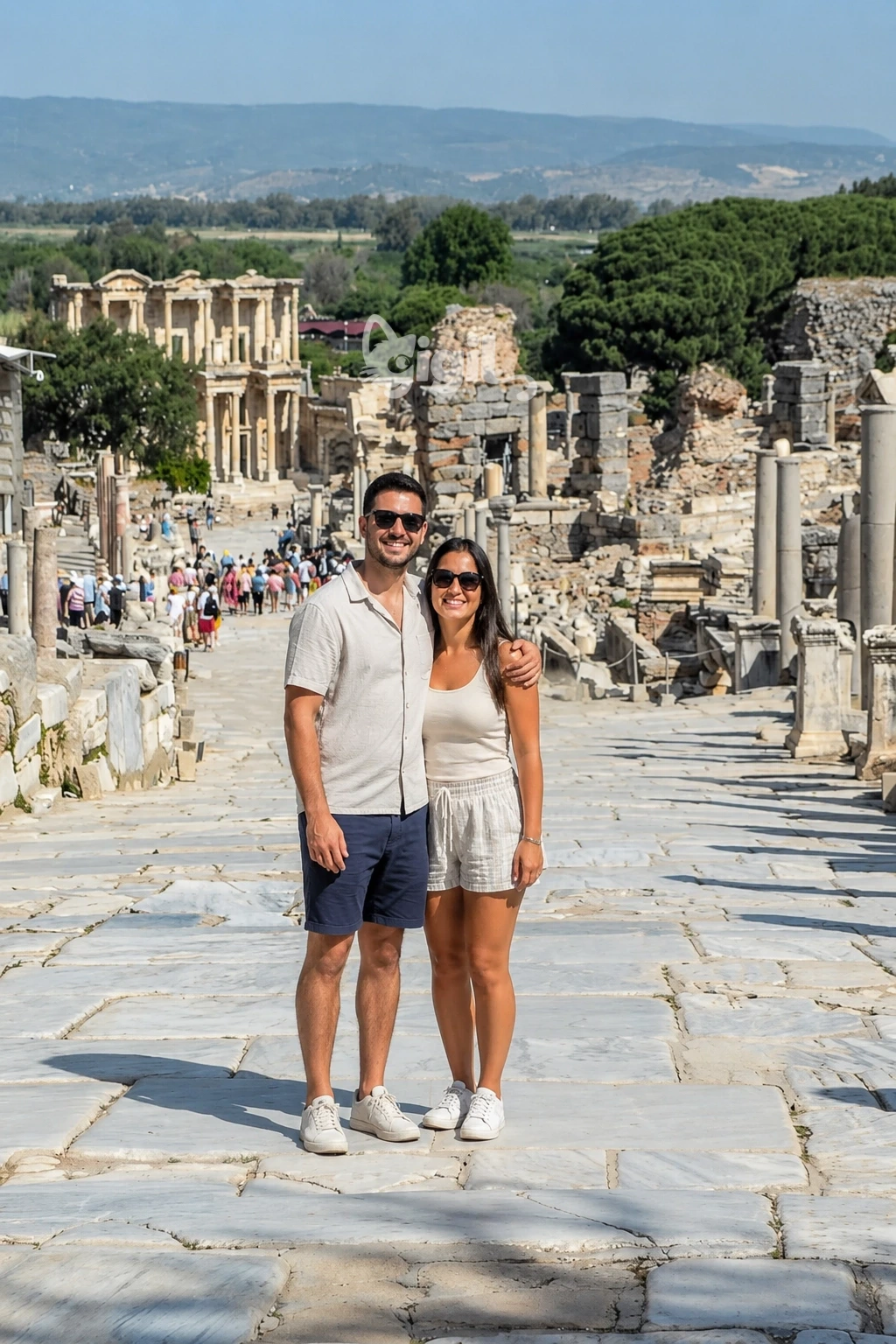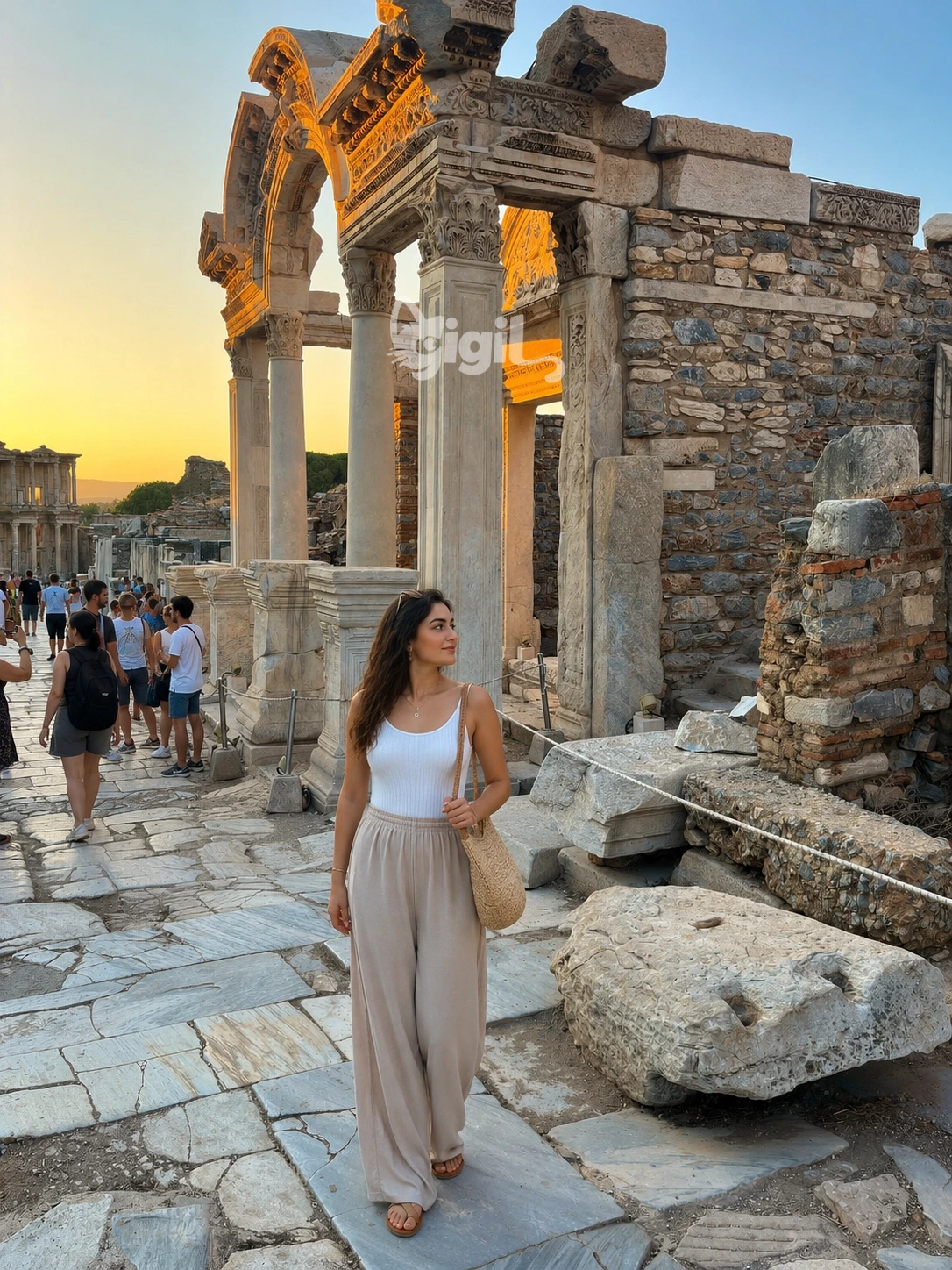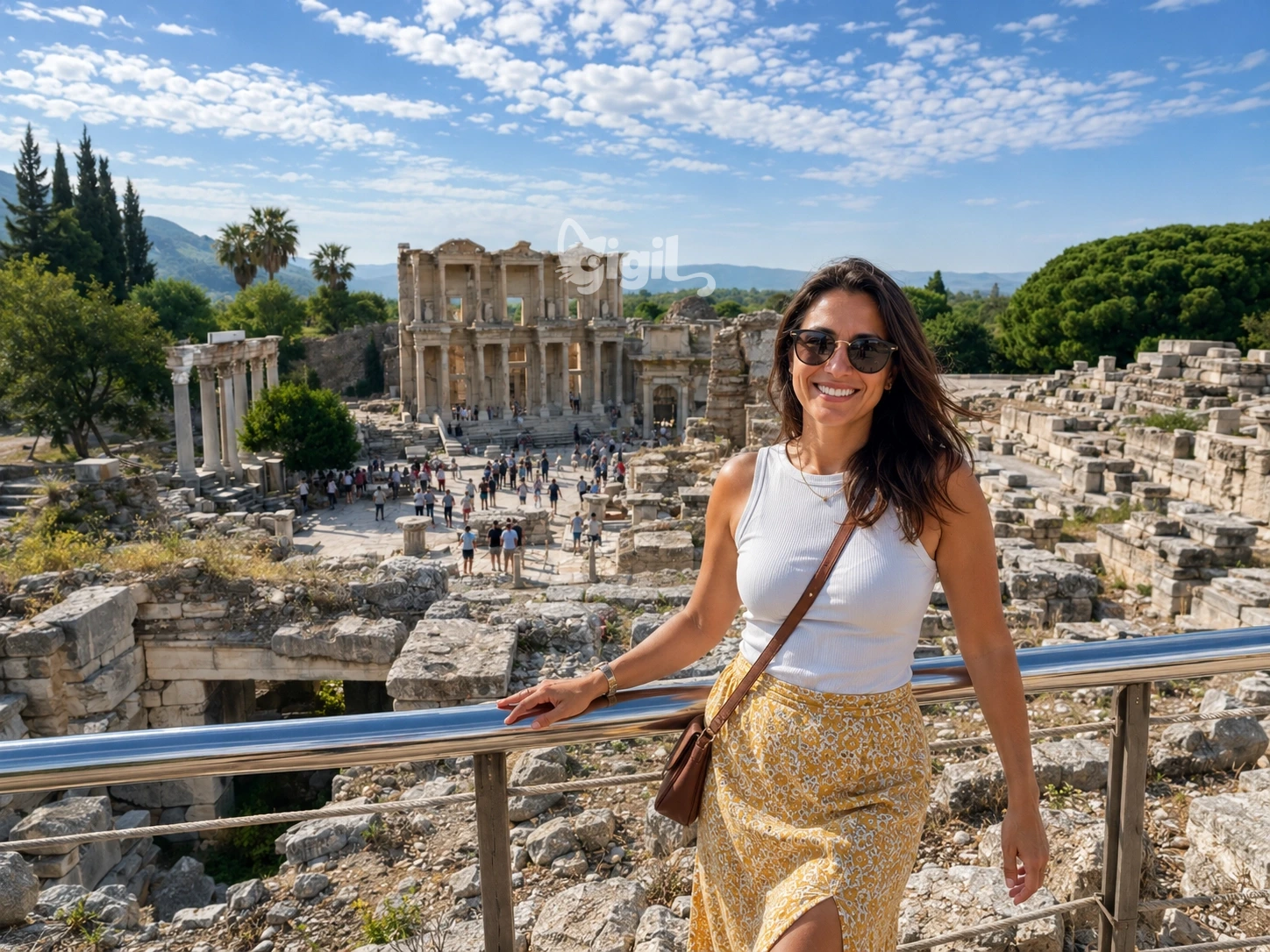









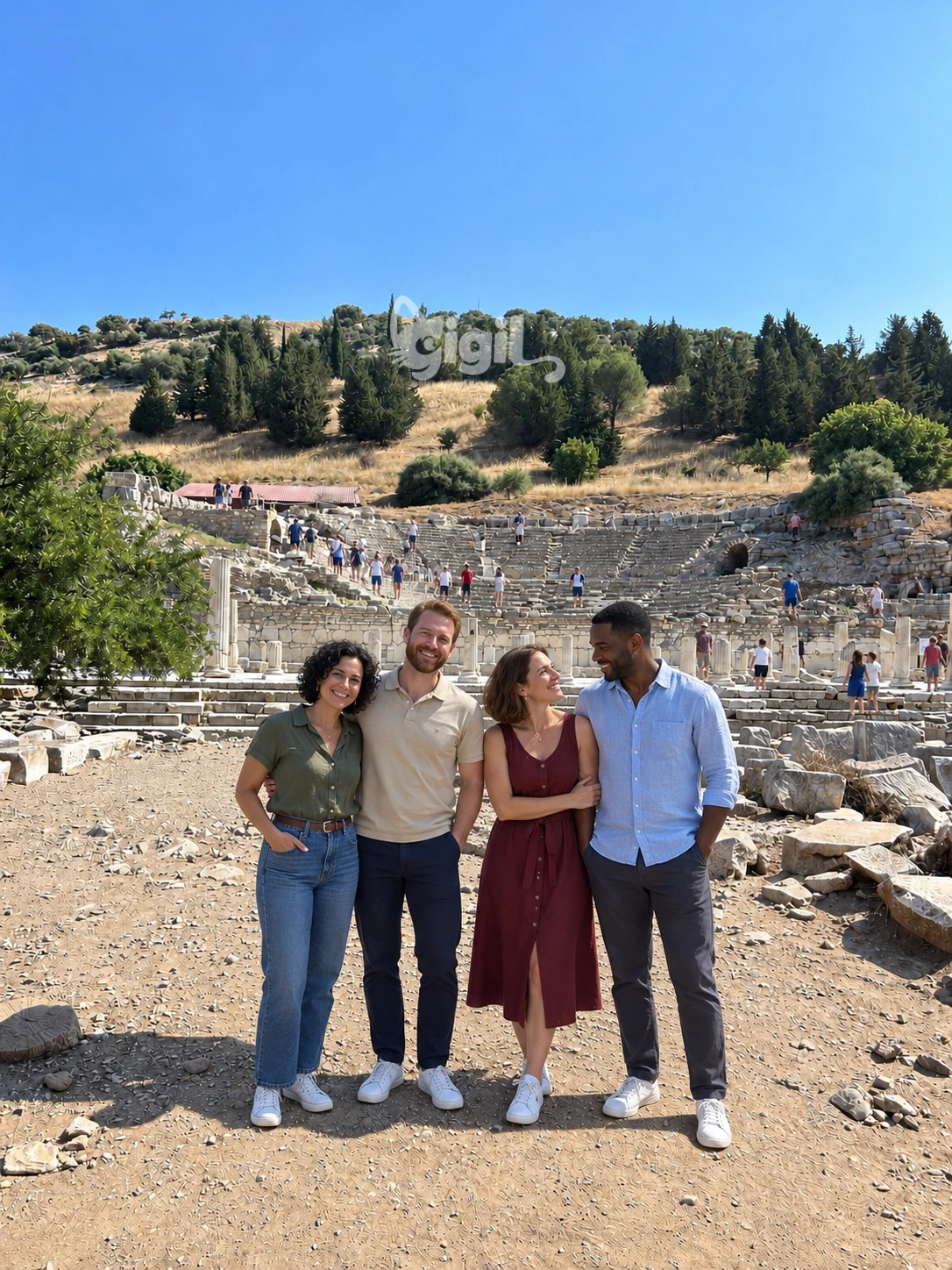
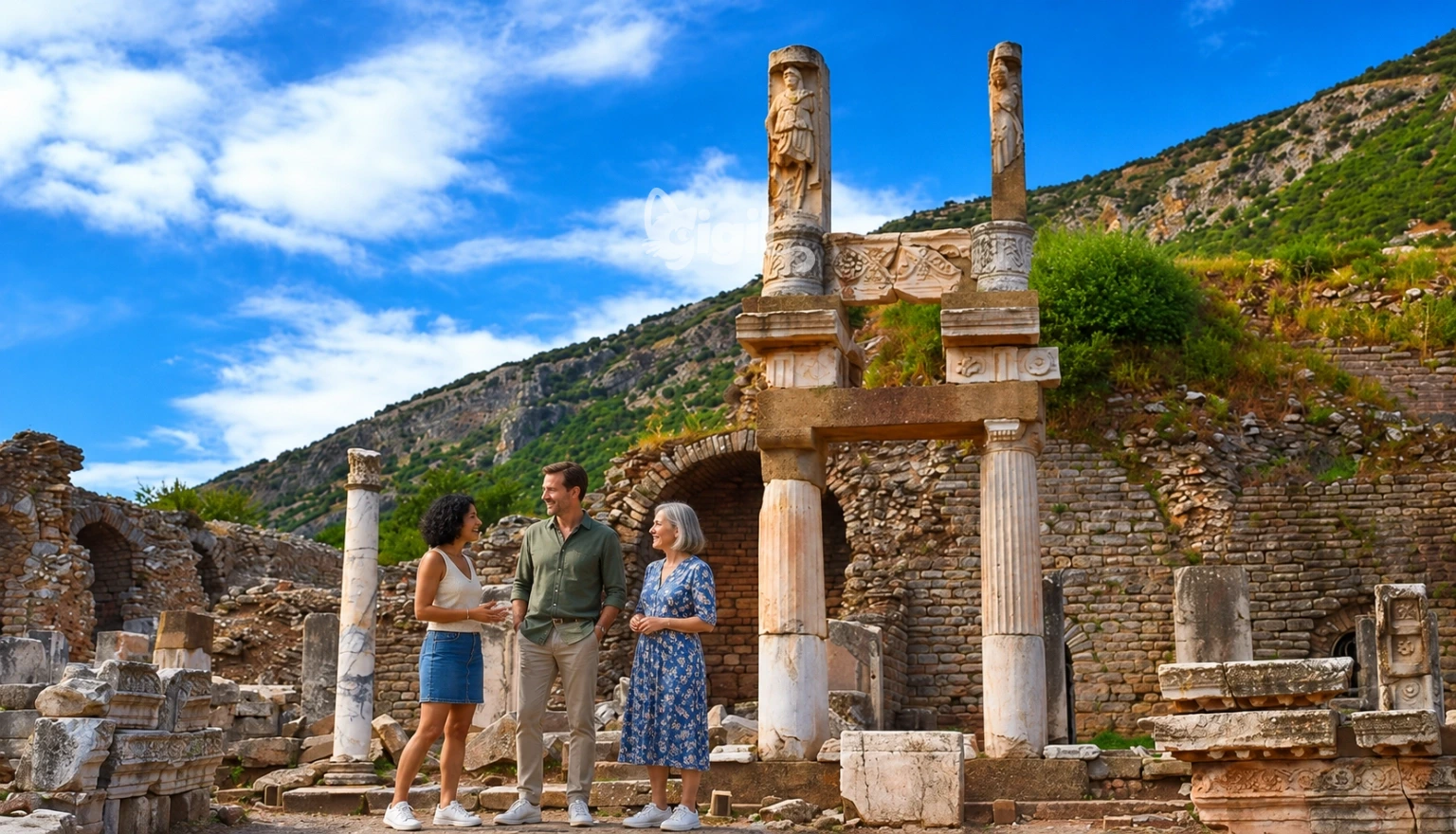

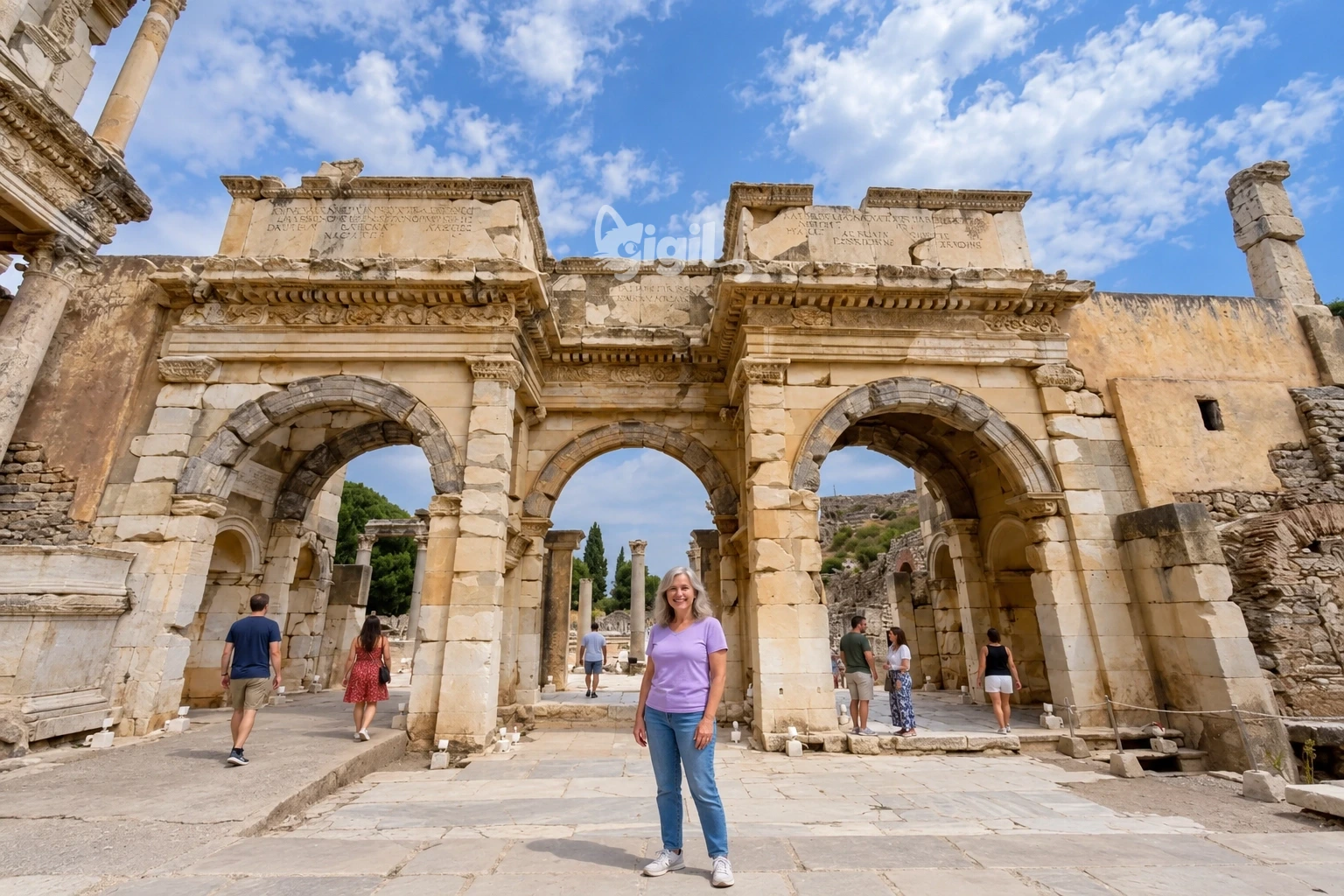
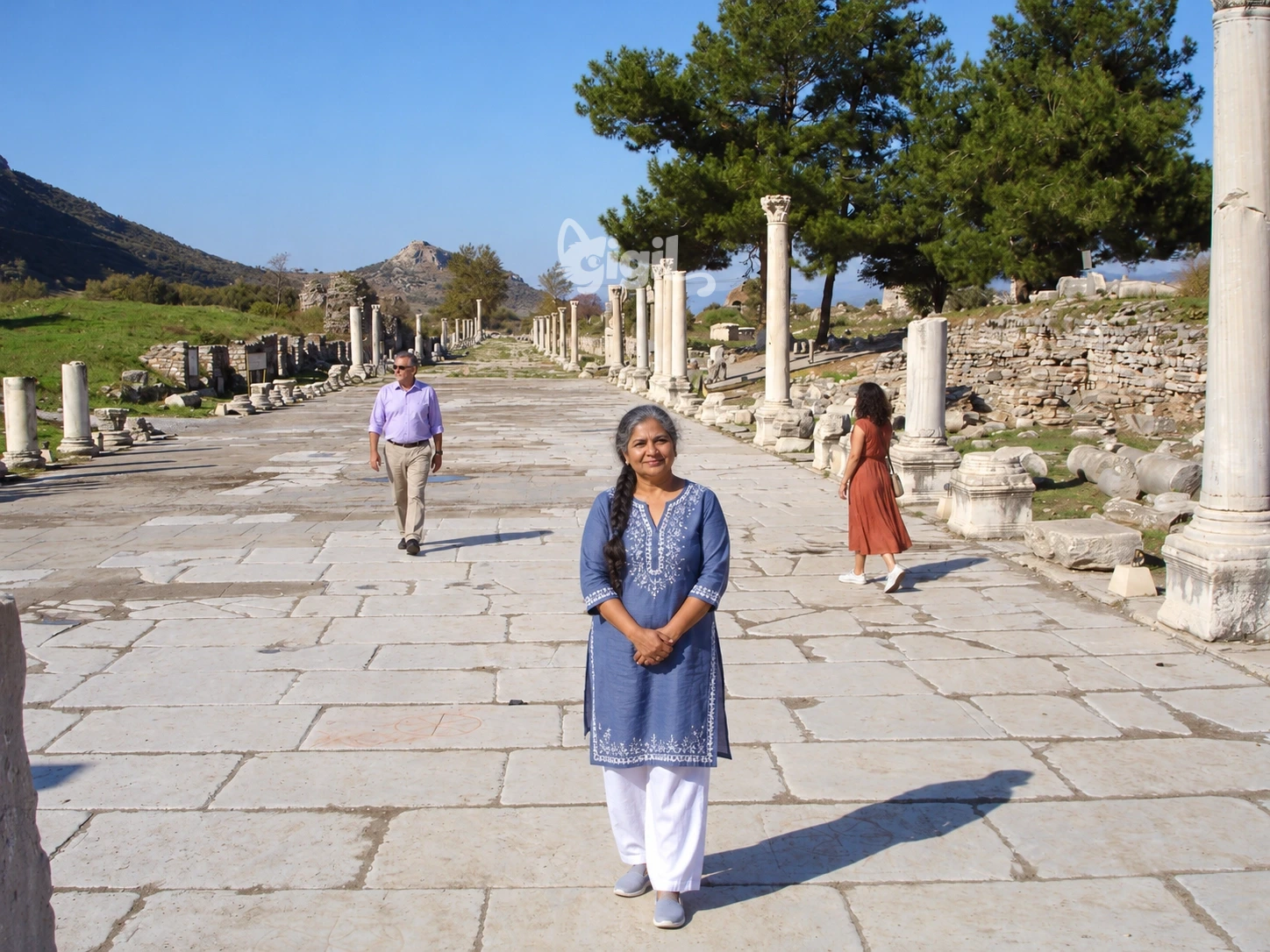
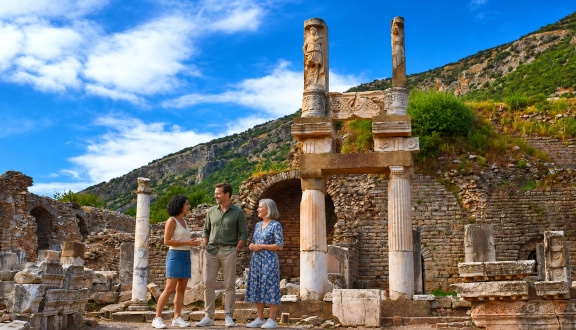
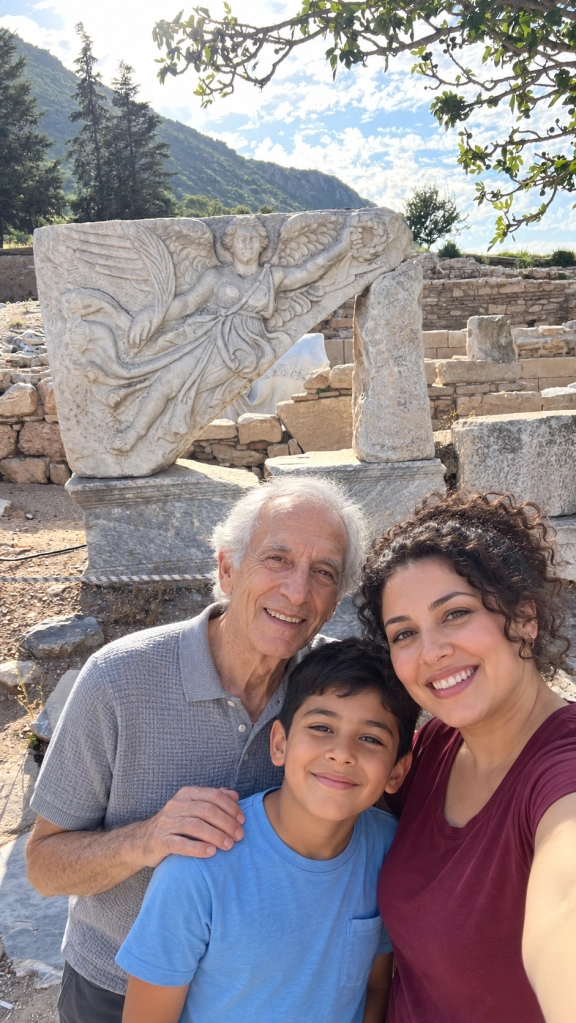
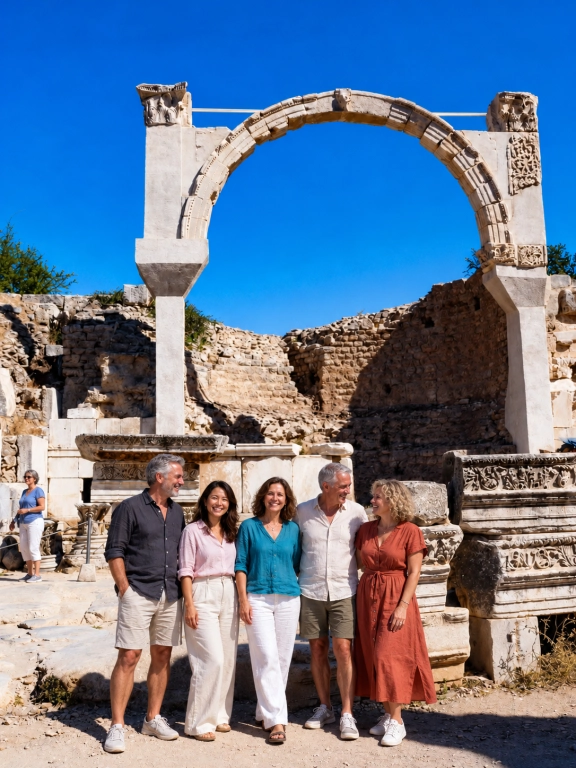
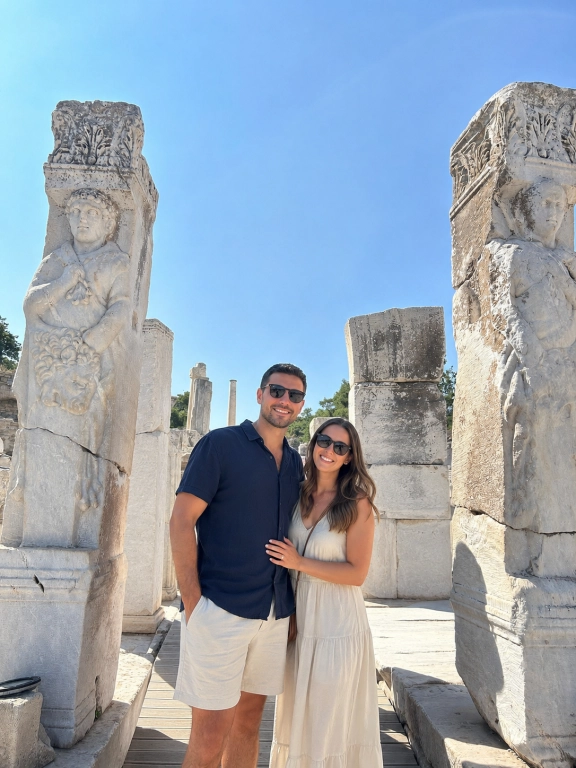



Begin reading Ephesus through the way its streets organise space. Their relationship with public areas and building fronts helps turn scattered remains into the outline of a substantial ancient city.
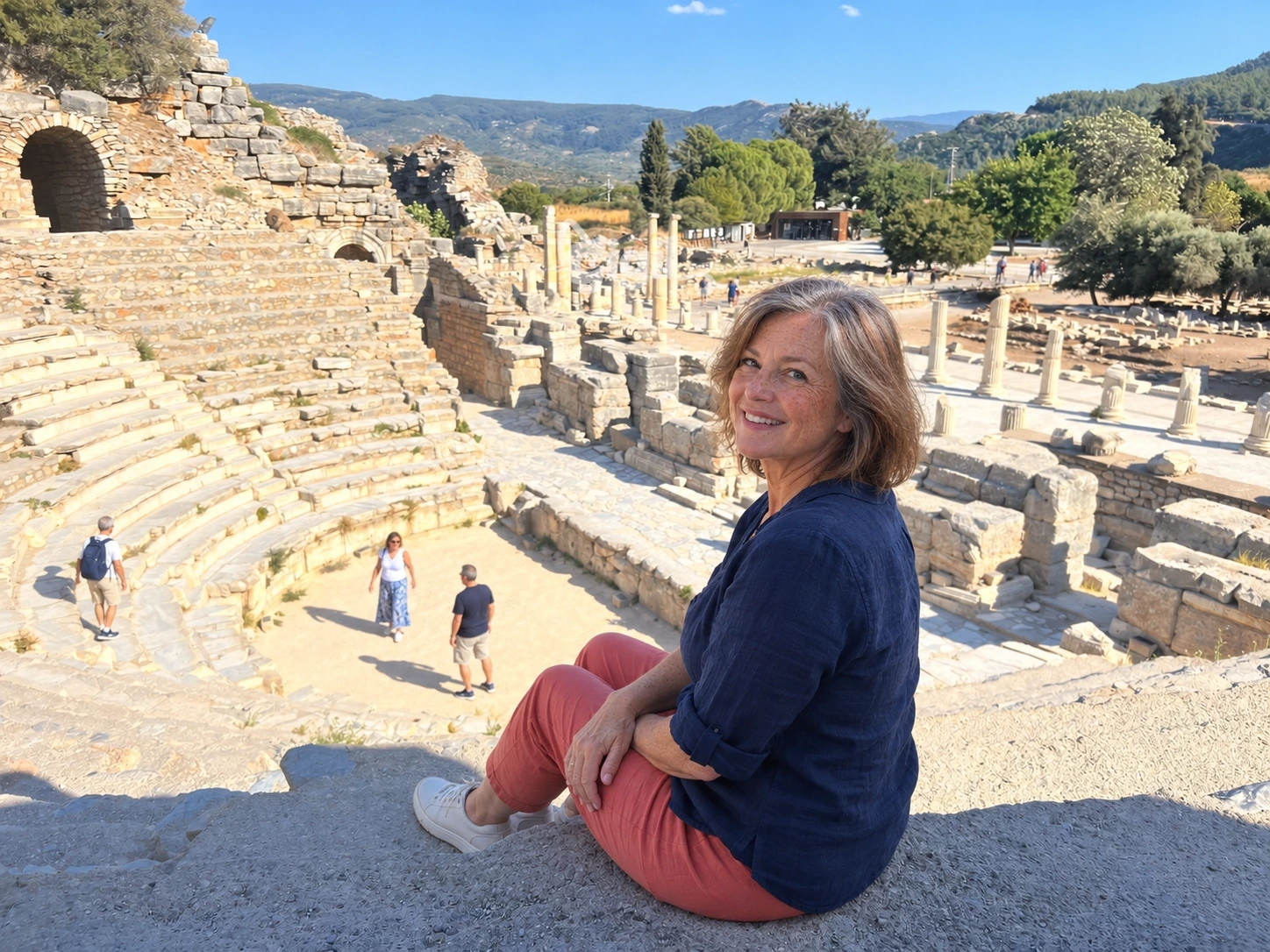
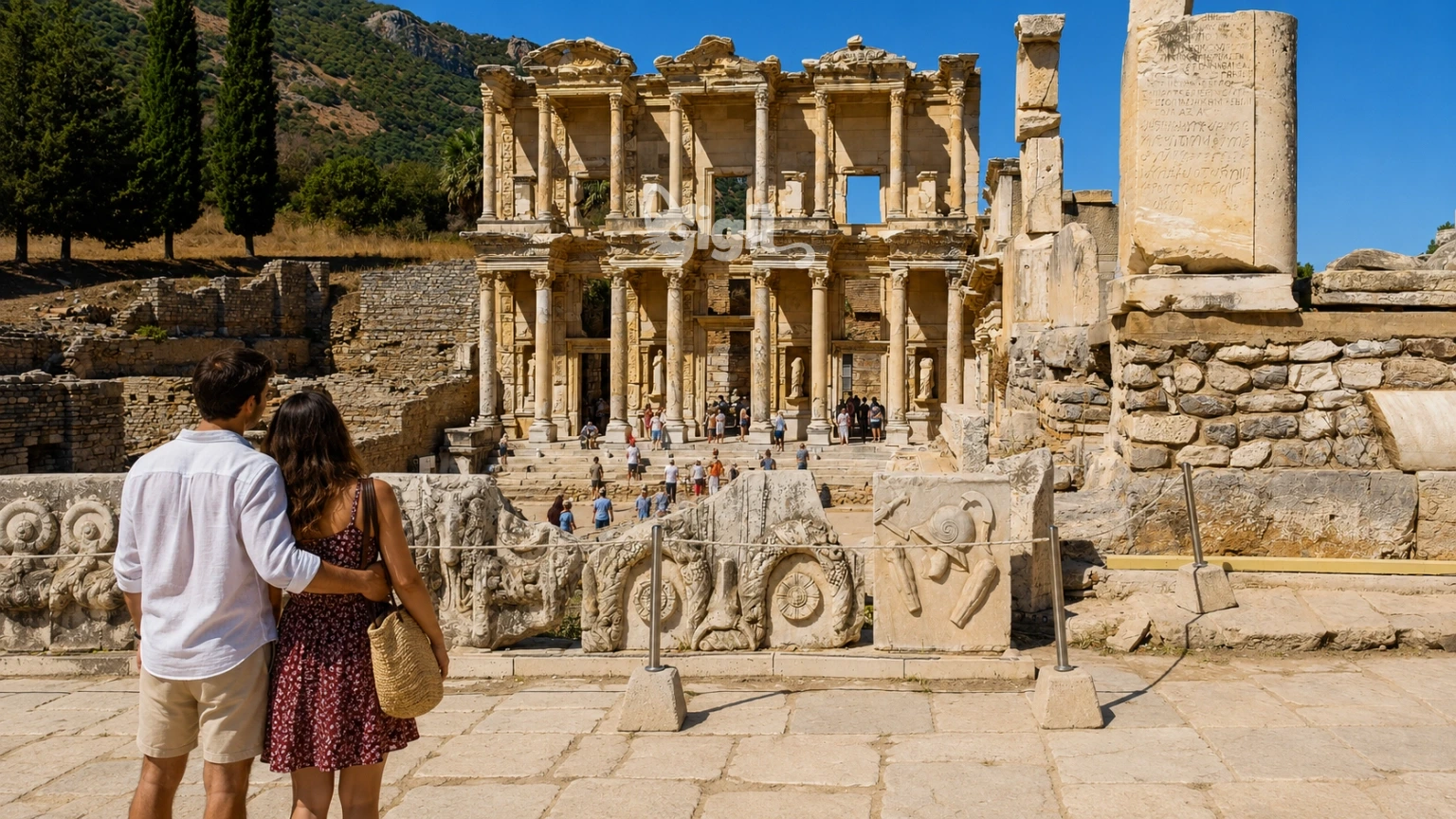
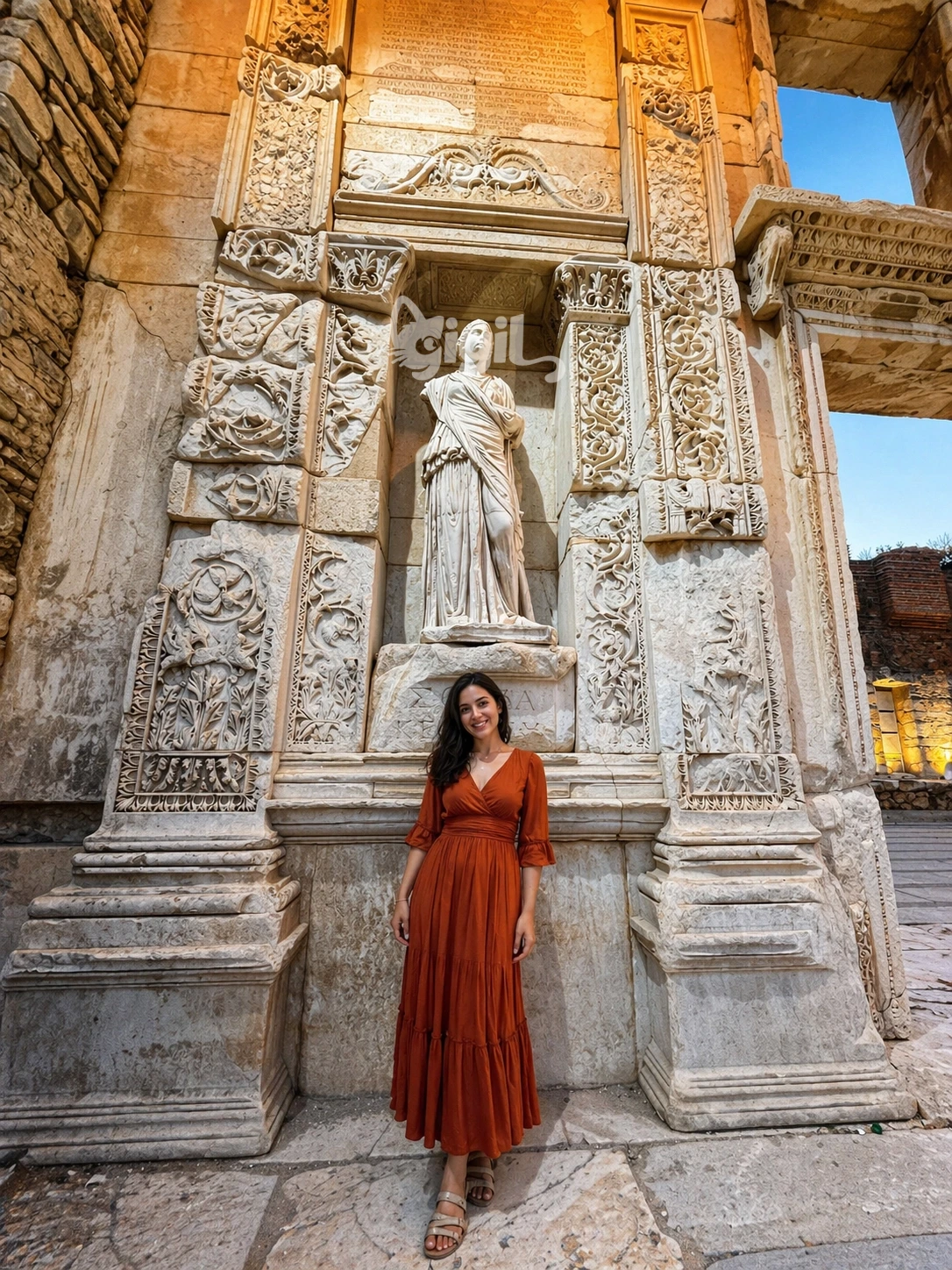
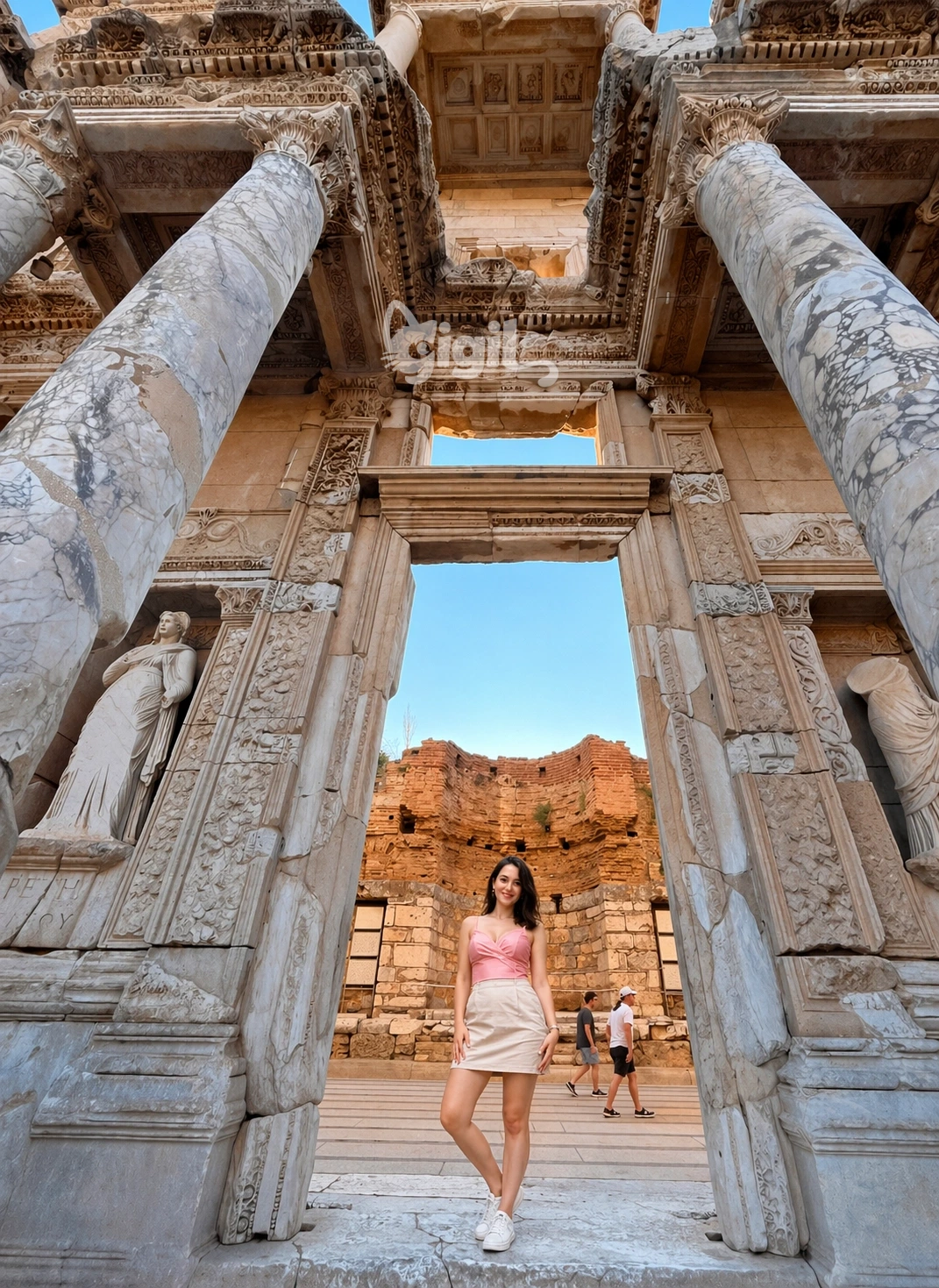
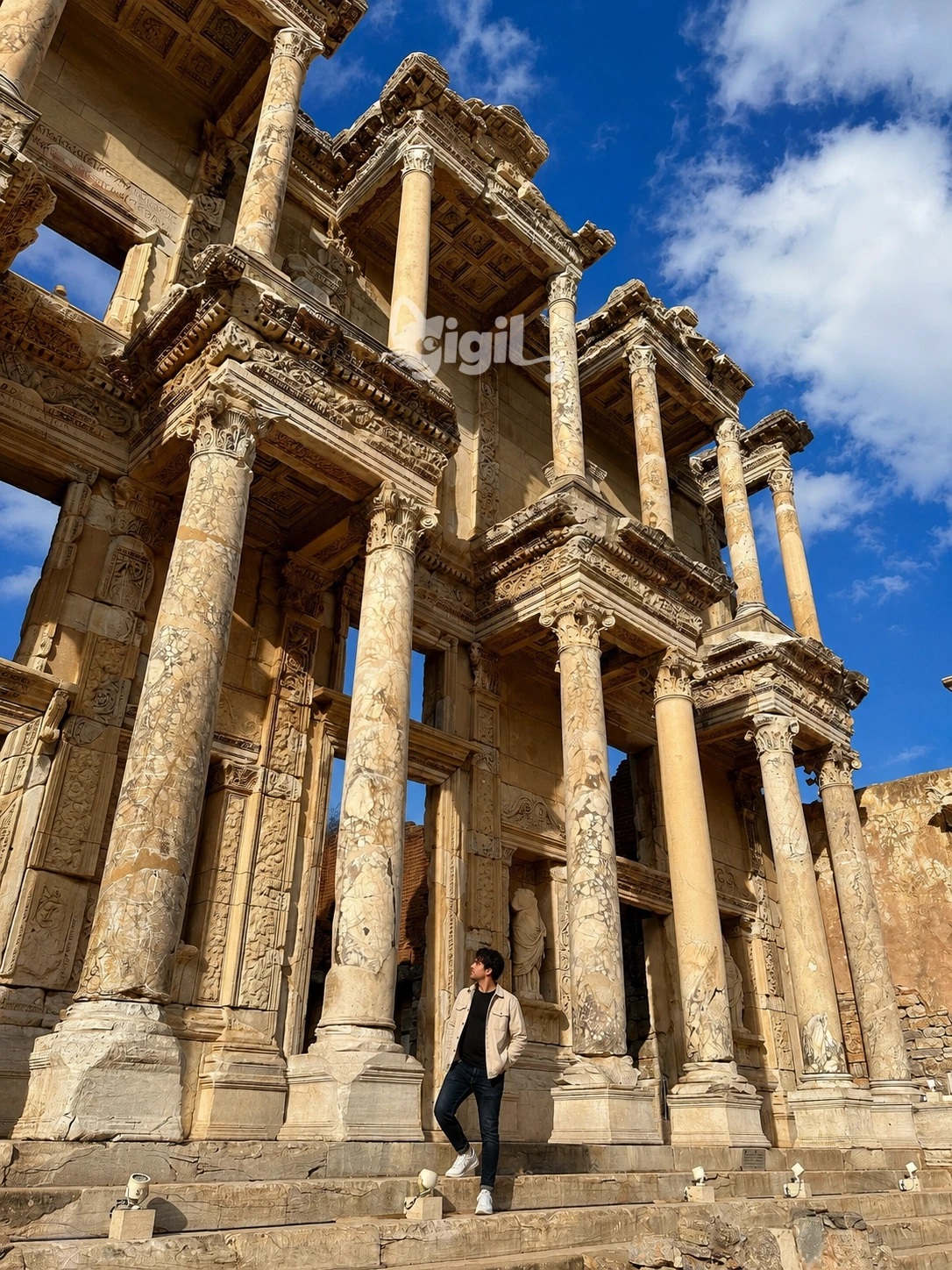
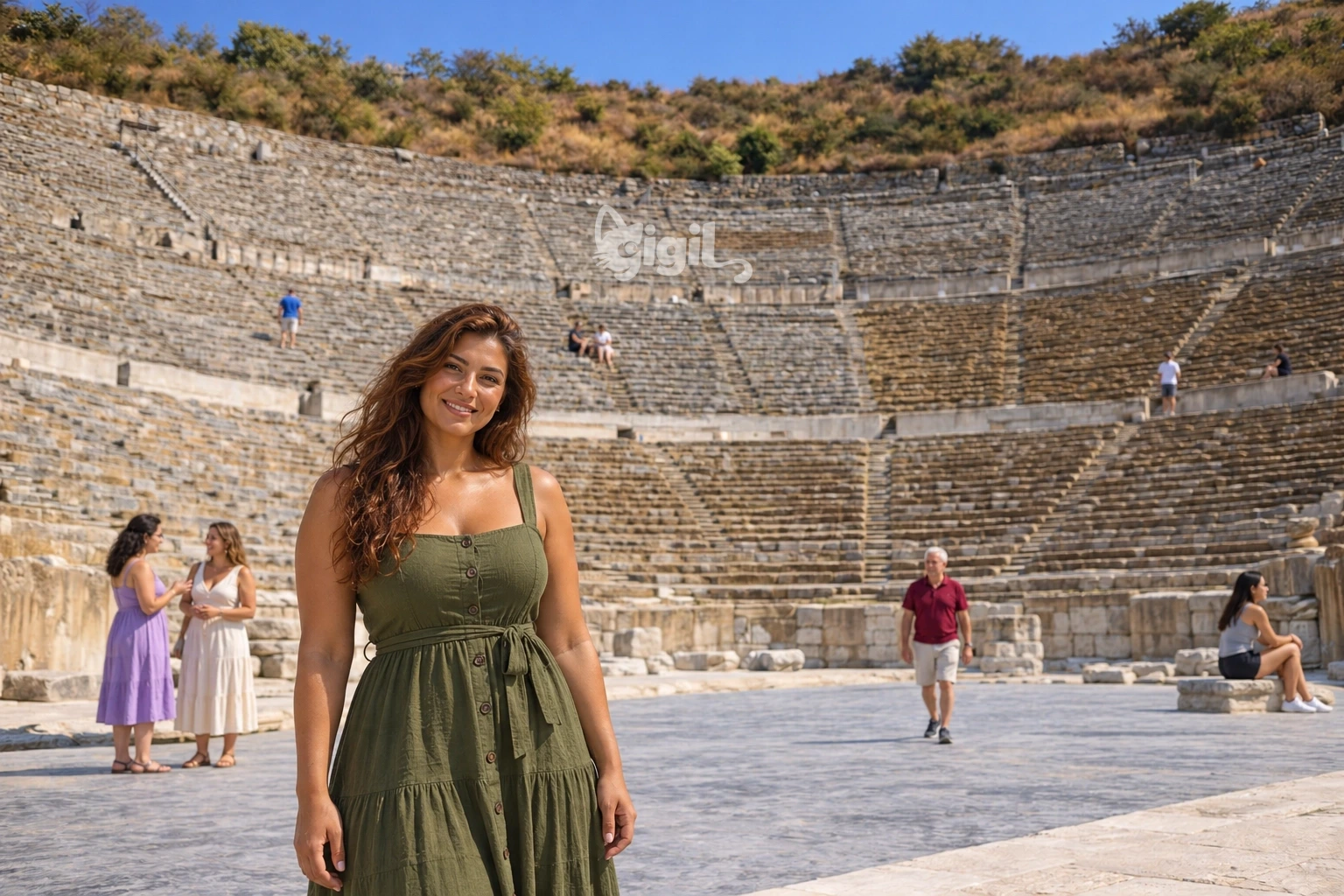
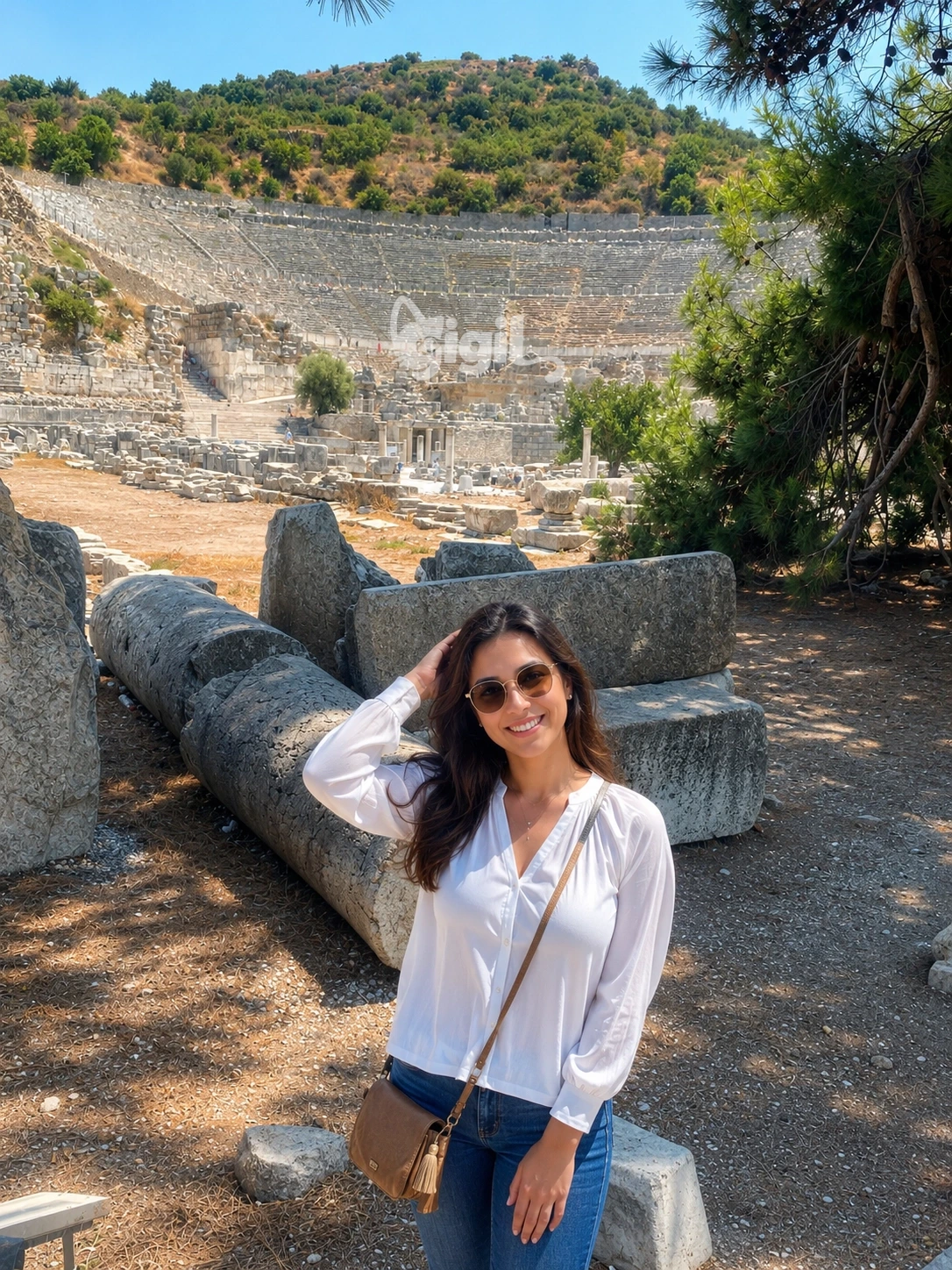
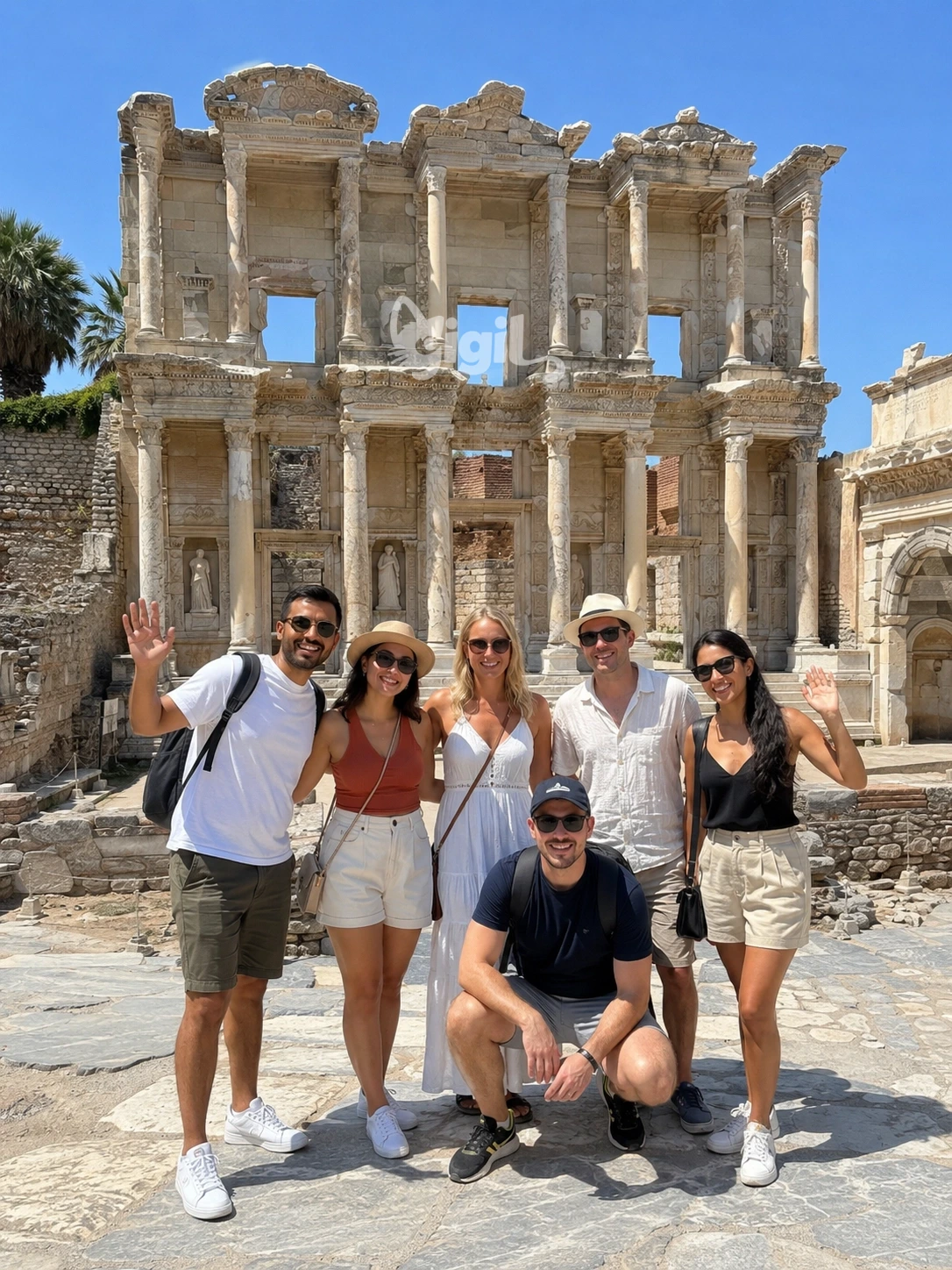
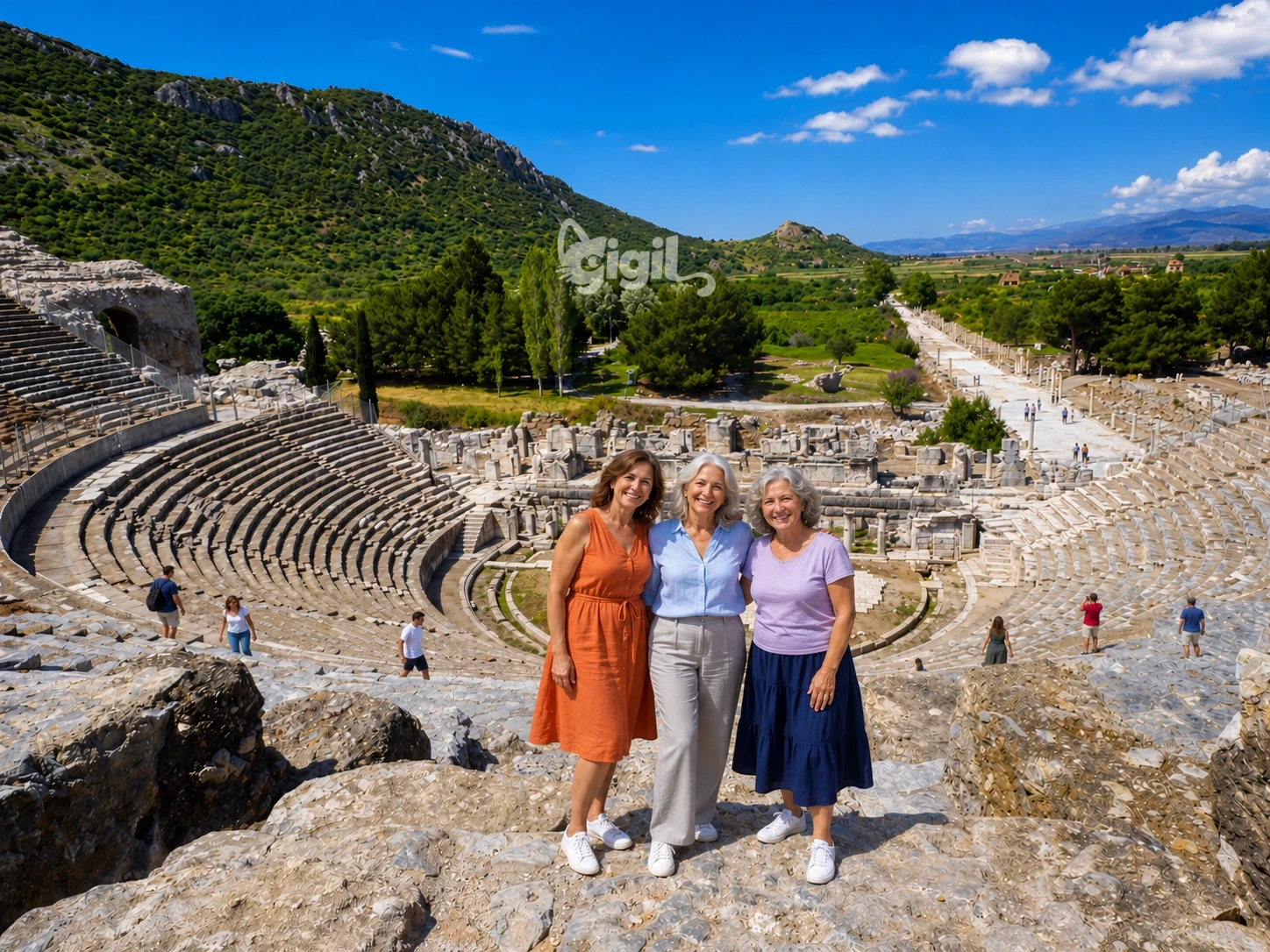
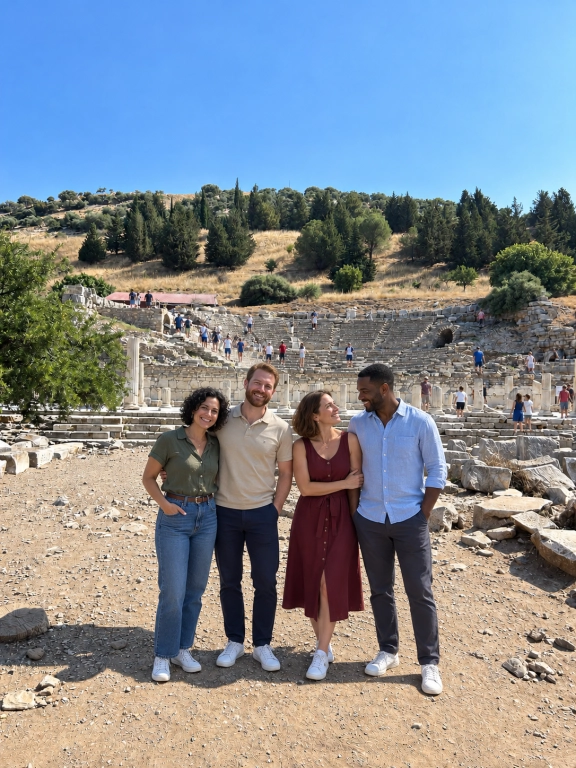
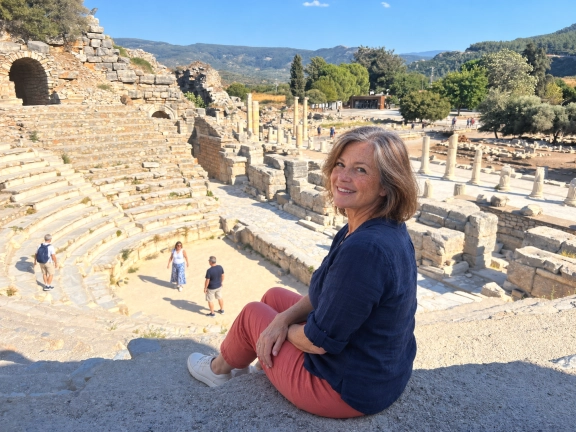
At the Library of Celsus, architectural display is central to the impression; at the Great Theatre, the broad form of the seating carries the message. Compare these landmarks as parts of the urban landscape, remembering that the city has been excavated and partly reassembled rather than preserved whole.
Questions
What does the street layout add to the visit?
It shows how people and activities could connect across the city, placing prominent buildings within a larger urban pattern.
Why should the library be viewed with restoration in mind?
The standing facade was reassembled using surviving material and additional elements, rather than remaining unchanged since antiquity.
What can I learn from the shape of the theatre?
The extensive seating arrangement helps explain the public and communal scale of life in the ancient city.
Was the city always this far inland?
Its former harbour setting changed as sediment accumulated and the coastline moved, leaving the archaeological remains away from the sea.