









Overall Tour
5.0 / 5
Route And Itinerary
5.0 / 5
Guide Service
5.0 / 5
Driver Service
5.0 / 5
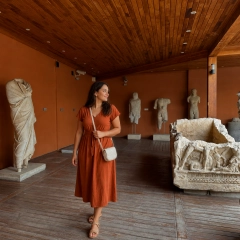
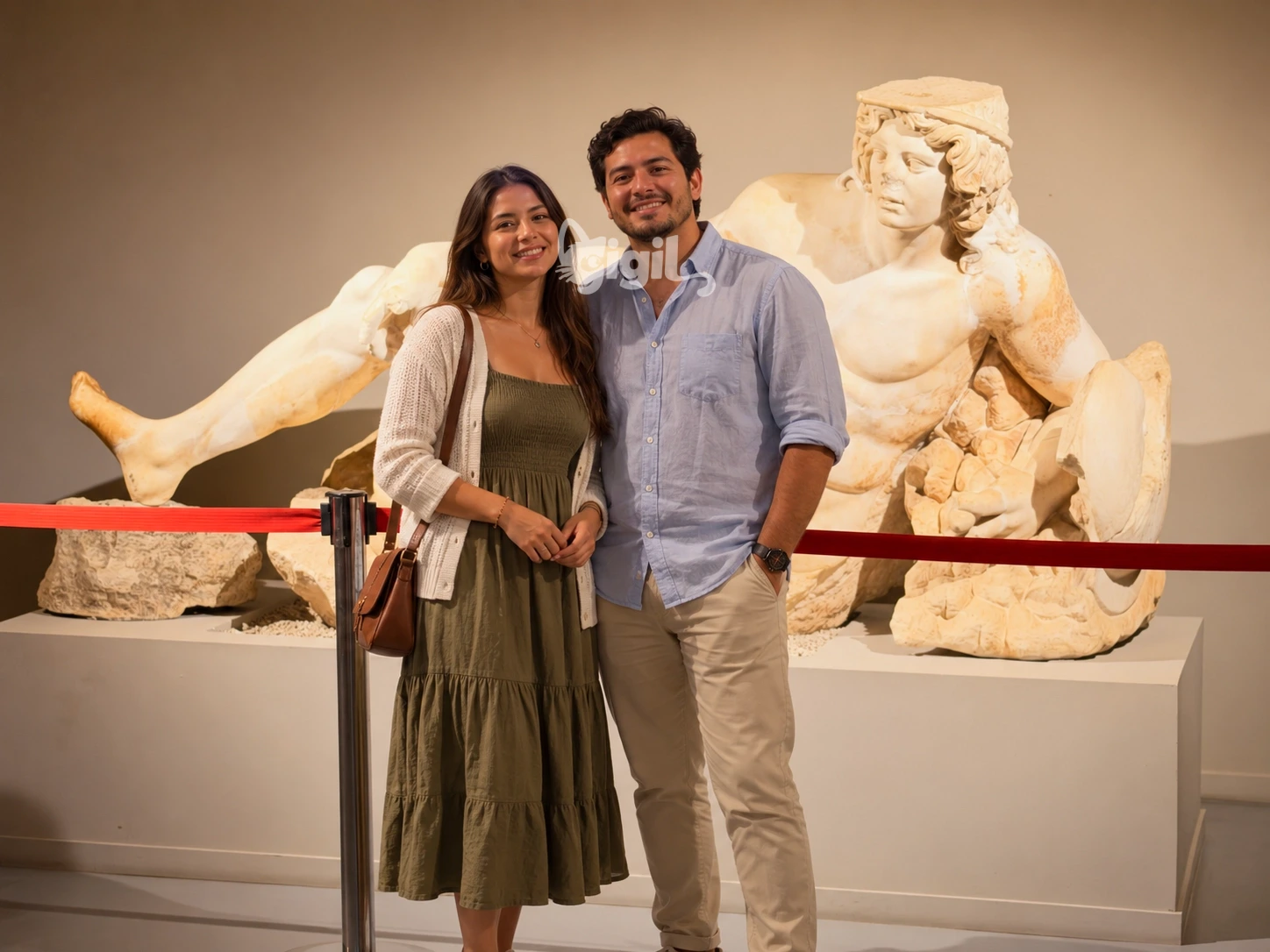
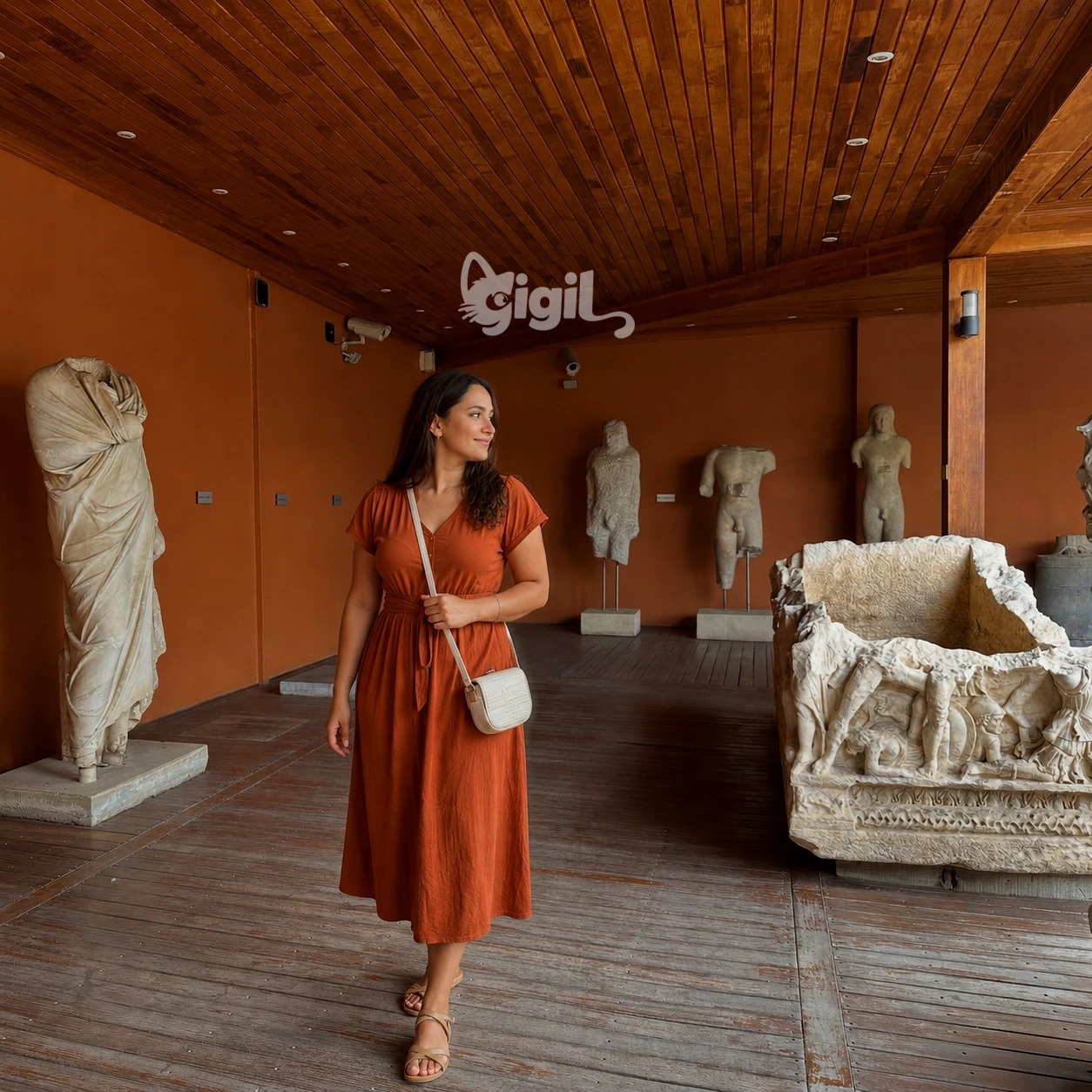
Glad we included the museum
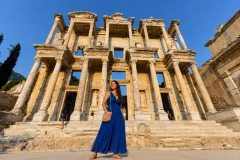
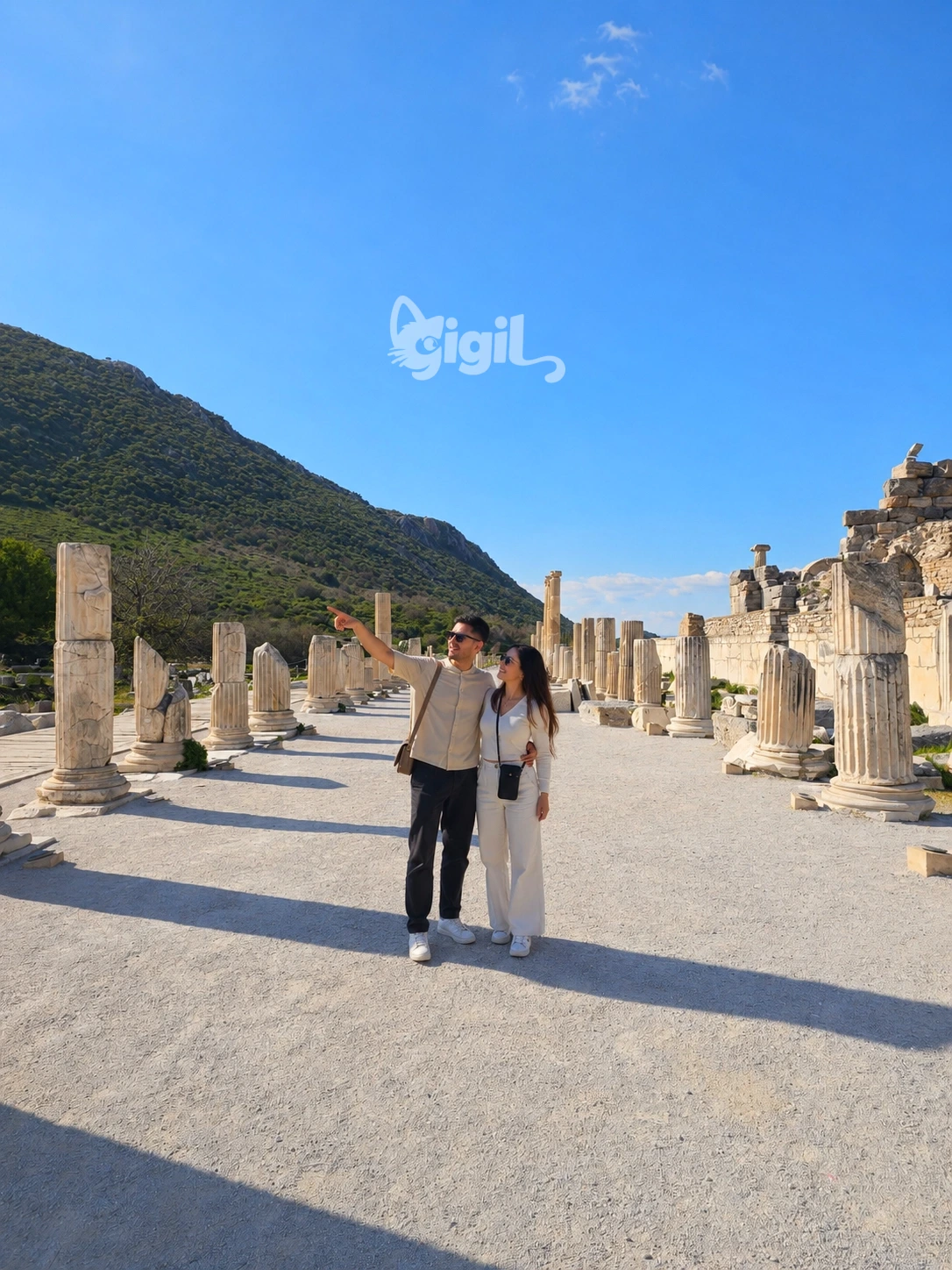
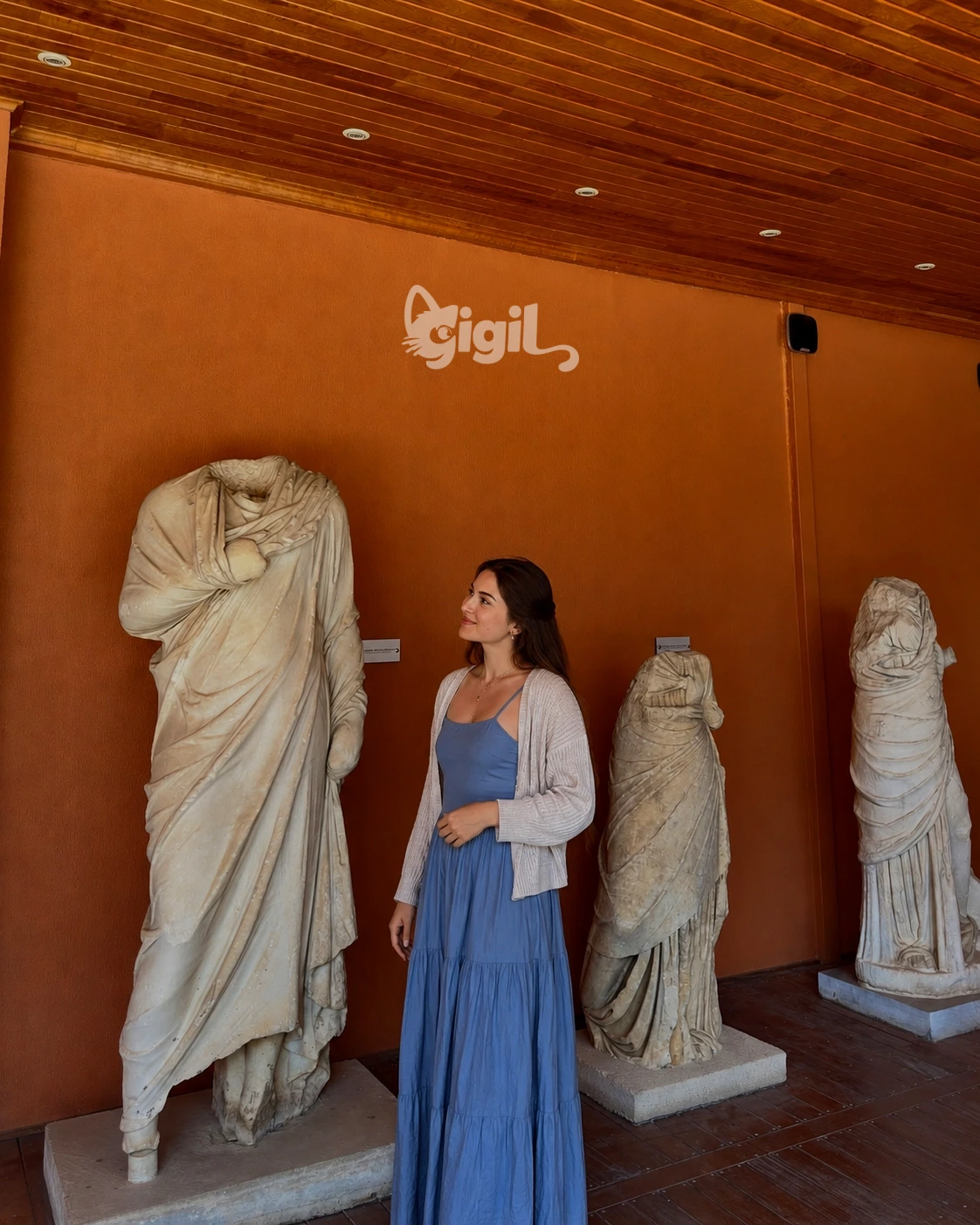
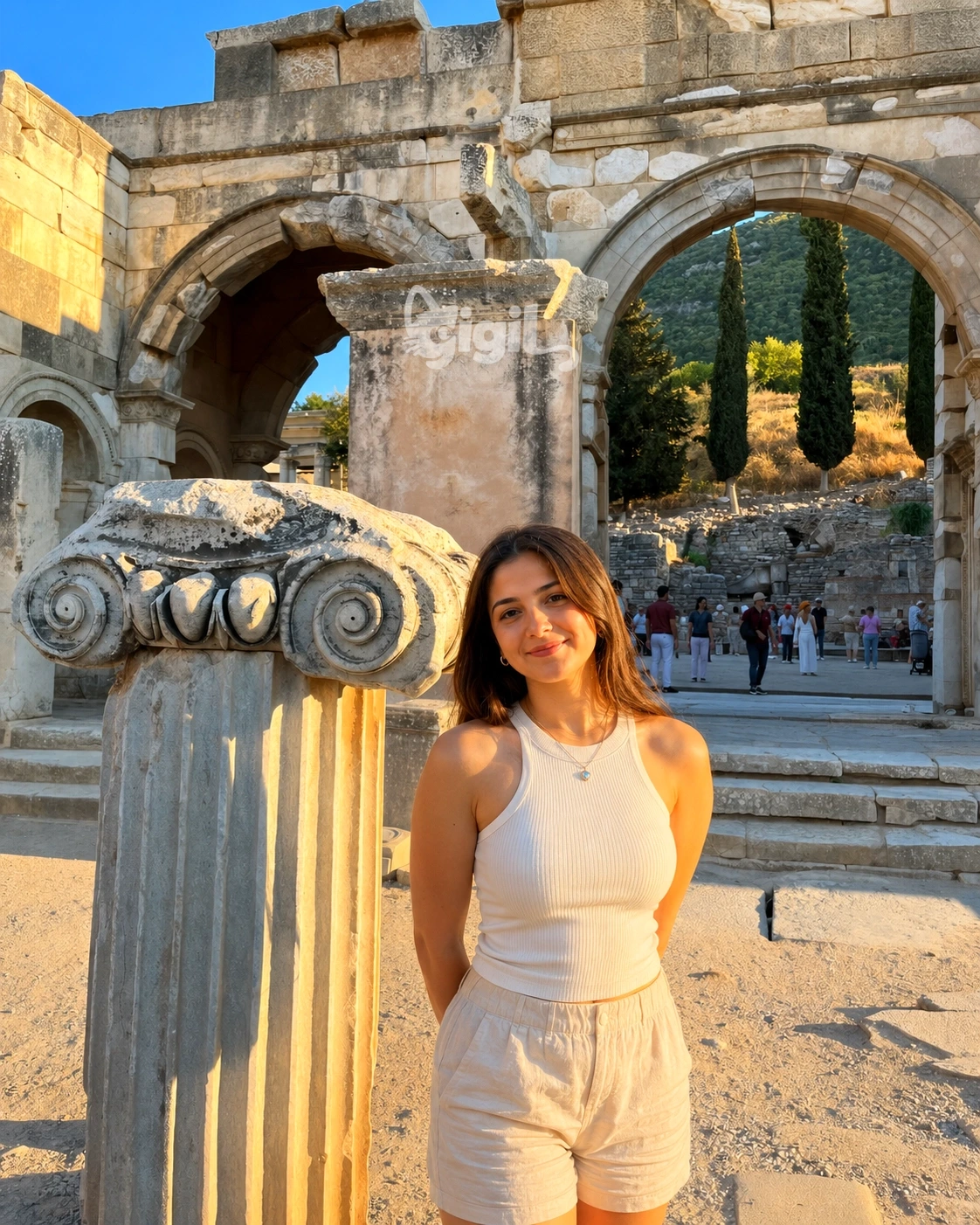
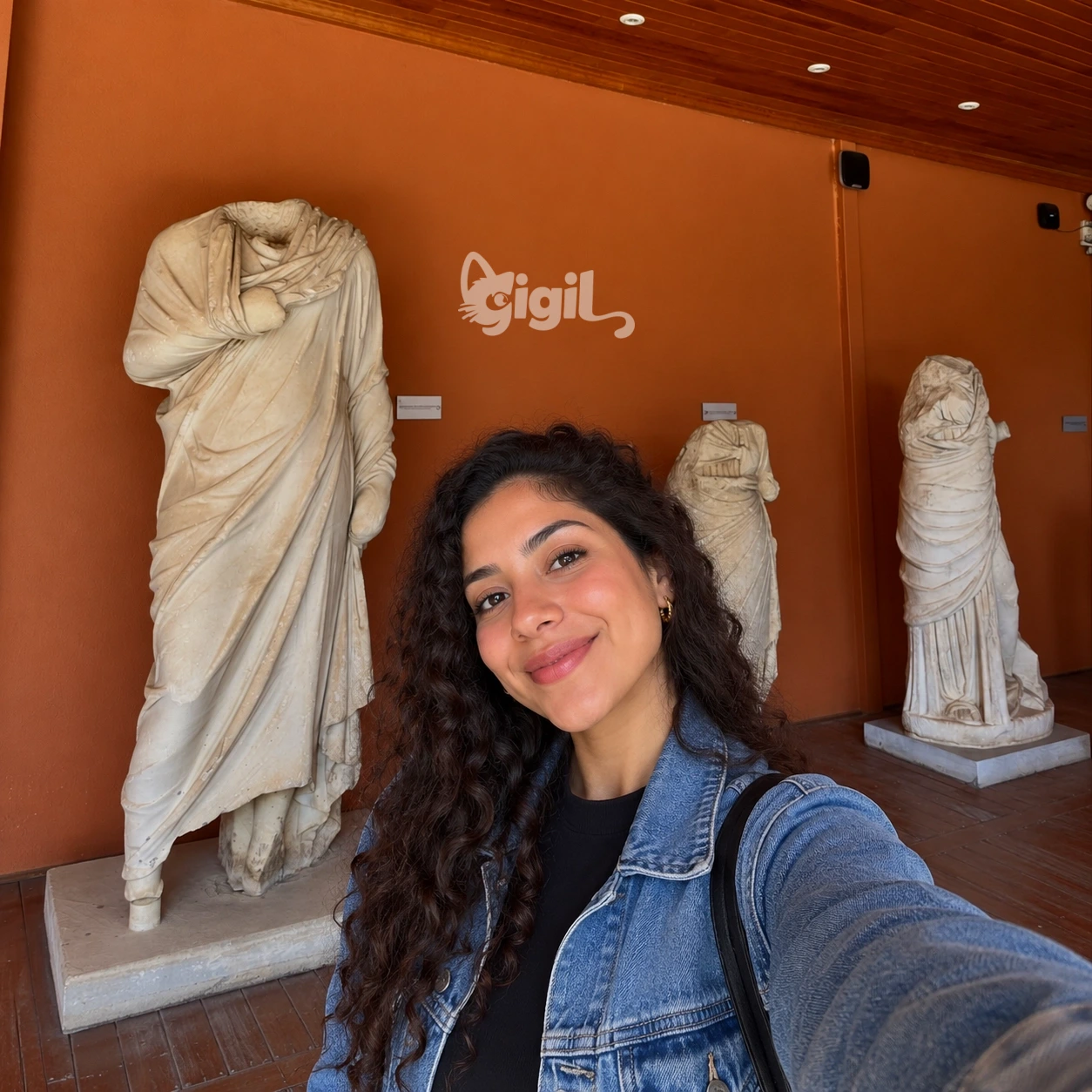
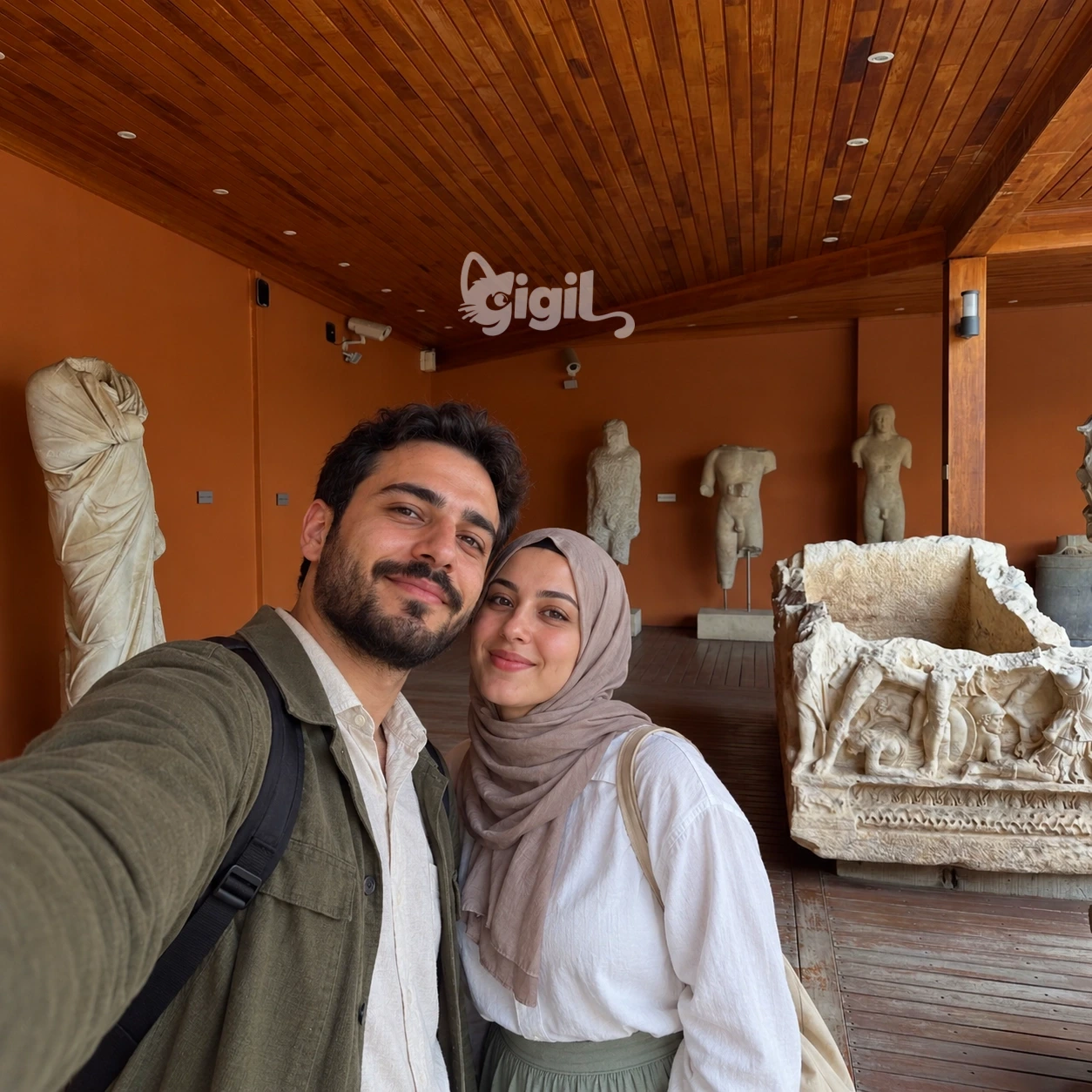
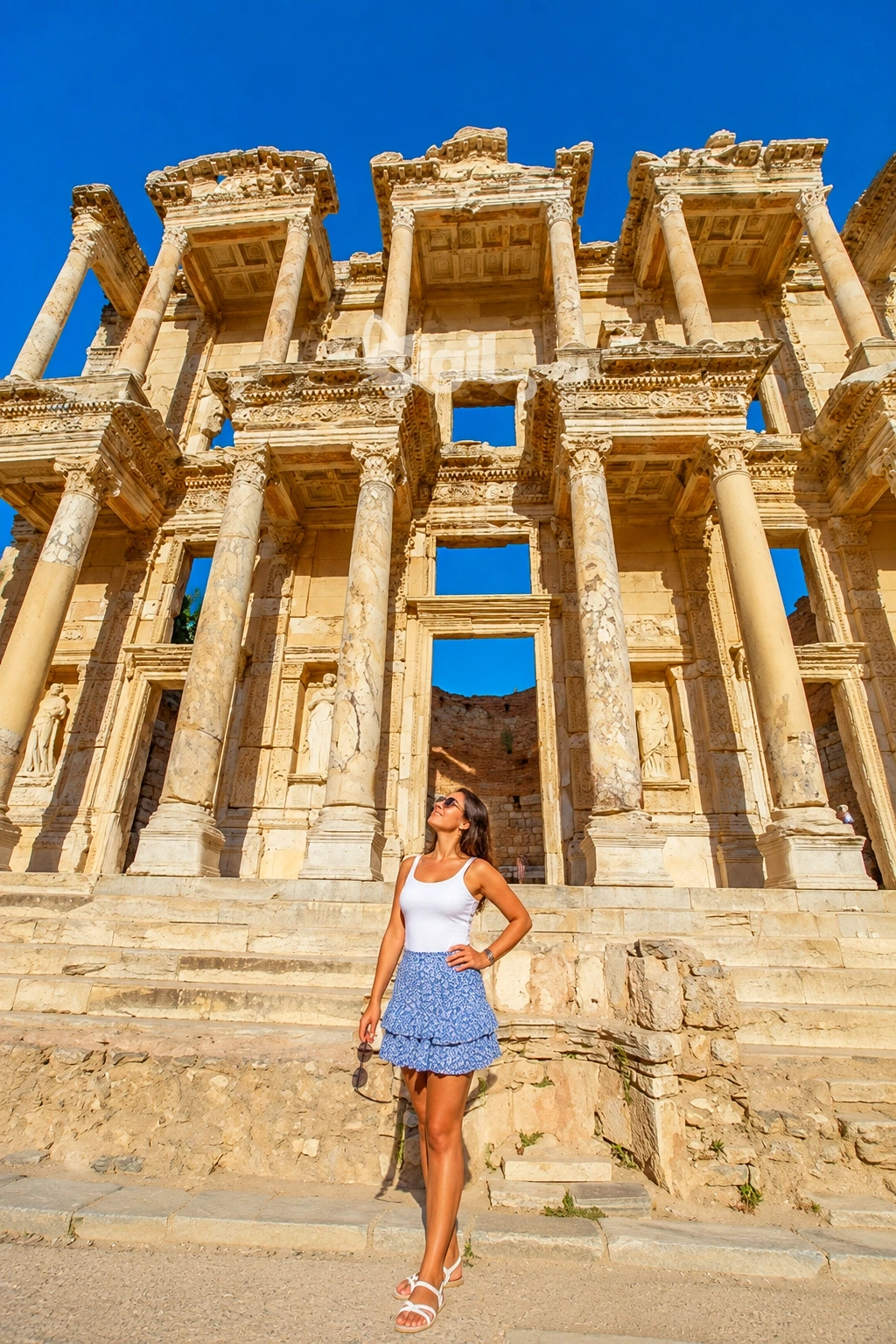
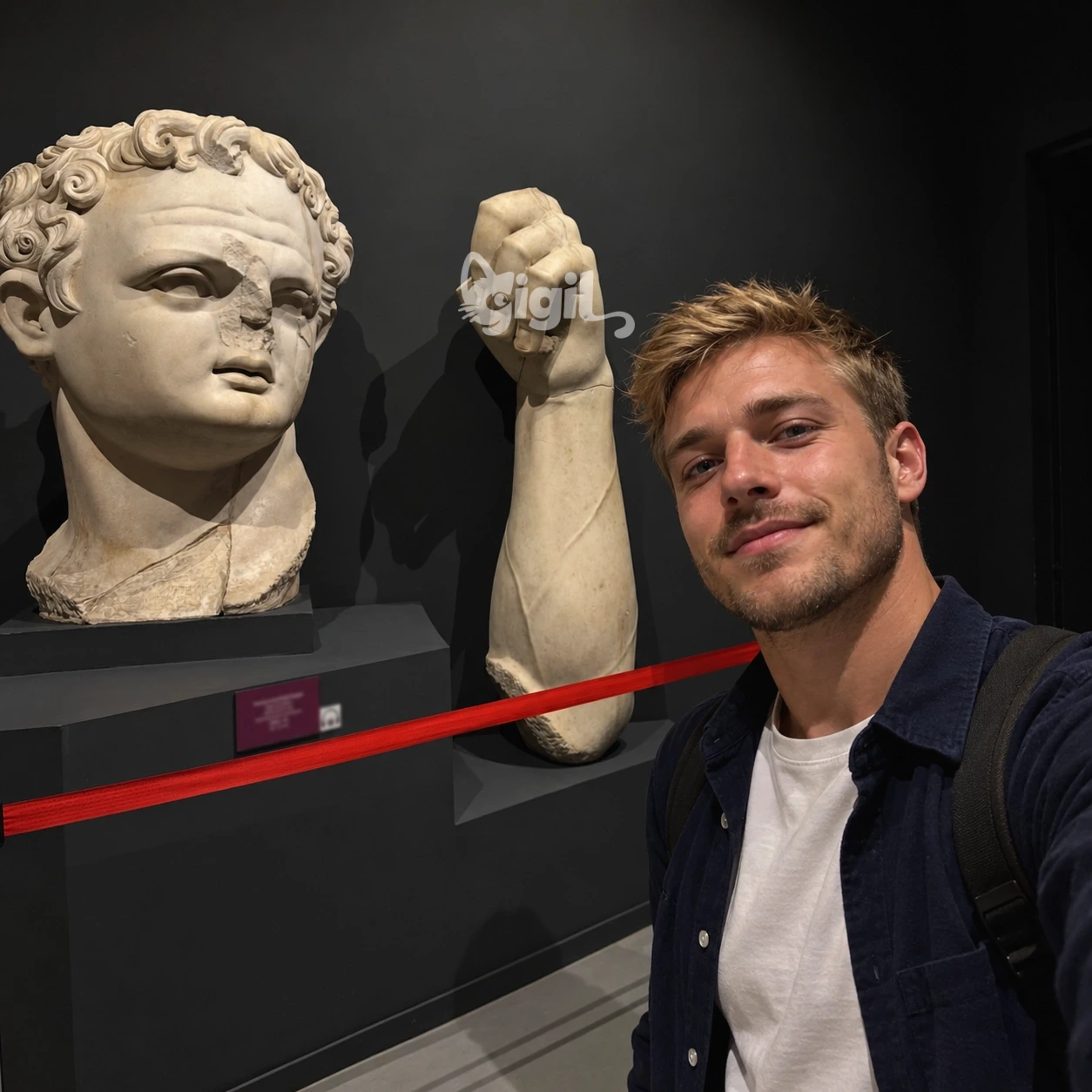
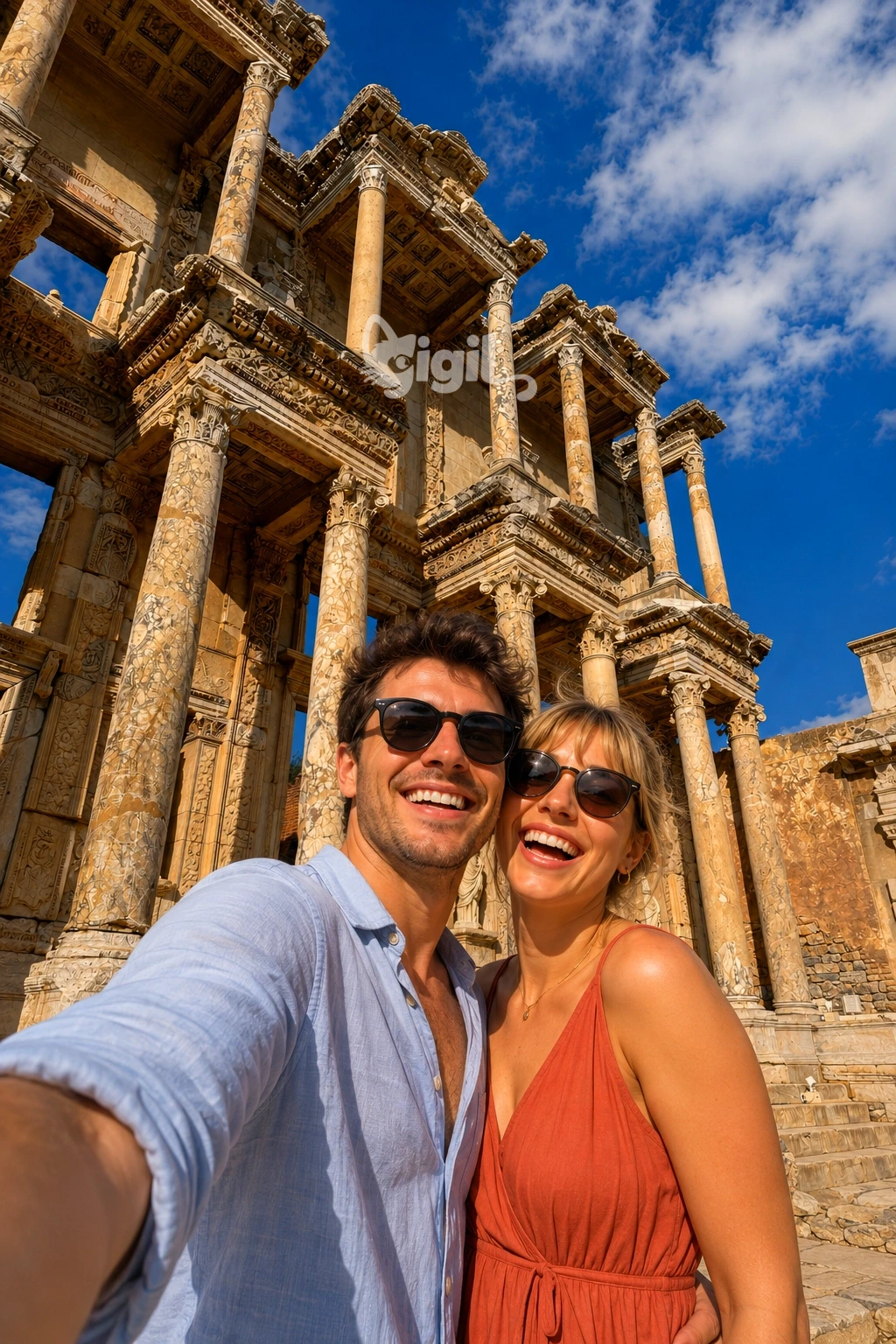
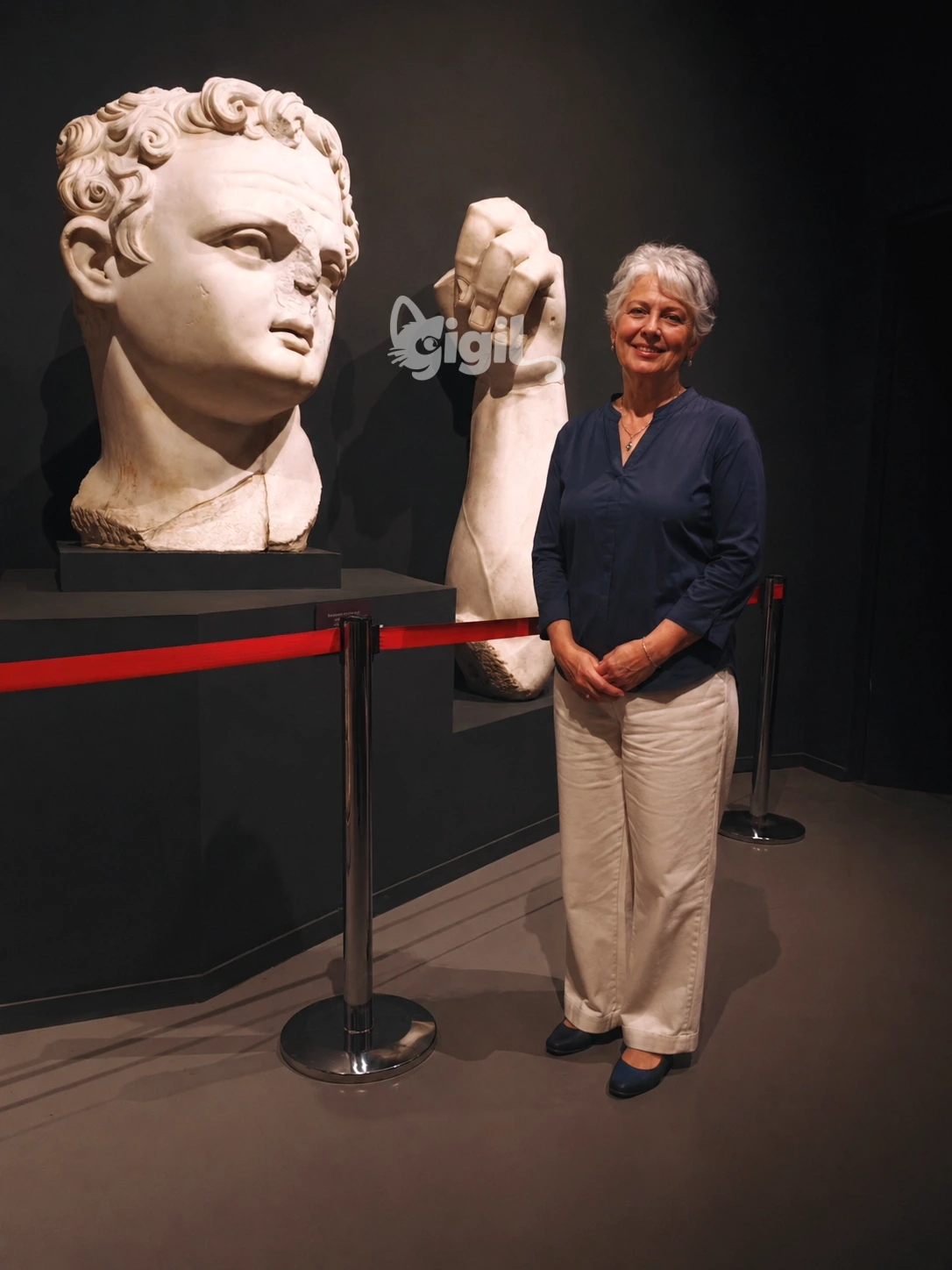
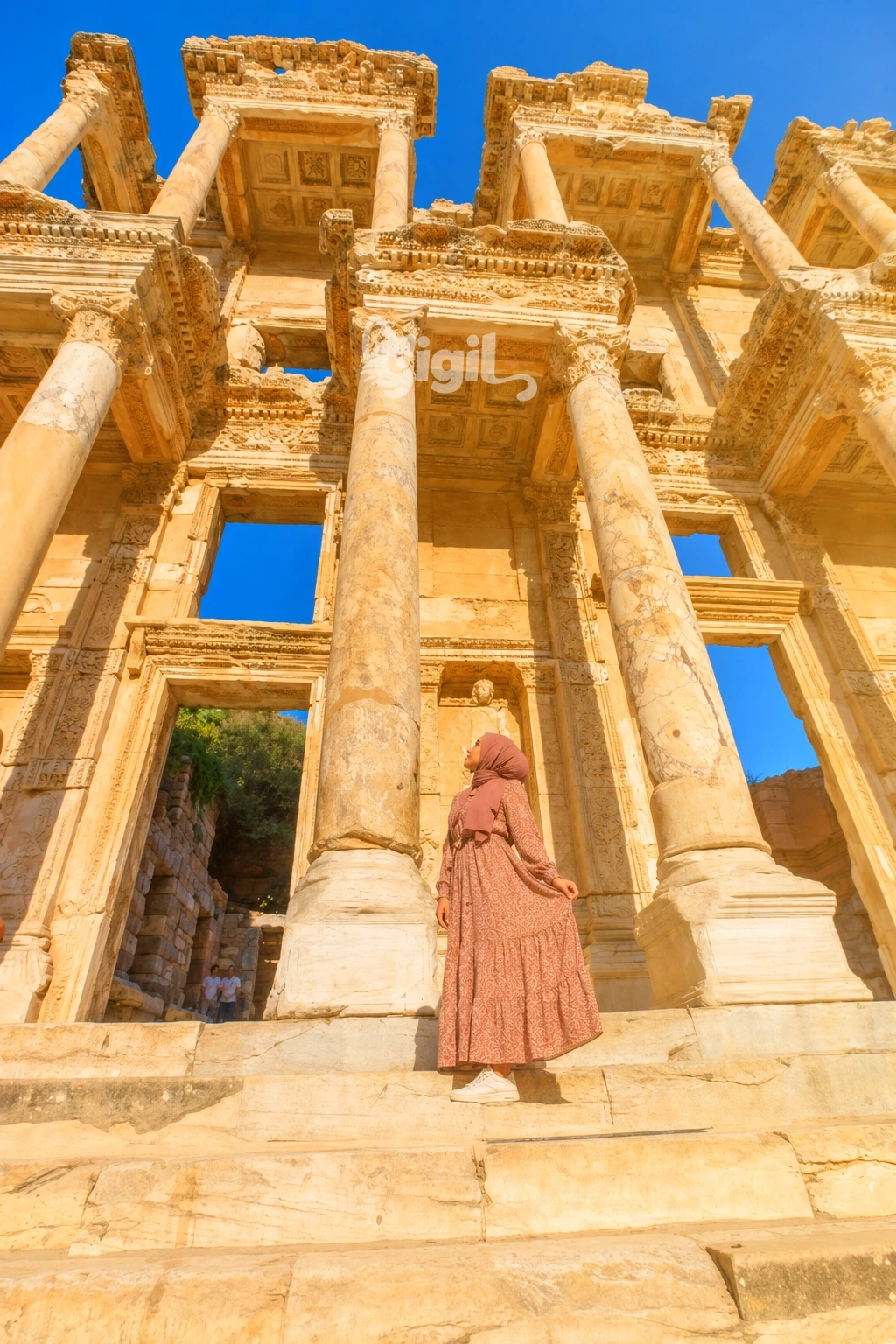
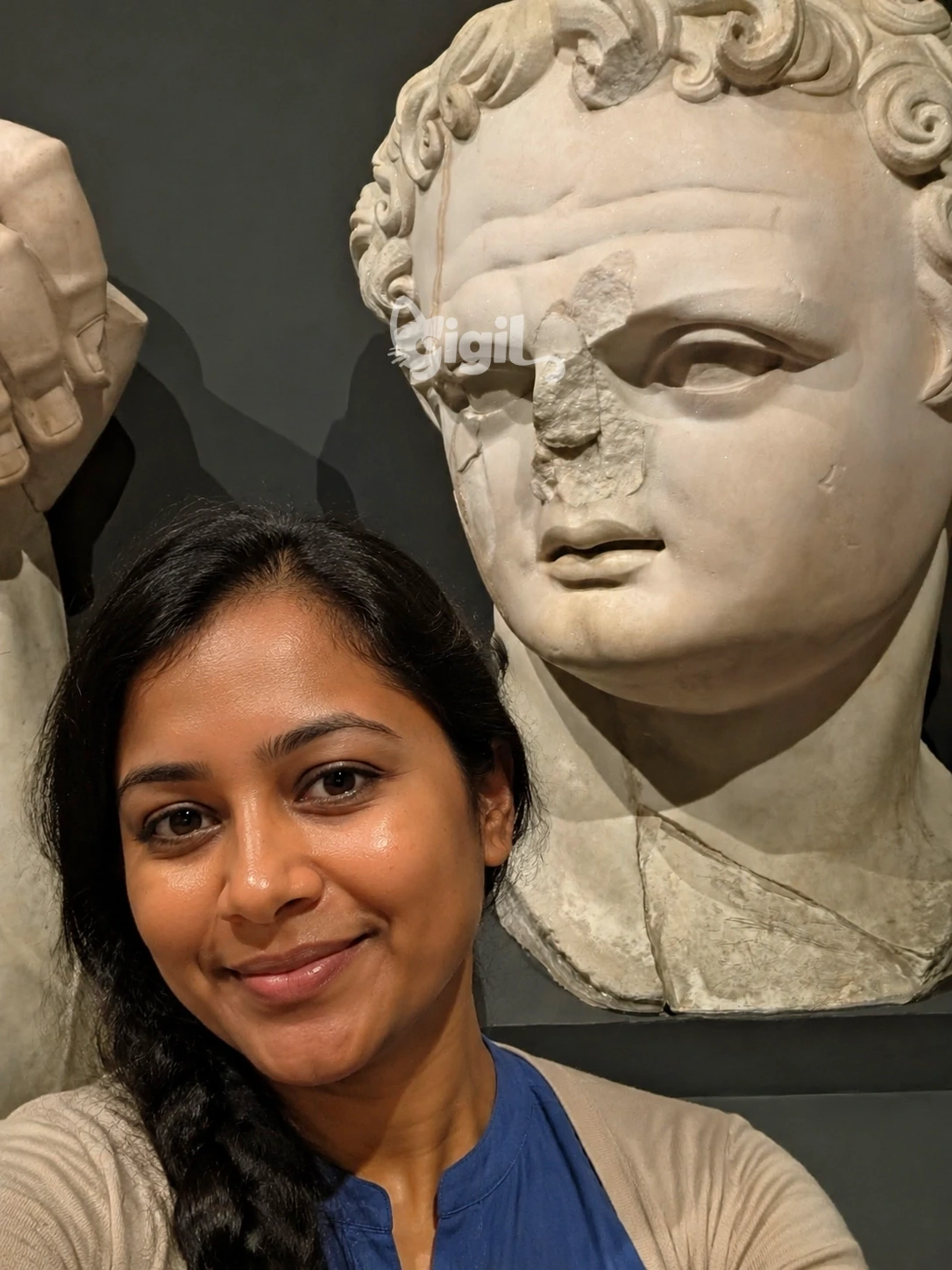
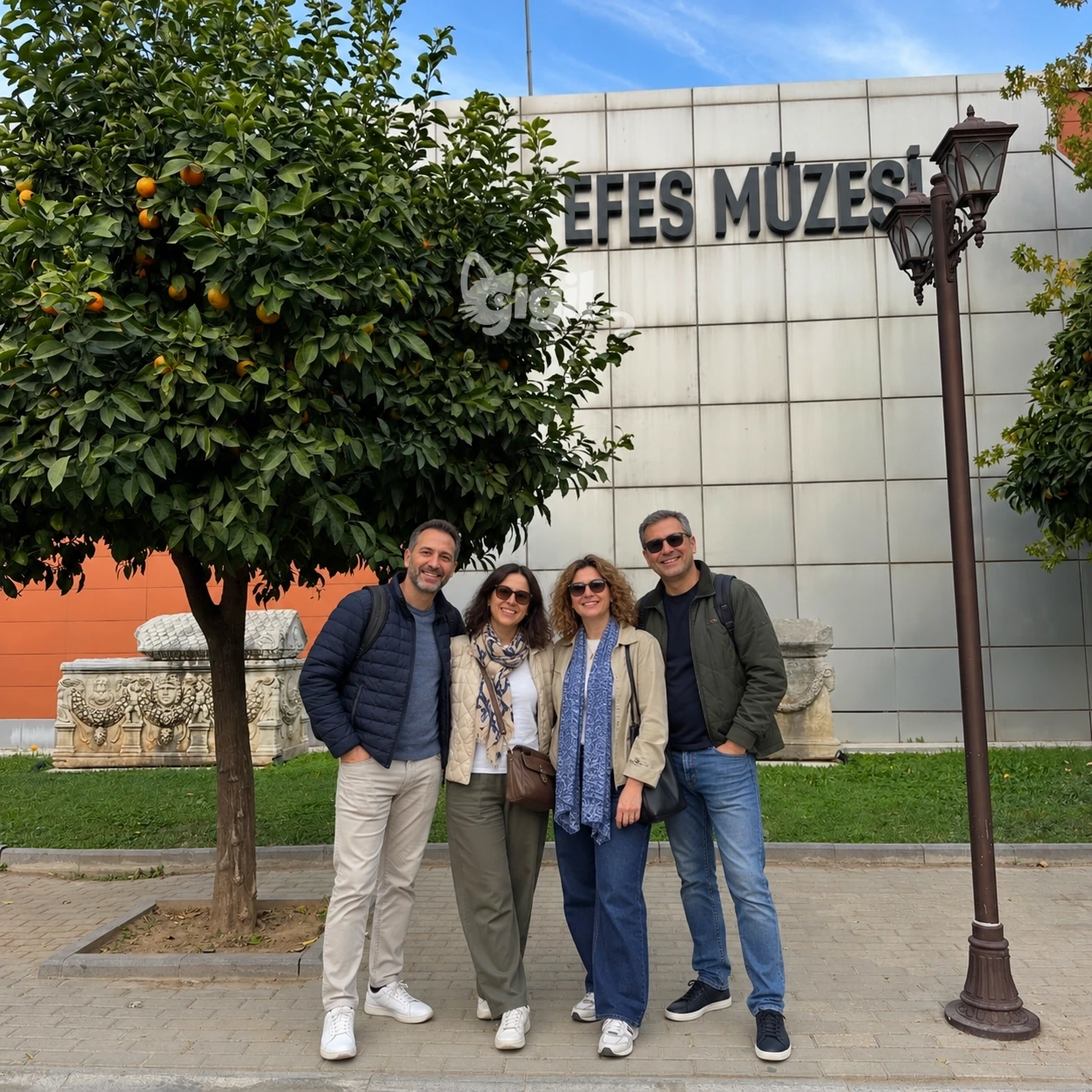
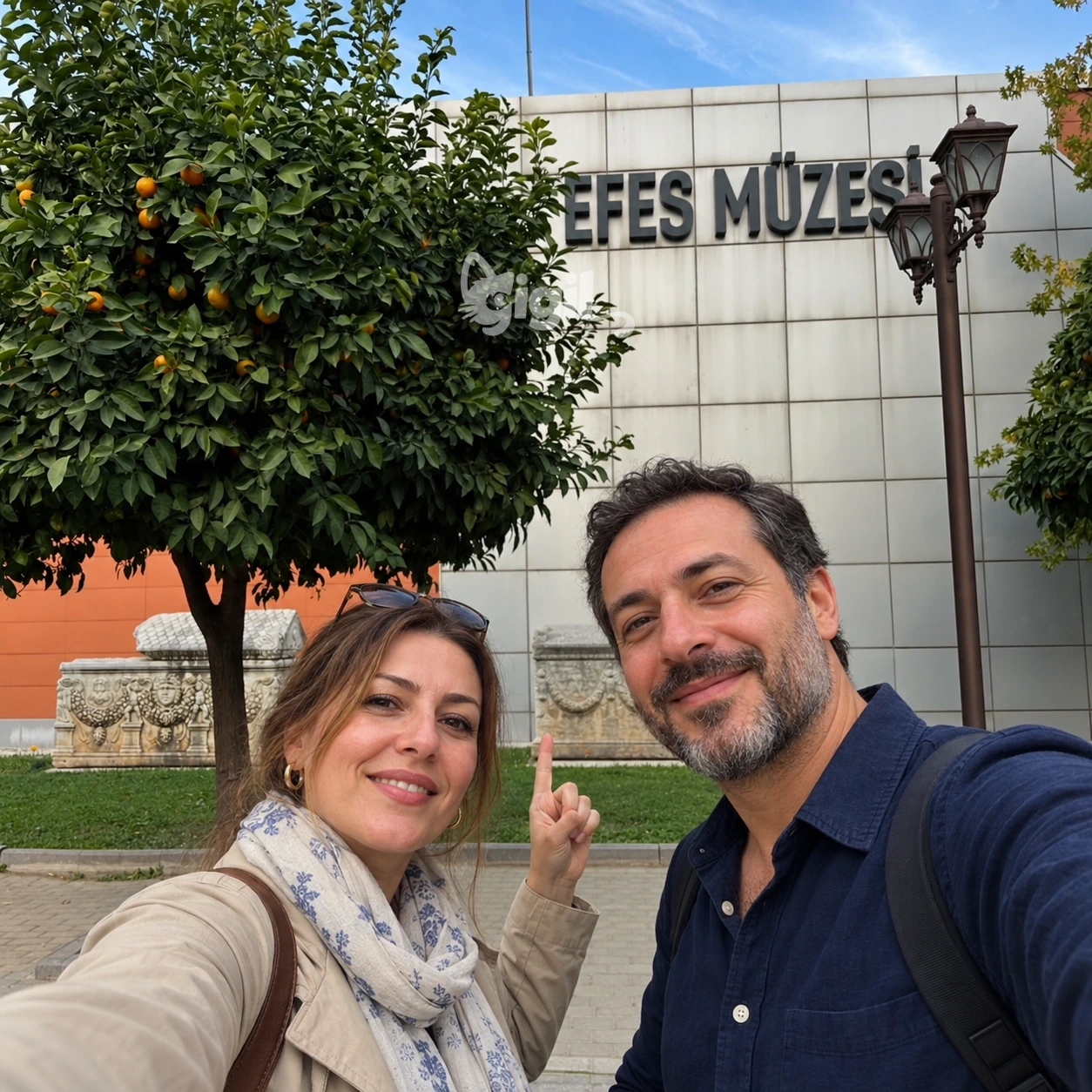
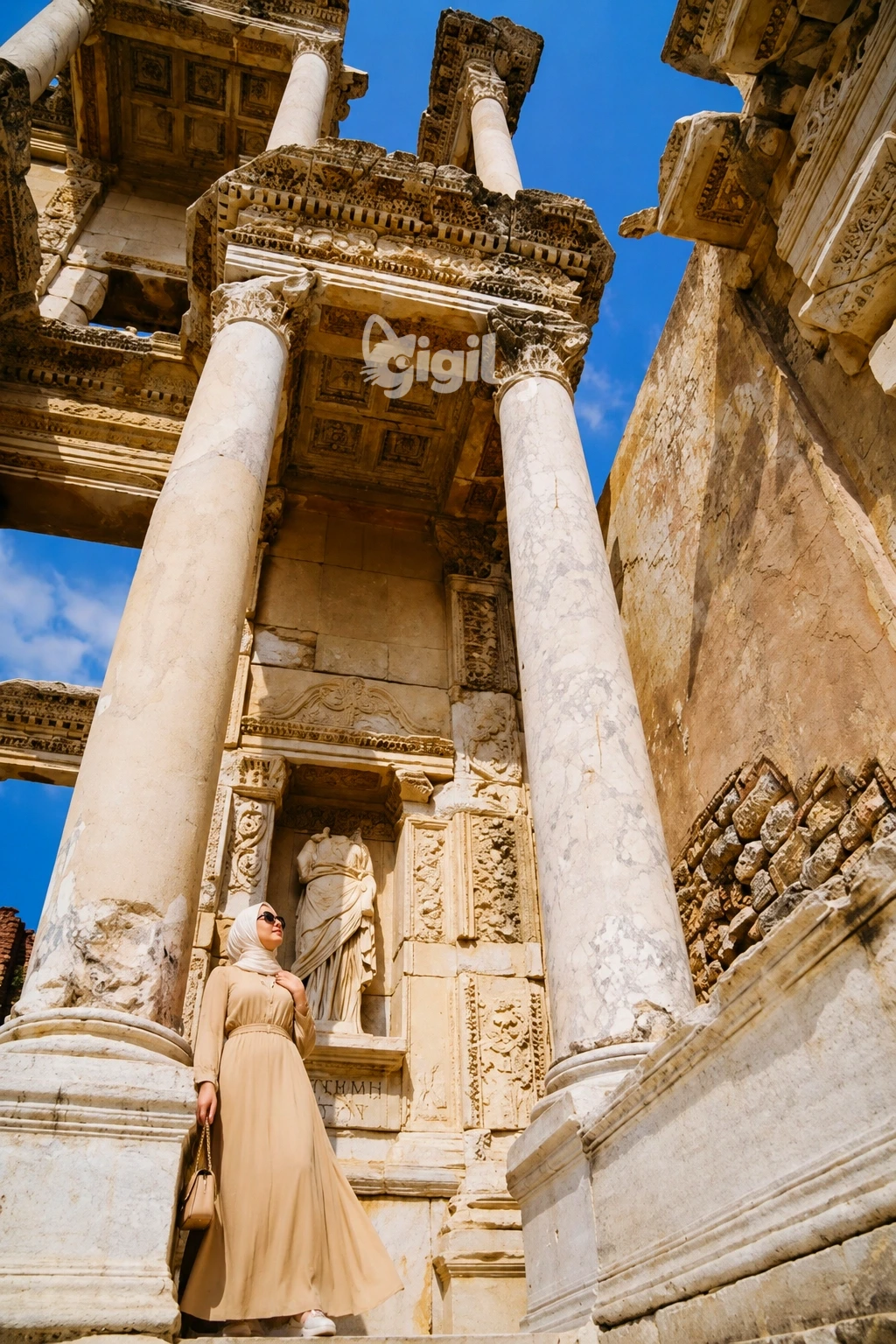
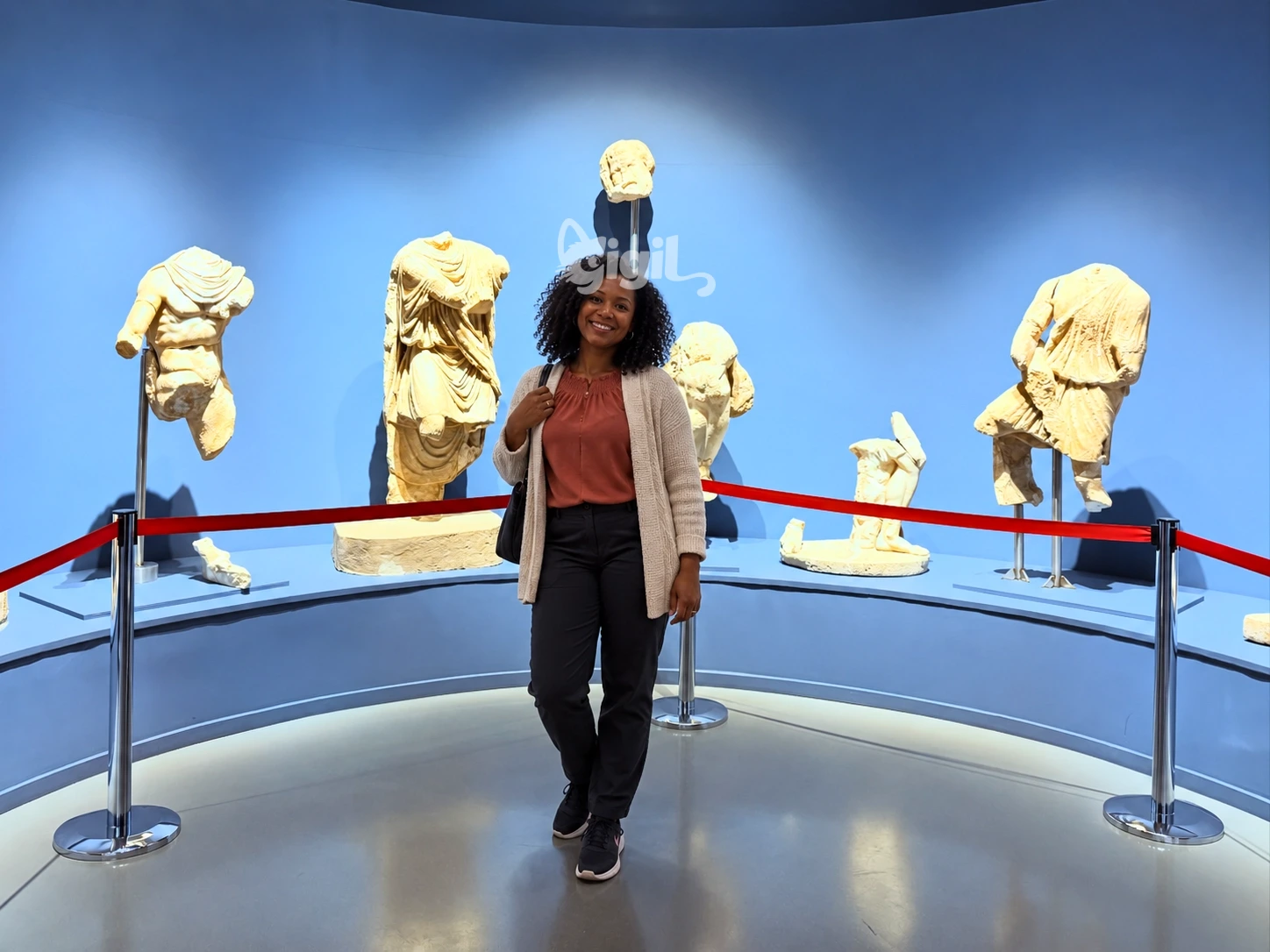
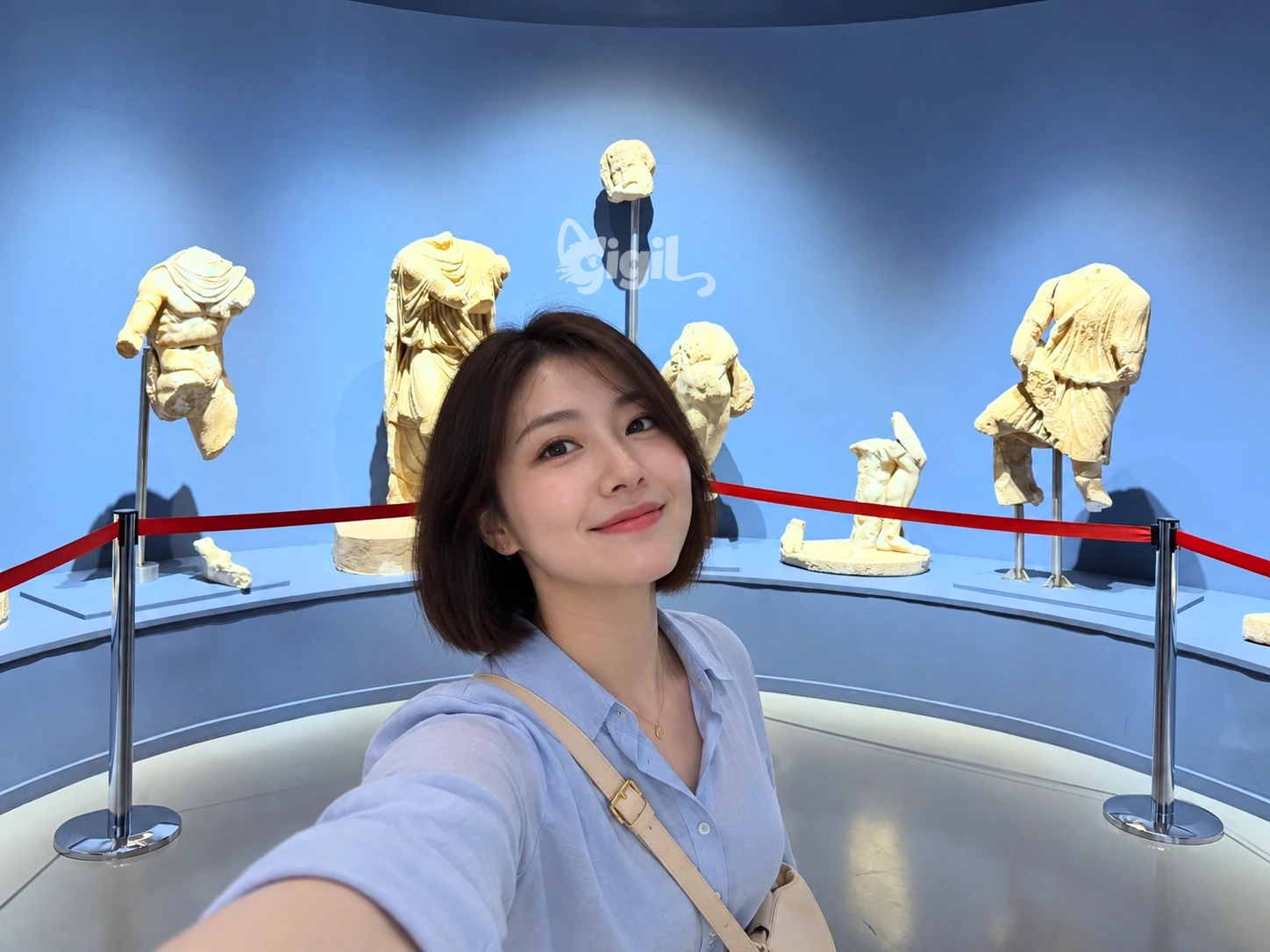
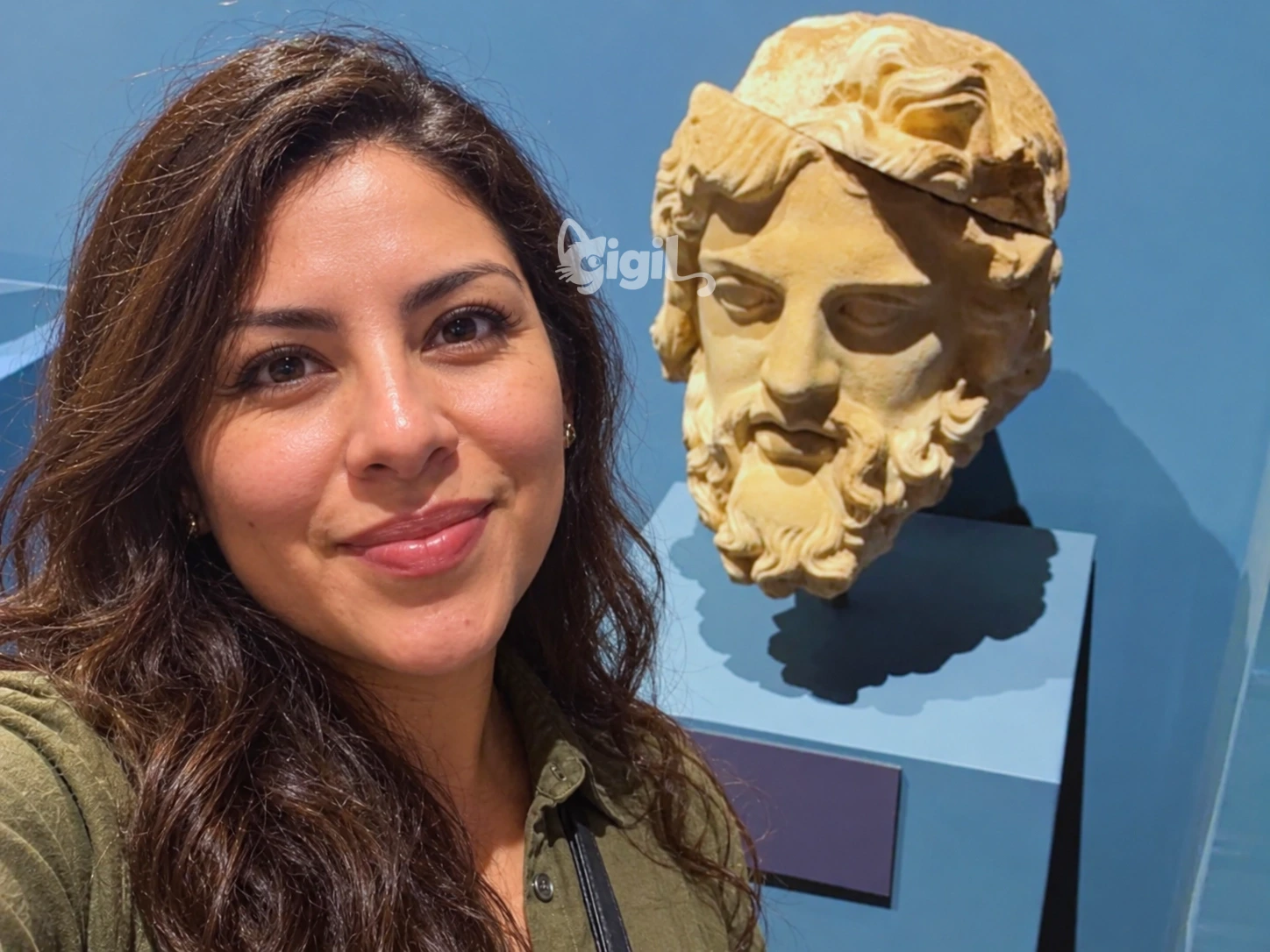
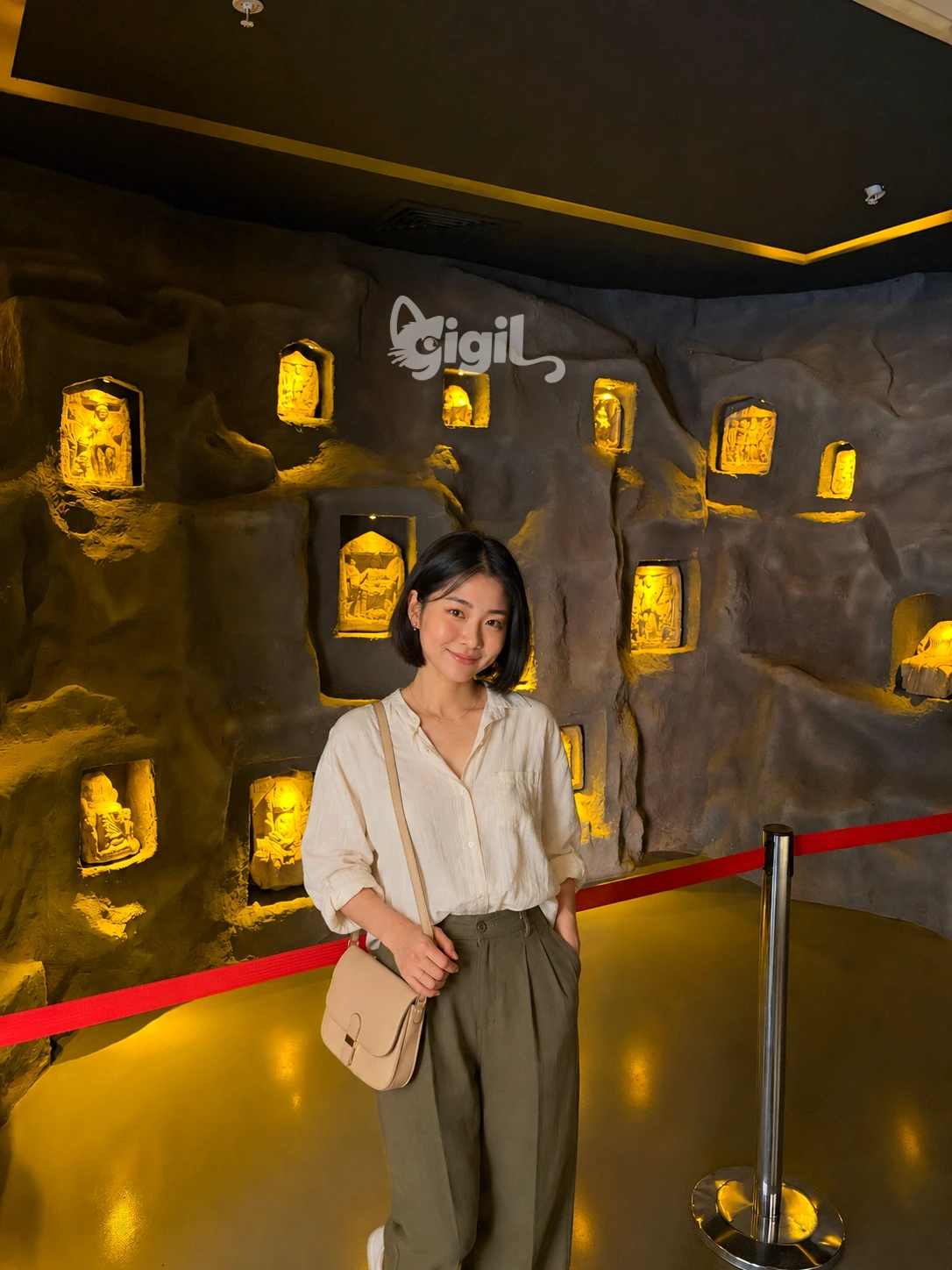
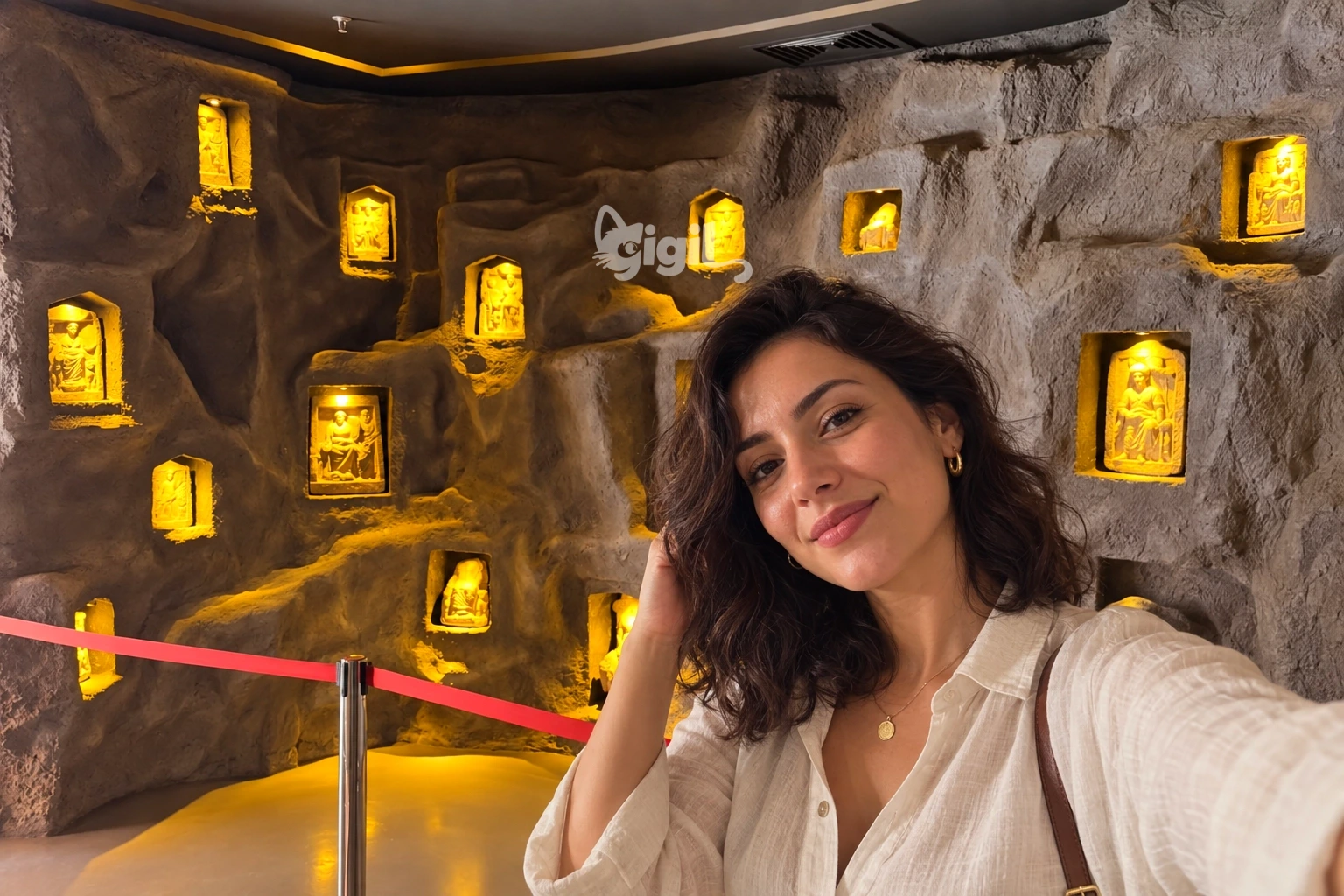
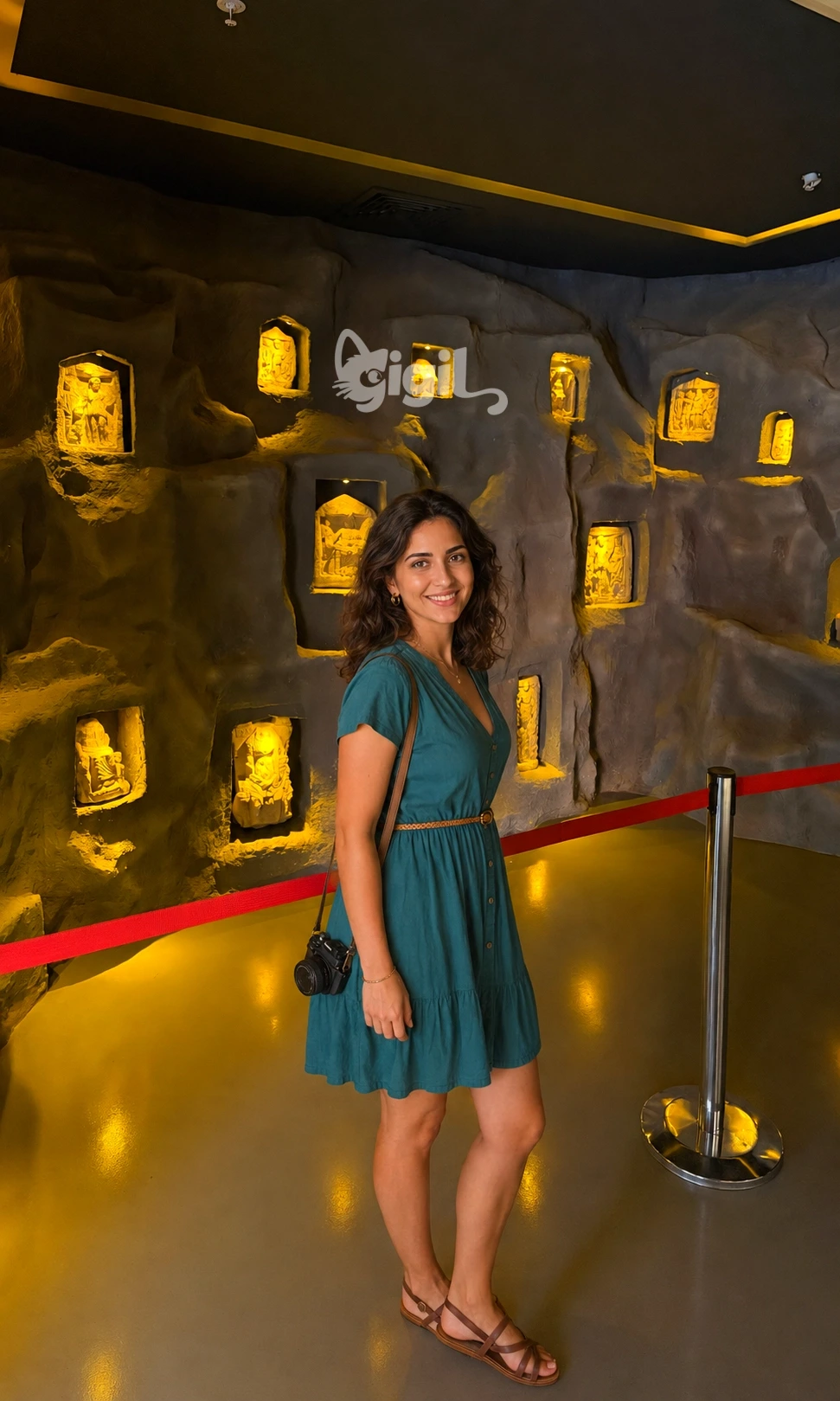
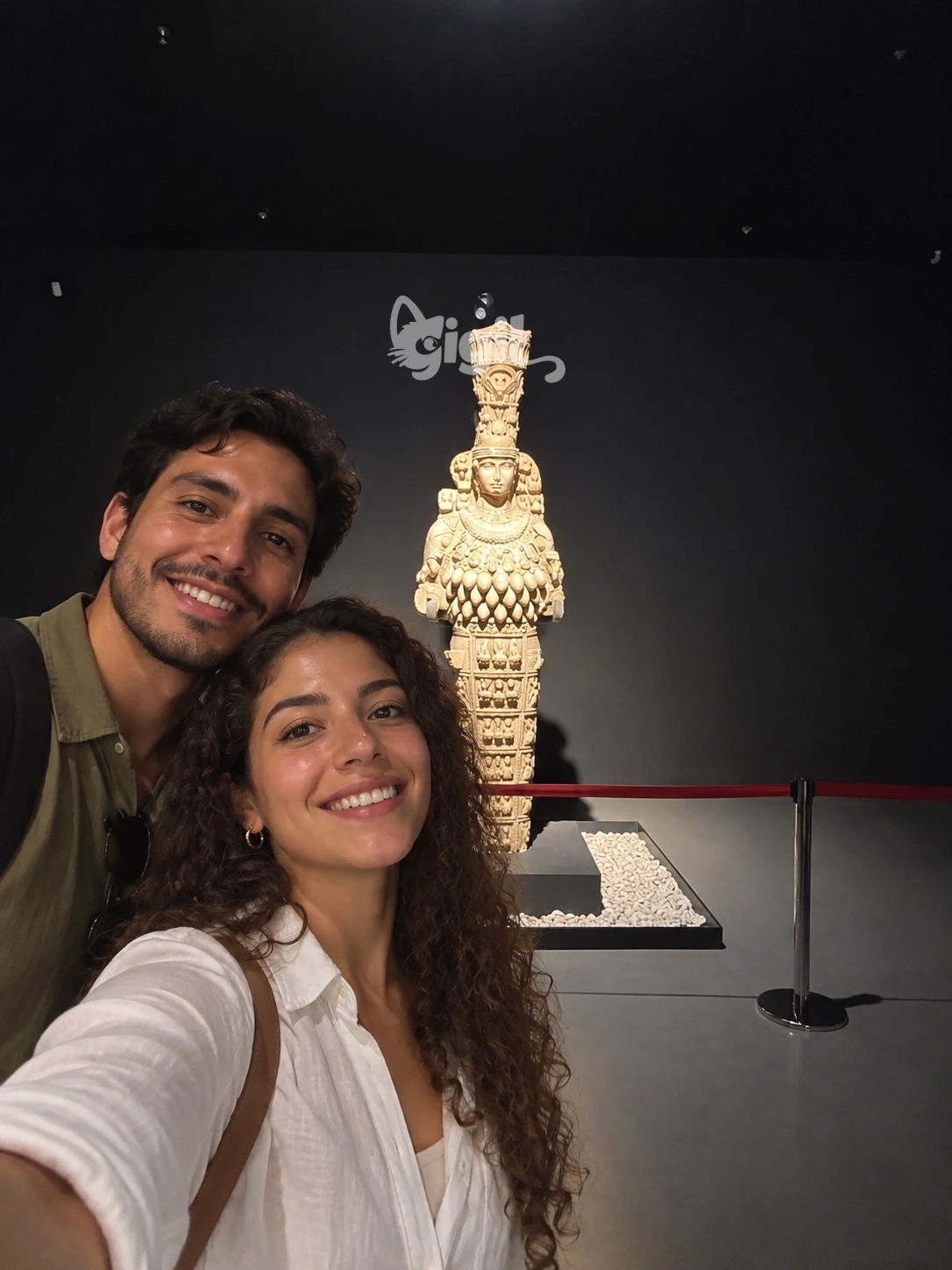
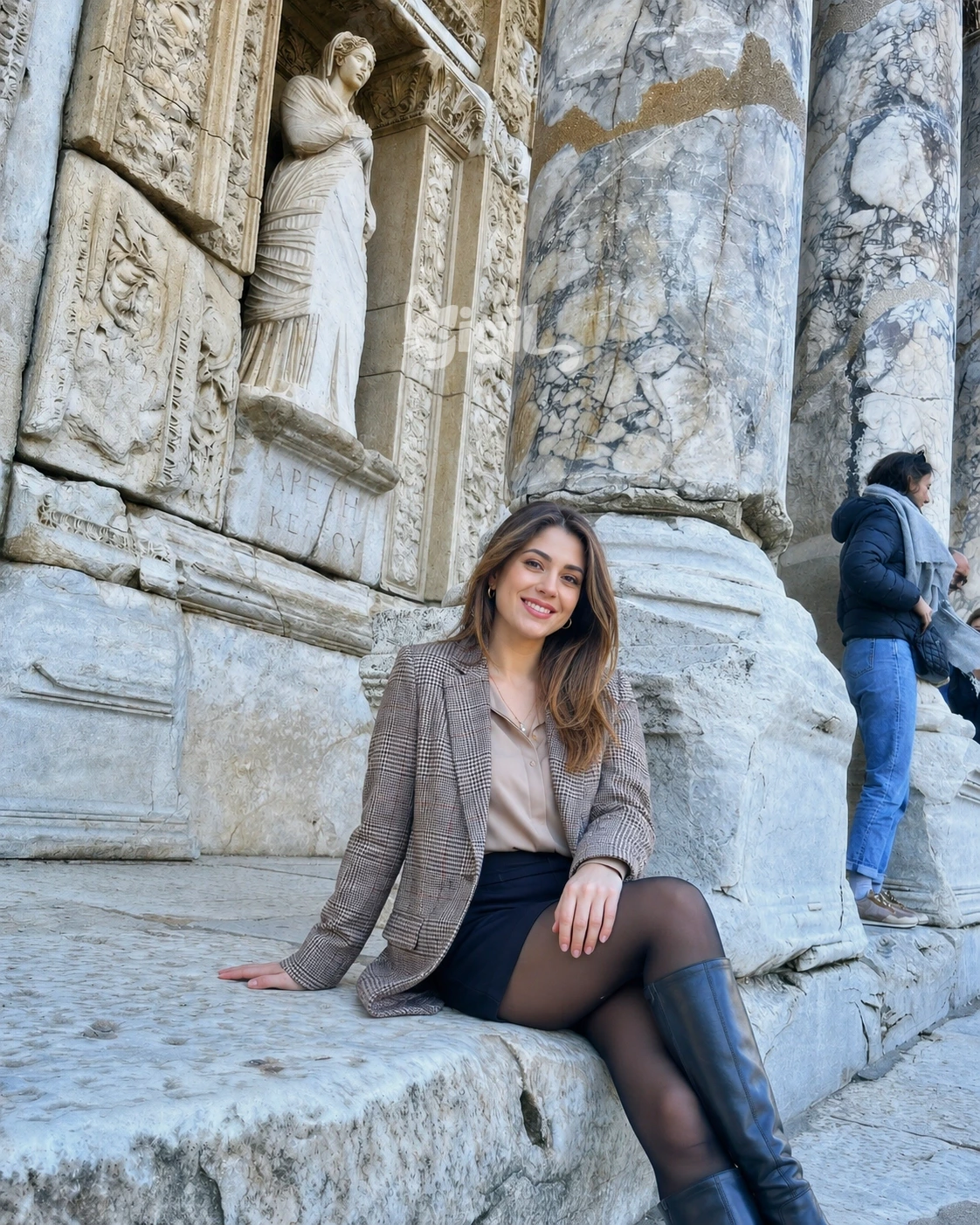
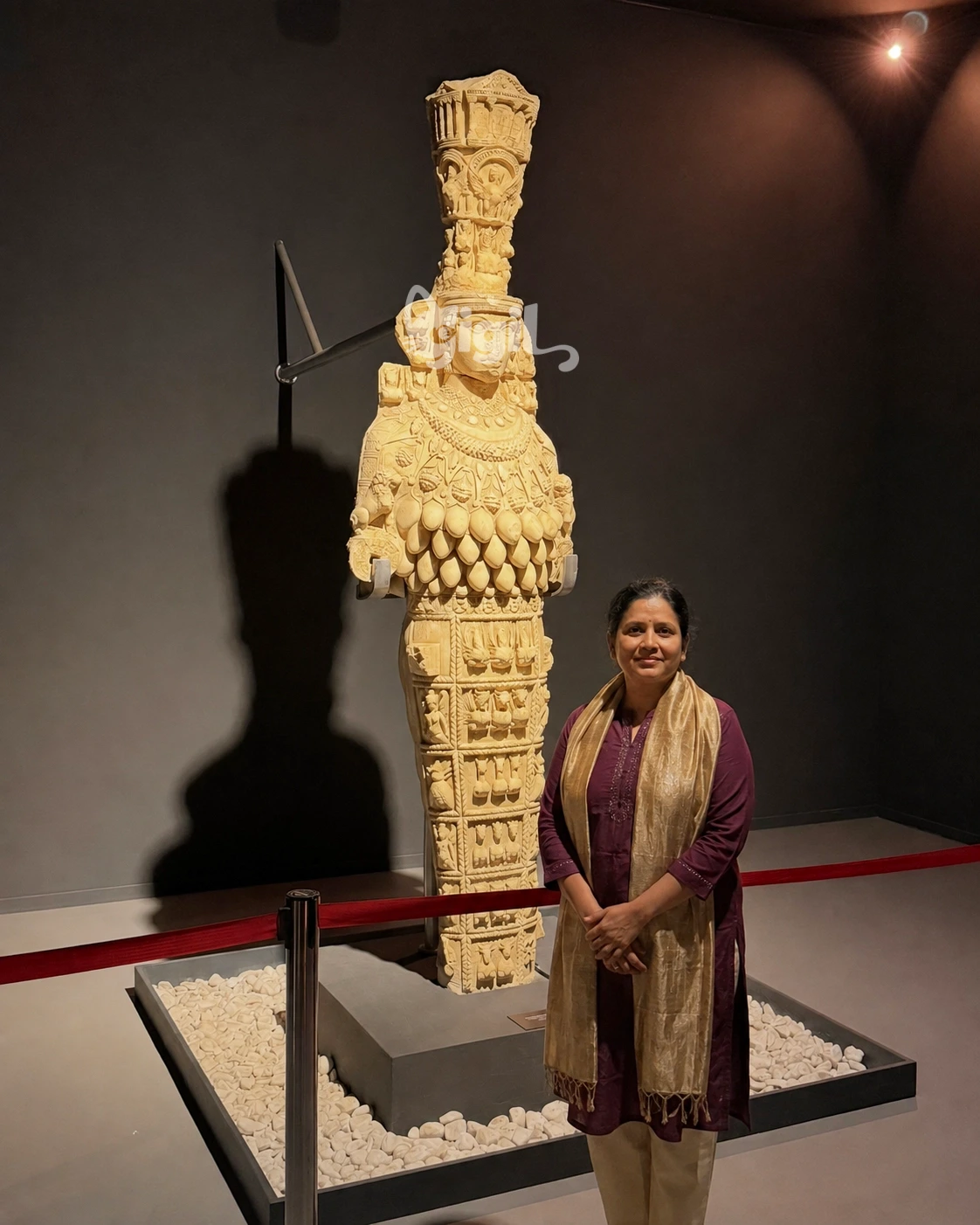
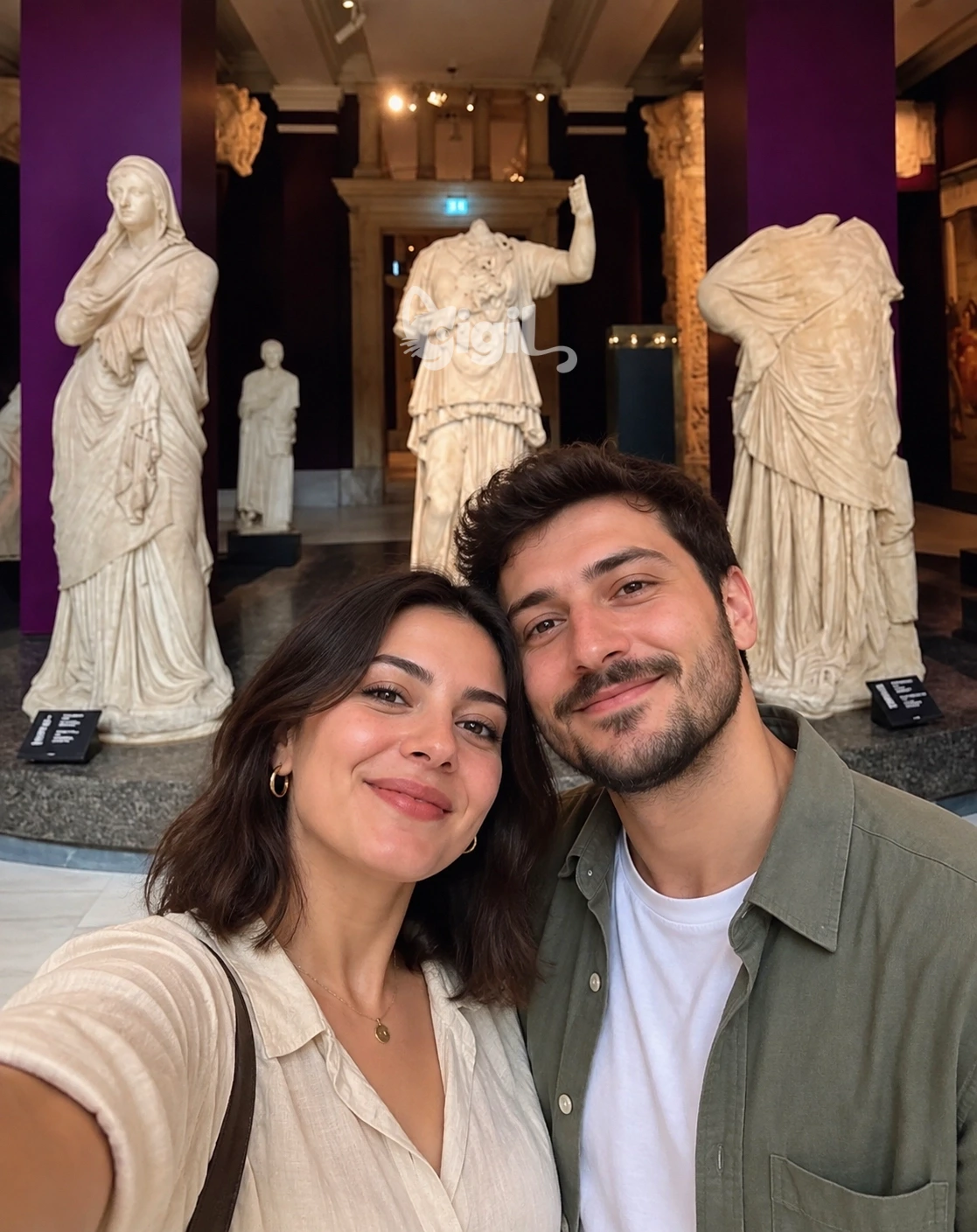
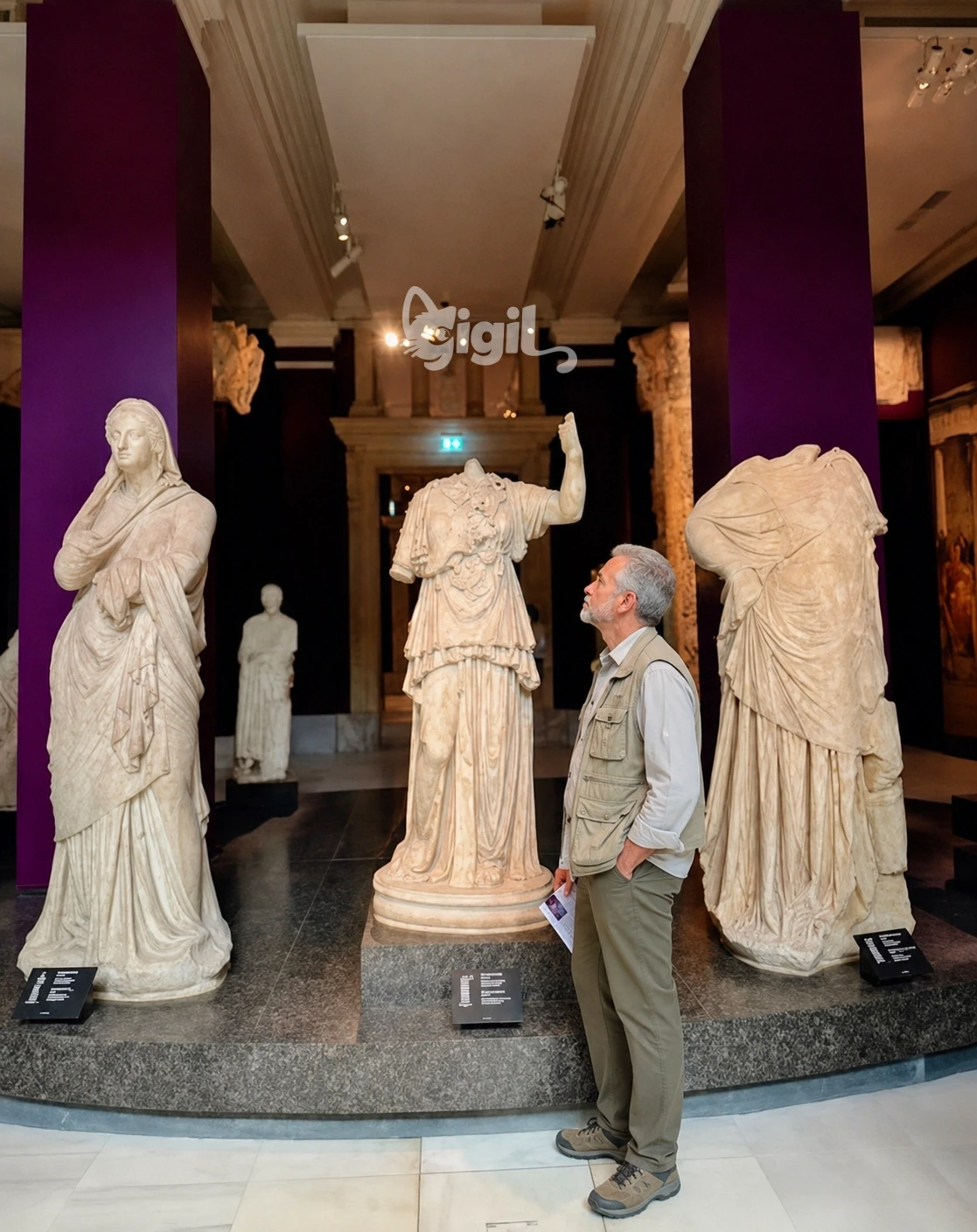
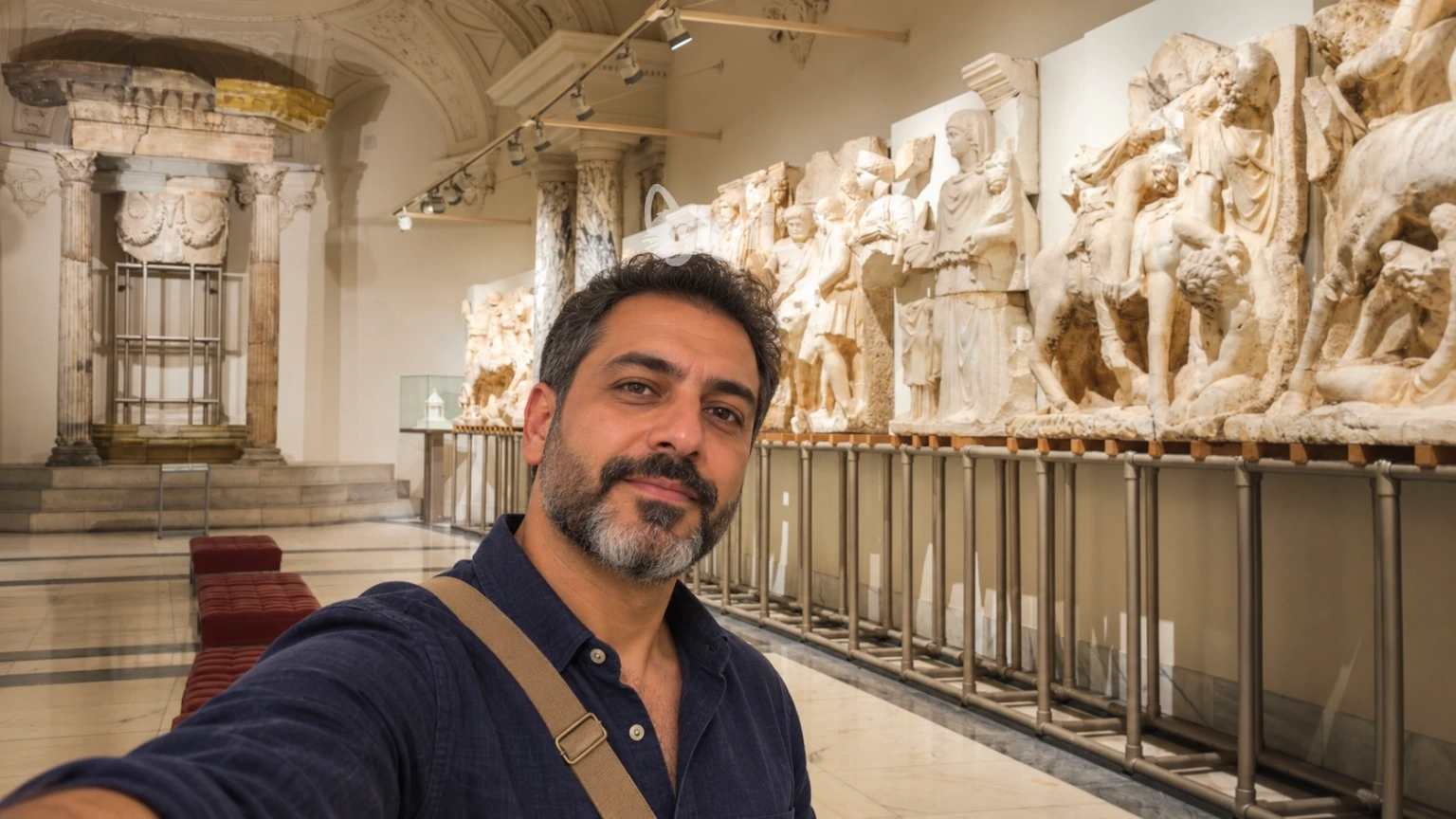
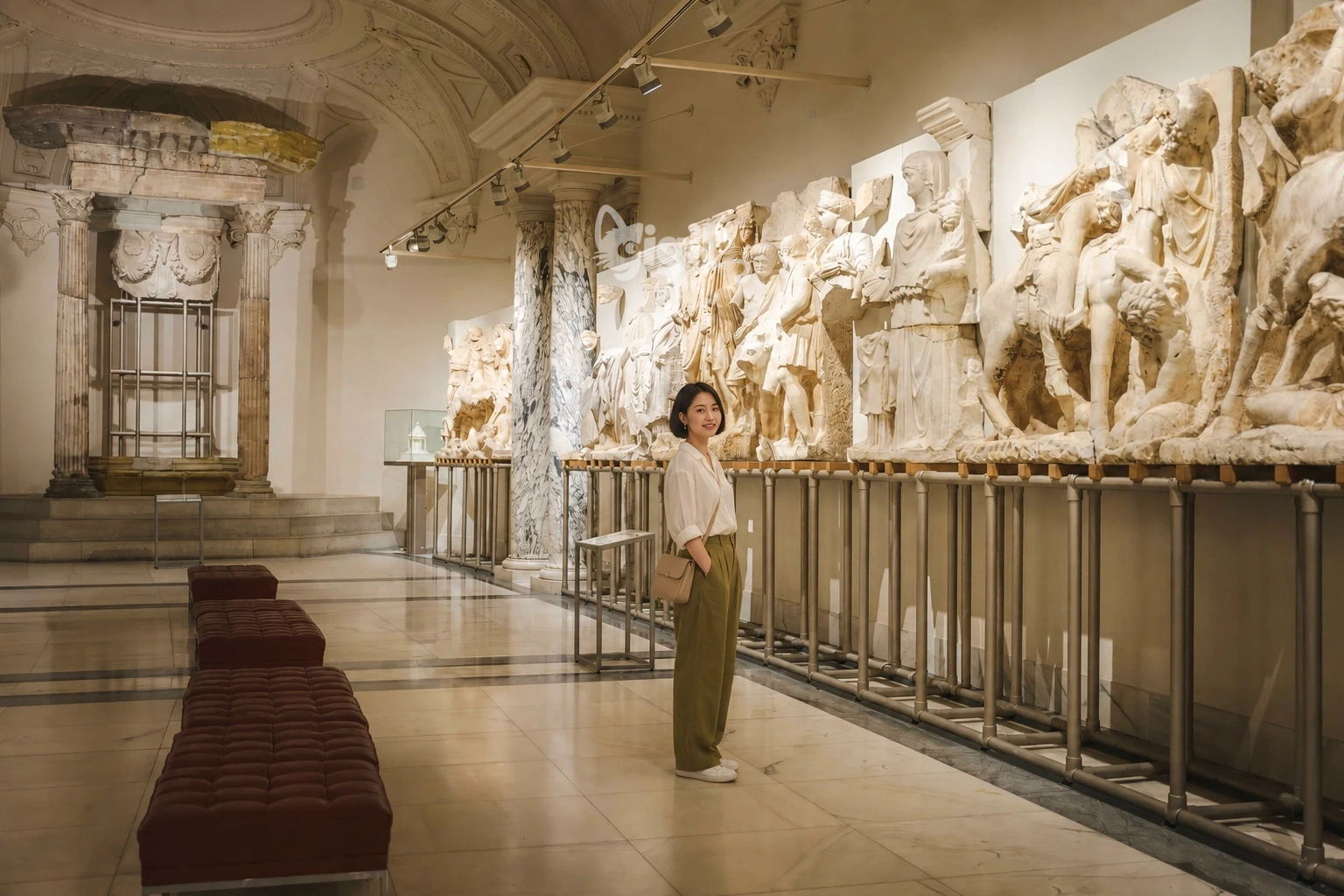
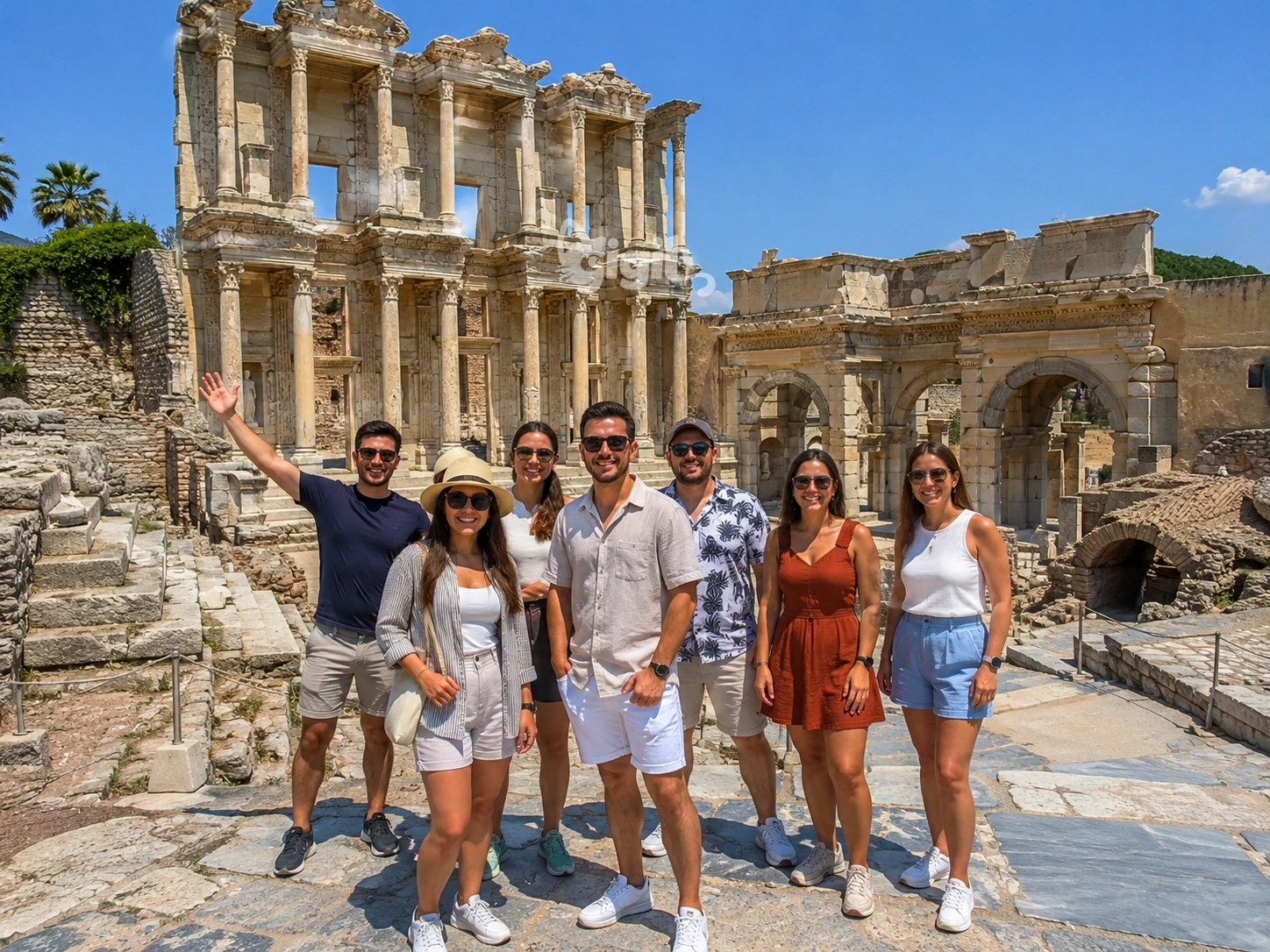
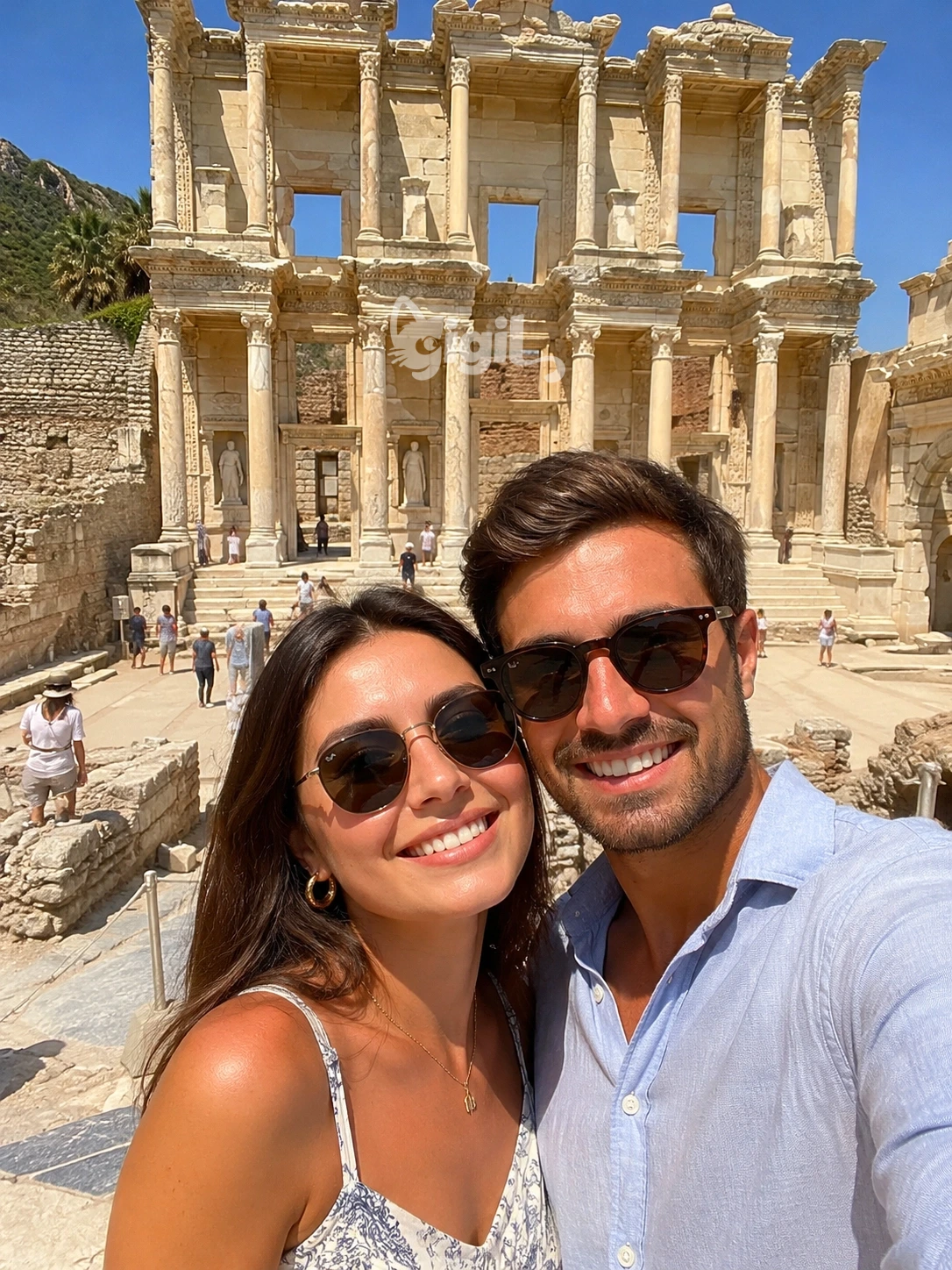
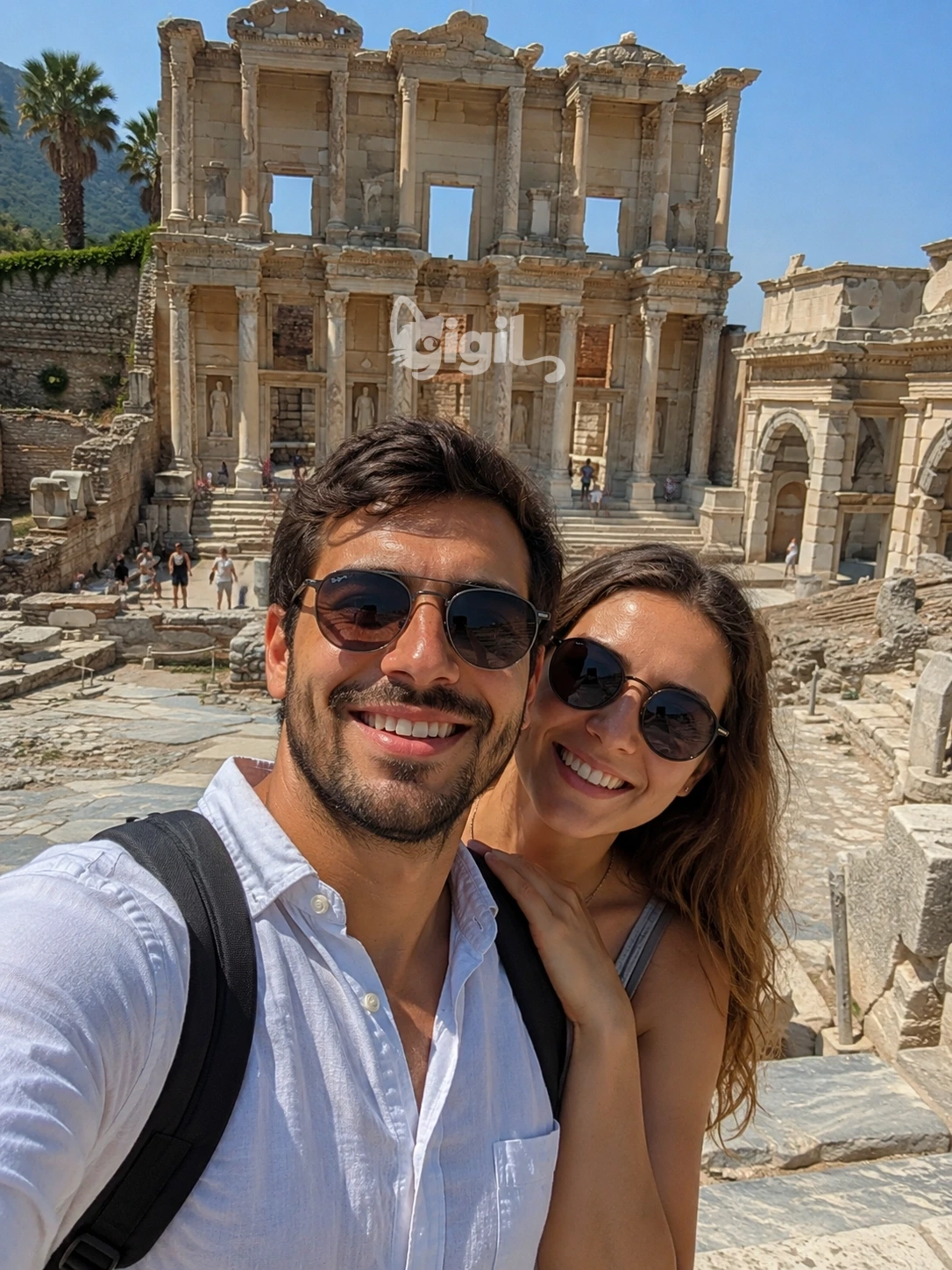
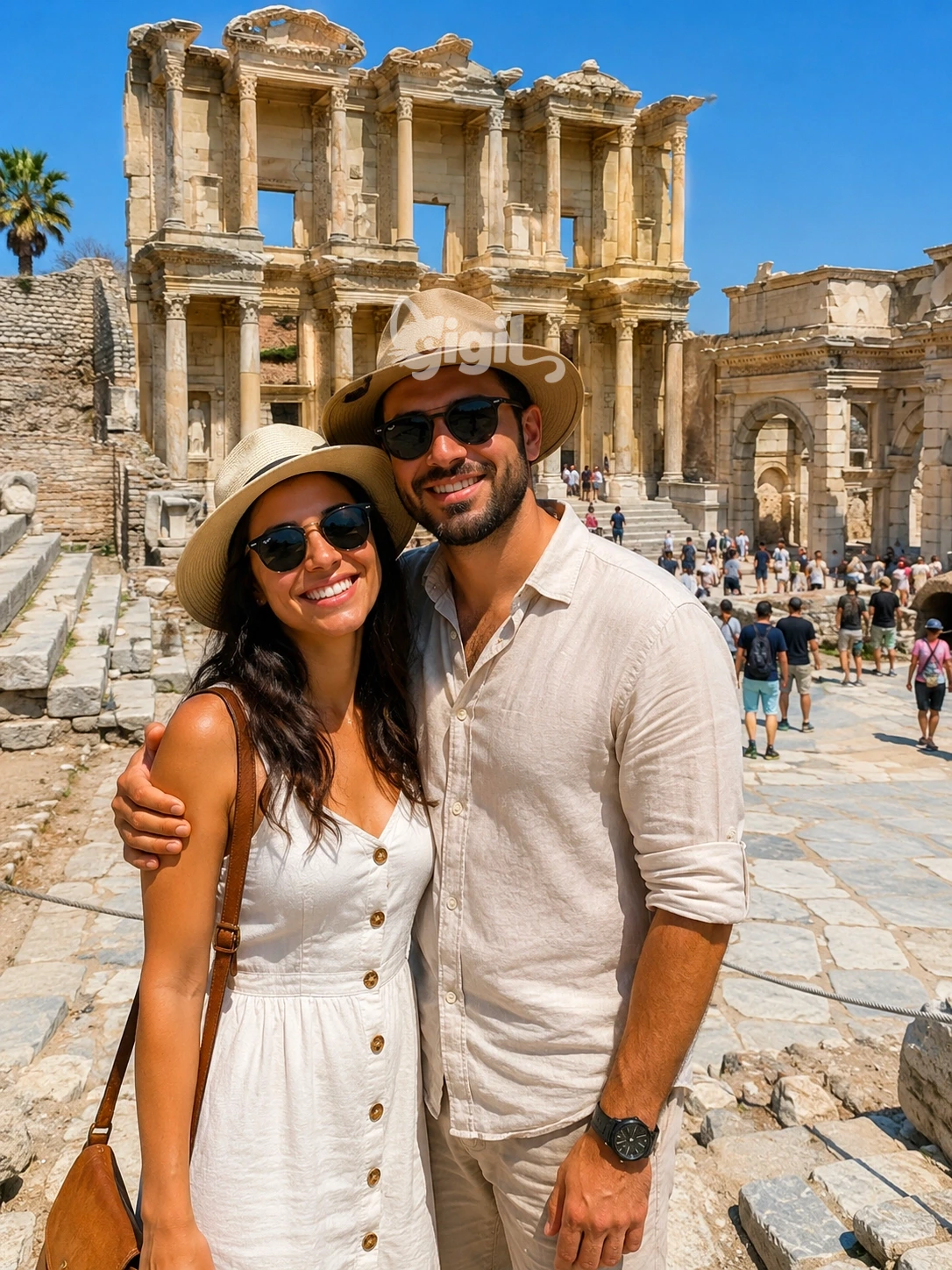
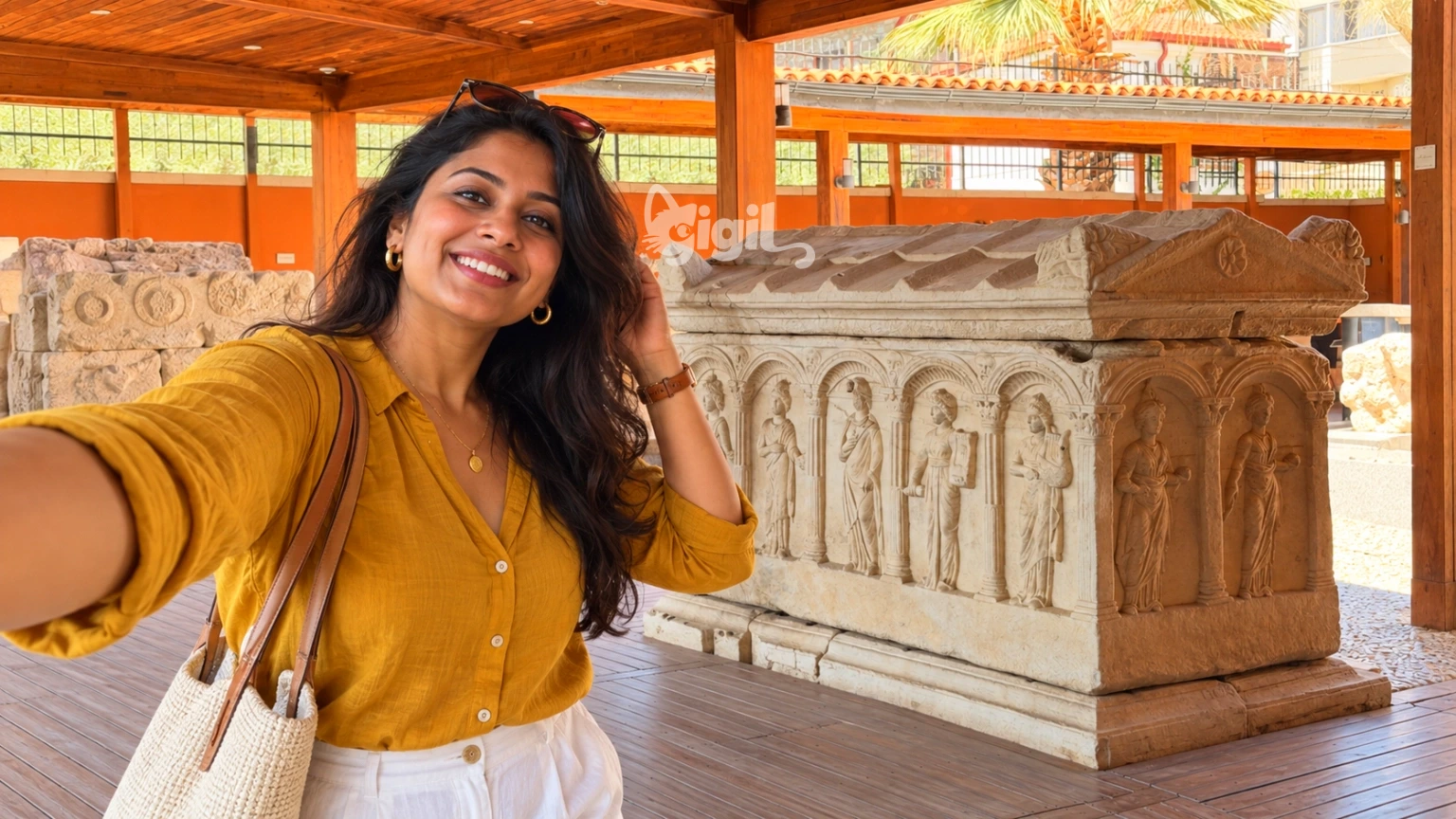
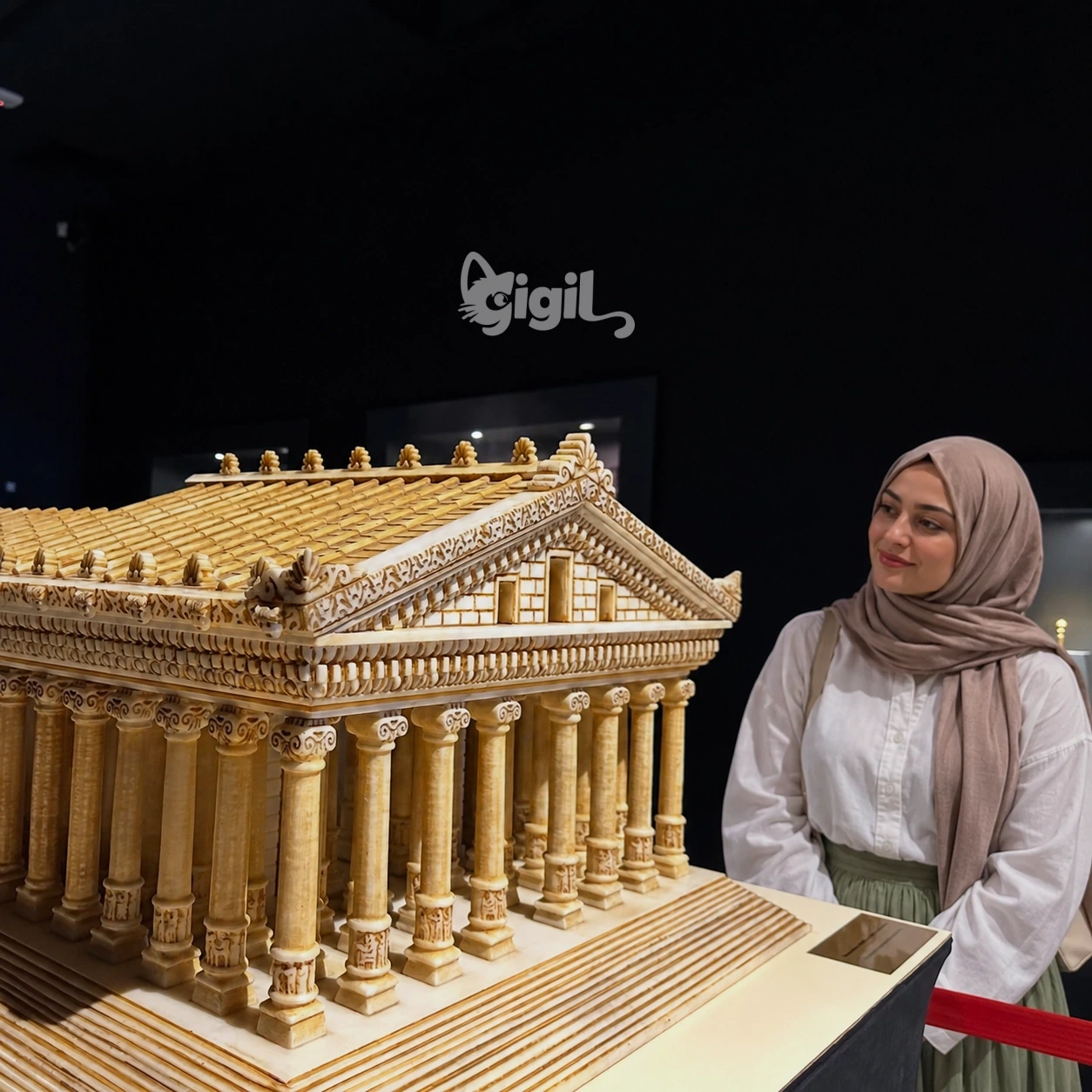
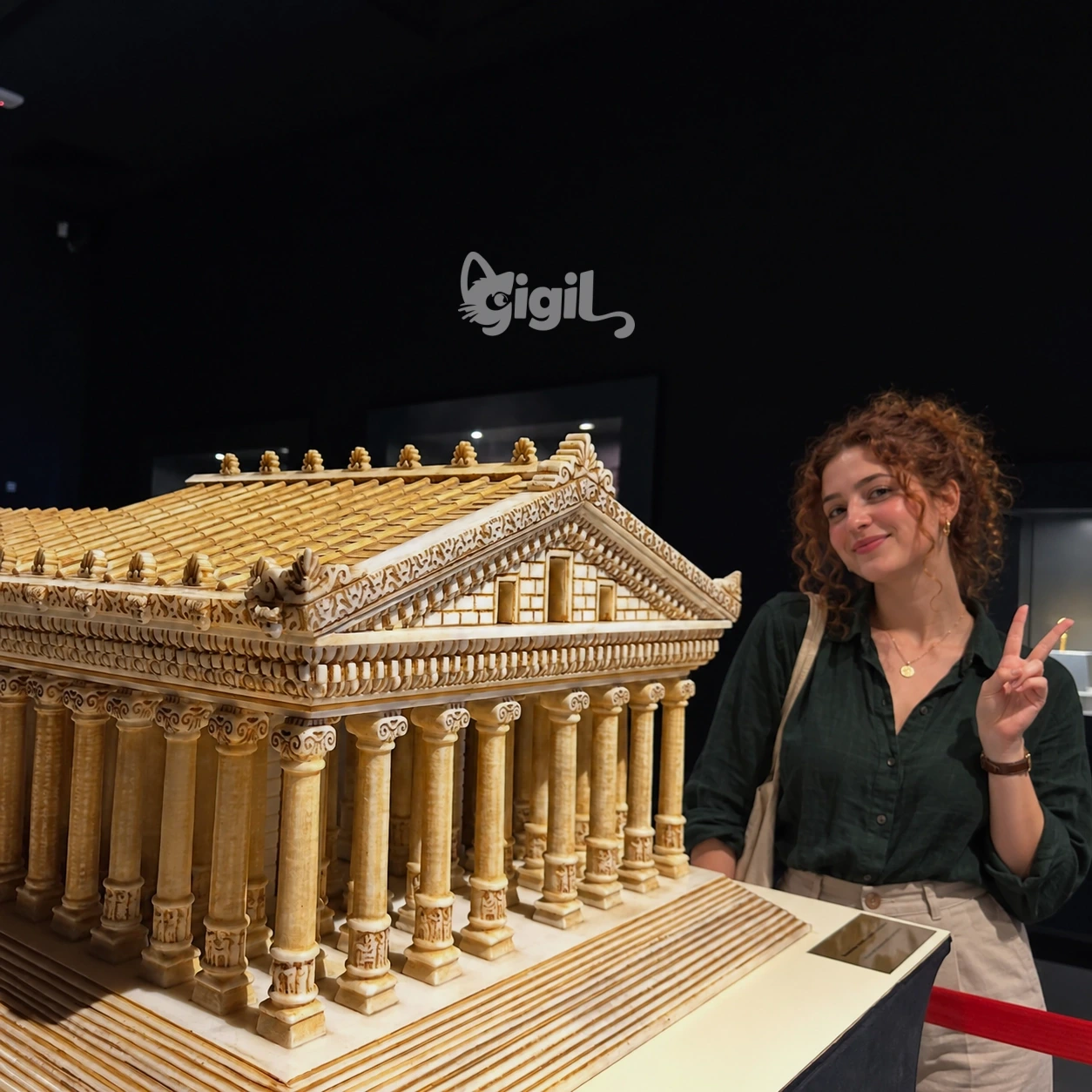
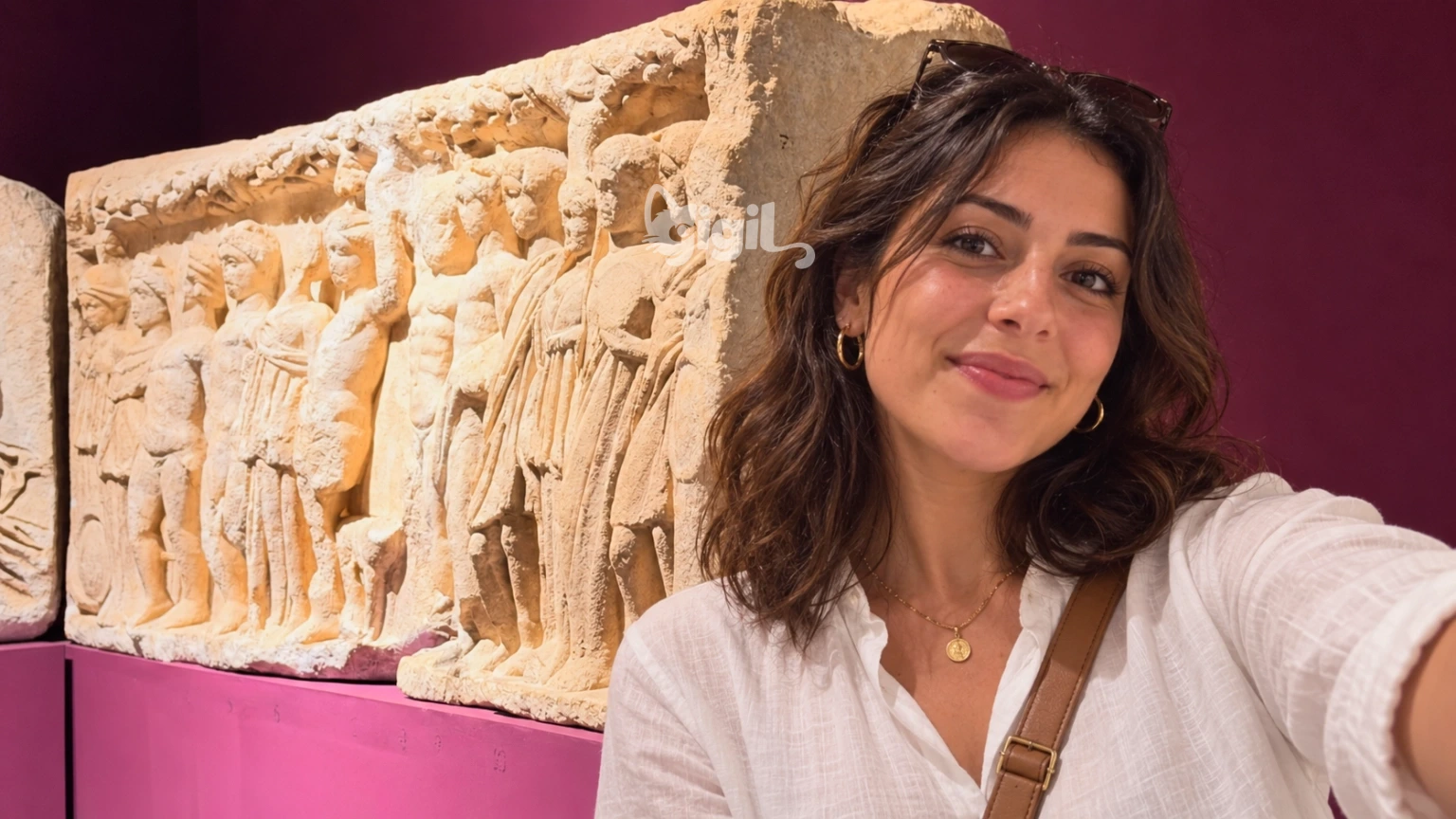
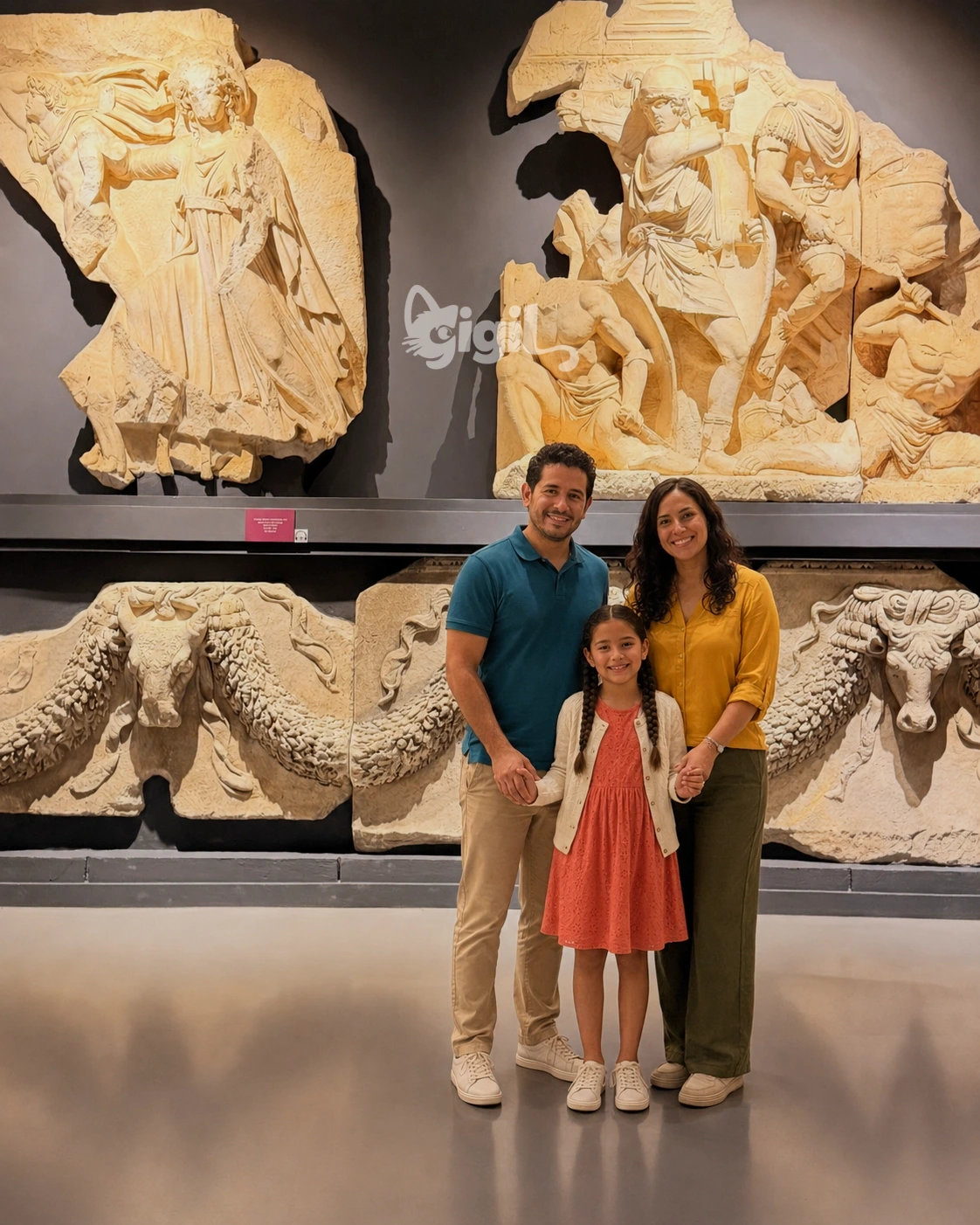
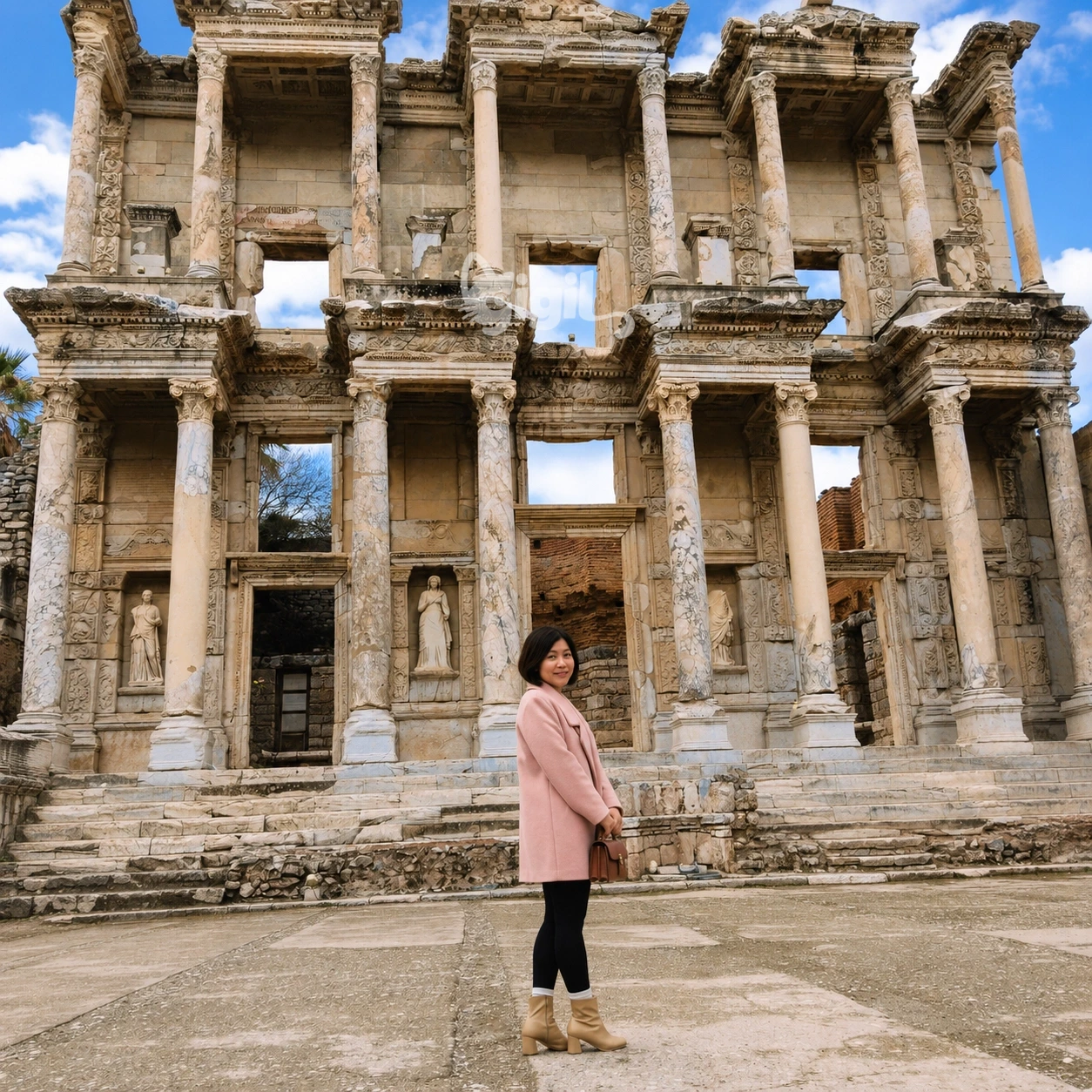
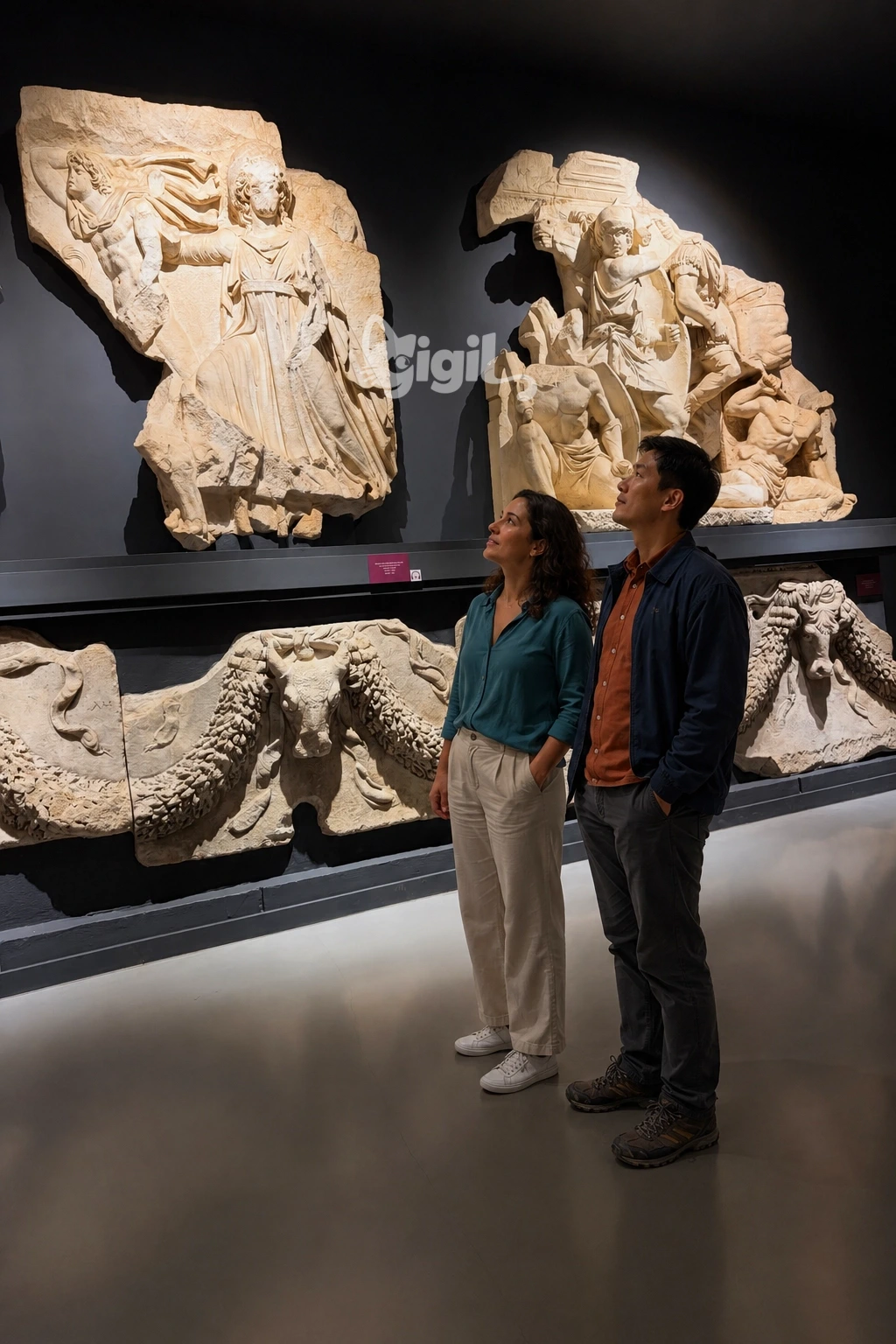
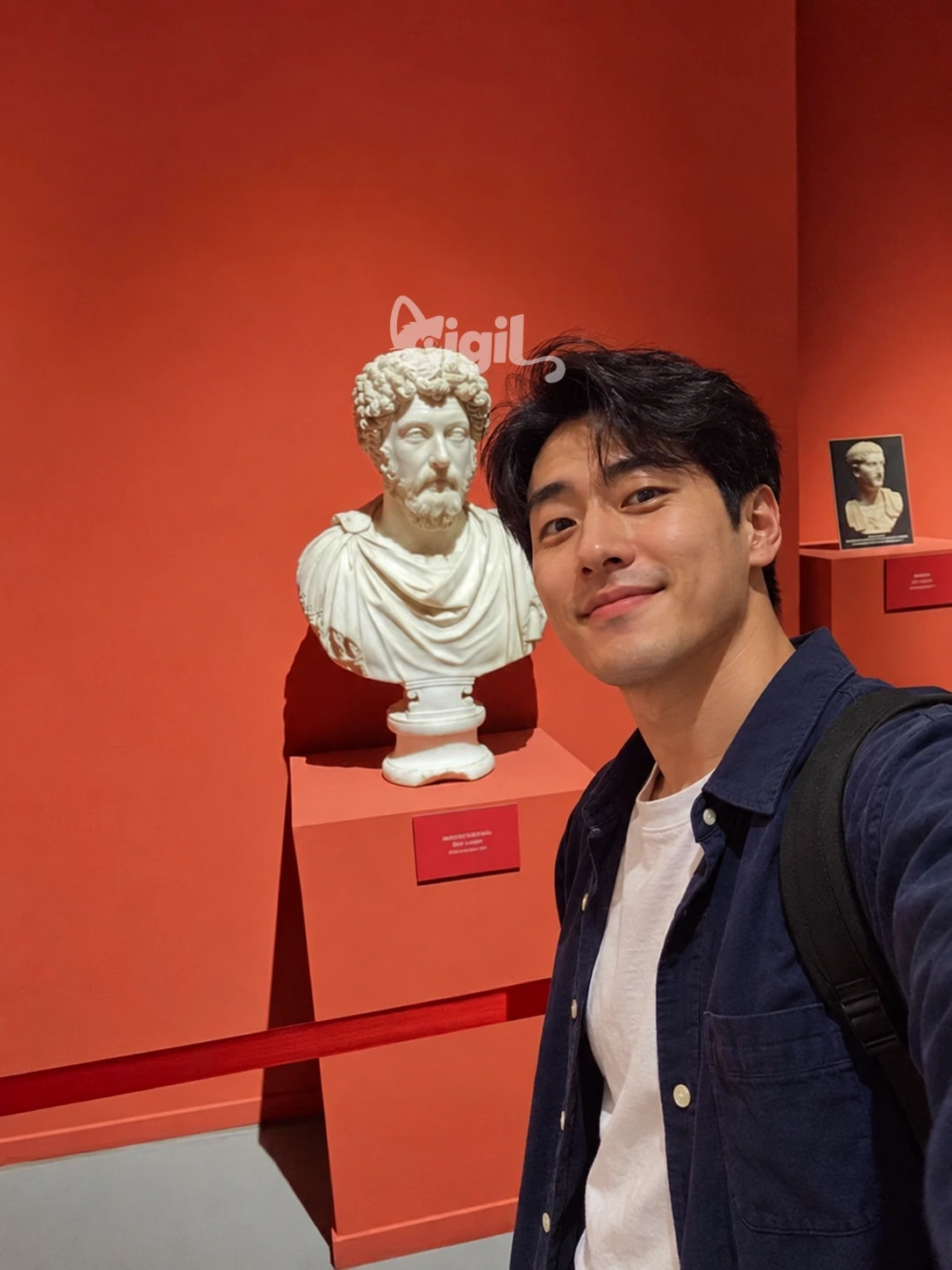
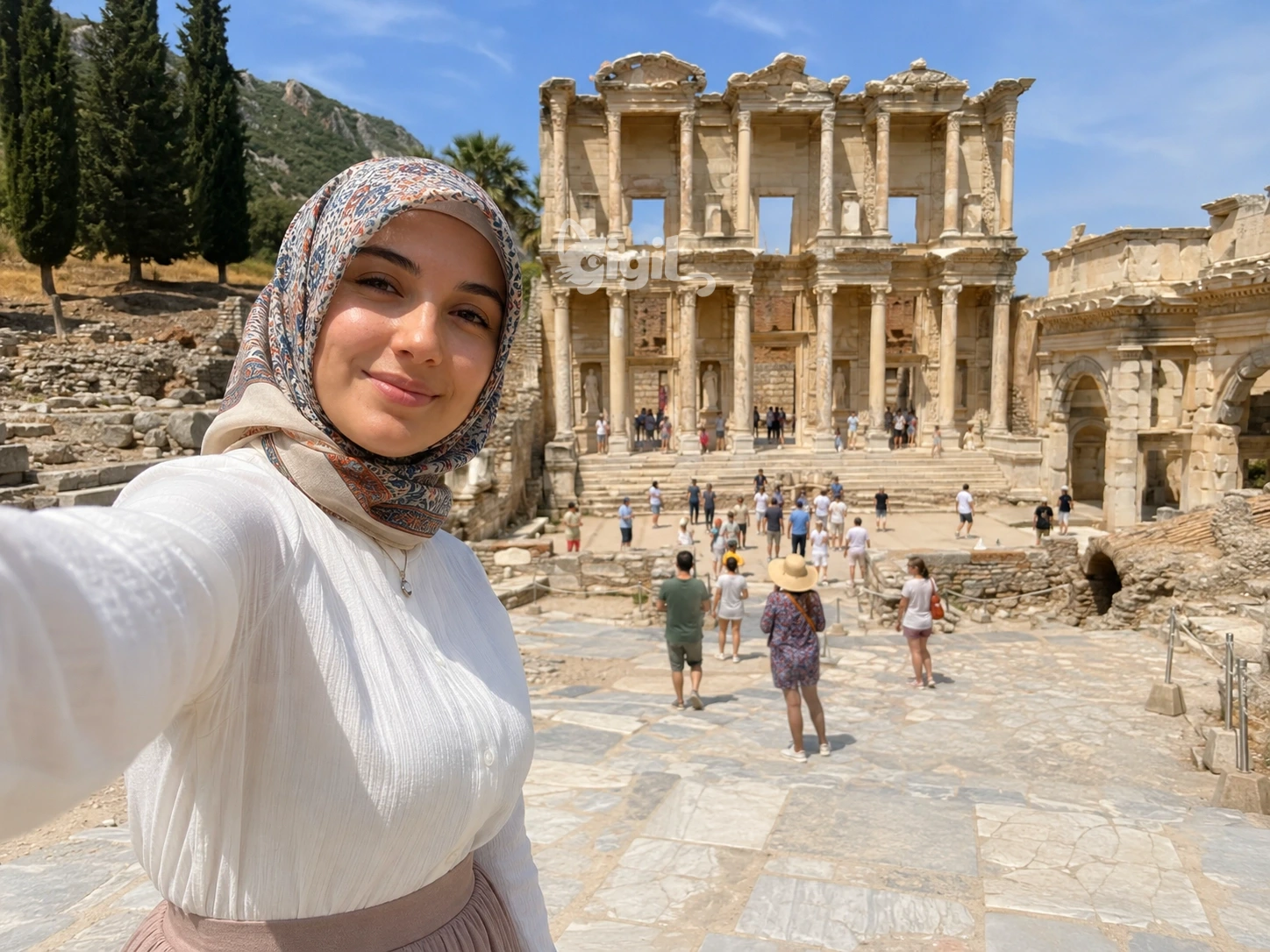
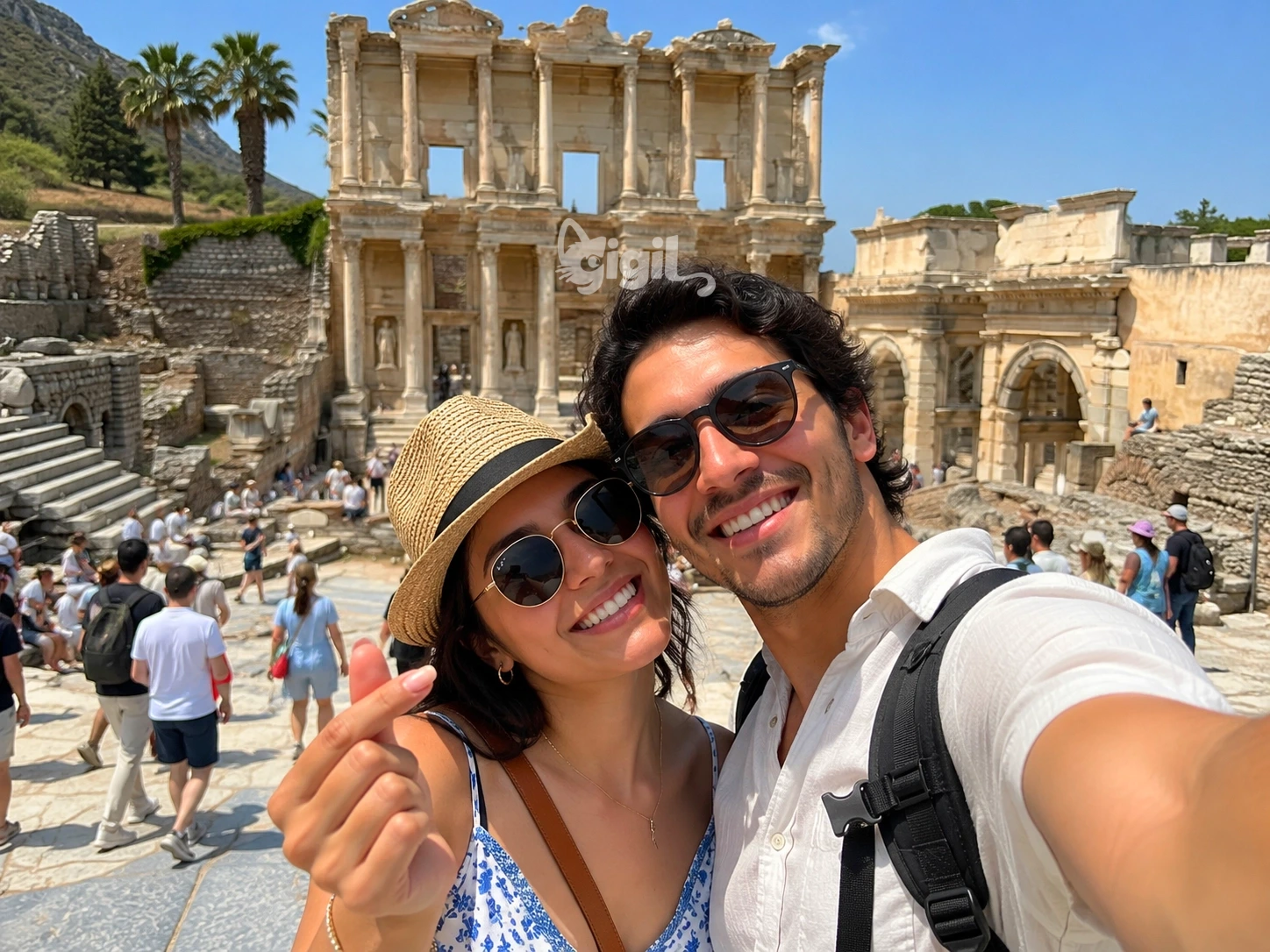
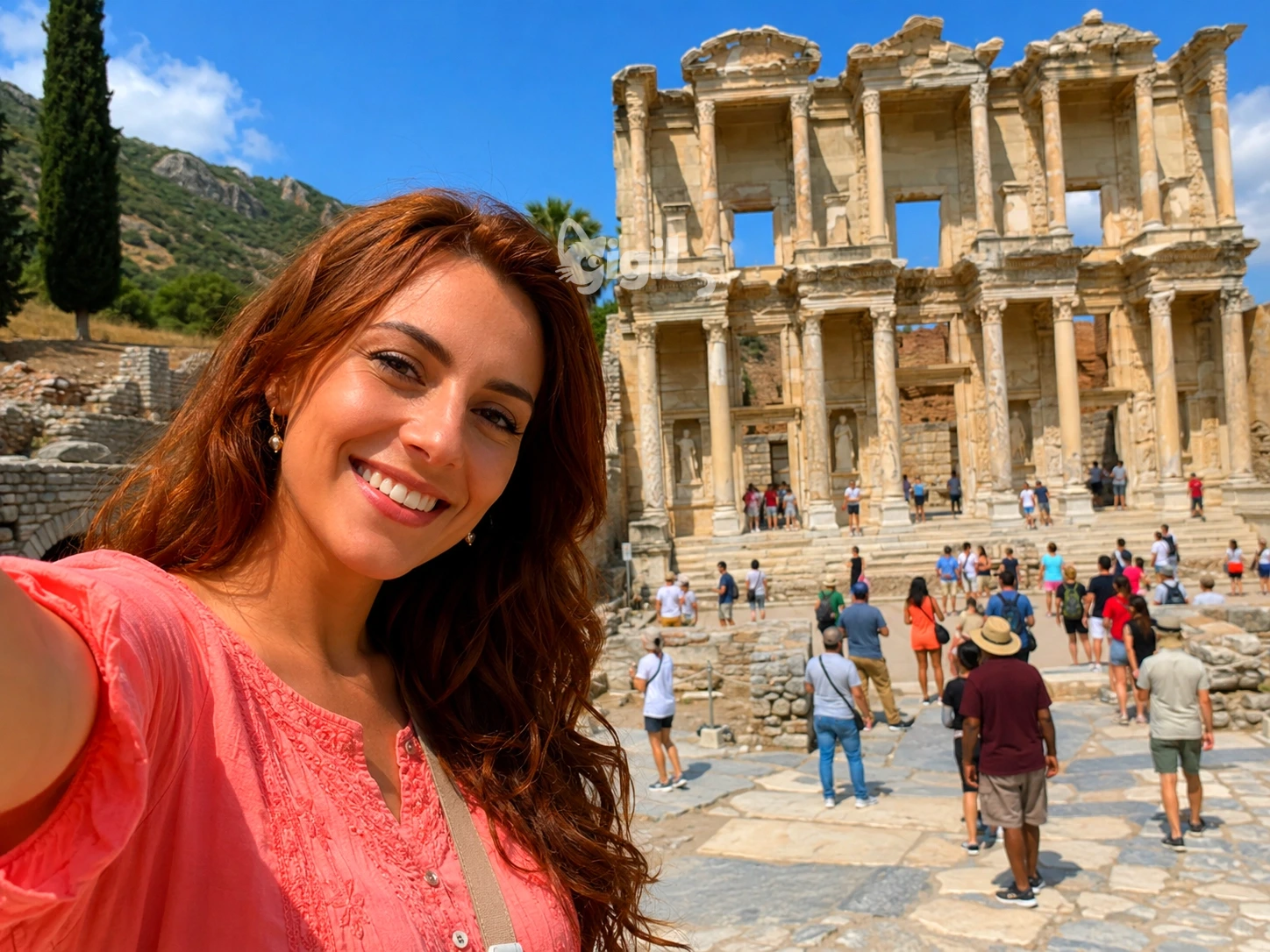
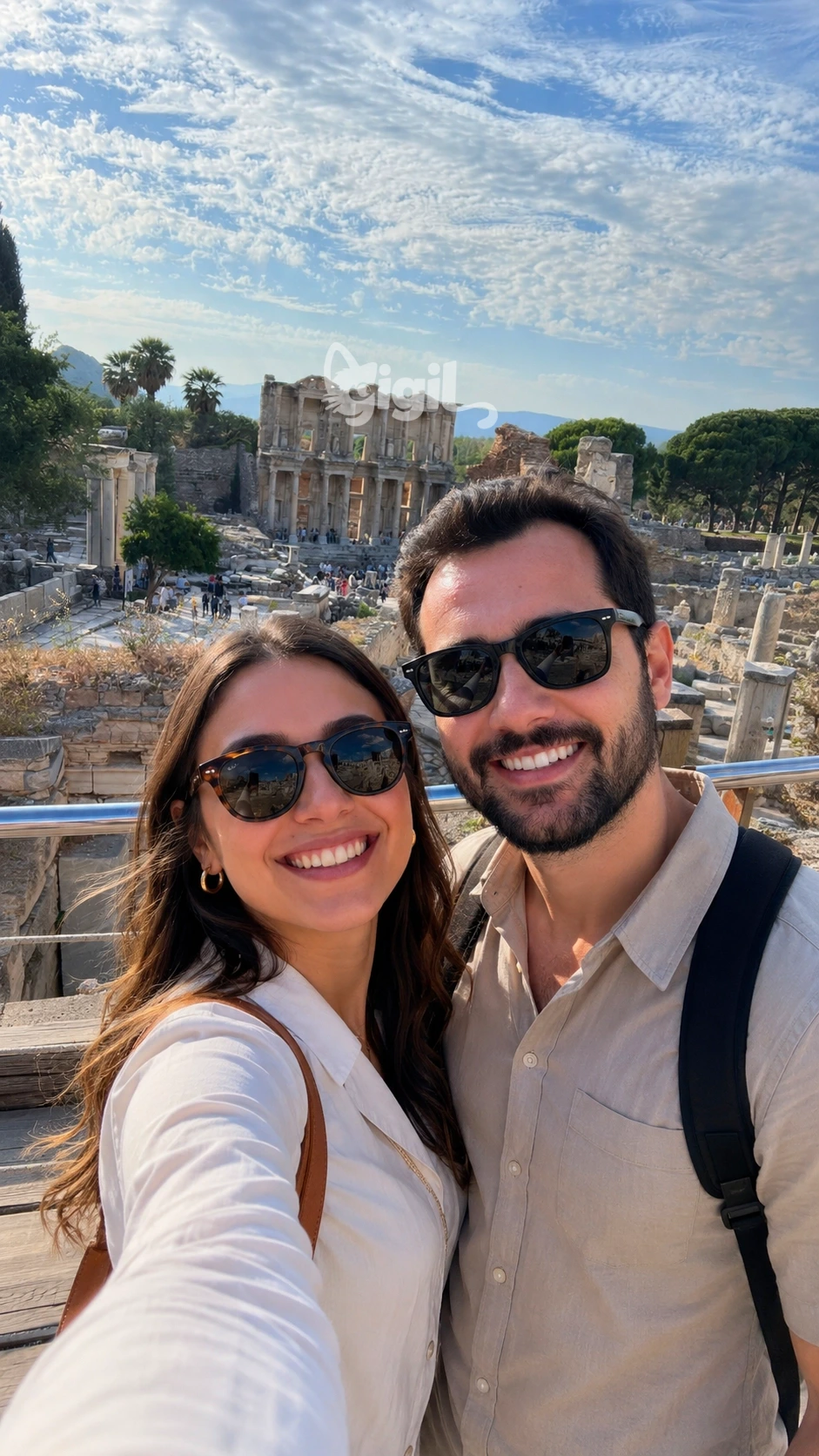
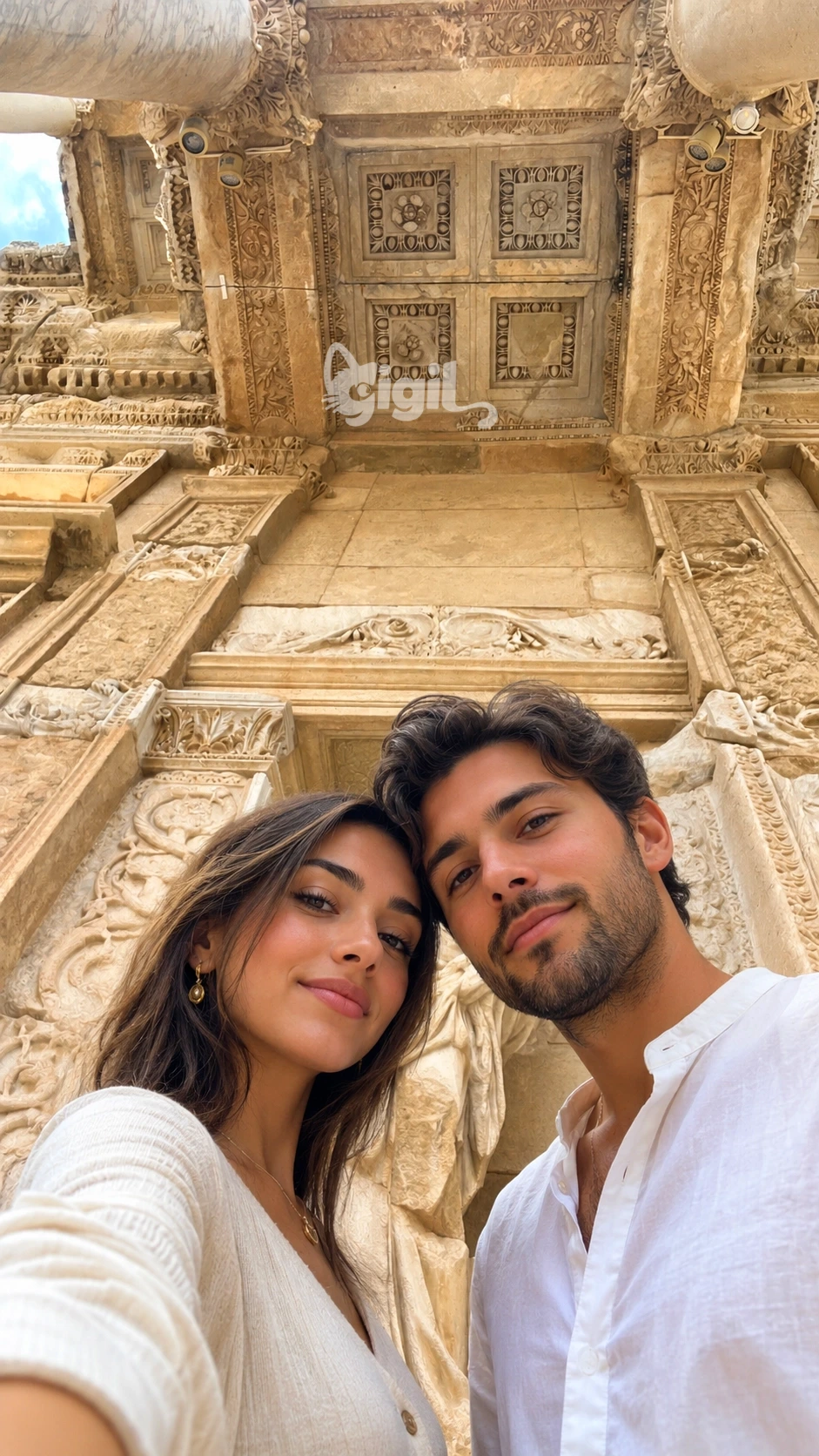
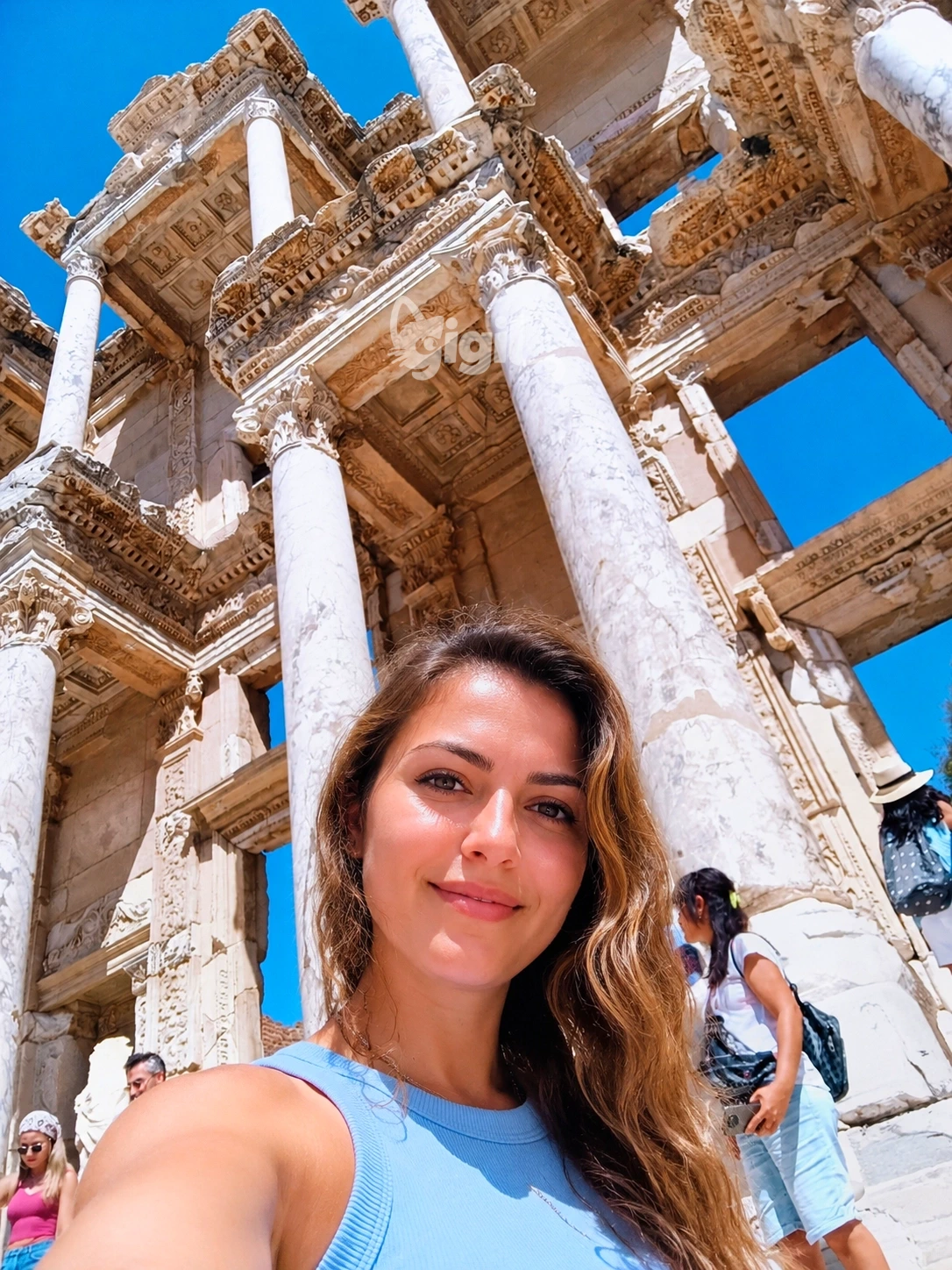
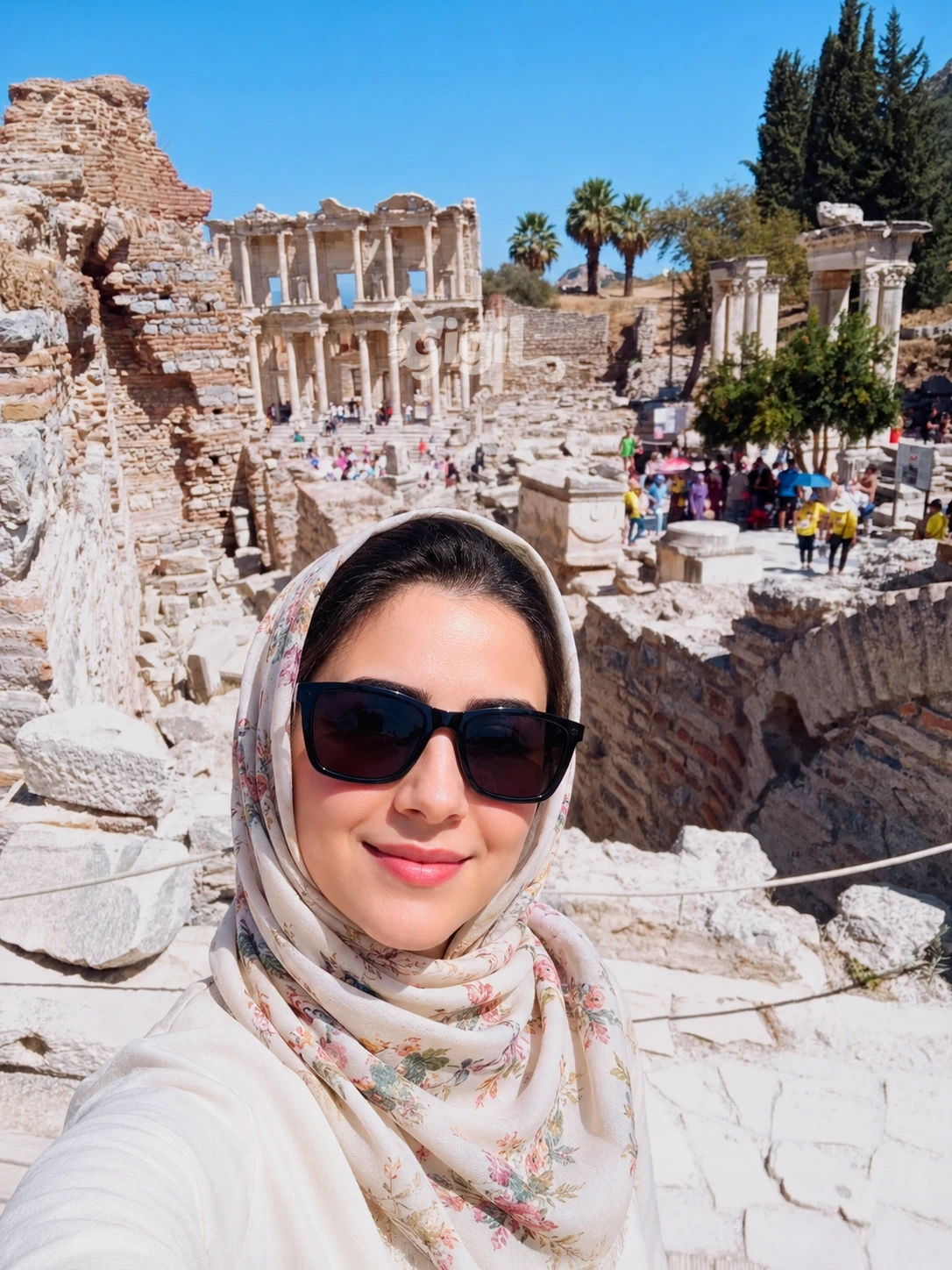
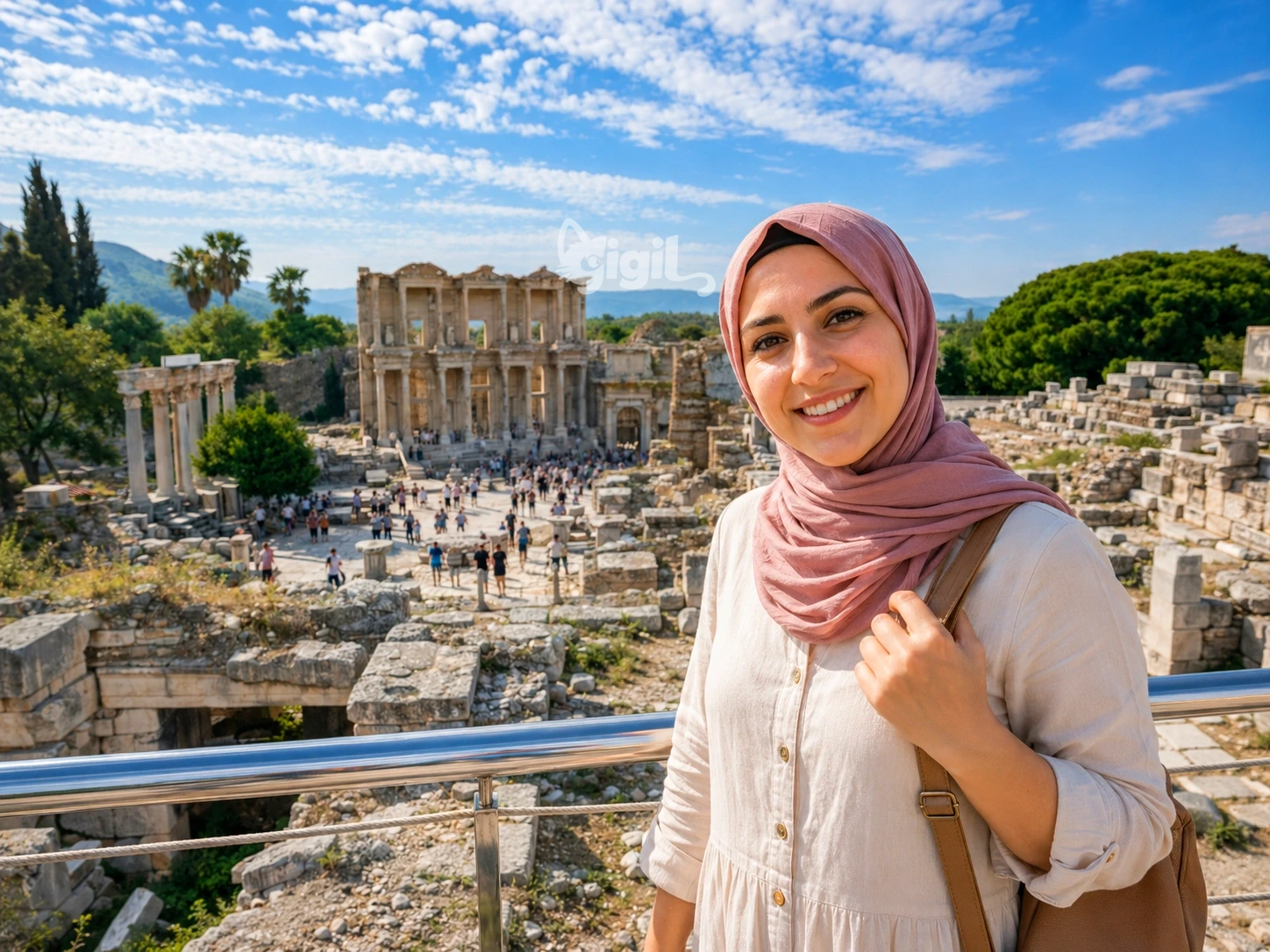
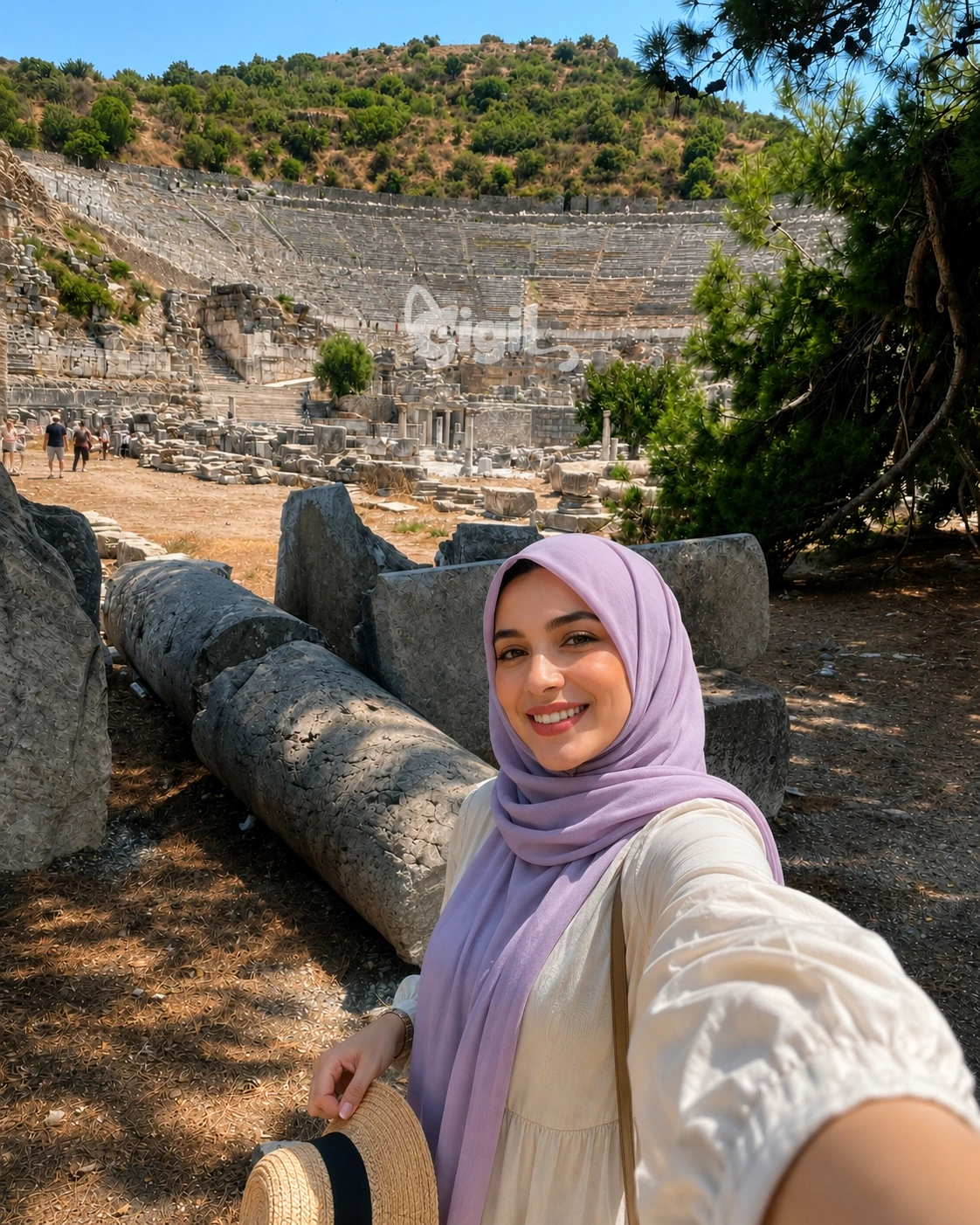
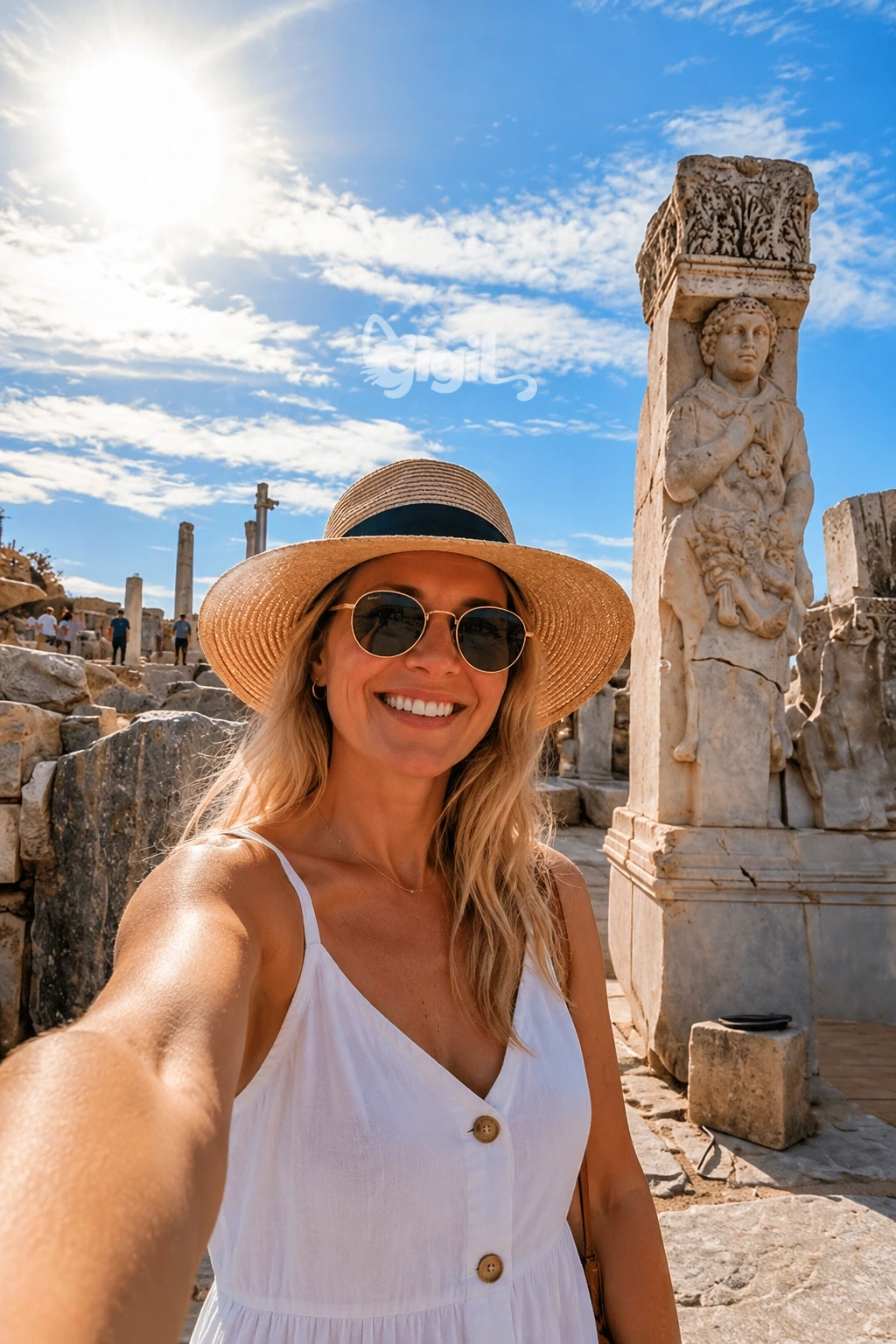
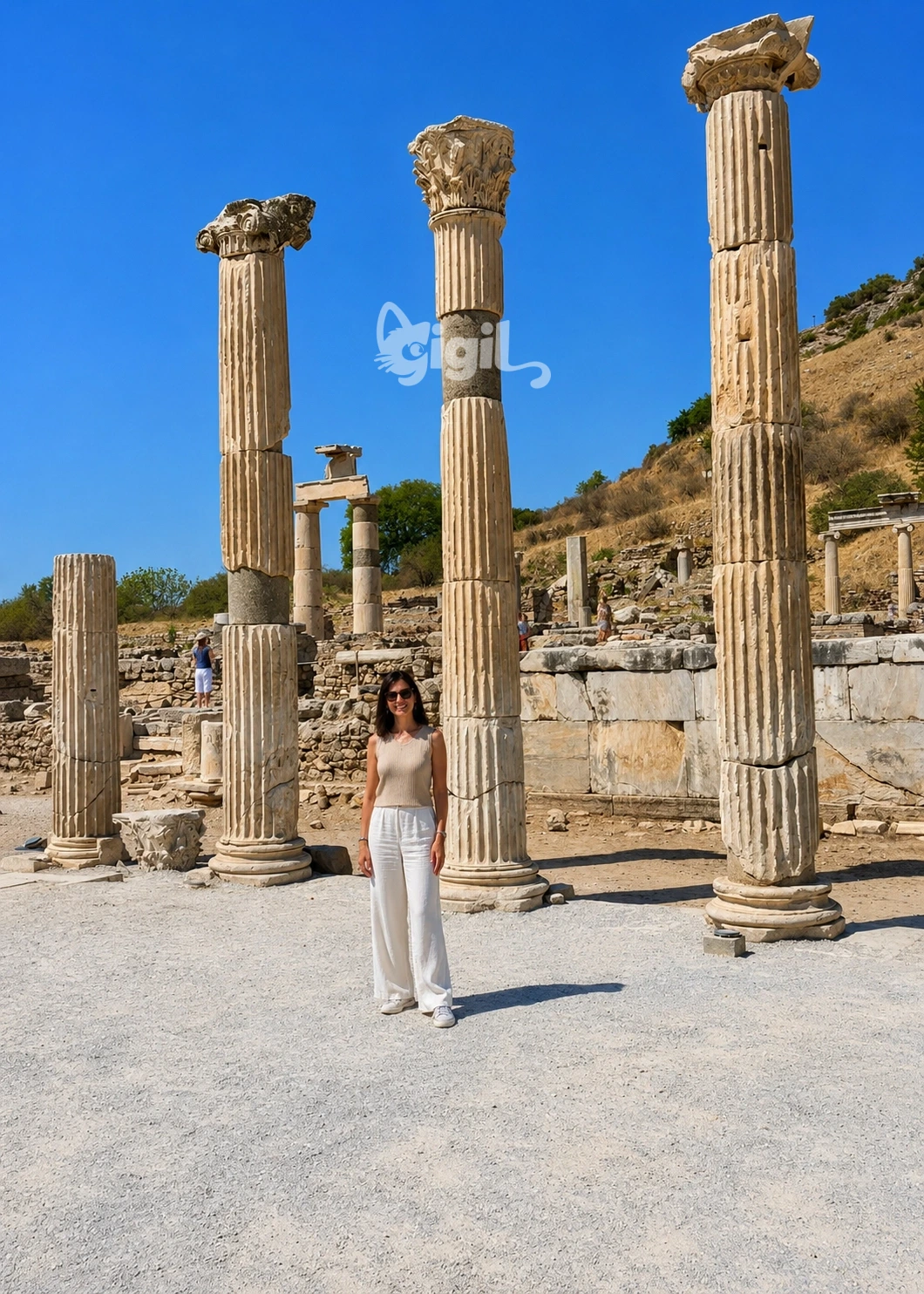
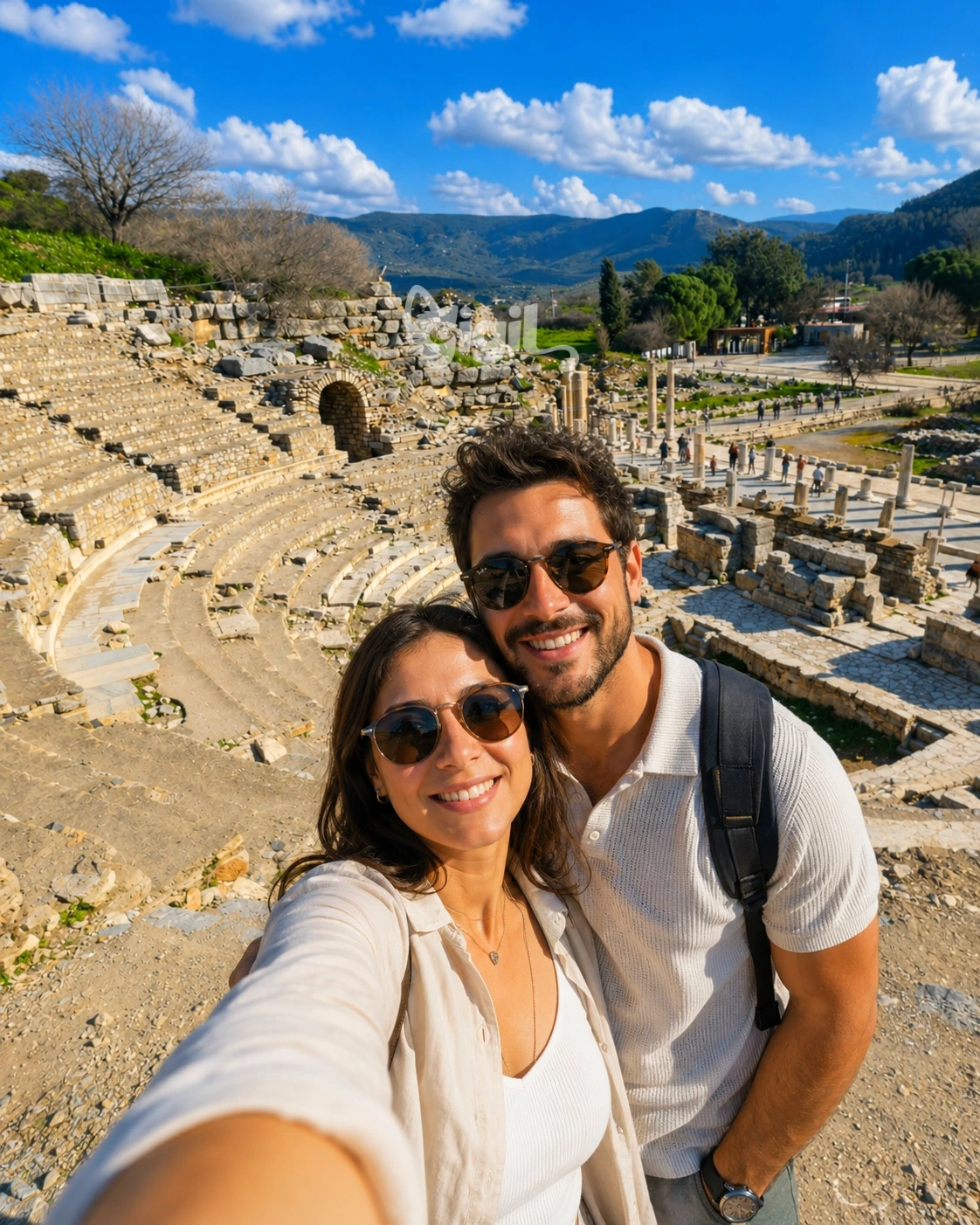
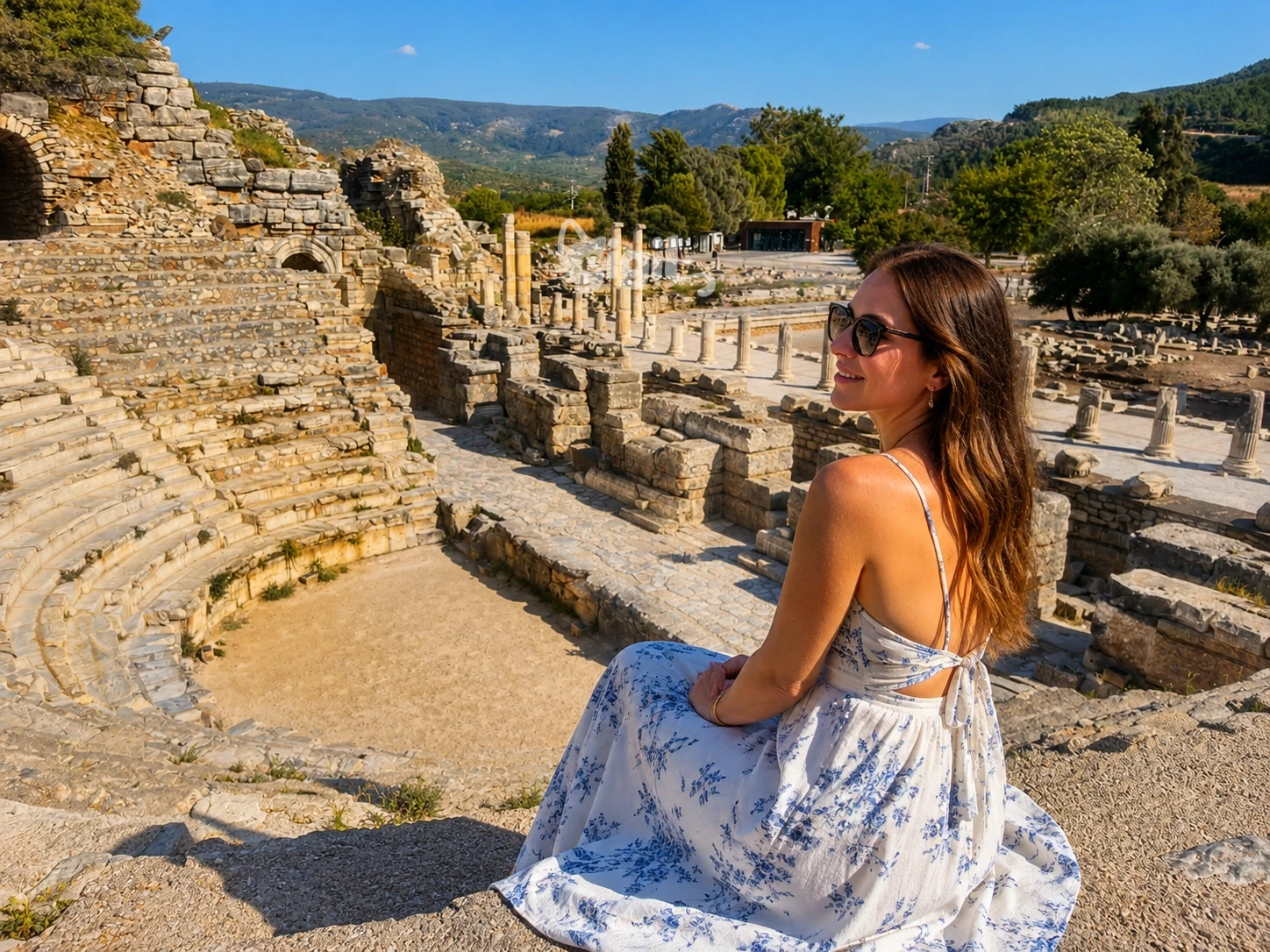
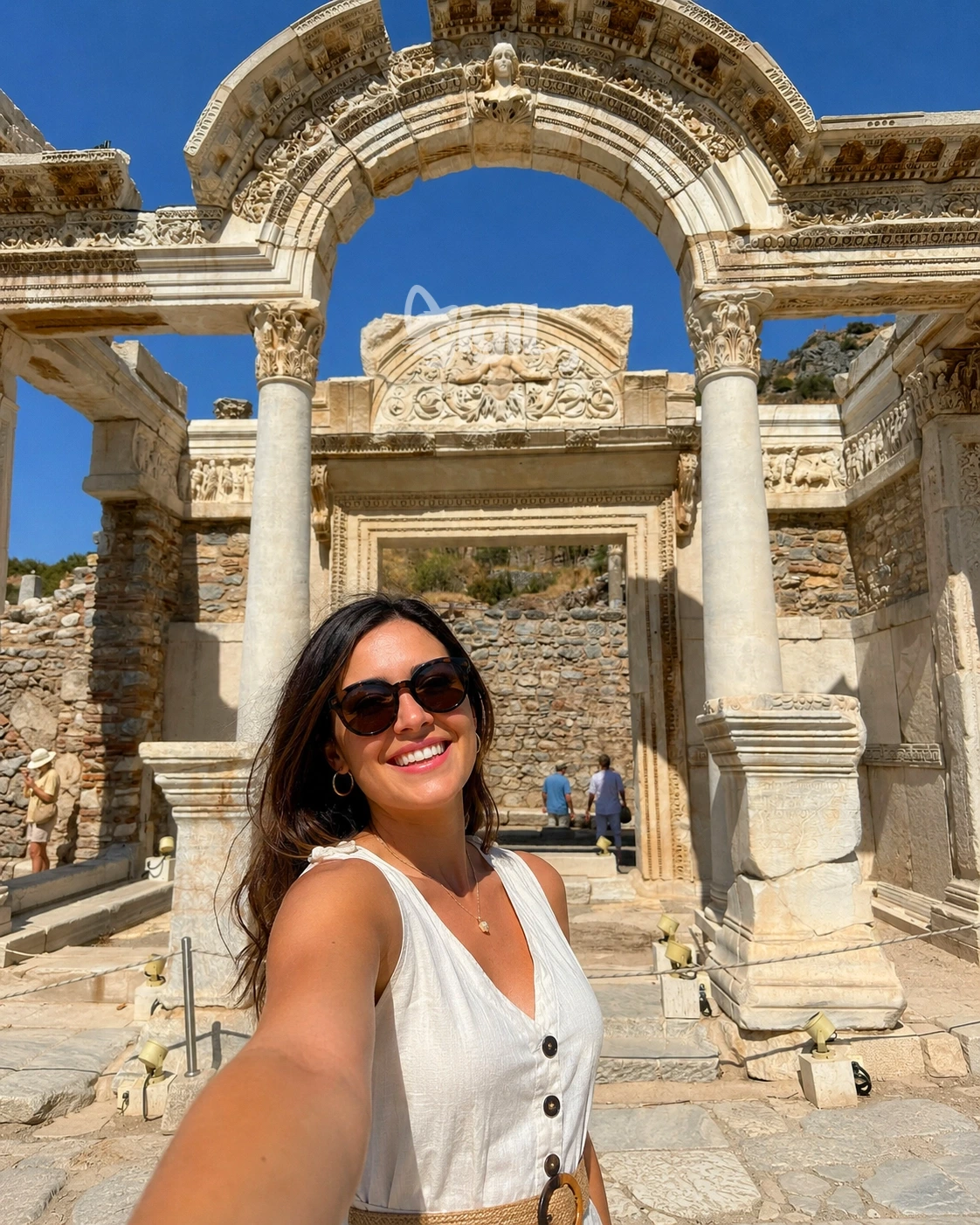
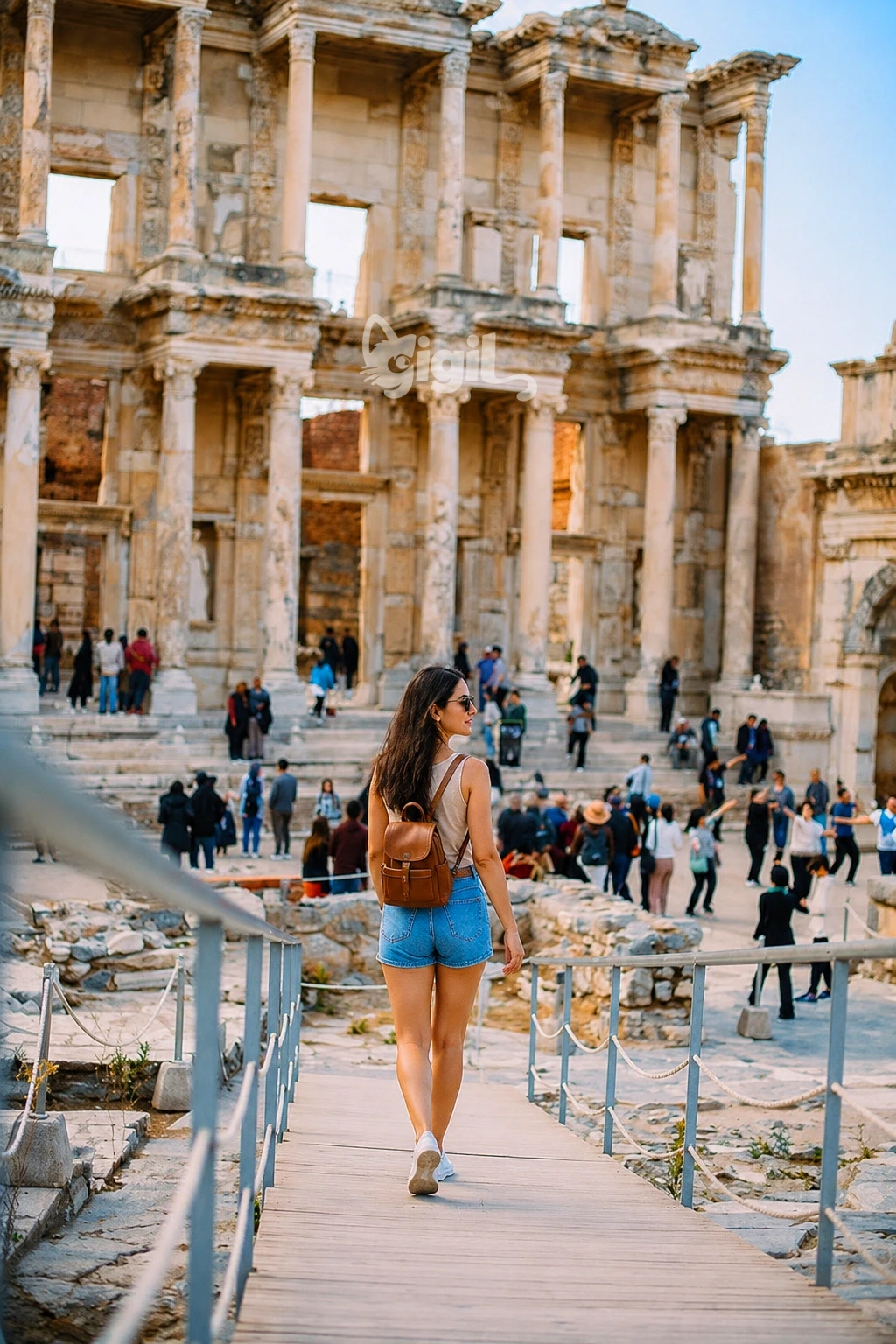
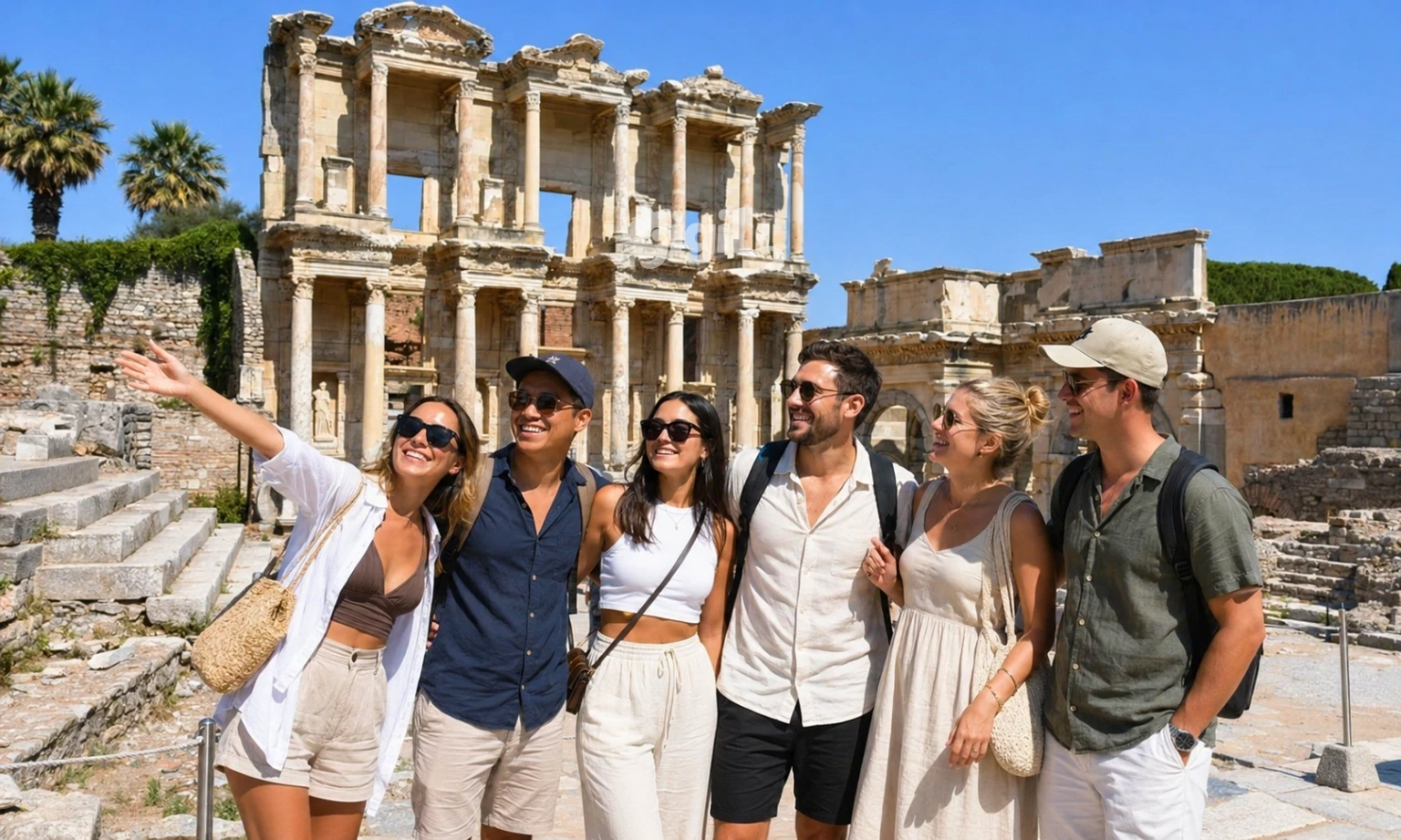
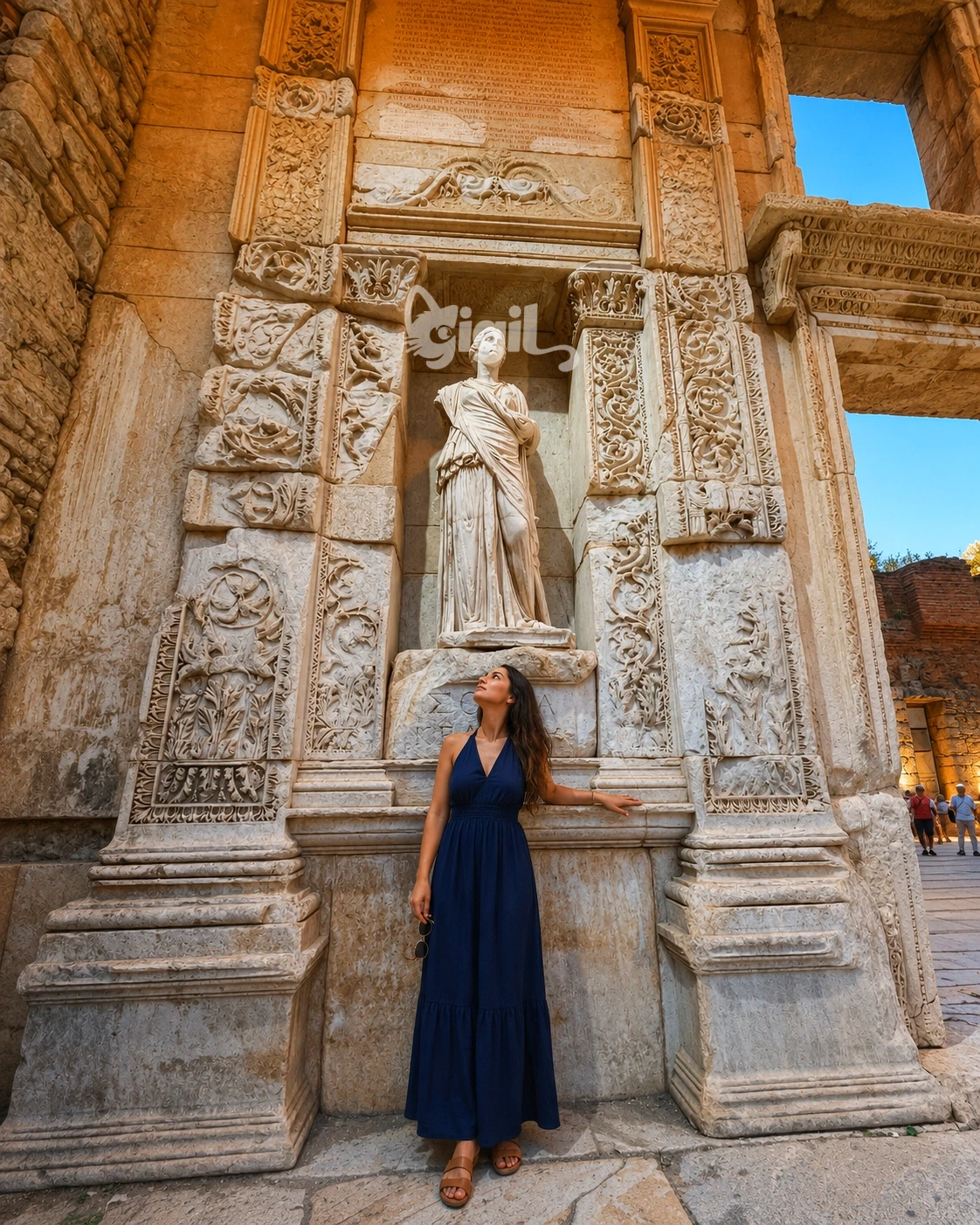
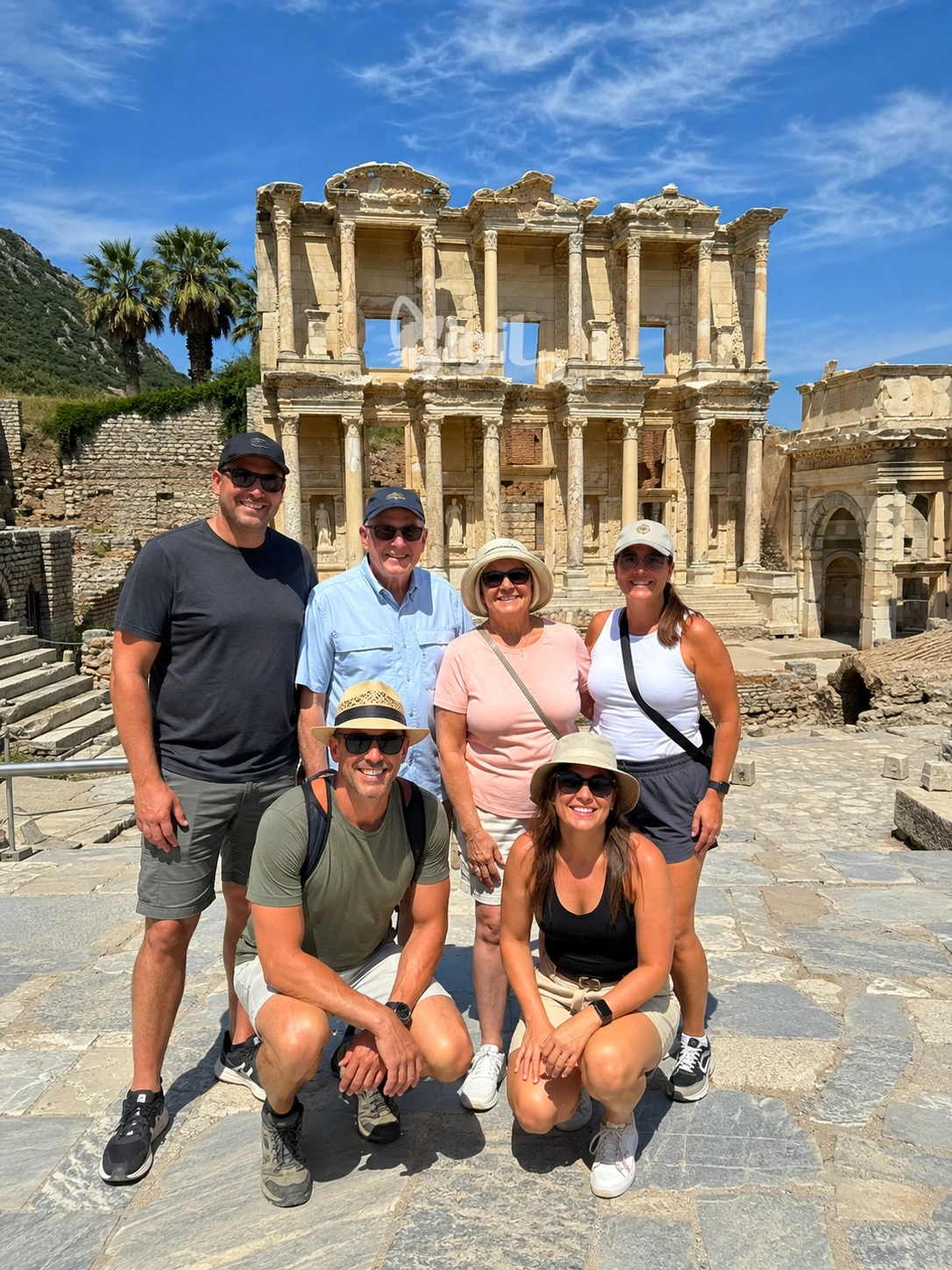
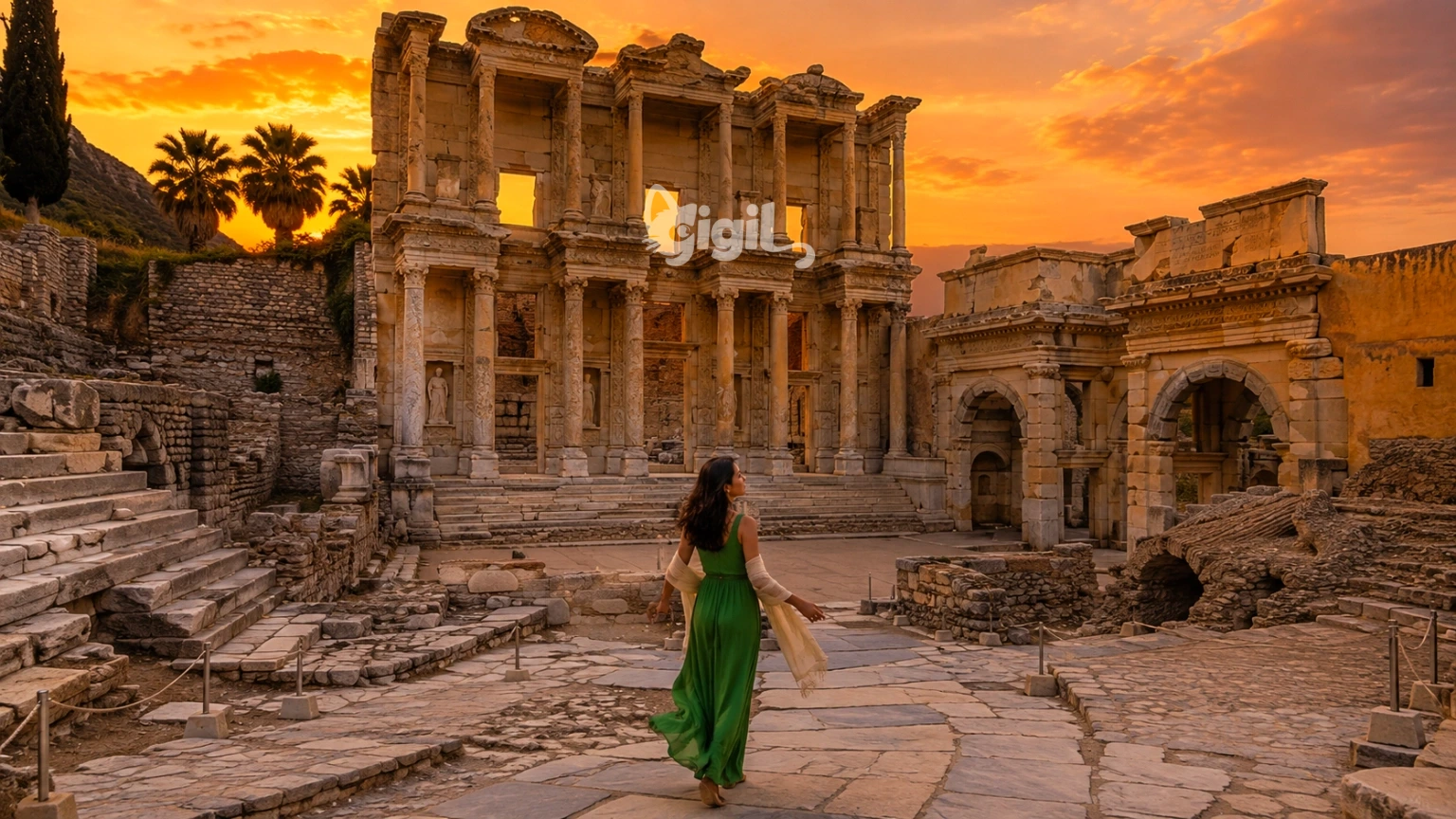
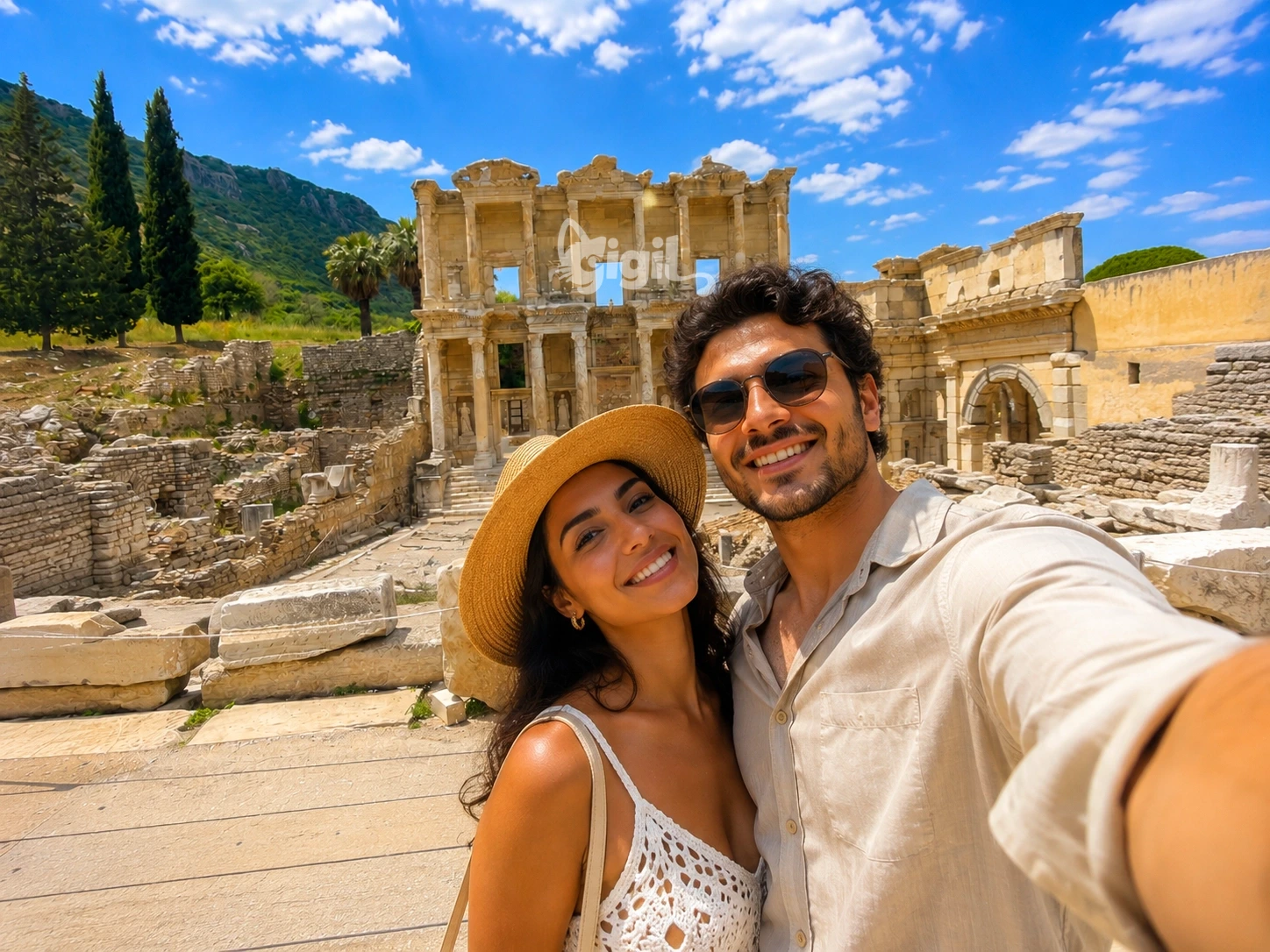
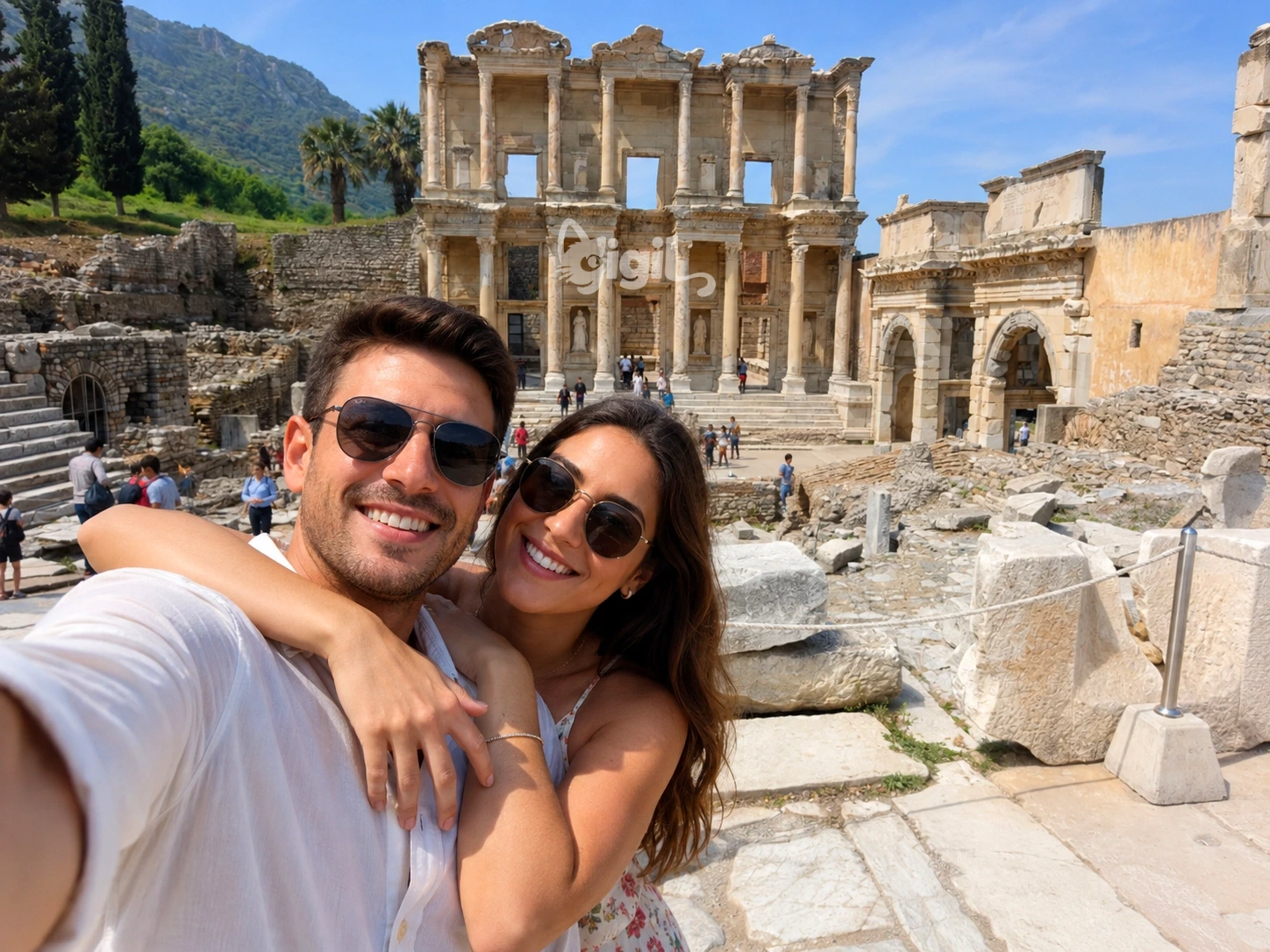
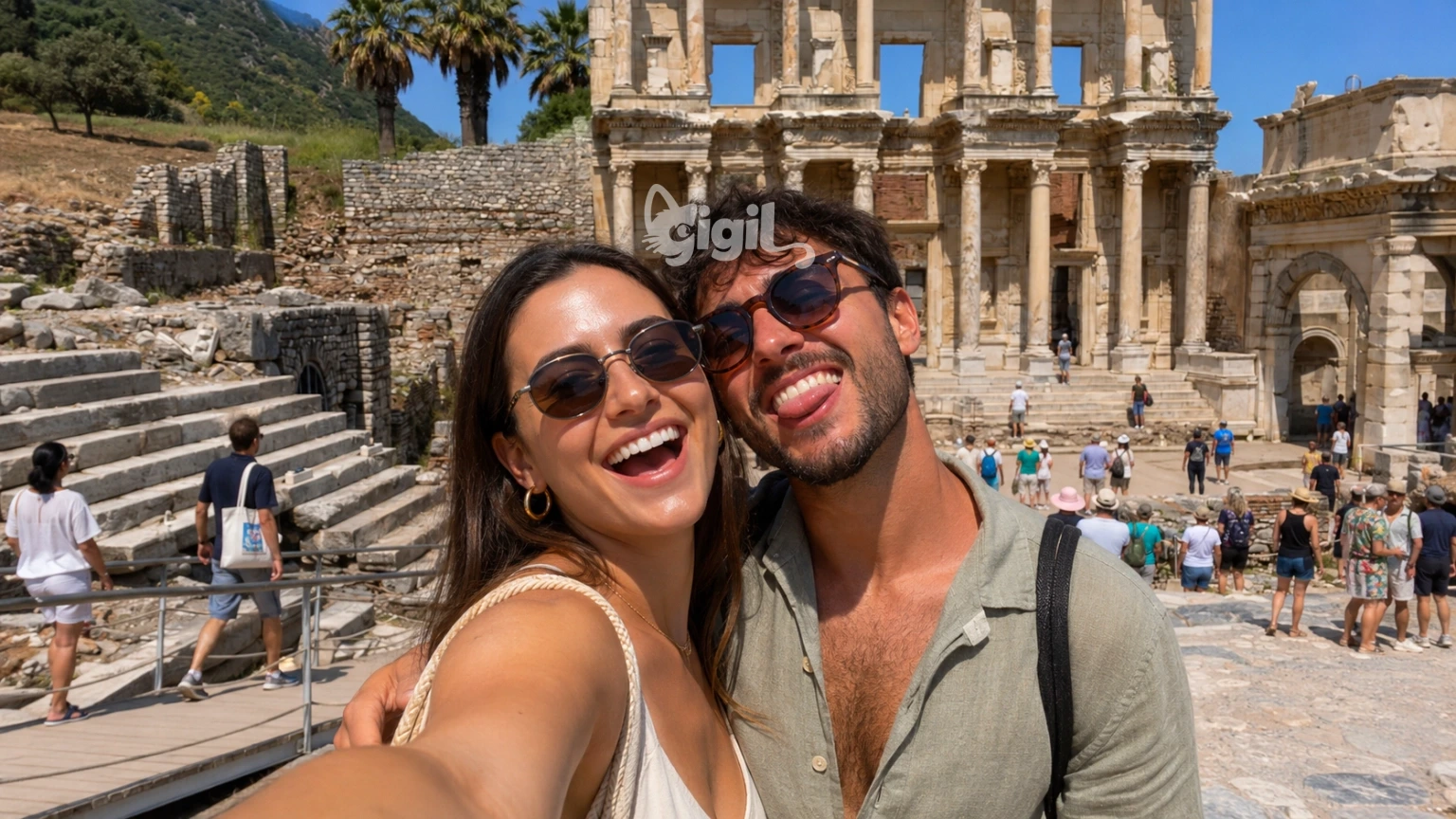
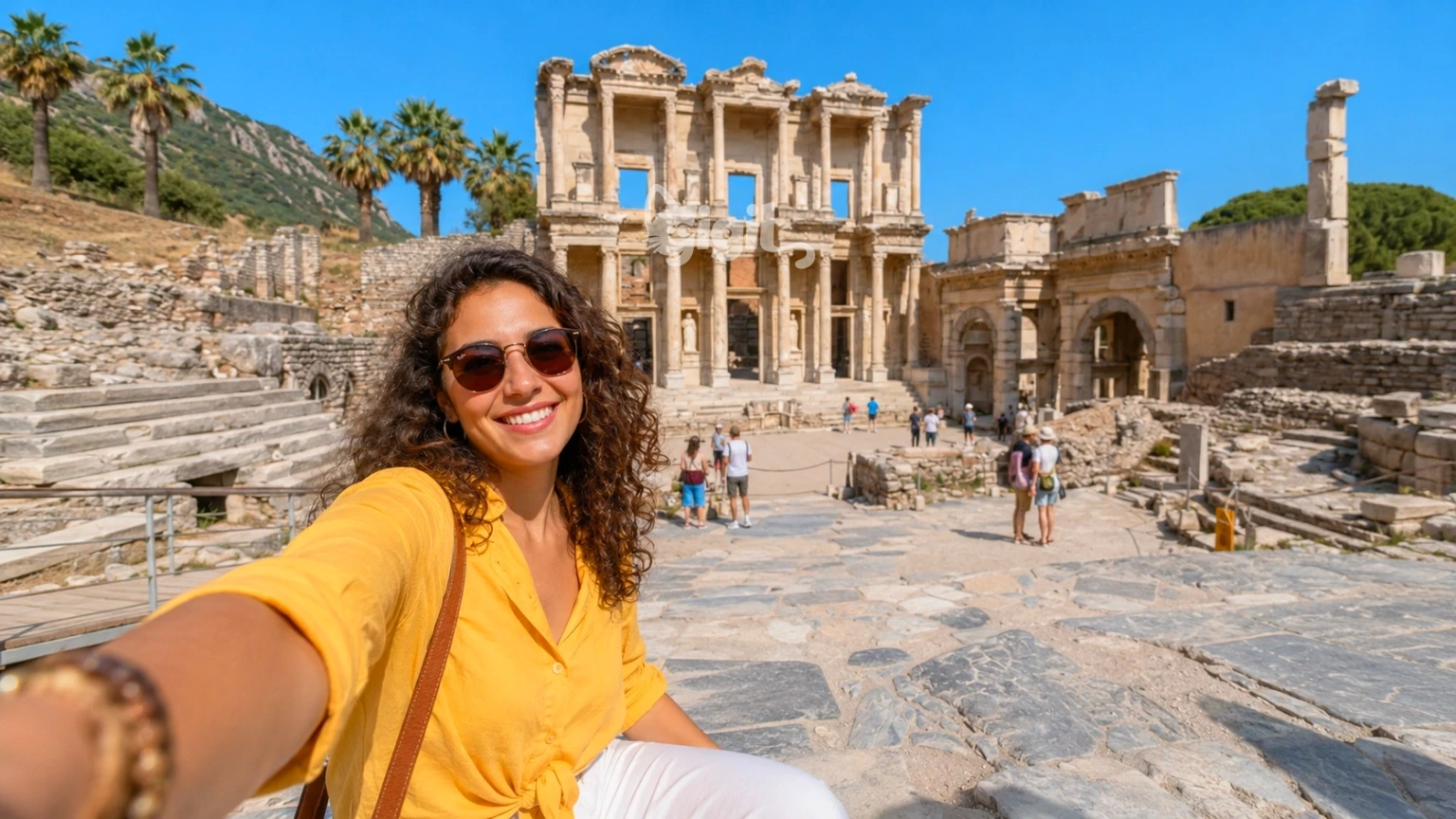
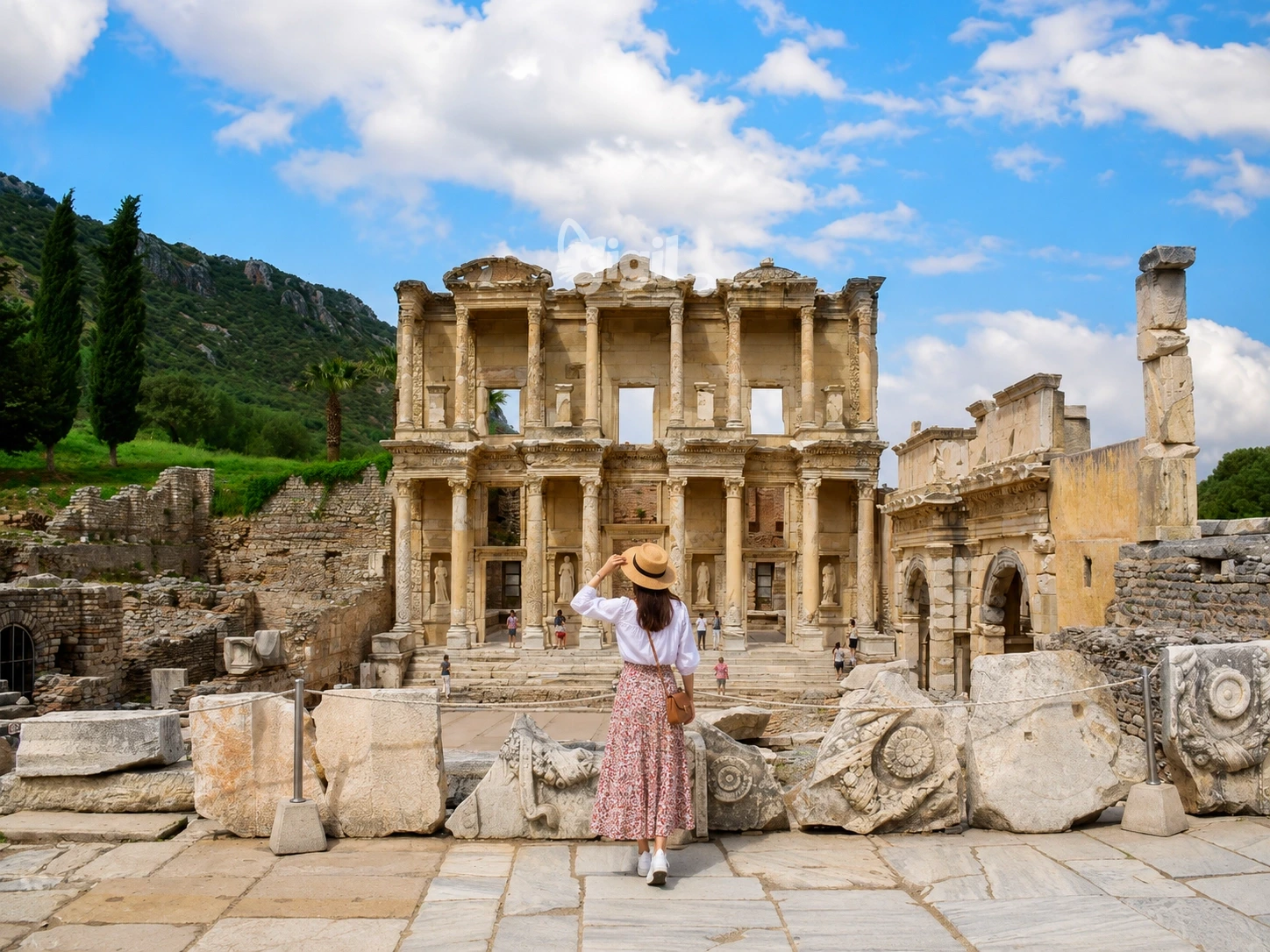
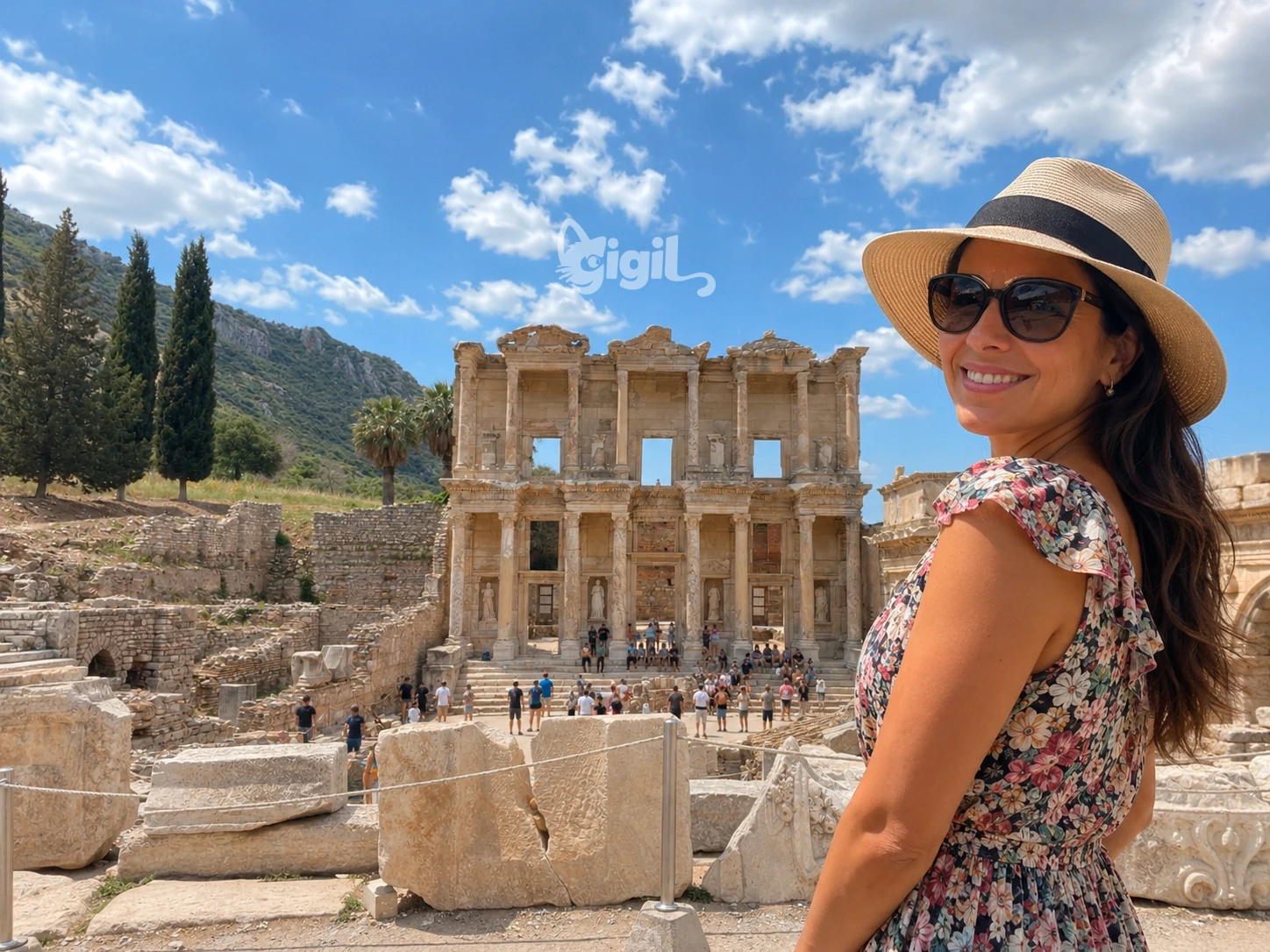
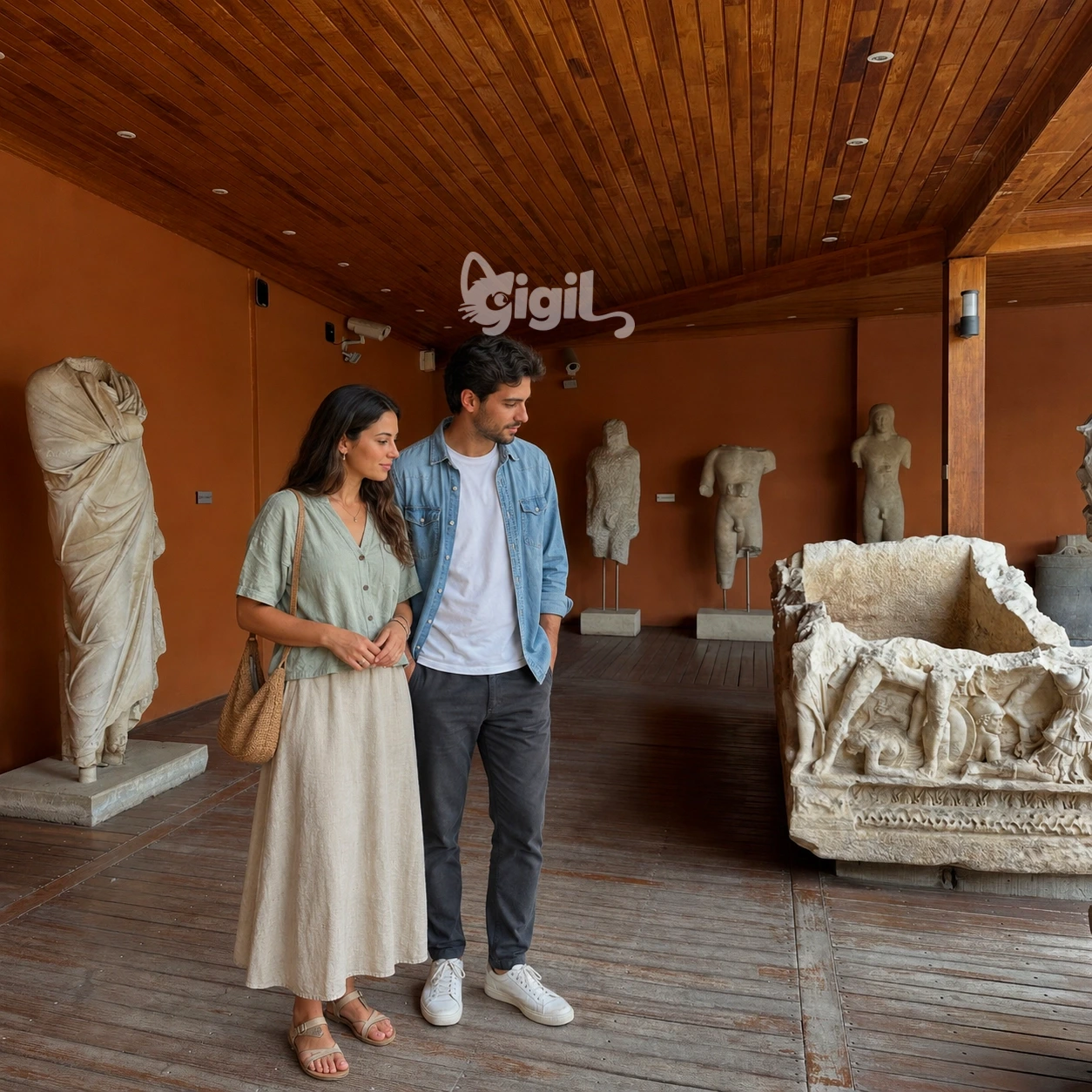
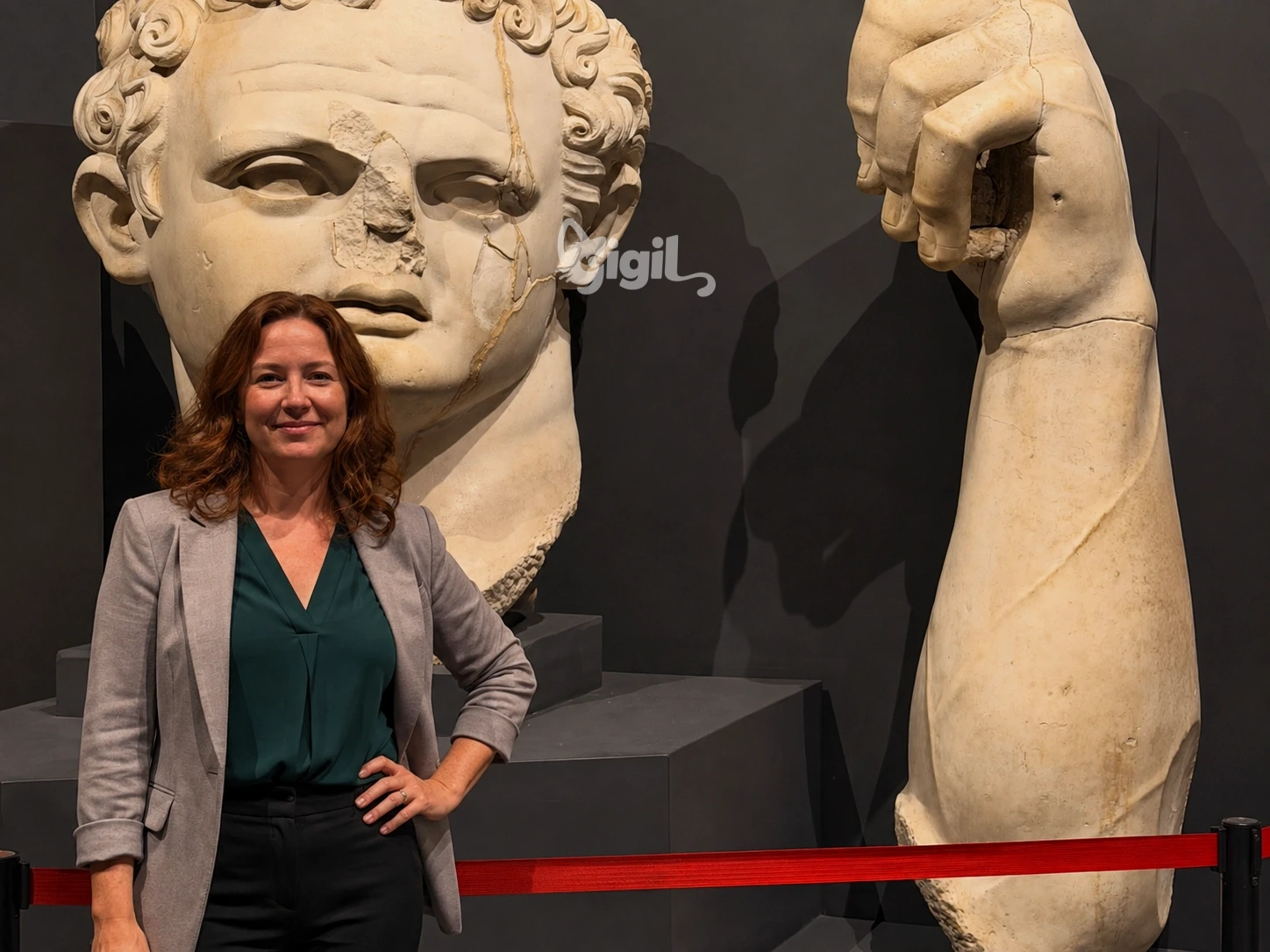
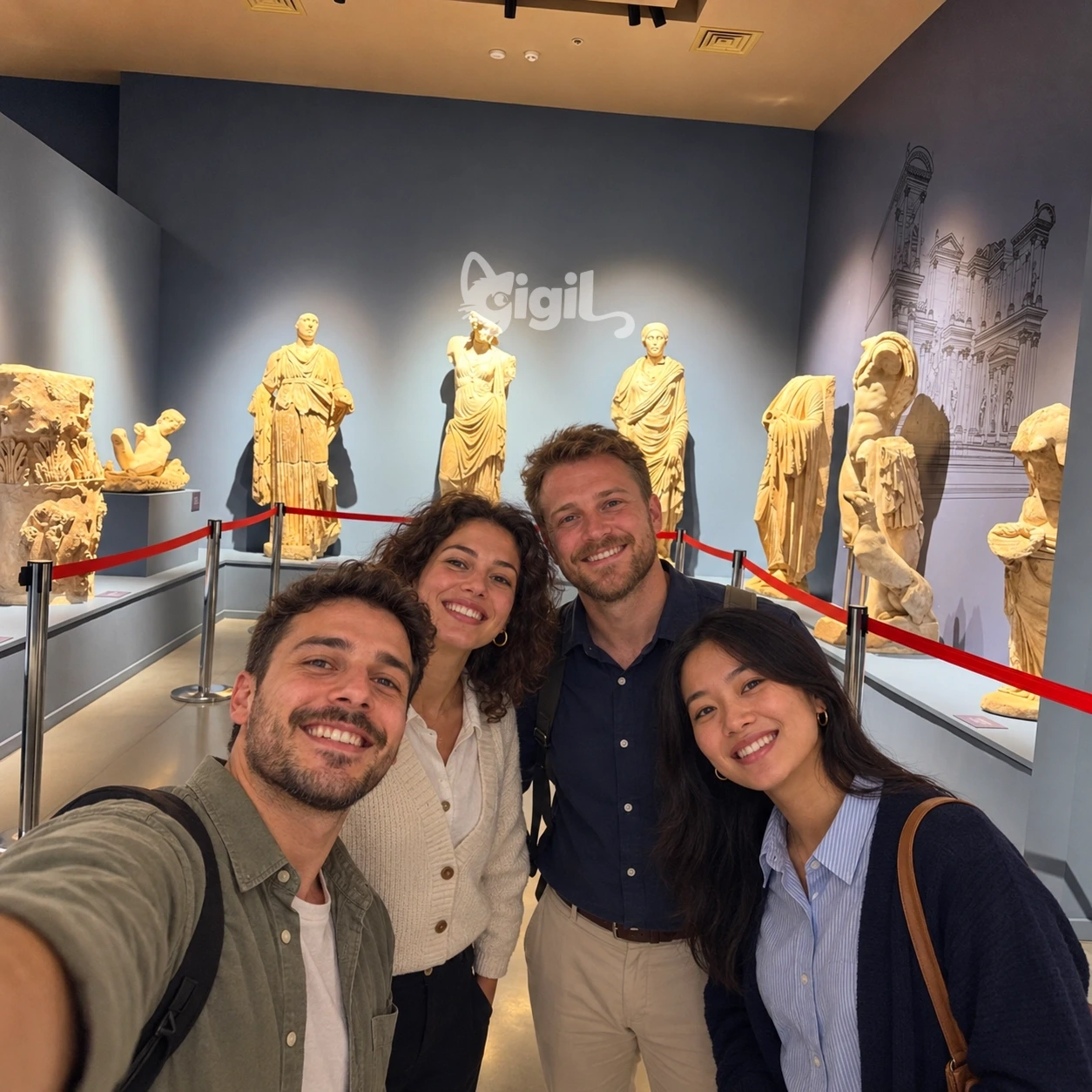
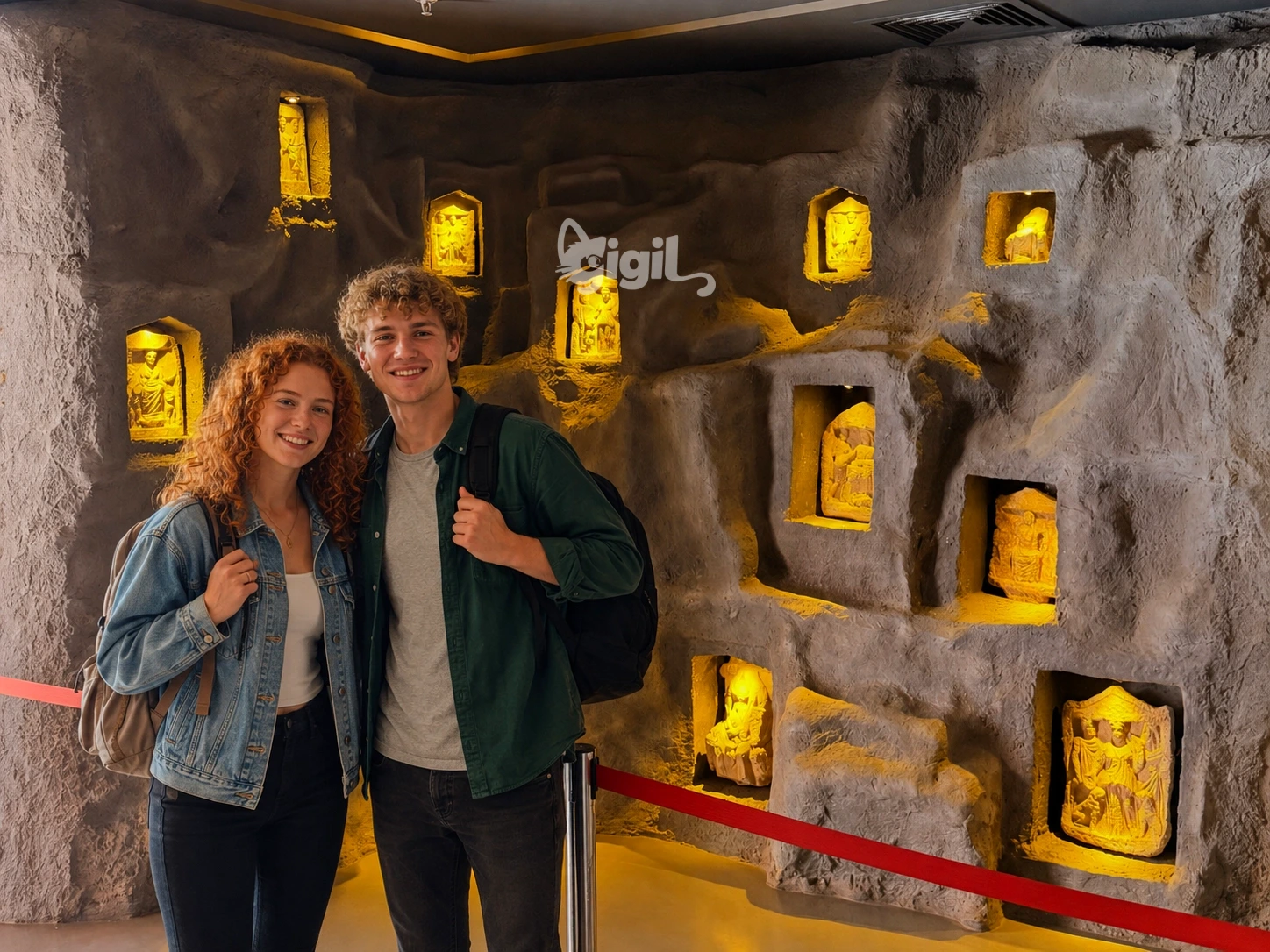
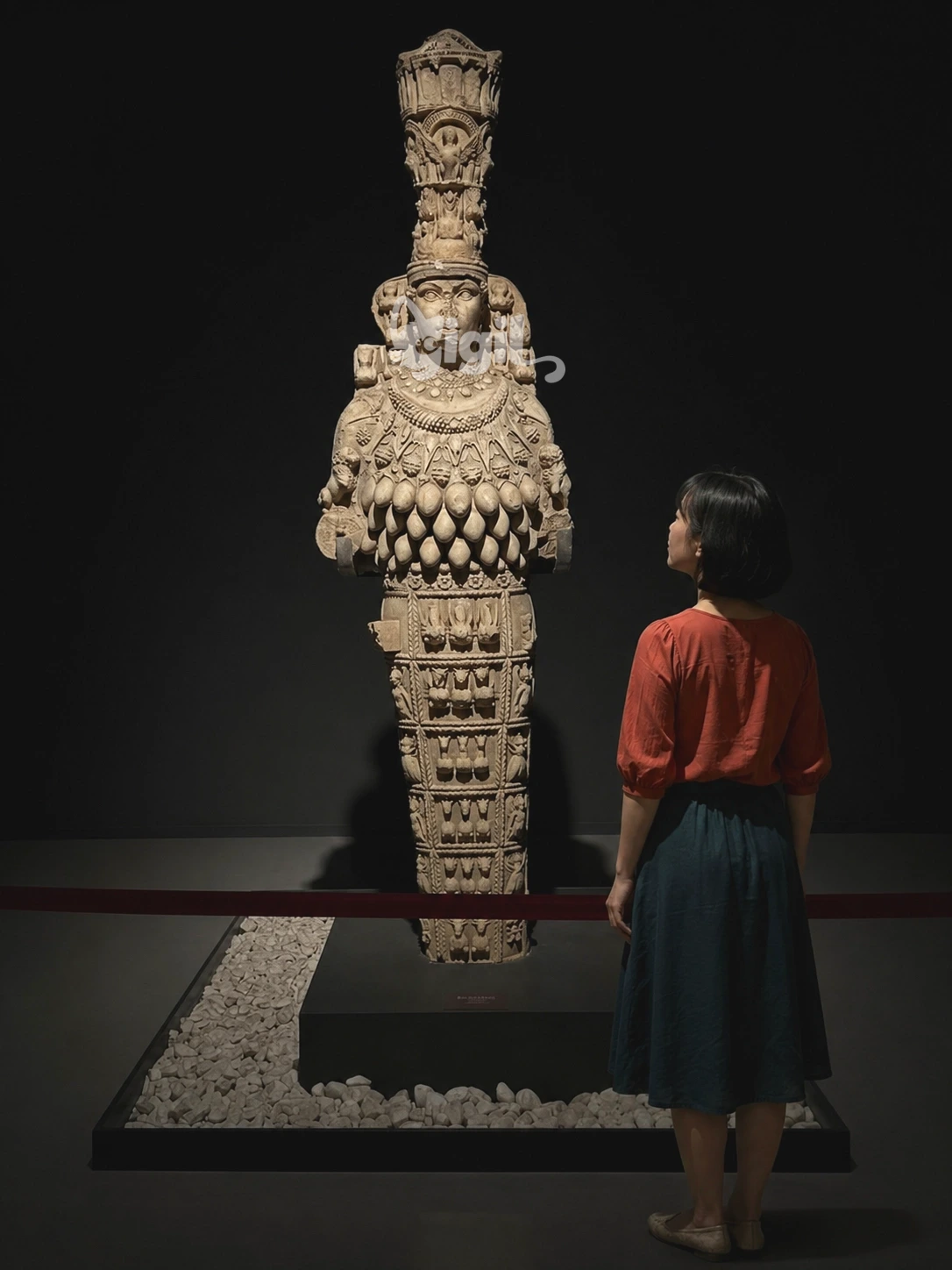
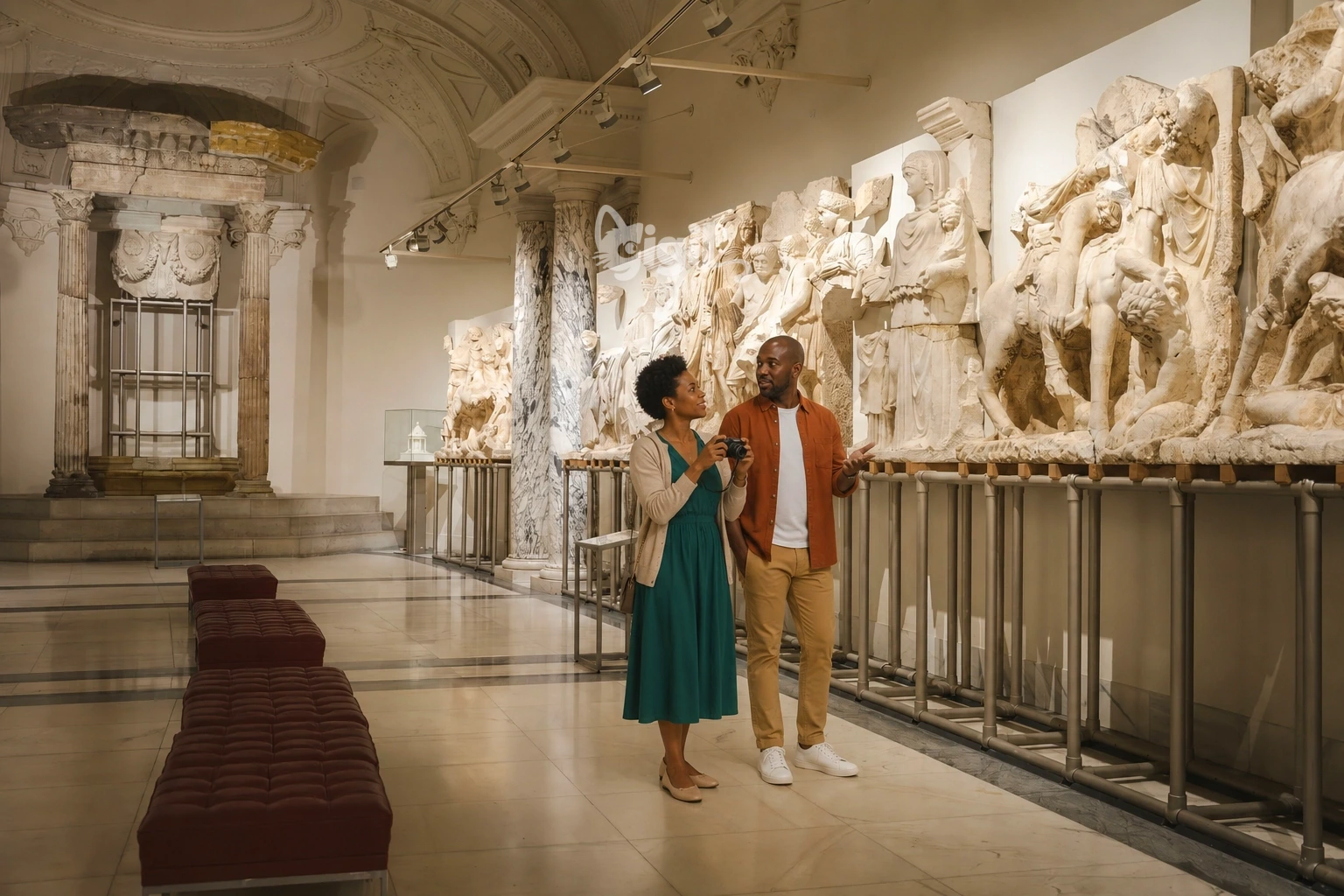
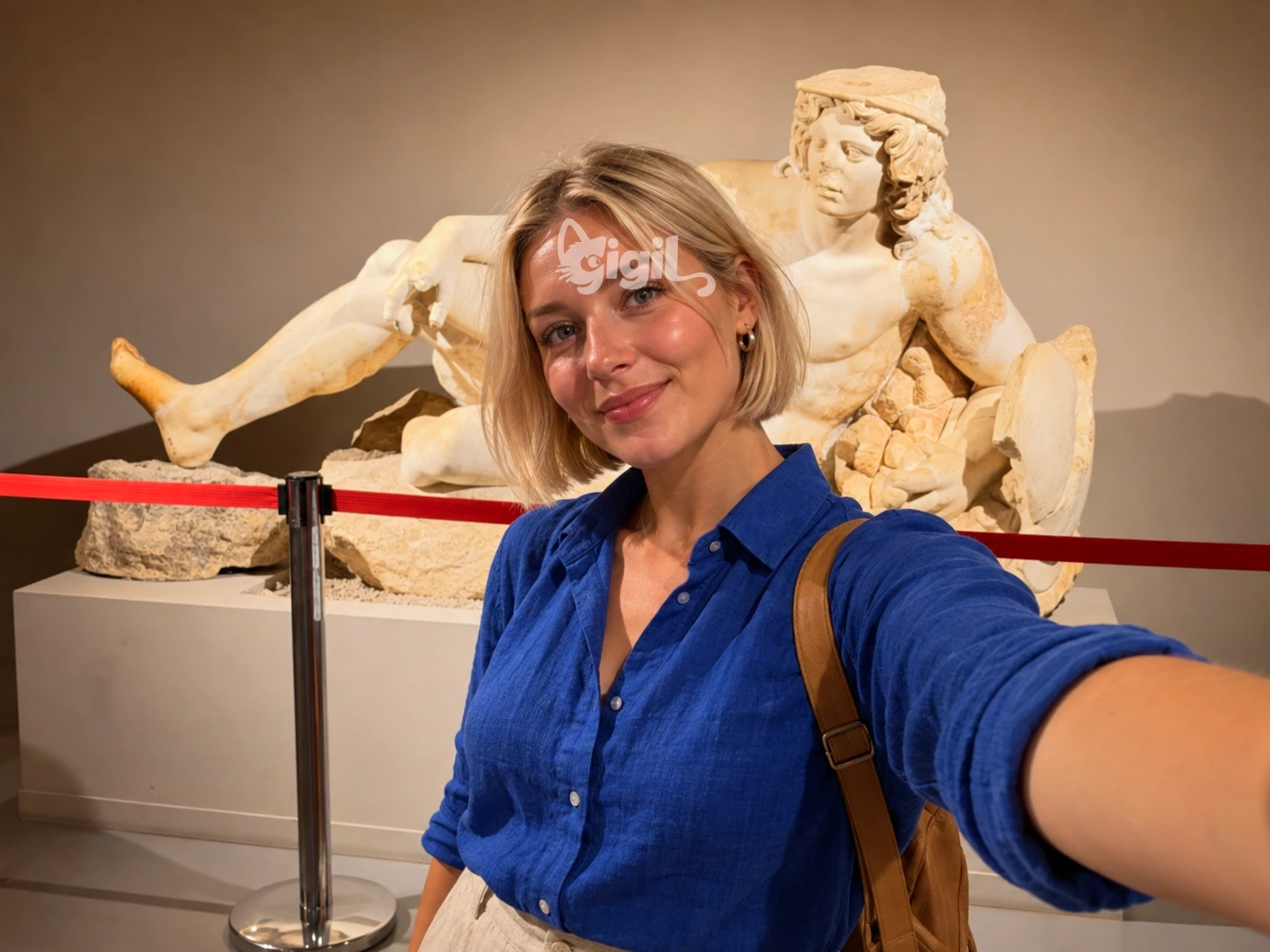
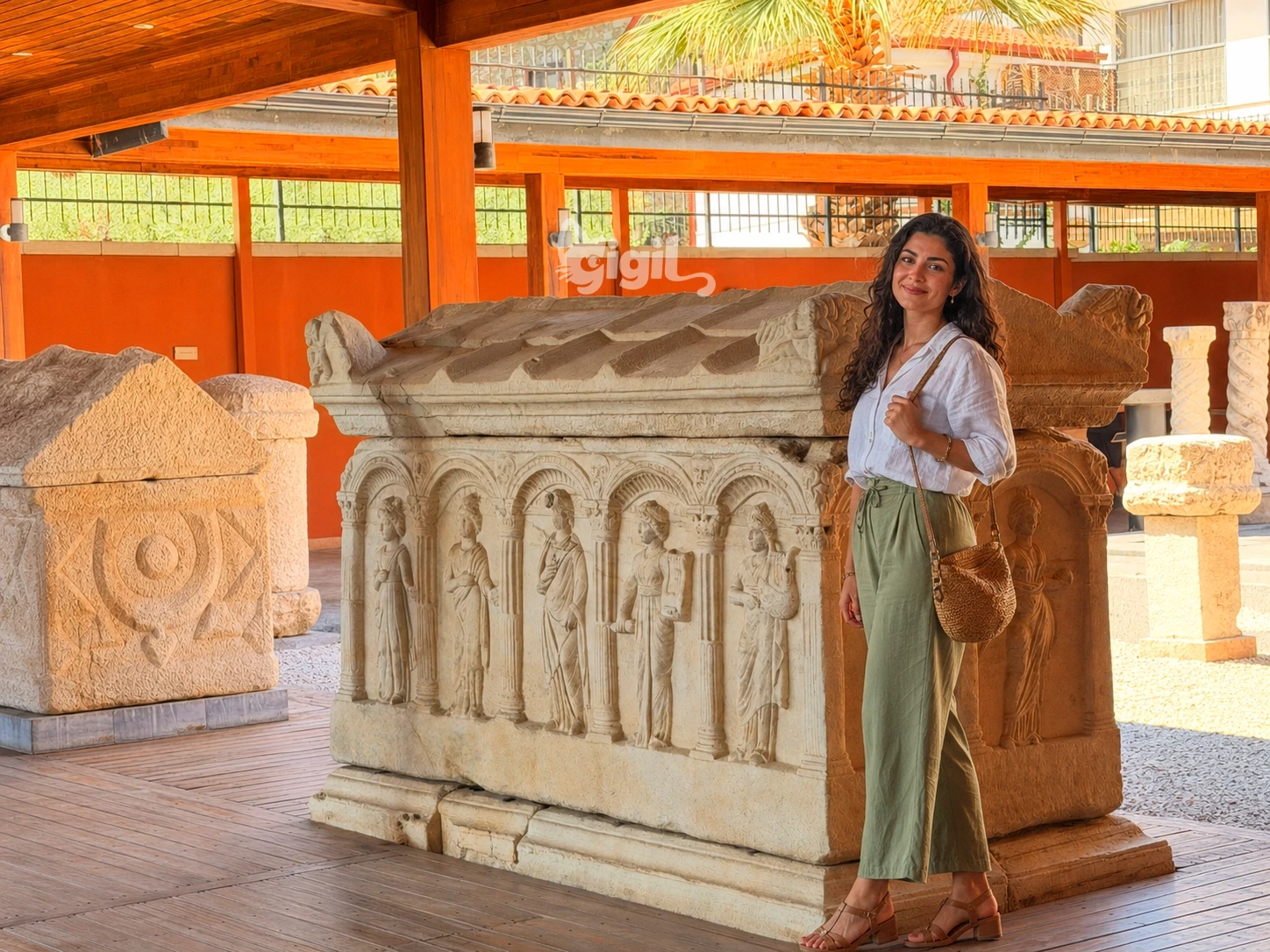
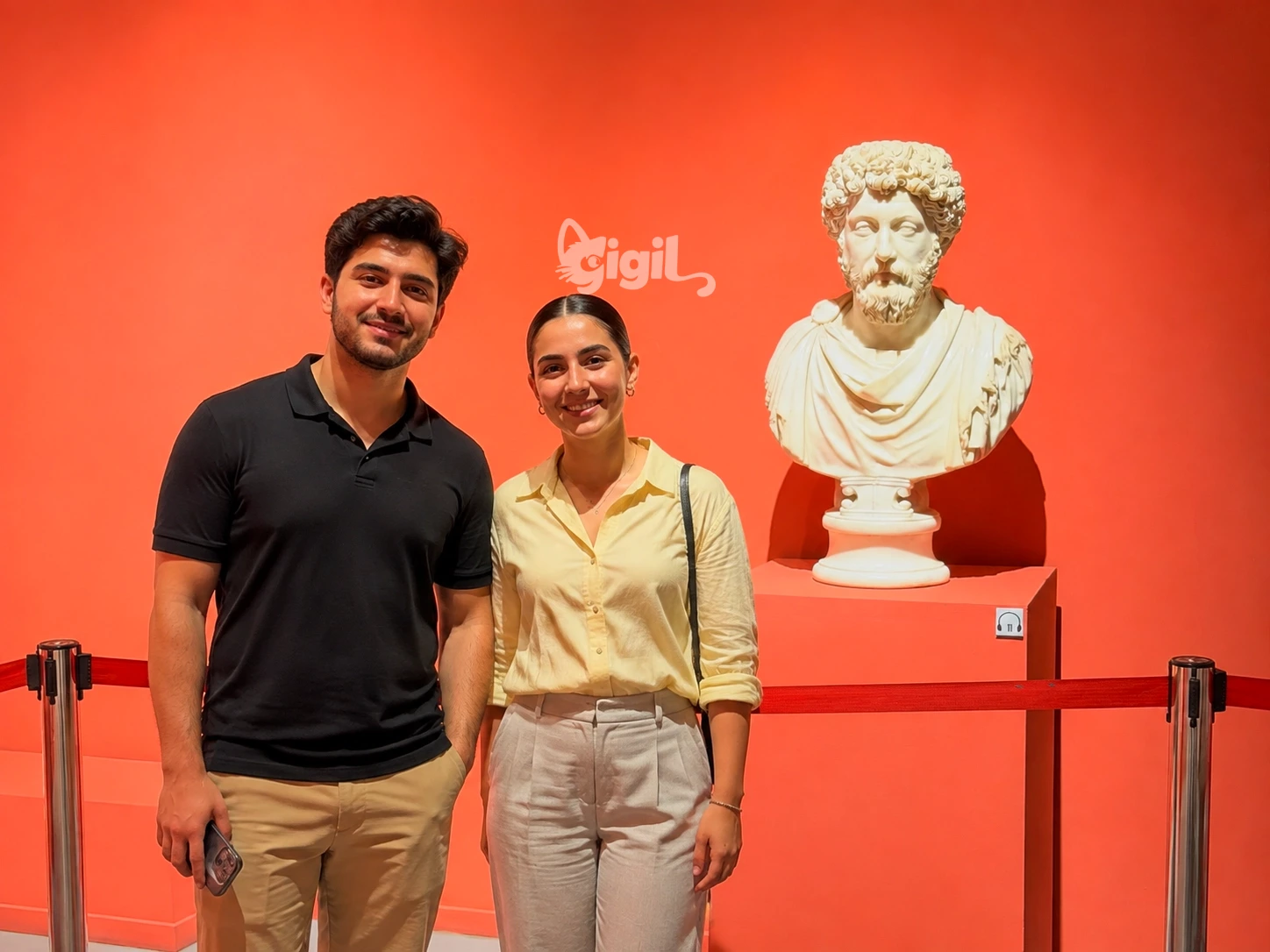
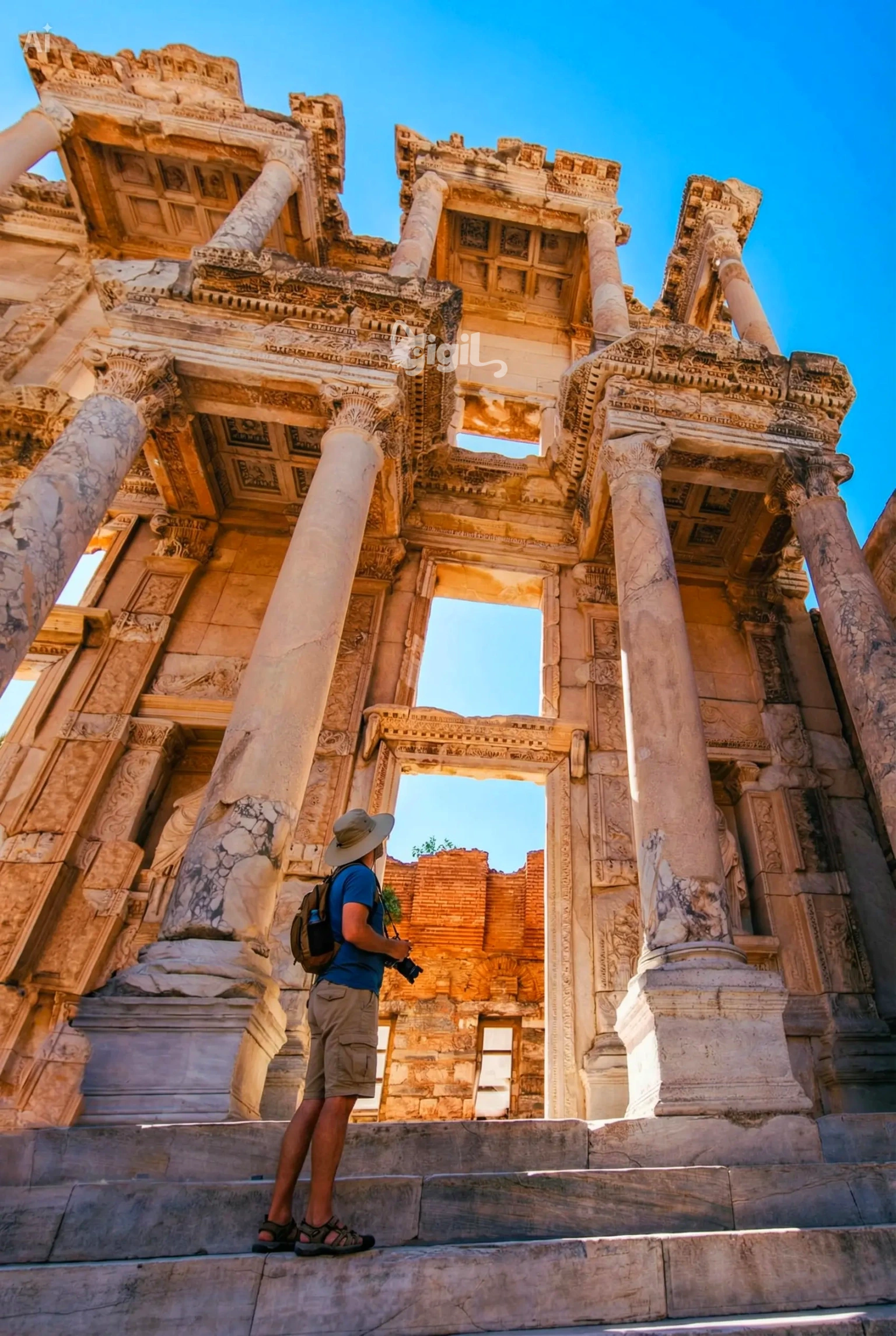
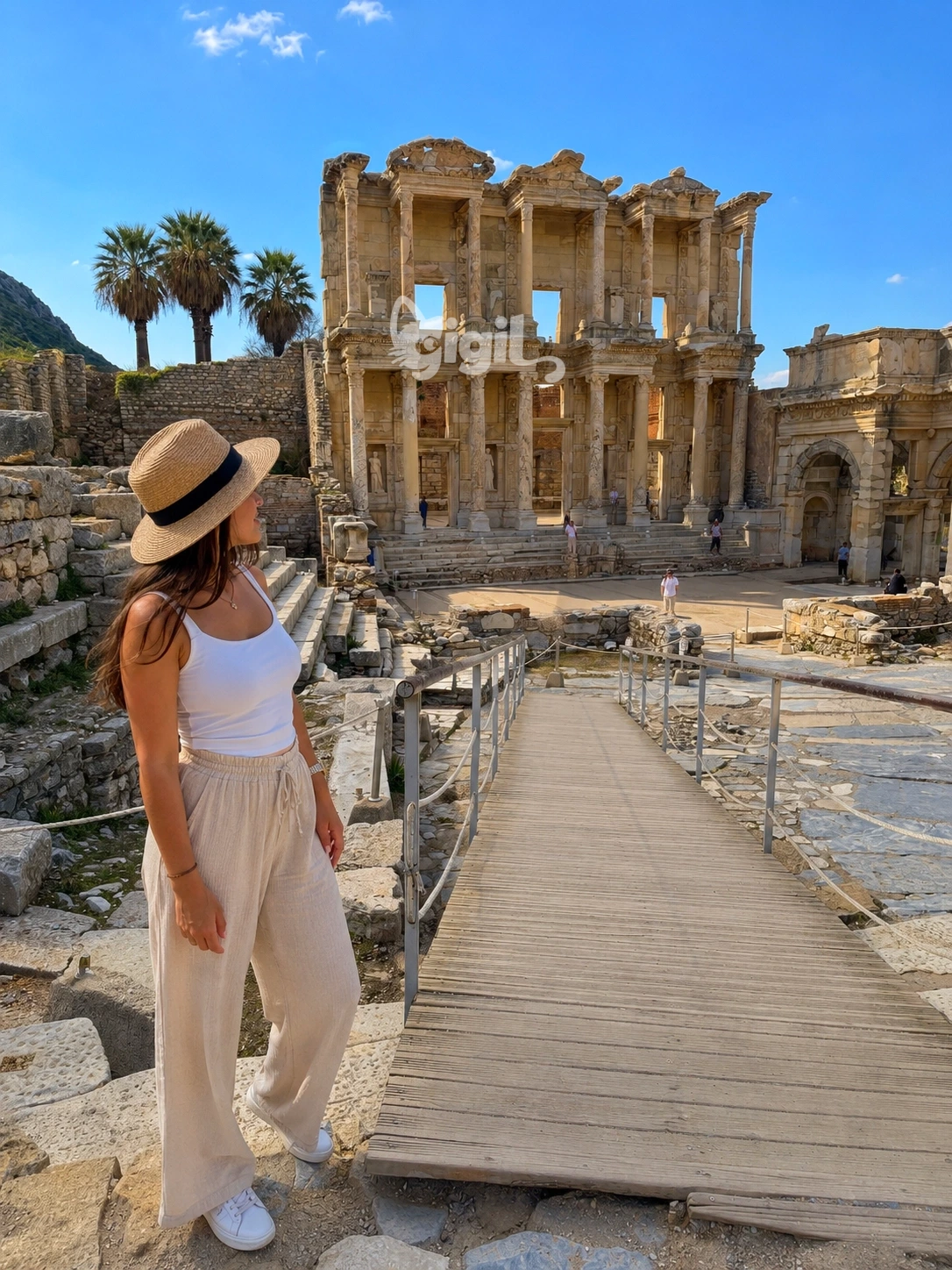
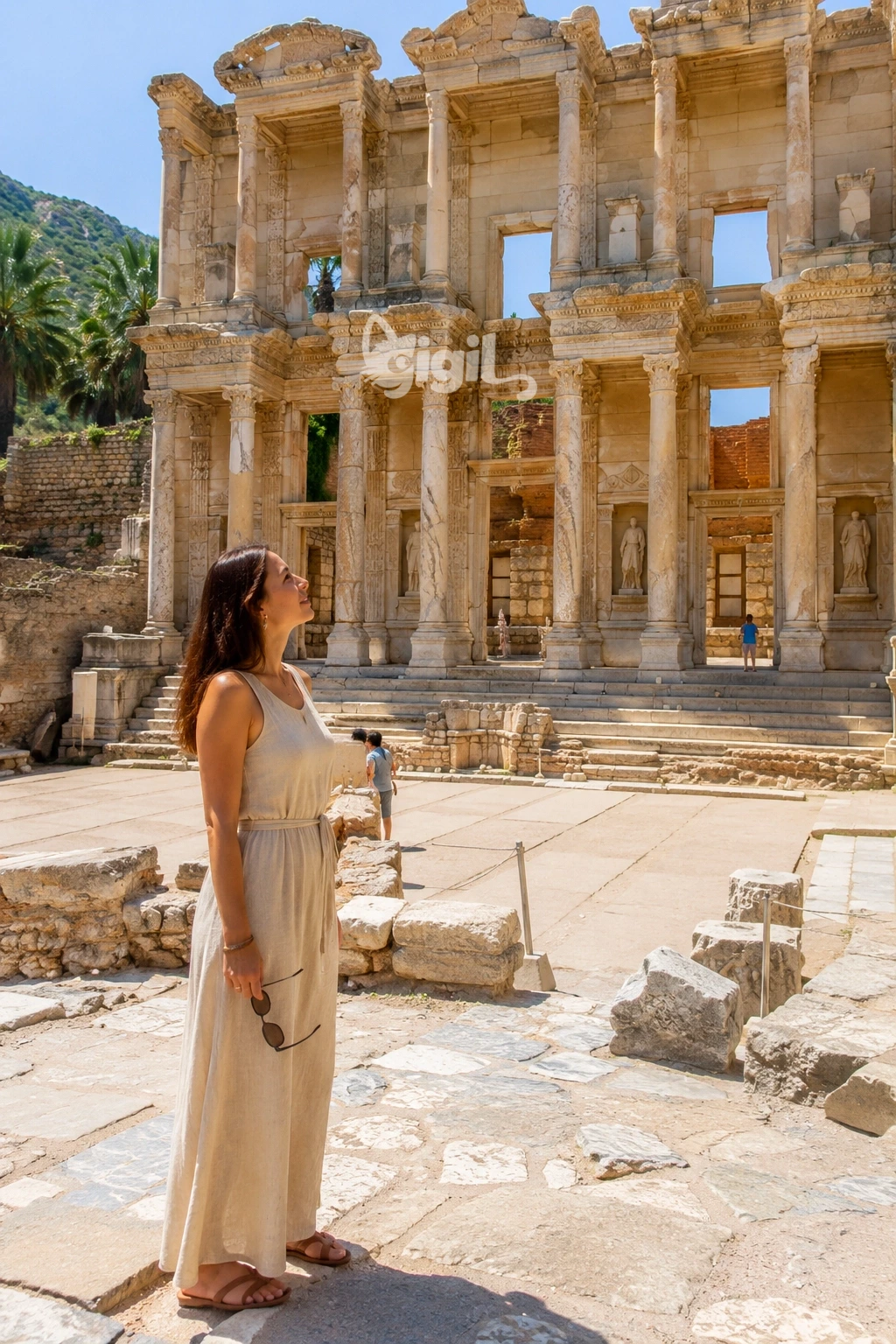
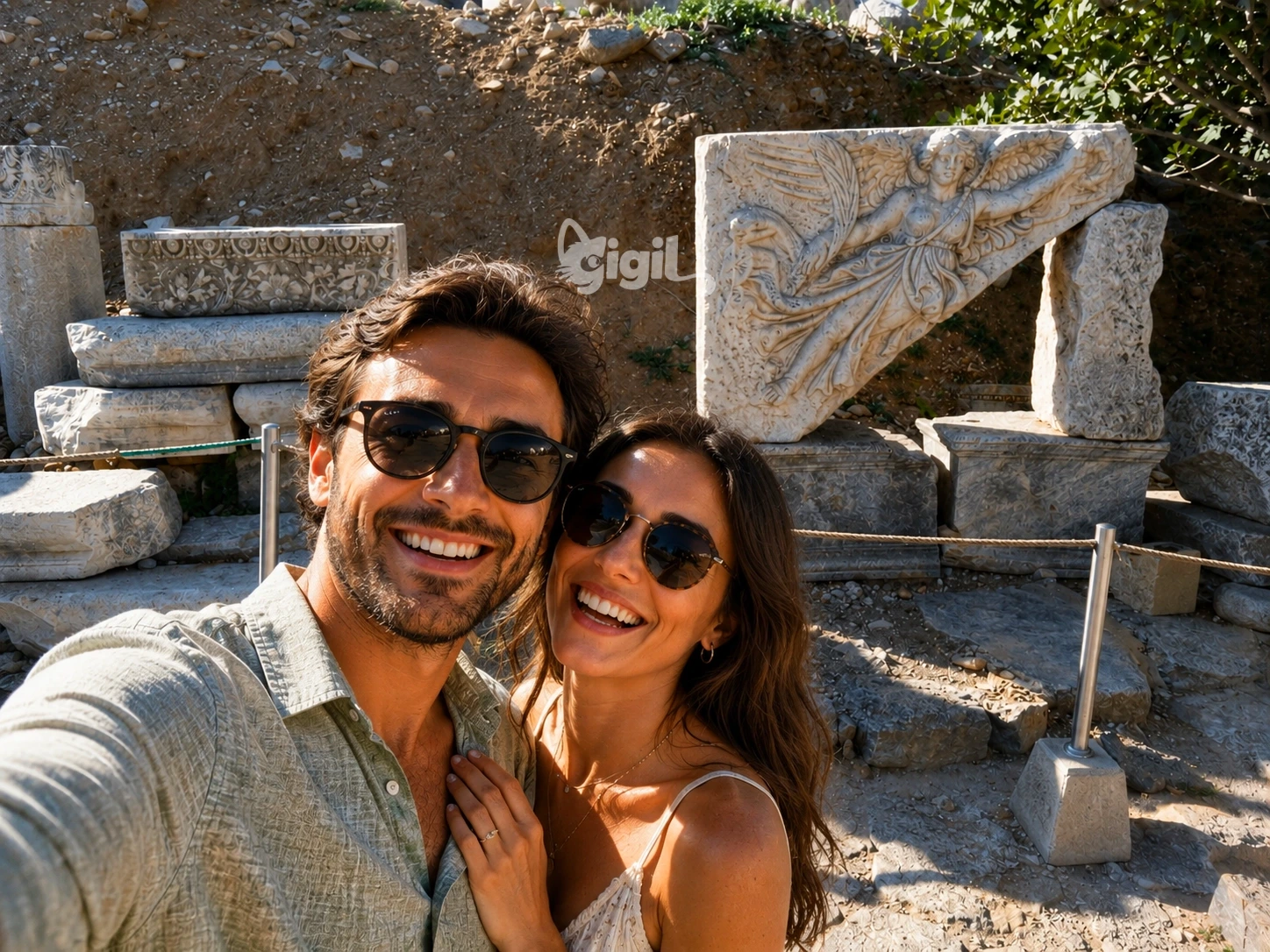
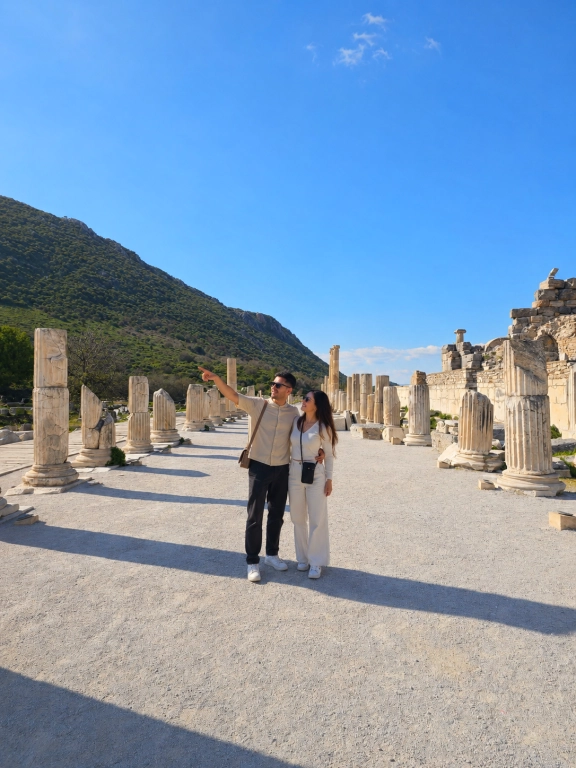
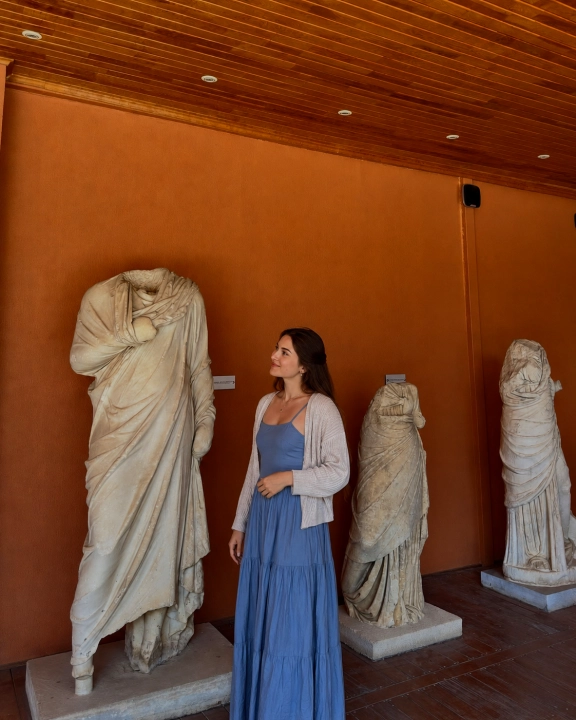
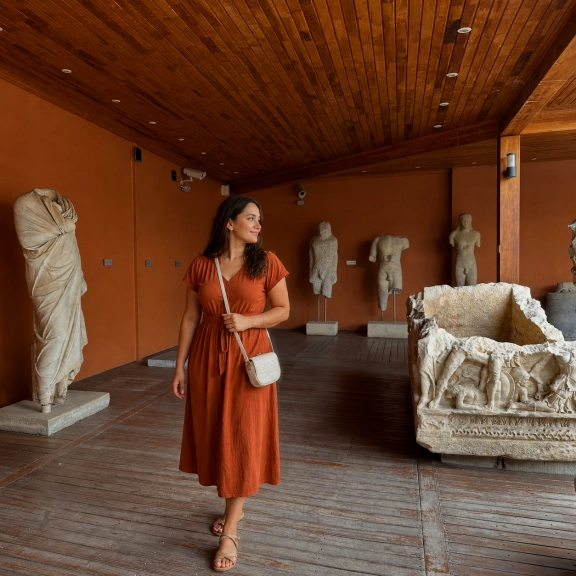
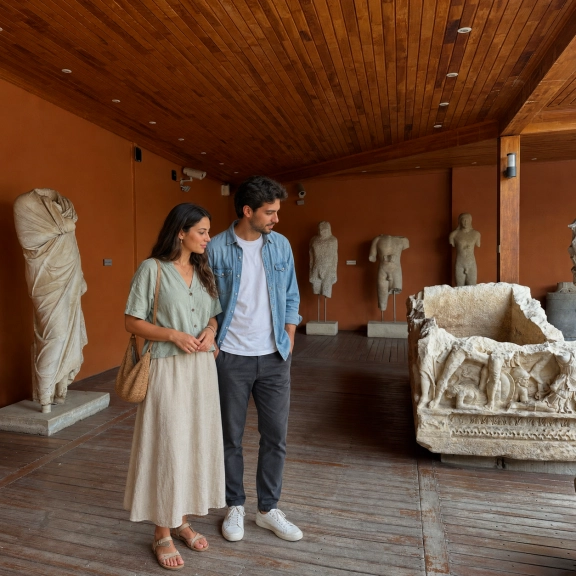
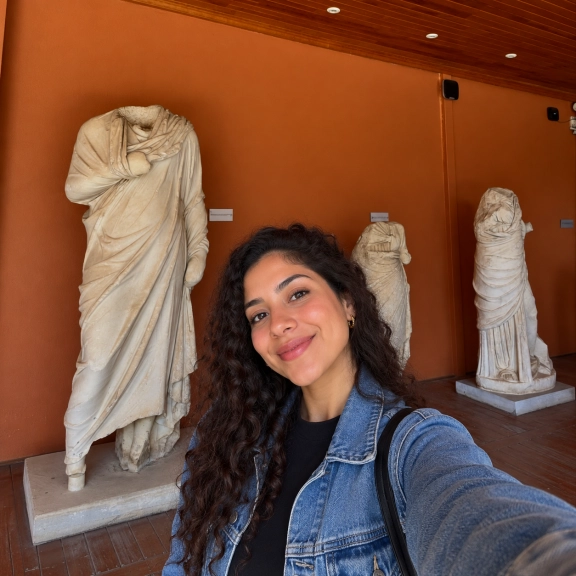
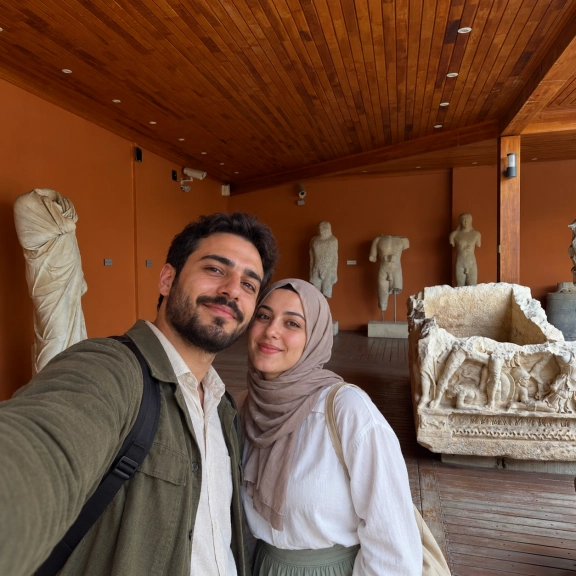
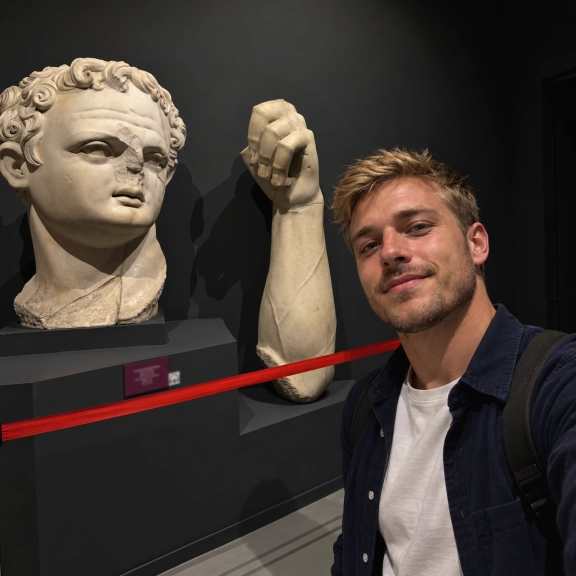
We nearly picked a shorter route, but the museum was worth keeping. Seeing the objects after the ancient city helped make sense of what we had been looking at. Our guide gave us time to browse rather than just pointing at the best known pieces. A comfortable private day from Kusadasi.