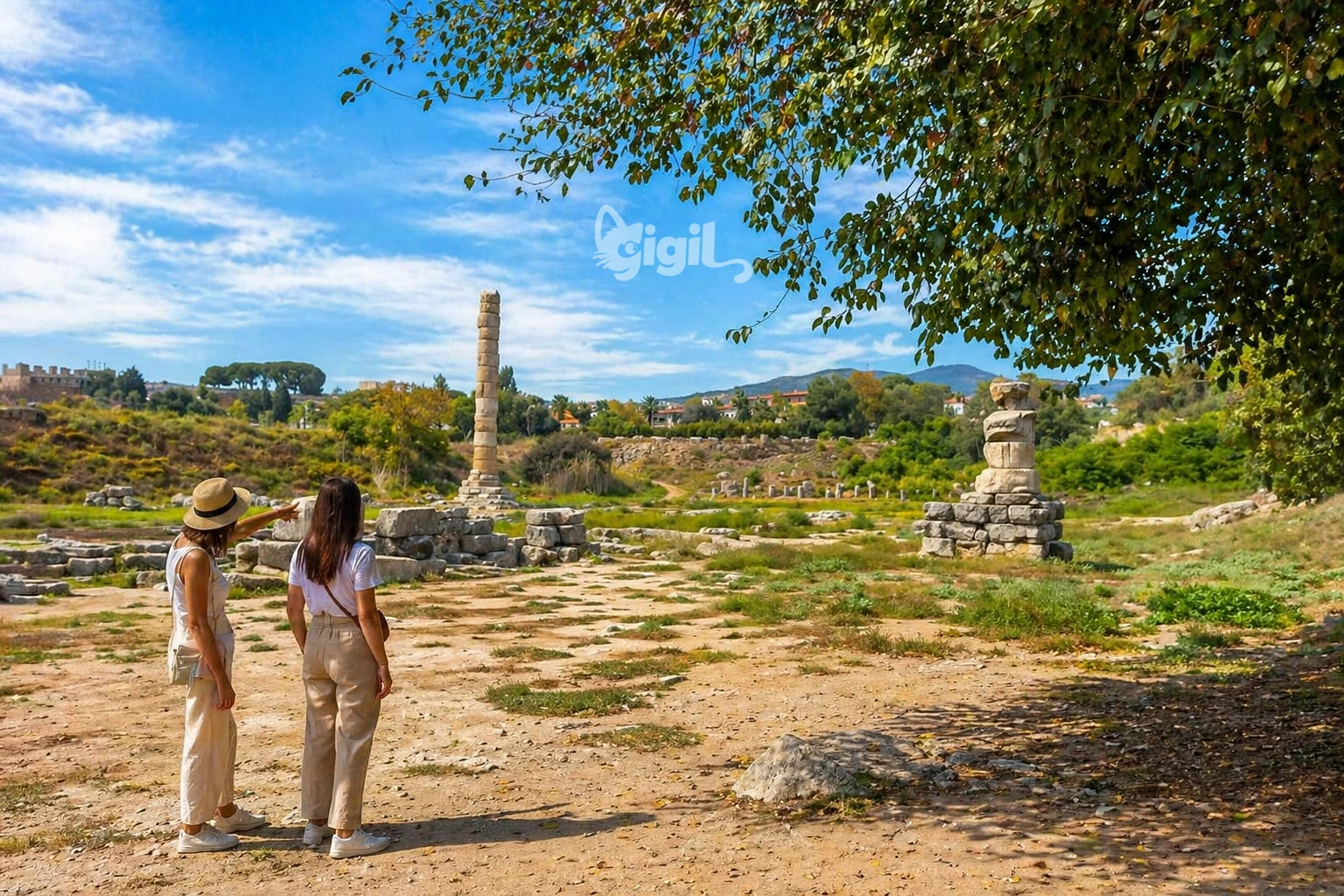
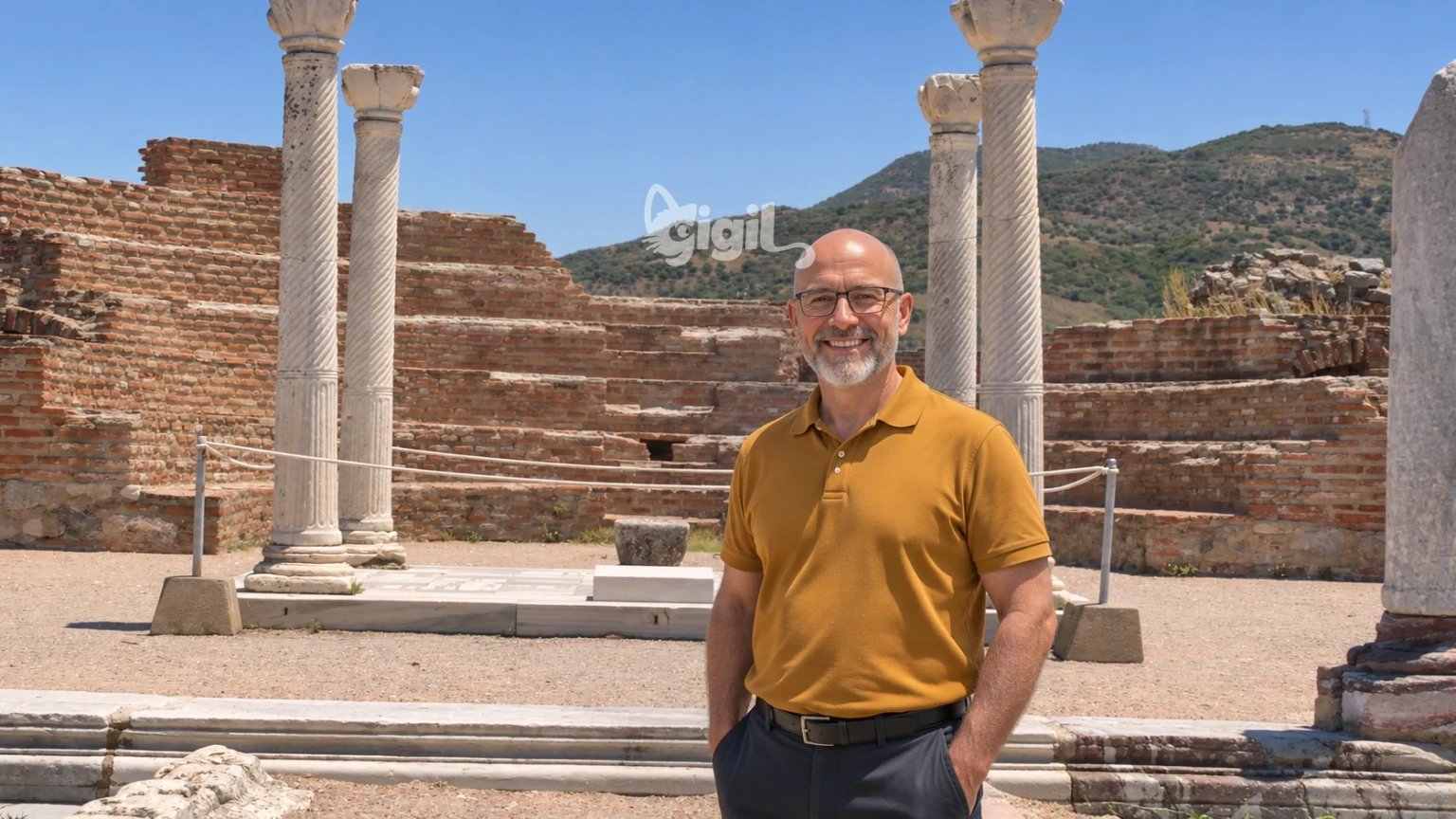
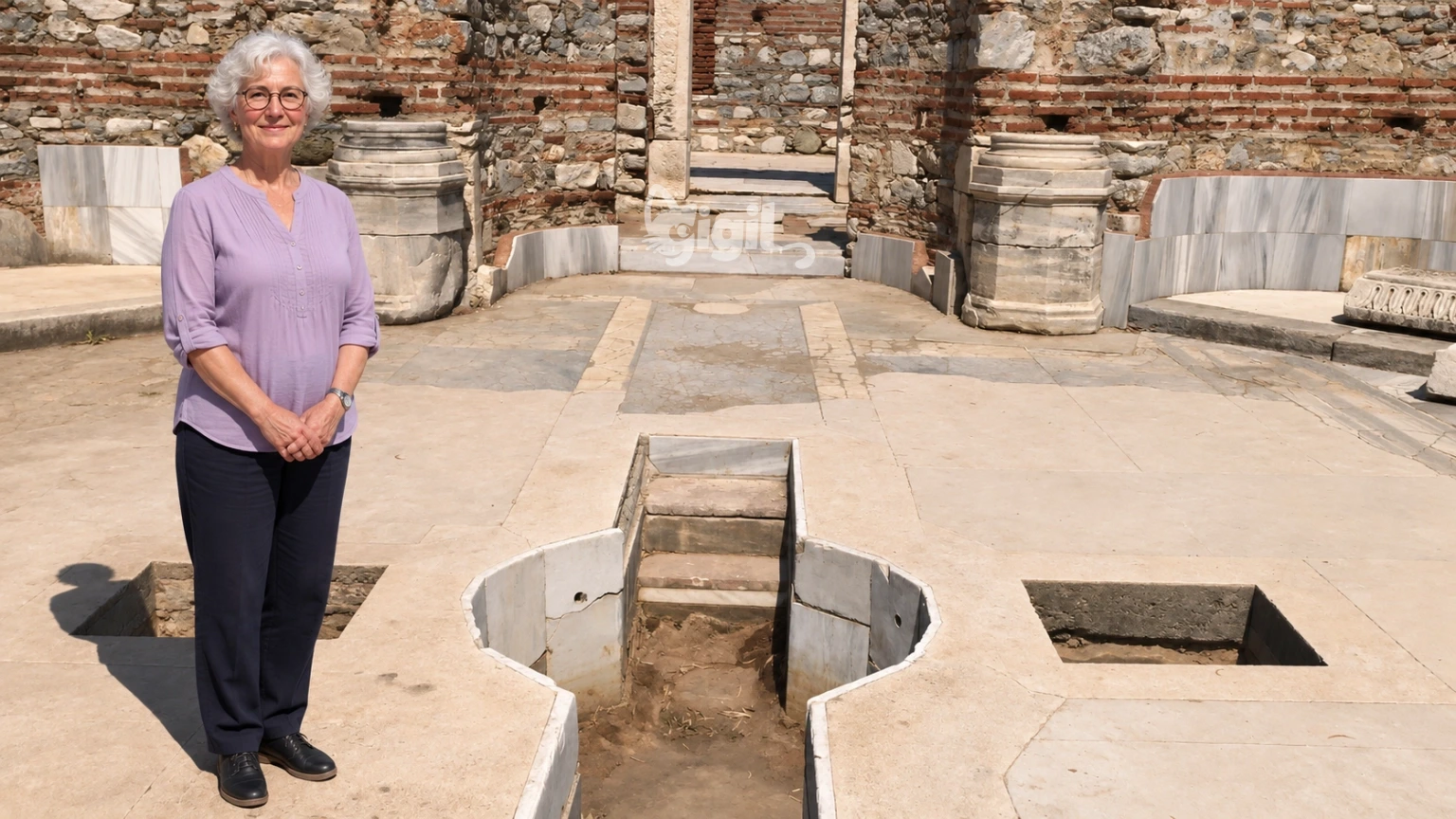
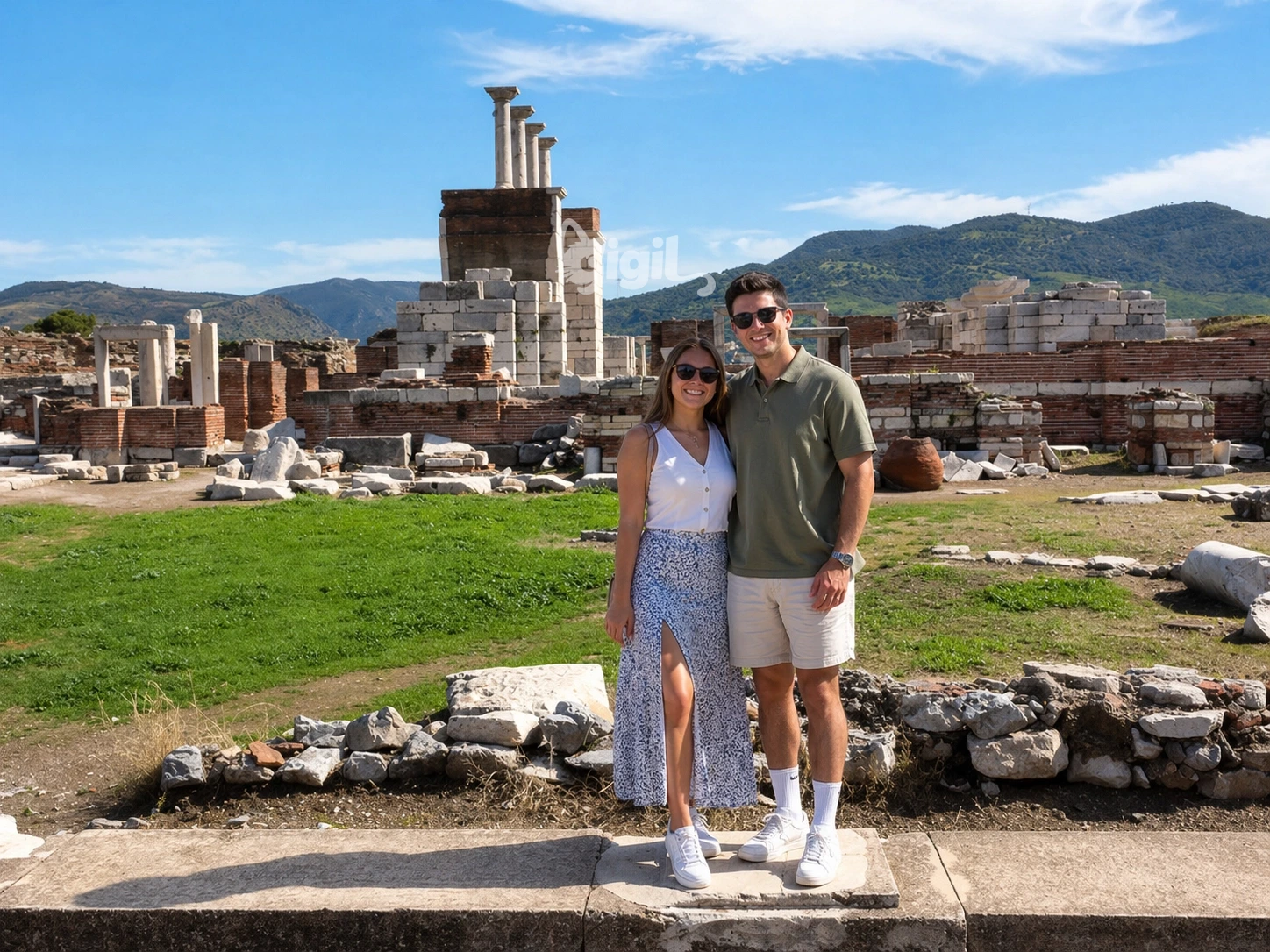
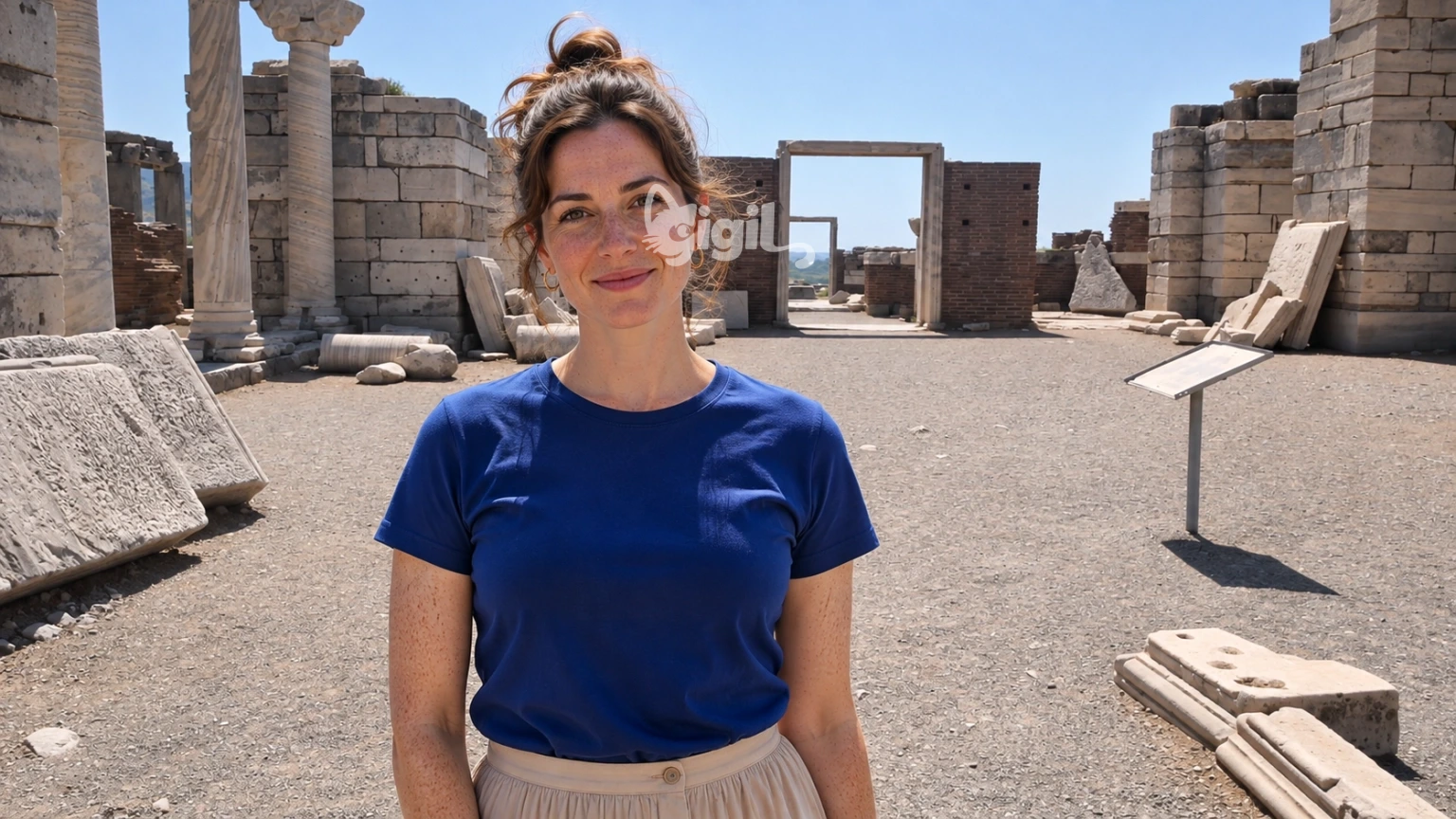
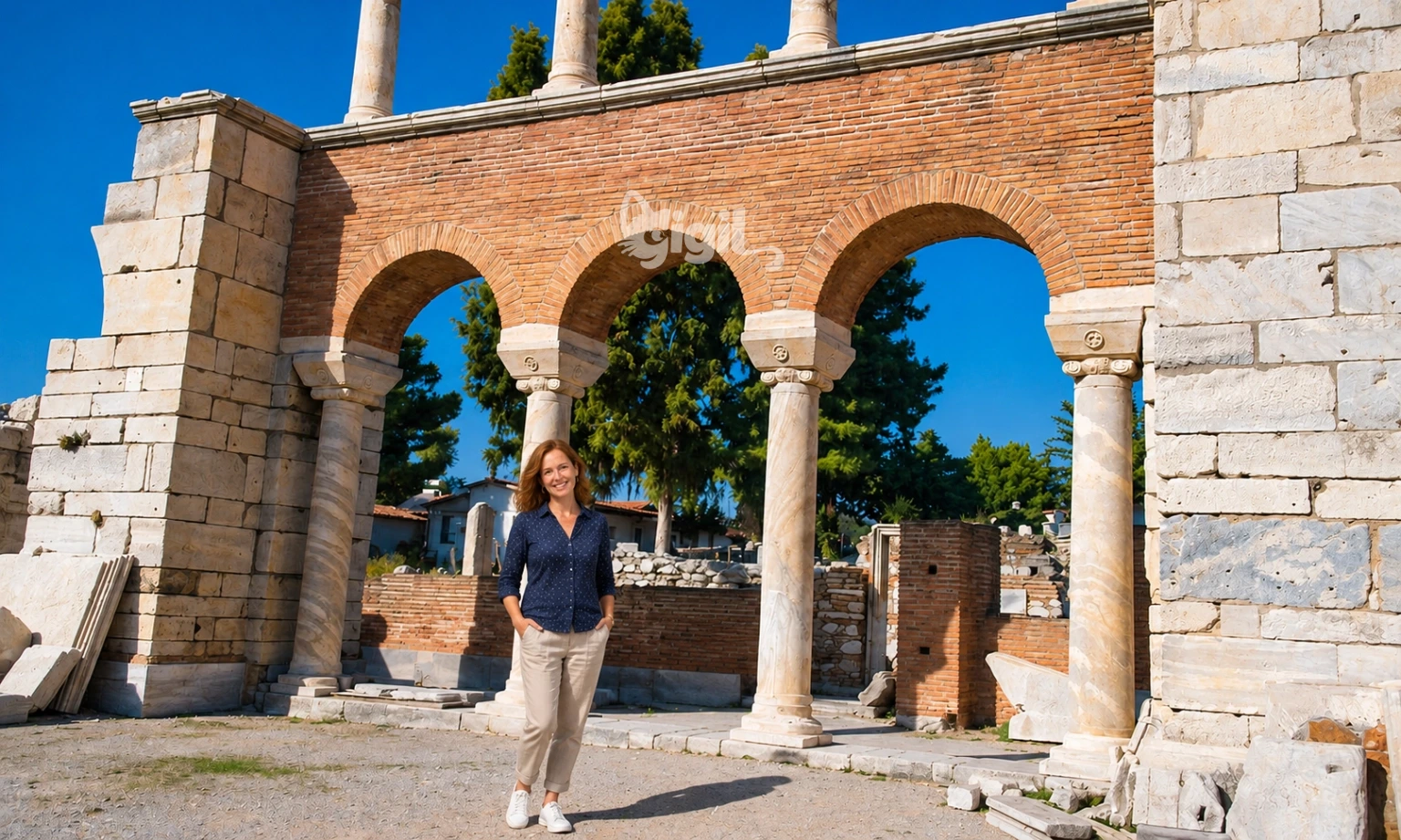
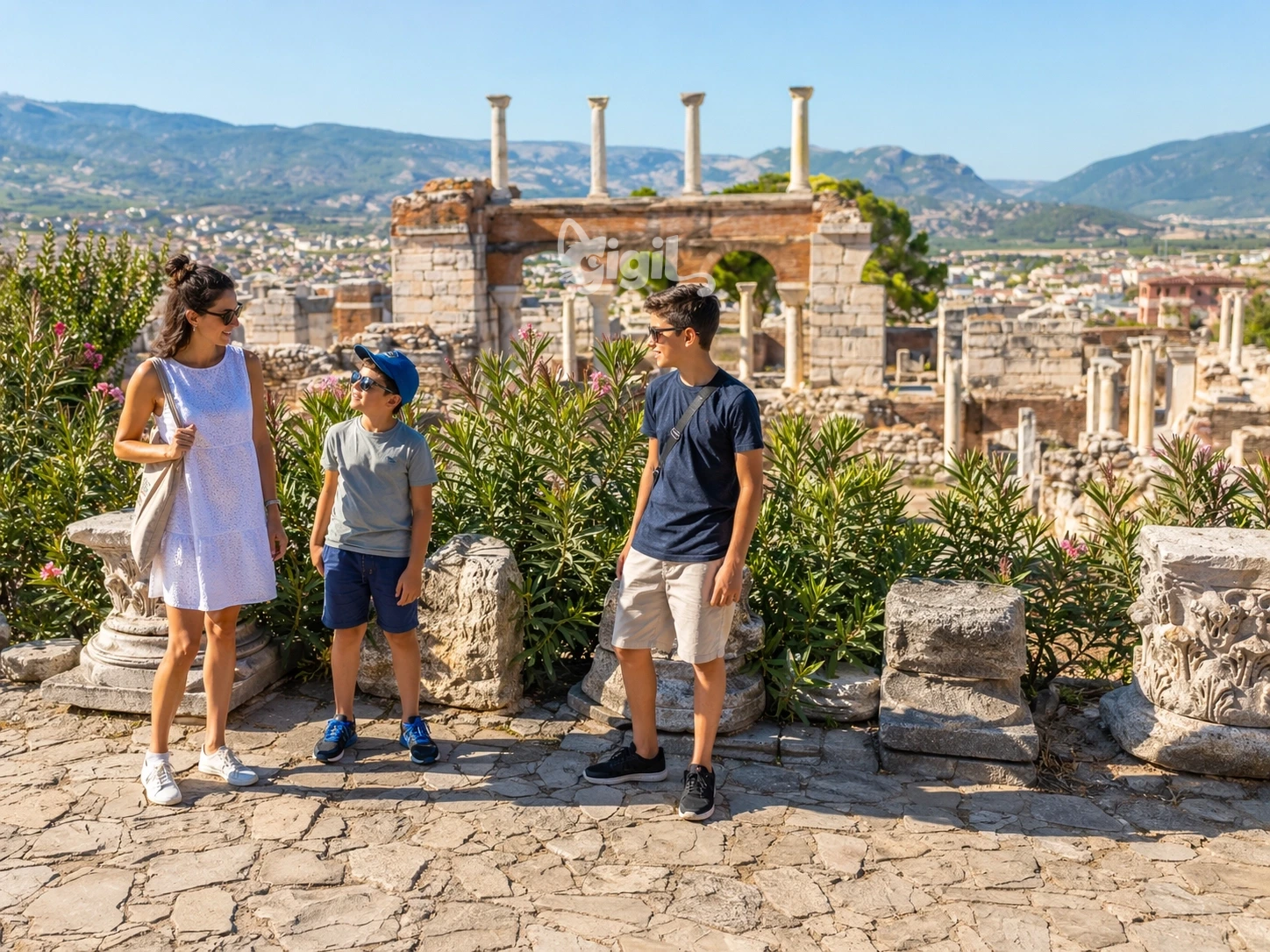
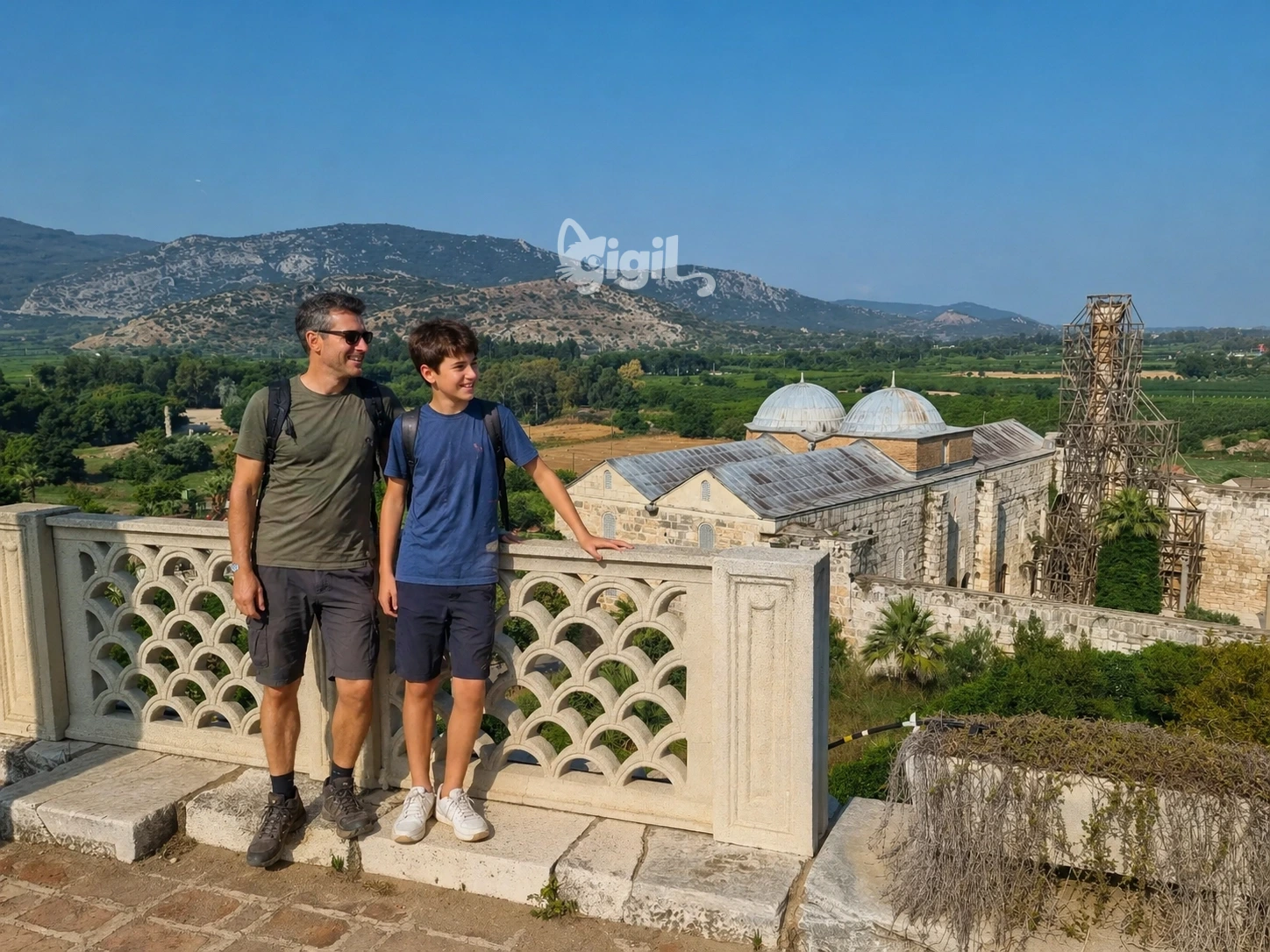
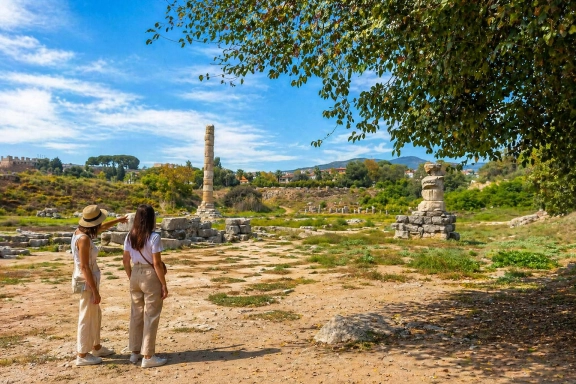
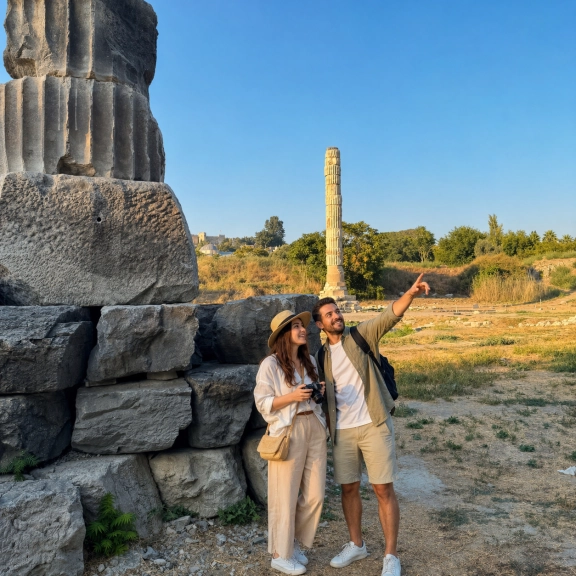
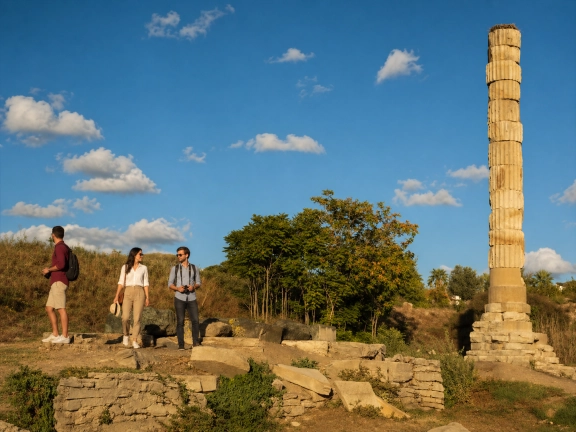
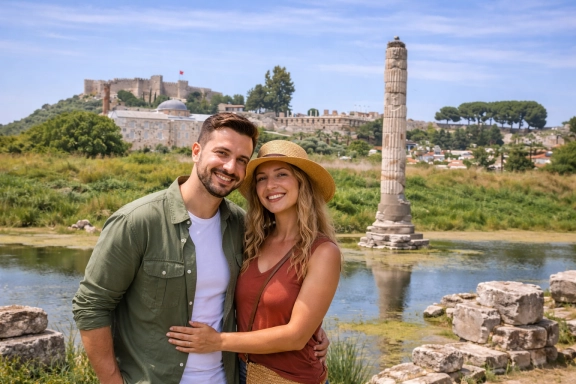
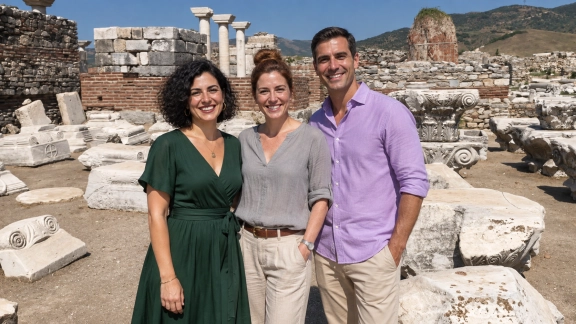
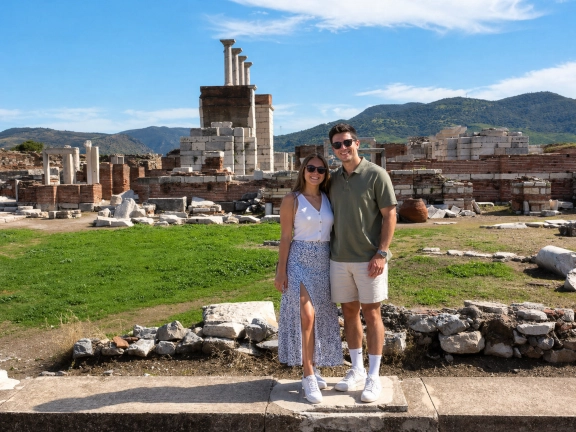
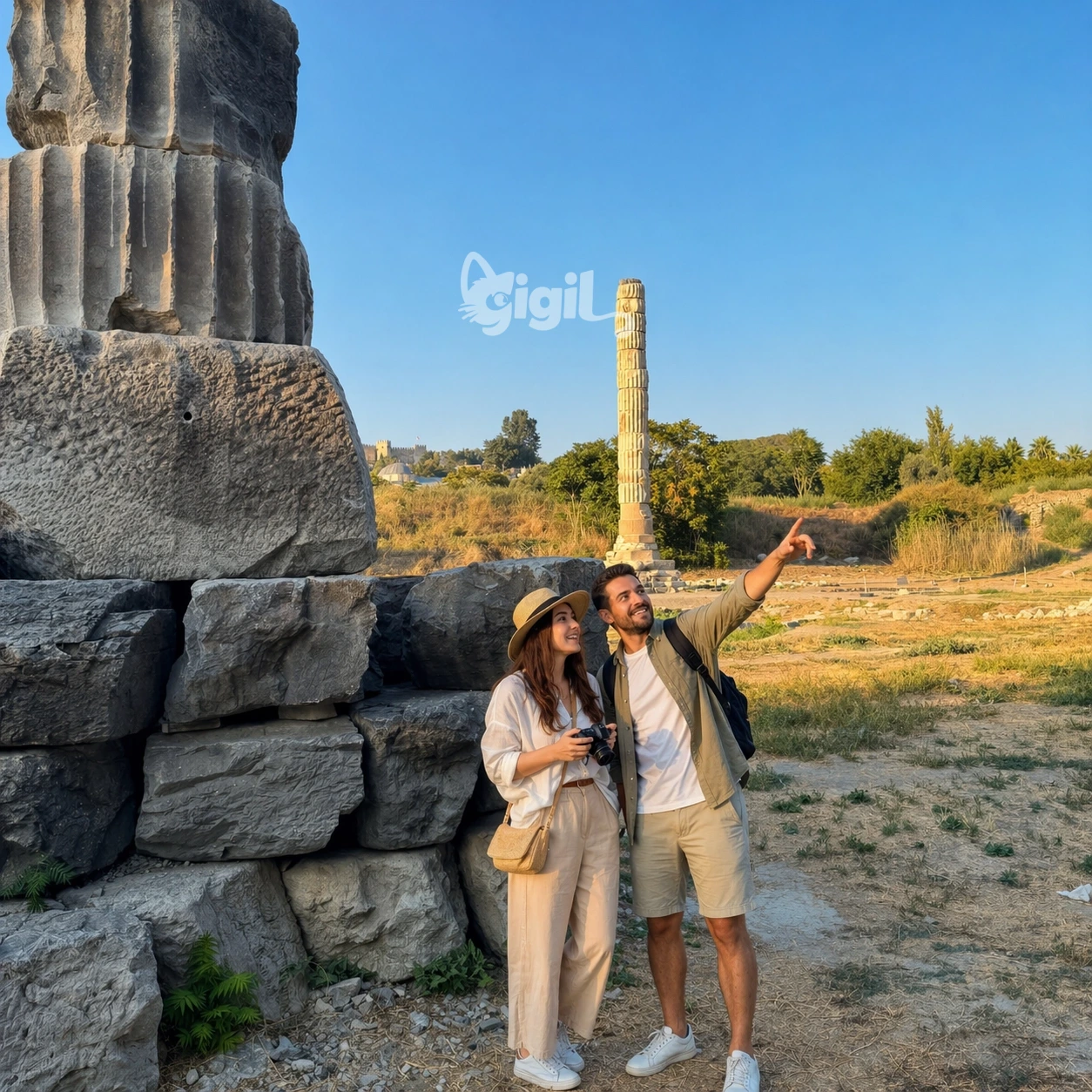
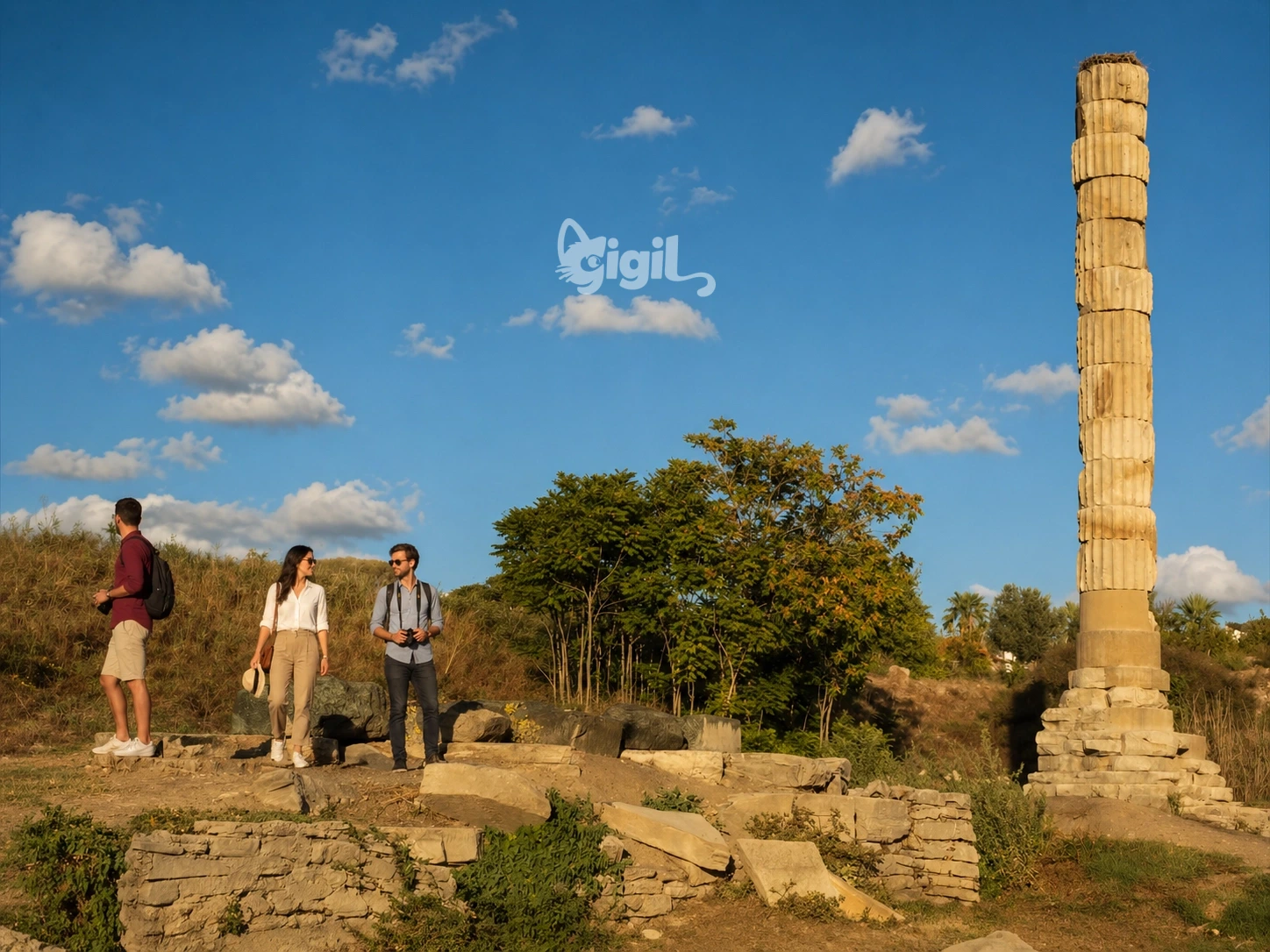
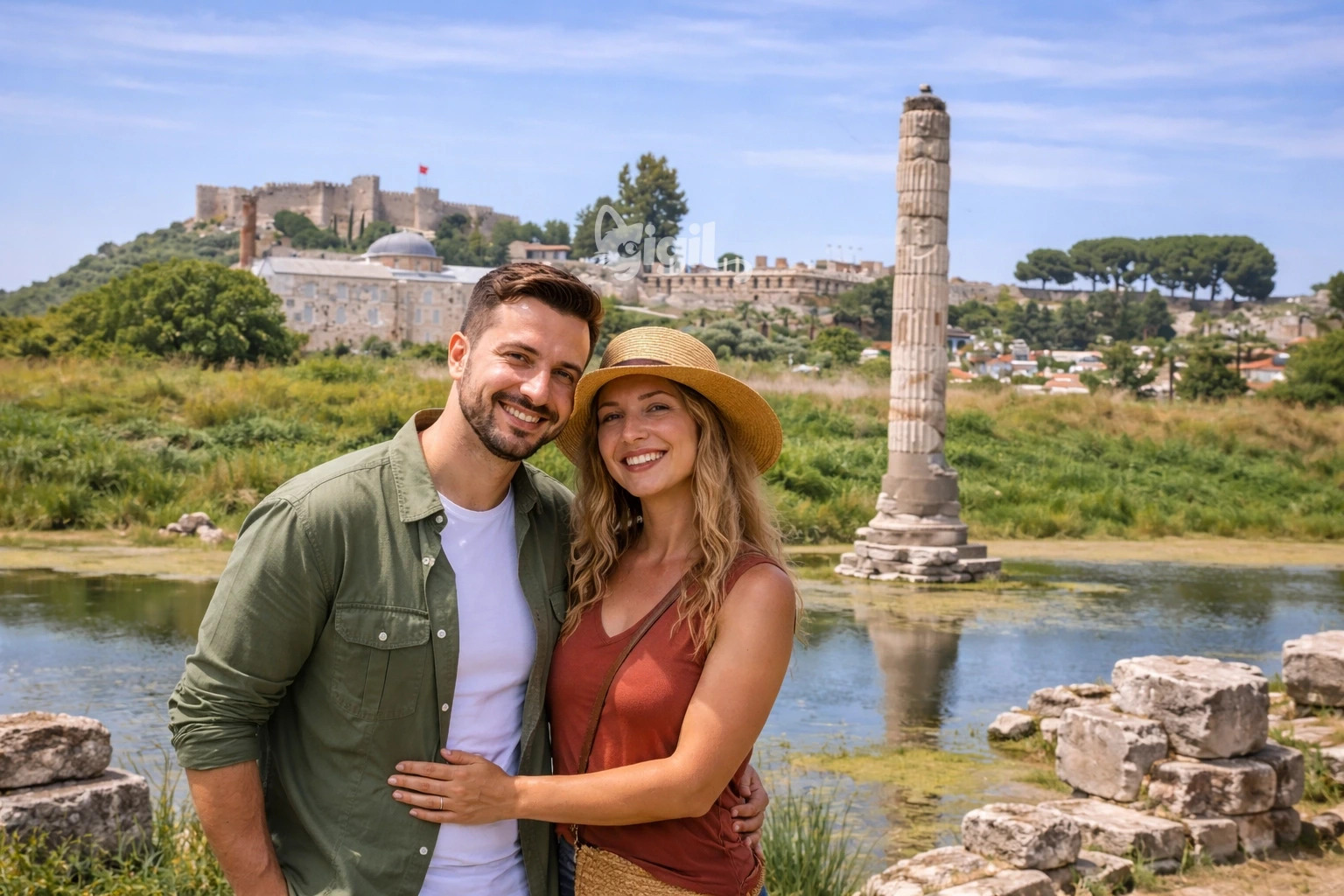
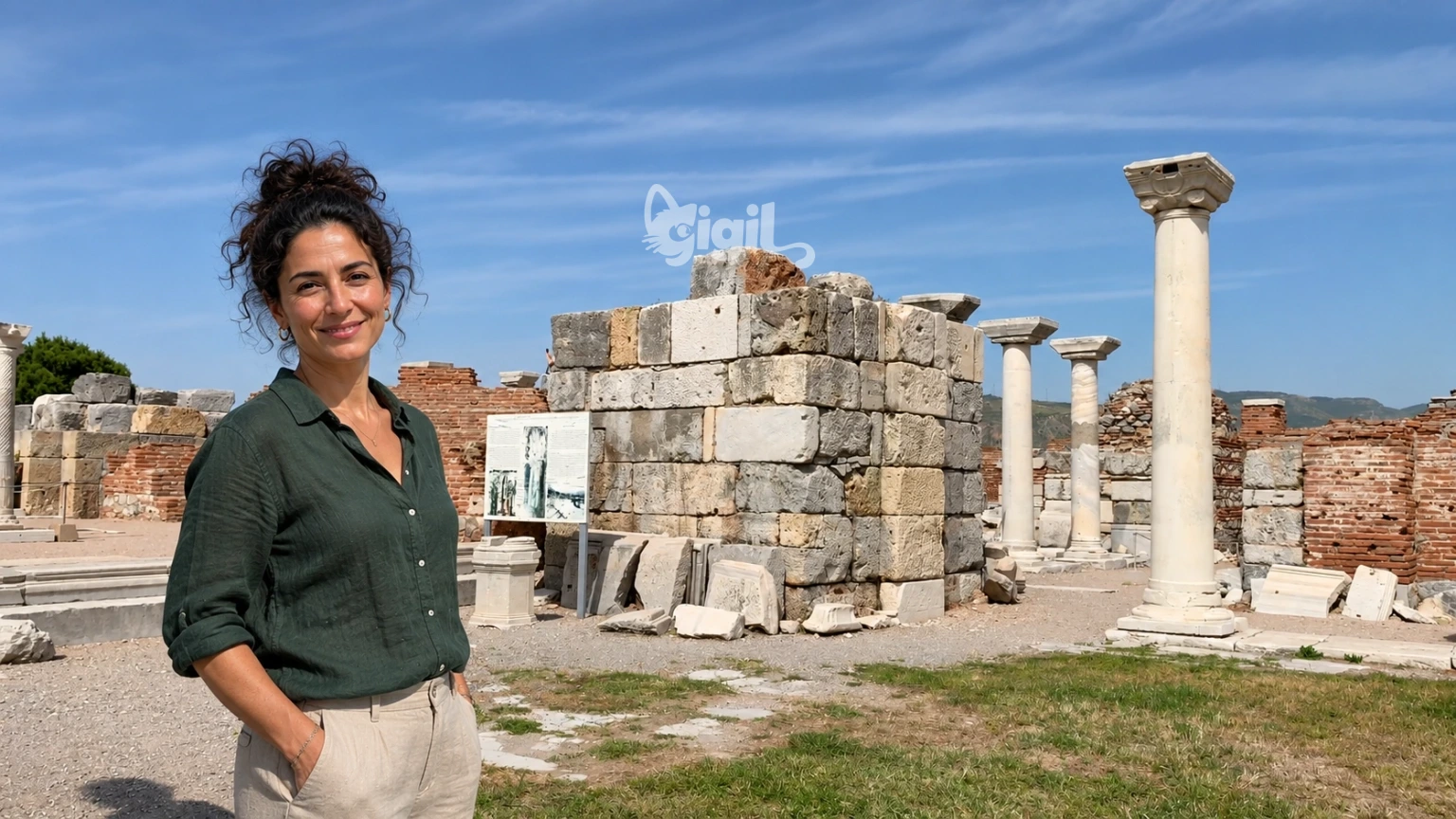
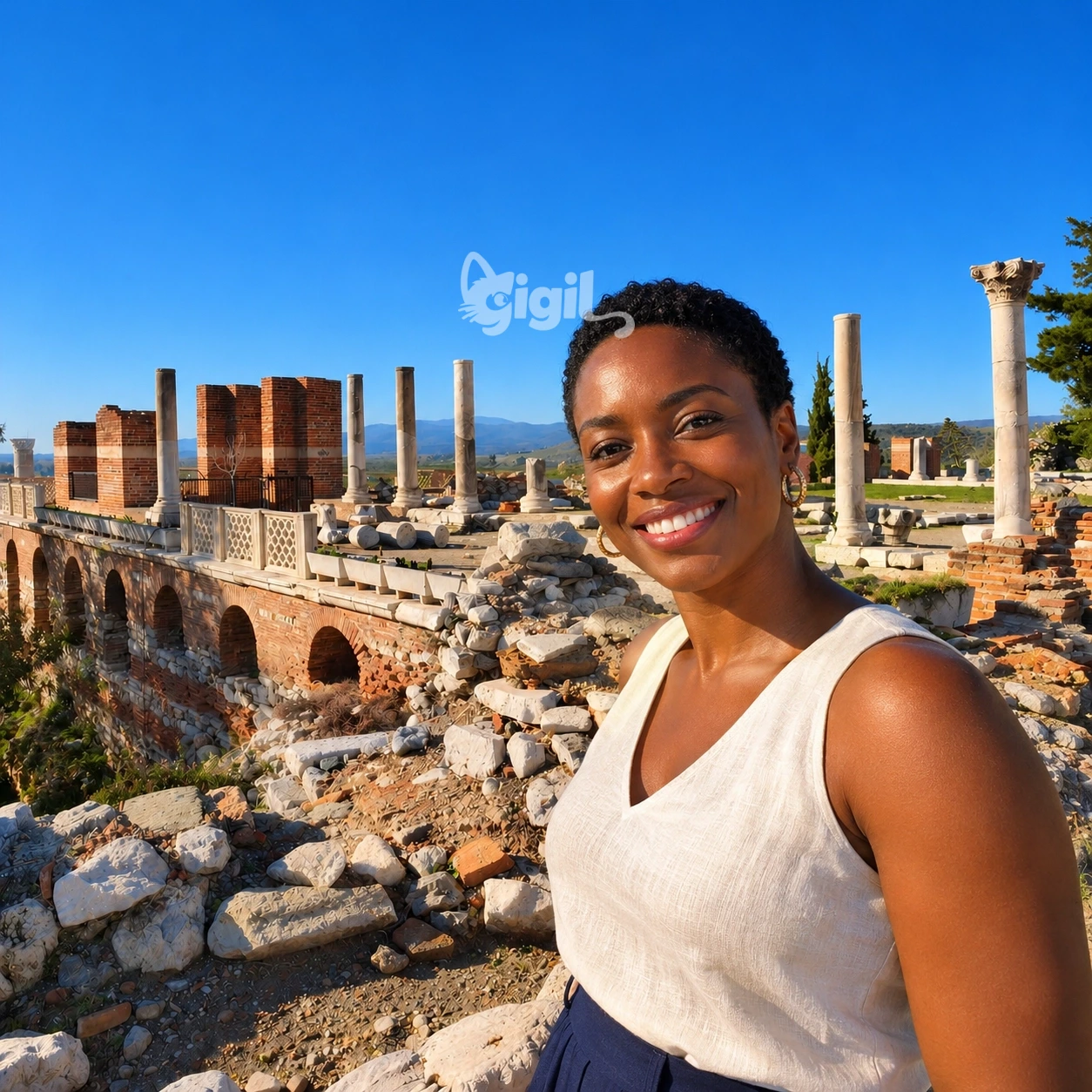
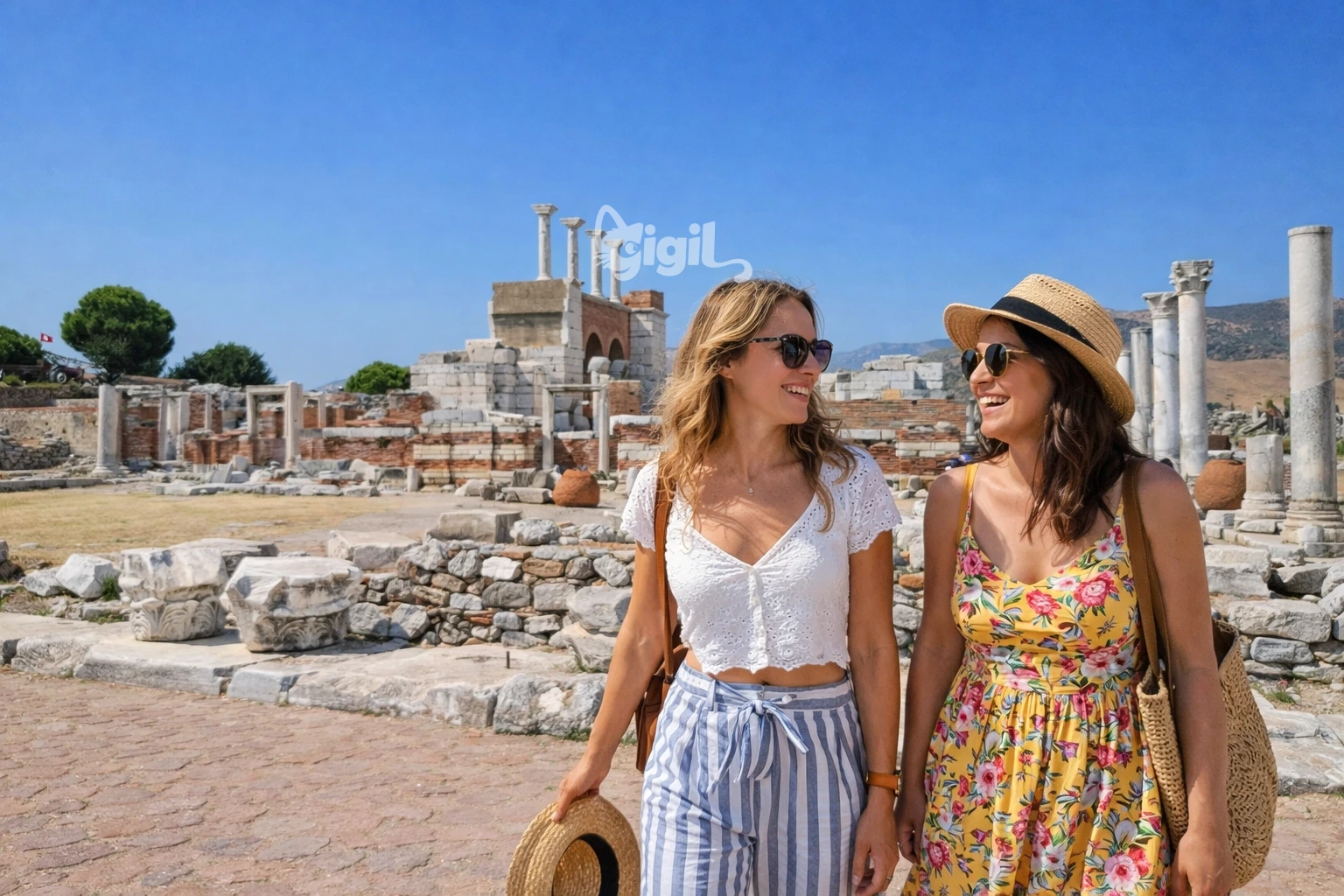
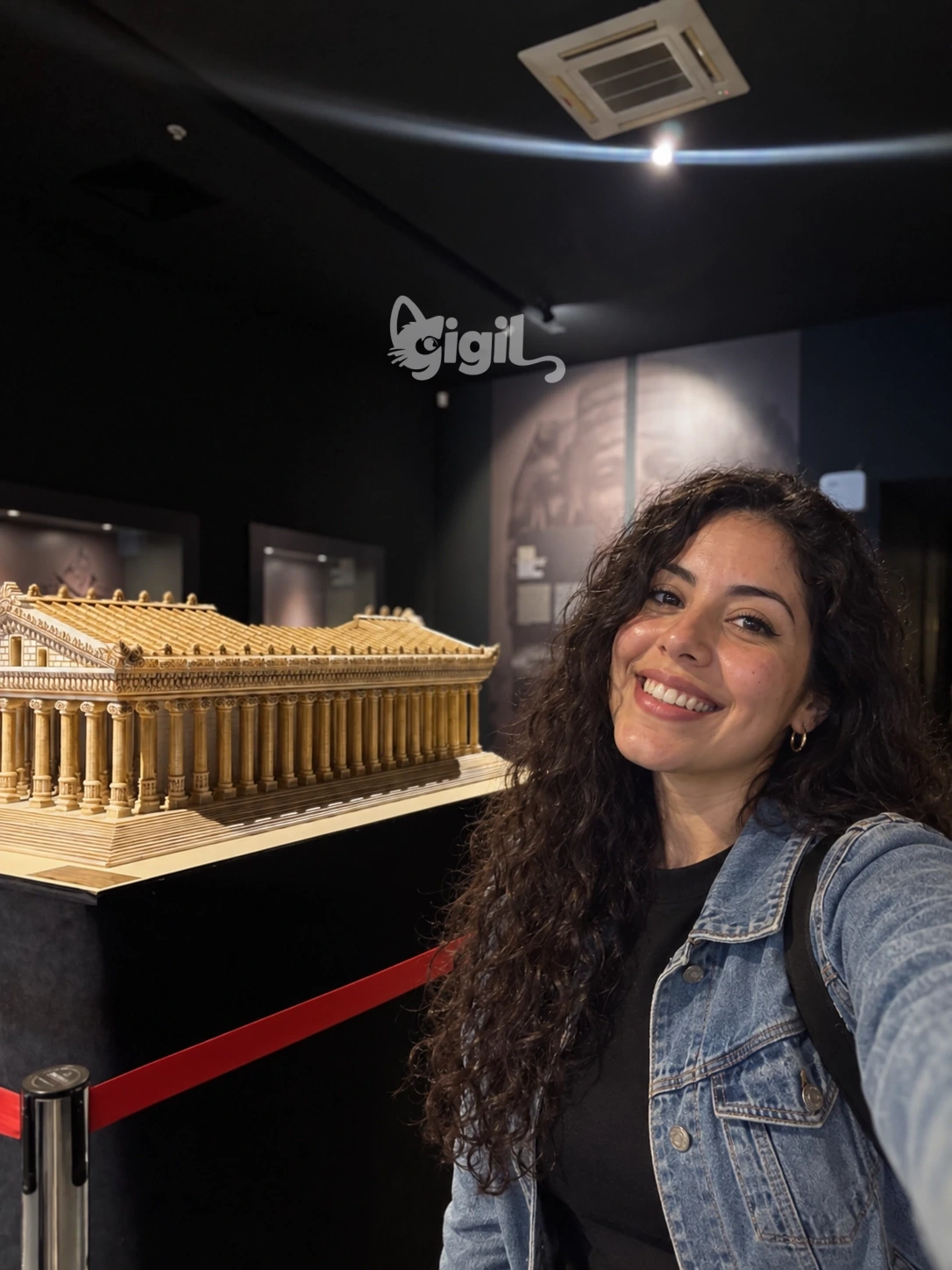
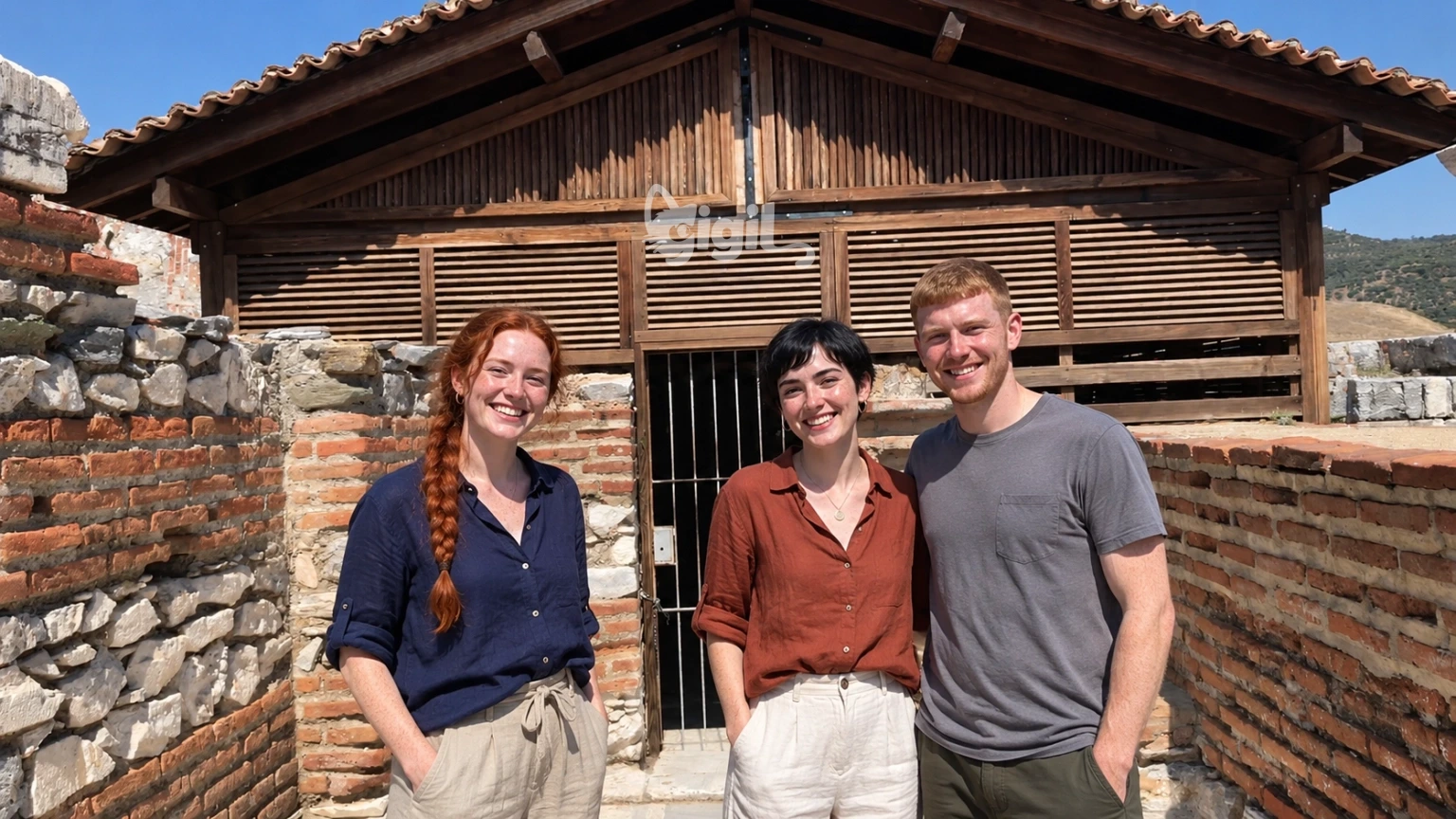
The Temple of Artemis near Selcuk is an ancient sanctuary whose reputation survives more fully than its masonry. Its place among the Seven Wonders establishes the sanctuary's ancient renown, while the limited remains remind visitors how much of an important place can be lost.
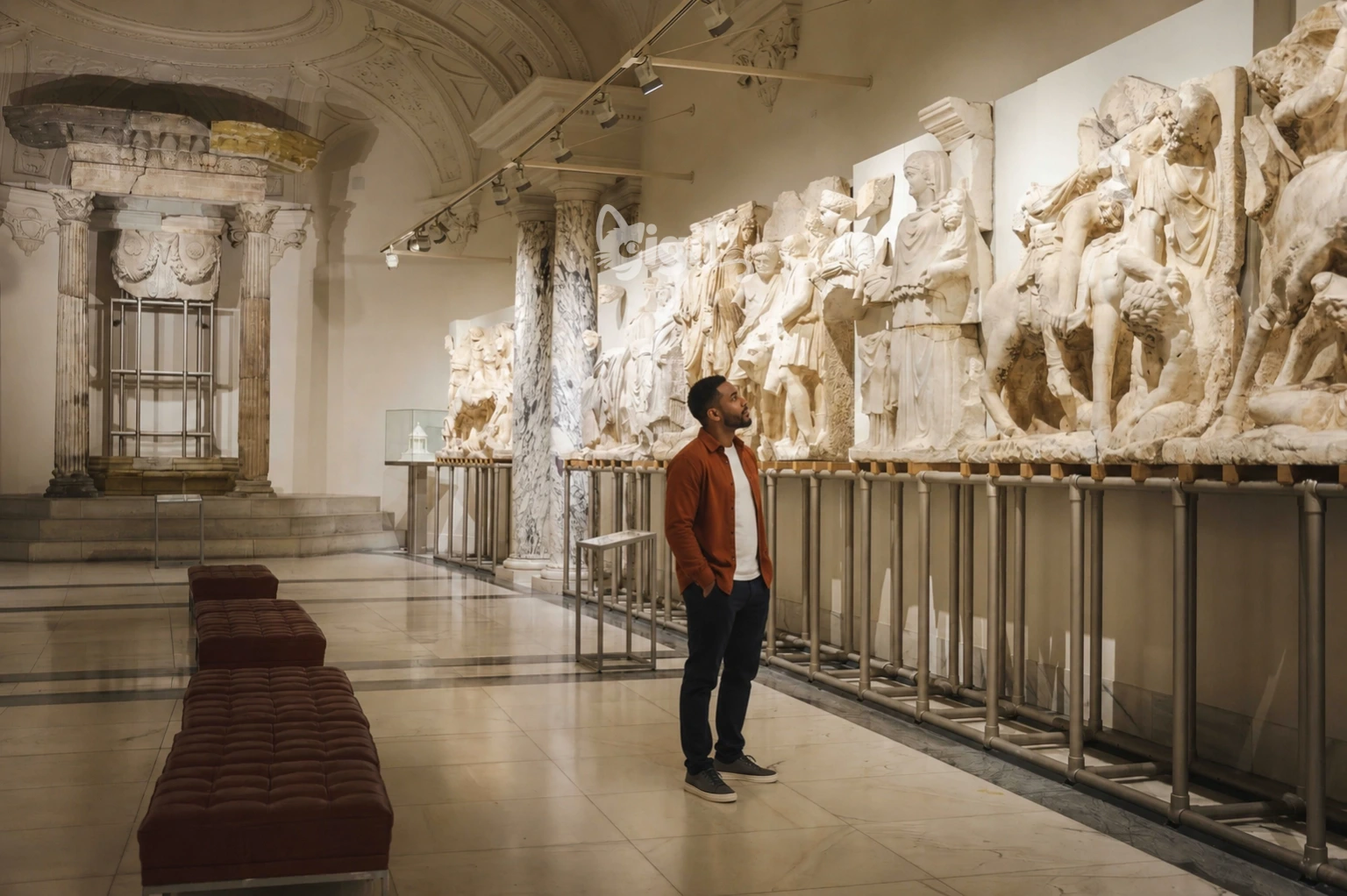
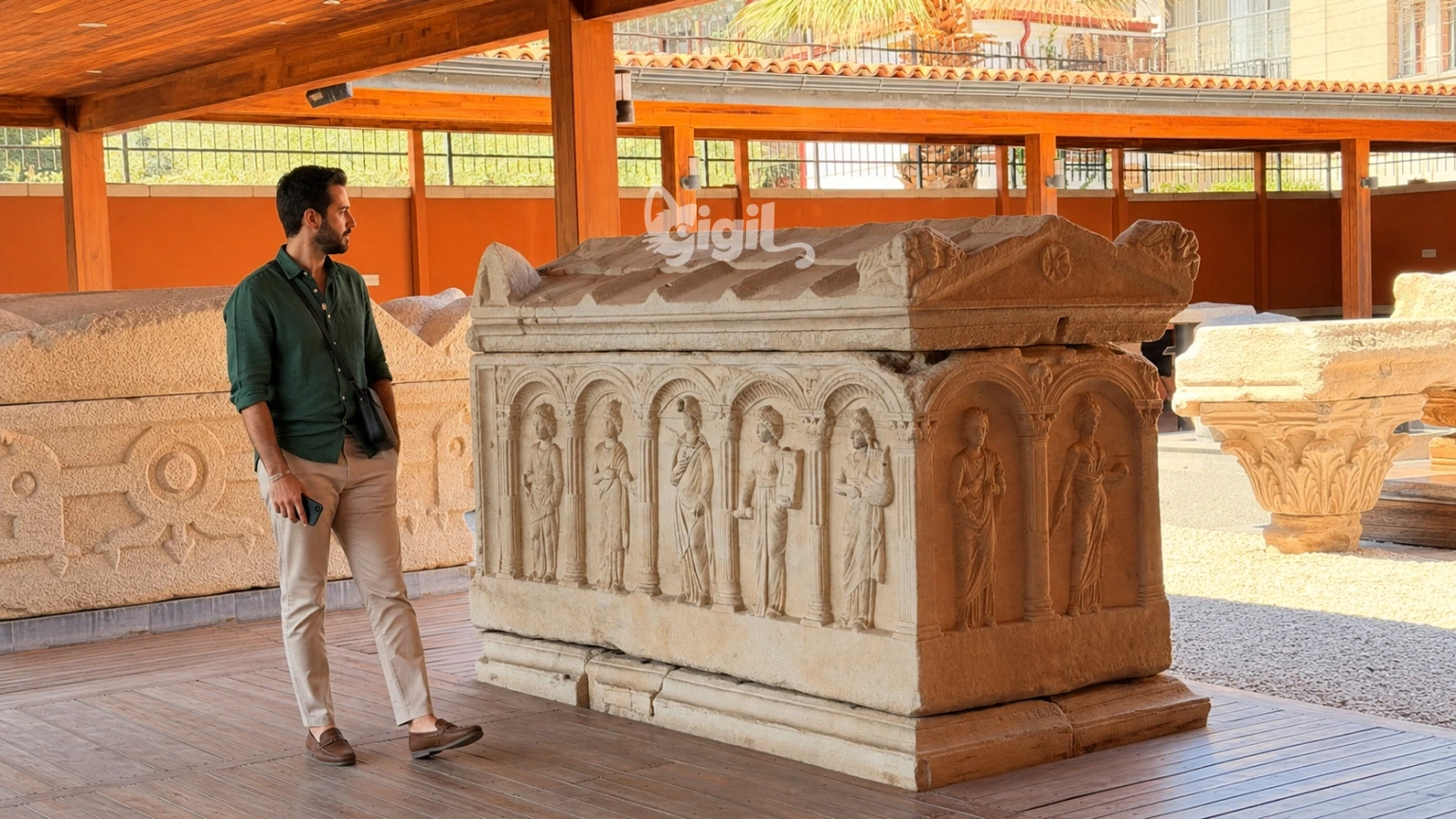
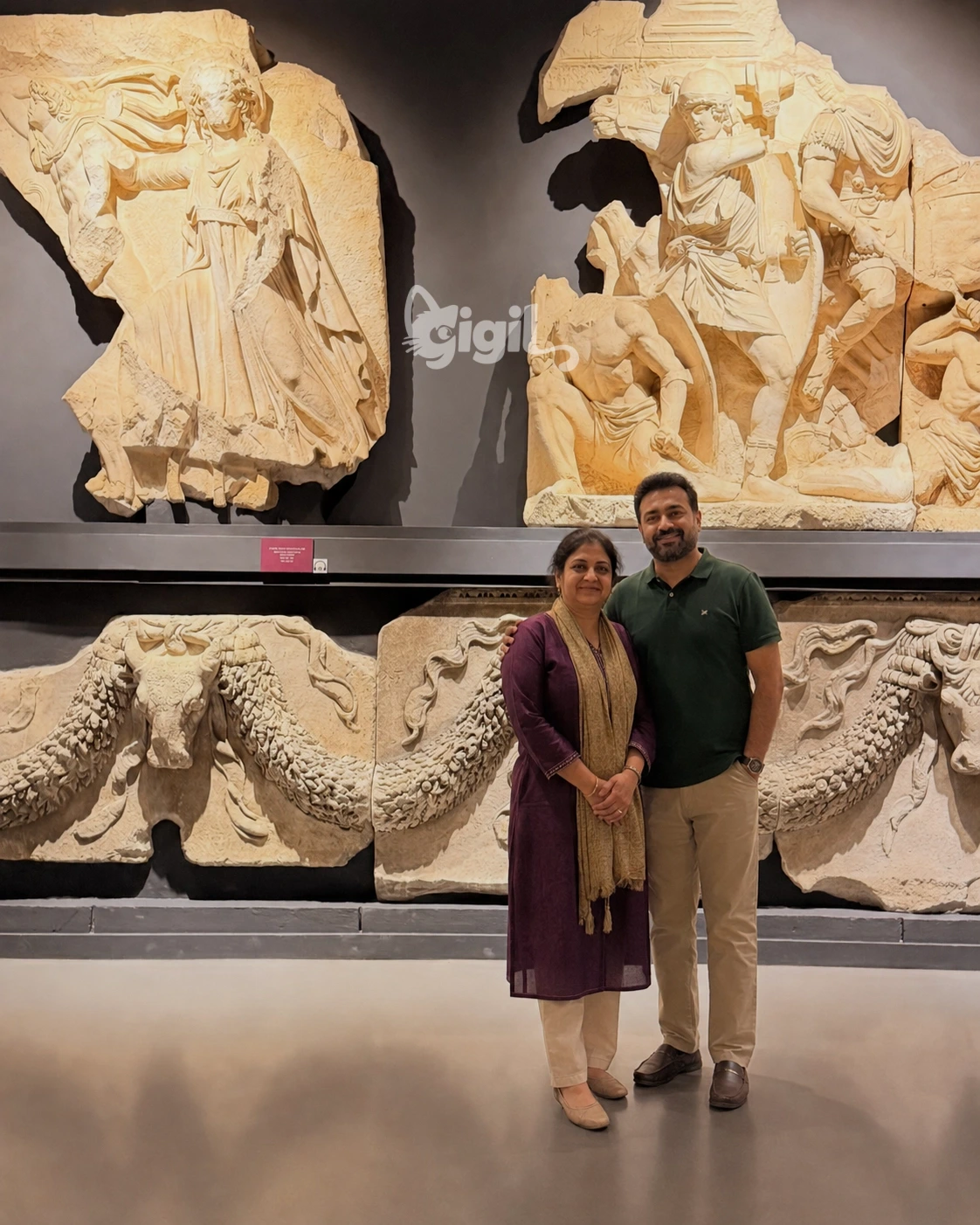
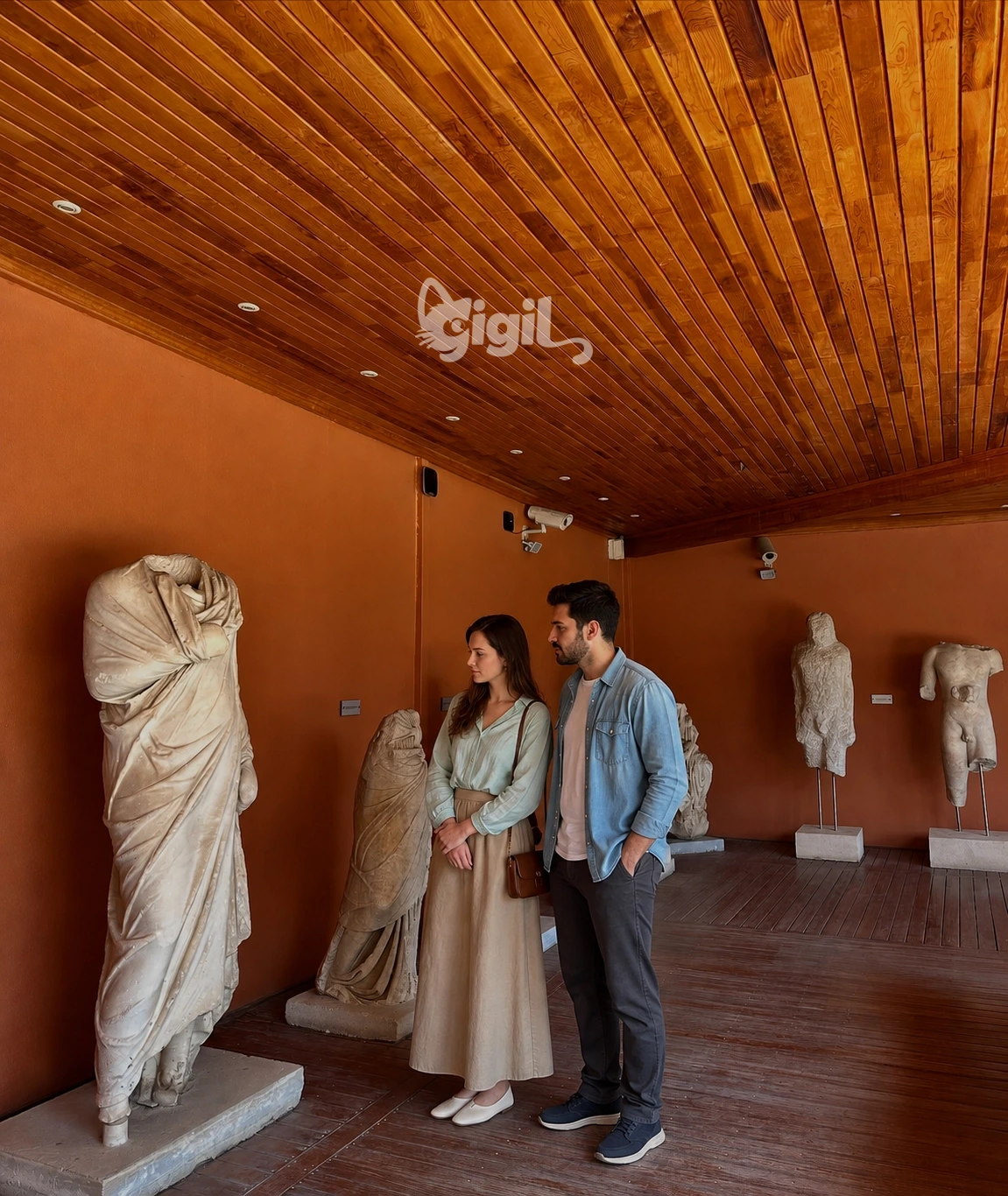
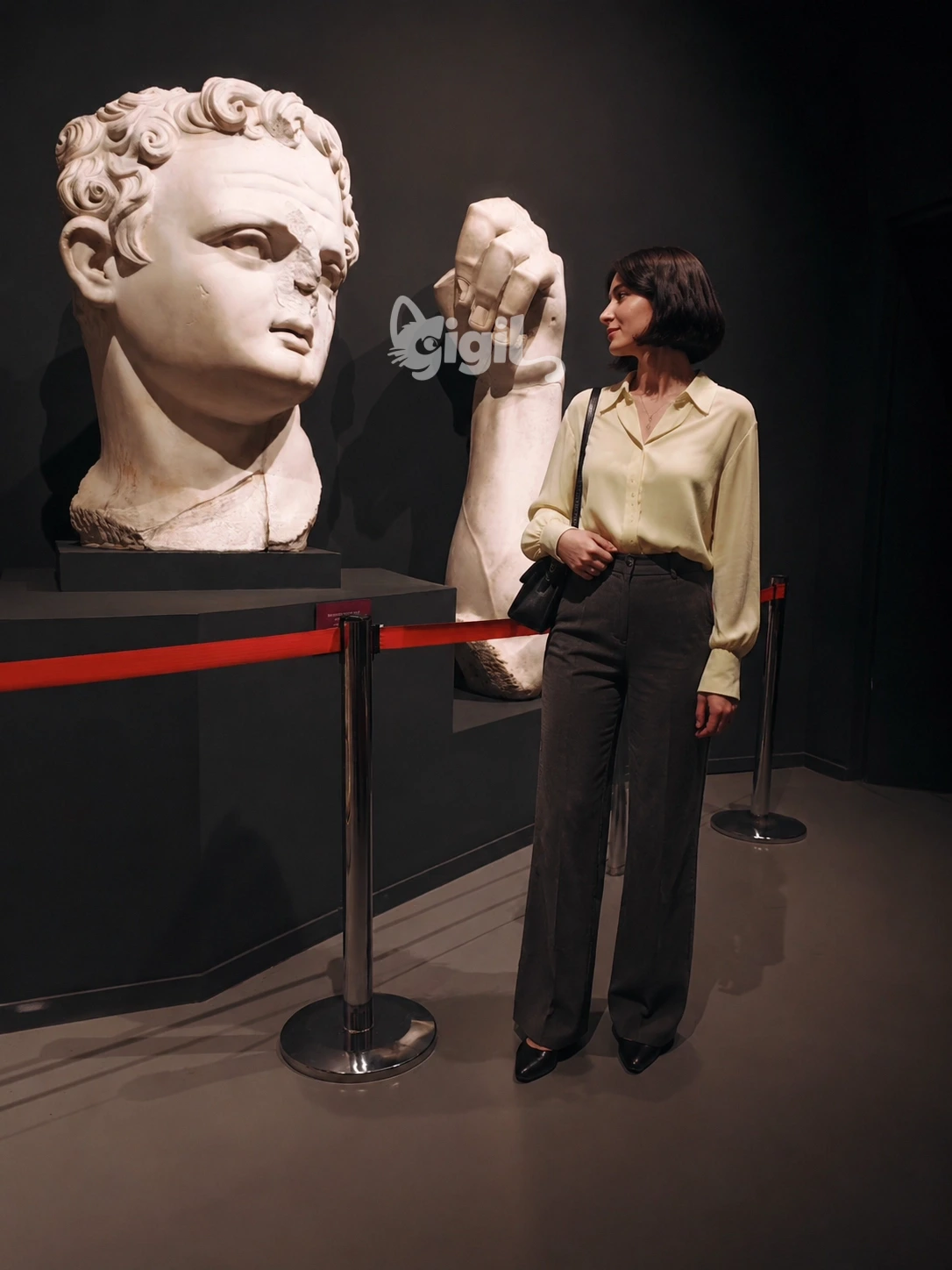
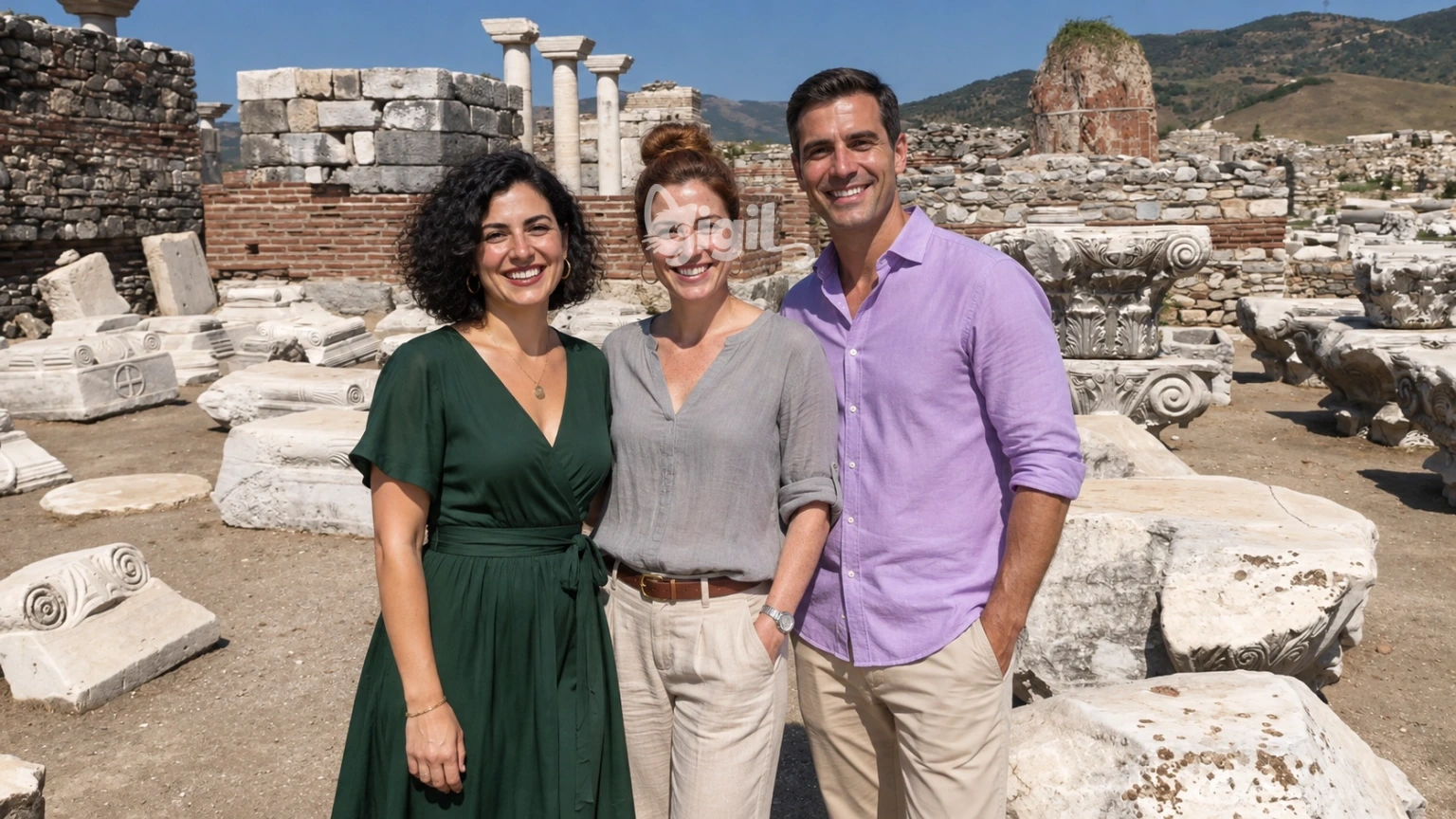
Look first at the setting, then at the surviving architectural pieces. Moving between those two scales makes the stop easier to read: fragments provide evidence, while the wider ground gives them context. The result is a view of an archaeological place, not a promise of an intact temple.
Questions
What survives of the celebrated monument?
Only limited remains of the sanctuary survive on site. They should be read as fragments of an ancient building and setting, rather than as a complete temple with an accessible original interior.
What does its ancient reputation add to the visit?
It explains why this modest-looking archaeological location receives attention far beyond the amount of visible stonework. The sanctuary was remembered as an extraordinary monument, and that history helps give the surviving remains their significance.
What is a useful way to observe the site?
Alternate between the whole setting and individual architectural details. That approach keeps a surviving piece in context and helps distinguish material evidence from the fuller appearance supplied by historical interpretation.