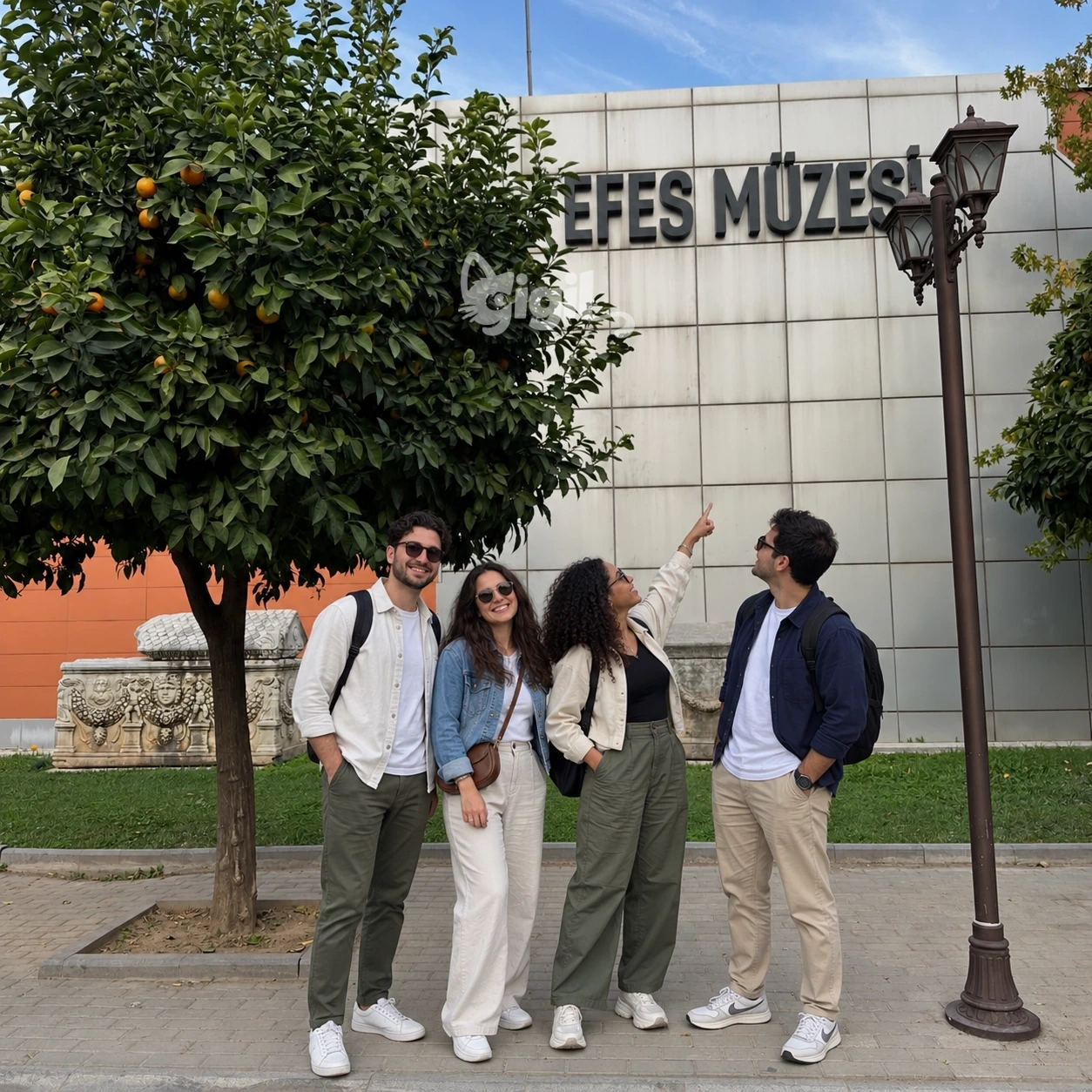
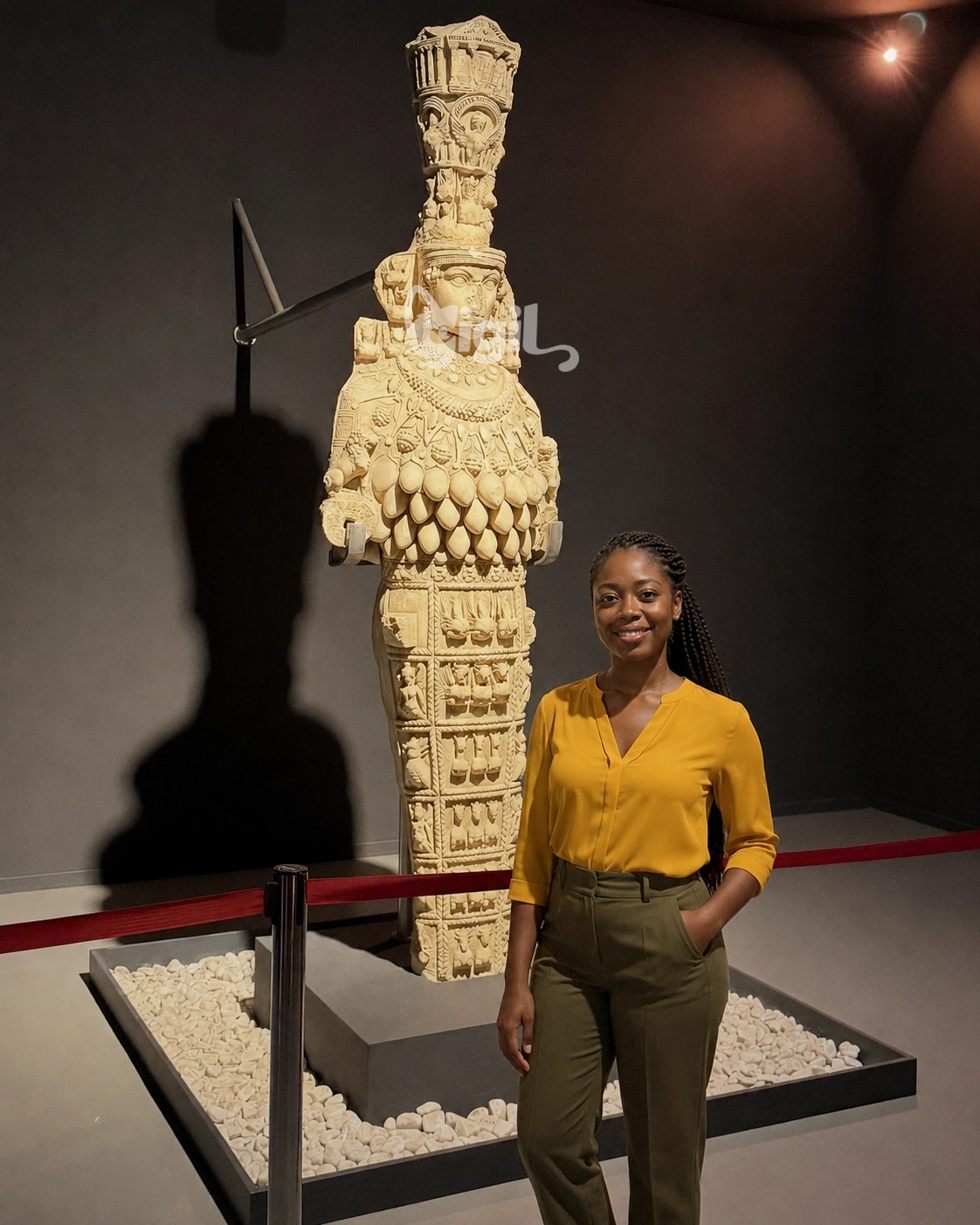
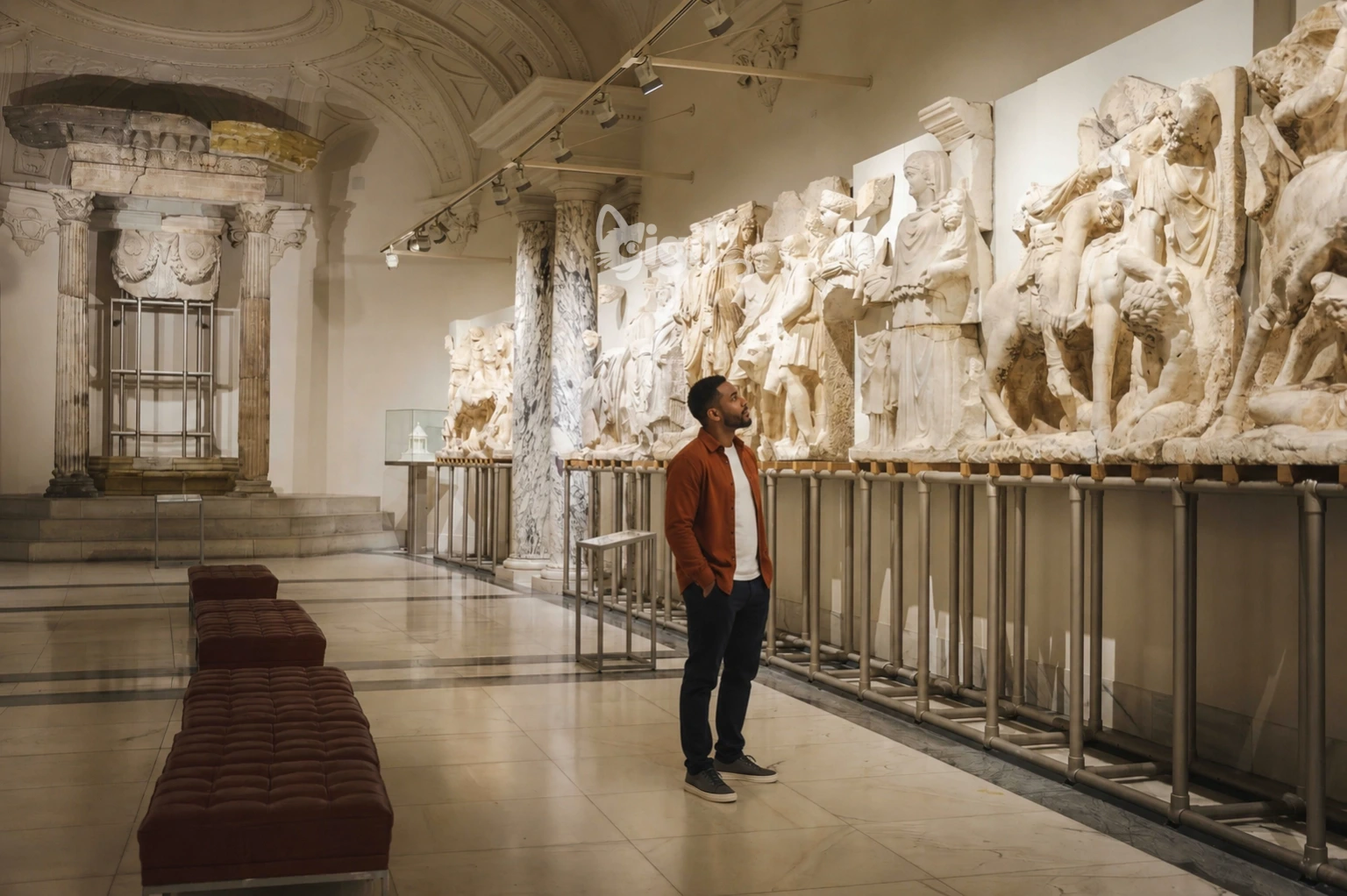
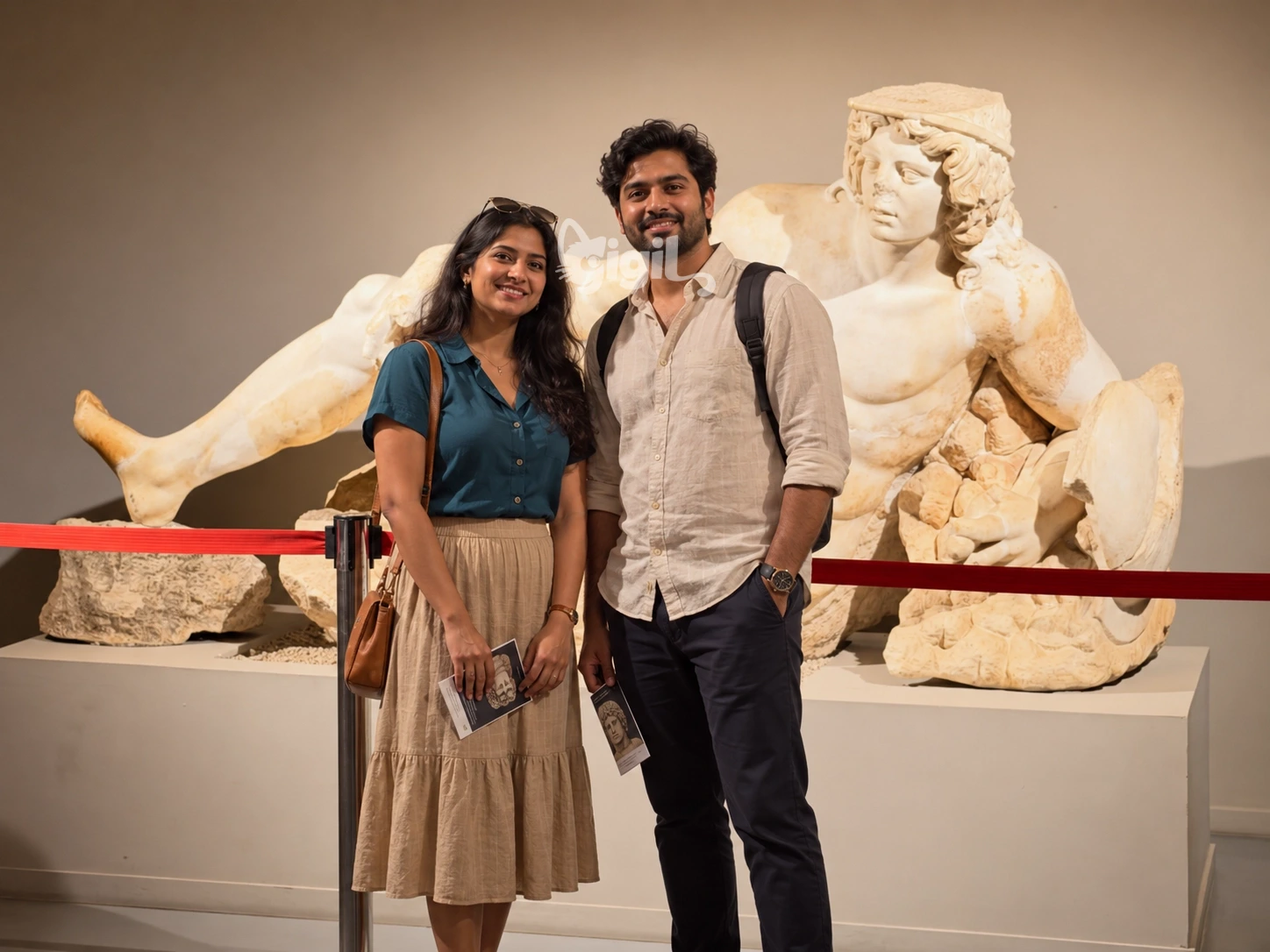
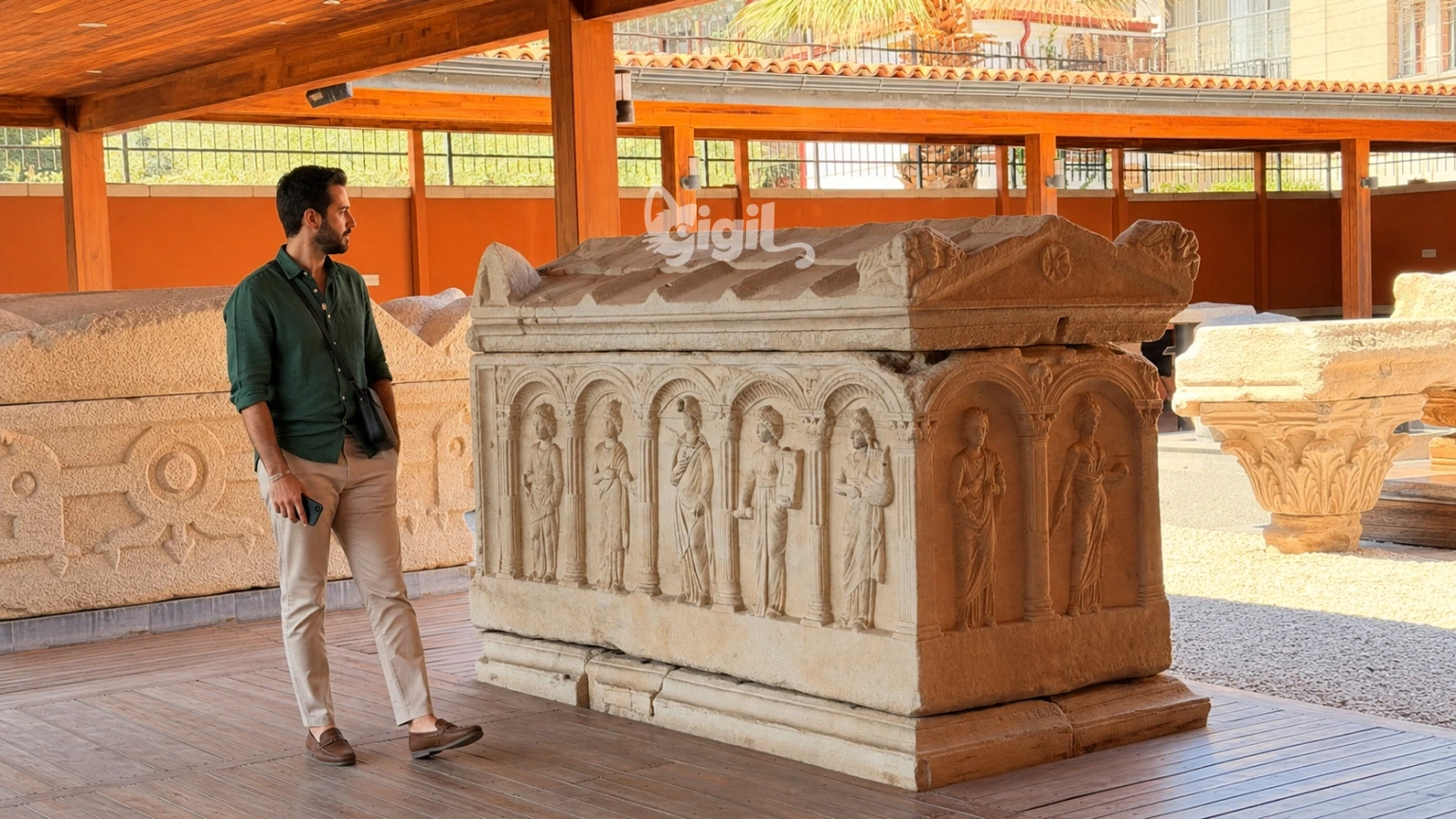
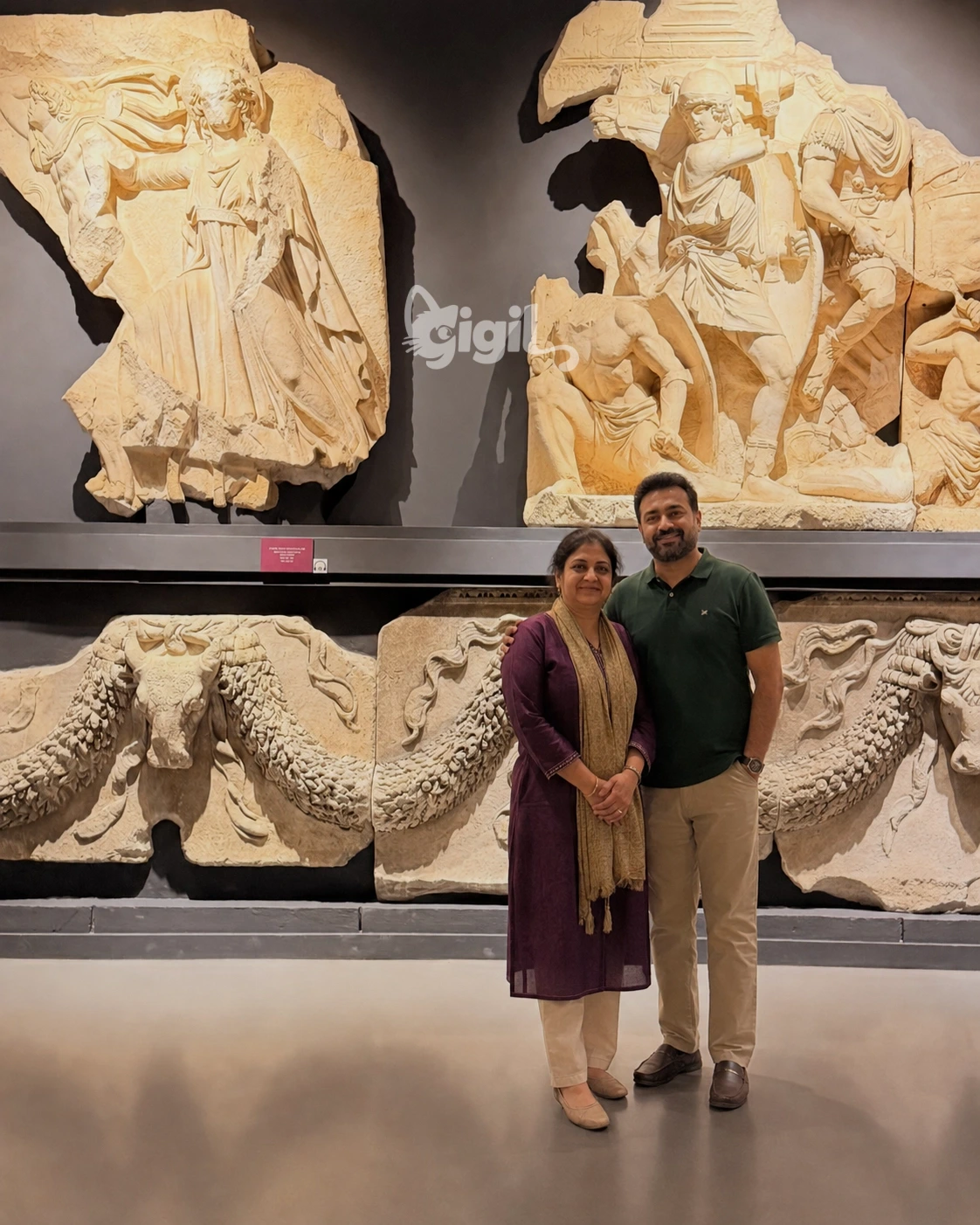
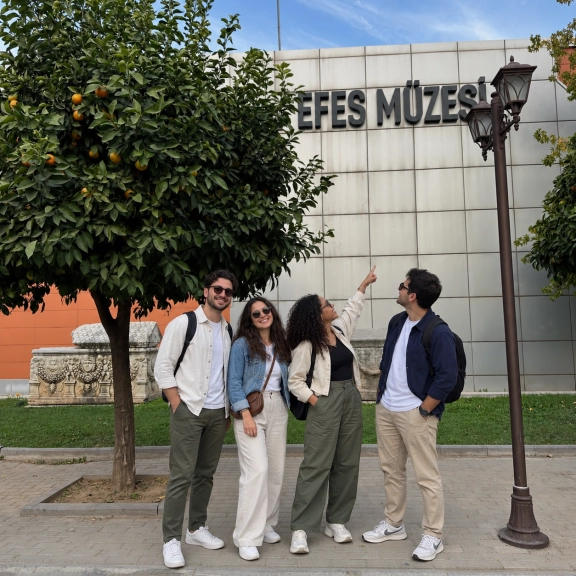
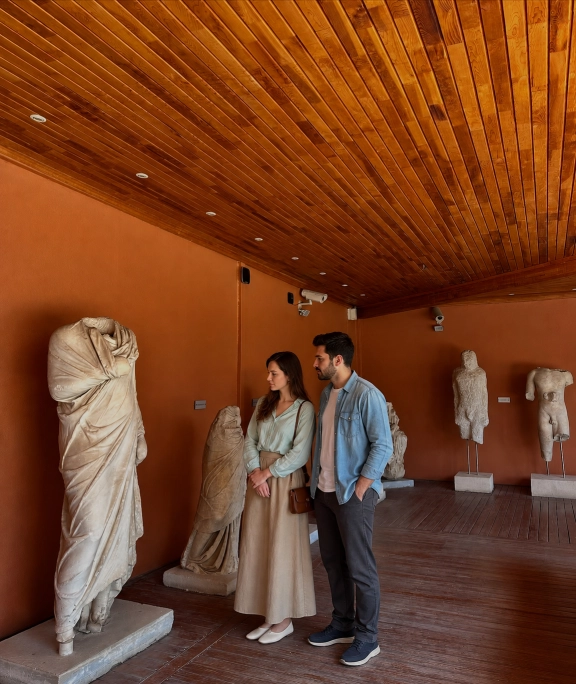
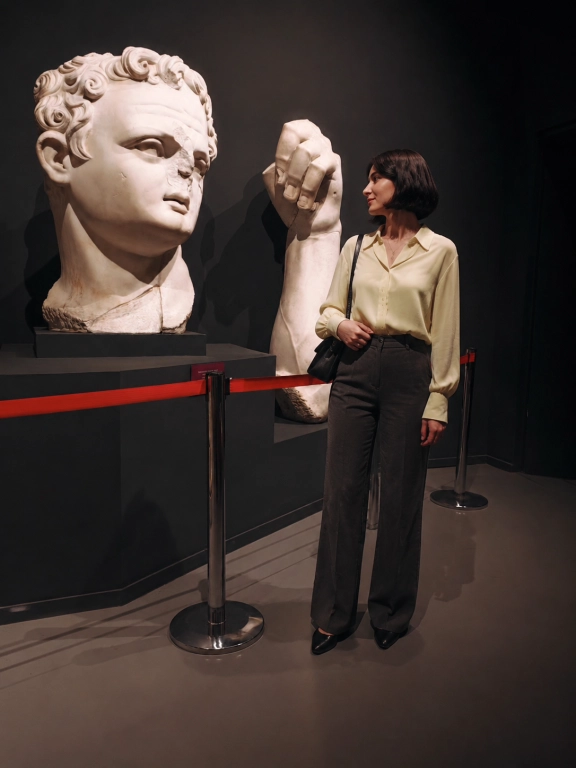
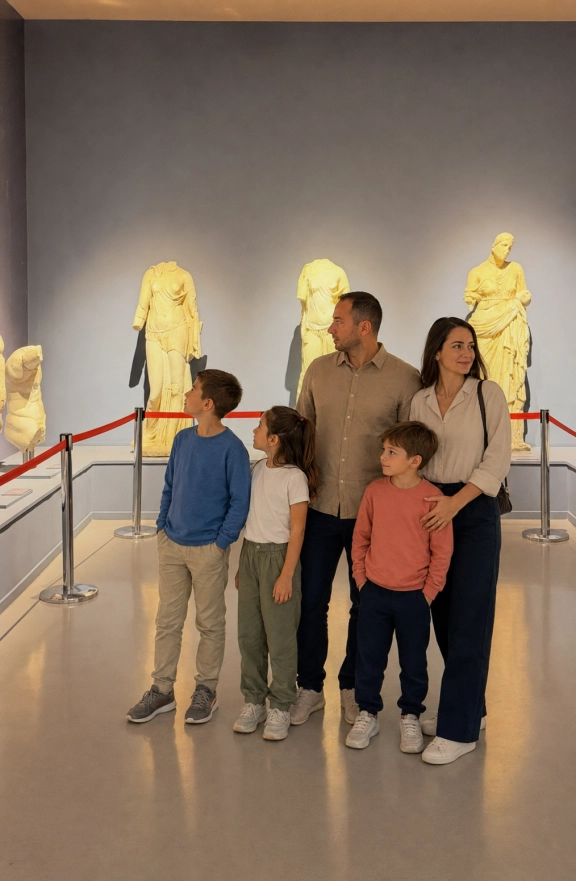
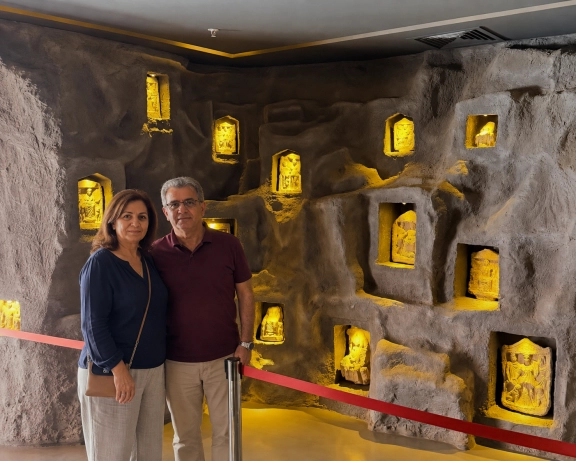
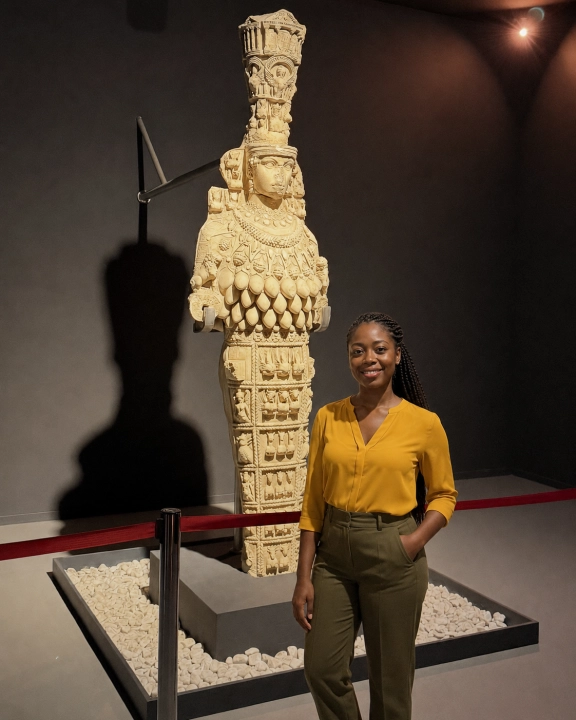
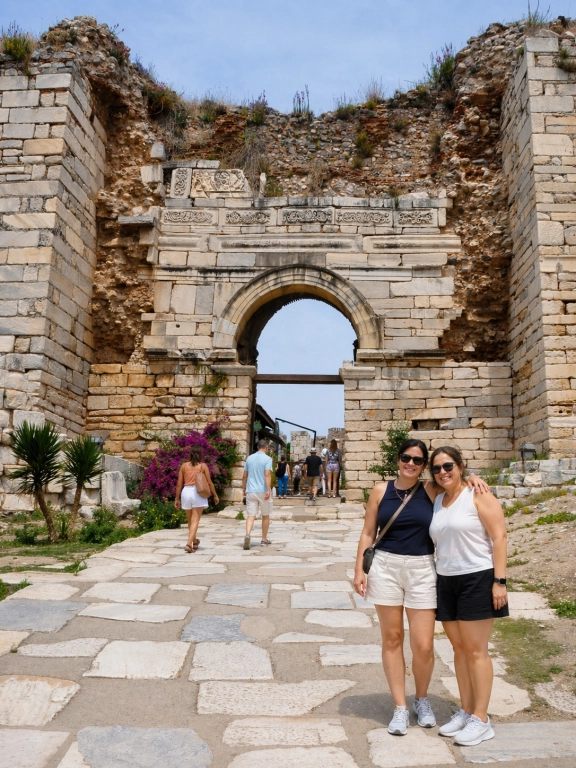
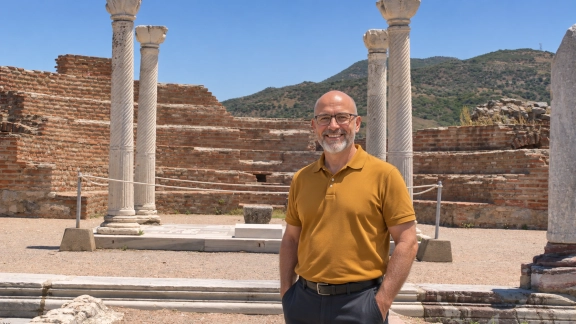
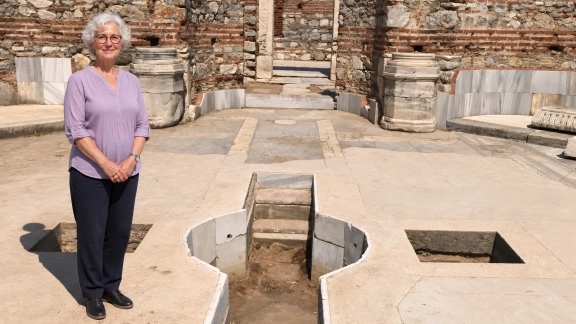
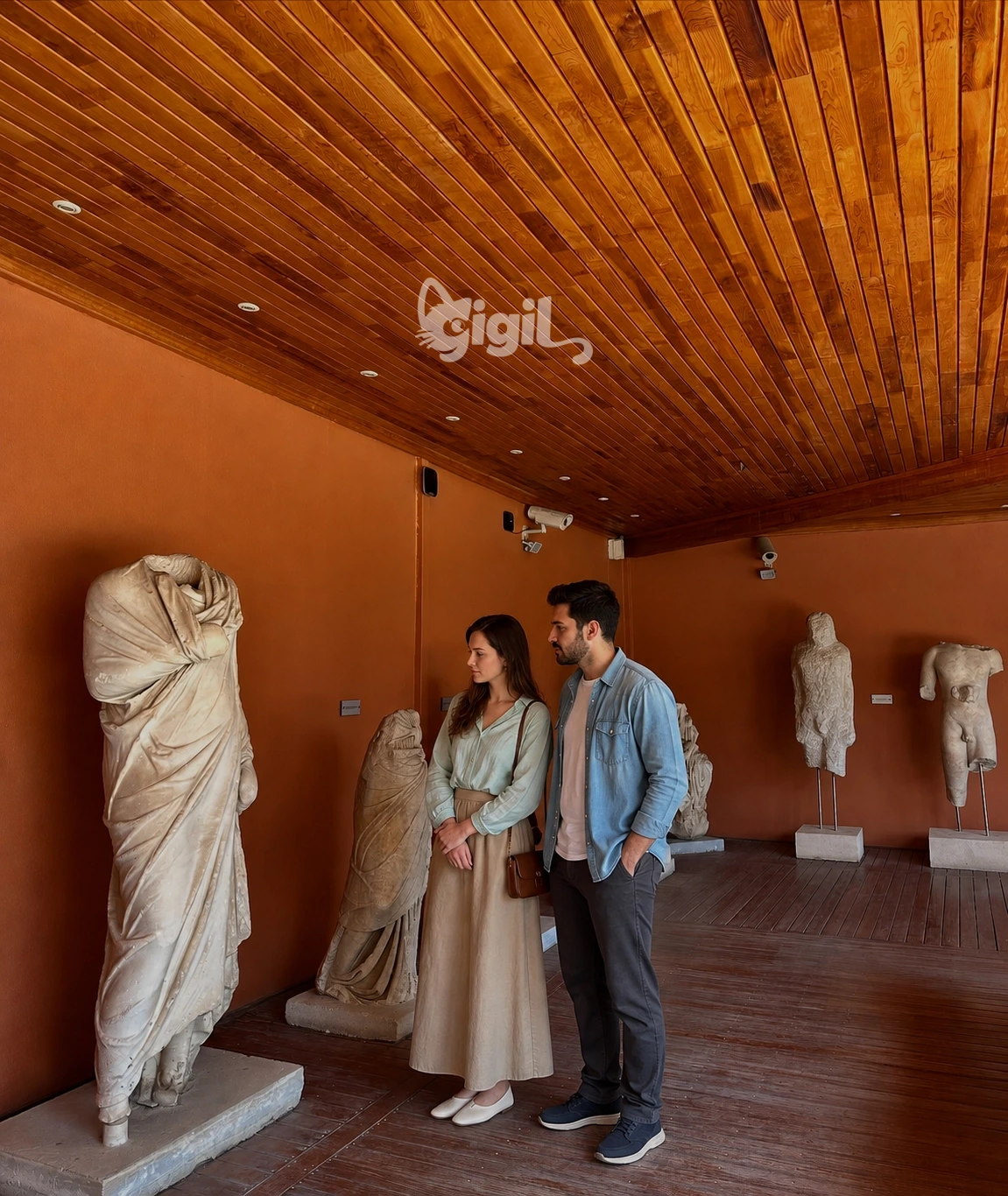
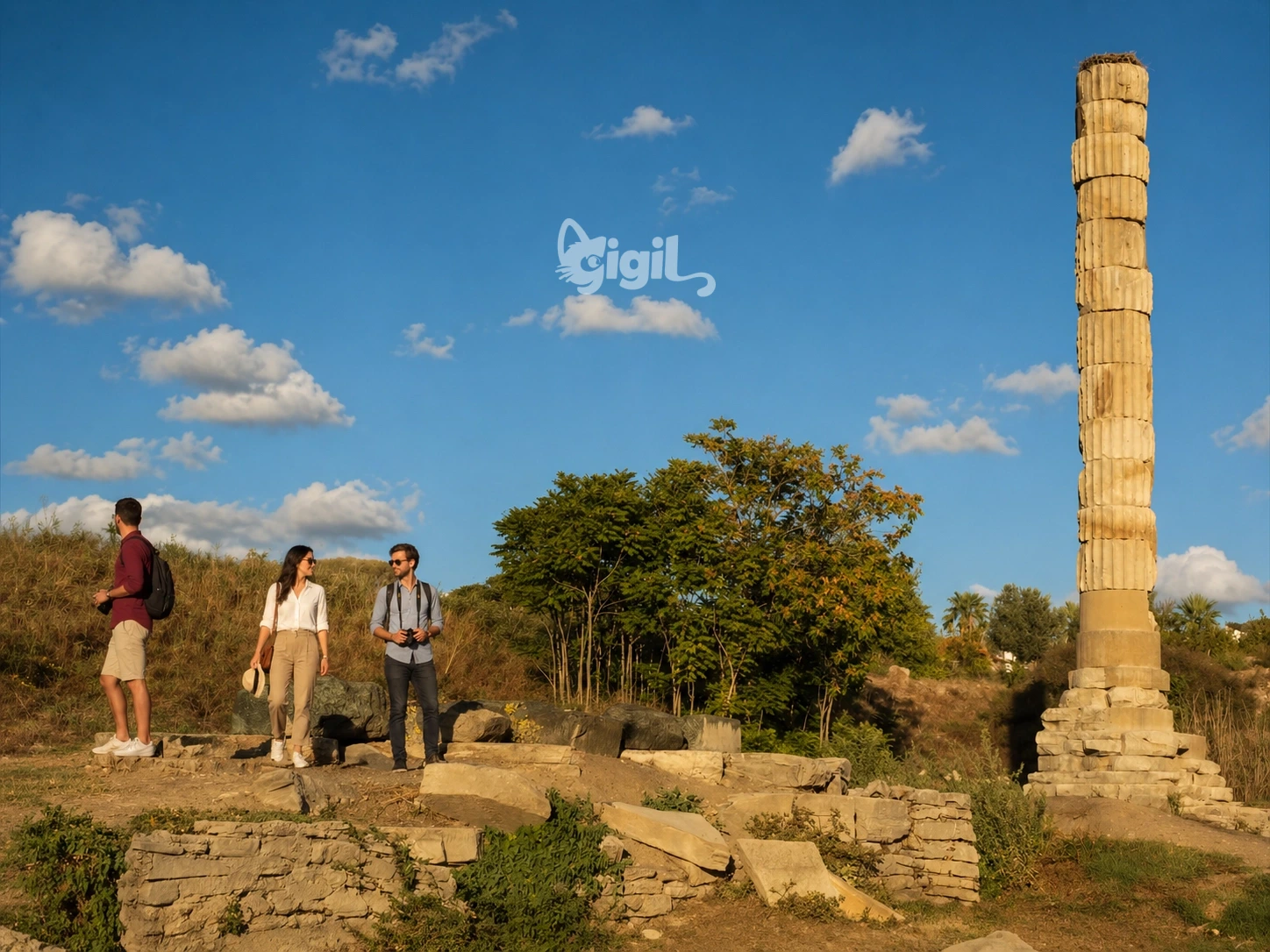
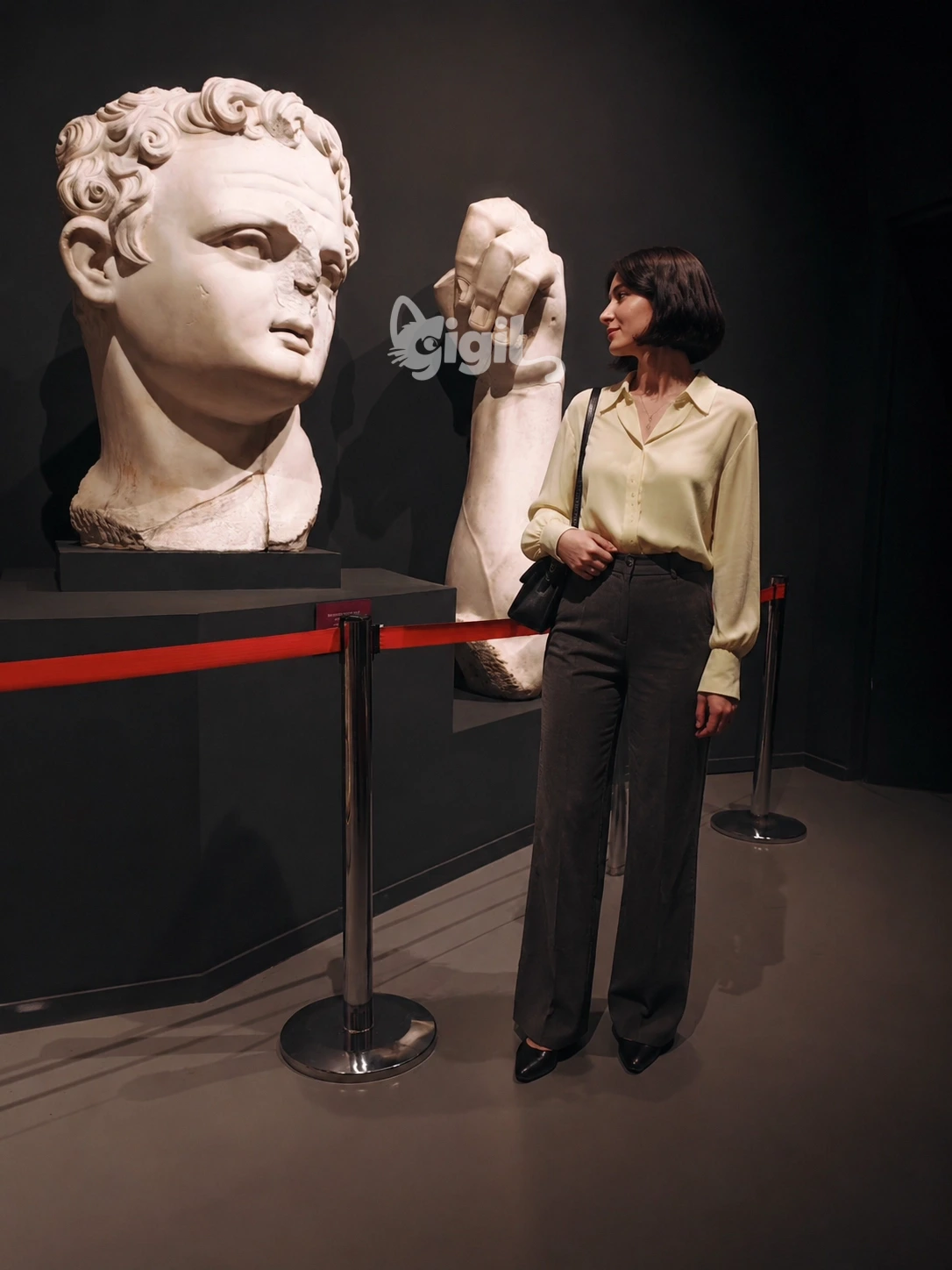
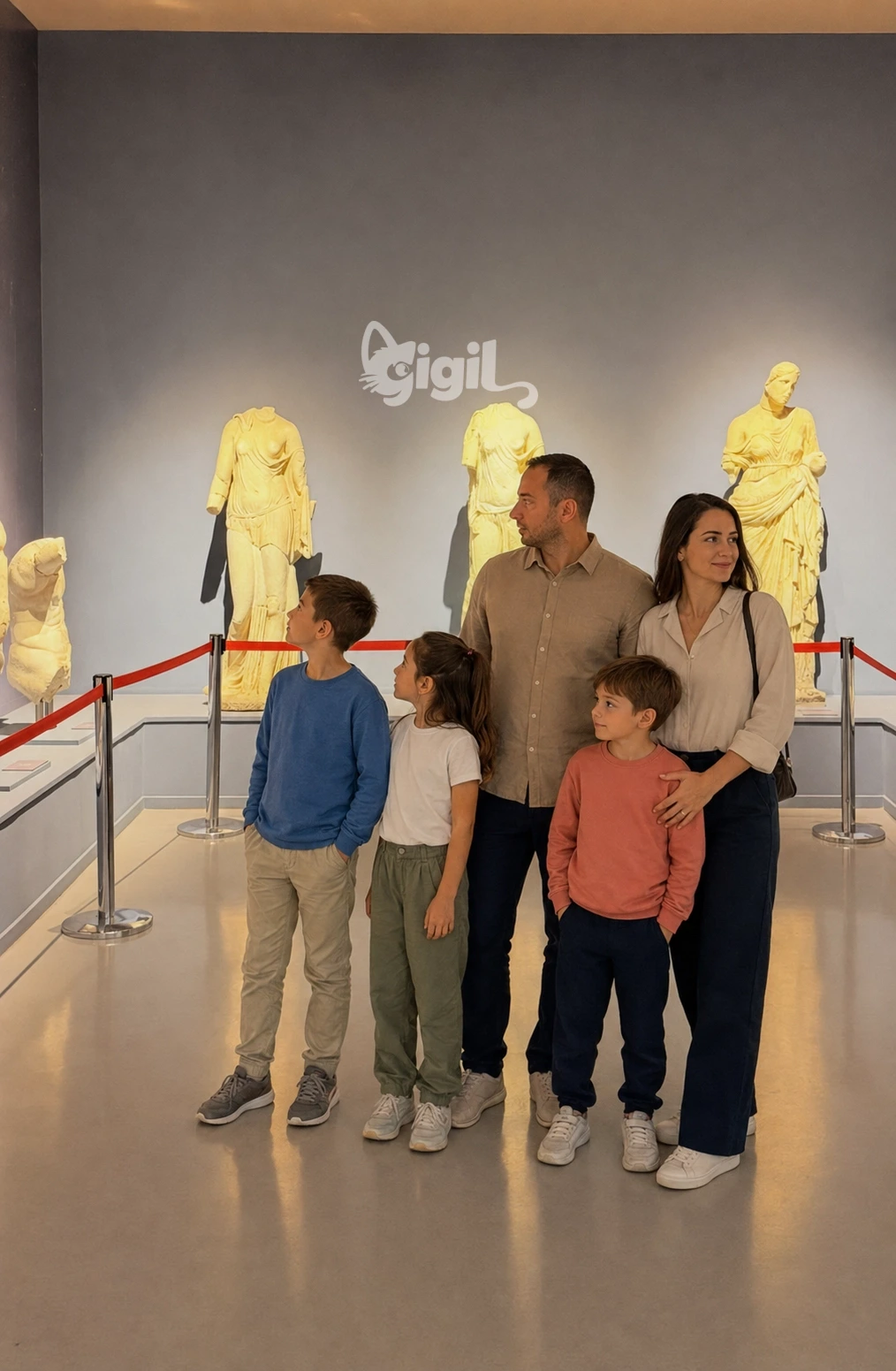
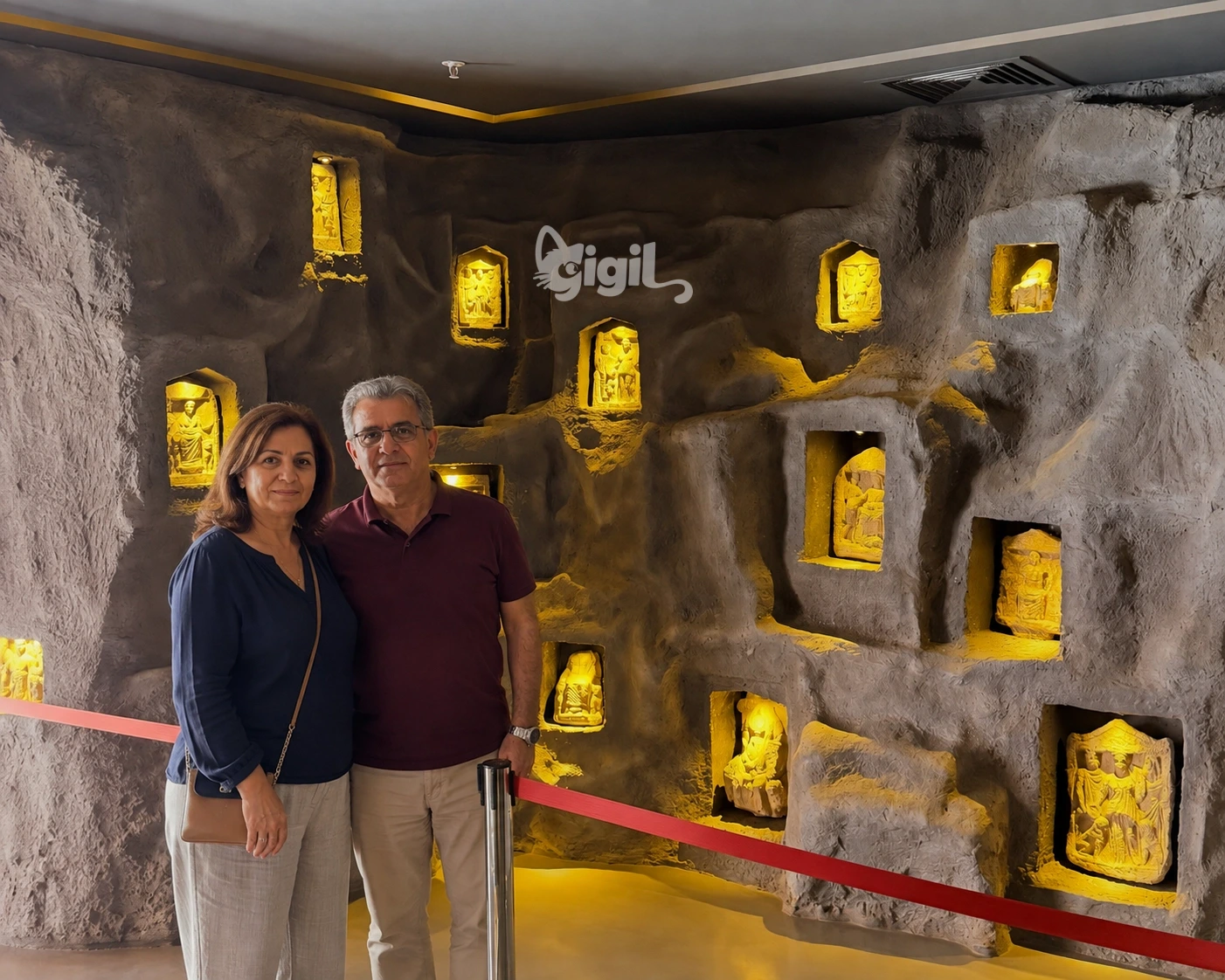
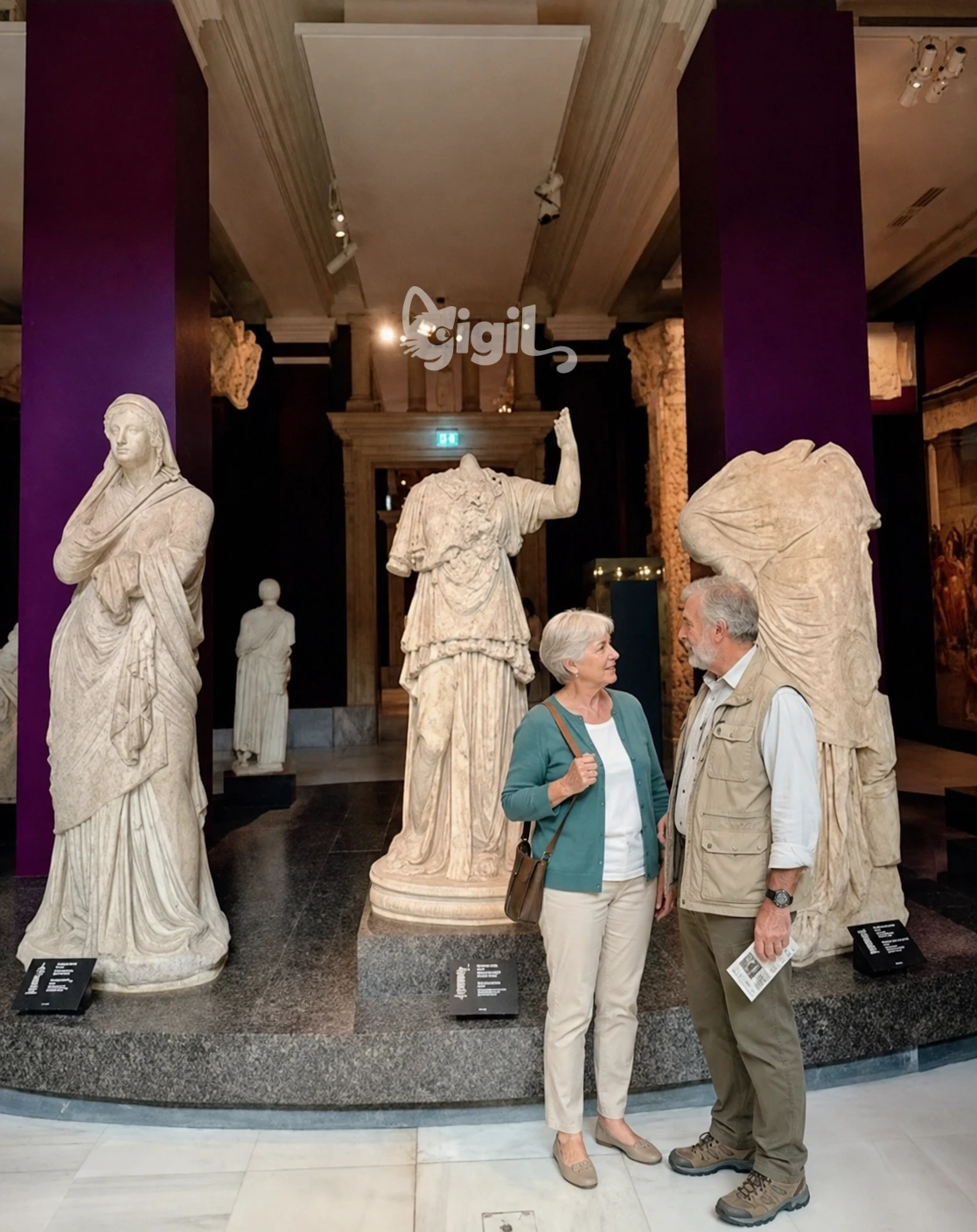
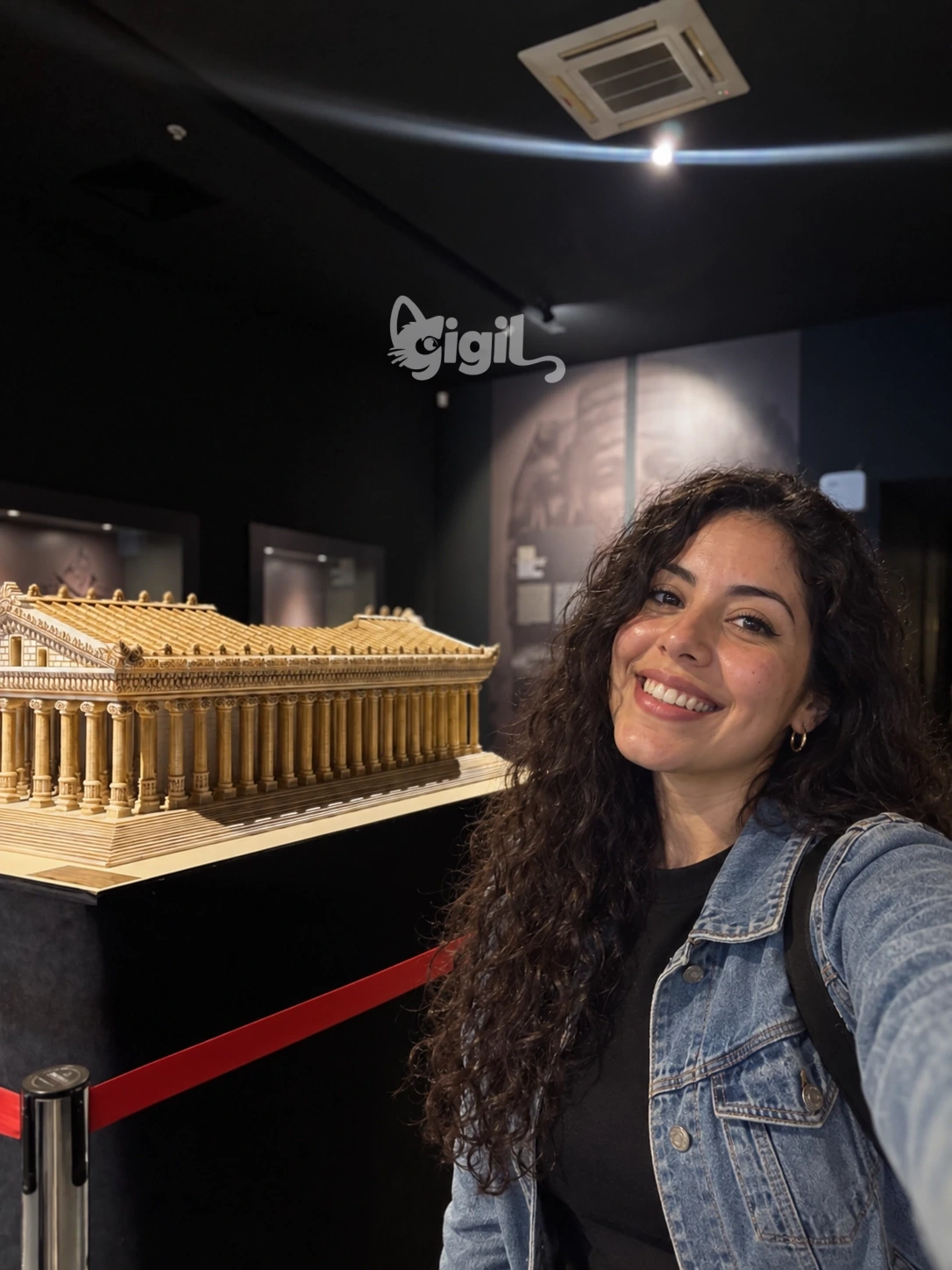
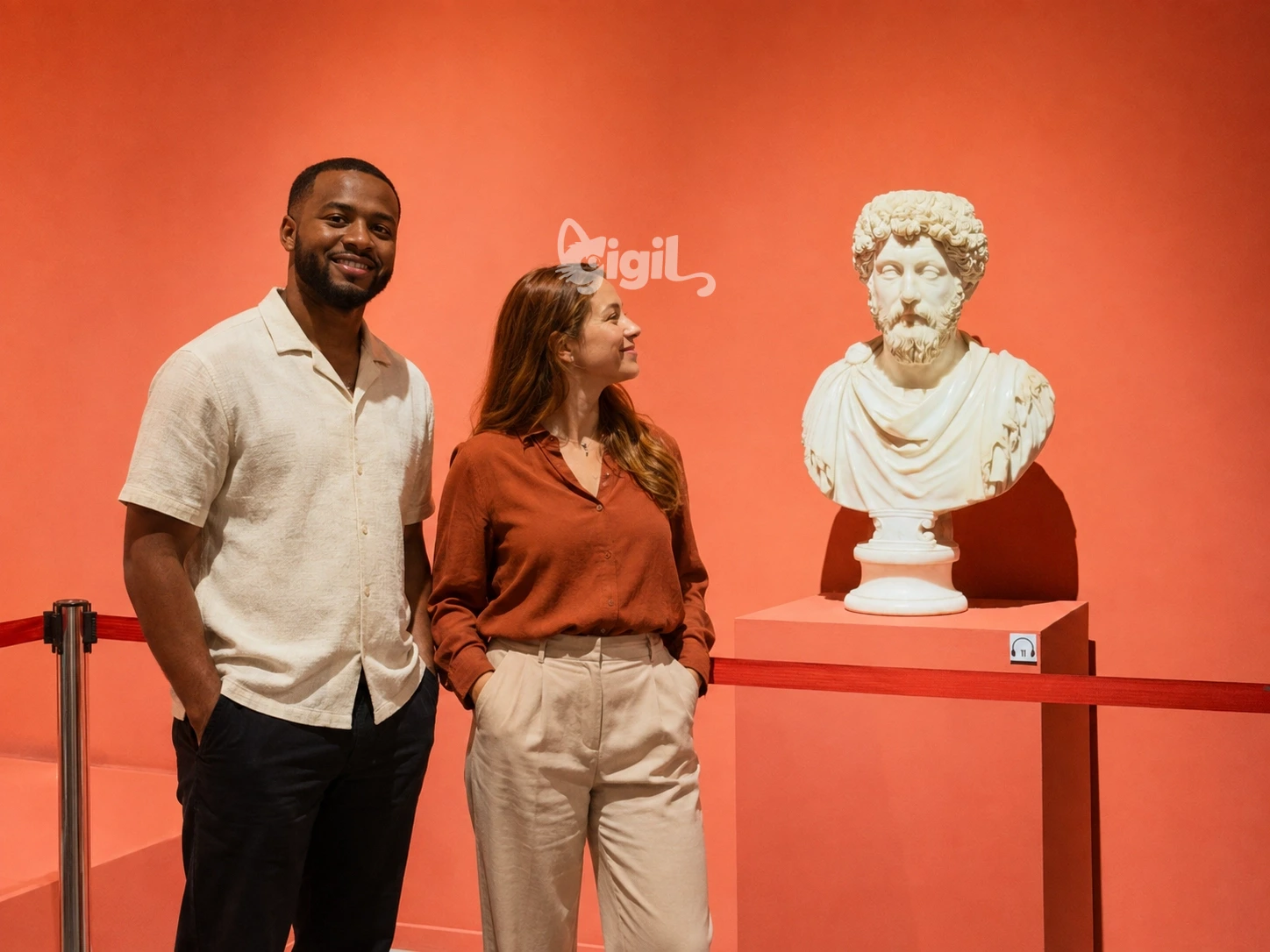
Ephesus Archaeological Museum offers a close view of the region's past through collections kept in Selcuk. Artifacts and sculpture let the visitor consider how people portrayed themselves, expressed belief and used objects, rather than viewing history only through the size of monuments.
Compare an object's visual qualities with the explanation beside it. Materials and workmanship matter, but so do date, function and archaeological context. A useful visit follows those connections through the available displays instead of assuming that every artifact belongs to the same place or period.
Questions
Why compare the object with its interpretation?
The object provides visible evidence, while the interpretation supplies context that may not be apparent from form alone. Reading both helps distinguish a supported identification from an impression based only on appearance.
Are all the objects from one historical period?
The museum presents material from different periods and archaeological settings in the region. Use the dates and context supplied with each display rather than assuming that objects placed nearby were made or used together.
What can coin displays add to the visit?
Where coins are displayed, their images and inscriptions can open questions about authority and exchange. Read the identification provided rather than treating a coin only as a small decorative object or guessing its date from its appearance.