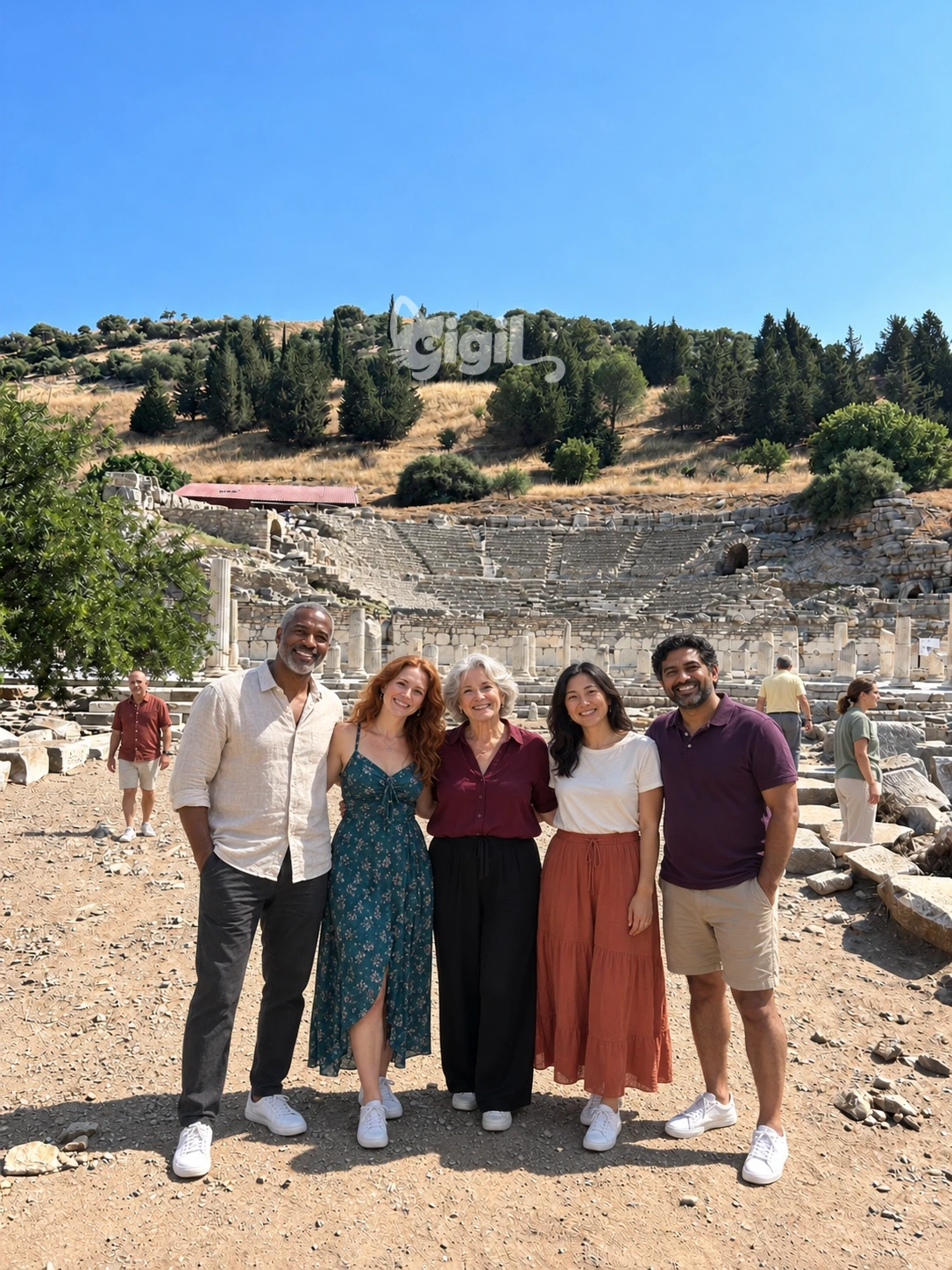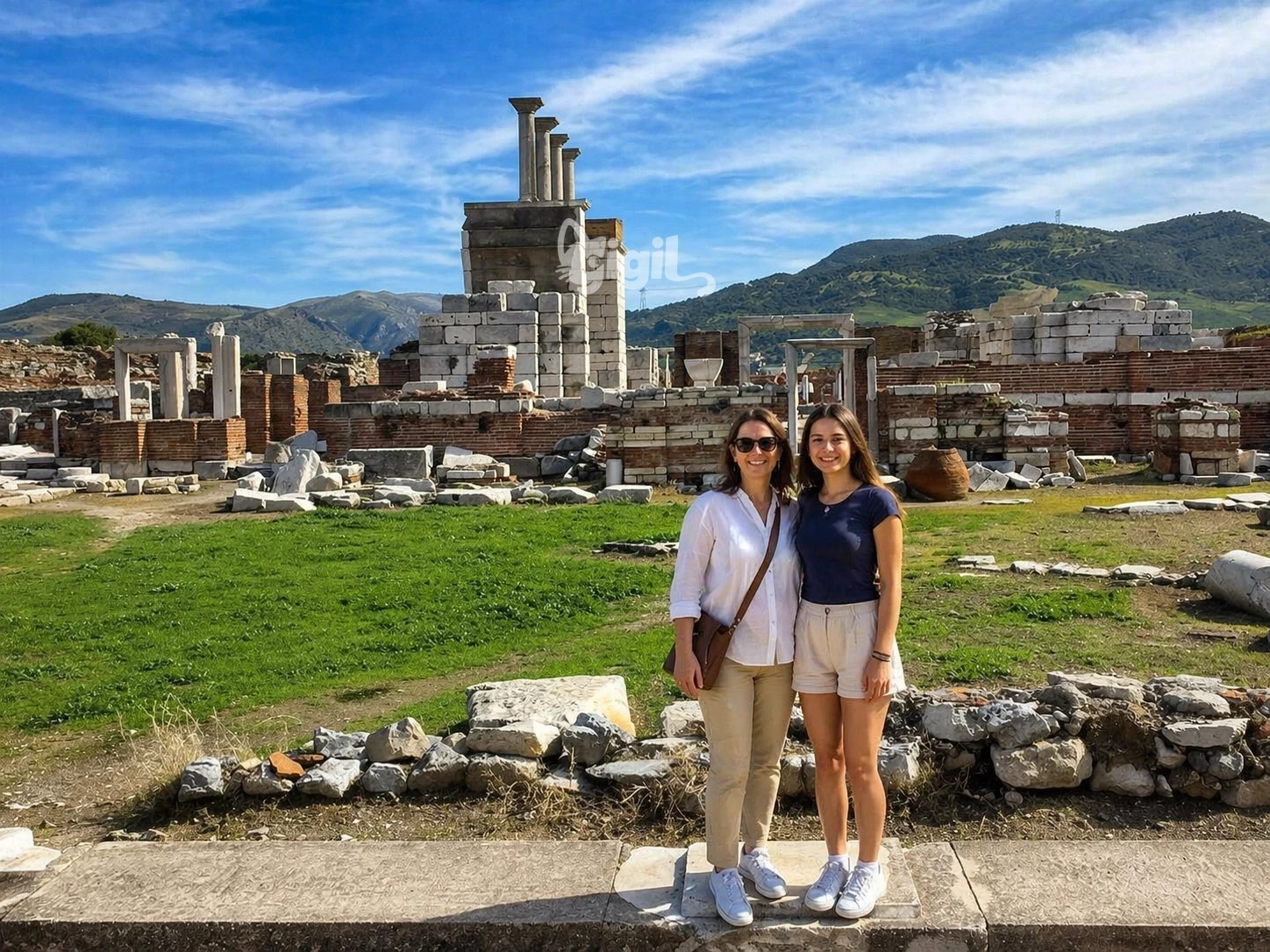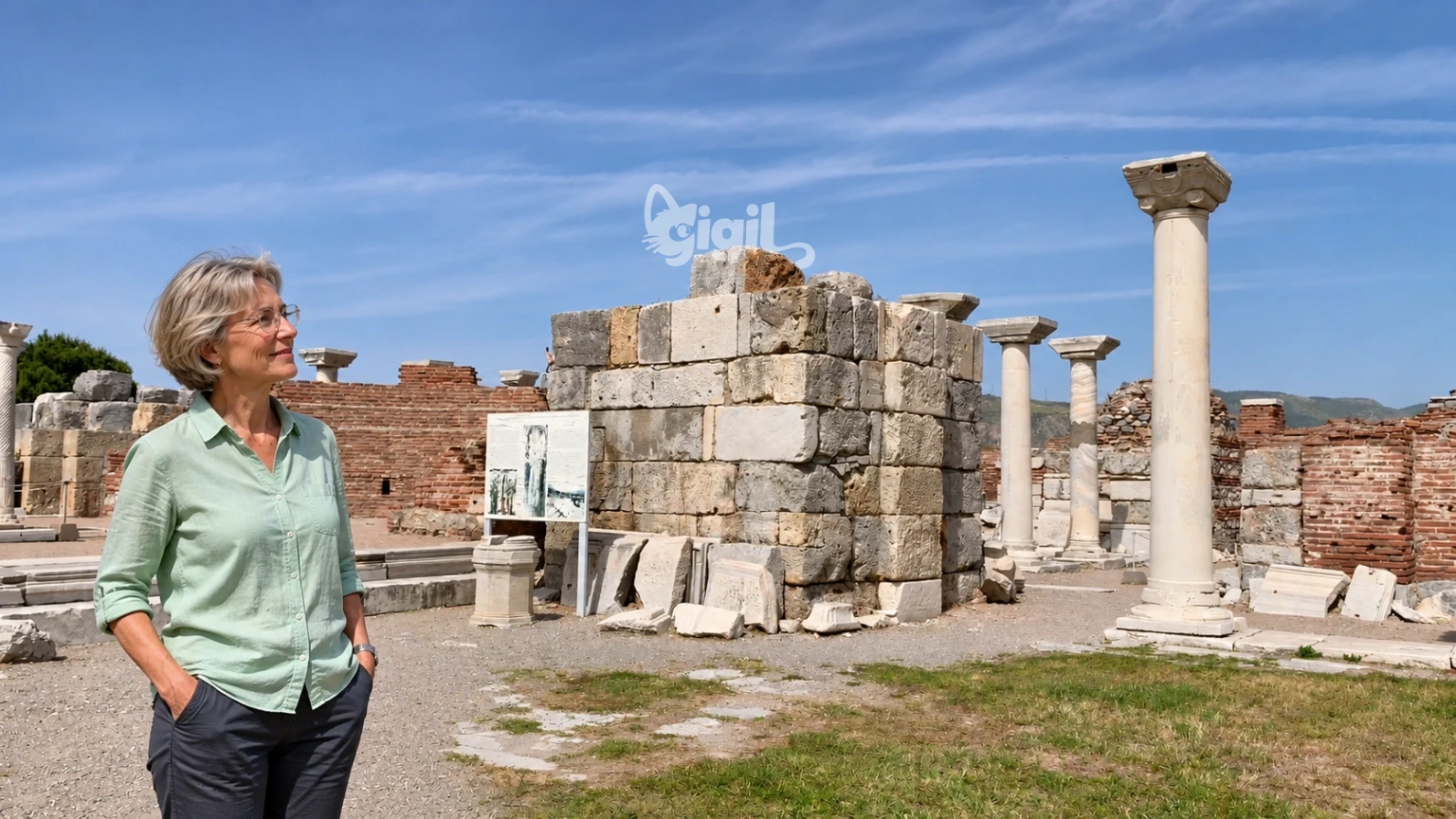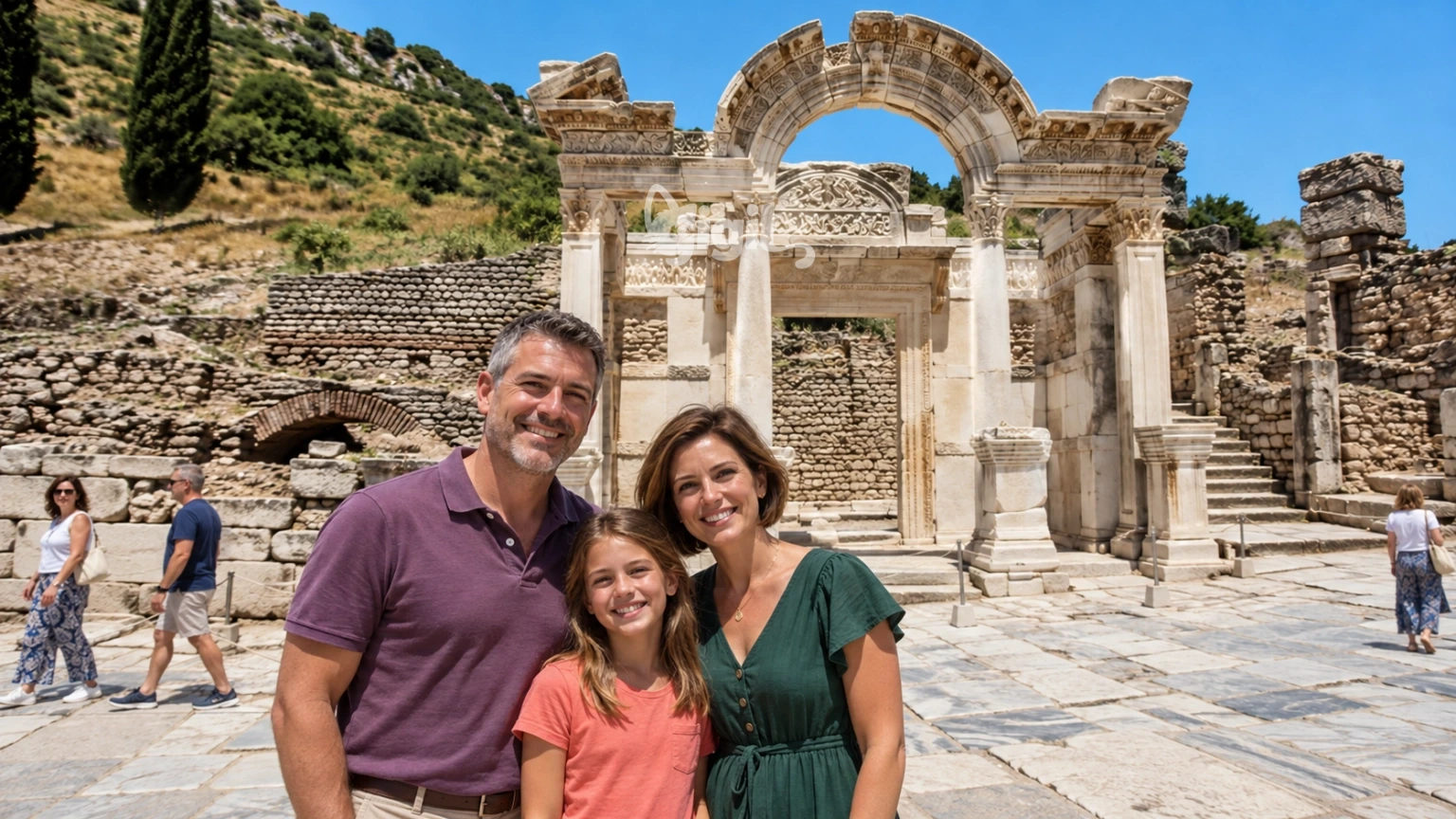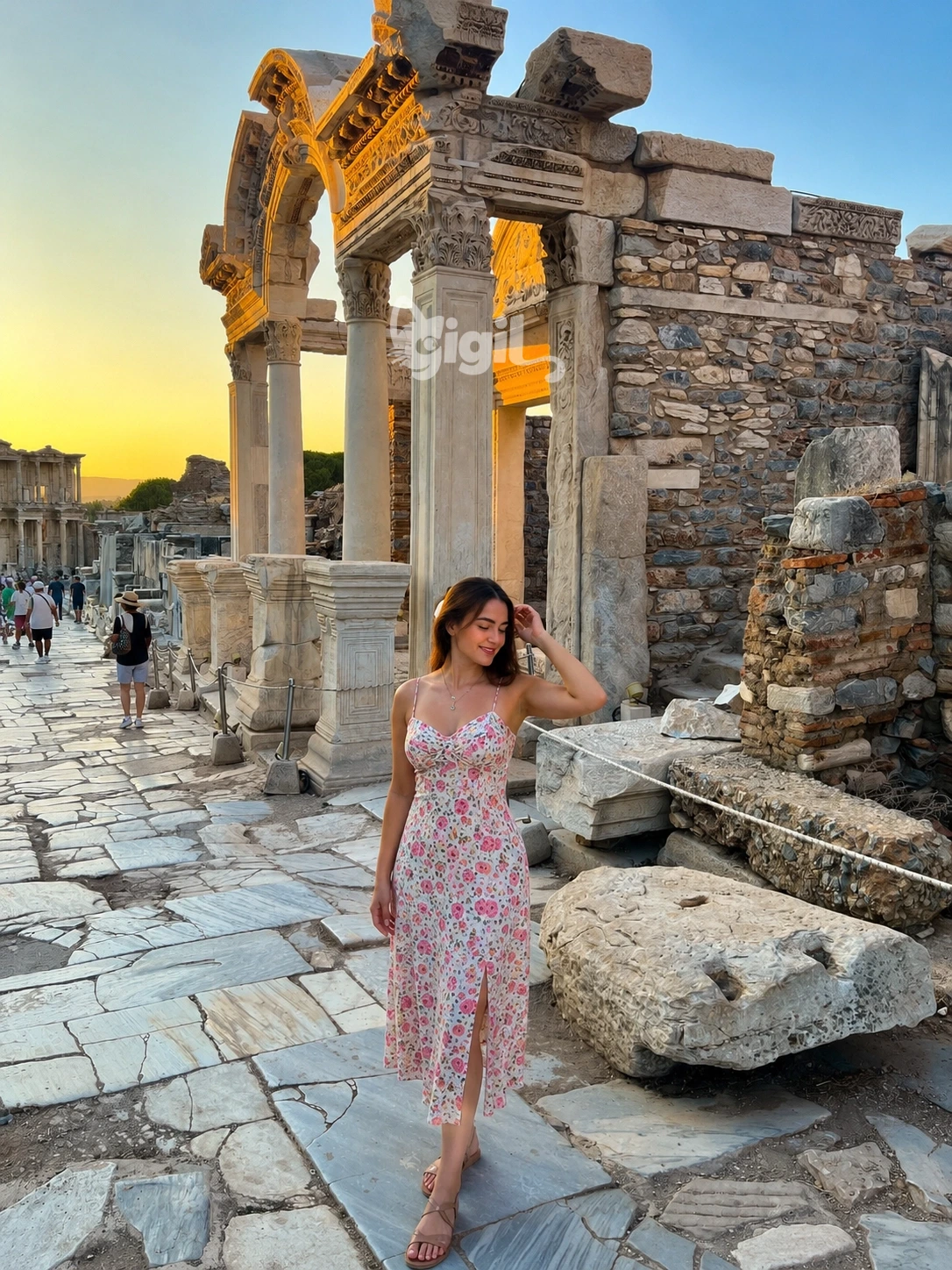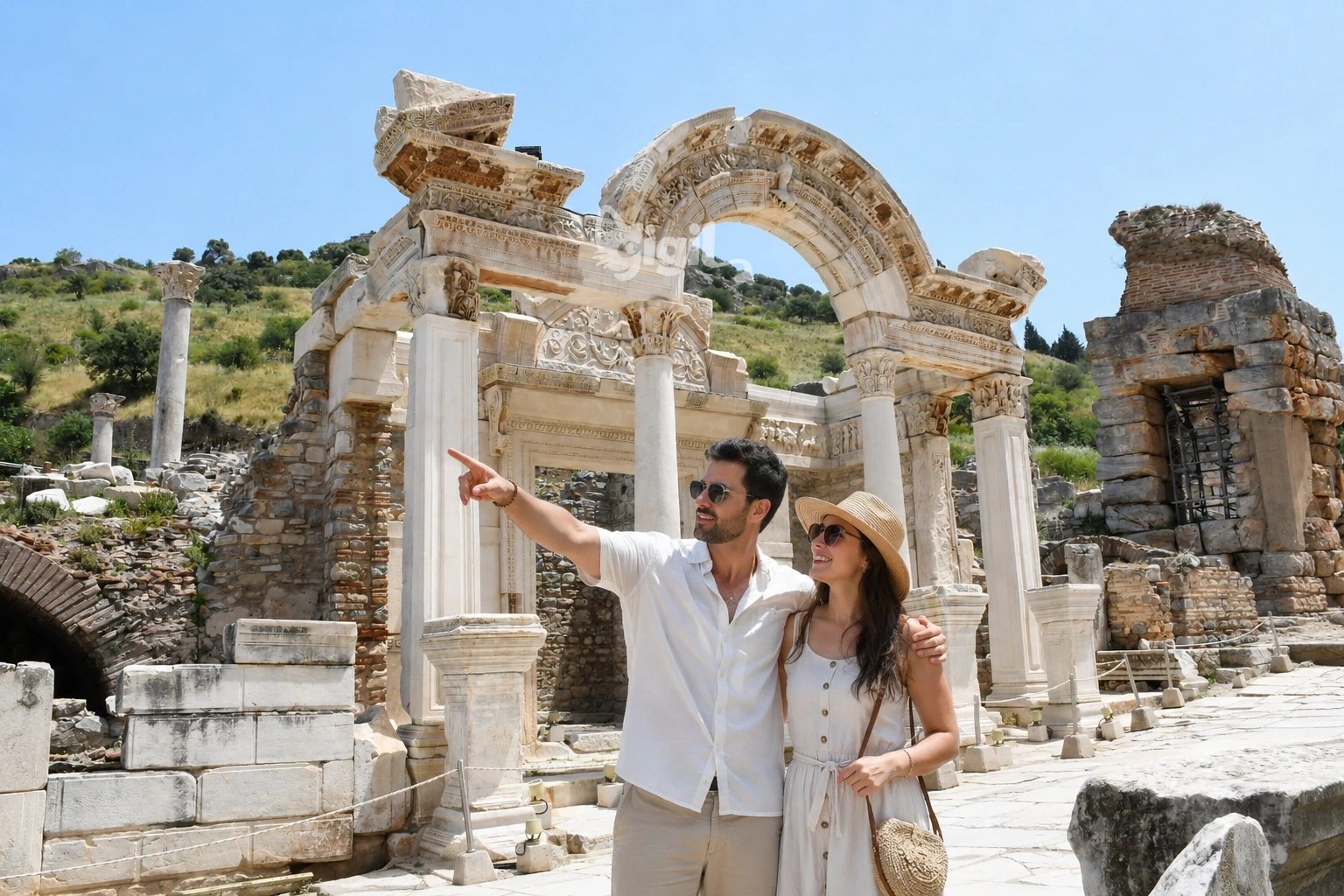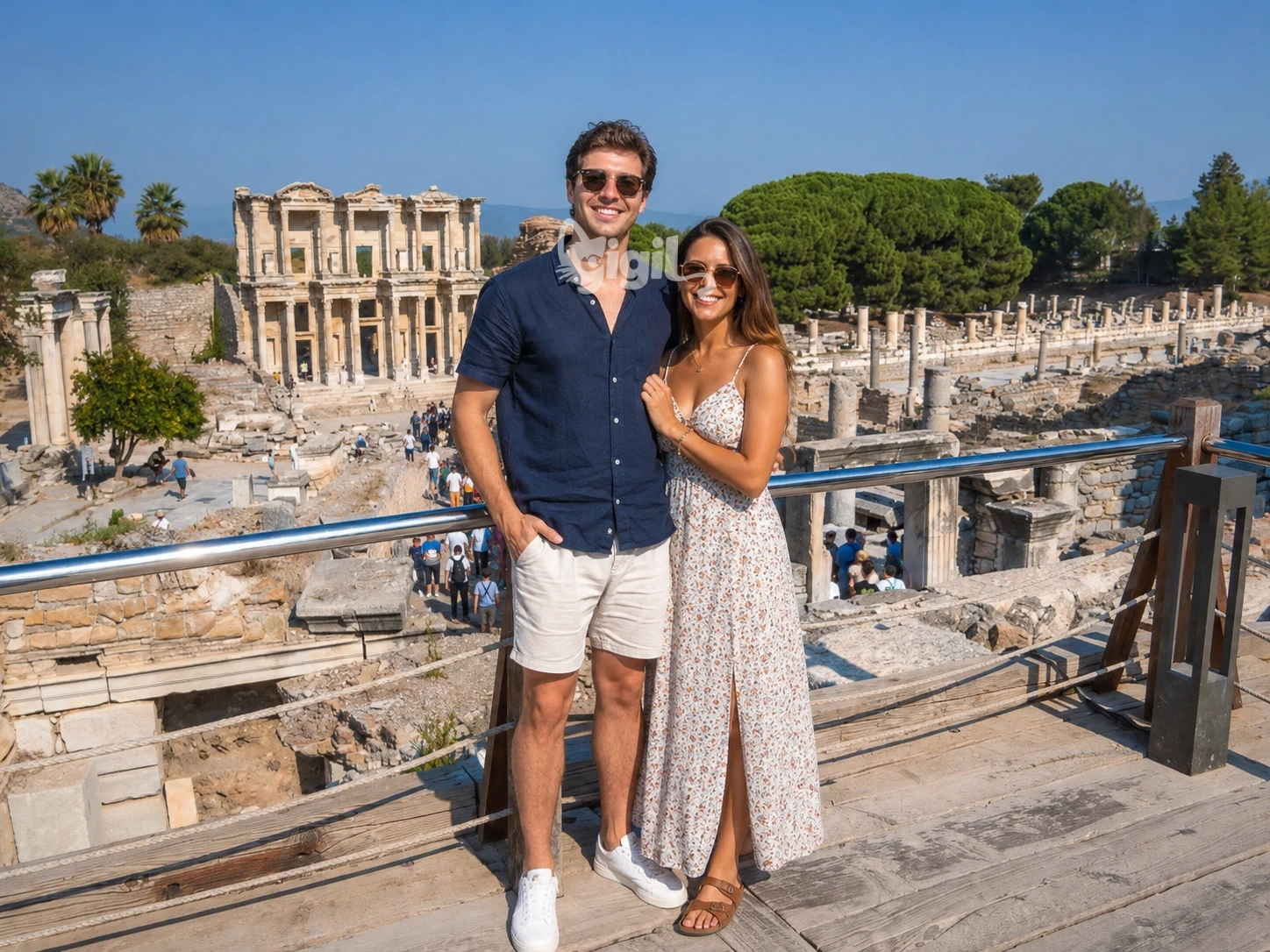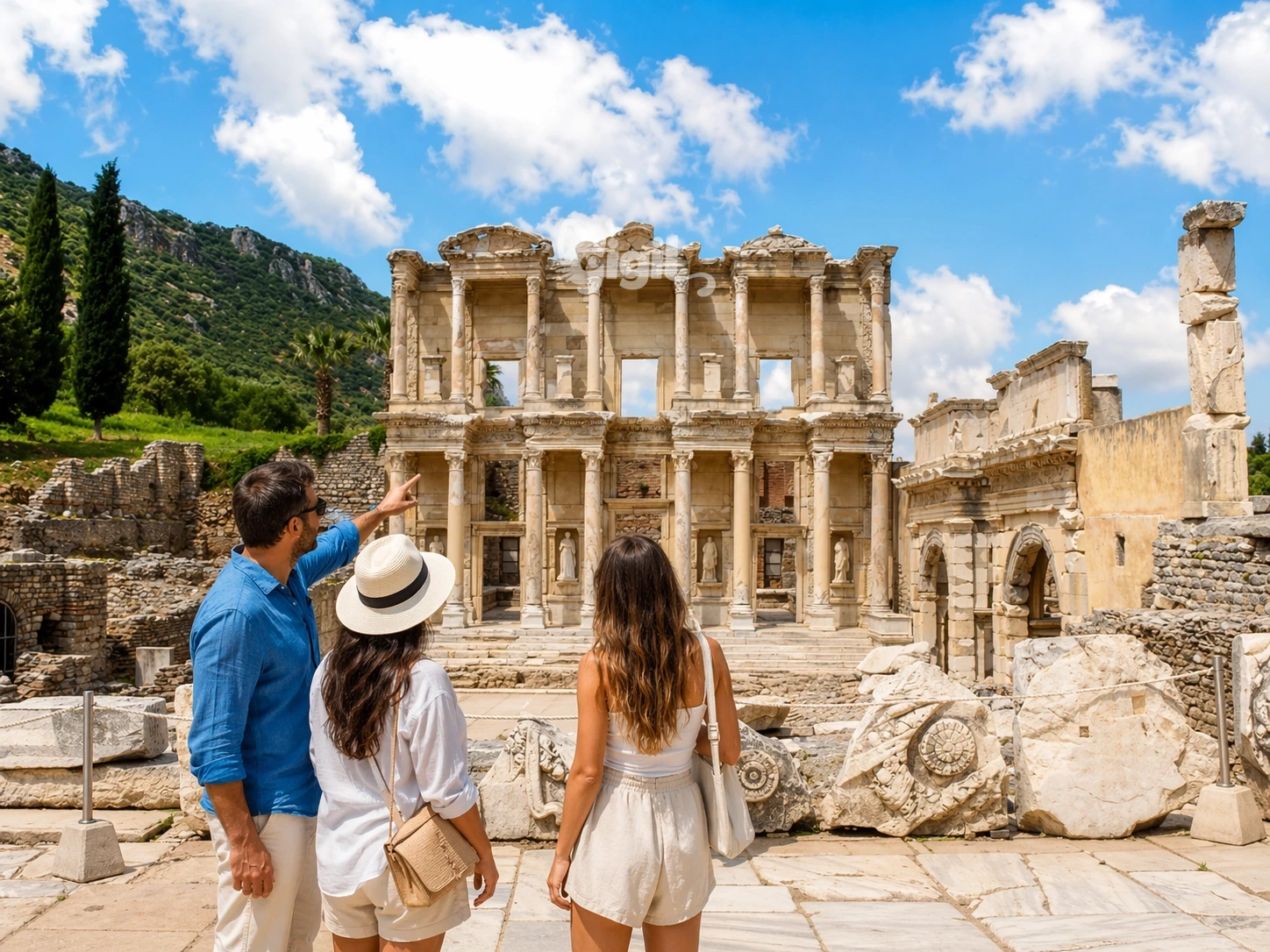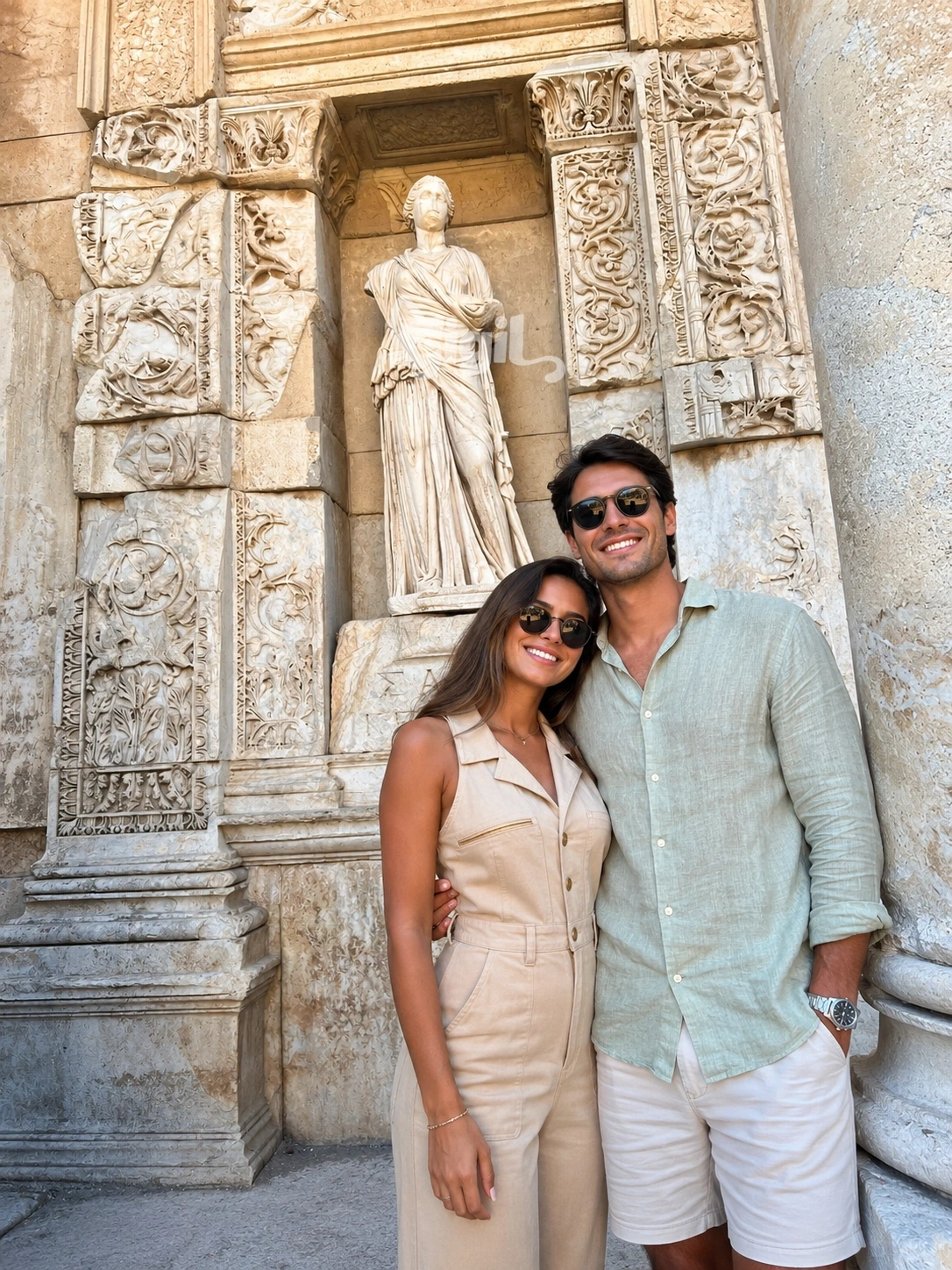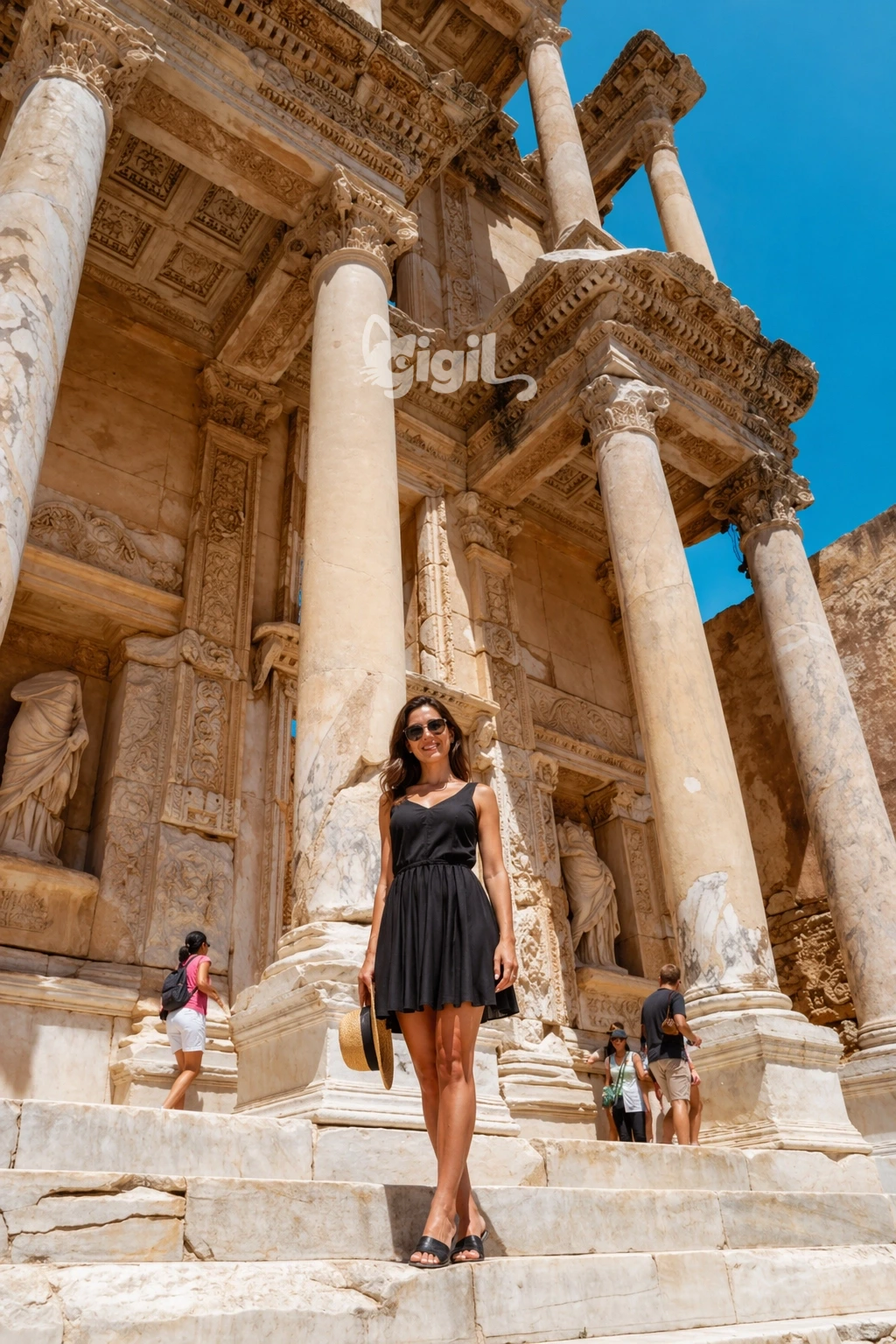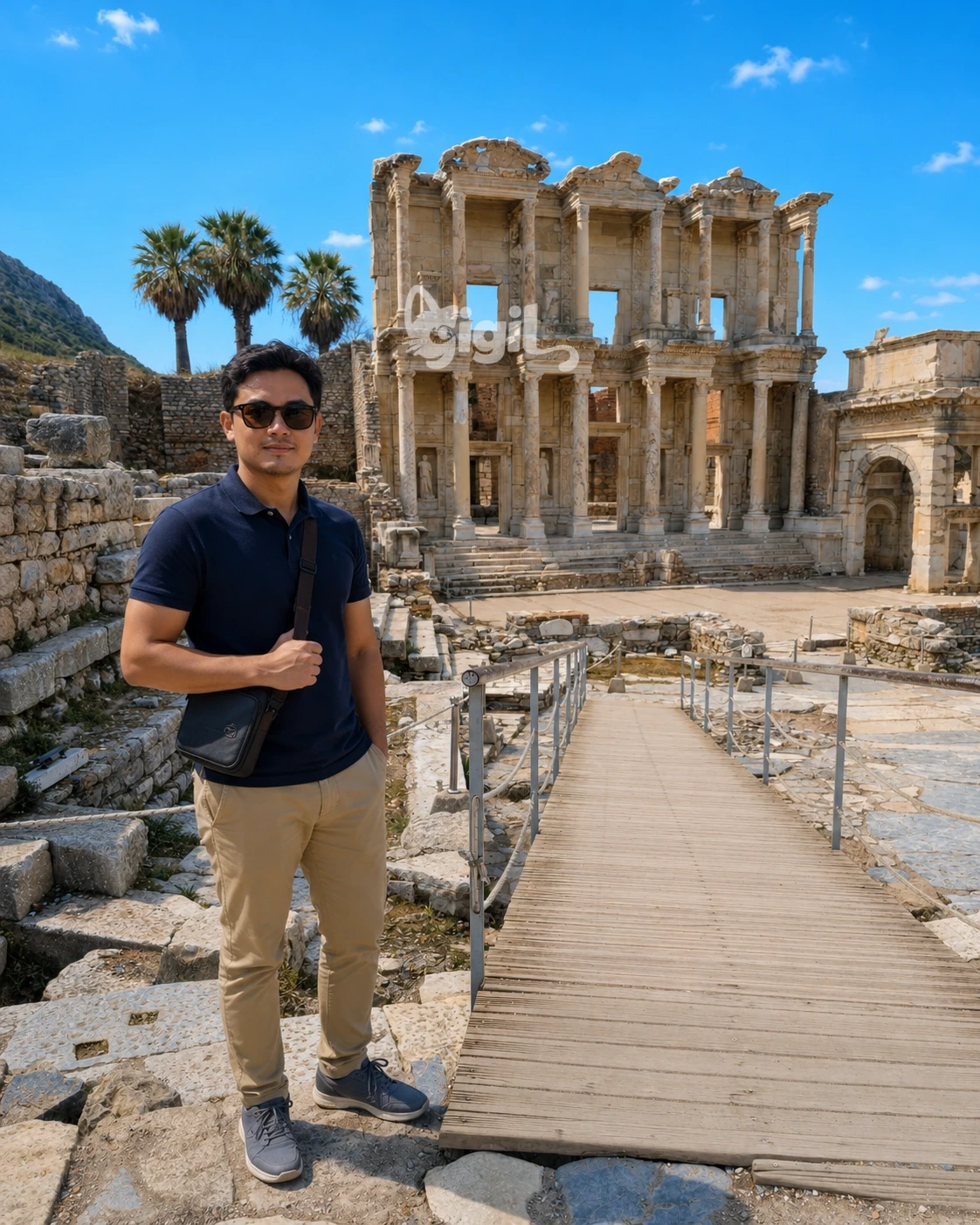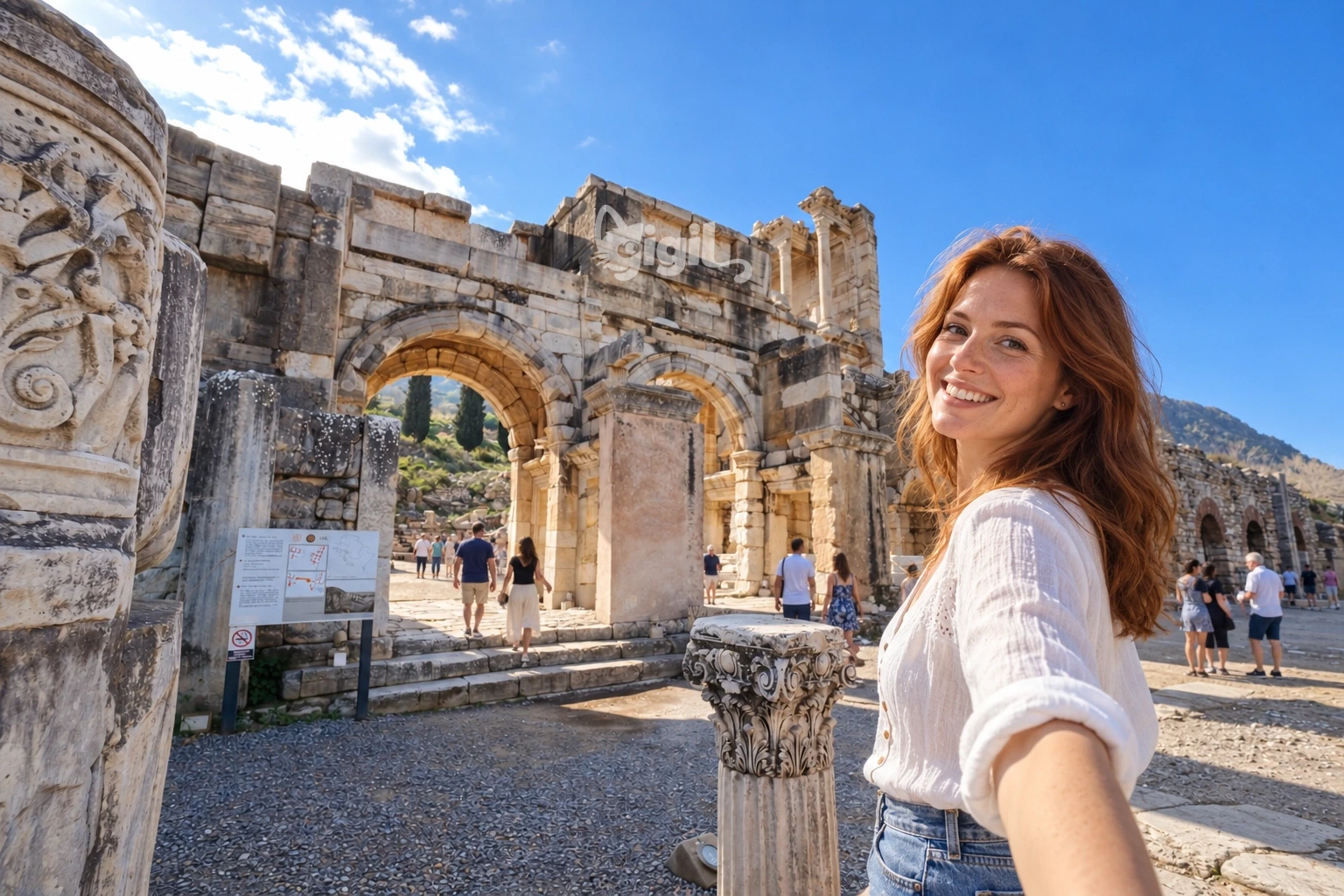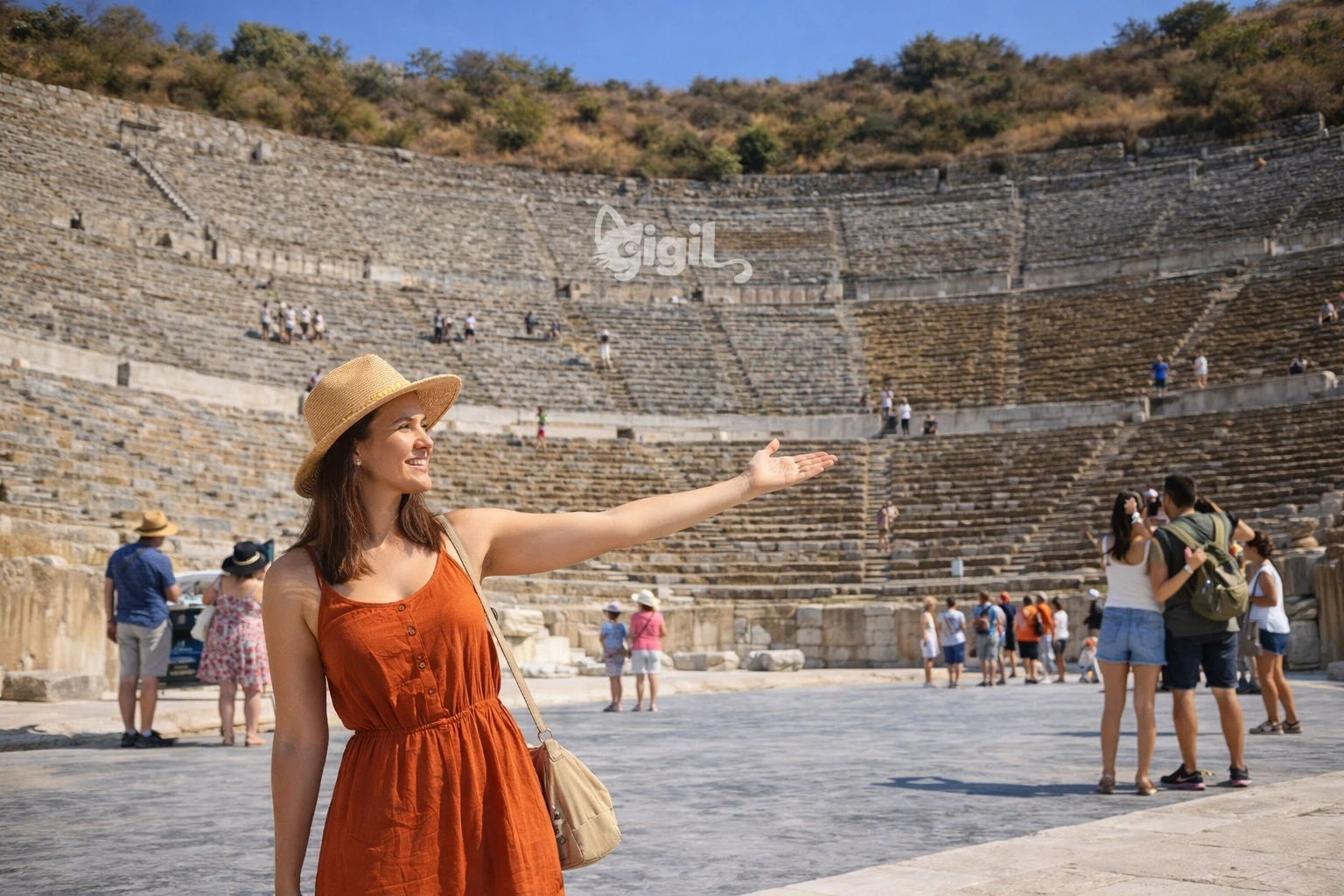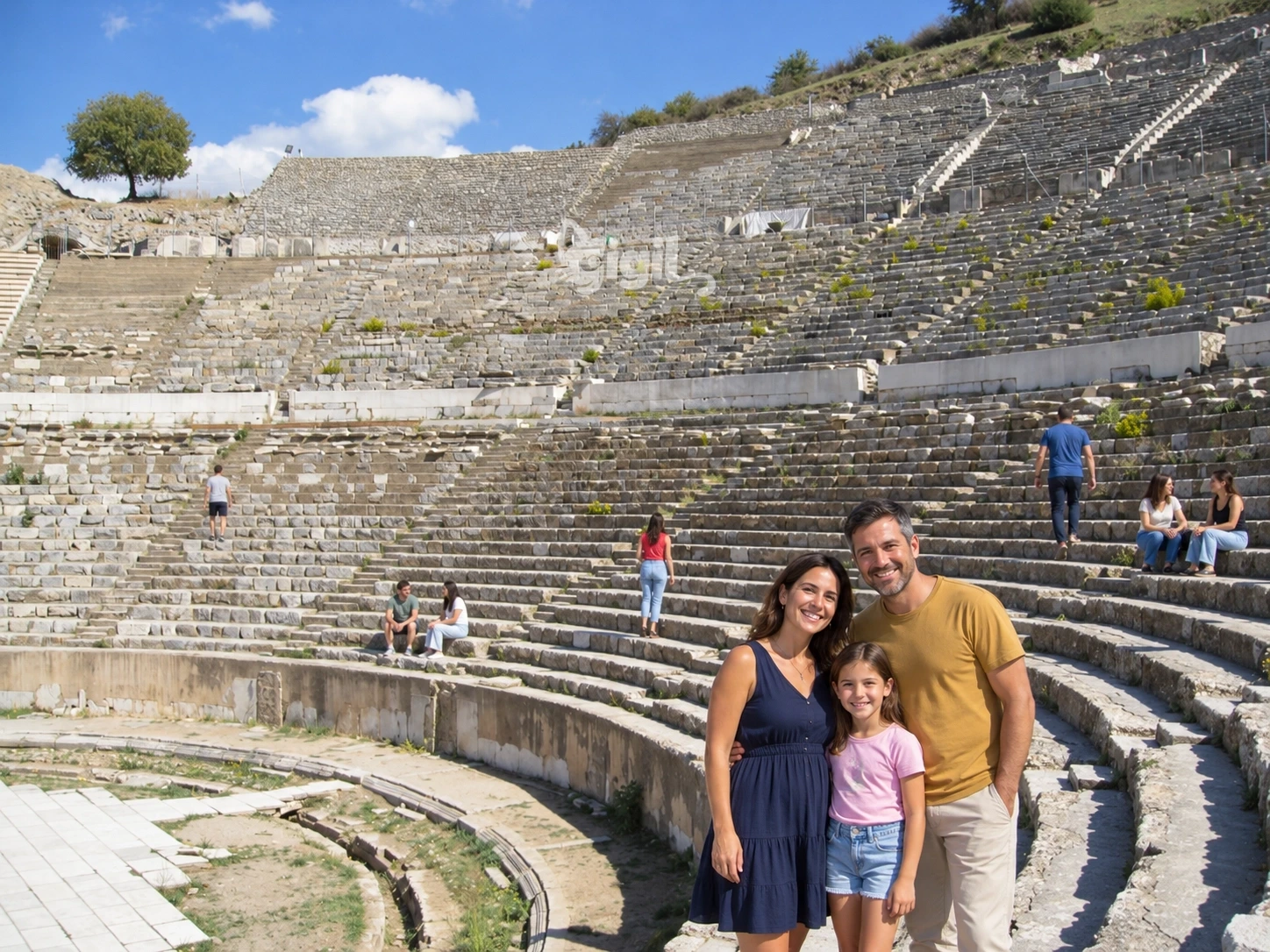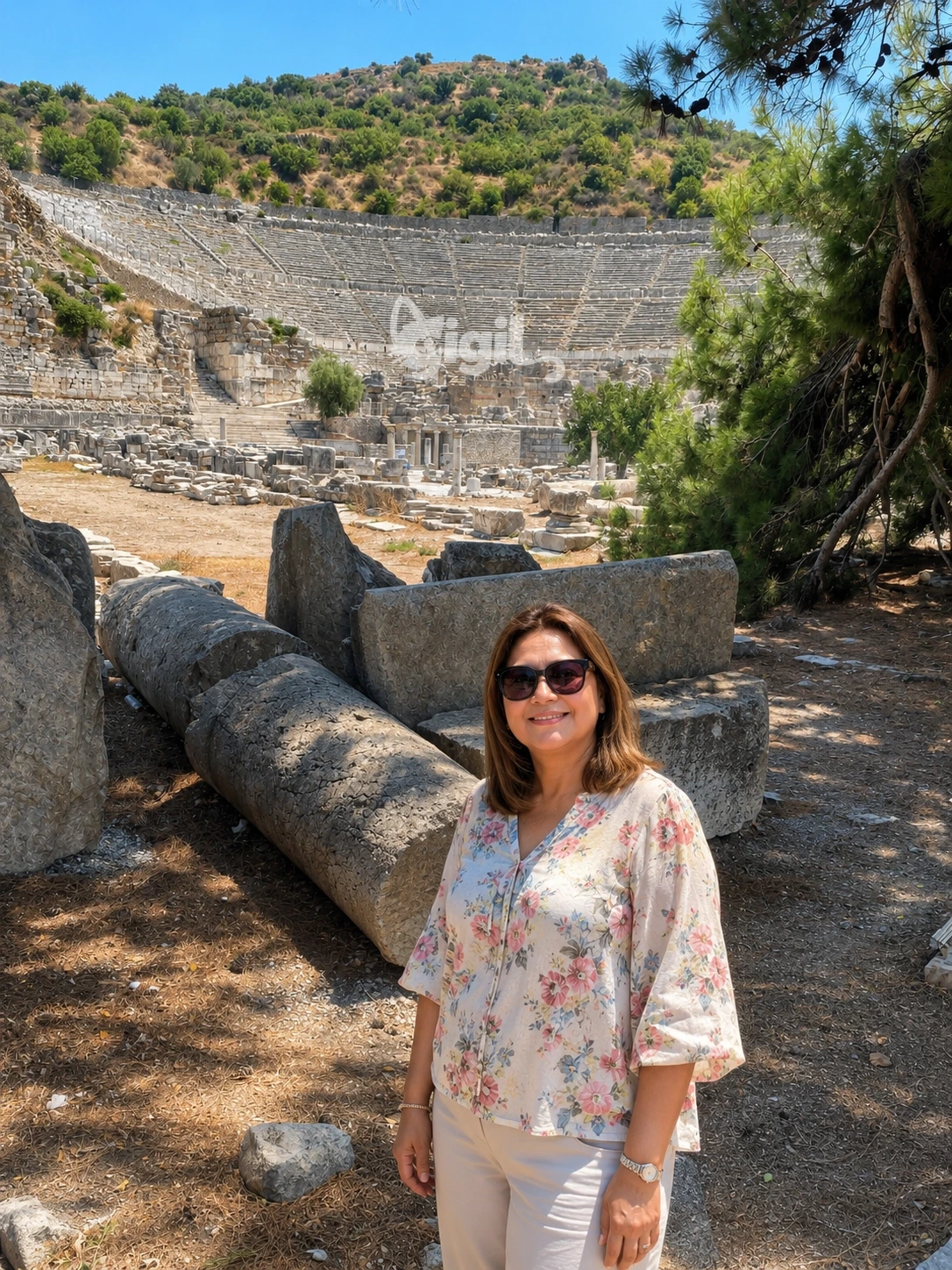








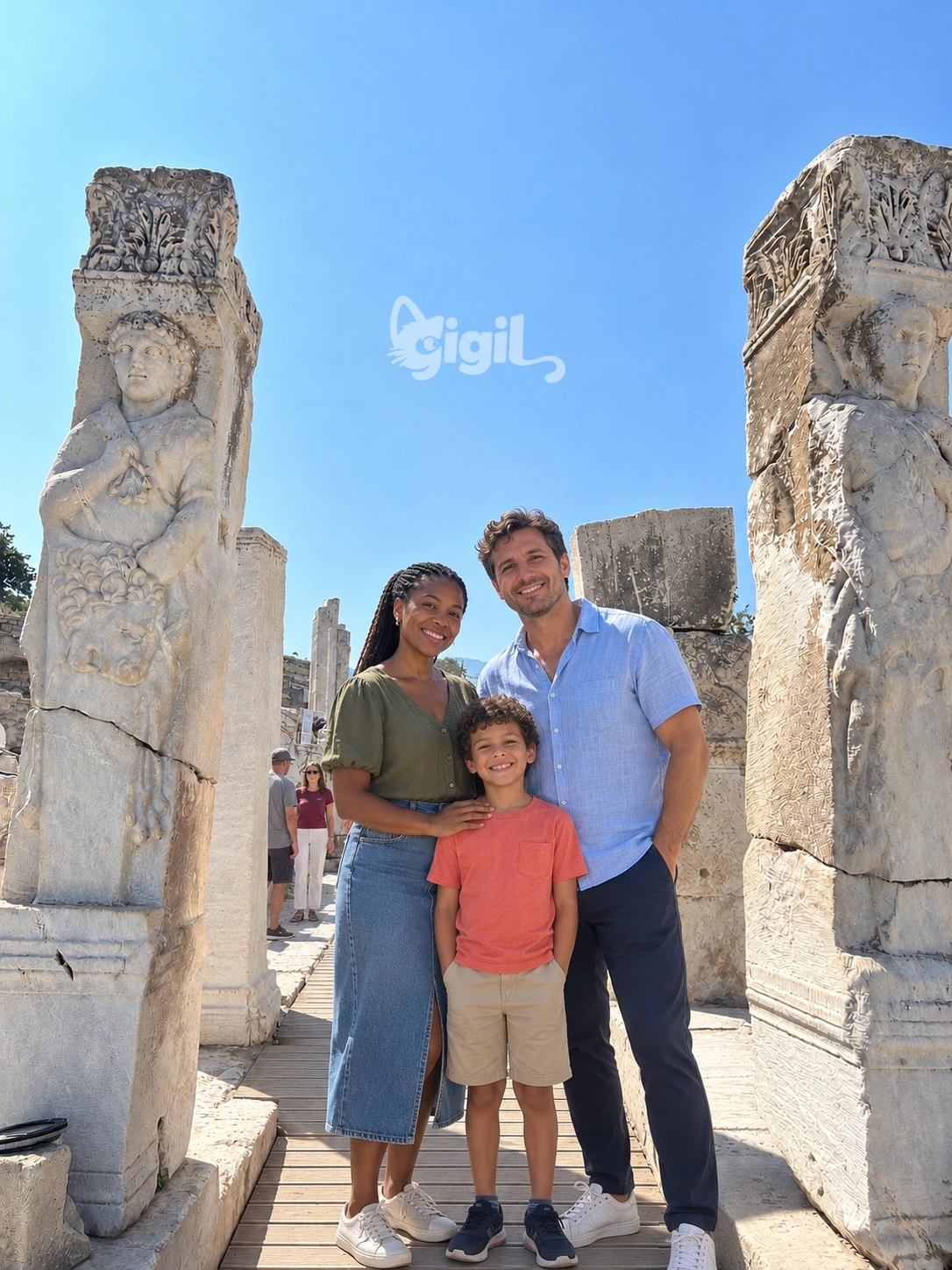
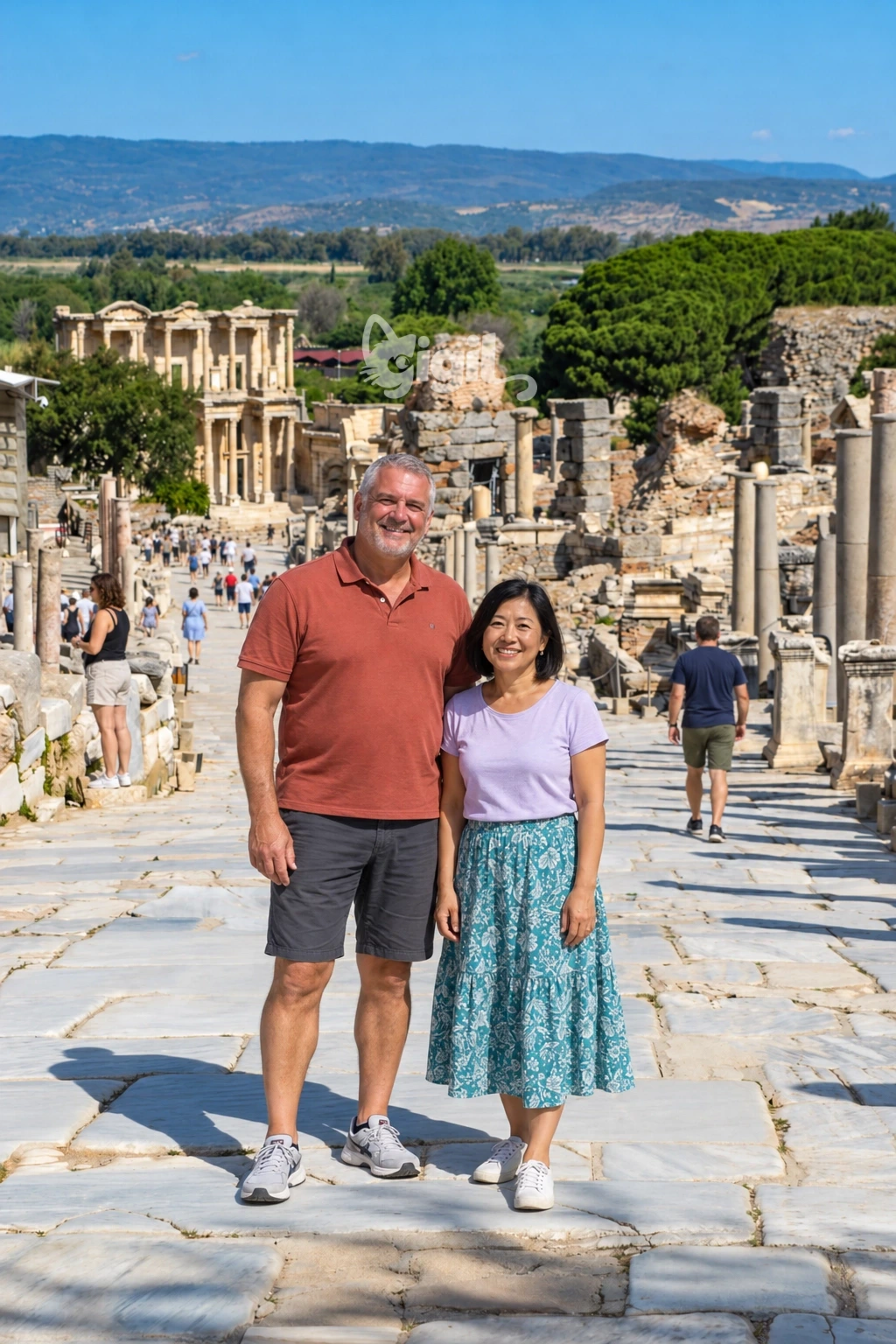
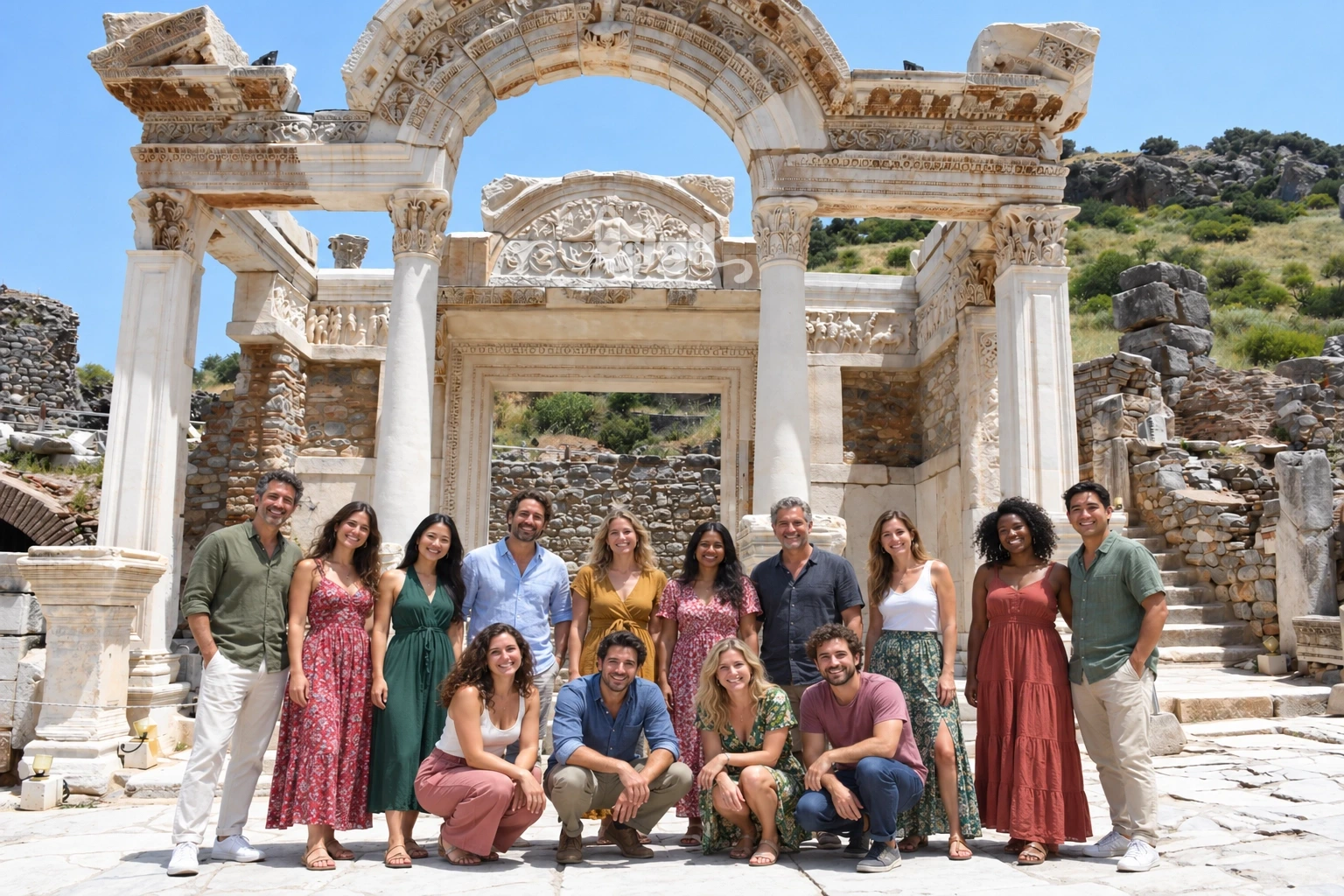
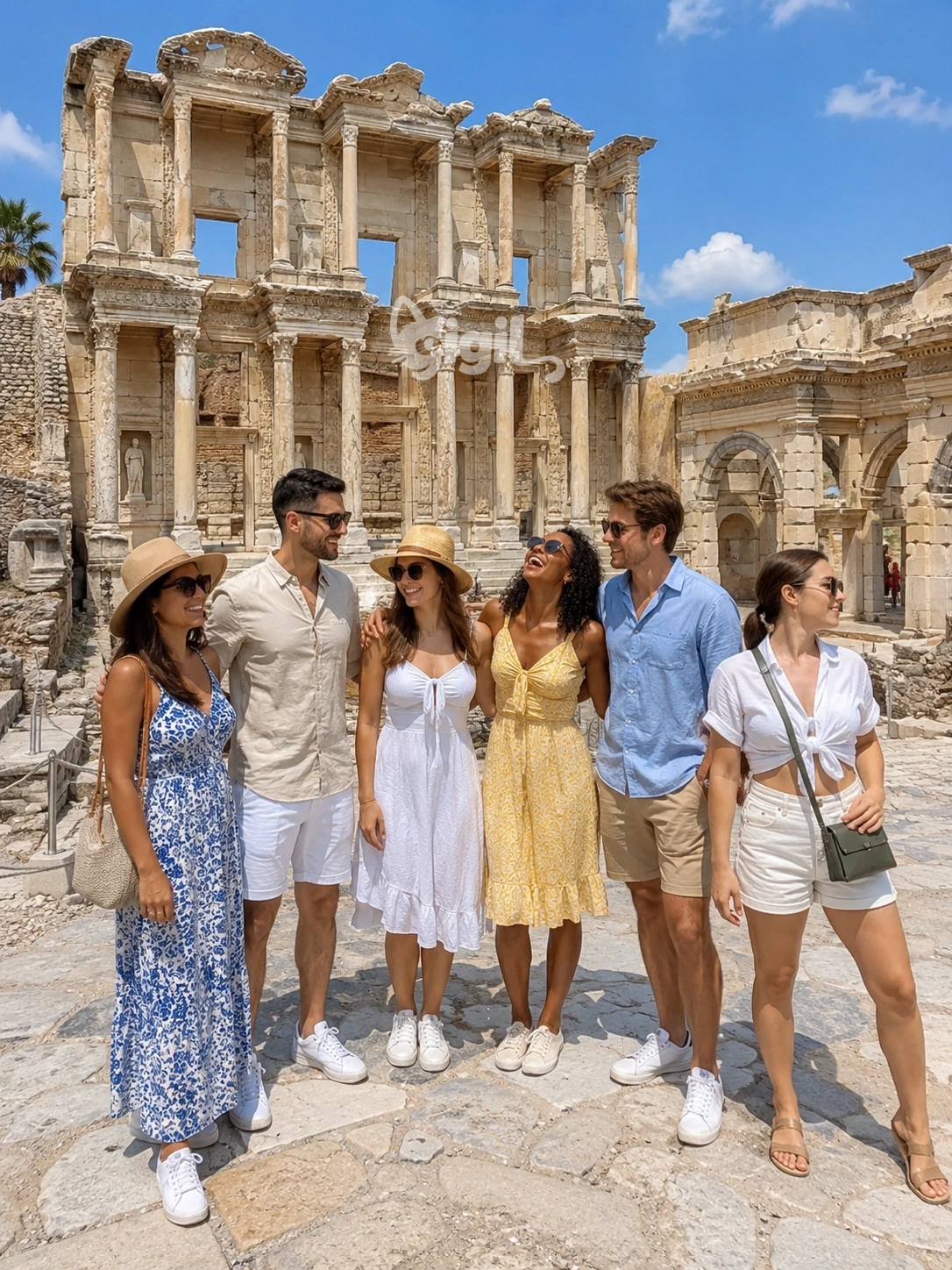
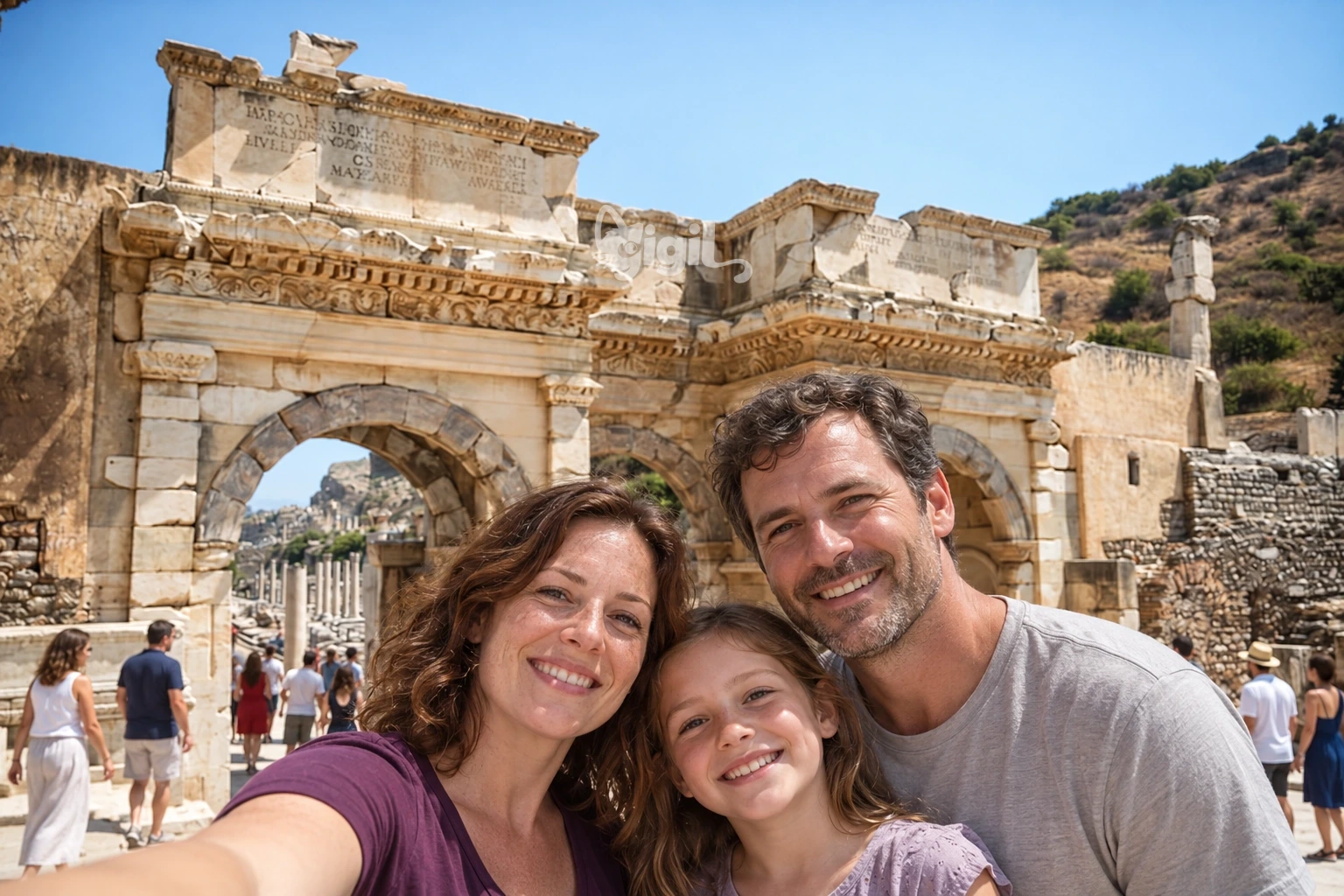
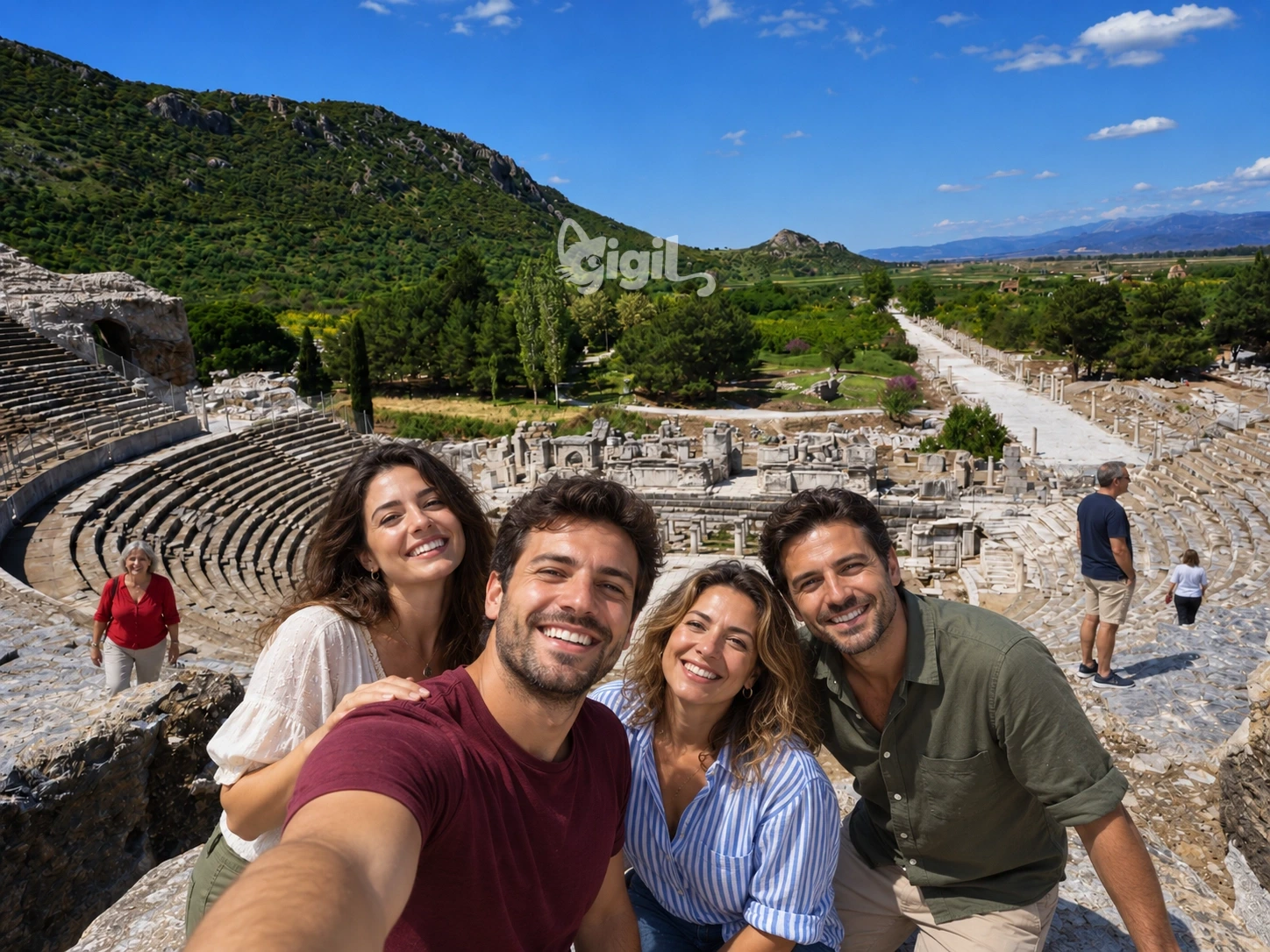
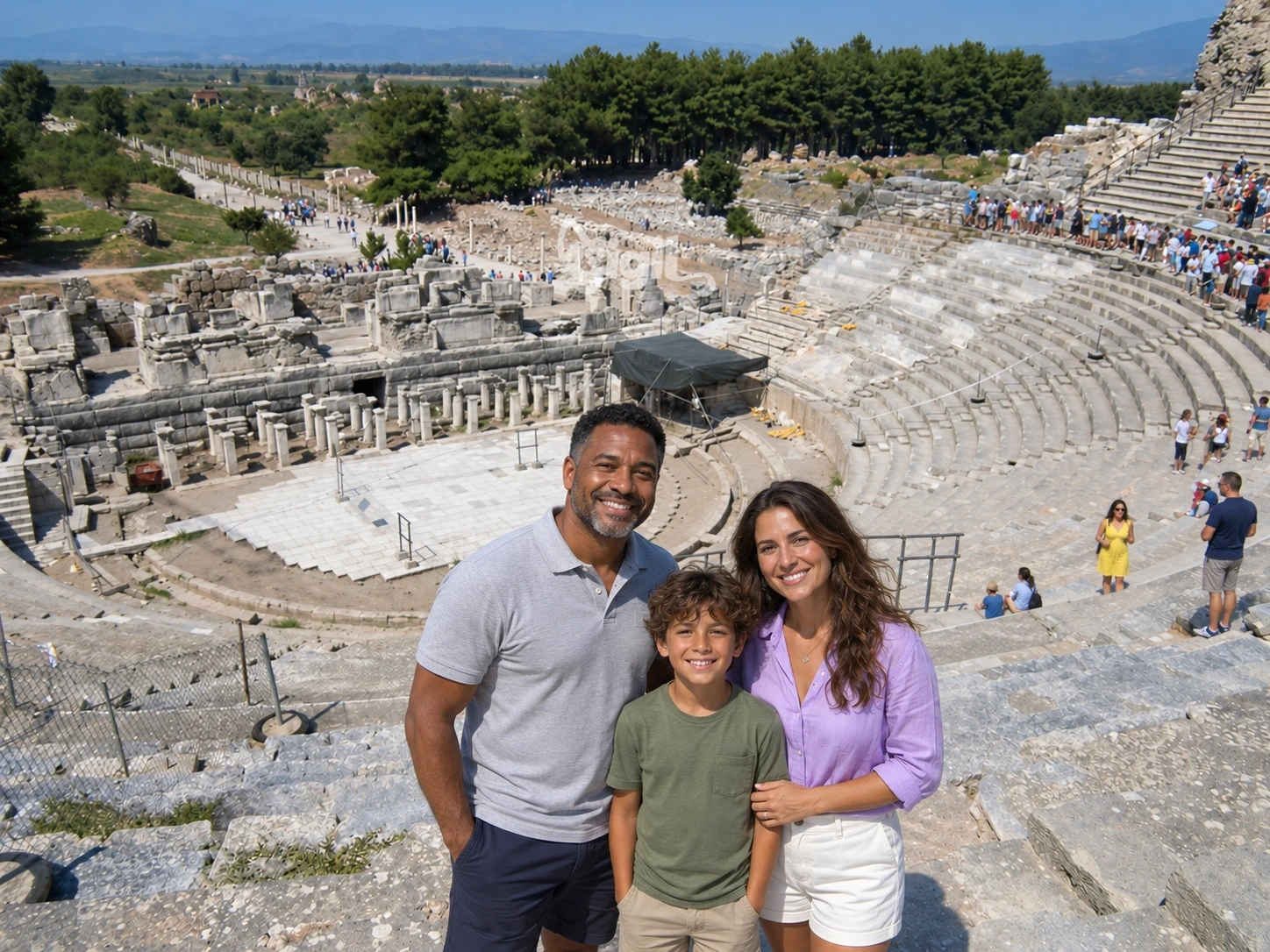
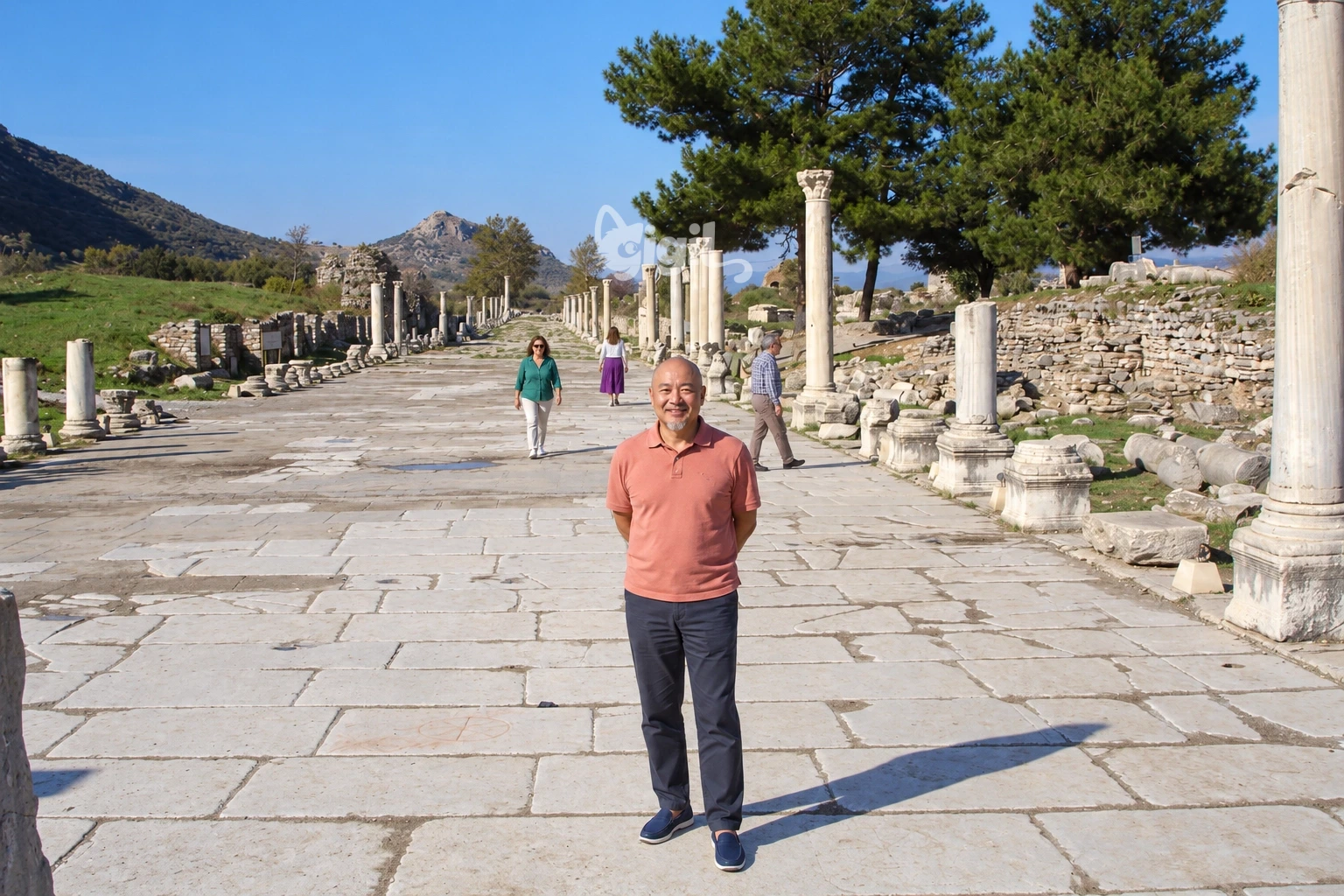
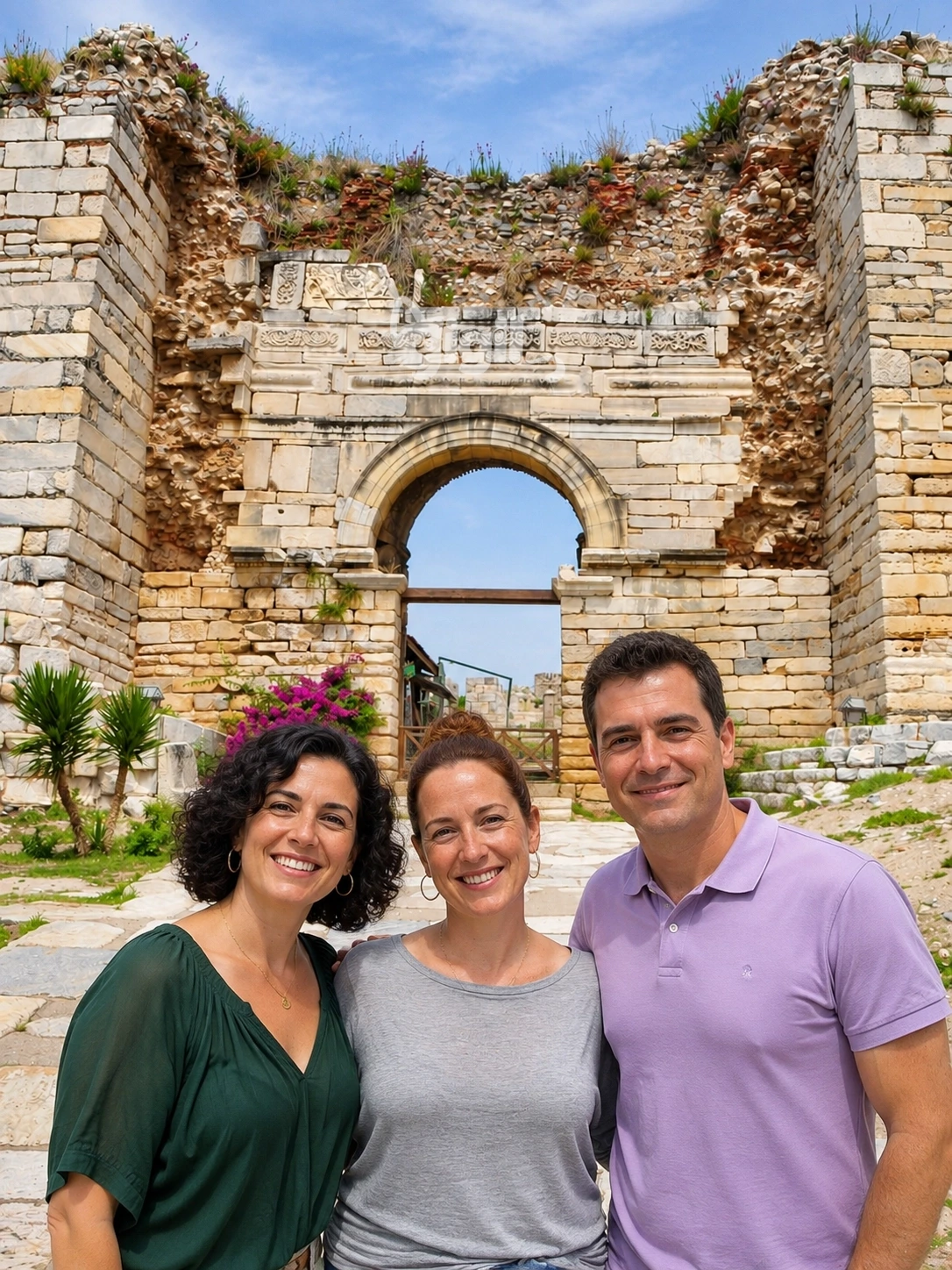
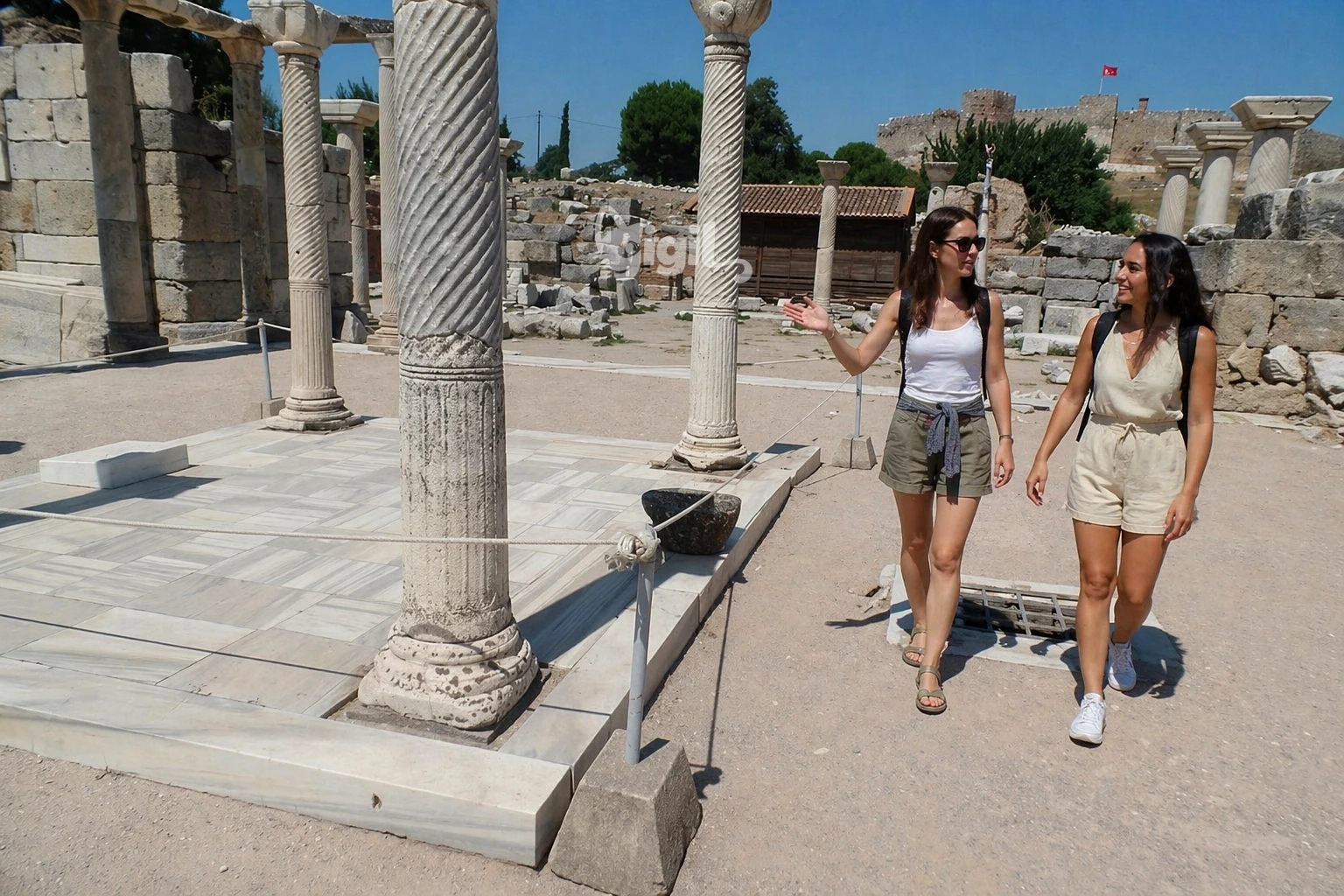
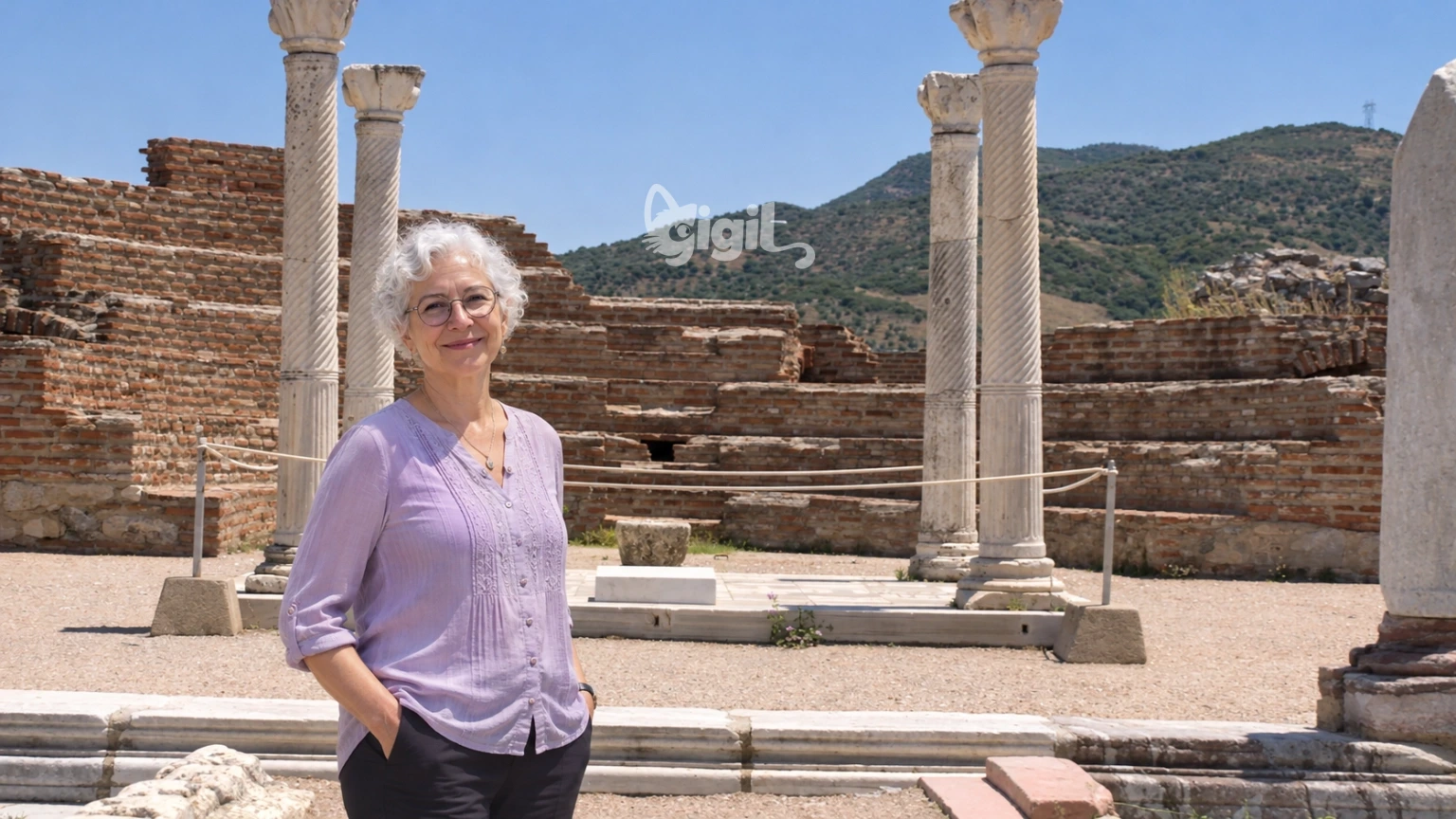
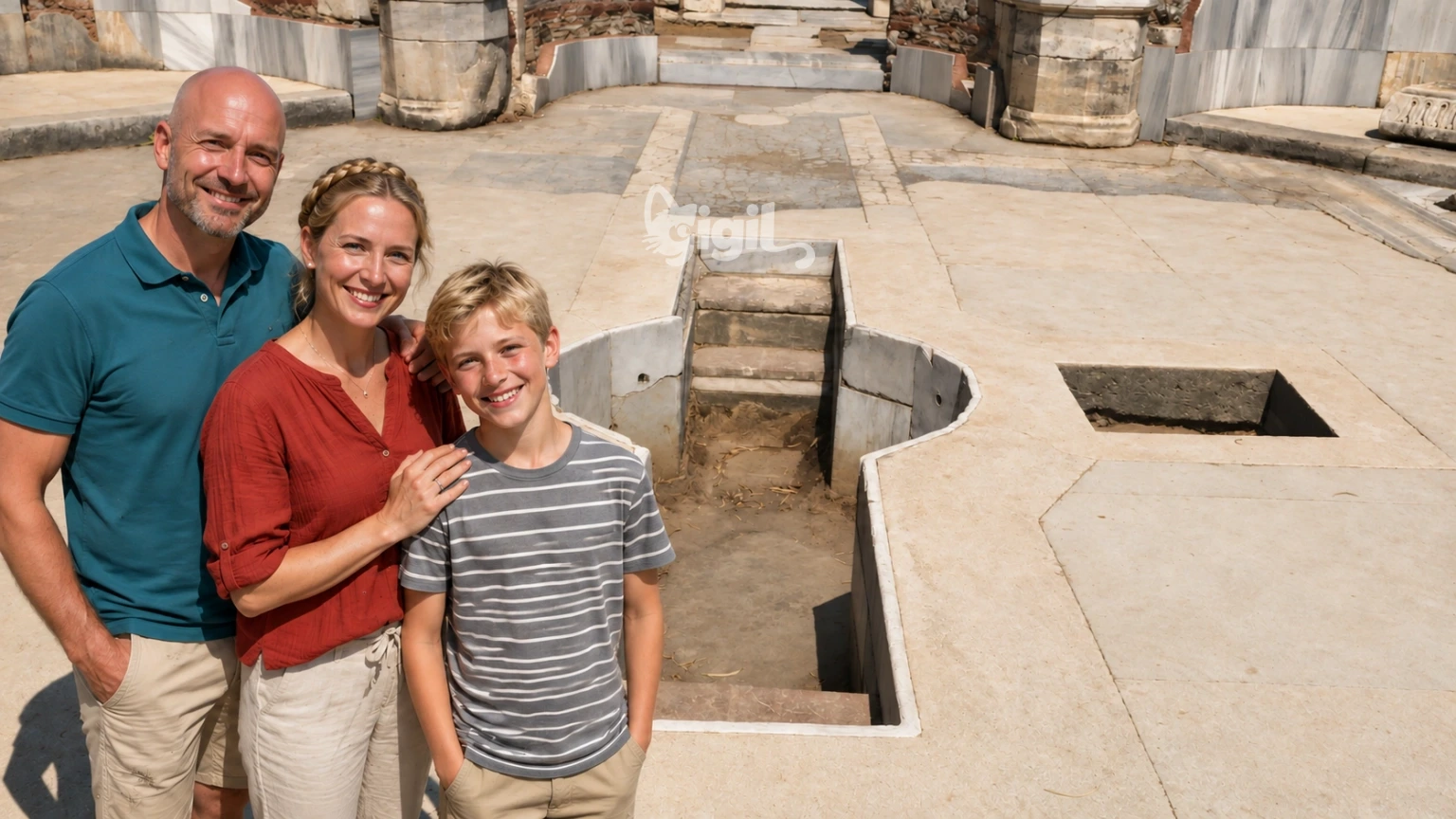
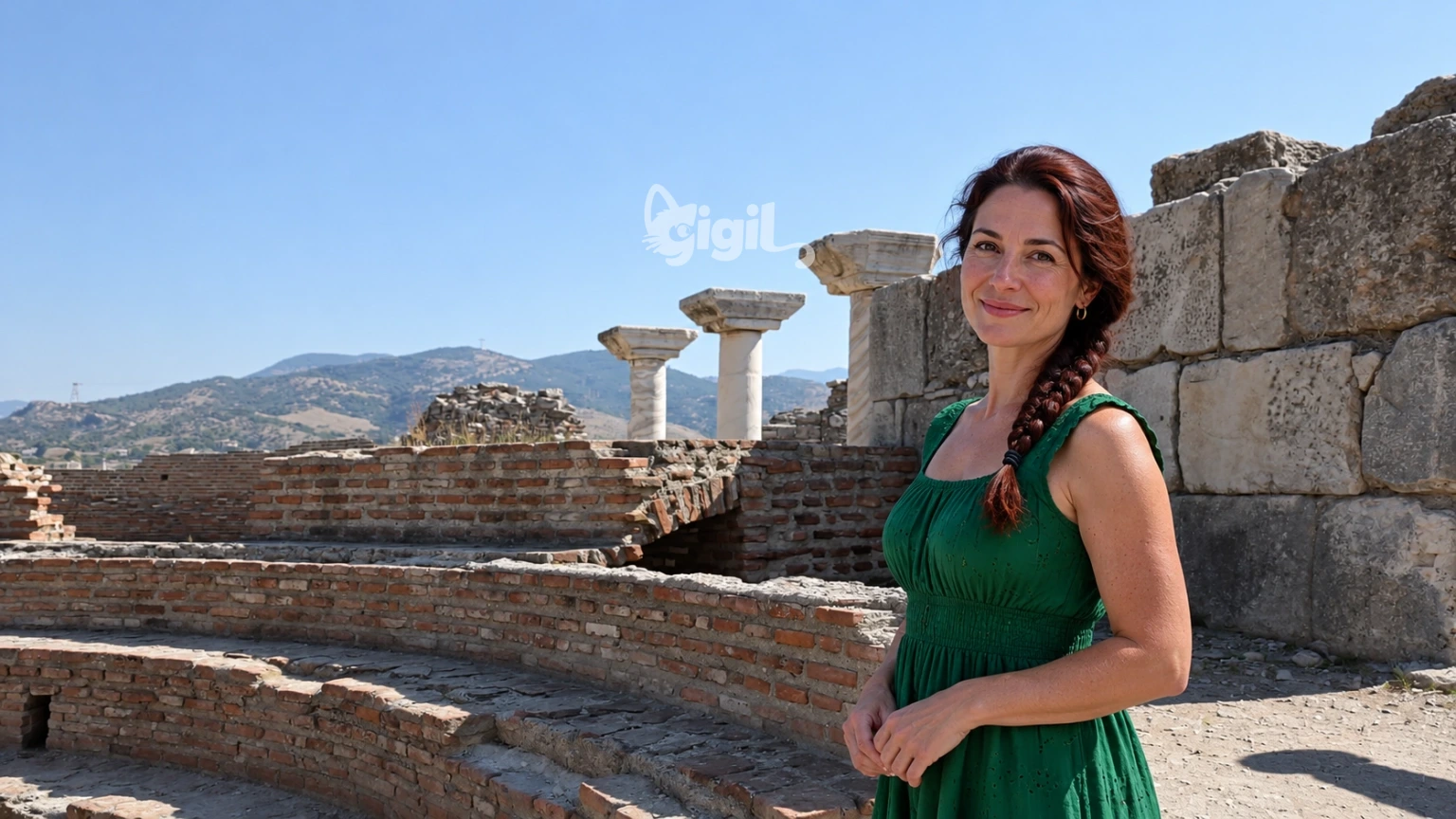
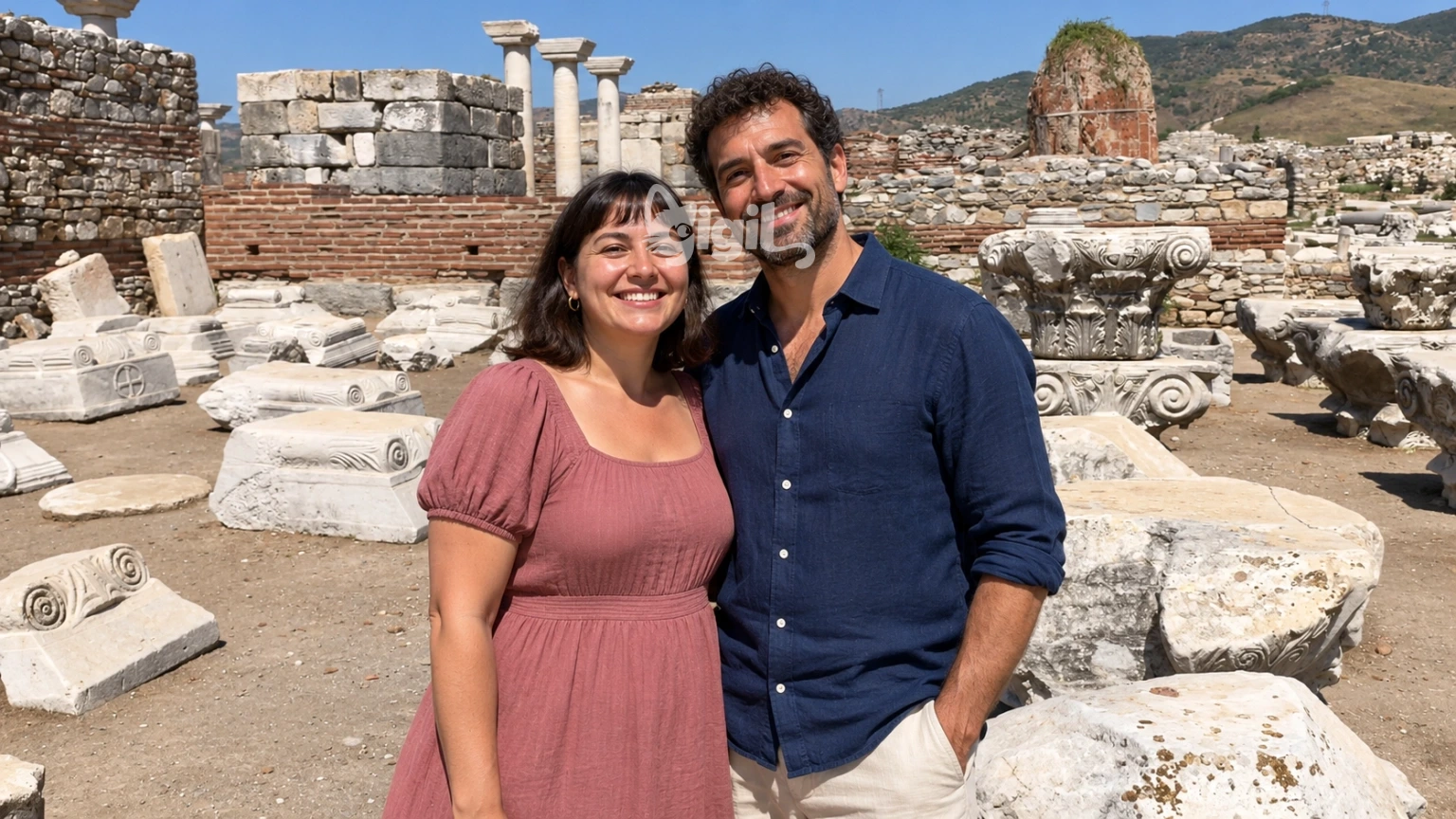
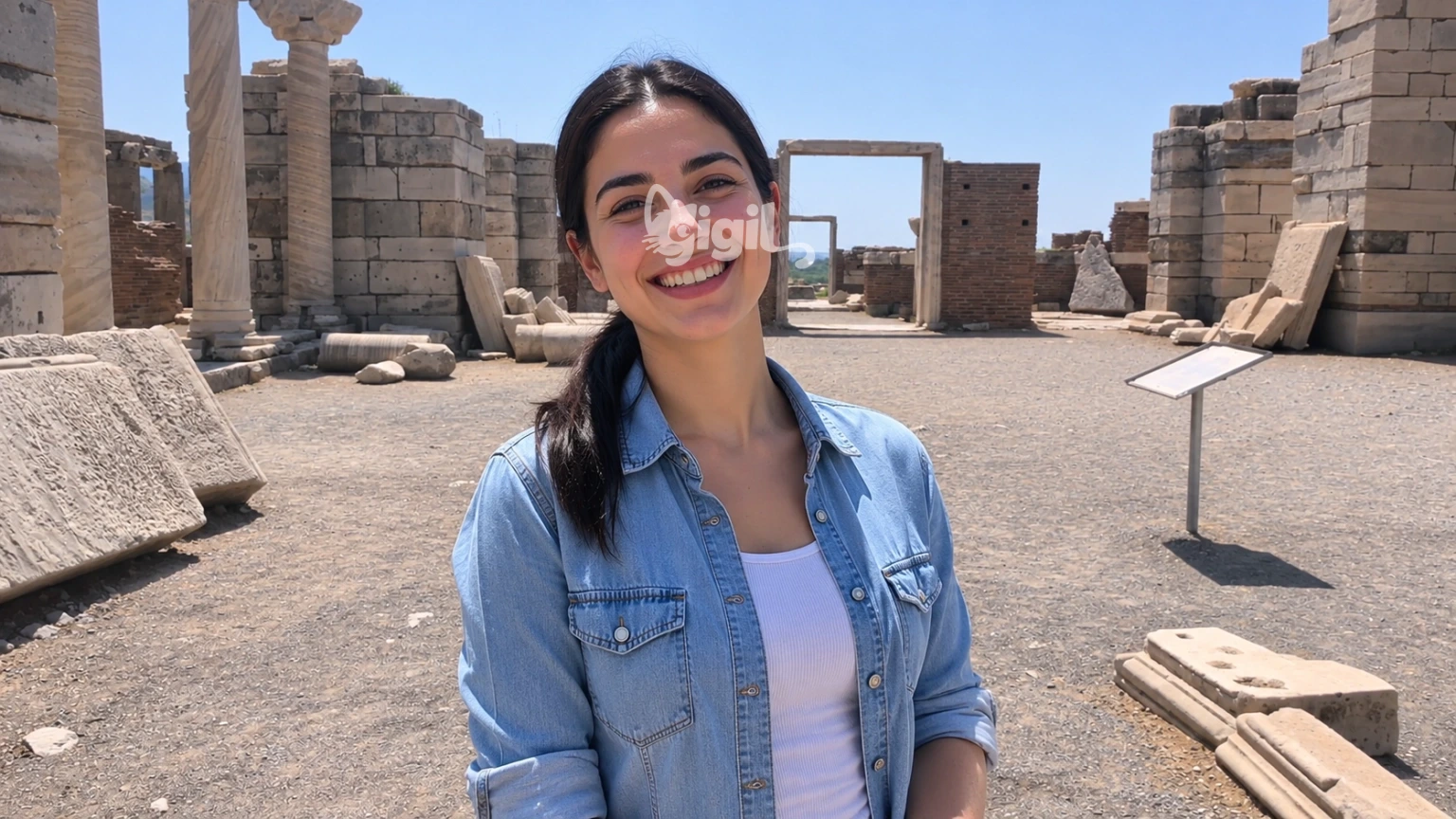
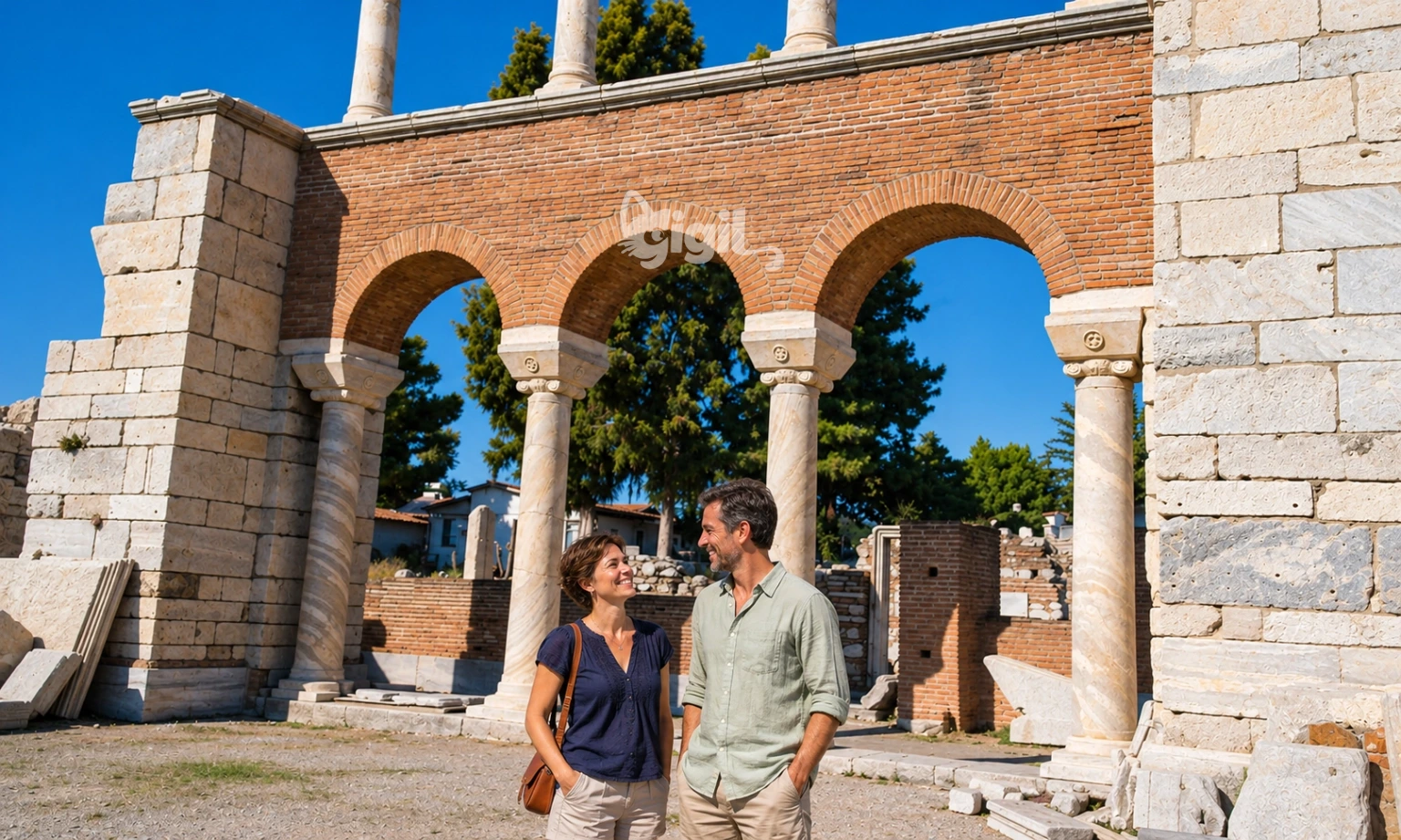
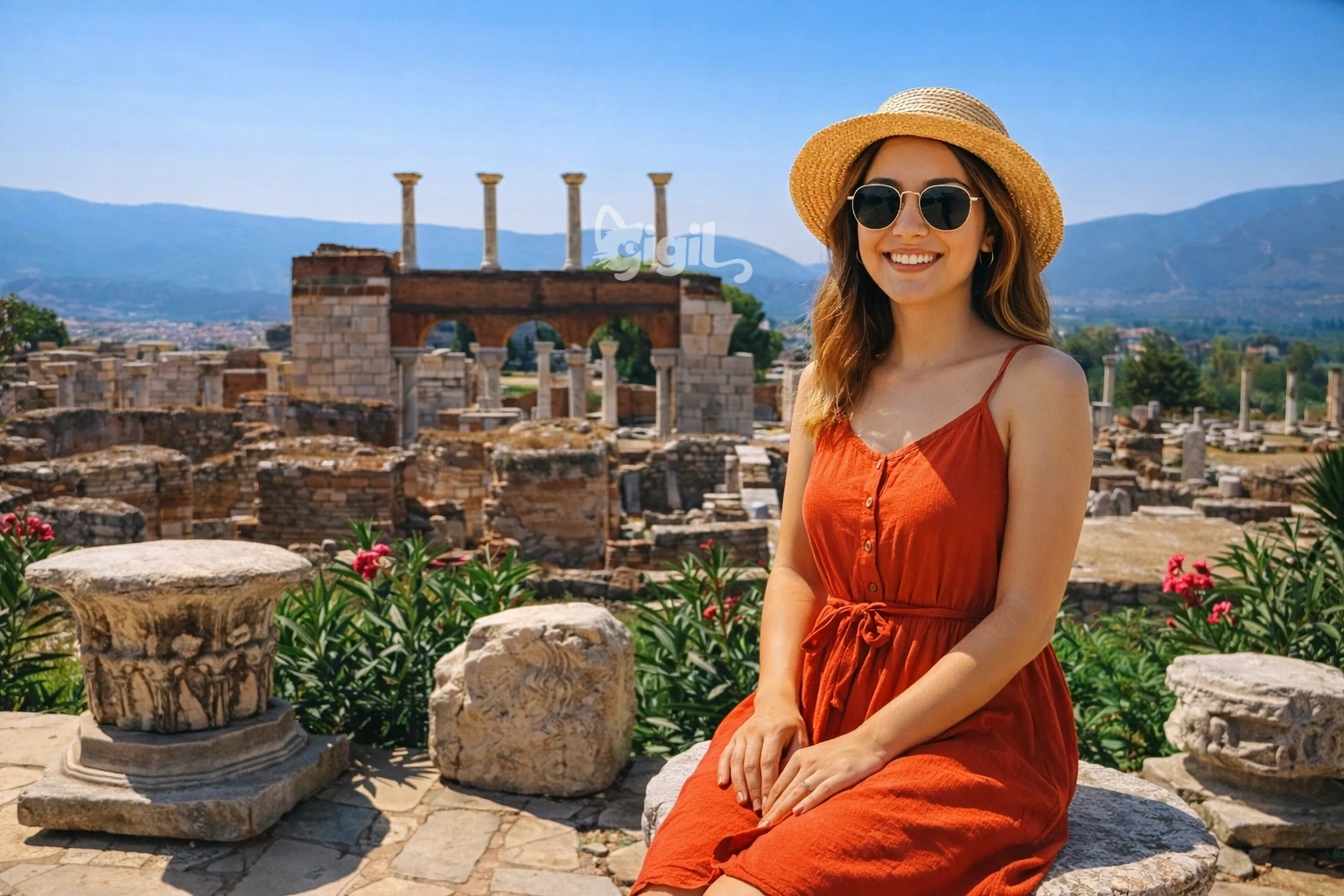
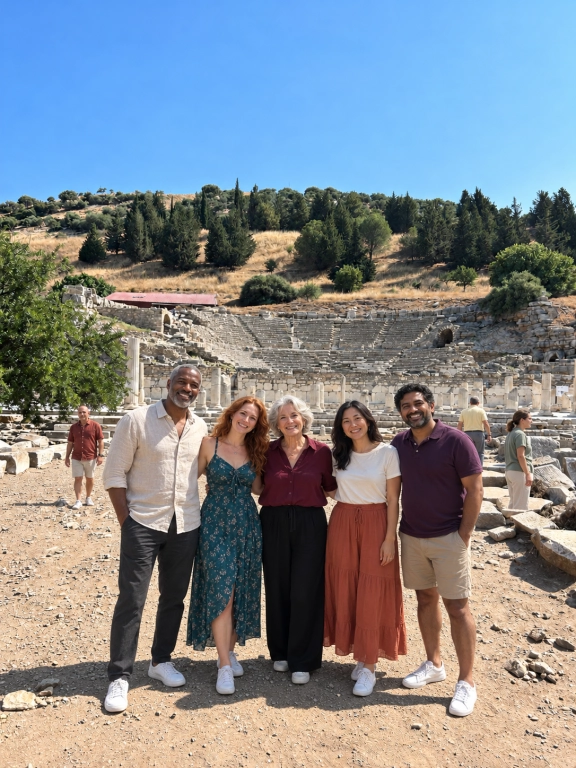
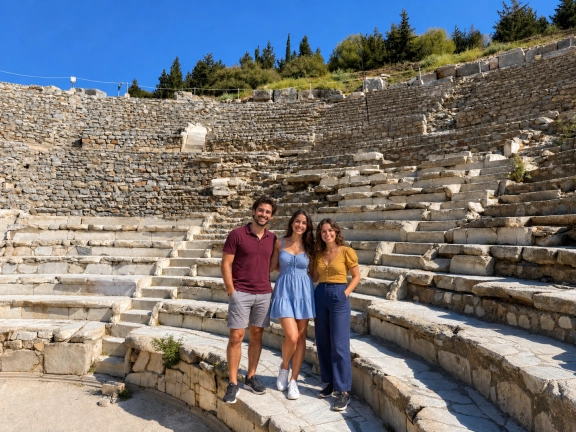
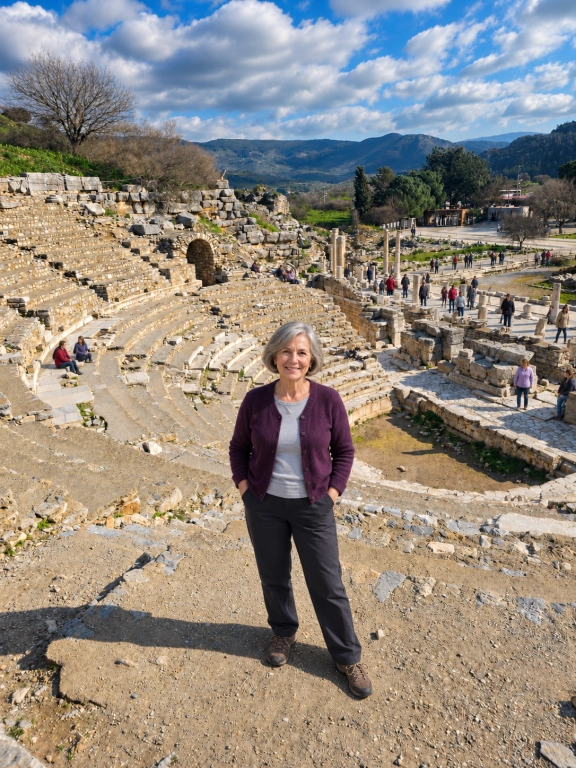
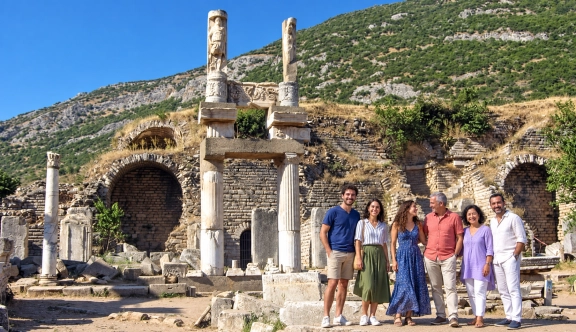
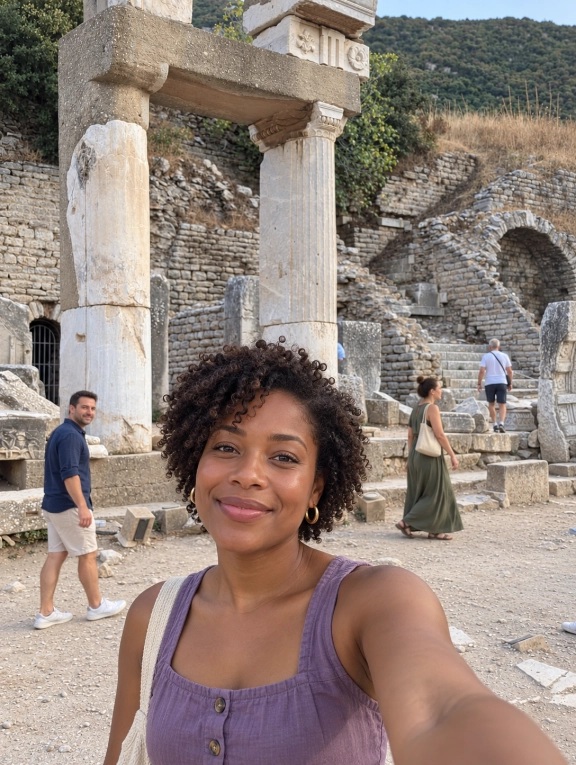
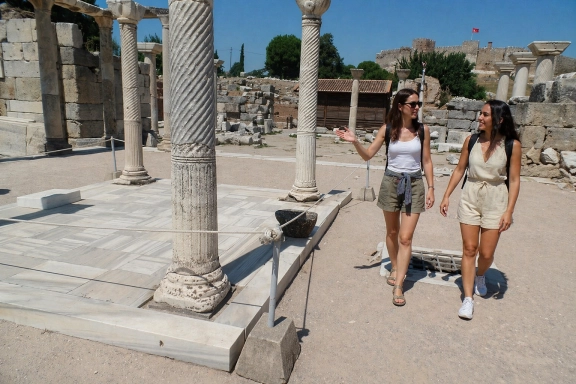
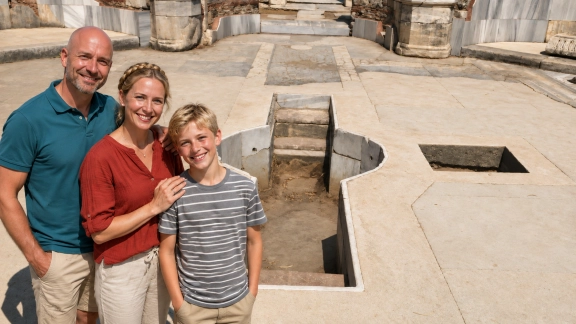
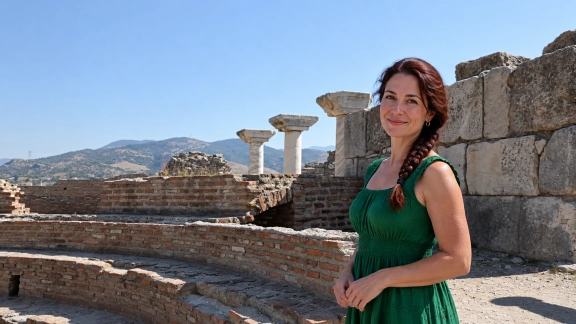
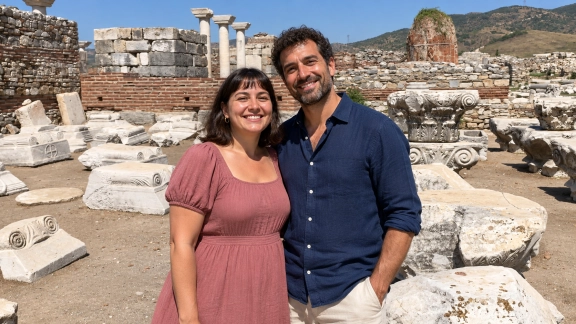
Let the streets provide the framework for exploring Ephesus. Within that framework, the Library of Celsus and Great Theatre become parts of a working city rather than isolated scenic ruins, connected by approaches and public spaces.
Look at how much of each structure remains before imagining its original form. A low wall may be as informative about layout as a tall facade, particularly where conservation has made one monument easier to visualise than another.
Questions
Why use the streets as a framework?
They relate separate monuments to one another and help explain movement through the ancient urban centre.
Does a taller ruin mean a more important original building?
Not necessarily. Different patterns of damage, excavation and reconstruction affect what stands at each monument today.
What is significant about the Library of Celsus presentation?
Its re-erected facade makes ancient architectural scale visible without preserving the full library as an intact building.
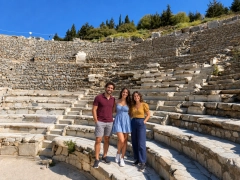
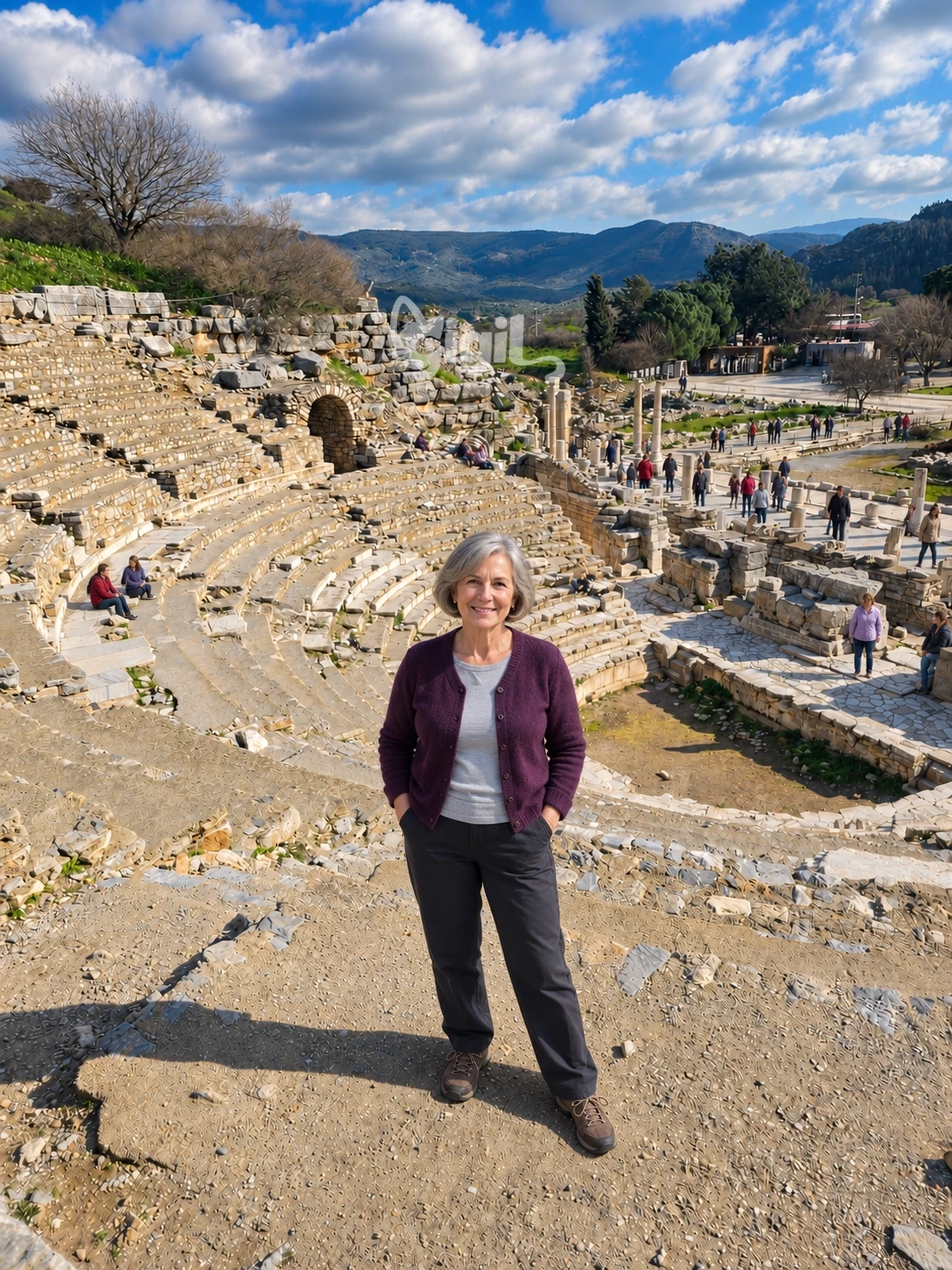
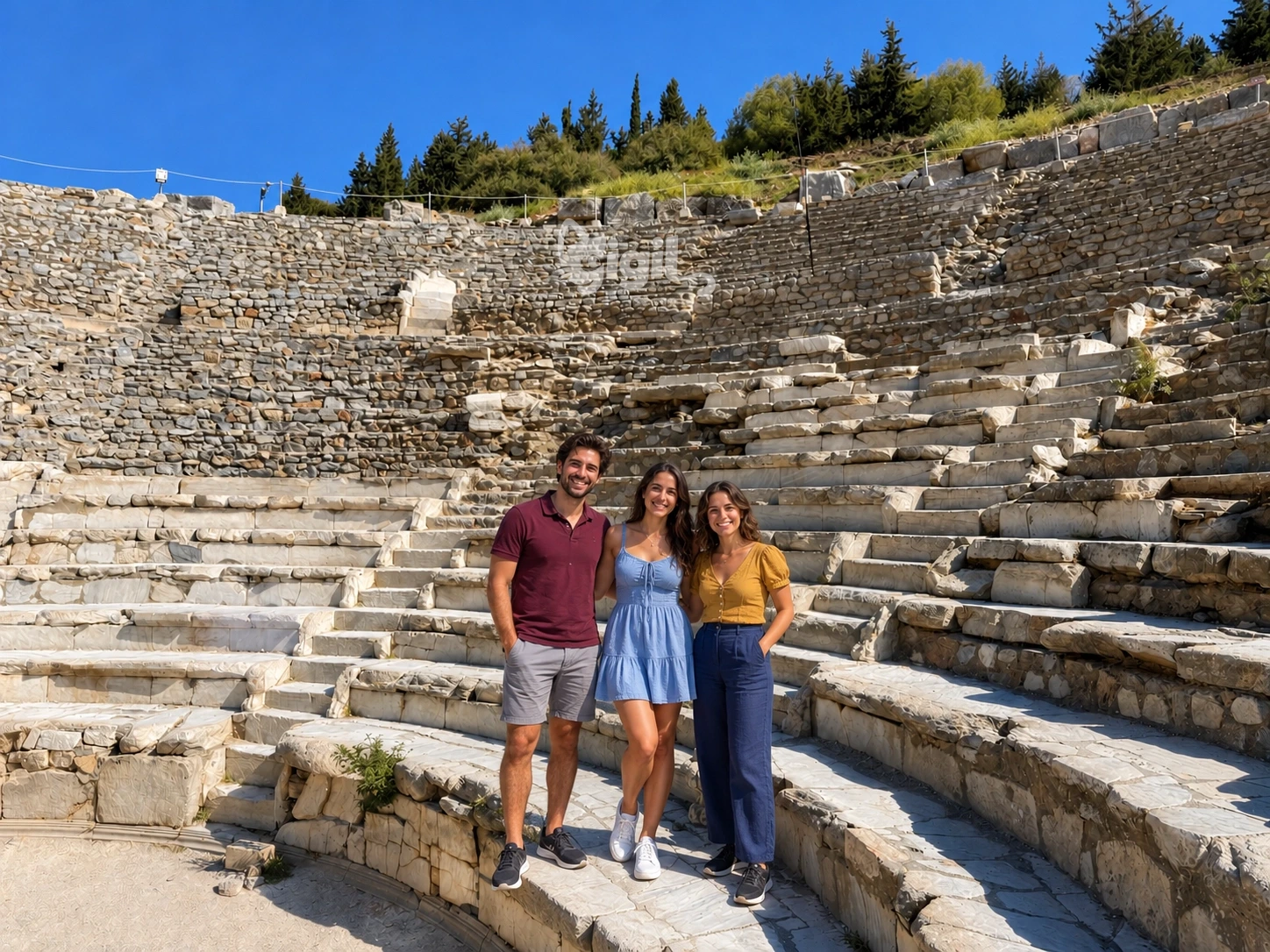
What should I consider at the Great Theatre?
Think about how its audience area fitted a gathering place into the surrounding city landscape.