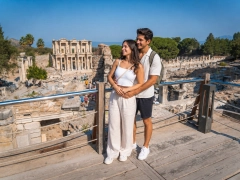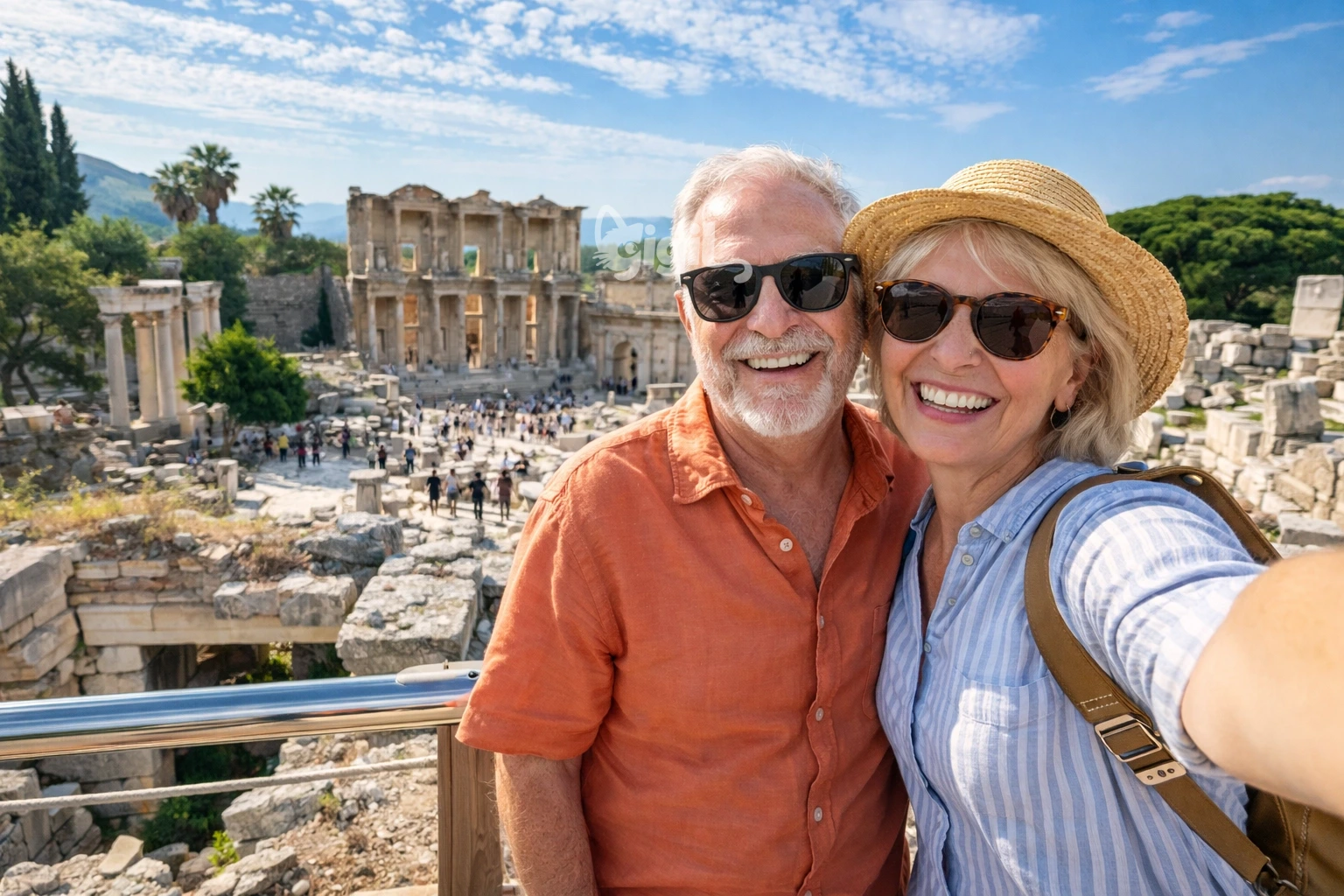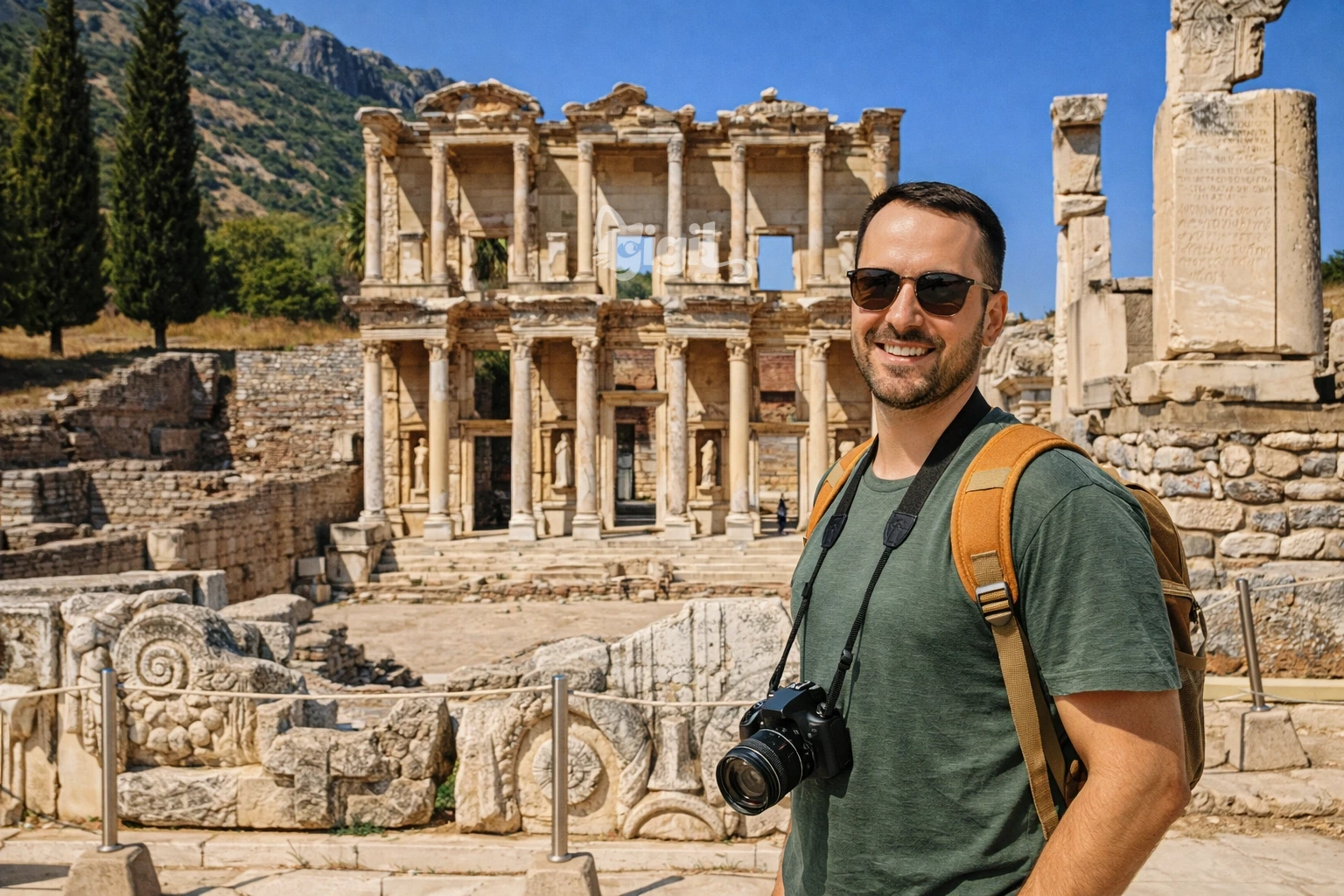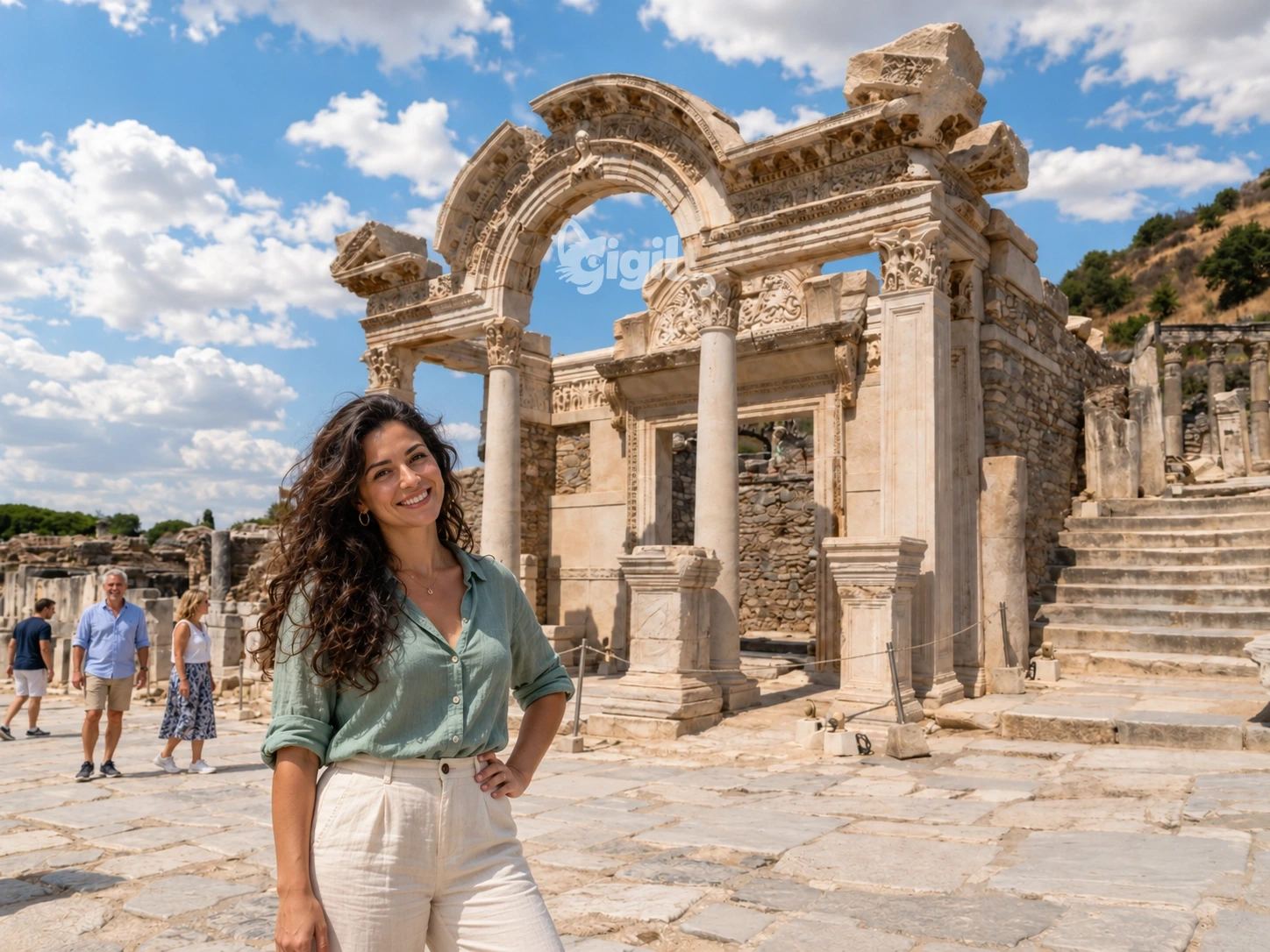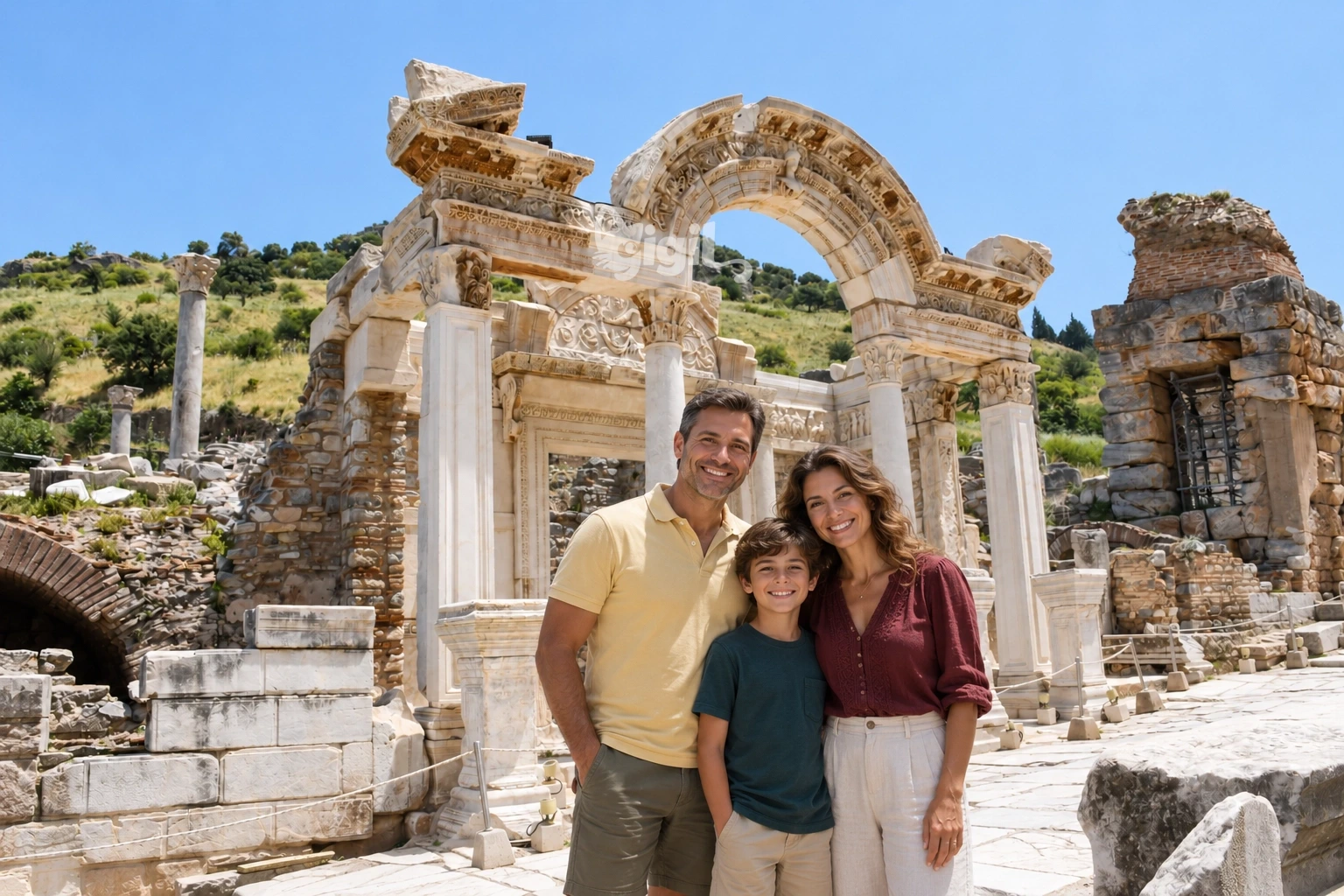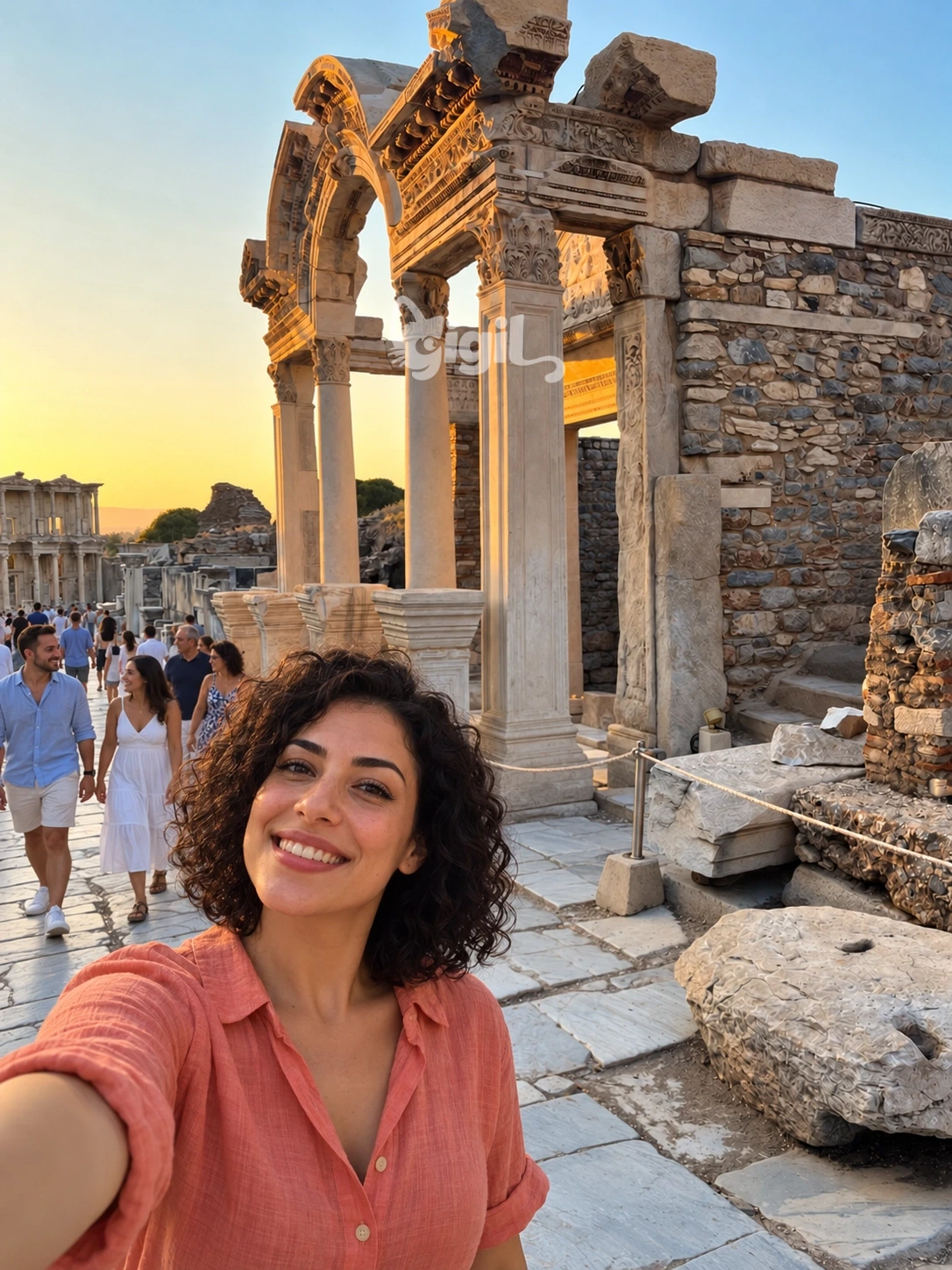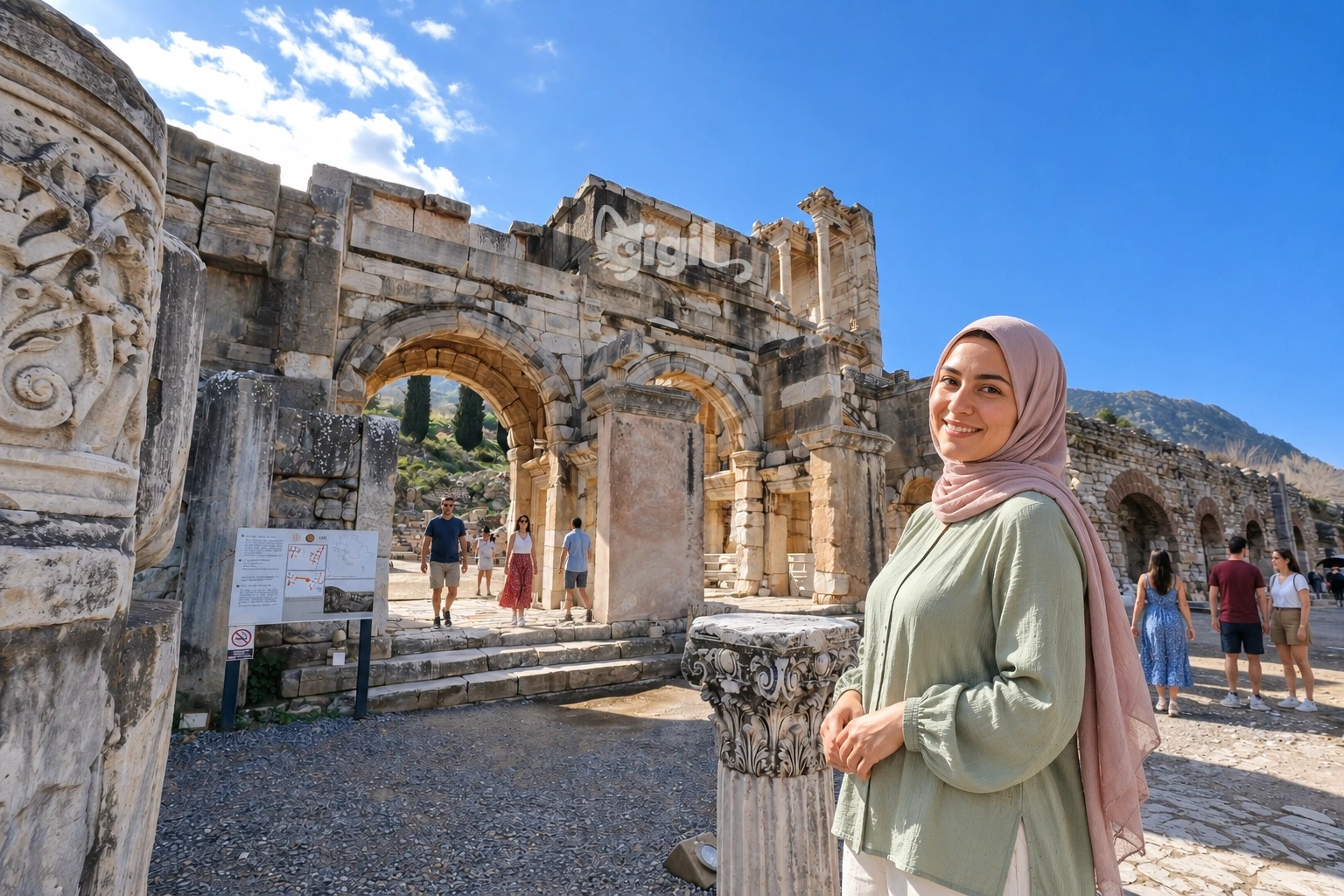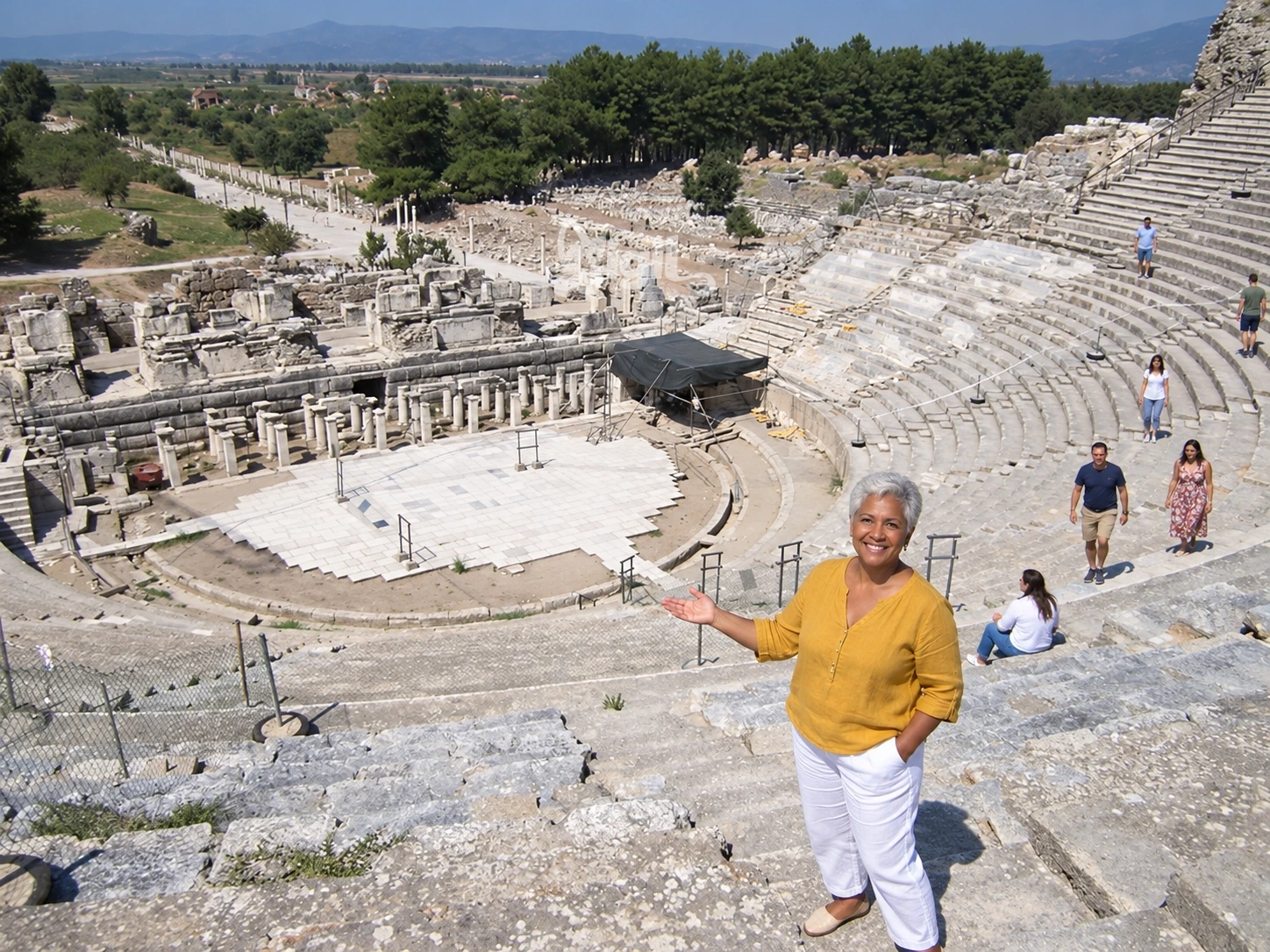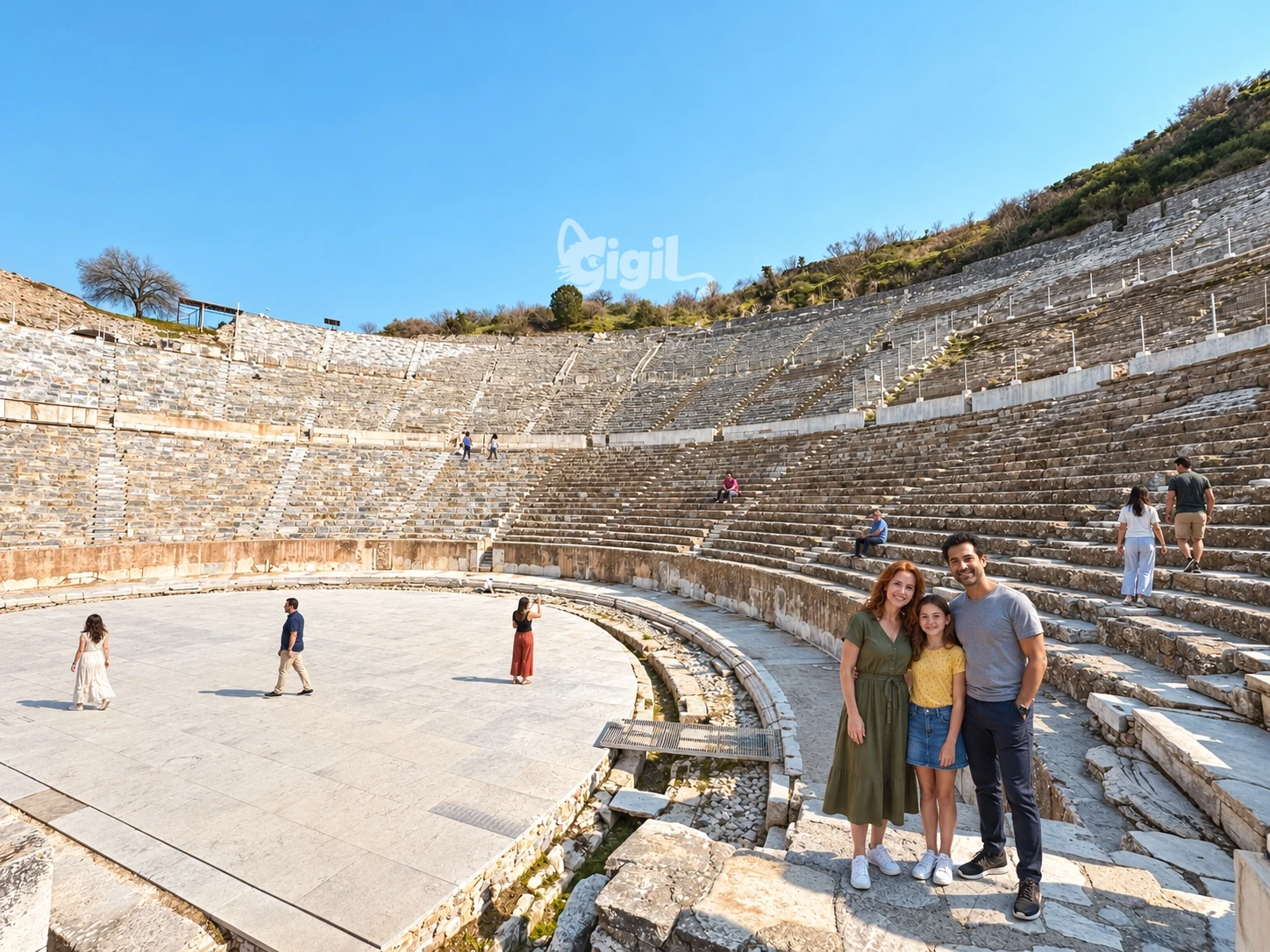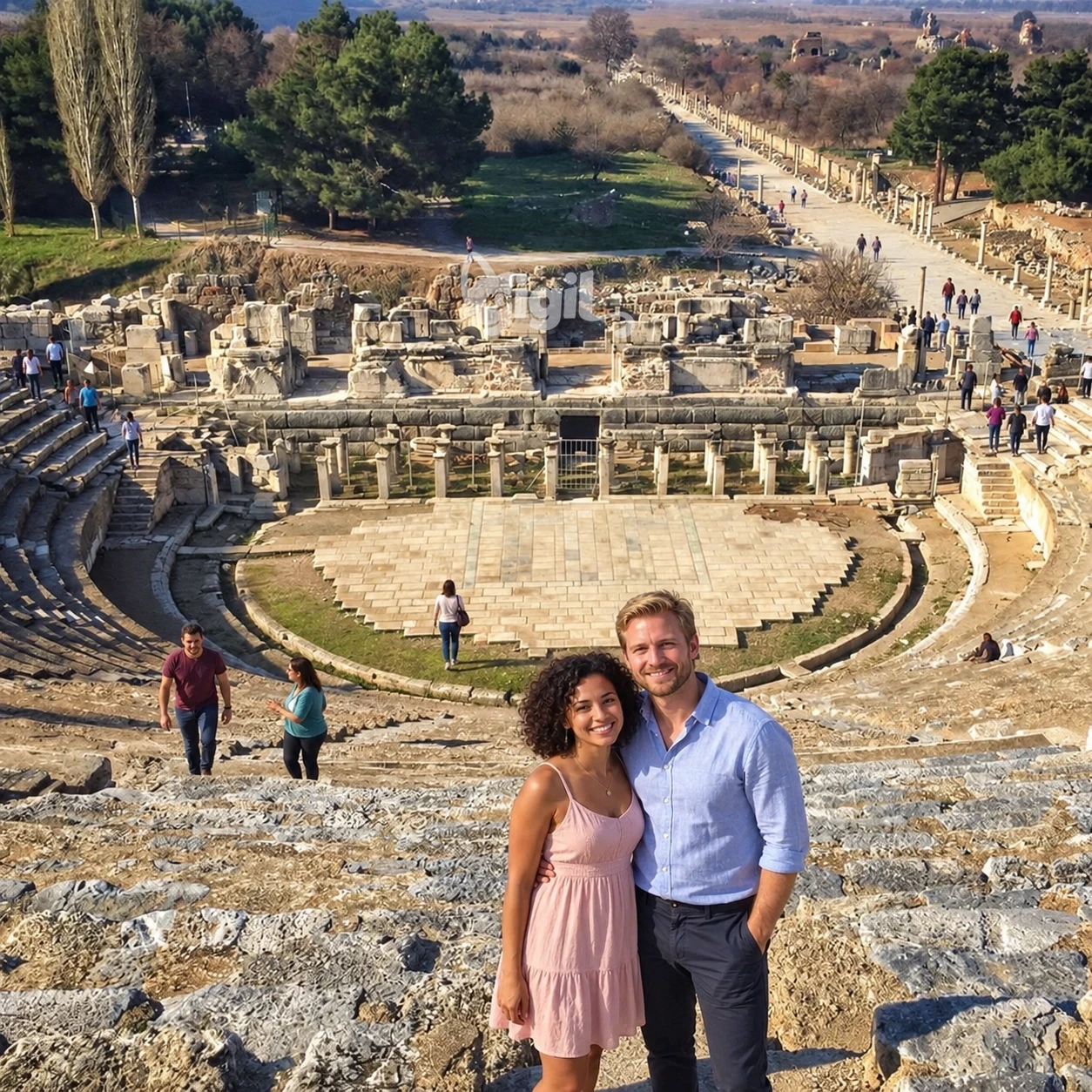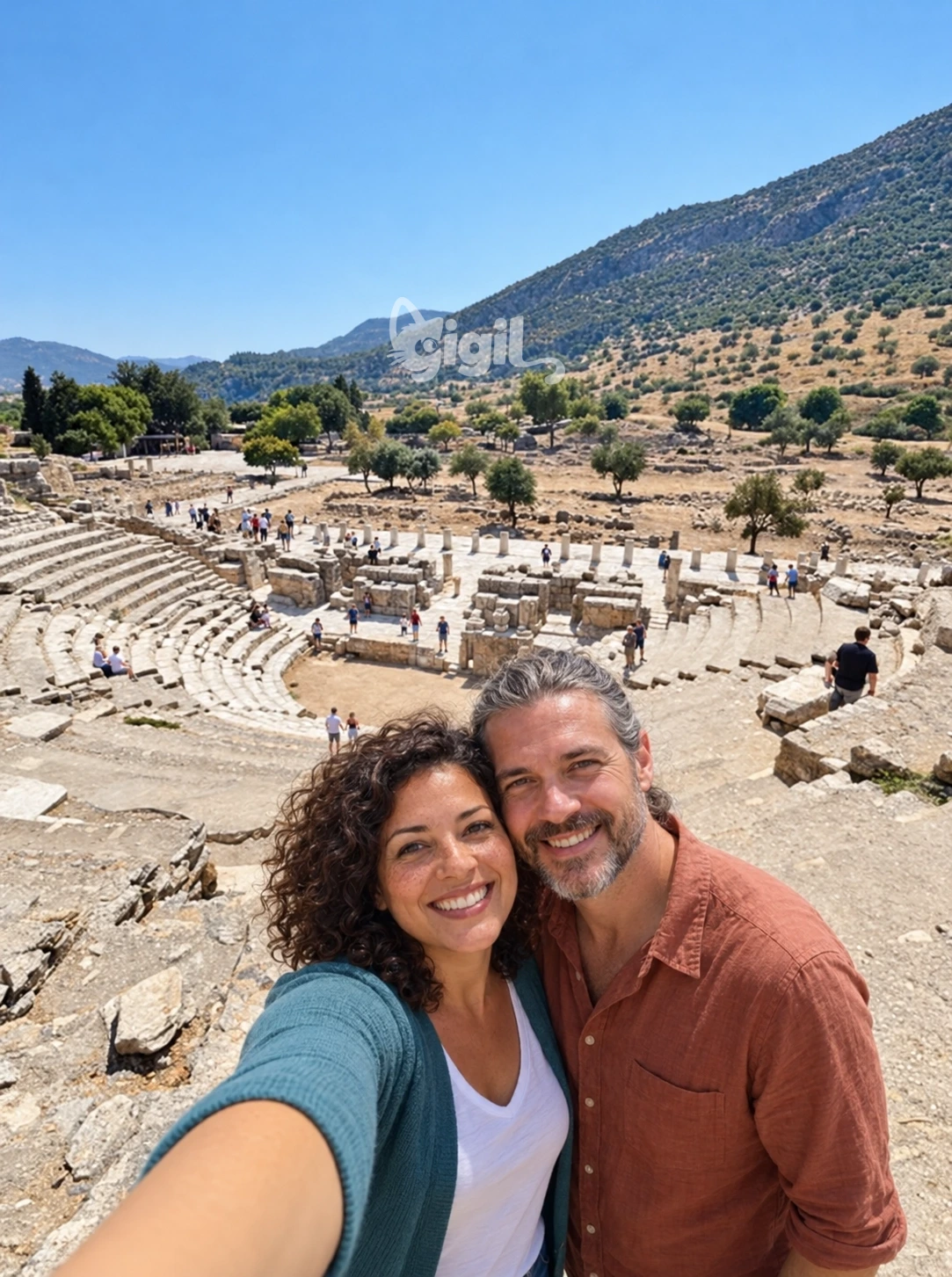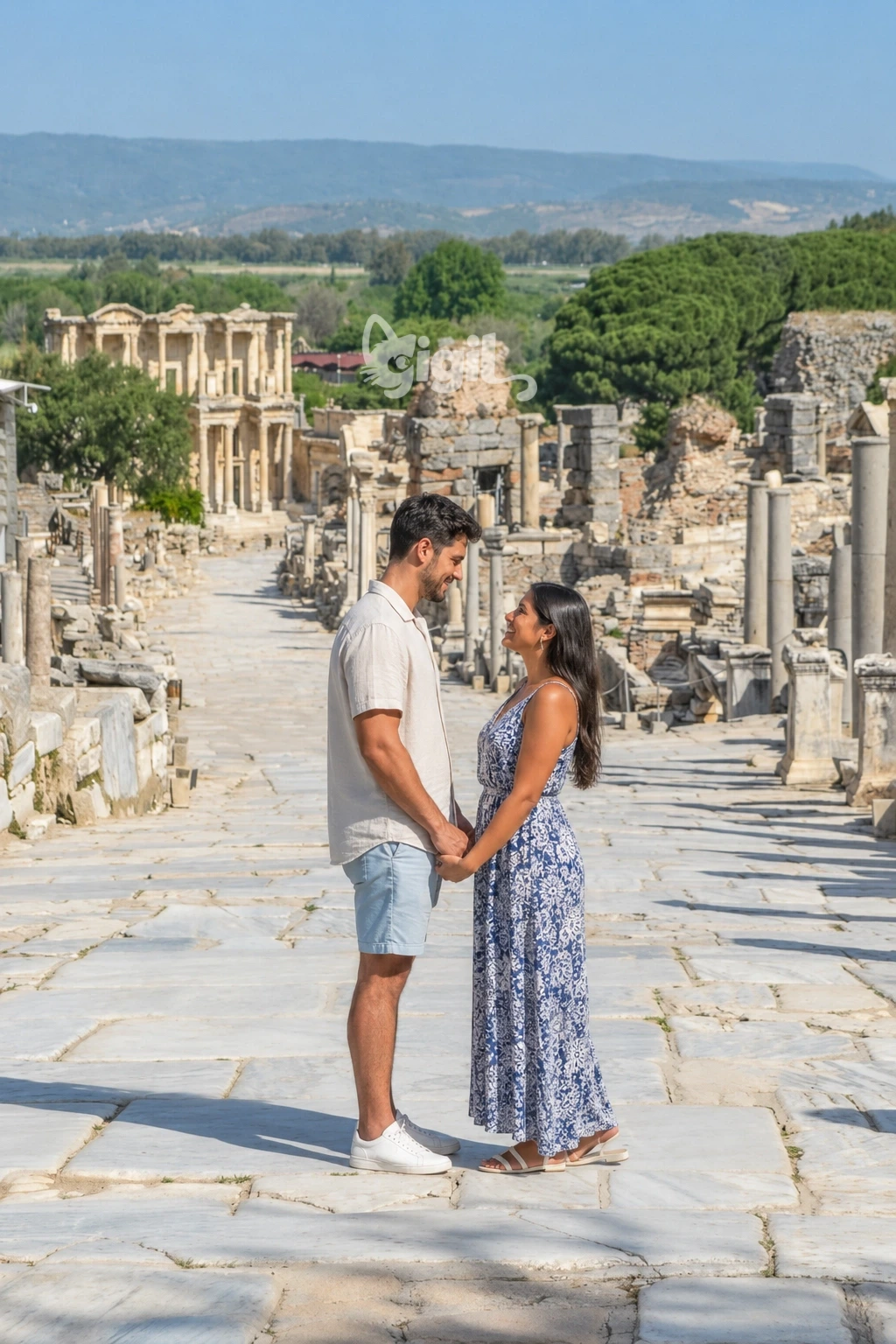
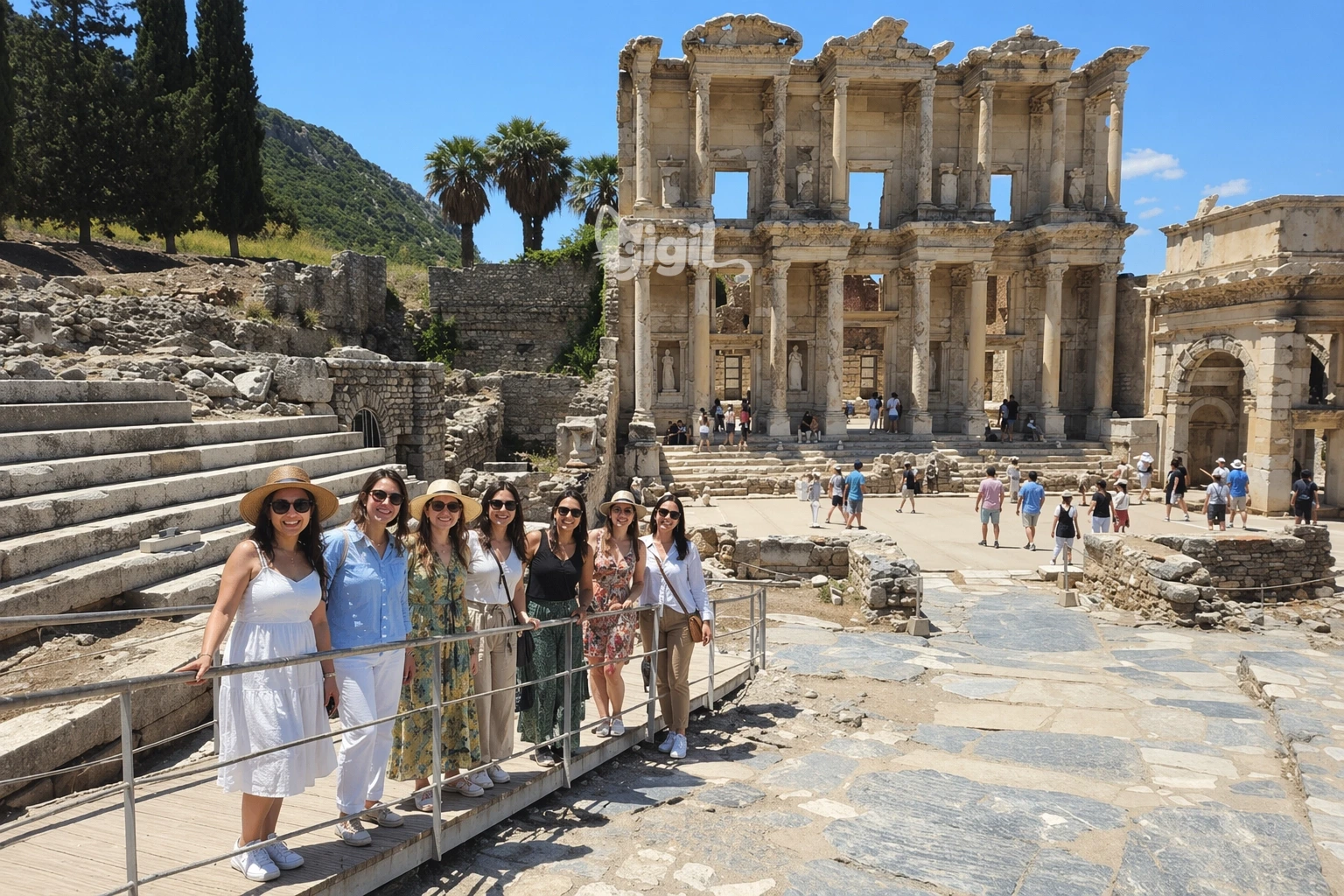
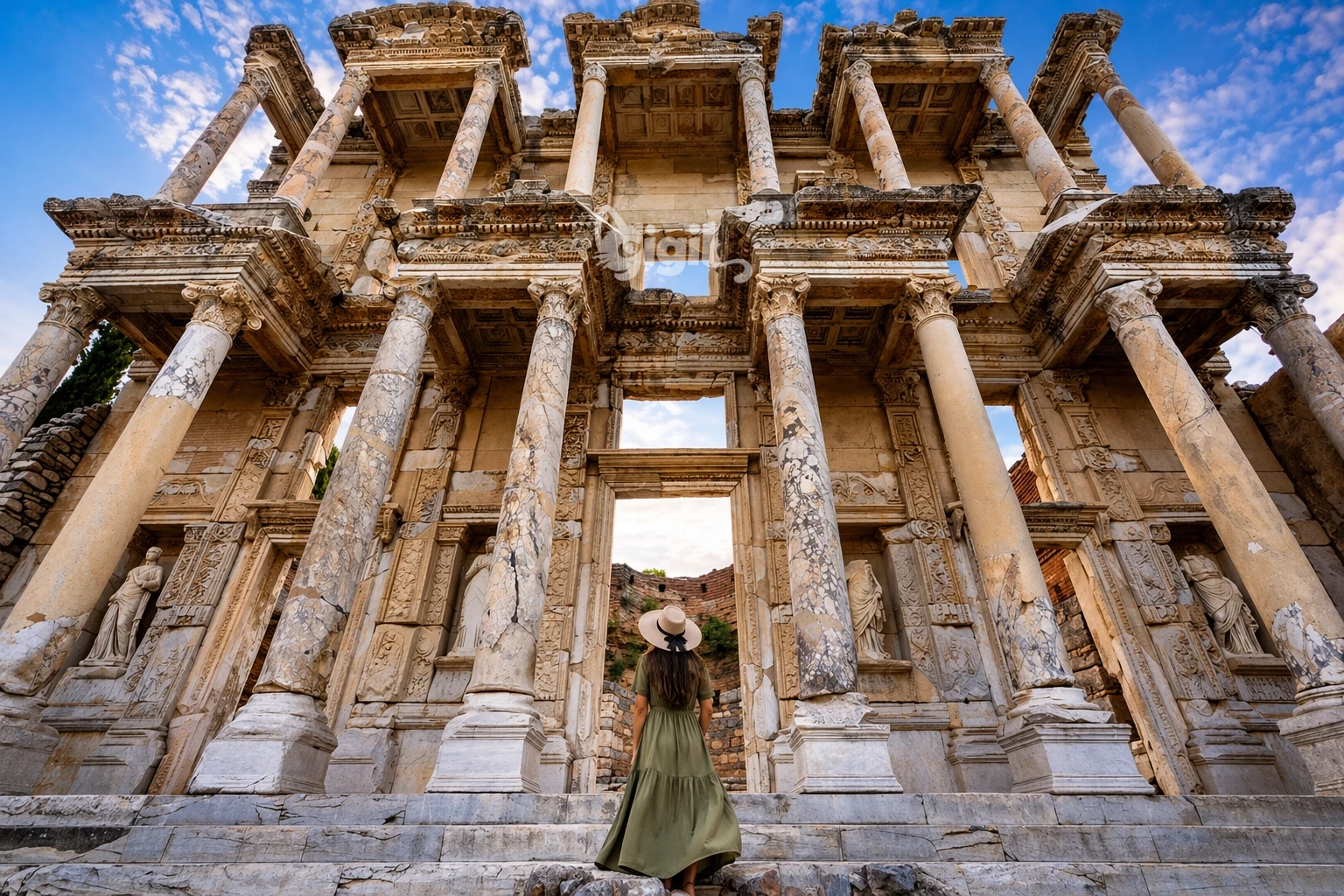
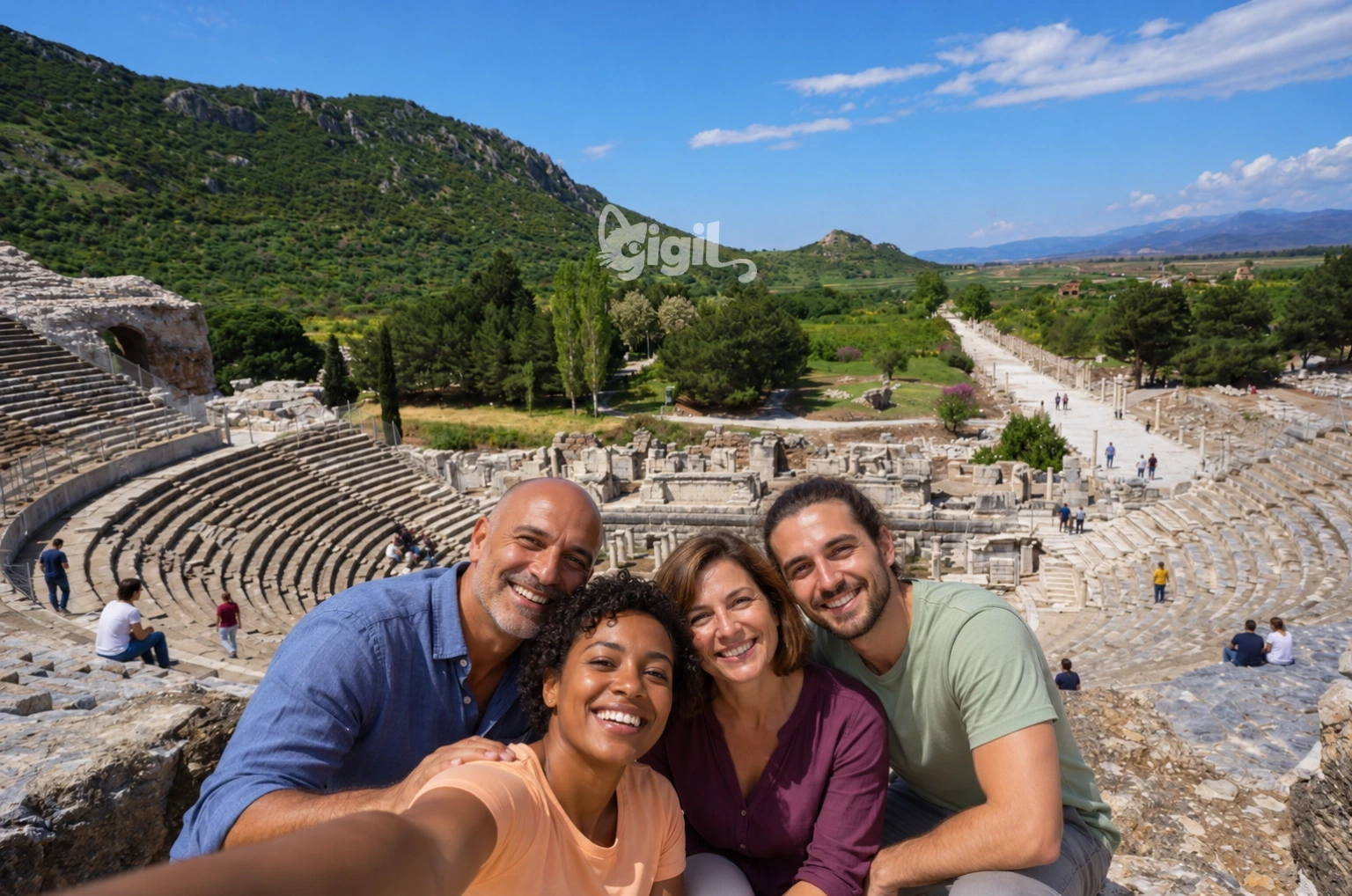
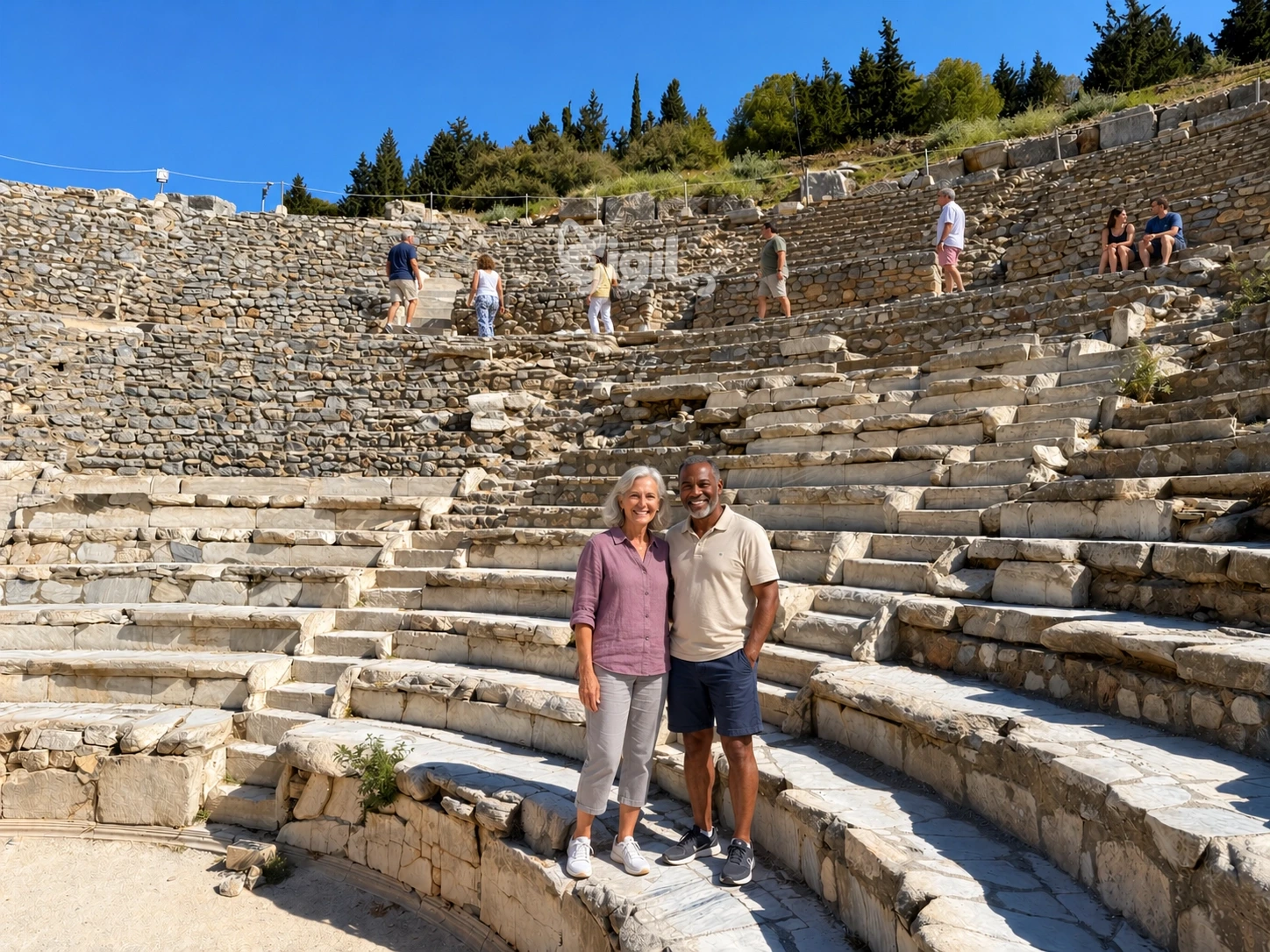
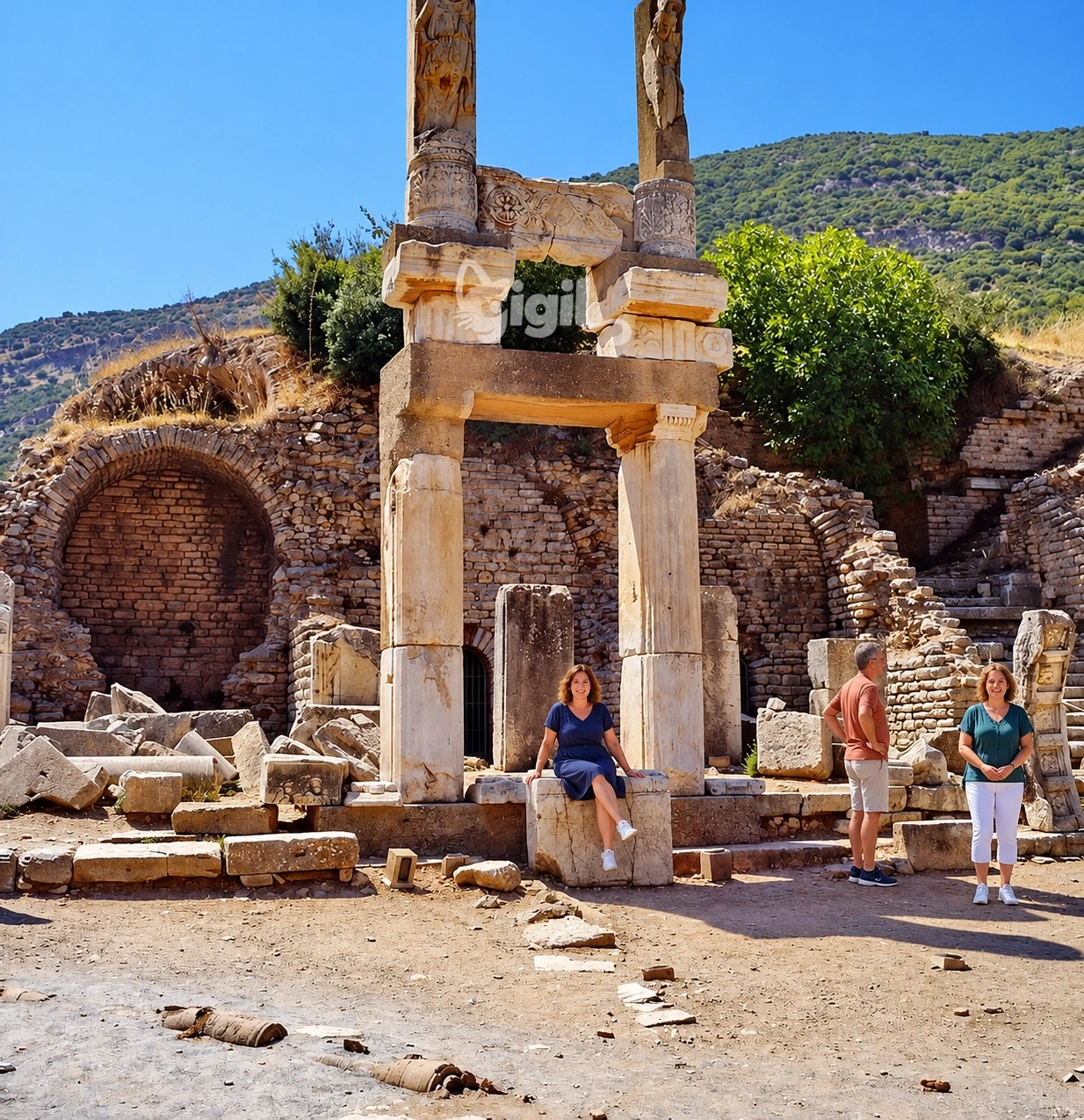
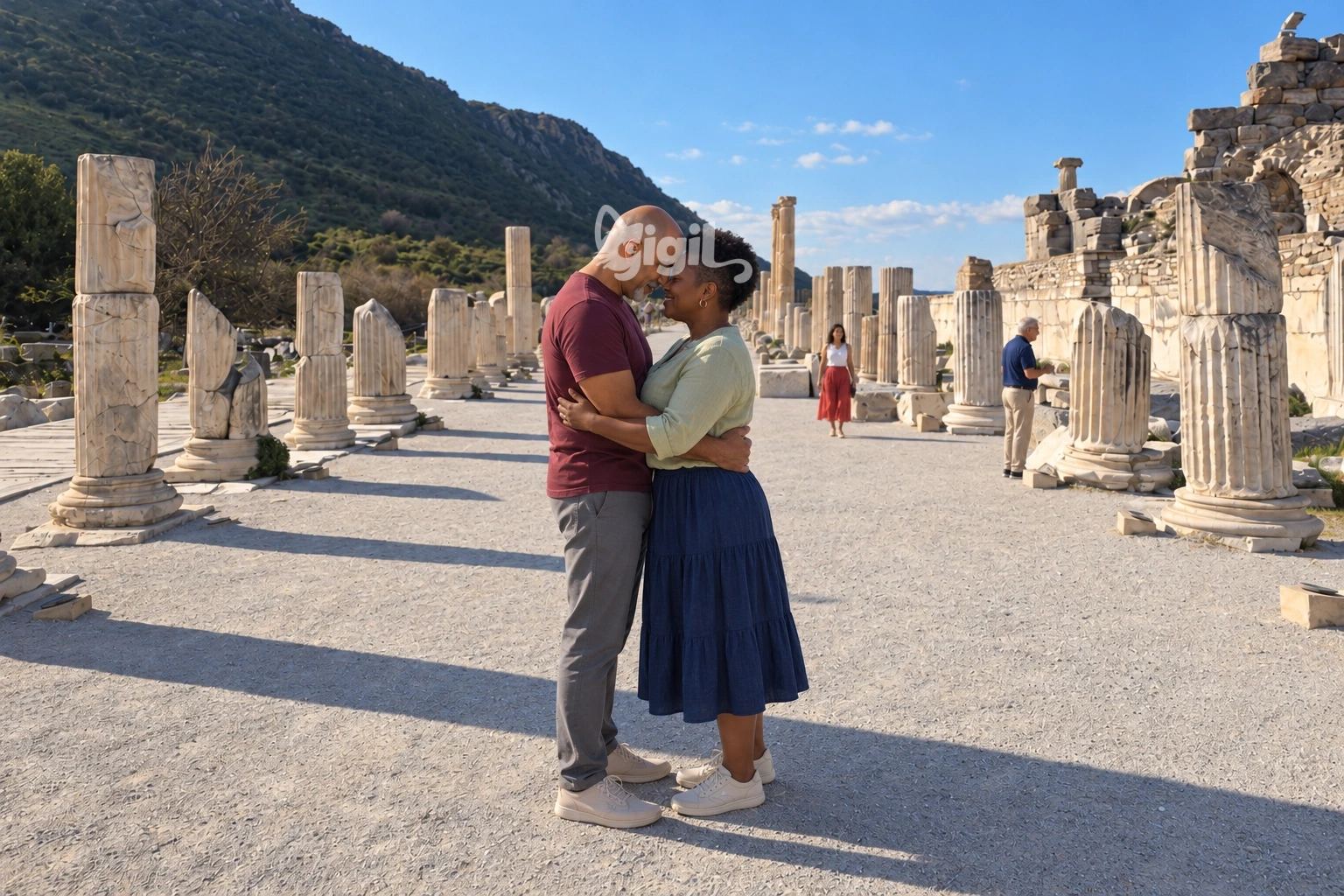
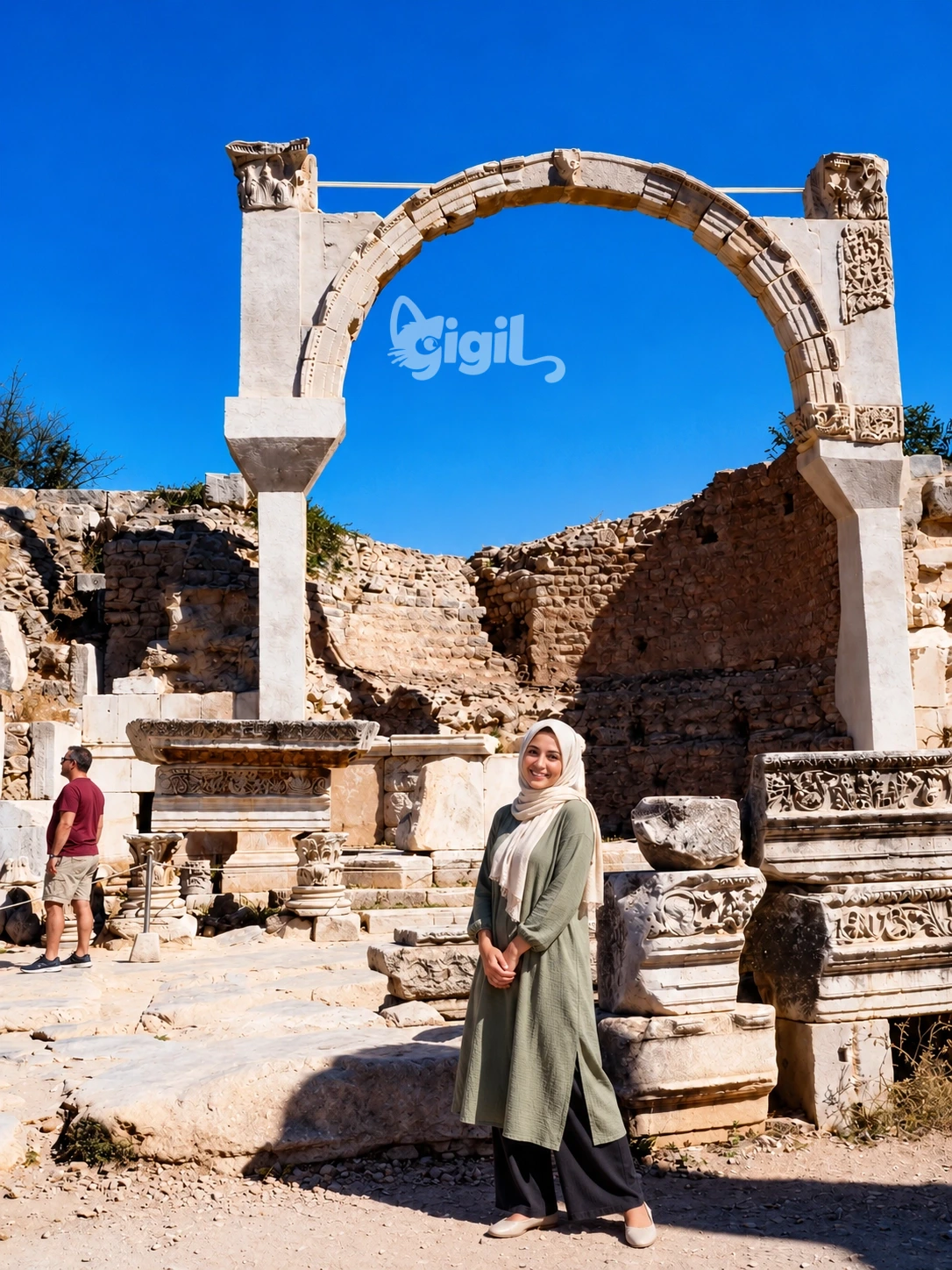
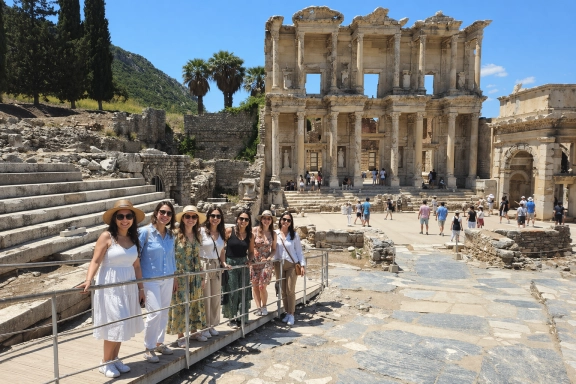
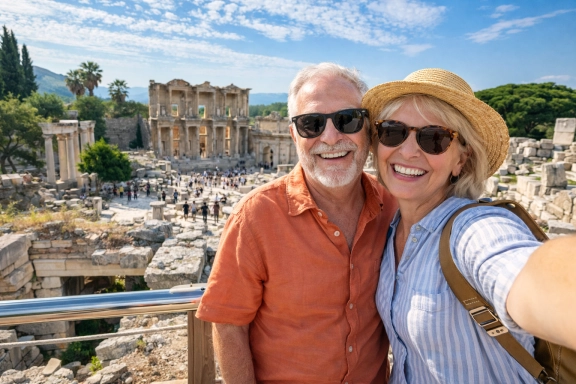
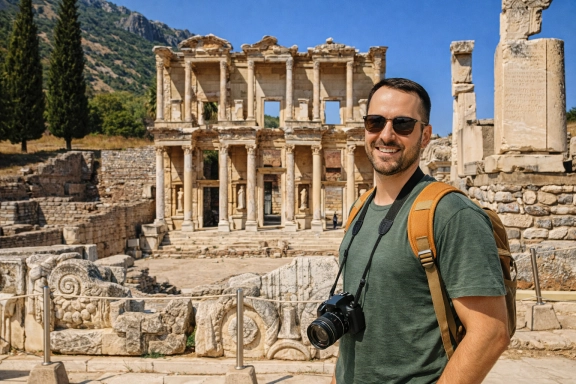
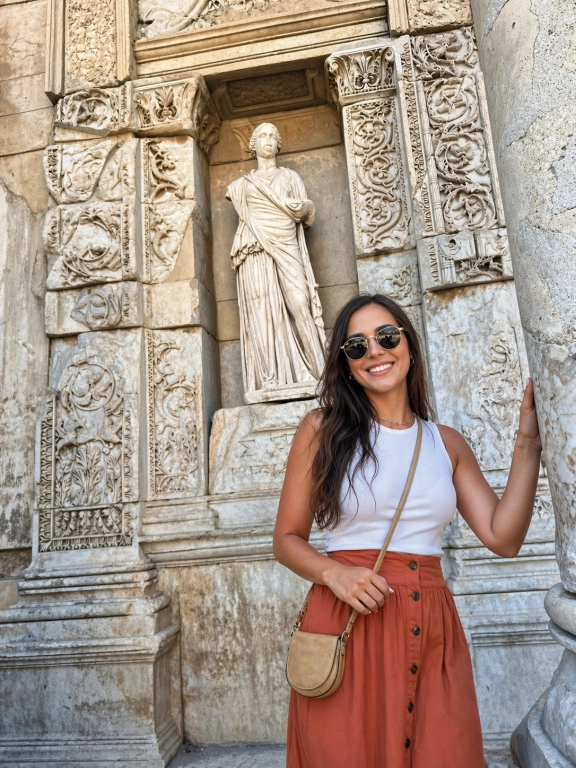
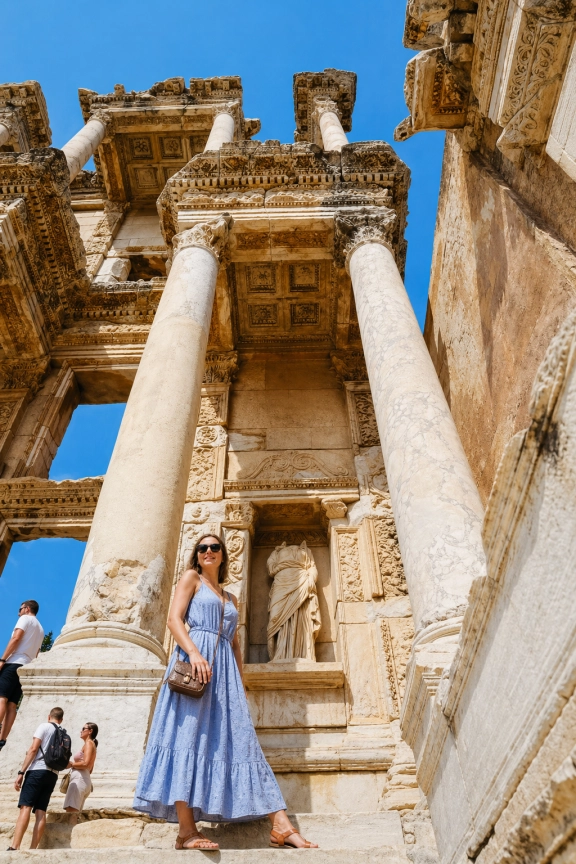
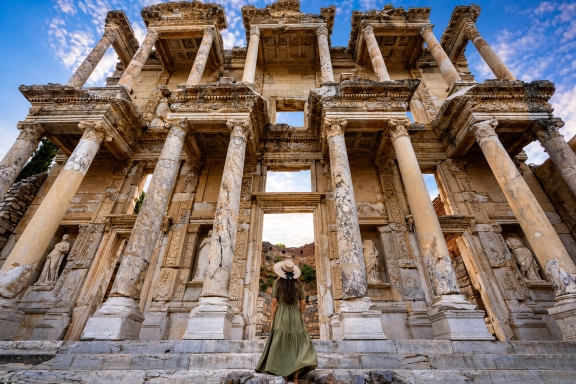
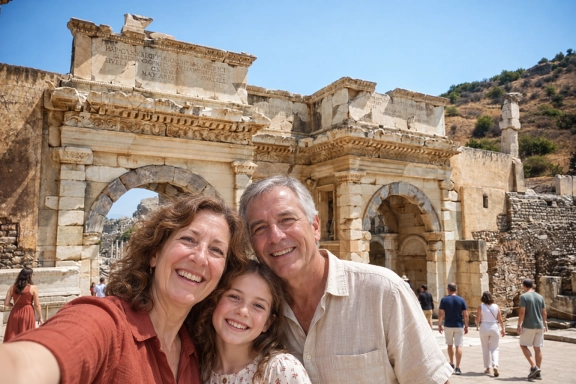
Ephesus Ancient City is best approached with an eye for connections. Marble streets lead through a landscape of civic buildings and public spaces, giving the ruins a sense of urban order.
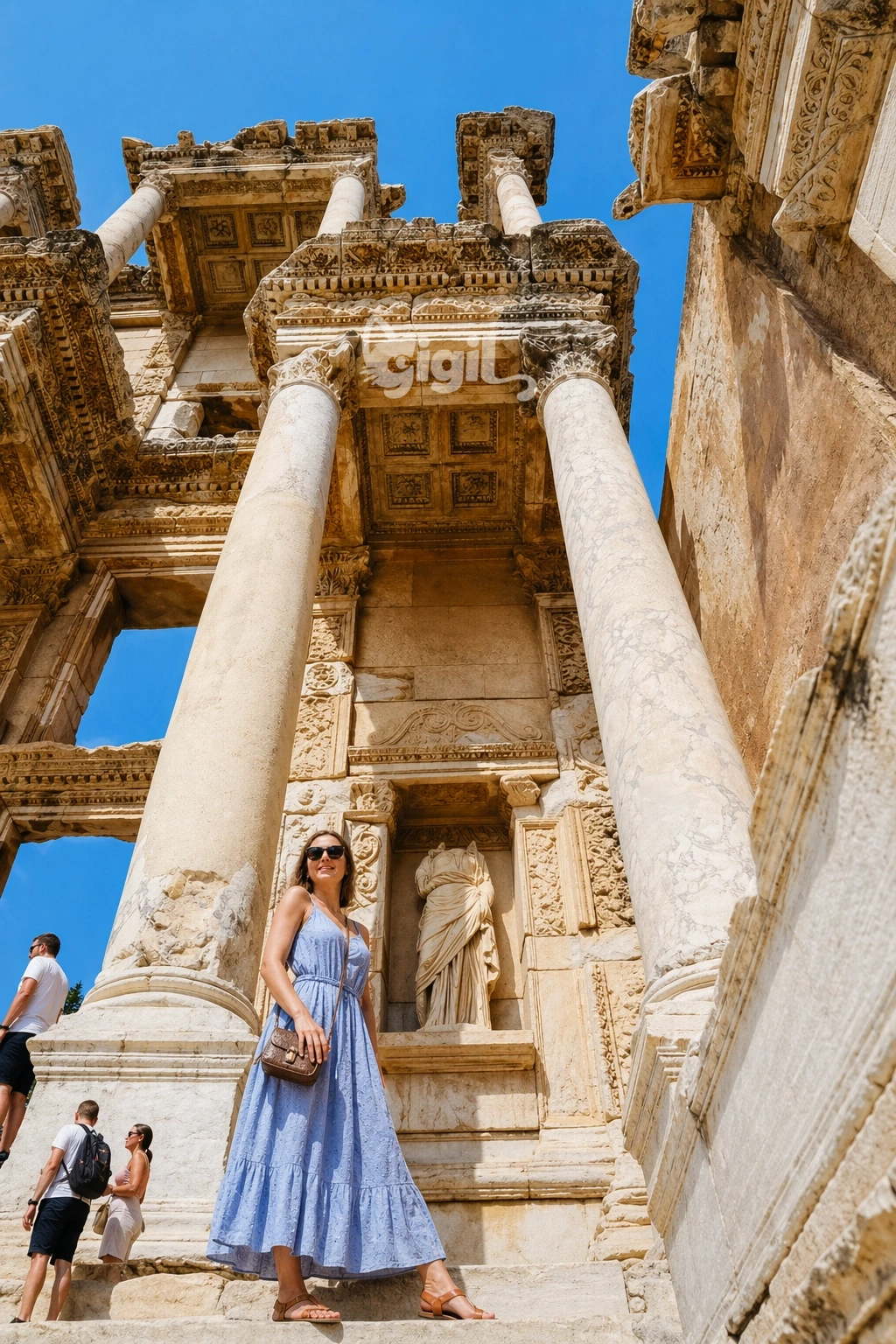
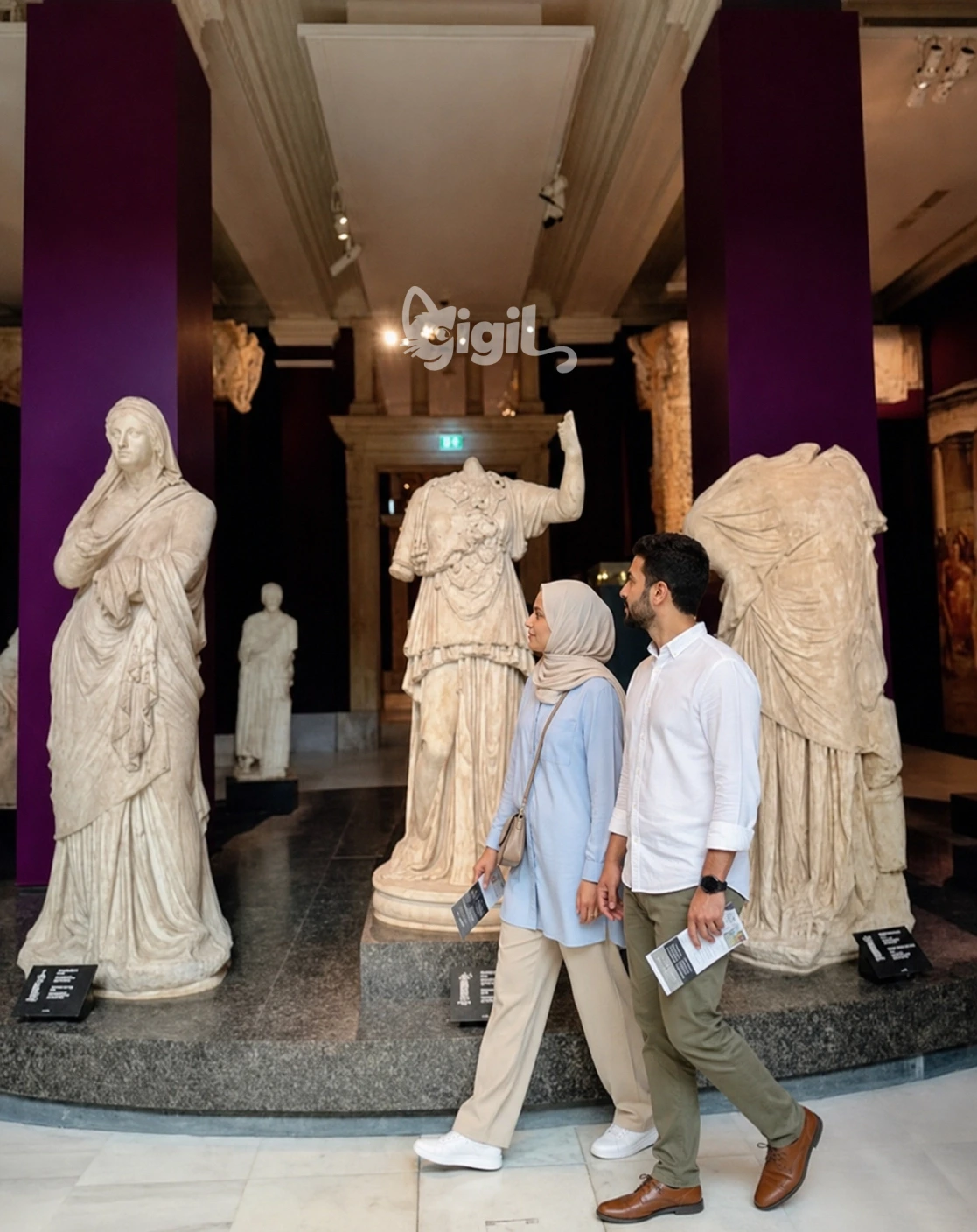
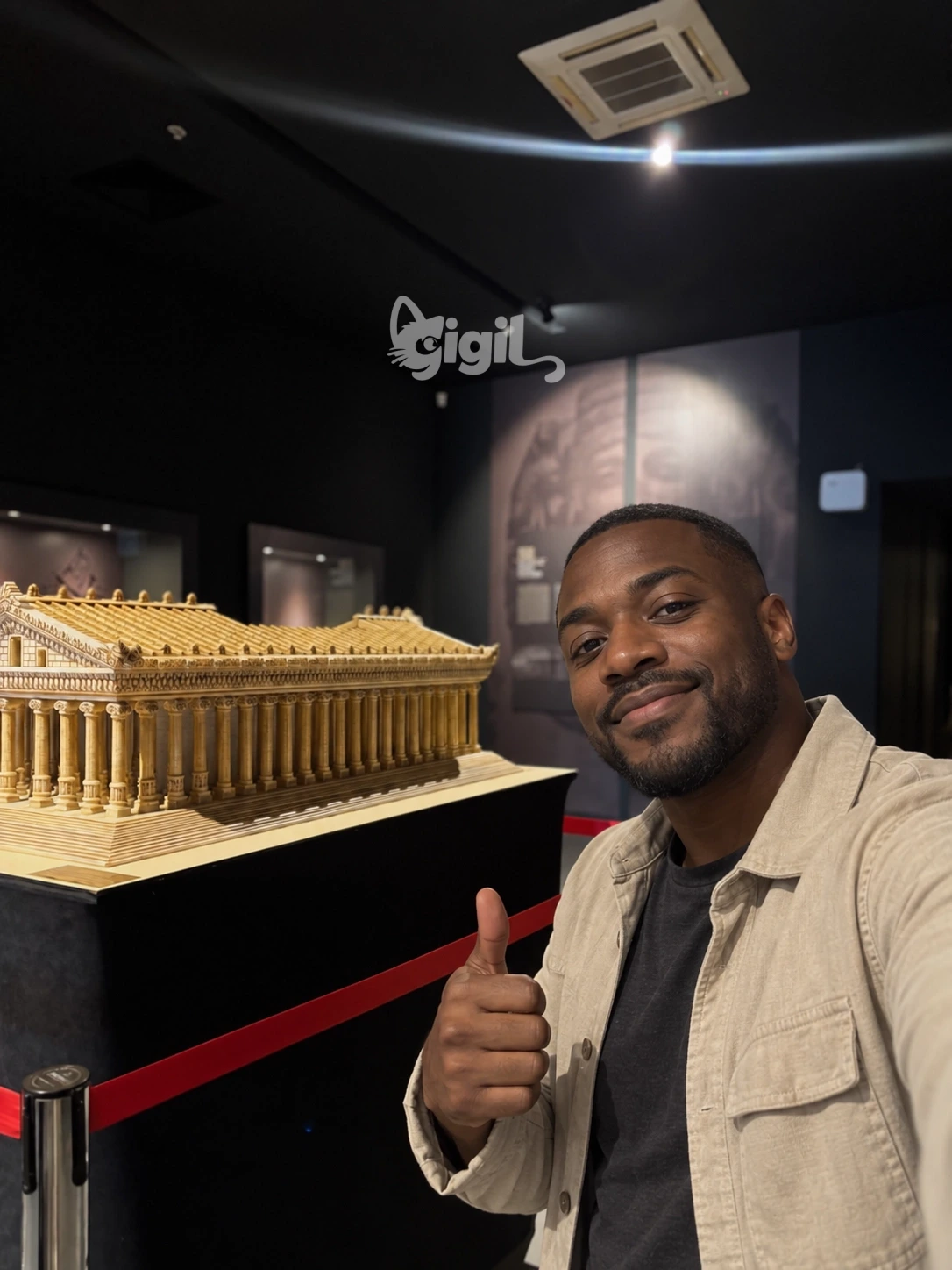
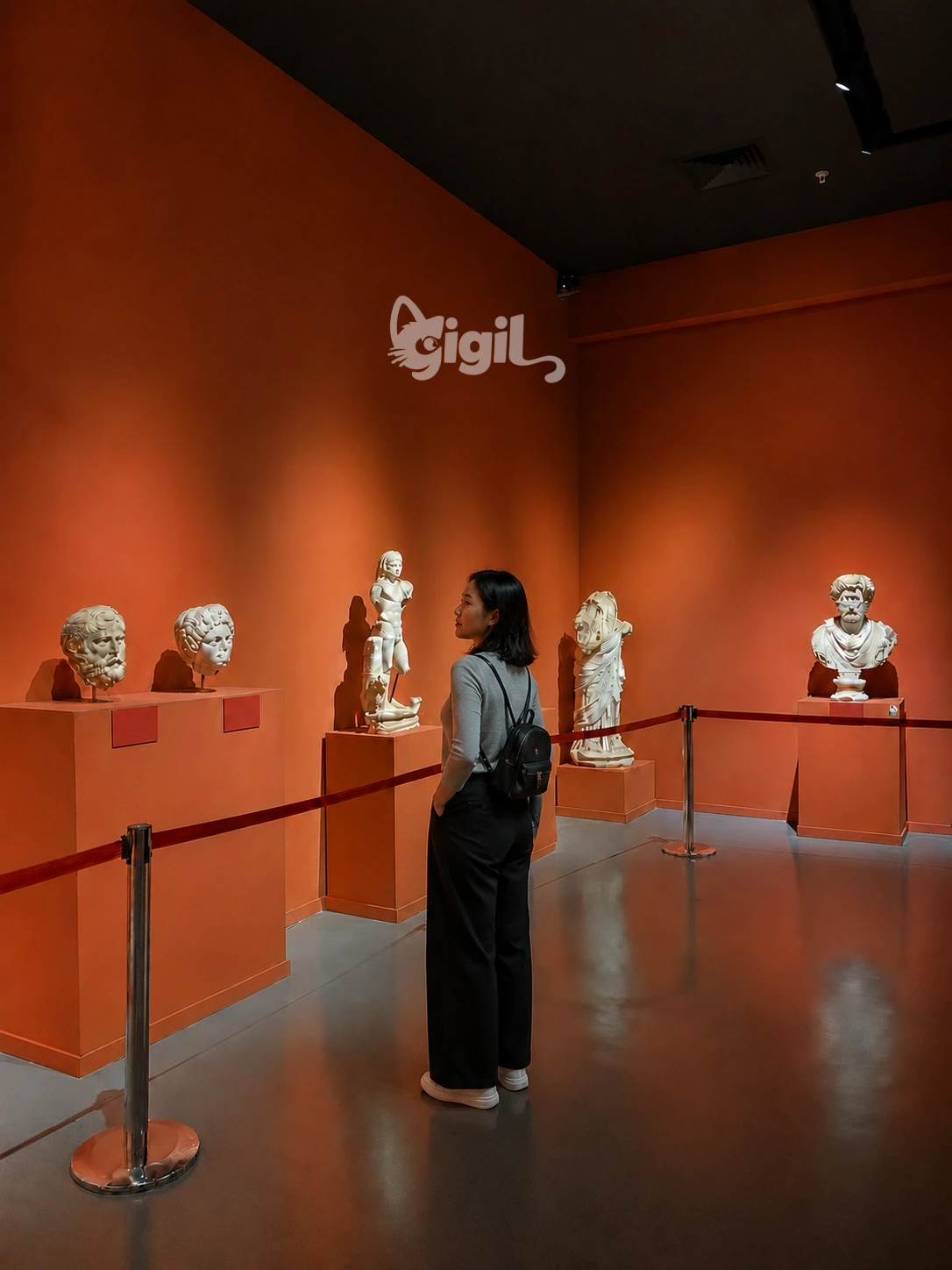
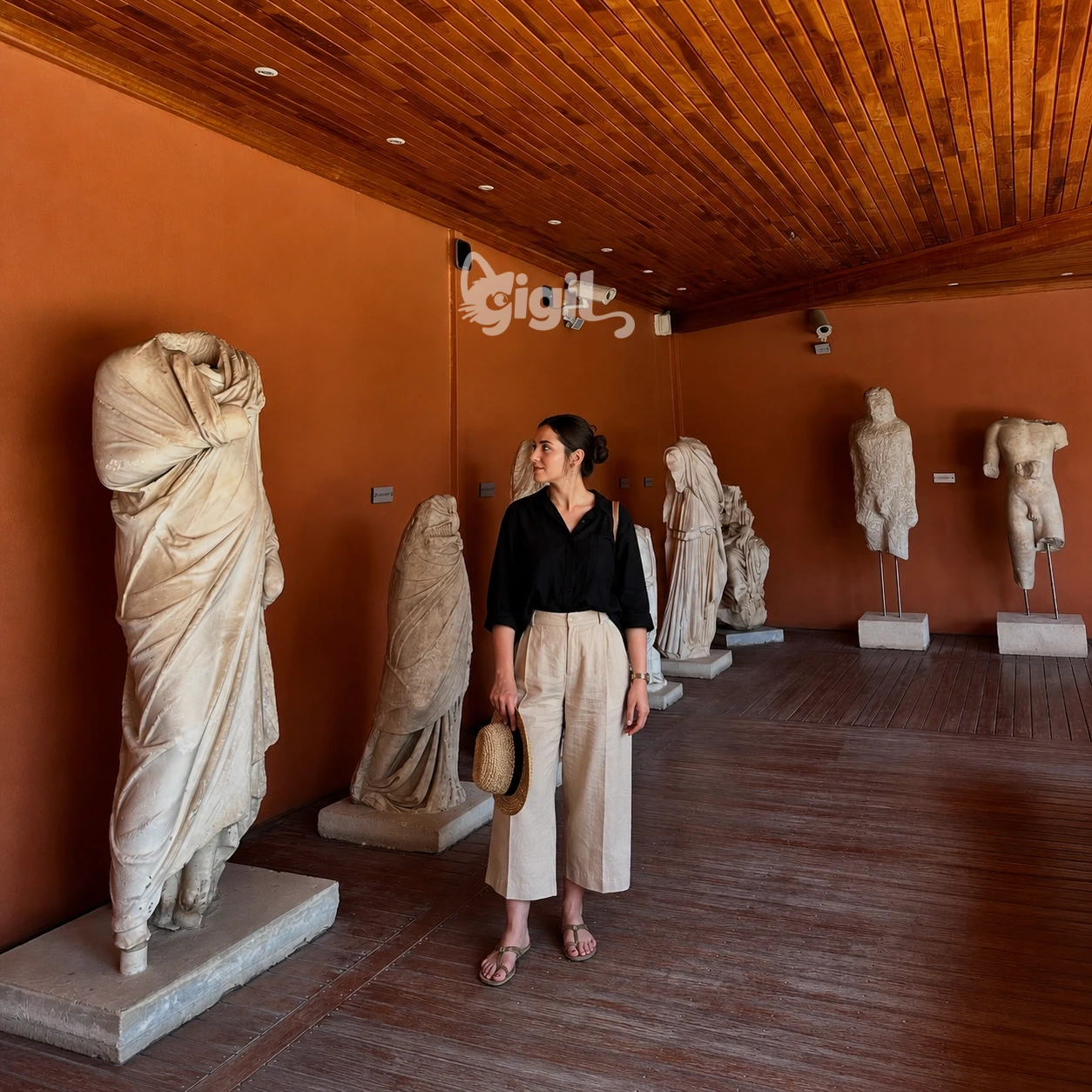
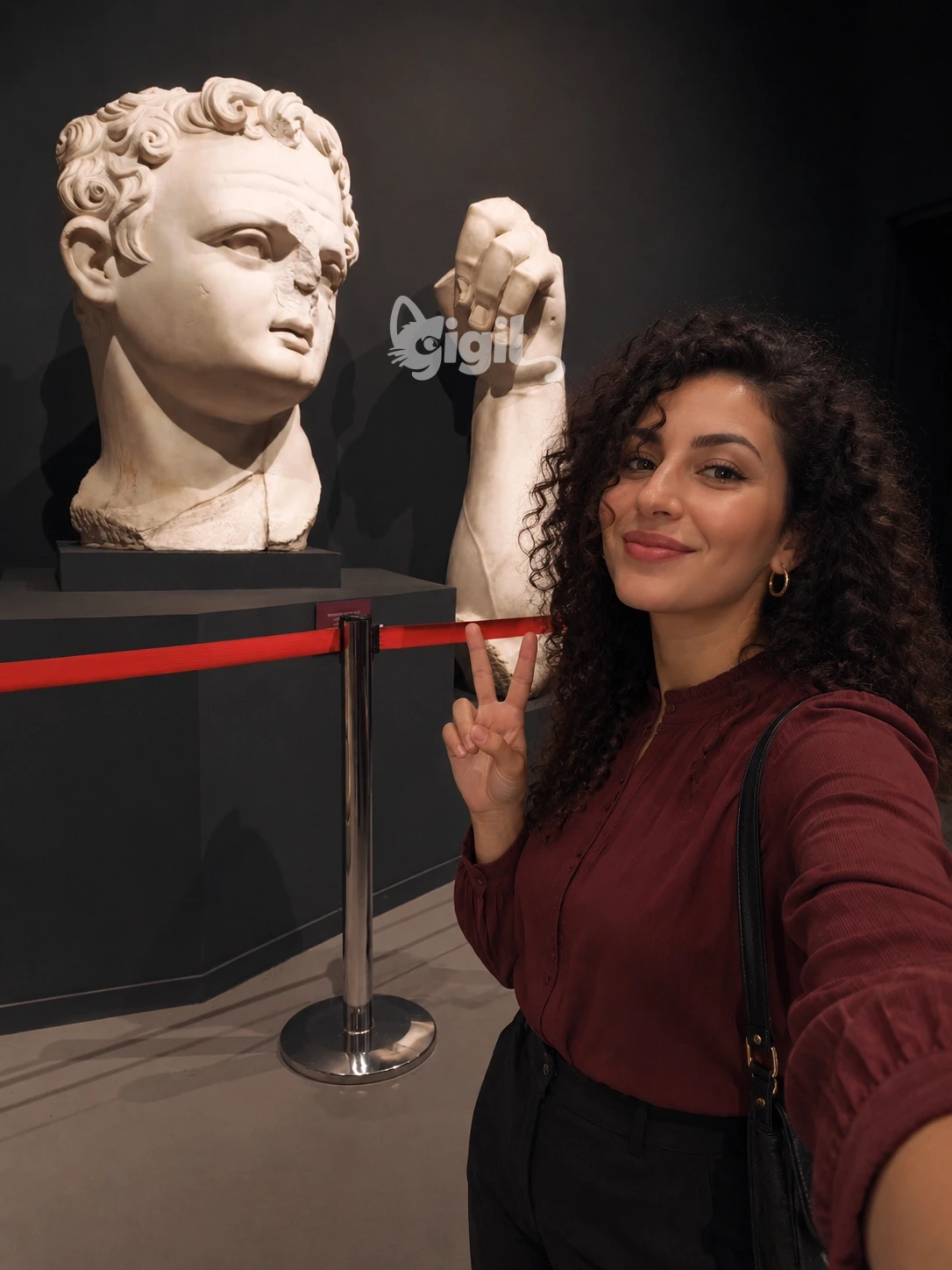
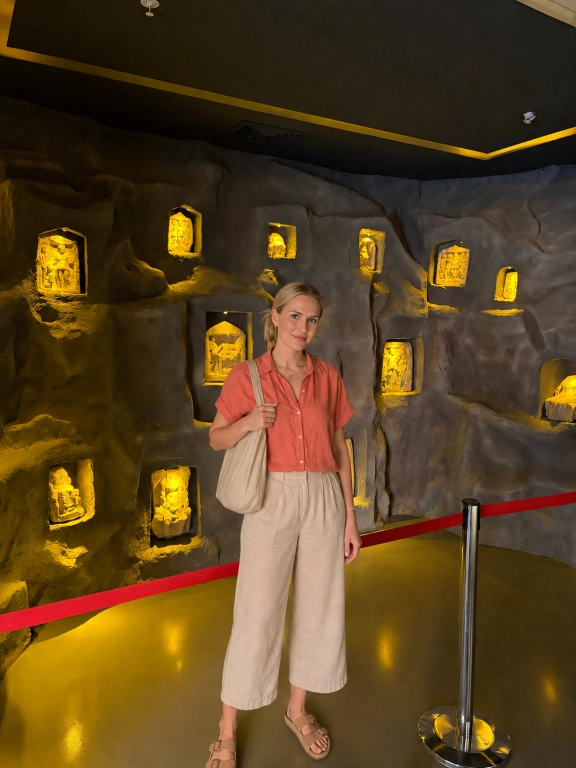
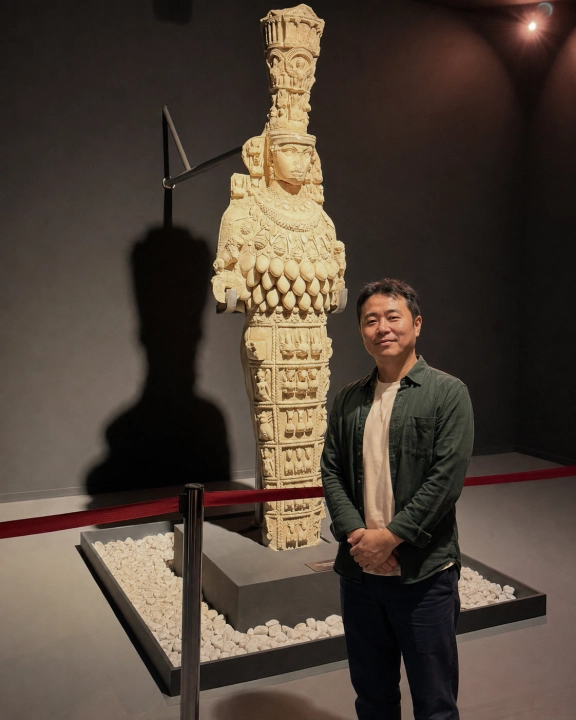
The Great Theatre and Library of Celsus stand out within that order, but smaller stretches of street help explain the setting too. Stay on the accessible route and look for differences in scale. Later in the museum, smaller objects bring a more personal perspective to the architecture seen here.
Questions
Why do street connections matter to a visitor?
They help place each building within a wider network instead of leaving it as a detached ruin.
What gives the site its Roman character?
Many of its major surviving monuments belong to the city's Roman development.
Will every part of a landmark be open?
Not necessarily; individual access depends on the areas available during the visit.
How can I link this walk with the rest of the day?
Remember a public space and compare its scale with the museum finds after lunch.