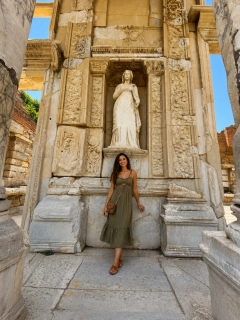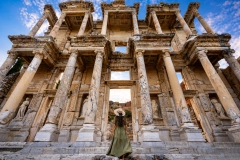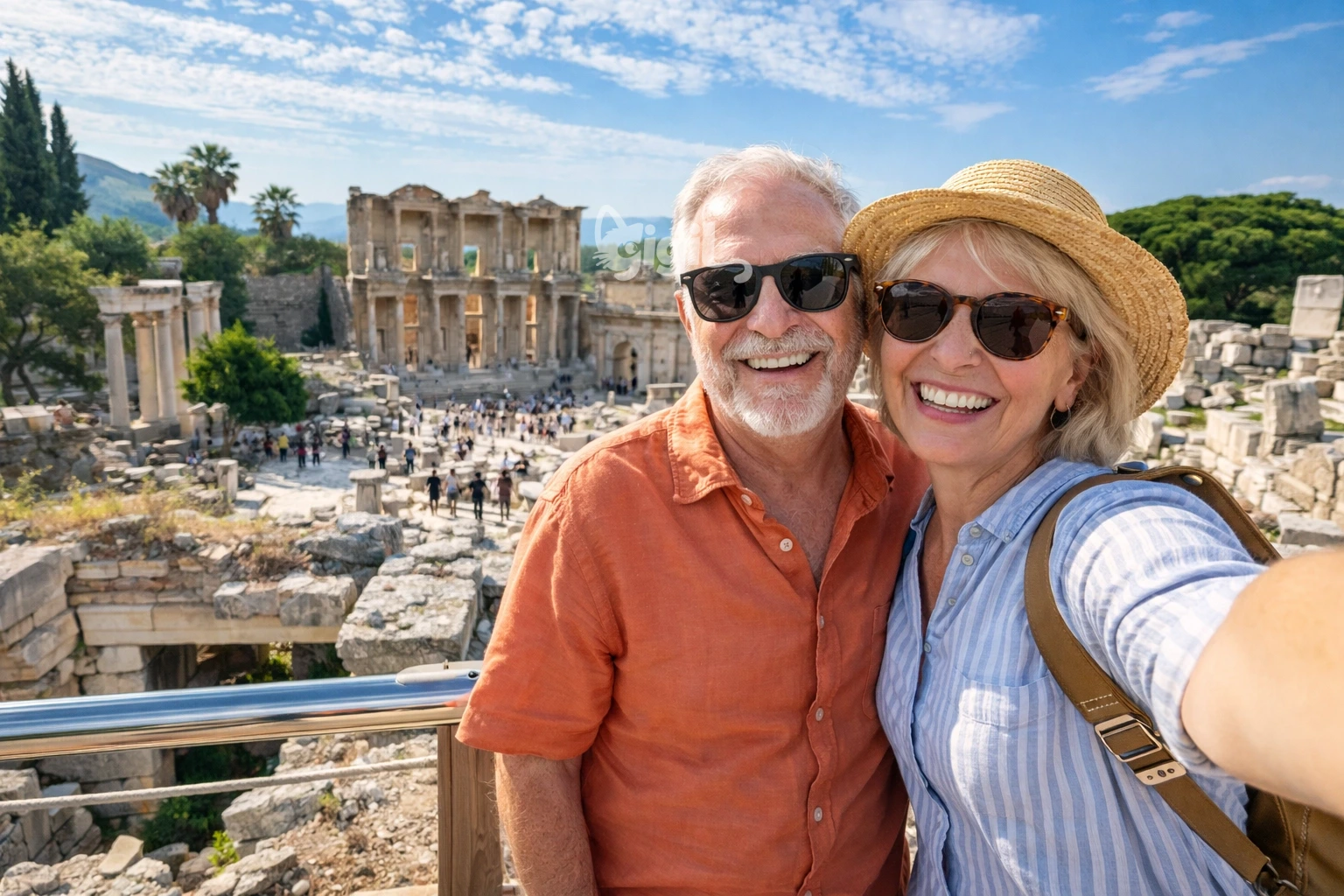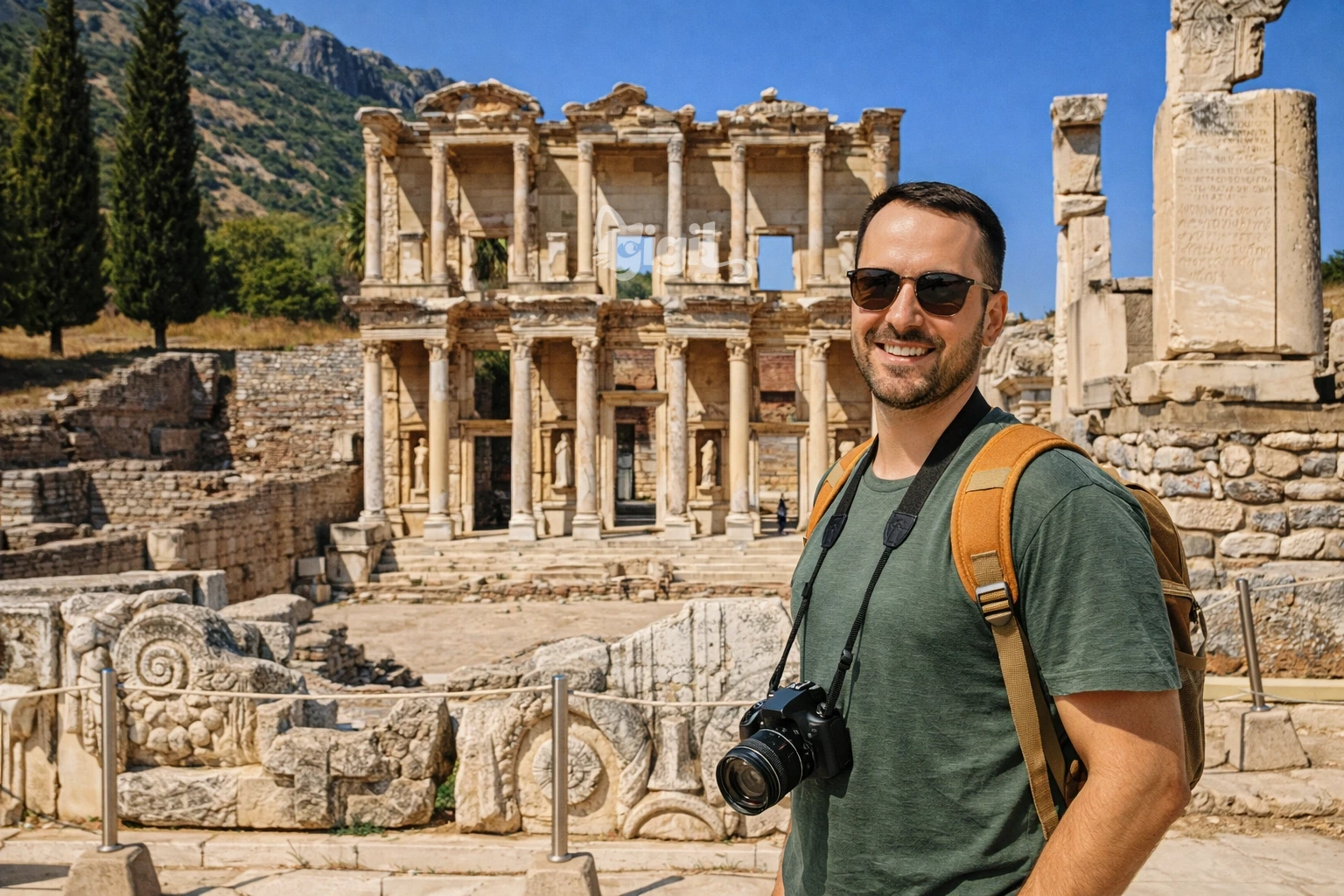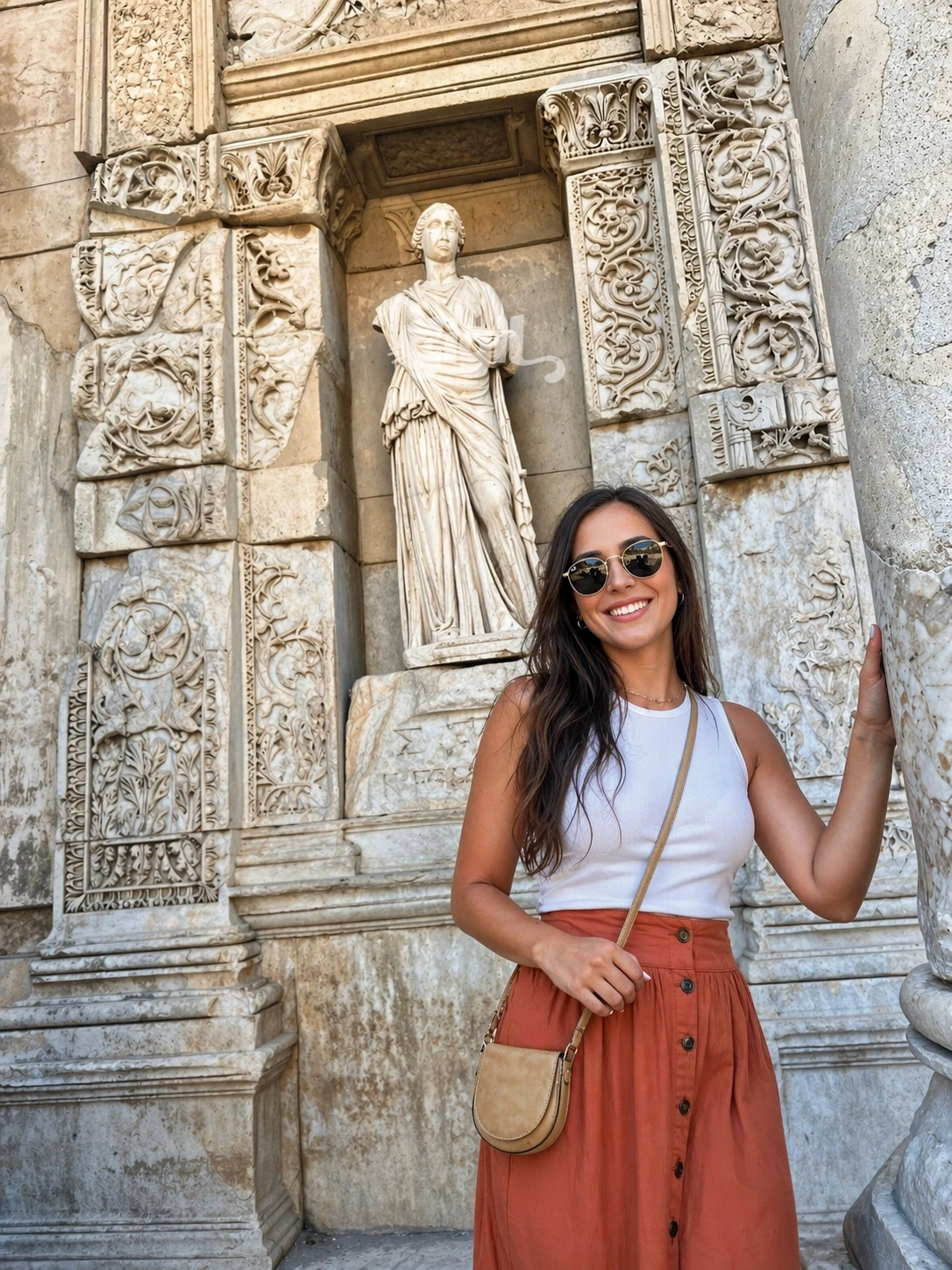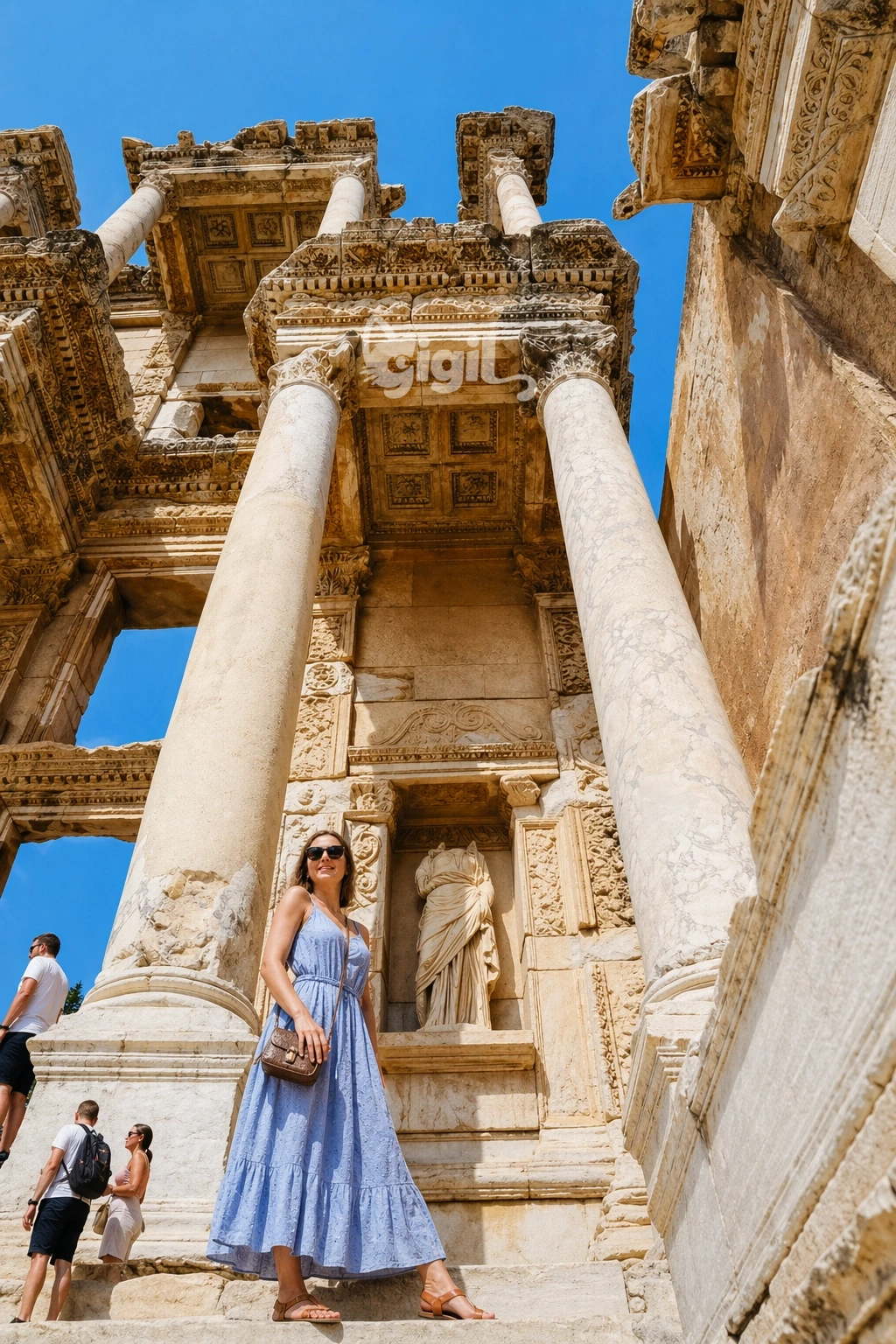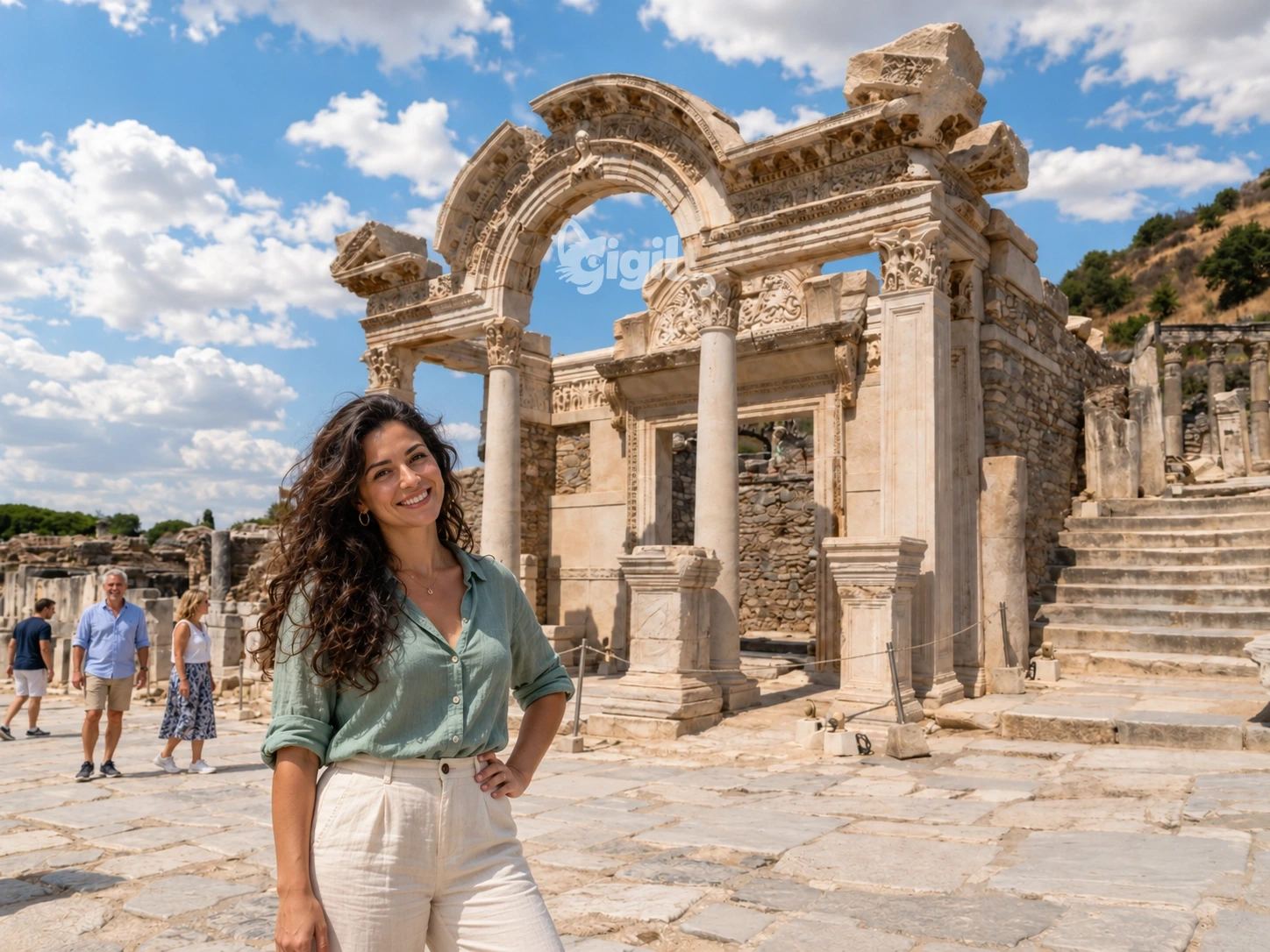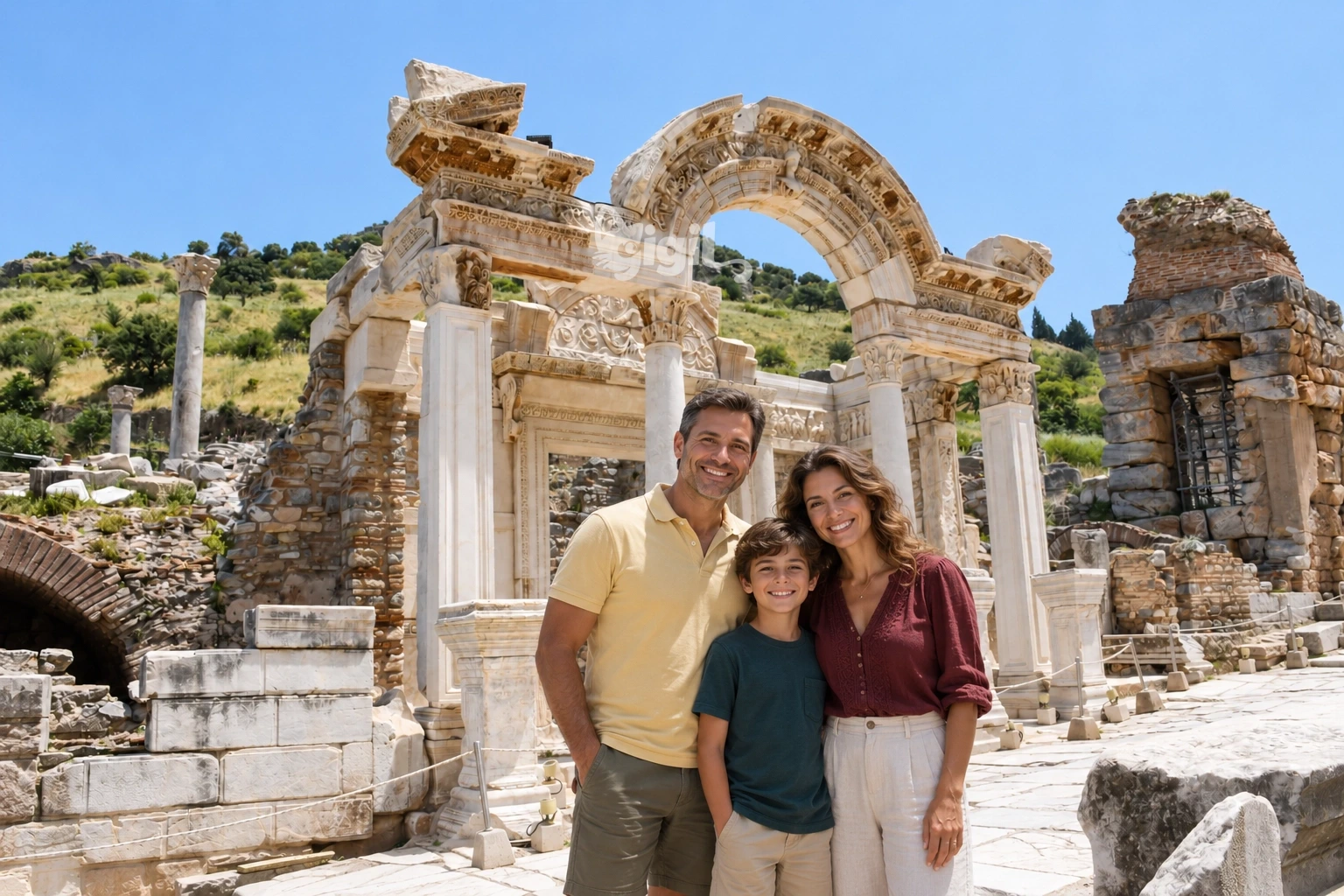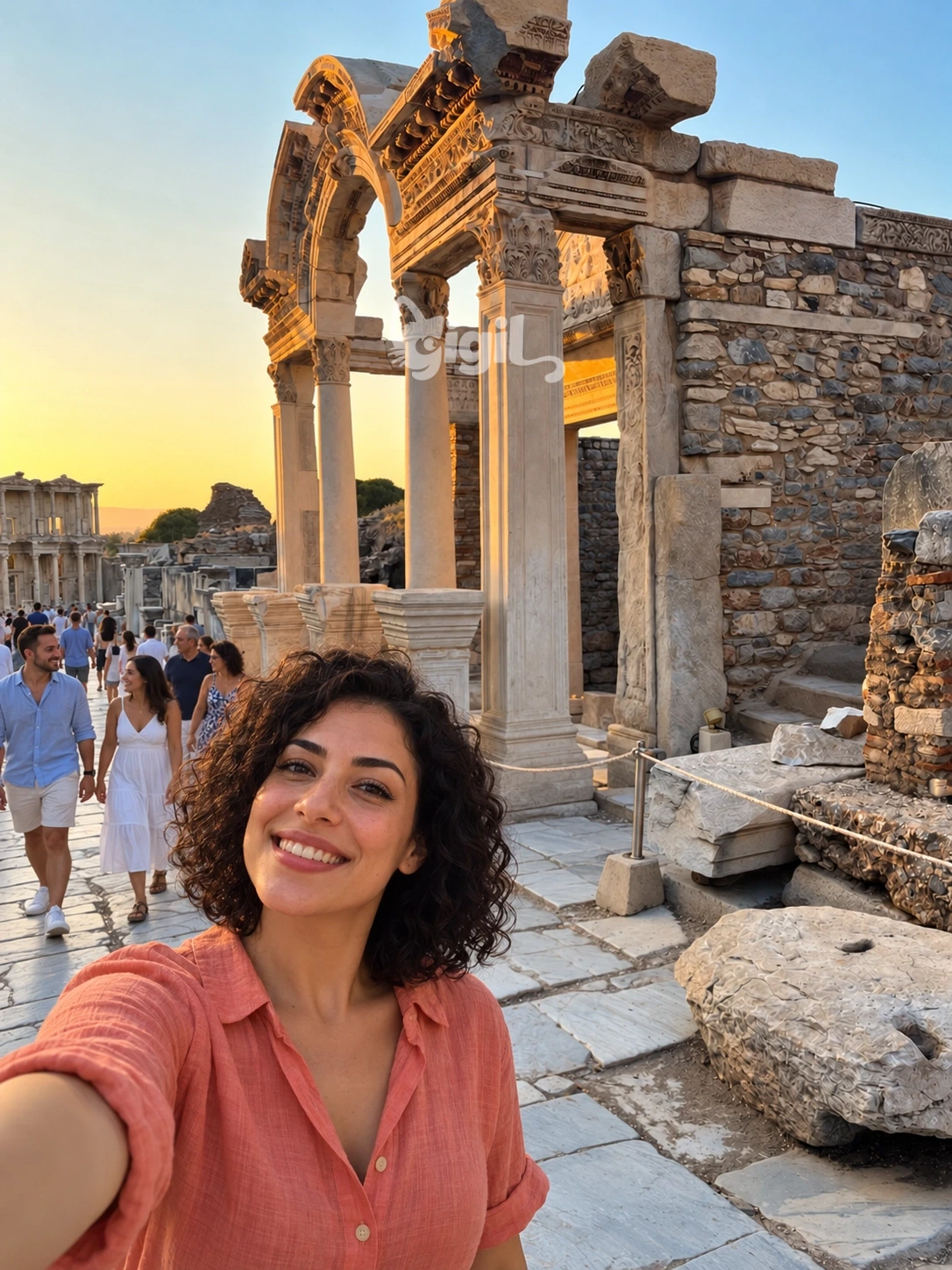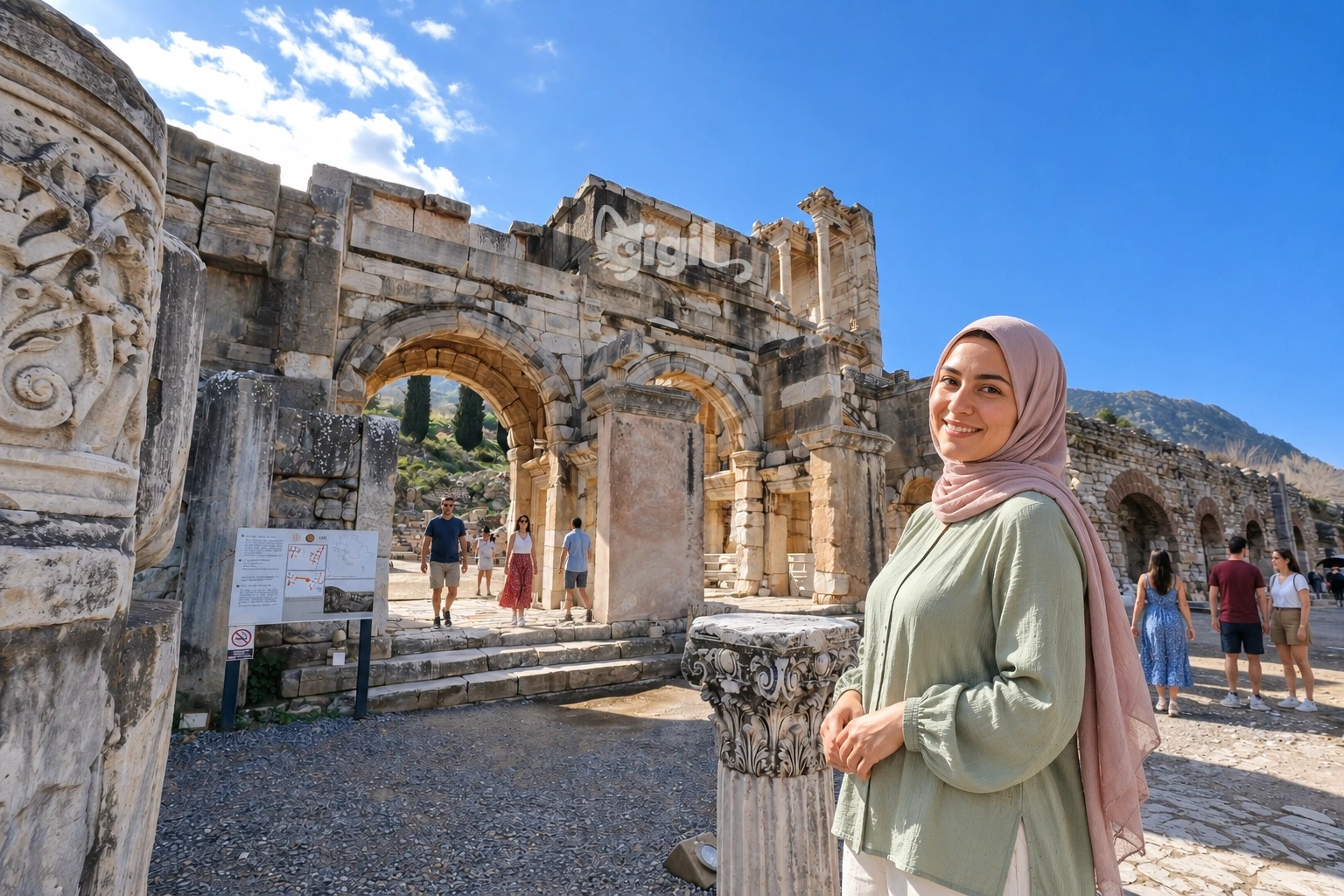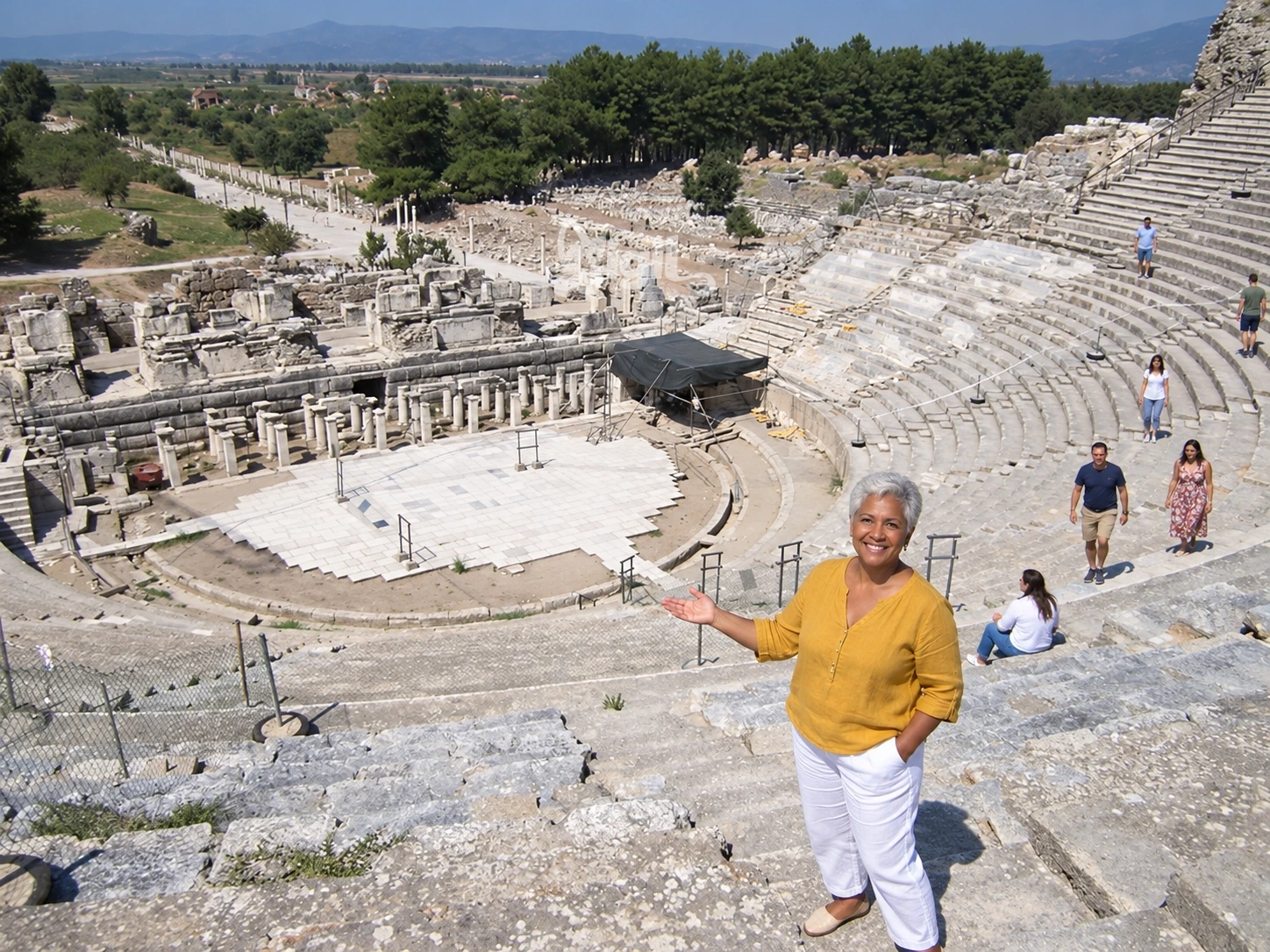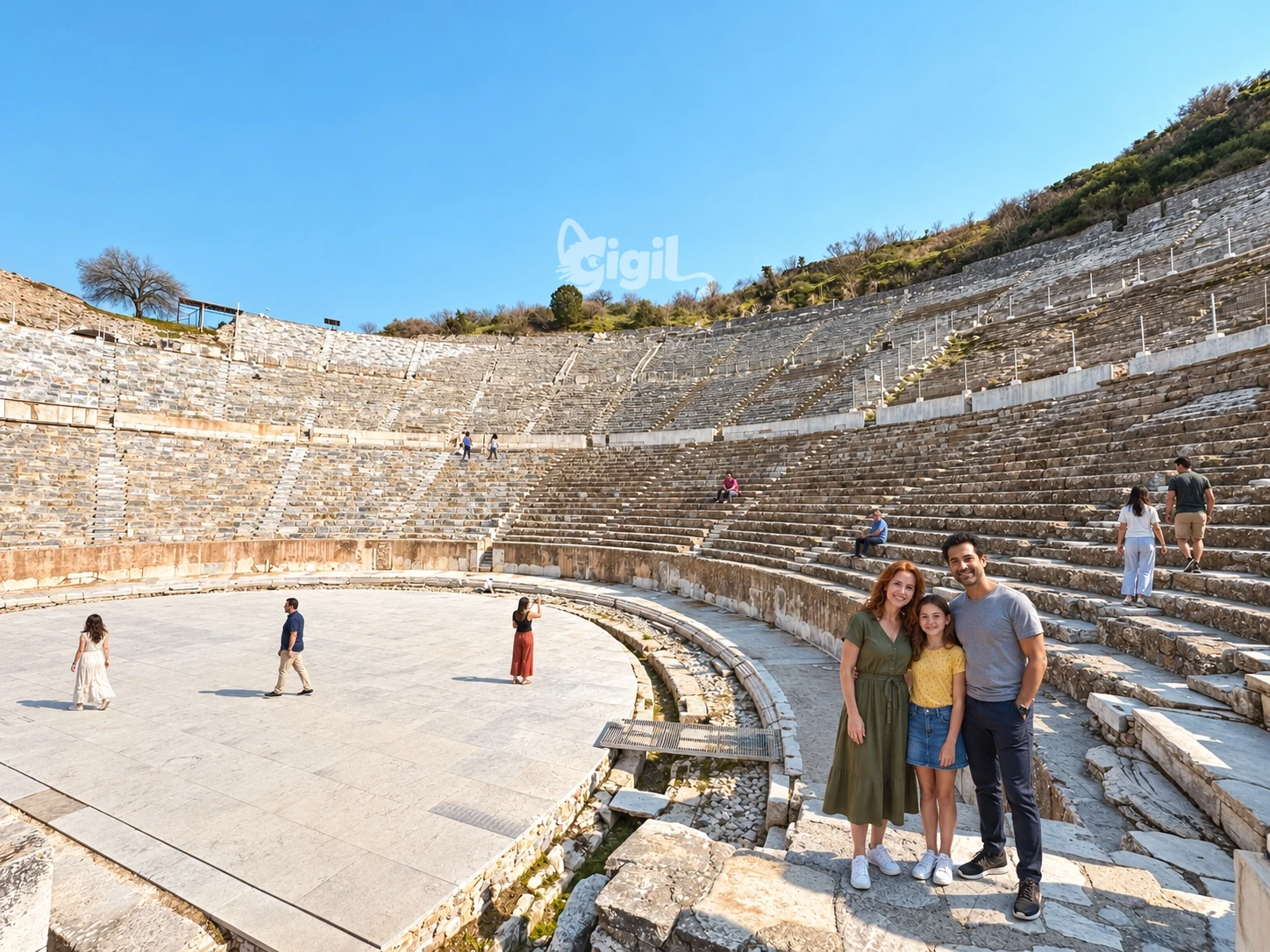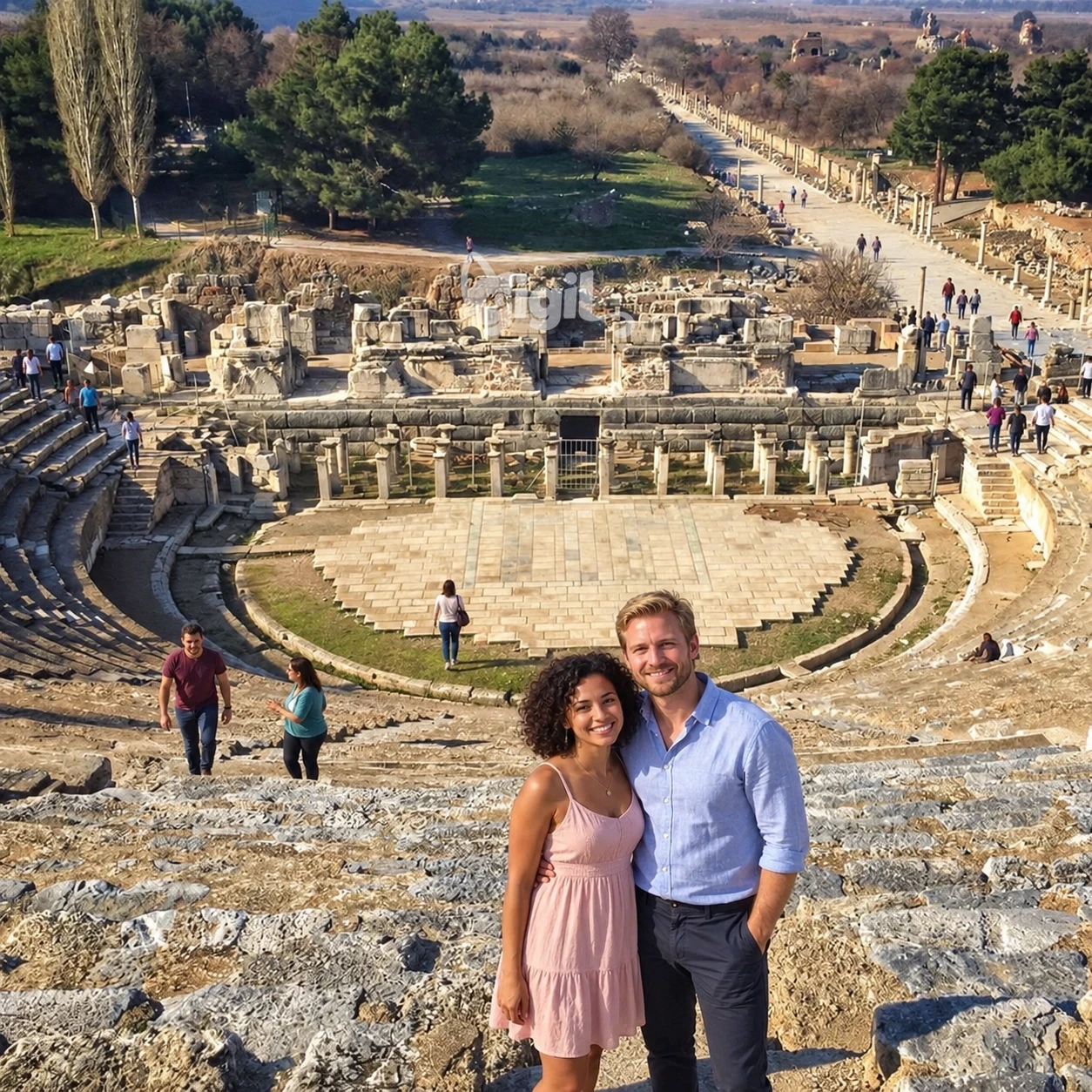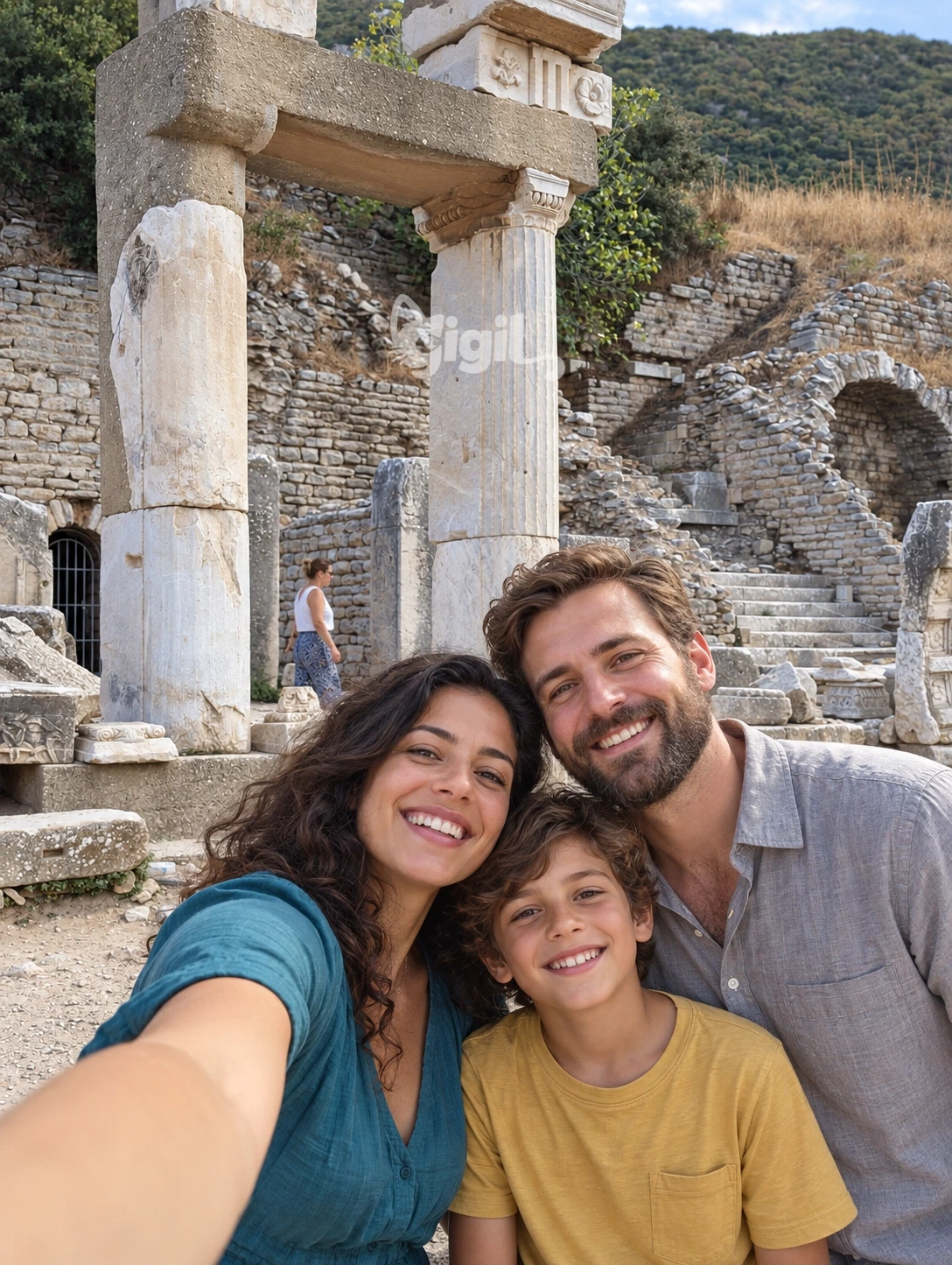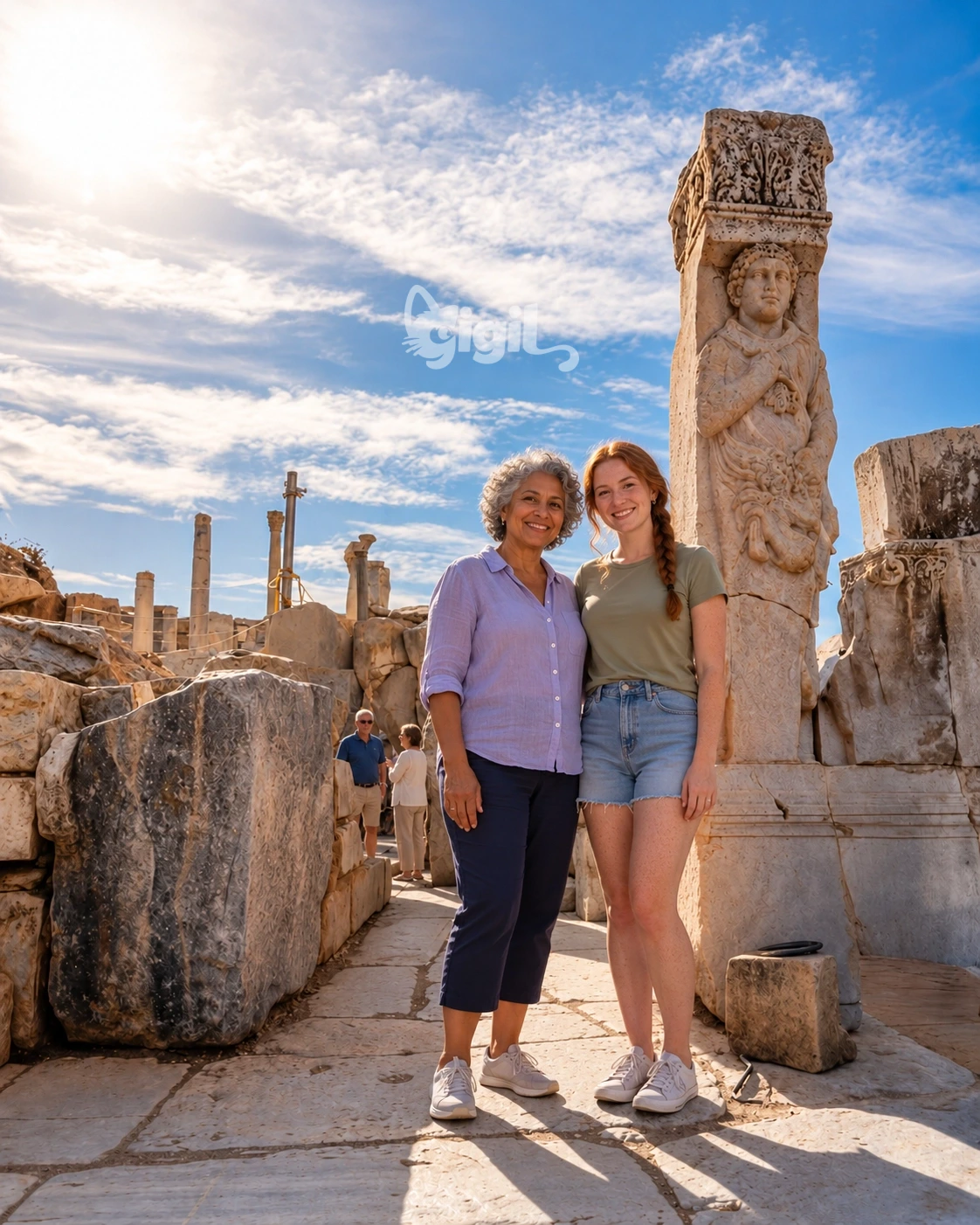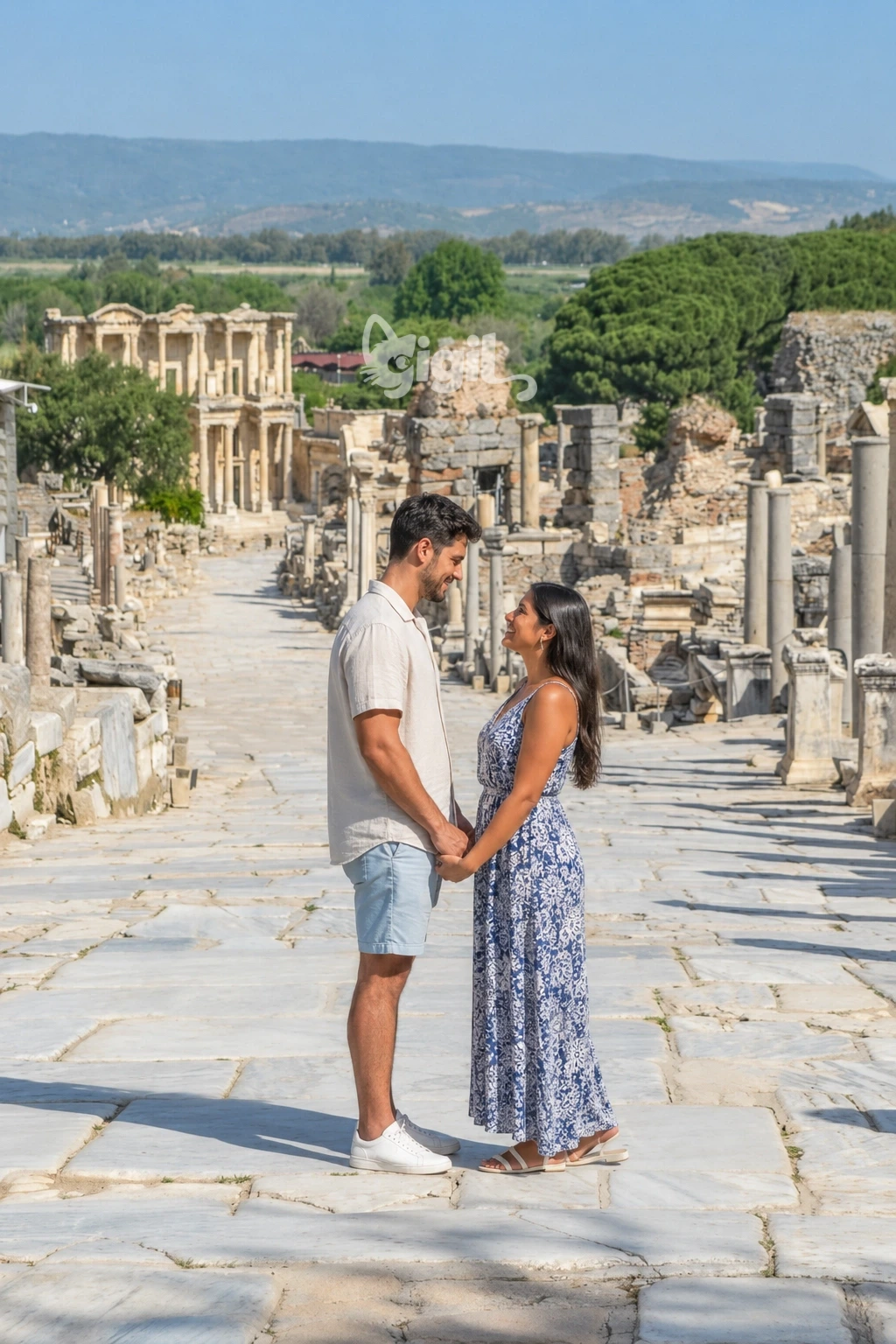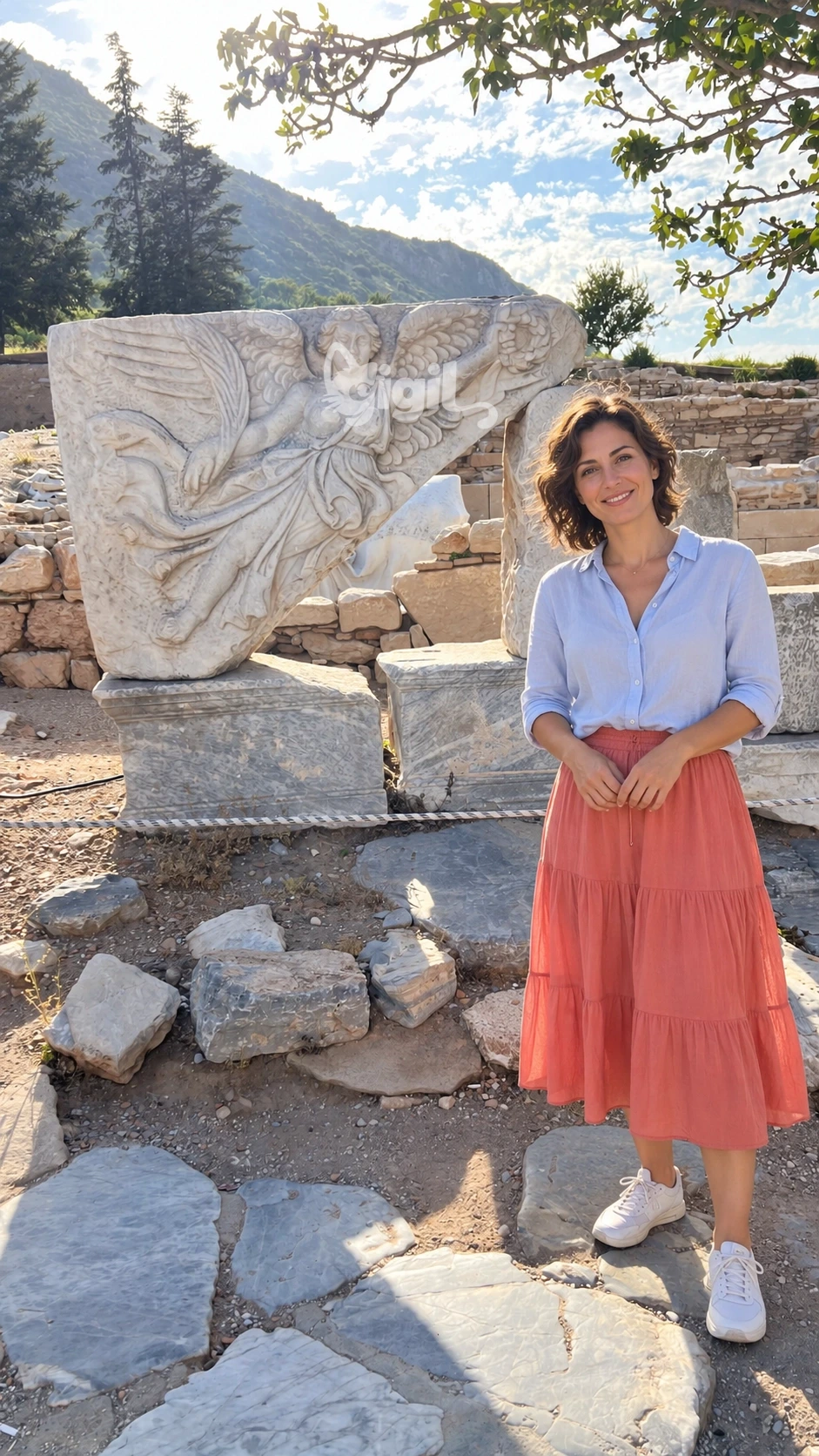








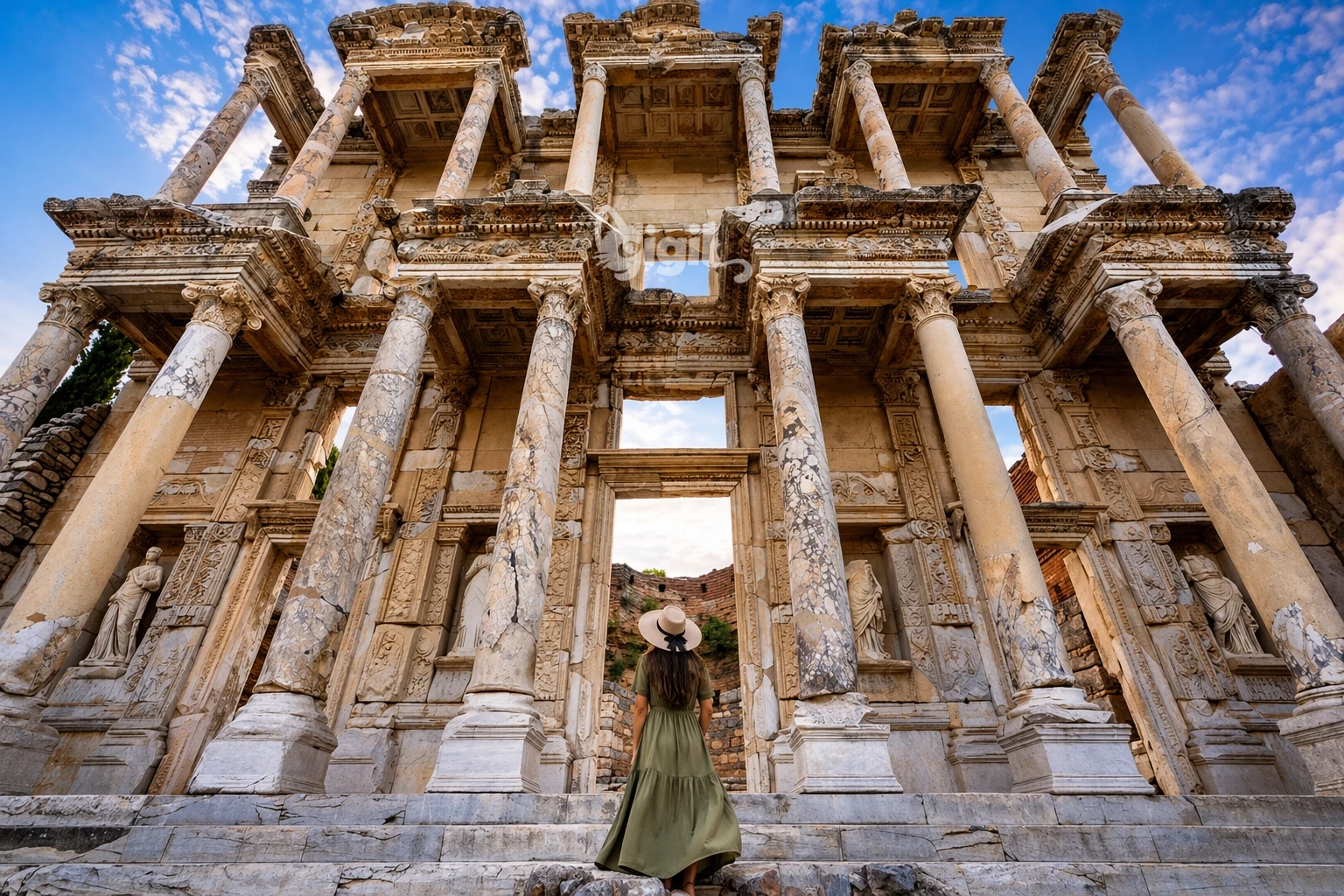
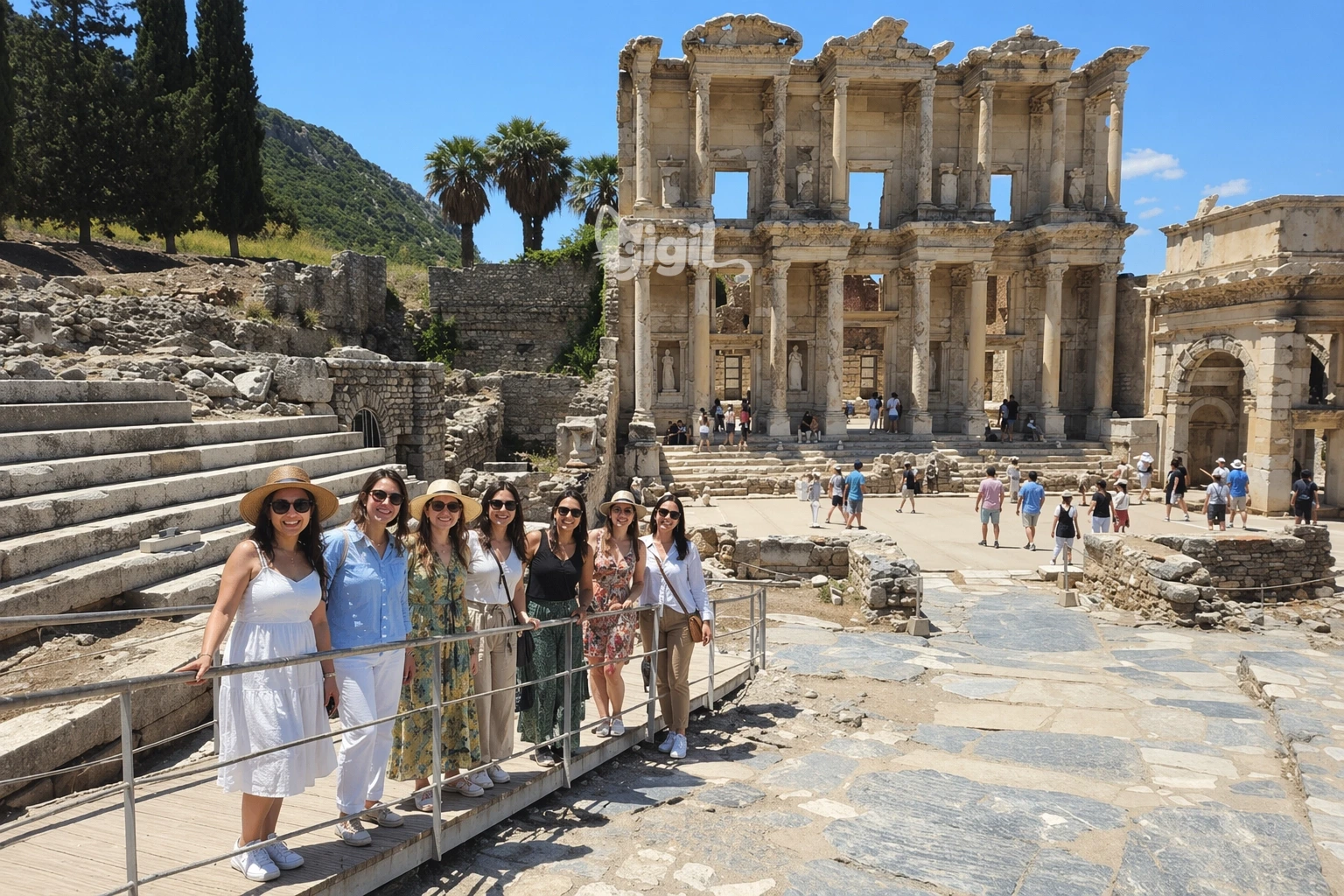
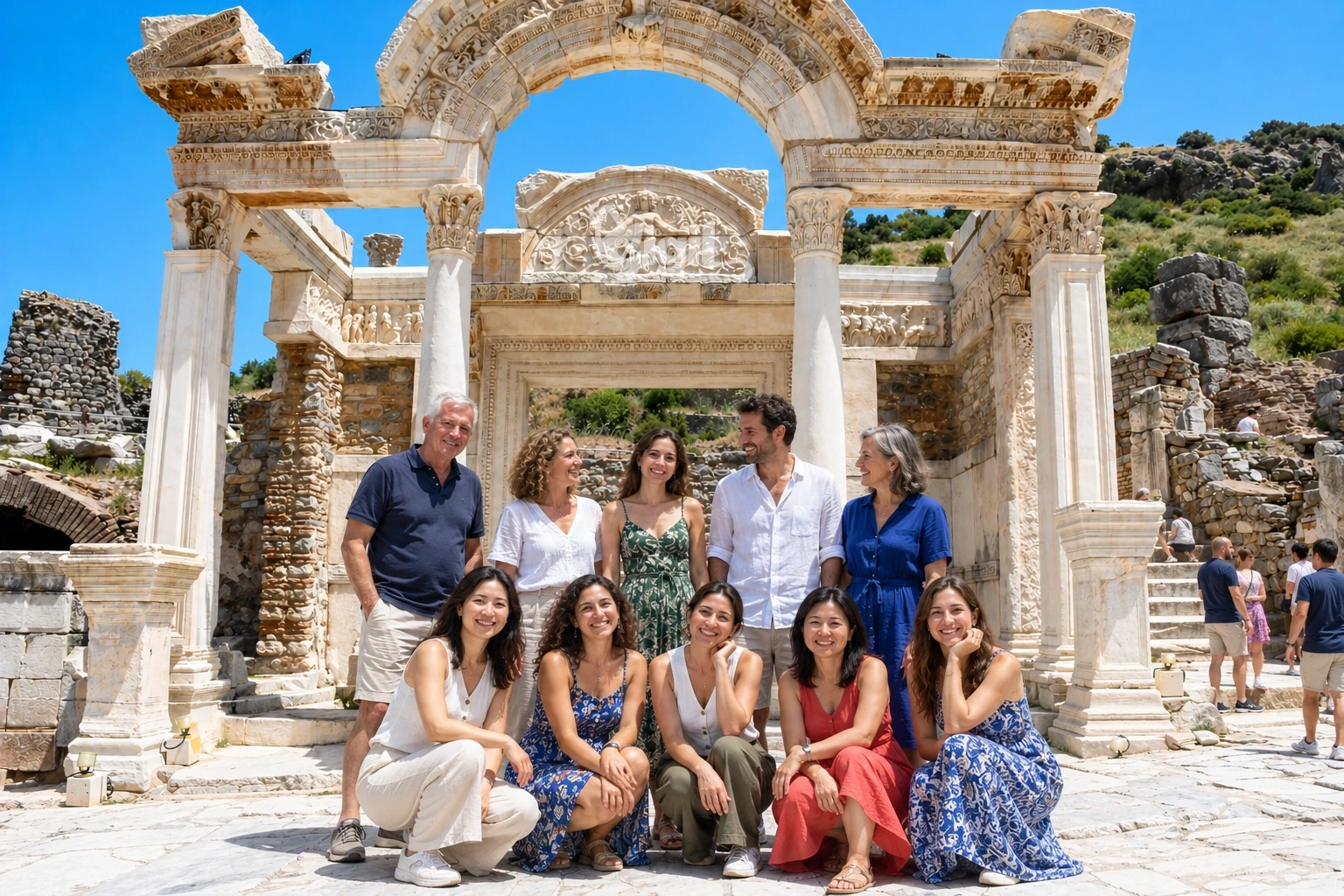
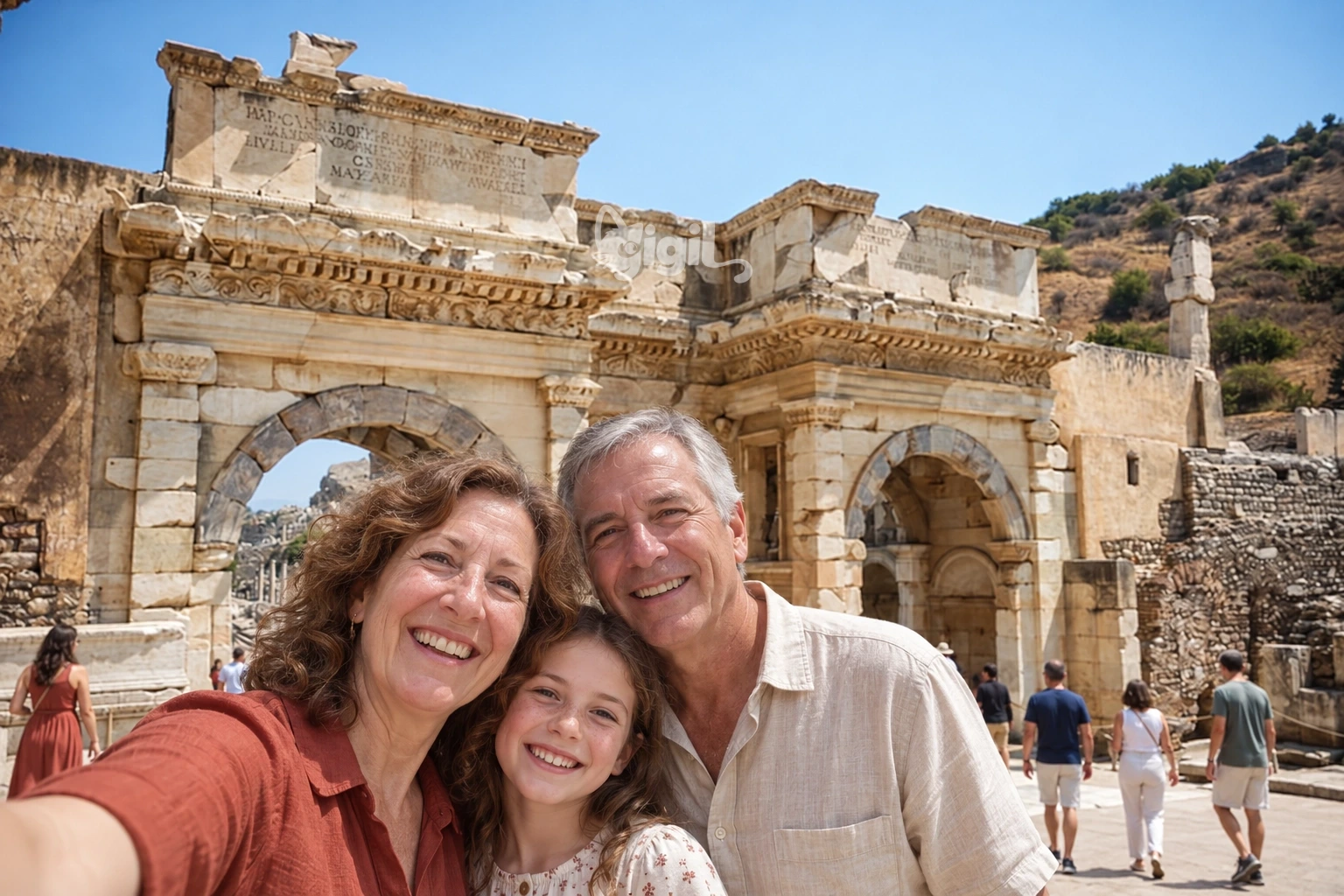
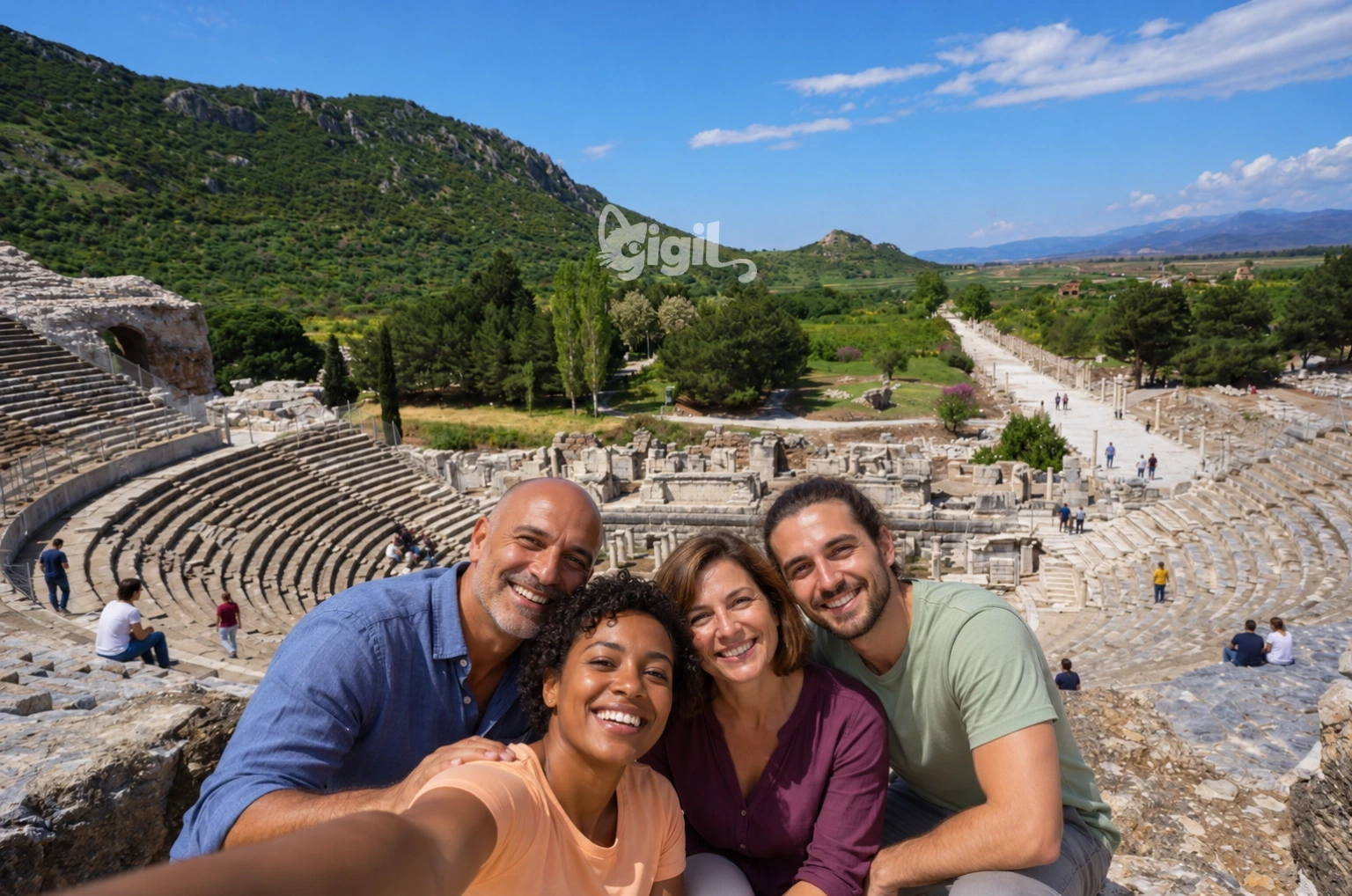
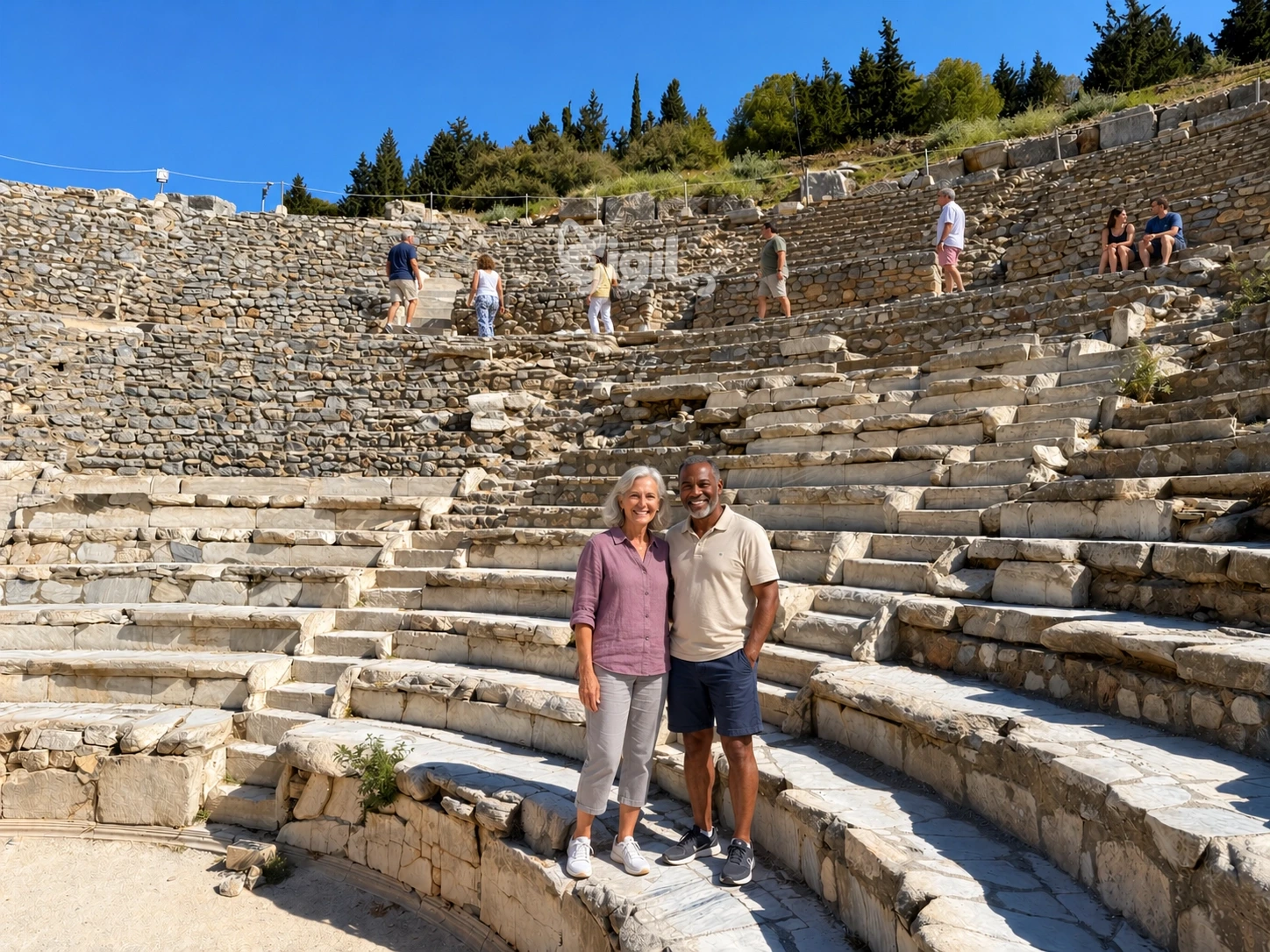
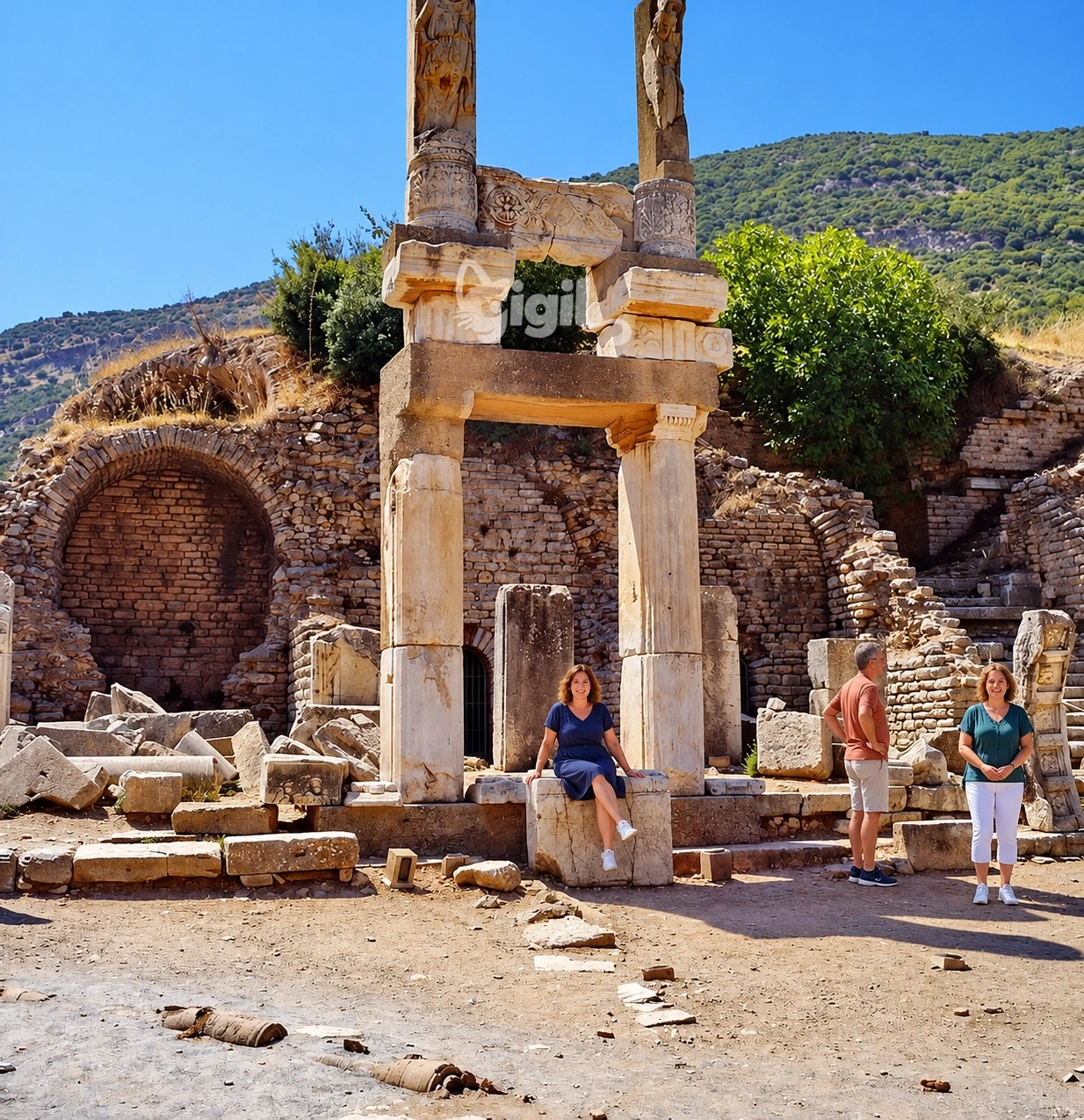
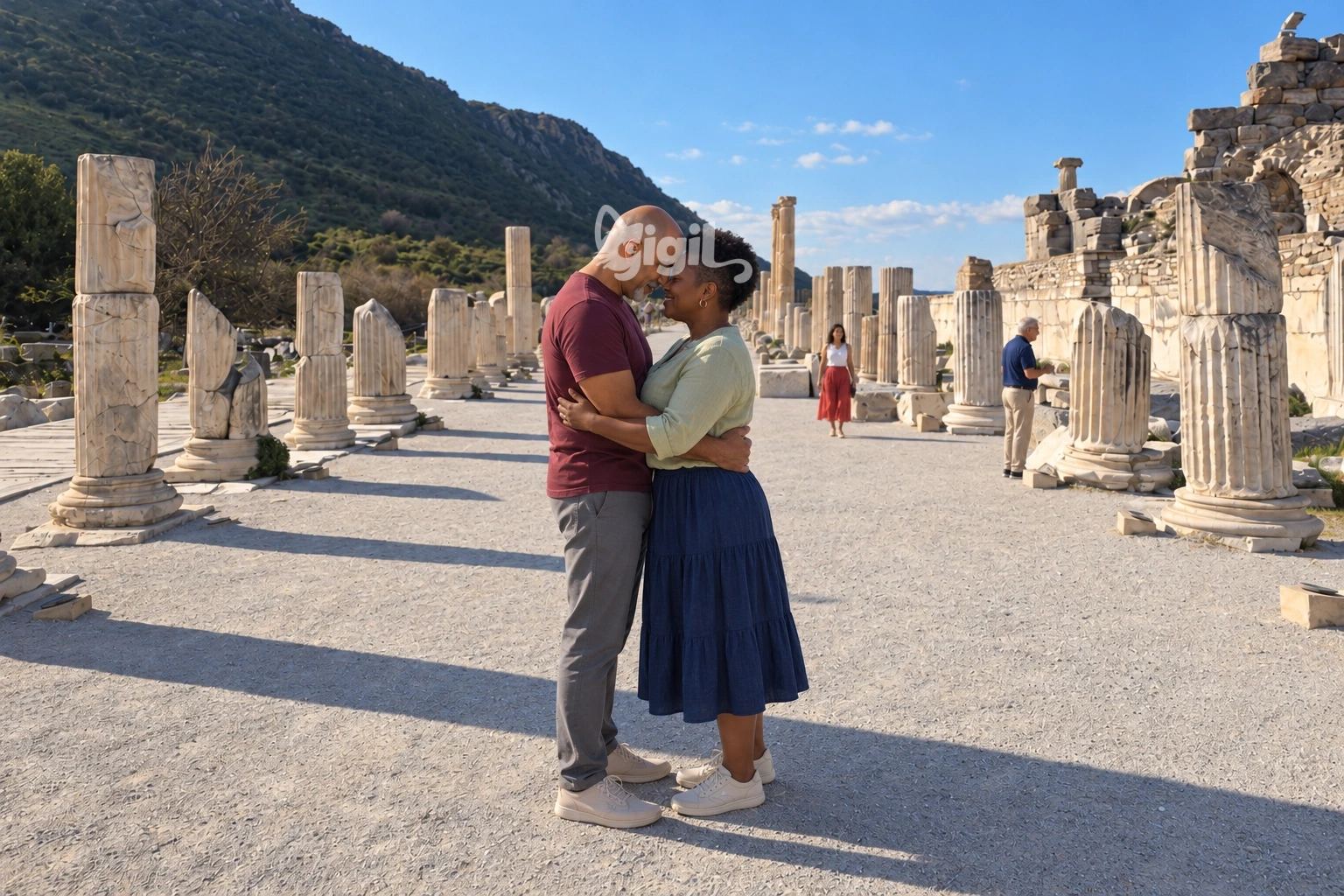
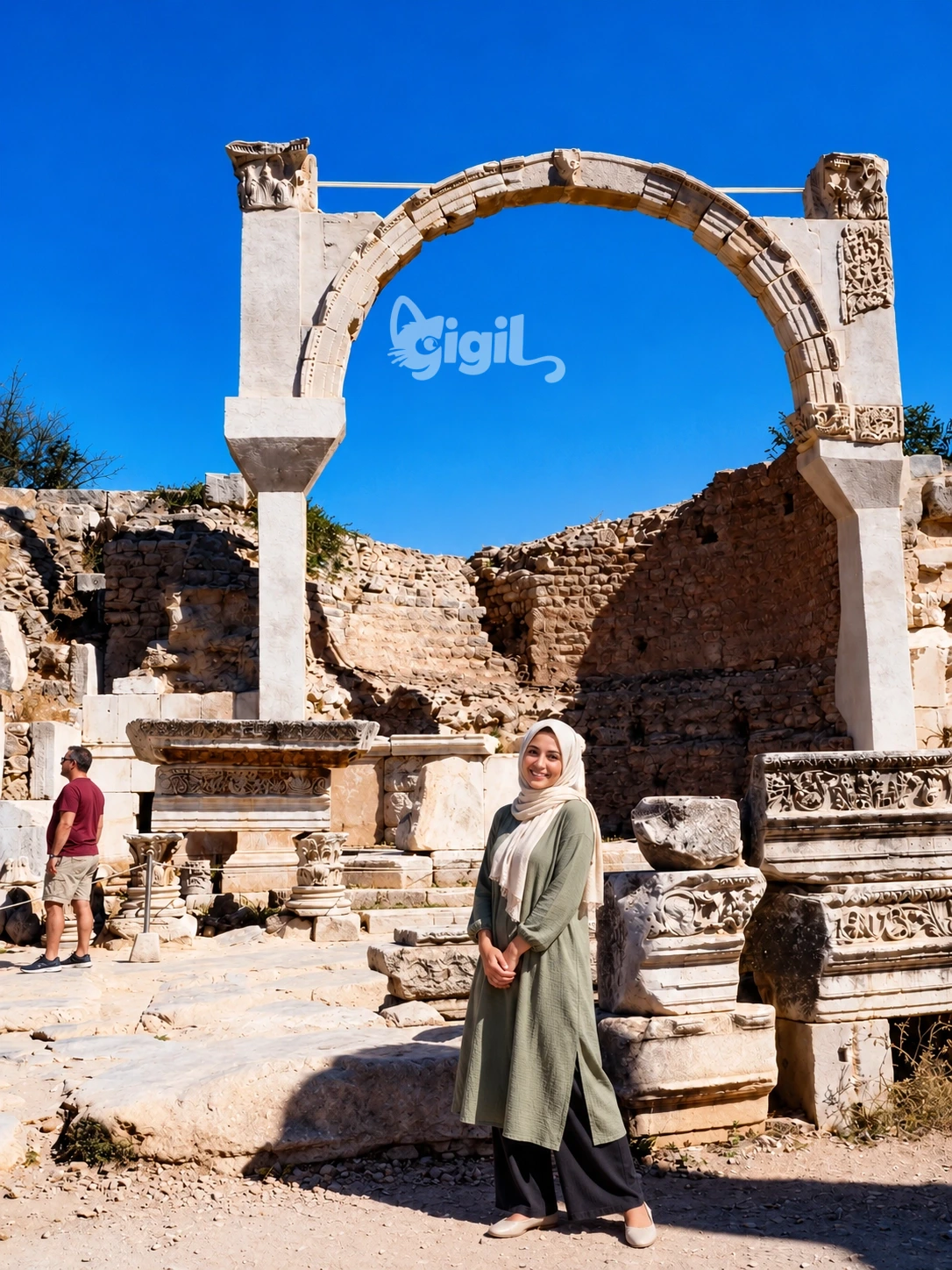
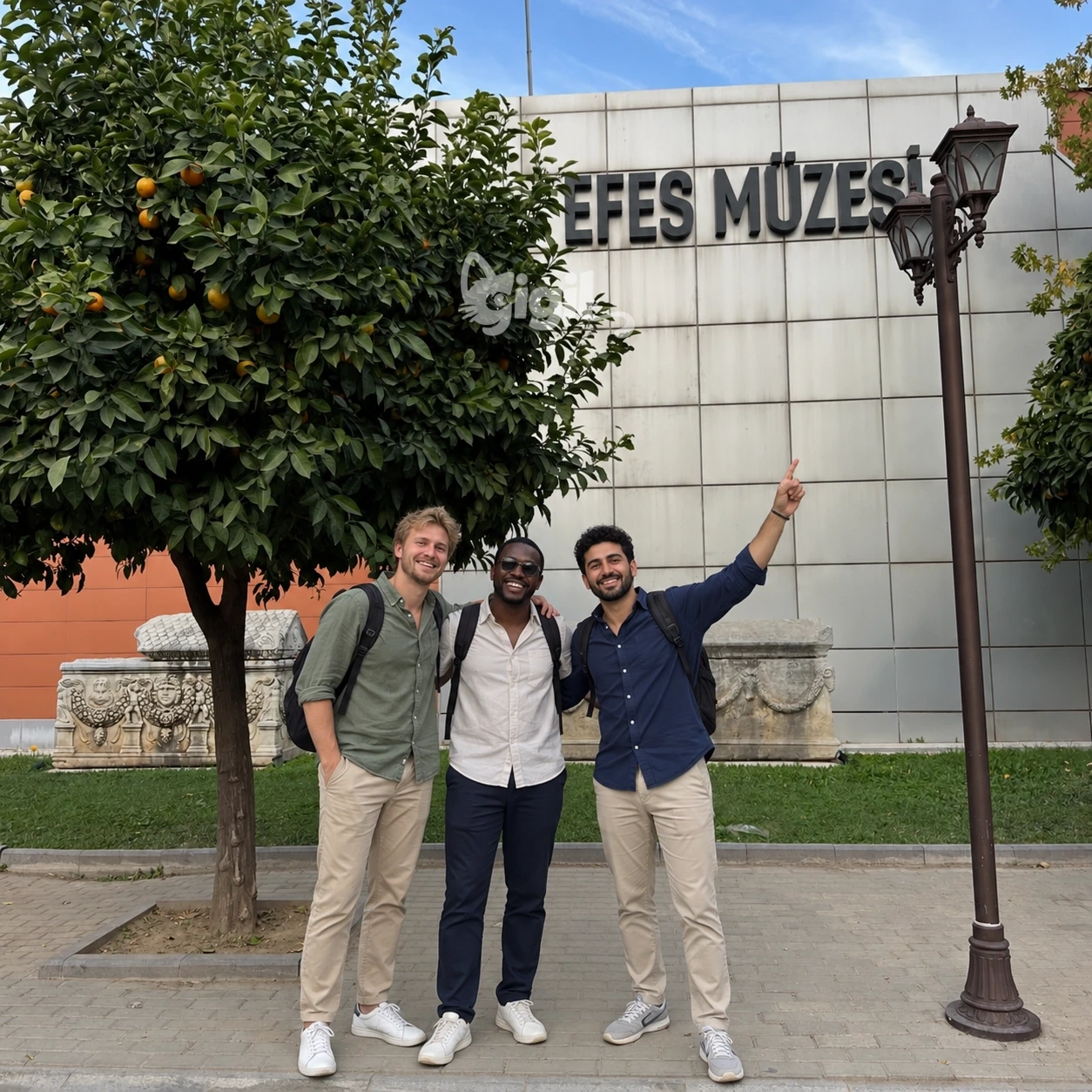
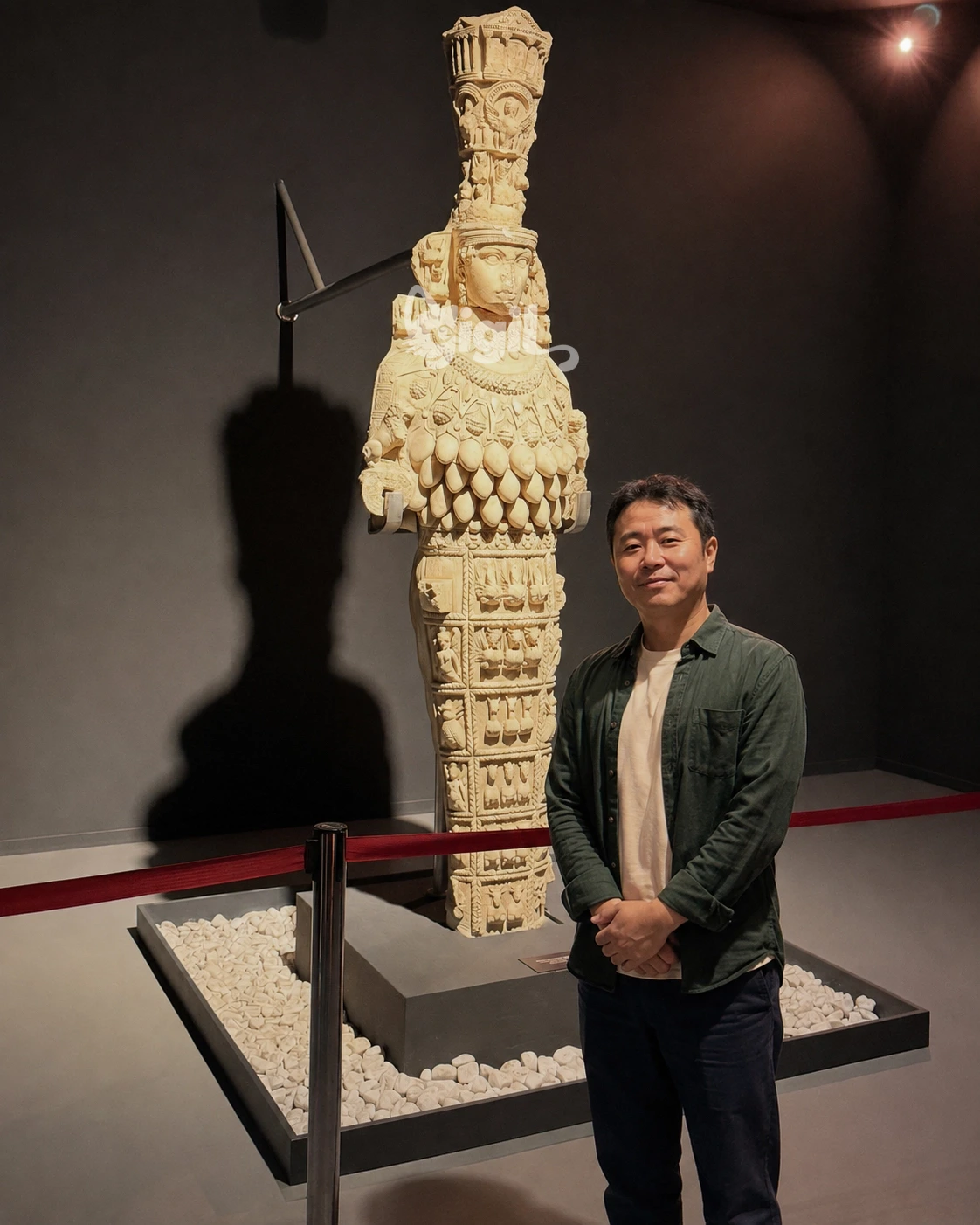
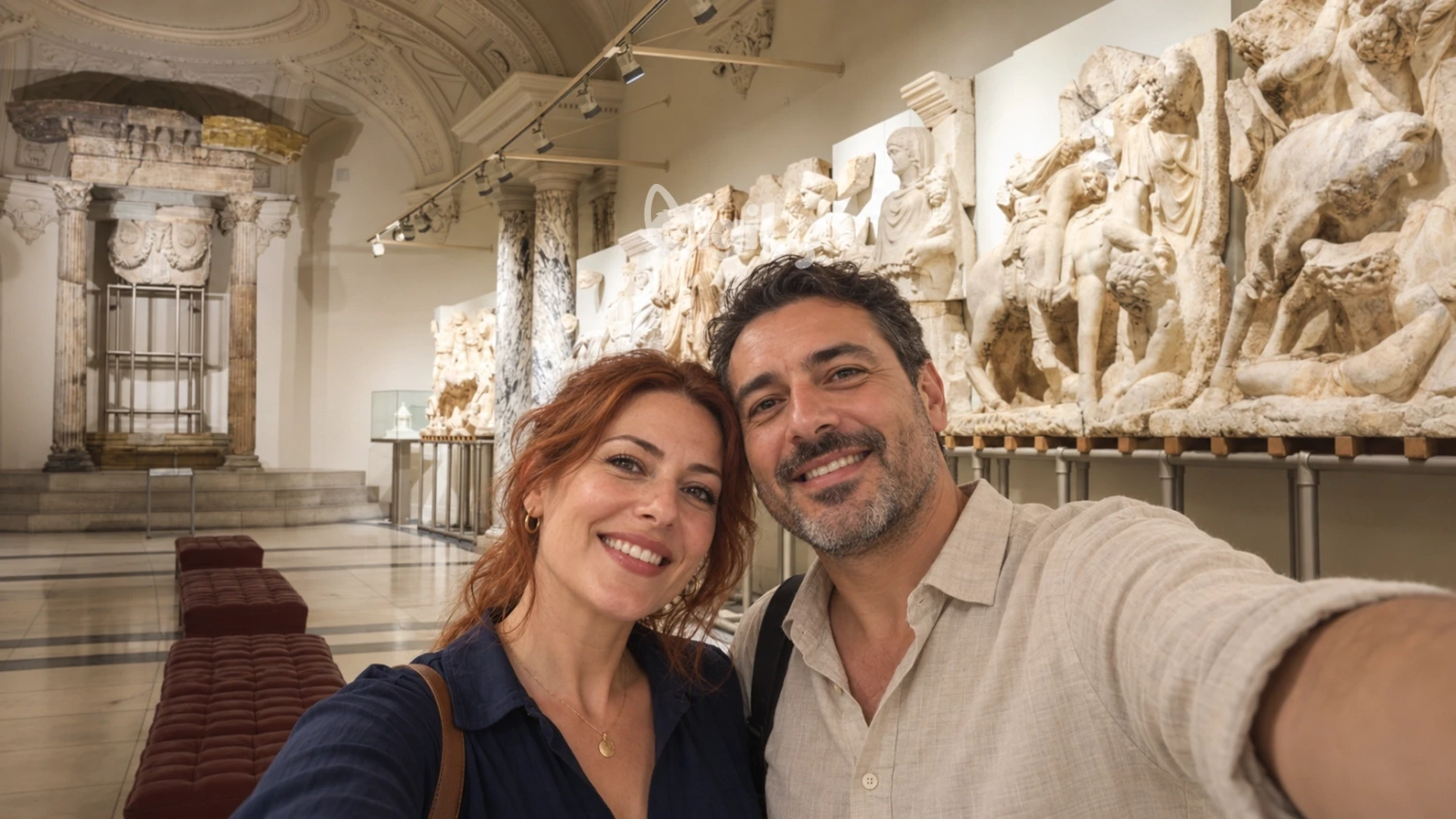
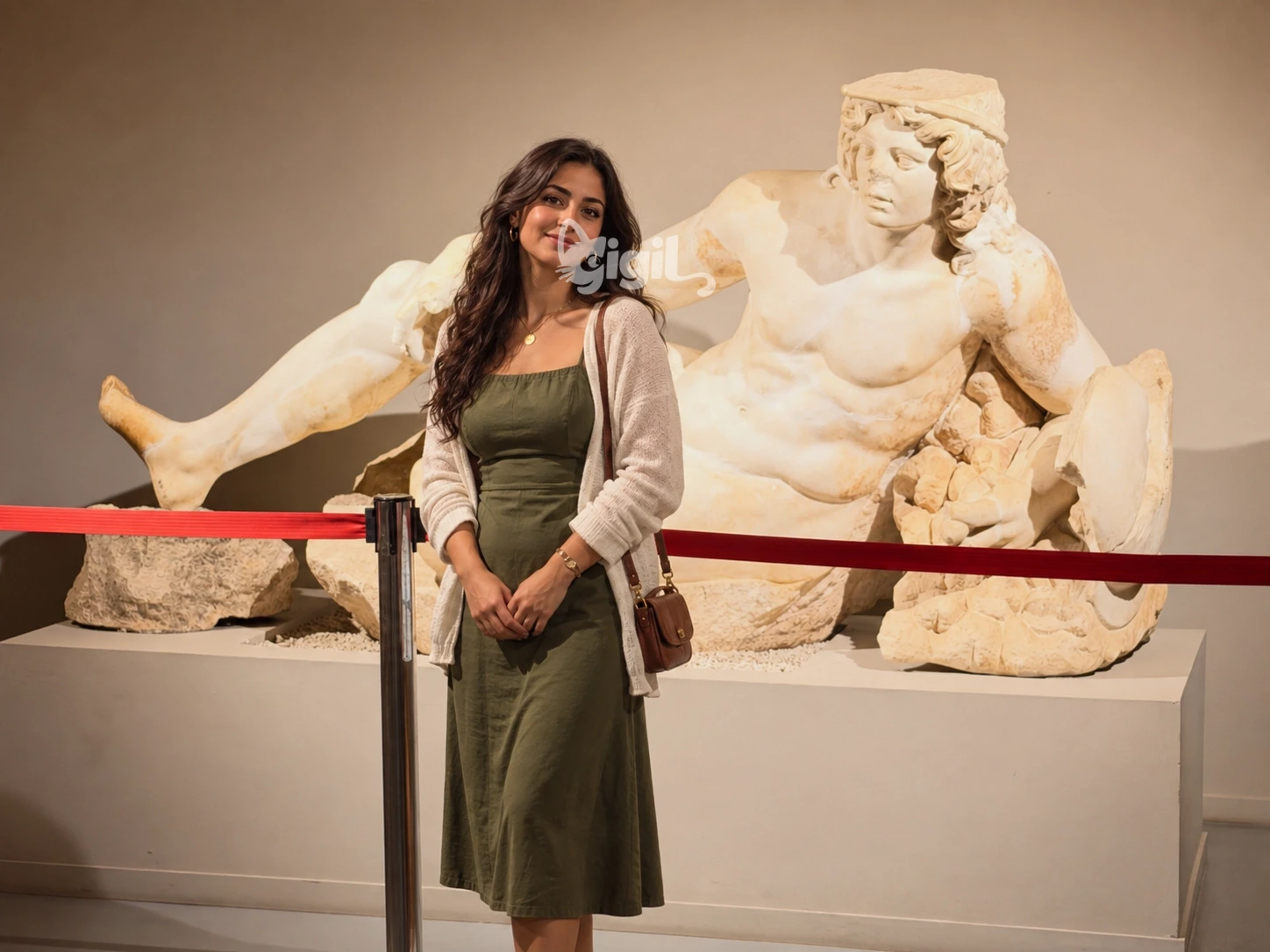
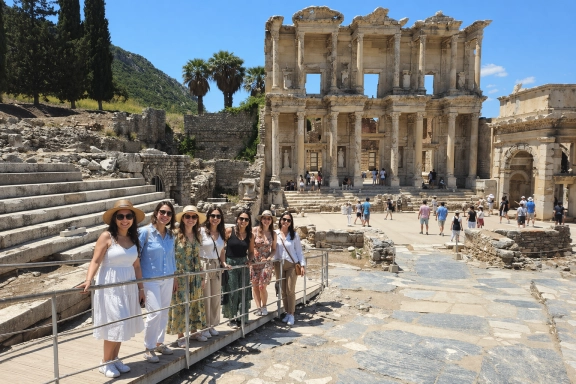
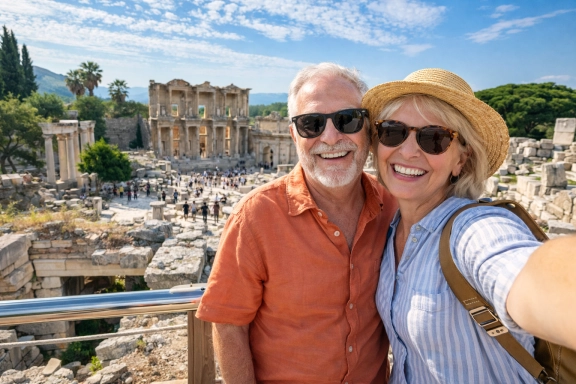
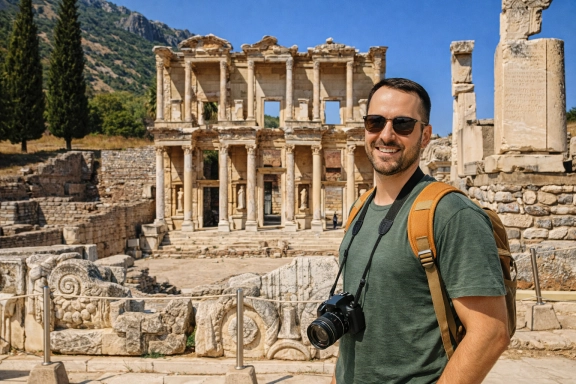
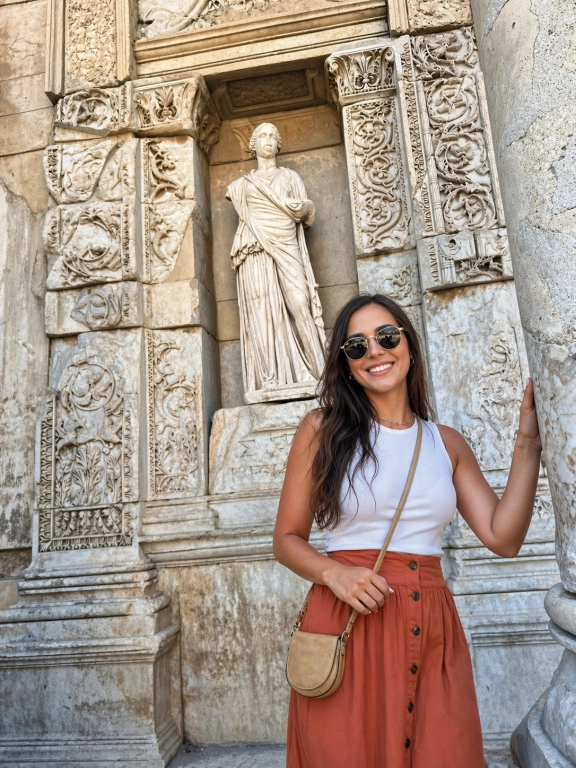
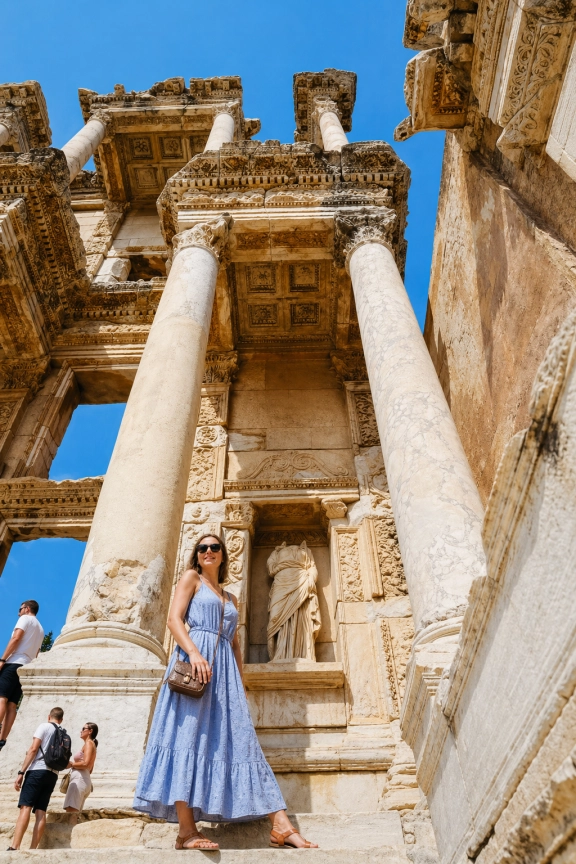
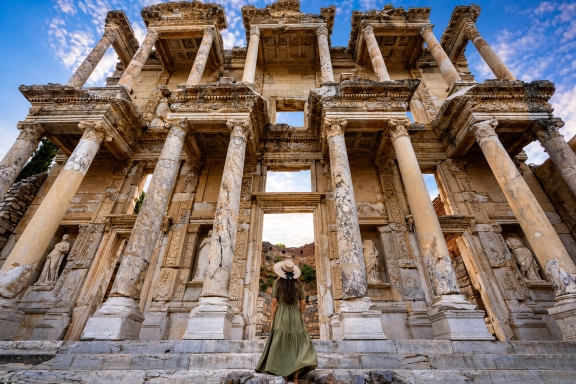
Ephesus Ancient City rewards looking across a space before focusing on its details. Marble streets and civic buildings preserve the outline of a busy urban setting whose major monuments reflect Roman life.
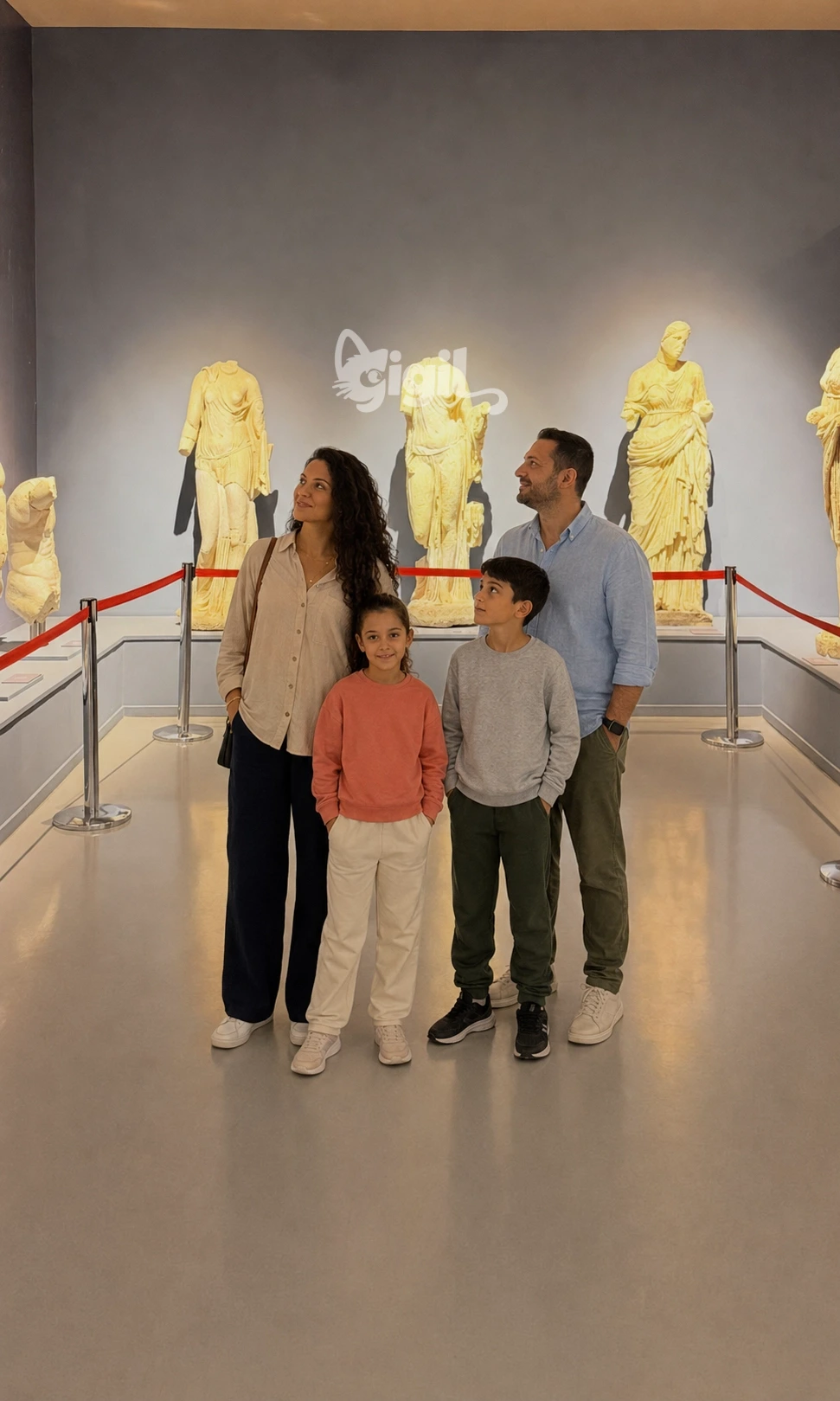
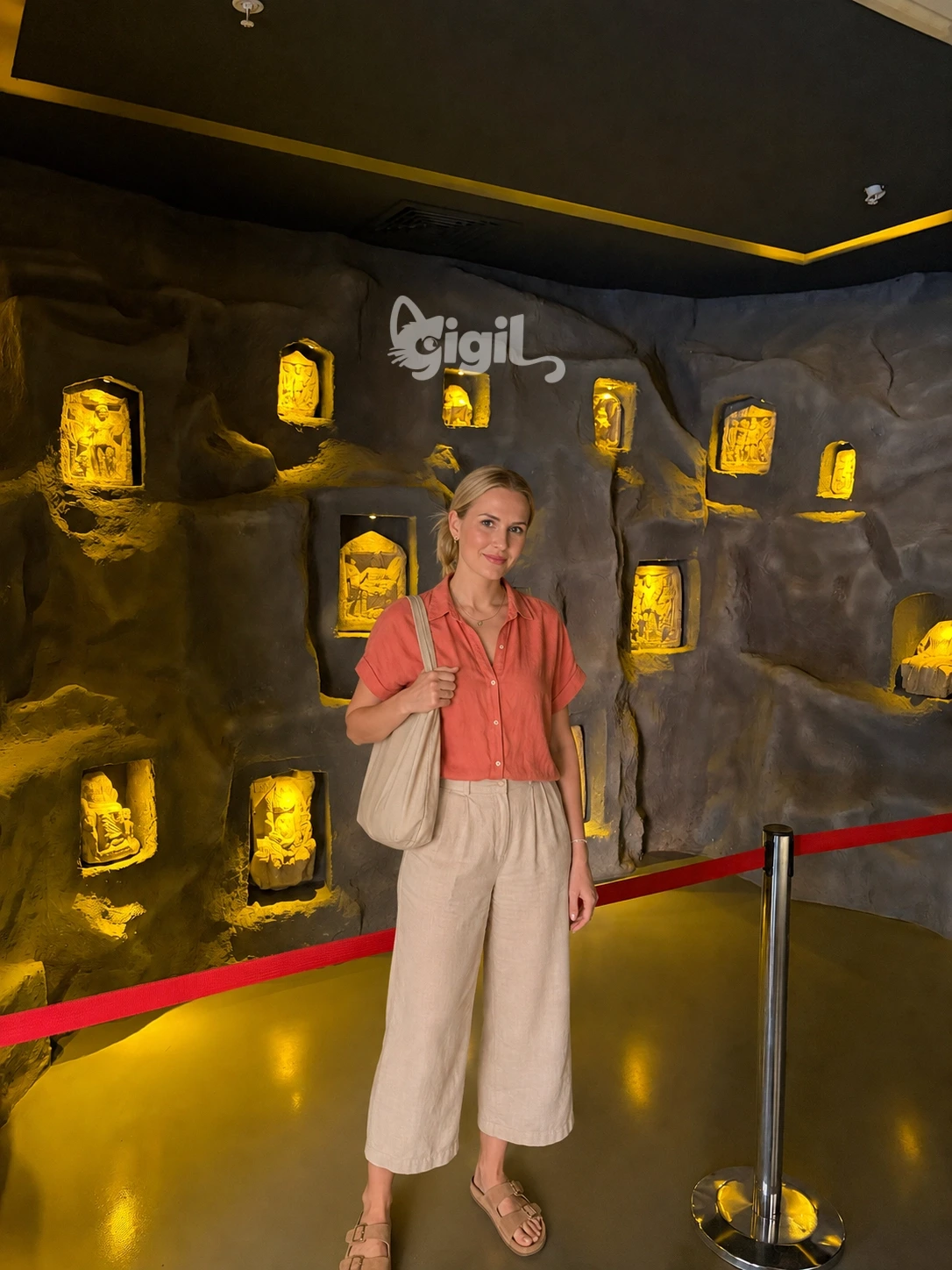
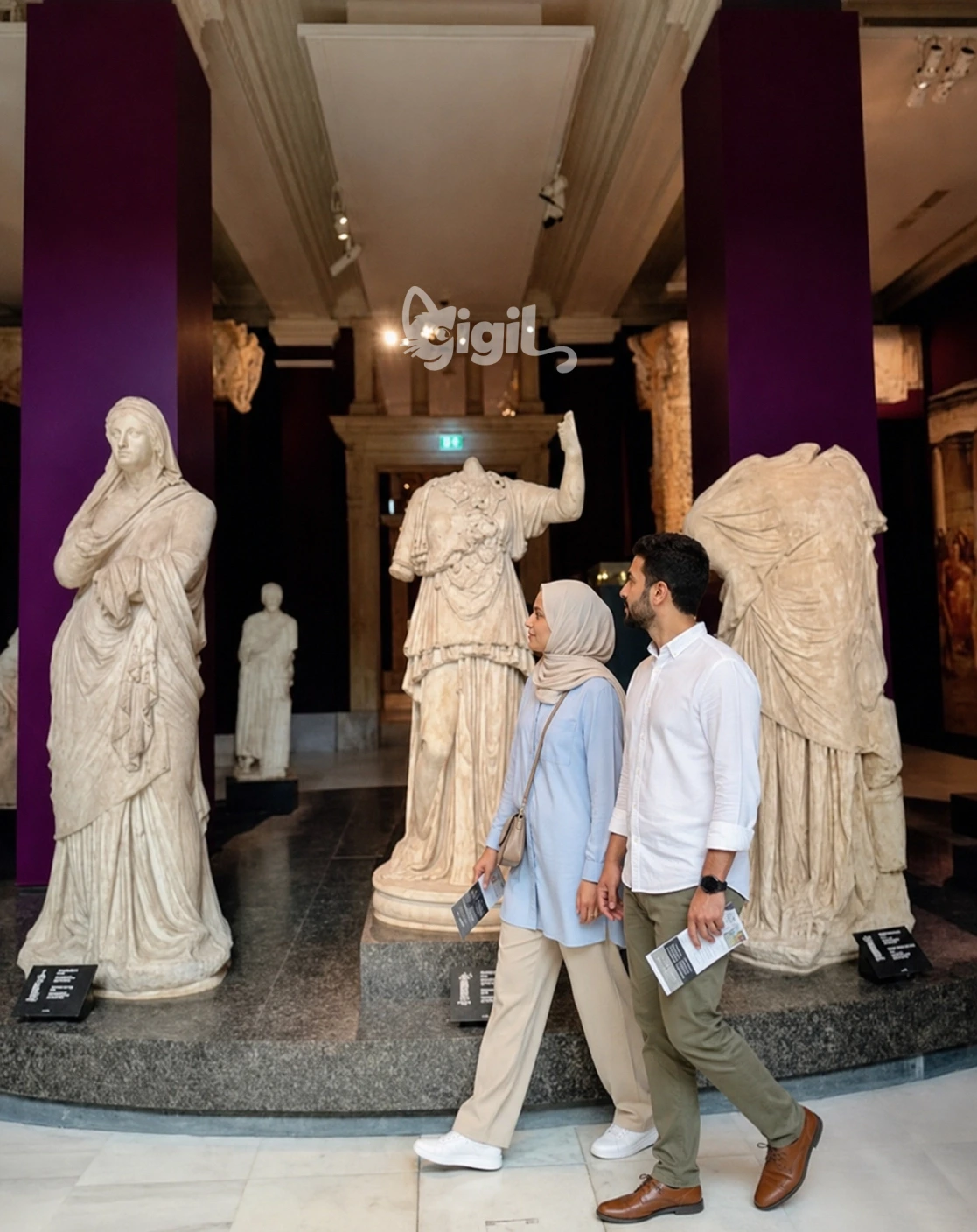
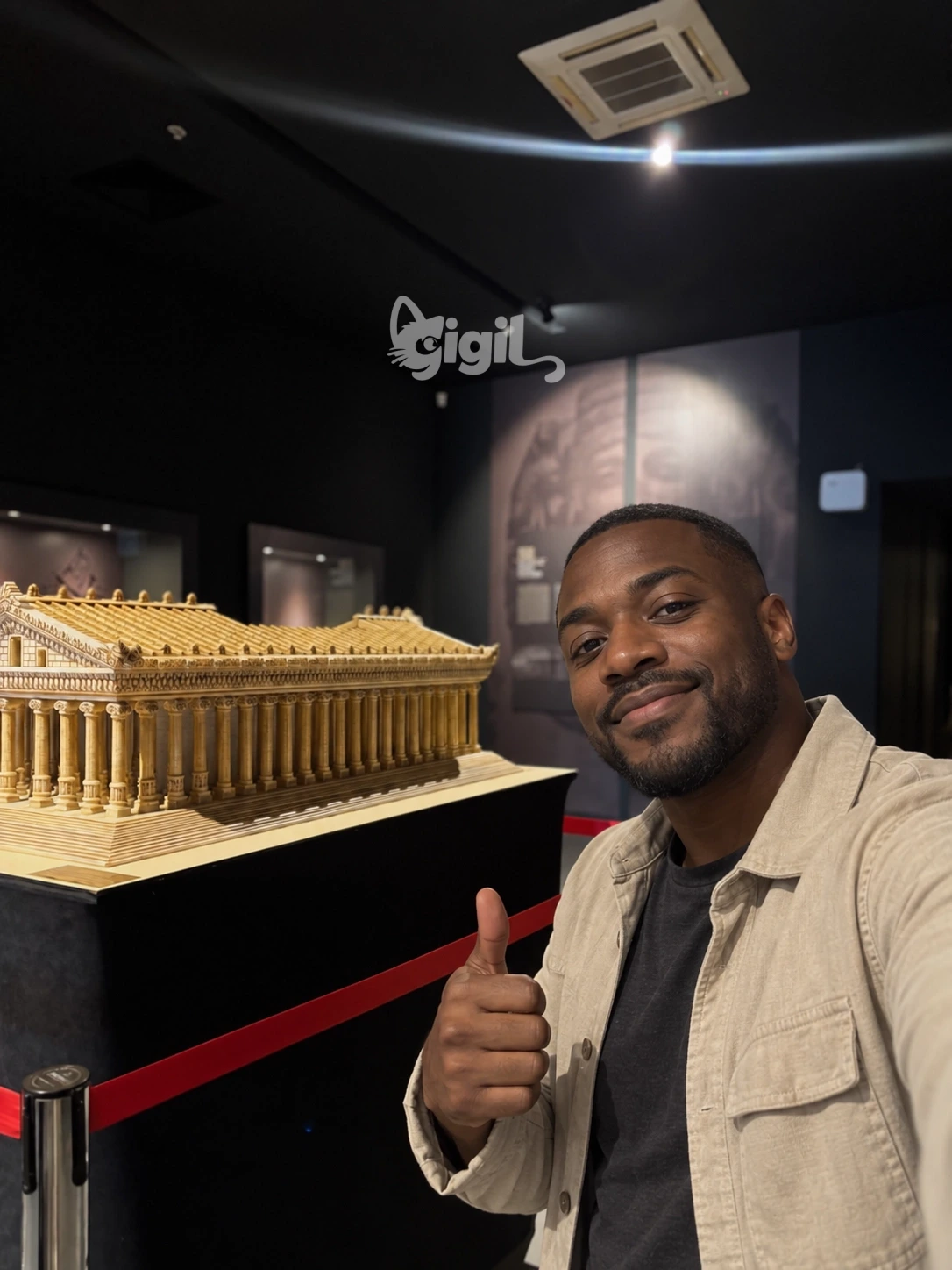
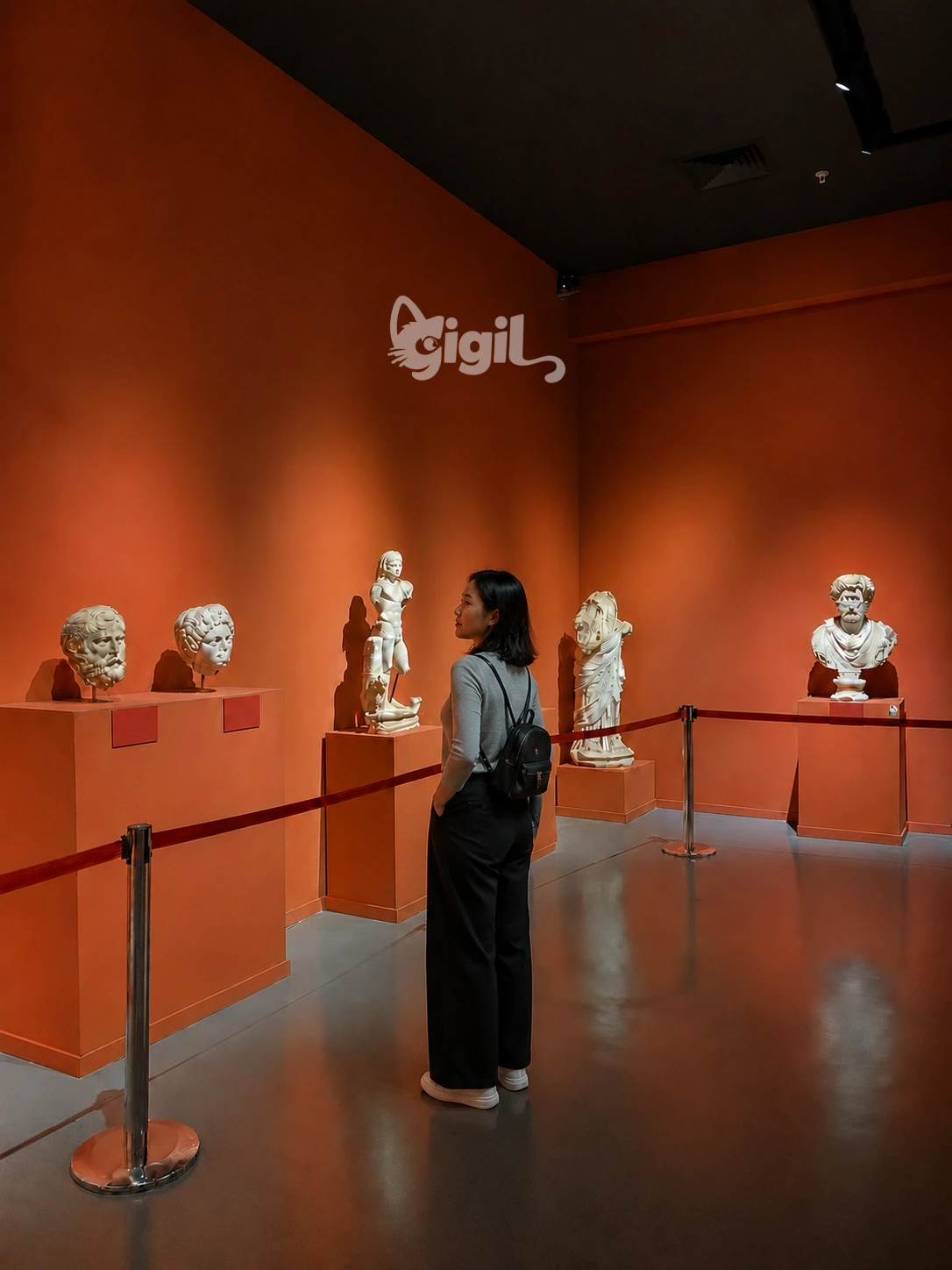
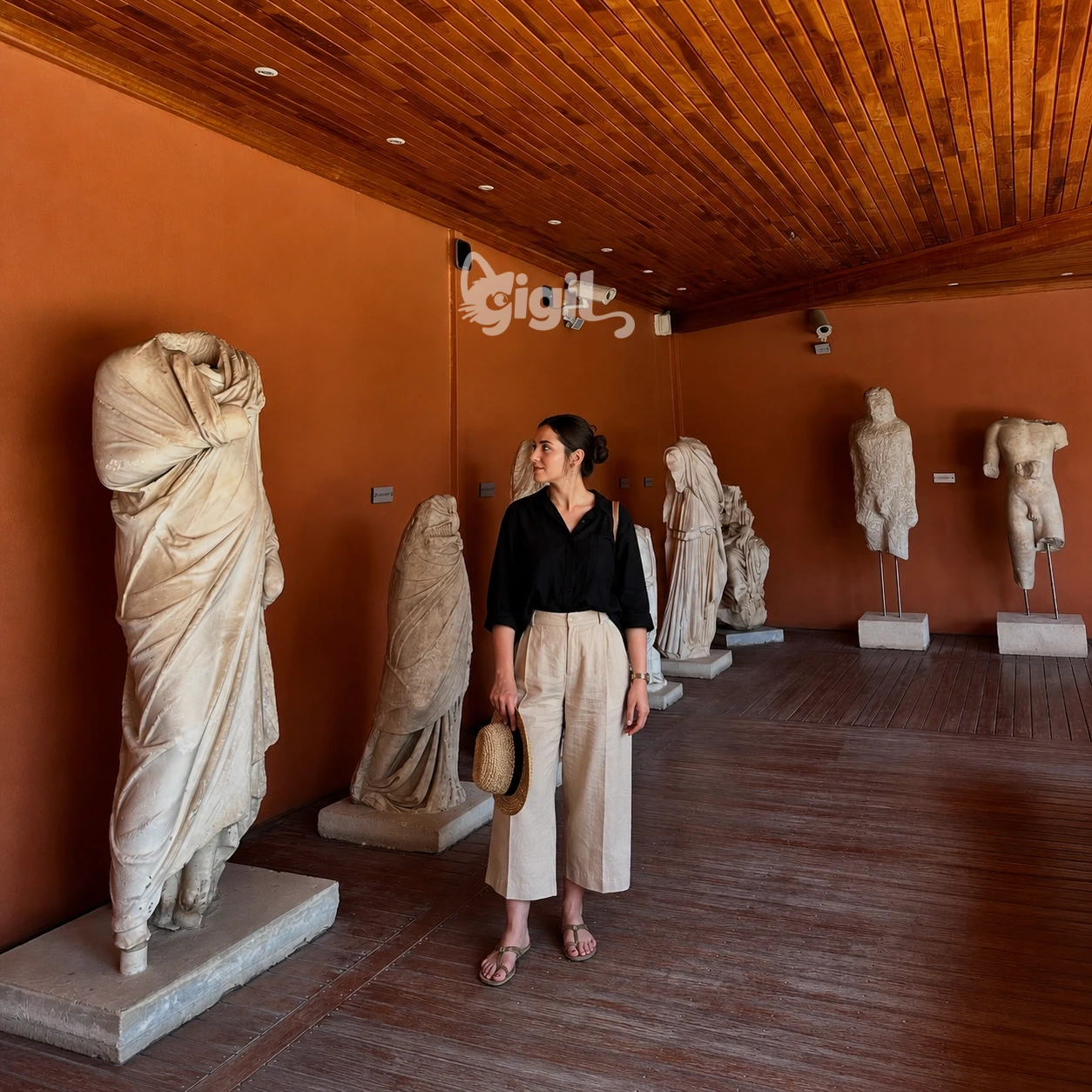
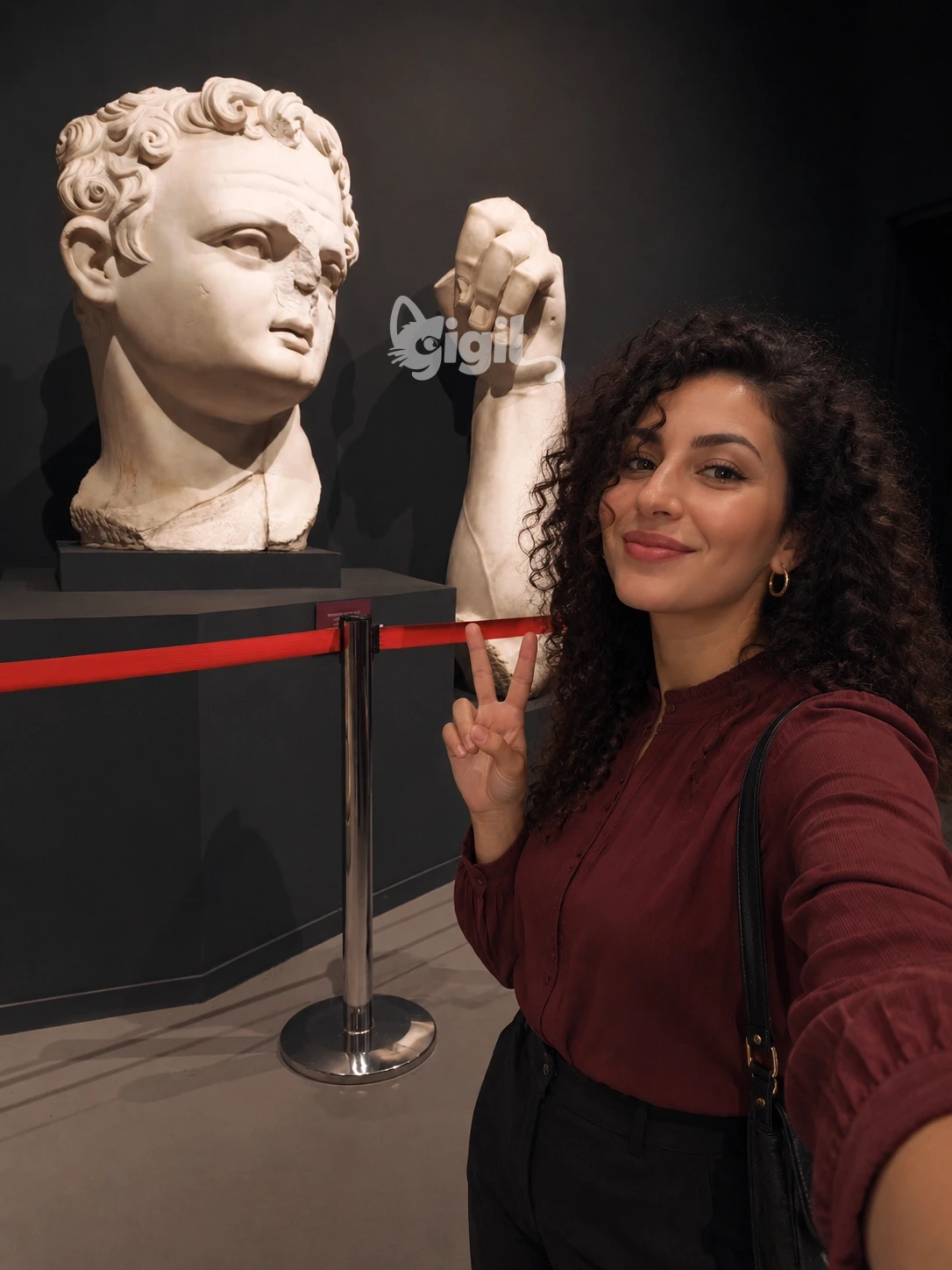
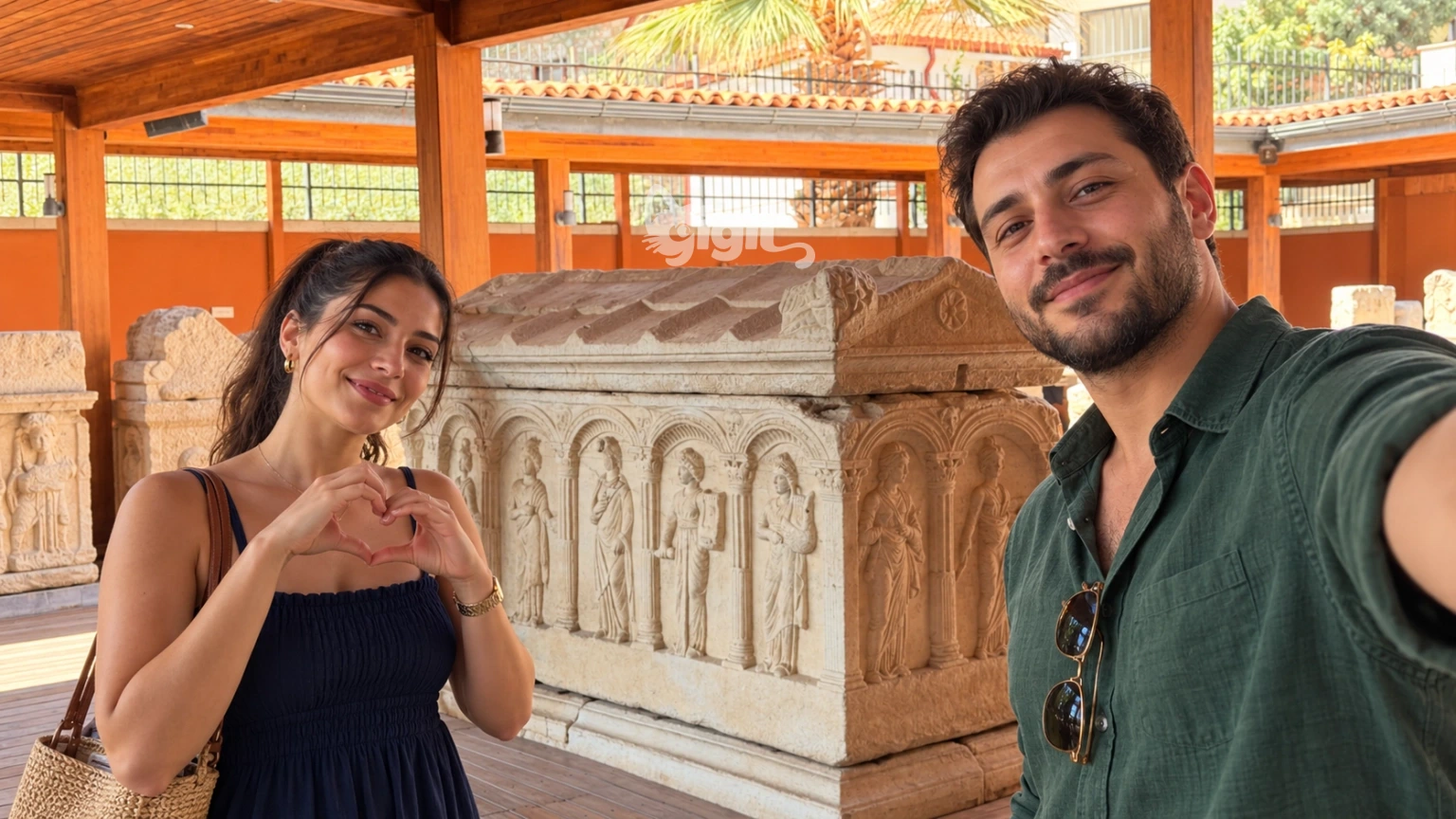
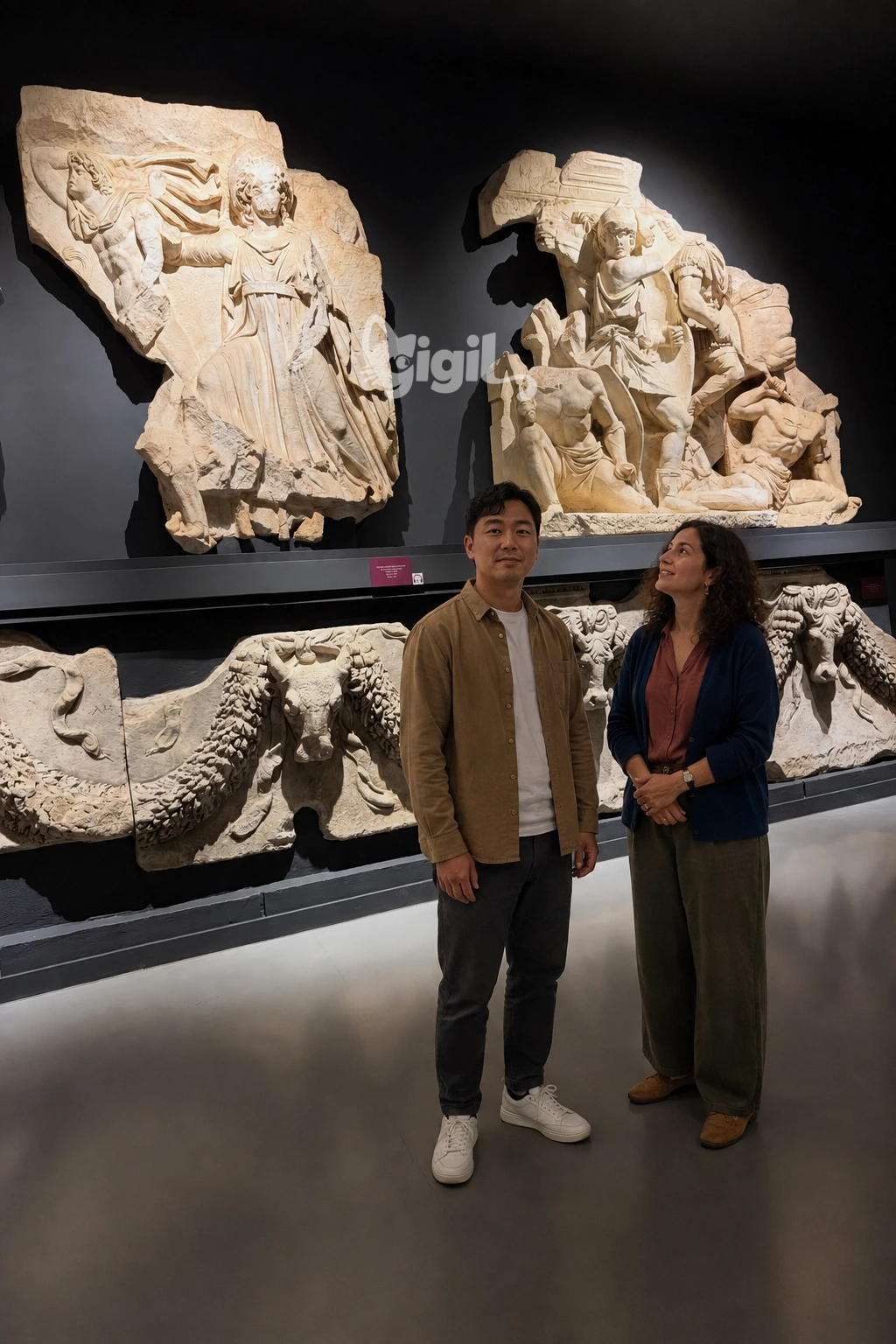
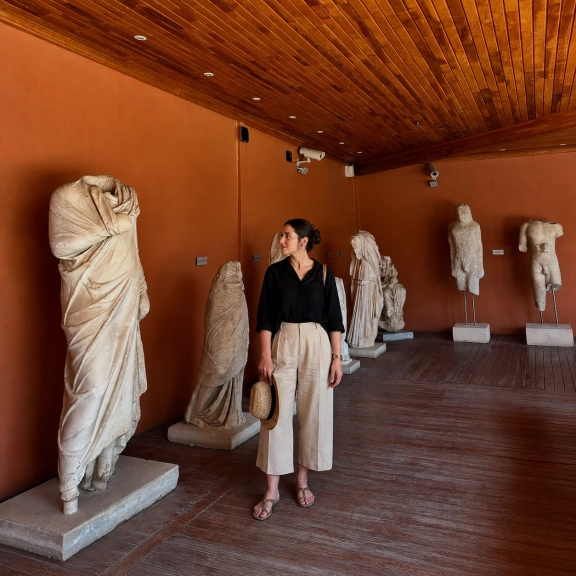
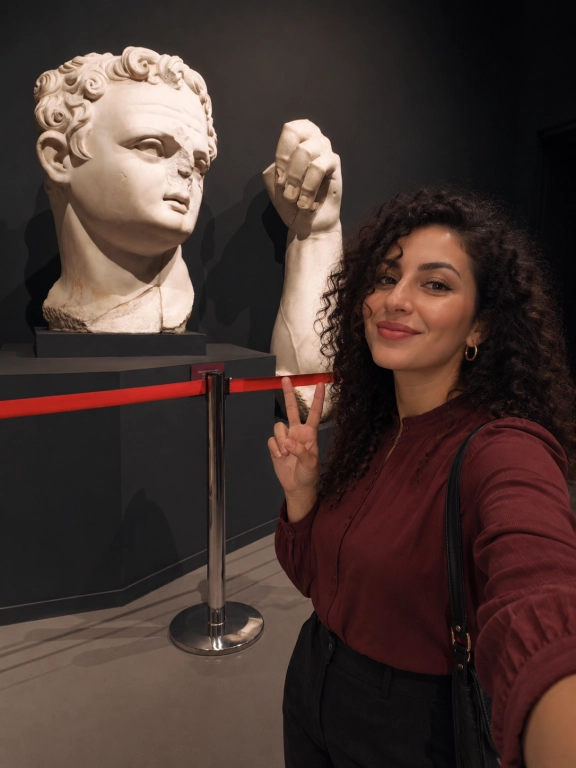
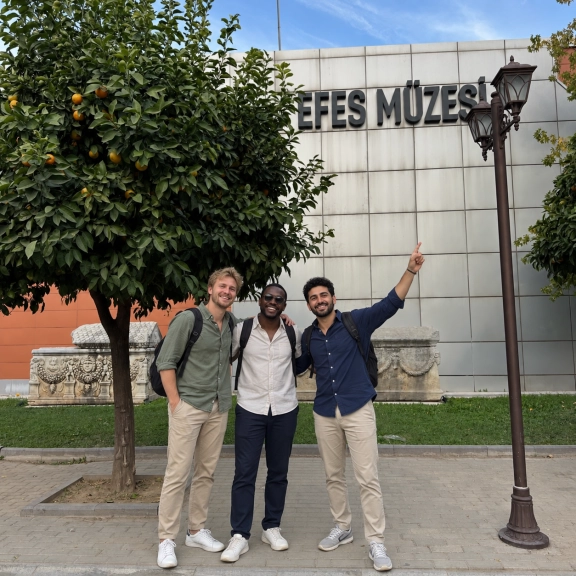
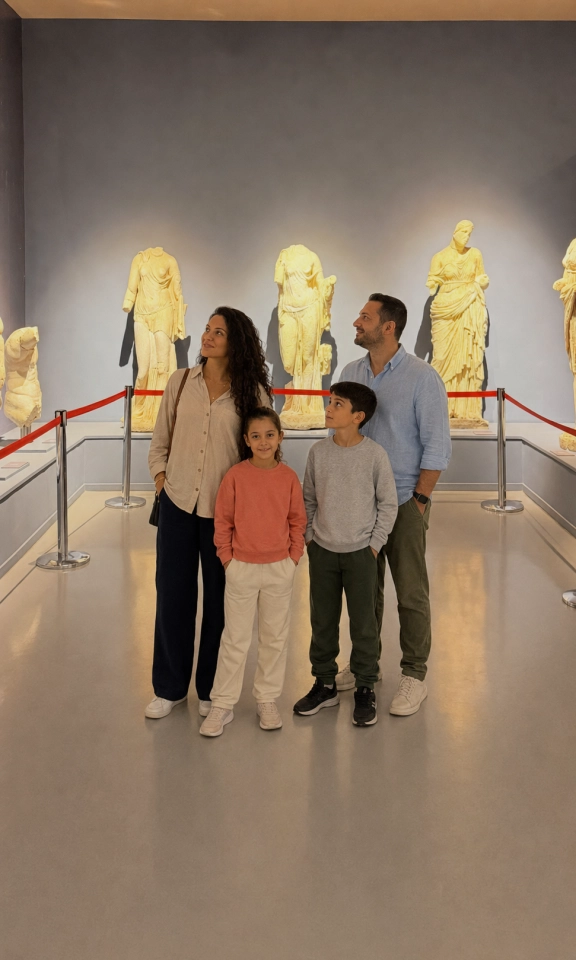
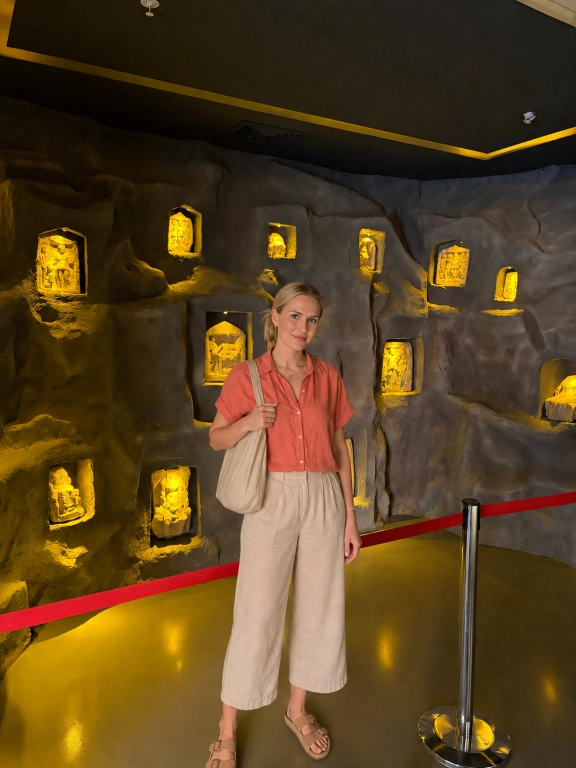
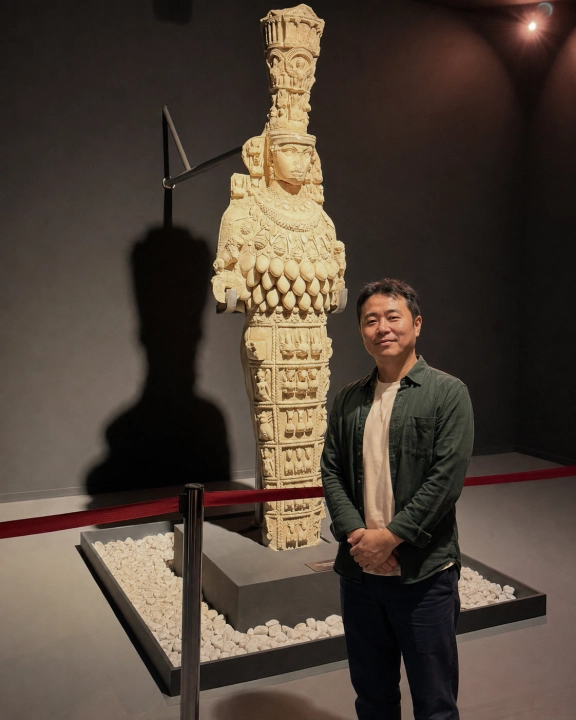
Use the Great Theatre and Library of Celsus to orient your view, then notice the less conspicuous connections around them. The walking route depends on which areas are open. The later archaeological museum visit provides a closer view of the material culture behind this large-scale cityscape.
Questions
How can I begin reading a ruined public space?
First establish its boundaries and the streets leading into it, then examine individual details.
Are the famous monuments separate destinations in this walk?
They are landmarks within the ancient-city visit, not promises of separate visits to every interior.
What period shapes many of the monuments?
The Roman period is particularly visible in the city's monumental architecture.
What changes at the museum?
Attention moves from urban spaces to objects connected with the people who inhabited them.