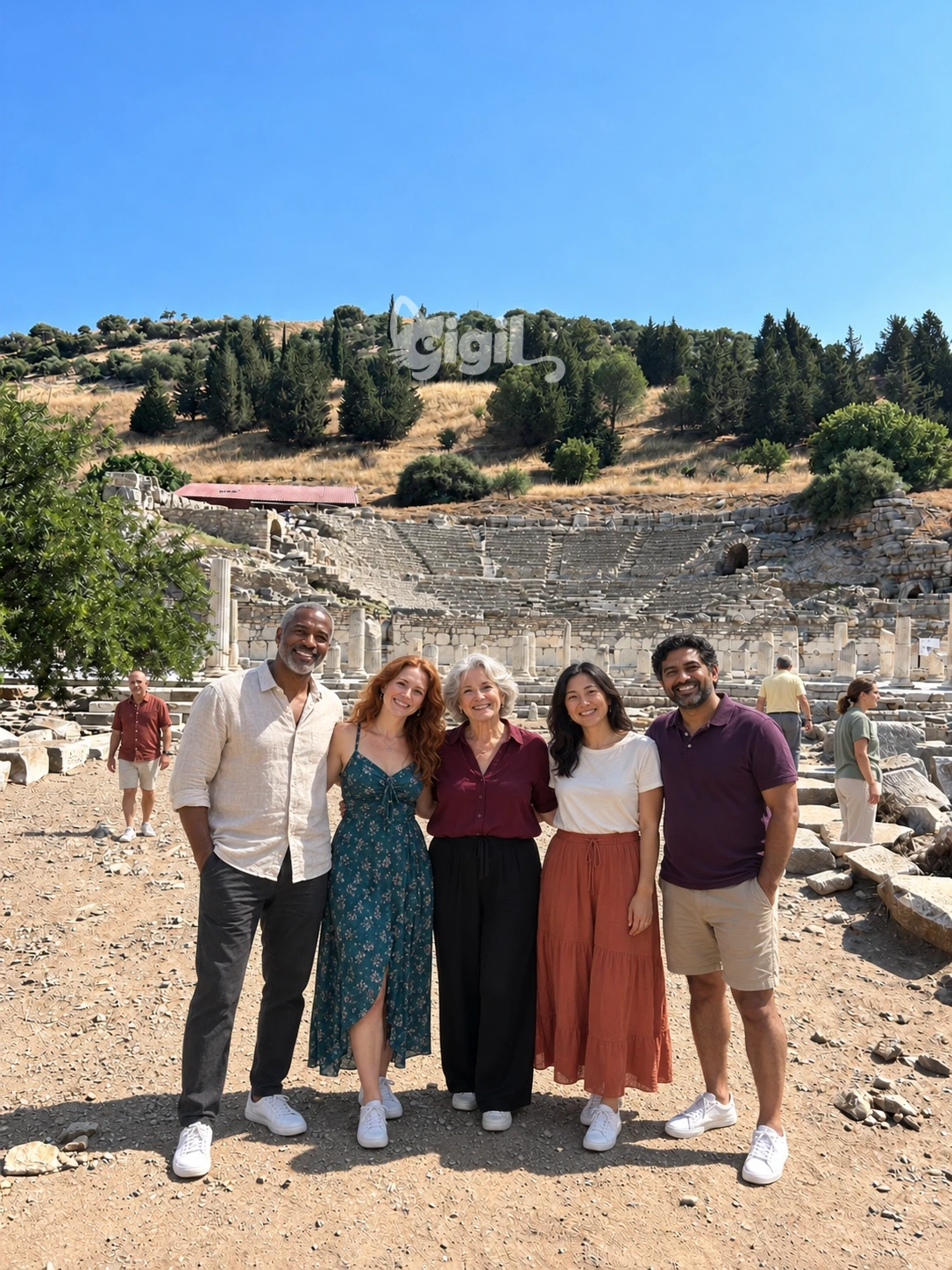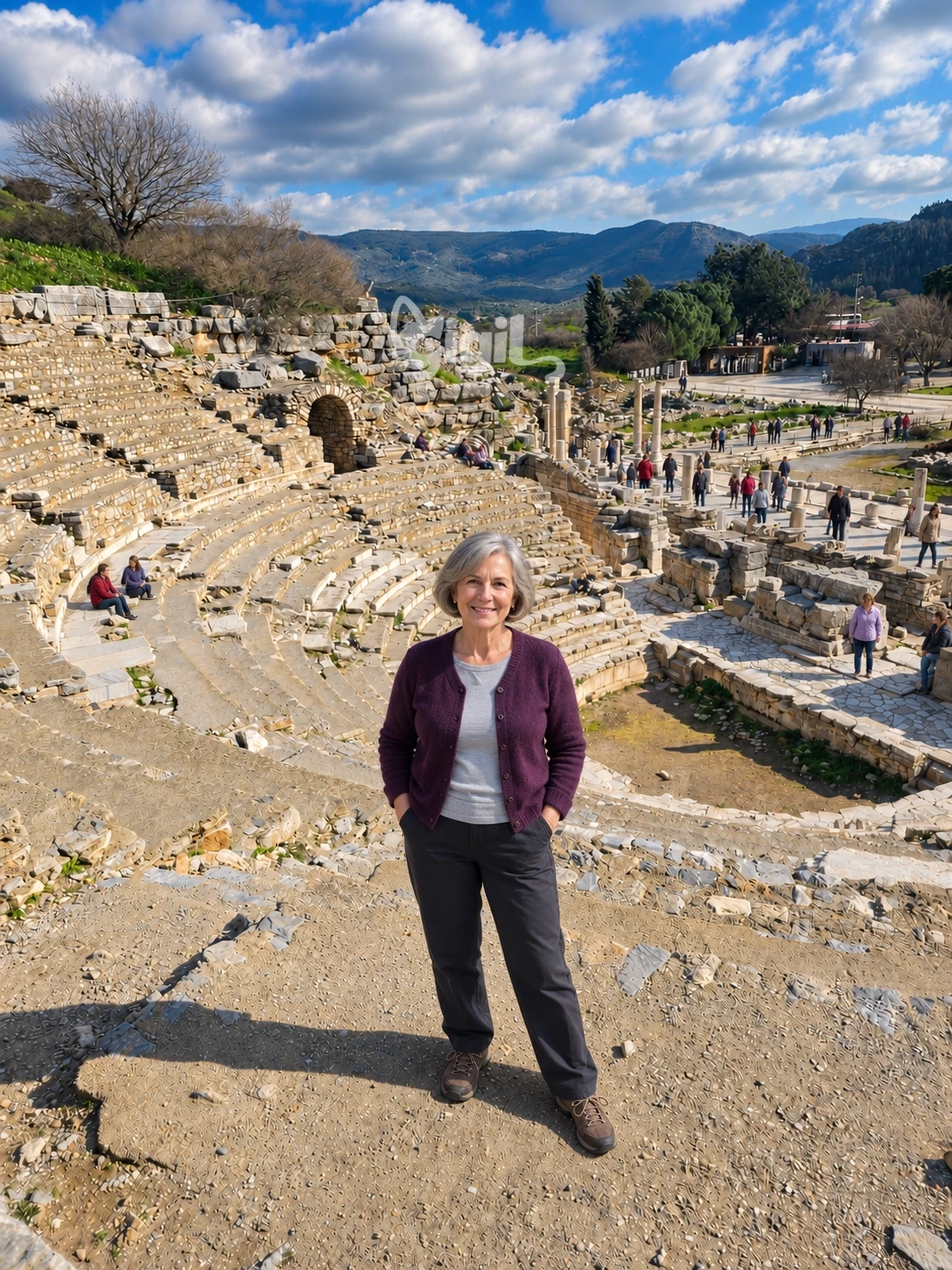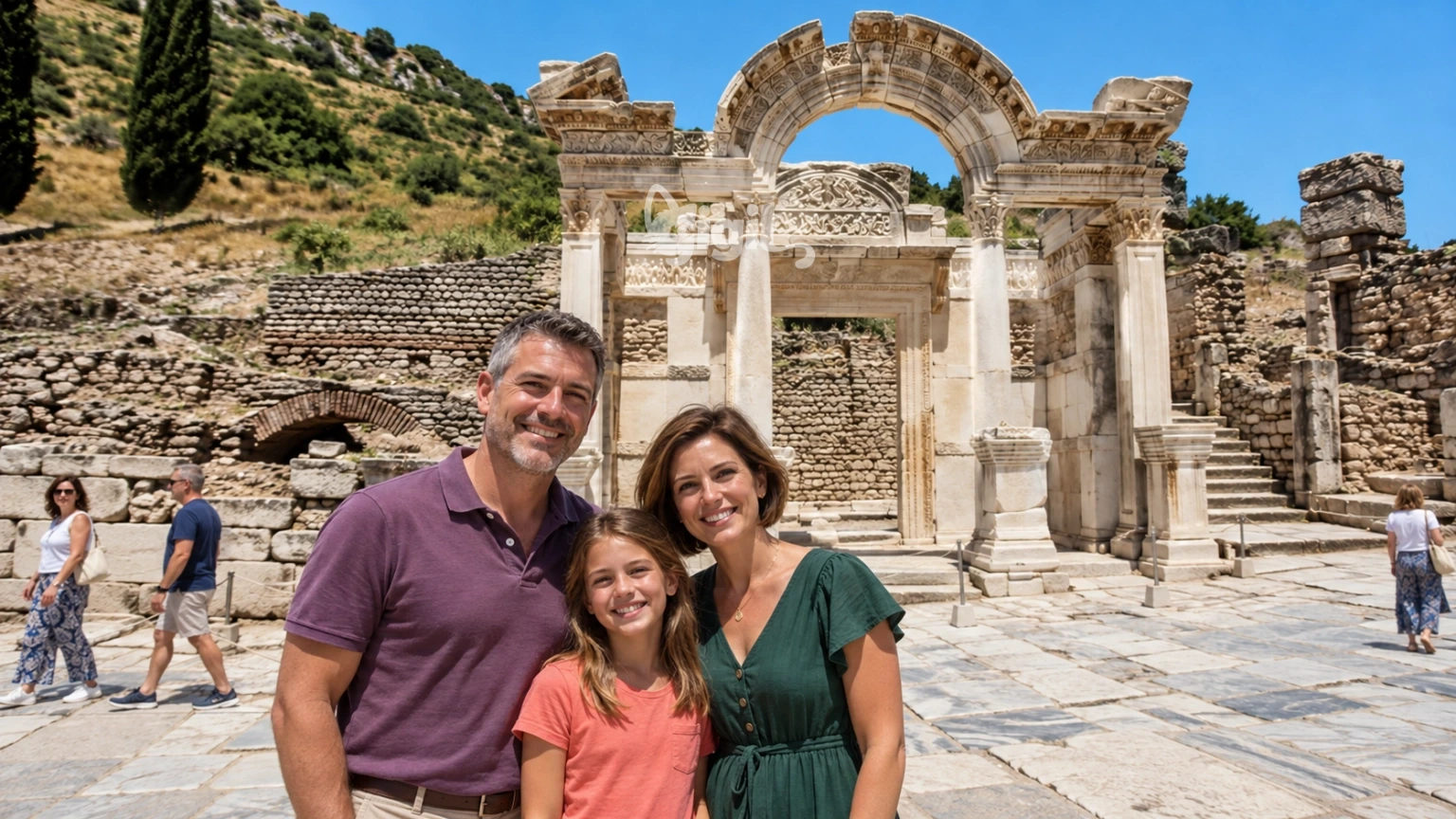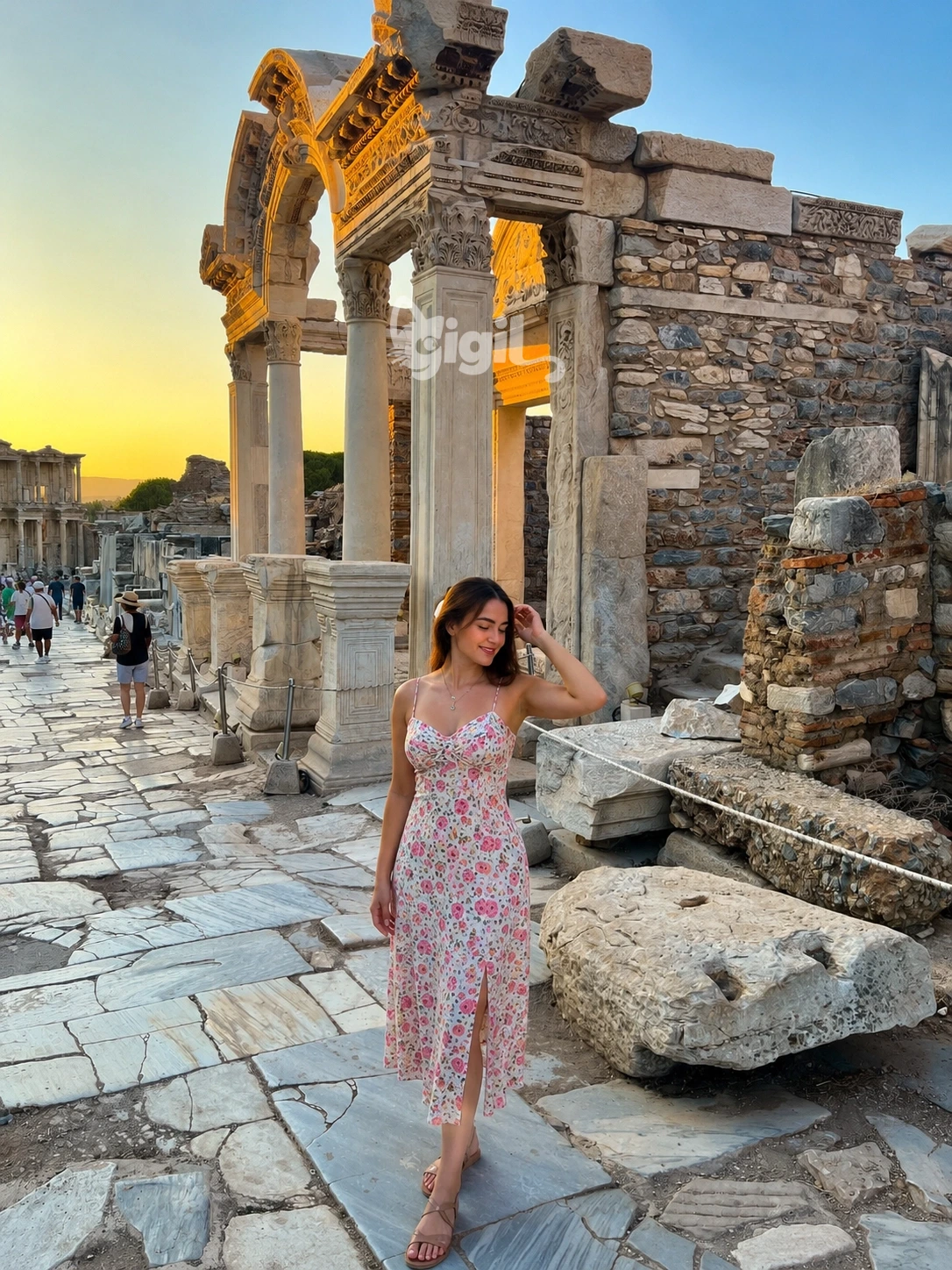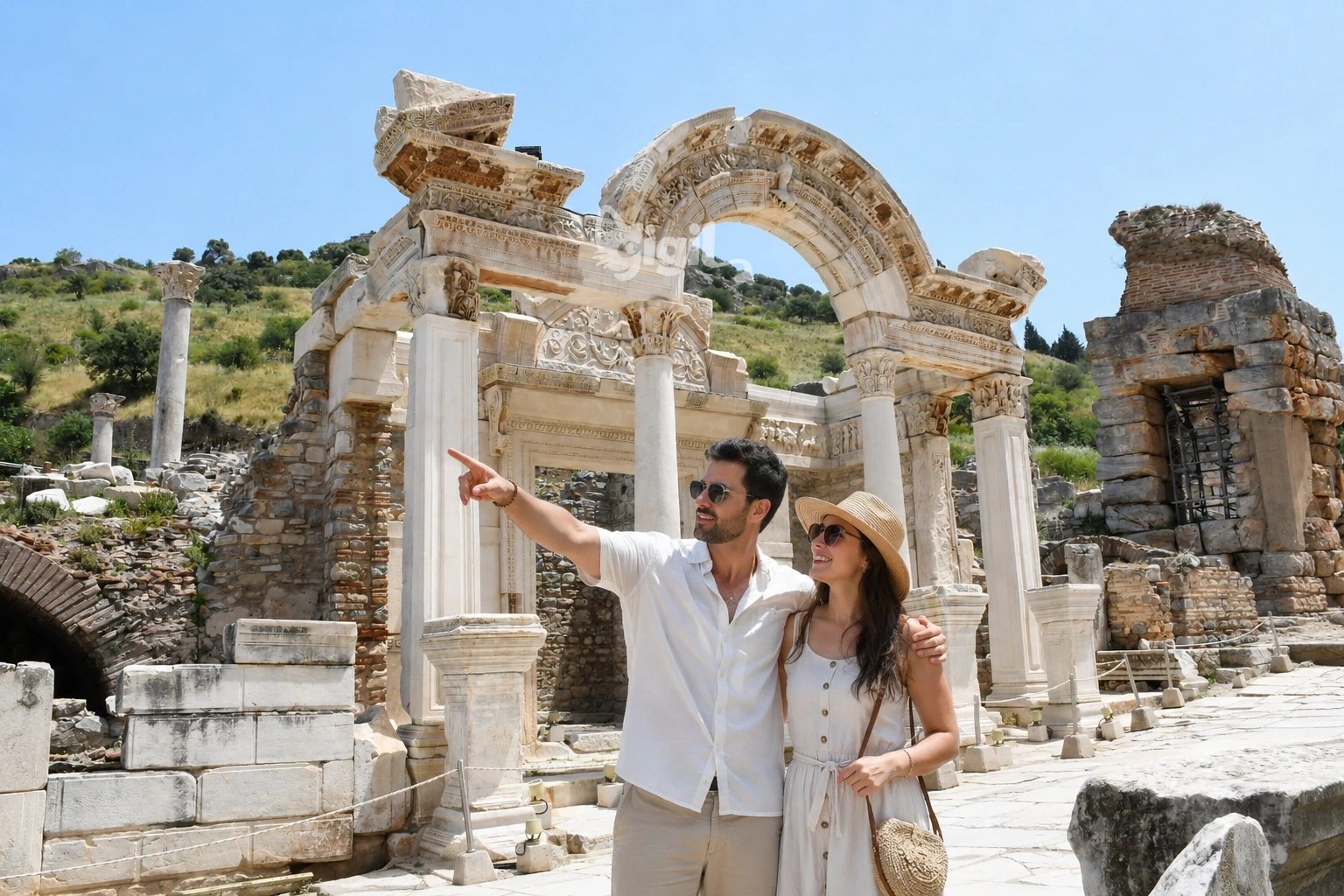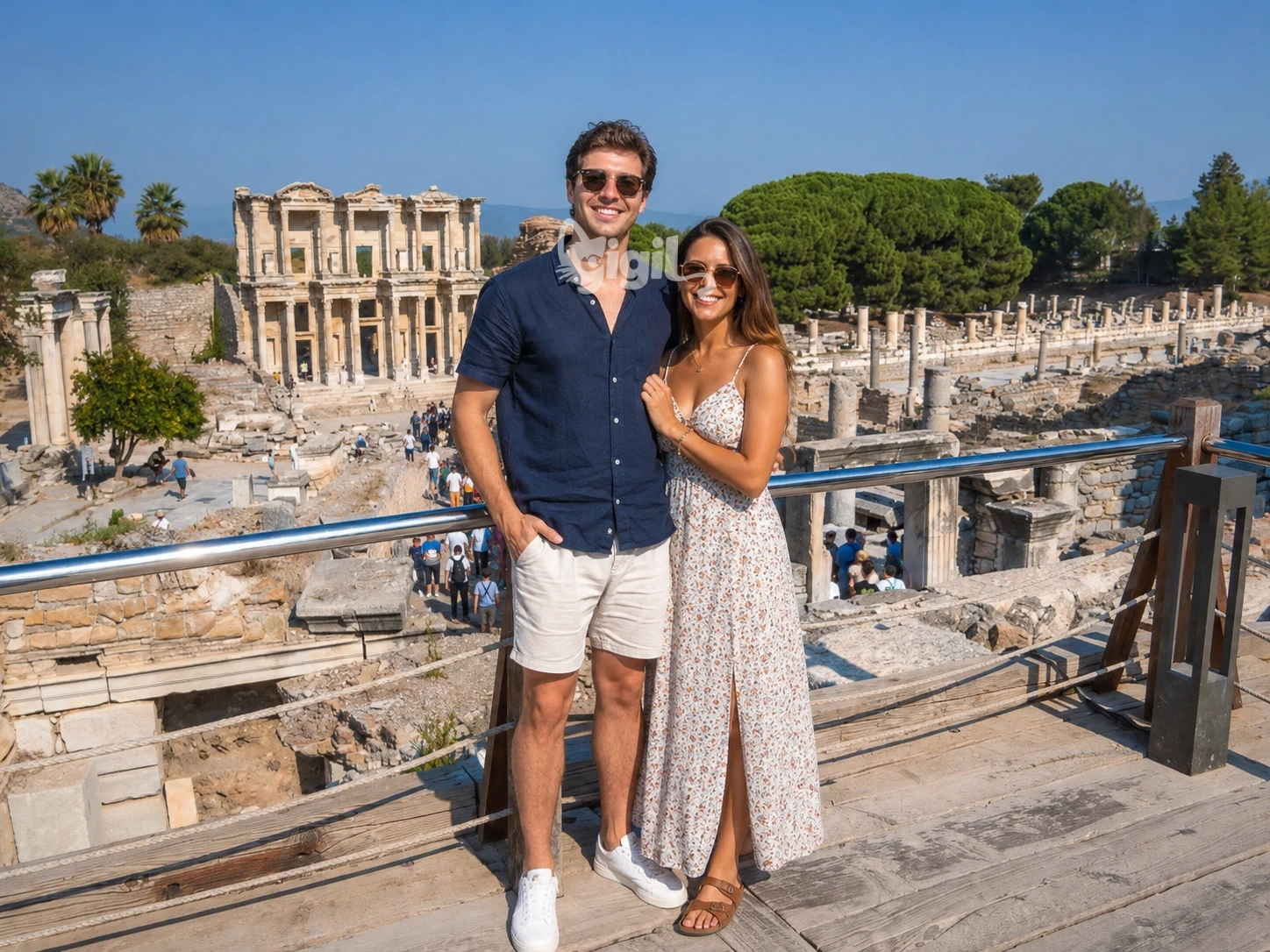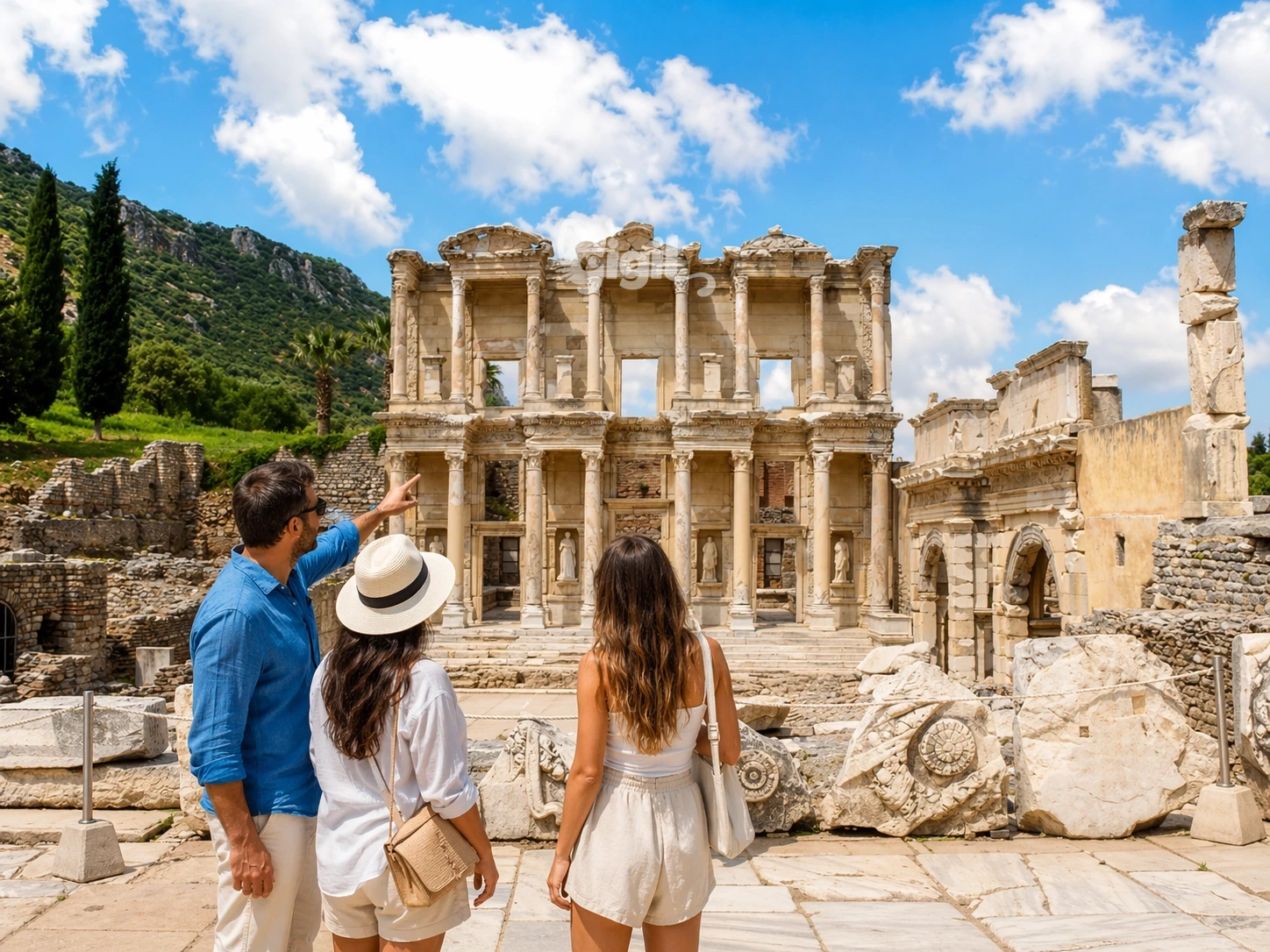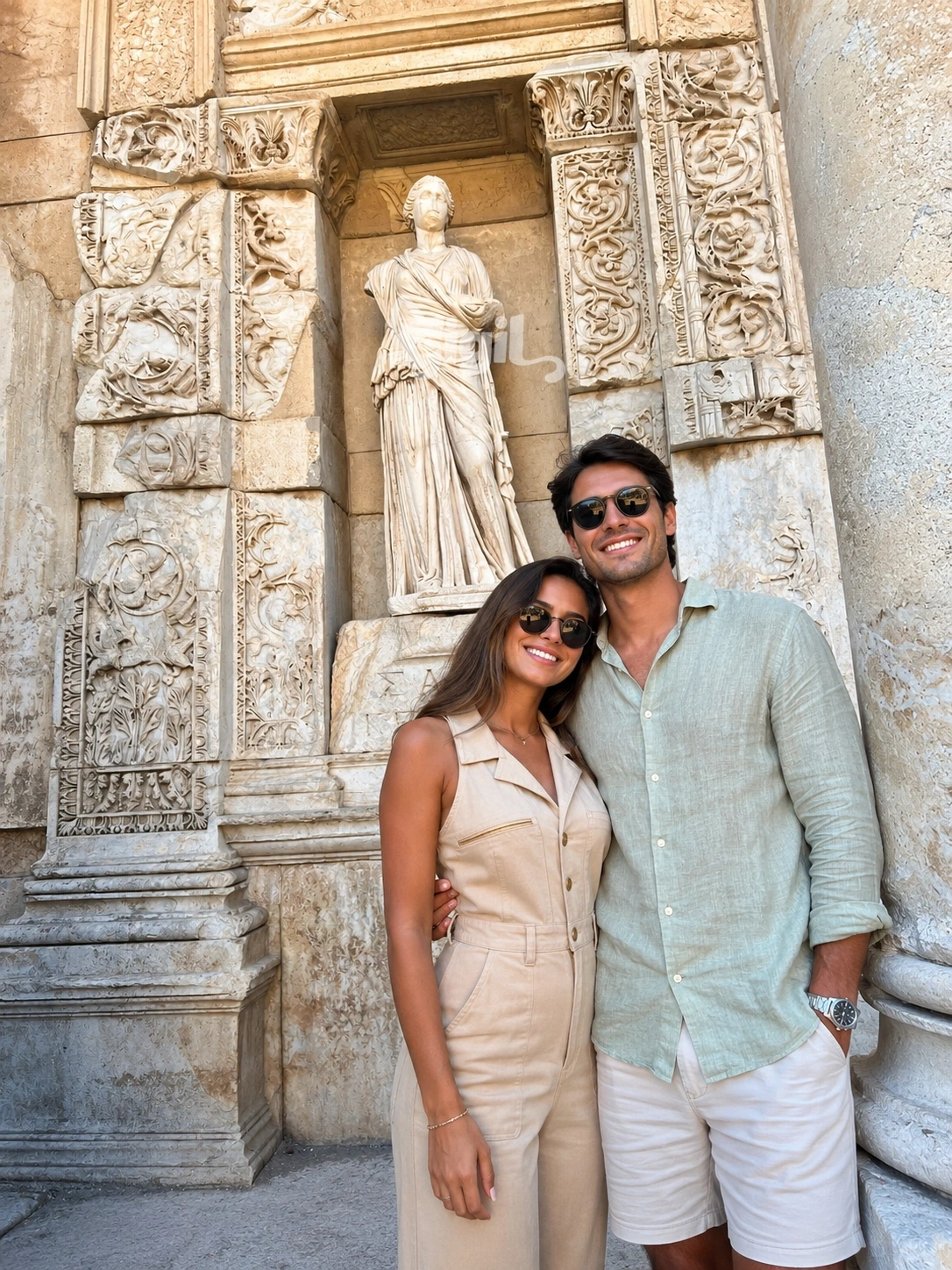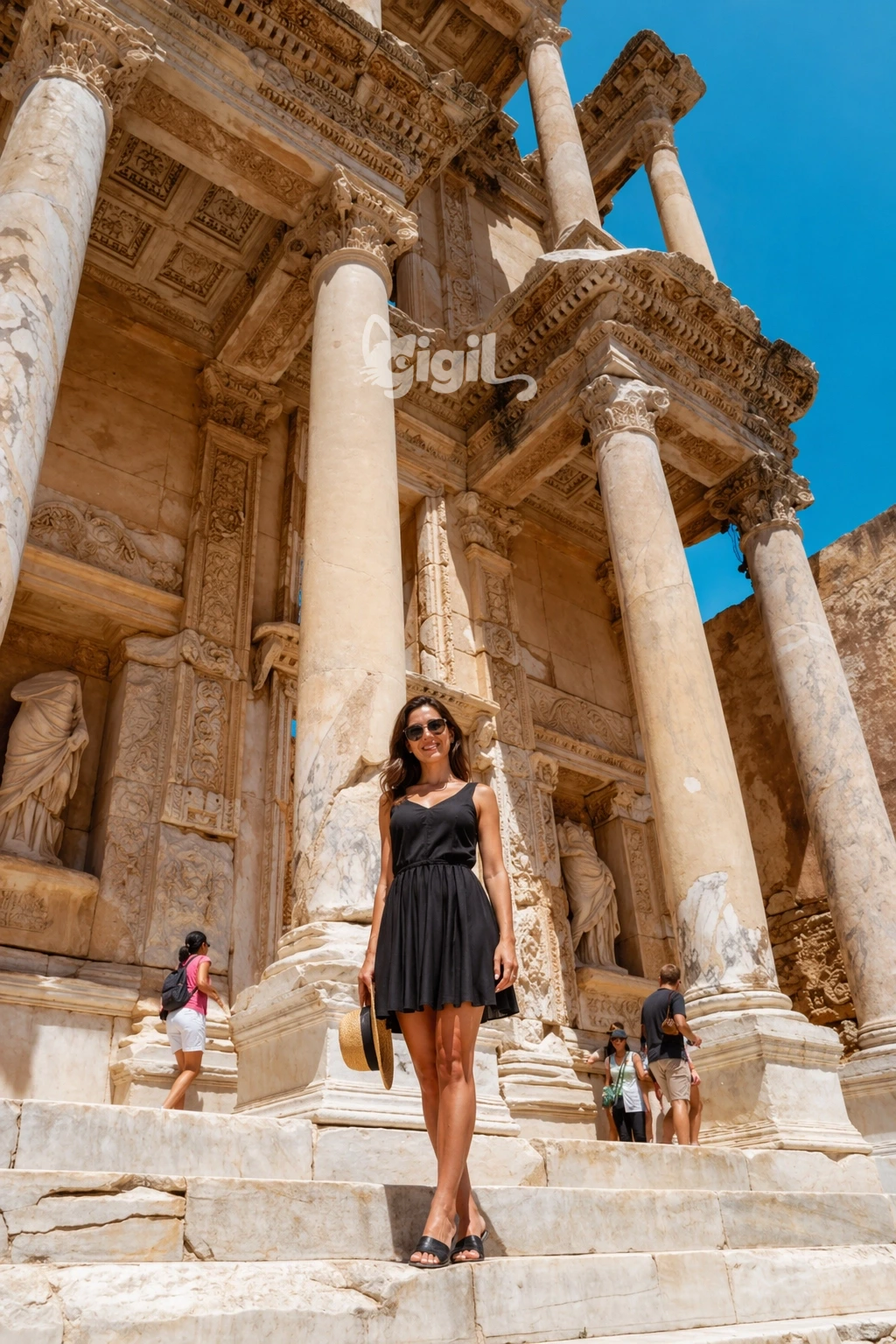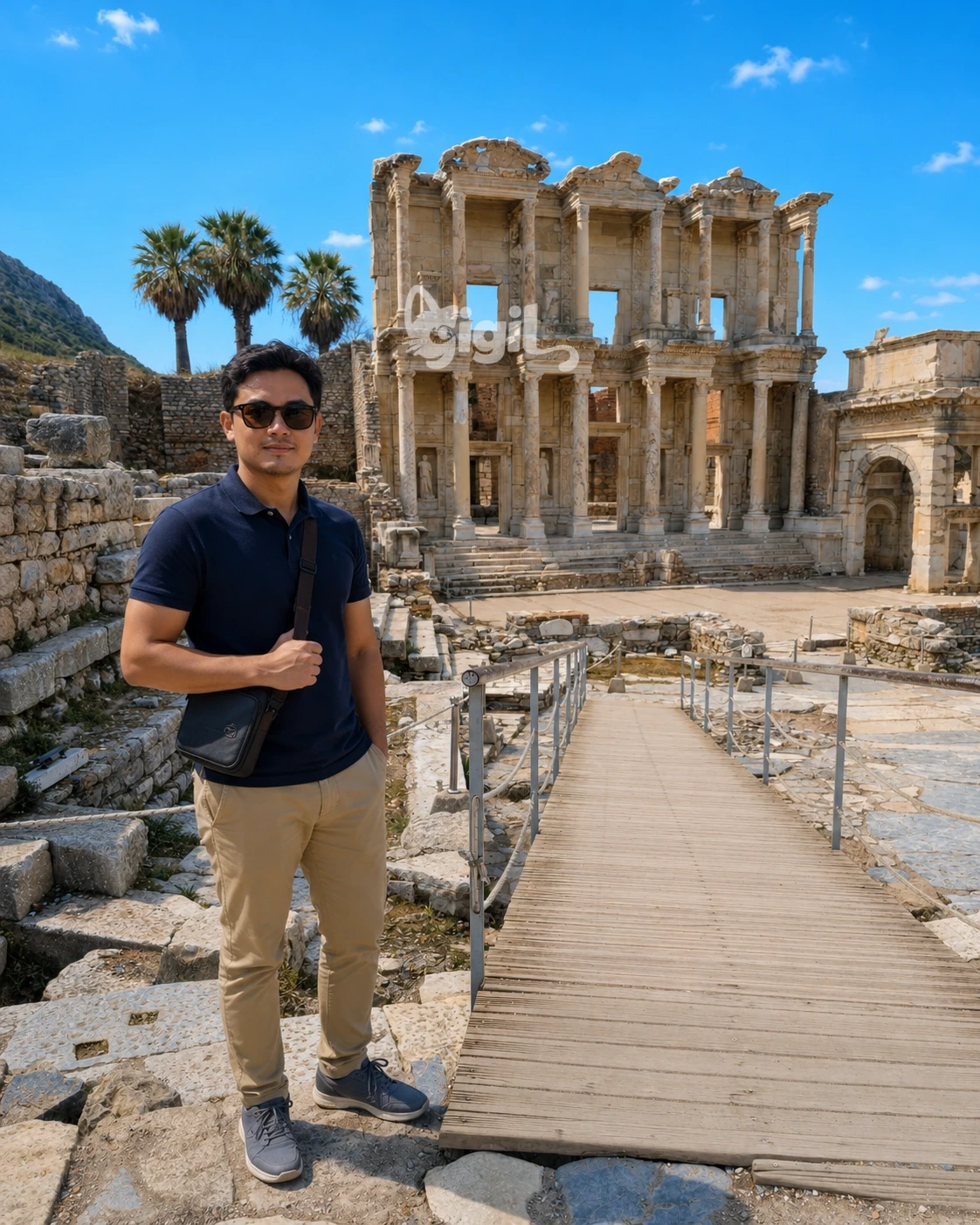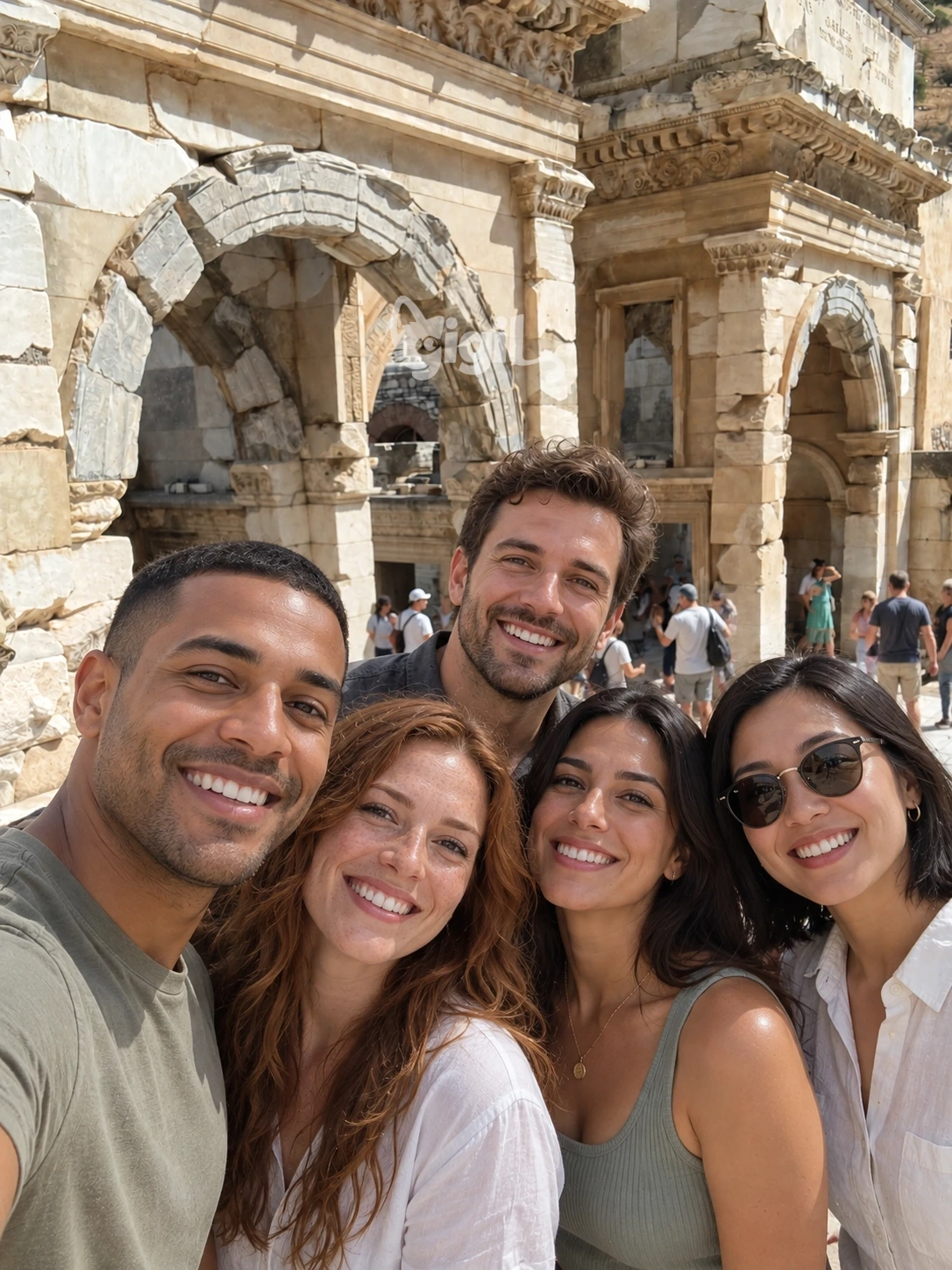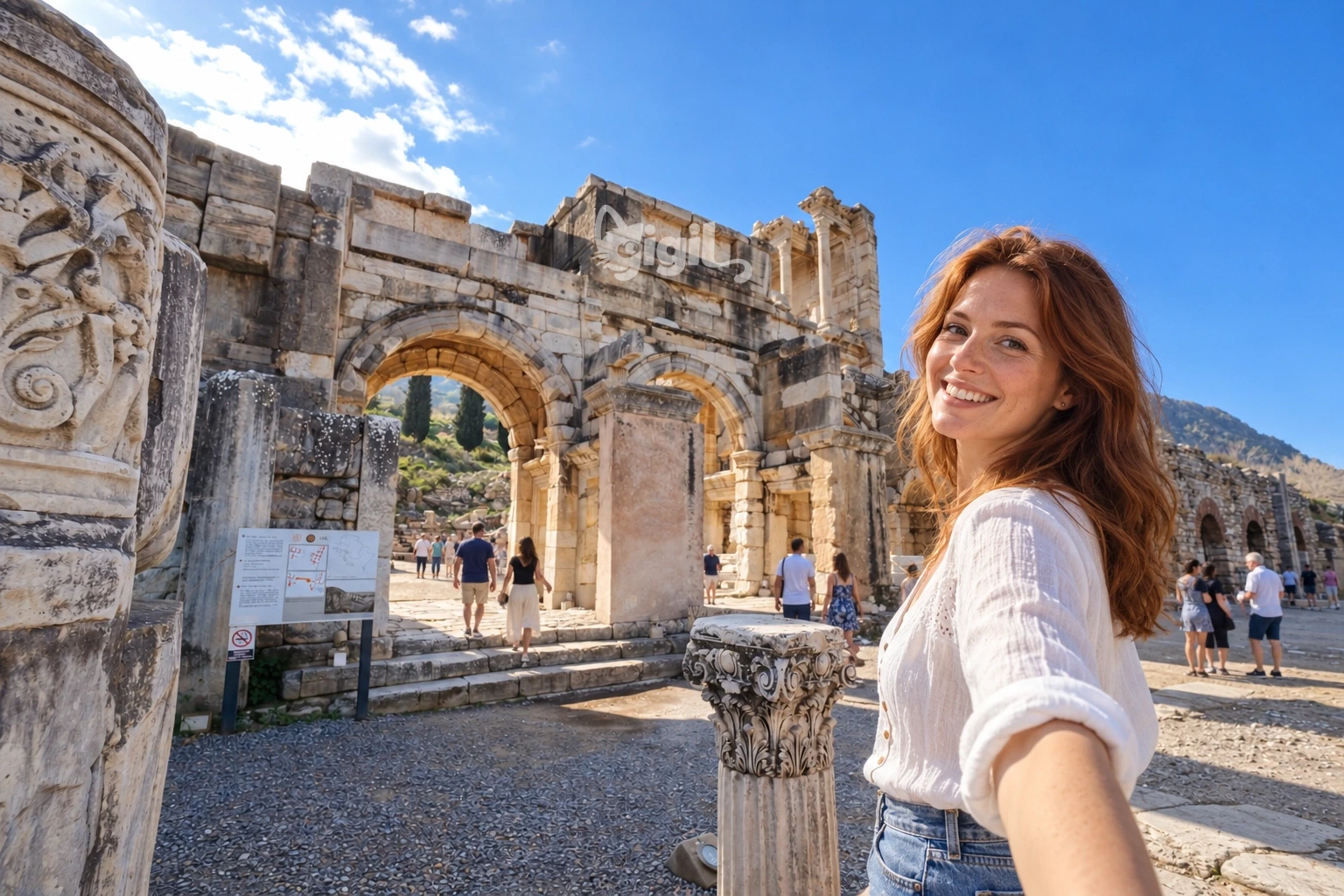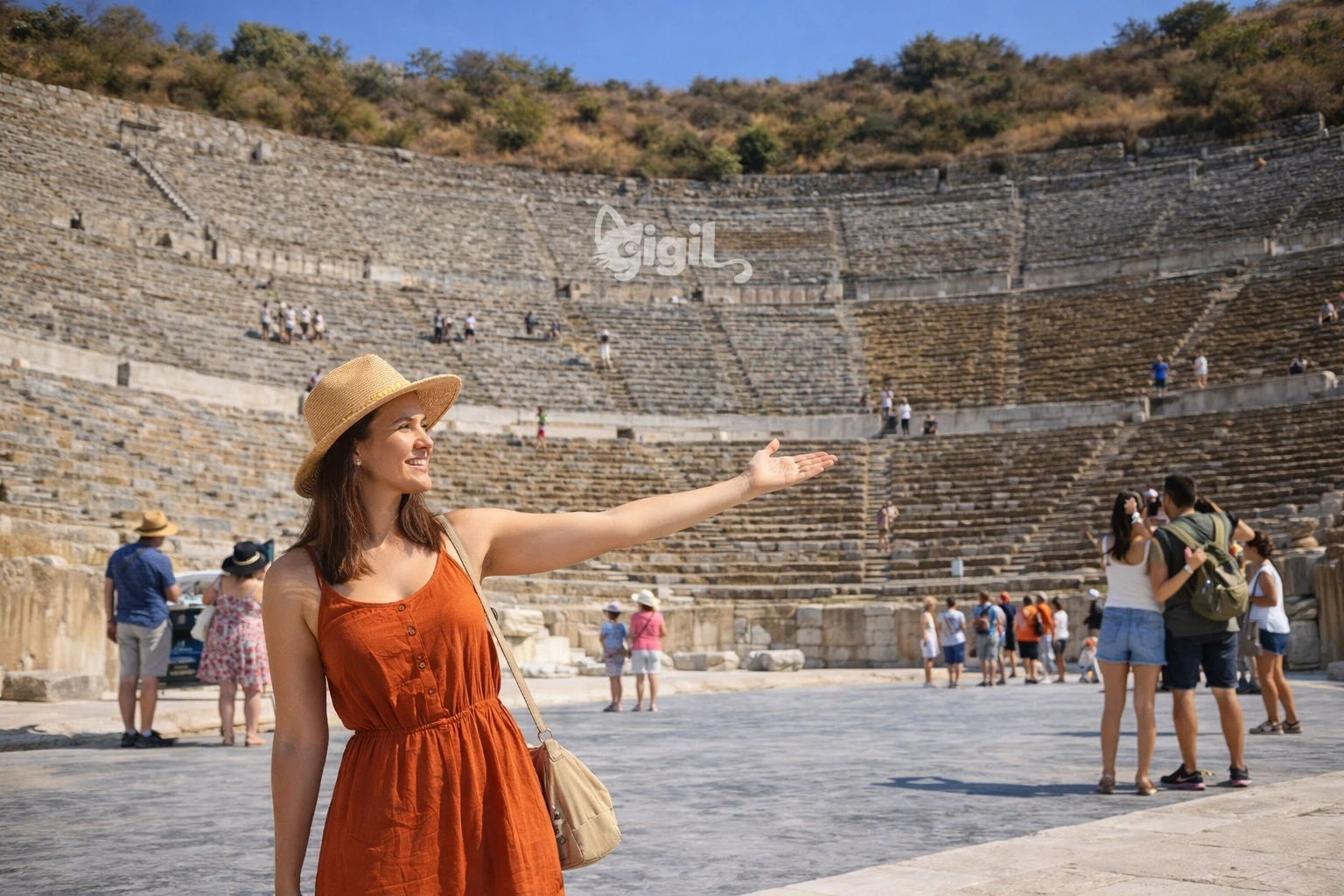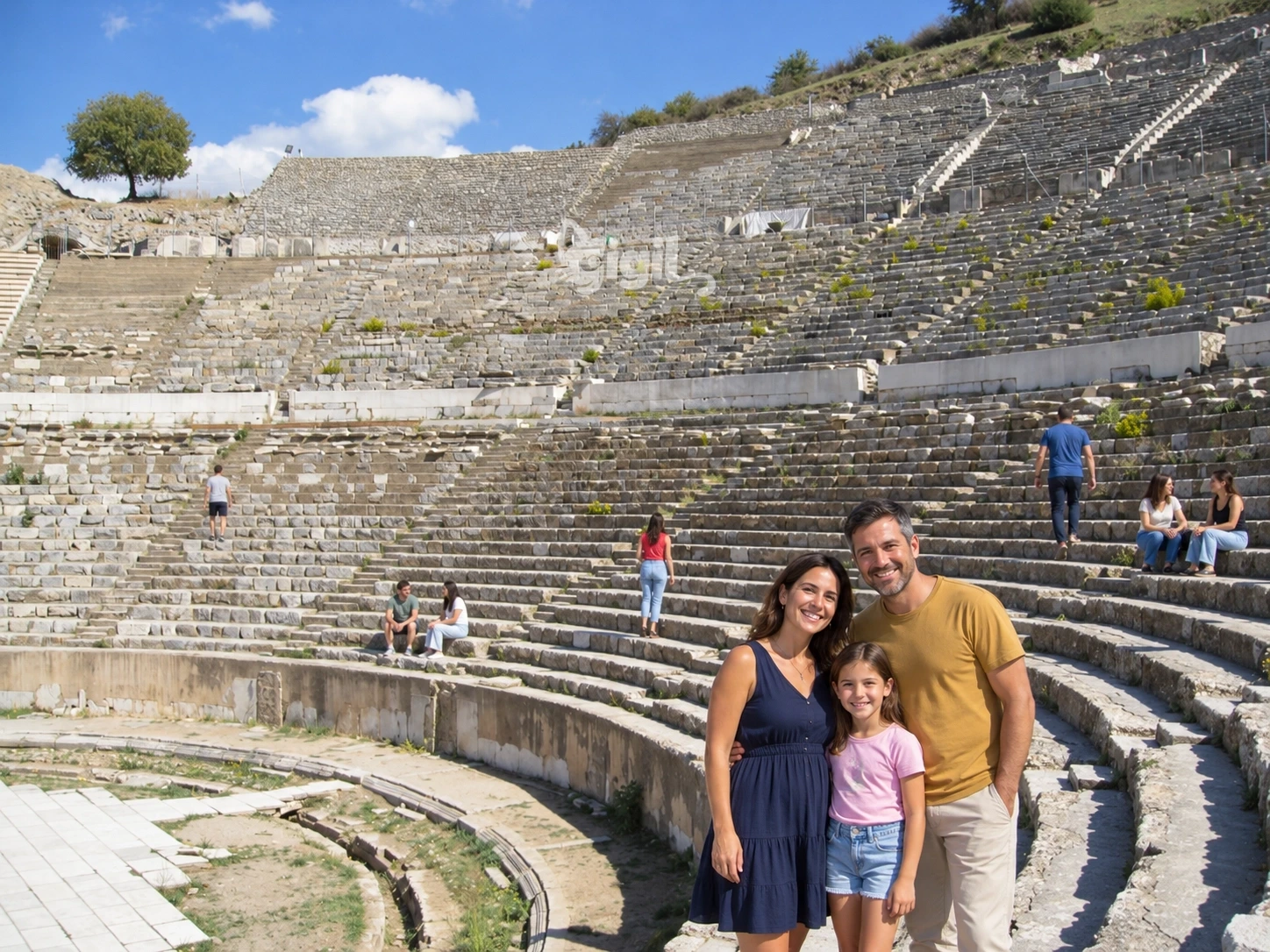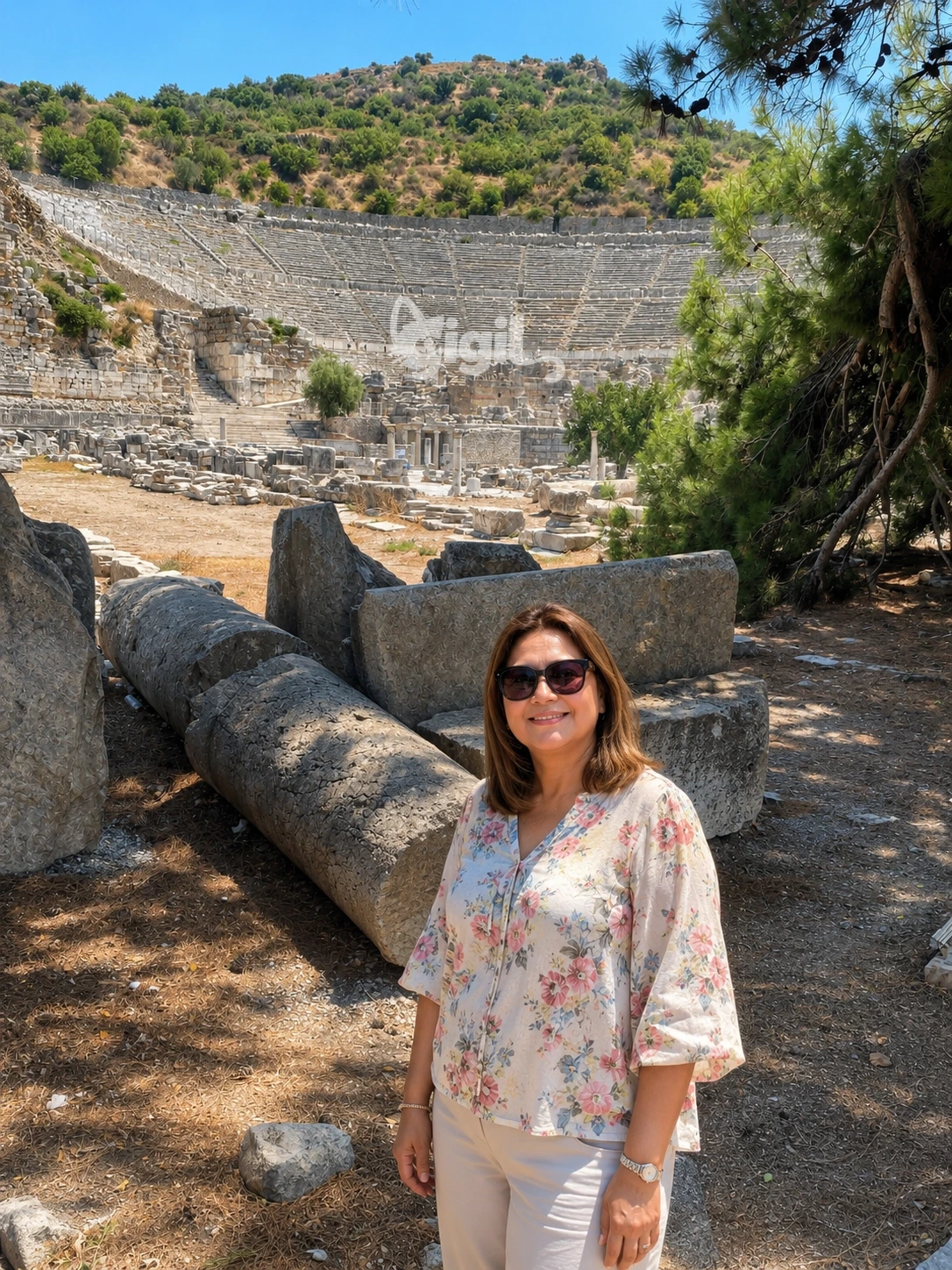








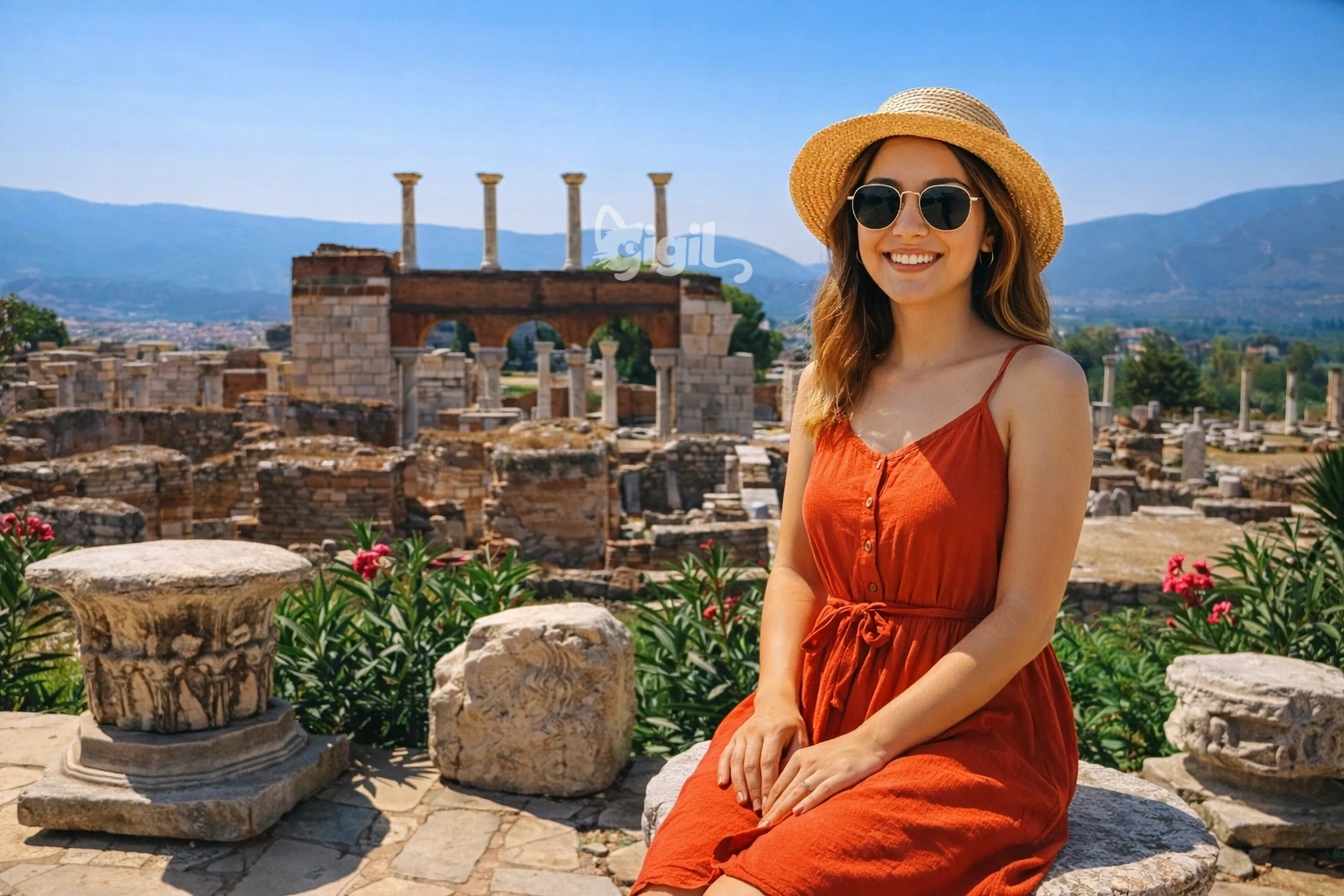
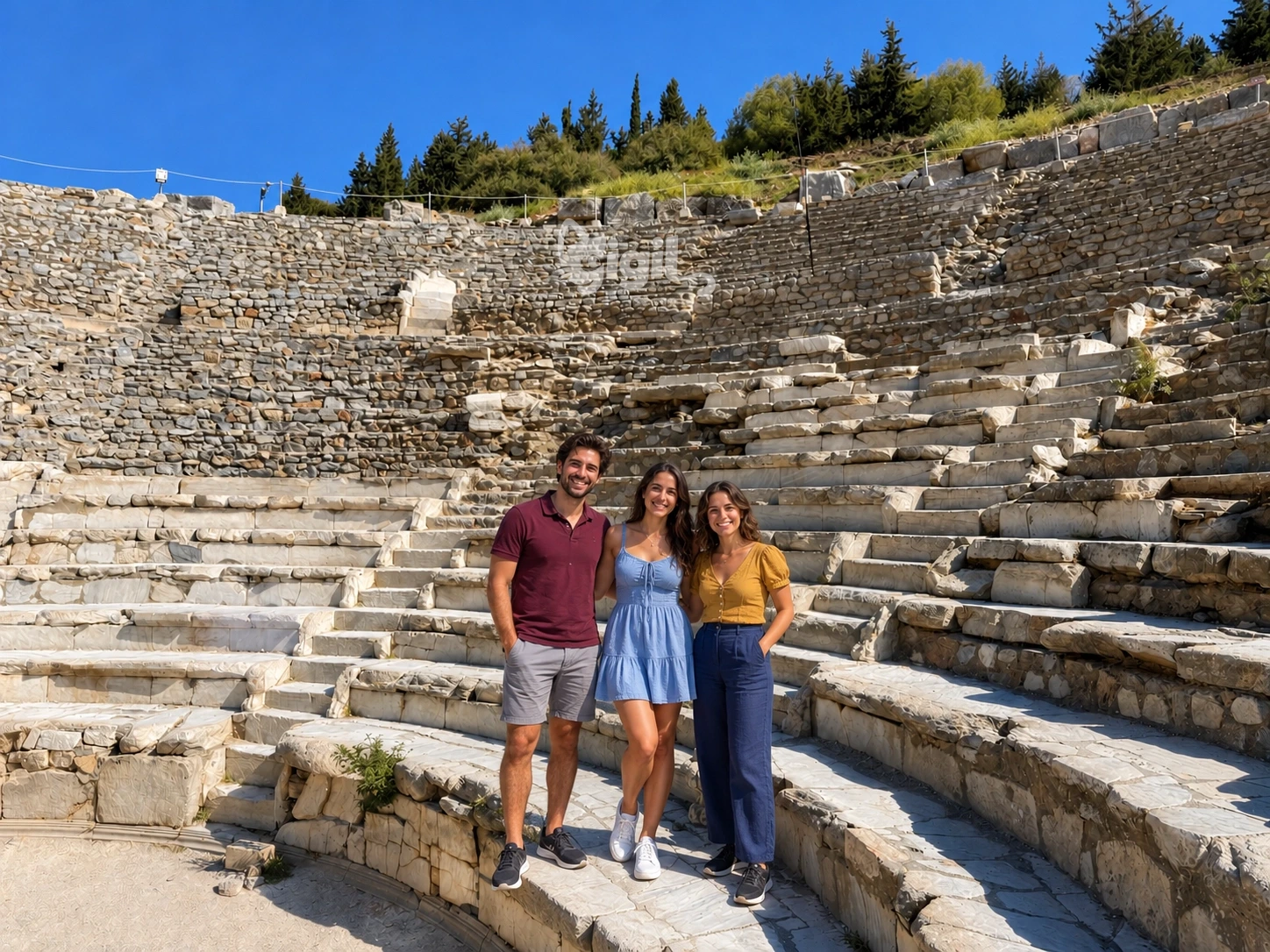
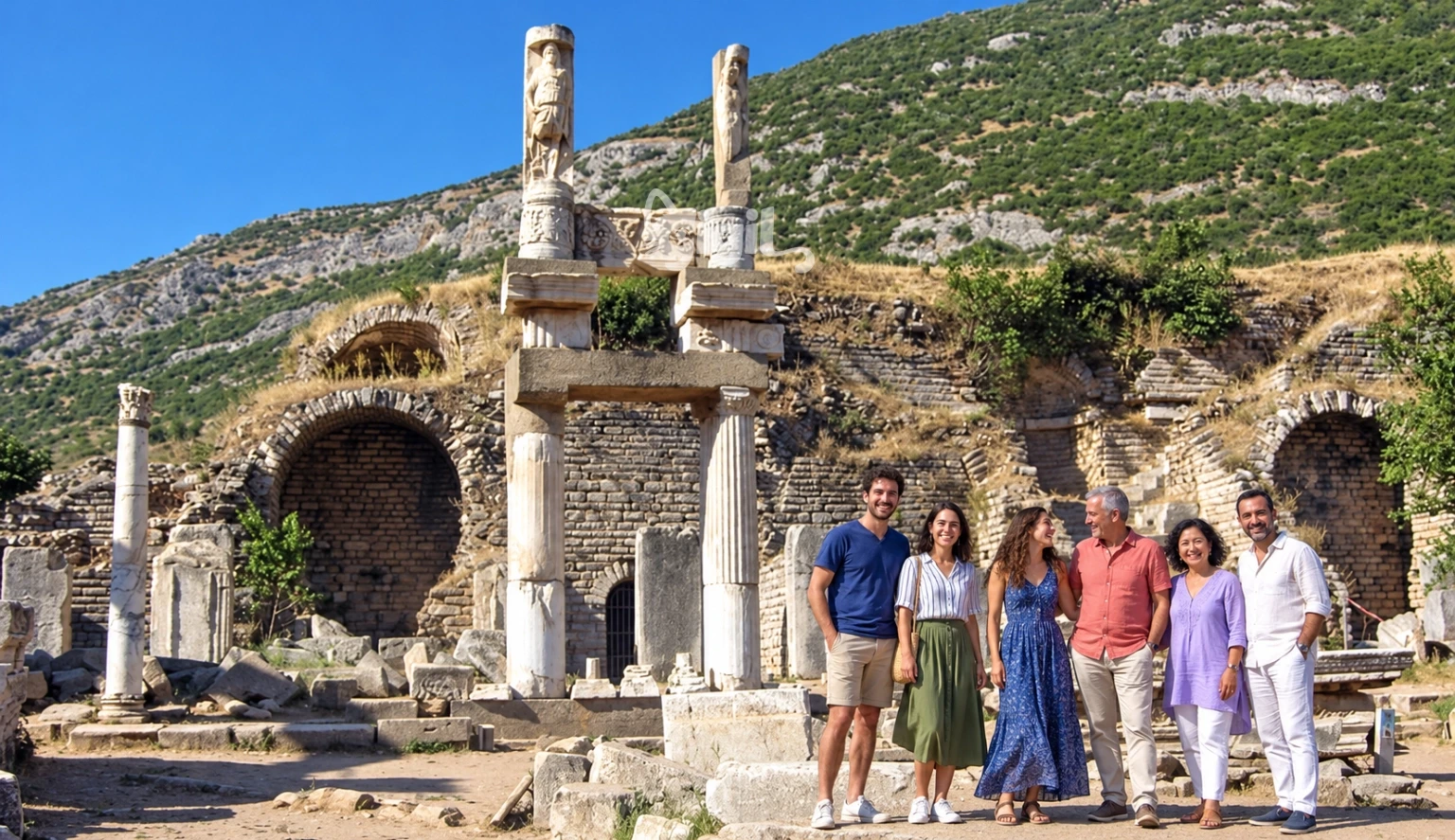
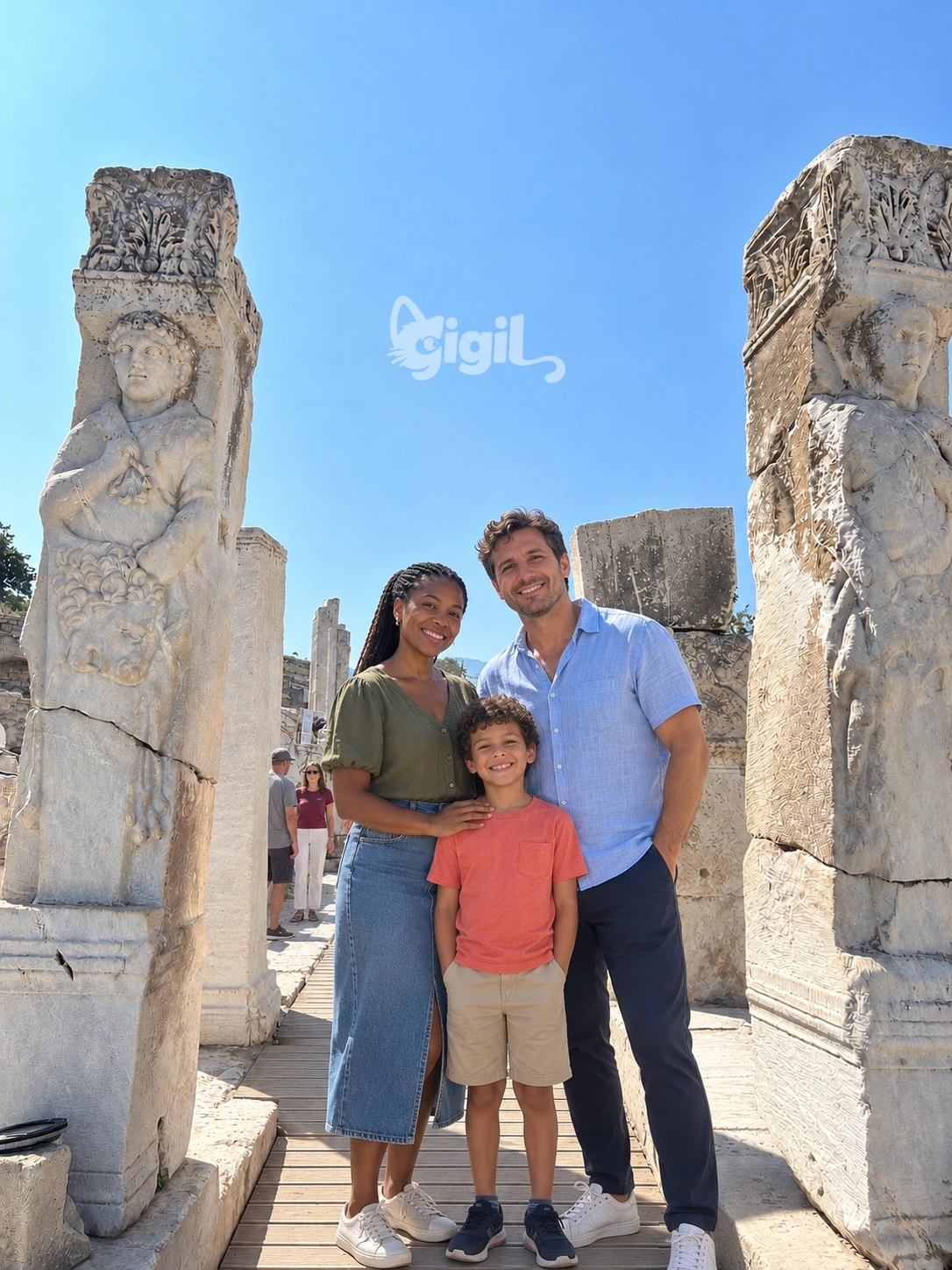
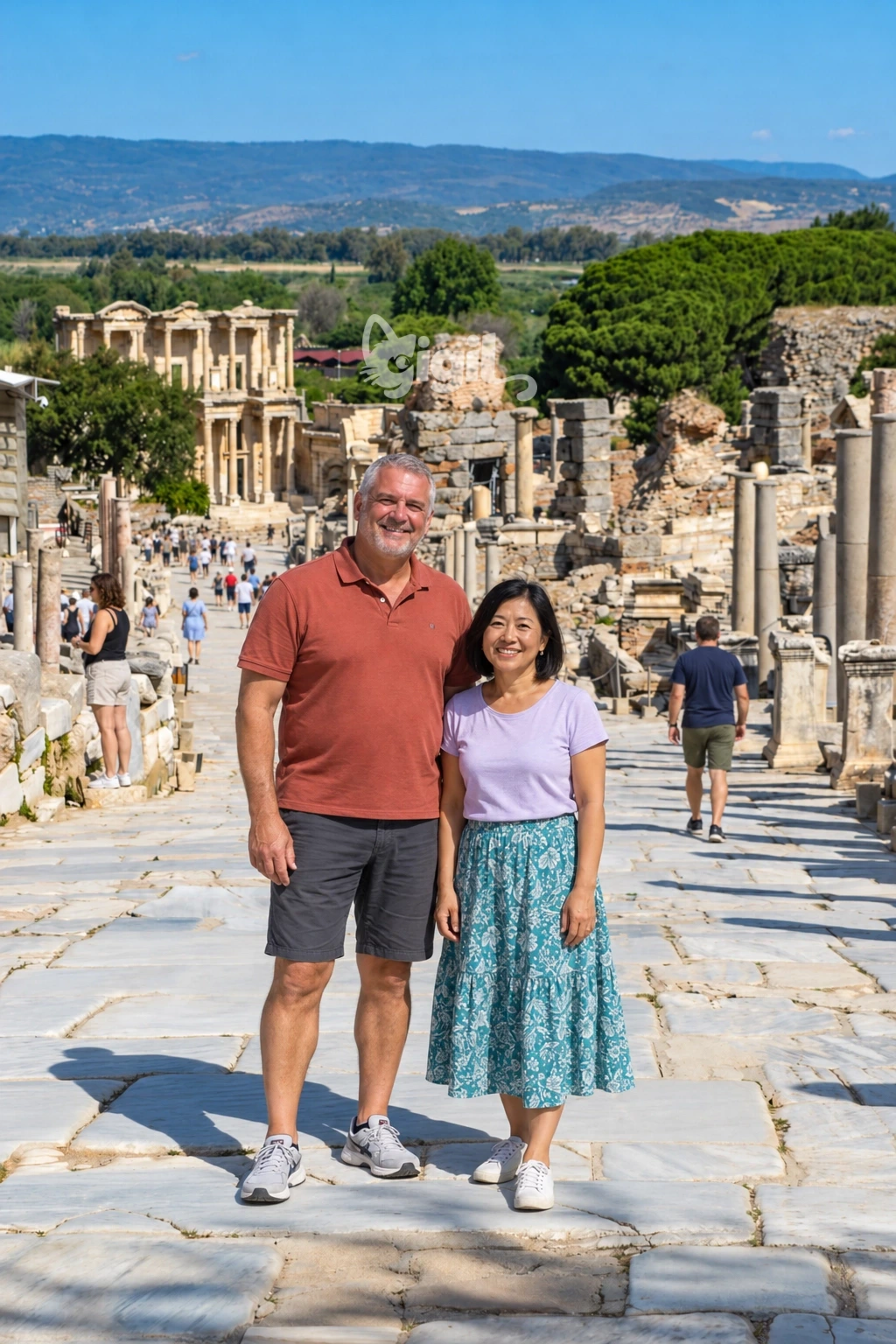
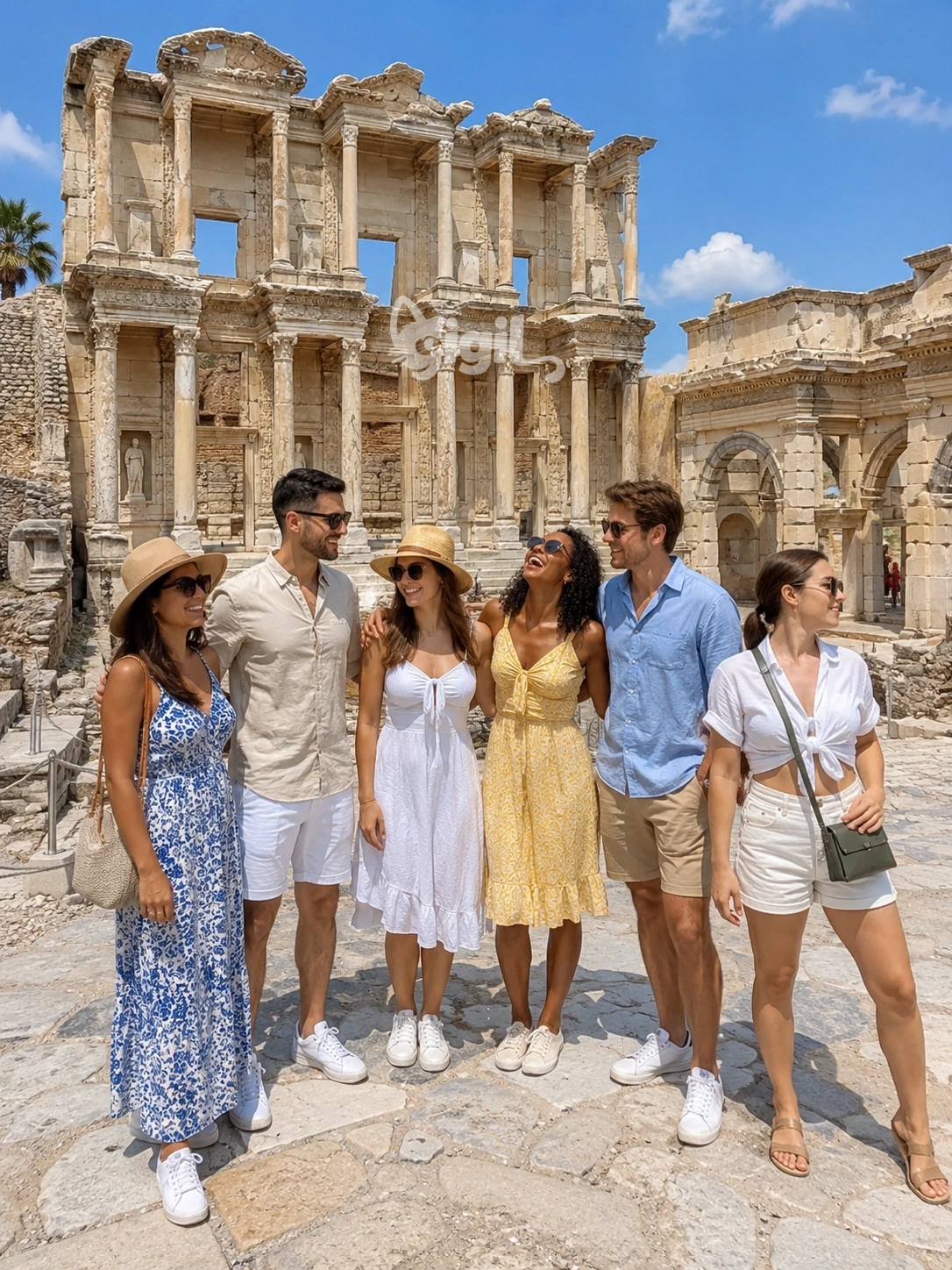
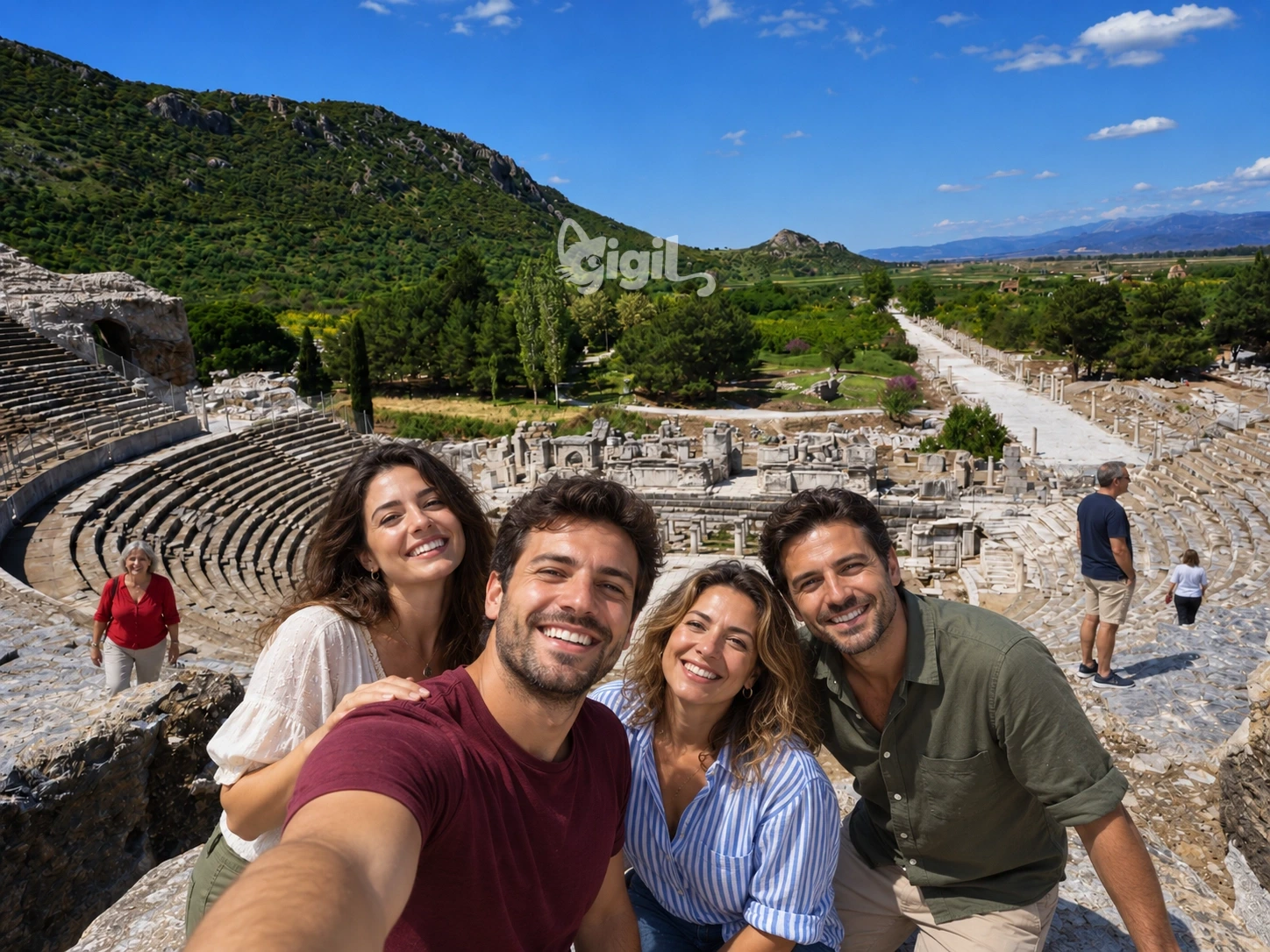
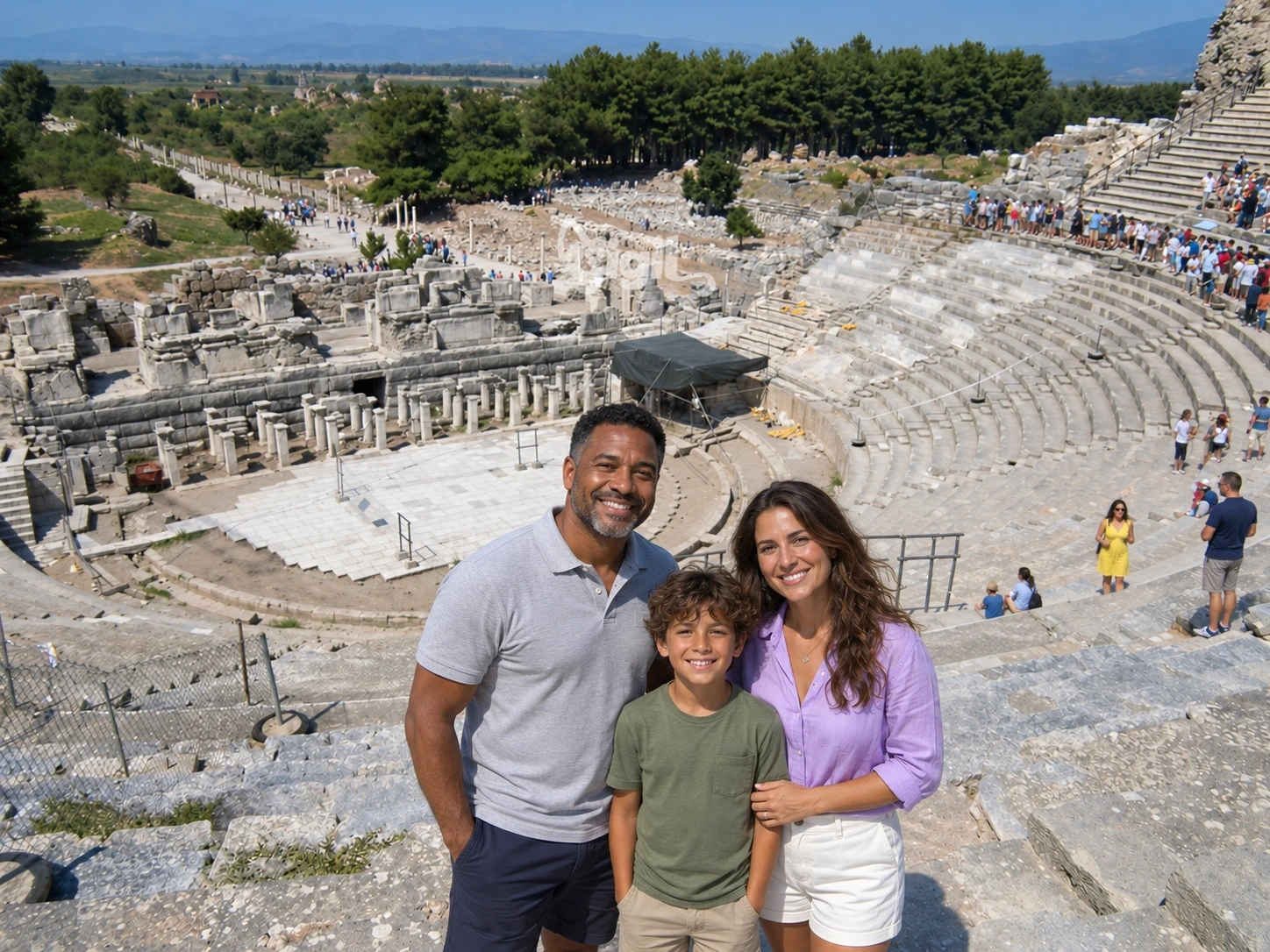
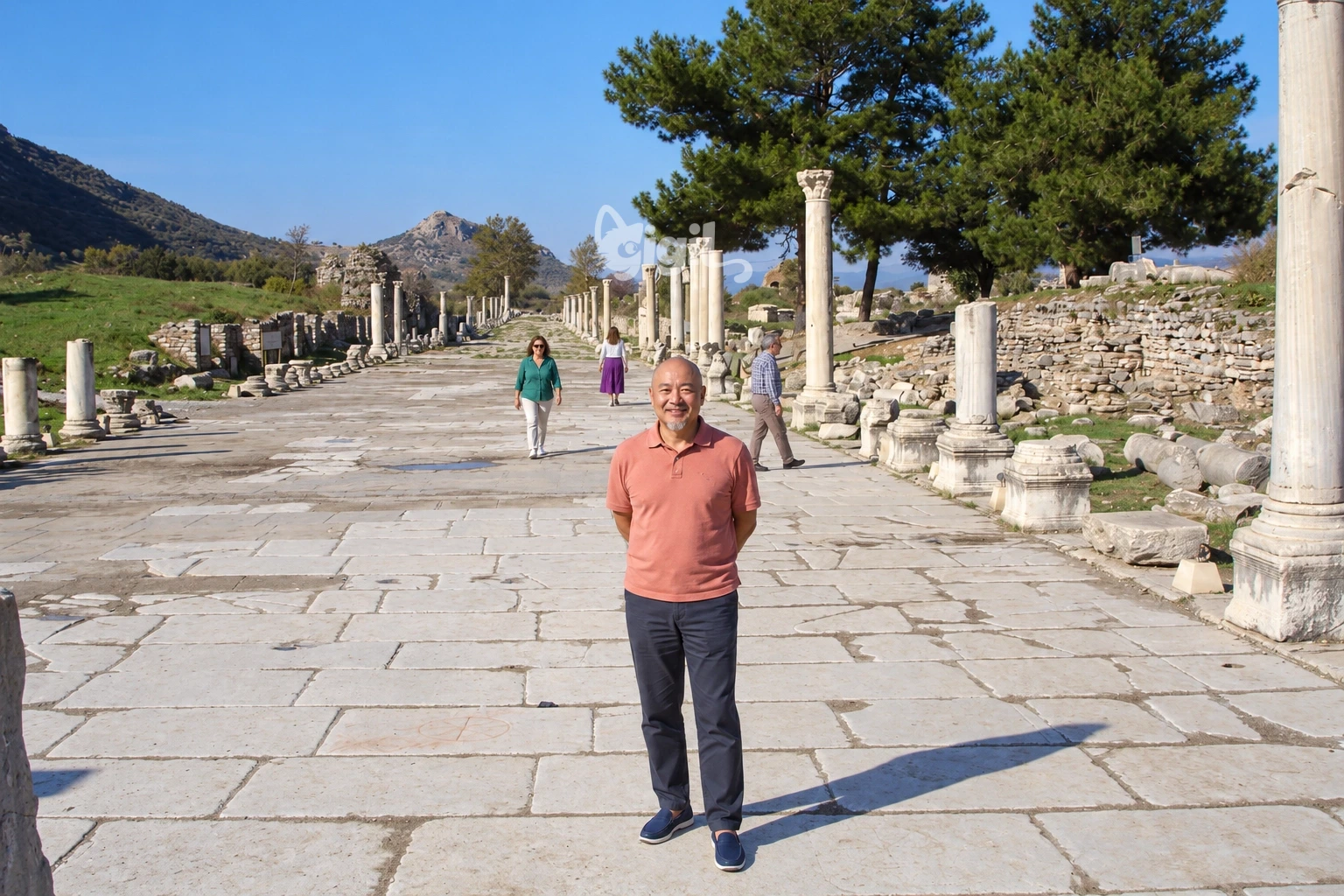
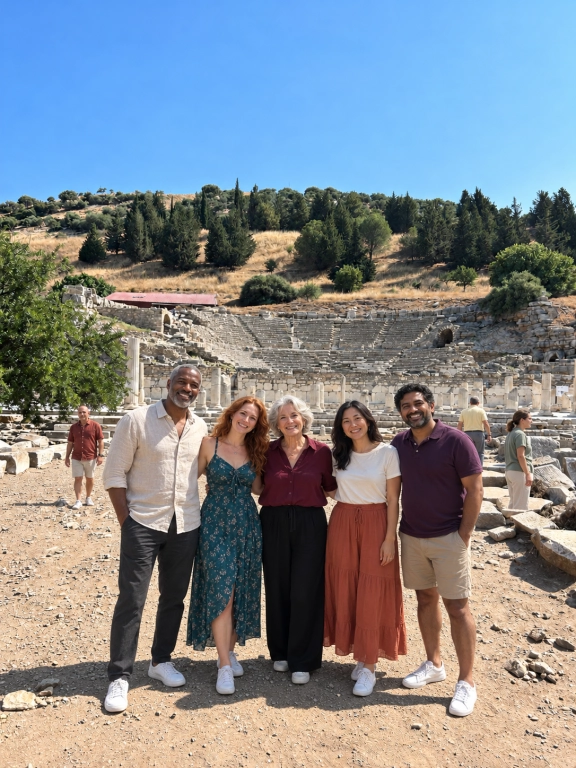
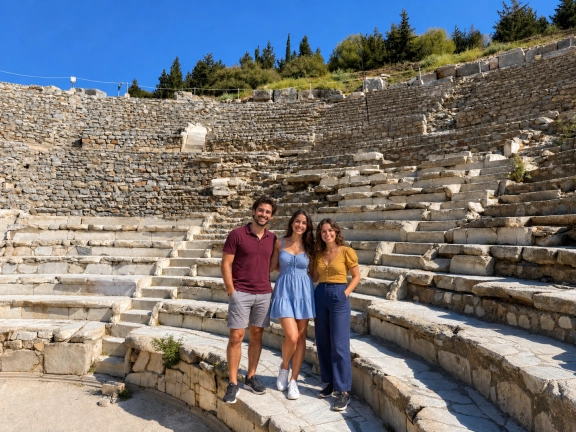
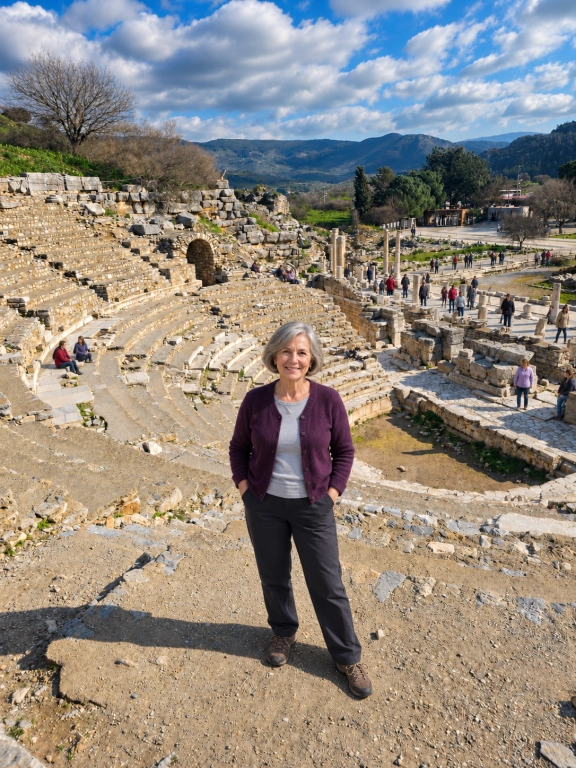
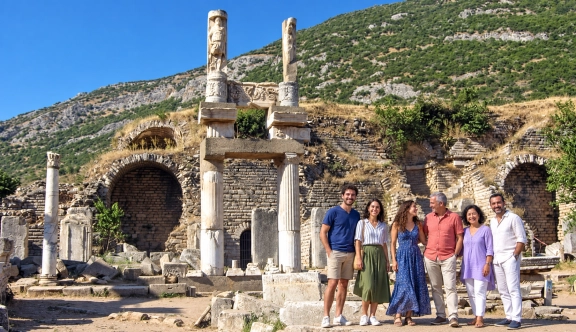
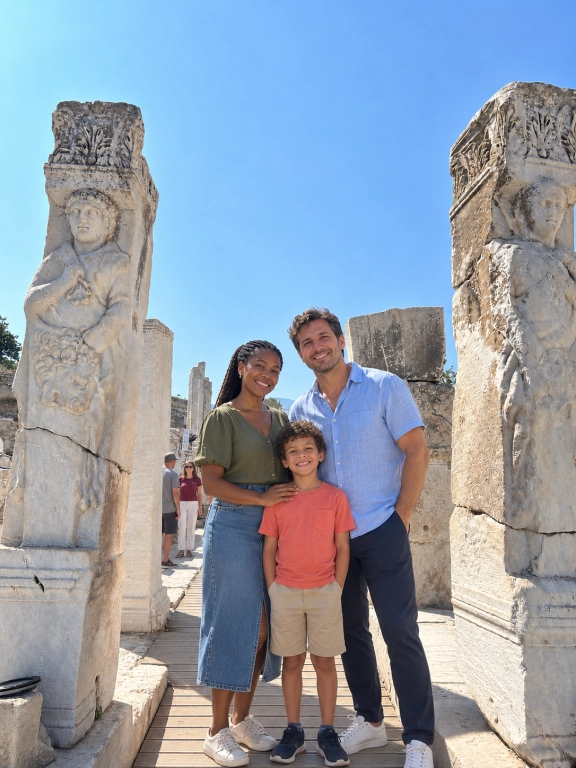
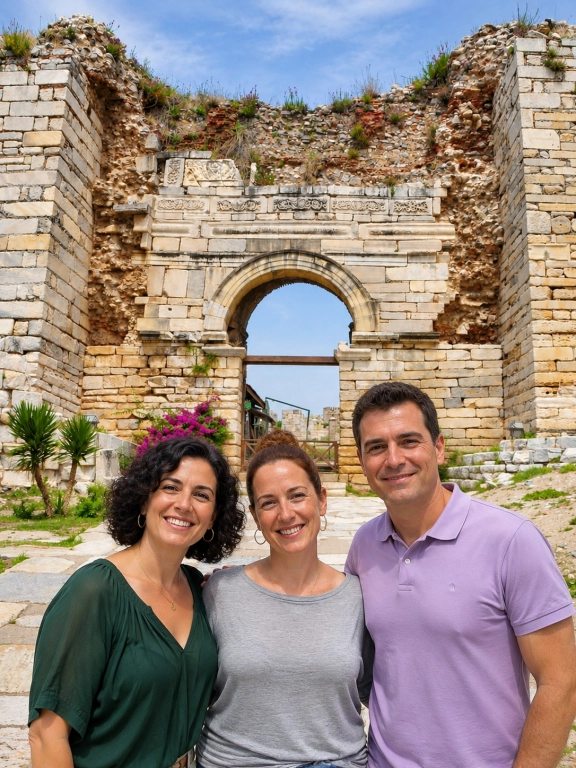
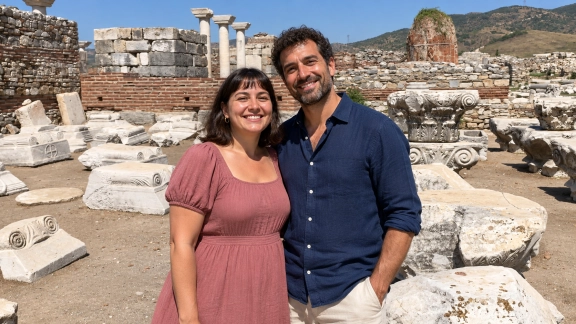


Ephesus invites you to imagine a city through its surviving spaces. The street system connects public buildings and gathering areas, with the Library of Celsus and Great Theatre providing prominent reference points in the wider urban landscape.
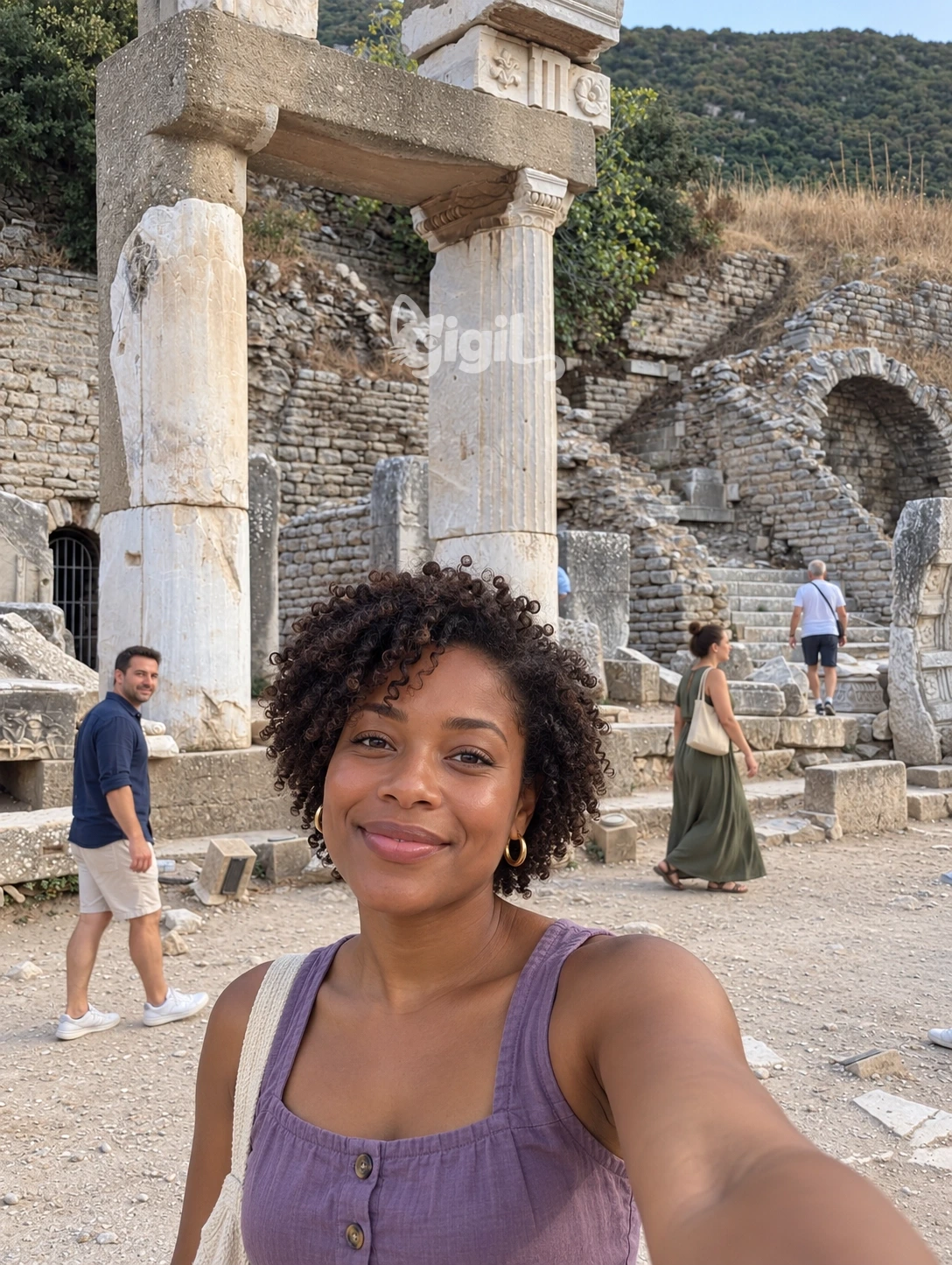
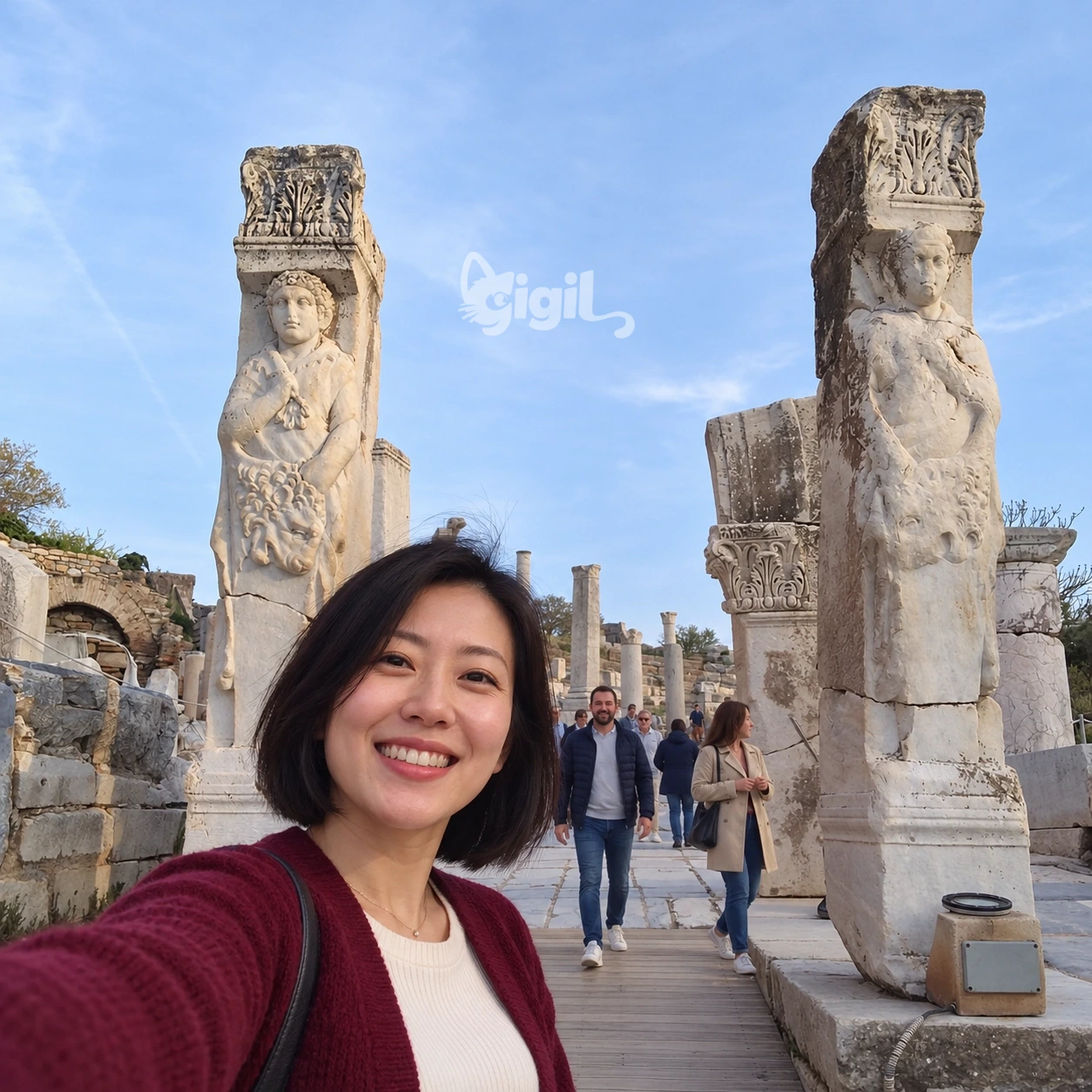
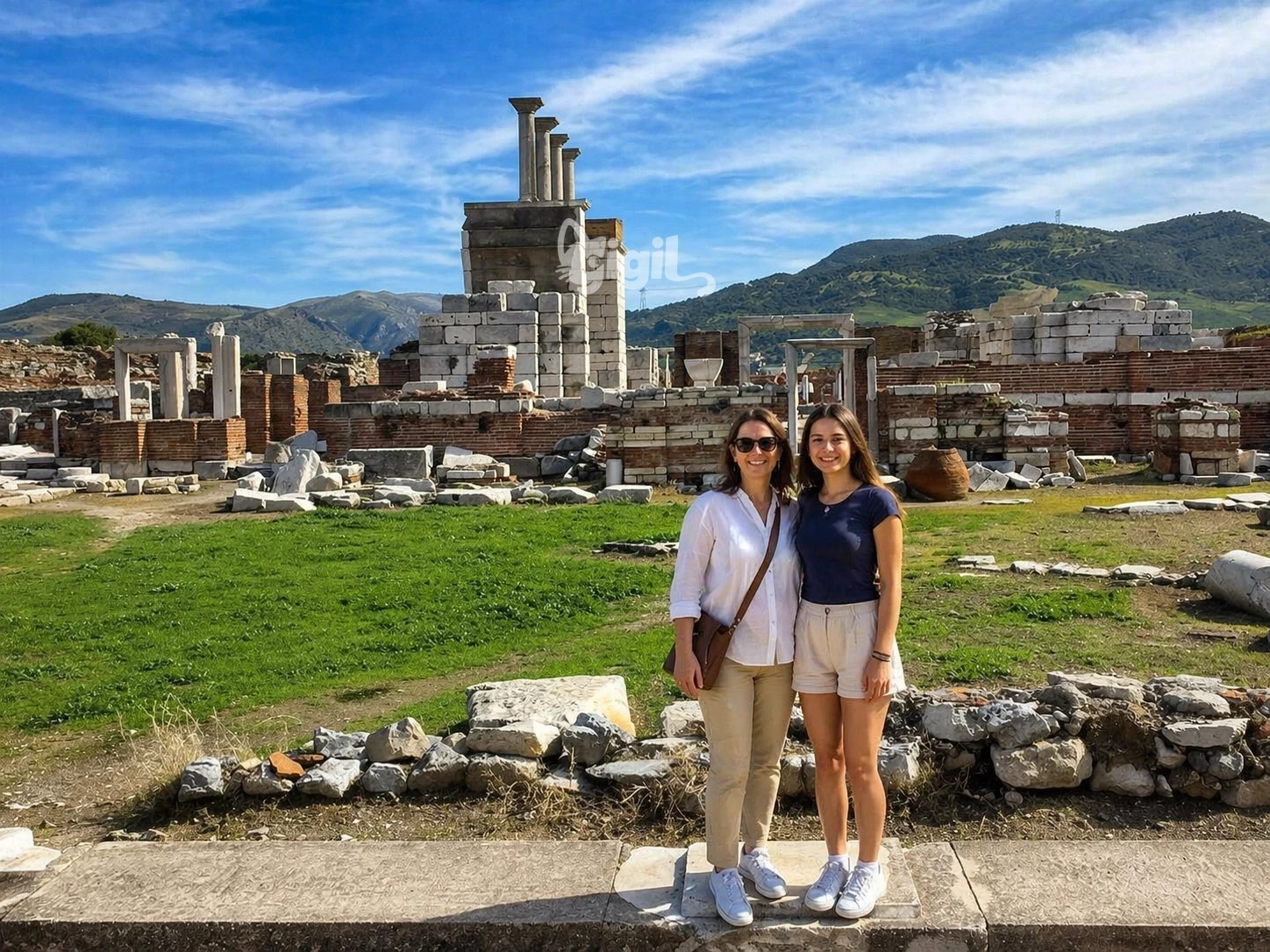
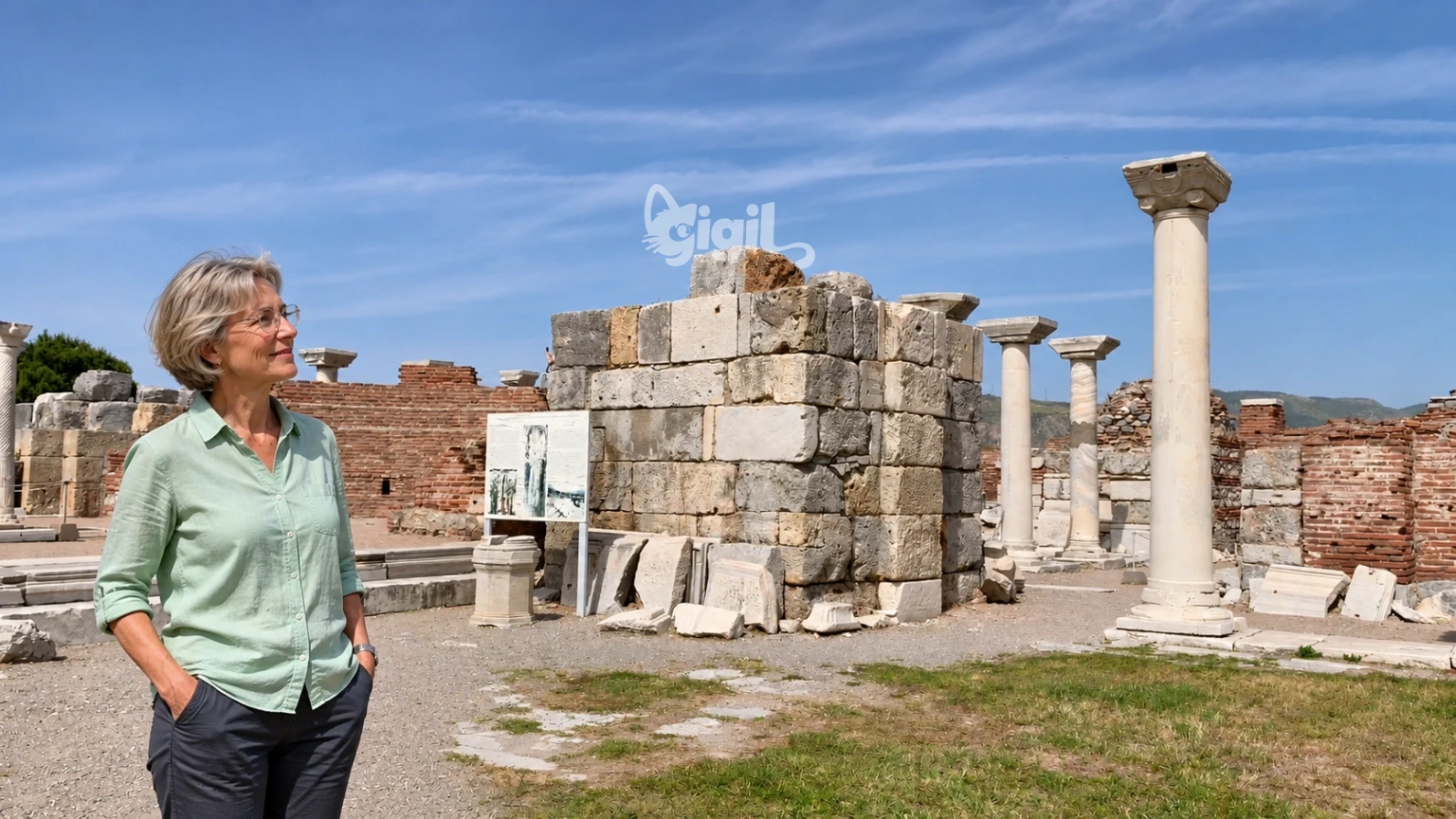
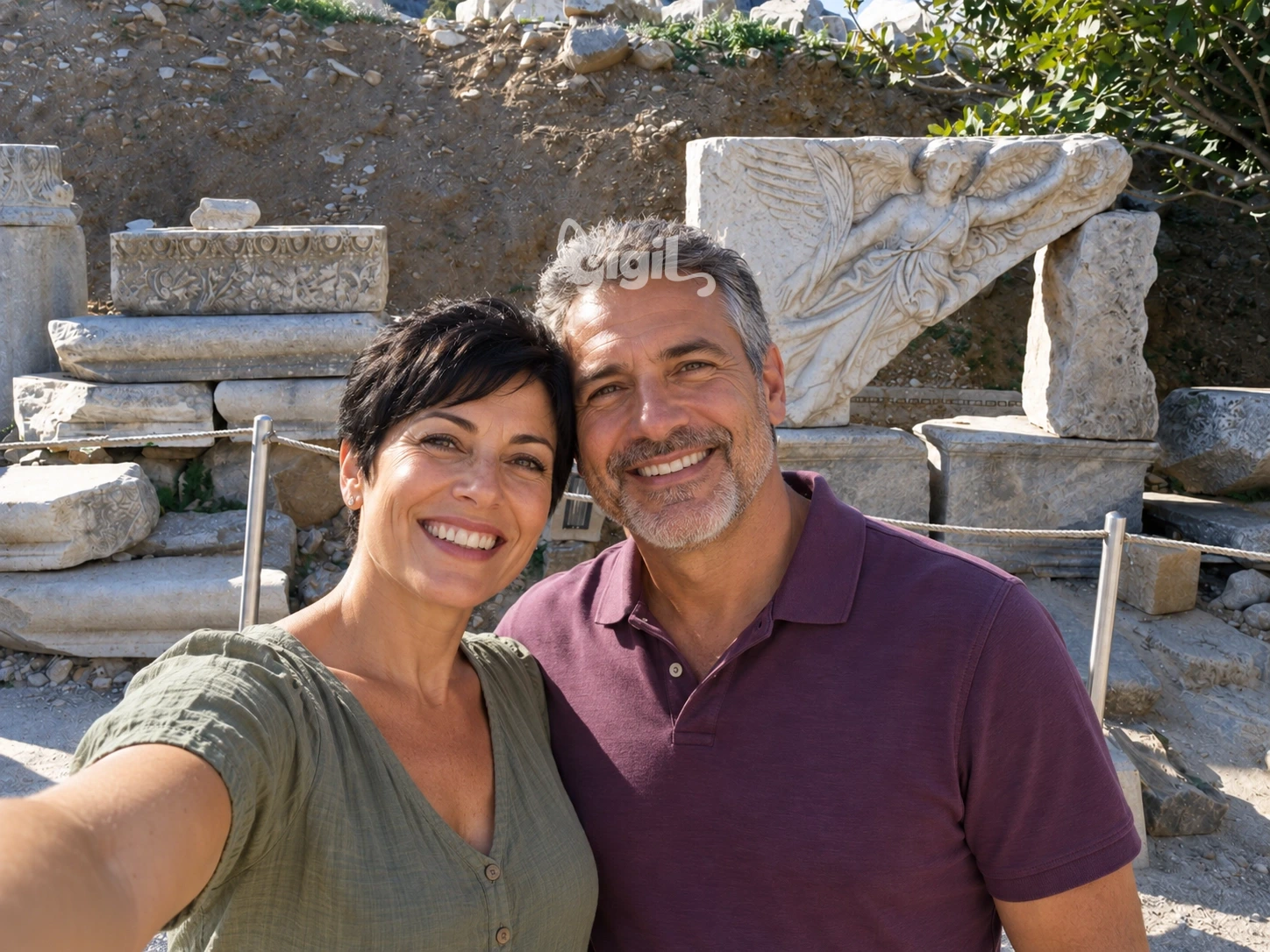
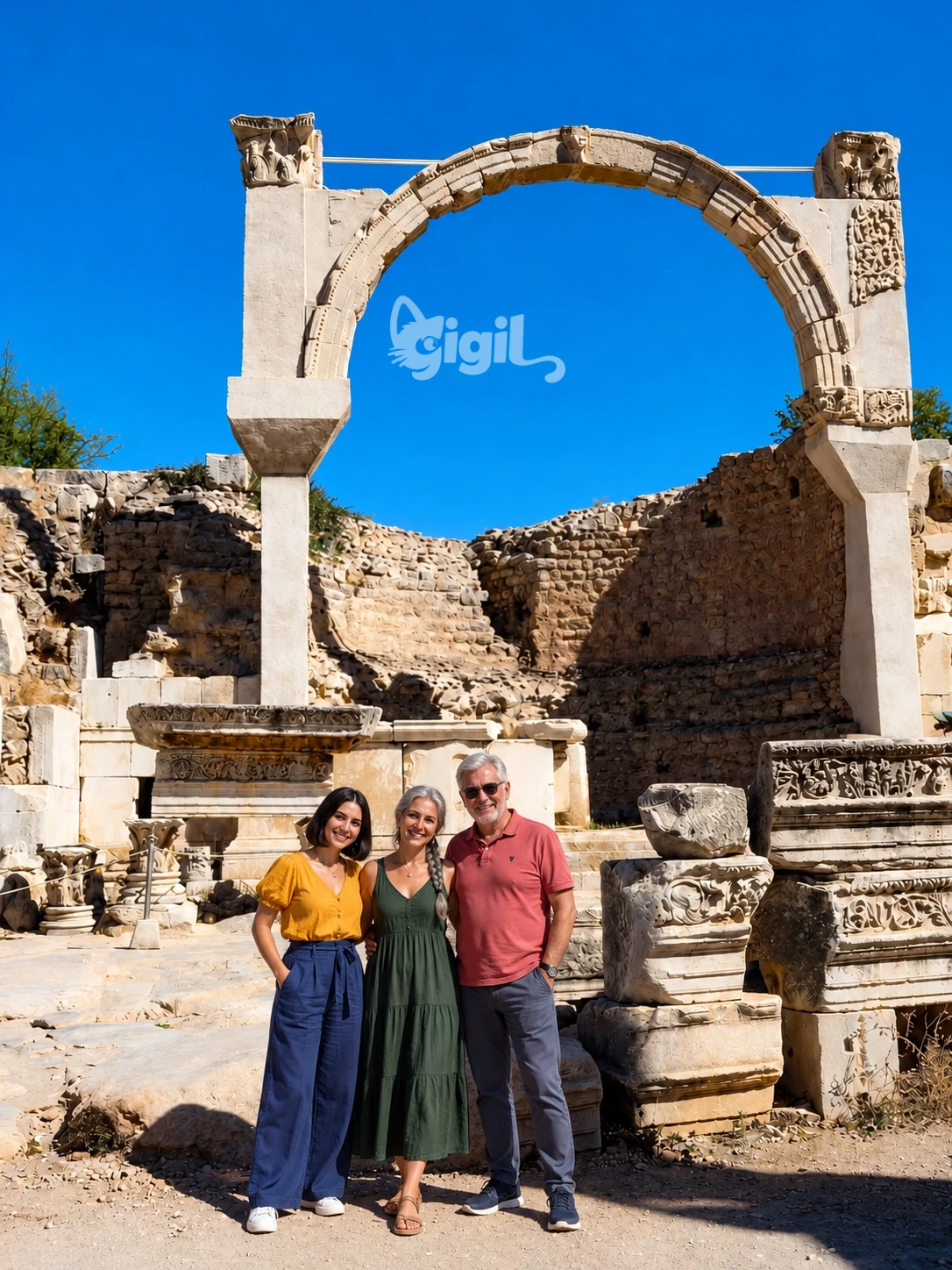
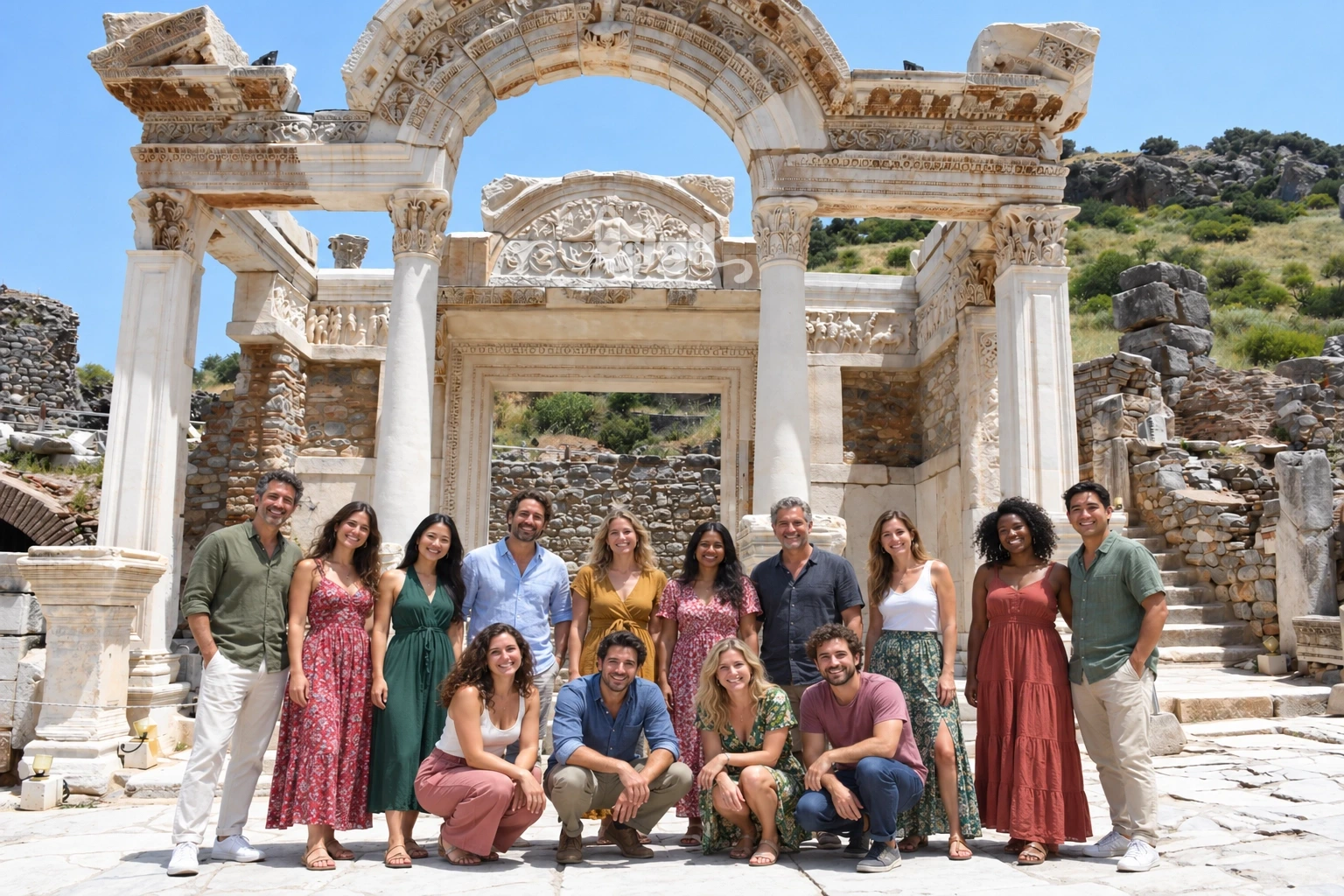
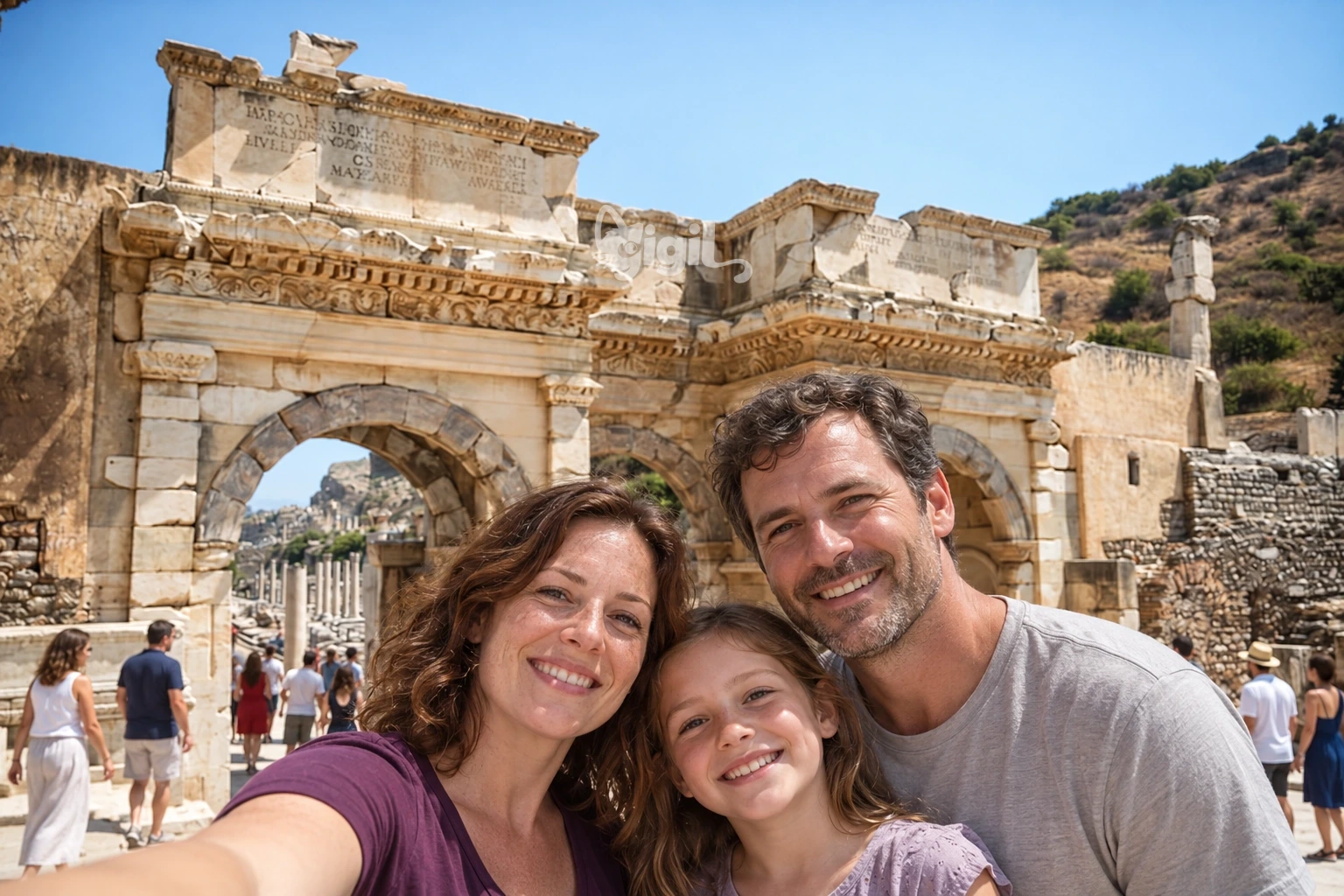
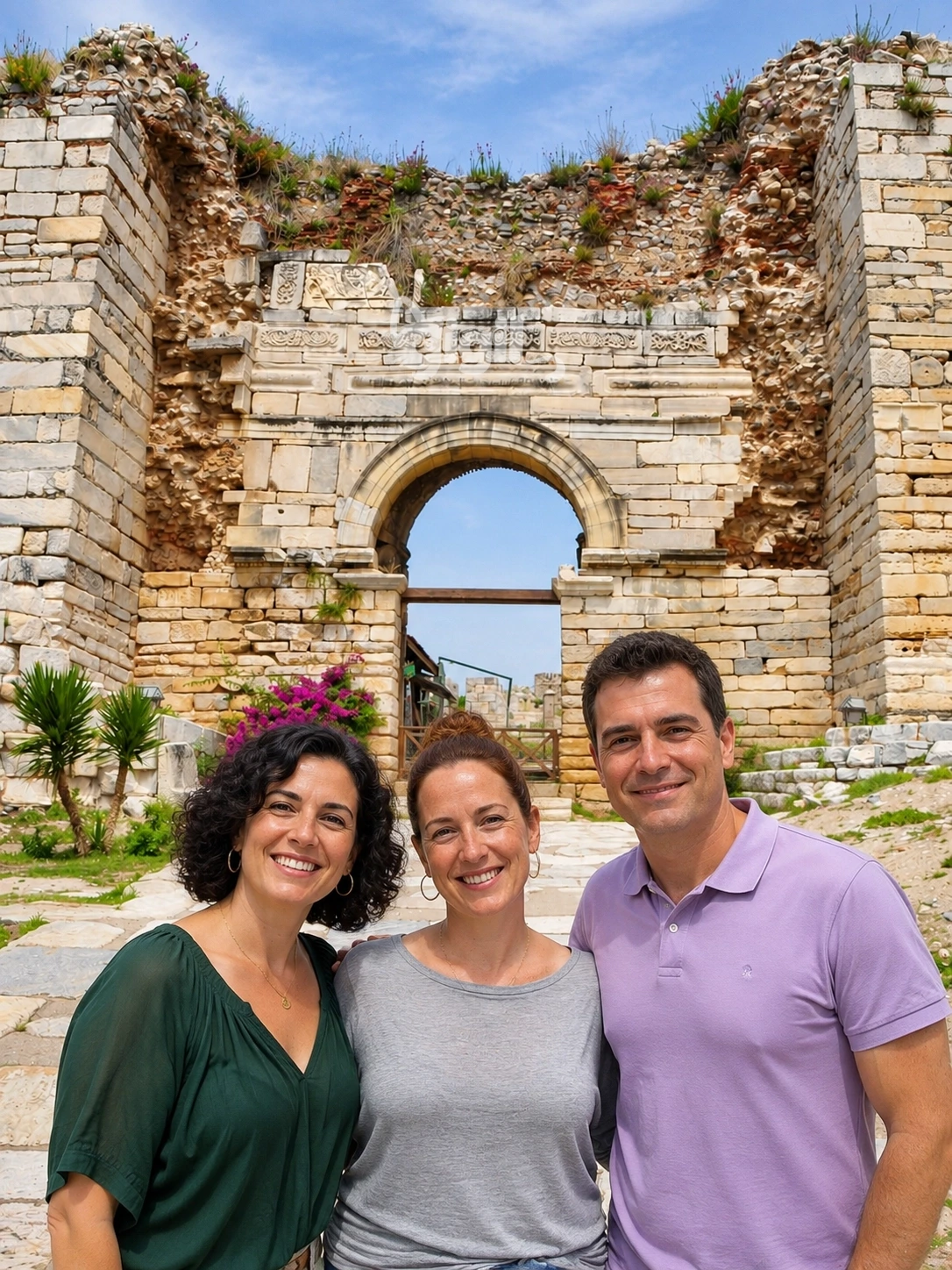
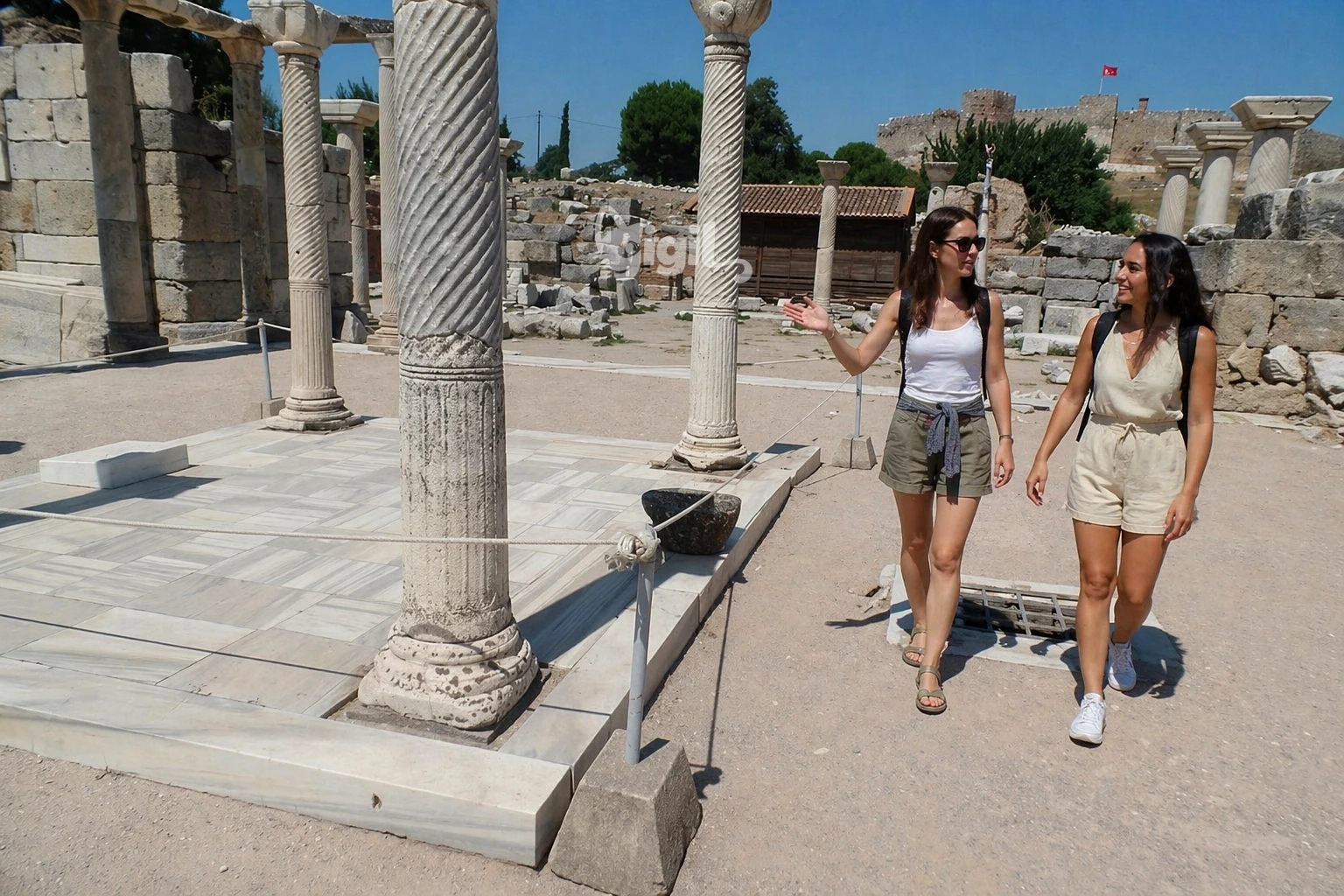
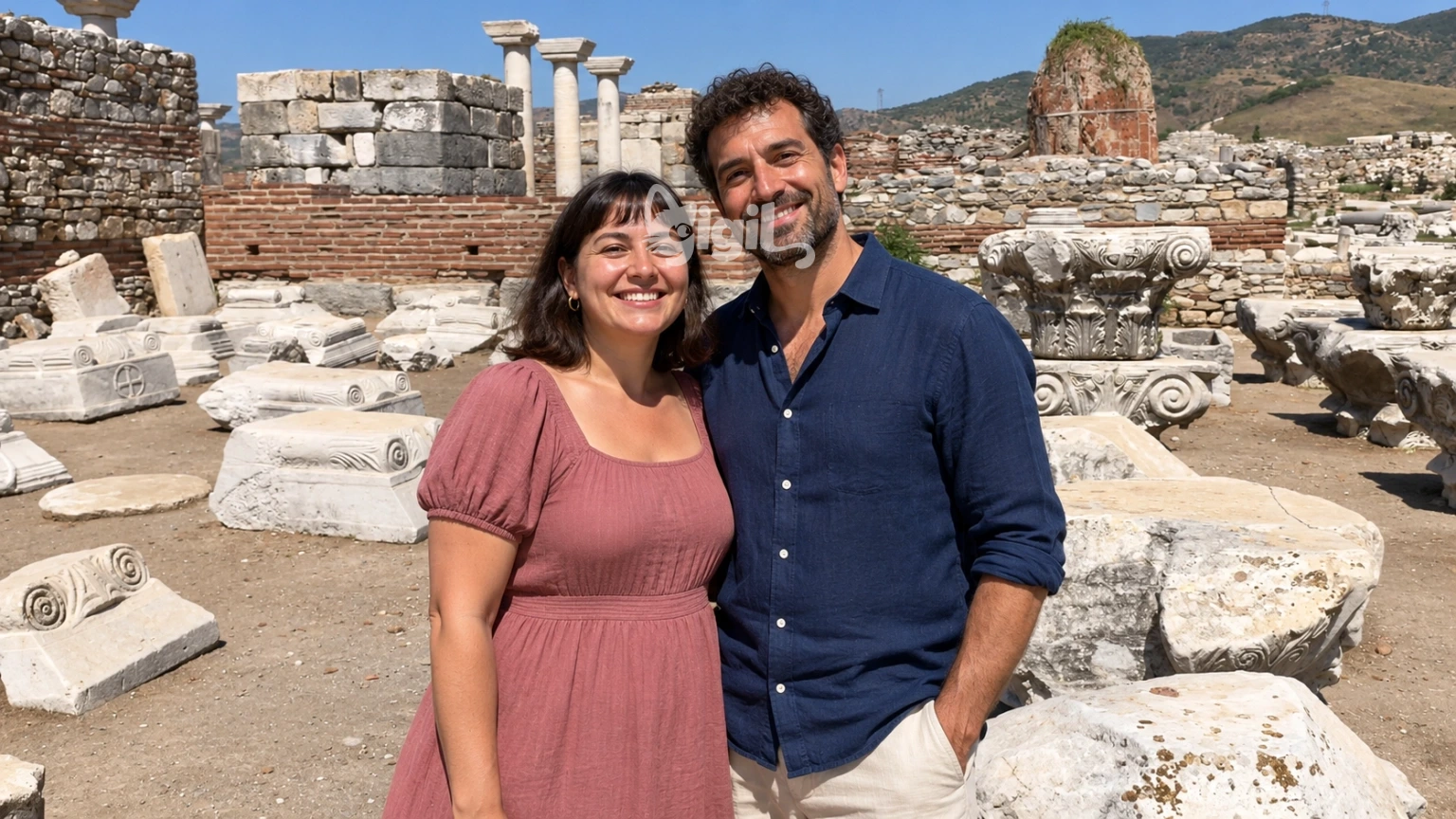
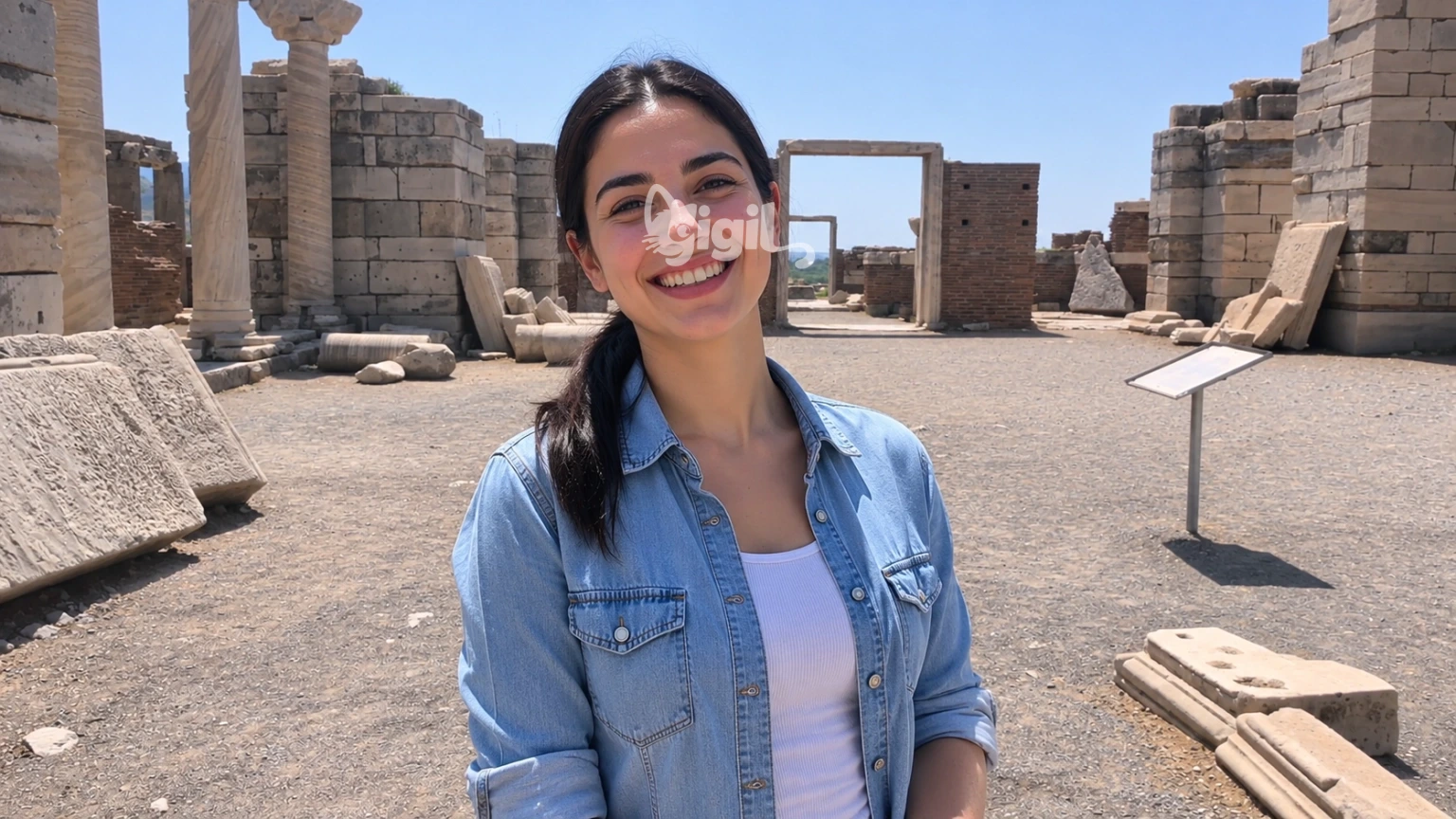
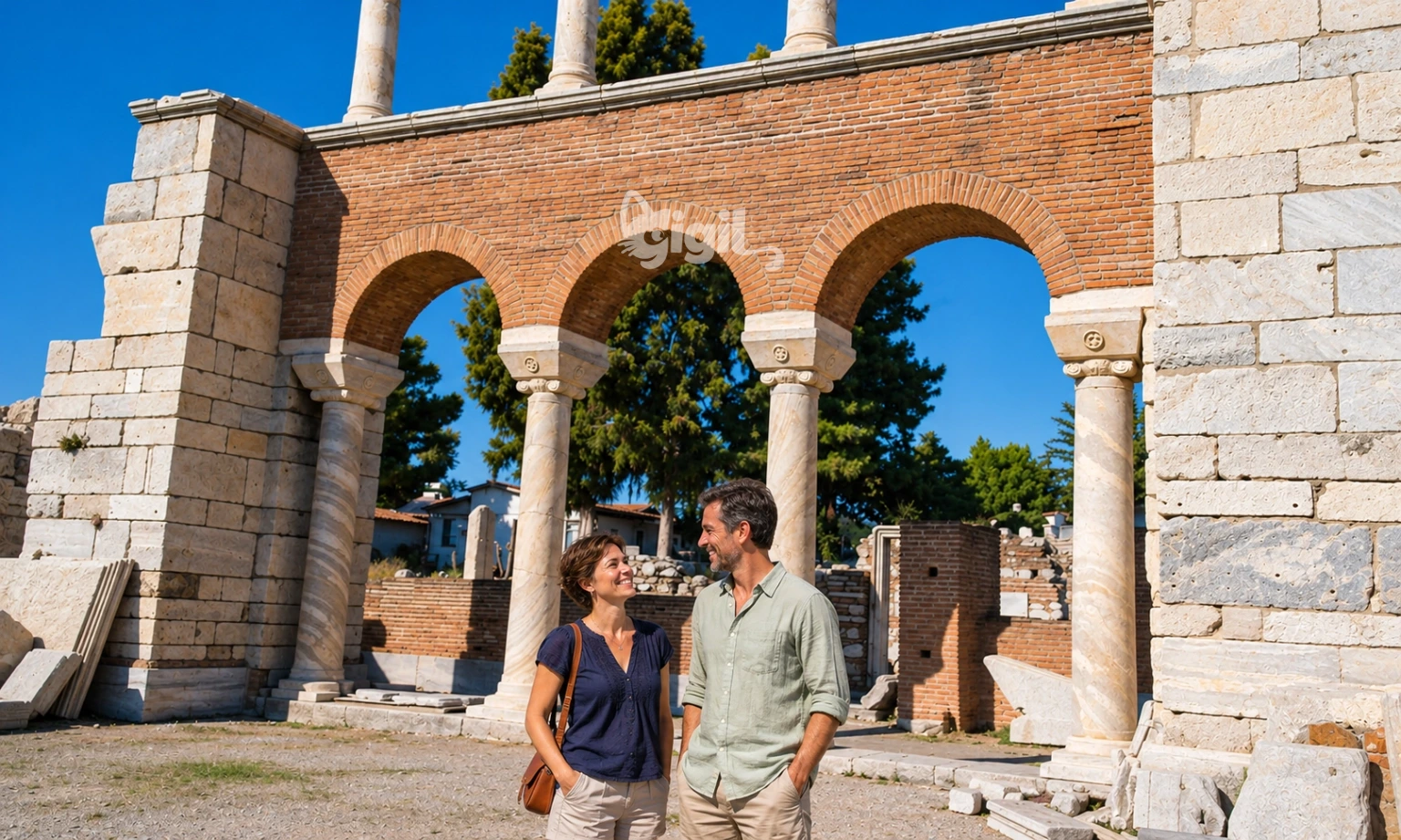
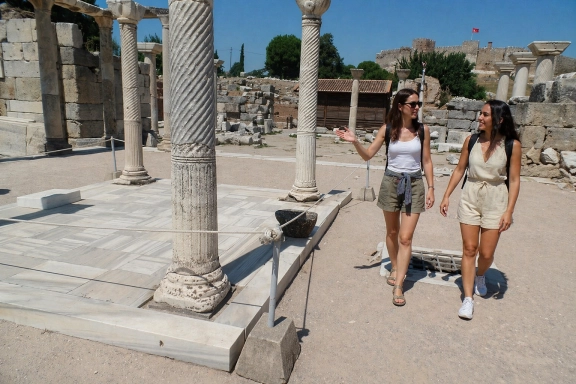
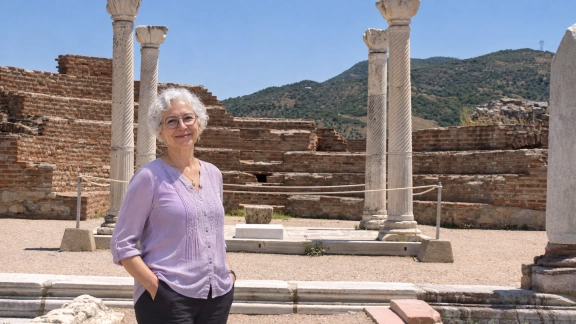
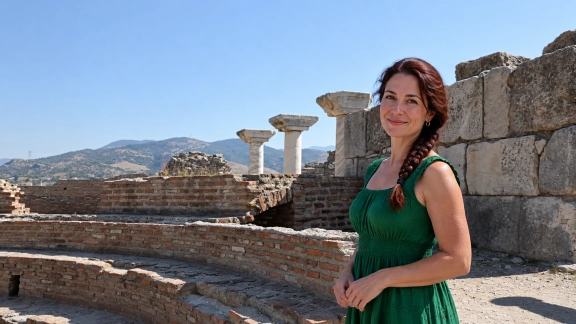
Look at where architectural fragments remain in relation to those spaces. Their position can help explain a vanished building, while the difference between reconstructed fronts and lower ruins reminds you how selectively the ancient environment survives.
Questions
How can a fragment help explain a missing building?
Its location and alignment can clarify a boundary or approach even when most of the structure is lost.
What is the right context for the library?
It belongs to the public architecture of a connected city, not an isolated monument standing apart from everyday movement.
Why does the library's appearance need qualification?
The standing facade is reconstructed, so its clarity should not imply that the whole ancient building survives.
What should I observe at the Great Theatre?
Notice how a large audience area creates a different kind of public space from the surrounding streets.