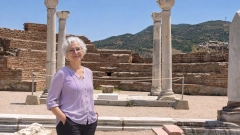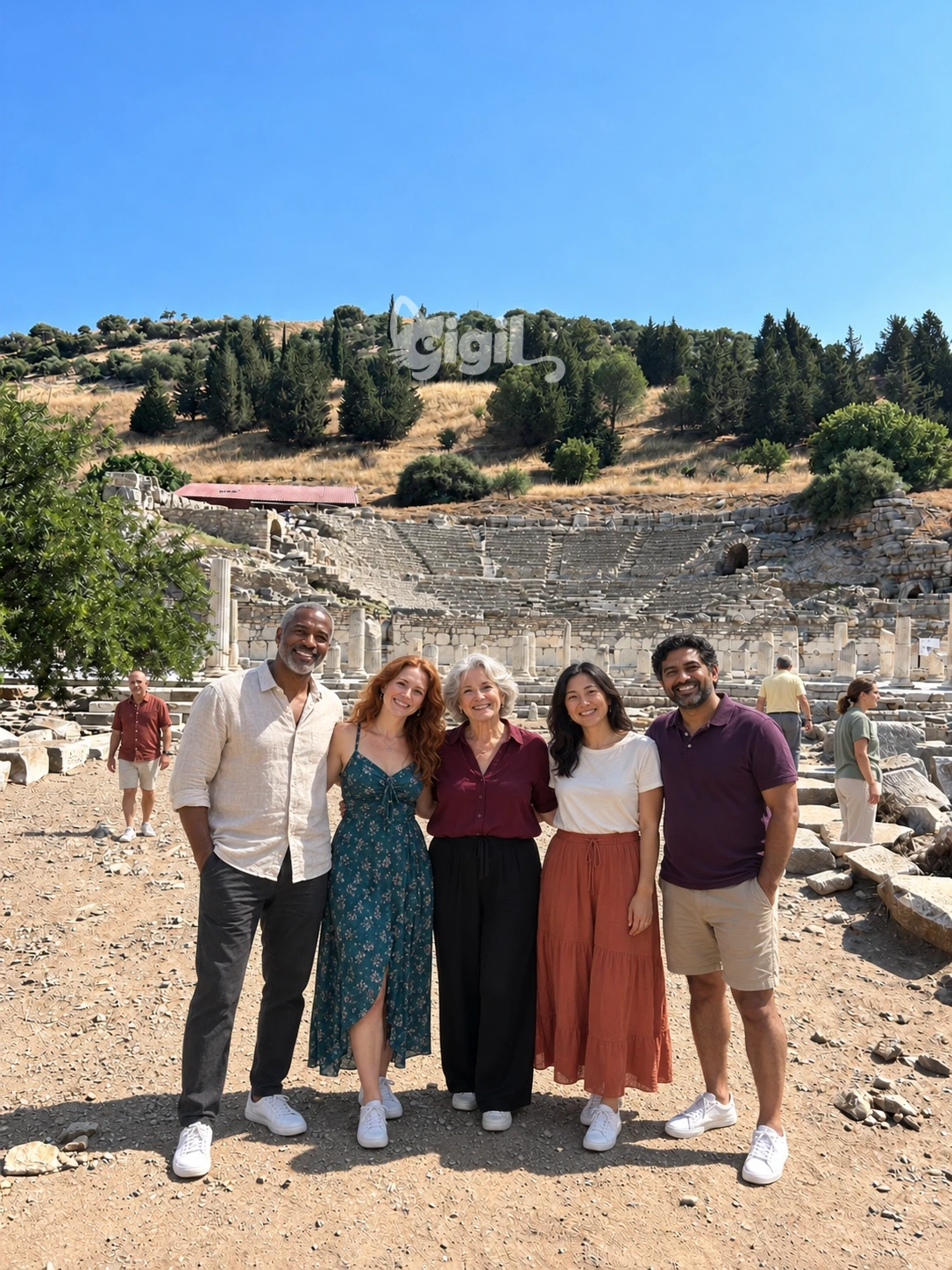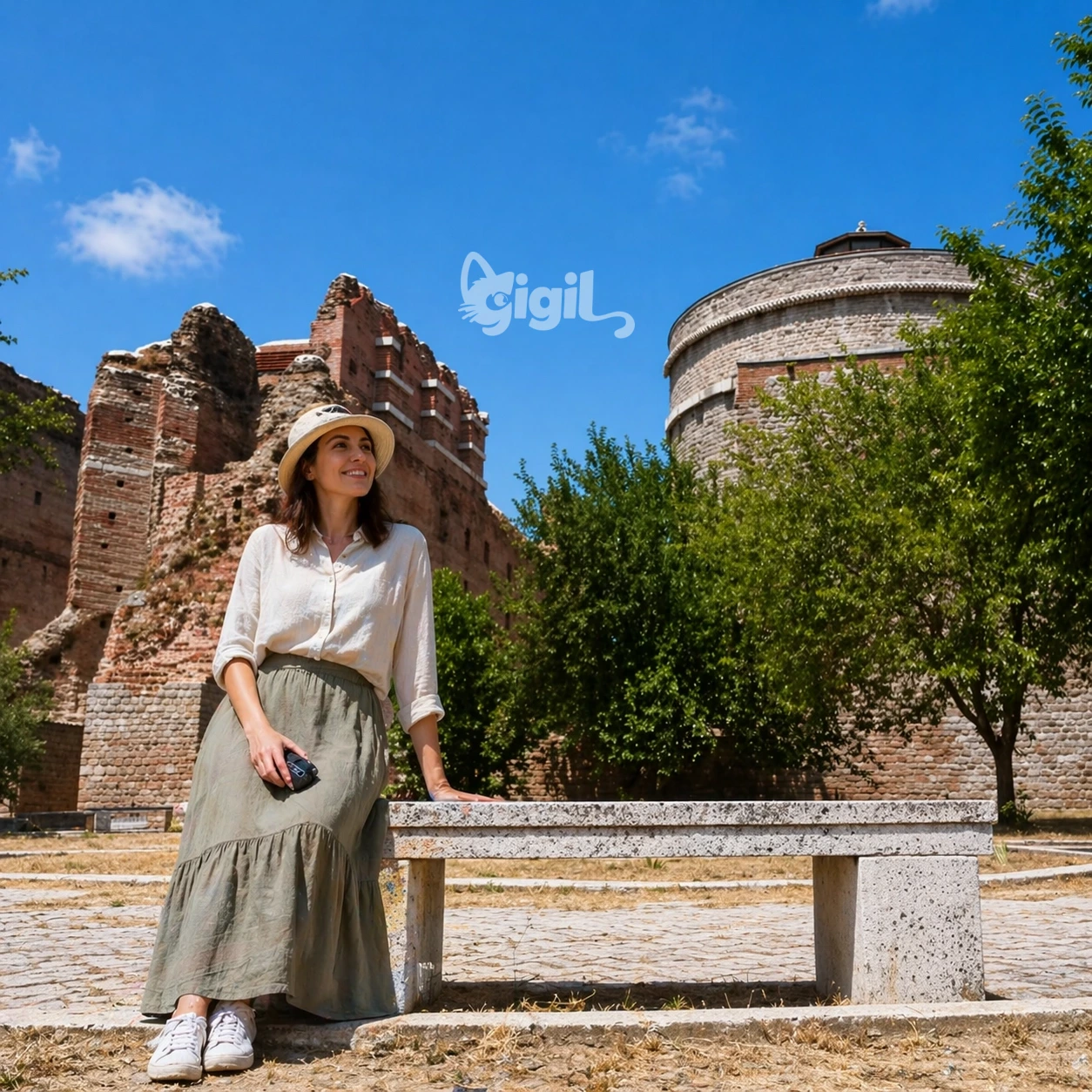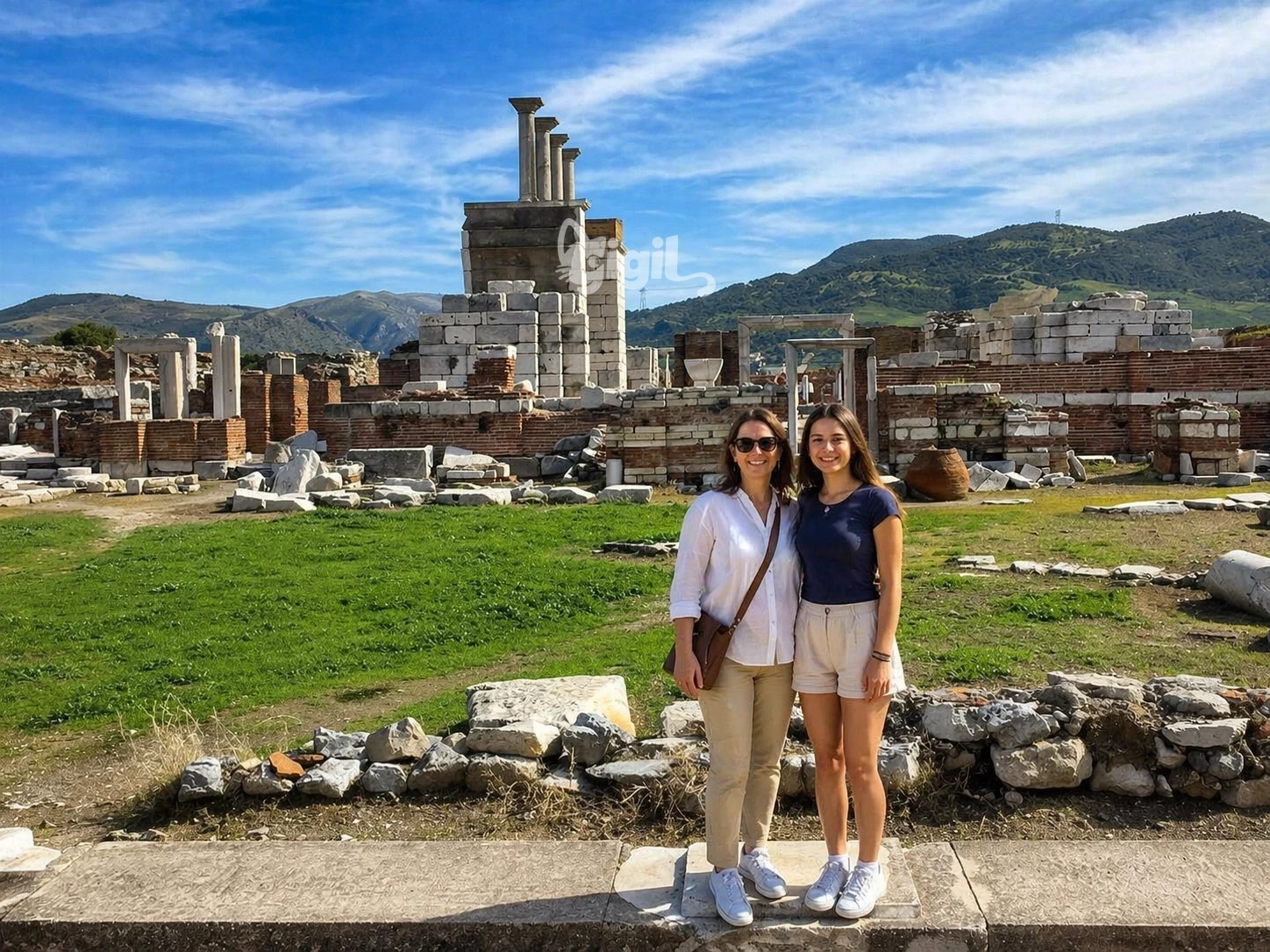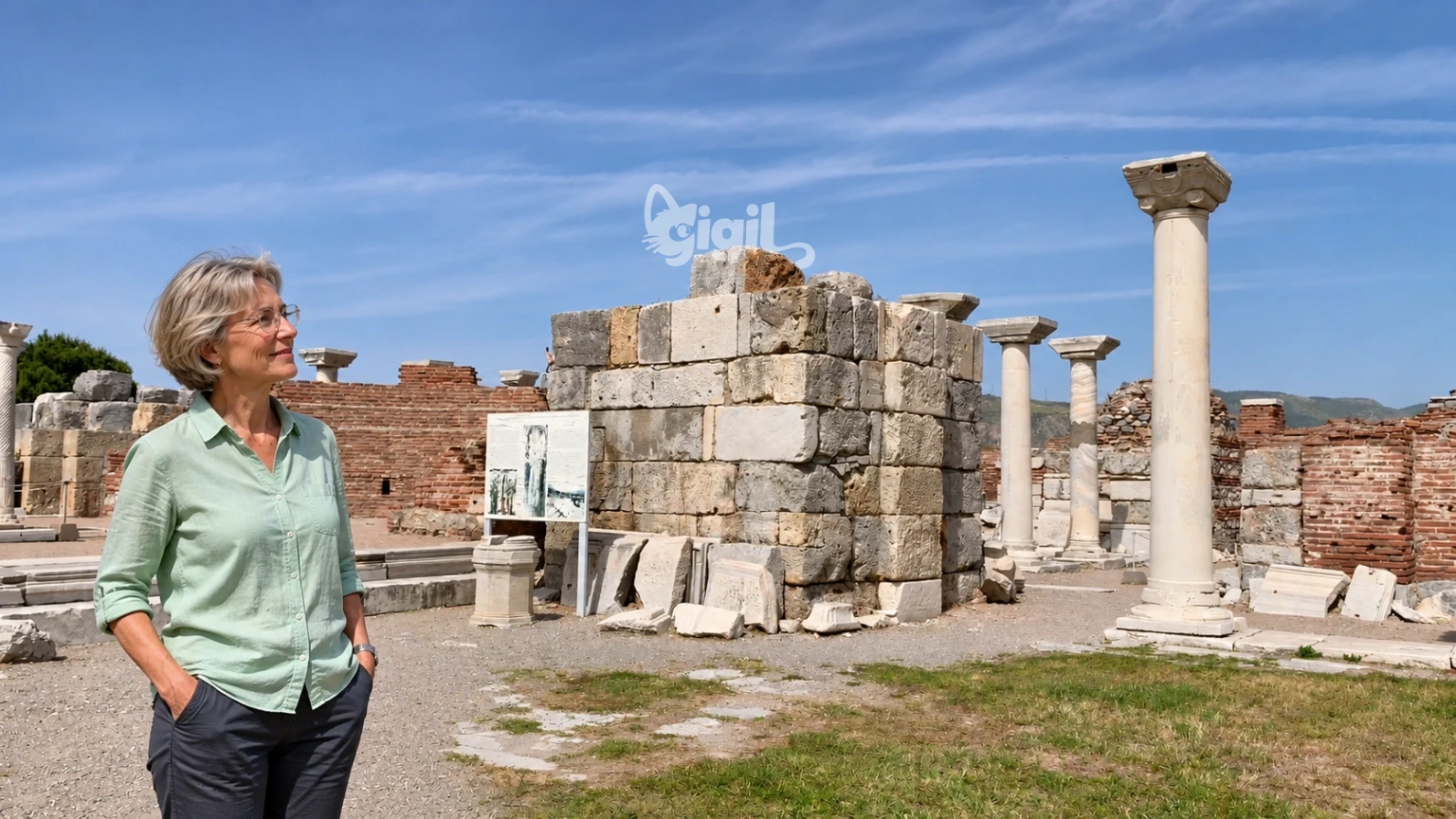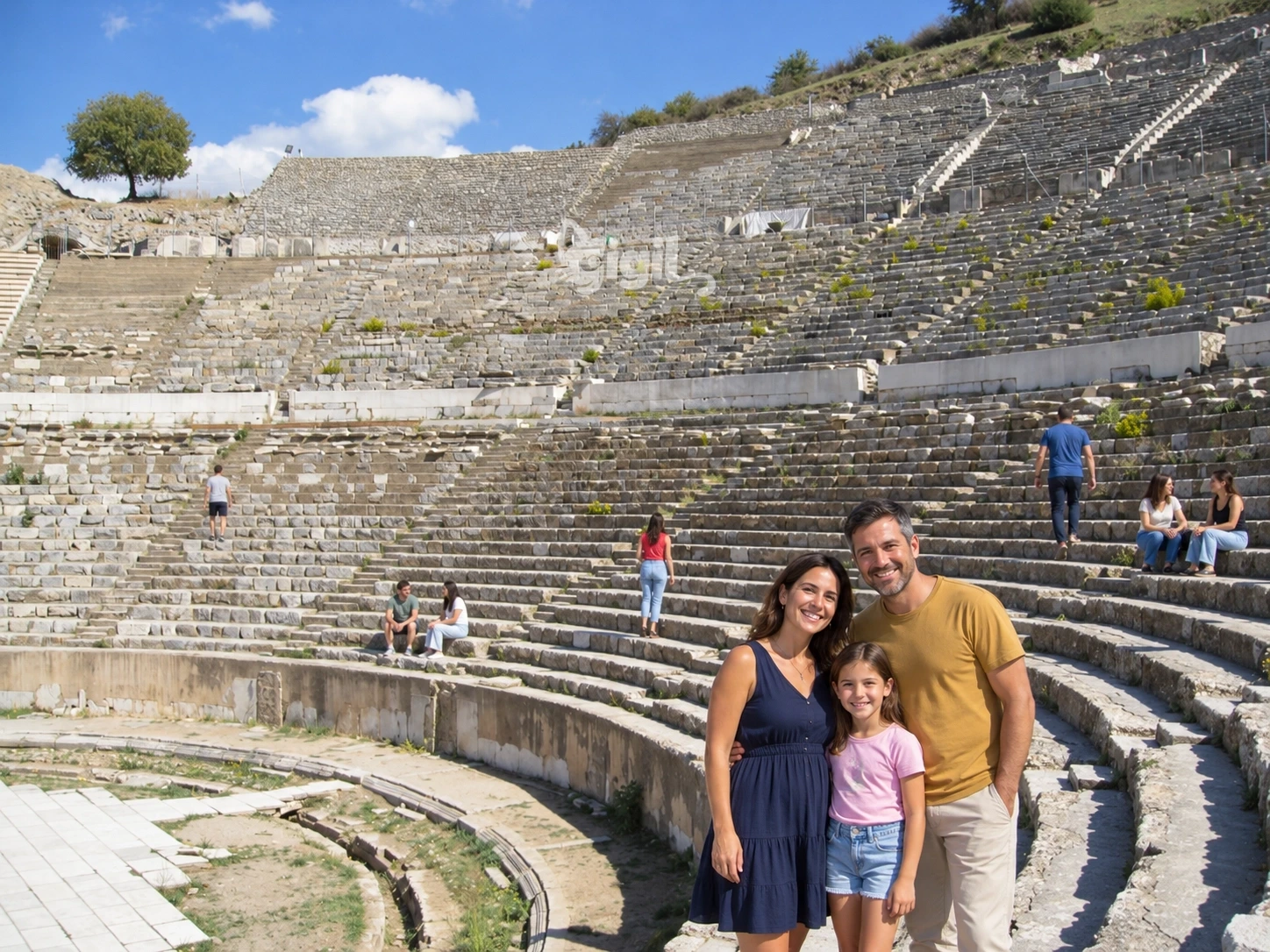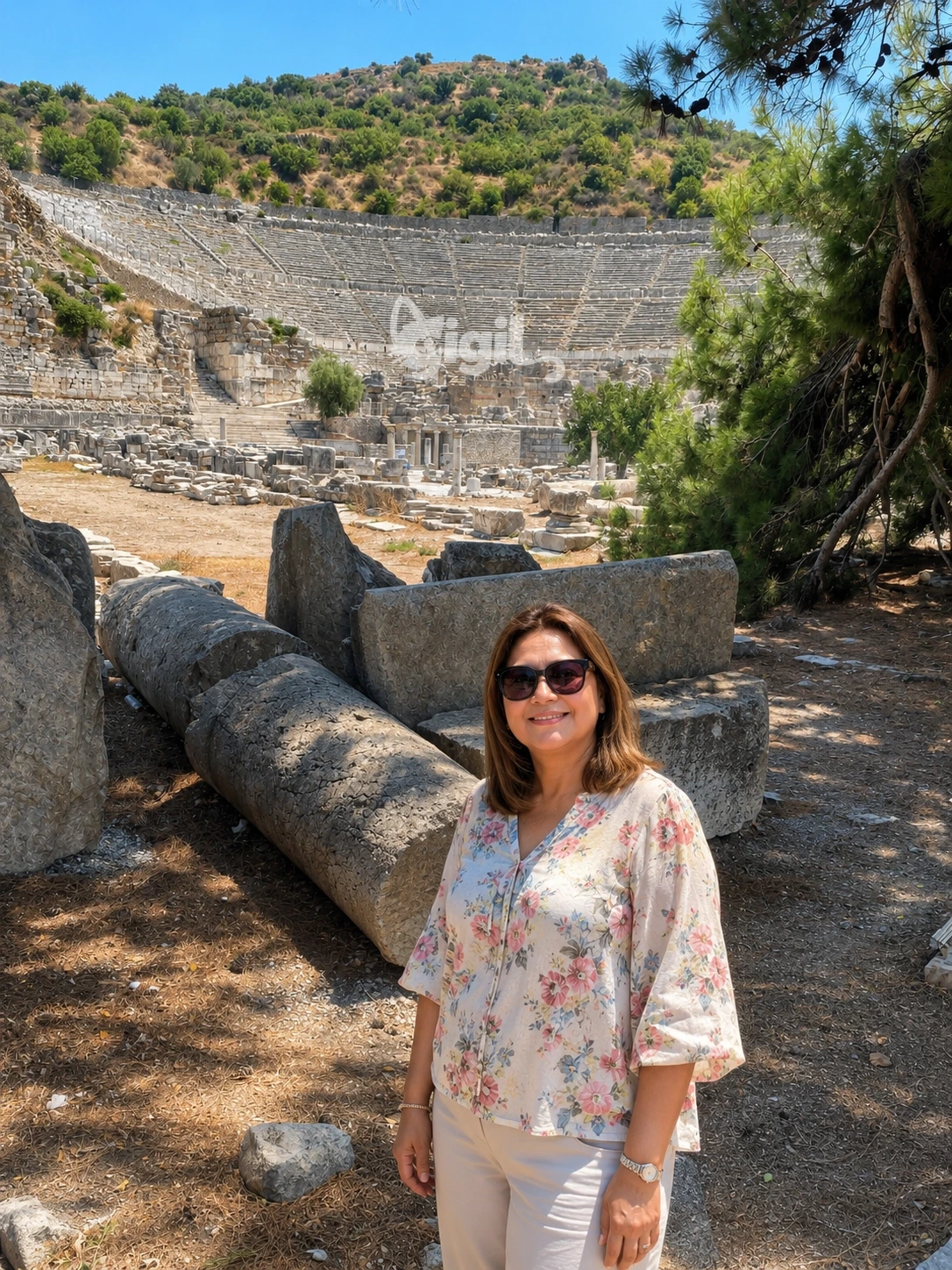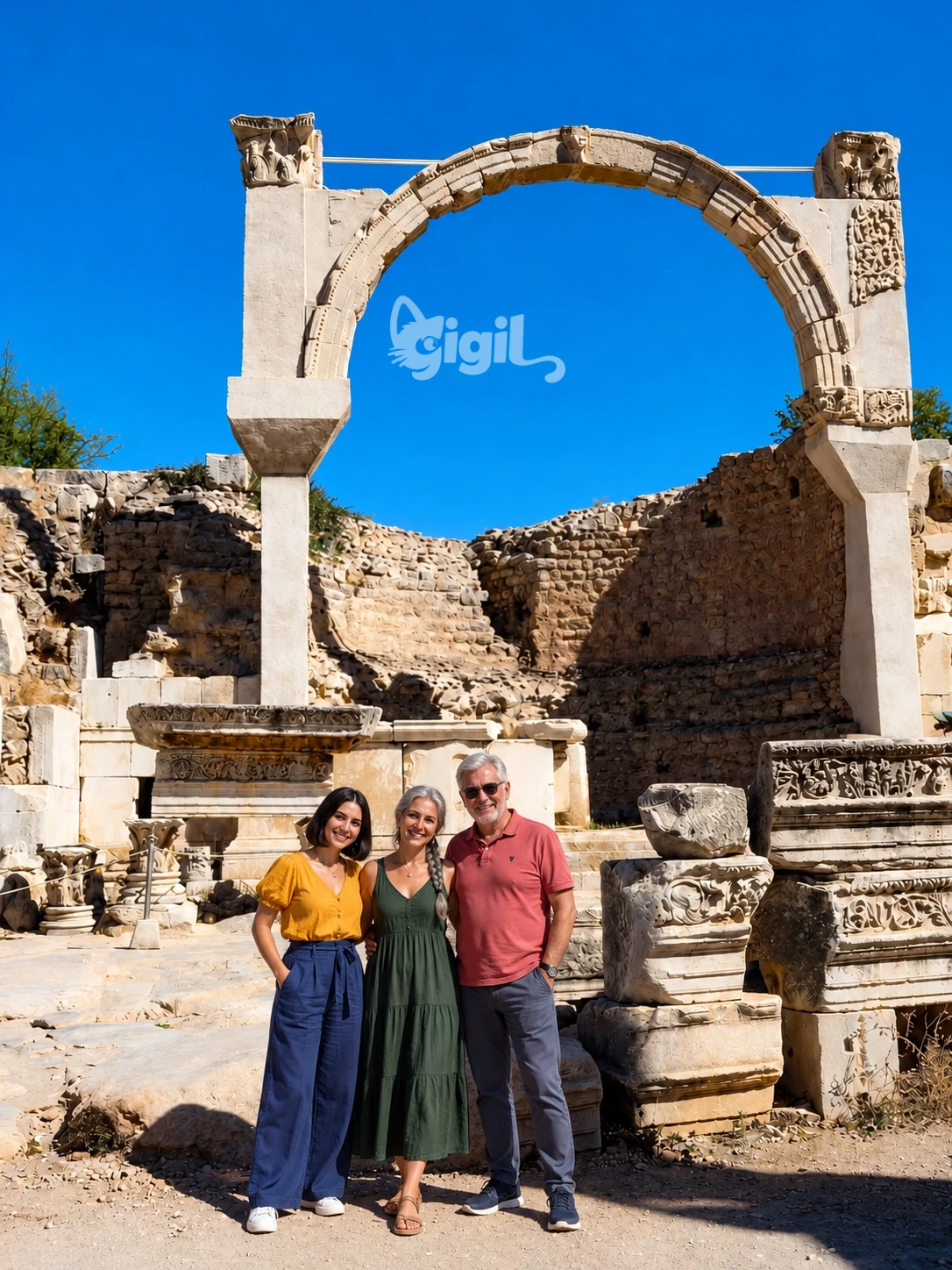








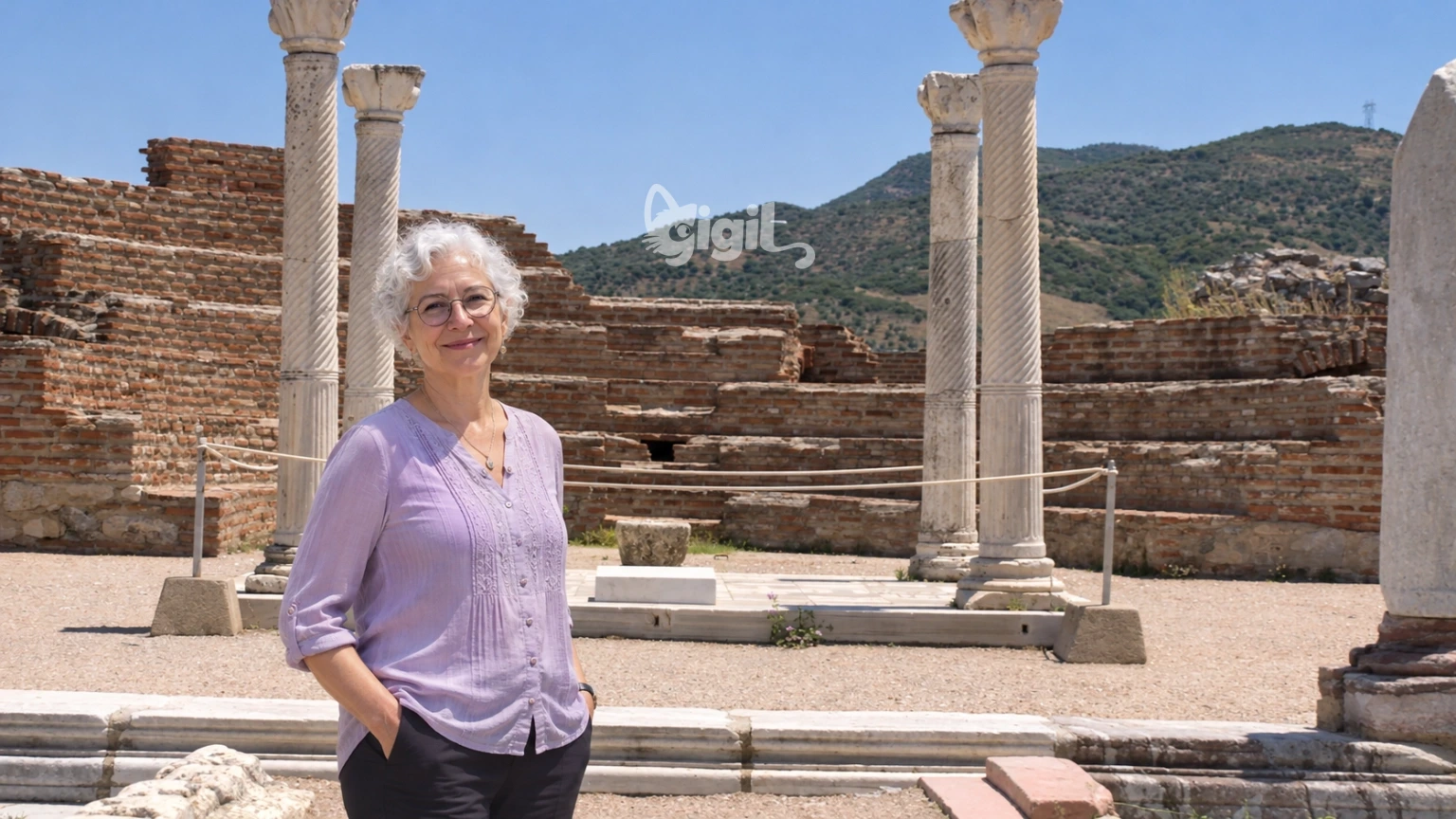
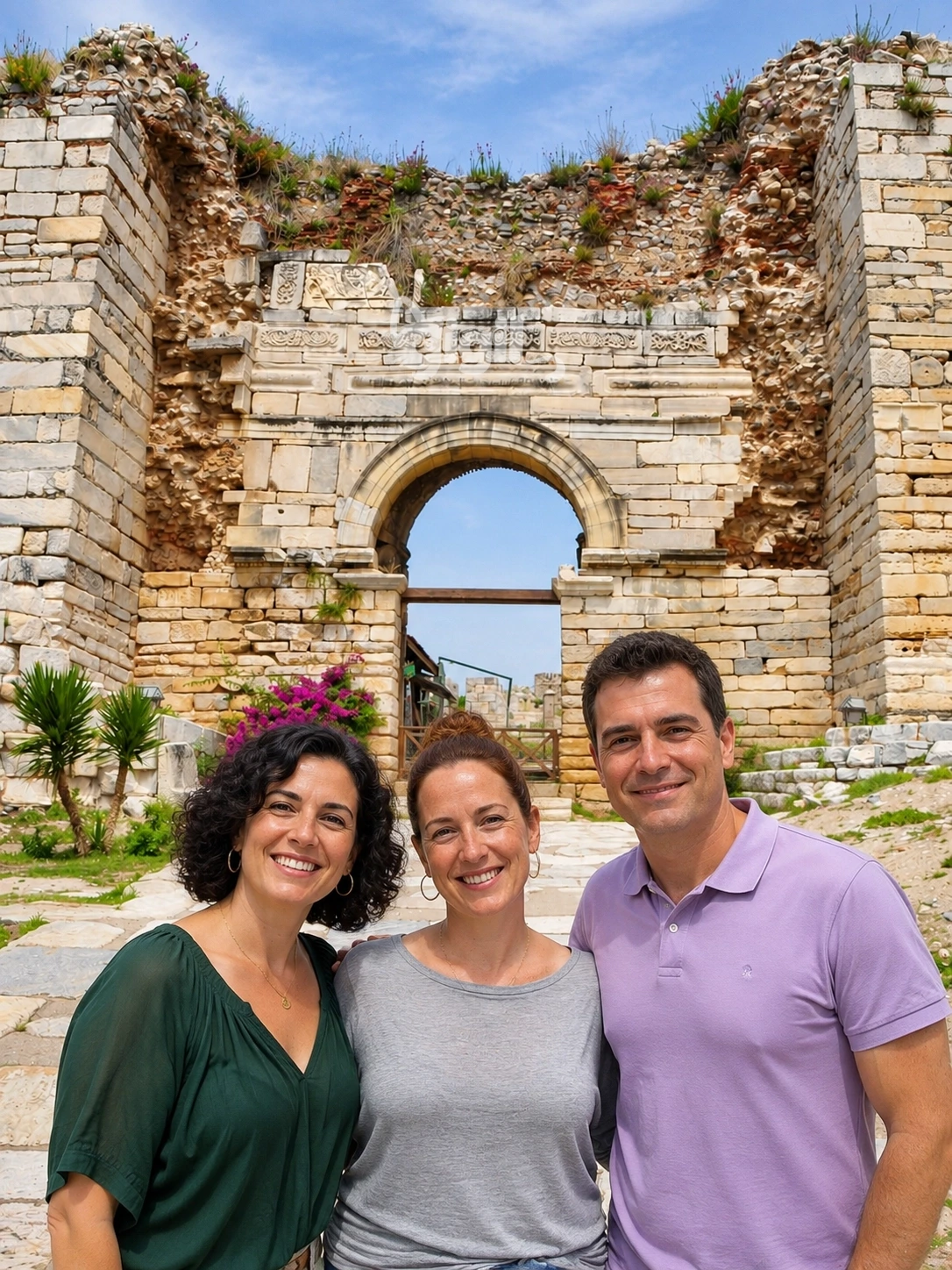
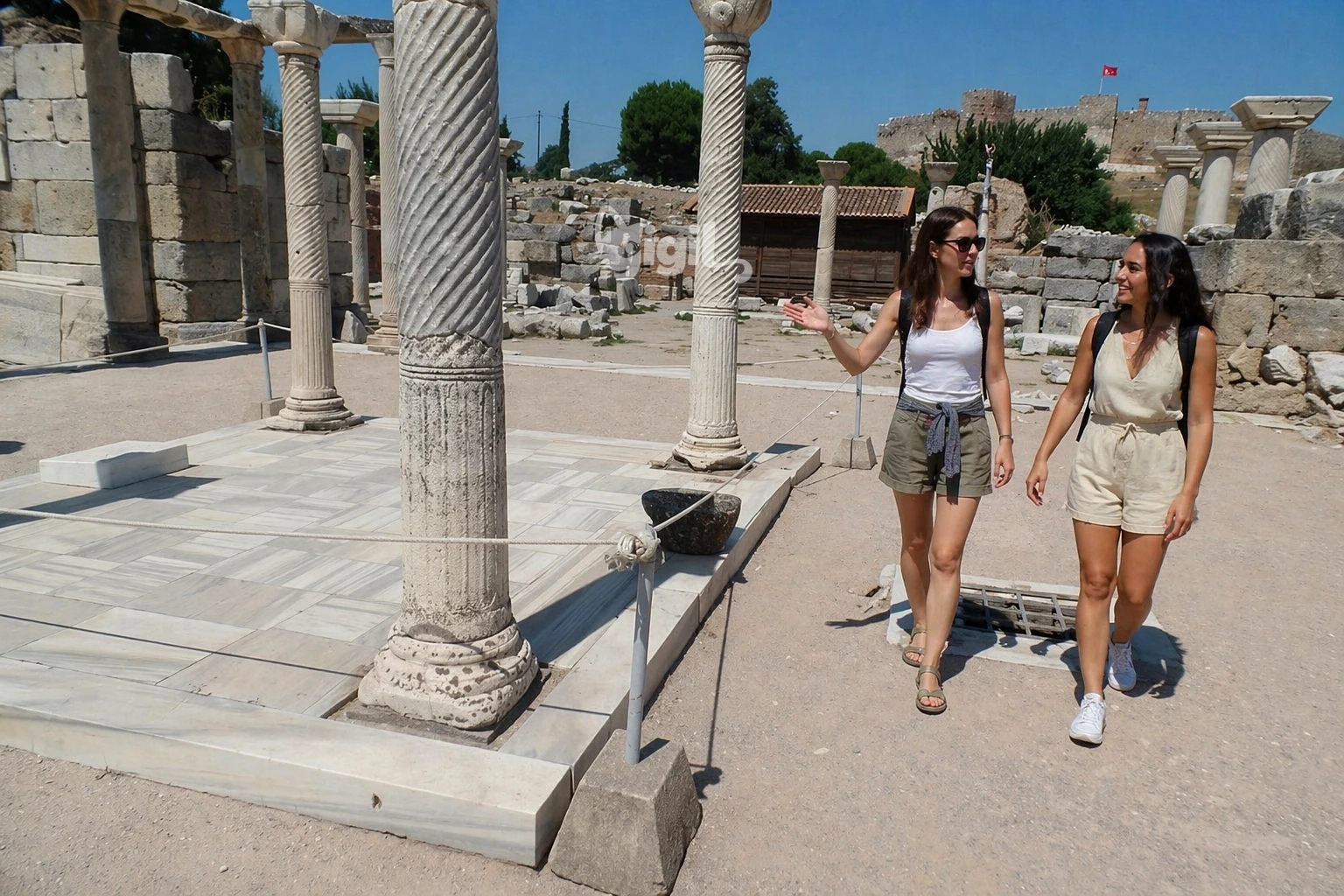
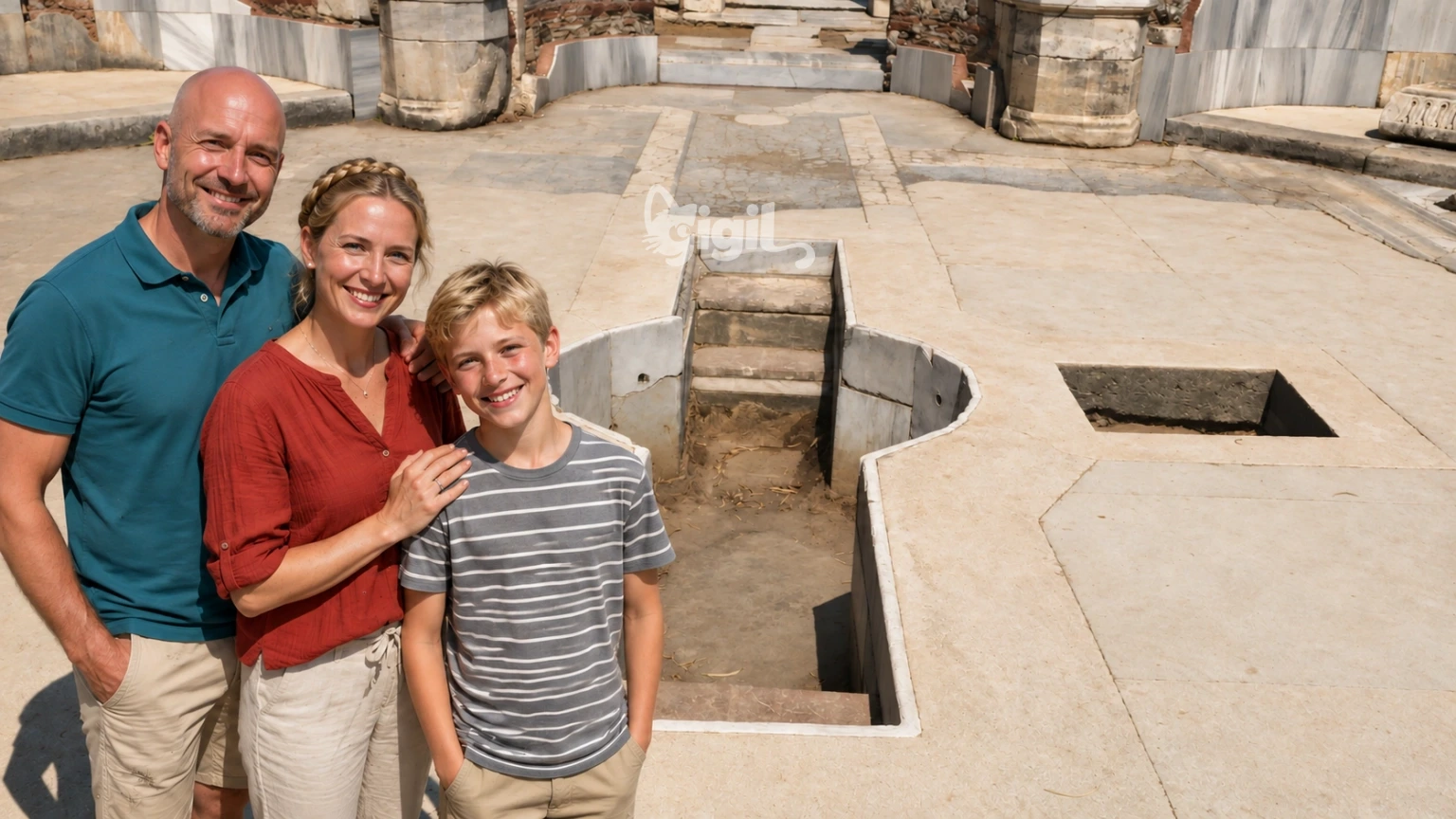
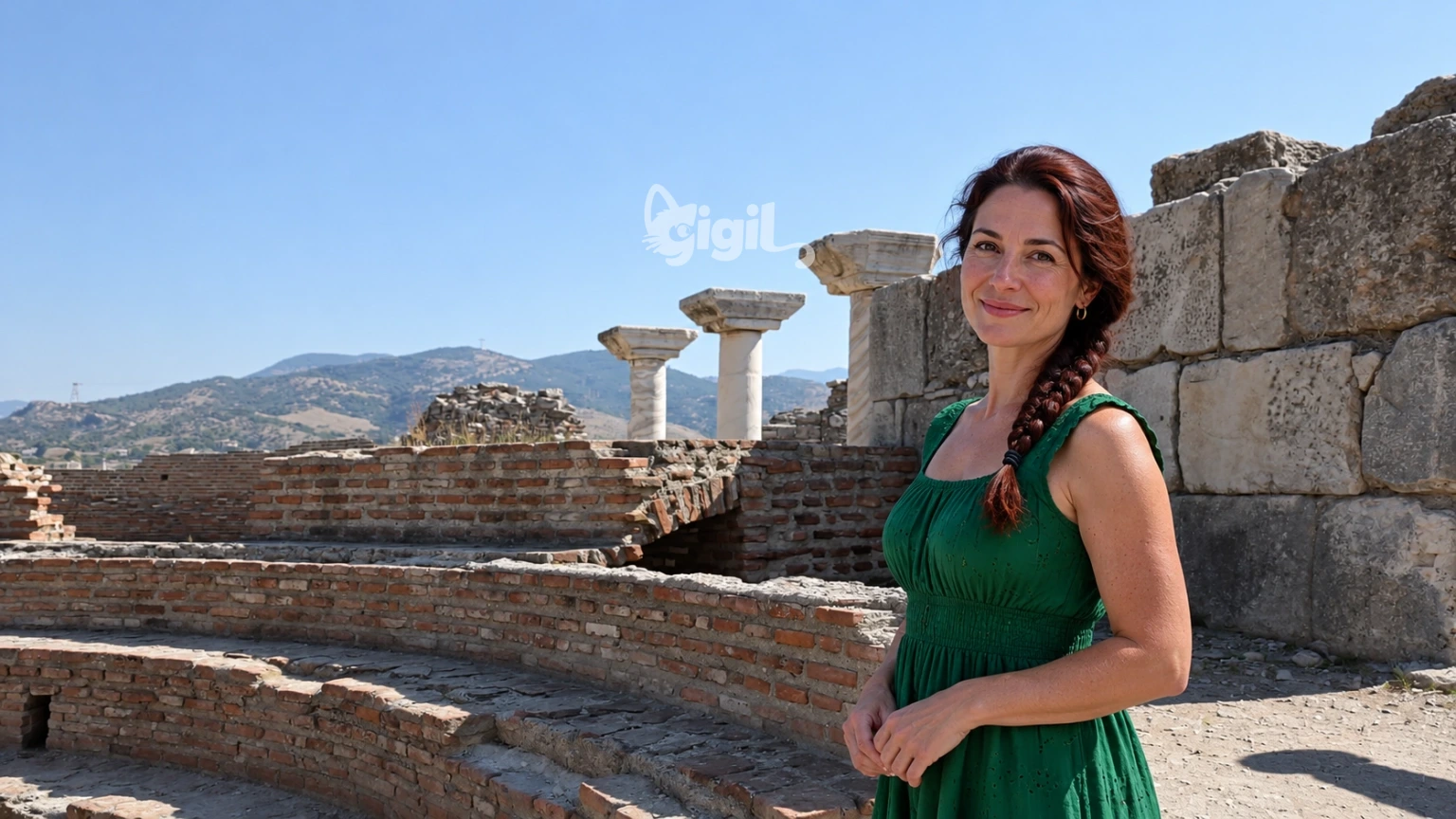
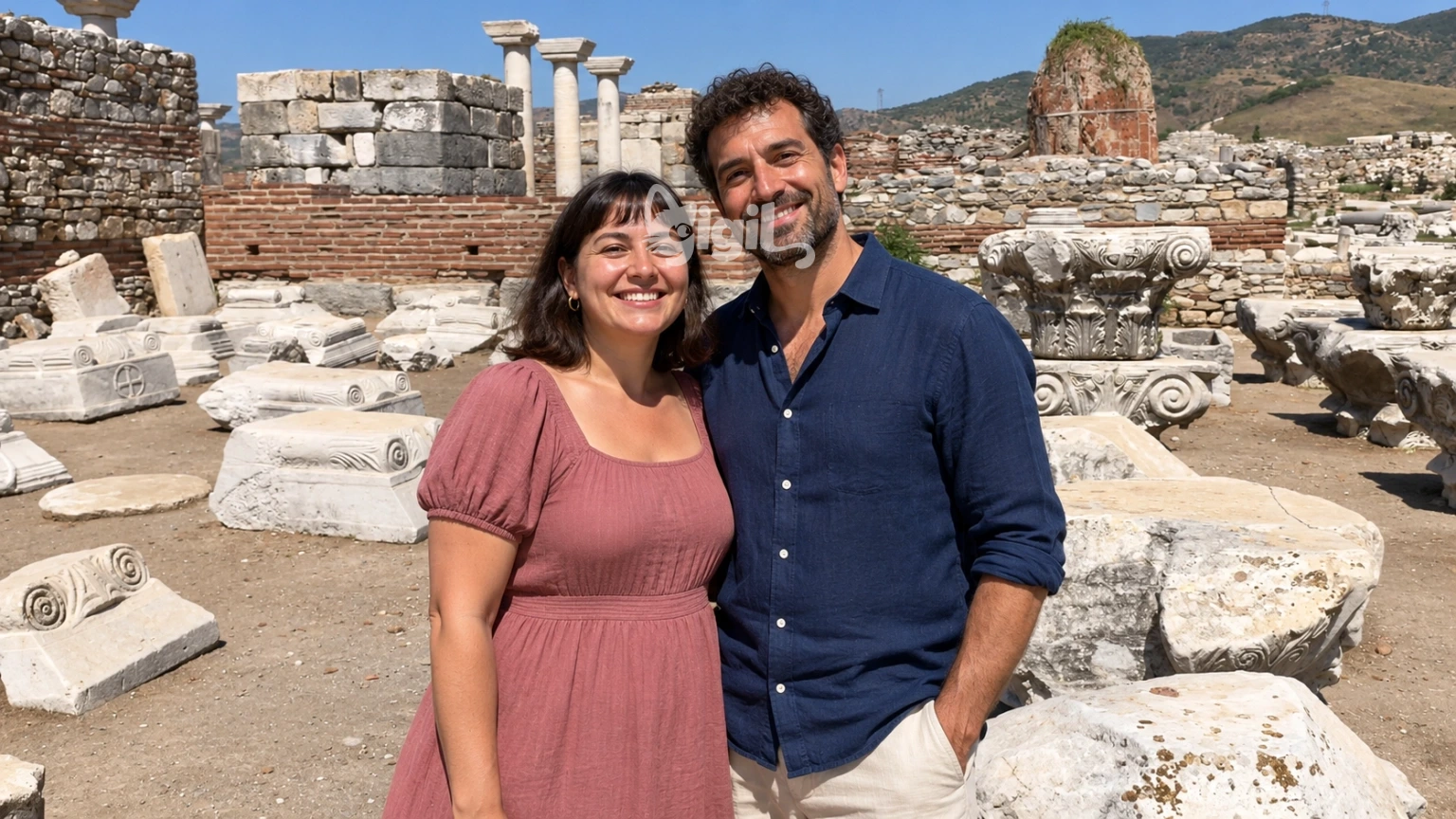
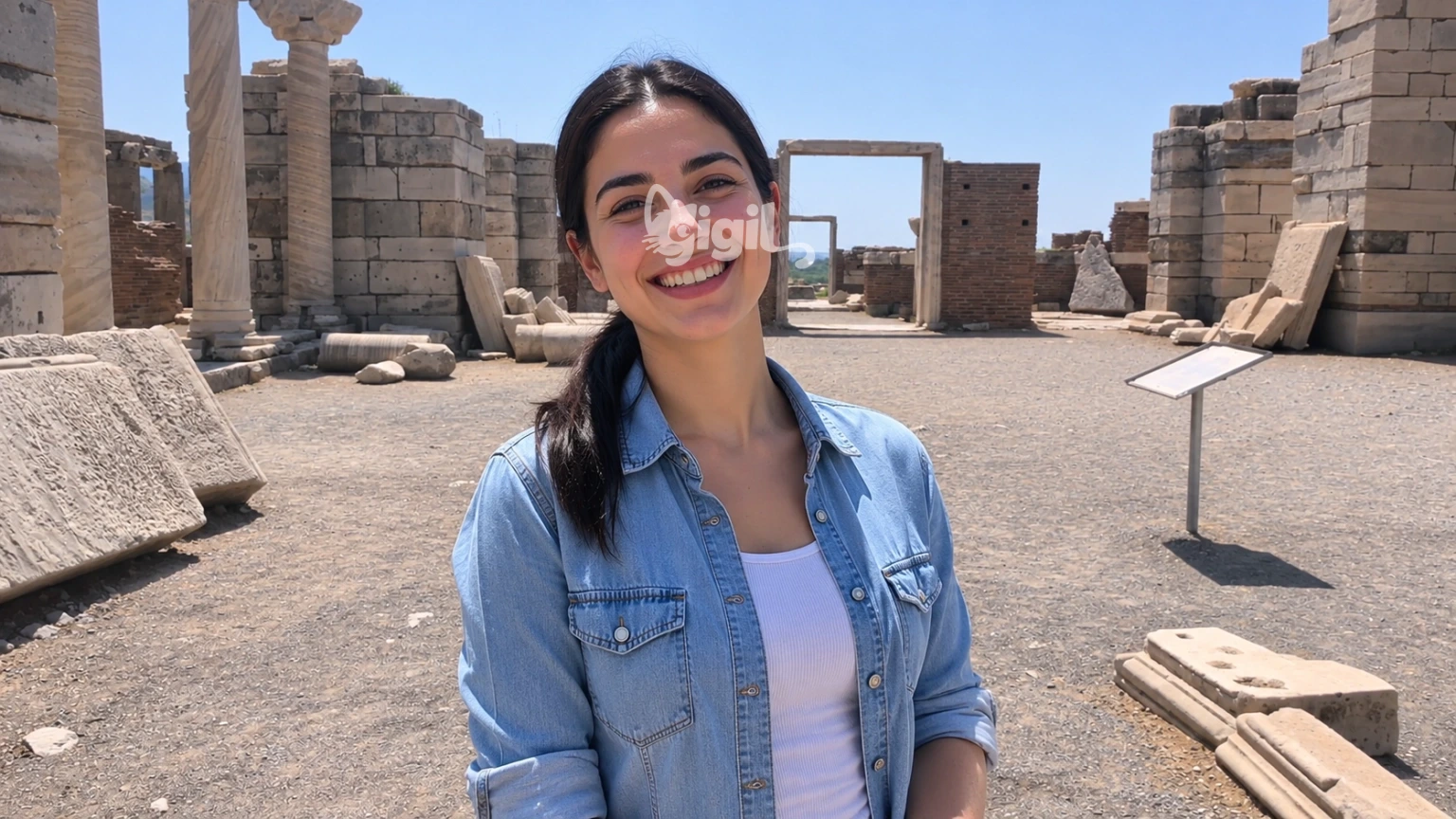
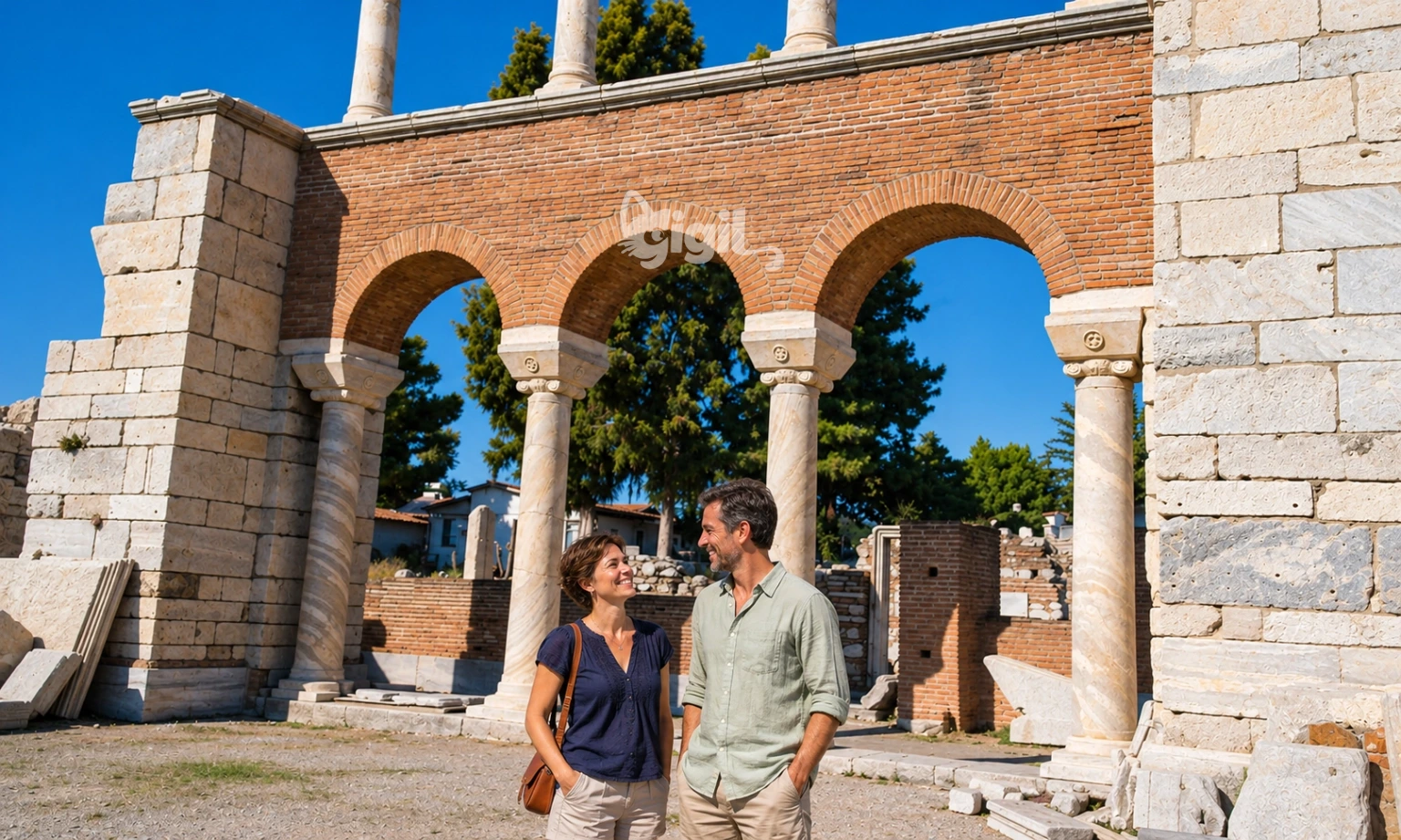
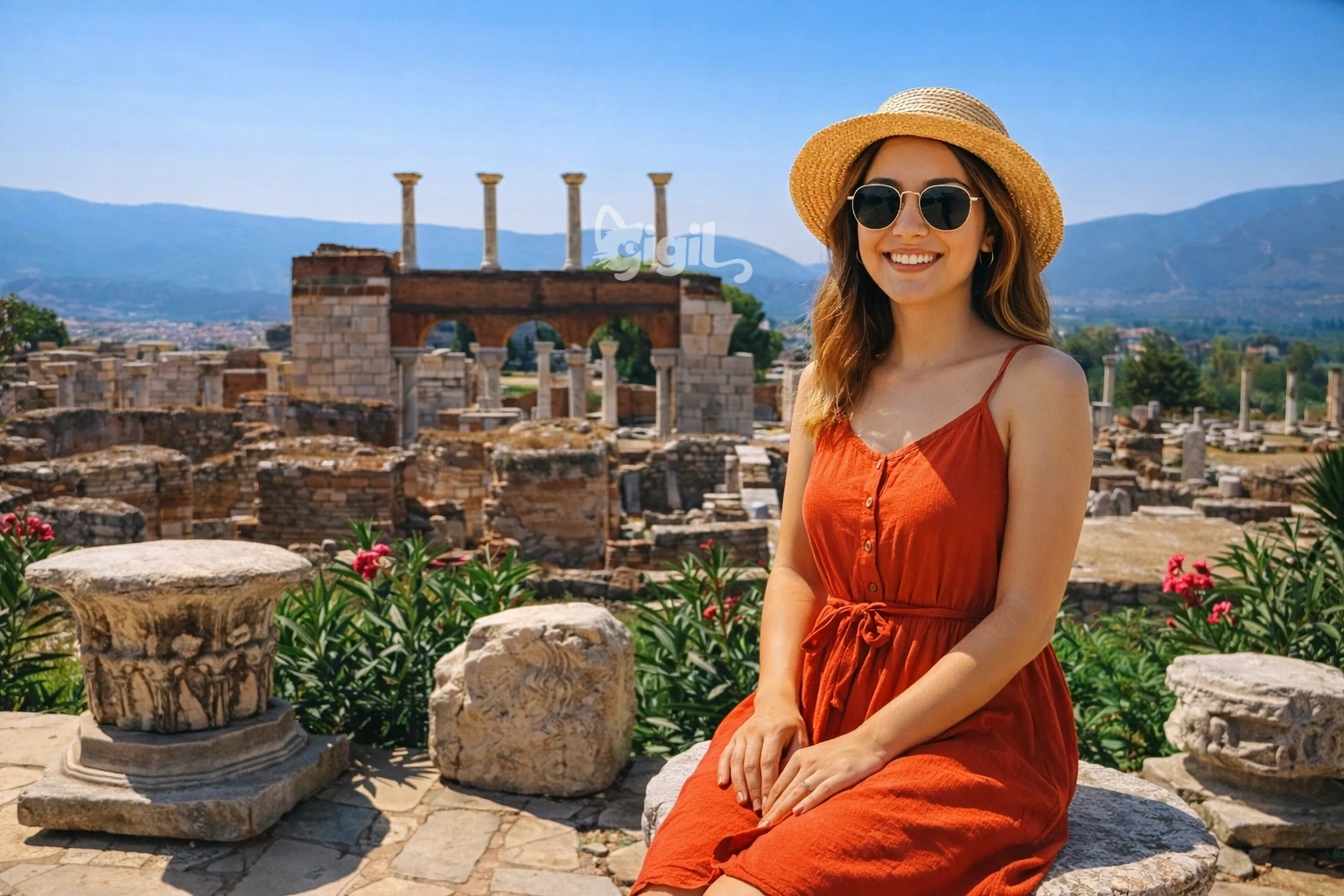
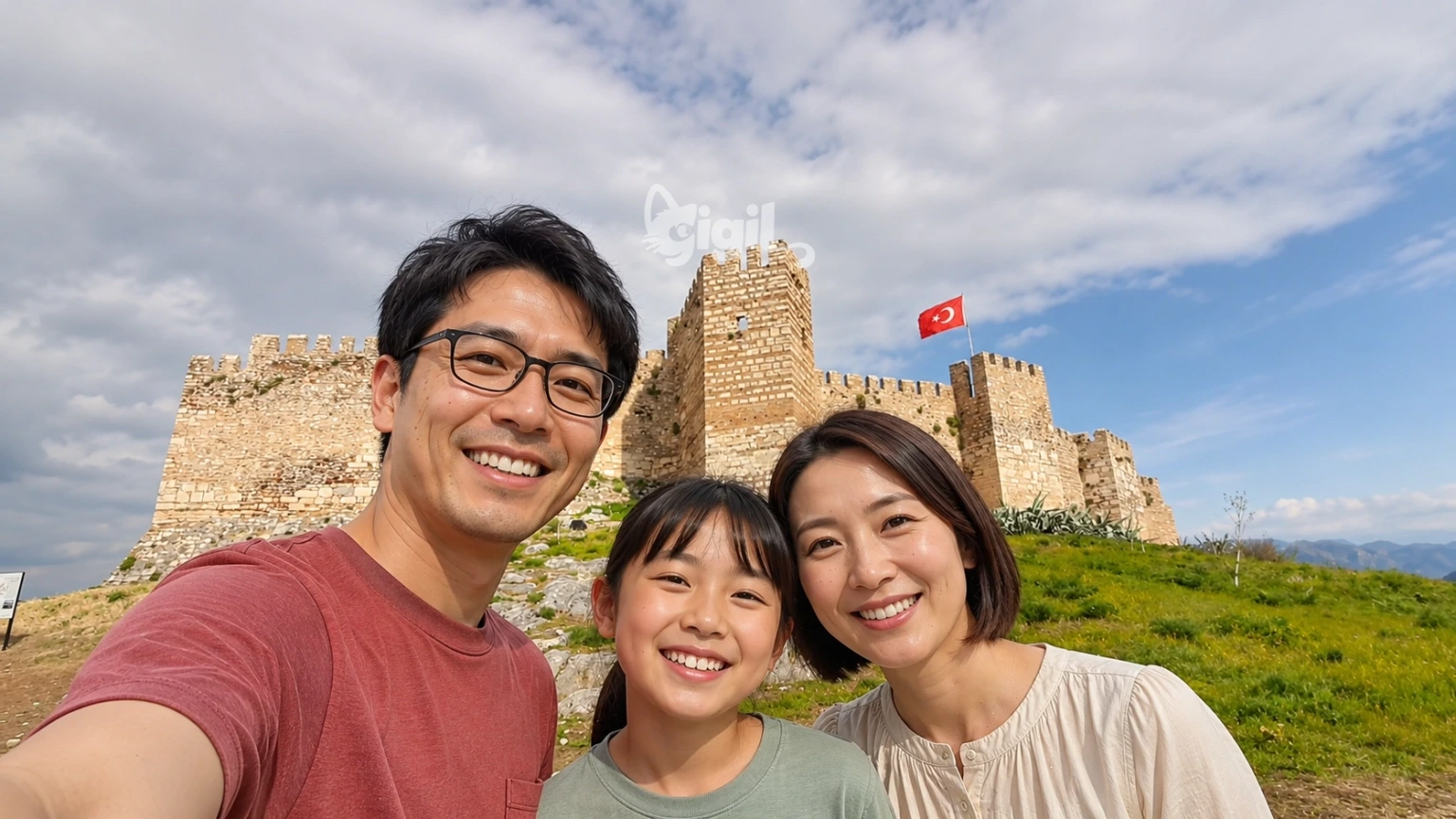
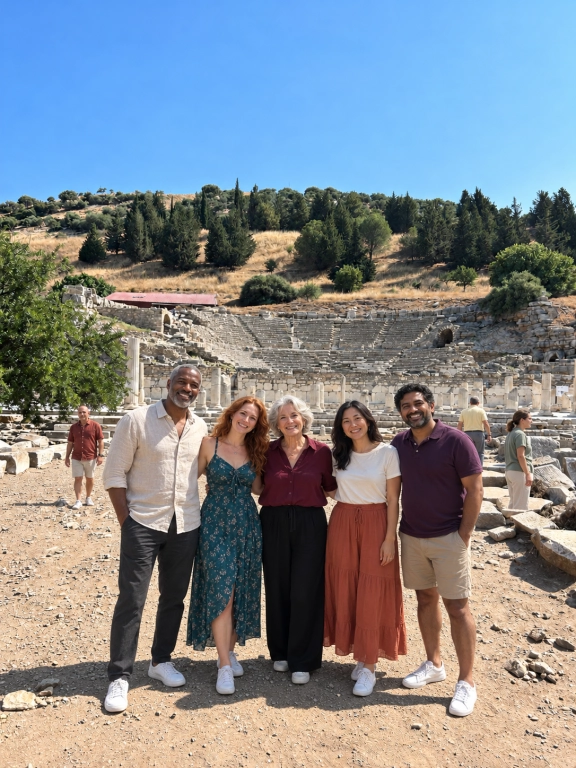
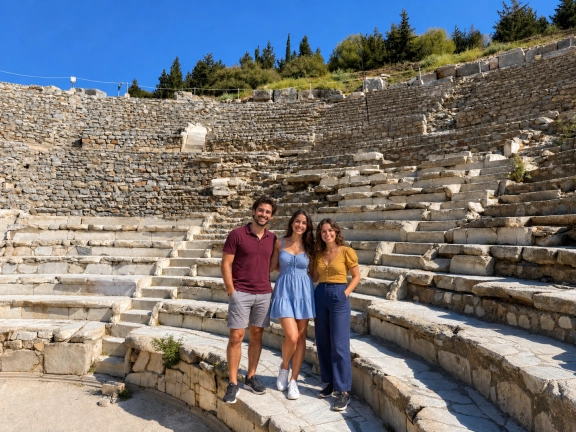
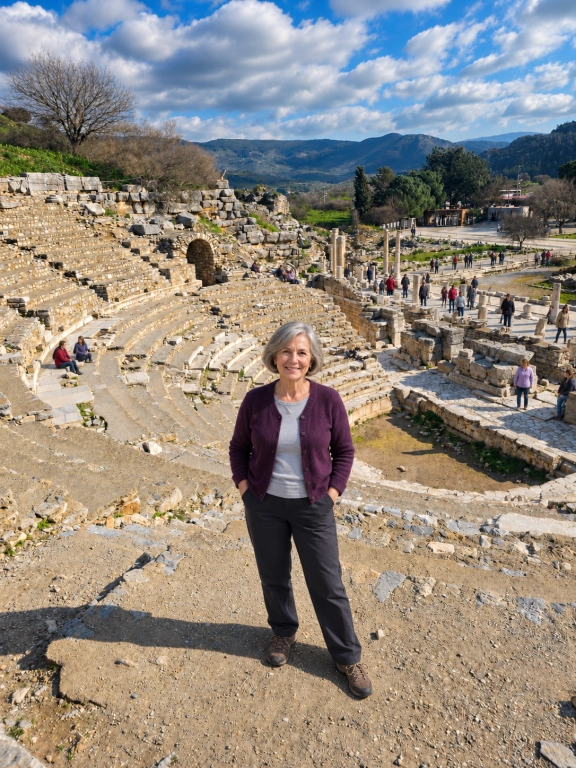
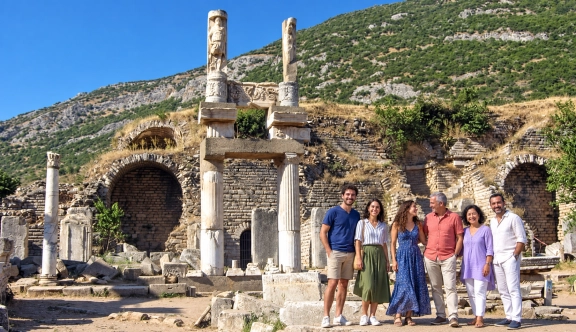
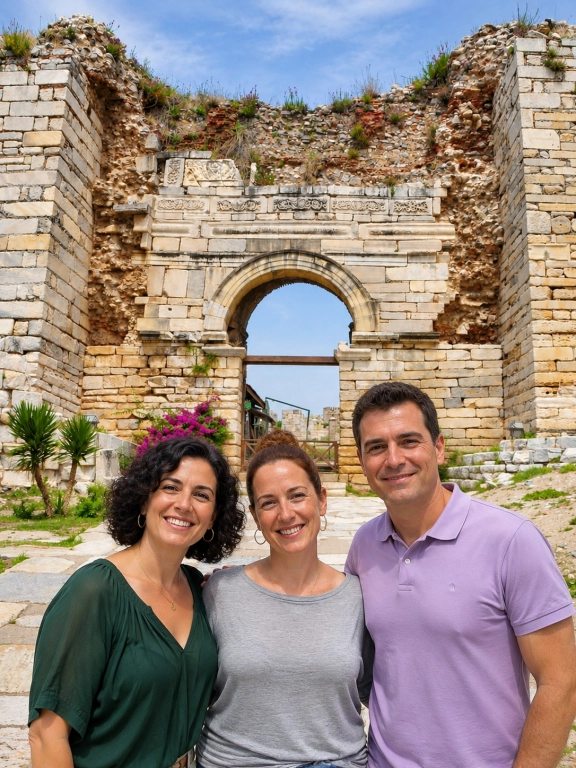
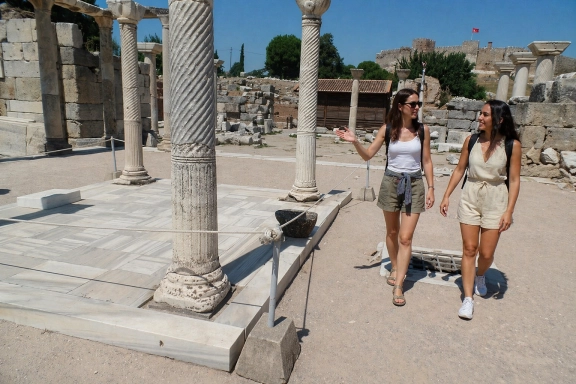
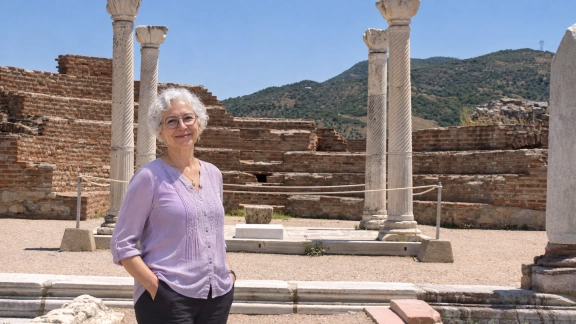
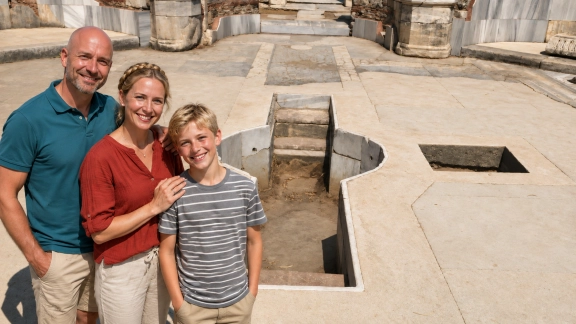
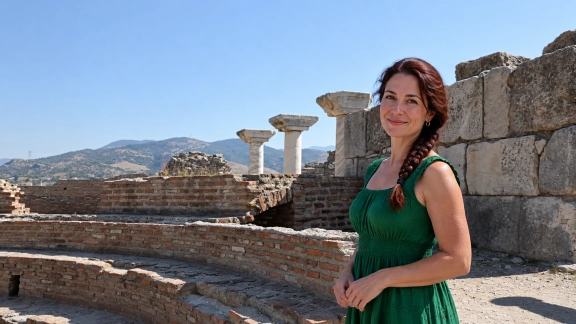
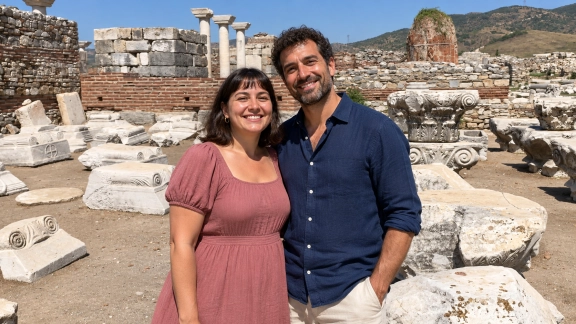

The Byzantine remains of St. John Basilica occupy an important religious setting on Ayasuluk Hill. Read the surviving plan for the scale of a large church, rather than assuming the low ruins represent its original height.
Columns and walls help outline spaces that once belonged to an enclosed building. The major basilica is associated with Justinian and Theodora, while the St. John burial connection is treated respectfully as Christian tradition rather than archaeological certainty.
Questions
Why should surviving height not define my impression?
Much of the original structure is gone, so the ground plan gives a better indication of the church's extent.
What does the Justinian association help date broadly?
It places the major rebuilding in the sixth-century Byzantine period rather than the Roman civic phase seen at Ephesus.
What is the careful way to discuss St. John's burial here?
Refer to the Christian tradition associated with the place without claiming that every detail has been proven.