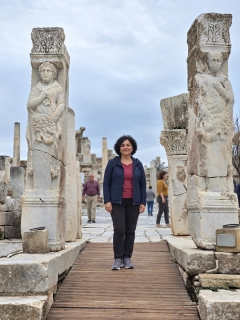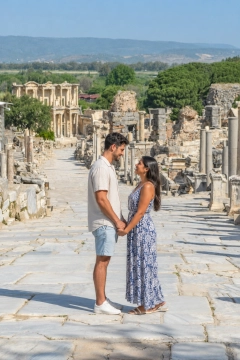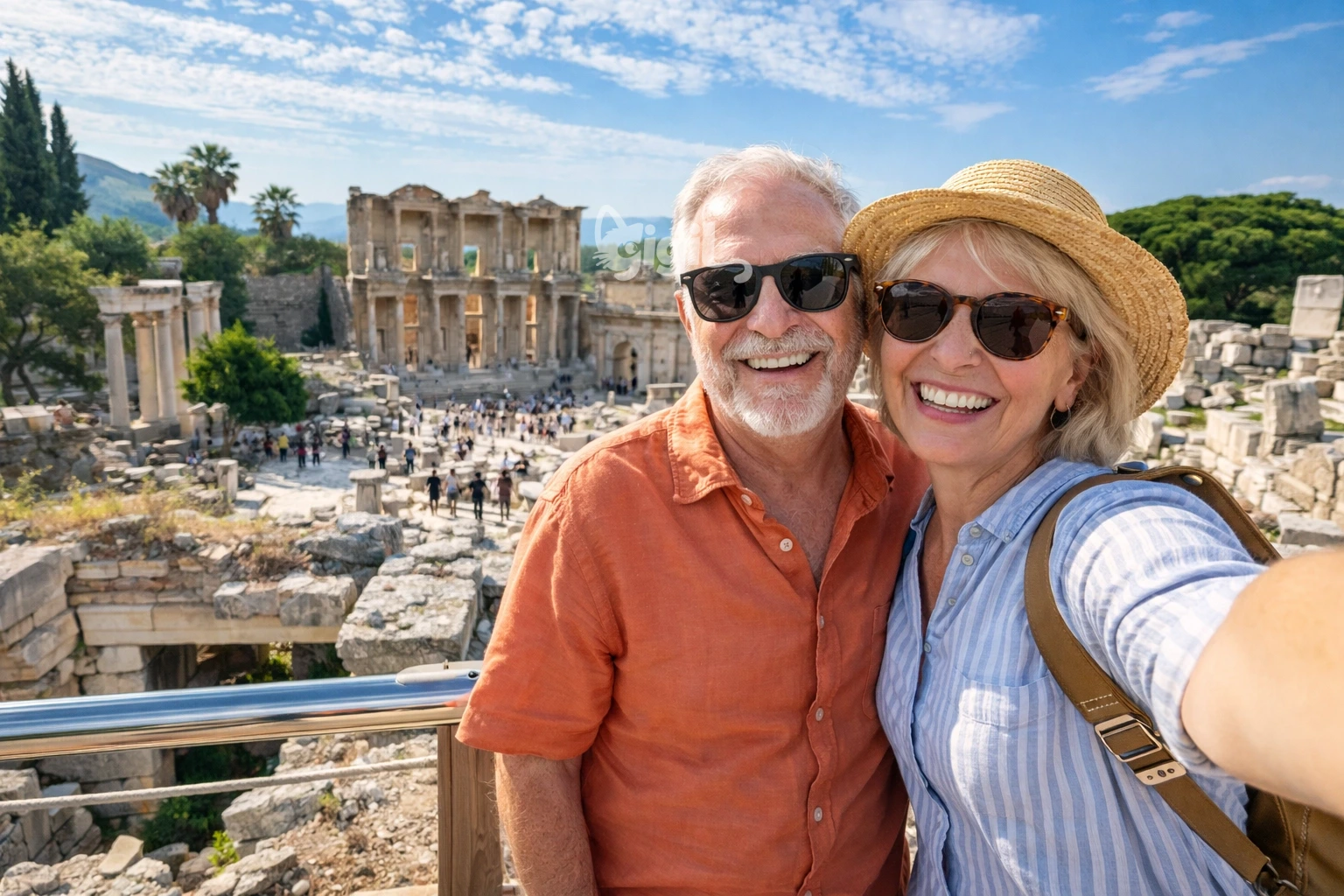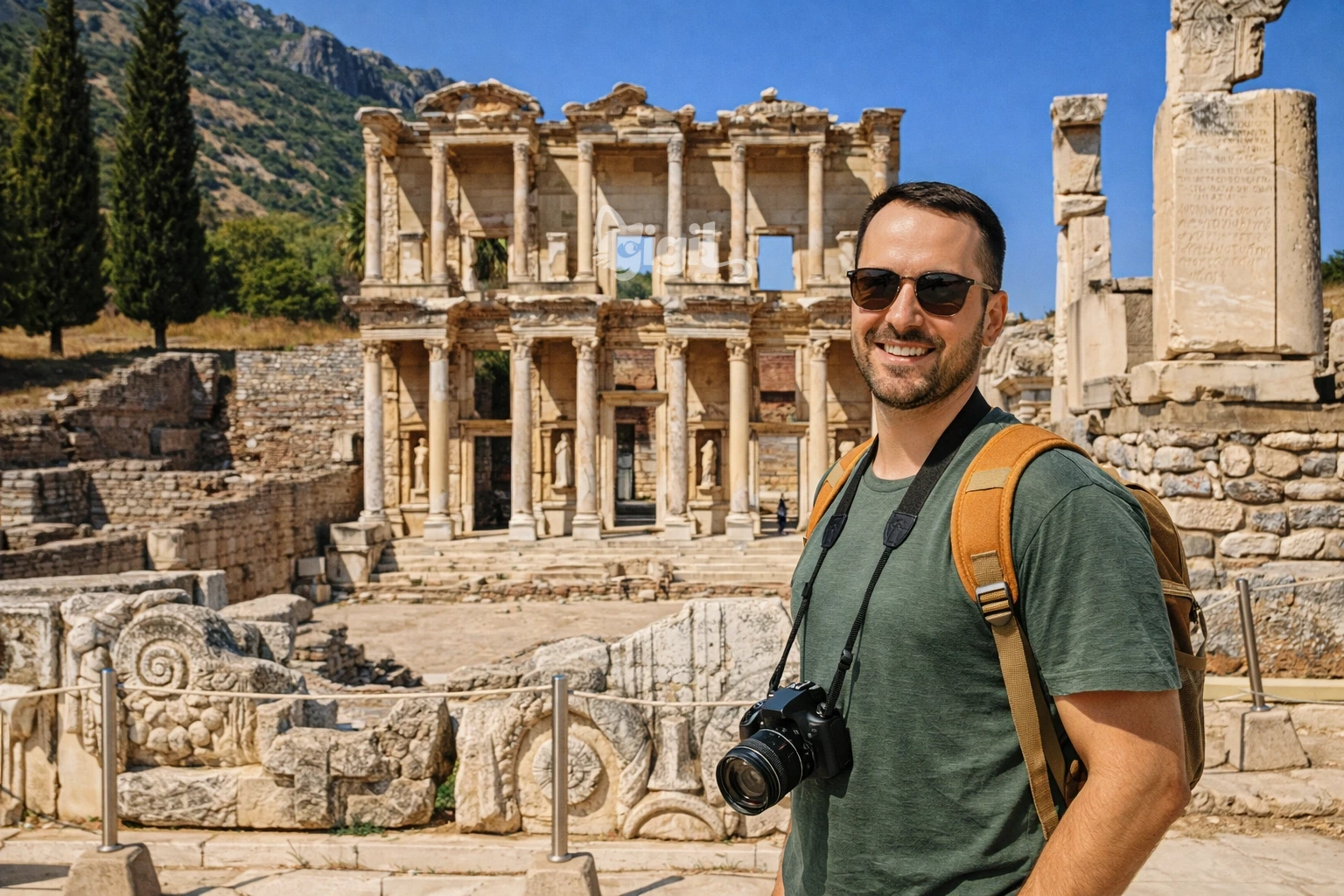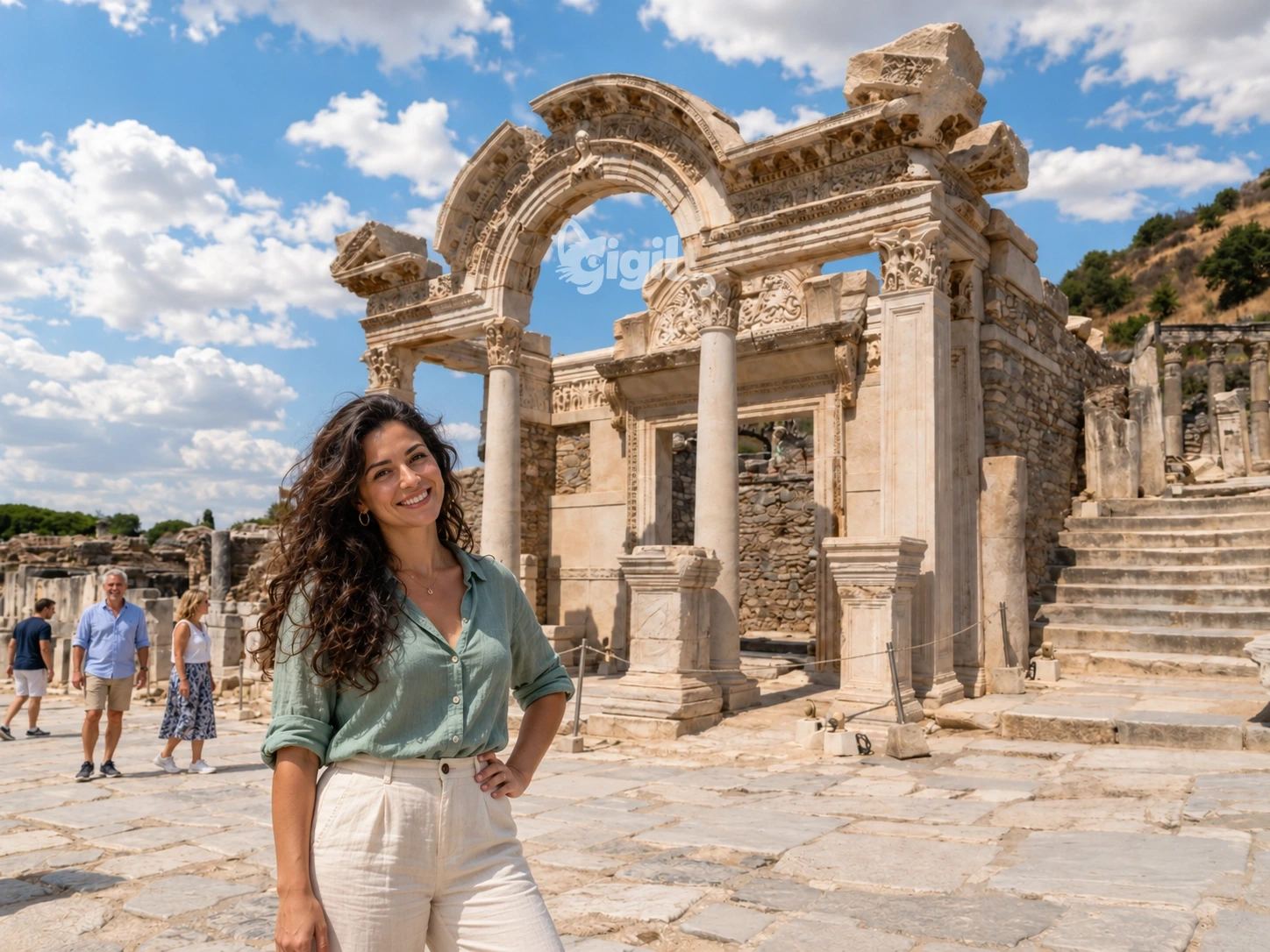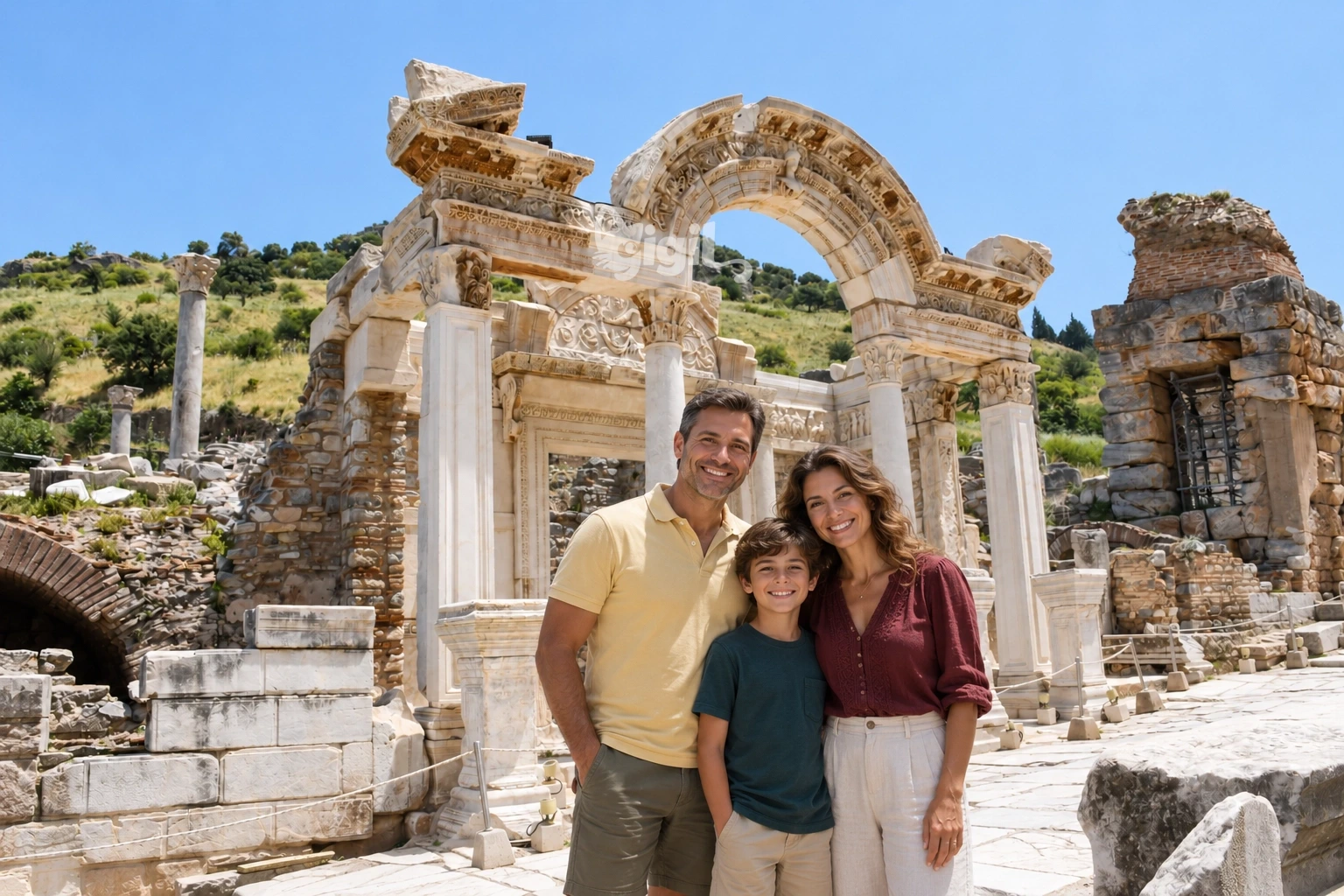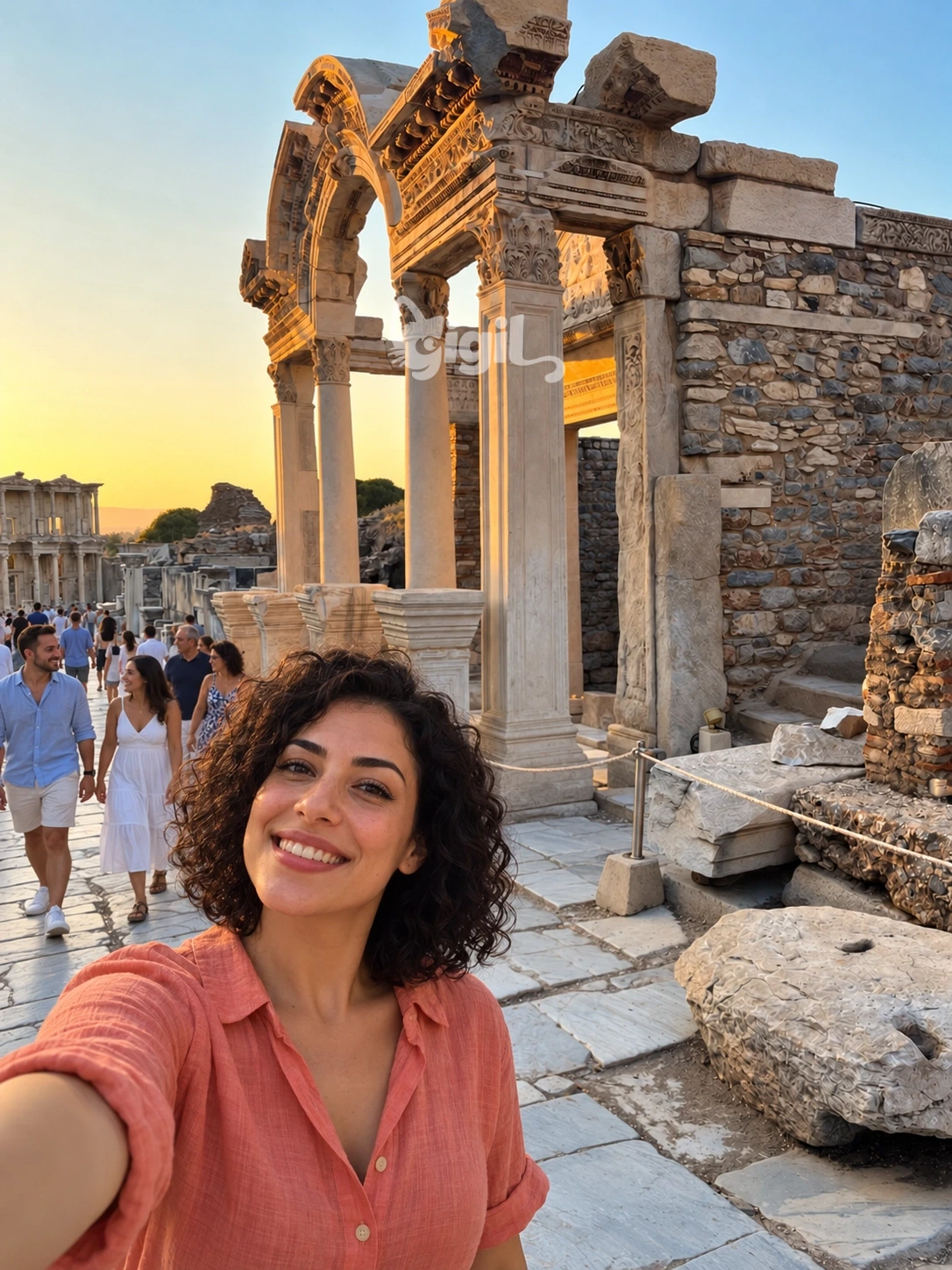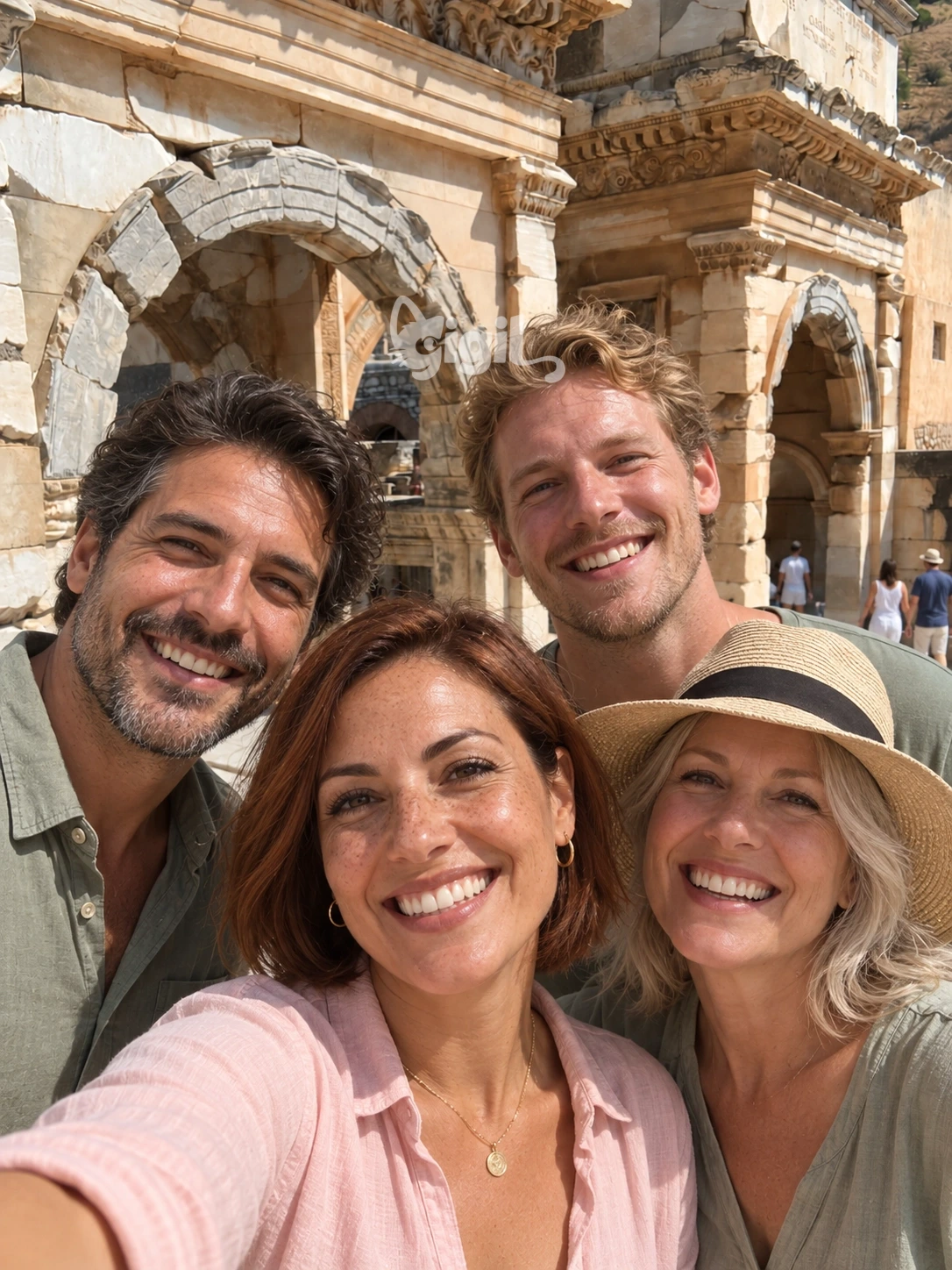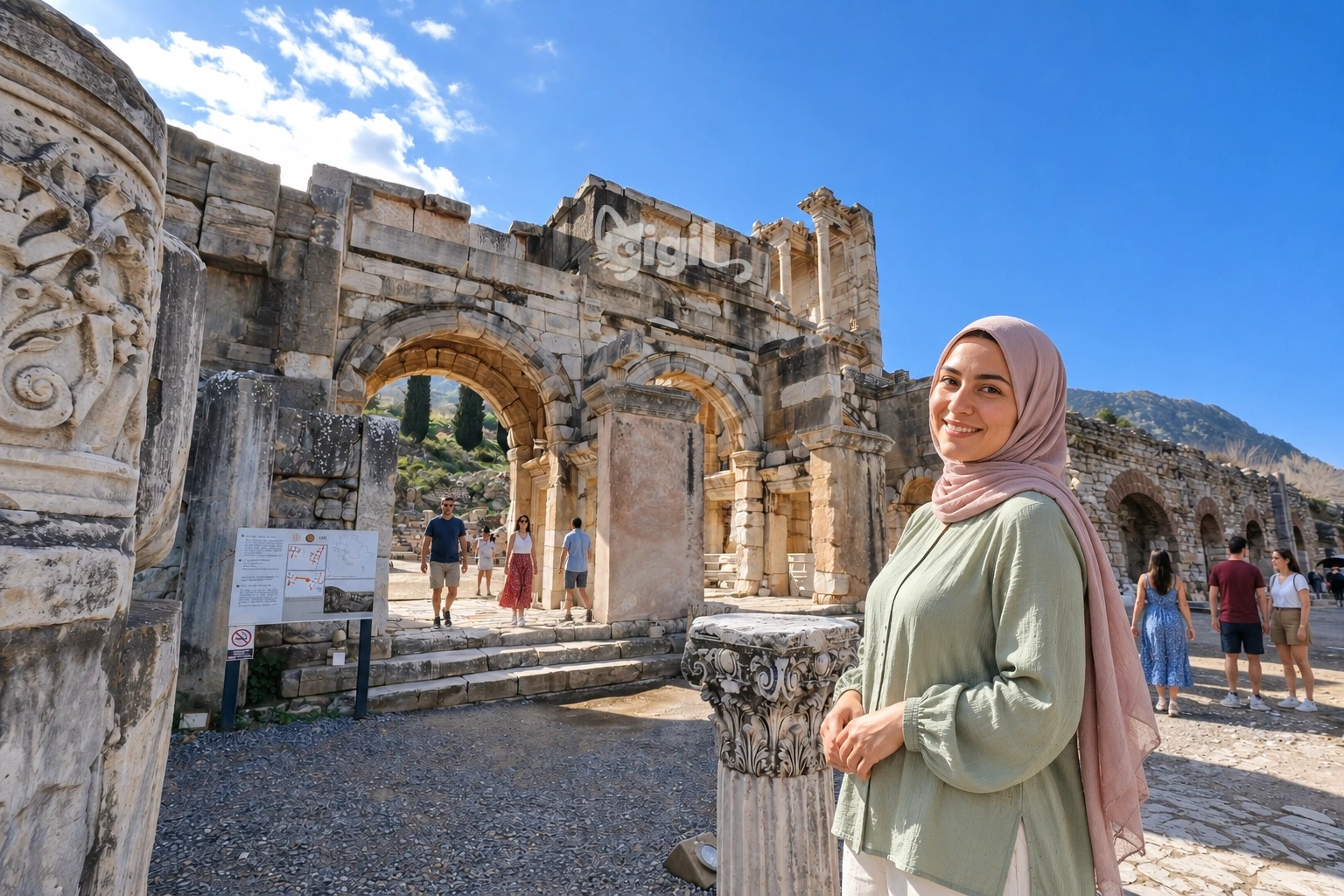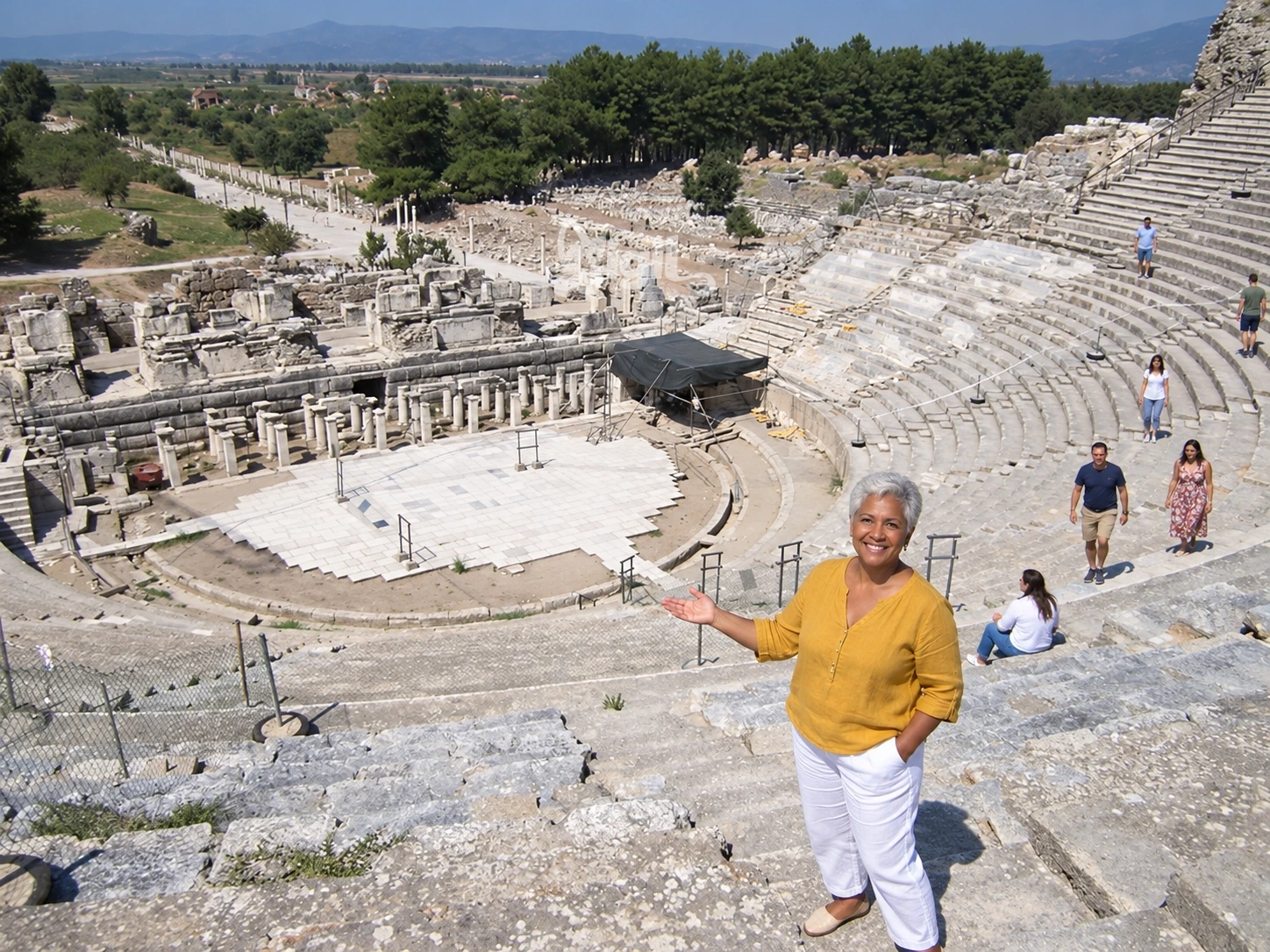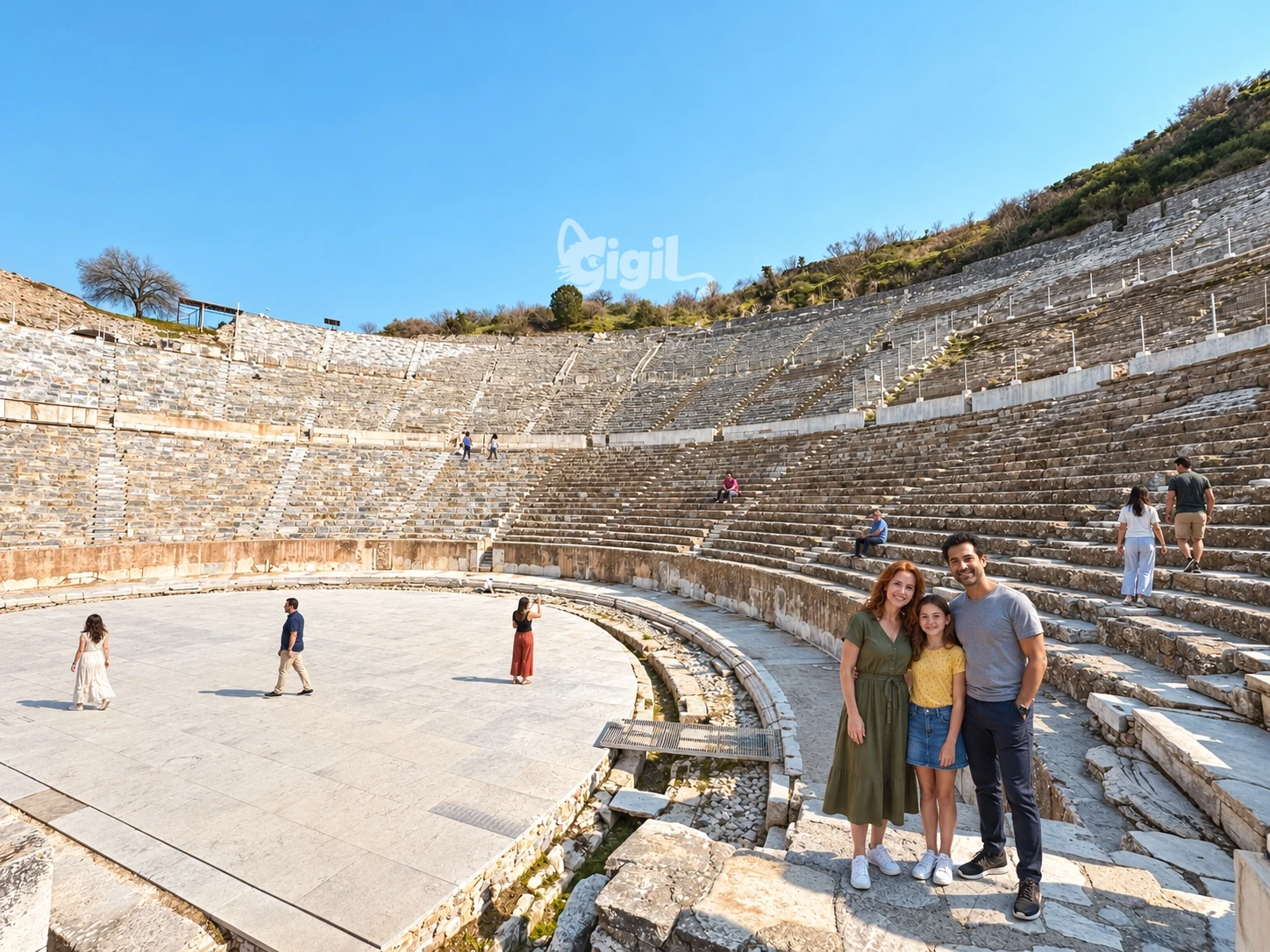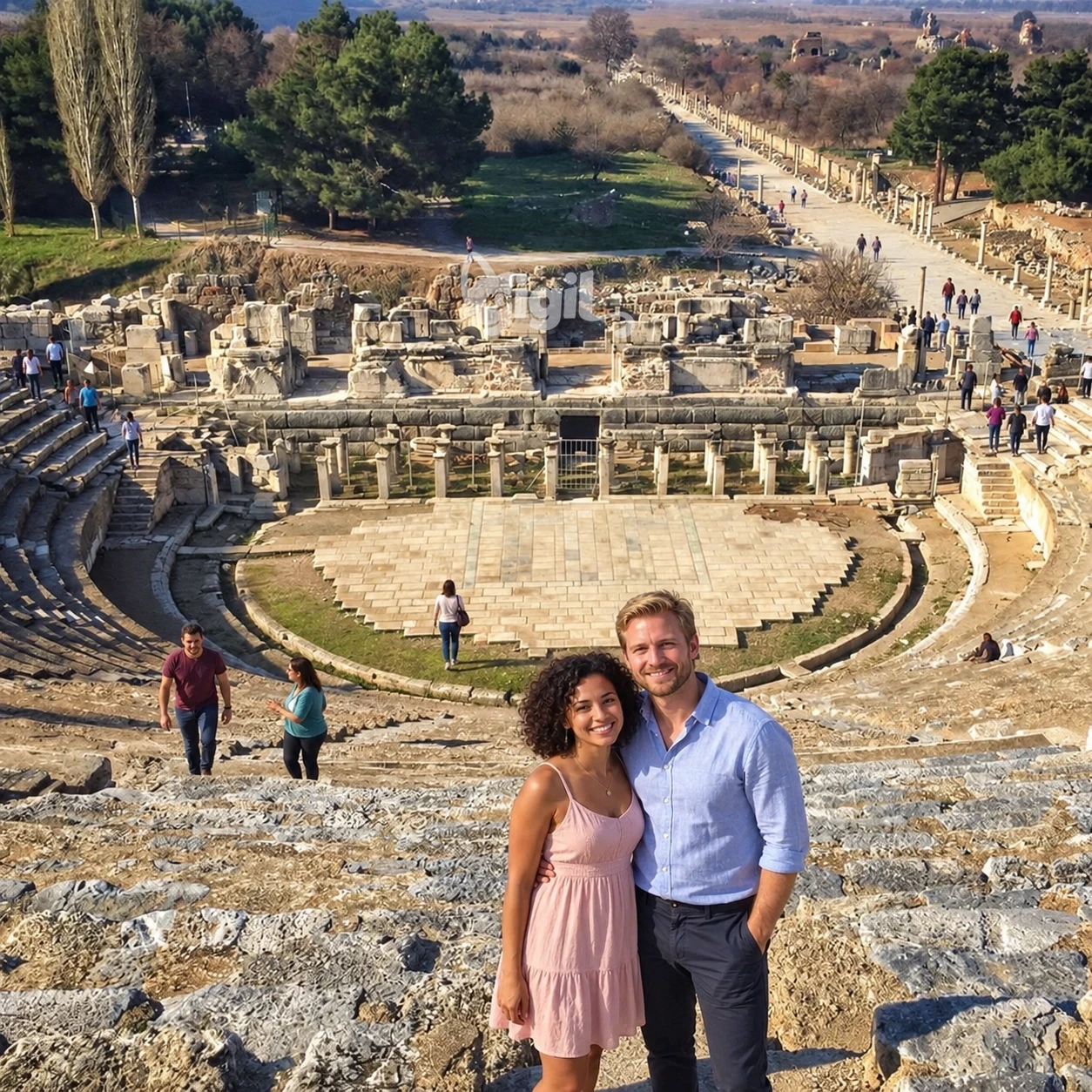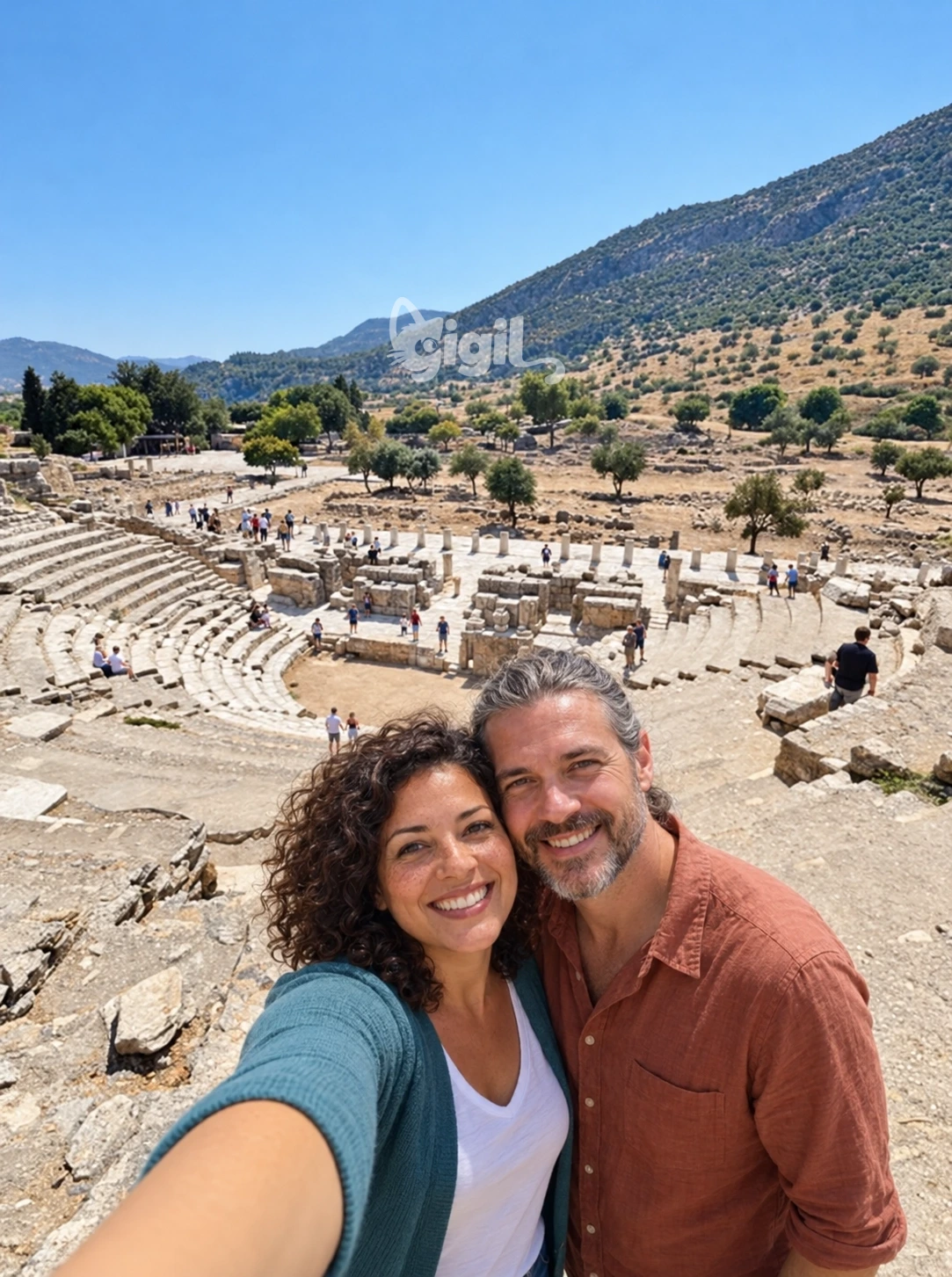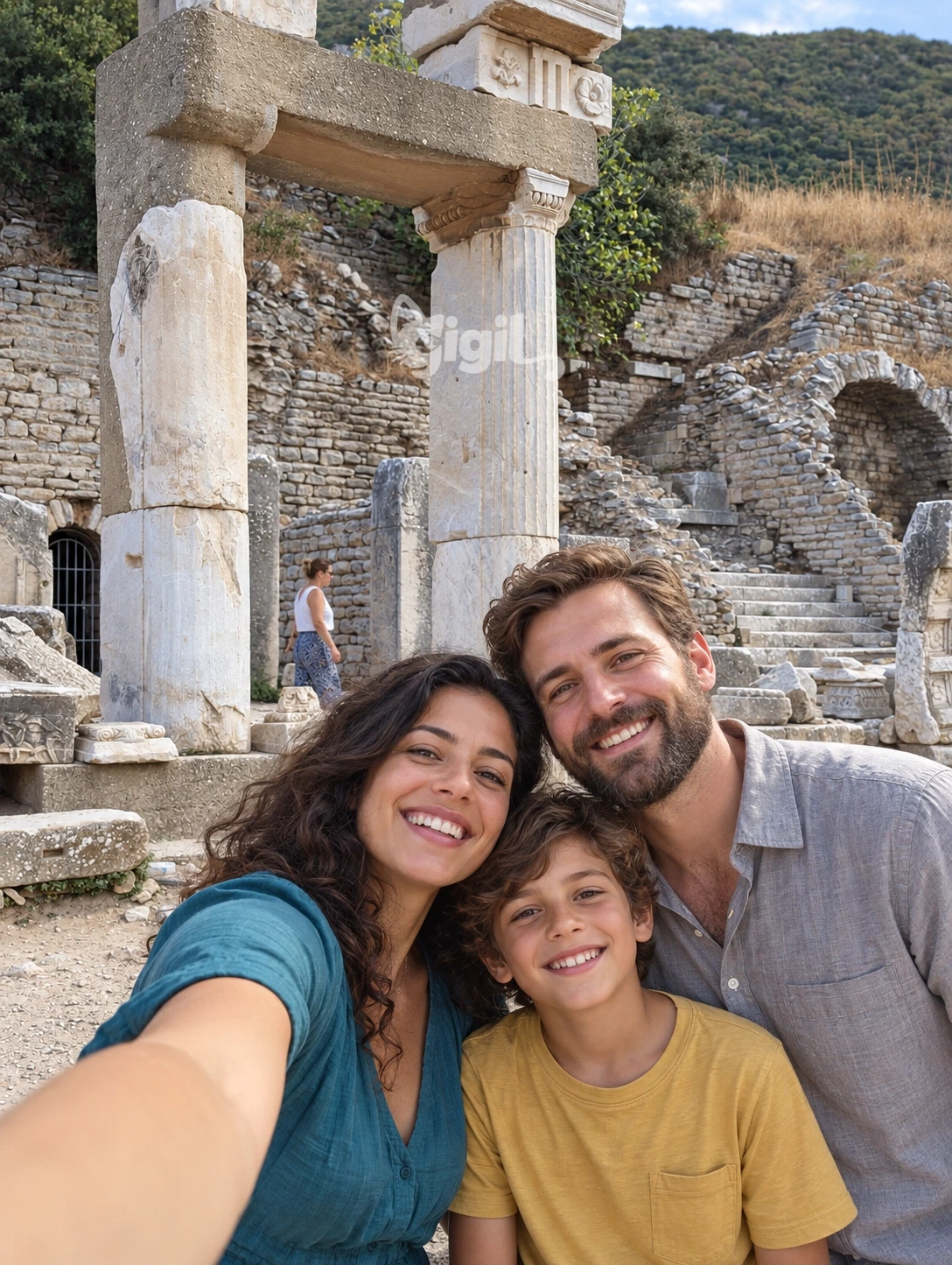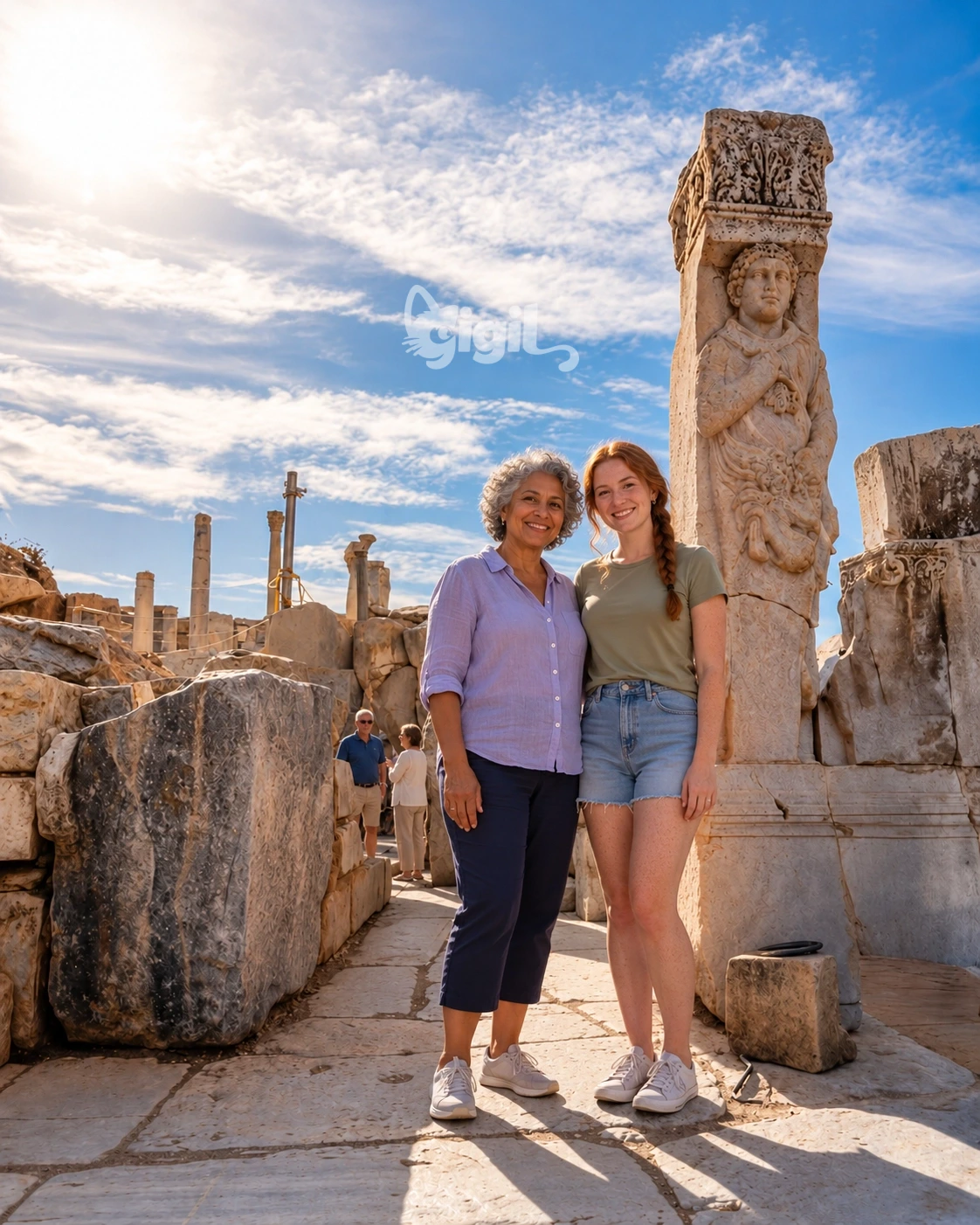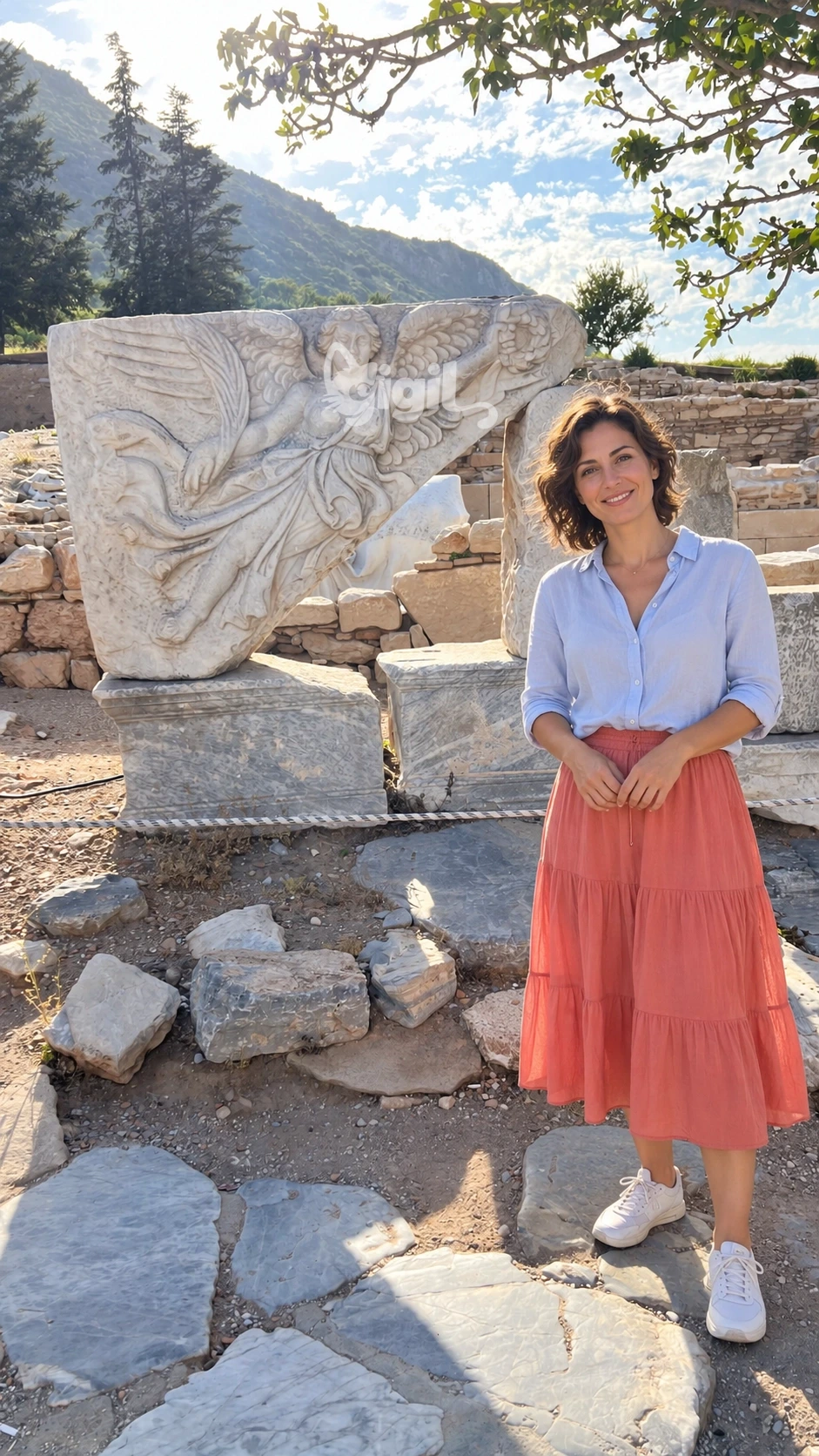
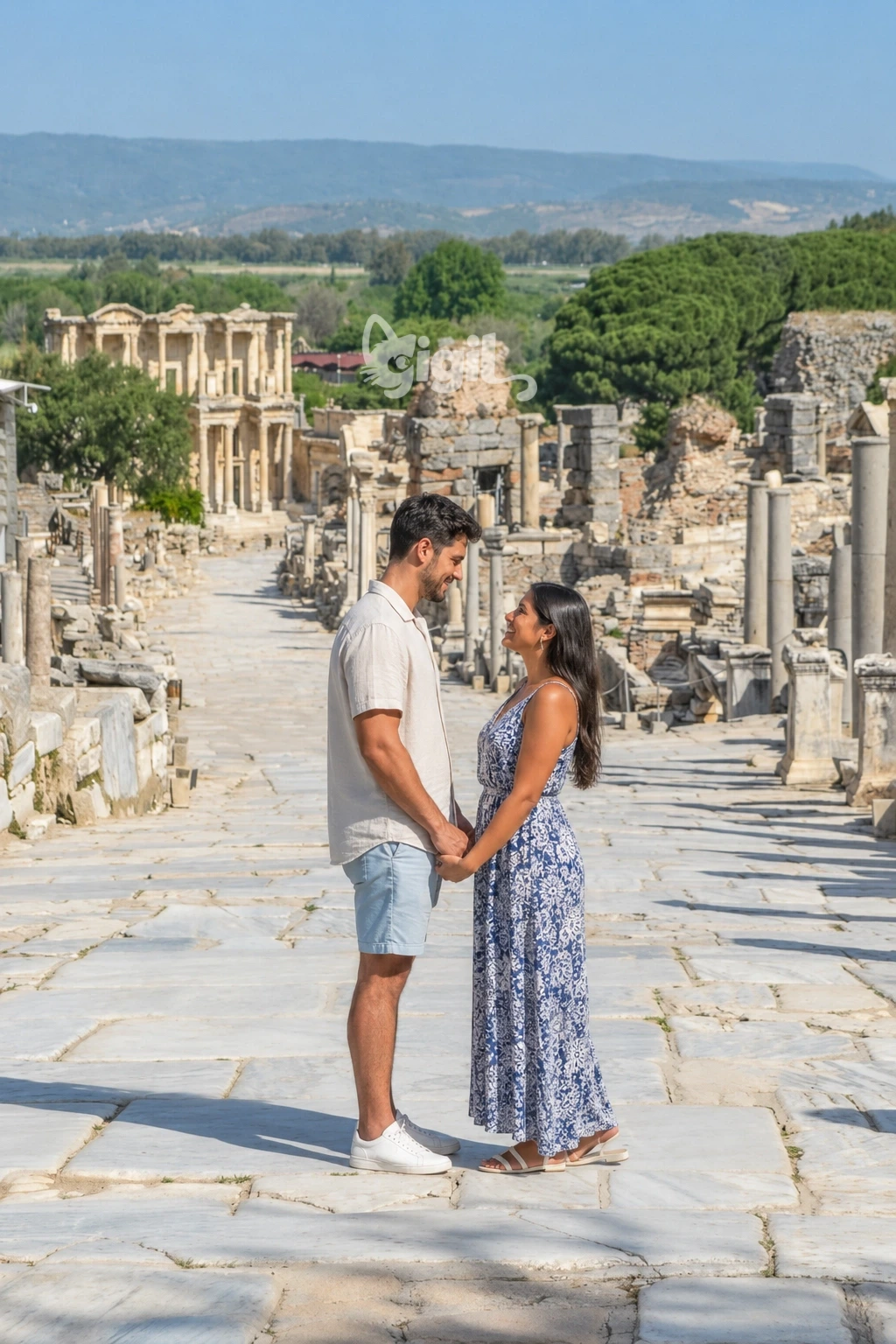
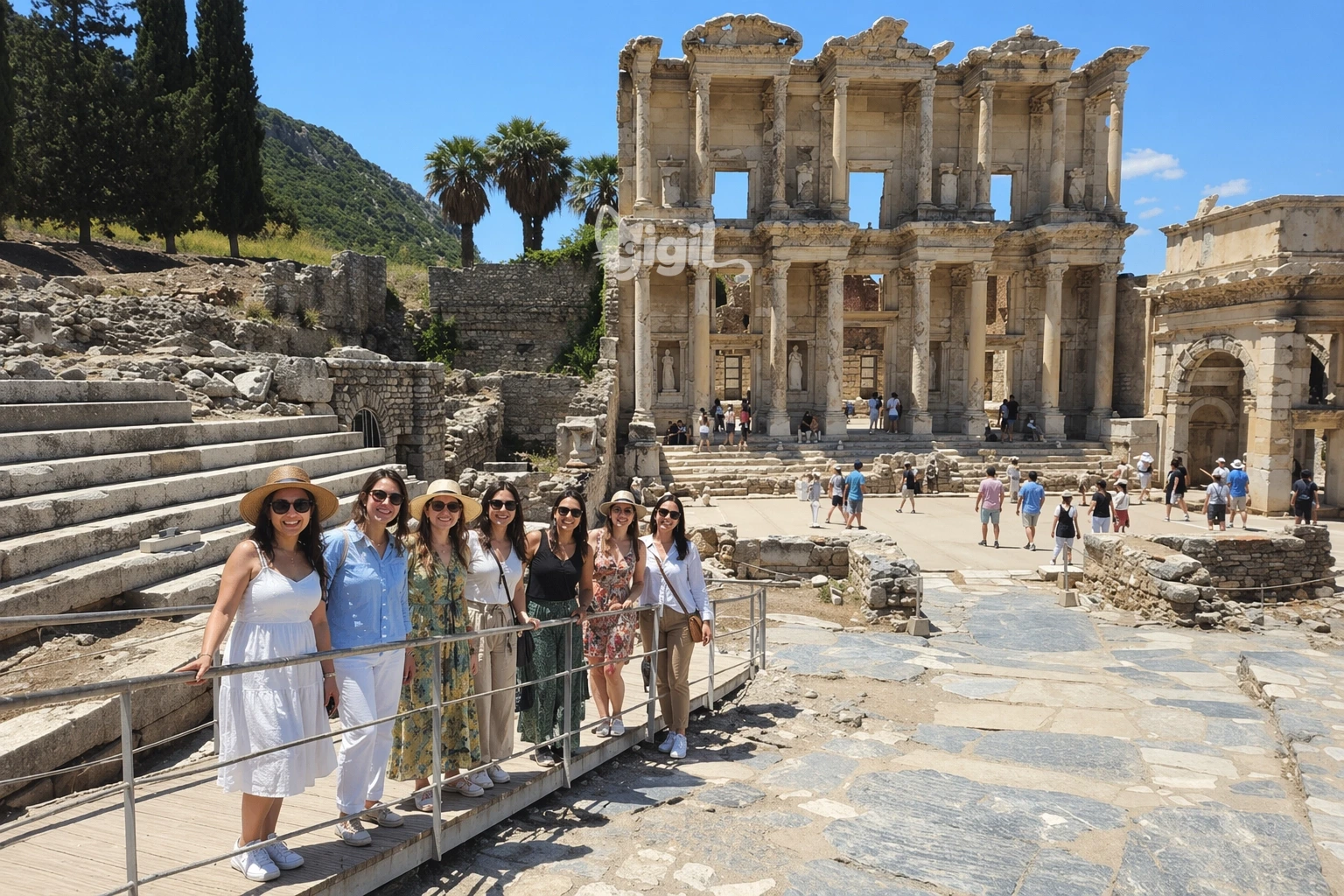
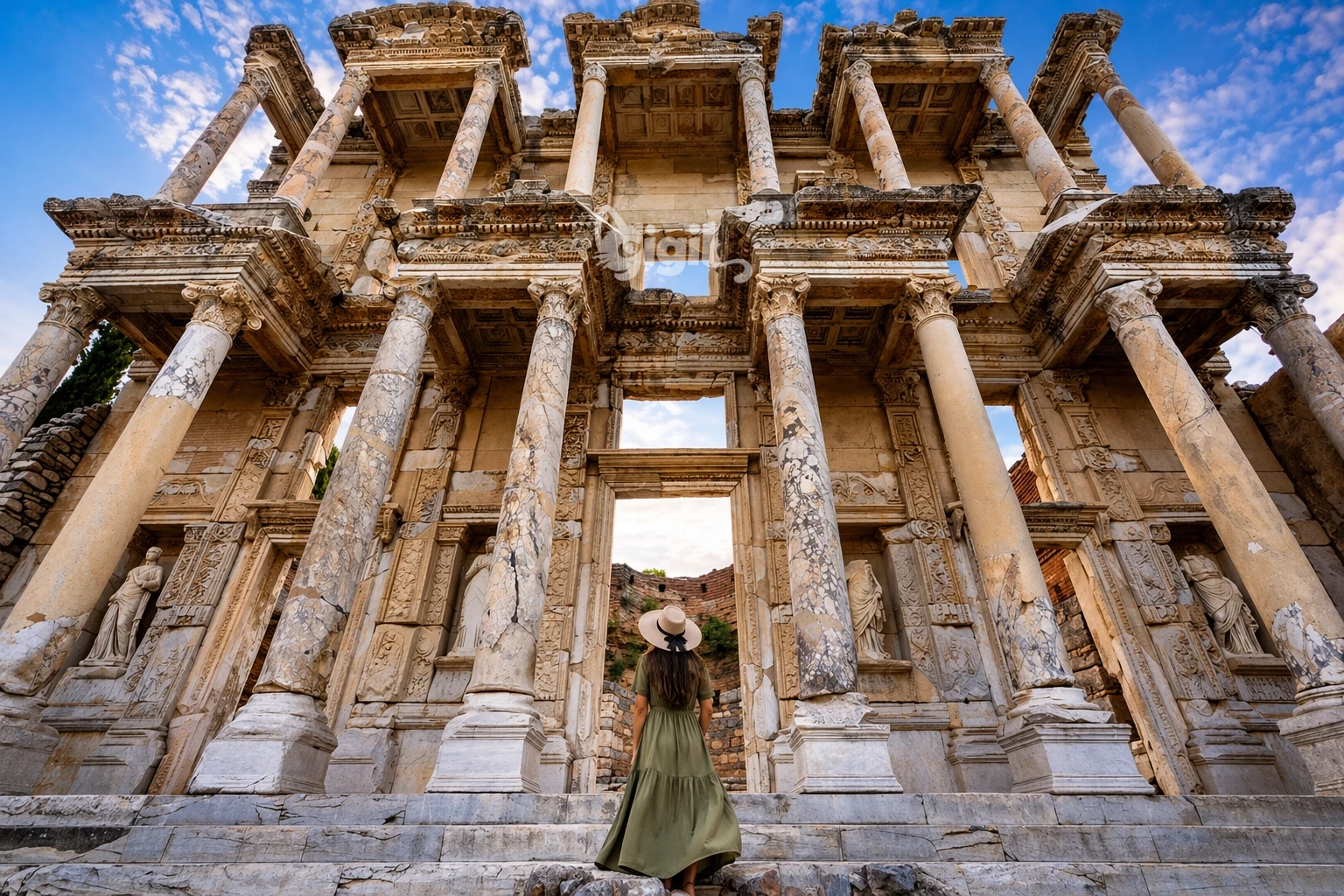
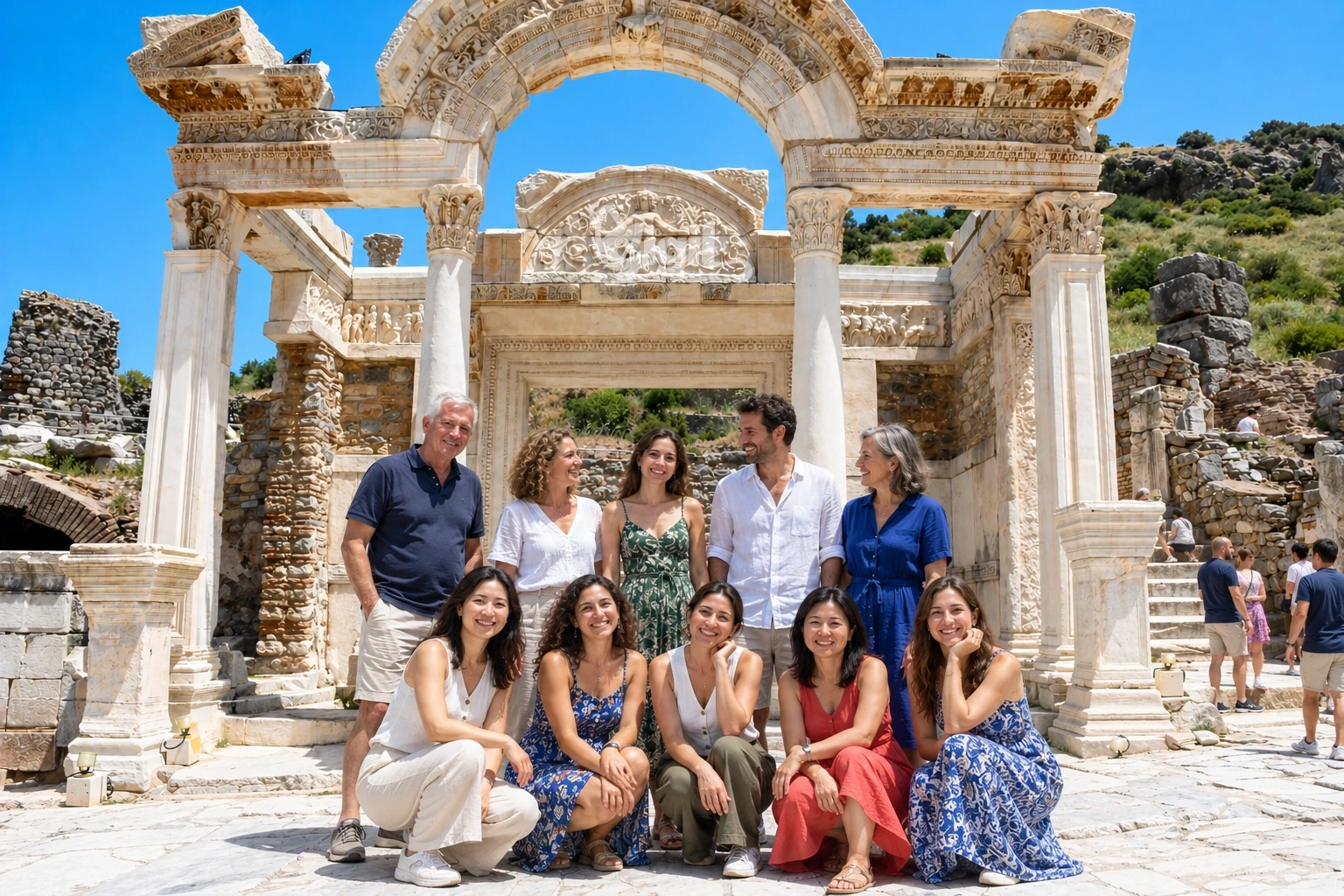
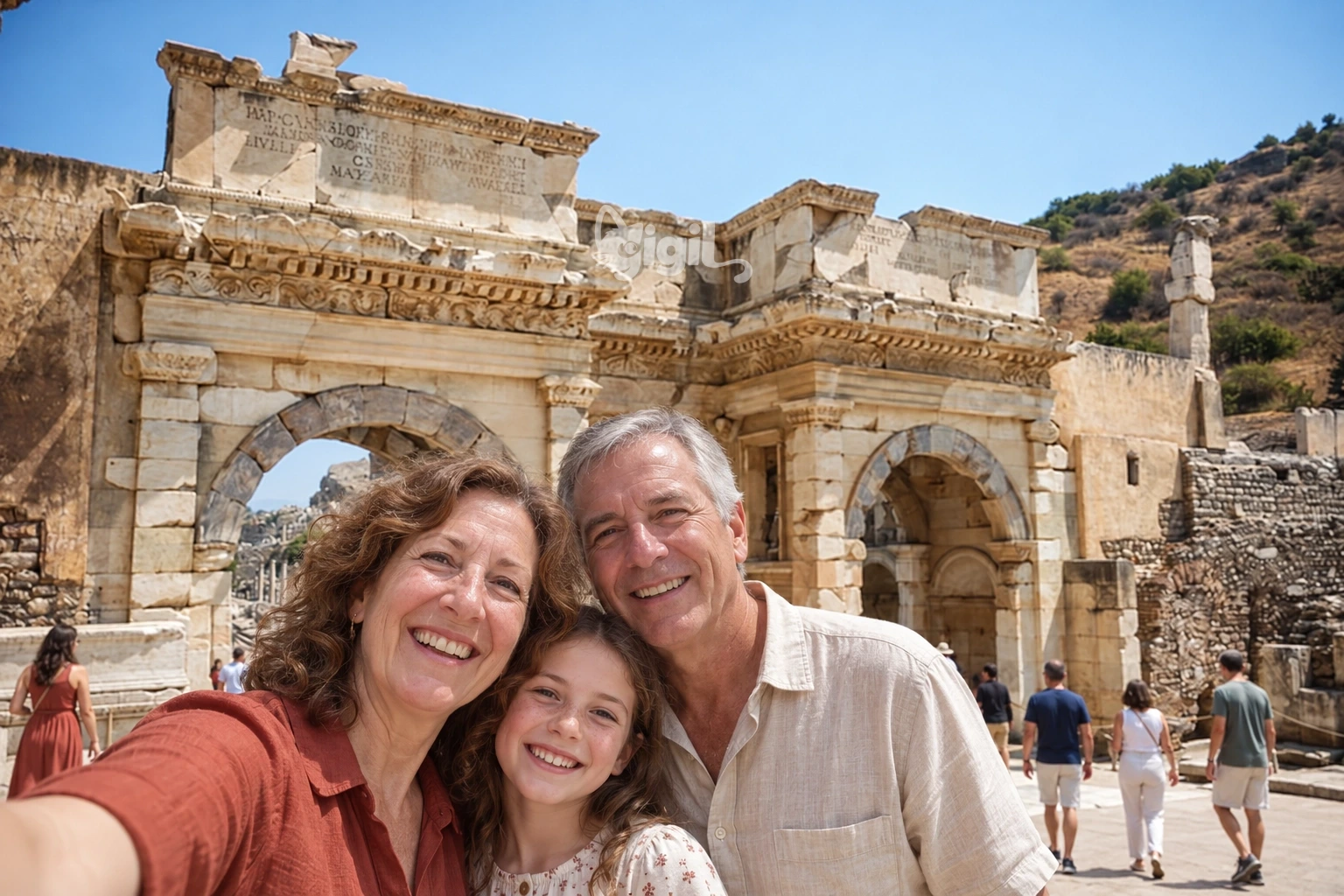
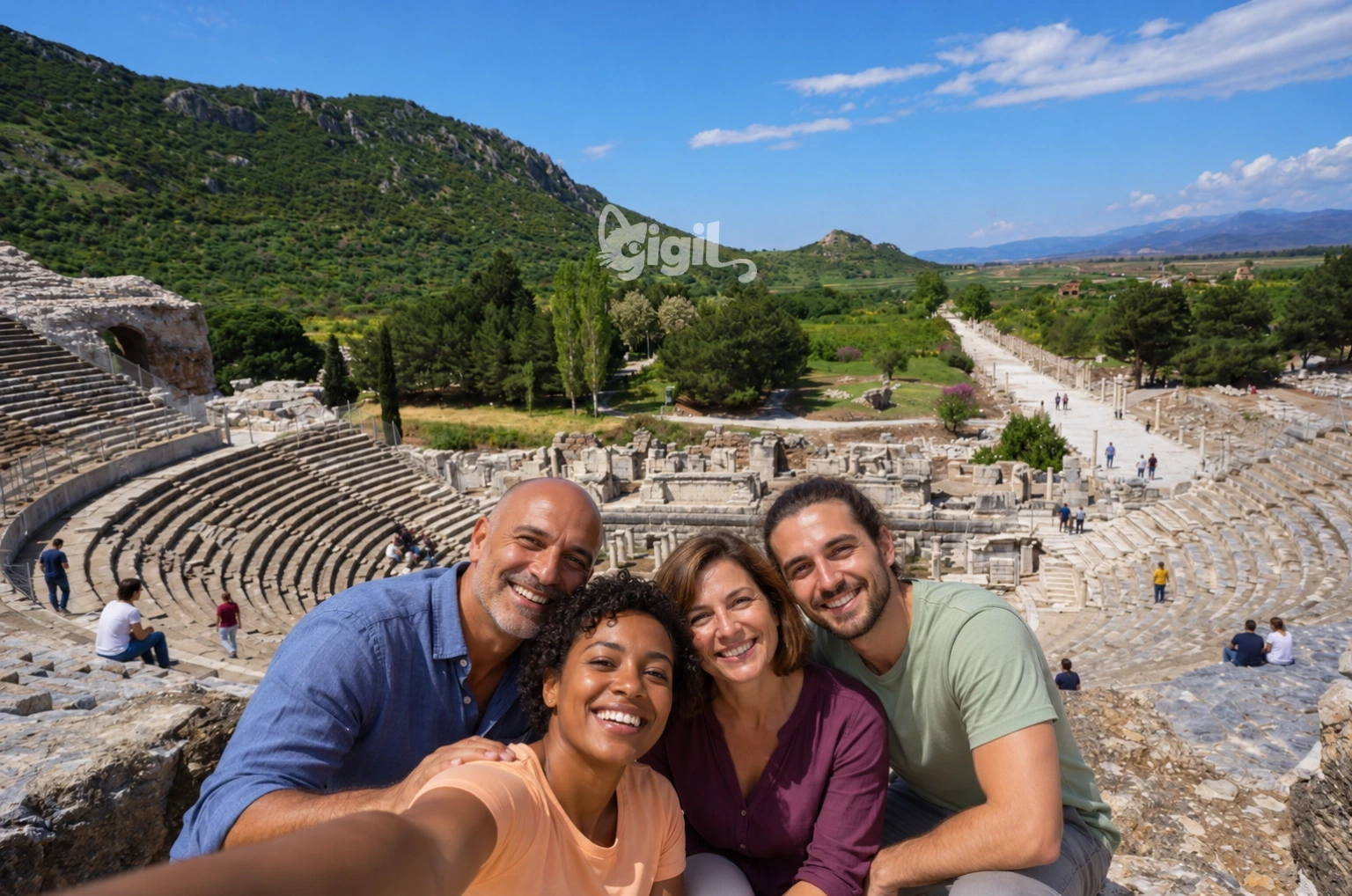
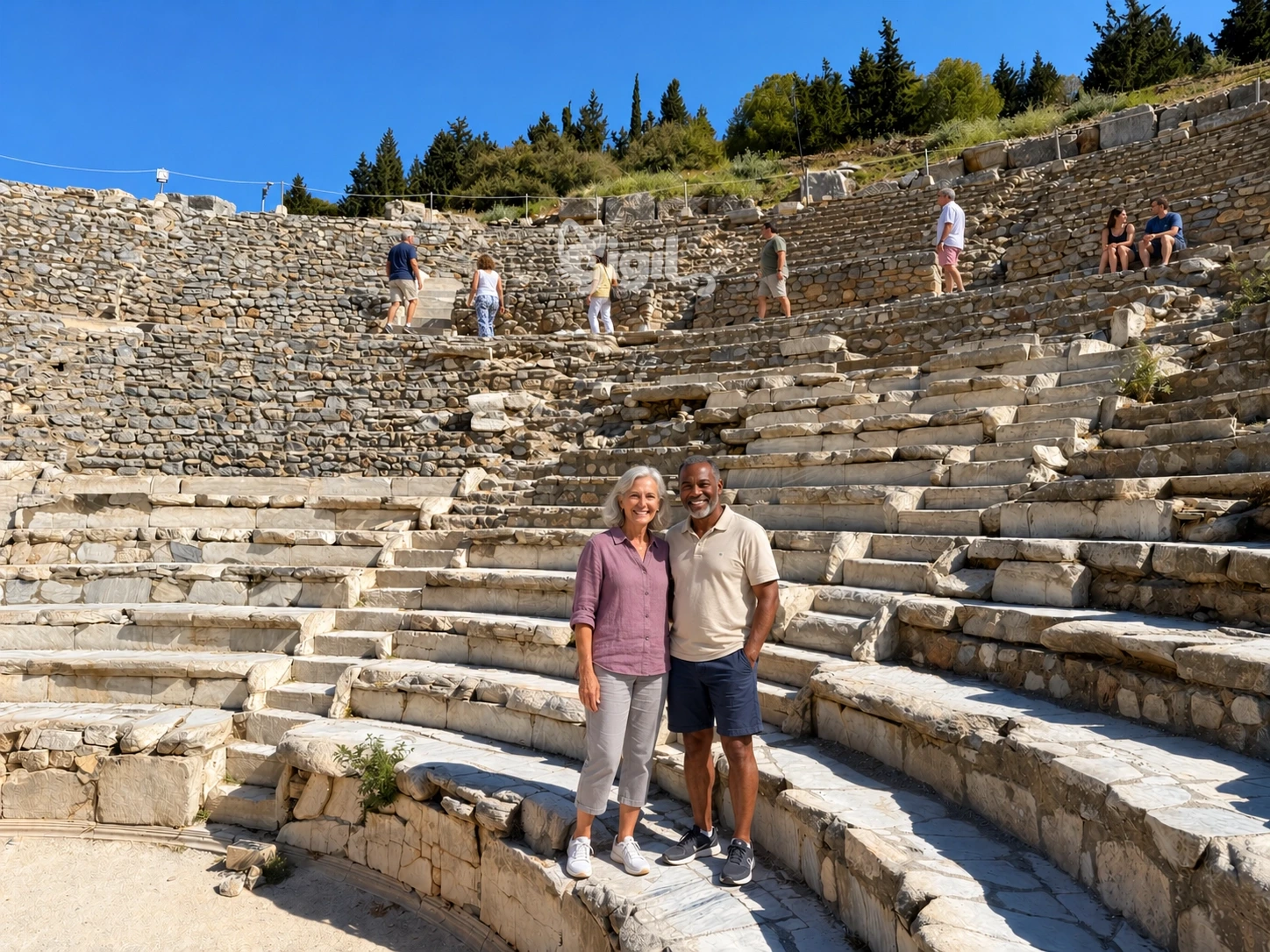
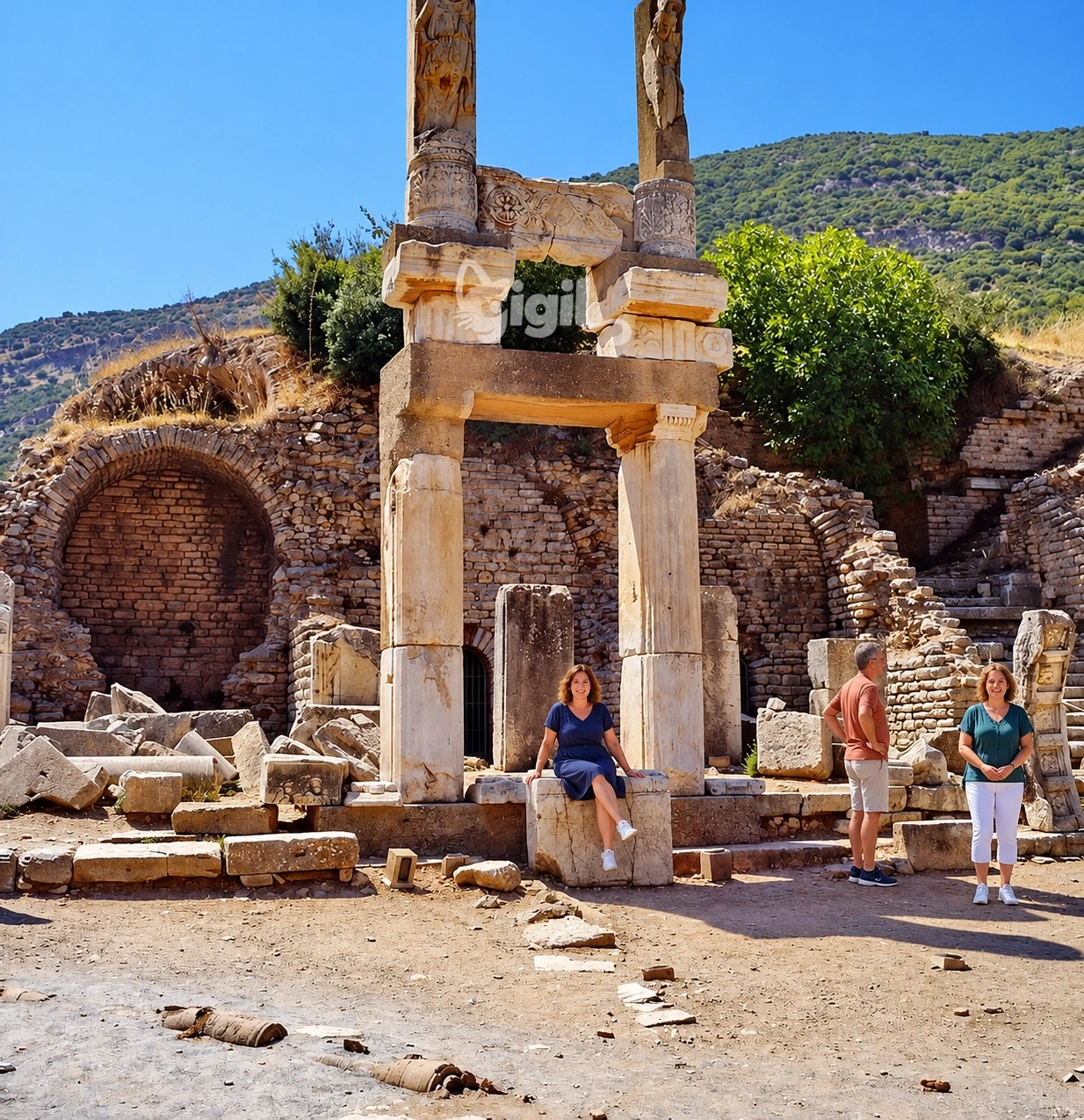
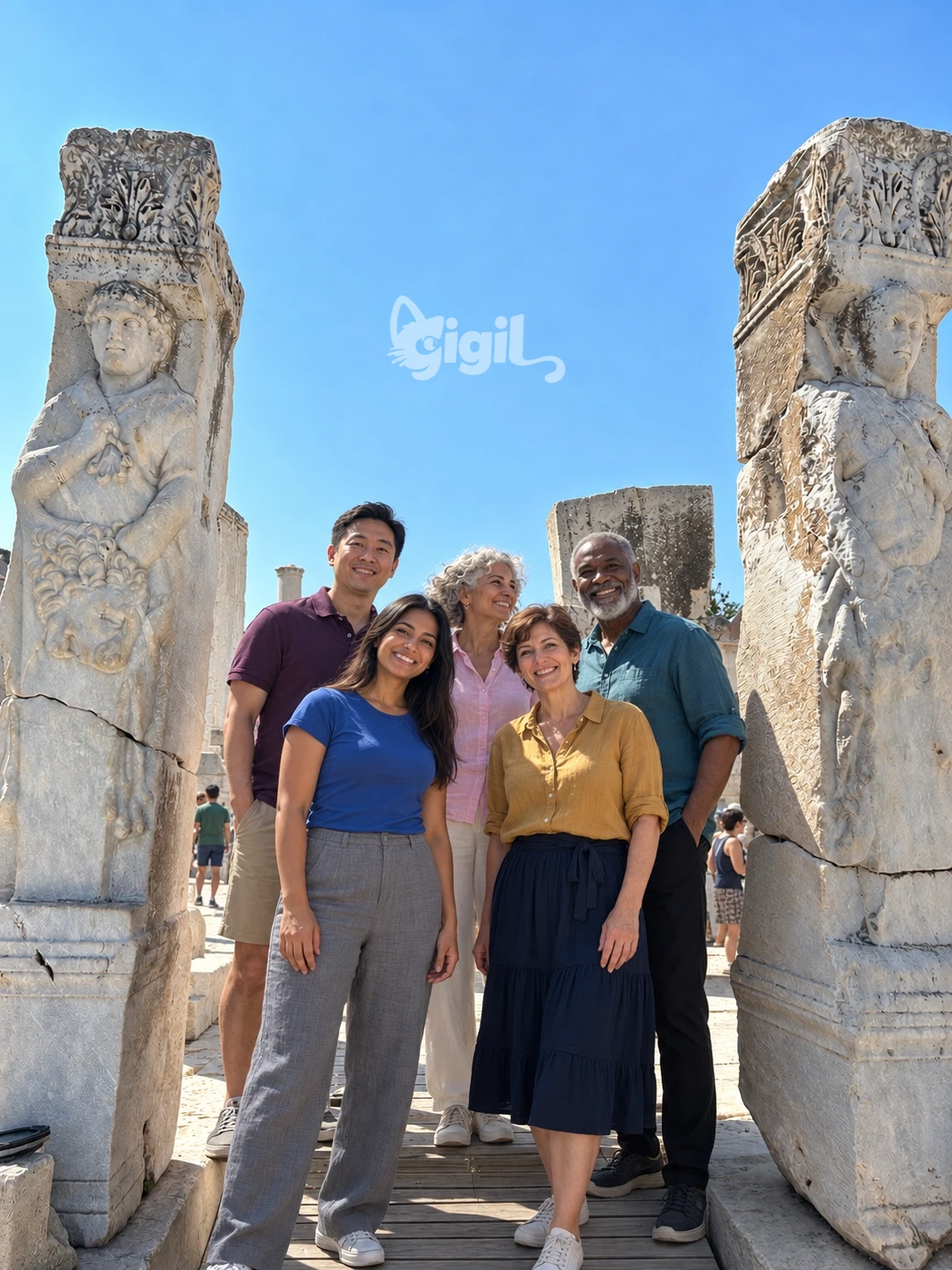
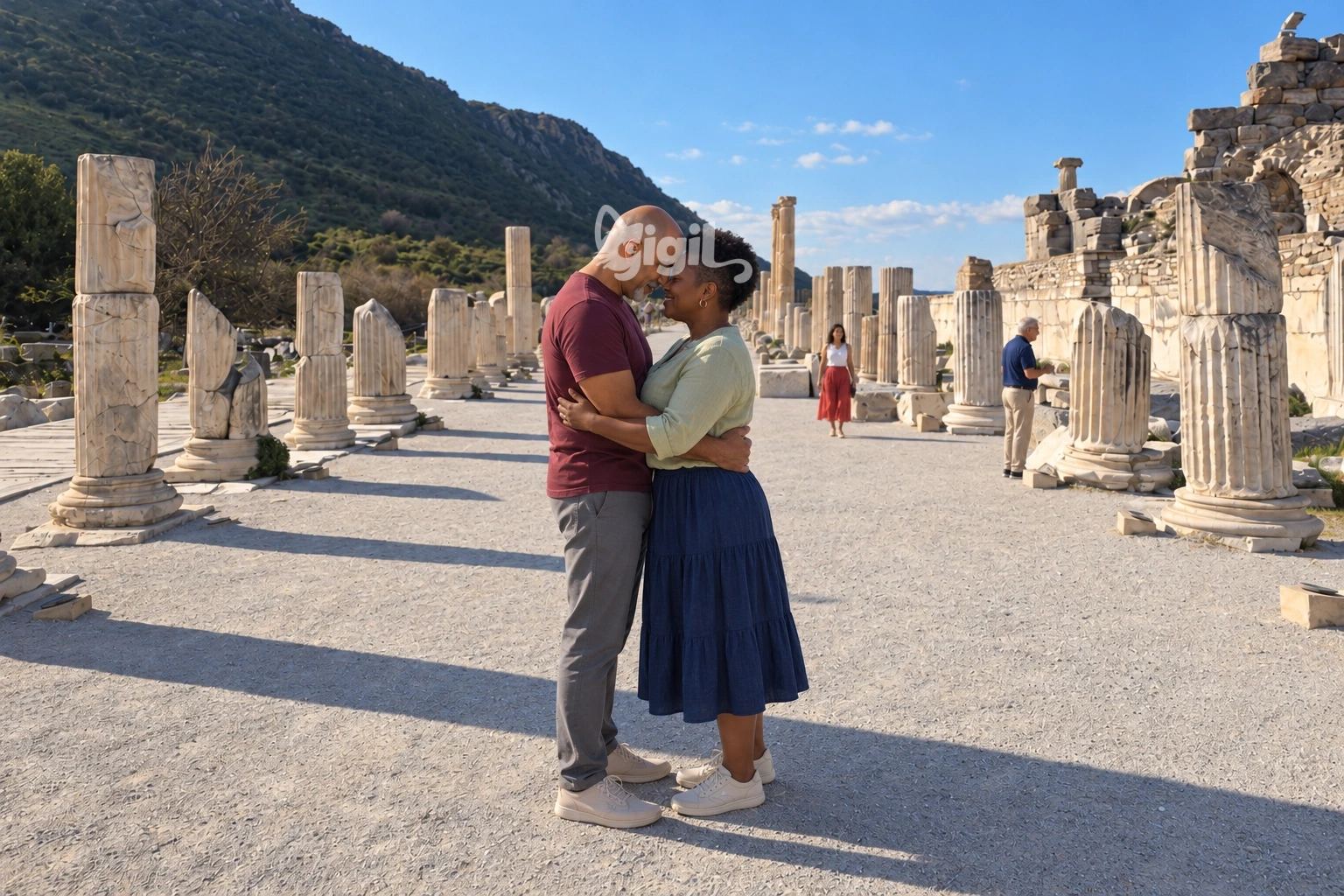
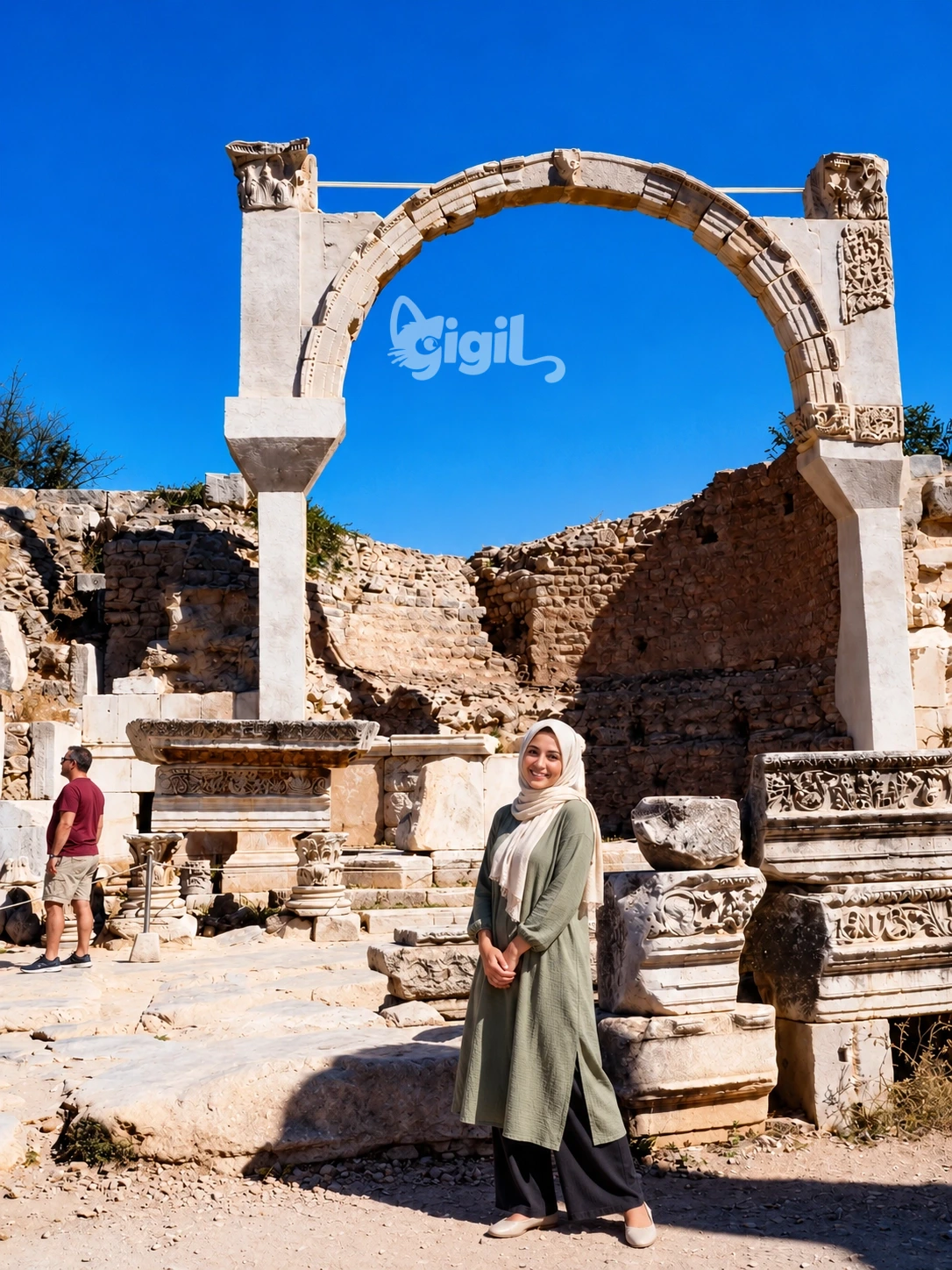
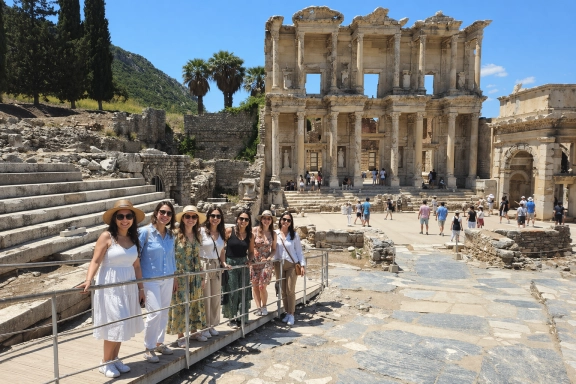
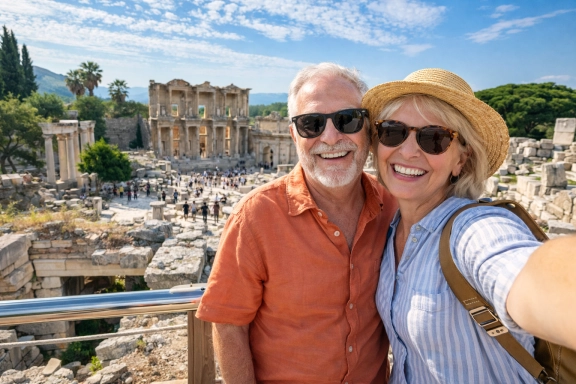
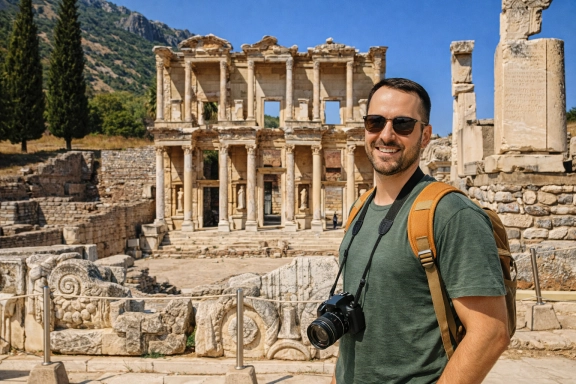
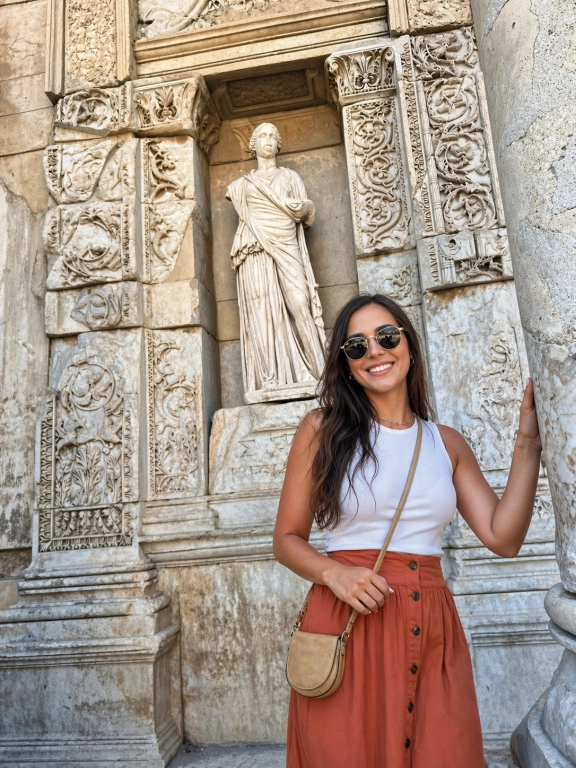
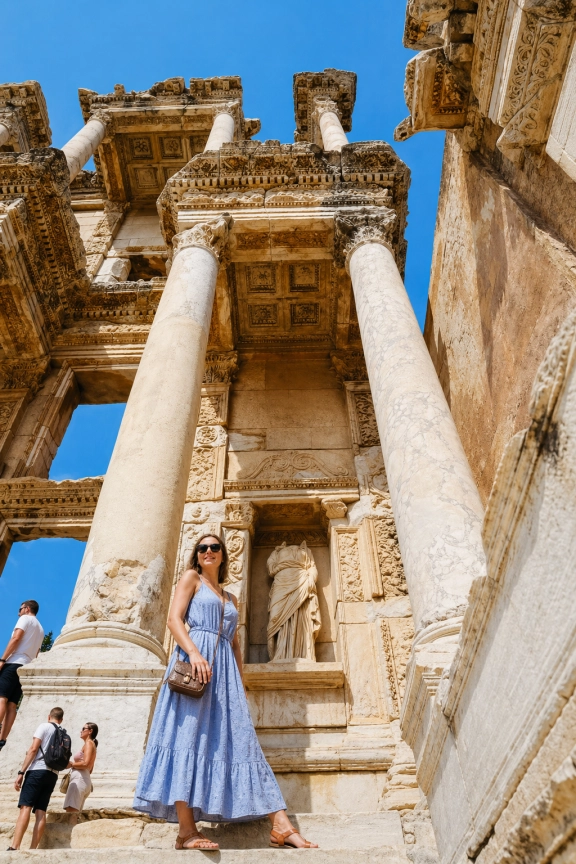
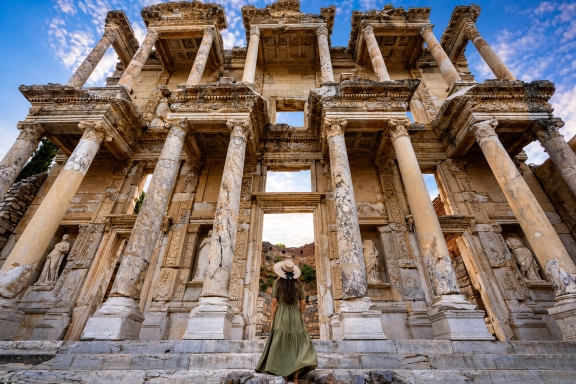
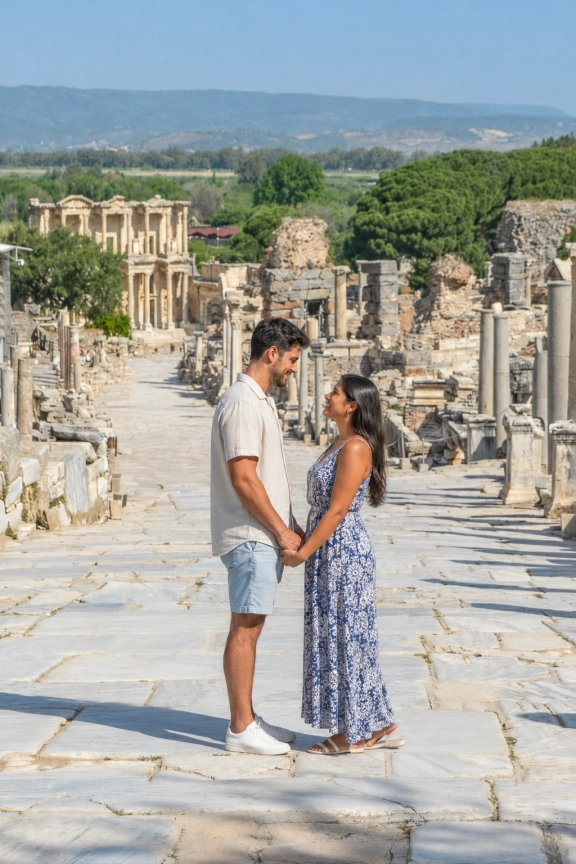
Ephesus Ancient City combines monumental architecture with the traces of a changing coastal setting. Its marble streets and civic buildings belong to a former port city, now well away from its ancient waterfront.
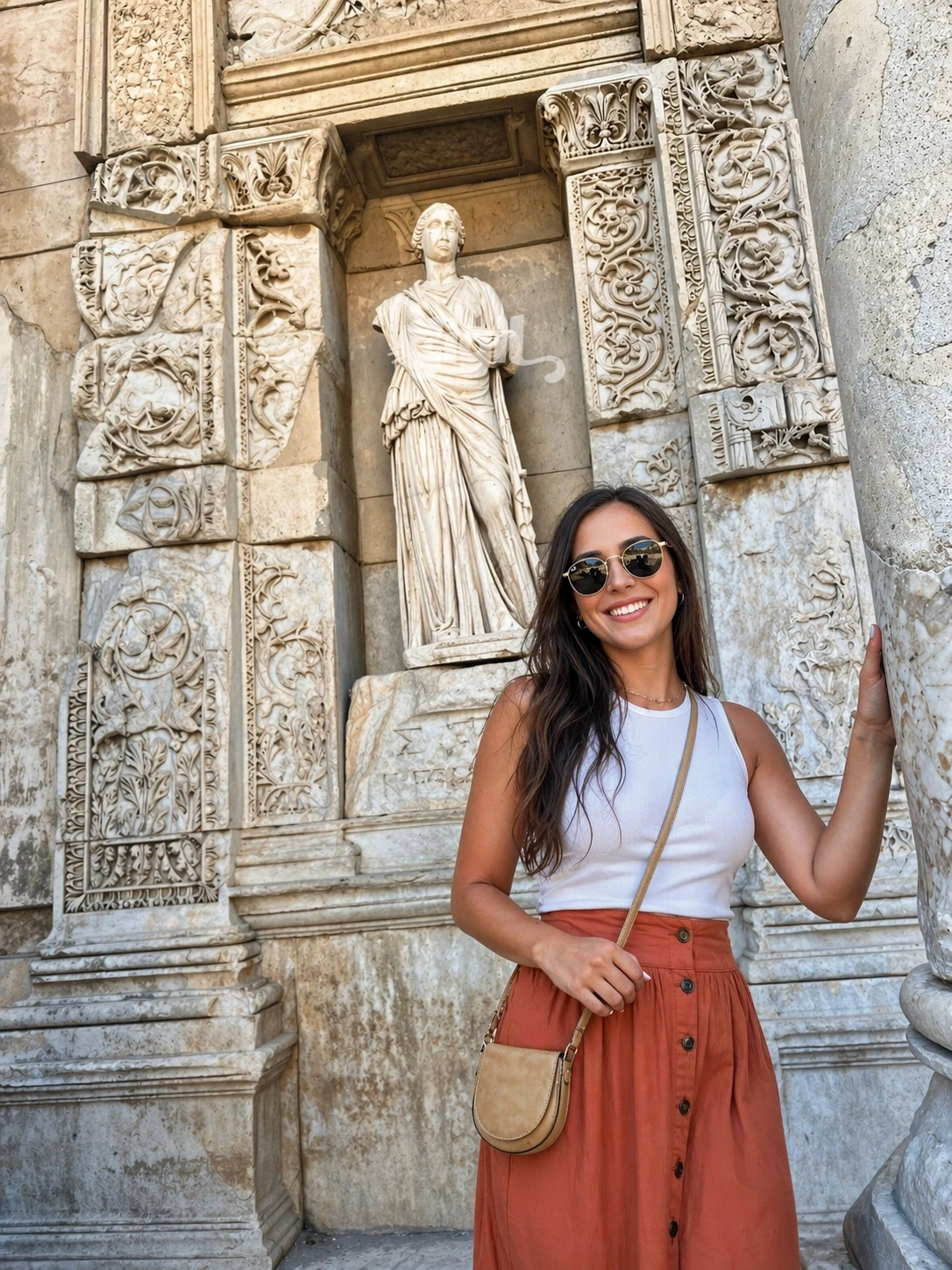
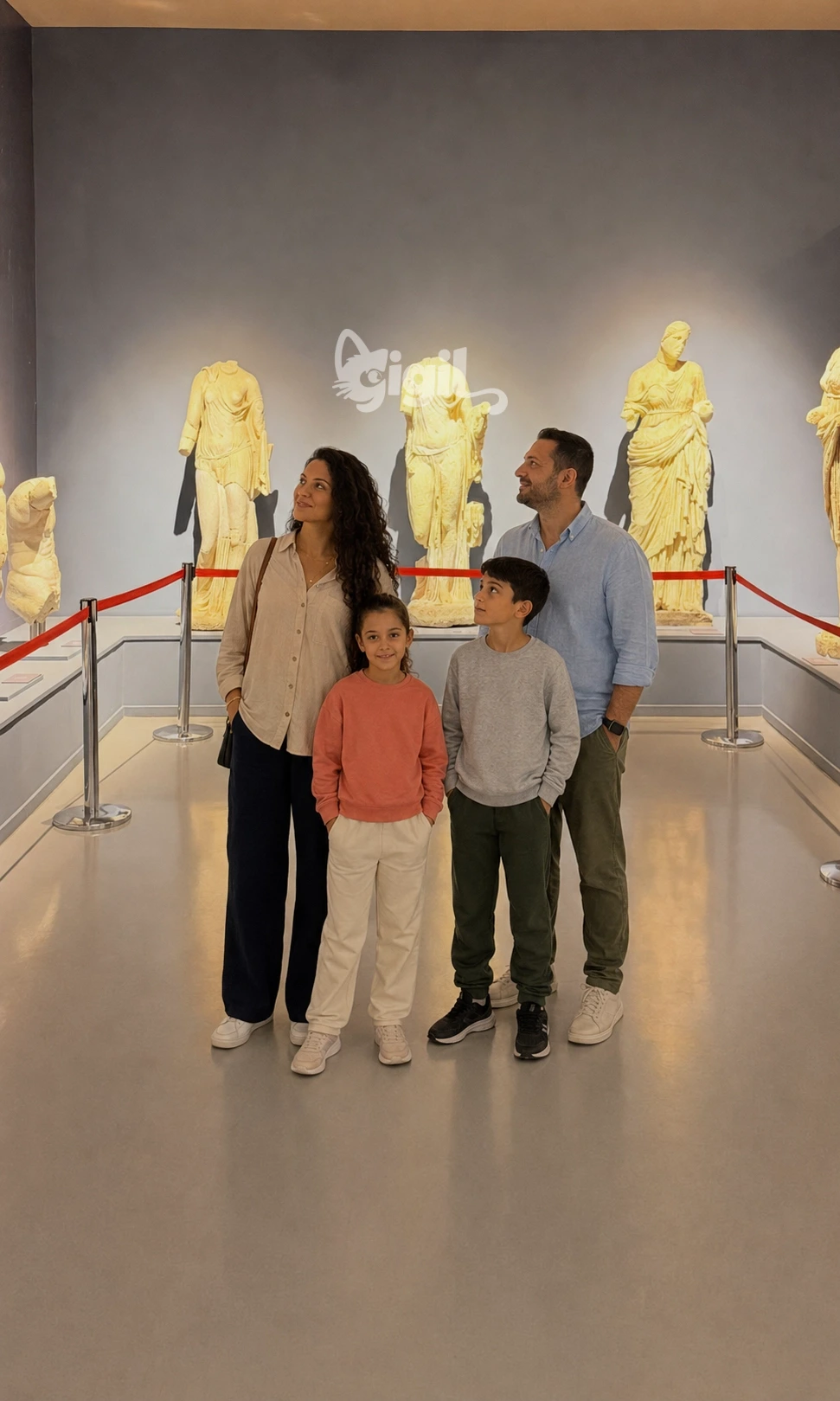
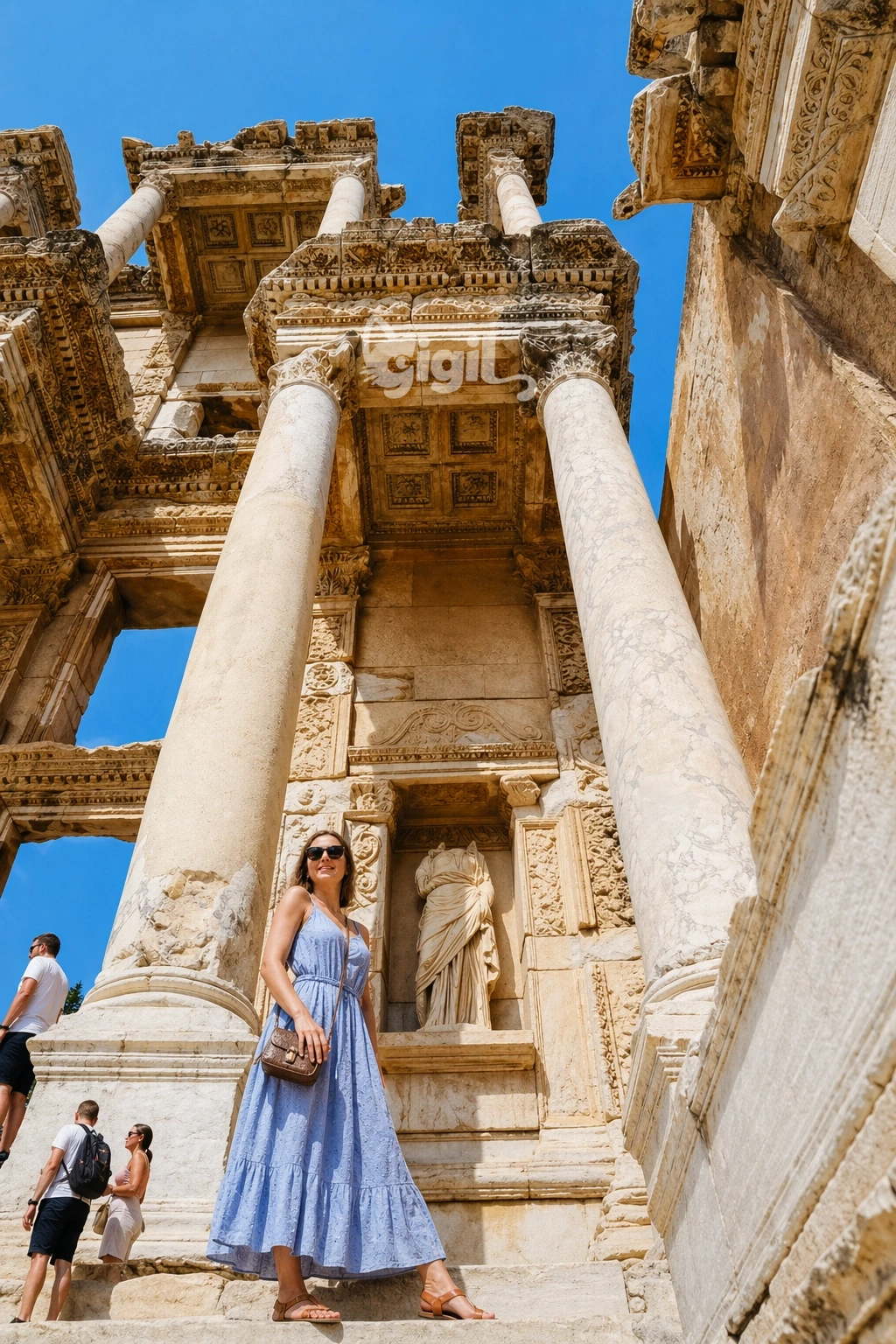
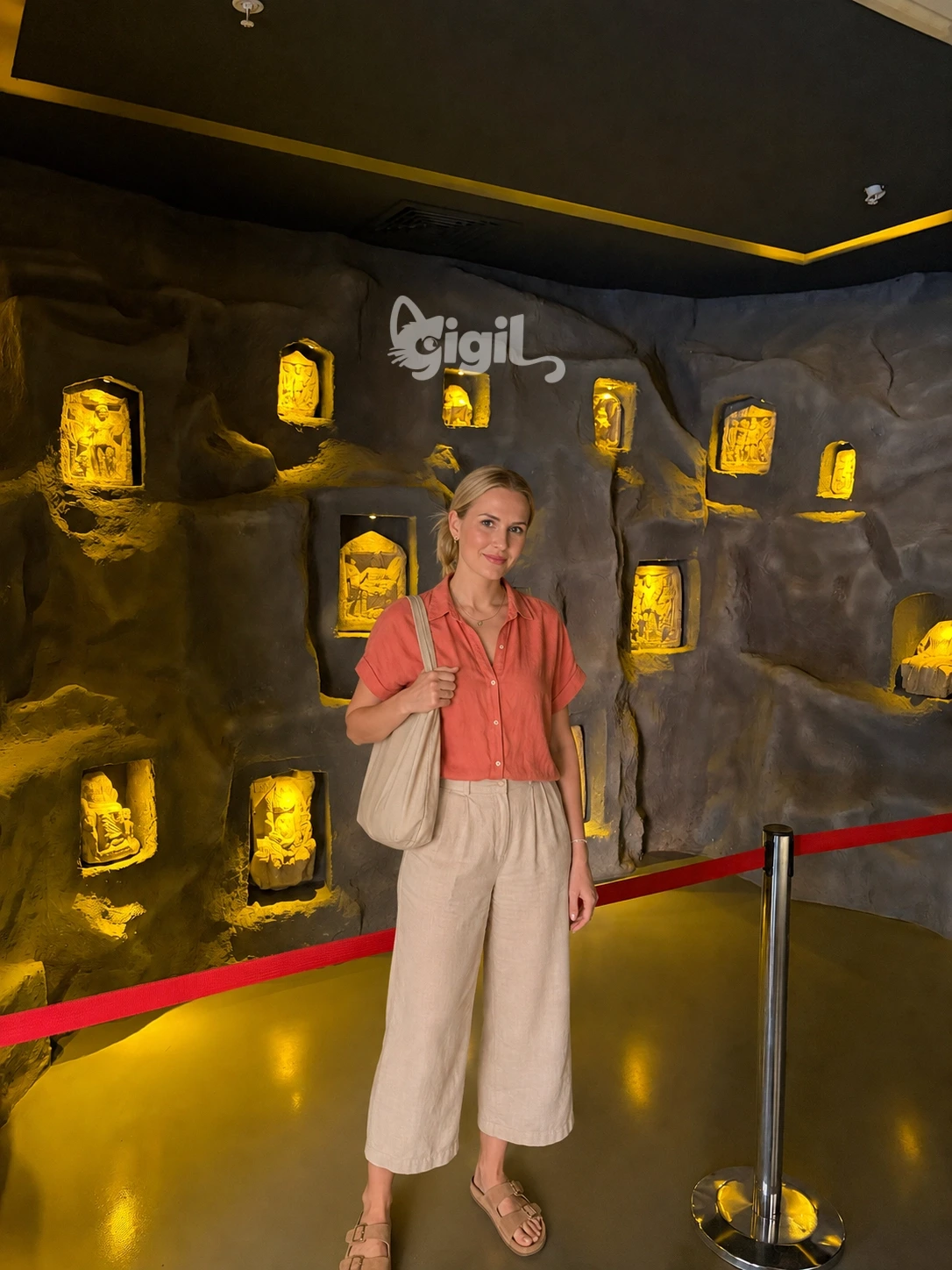
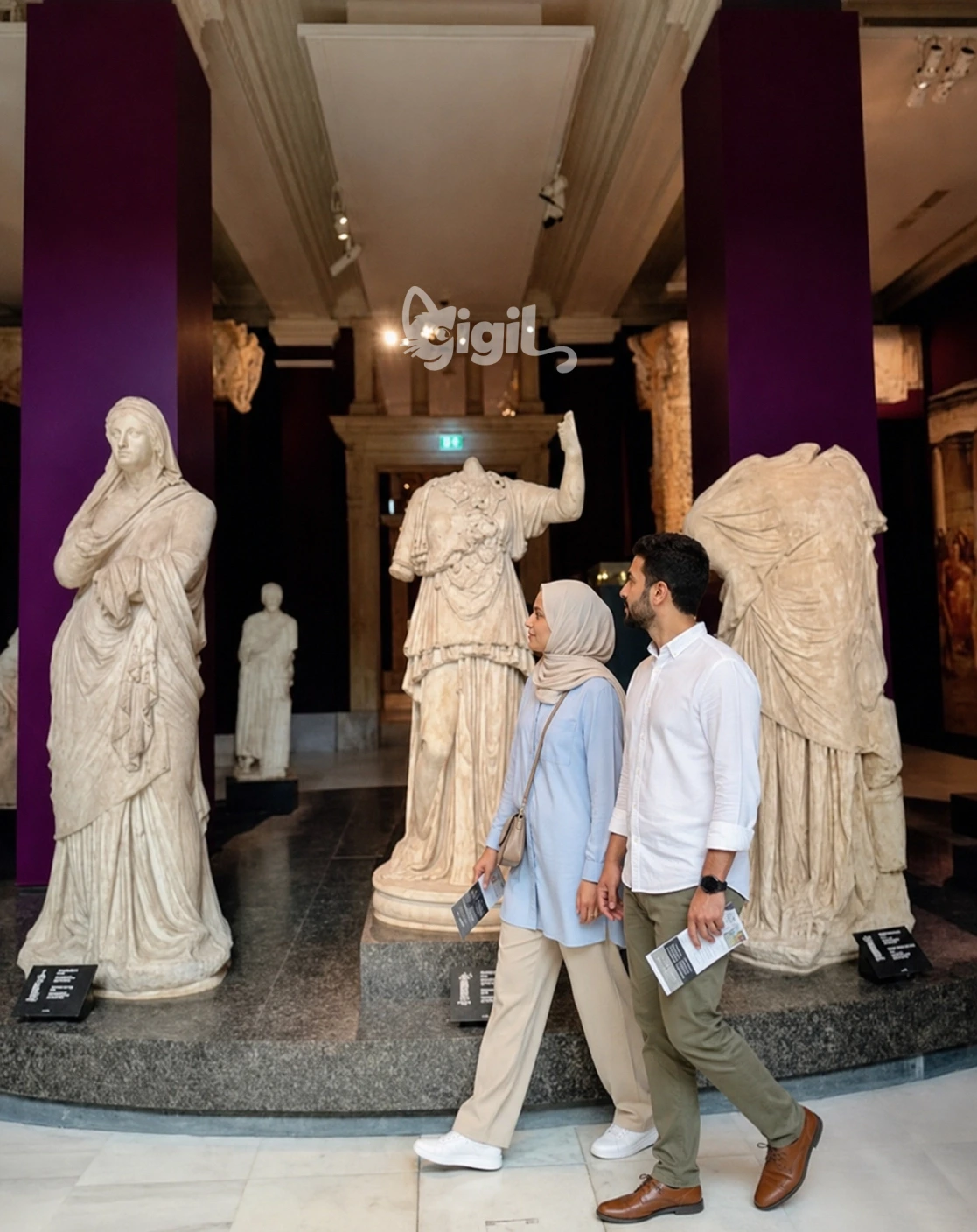
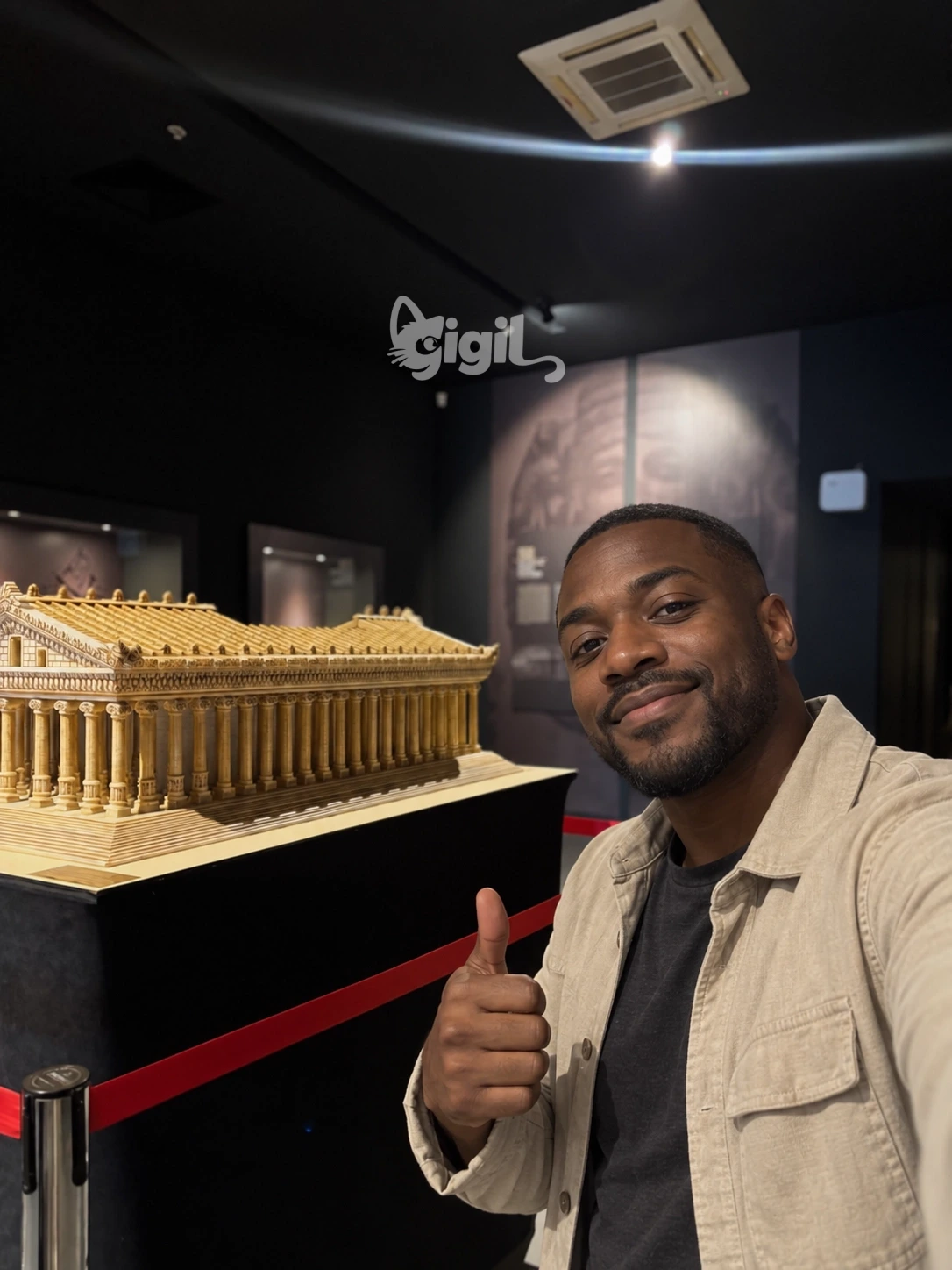
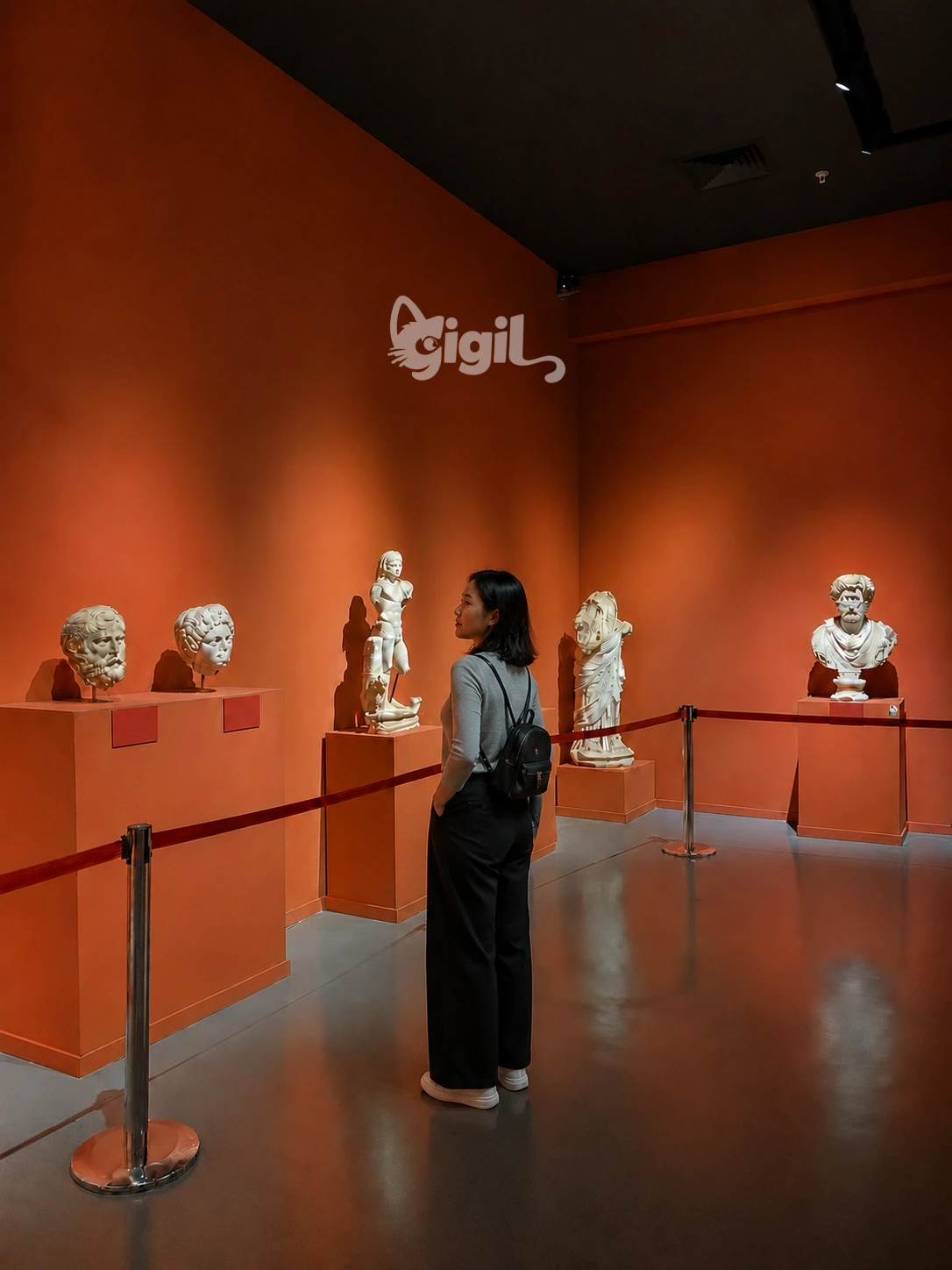
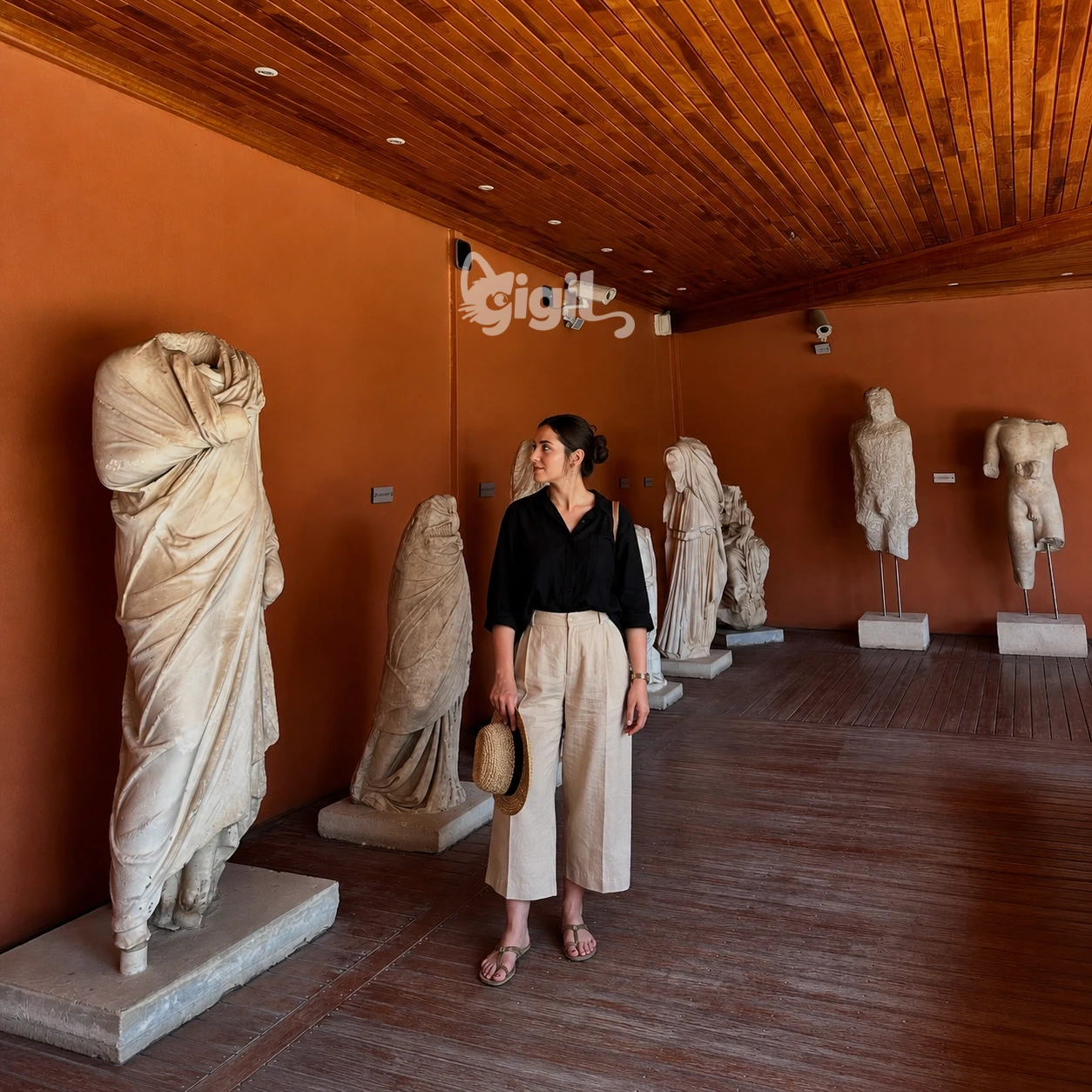
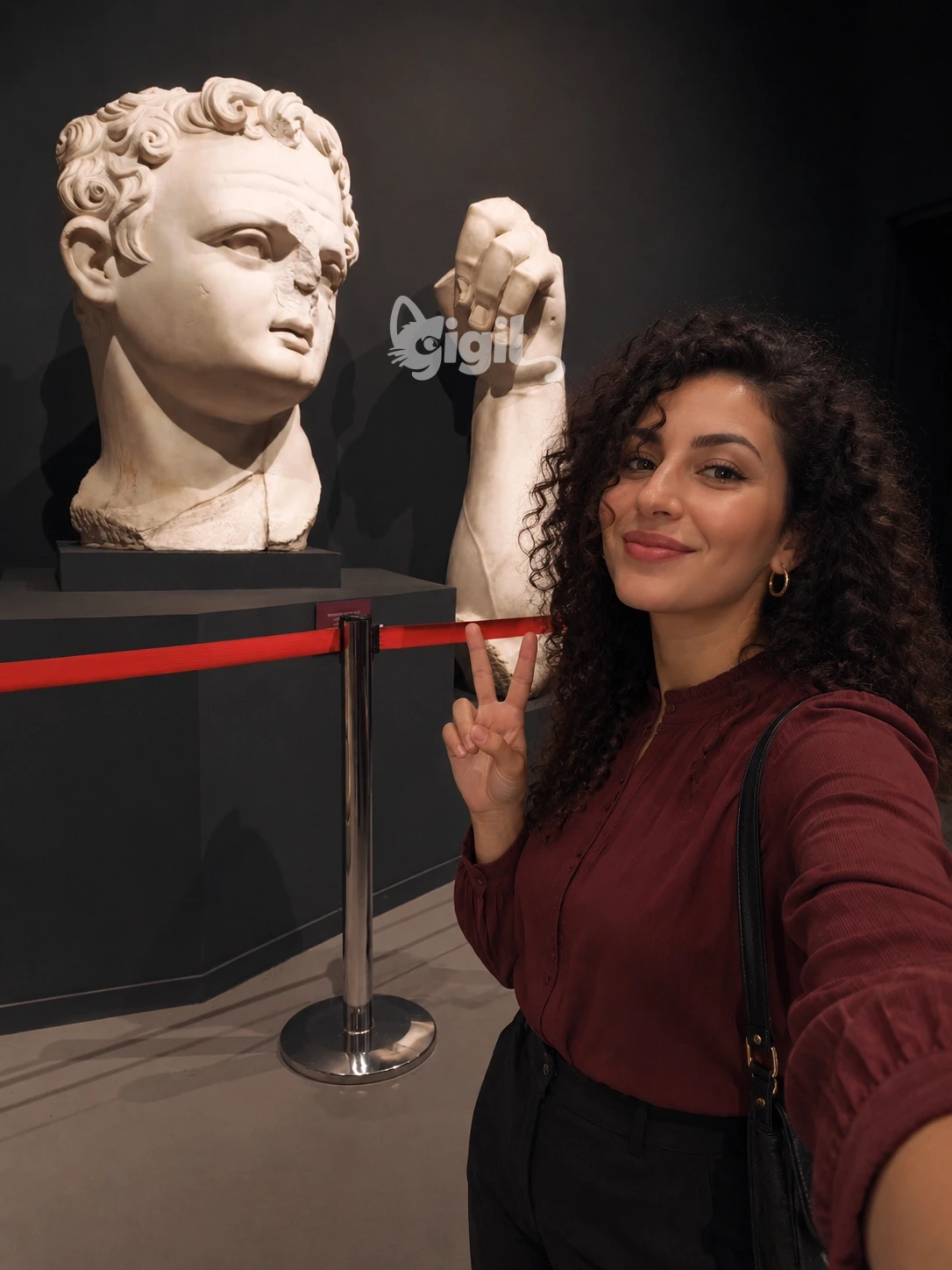
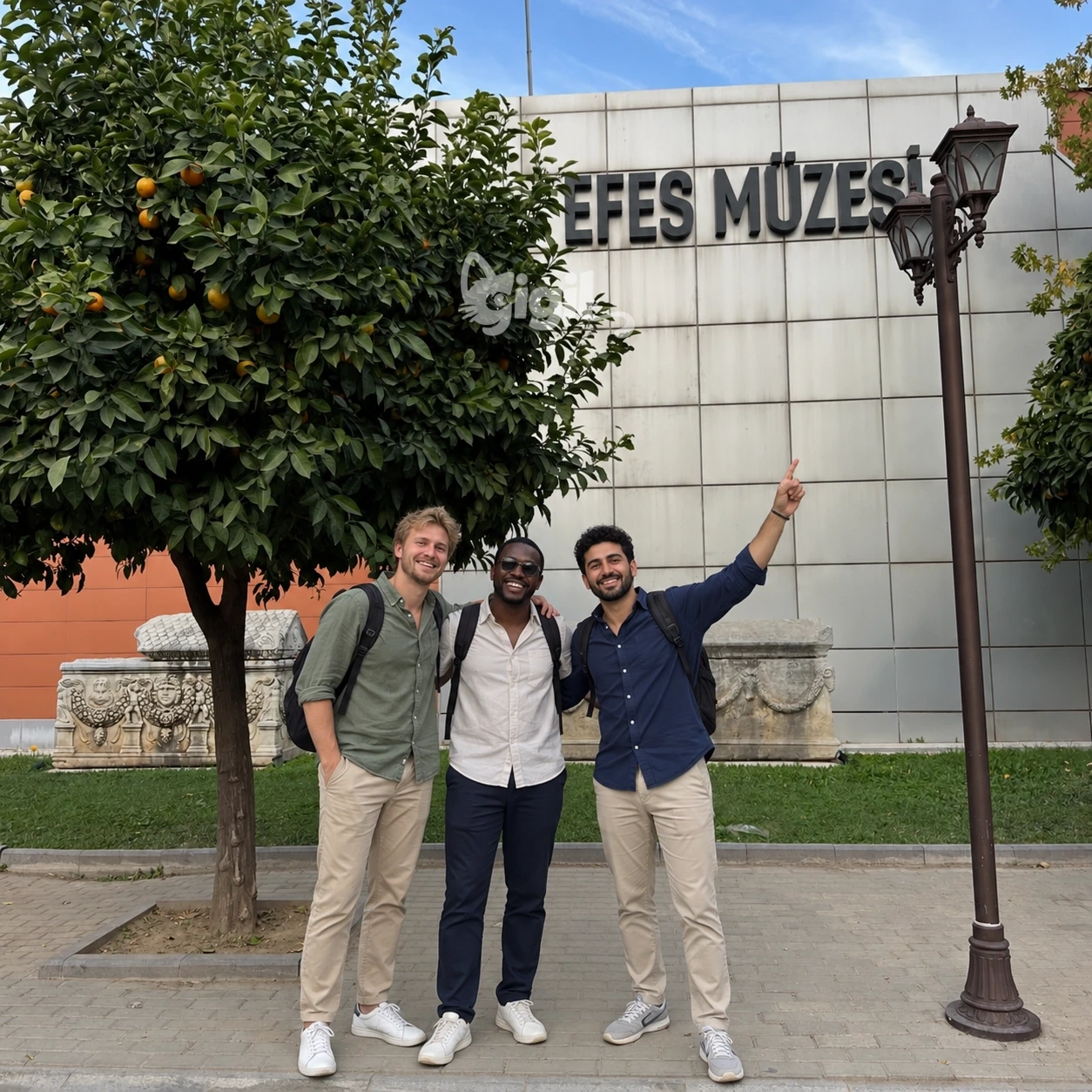
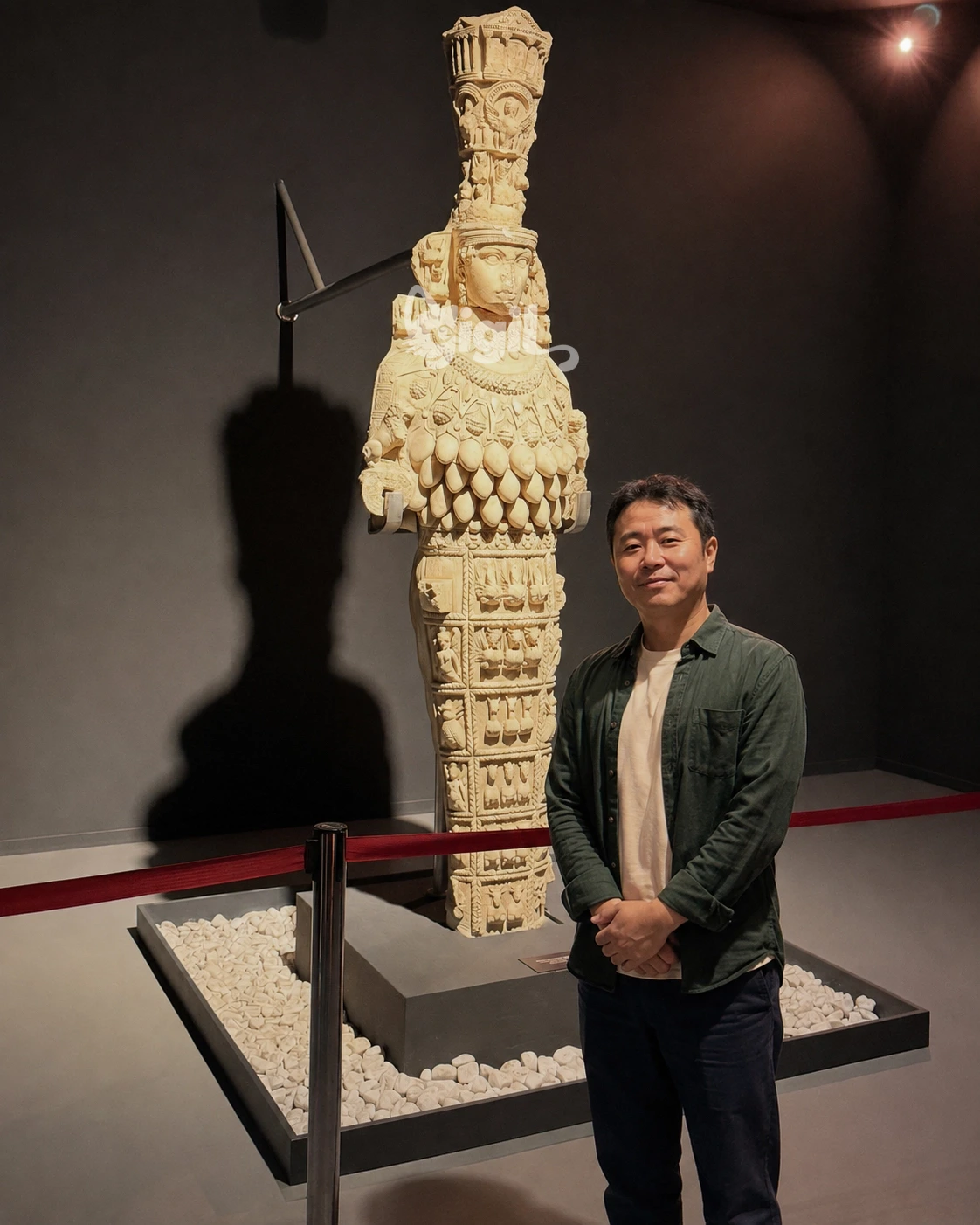
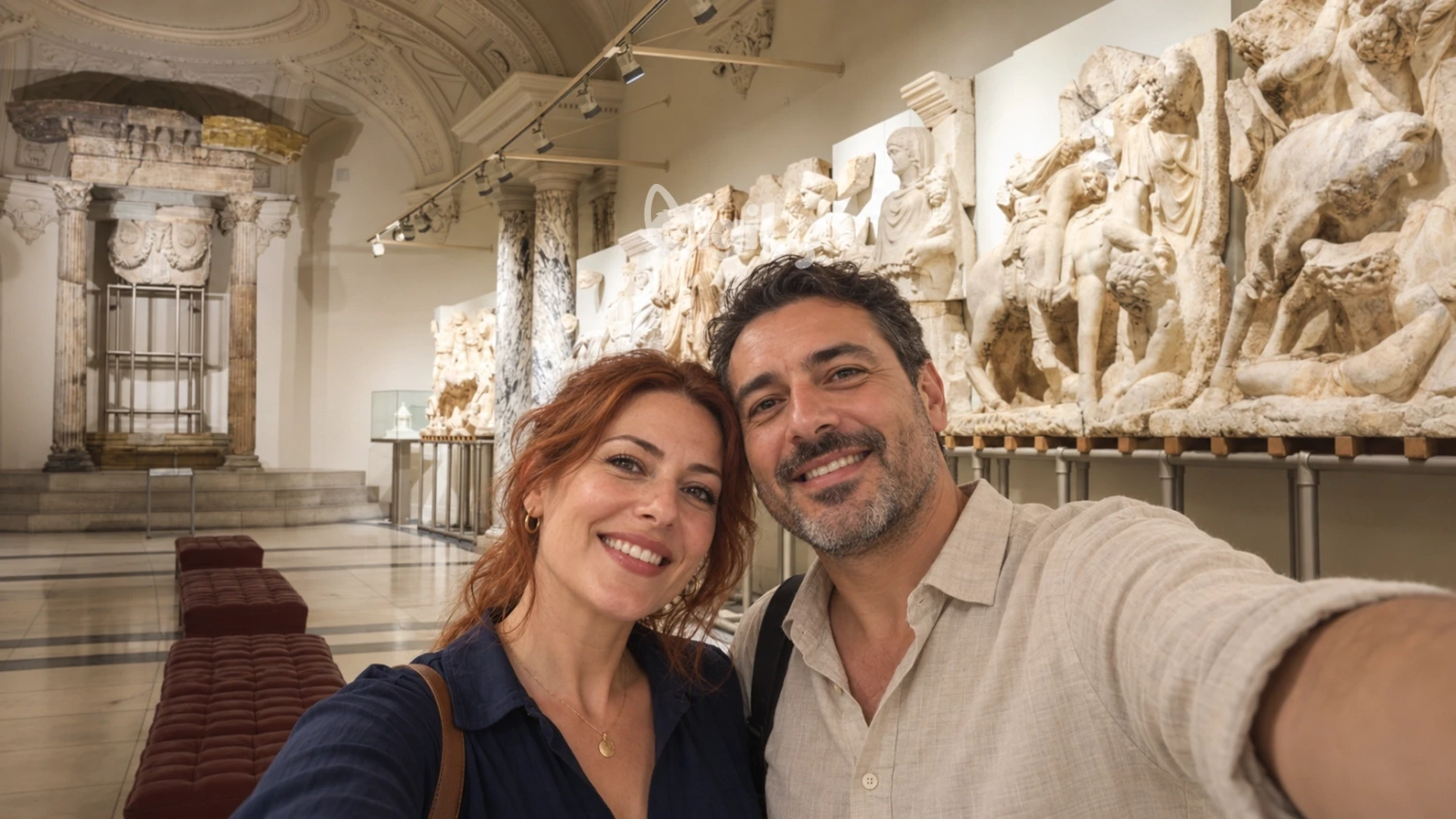
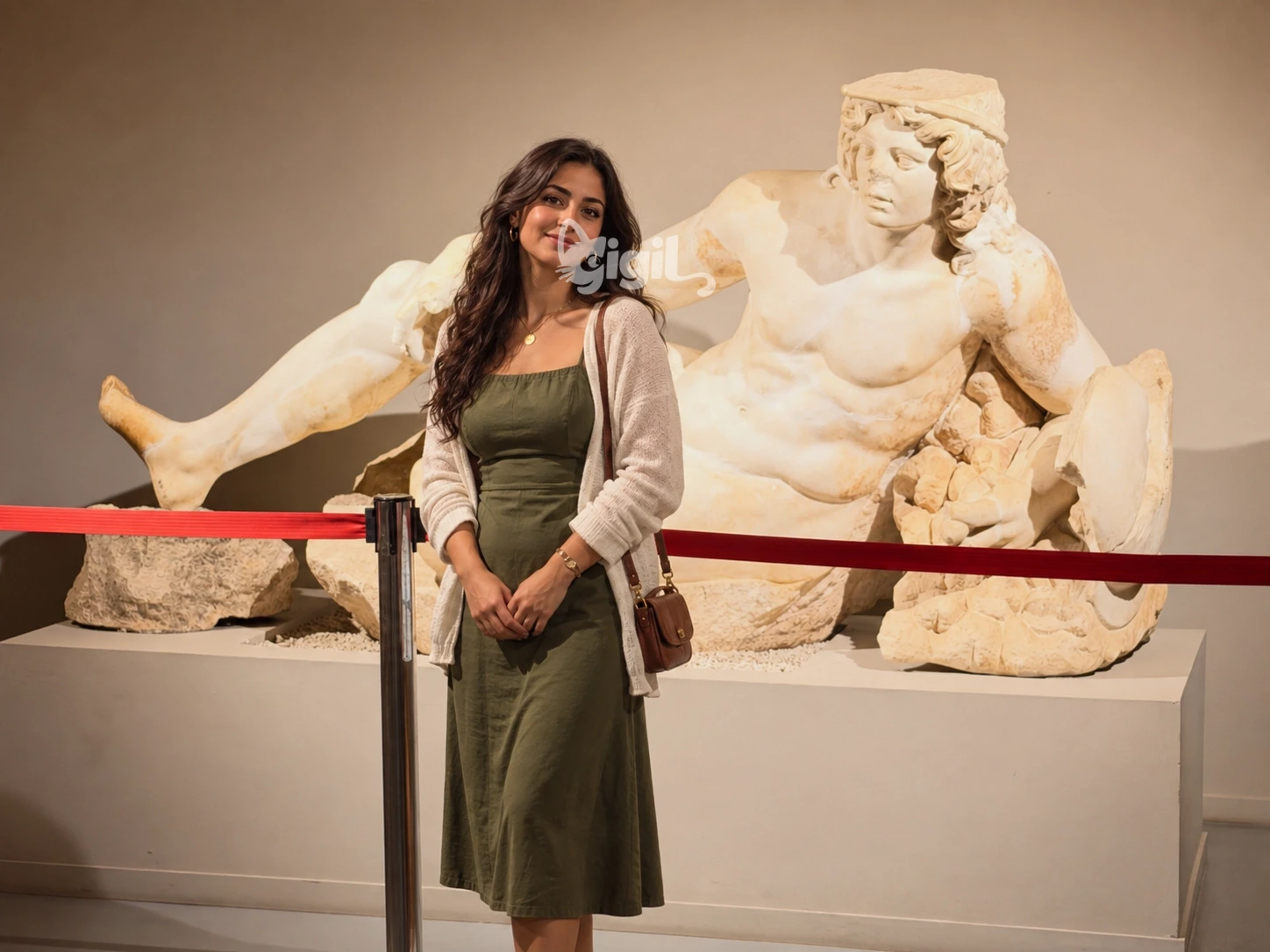
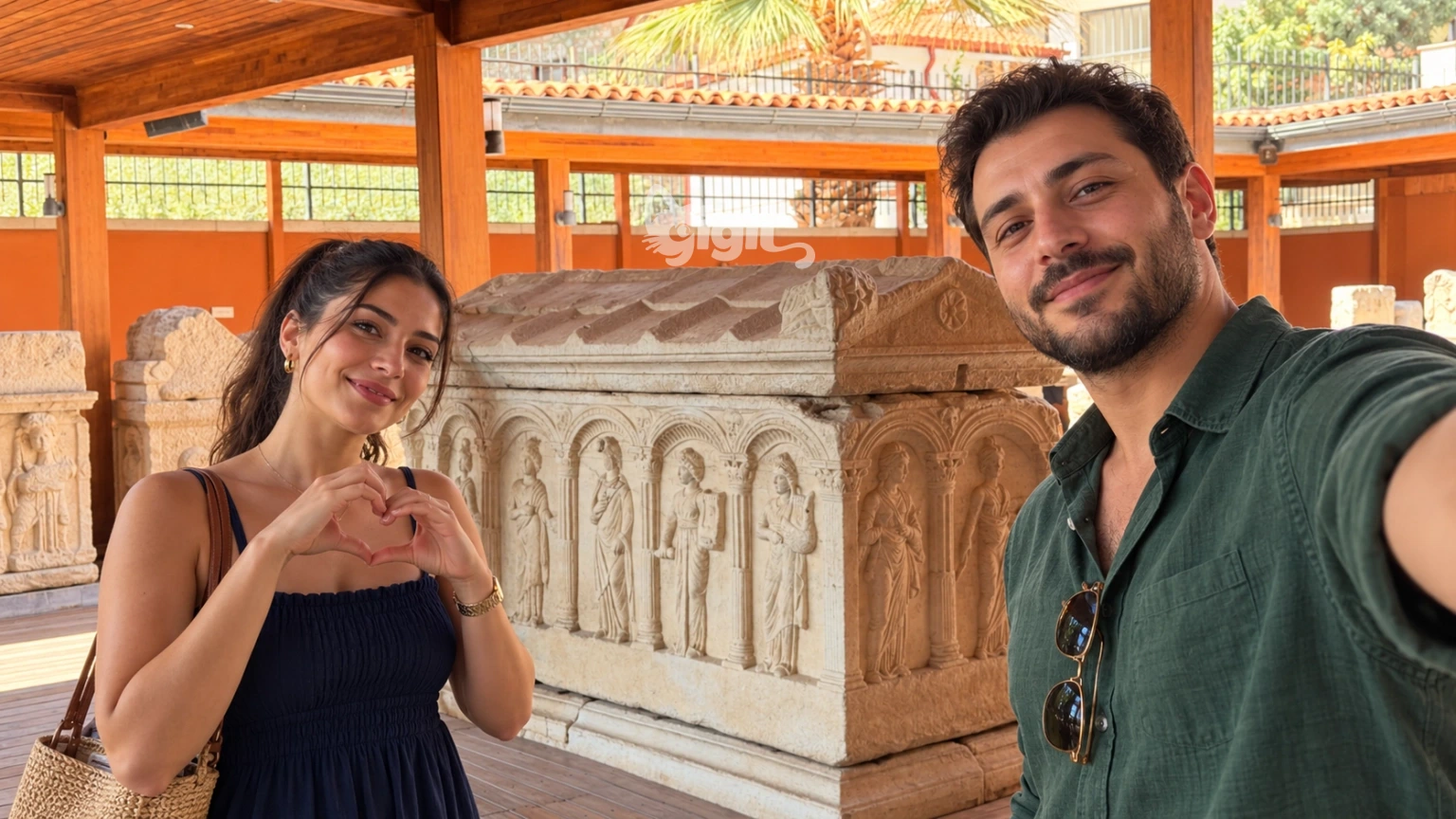
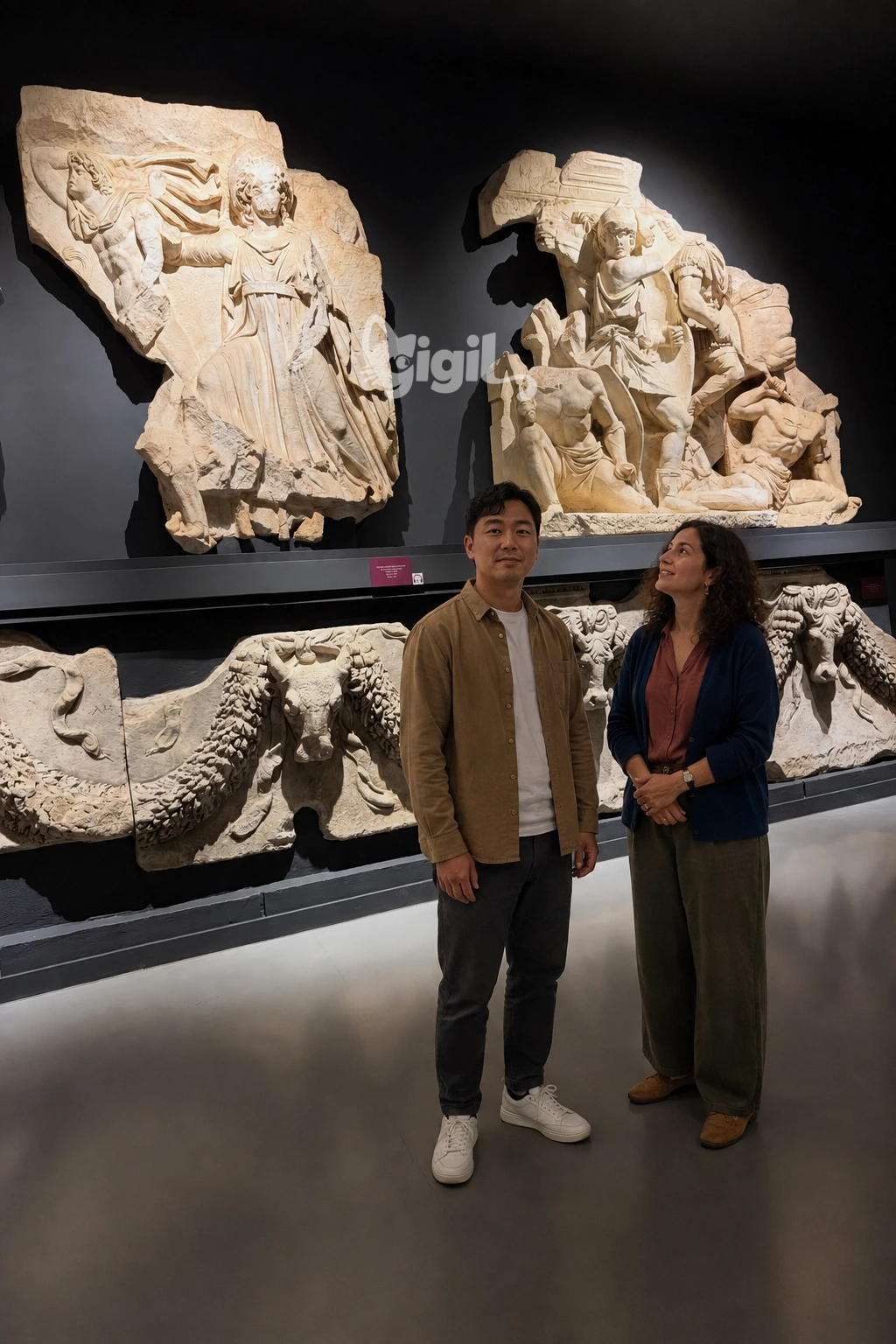
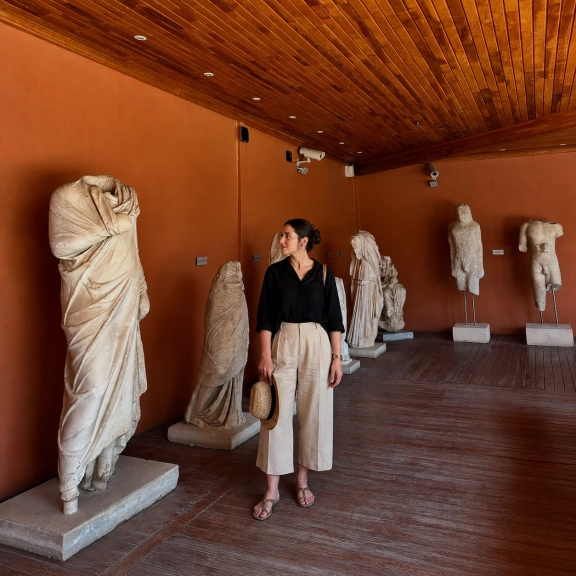
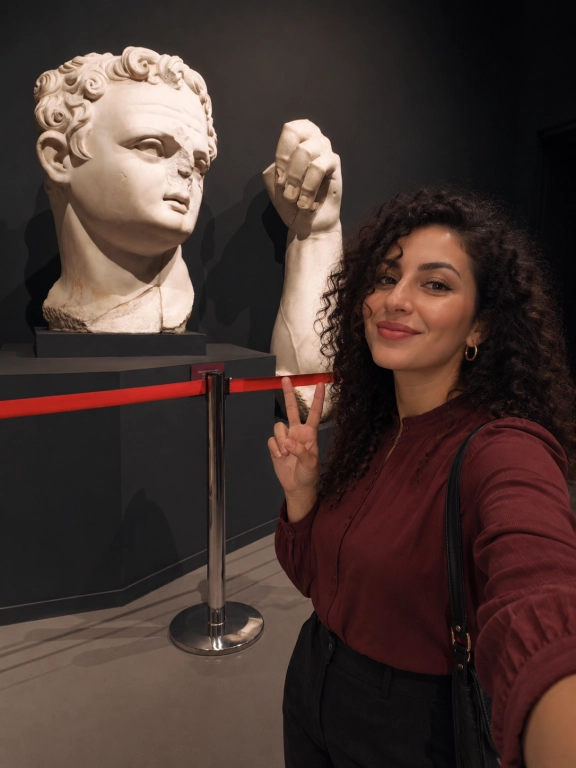
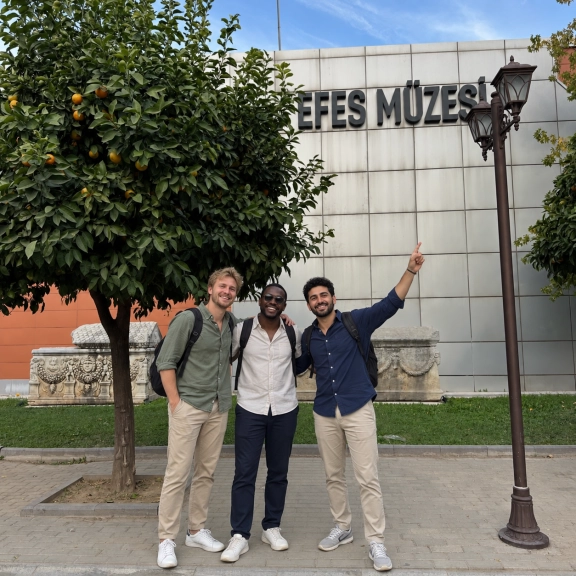
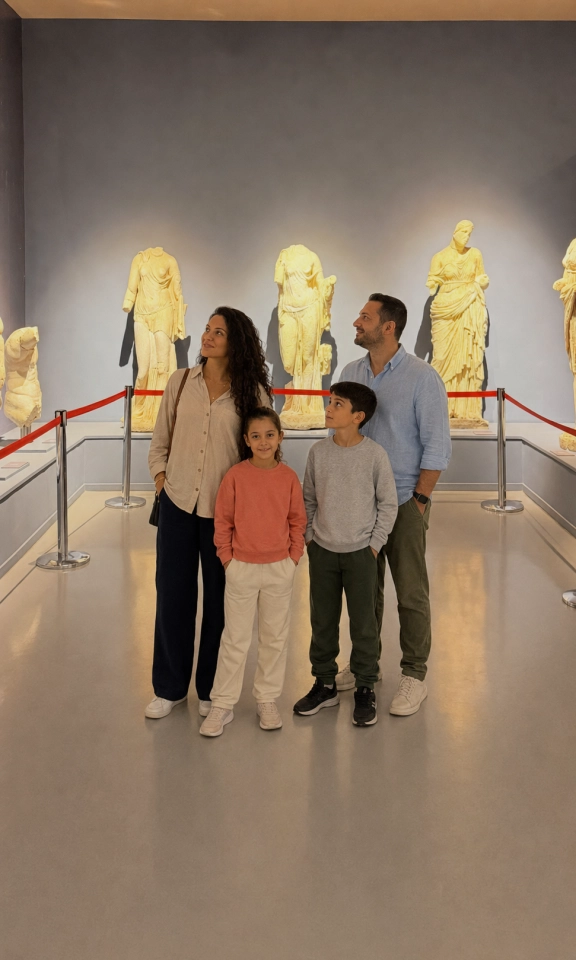
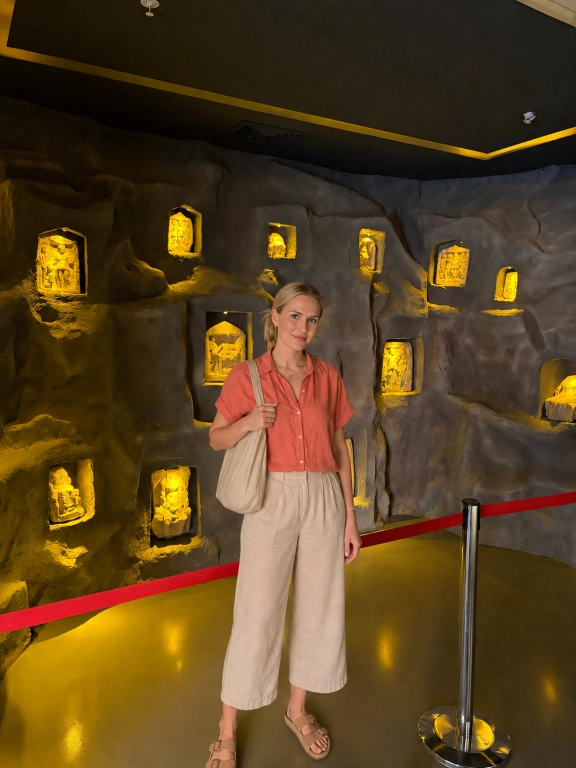
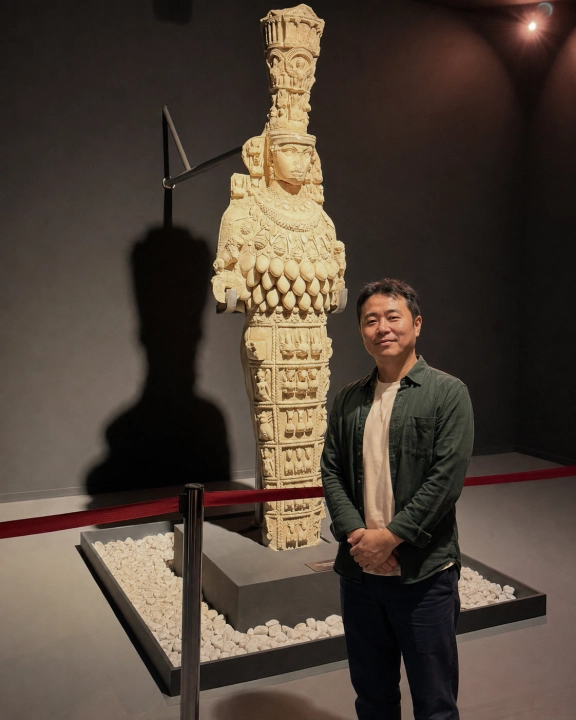
The Great Theatre and Library of Celsus help orient you in the Roman townscape. Follow the open route and look at how public spaces relate to one another, not only at the largest structures. The archaeological museum after lunch adds artefacts that bring a different scale to this urban story.
Questions
Why begin with the landscape as well as the ruins?
The former port-city setting explains a relationship with the sea that is no longer apparent at first glance.
How do streets help interpret civic buildings?
They show connections and approaches that make each building part of a larger urban arrangement.
What limits the areas I can explore?
The route must remain within the parts of the archaeological site open to visitors.
Why is the museum a second perspective?
Its exhibits supply smaller-scale evidence alongside the public architecture seen at the ancient city.