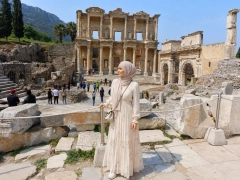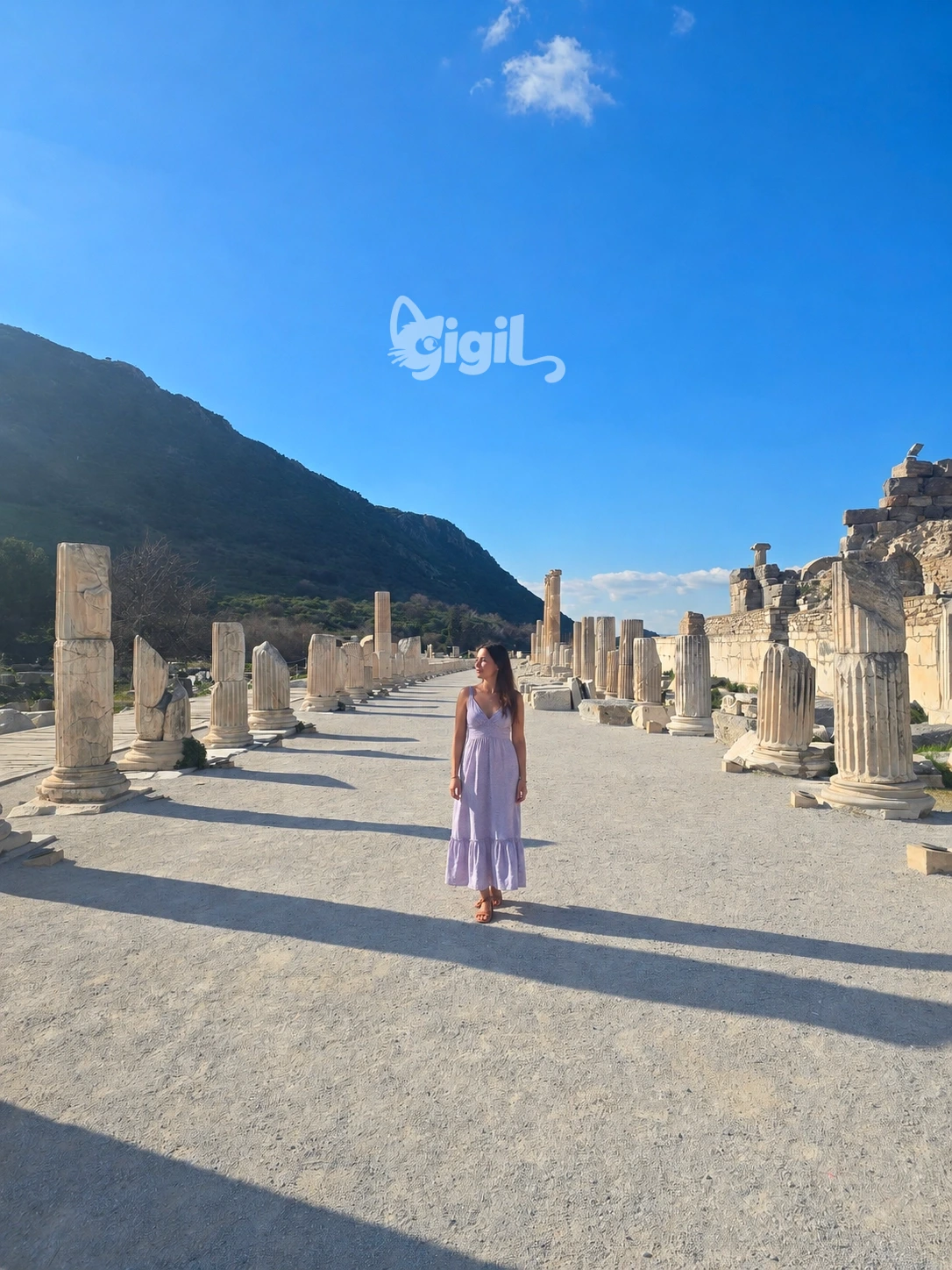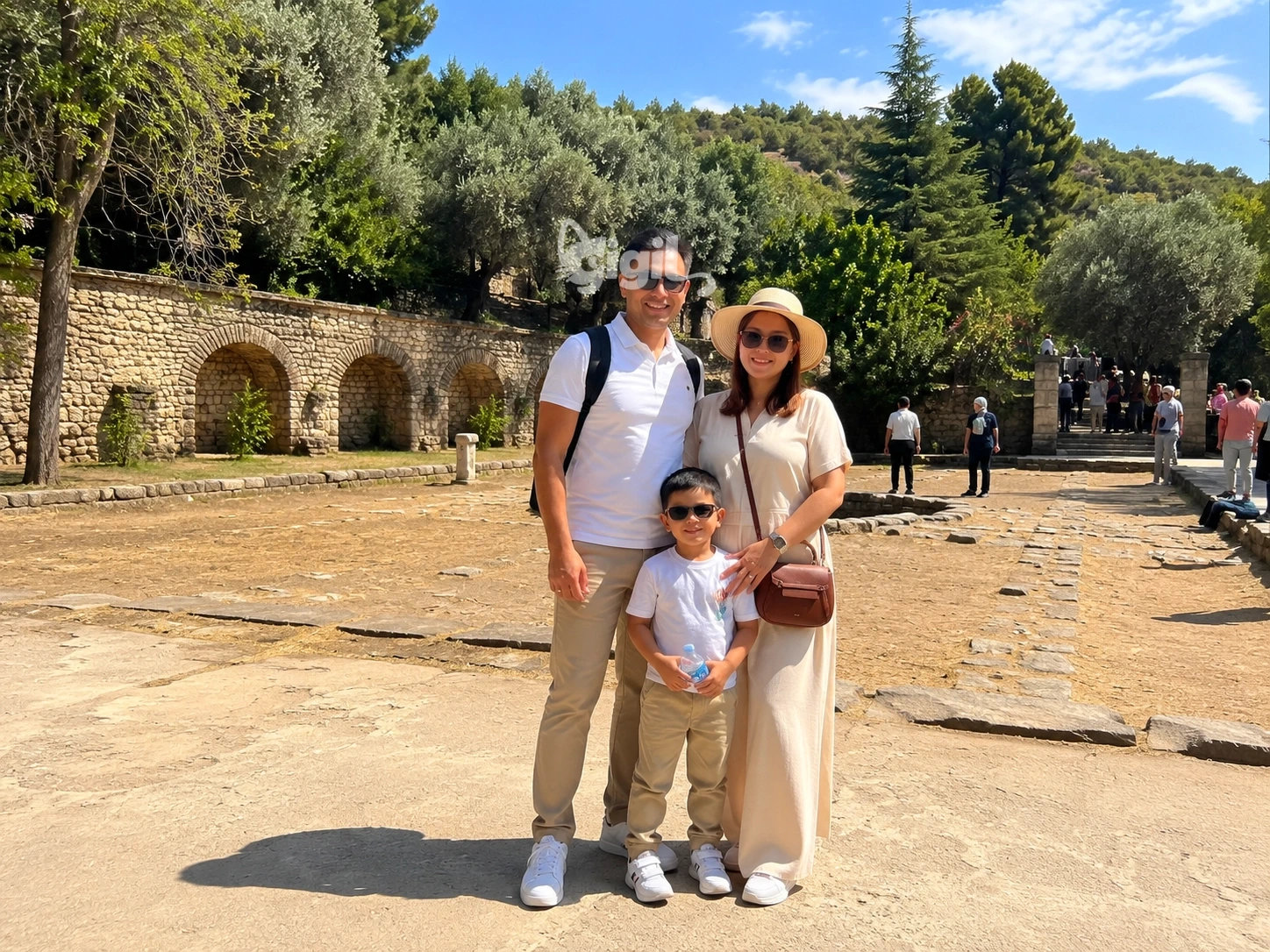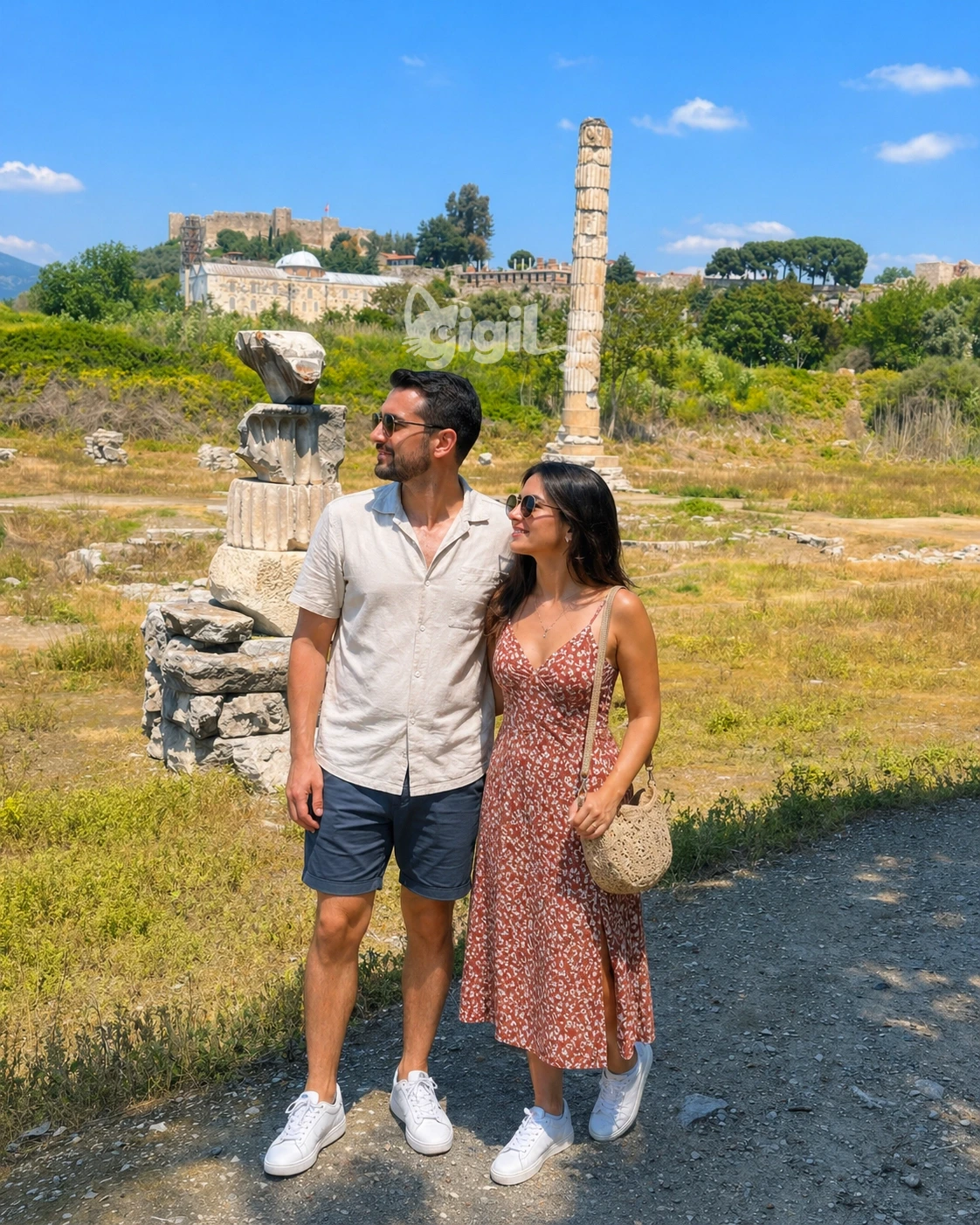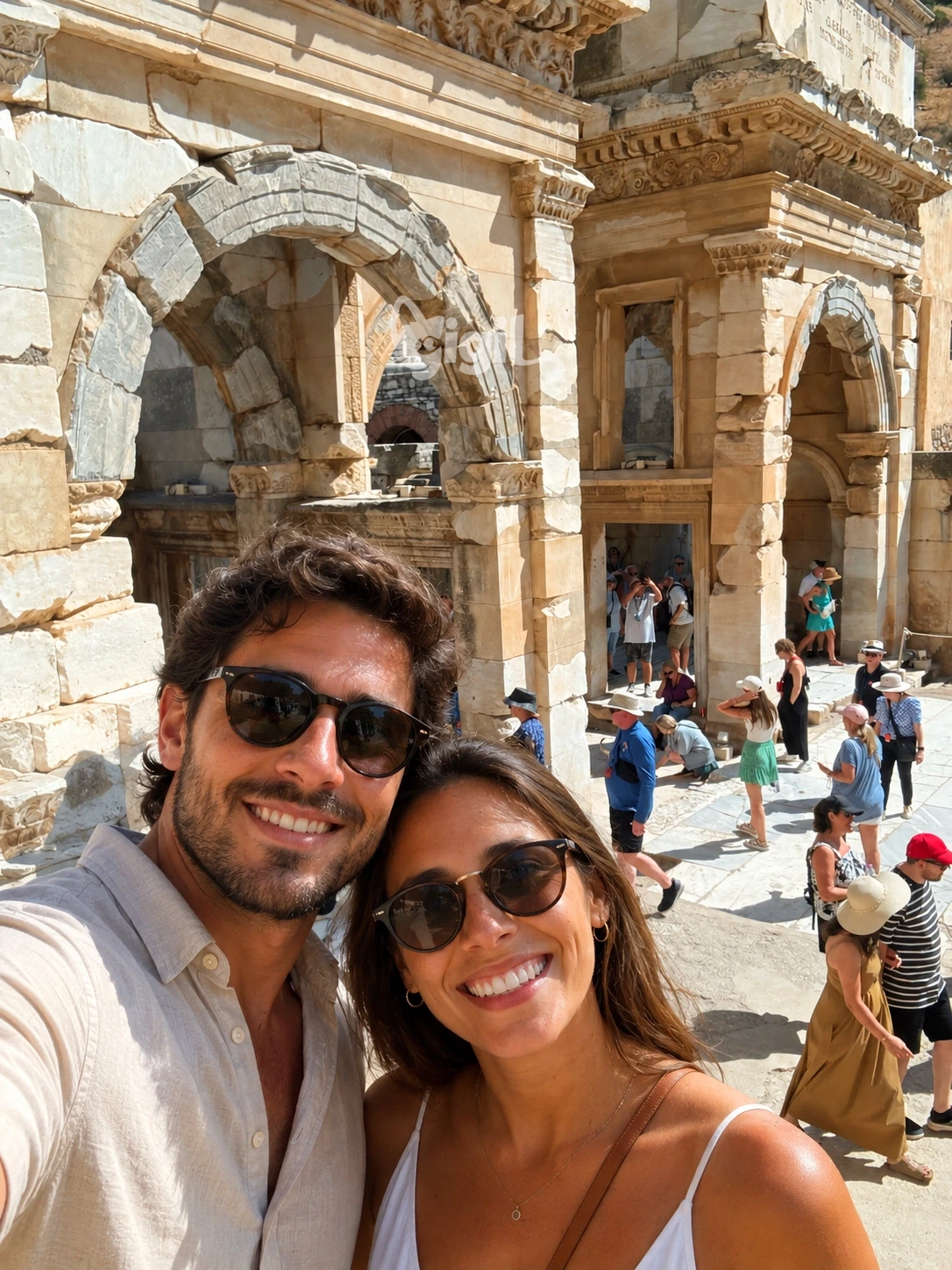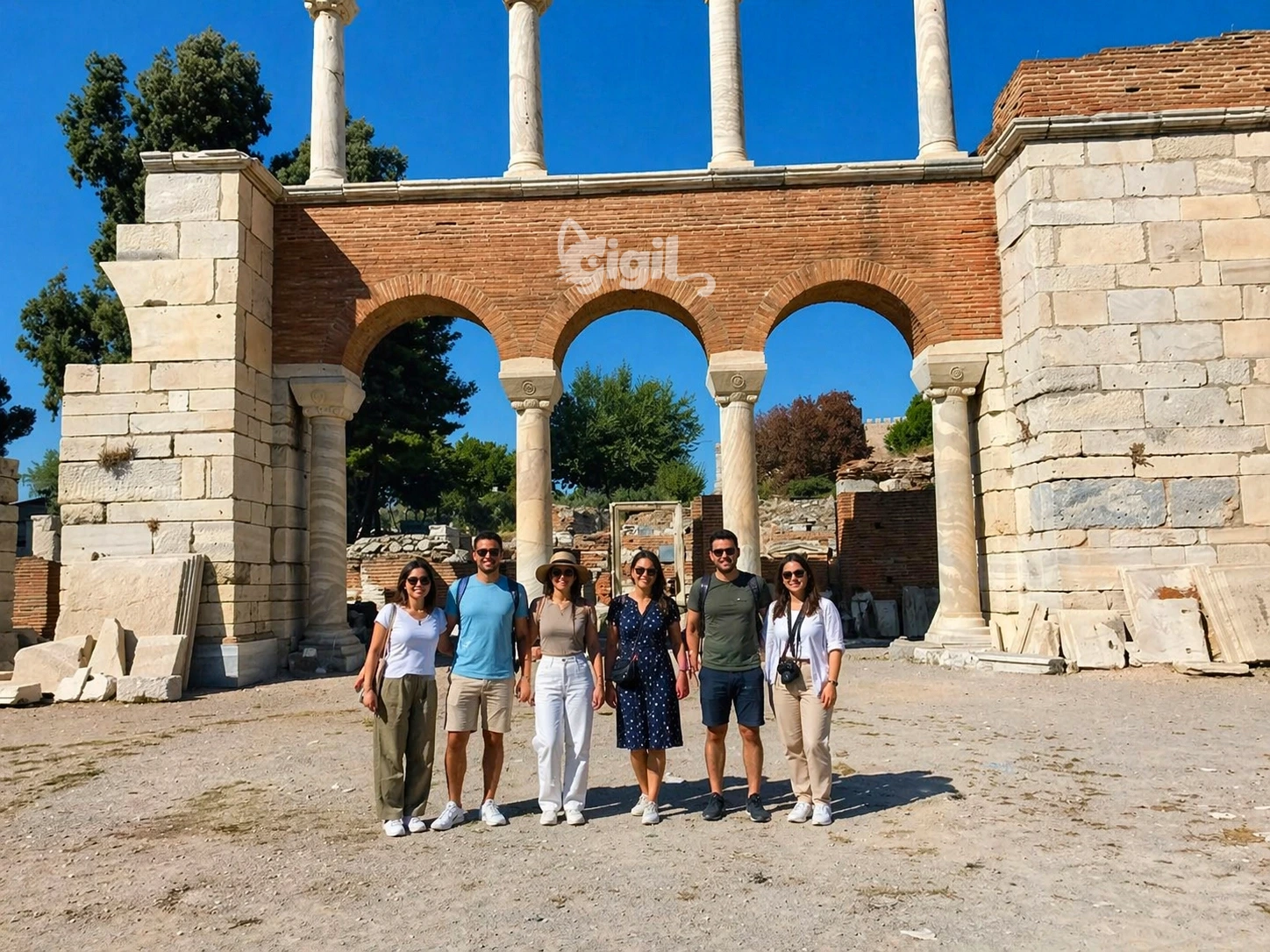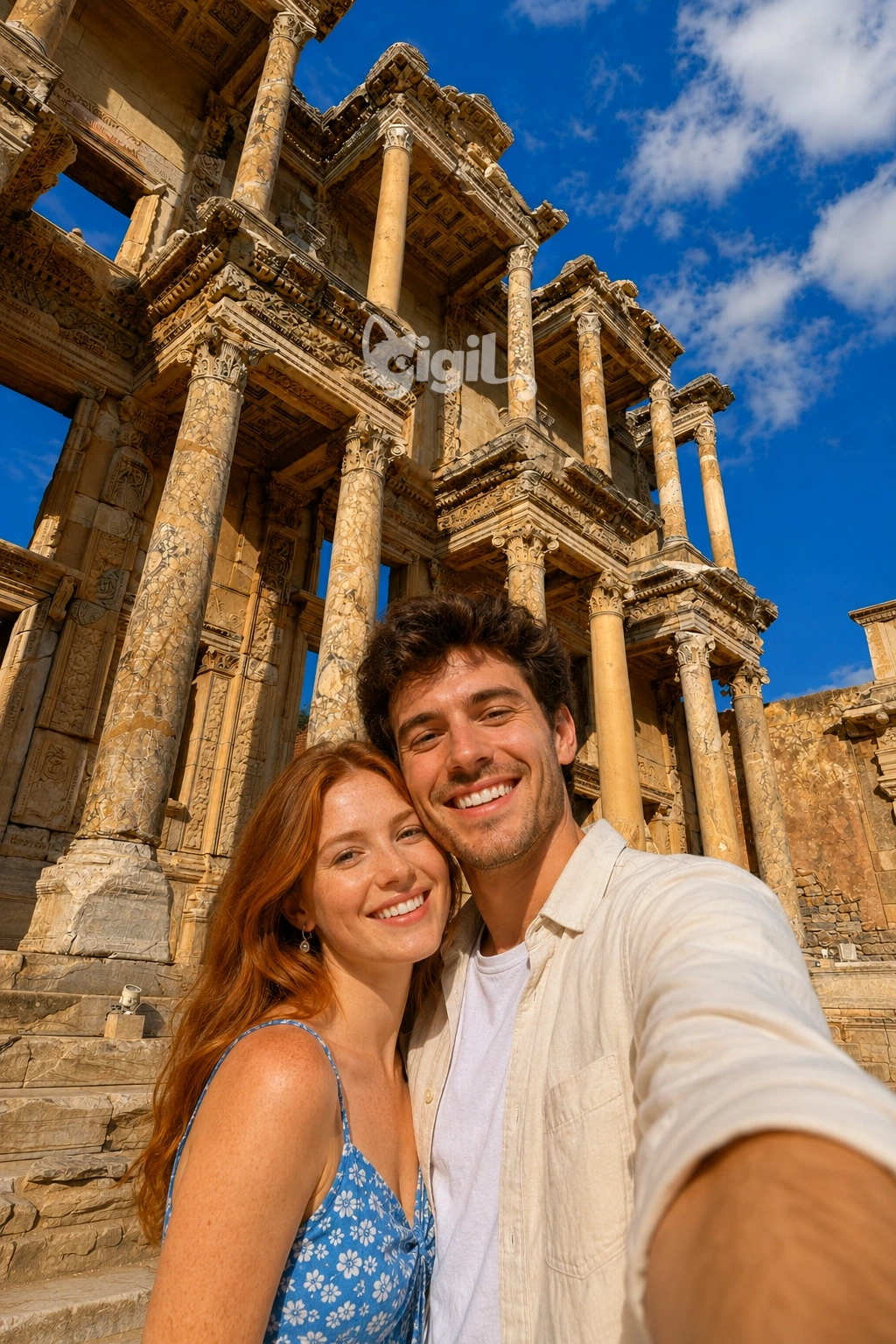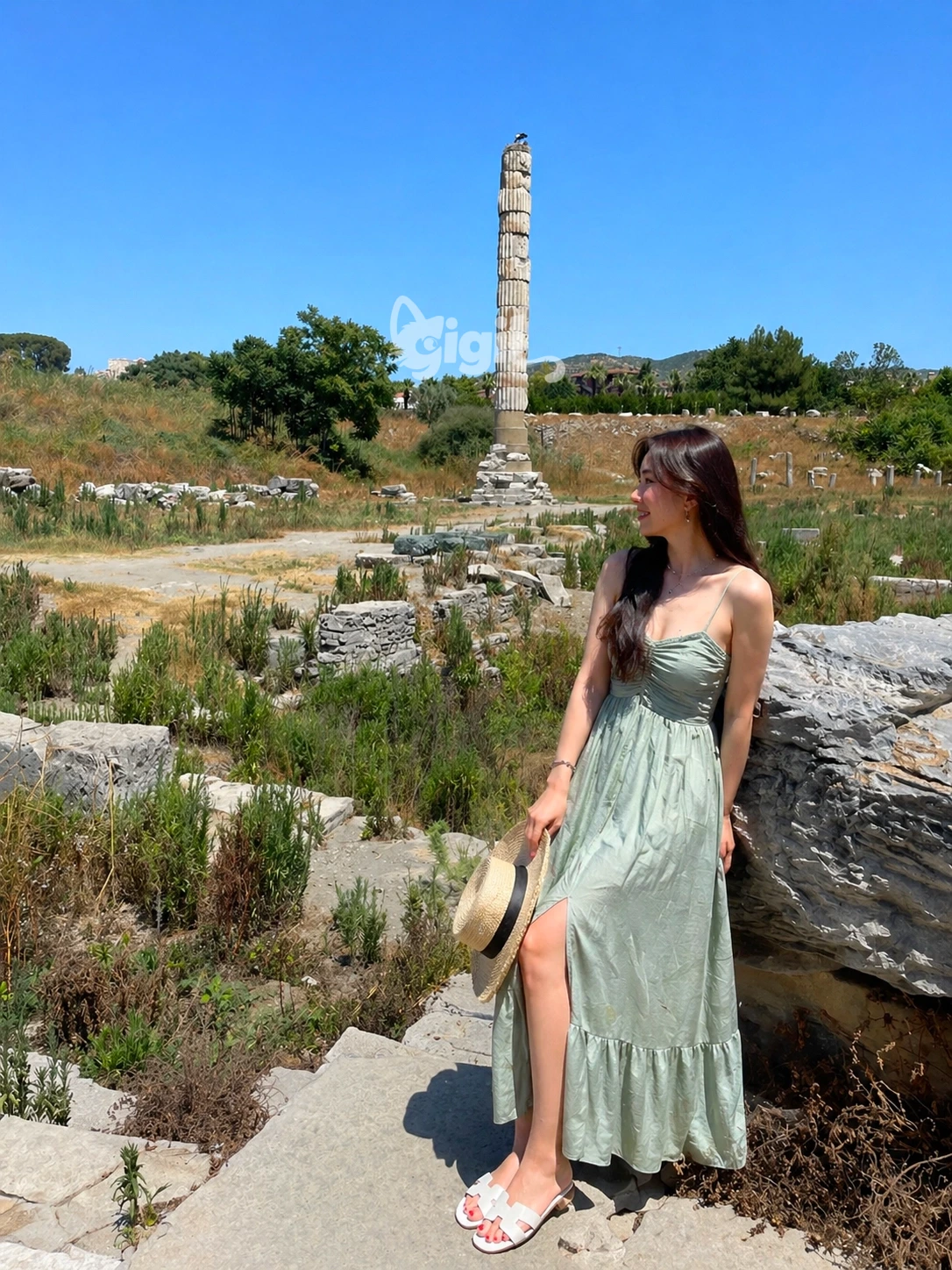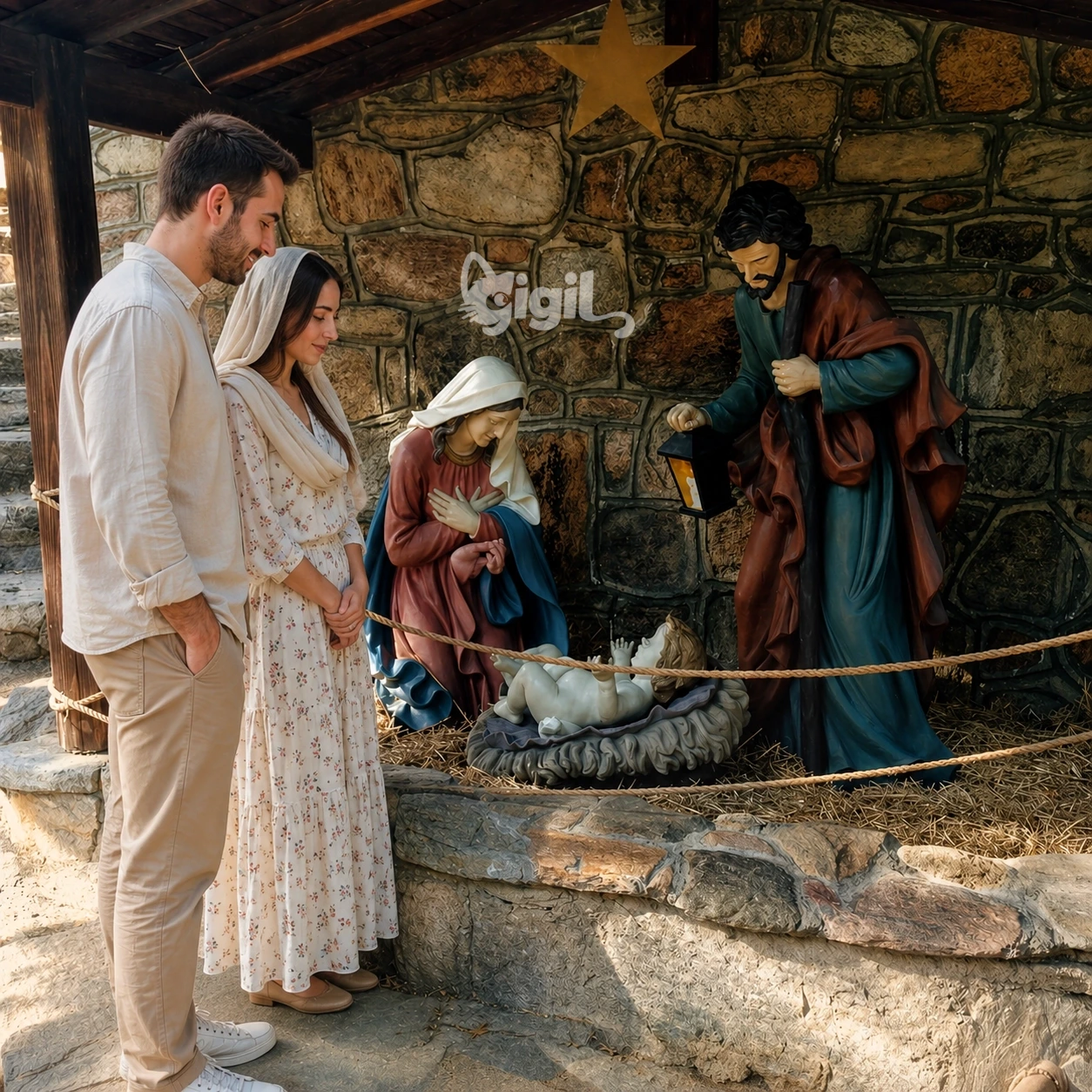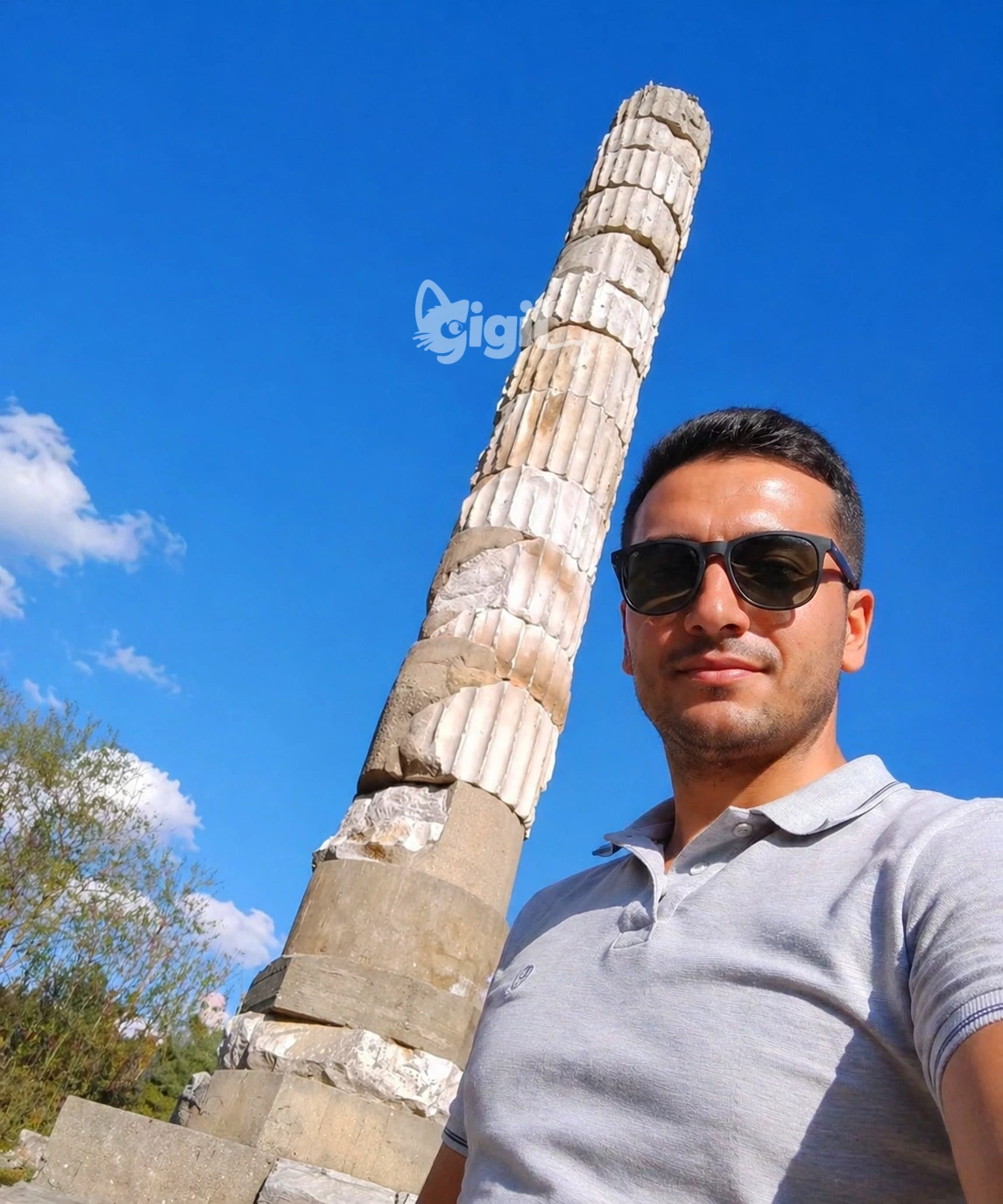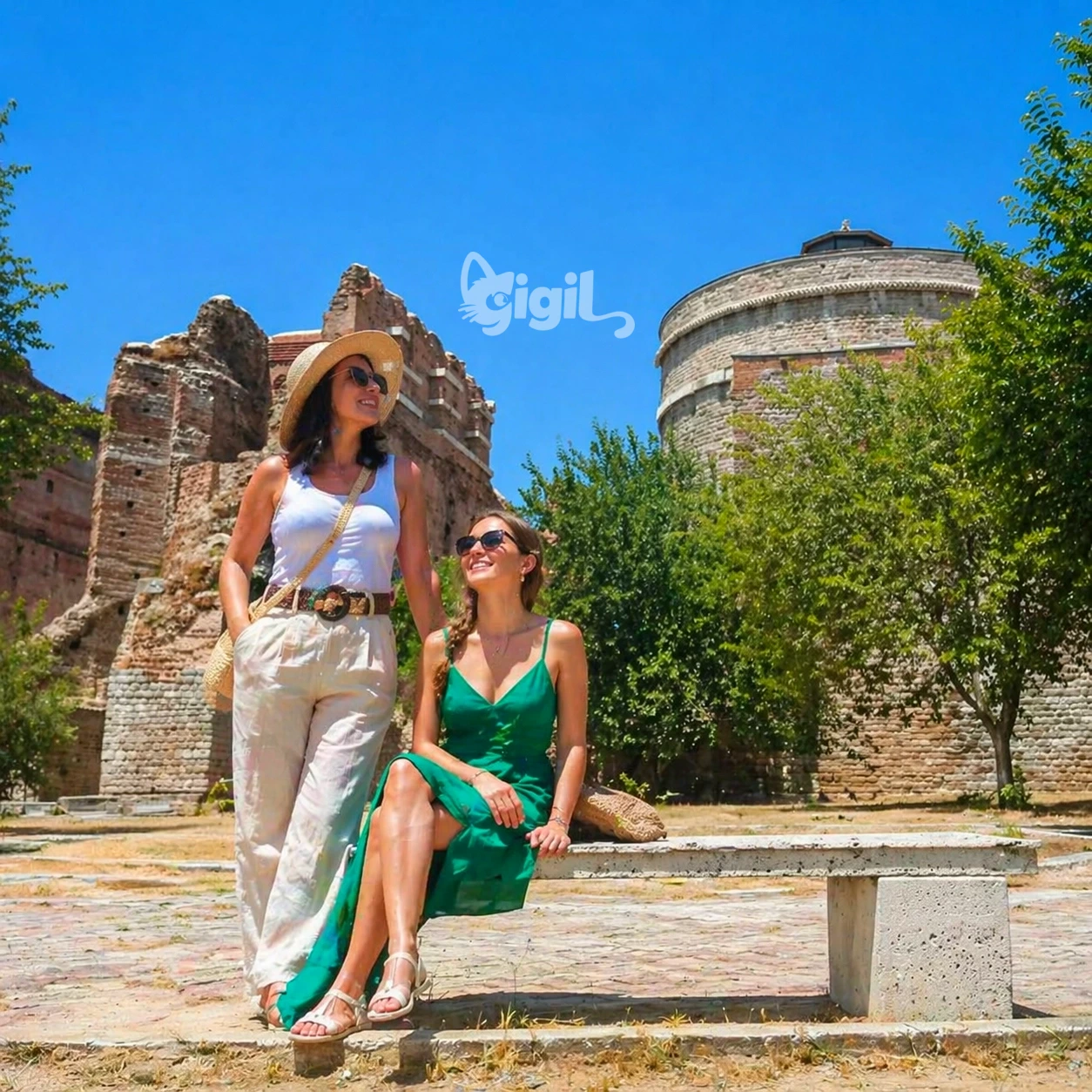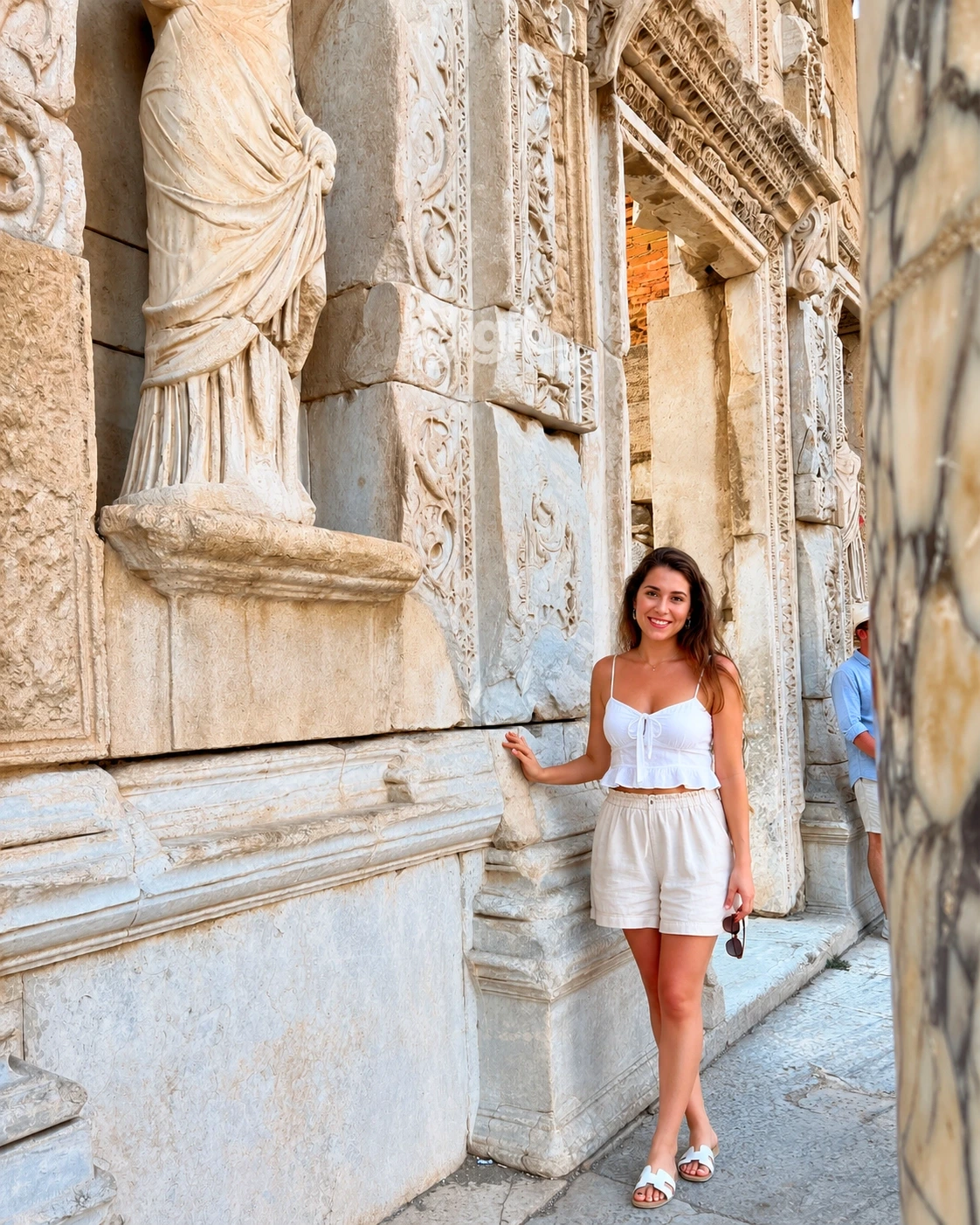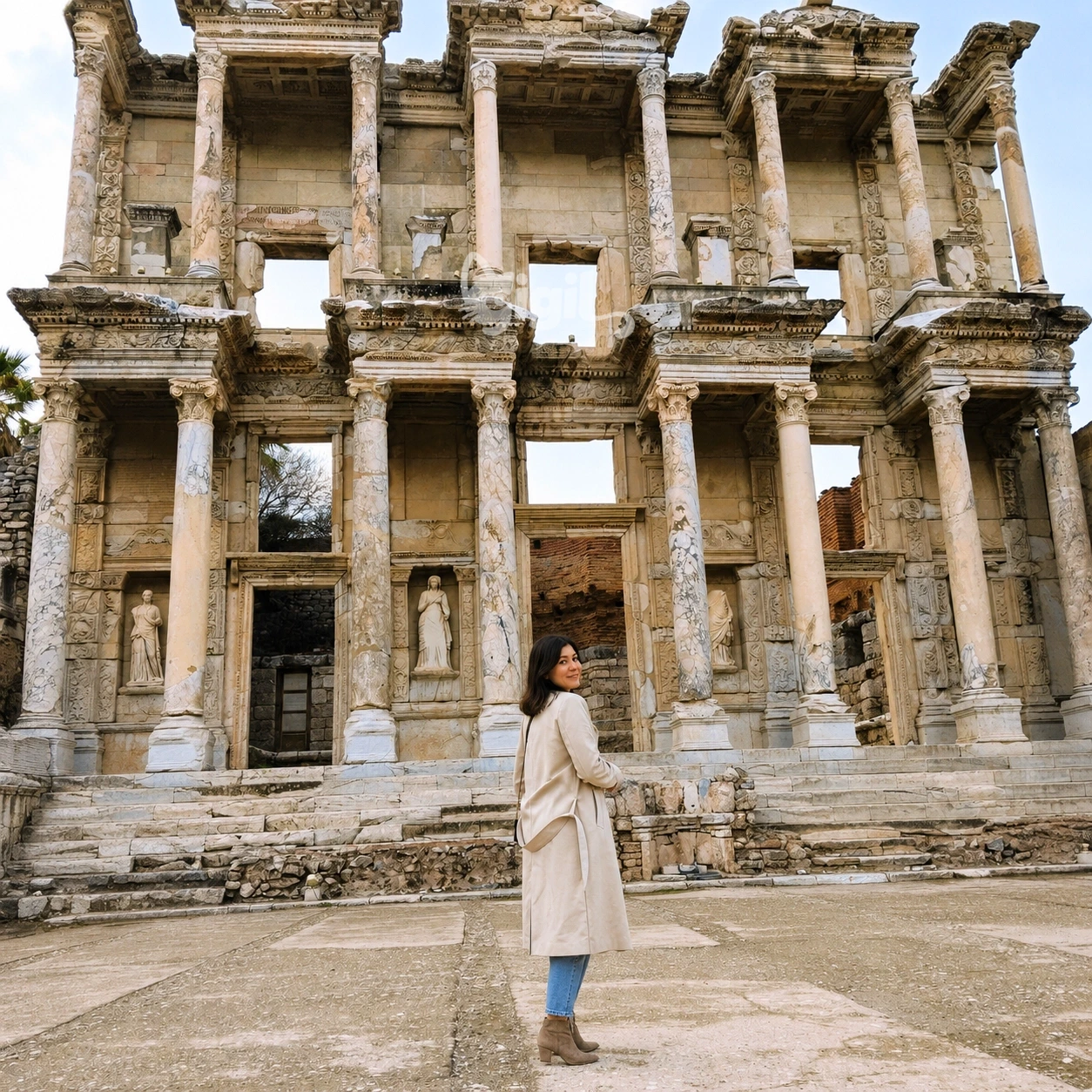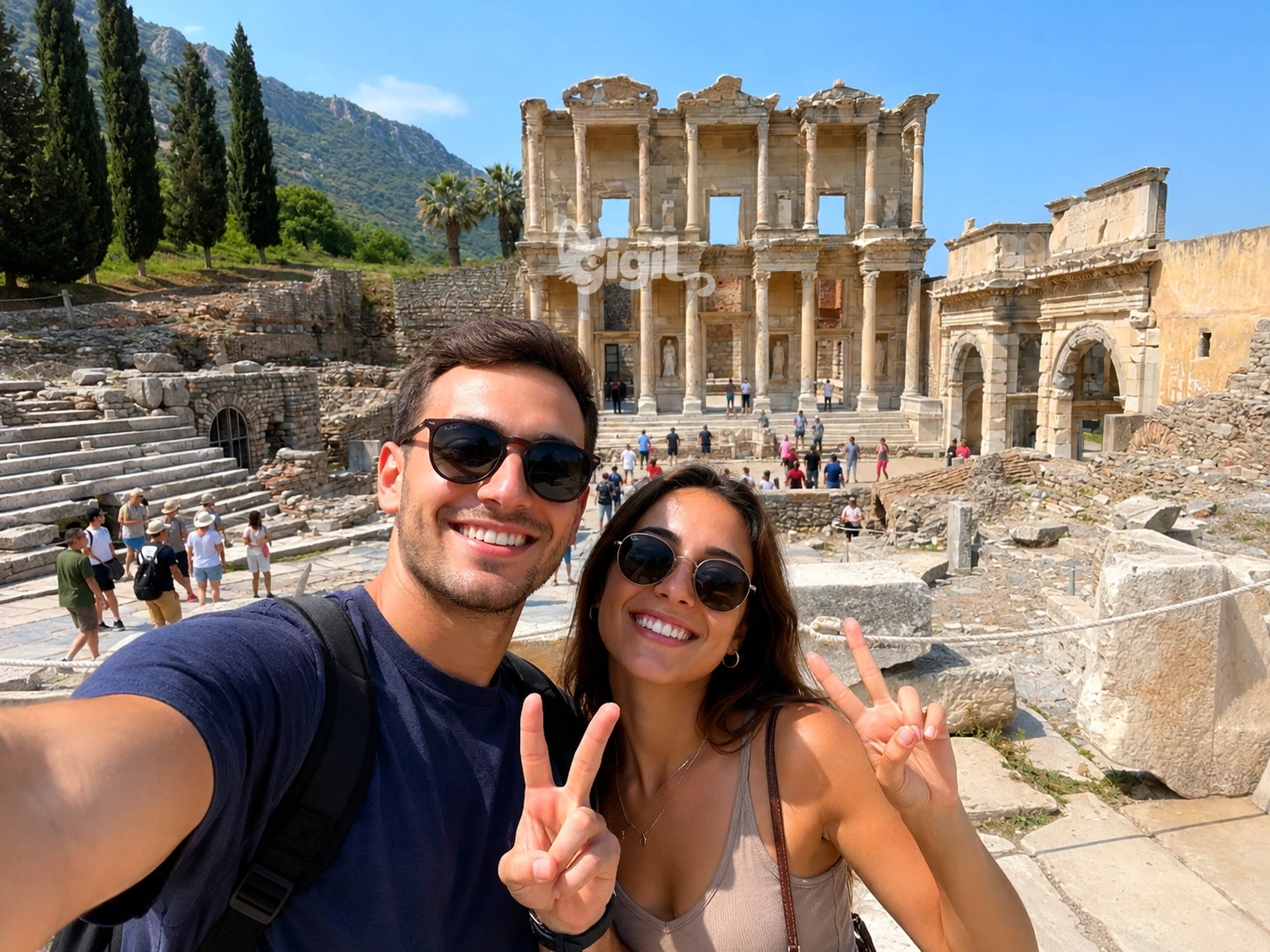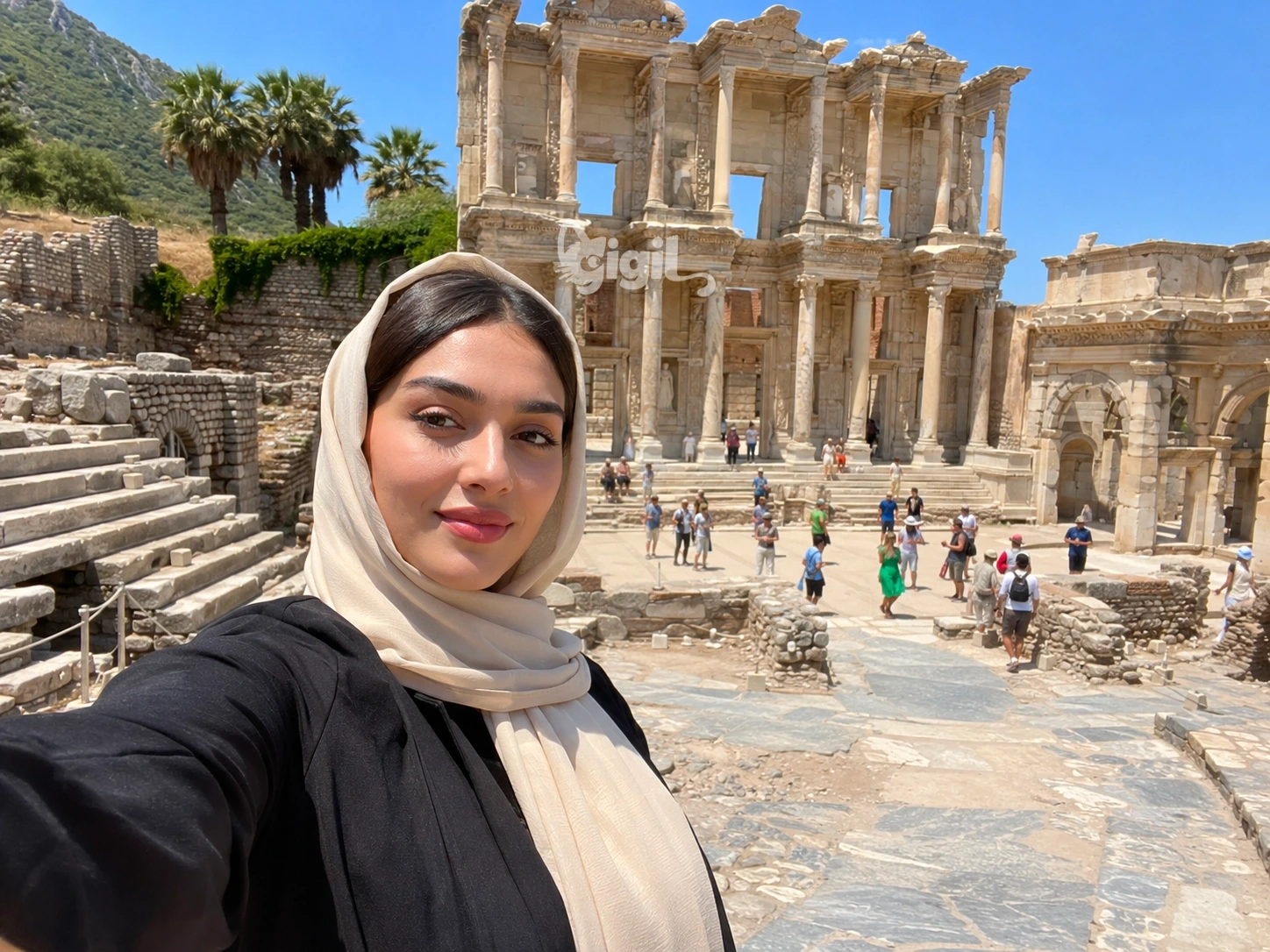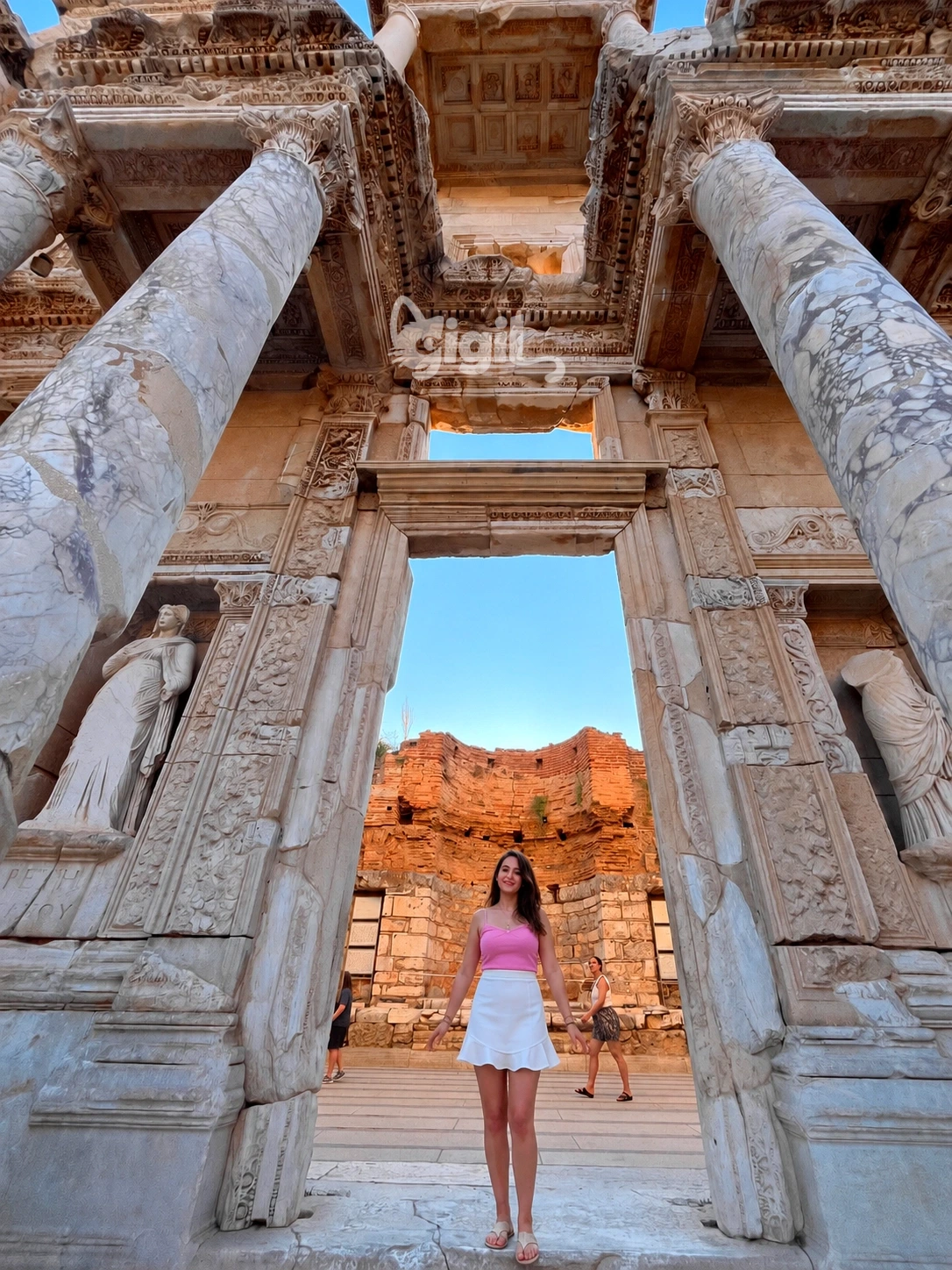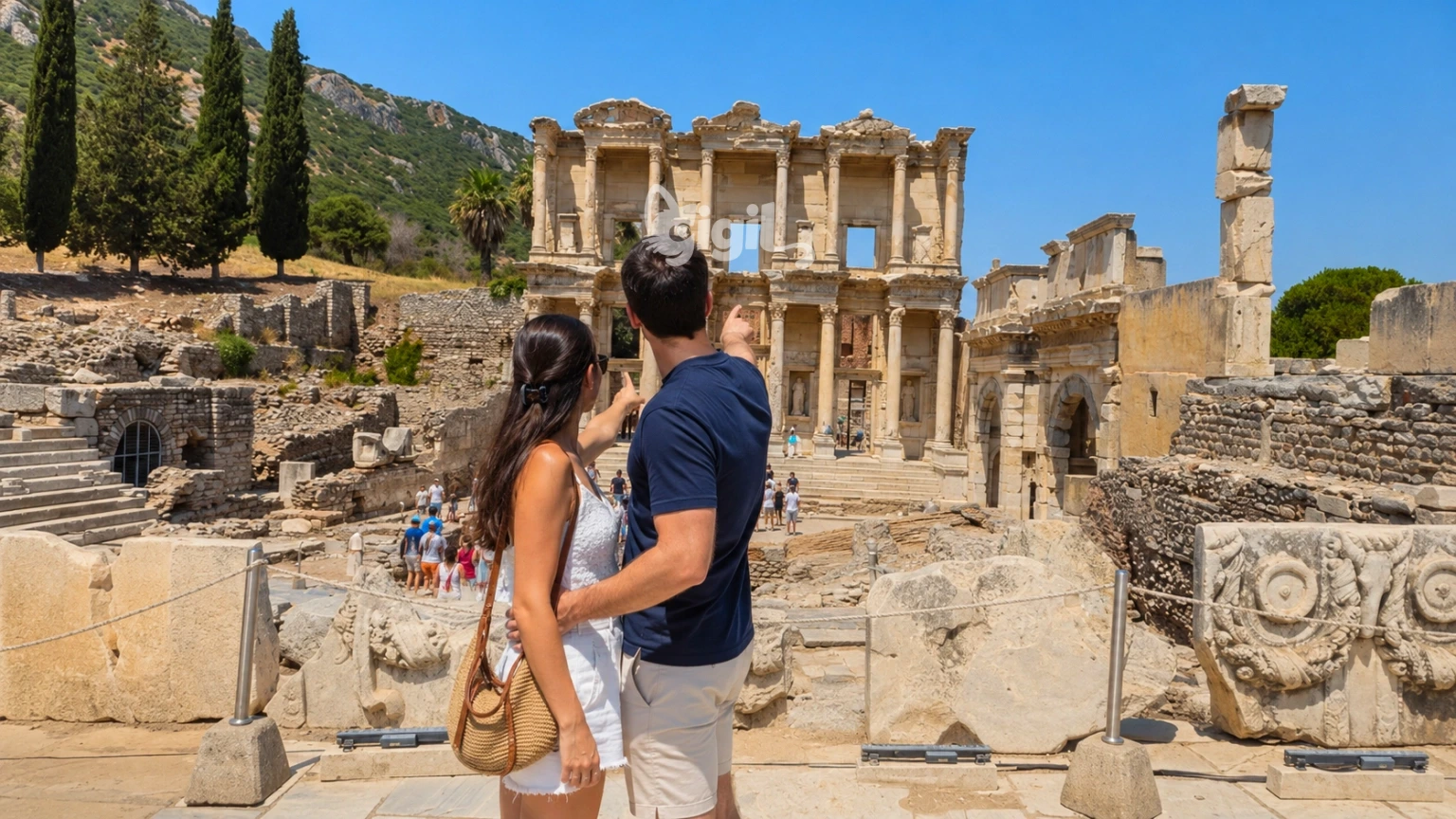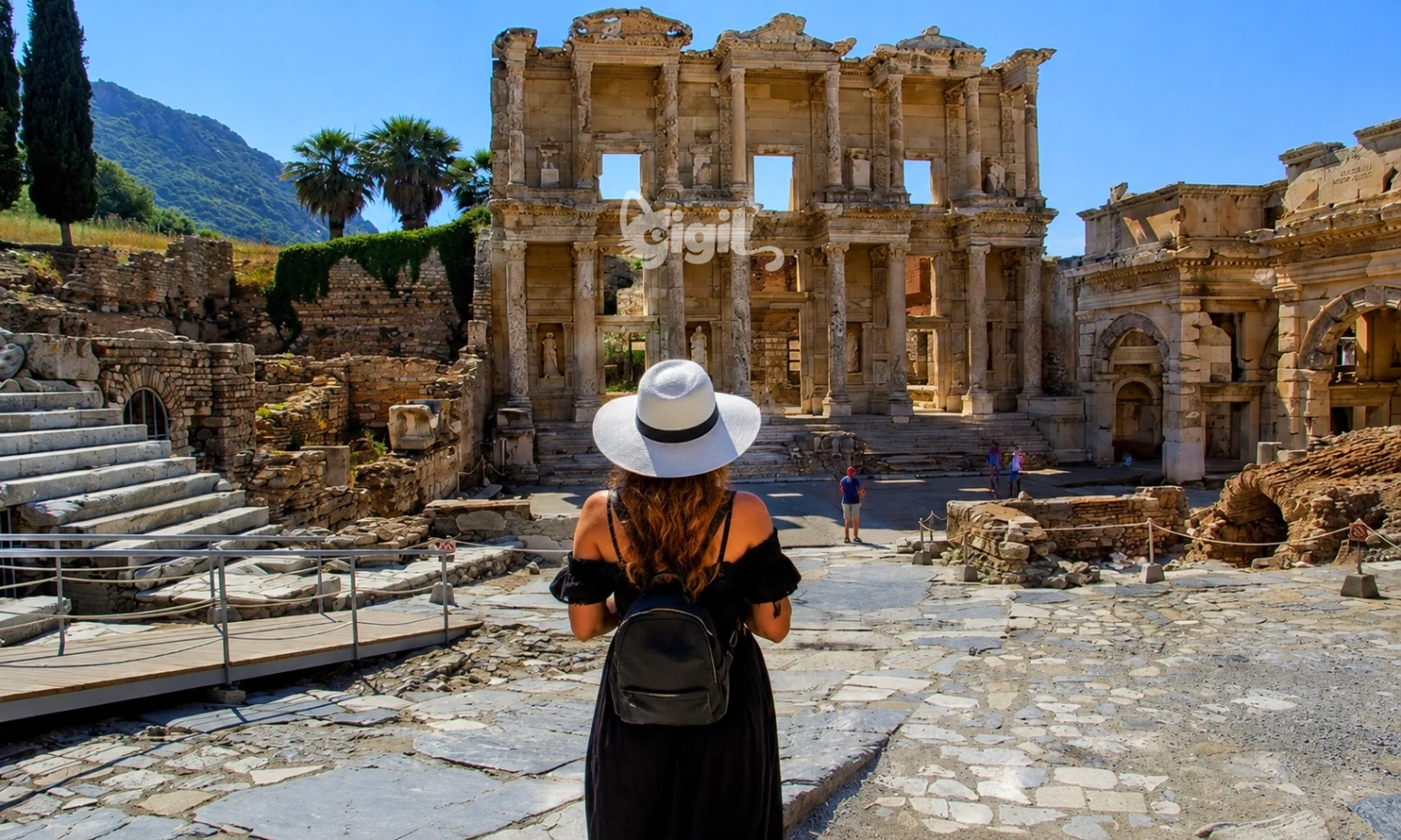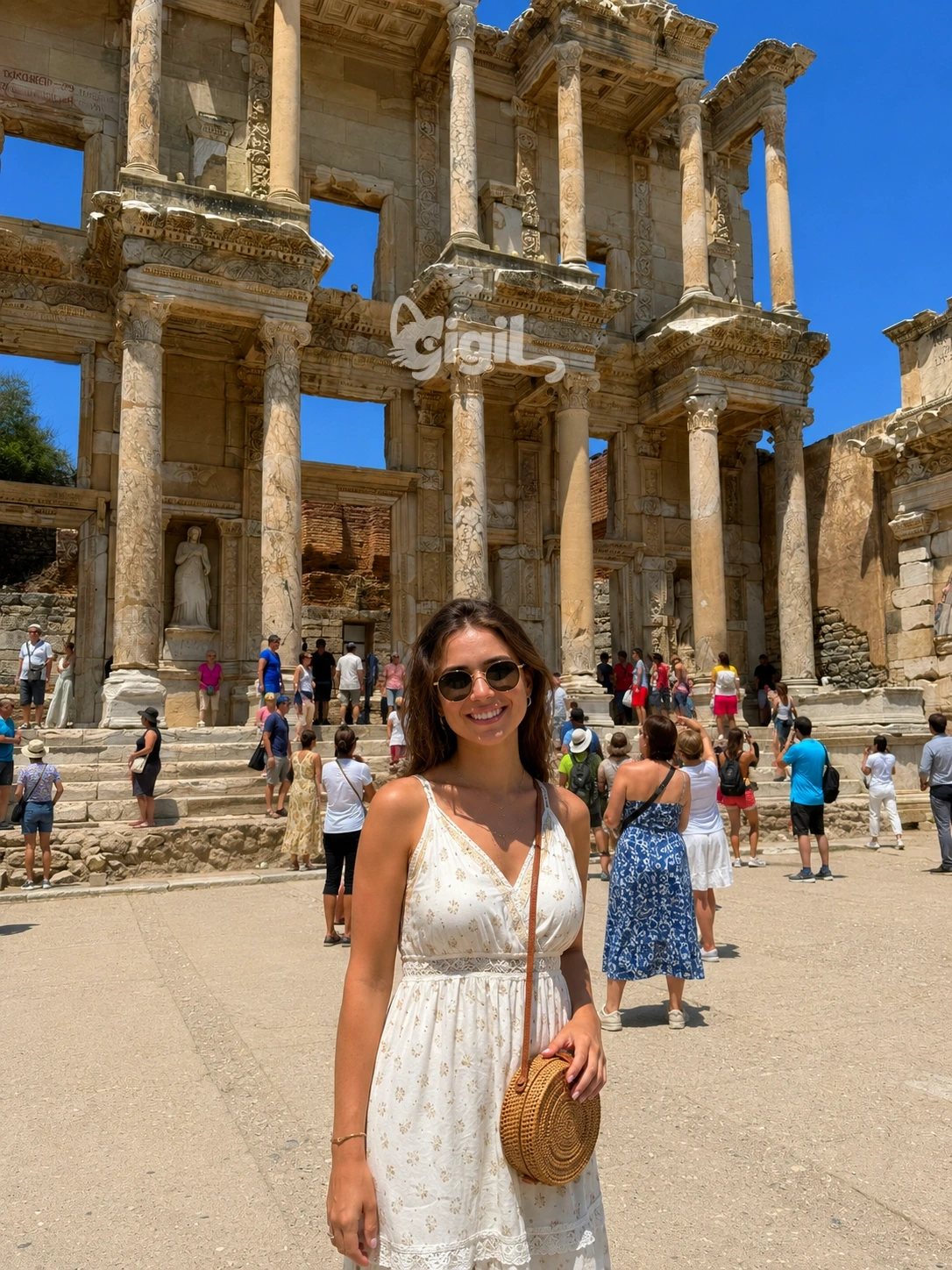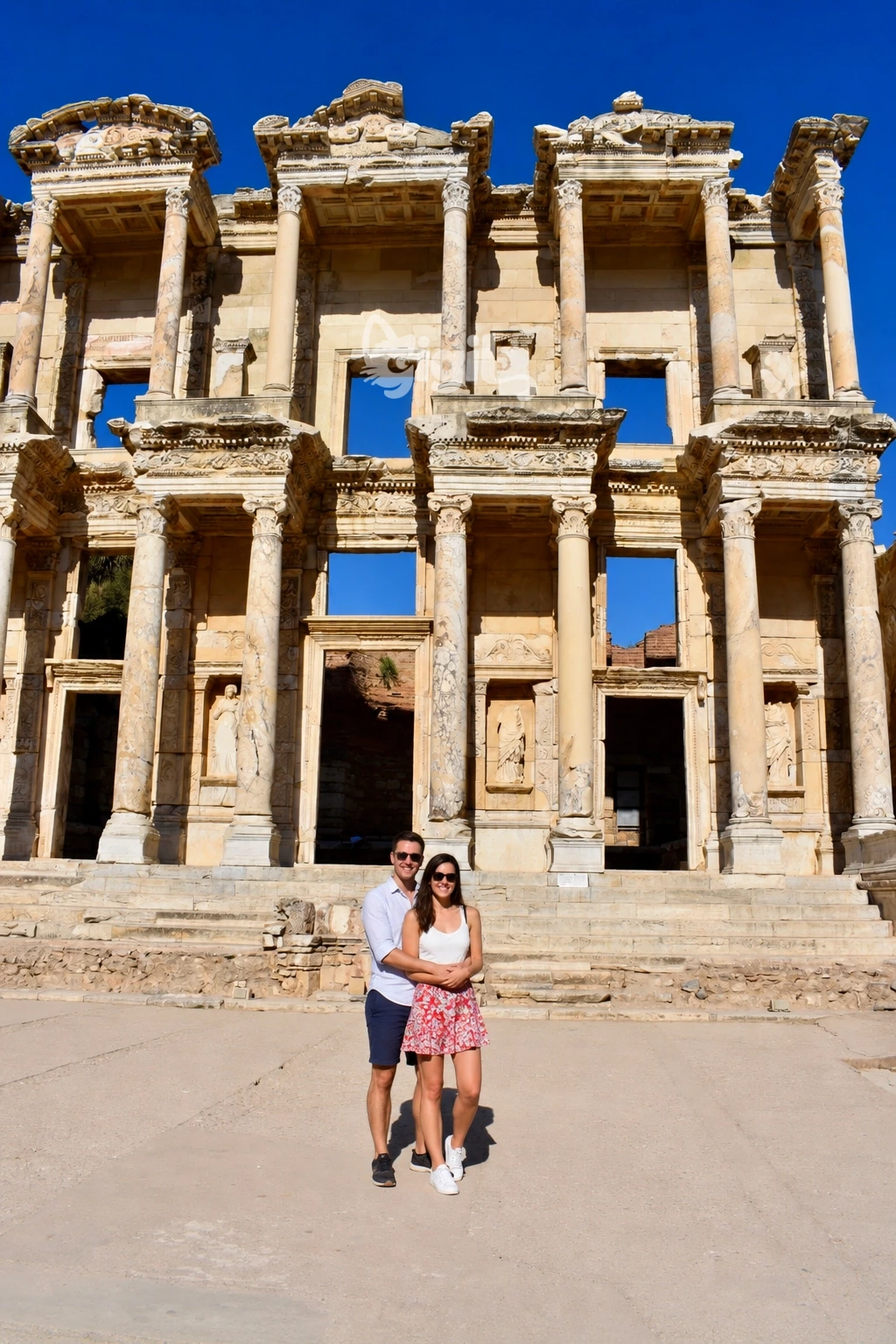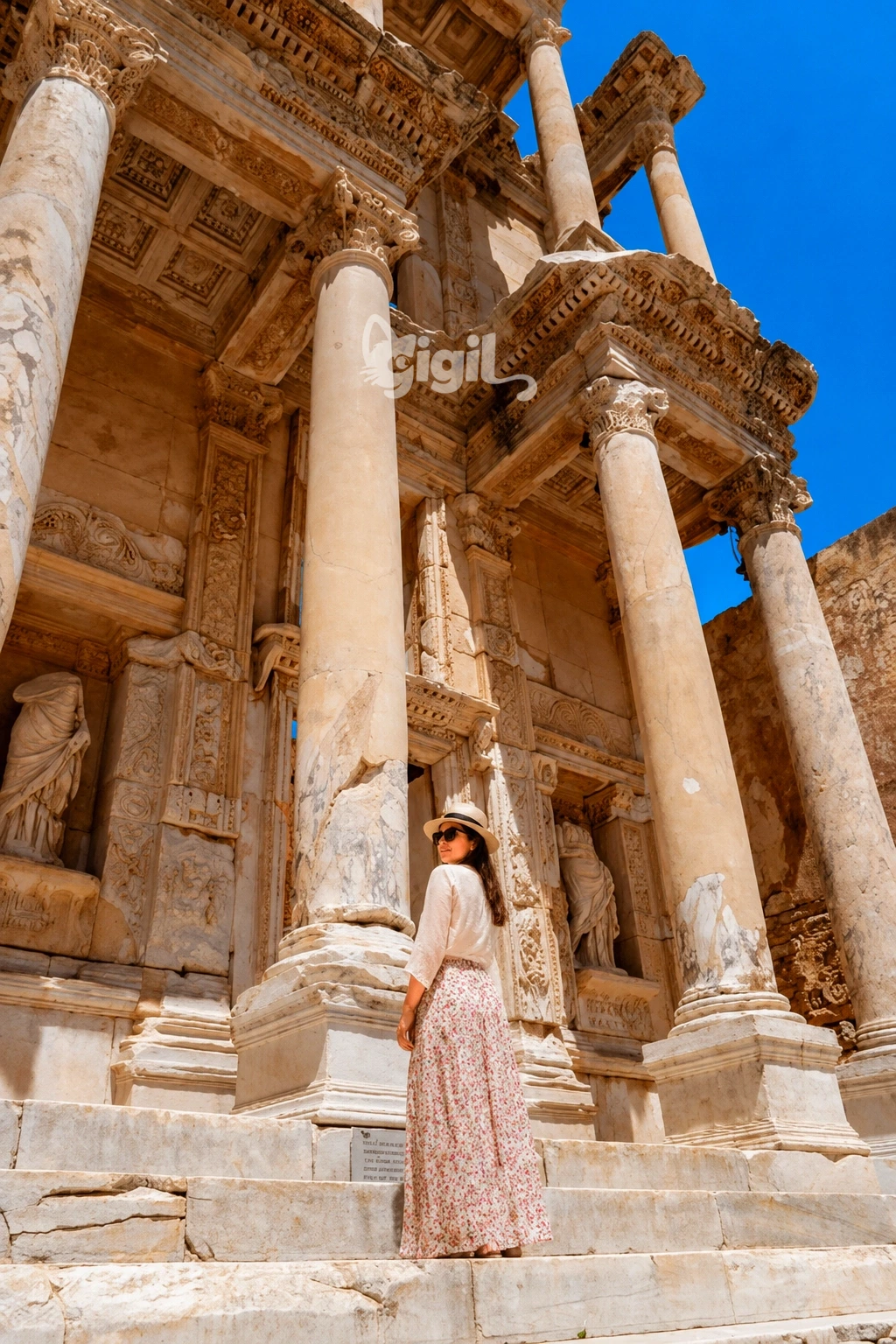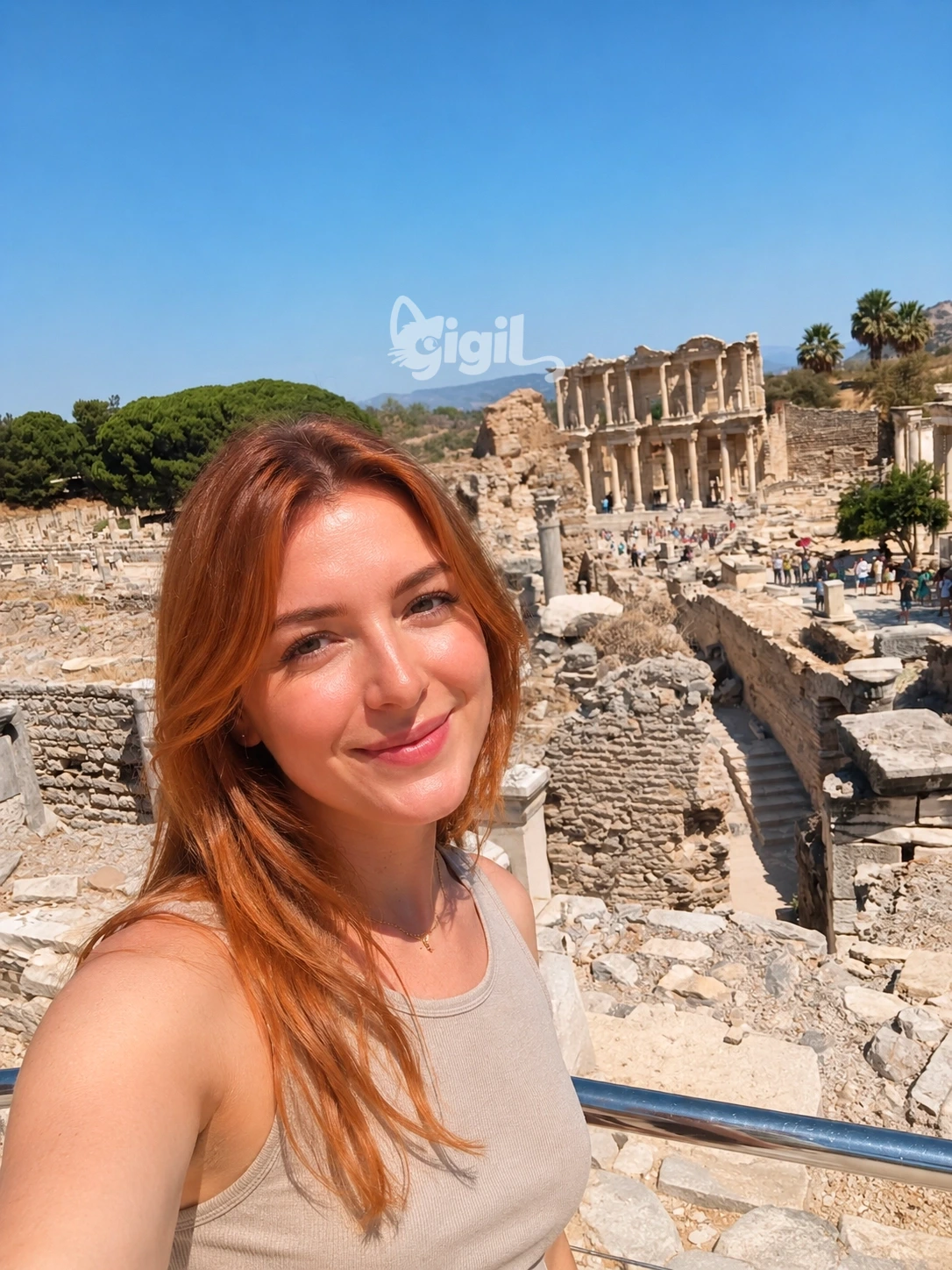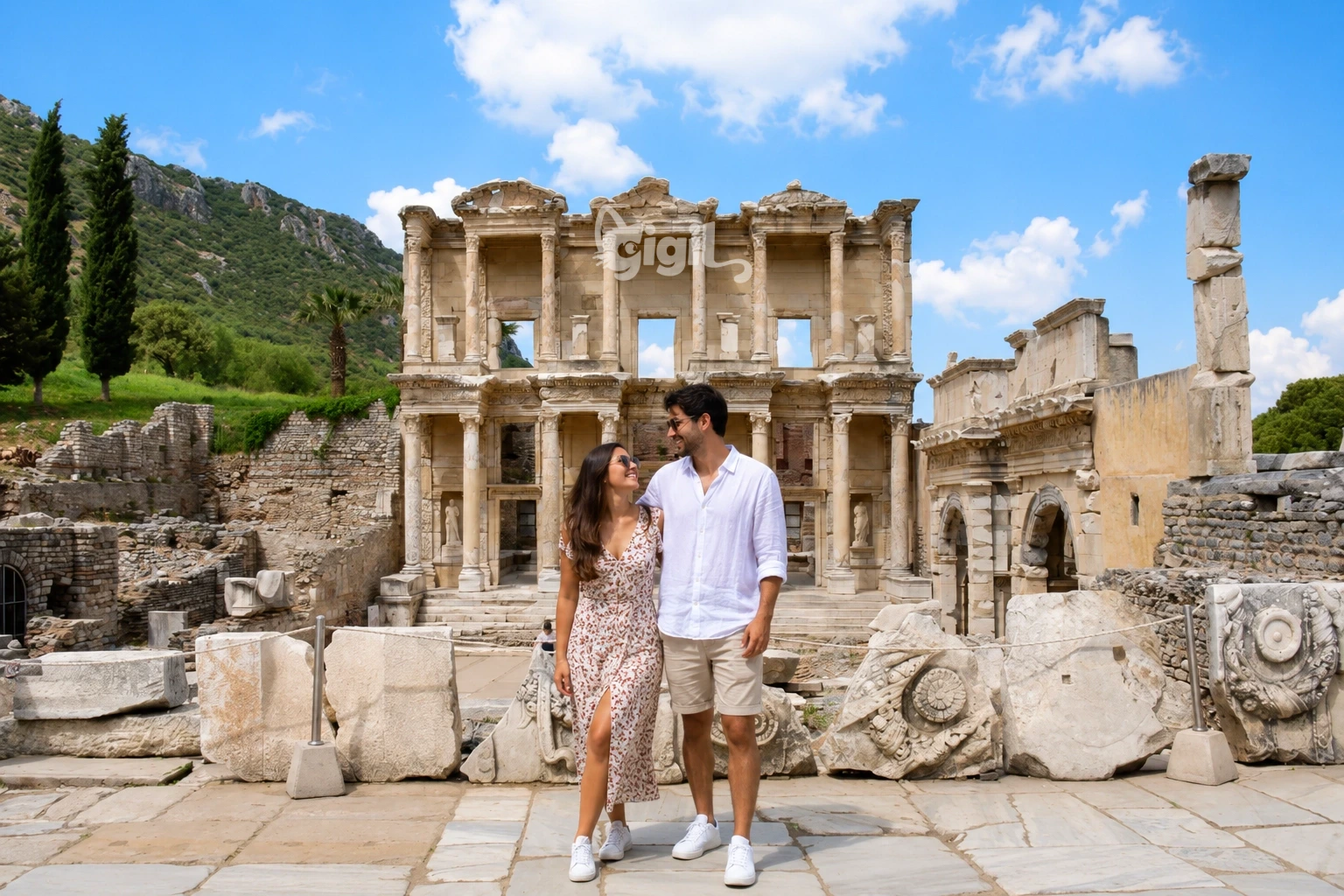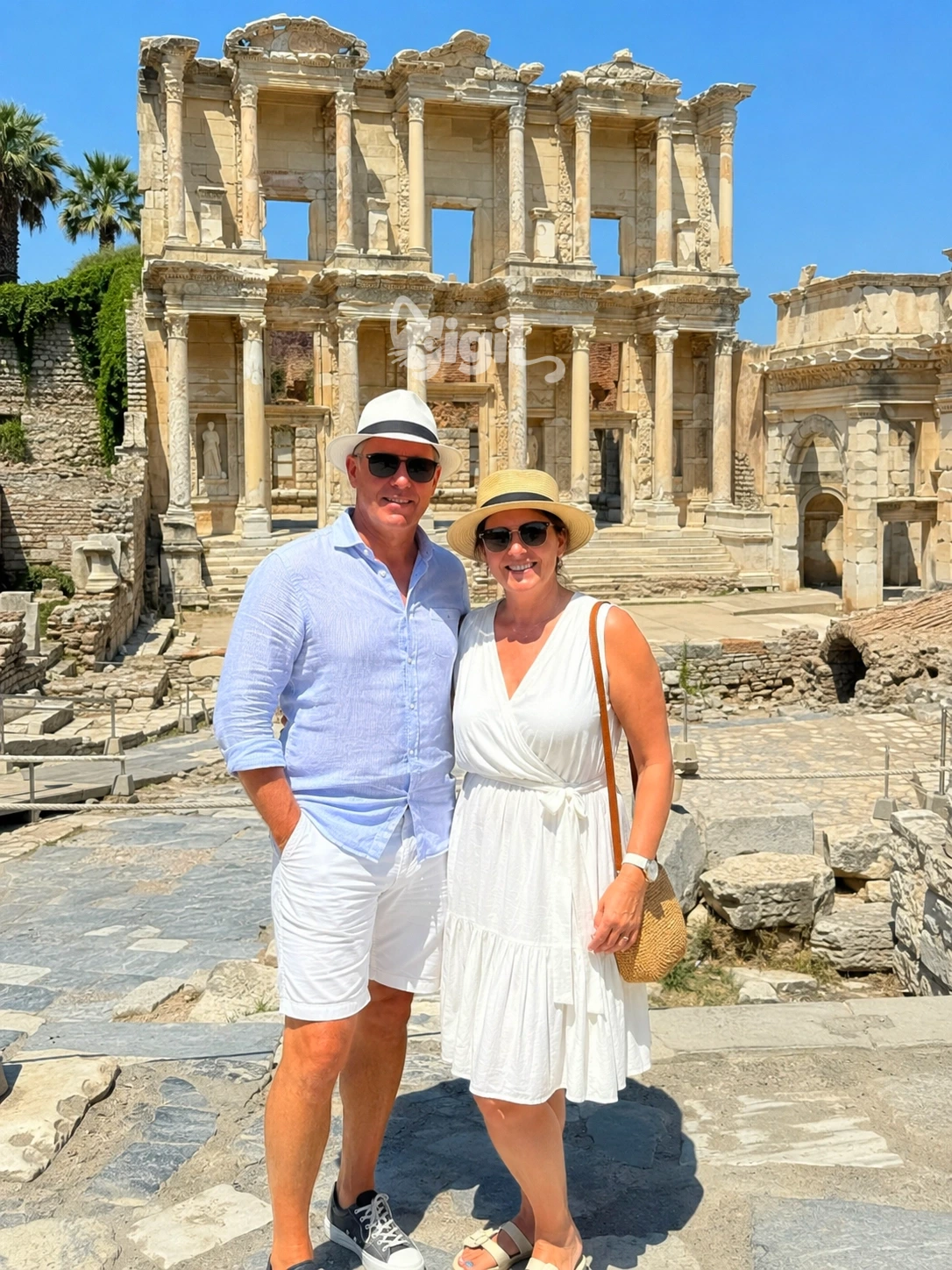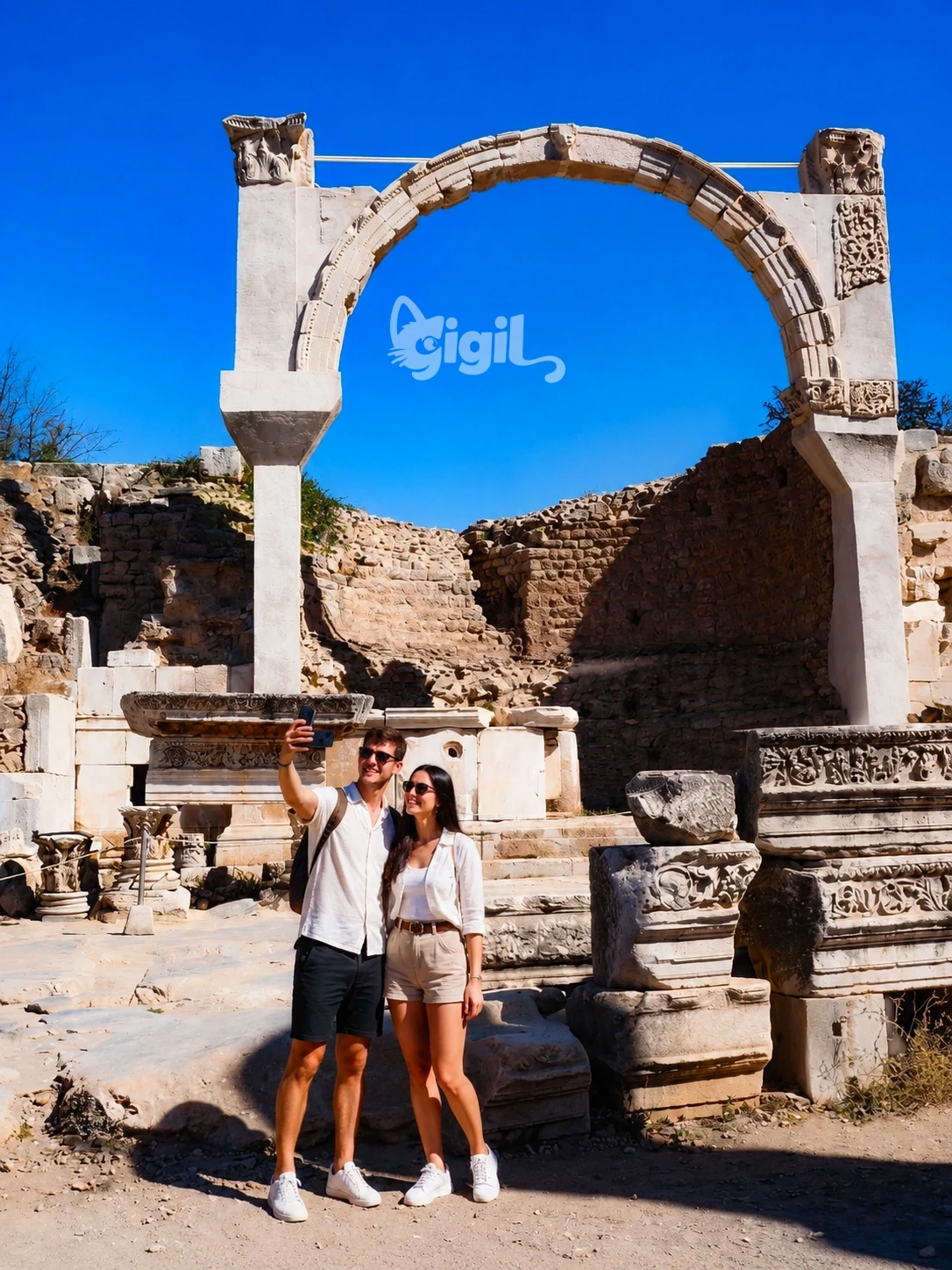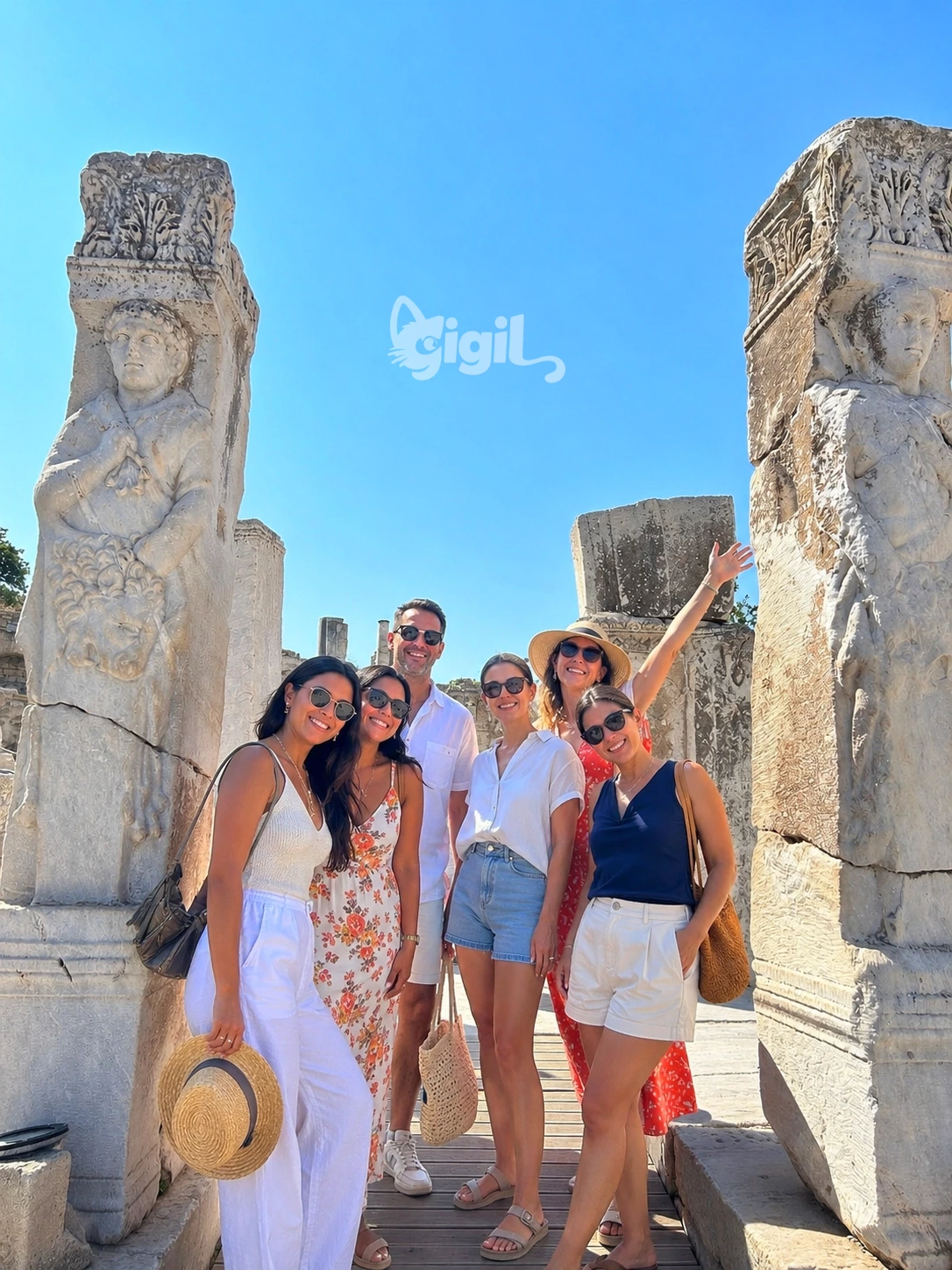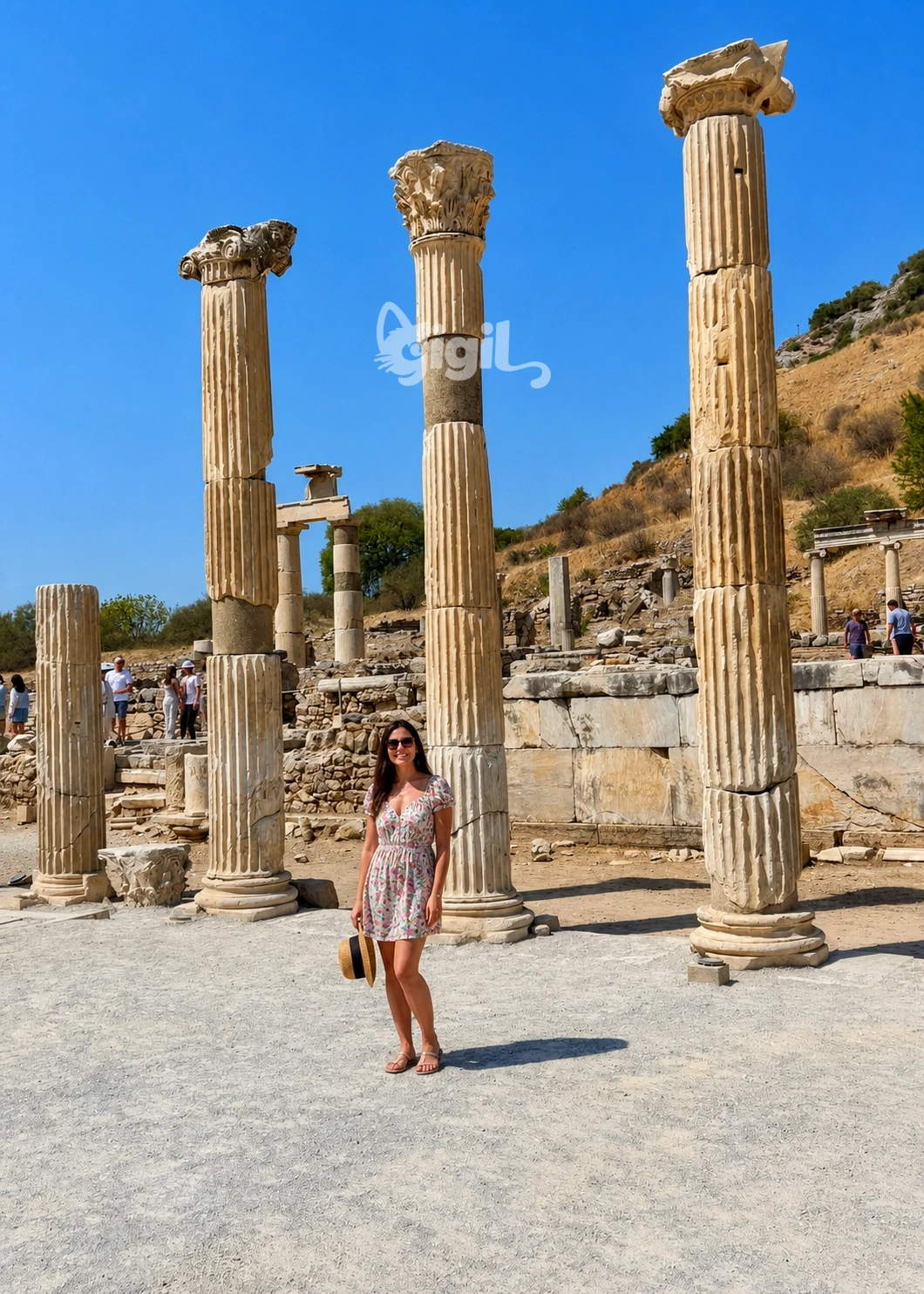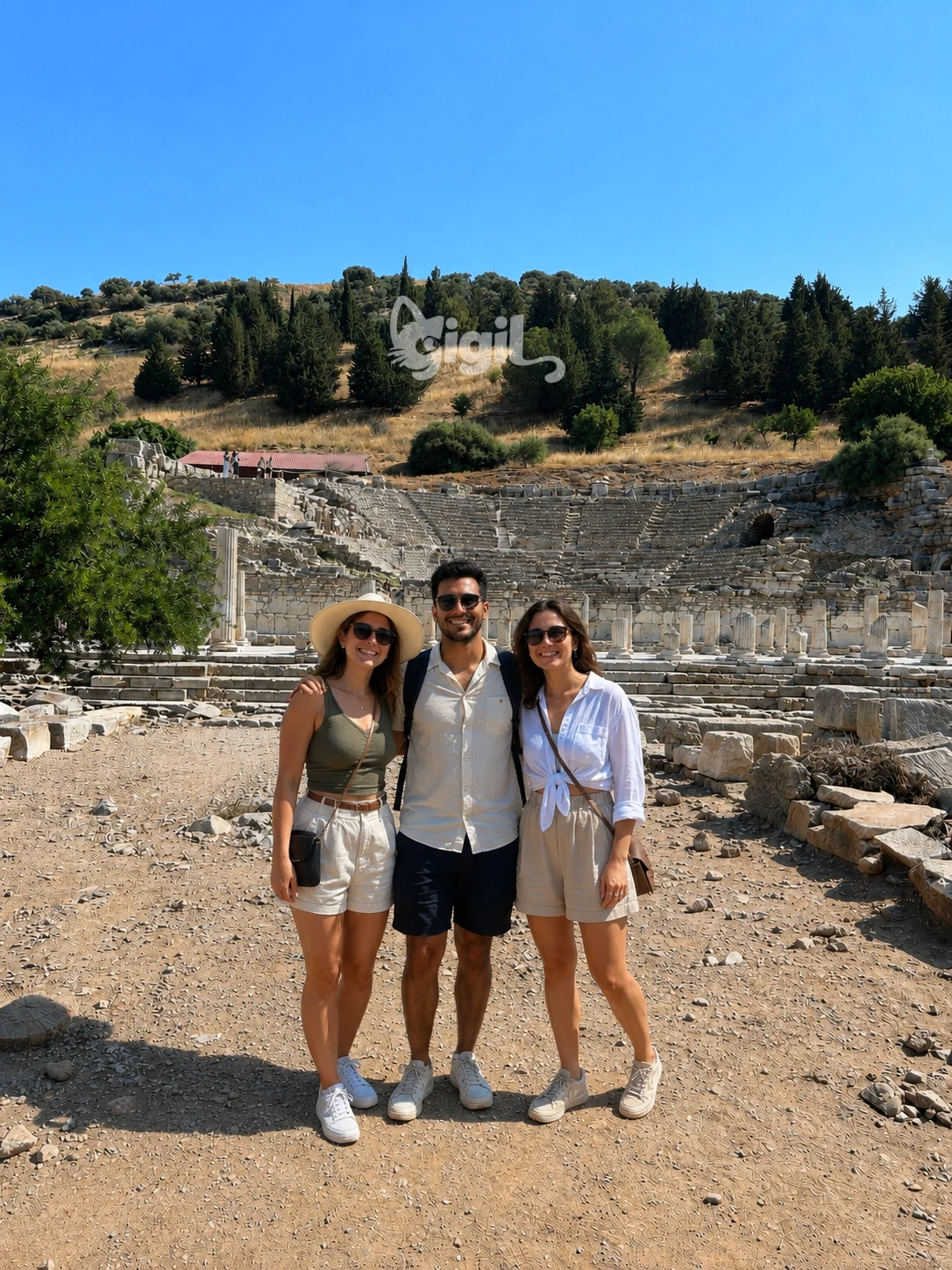








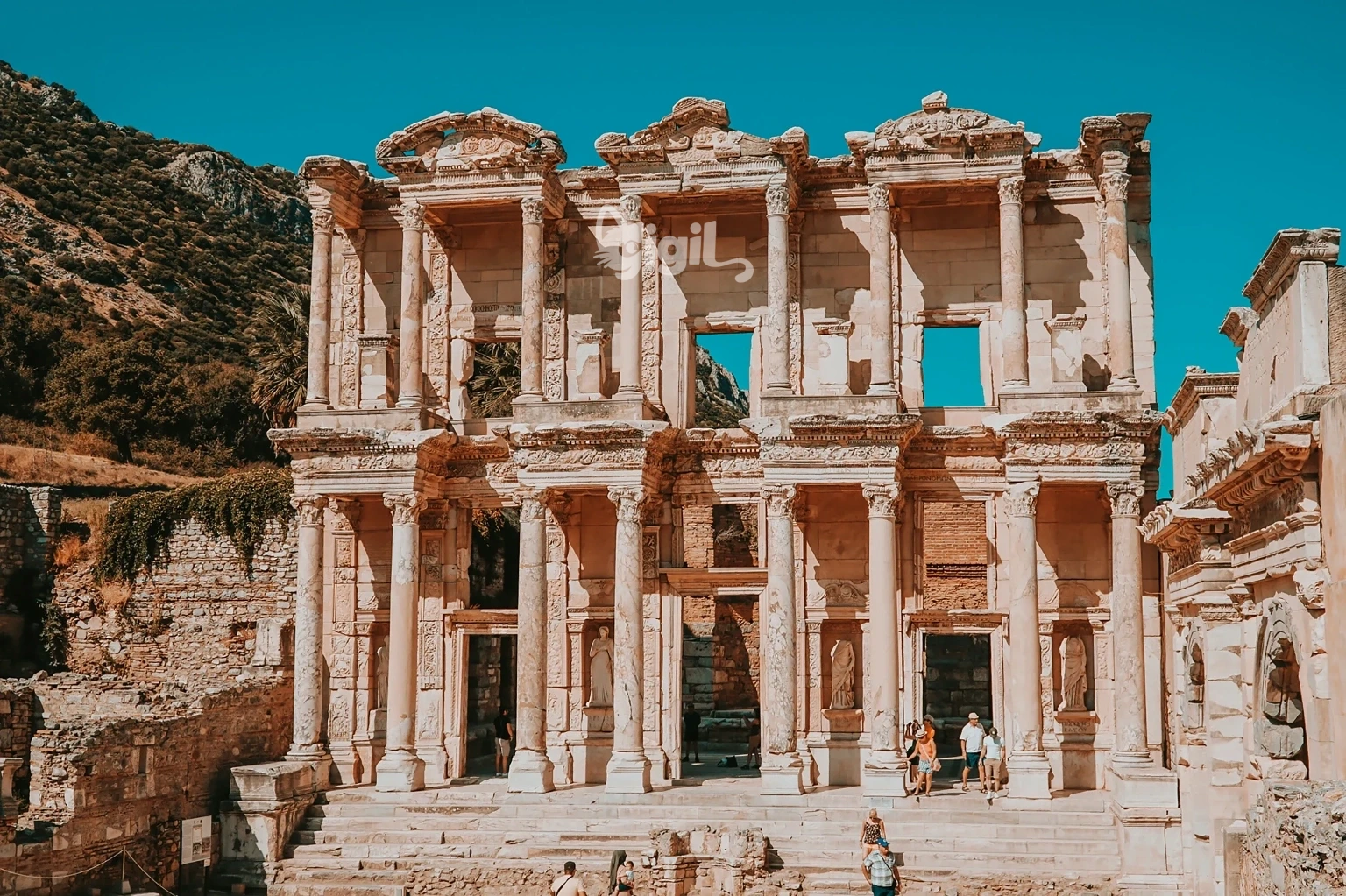
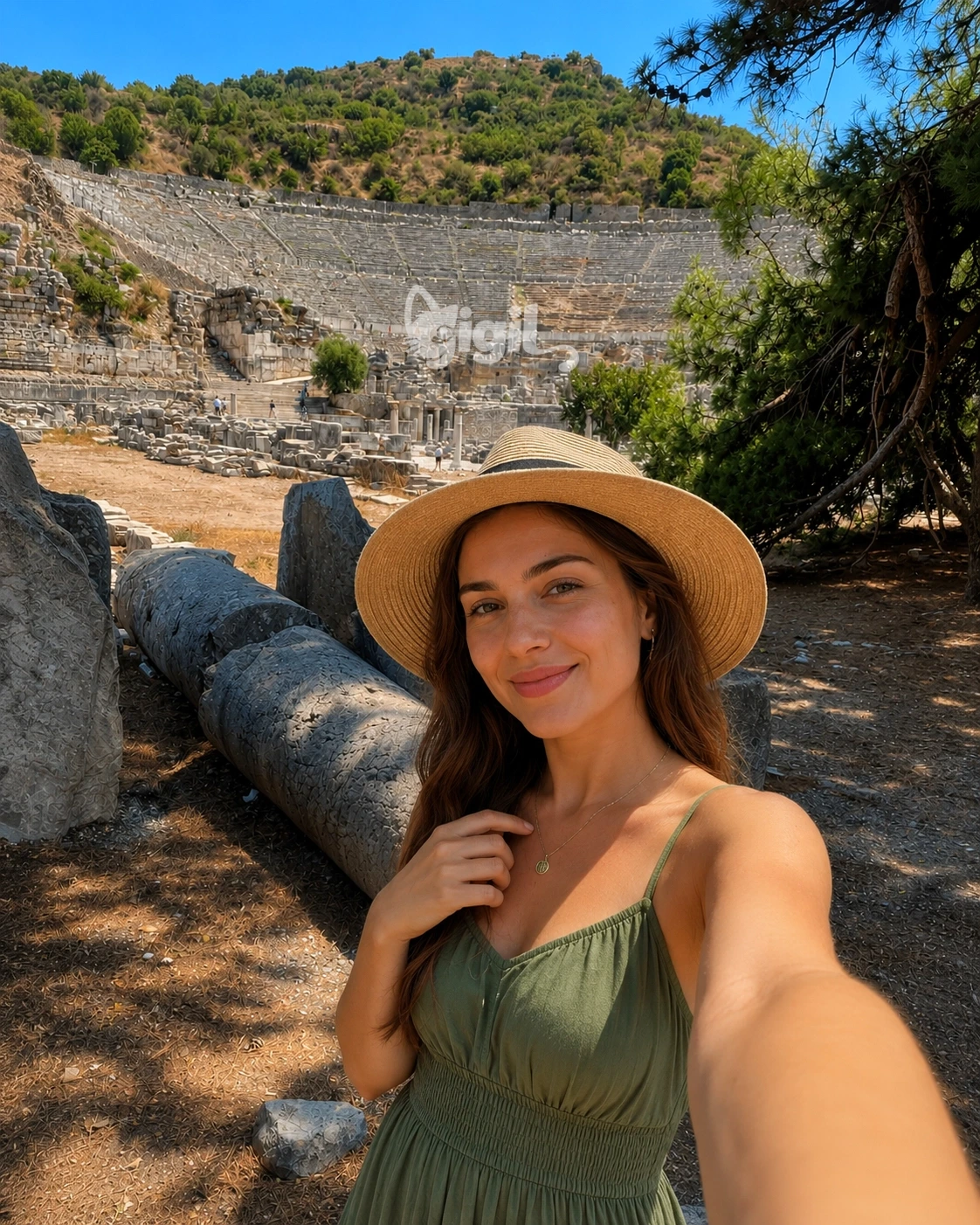
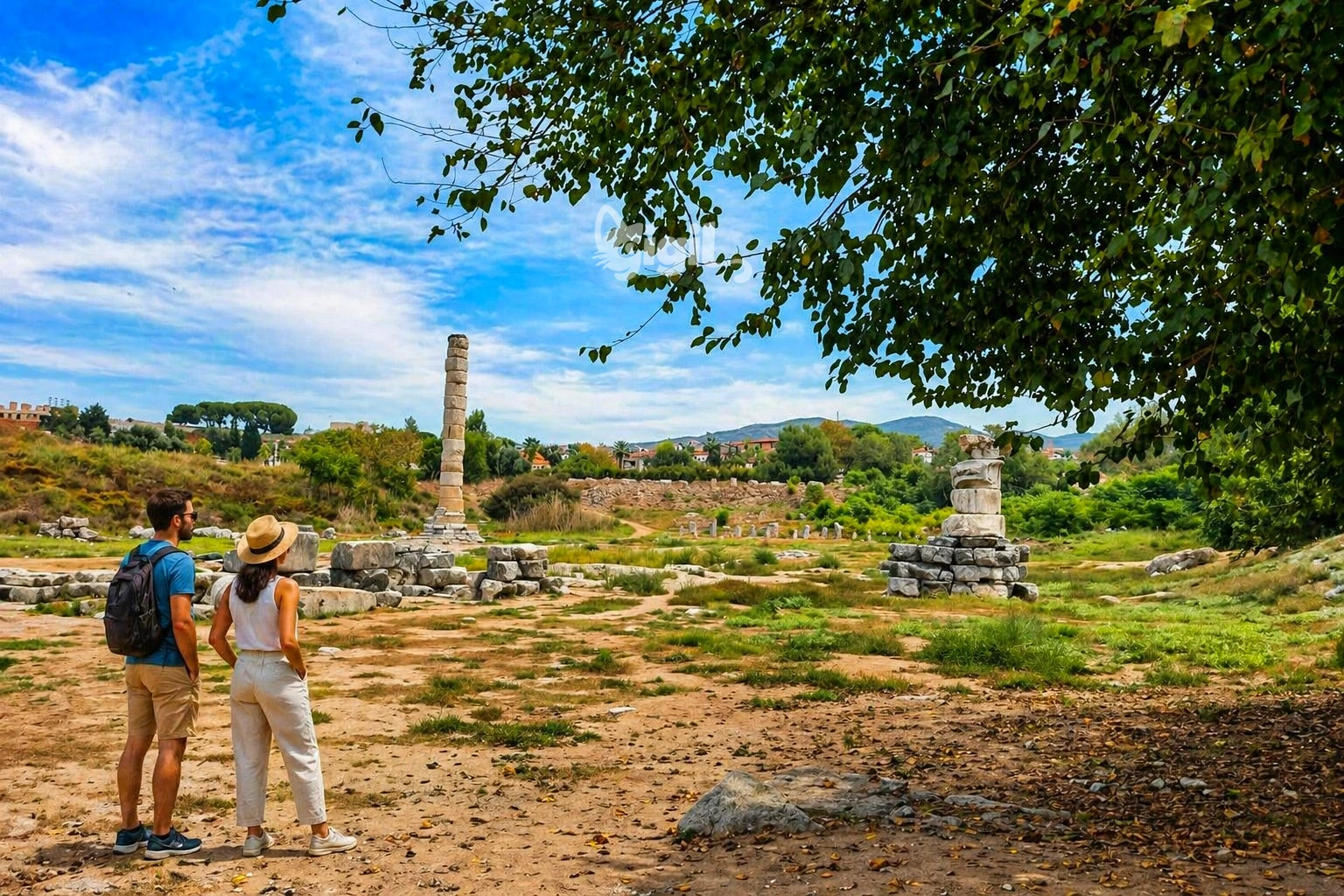


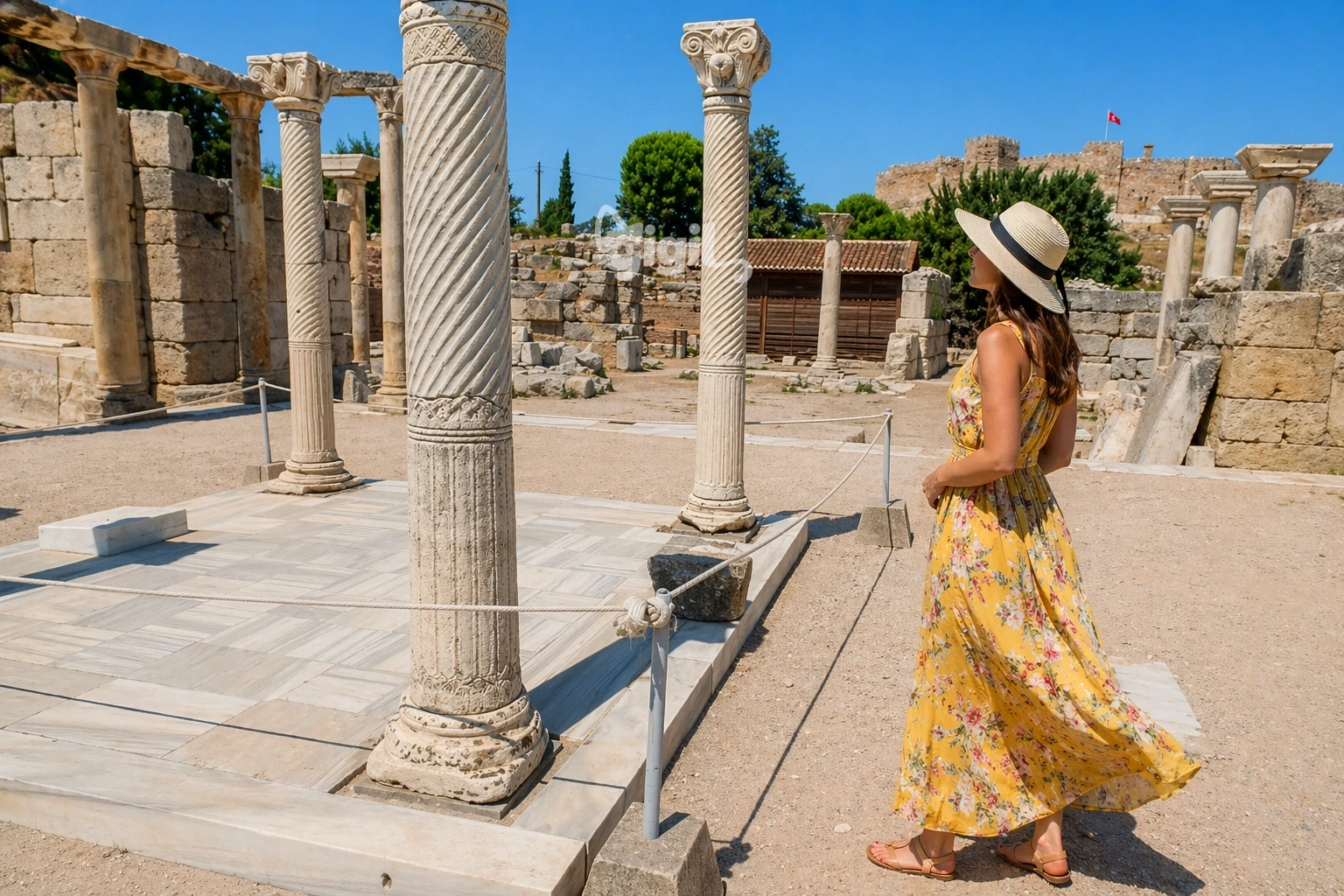
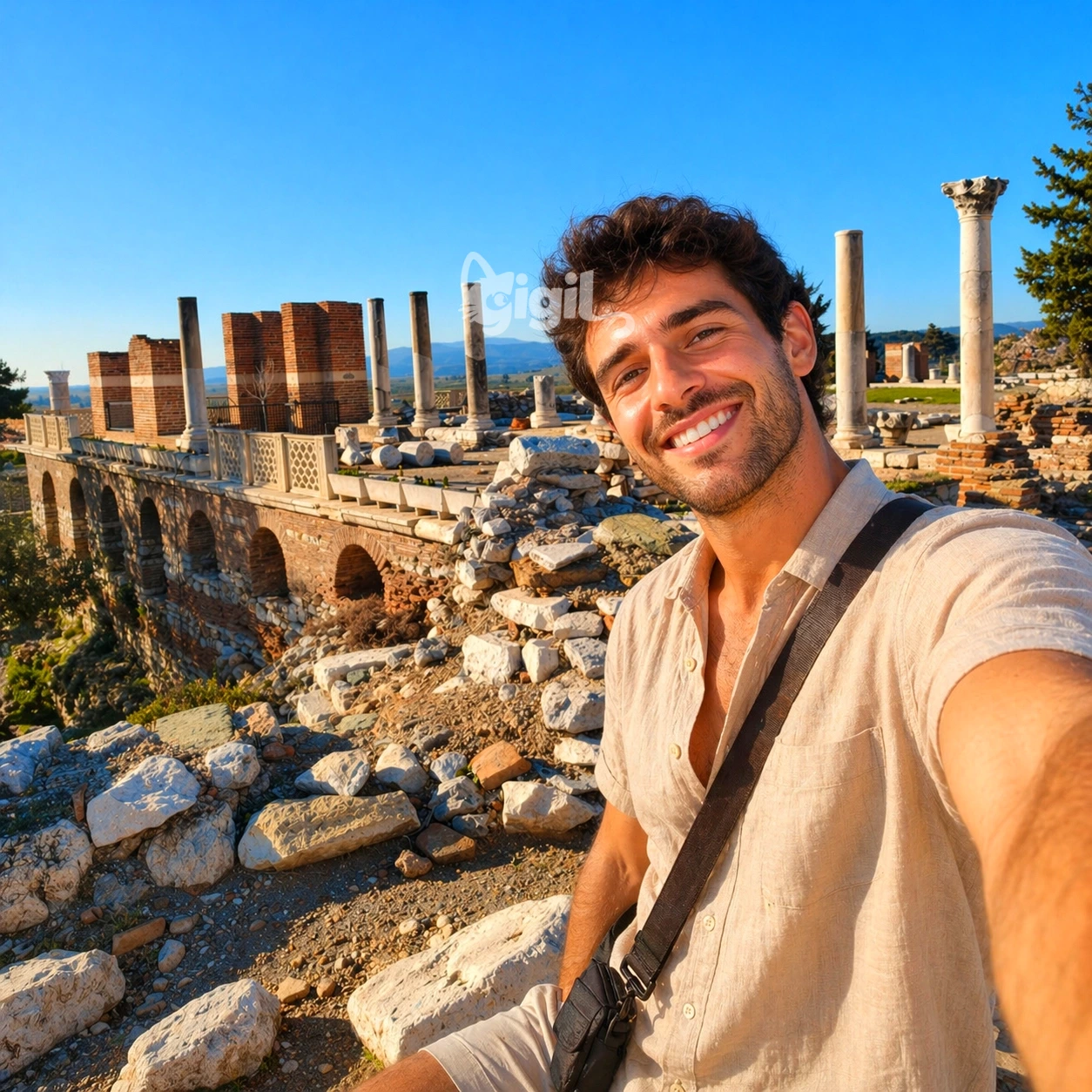
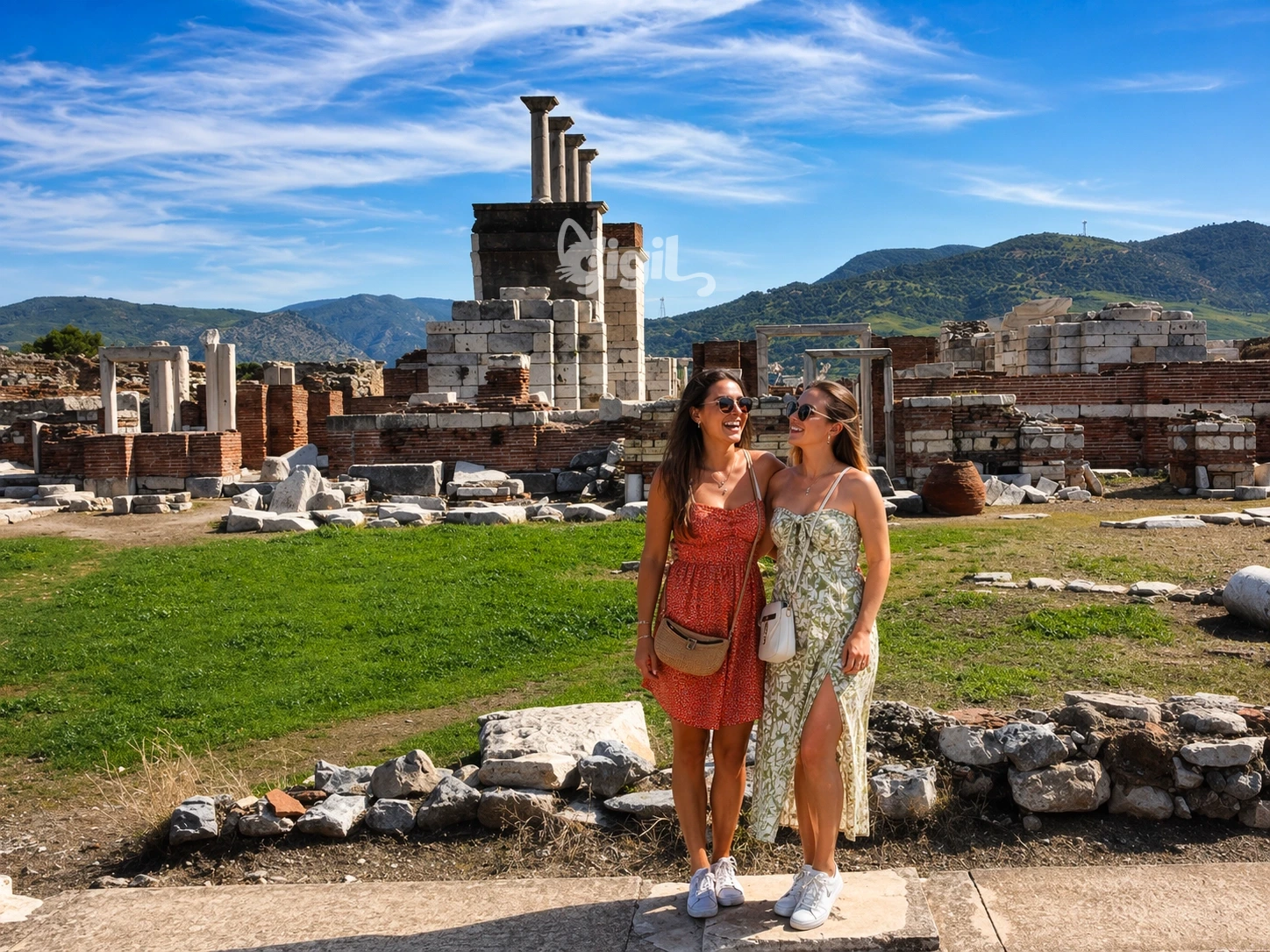
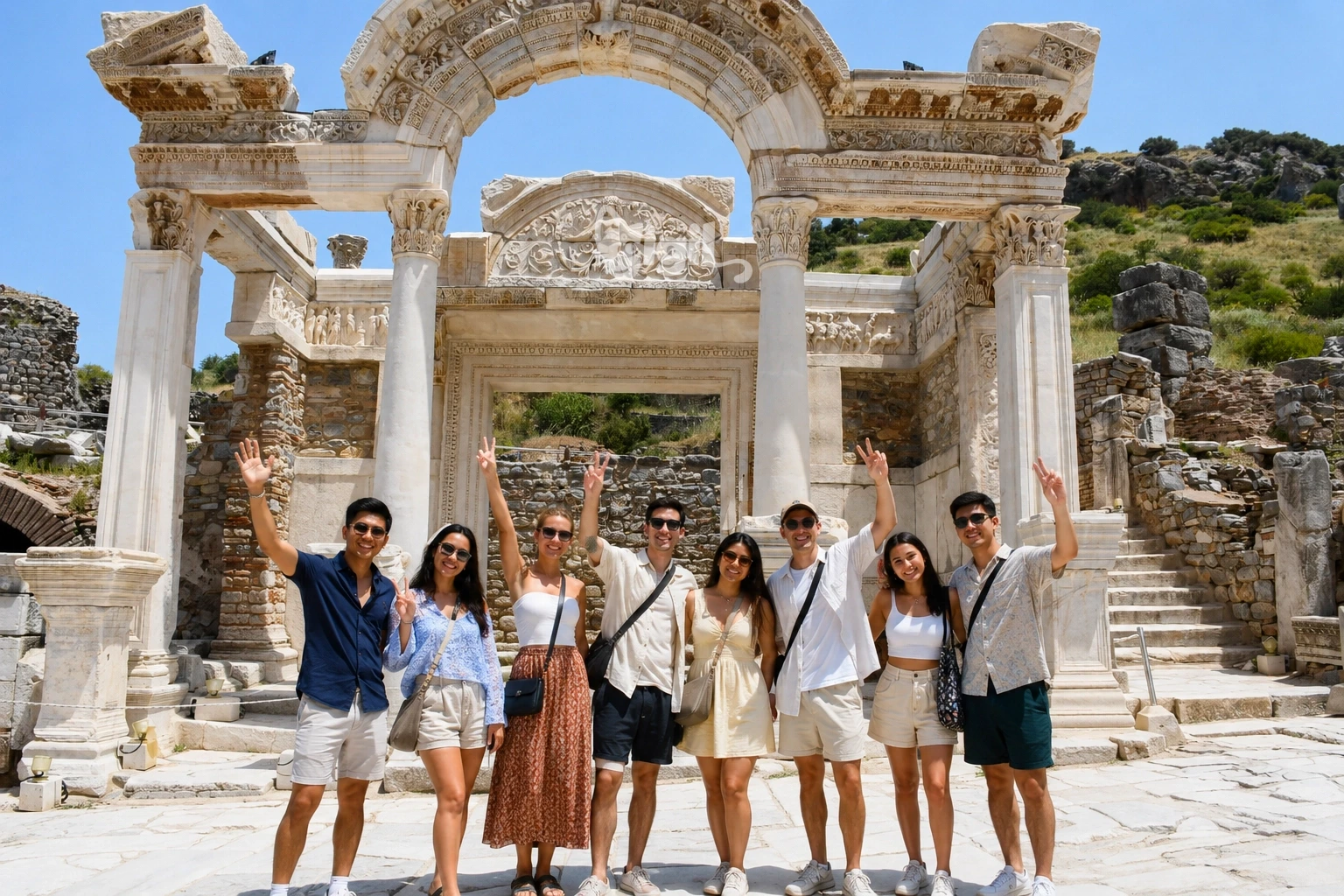
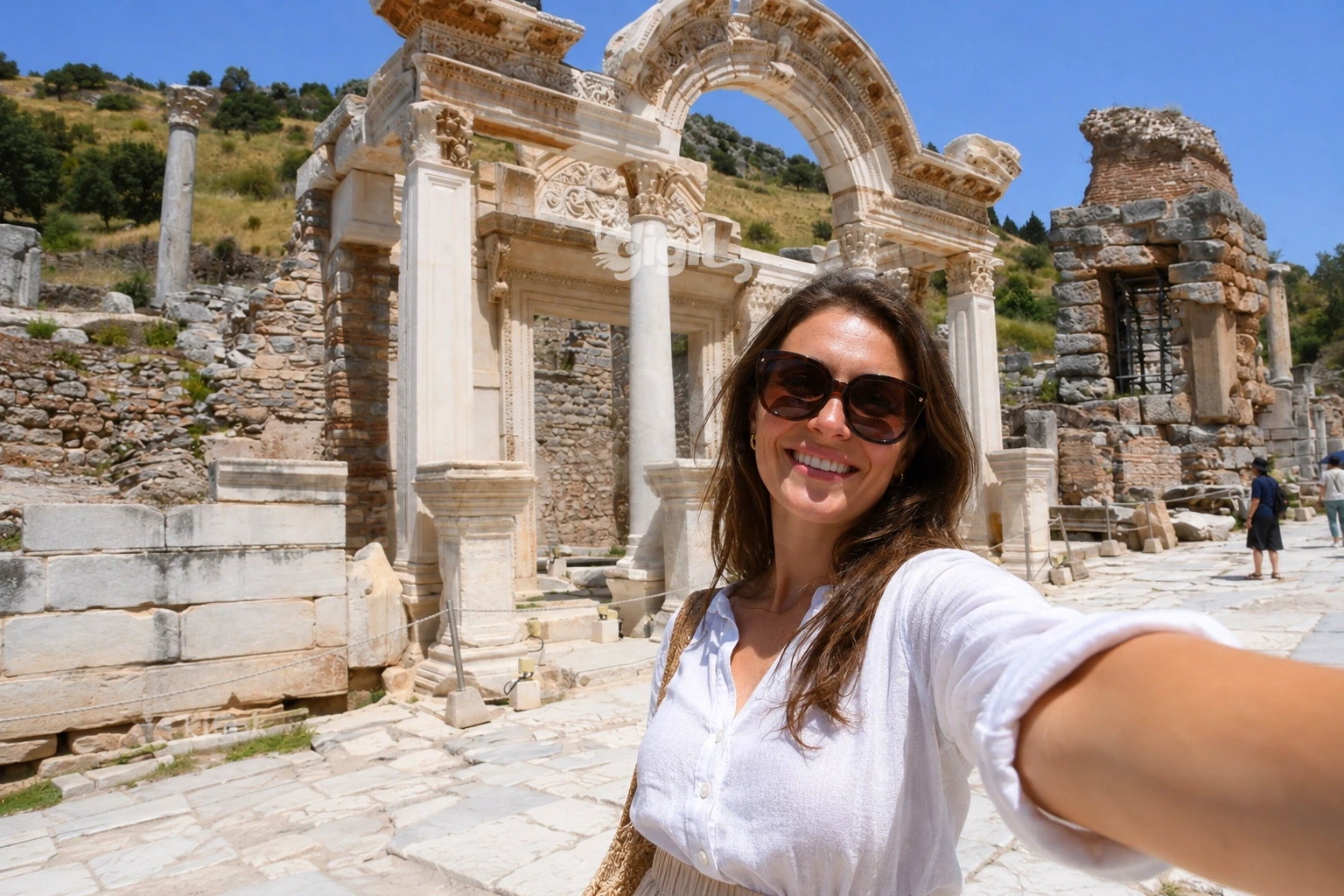
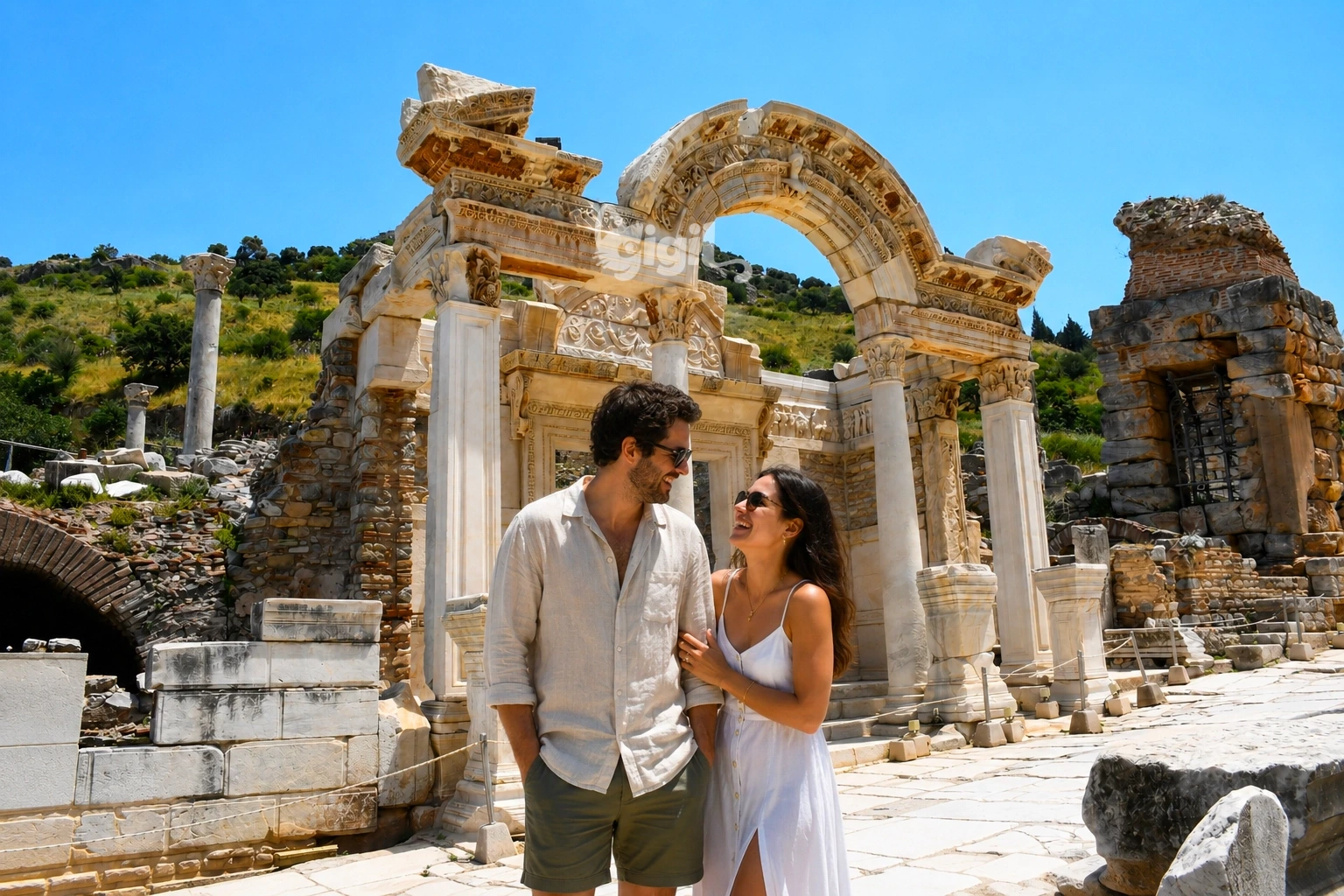
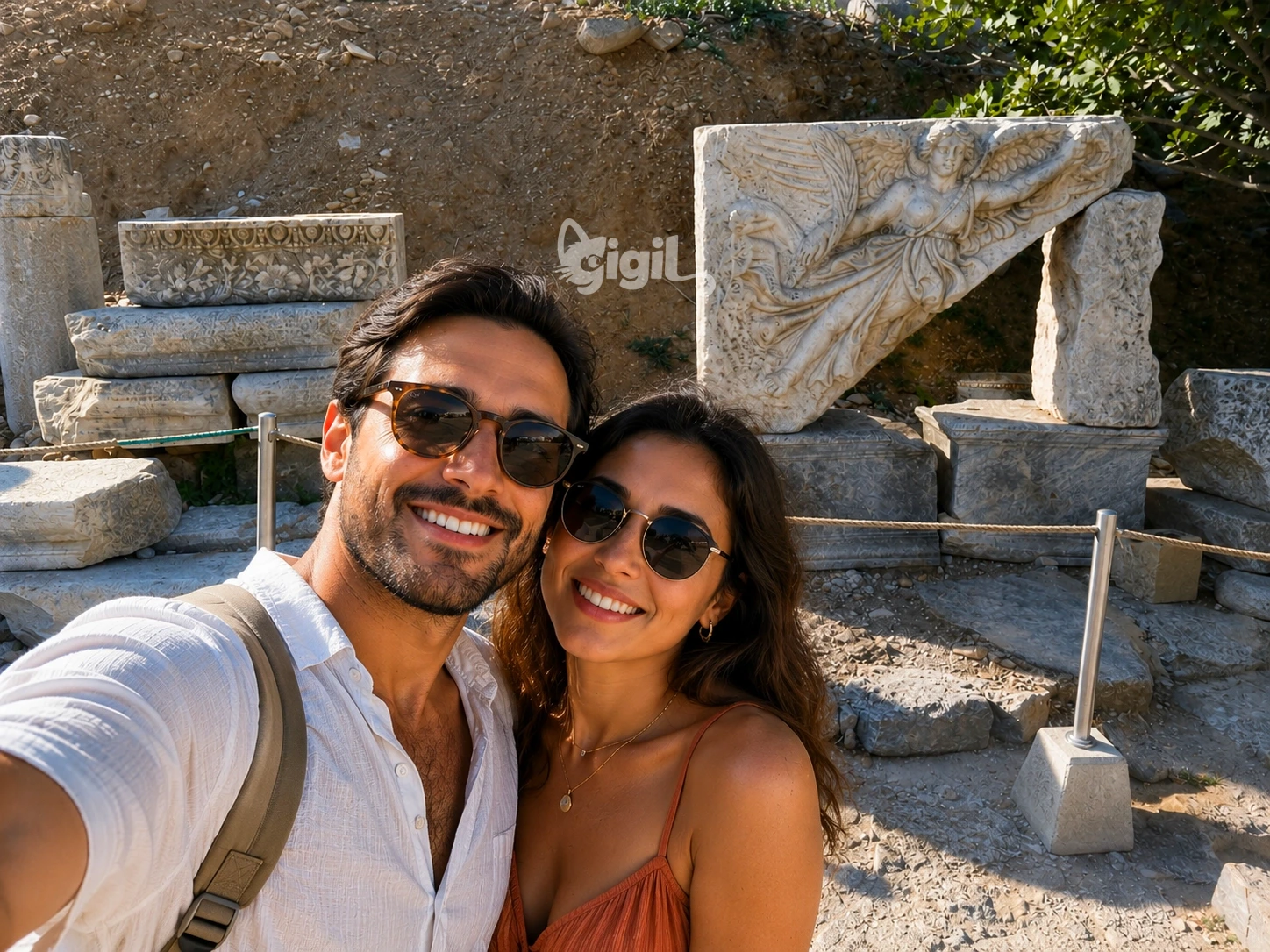
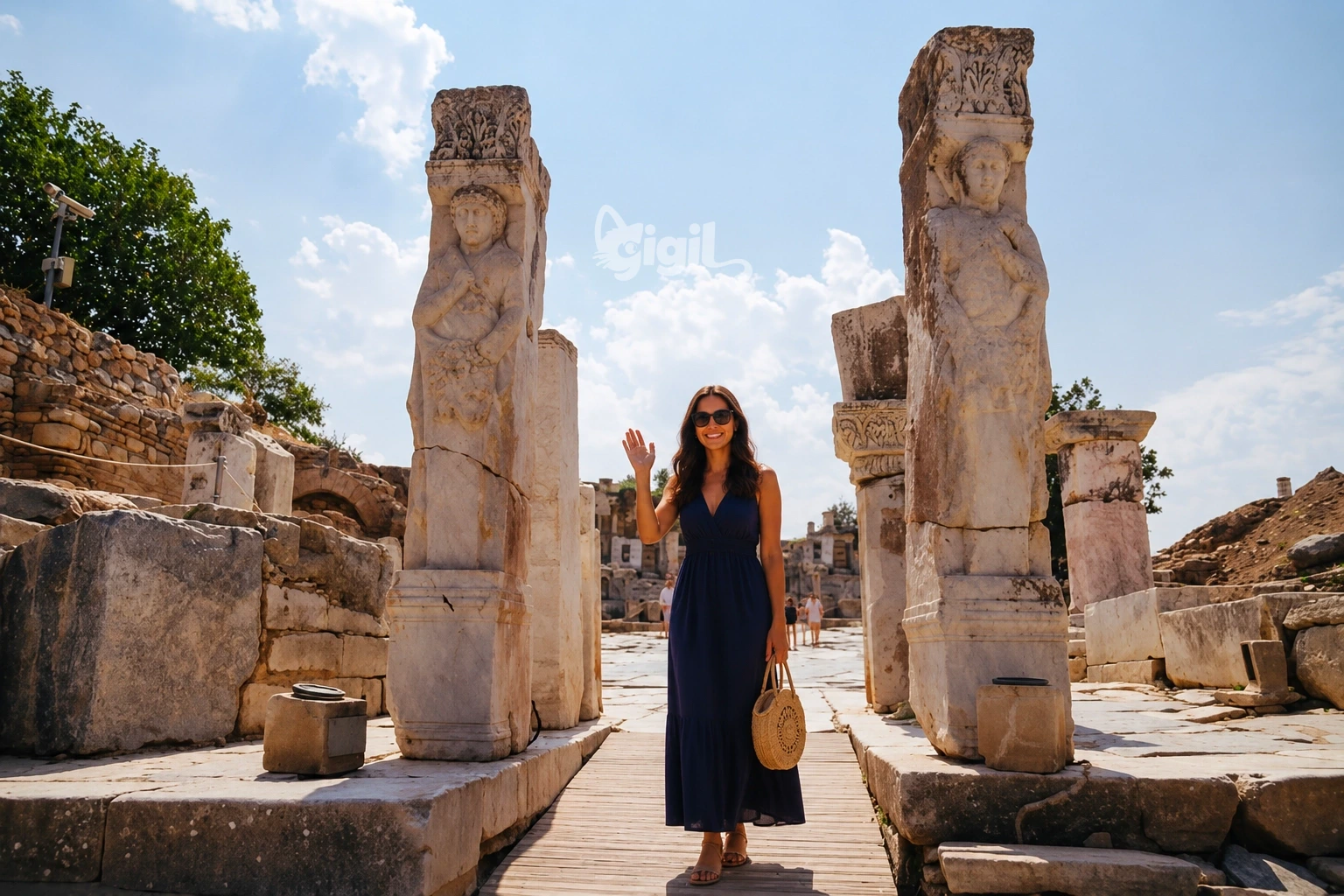
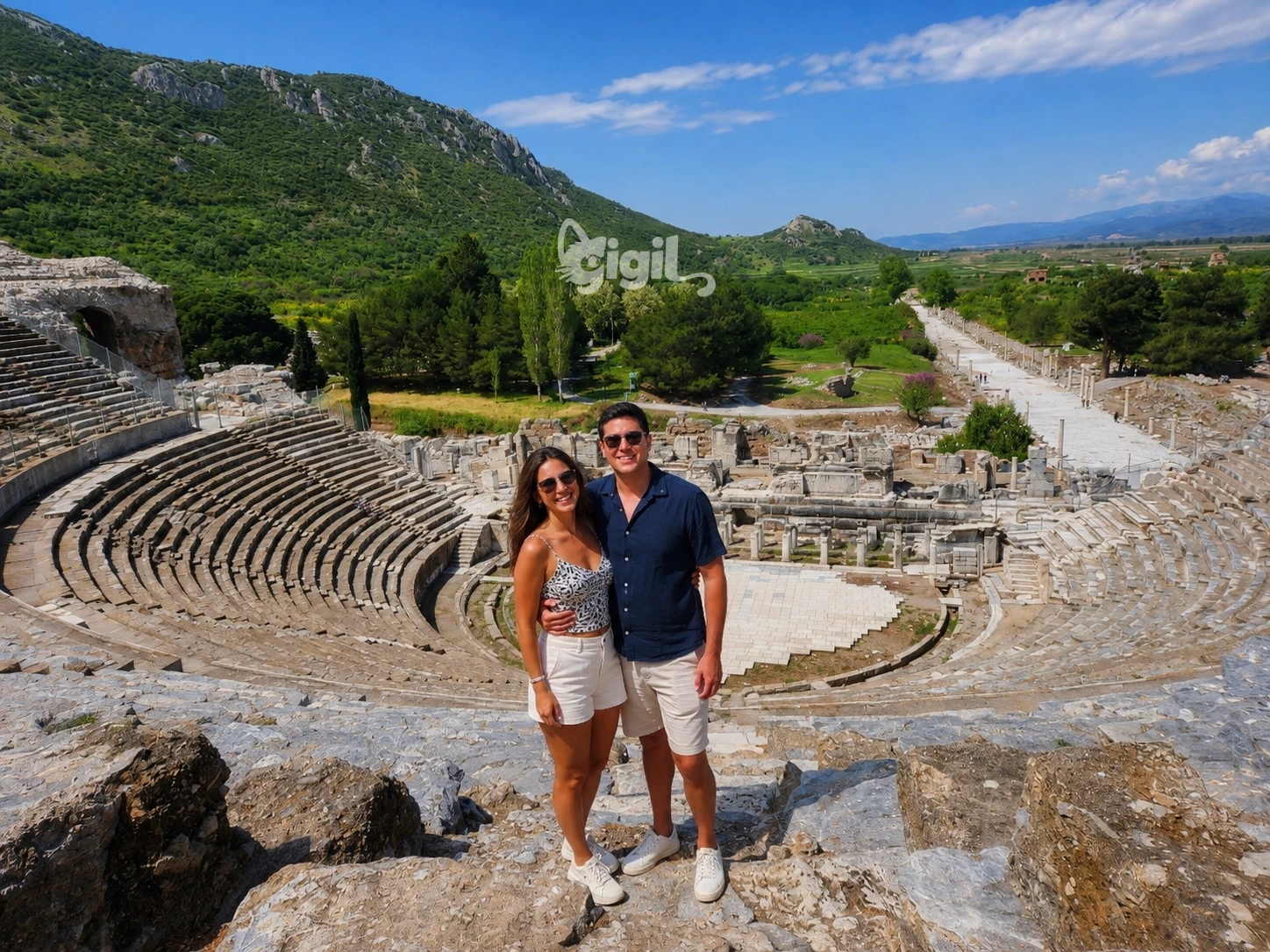
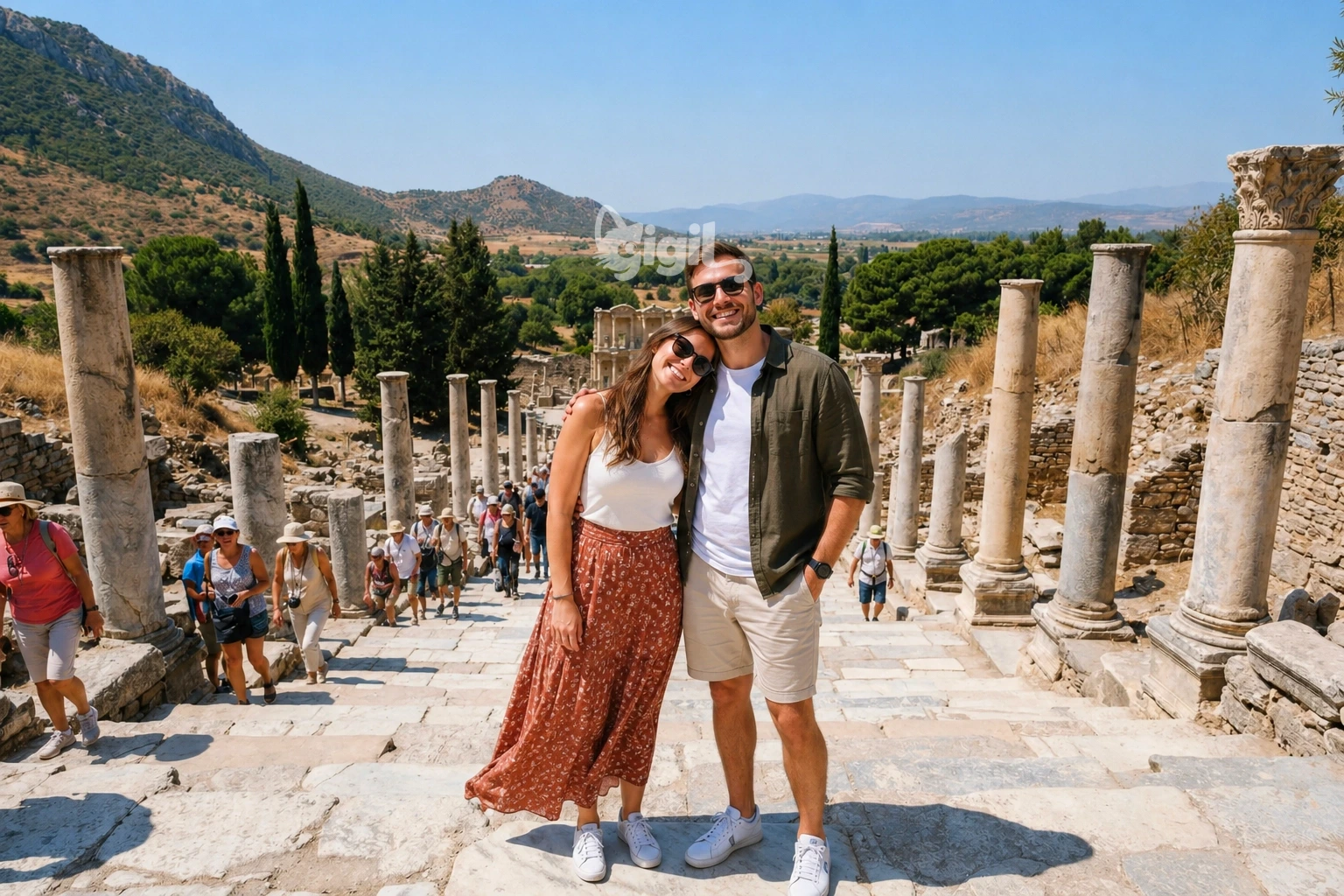
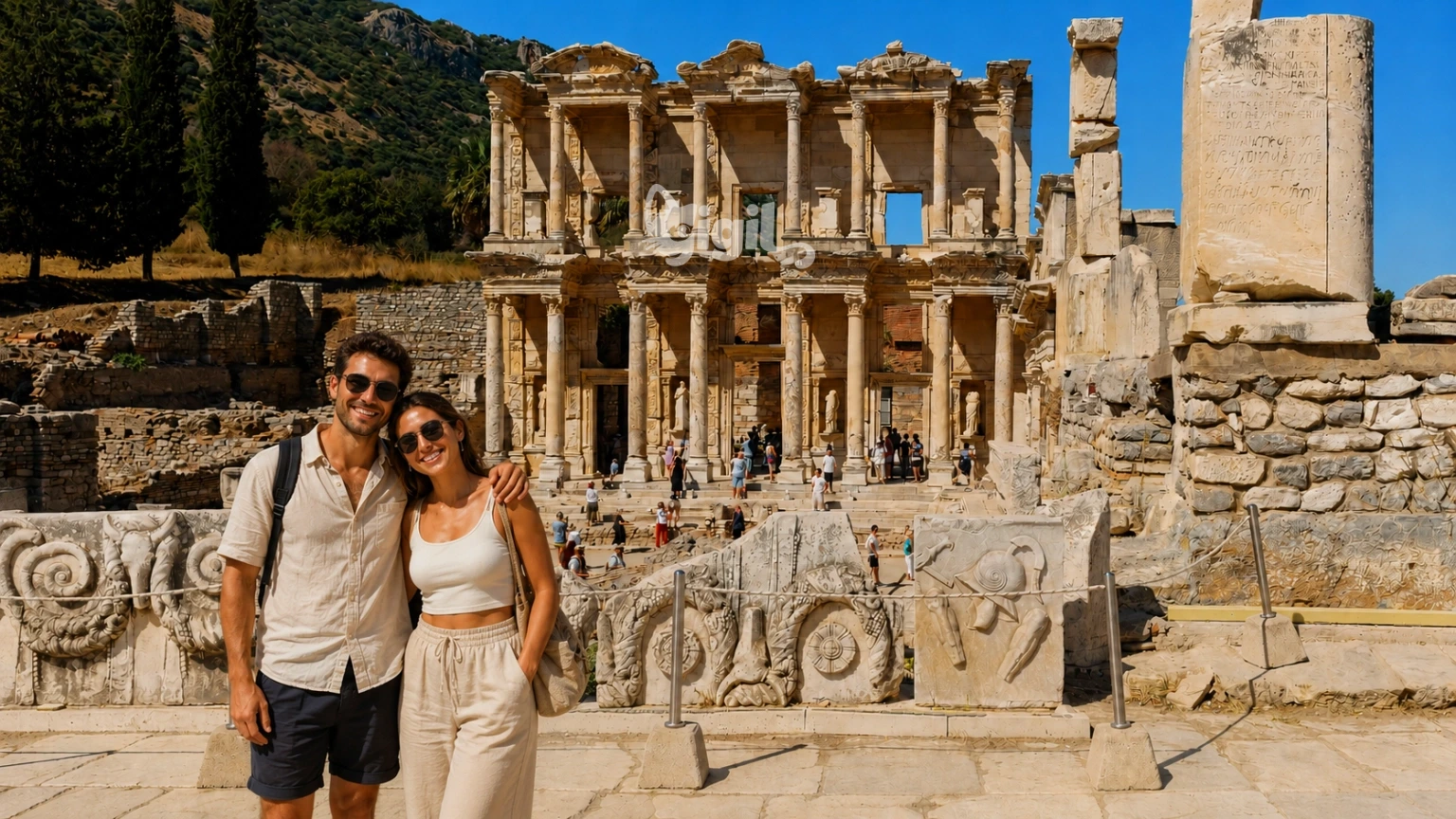


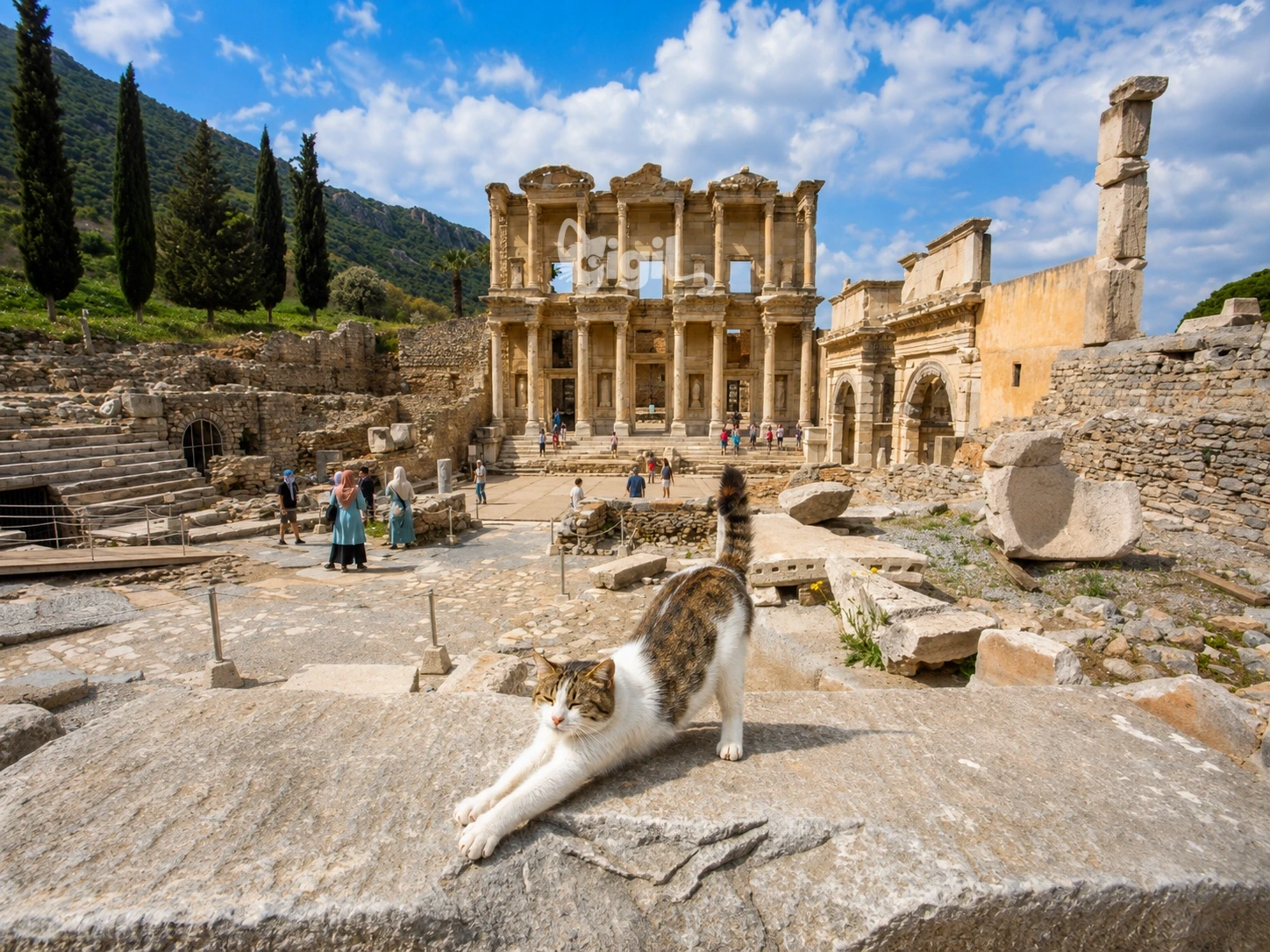


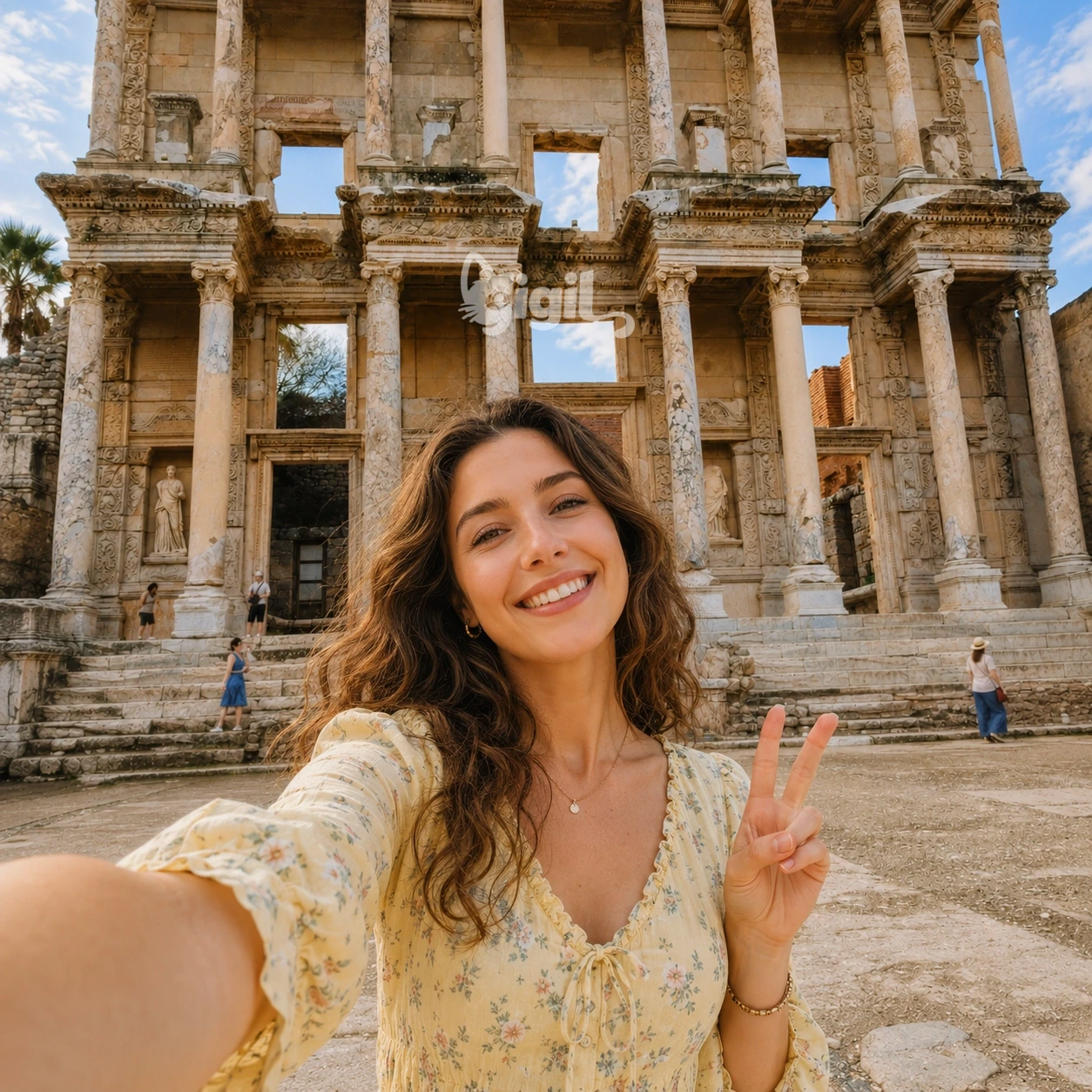
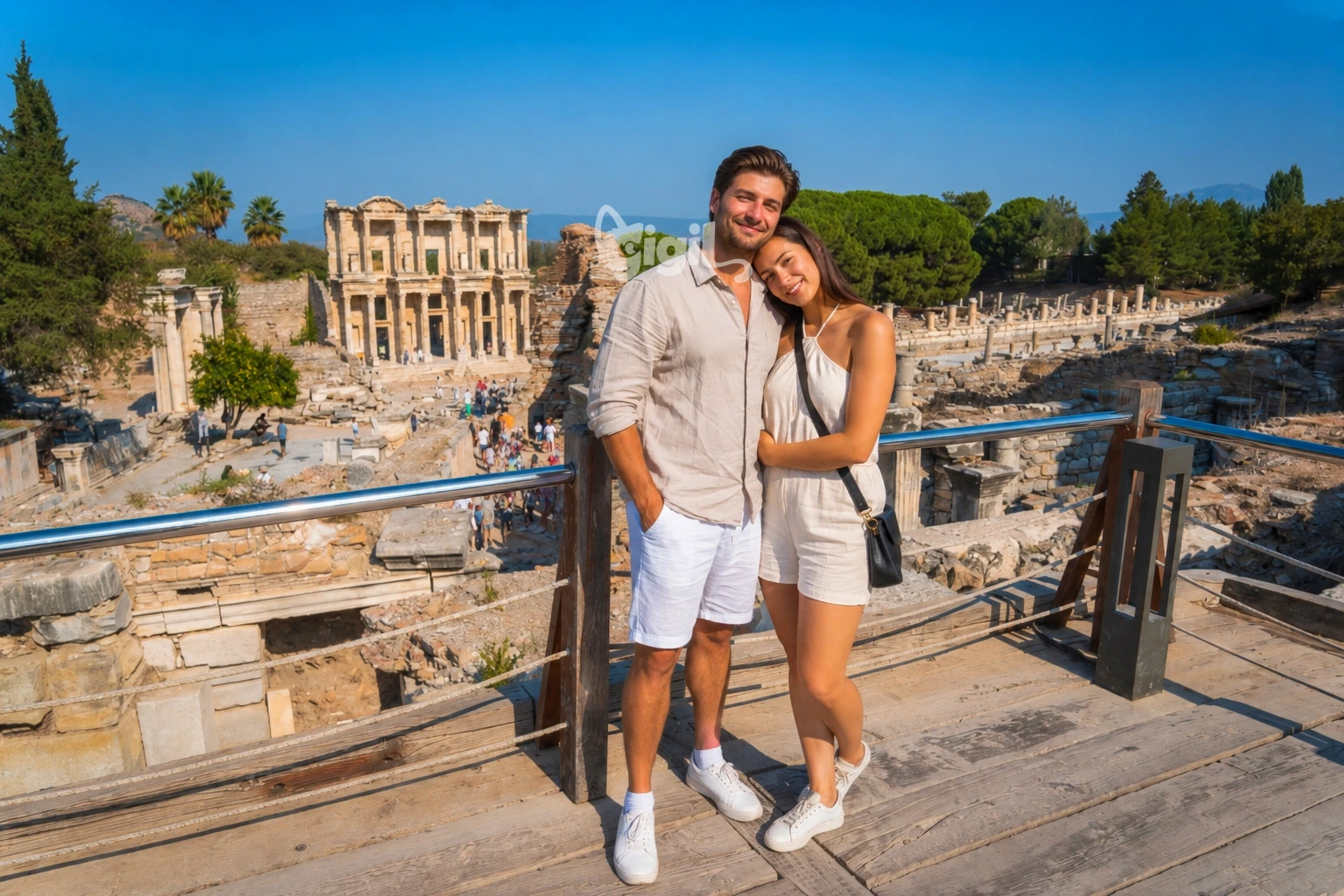
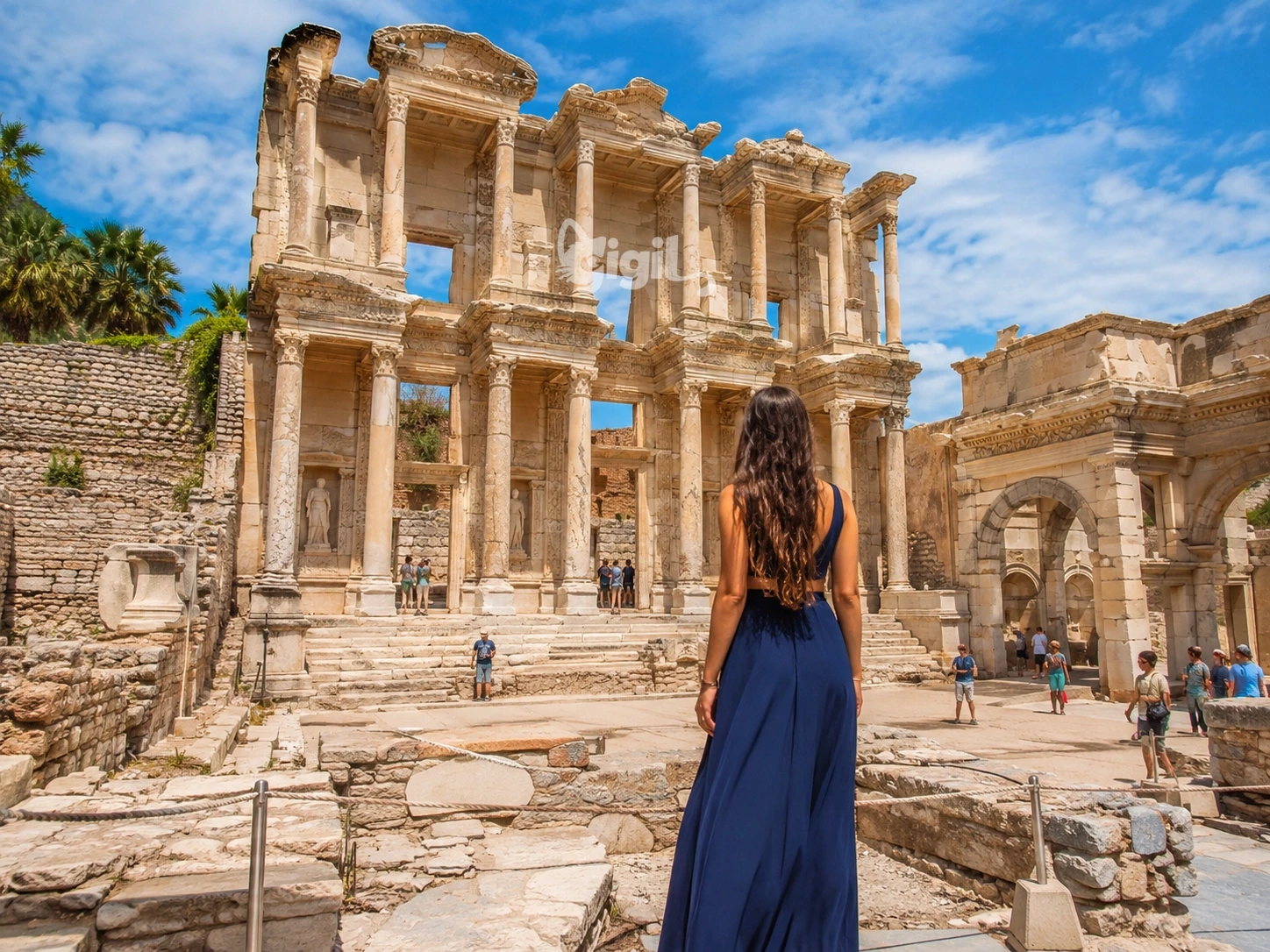





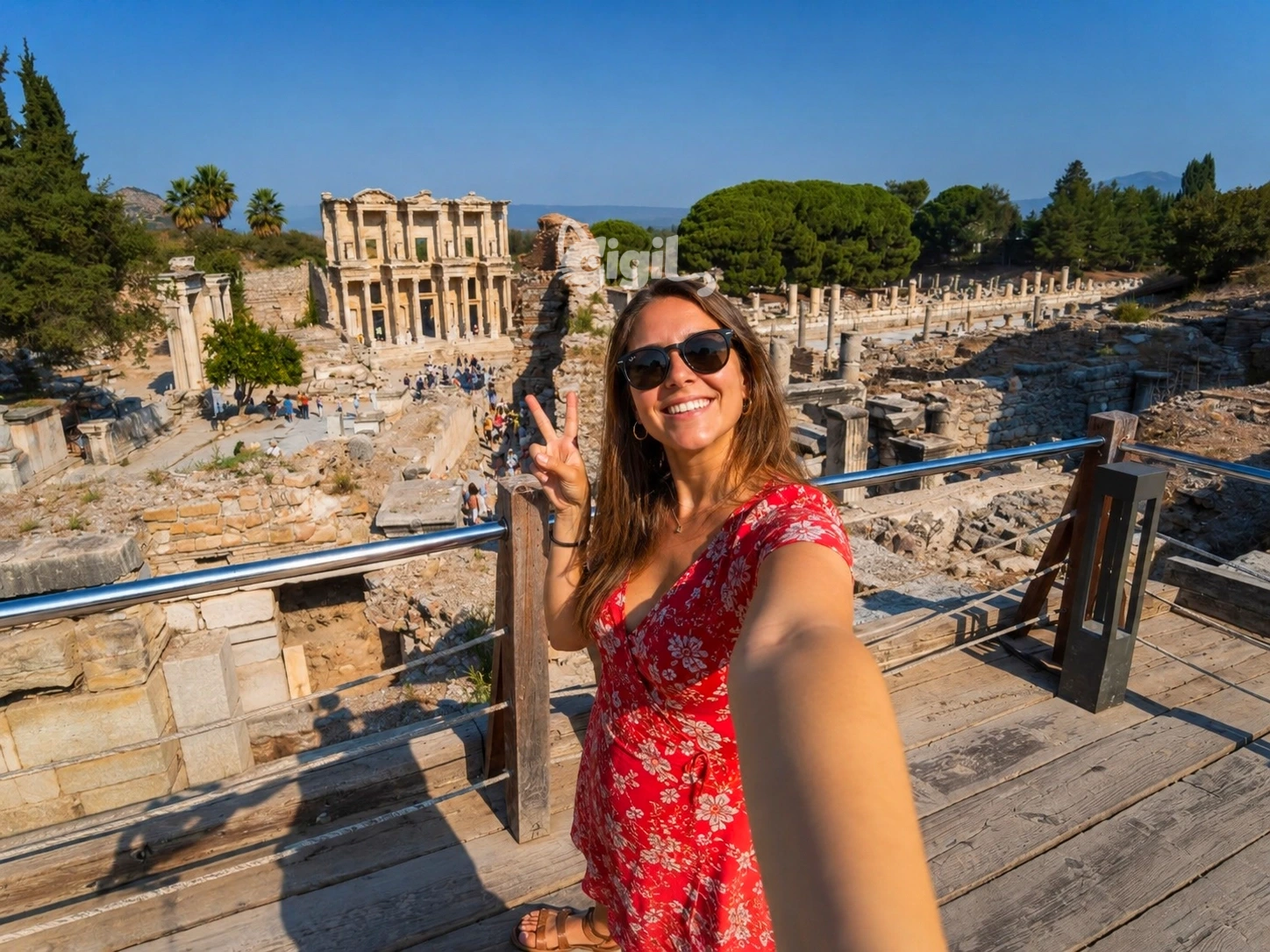


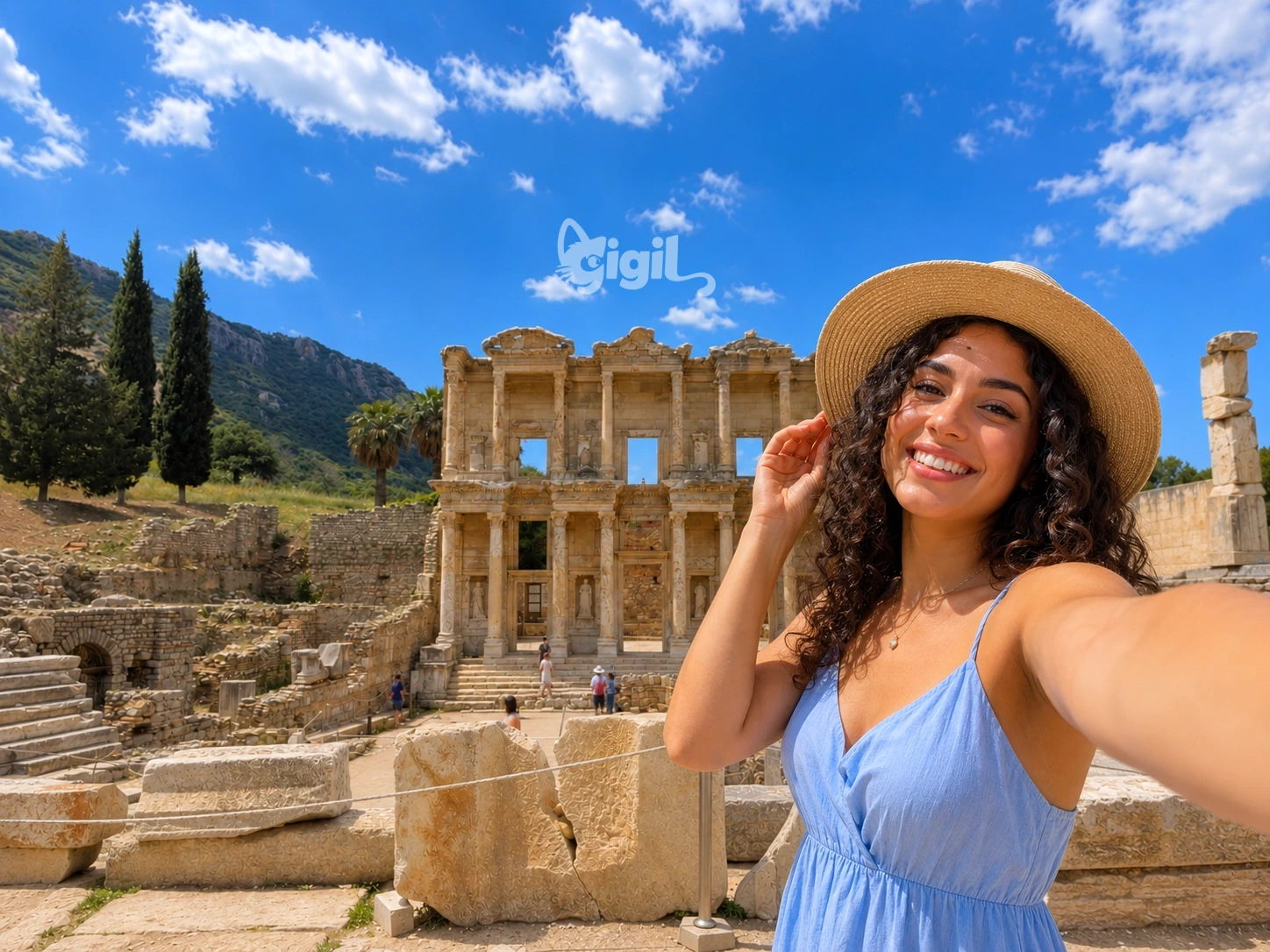
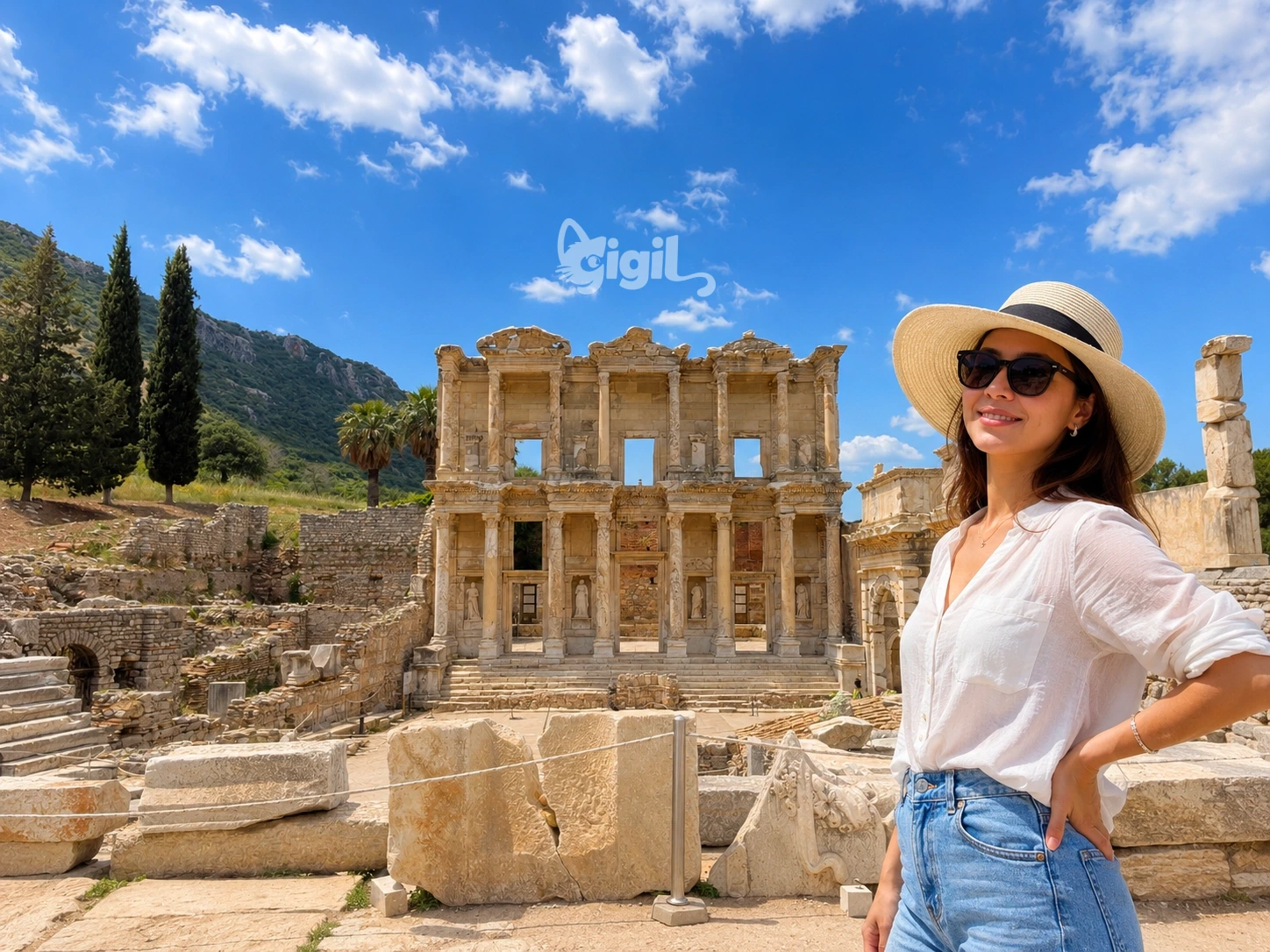
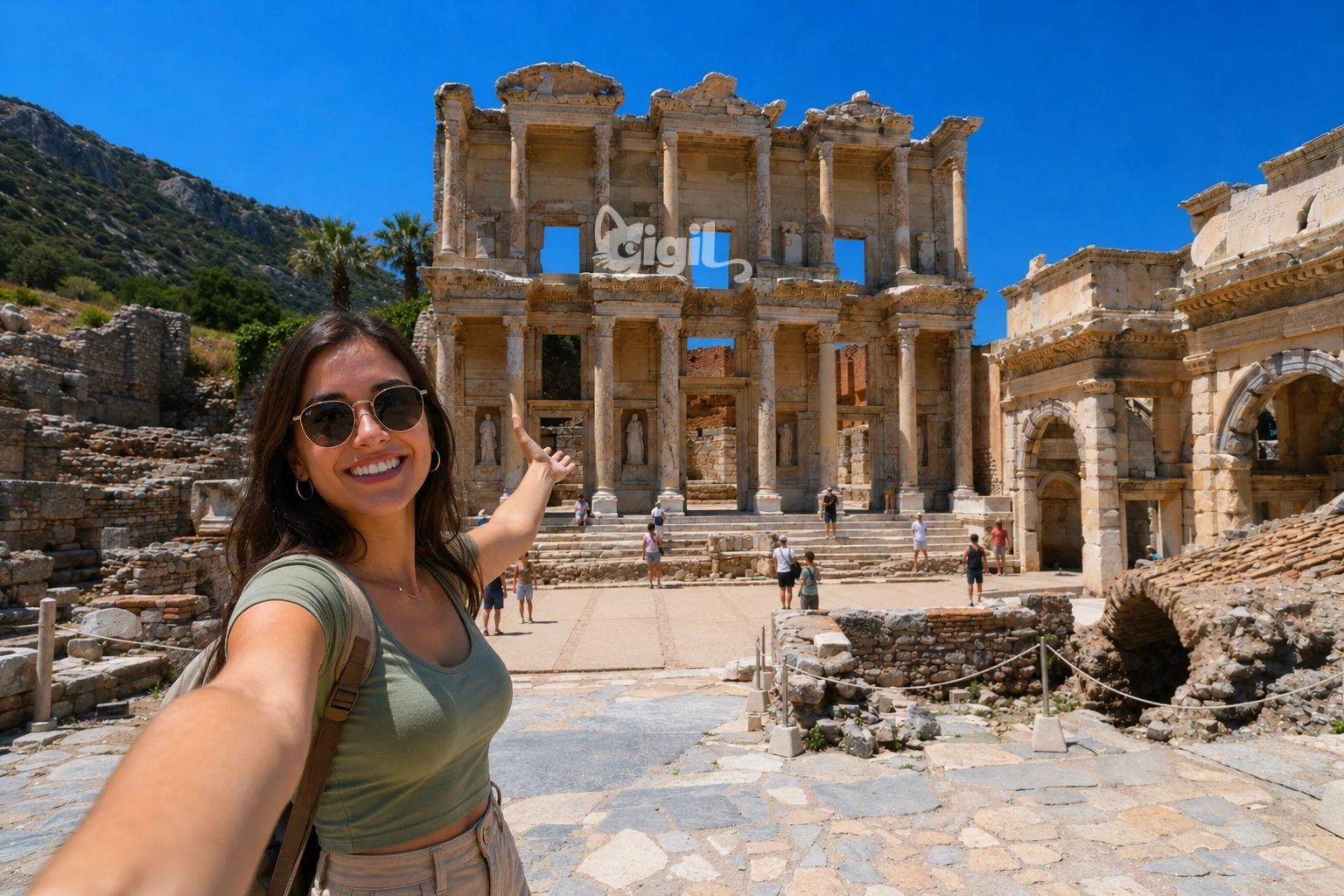

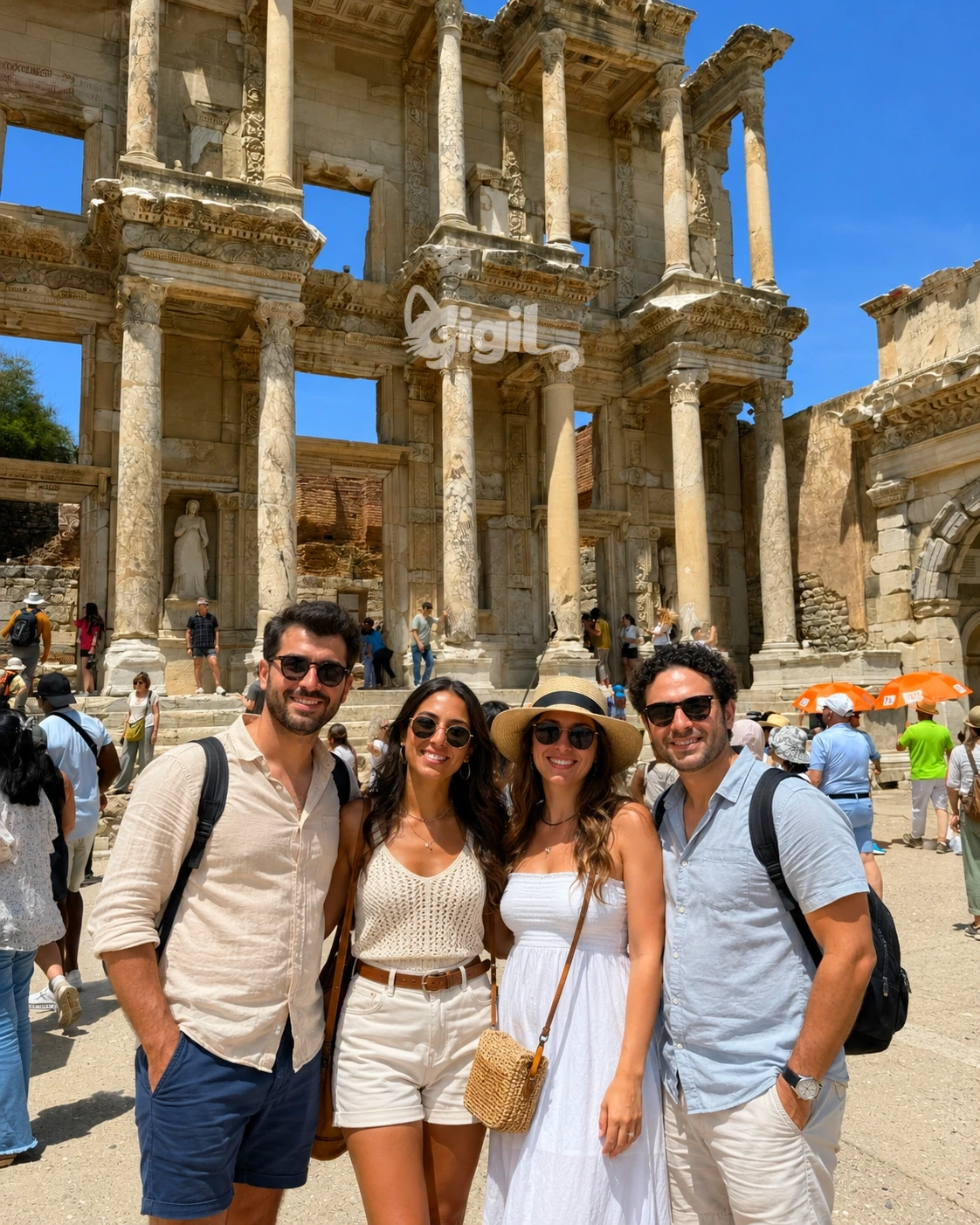

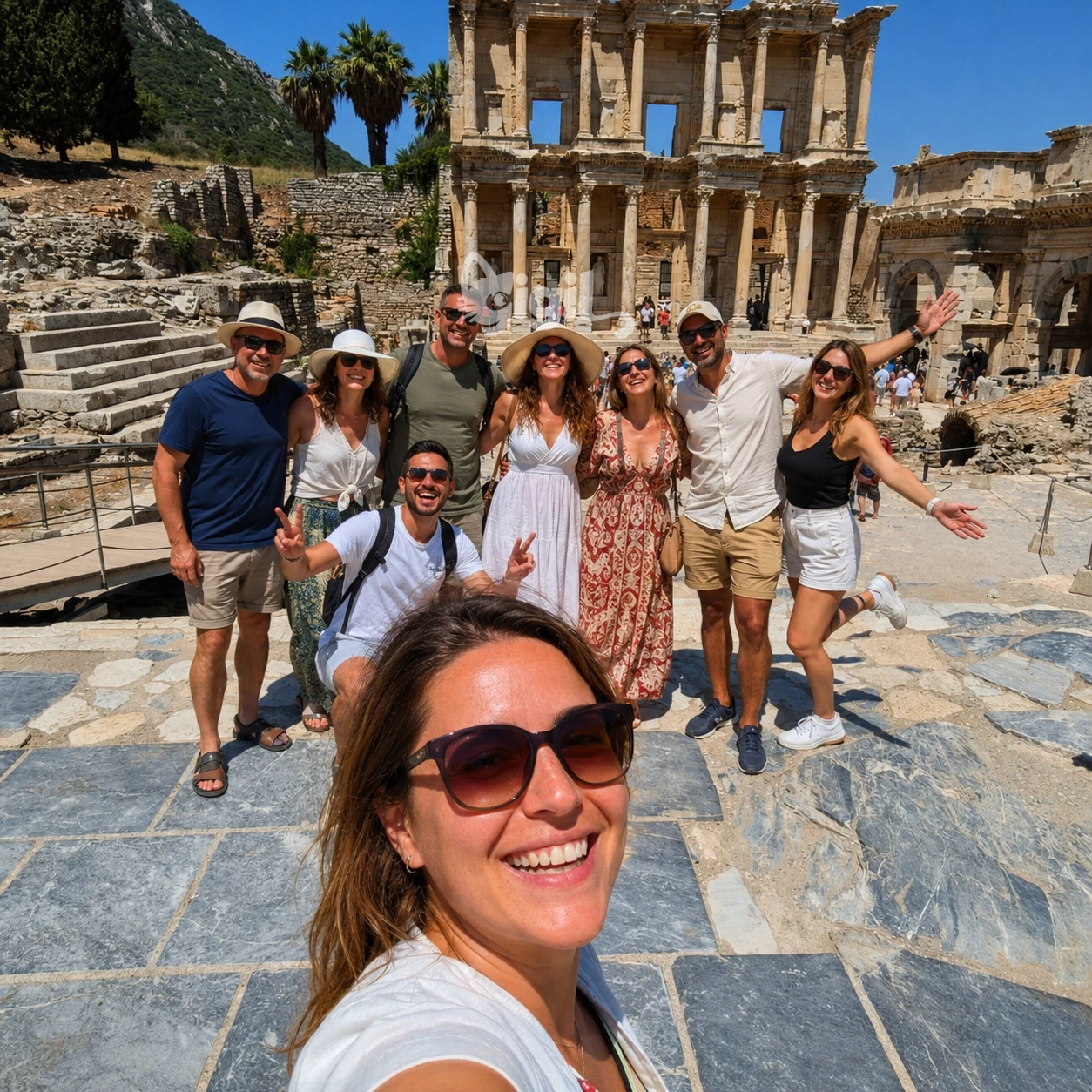
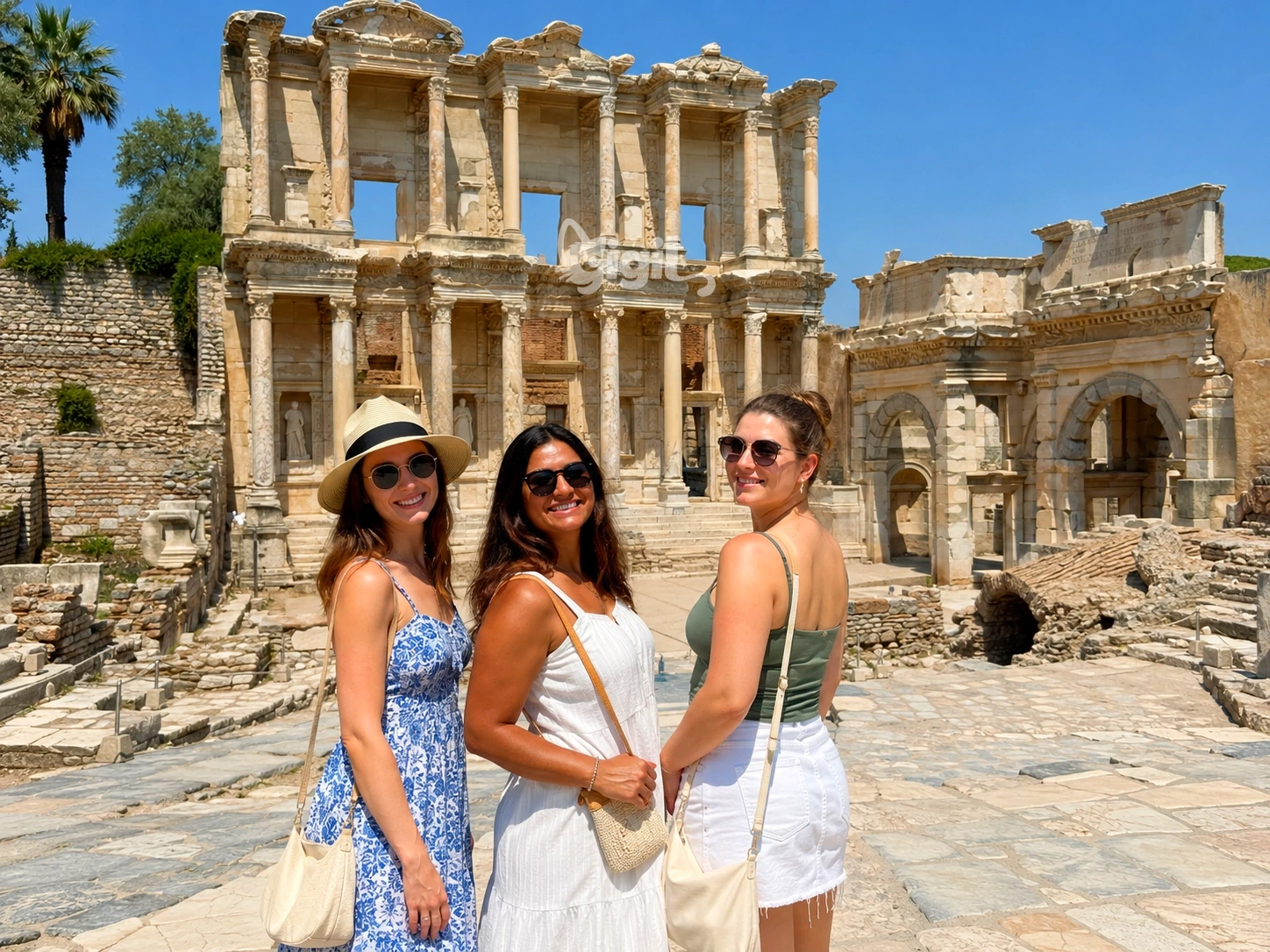

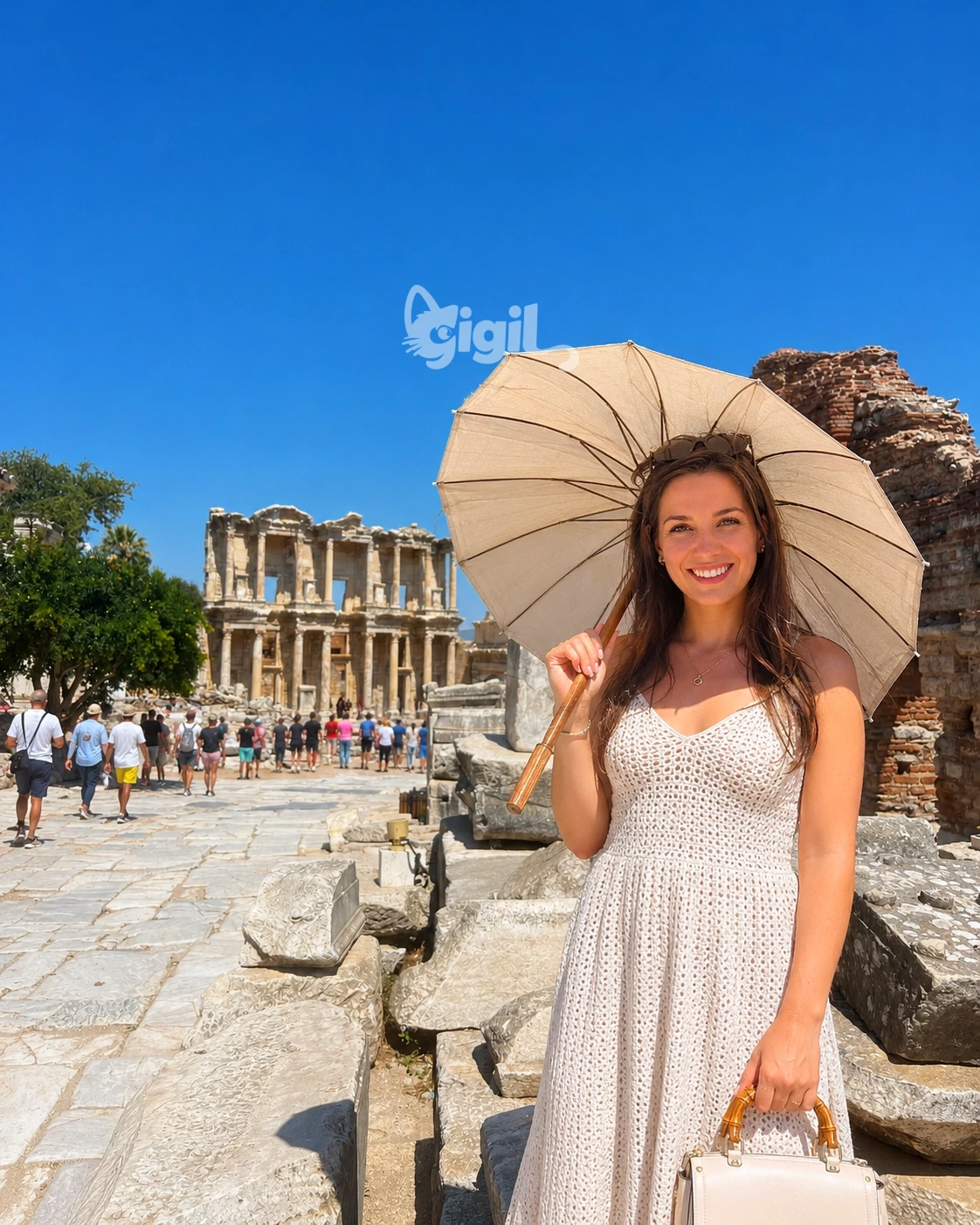

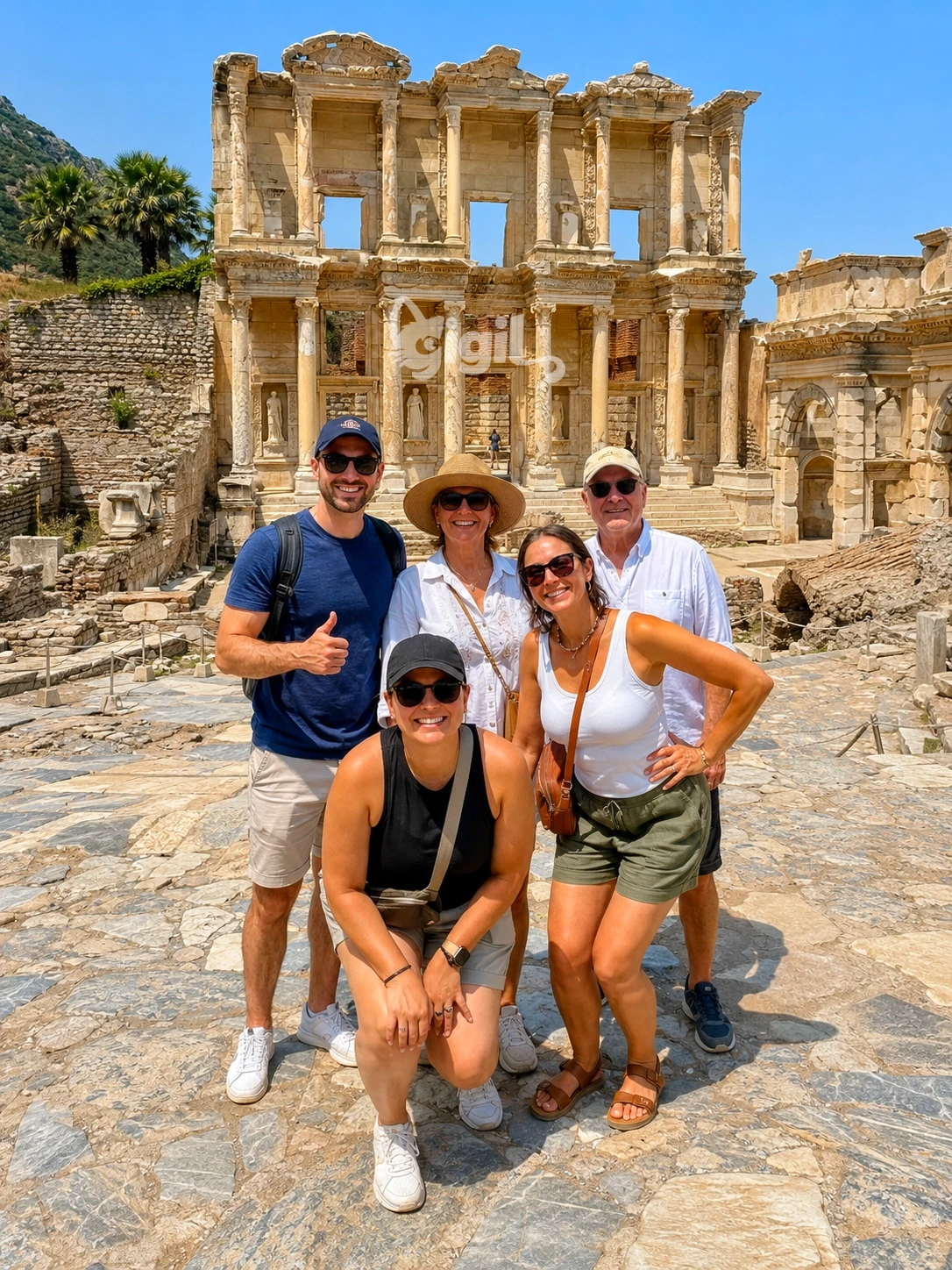
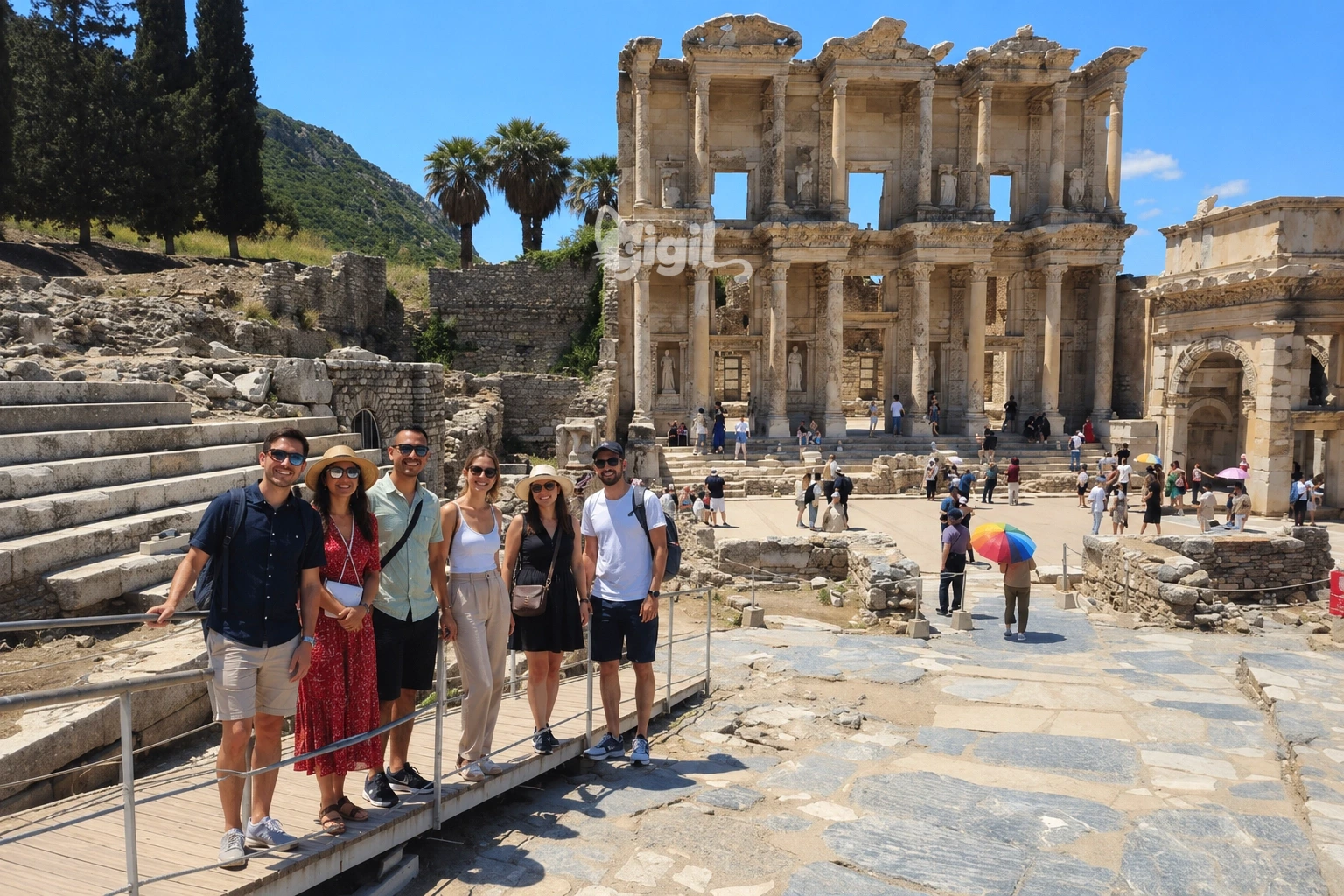

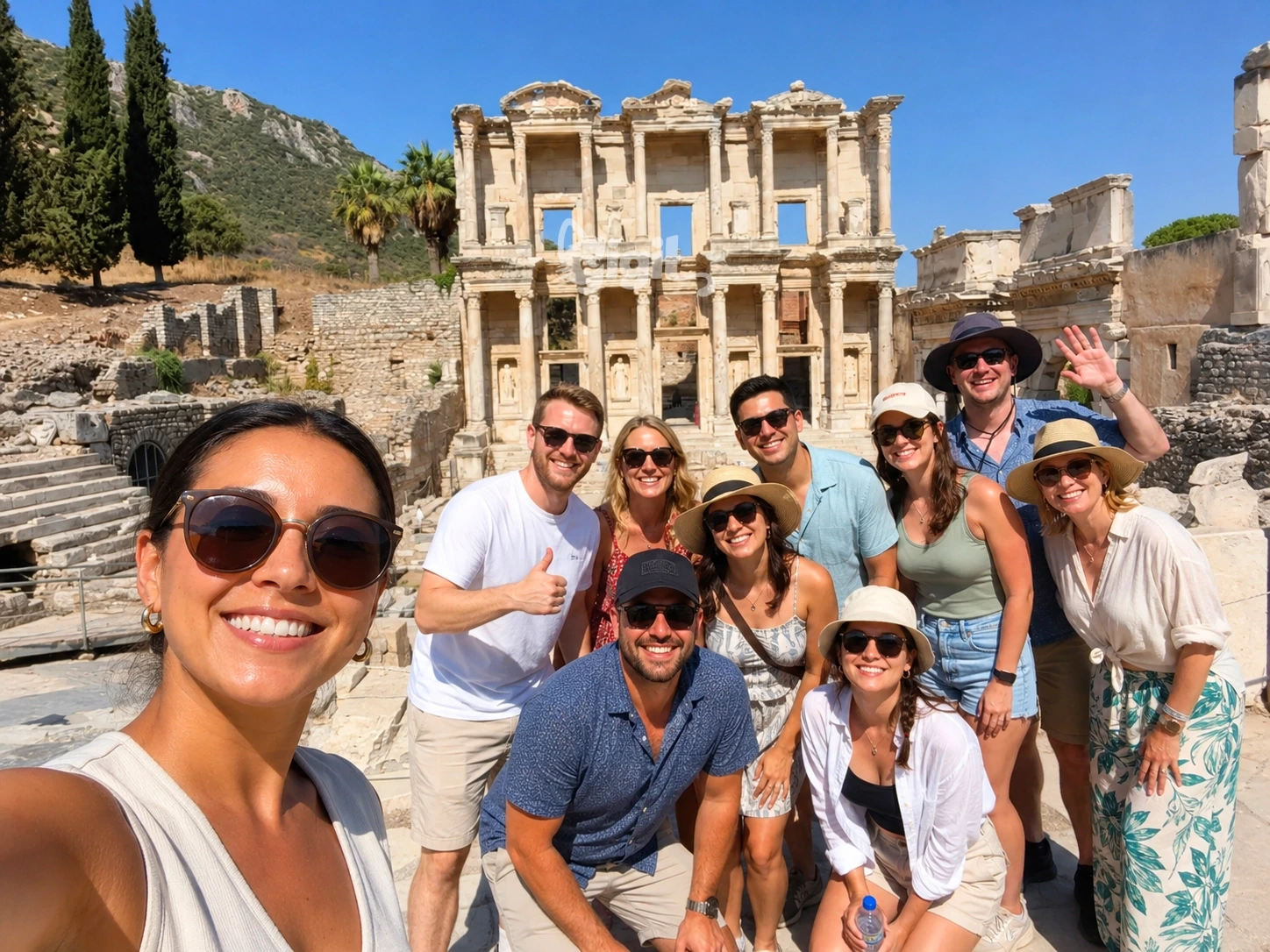

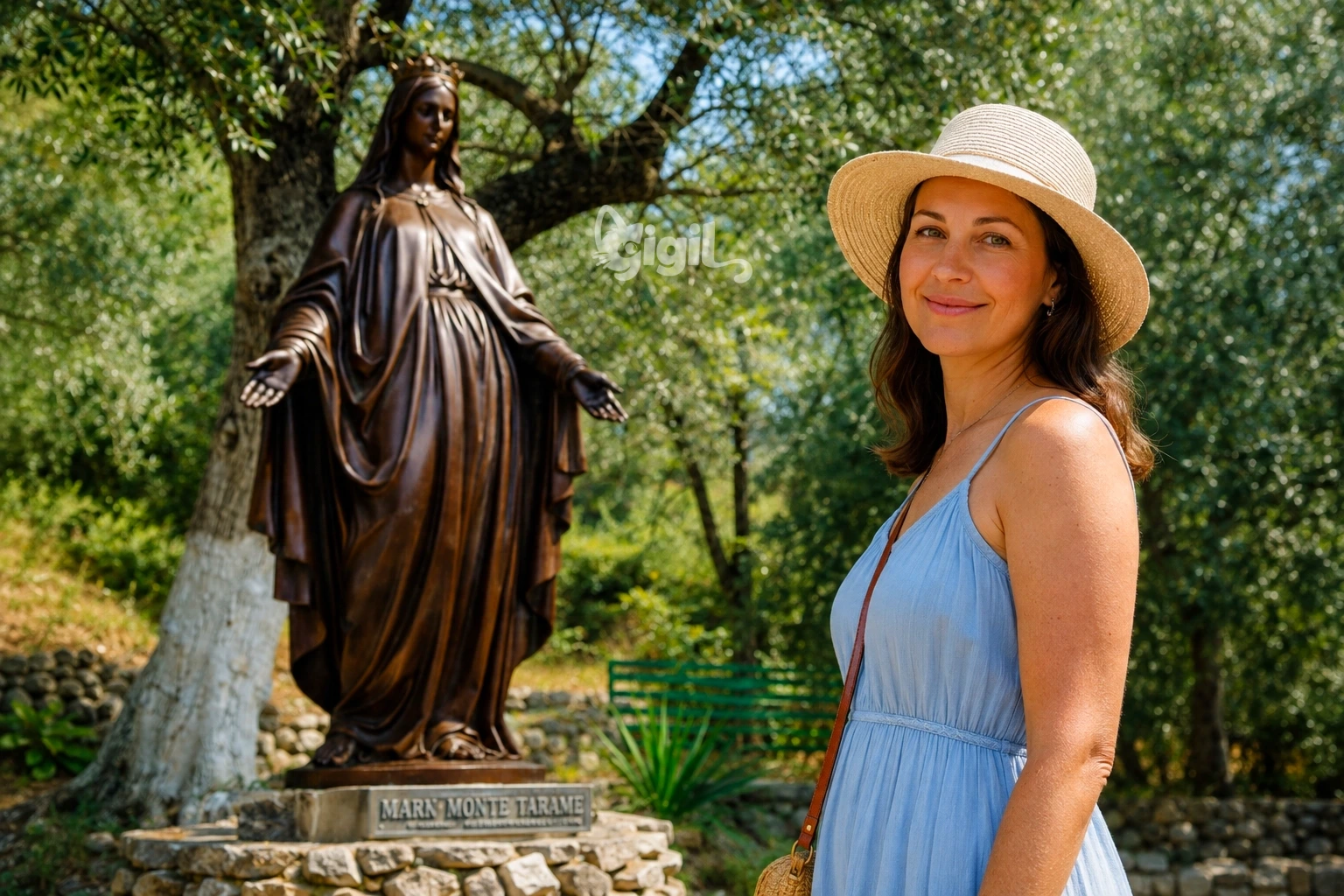
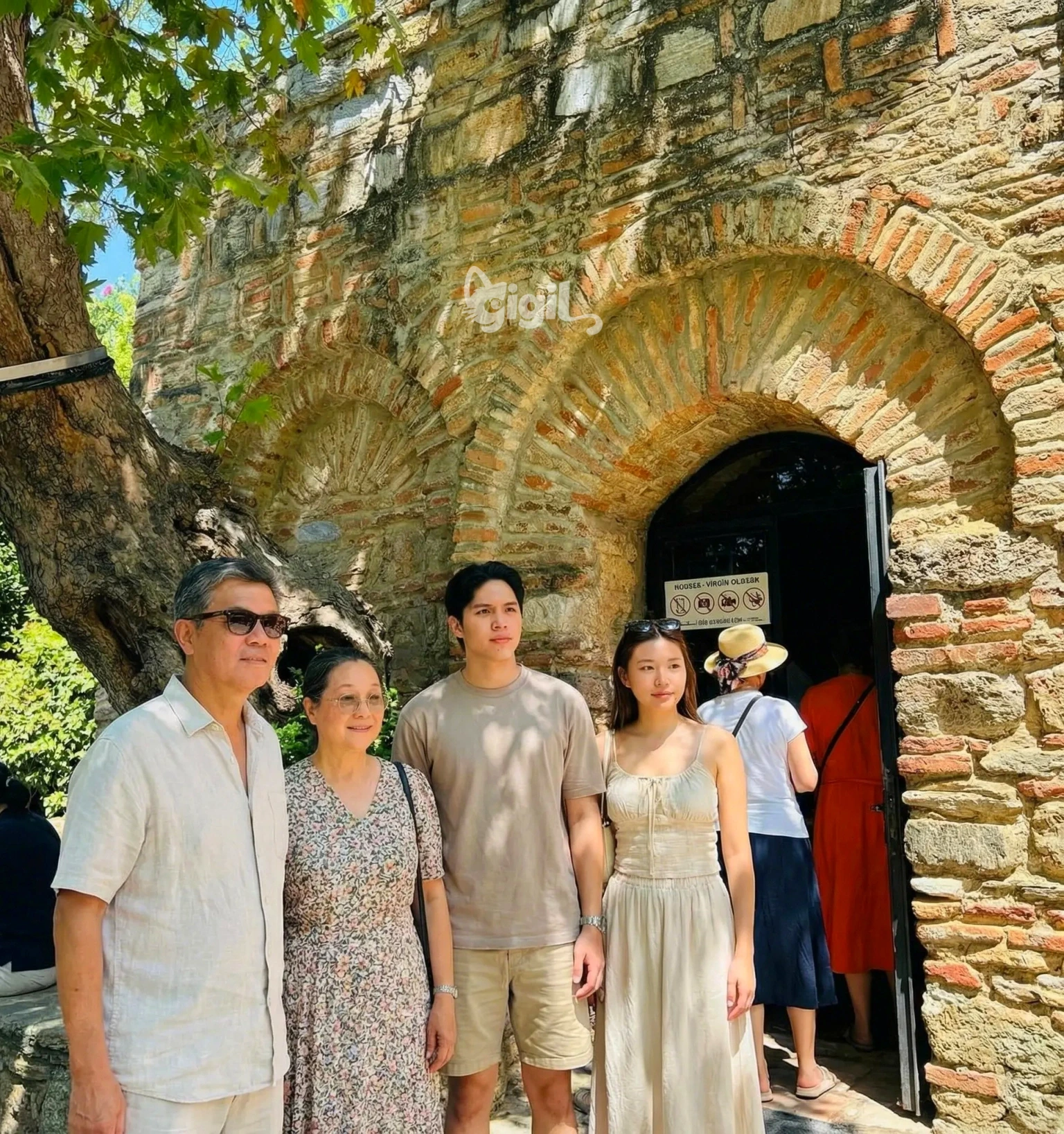
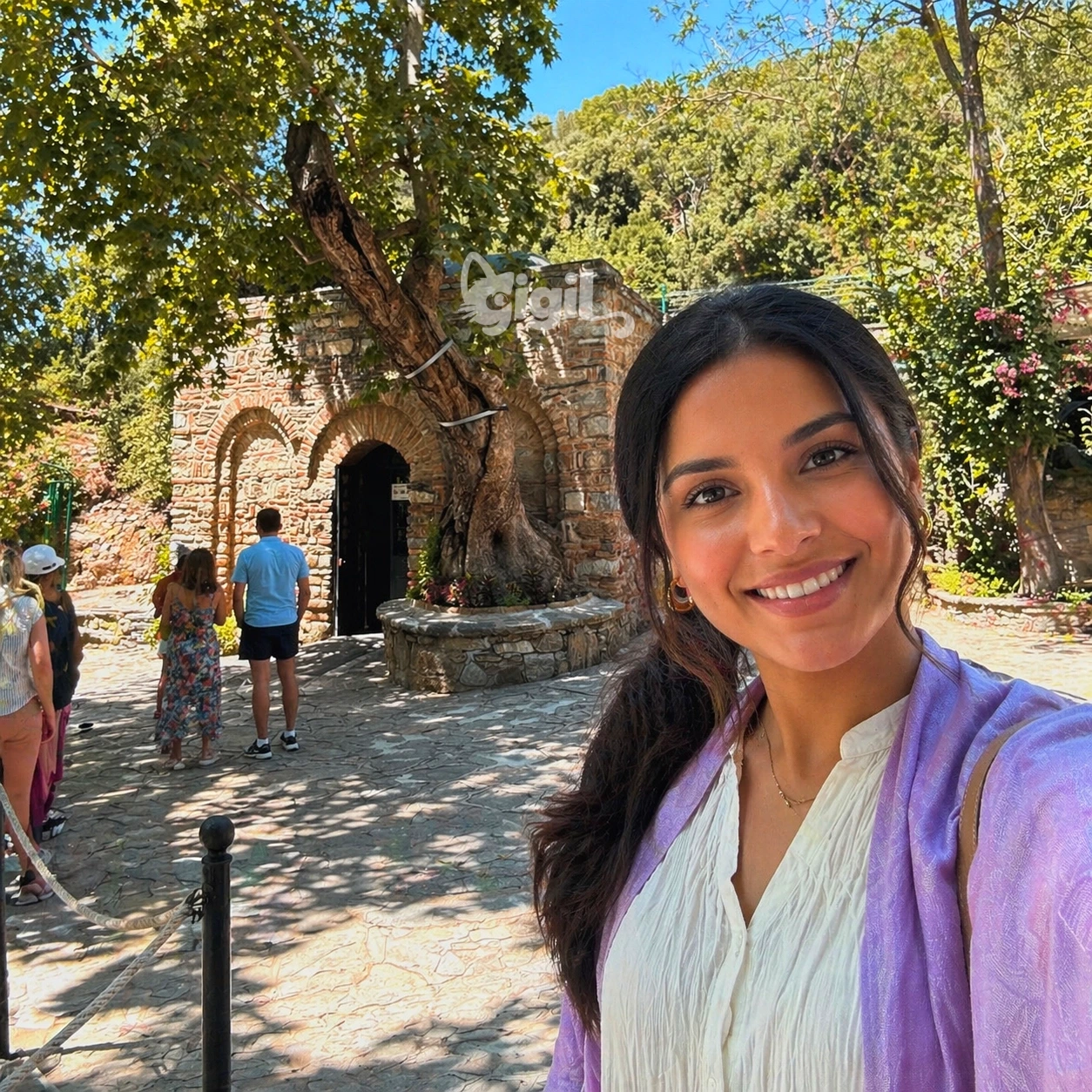
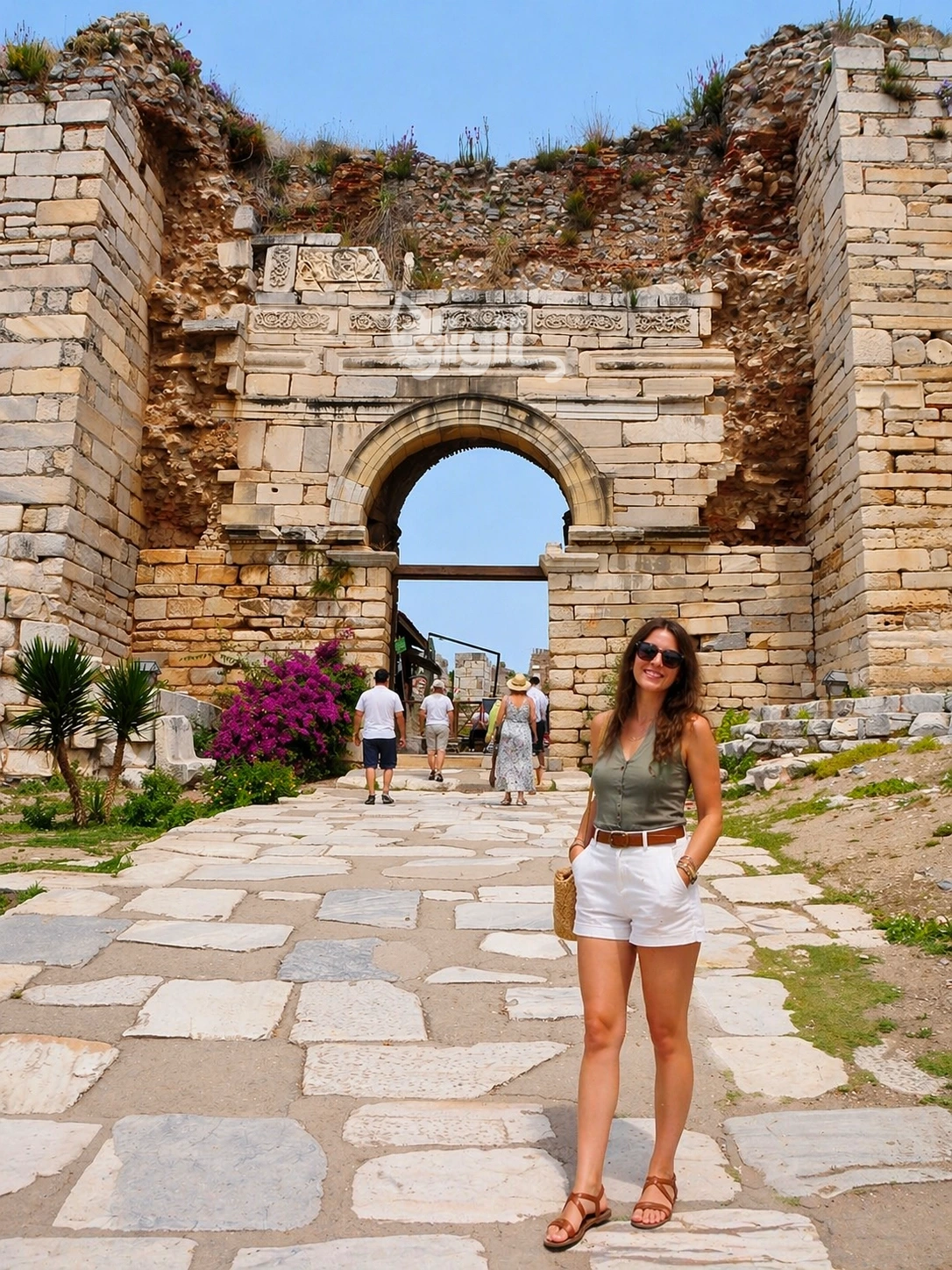
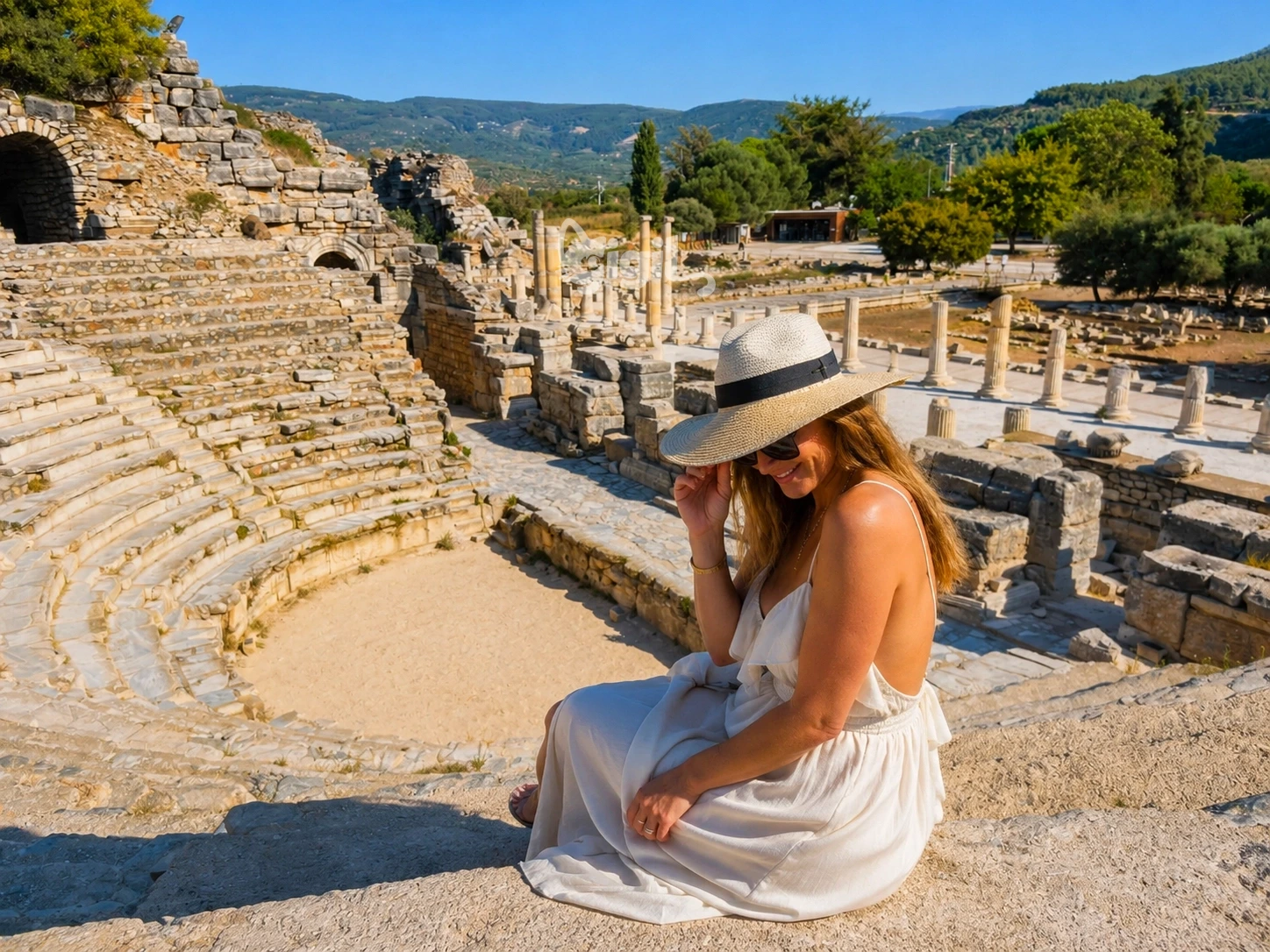
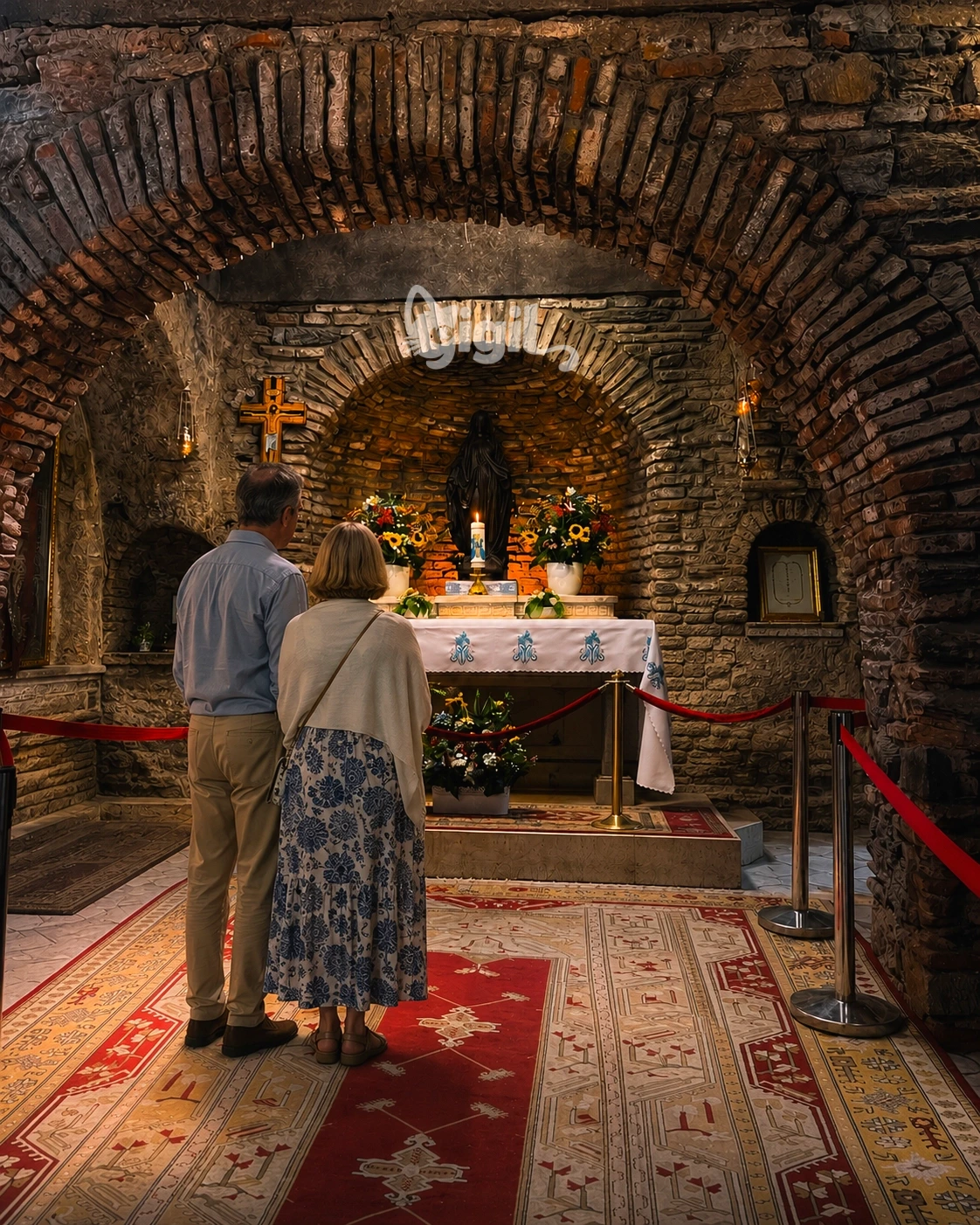
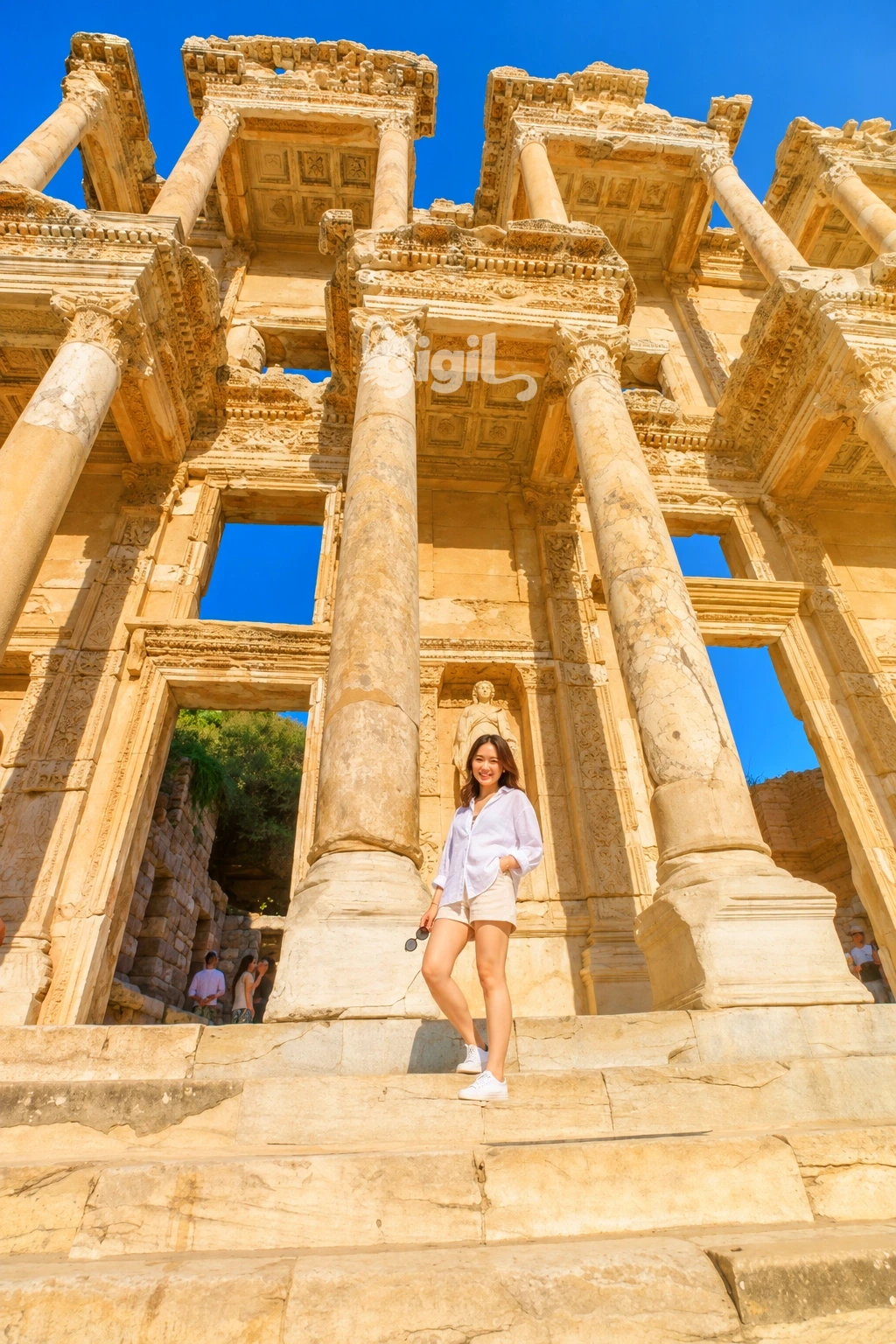


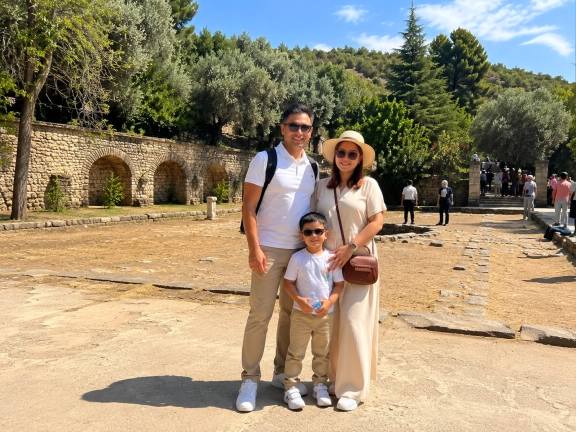
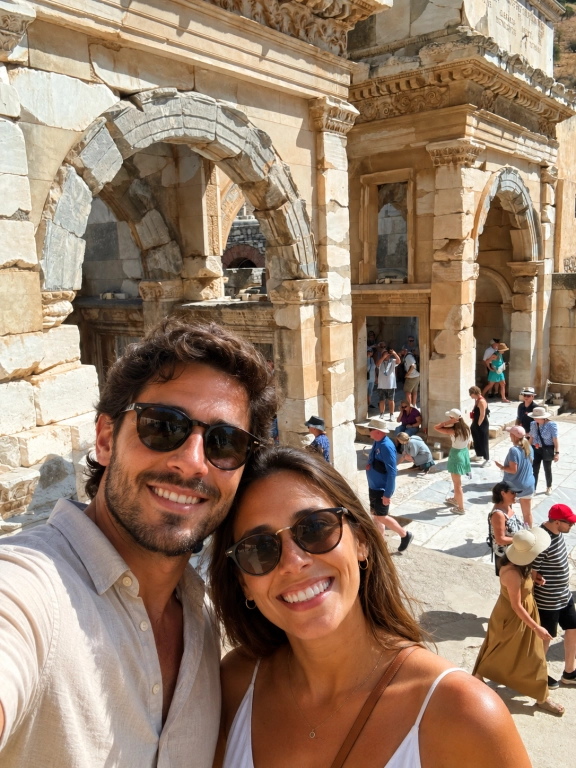
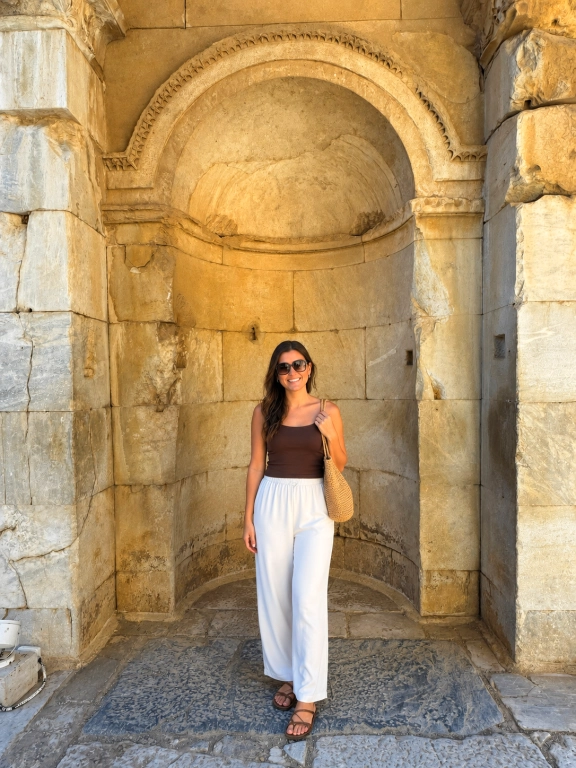
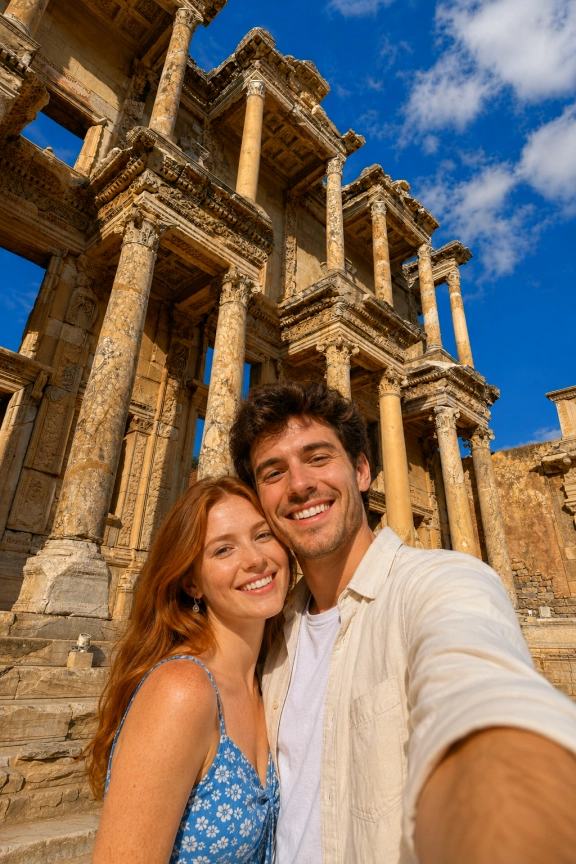


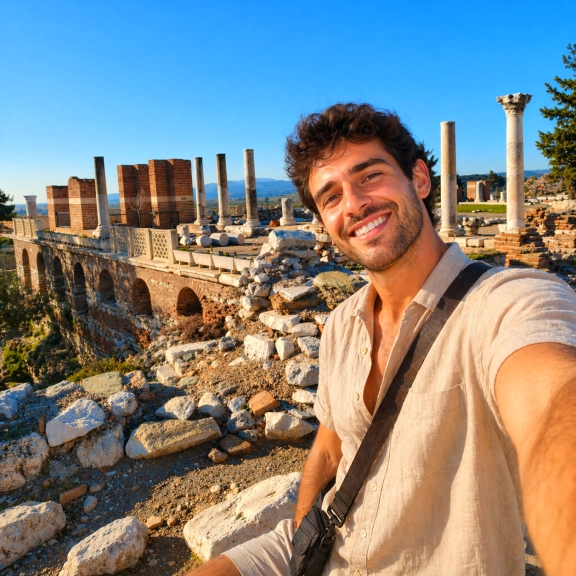
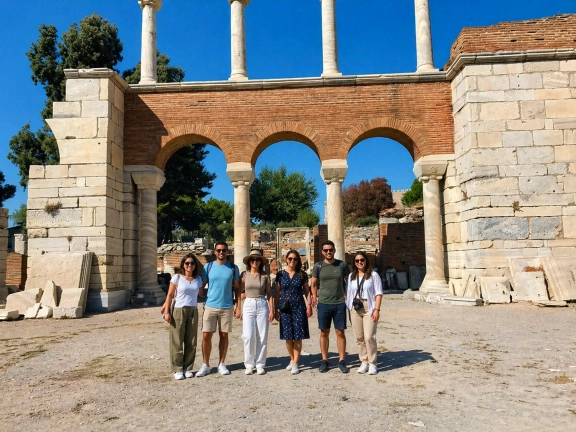
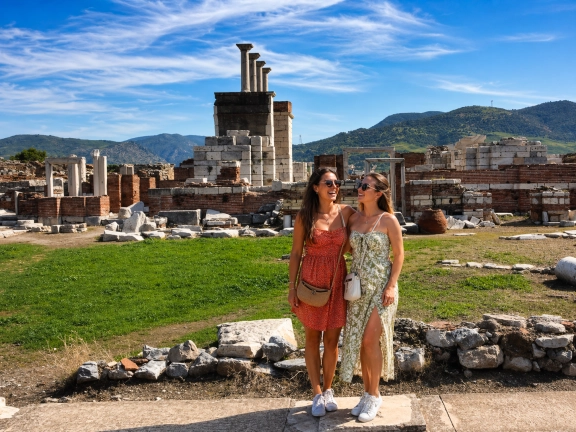
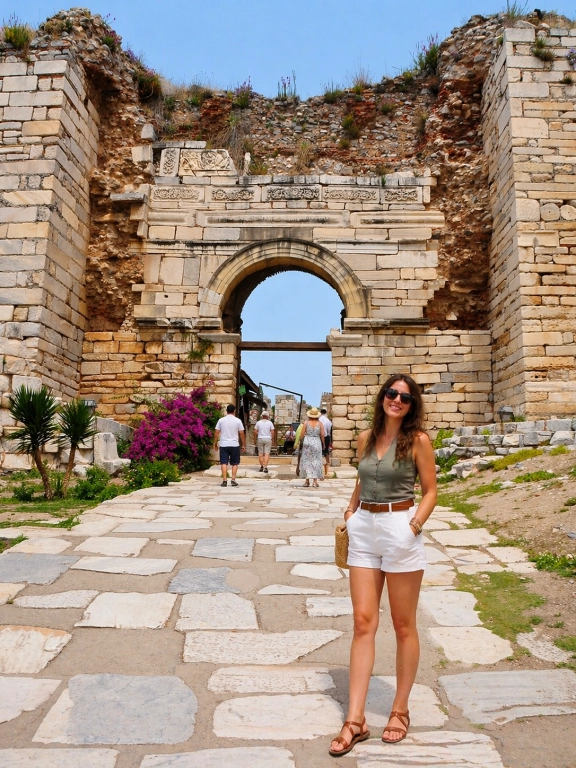
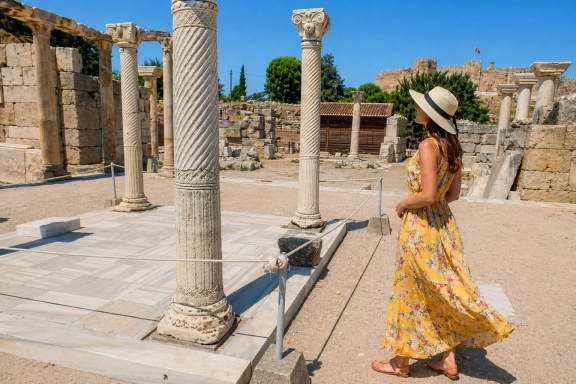

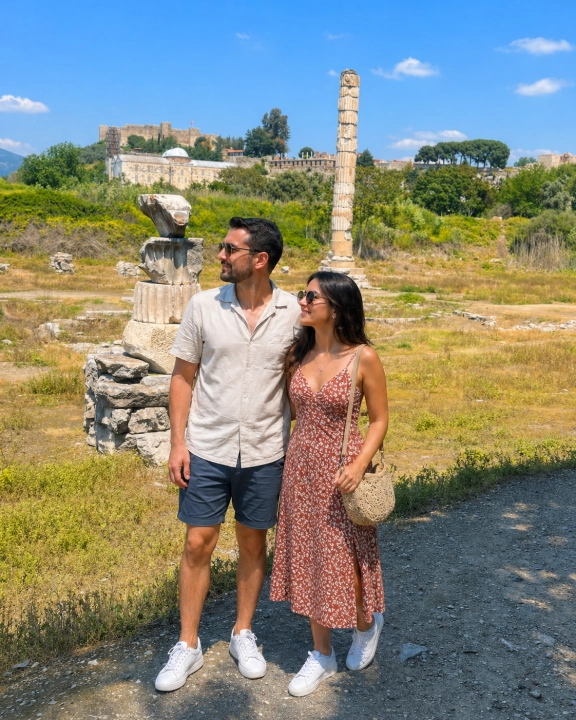

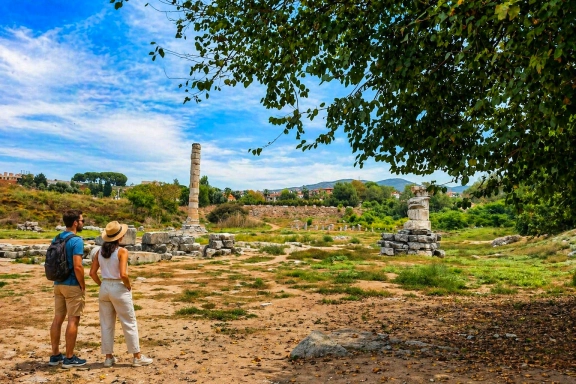
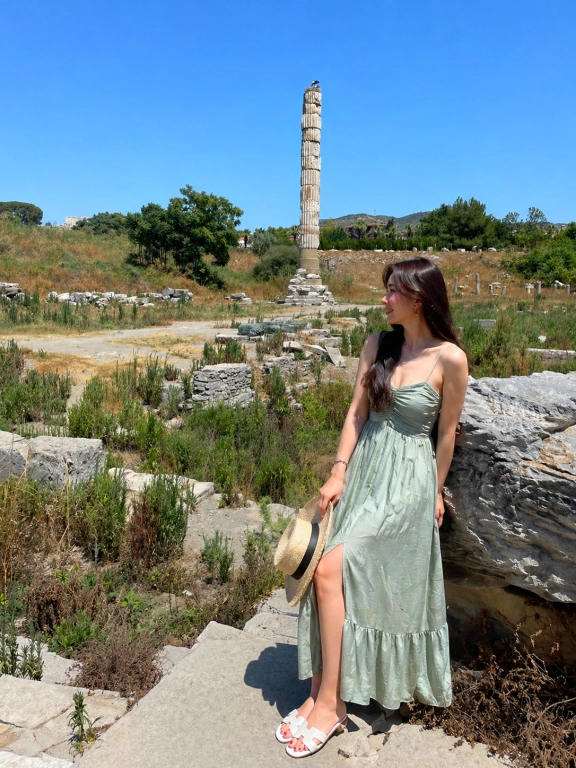
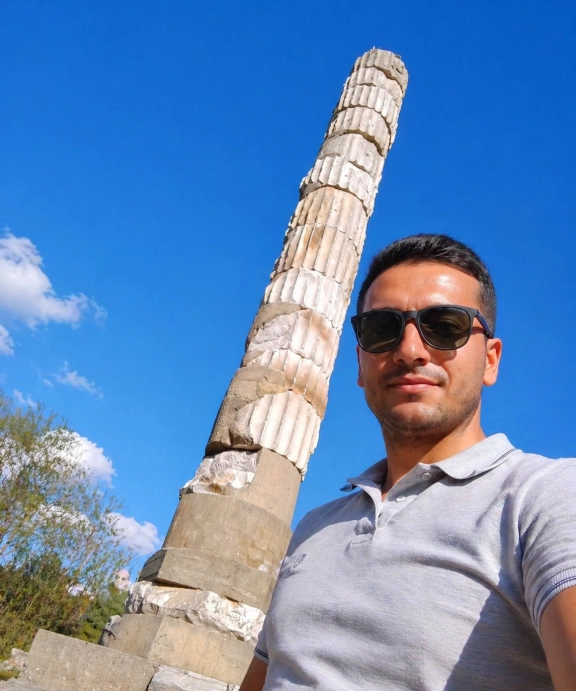



Ephesus Ancient City feels especially powerful because its surviving remains still belong to a coherent urban whole. Streets, monumental facades and public spaces reveal how a major classical city once worked, making the experience more immersive than a visit to isolated ruins alone.
That connected structure gives the stop real interpretive depth on a Biblical Ephesus route. The archaeological setting strengthens the region's wider sacred and cultural narrative at every stage of the walk.
Questions
What makes Ephesus Ancient City such a strong historical visit?
Its surviving remains still form a readable urban landscape with streets, monuments and public spaces that reveal the structure of ancient city life. That gives the site unusual interpretive strength.
Why do travelers often remember moving through Ephesus itself?
Because the city still reads as a connected whole rather than a collection of unrelated ruins. Walking through the site becomes part of understanding its scale and function.
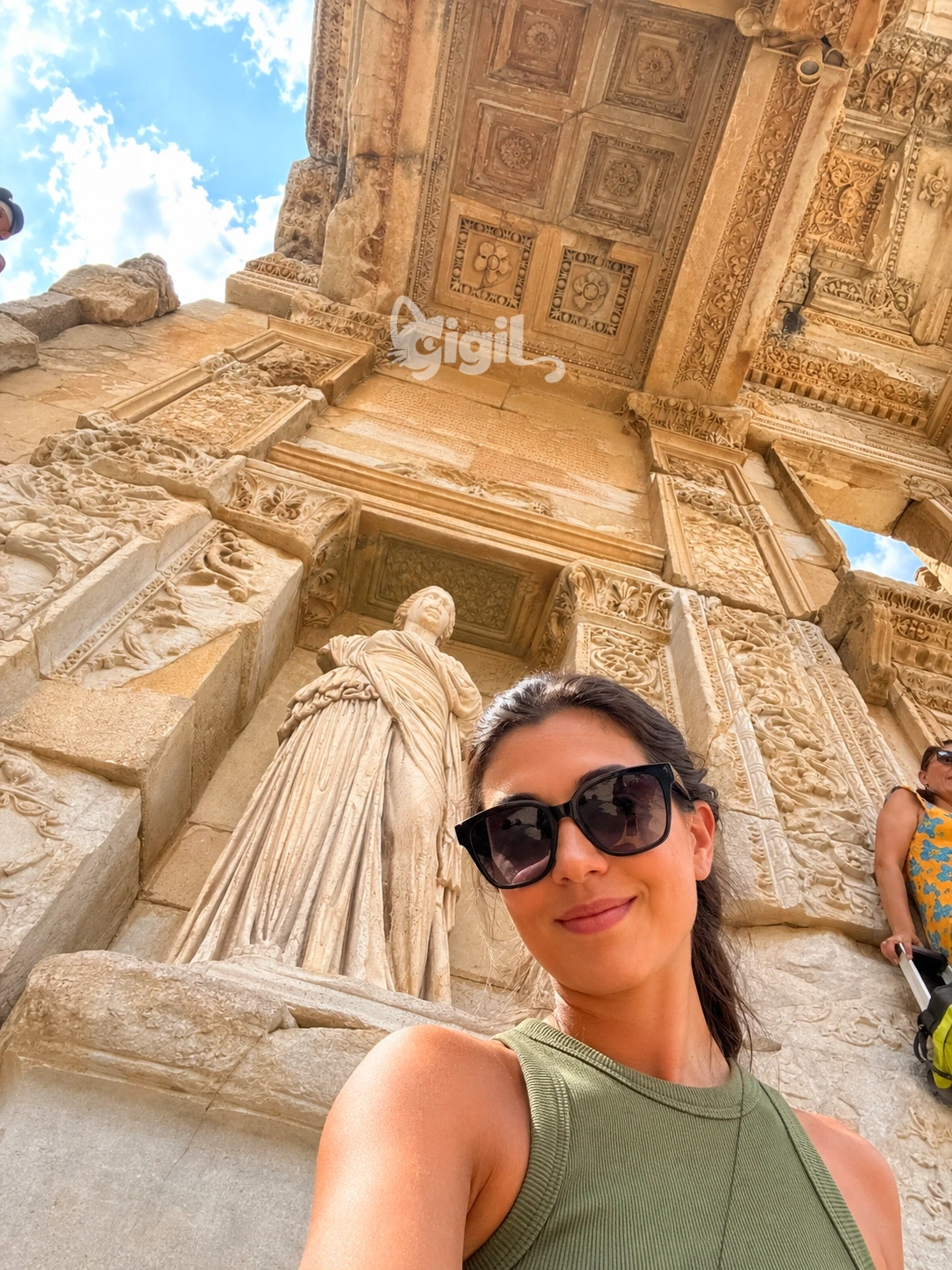

How is Ephesus different from a site made up mostly of isolated fragments?
Its remains still hold together as parts of a visible broader plan, giving the visit more continuity and a stronger sense of place. That coherence is one of the site's major strengths.