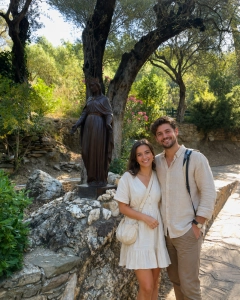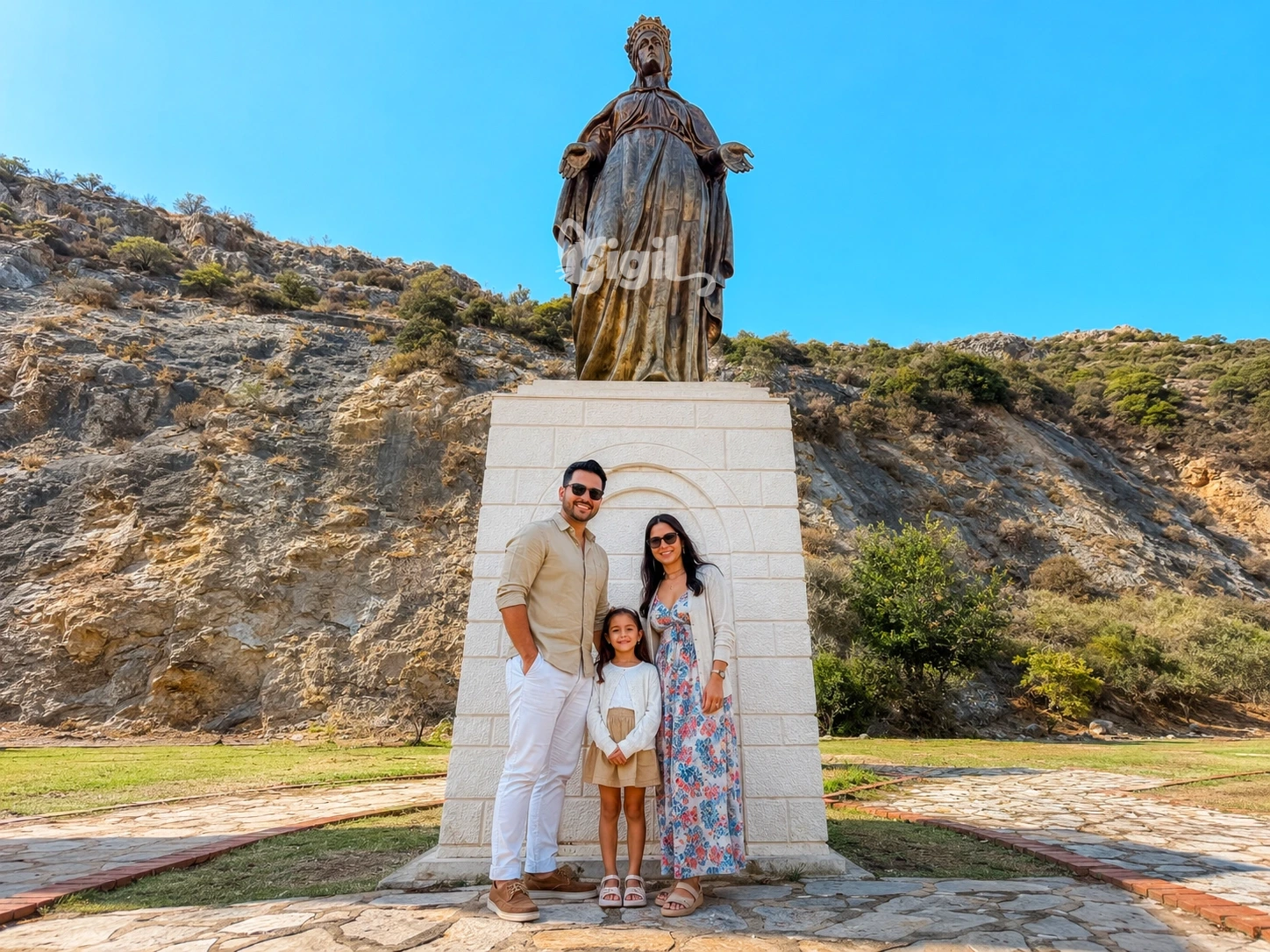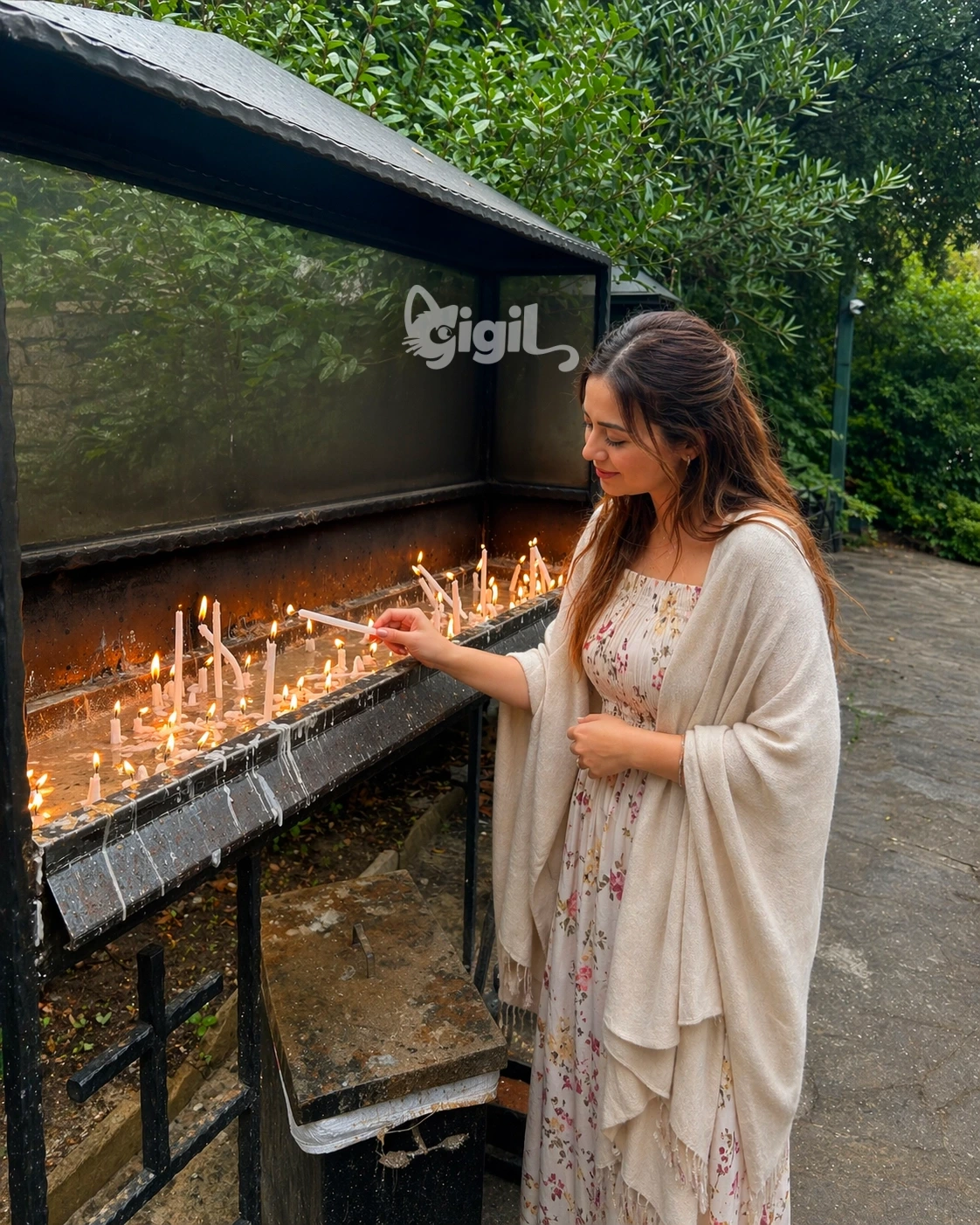









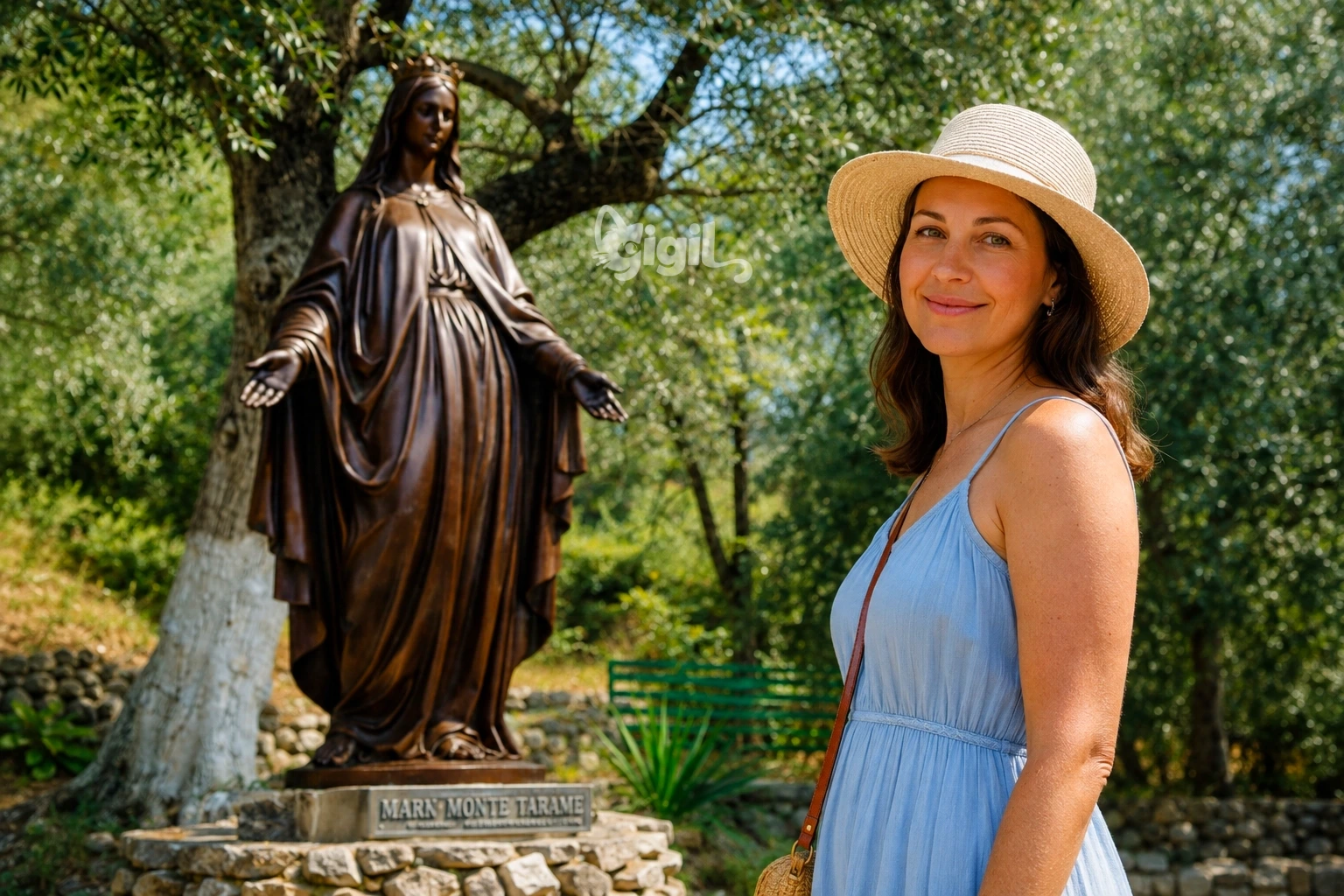
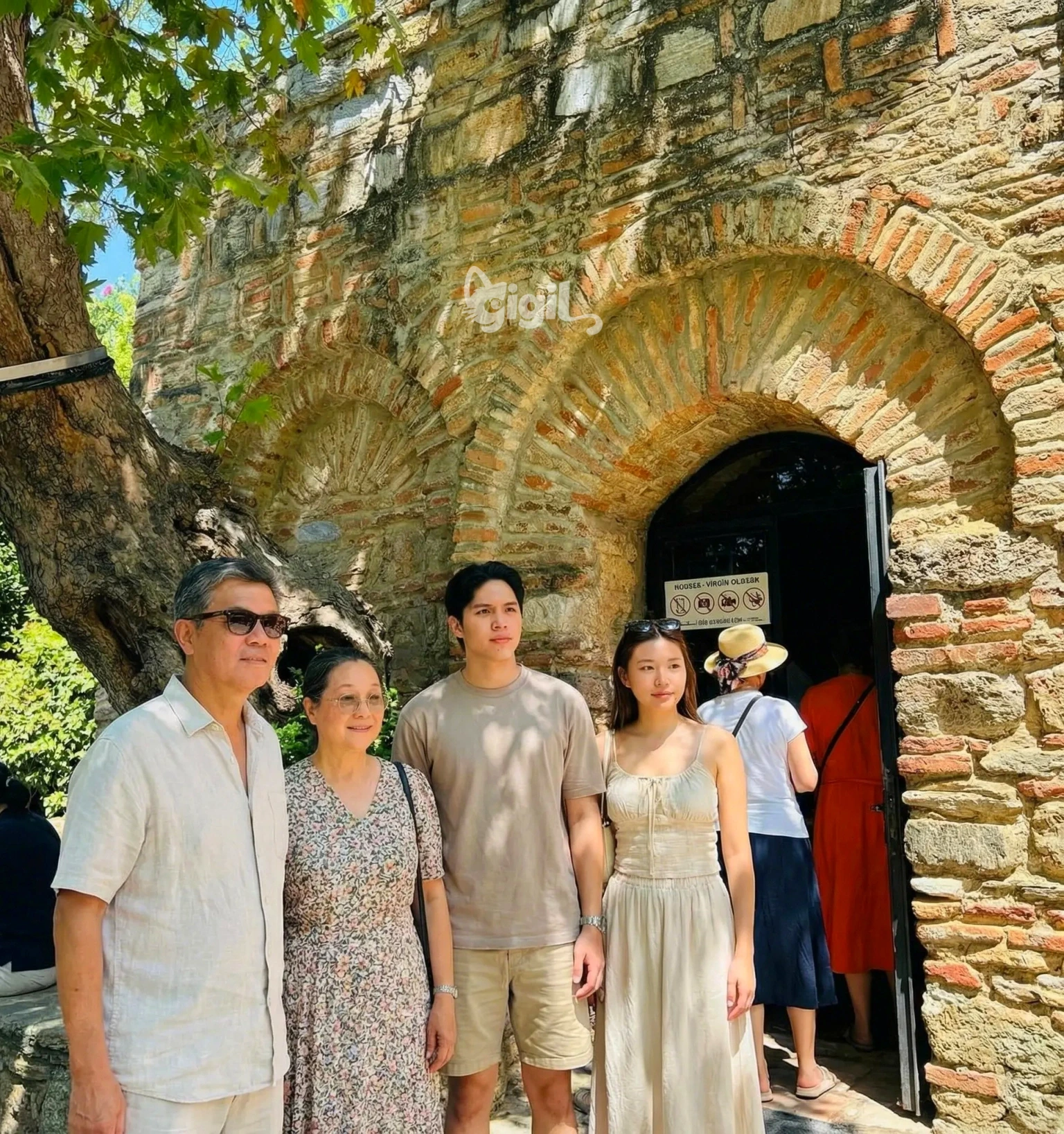
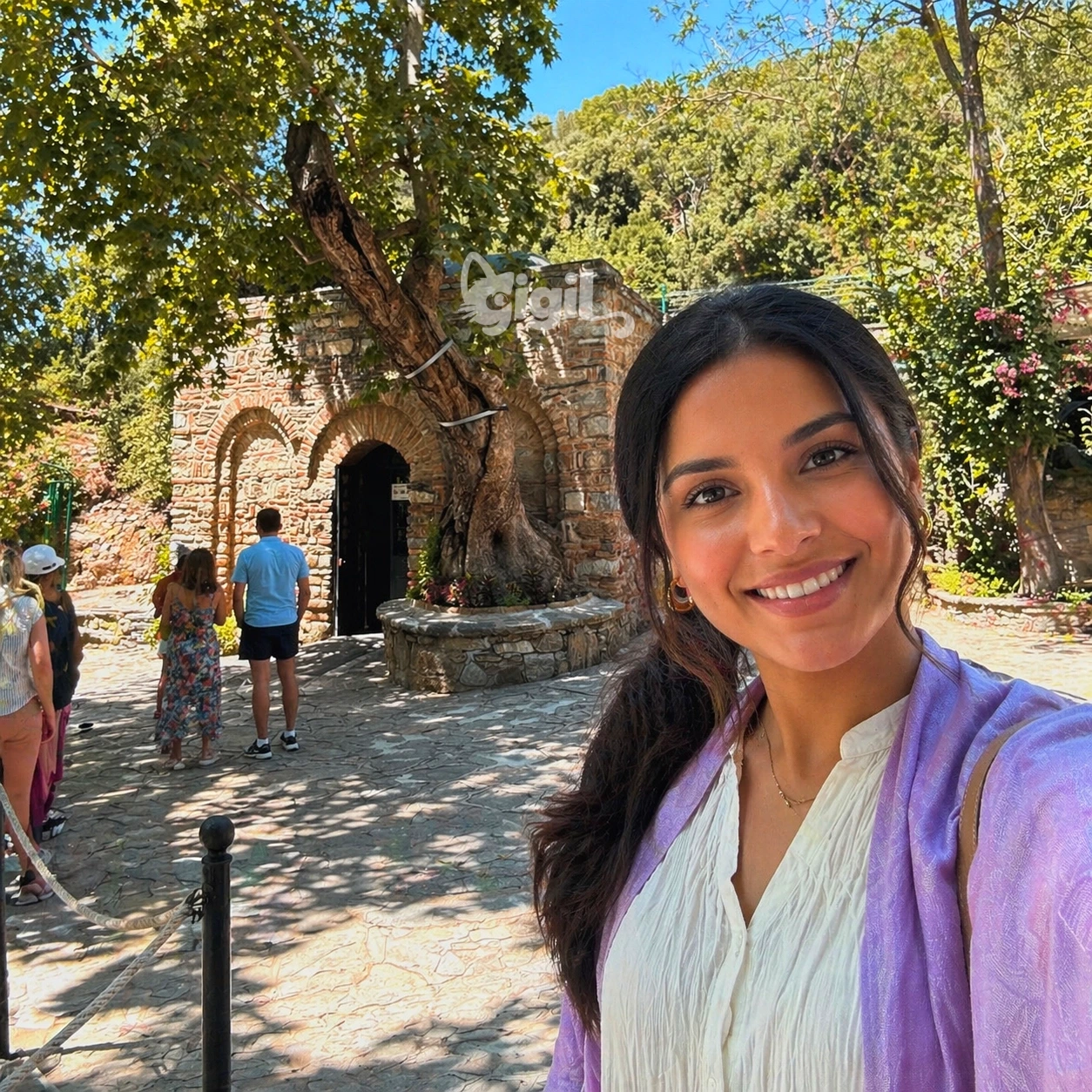
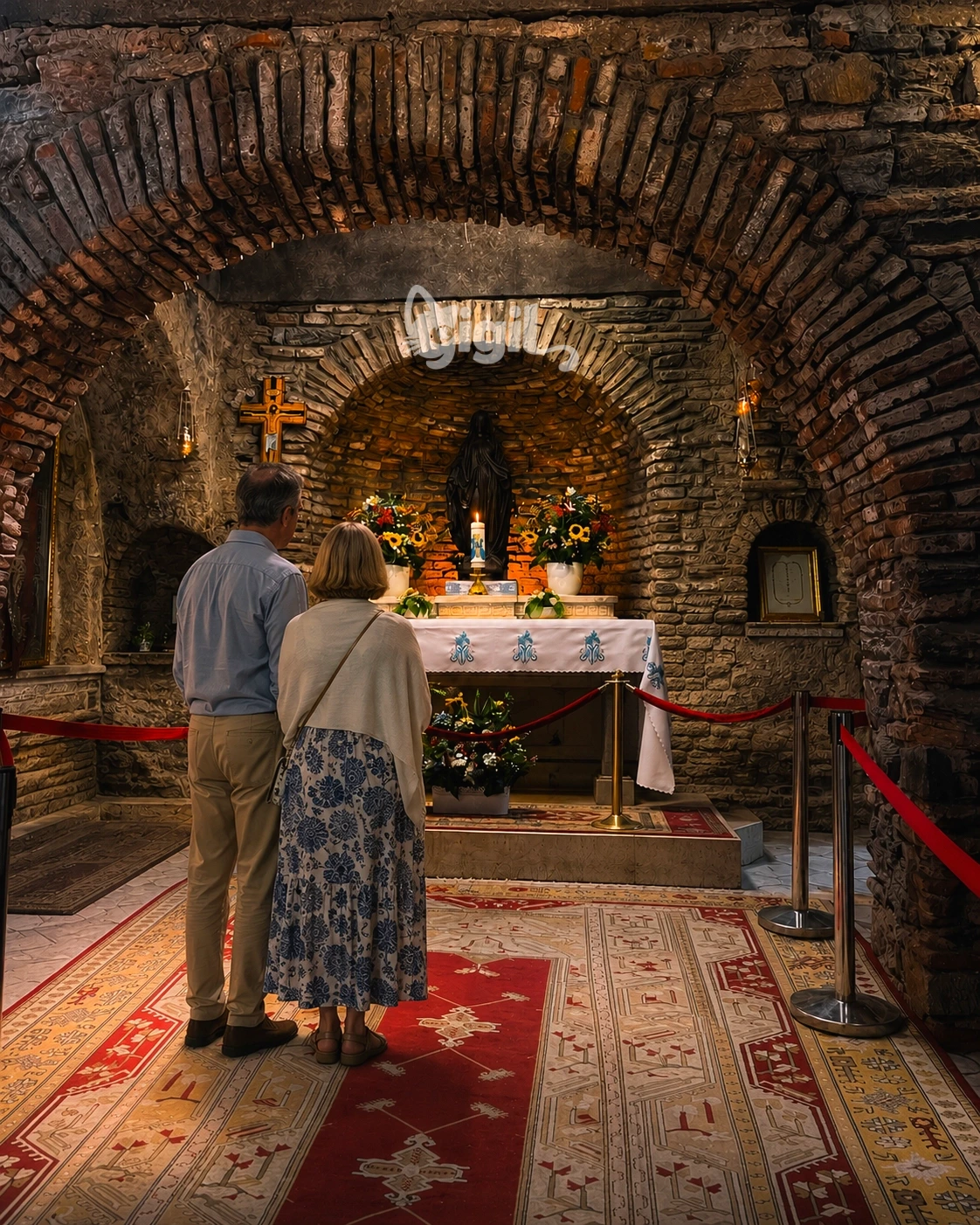
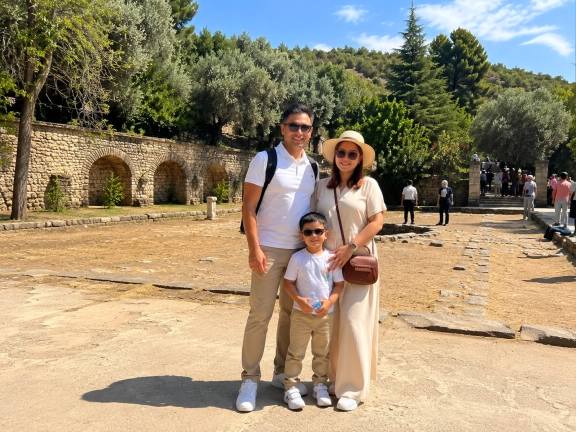
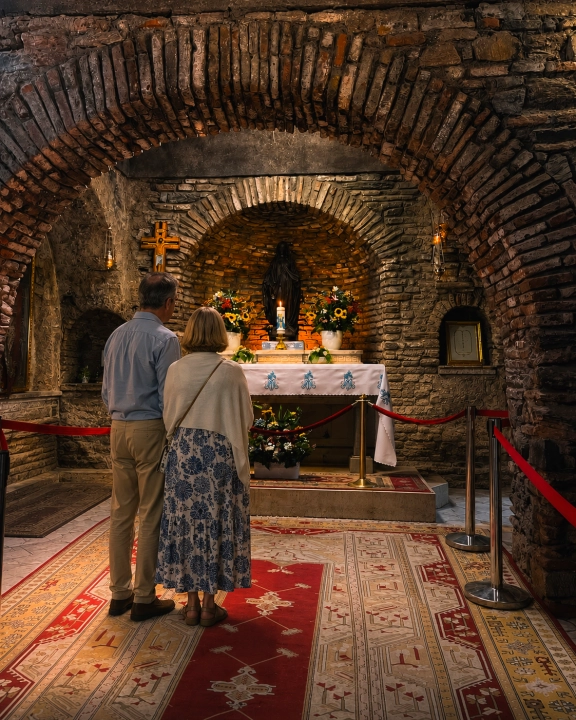
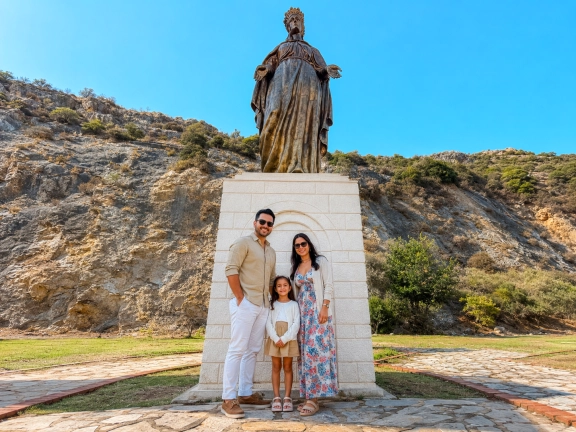
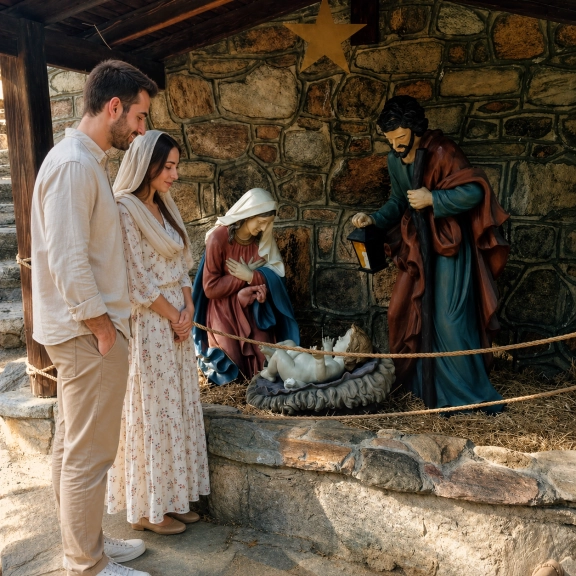
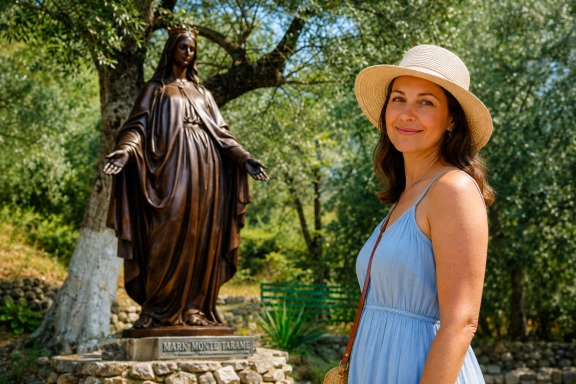
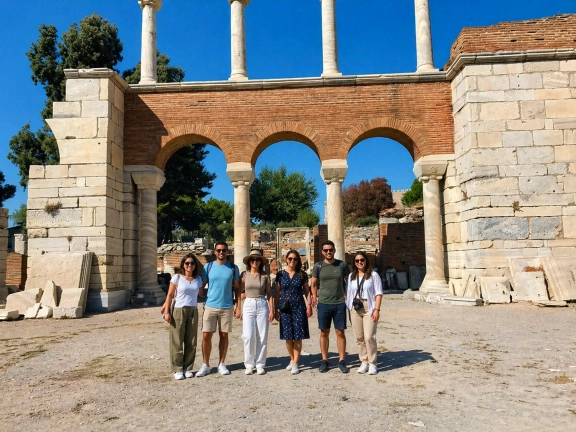
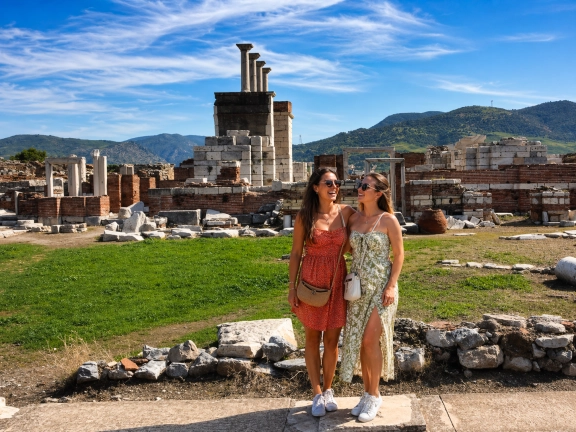
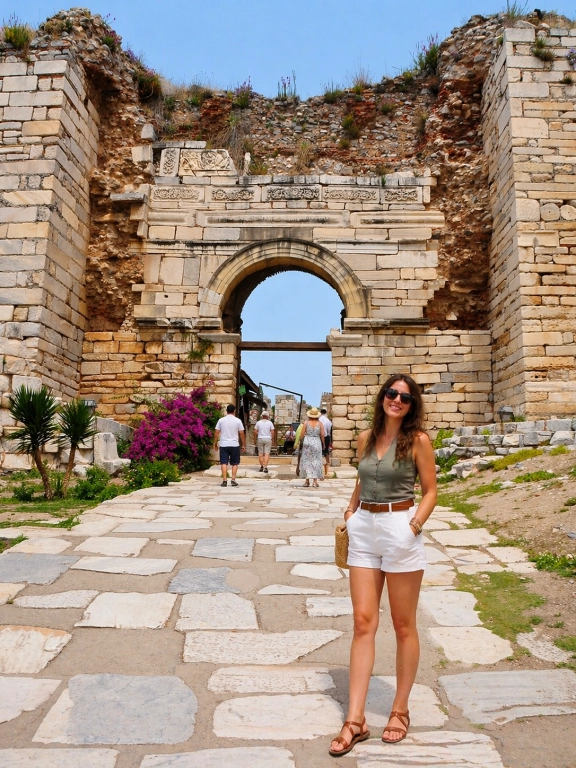
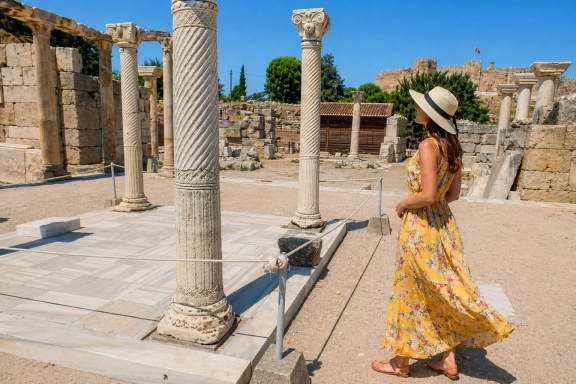


A religious tradition, not a complete surviving household, defines the House of Virgin Mary sanctuary. The chapel on this hillside is associated with Mary in Christian belief, while restoration has contributed to its current appearance. Those two histories should not be mistaken for proof of an unchanged personal residence.
Notice the restrained architecture within the trees. The scale encourages attention to the place's devotional meaning and to the way pilgrimage can keep a landscape significant long after the ancient city's main public life.
Questions
Is this an untouched house from Mary's lifetime?
That would overstate the evidence: the chapel is restored and the personal connection is a matter of tradition.
What does pilgrimage explain about the site?
It explains how religious association can sustain the importance of a modest hillside sanctuary over time.
How should the building and setting be read together?
The small chapel and wooded slope form one devotional setting, rather than separate monuments requiring a grand architectural scale.