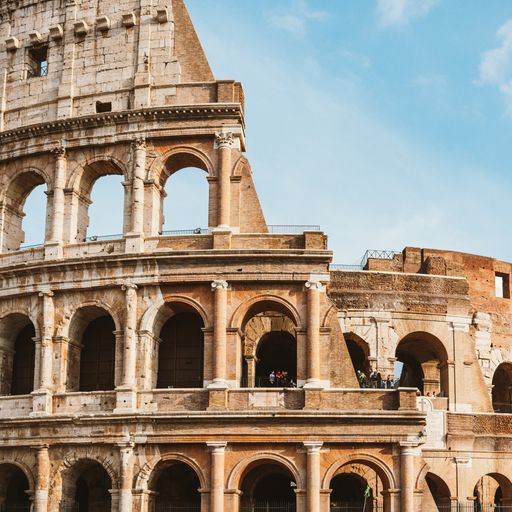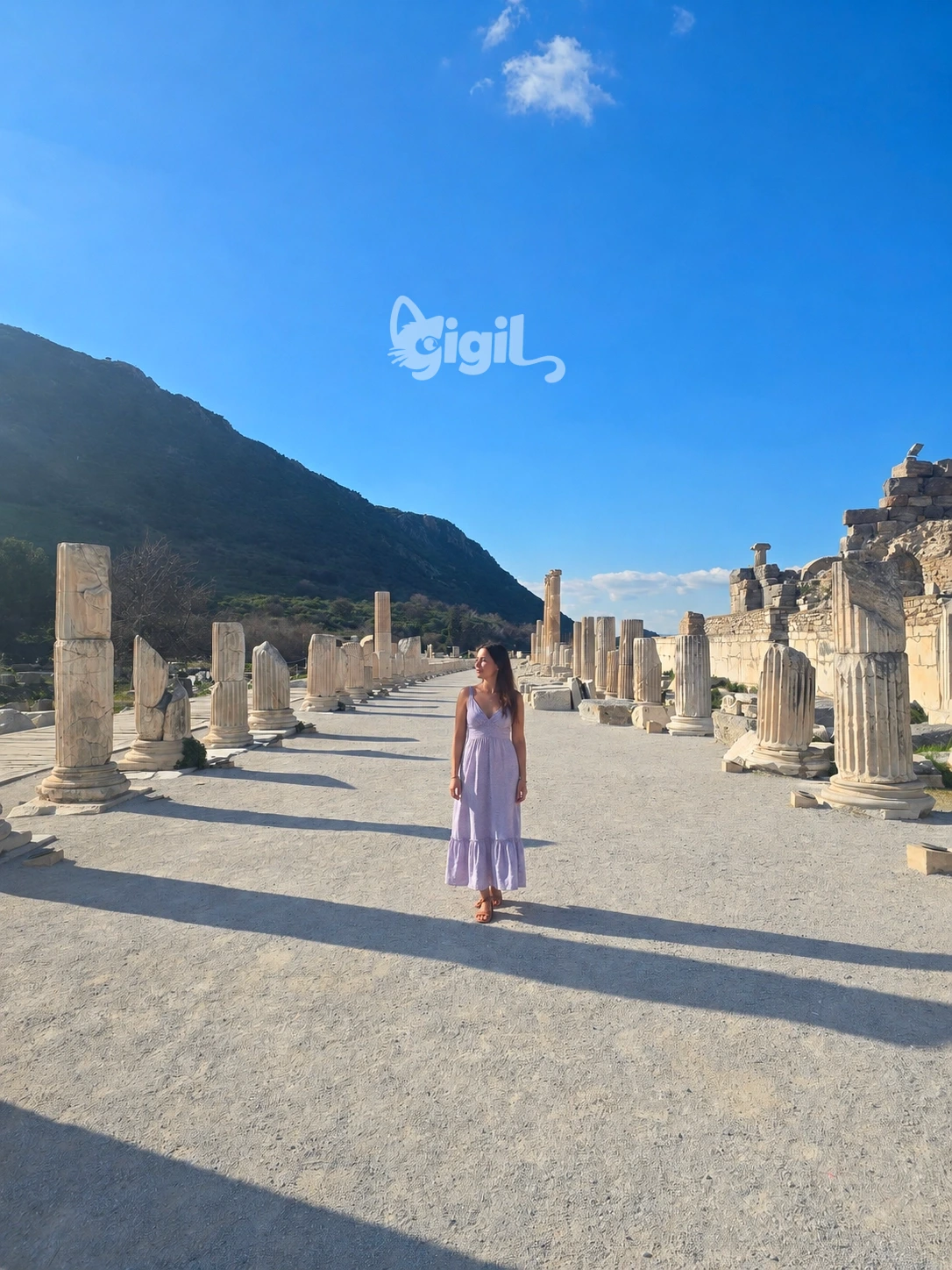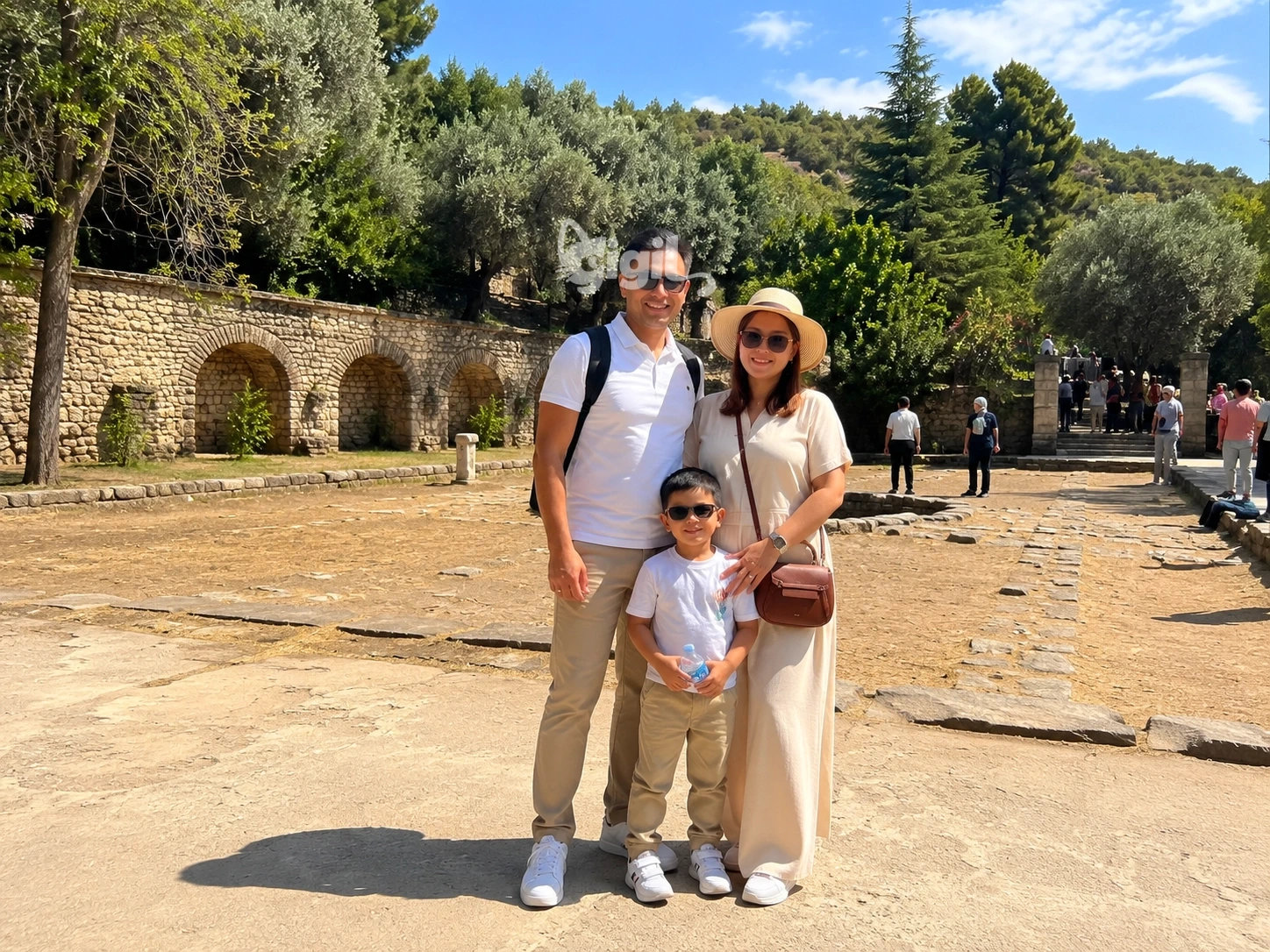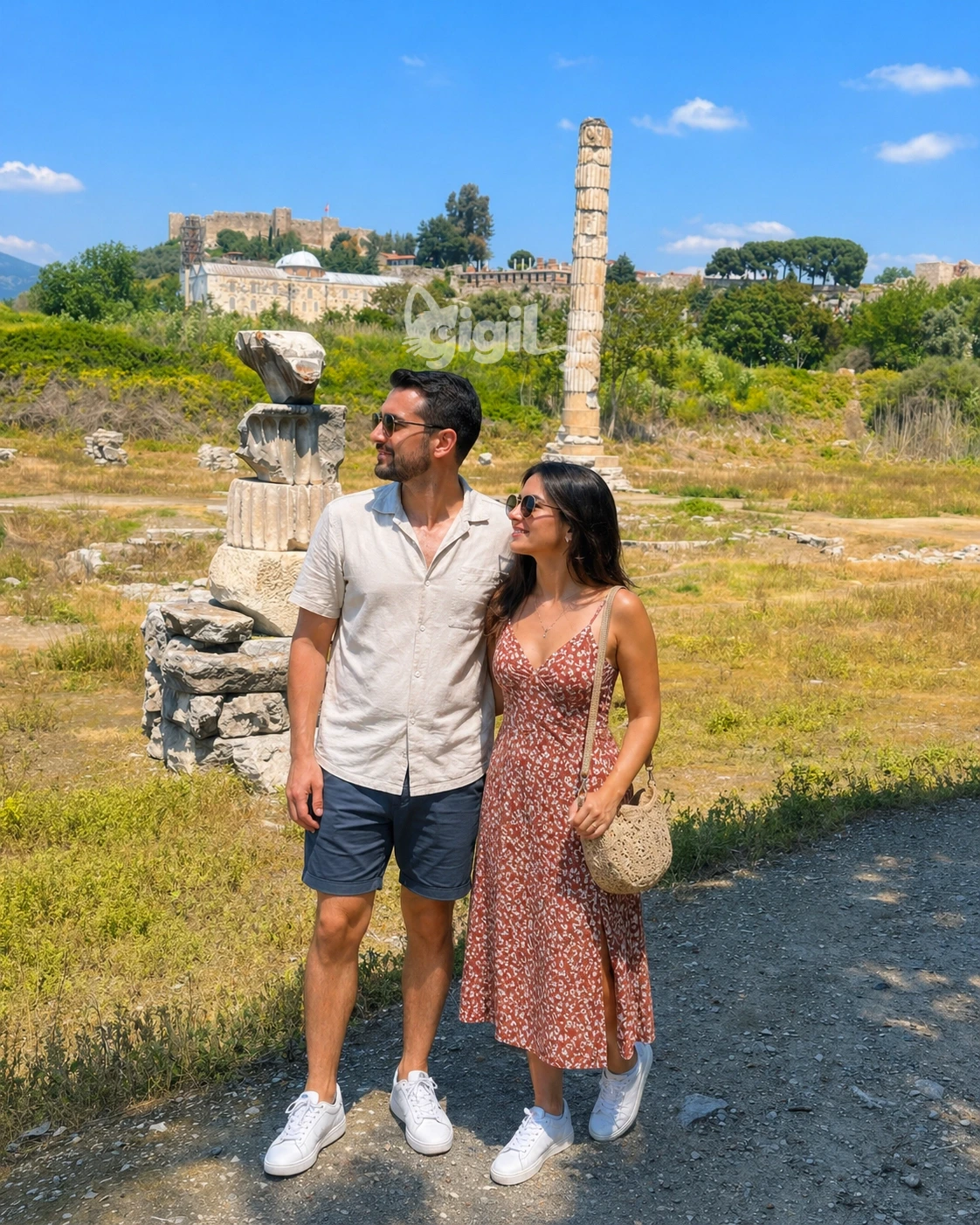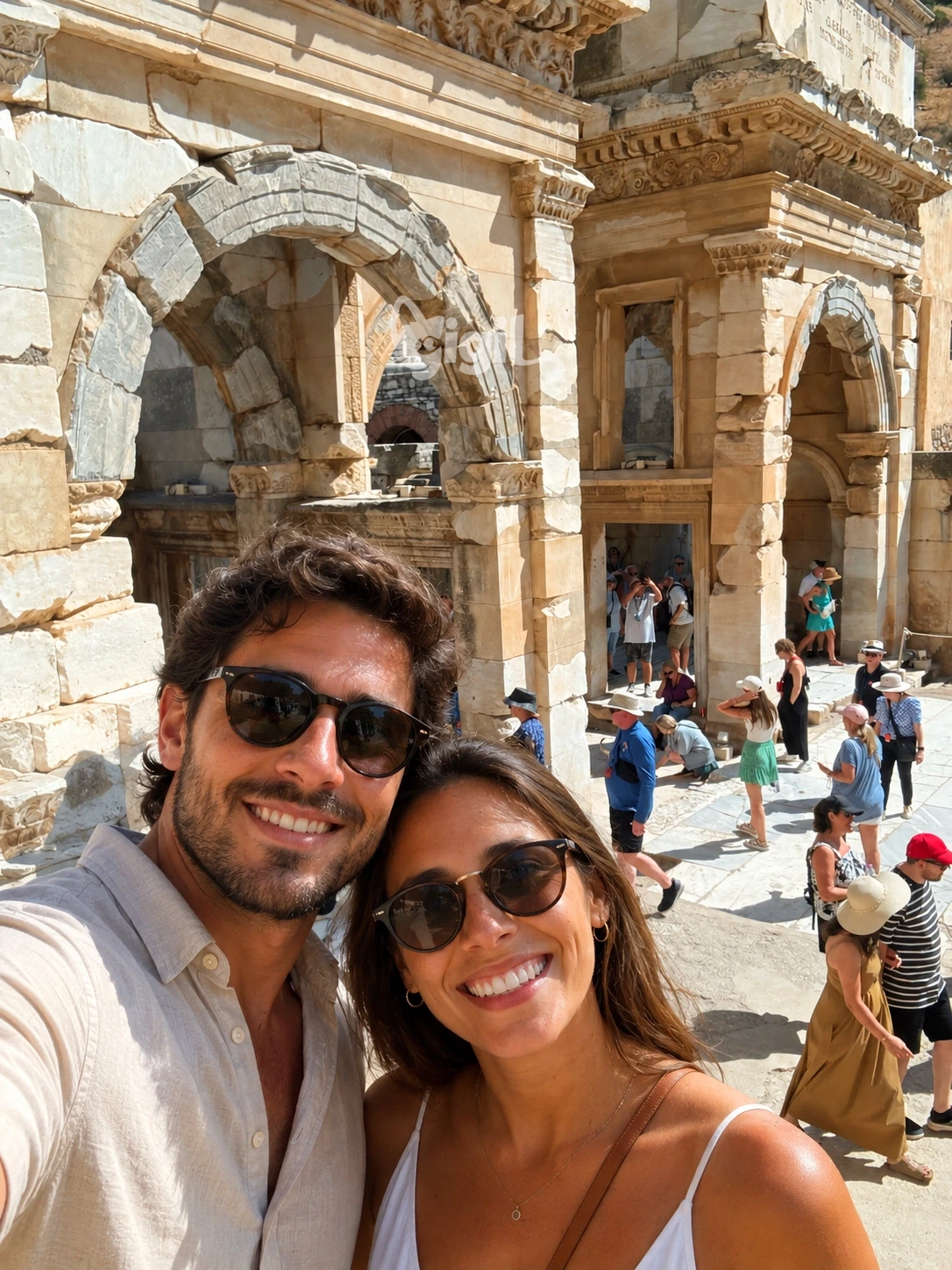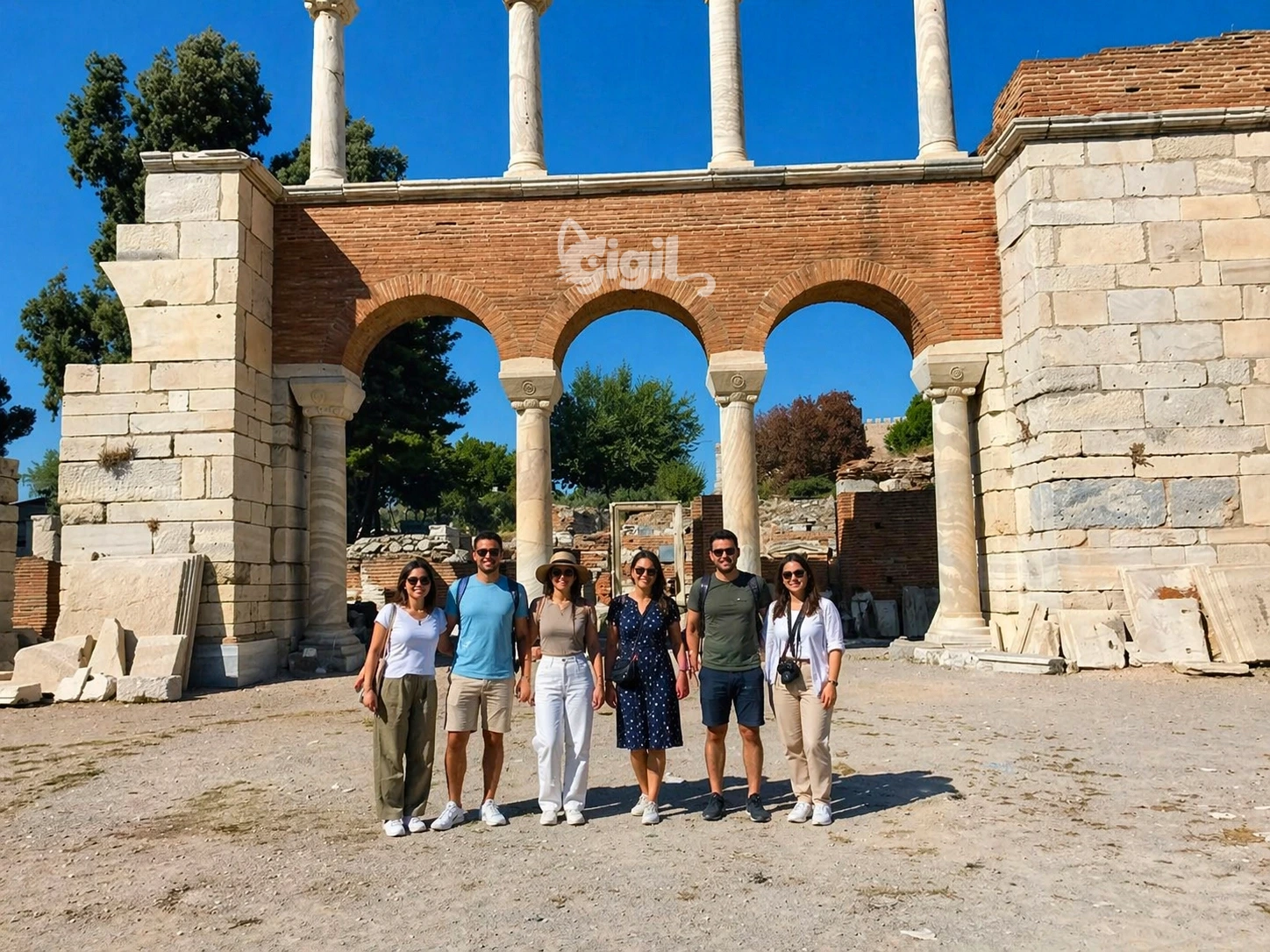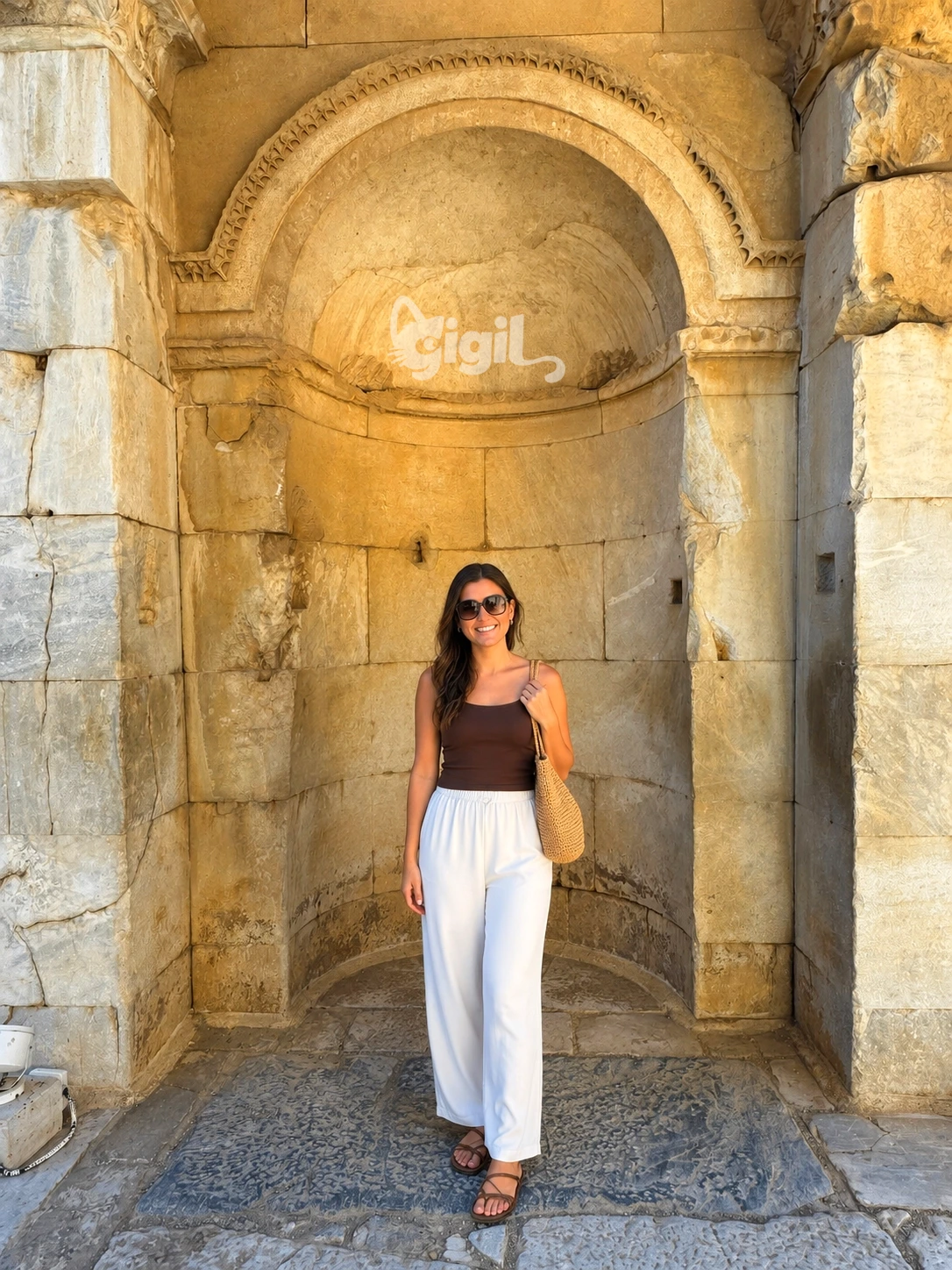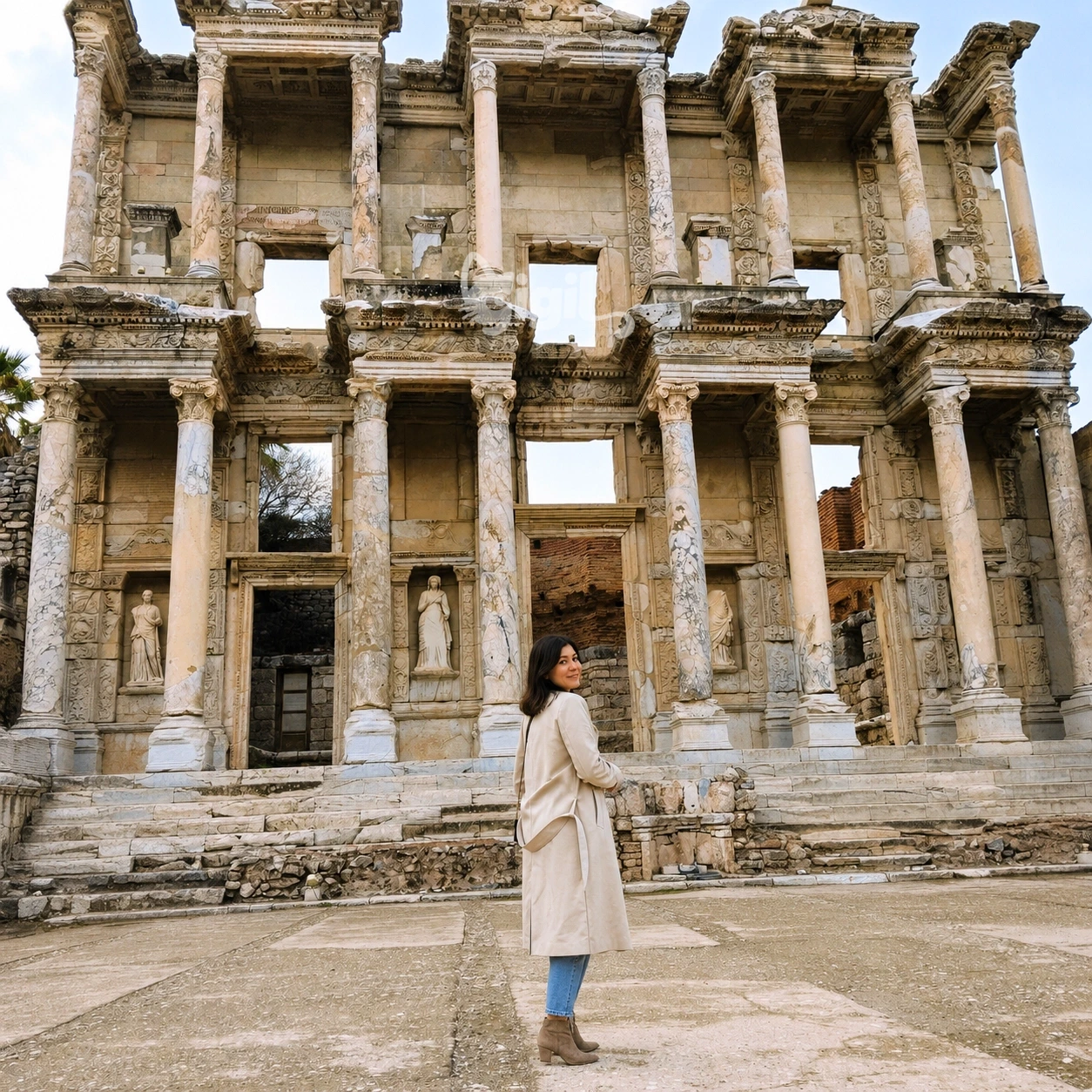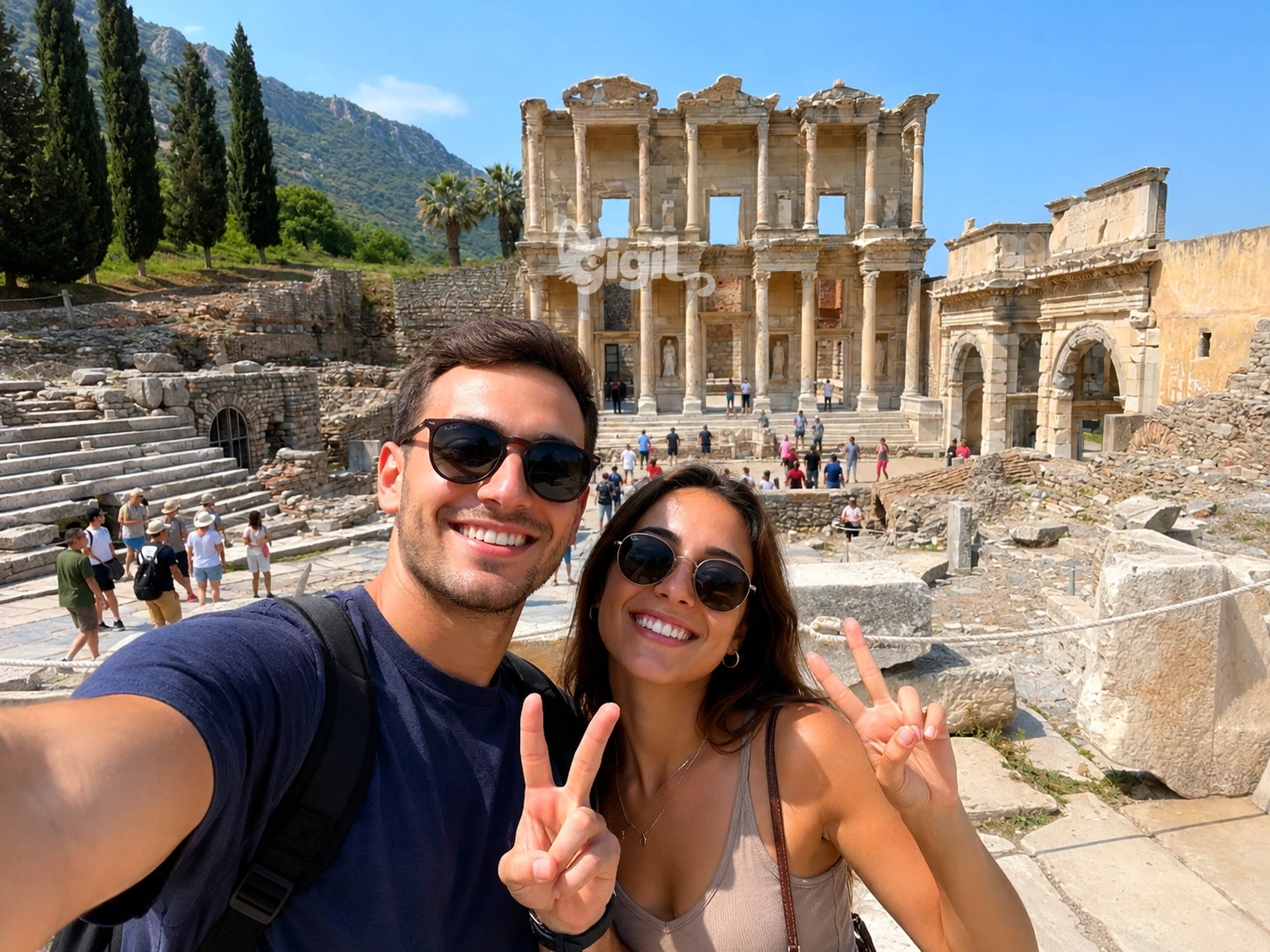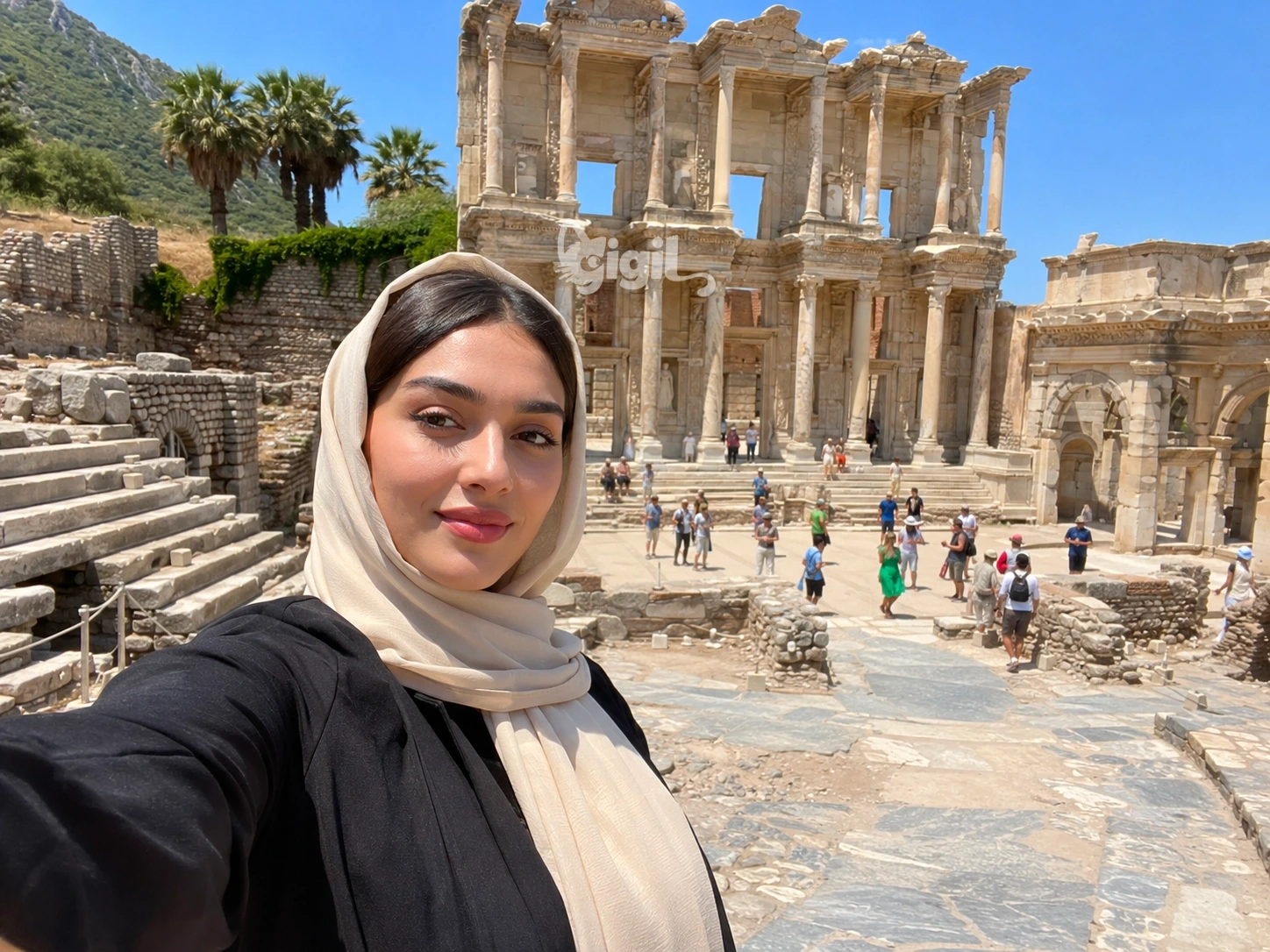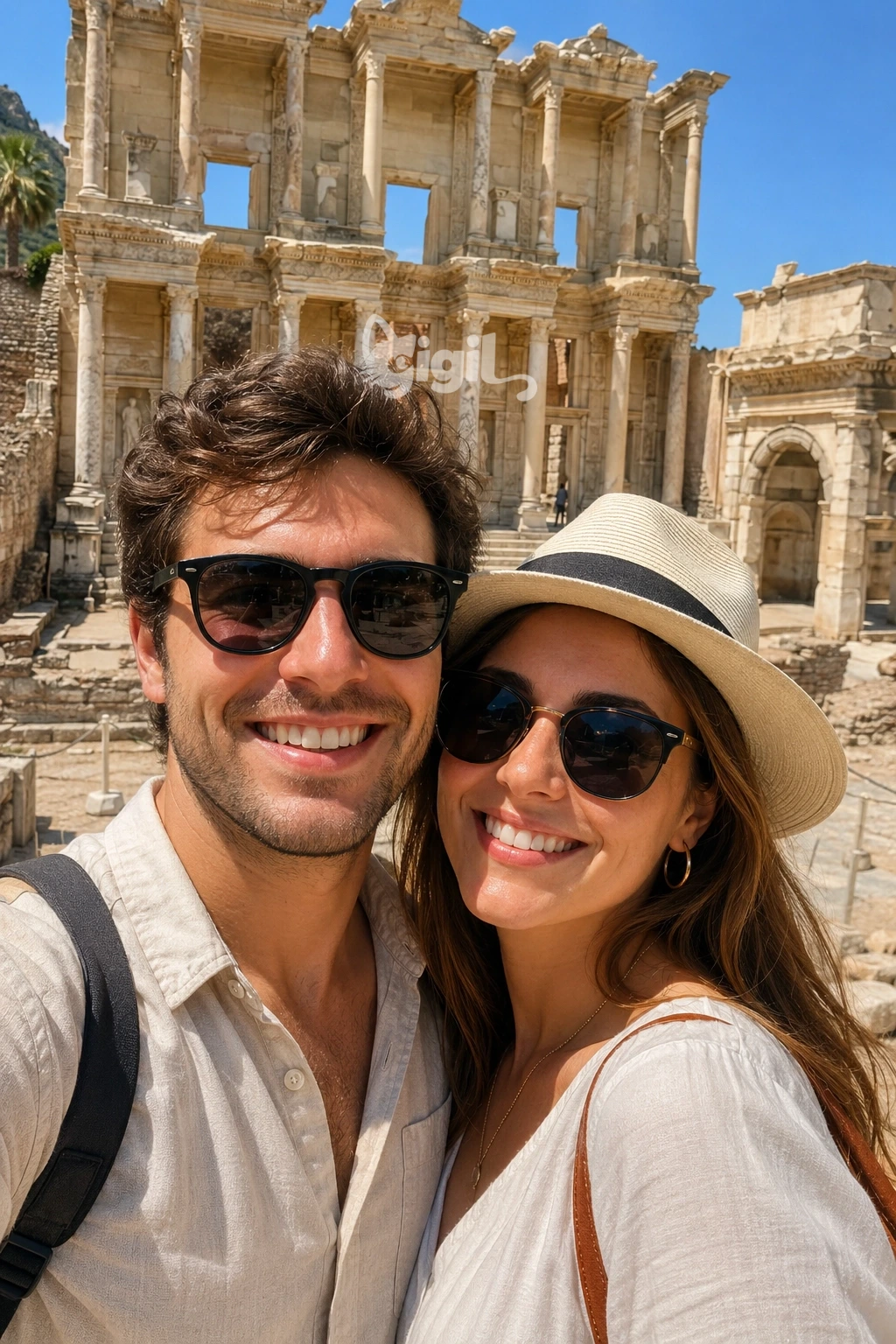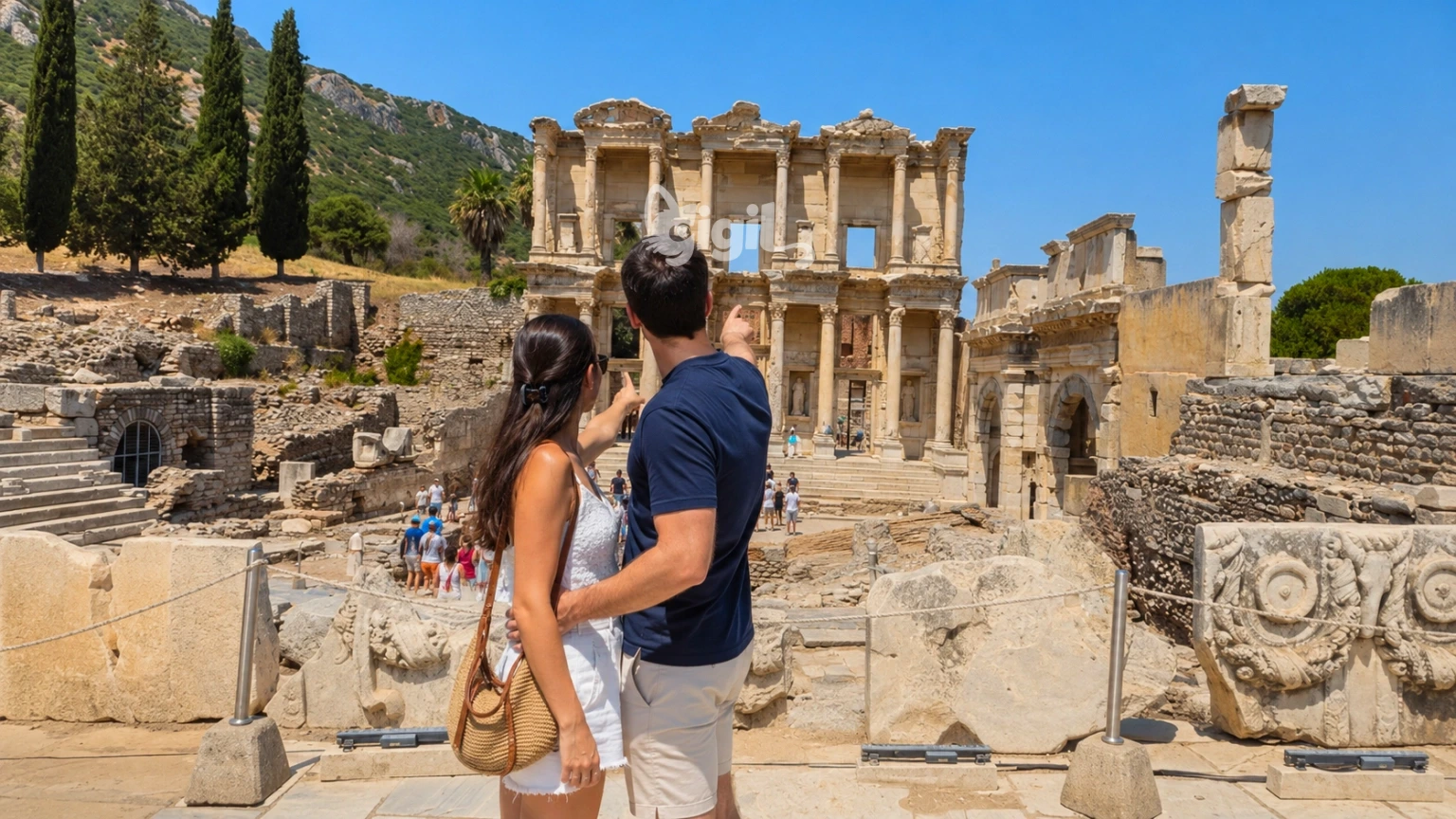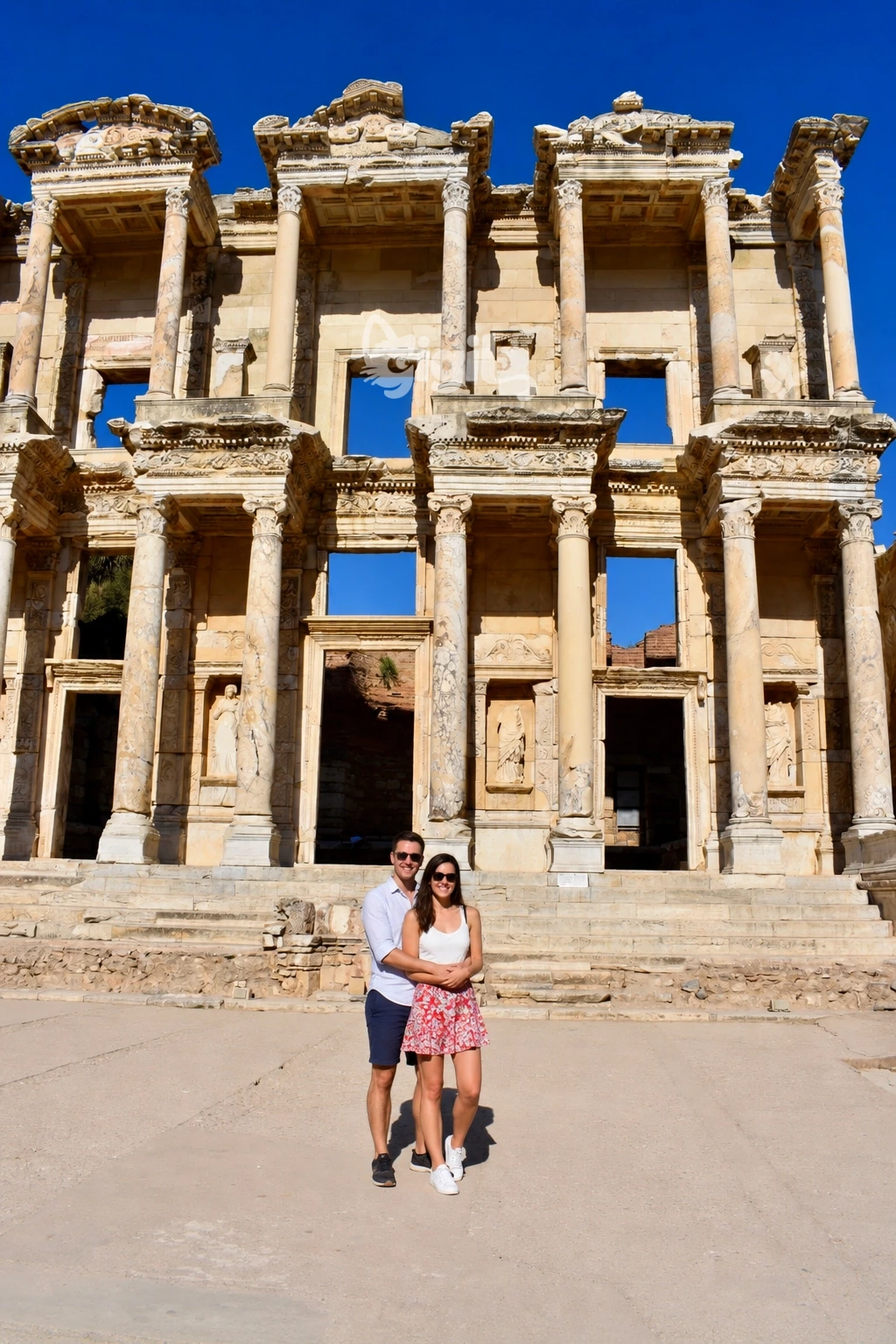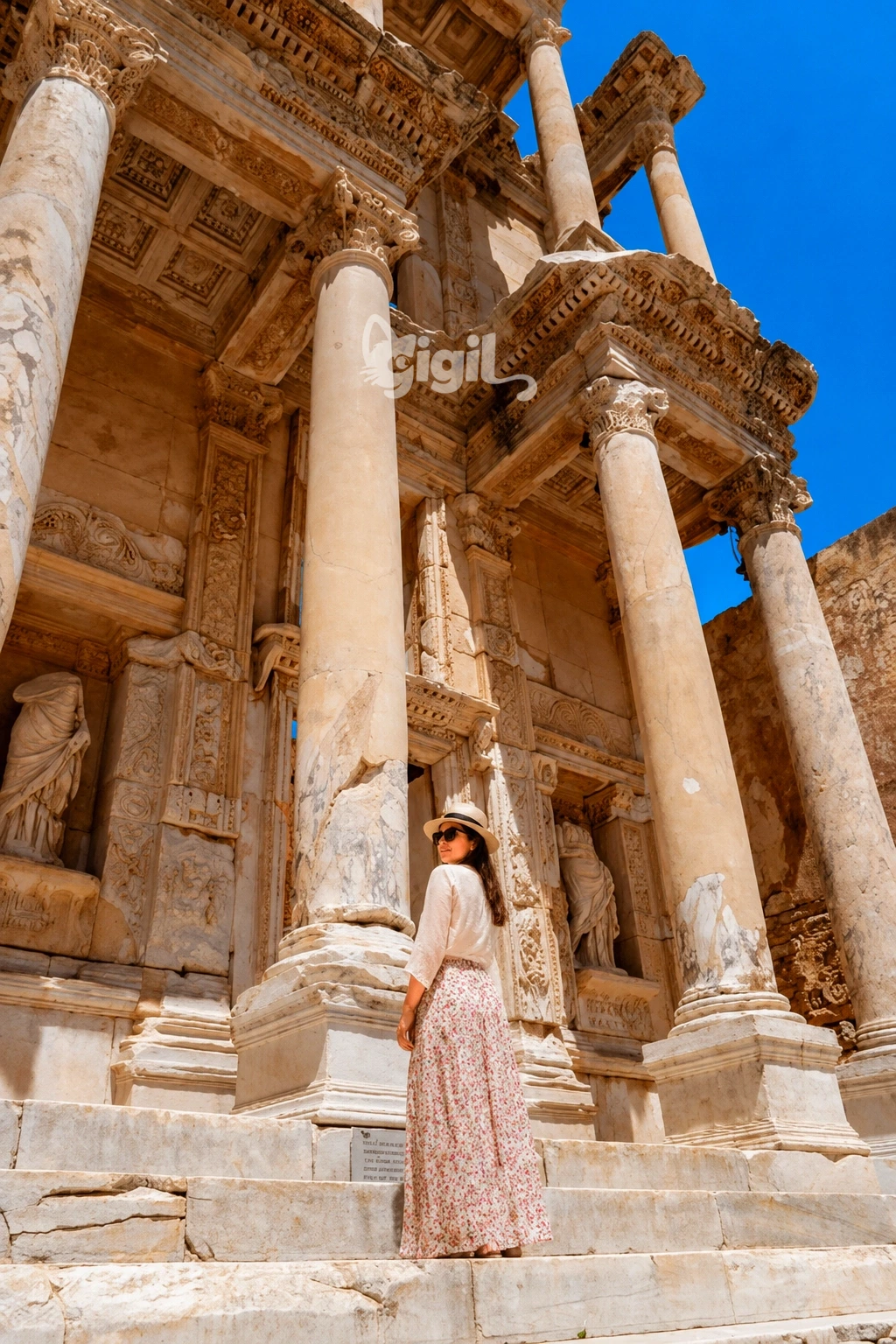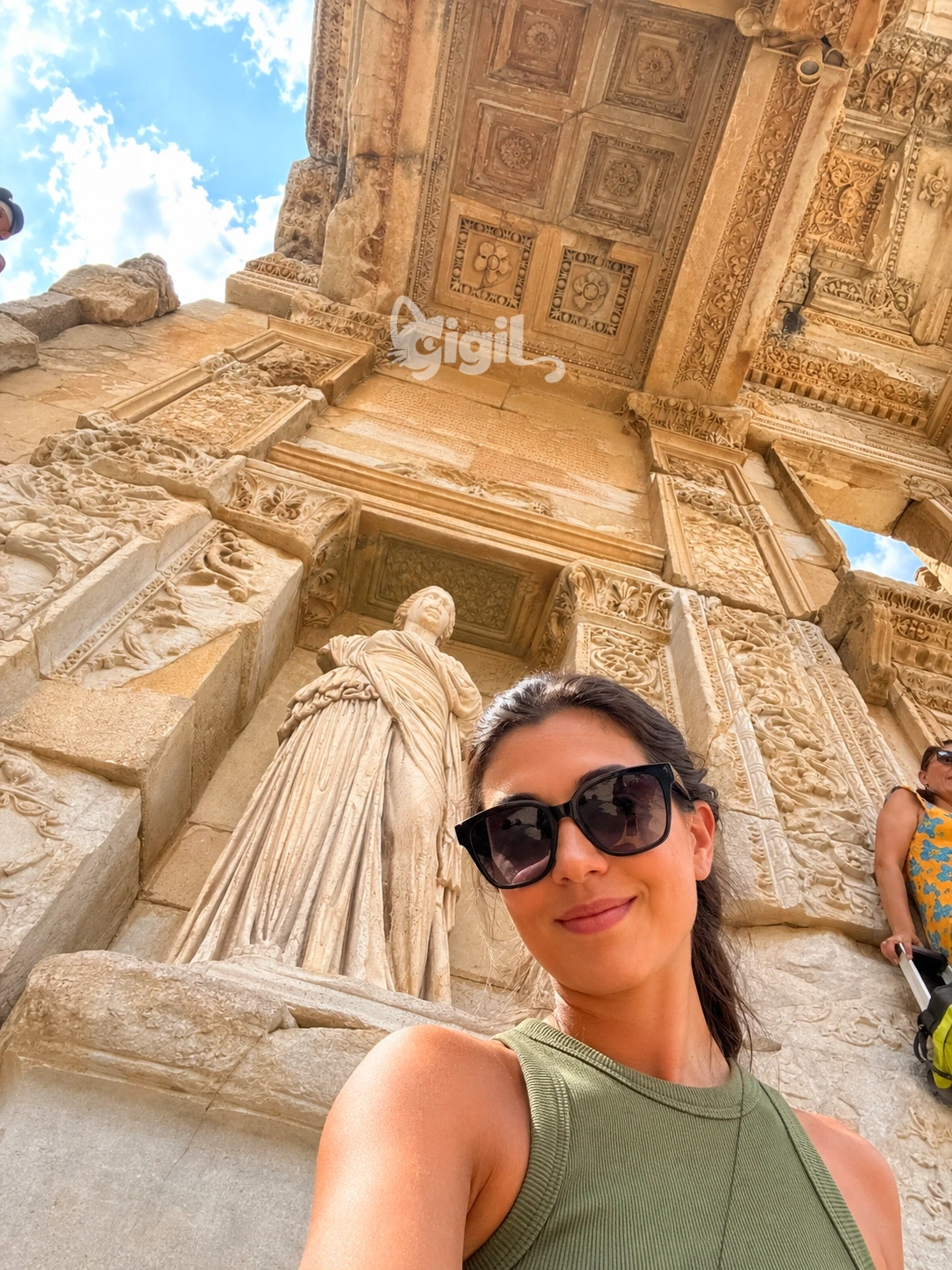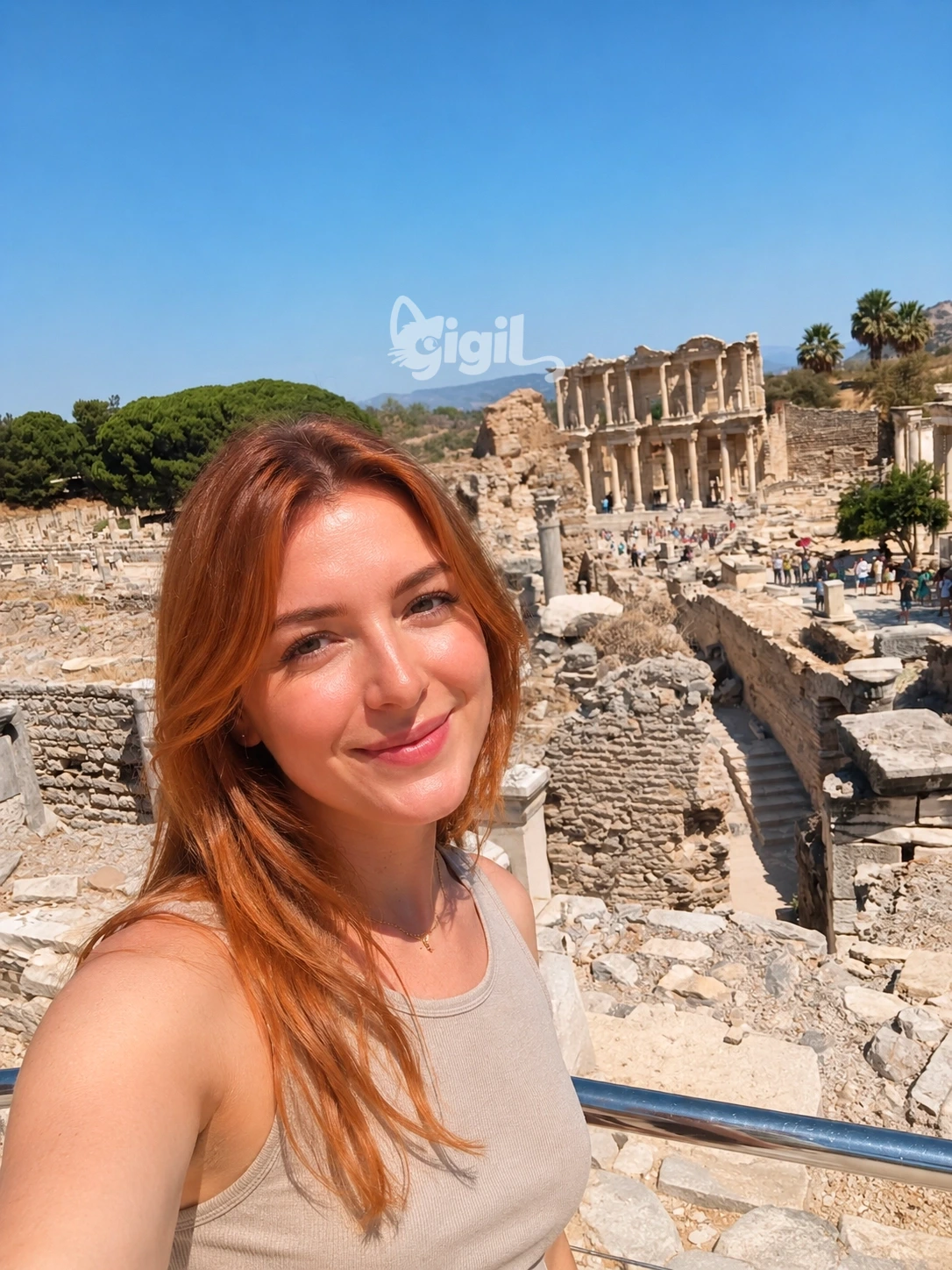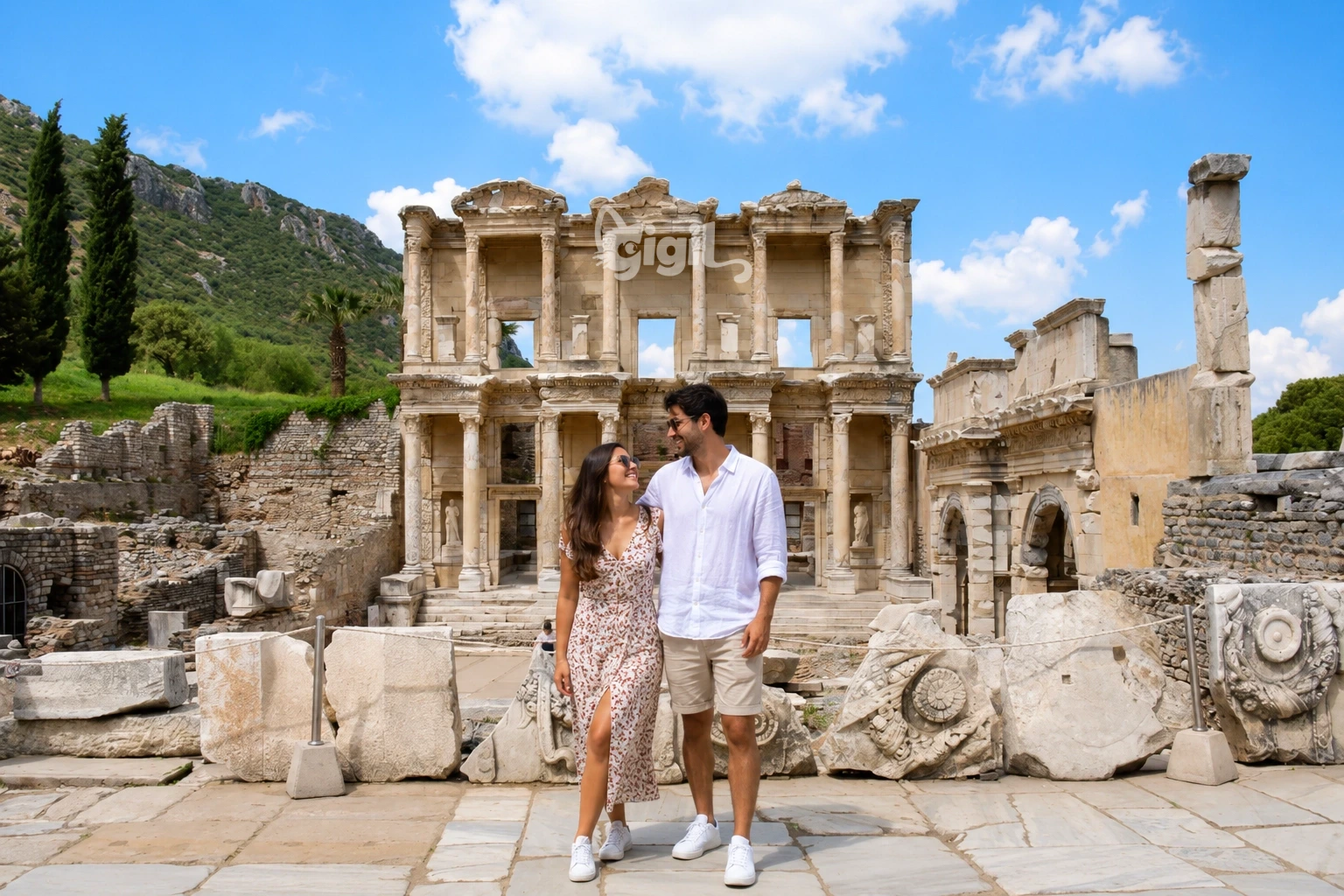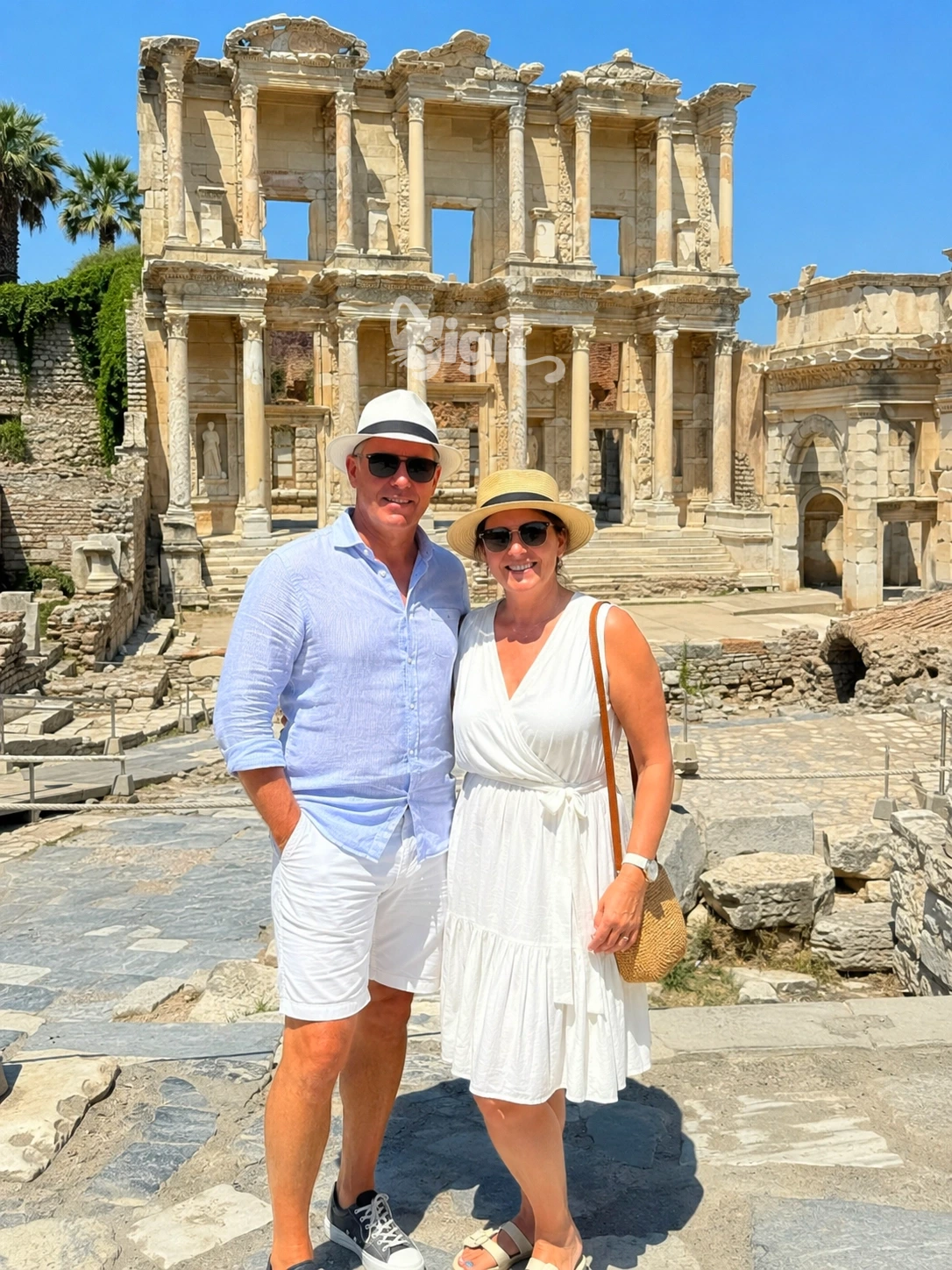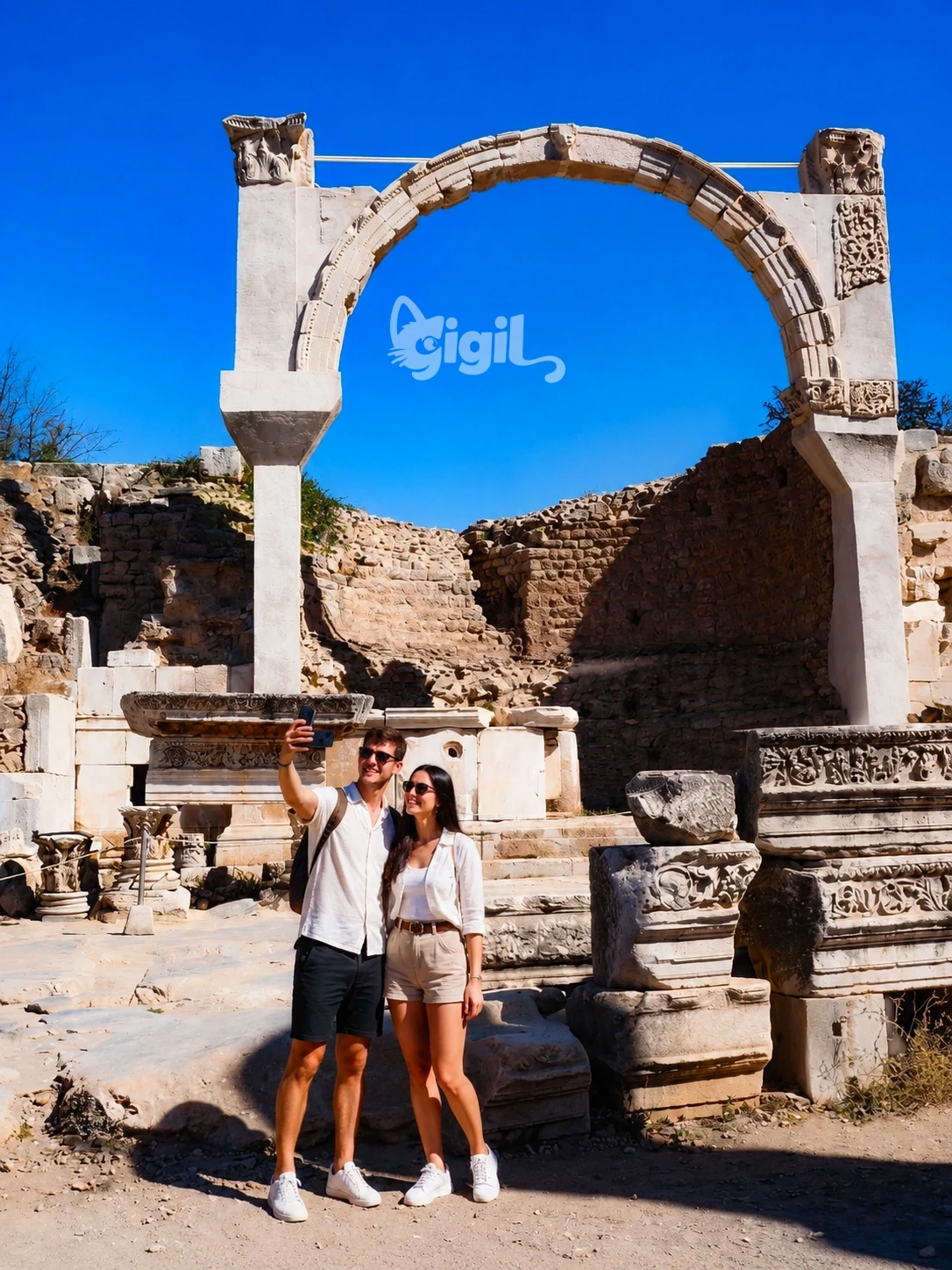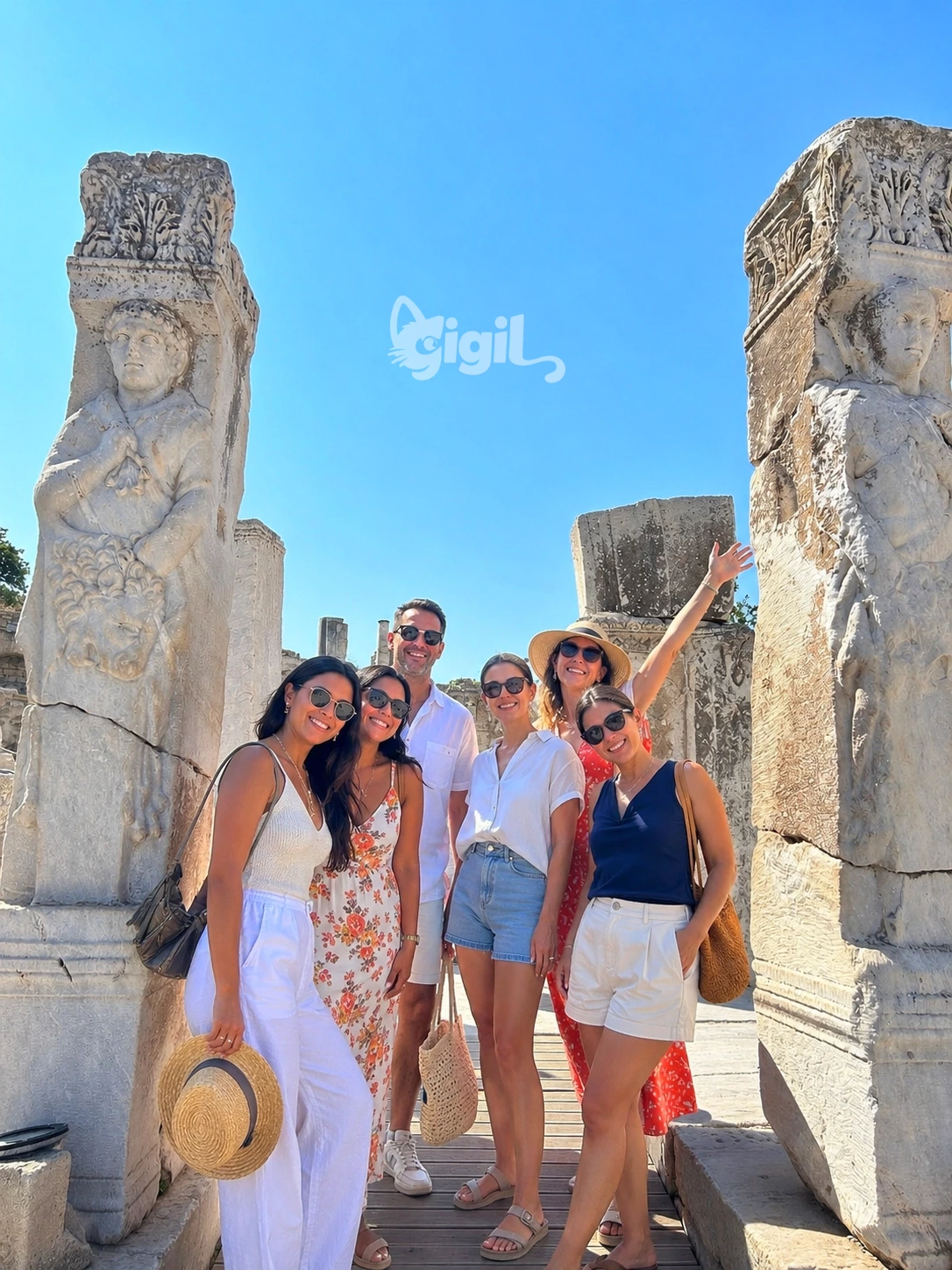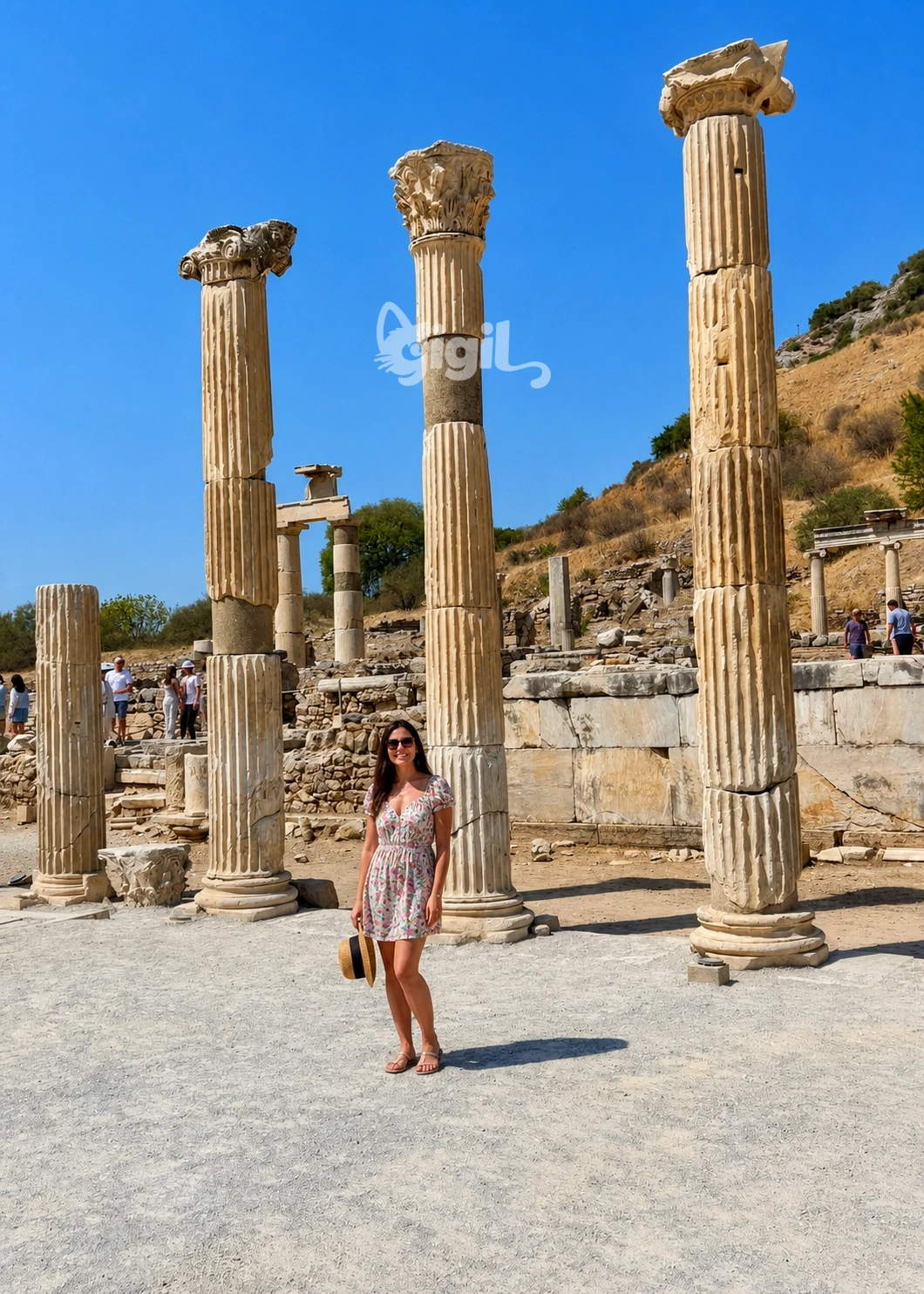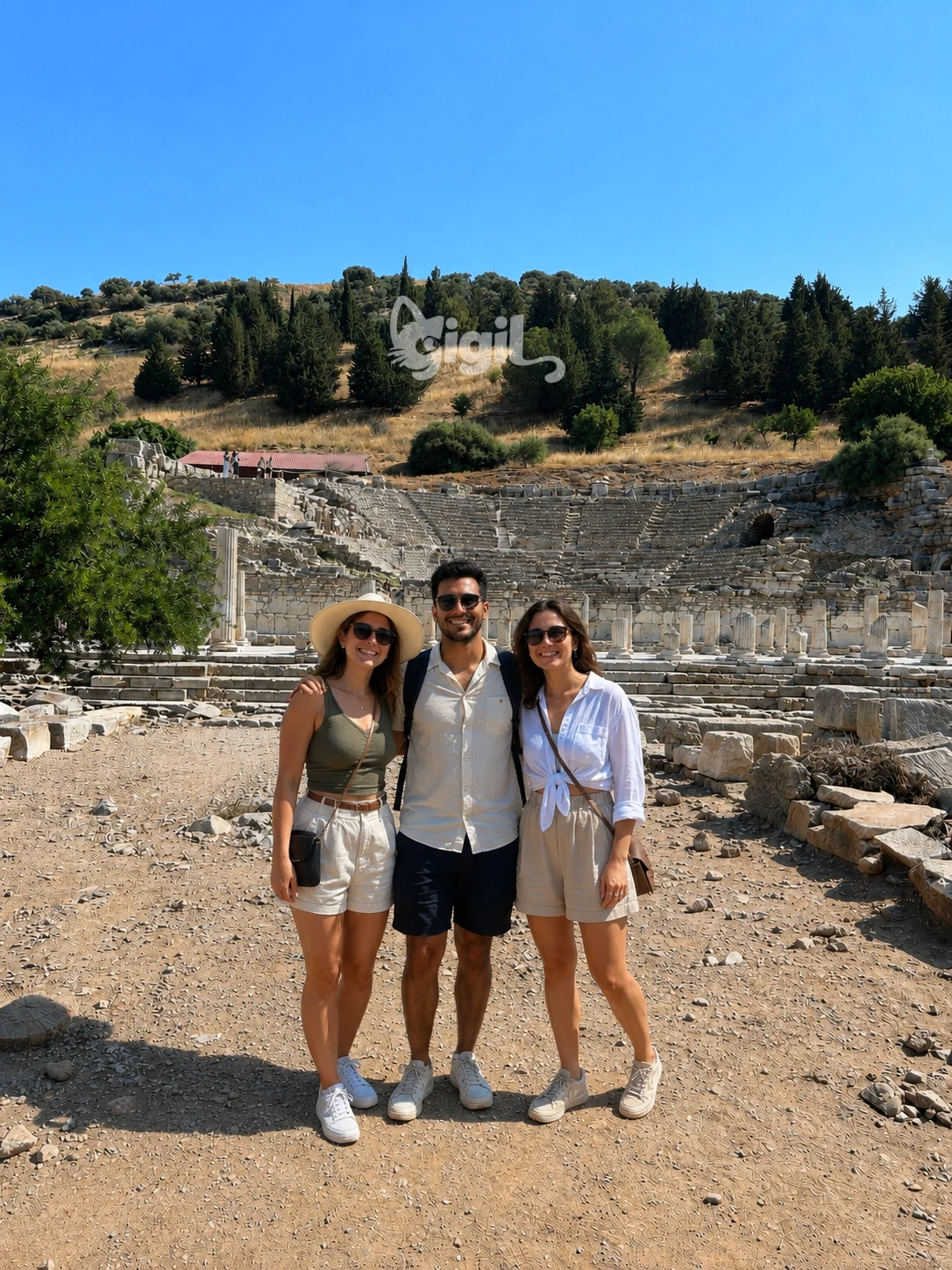








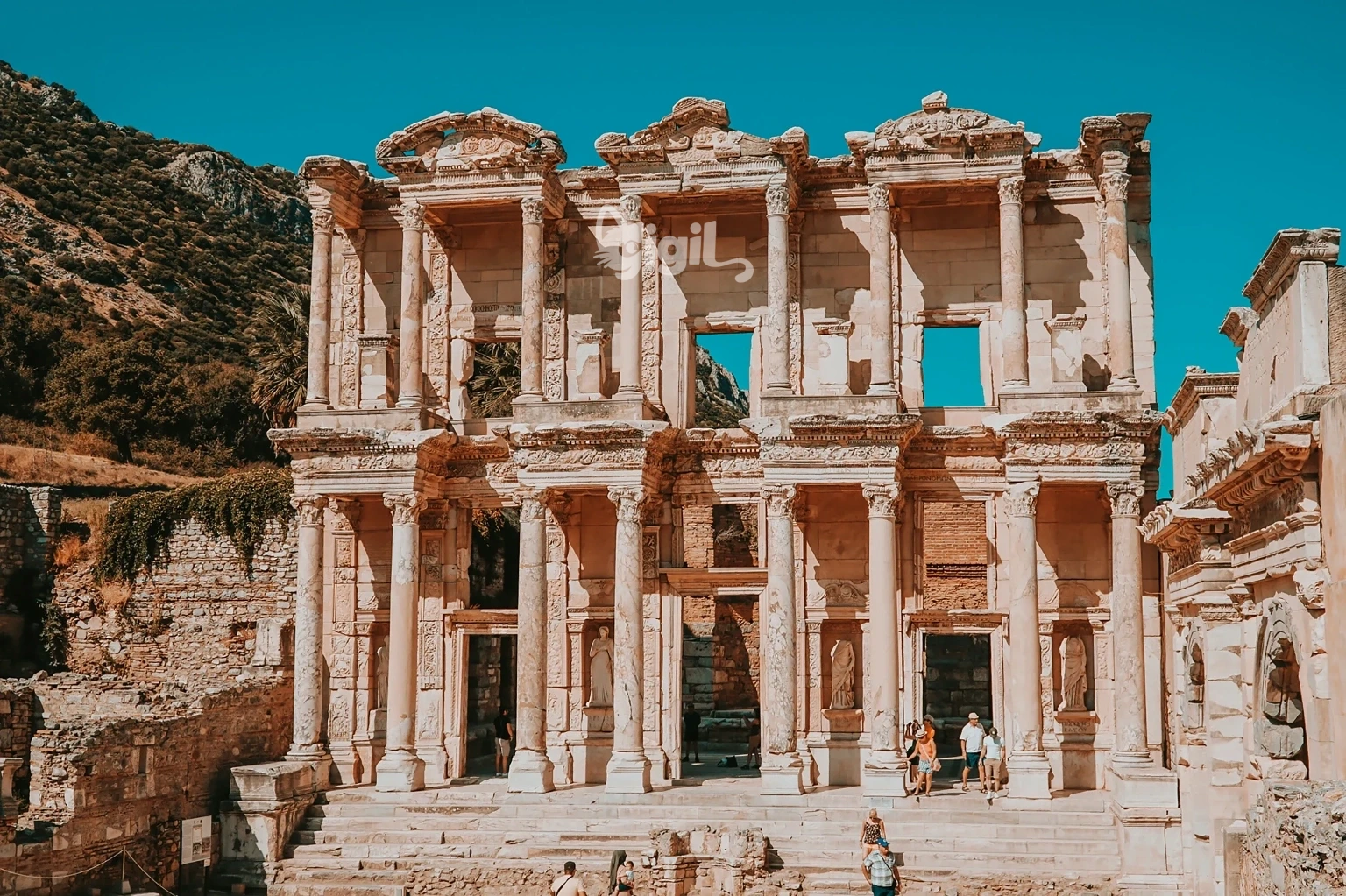

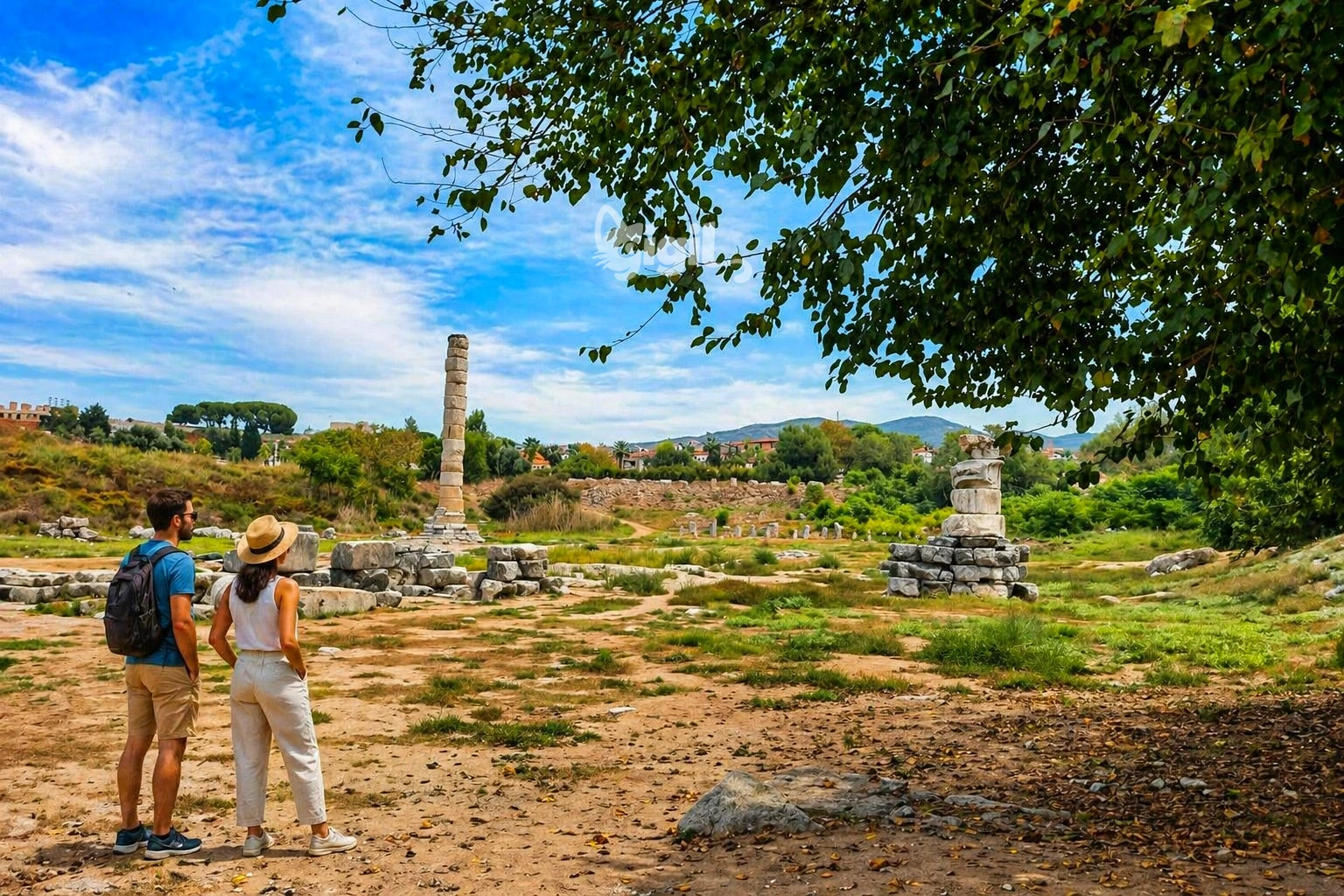


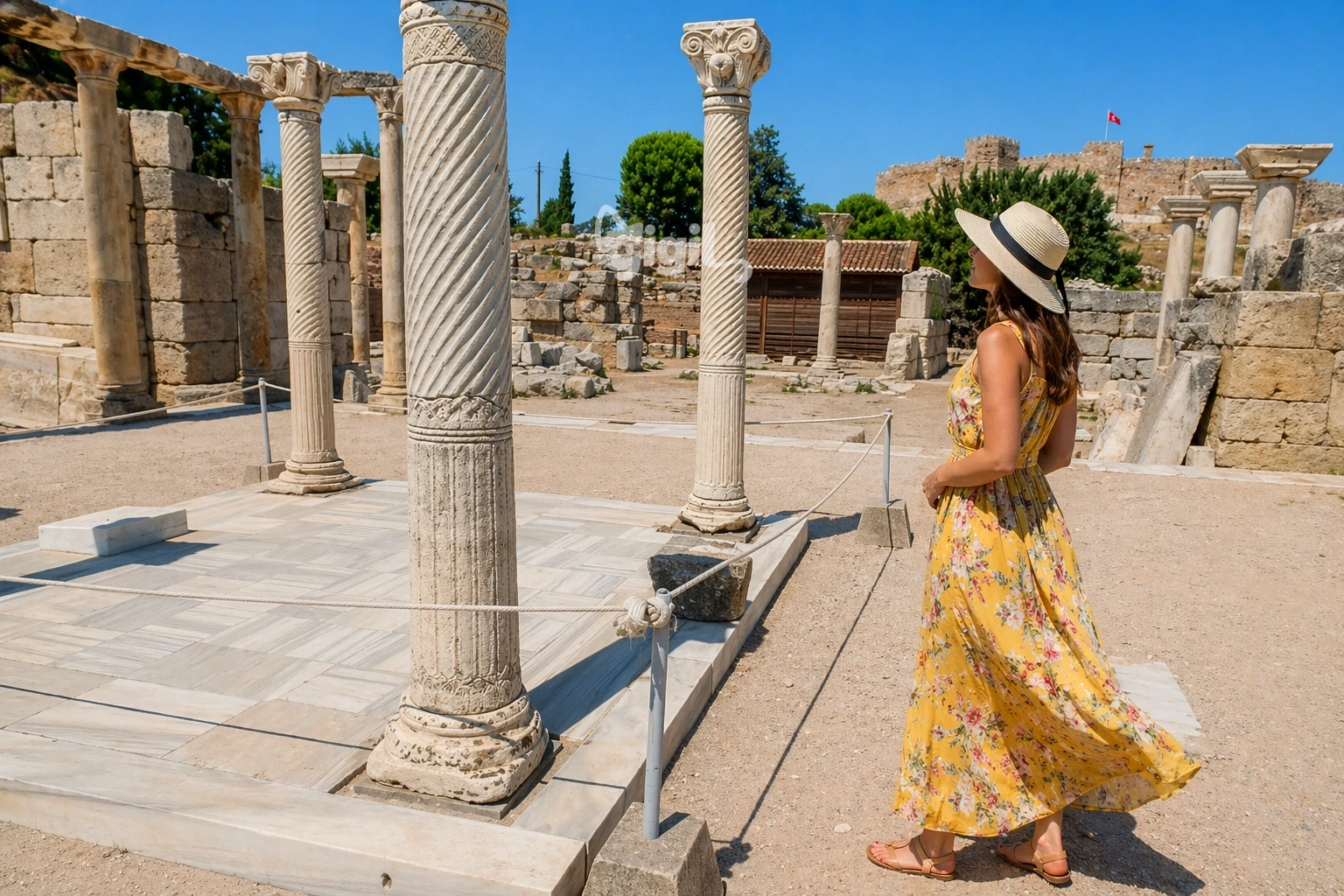
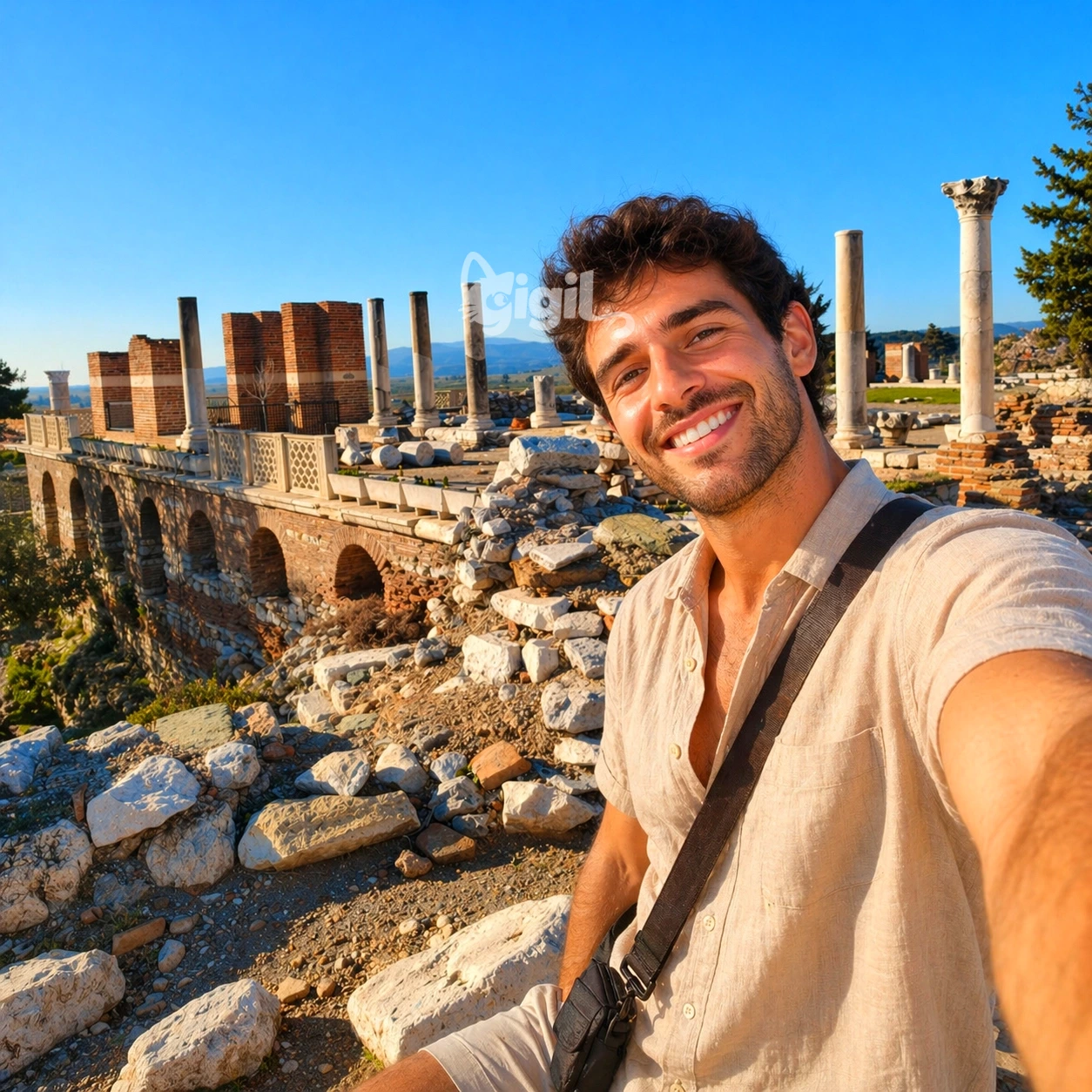
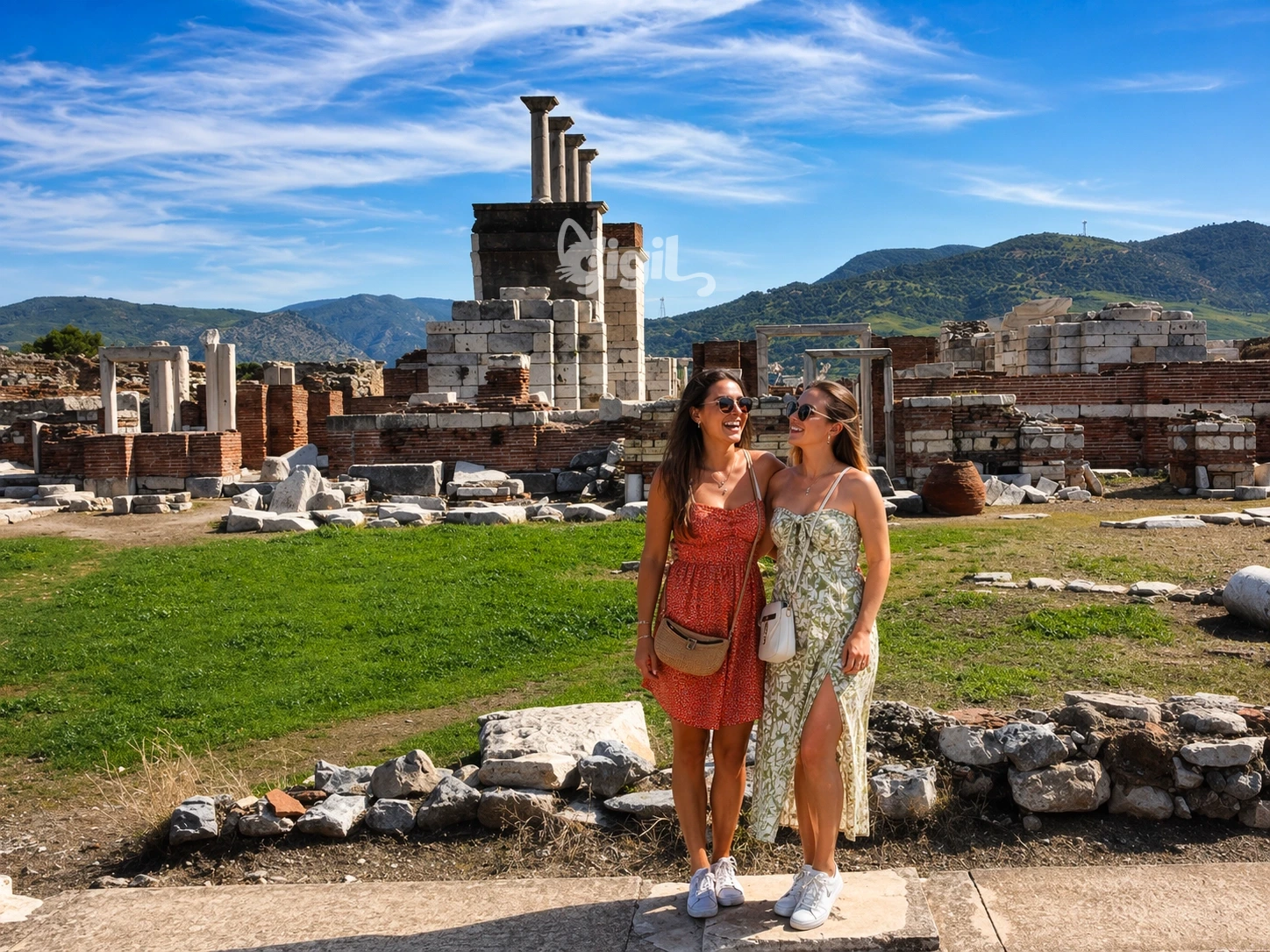
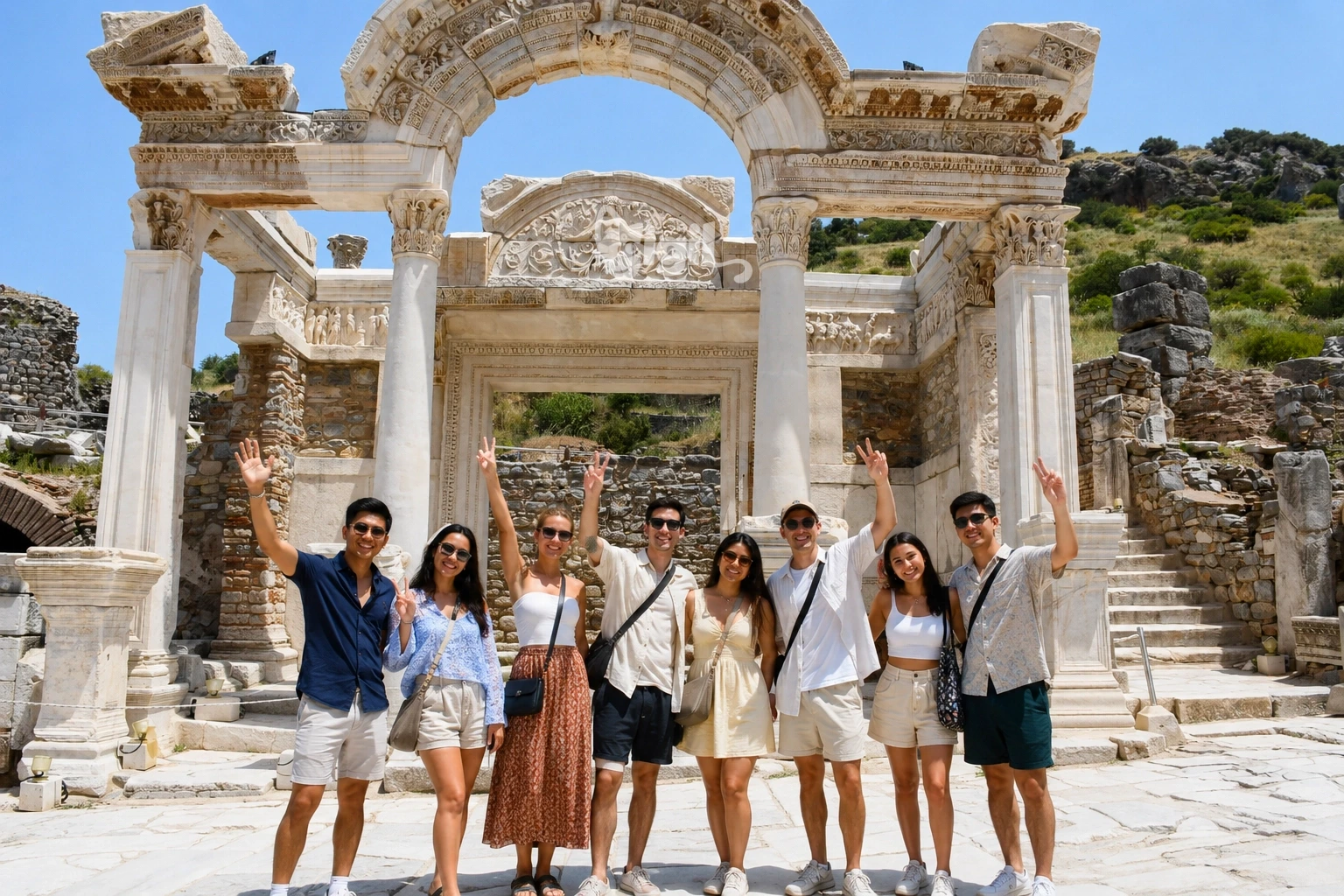
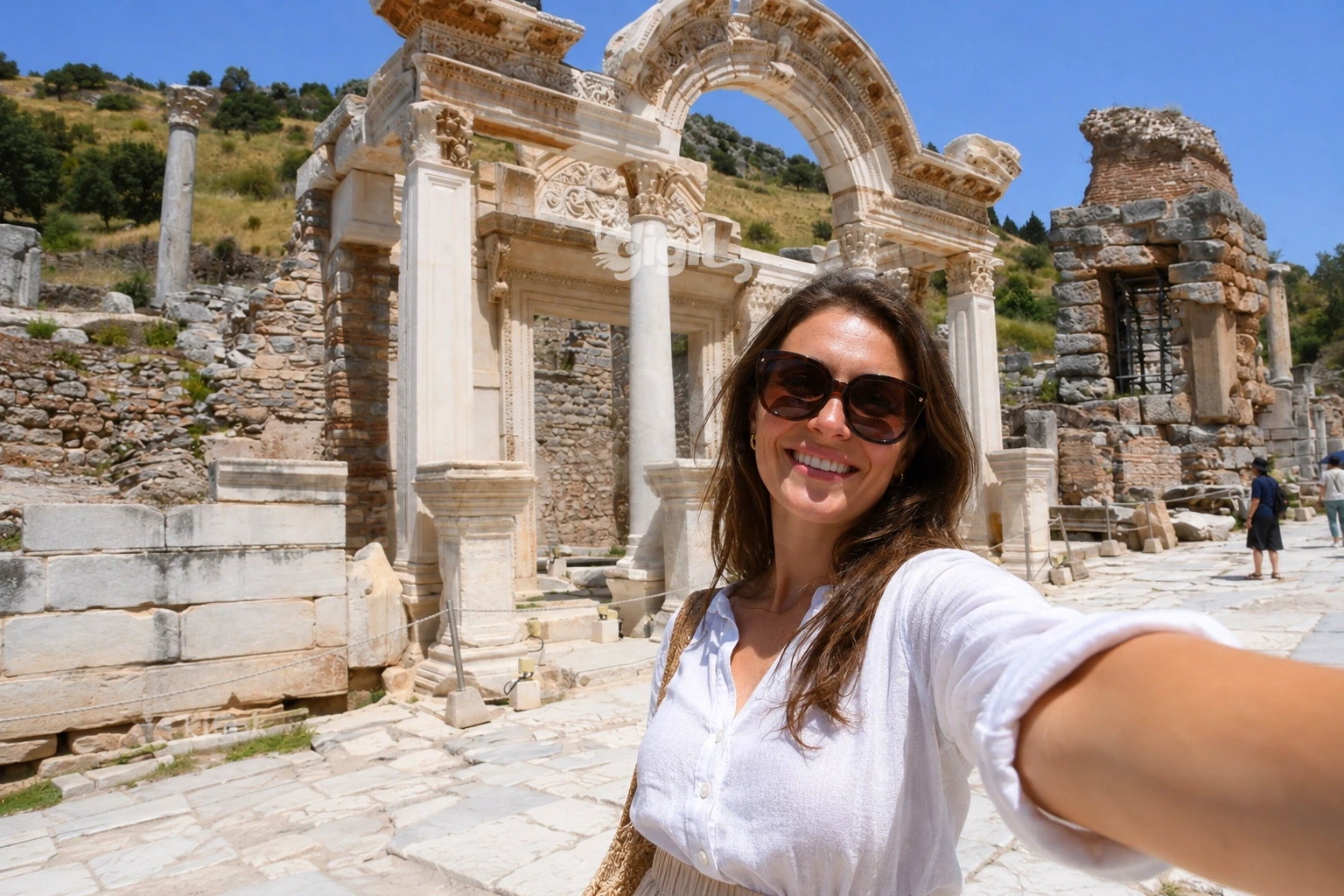
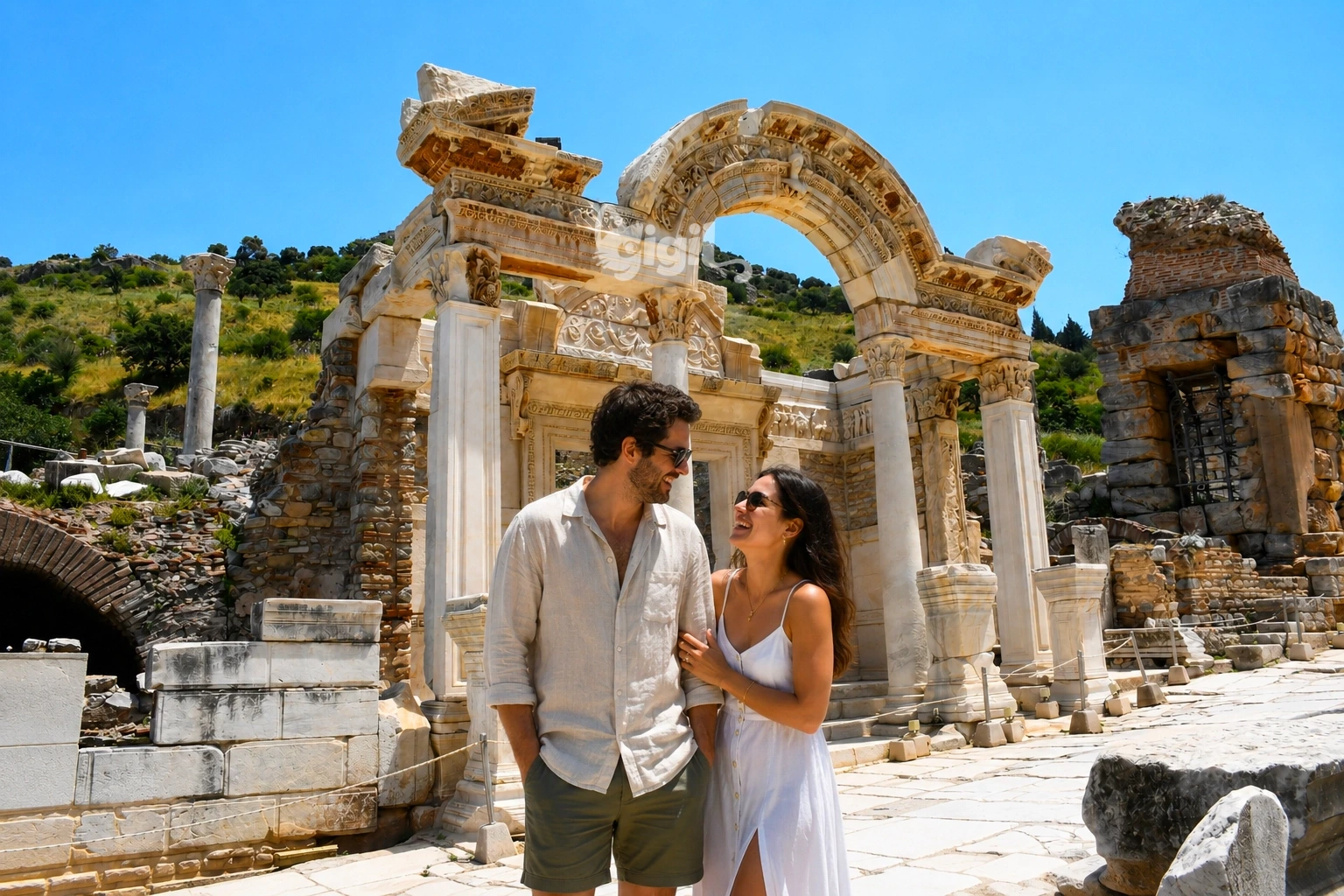
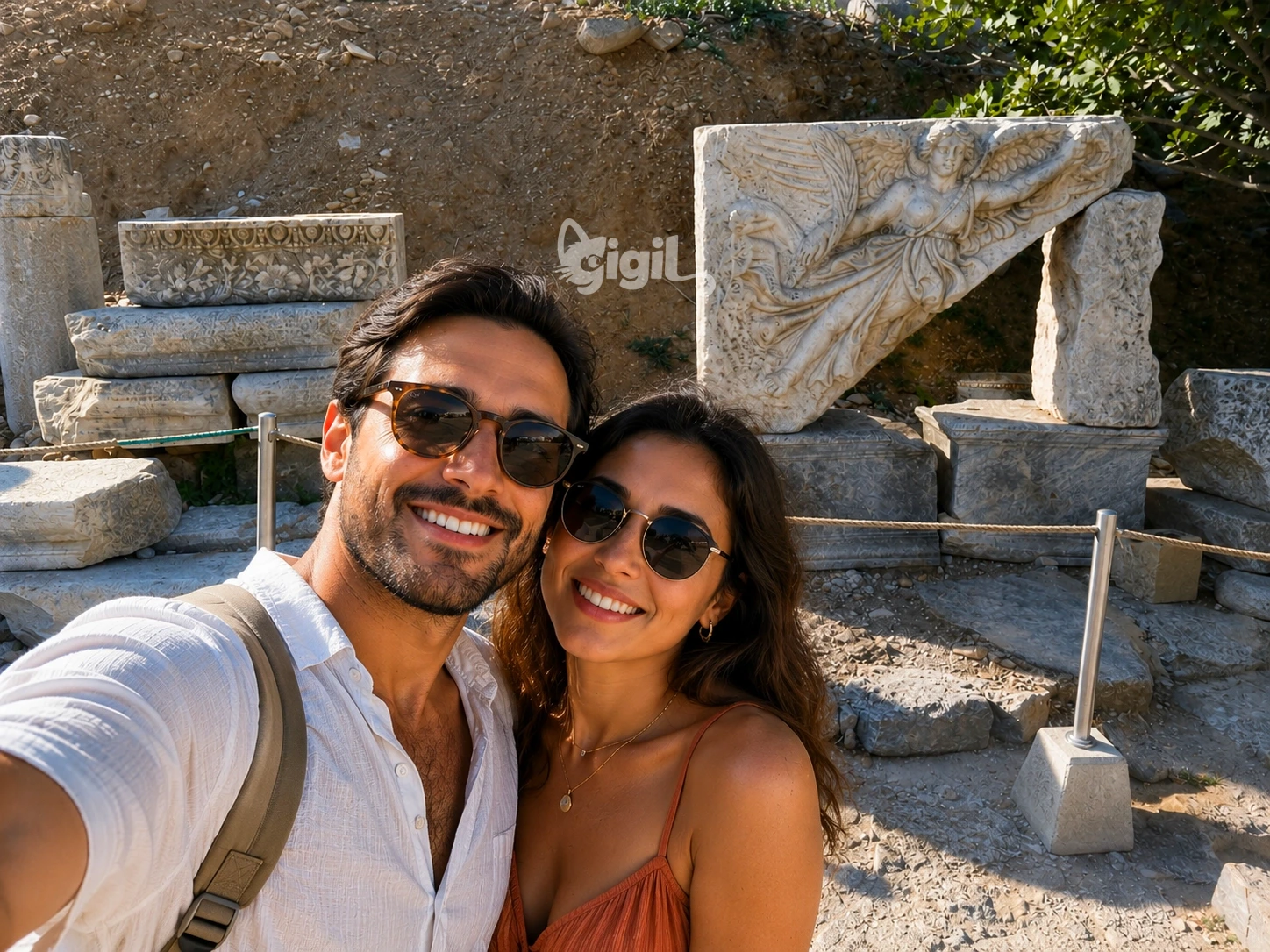
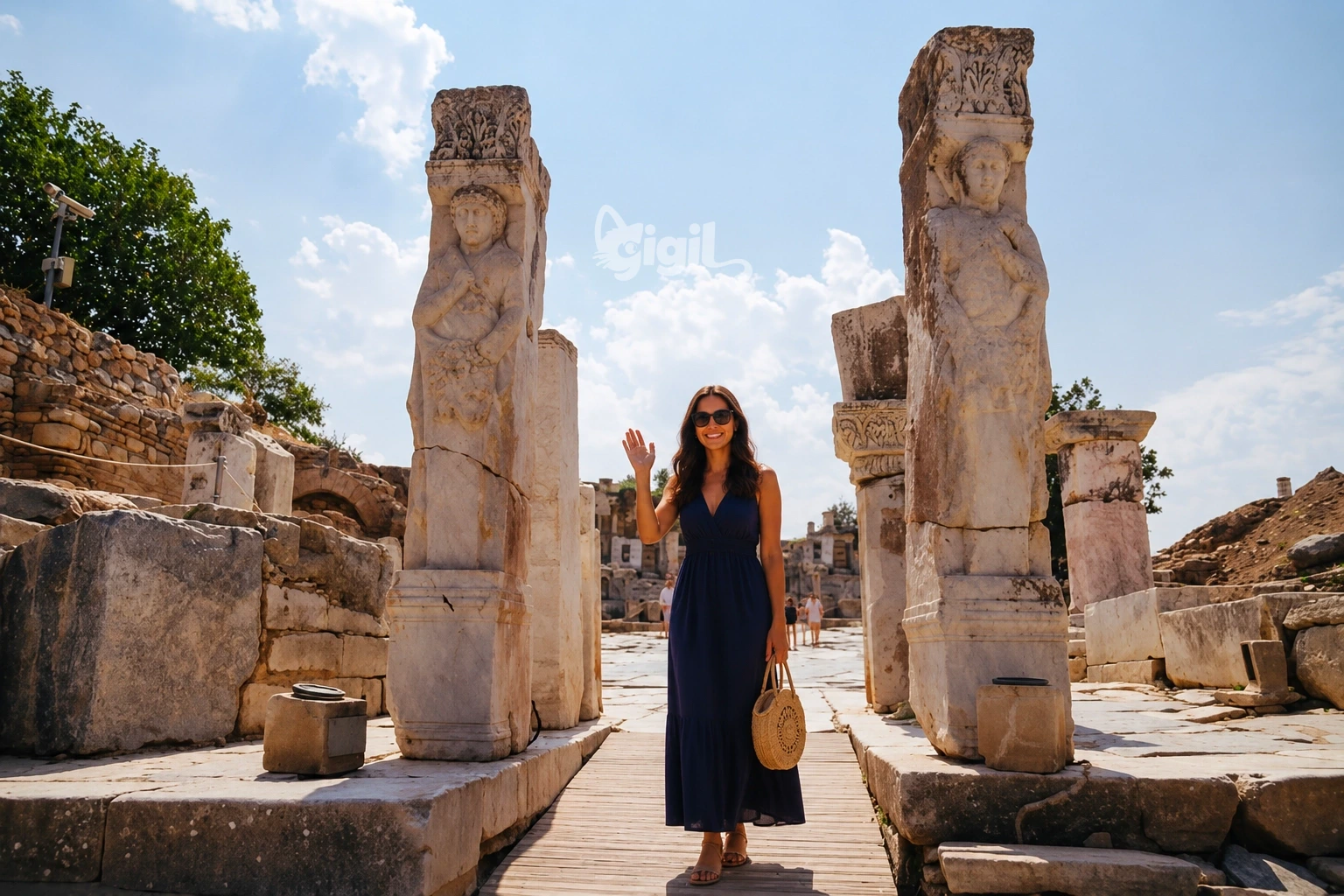
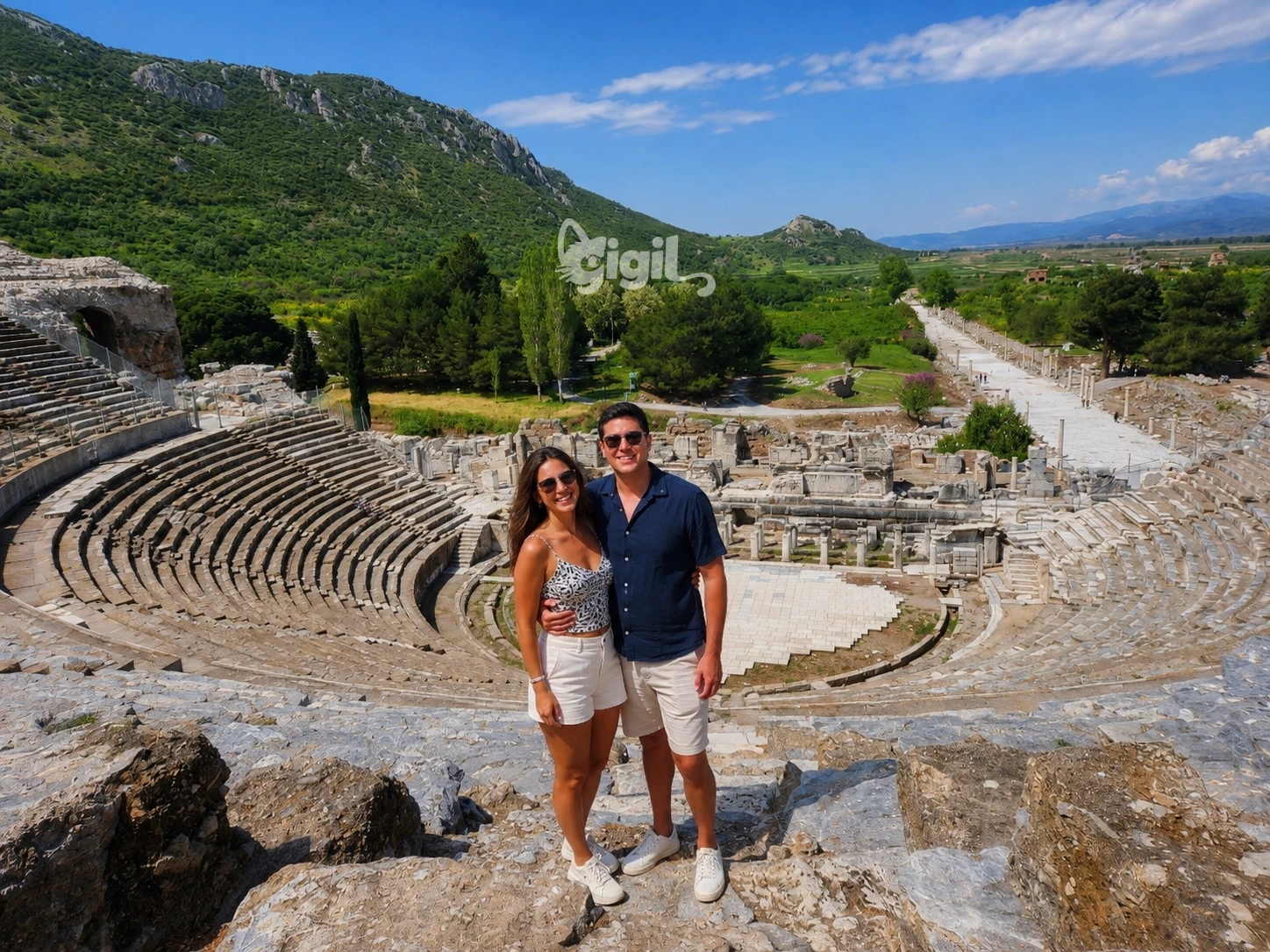

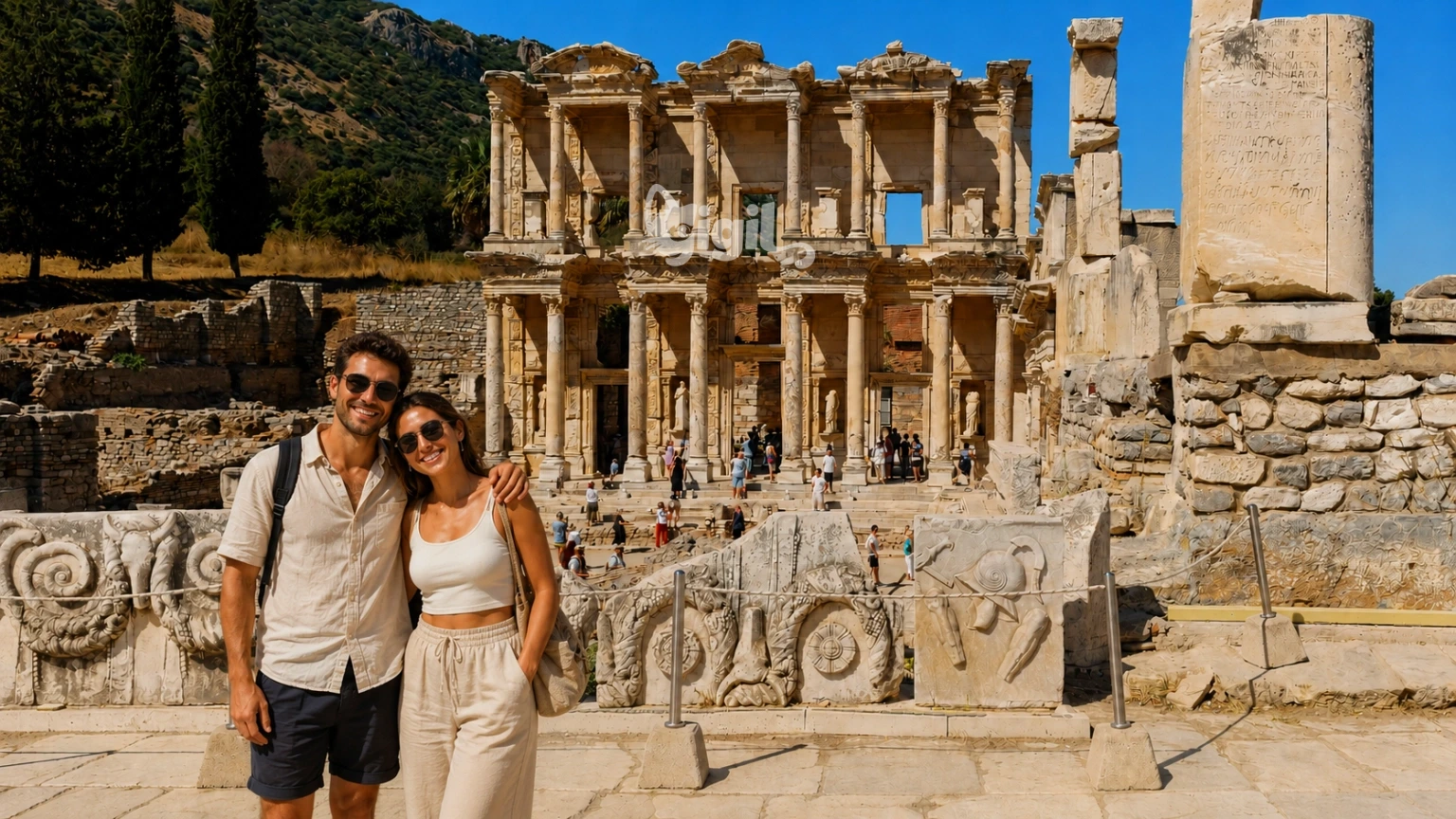


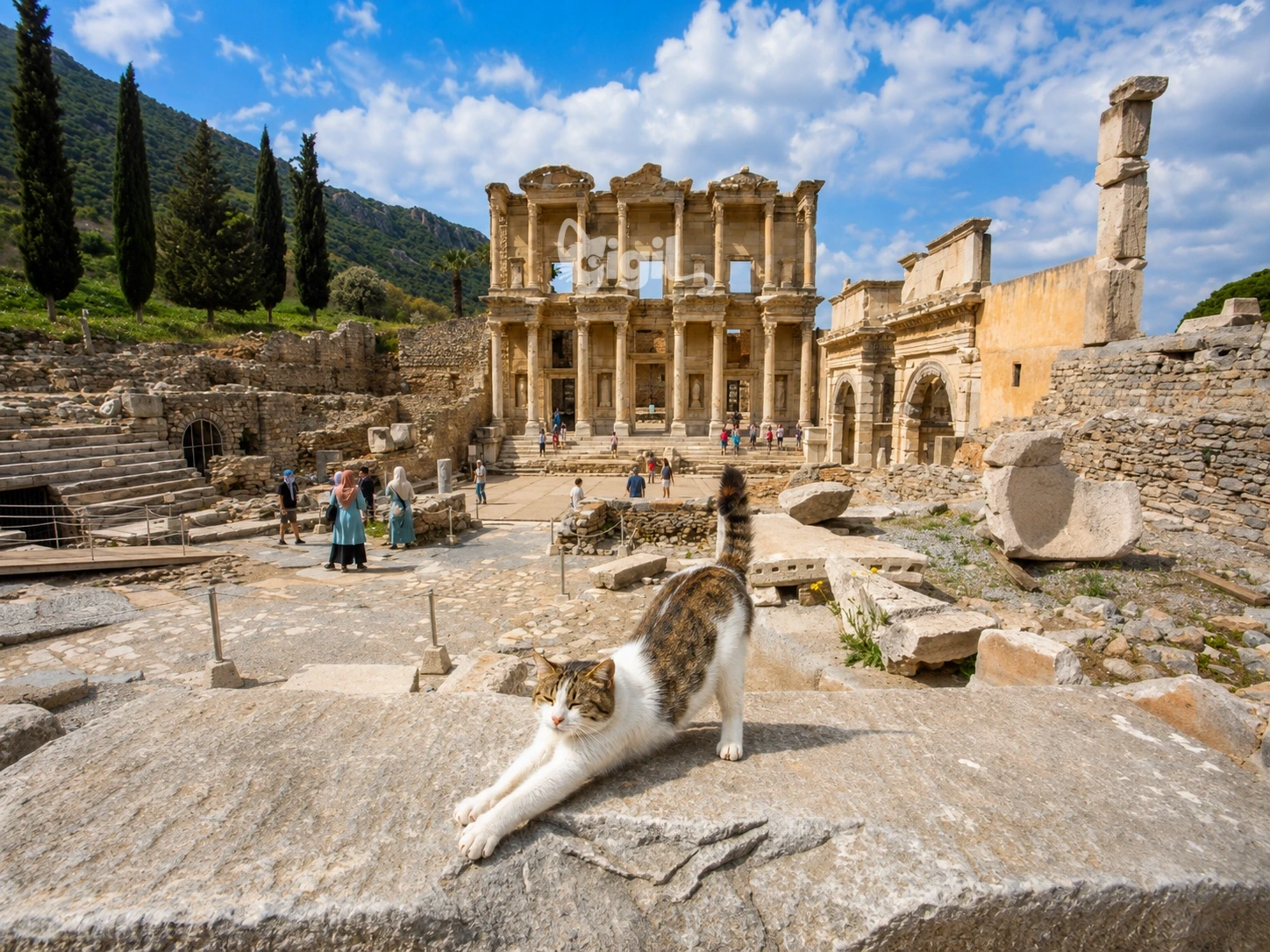










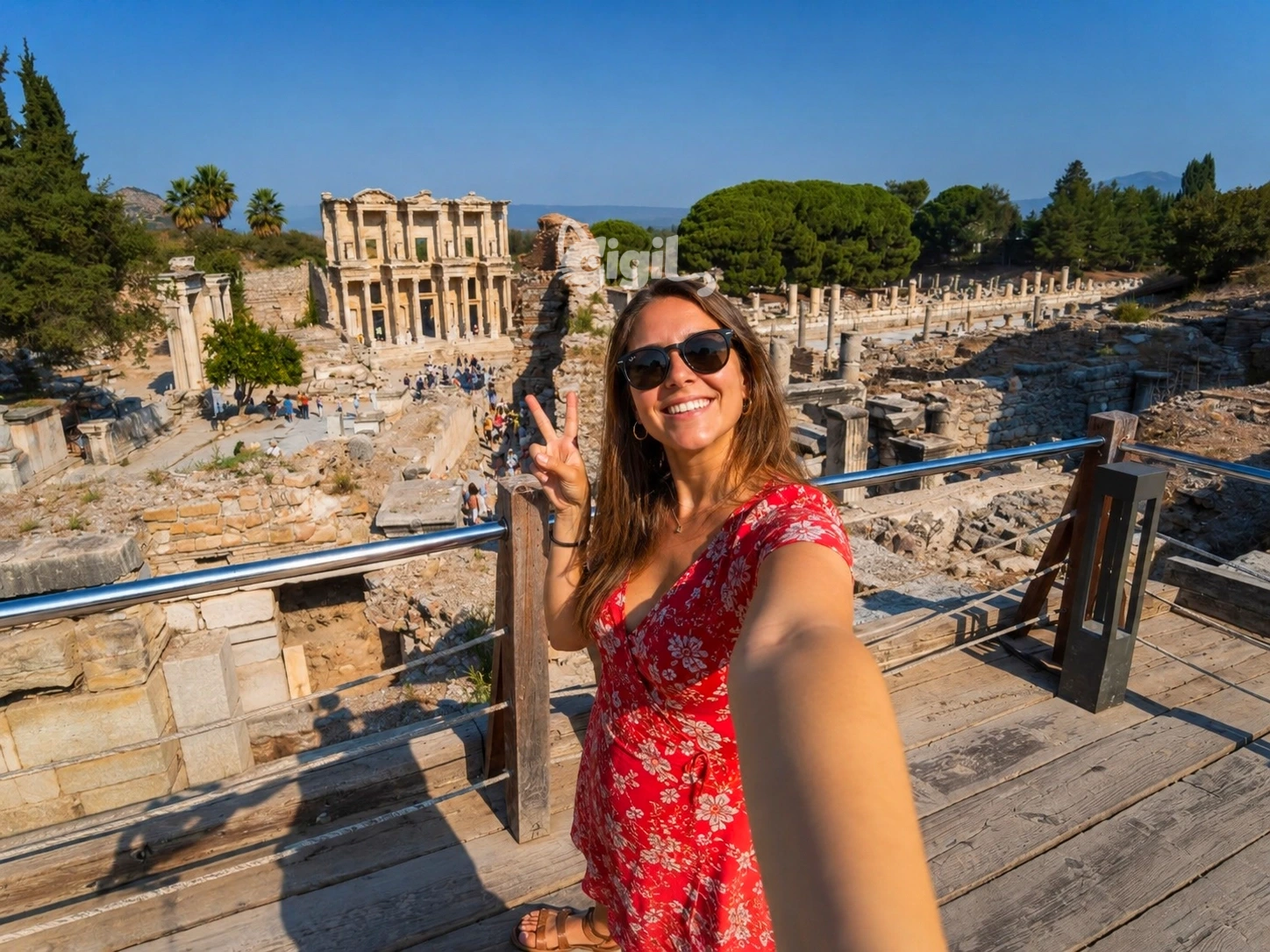


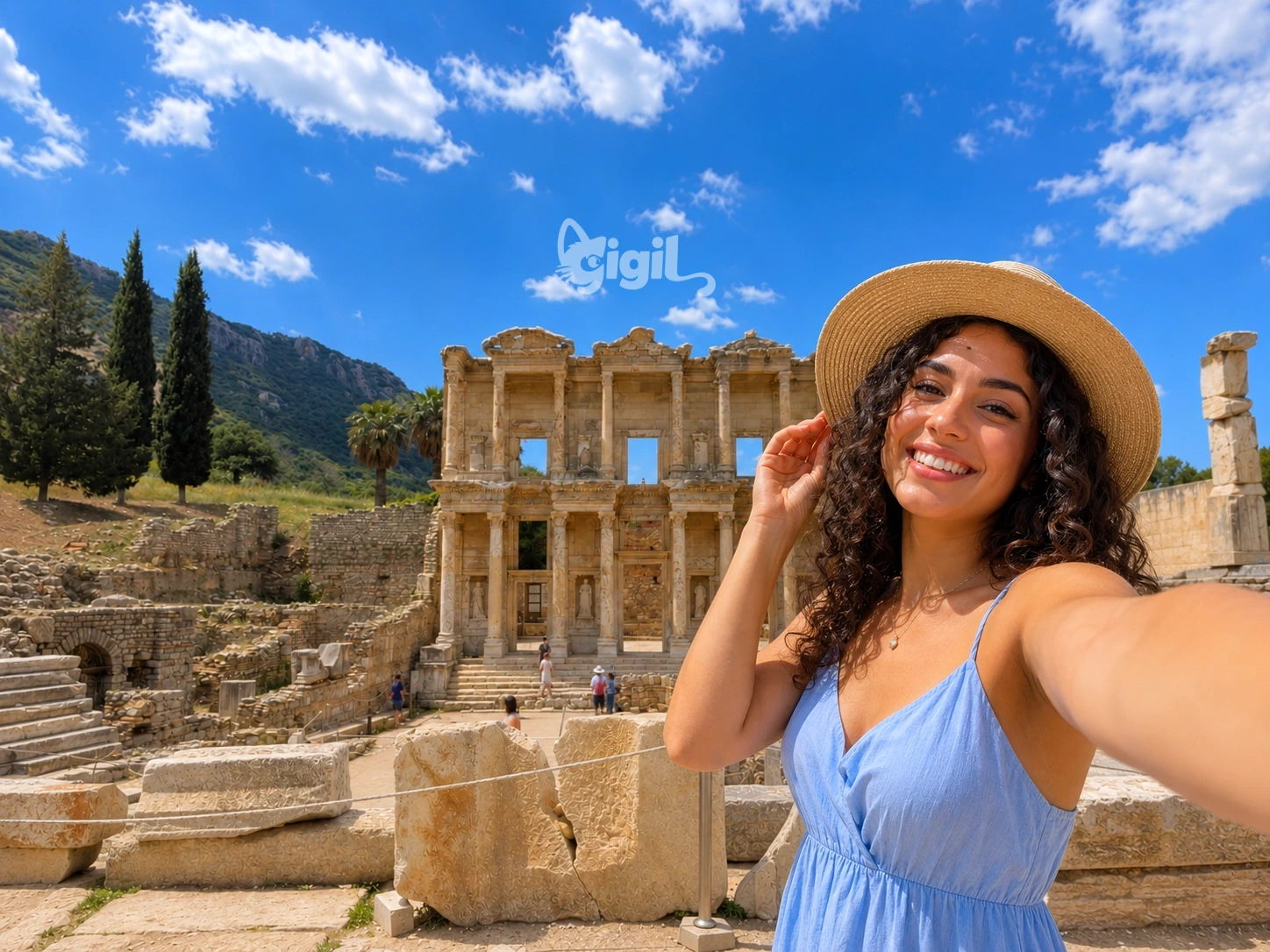

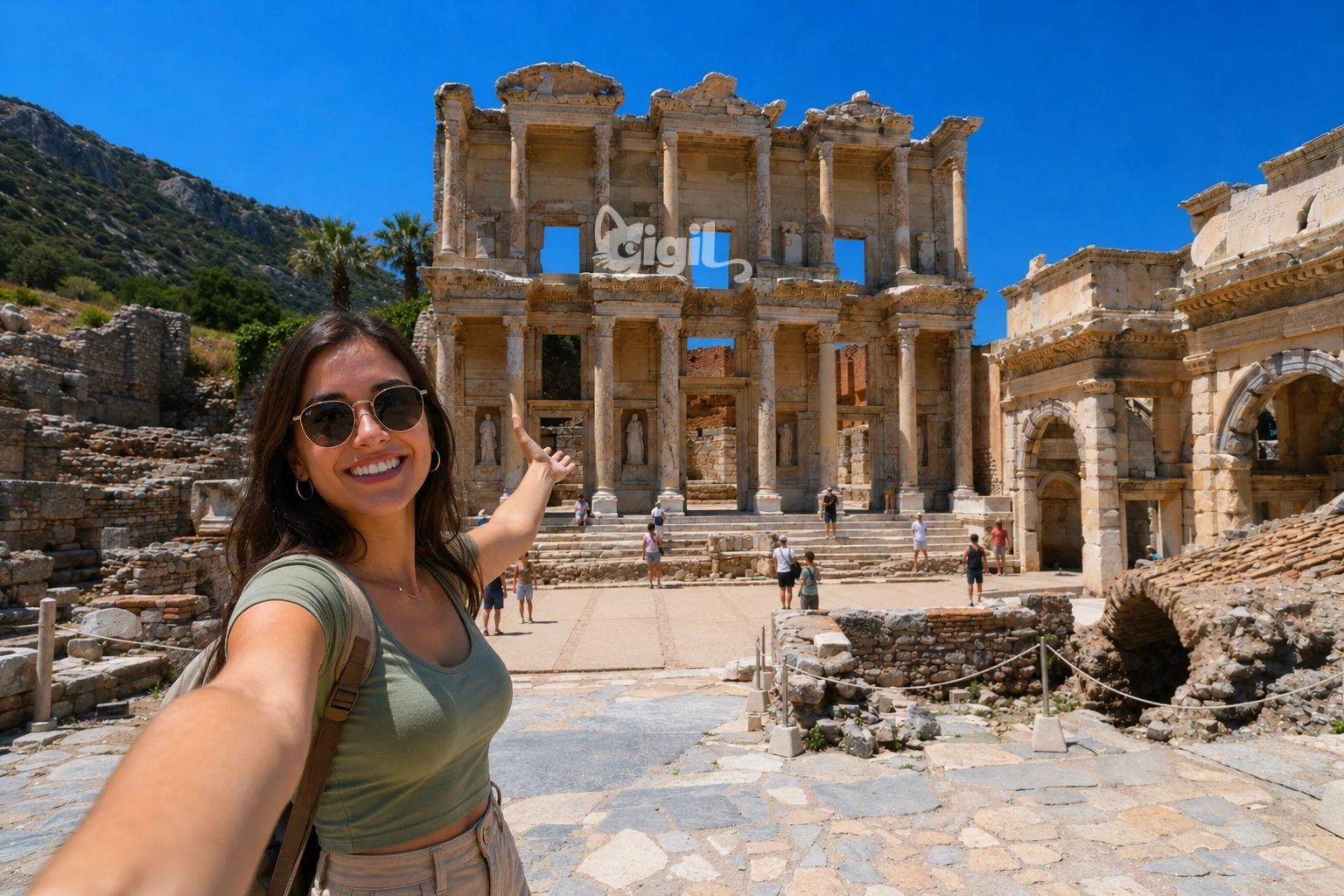

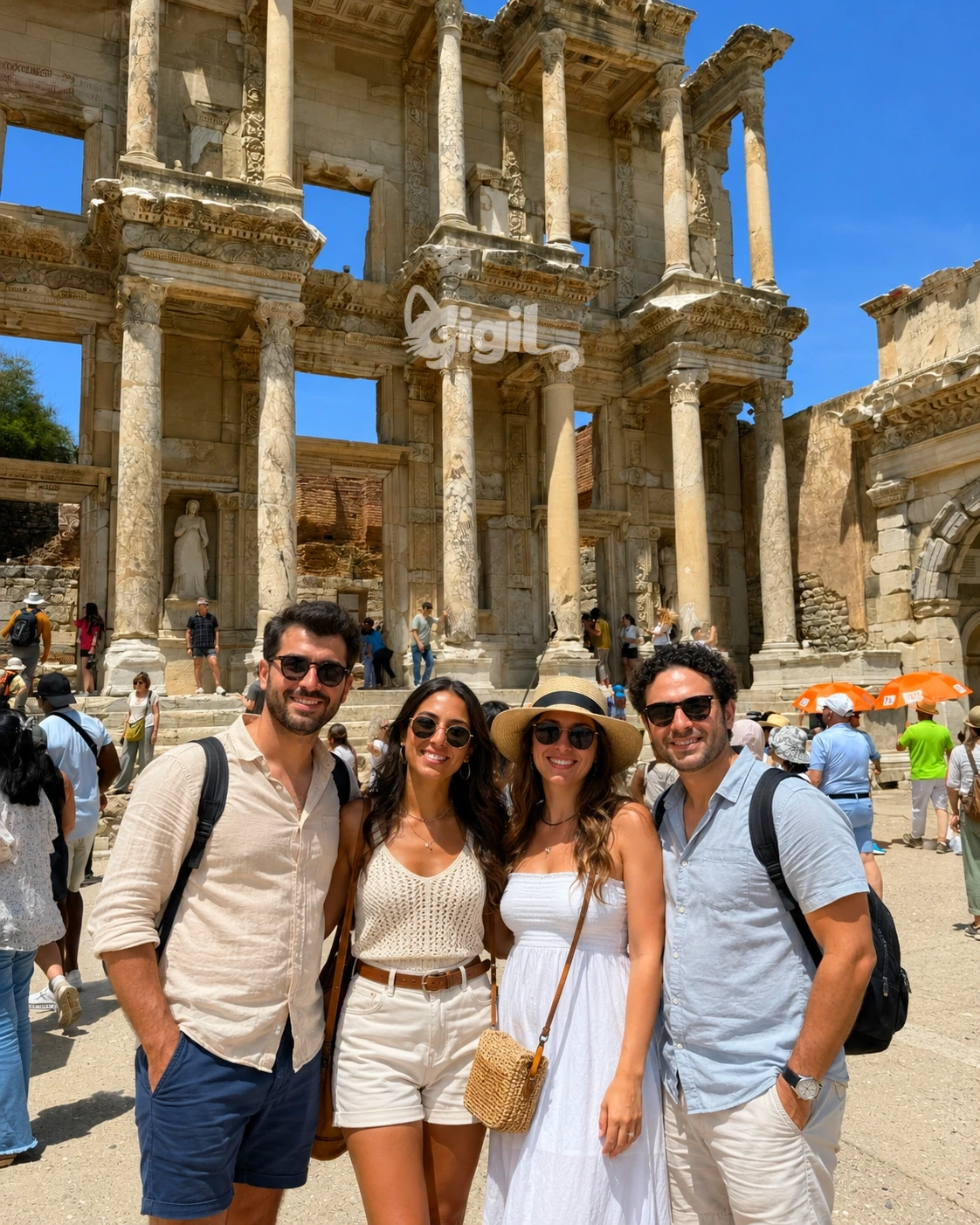

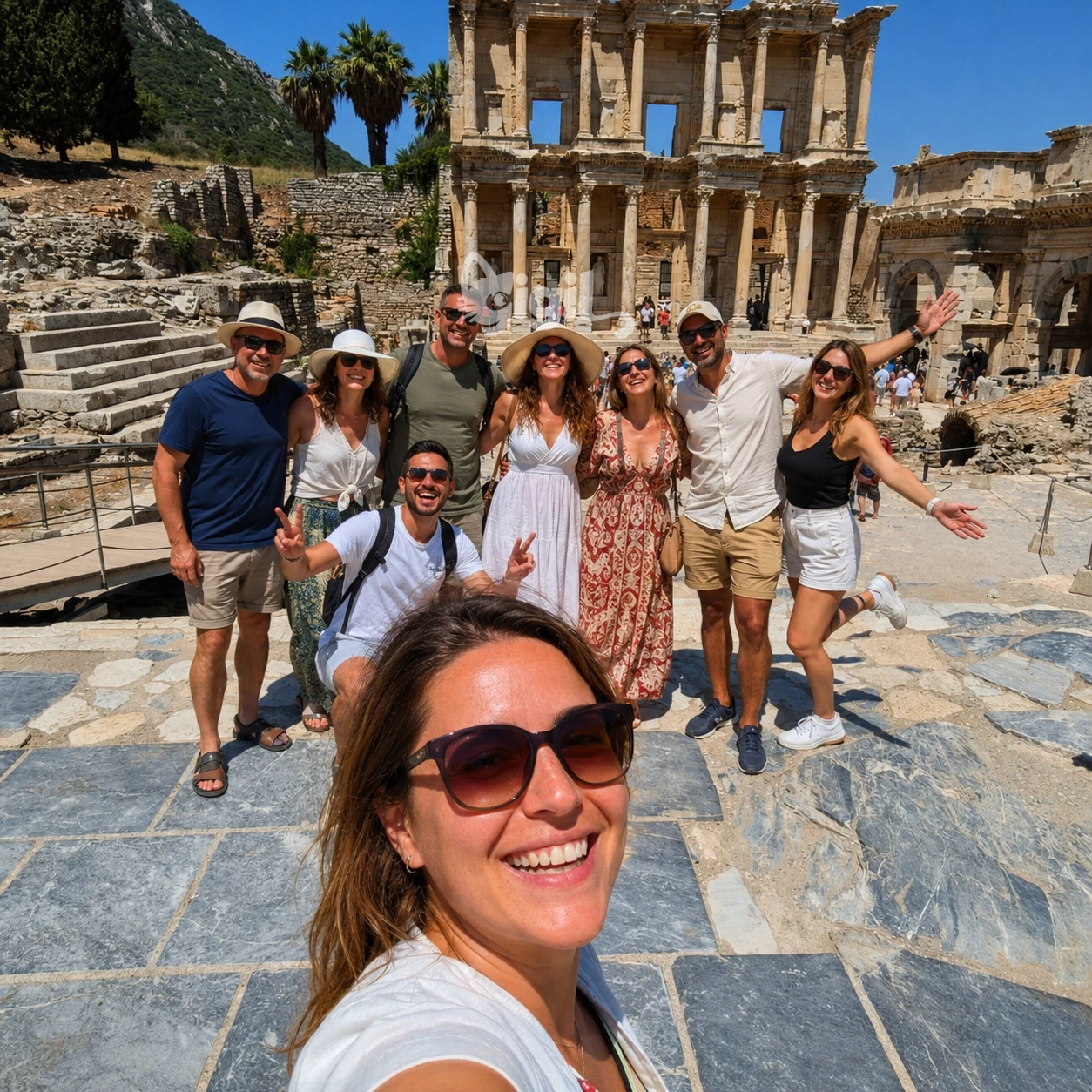


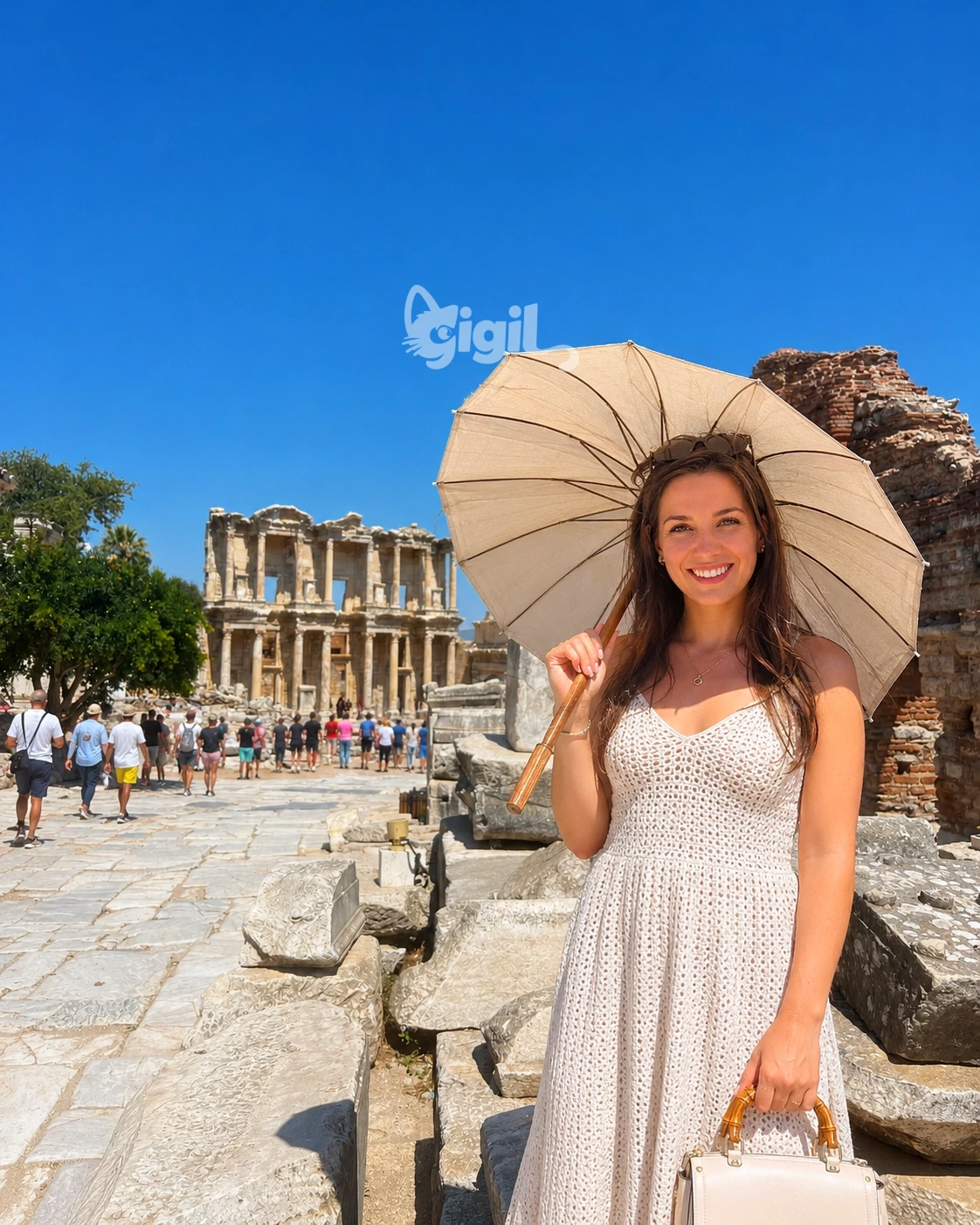

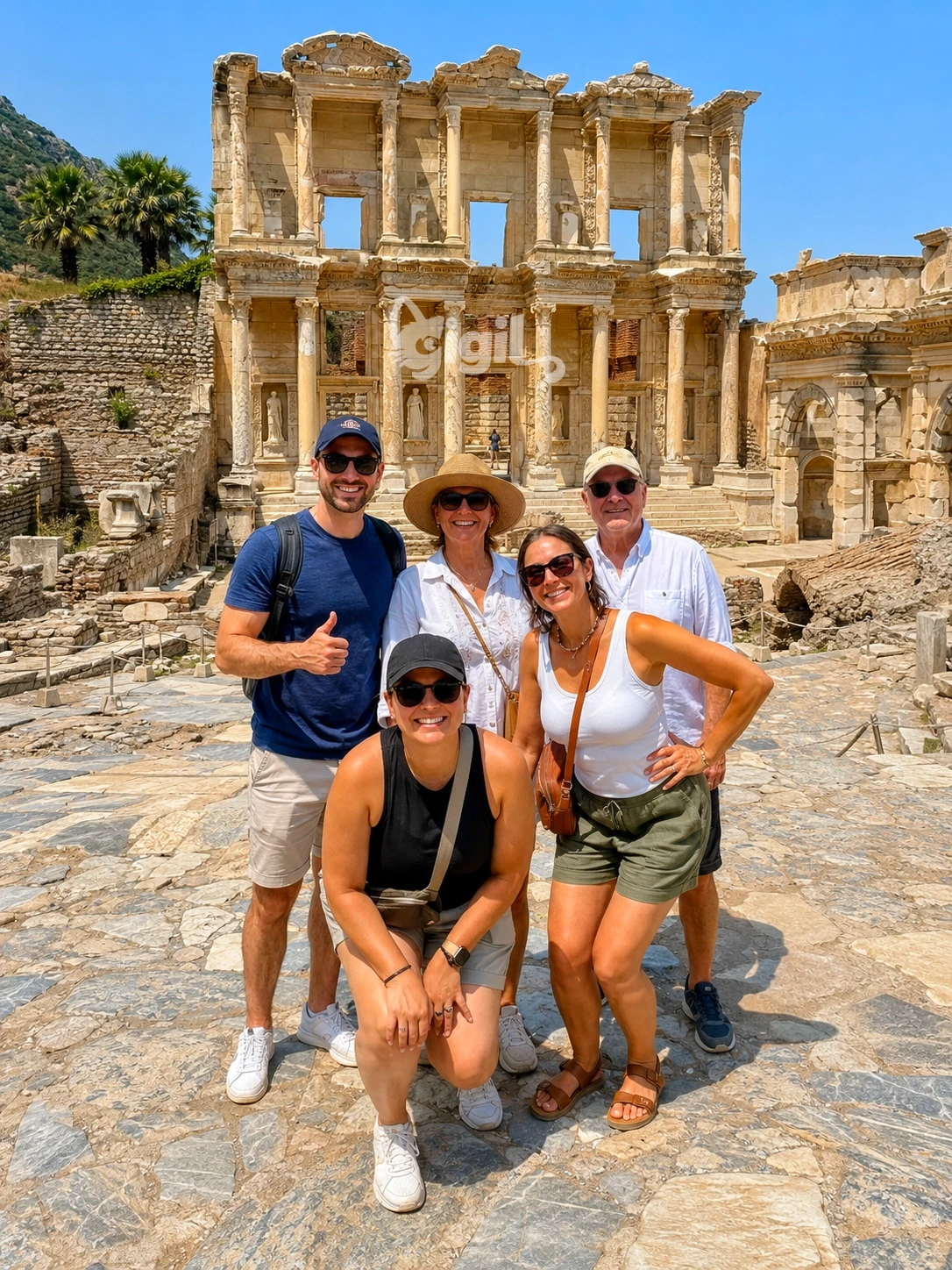
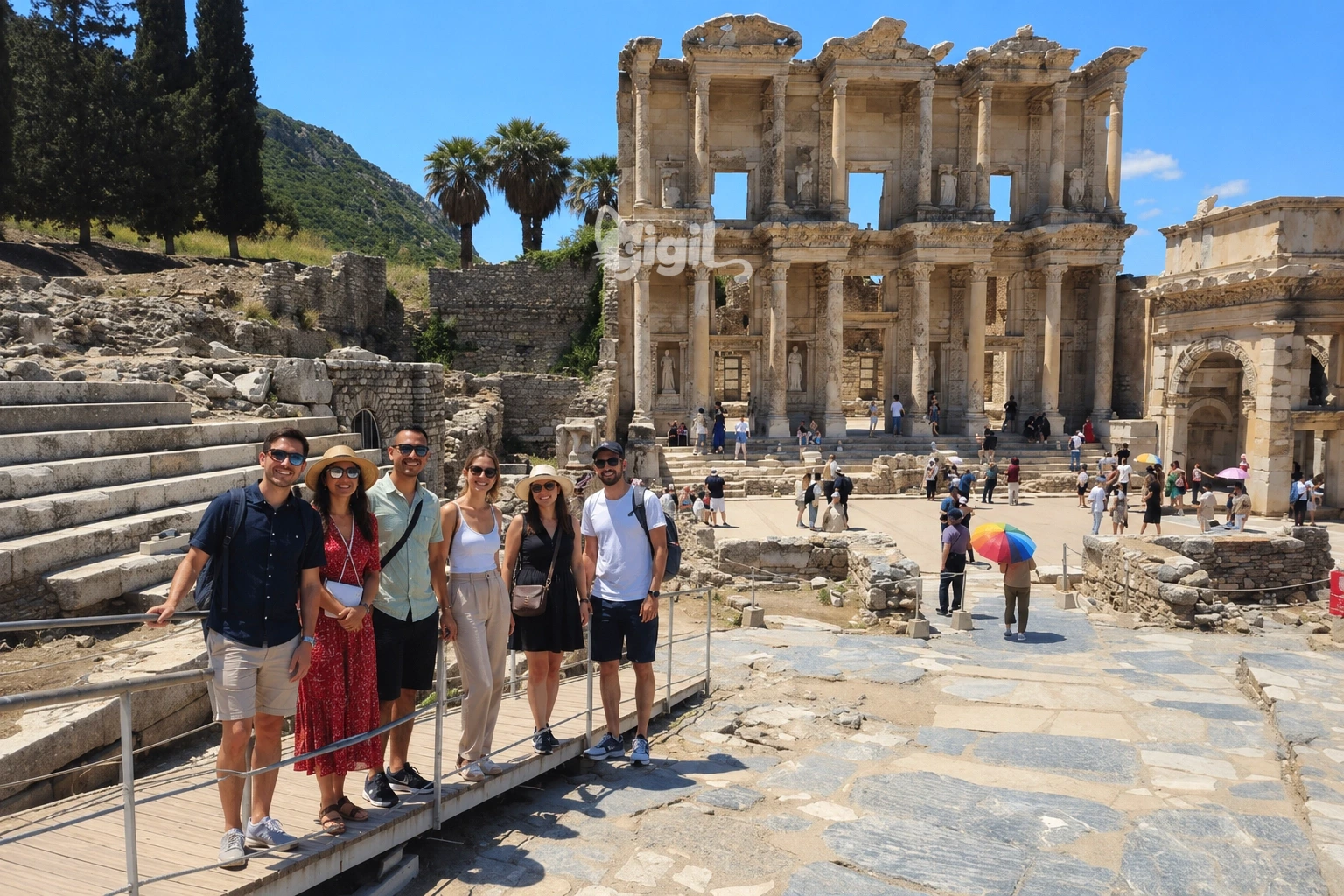



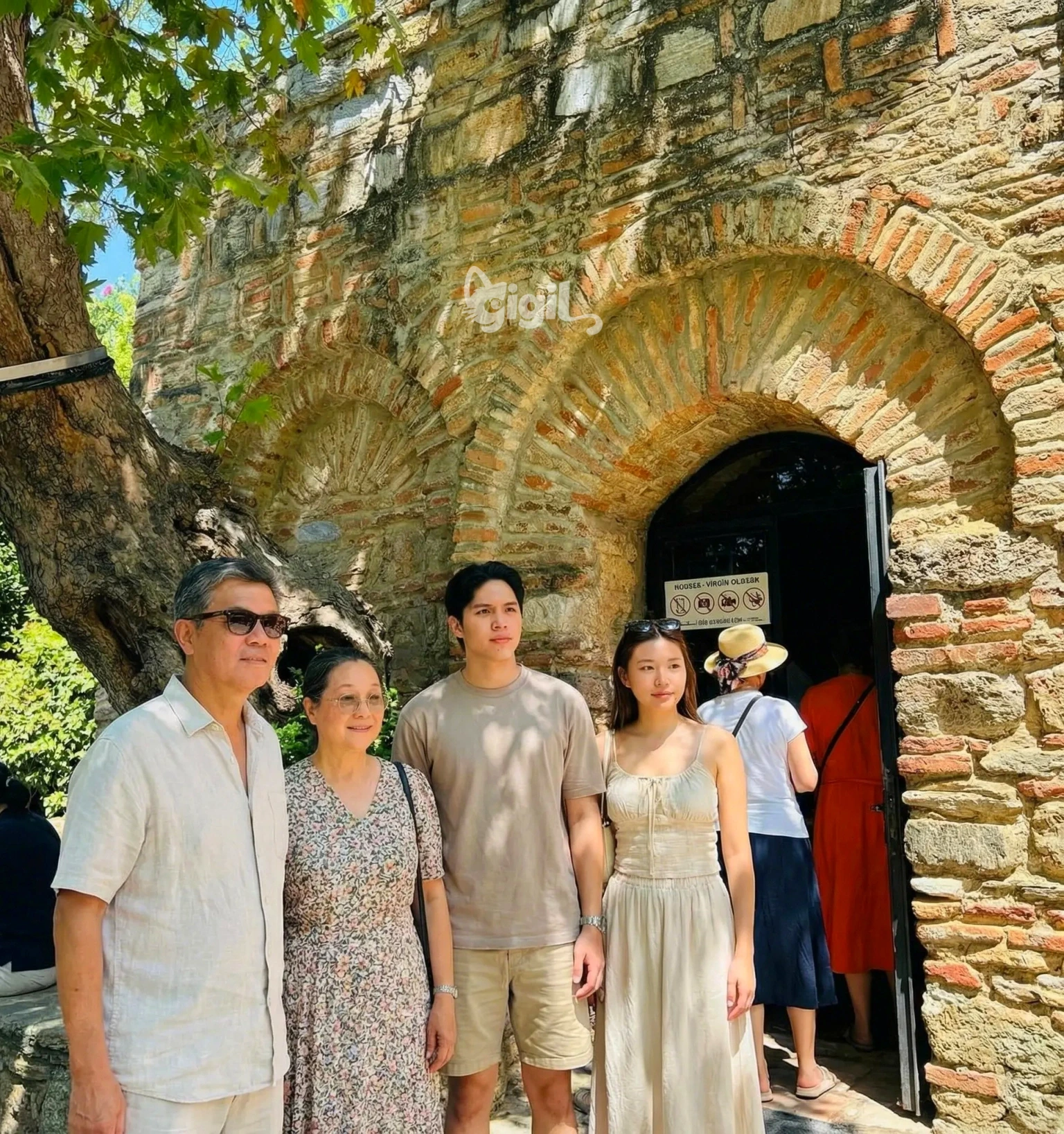
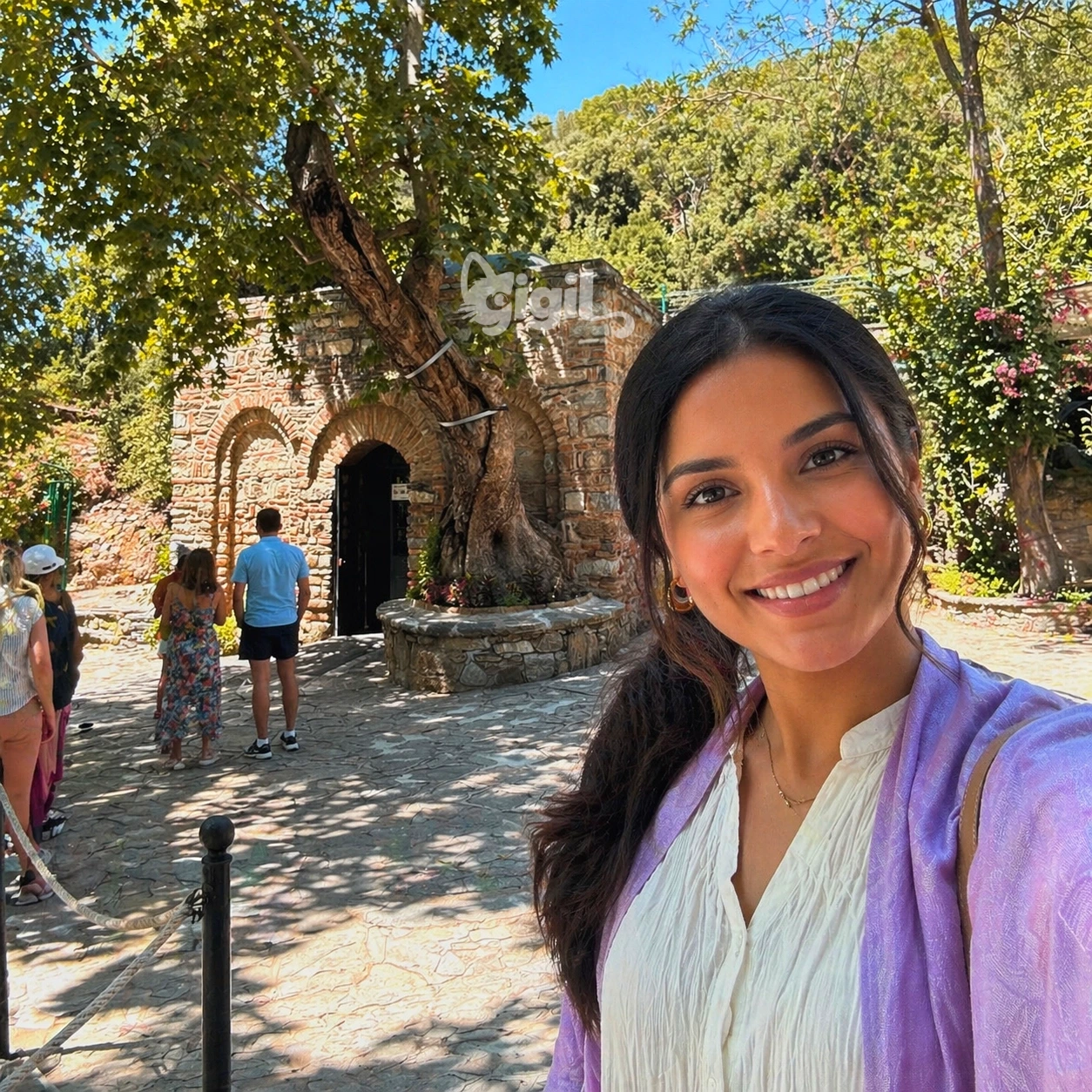
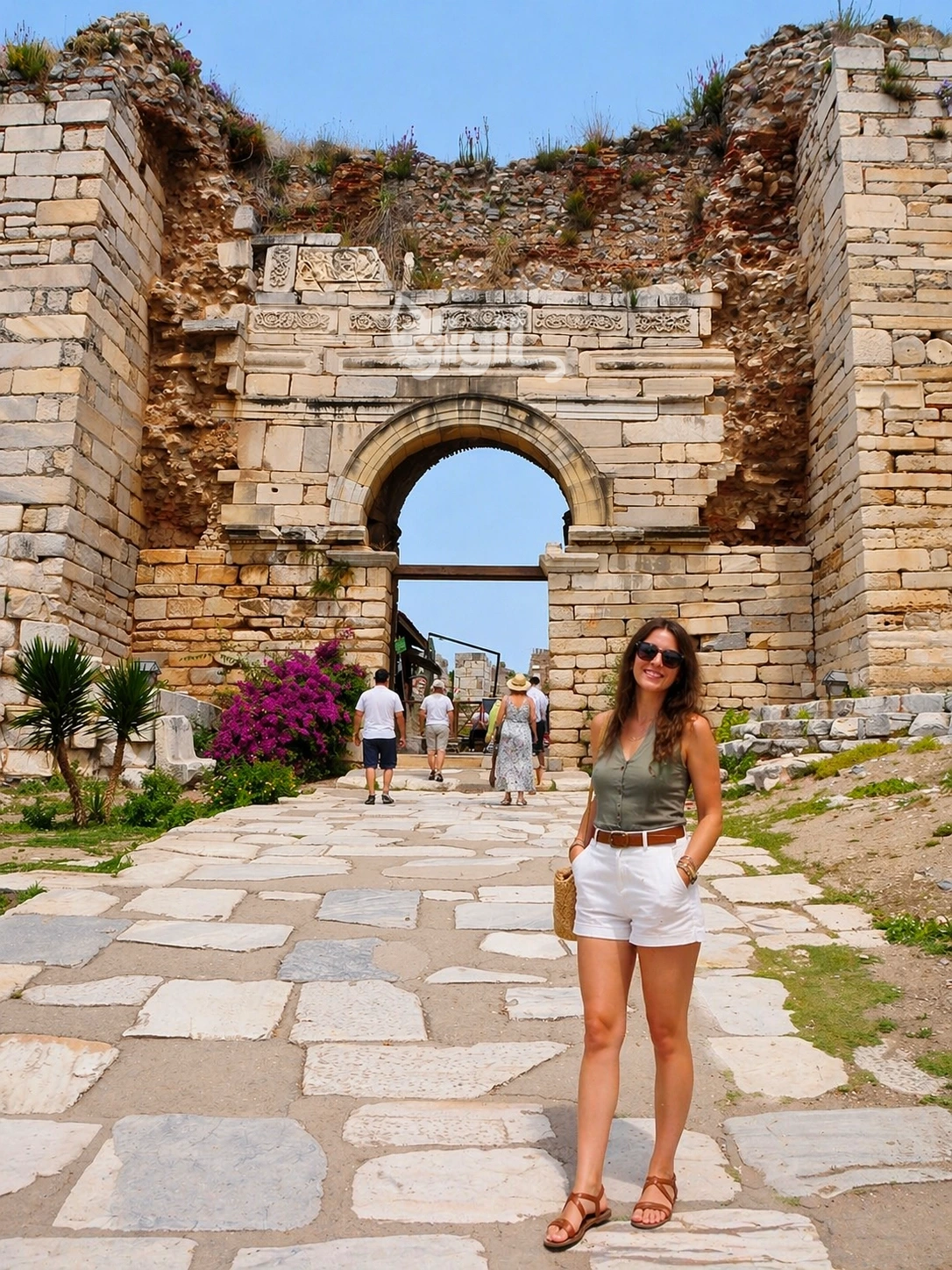
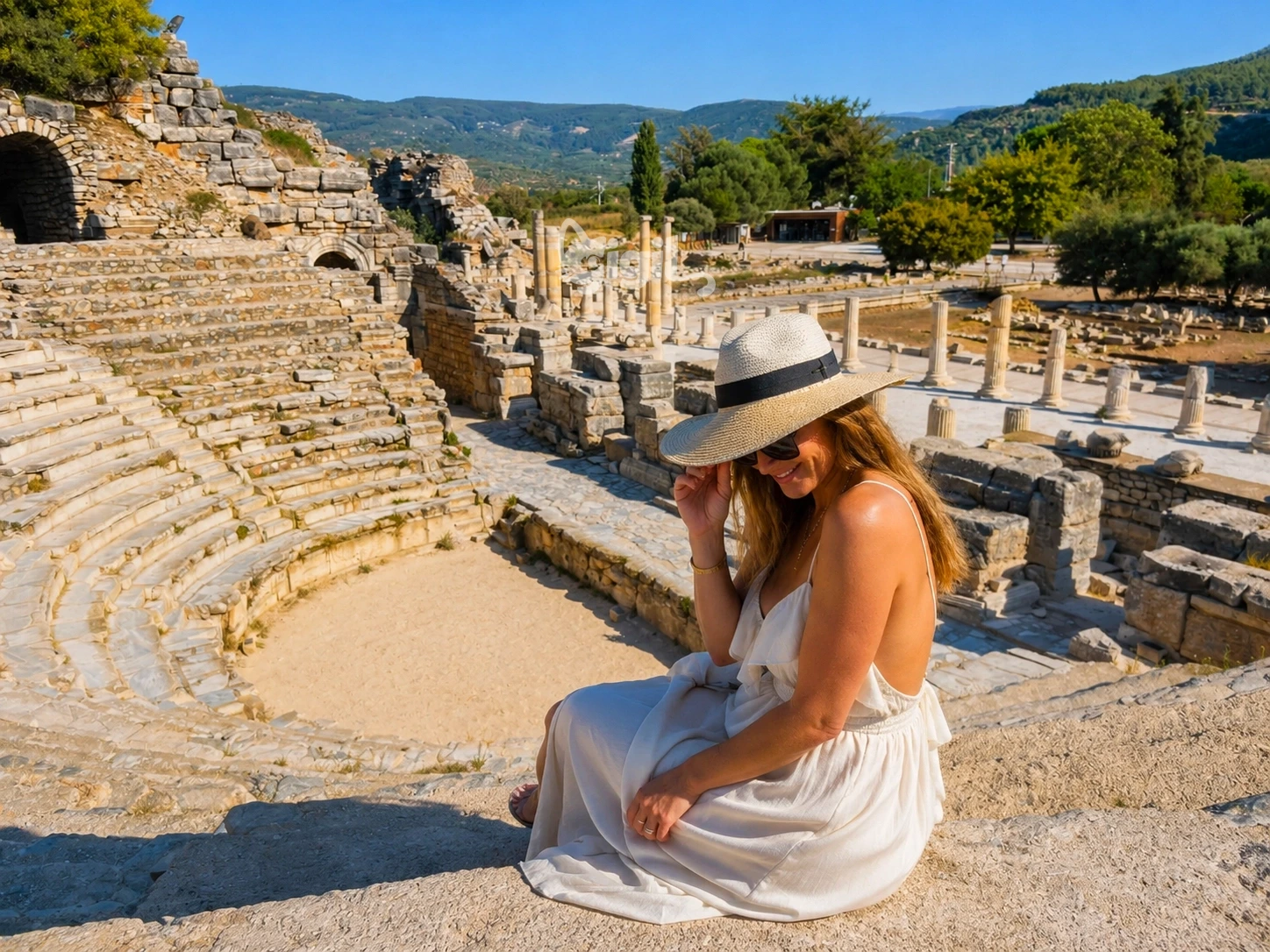






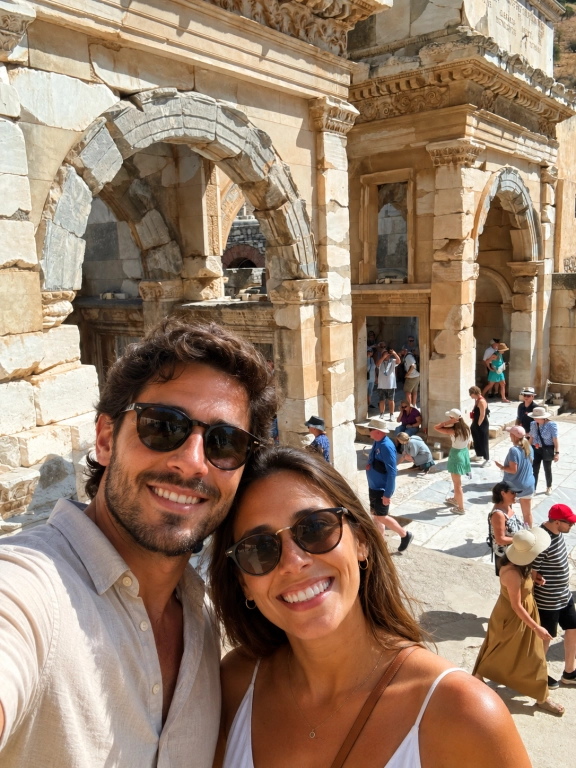




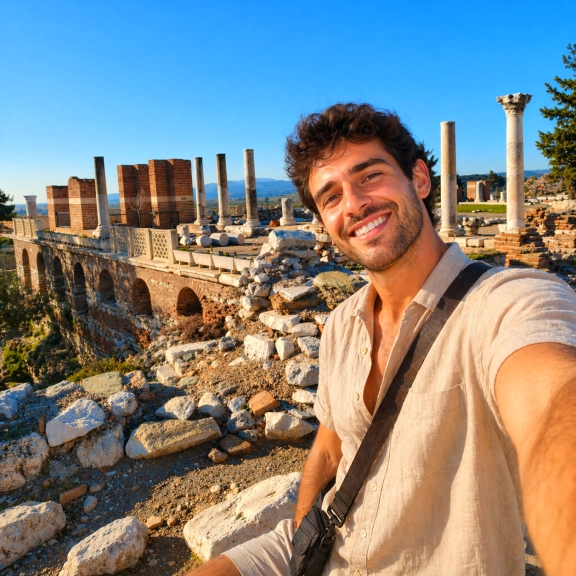
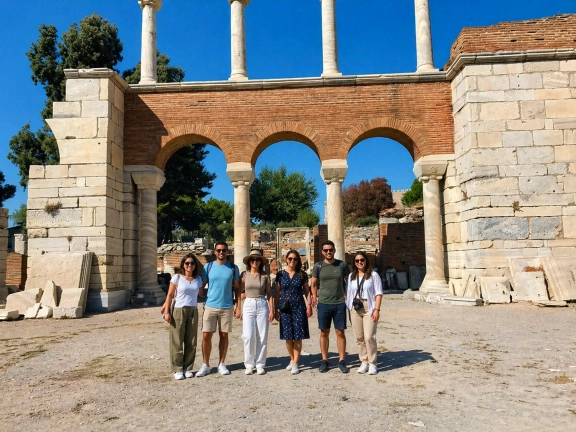
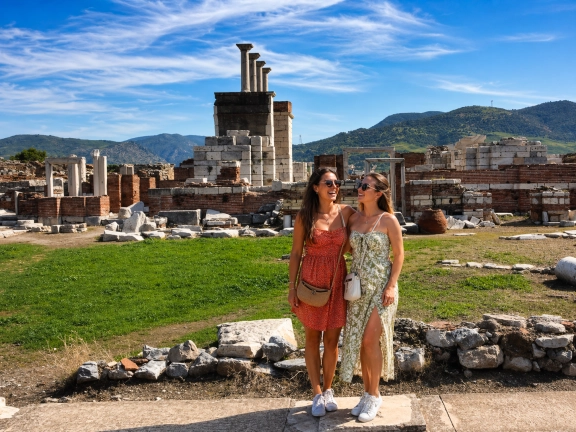
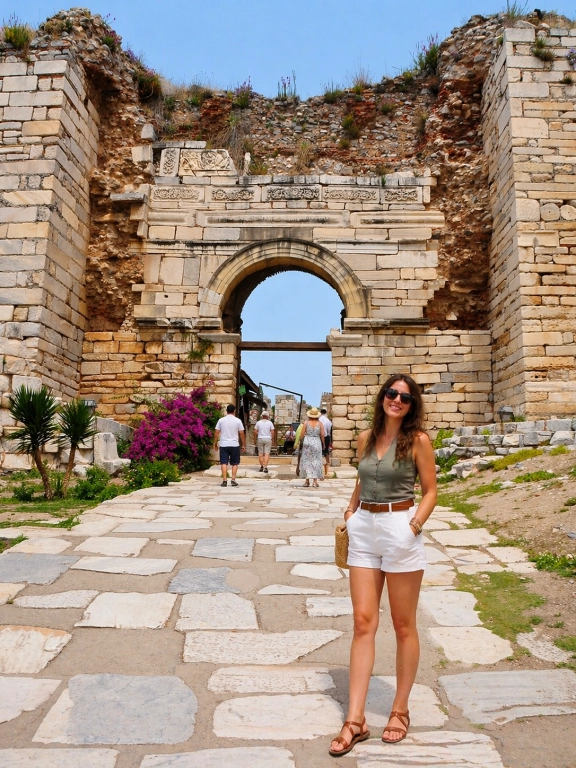
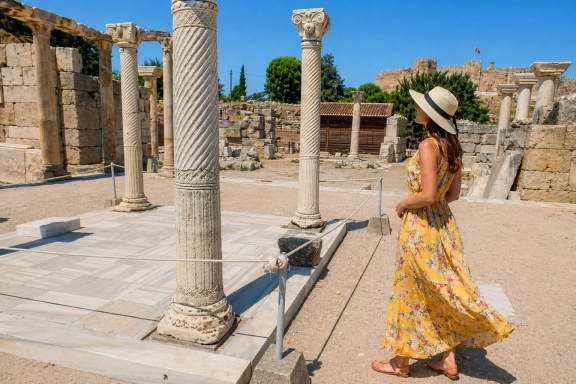

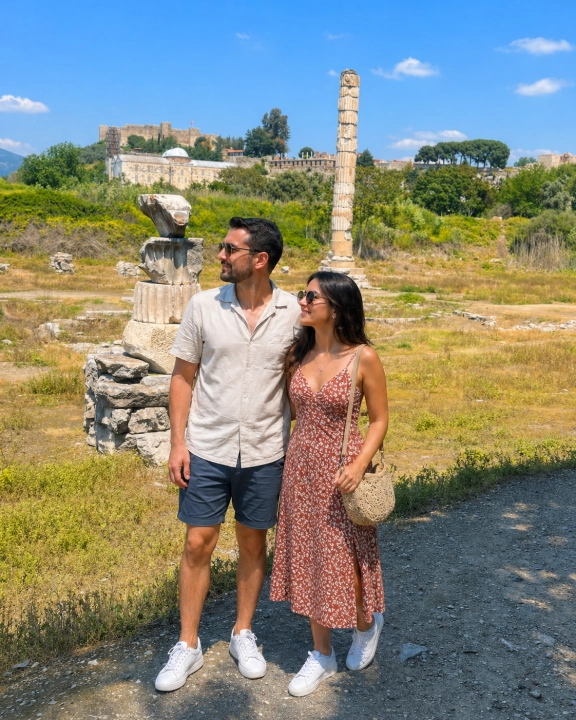

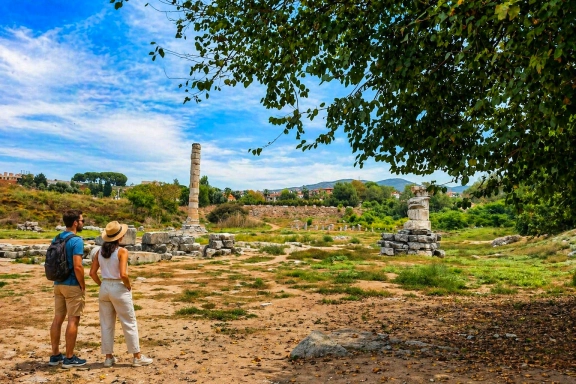
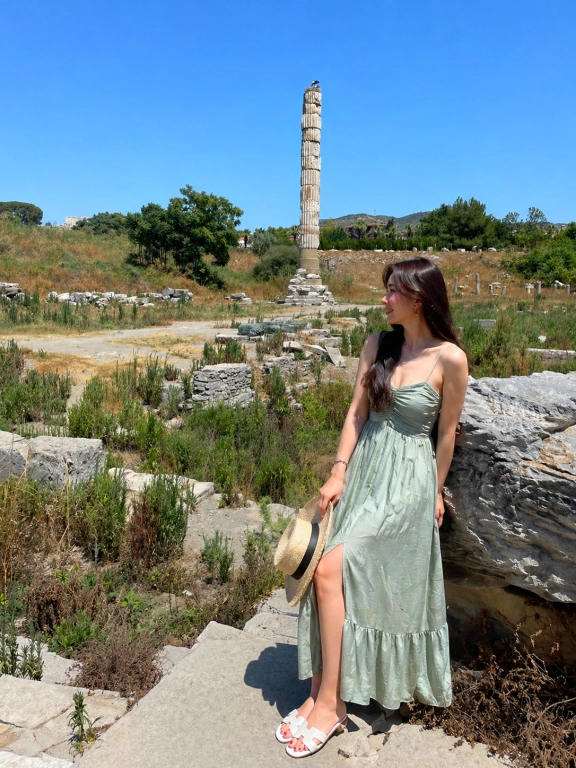
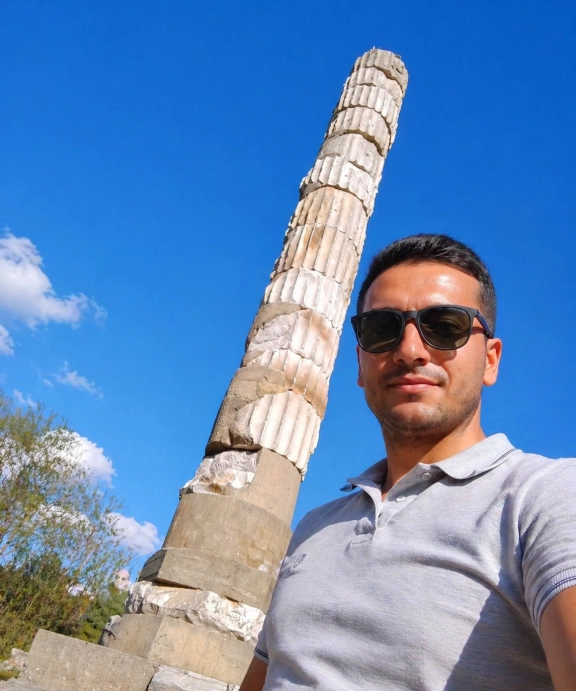
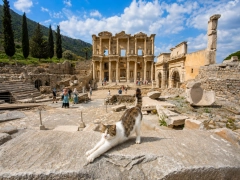

Ephesus Ancient City remains one of the region's strongest archaeological visits because the ruins still communicate the structure of a major classical city. Connected streets, public spaces and monumental remains make it possible to understand the site as a coherent urban world rather than a scattered set of fragments.

Its impact comes not only from famous landmarks, but from the continuity between those highlights and the larger city plan. That is what gives Ephesus unusual depth as a historical experience.
Questions
What makes Ephesus Ancient City such a complete historical visit?
Ephesus preserves connected streets, civic spaces and monuments in a way that still communicates the logic of a major classical city. That coherence gives the site unusual historical strength.
Why do travelers often remember the route through Ephesus as much as the monuments themselves?
Because the city still reads as a connected urban landscape, movement through the site becomes part of the experience. Visitors sense the structure of ancient city life, not only isolated landmarks.

How is Ephesus different from a ruin site with only scattered fragments?
Its remains continue to hold together as parts of a broader city plan rather than appearing as disconnected pieces. That gives the visit greater interpretive depth.