





Fatima ****
Overall Tour
5.0 / 5
Route And Itinerary
5.0 / 5
Guide Service
5.0 / 5
Driver Service
5.0 / 5
A day I will remember
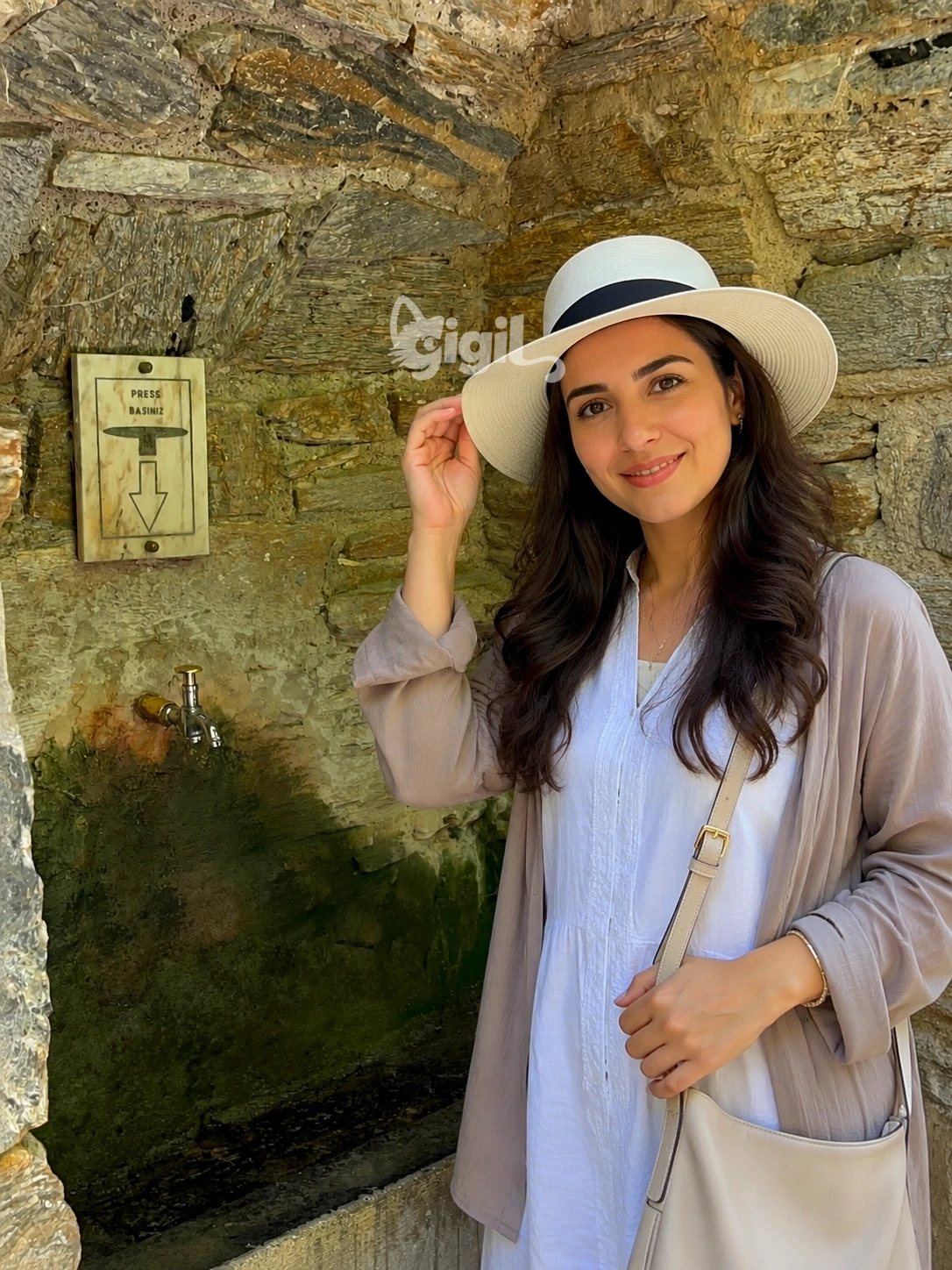
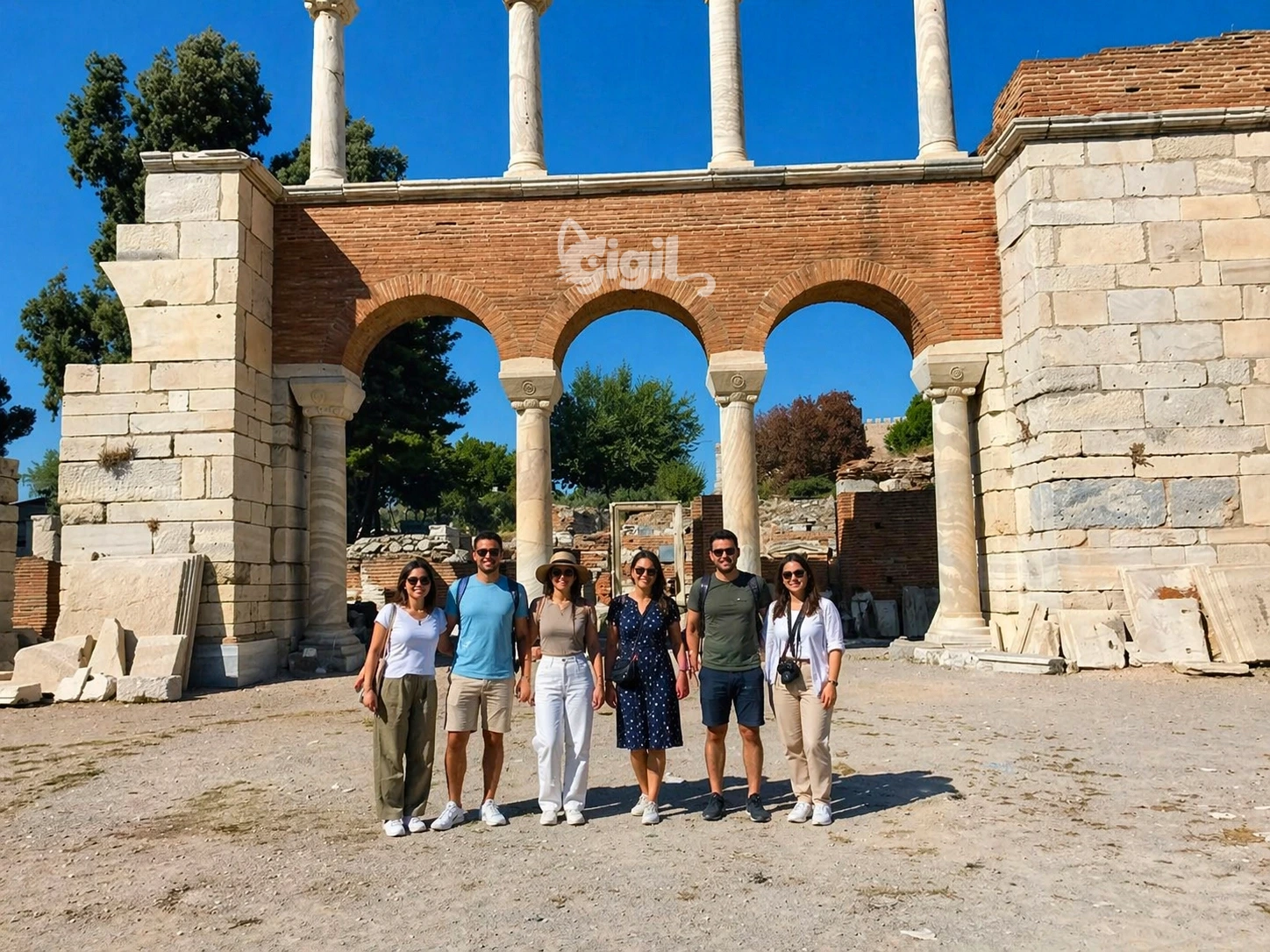
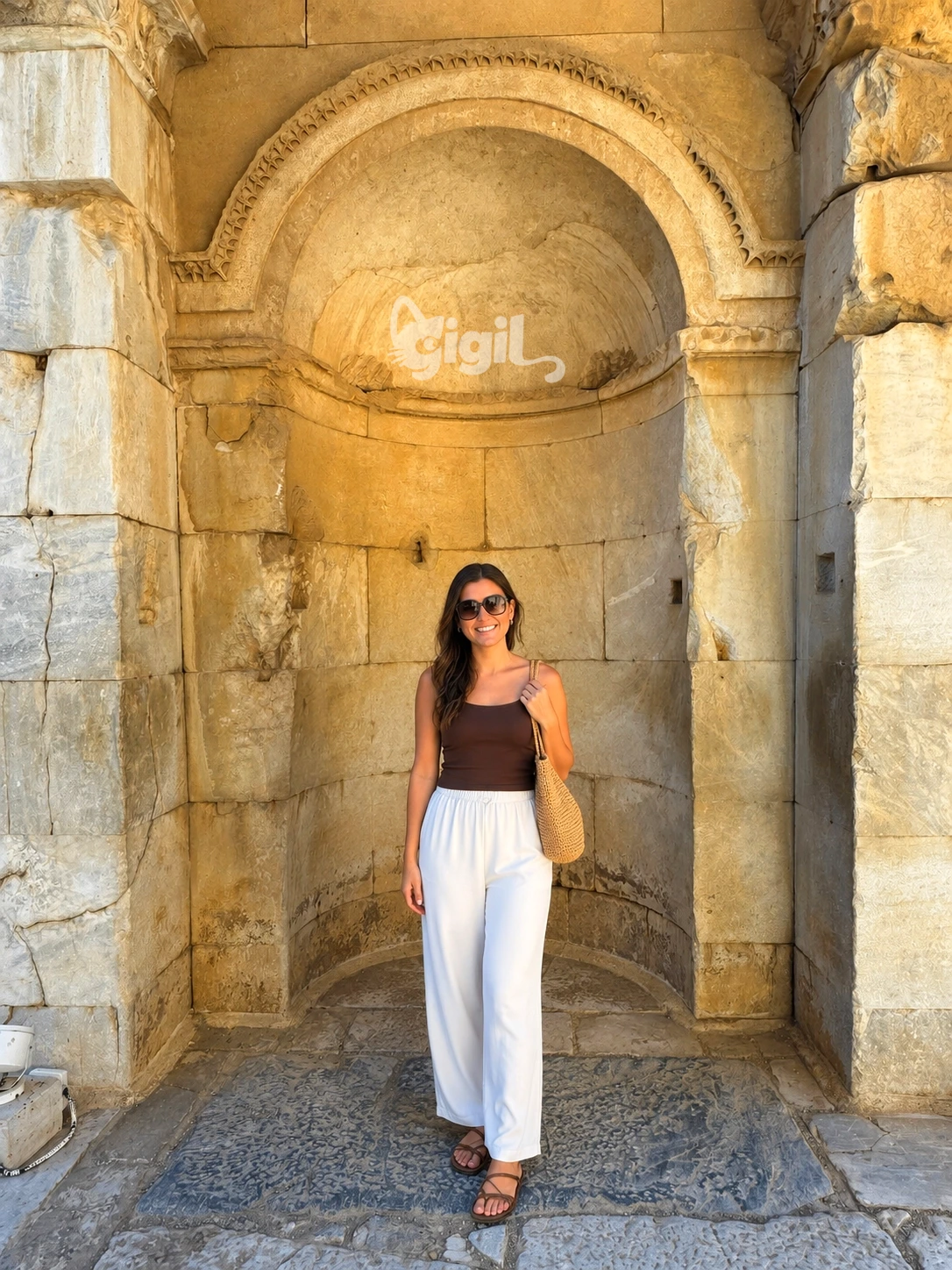
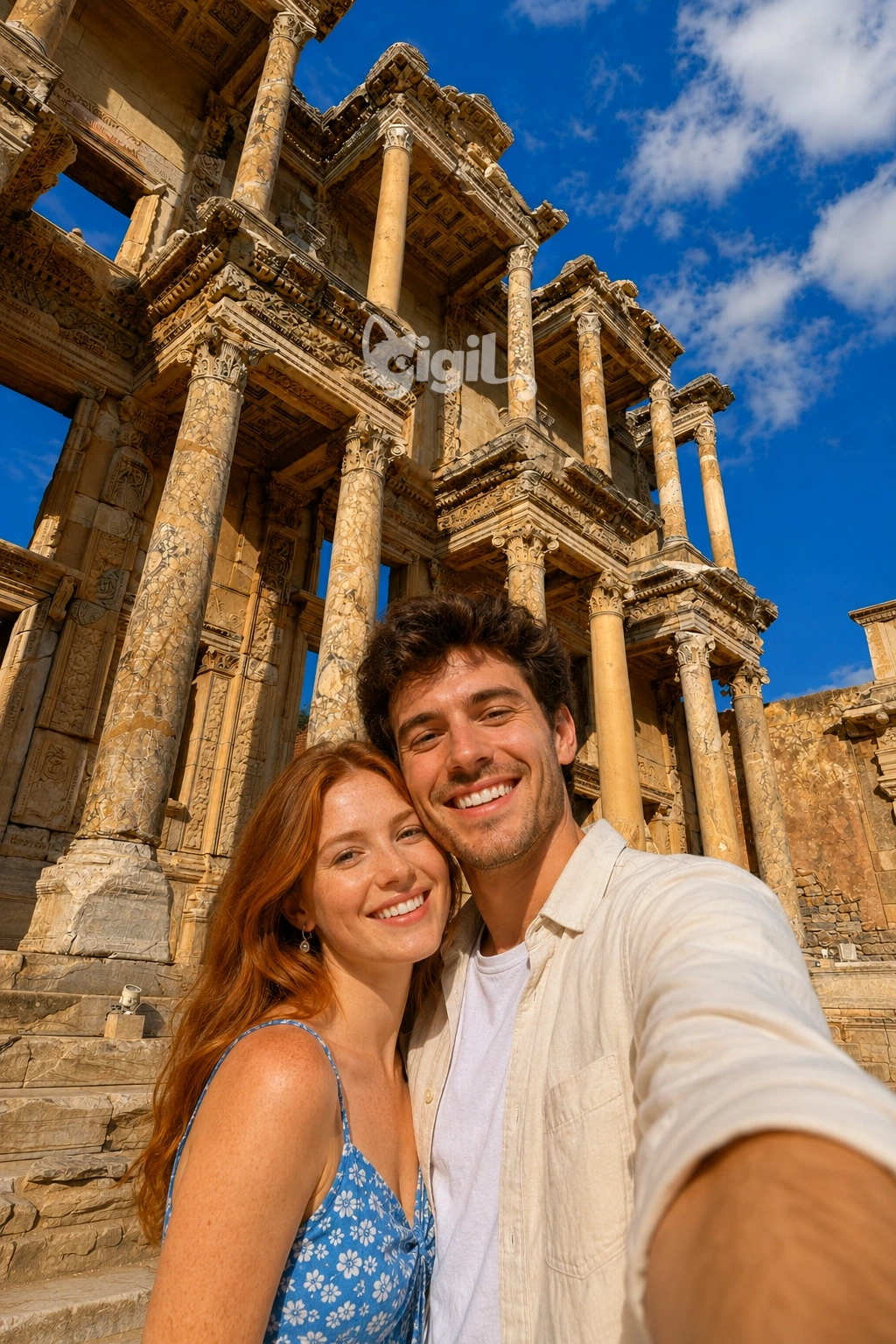
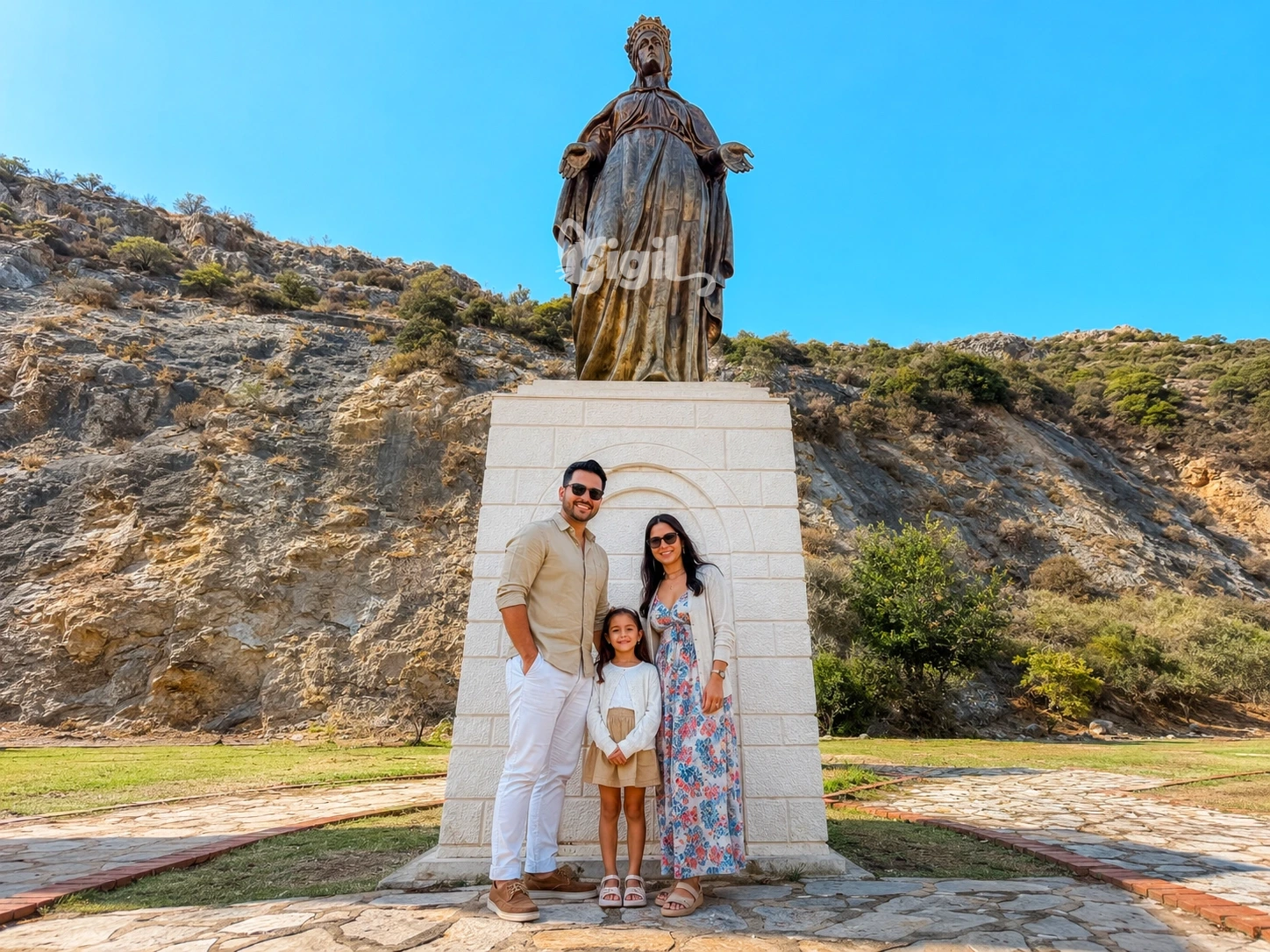
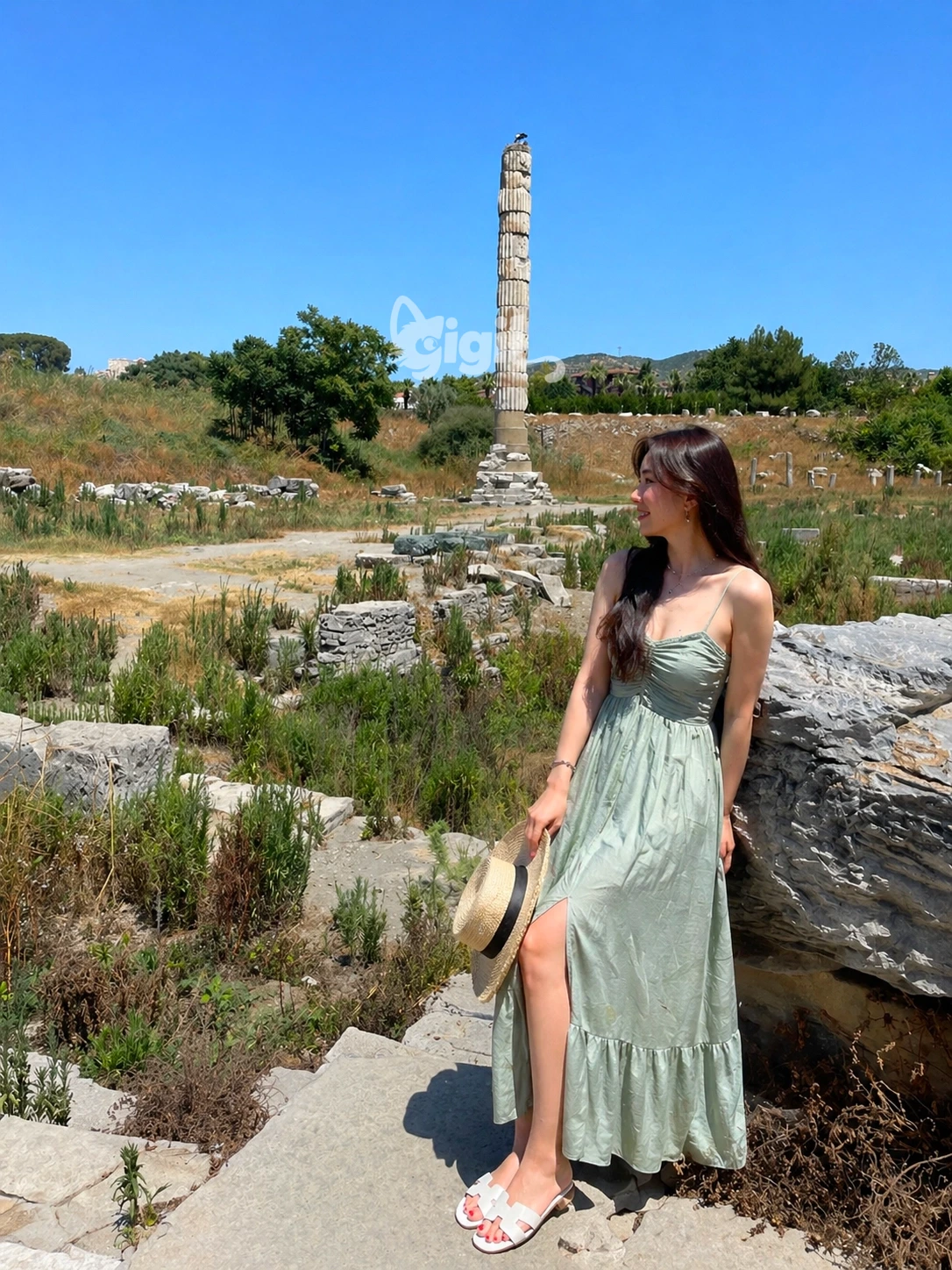
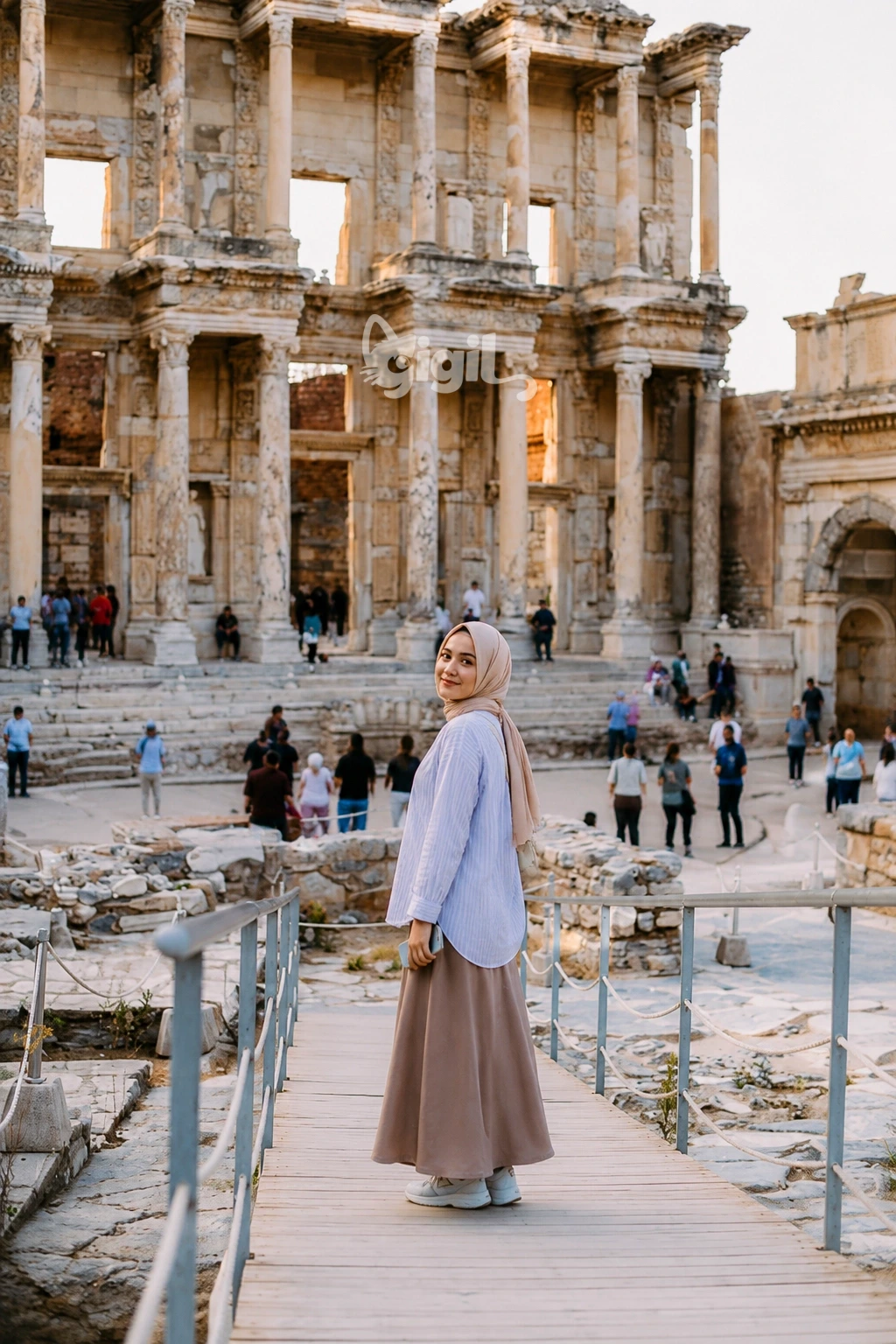
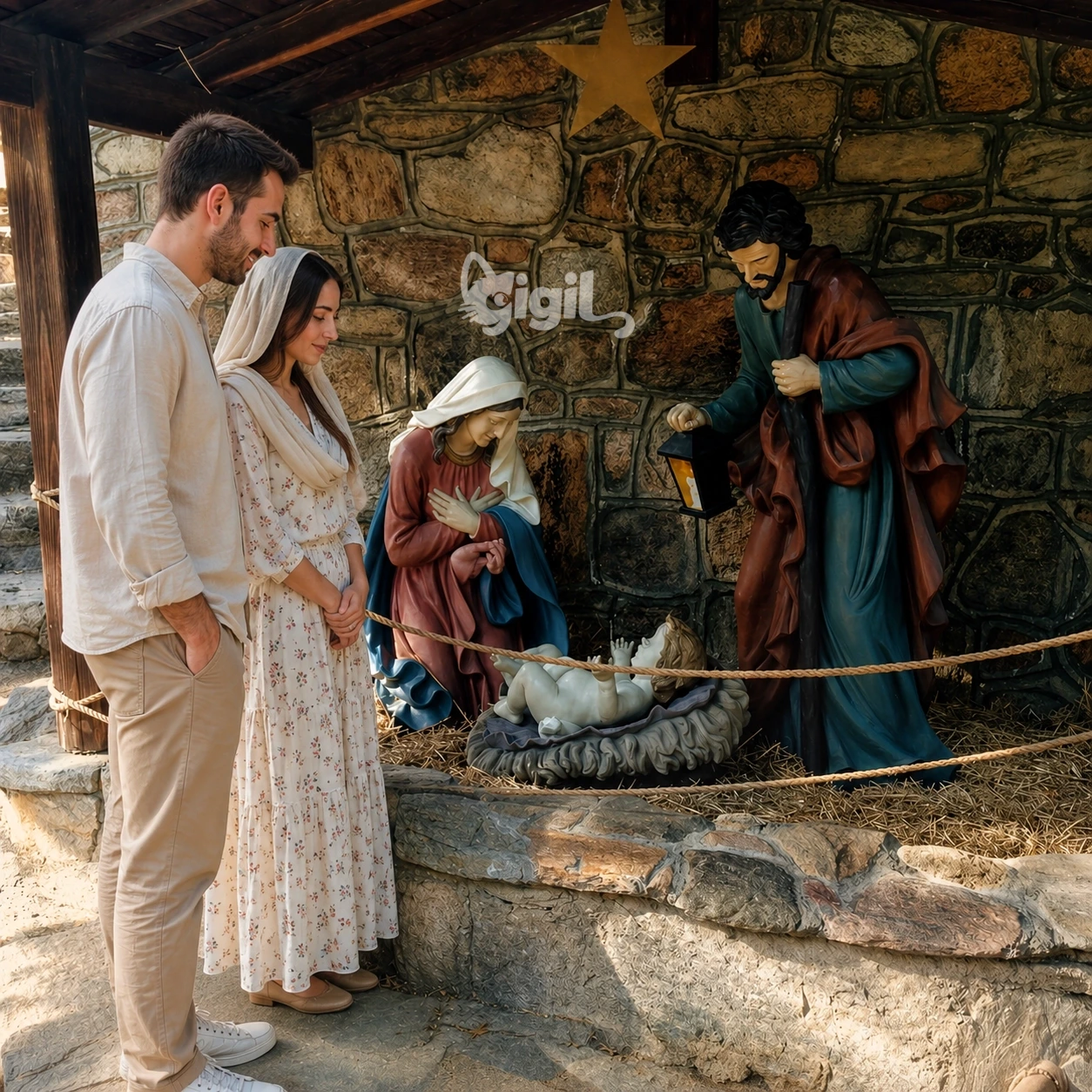
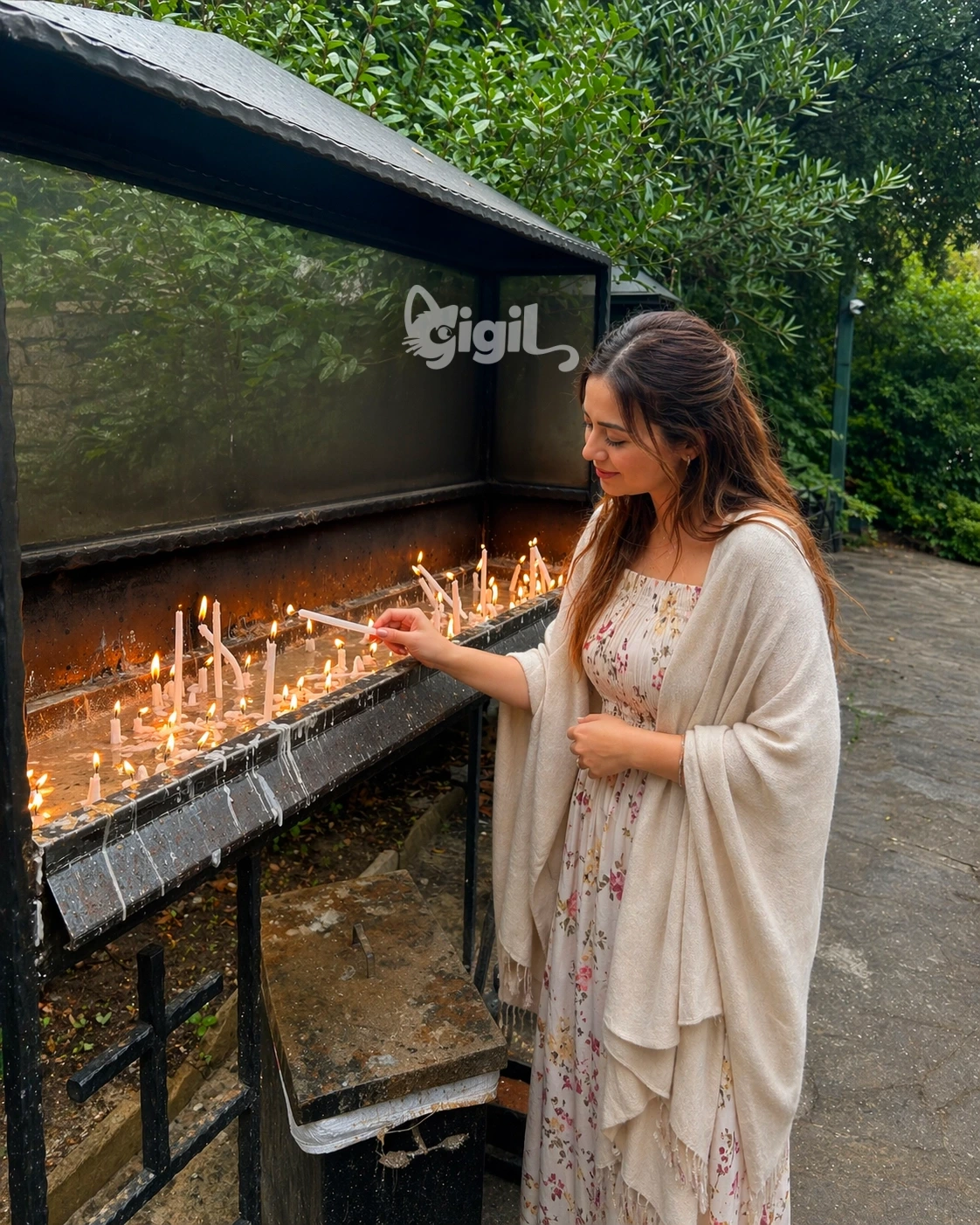
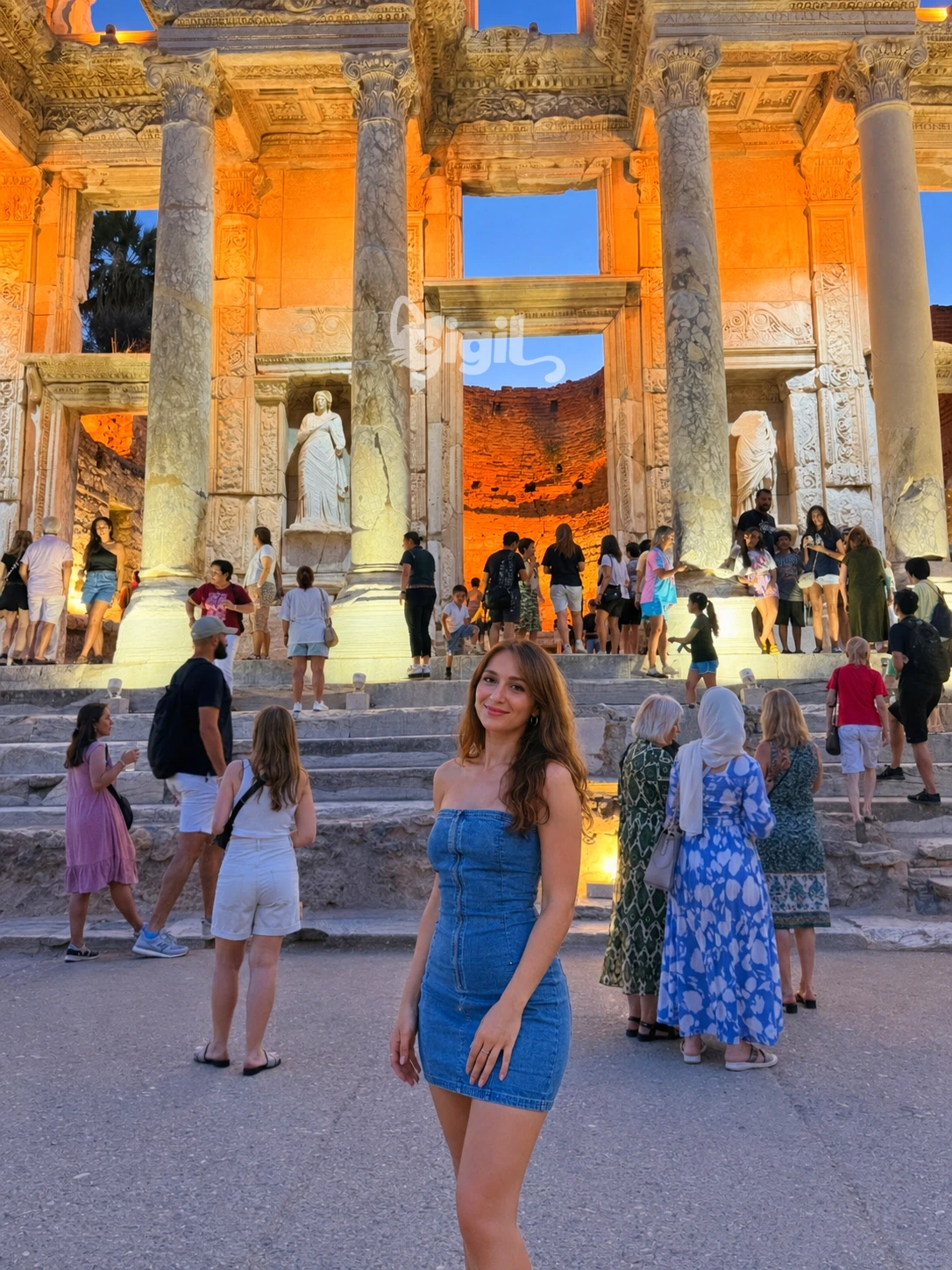
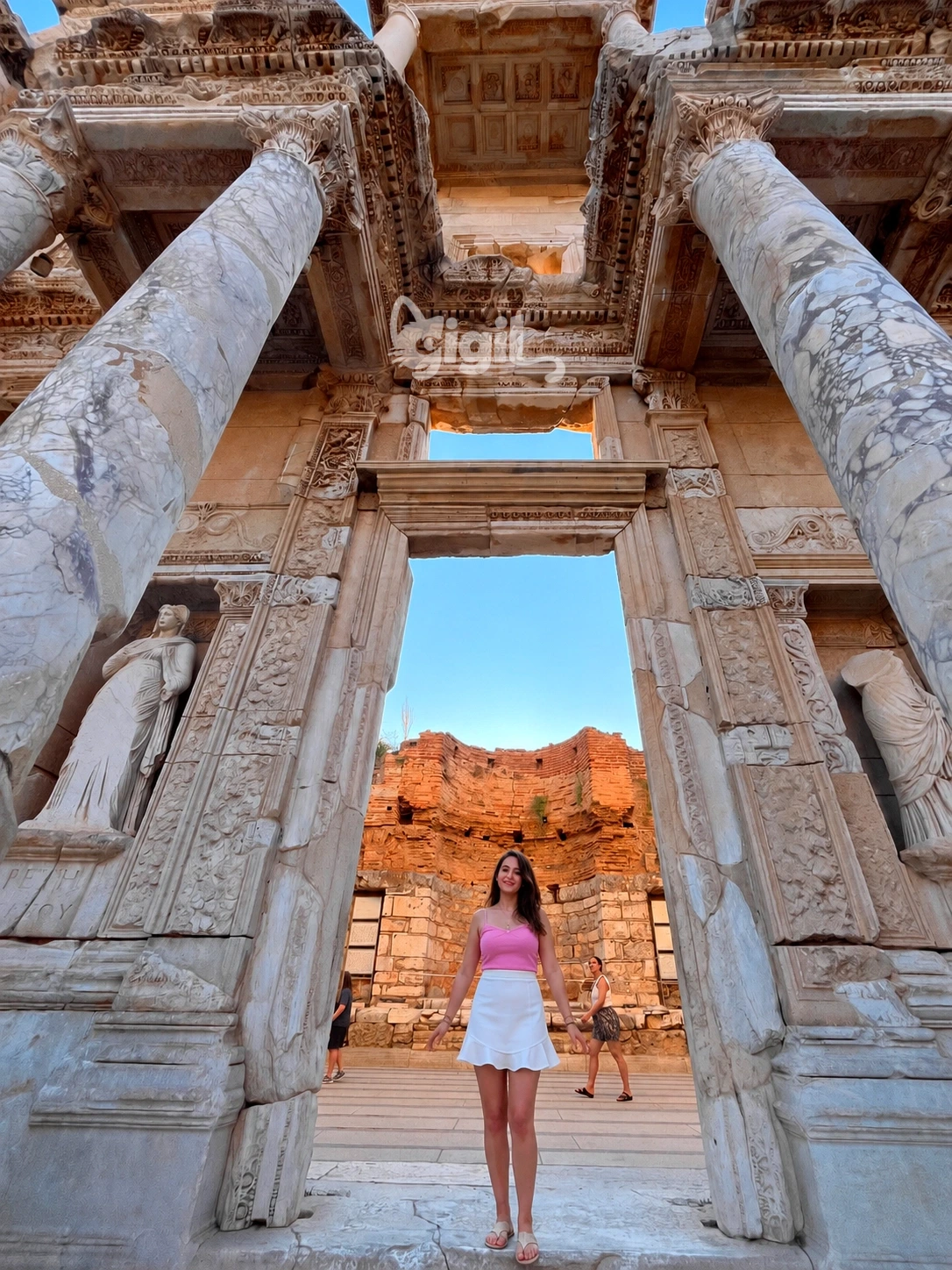
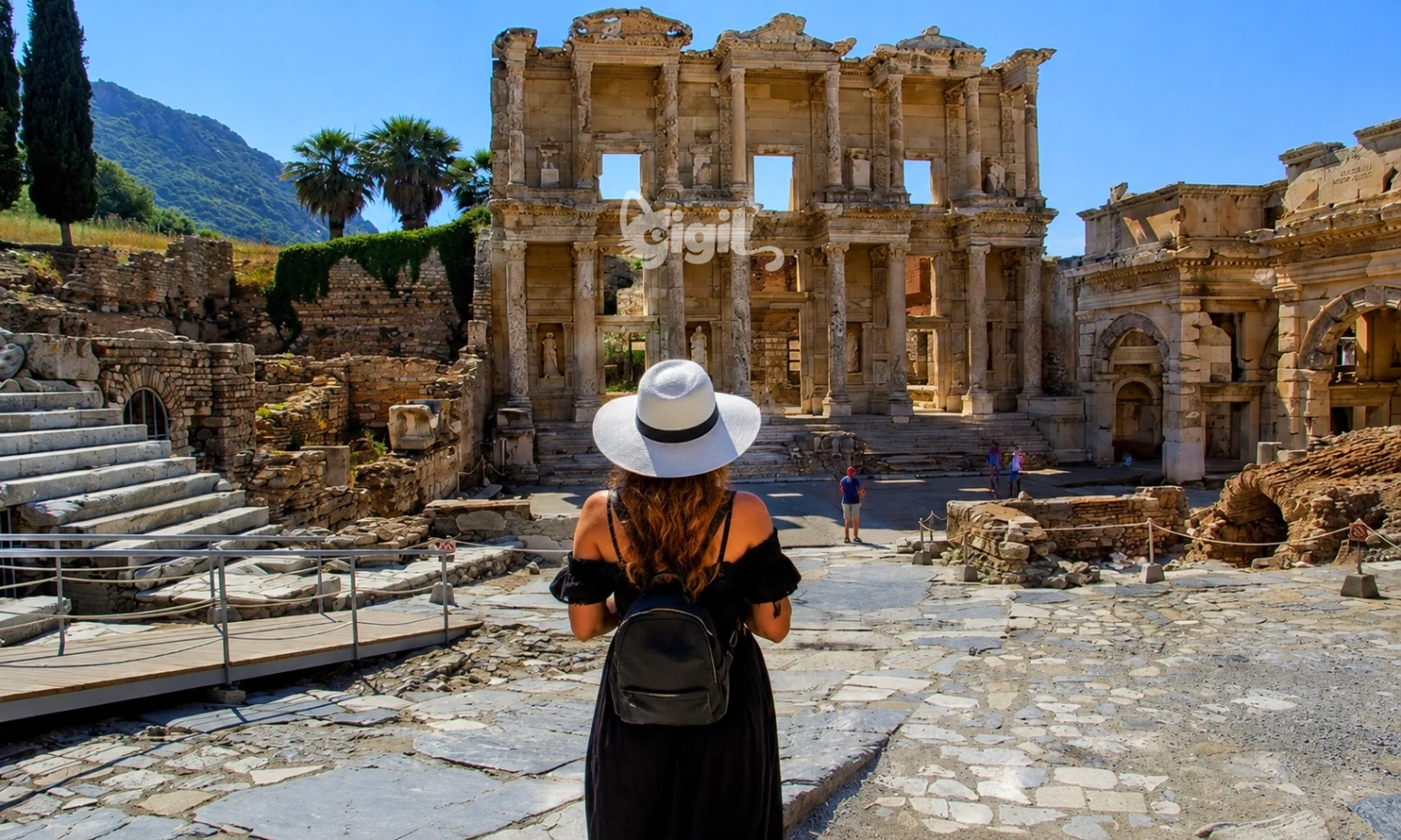
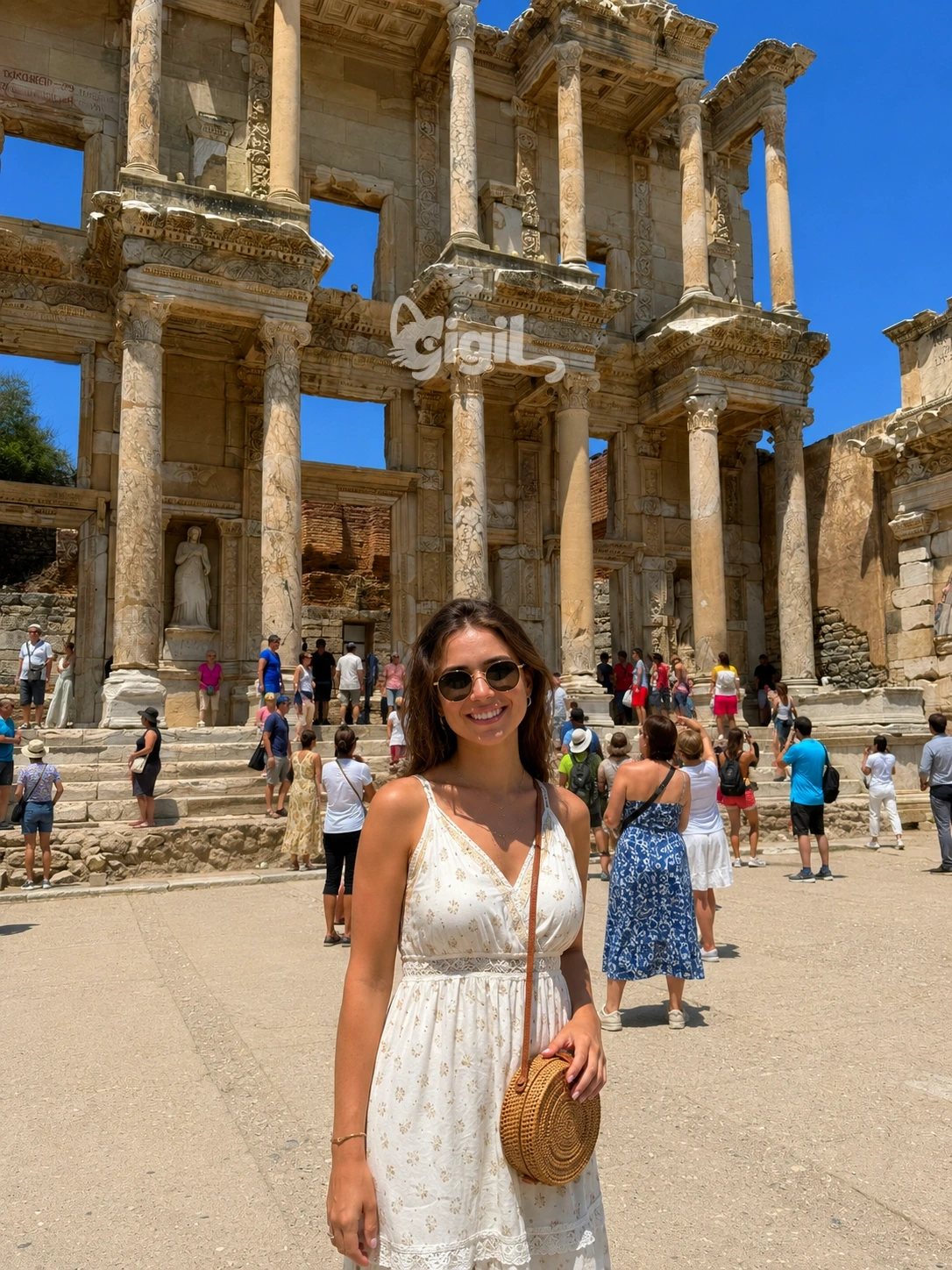
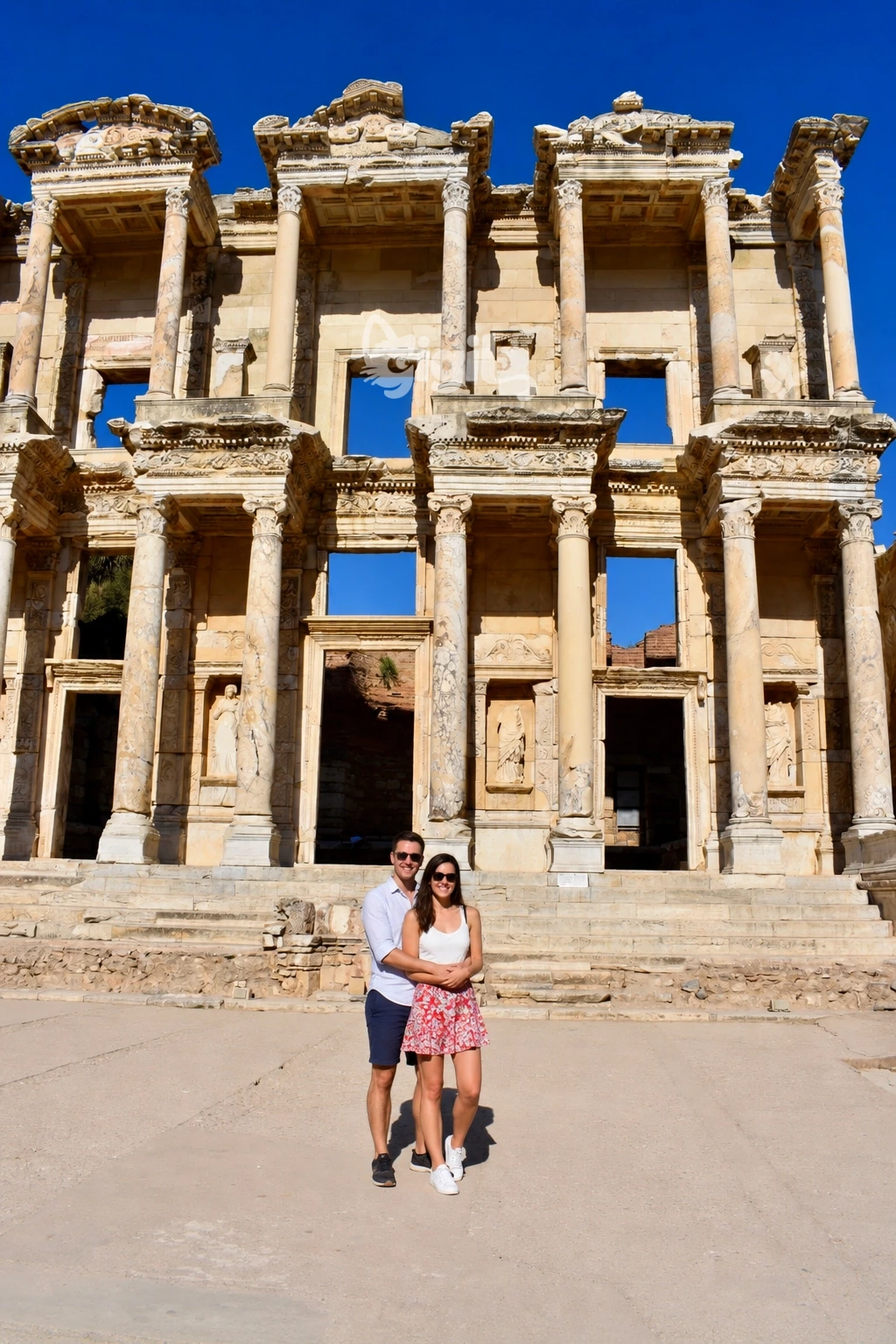
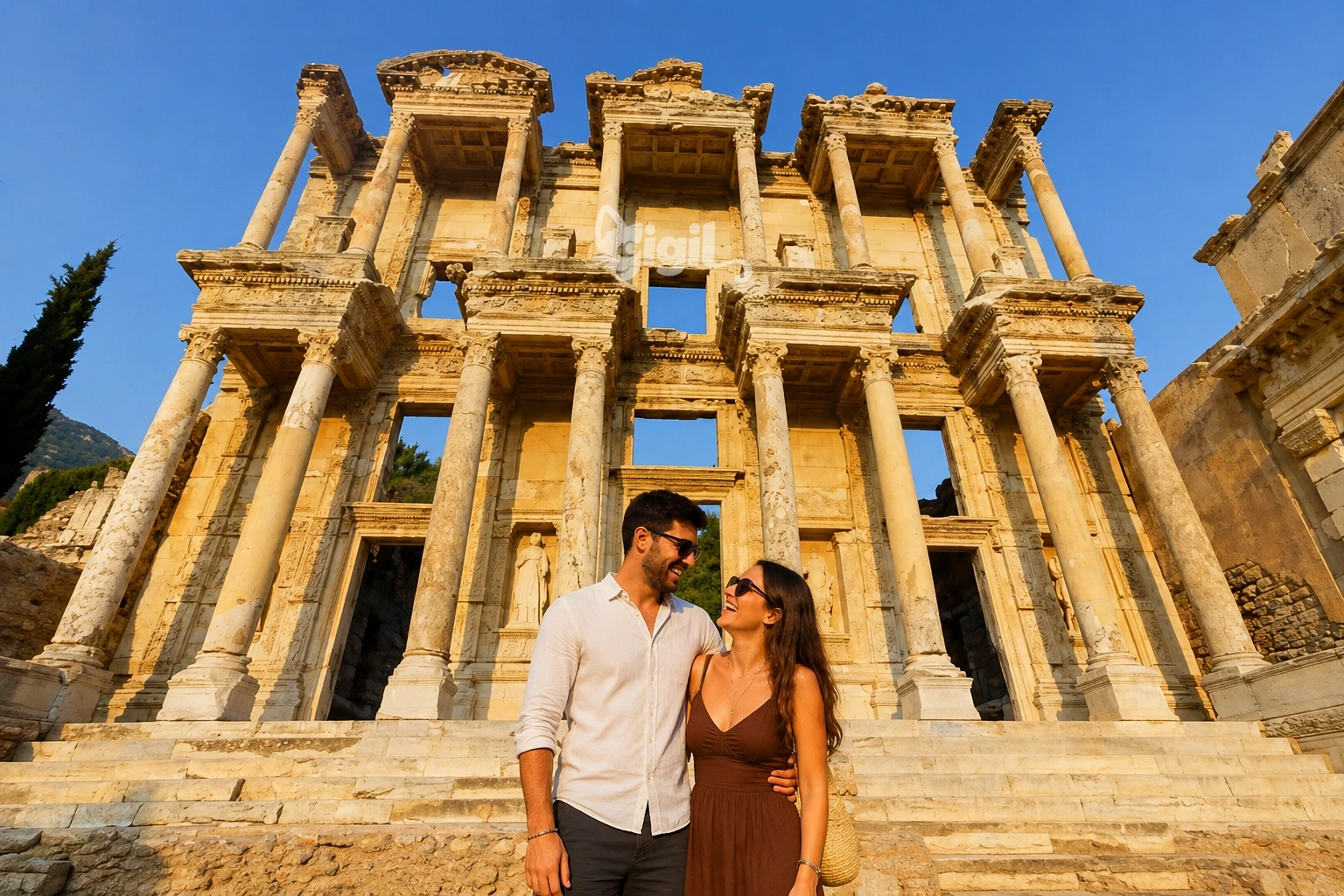
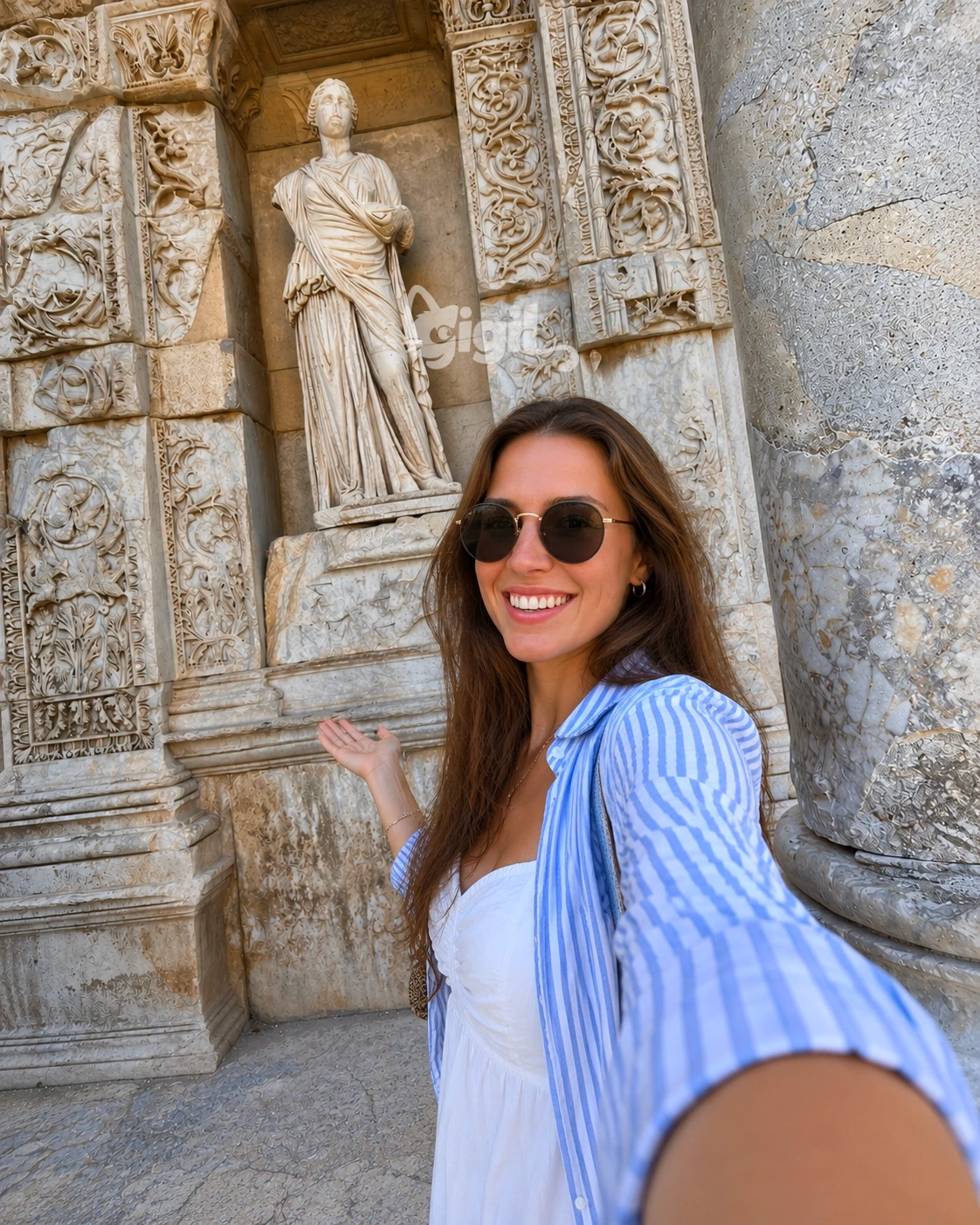
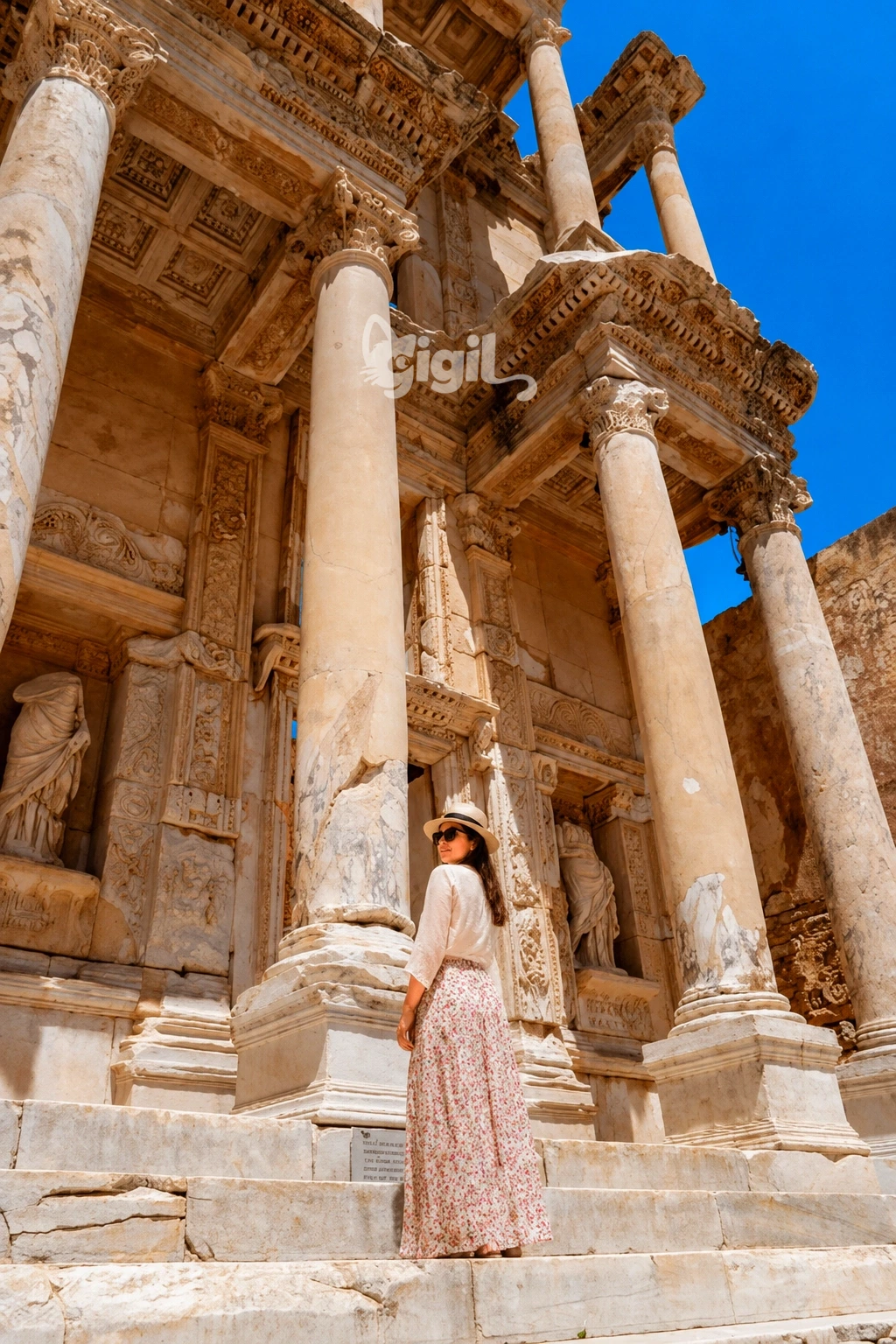
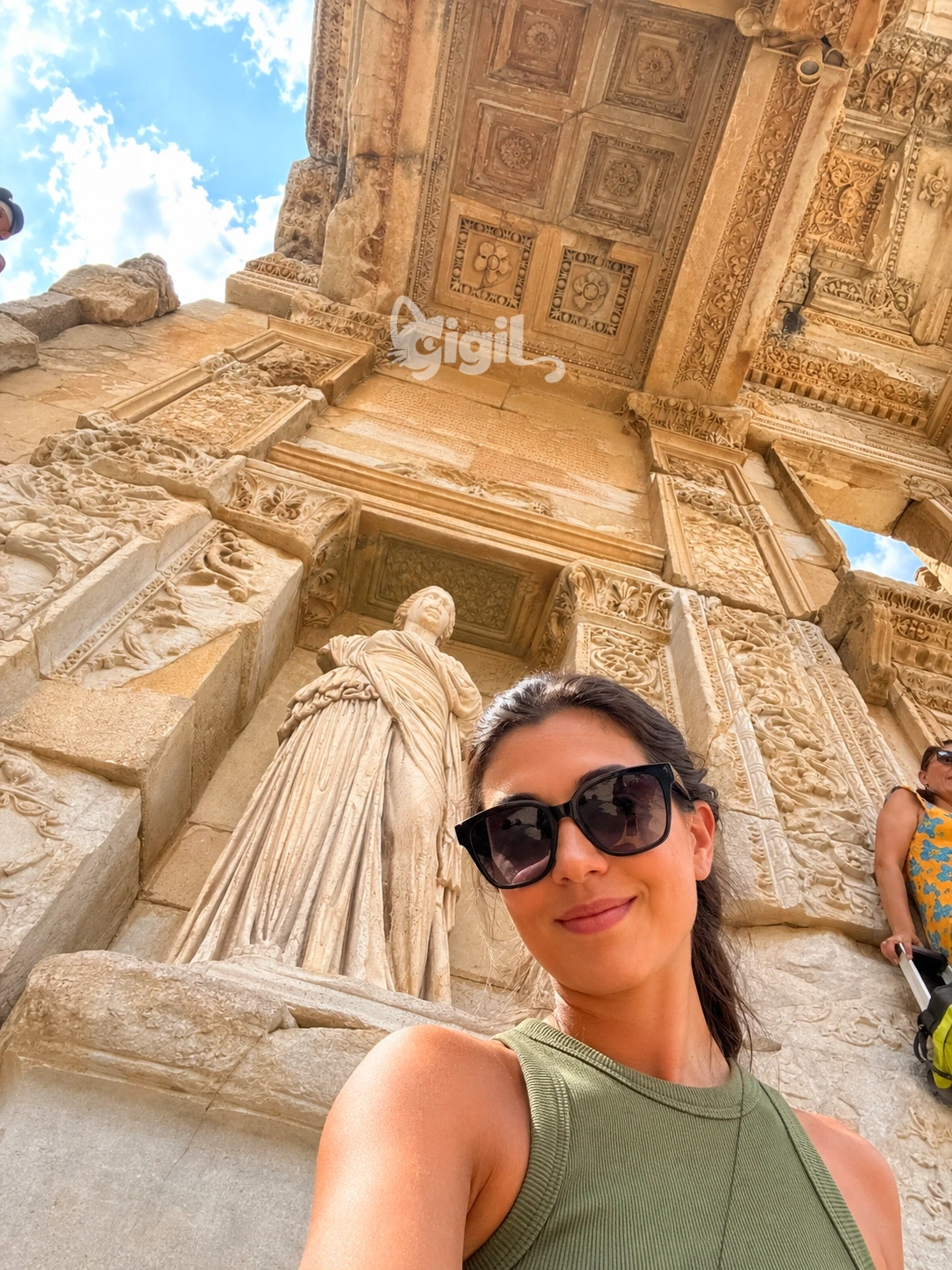
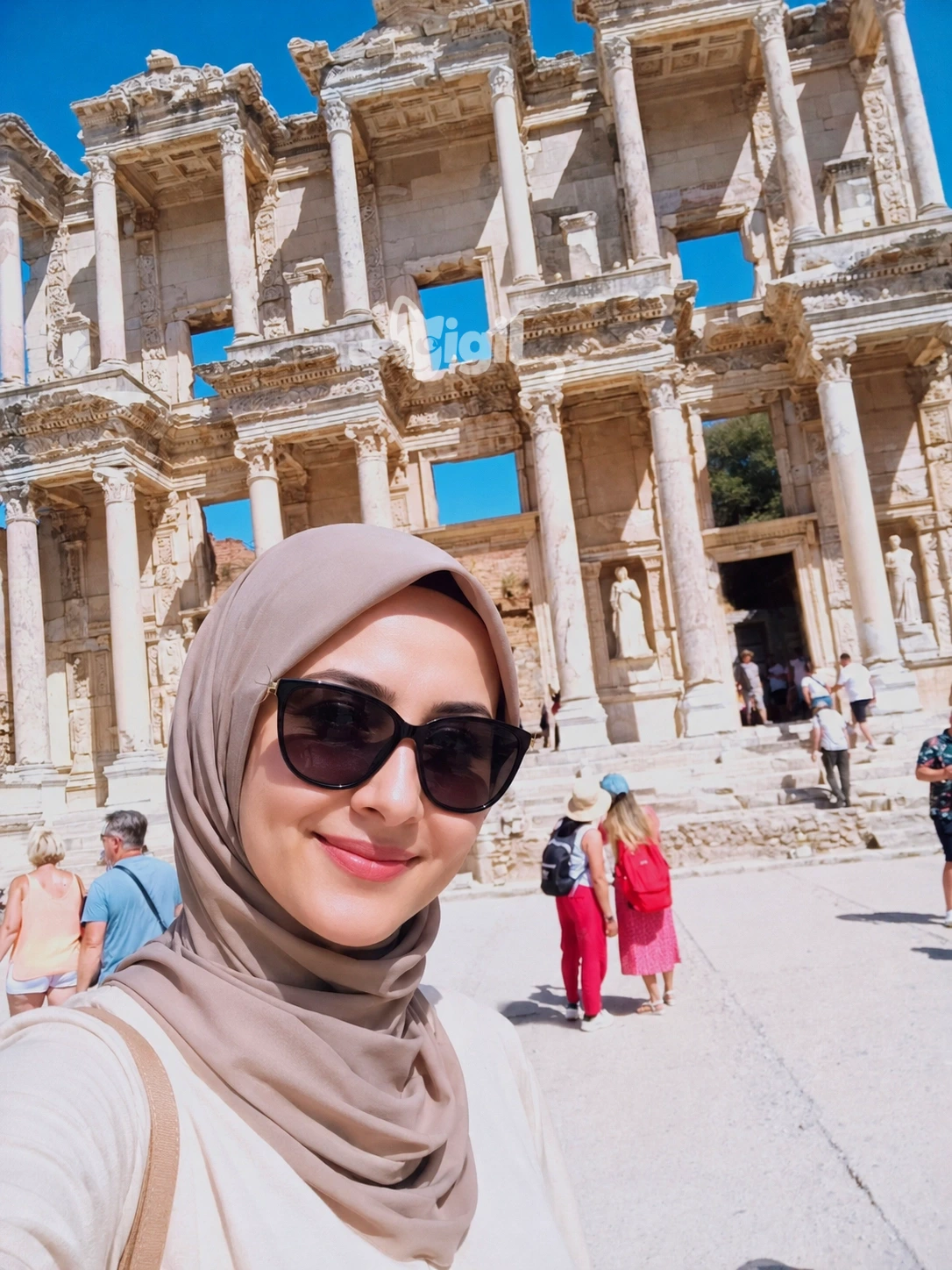
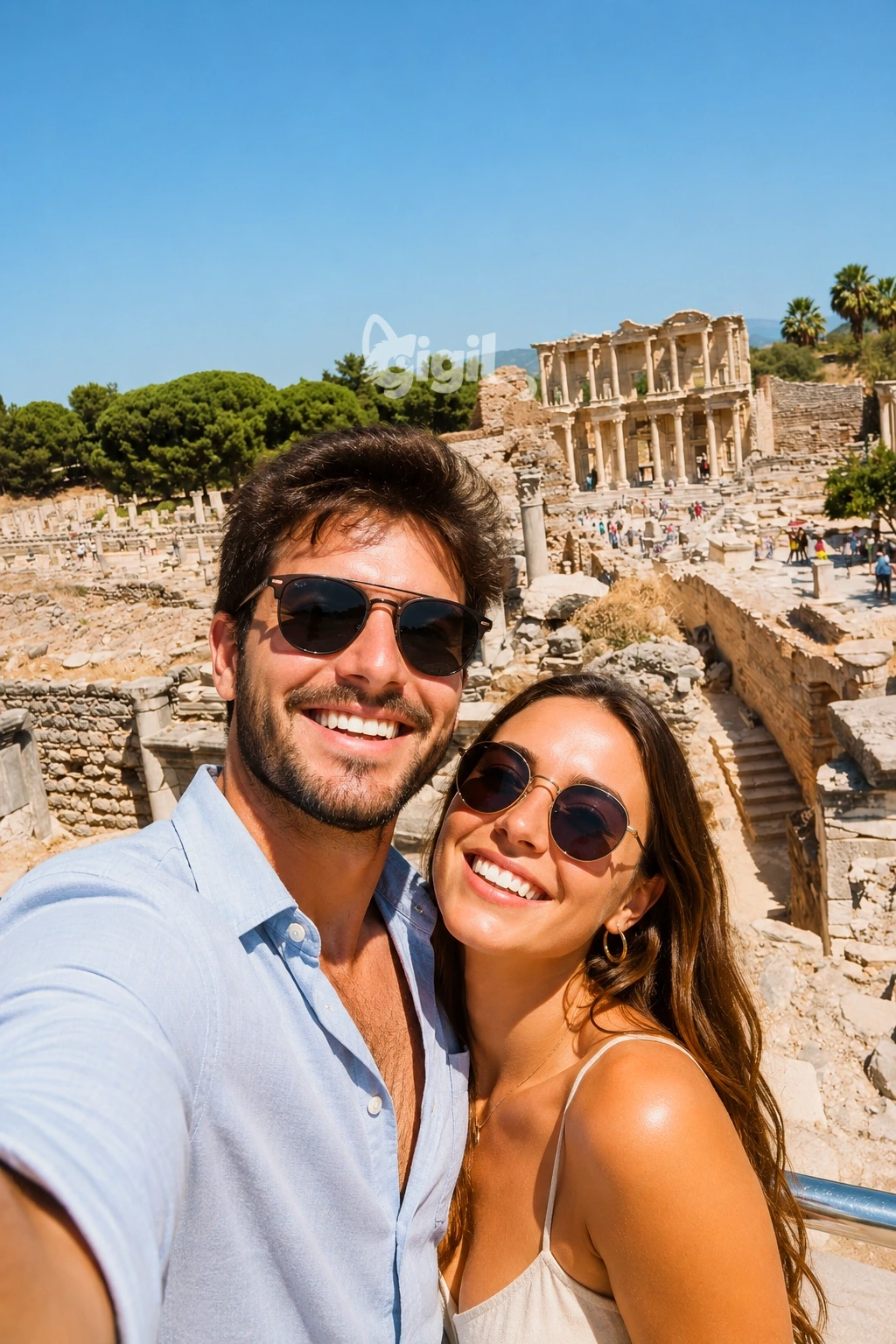
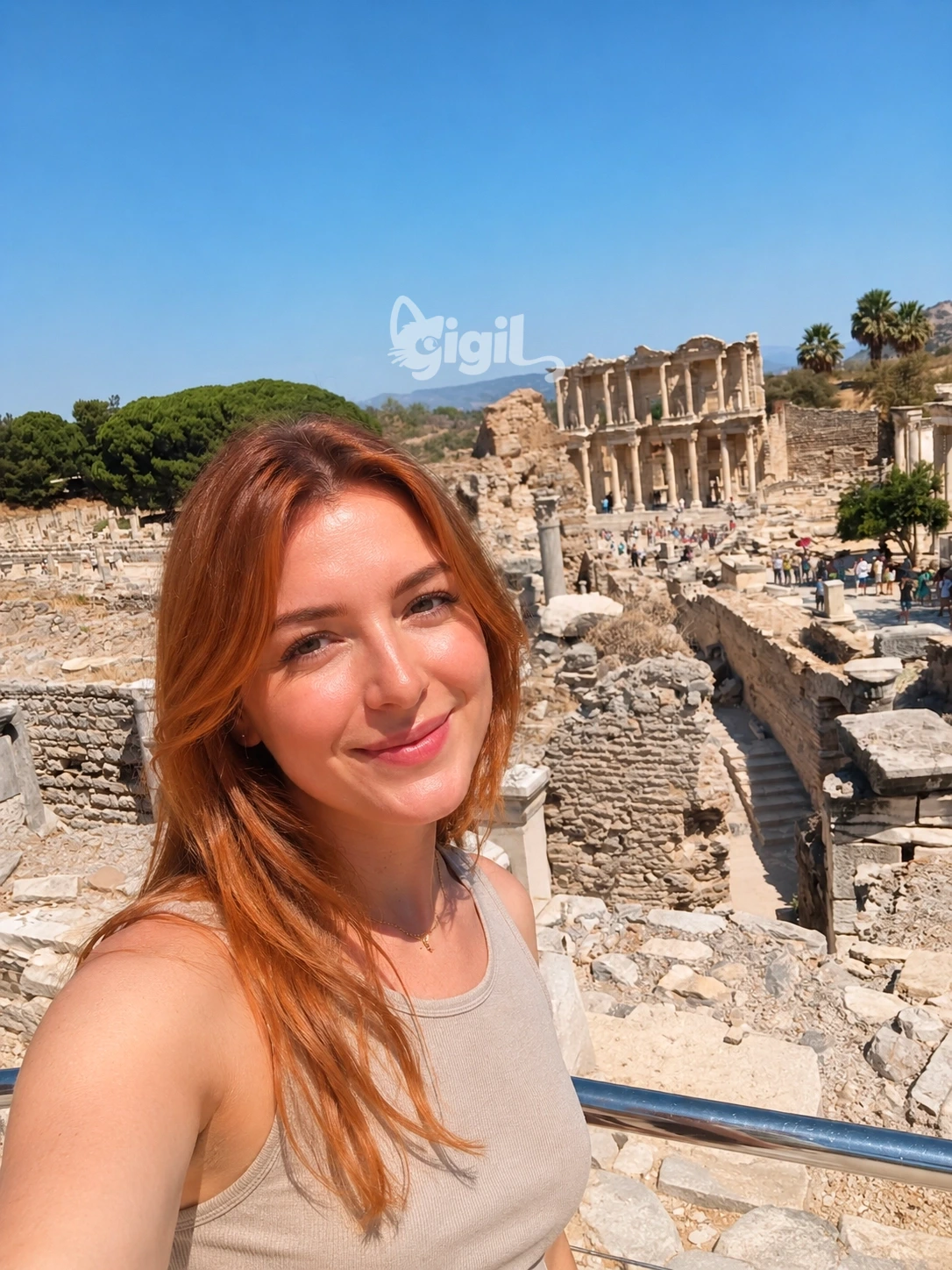
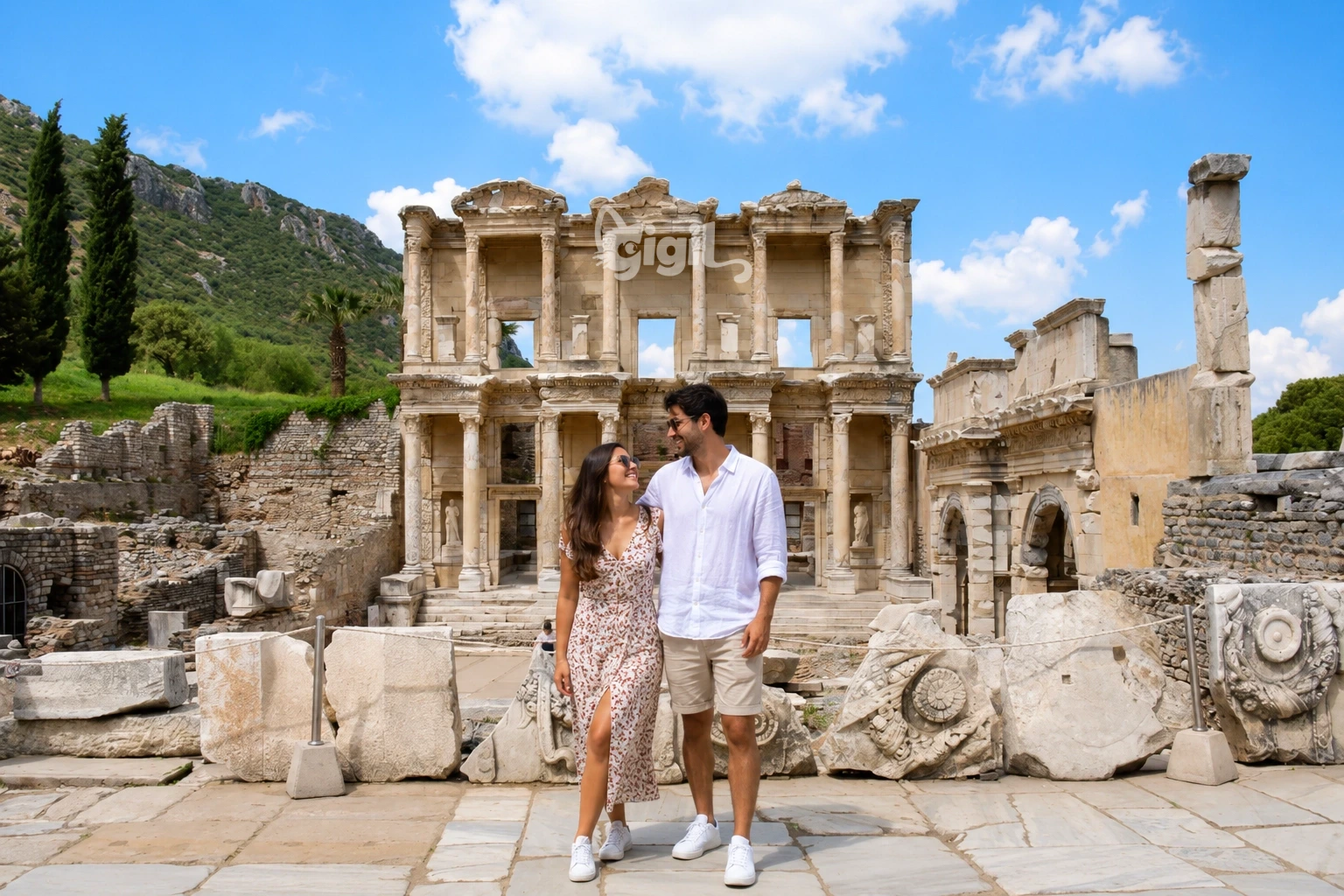
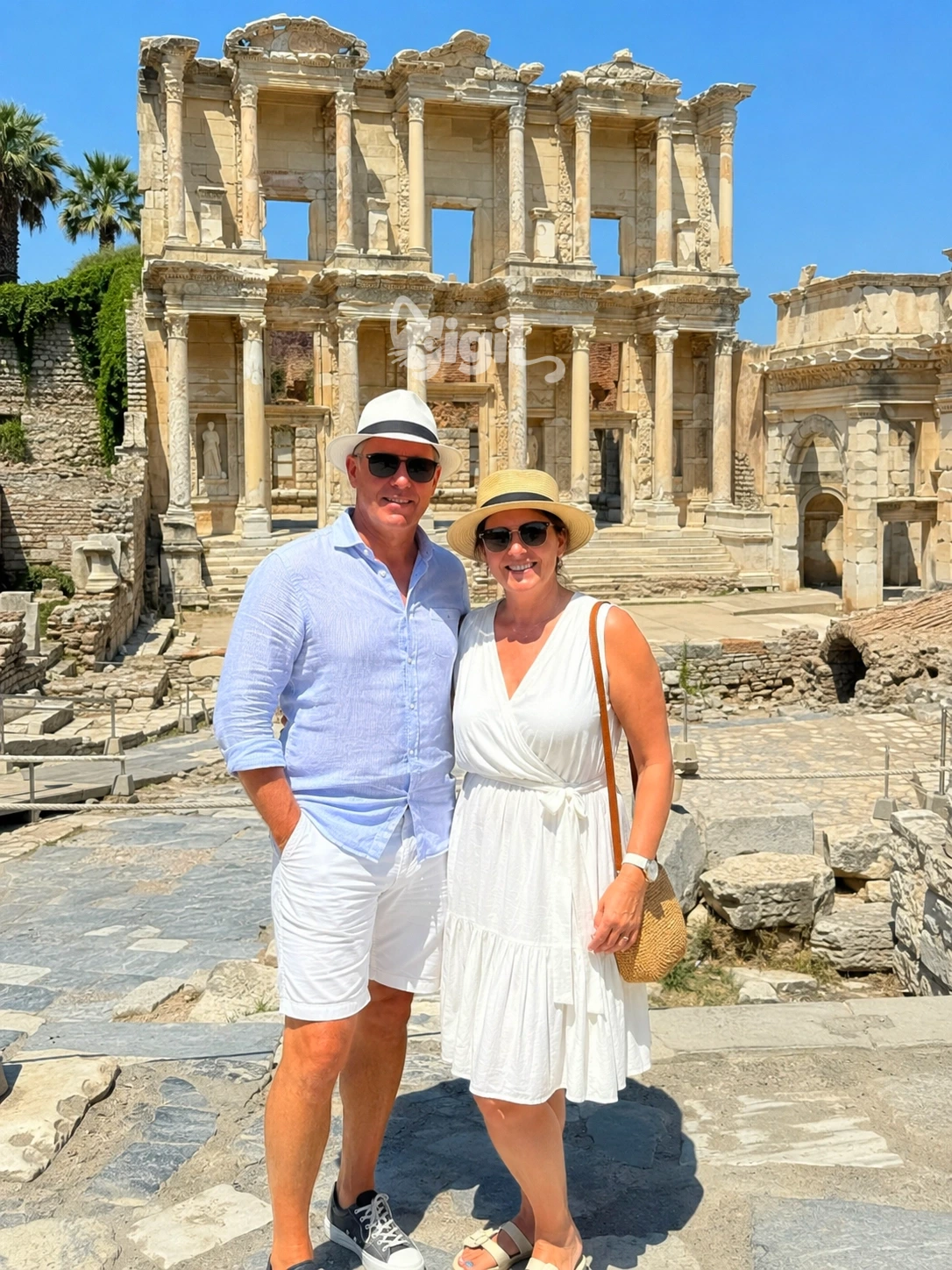
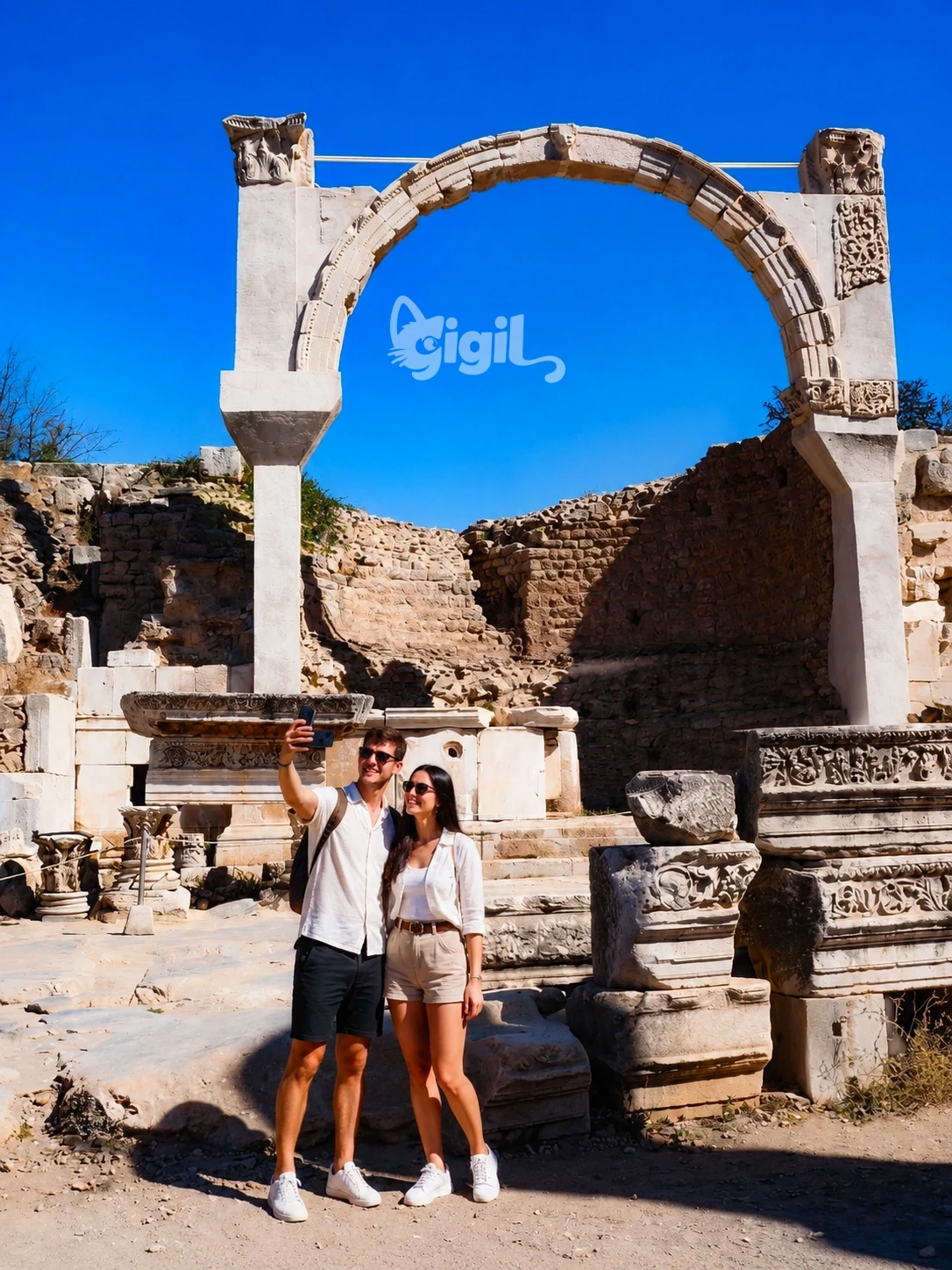
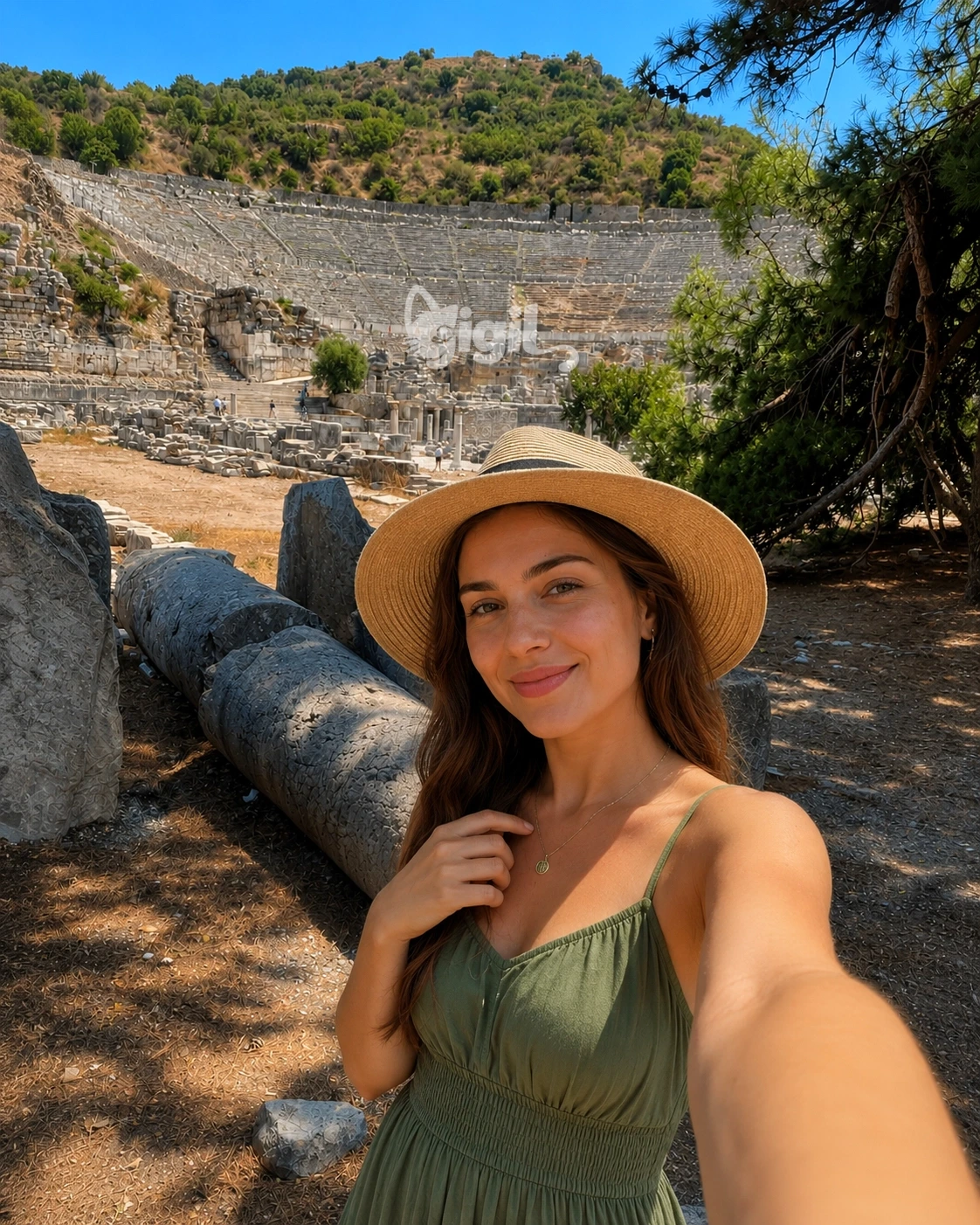
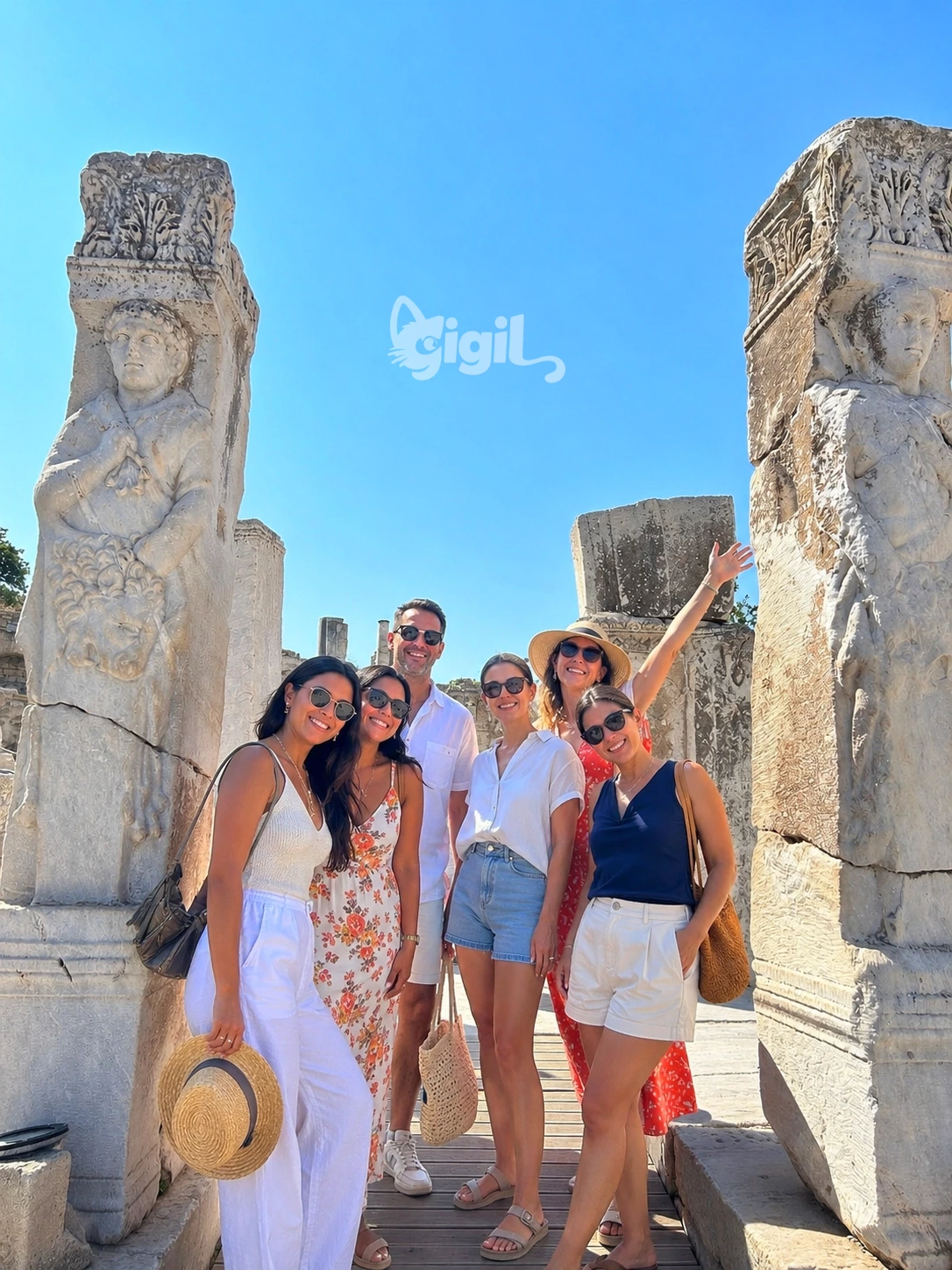
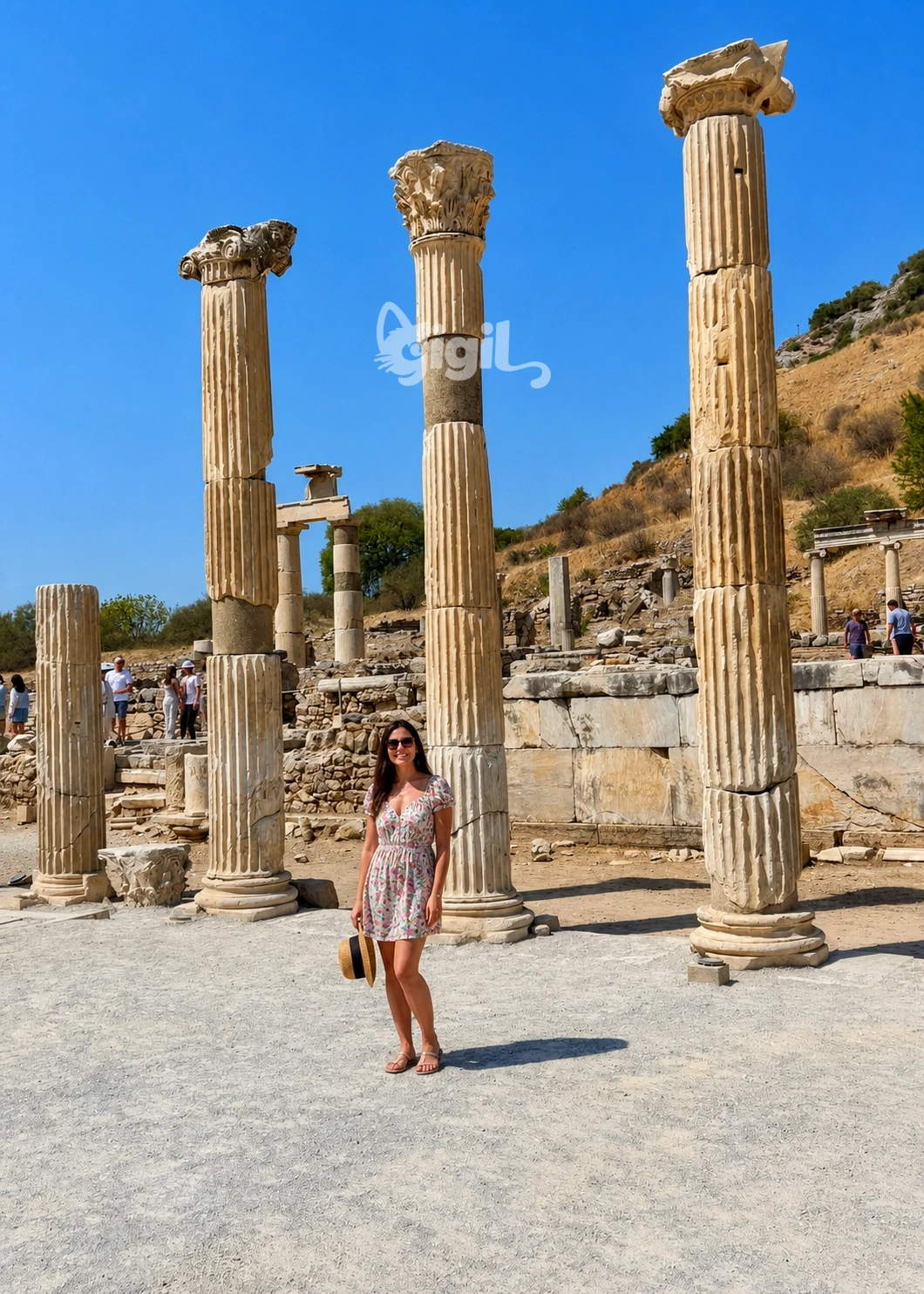
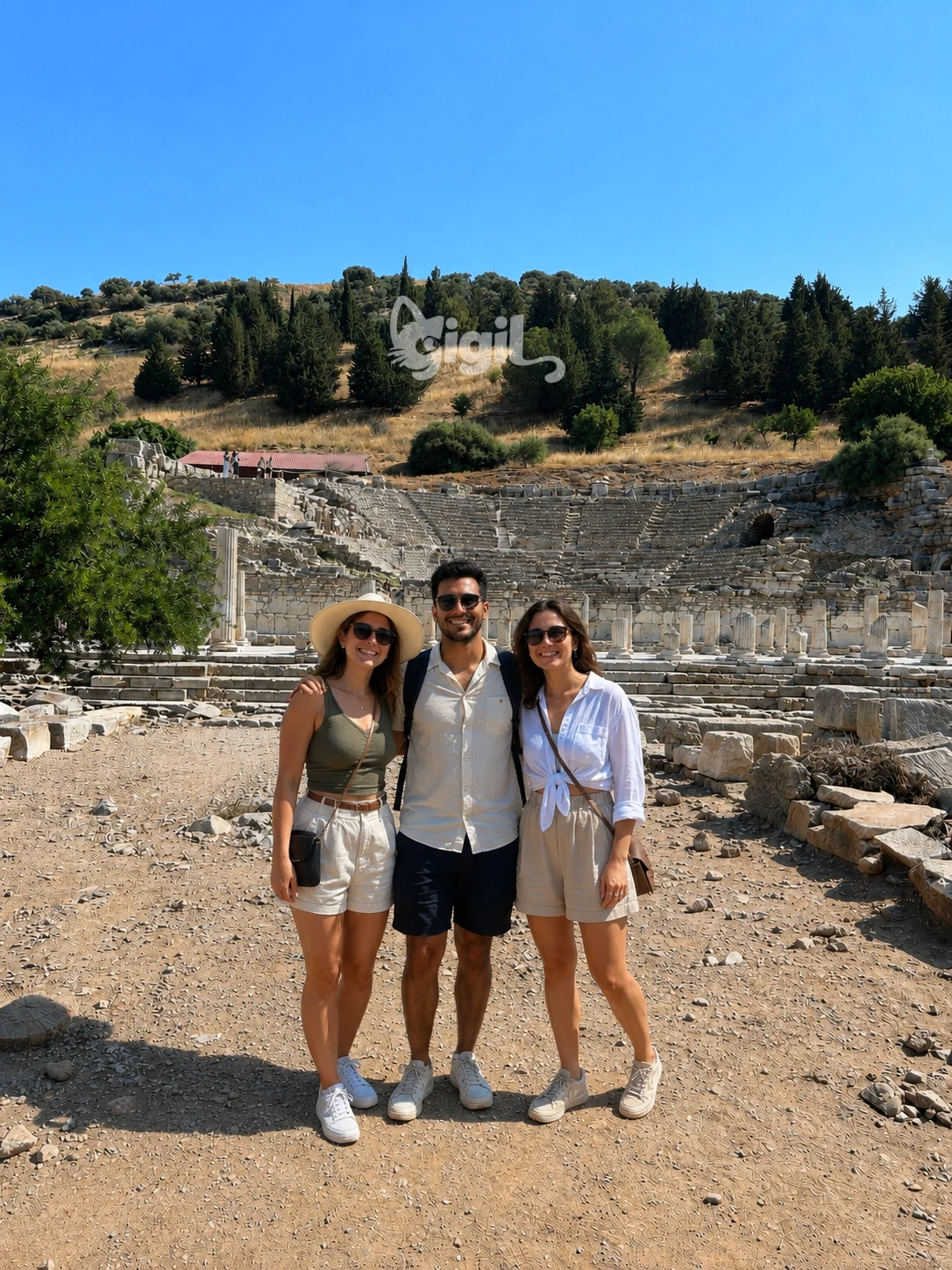
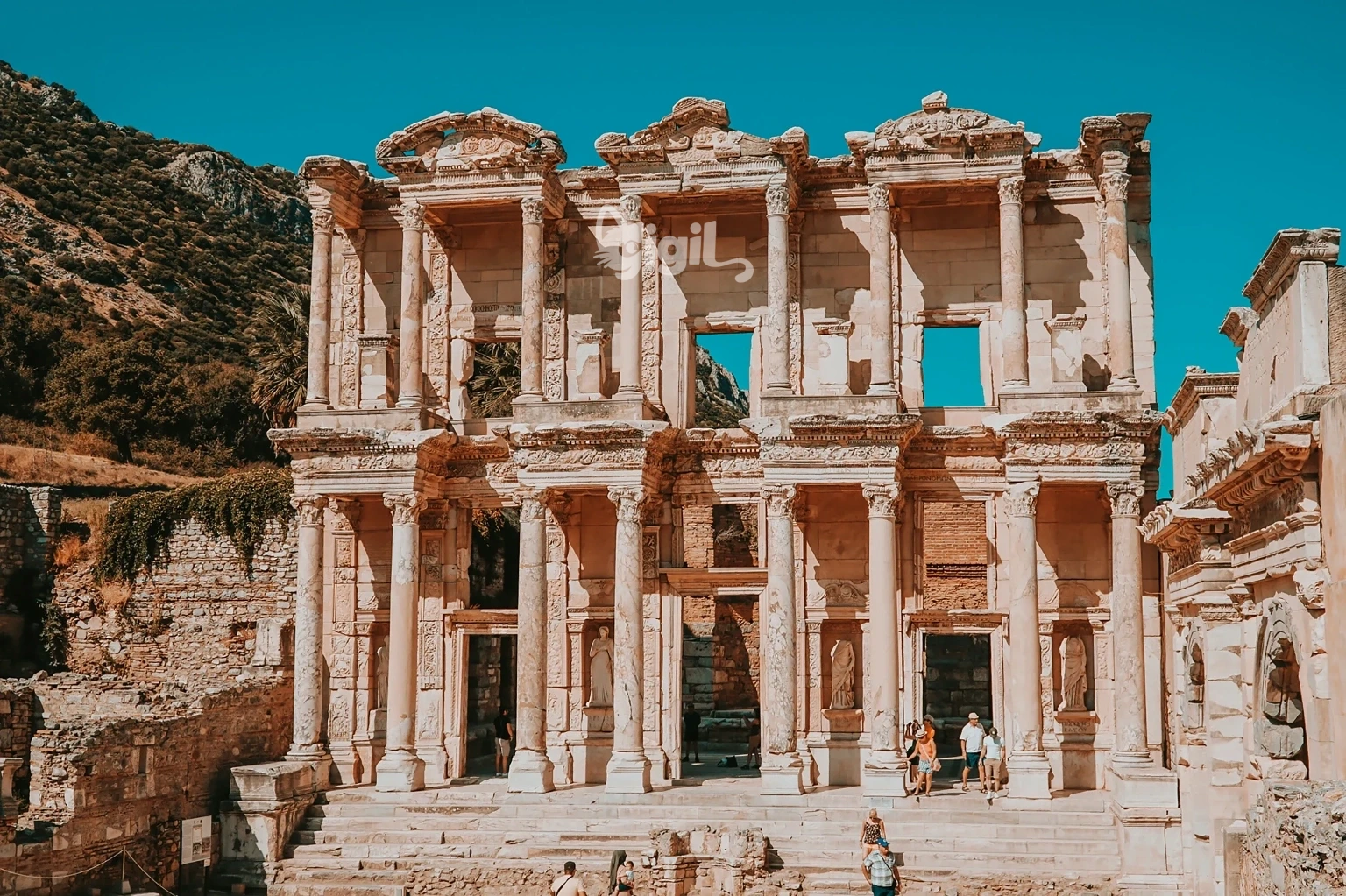
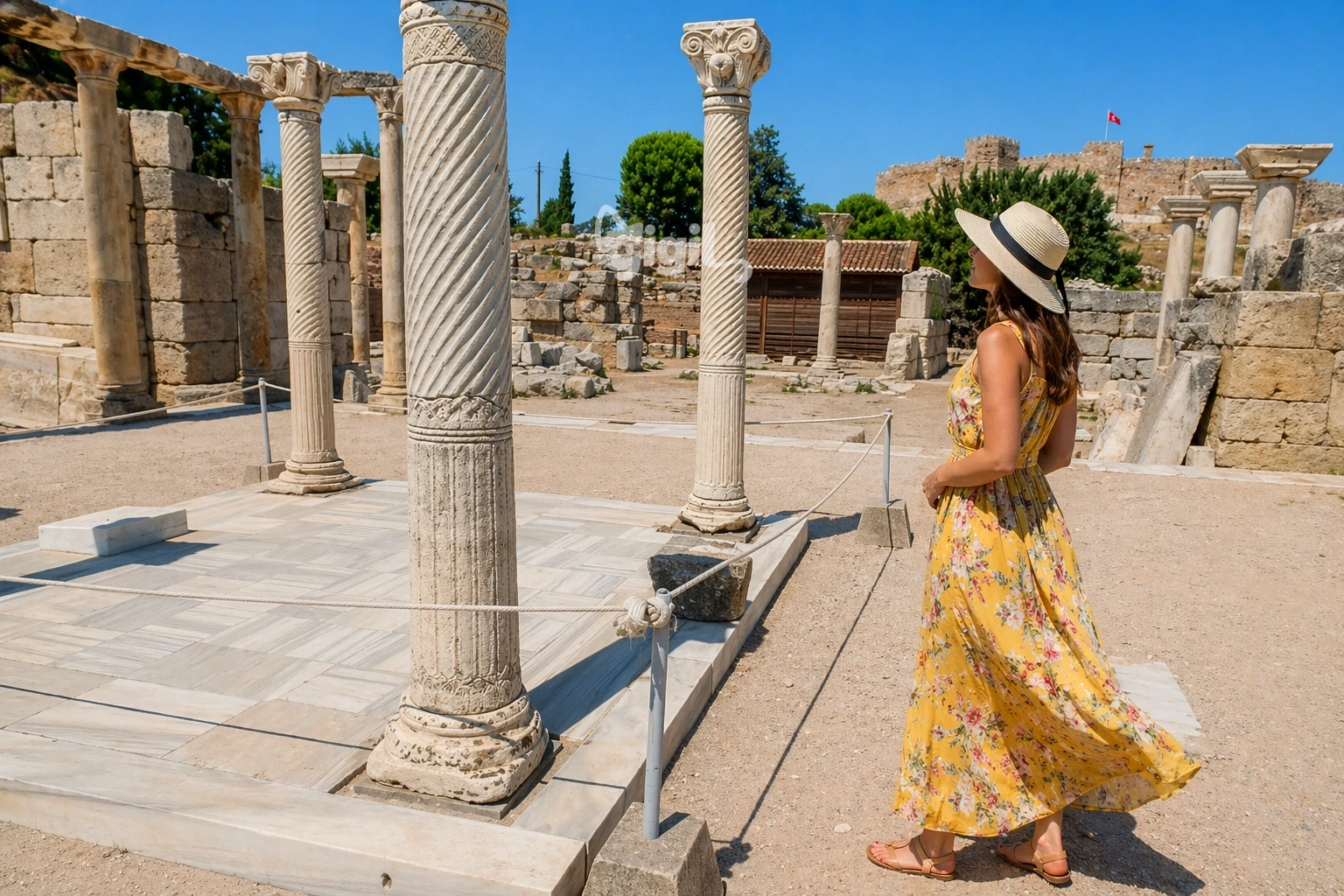
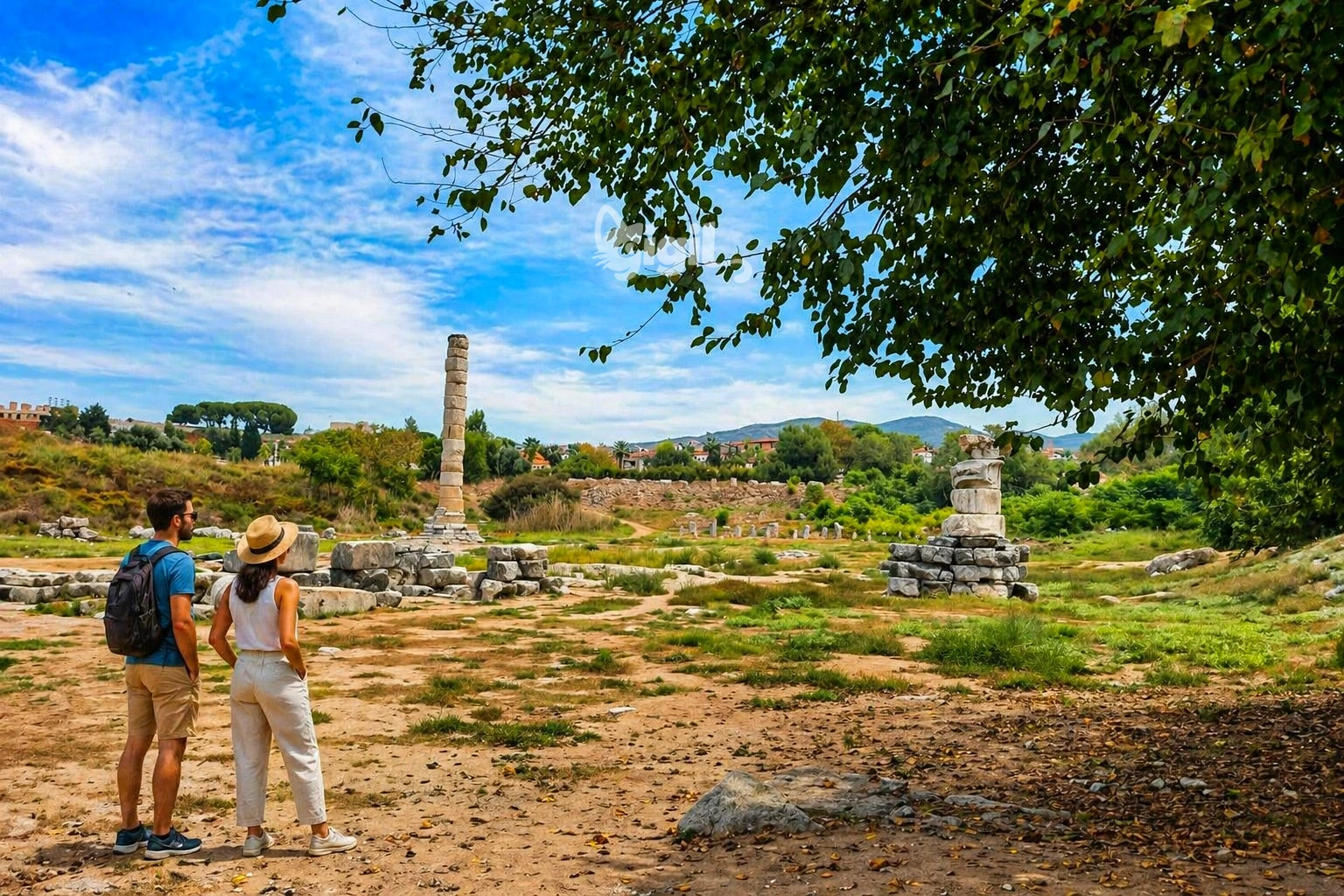
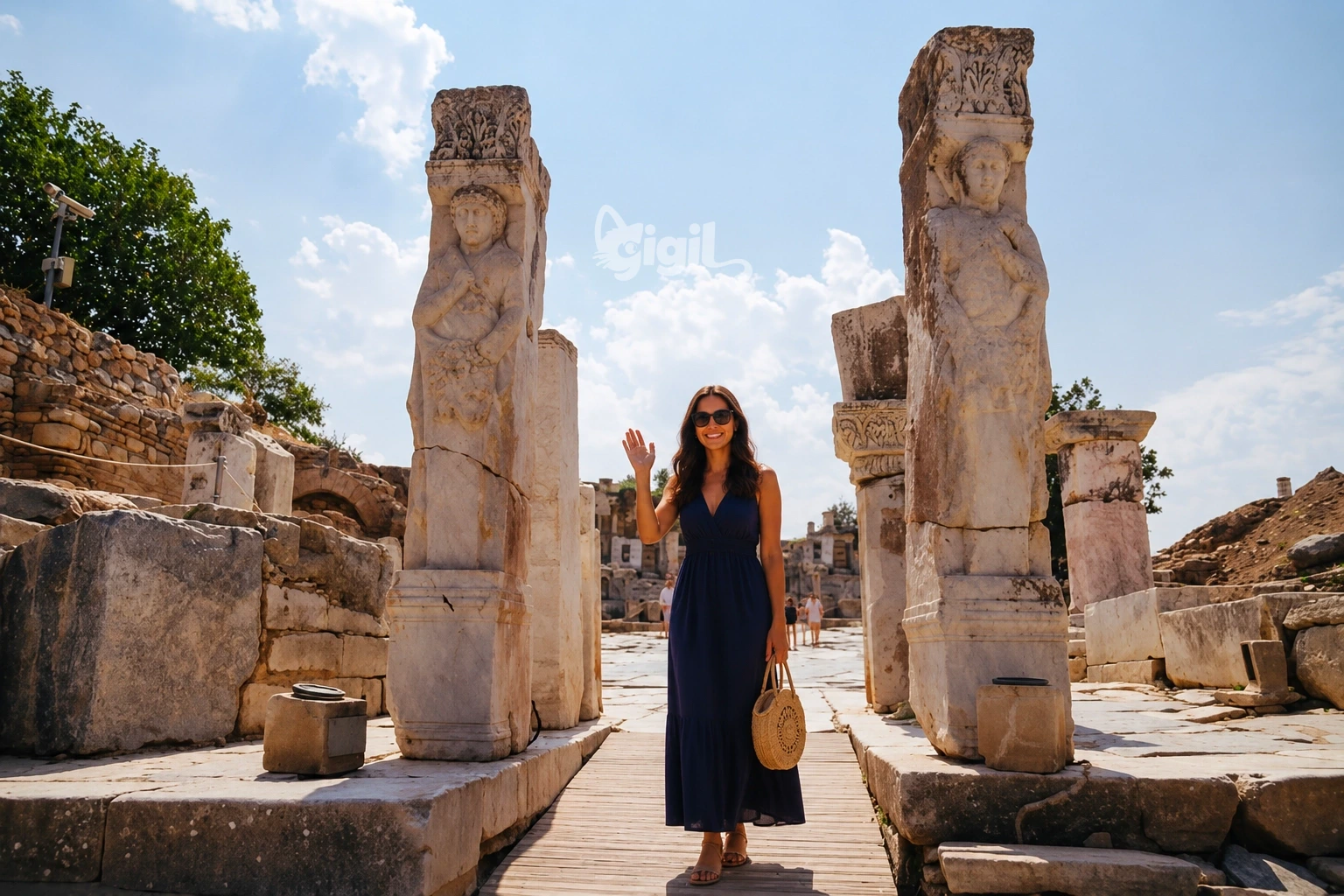
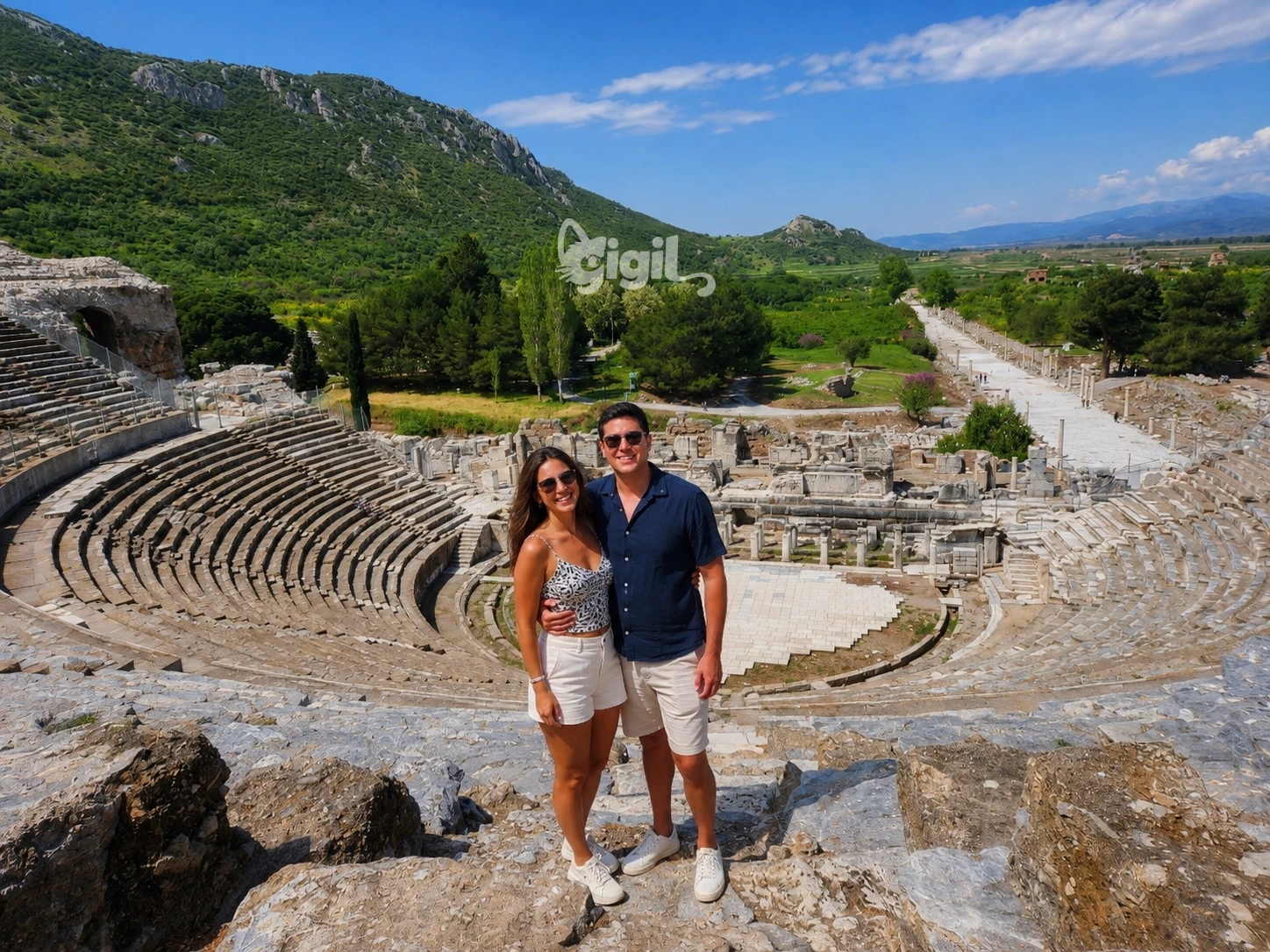
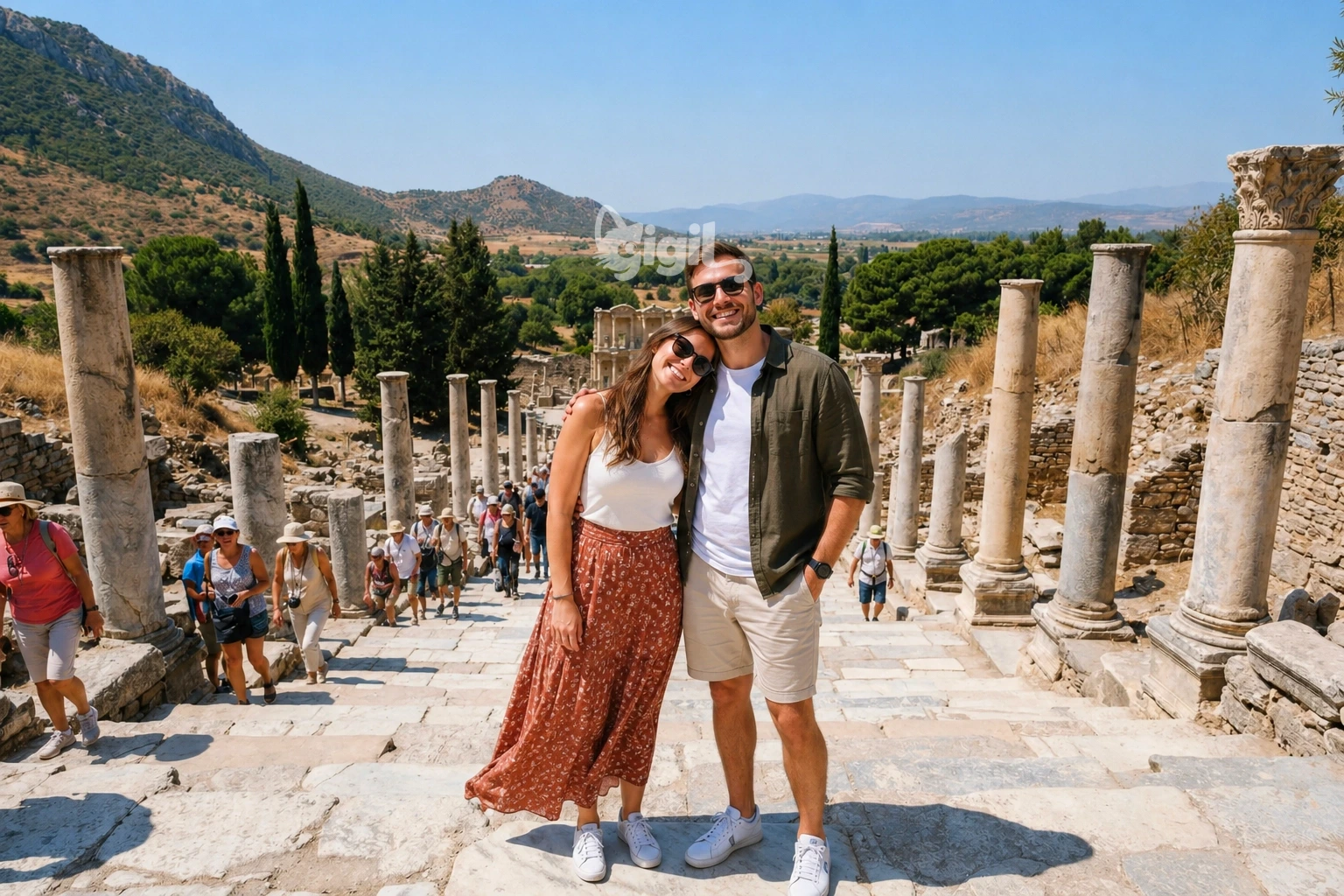
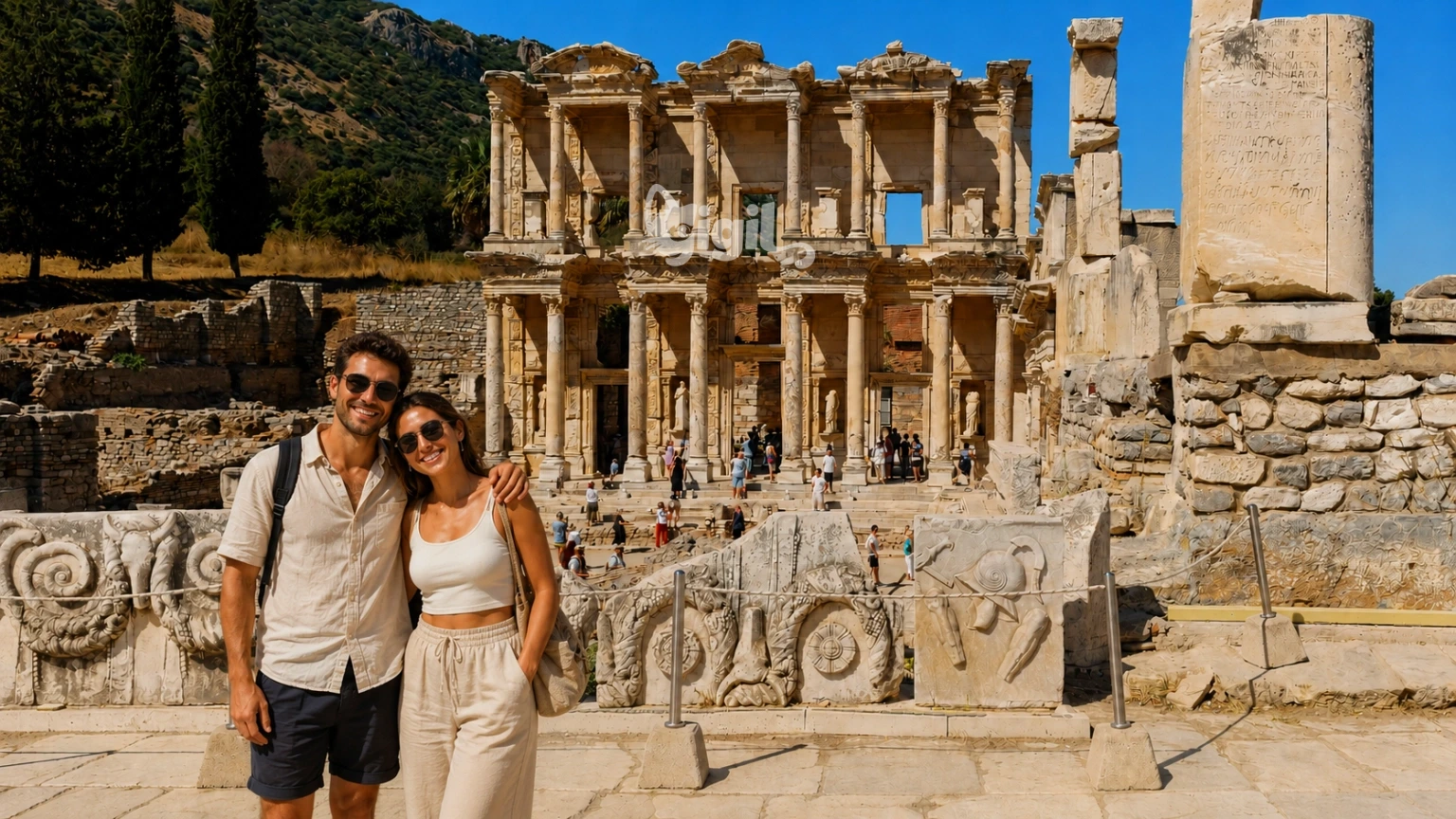
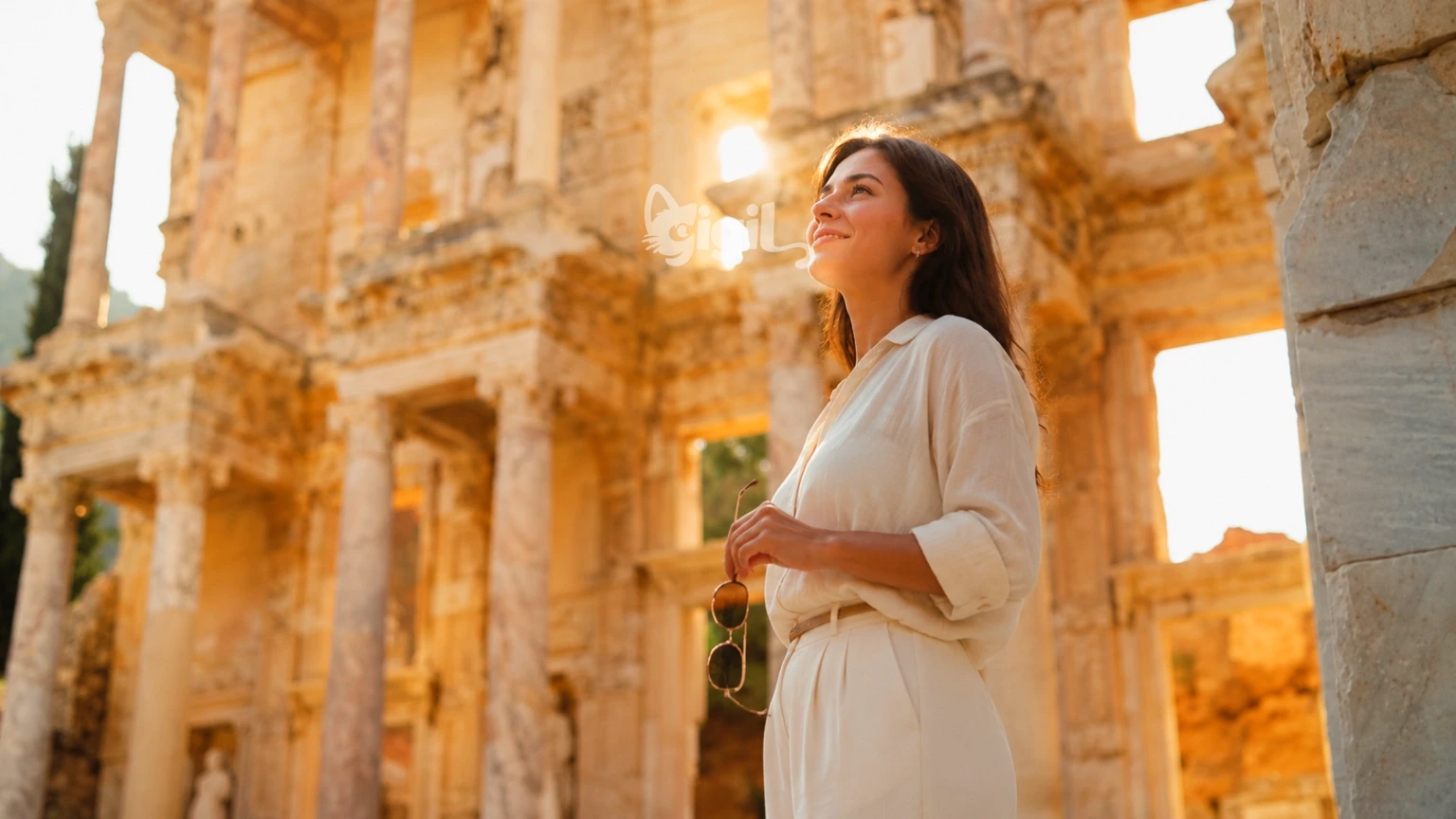
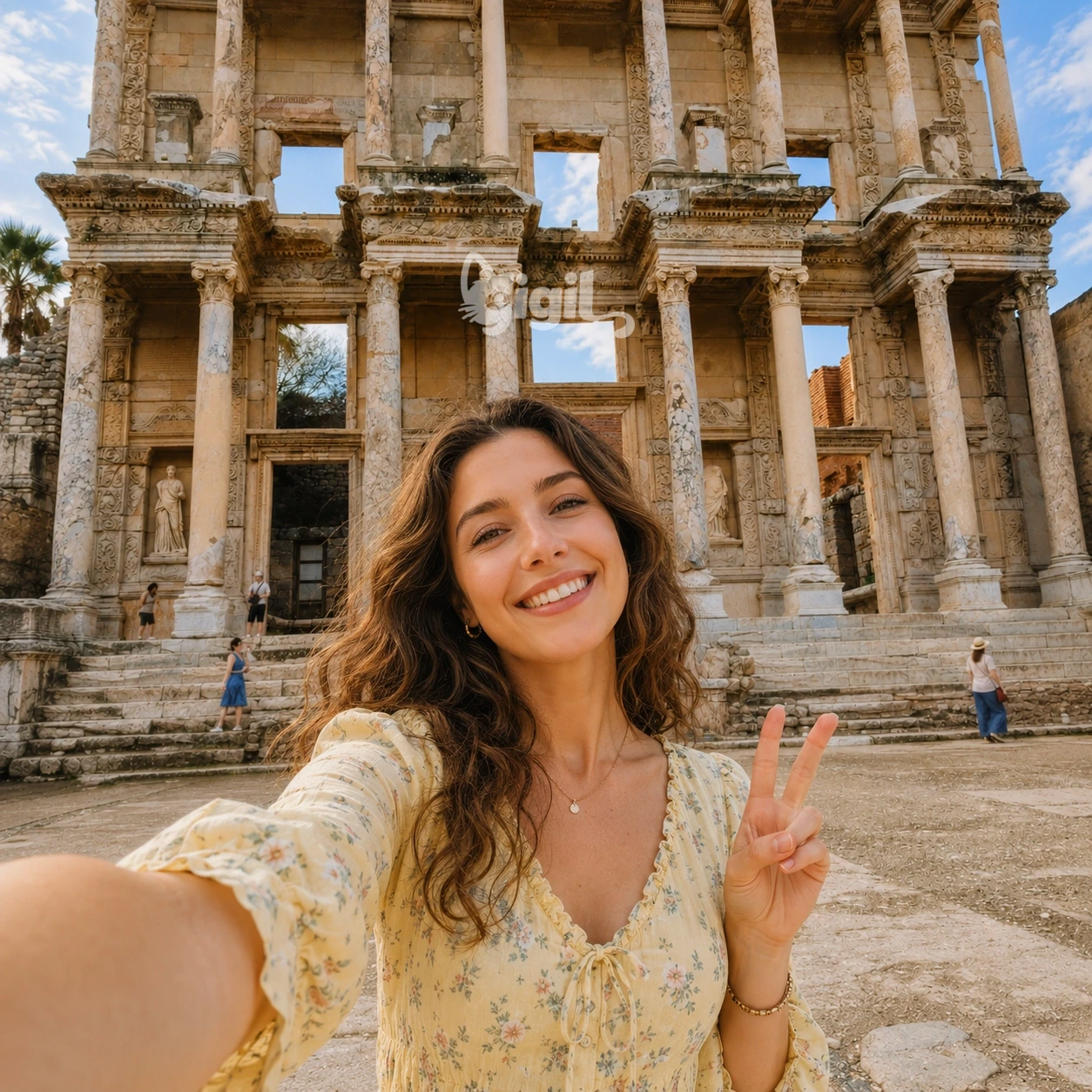
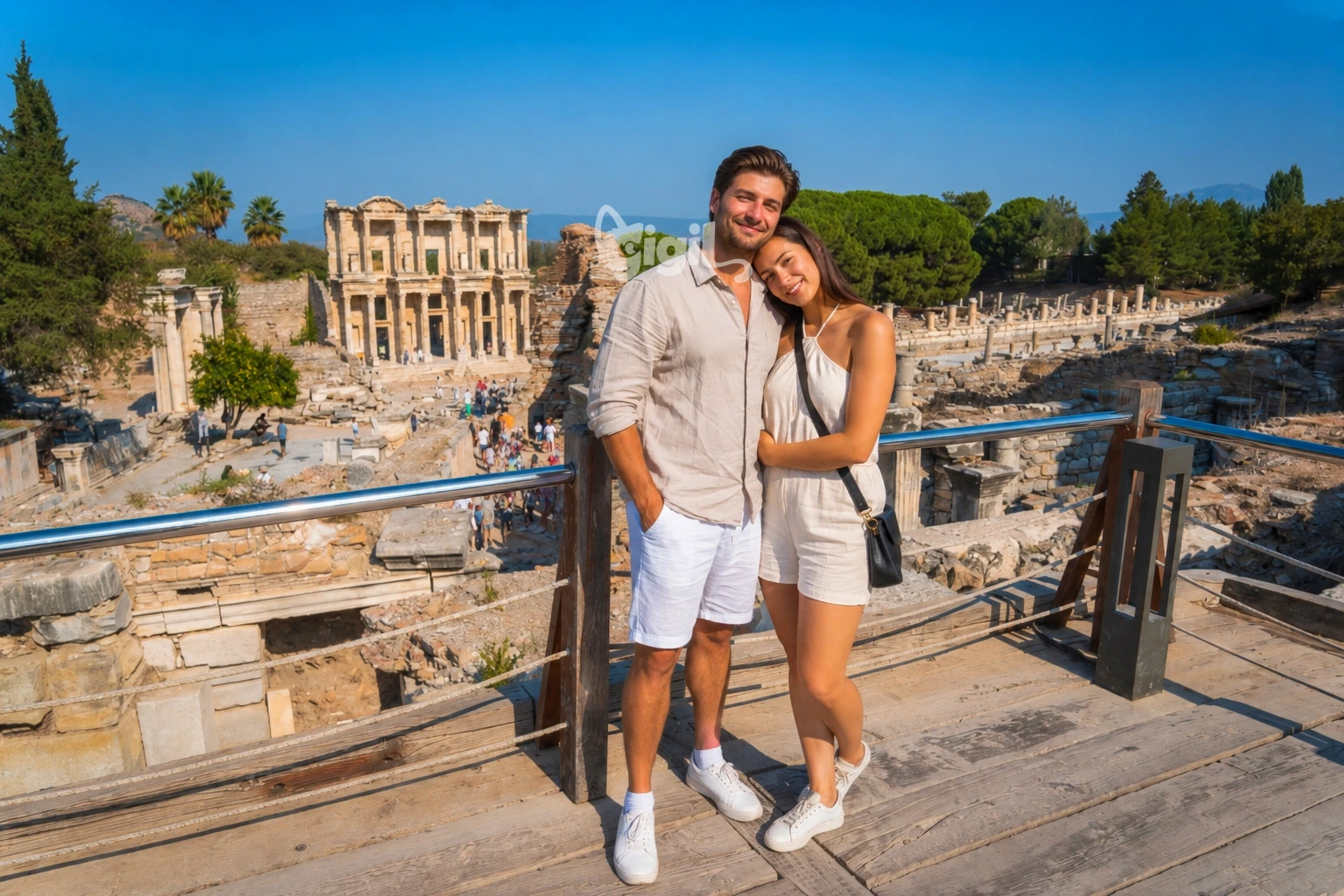
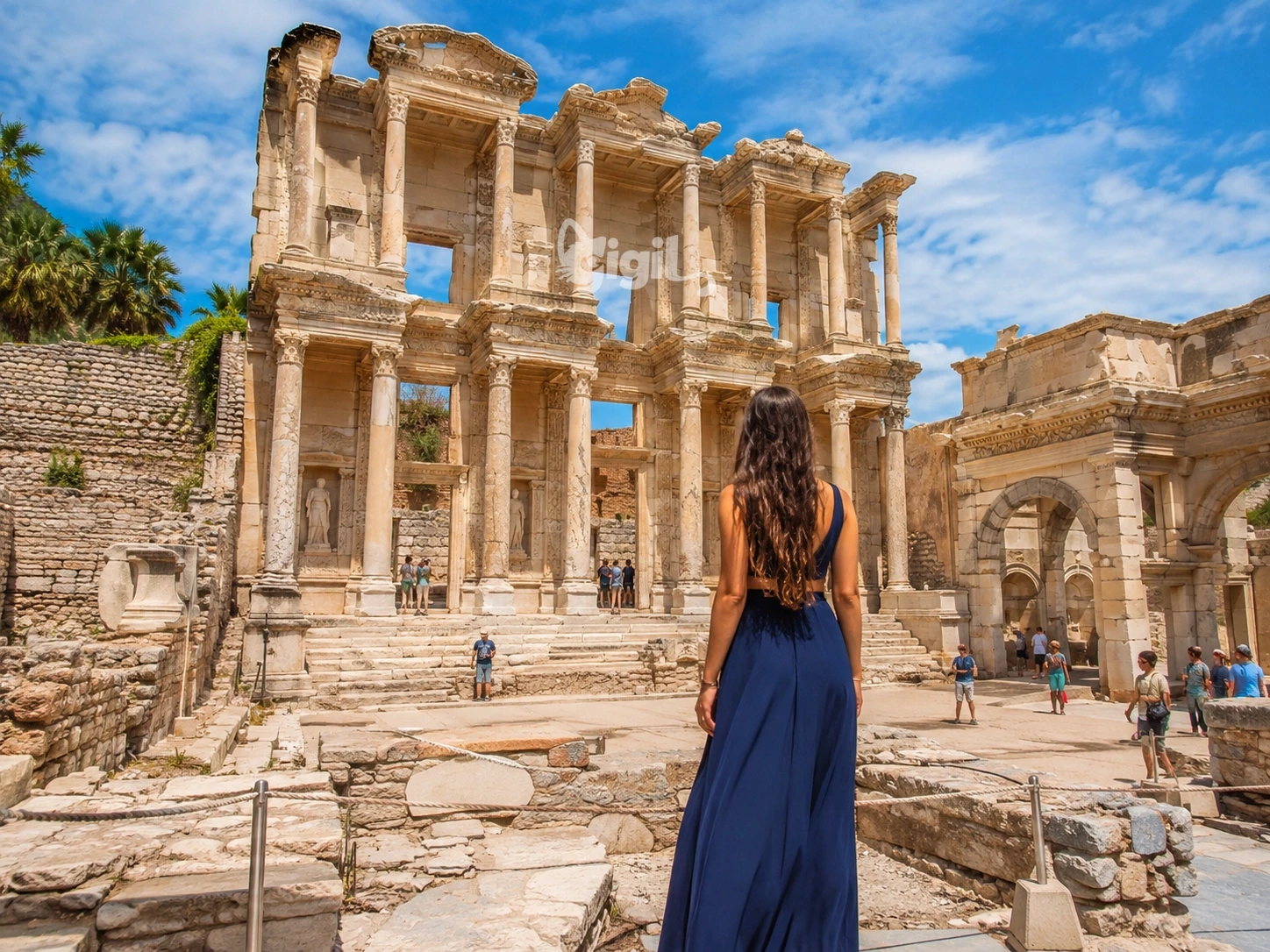
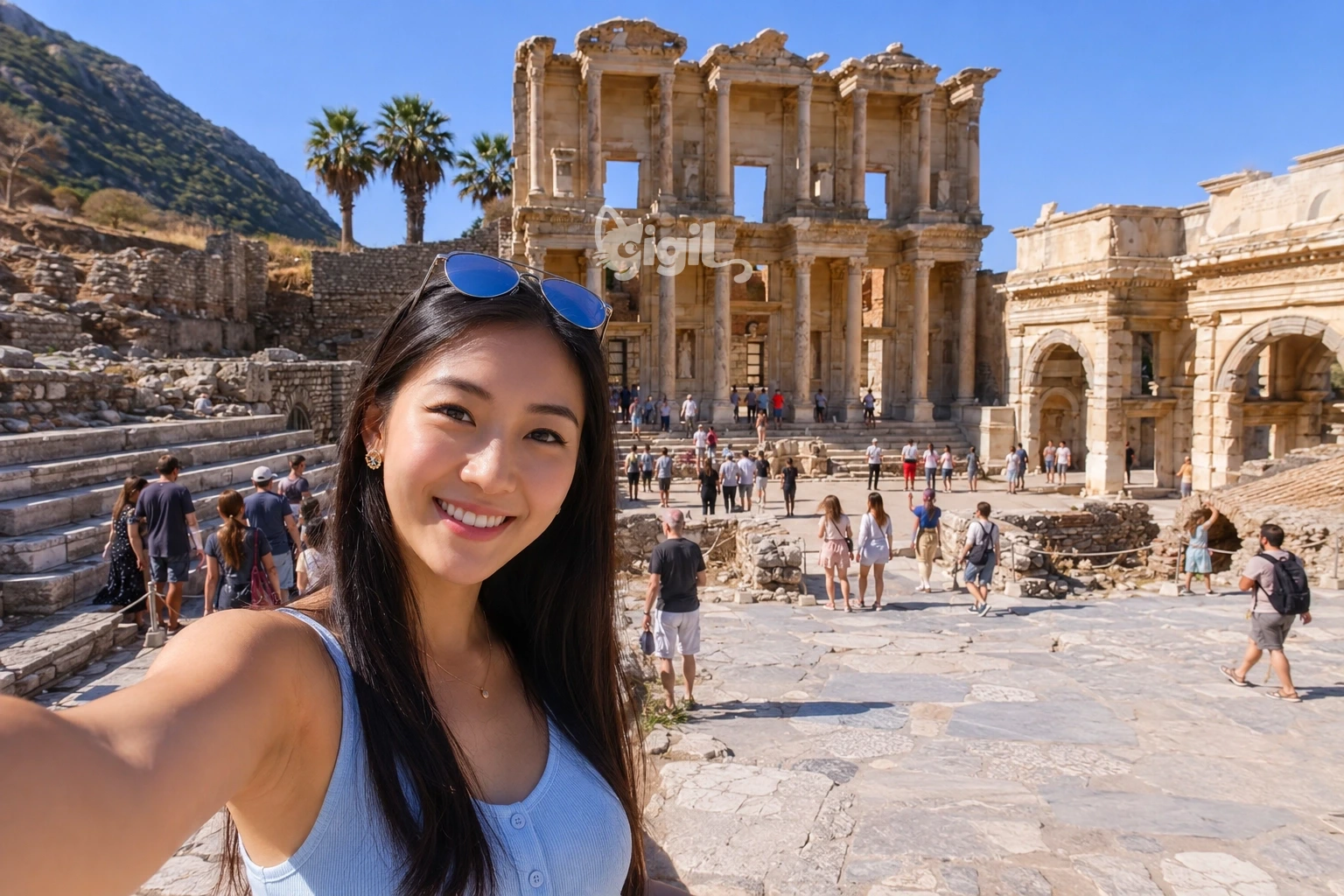
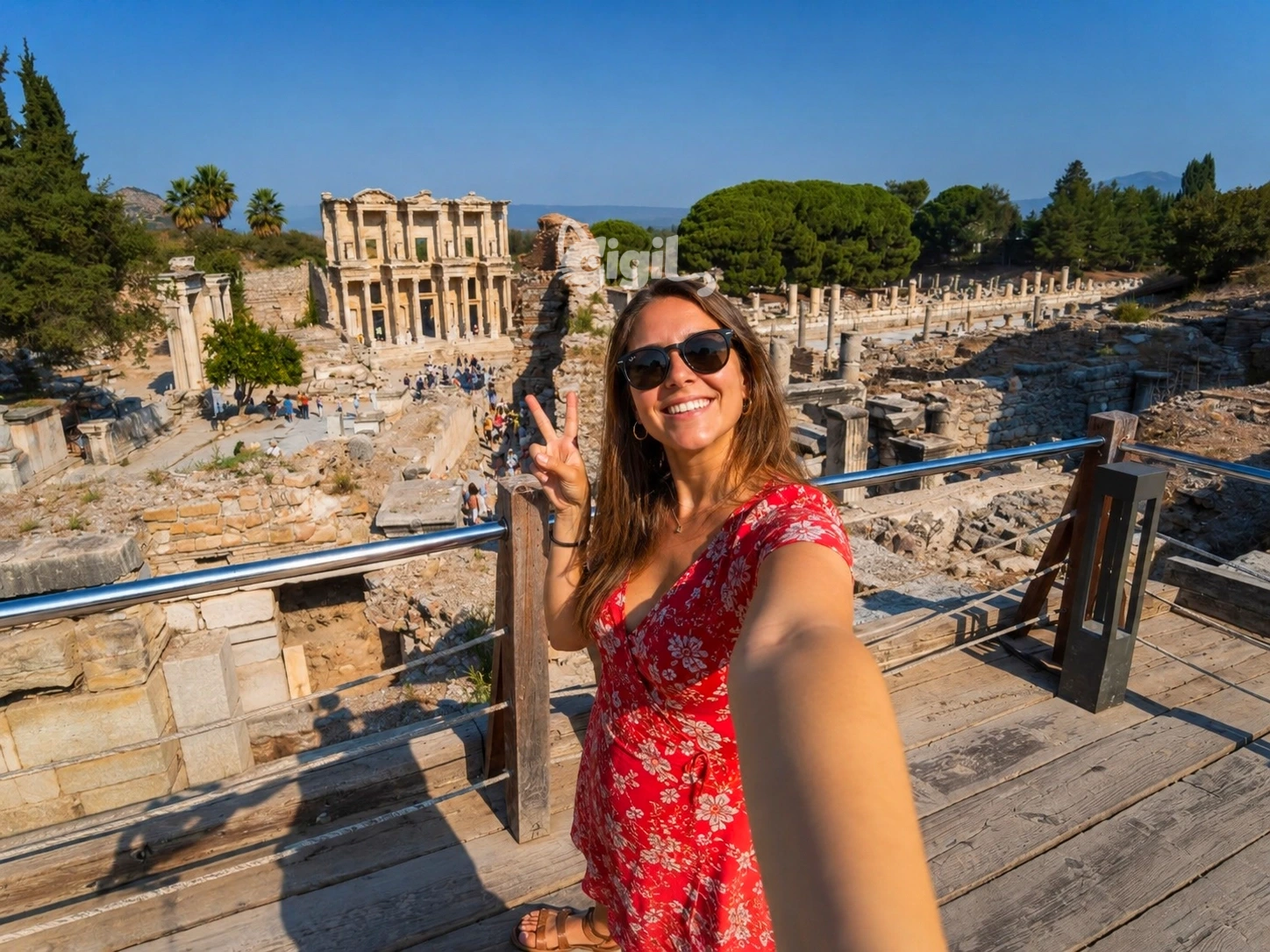
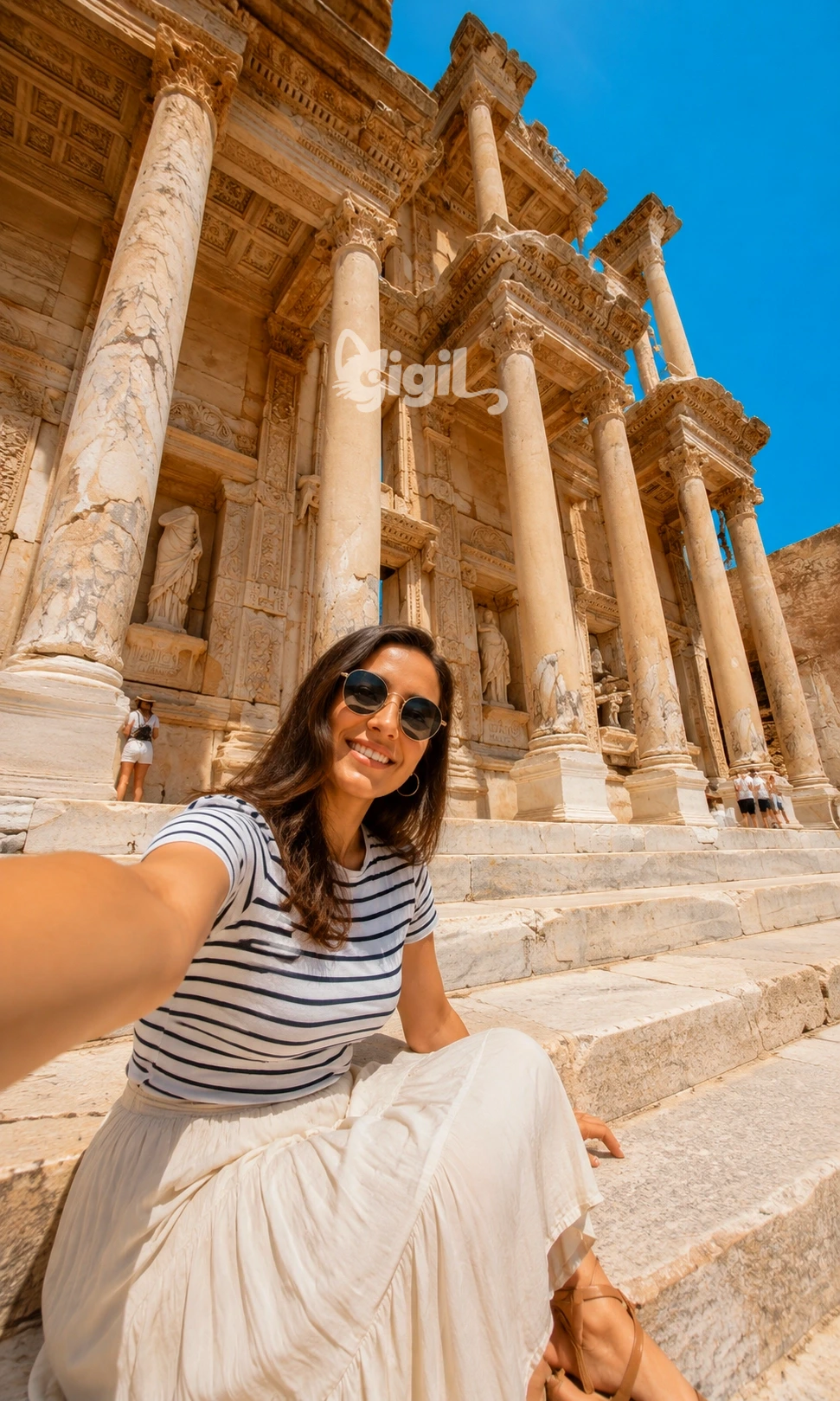
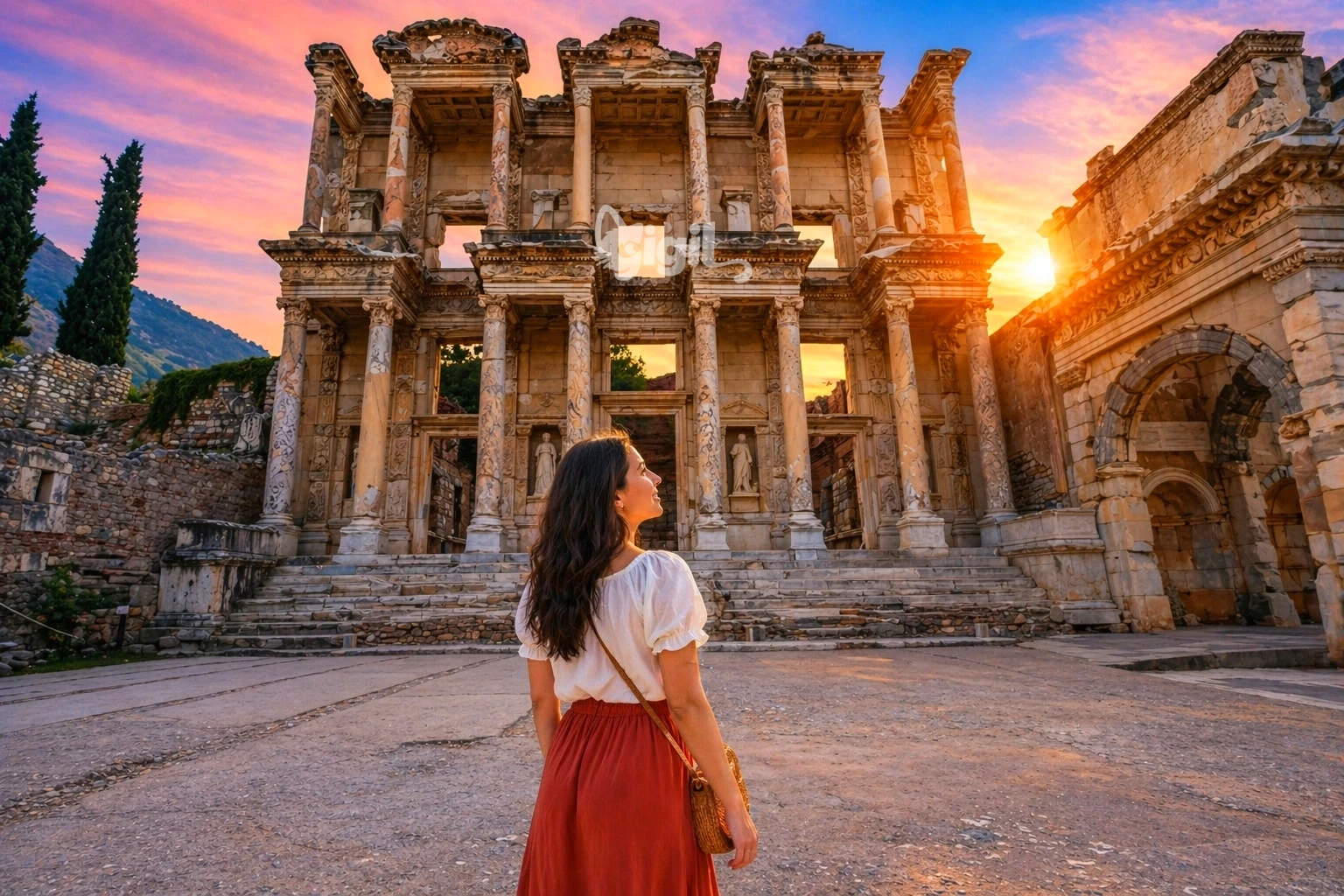
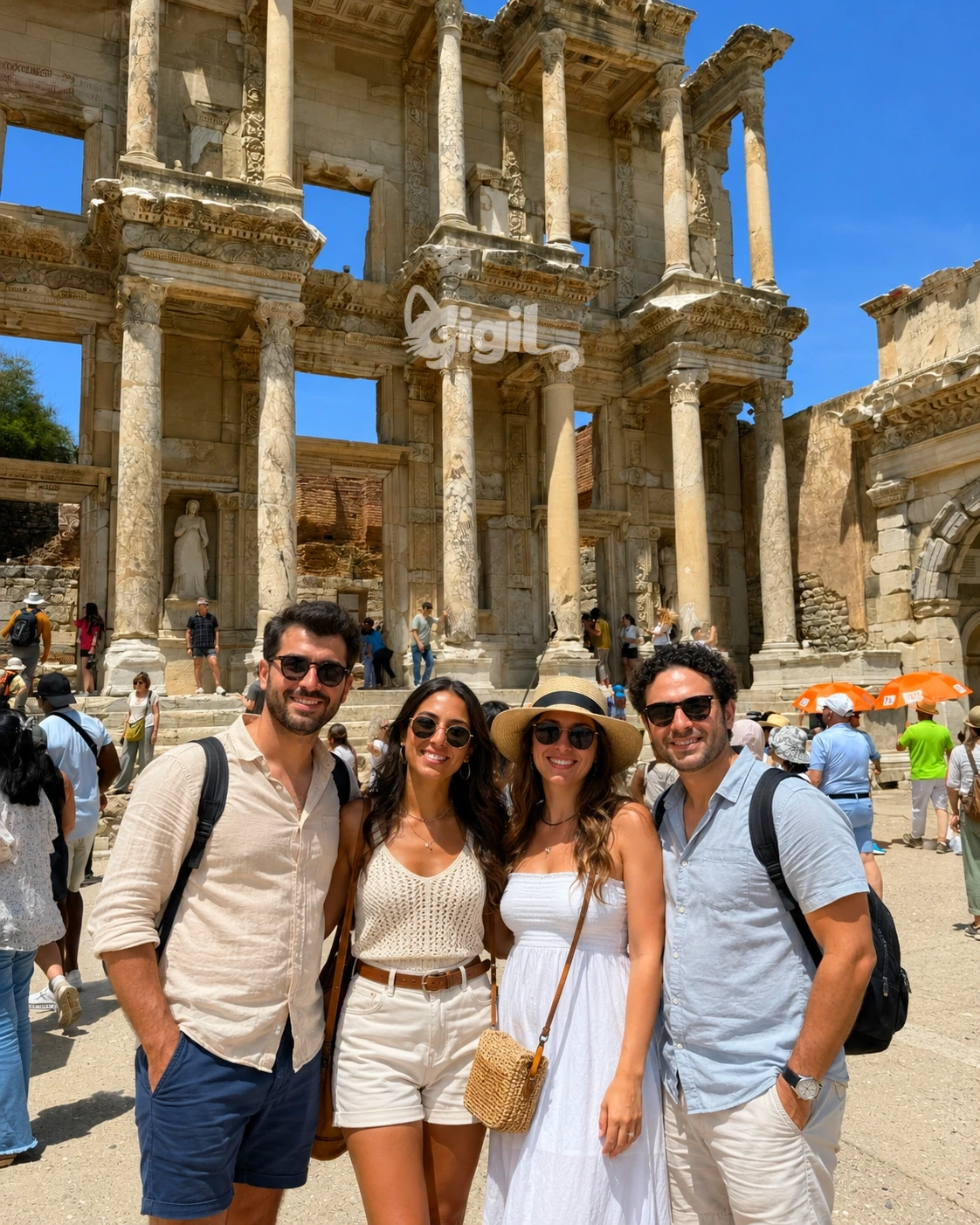
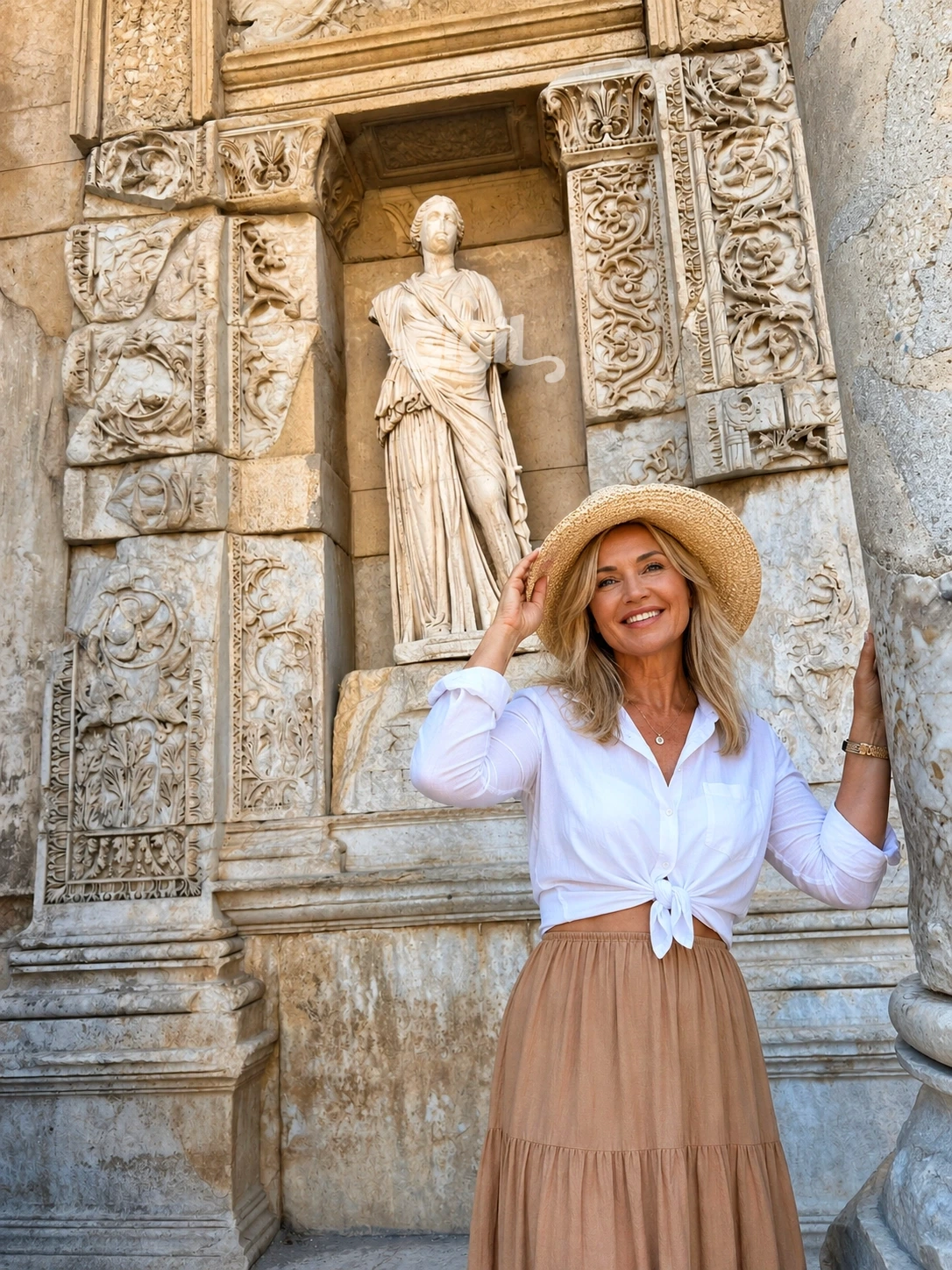
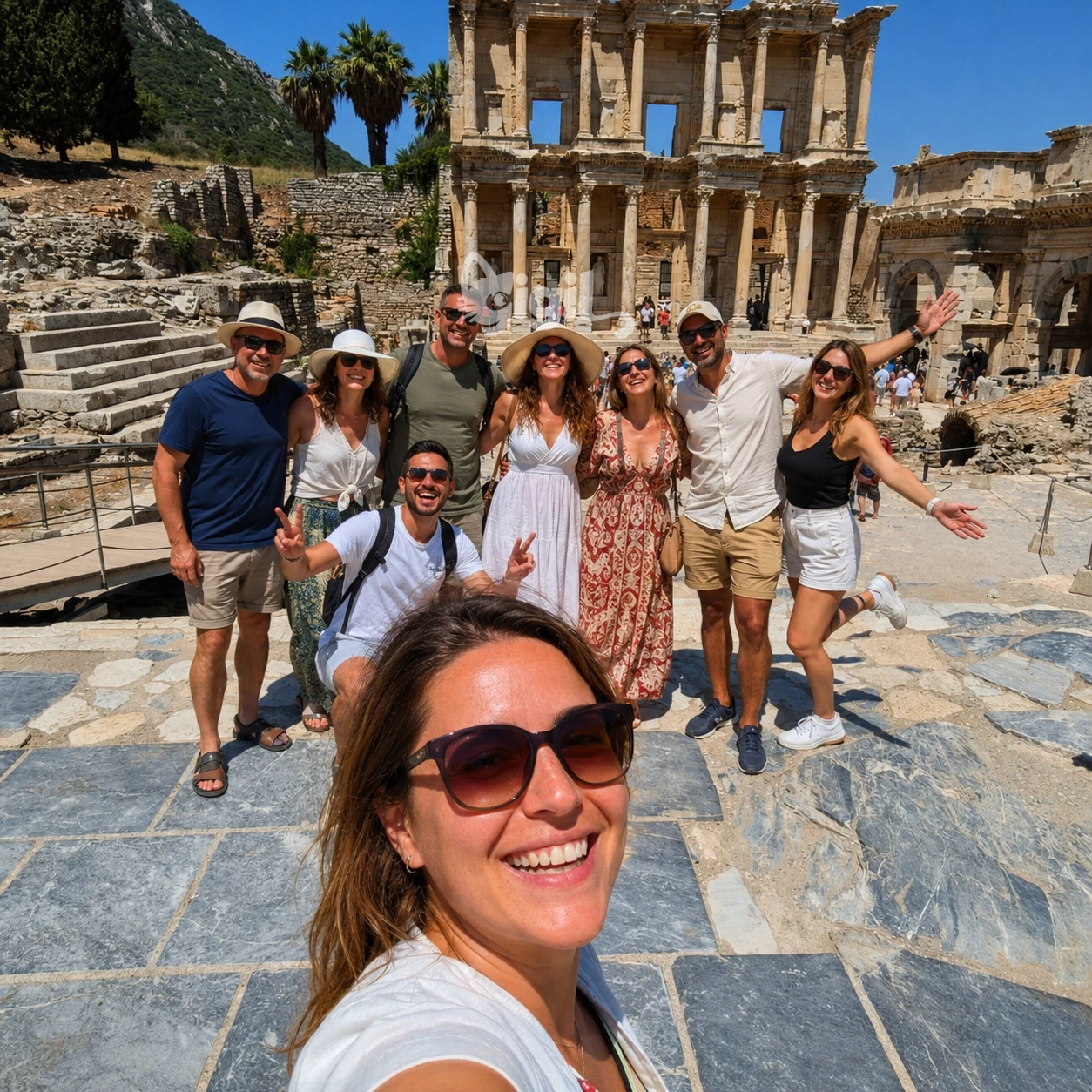
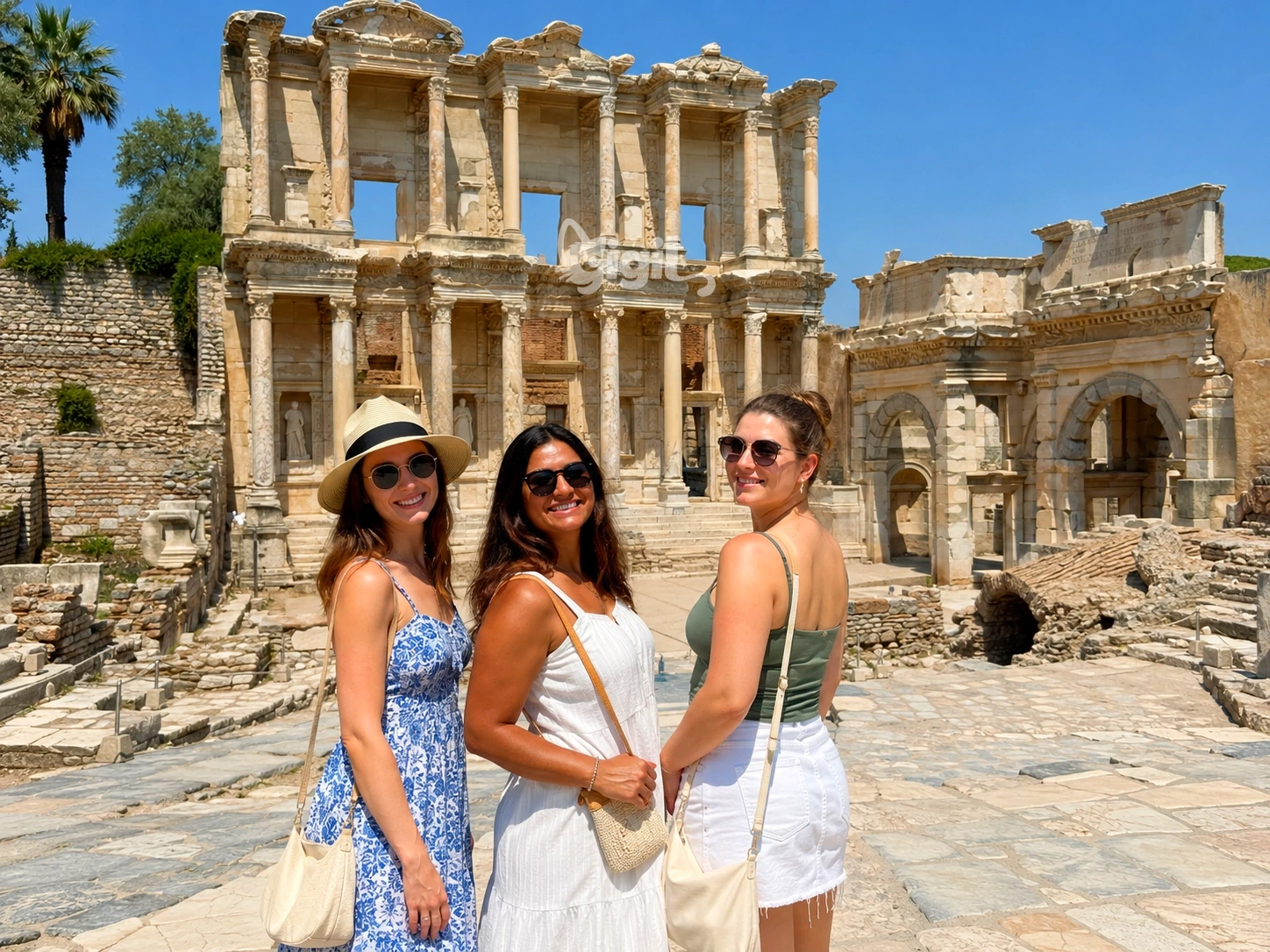
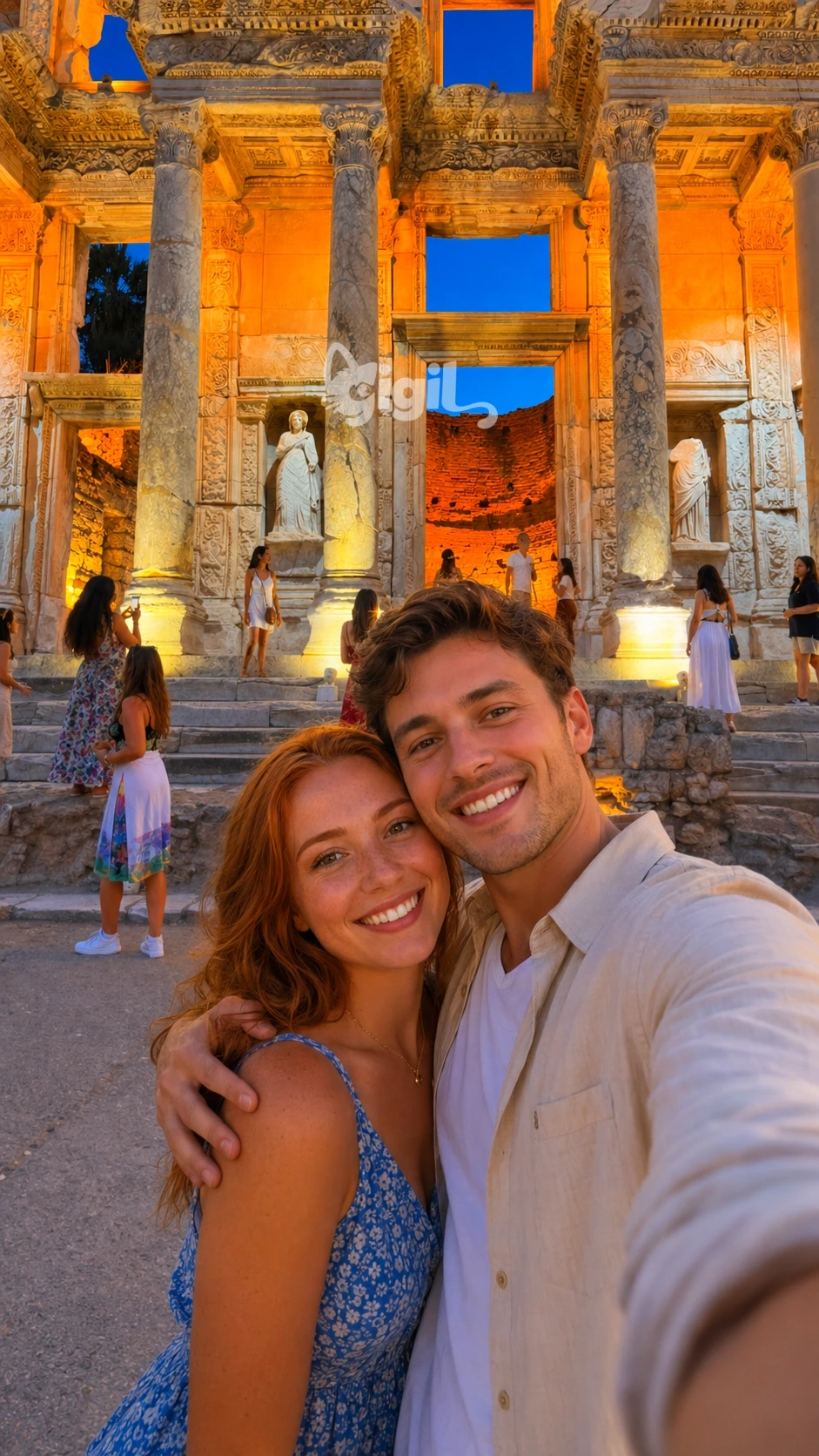
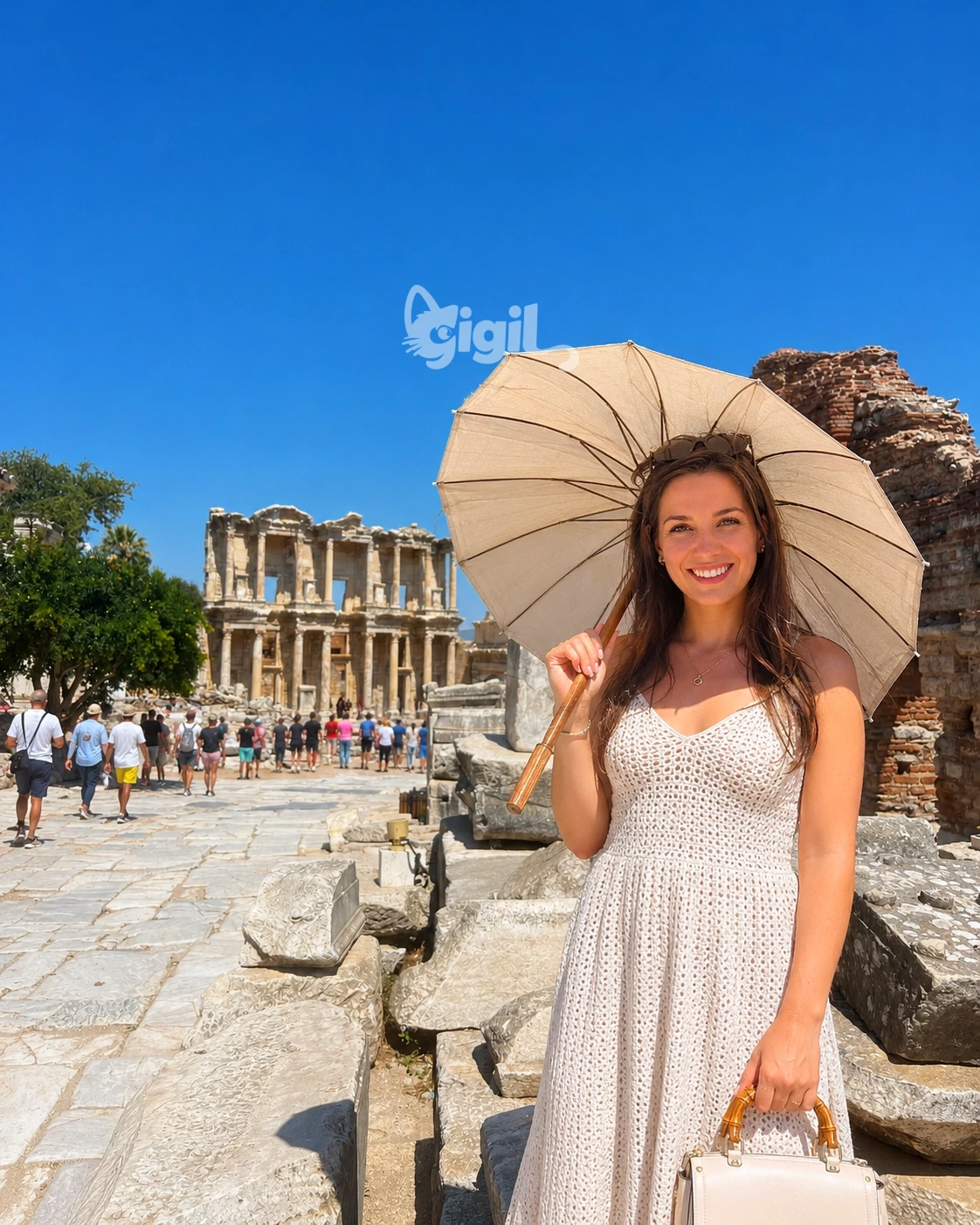
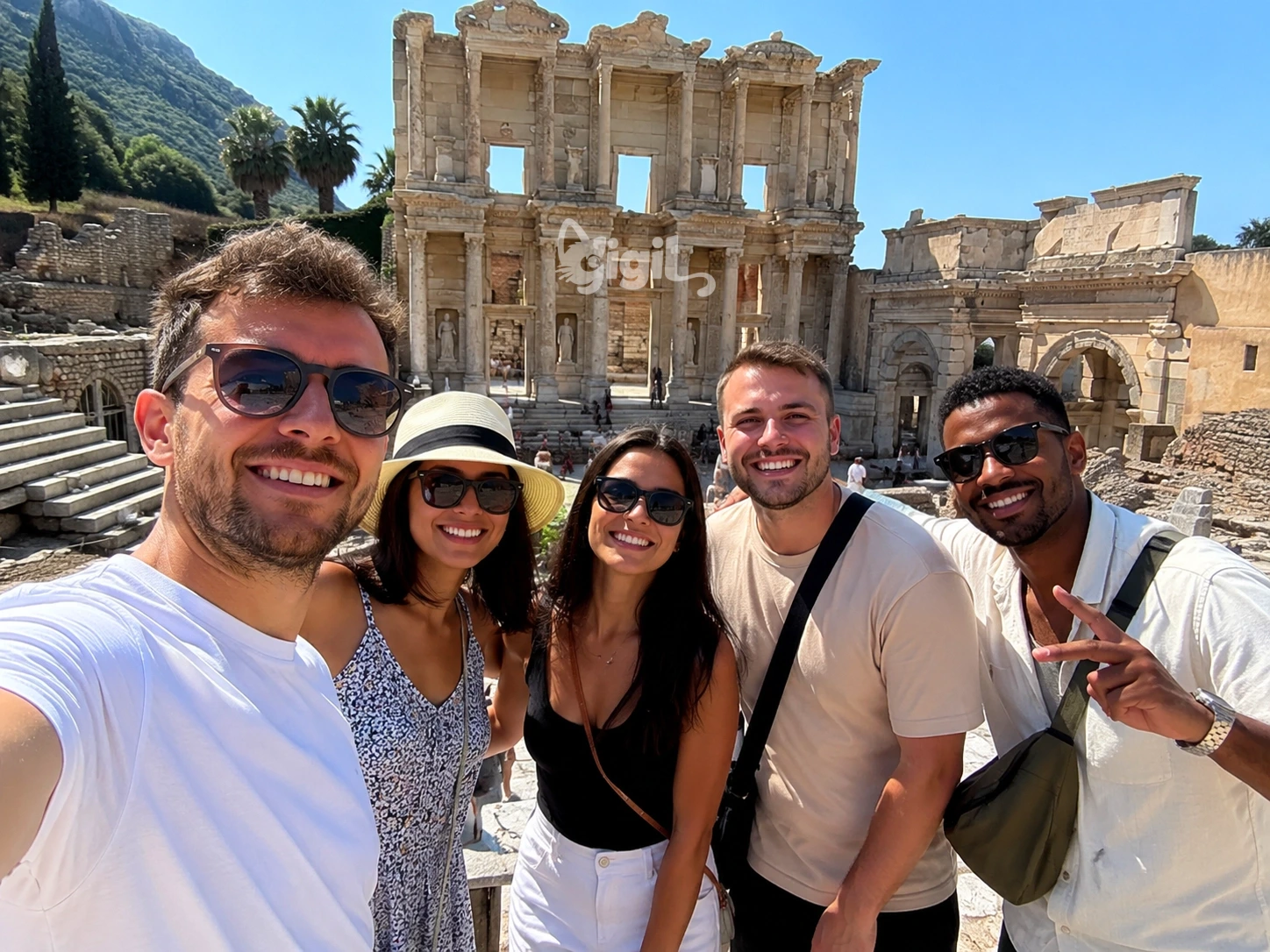
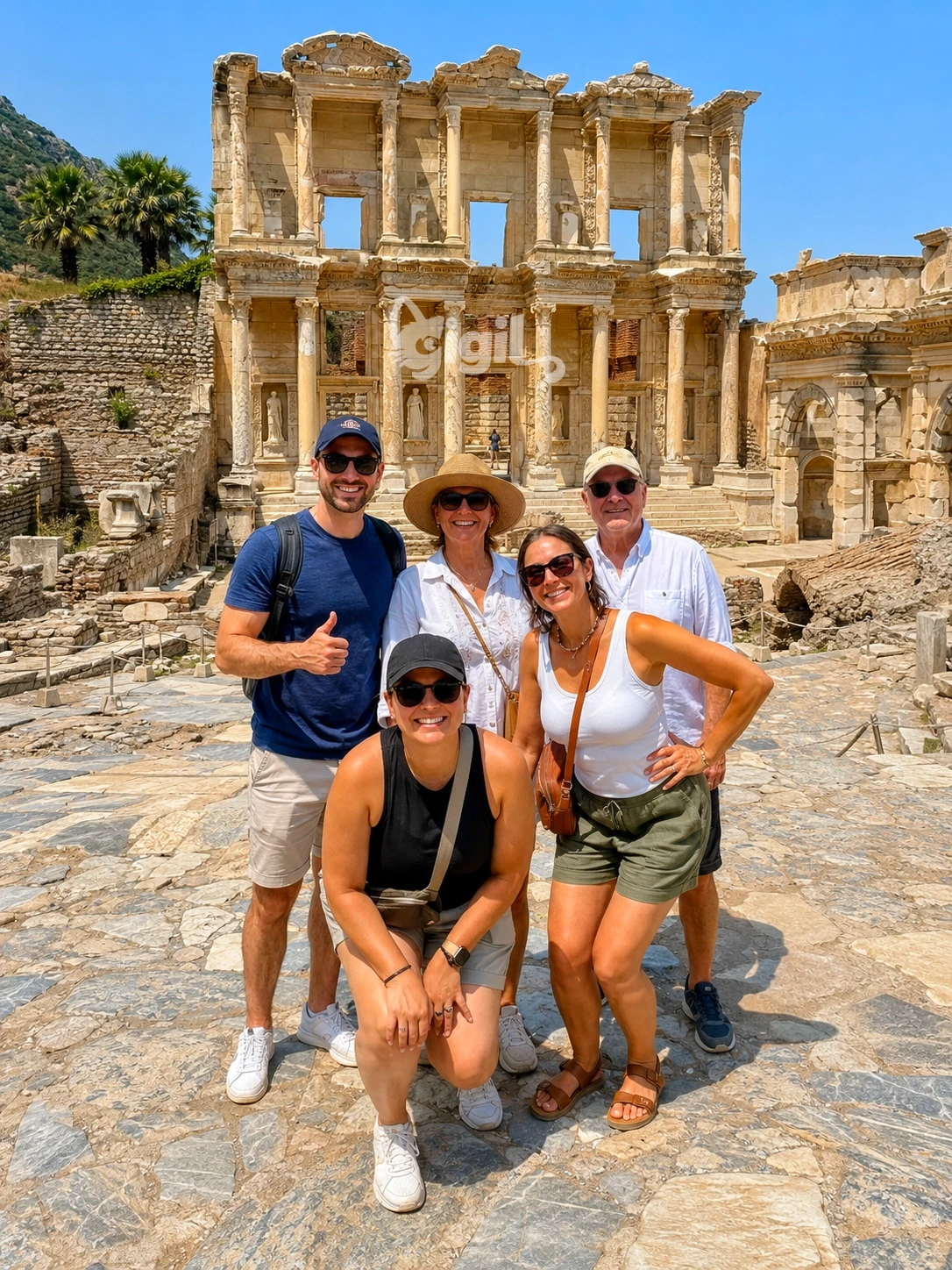
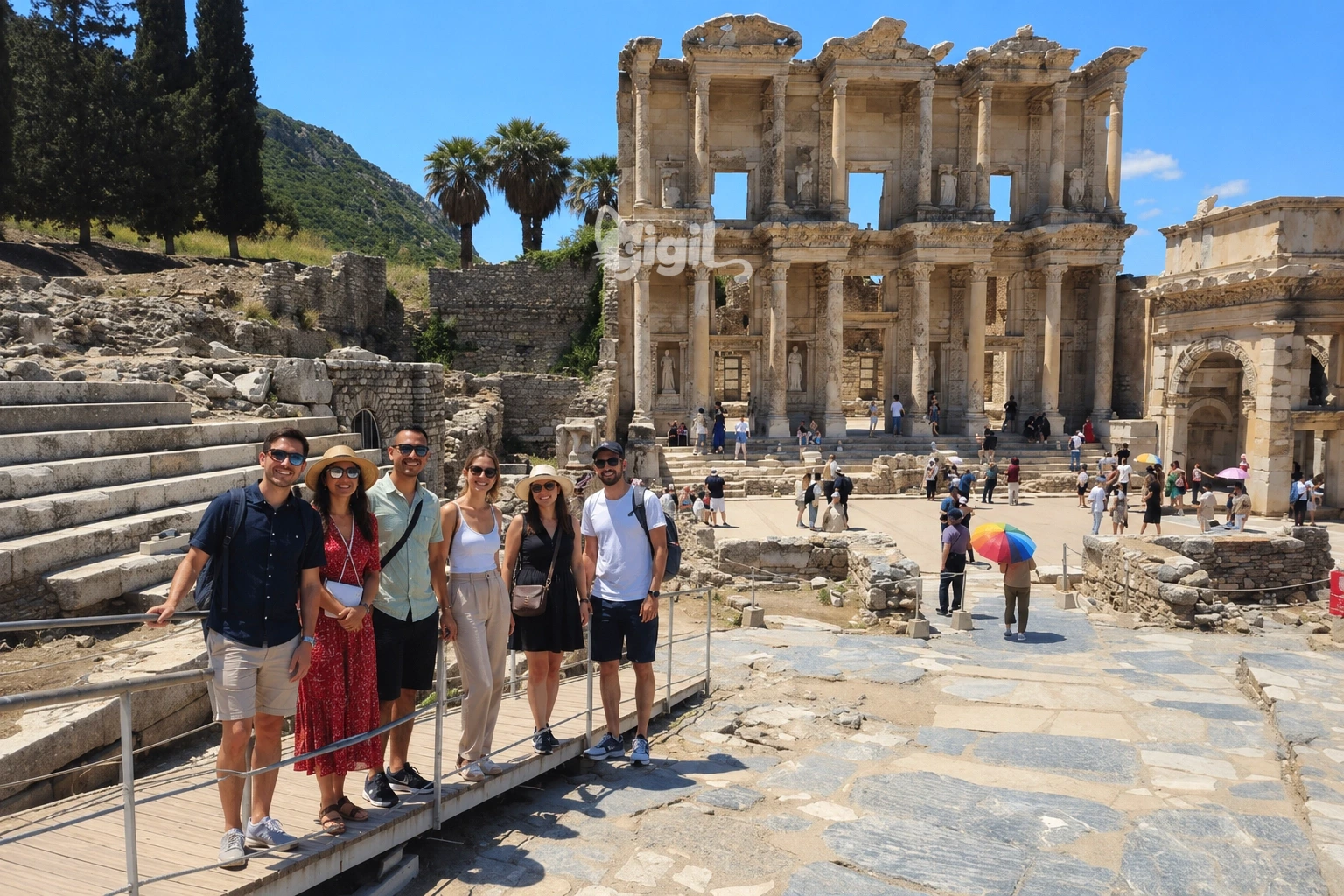
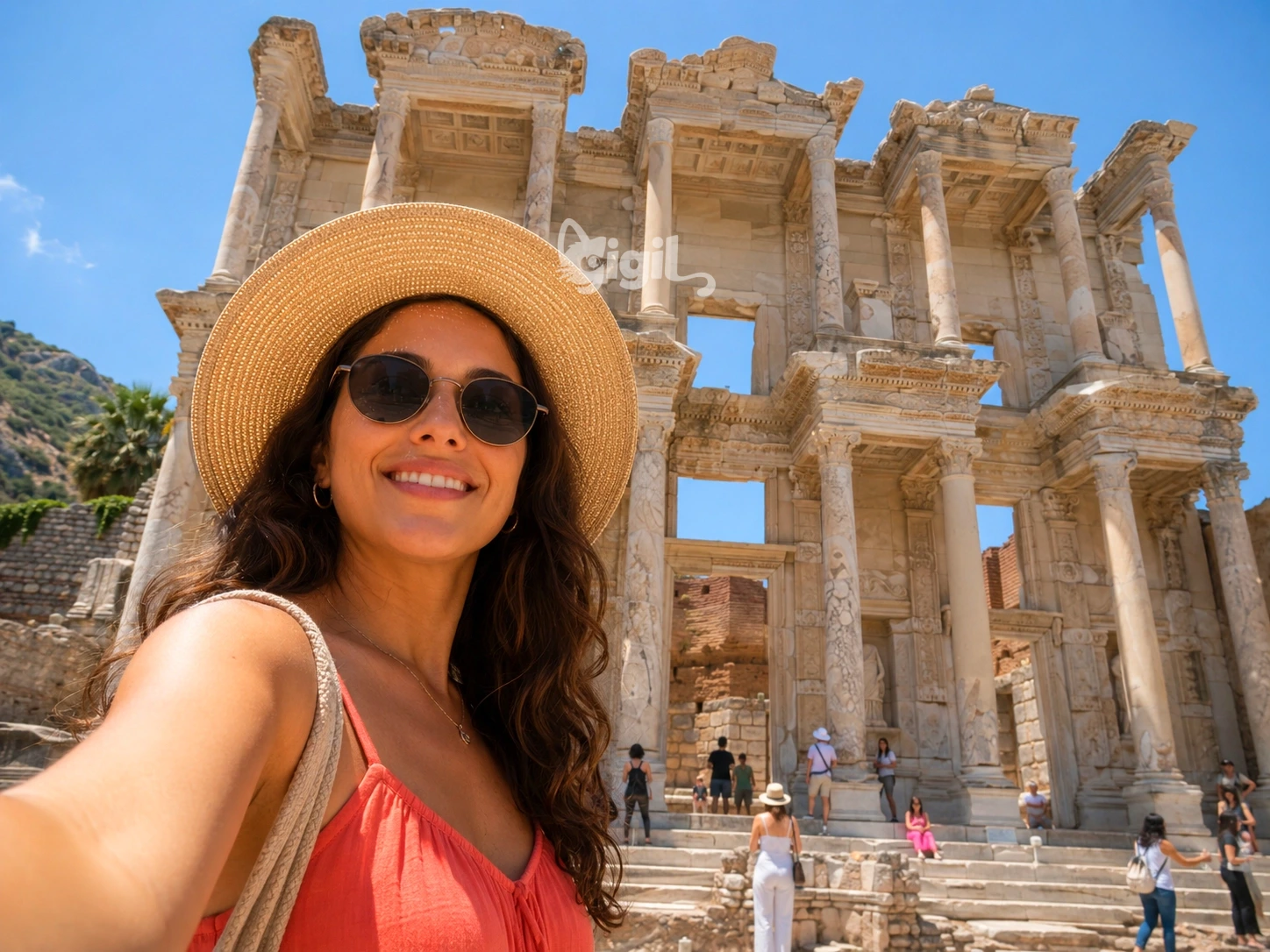
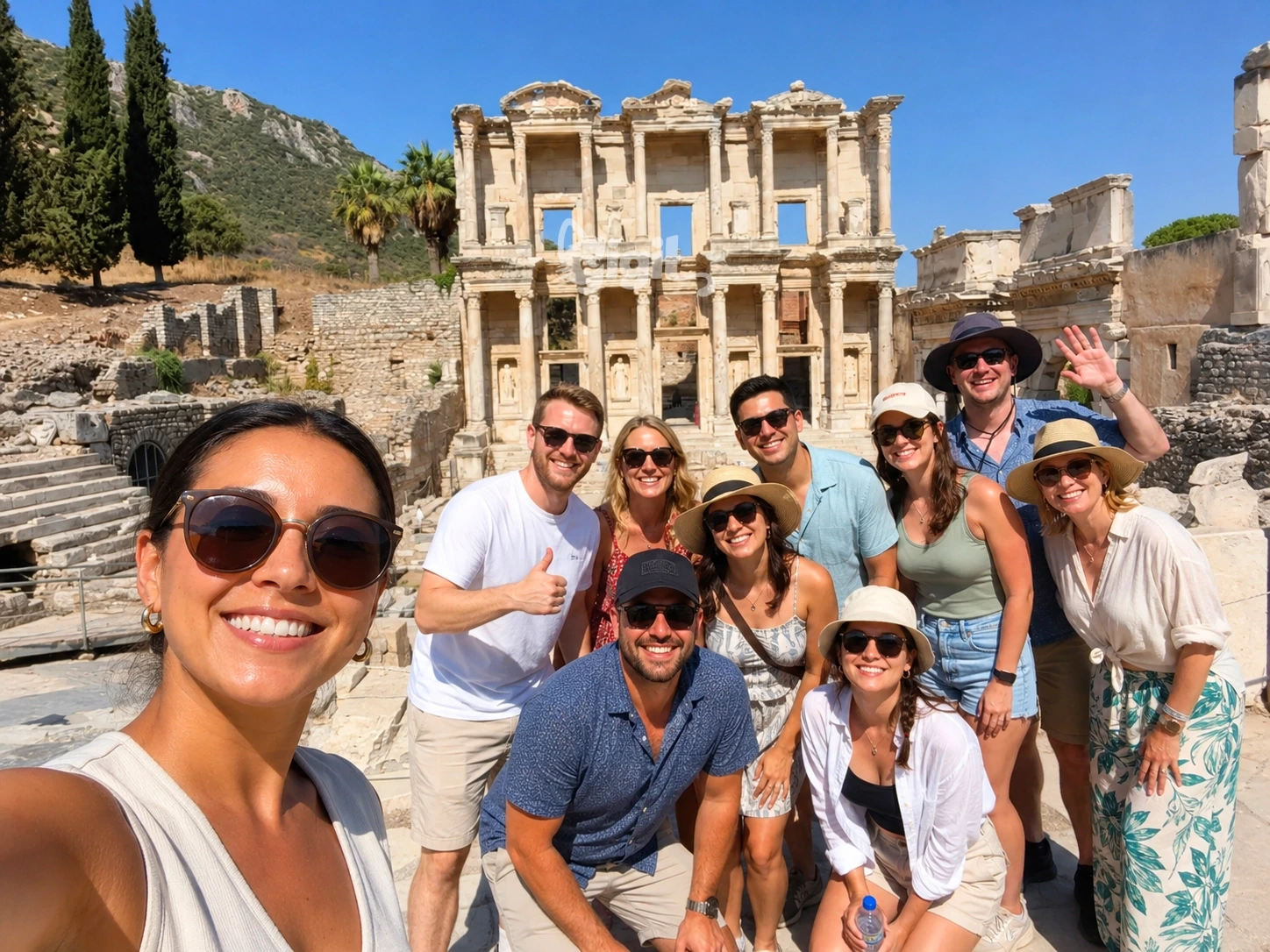
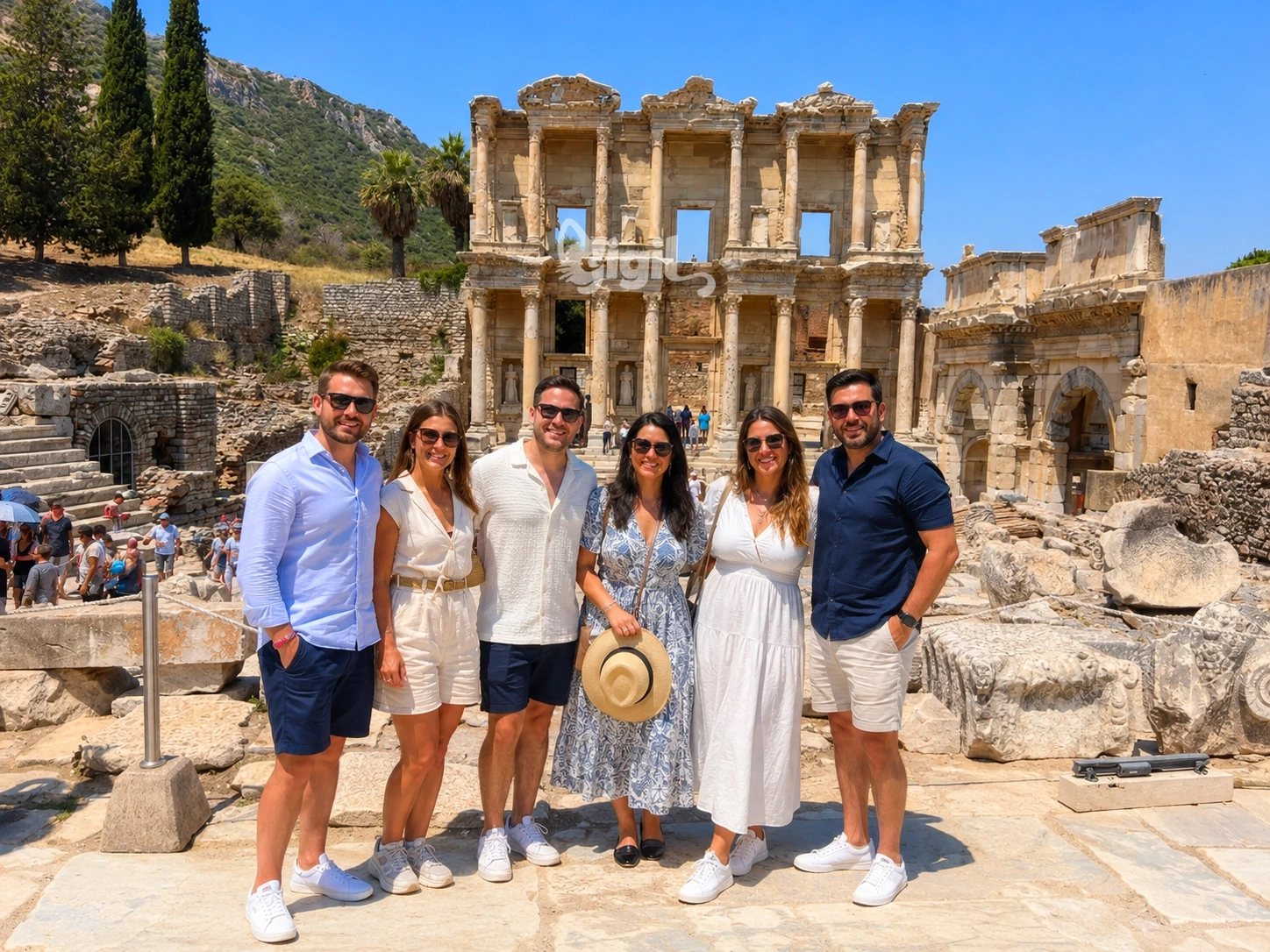
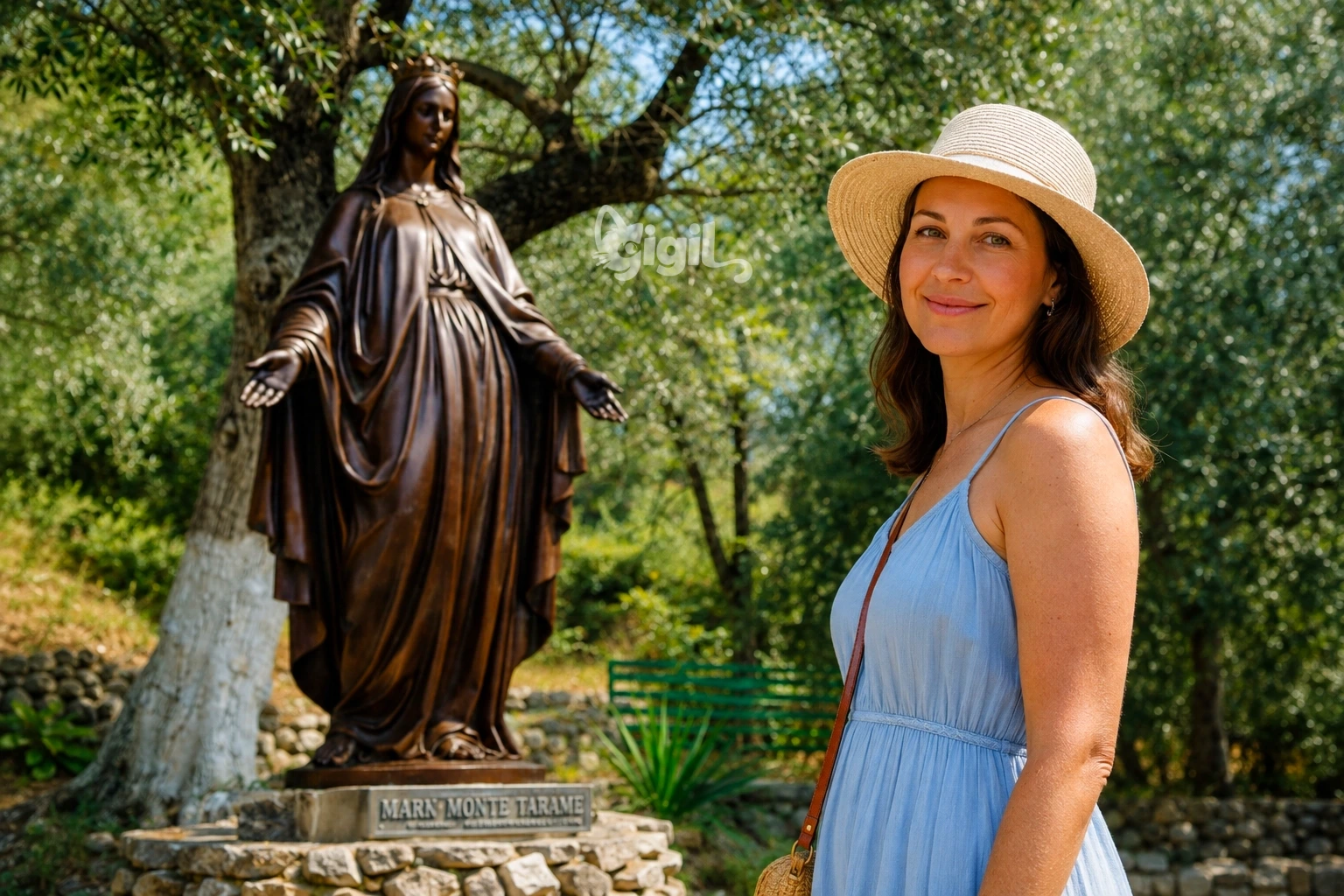
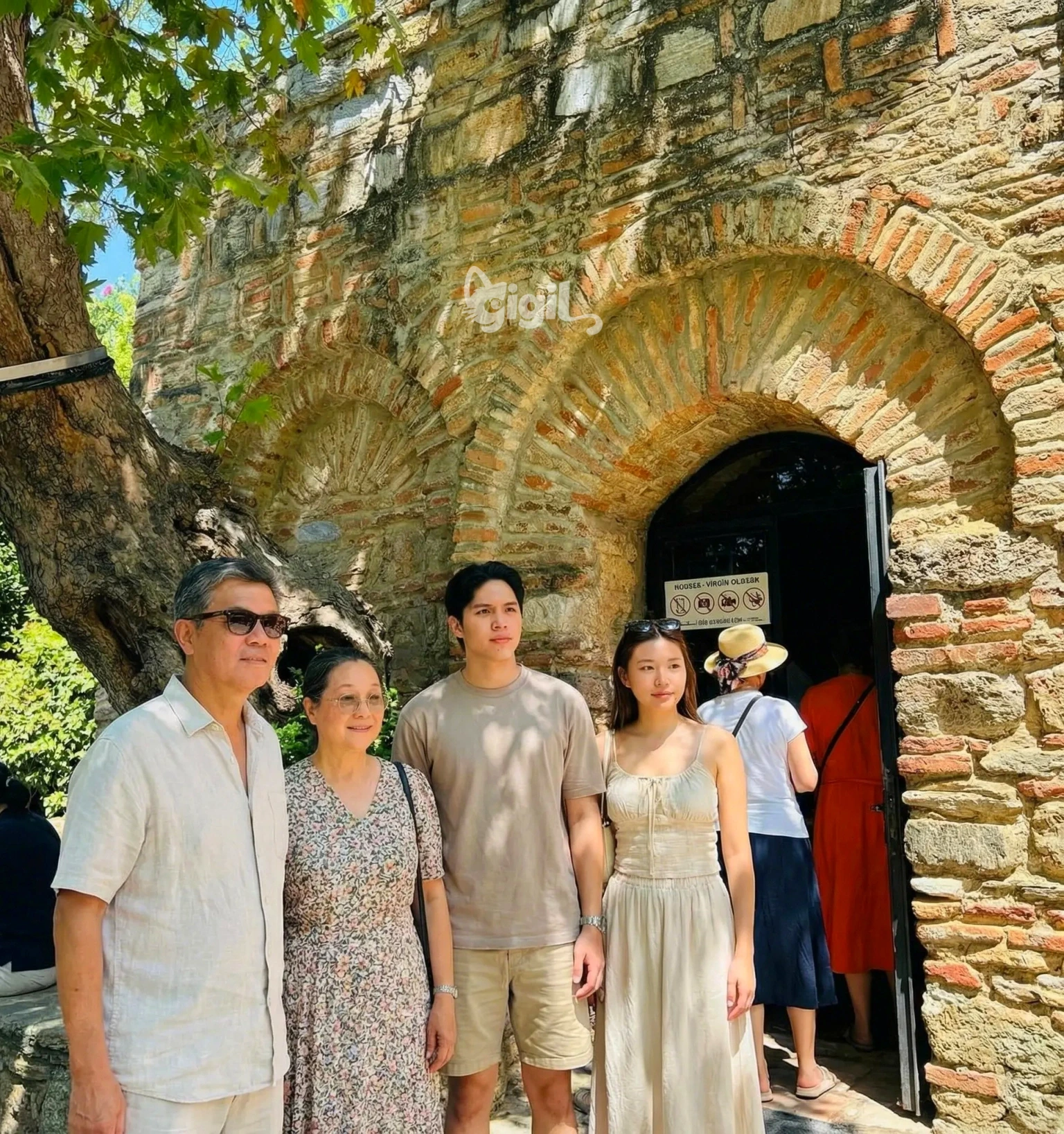
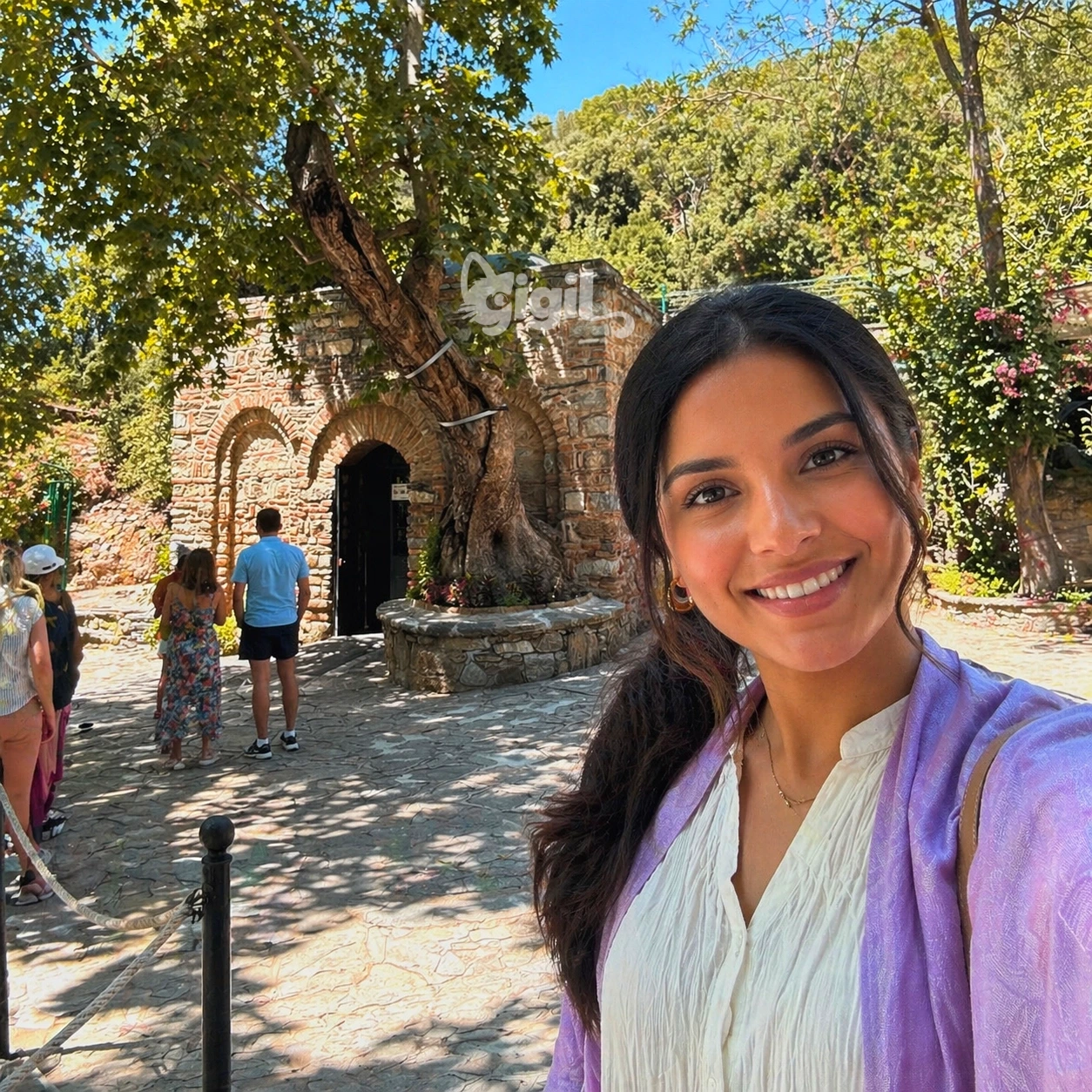
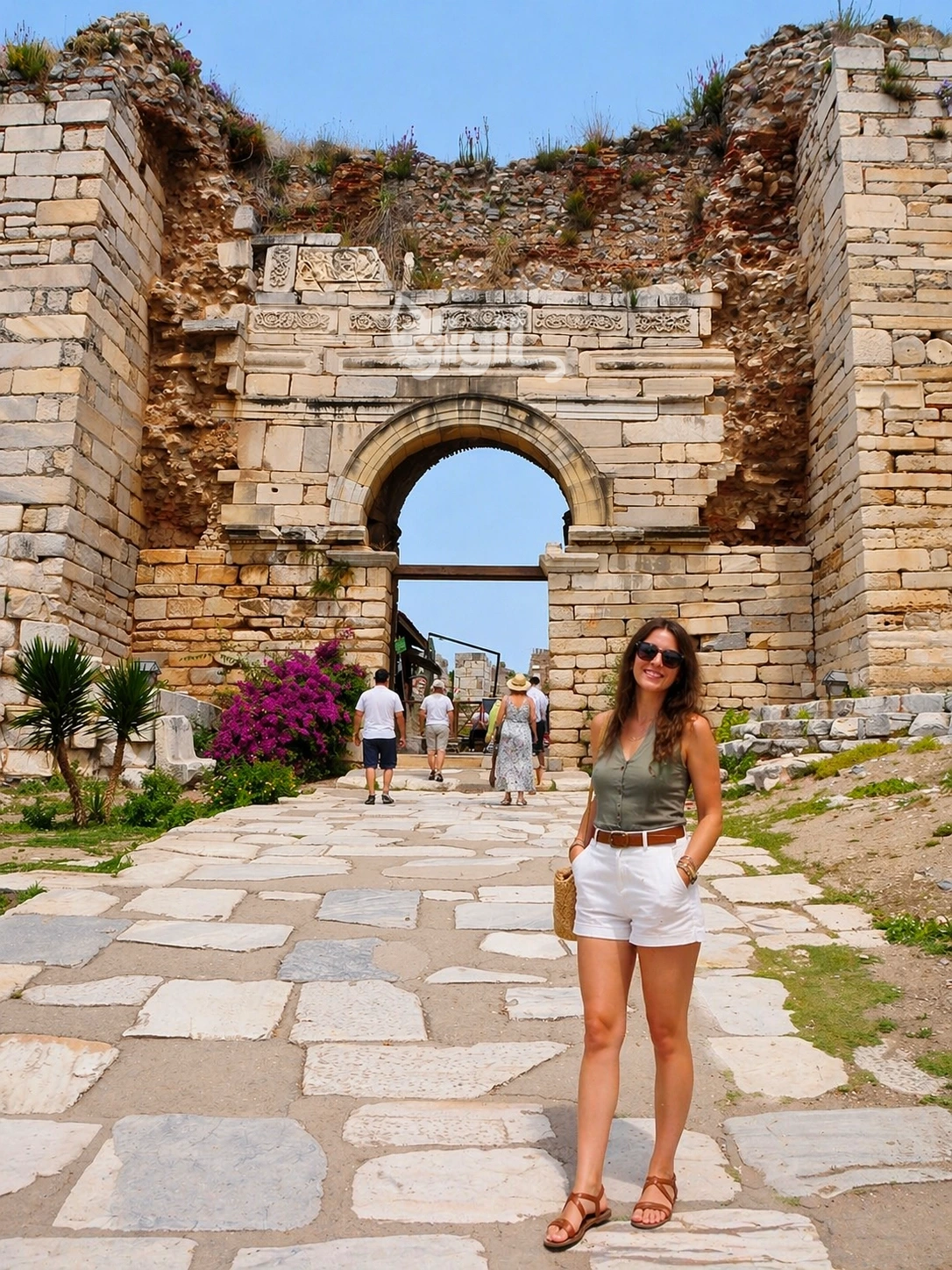
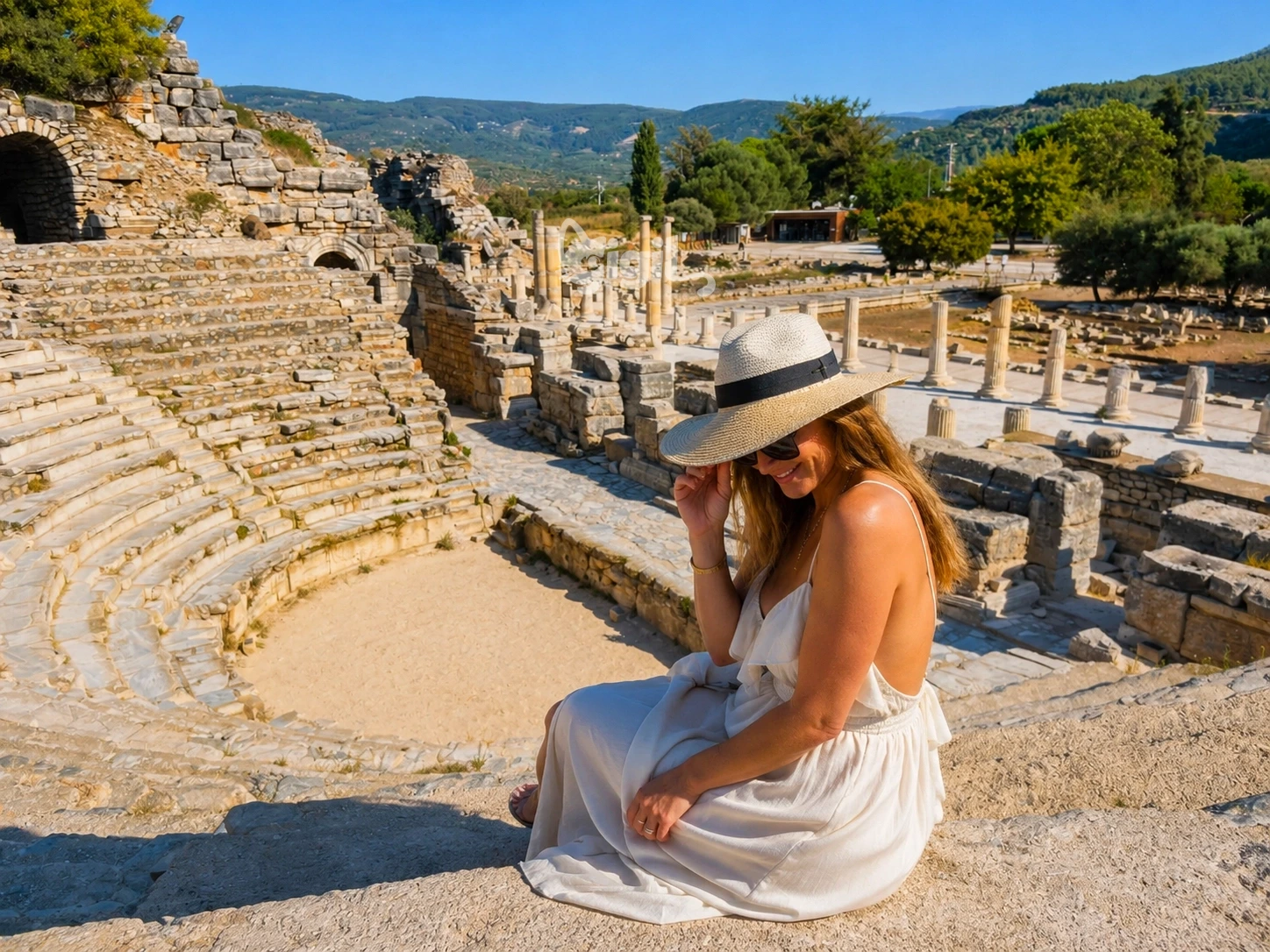
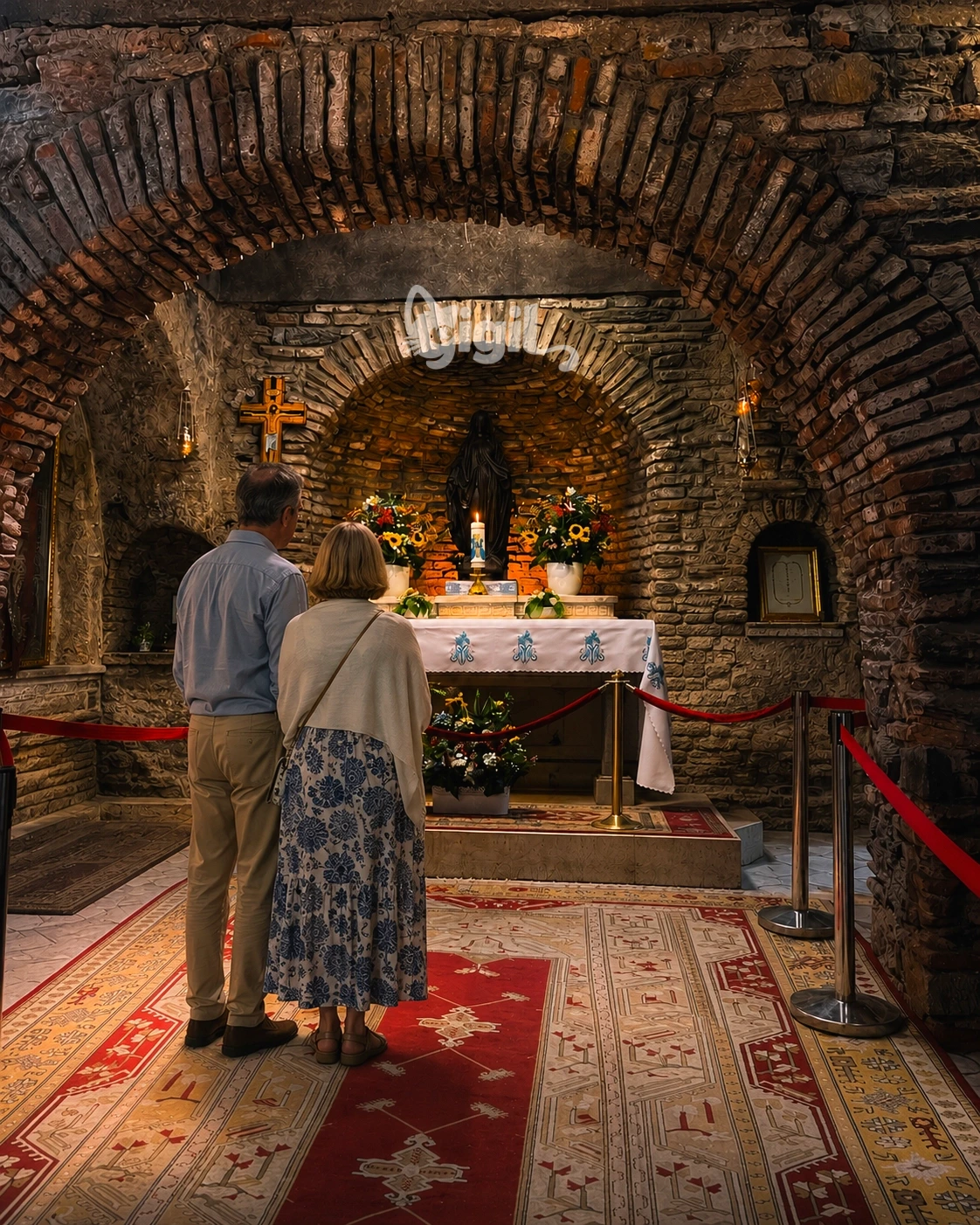
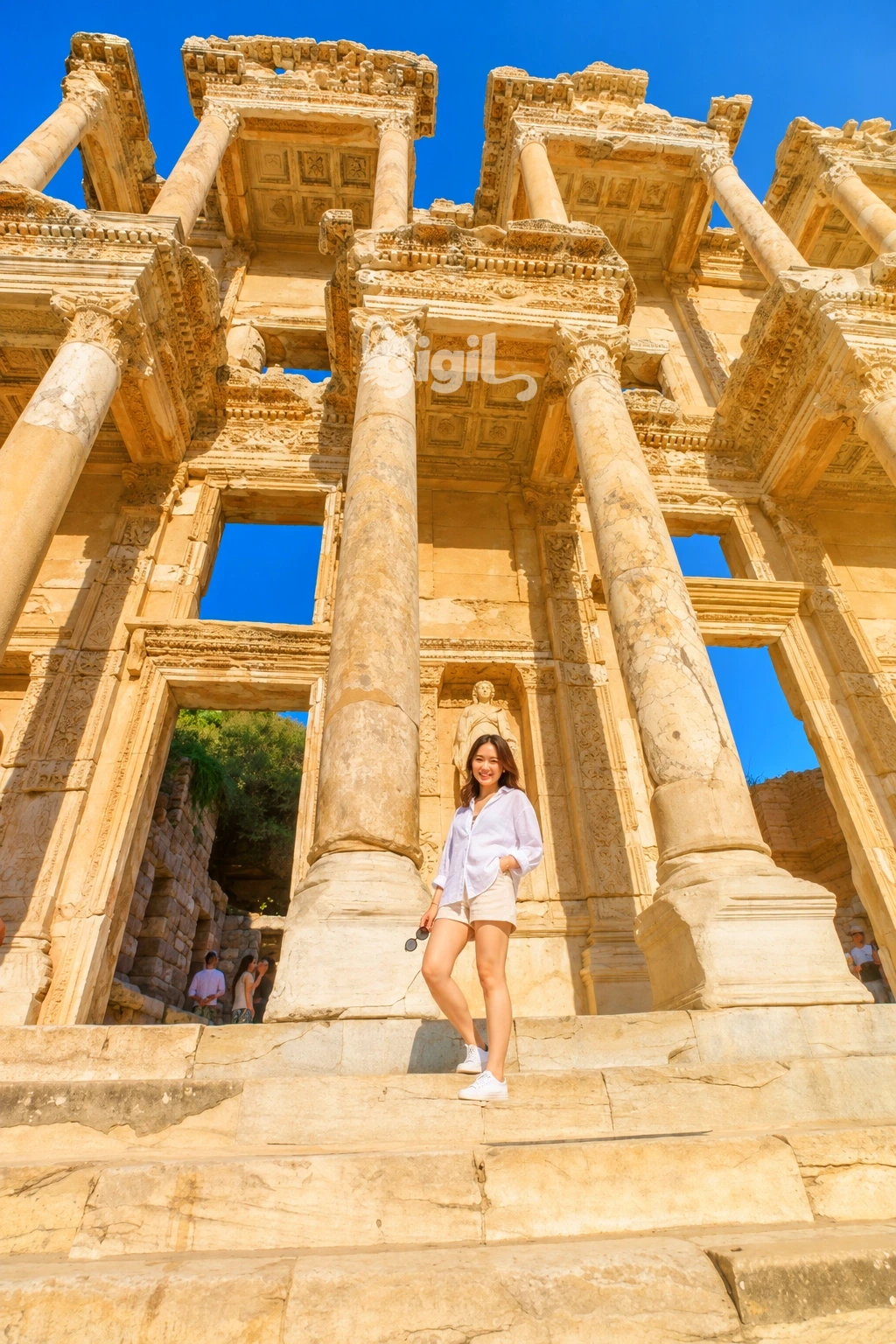
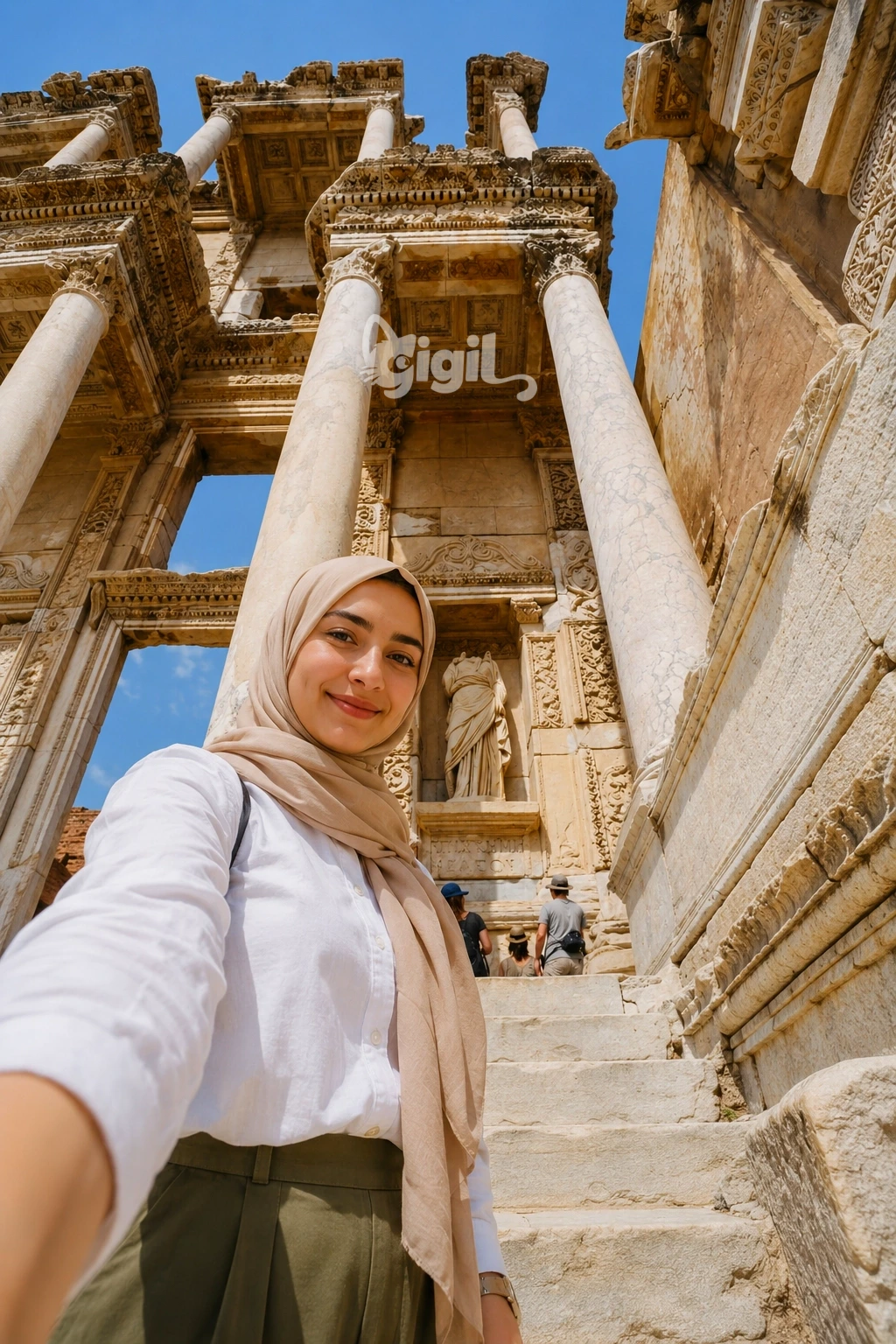
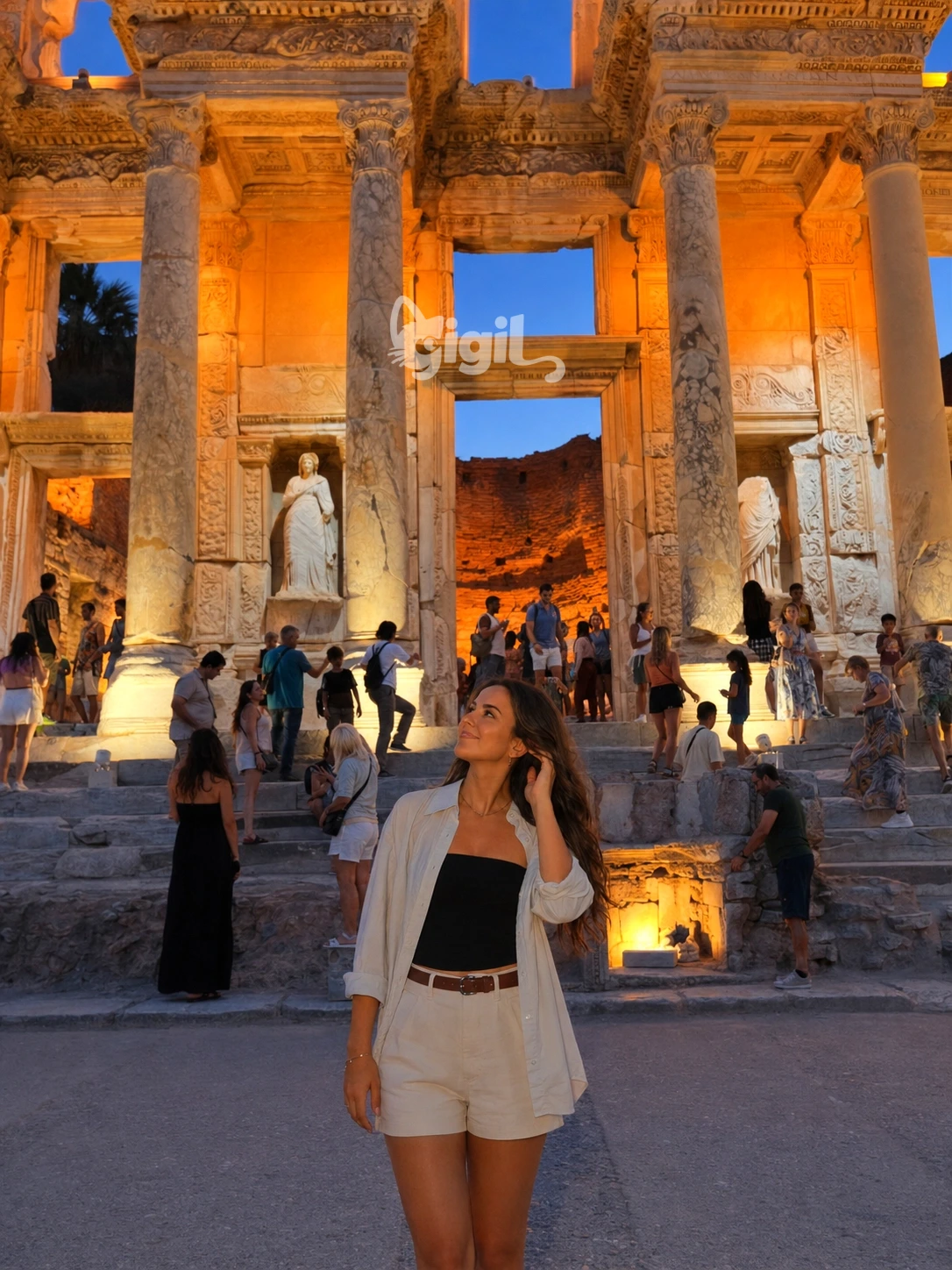
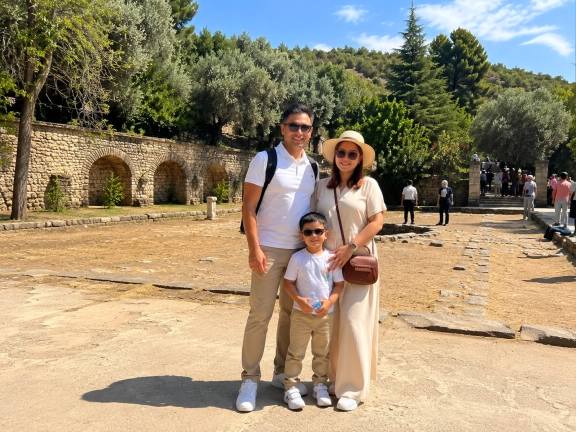
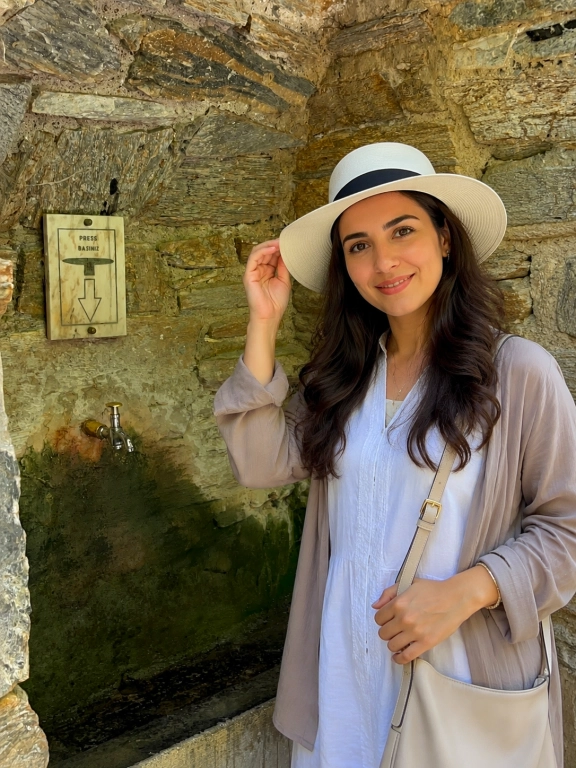
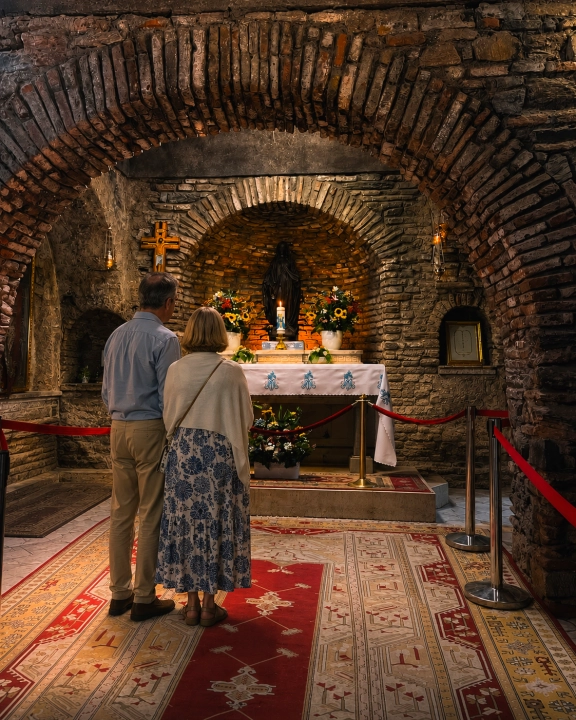
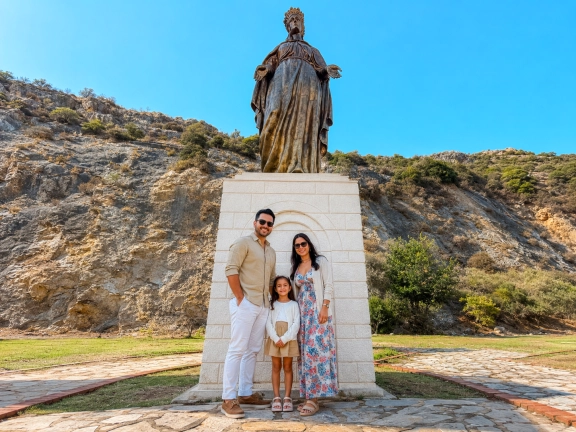
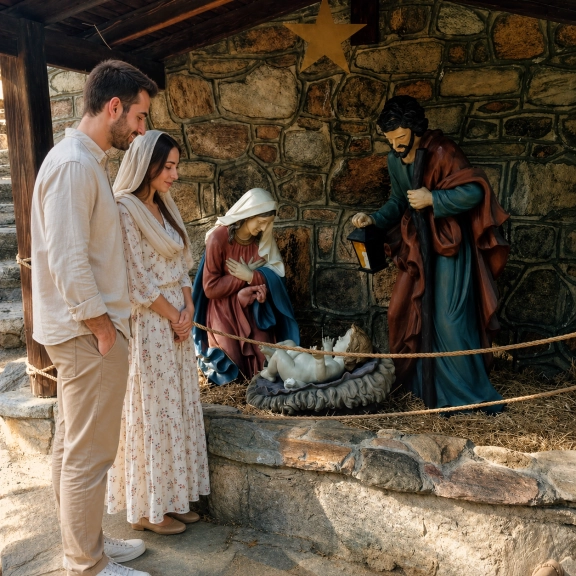
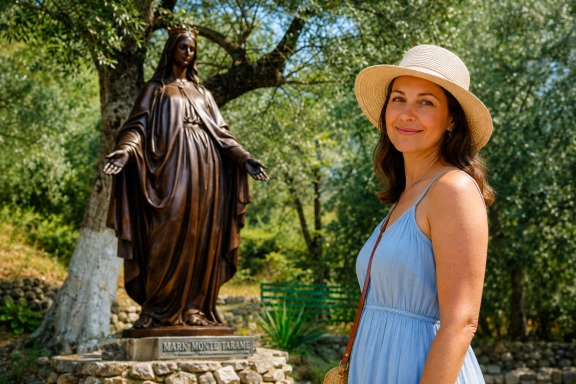
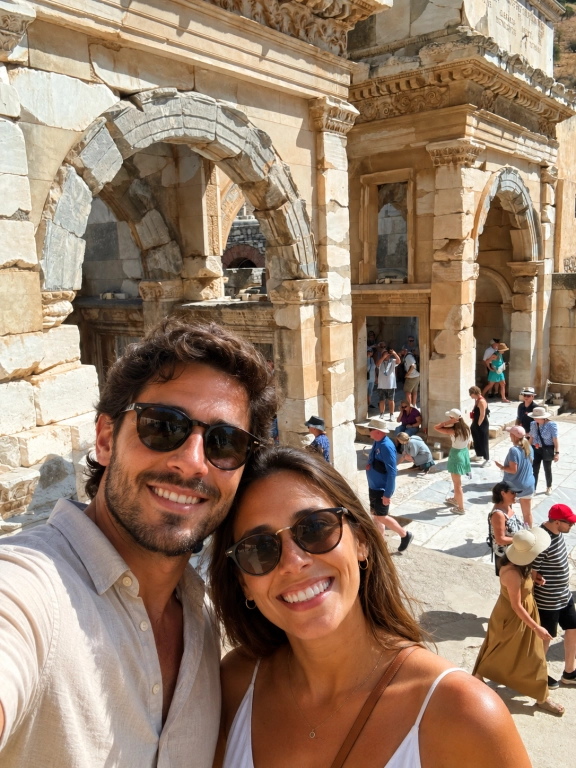
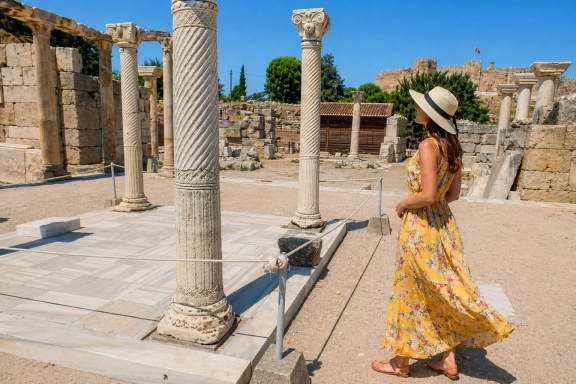
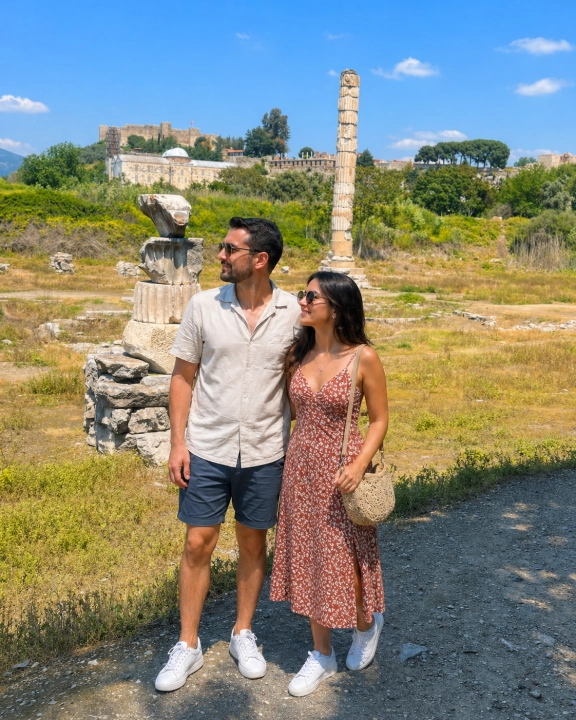
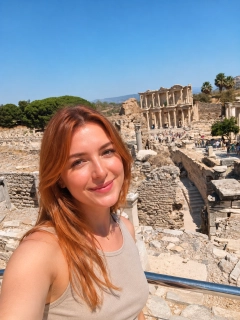
Mary's house was the reason I chose this trip. I appreciated having a quiet few minutes there without being rushed. The rest of the day was interesting too, especially hearing how the places connect. Very happy with our guide and the arrangements.