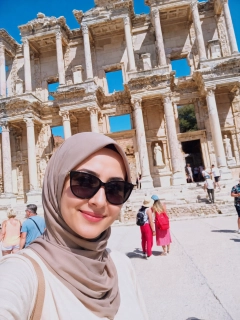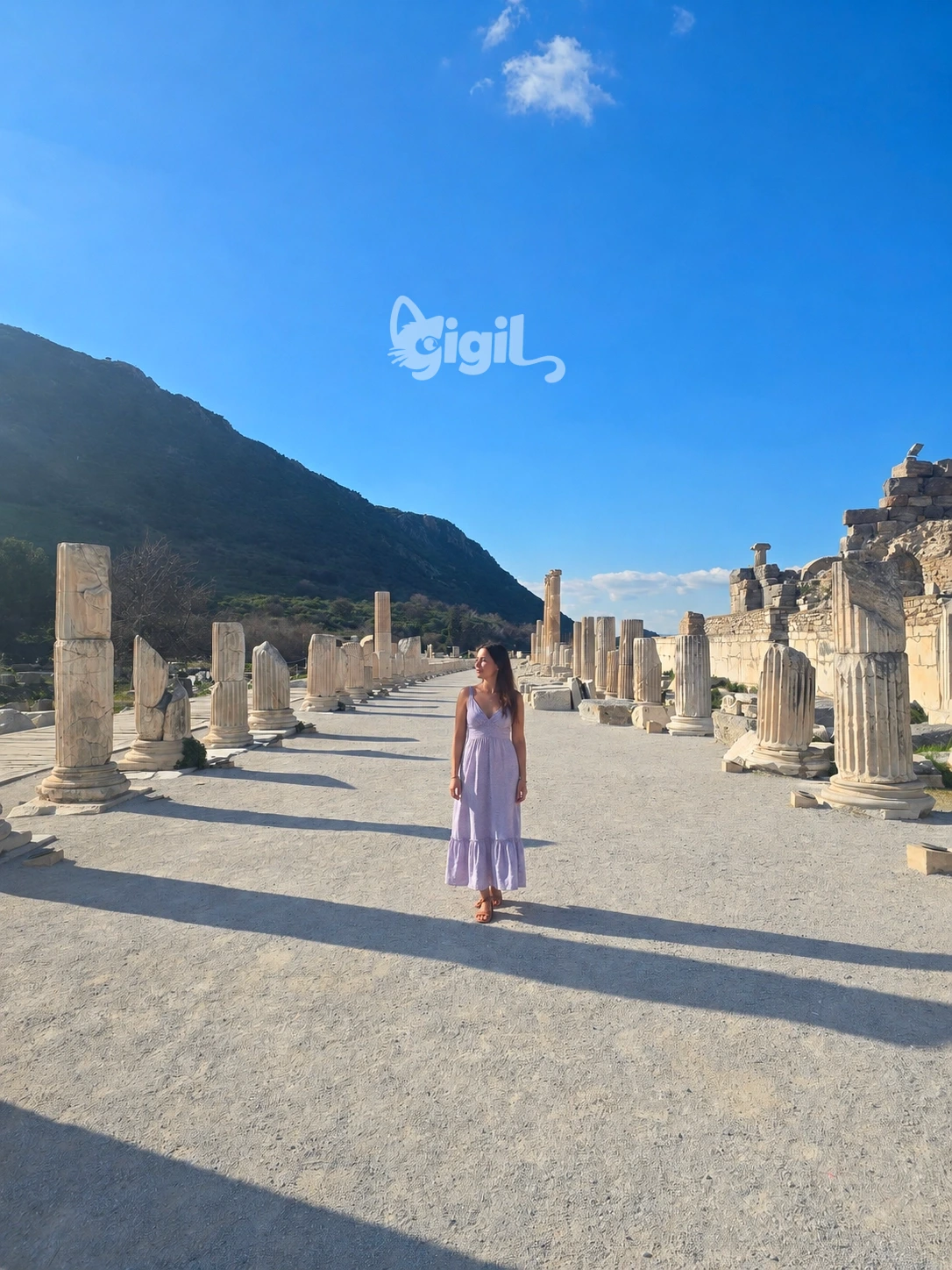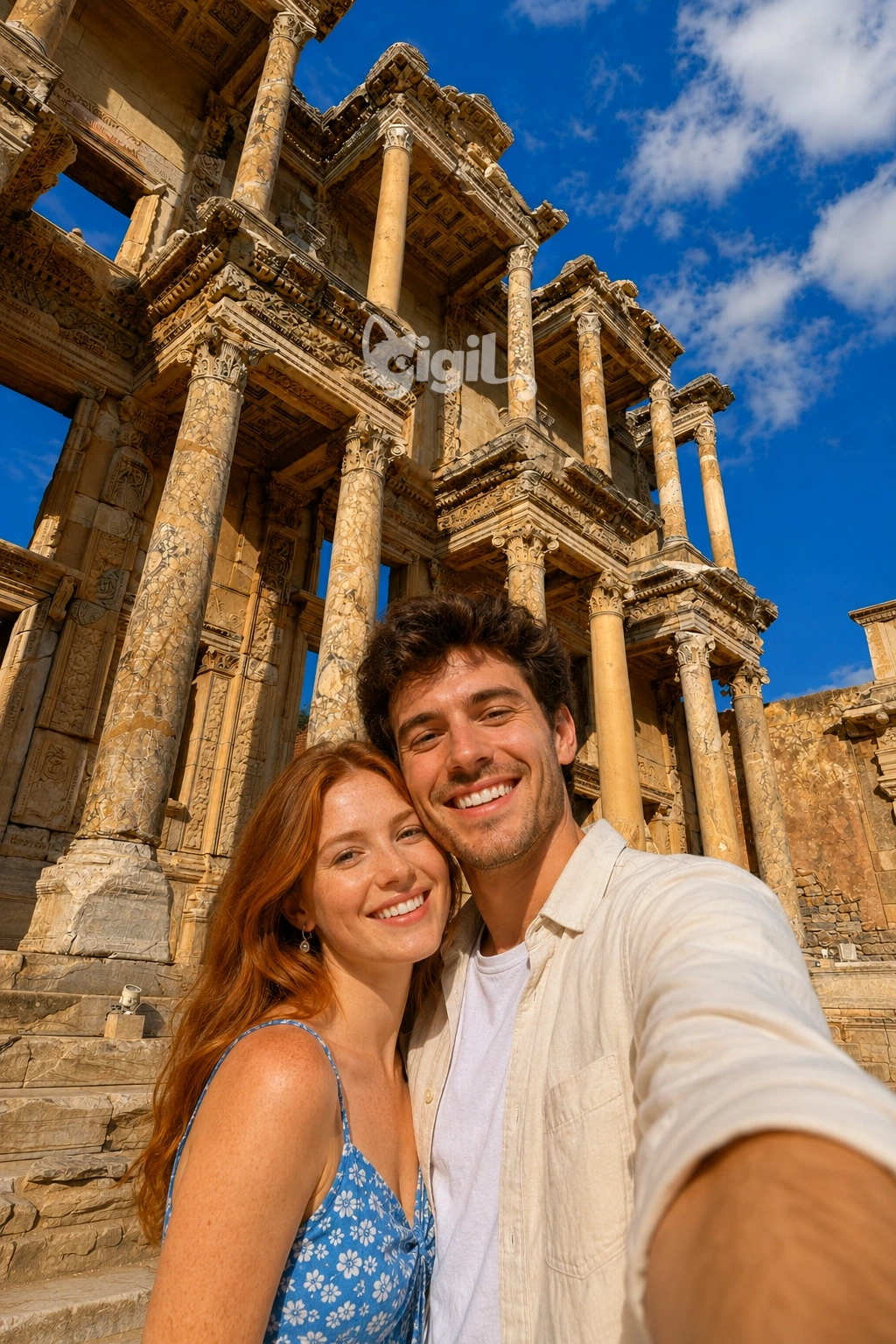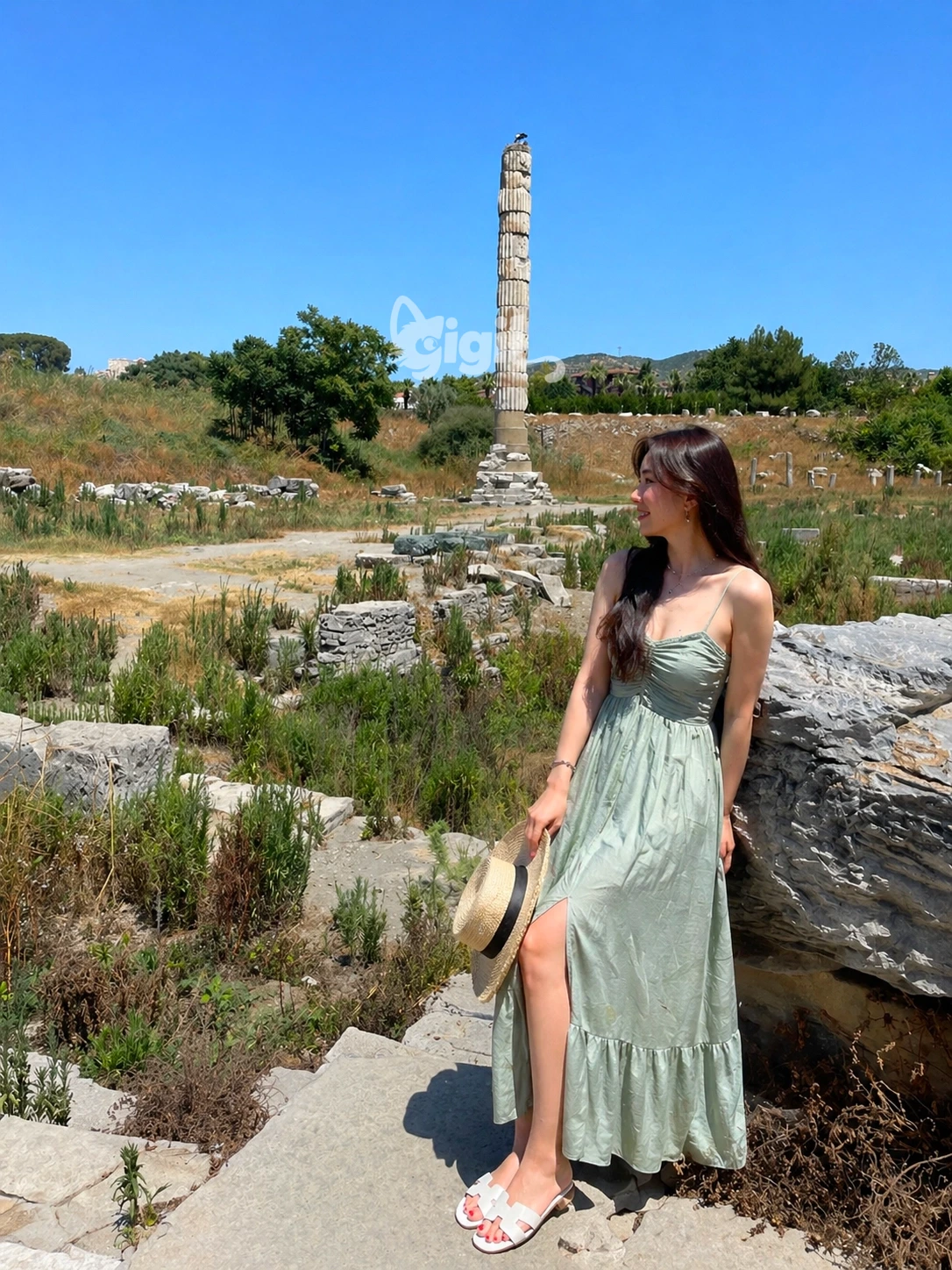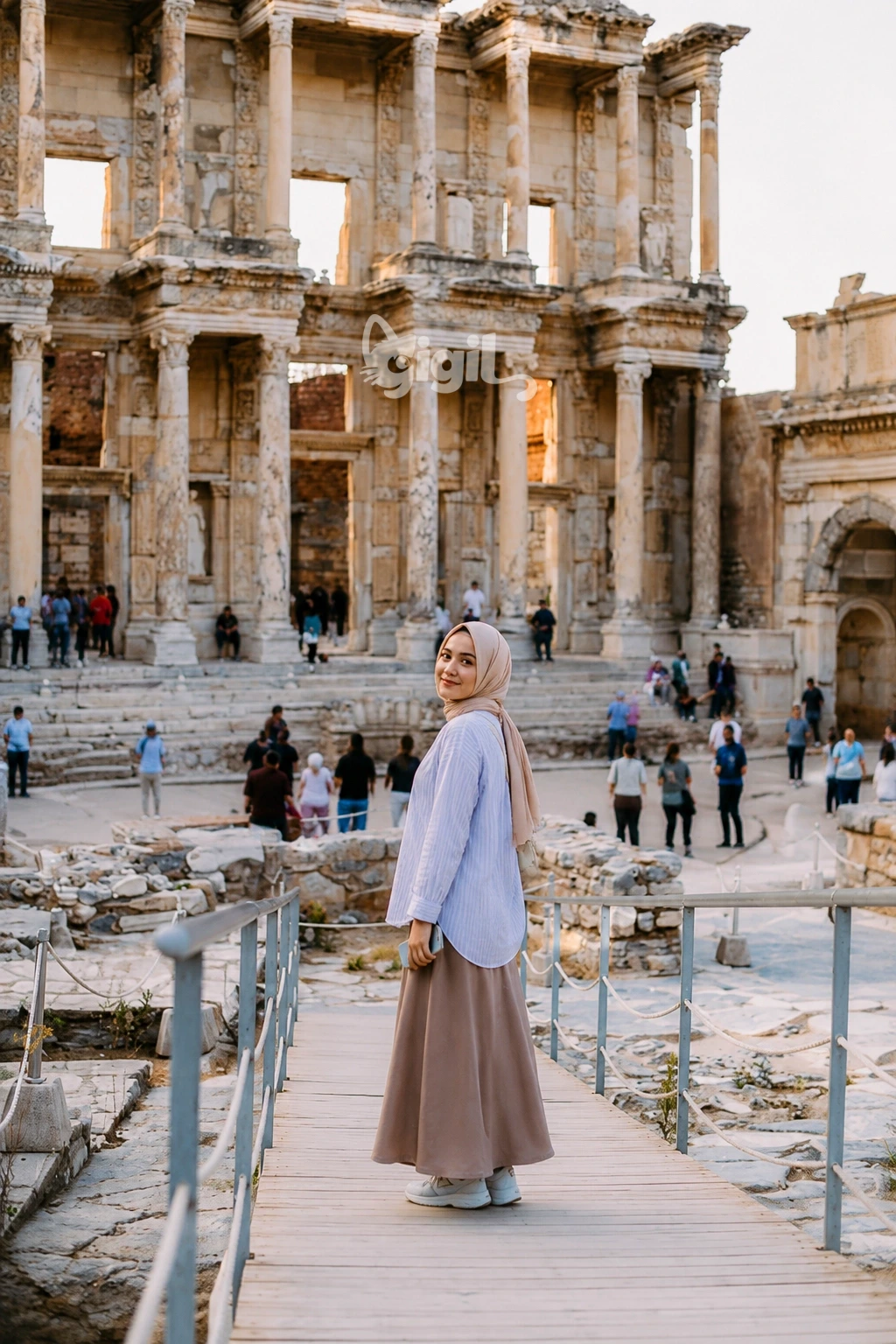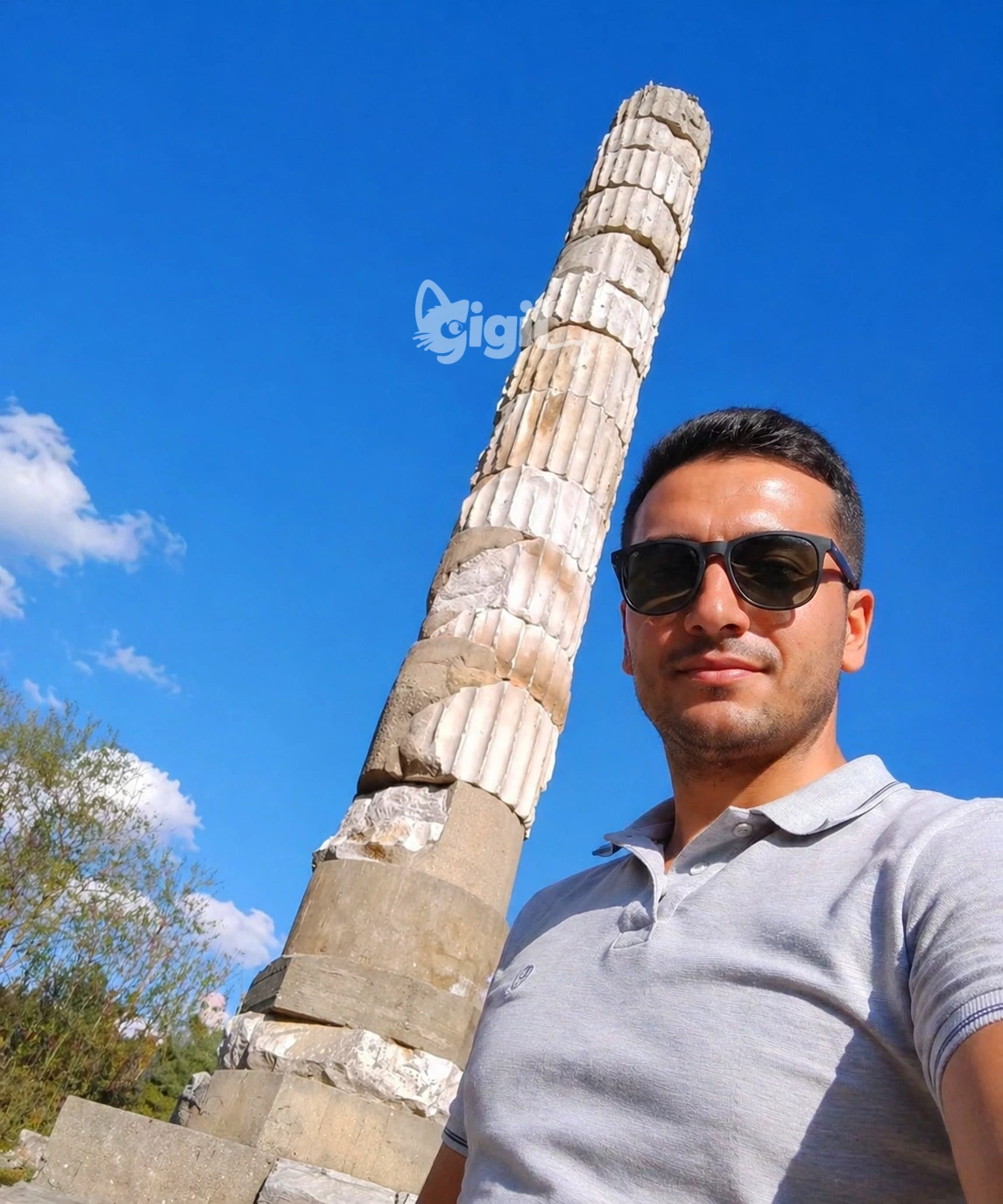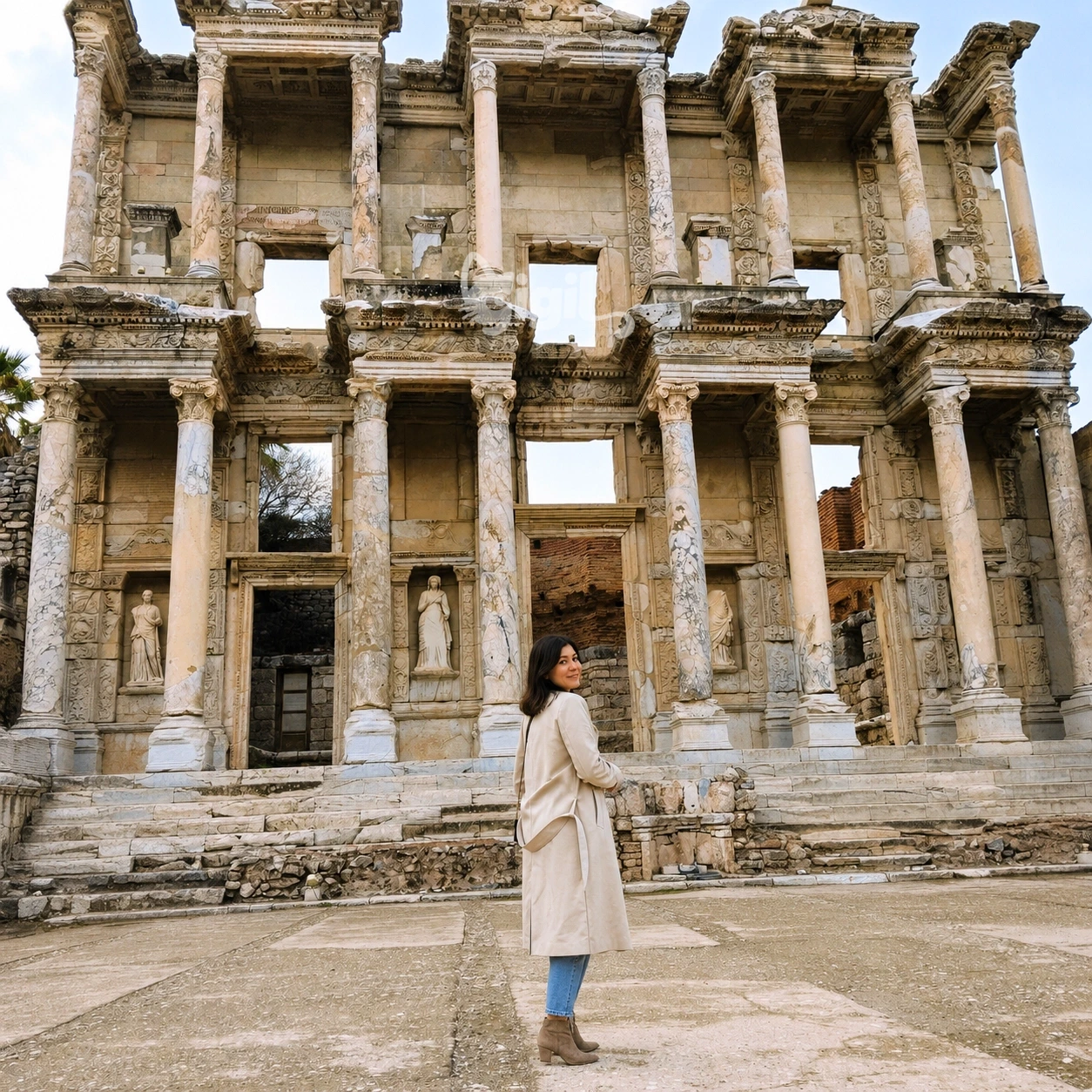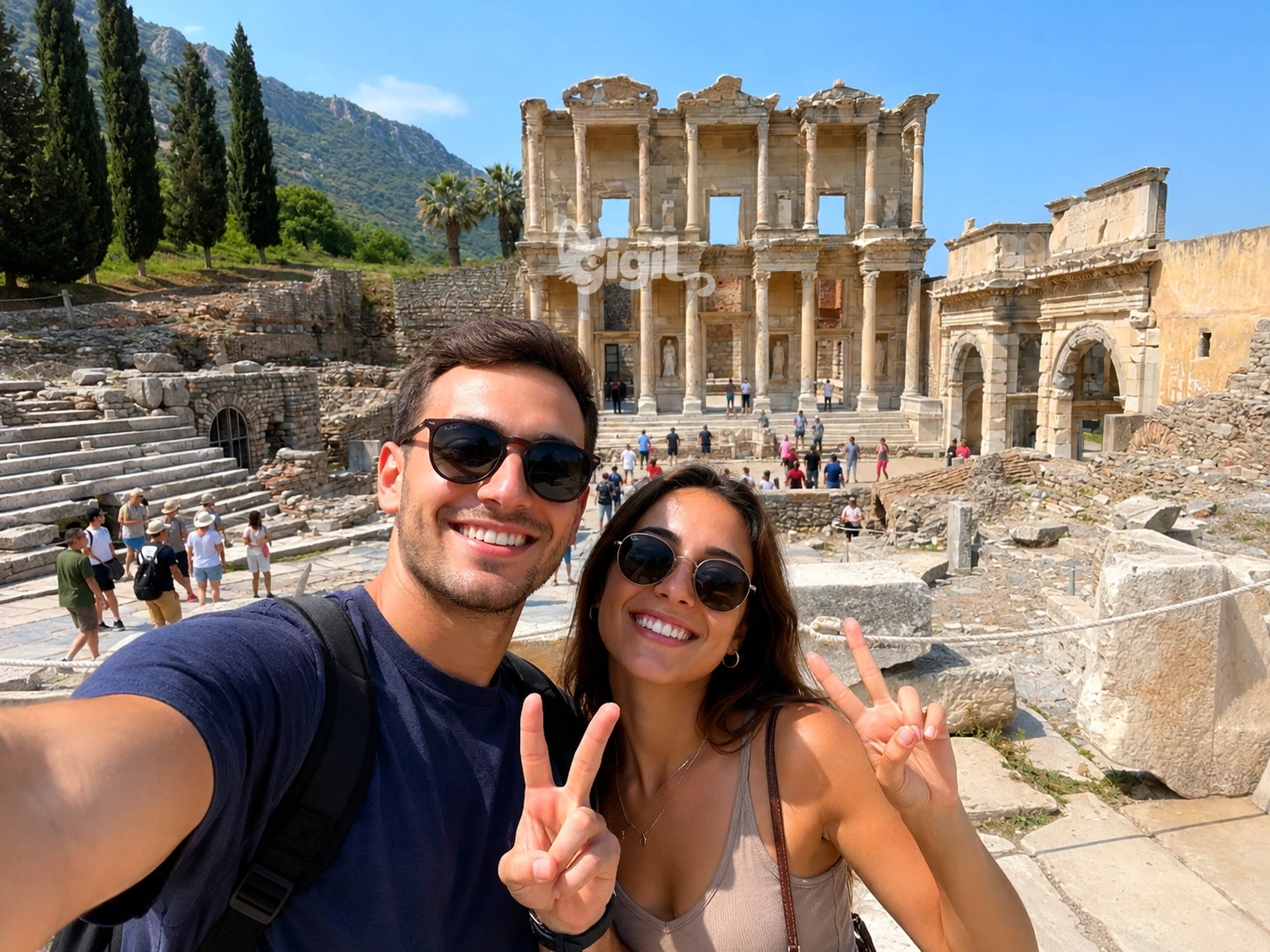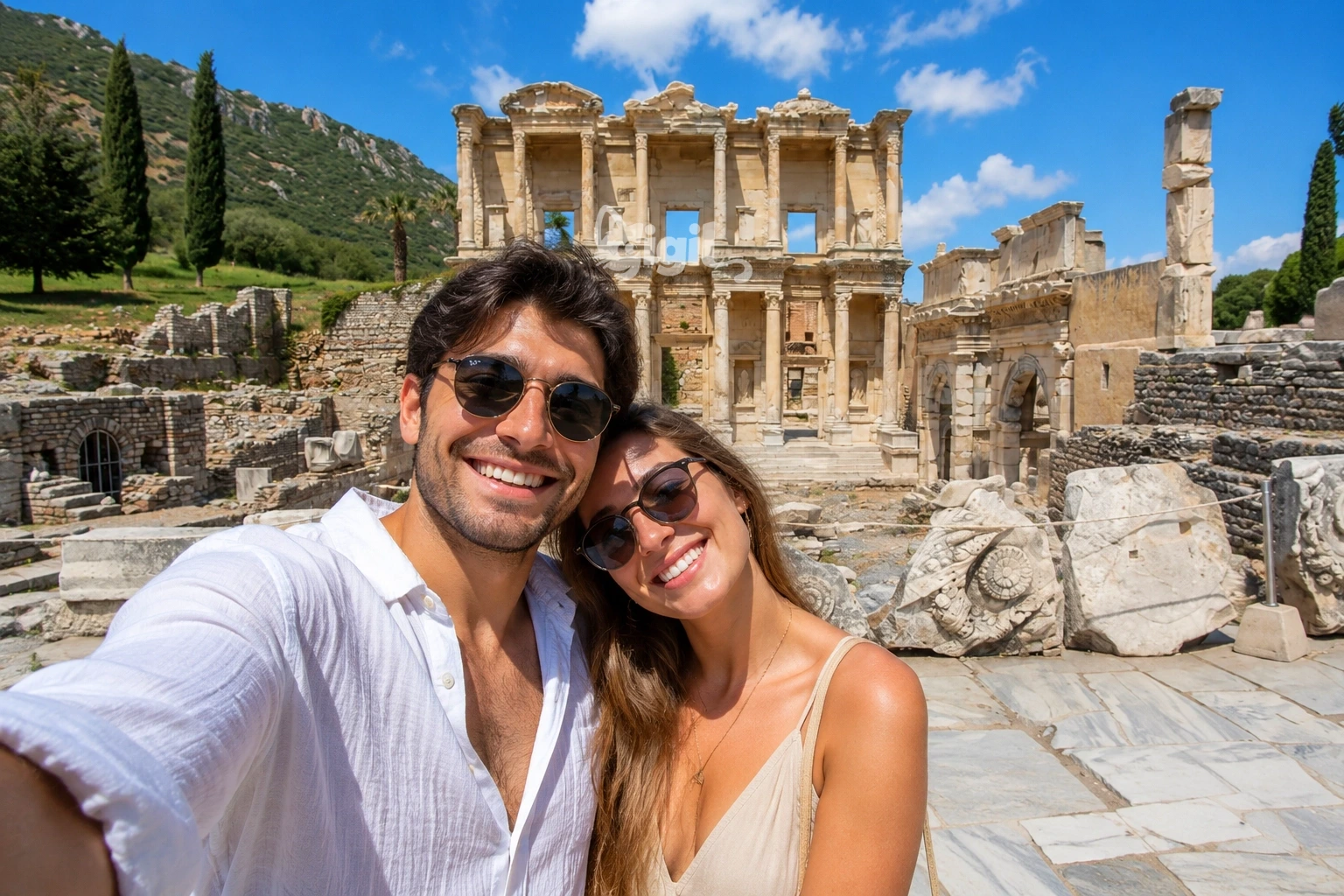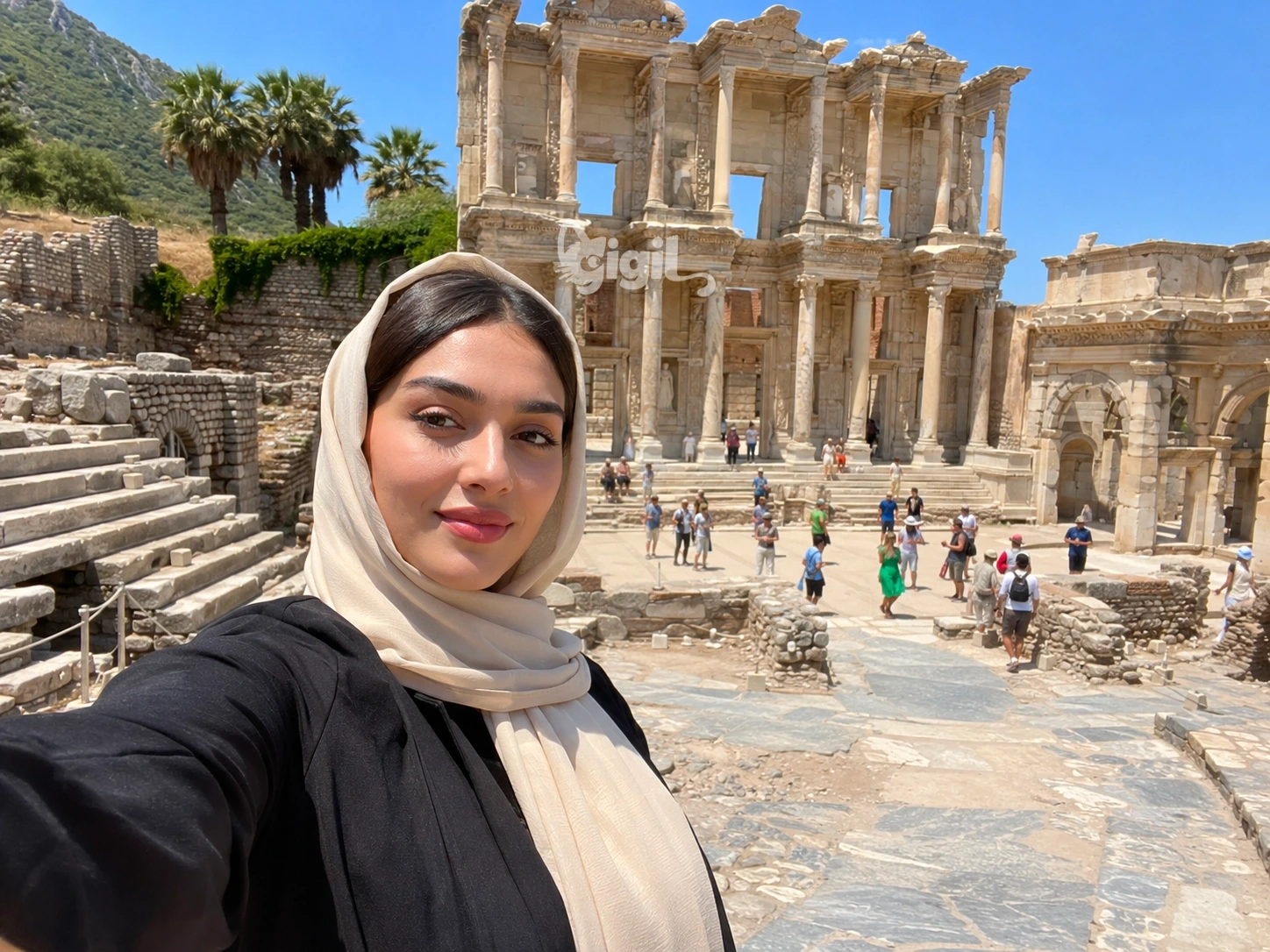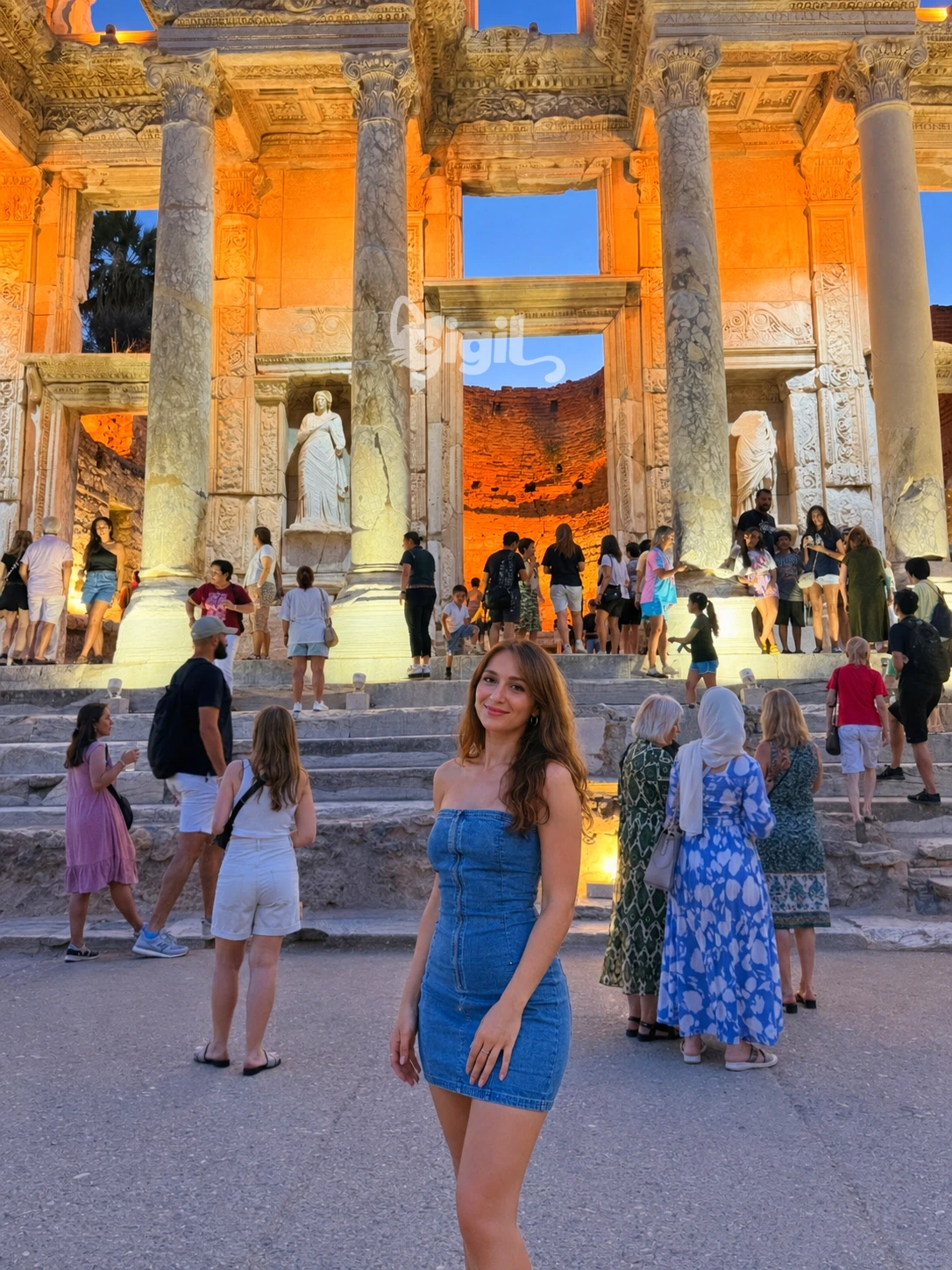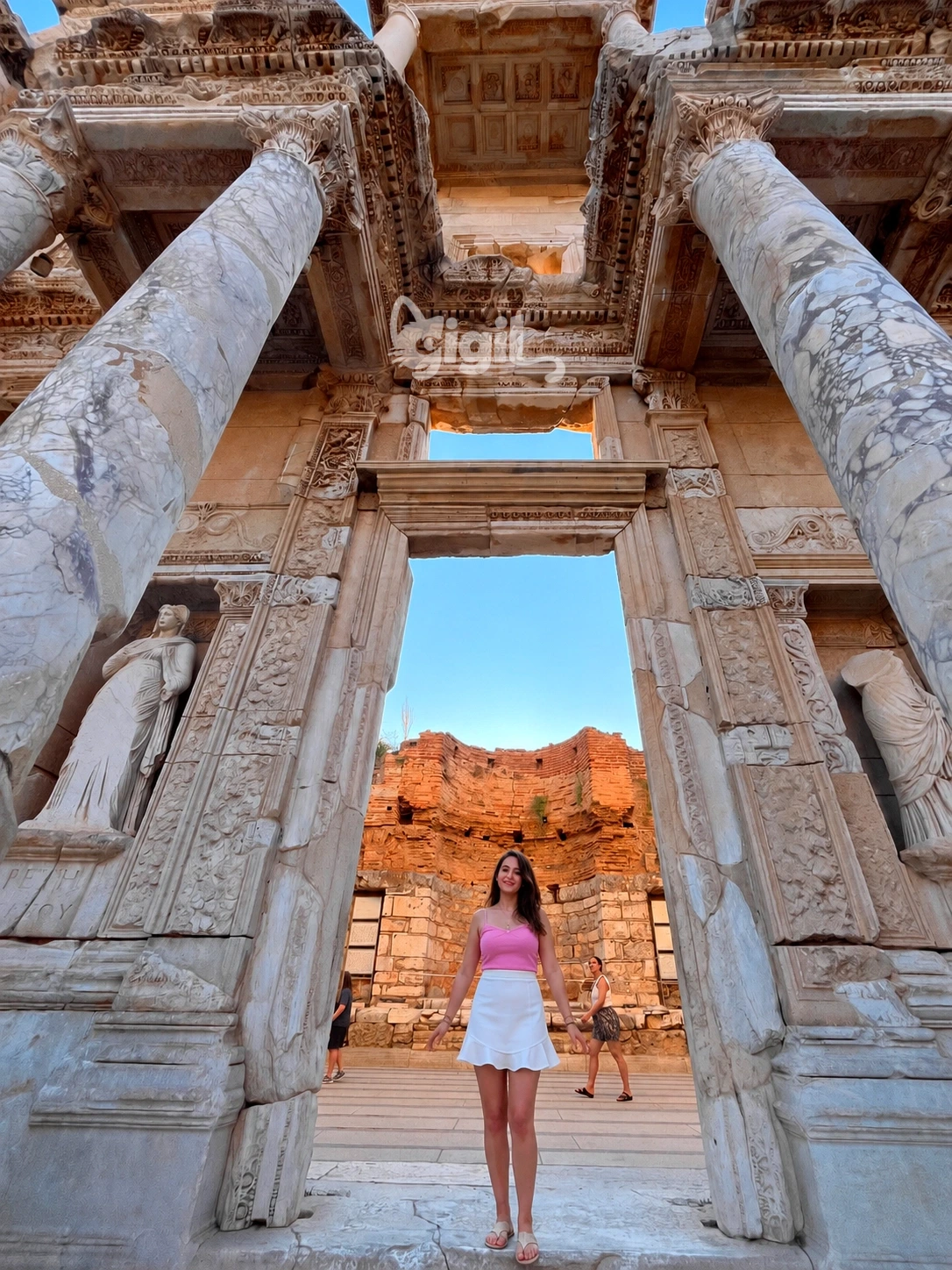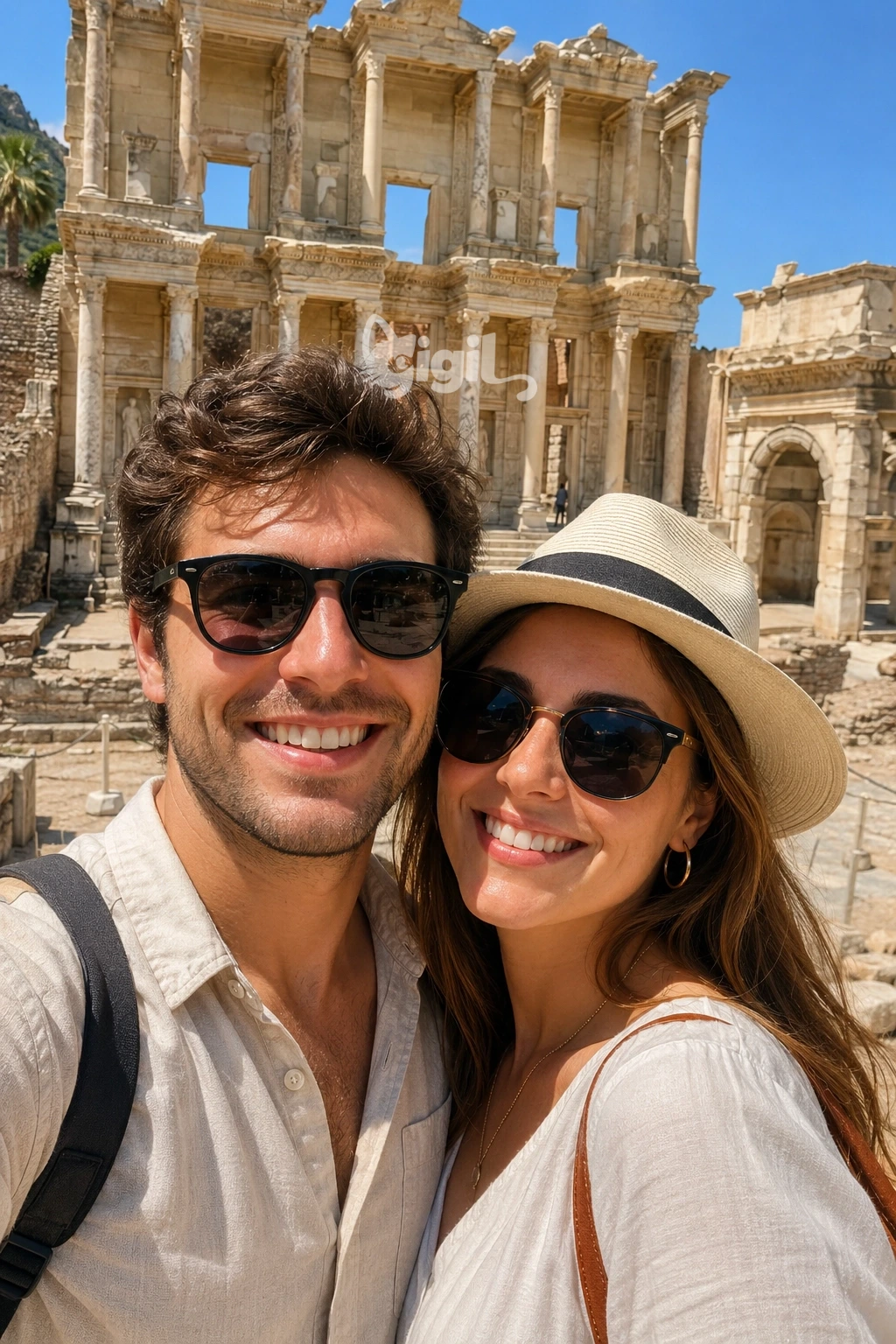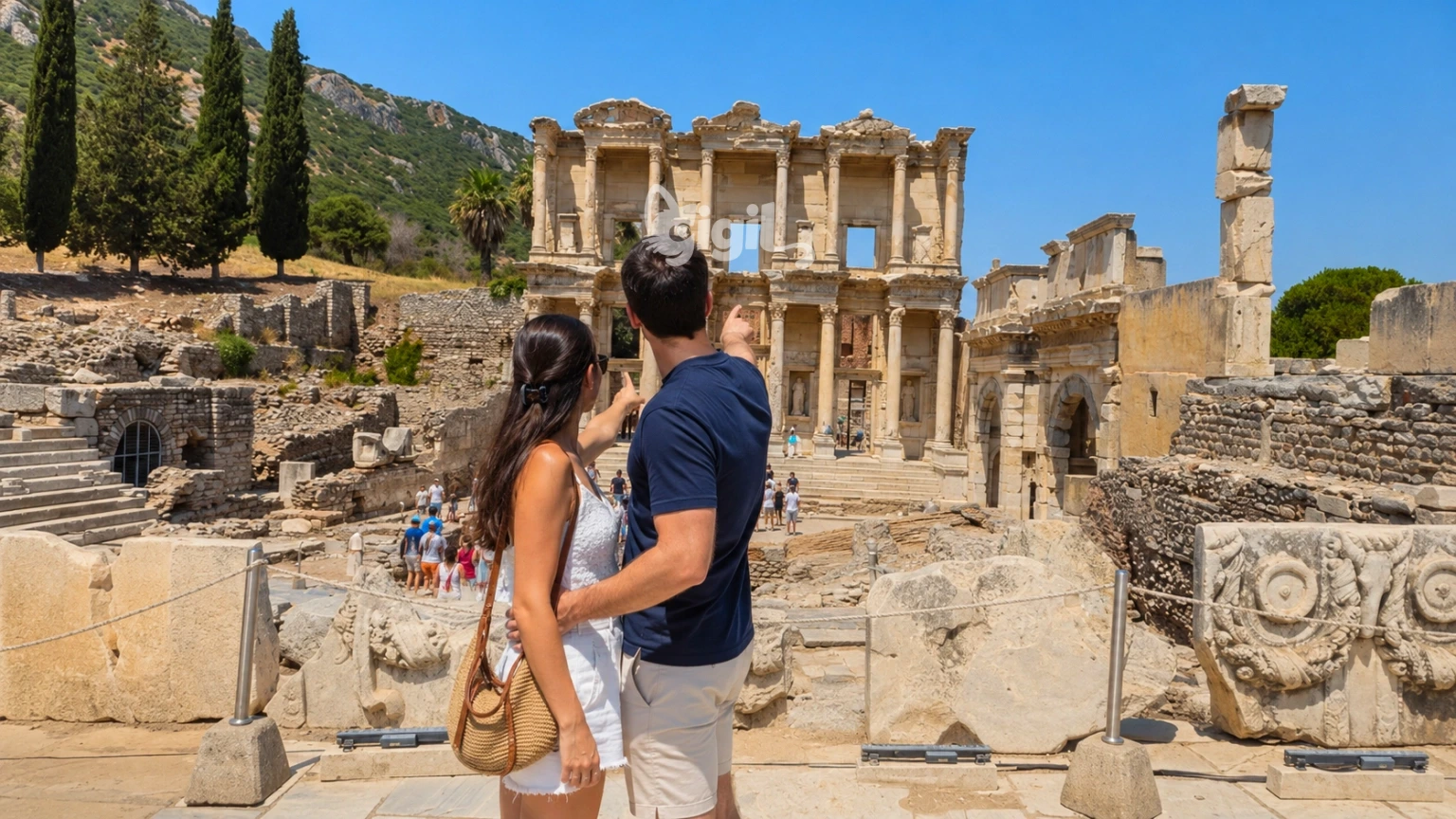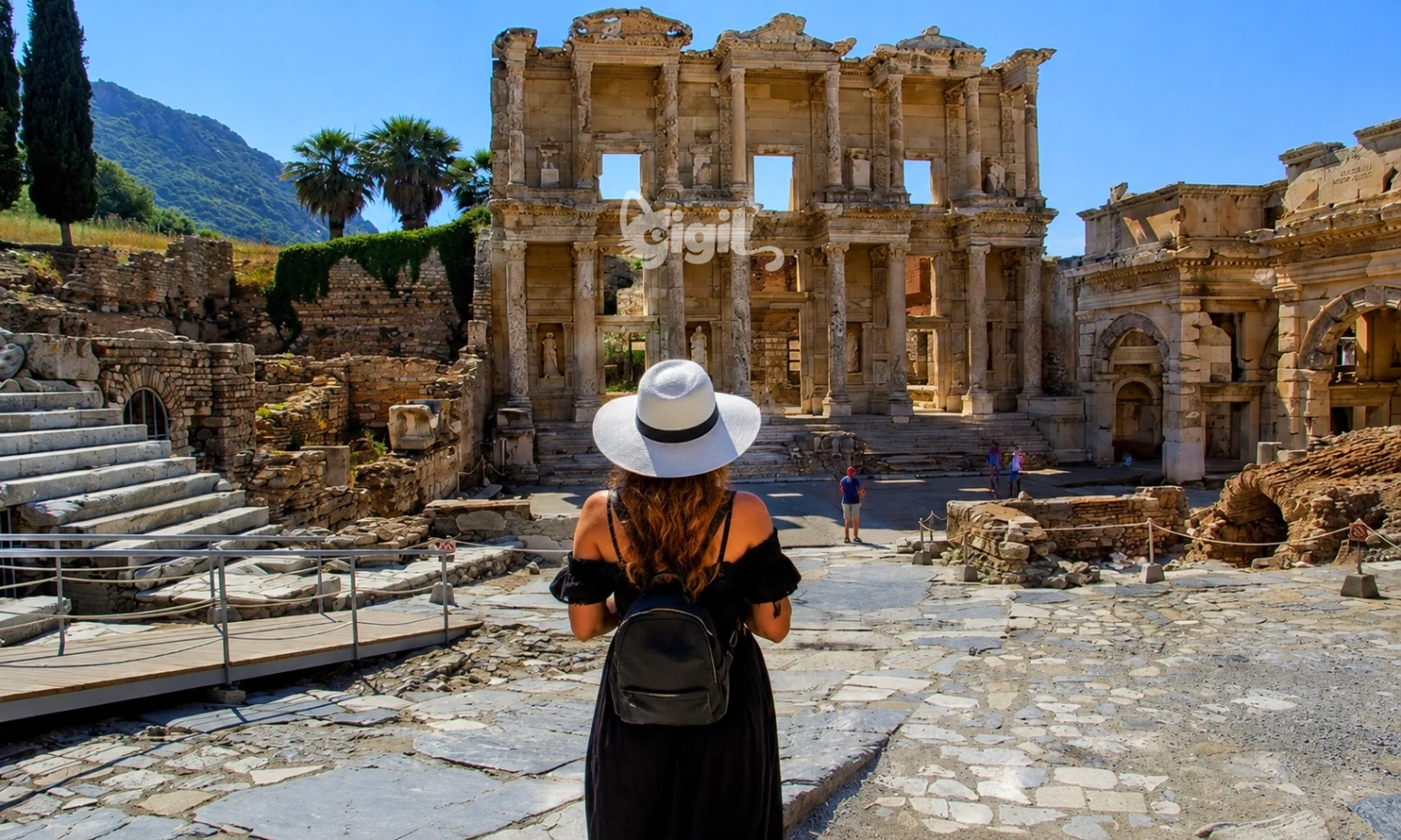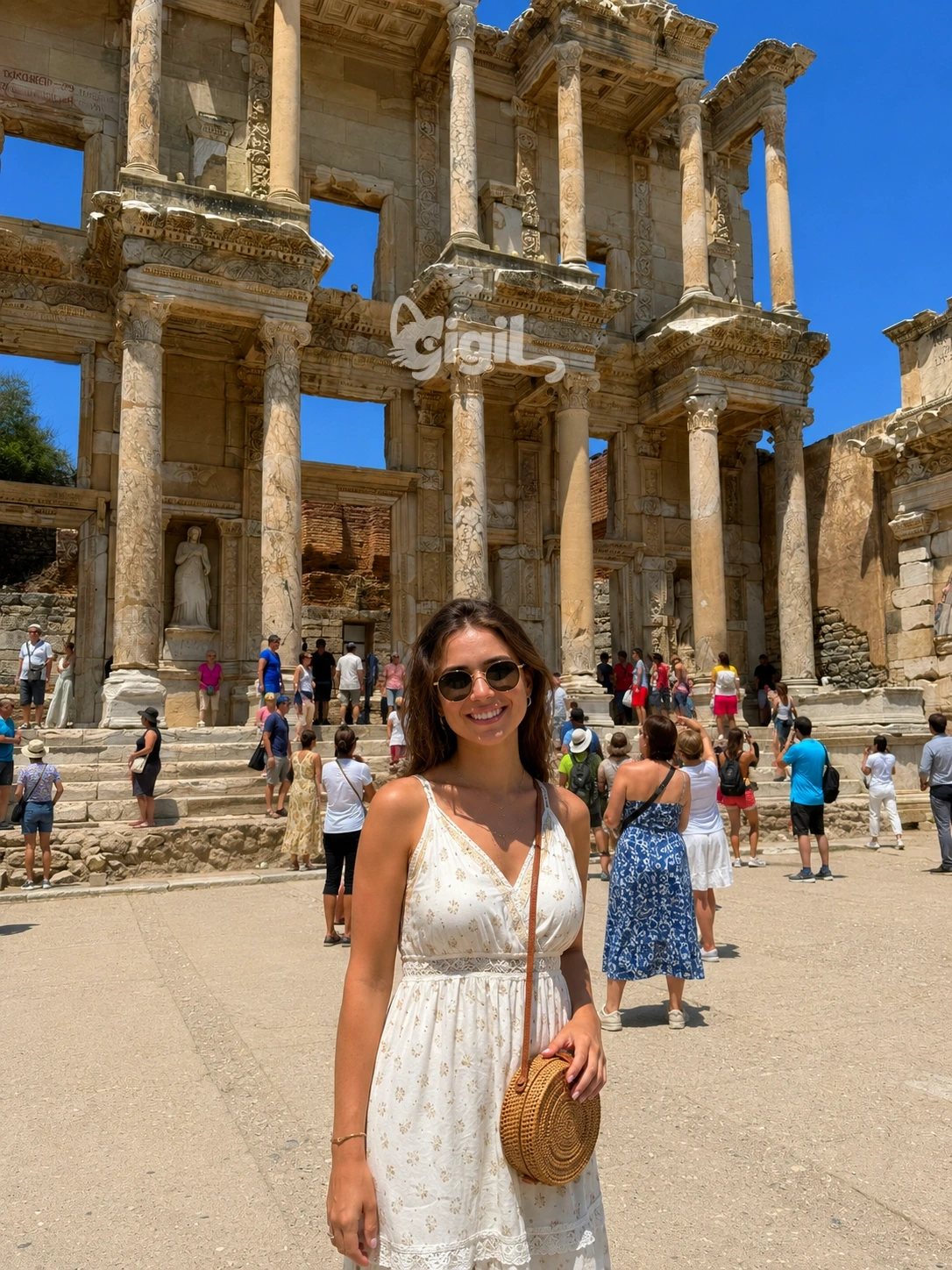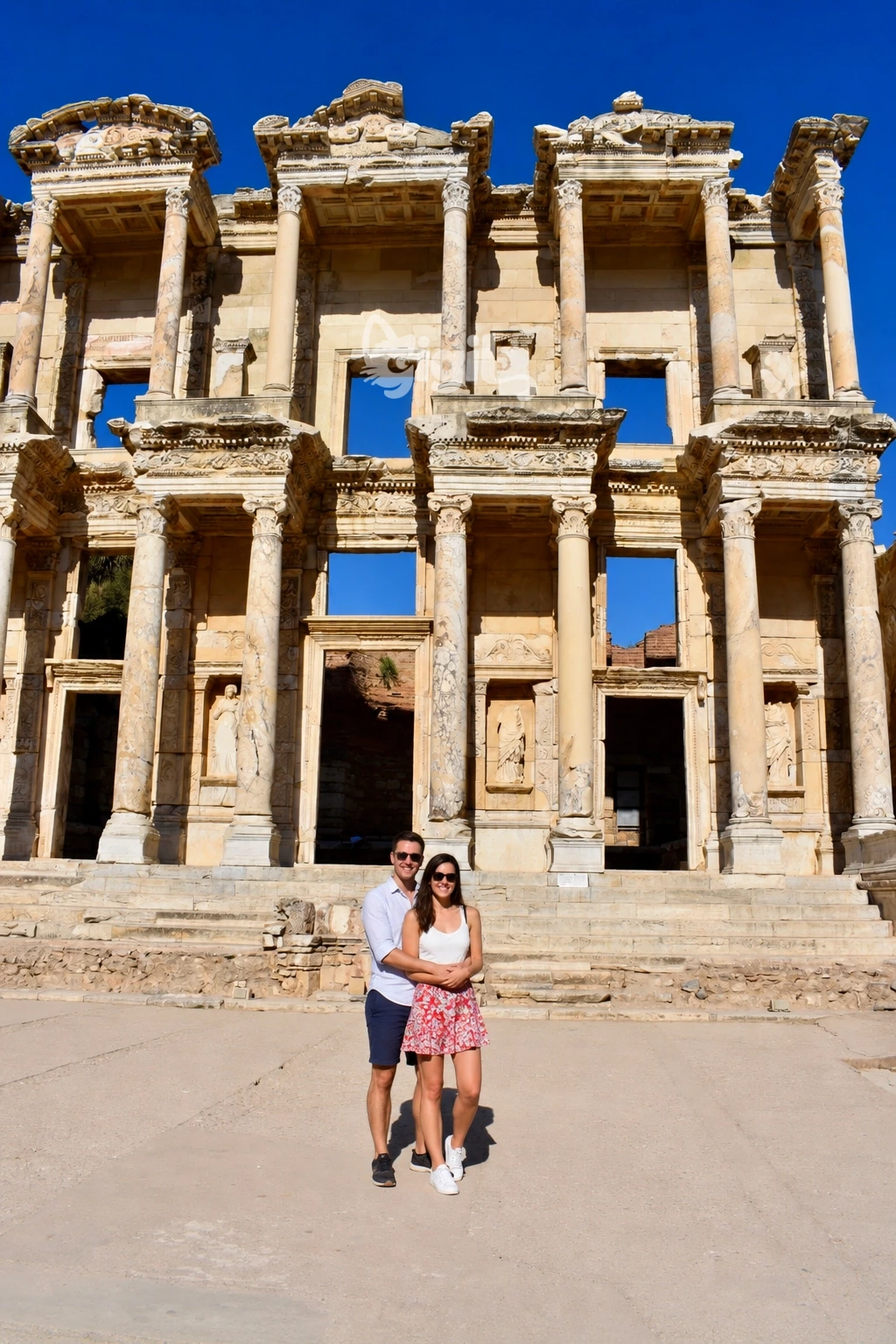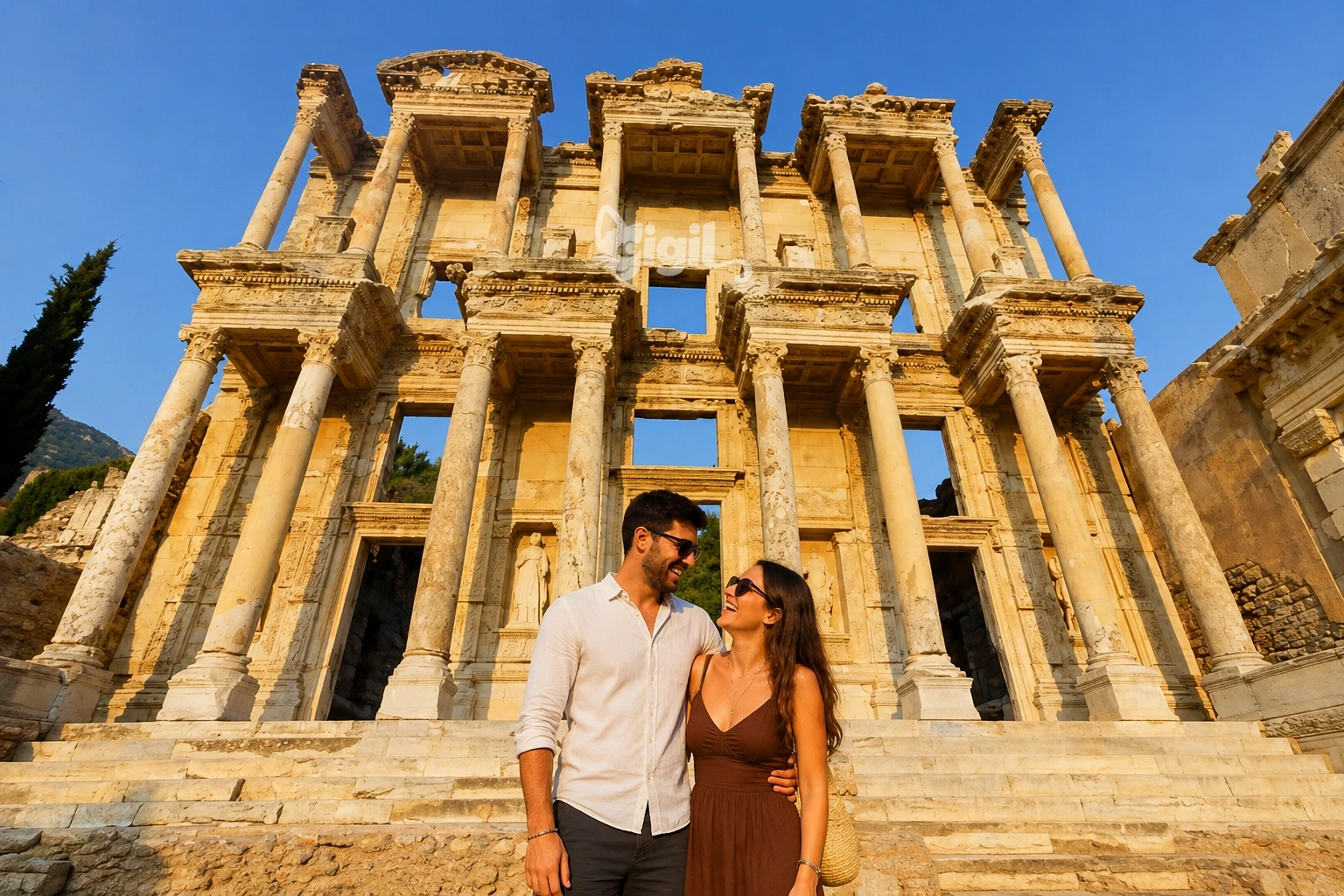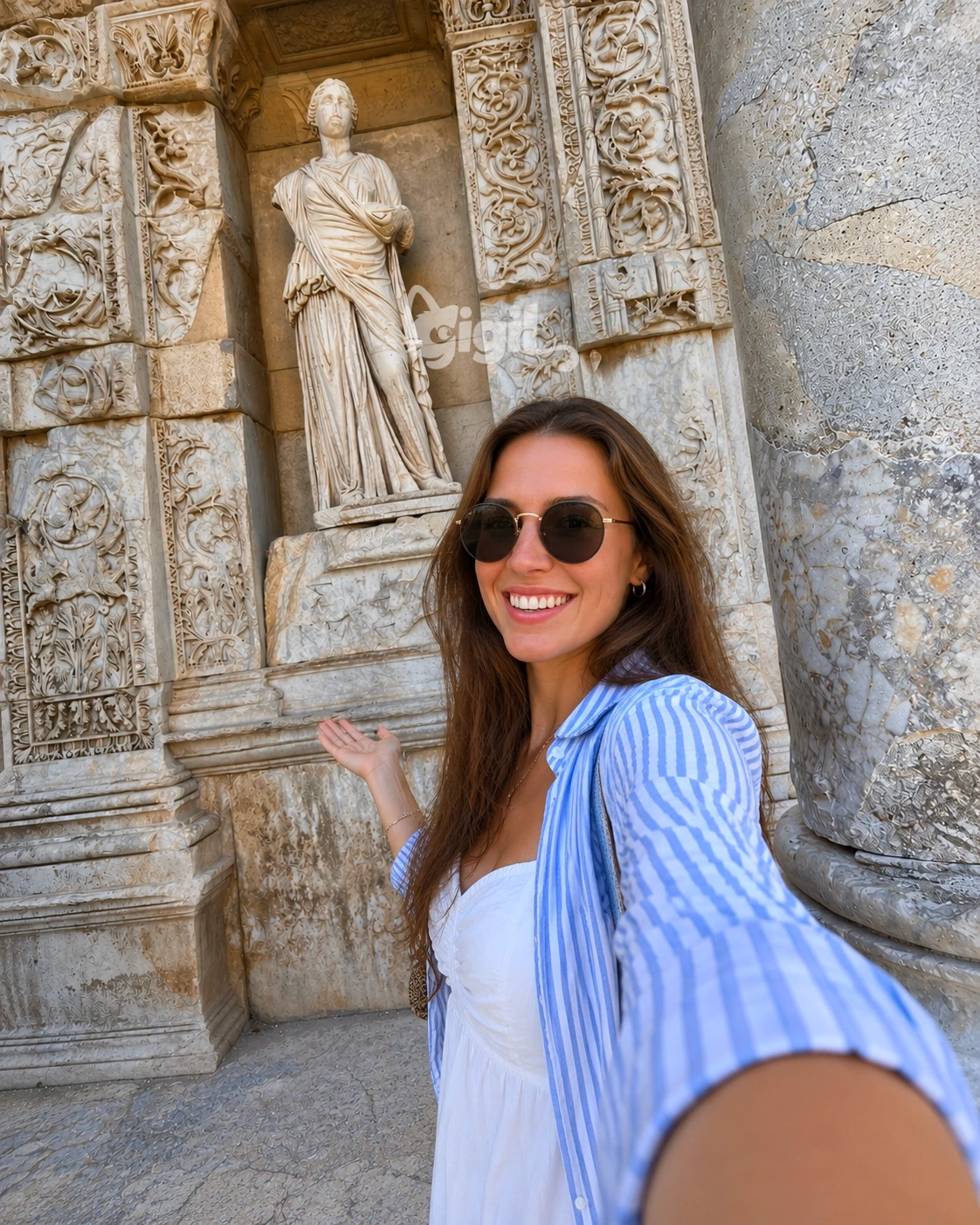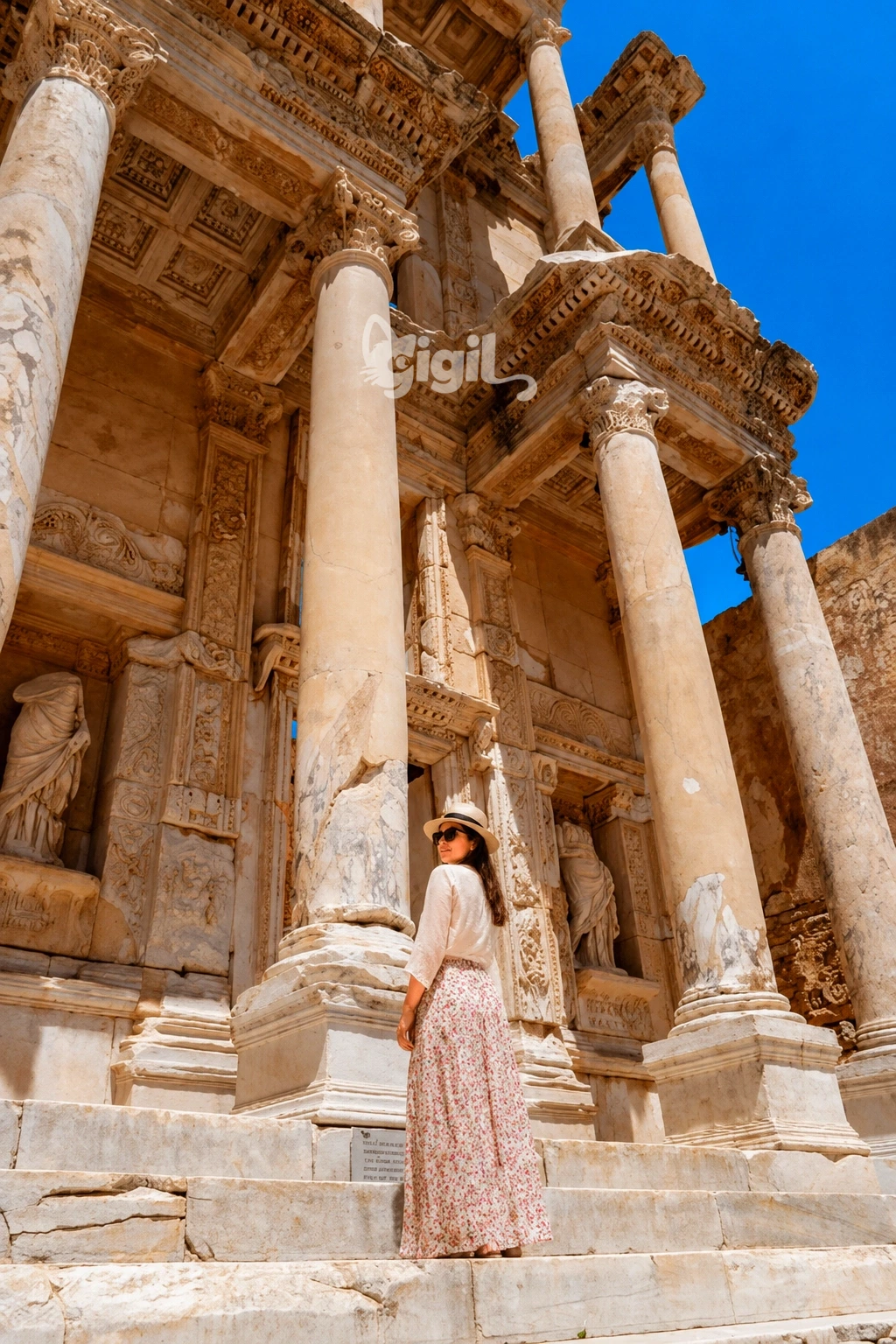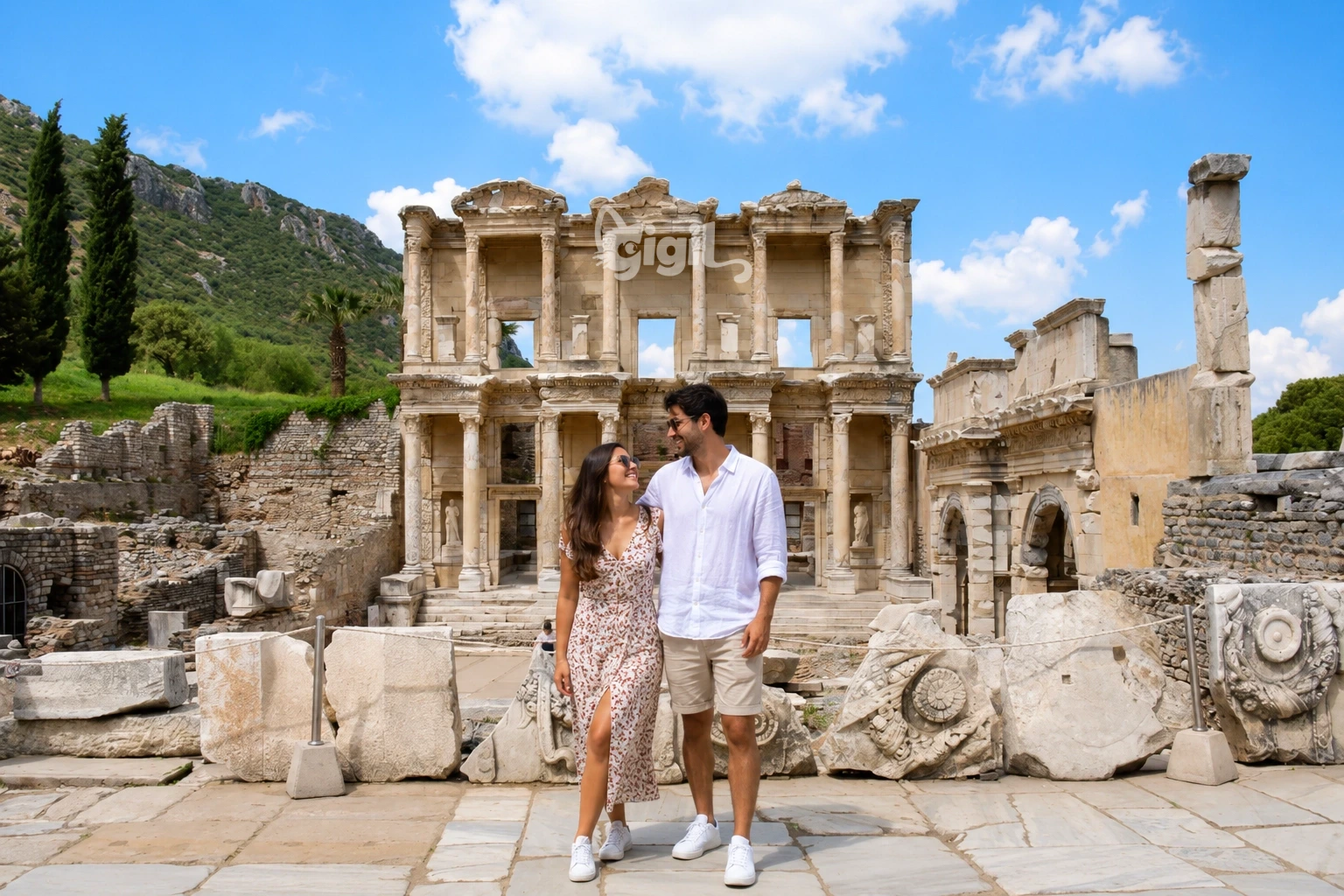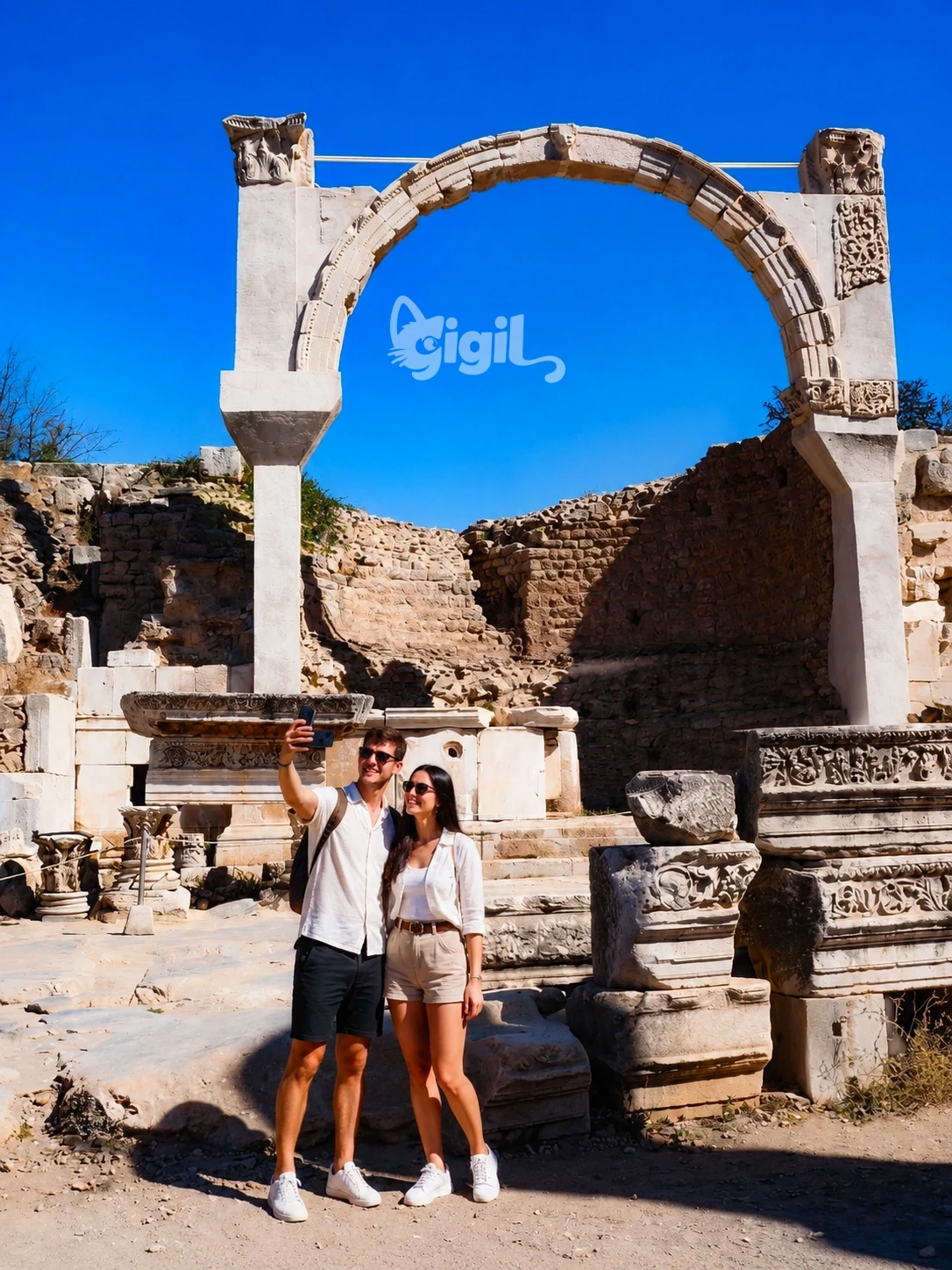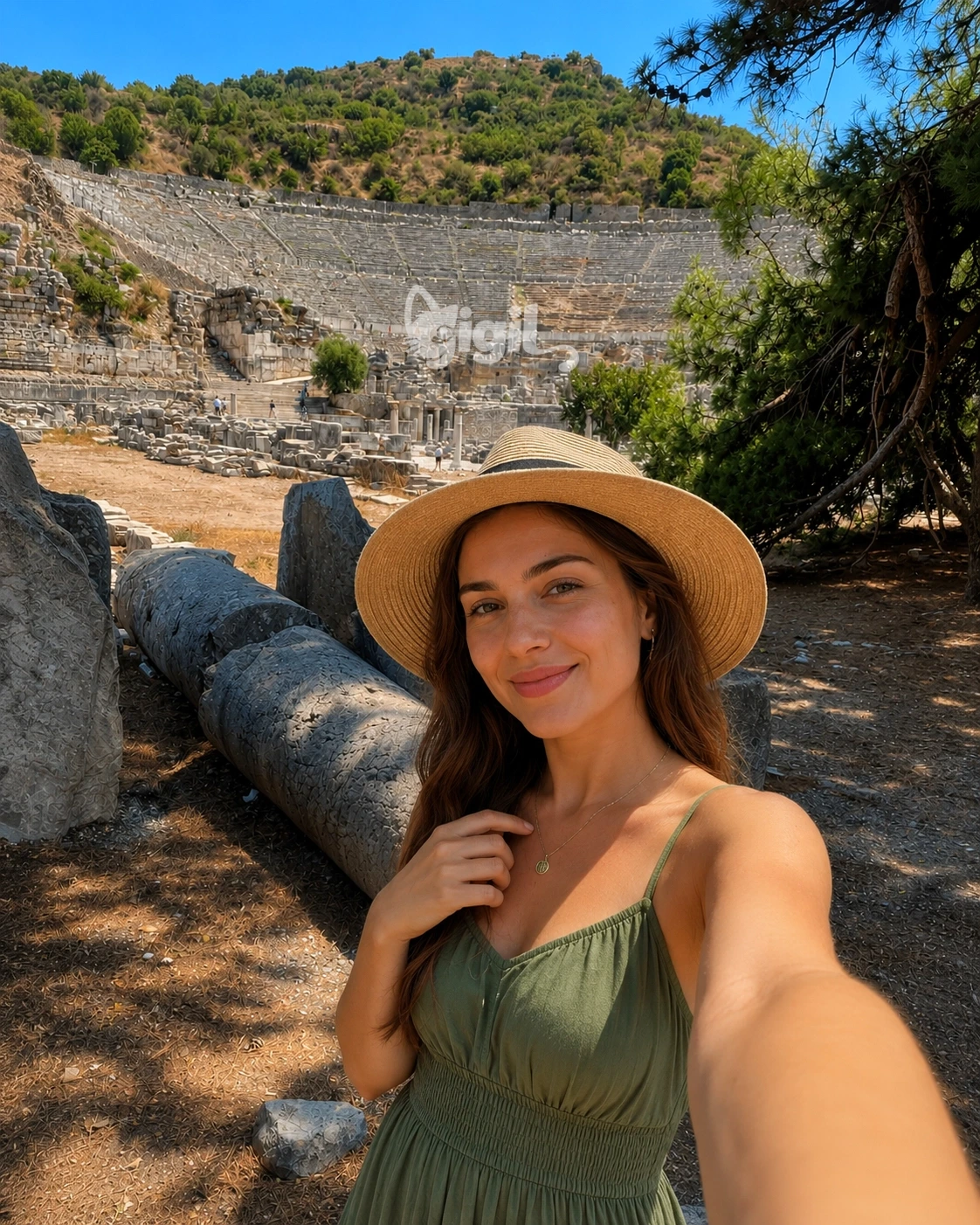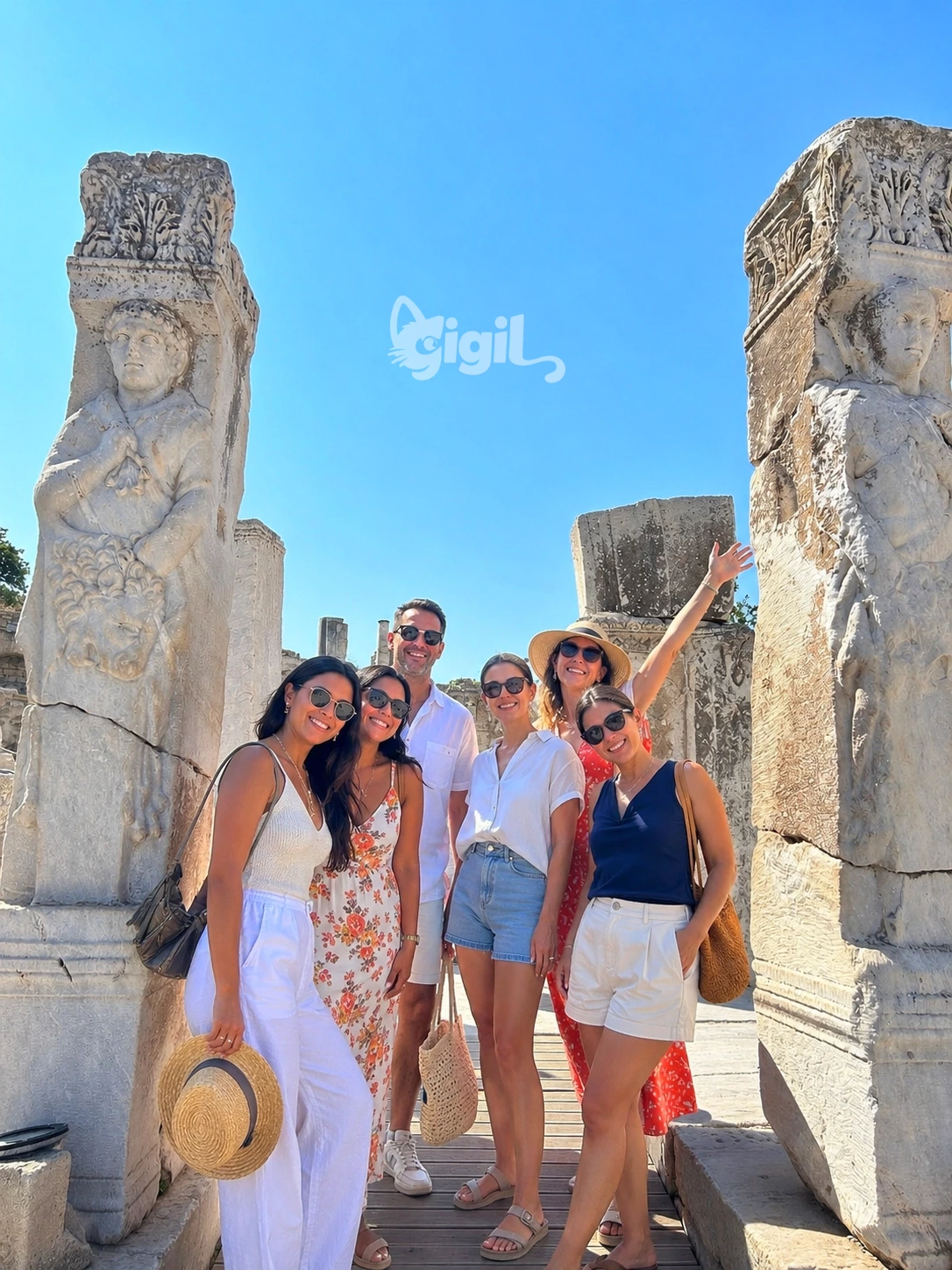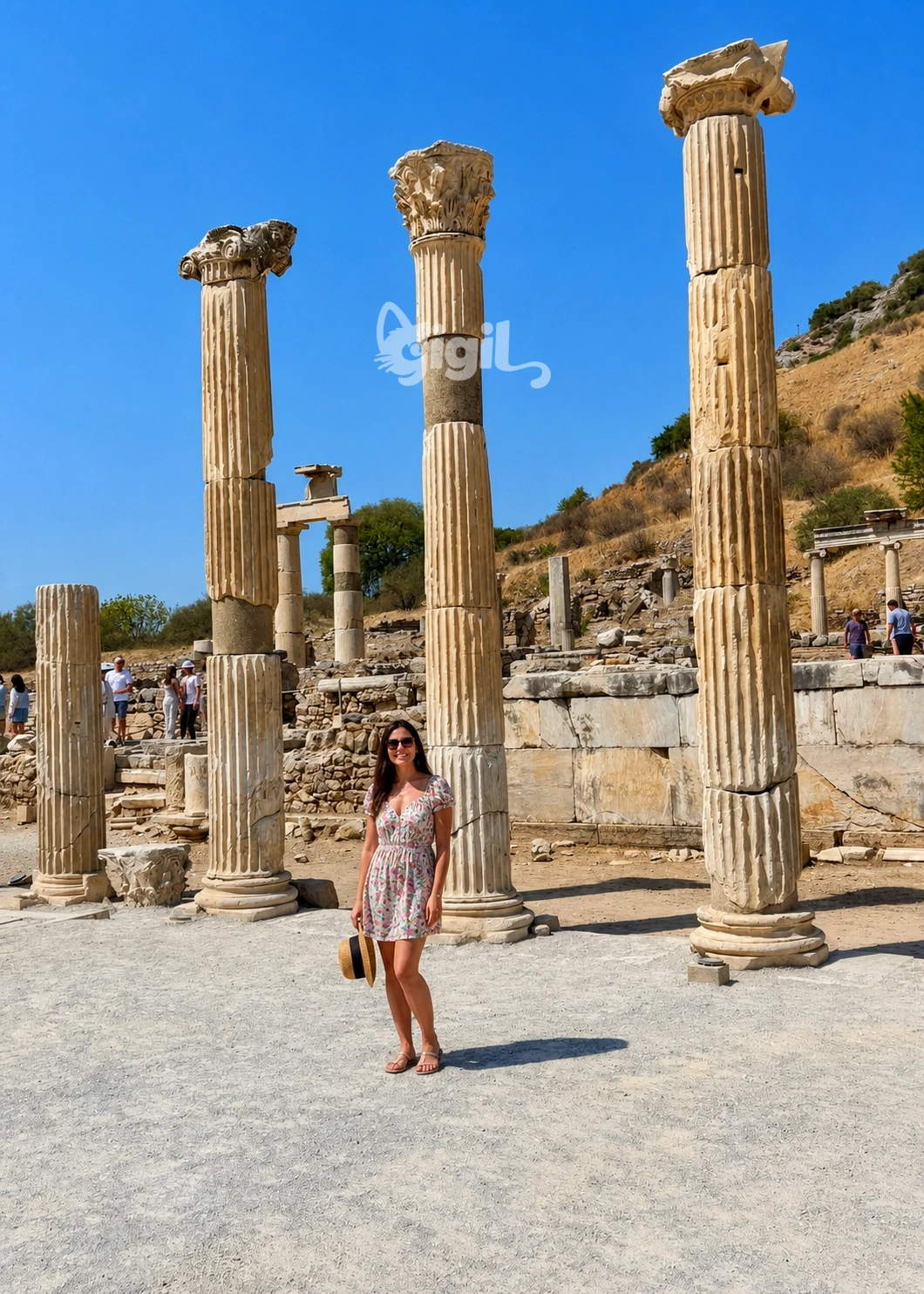









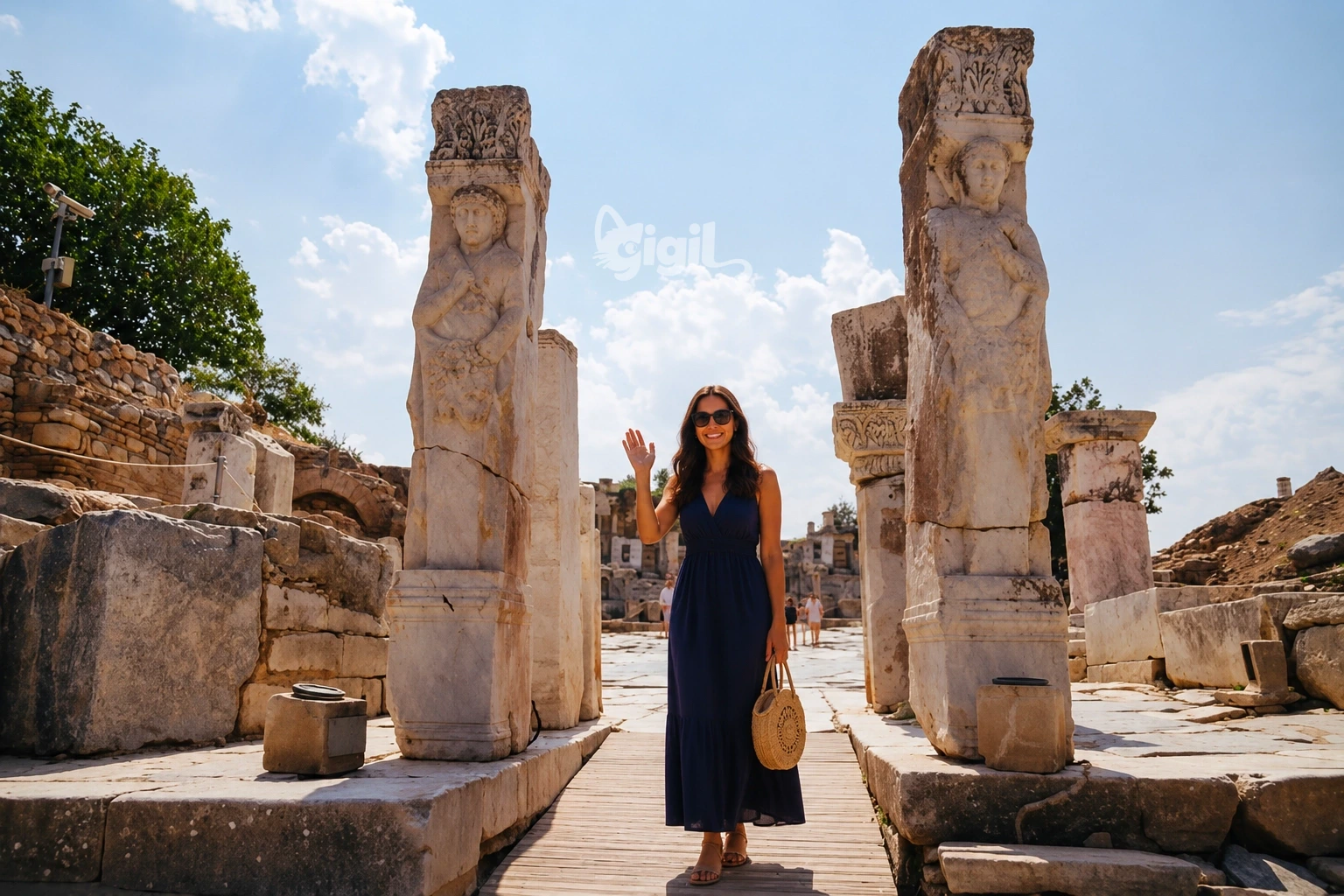
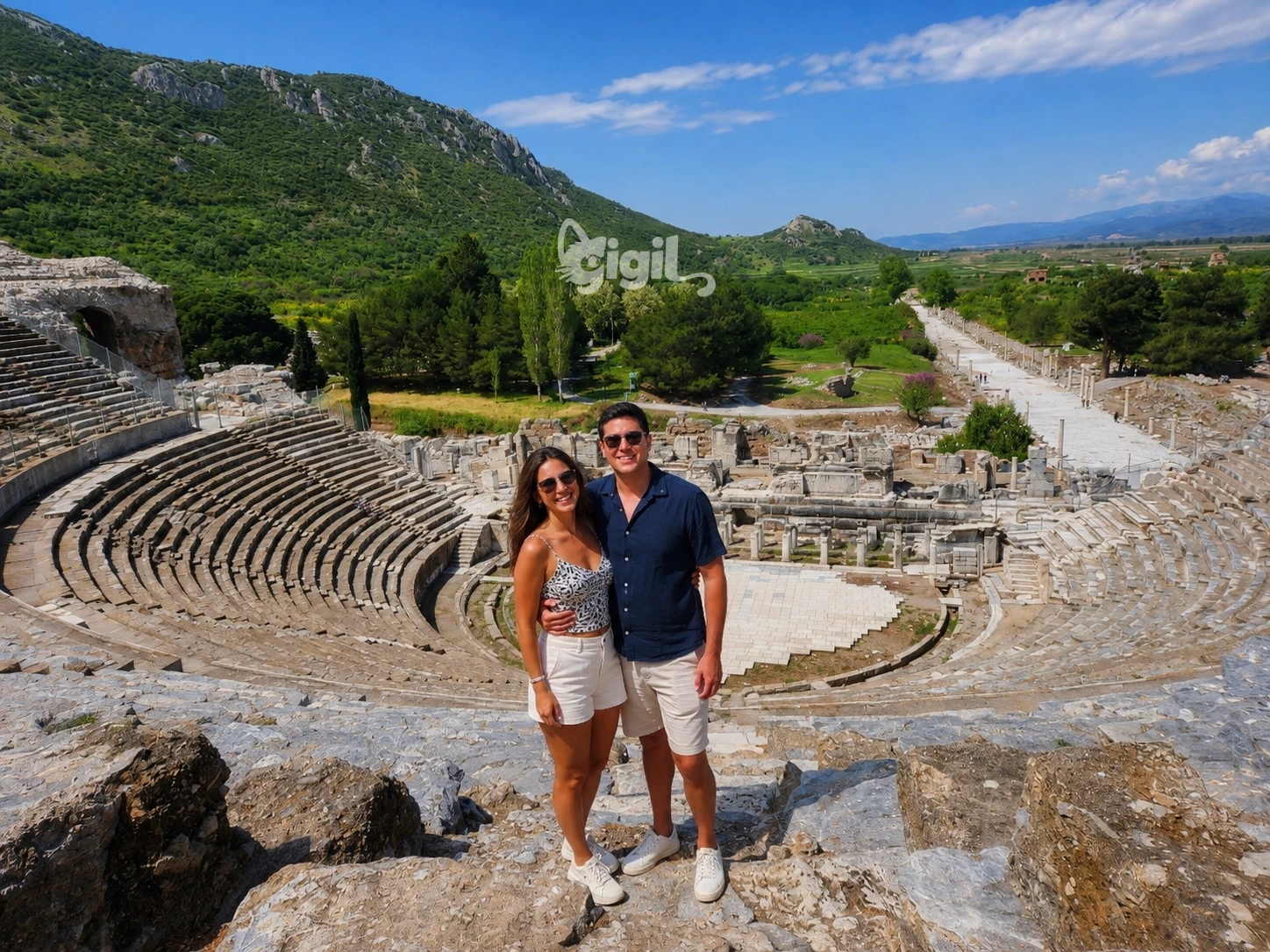
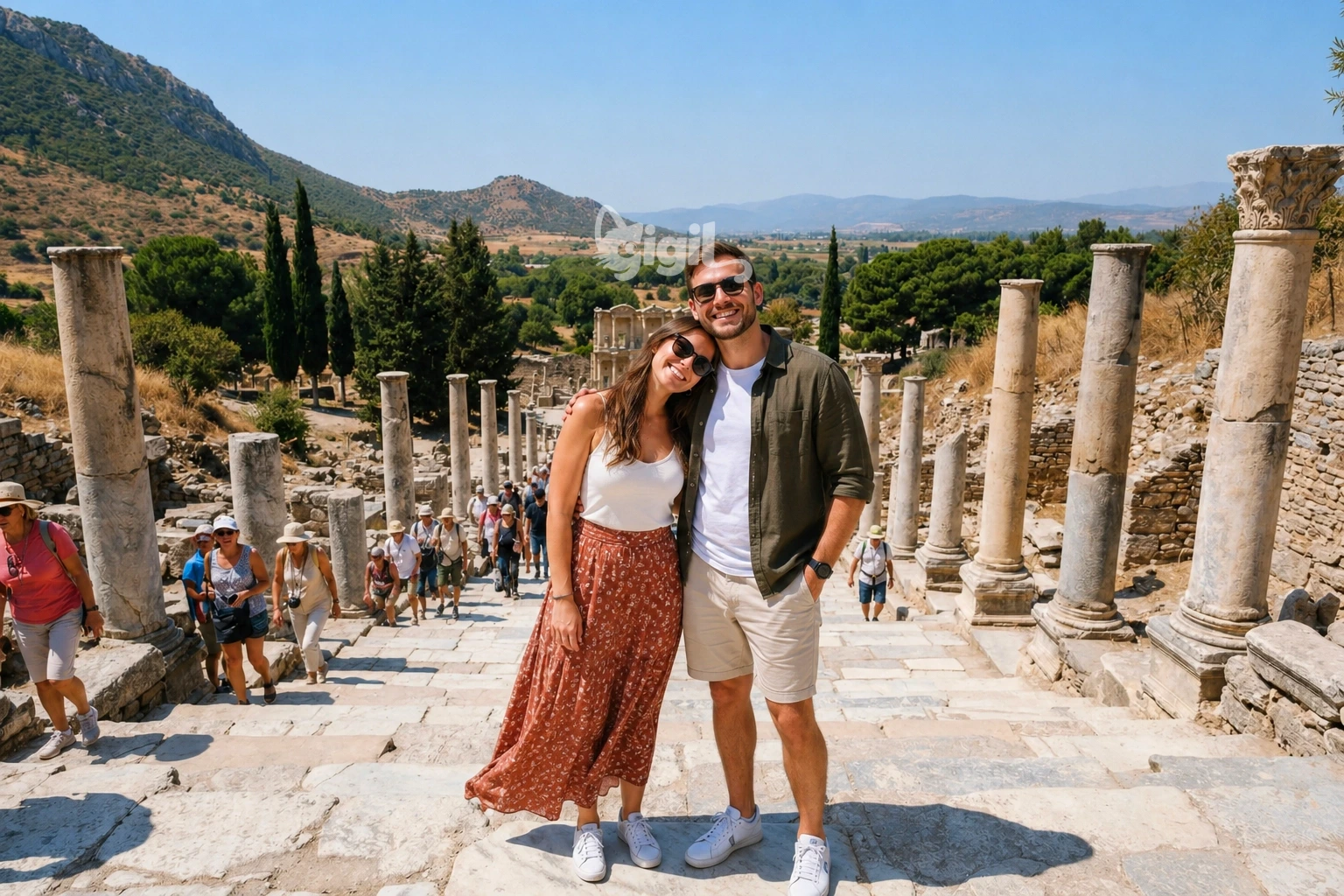
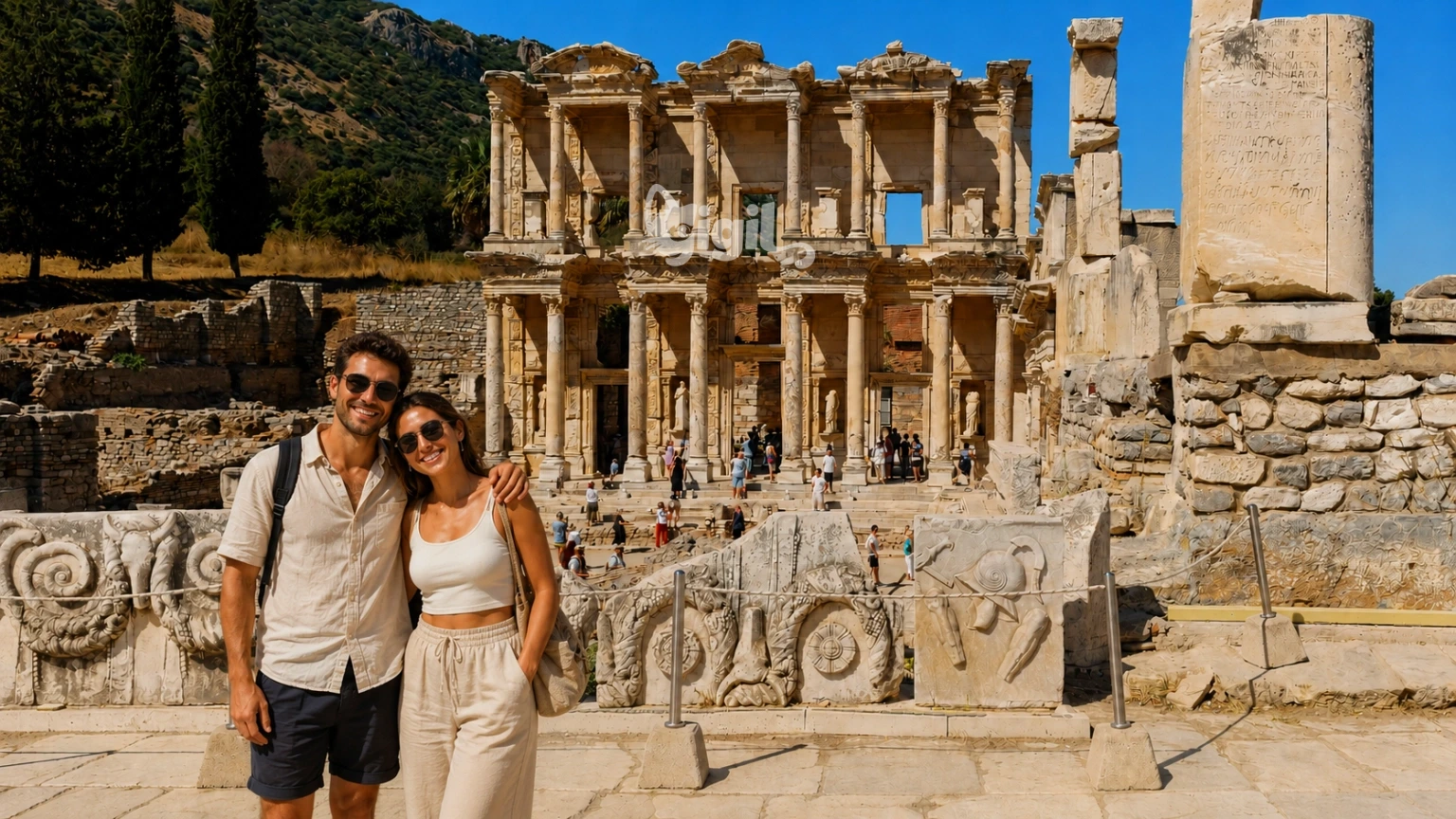
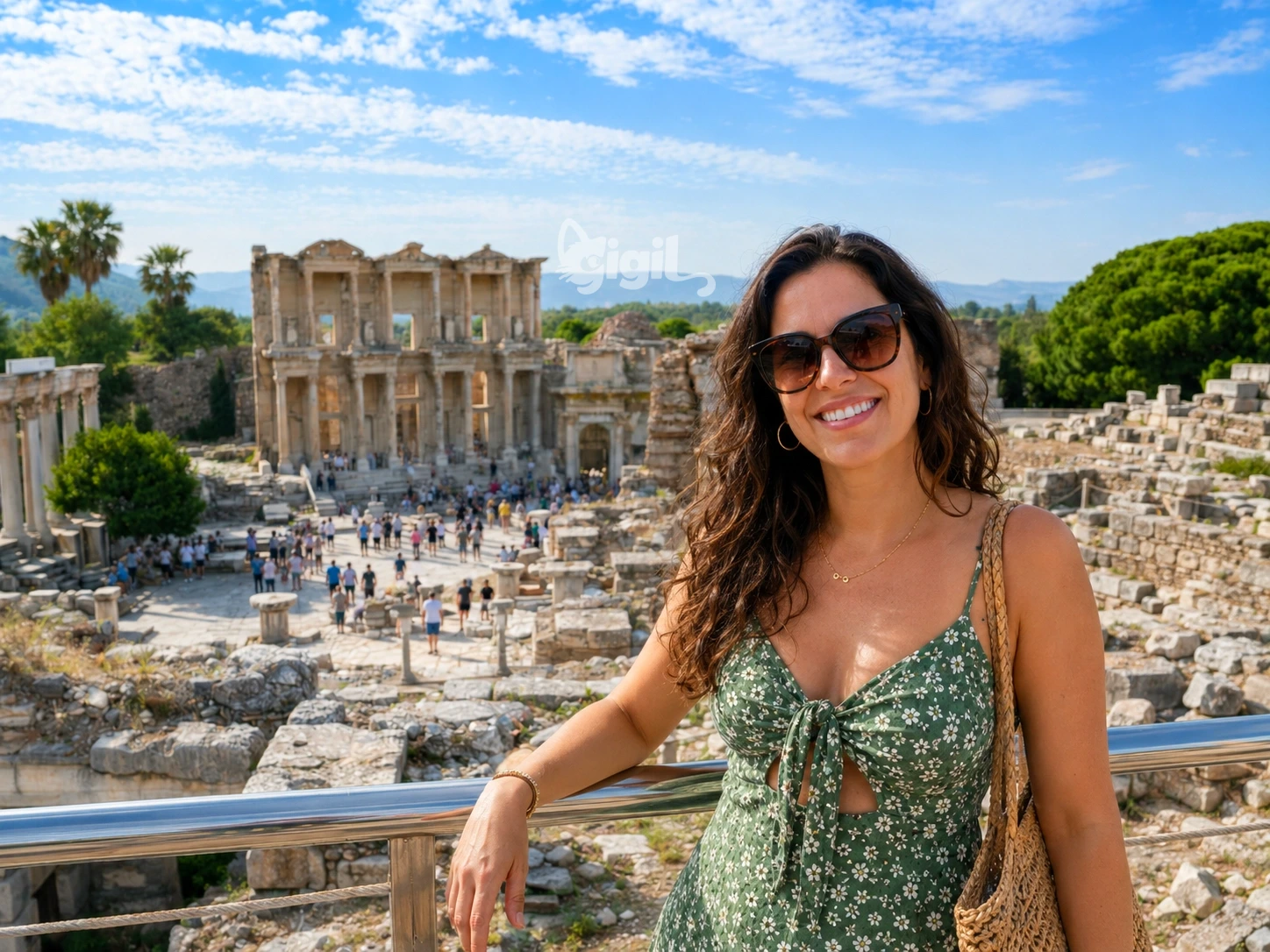
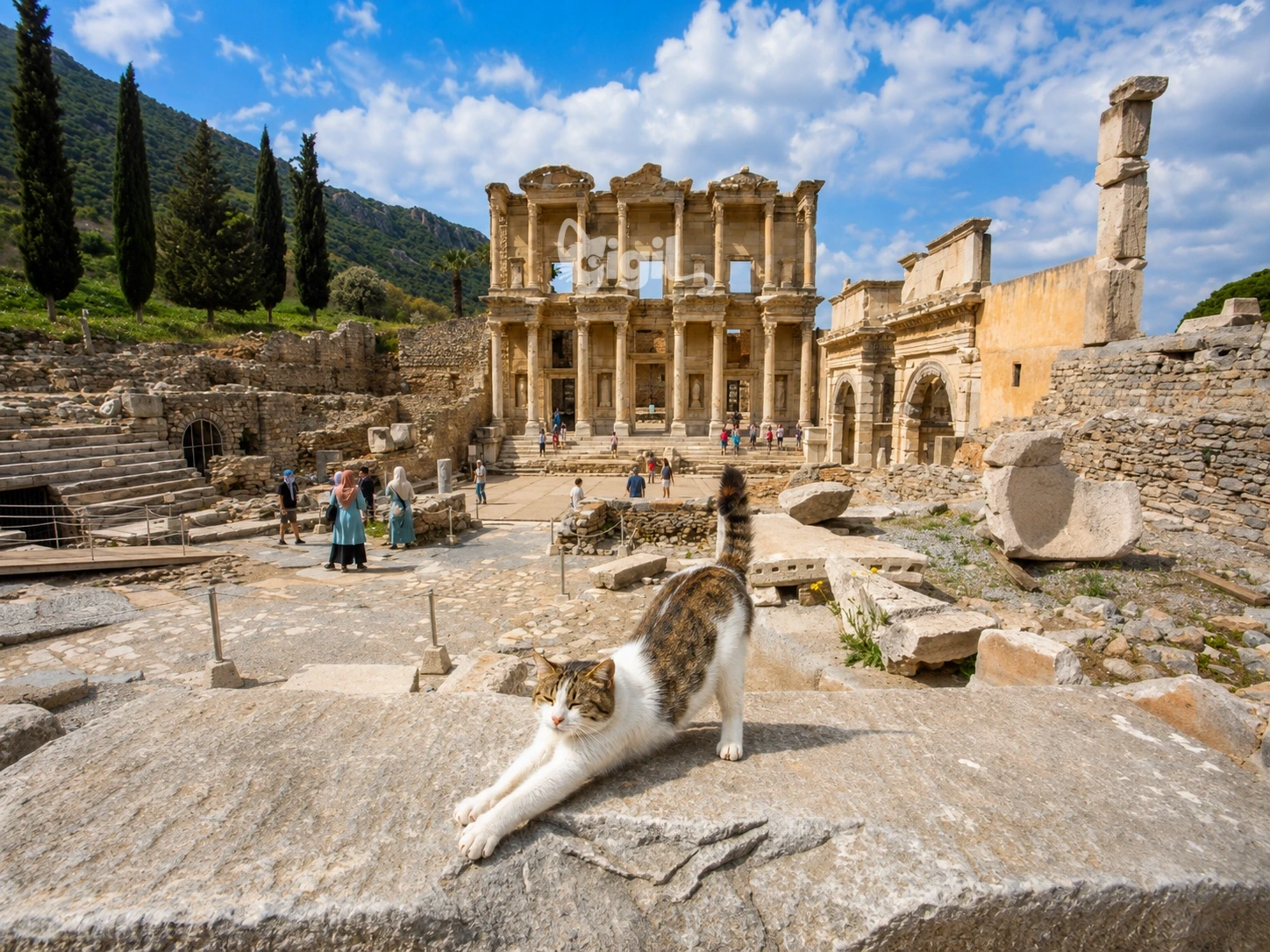


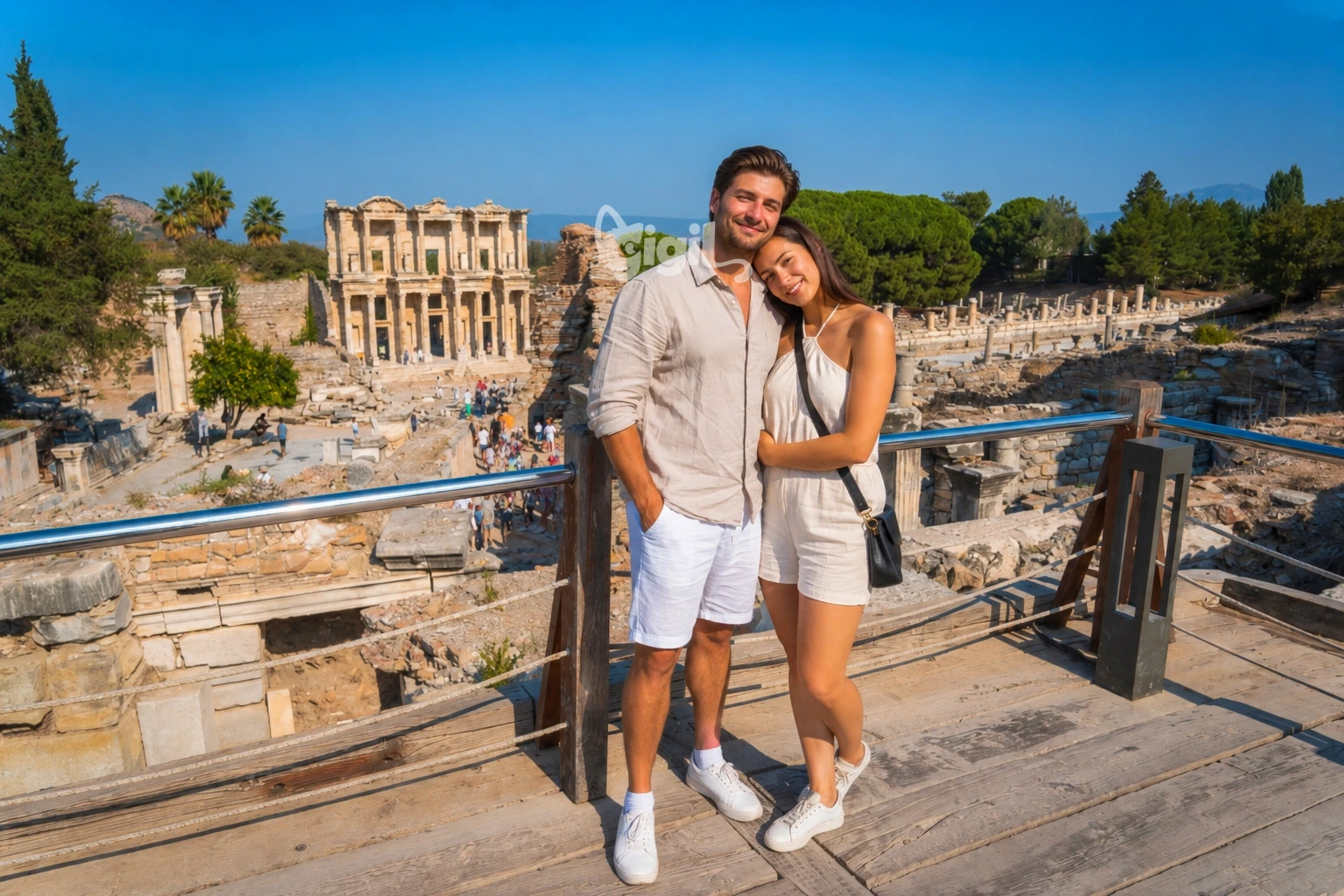
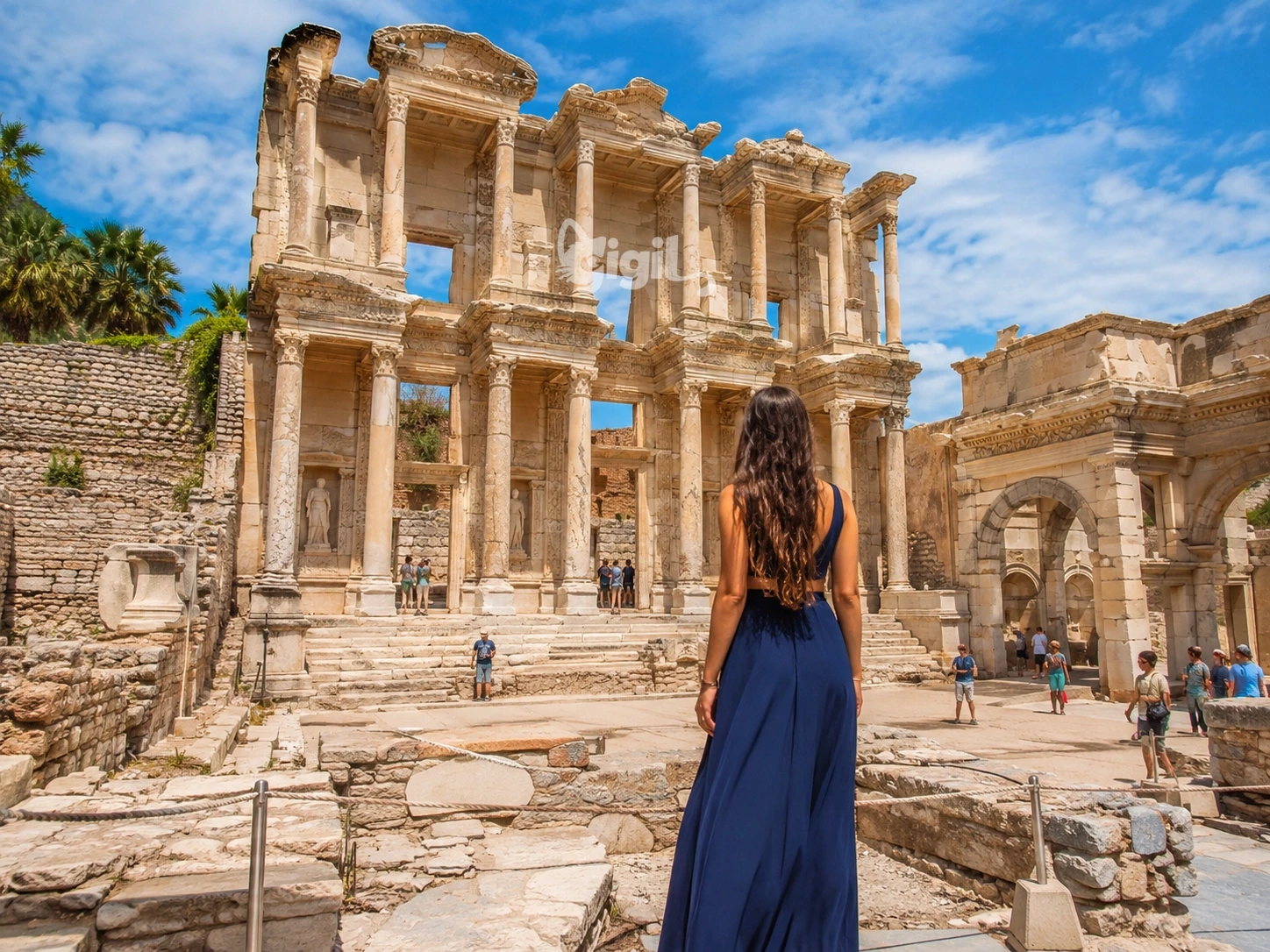

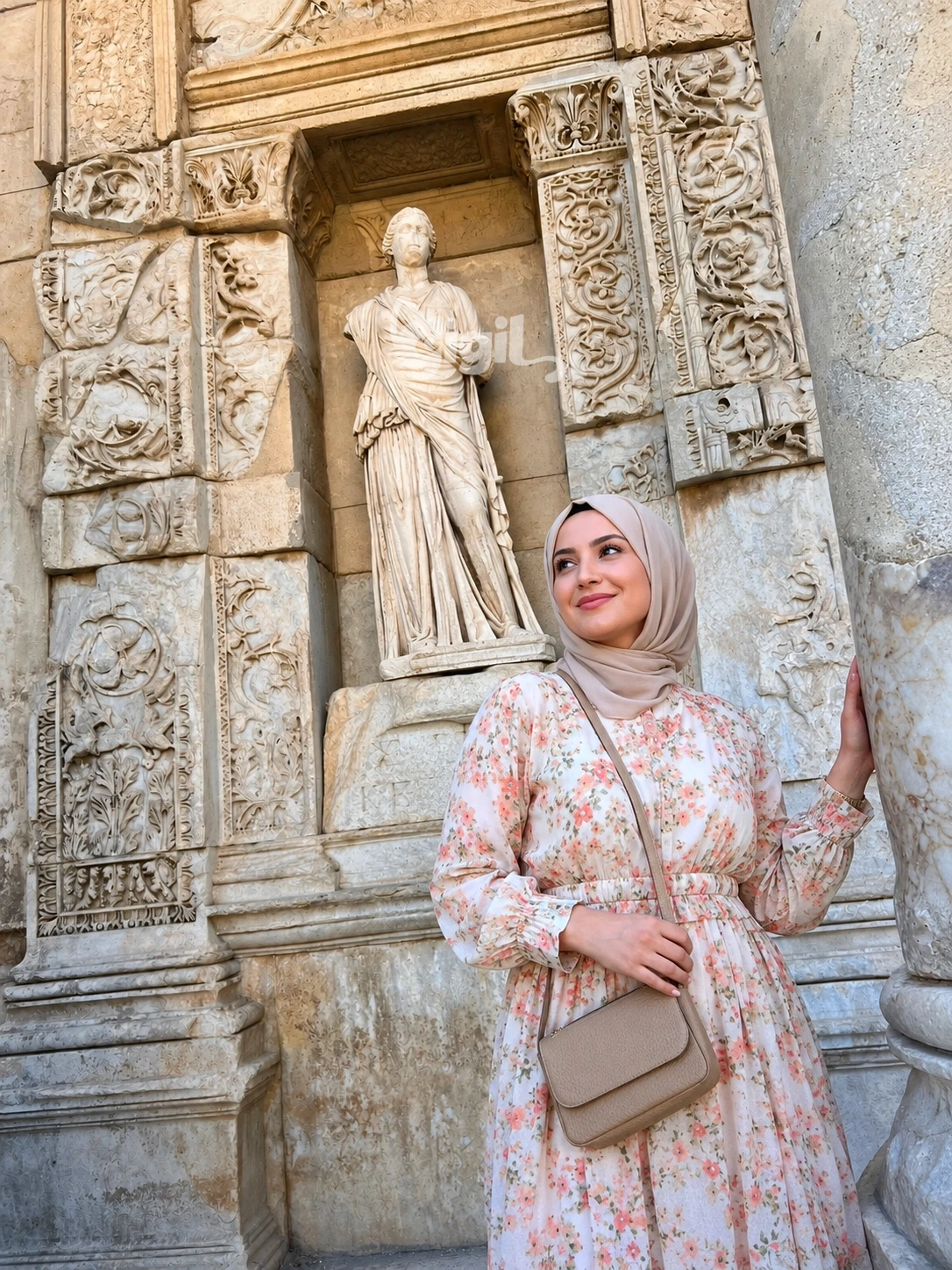
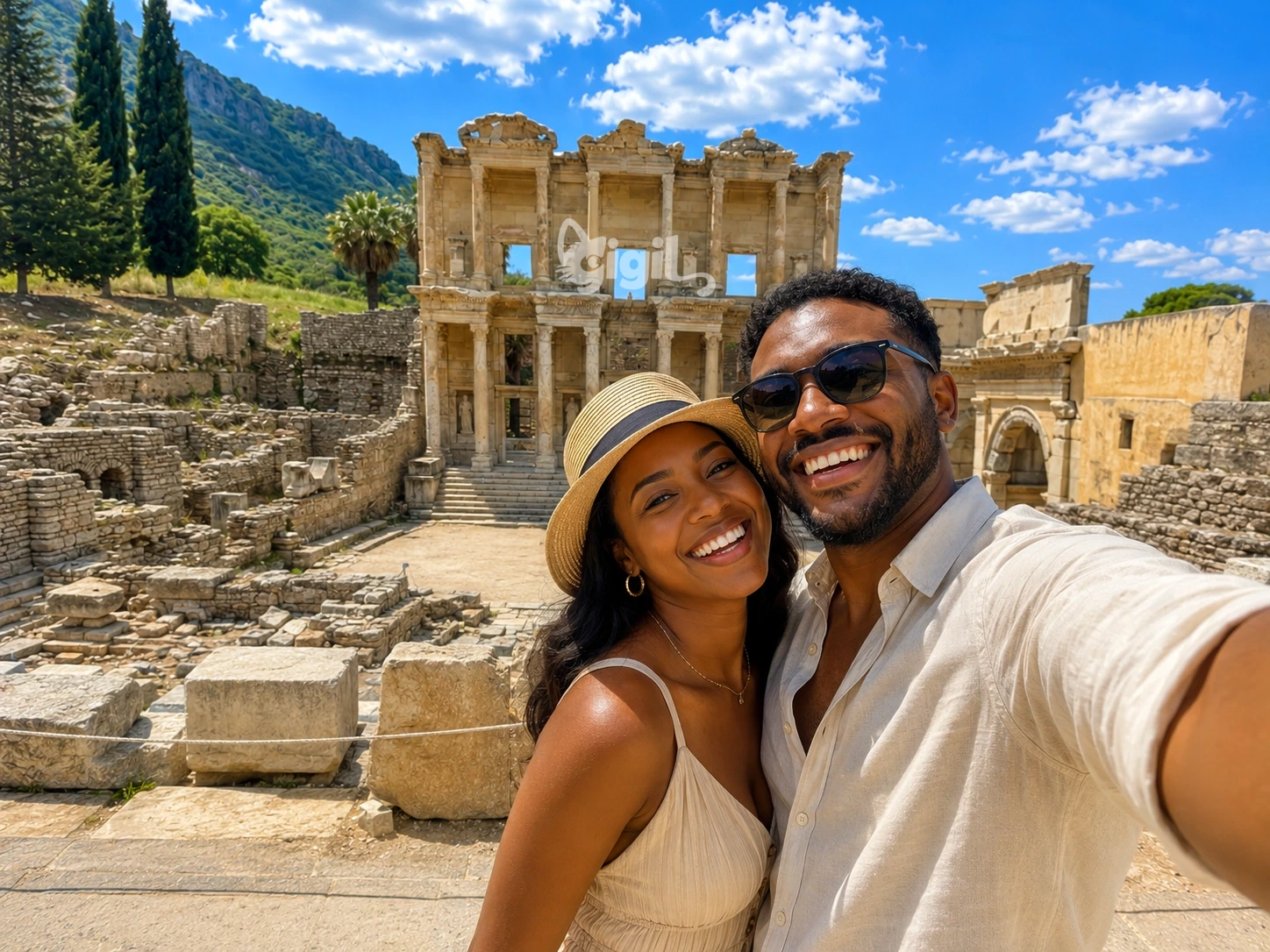
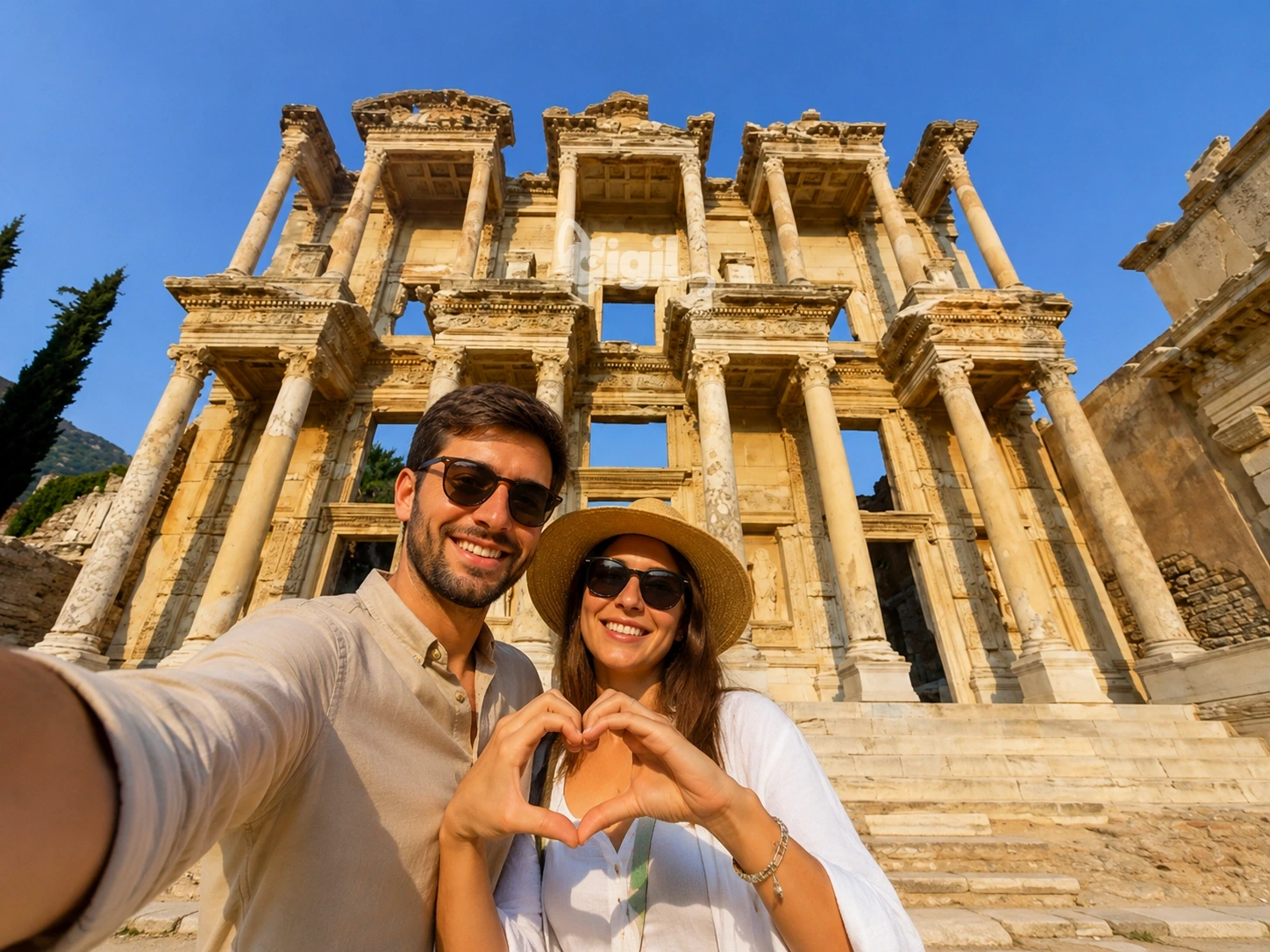
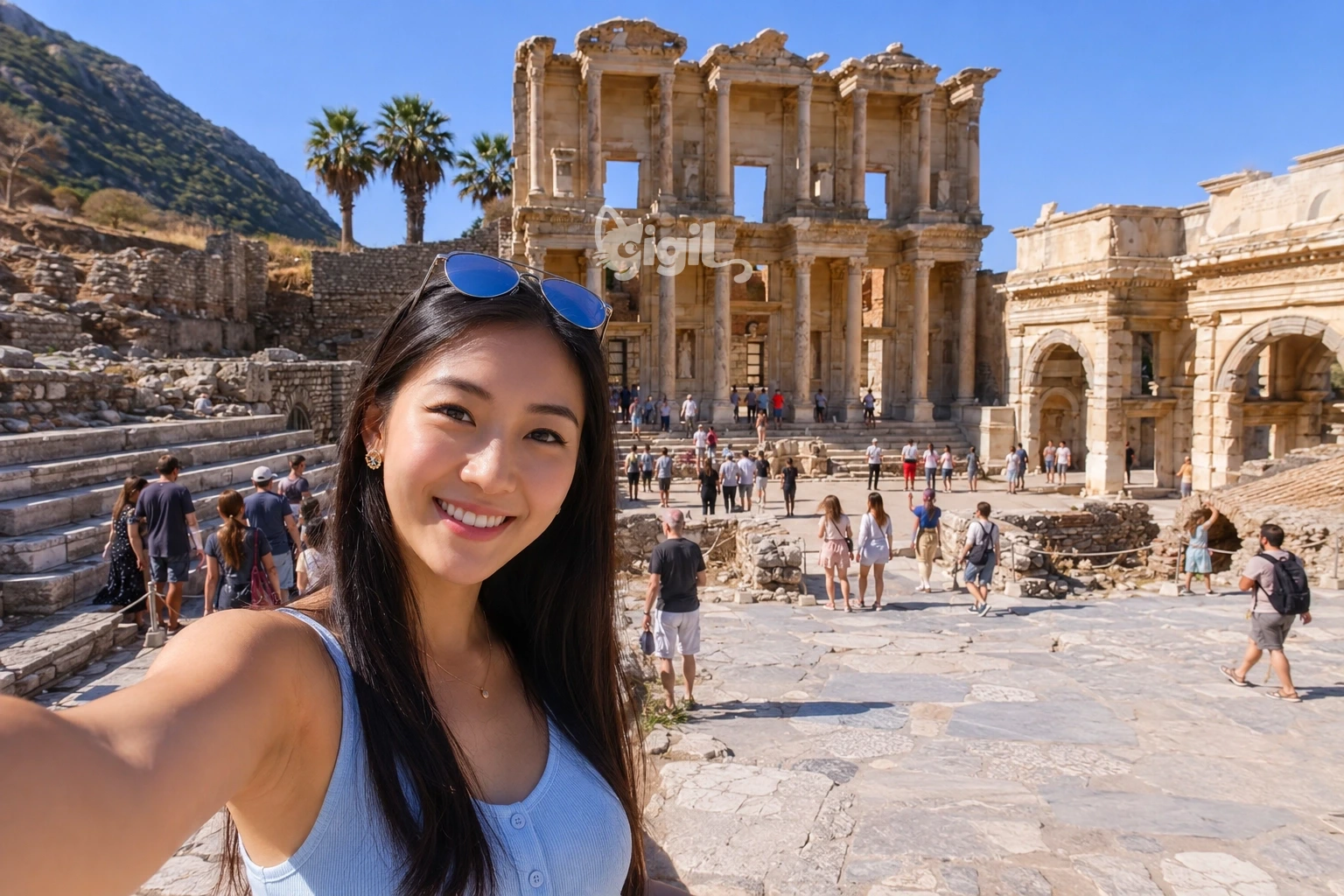
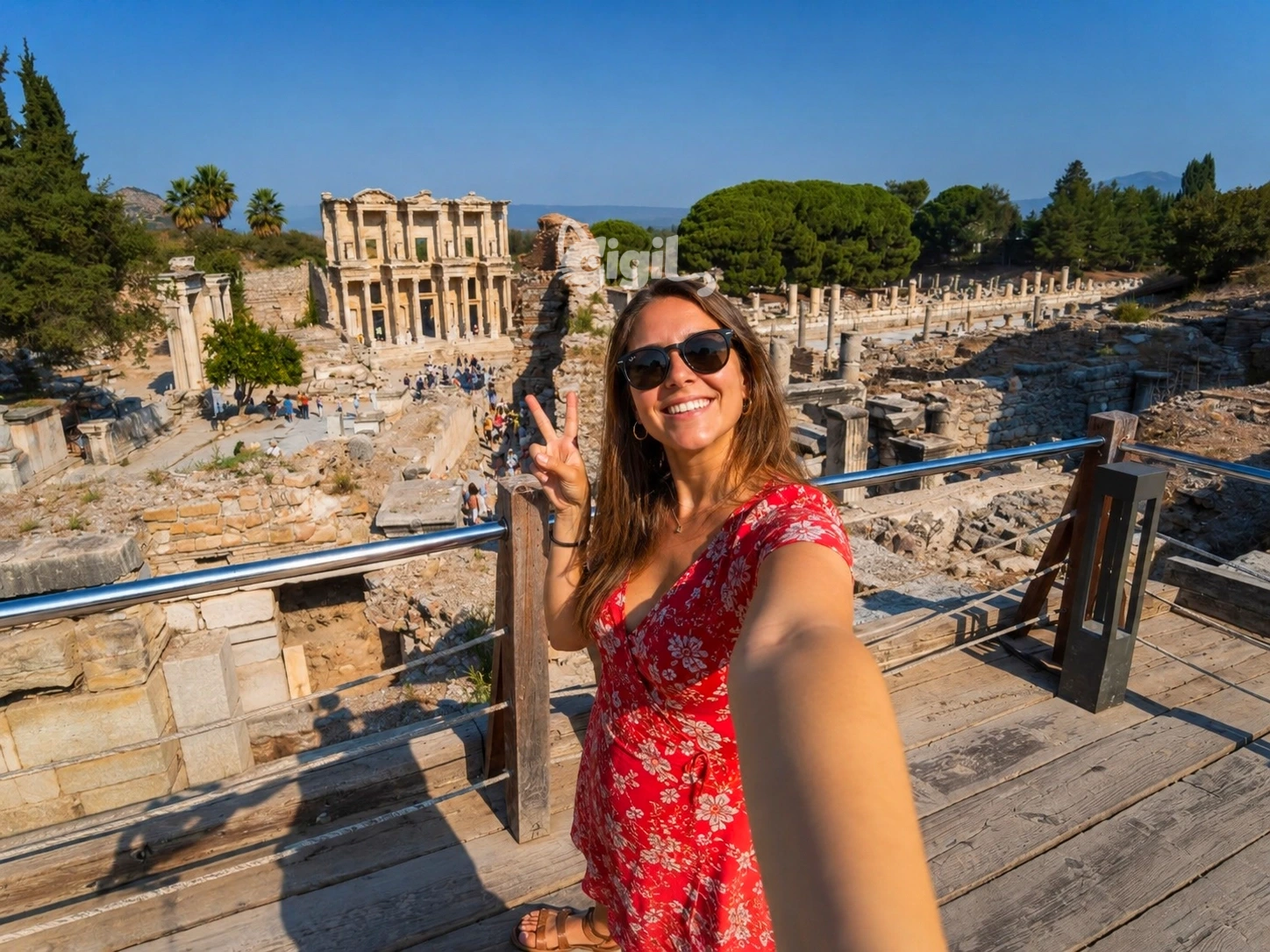
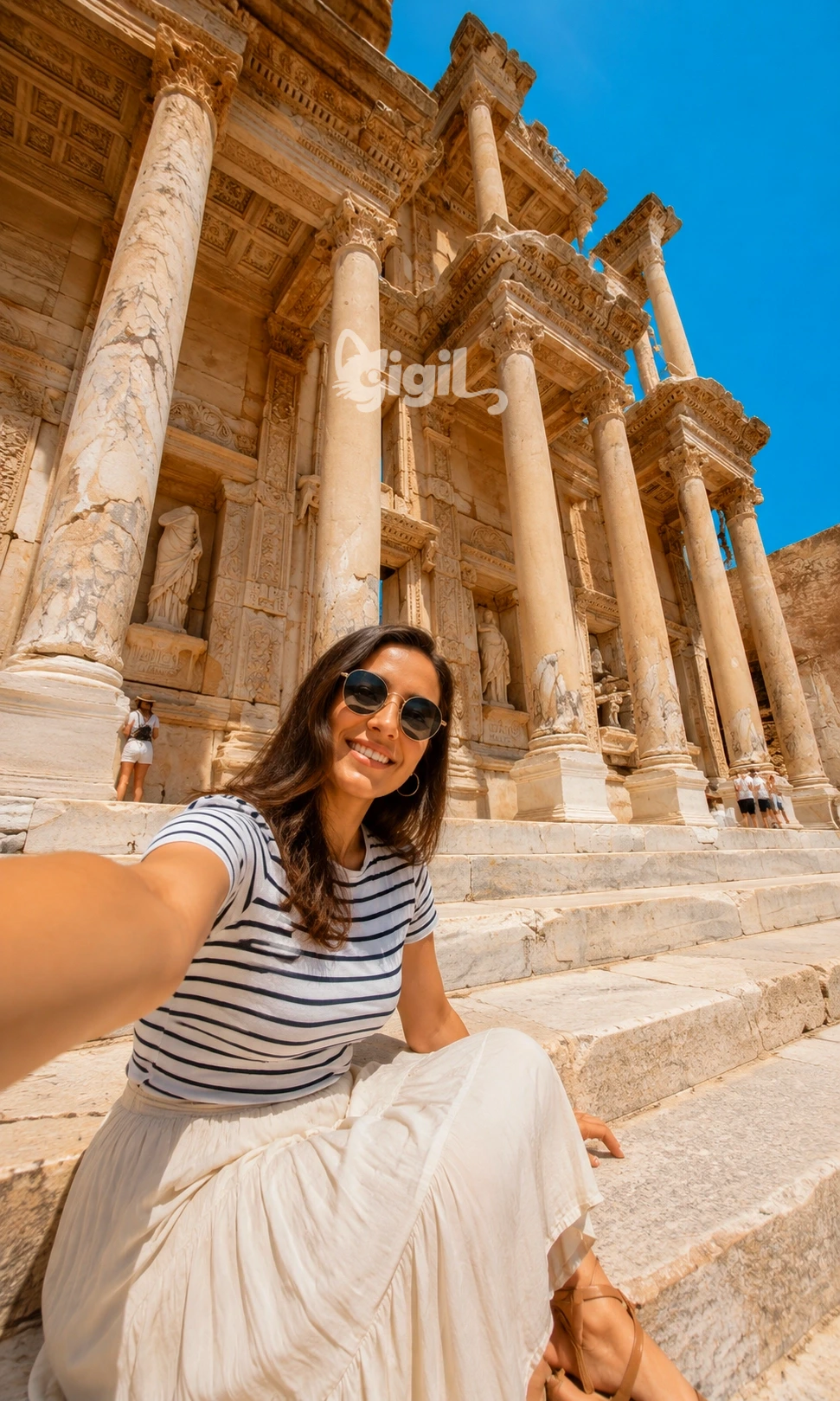
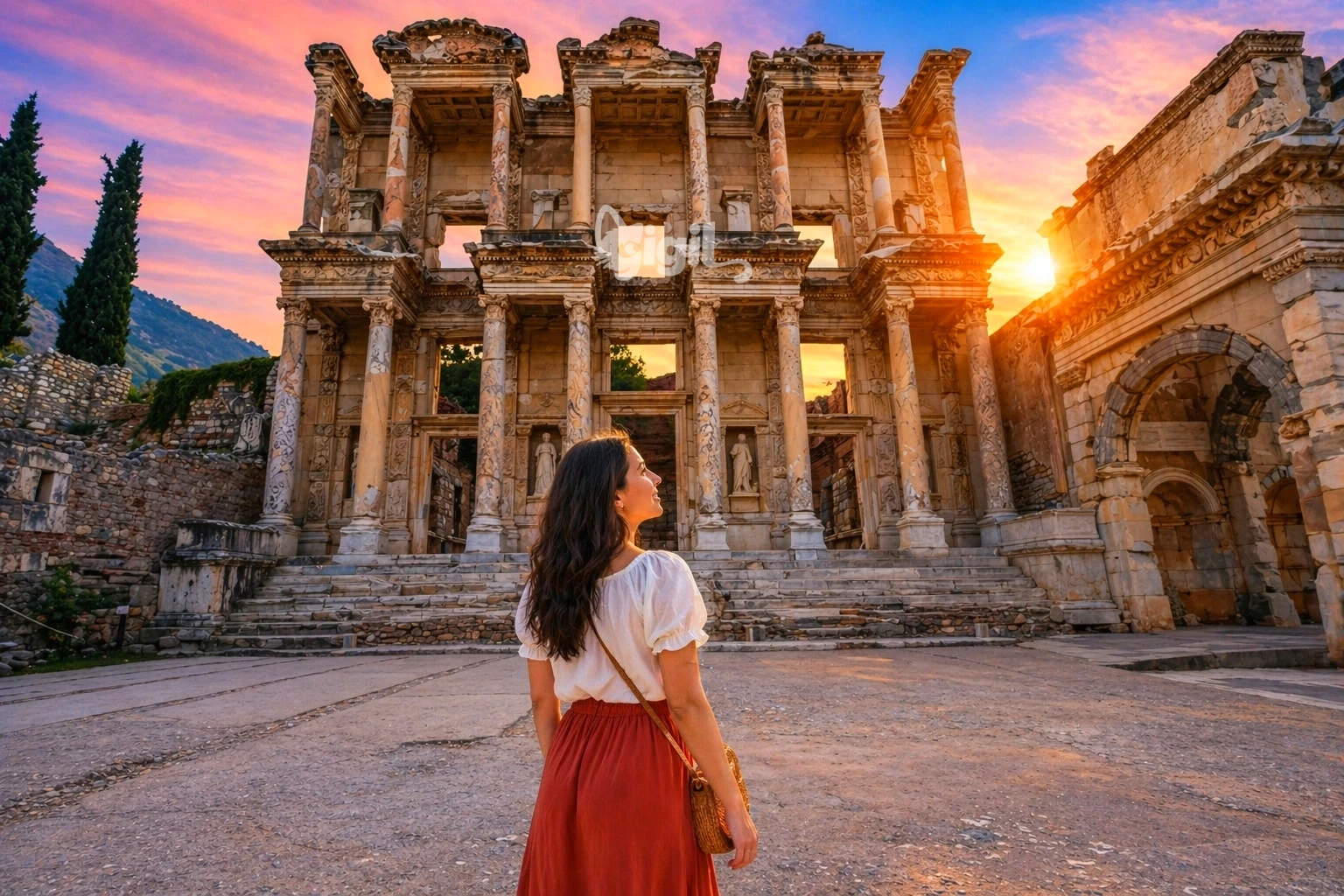
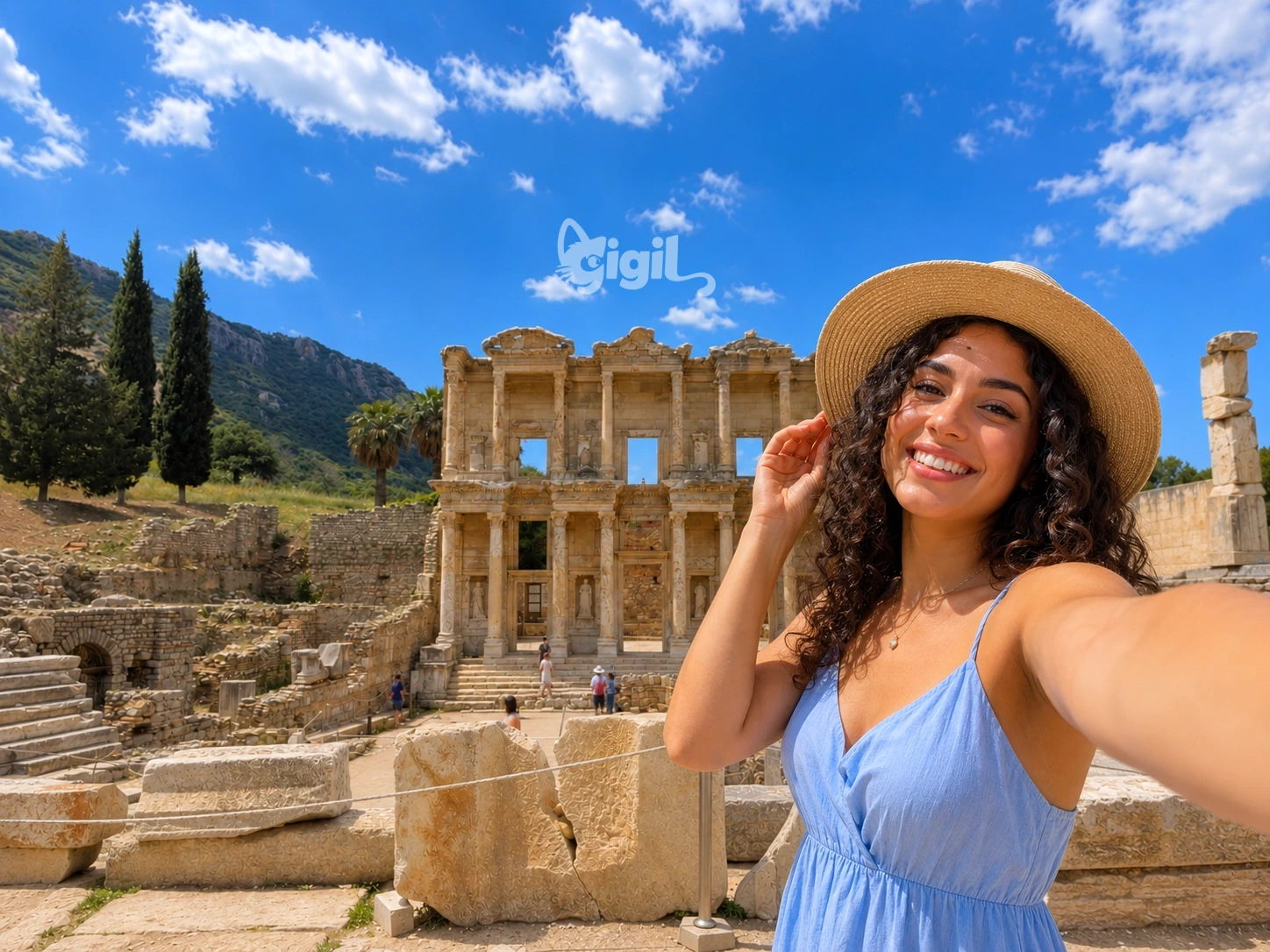
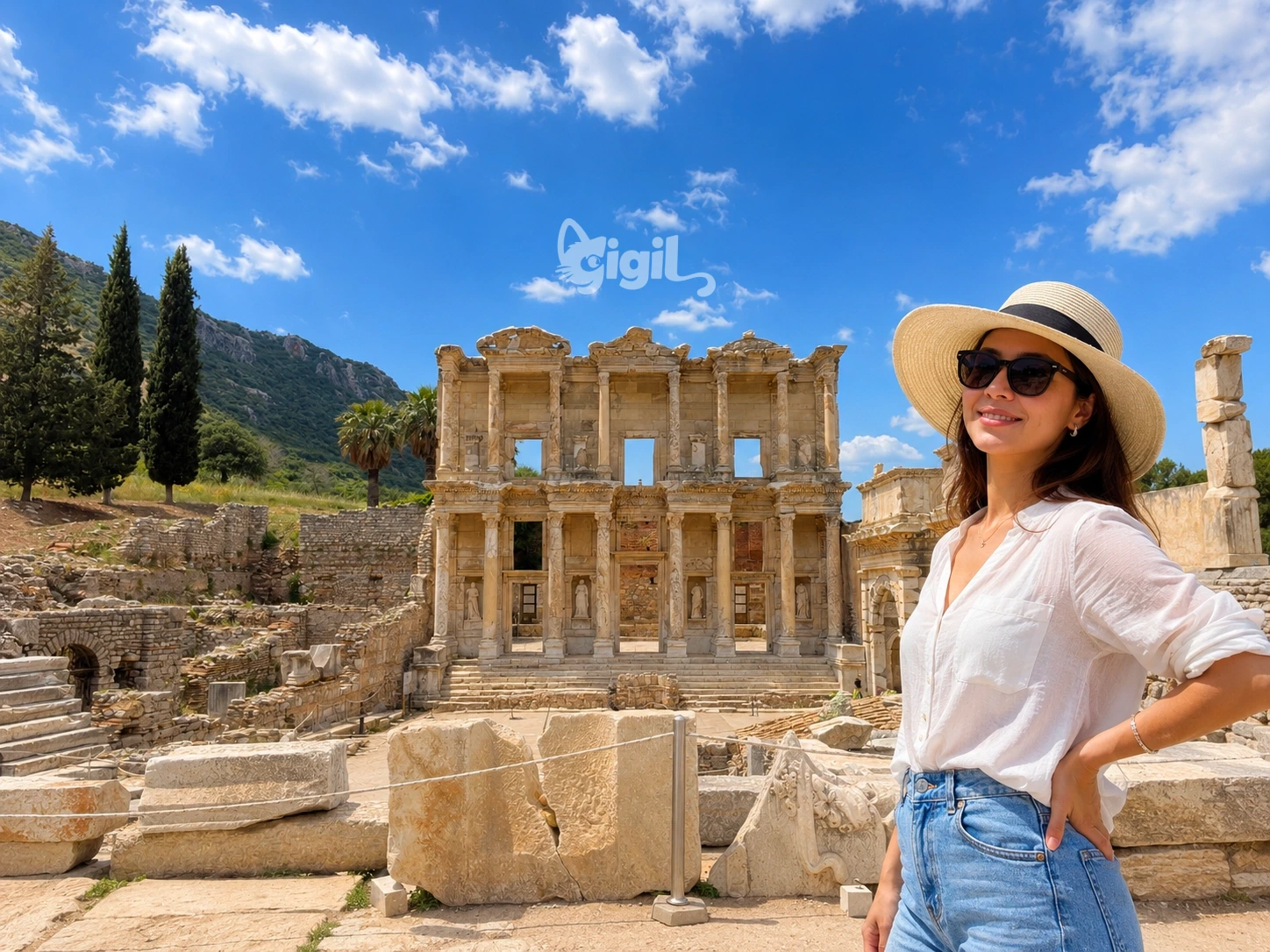
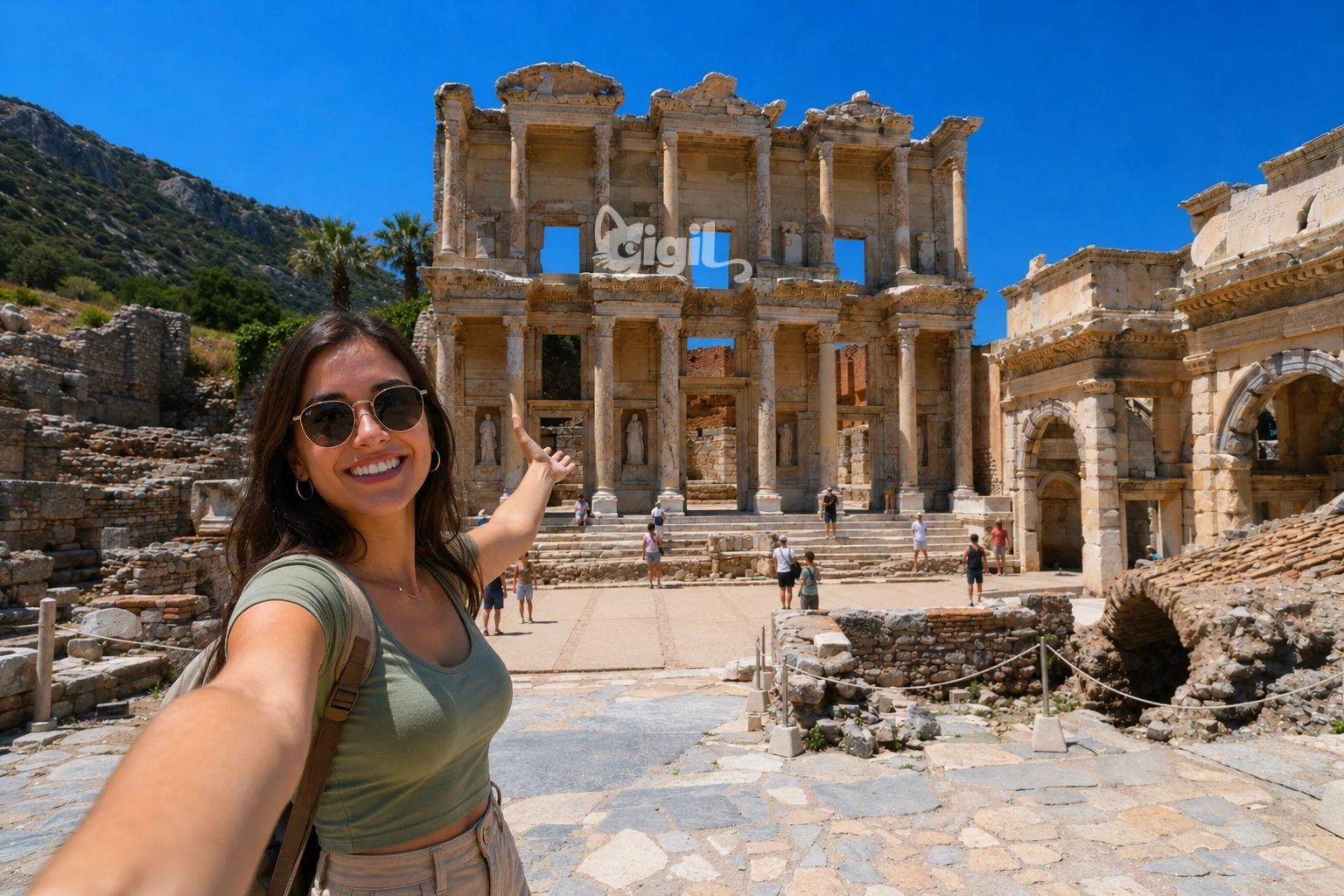
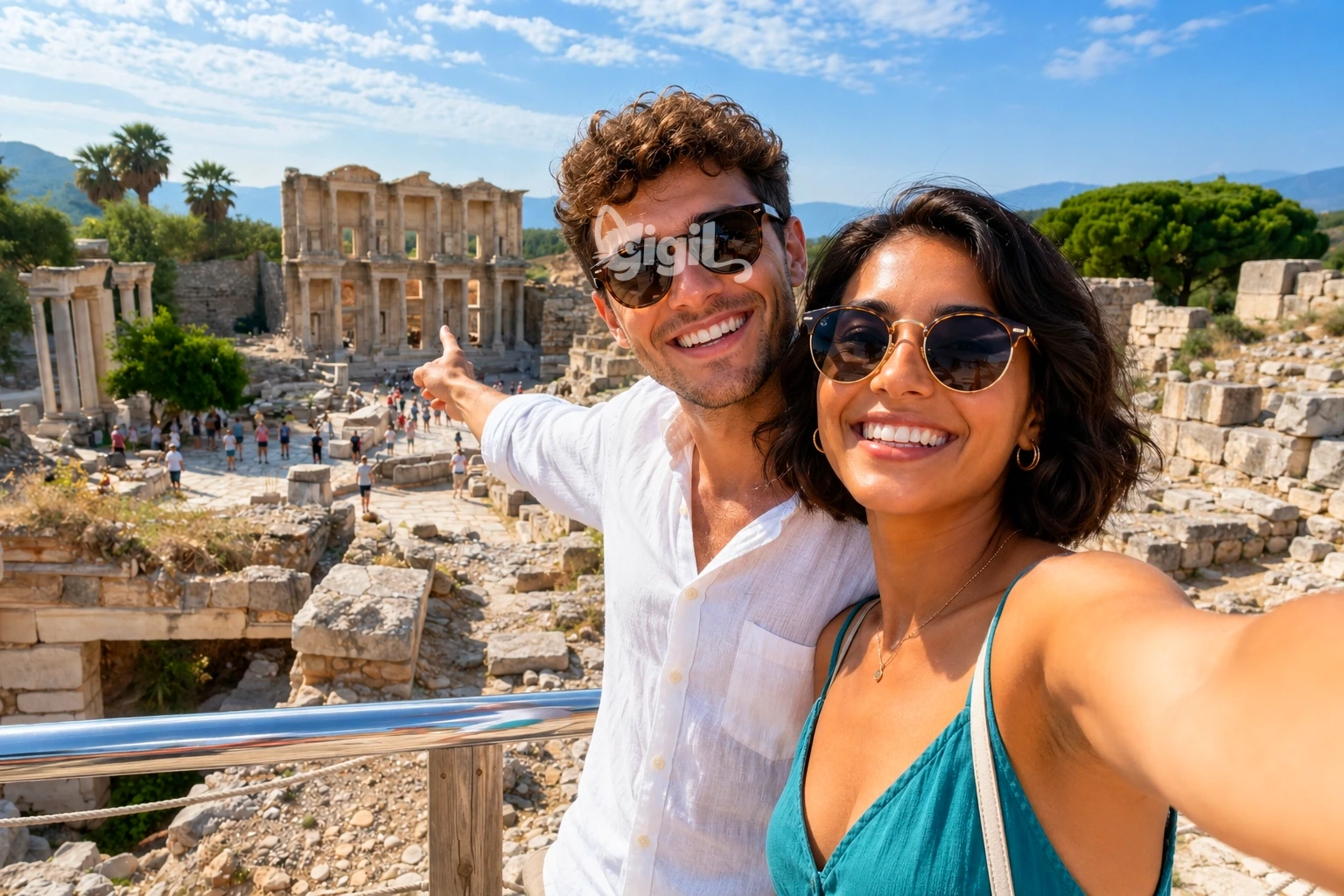
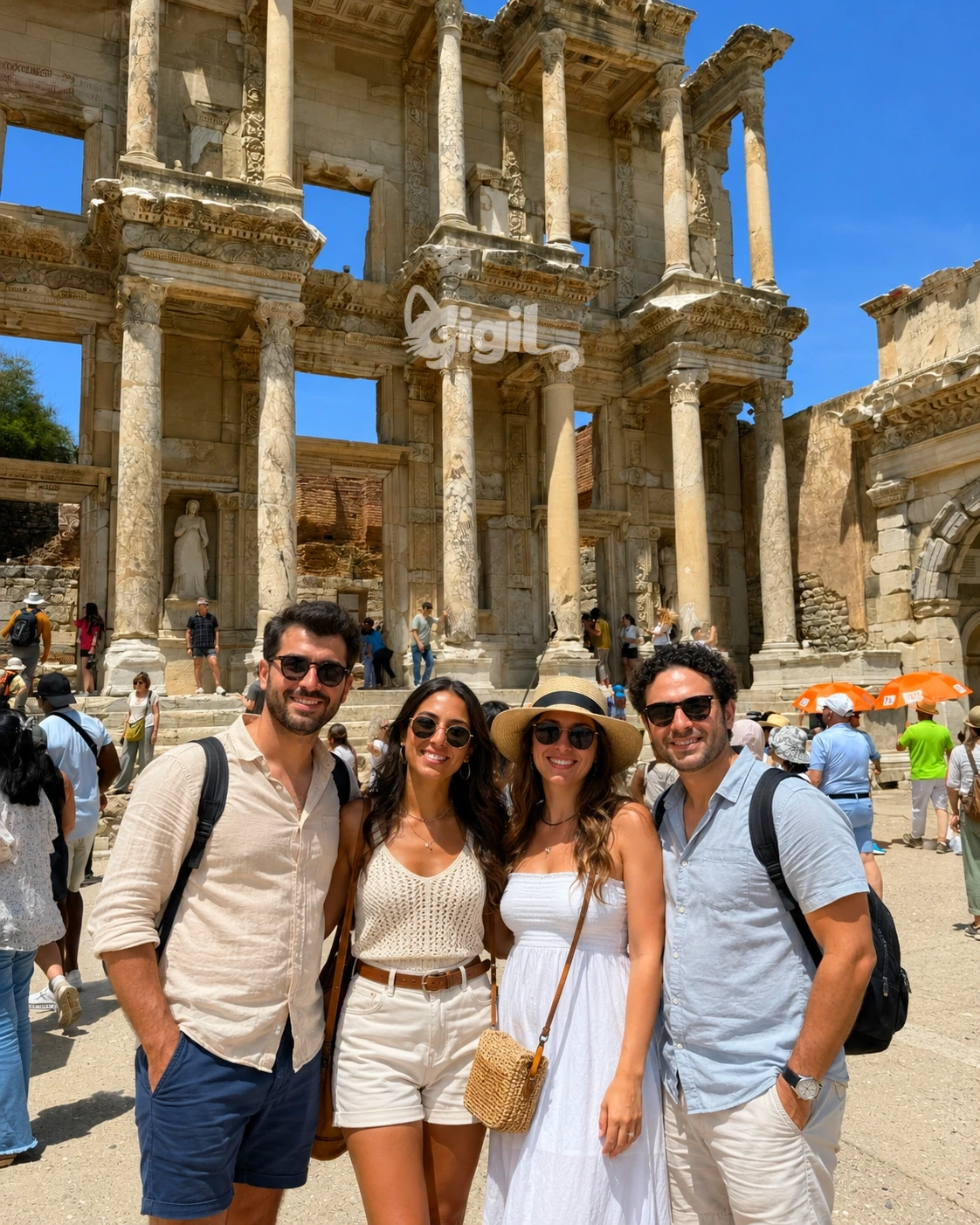

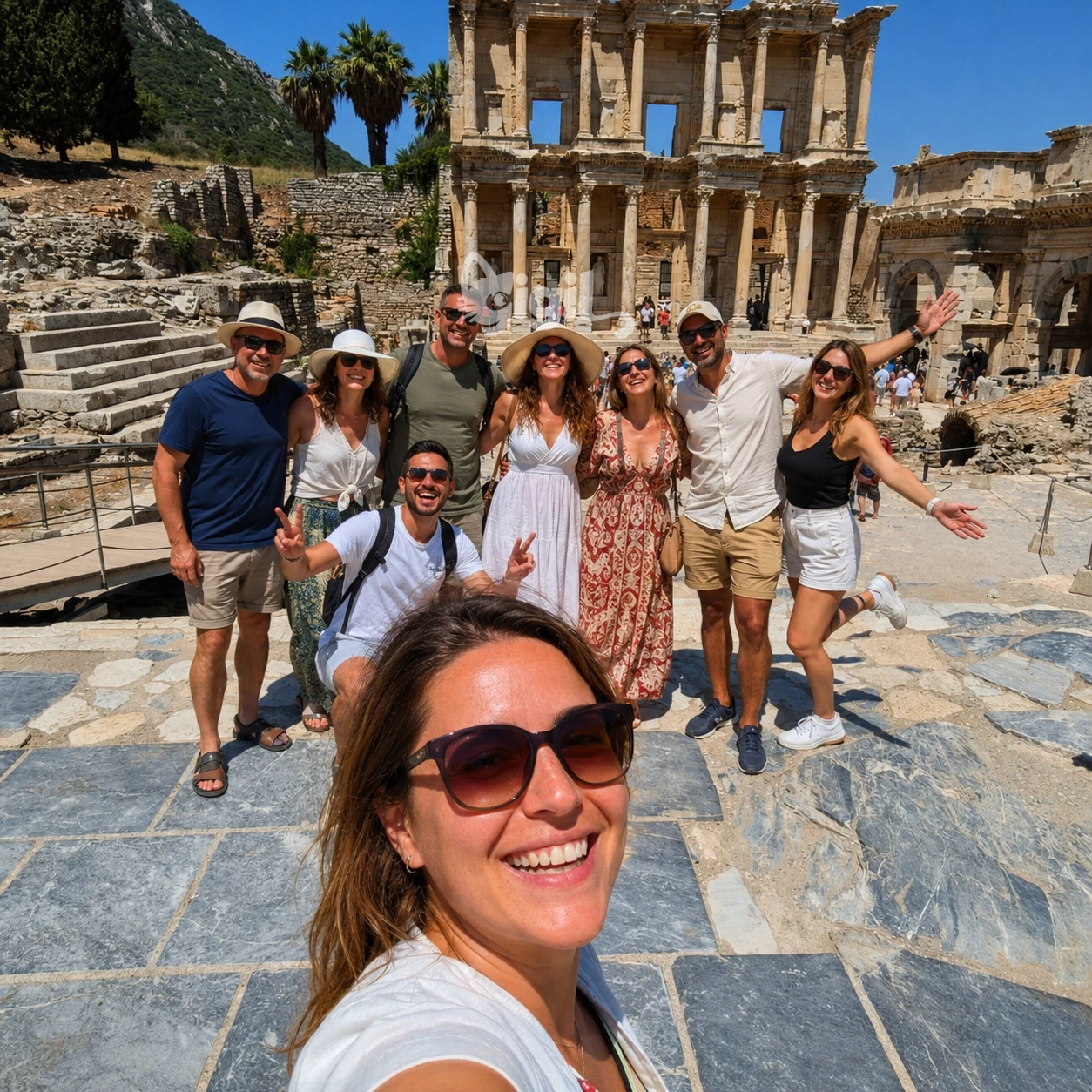
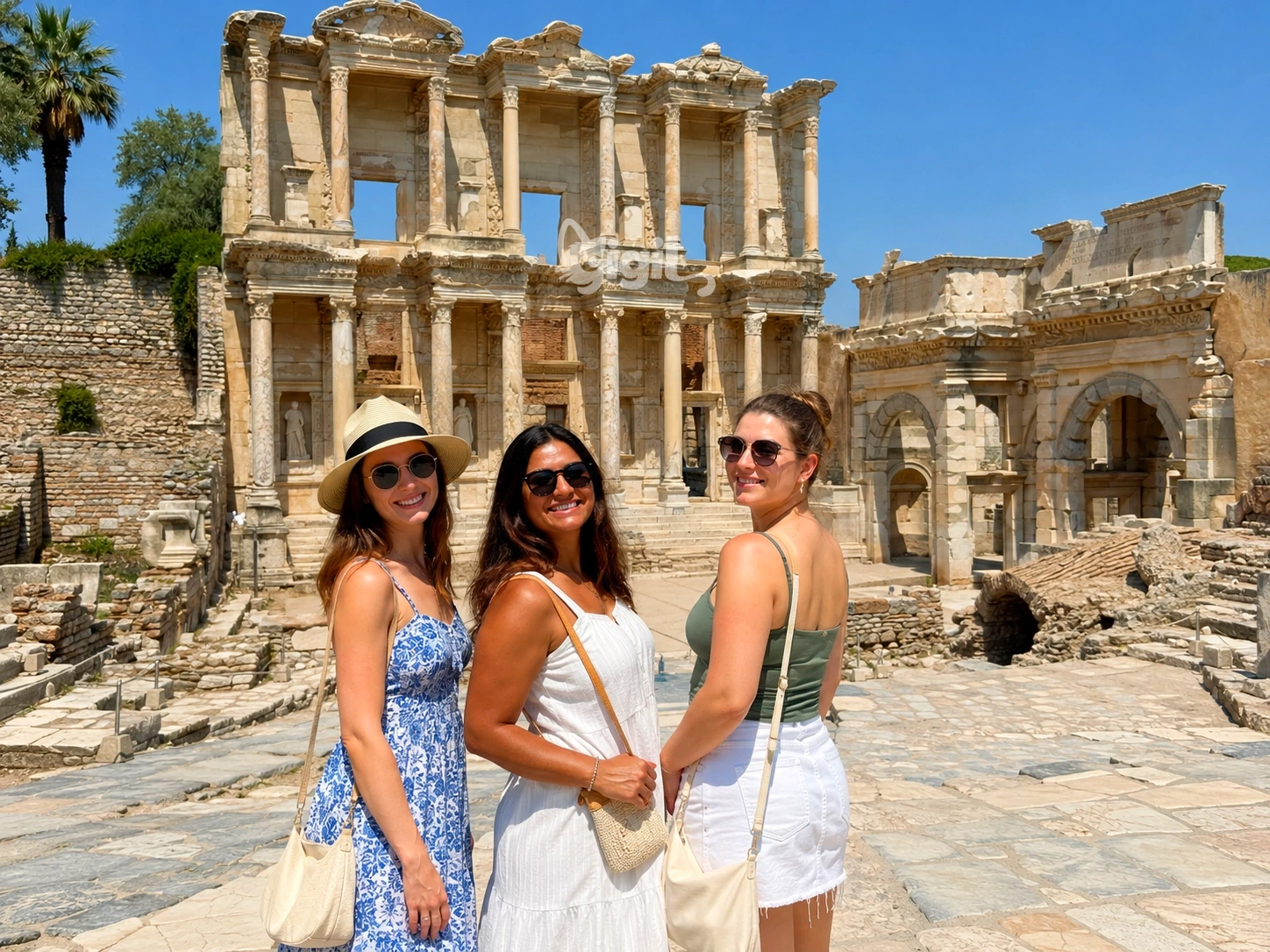
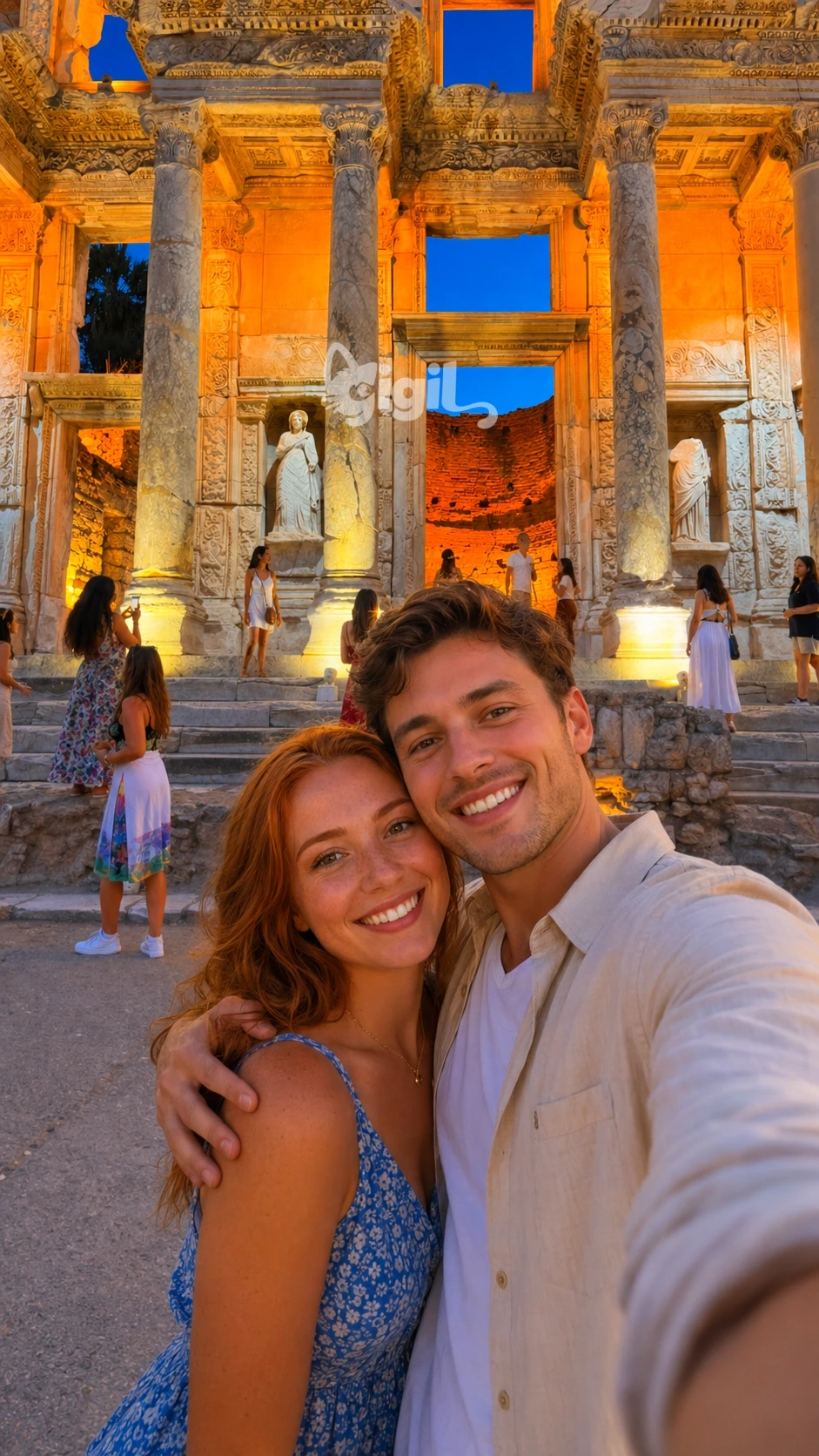
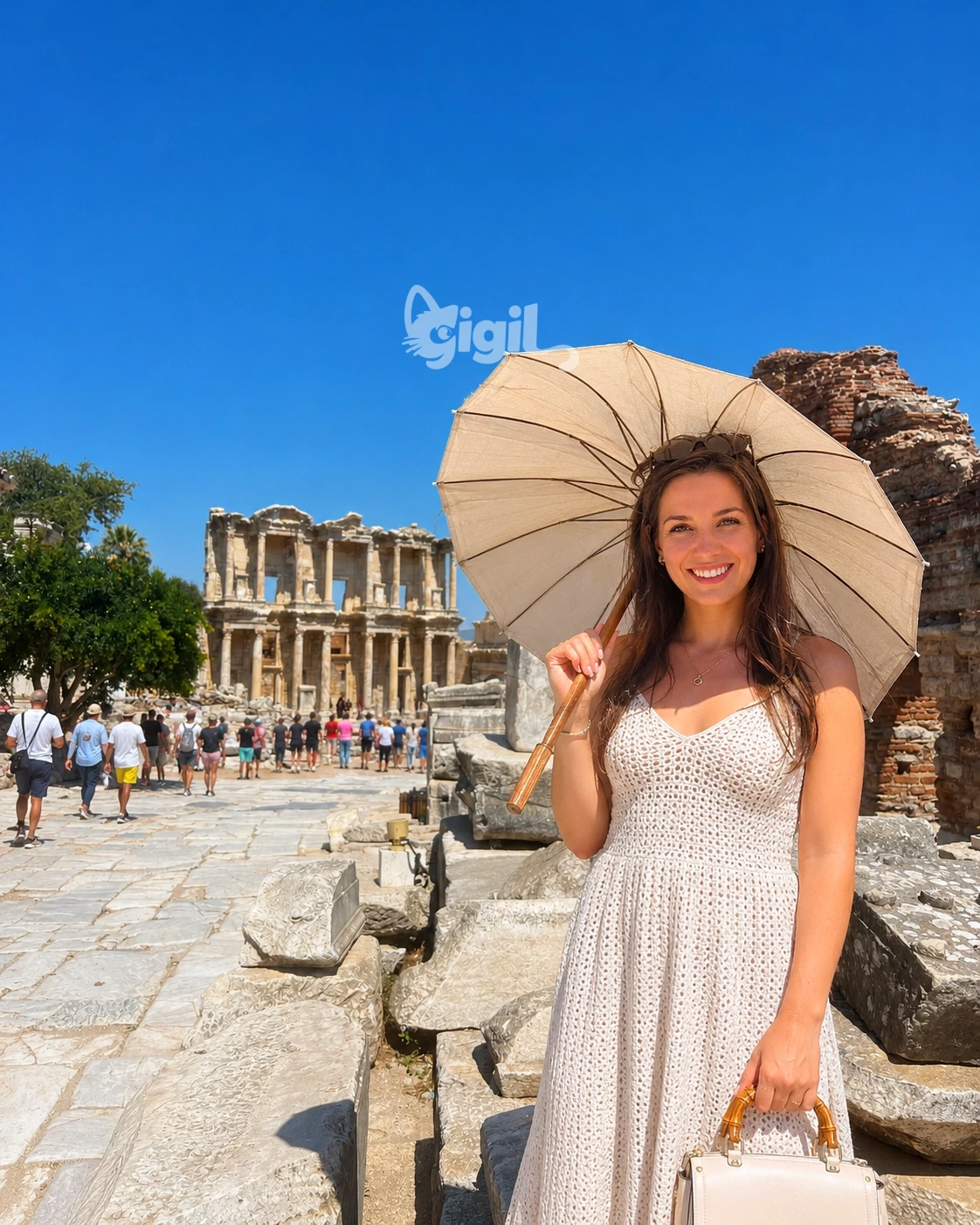
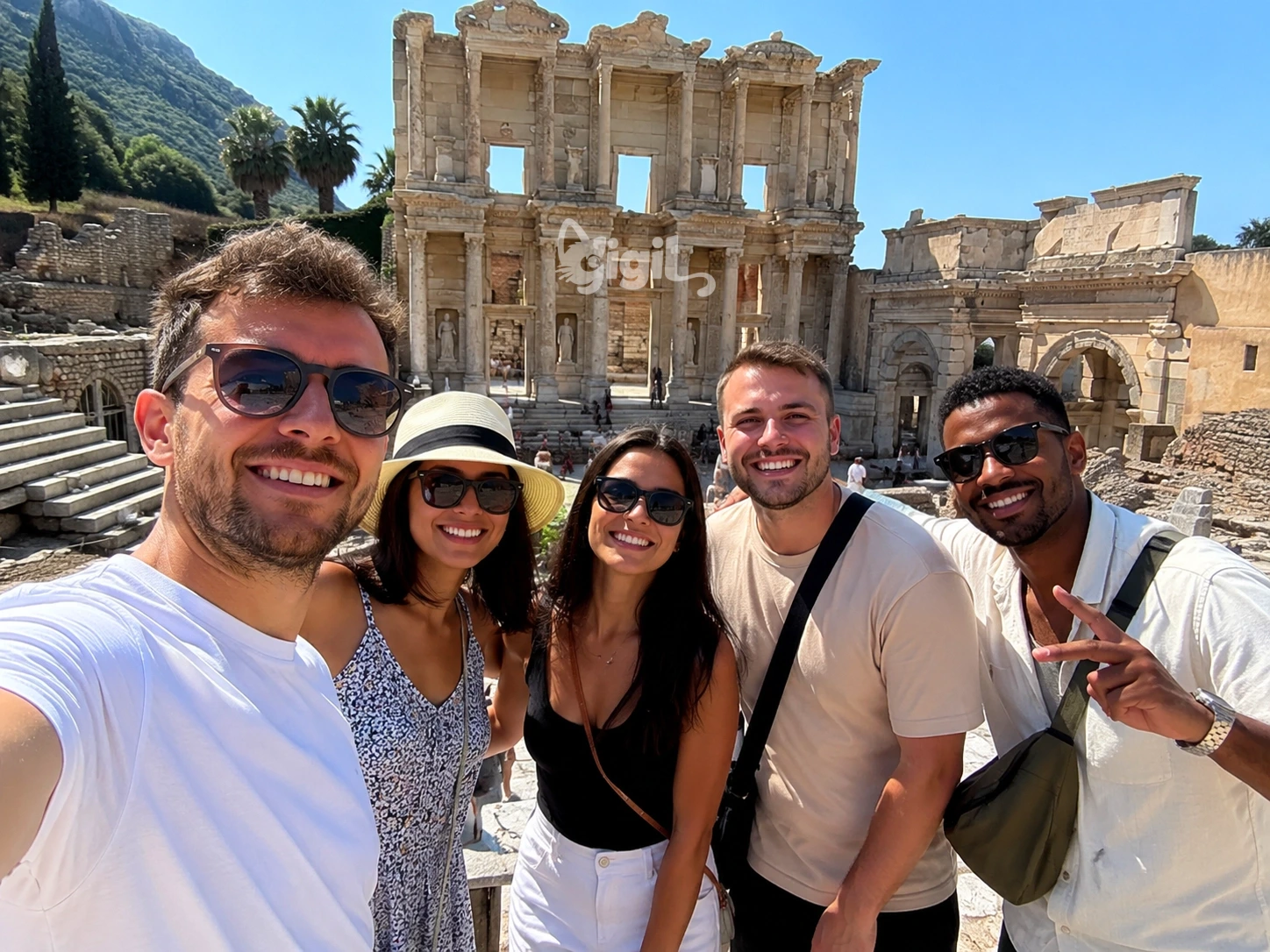
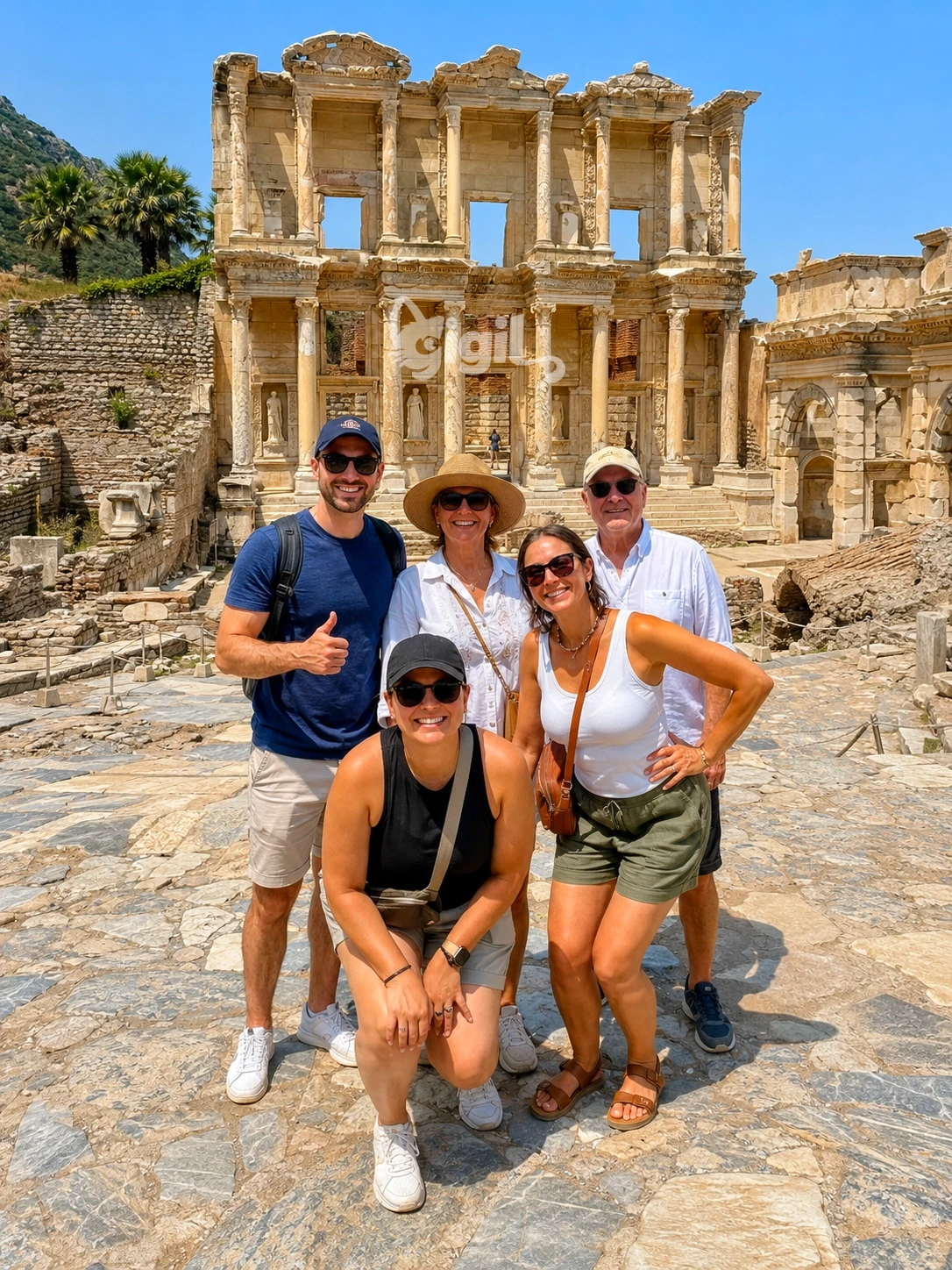
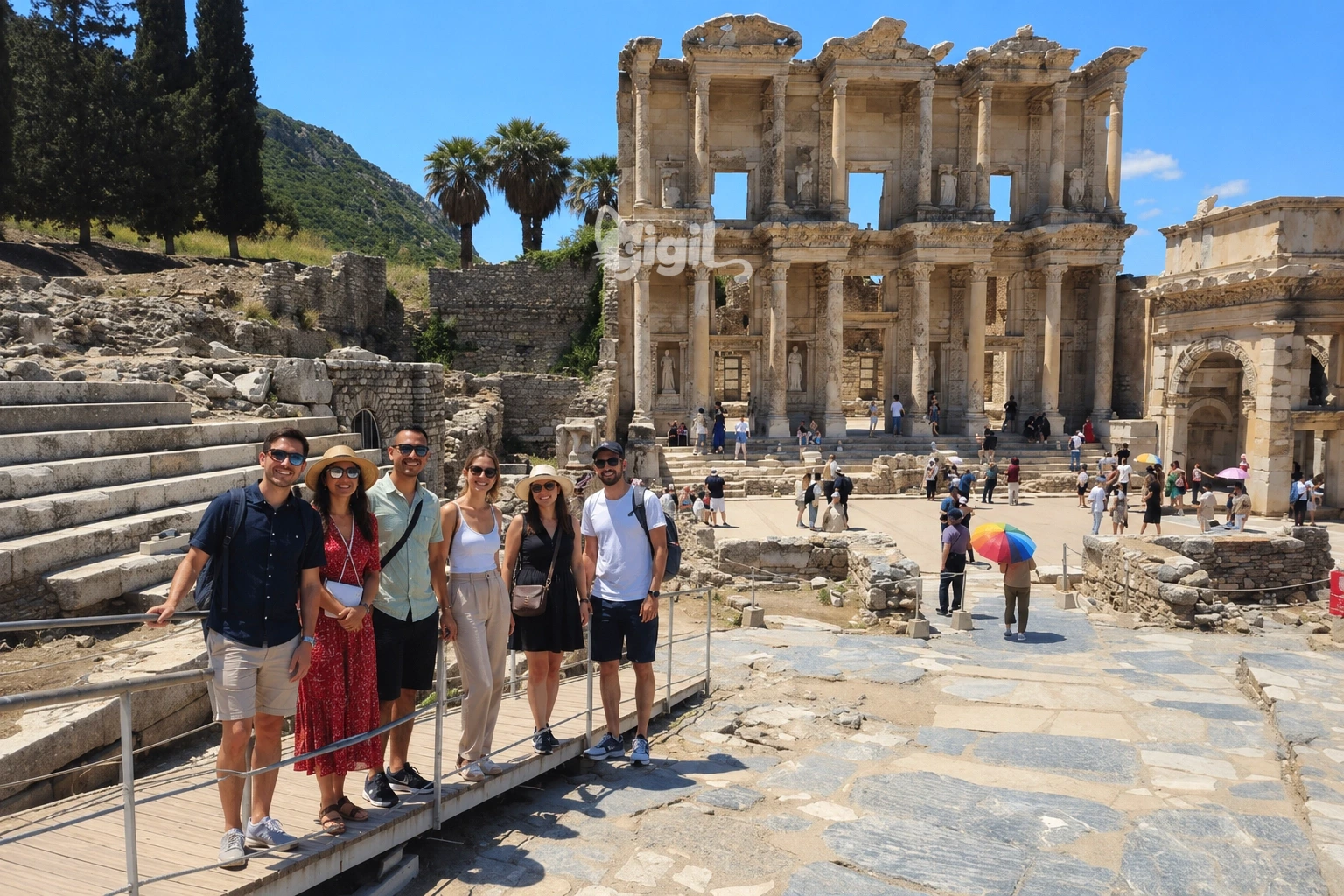
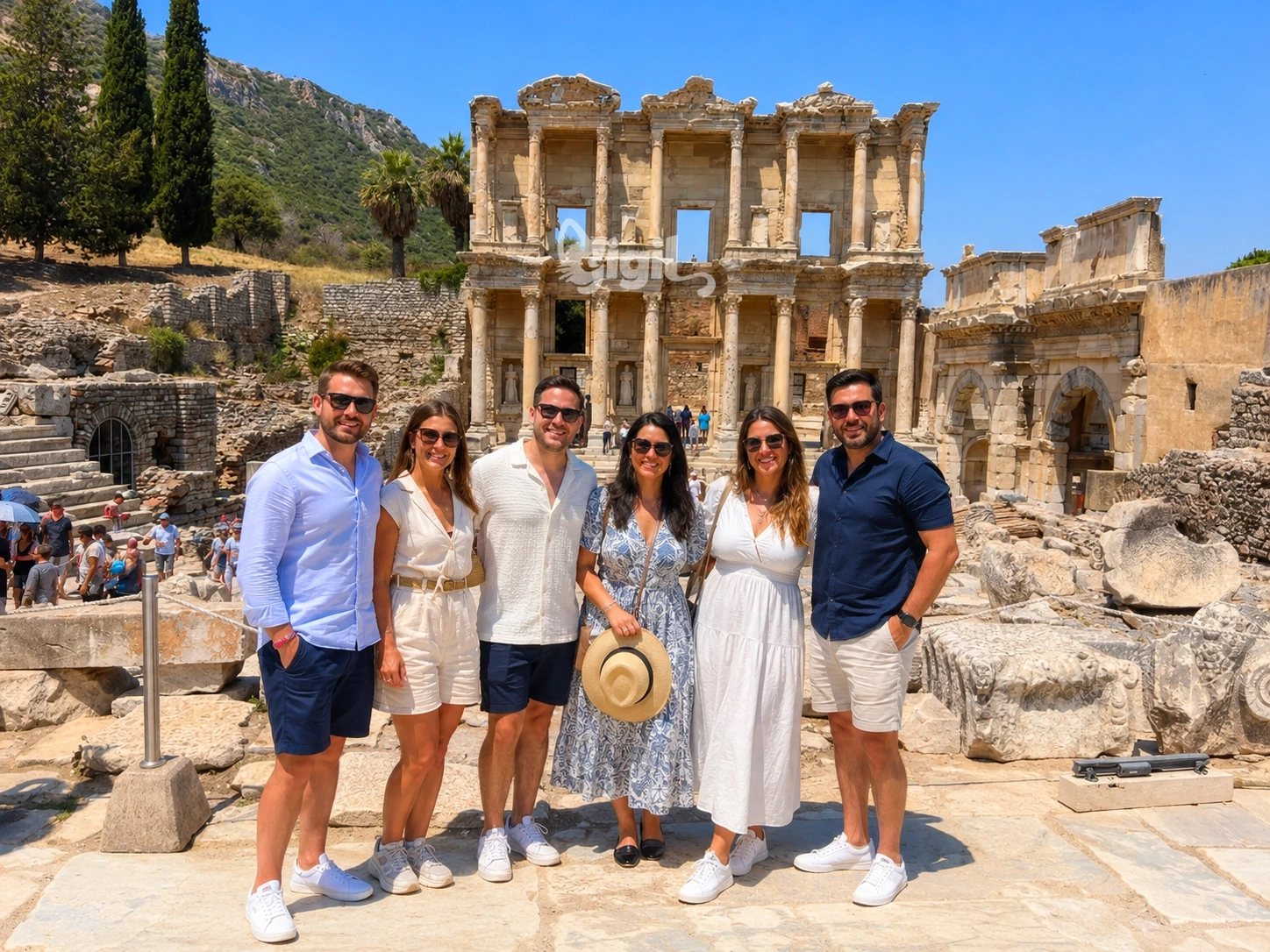
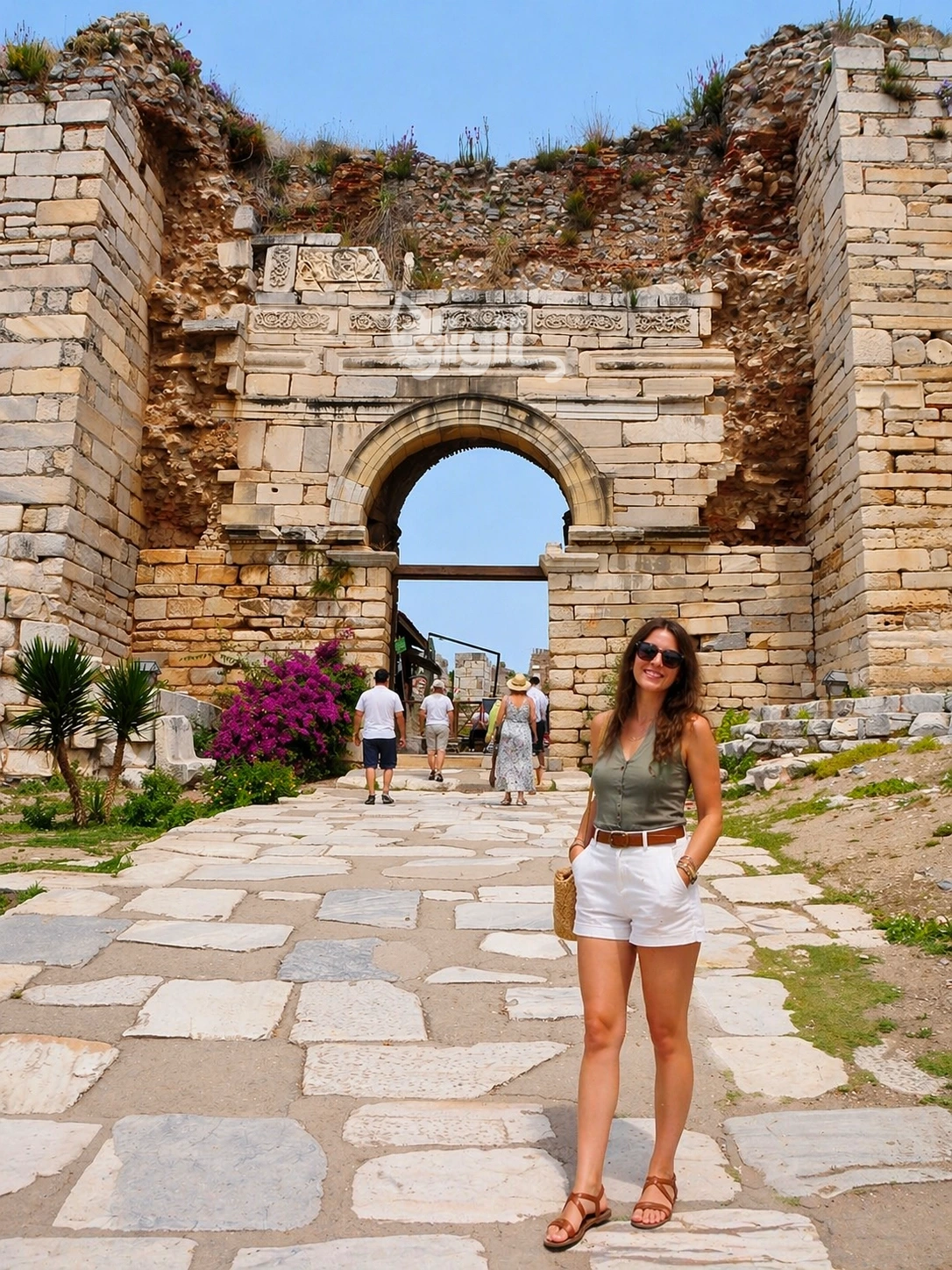
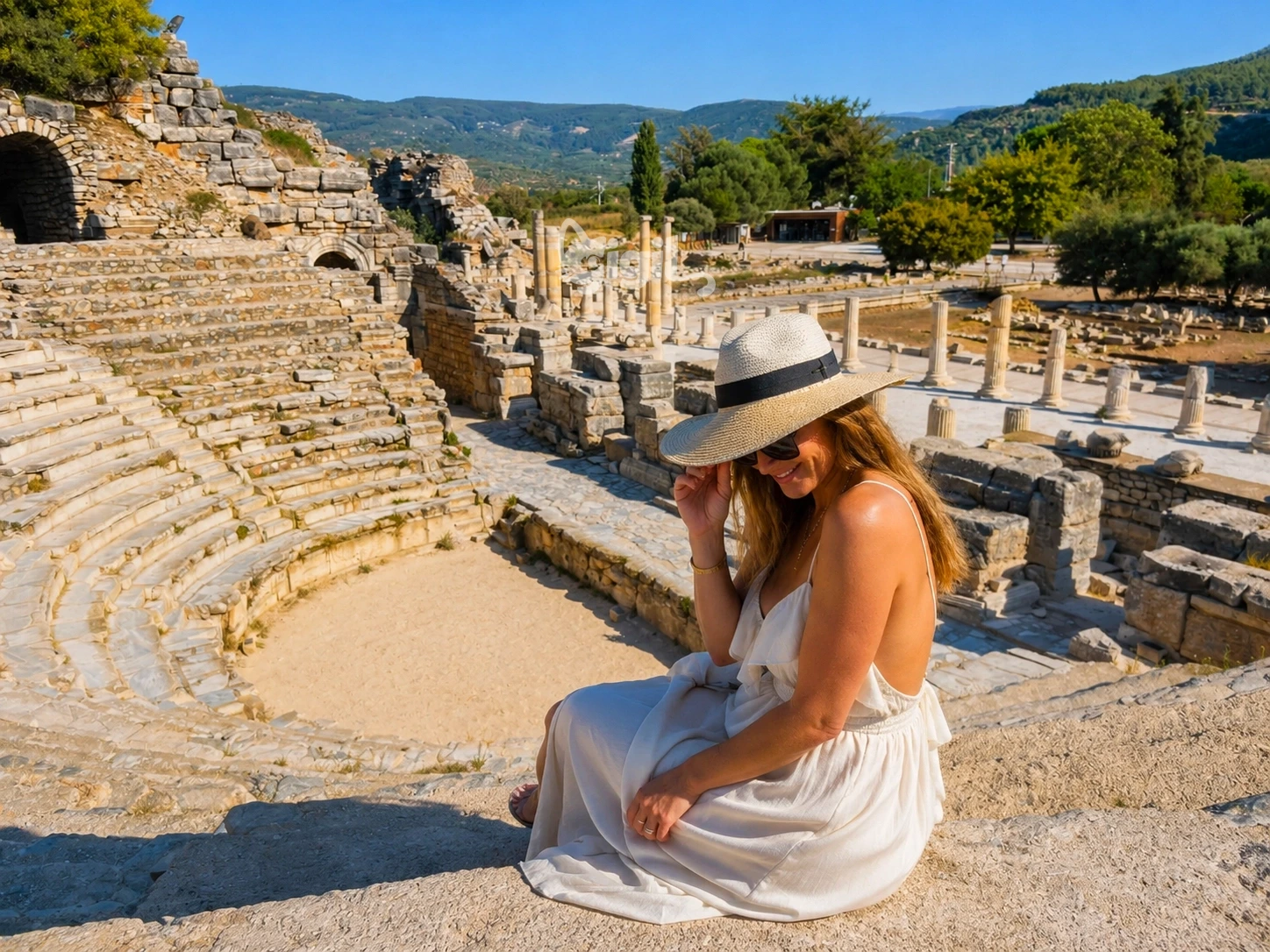
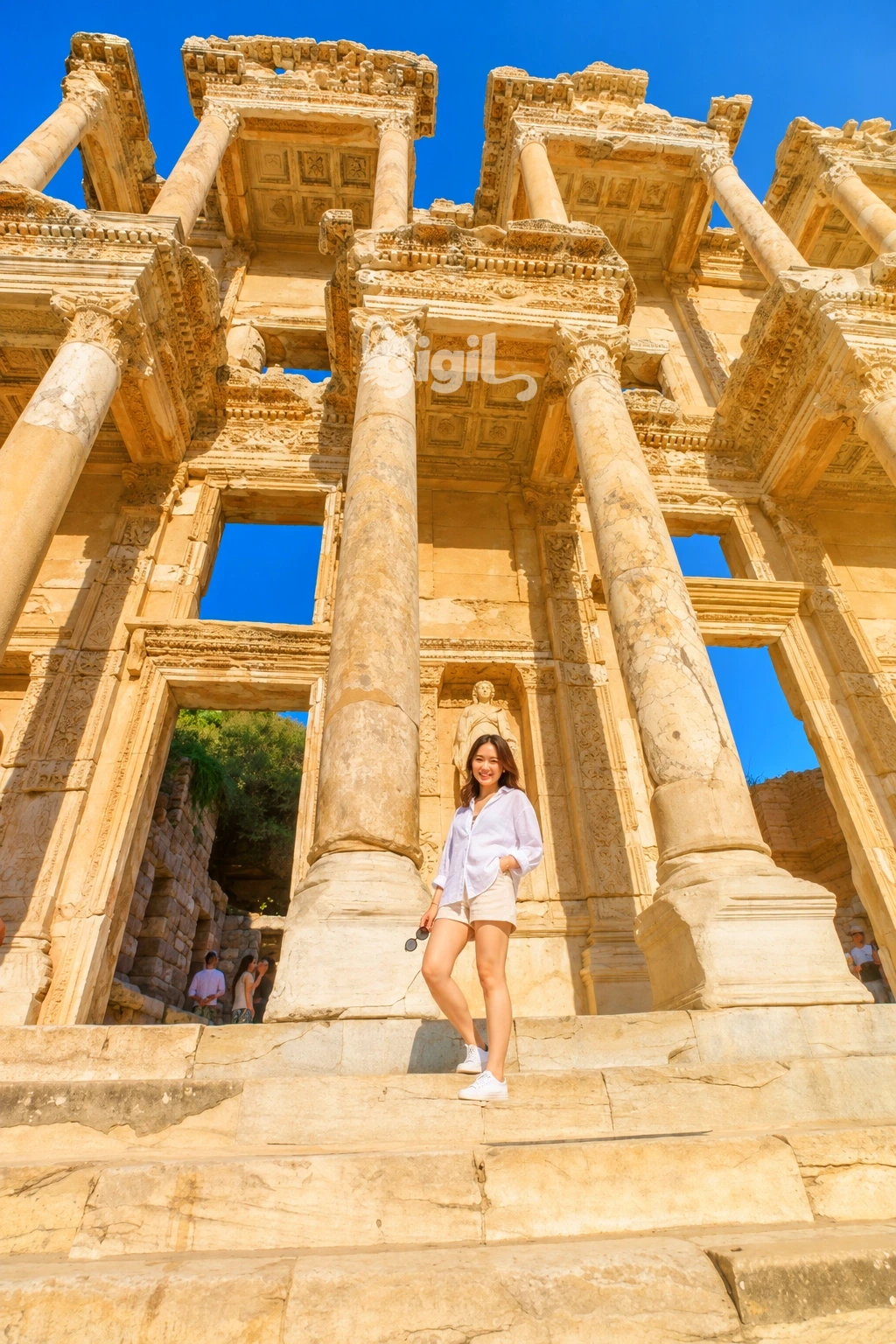
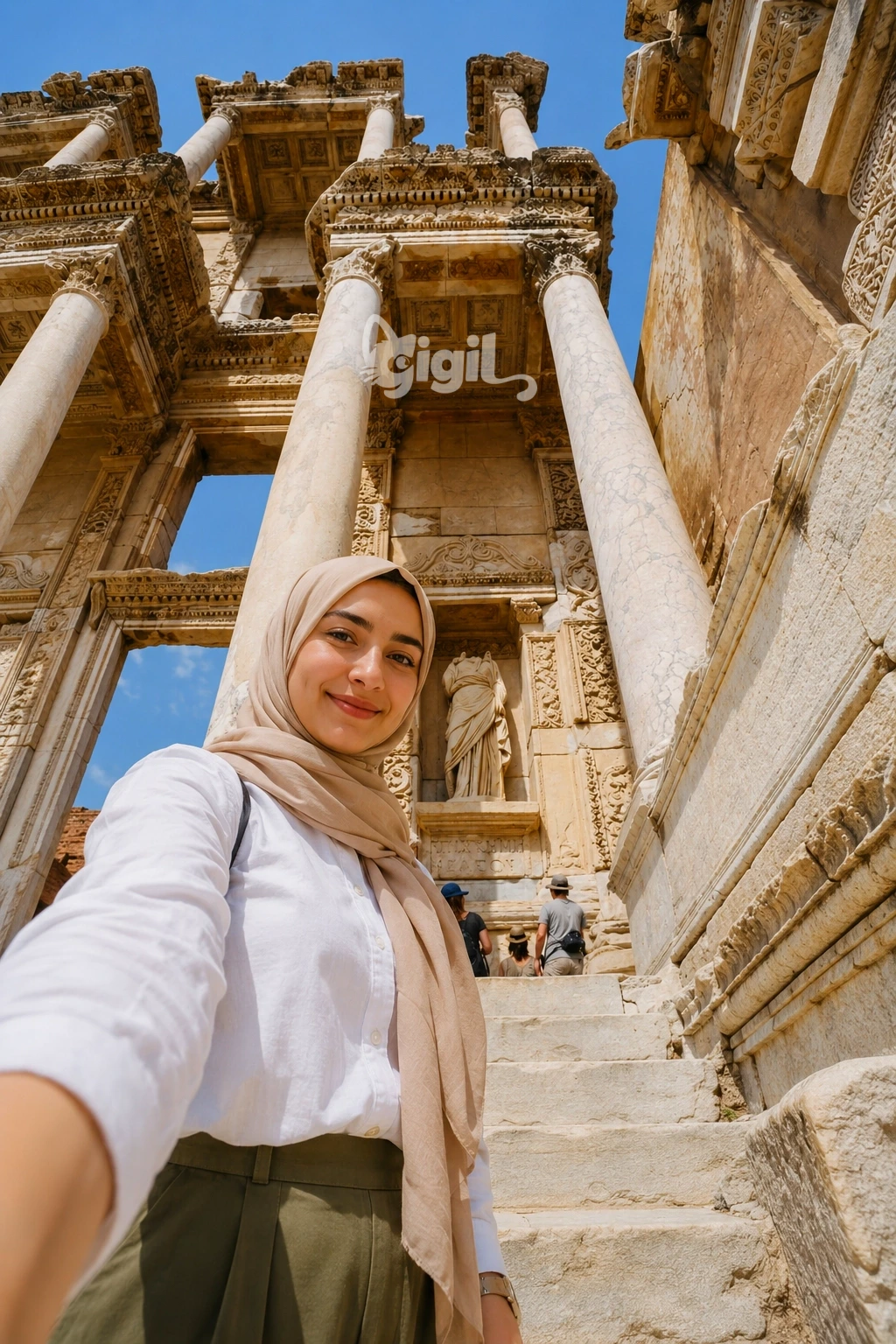
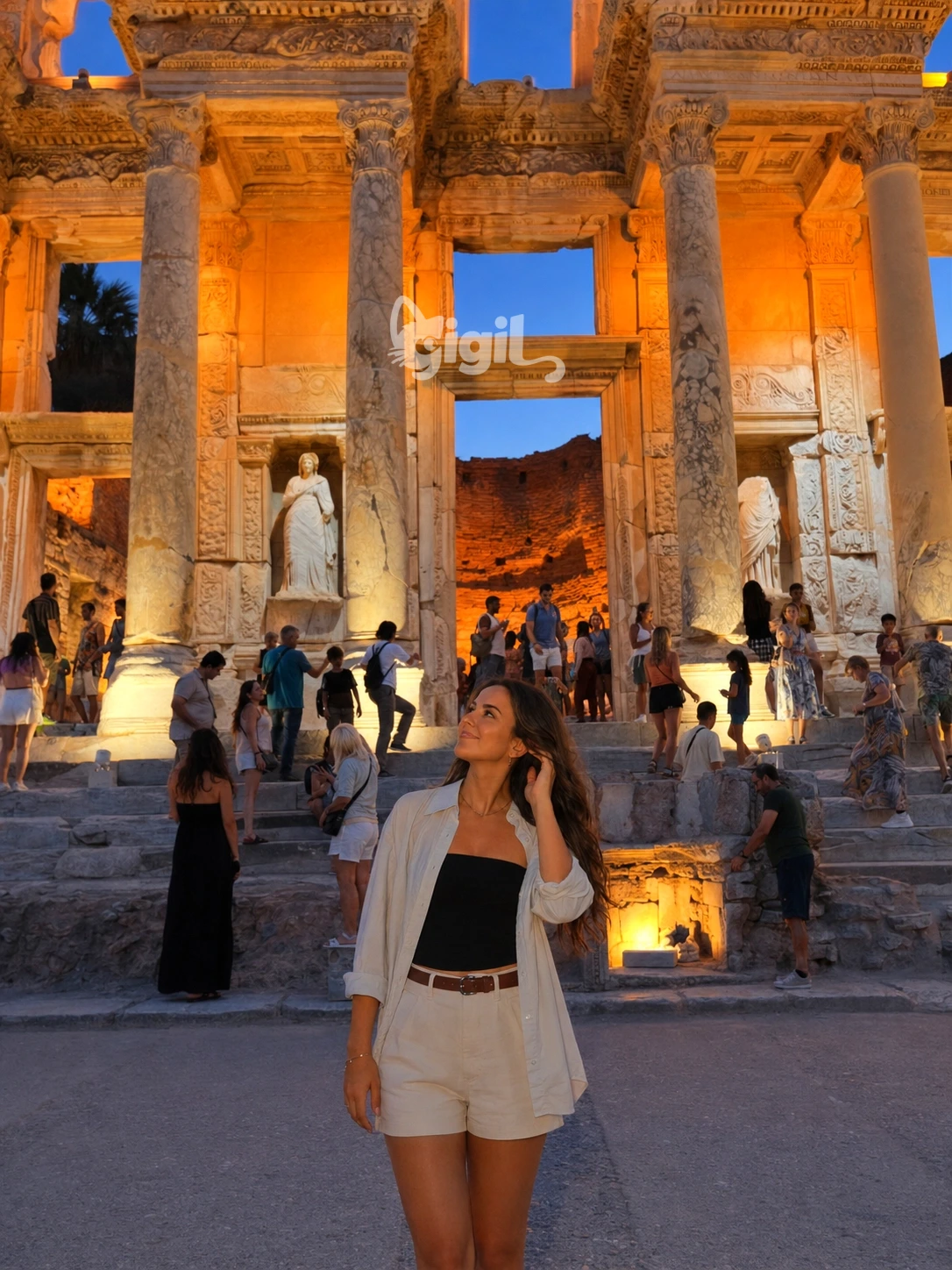
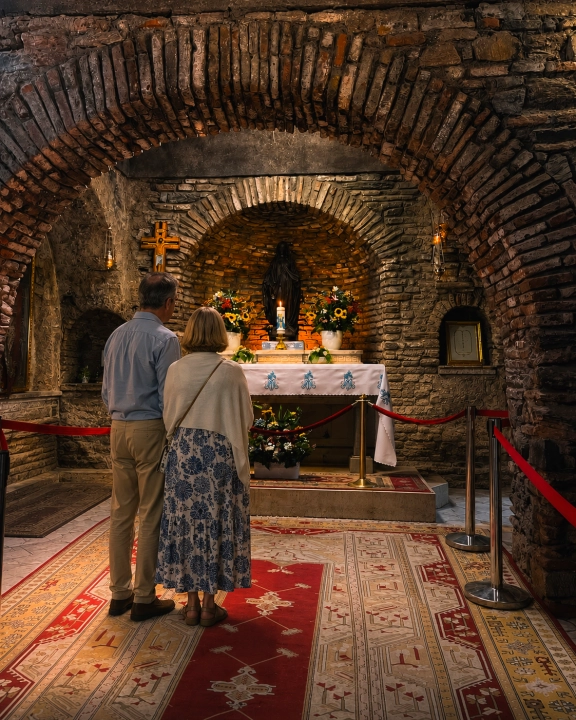
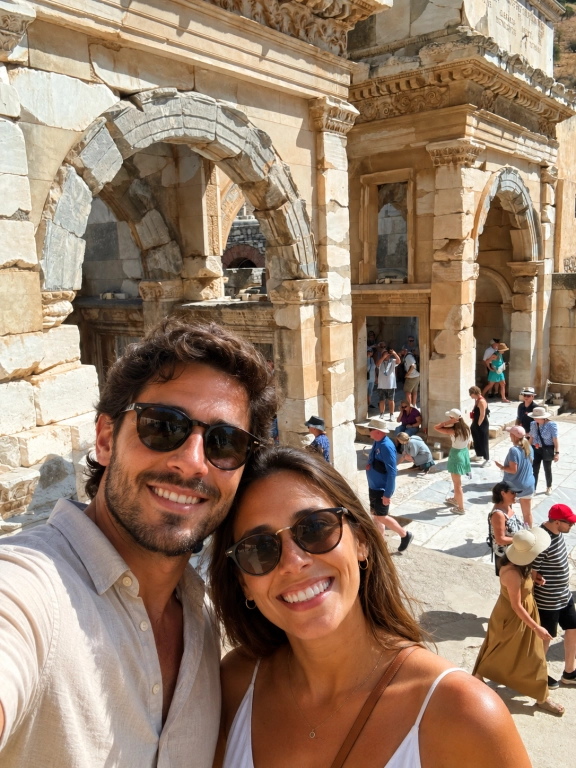
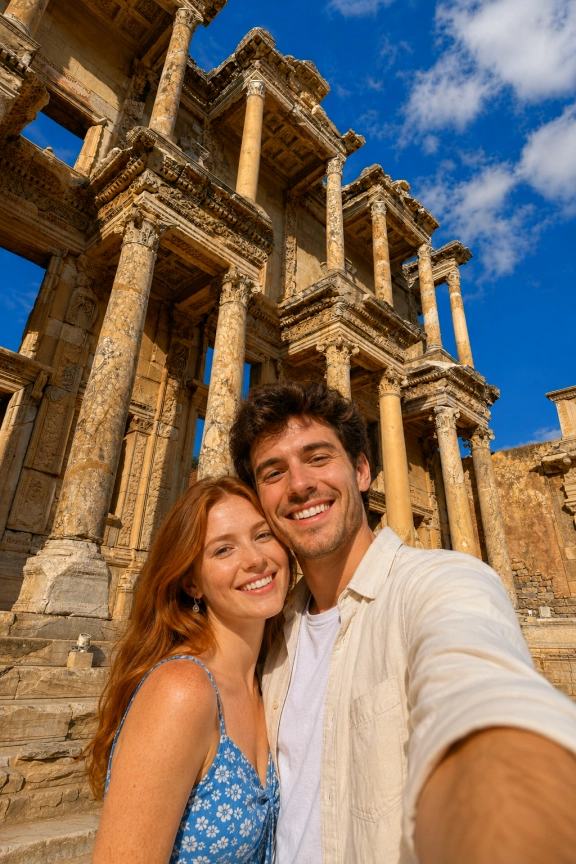
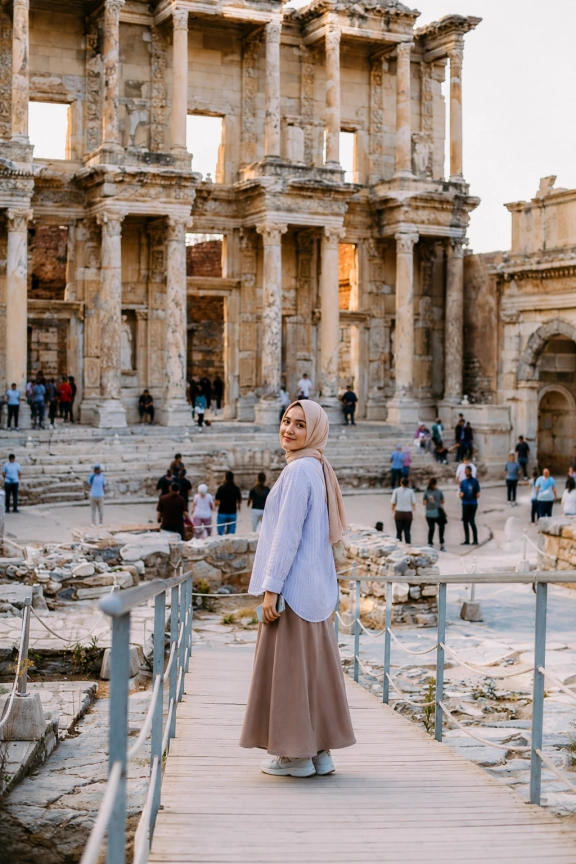
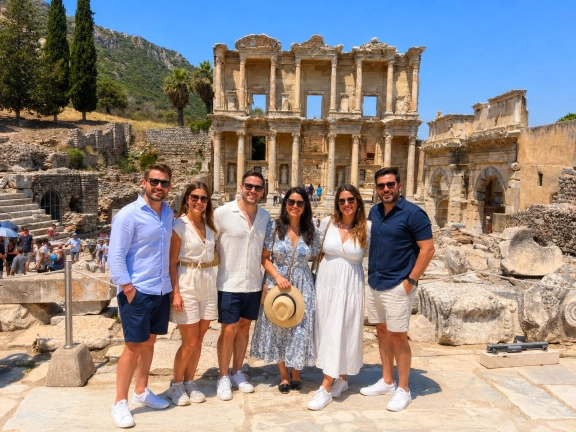
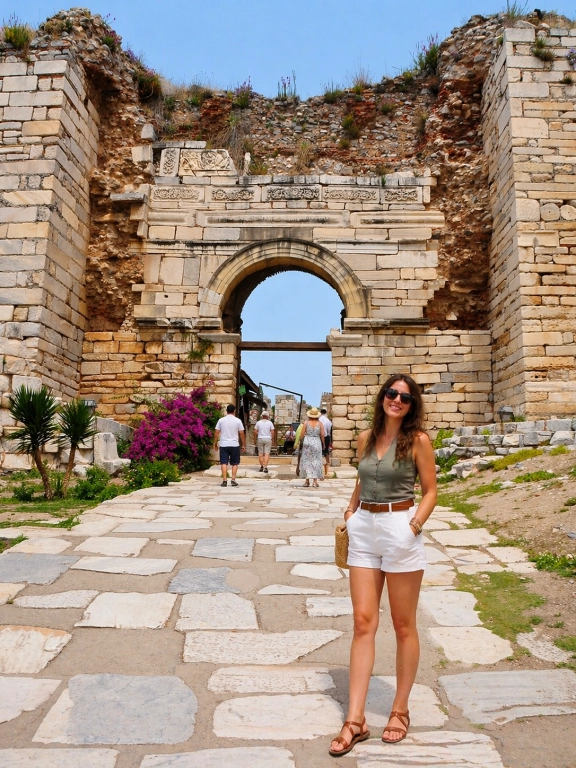
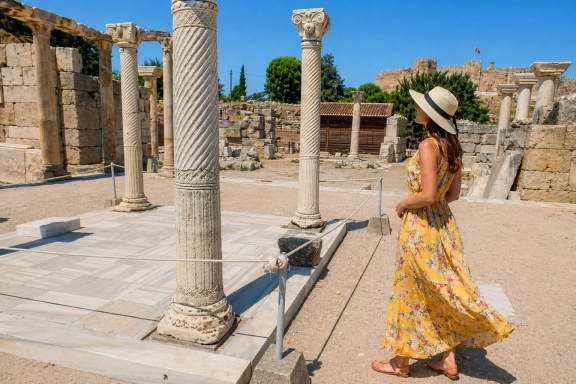
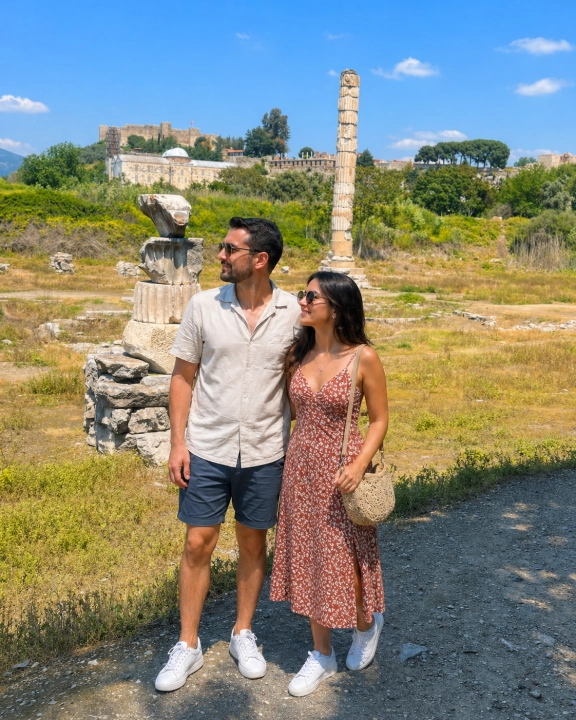

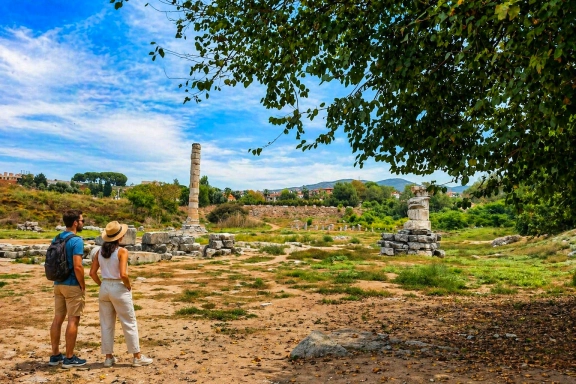
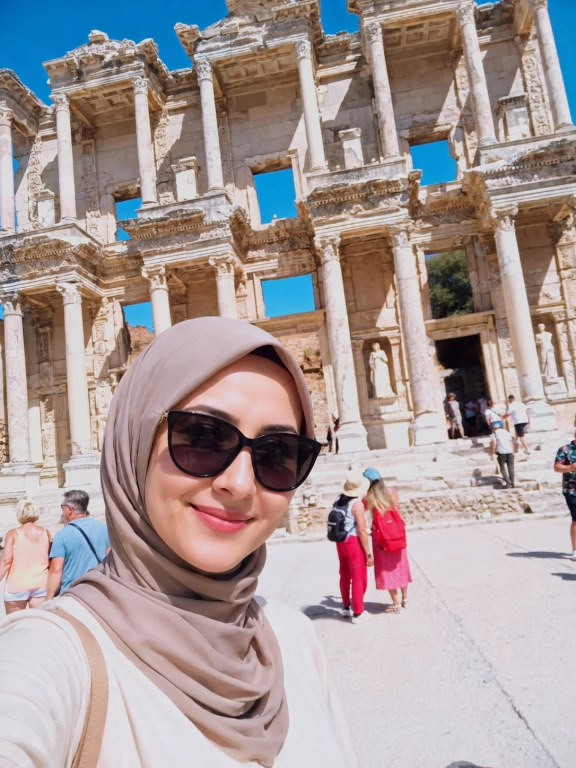

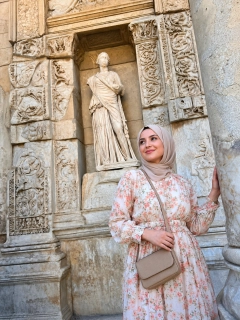
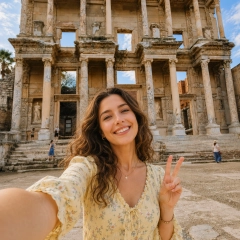
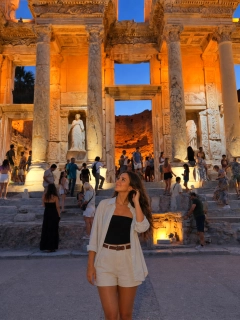

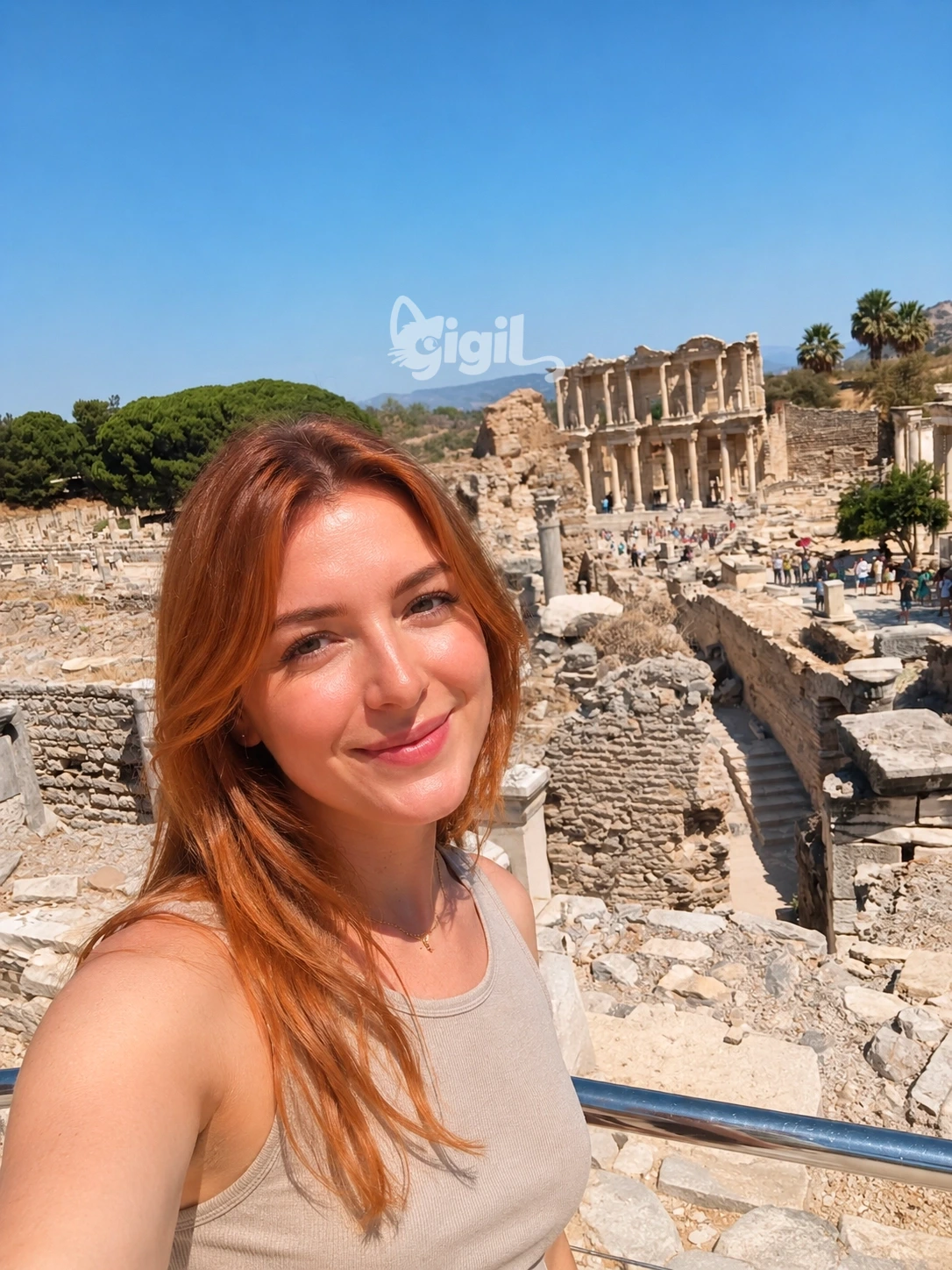
Ephesus Ancient City offers an archaeological view of urban life, not just a famous monument to photograph. Its streets and public spaces give context to the Library of Celsus and Great Theatre, within a settlement whose former port relationship has changed with the landscape.
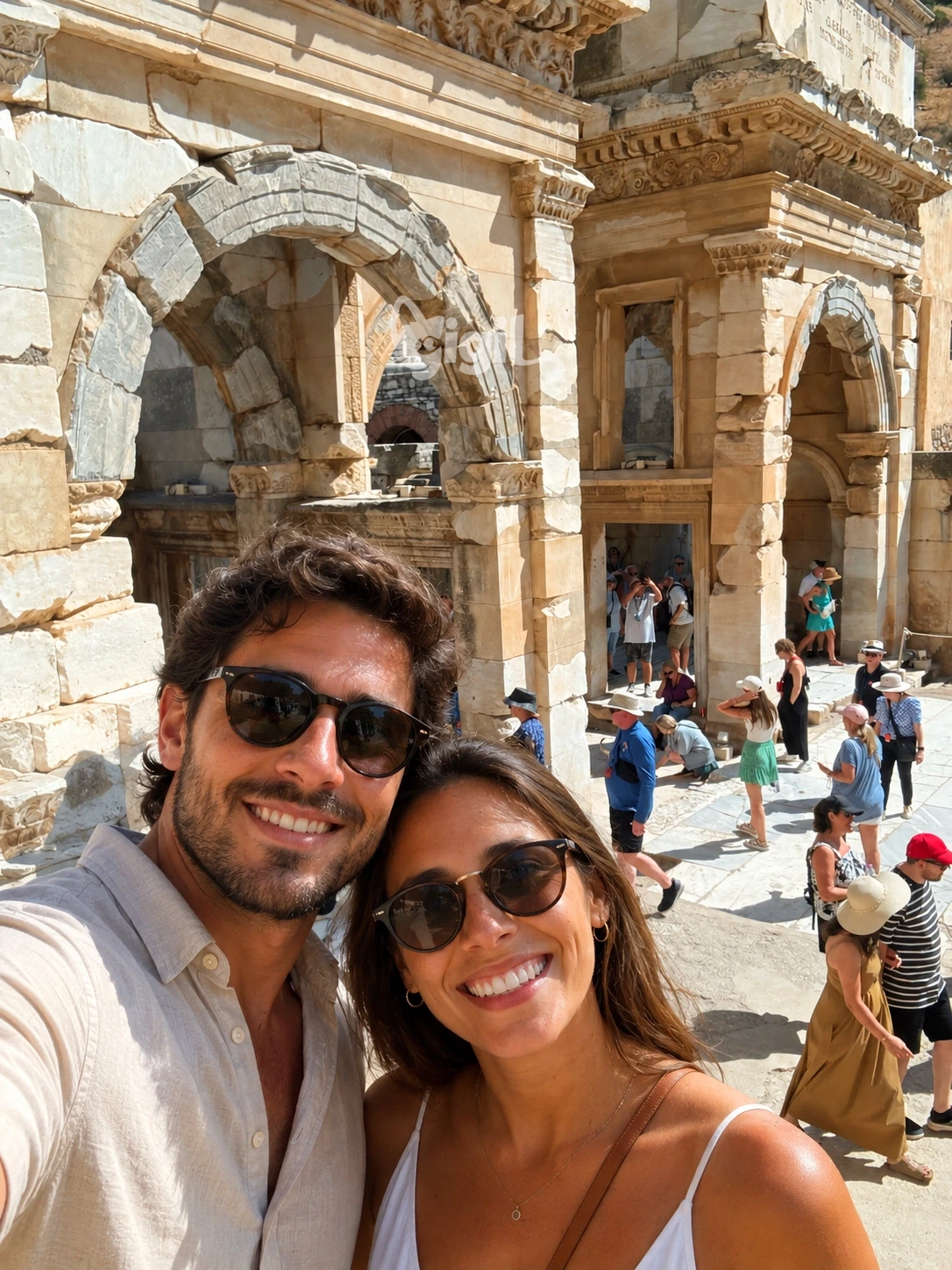
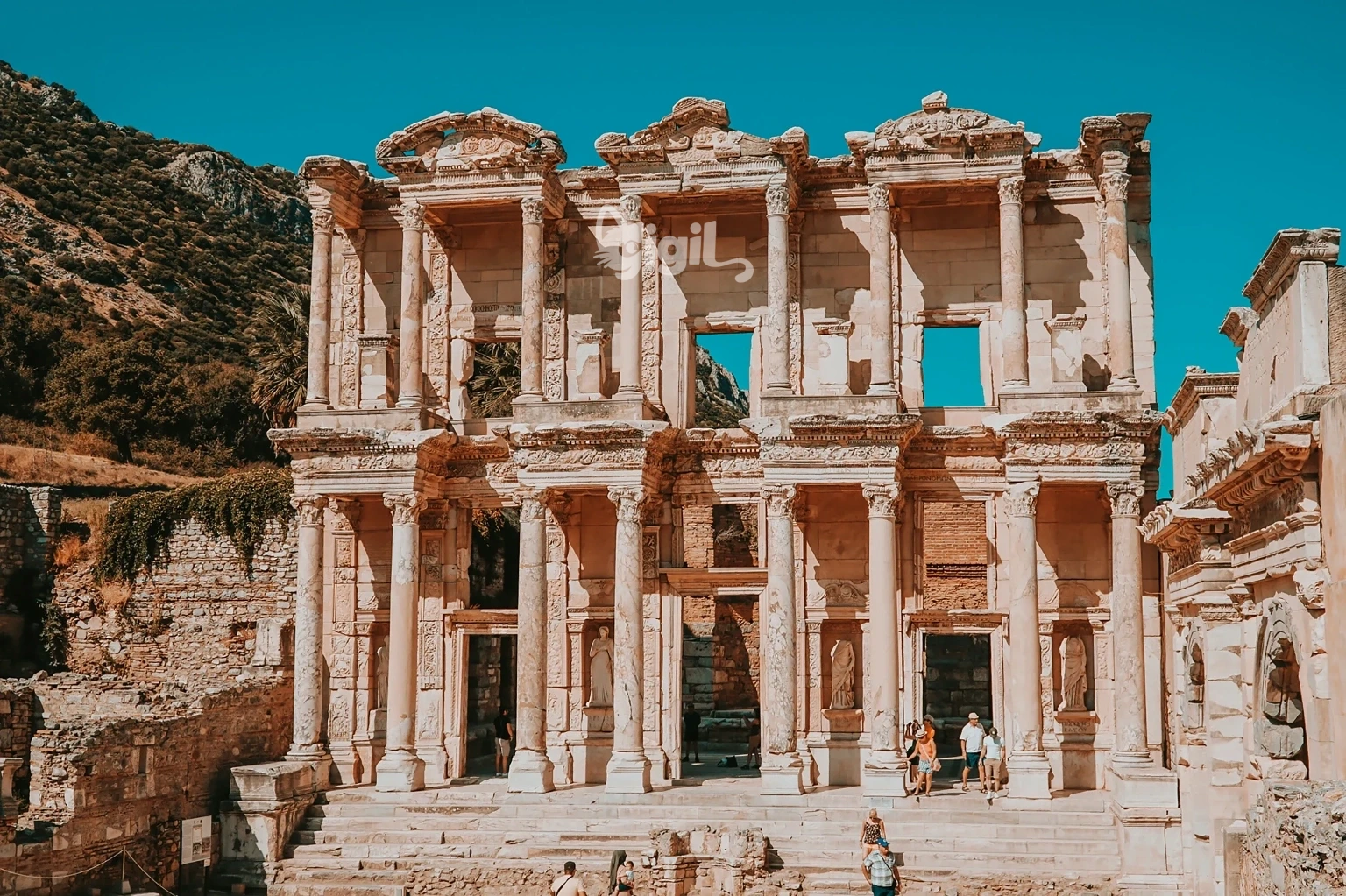
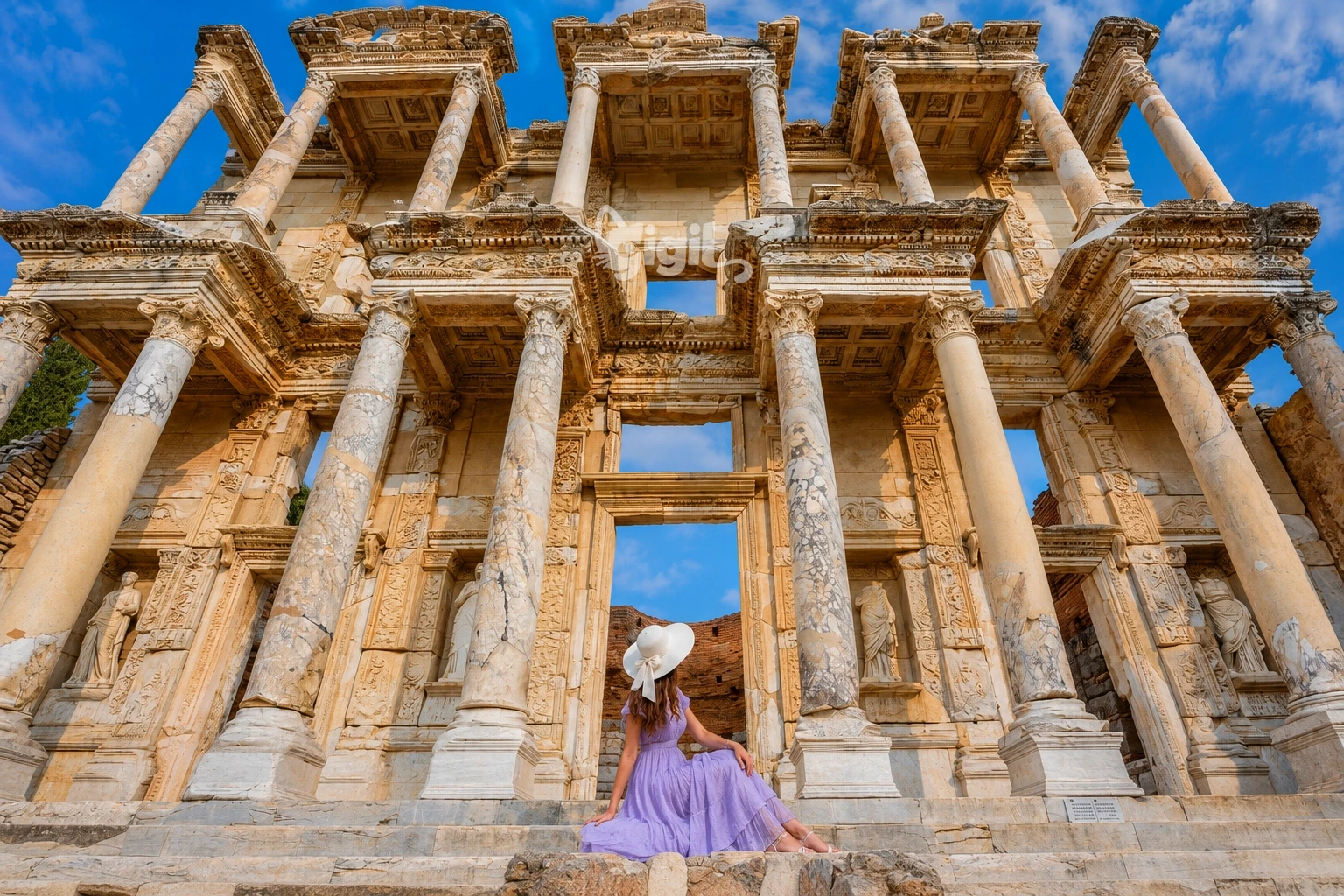
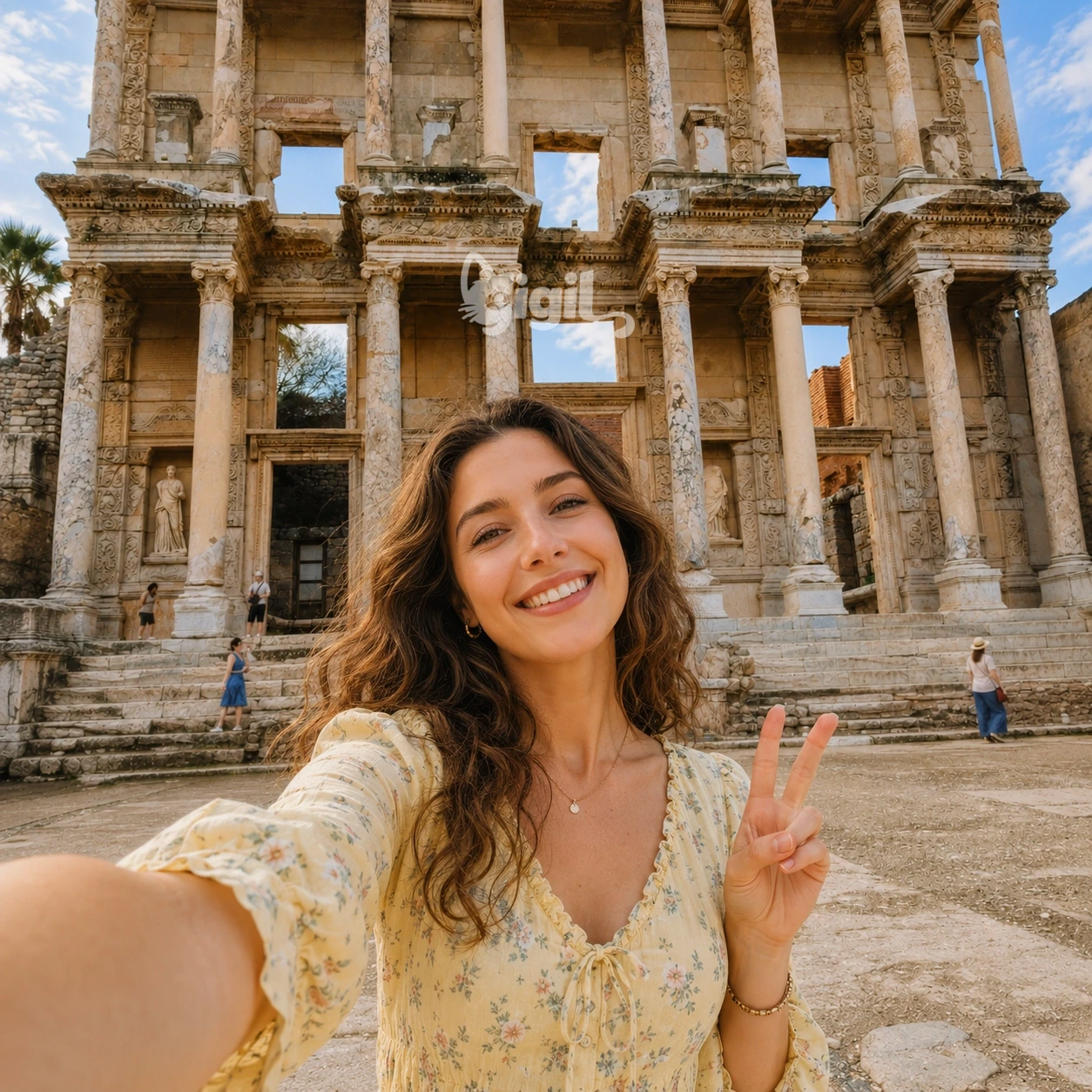
Notice how the size of a public space differs from the route leading into it. Reconstruction, including the library frontage, makes some architecture easier to read without making the whole city an untouched survival.
Questions
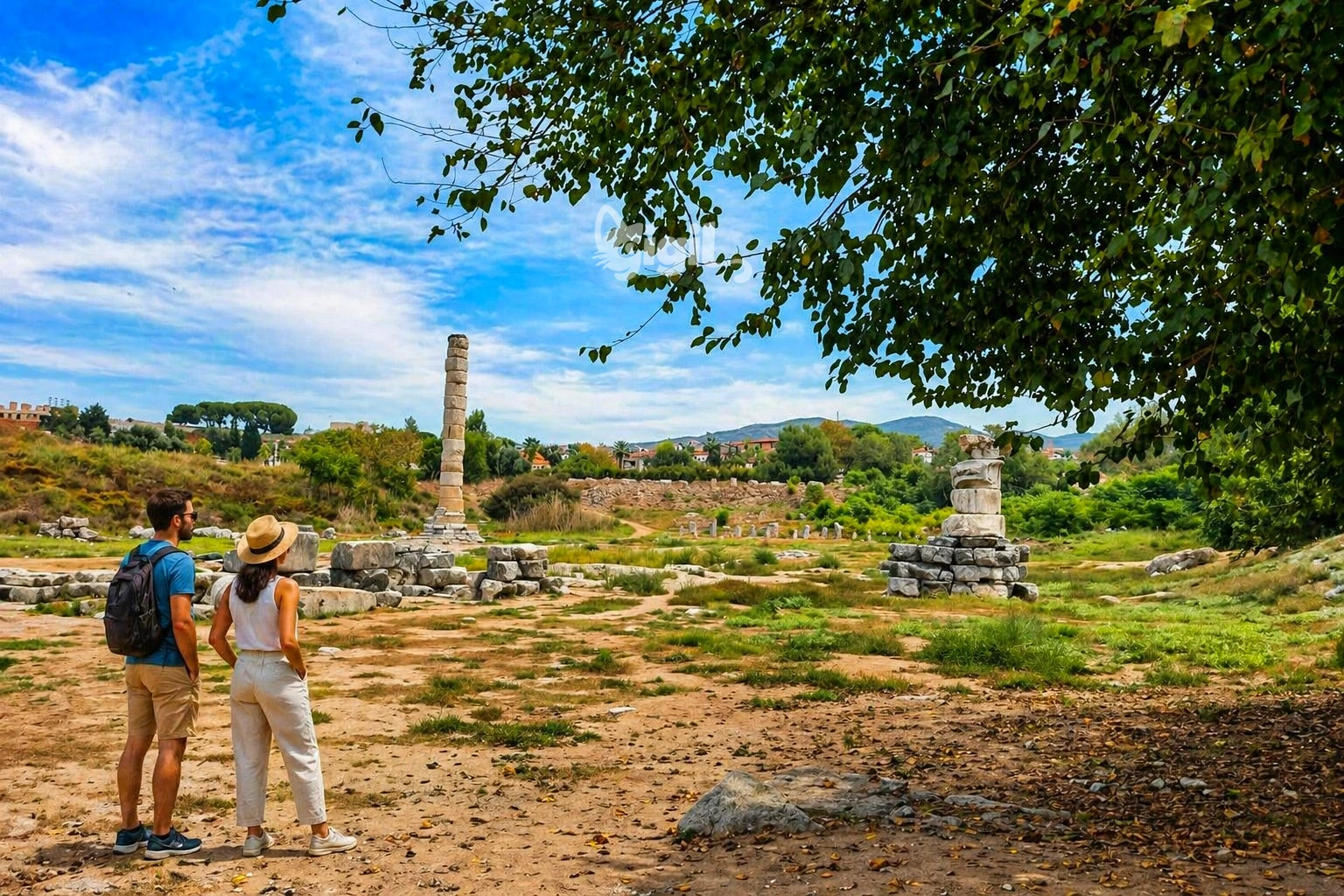
Why is the city's former port setting important?
It helps explain the settlement's wider connections, even though changes to coast and waterways altered that historic relationship.
What should I look for between the library and other landmarks?
Watch how streets organise approaches, building fronts and public areas rather than treating the monuments as disconnected objects.
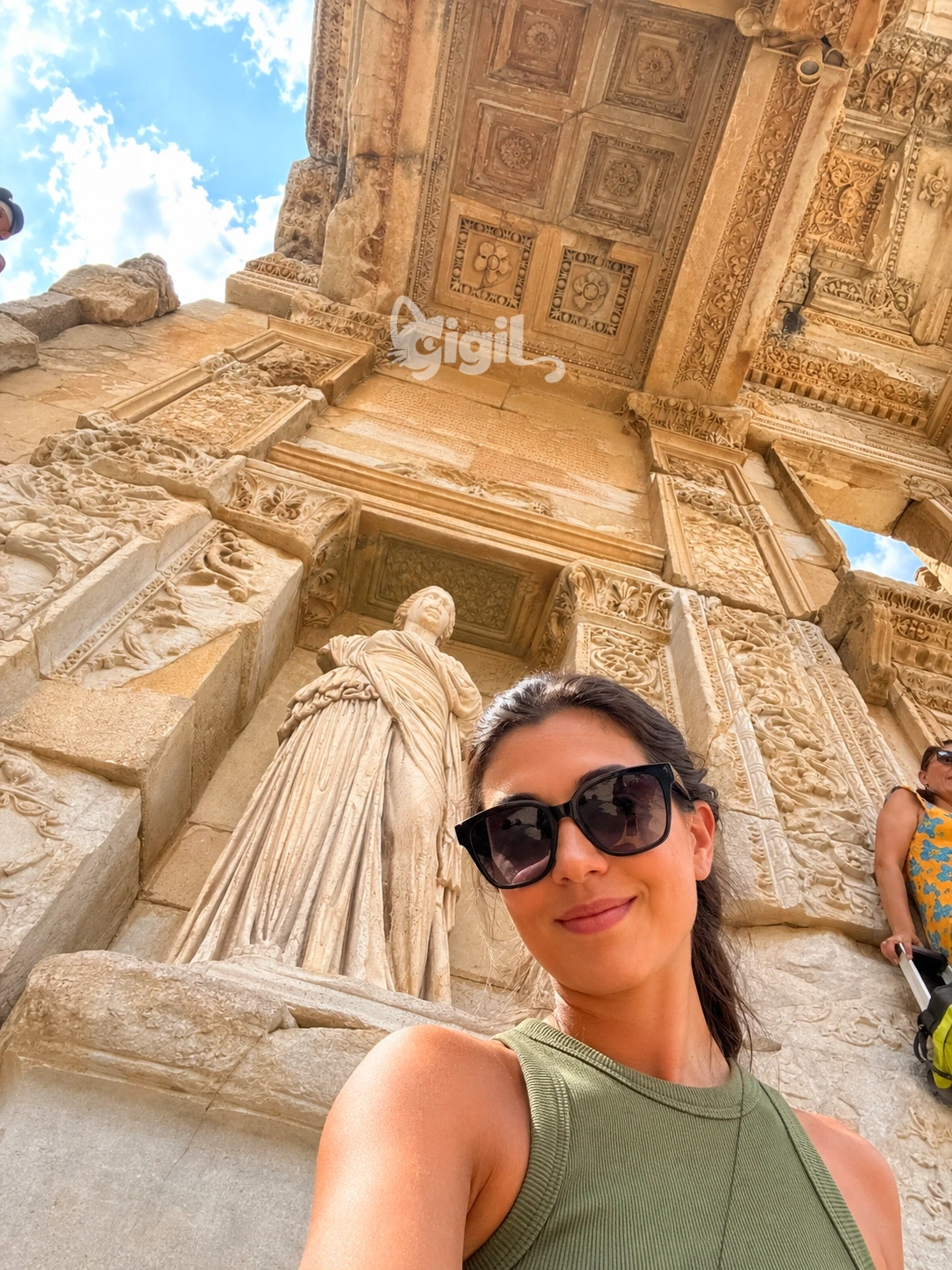
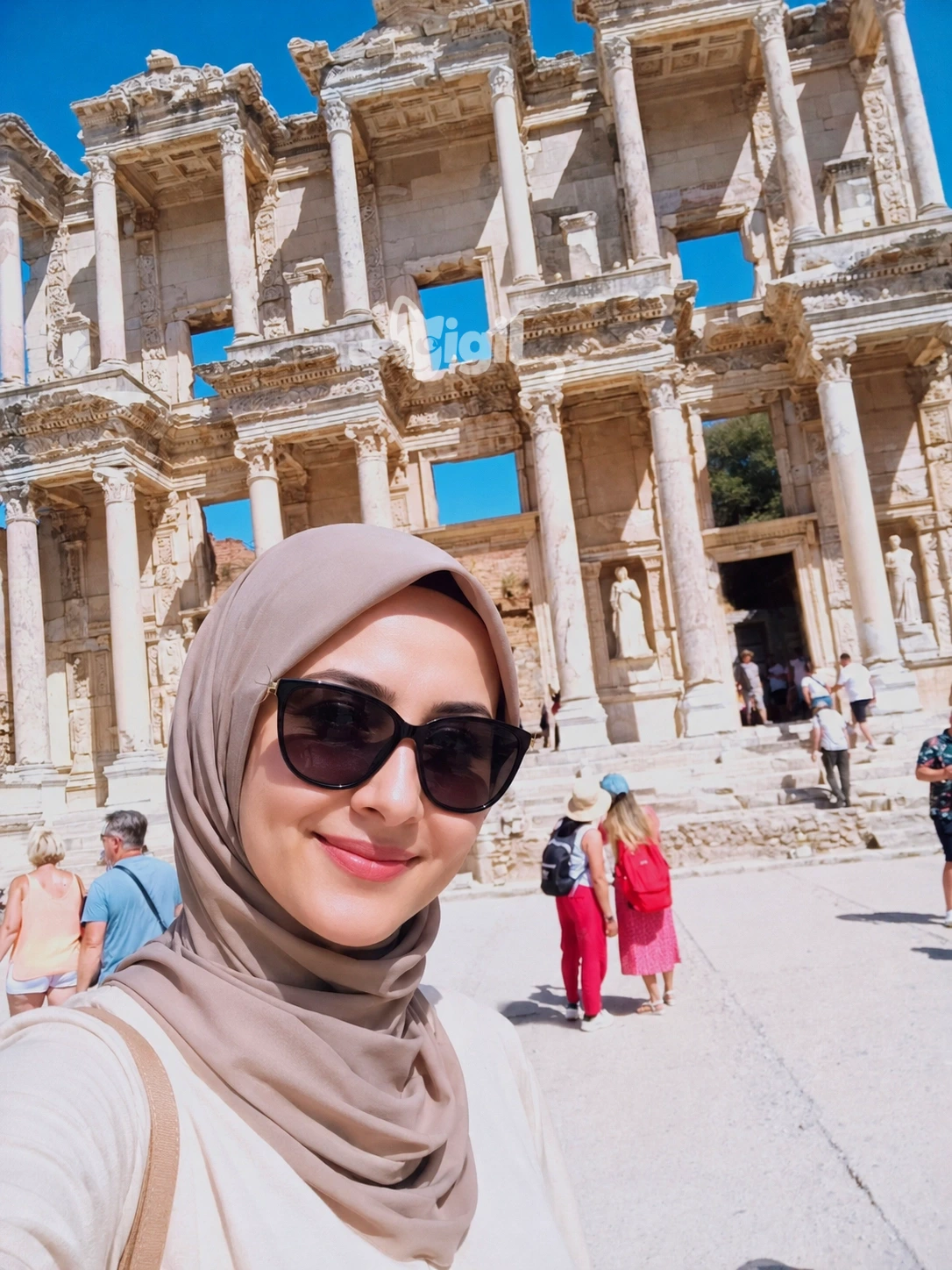
Is the library facade a wholly untouched remnant?
Its present appearance includes reconstruction and conservation, which need to be distinguished from fabric surviving without reassembly.
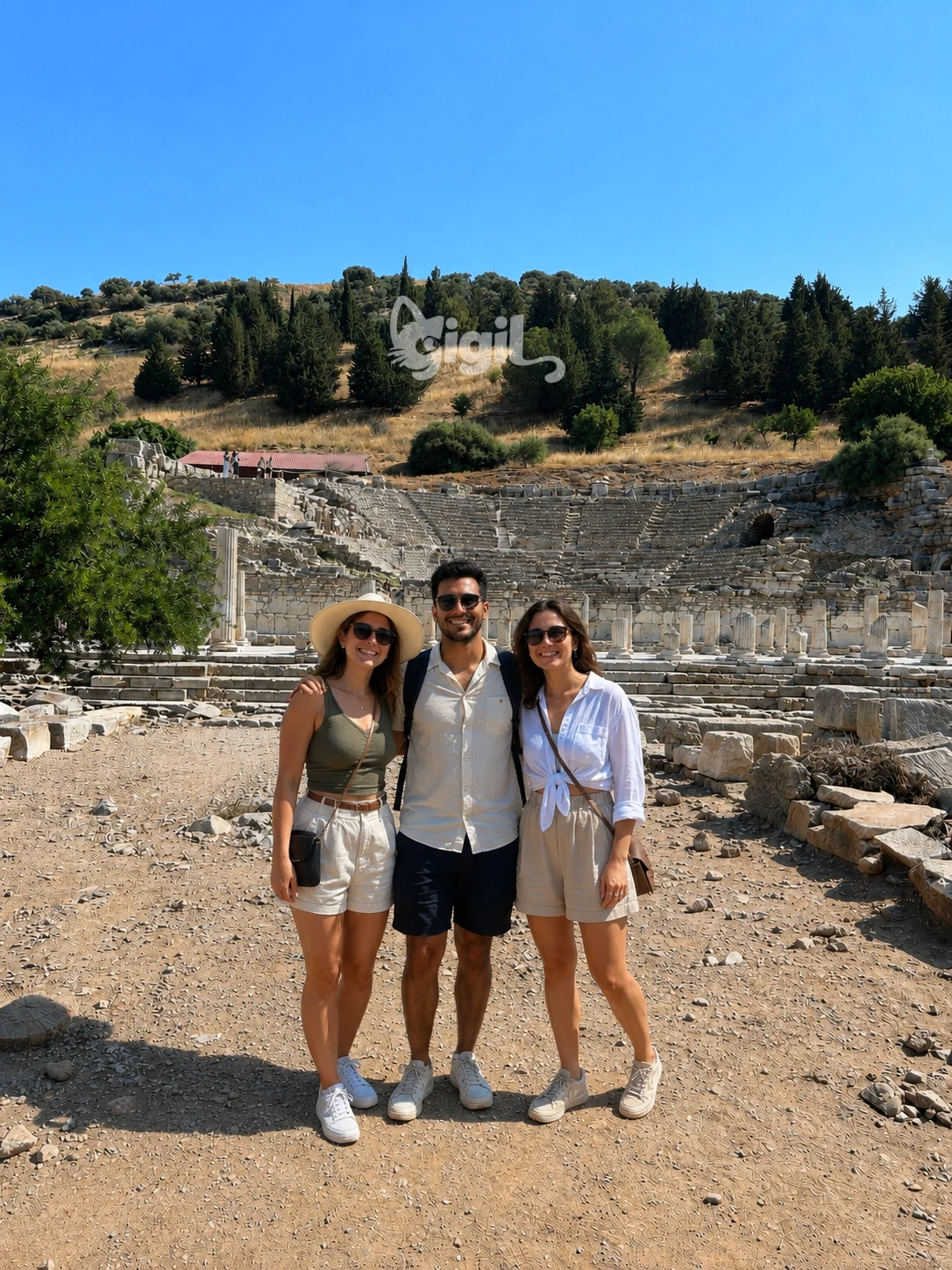
How does the theatre help explain the settlement?
Its audience space conveys the scale of collective activity that a large ancient city could accommodate.