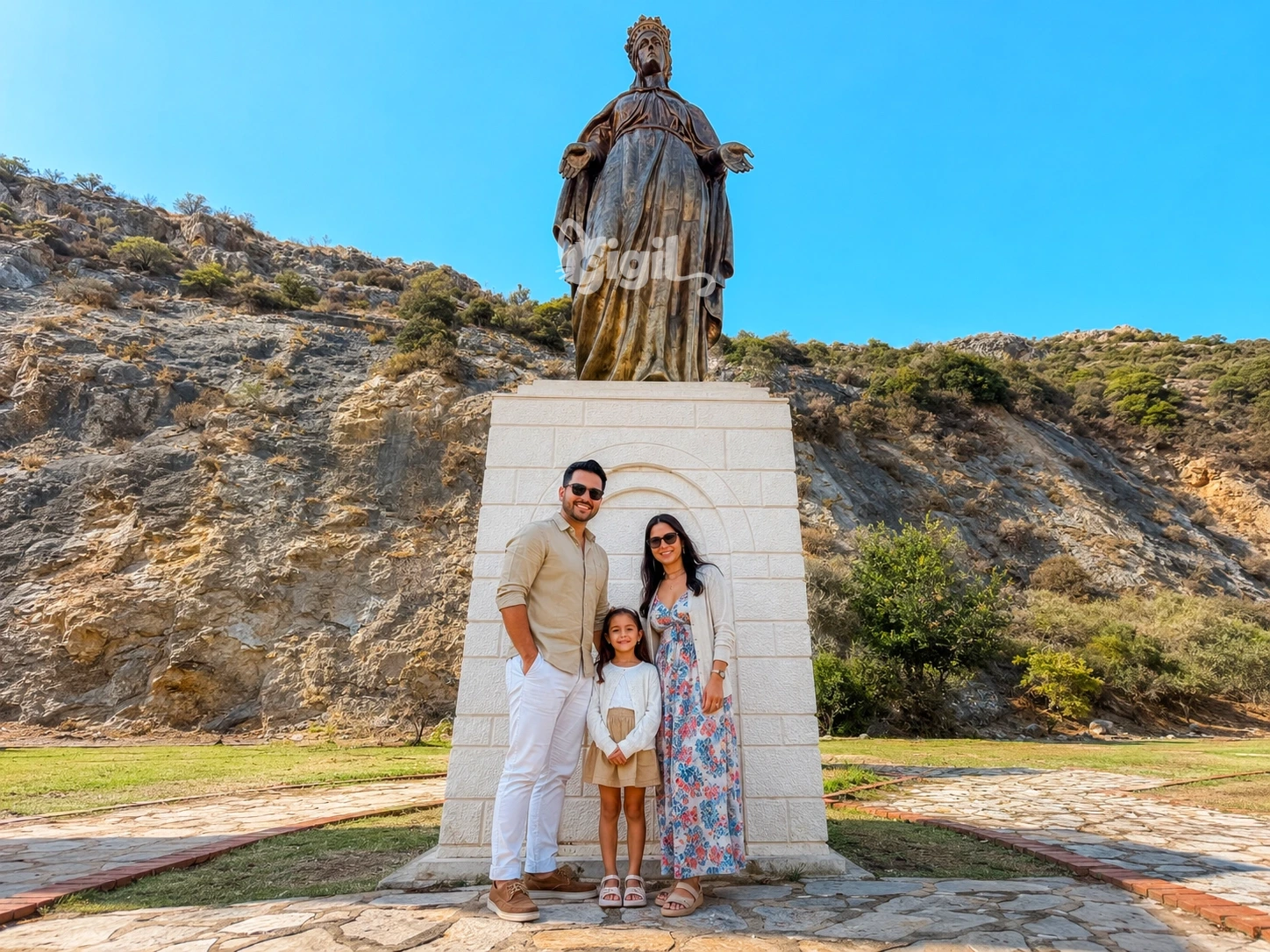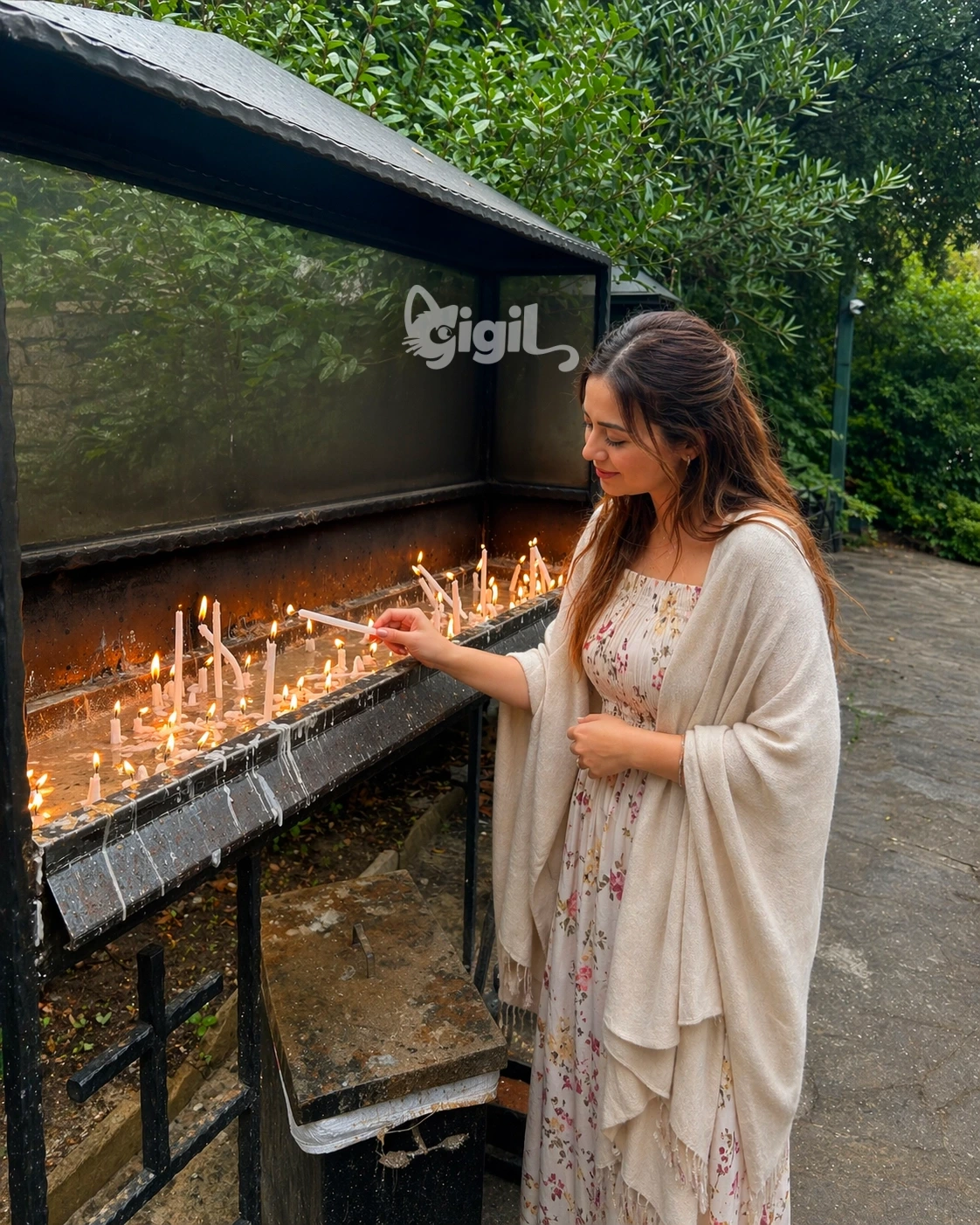












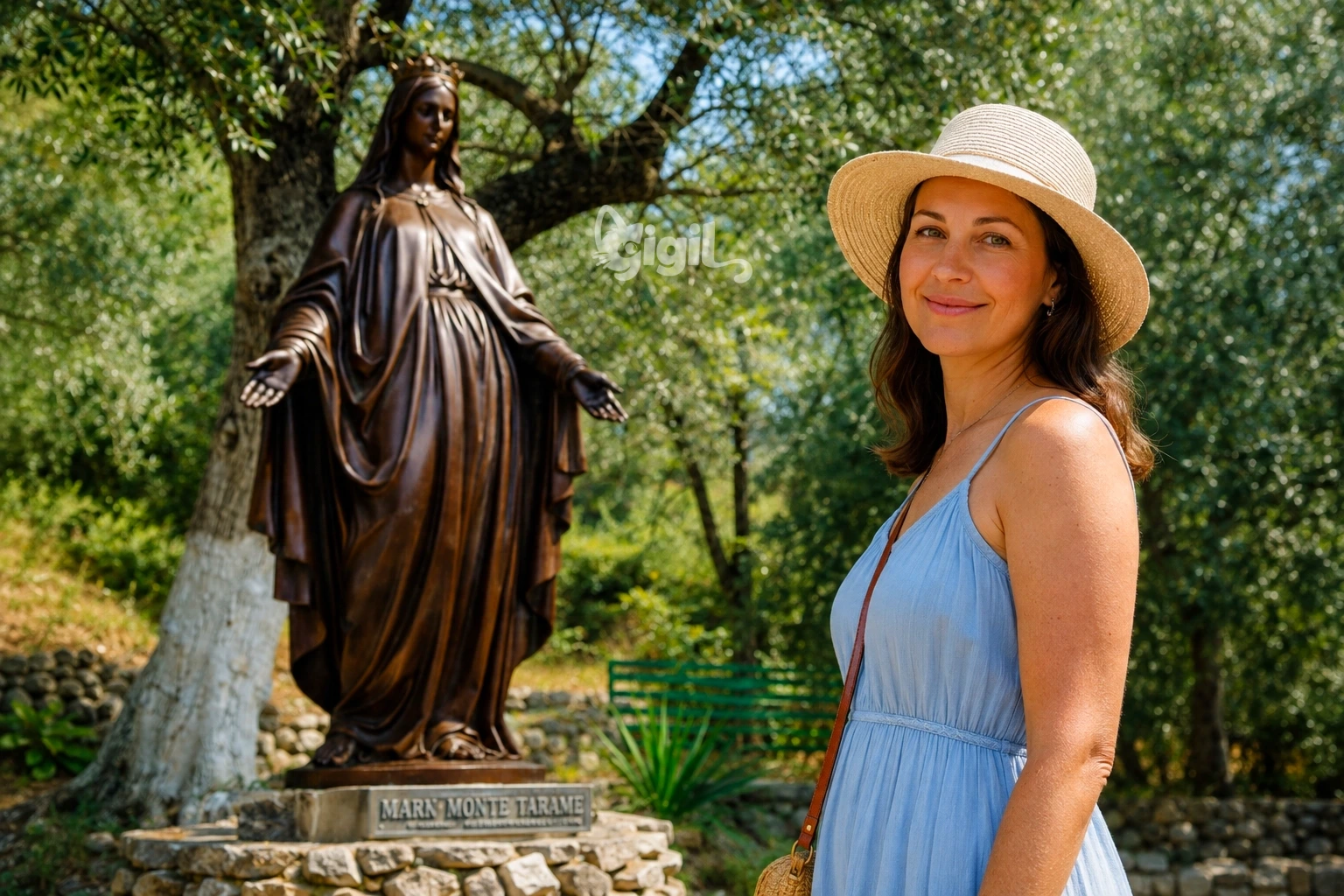
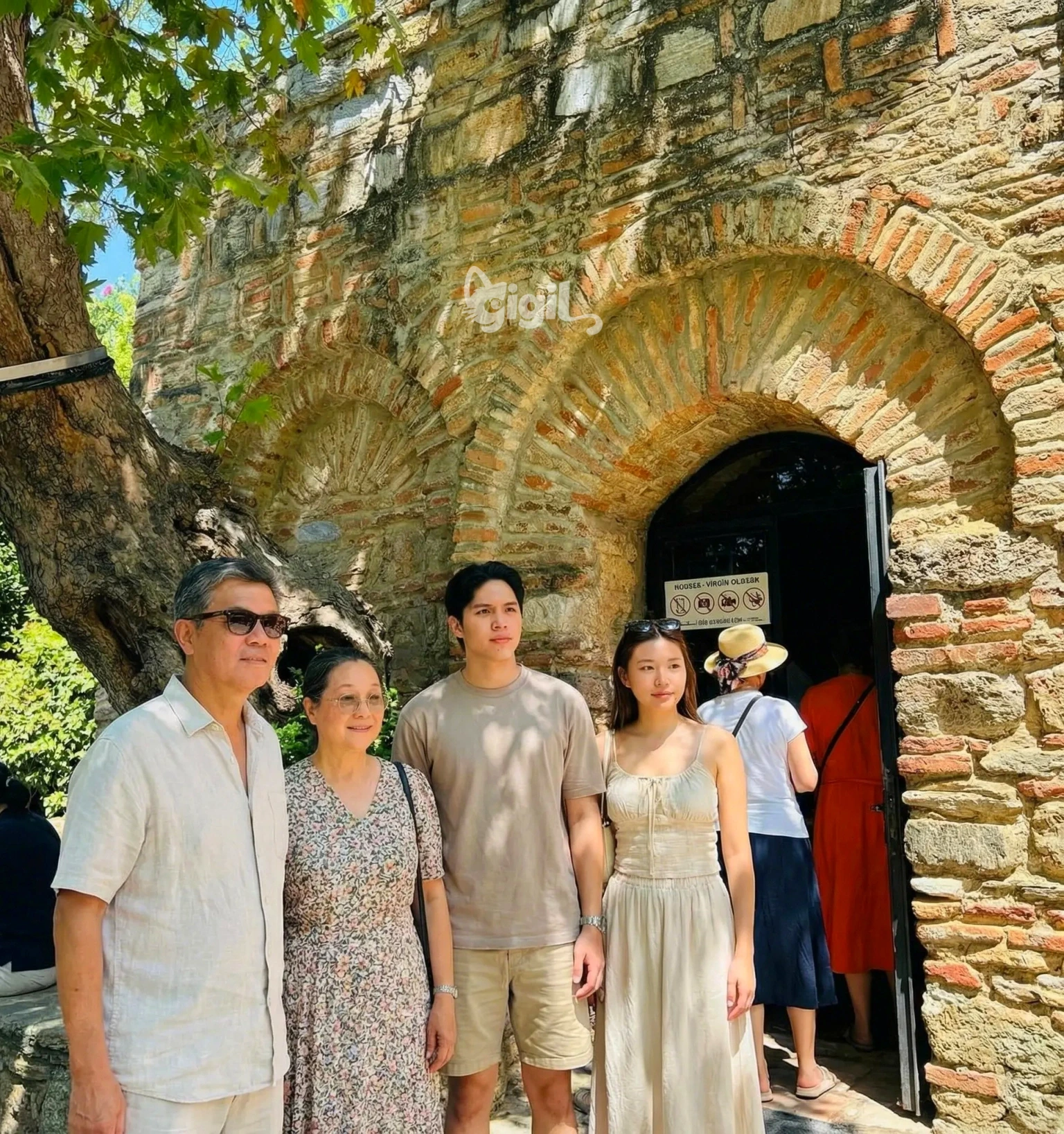
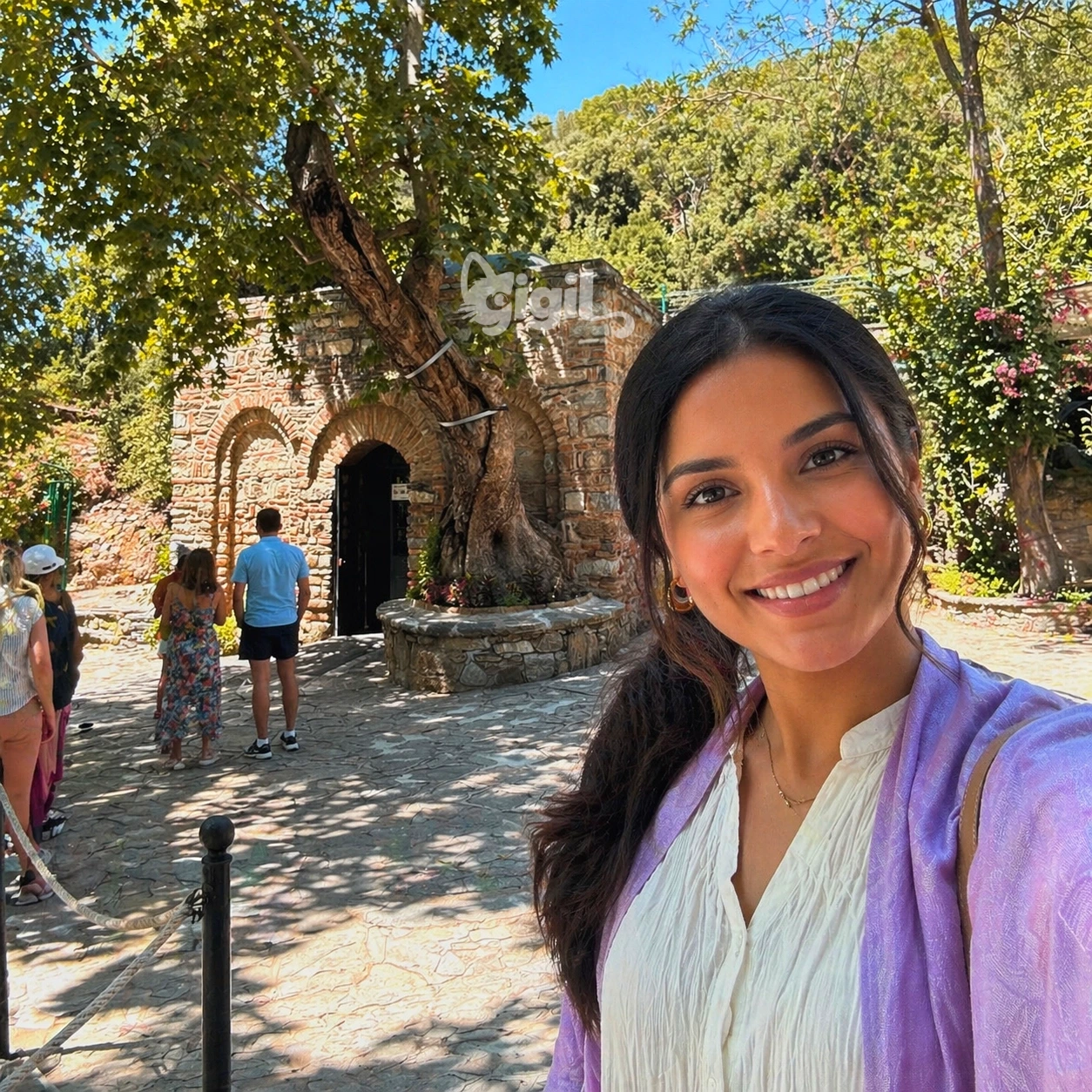
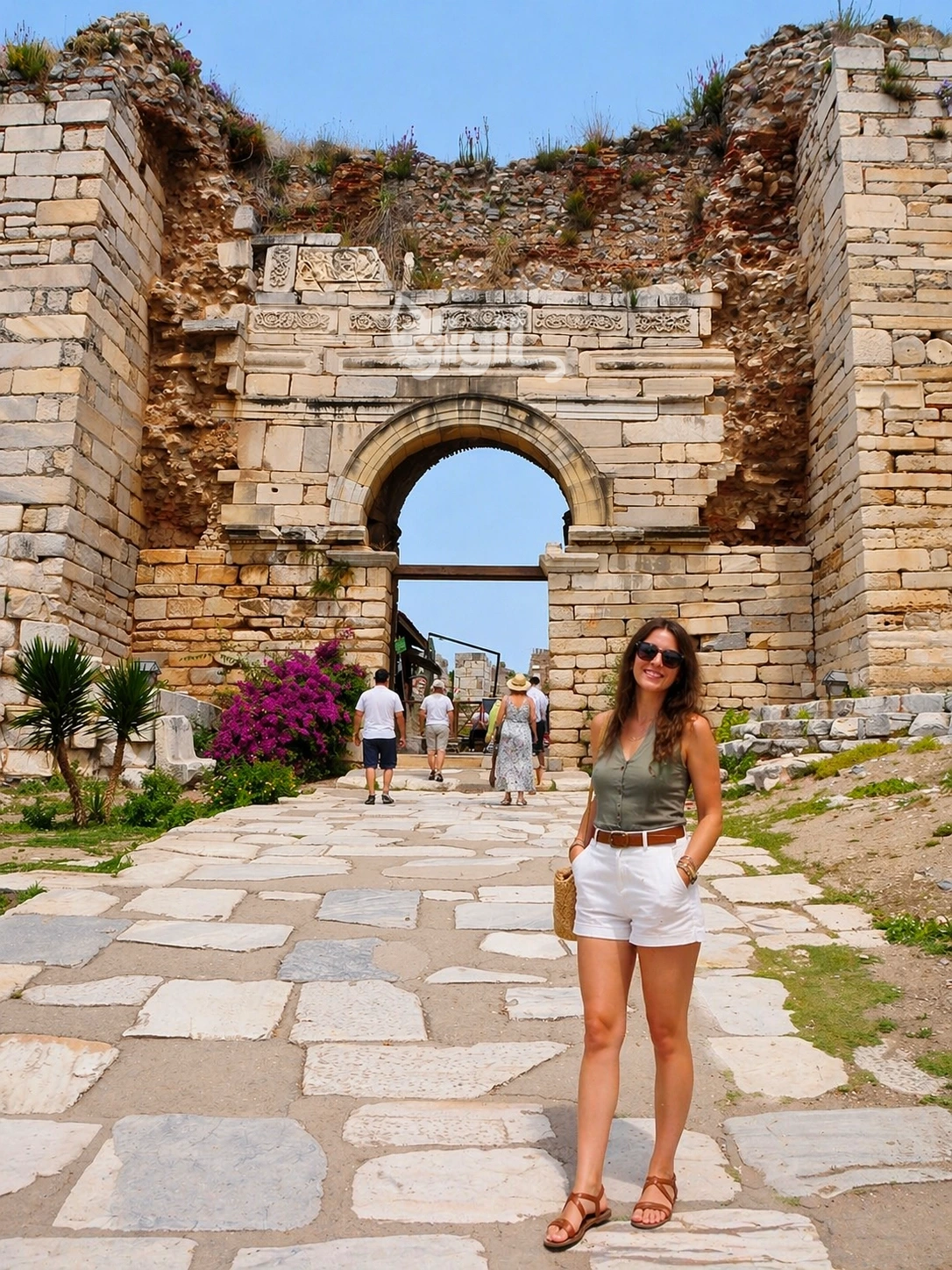
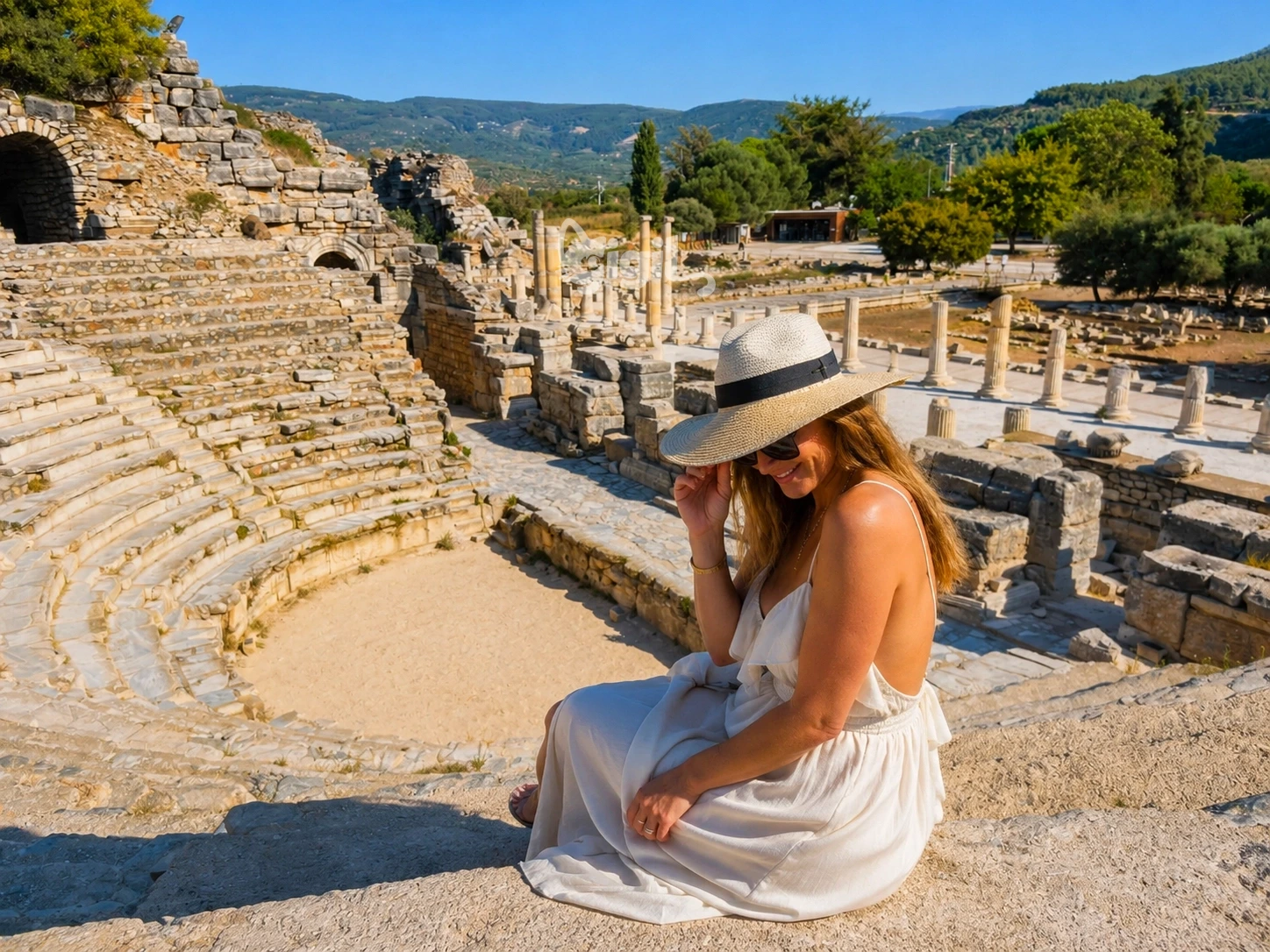
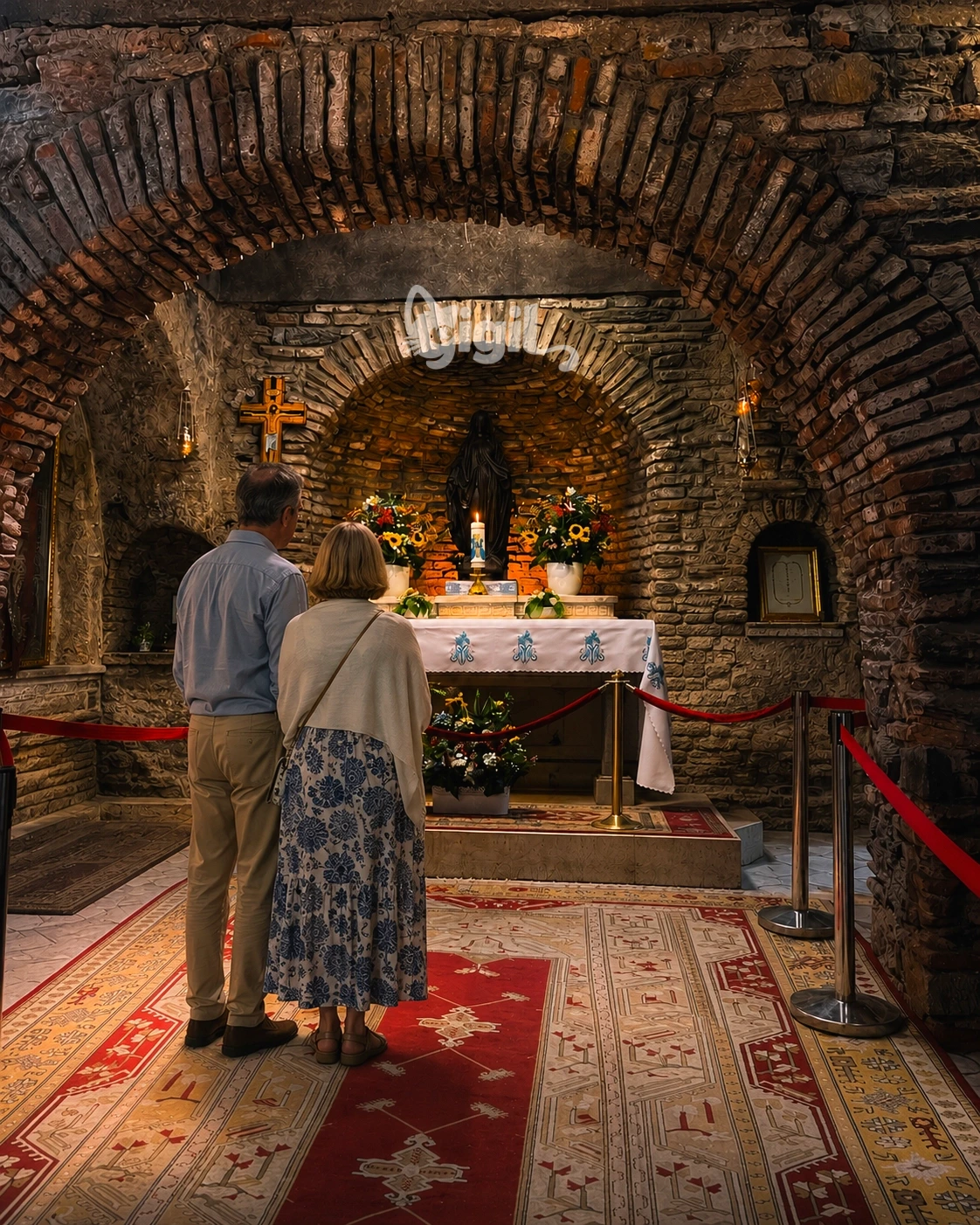
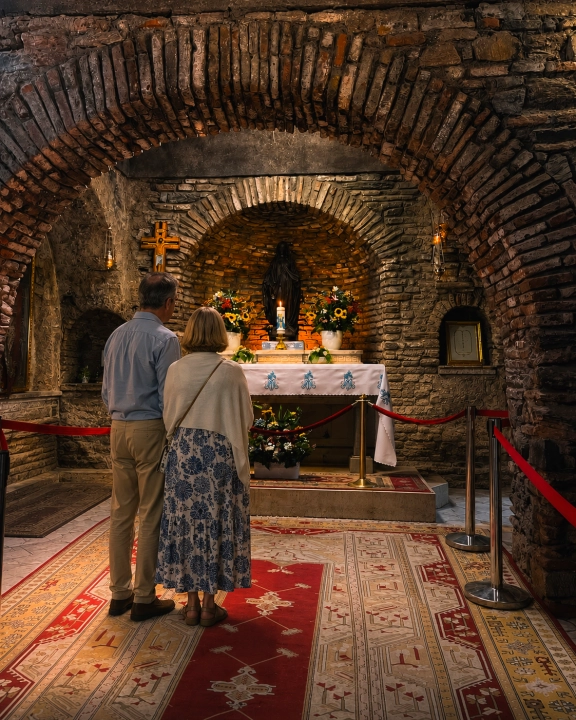
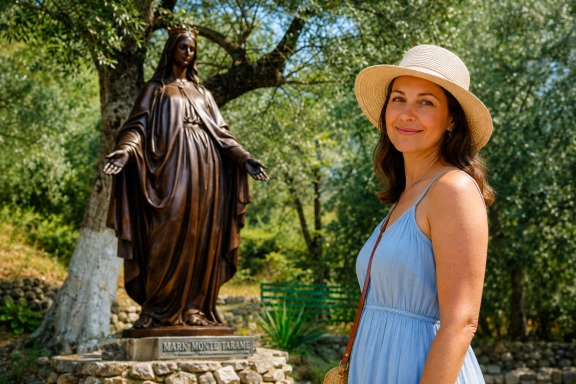
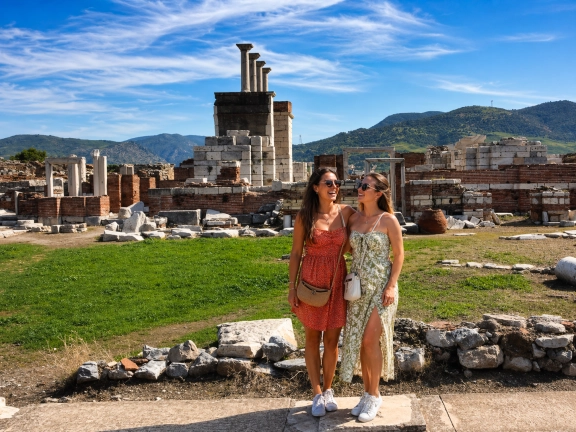
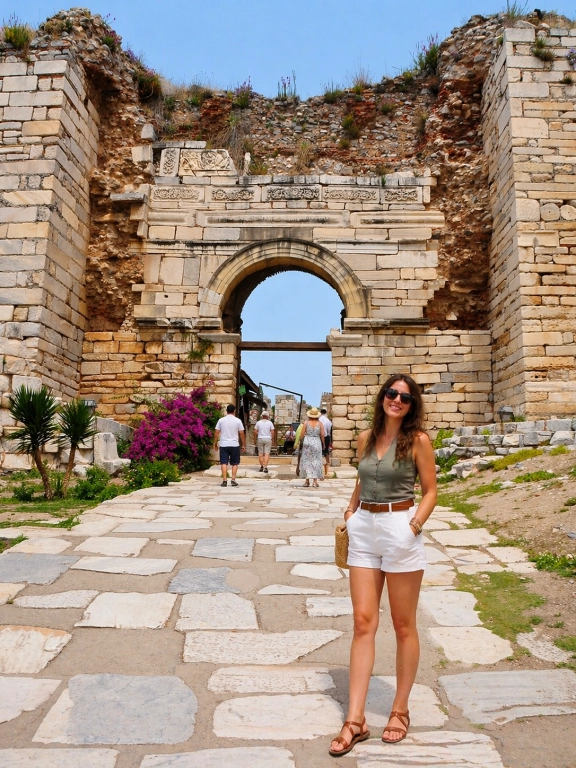
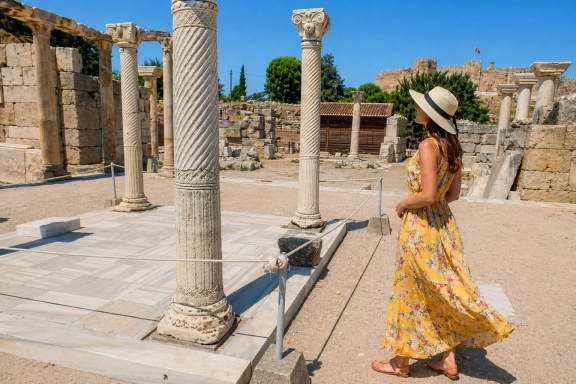
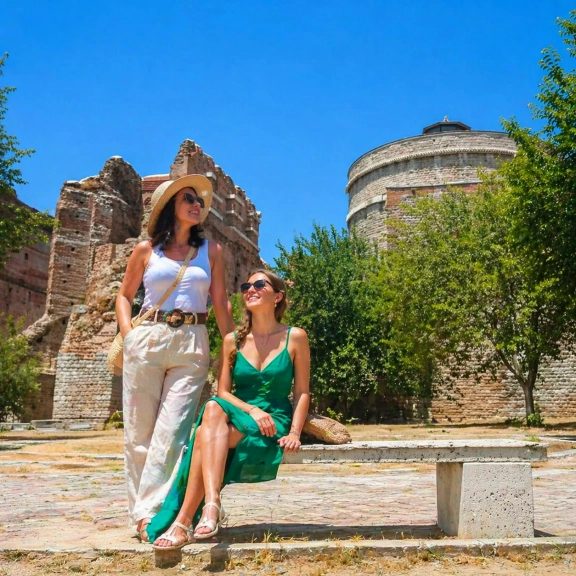


The House of Virgin Mary is a hillside sanctuary traditionally associated with Mary, rather than an ancient residence whose occupant is conclusively known. The chapel has been restored, and its present form belongs to a history of pilgrimage and worship as well as building conservation.
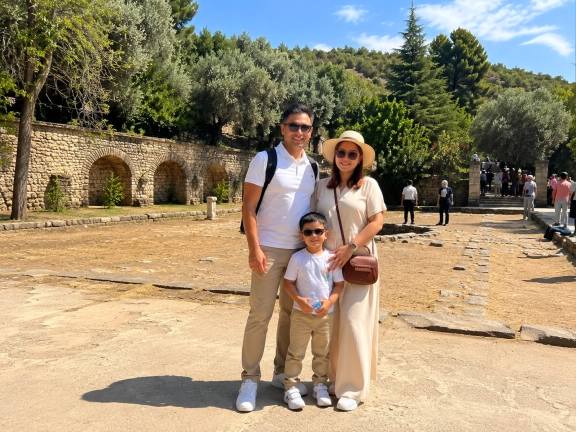
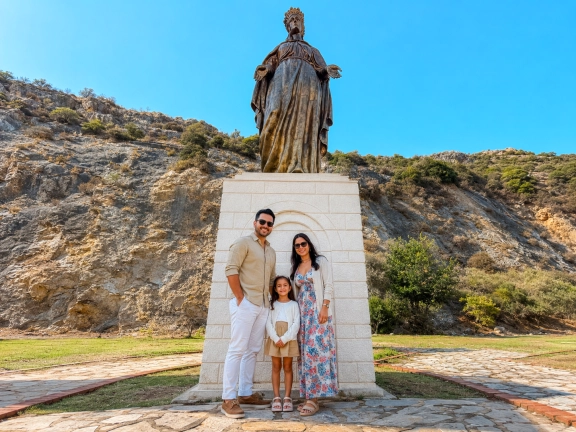
Notice how the wooded landscape frames the modest structure. Keeping faith, memory and physical evidence distinct allows the visit to remain both respectful and historically careful without reducing the place to architecture alone.
Questions
What is the nature of Mary's association with the place?
It is a Christian tradition sustained through pilgrimage, not a proven identification of a personal home from the visible chapel.
Should the restored structure be called an untouched house?
No. That description would overlook later restoration and confuse devotional association with the survival of an unchanged domestic building.
What can I learn from the surroundings?
The hillside and trees help explain the sanctuary's intimate setting and its contrast with the ancient city's larger spaces.