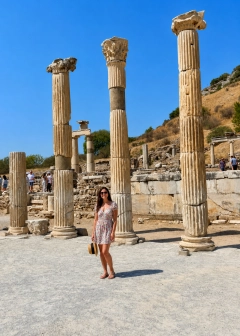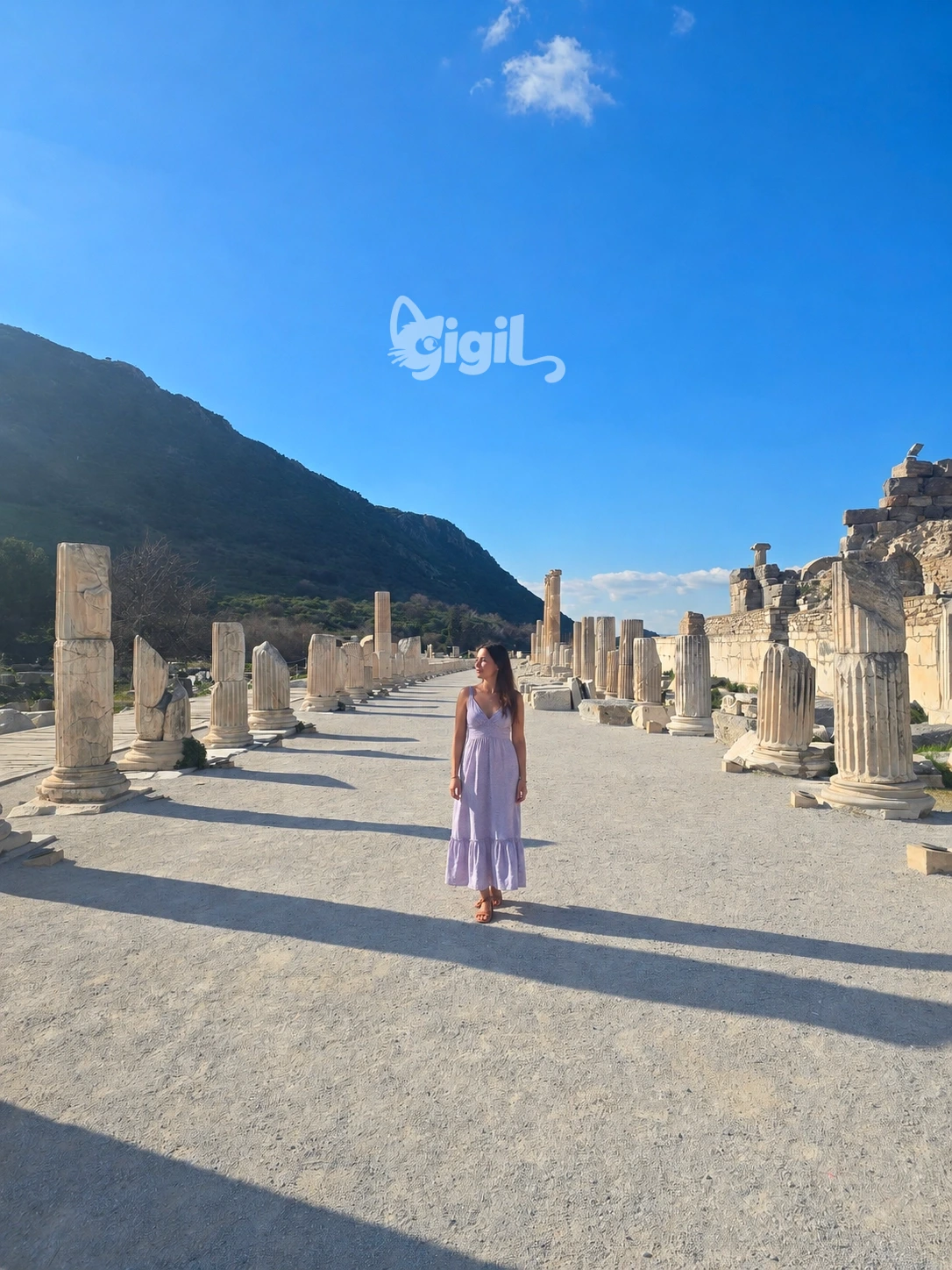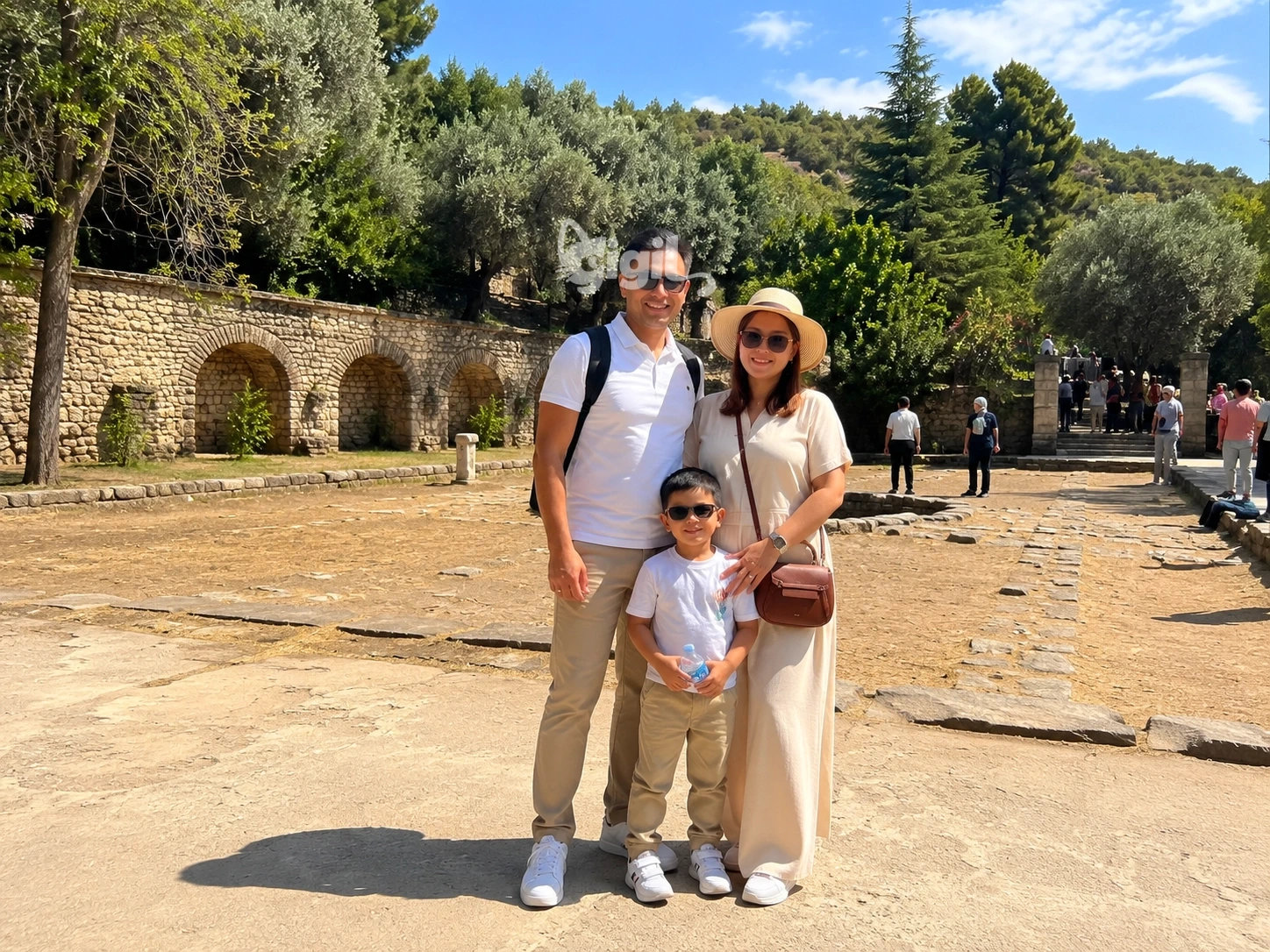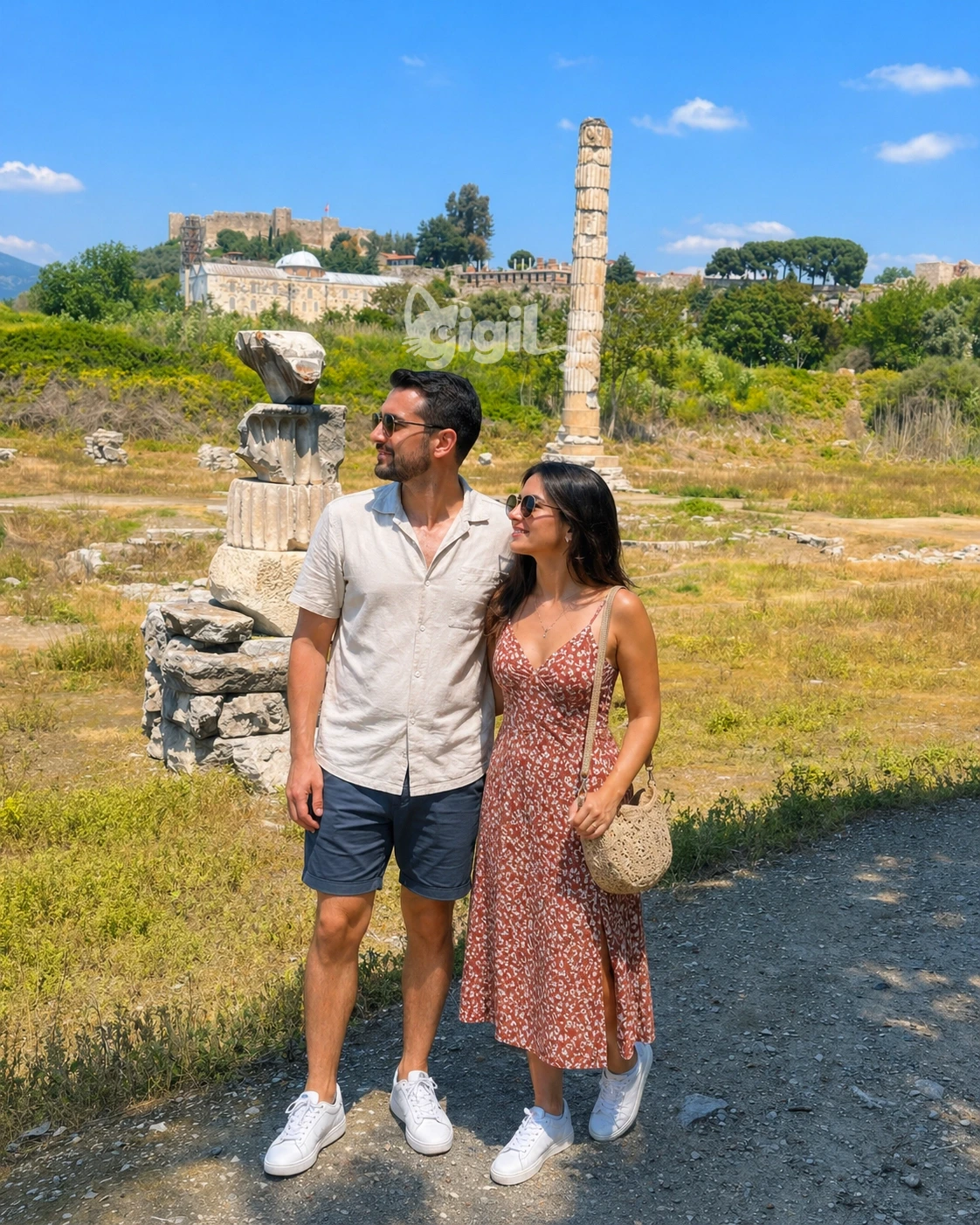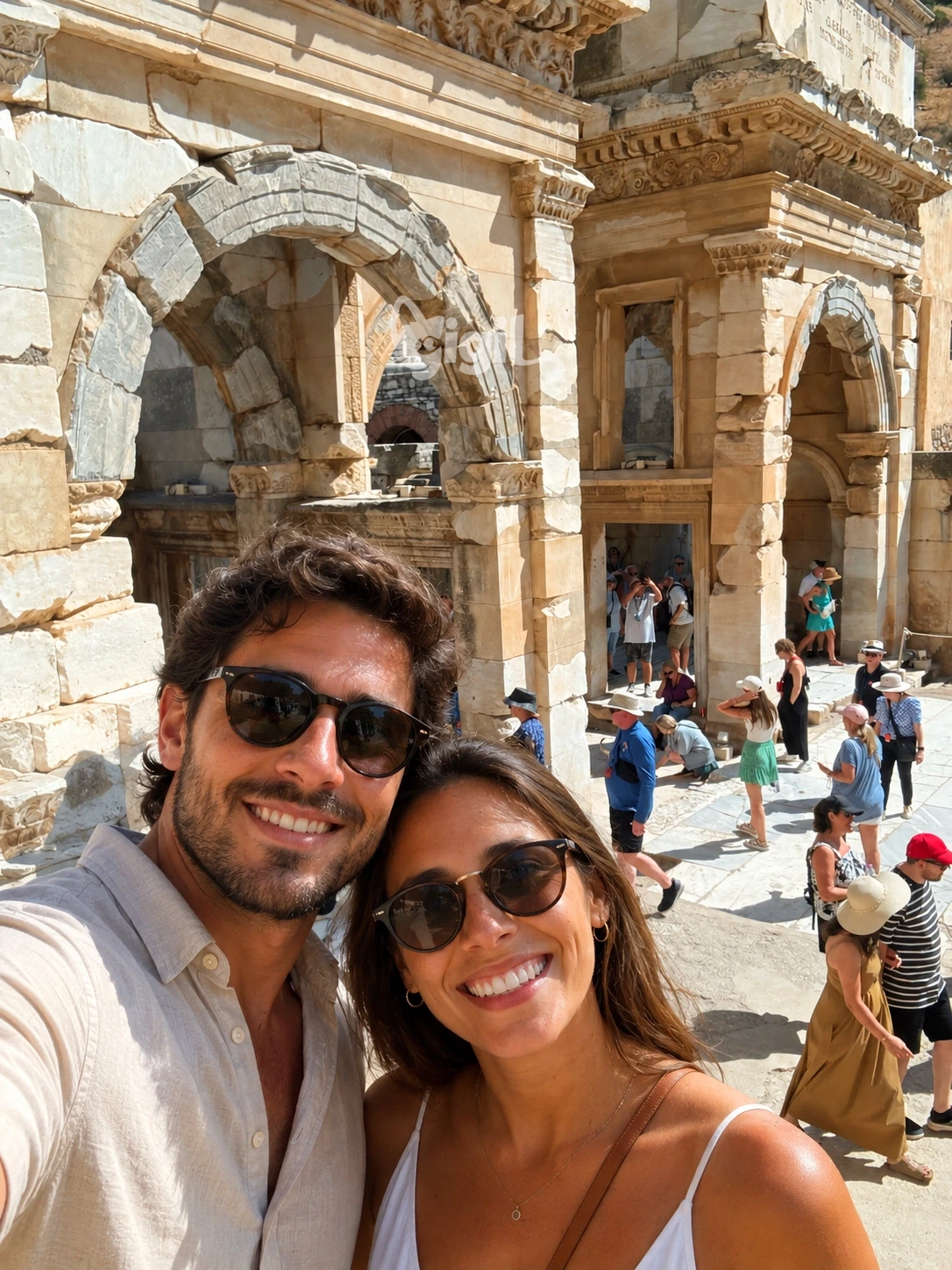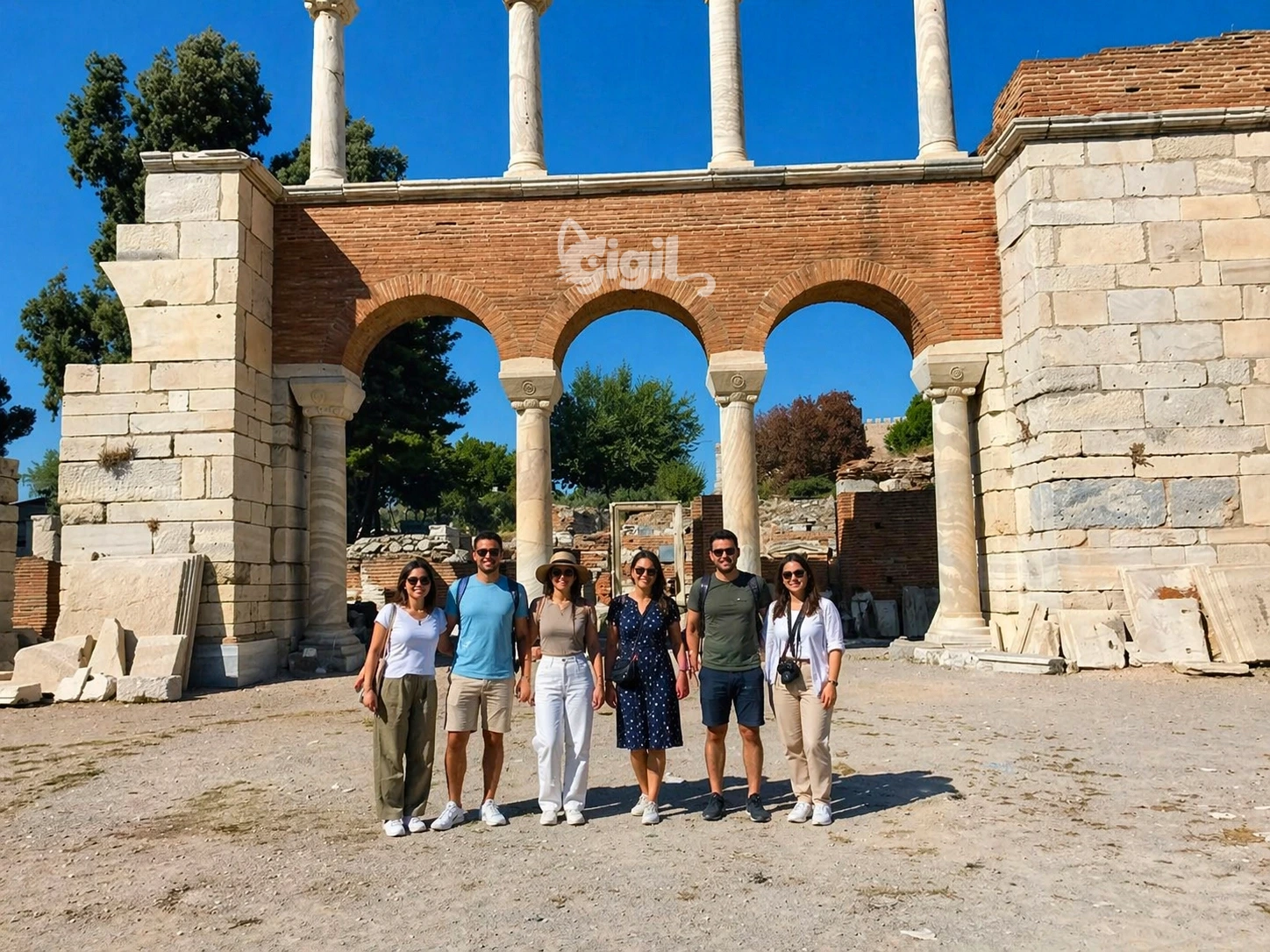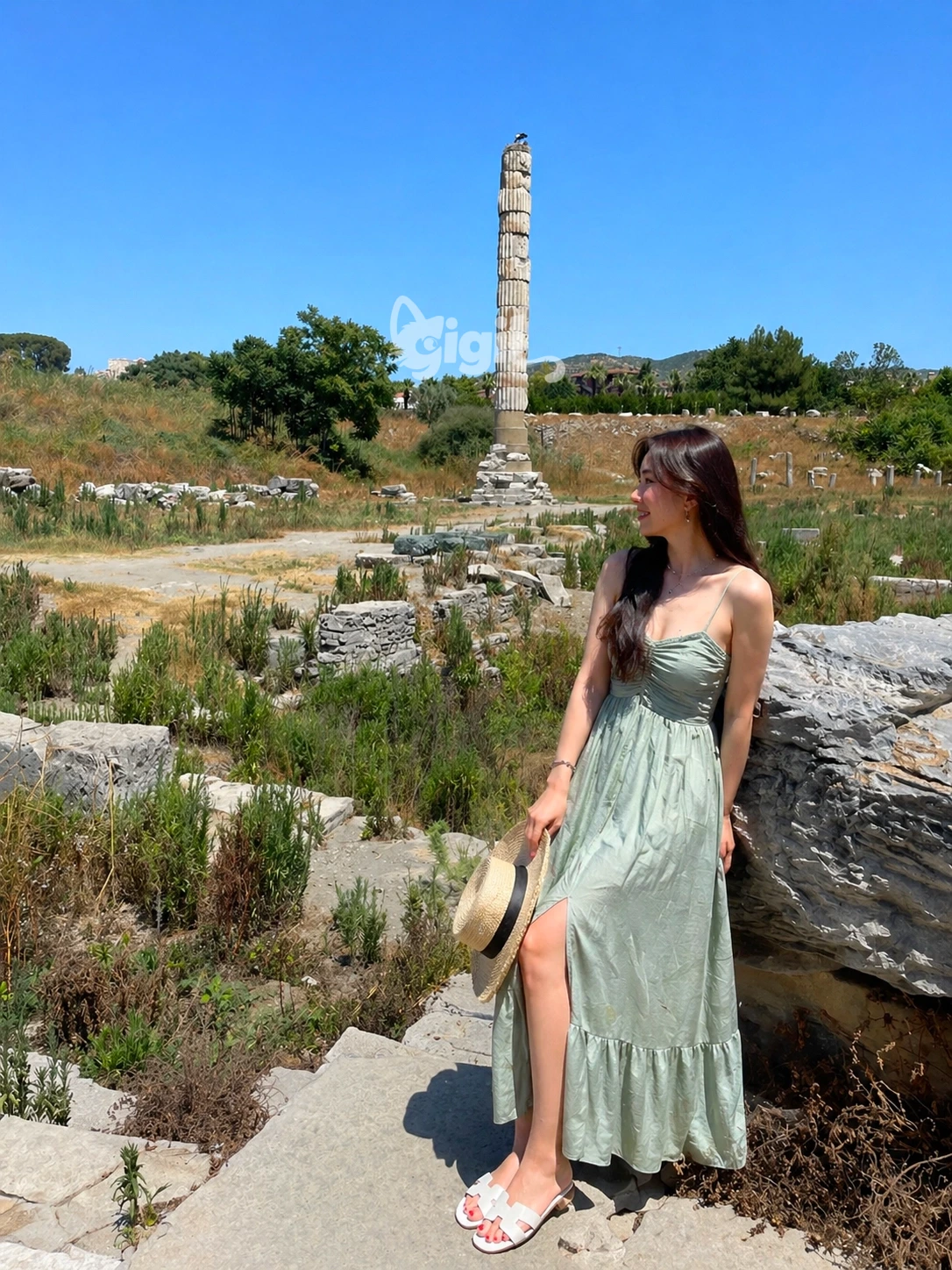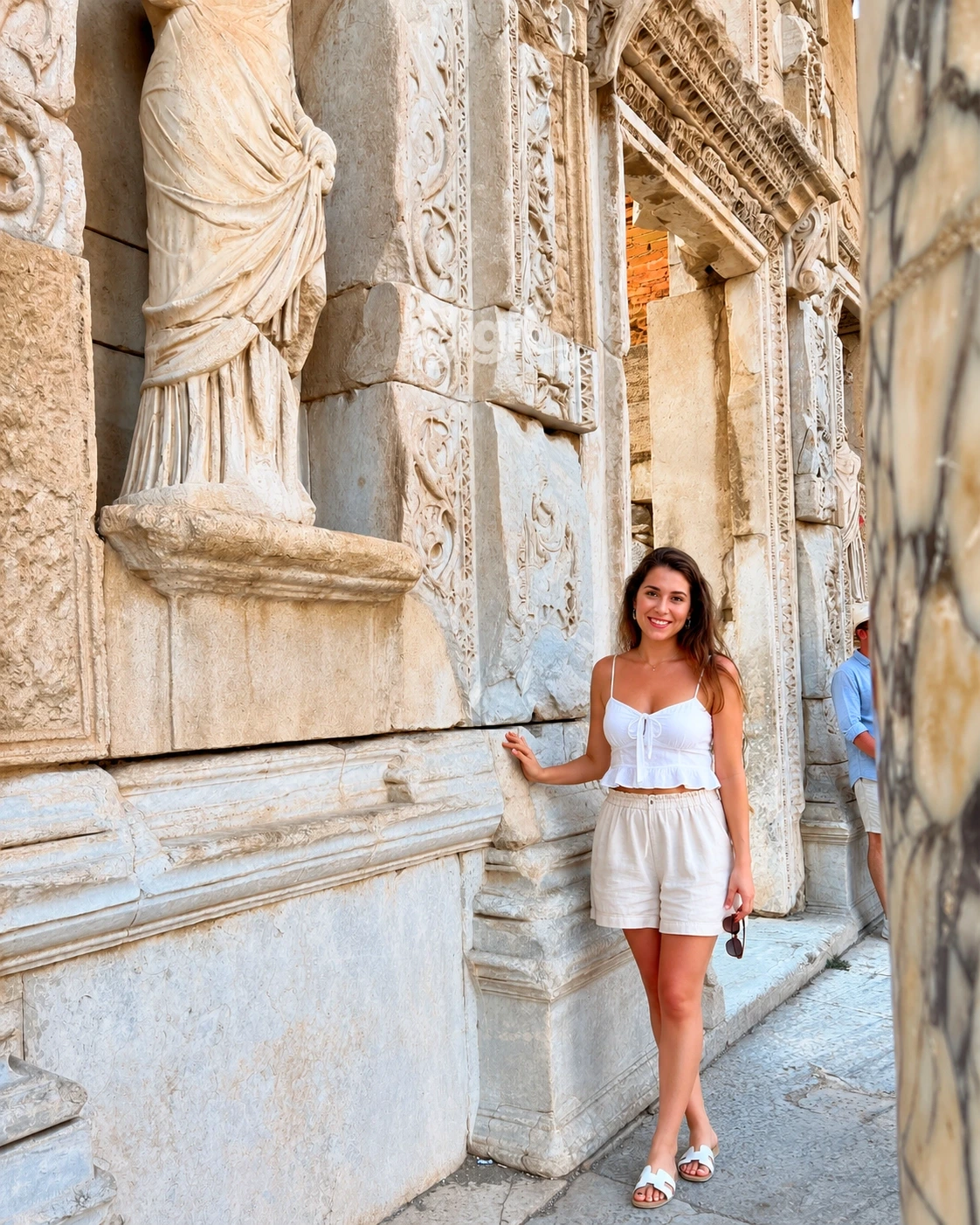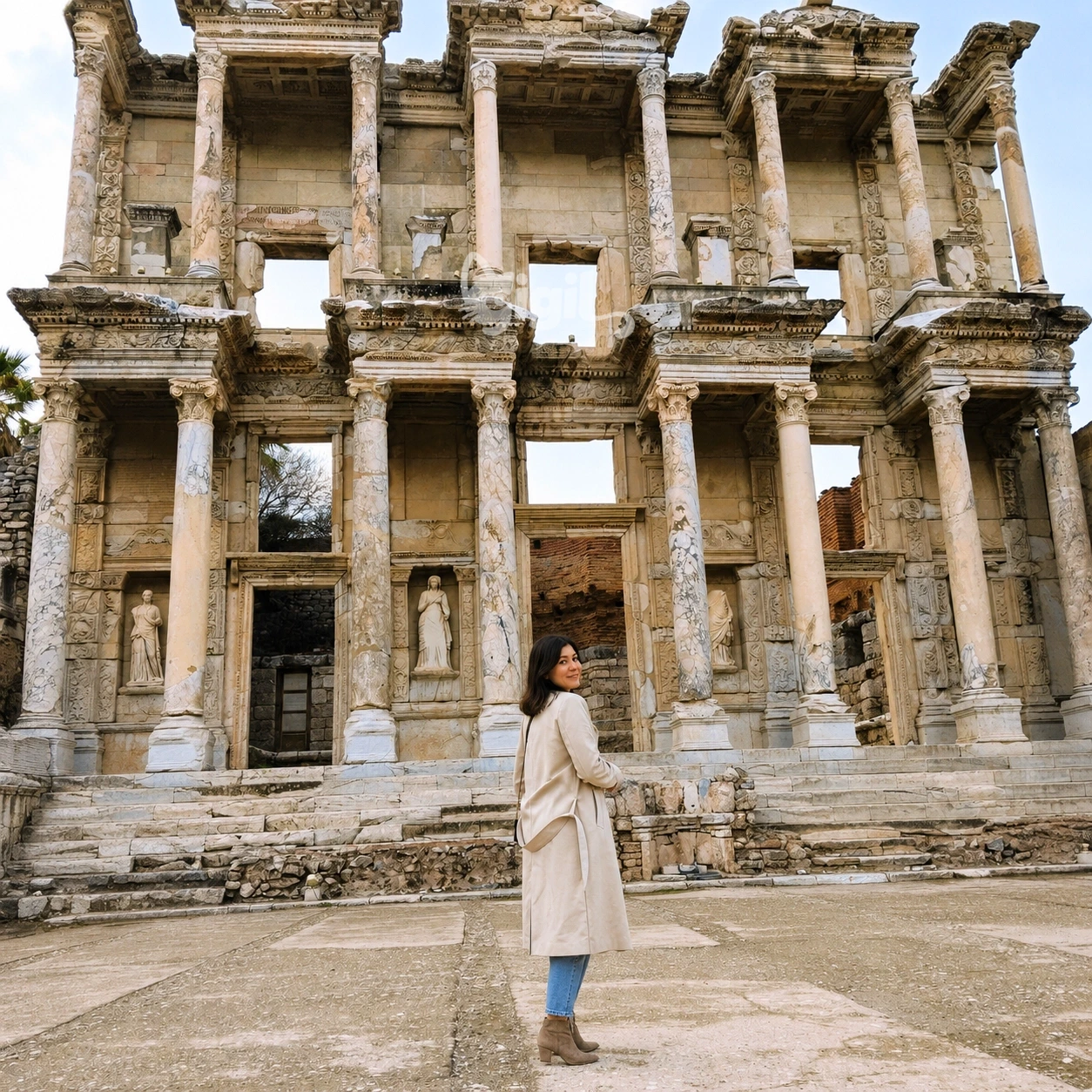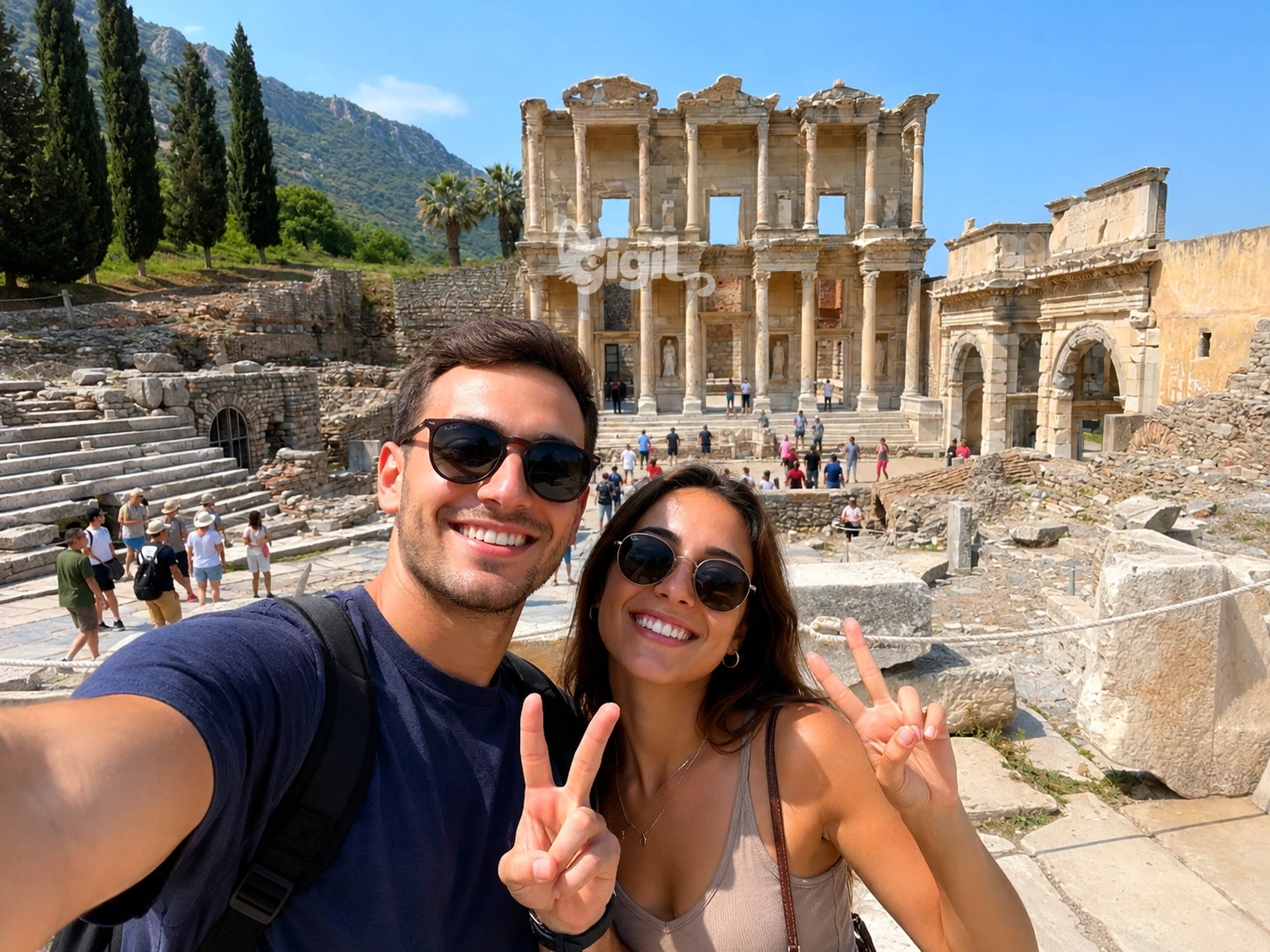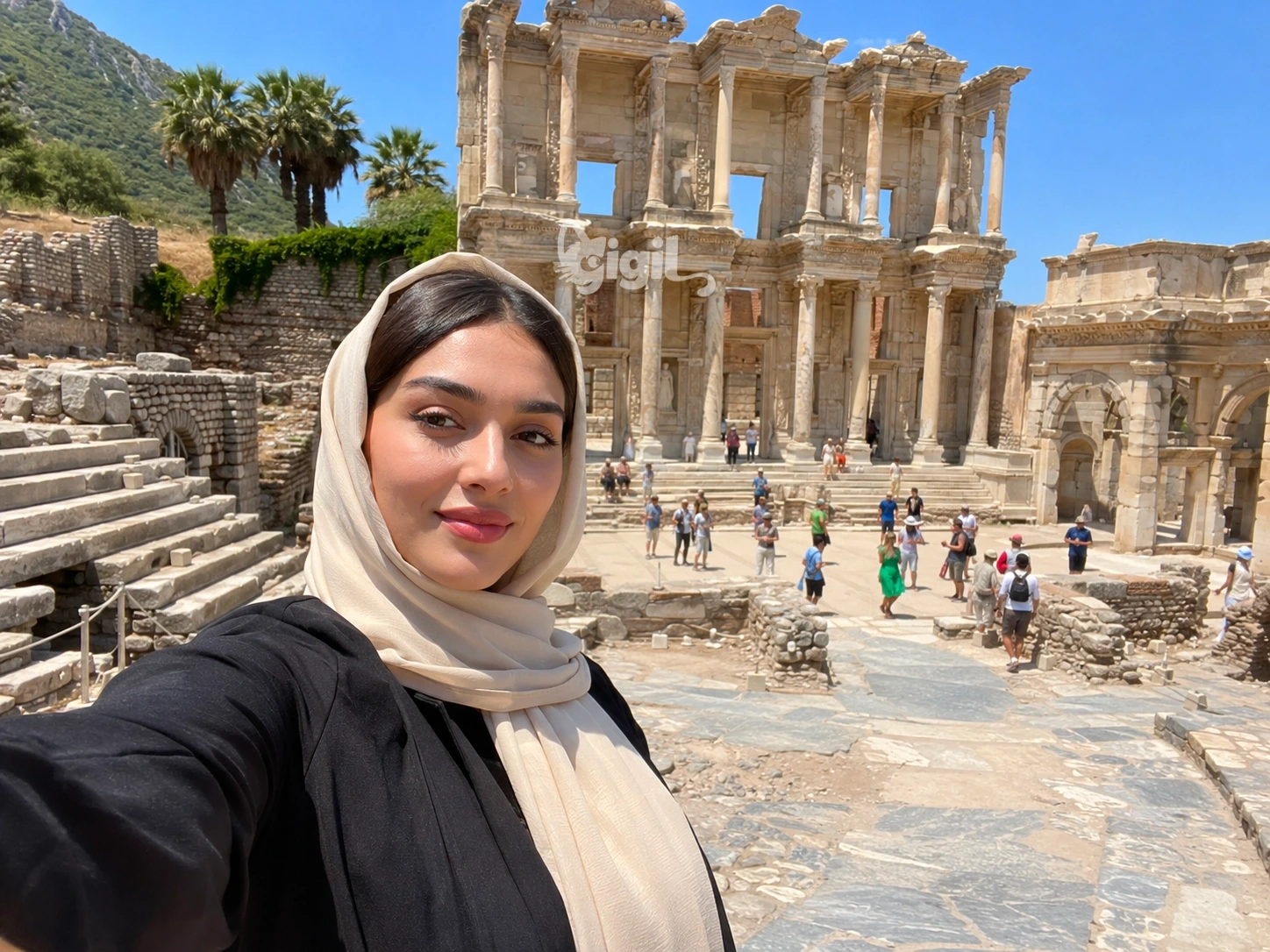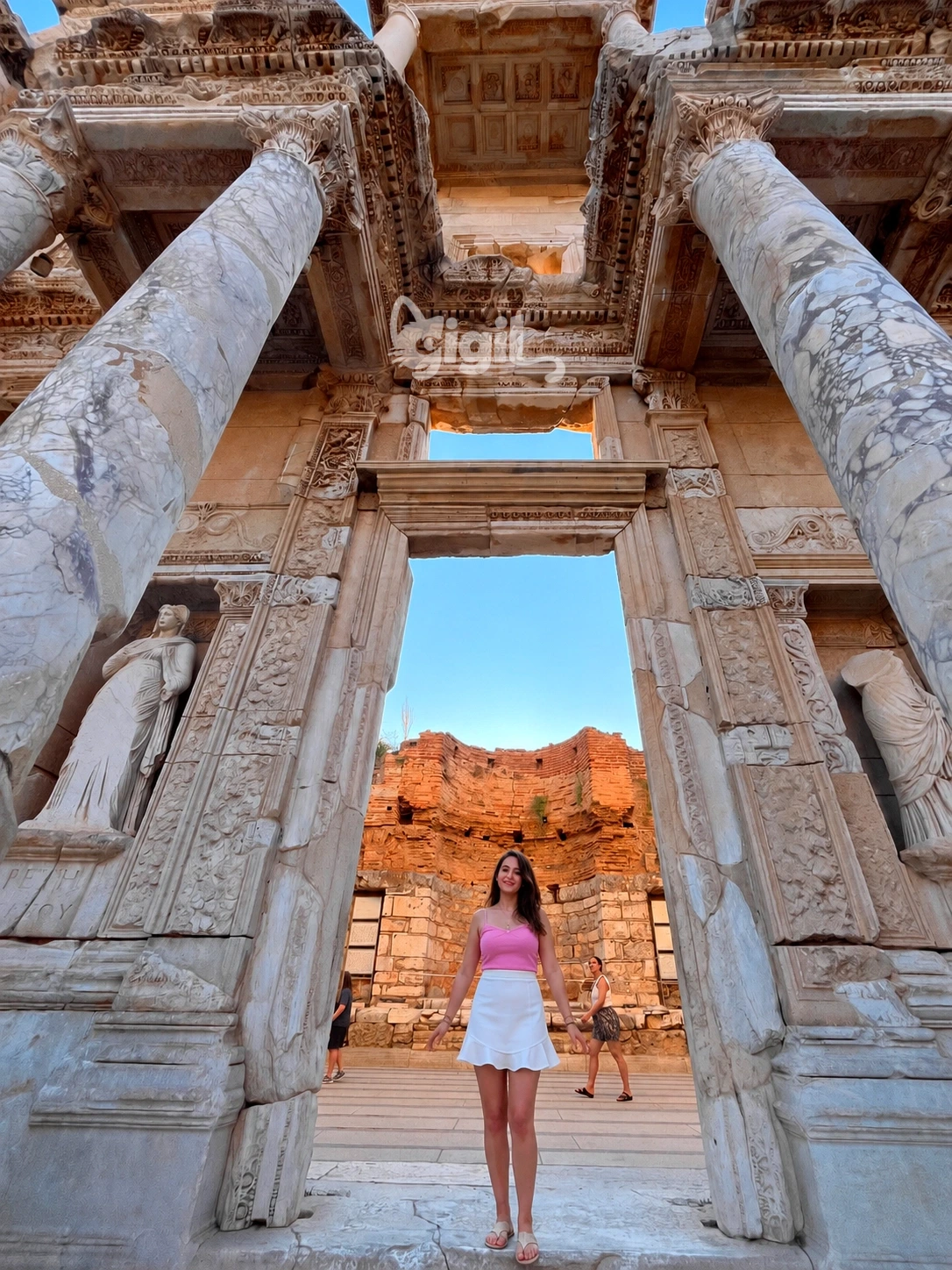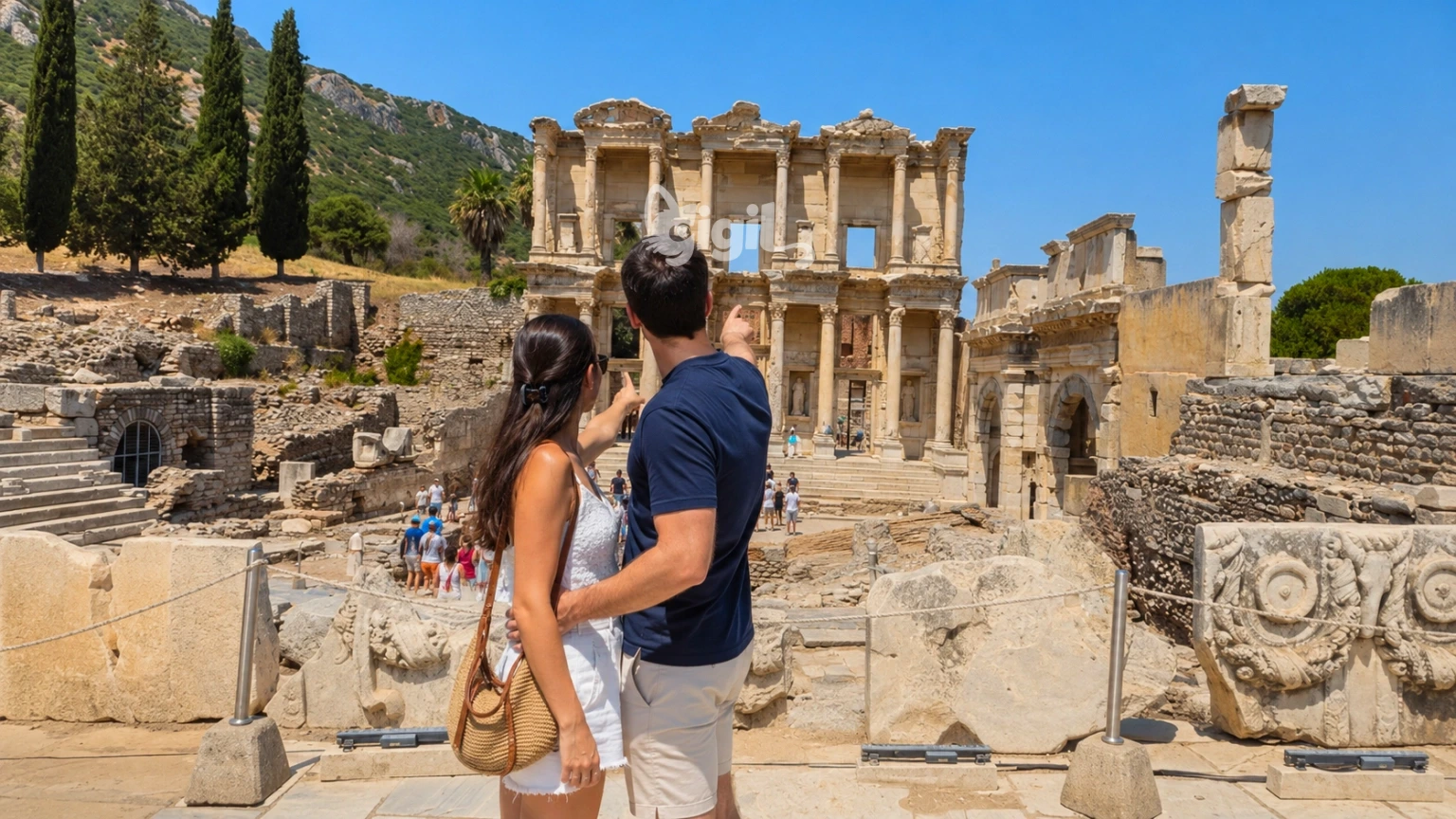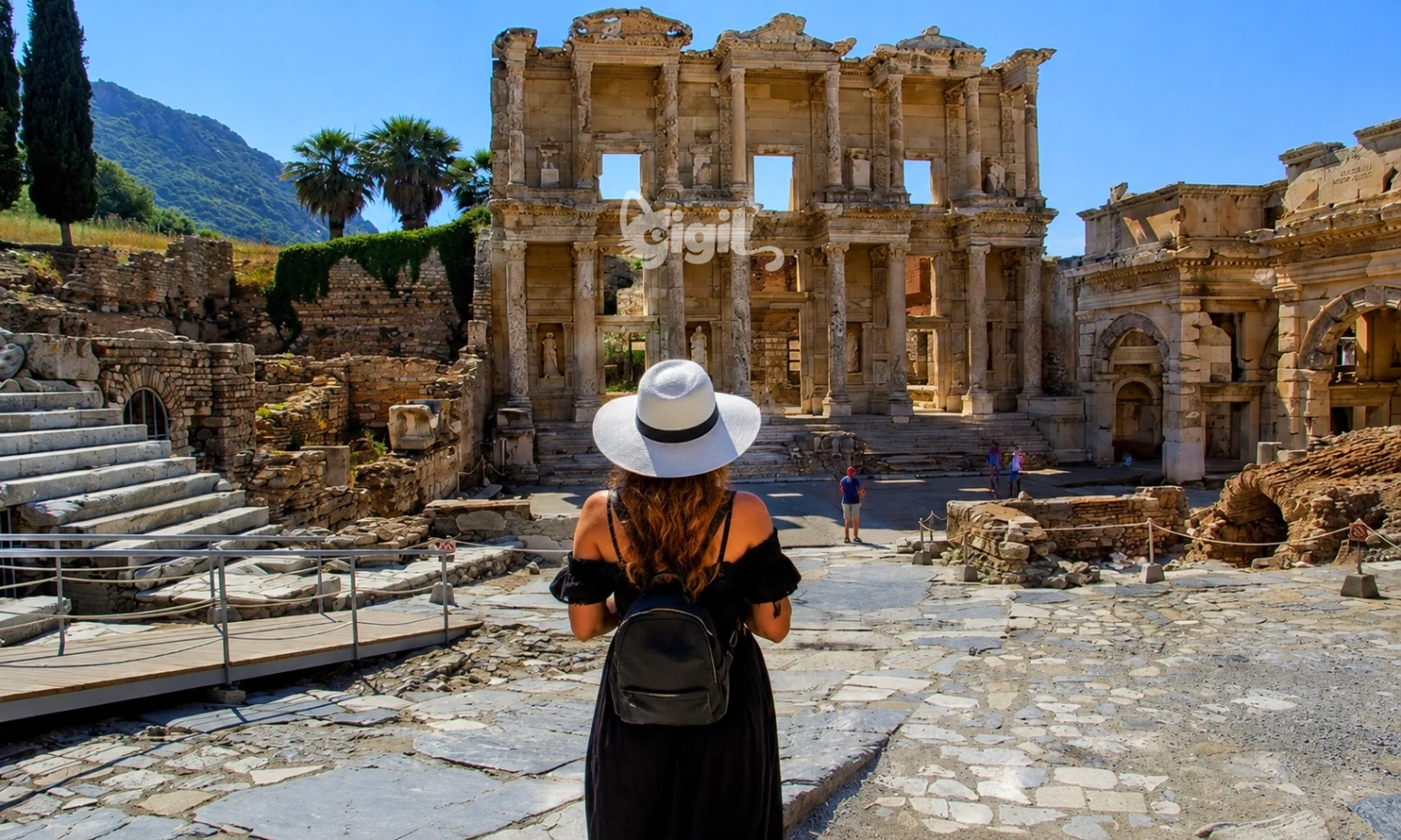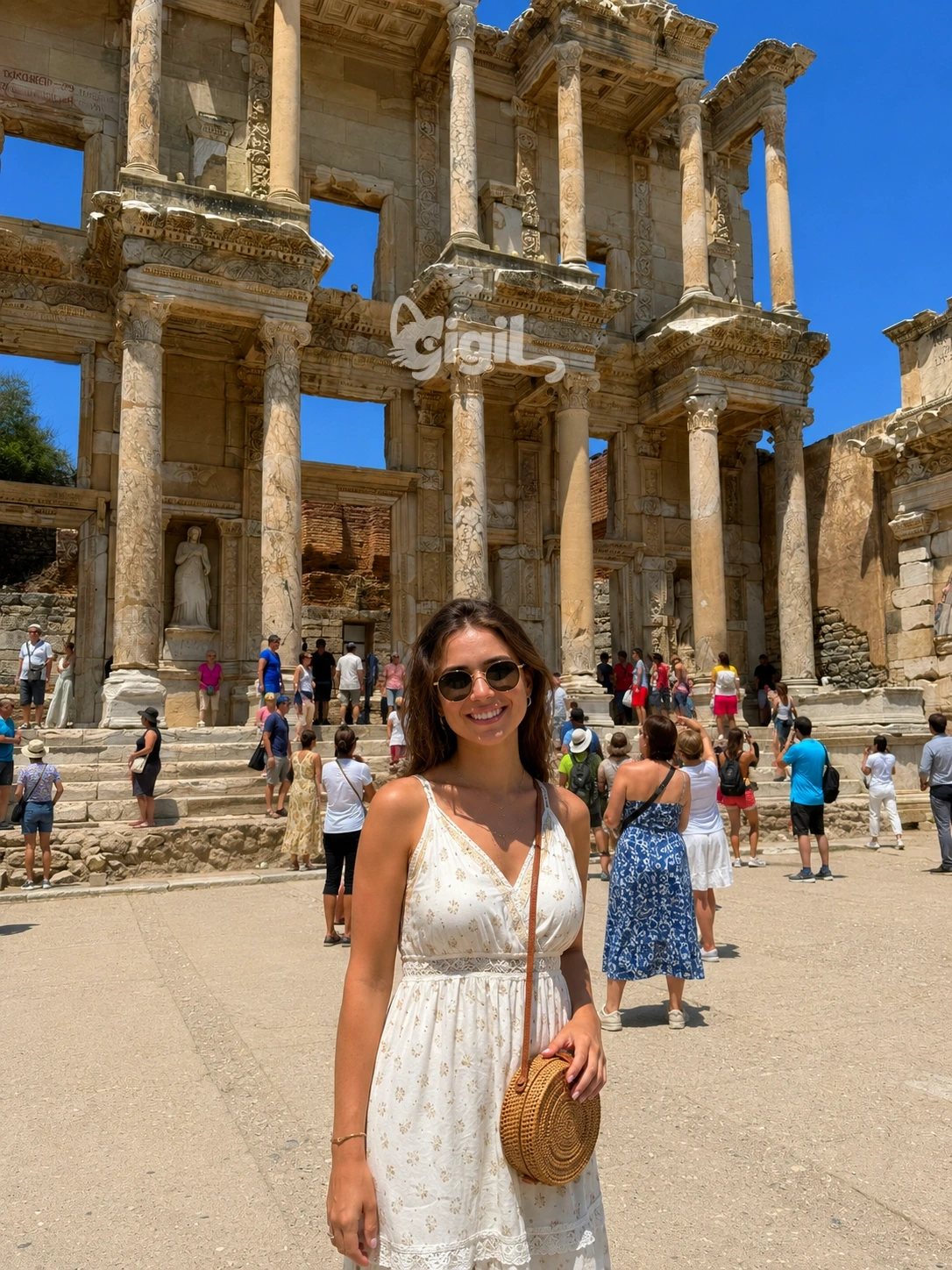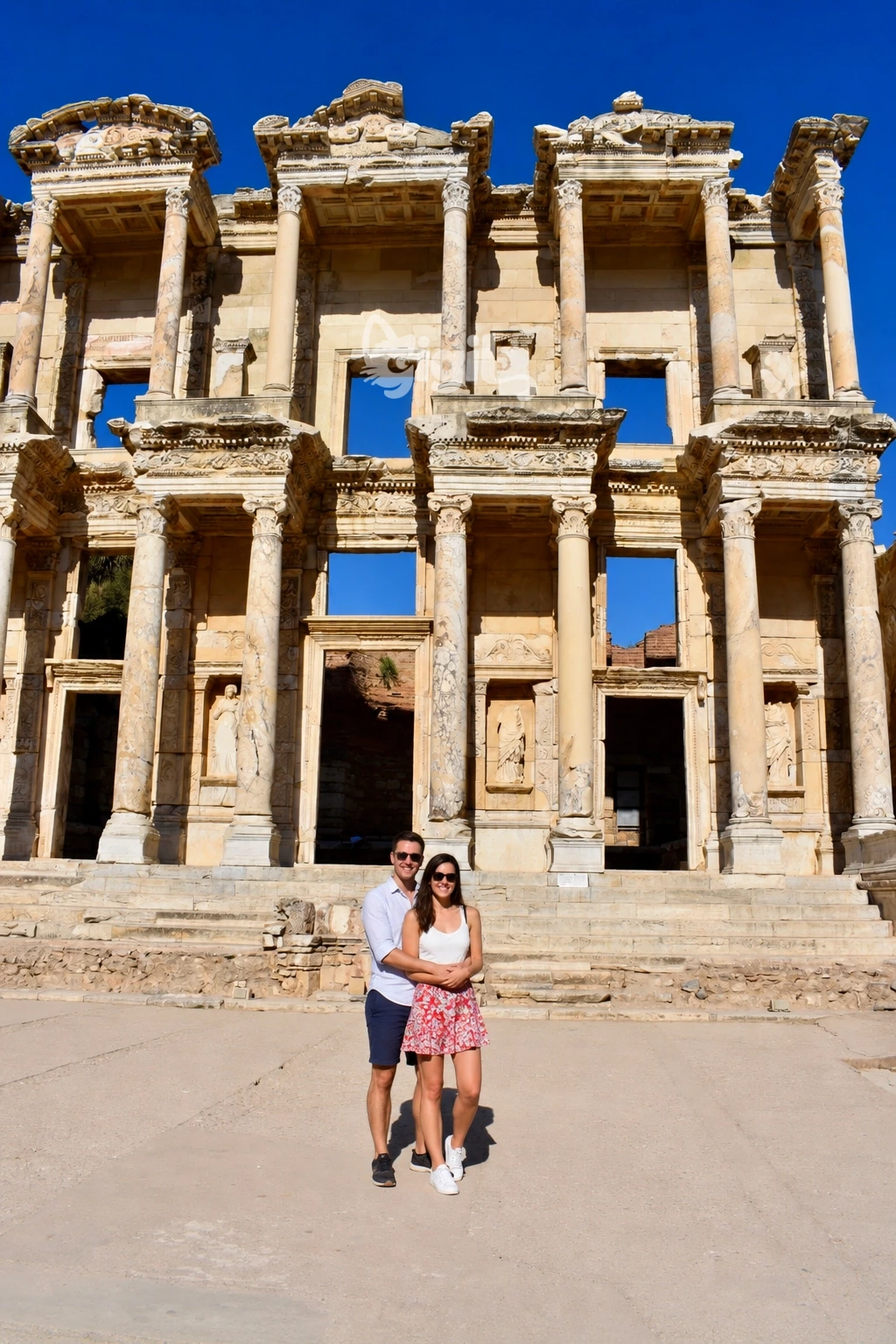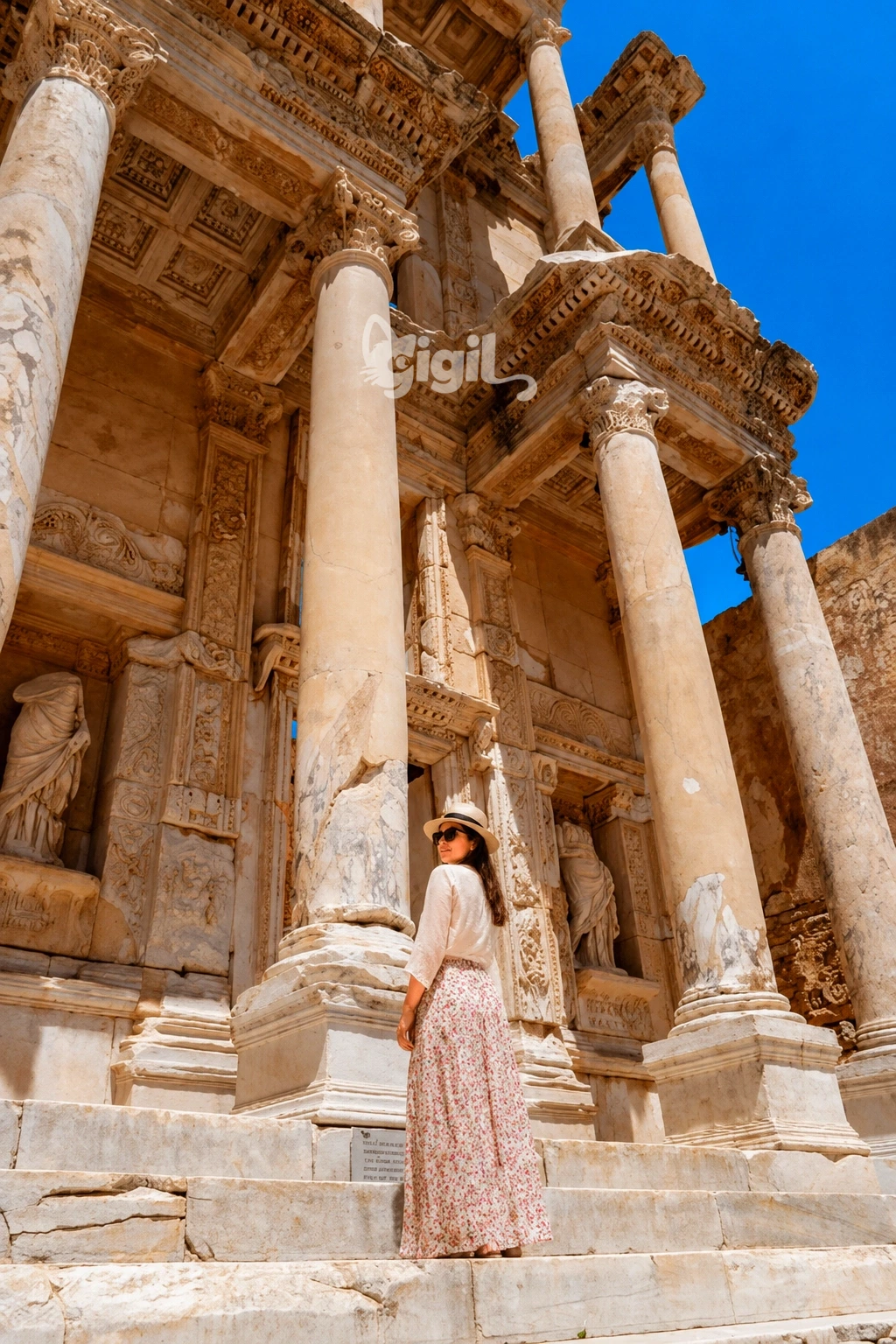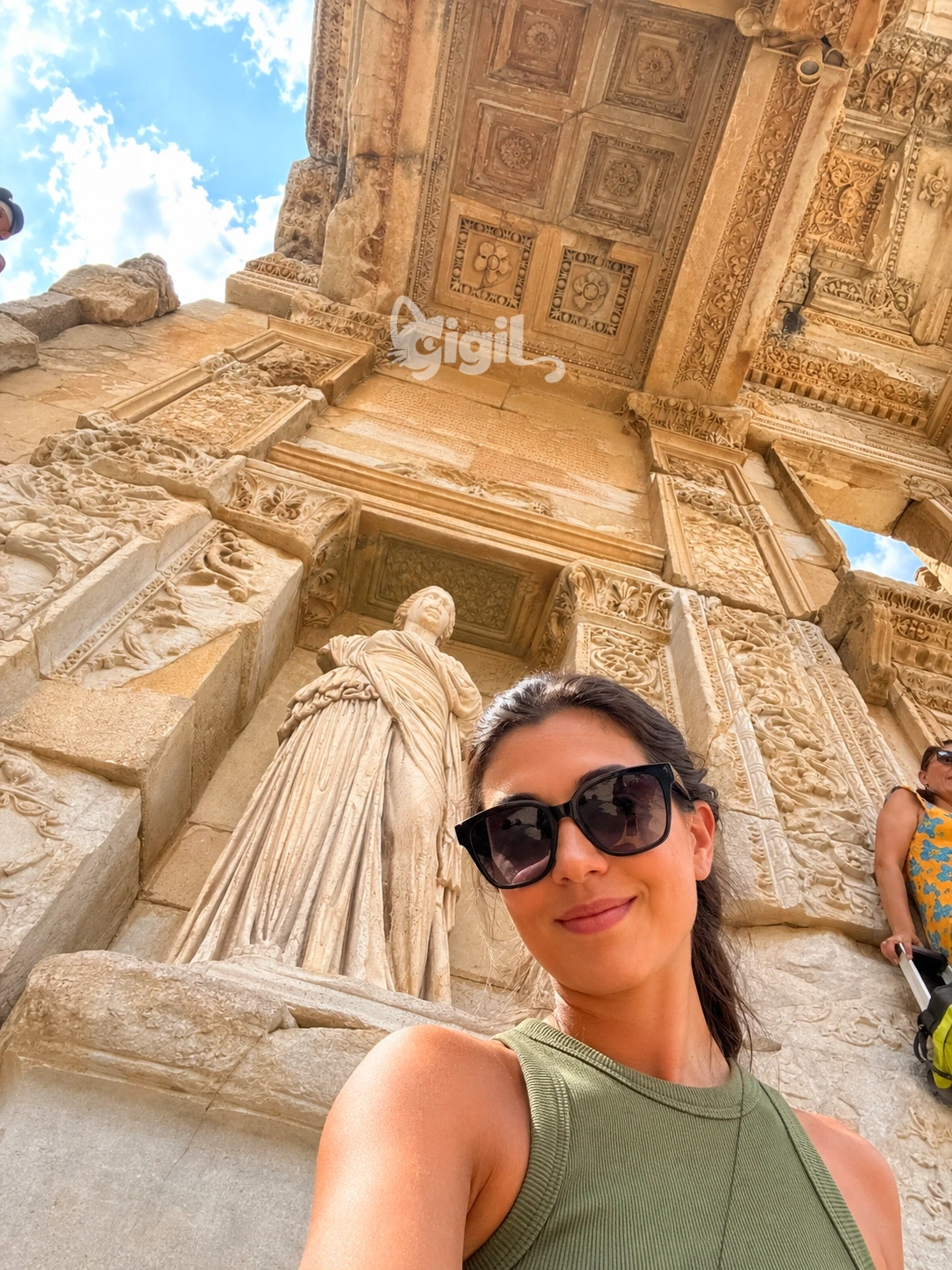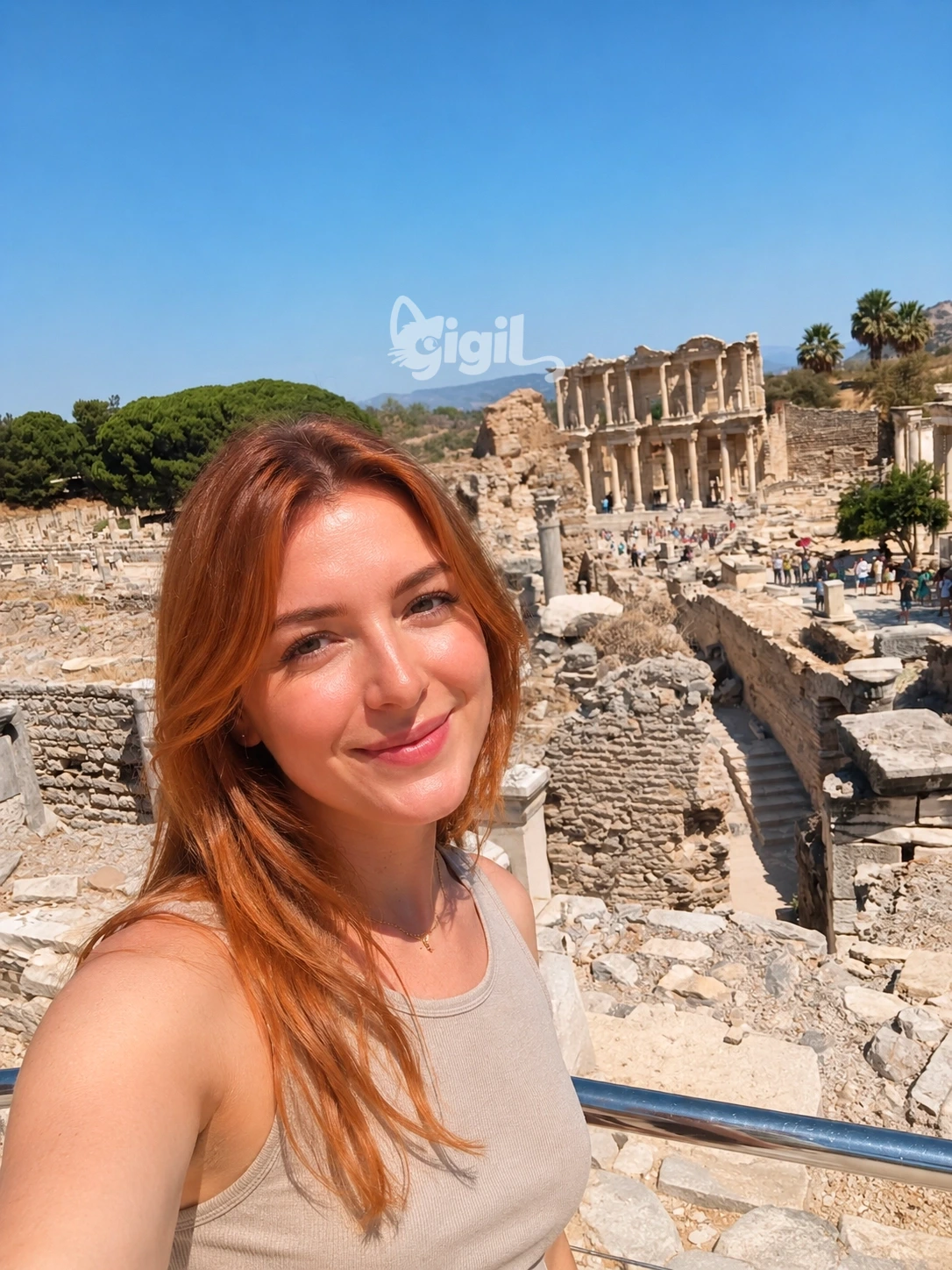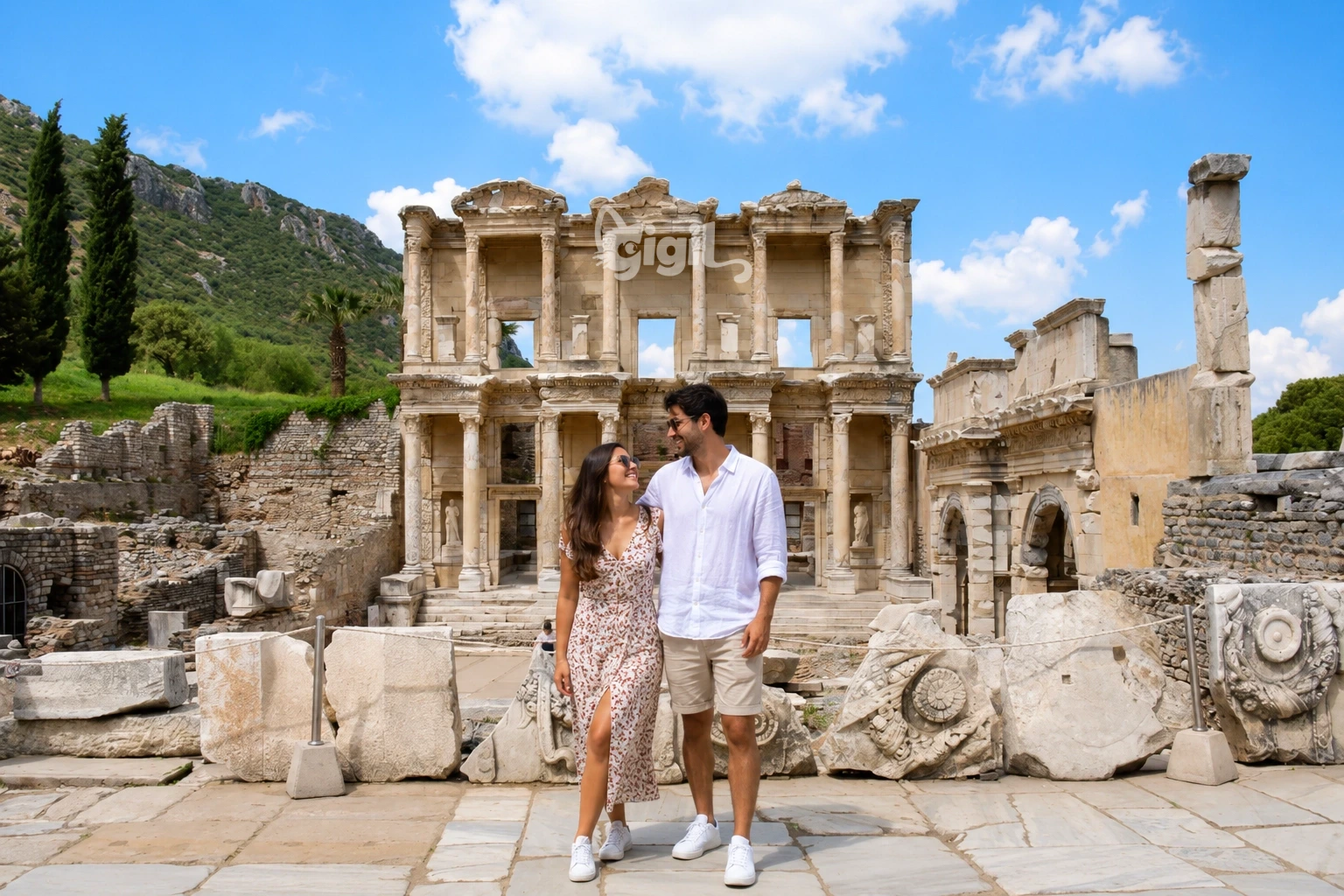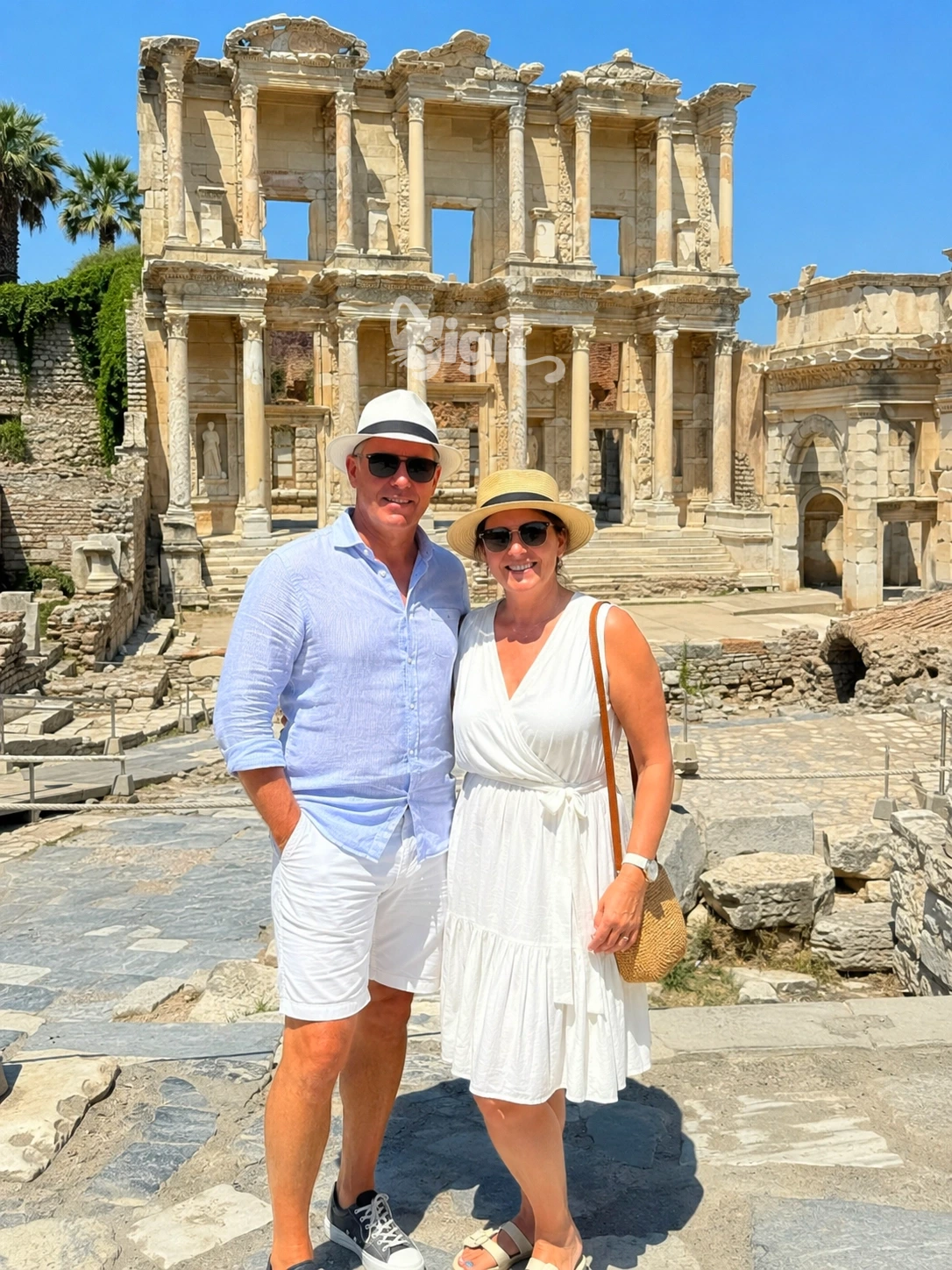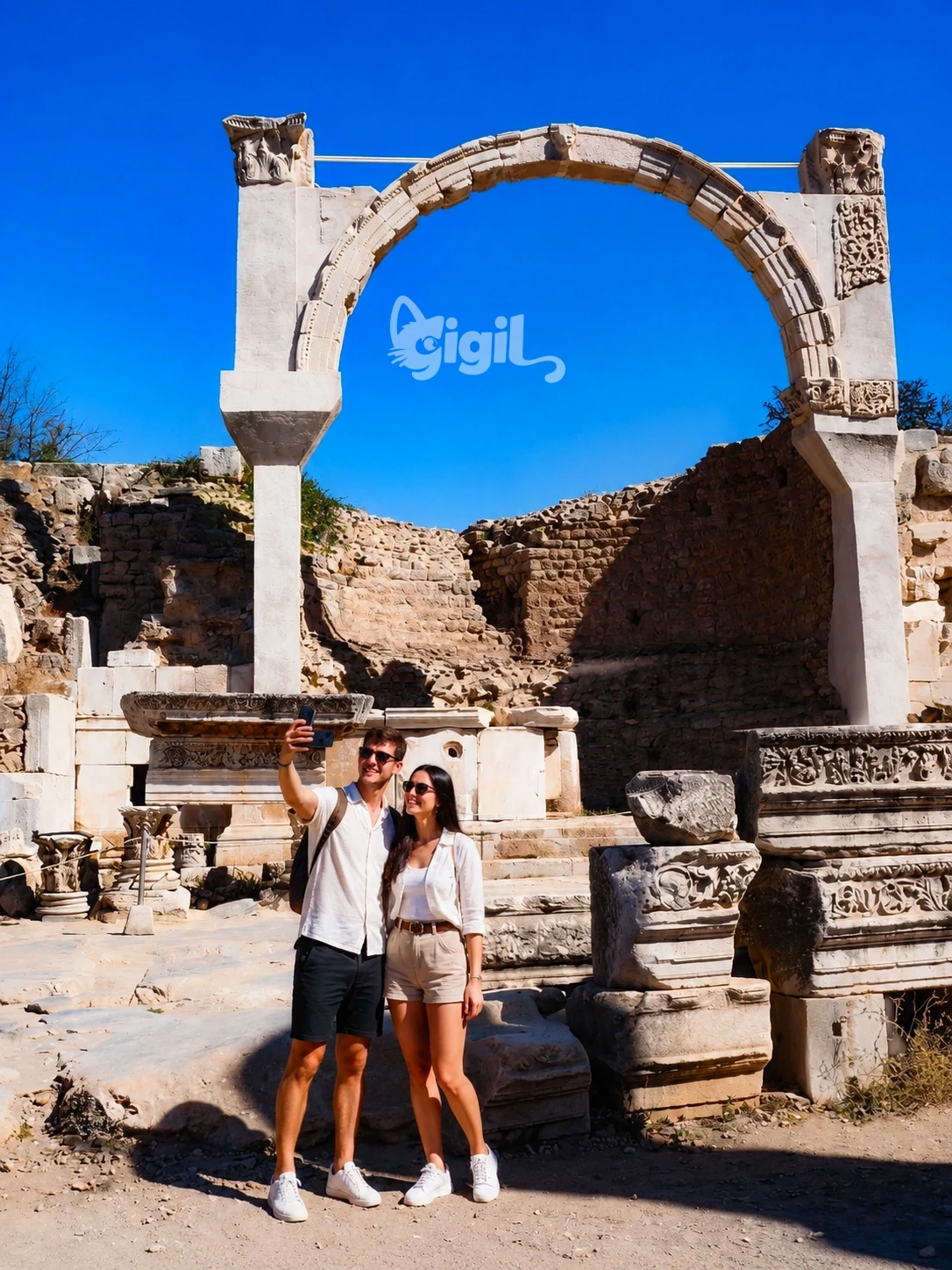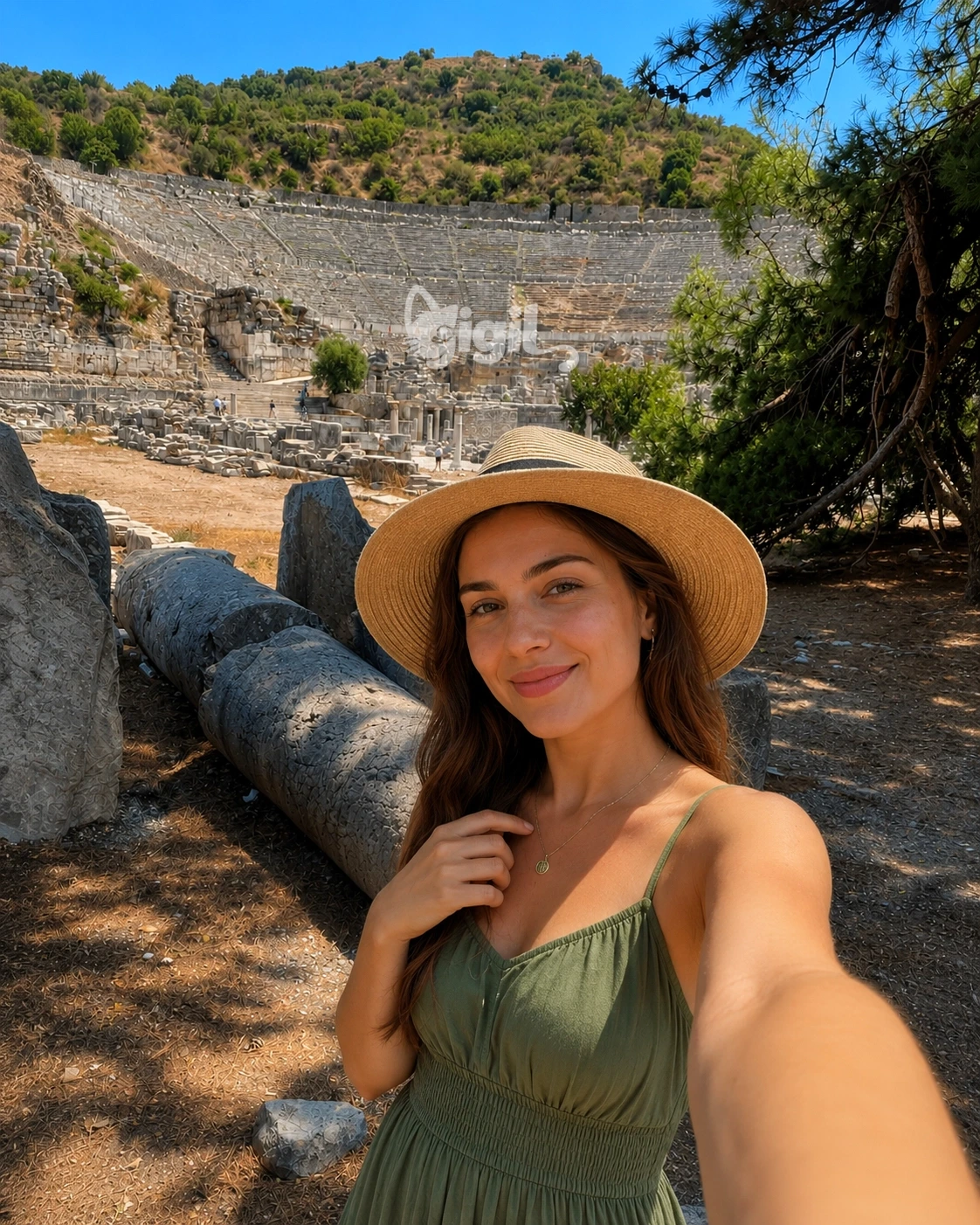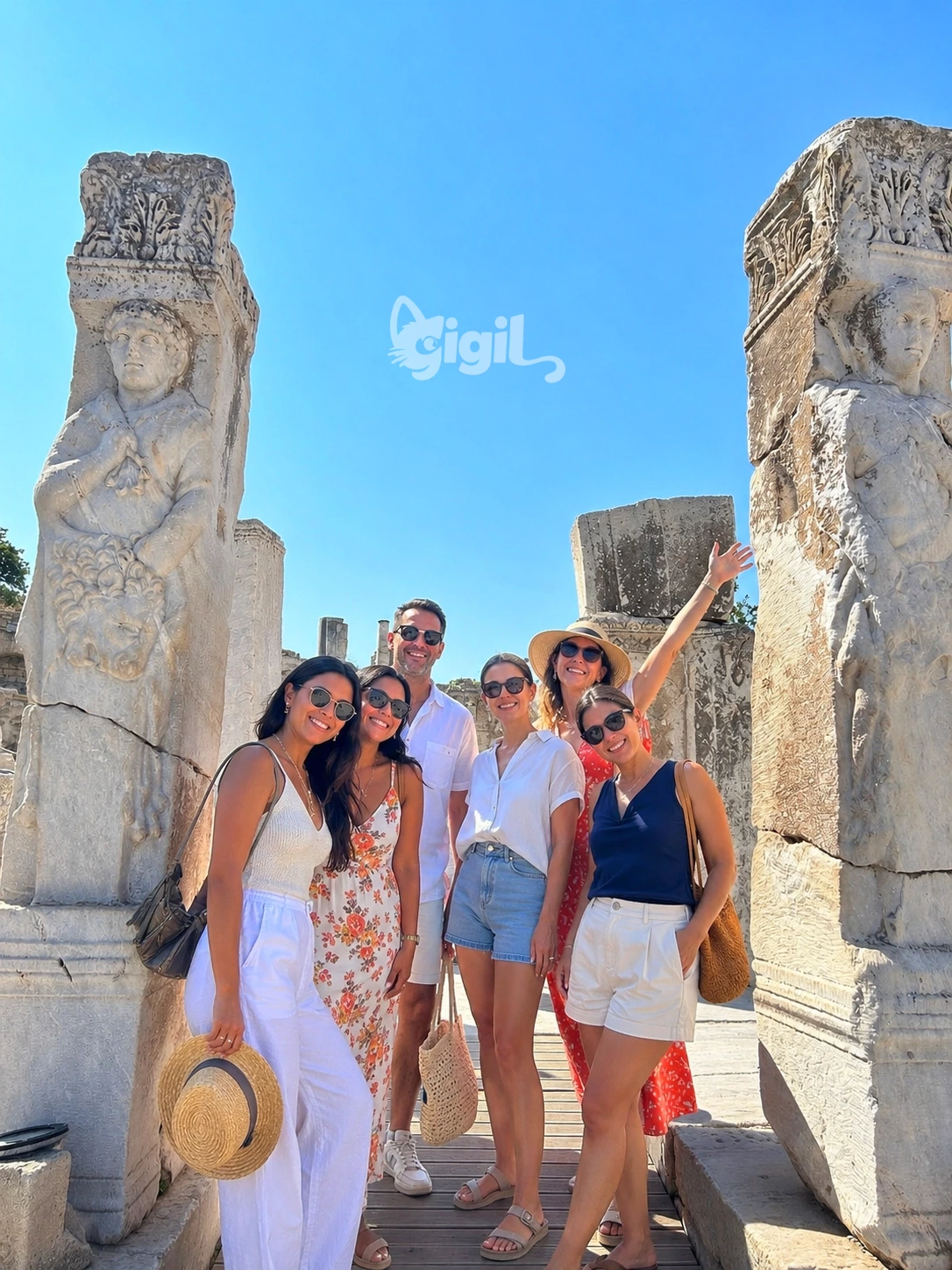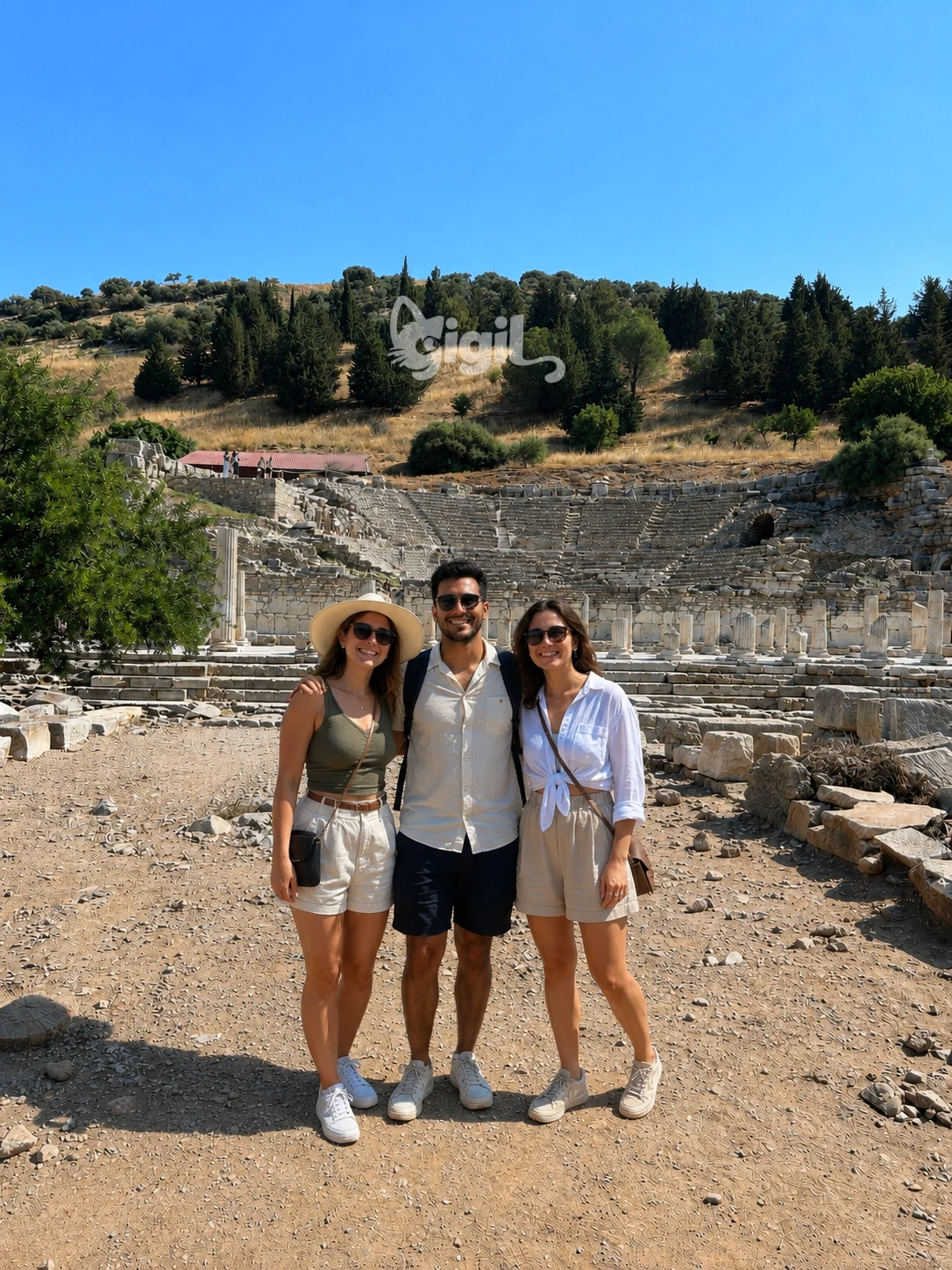
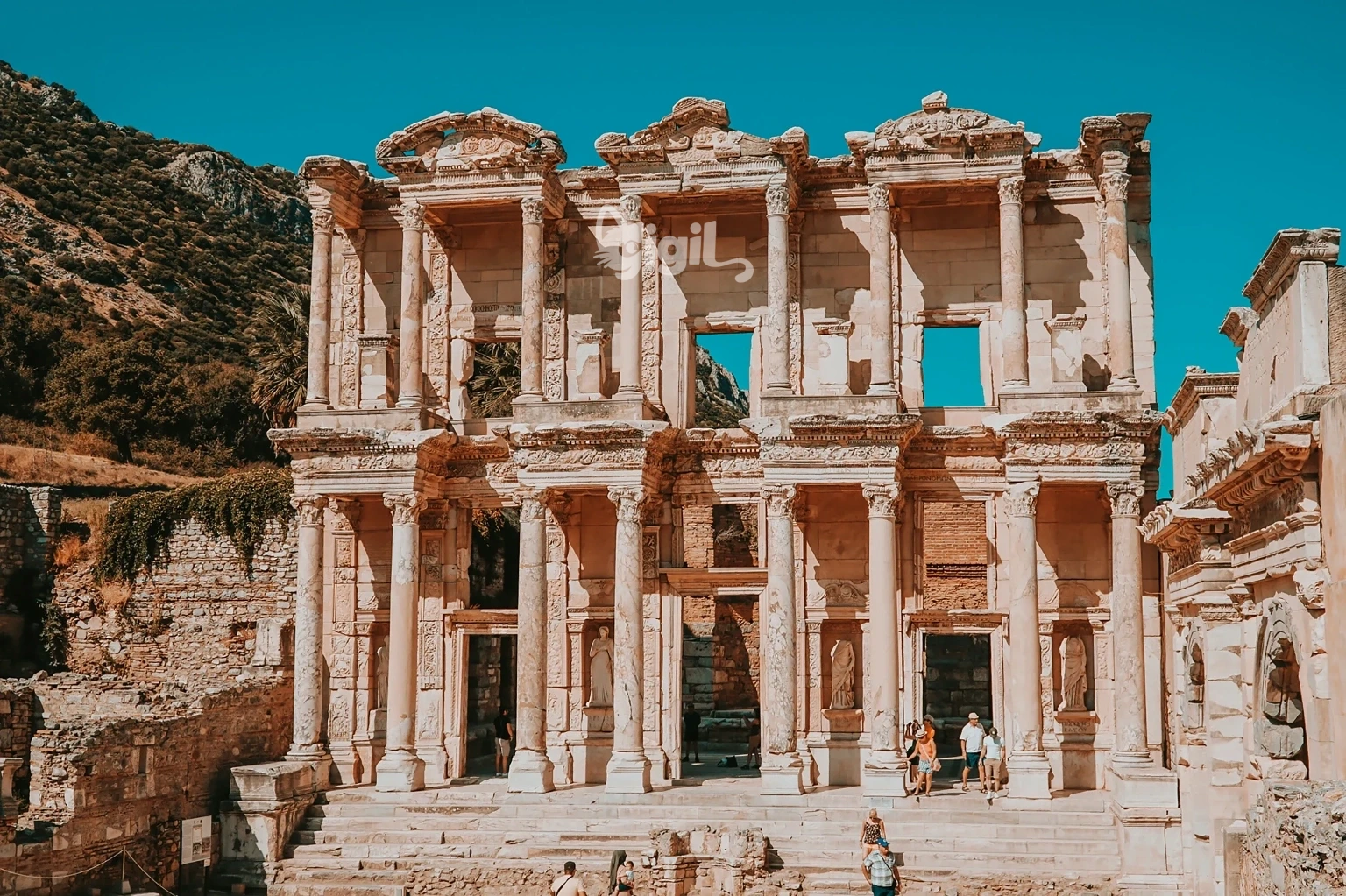
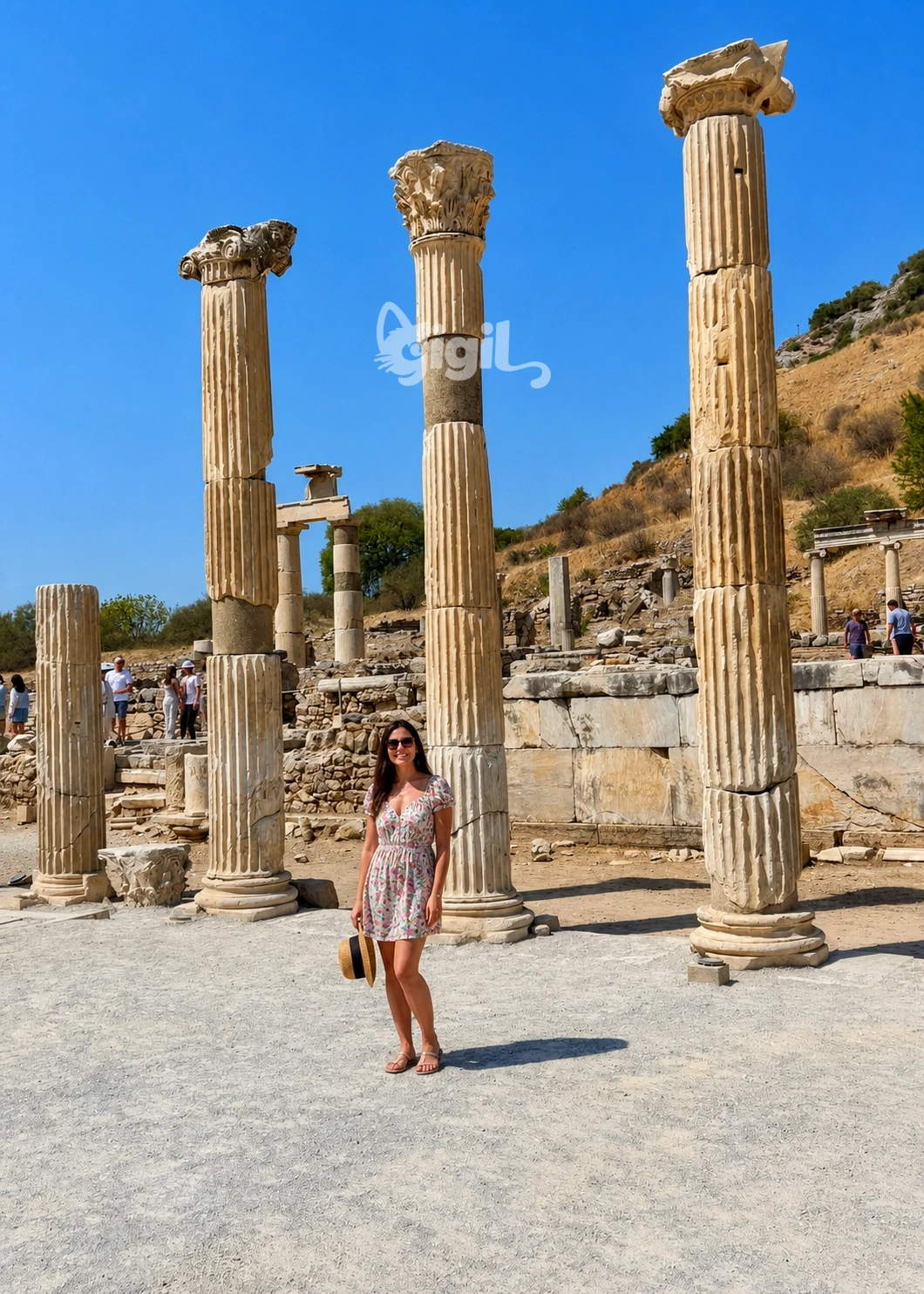
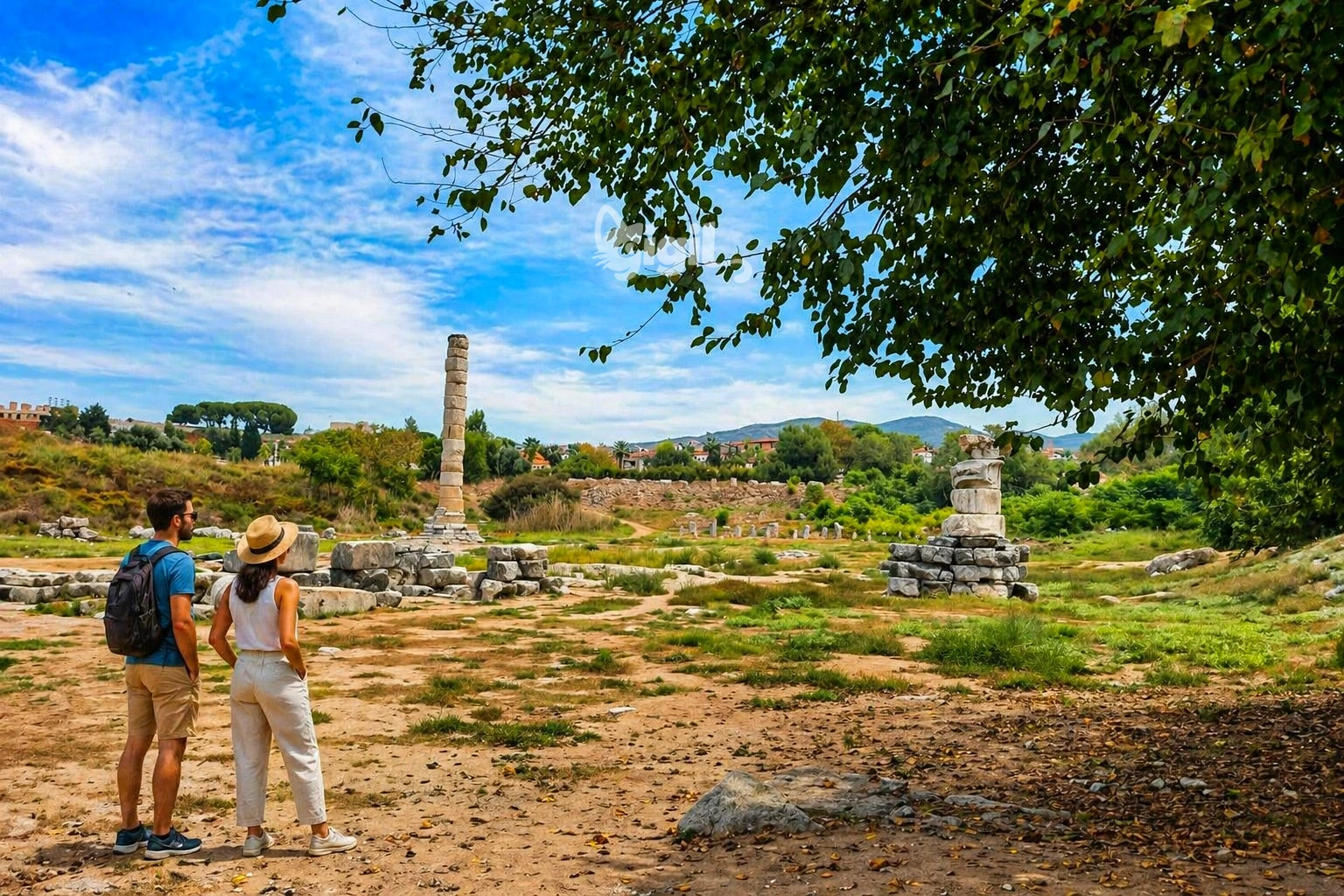


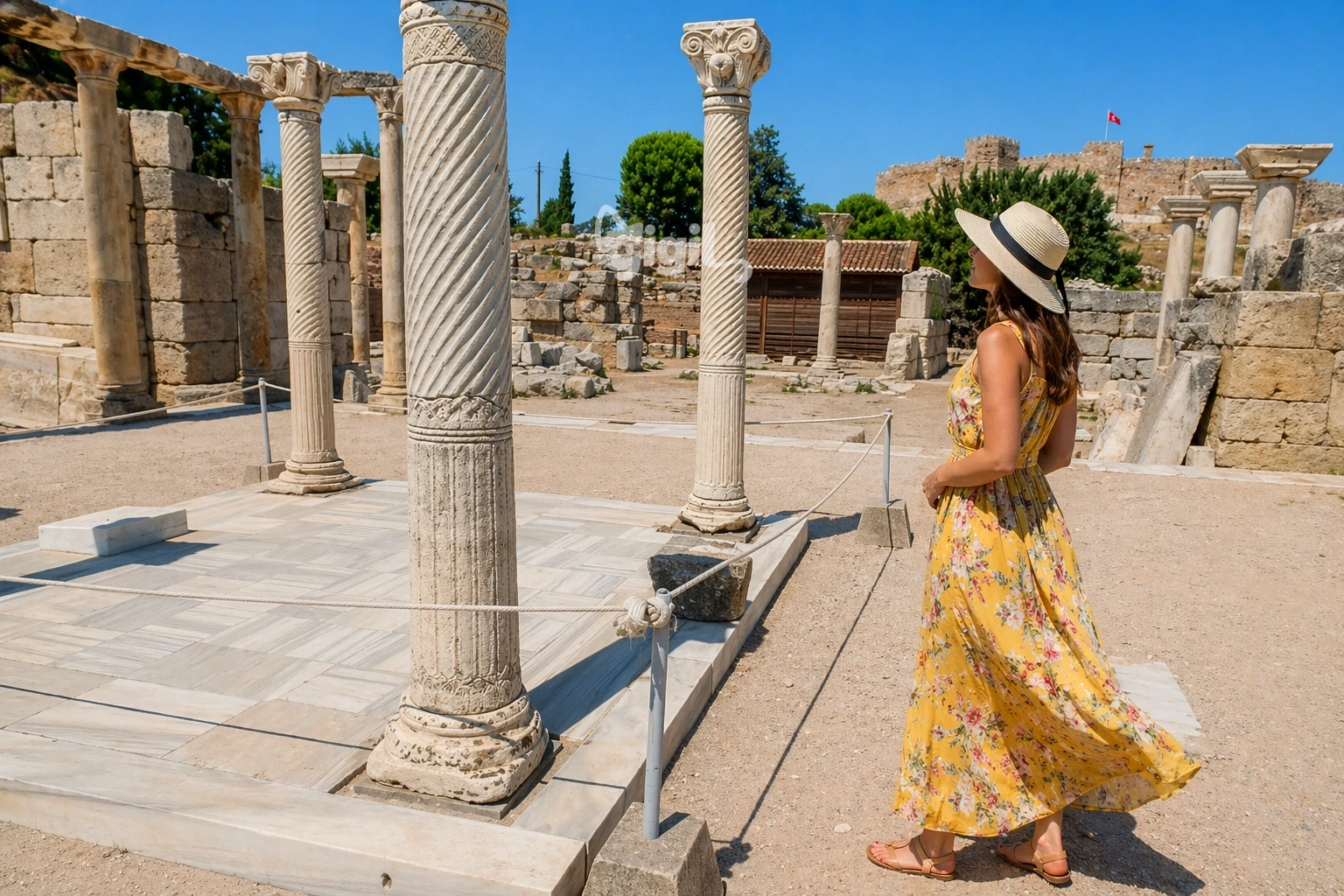
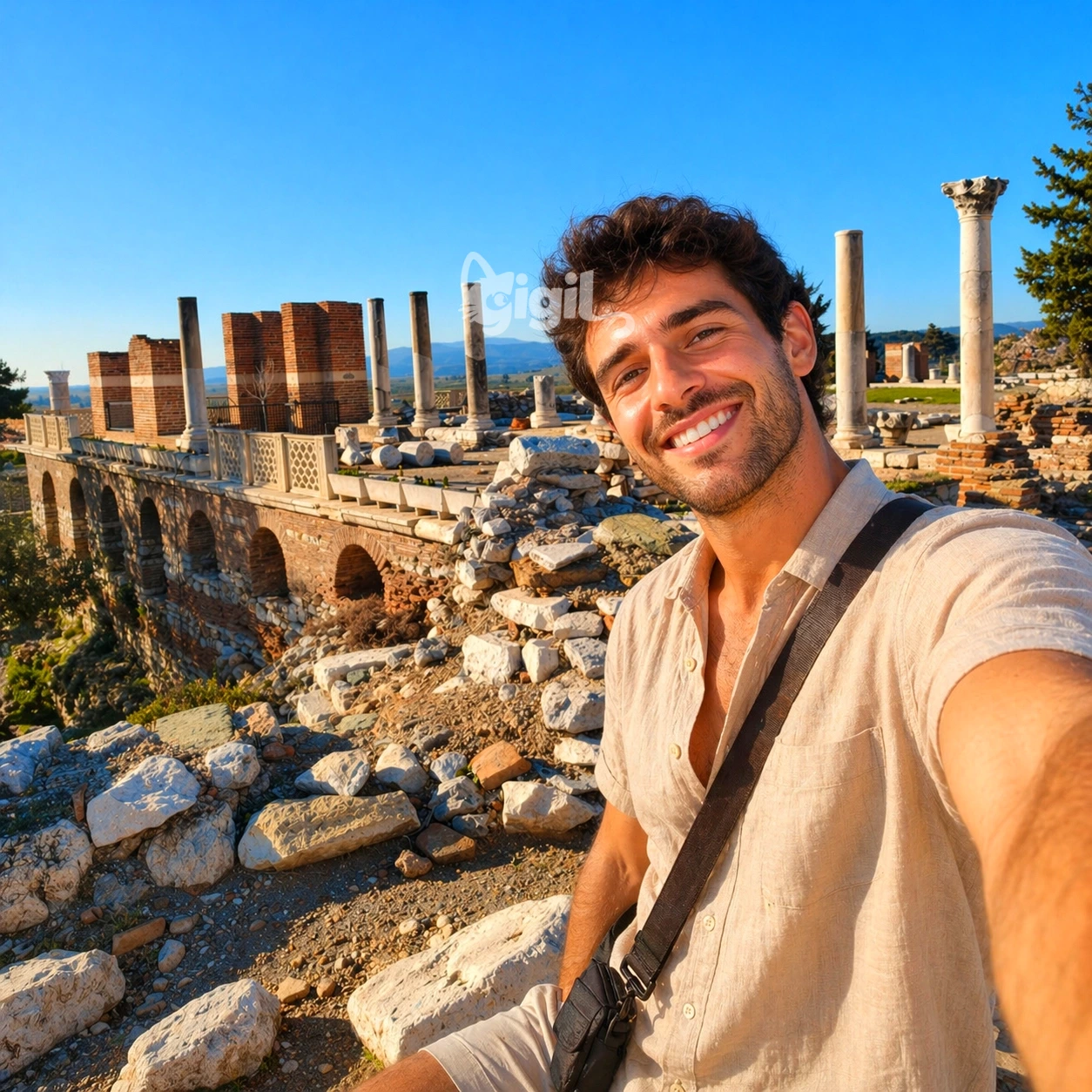
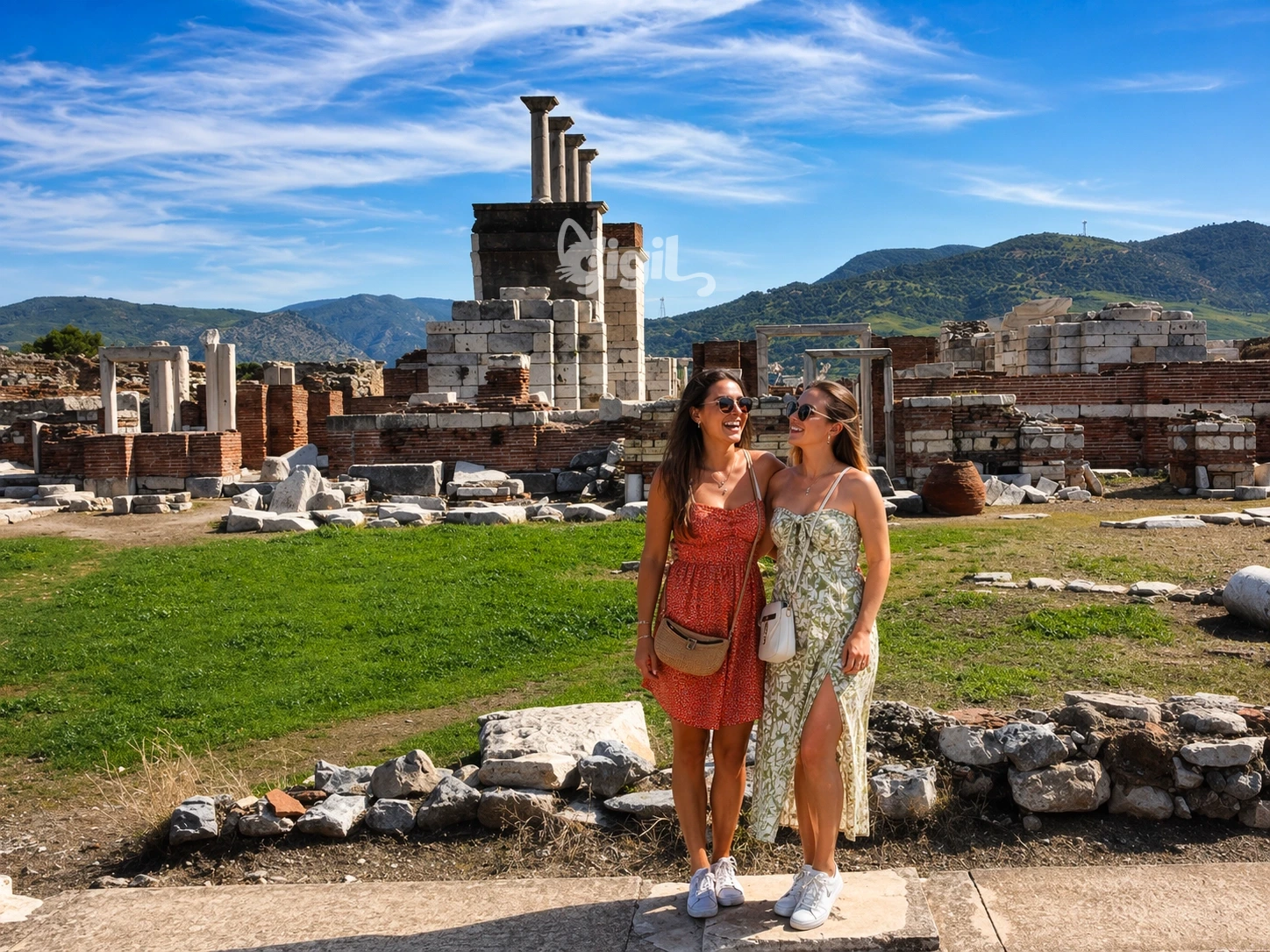
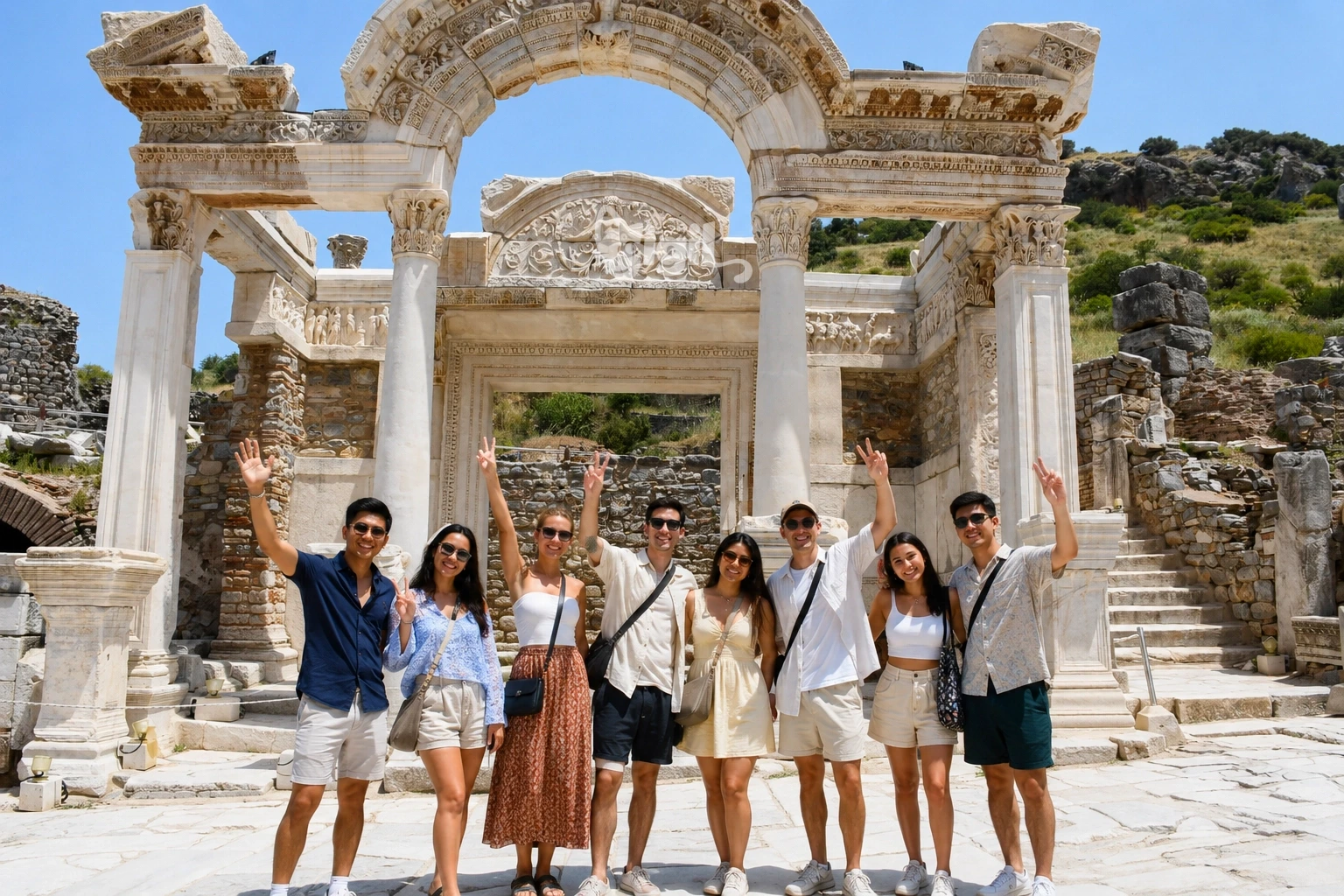
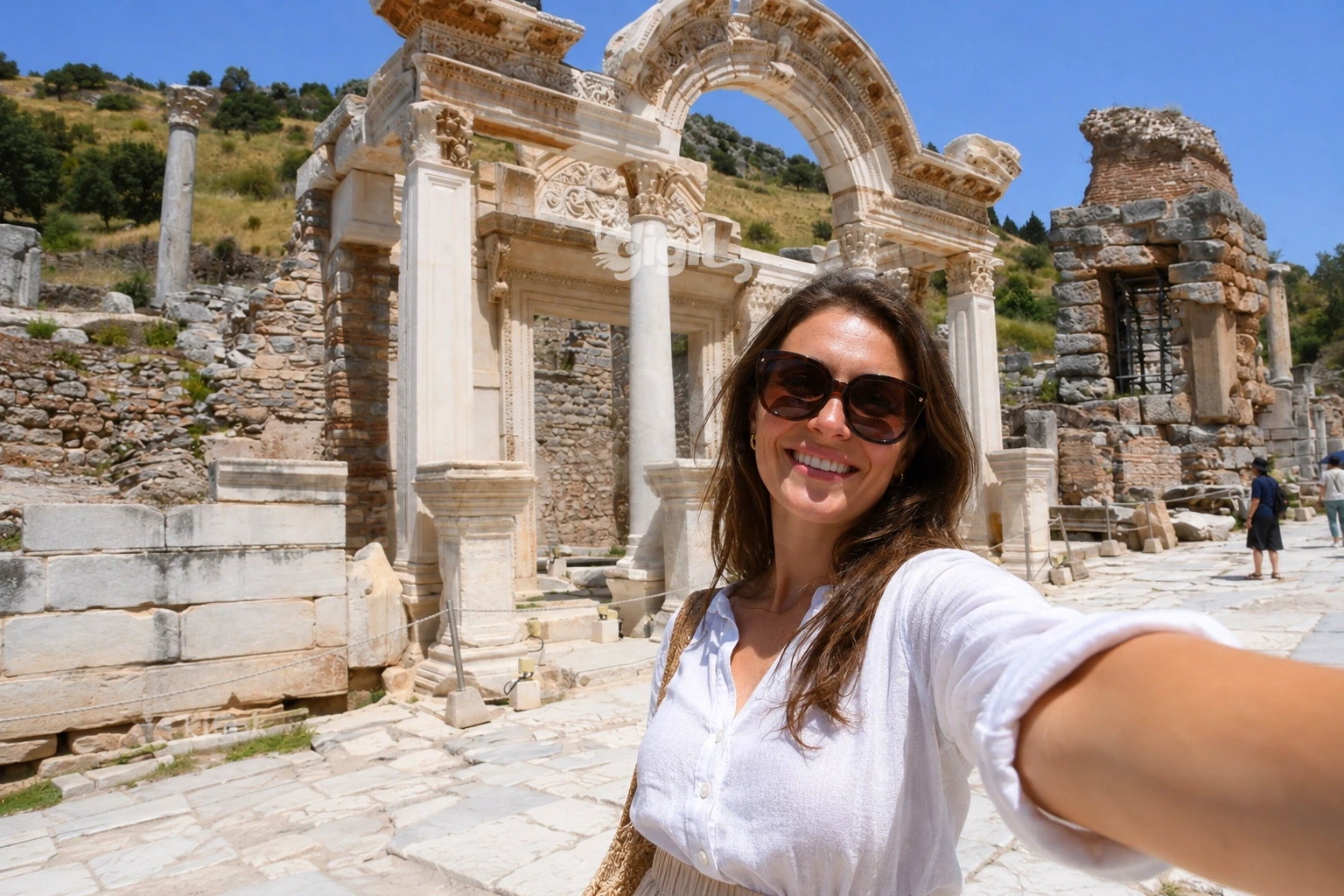
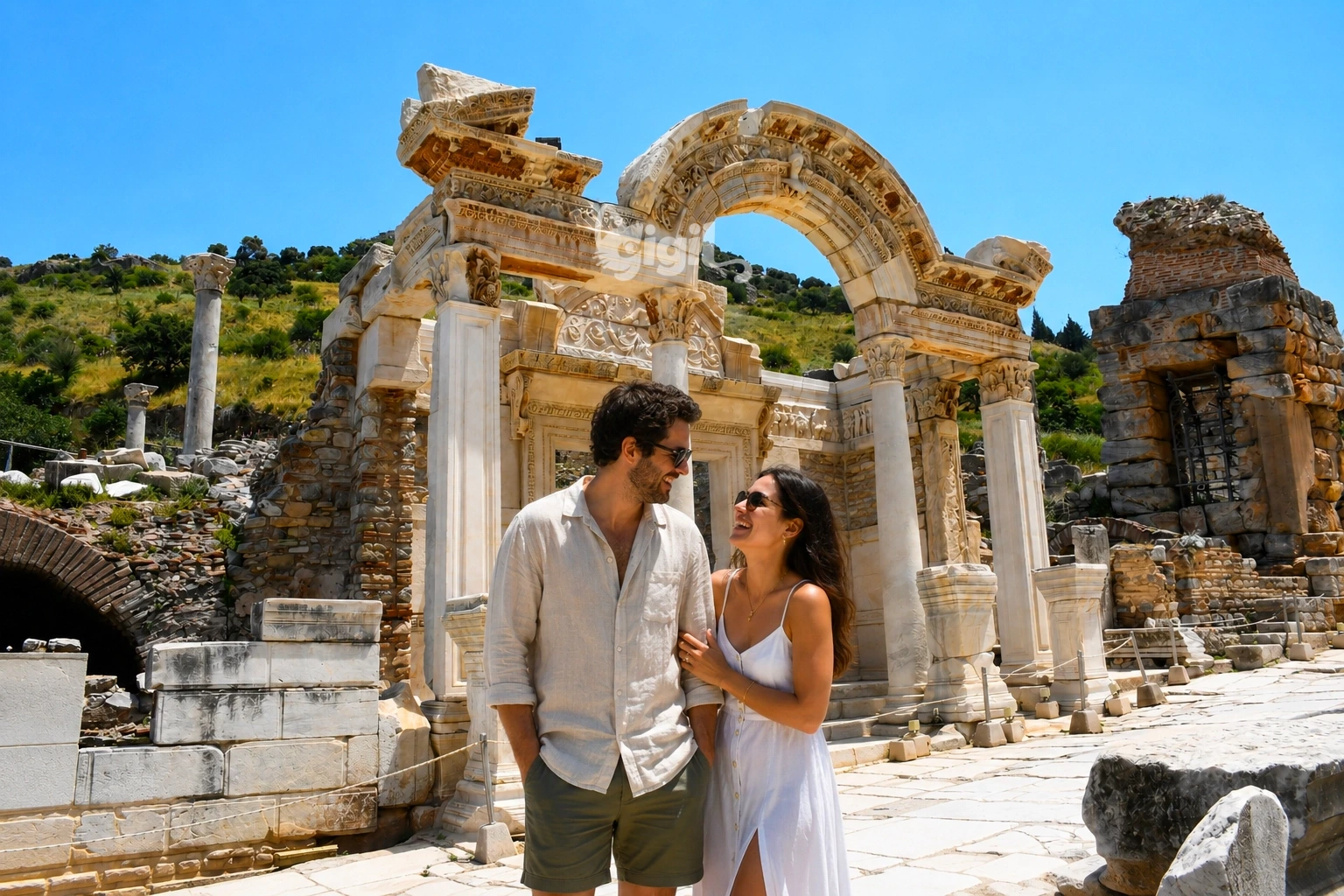
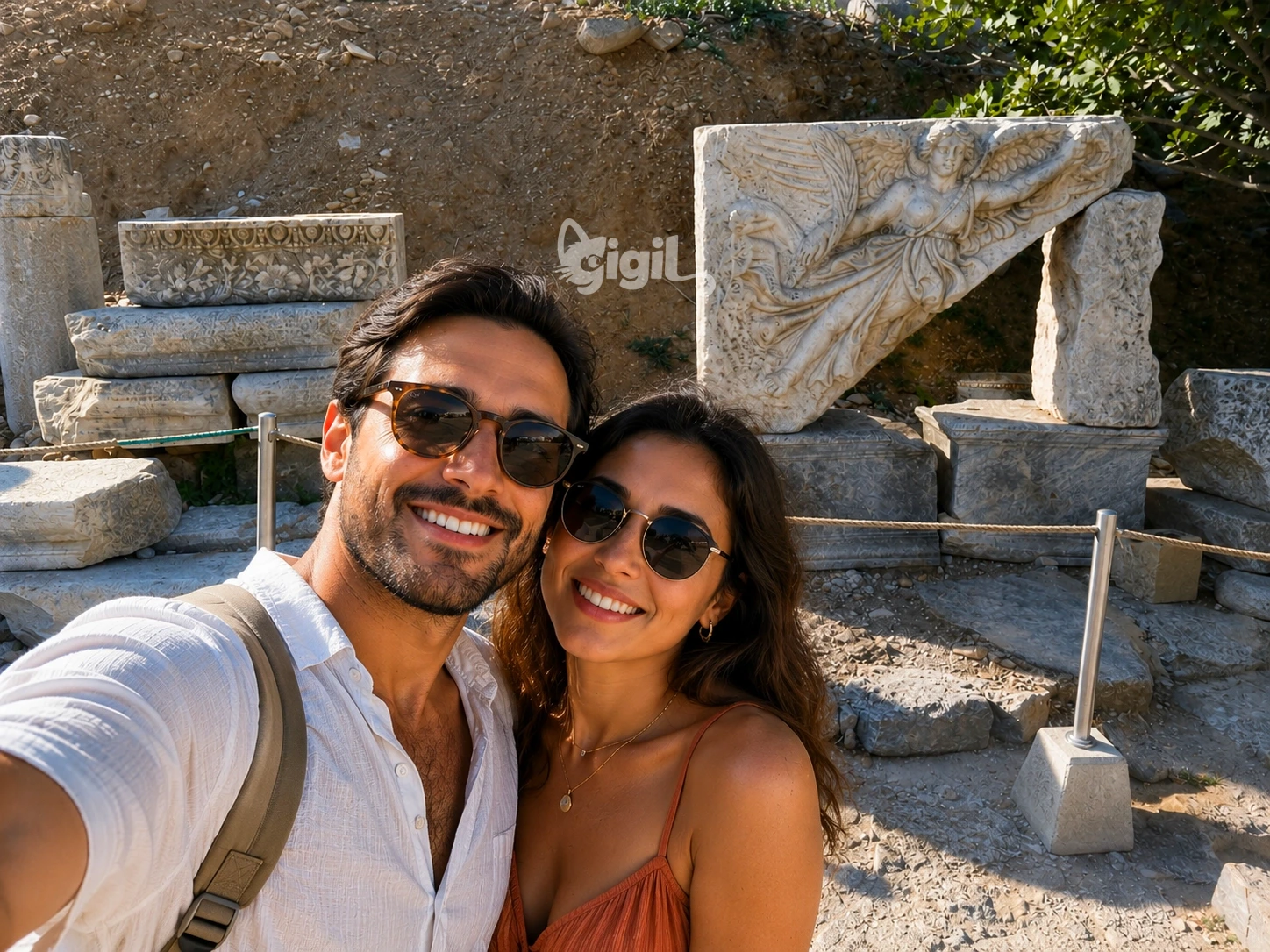
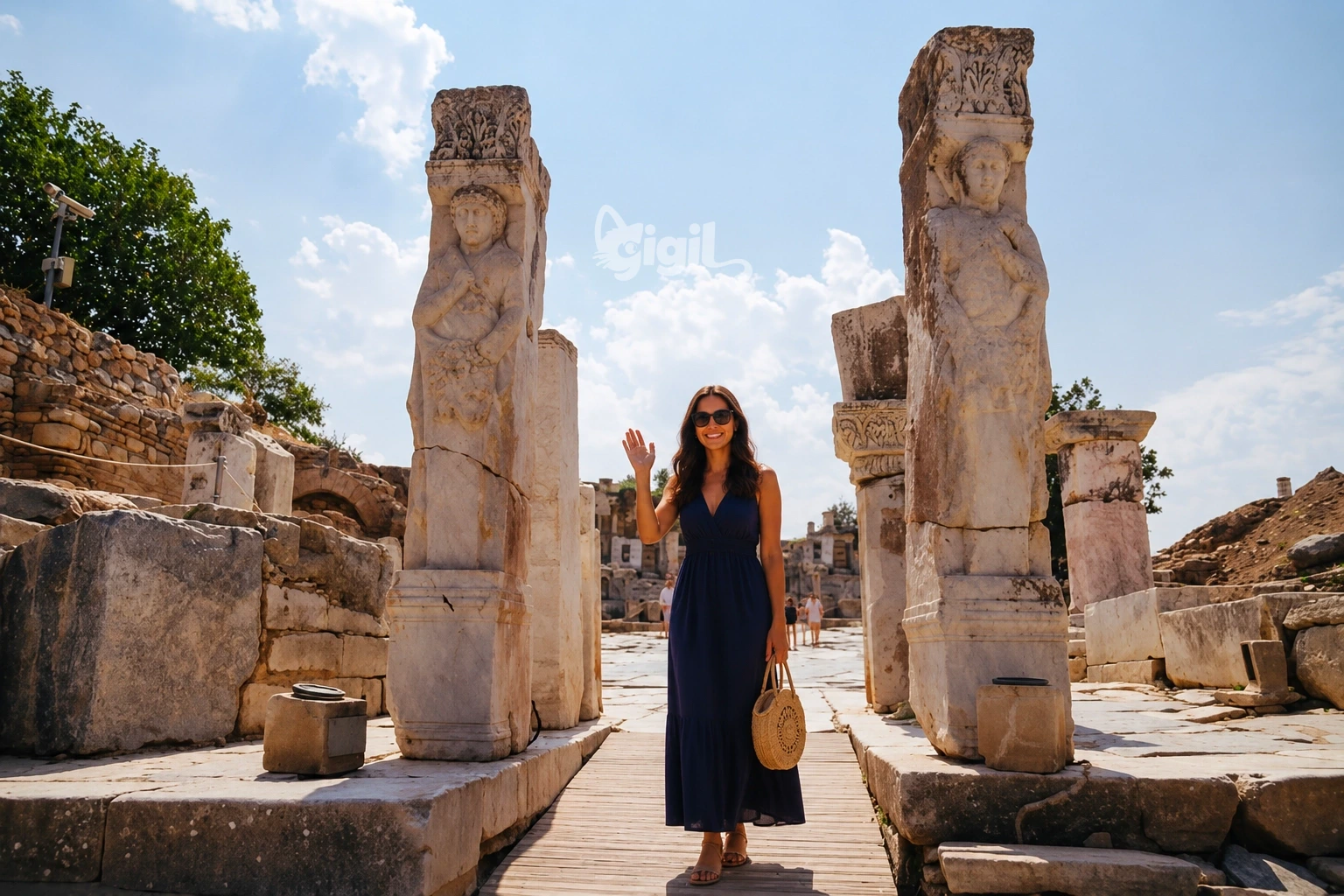
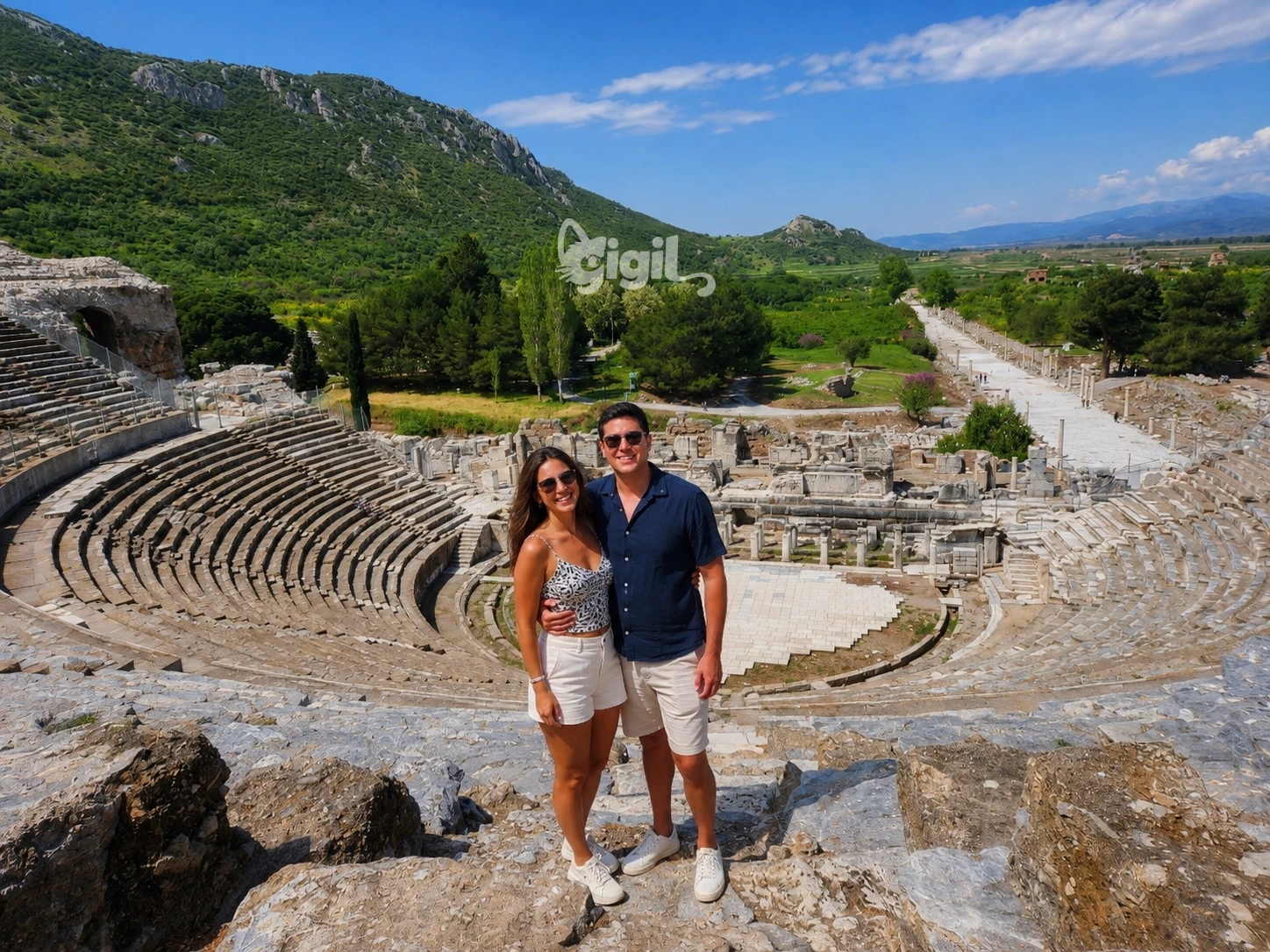
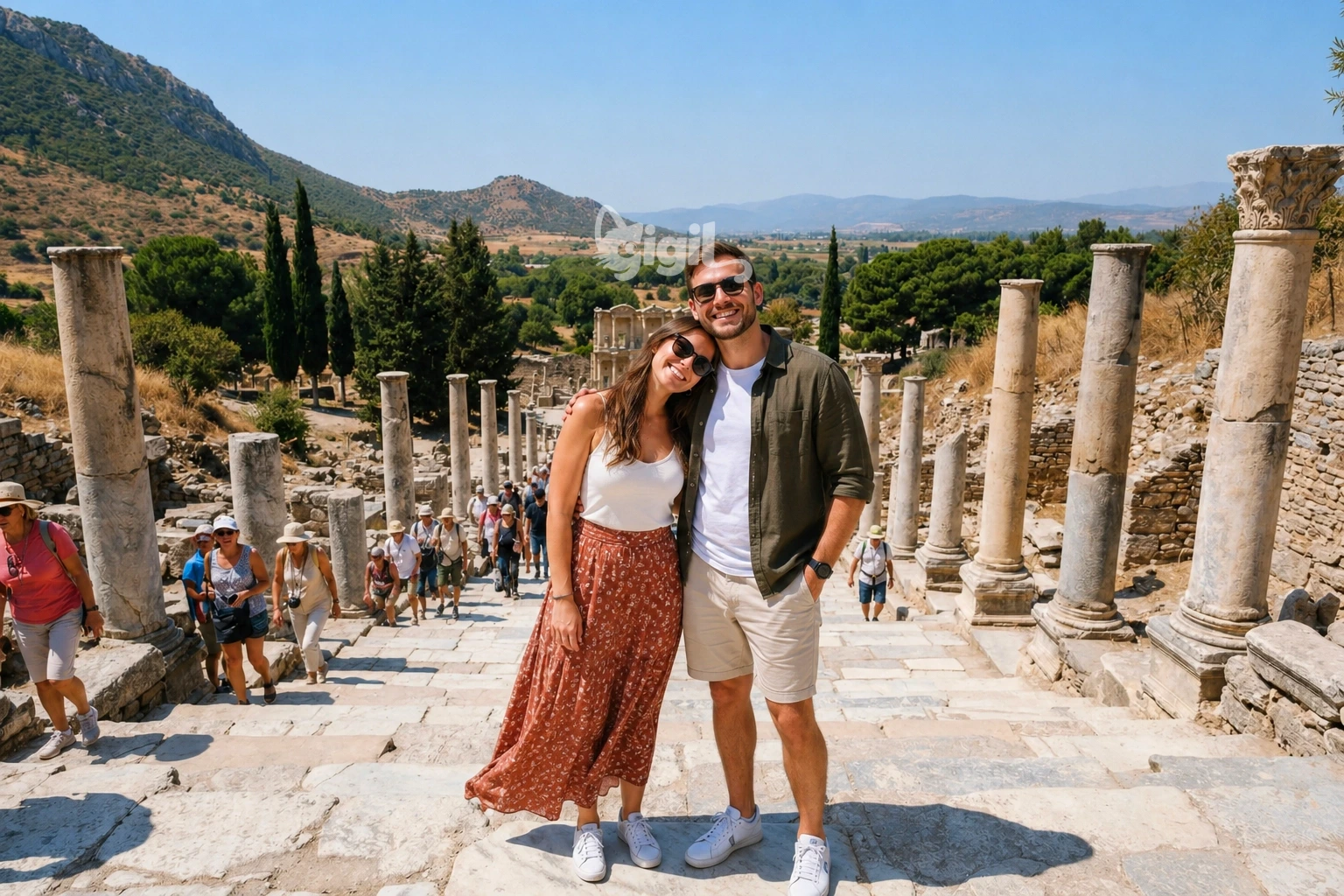
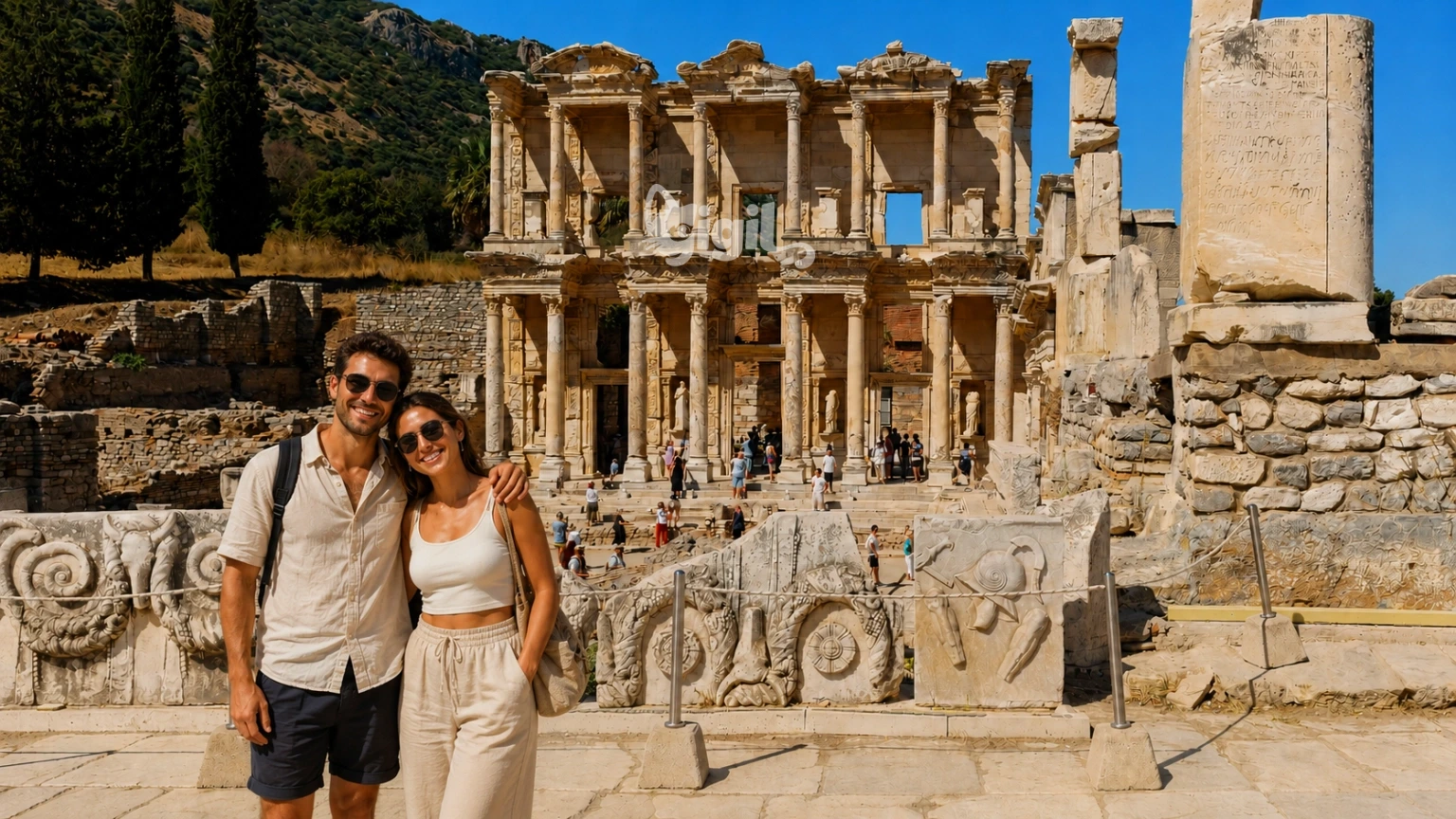


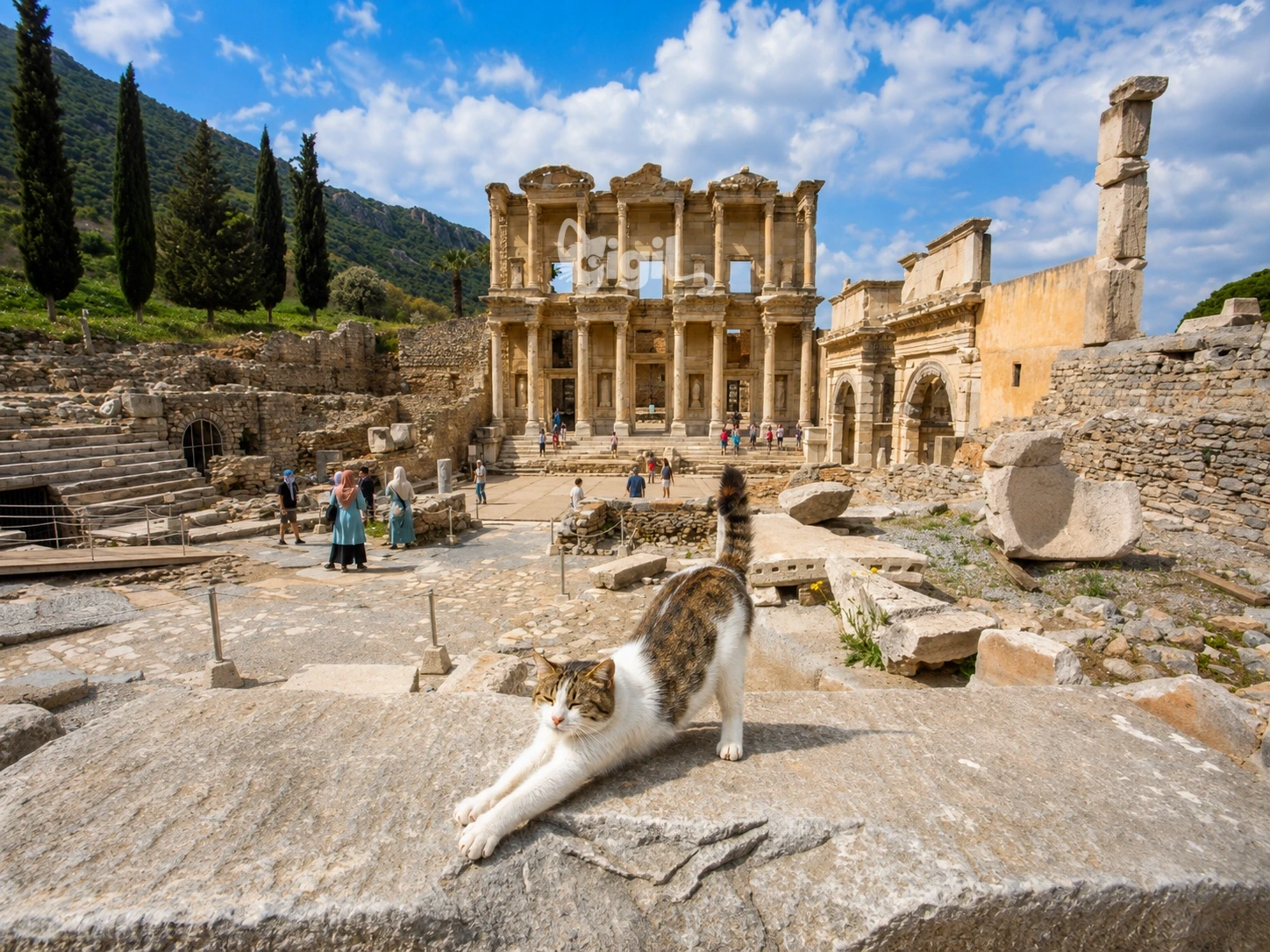


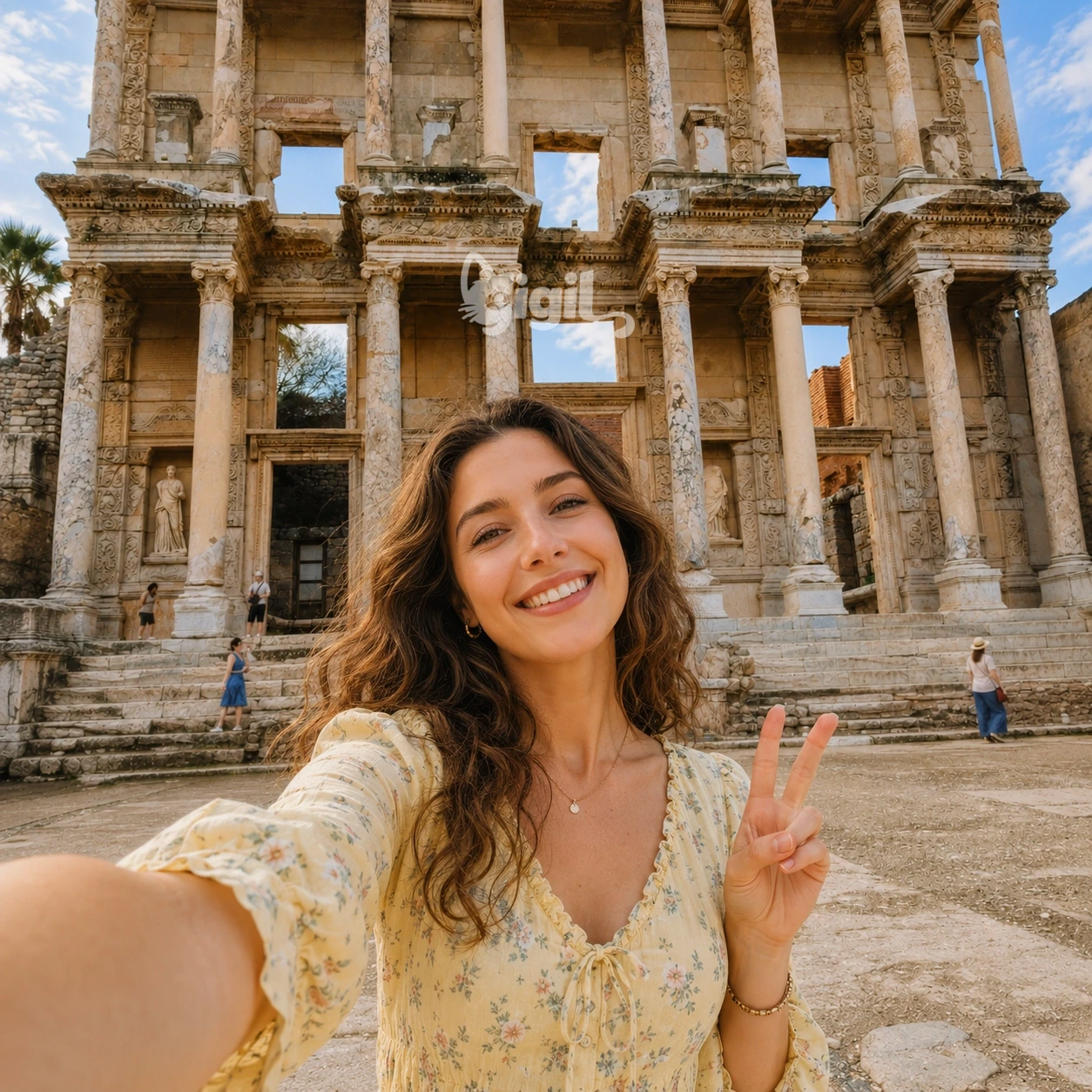
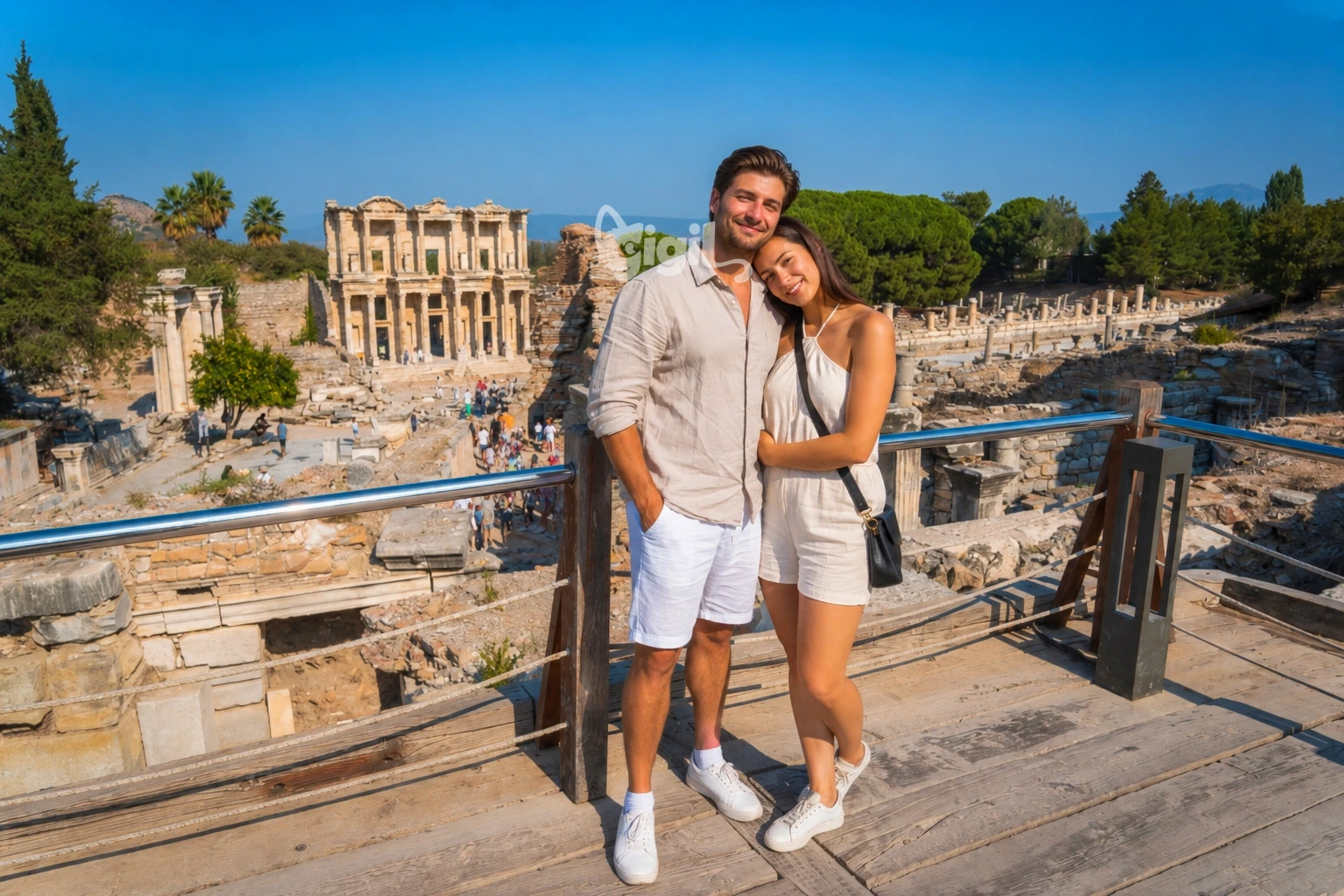
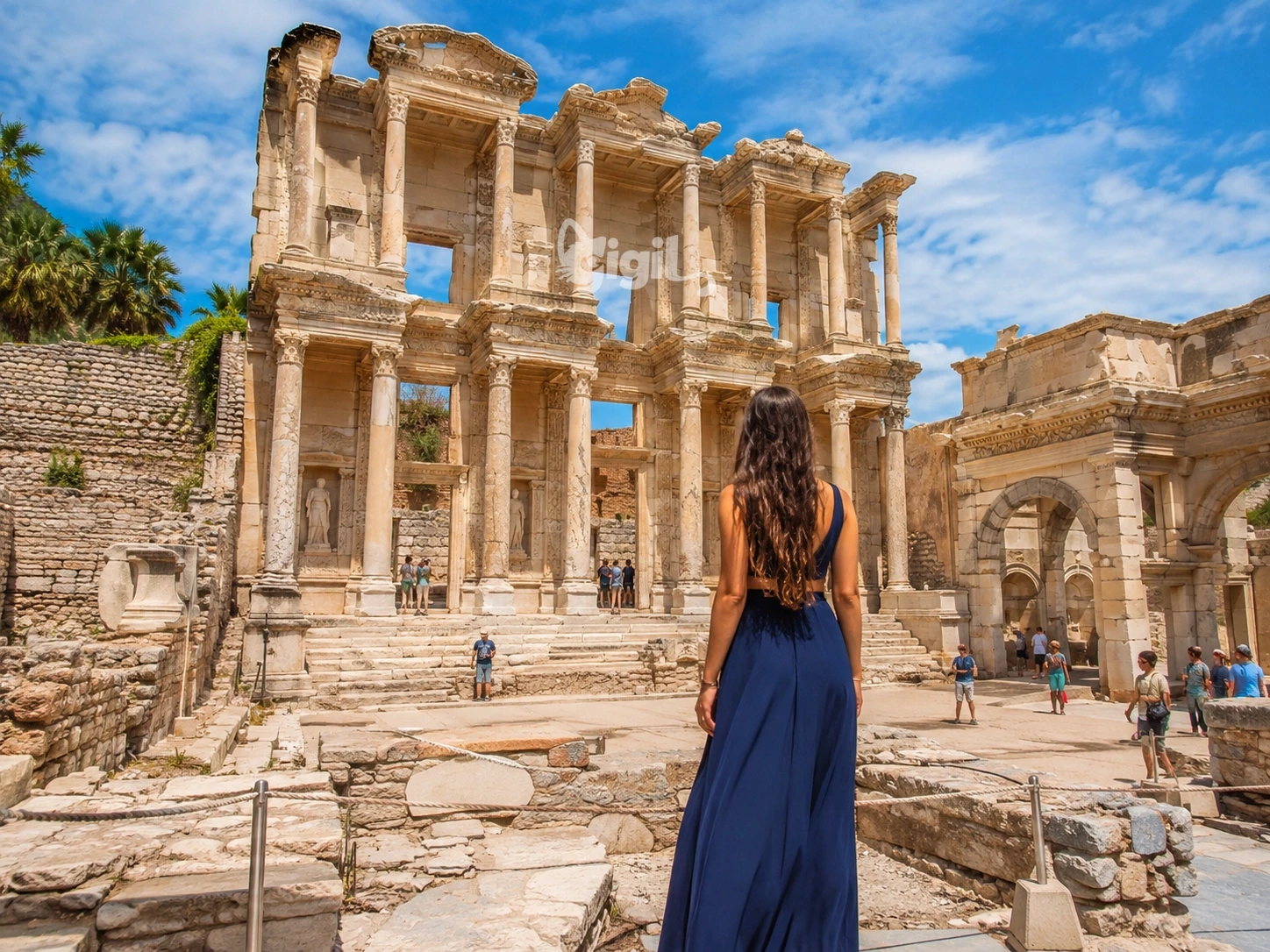





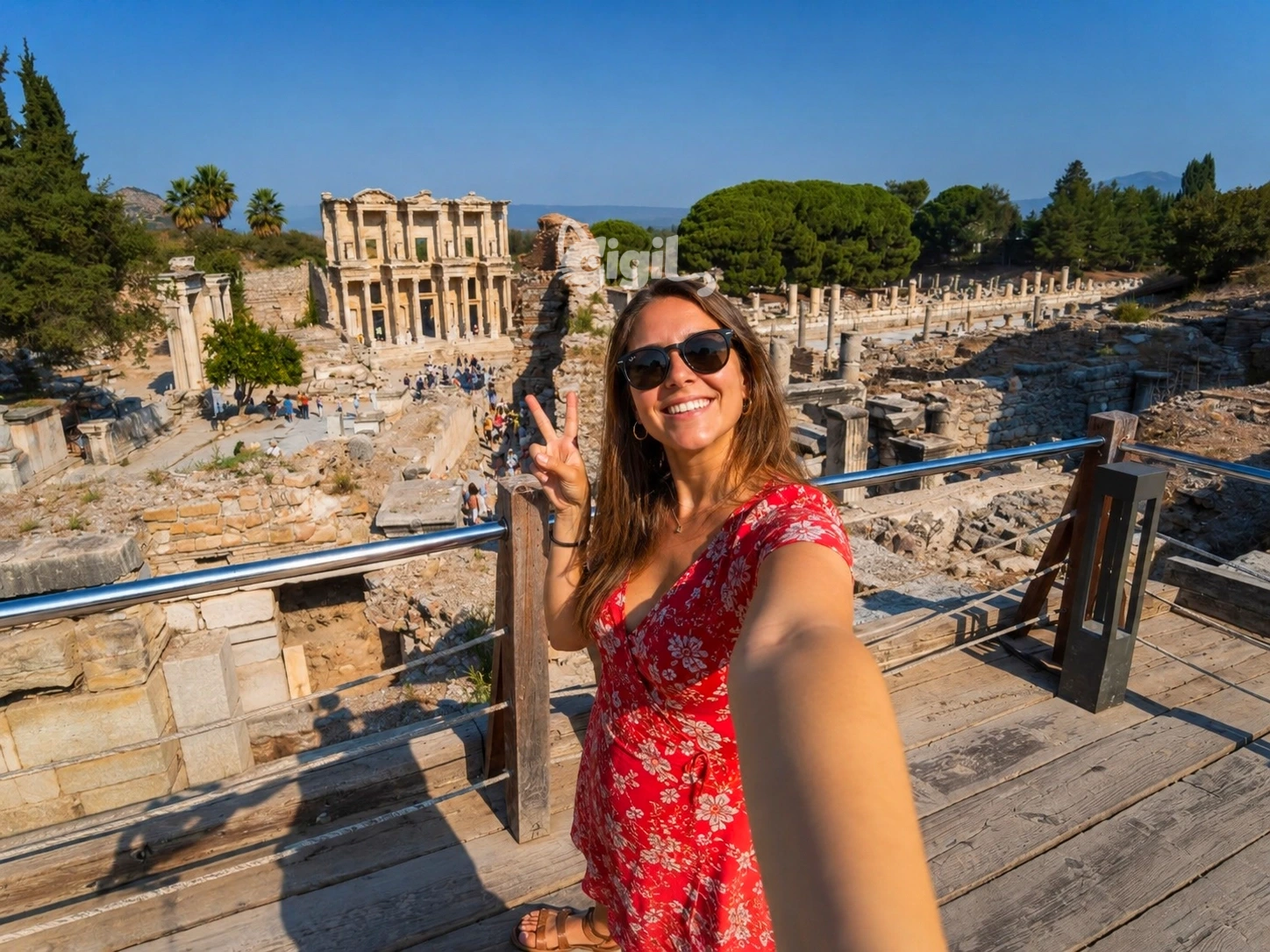


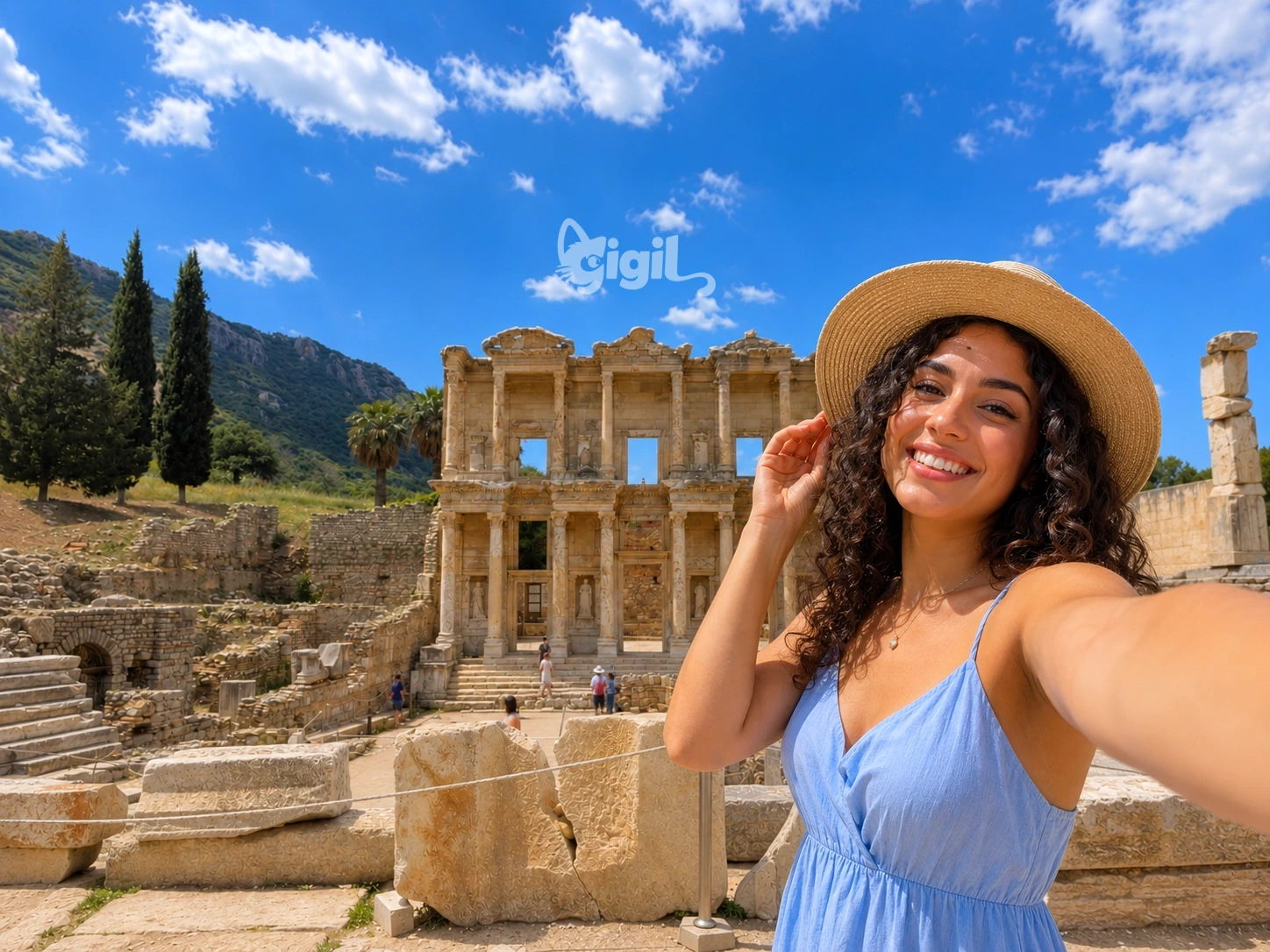
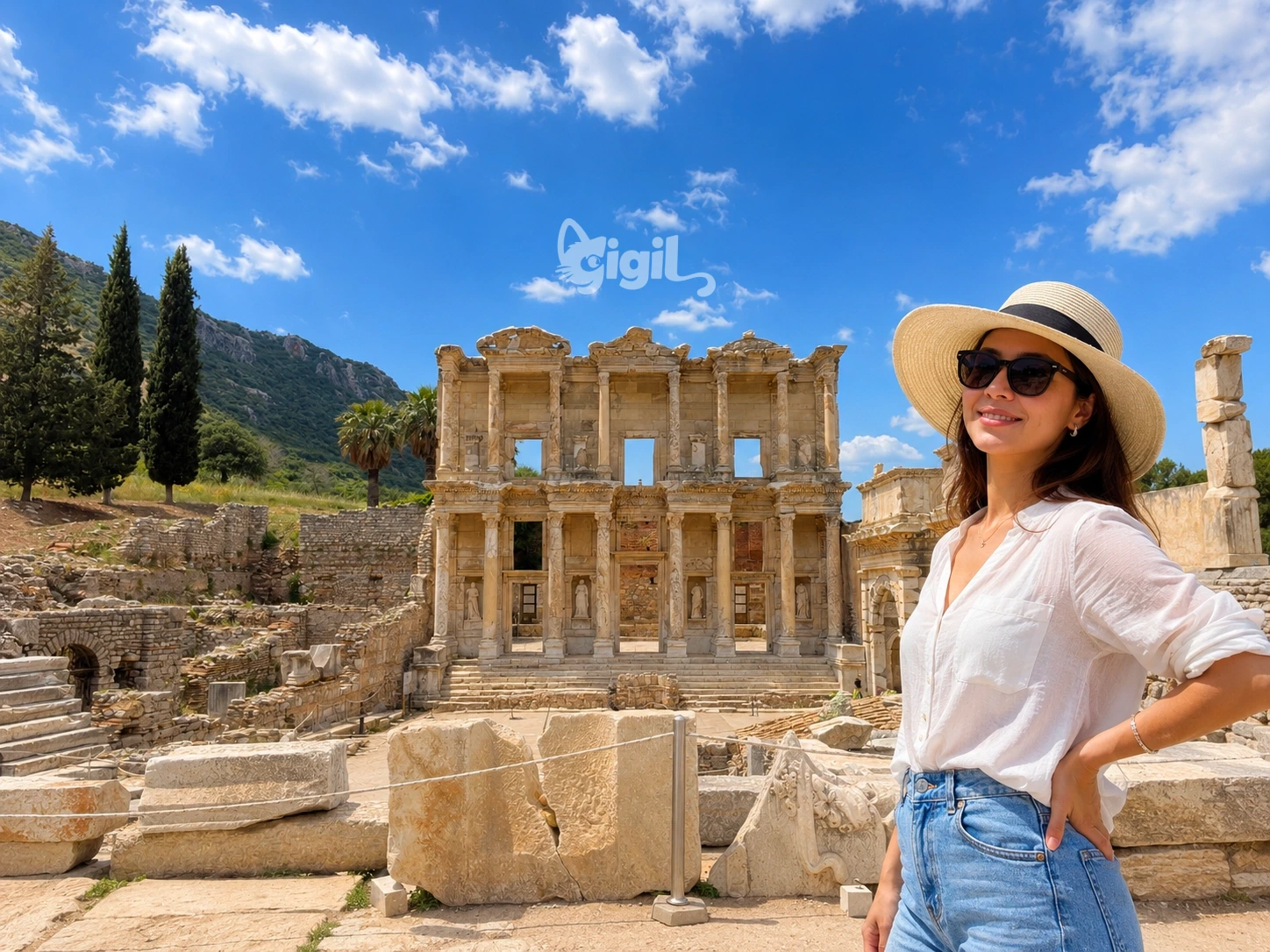
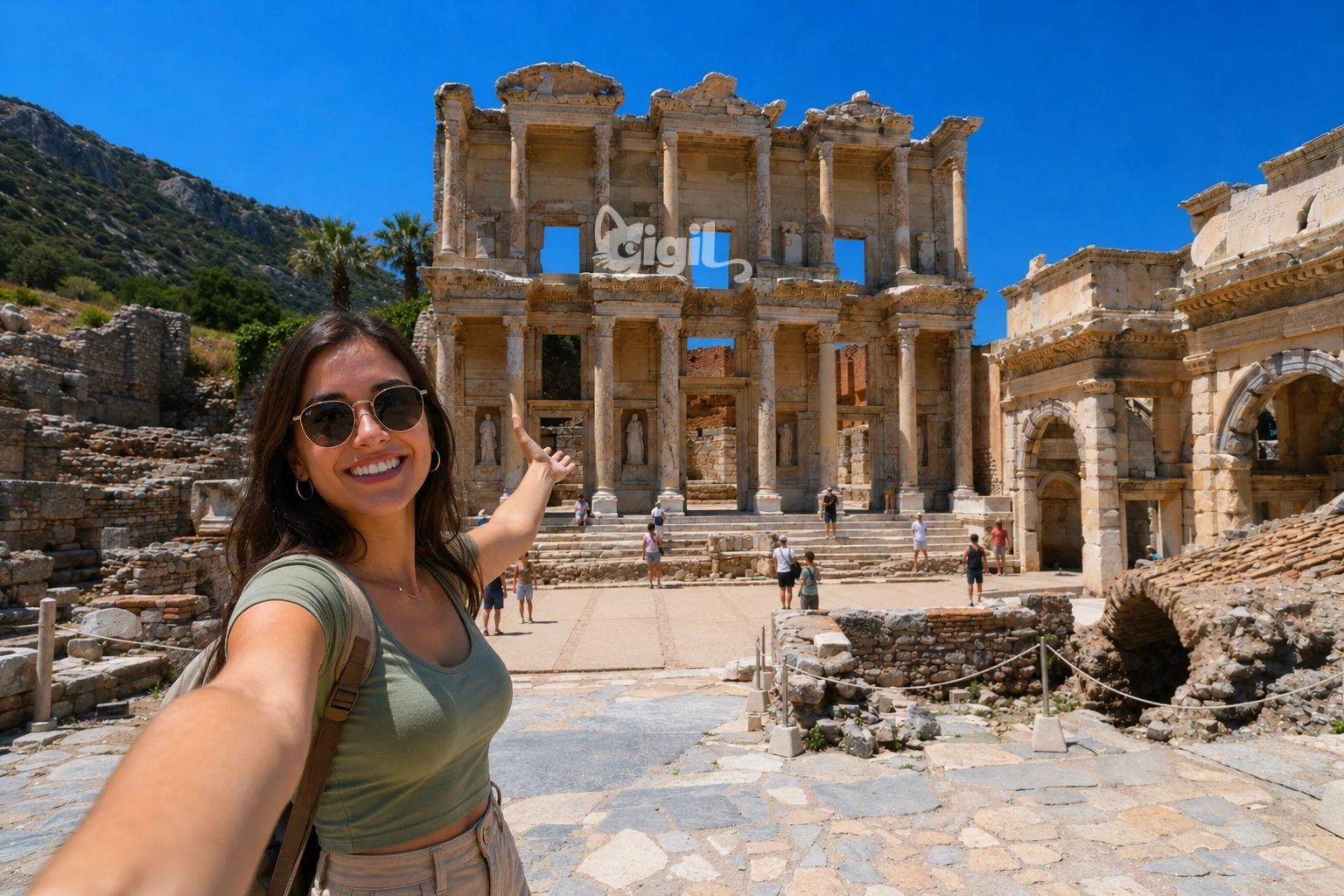

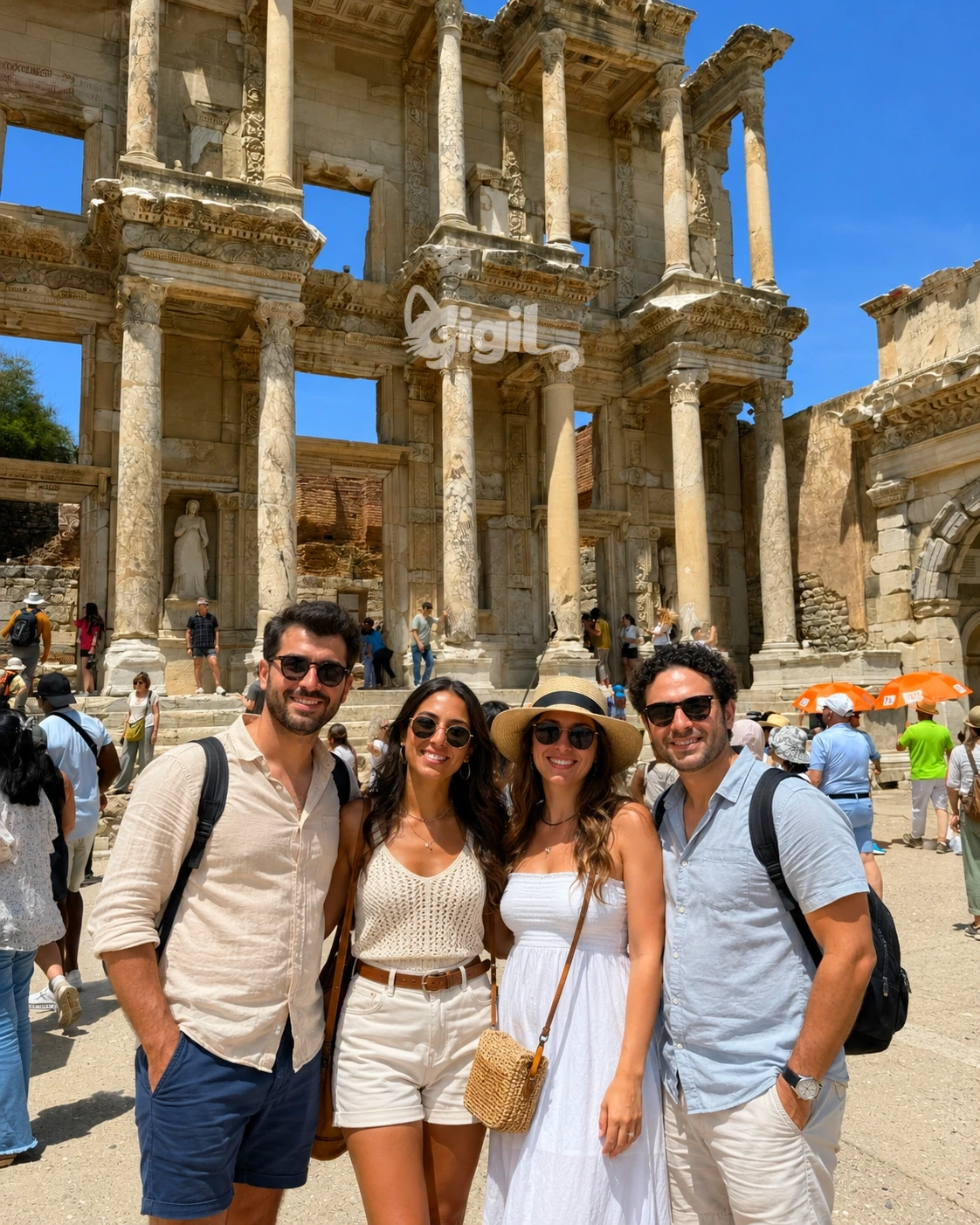

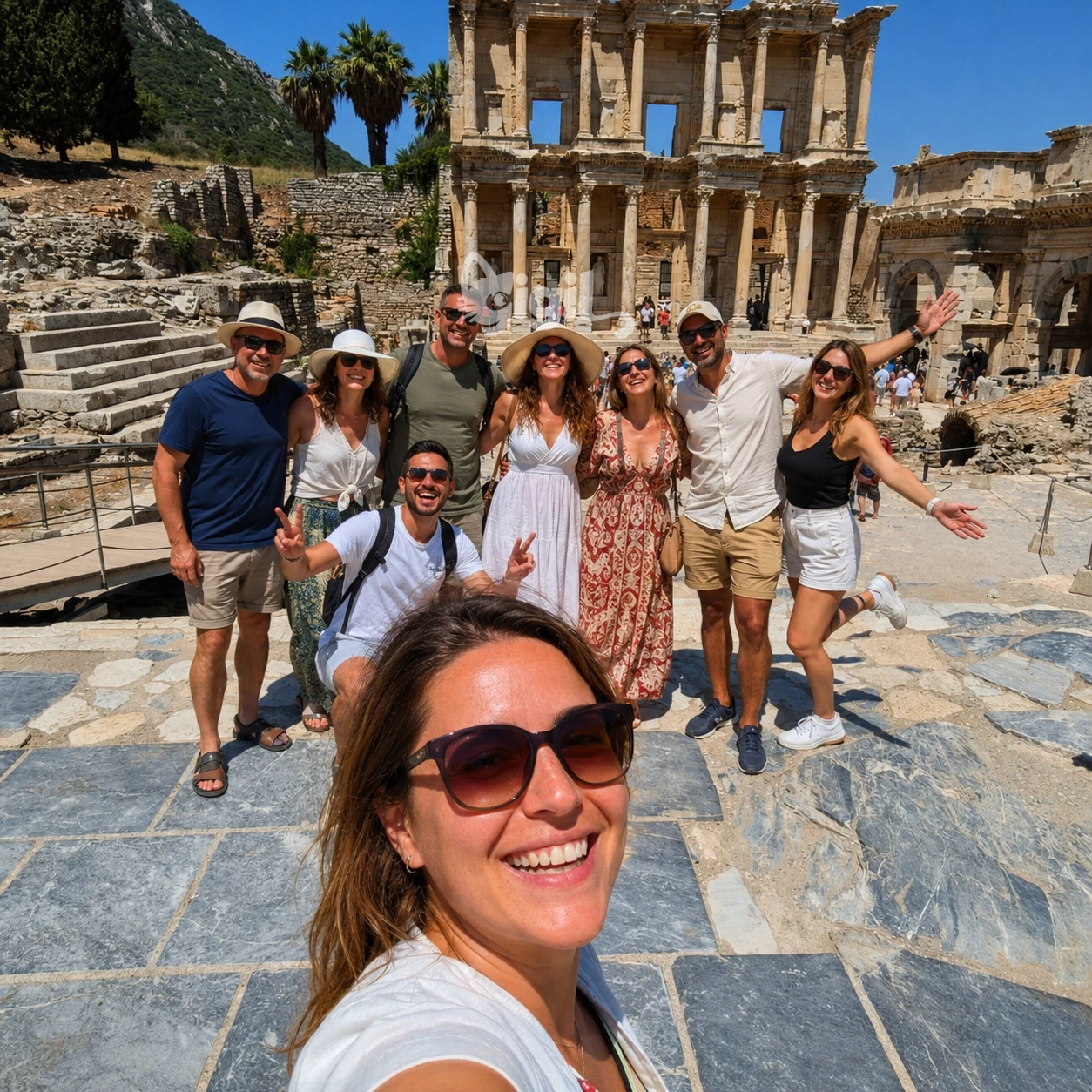
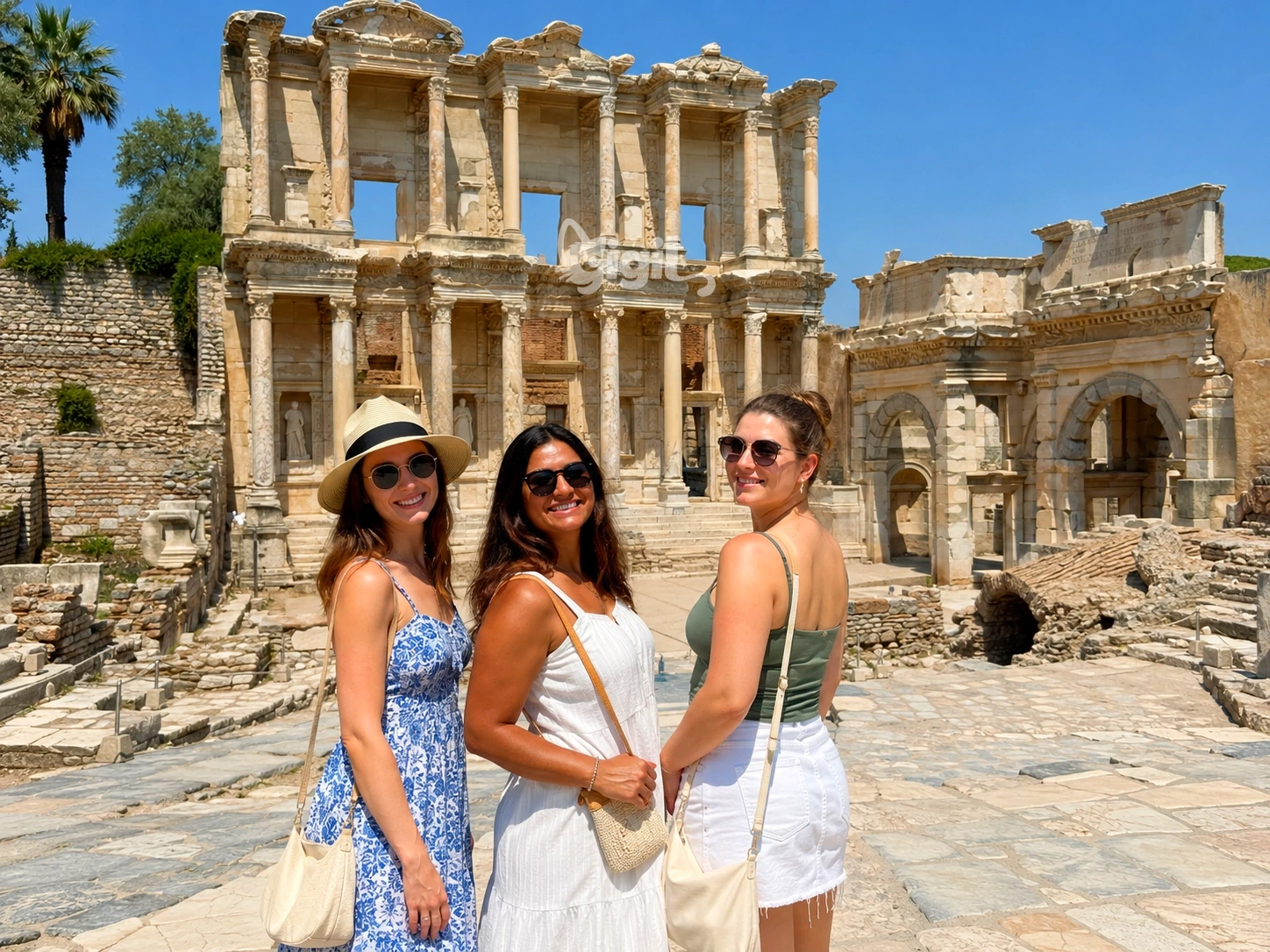

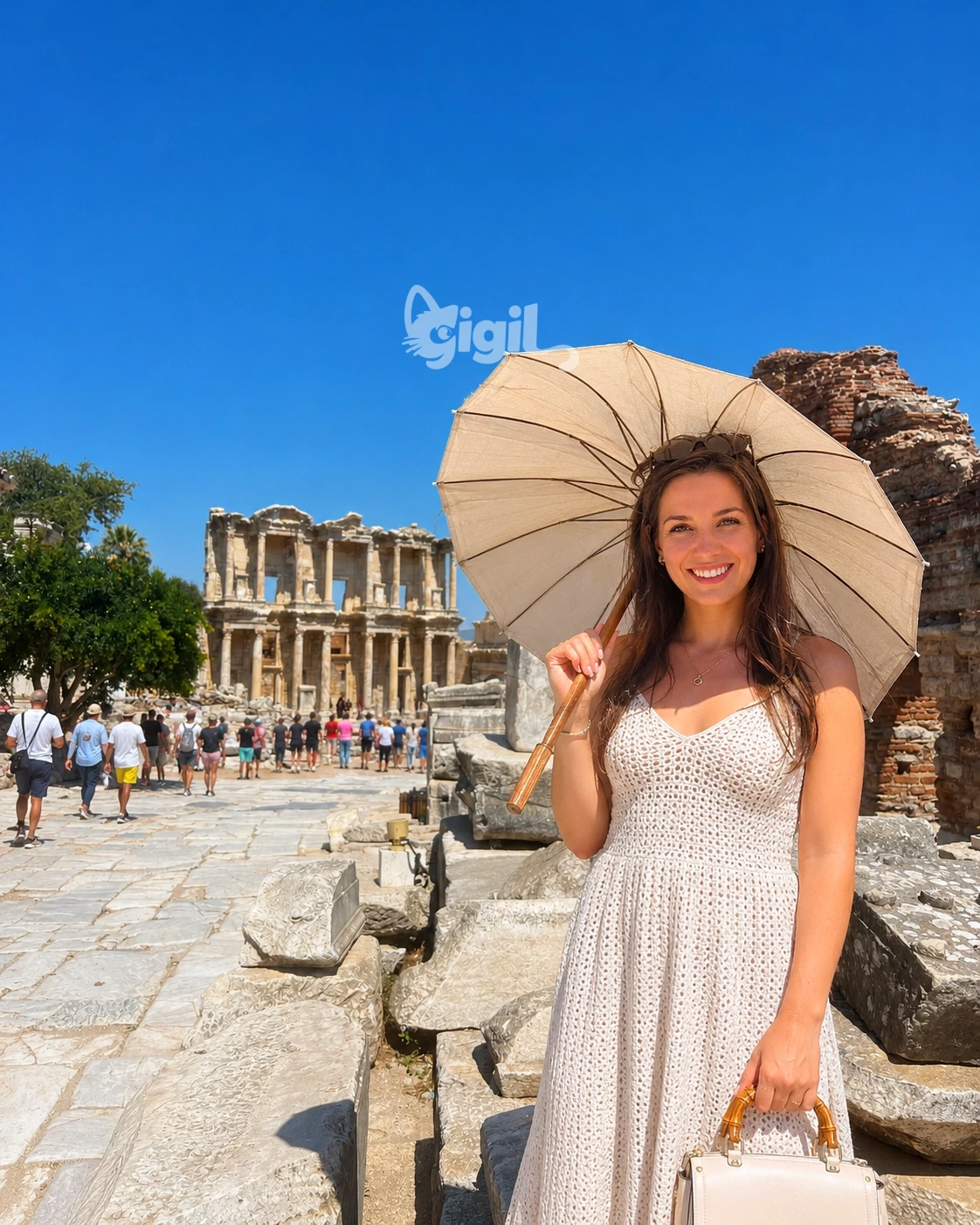

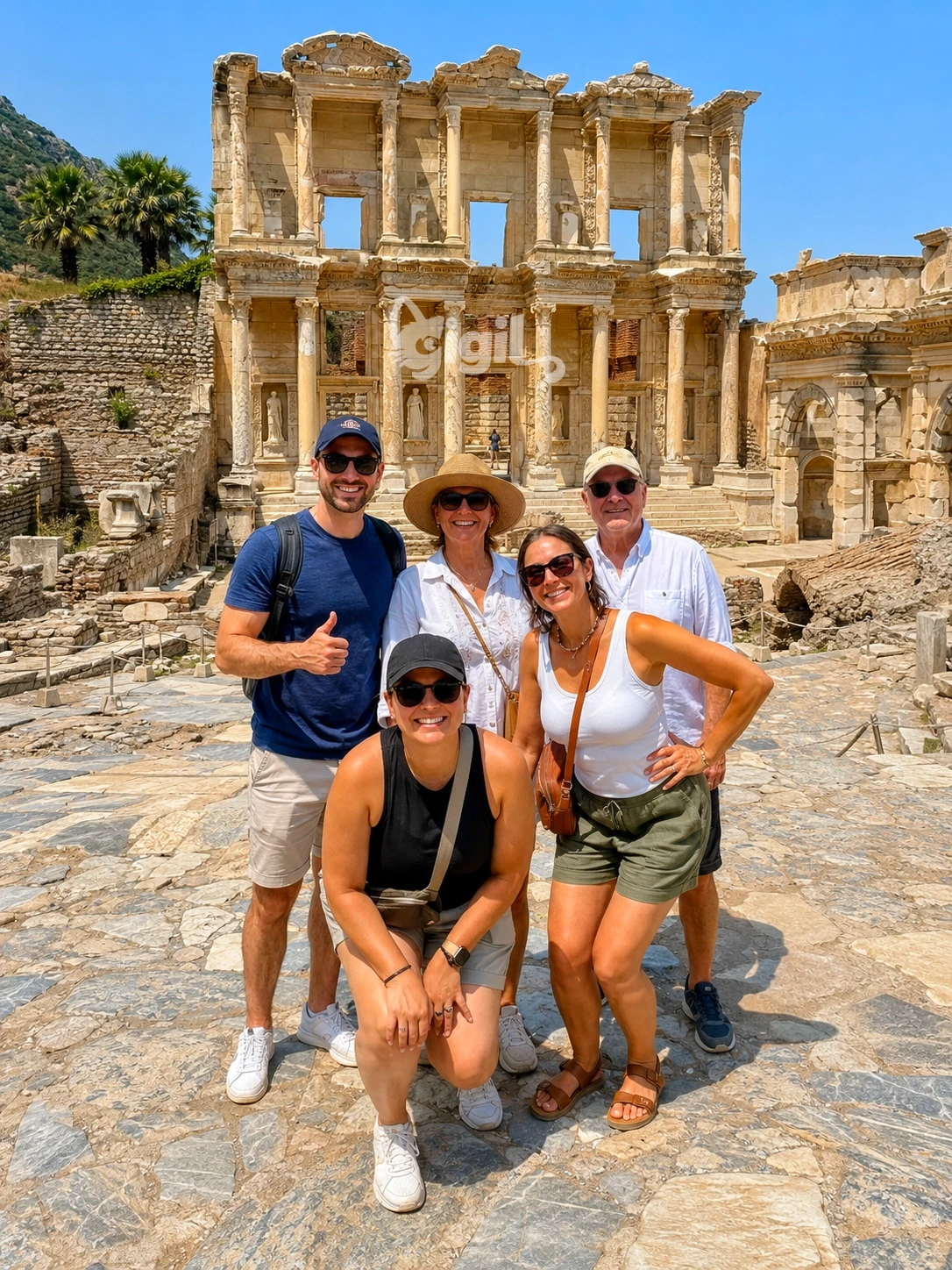
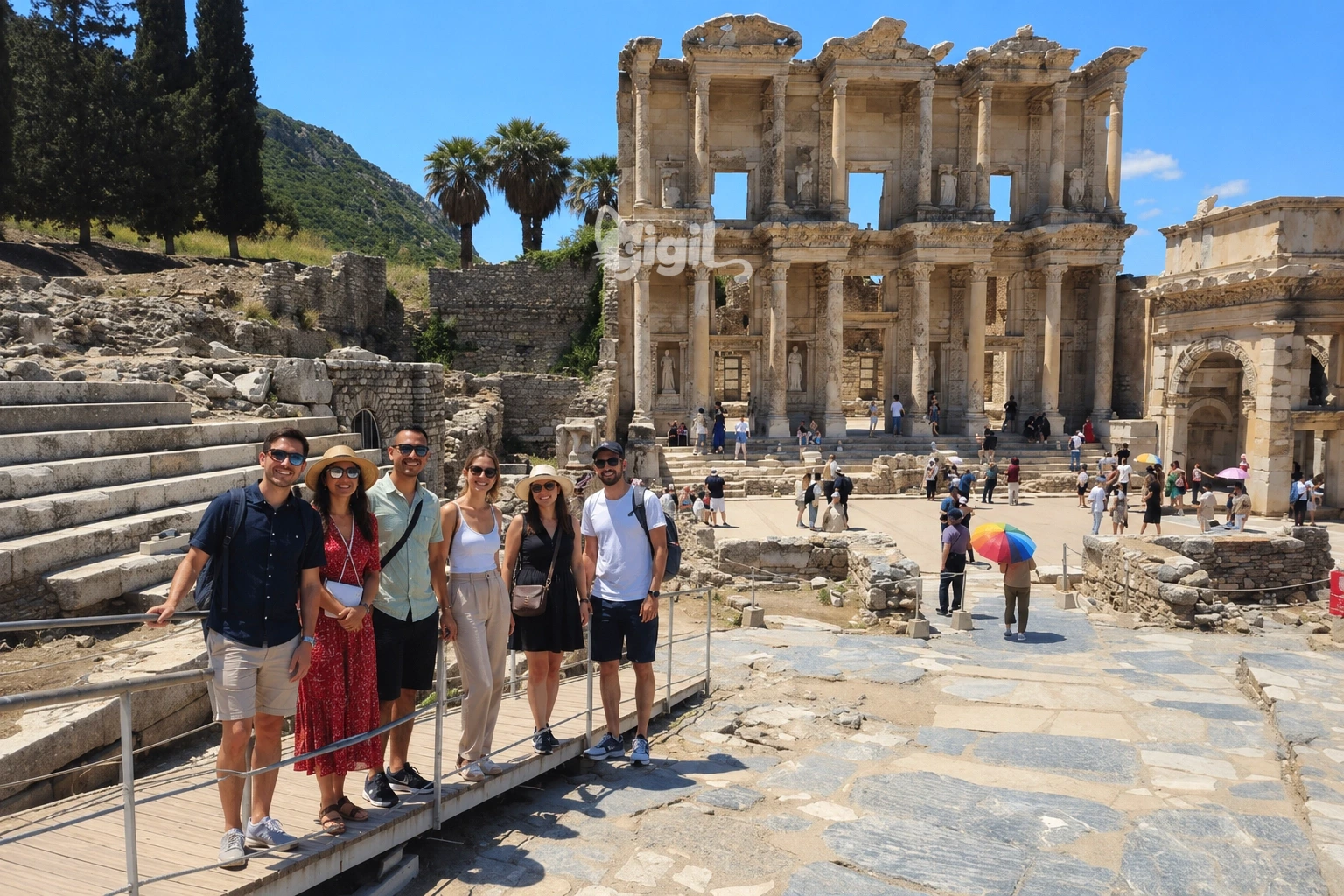



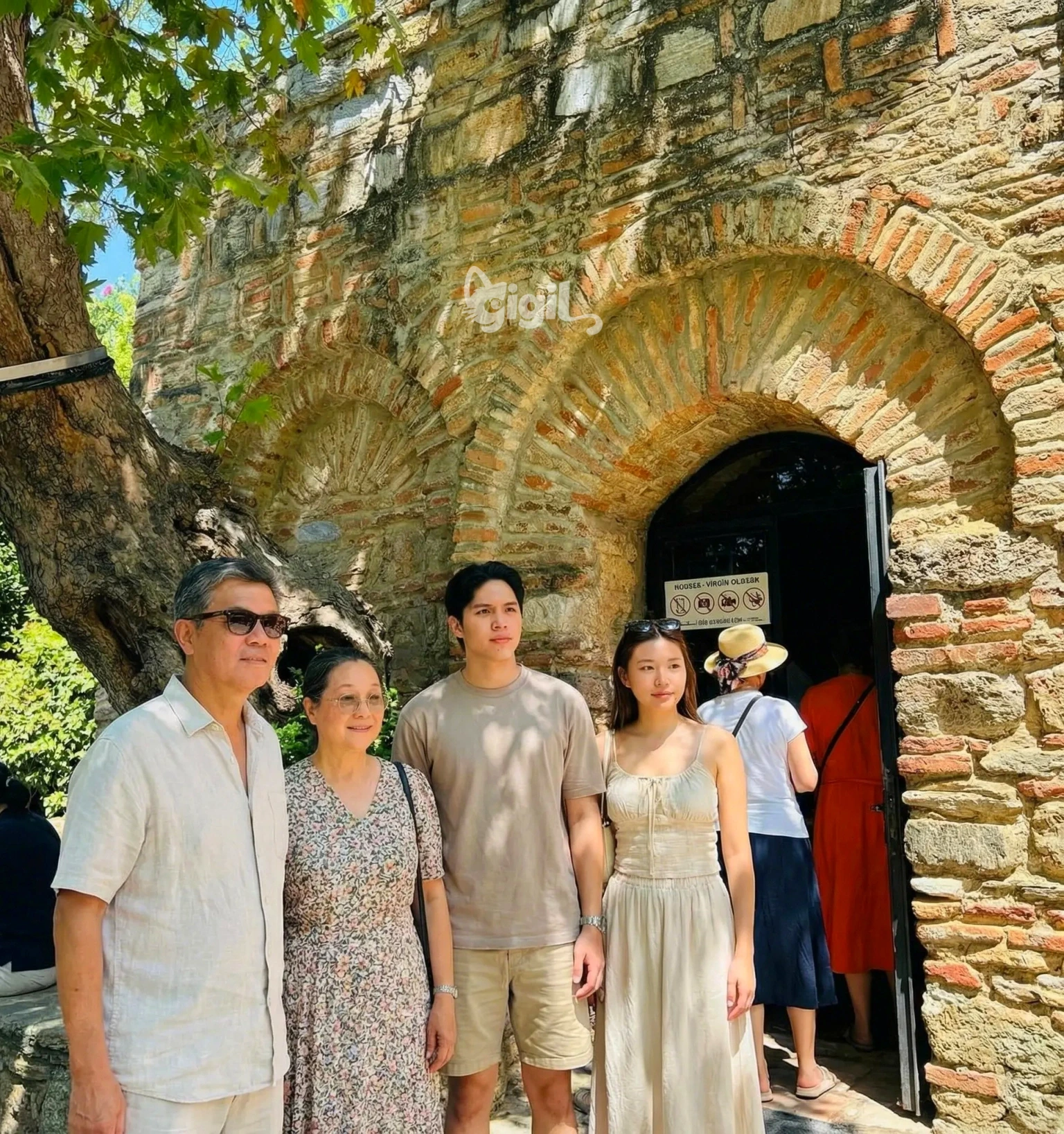
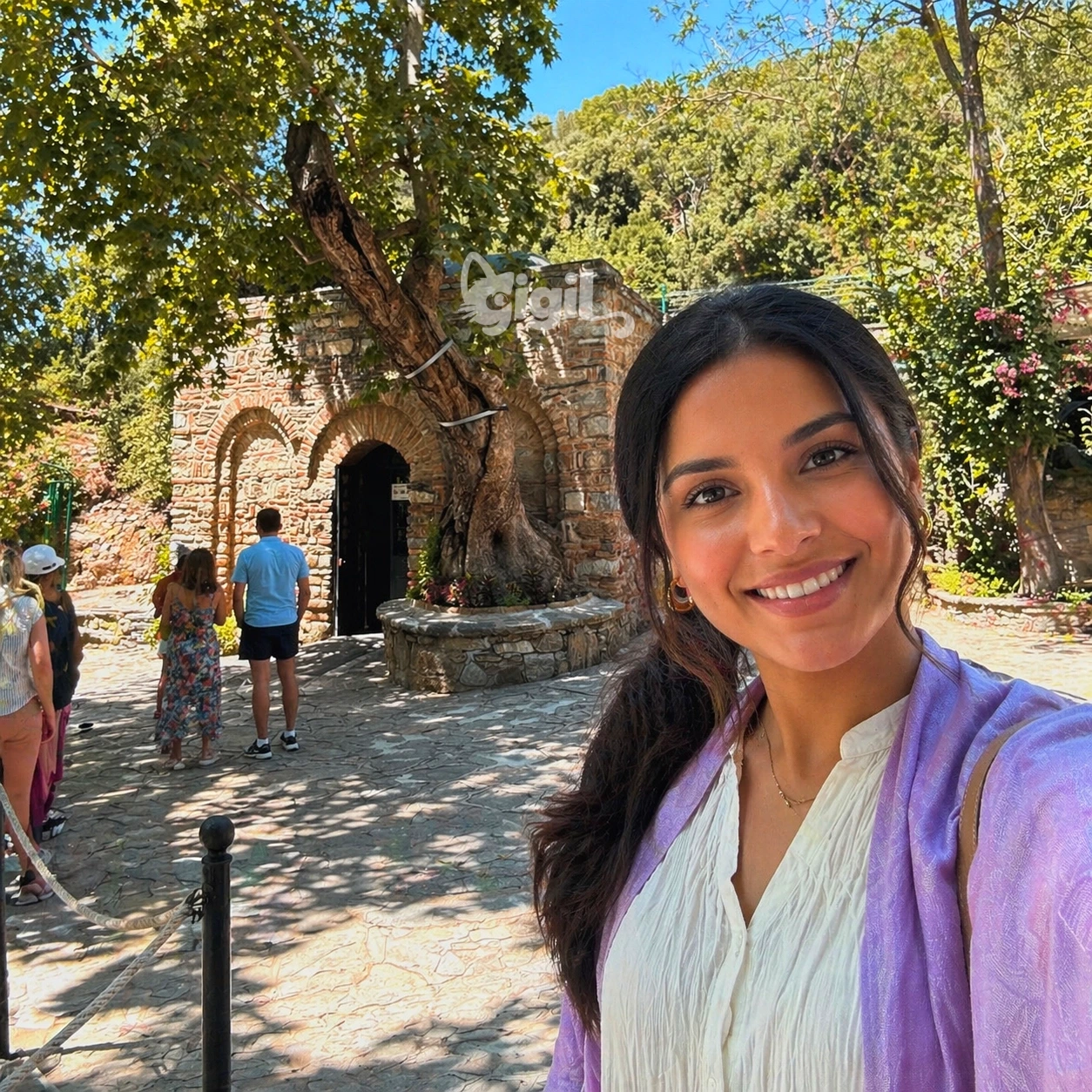
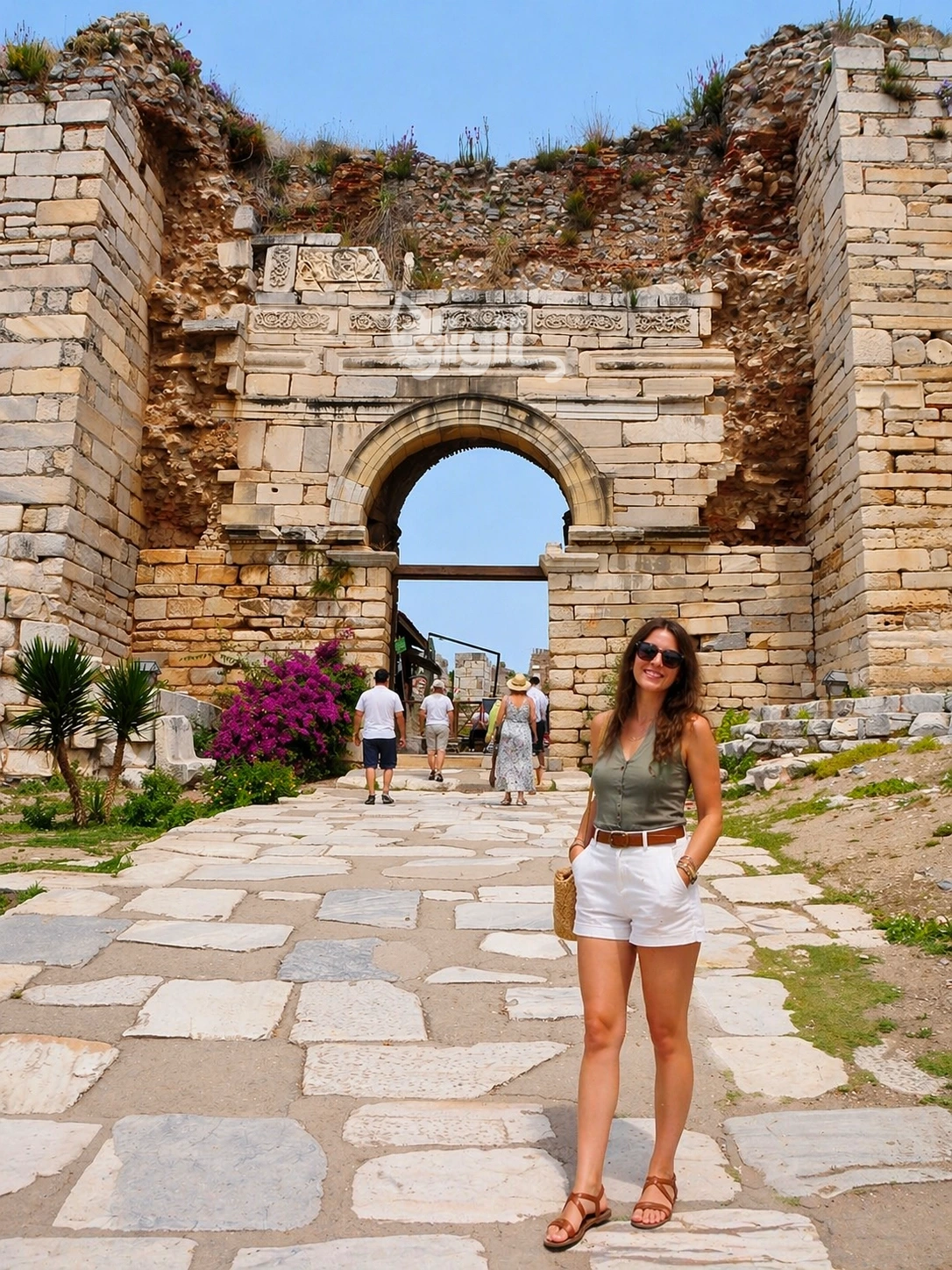
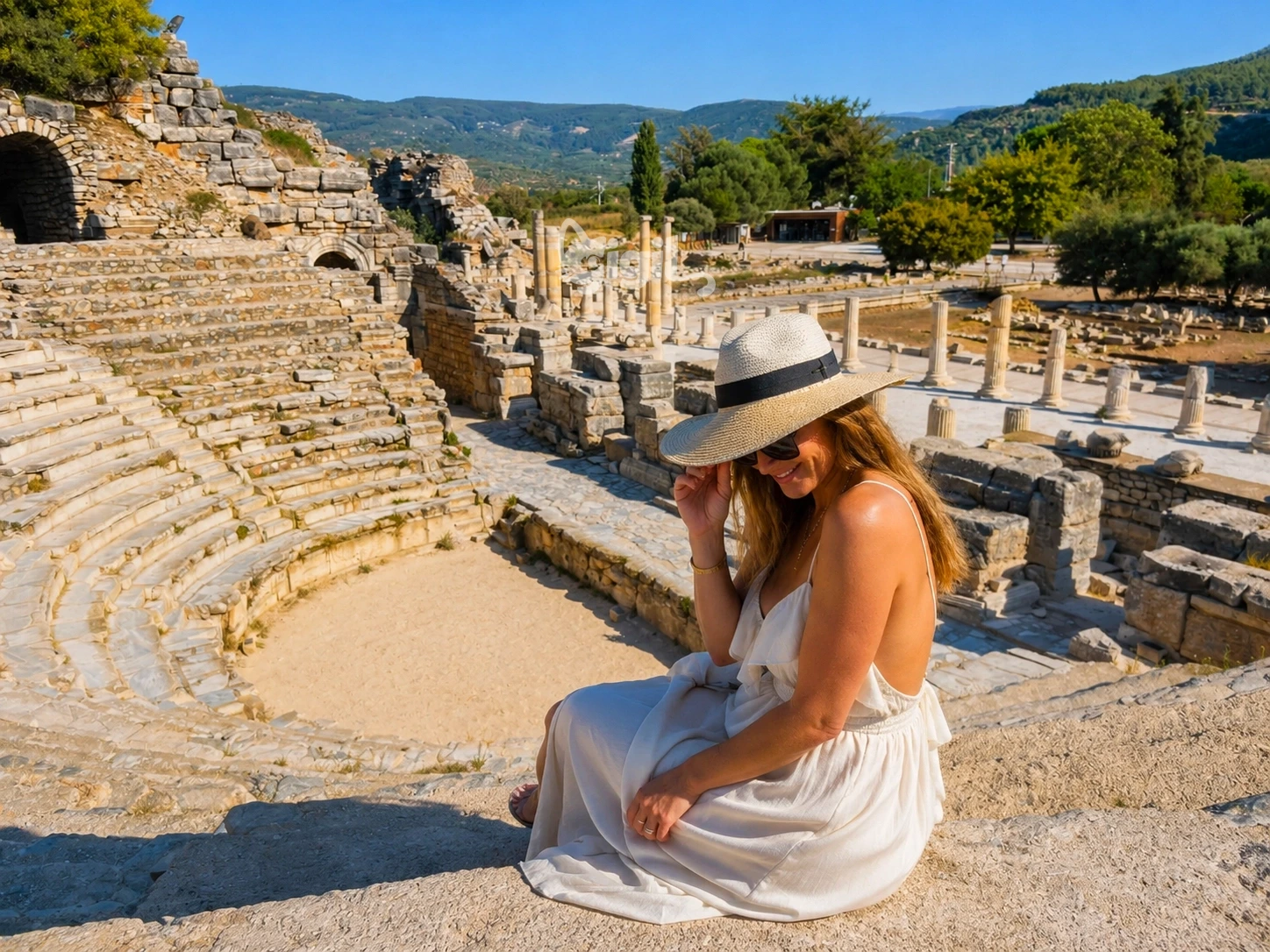
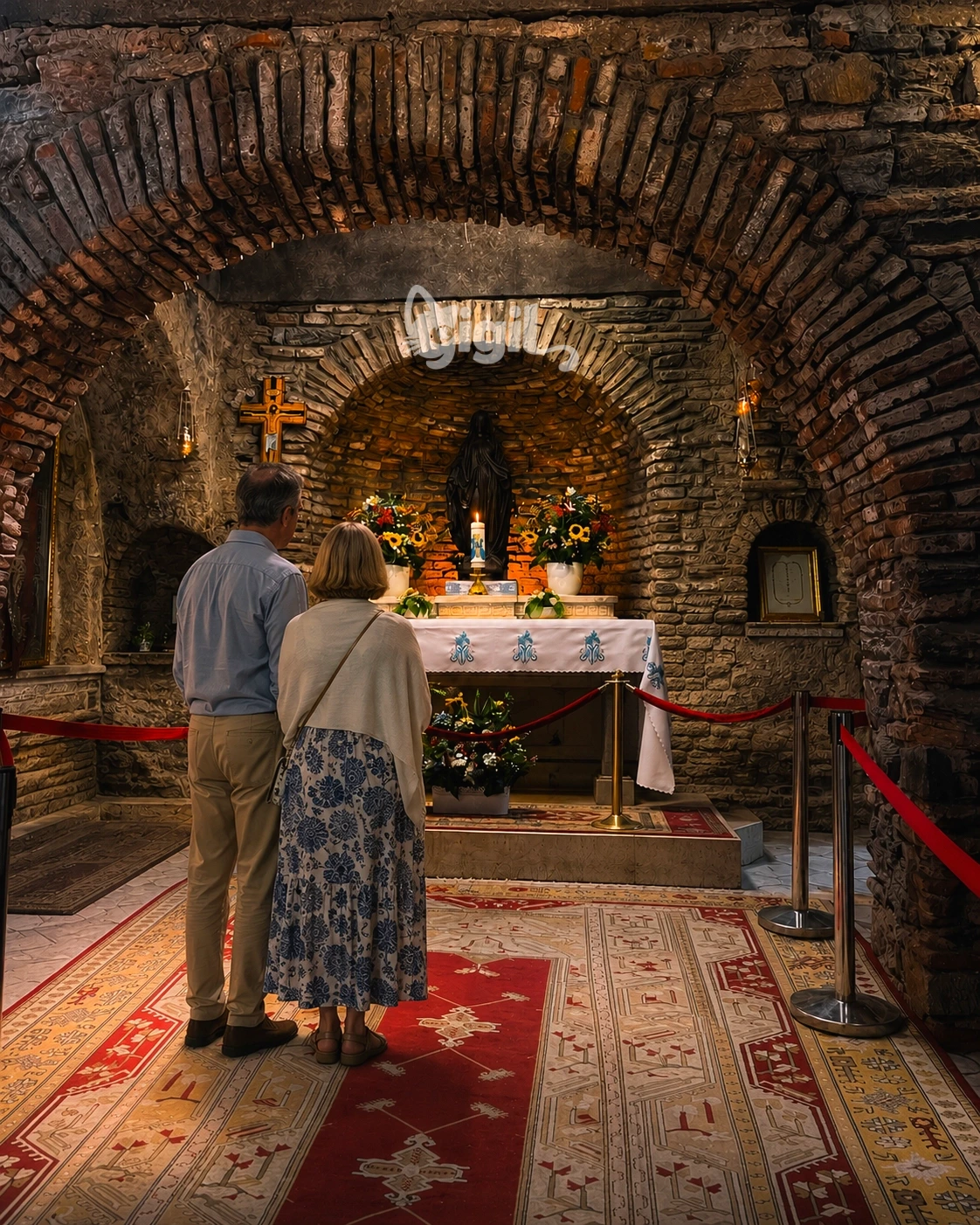
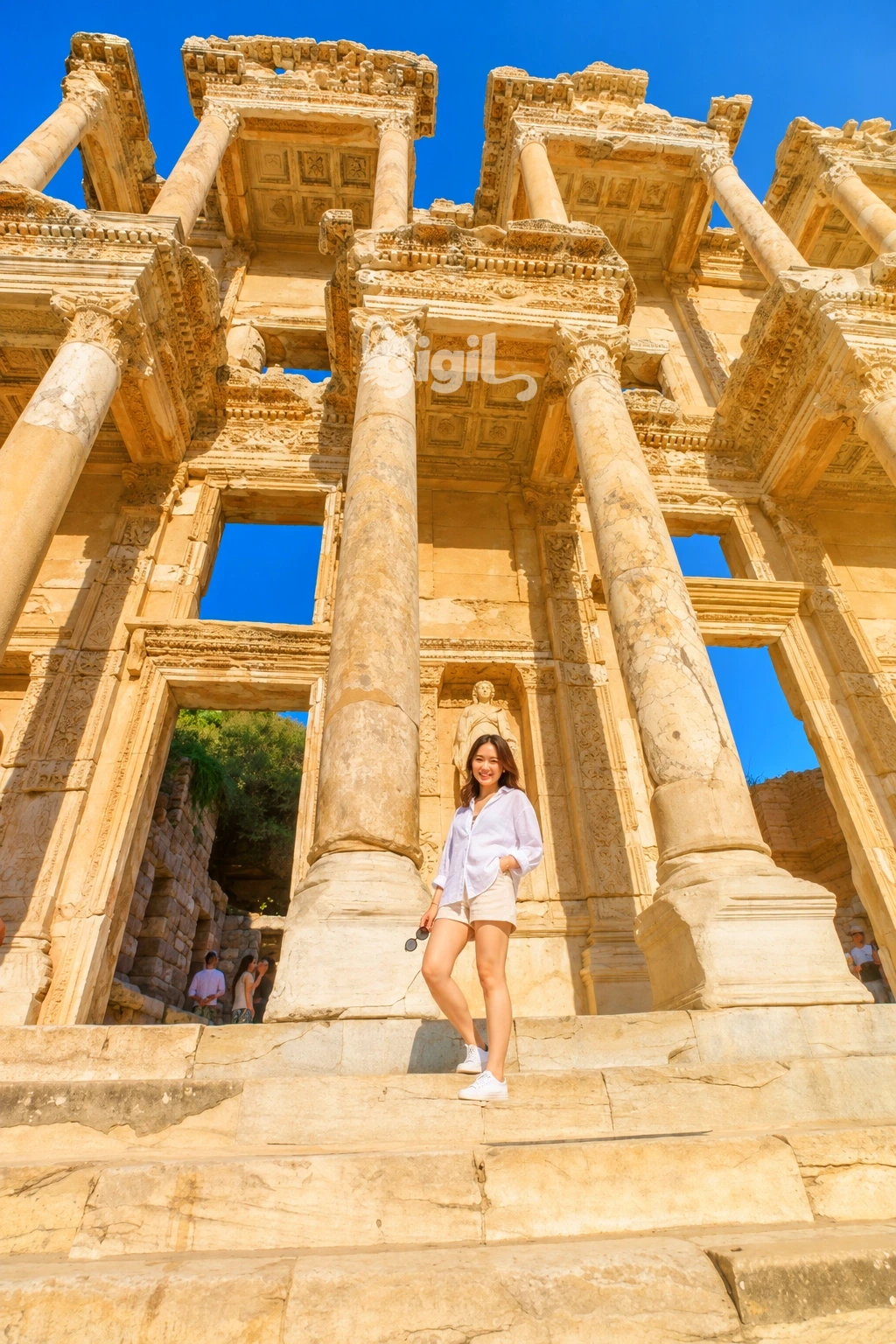


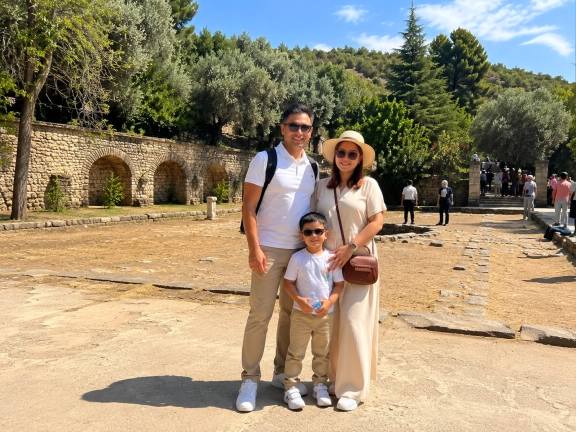
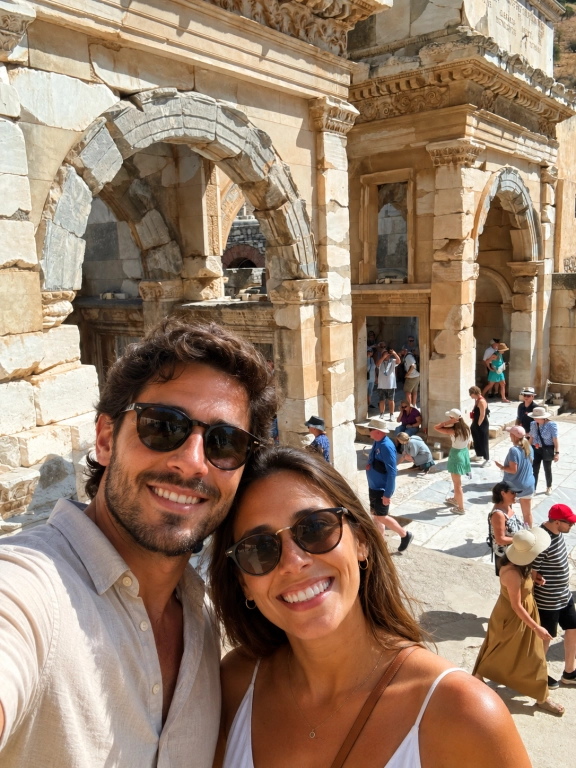
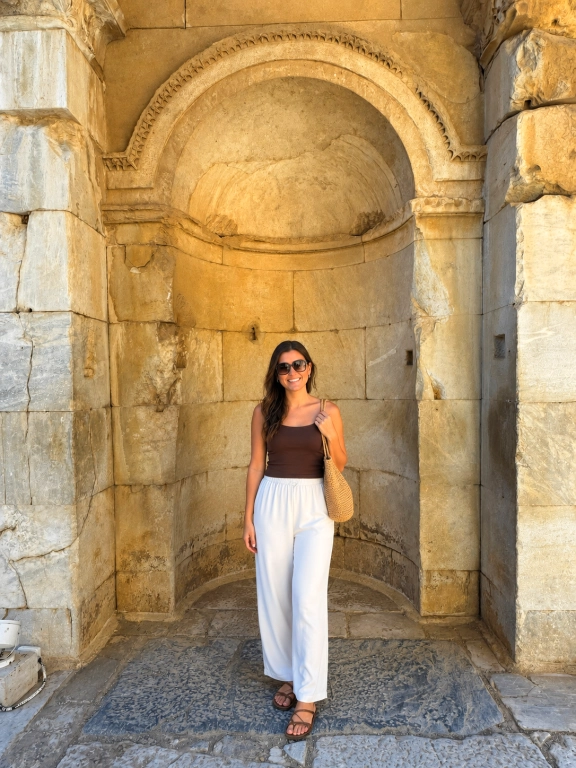



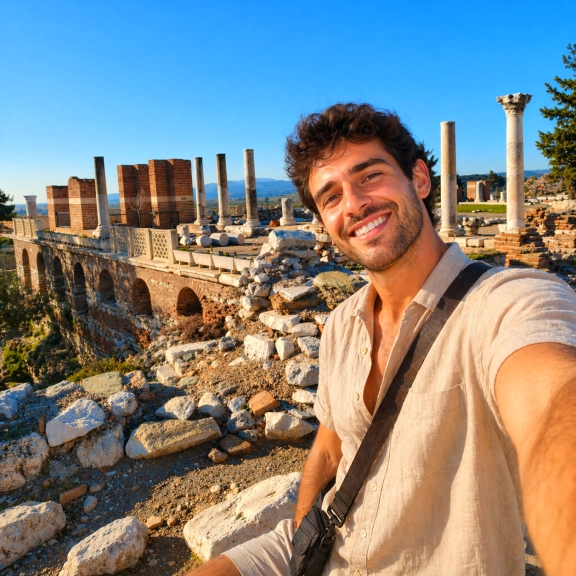
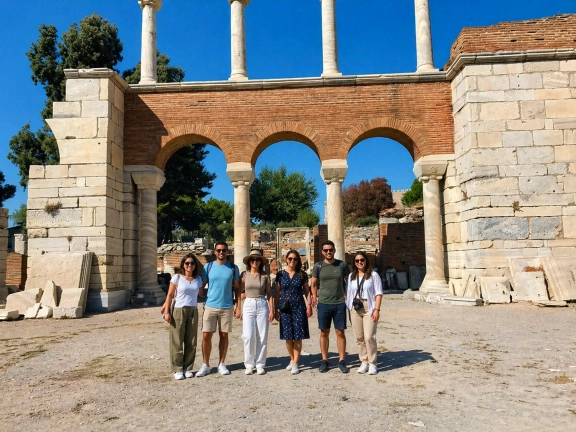
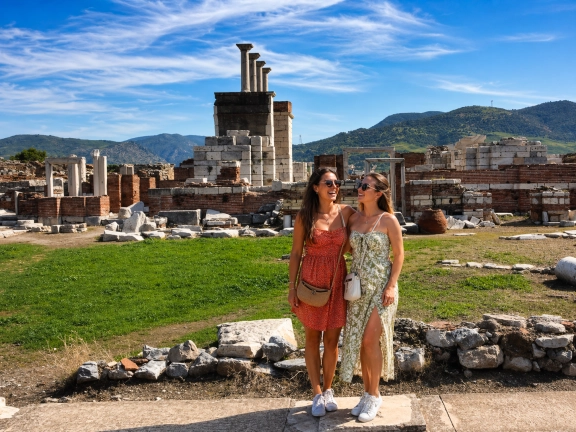
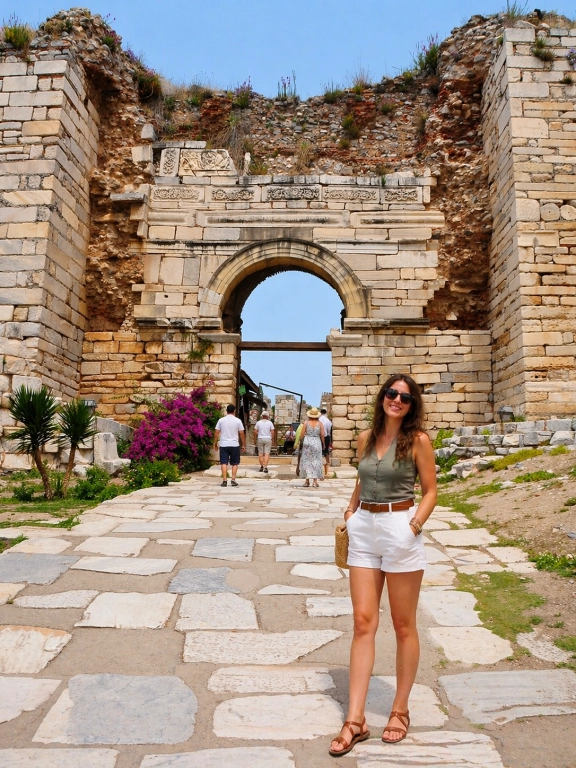
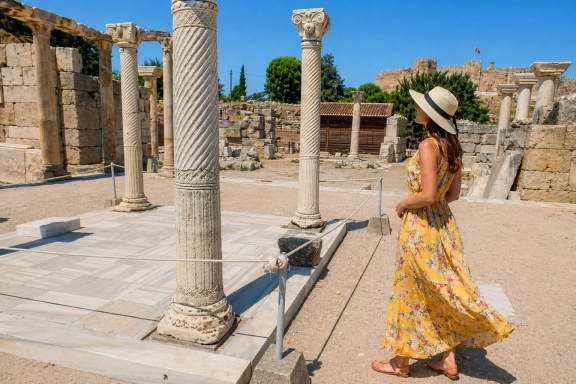

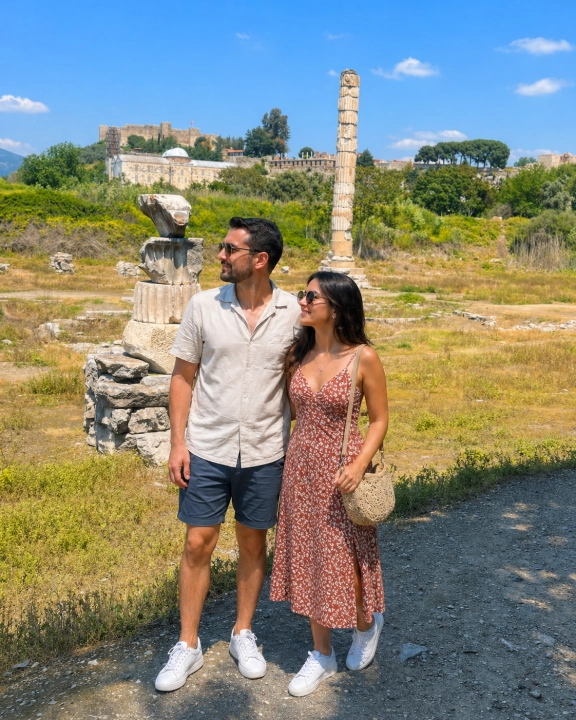

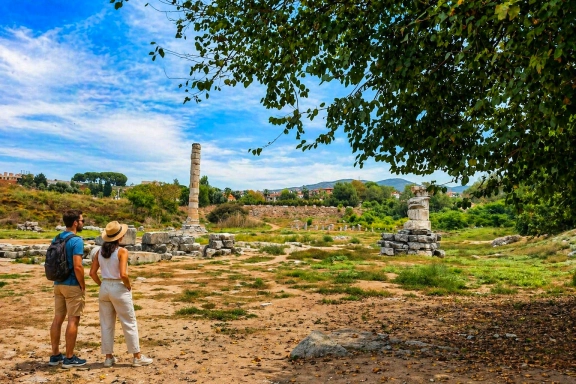
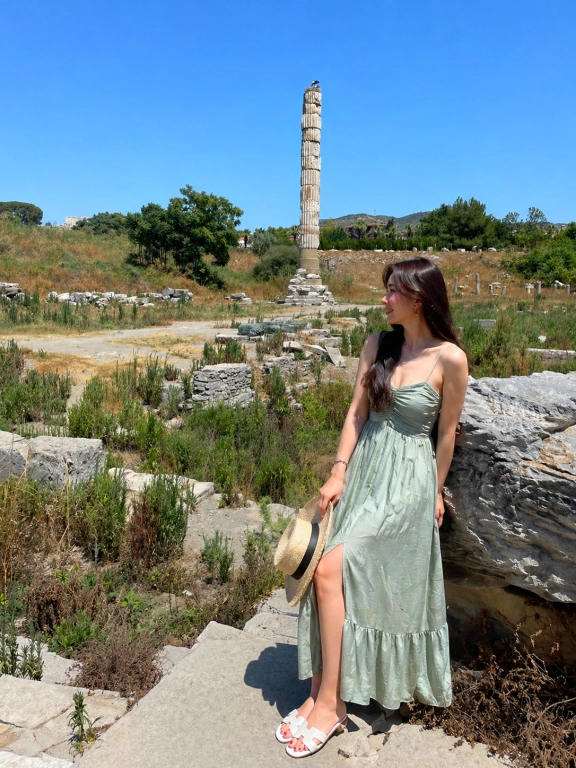
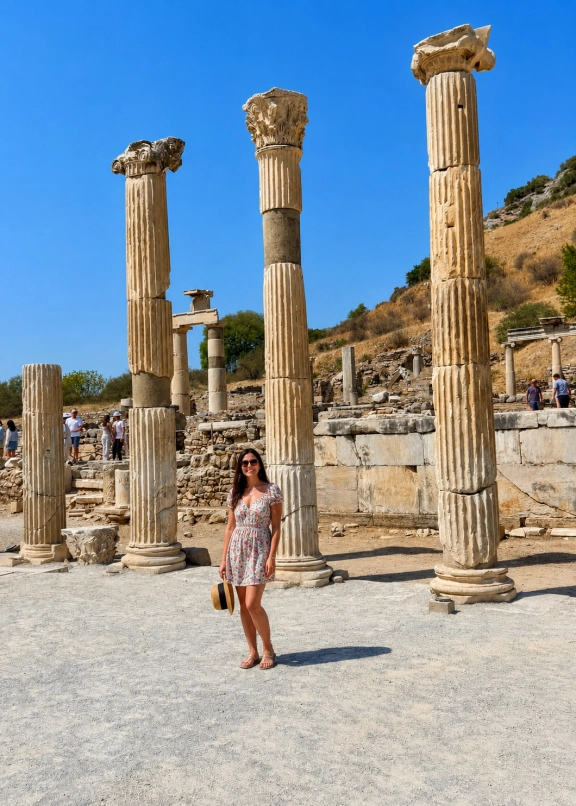

Ephesus Ancient City feels especially powerful because its surviving remains still belong to a coherent urban whole. Streets, facades and public areas reveal how a major classical city once functioned, making the visit more immersive than a collection of isolated ruins could ever be.
That structural continuity gives the site real interpretive depth on a Biblical Ephesus route. The archaeological environment supports the wider sacred narrative in a way that feels connected, layered and clear.
Questions
What makes Ephesus Ancient City such a strong historical visit?
Its surviving remains still form a readable urban landscape with streets, monuments and public spaces that reveal how the city once functioned. That gives the site unusual interpretive strength.
Why do travelers often remember walking through Ephesus itself?
Because the site still reads as a connected city rather than a collection of separate ruins. Moving through that structure becomes part of understanding its scale and meaning.


How is Ephesus different from a site made up mostly of isolated fragments?
Its remains still hold together as parts of a wider visible plan, giving the visit more continuity and a stronger sense of place. That coherence is one of its major strengths.