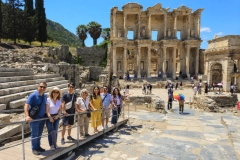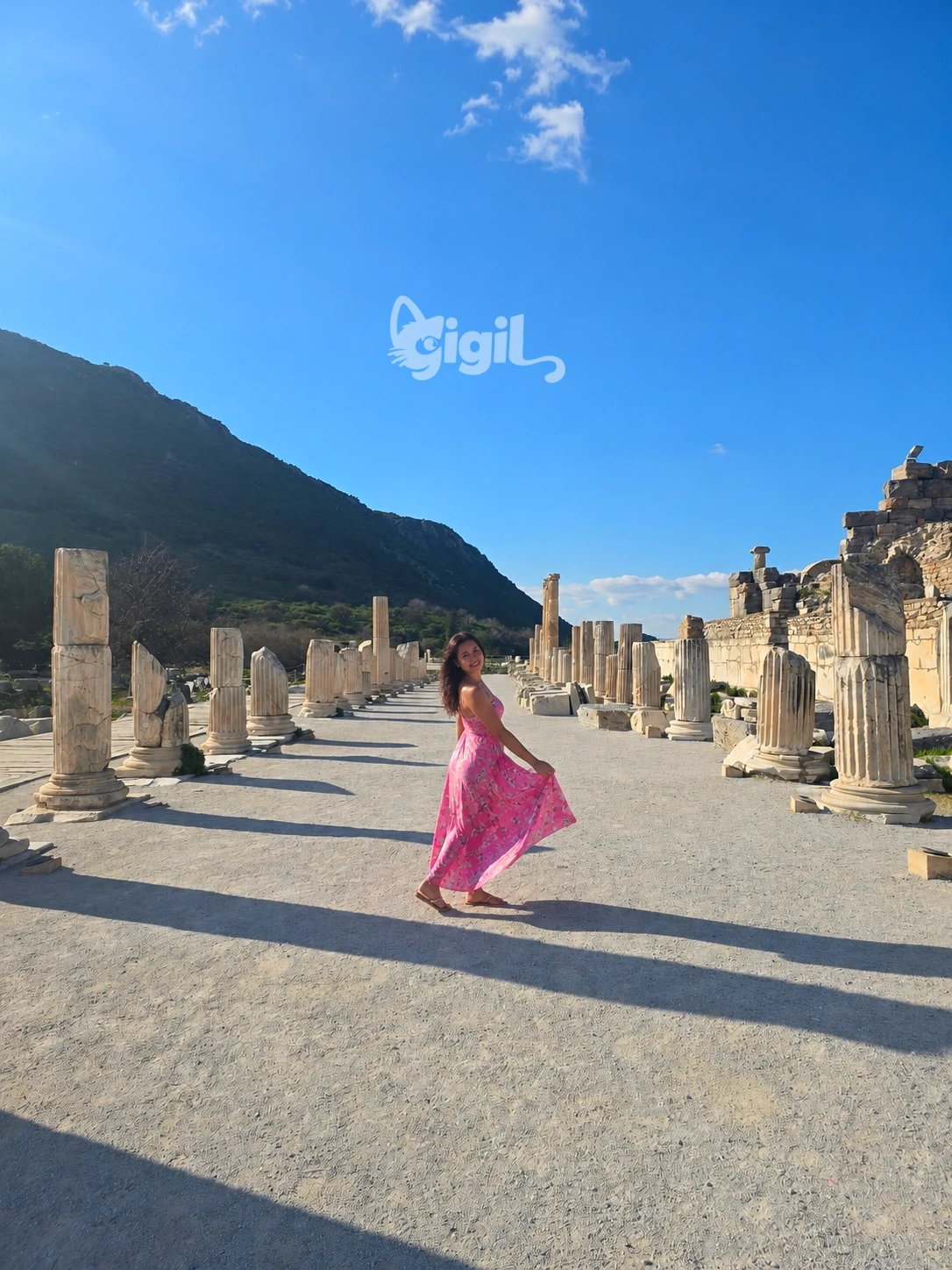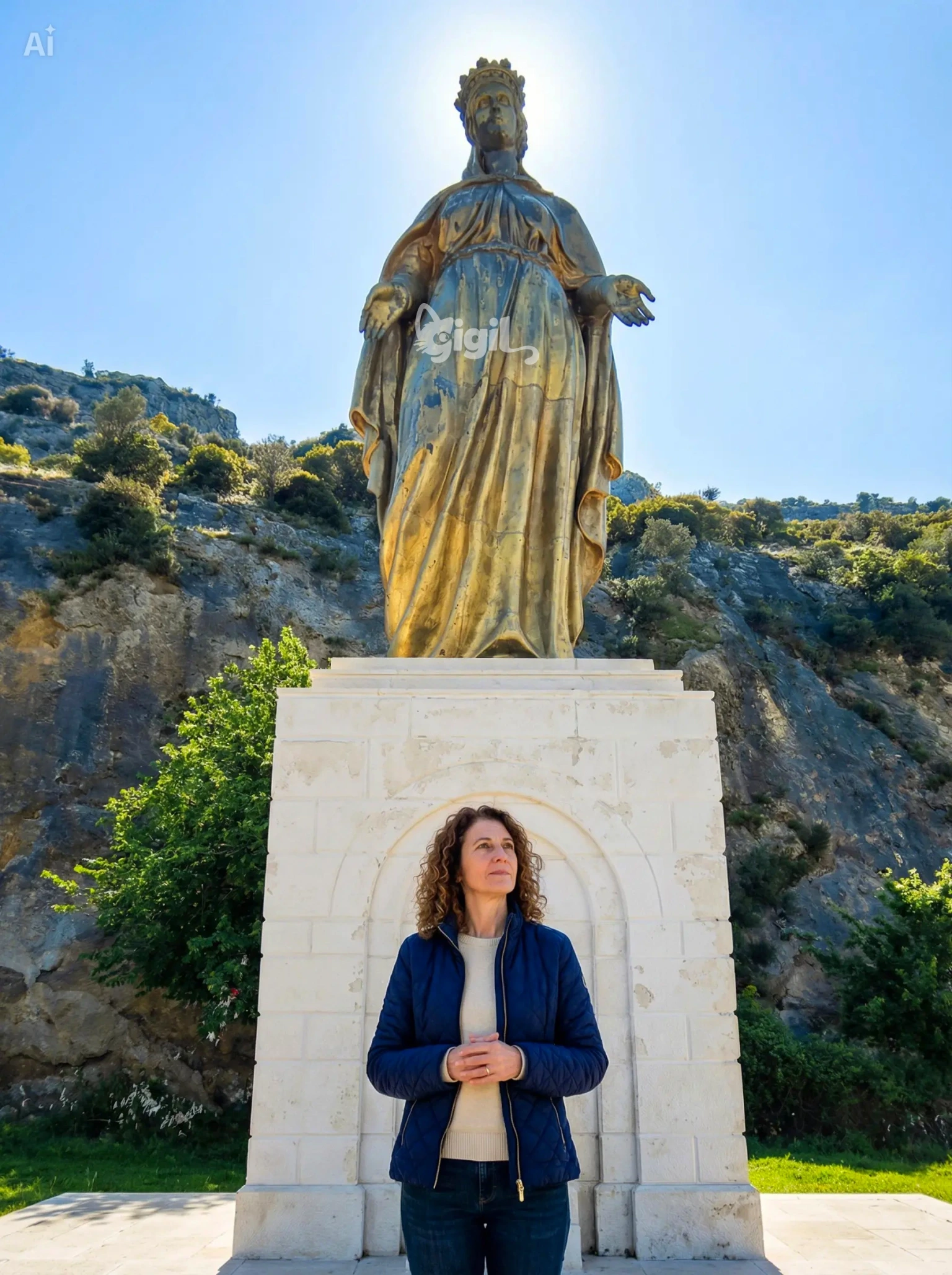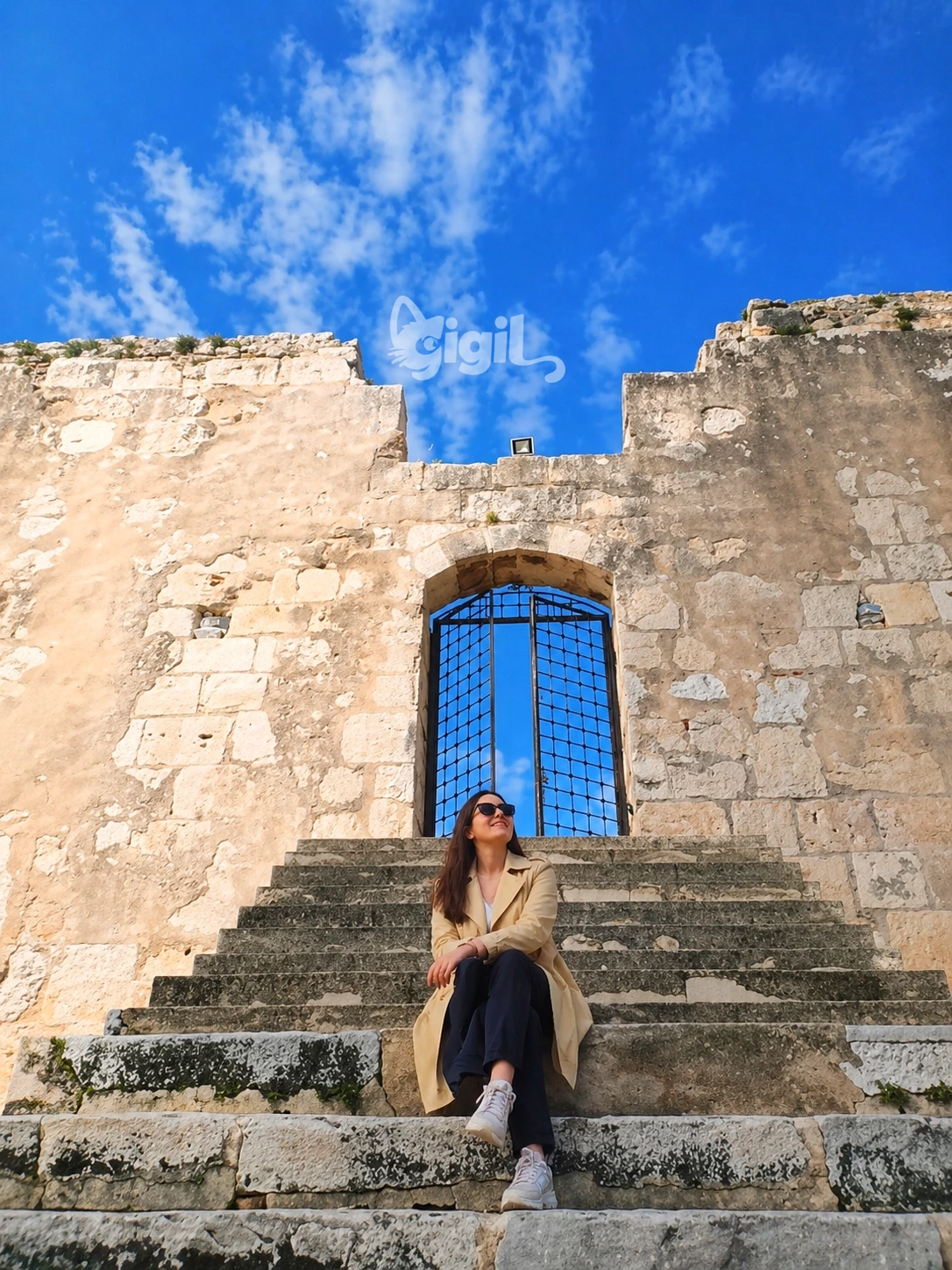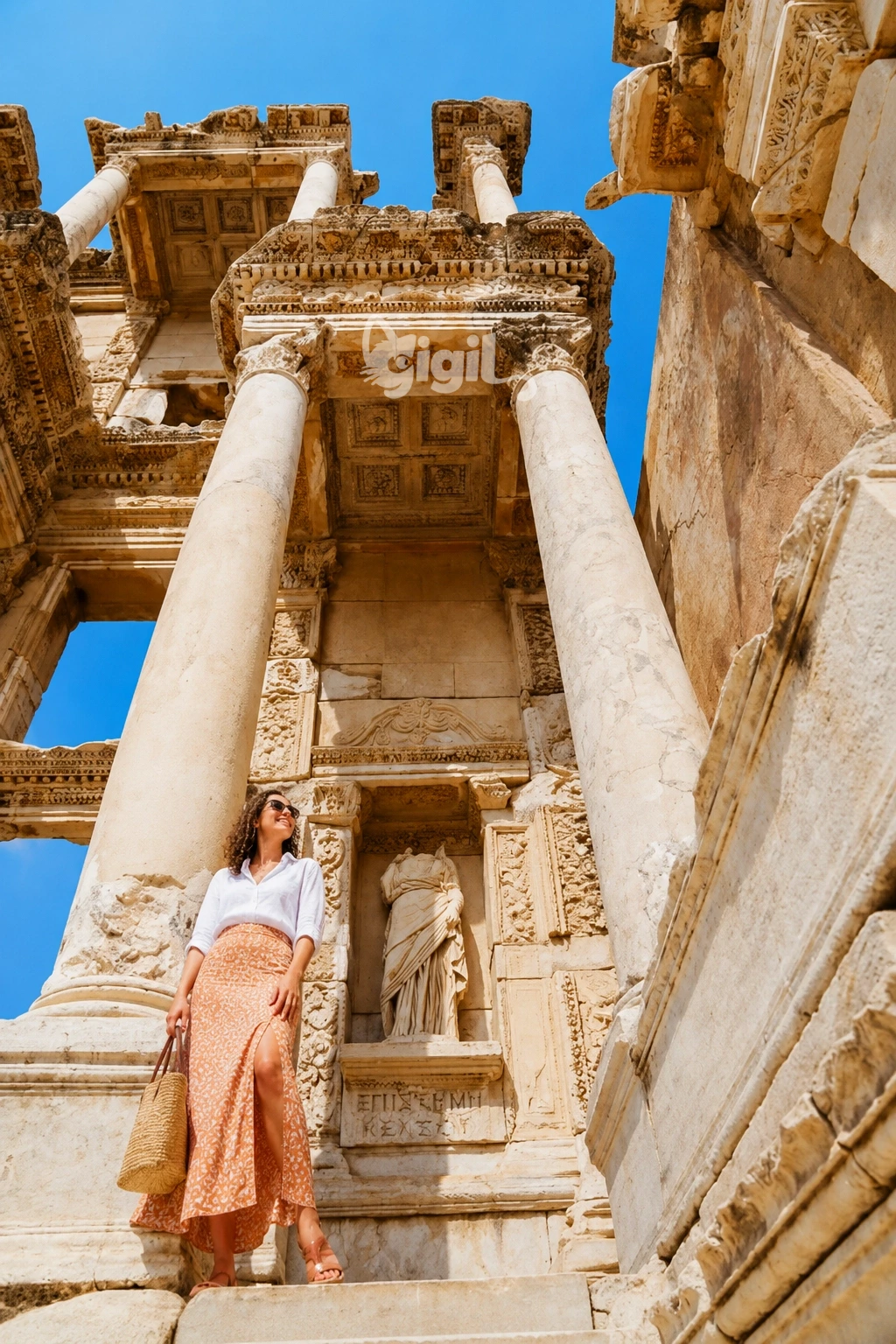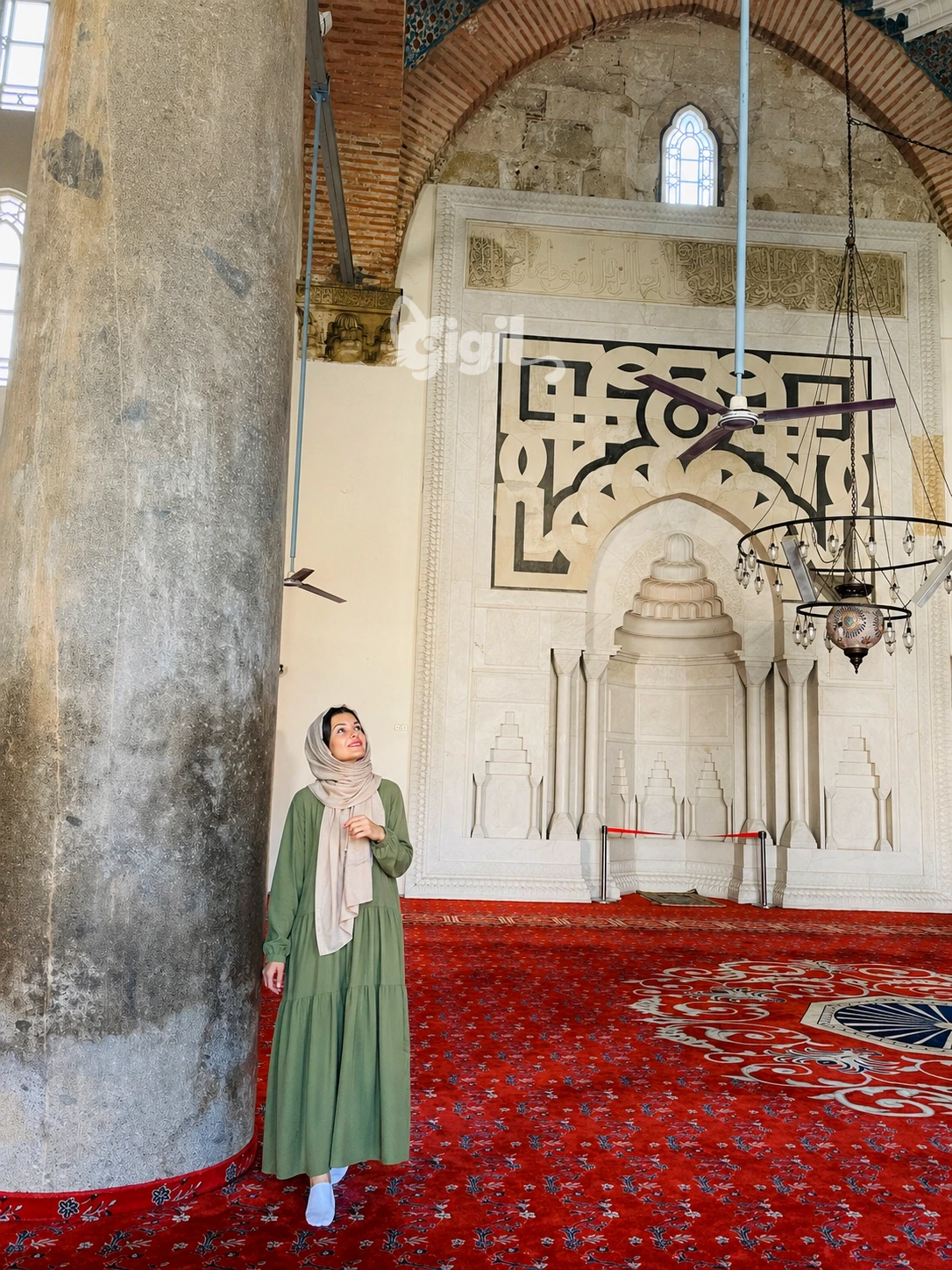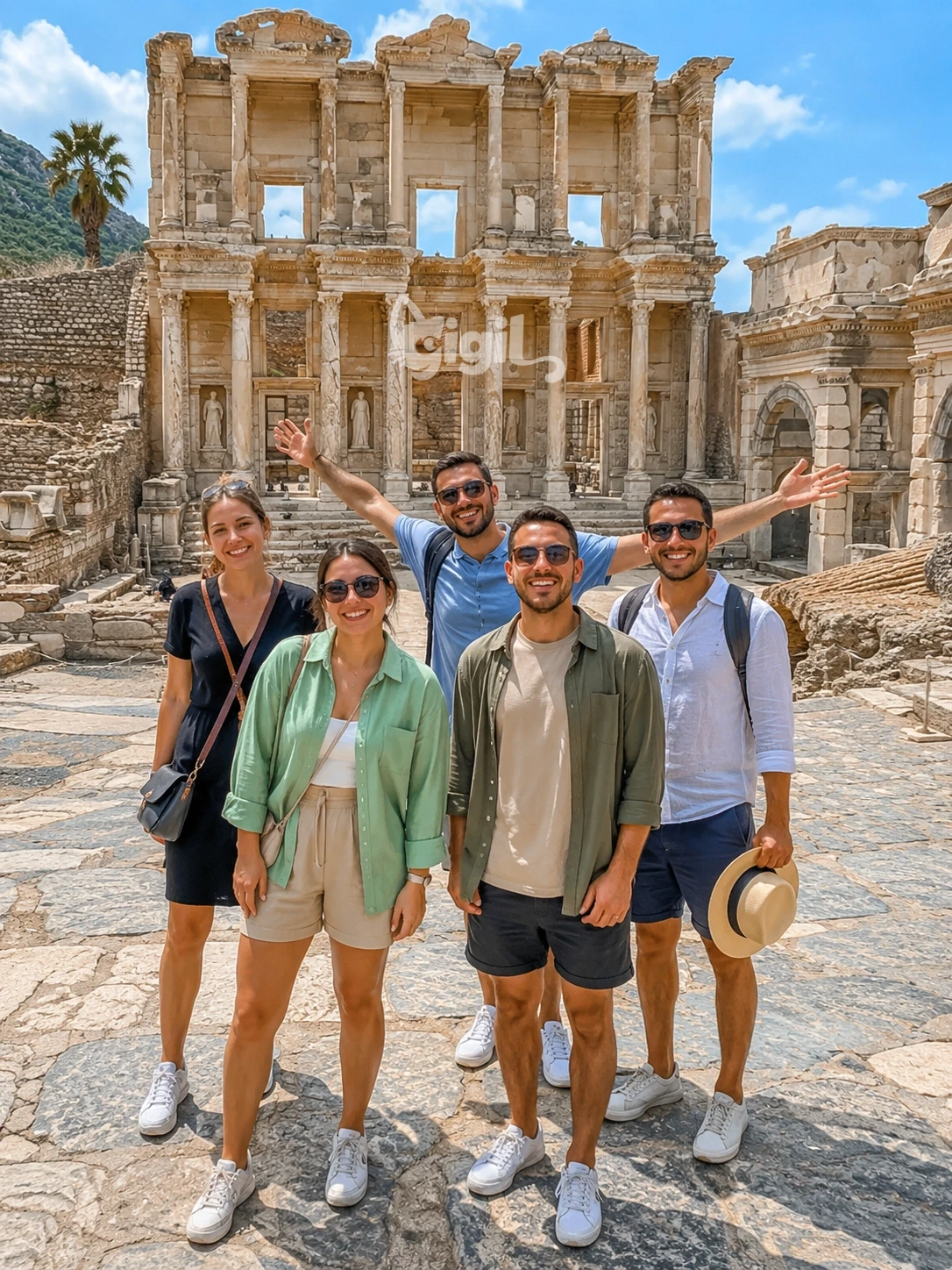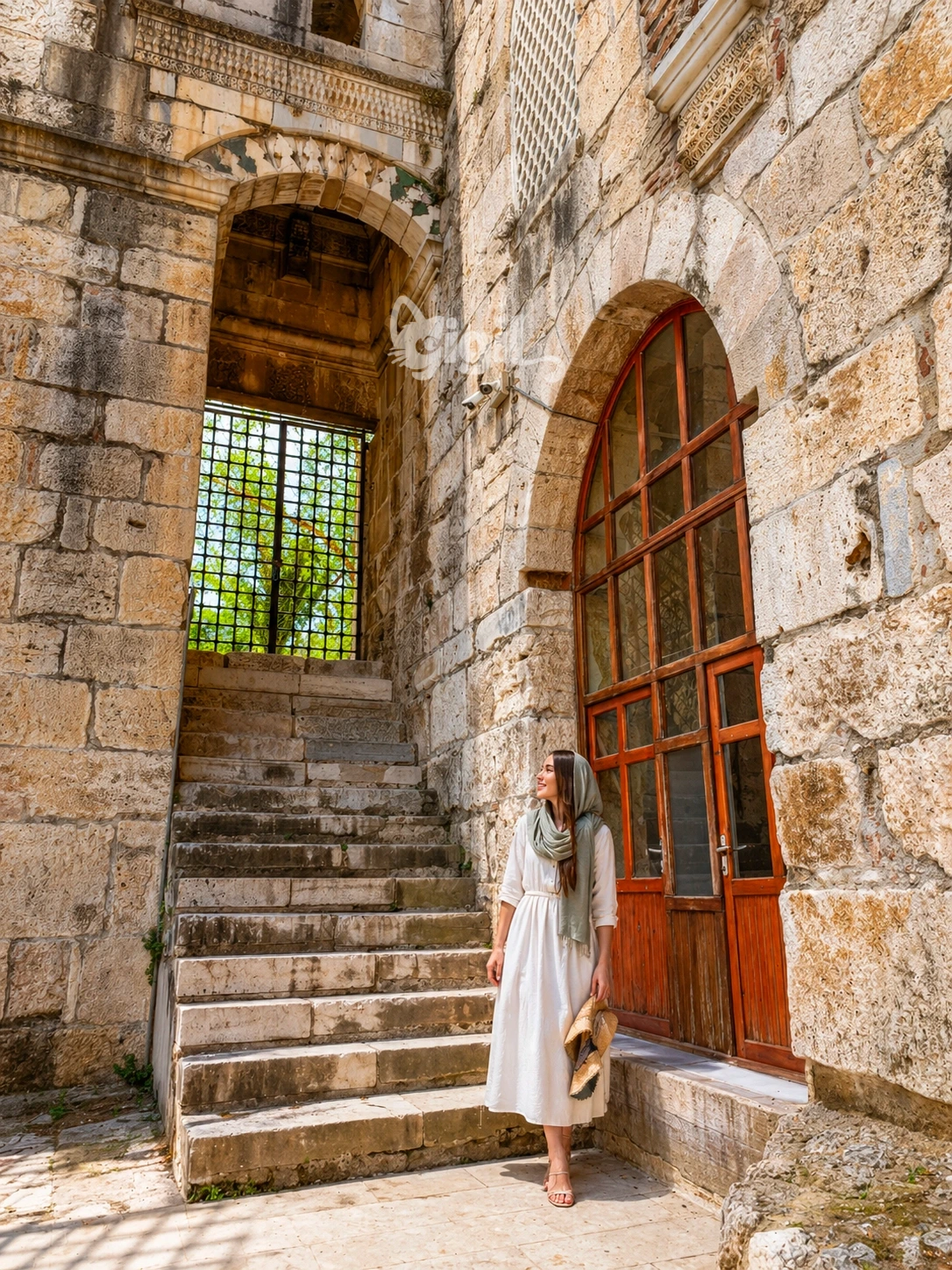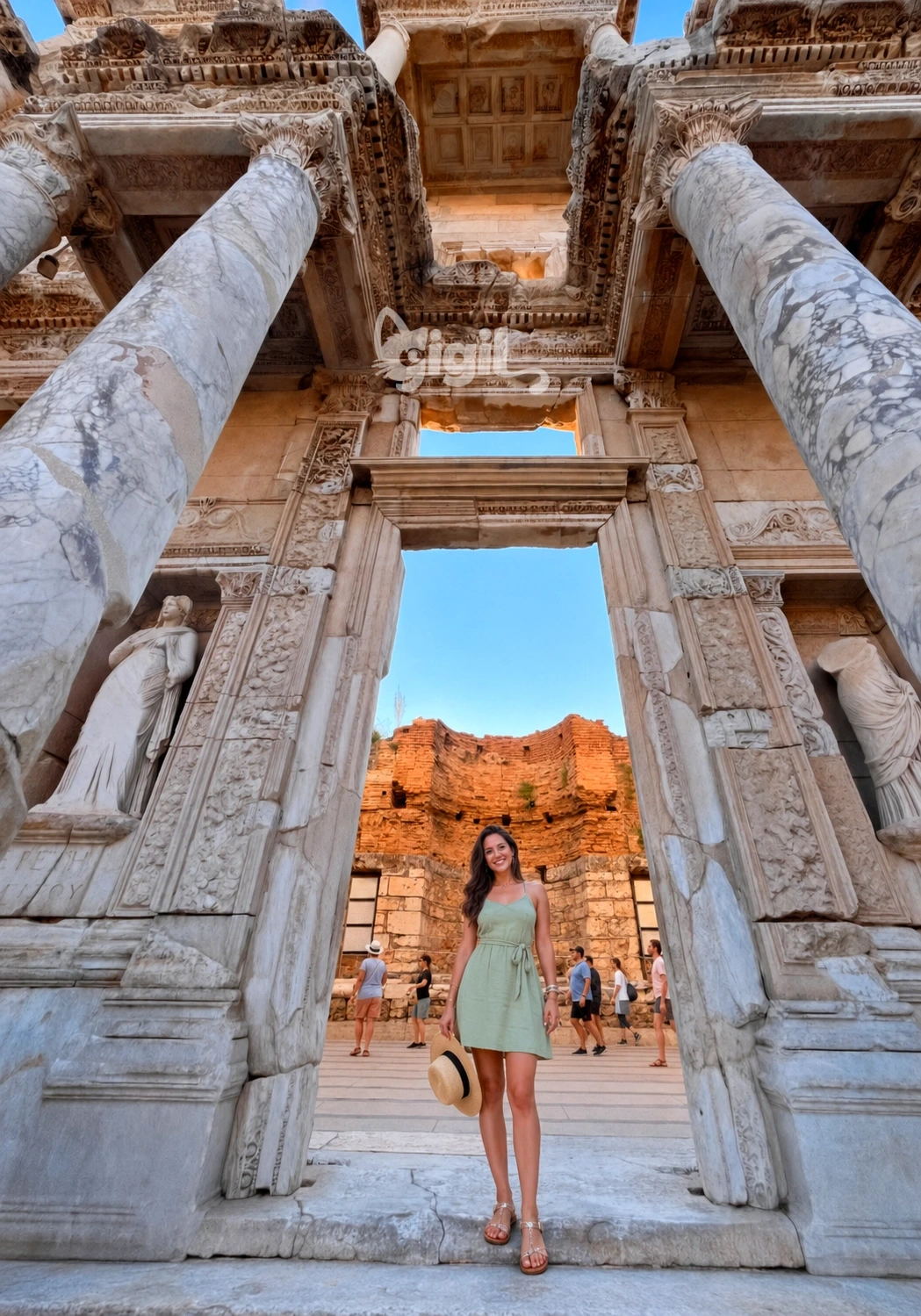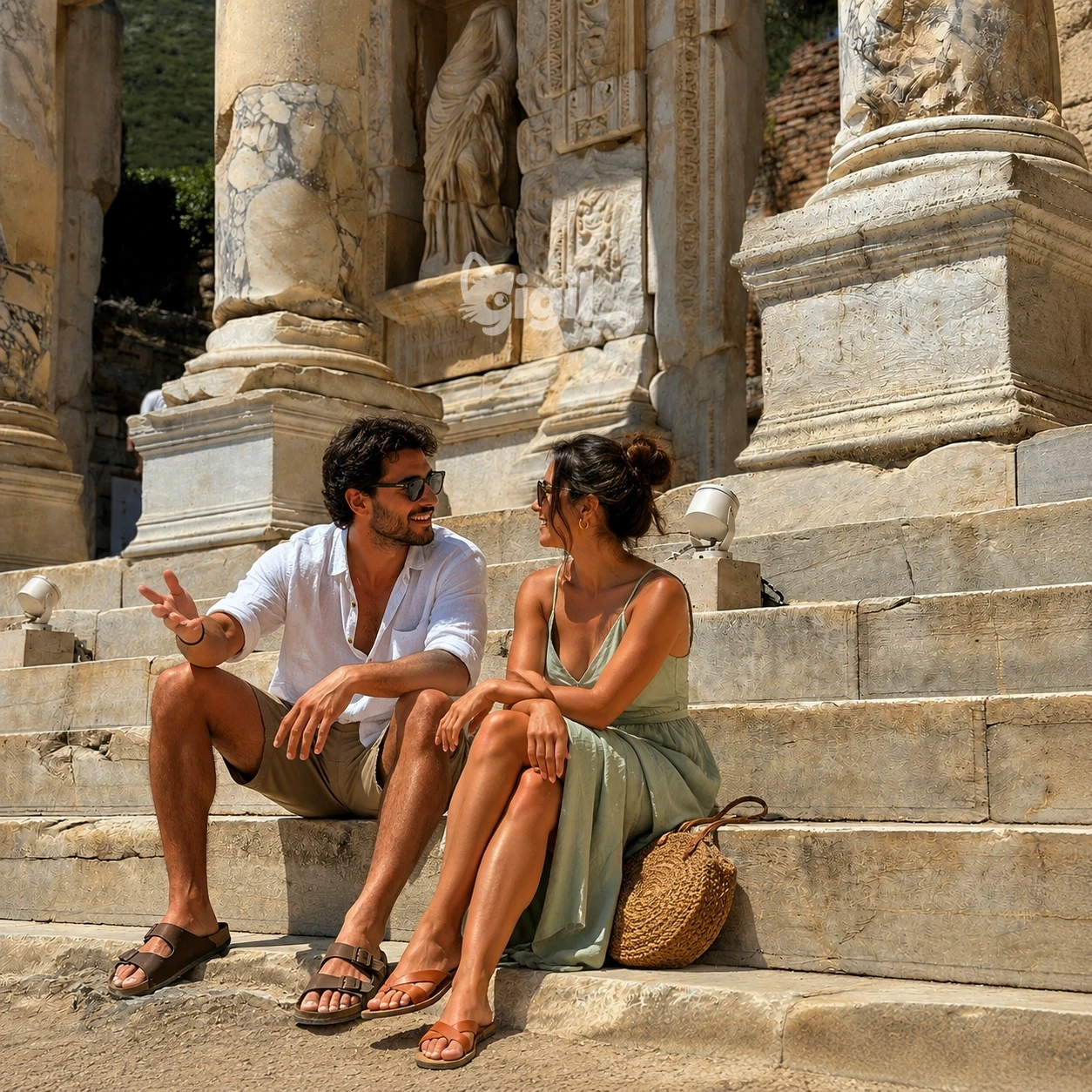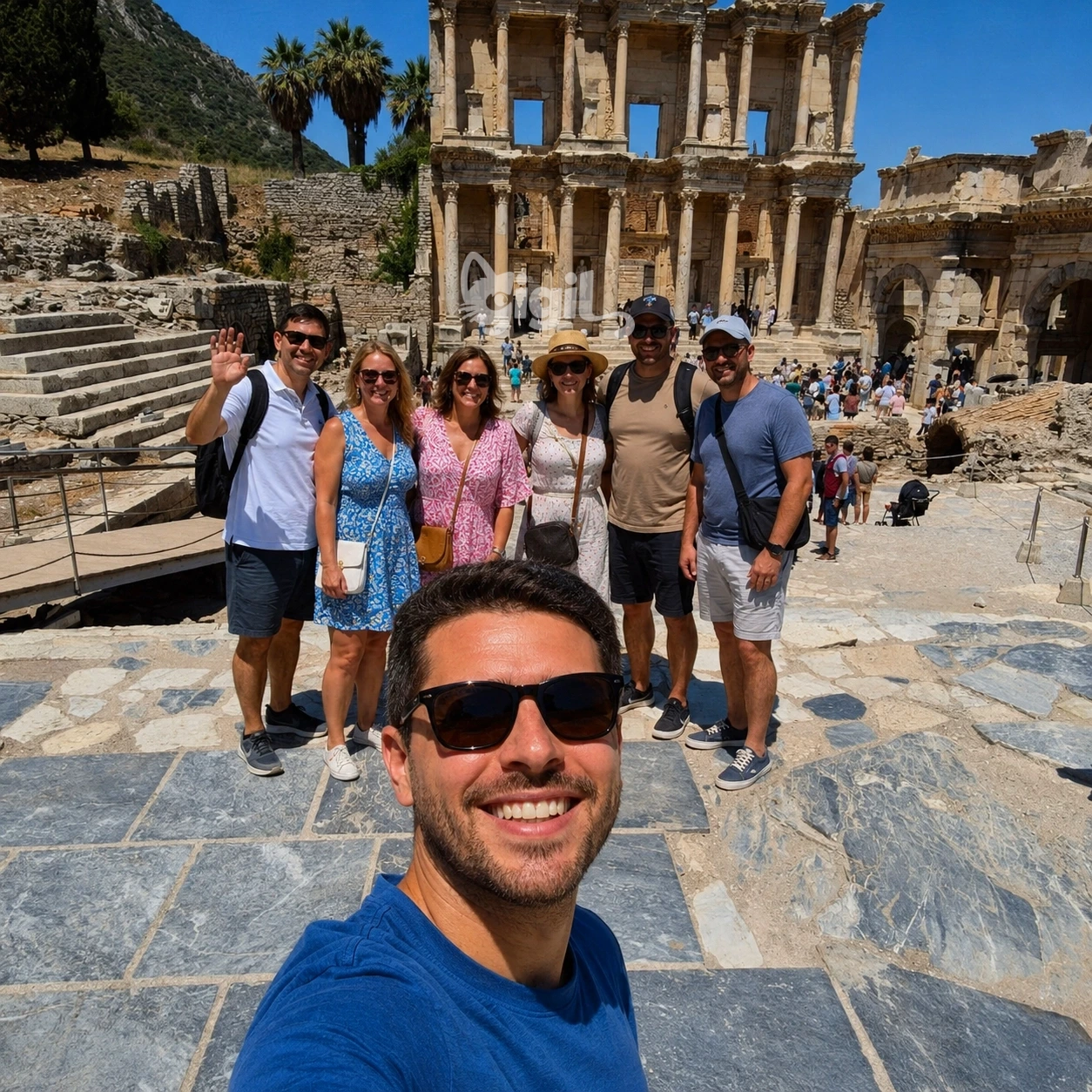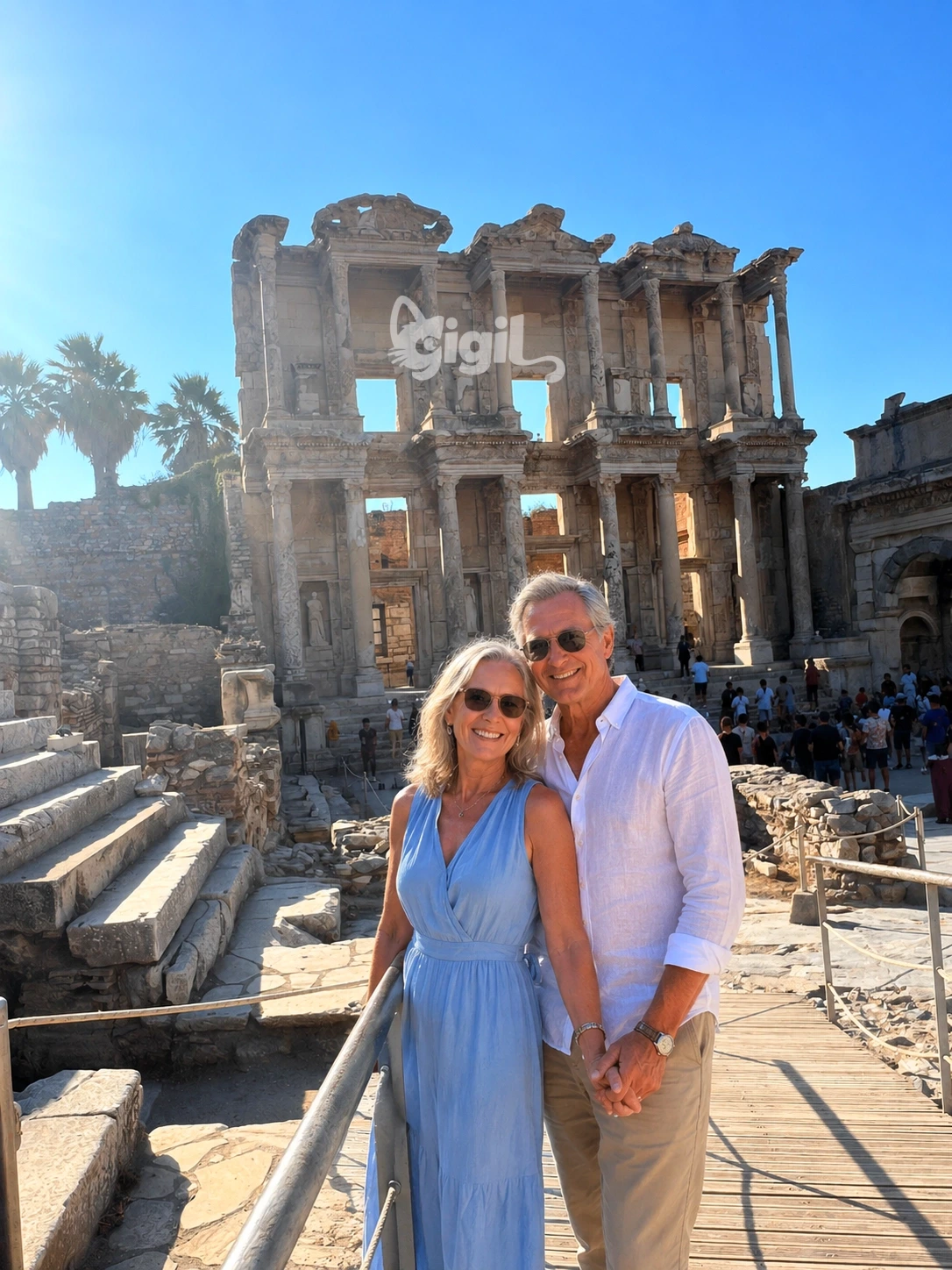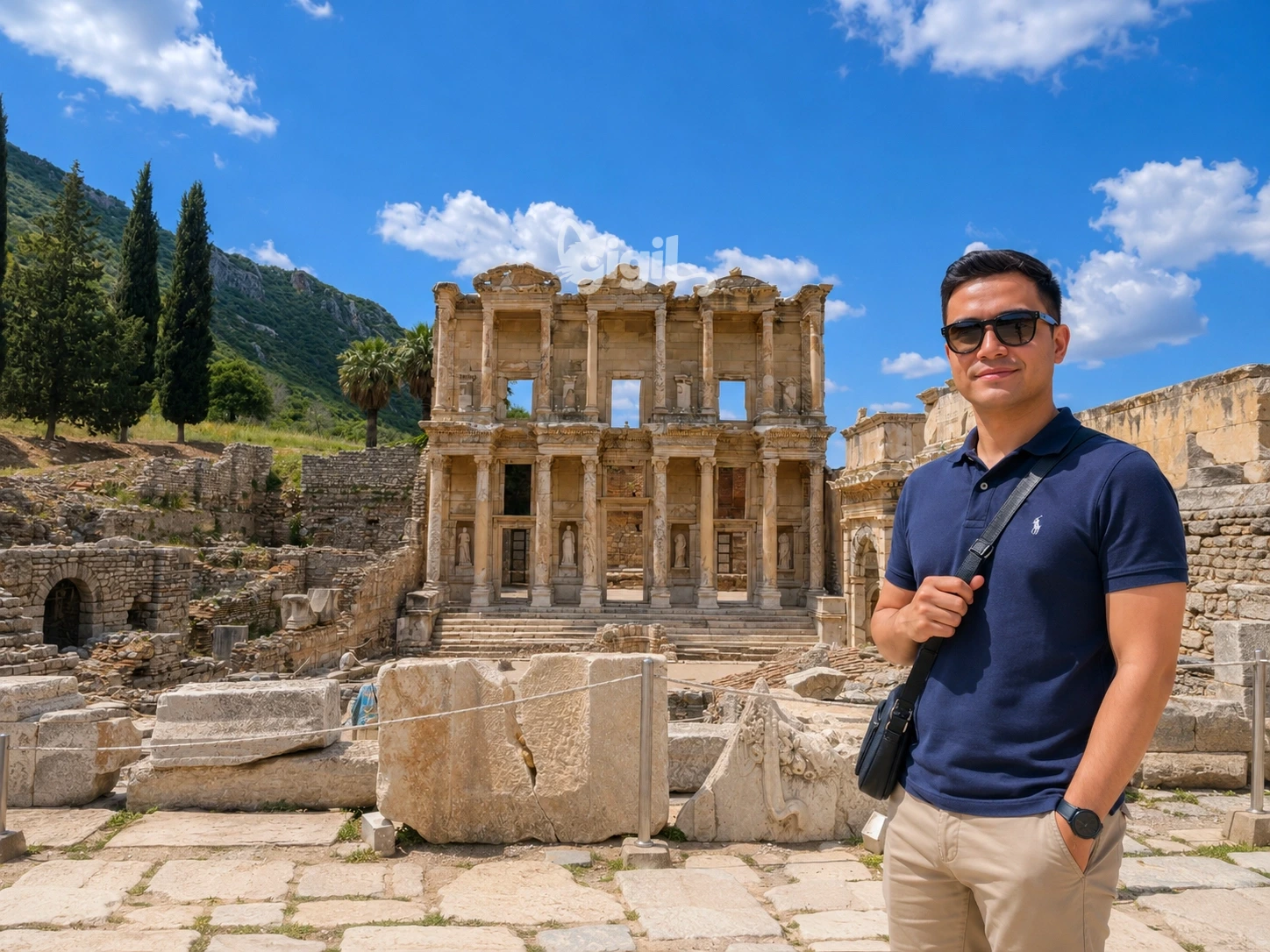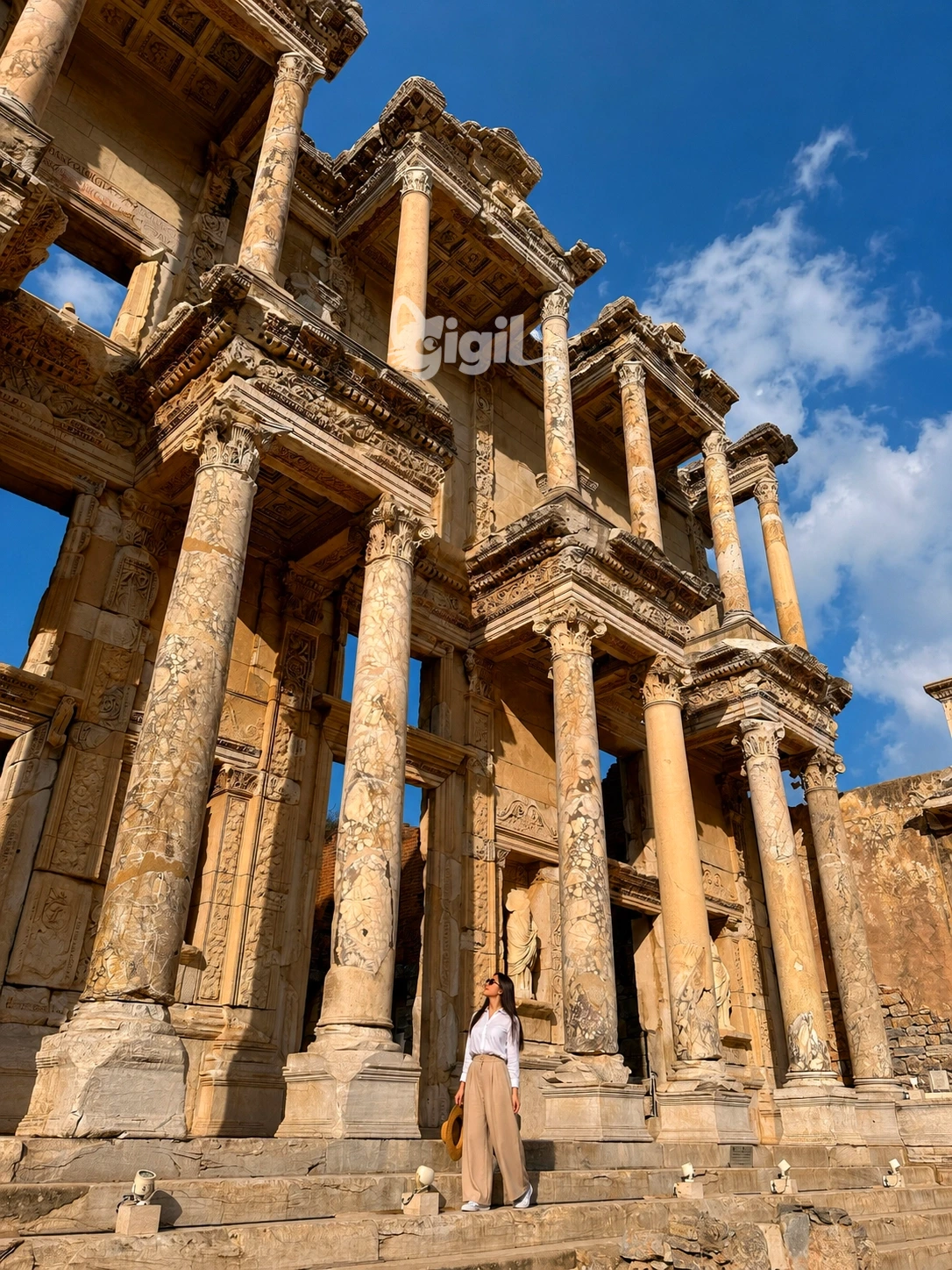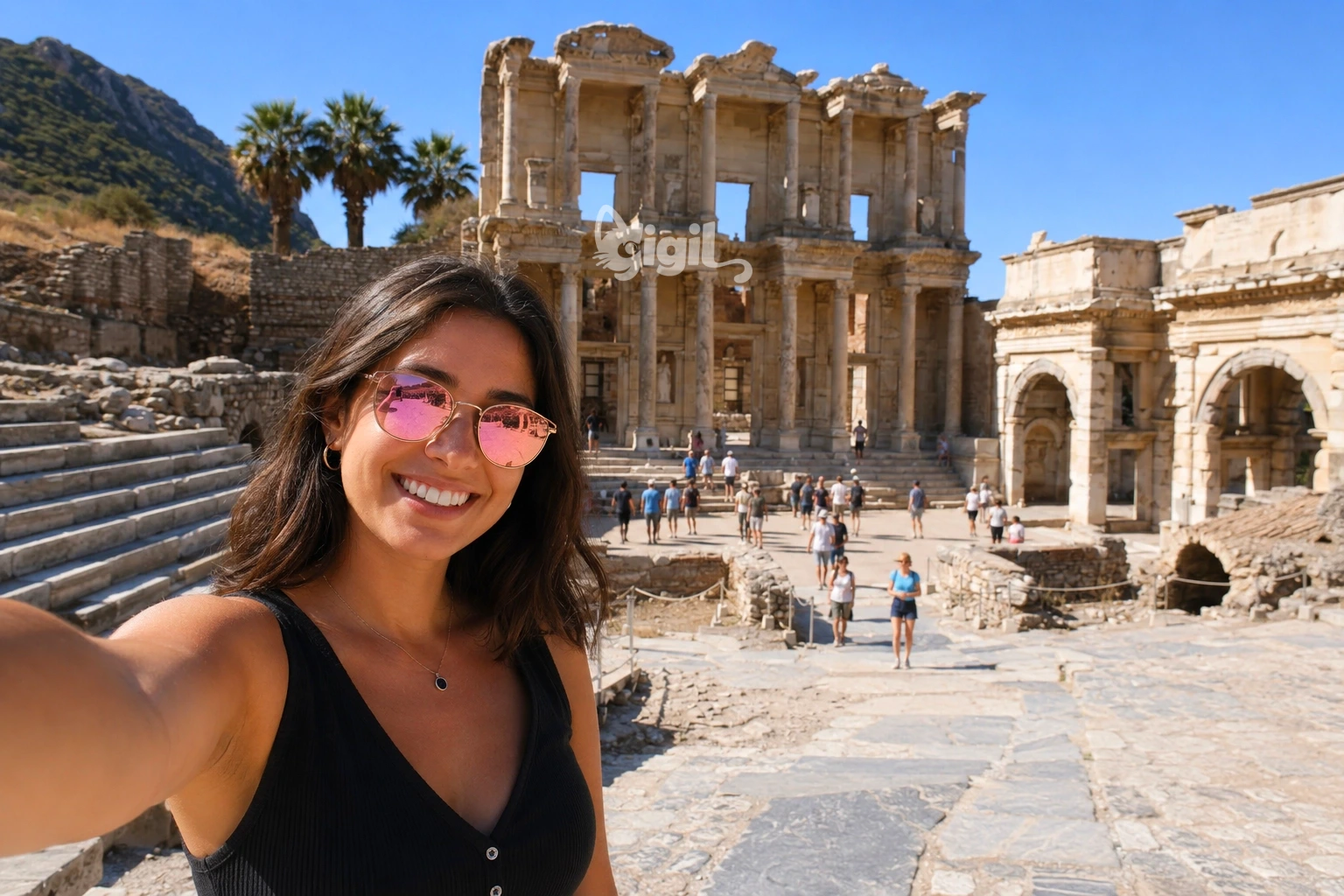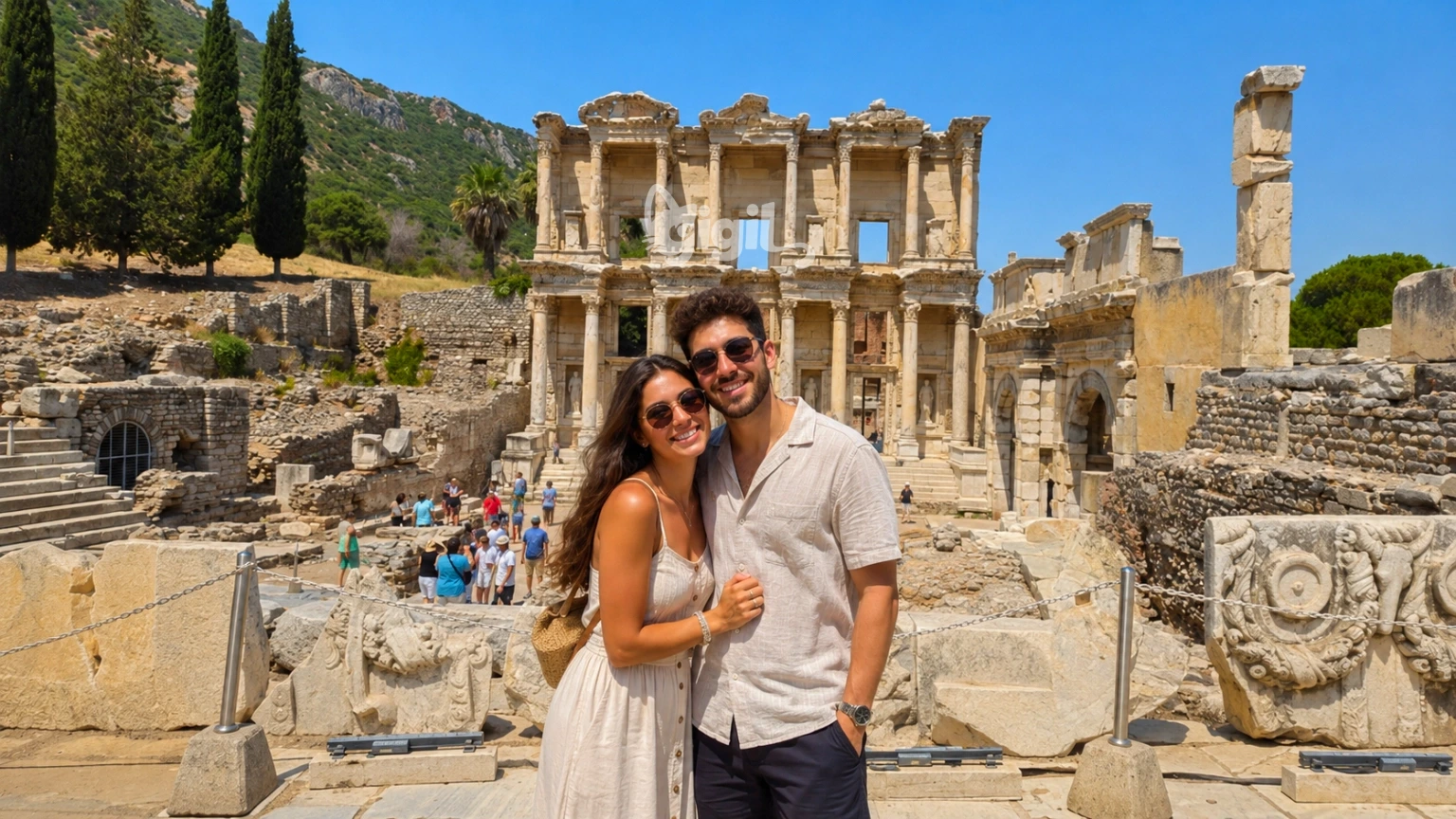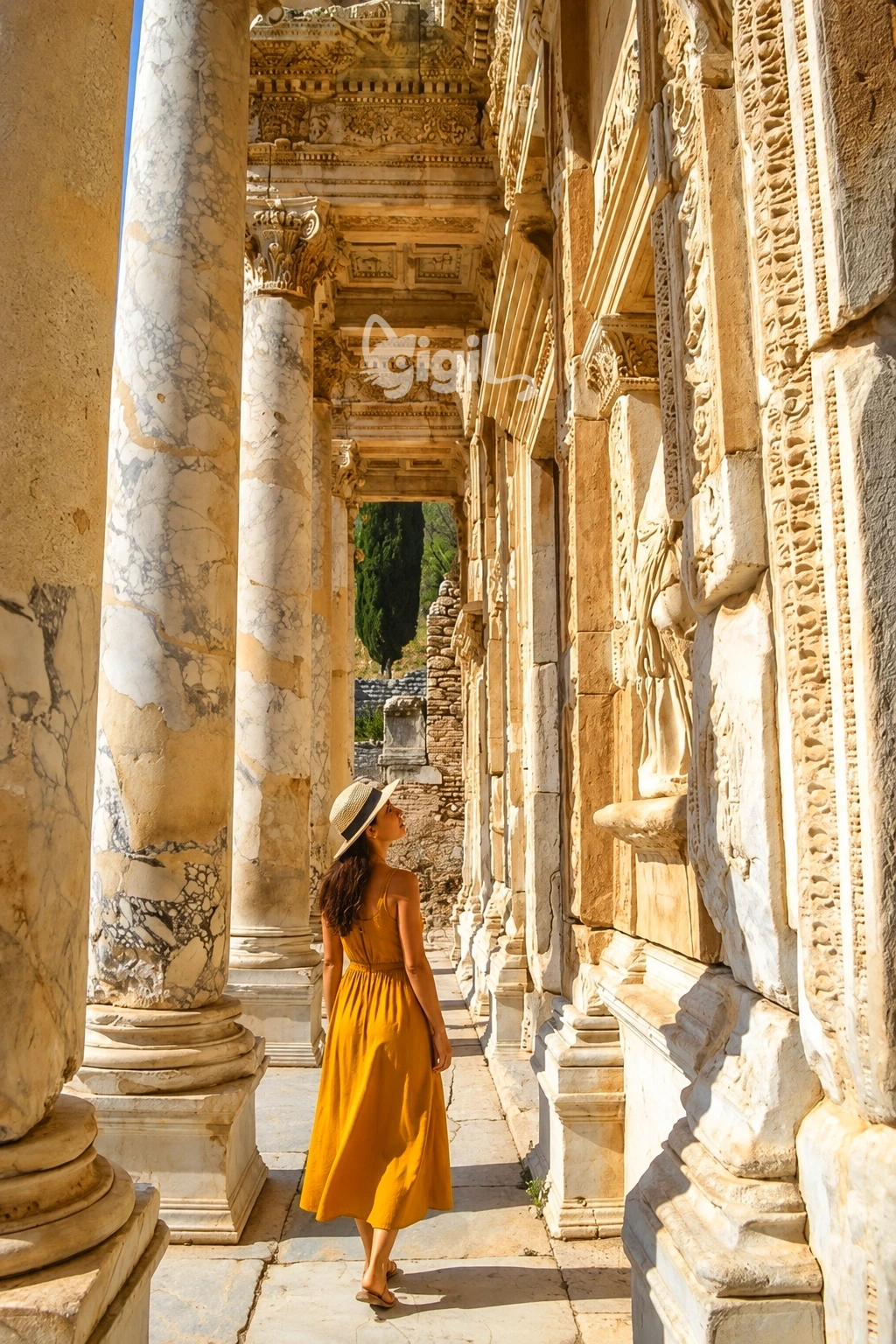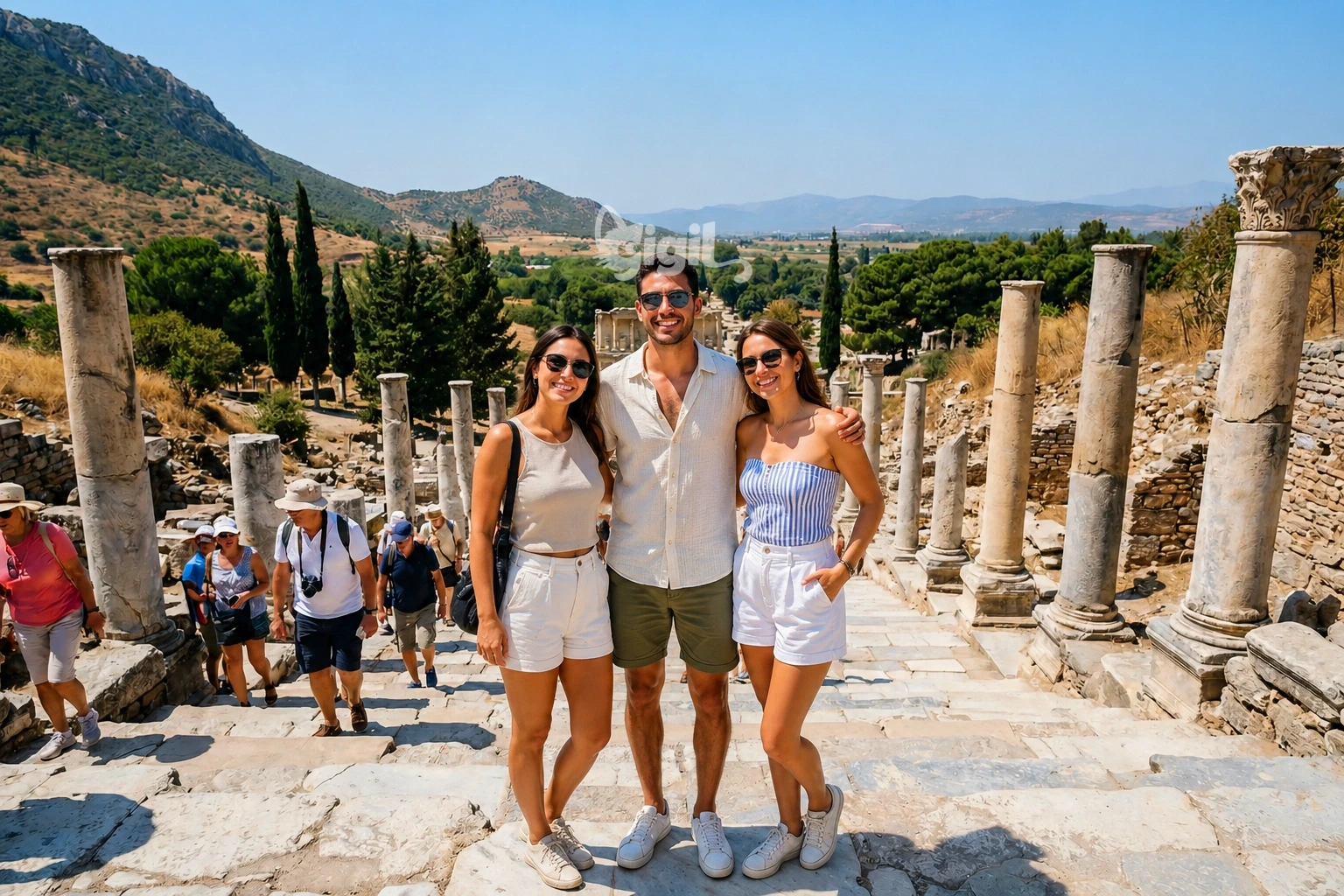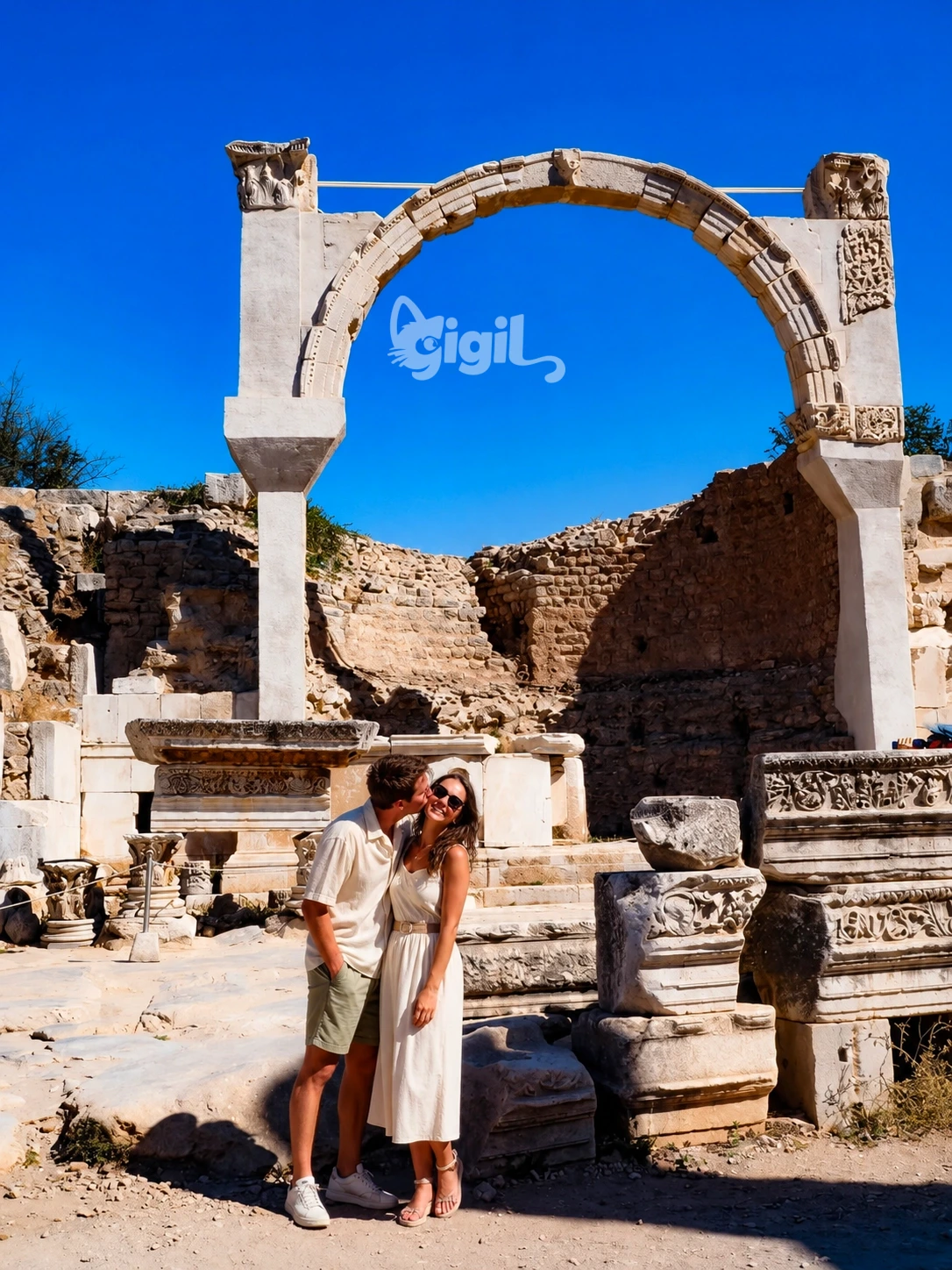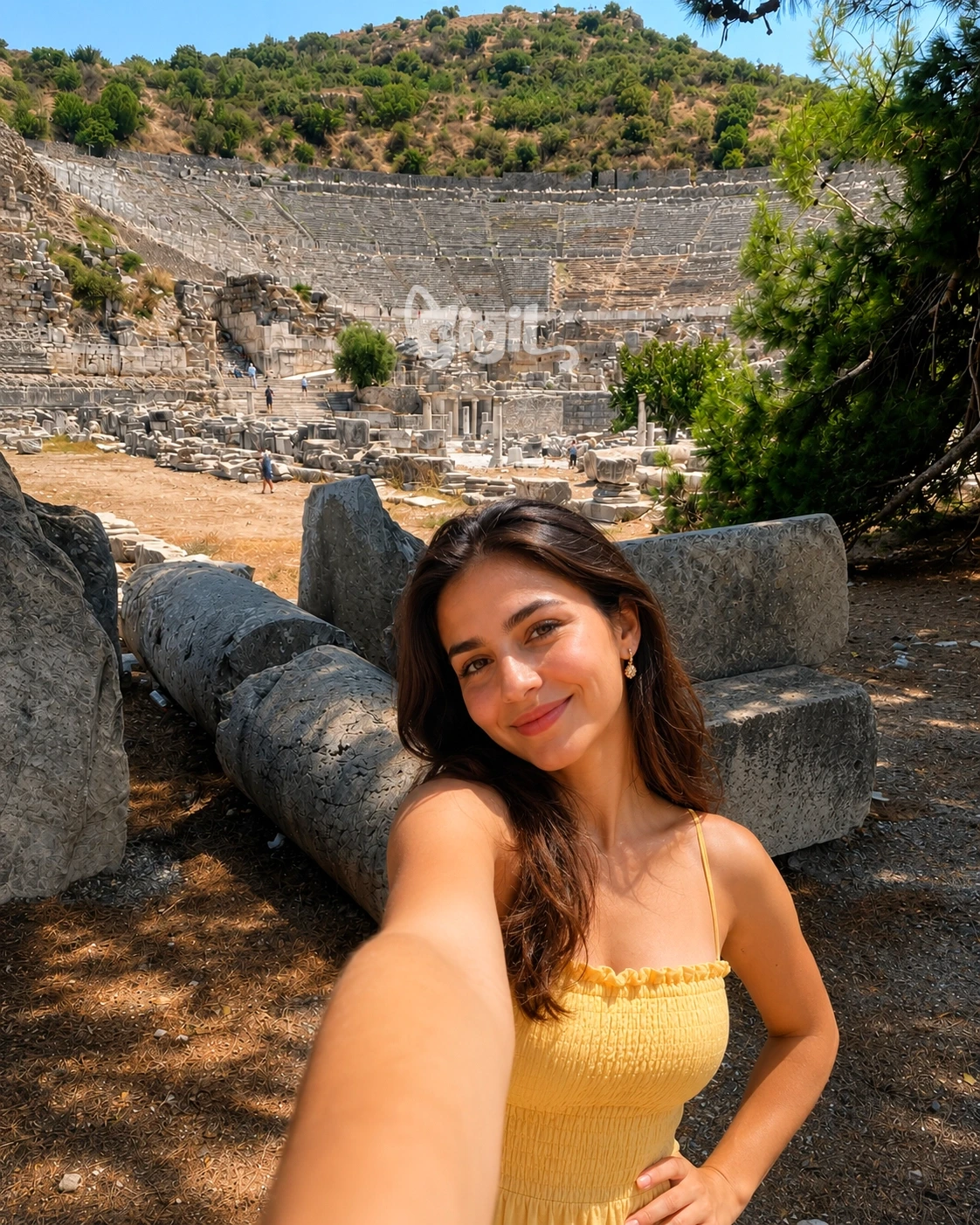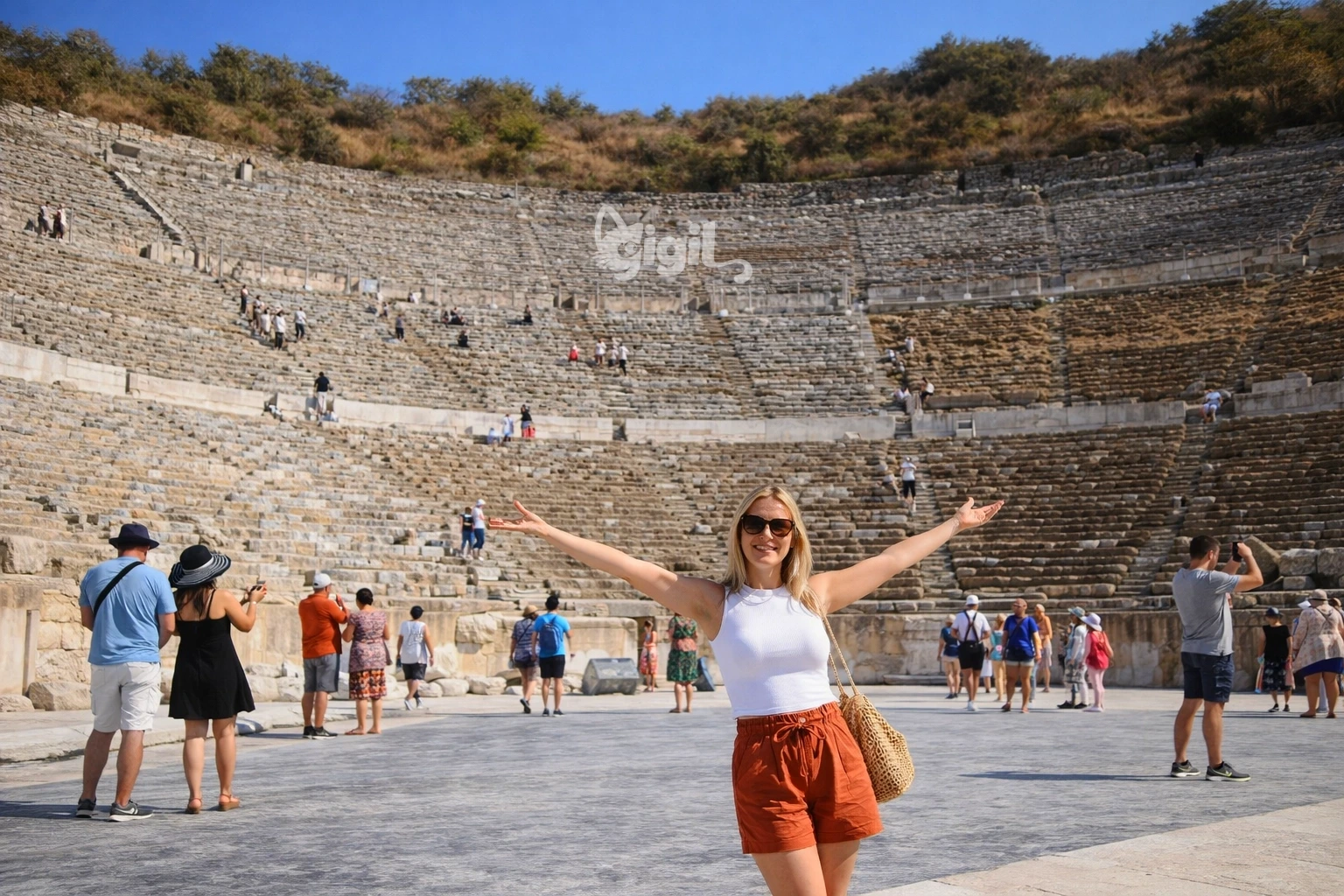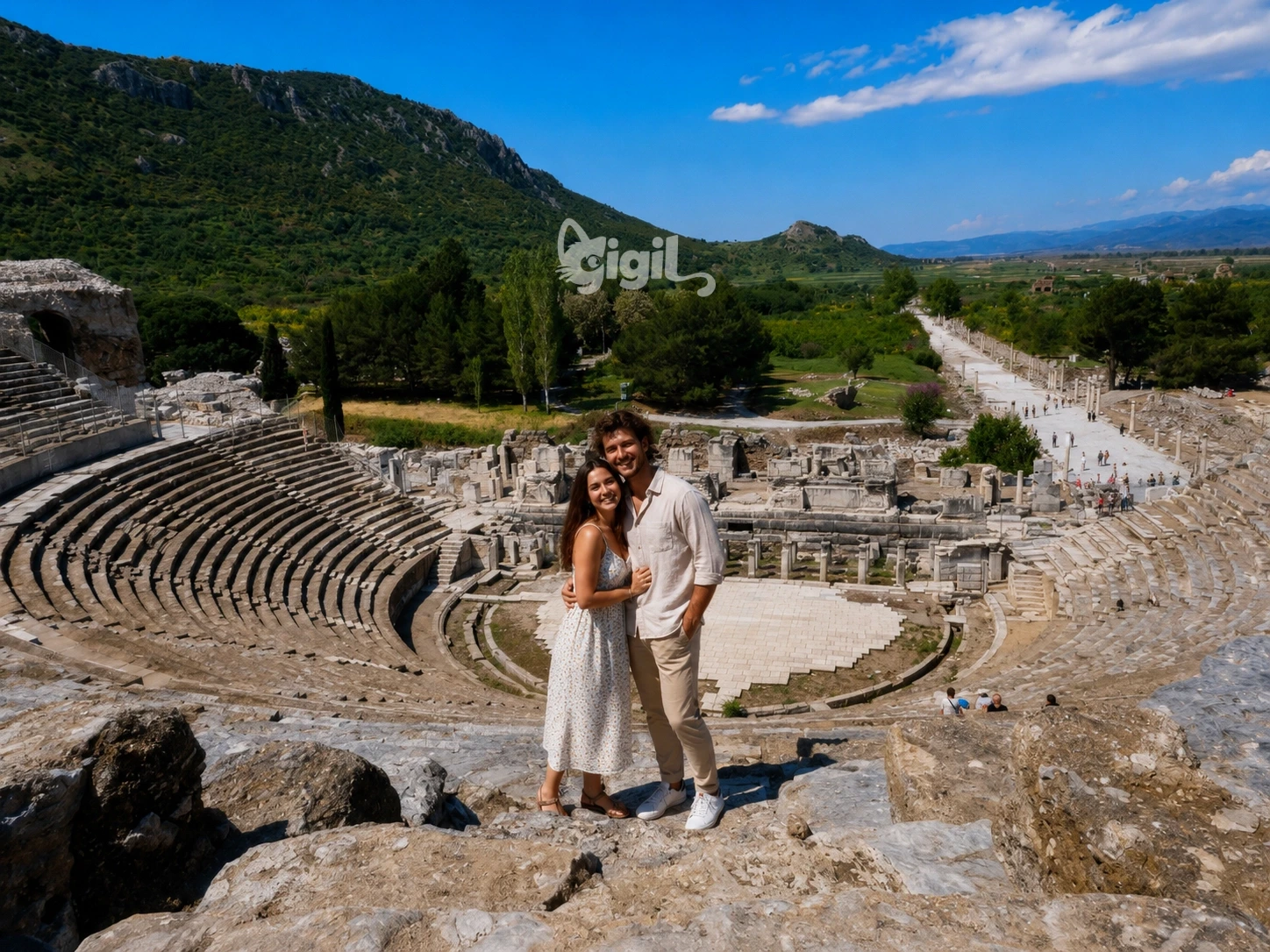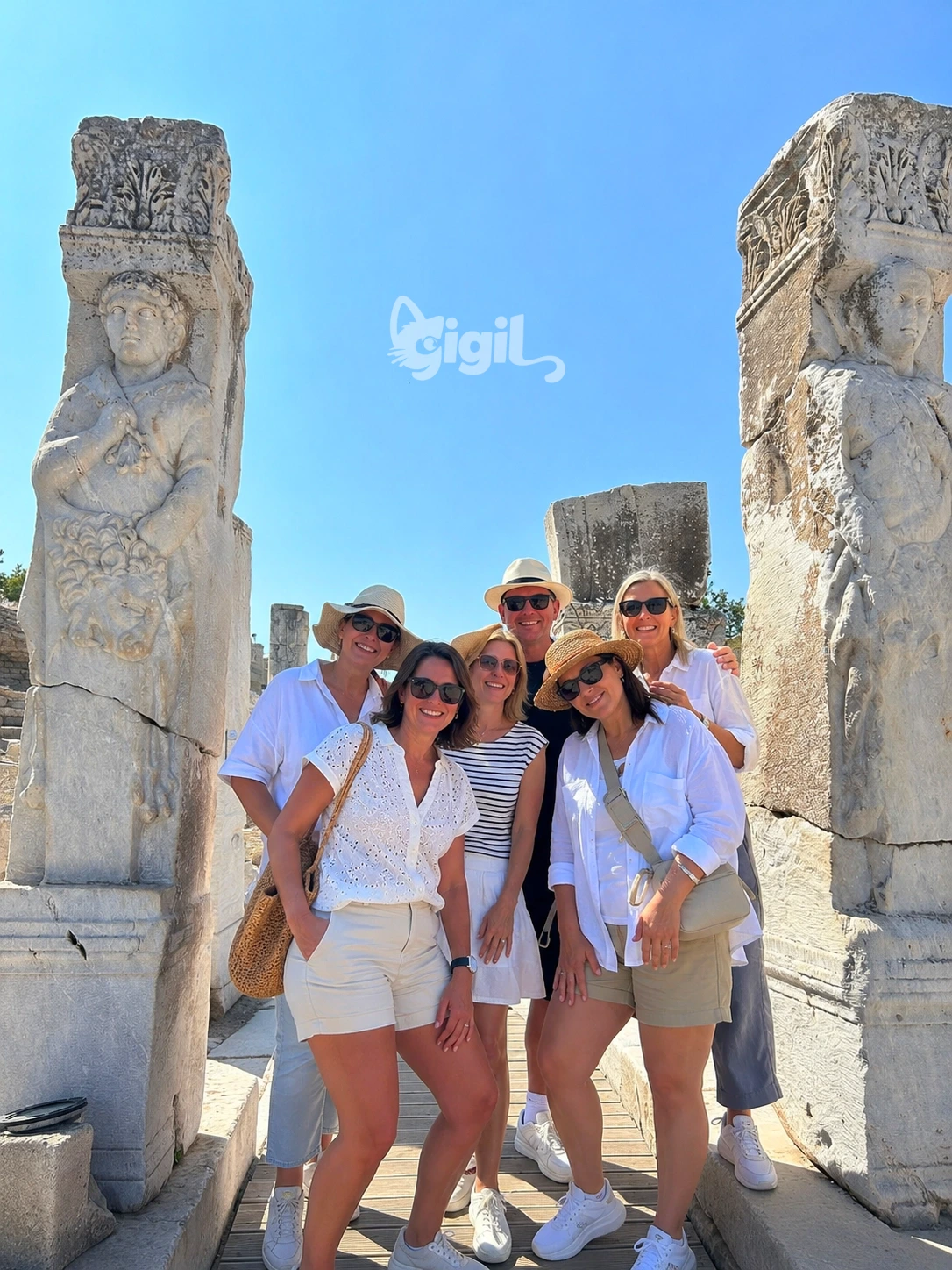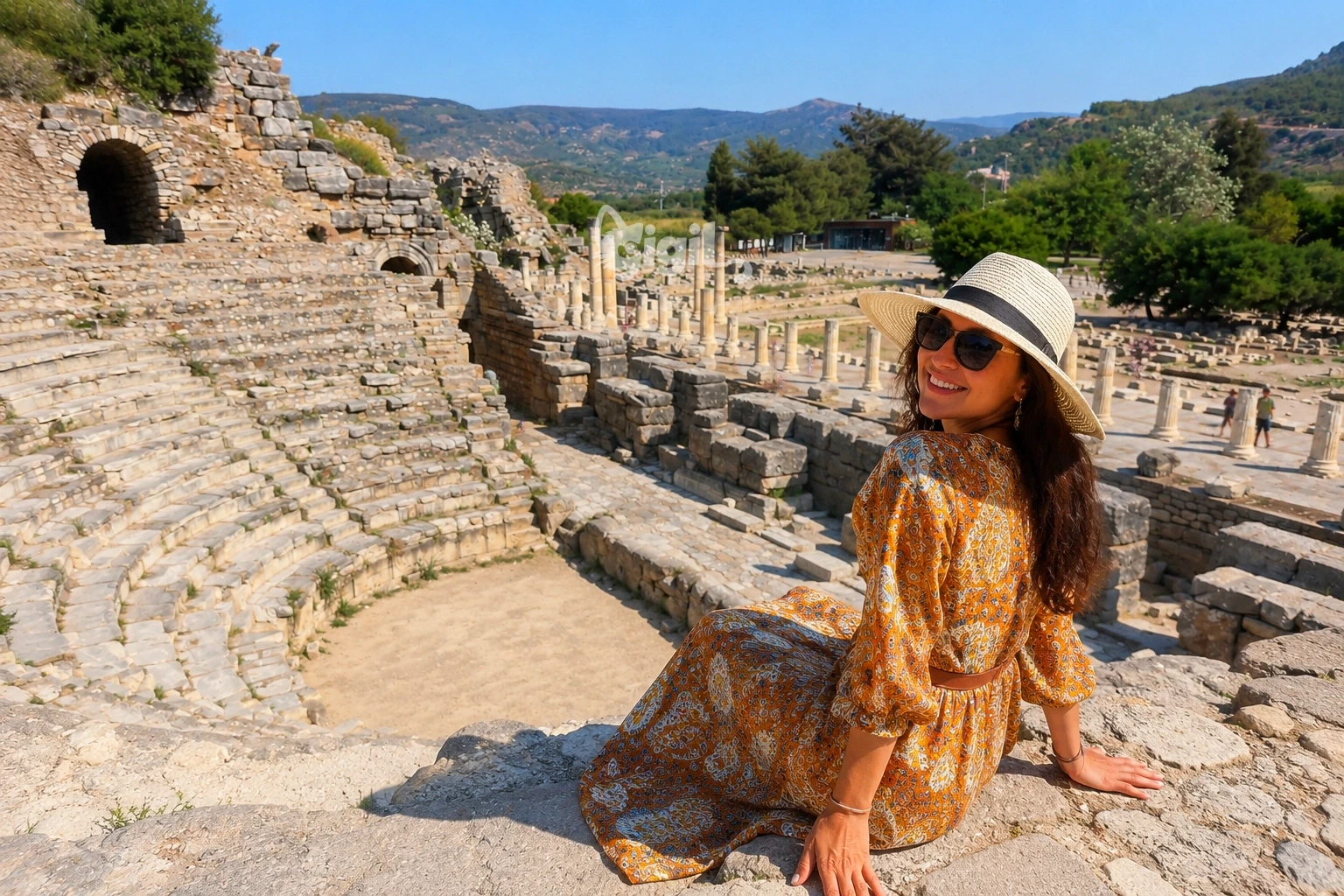








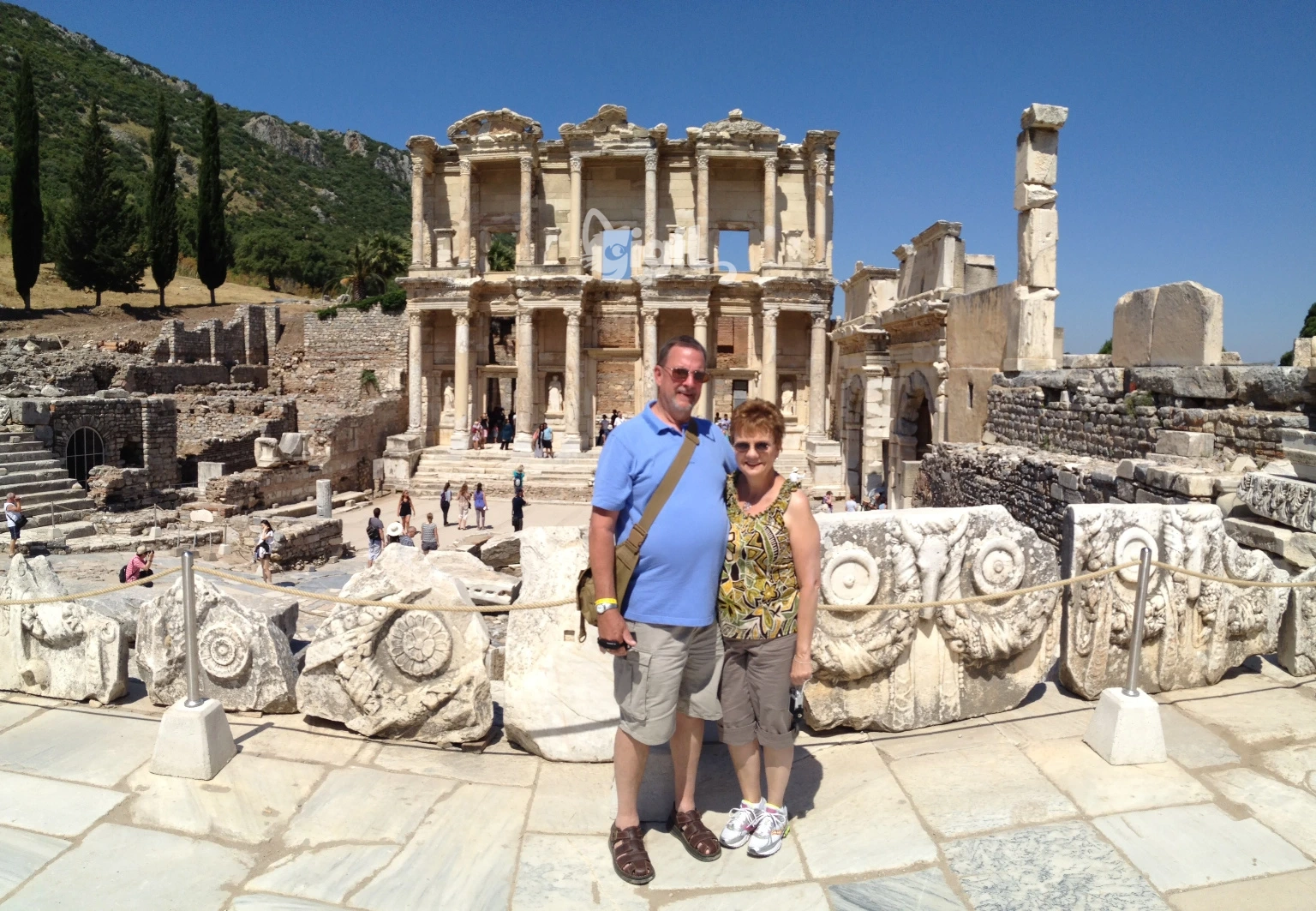
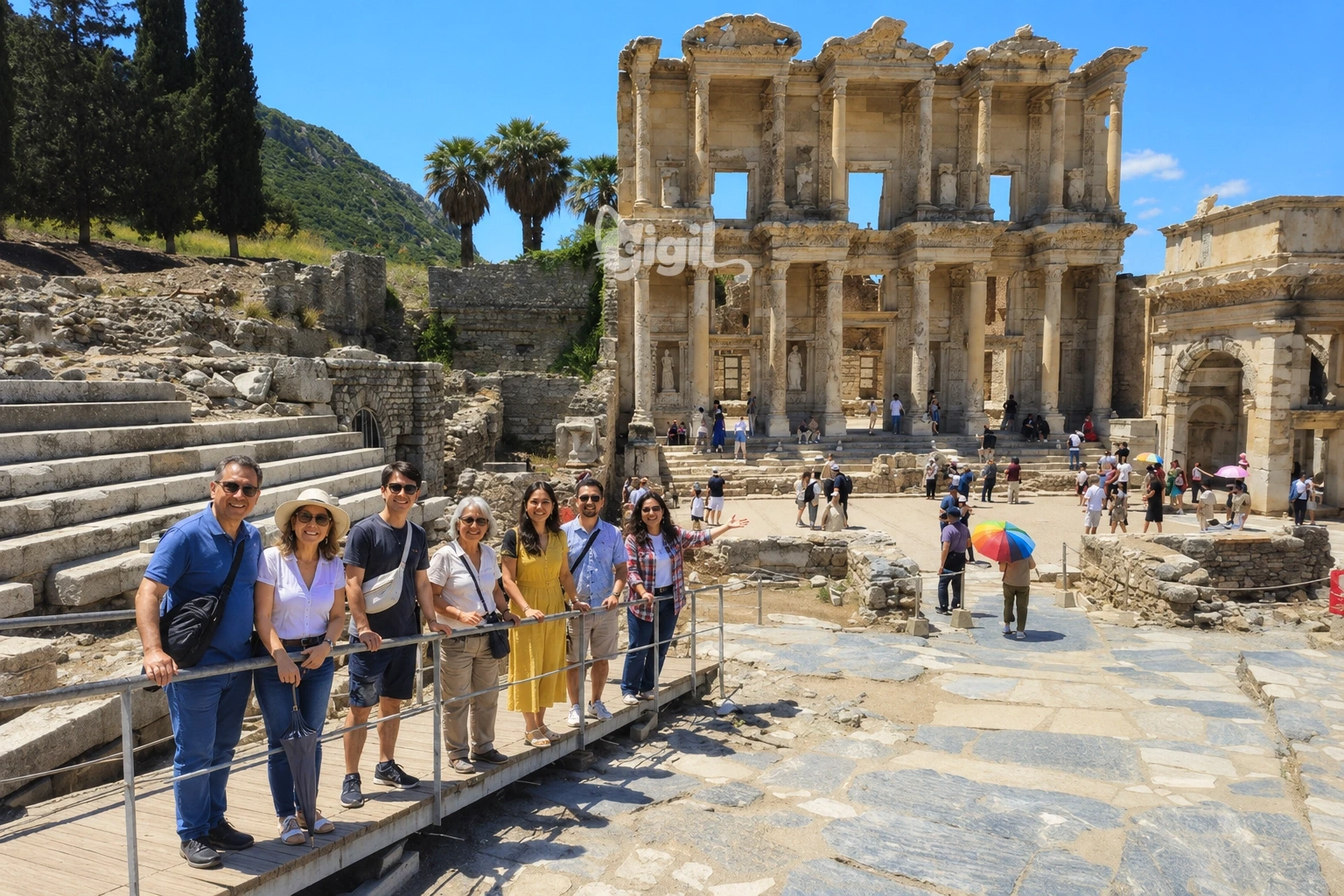

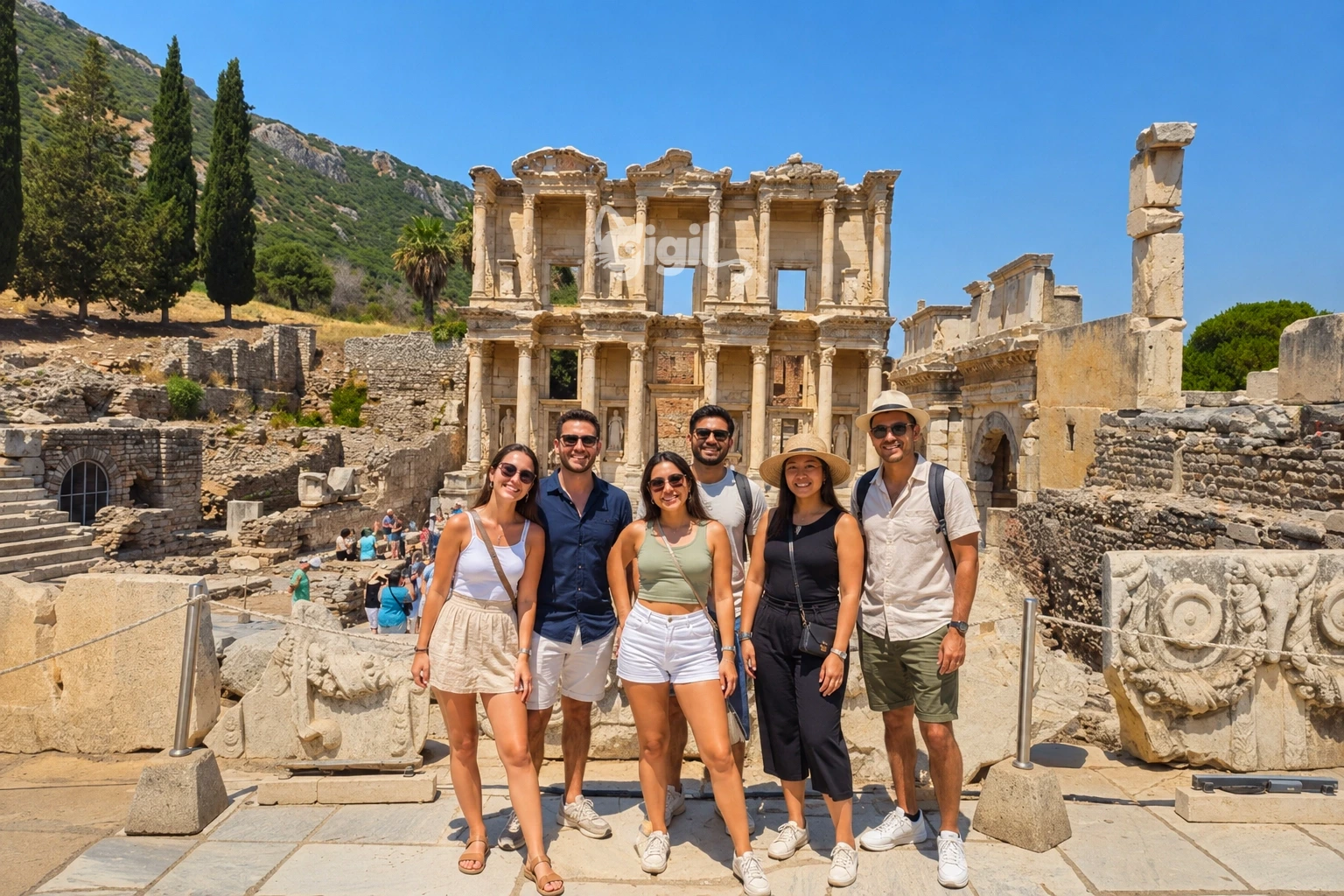

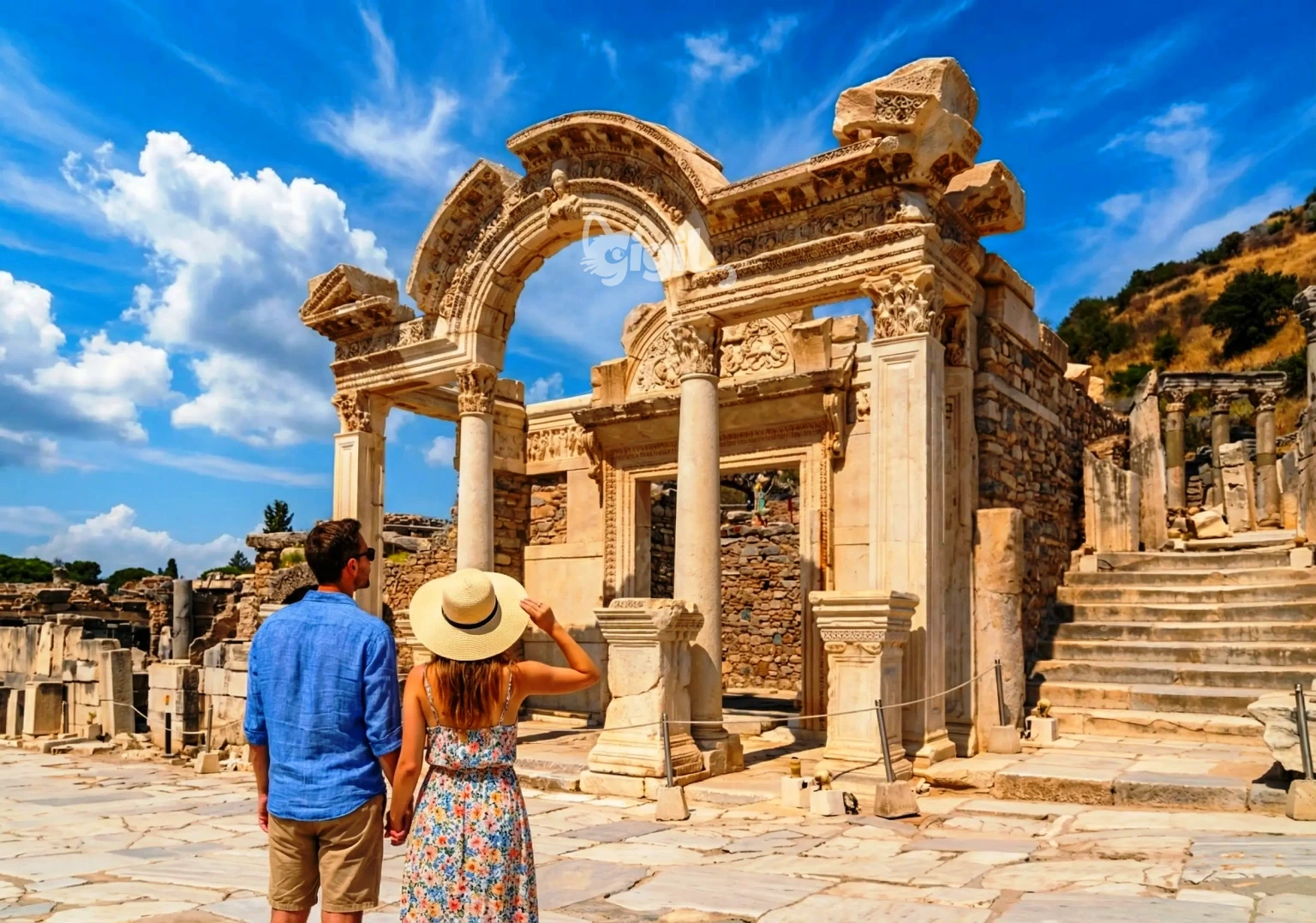
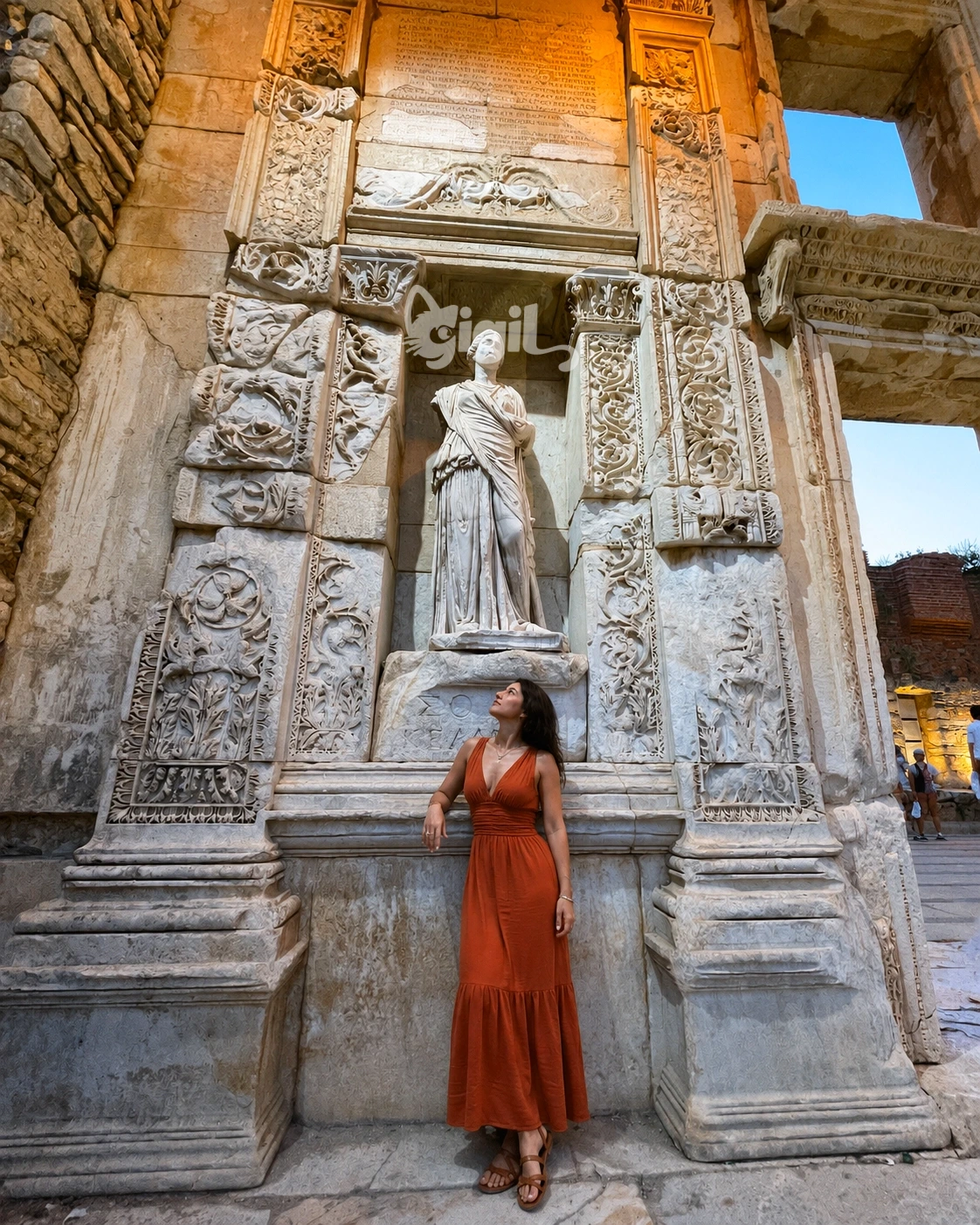


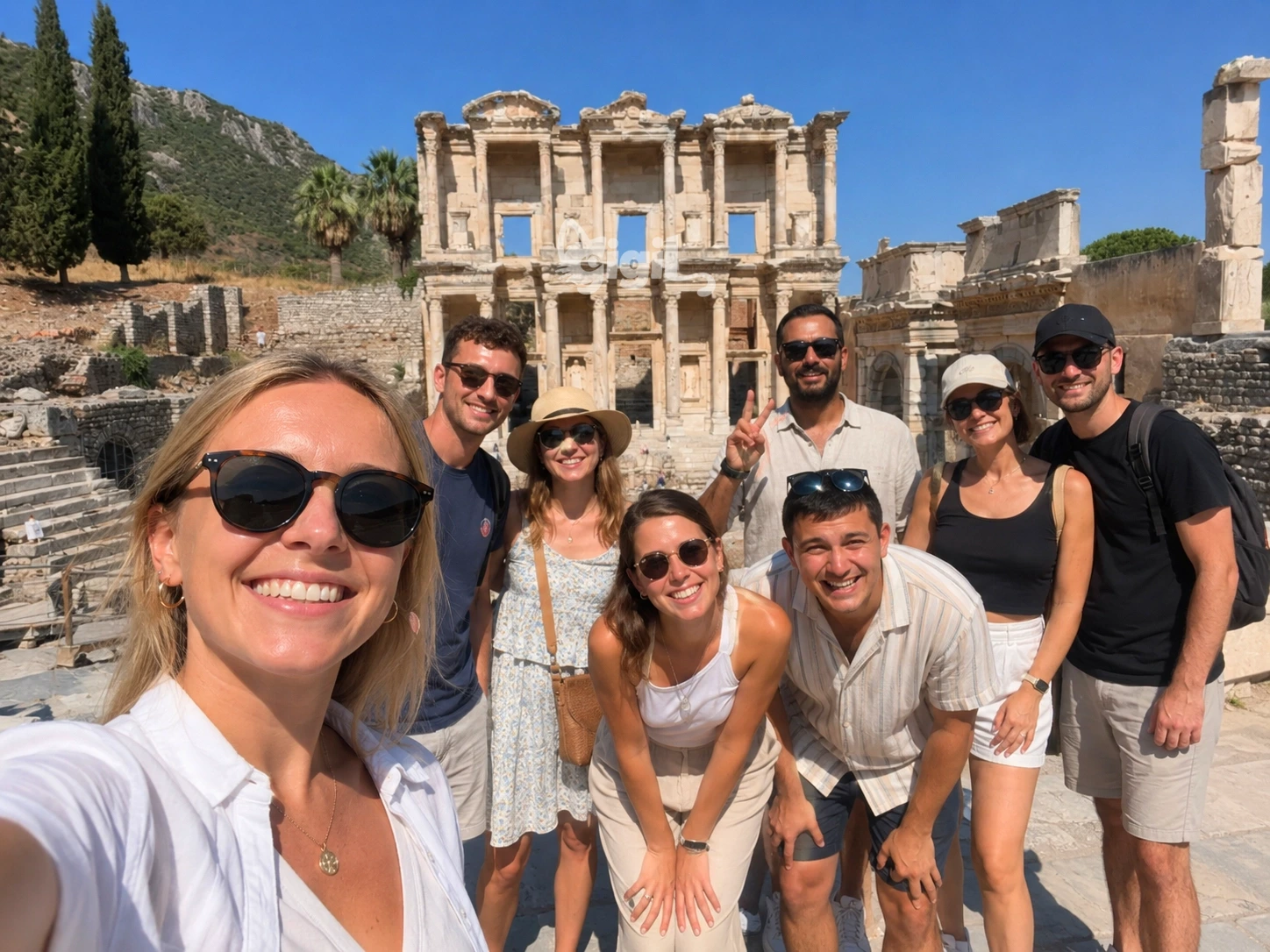
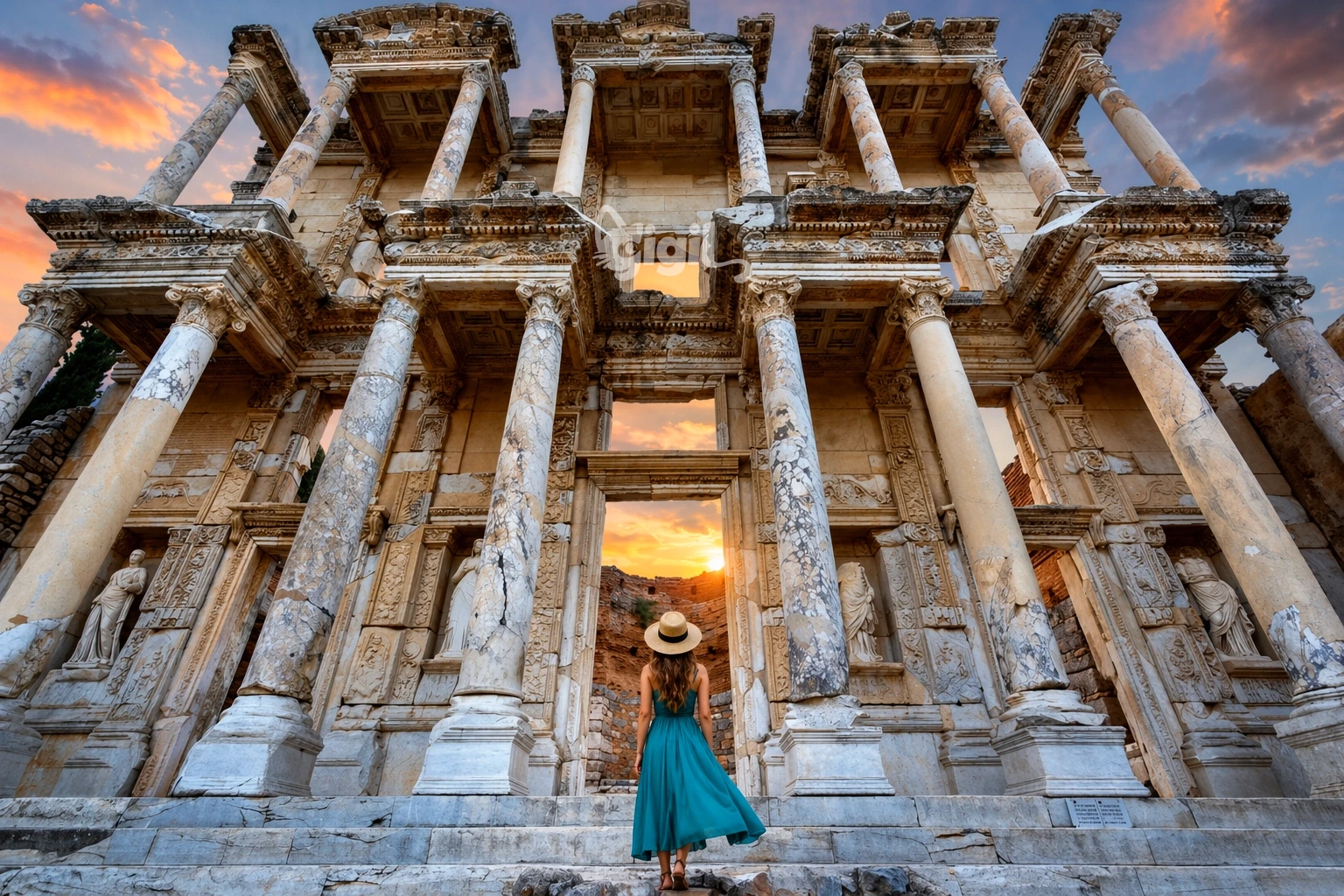
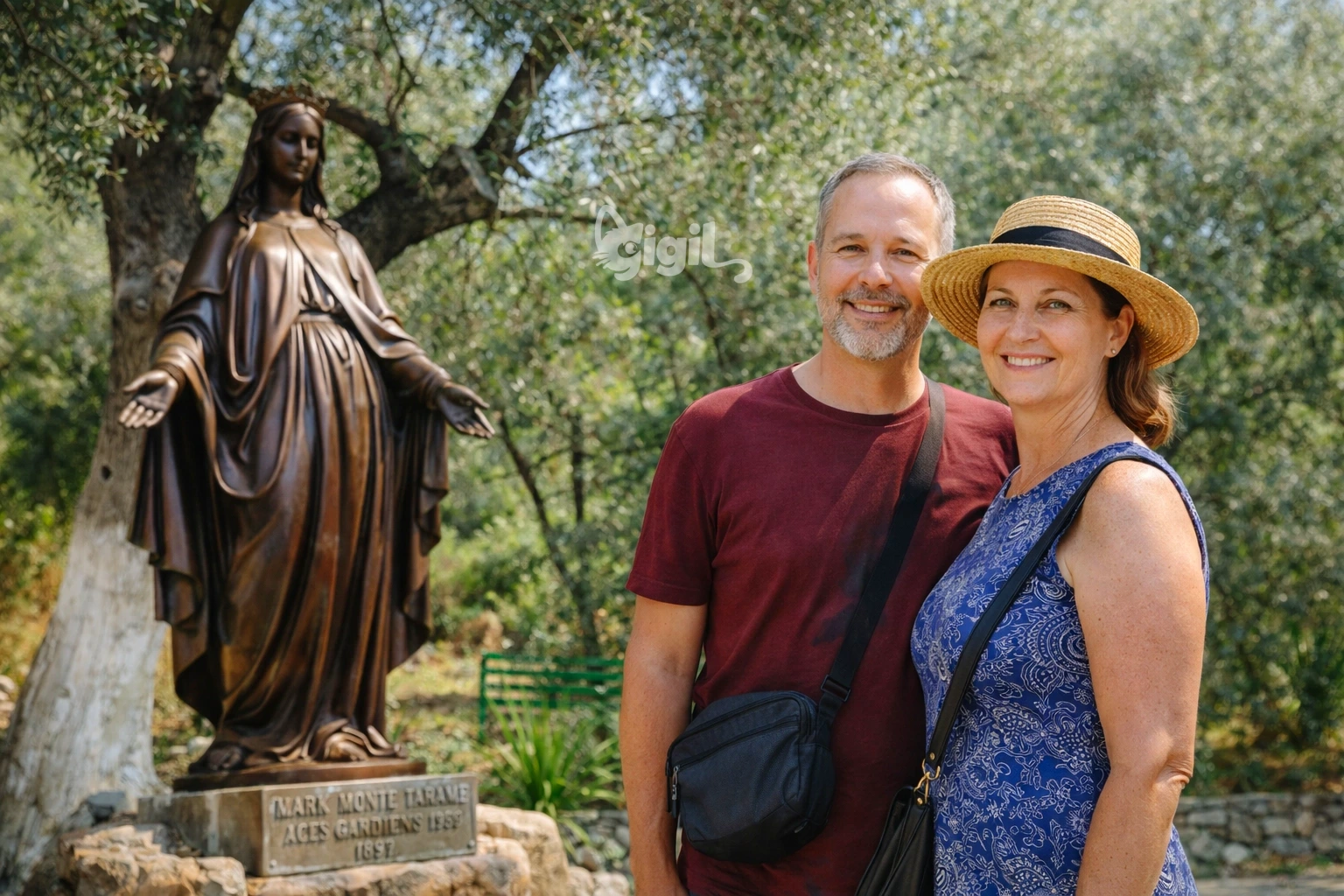
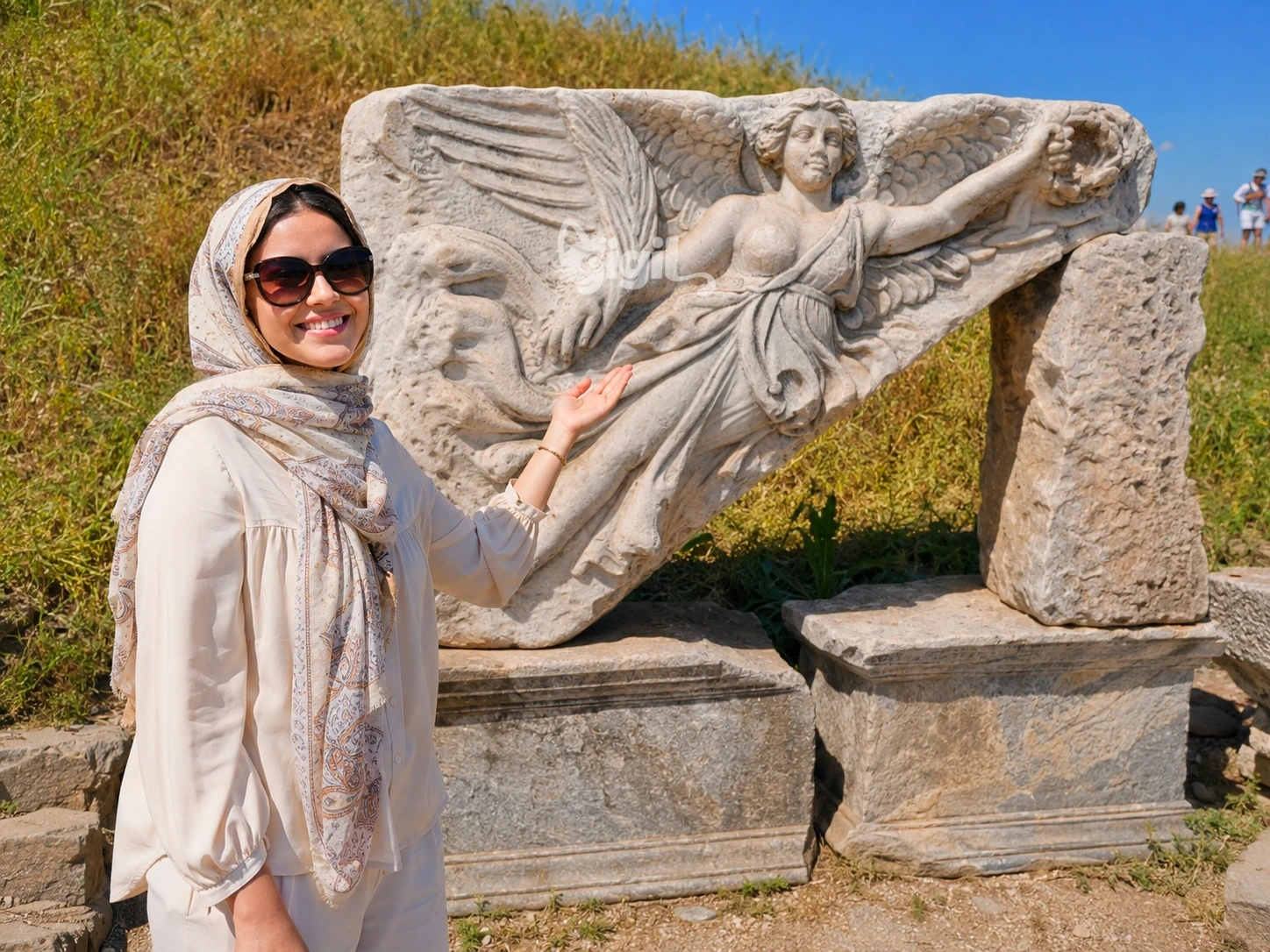
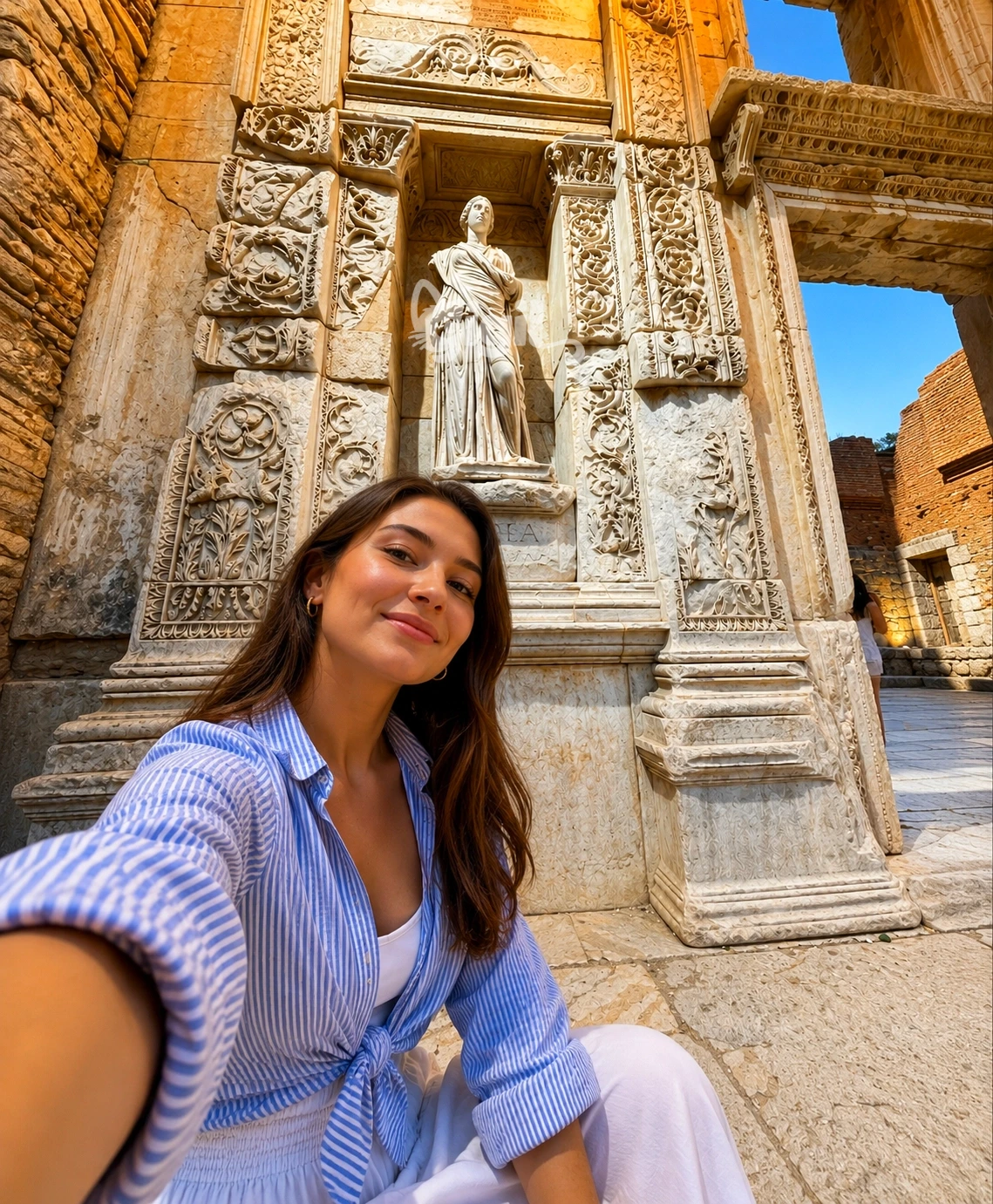
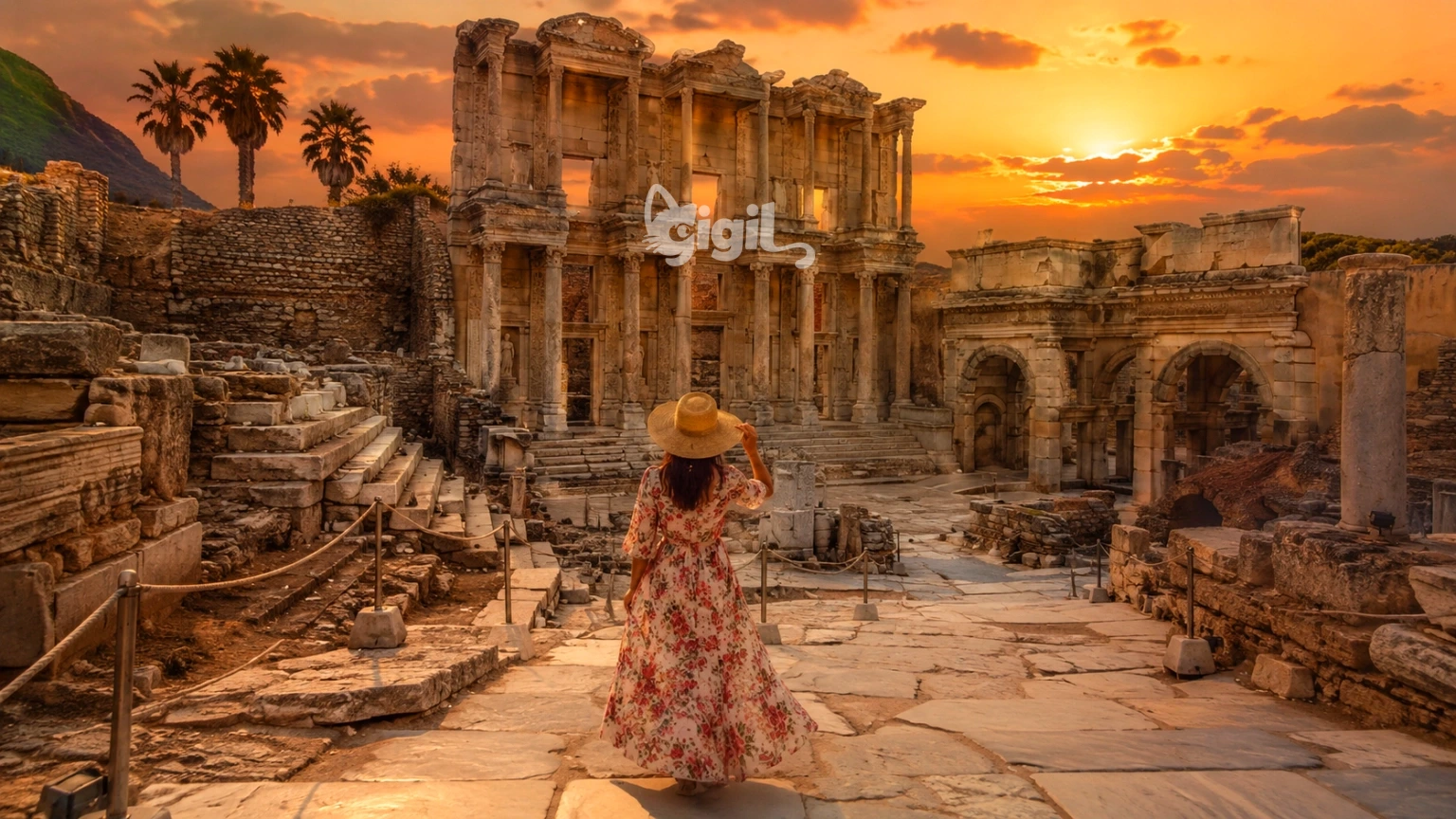
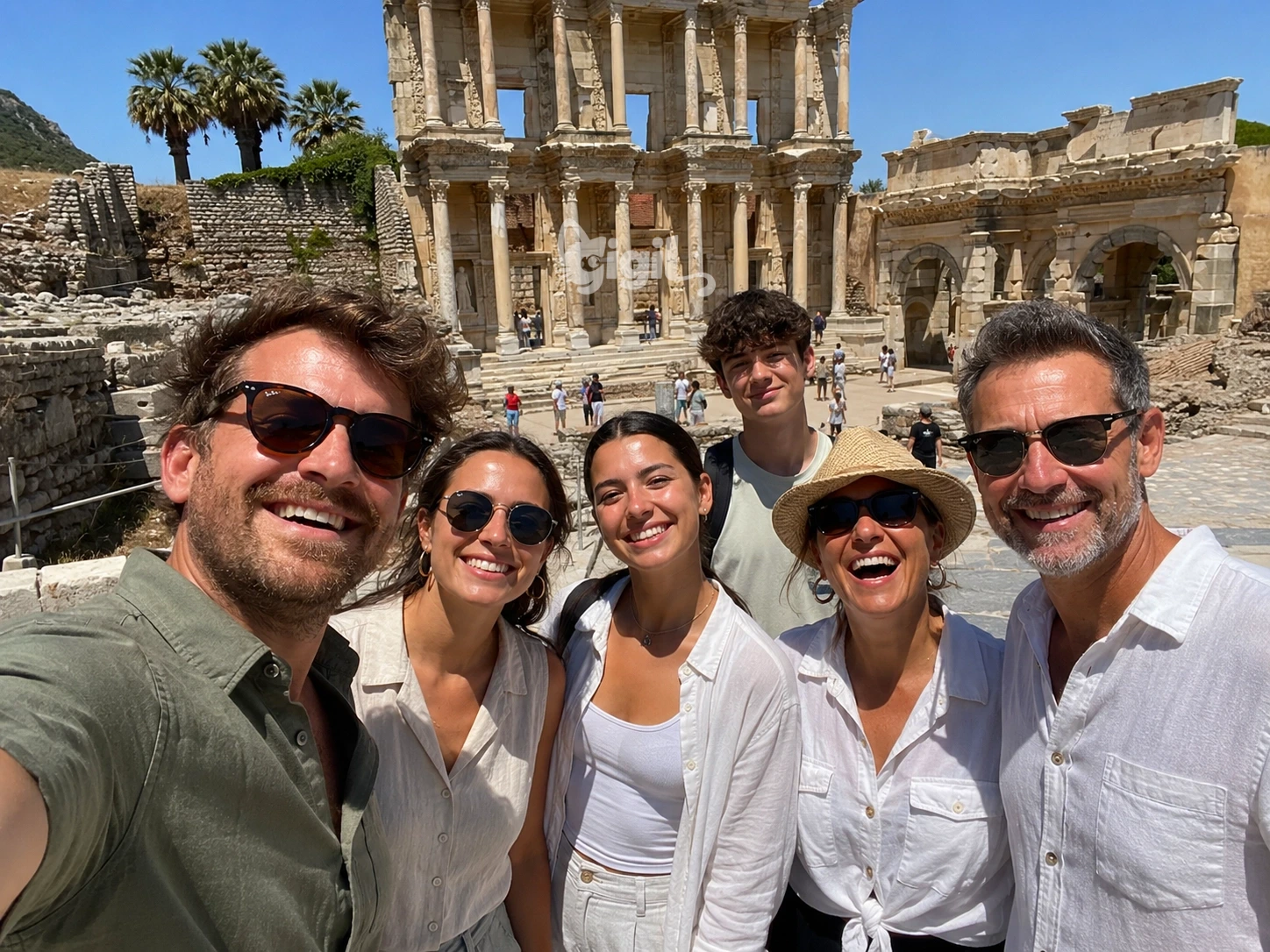
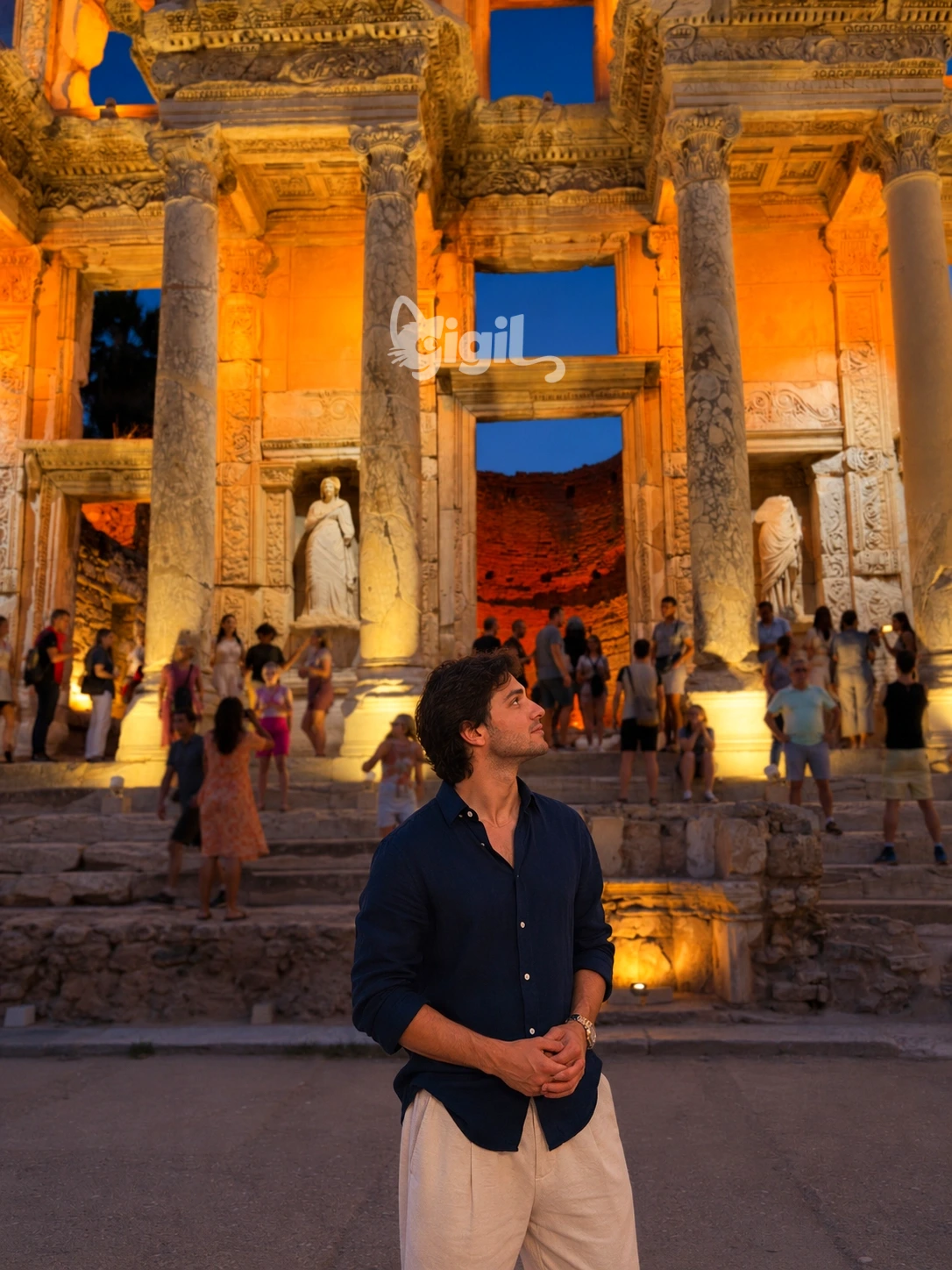
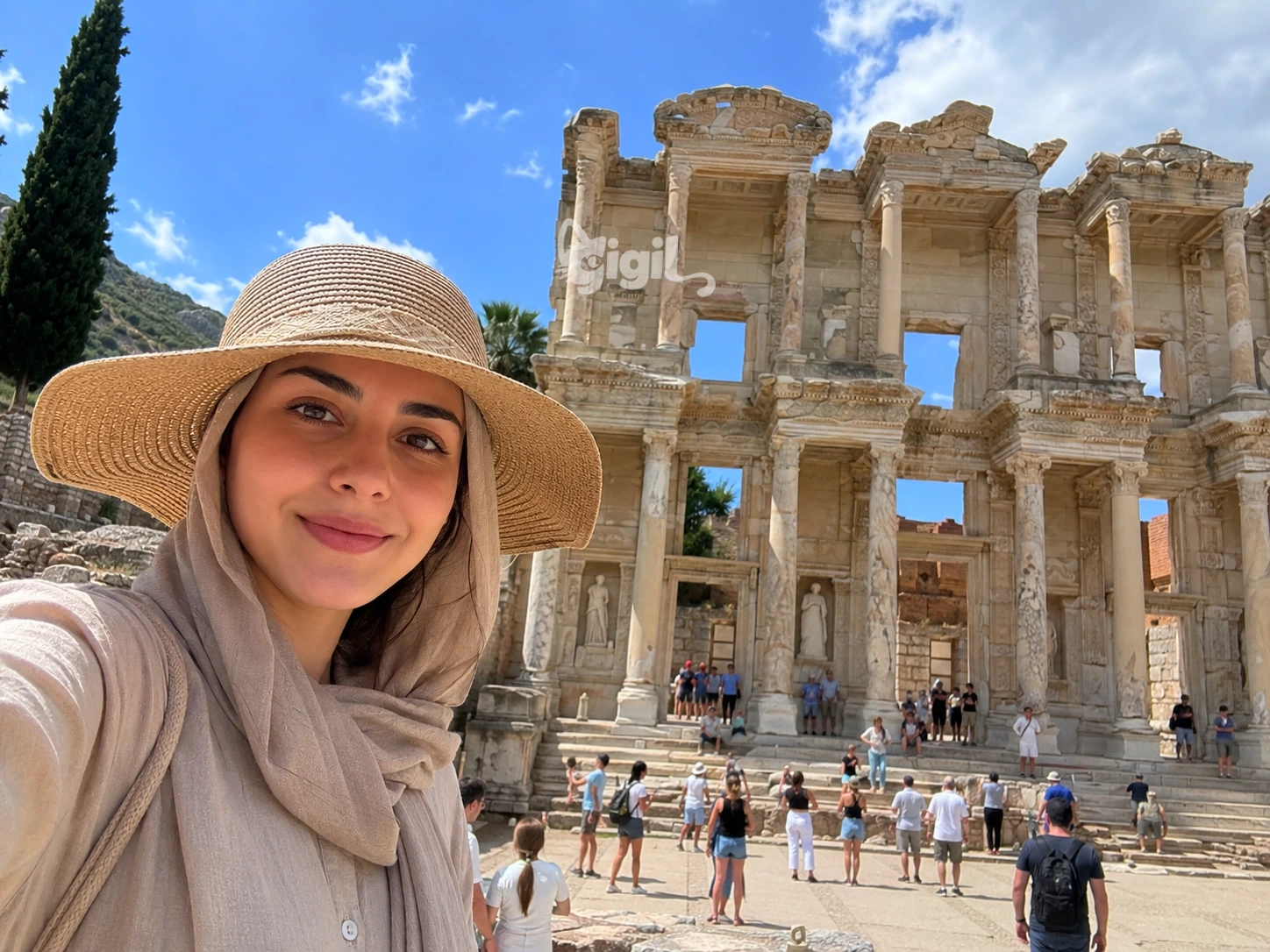
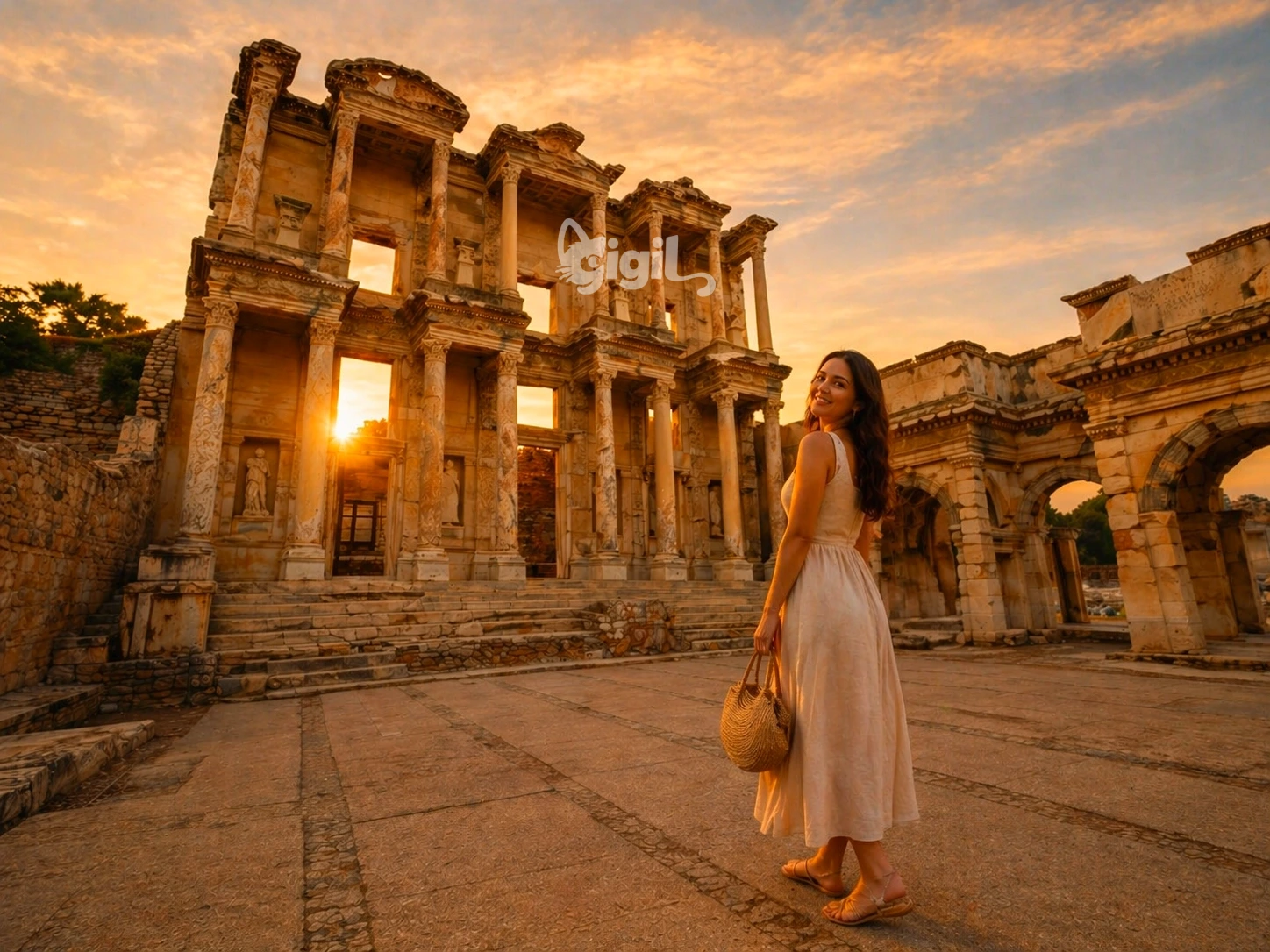
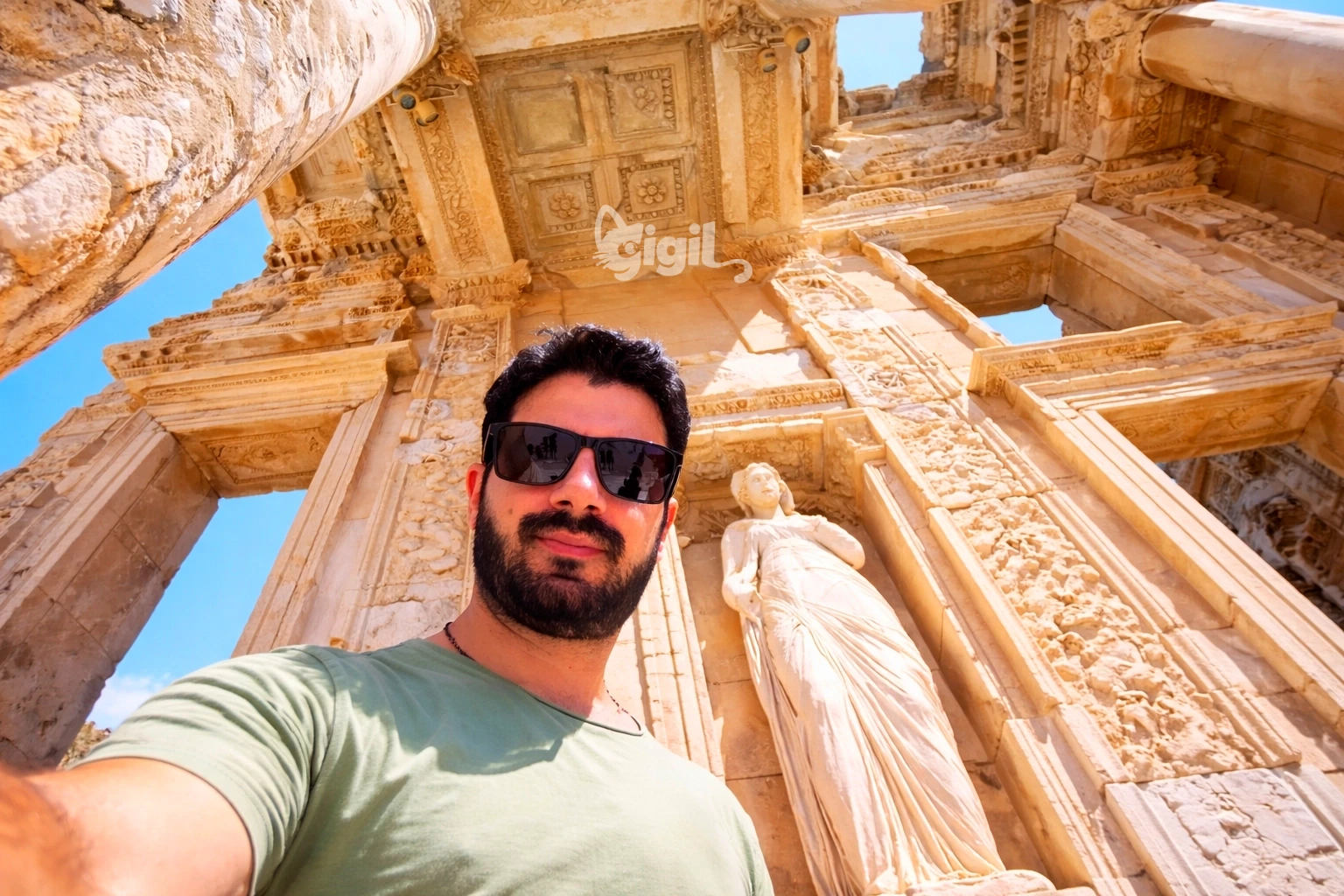
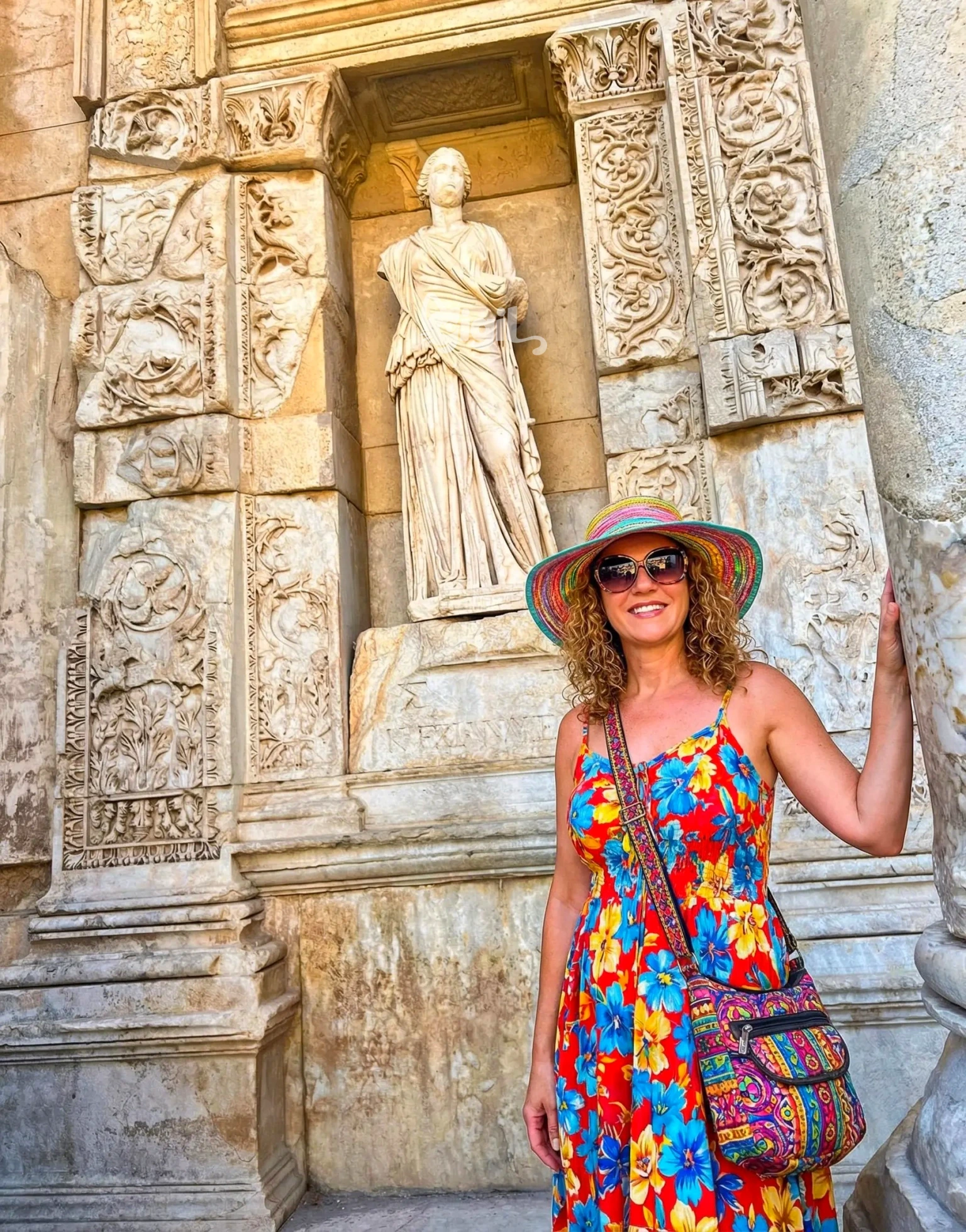

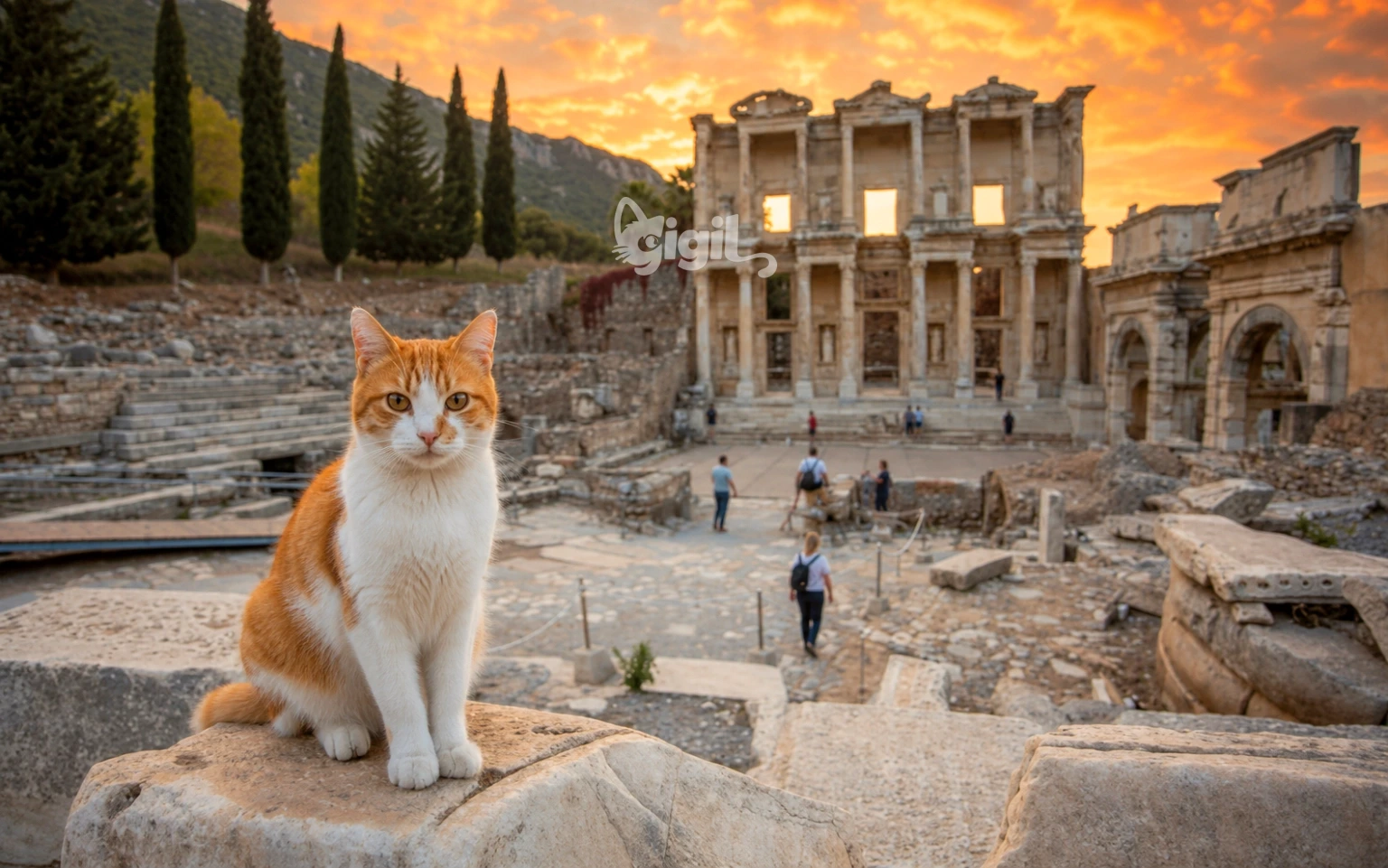
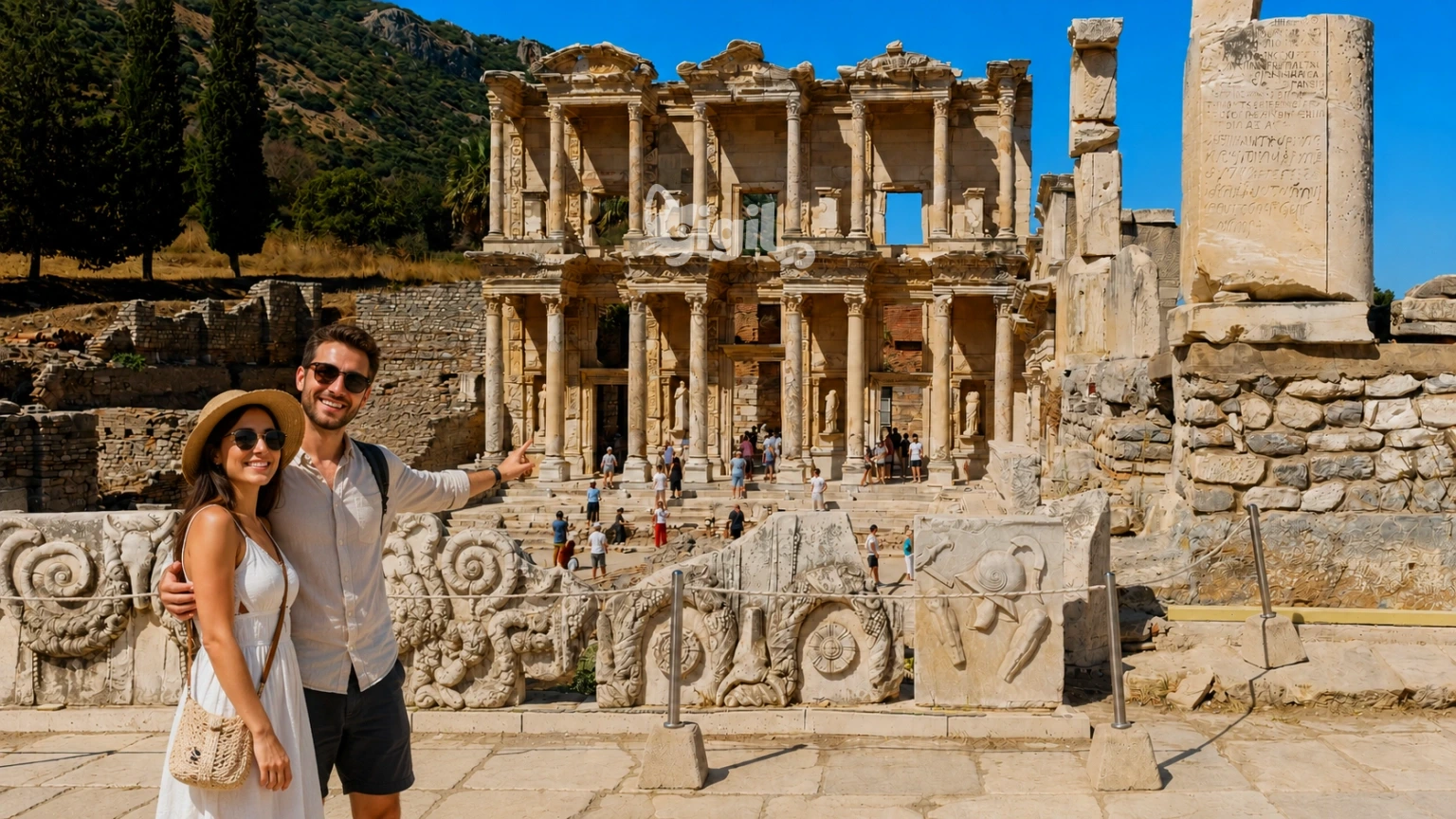
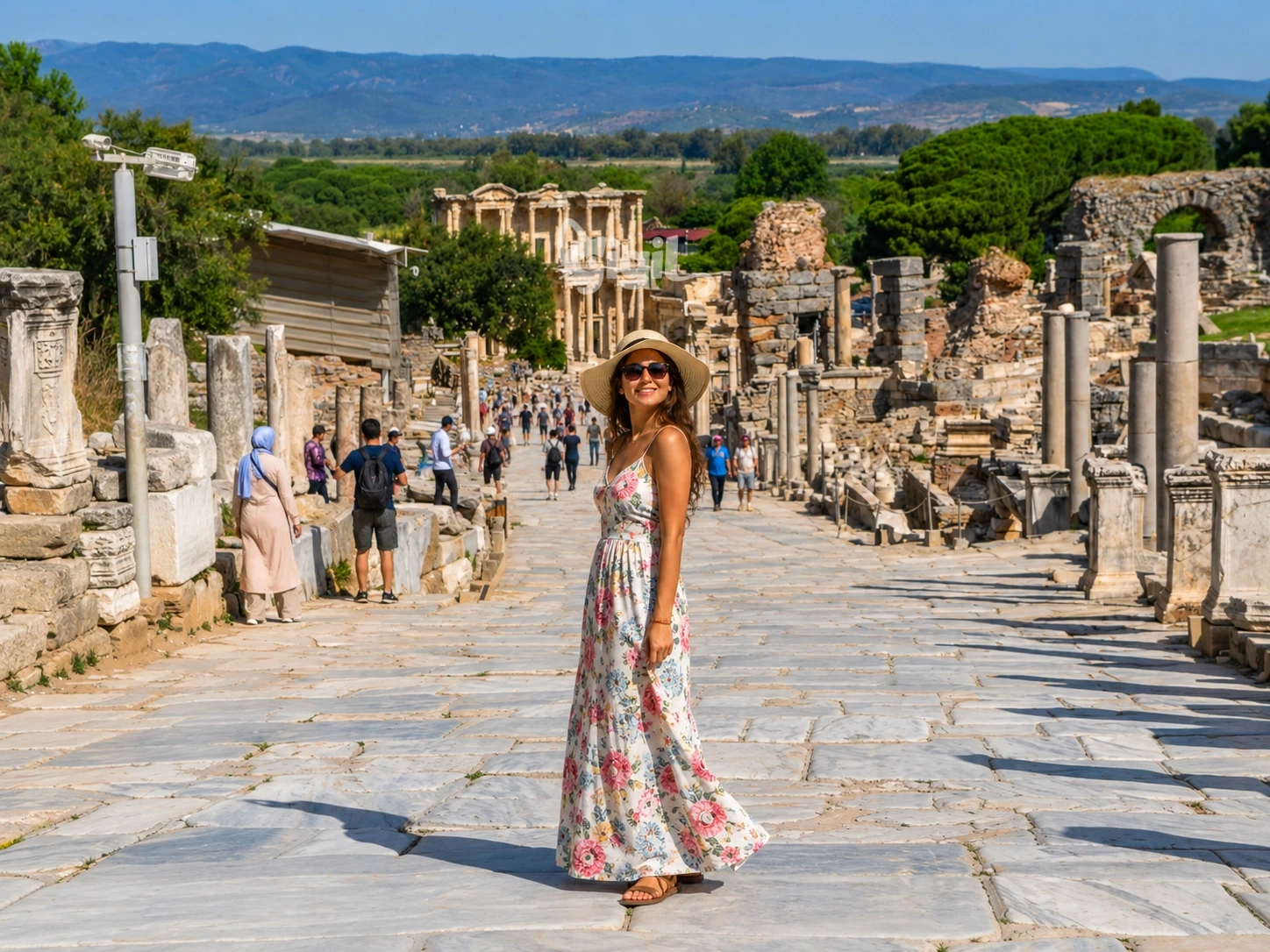
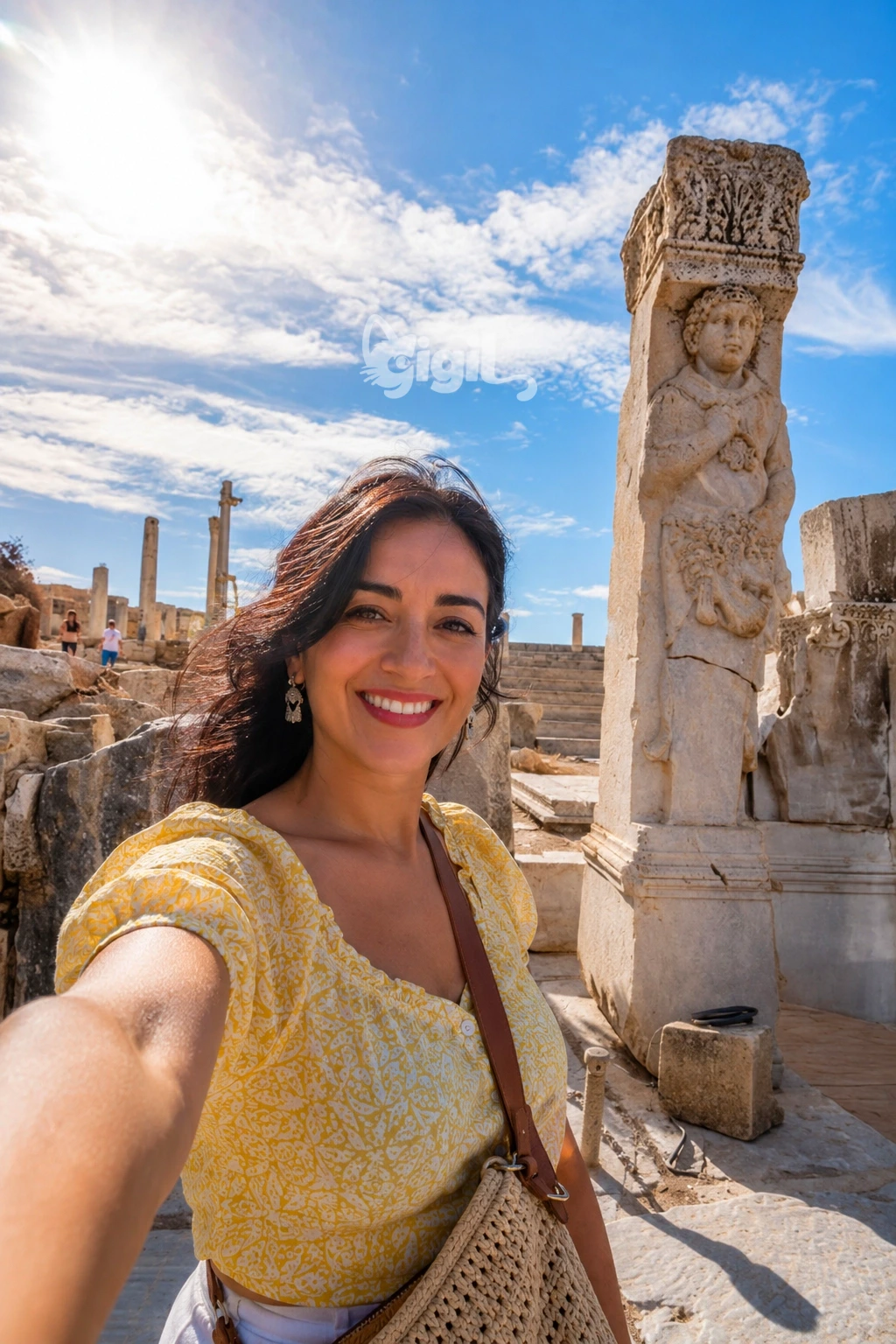
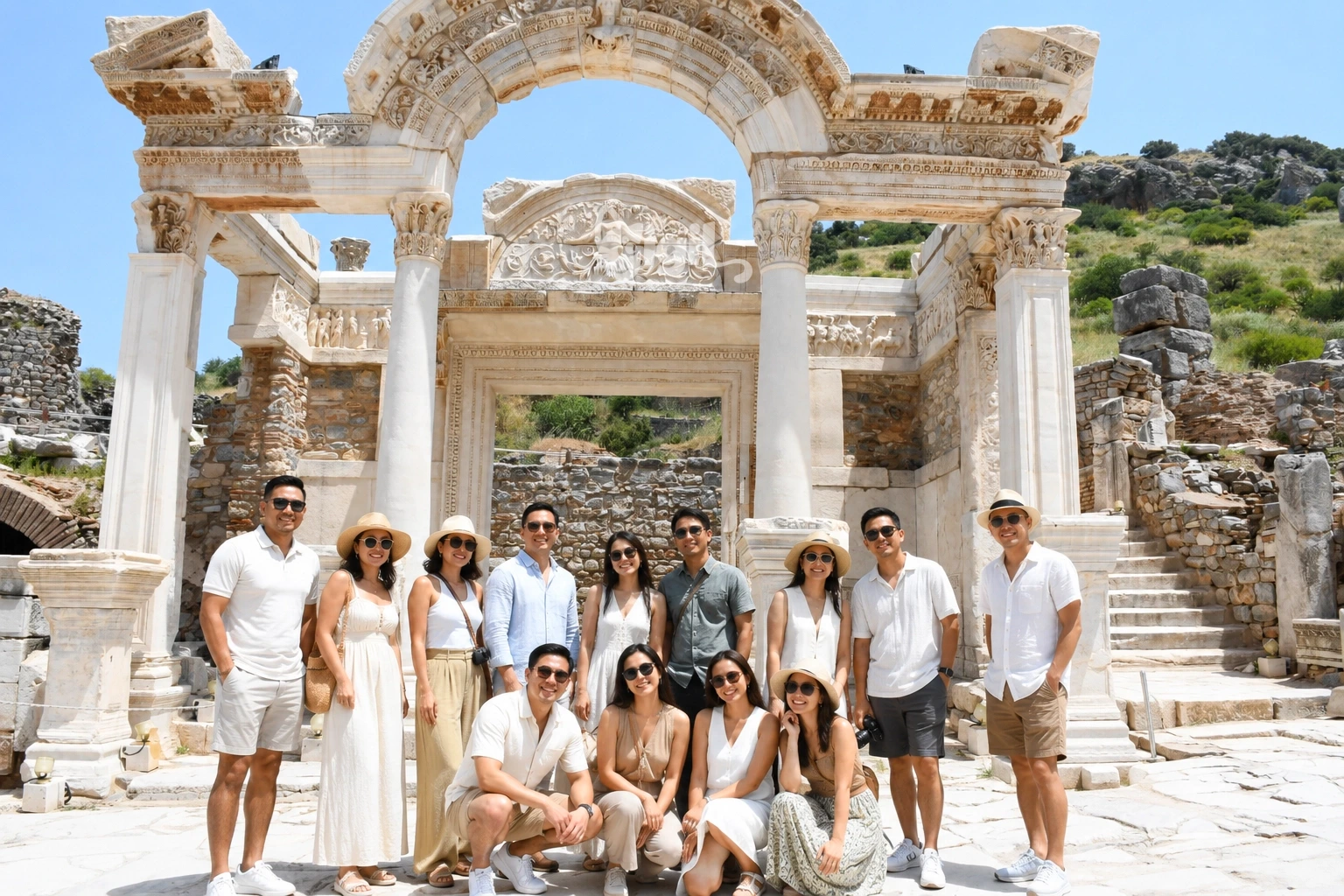

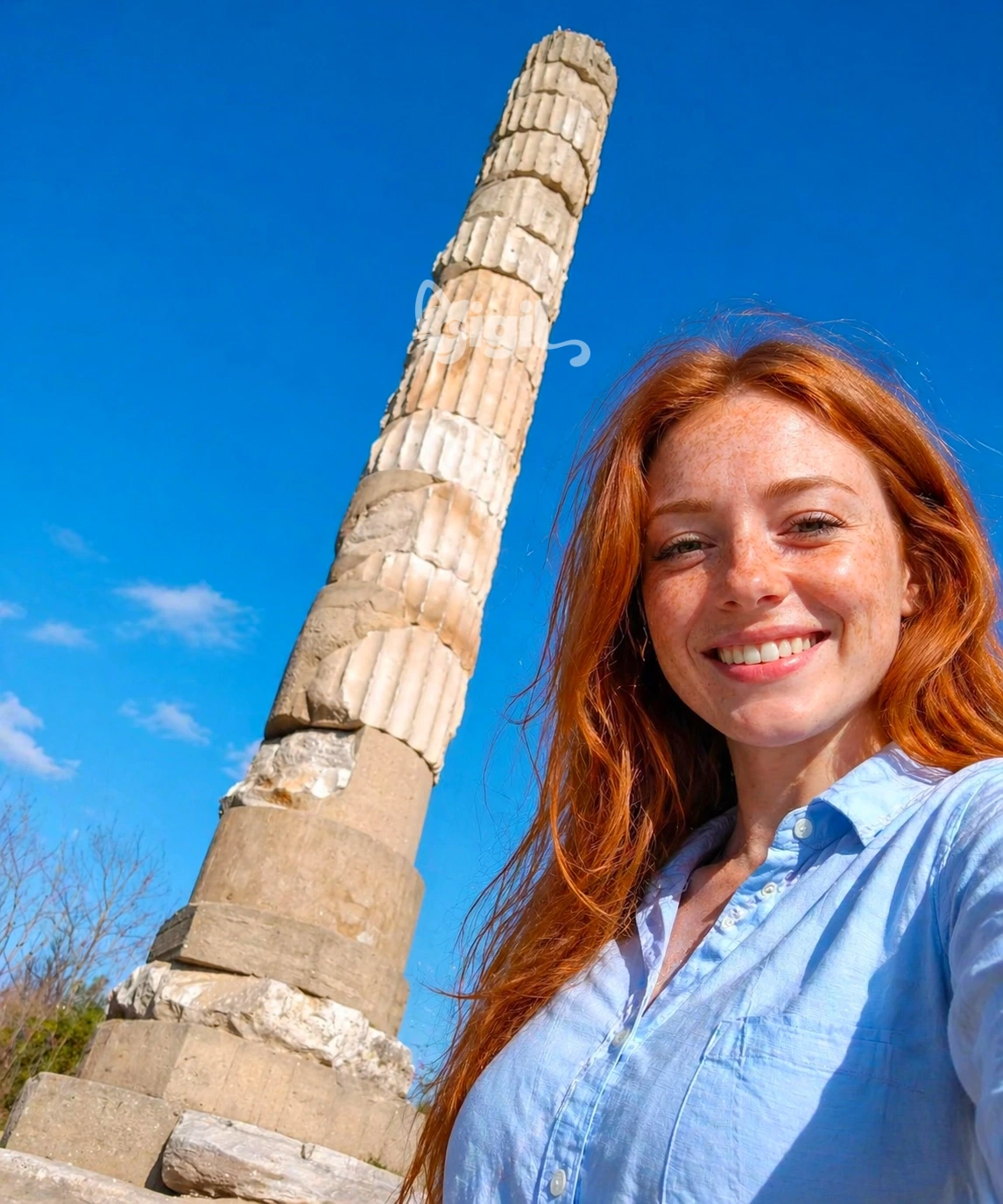


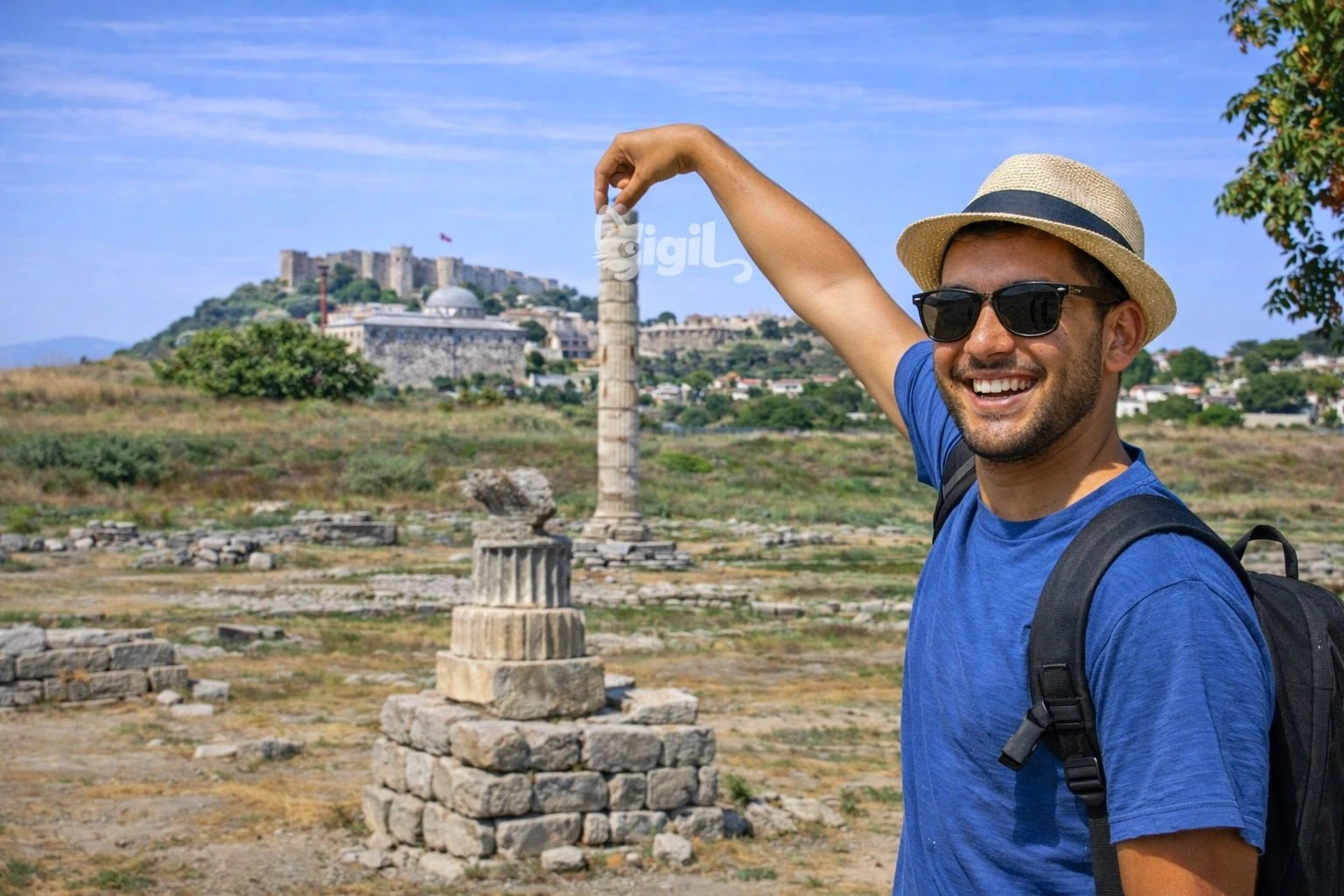
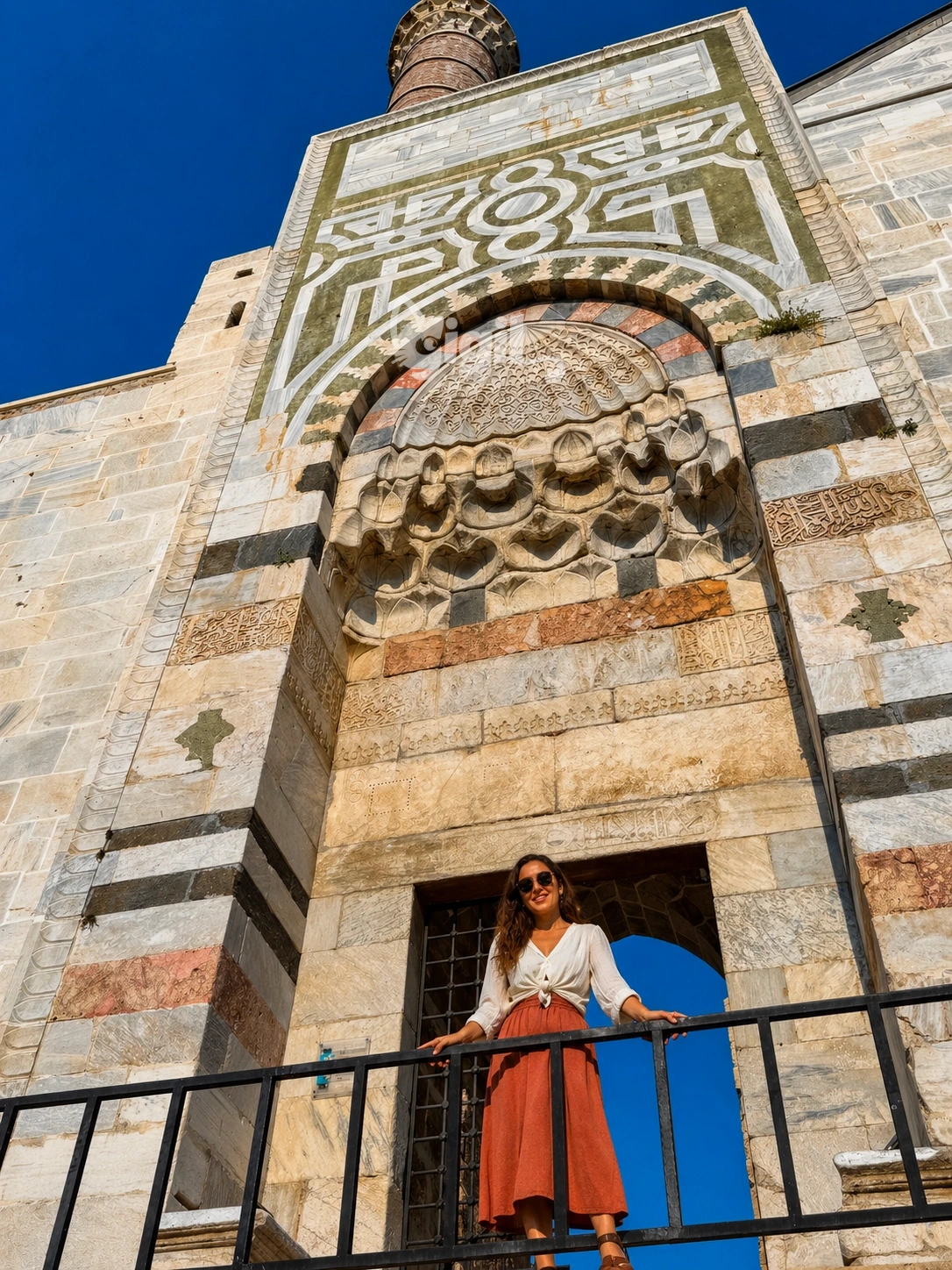
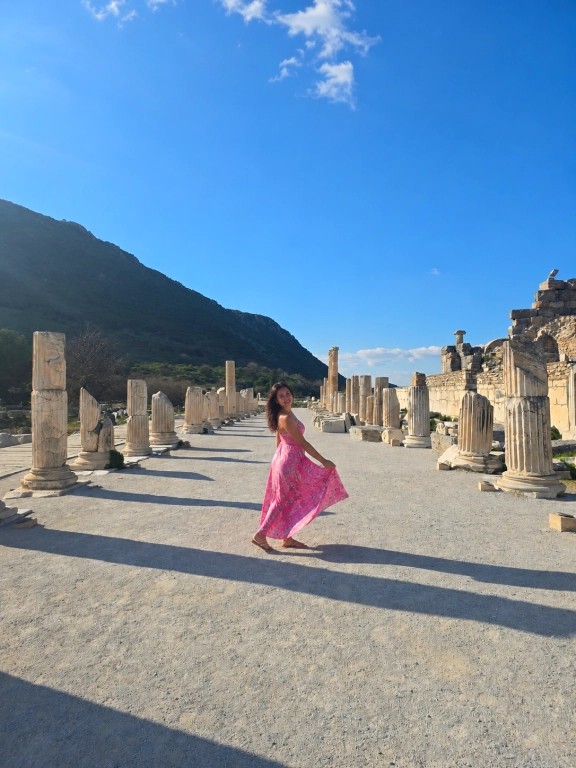

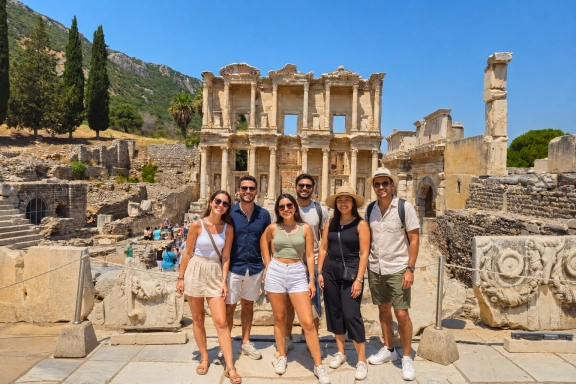
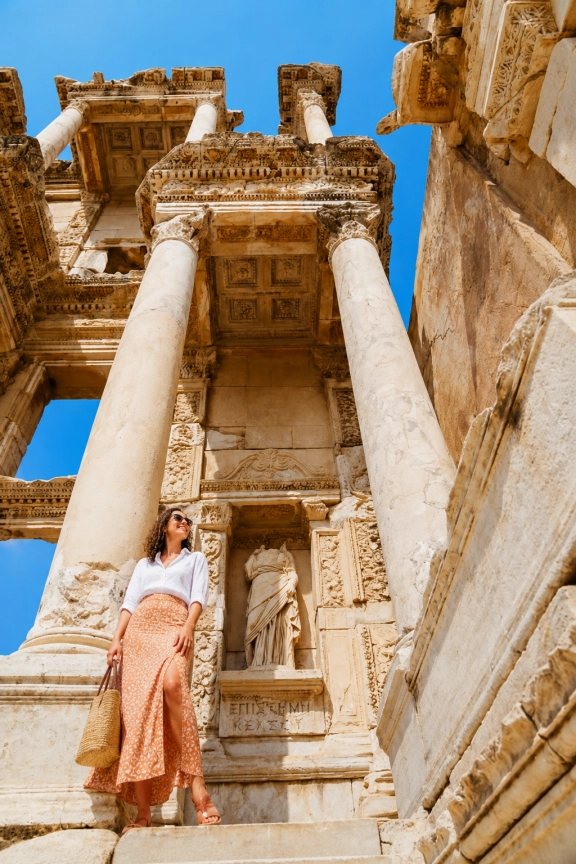
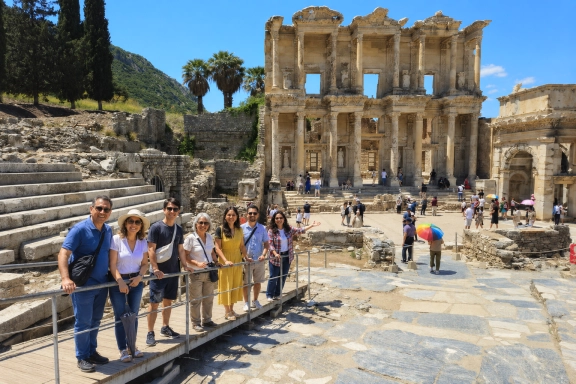


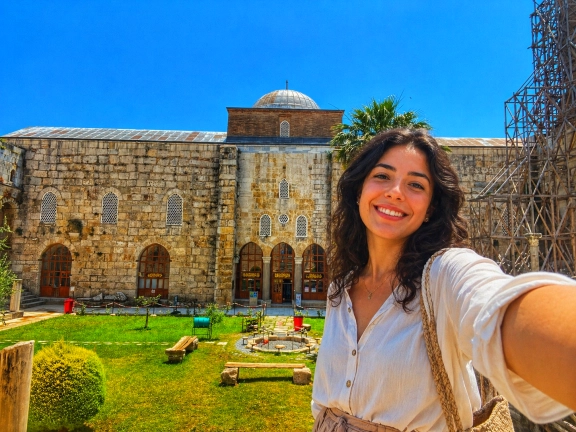
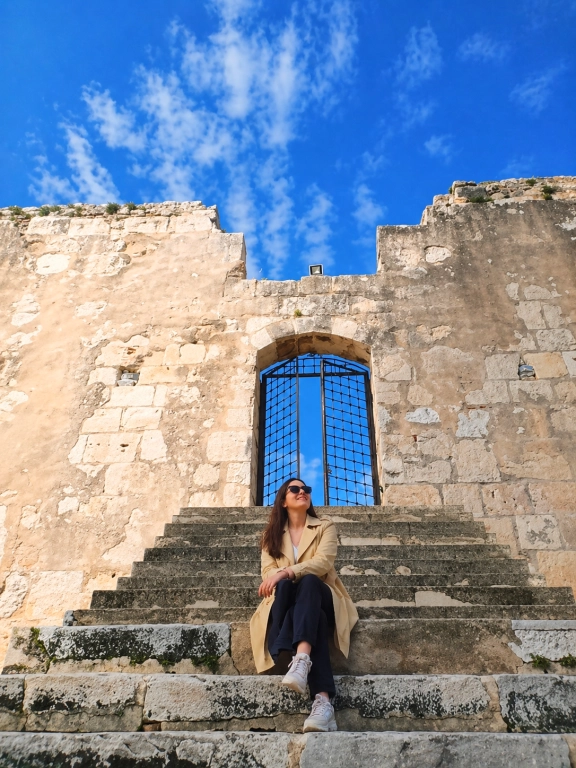



Ephesus Ancient City is the central ancient site of the route. Streets, agora areas, theatre remains, gates, inscriptions and the Library of Celsus help visitors read Ephesus as a connected urban world rather than separate ruins.
The city's former harbor role is important to keep in mind. Although Ephesus is inland today, its ancient influence was shaped by access to trade routes, public monuments and a landscape that changed over centuries.
Questions
Why is Ephesus the most important stop here?
Ephesus is the most important stop because it shows the urban structure of a major ancient city through streets, monuments, theatre remains and public spaces.
What should visitors focus on inside Ephesus?
Visitors should focus on how the streets, agora areas, gates, theatre, inscriptions and Library of Celsus connect as one city plan.
Why does the harbor story matter?
The harbor story explains the city's wealth and influence in antiquity. Later landscape change separated the site from the modern shoreline.
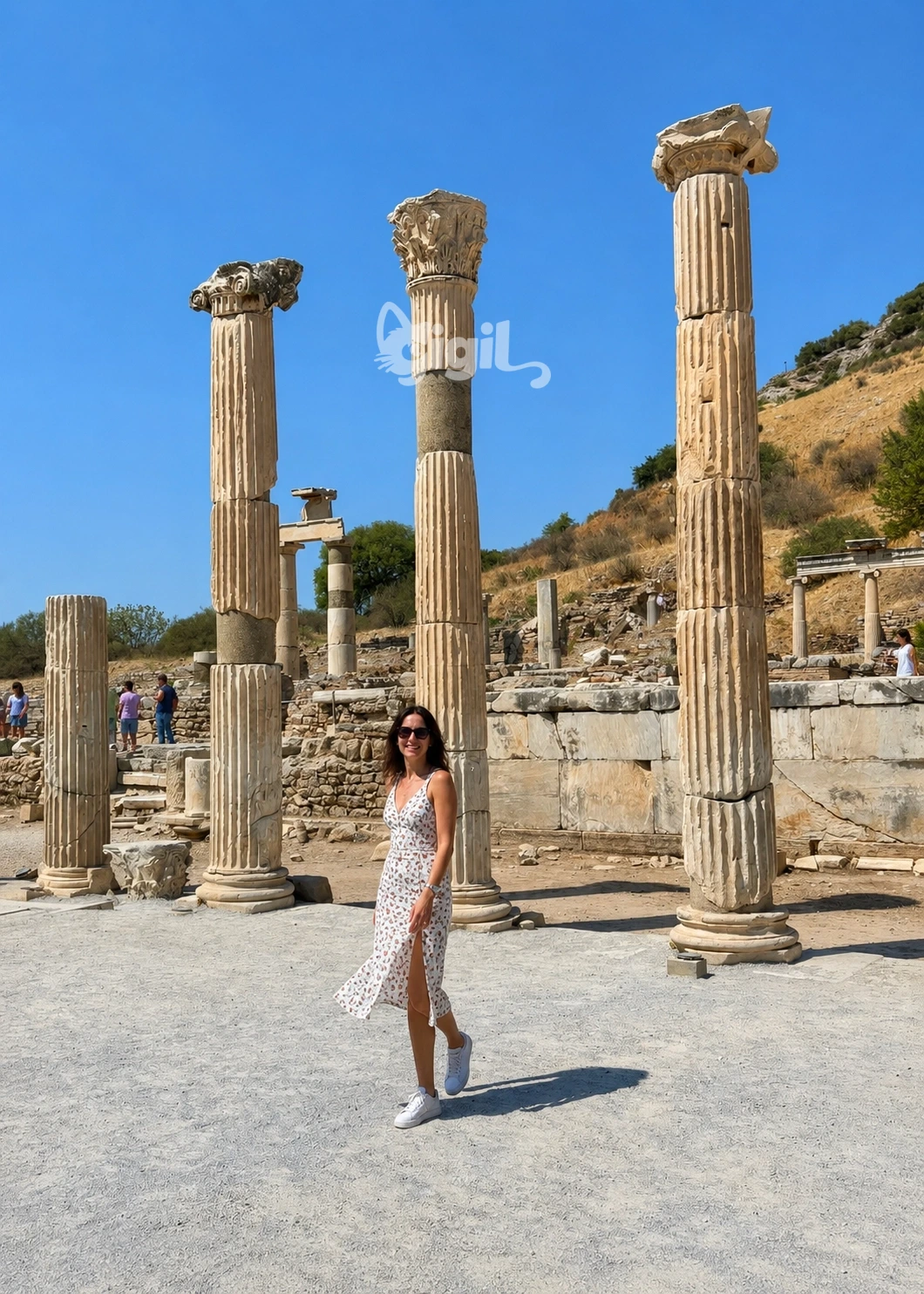
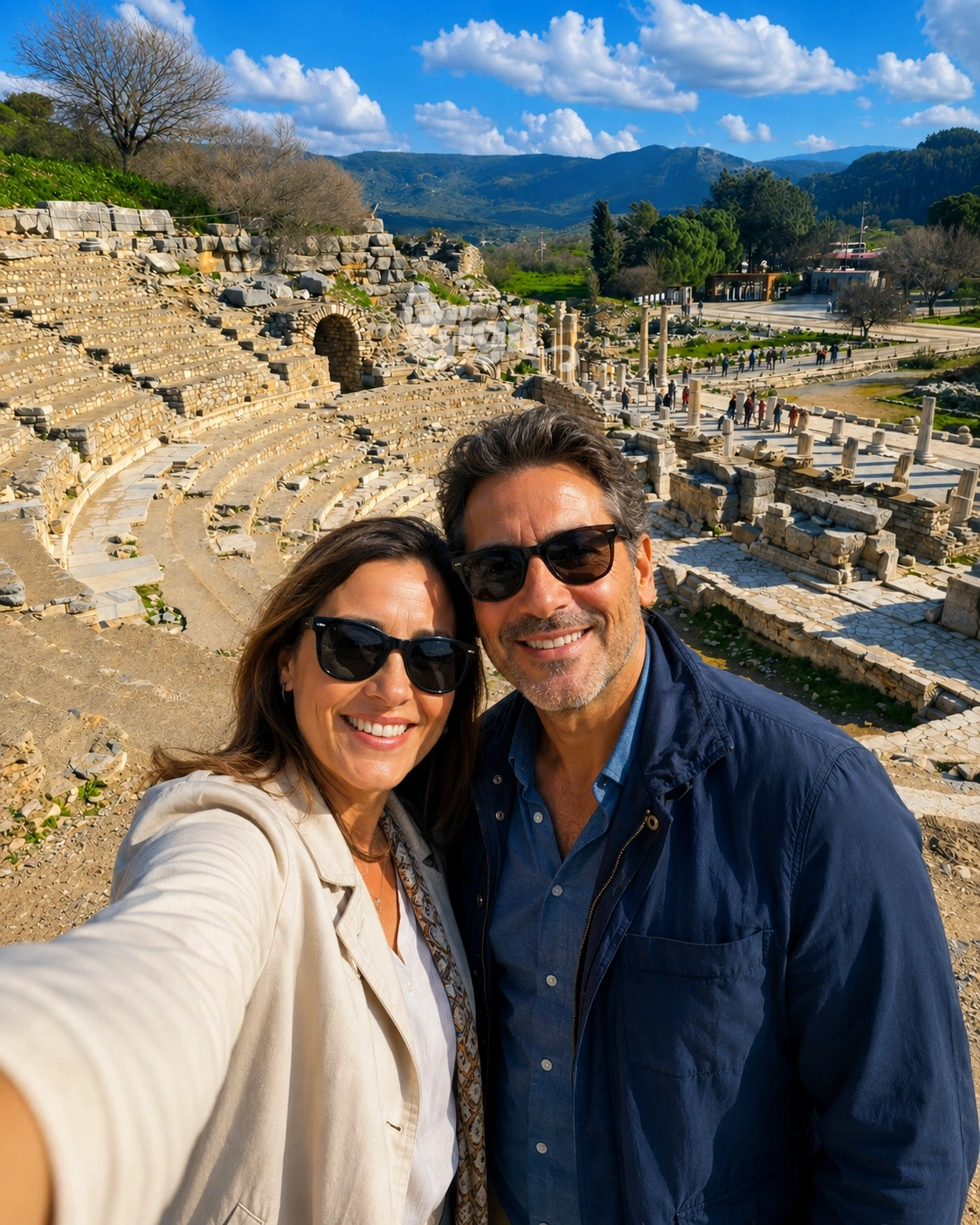
How should restored areas be understood?
Restored areas help explain the ancient city's former shape and scale. They should be understood together with original remains and archaeological conservation.