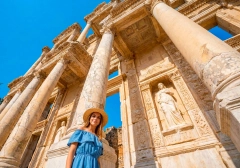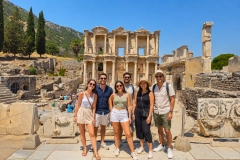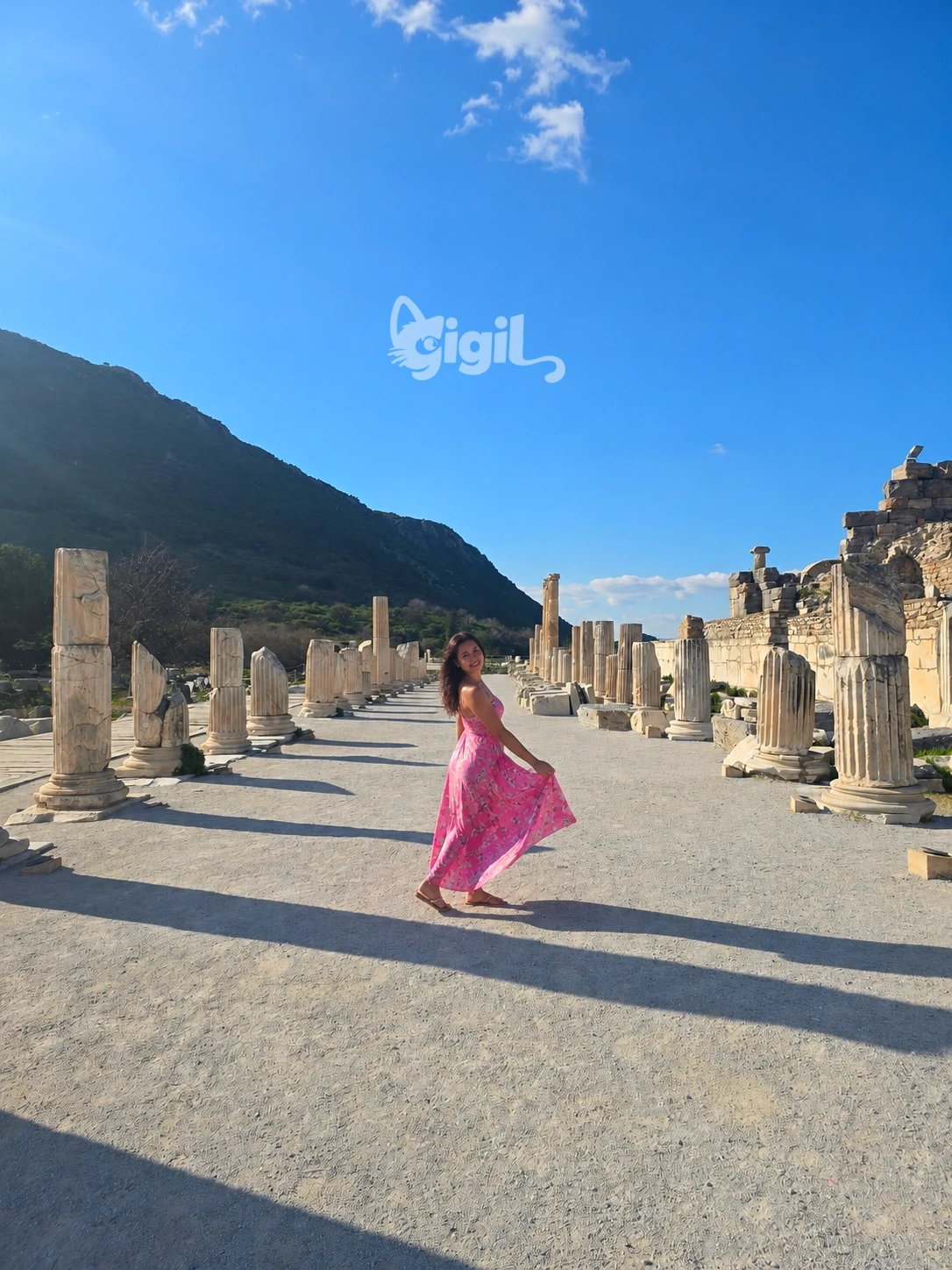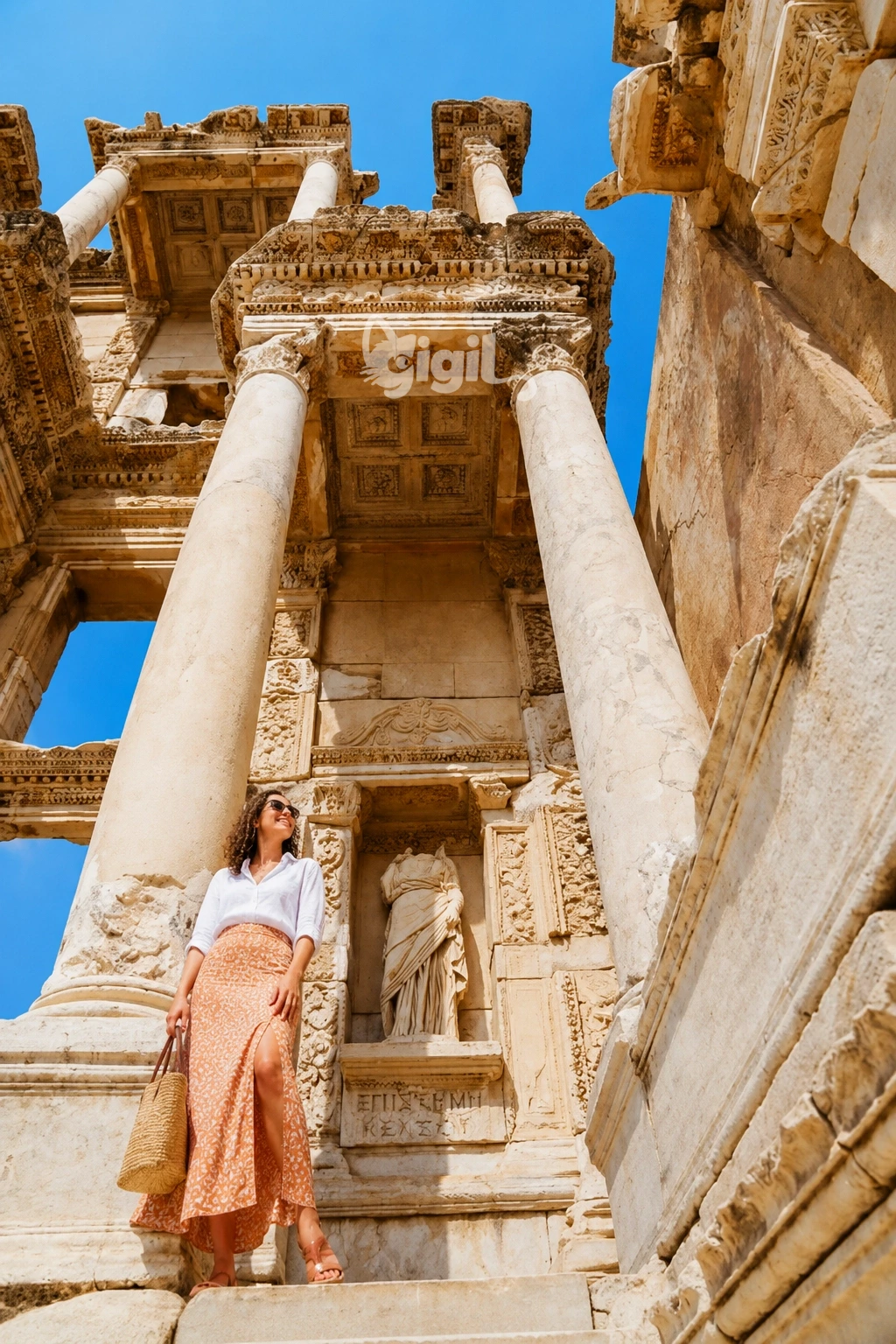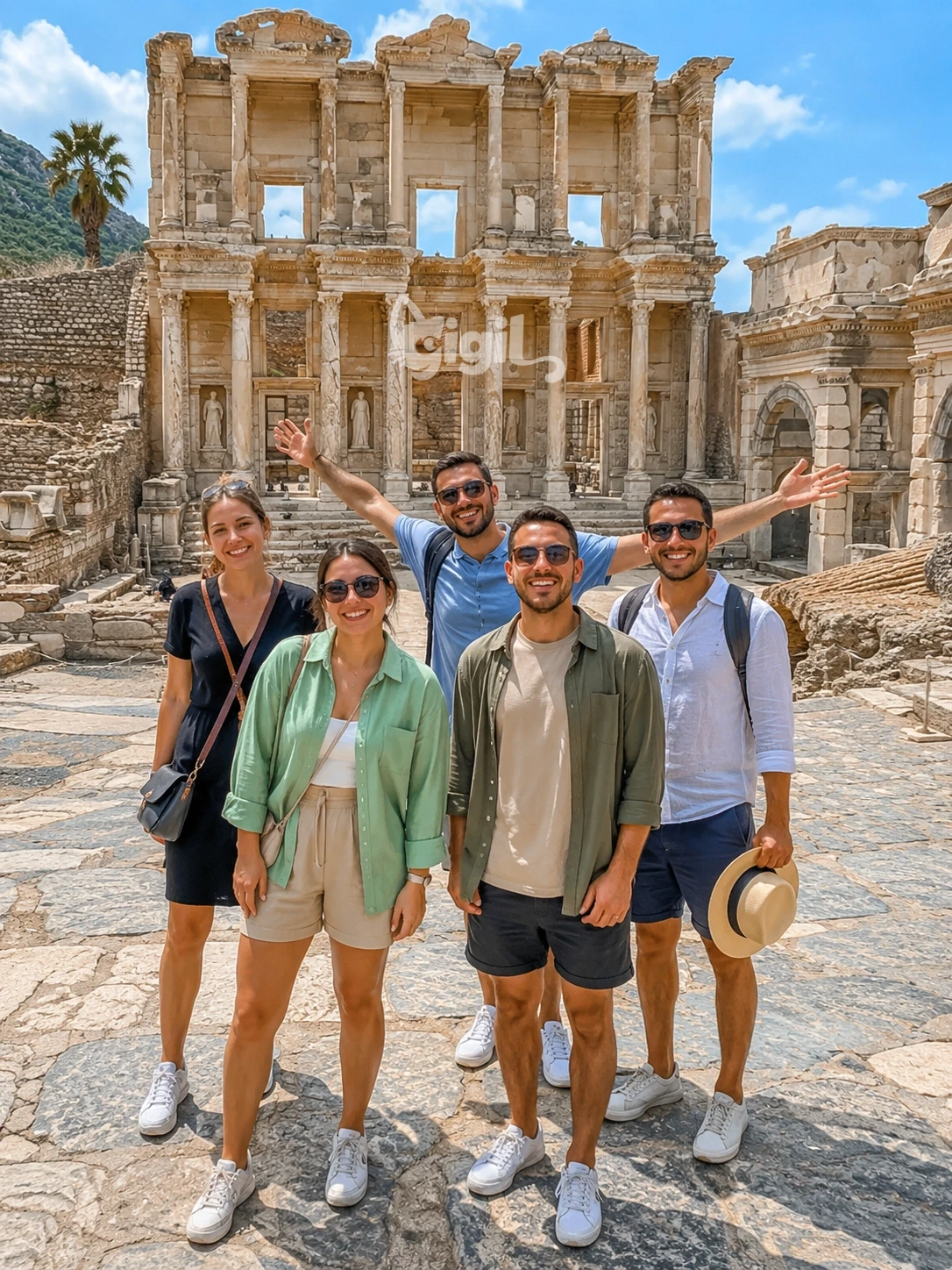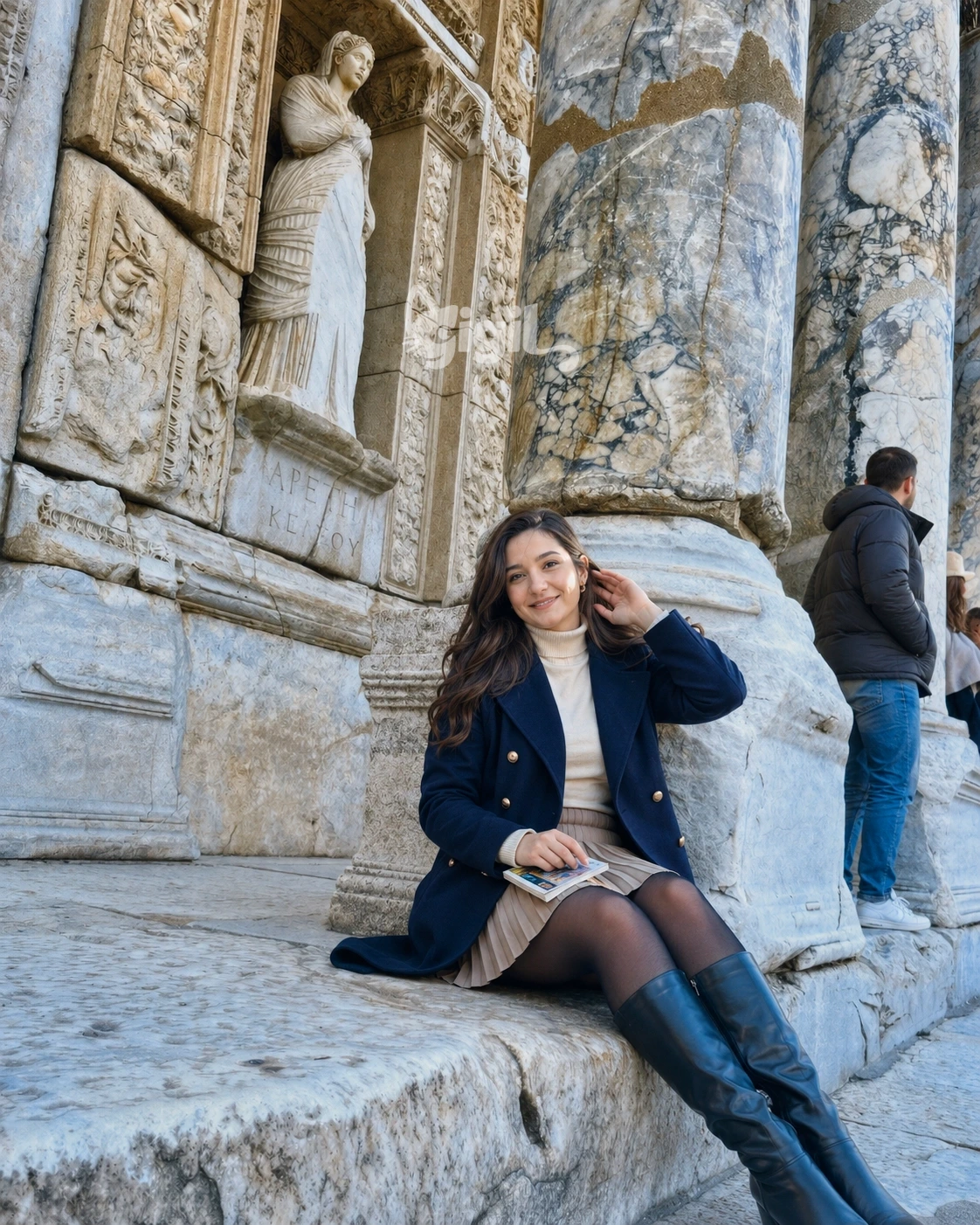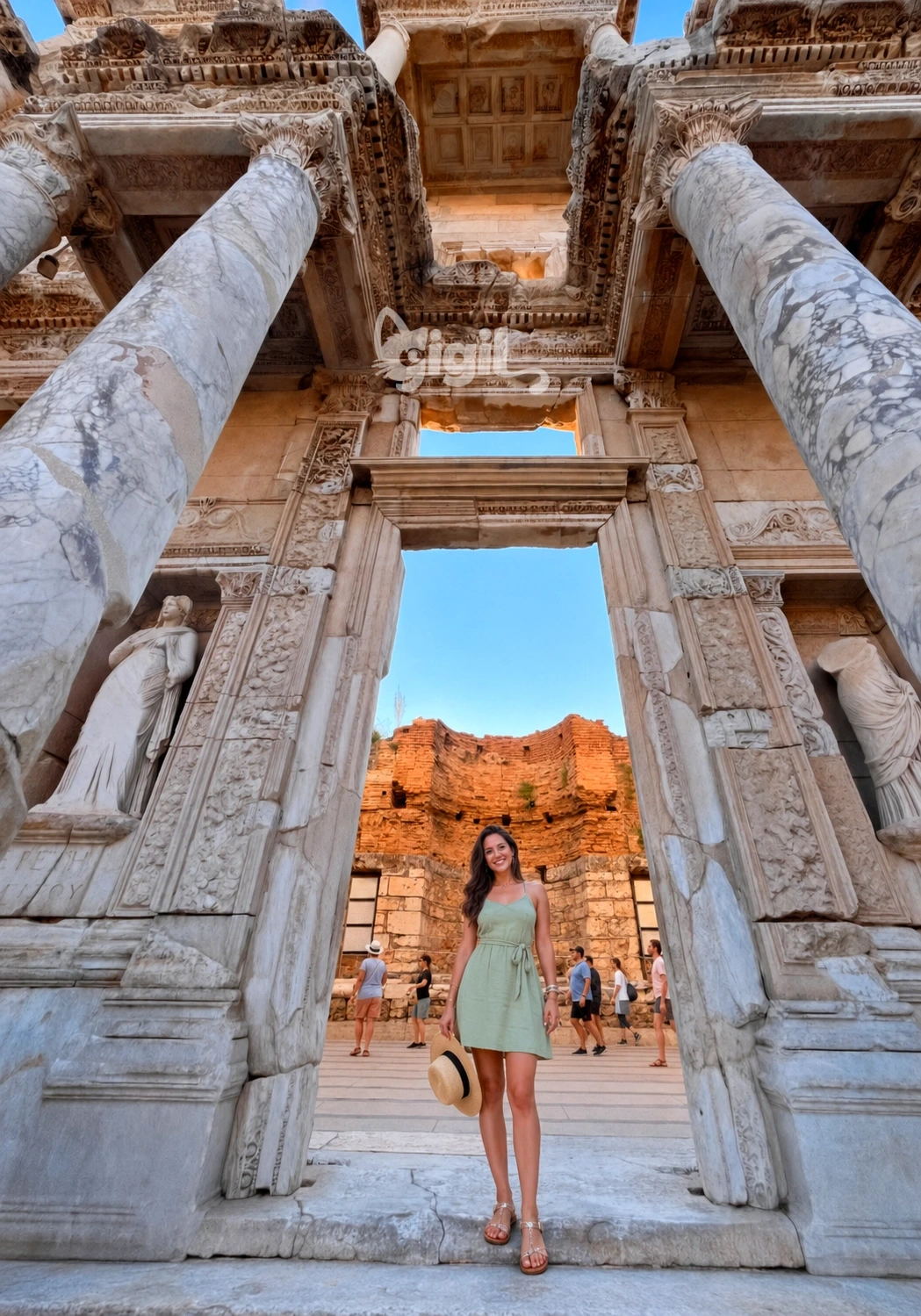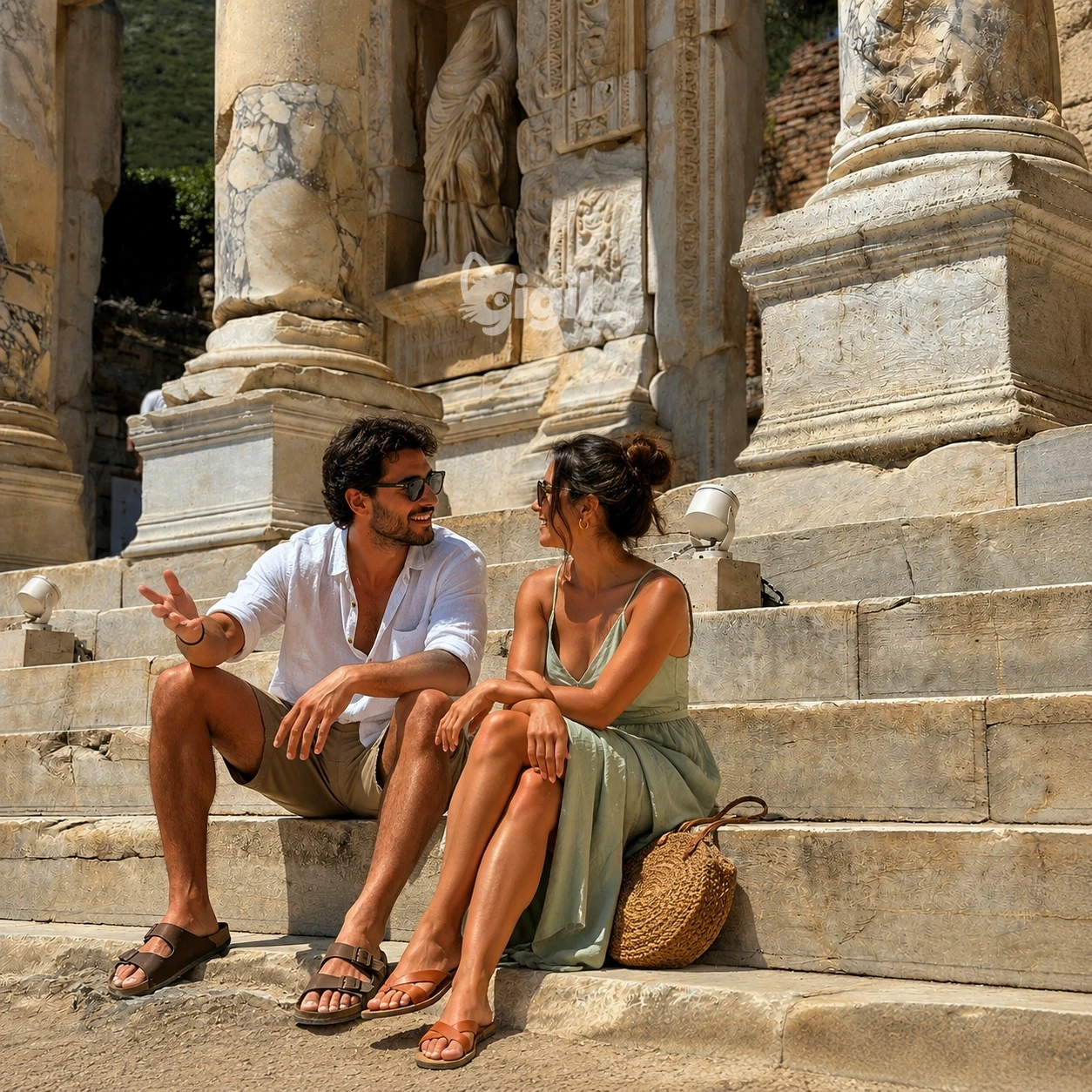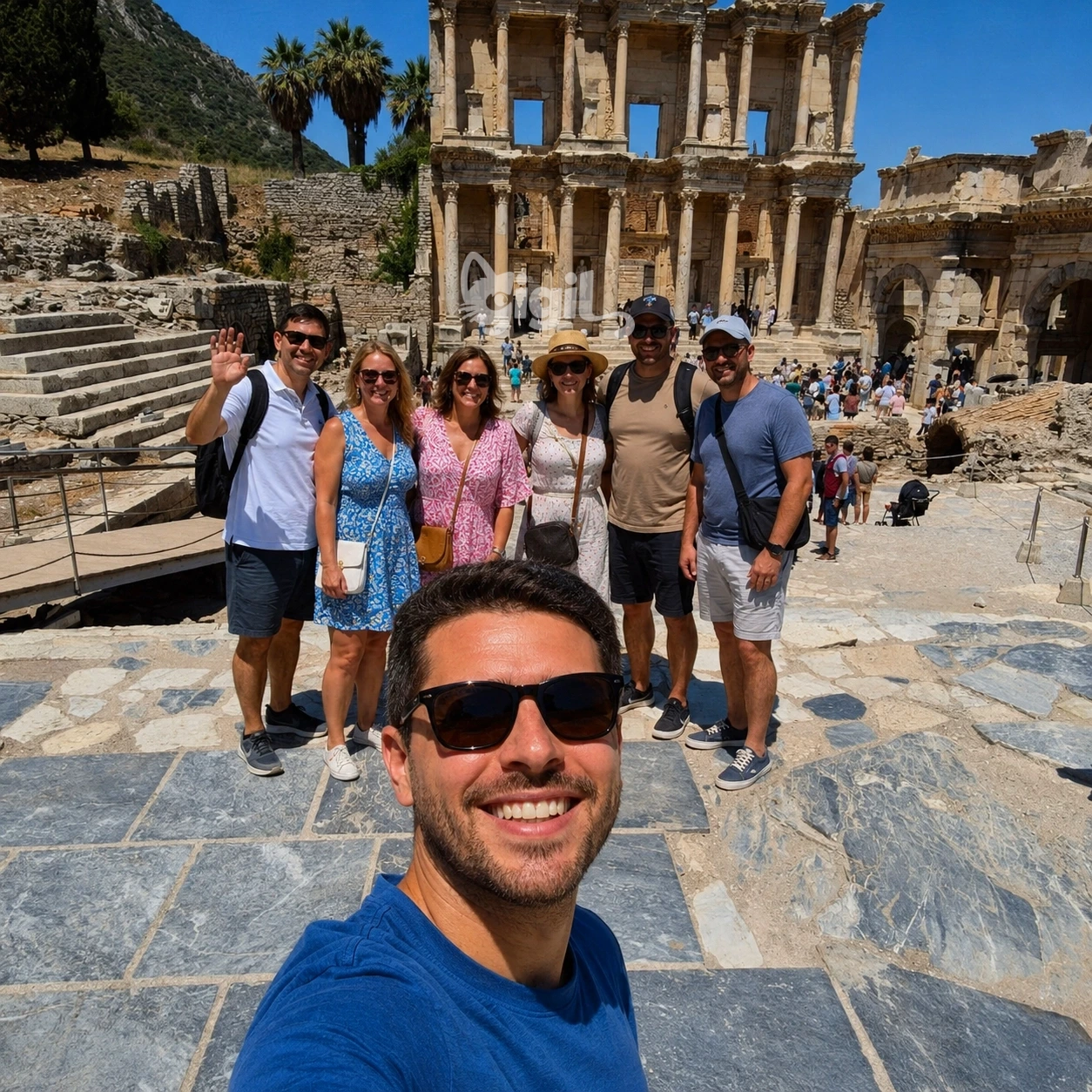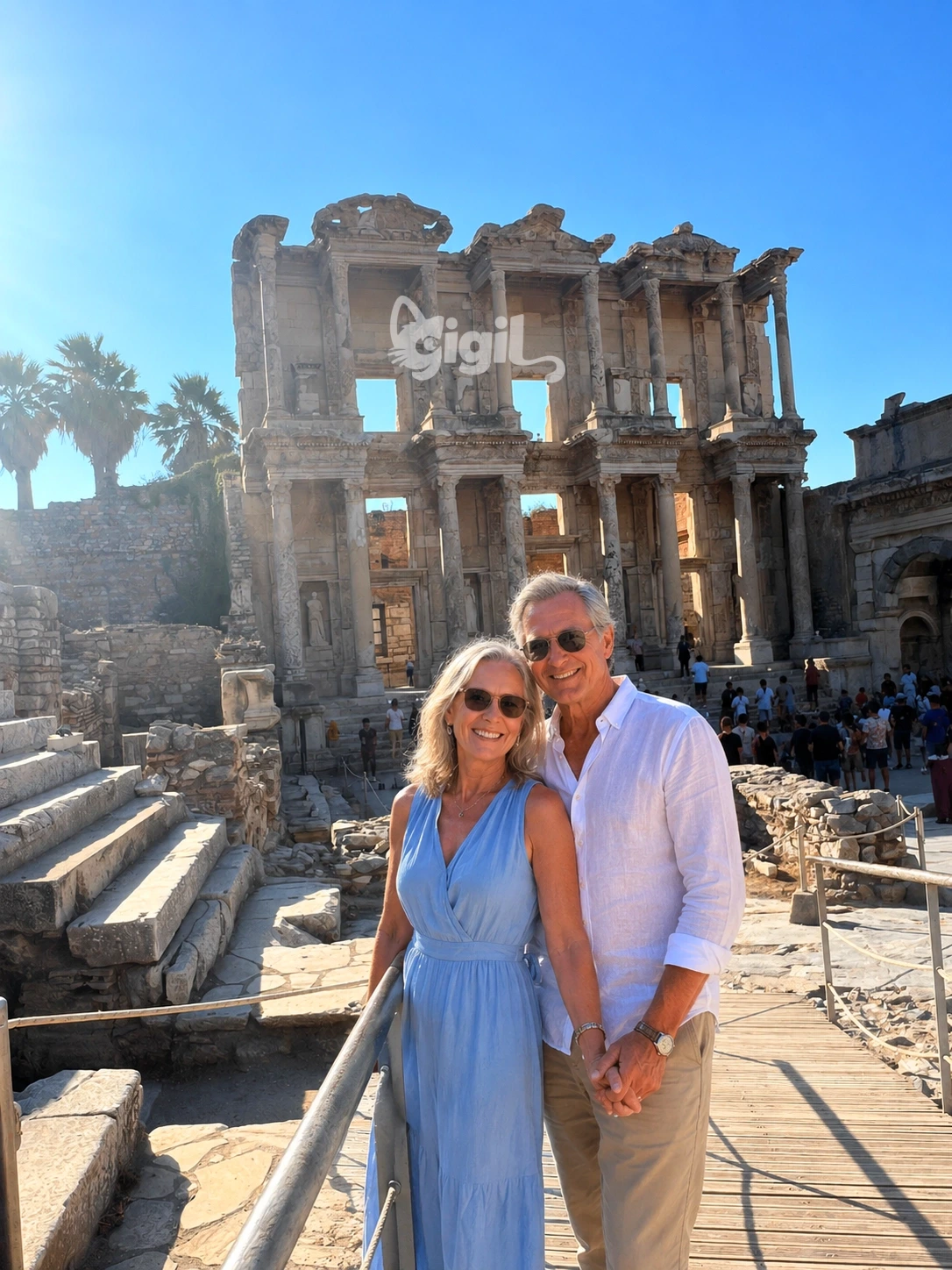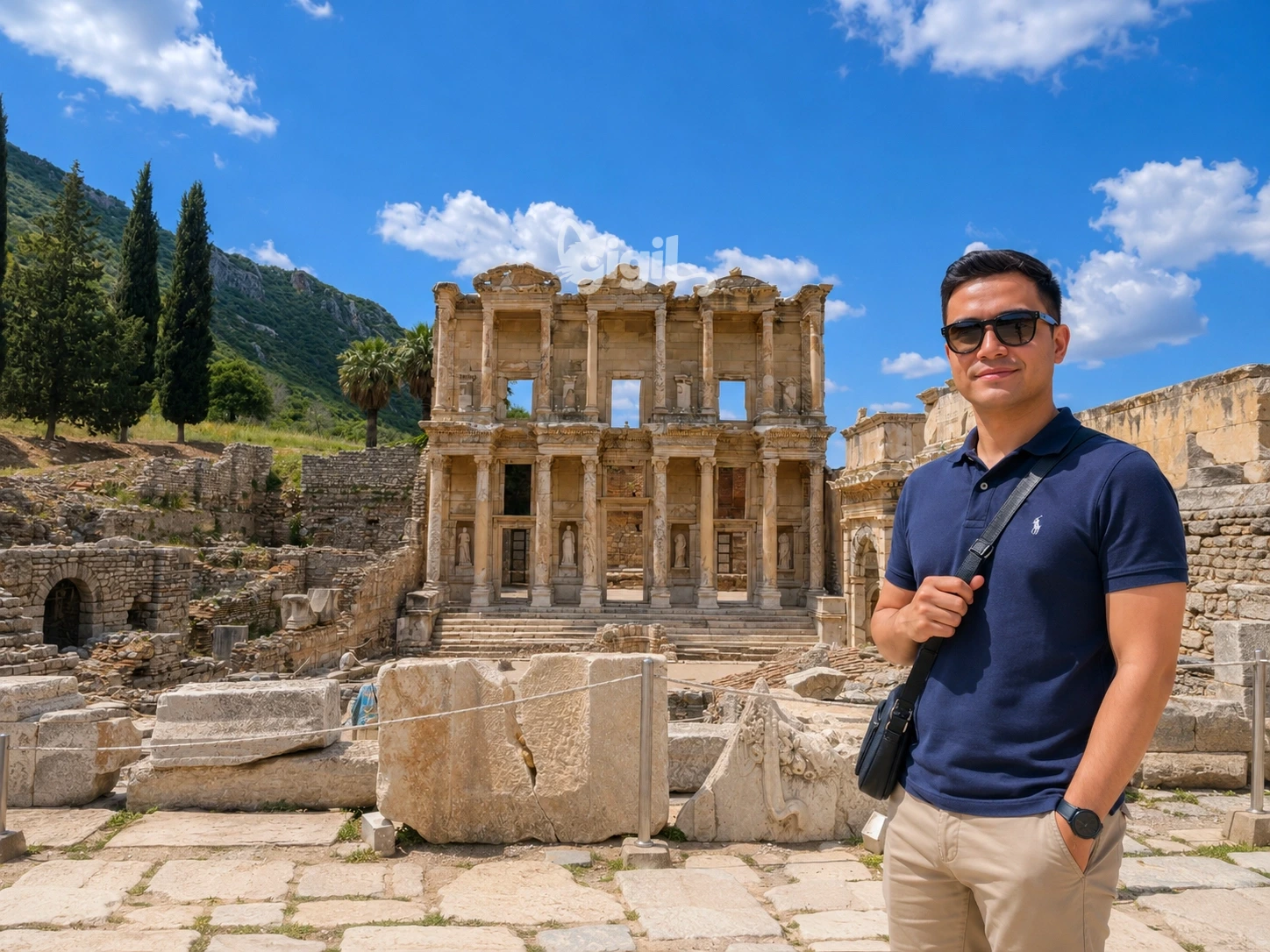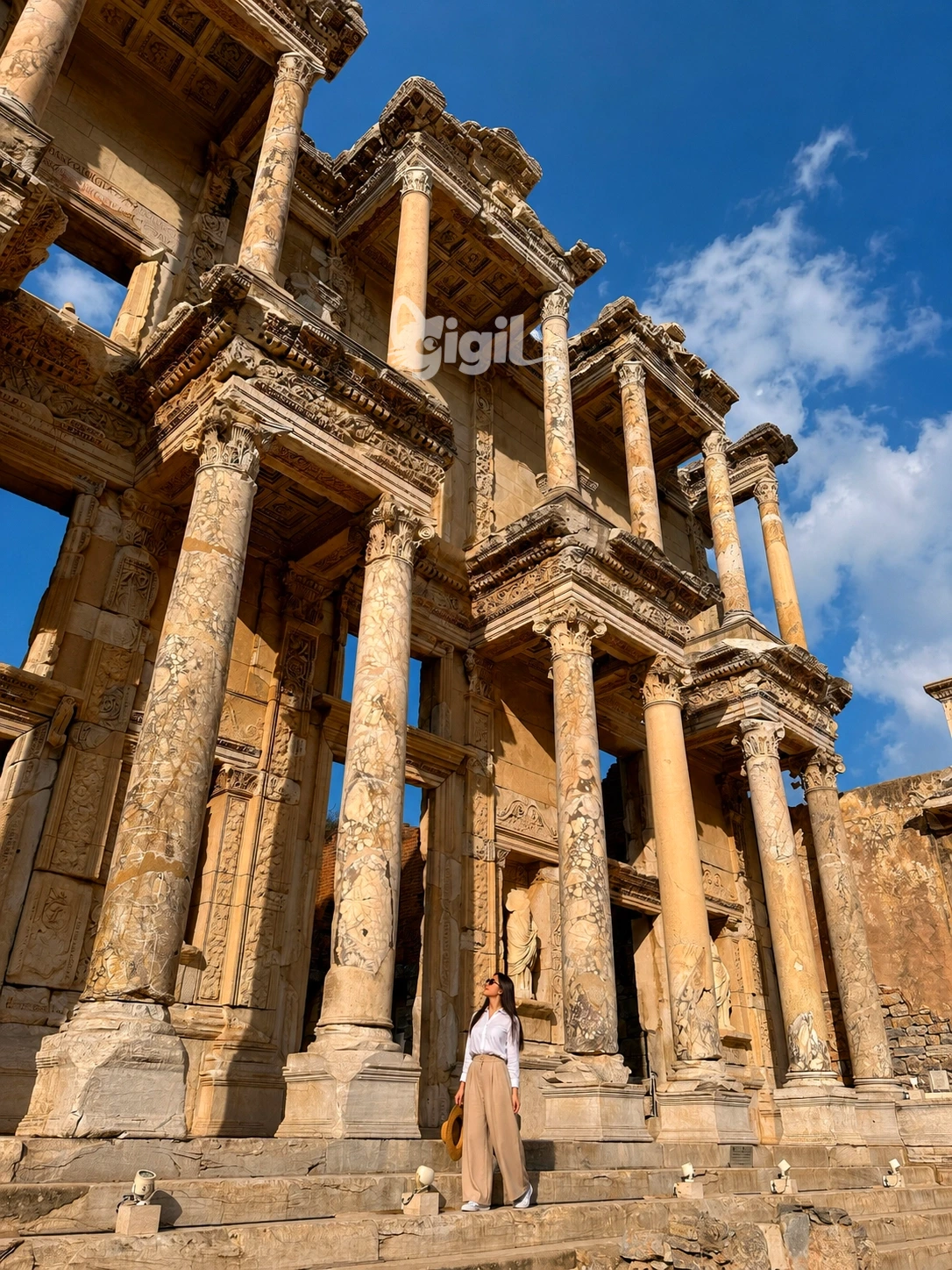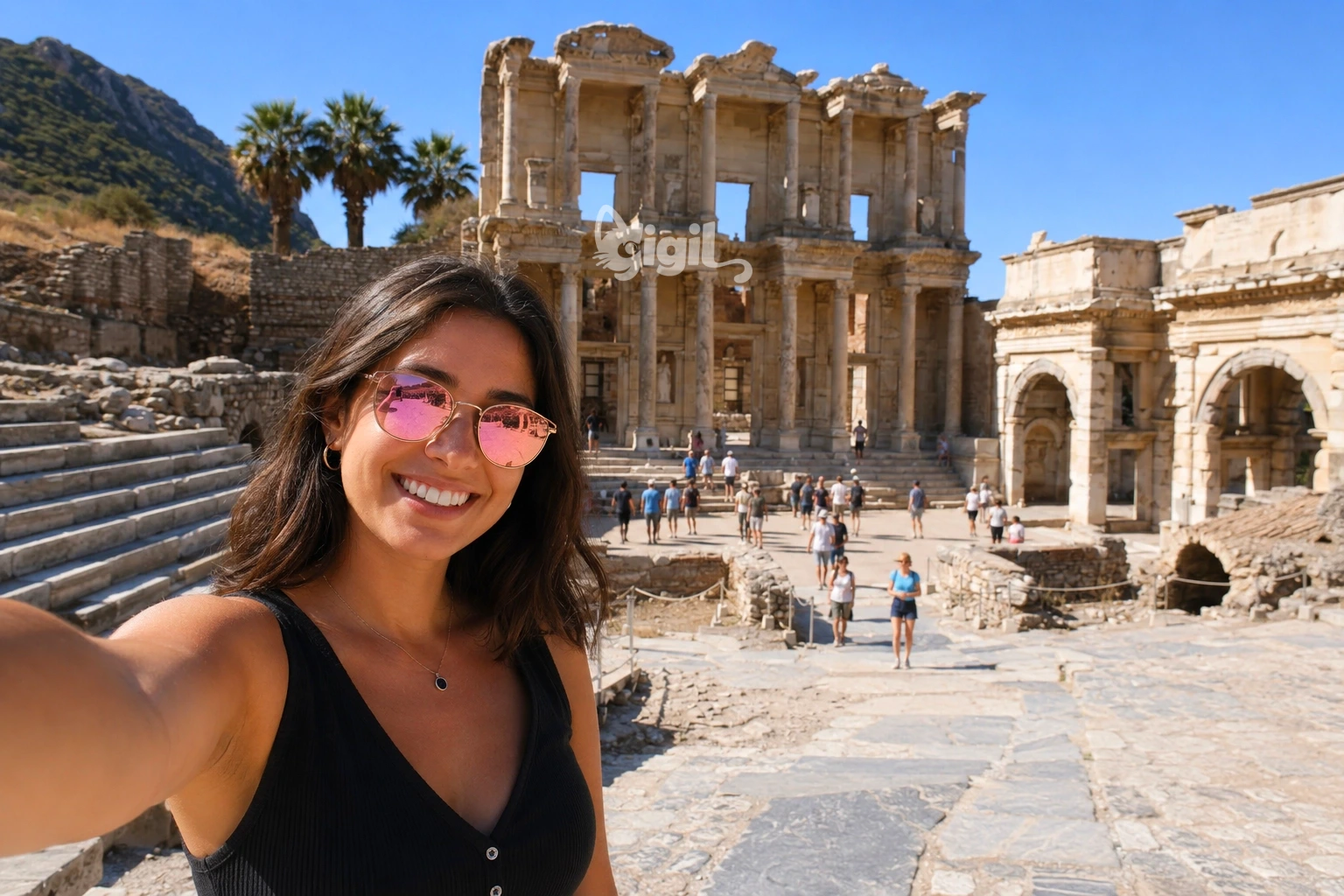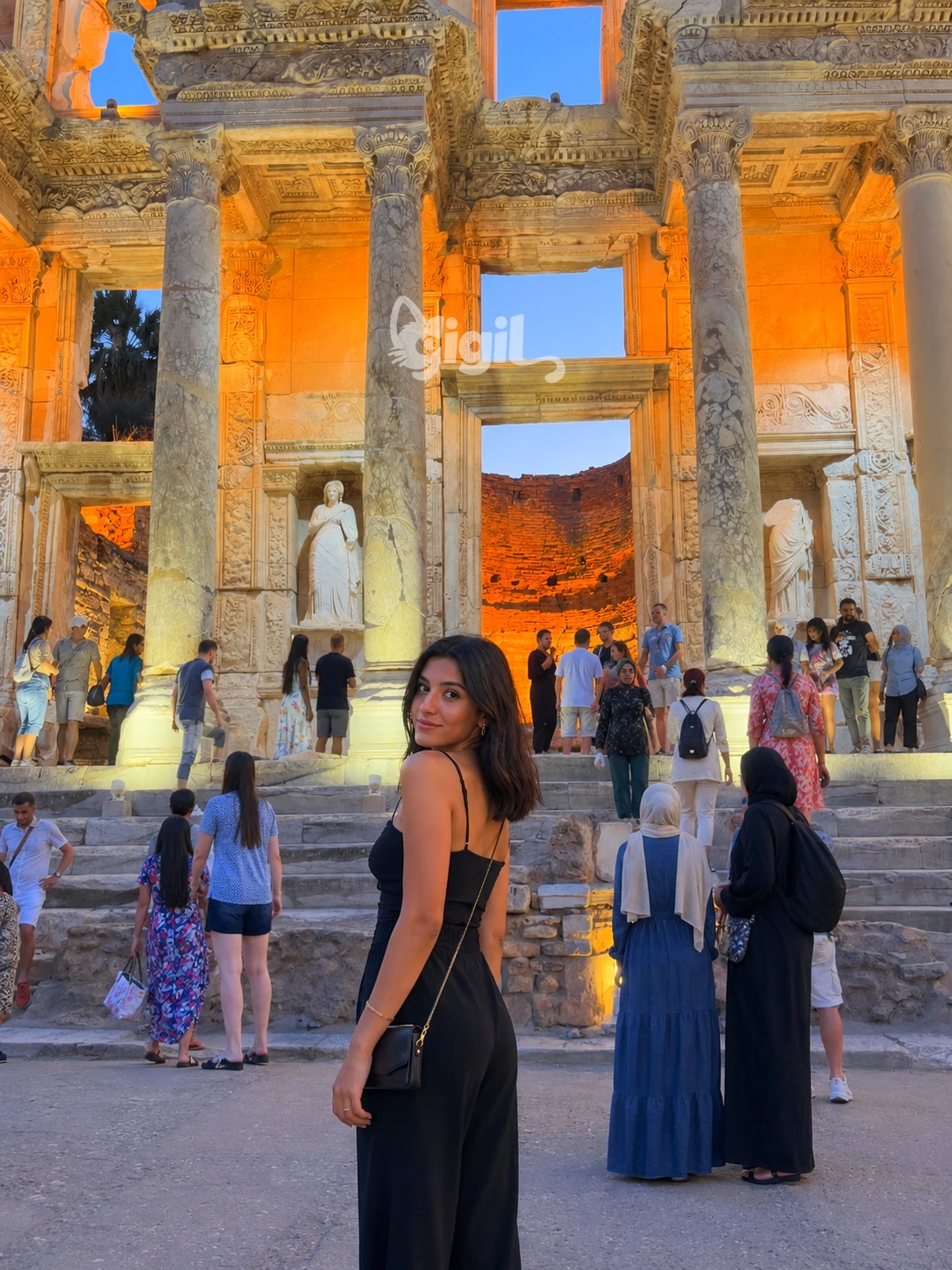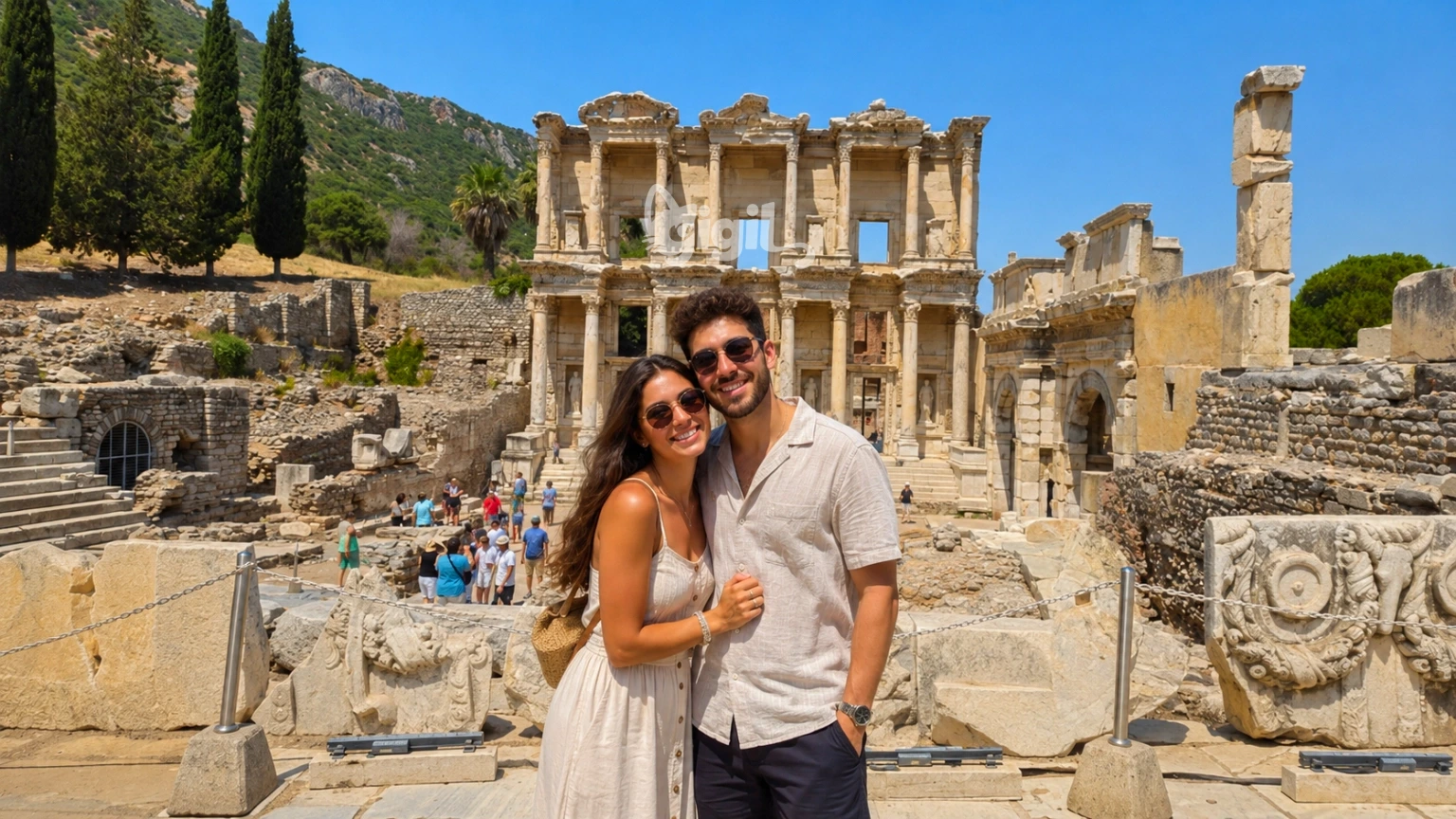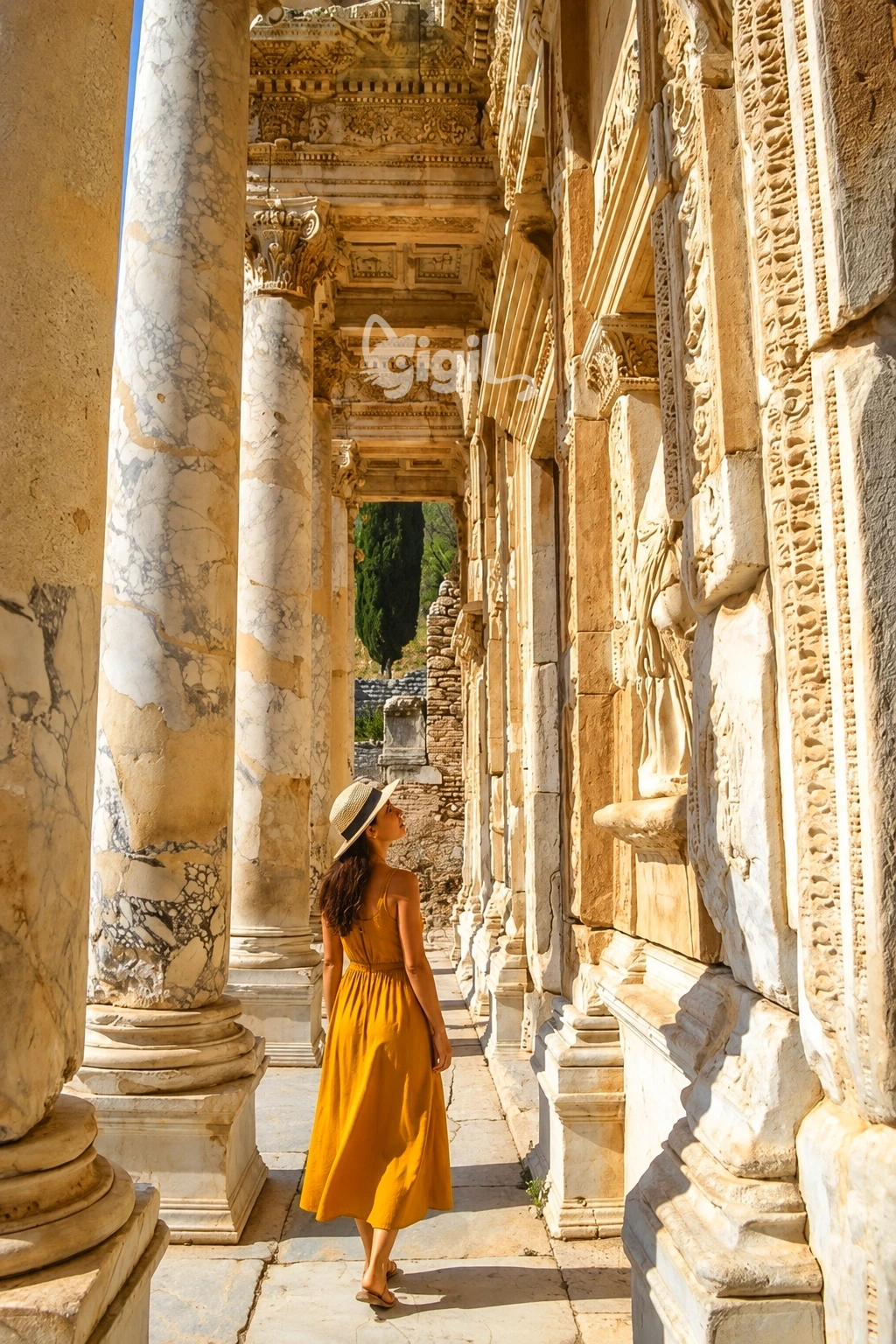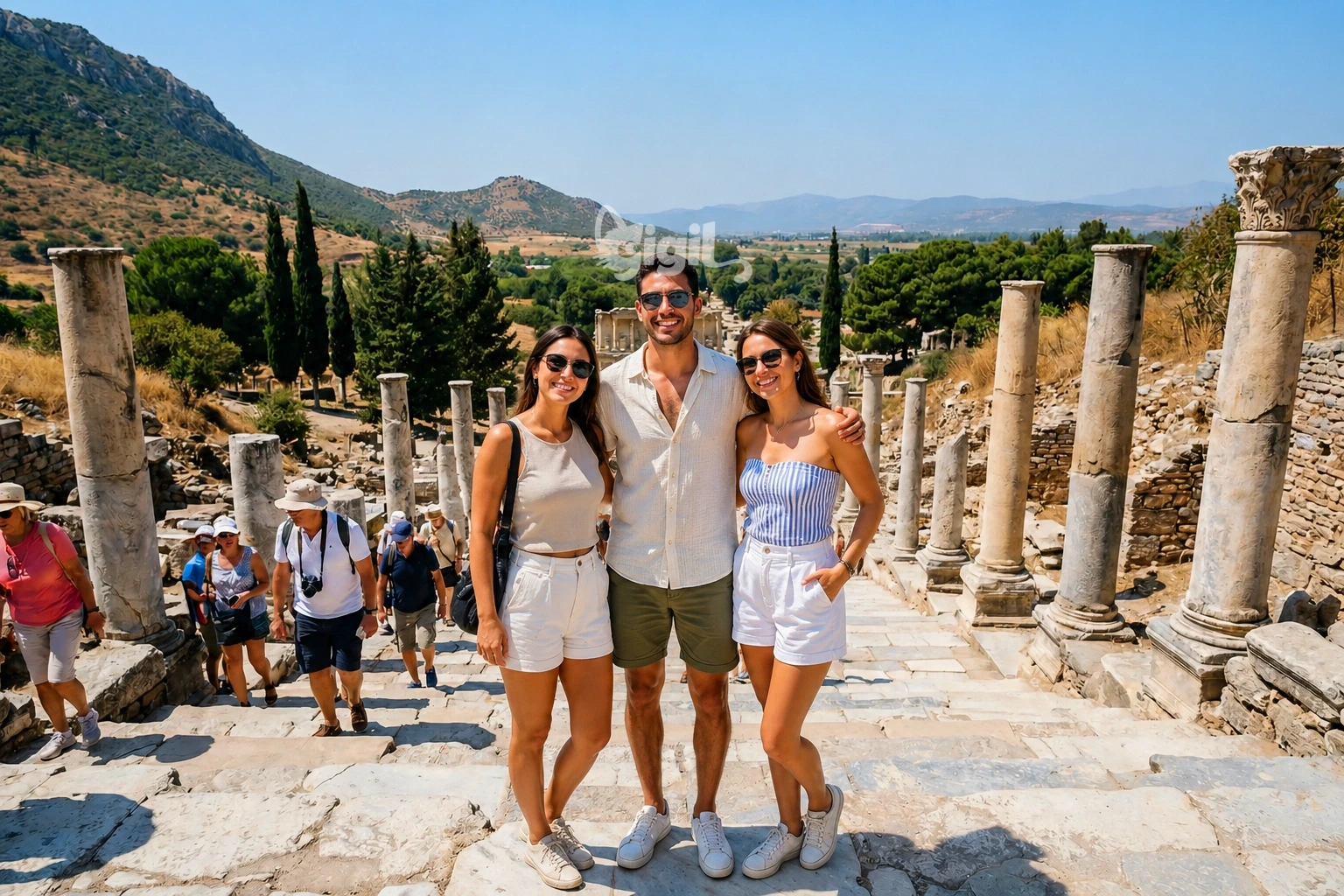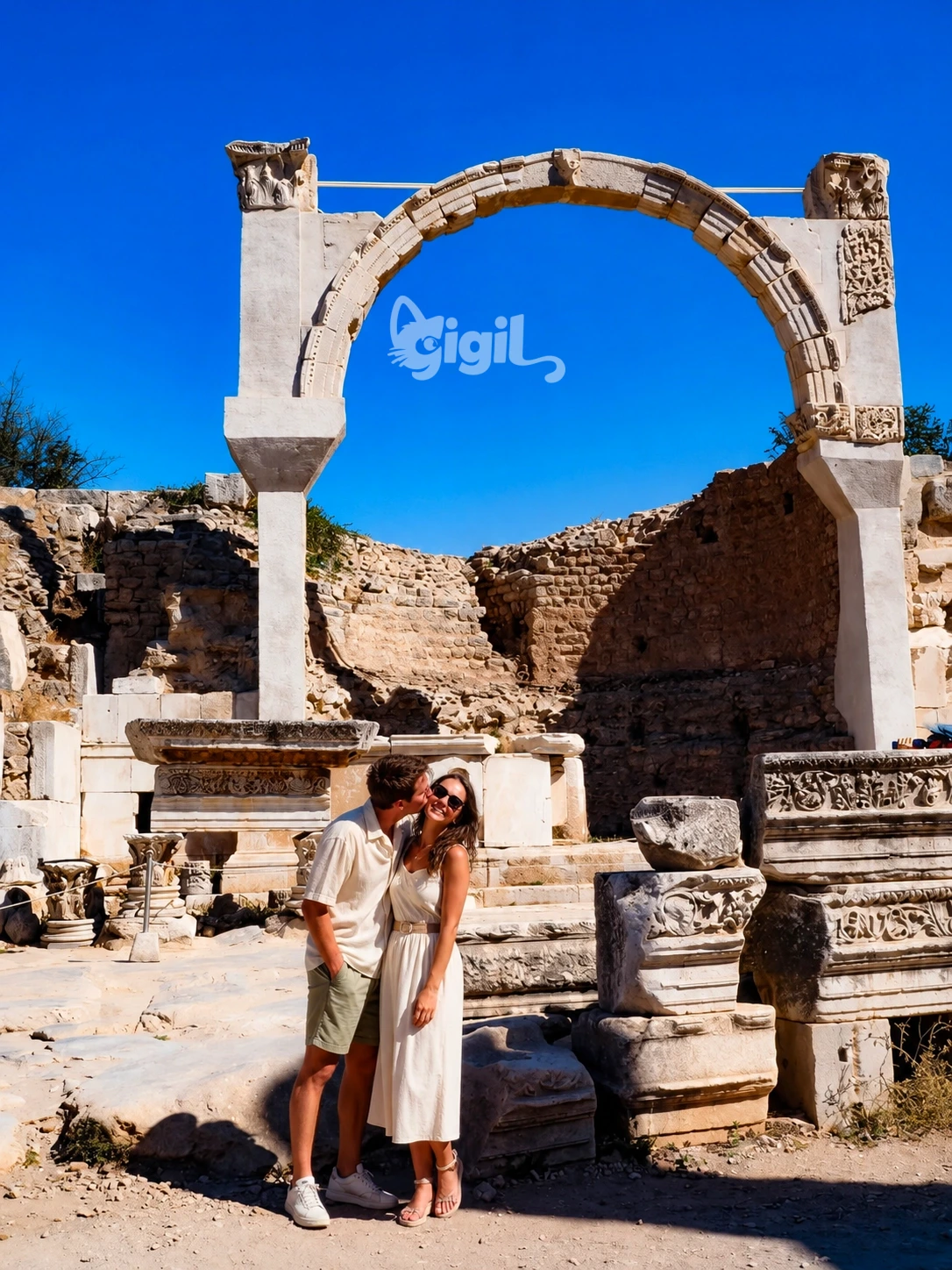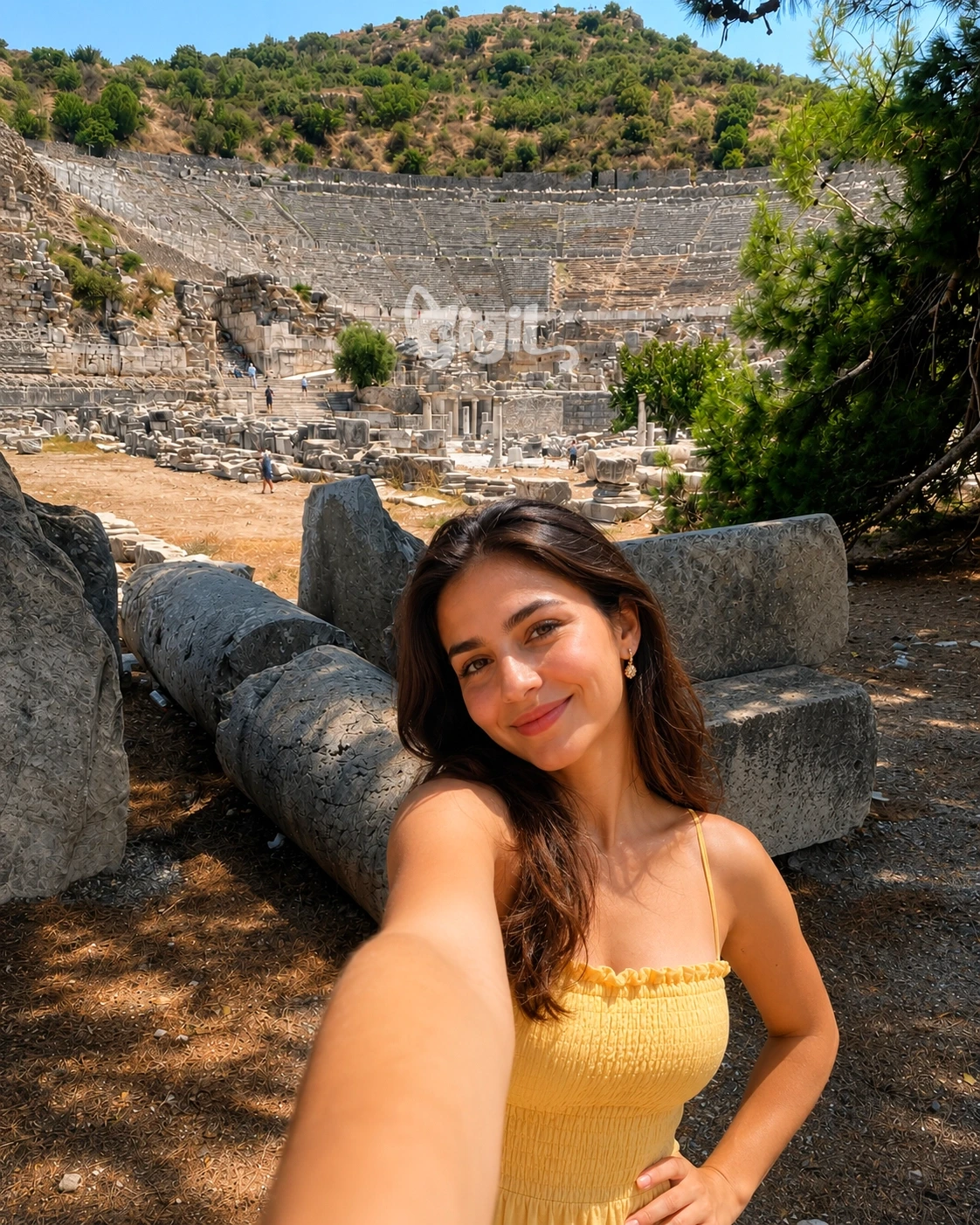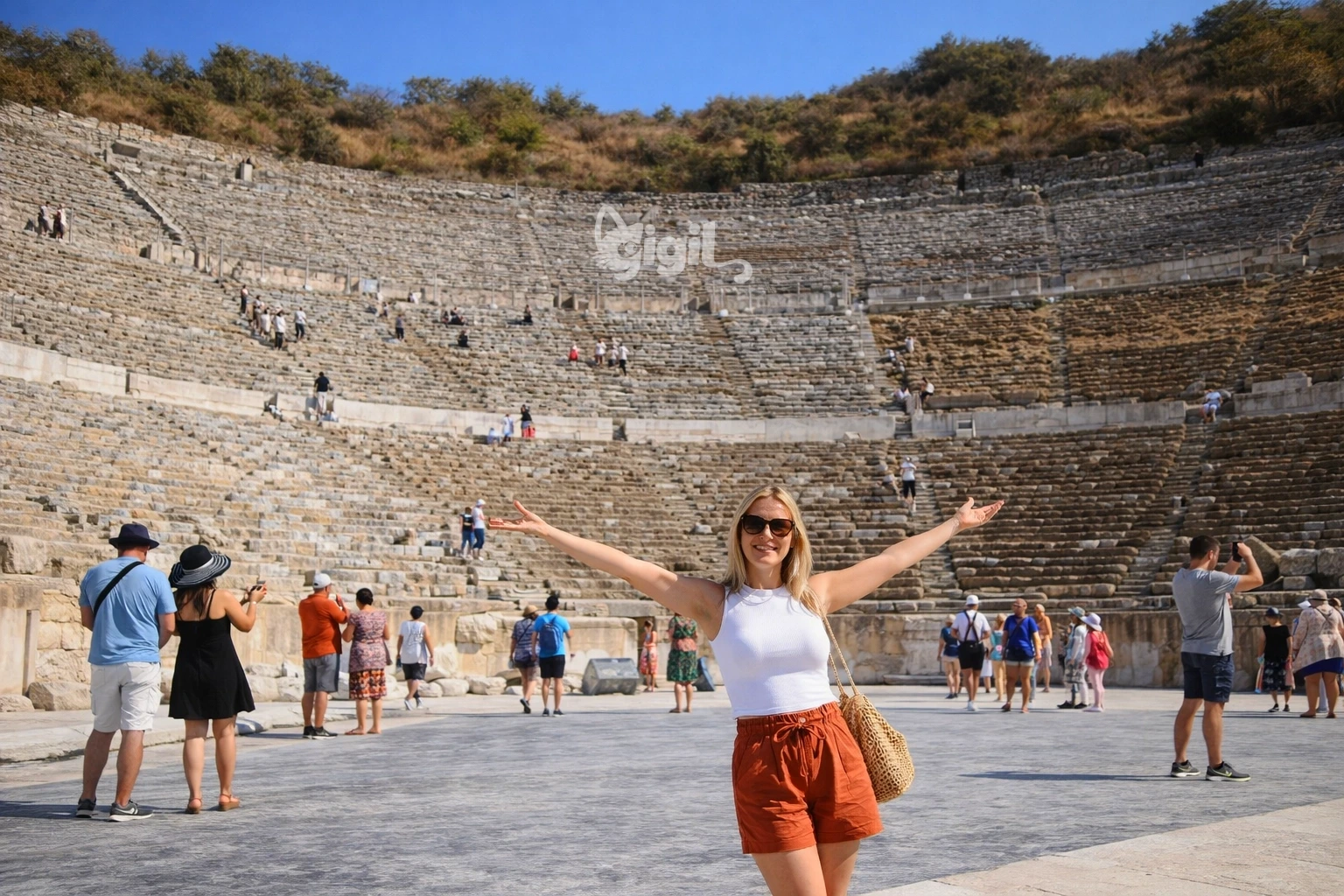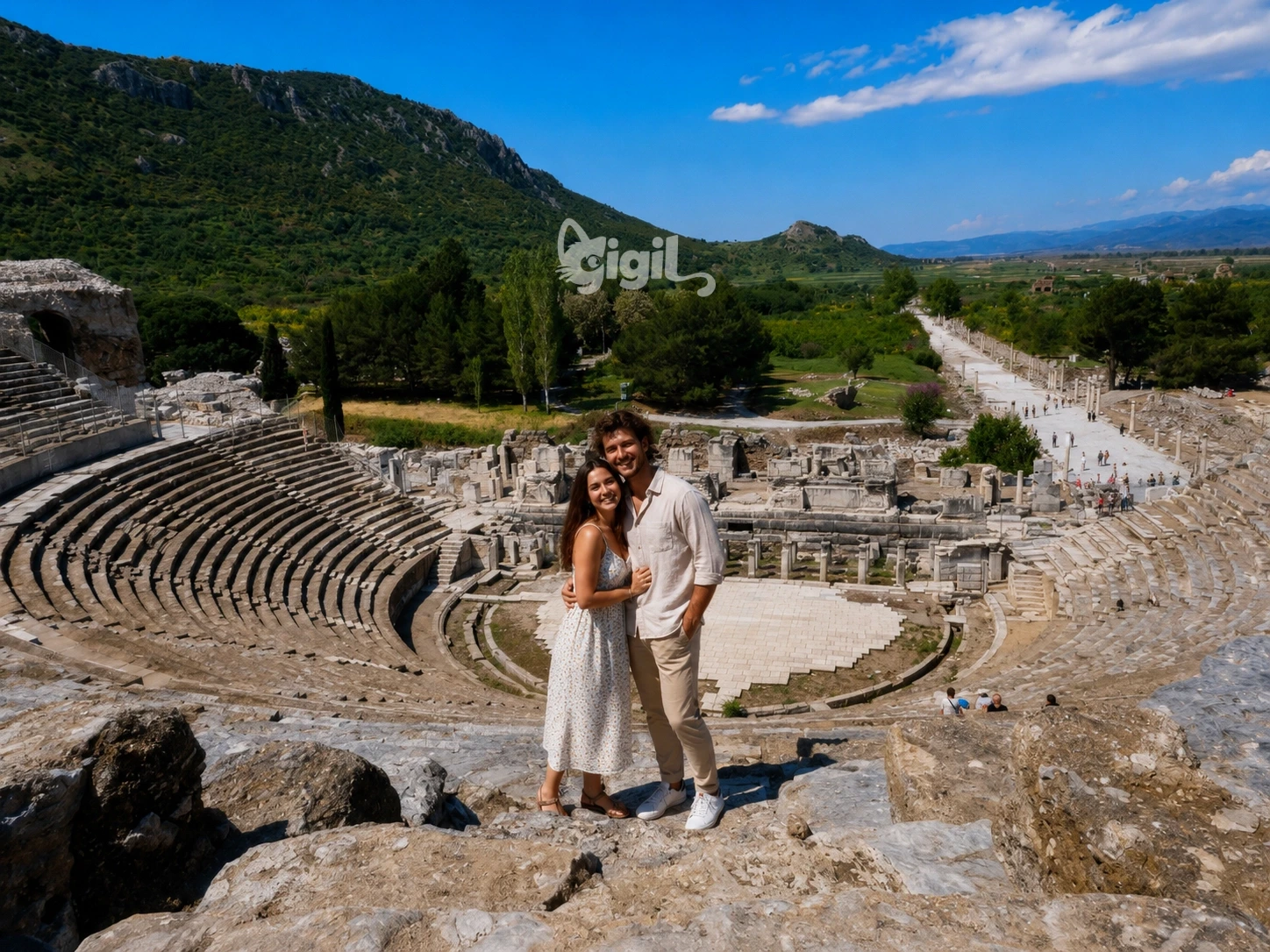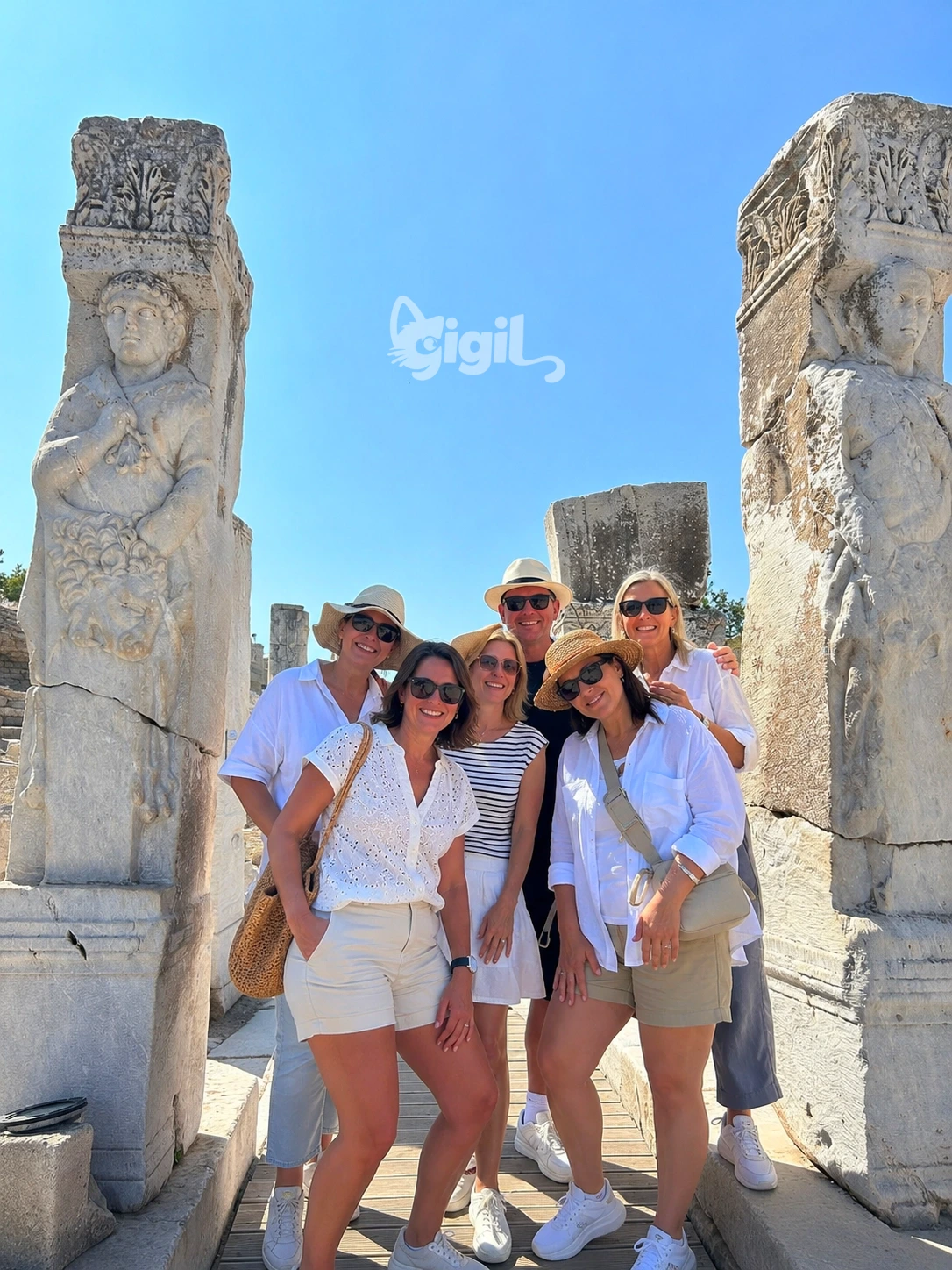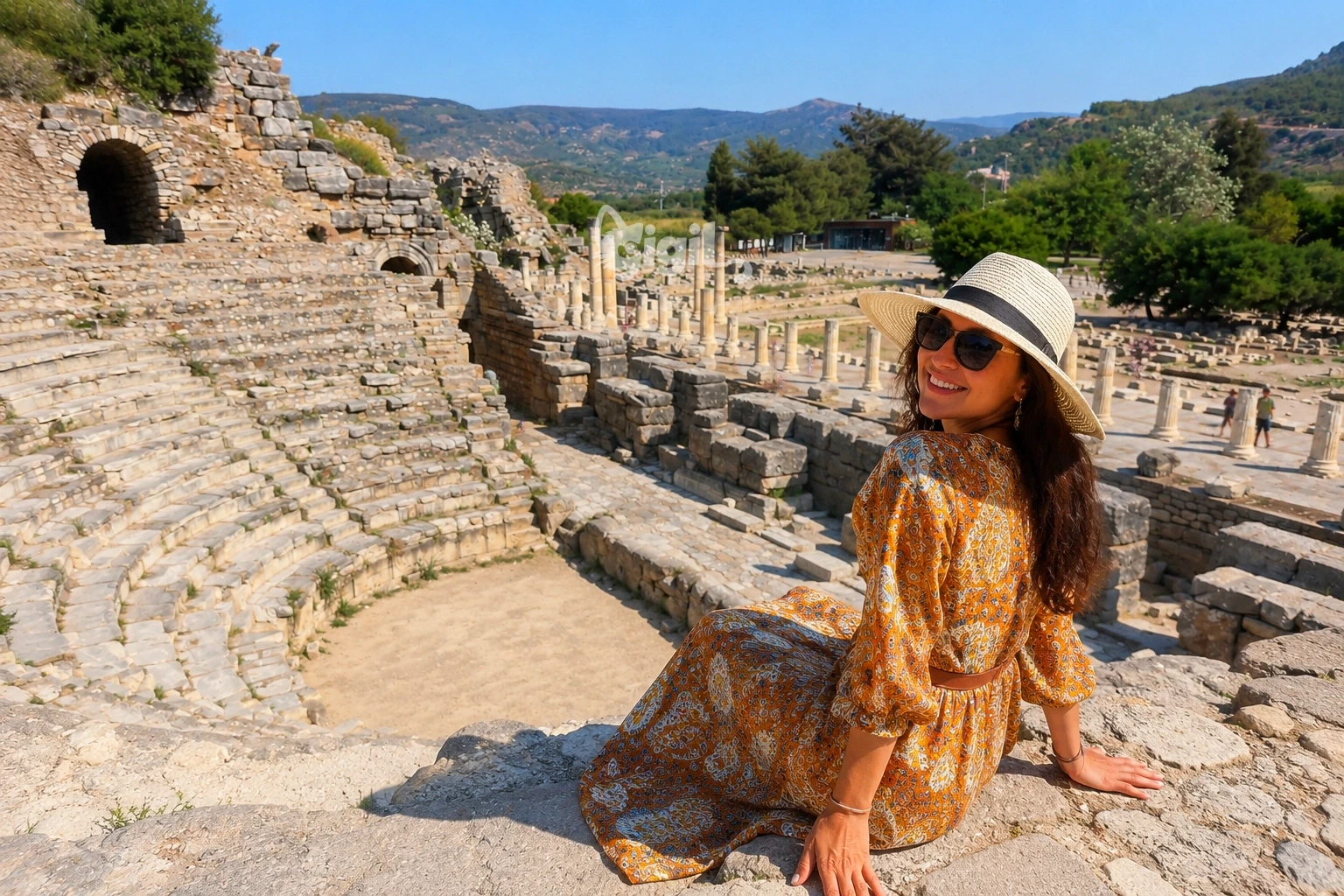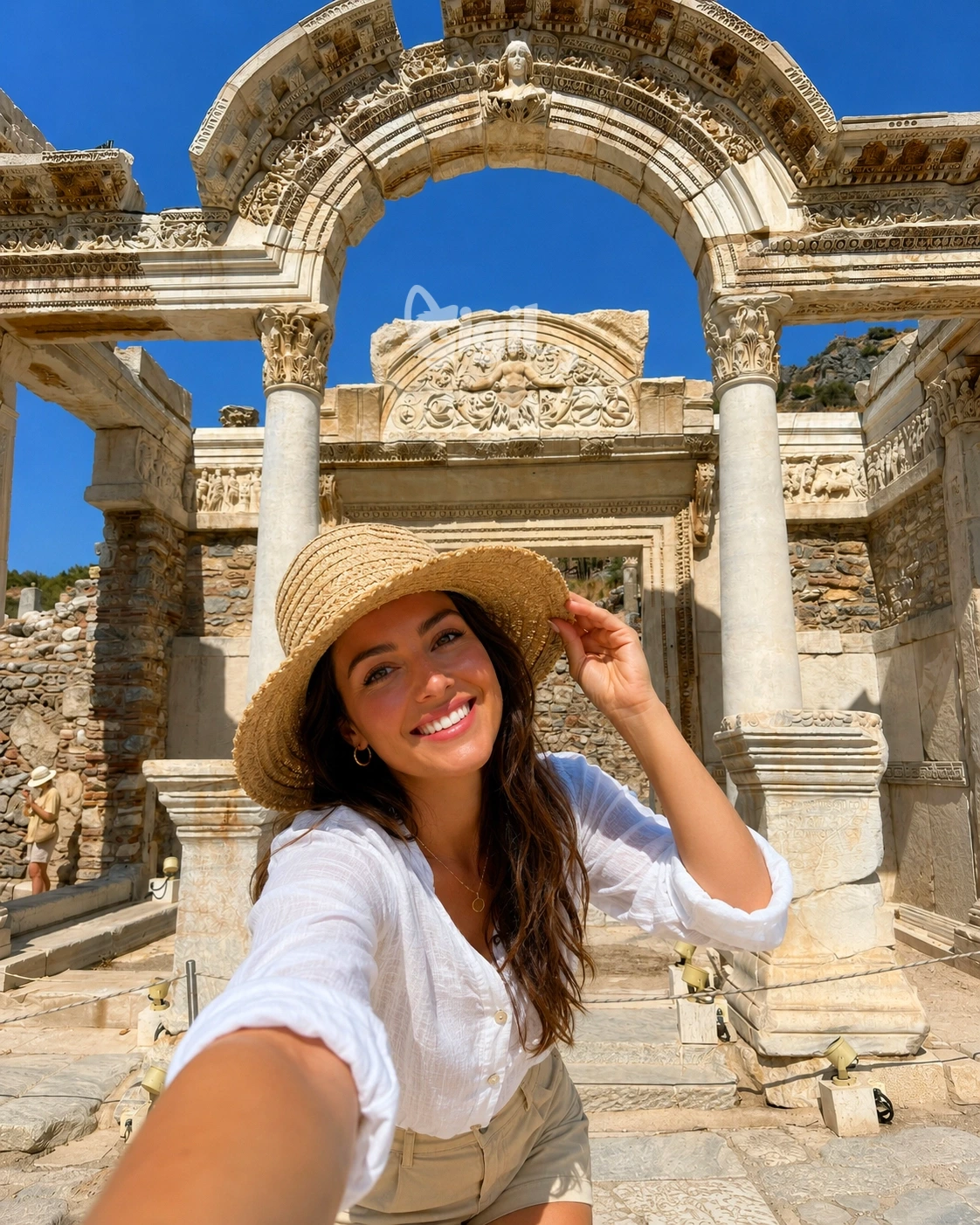








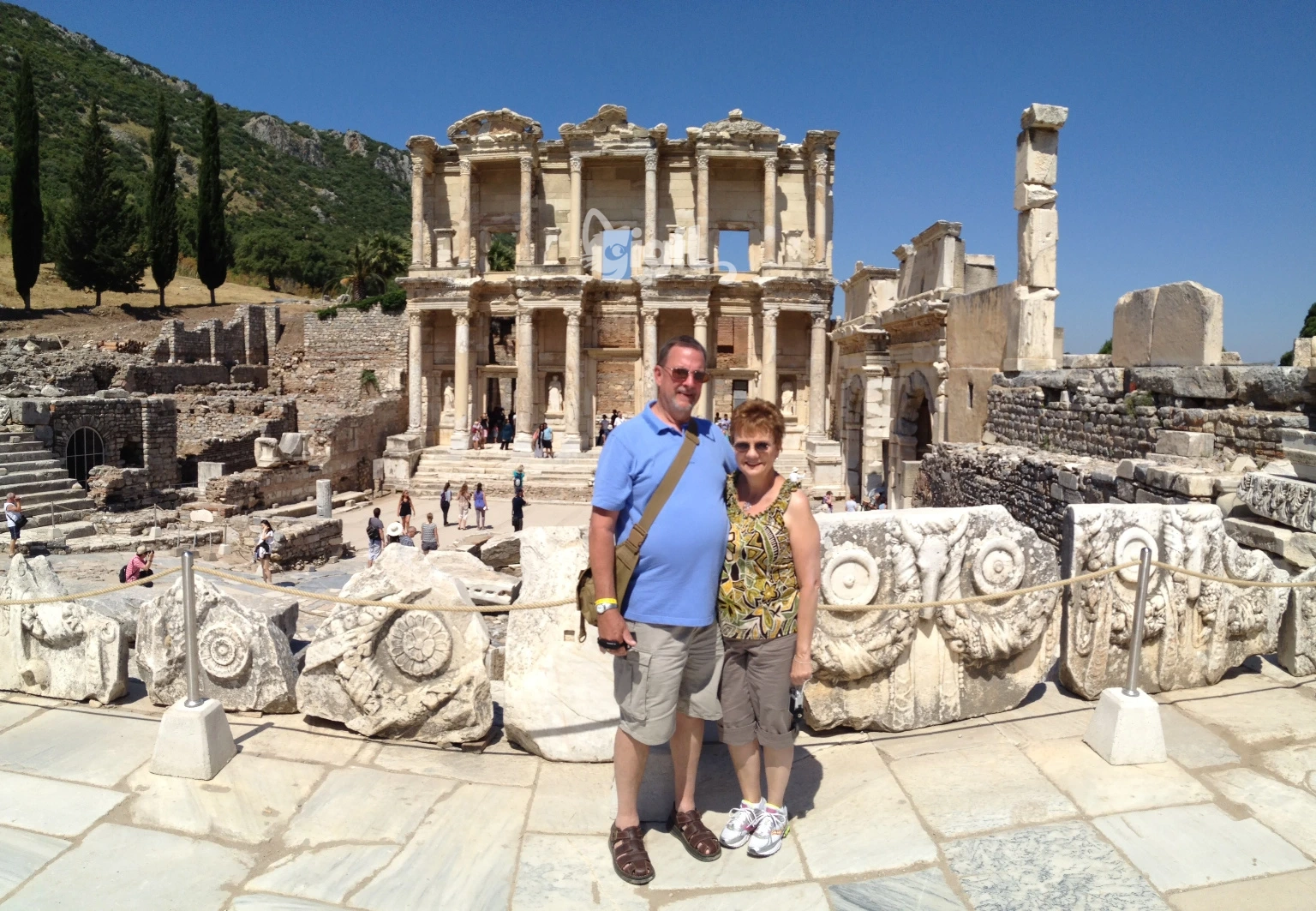
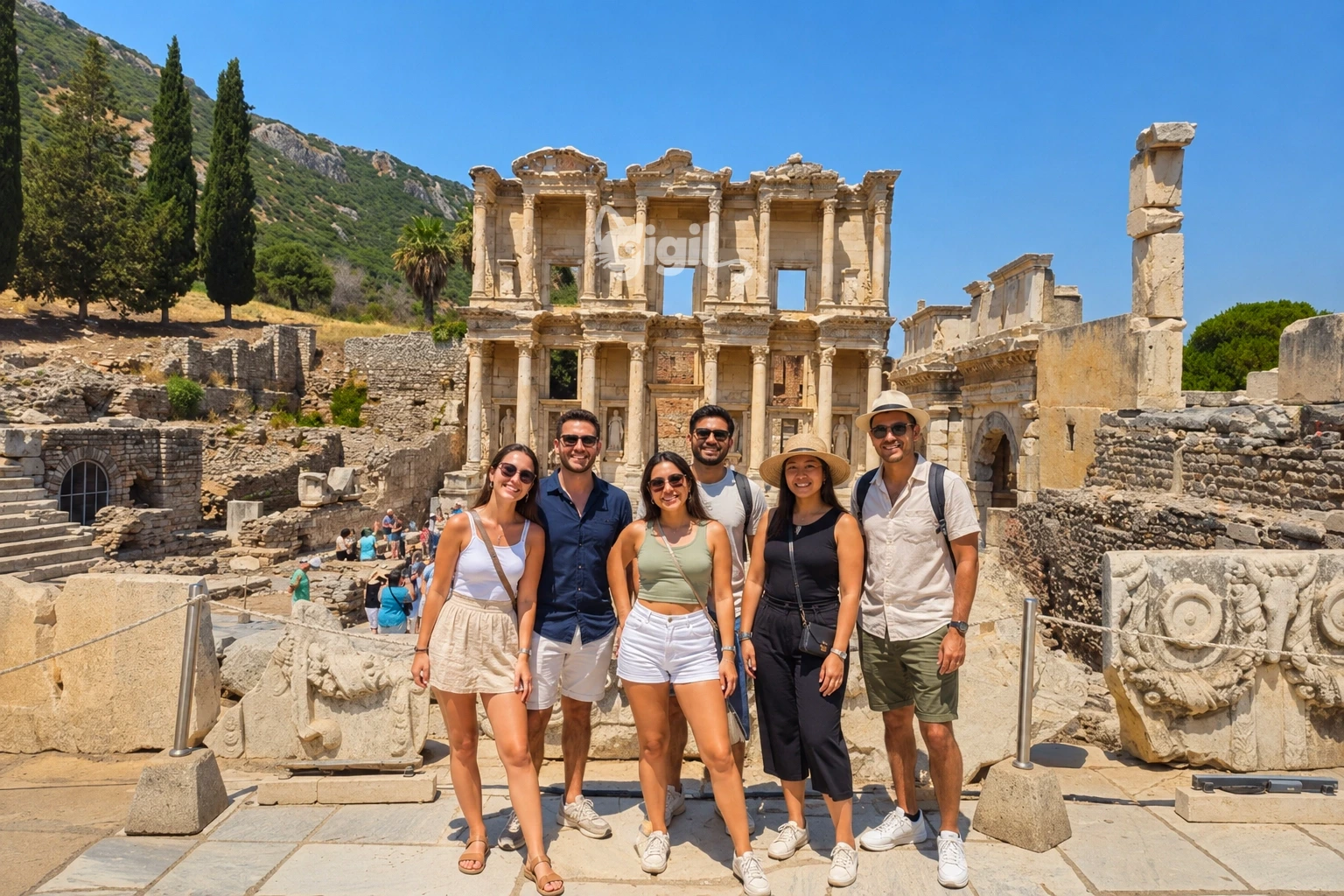


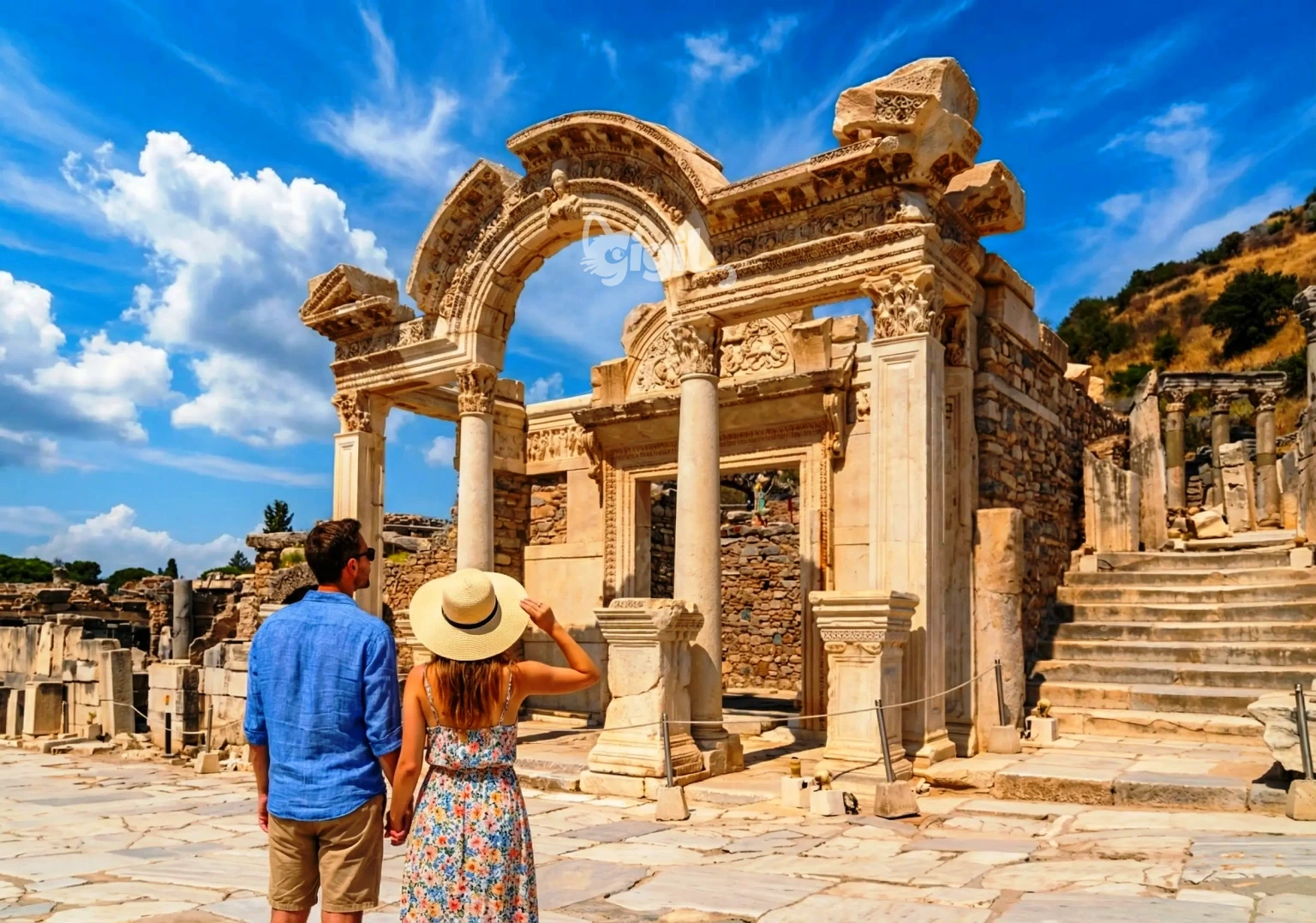
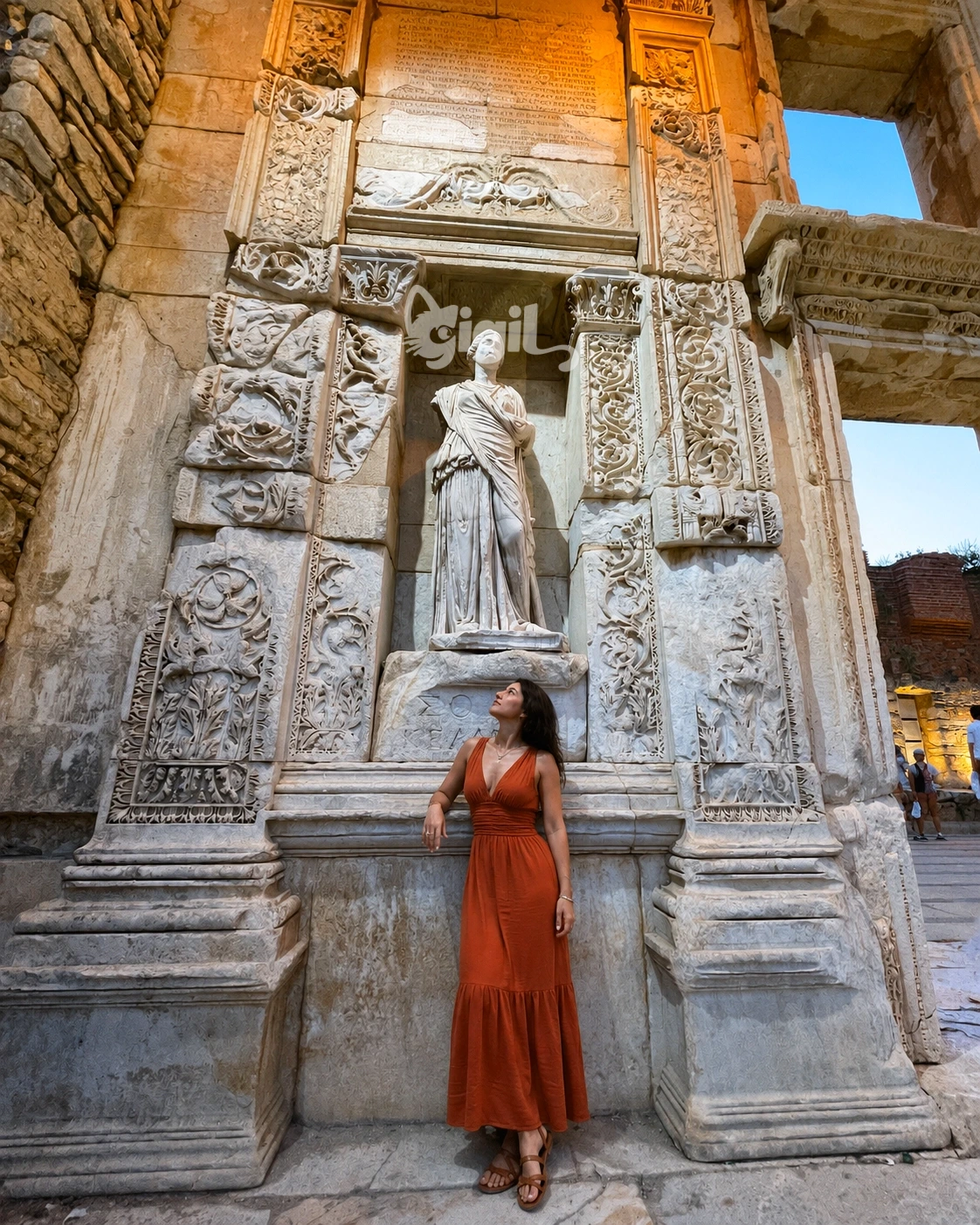


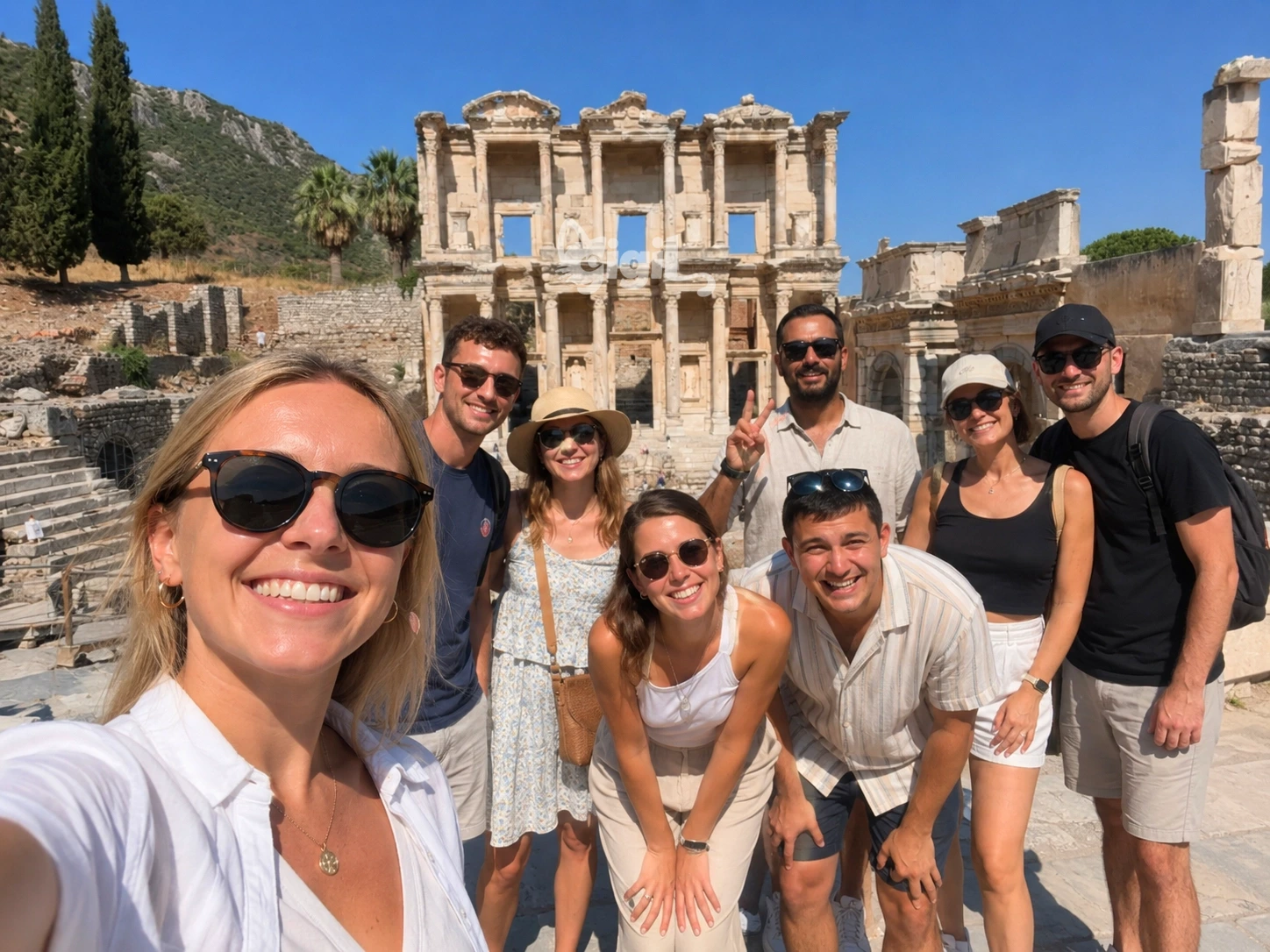
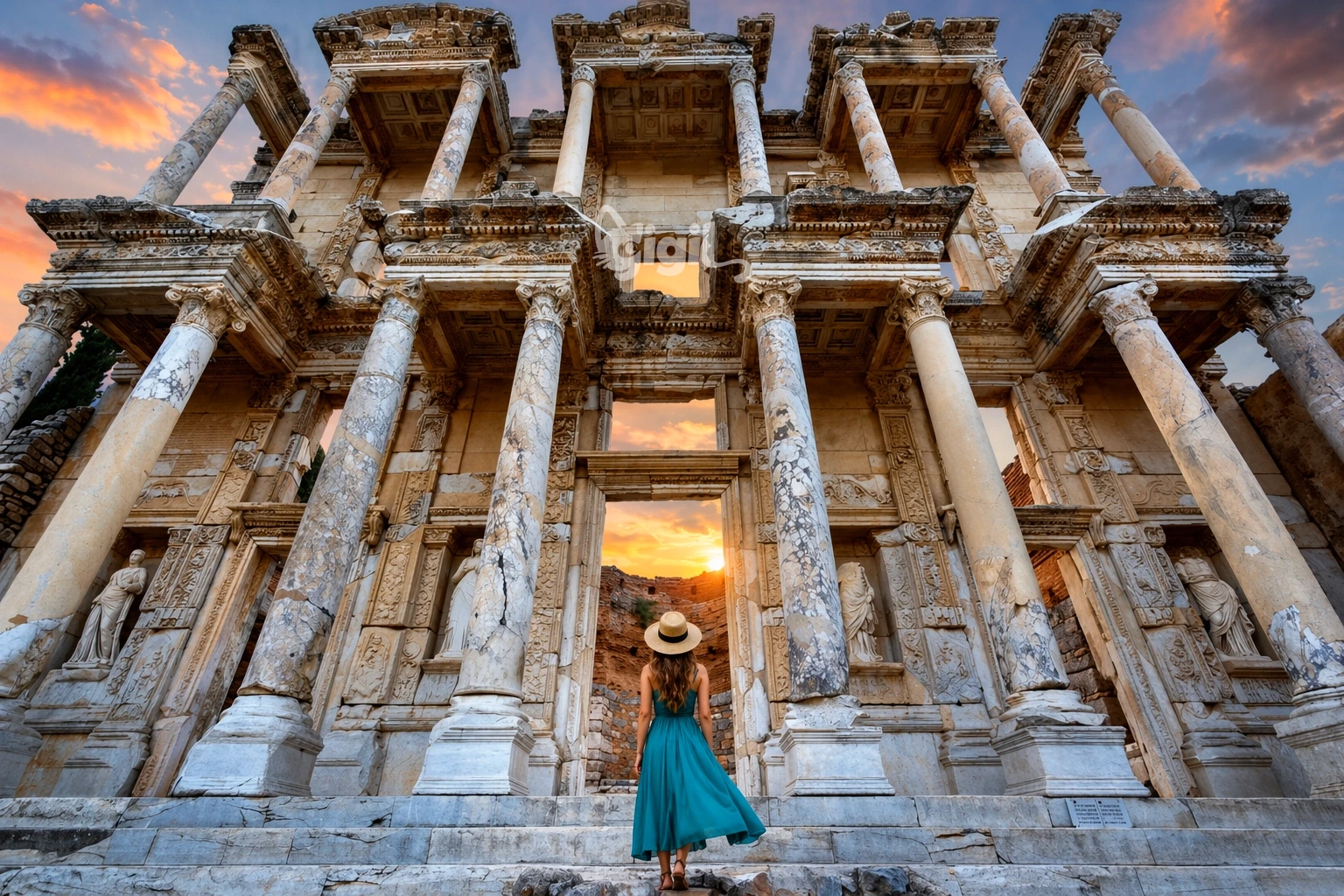
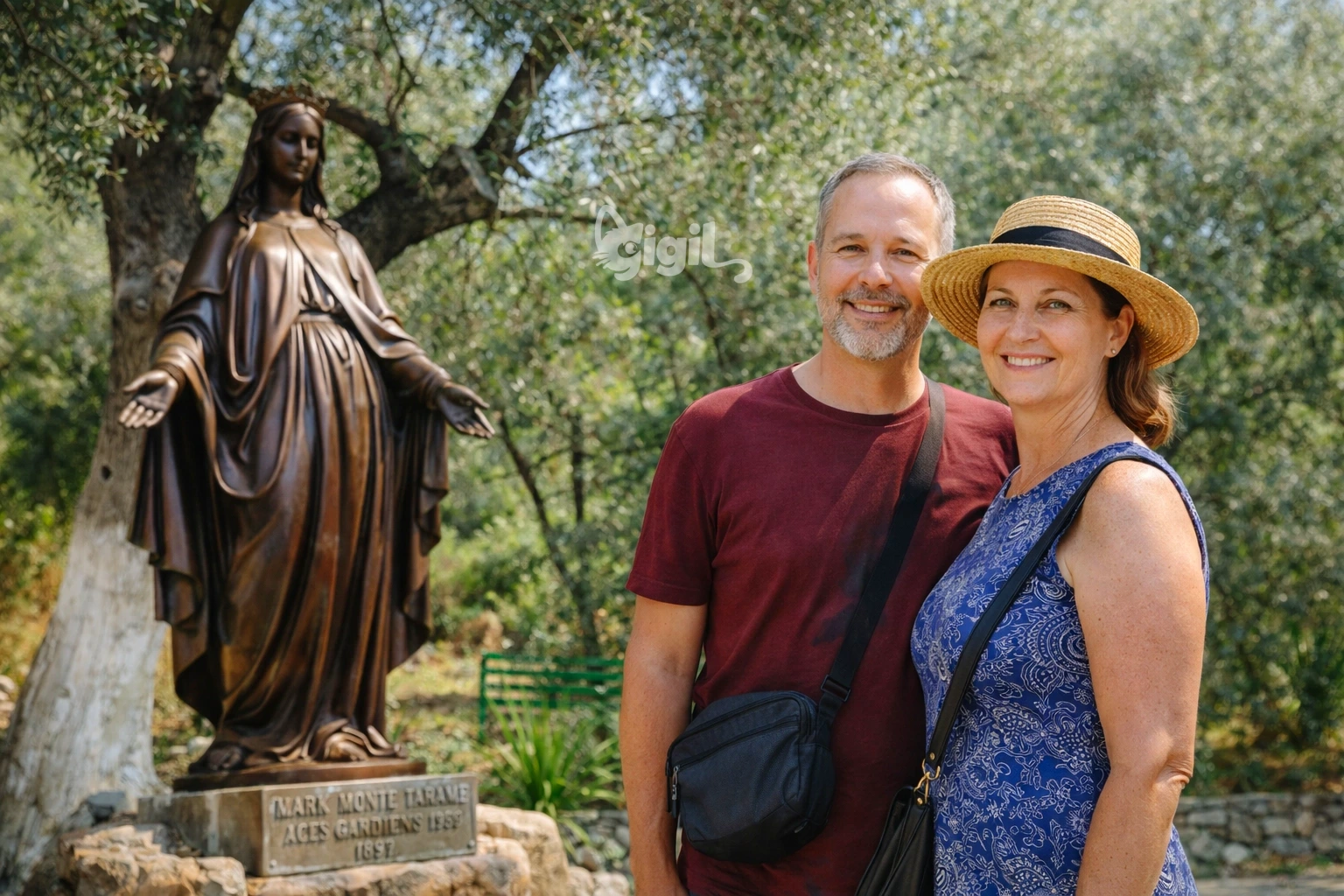
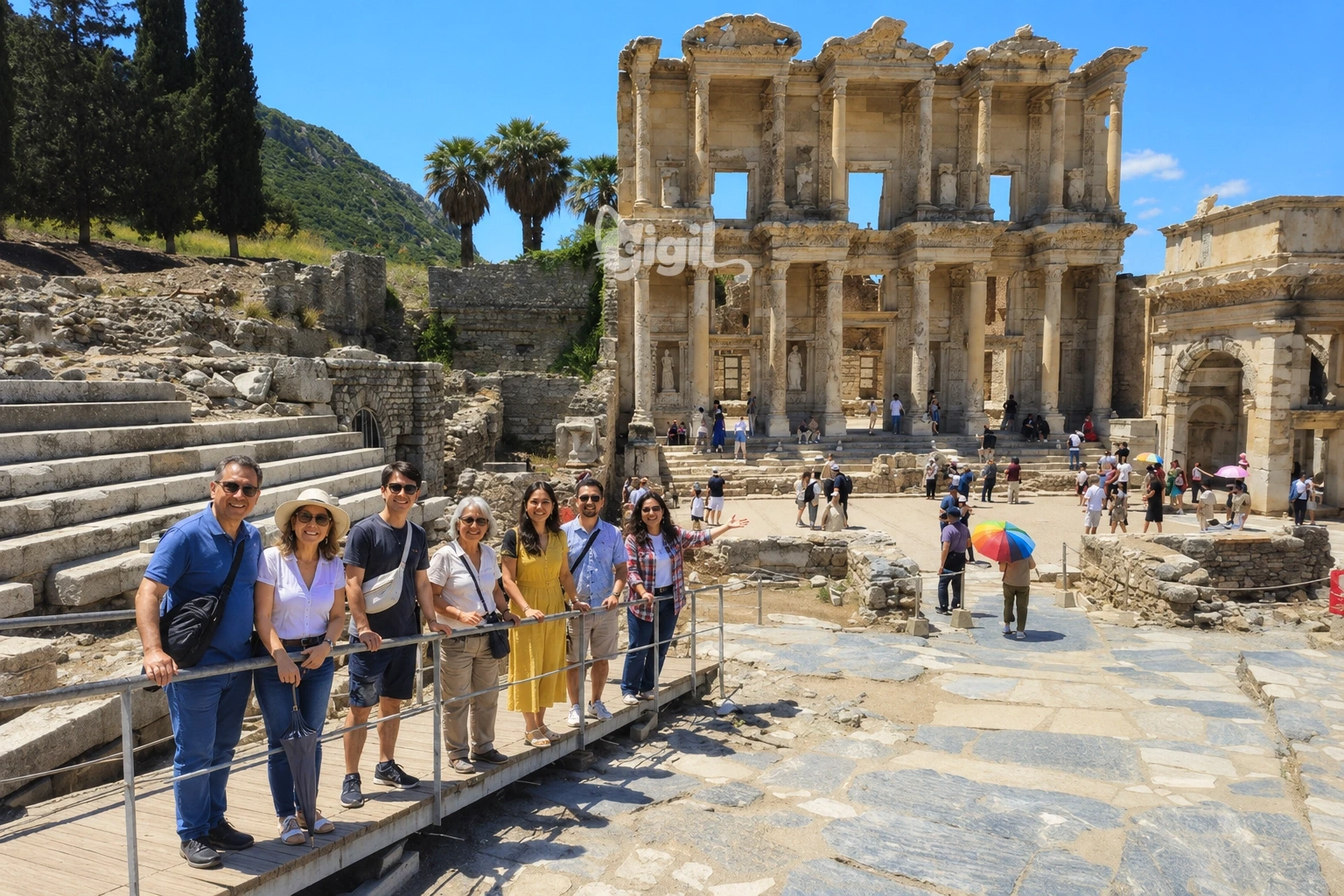
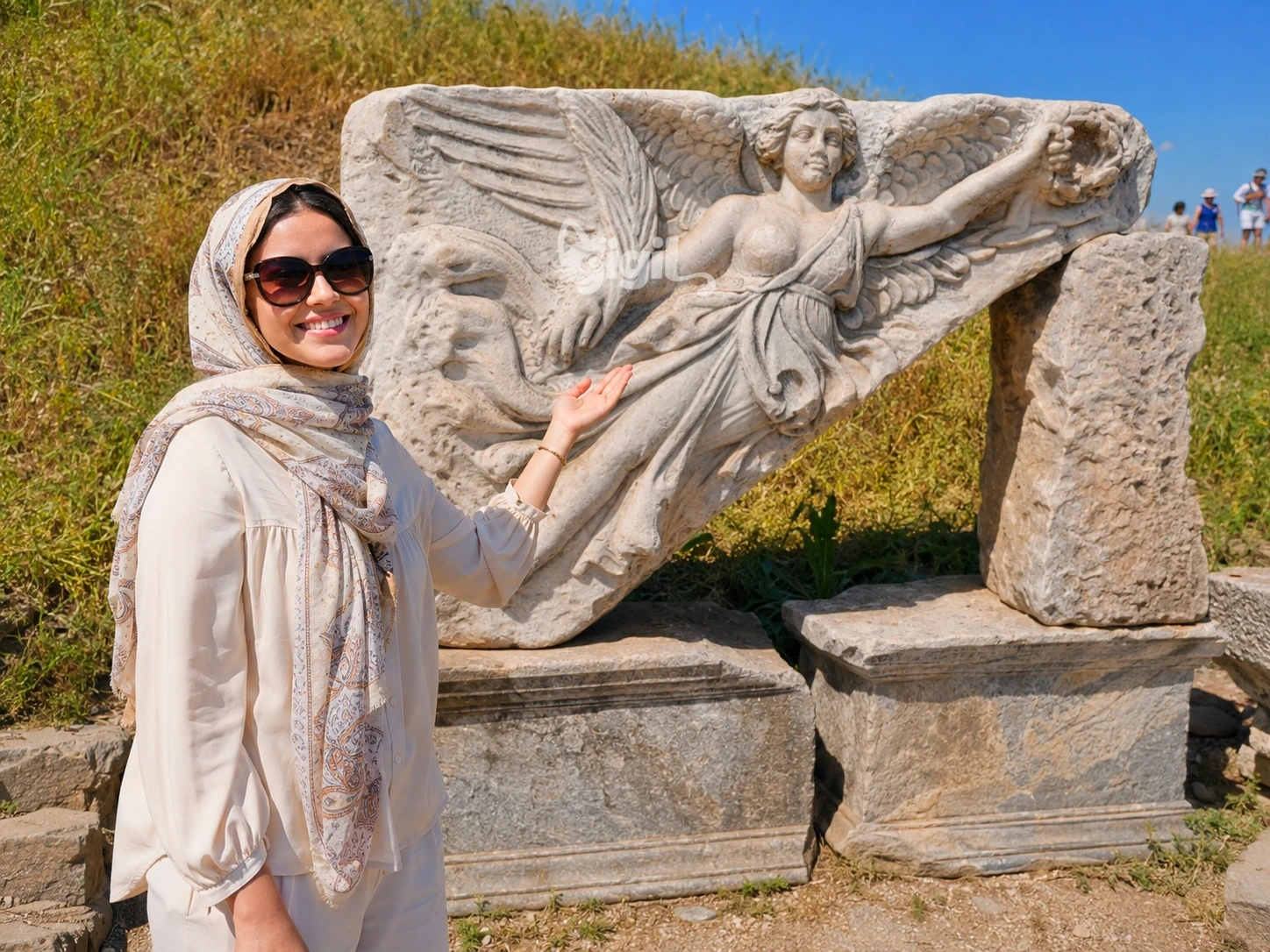
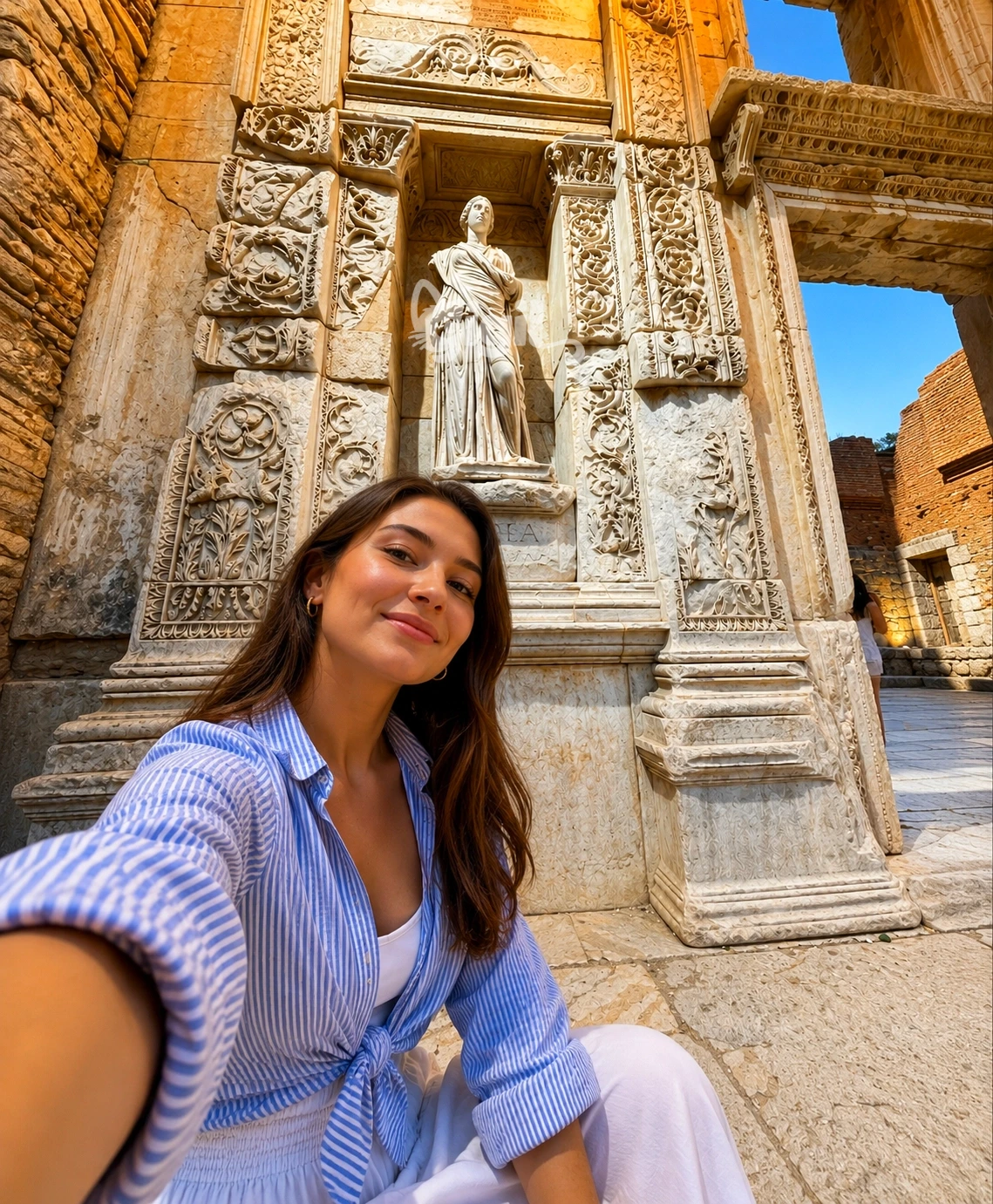
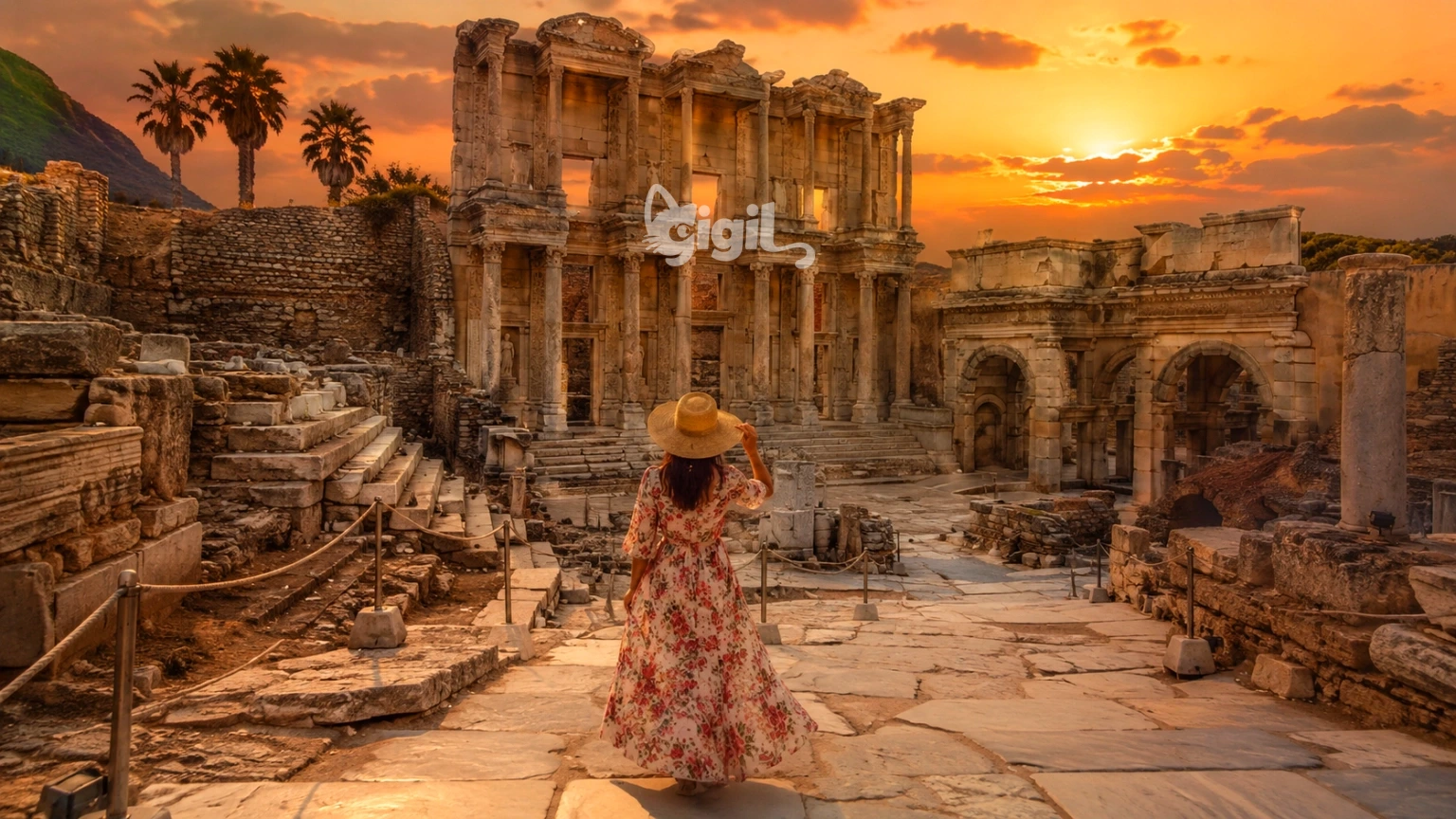
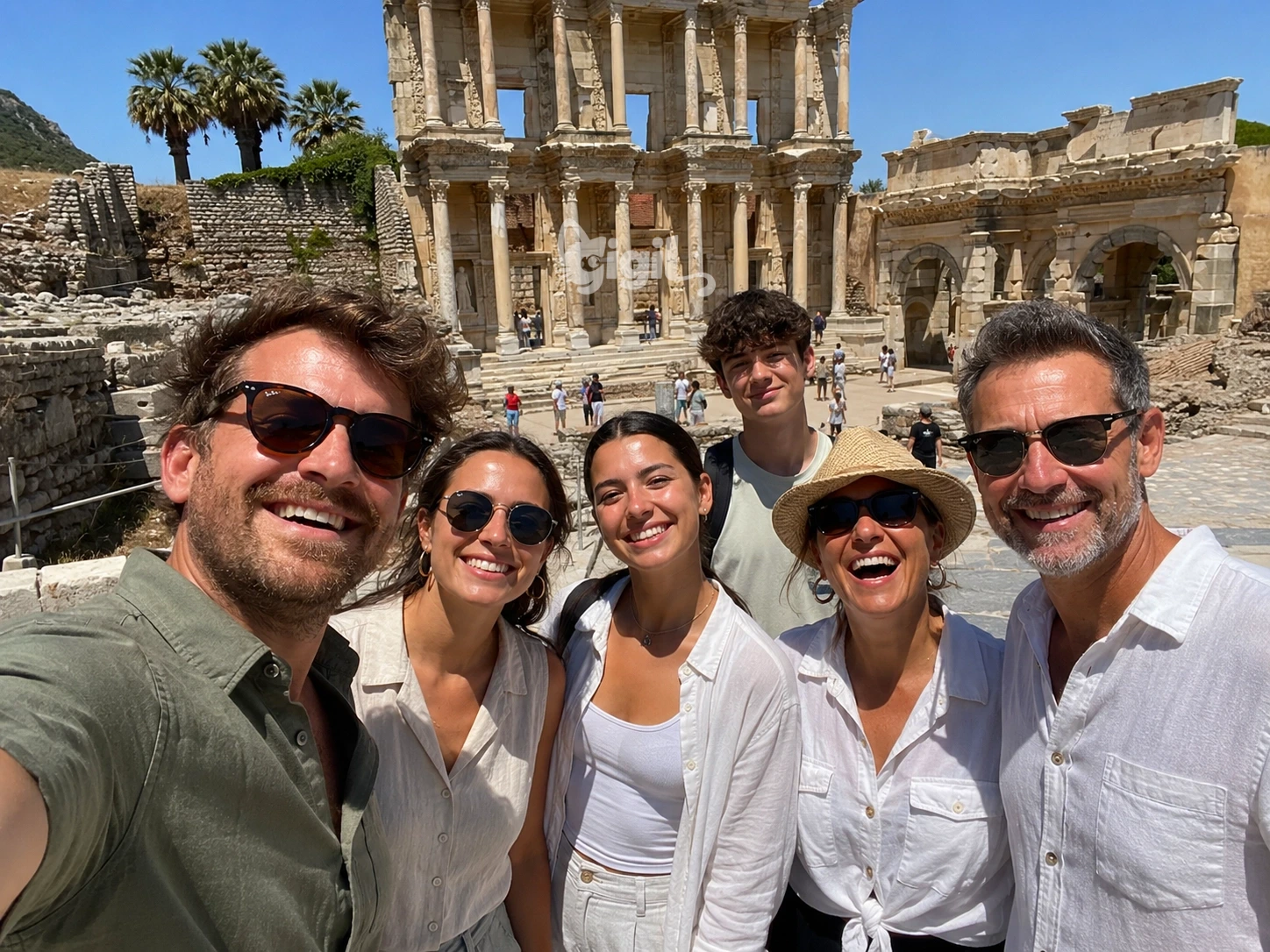
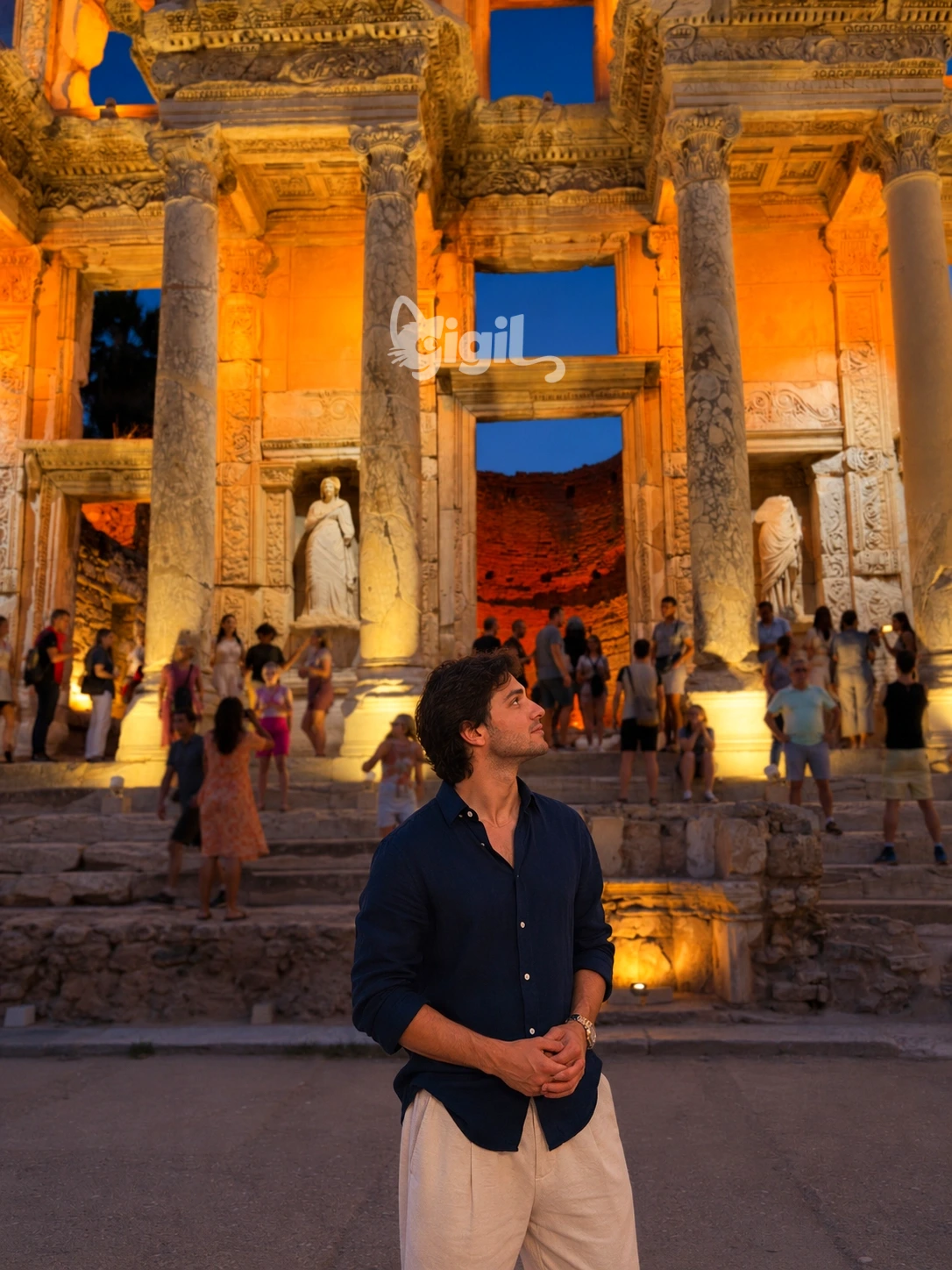
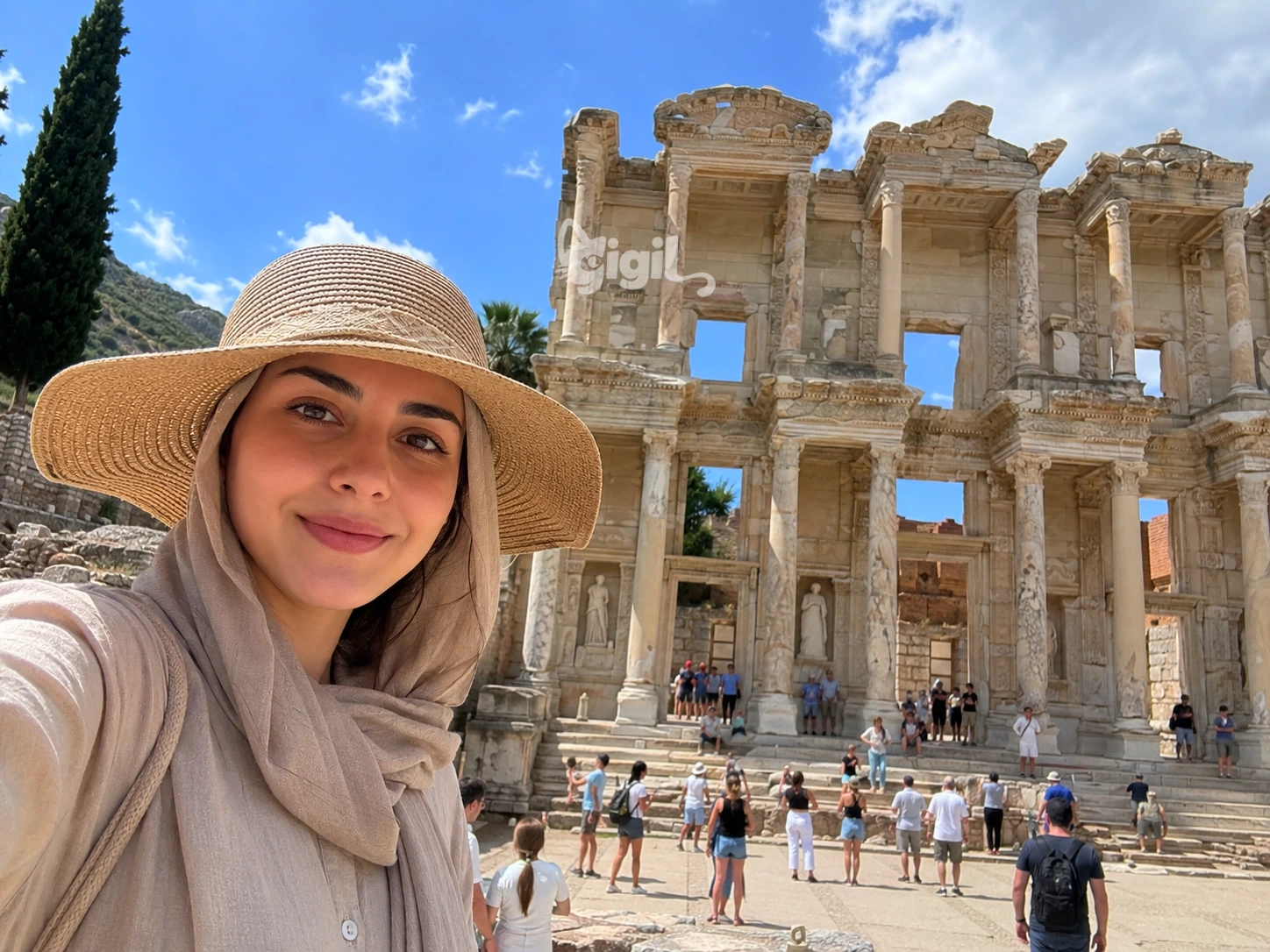

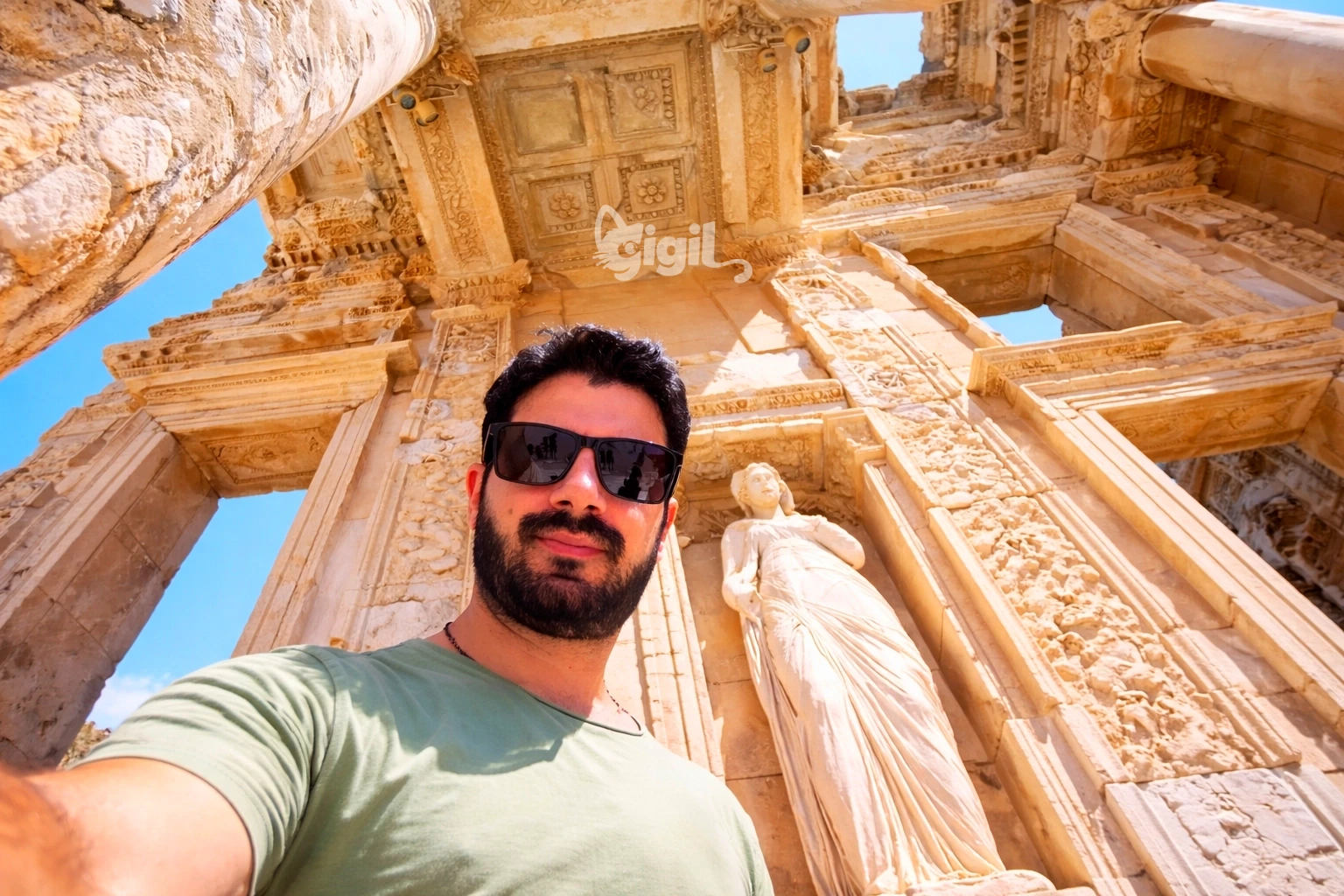
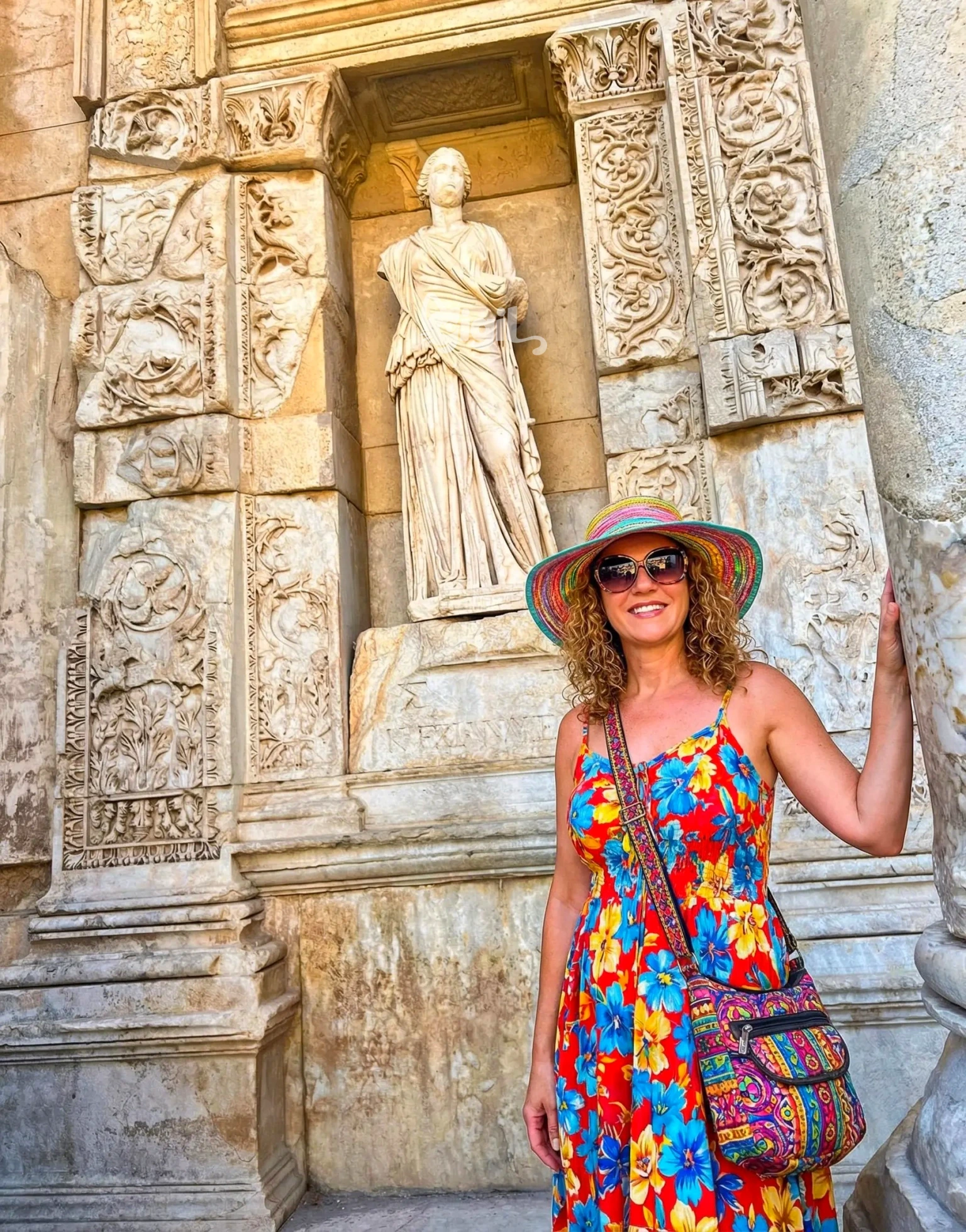

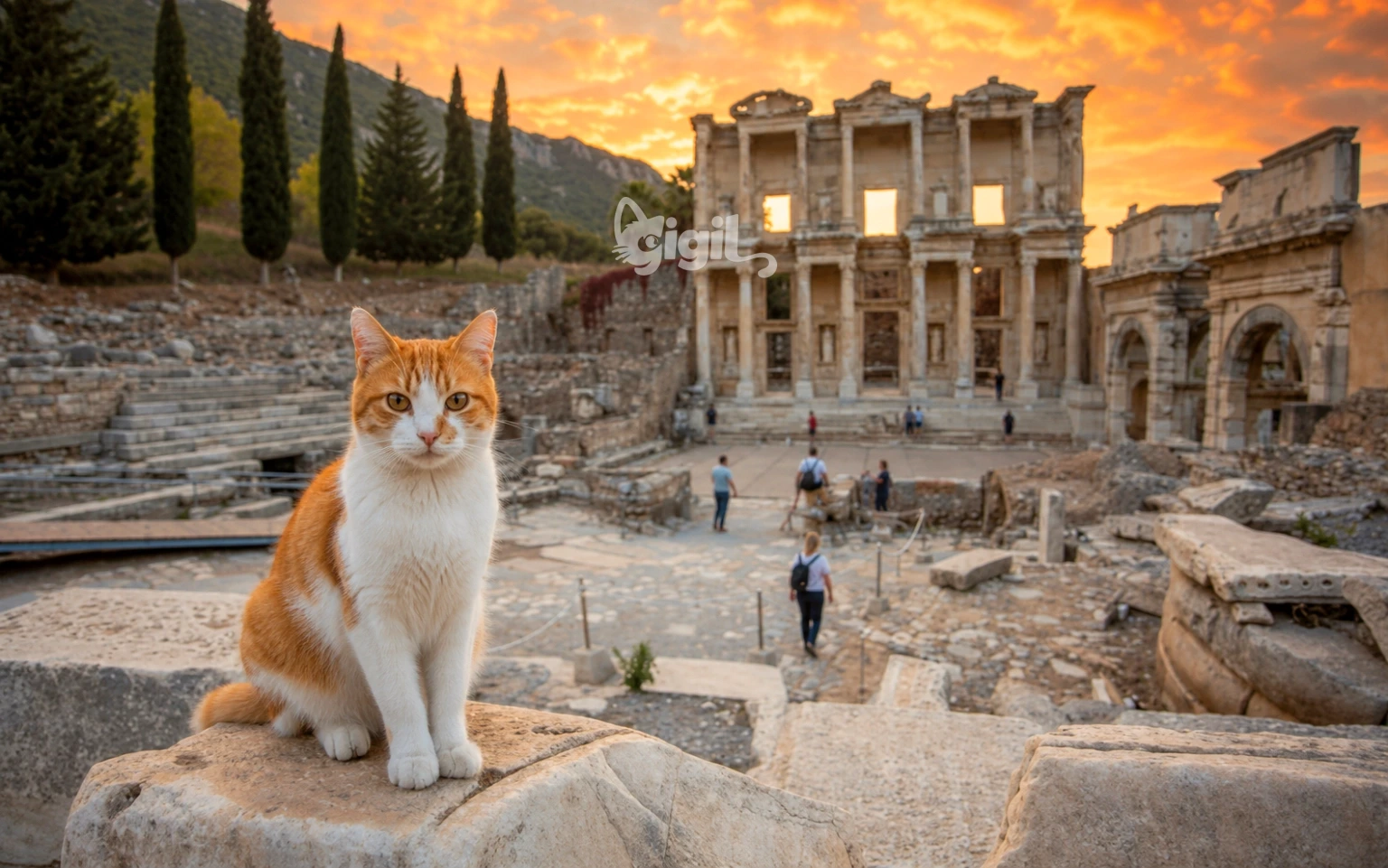
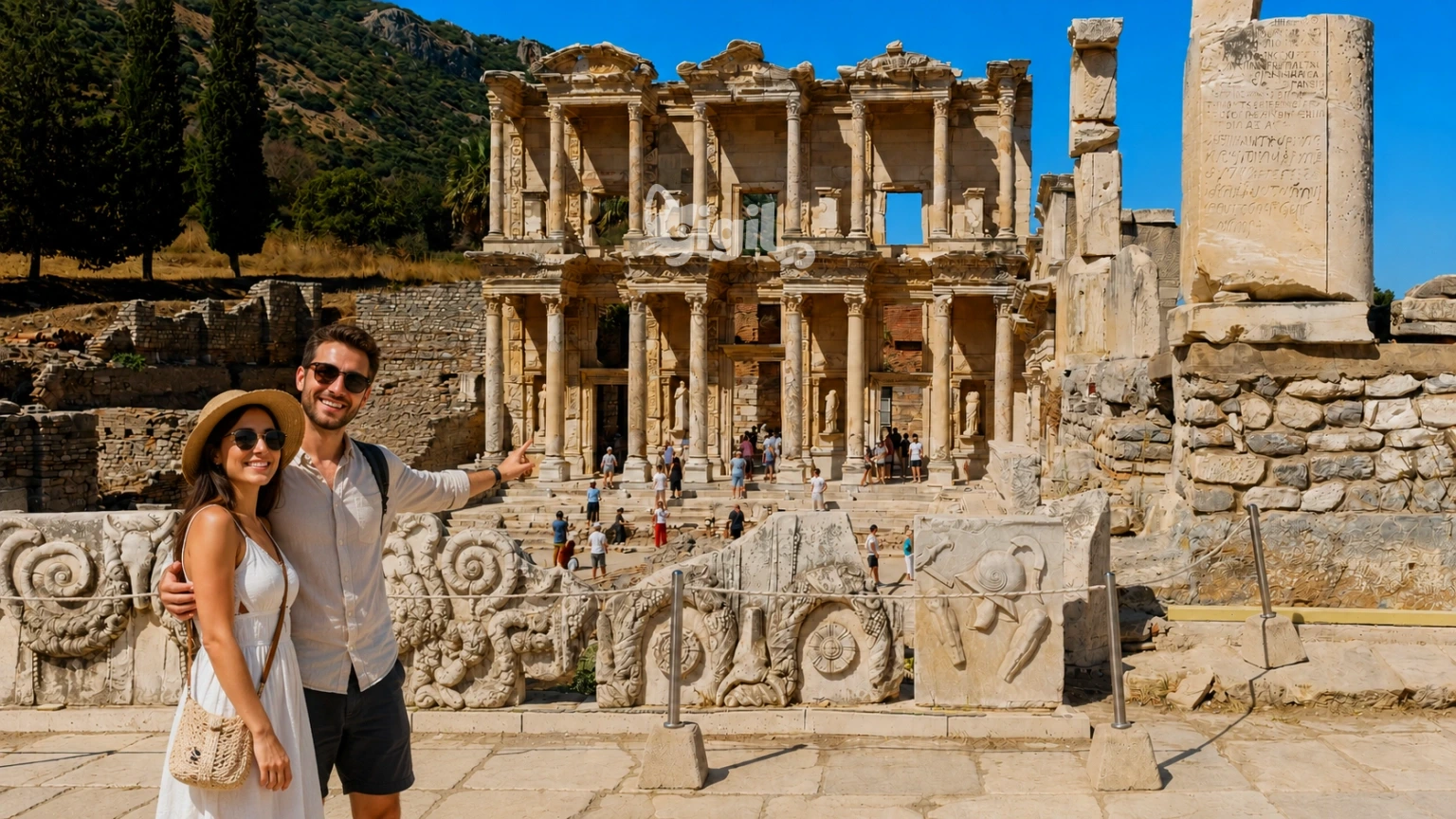
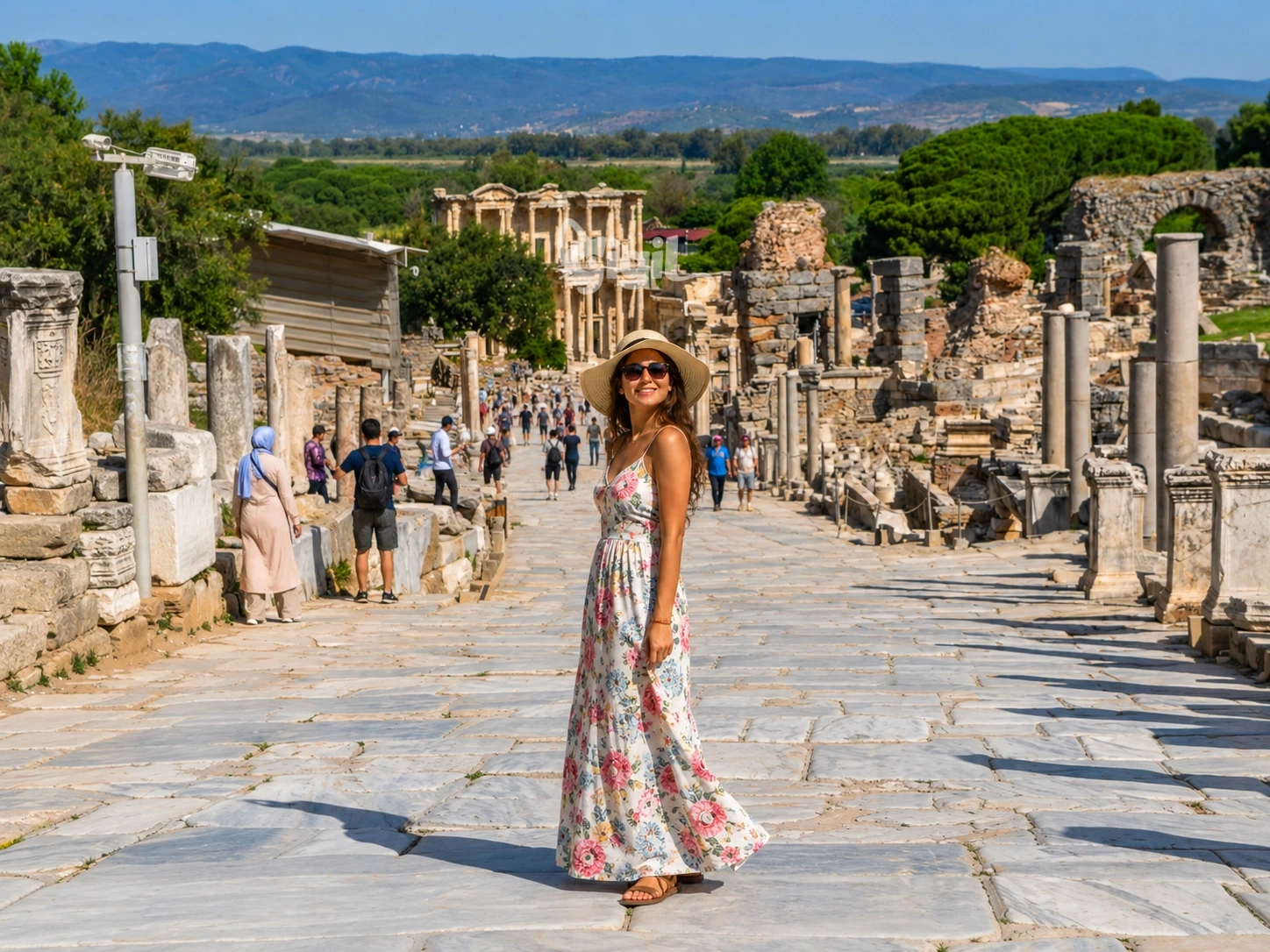
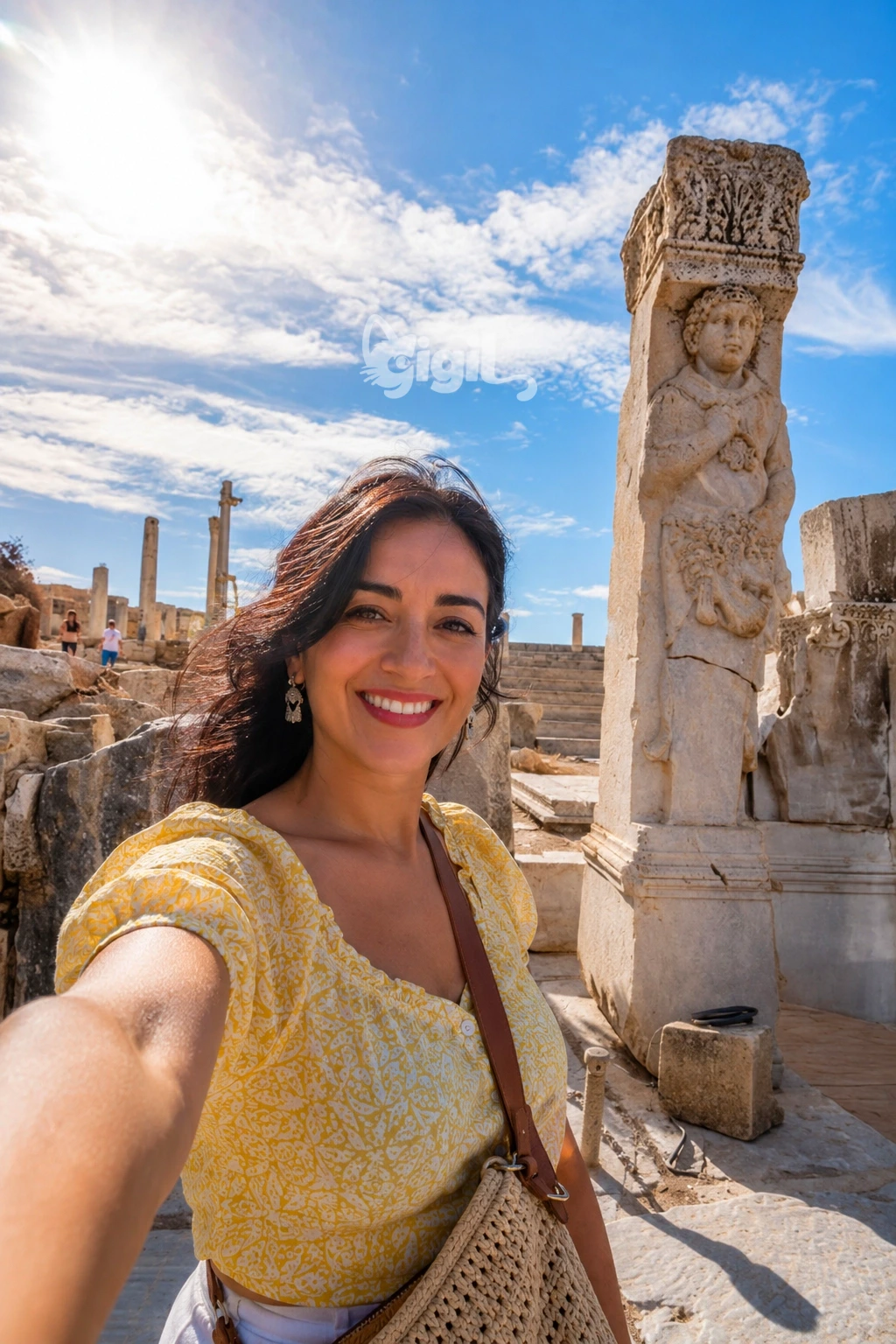
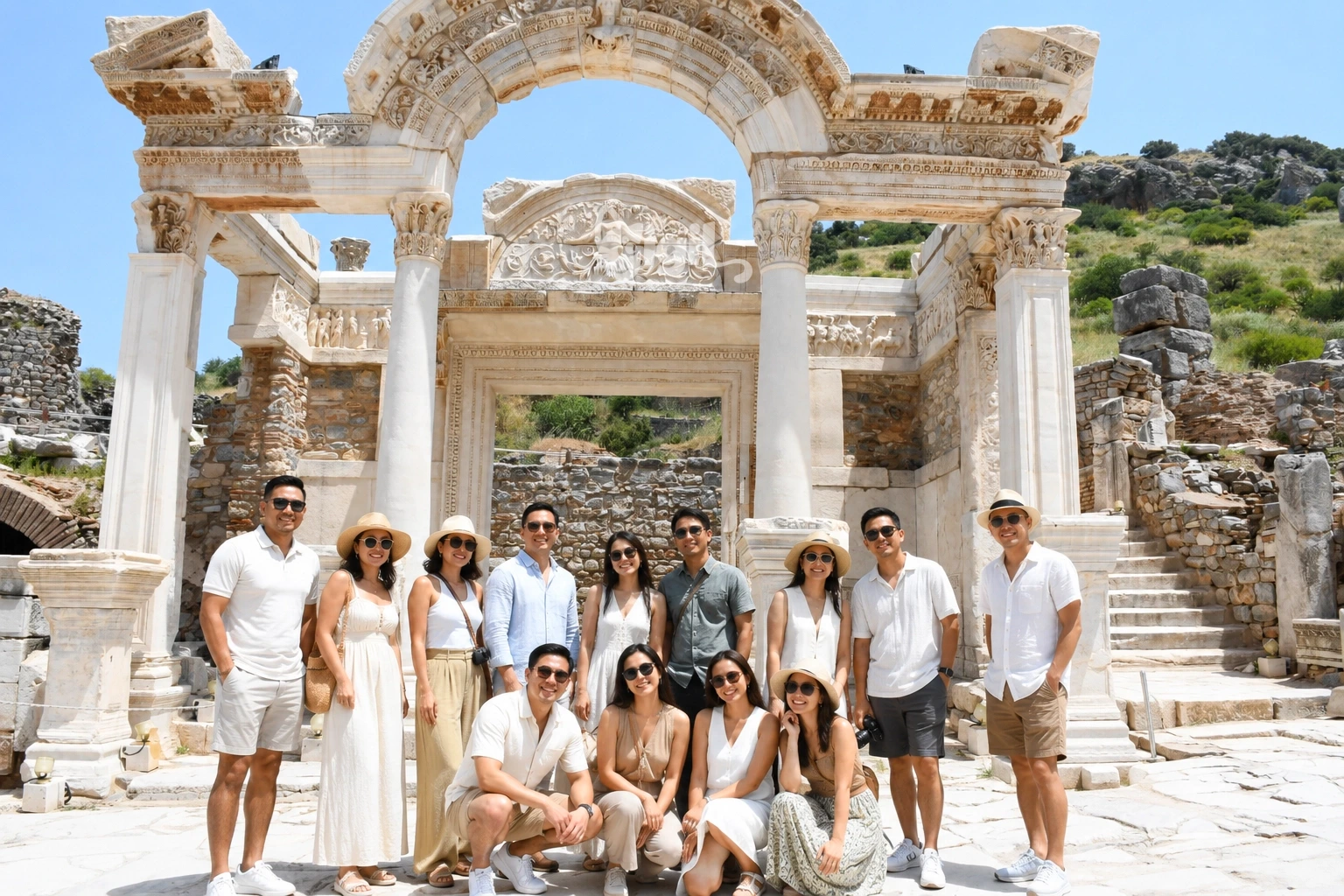



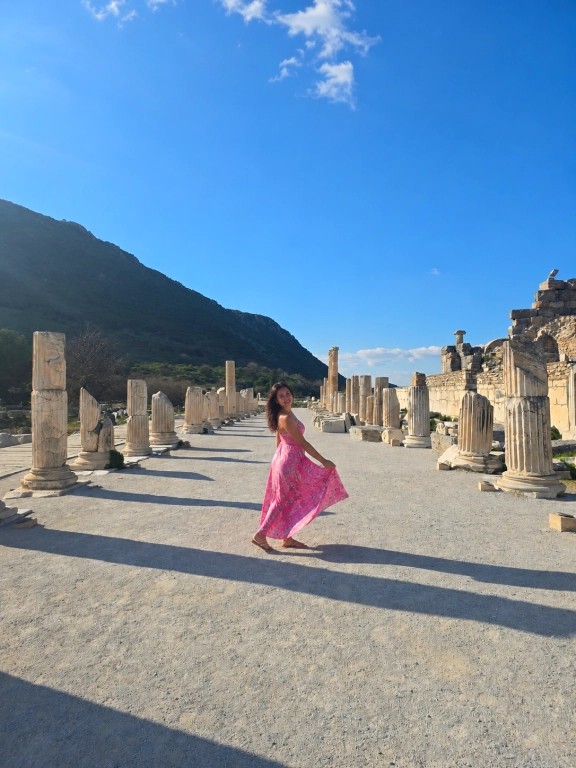

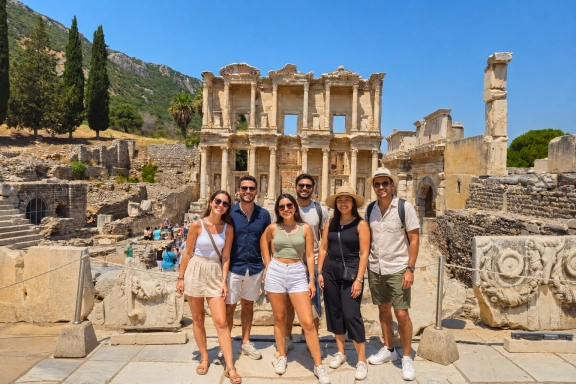
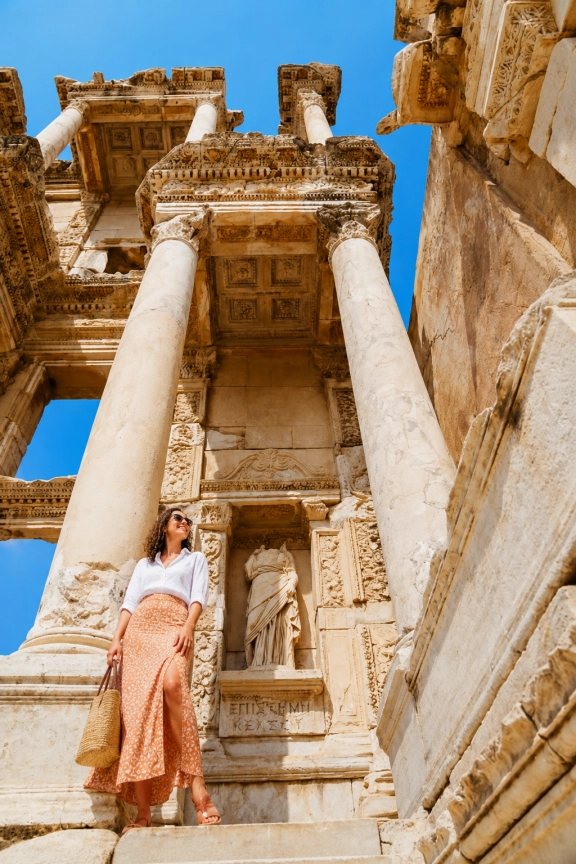
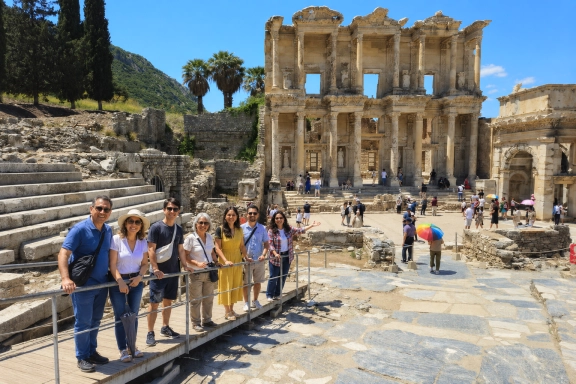




Ephesus Ancient City can be approached as a map of public activity. Streets link civic spaces, agora areas and monumental buildings, while the theatre and Library of Celsus help make different functions recognizable.
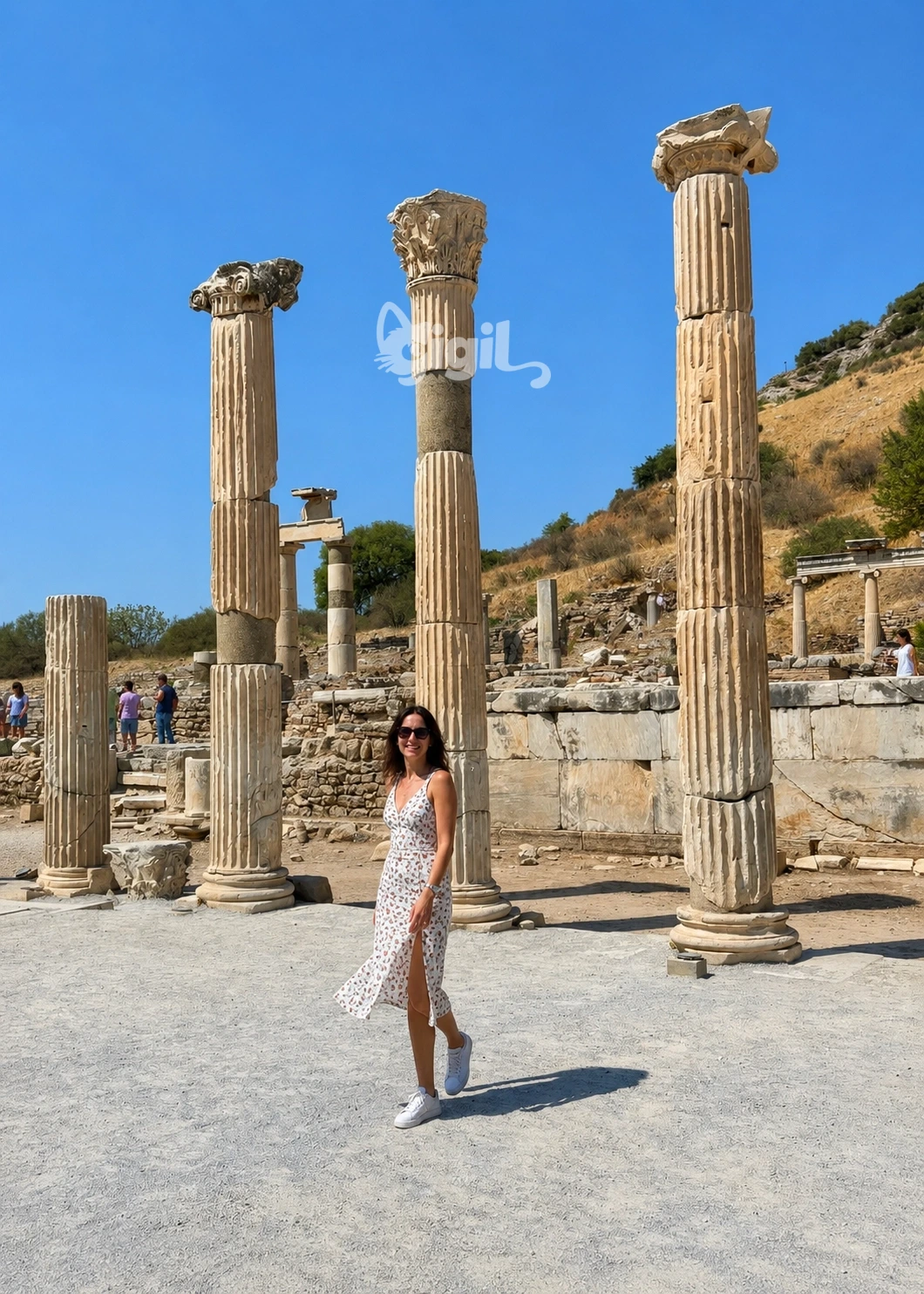
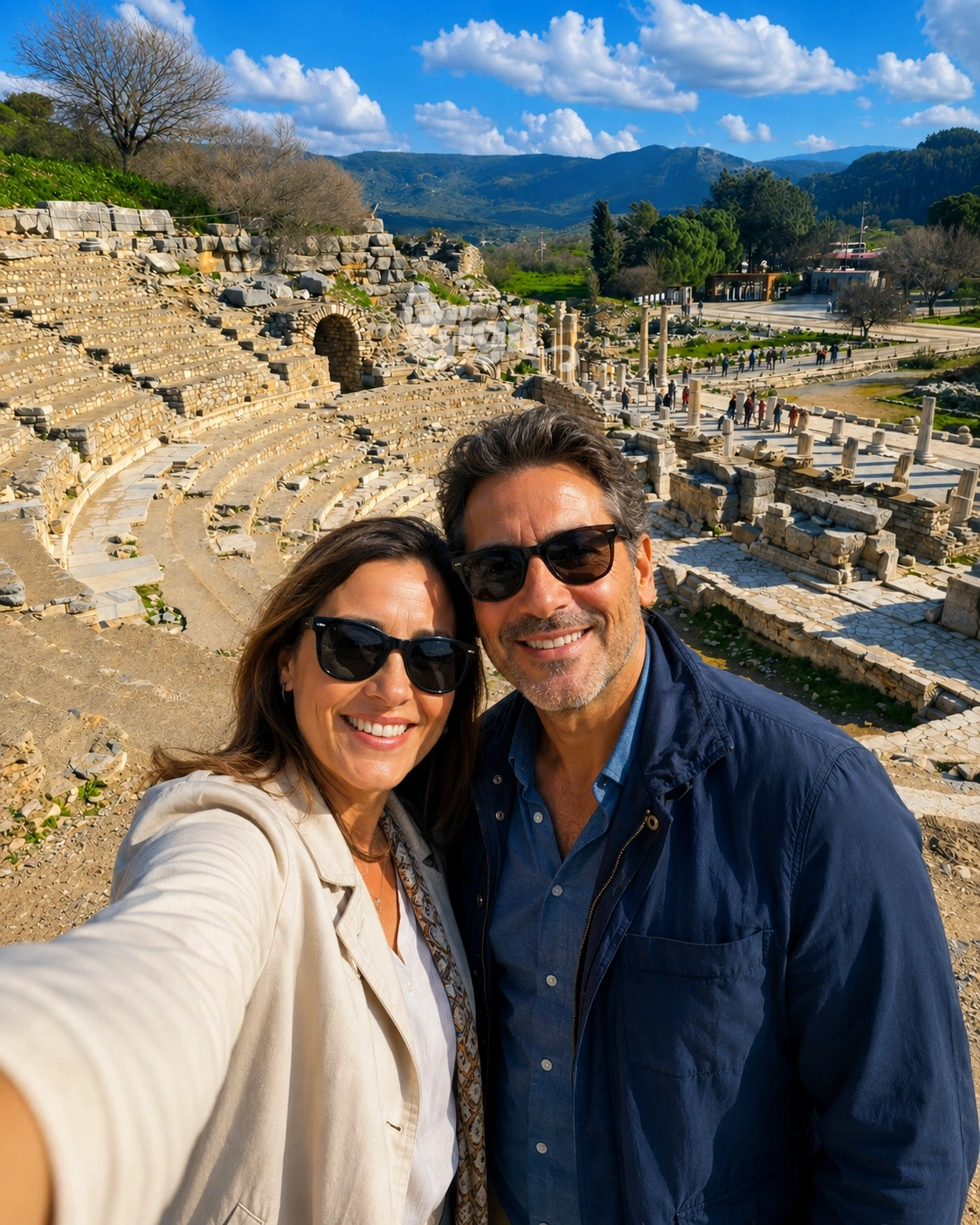
Look at relationships as well as details: how routes frame a facade or lead into open space. The ancient harbour explains a once-coastal identity, and conserved or reconstructed sections help communicate architecture that has survived only in part.
Questions
Why describe the site as a map of activity?
Its layout connects different public functions through streets and gathering spaces.
What architectural relationships are useful to notice?
Observe how streets frame buildings and connect them with open civic spaces.
What explains the former coastal identity?
Ephesus once had harbour access before sedimentation altered the coast and surrounding landscape.
What does reconstruction help communicate?
It can suggest the scale of buildings whose ancient material survives incompletely.