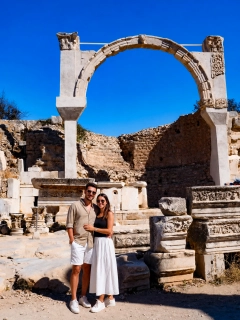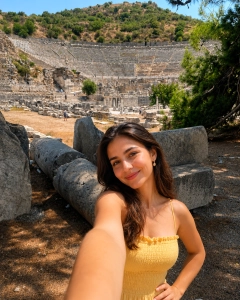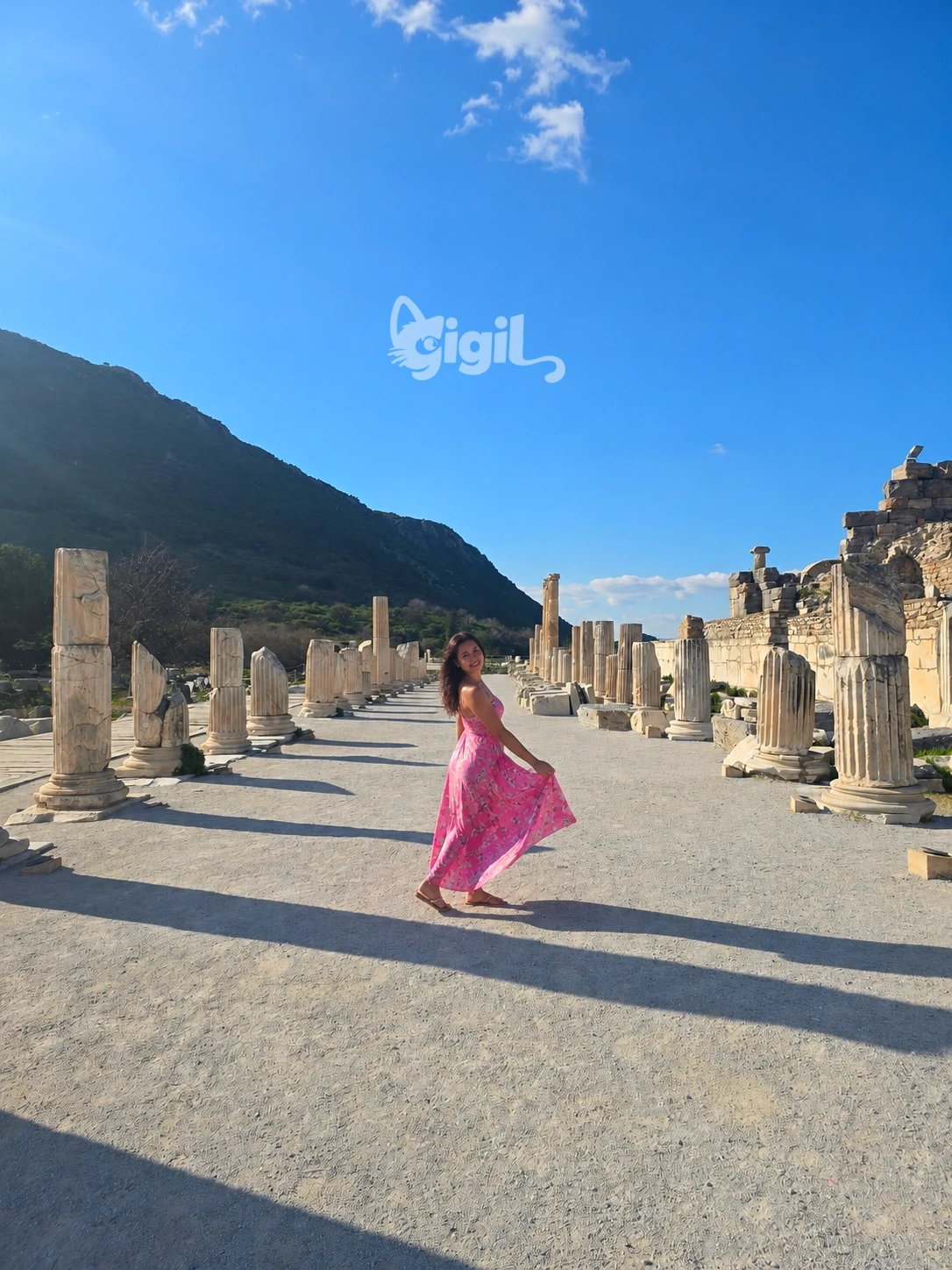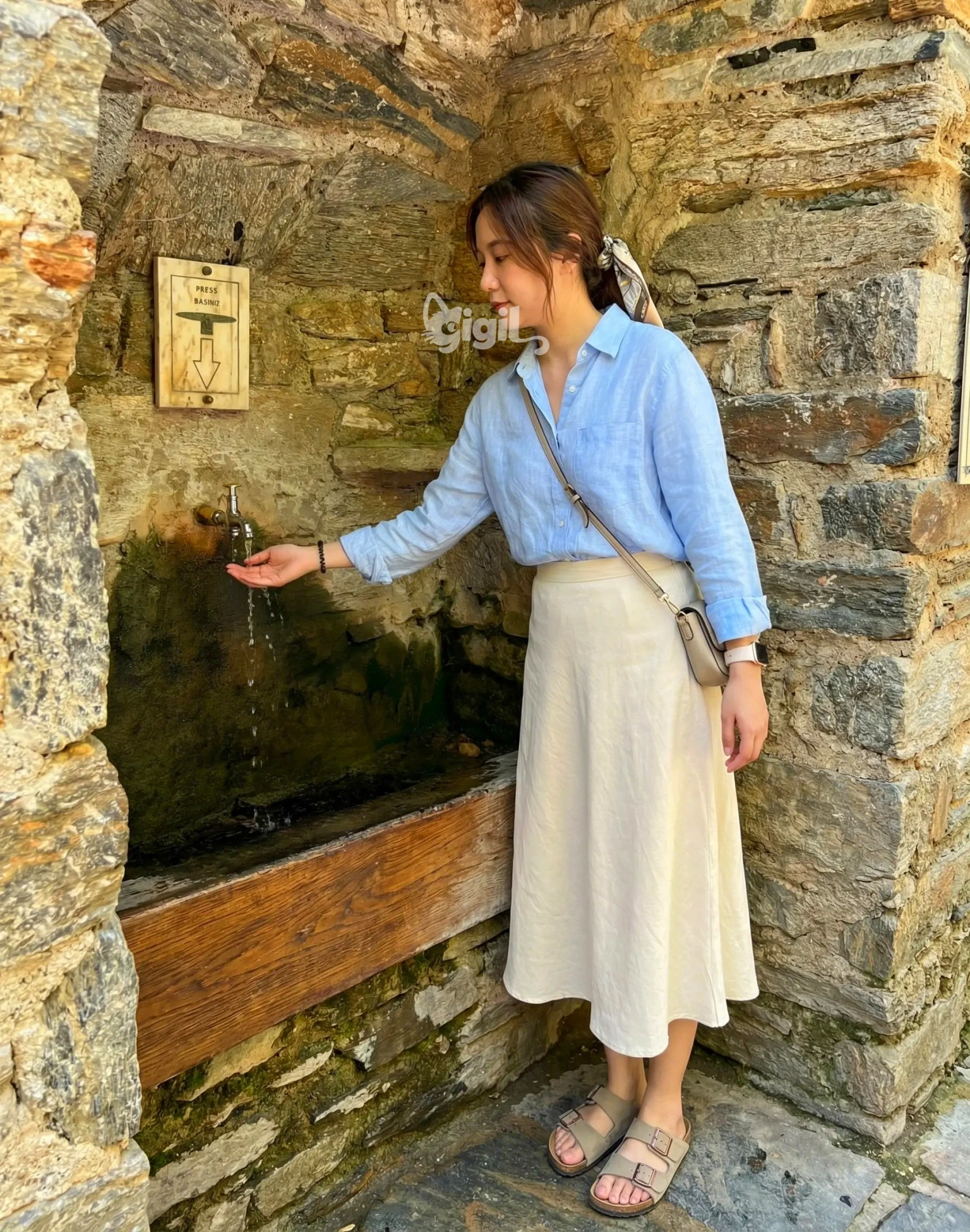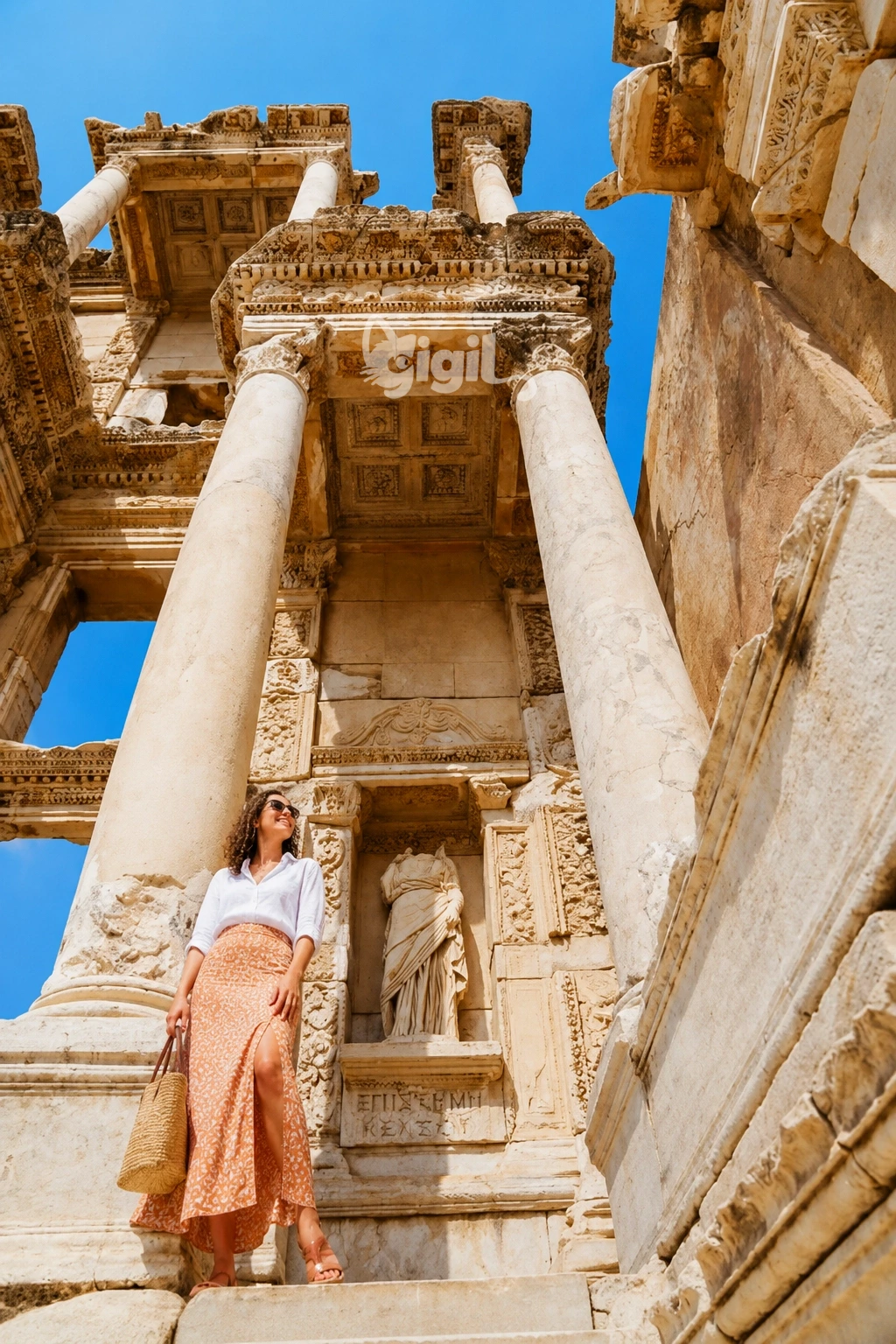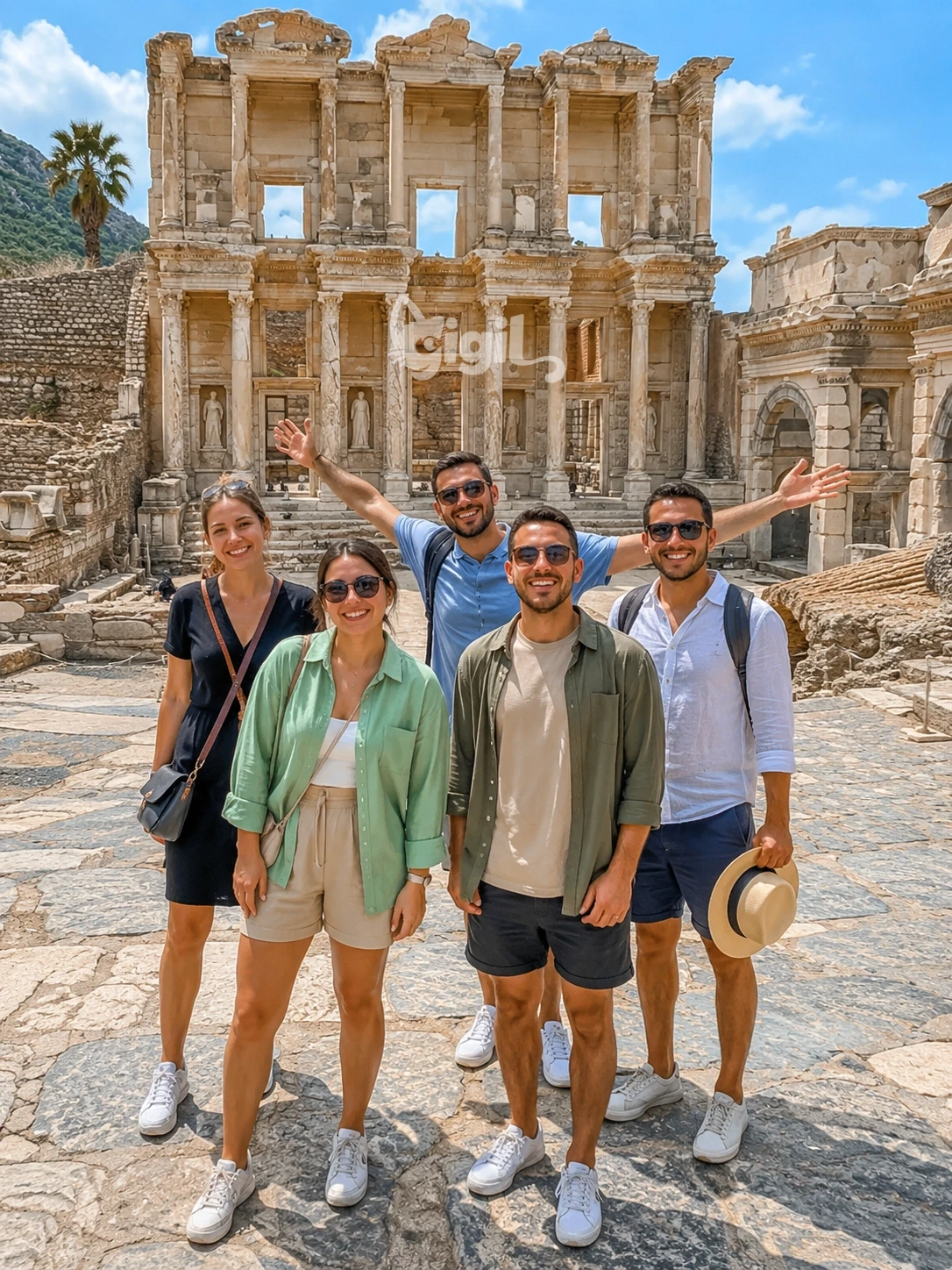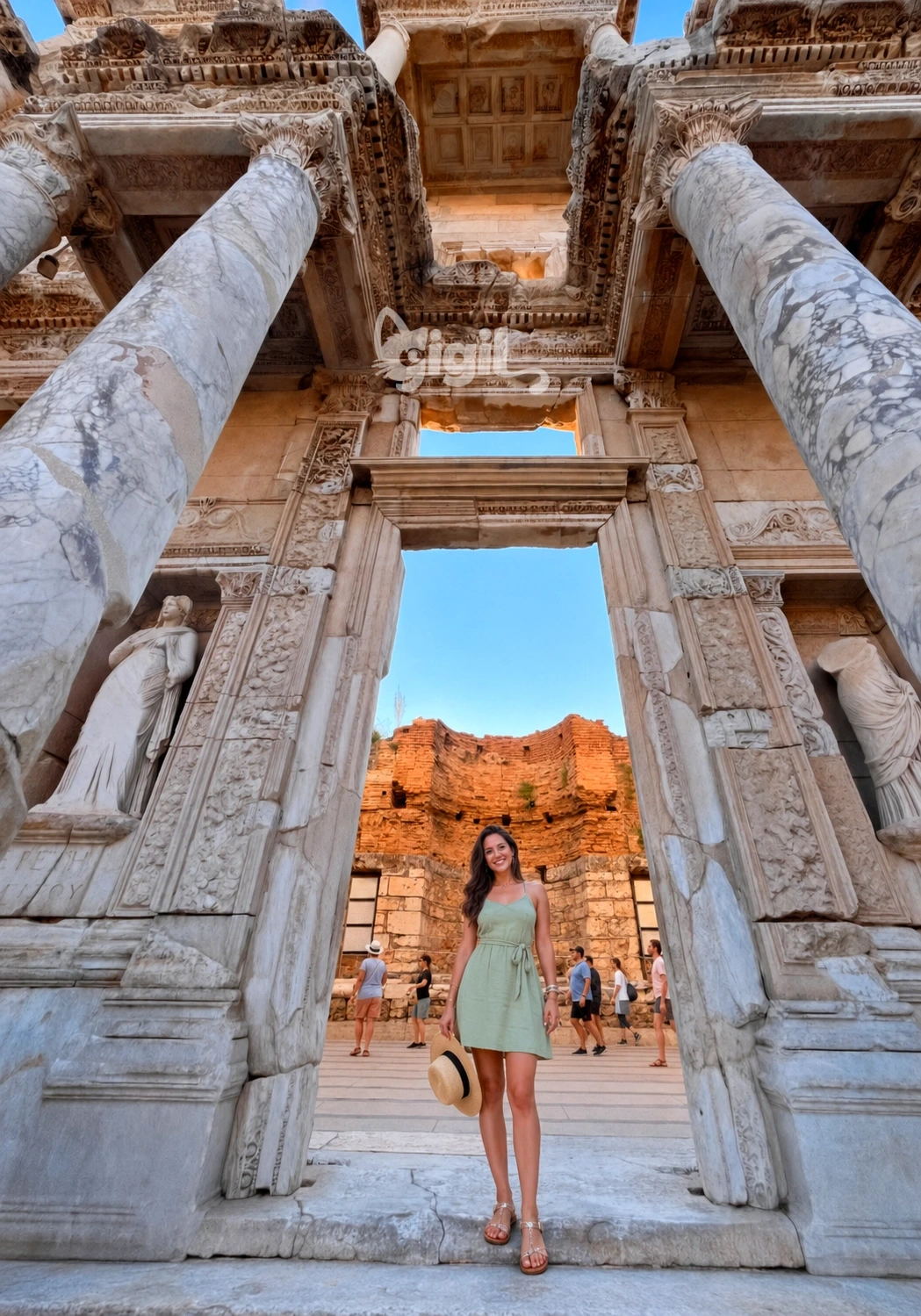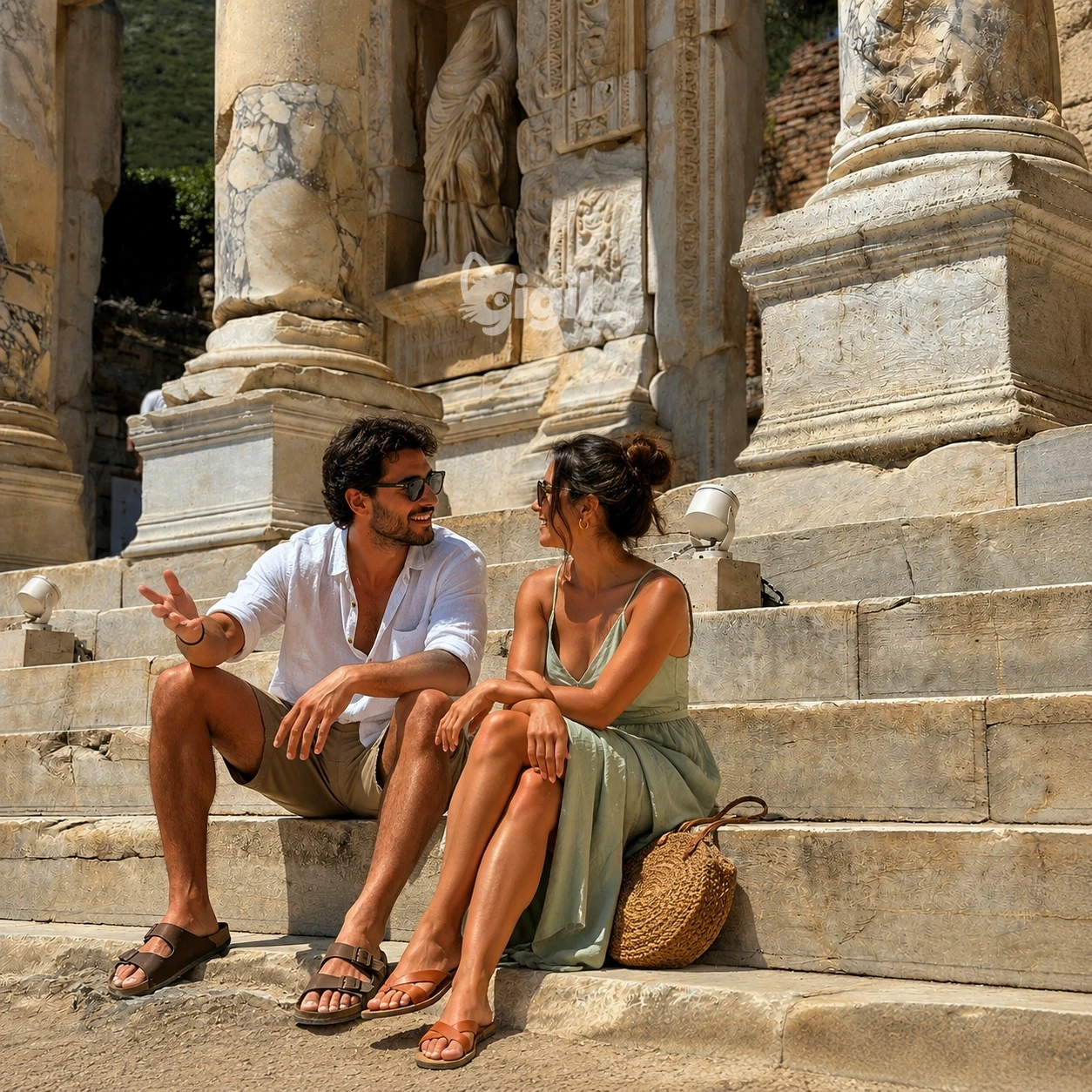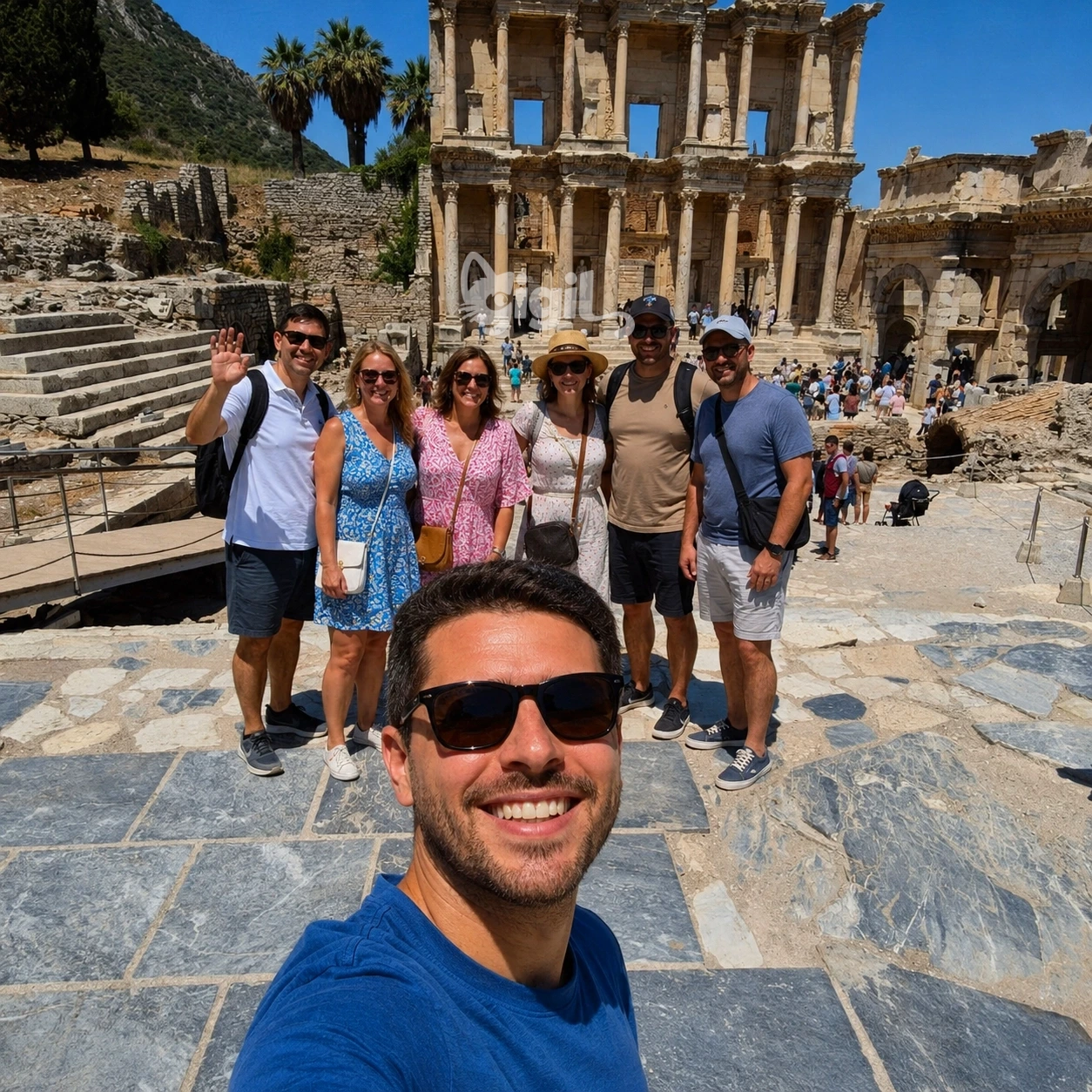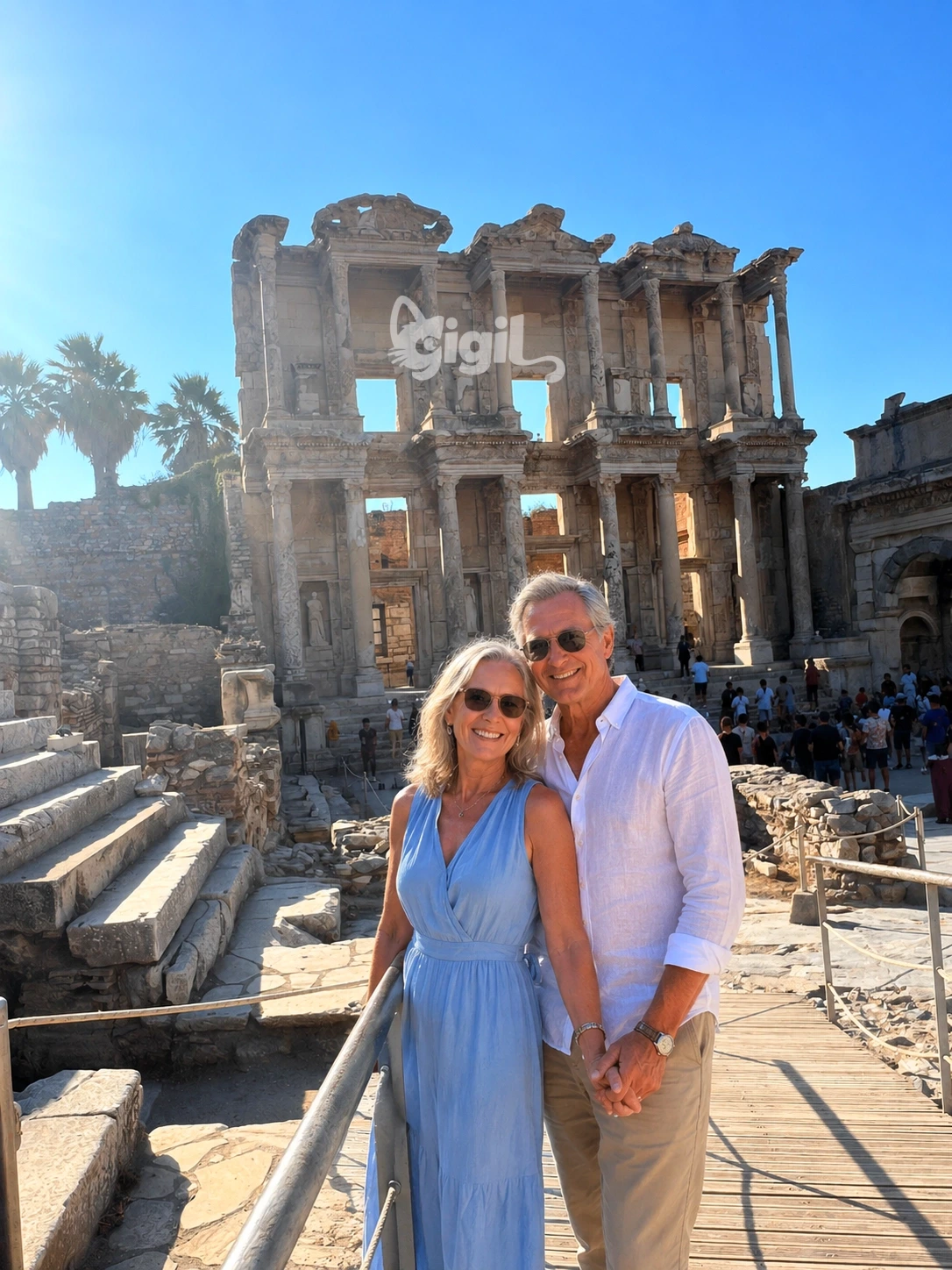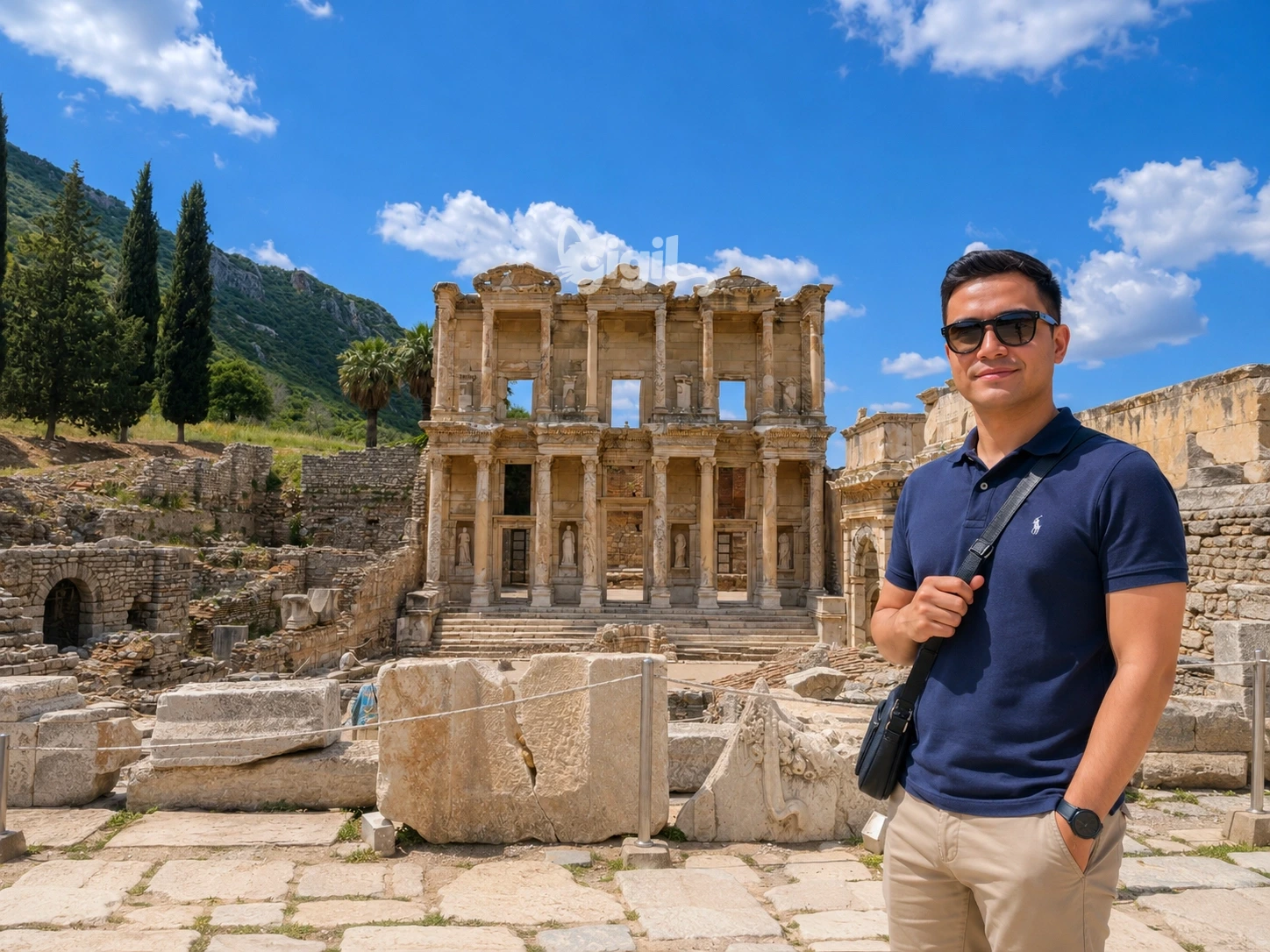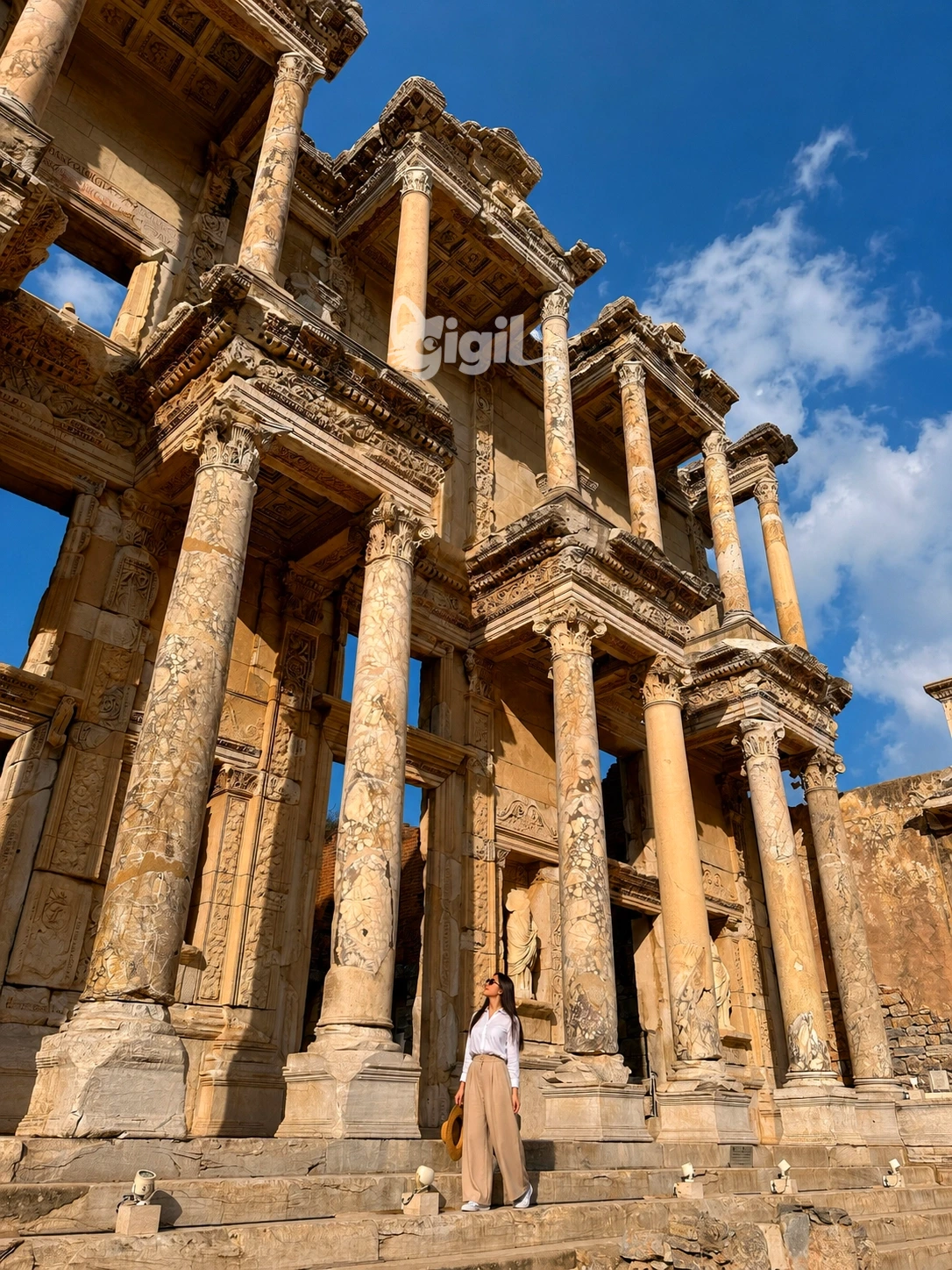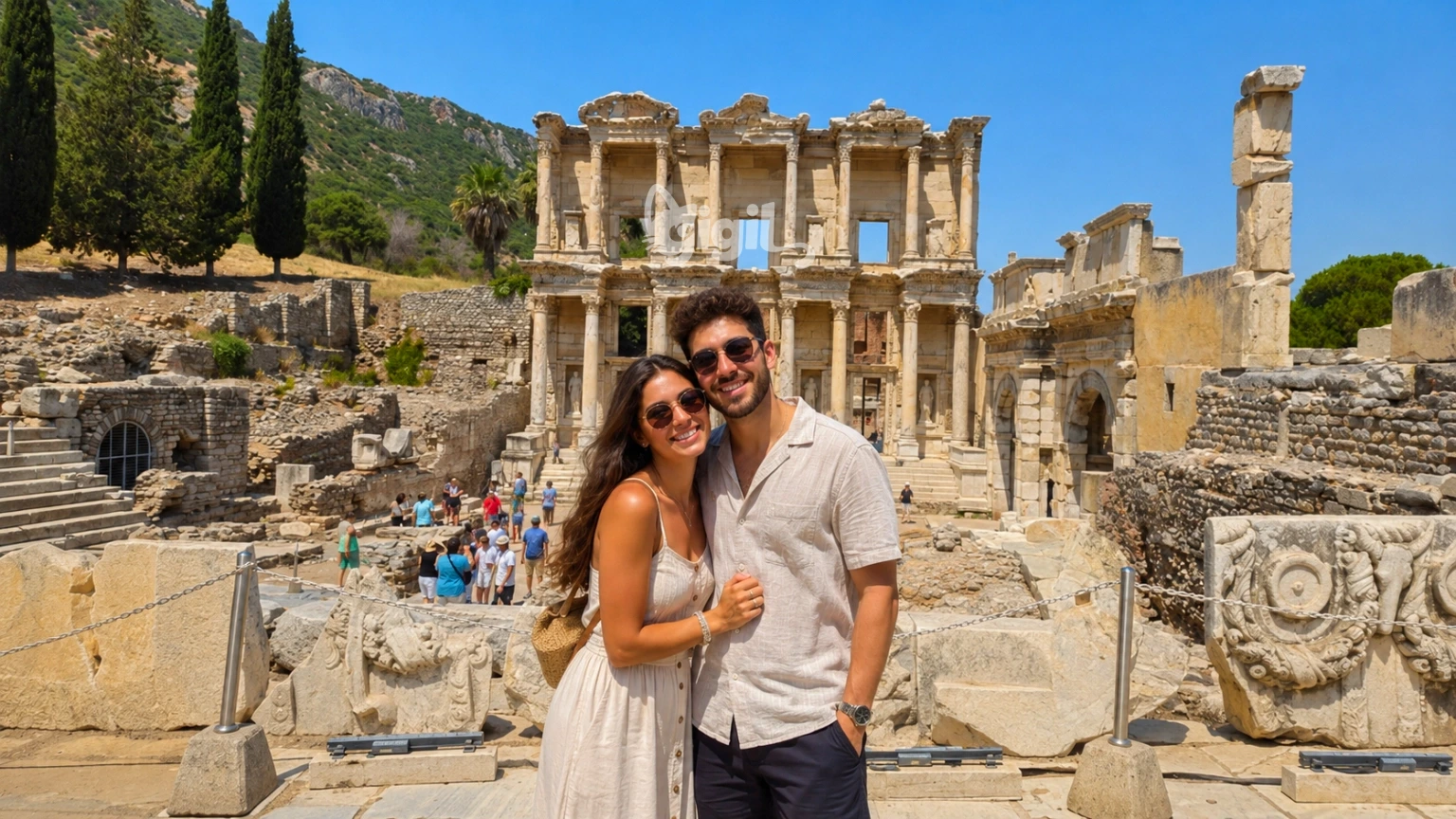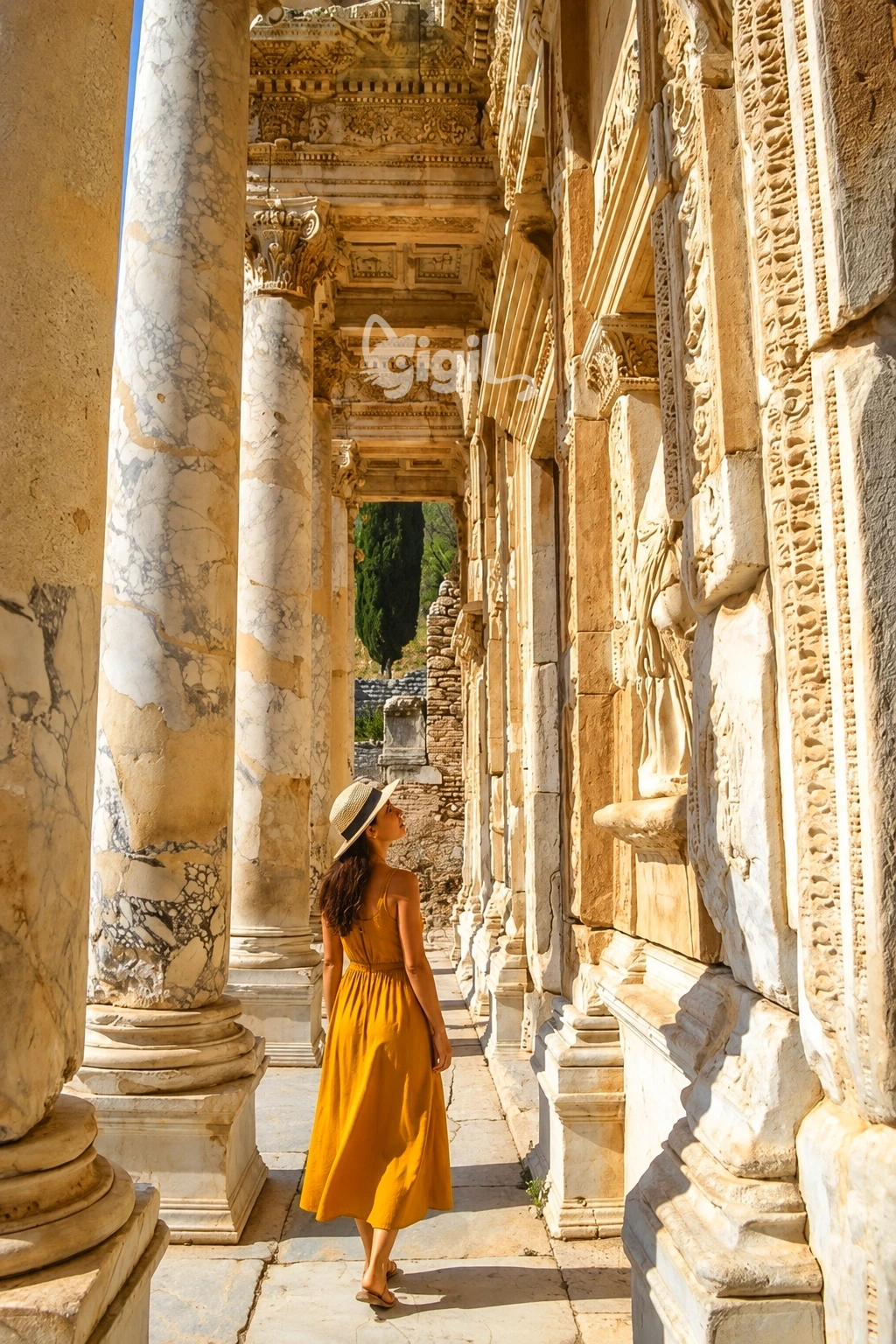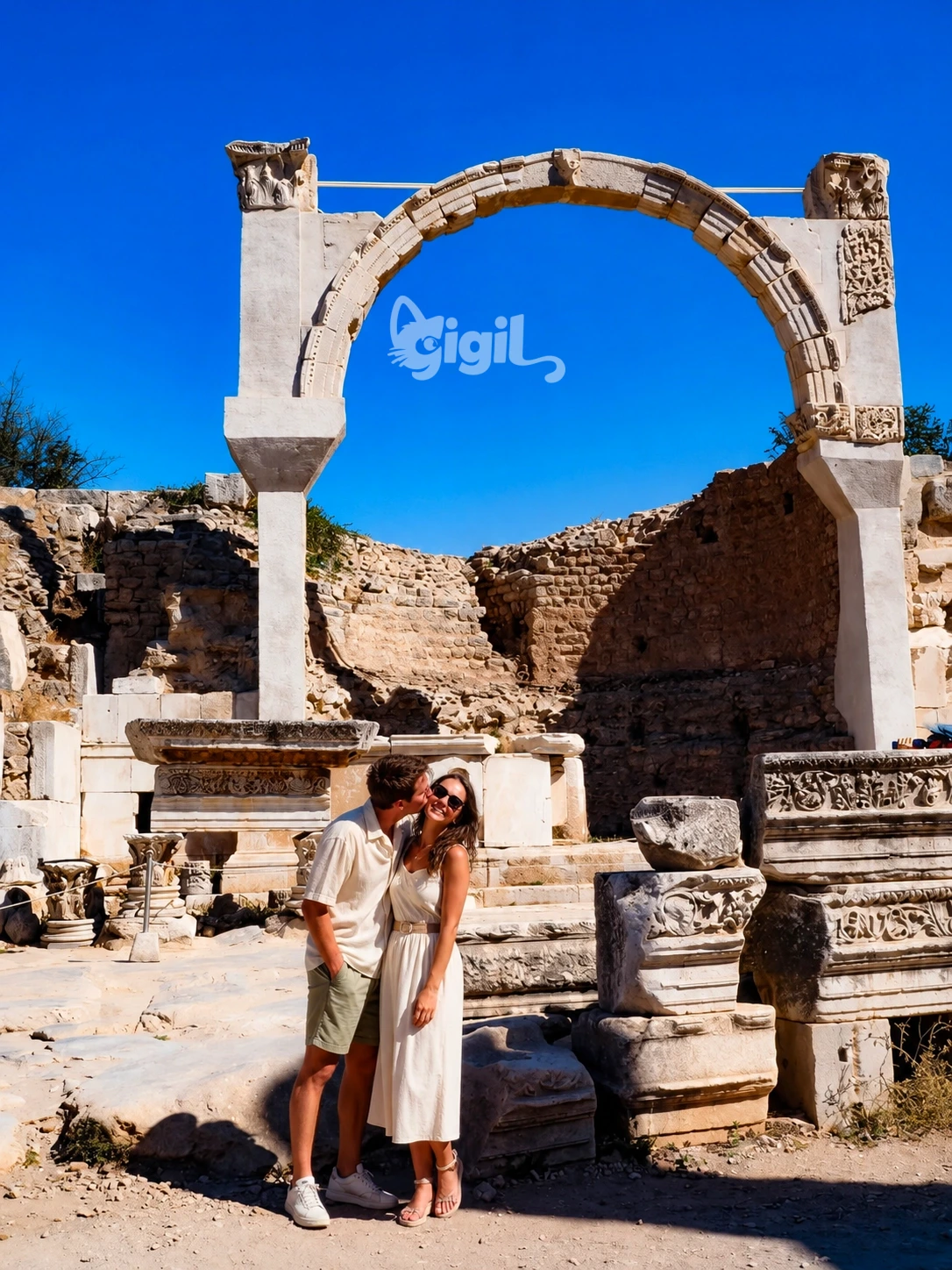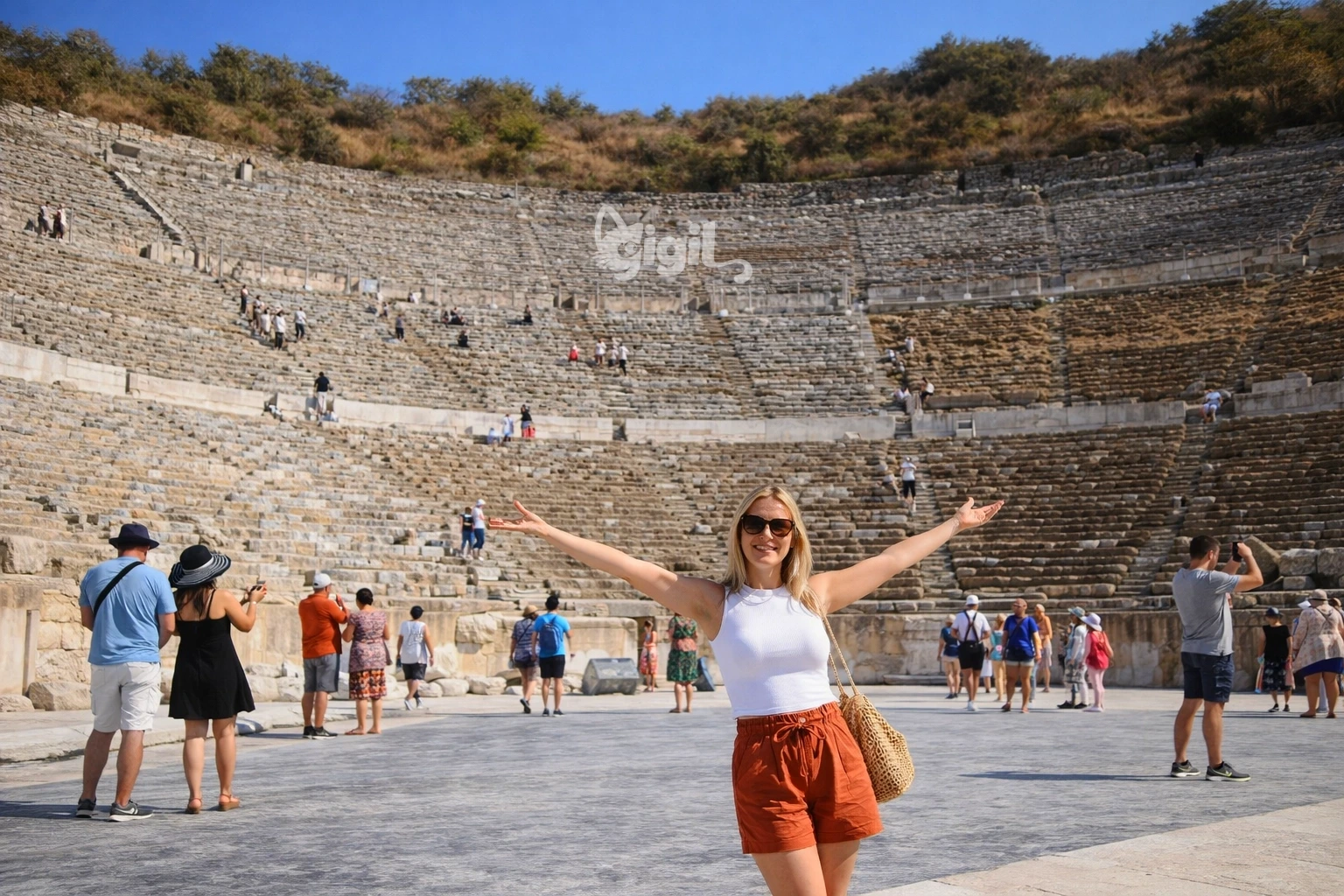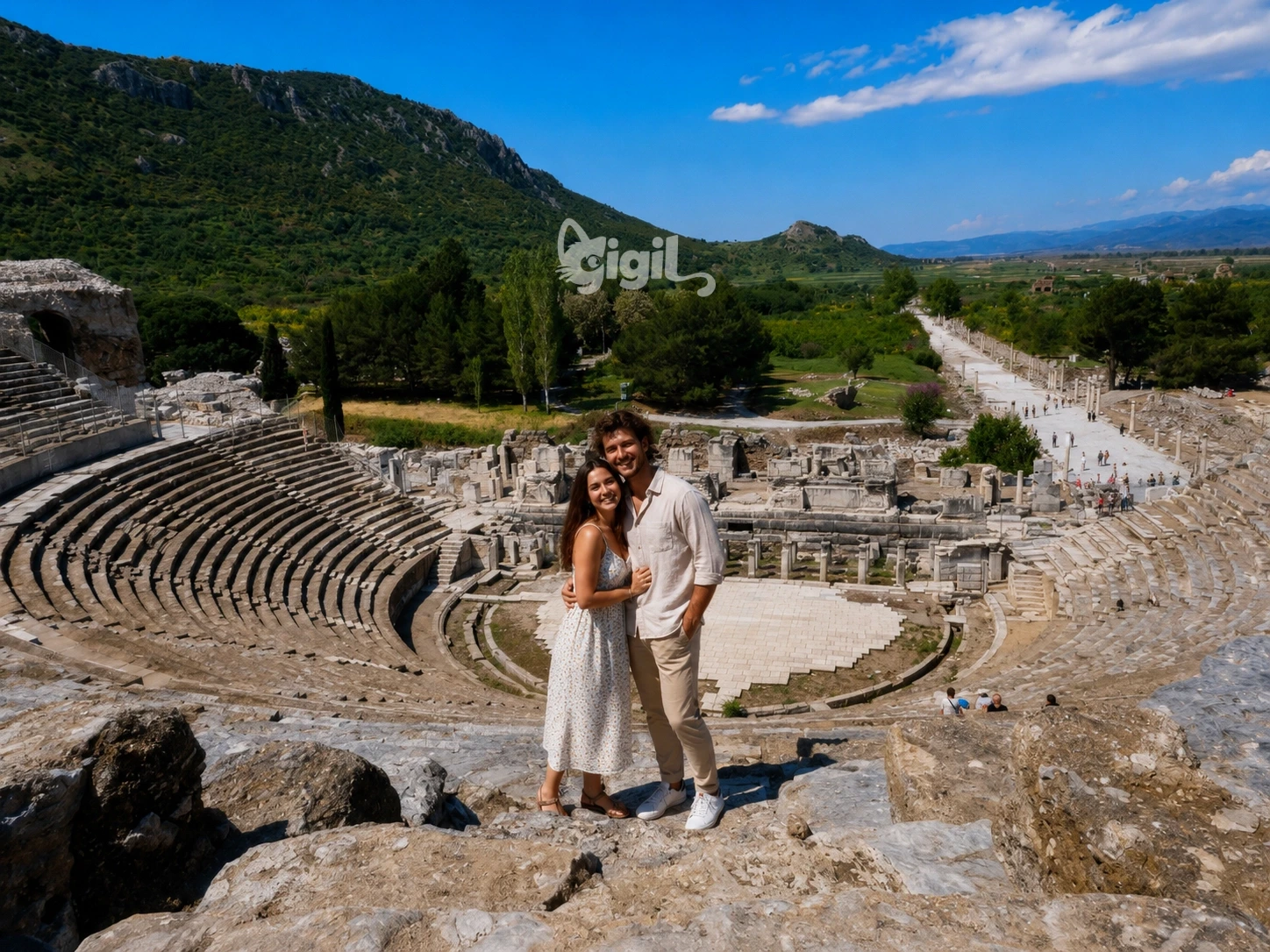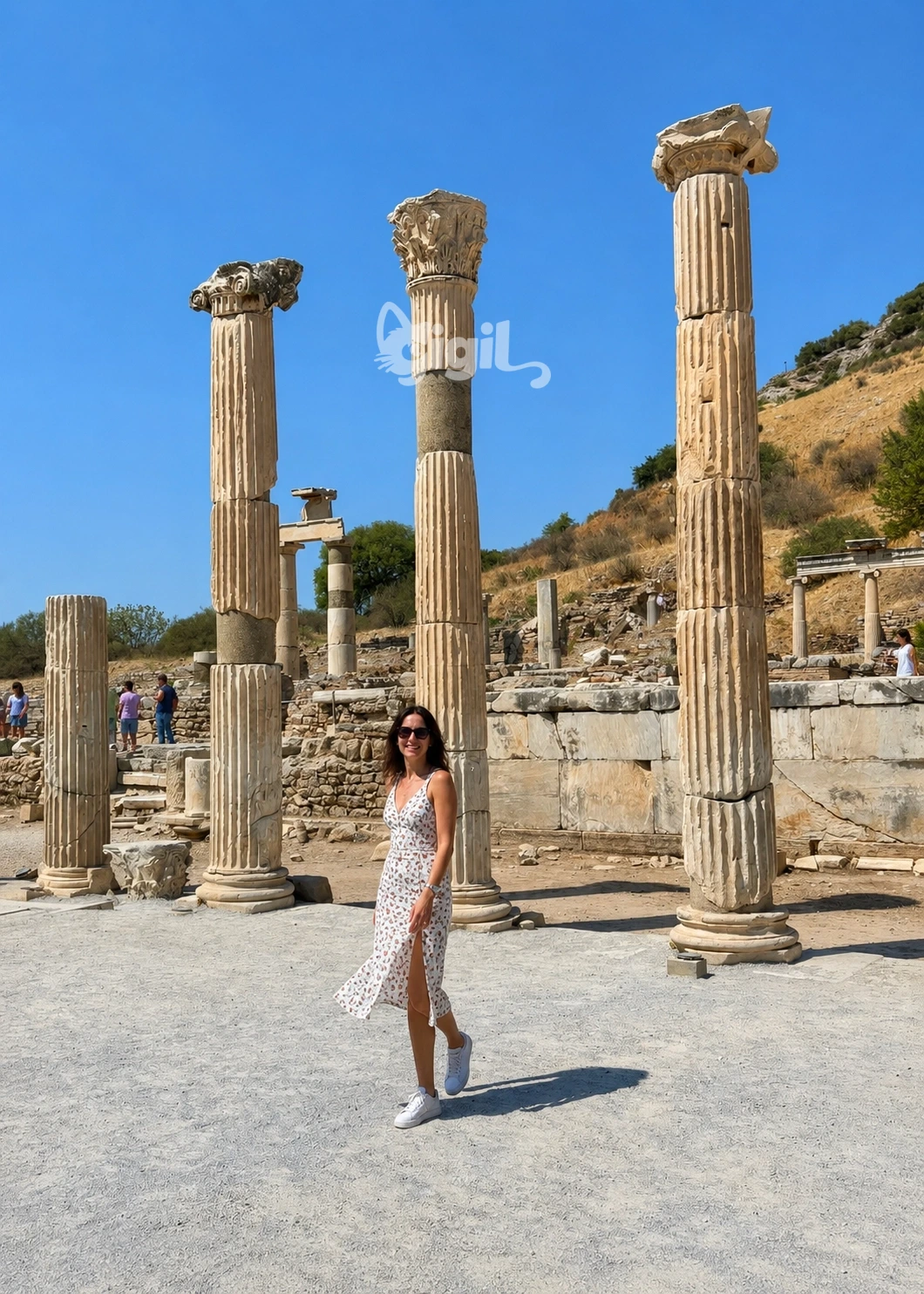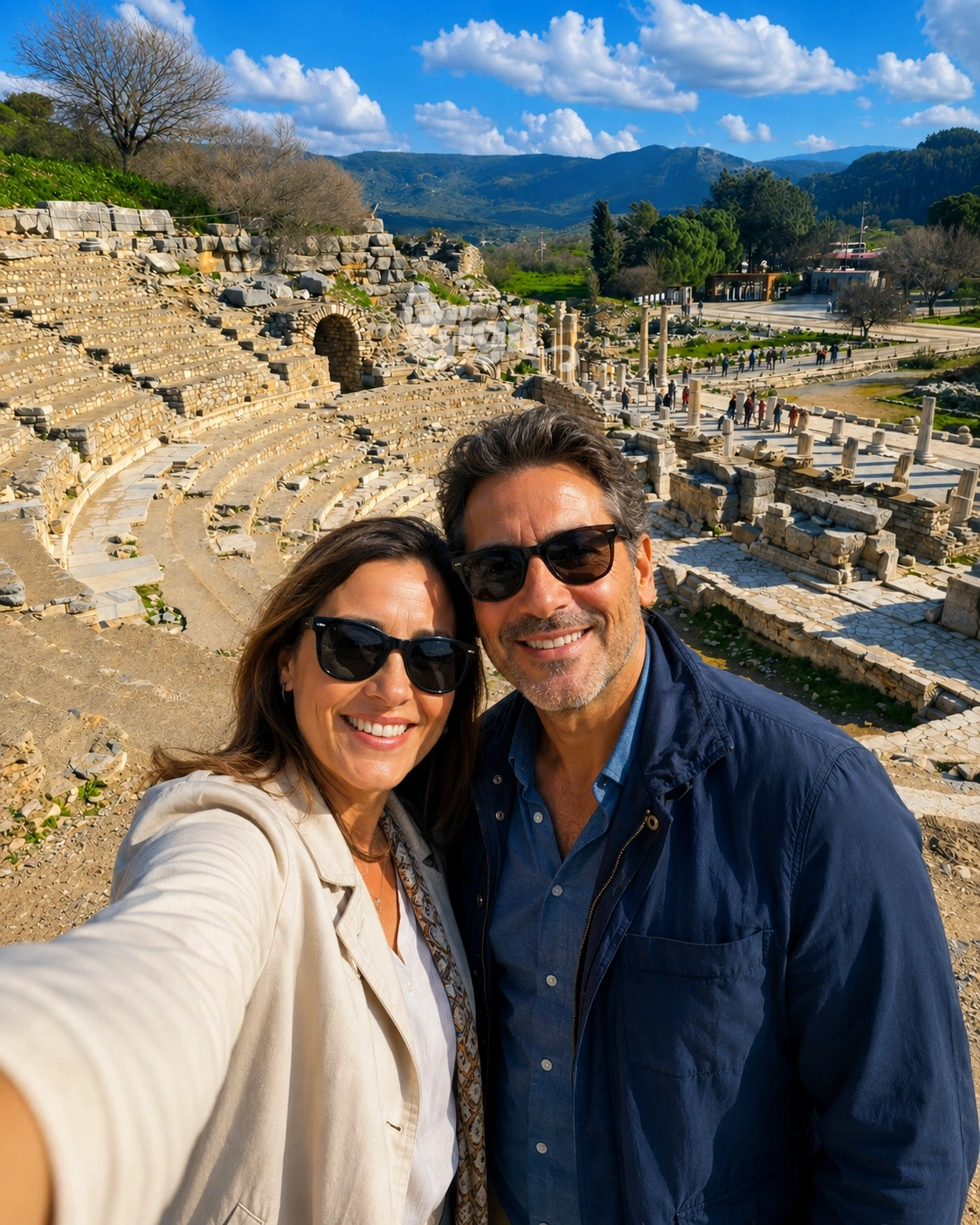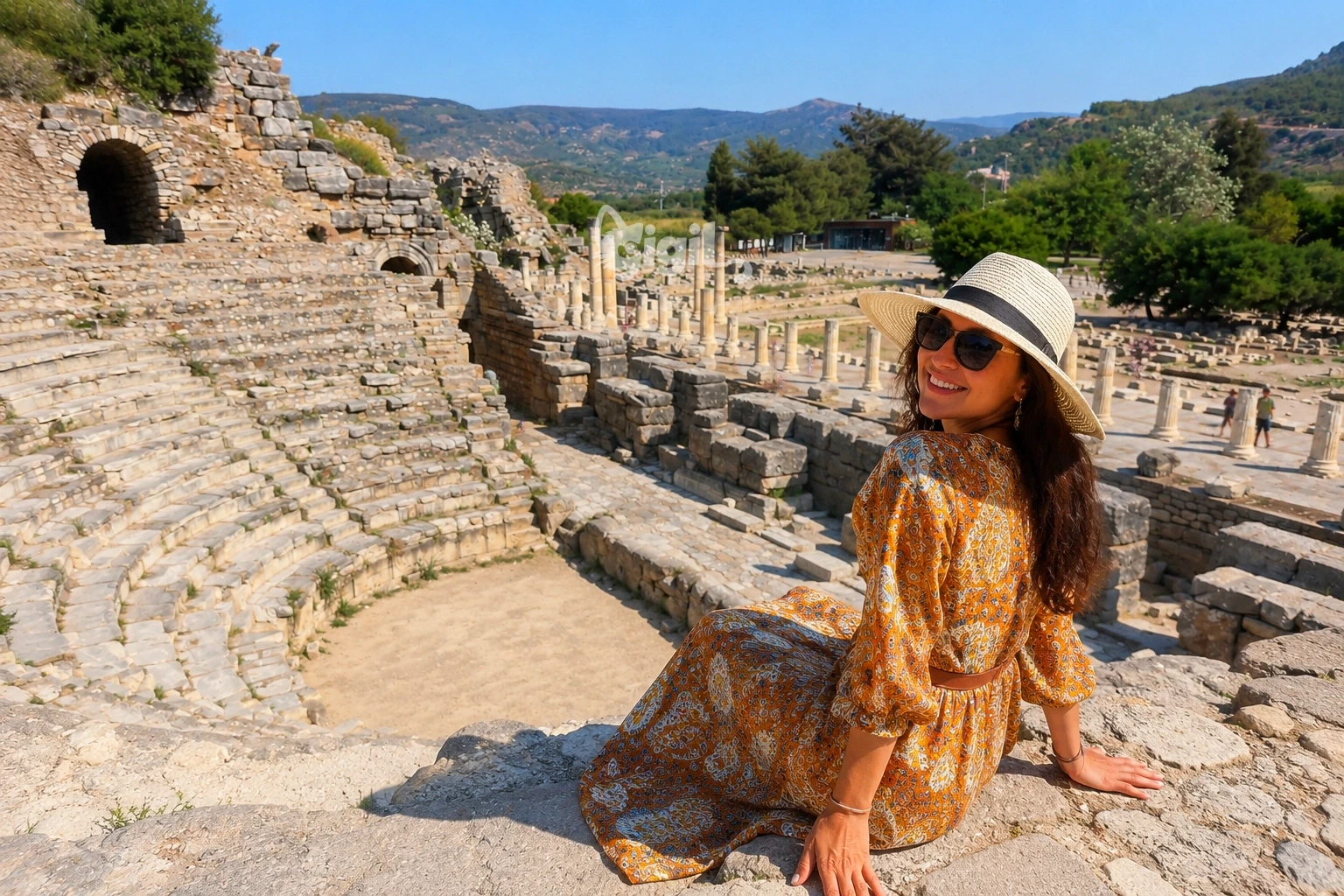








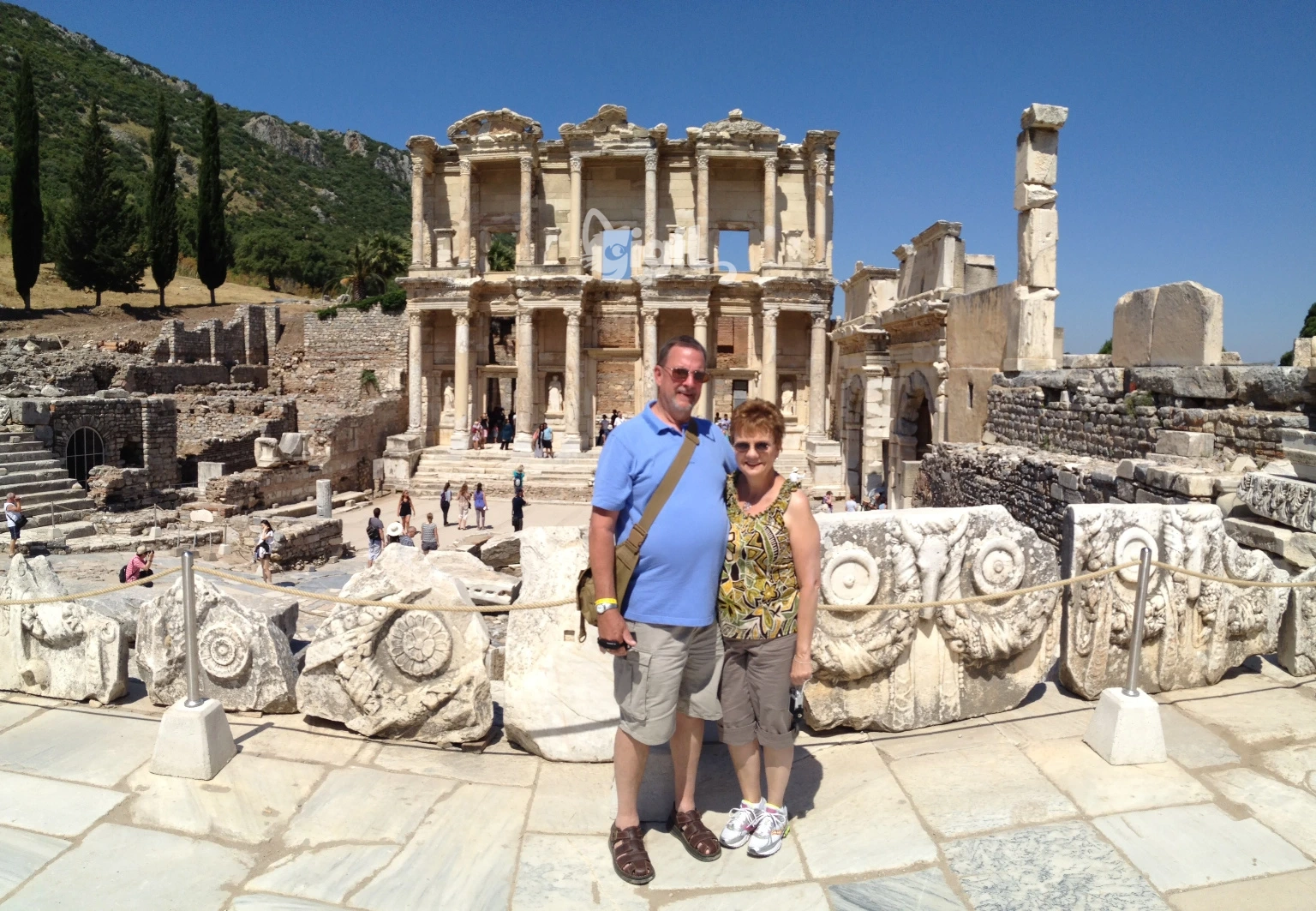
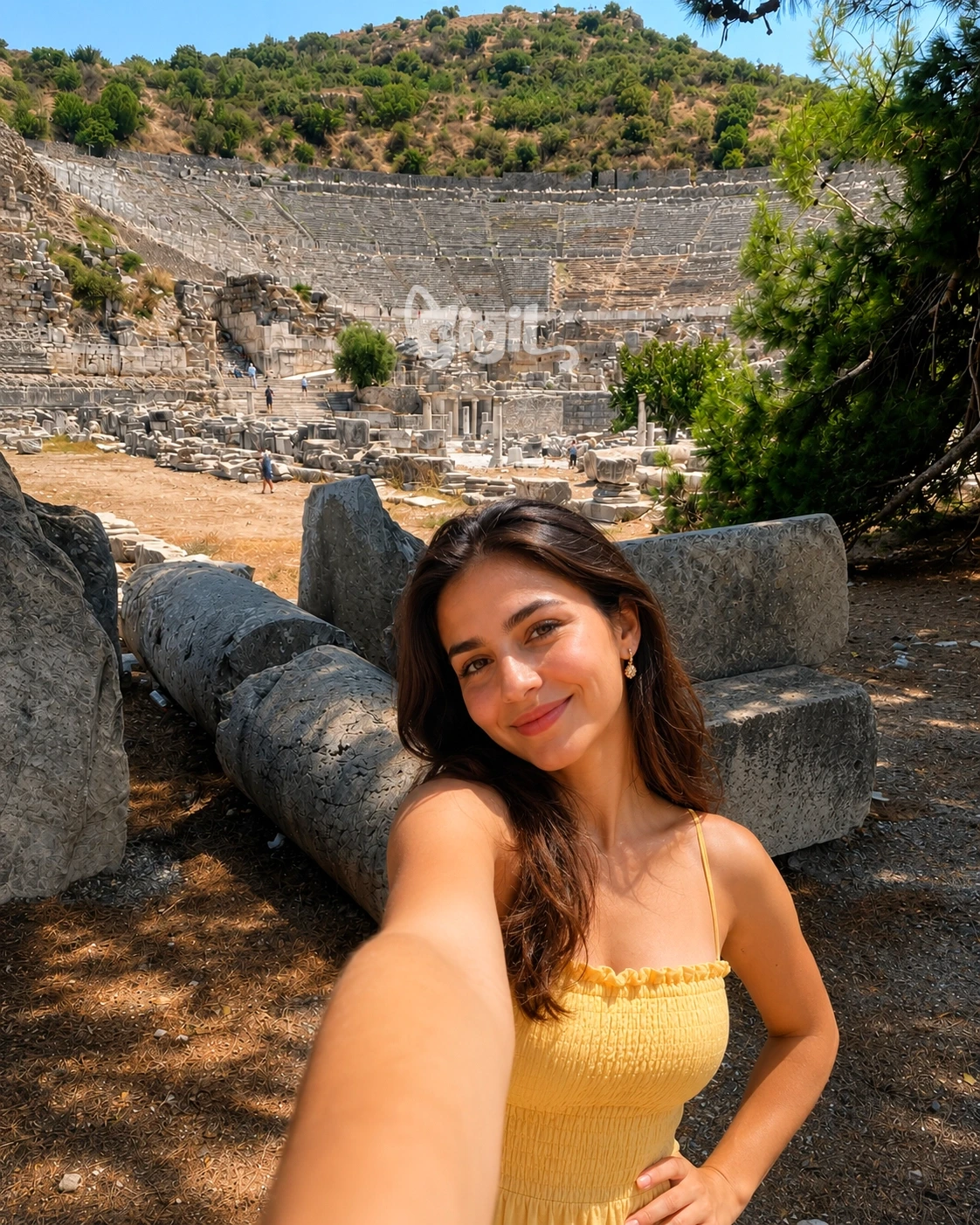

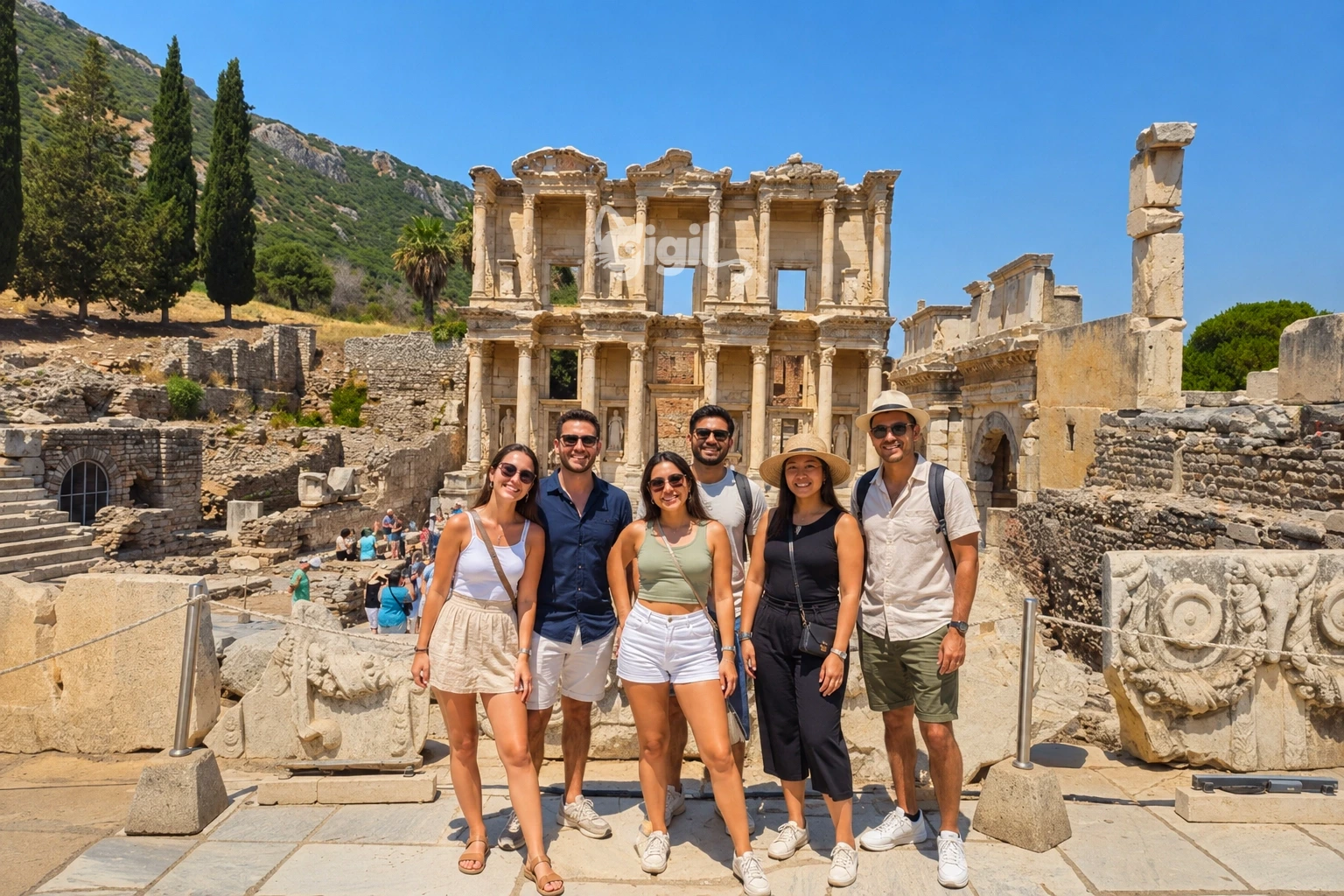

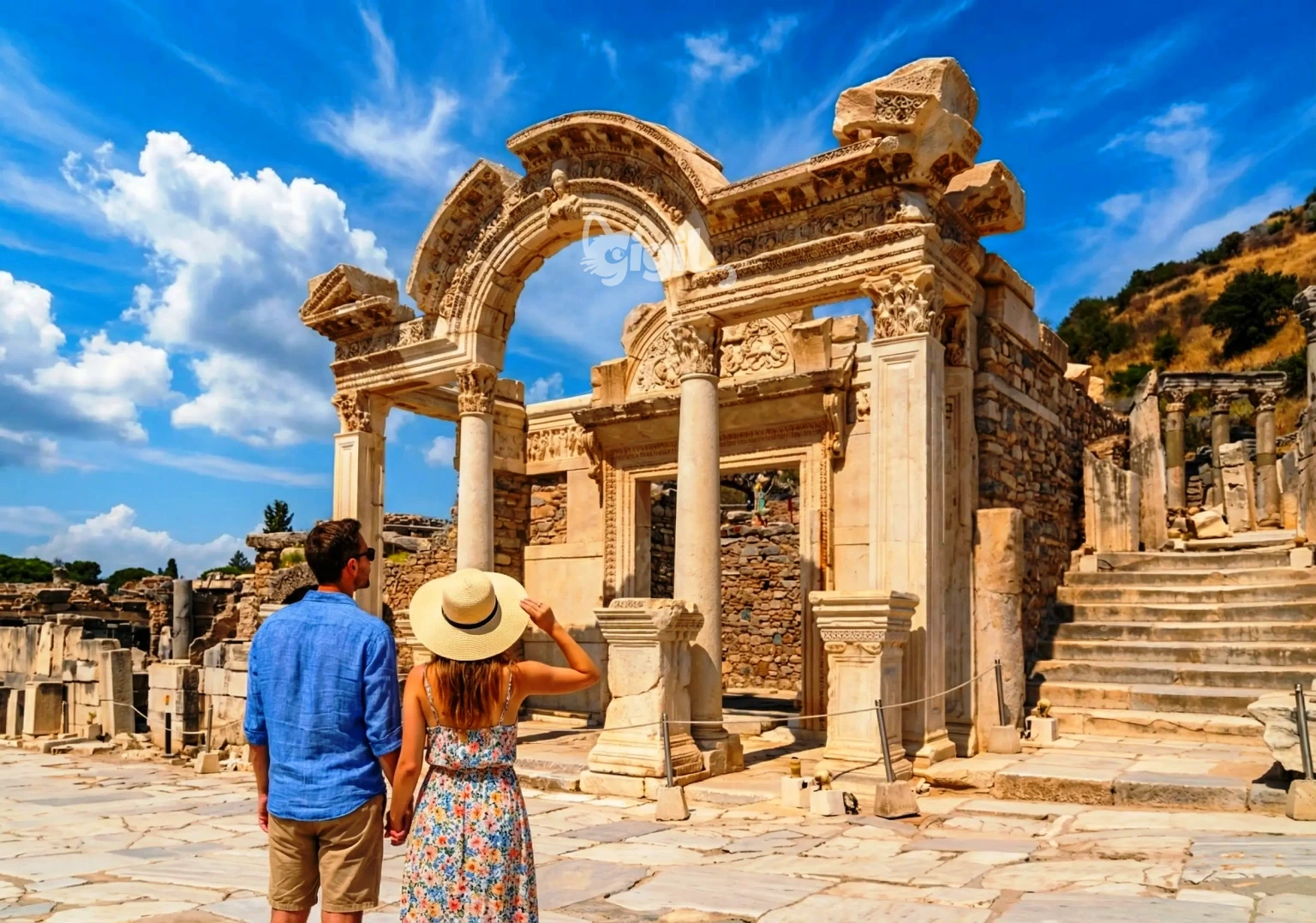
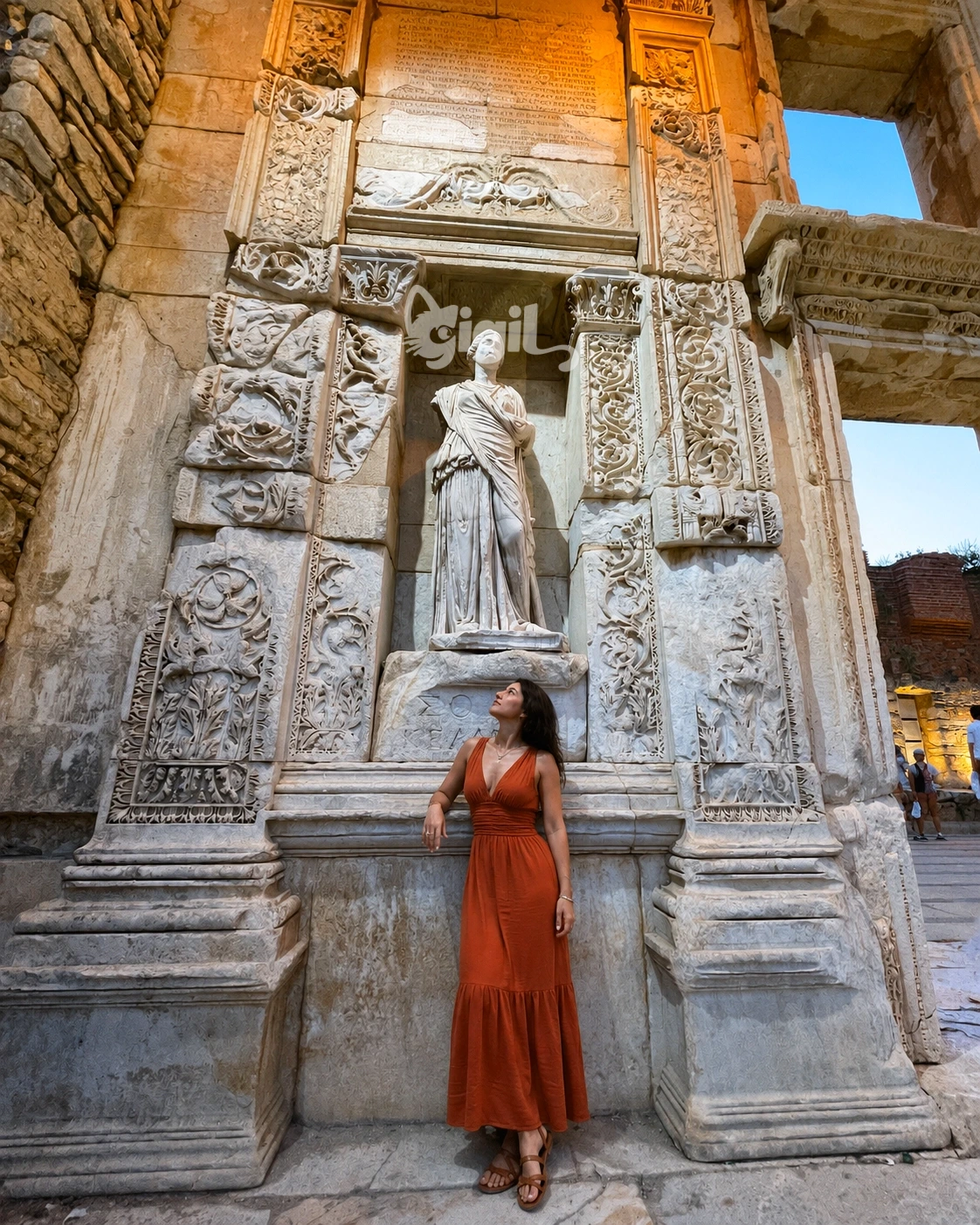


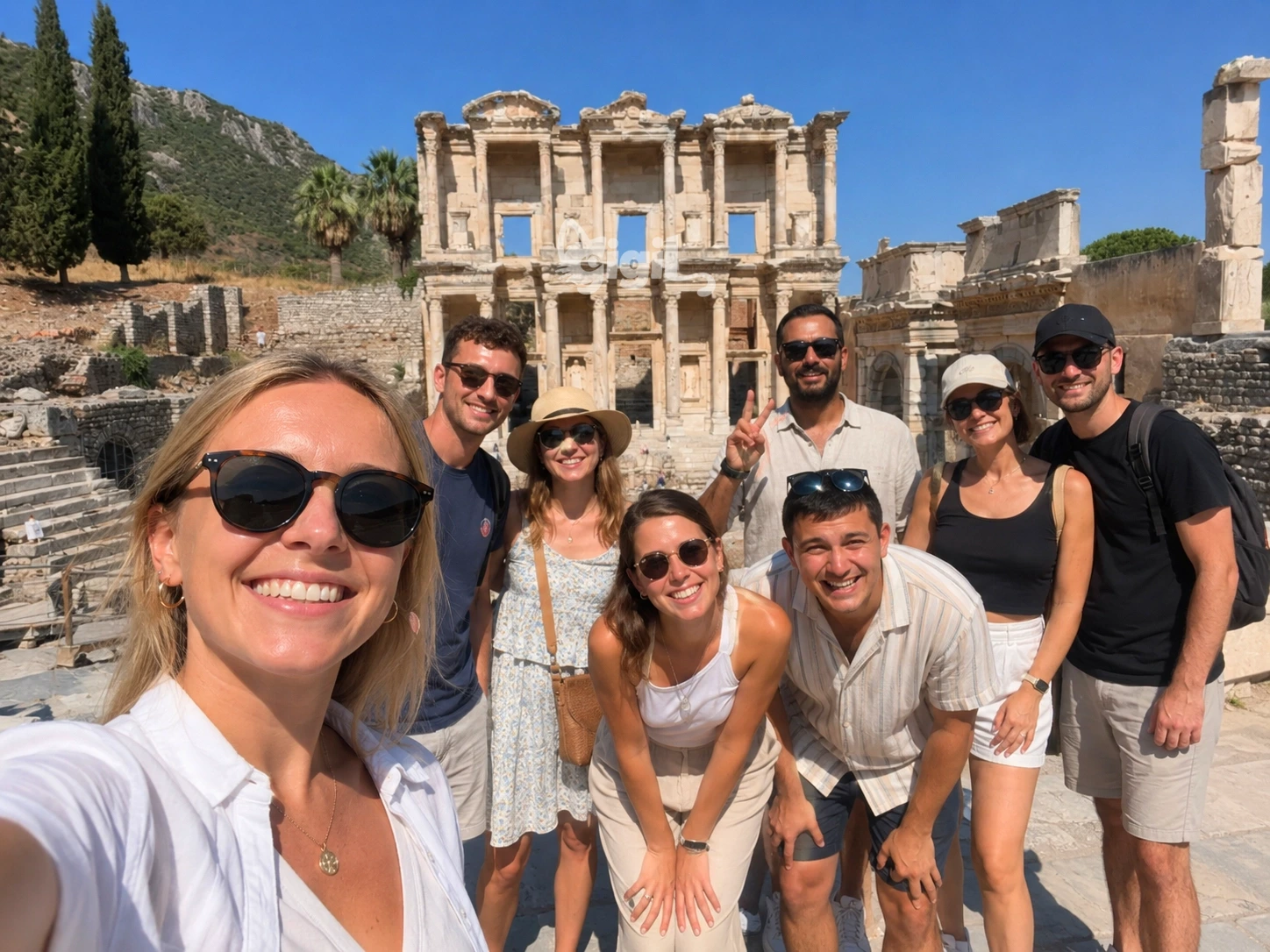
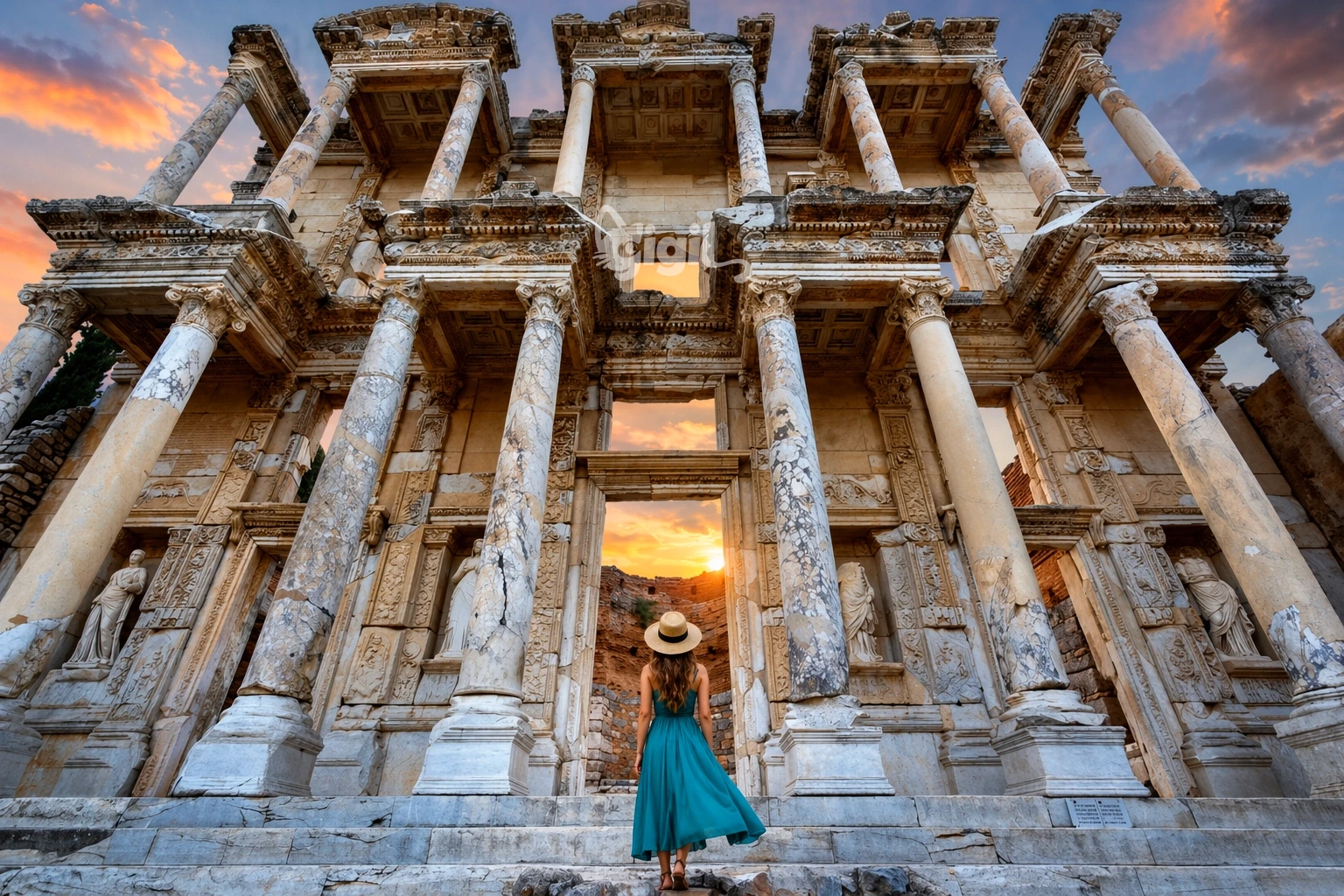
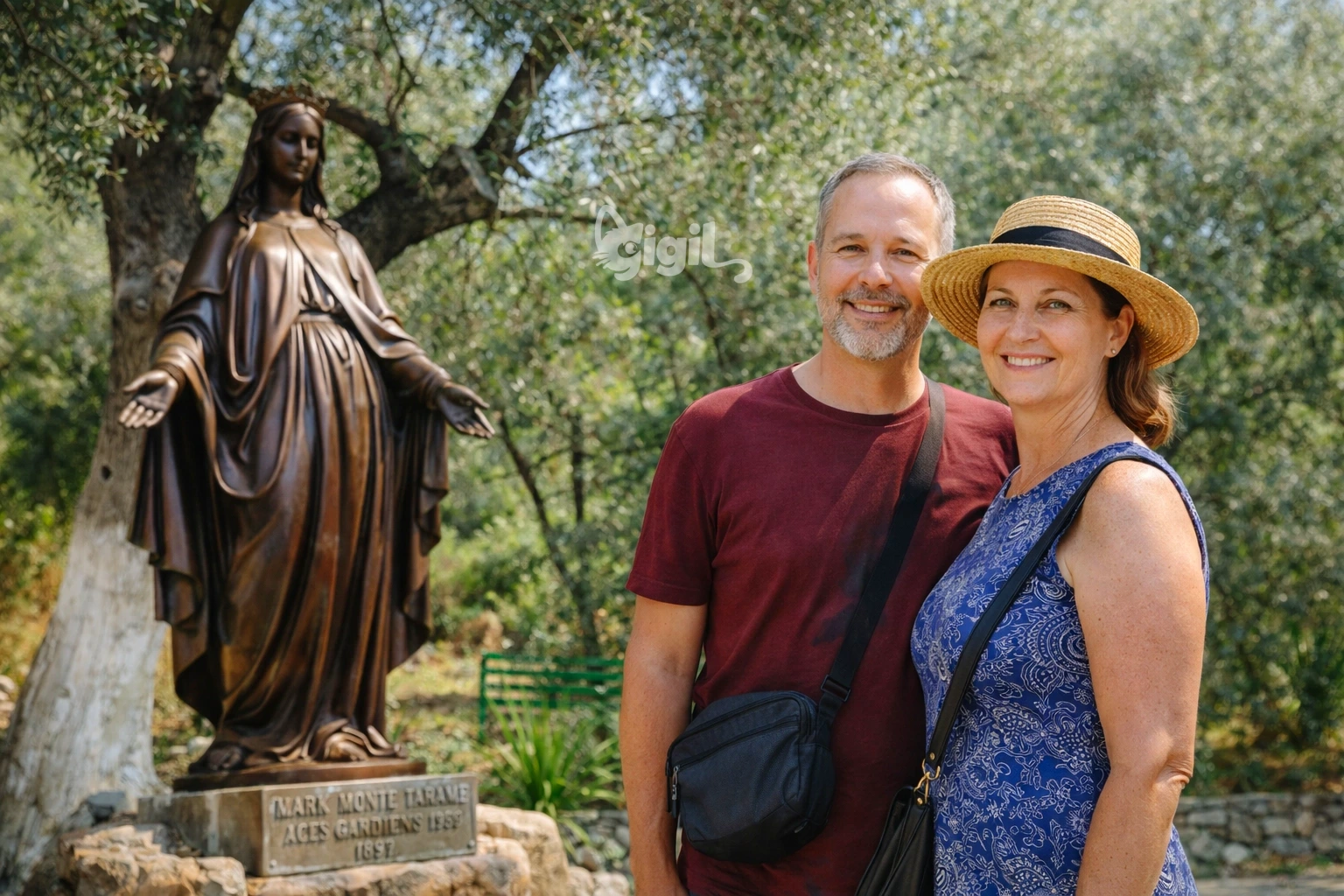
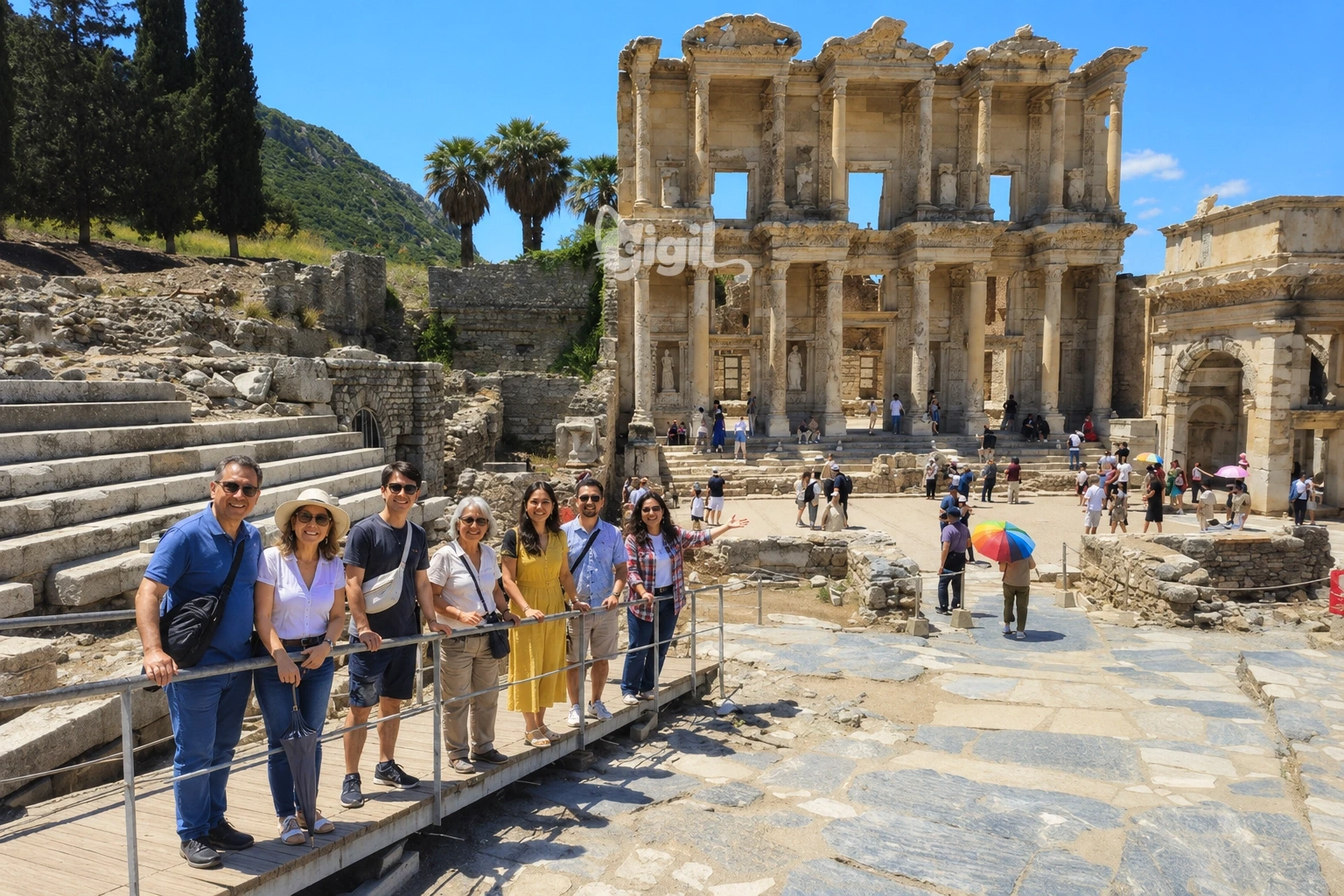
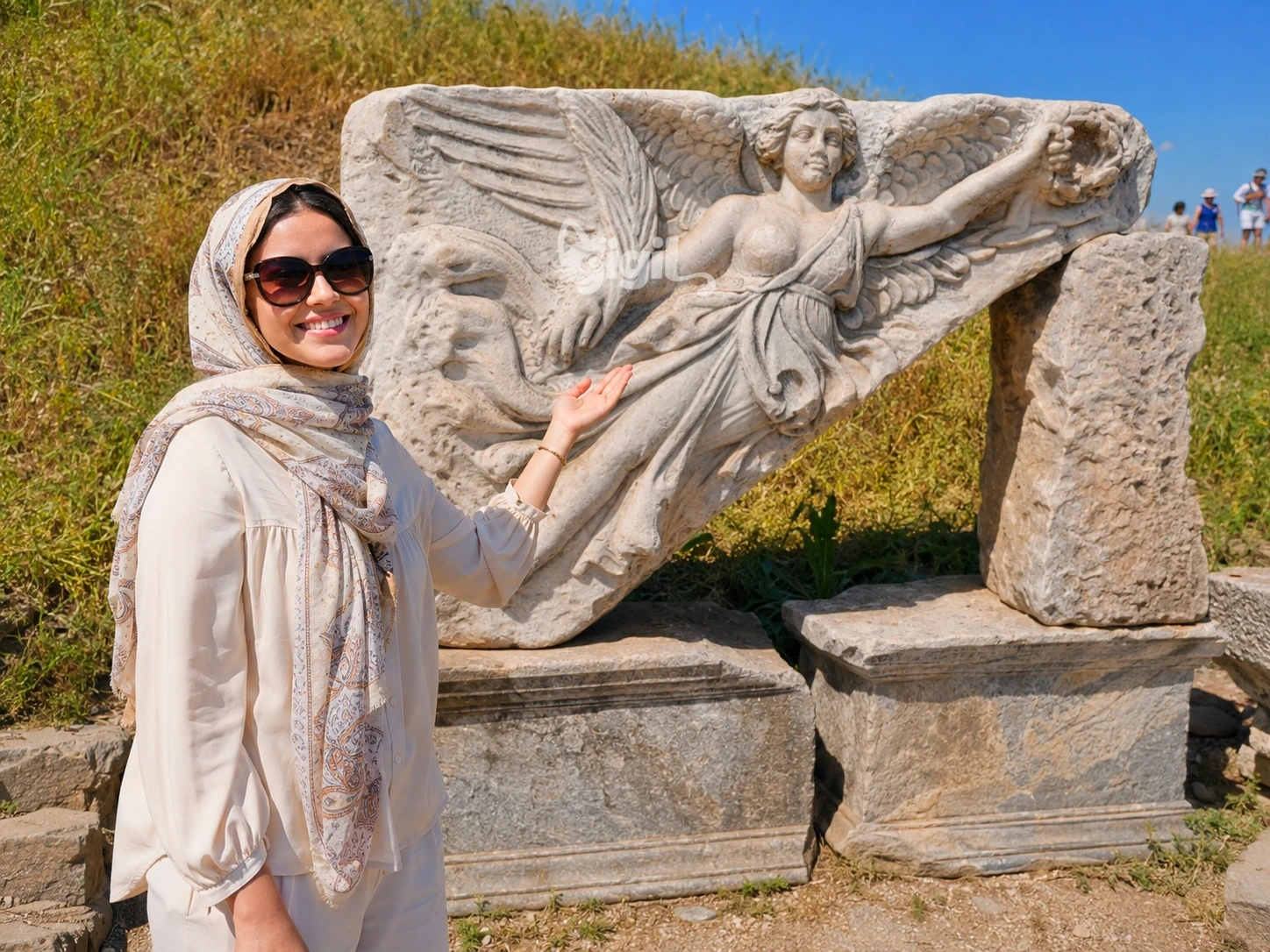
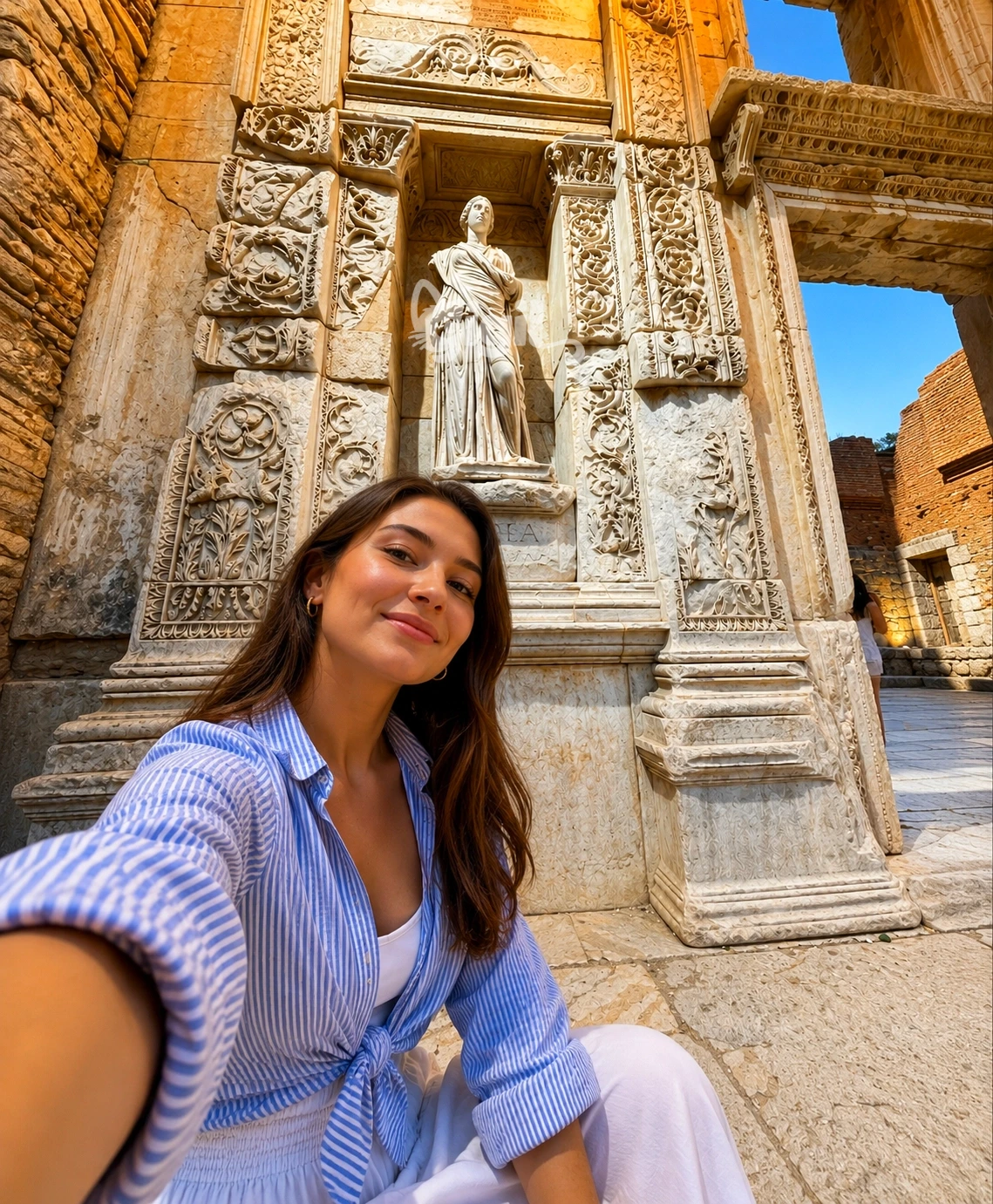
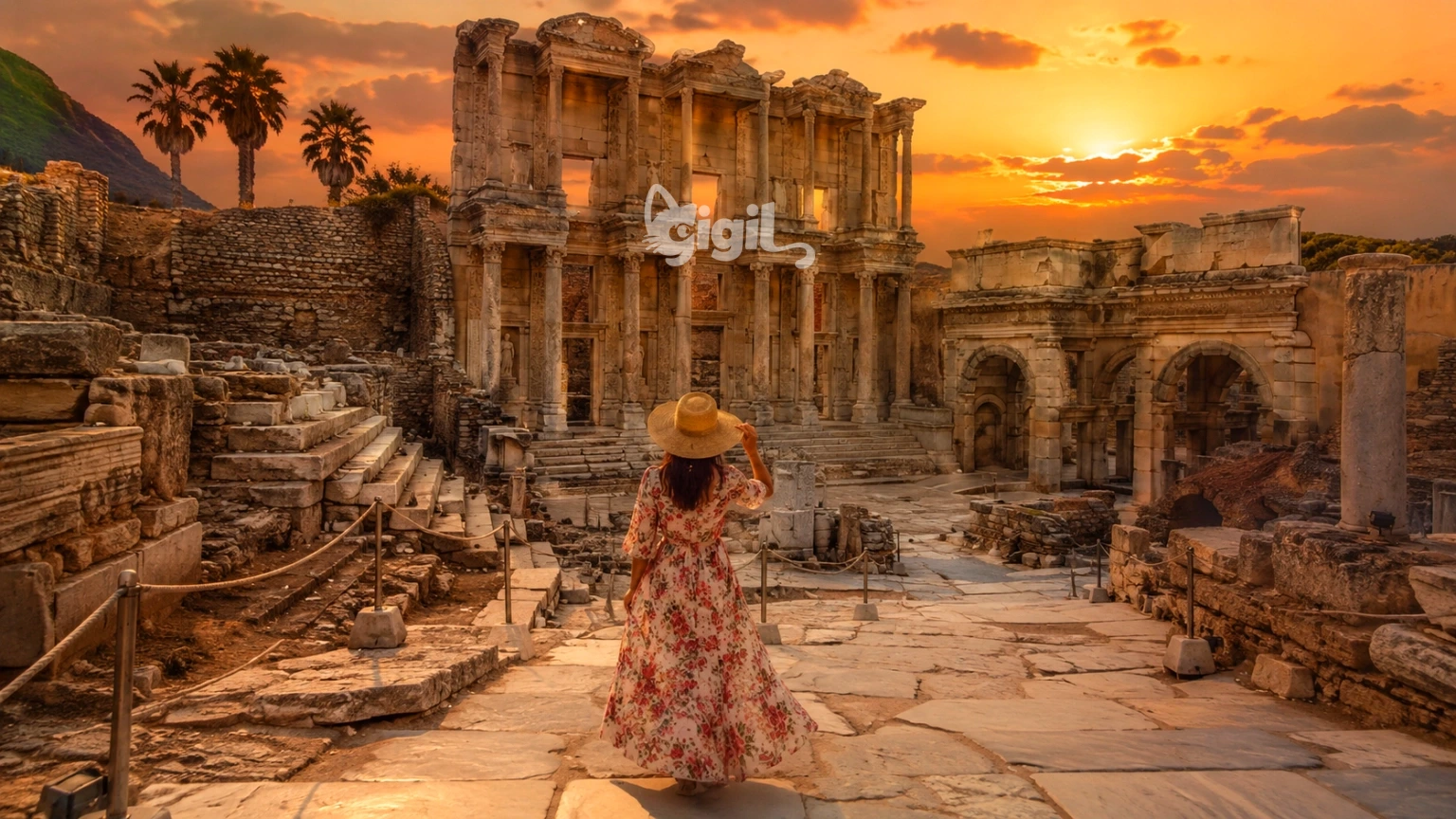
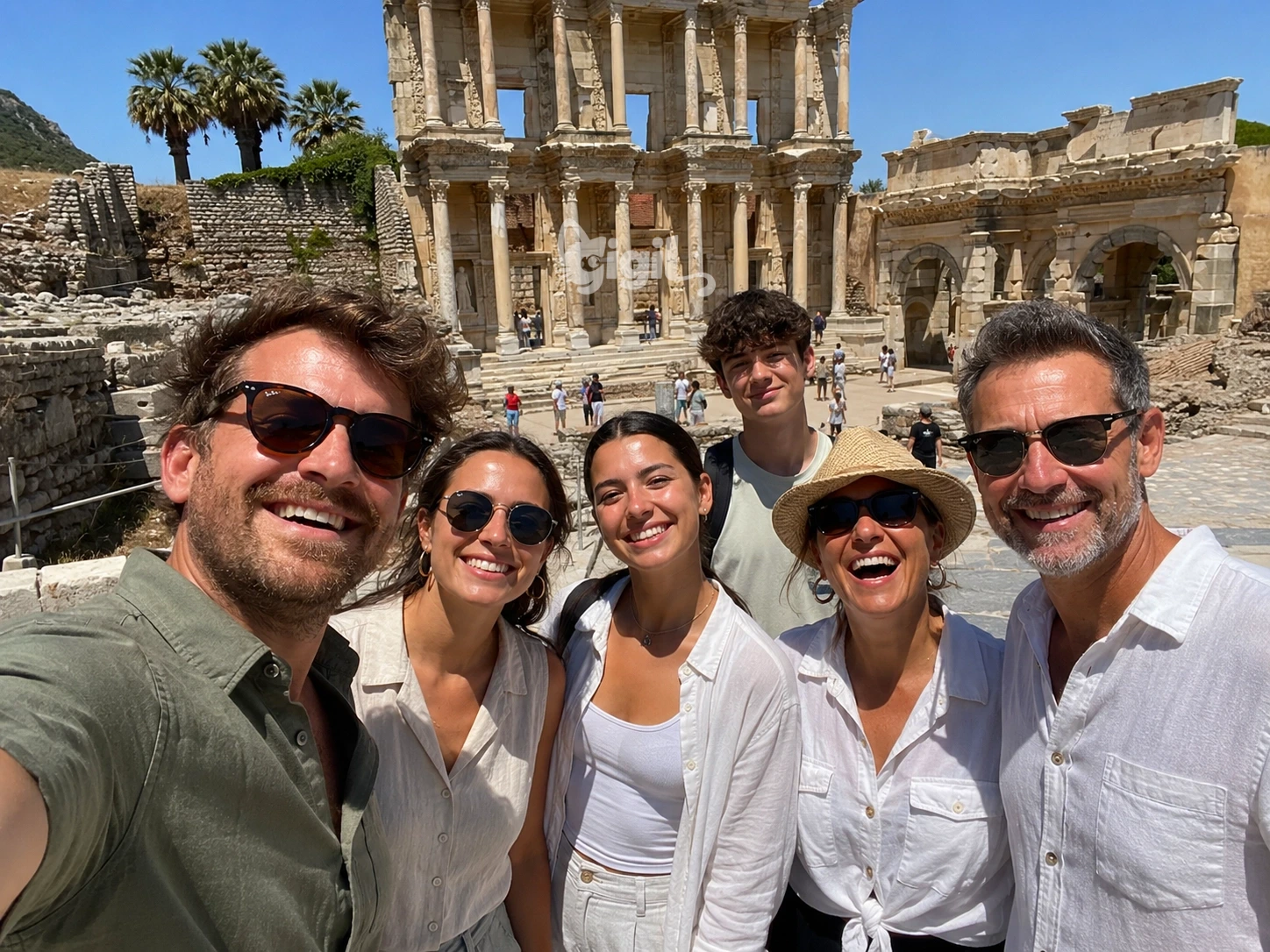
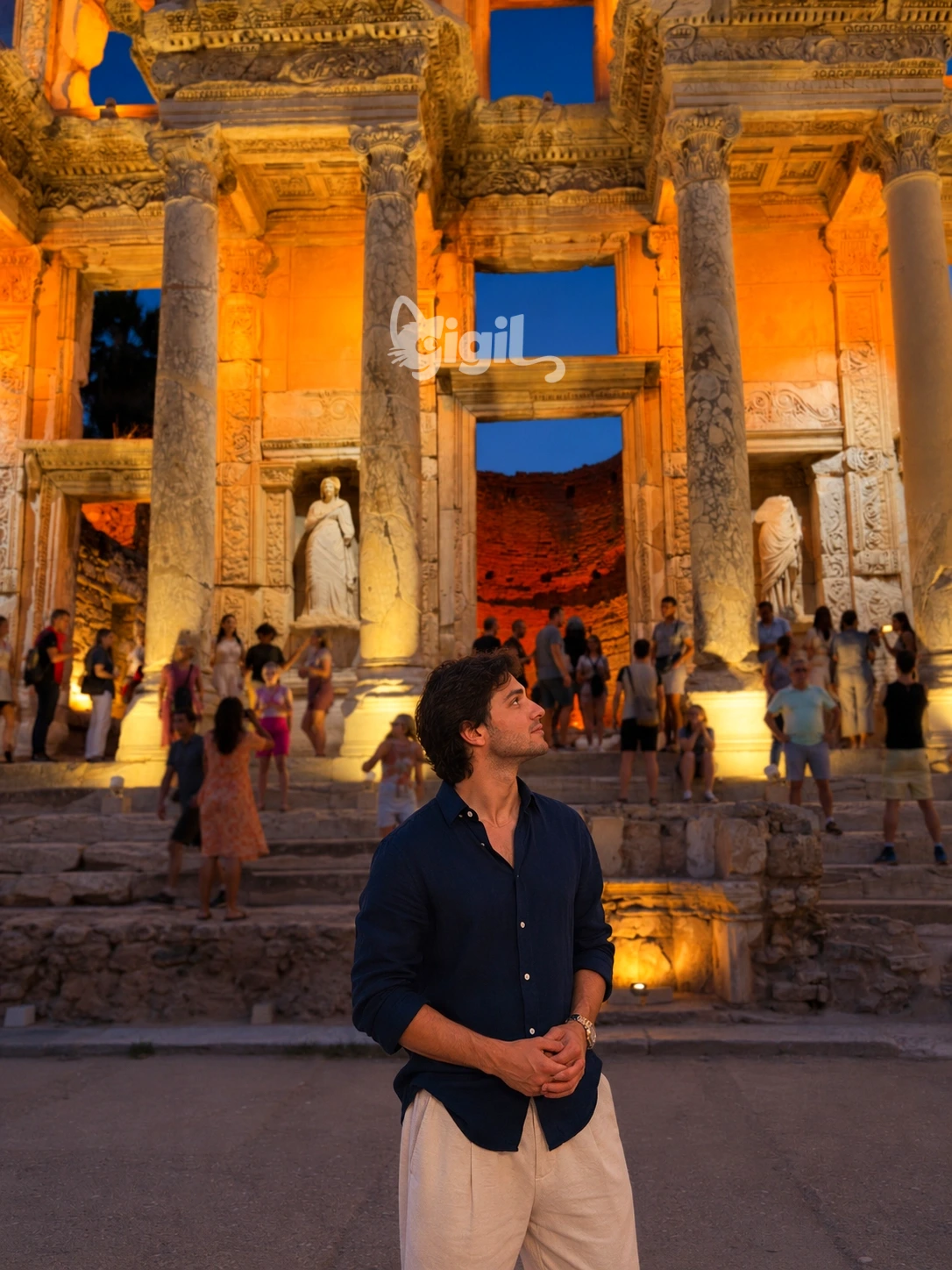

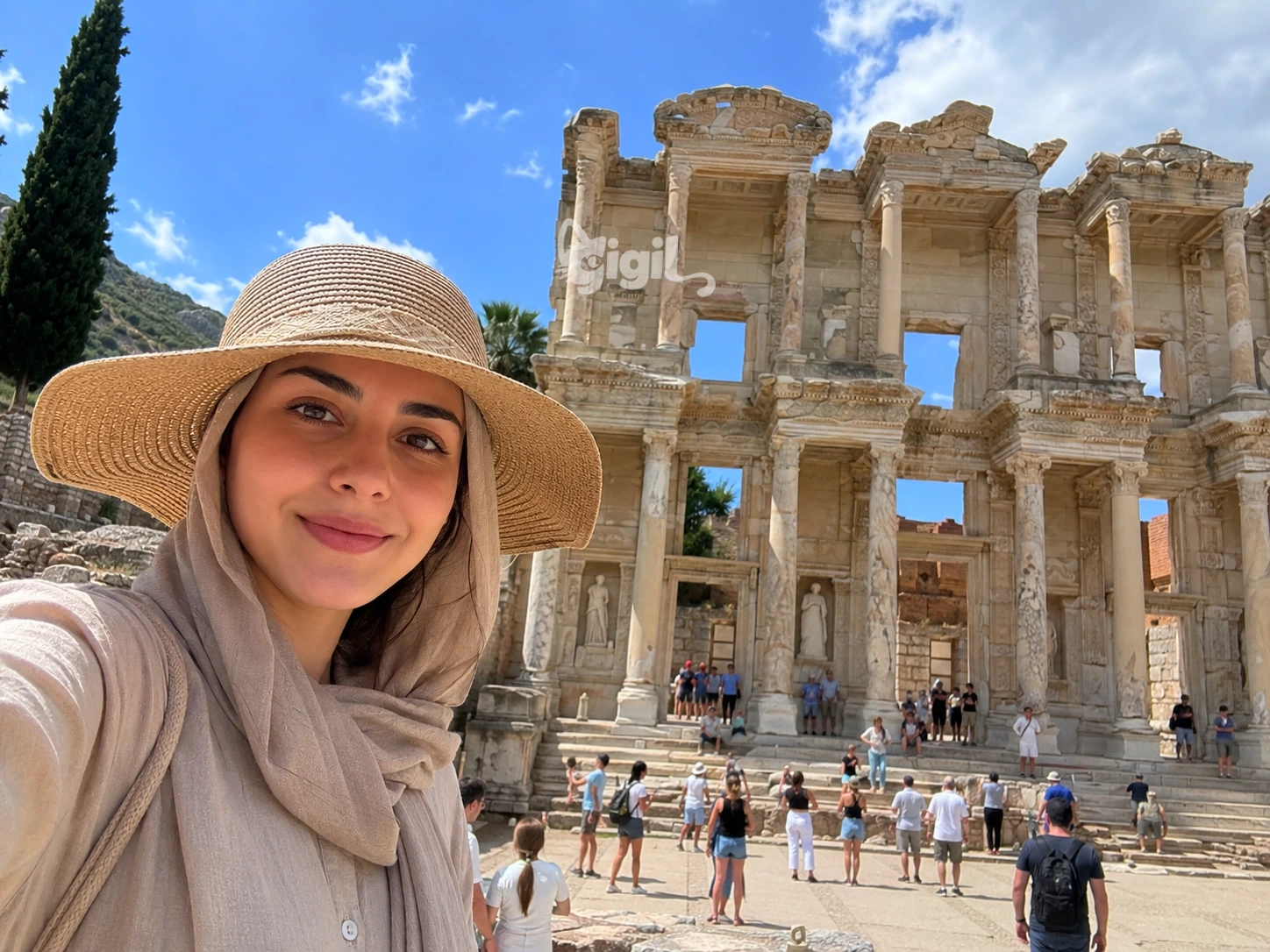

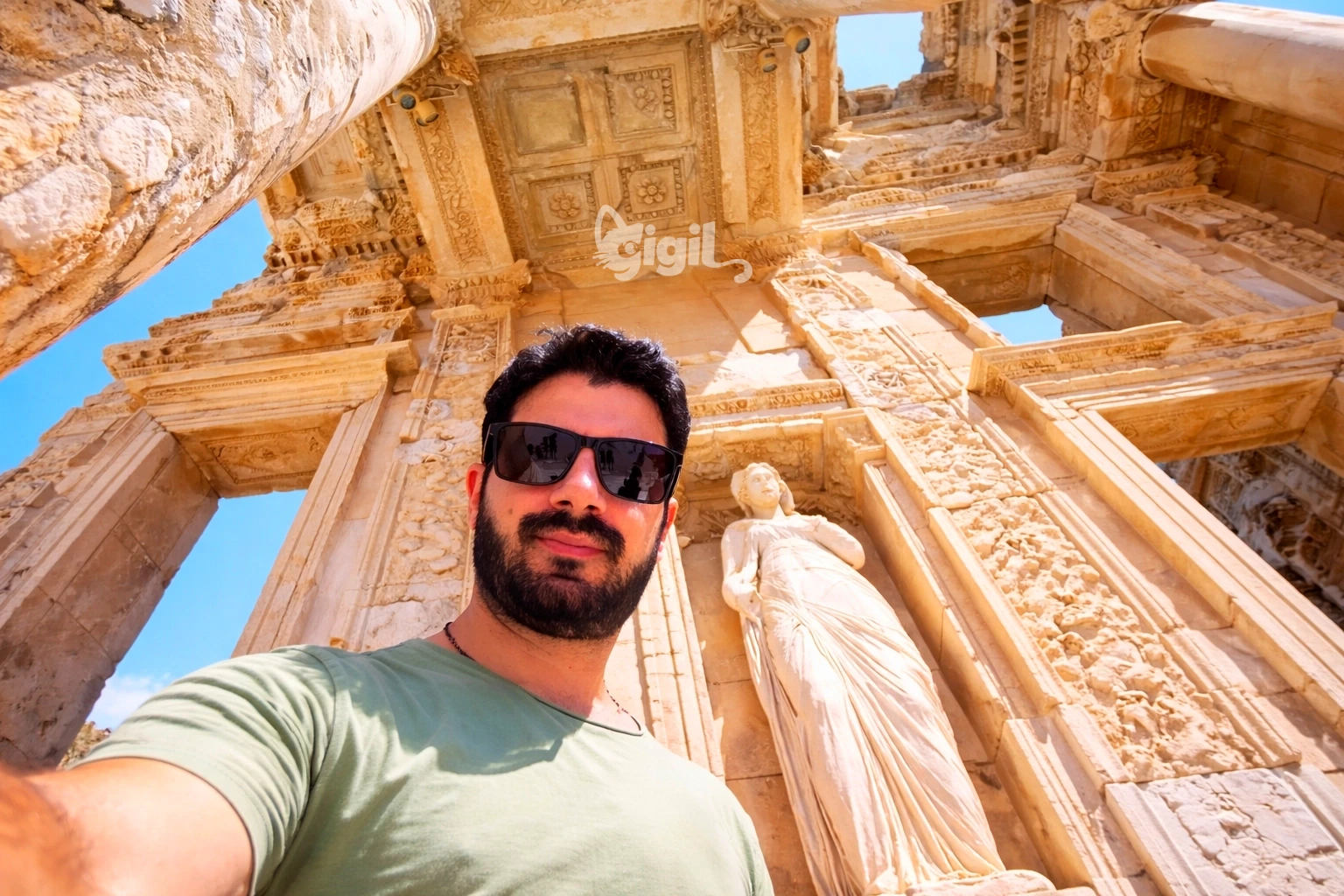
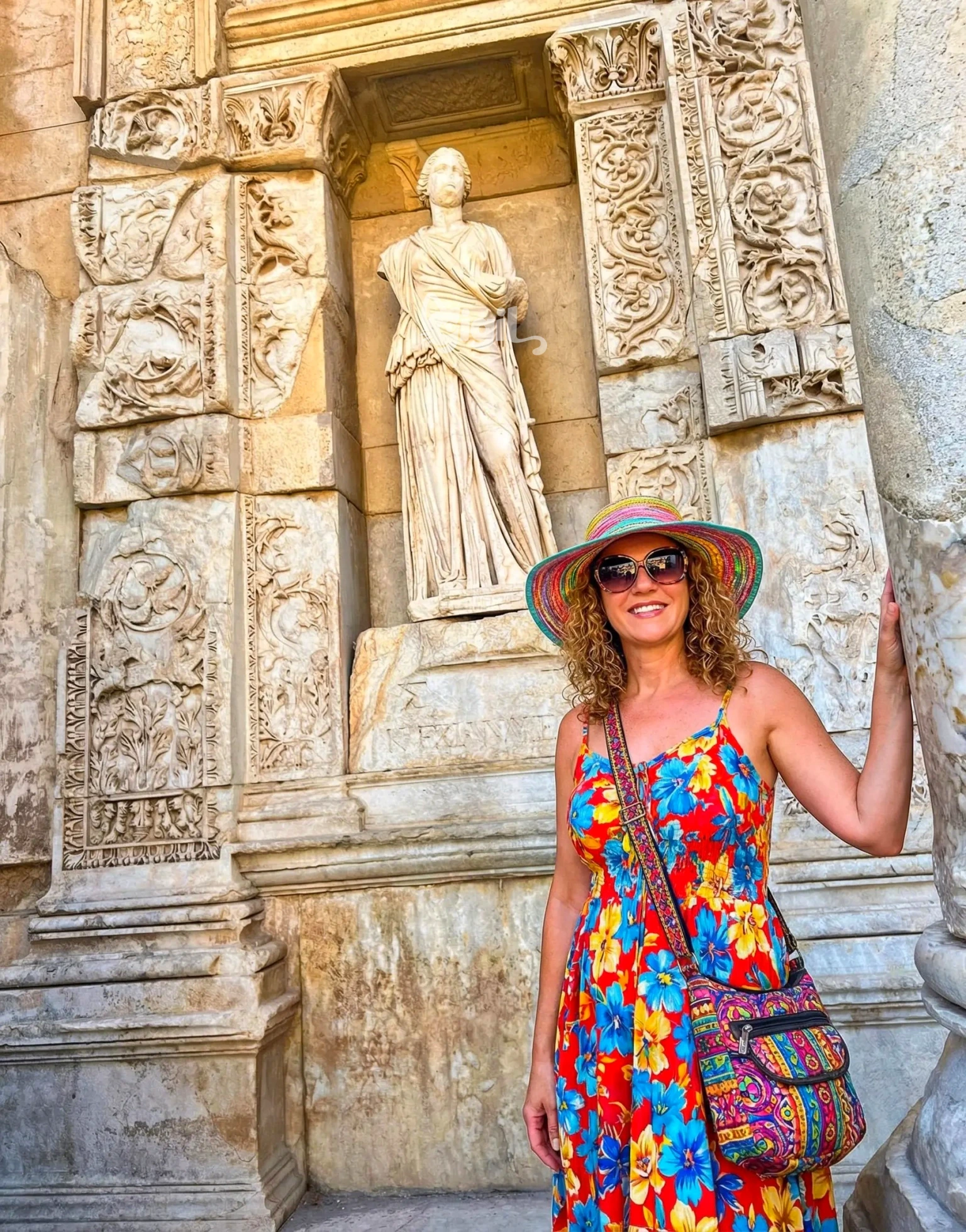

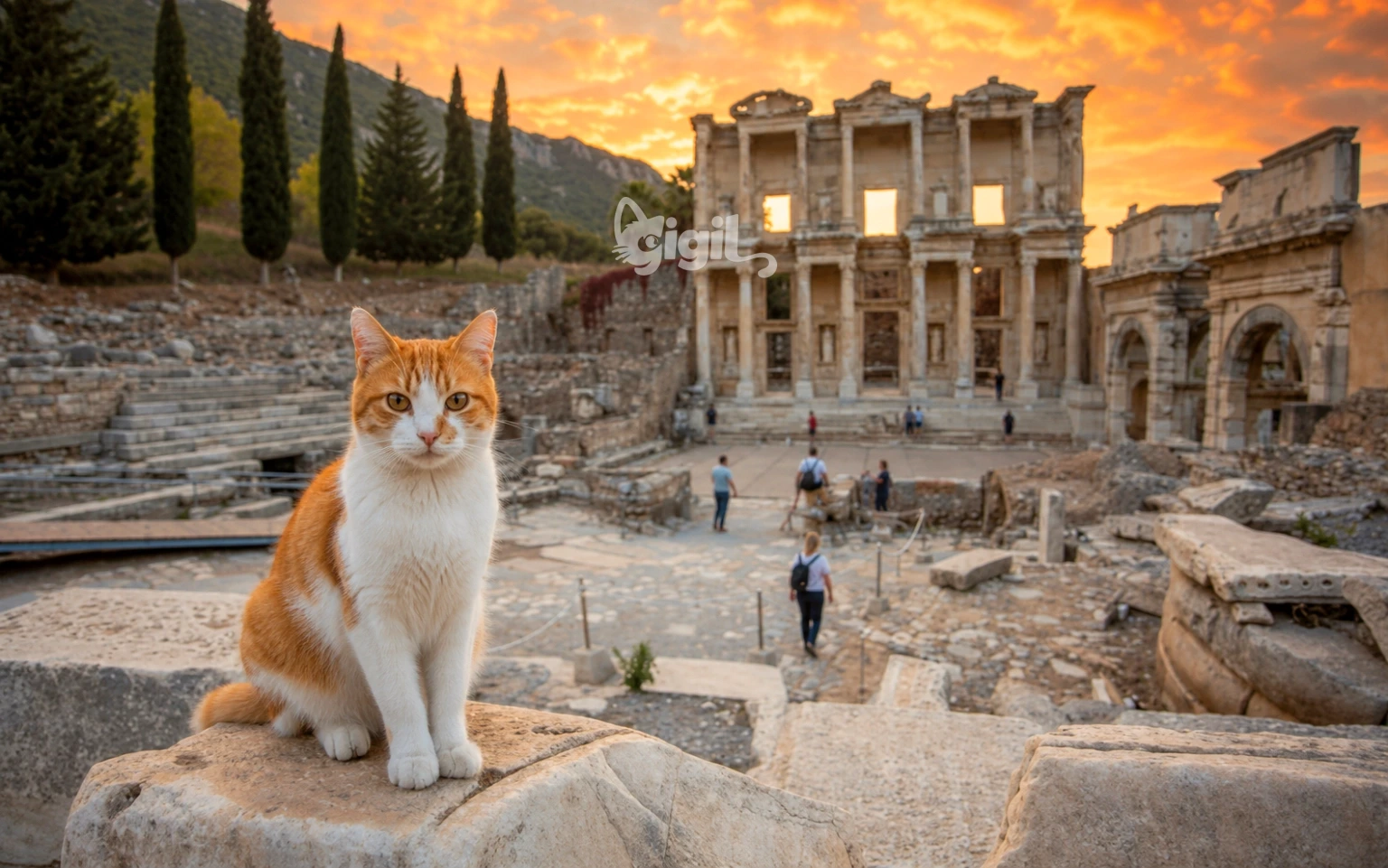
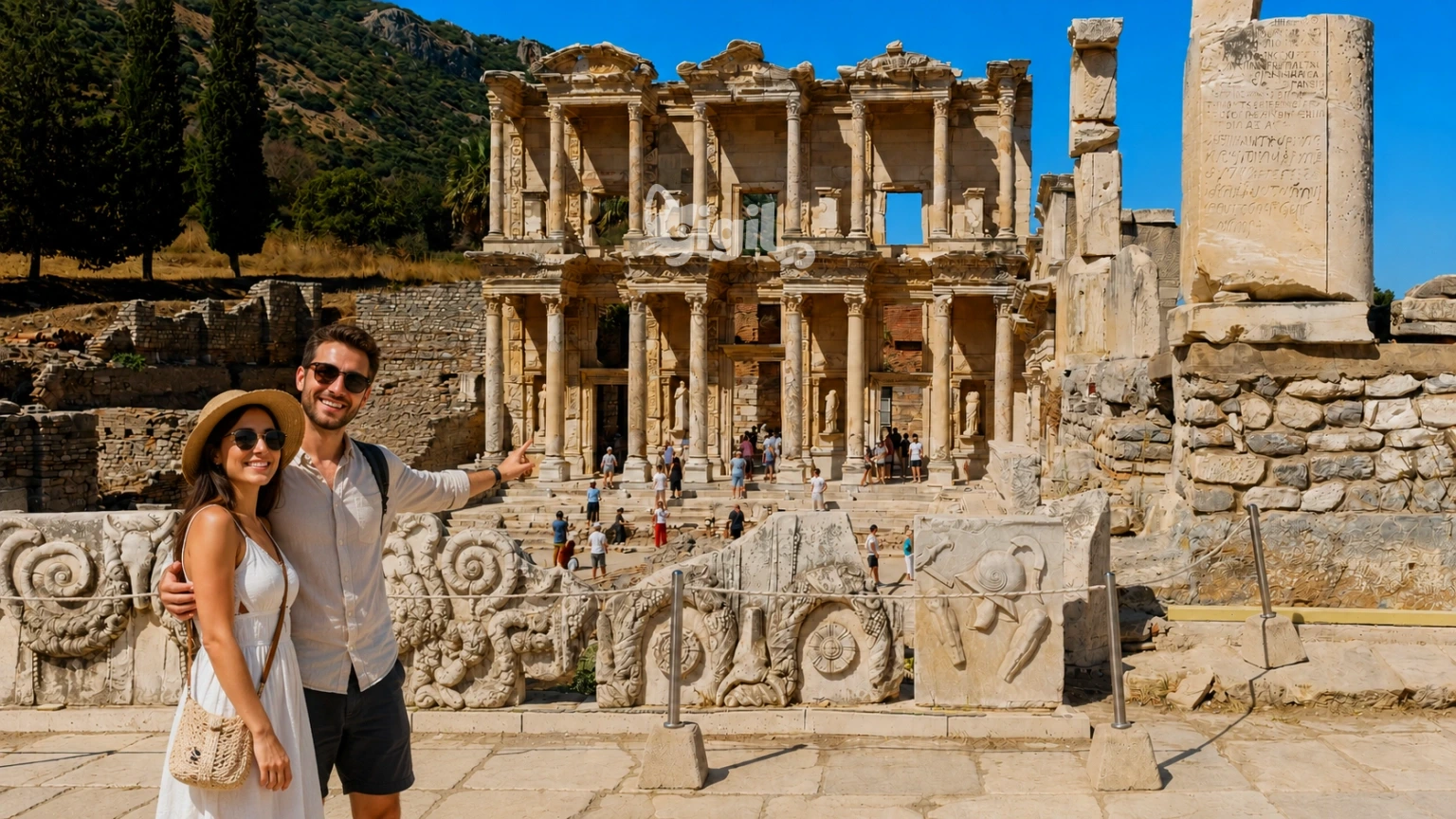
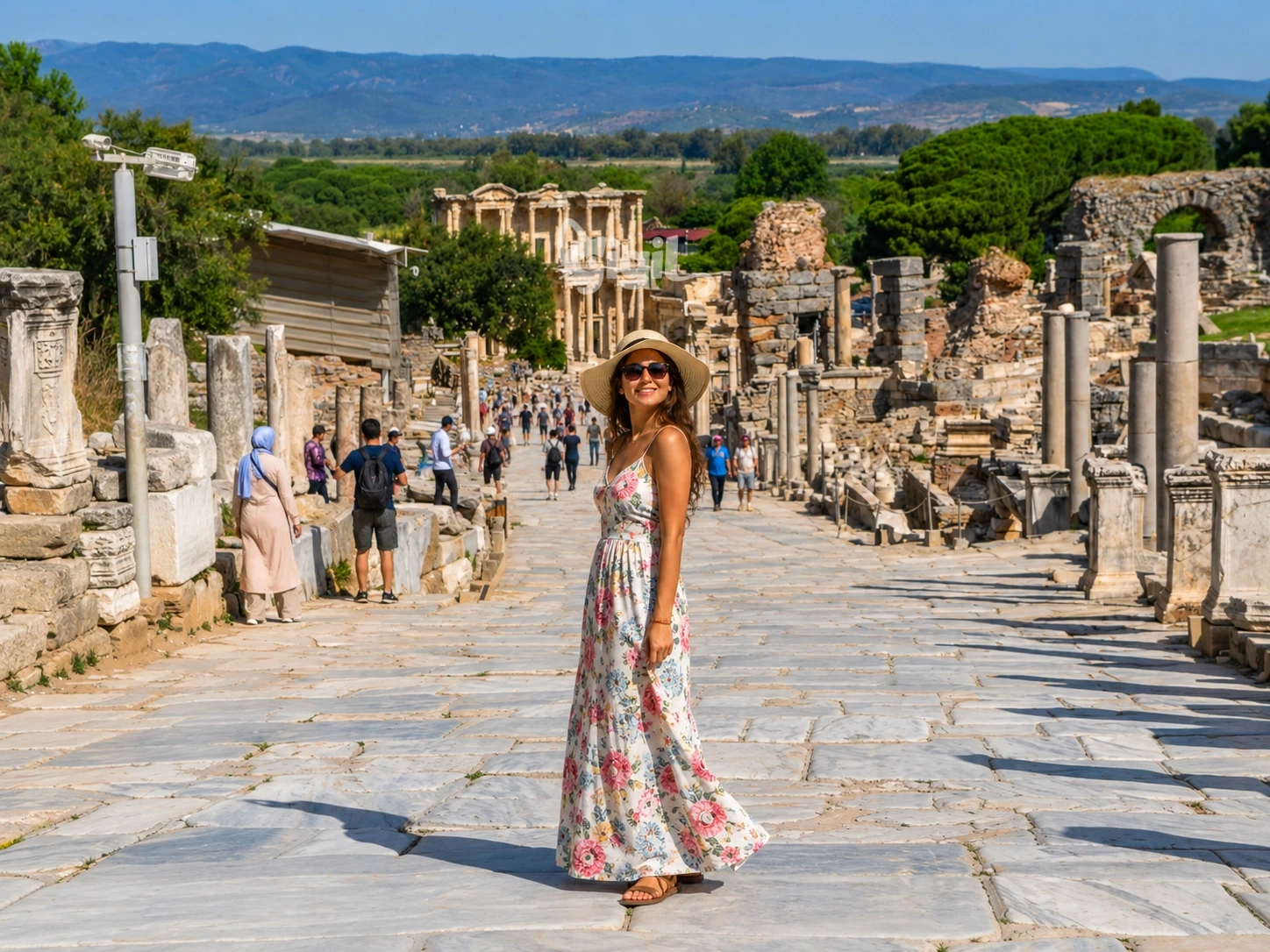
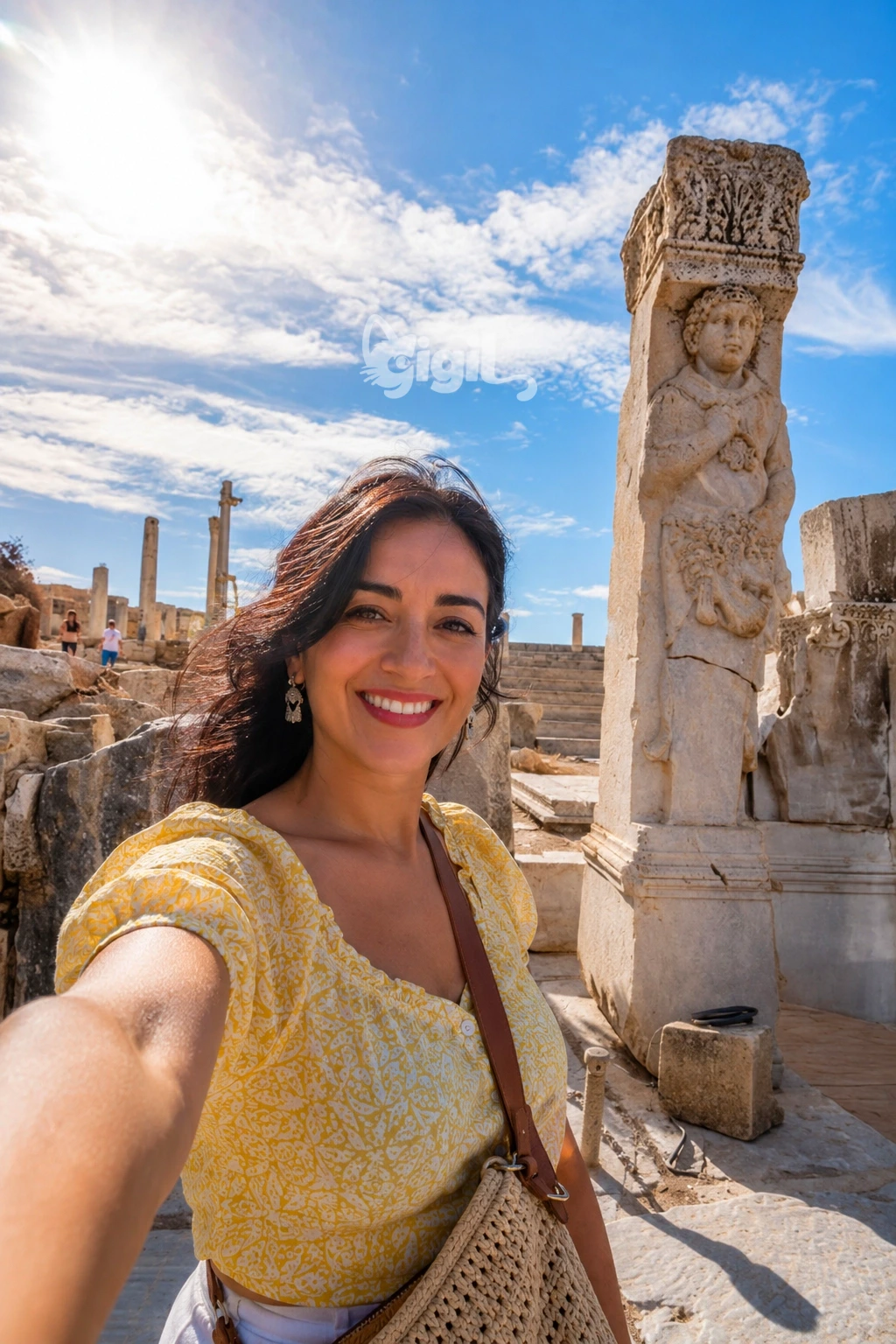
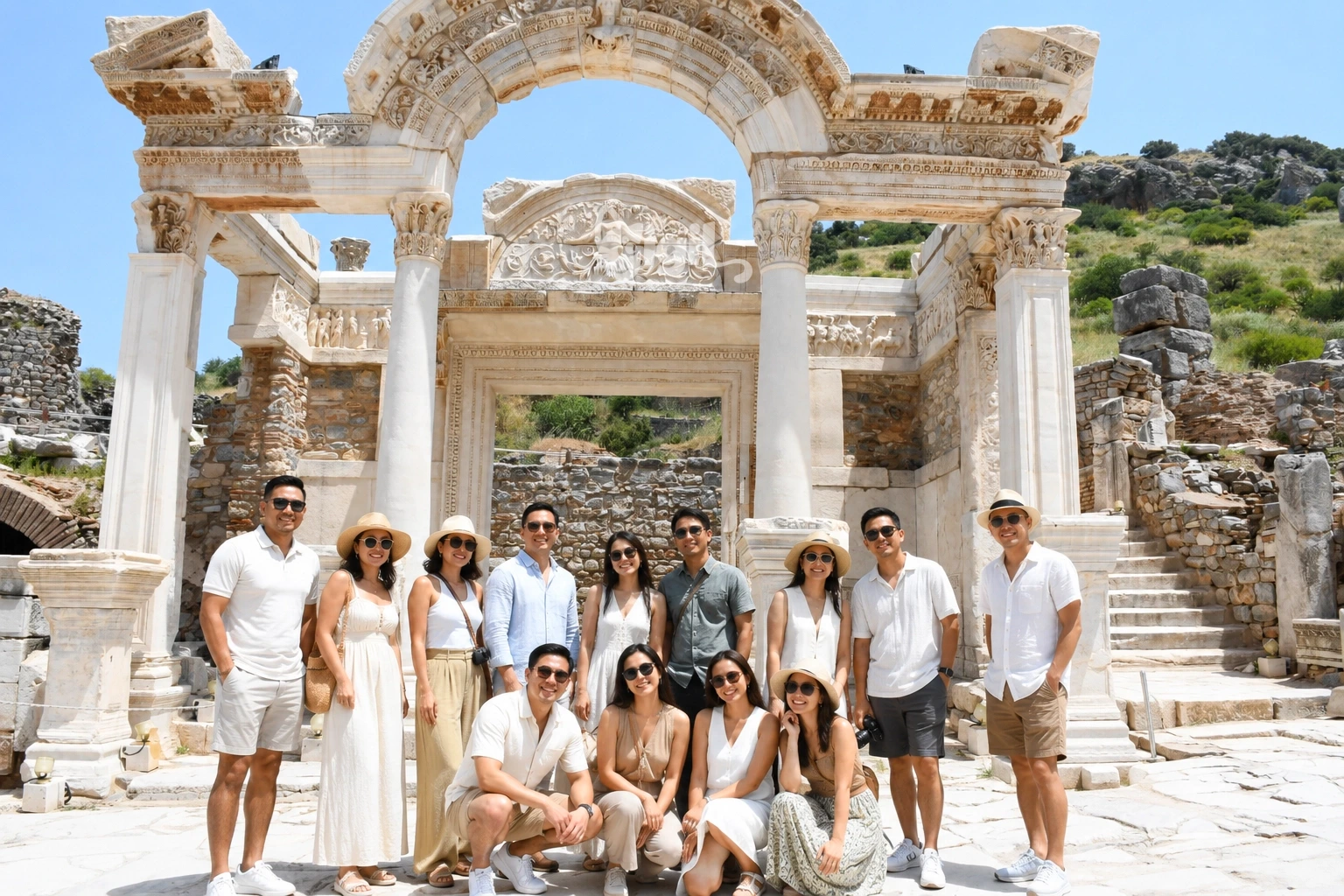

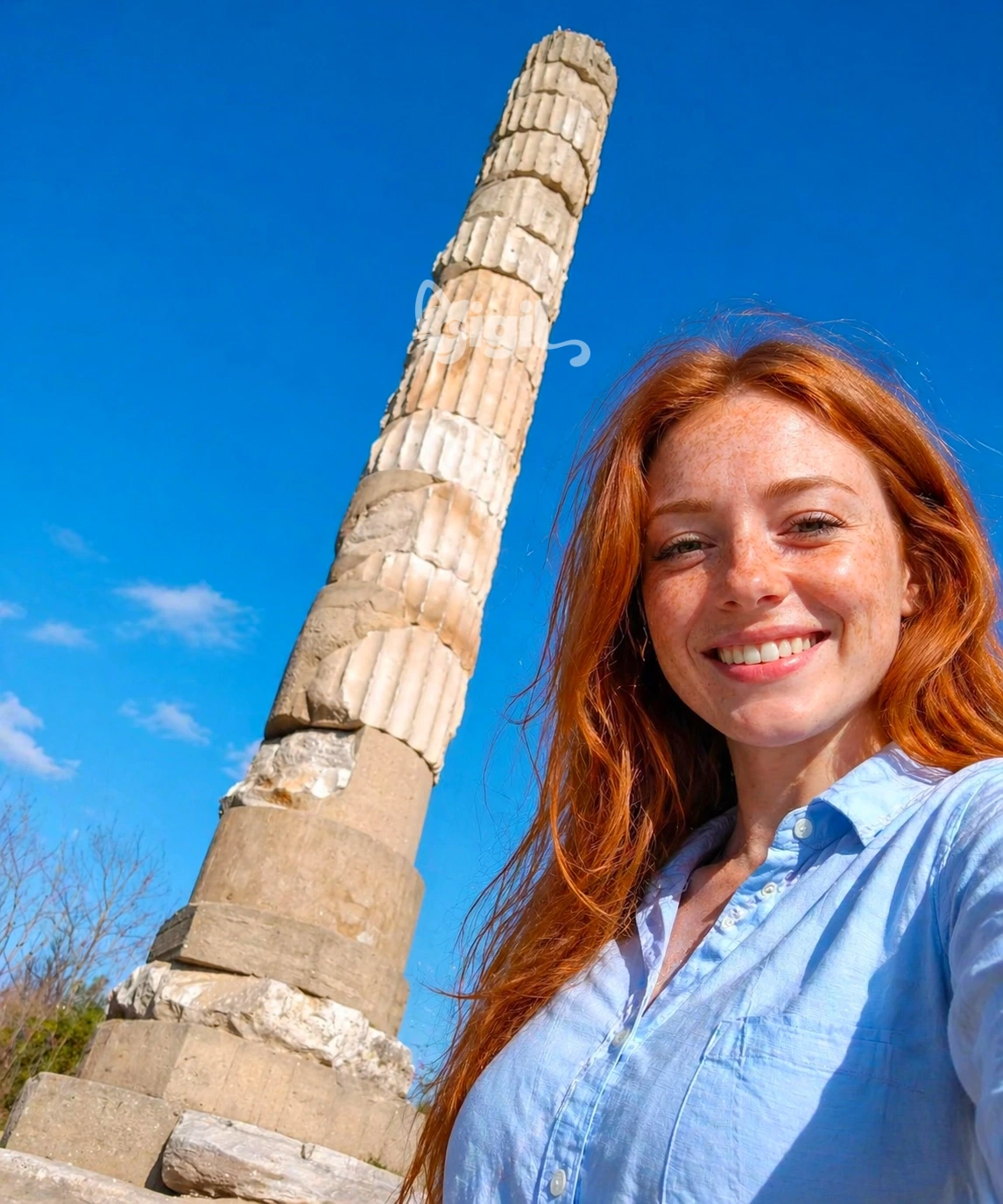



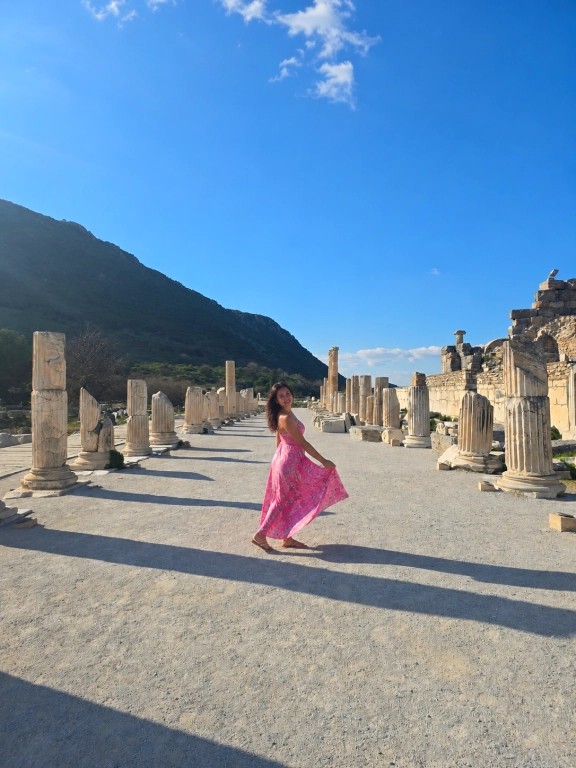

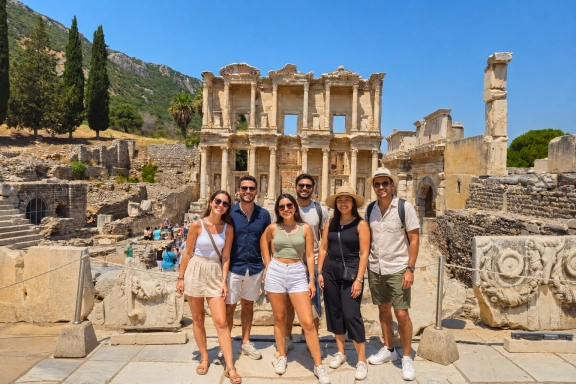
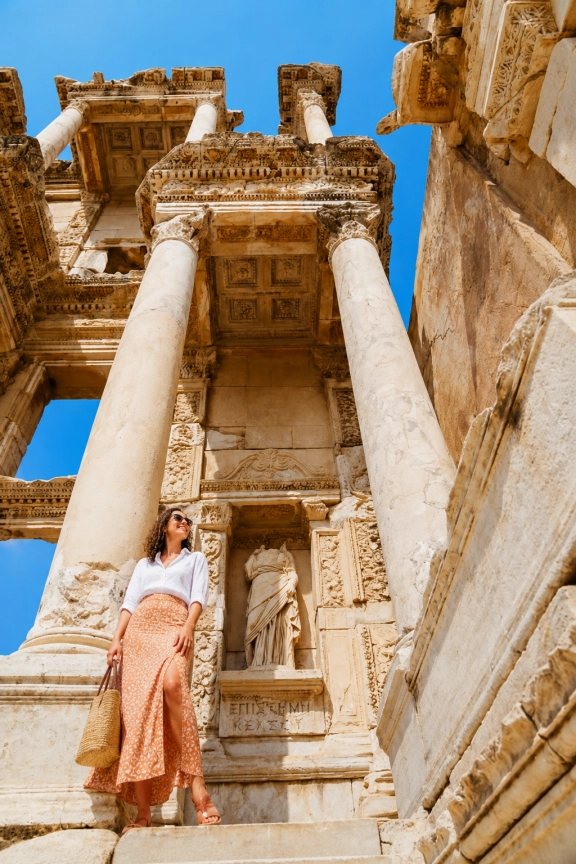
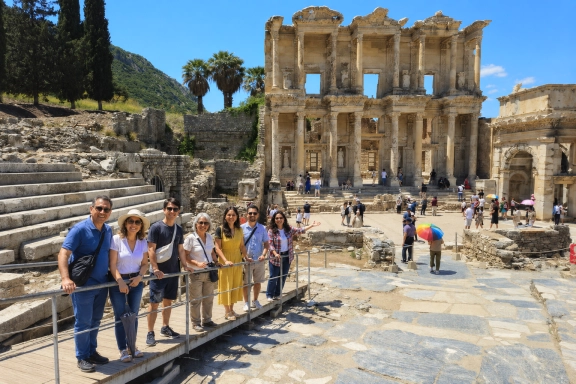
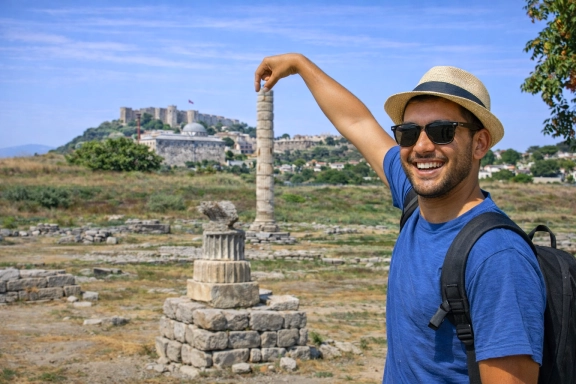

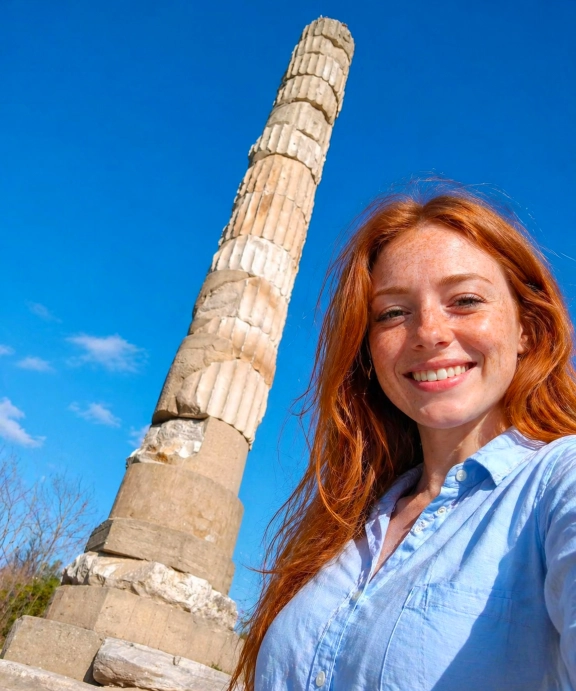

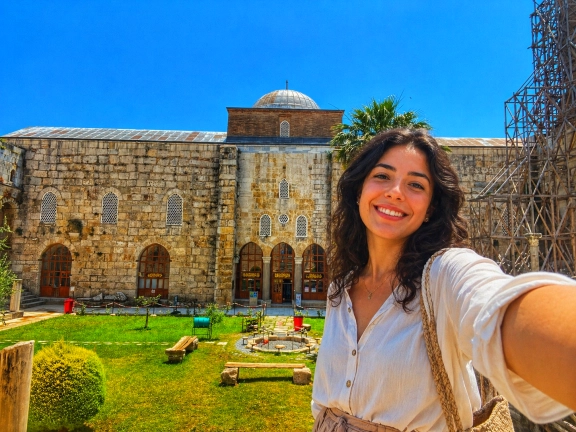
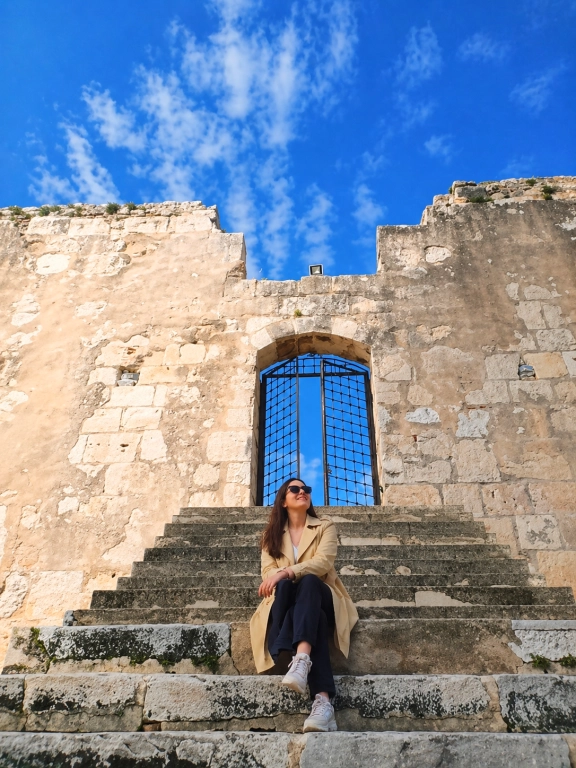



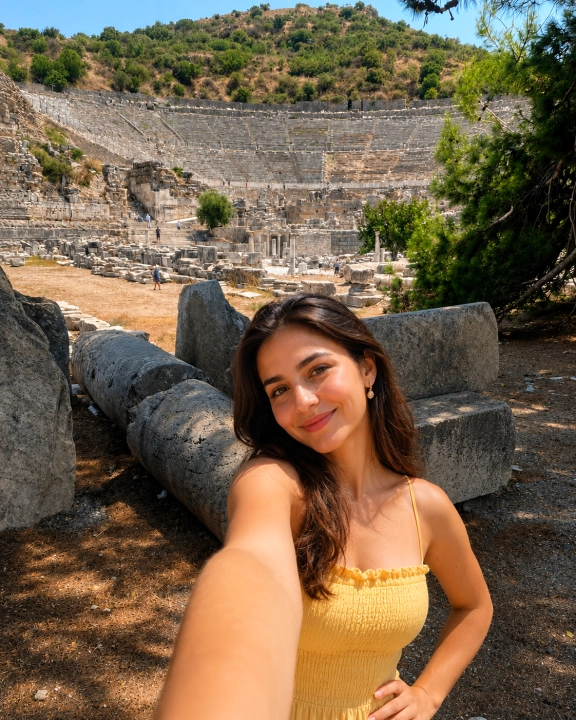
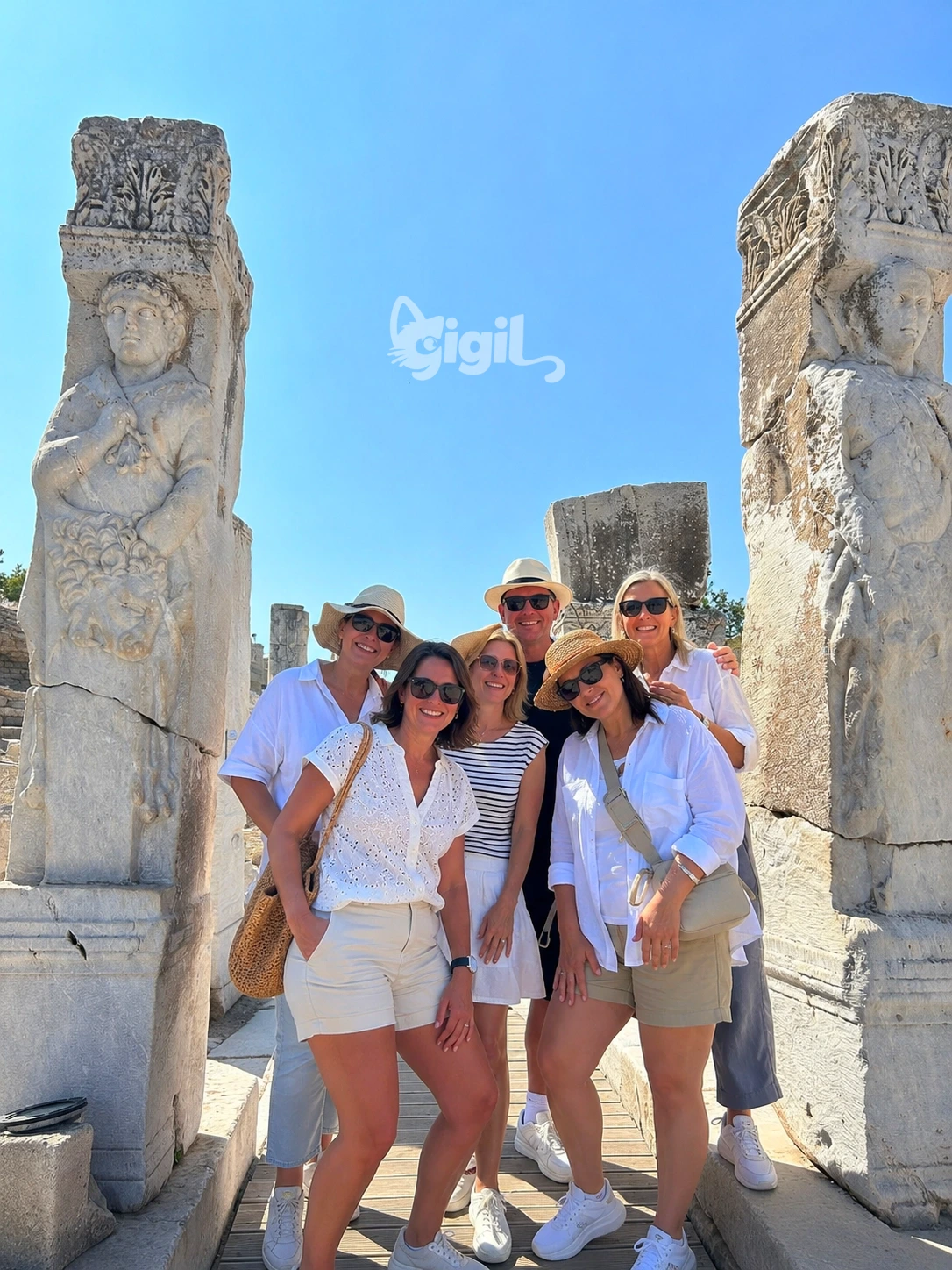
Ephesus Ancient City gives the private route its strongest ancient setting. Streets, theatre remains, agora spaces, gates, inscriptions and the Library of Celsus reveal a city shaped by public movement, status, commerce and worship.
Rather than treating each monument separately, follow how the city works as a plan. The former harbor identity, restored sections and surviving public spaces together explain why Ephesus became one of the region's most important ancient centers.
Questions
Why is Ephesus the central ancient site?
Ephesus shows the structure of a major ancient city through streets, public spaces, theatre remains, gates, inscriptions and monuments.
Which features help explain Ephesus best?
The Library of Celsus, theatre, marble routes, agora areas, gates and inscriptions help explain public life and movement in the city.
Why was the former harbor important?
The harbor supported trade, travel and influence. Natural changes later moved the coast, leaving Ephesus inland today.
Are reconstructed sections useful for visitors?
Yes. Reconstructed and conserved sections help explain scale and form, but they should be read together with original remains.