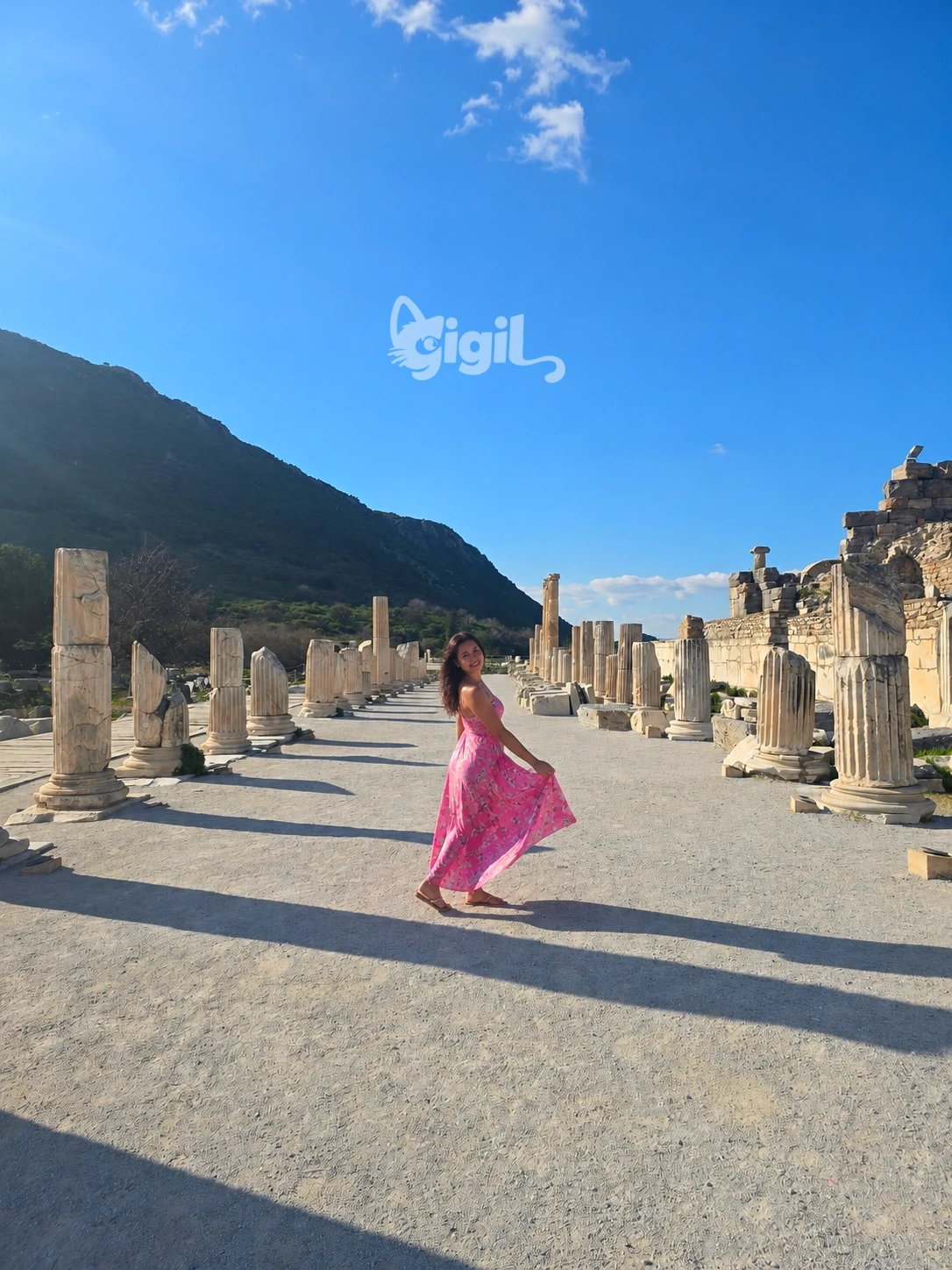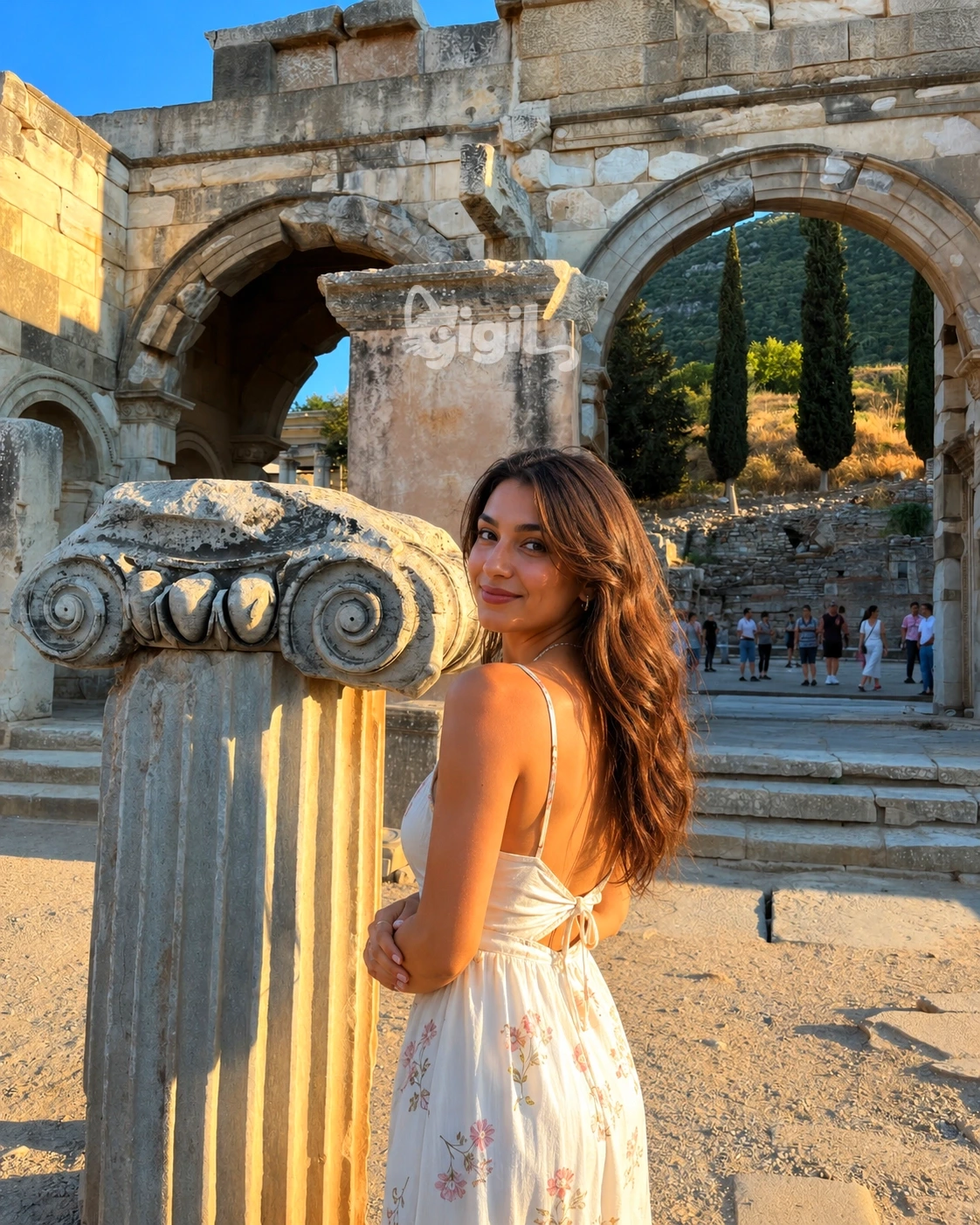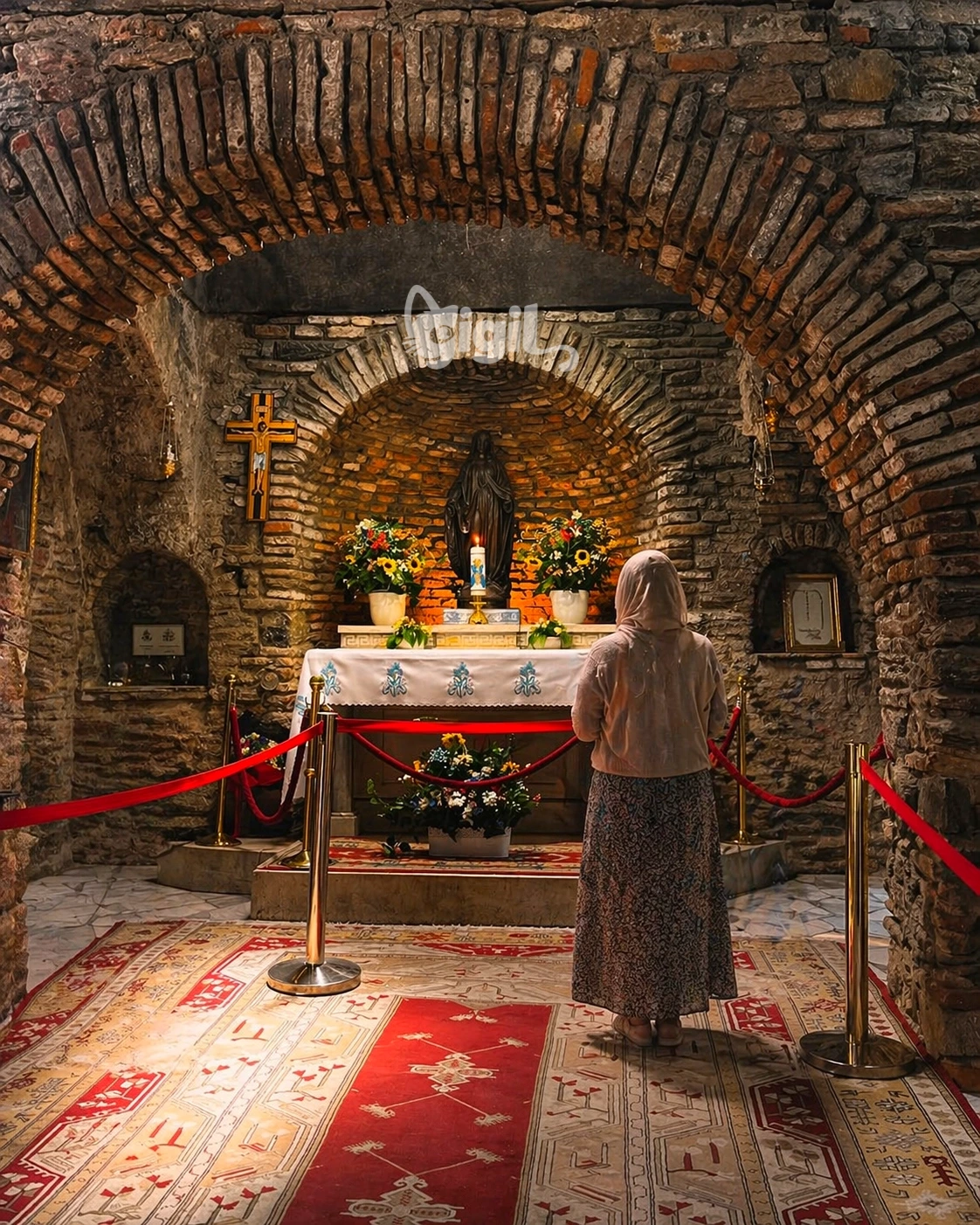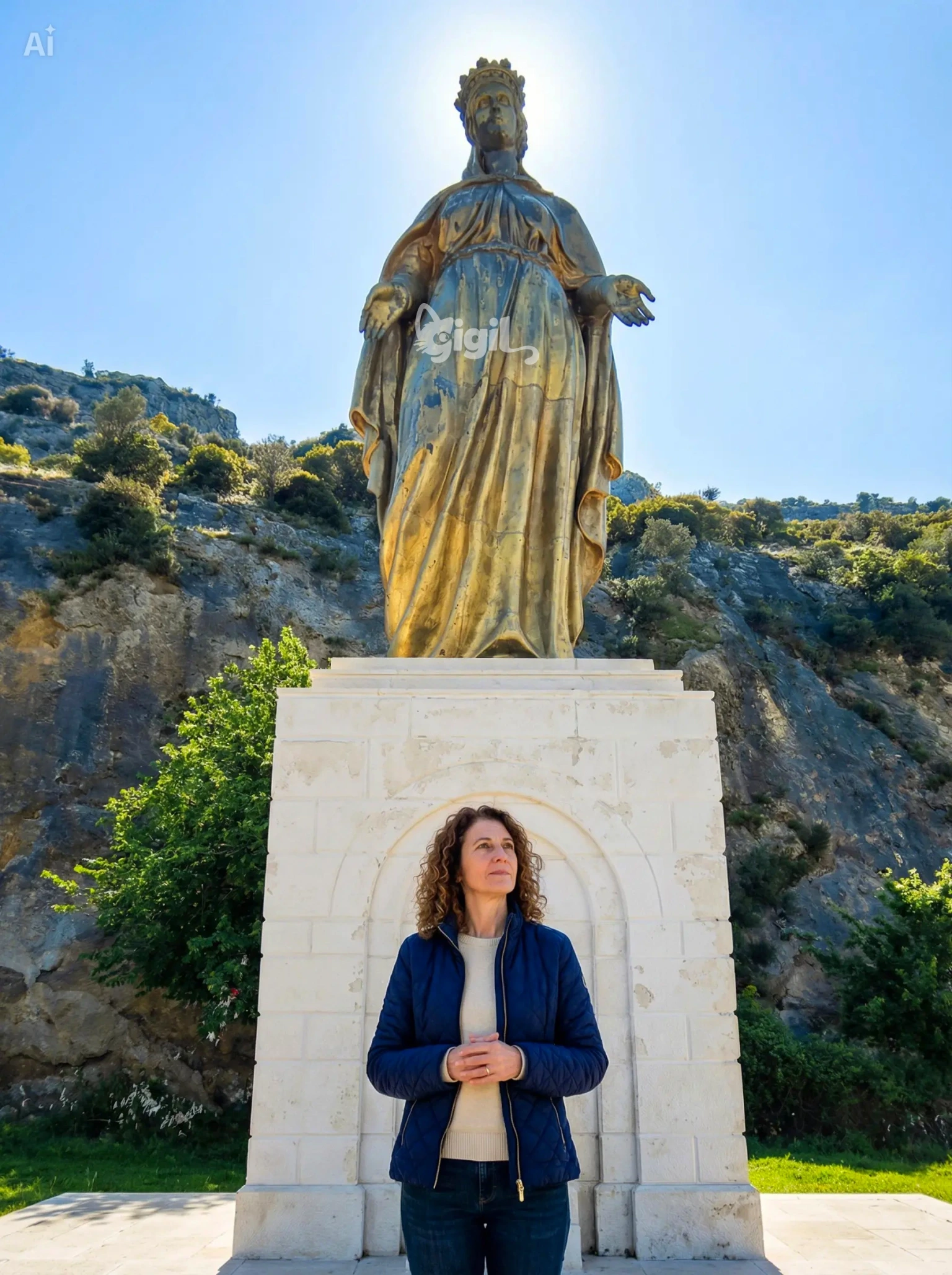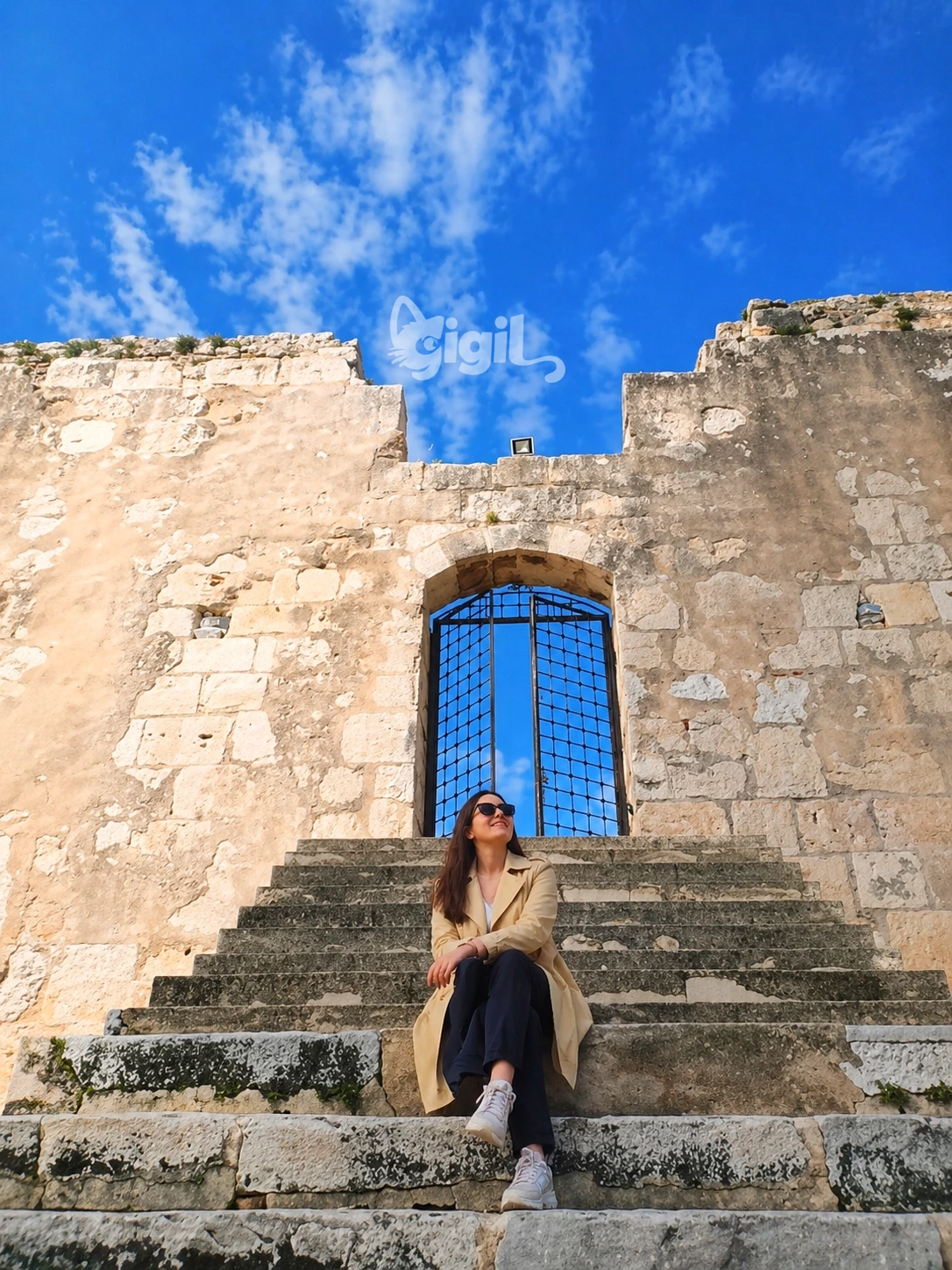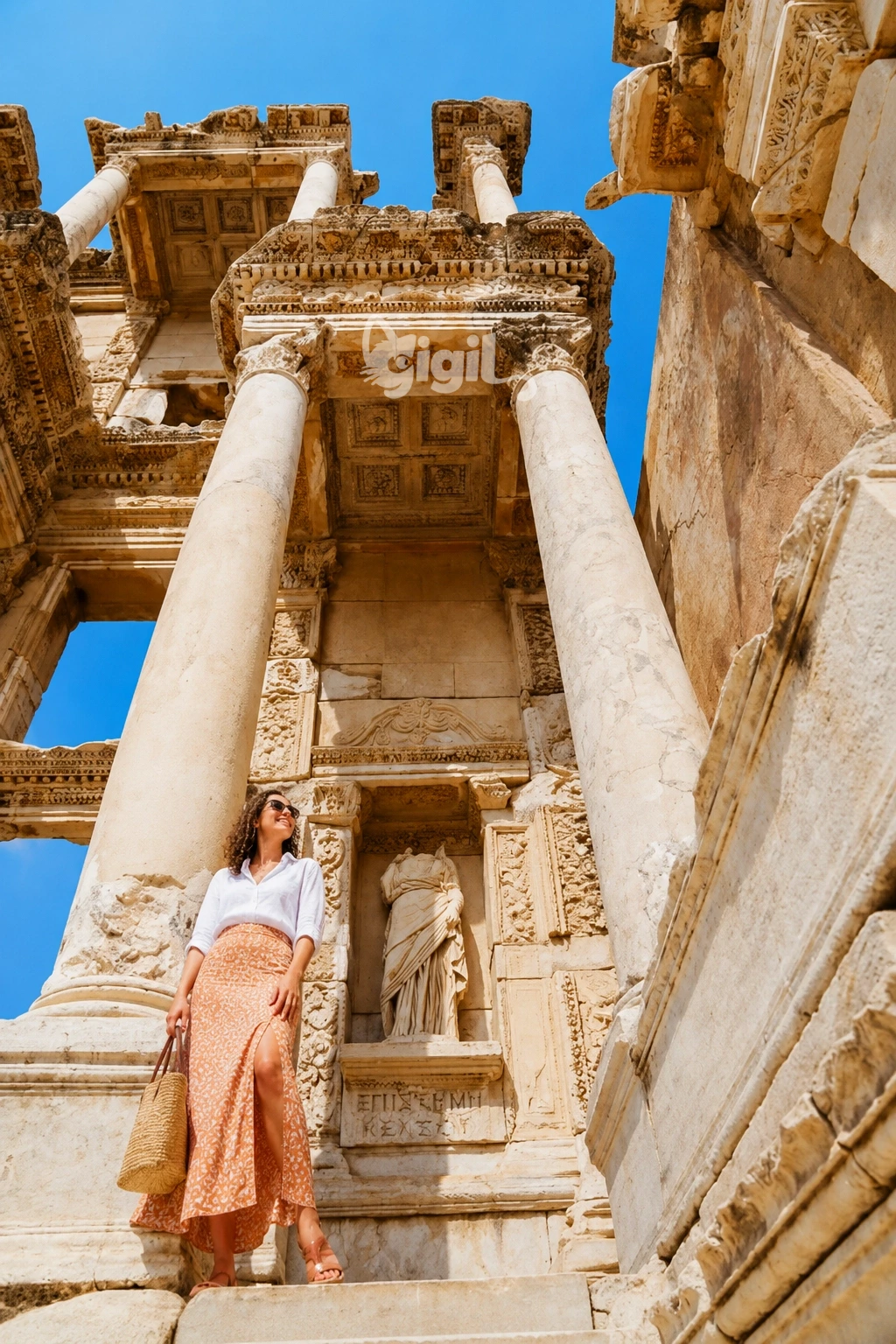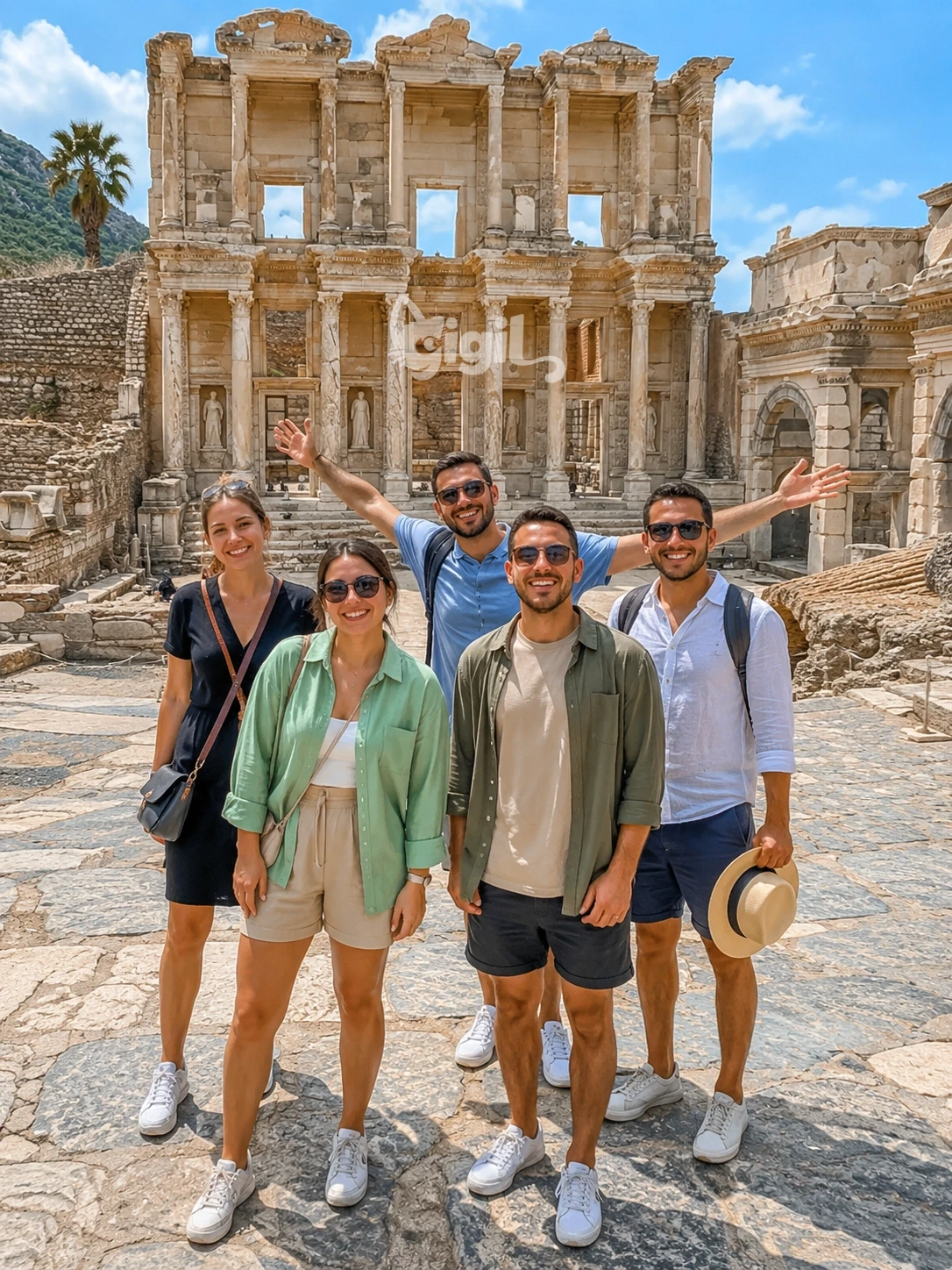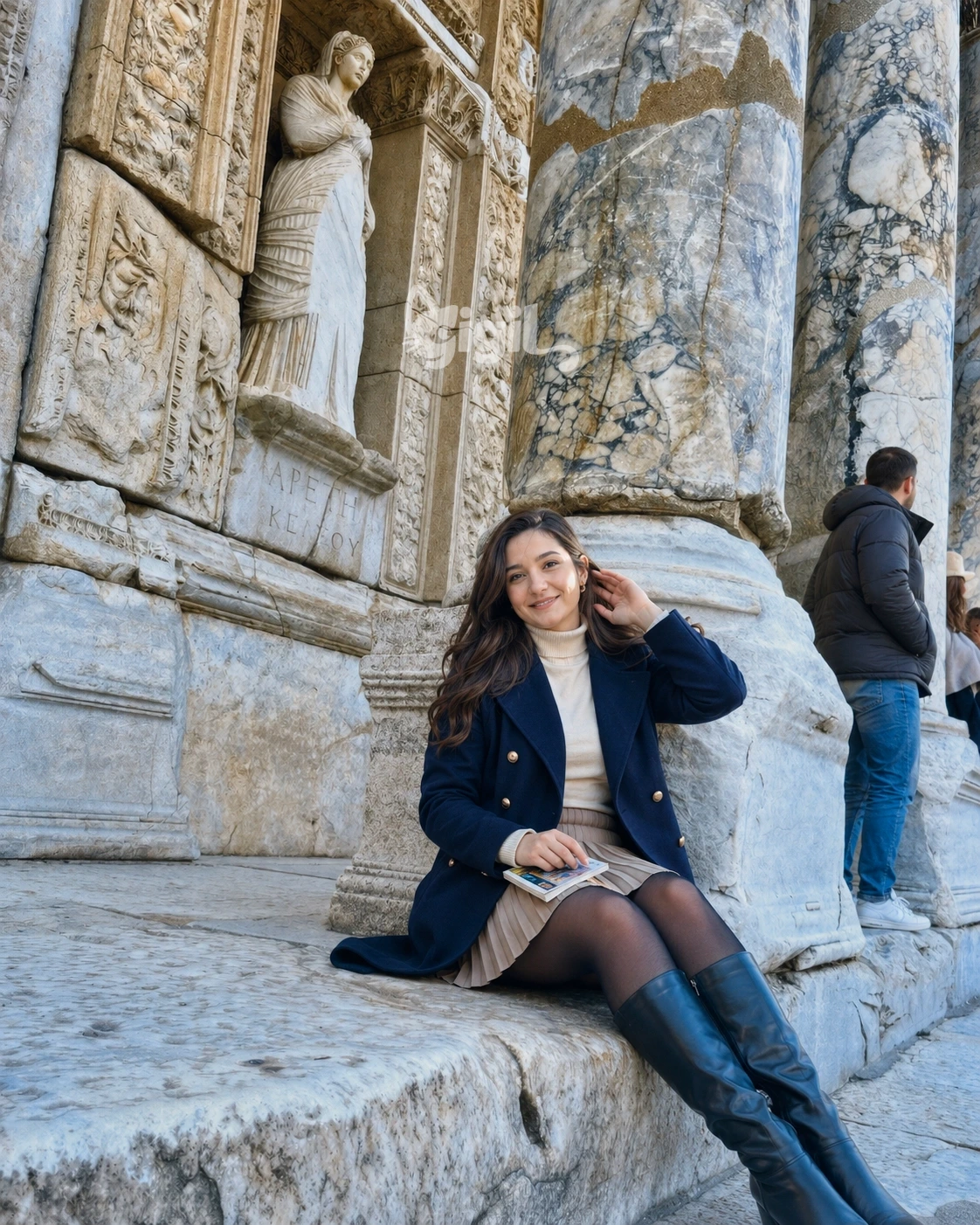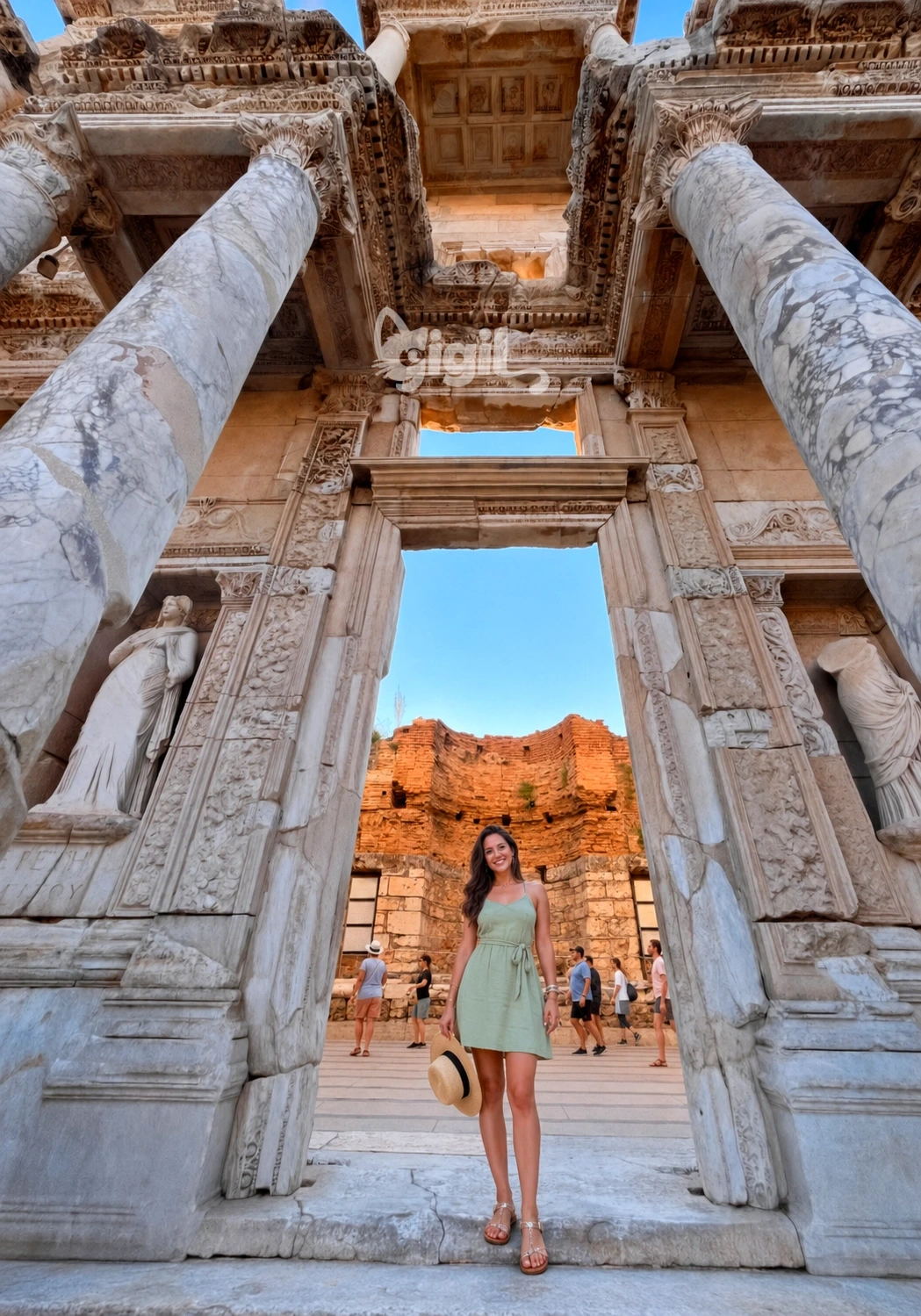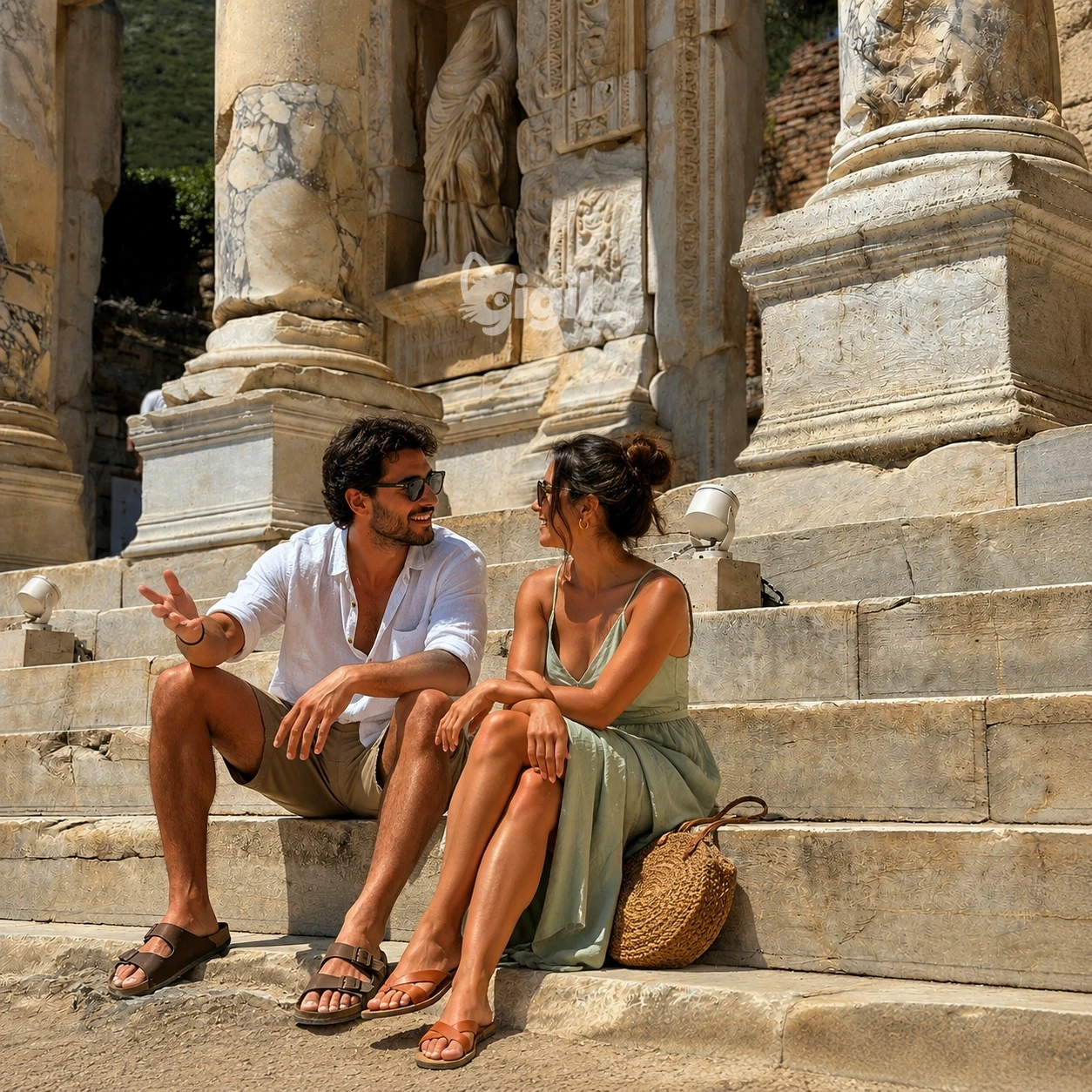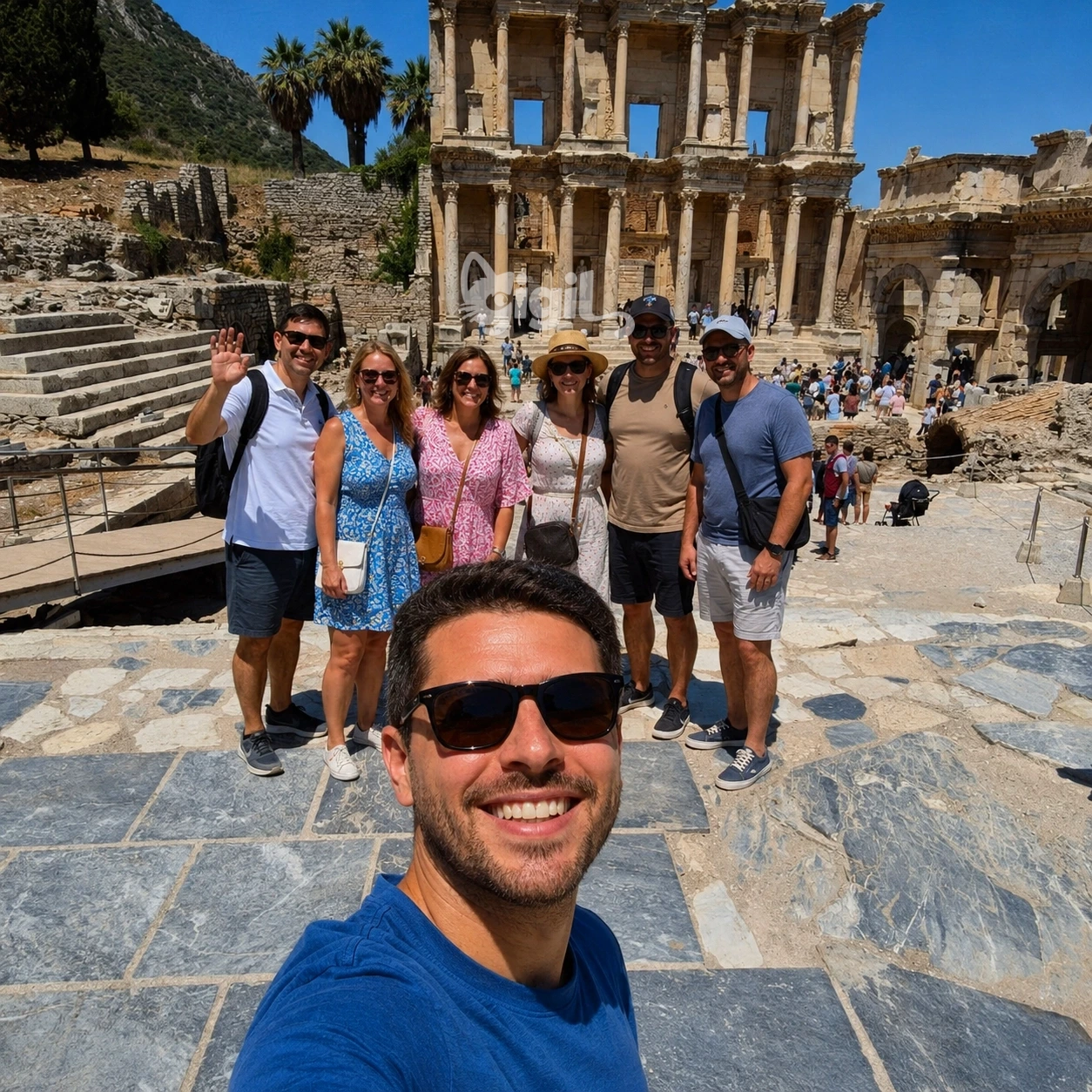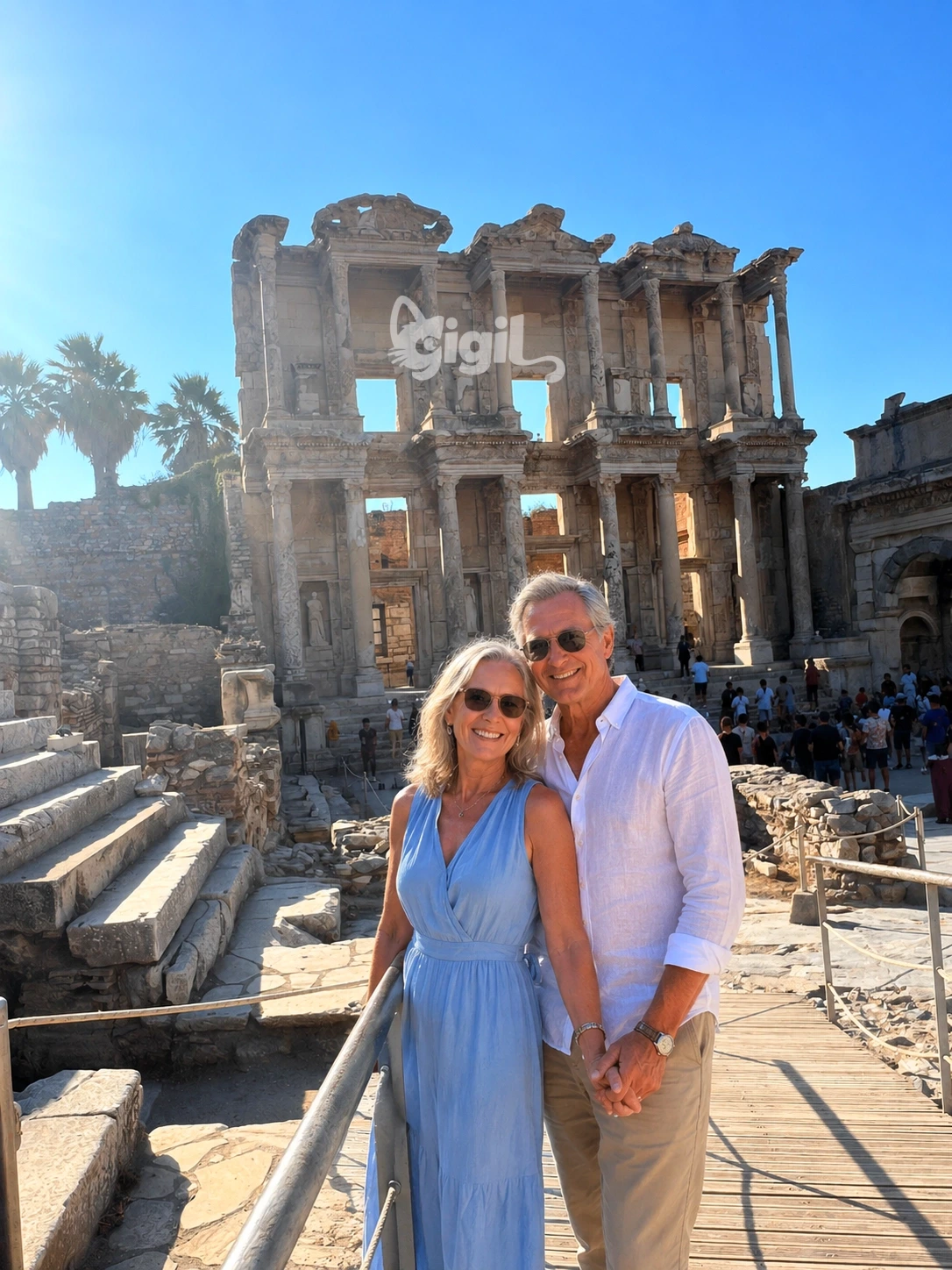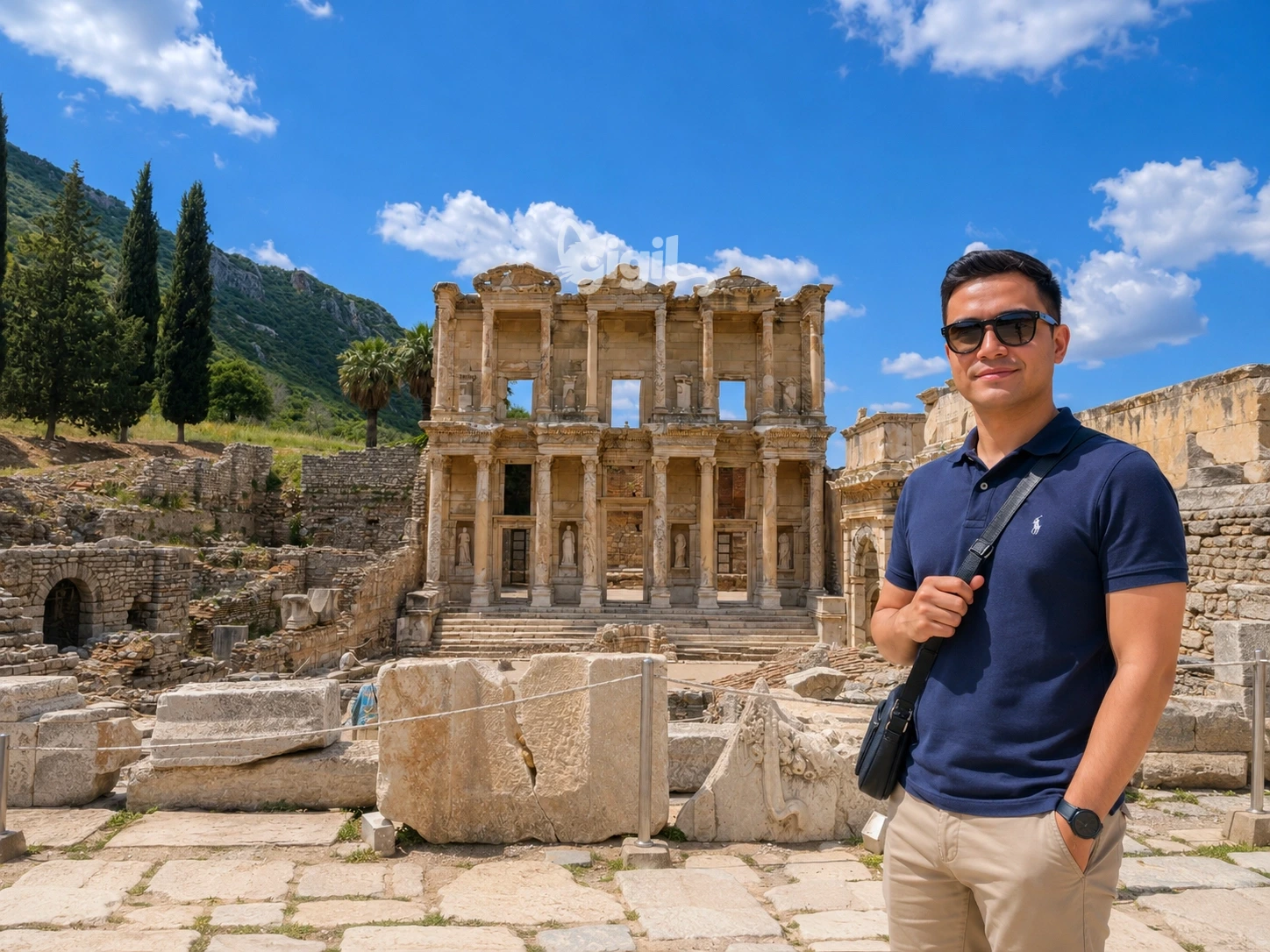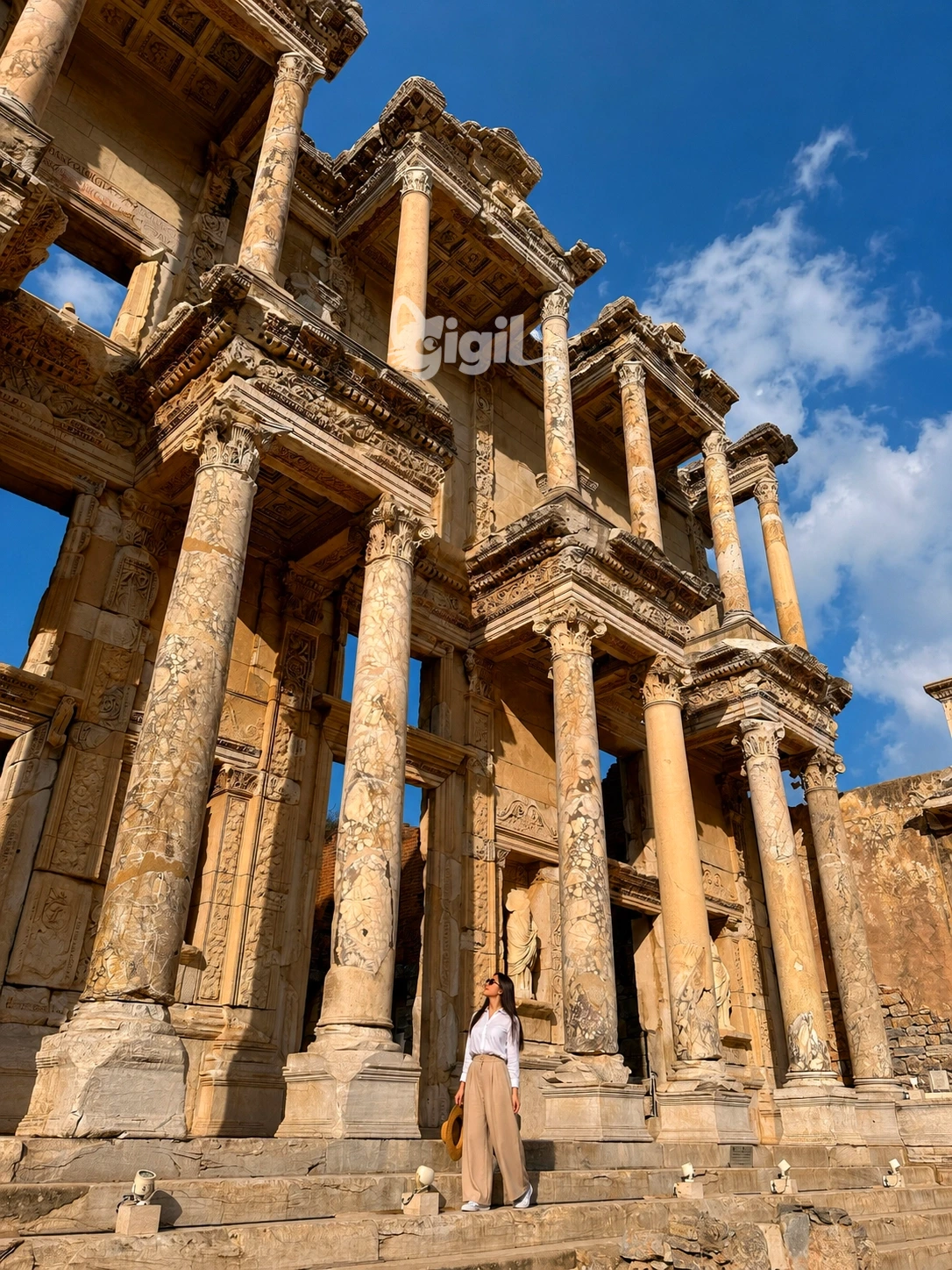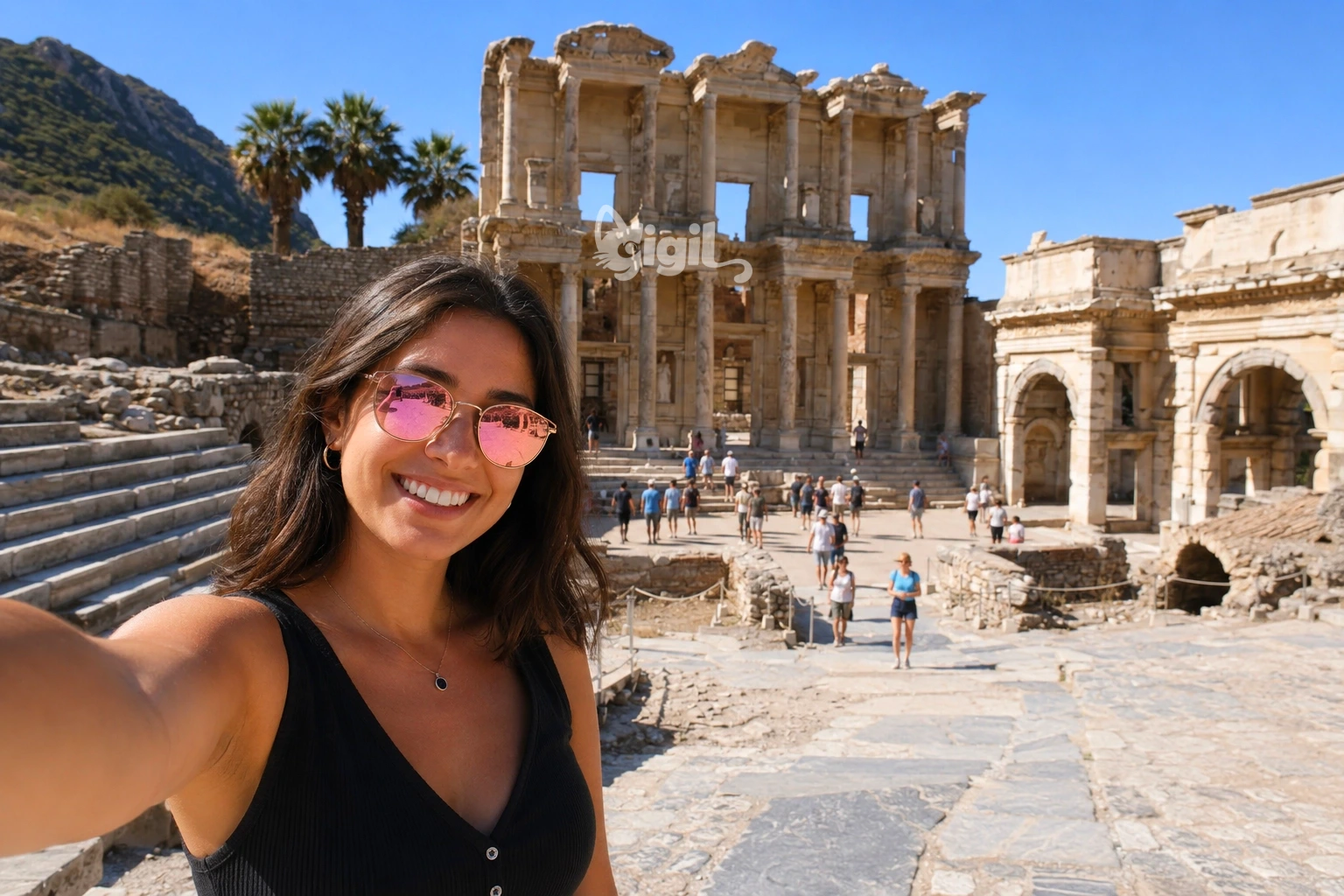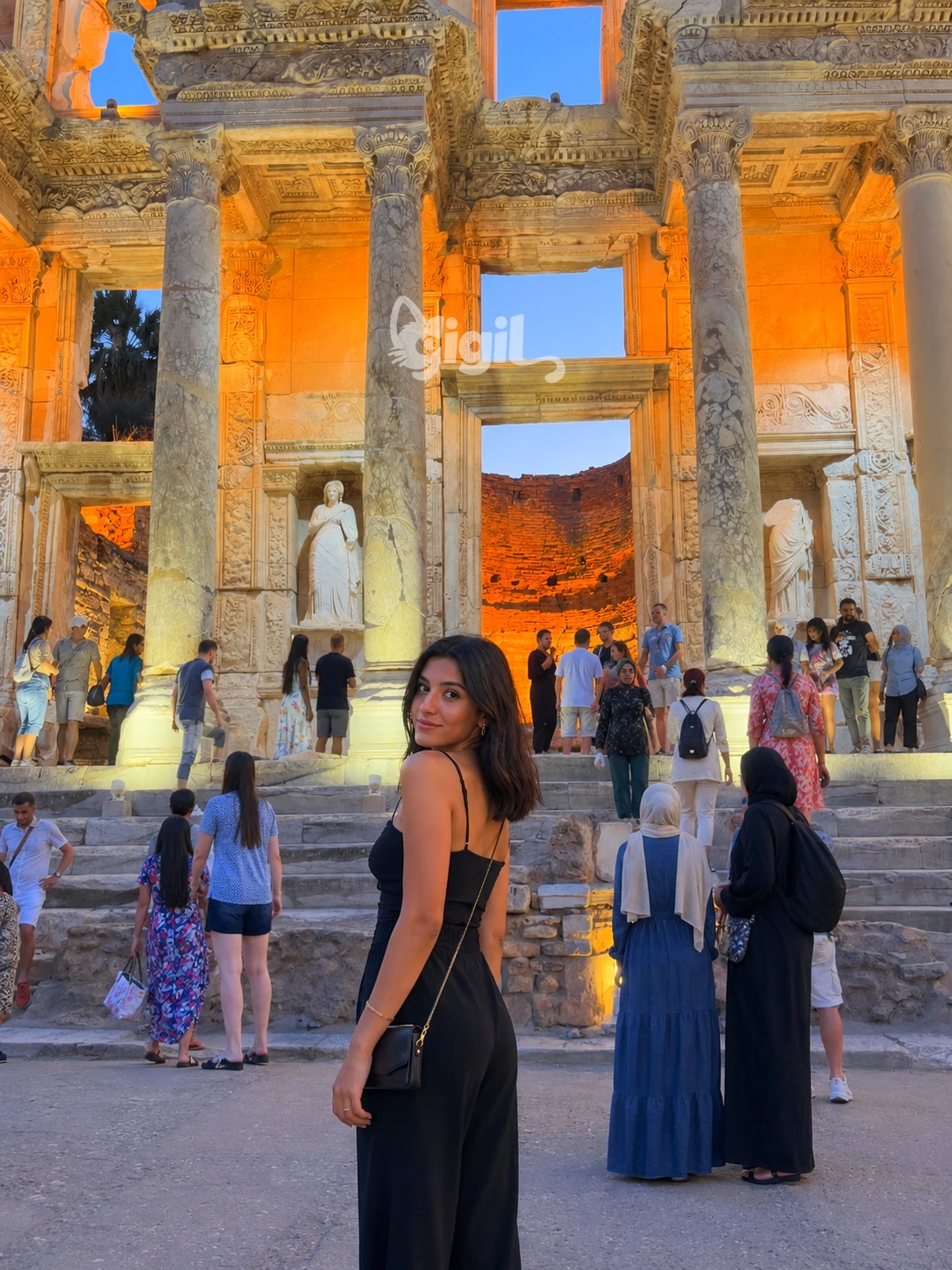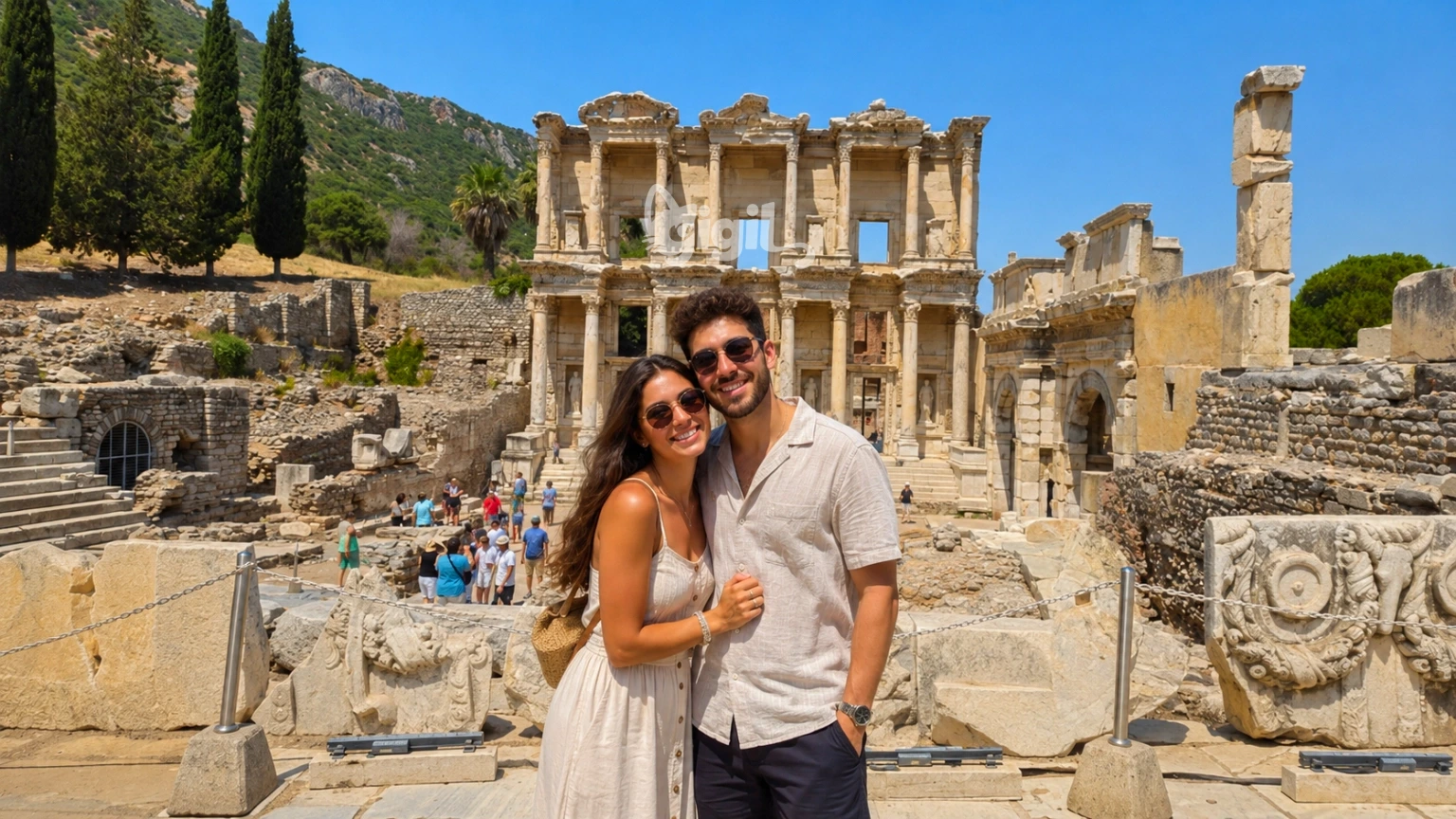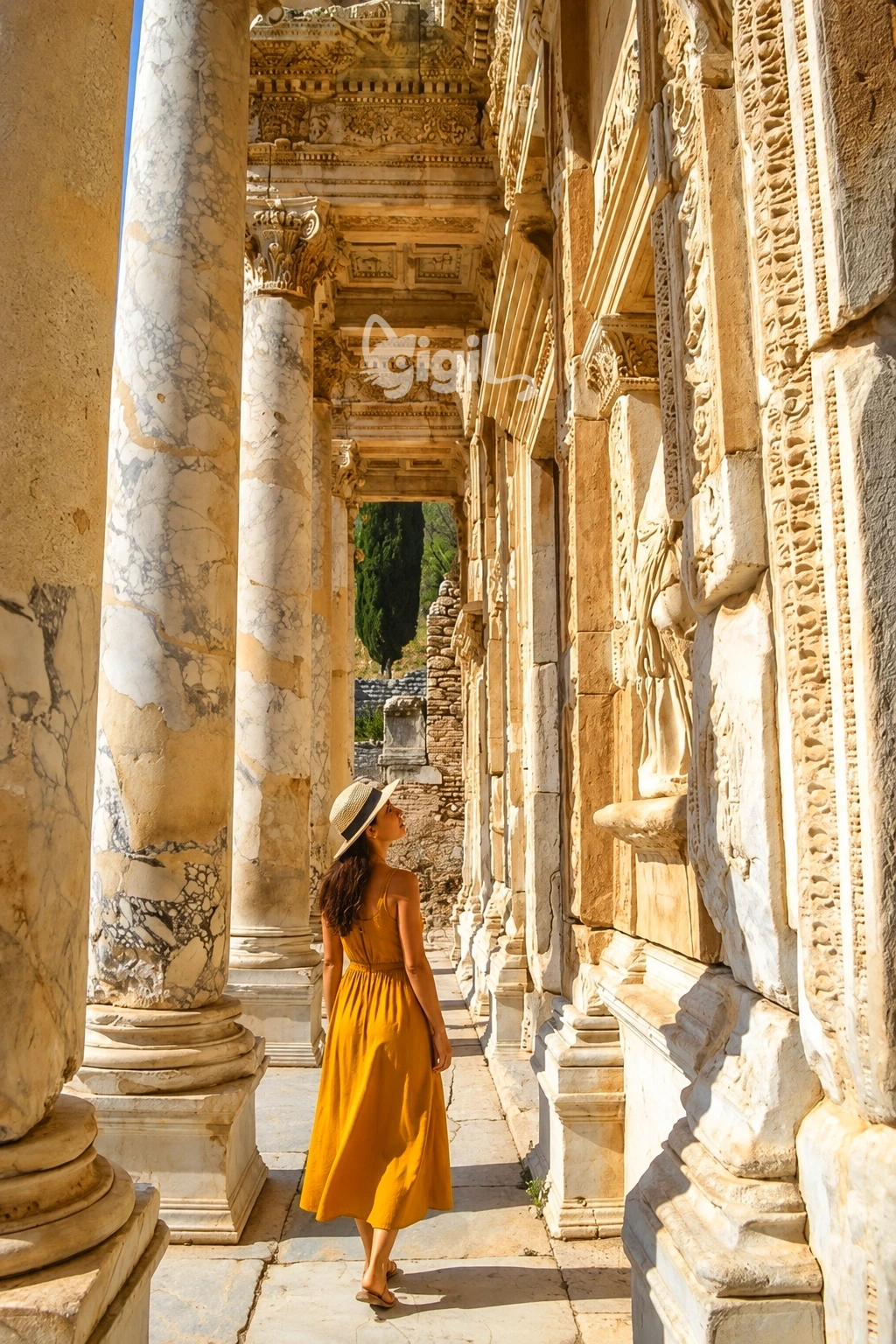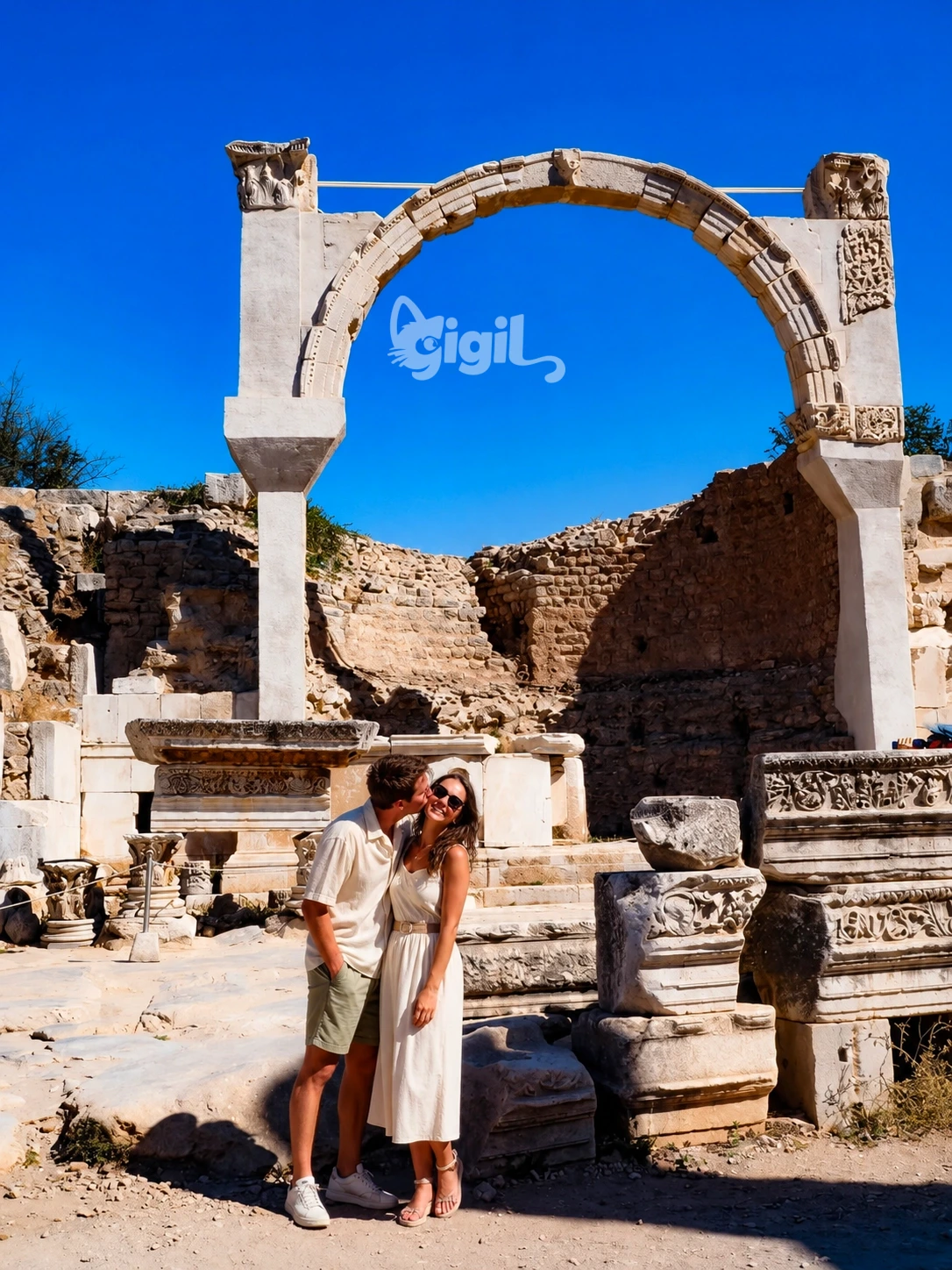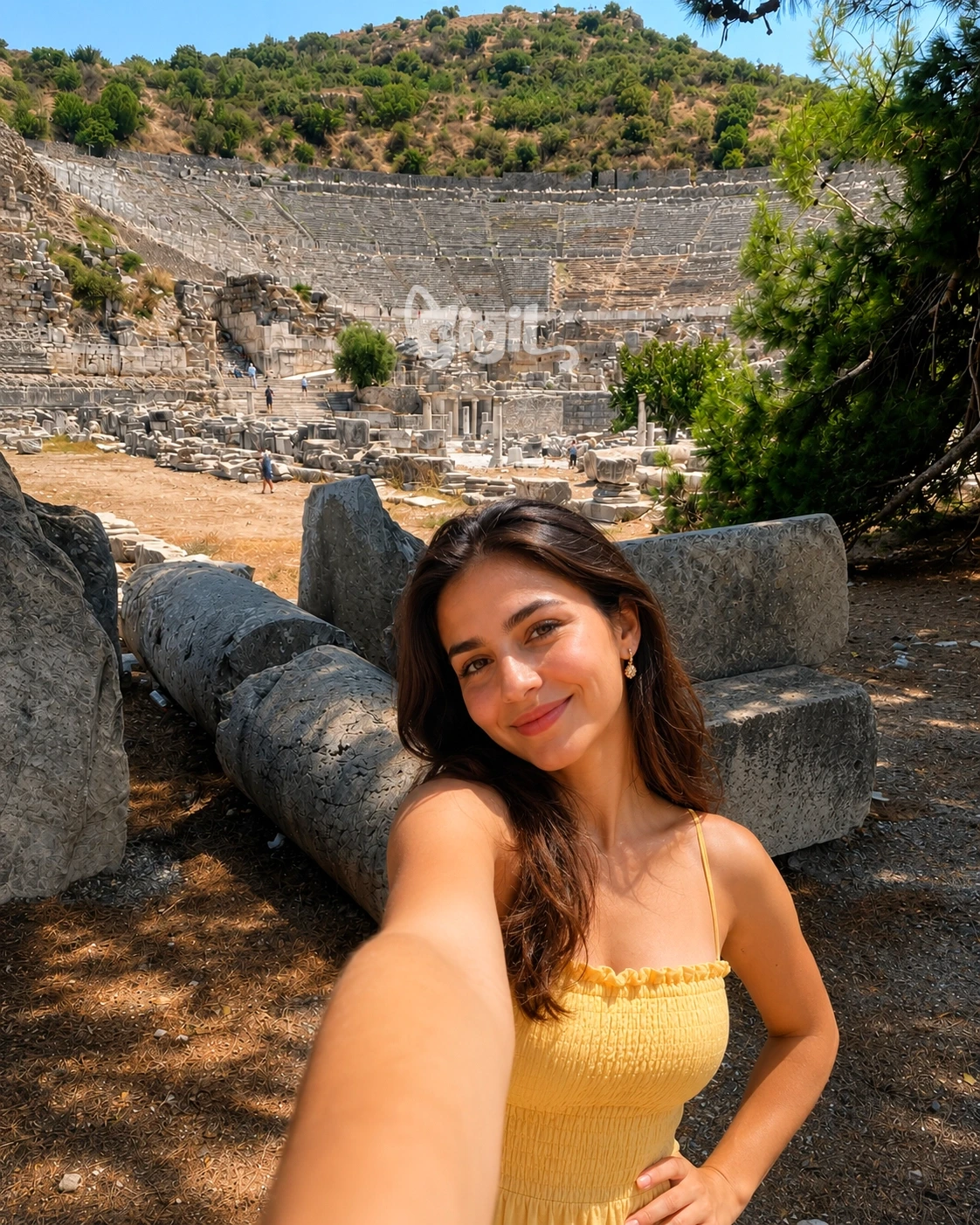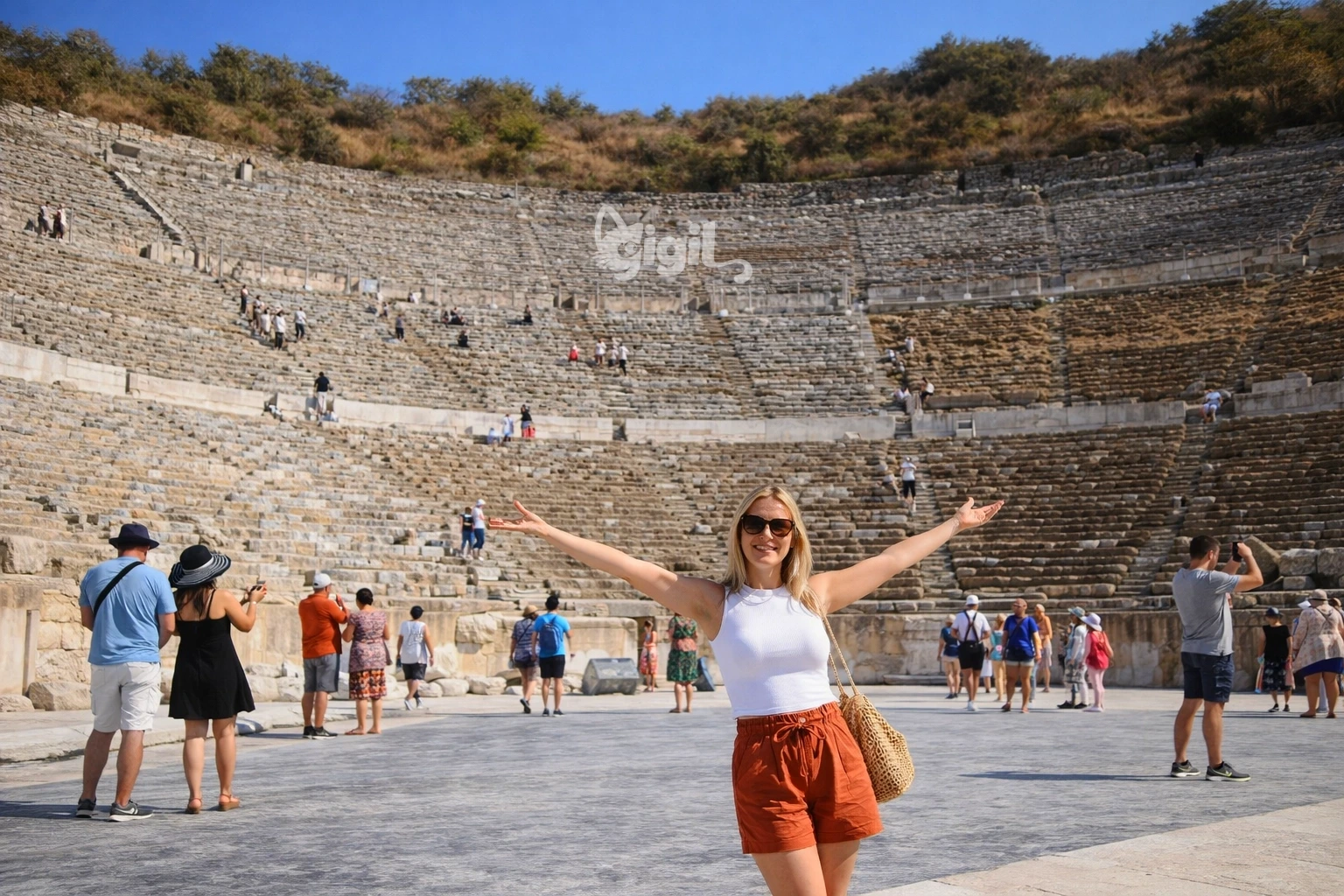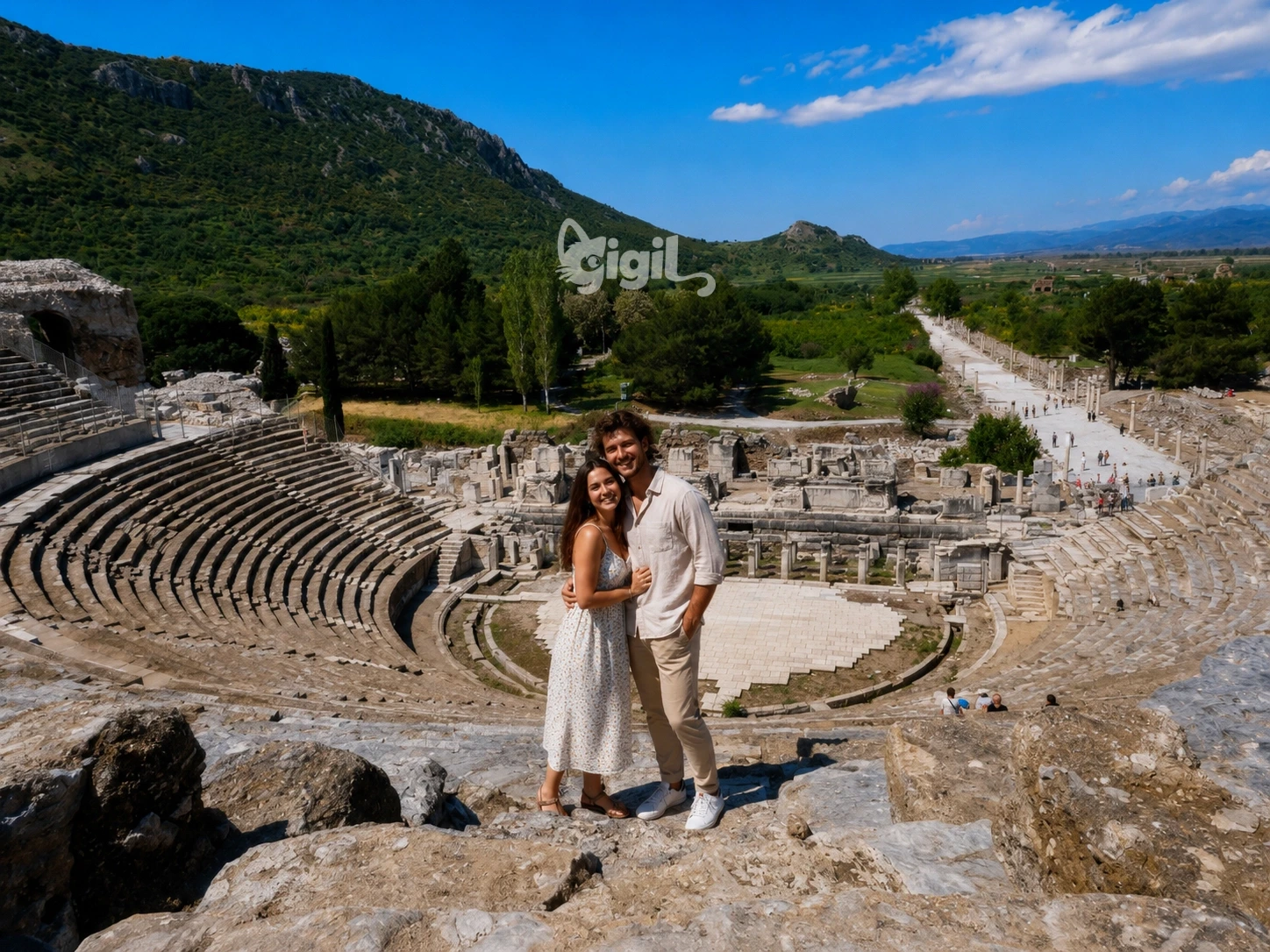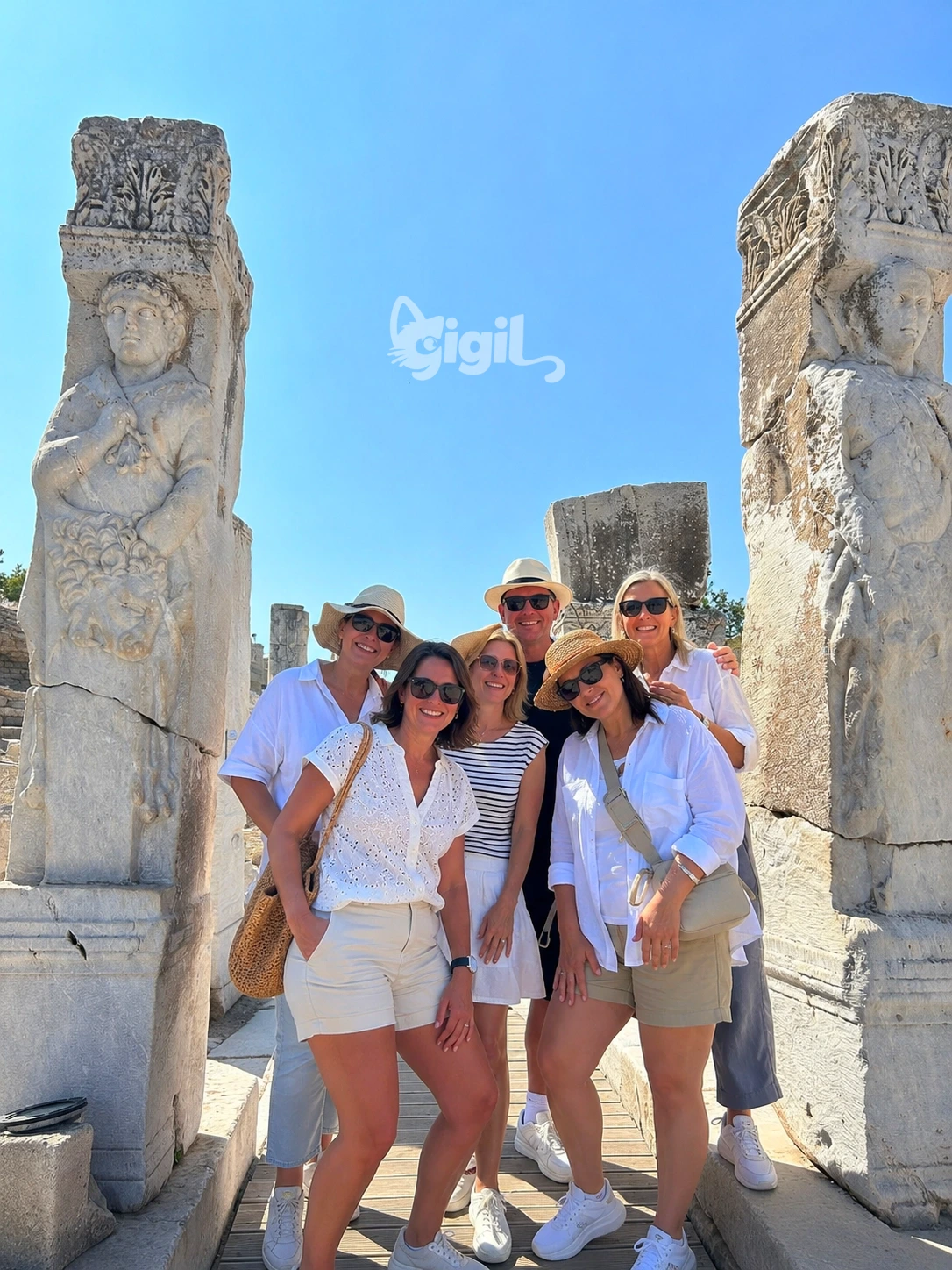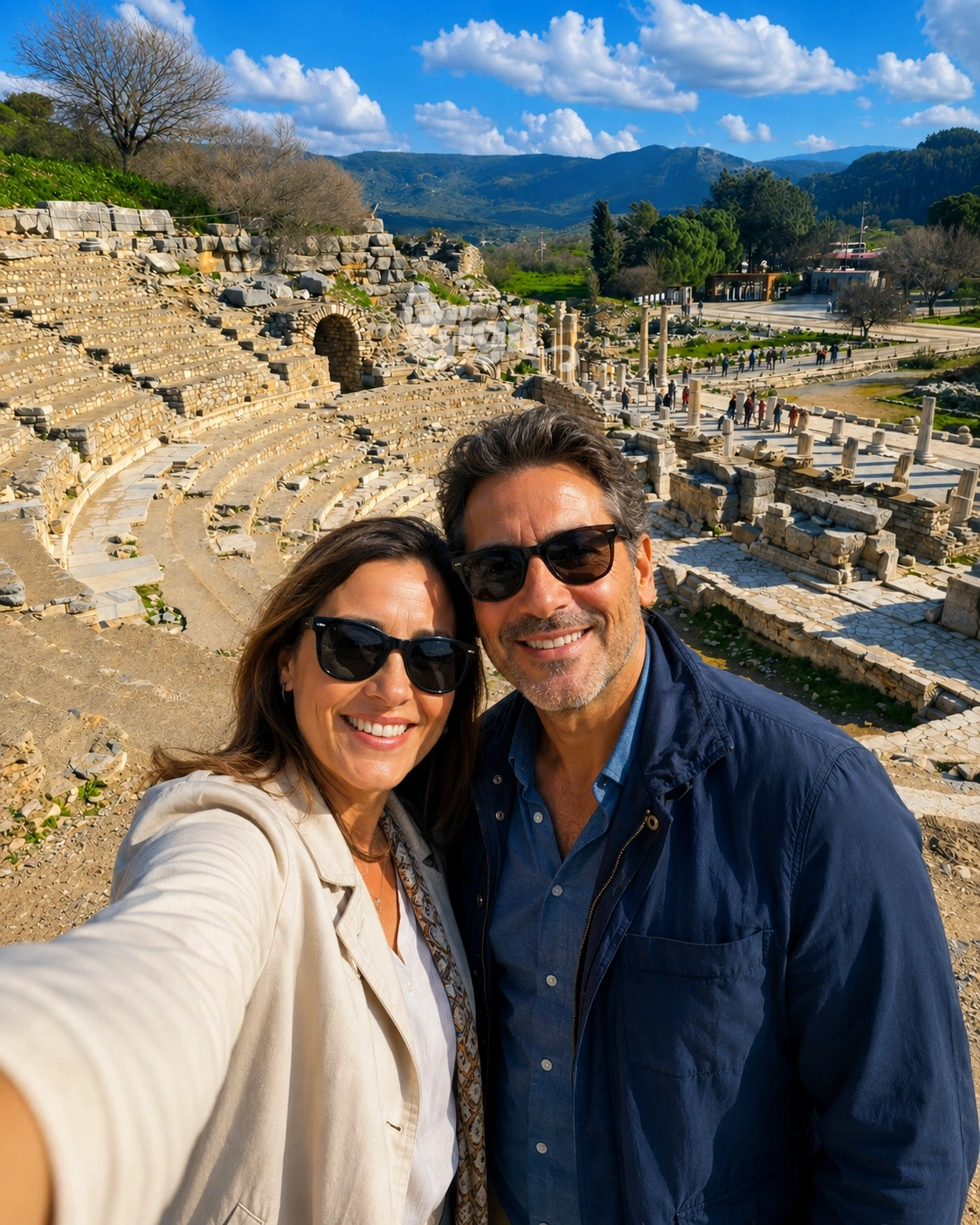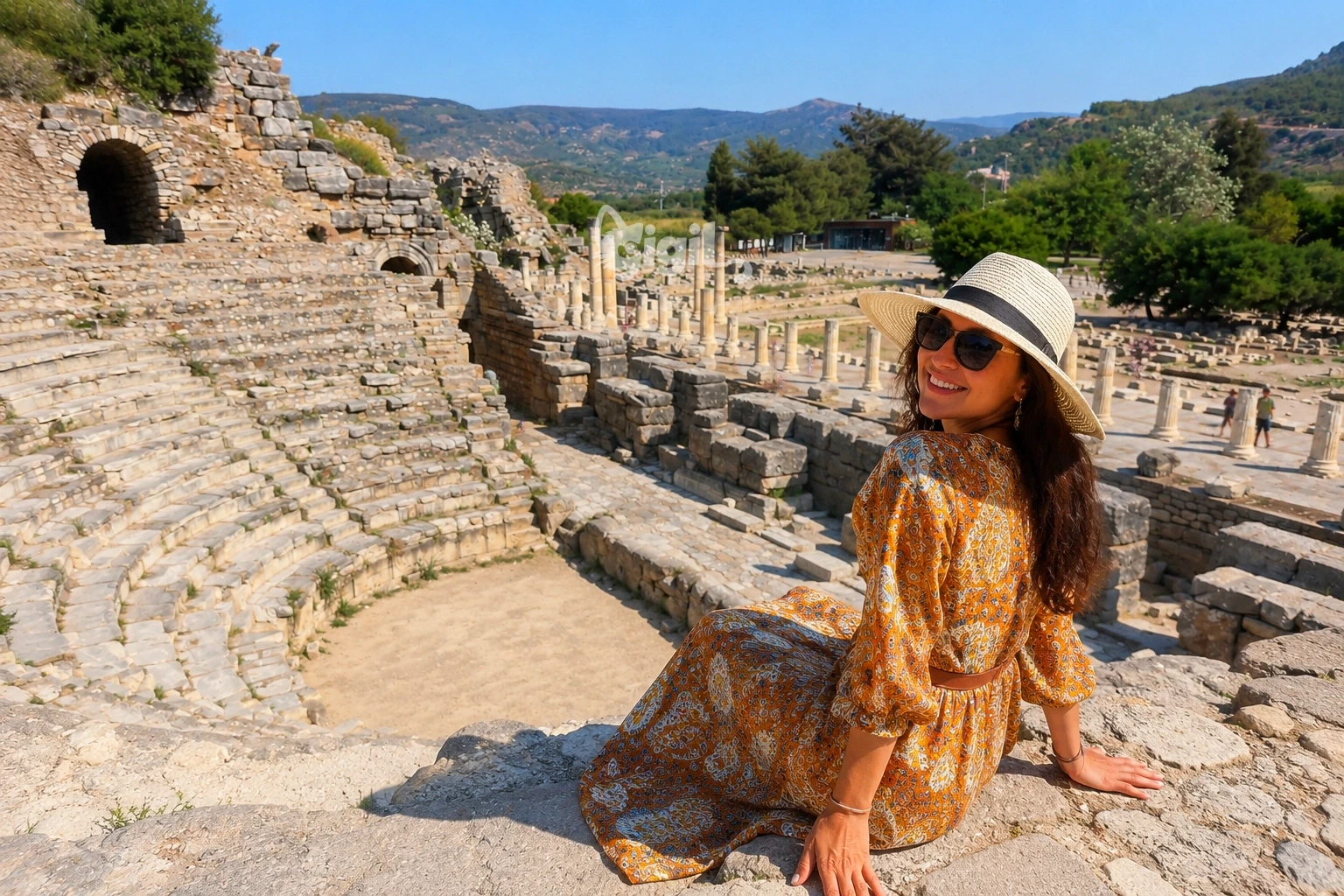








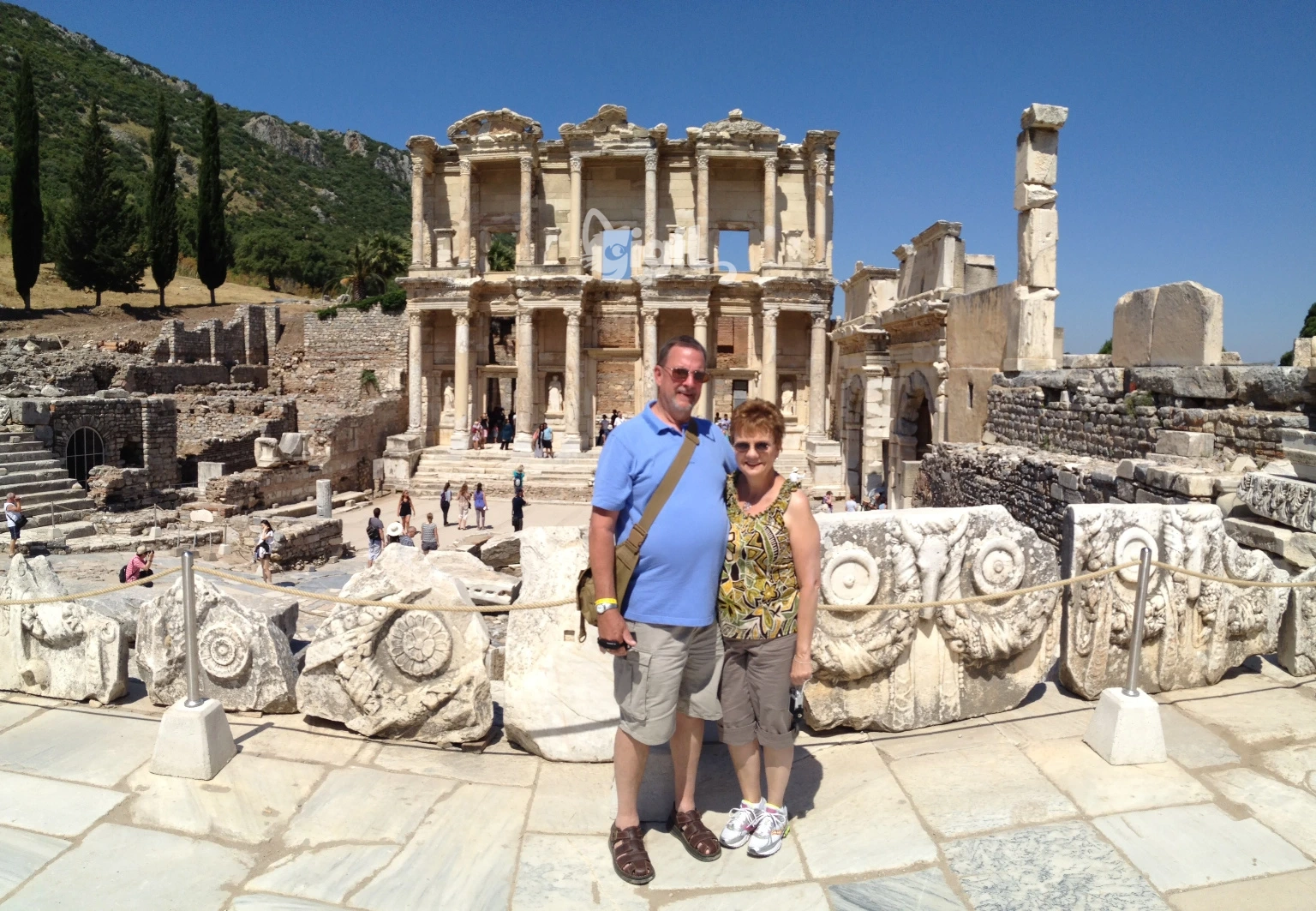


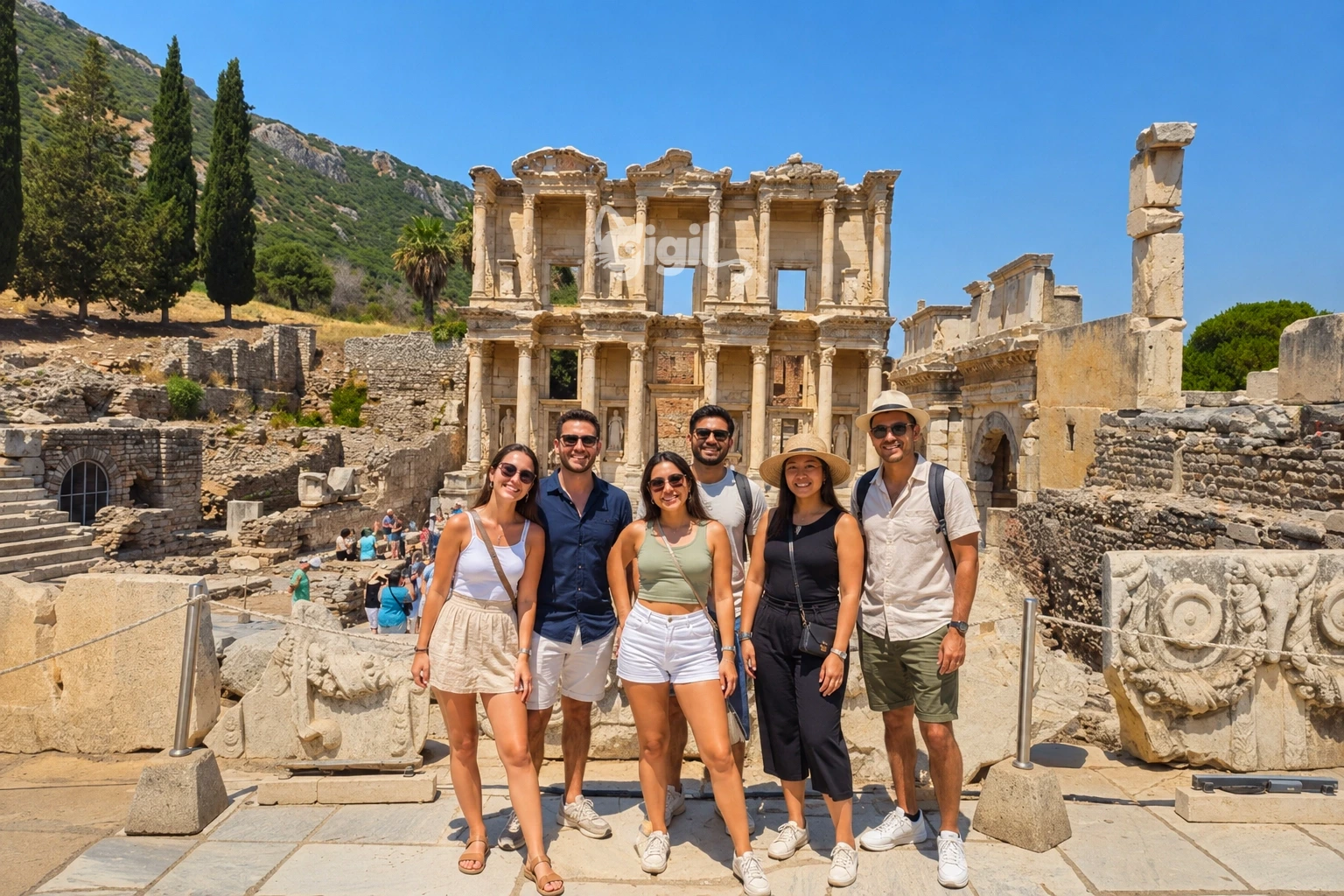

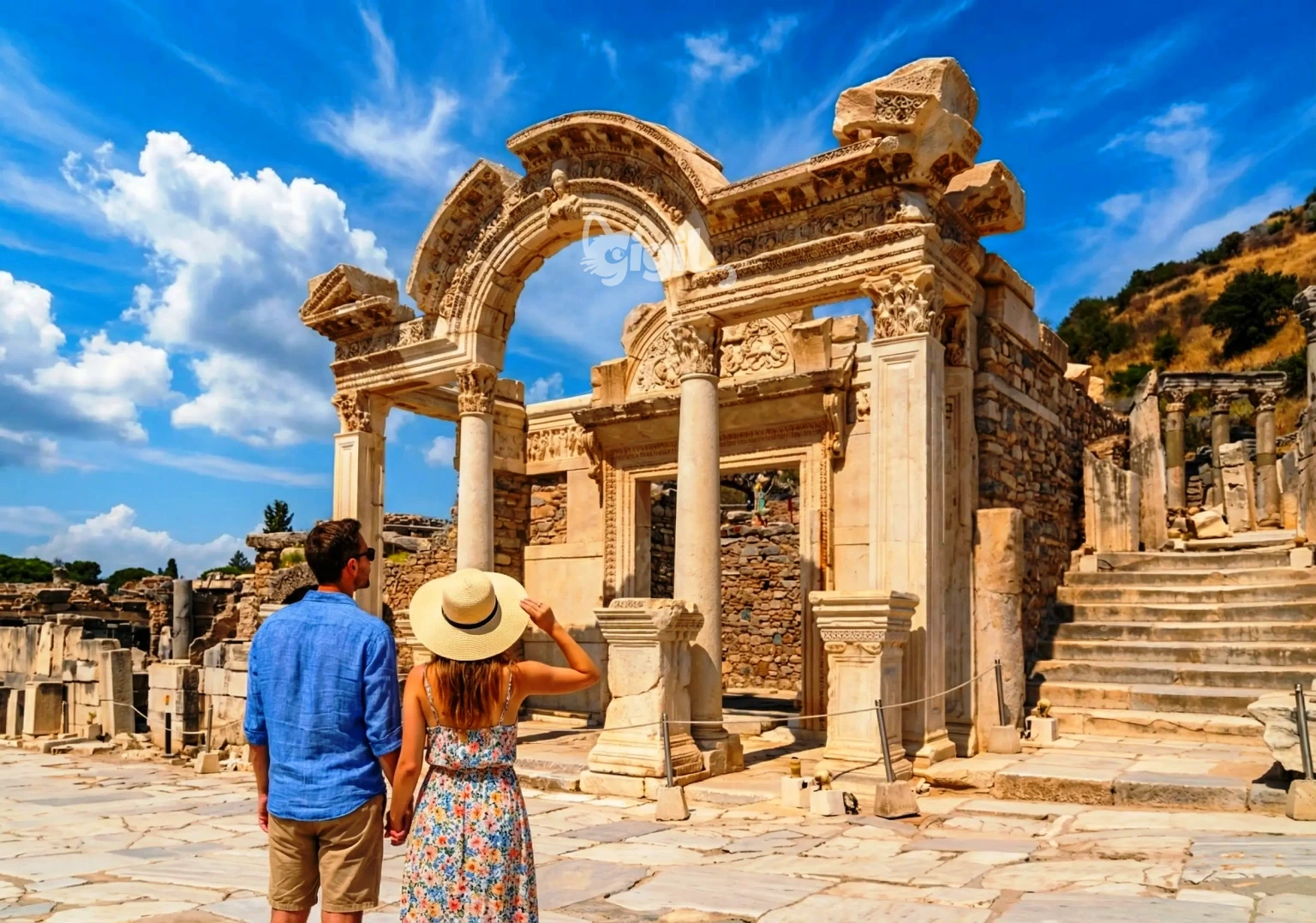
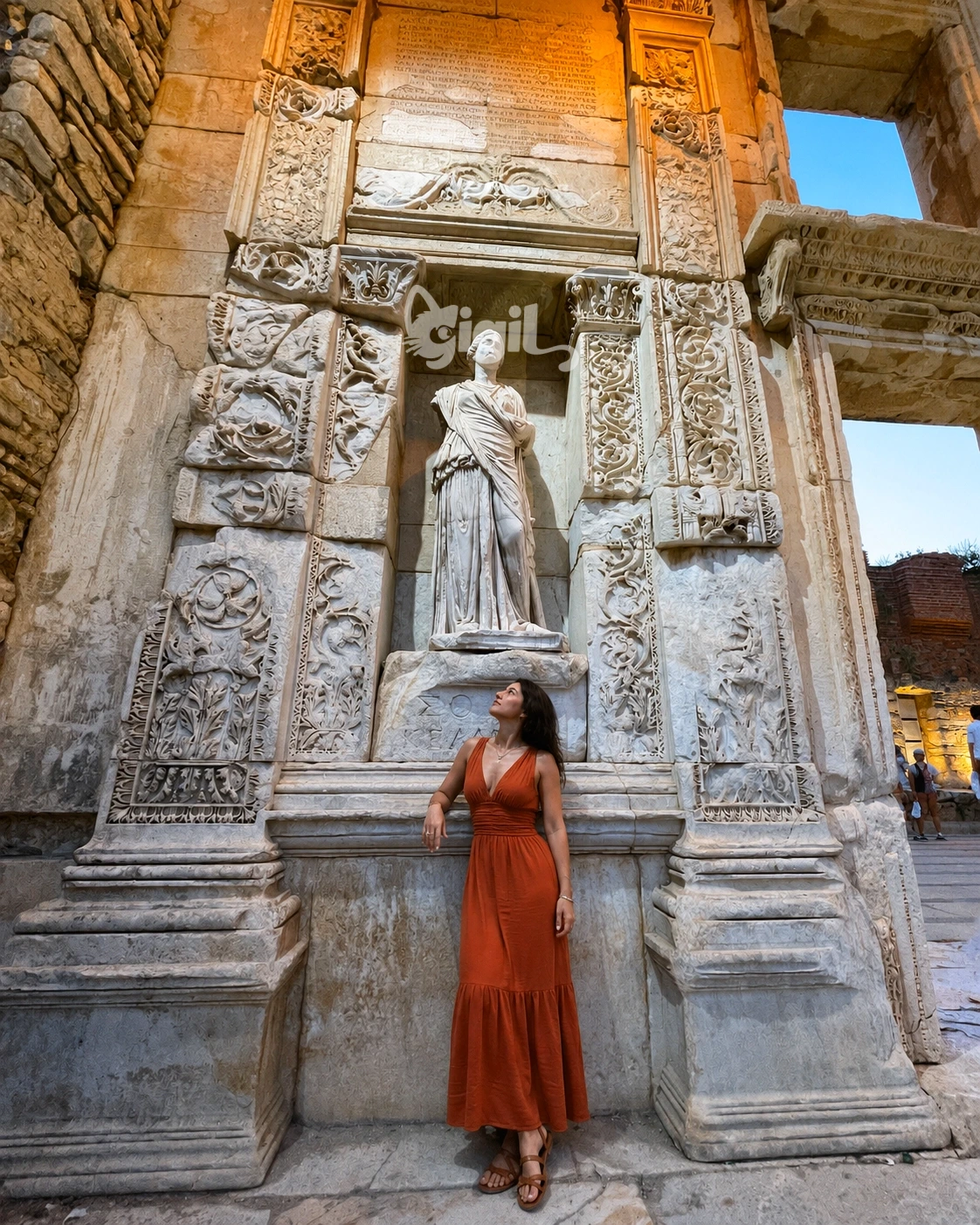
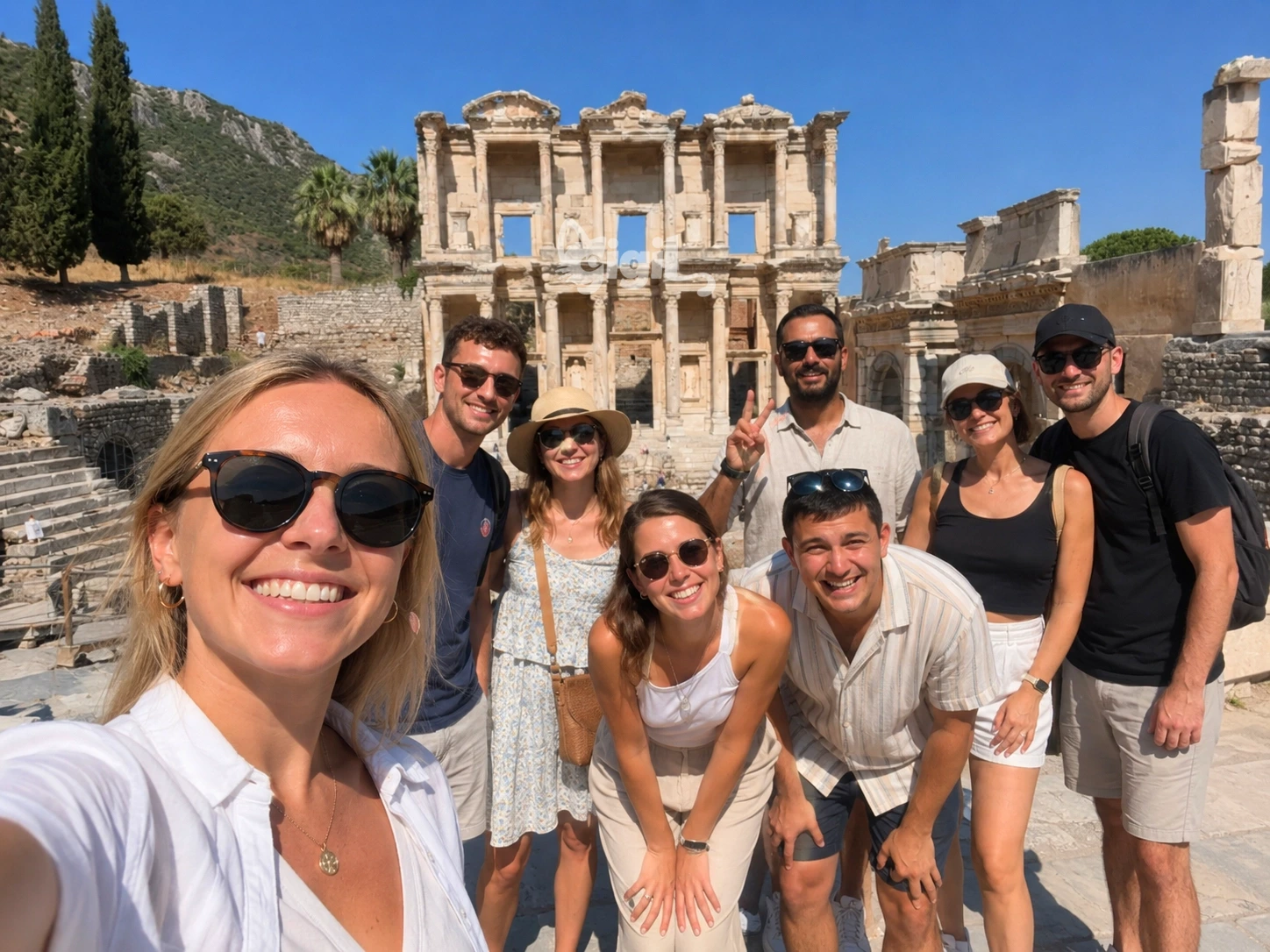
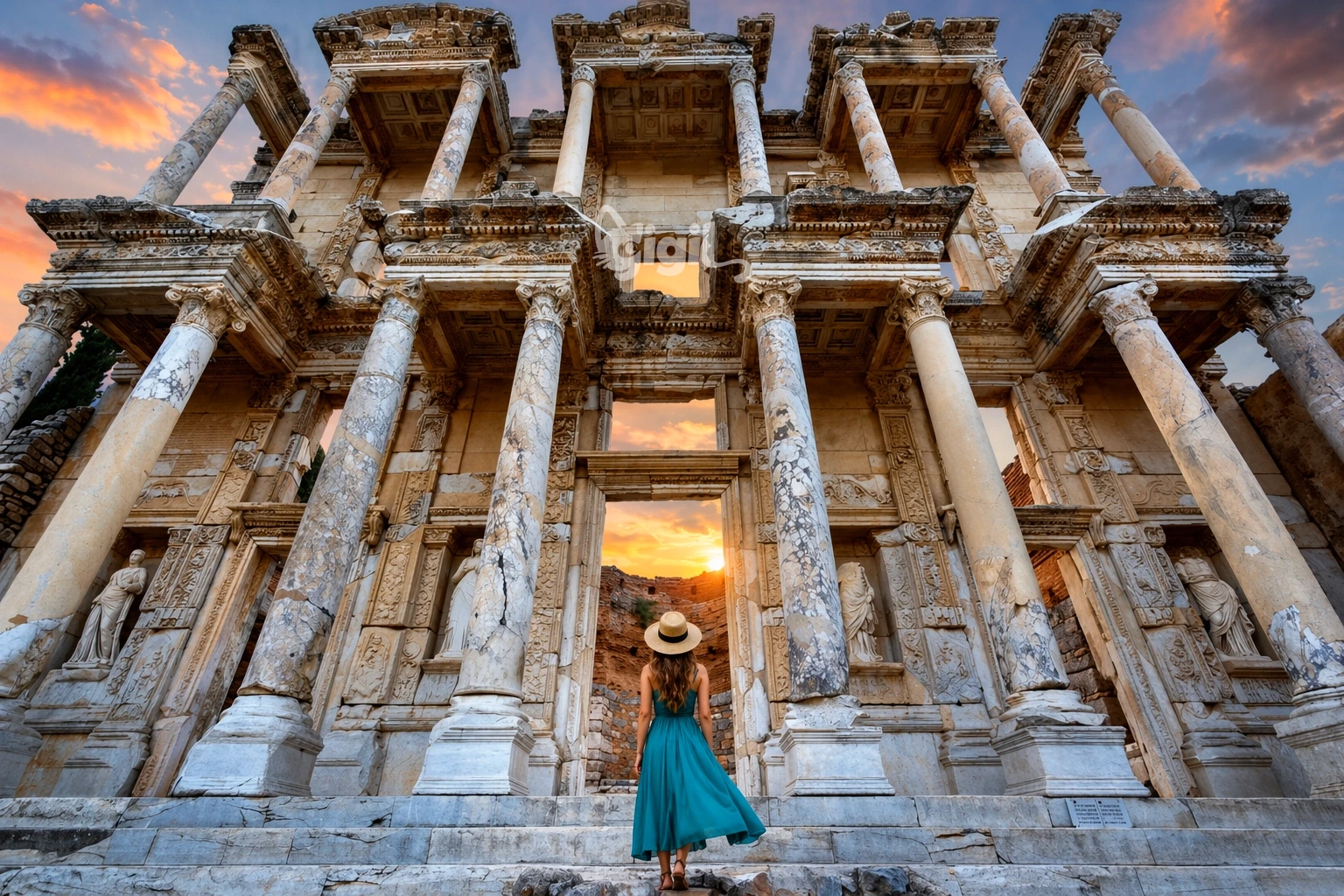
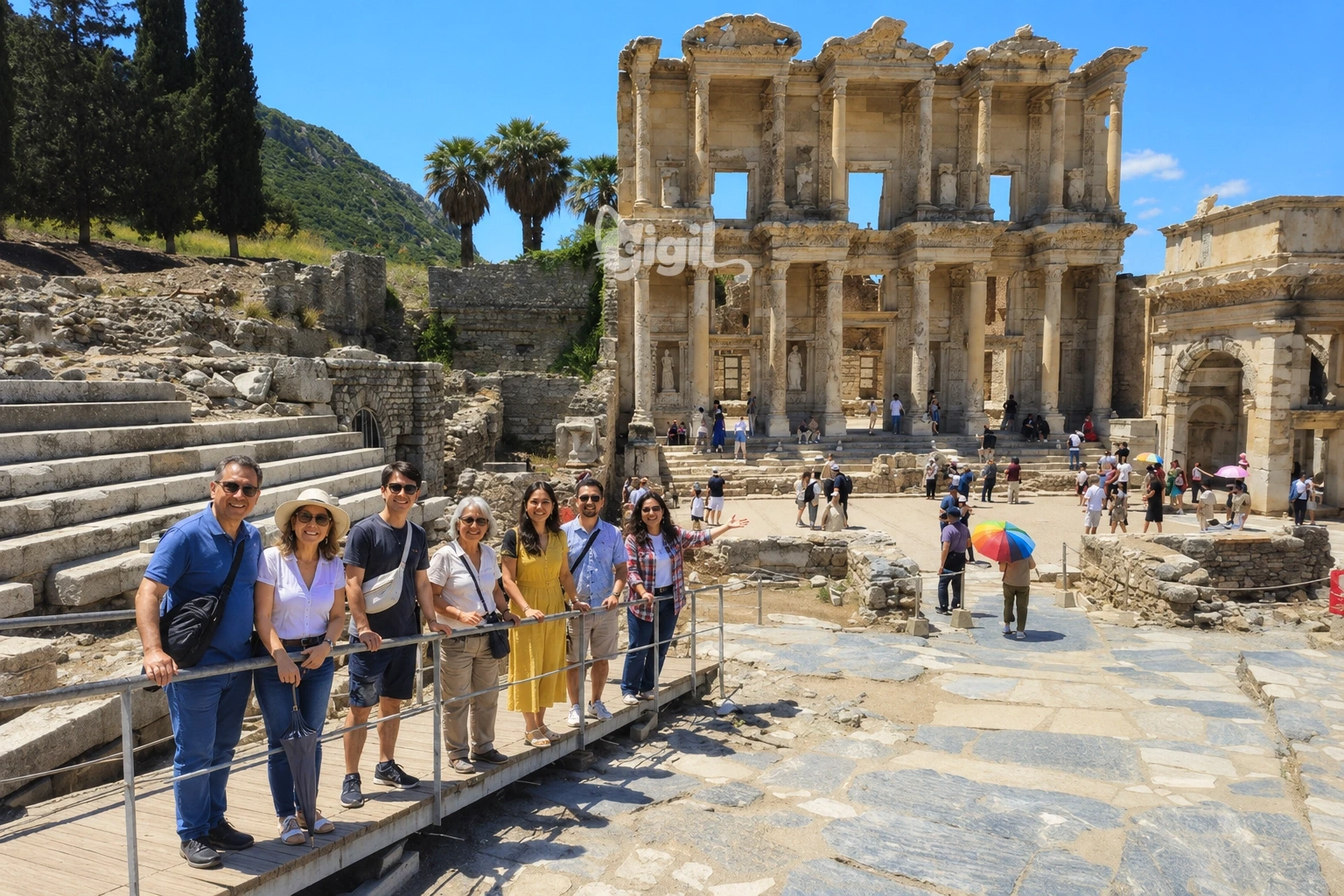
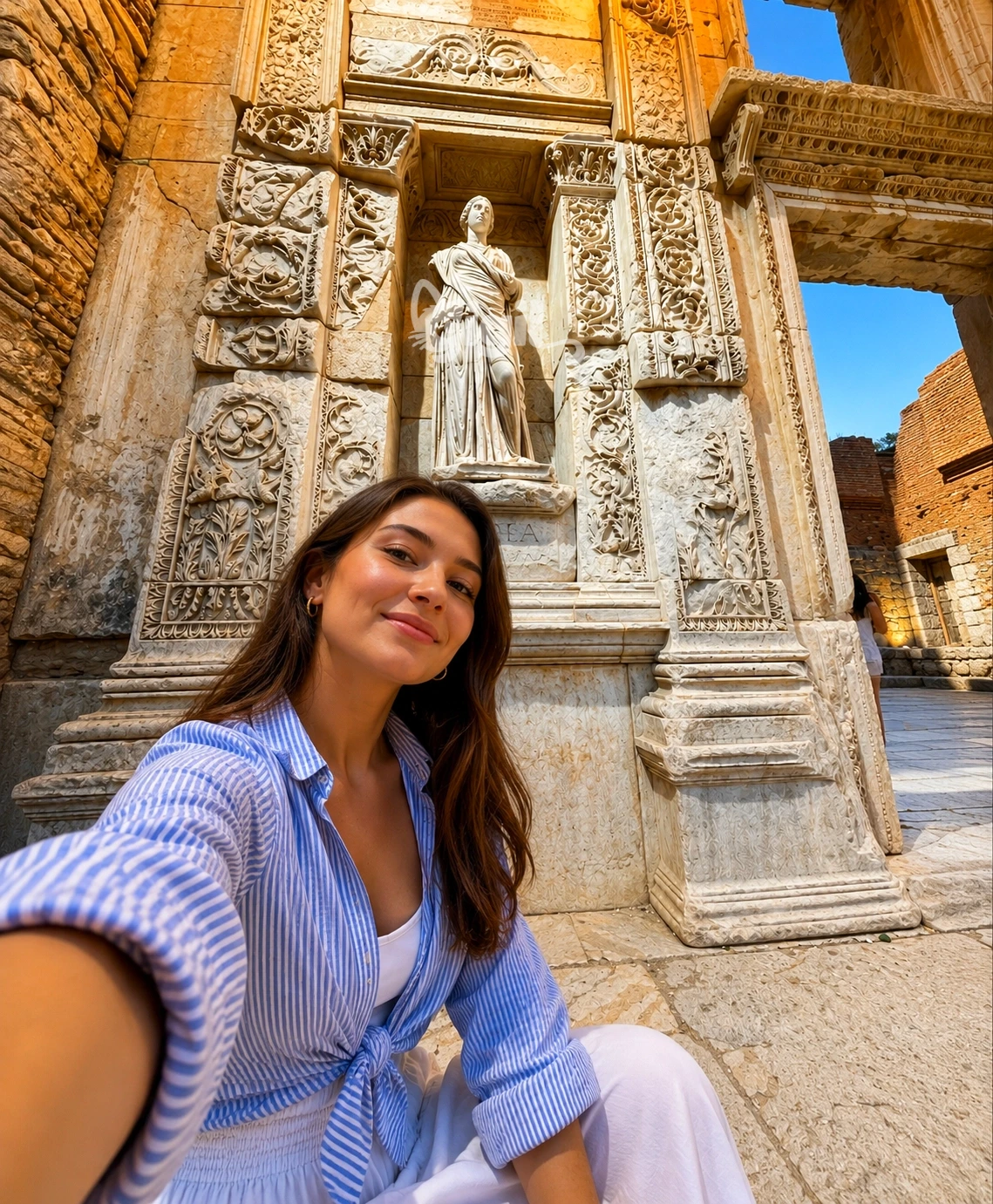
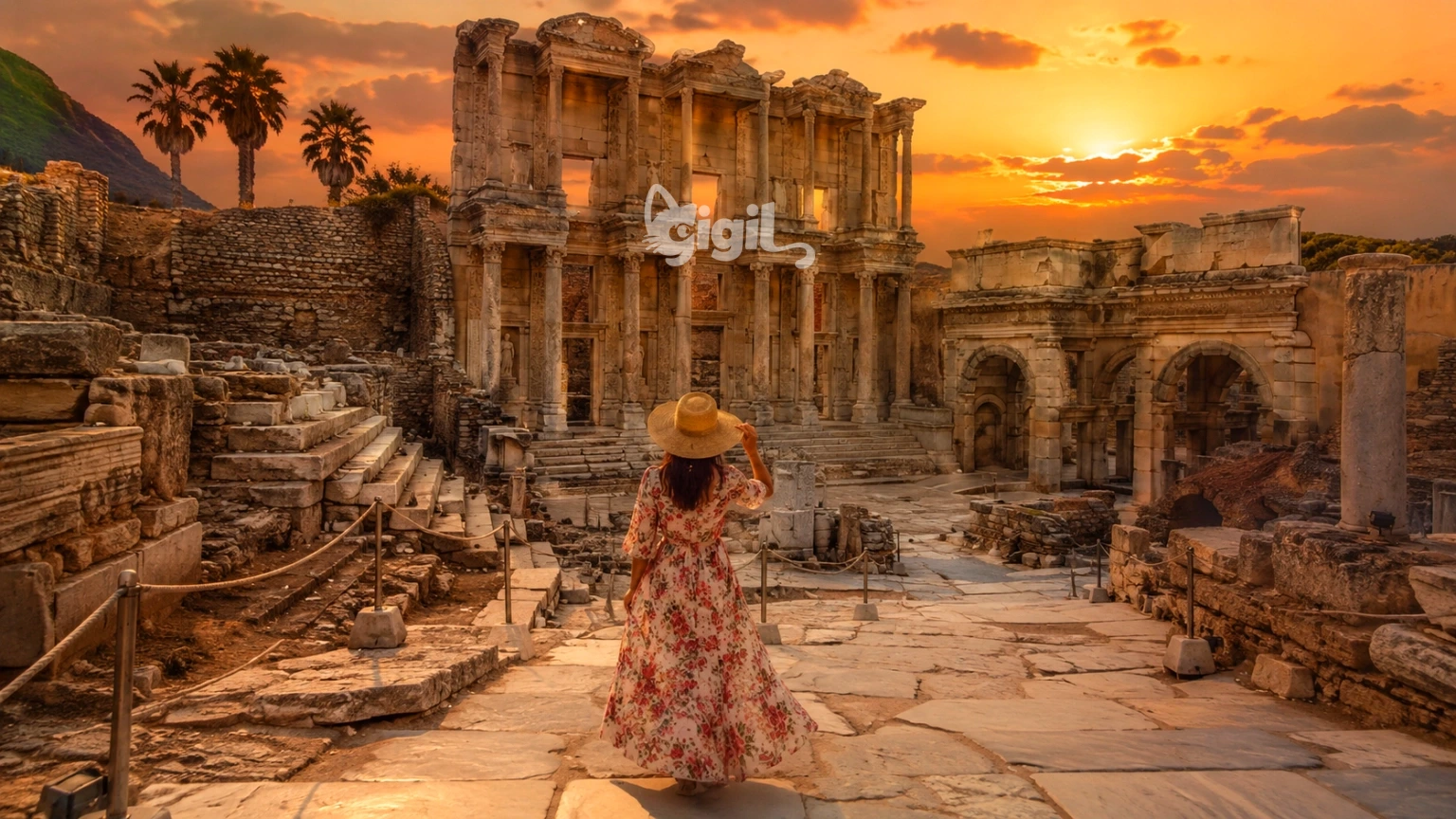
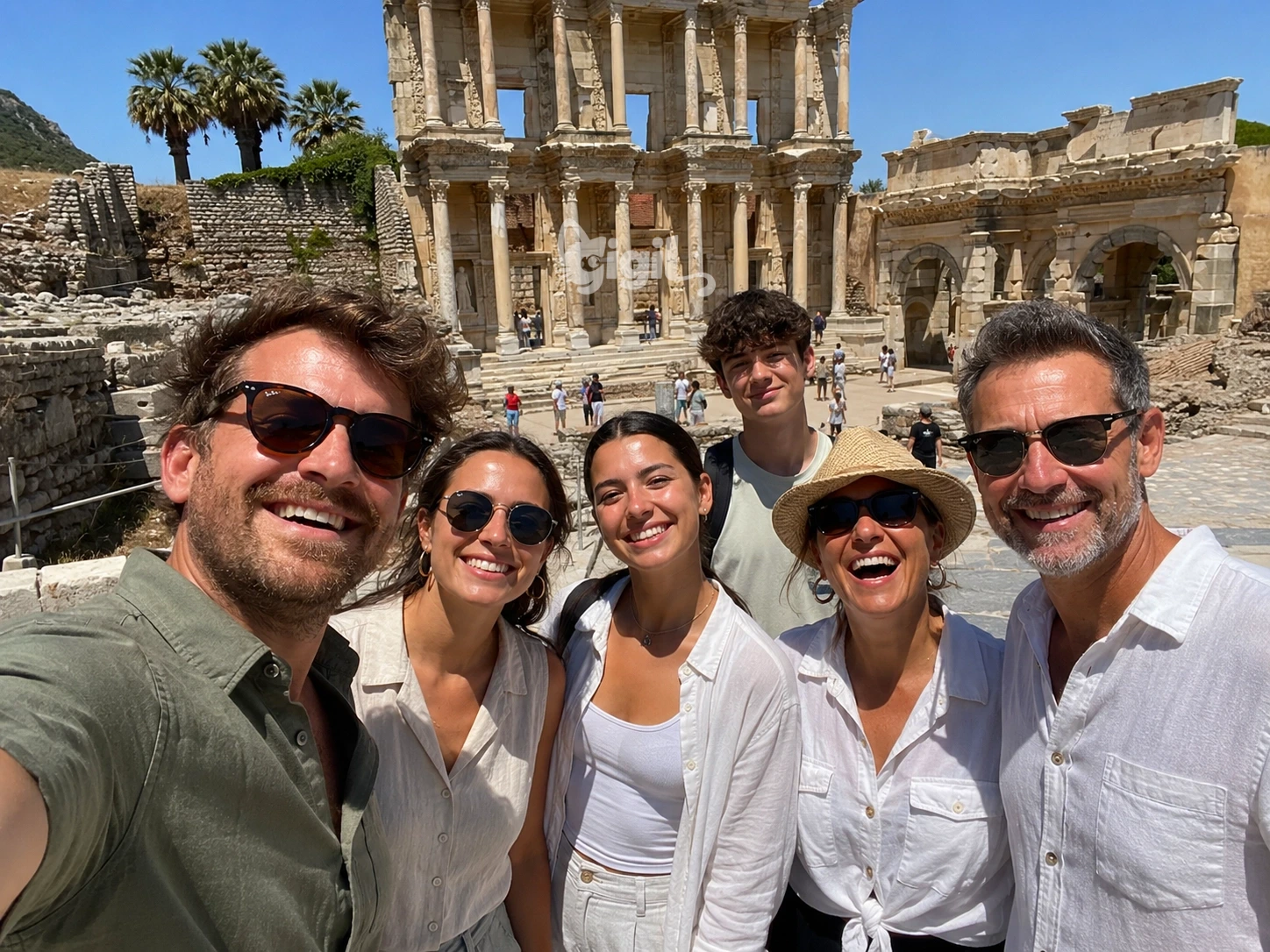
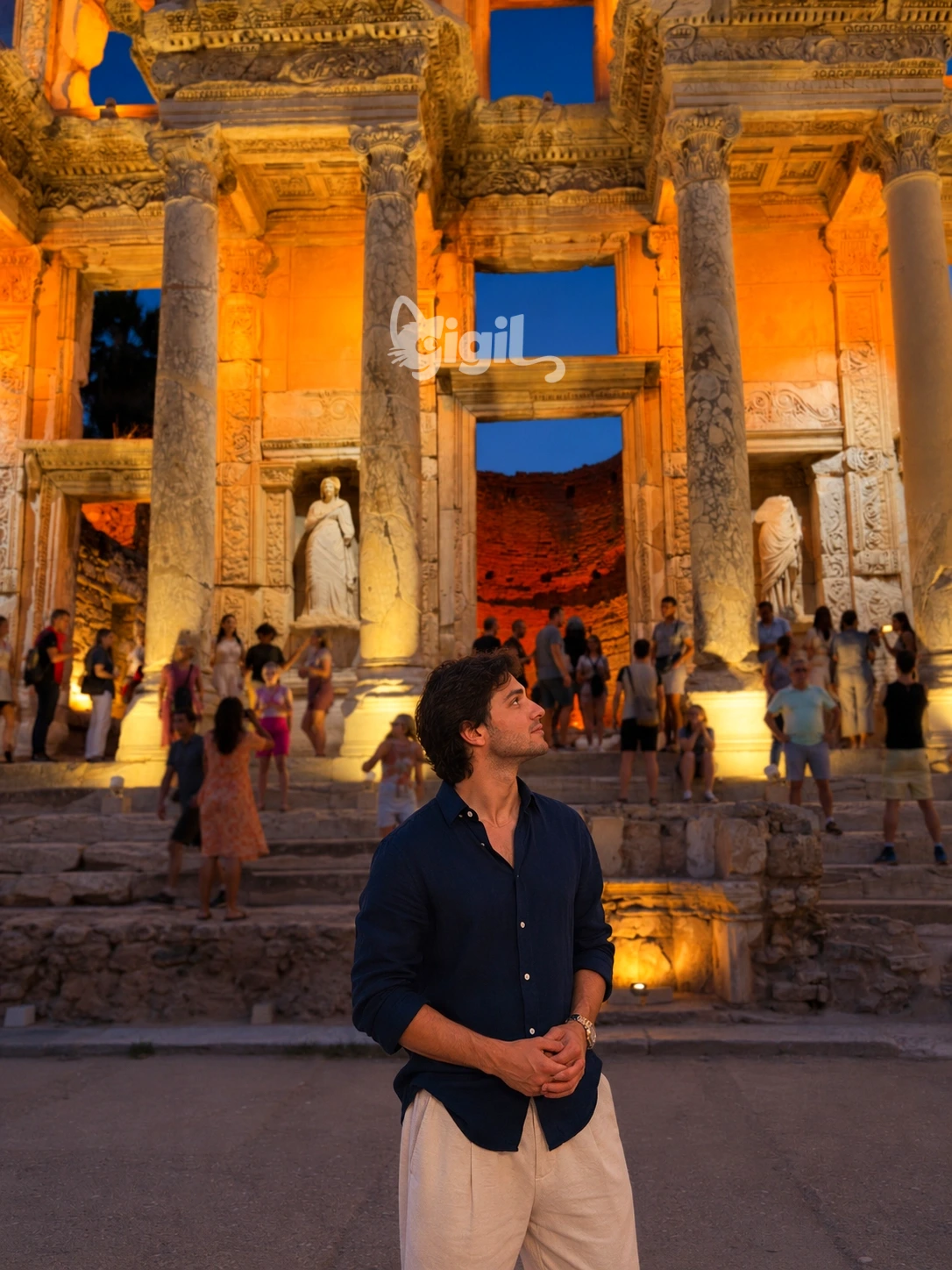
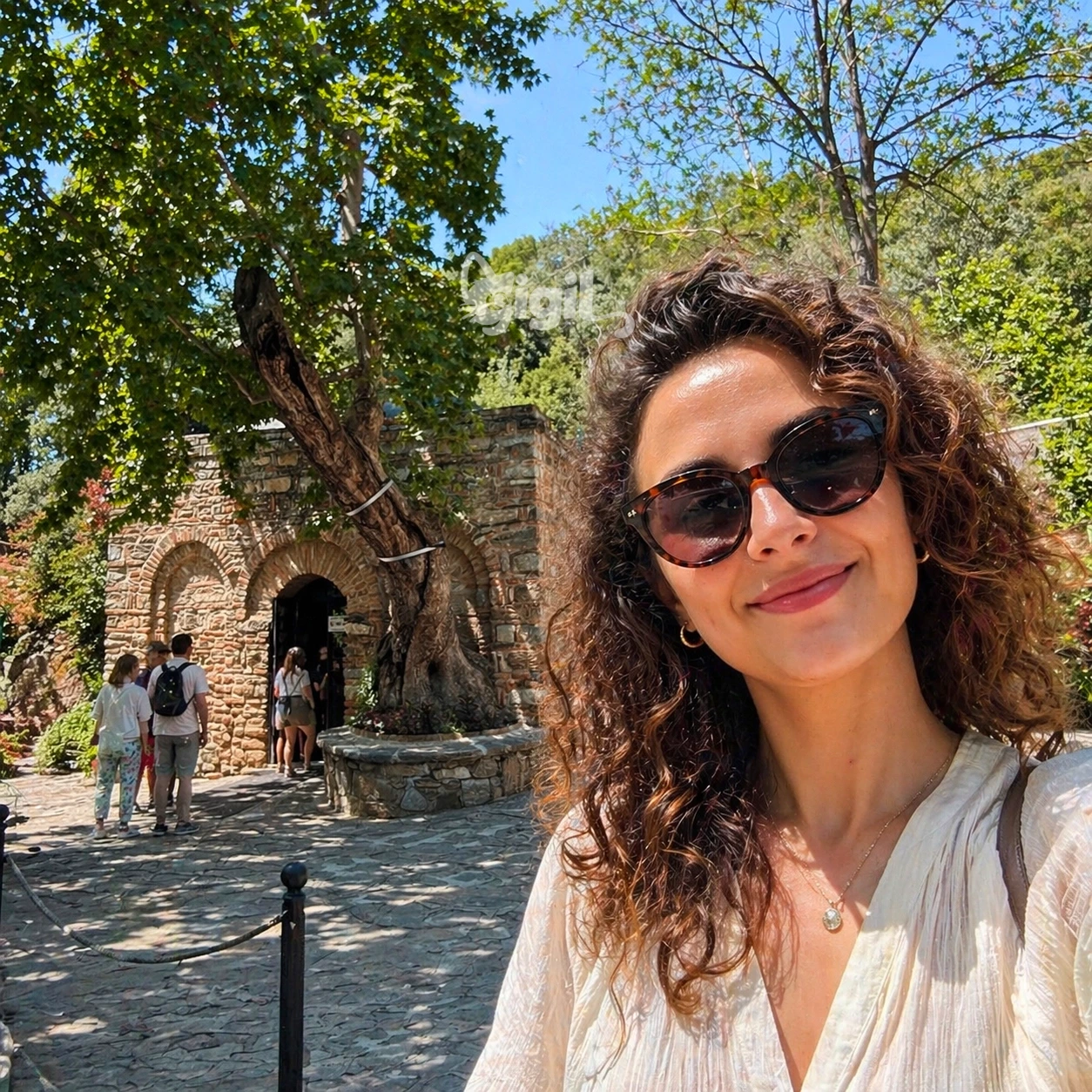
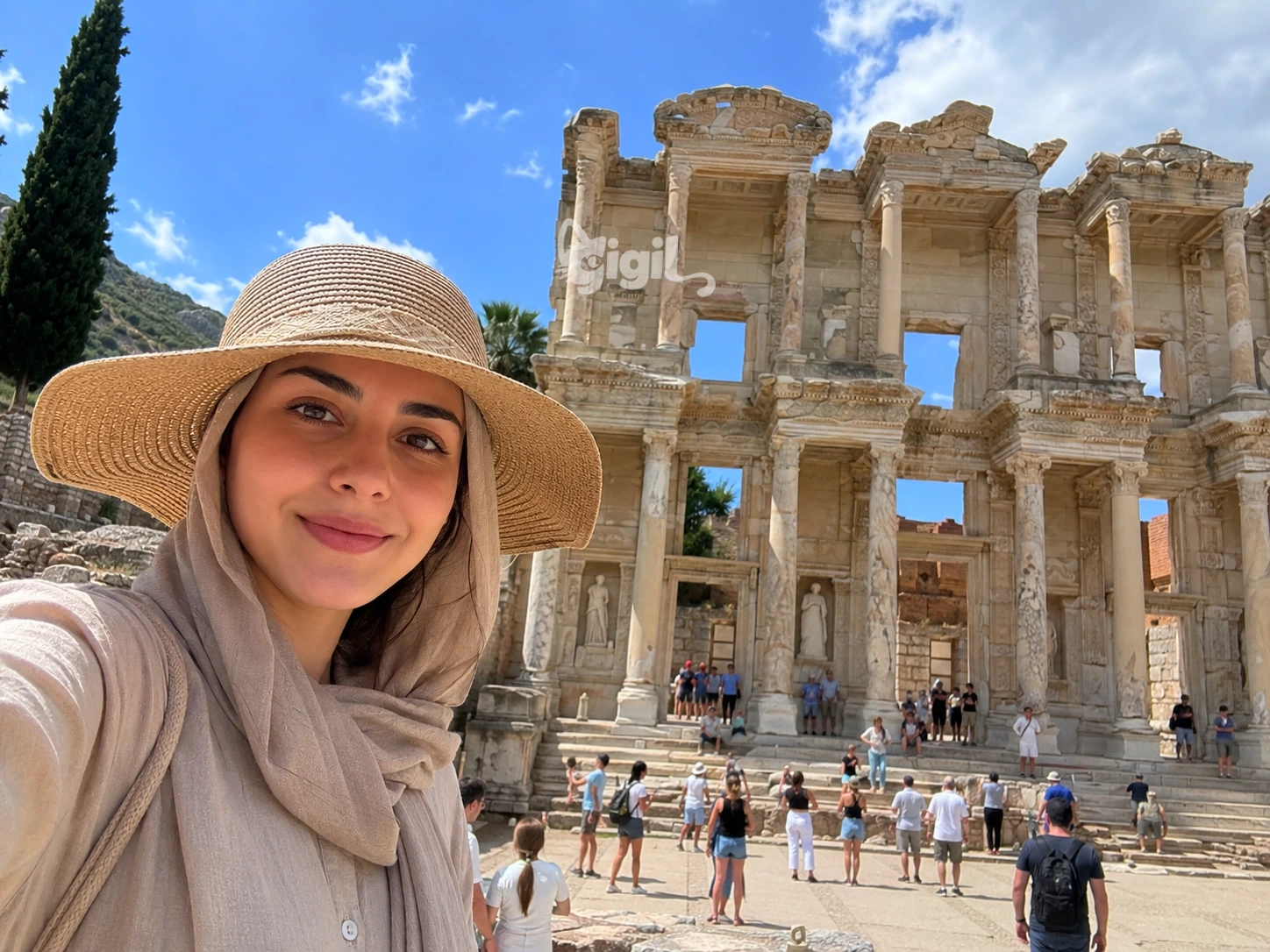

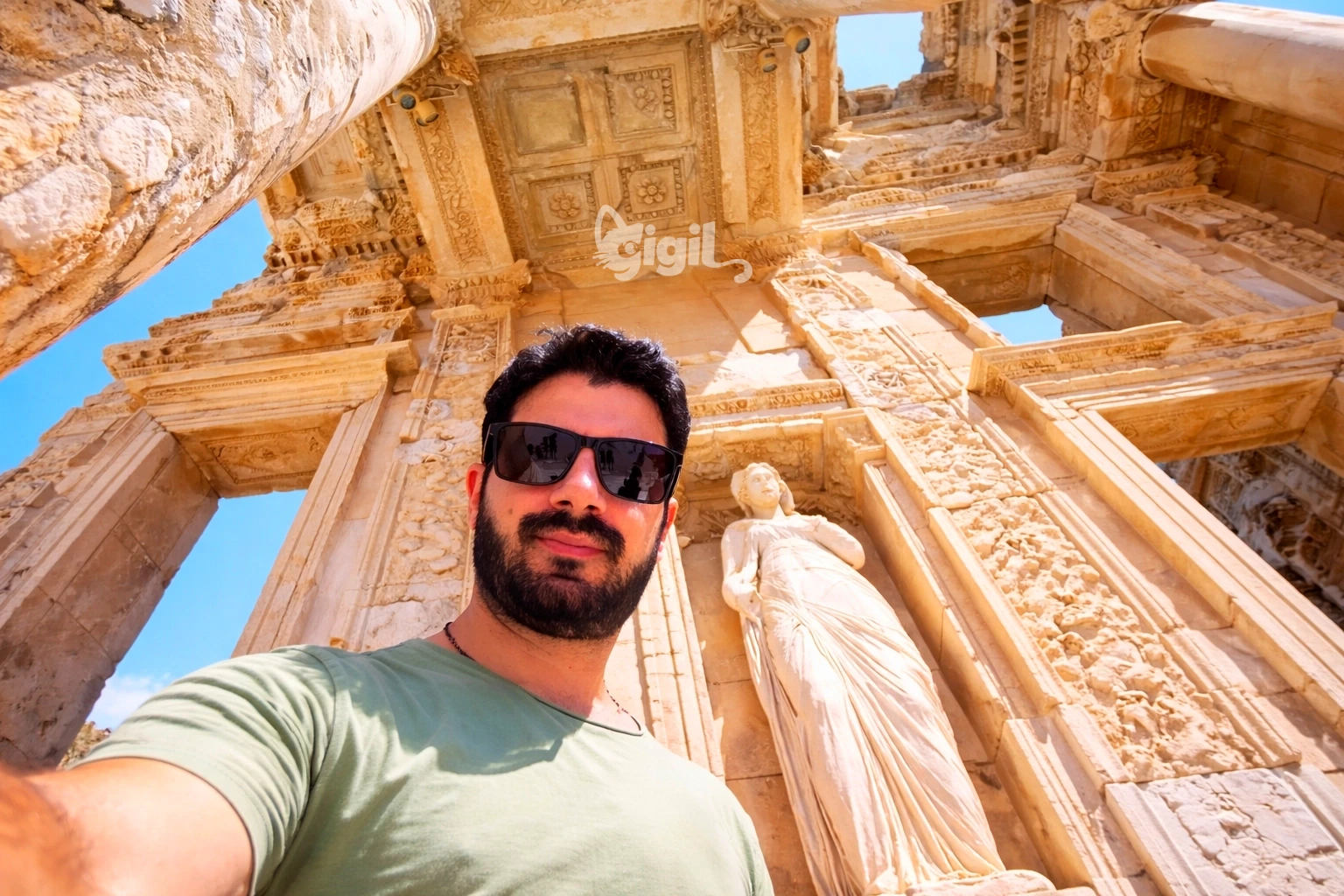
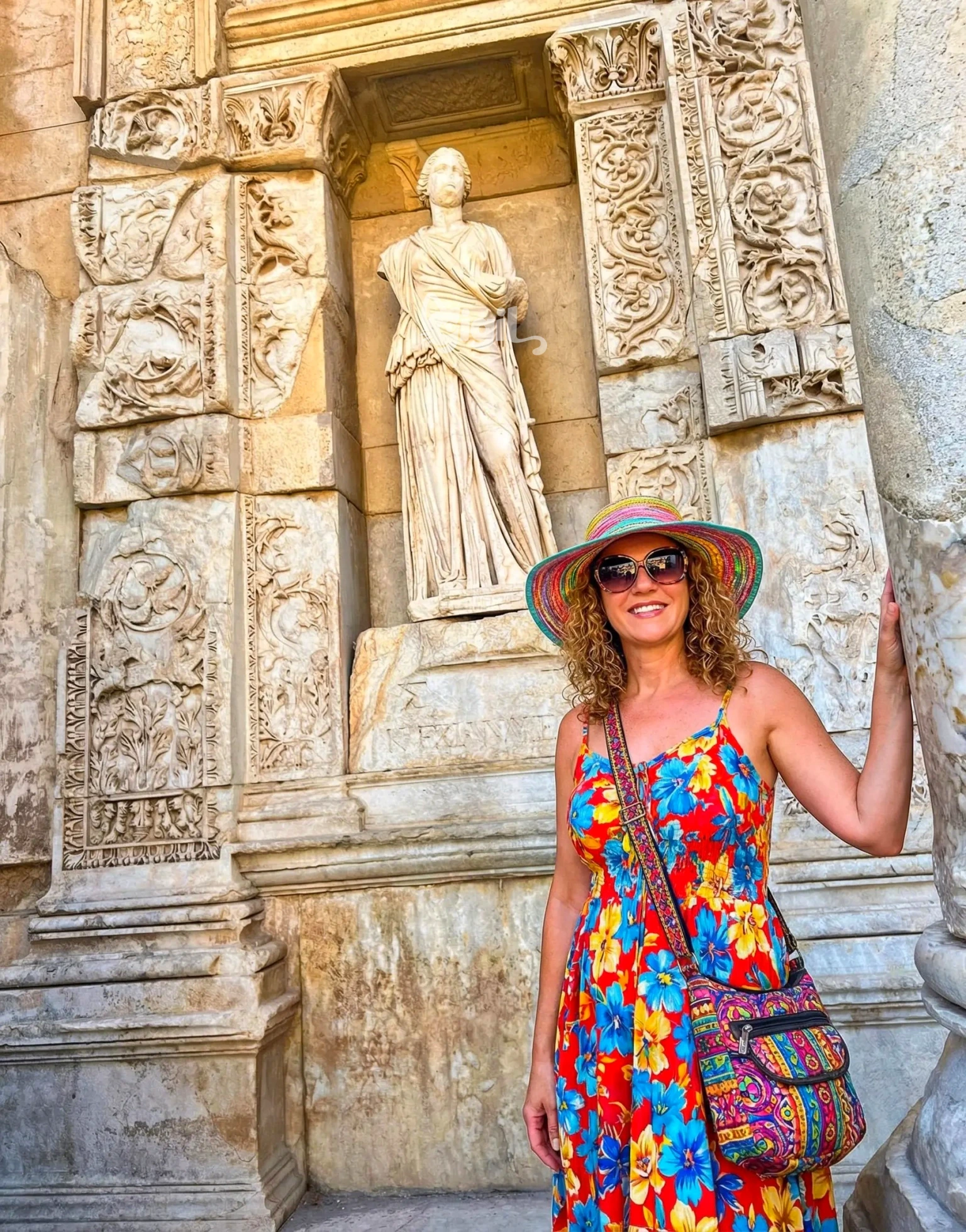

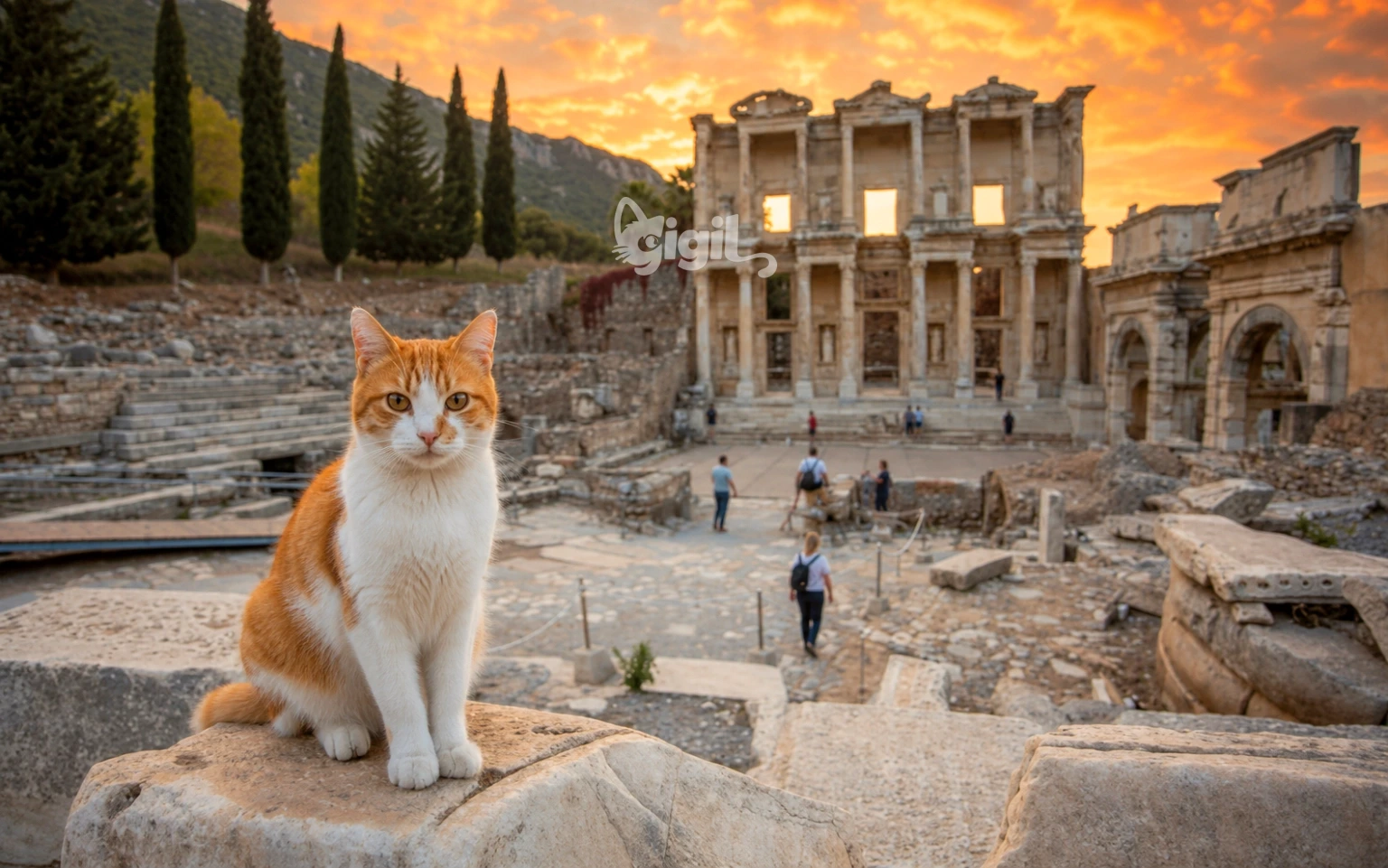
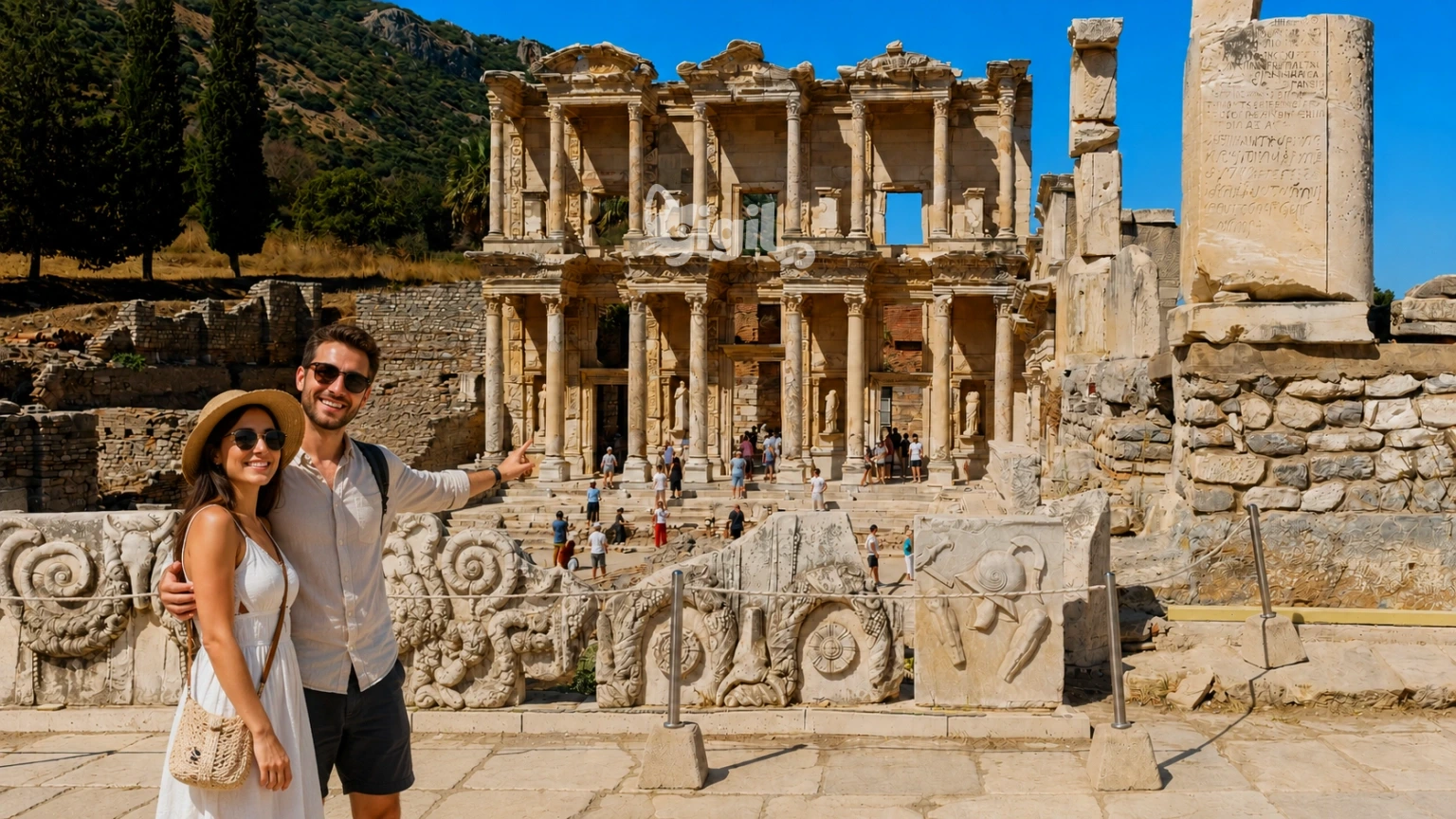
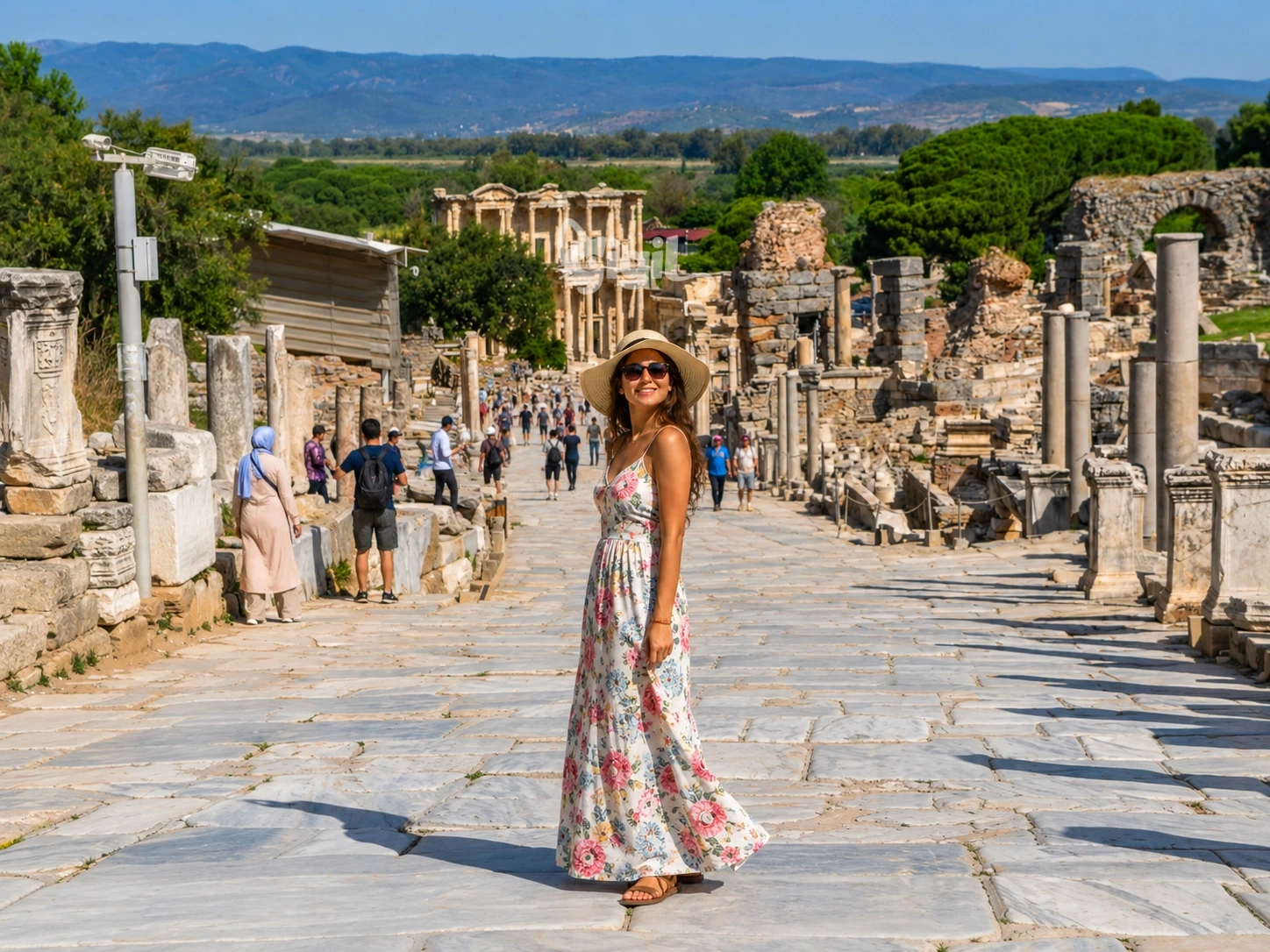
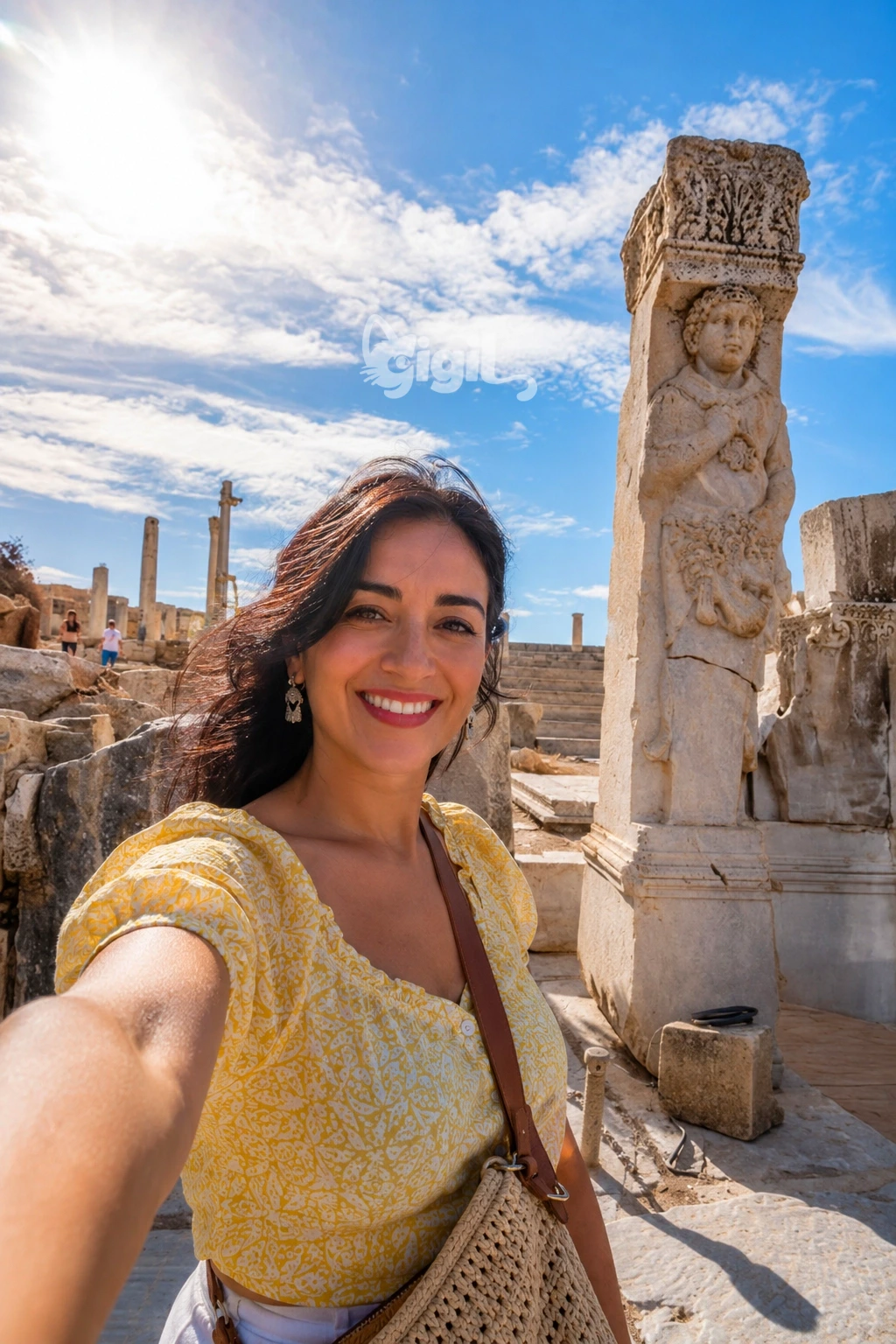
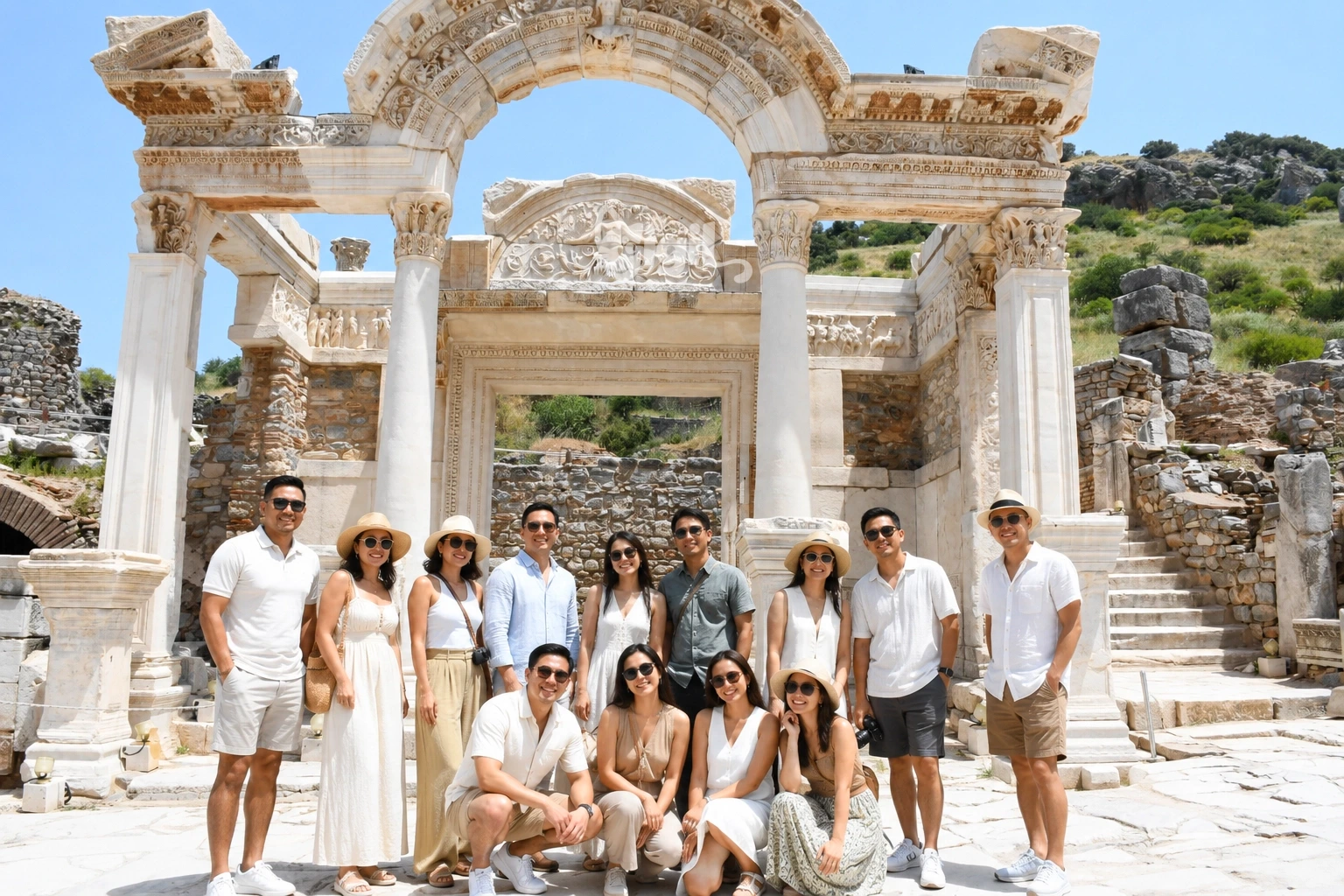


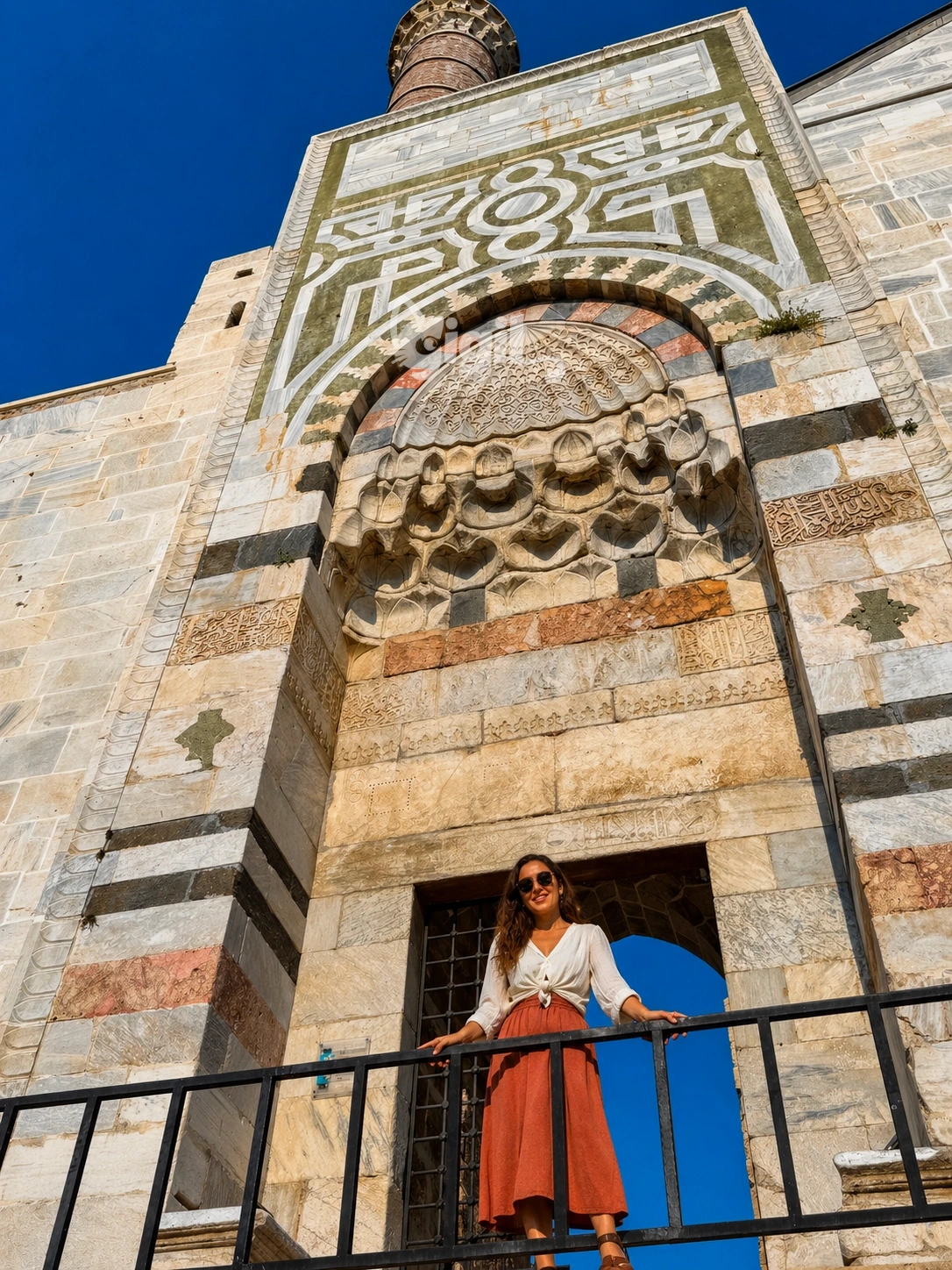
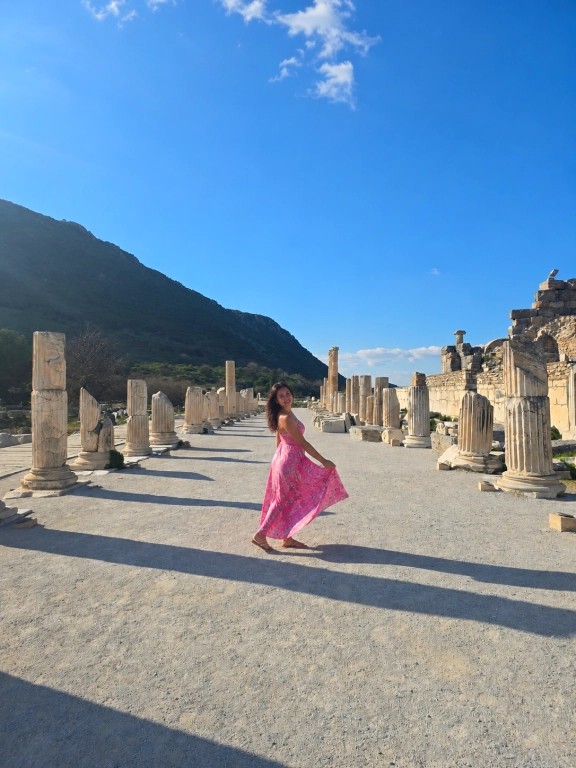
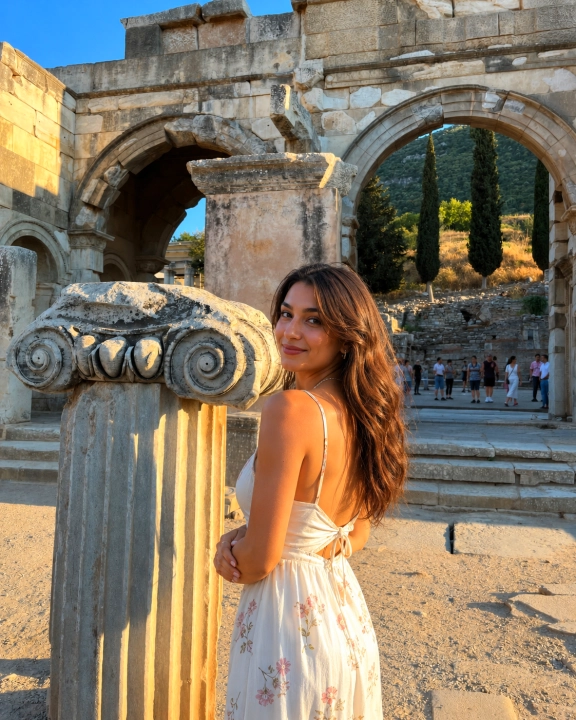
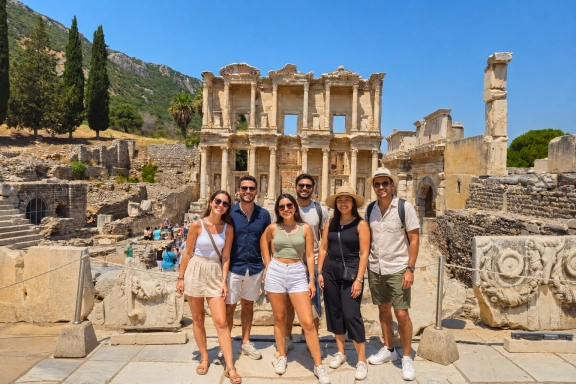
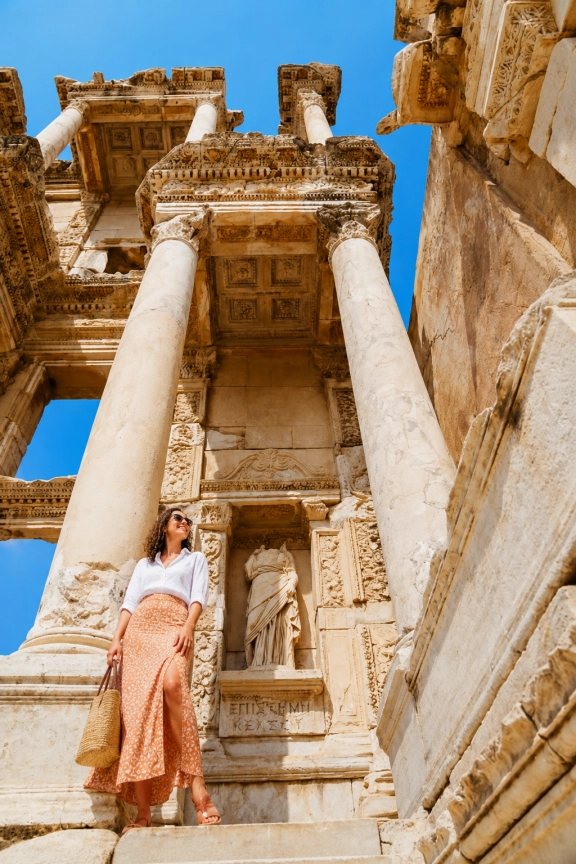
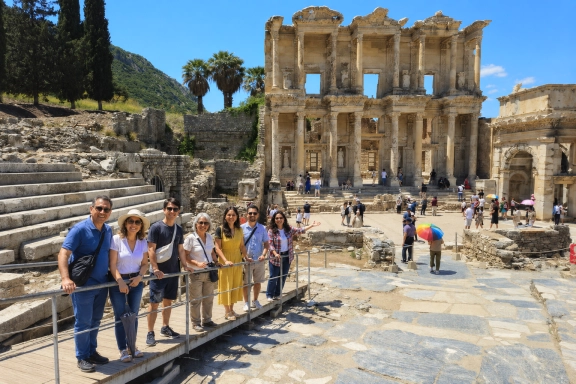
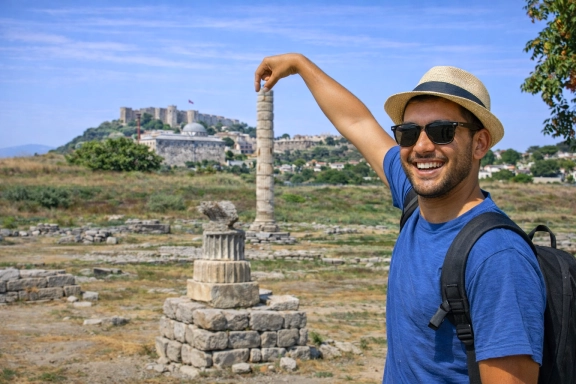

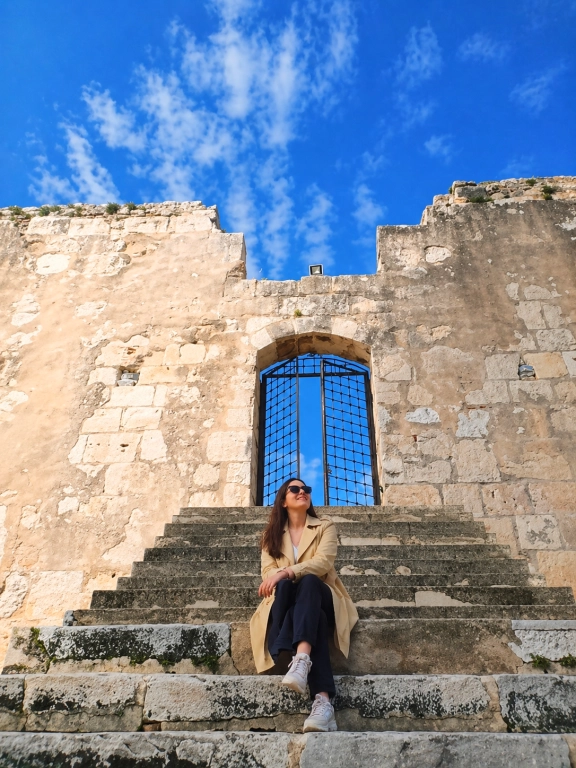



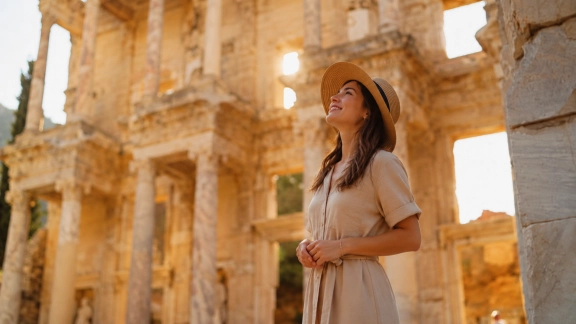
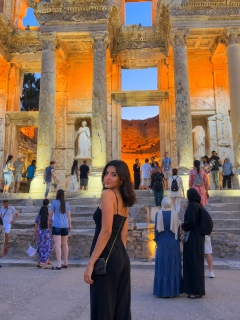
Ephesus Ancient City preserves evidence of a public world built around streets, squares and monumental buildings. The theatre, agora areas and library facade suggest different activities that once gave the city its urban character.
Read the spaces between them as carefully as the remains themselves. The former harbour helps explain the city's importance, while archaeological restoration reminds you that today's presentation combines surviving material with work undertaken to conserve it.
Questions
What is the simplest way to read the site?
Follow how streets connect buildings and open spaces with different civic and commercial roles.
What does the library facade contribute?
It shows how monumental architecture could express cultural importance and civic prestige.
Why has the sea relationship changed?
Sedimentation altered the harbour landscape and the coastline around the former port city.
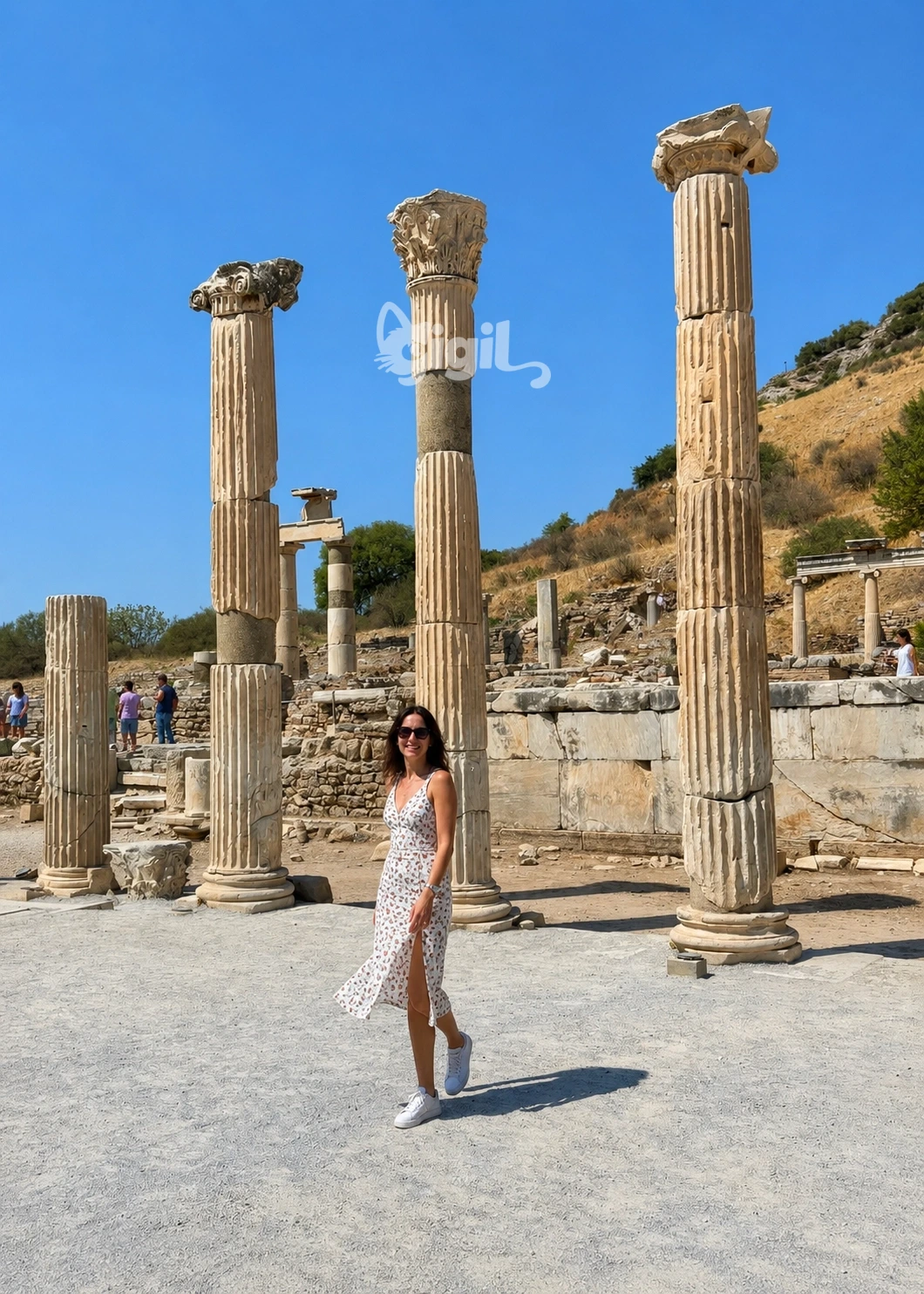
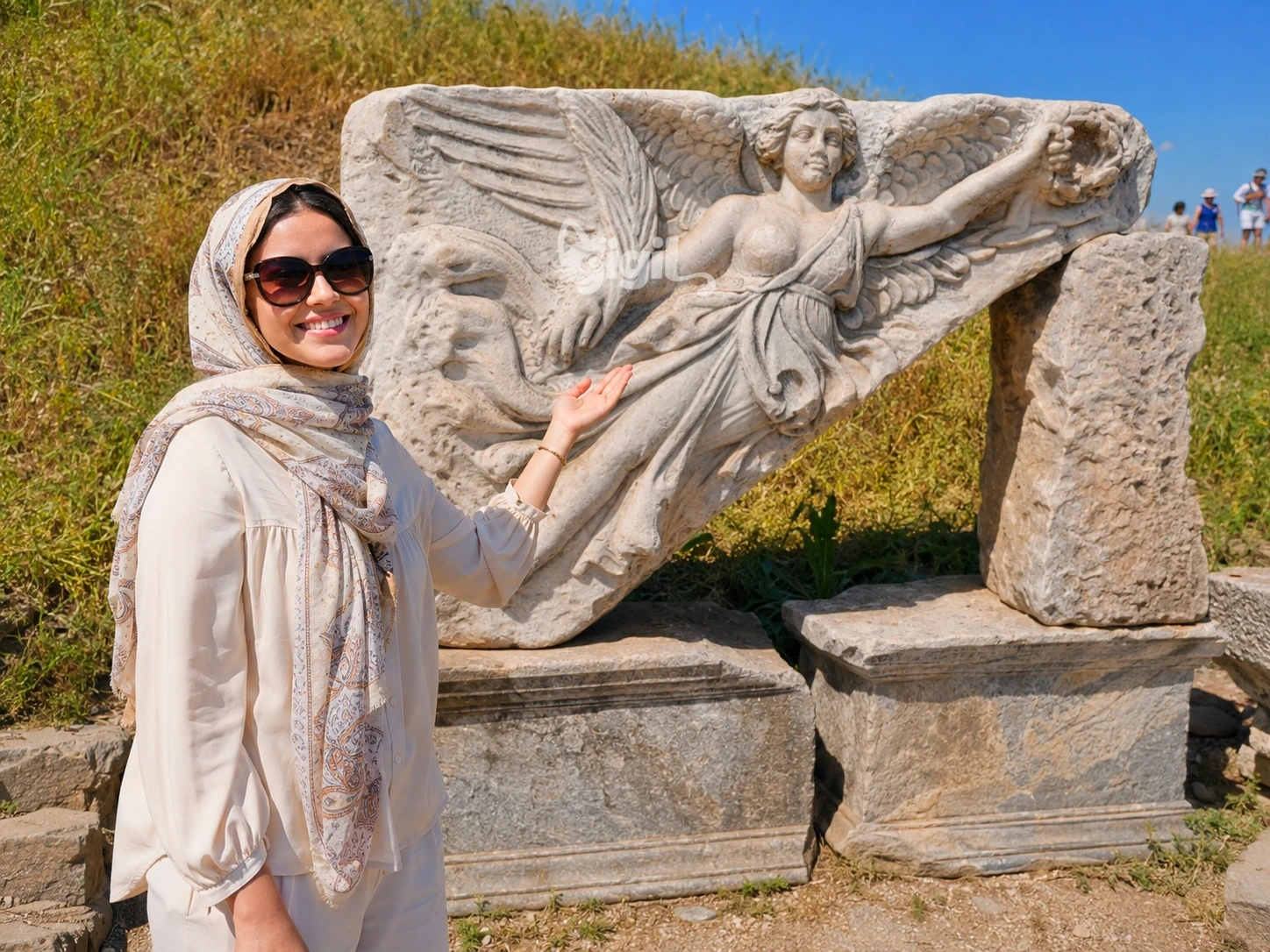
Are restored elements ancient in every detail?
No. Present-day conservation and reconstruction also contribute to the site's visible form.