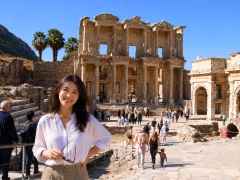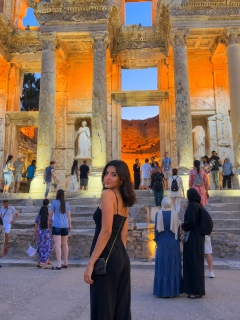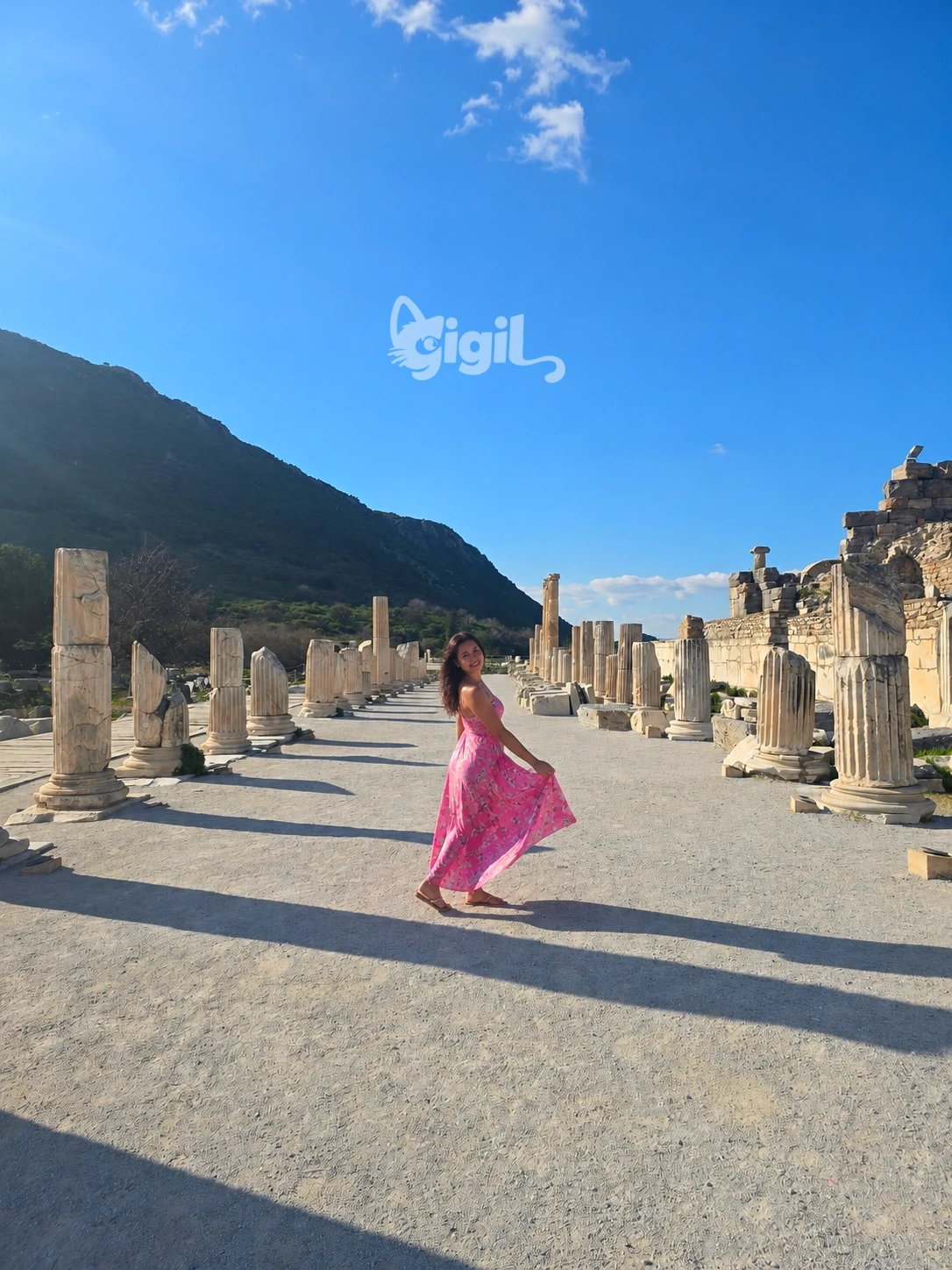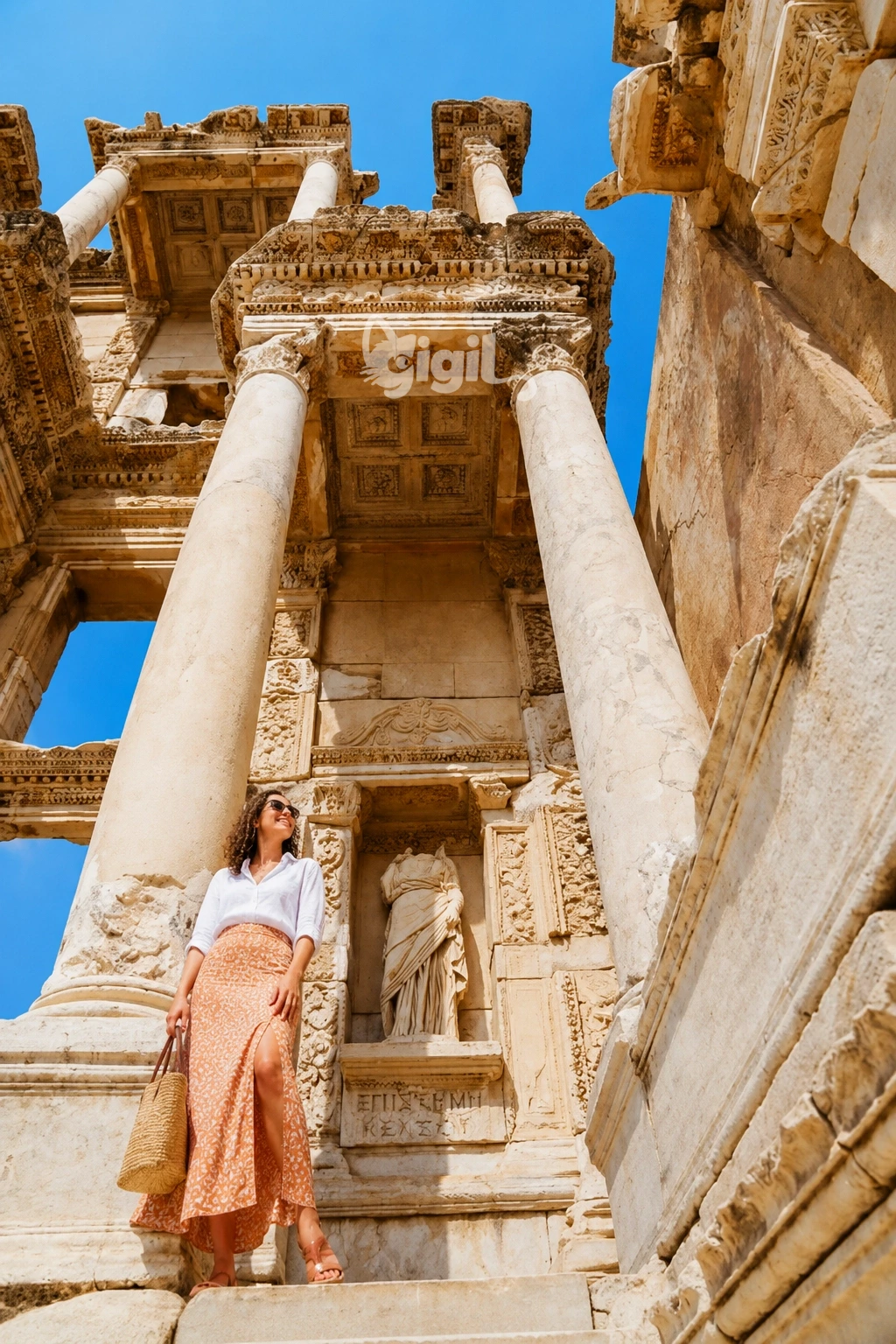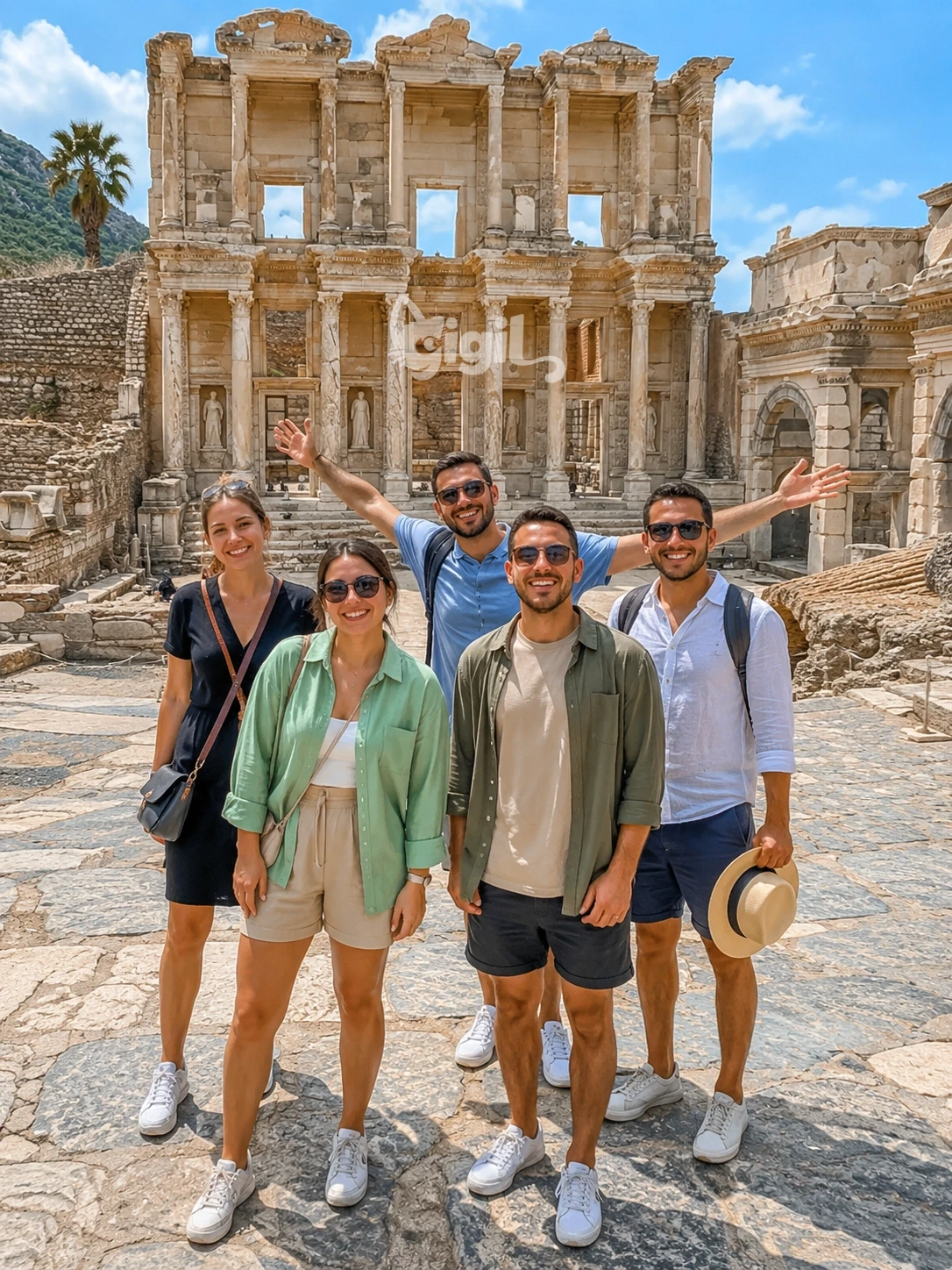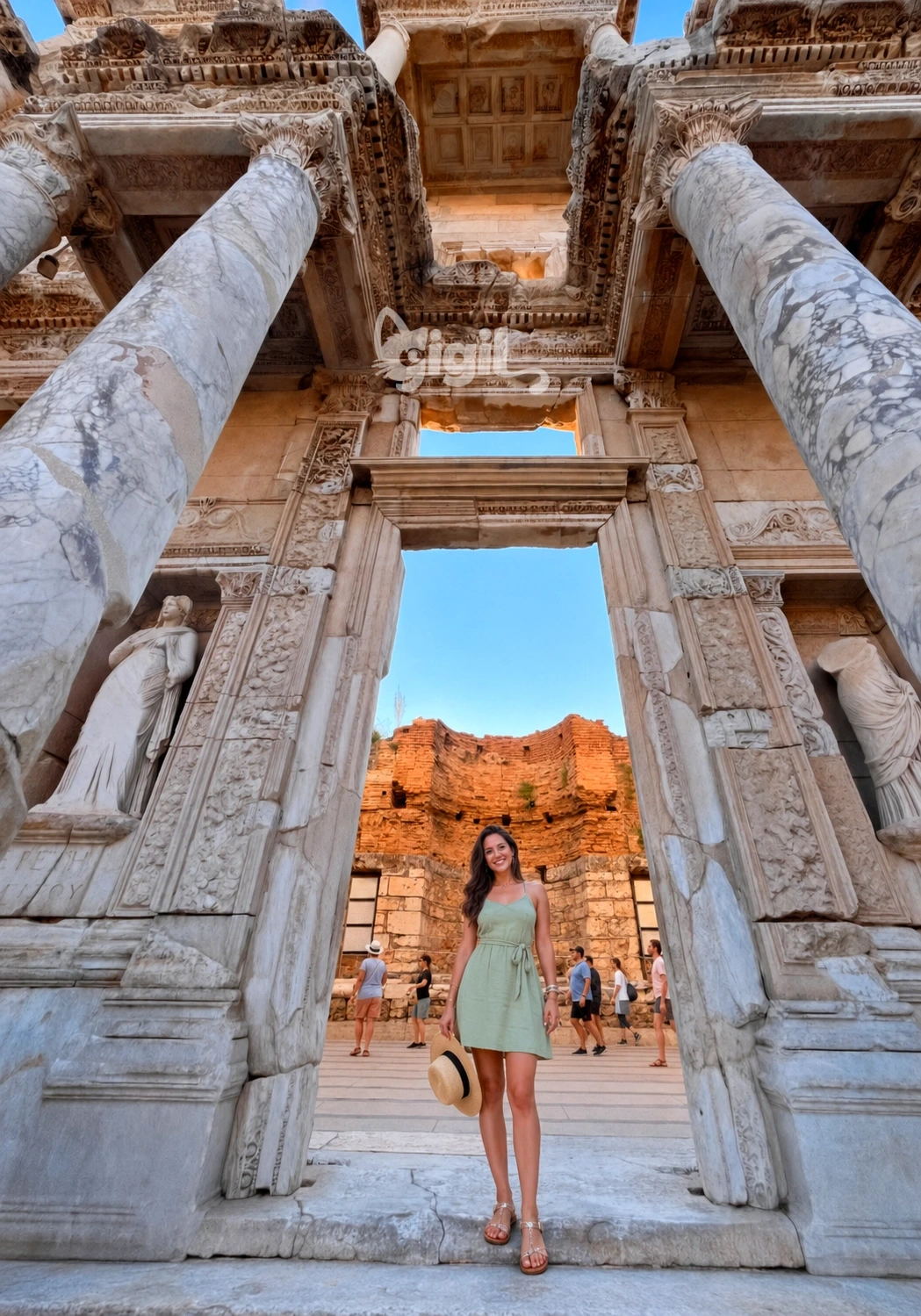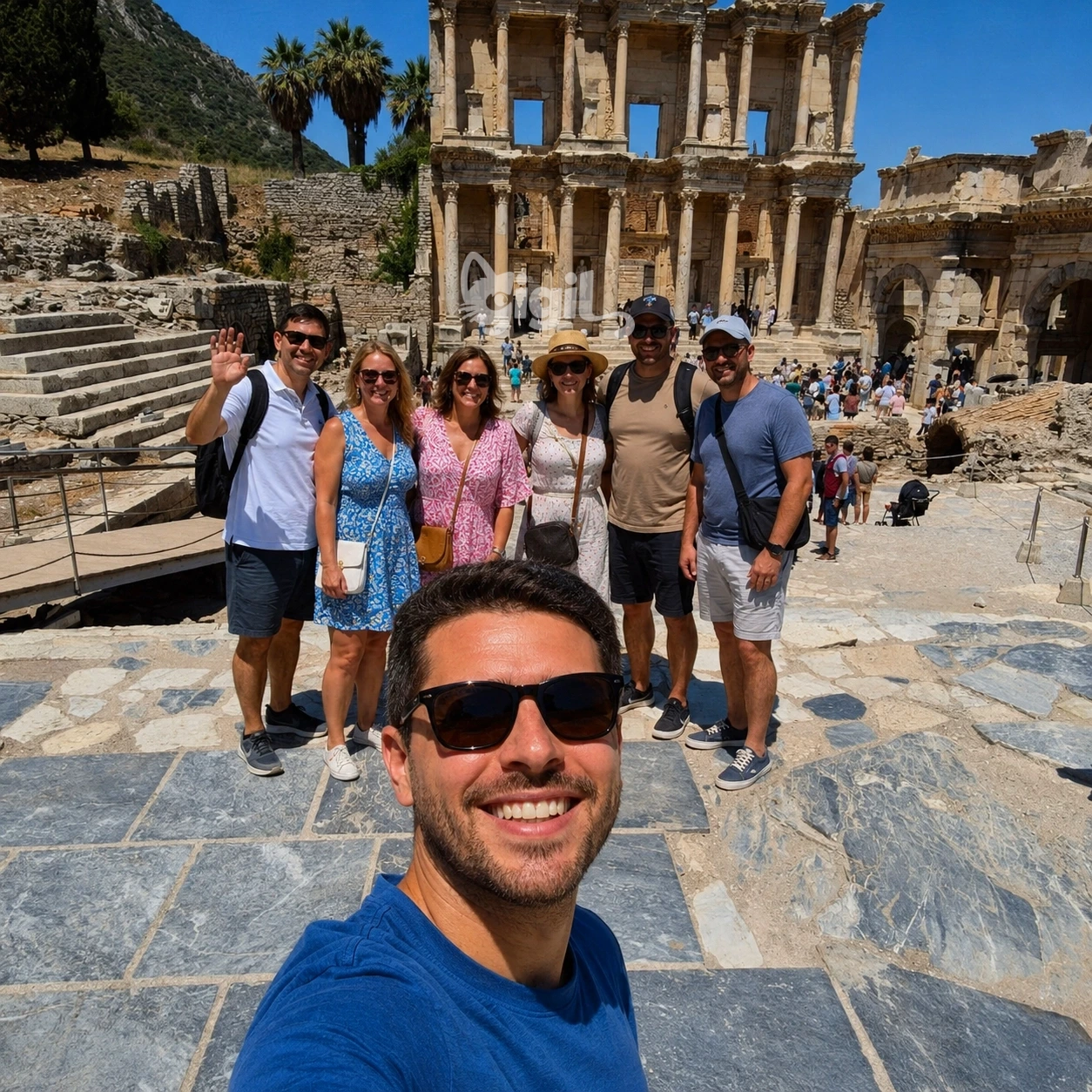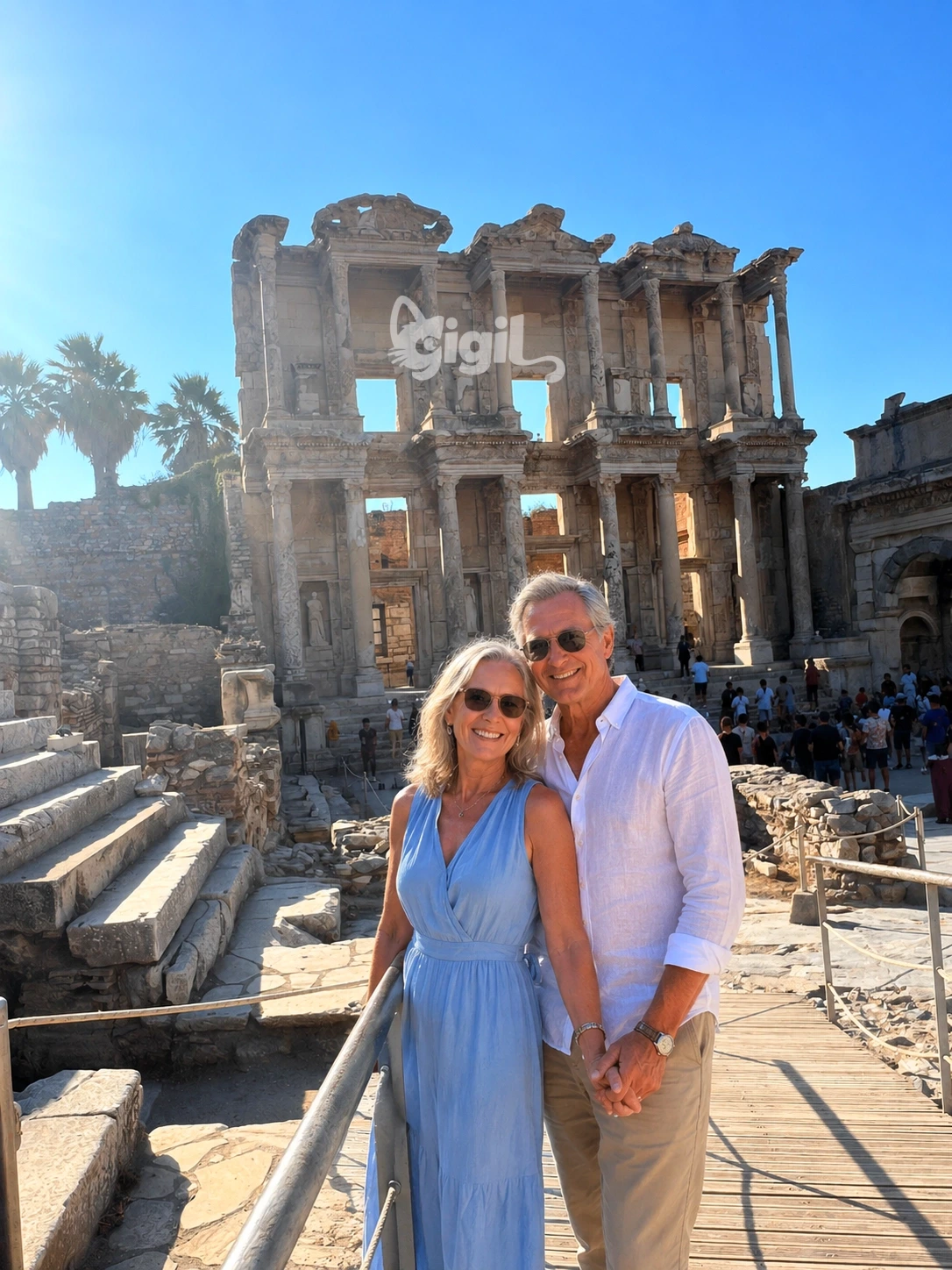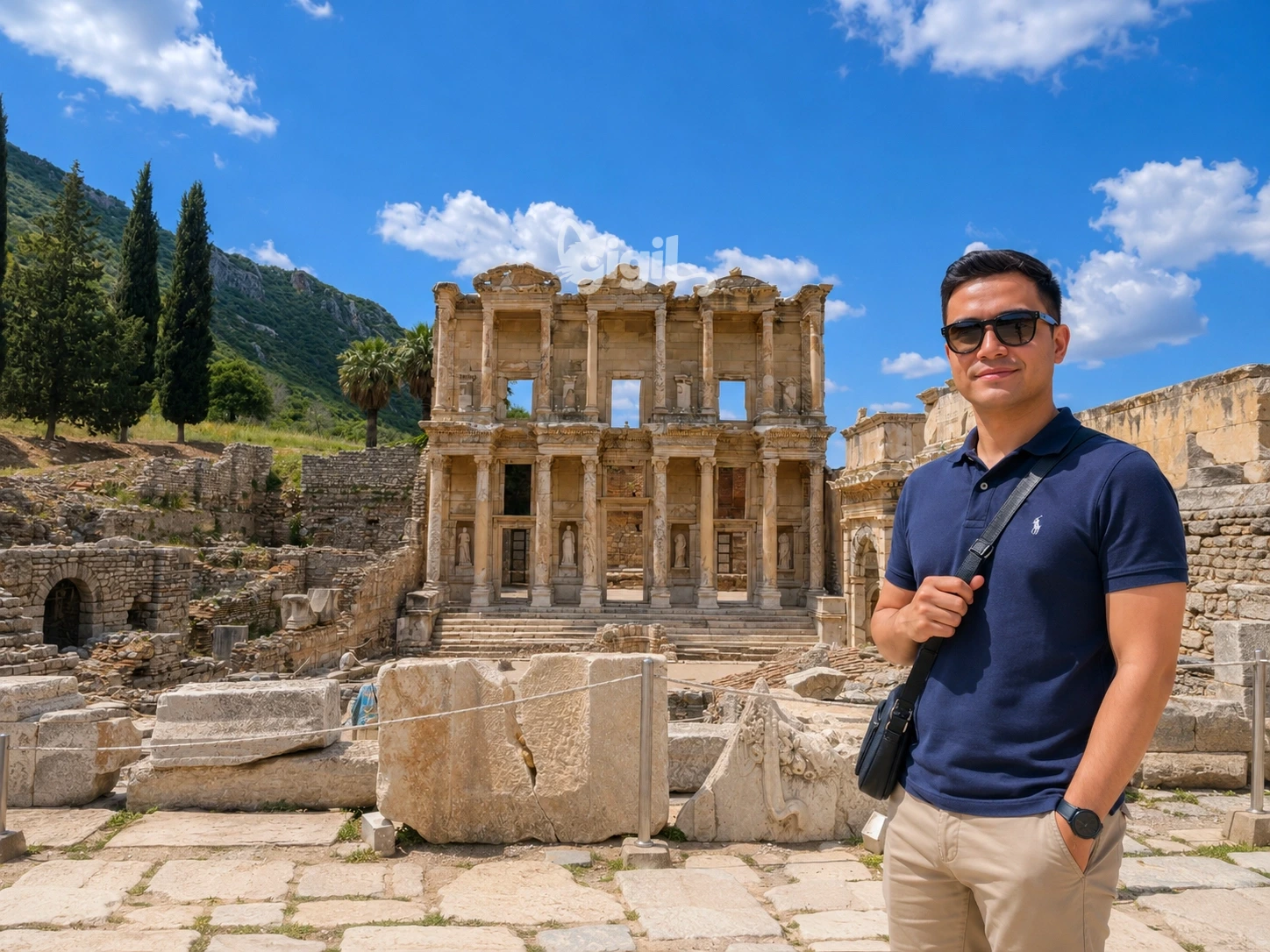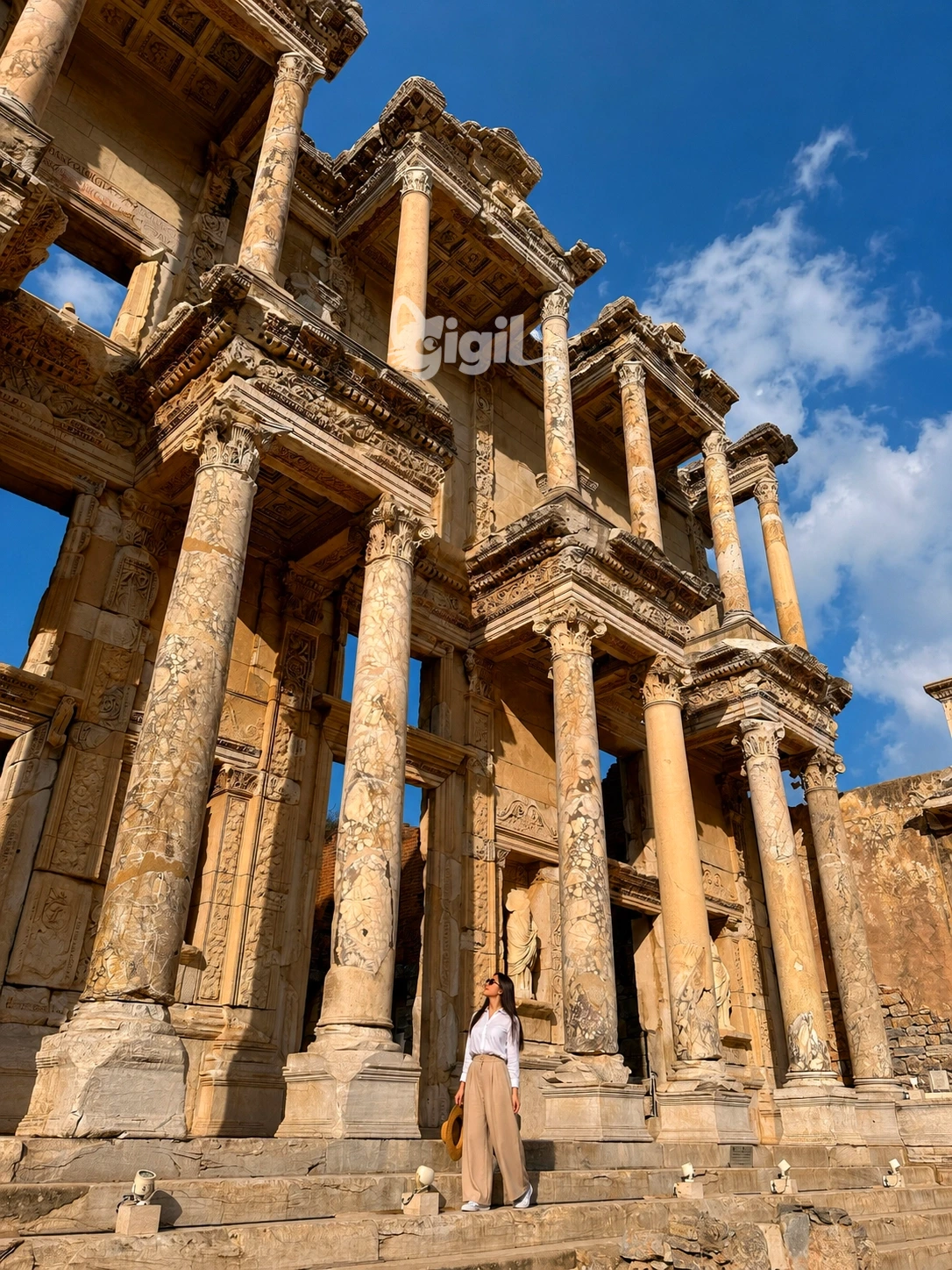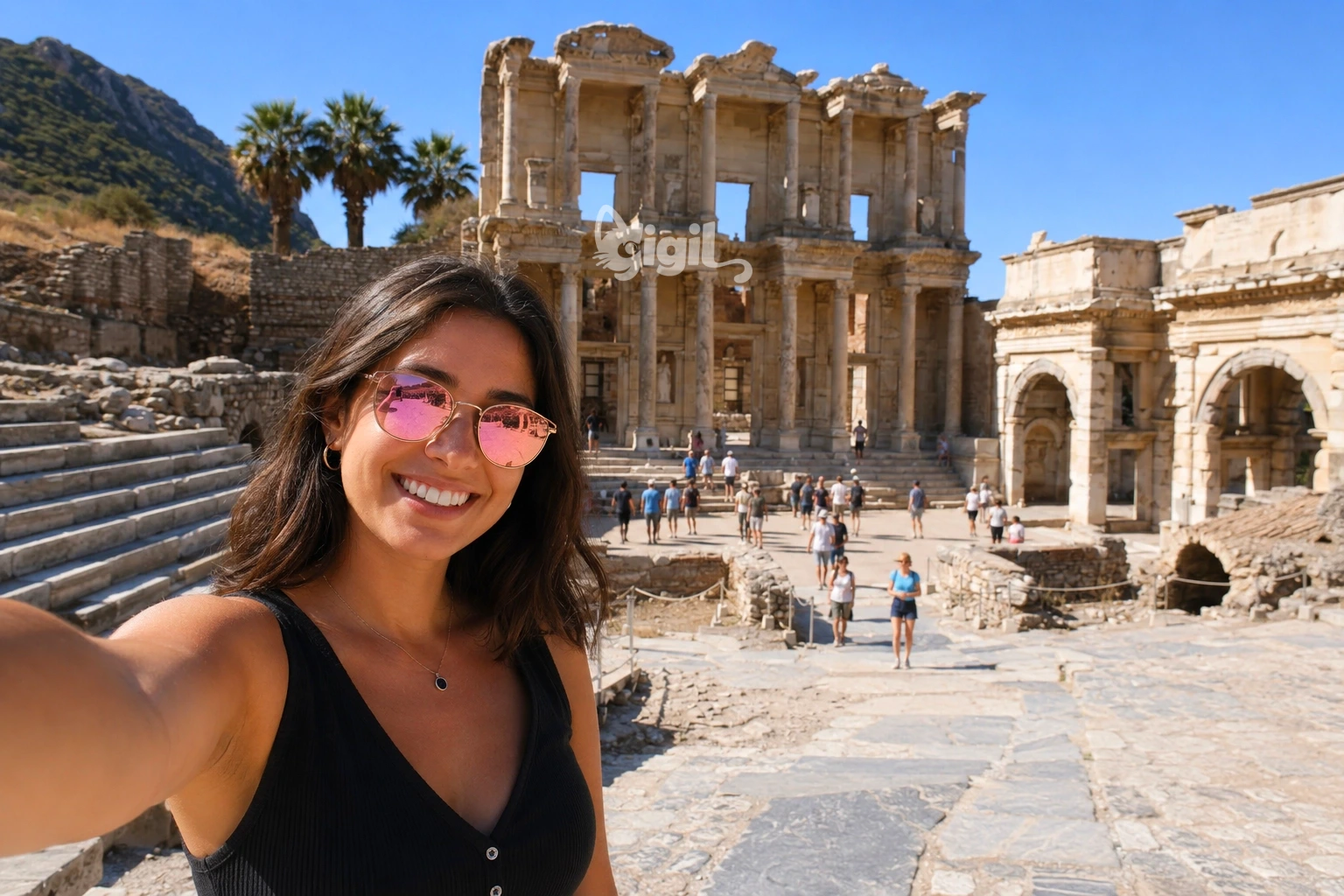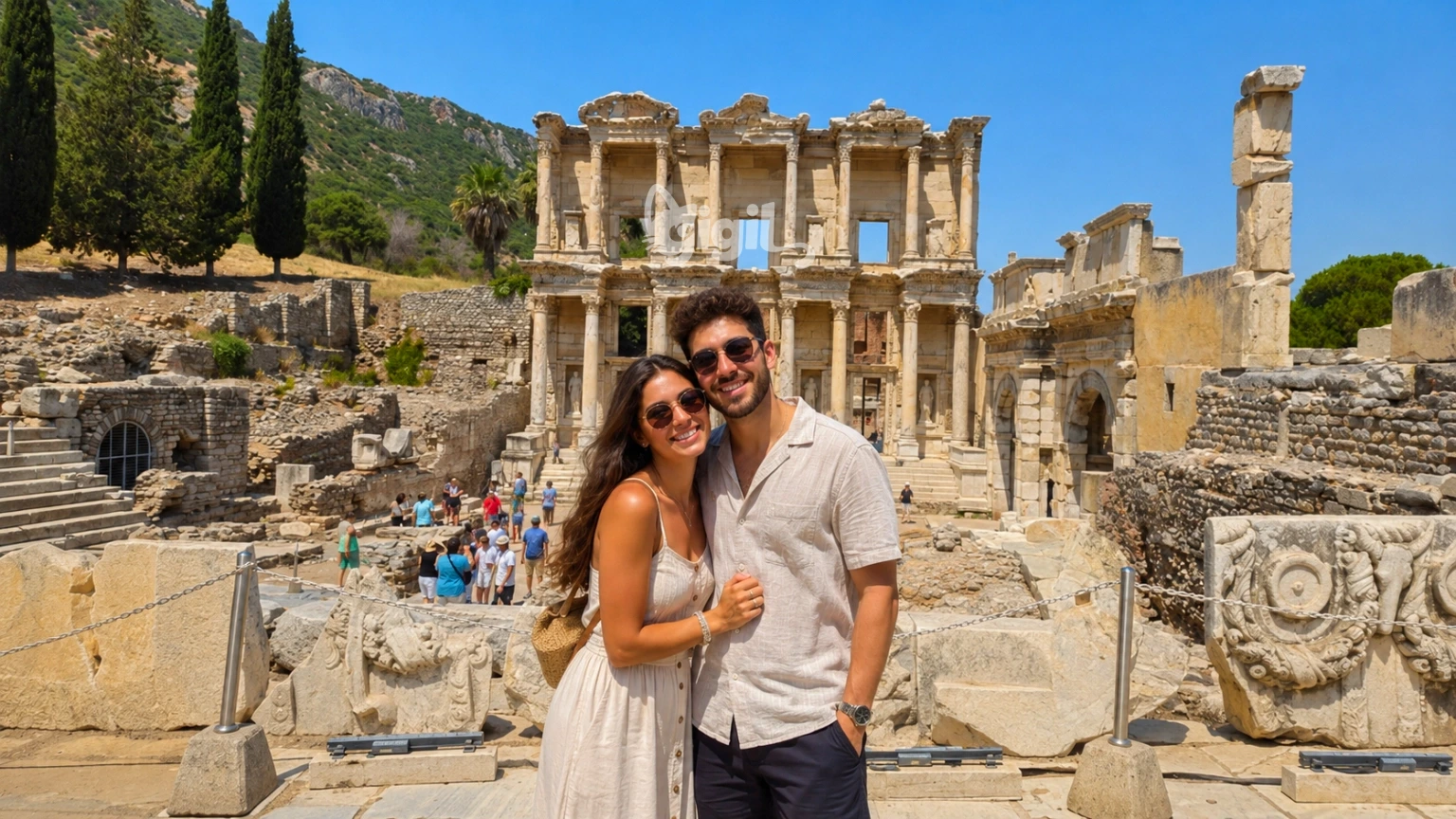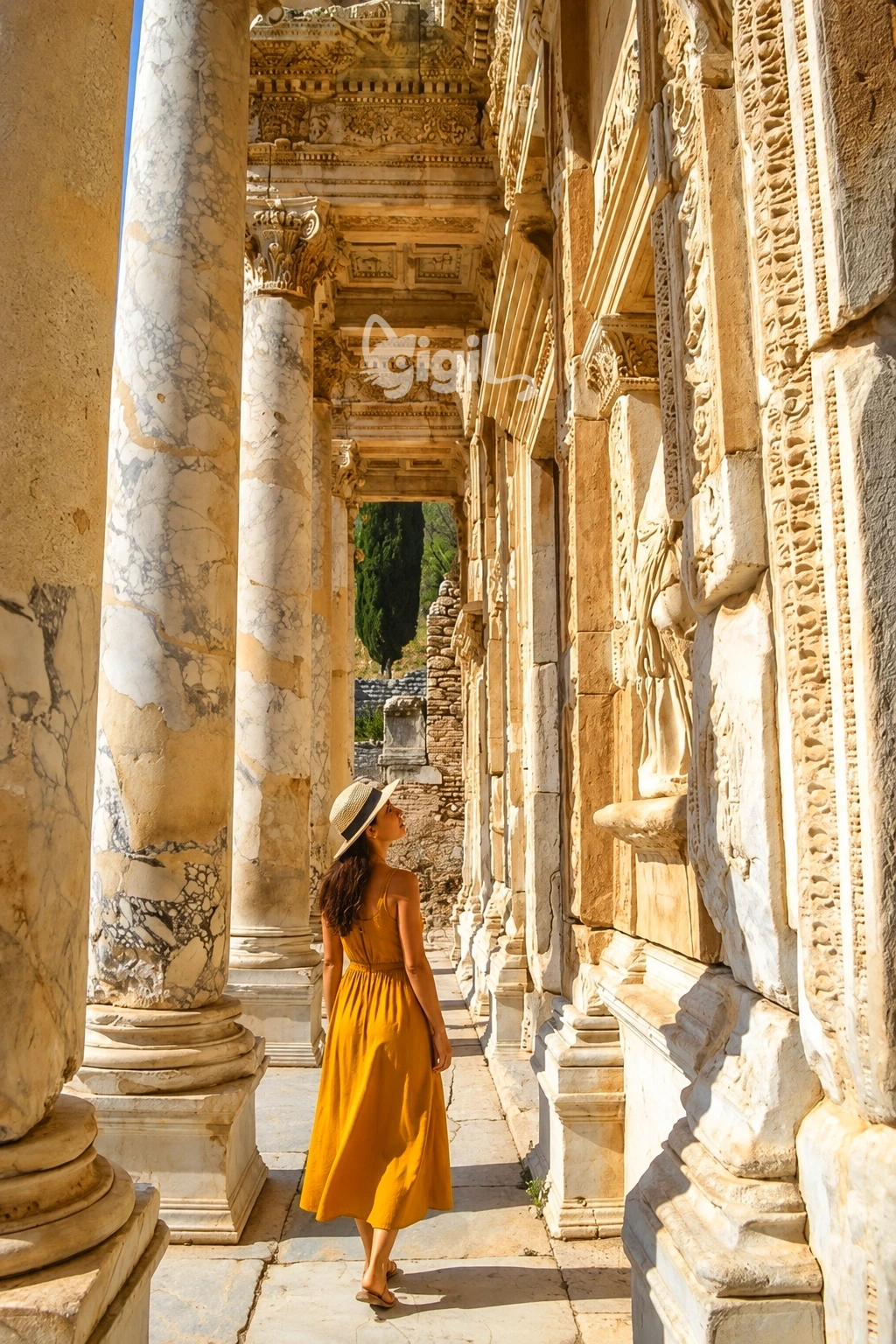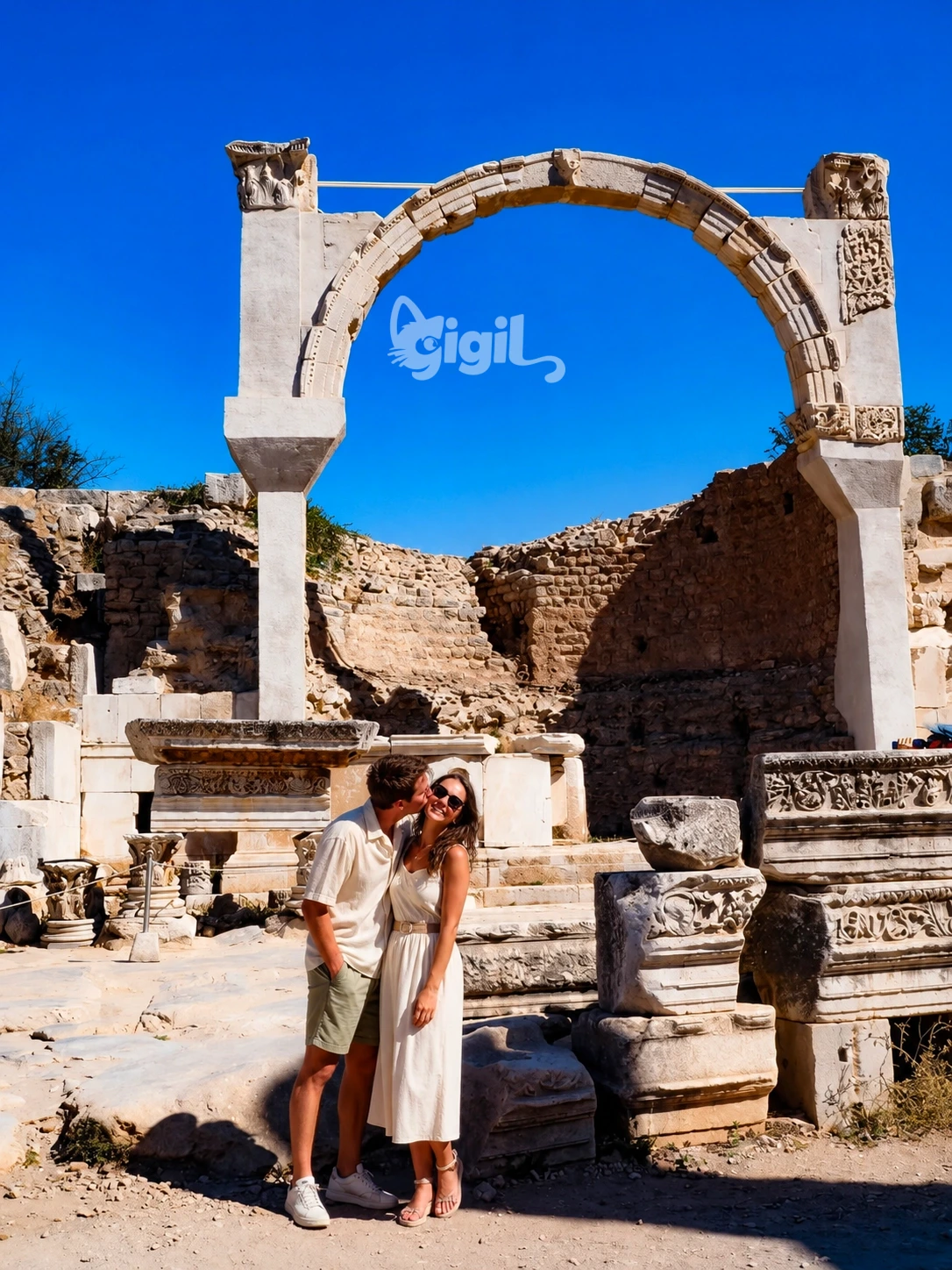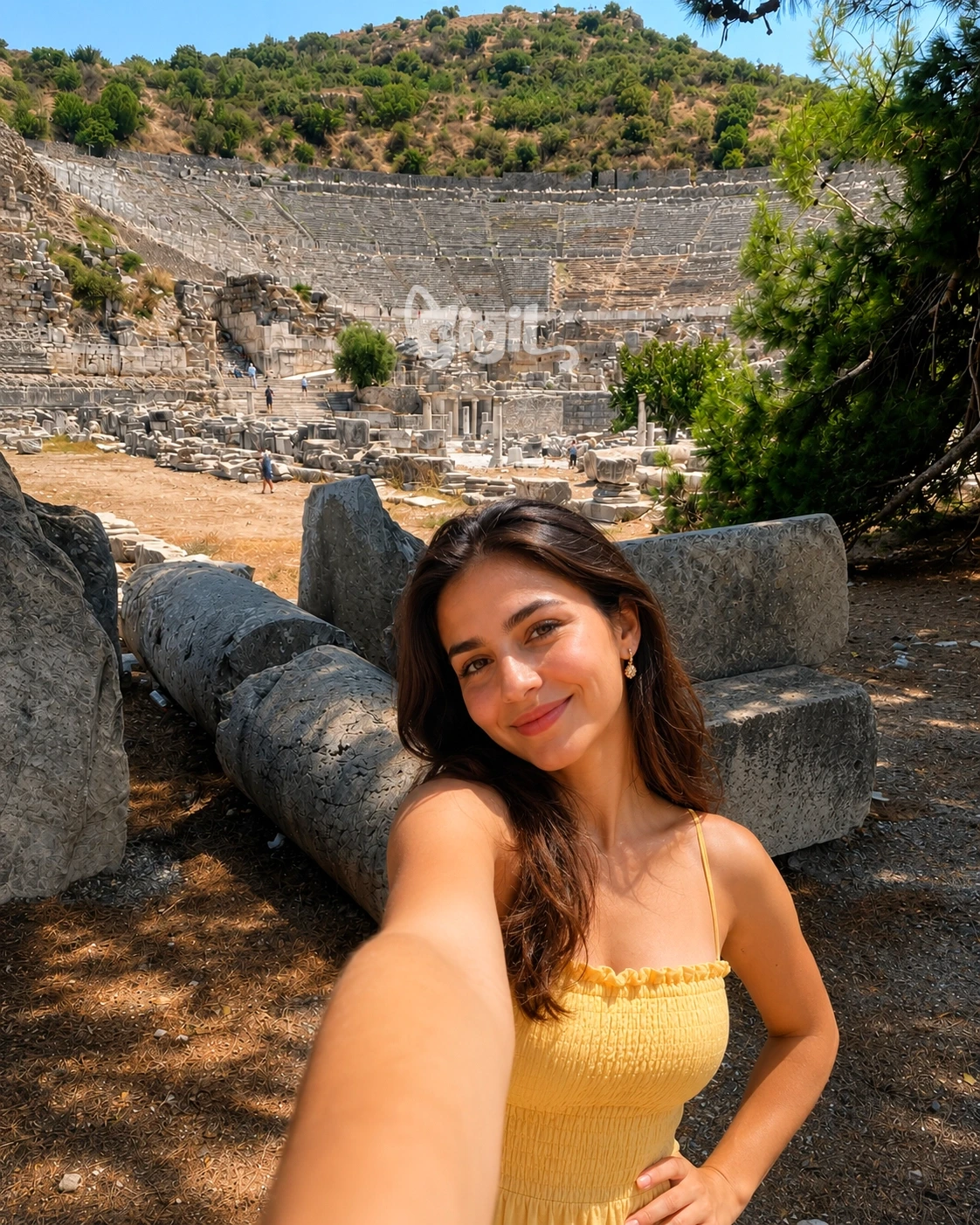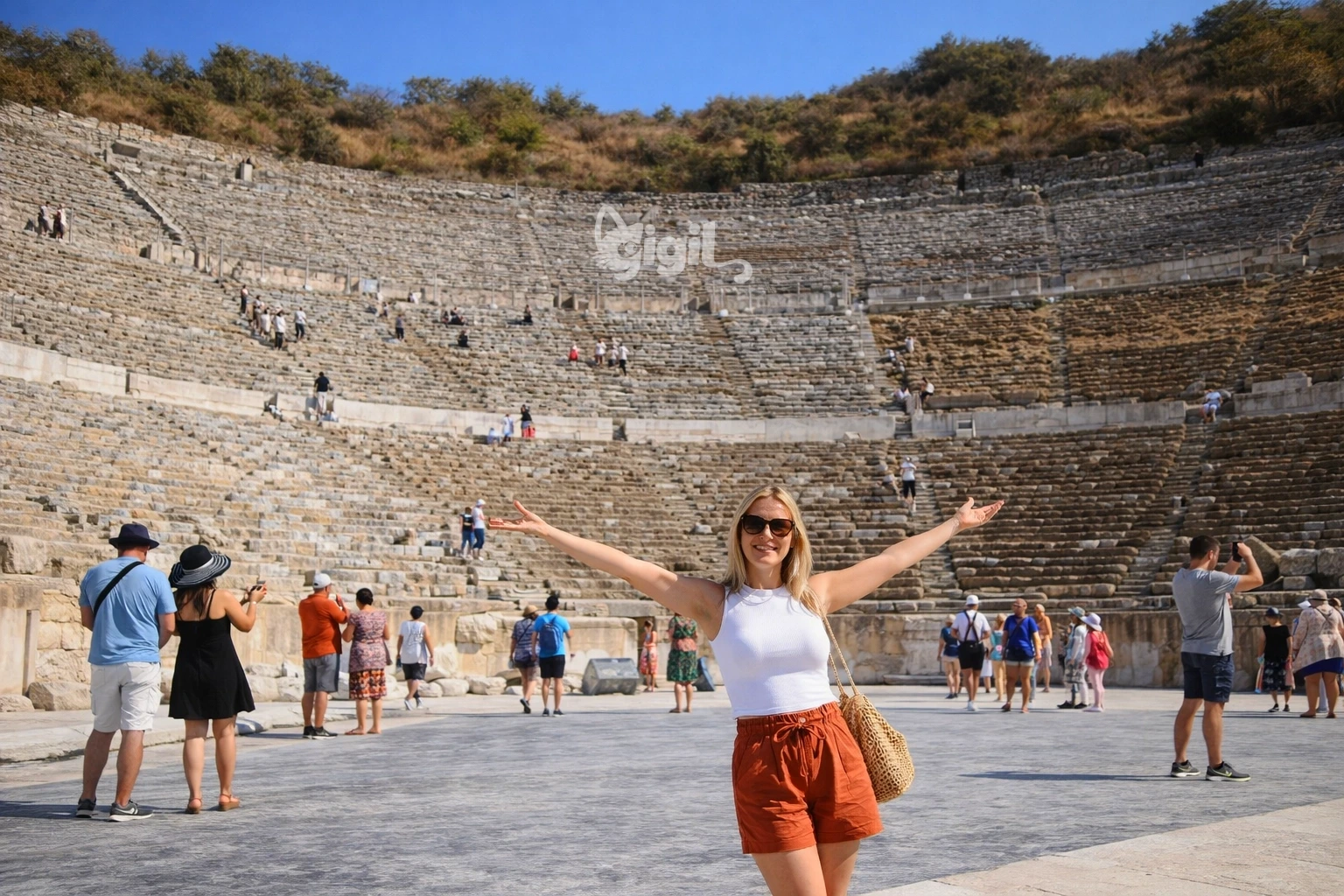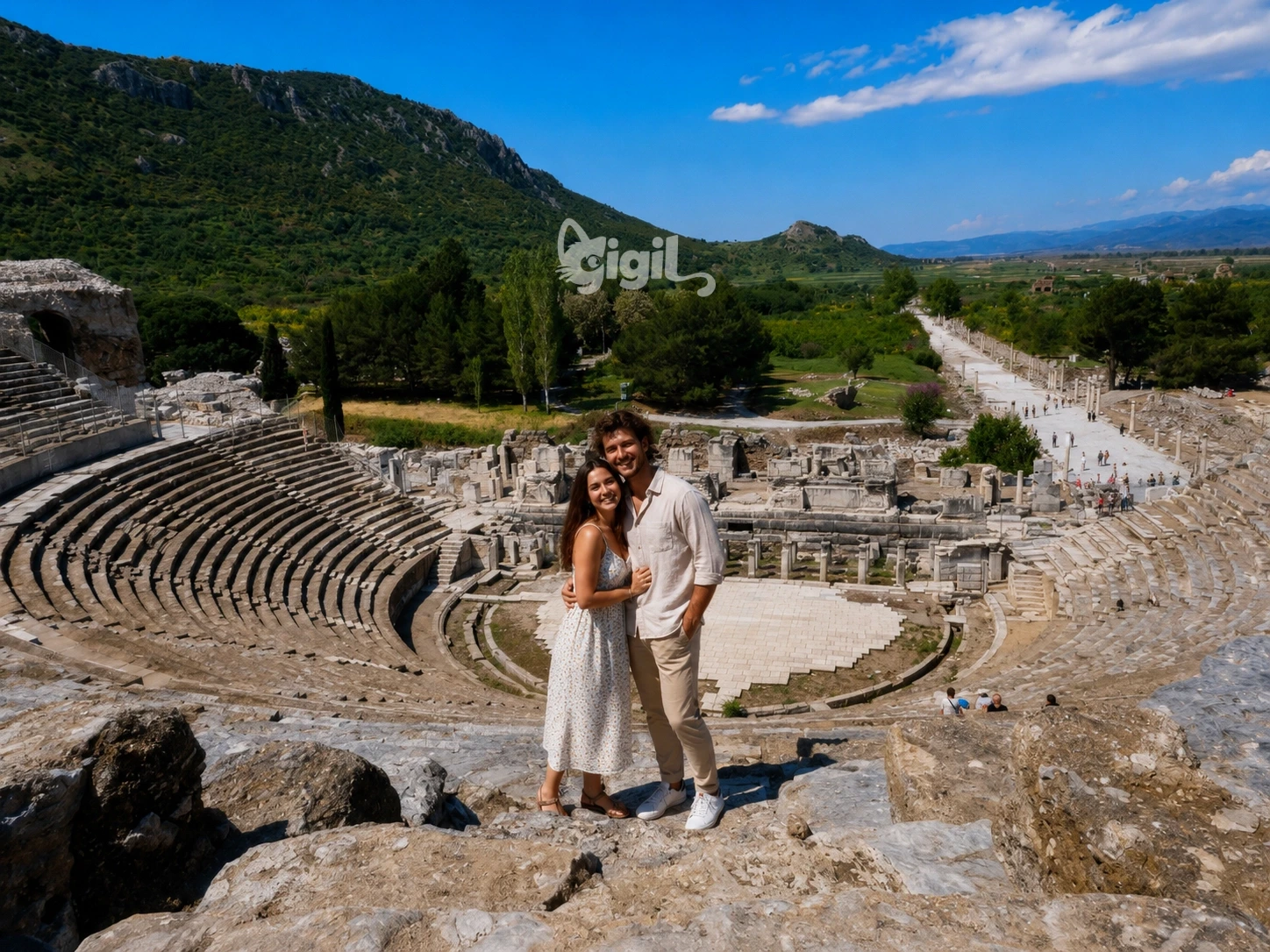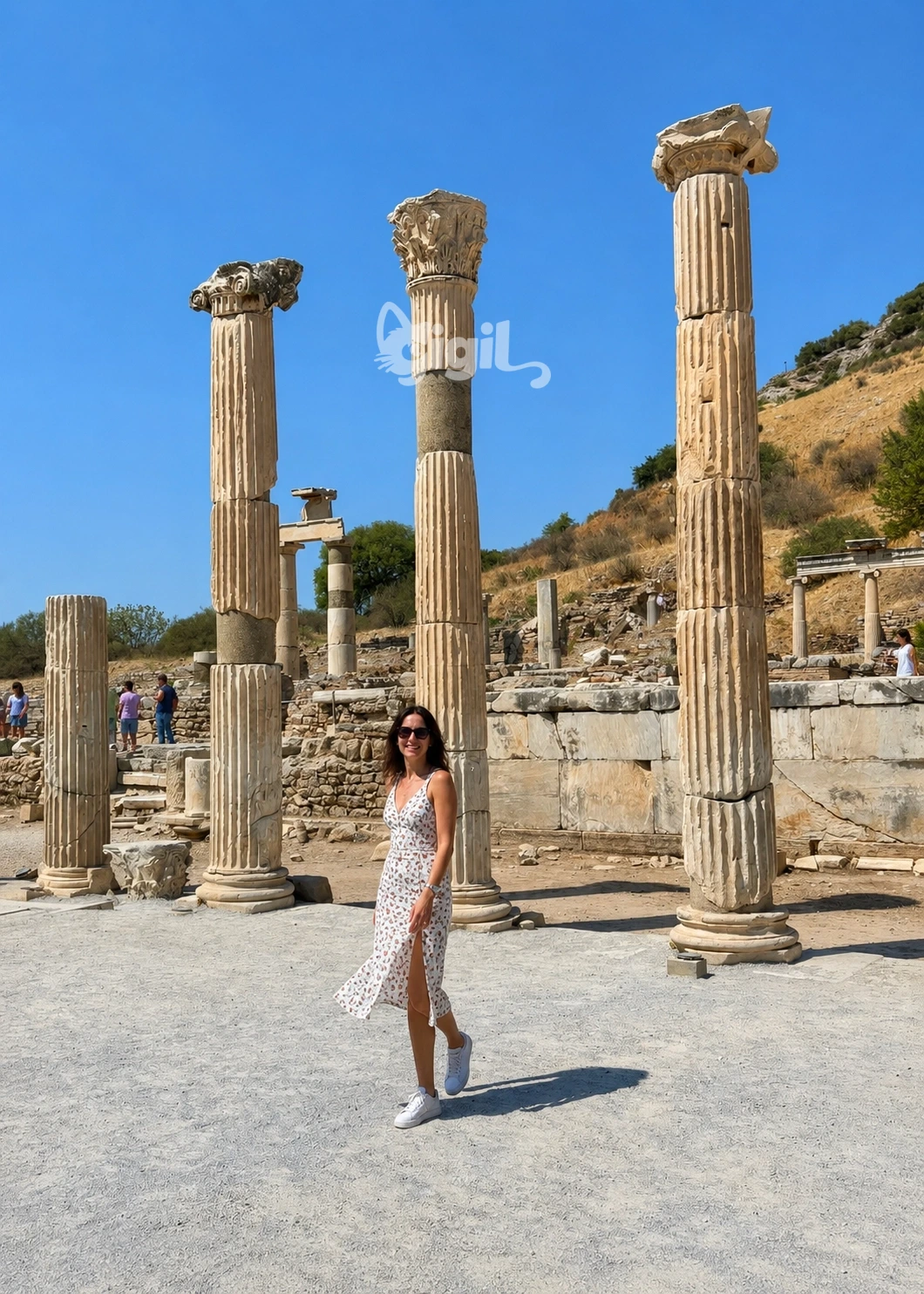








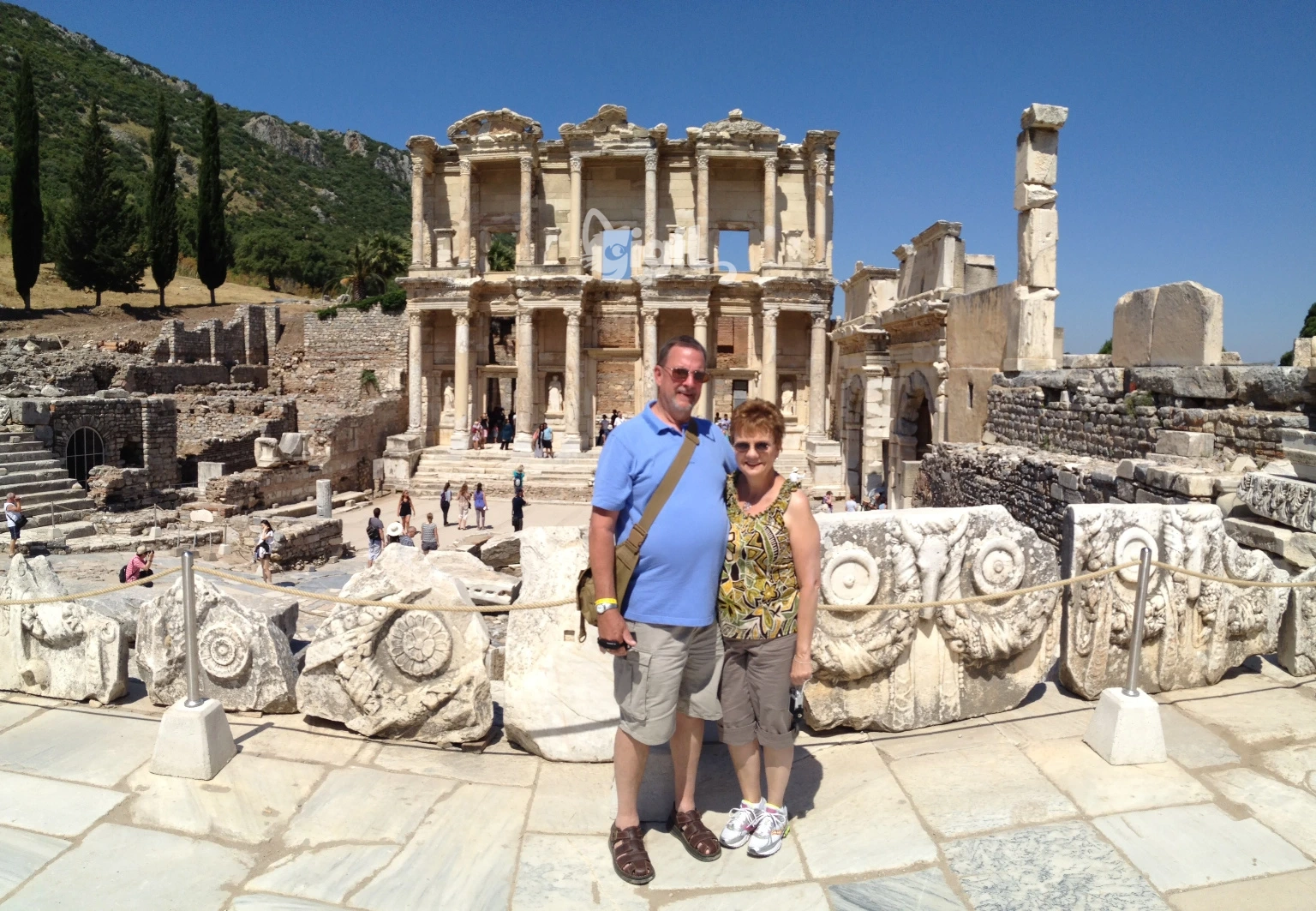
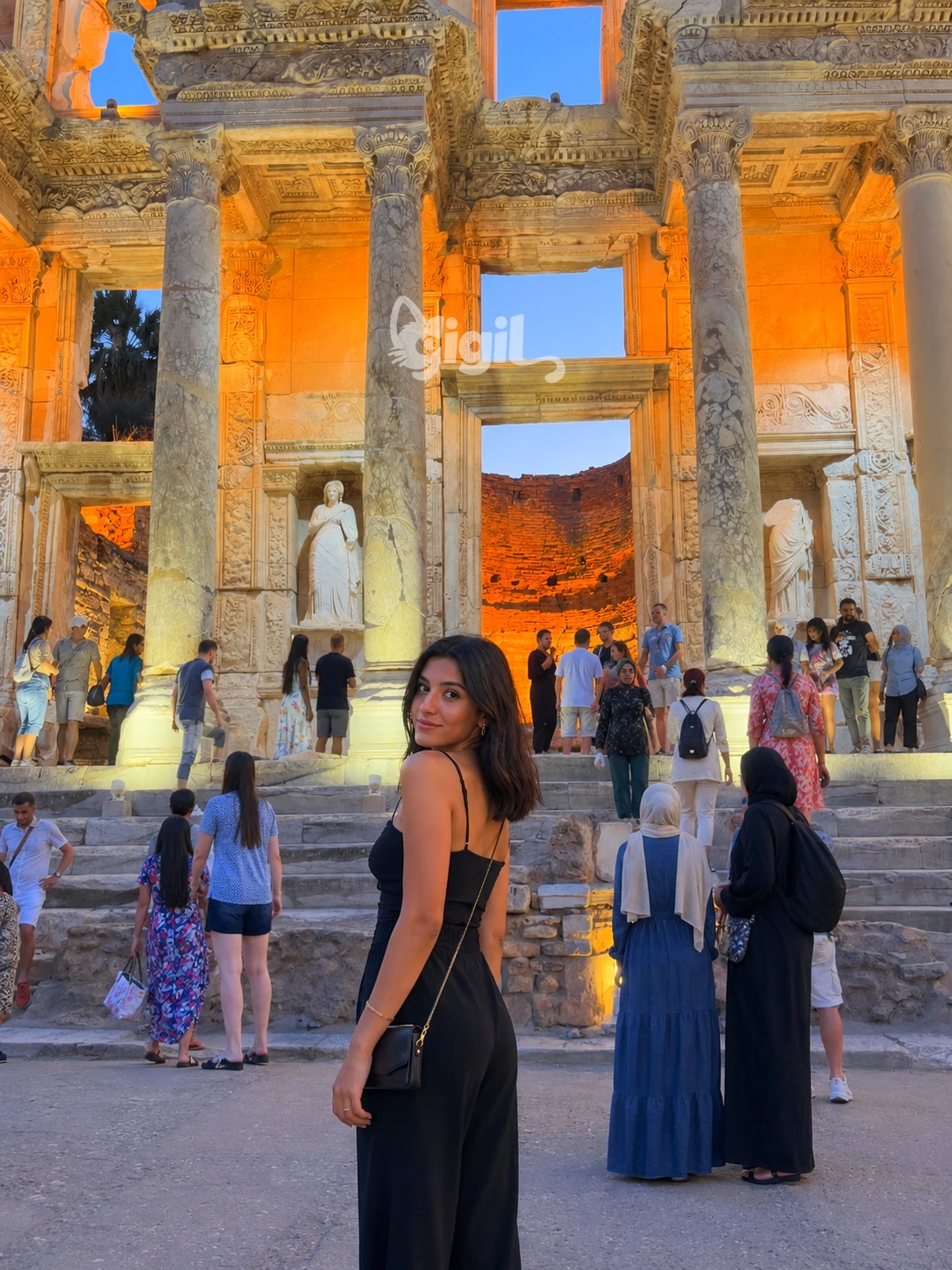

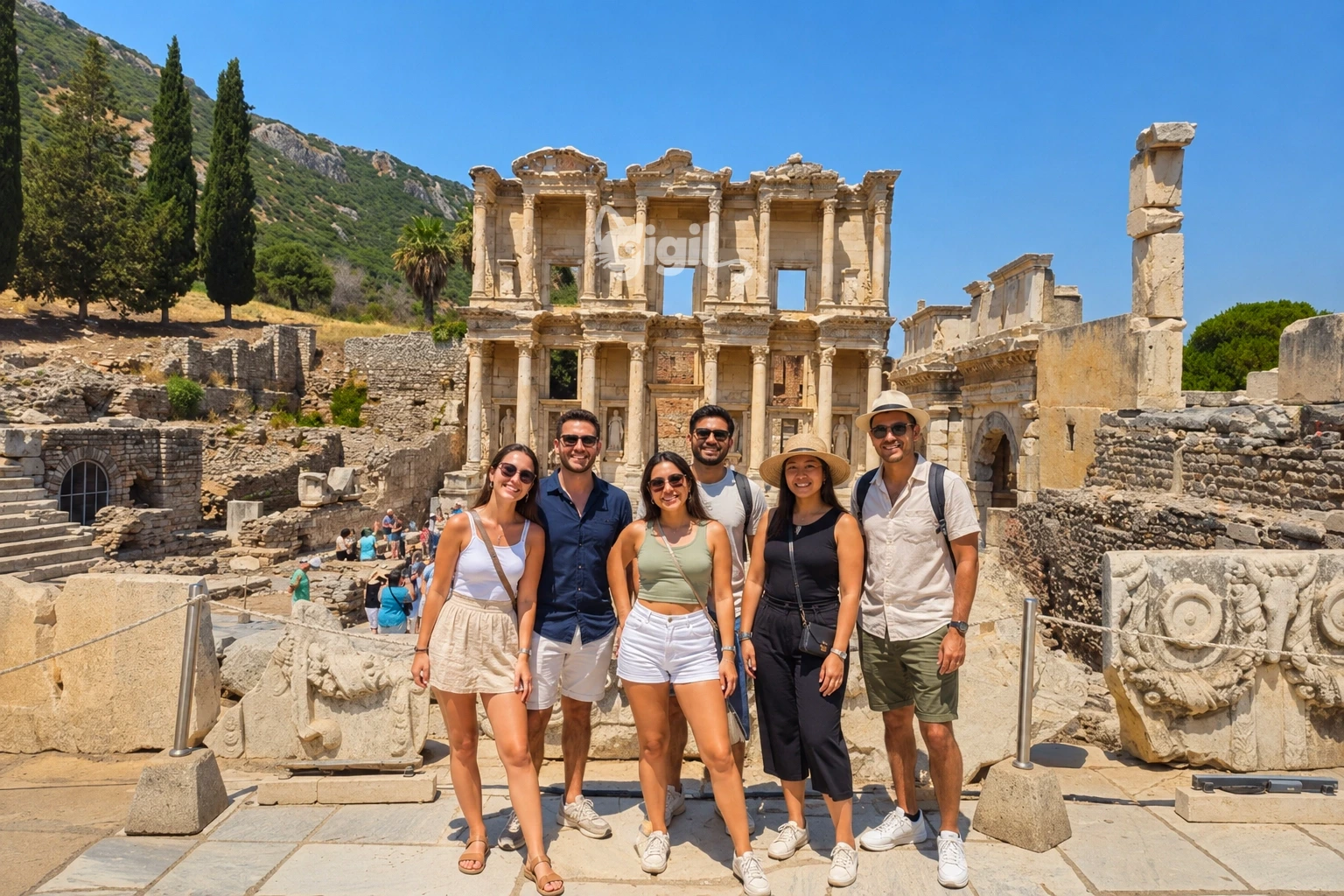

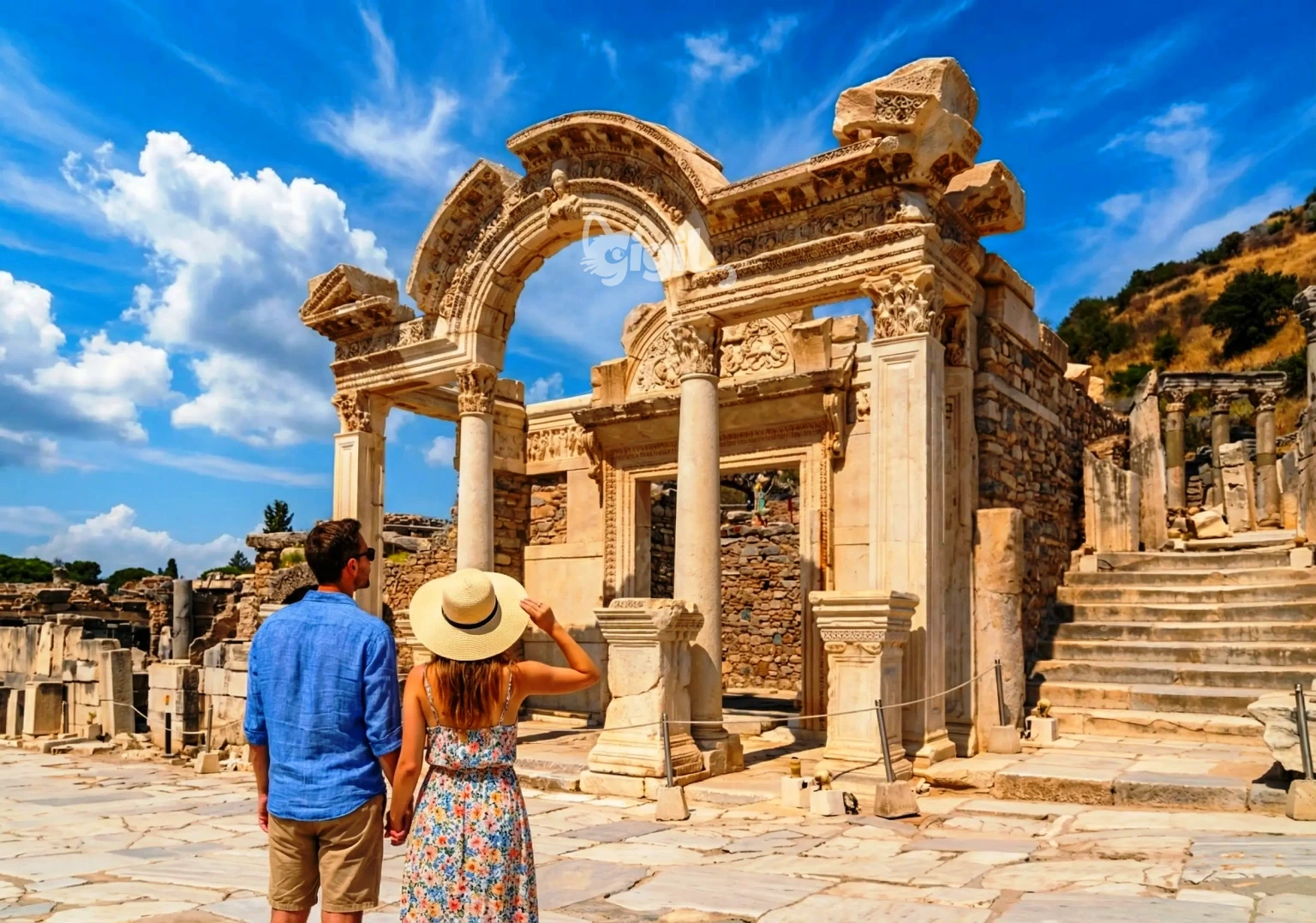
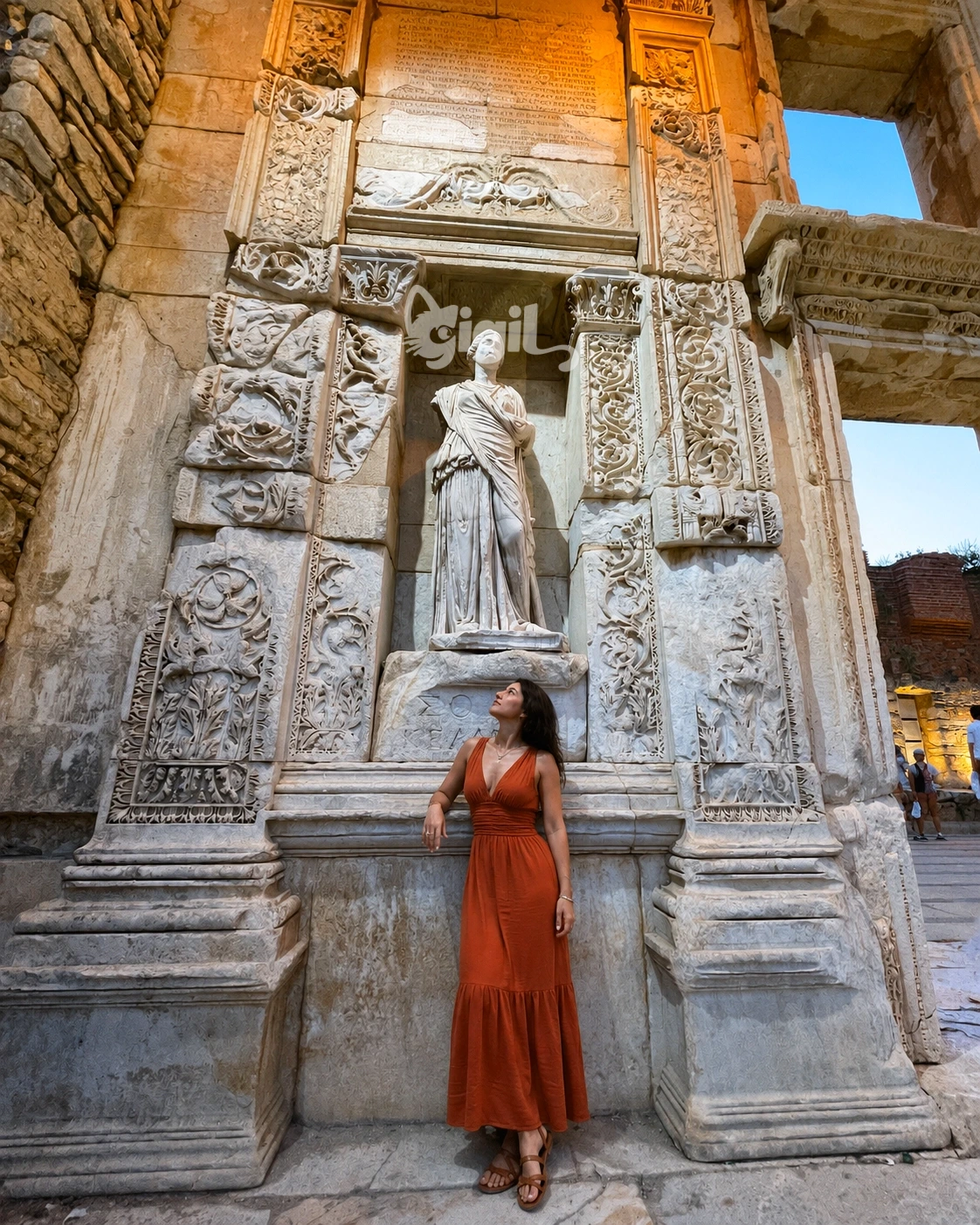


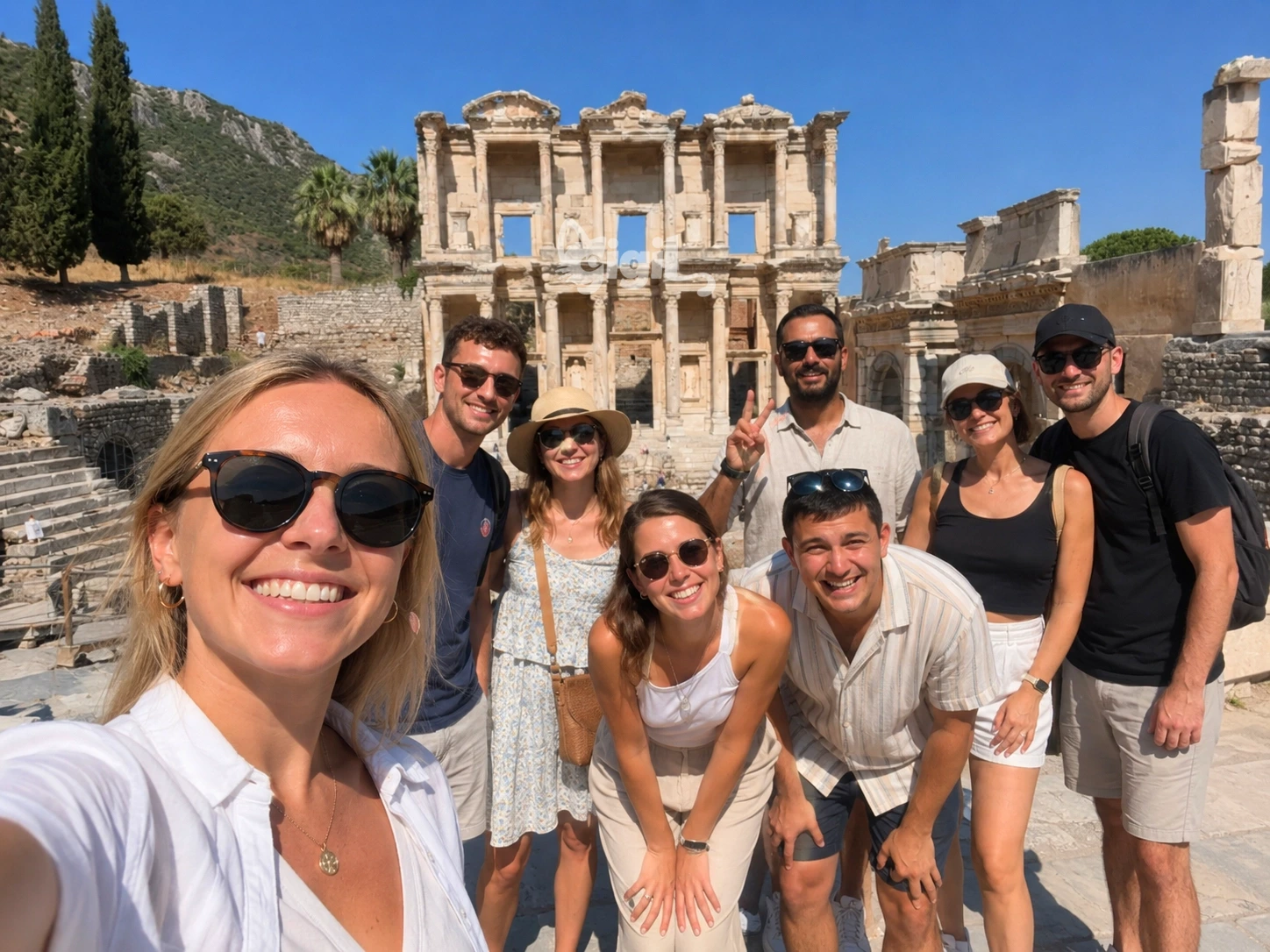

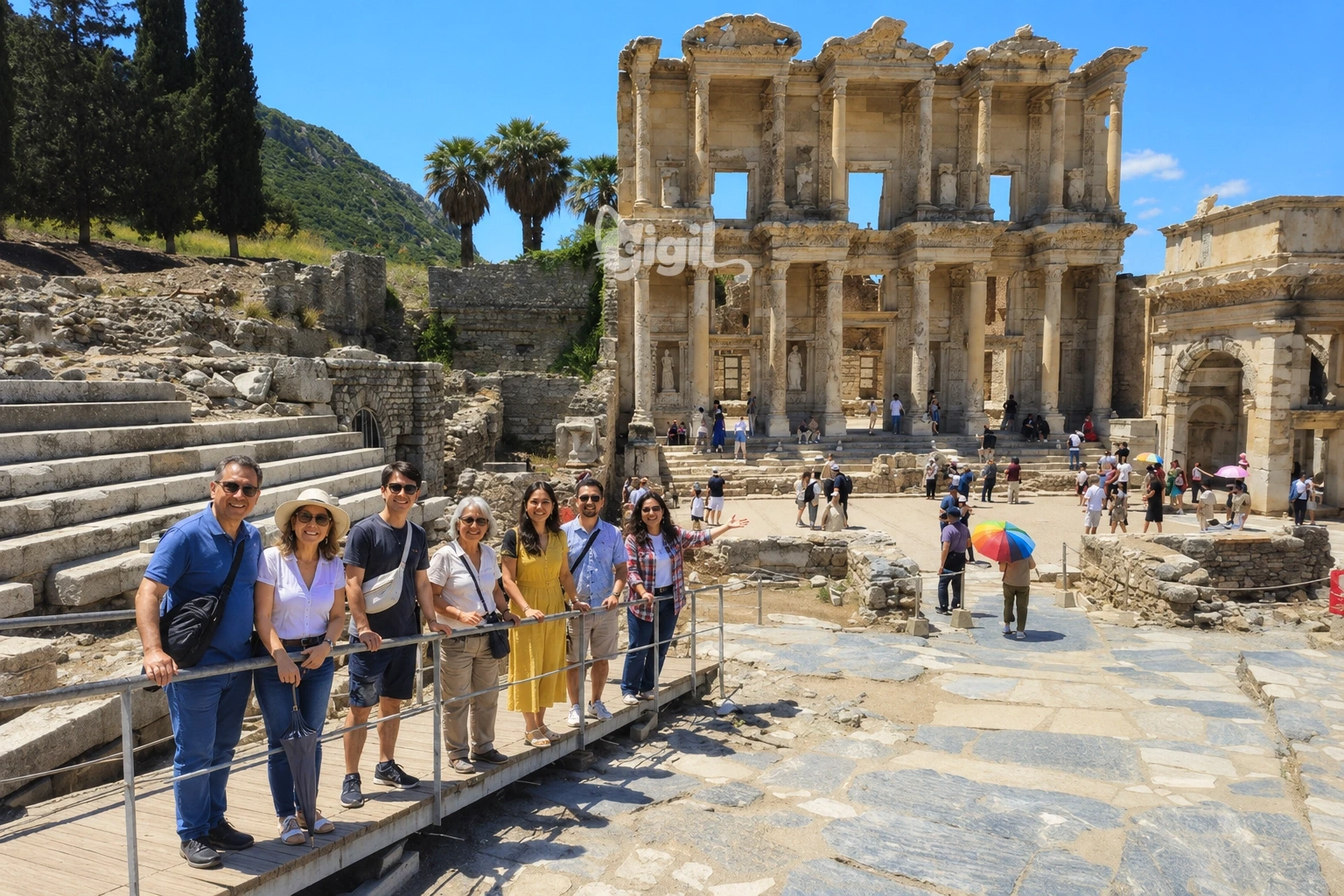
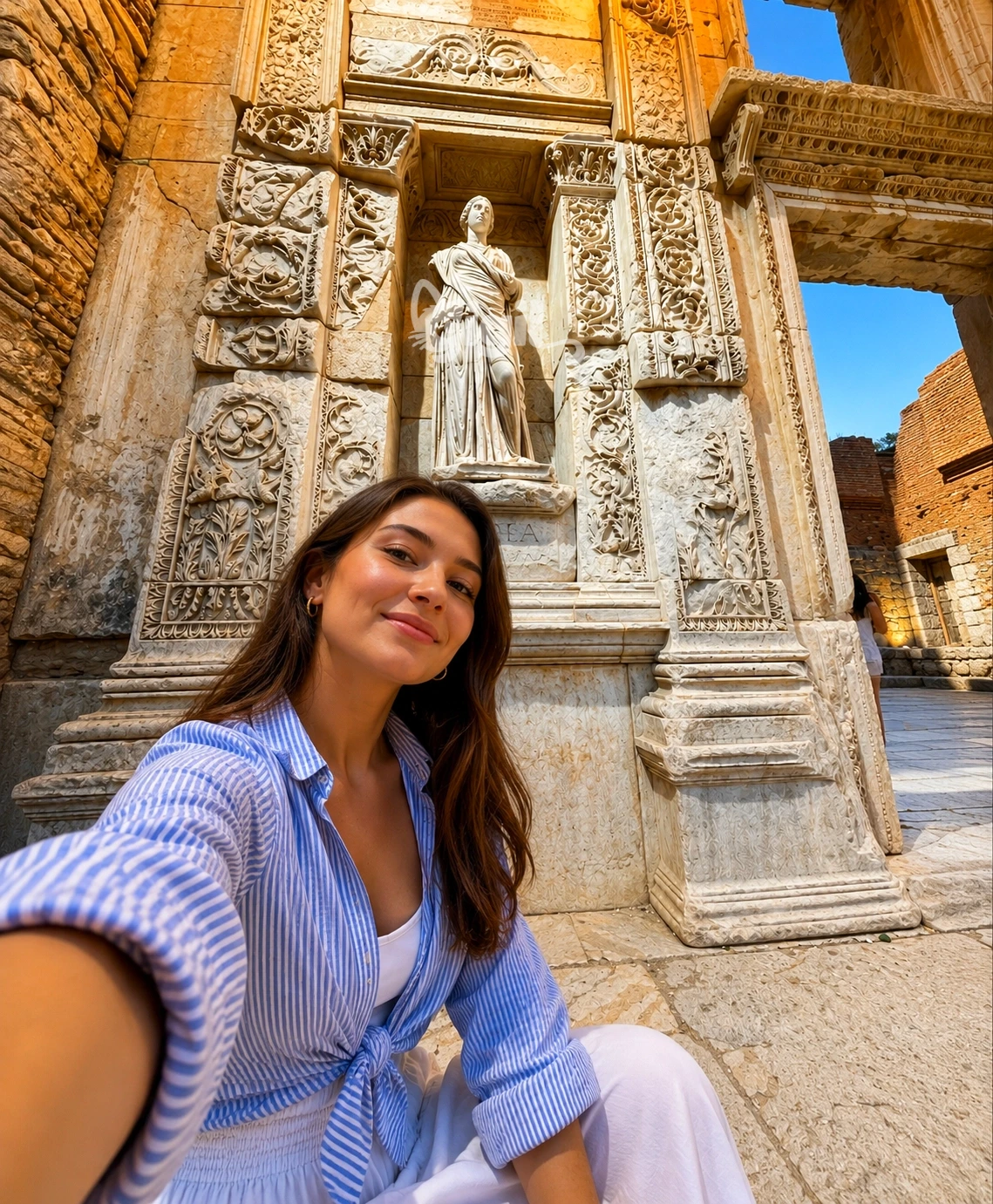

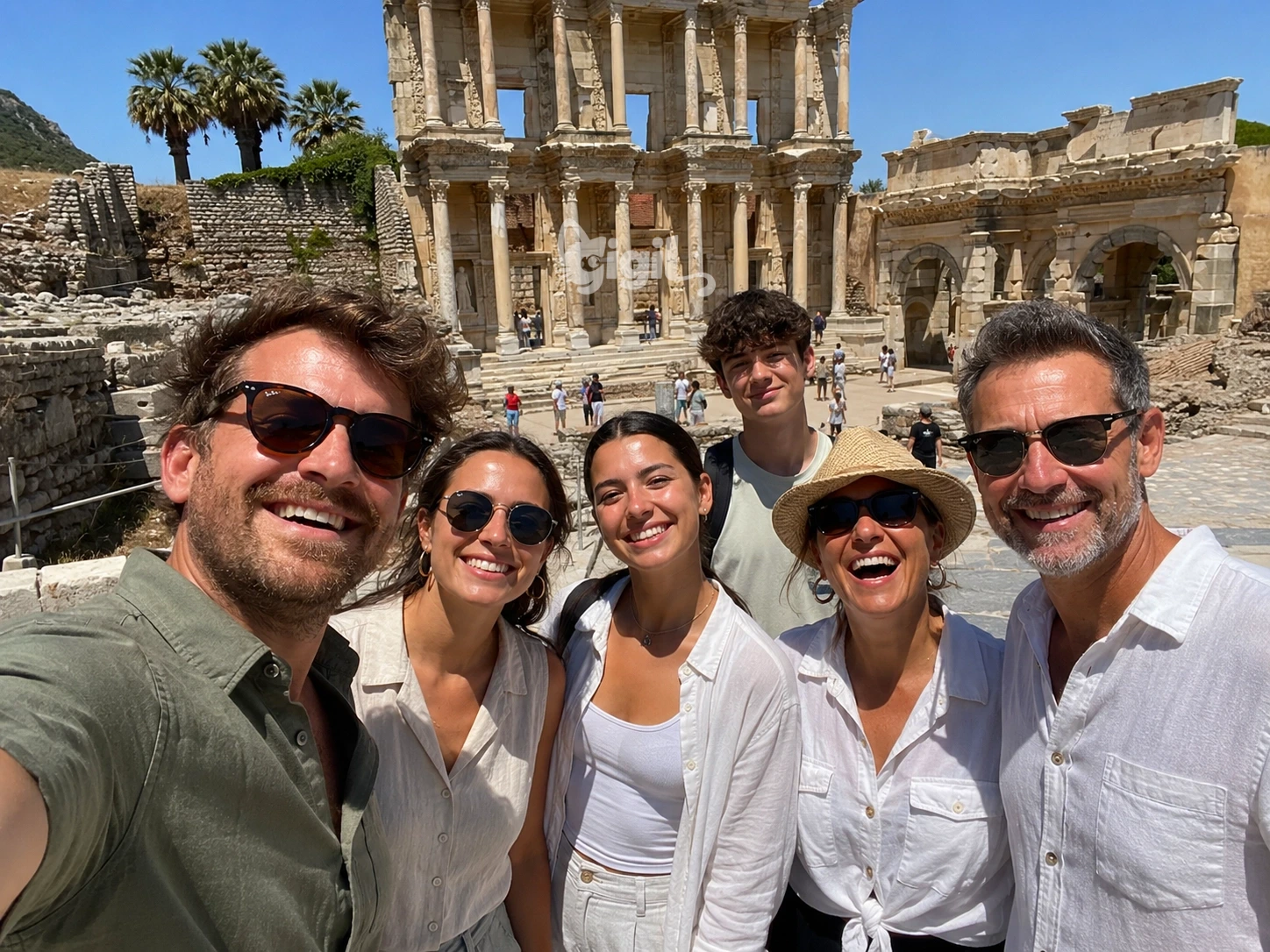
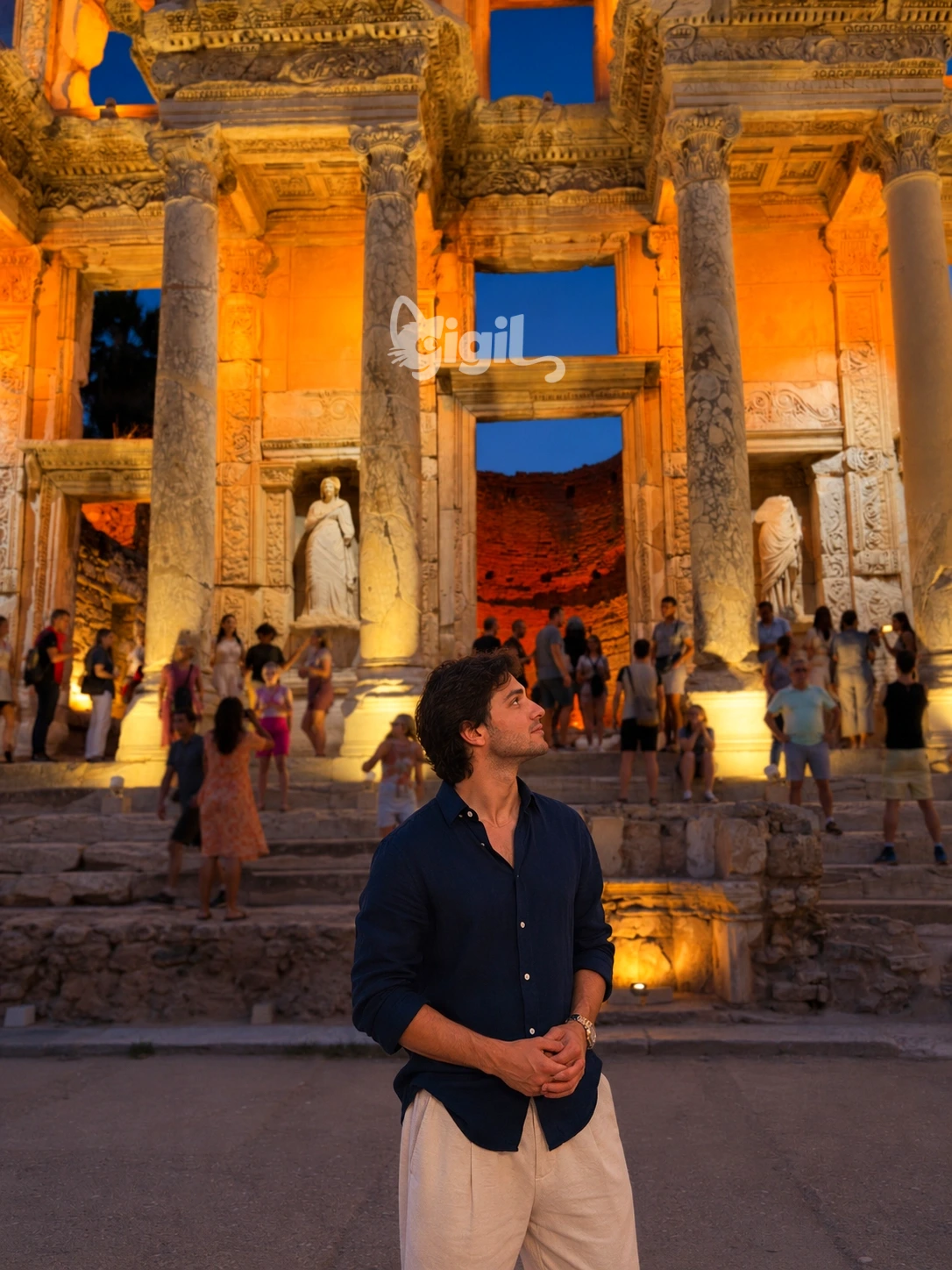
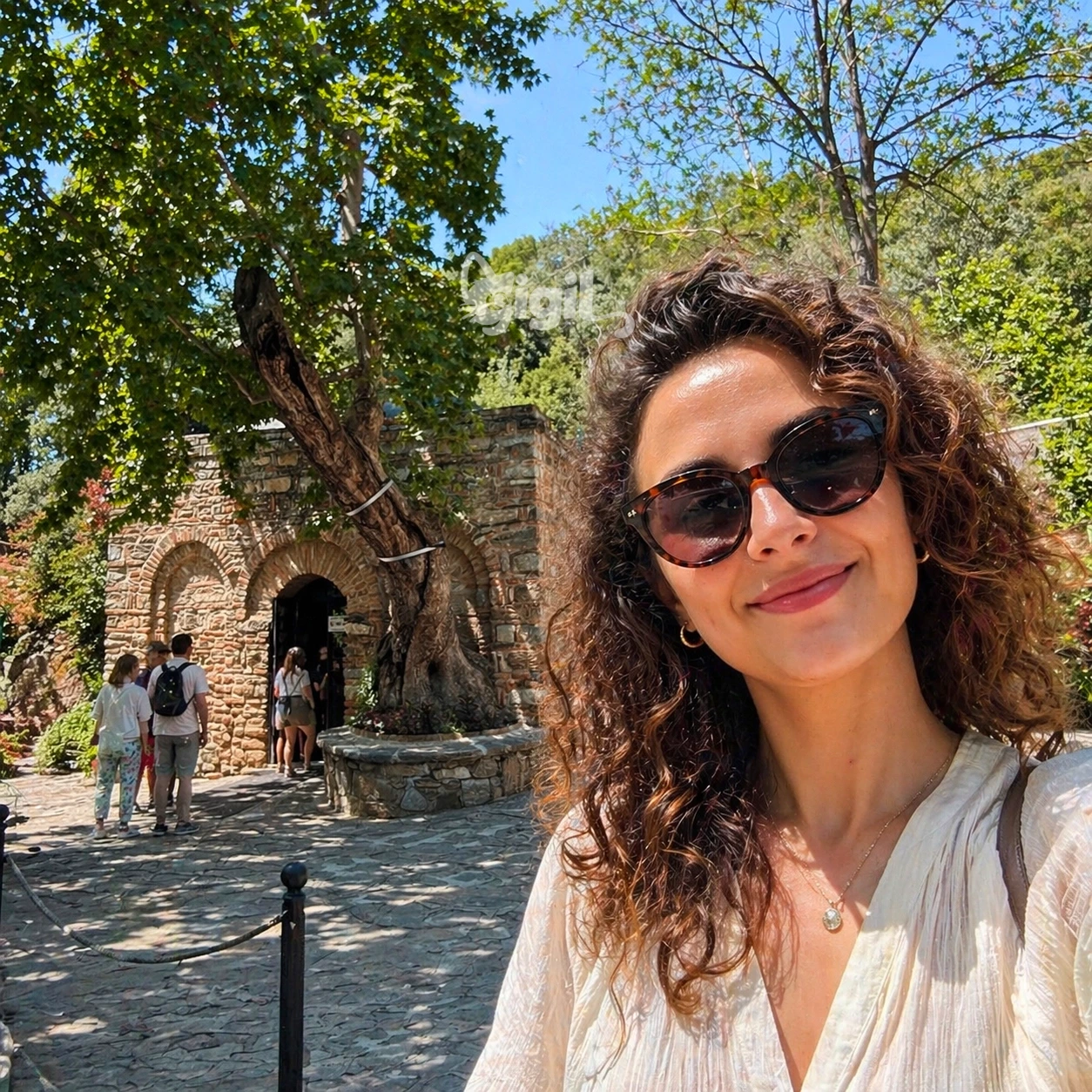
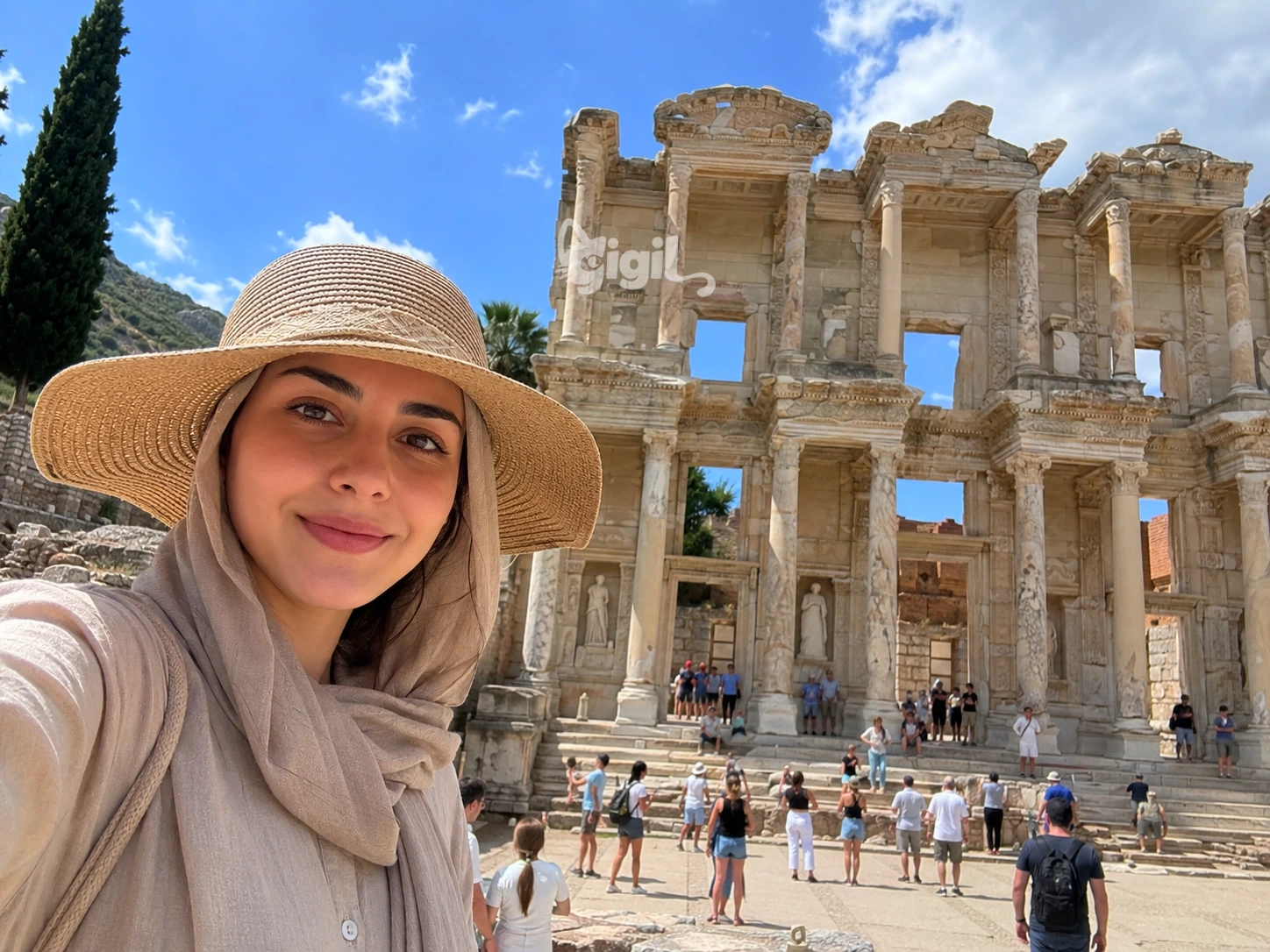

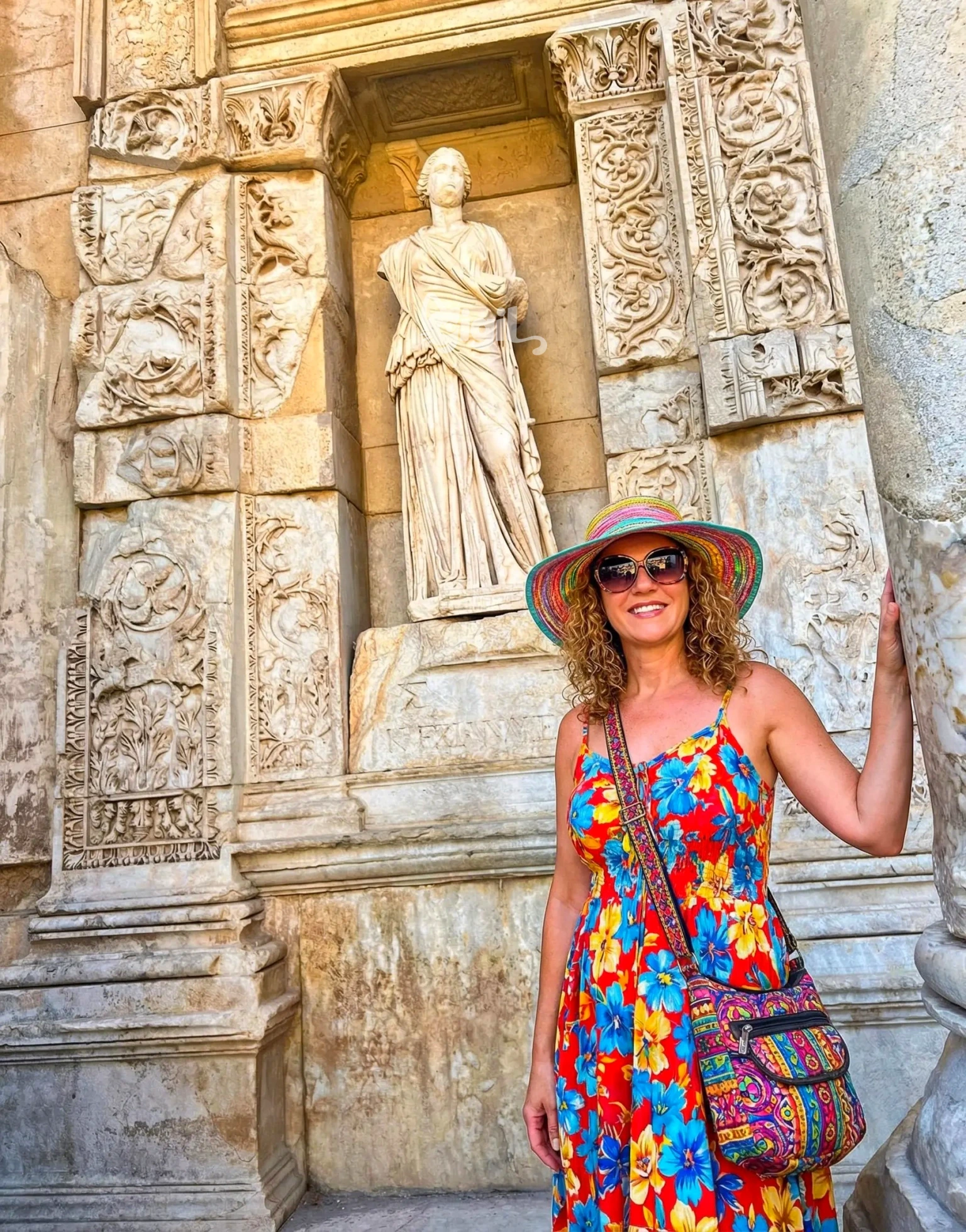

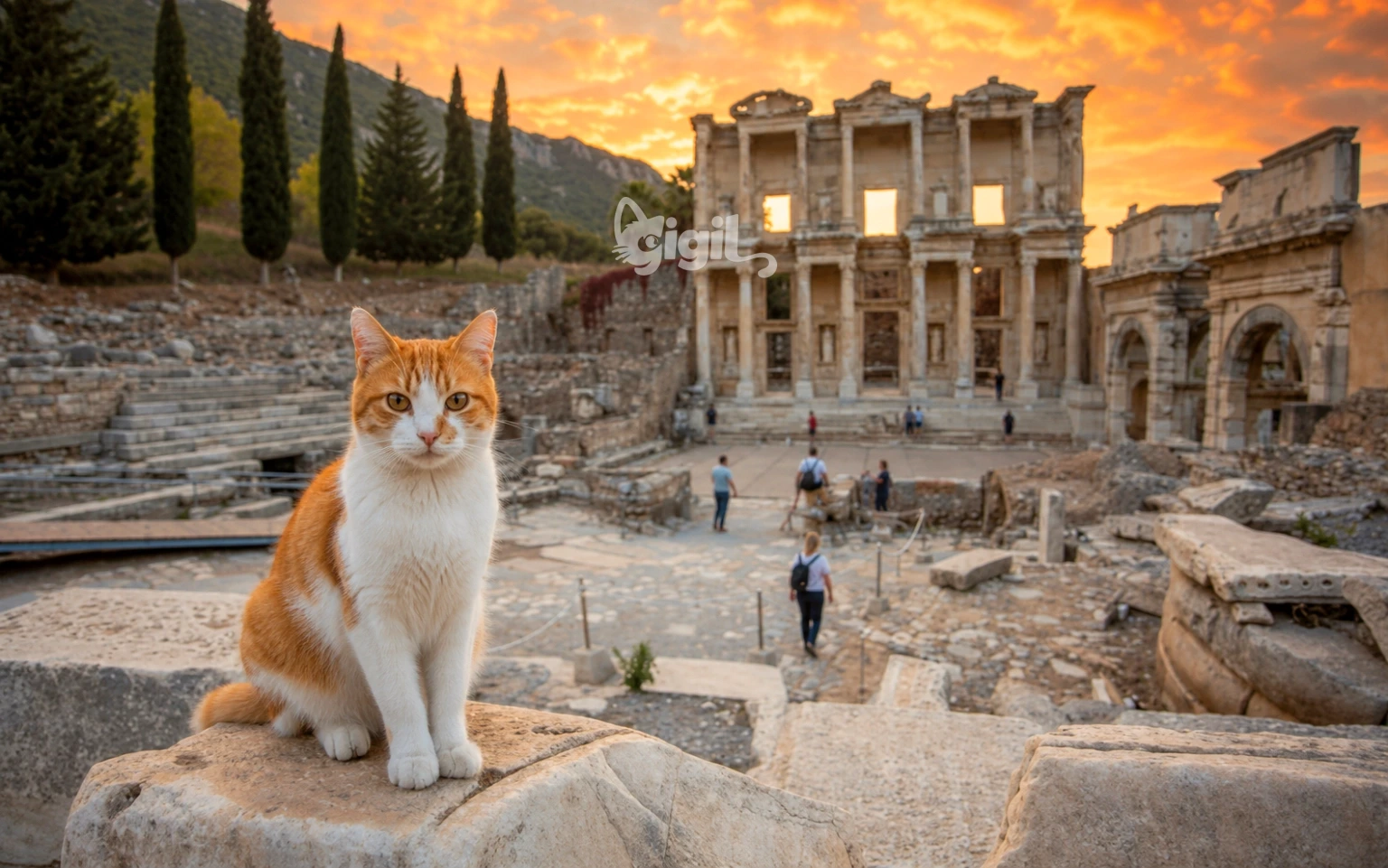
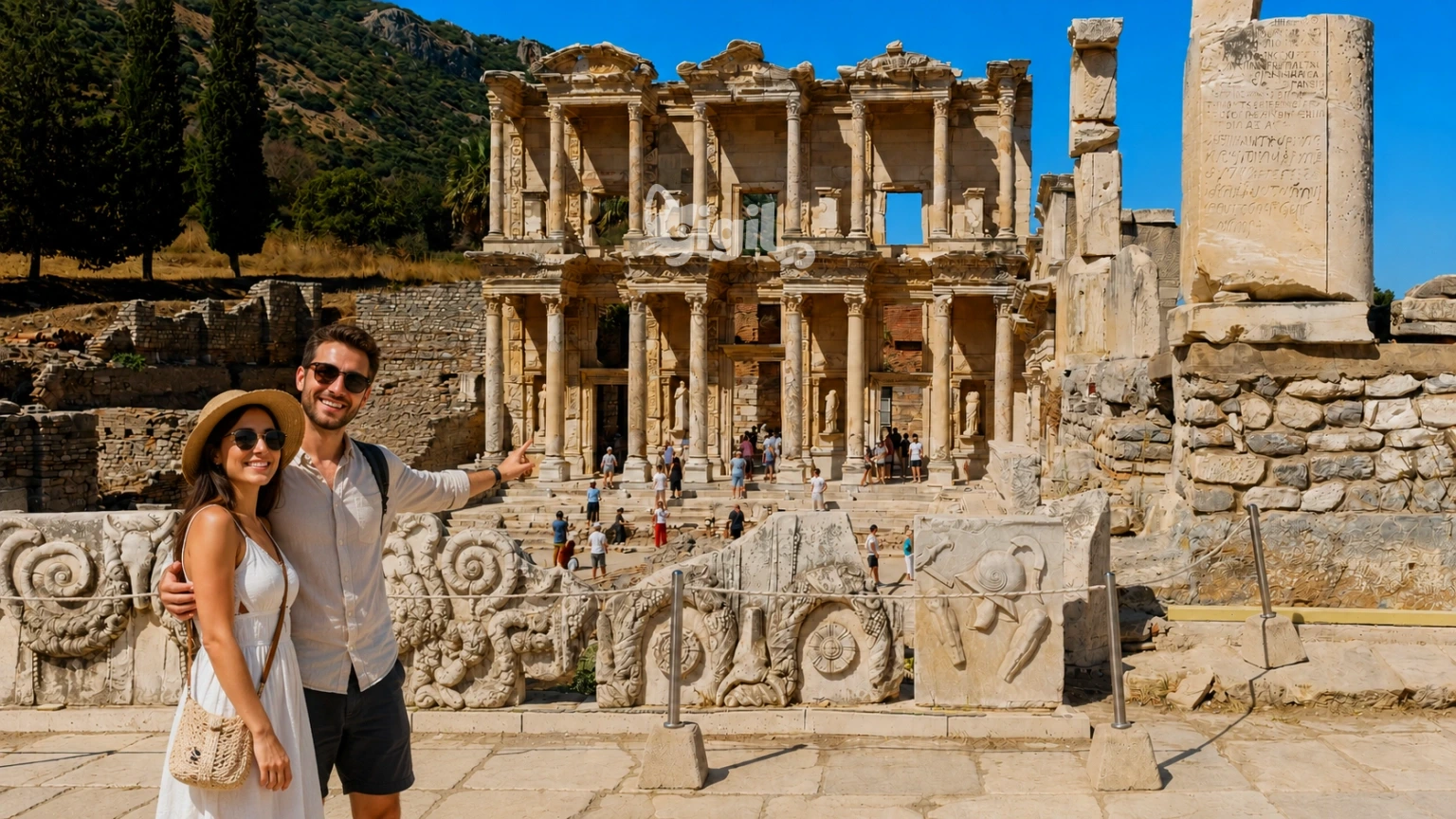
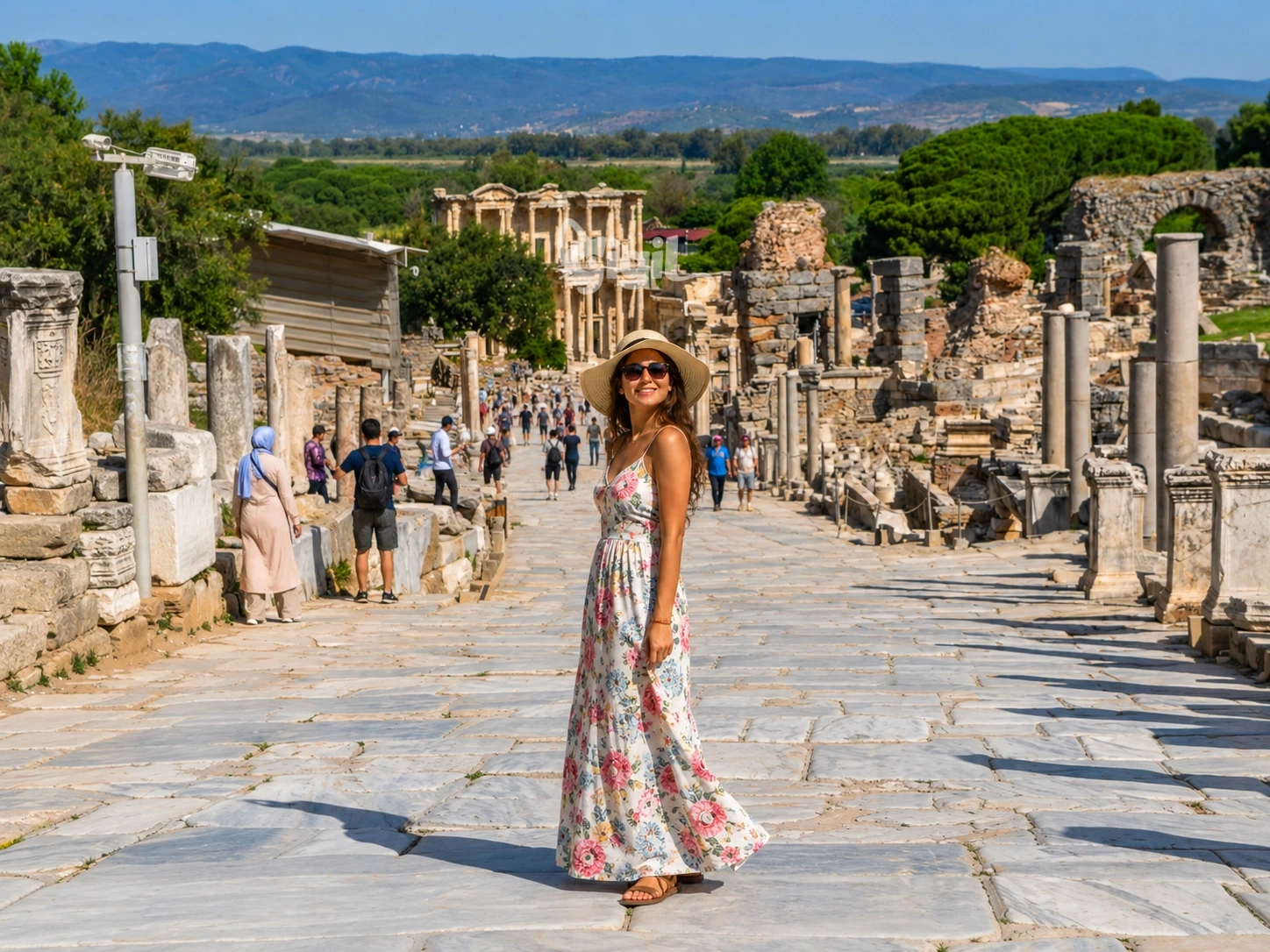
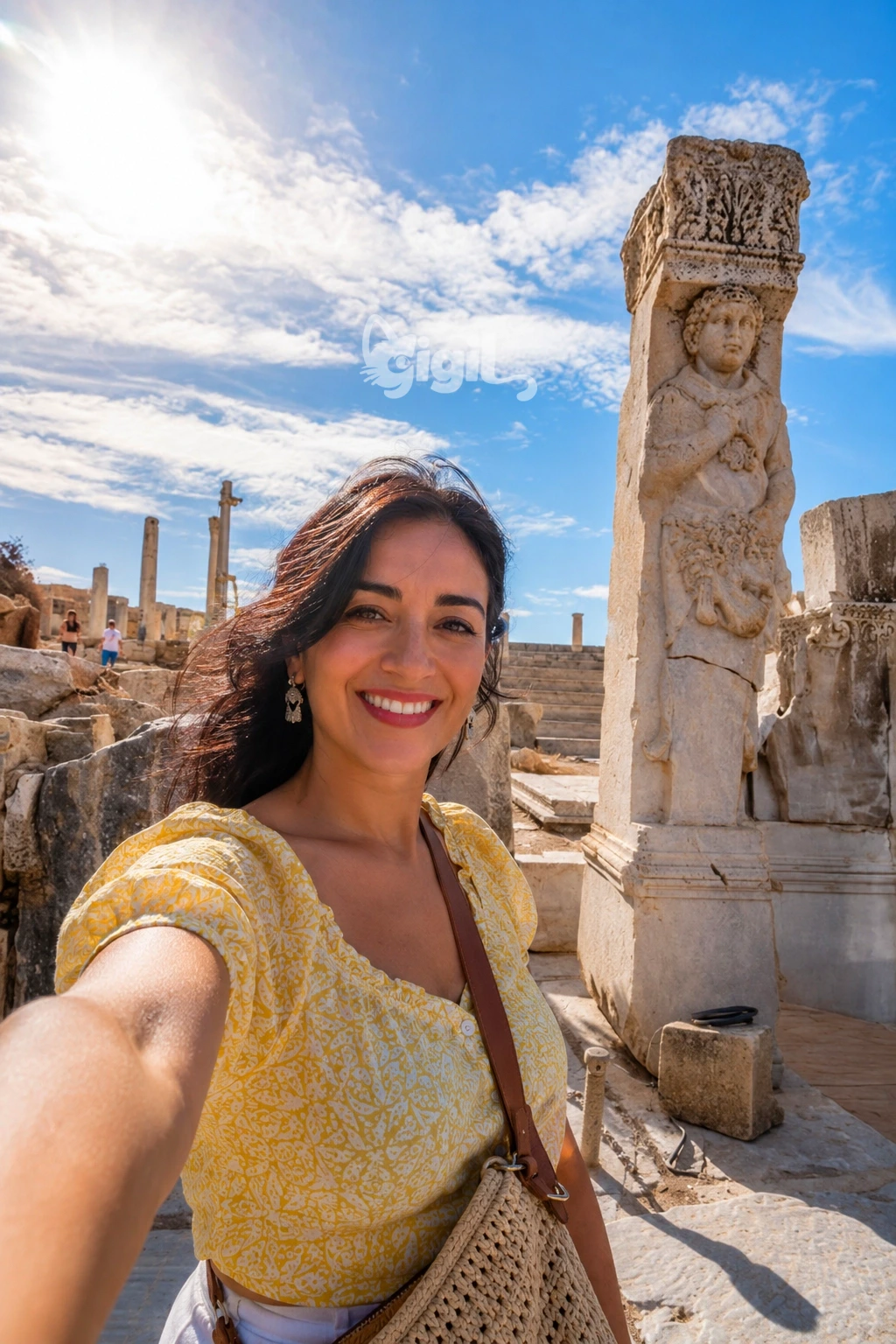
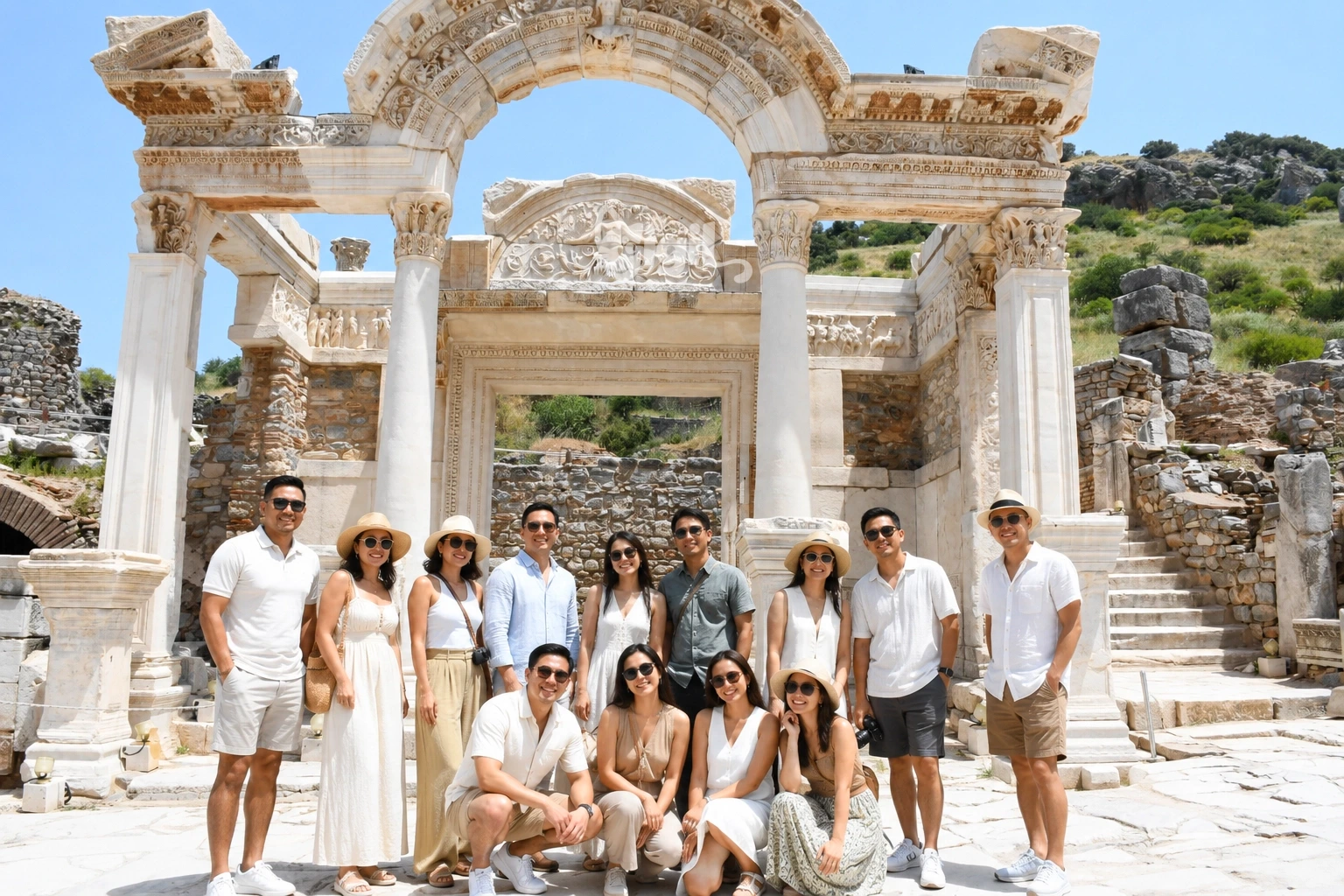



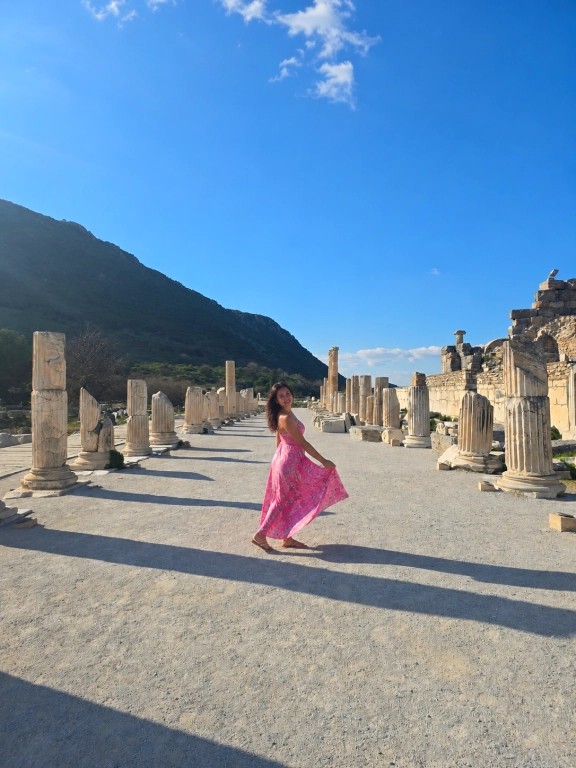

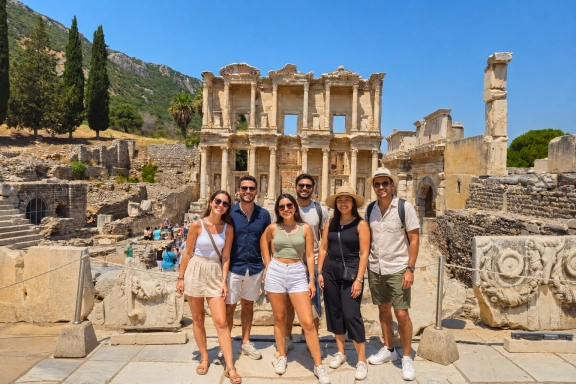
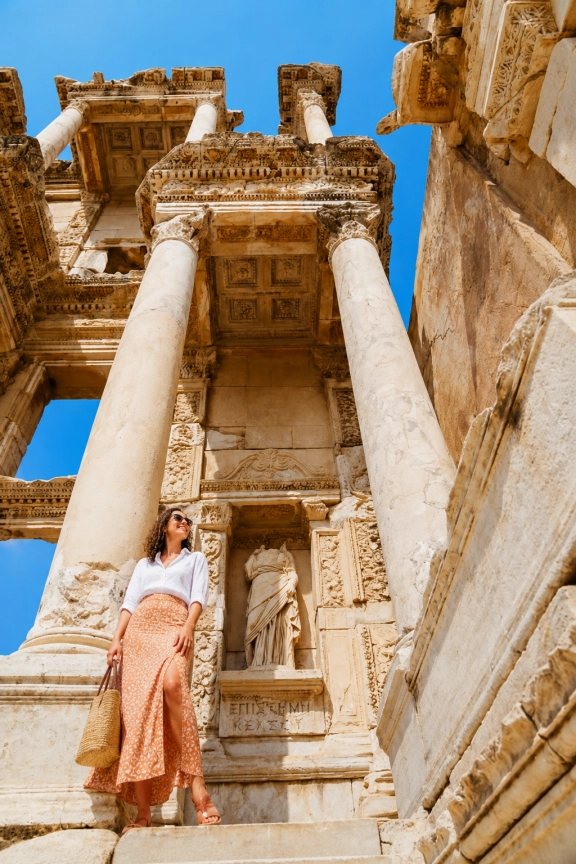
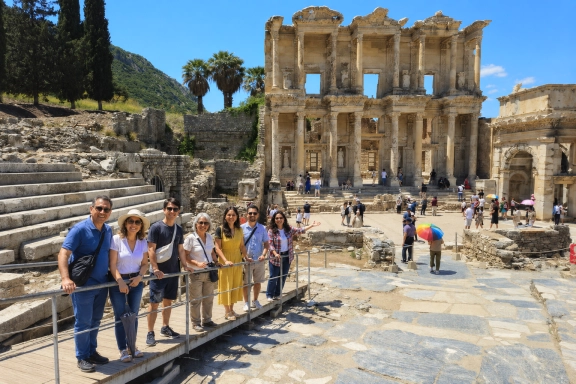
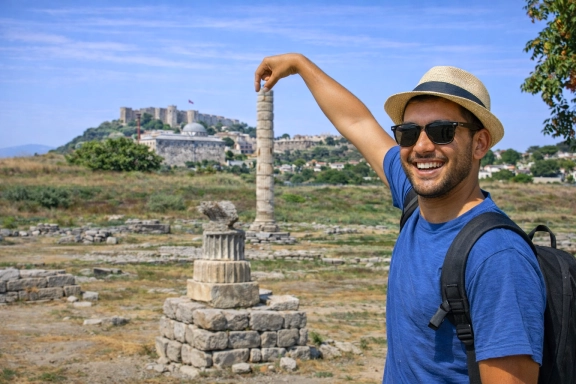

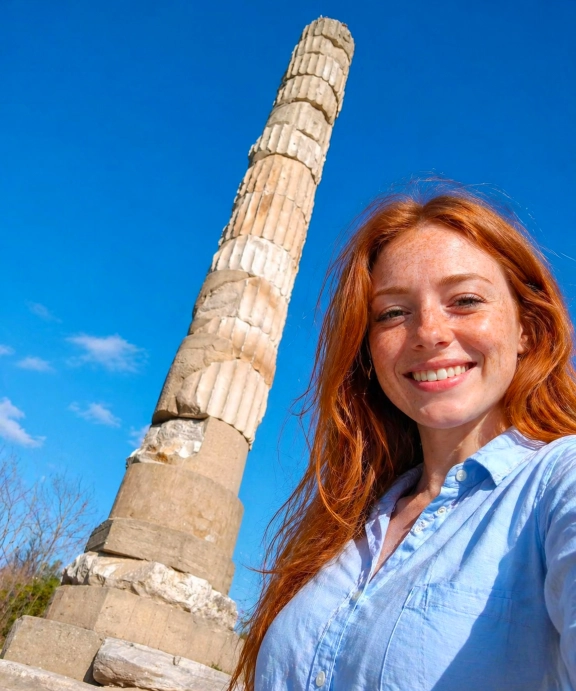
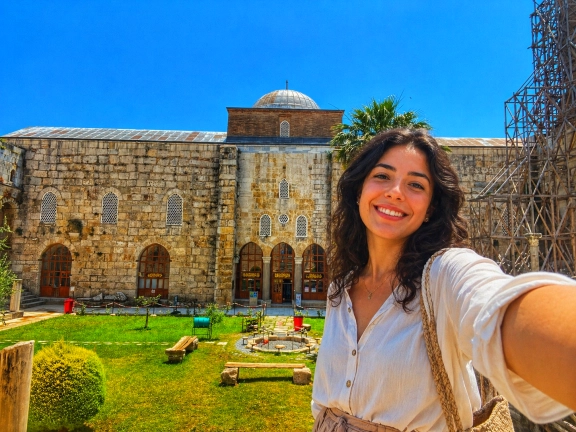
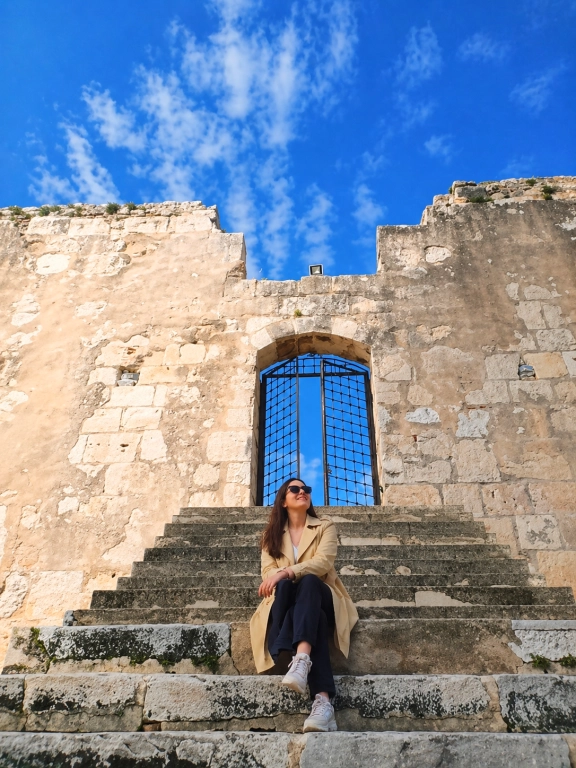



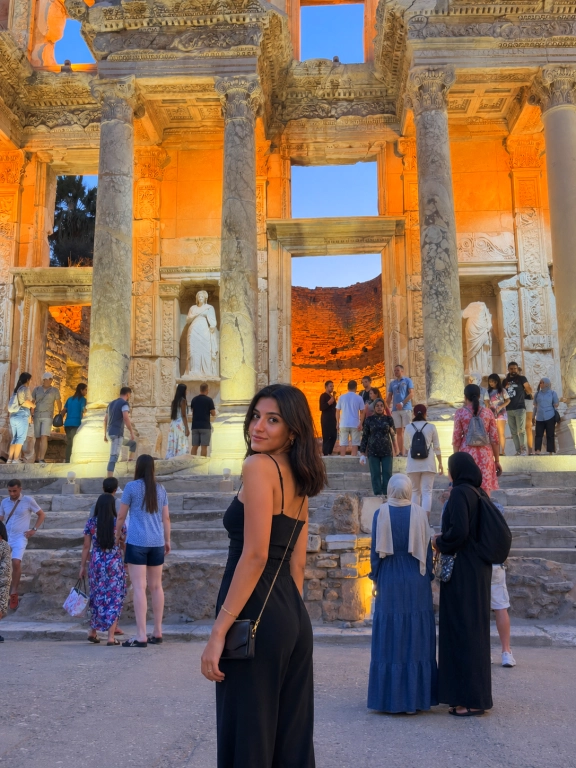

Ephesus Ancient City can be read as the physical setting of civic activity. Agora areas, the theatre and Library of Celsus have different roles but belong to an urban framework connected by streets.
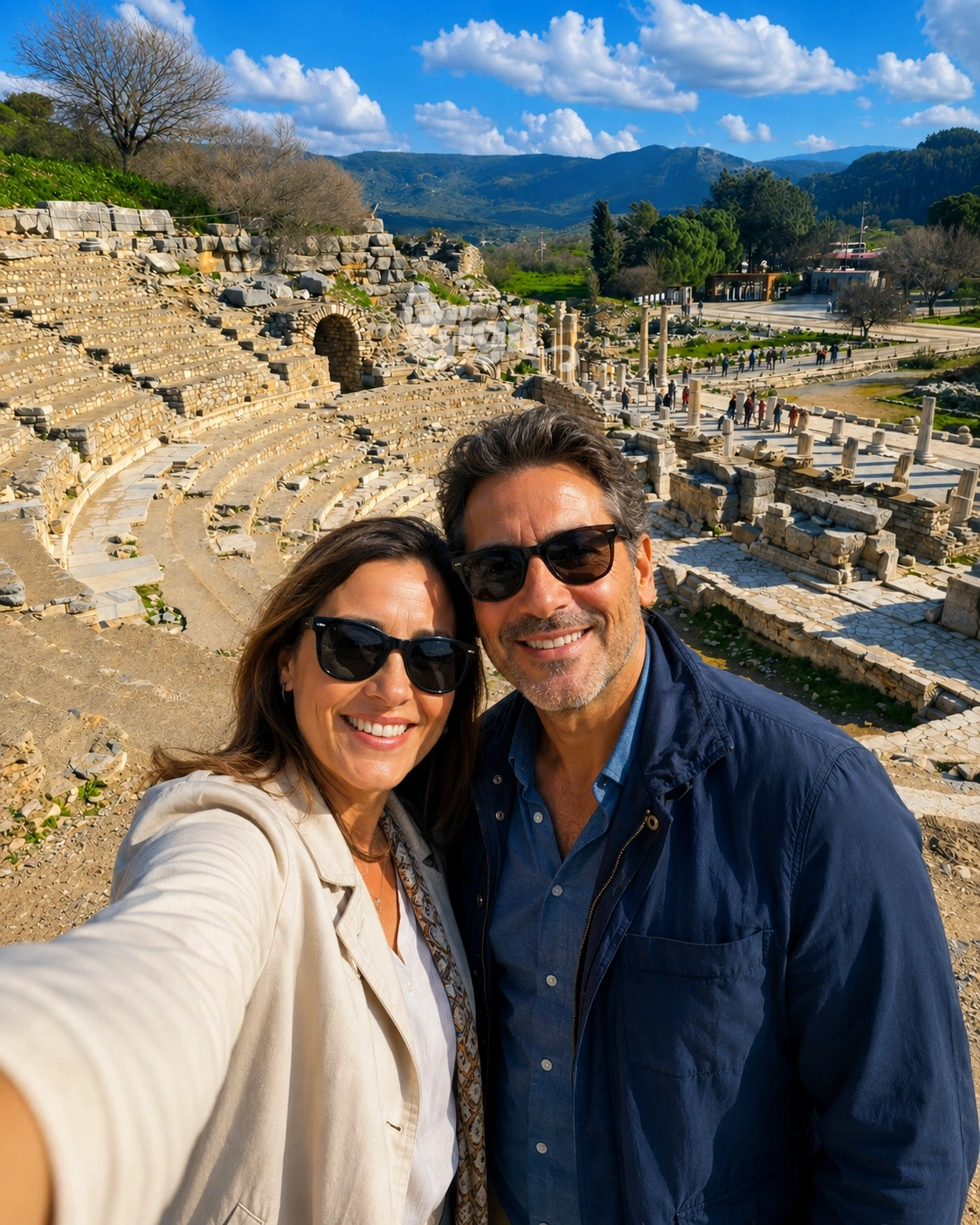
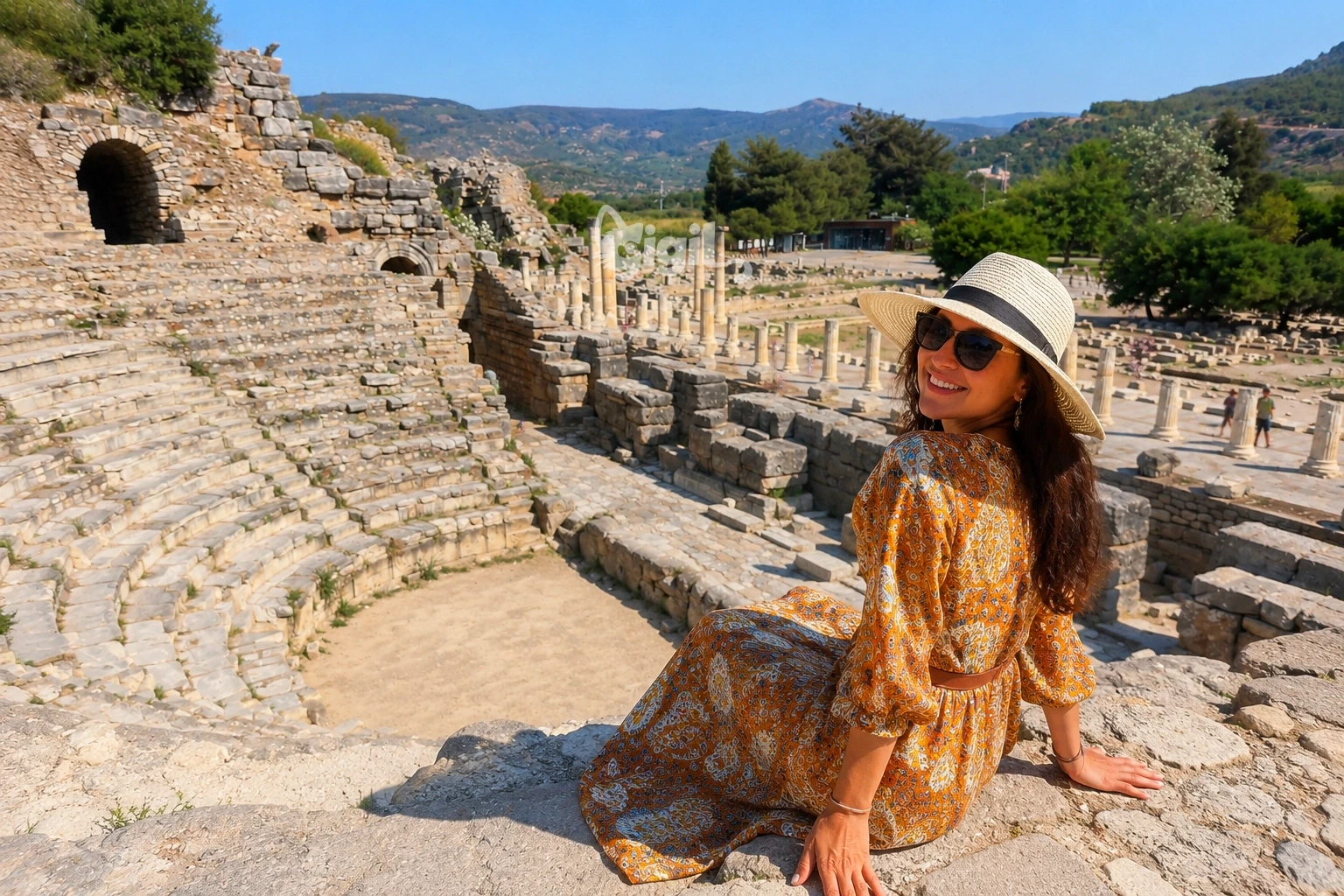
Notice how those streets frame public spaces and monumental fronts. The ancient harbour explains a former coastal identity, while restored sections give clues to the archaeological work behind the city's present visitor landscape.
Questions
What makes the public framework recognizable?
The street system connects buildings and gathering areas with different civic functions.
Why examine the streets around monumental fronts?
They help show how architecture related to movement and public space.
How should the former coastal identity be understood?
Ephesus had harbour access before sedimentation and shoreline change altered the surrounding landscape.
What do restored sections reveal besides ancient form?
They reveal the conservation and presentation work that helps make the archaeology understandable.