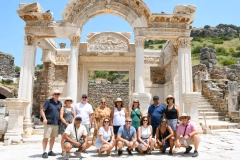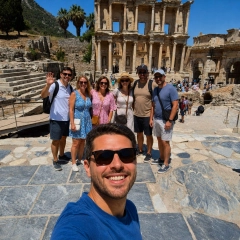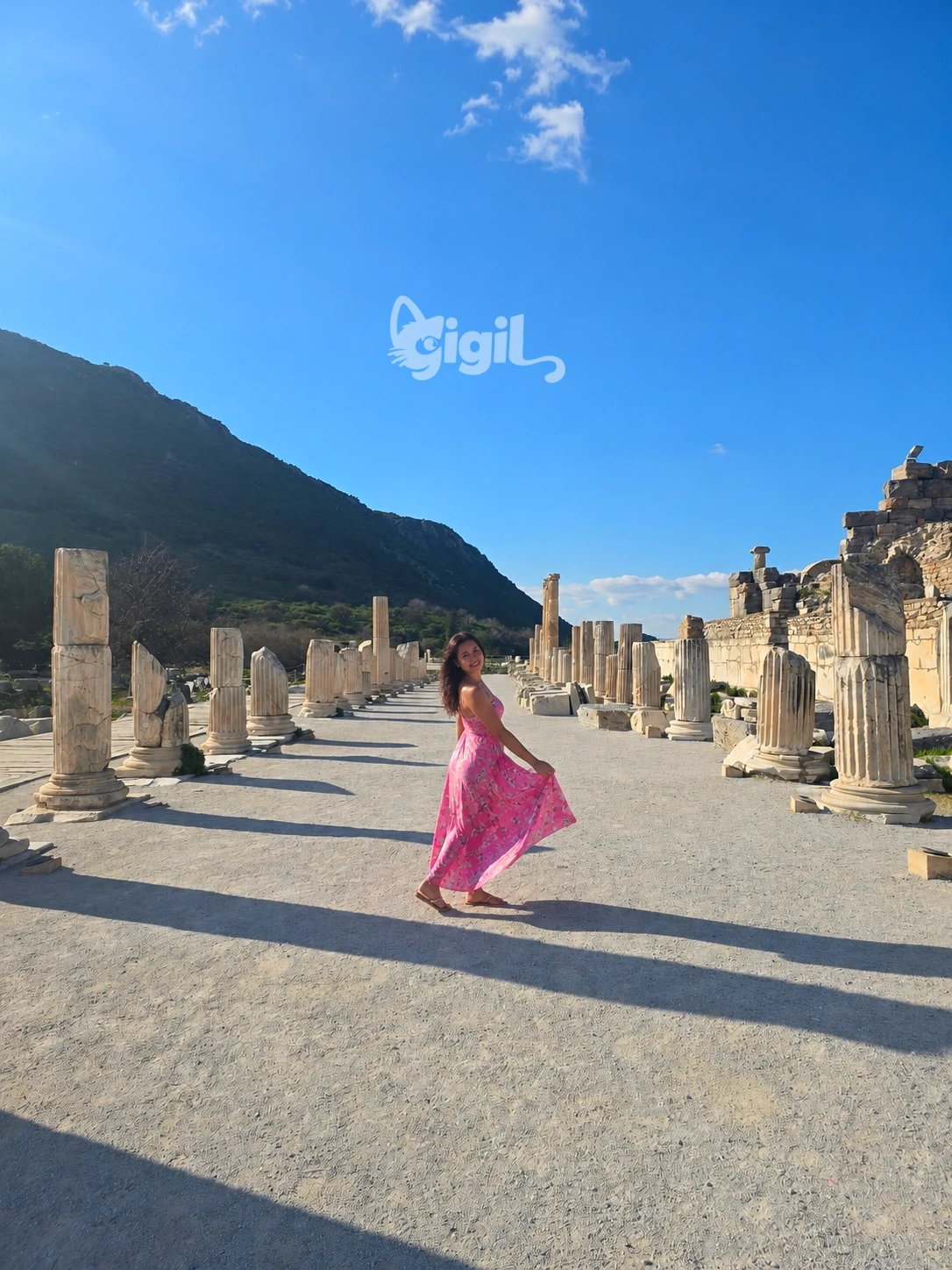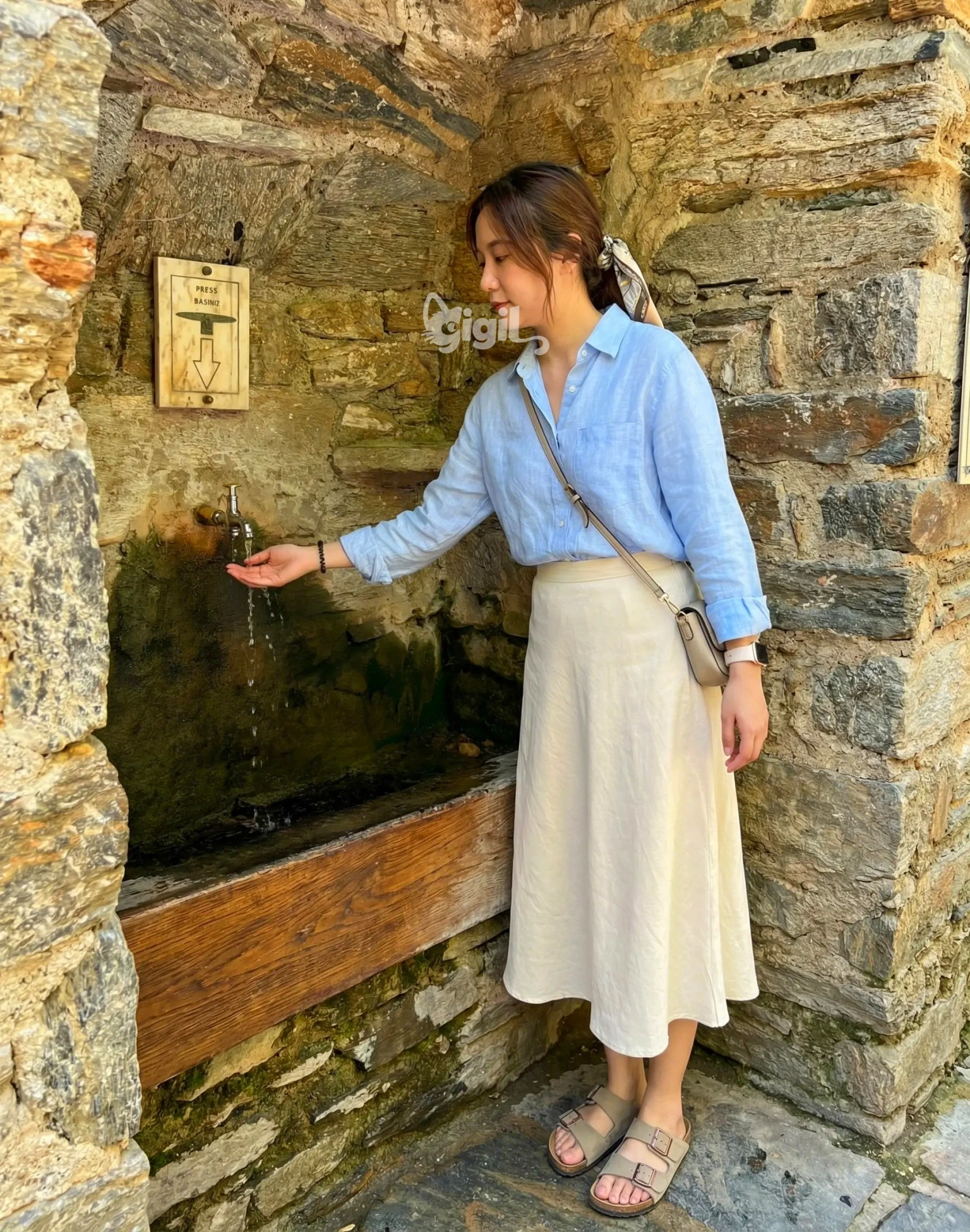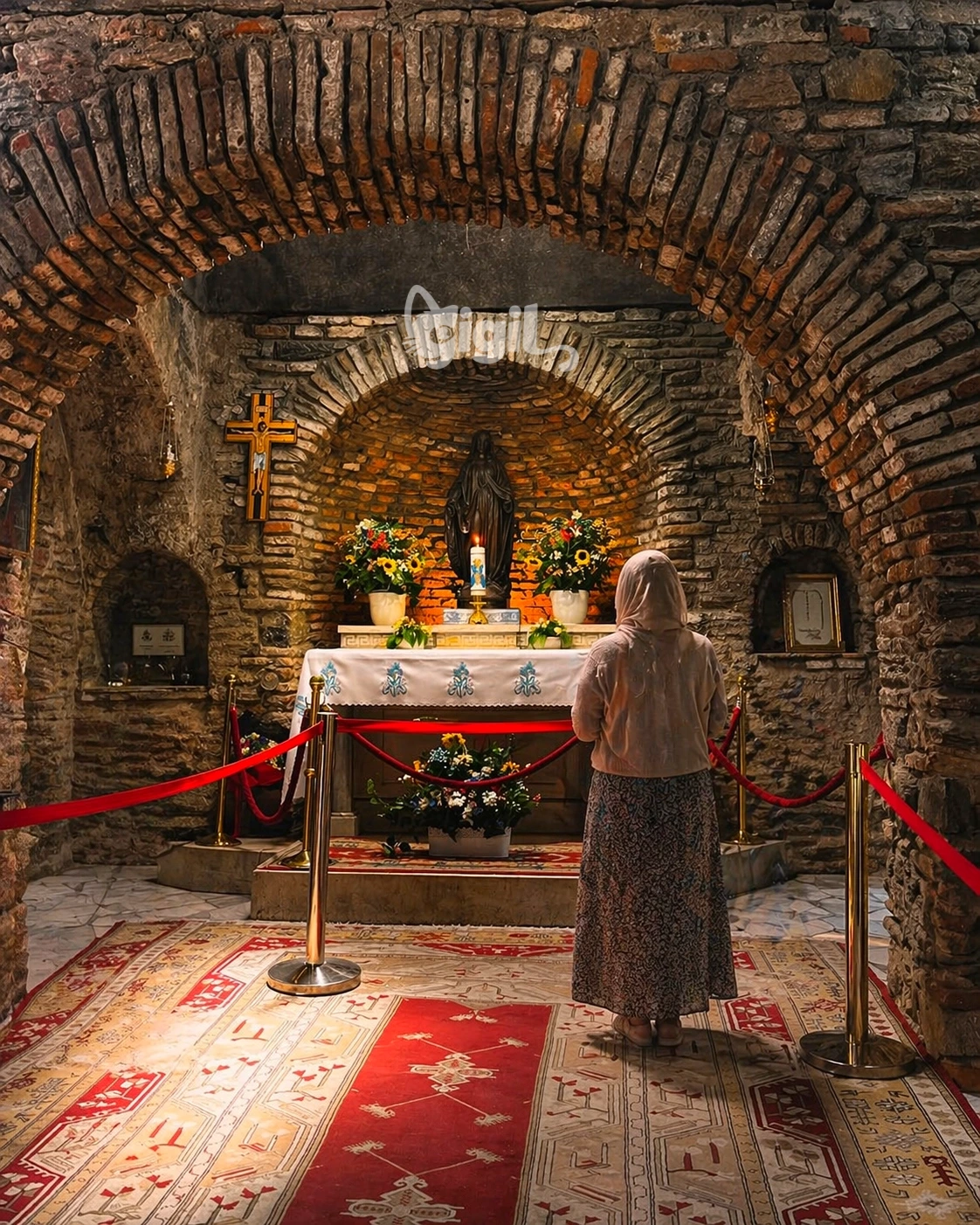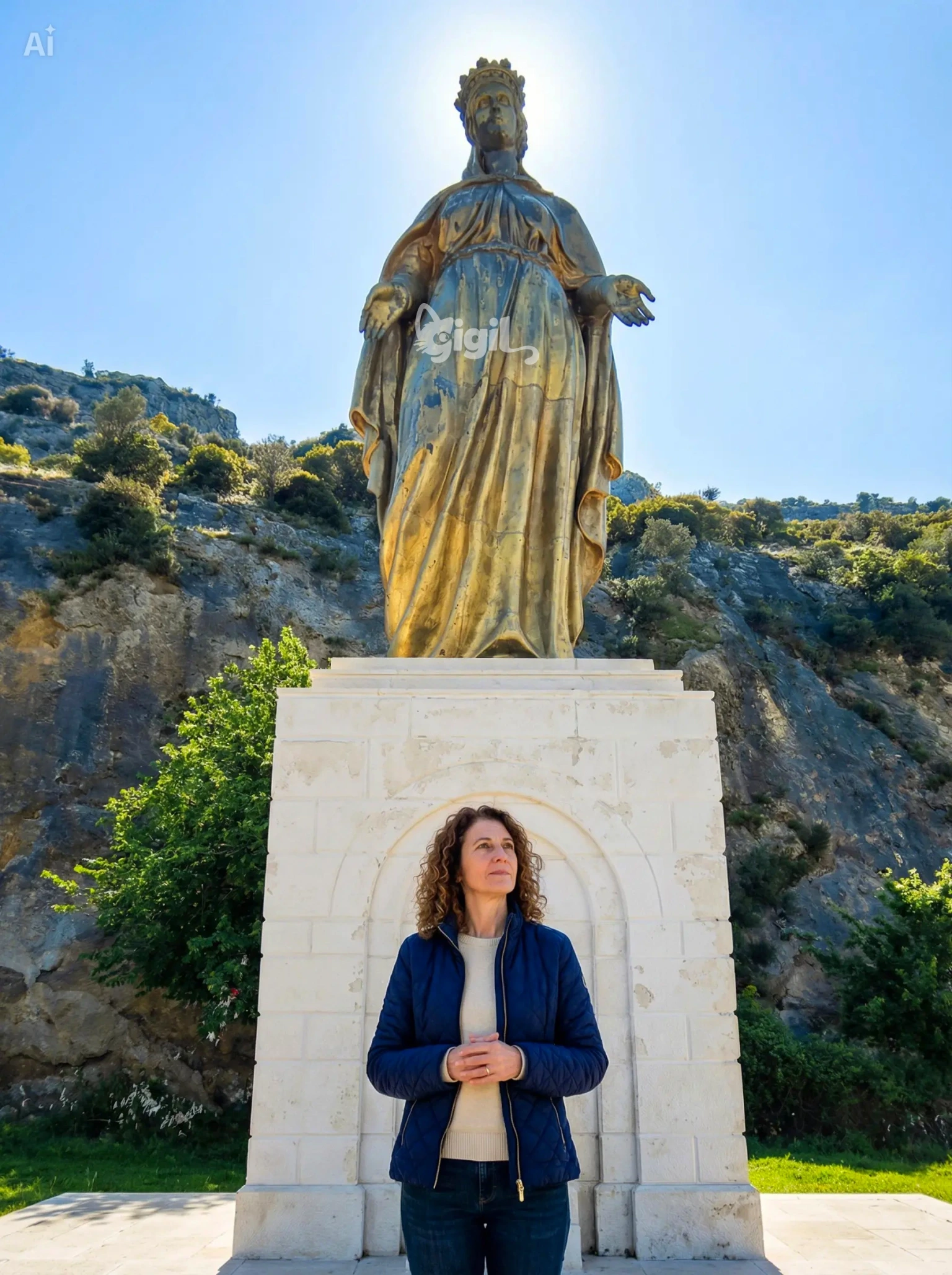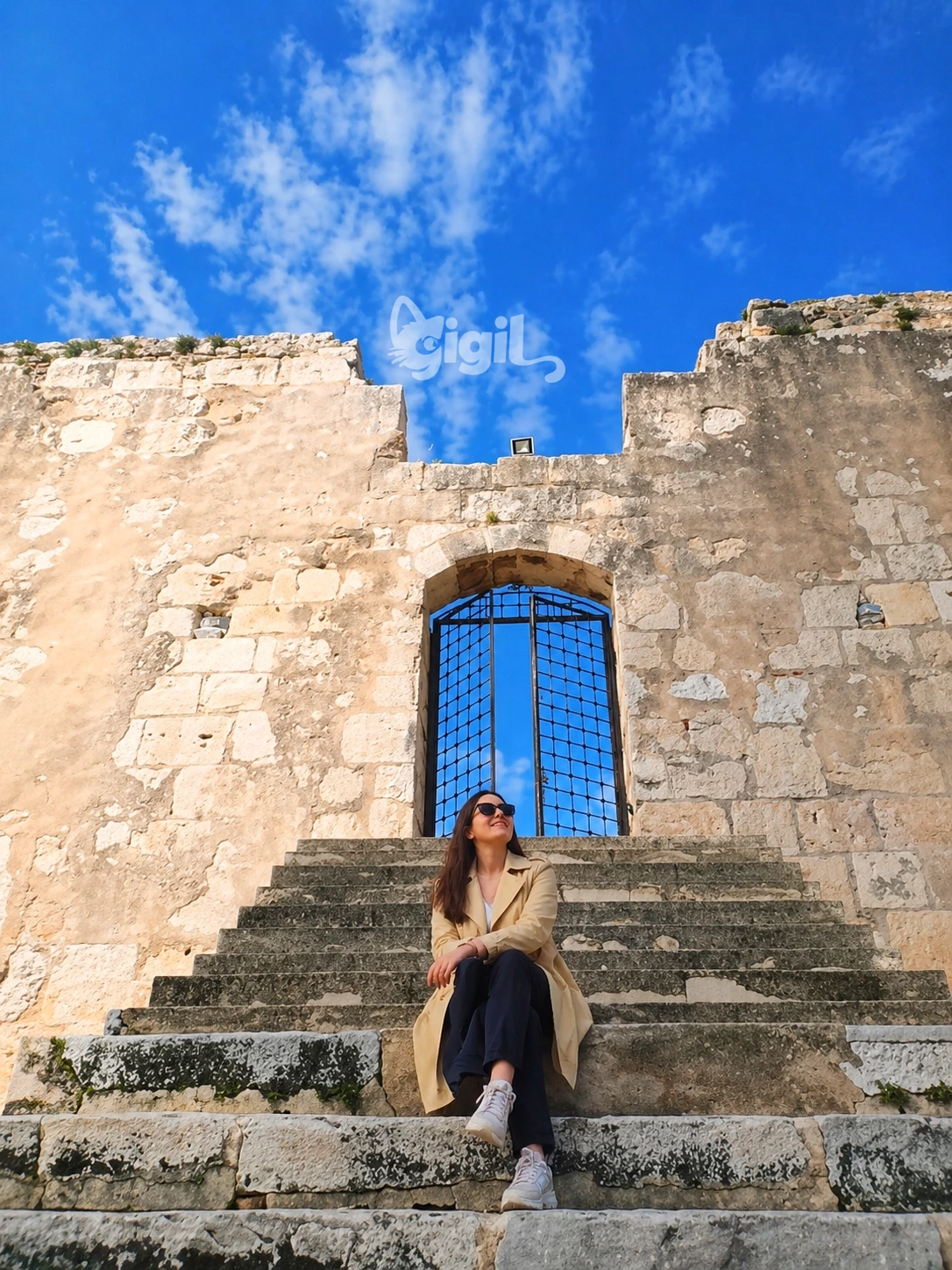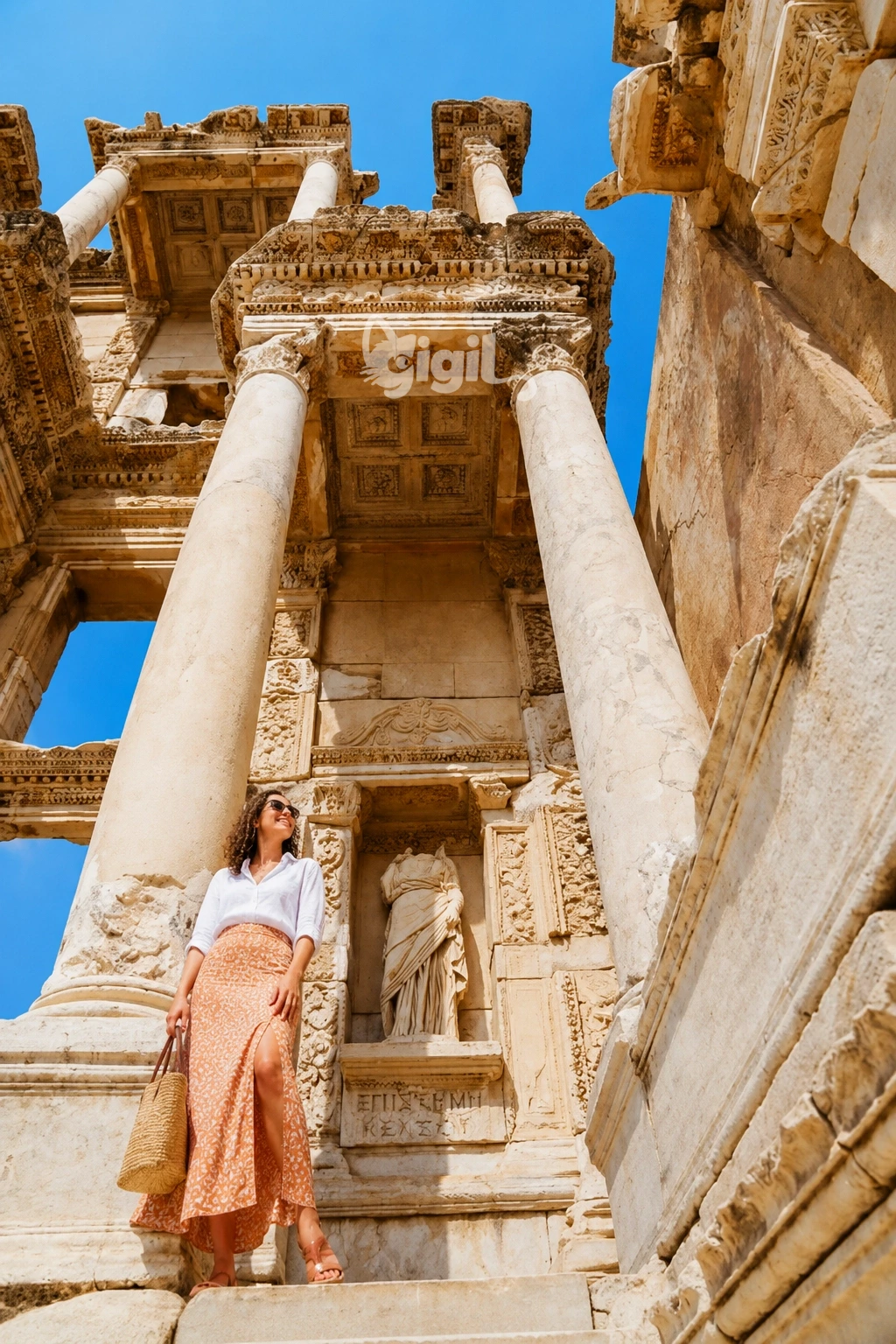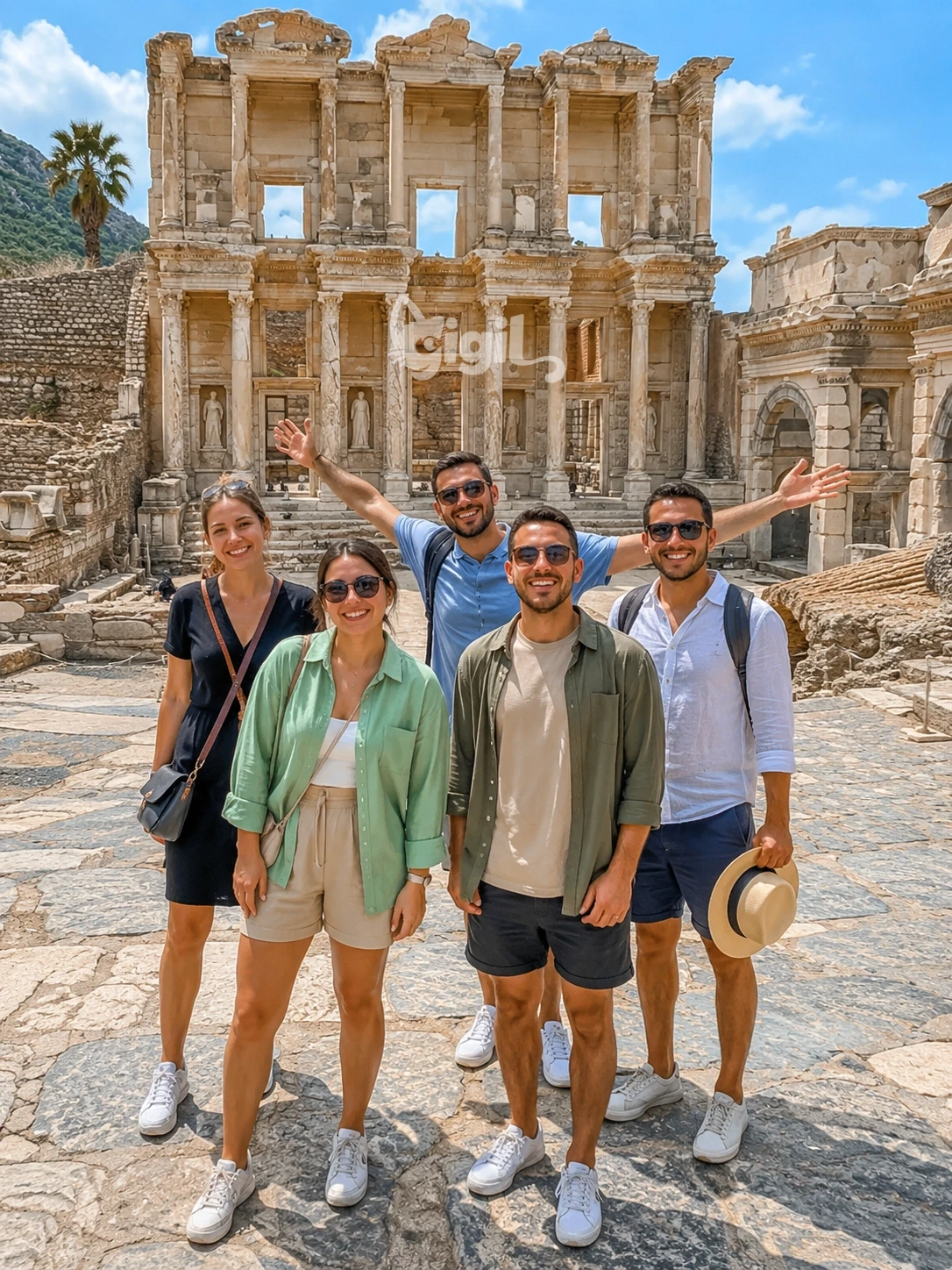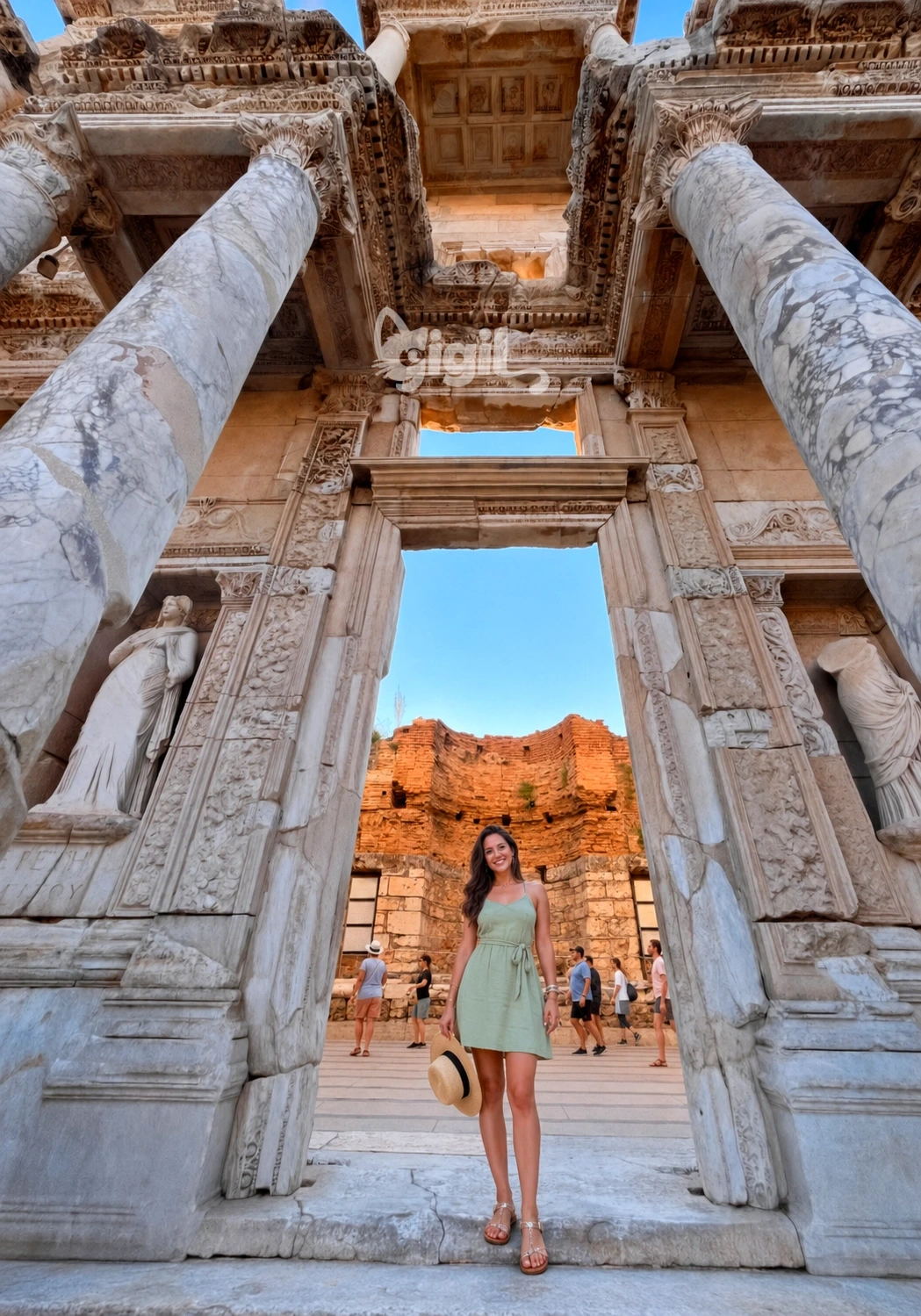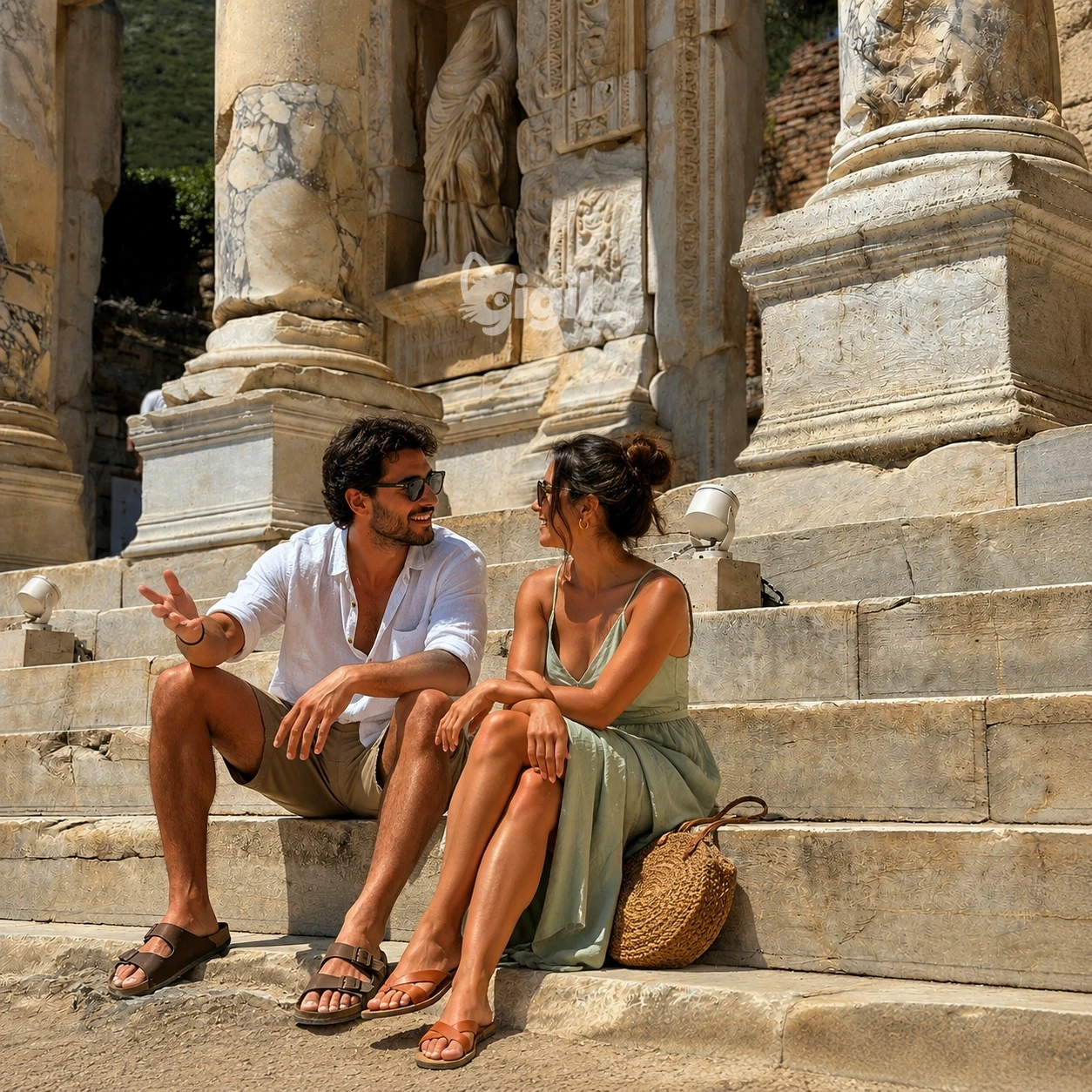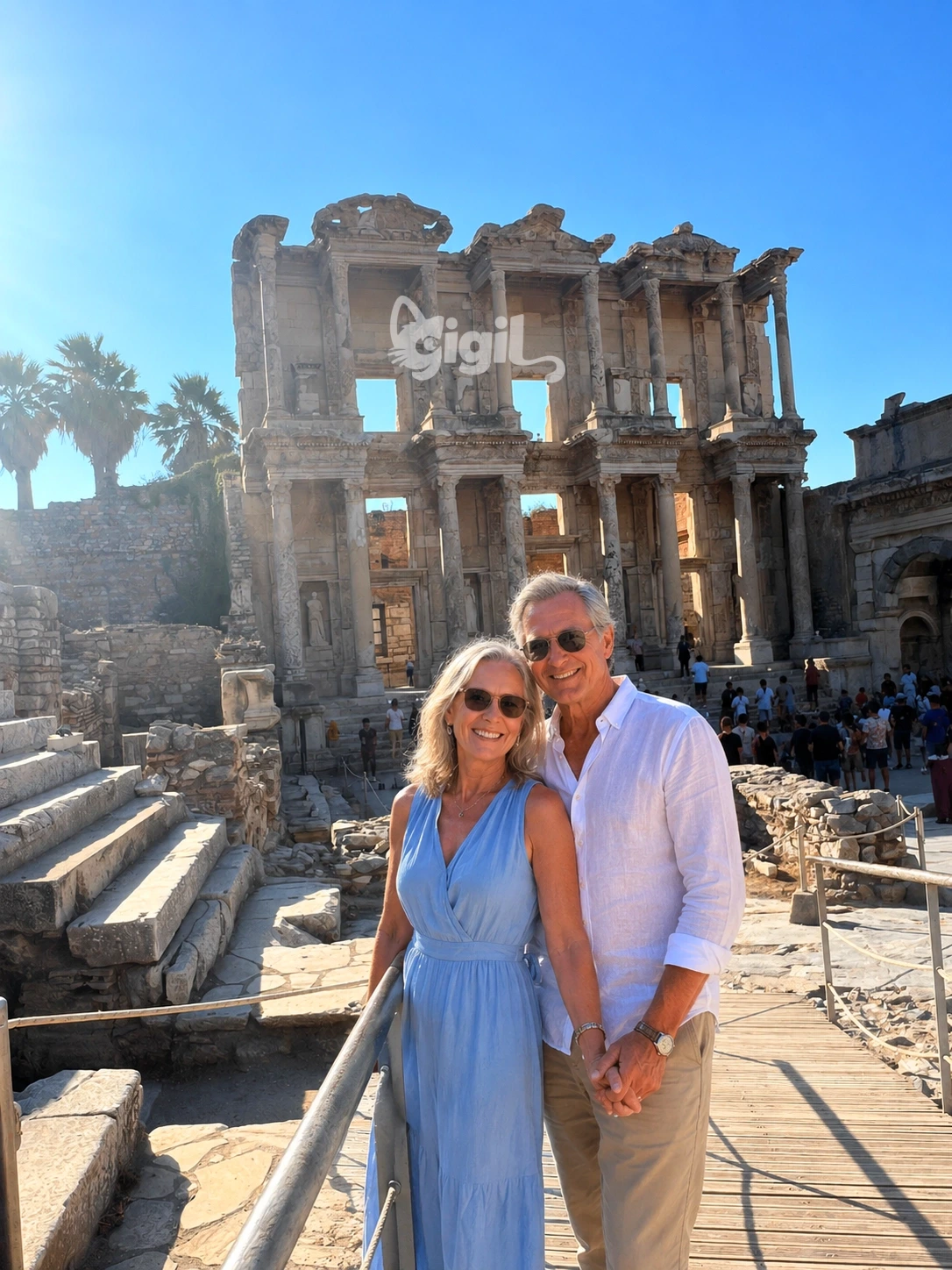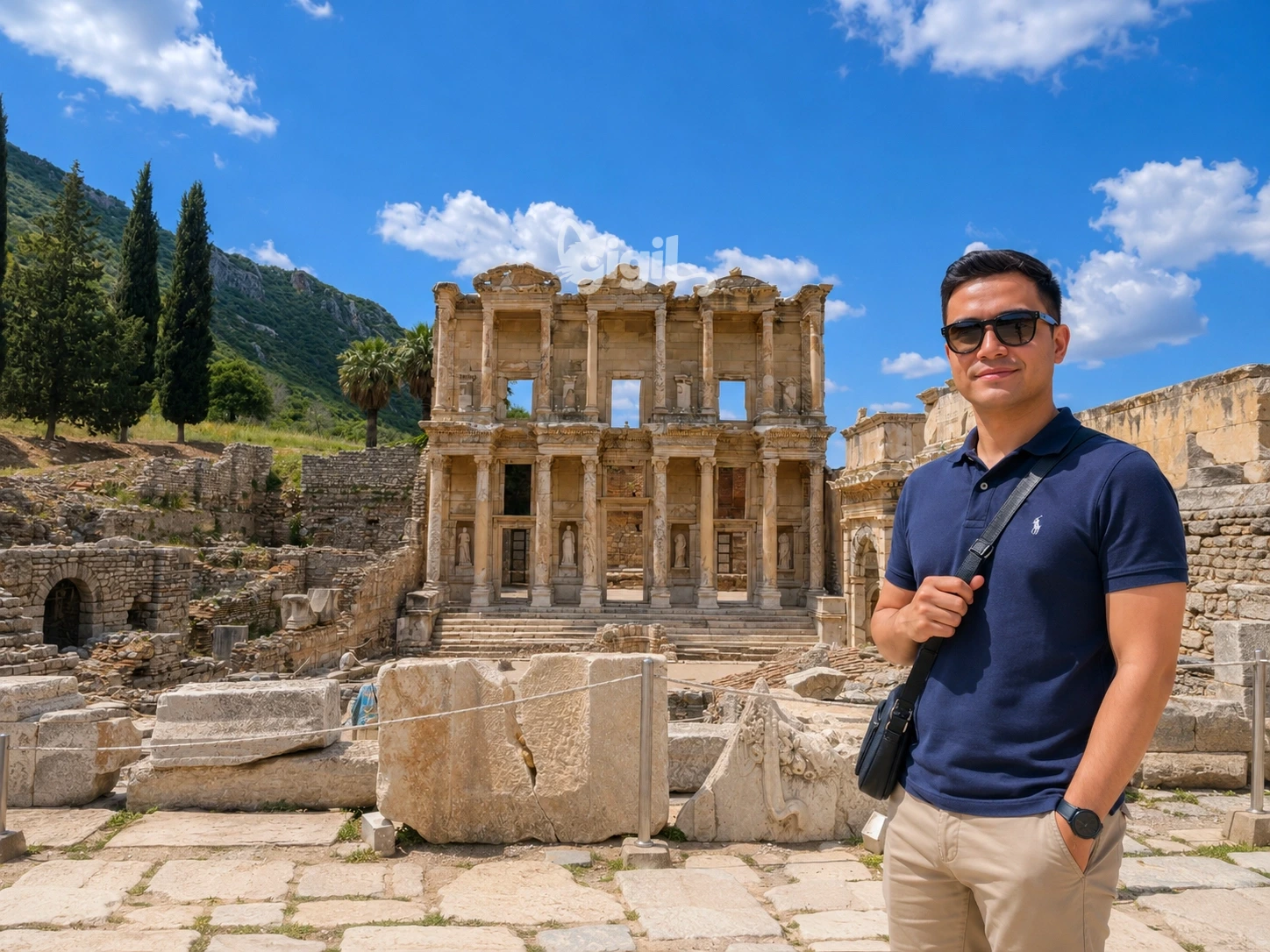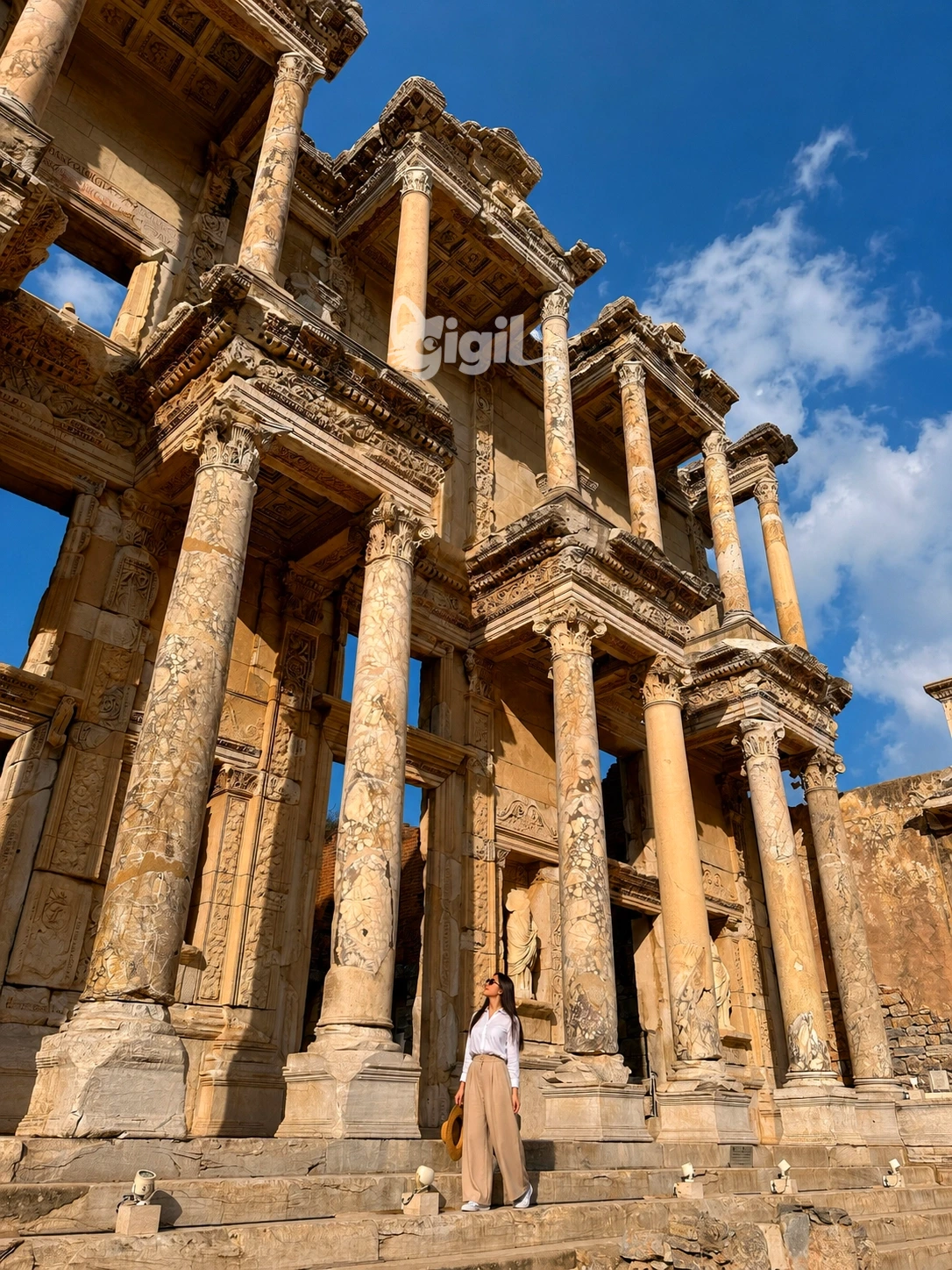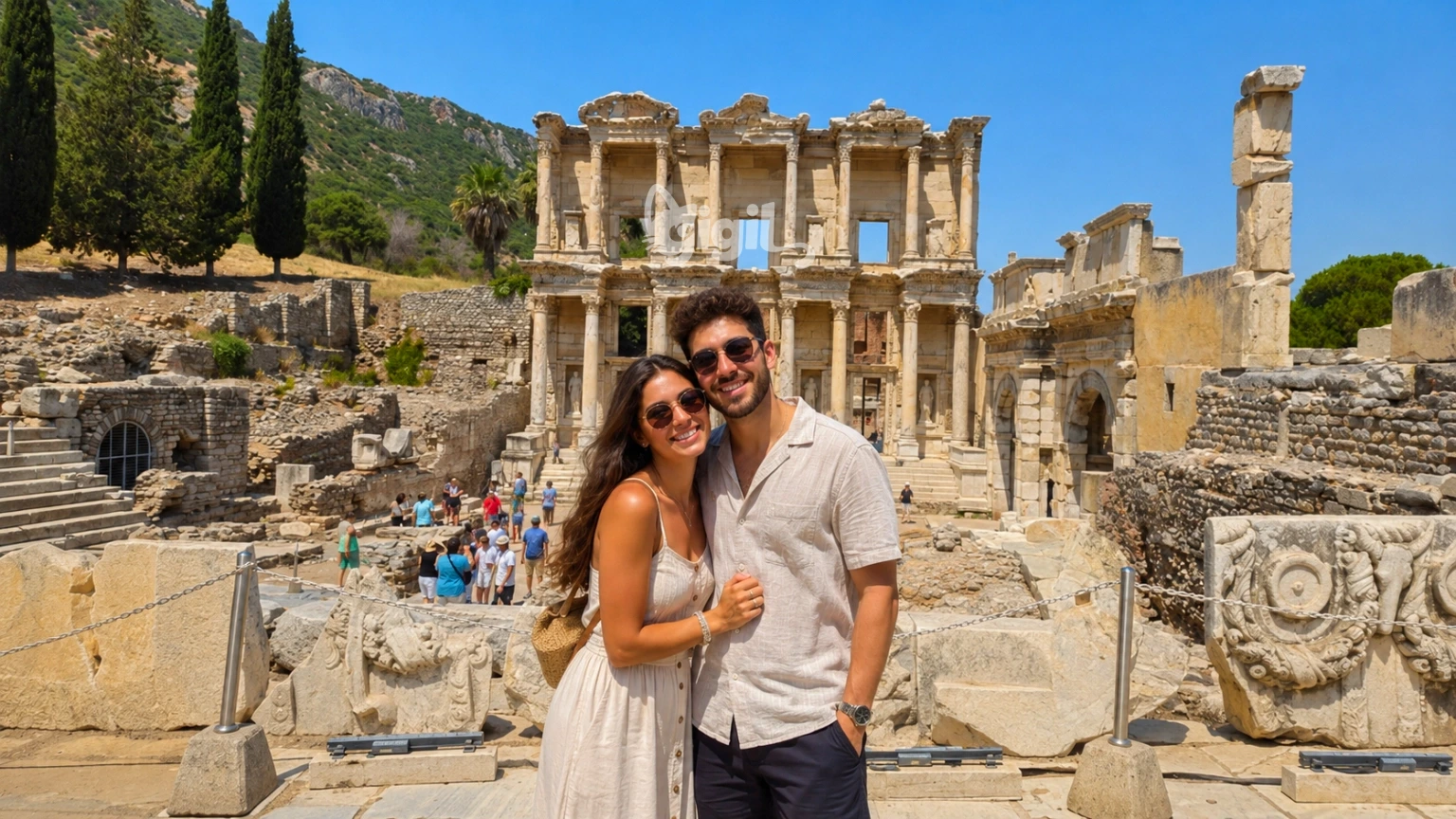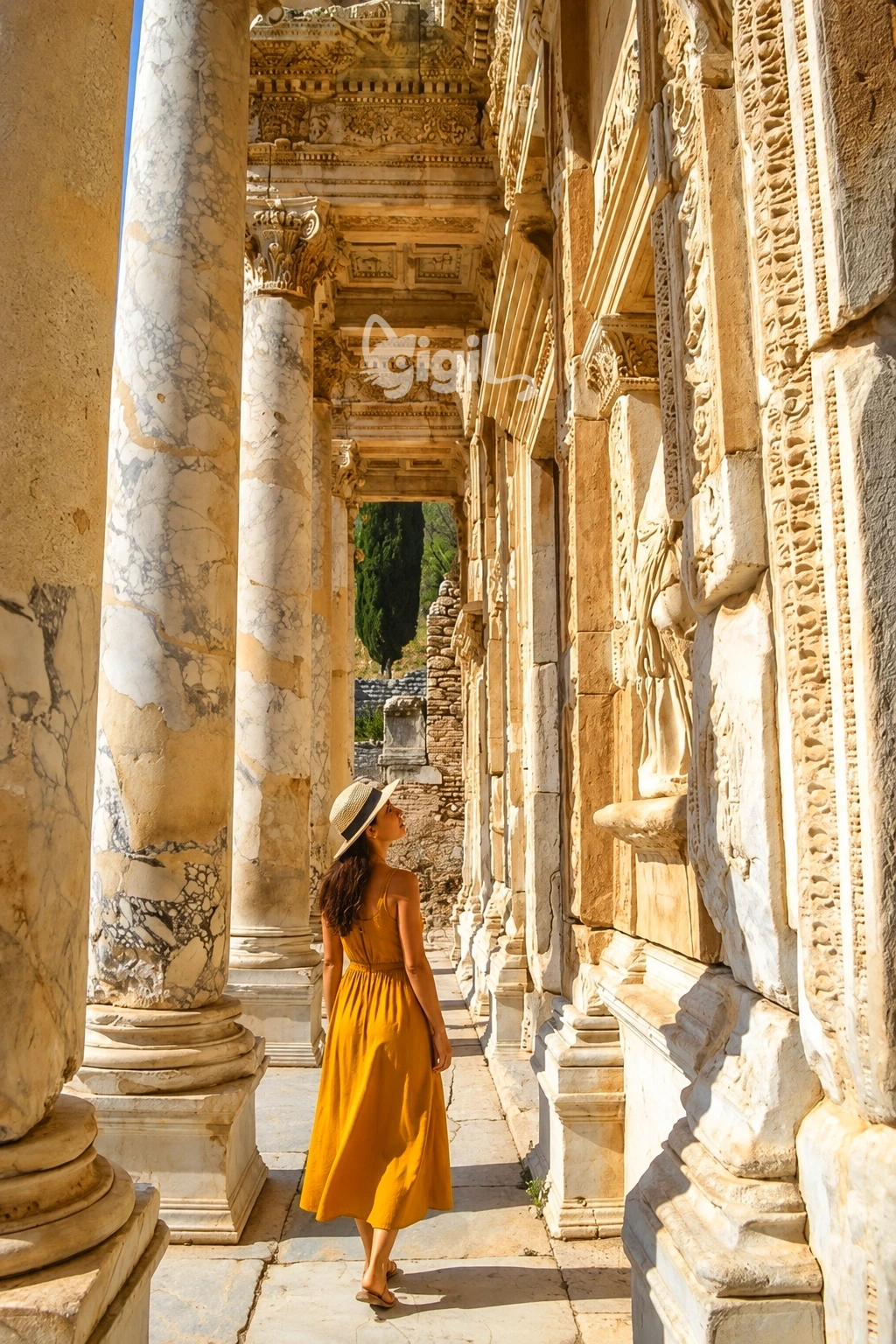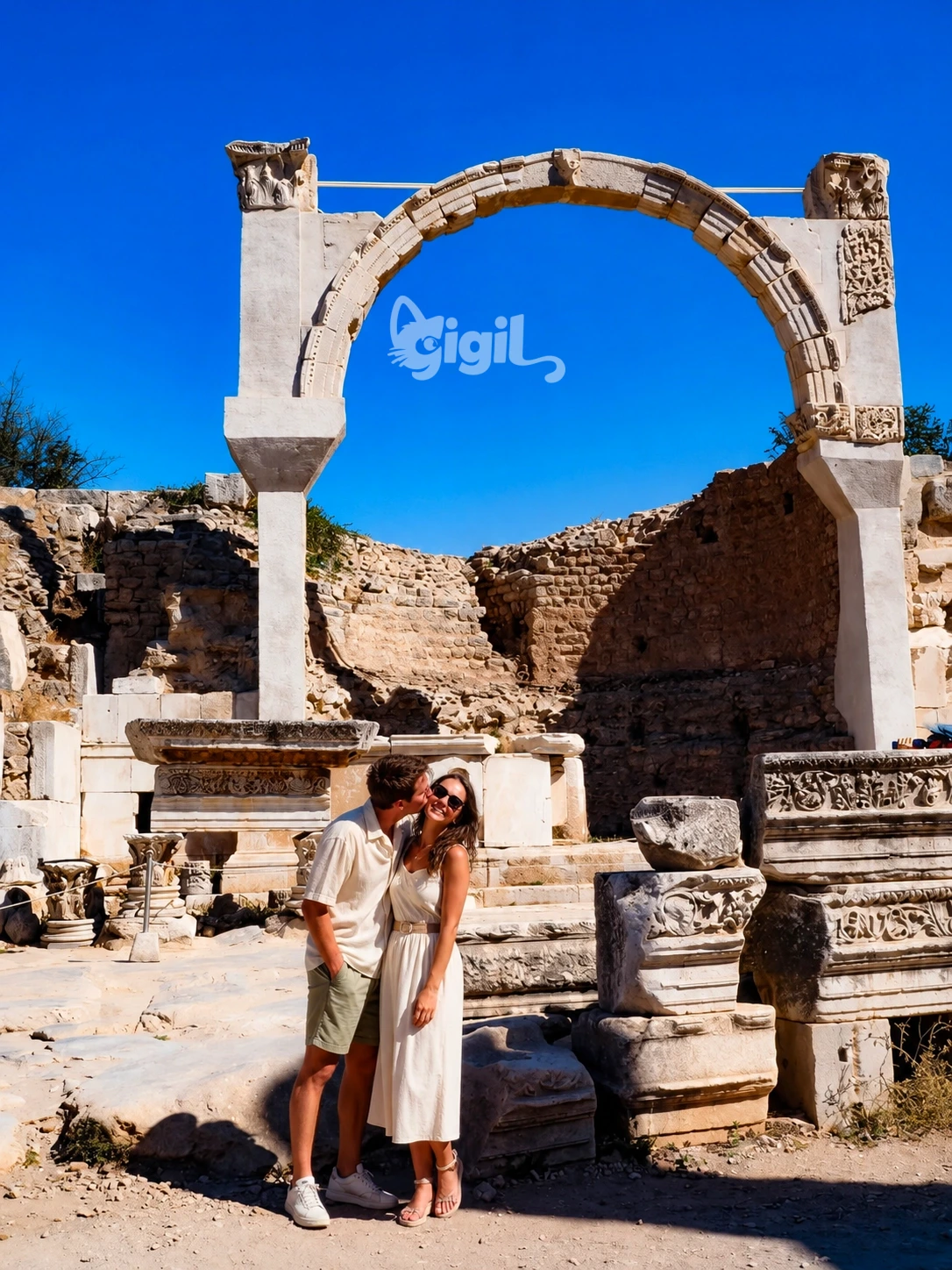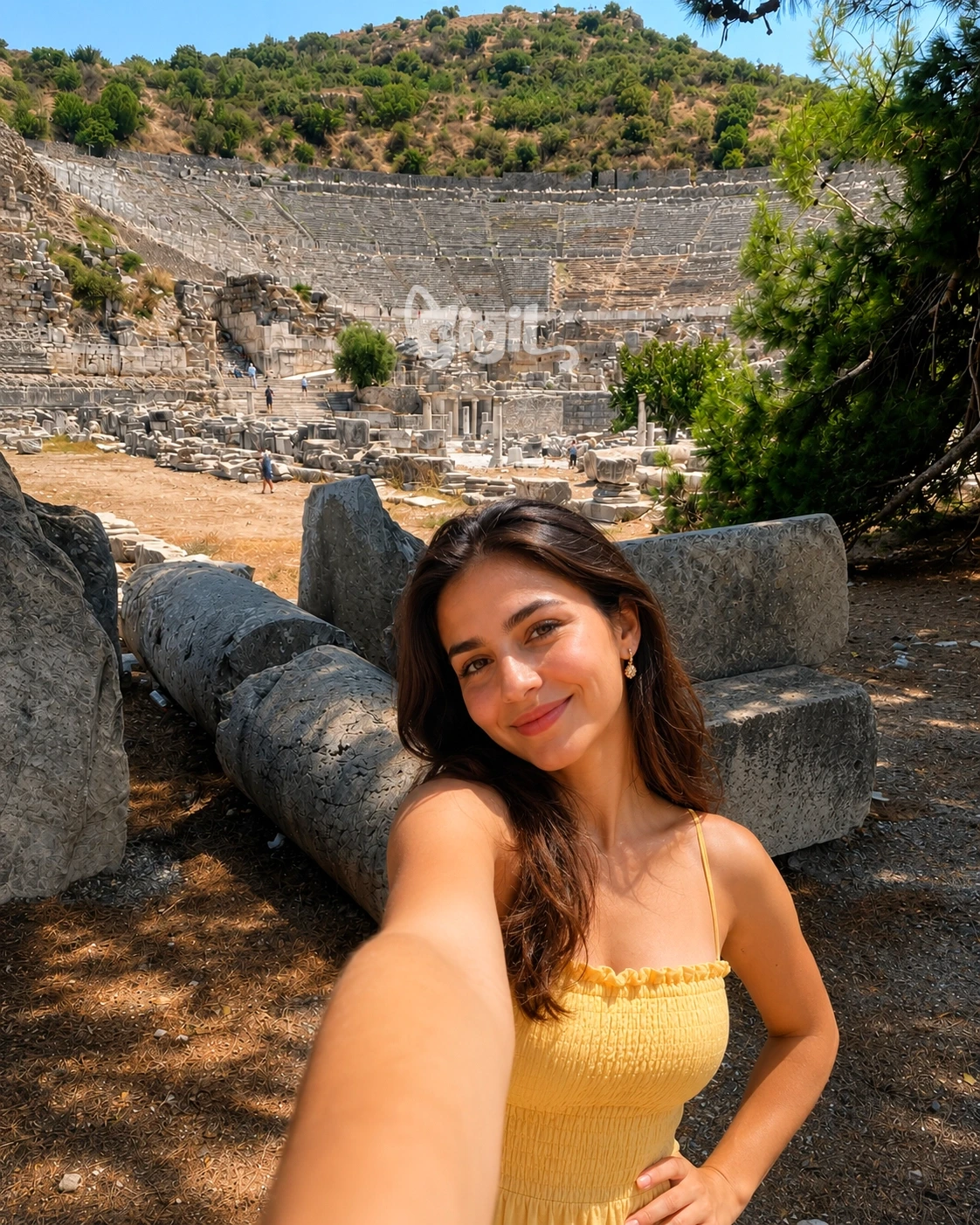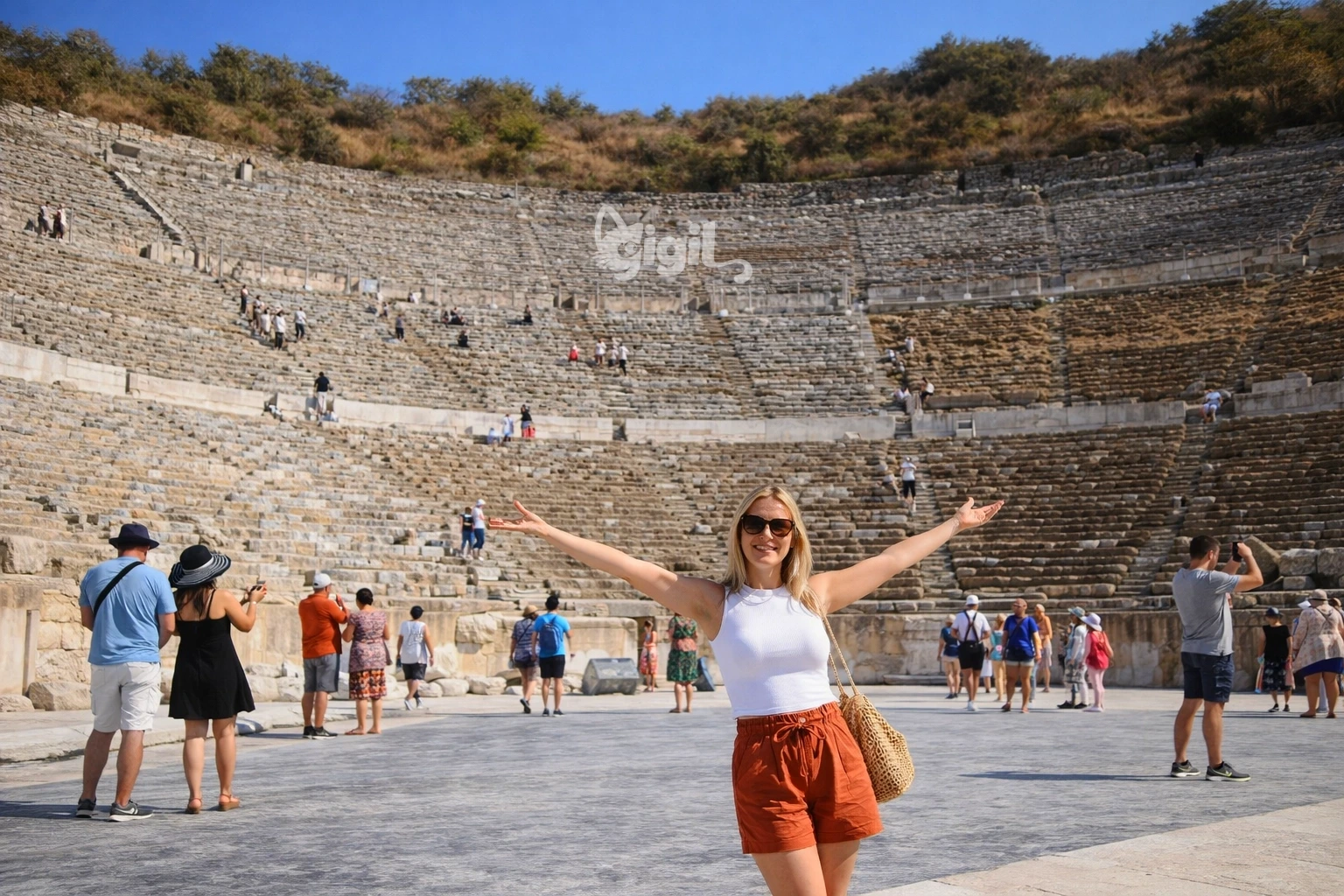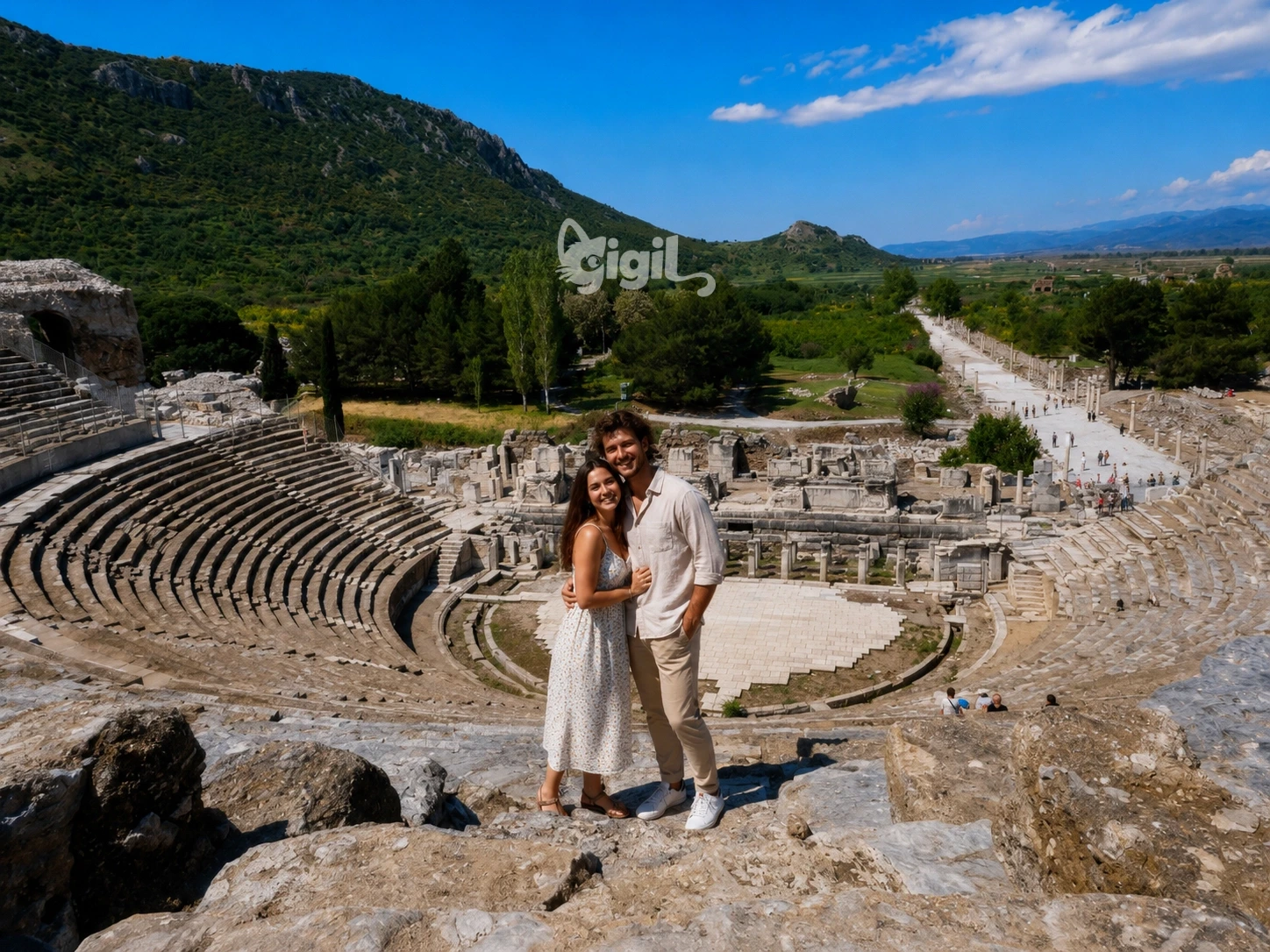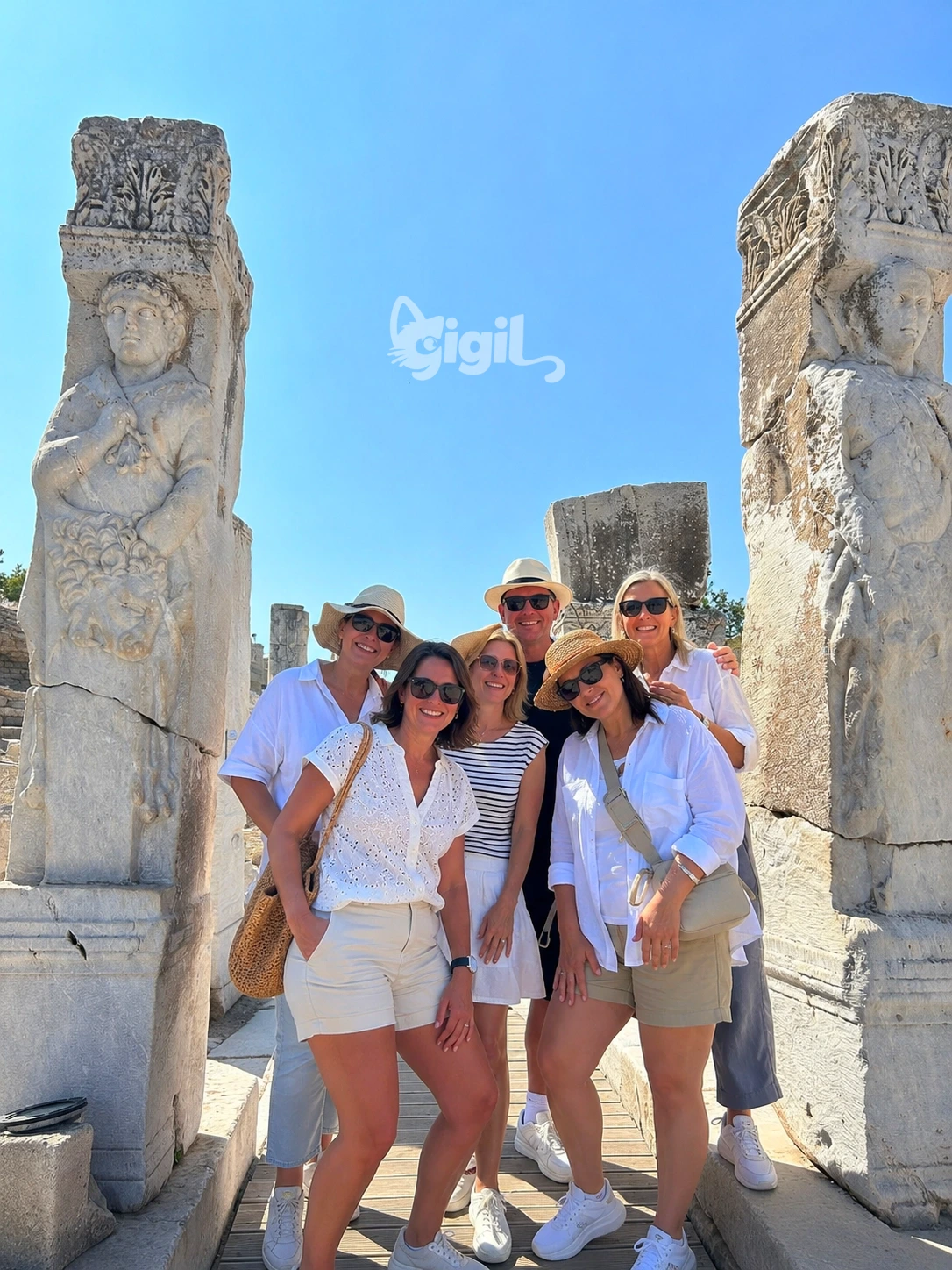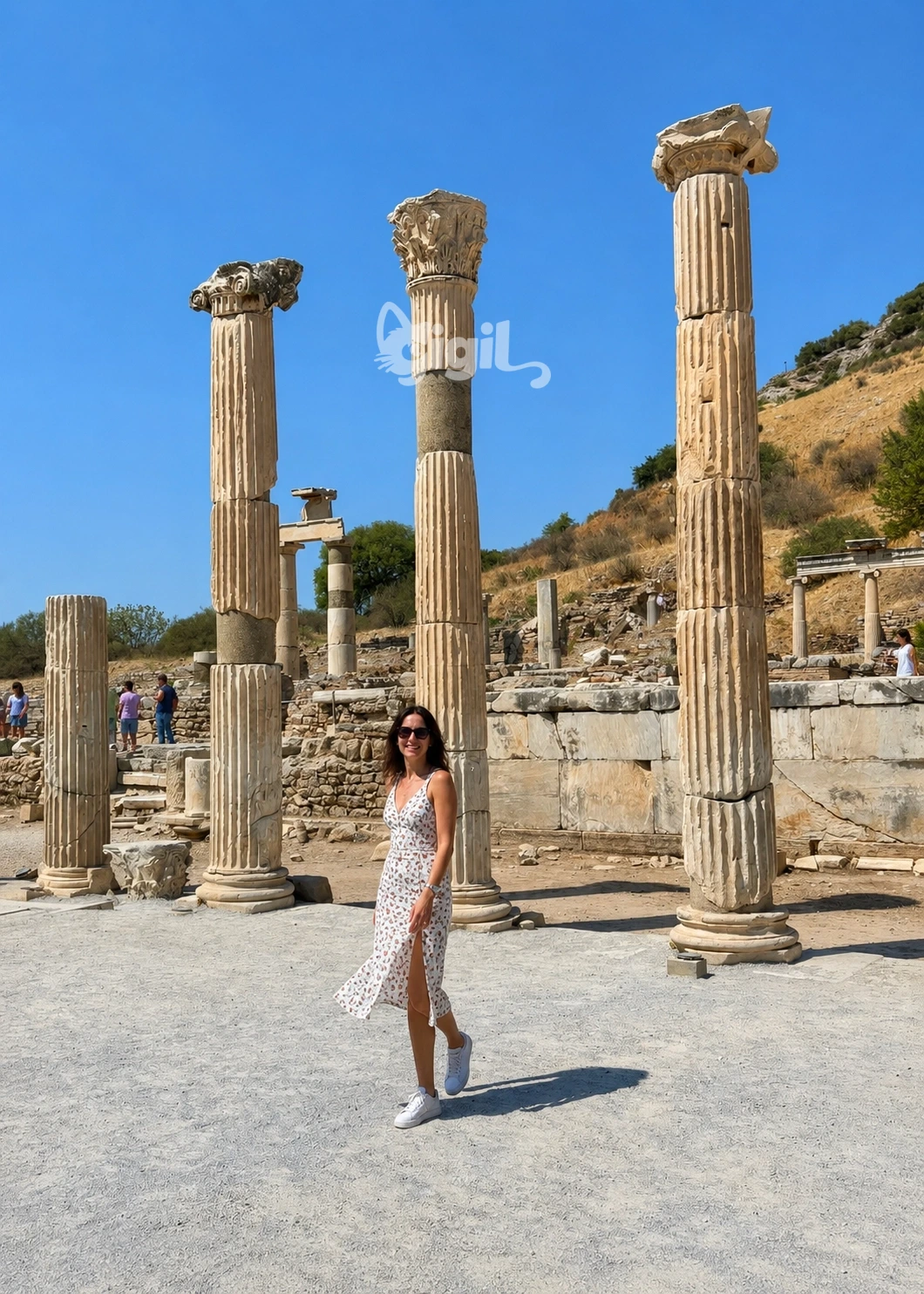








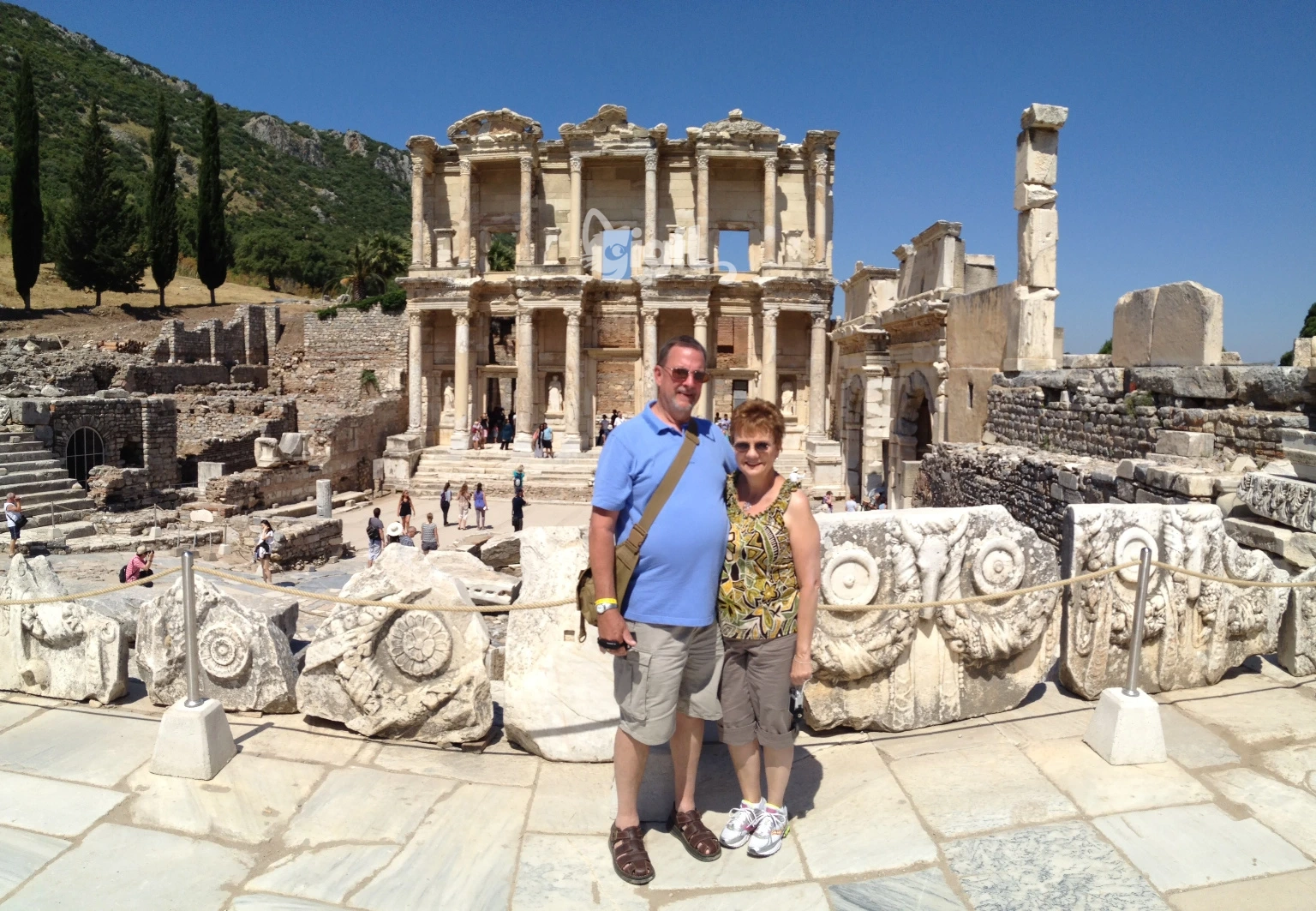
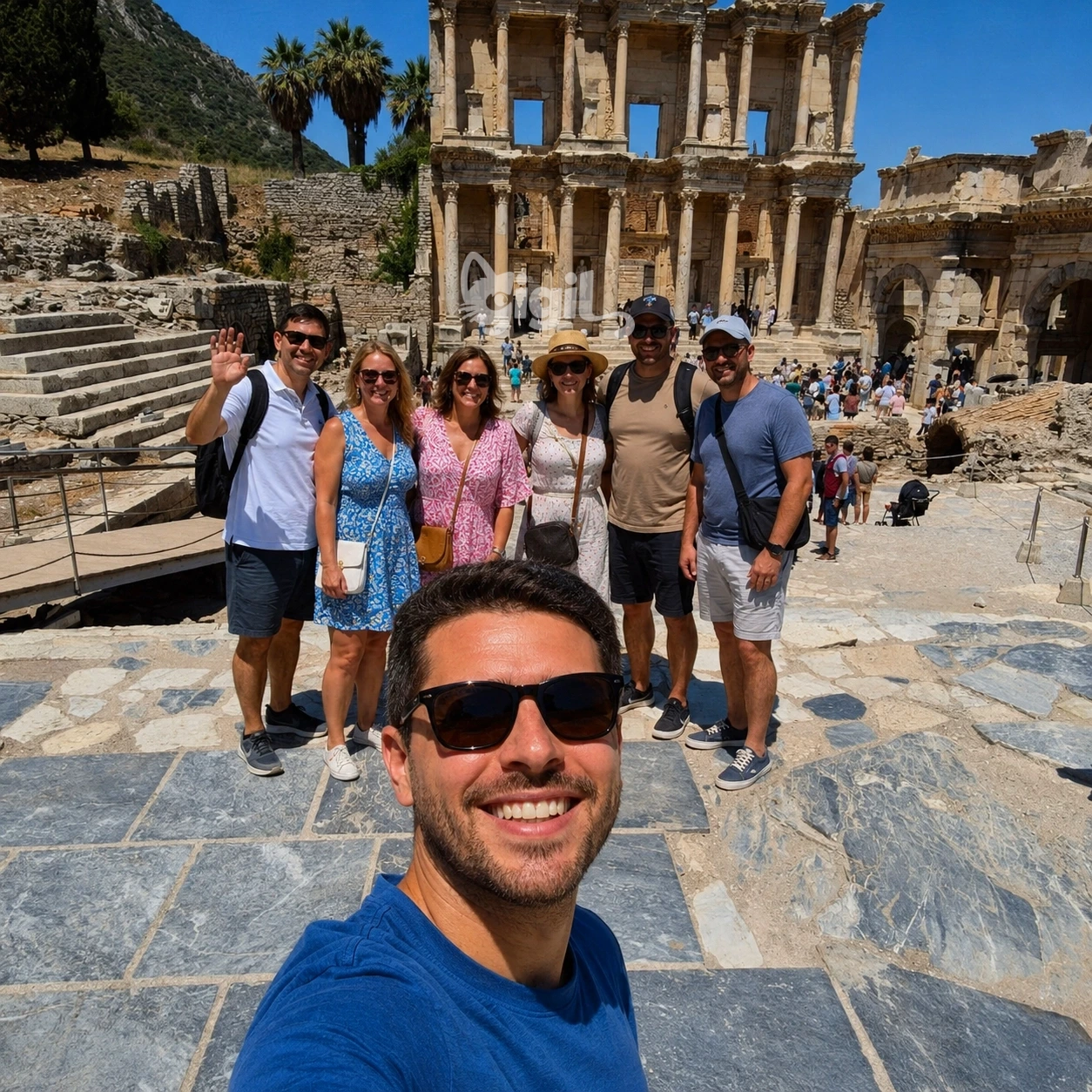

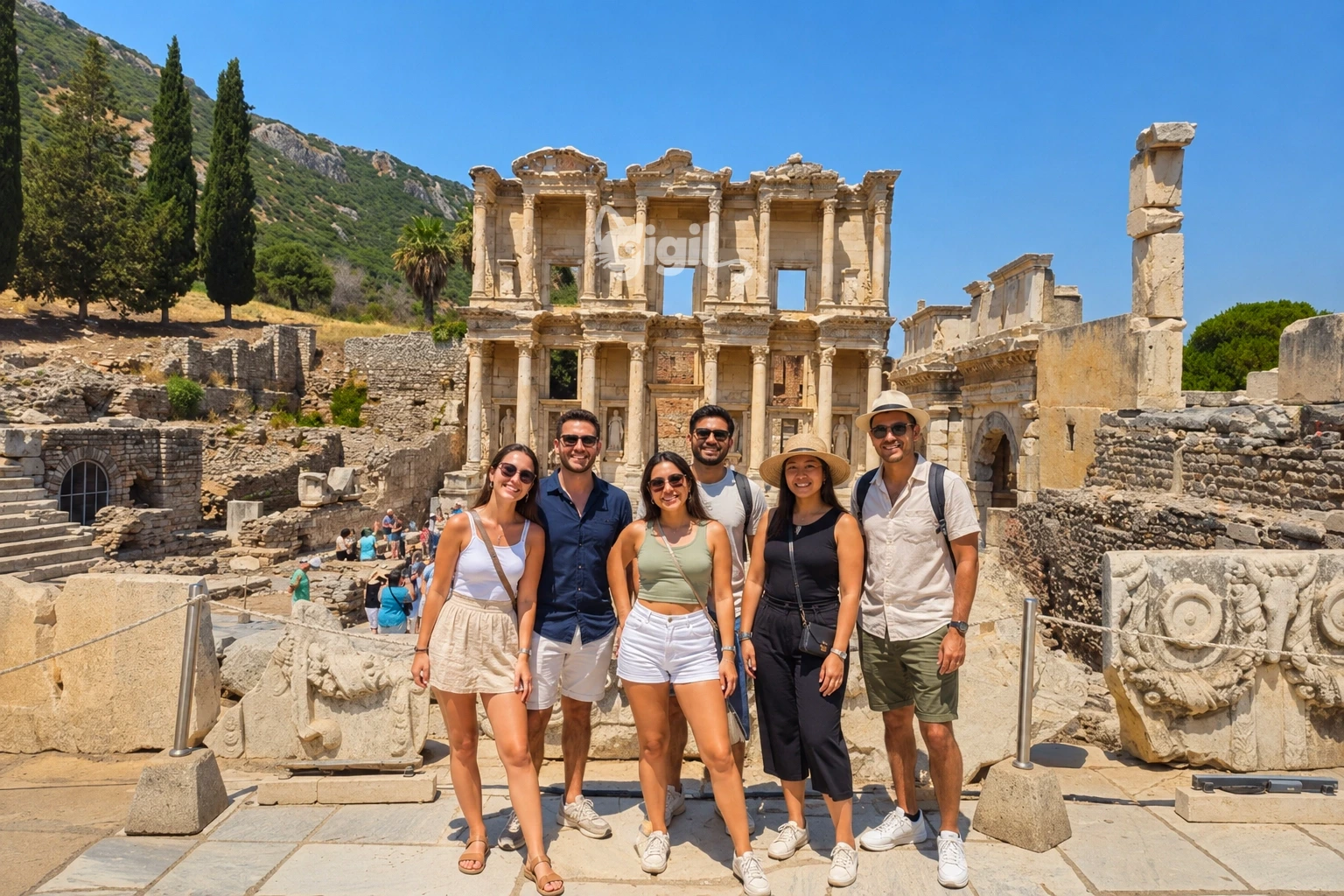

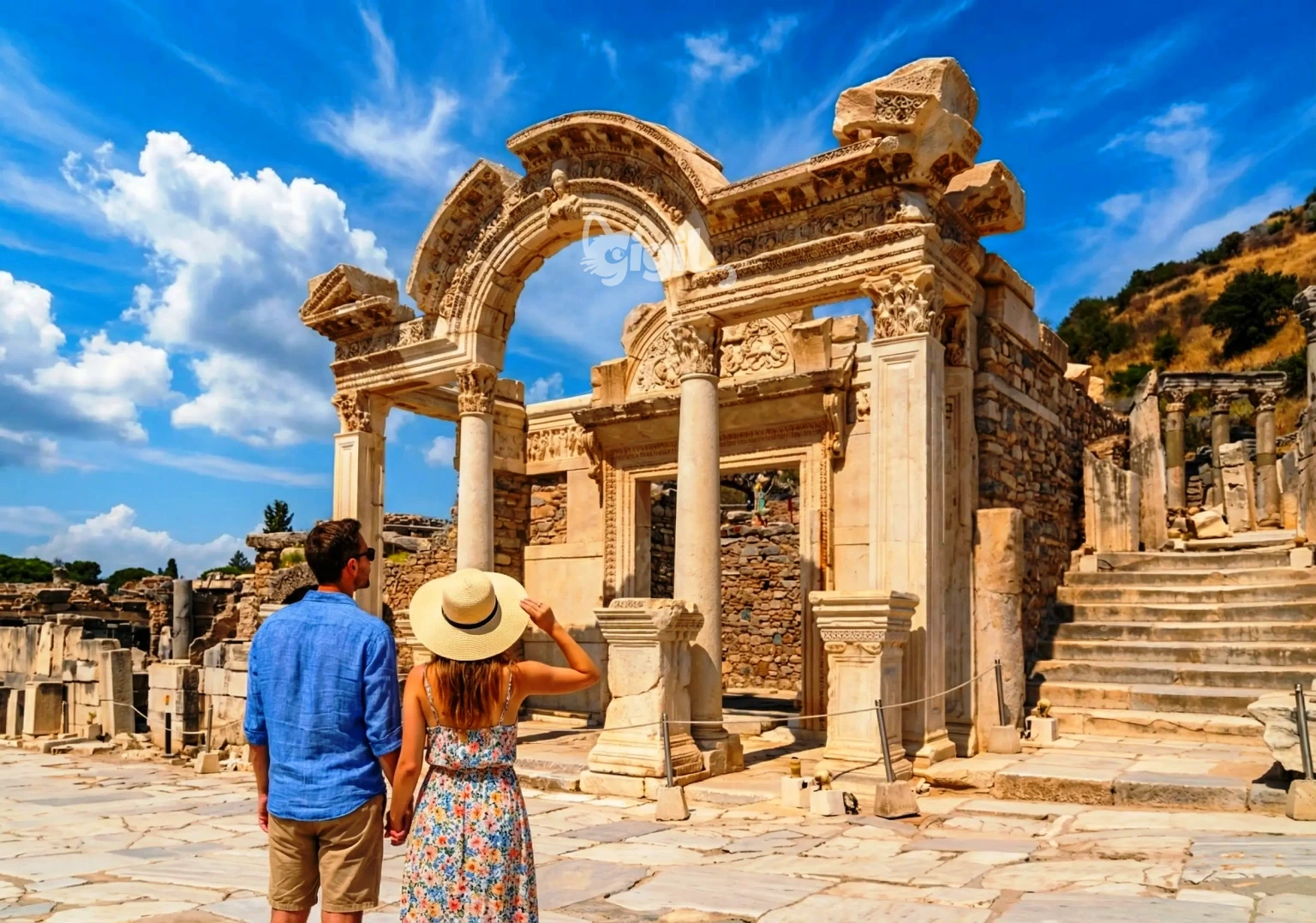
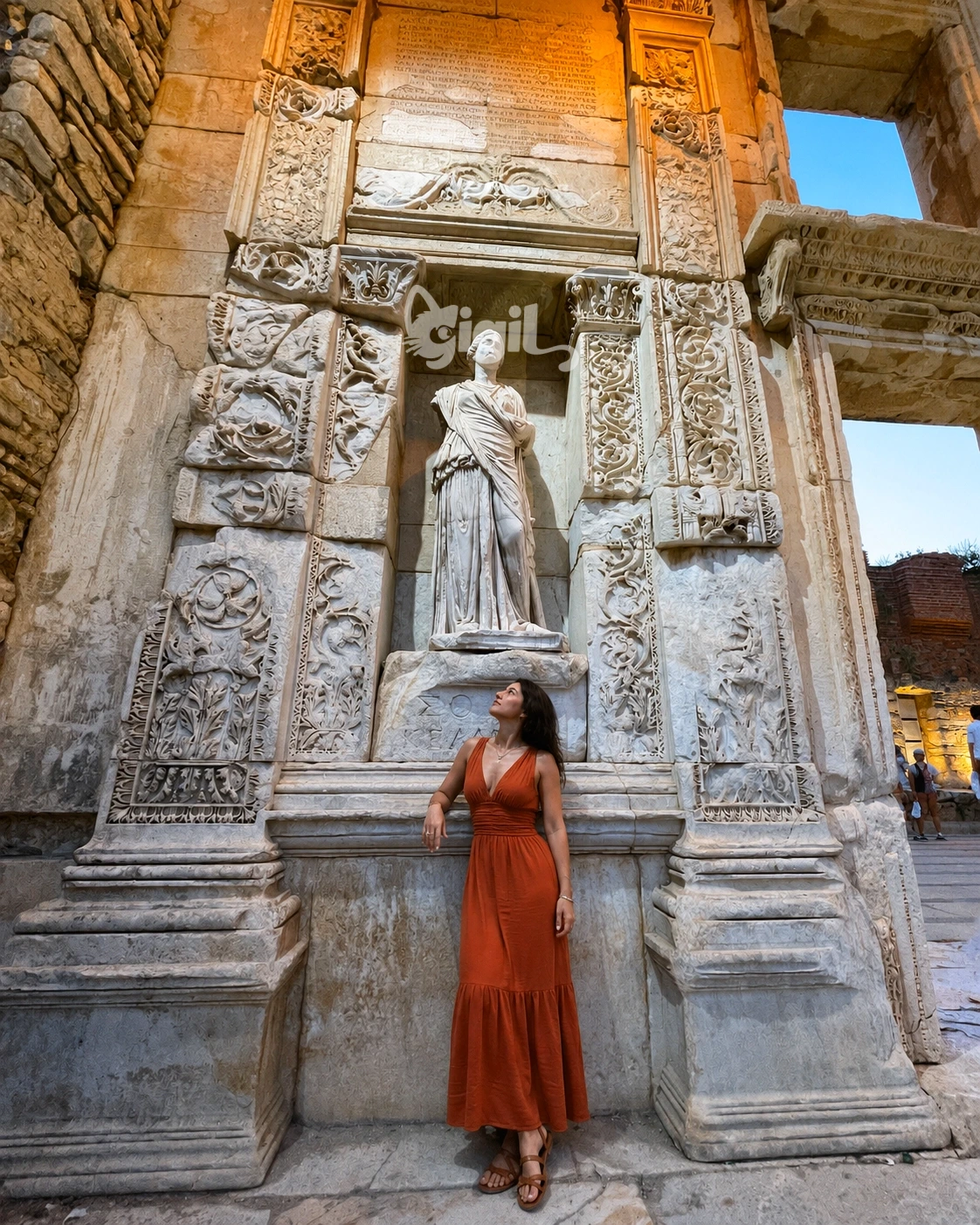


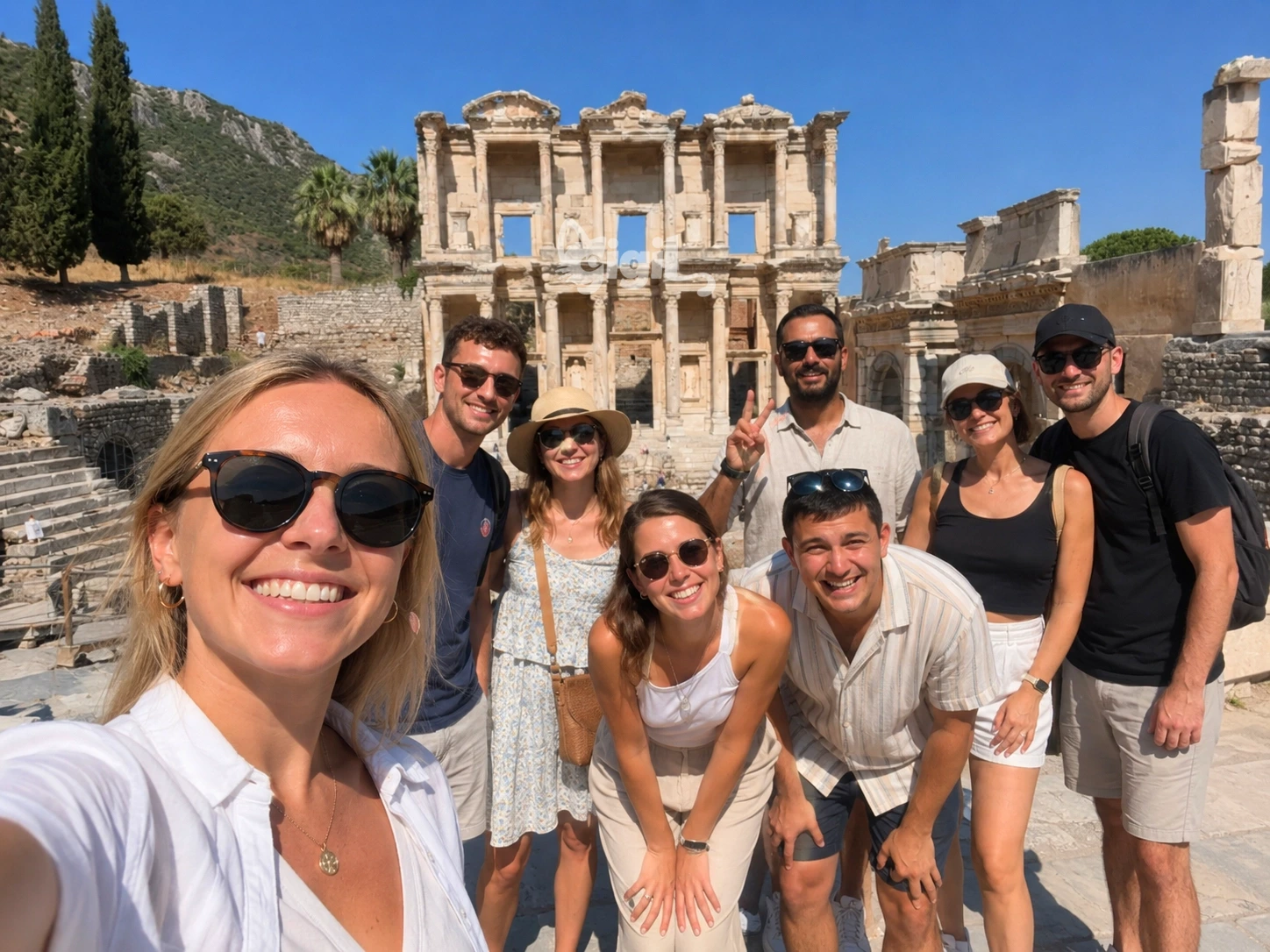
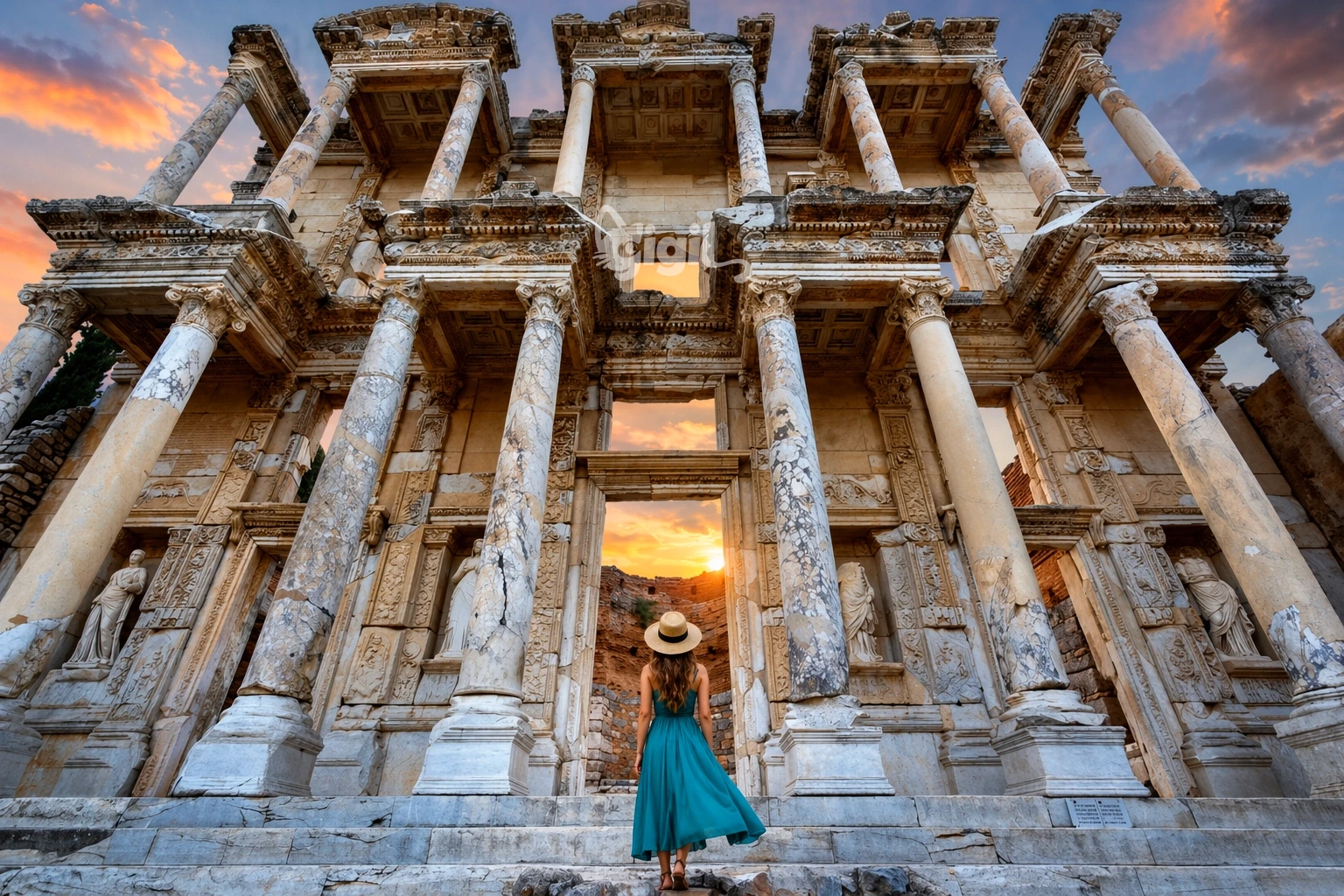
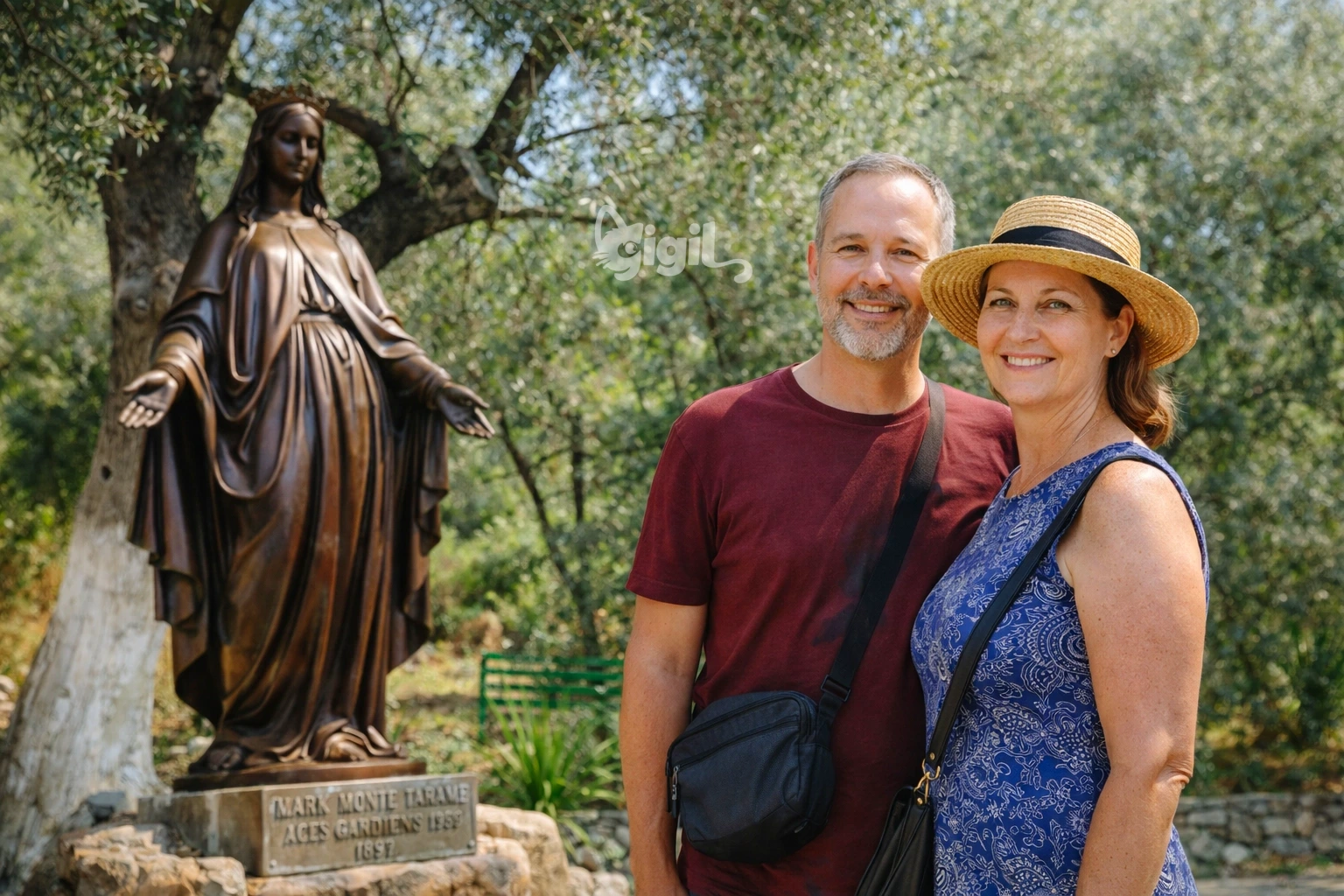
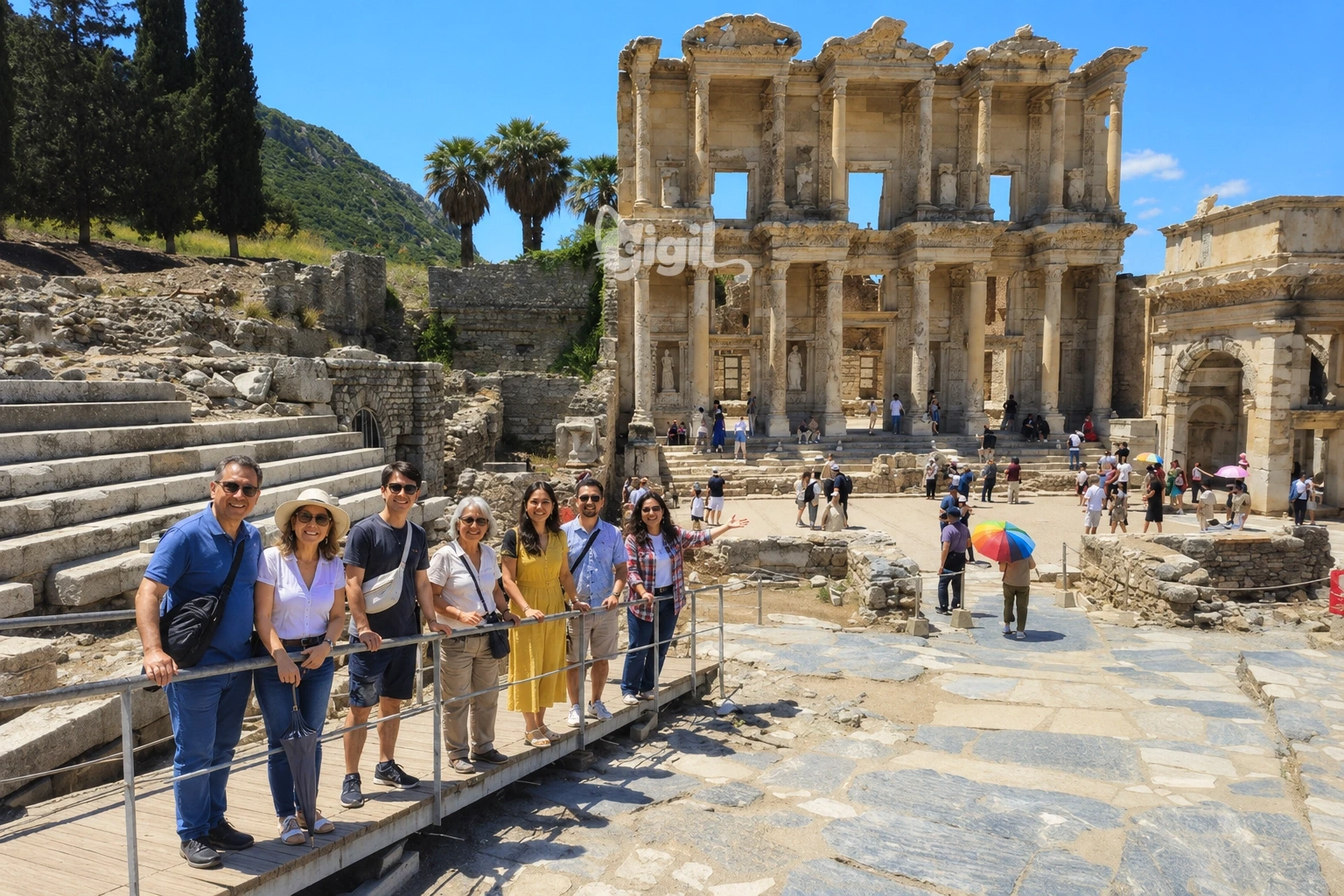
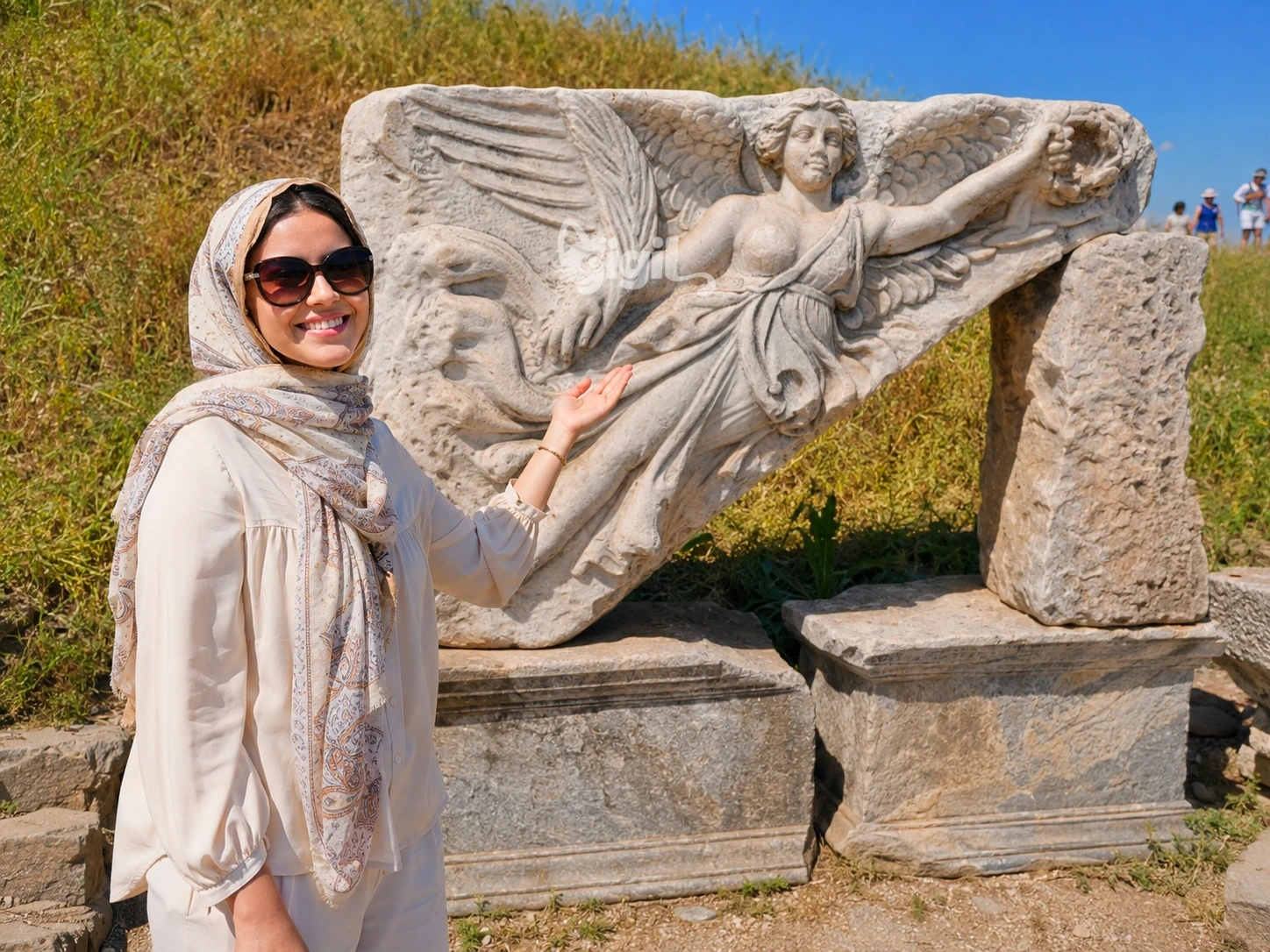
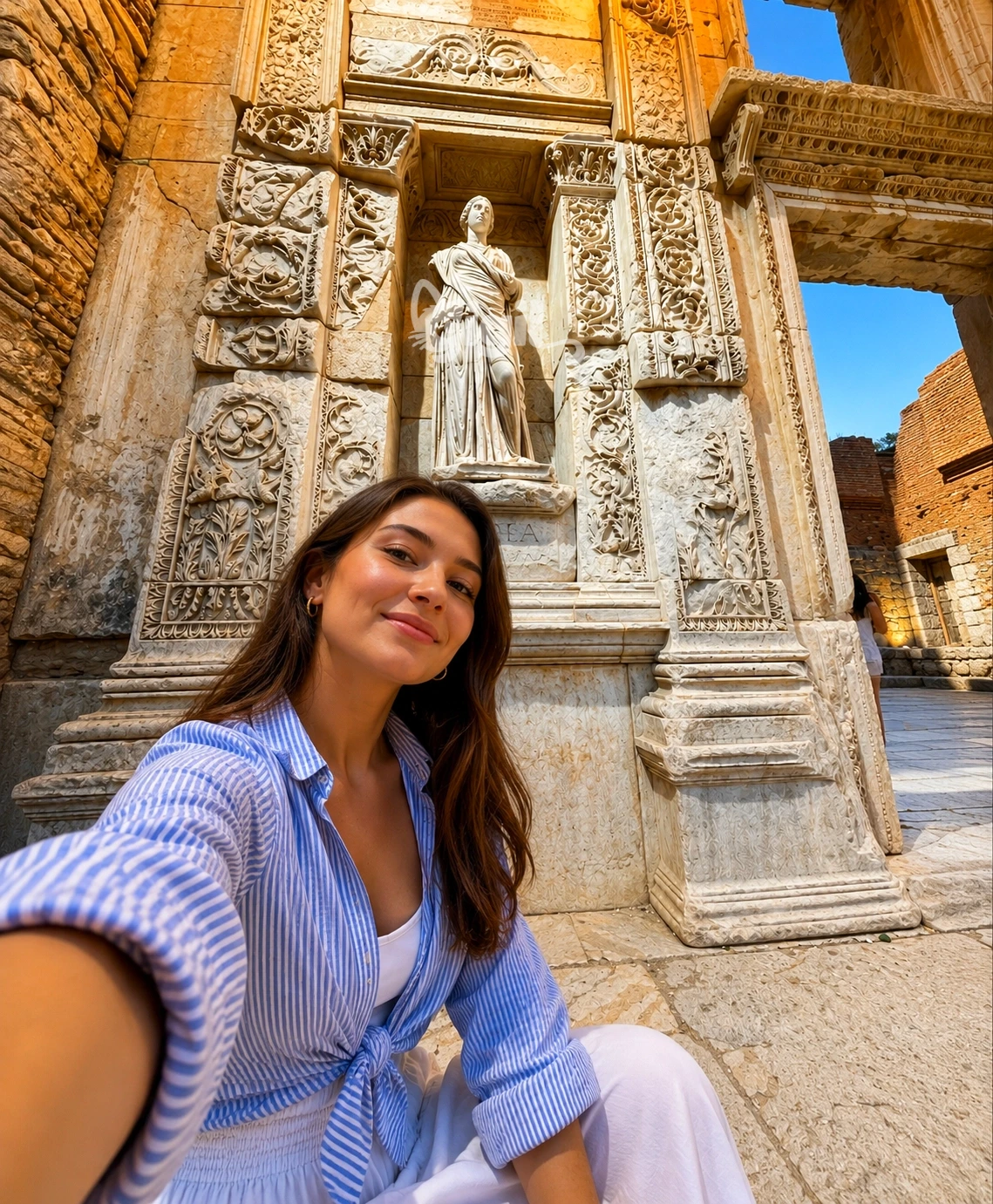
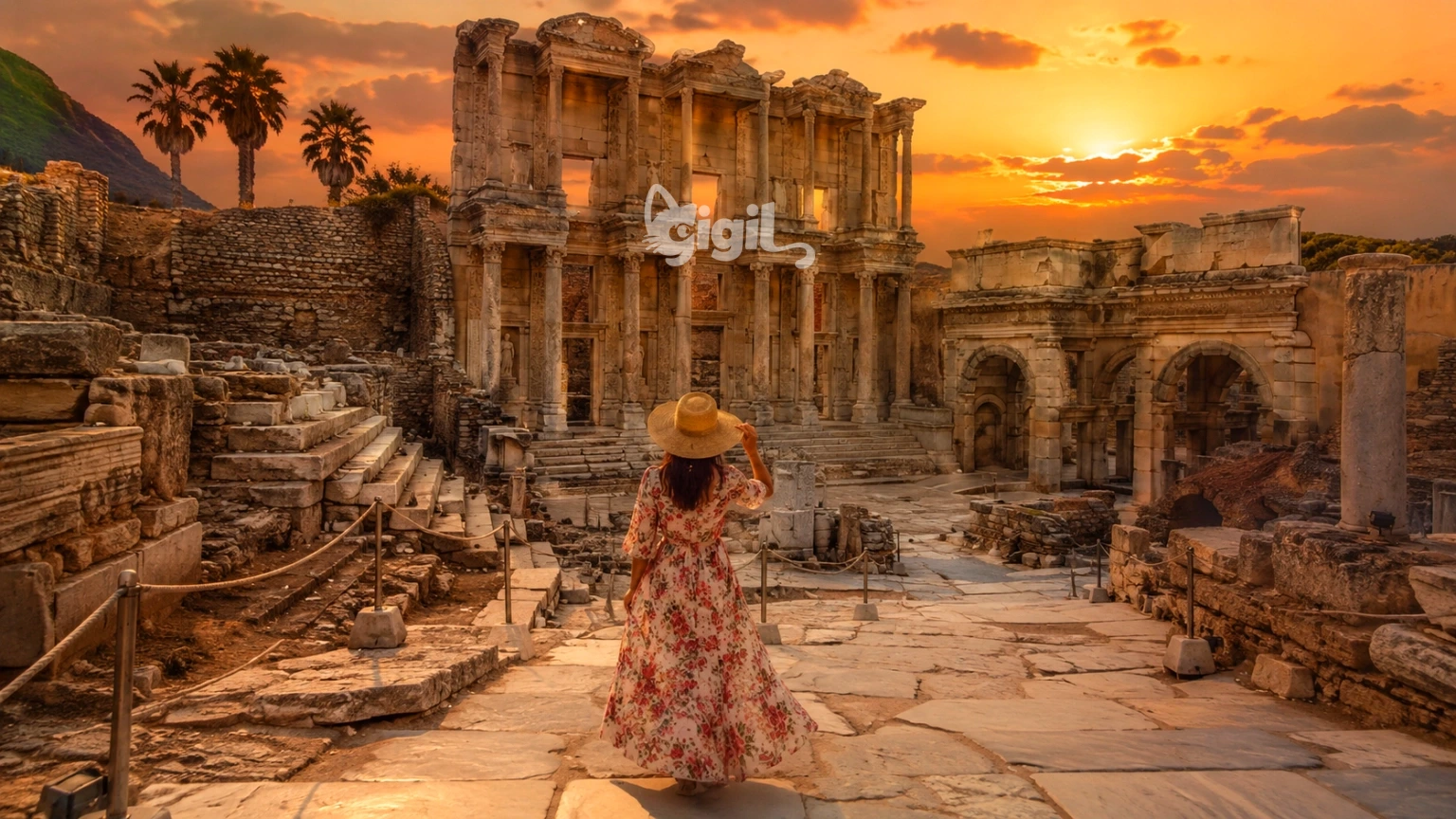
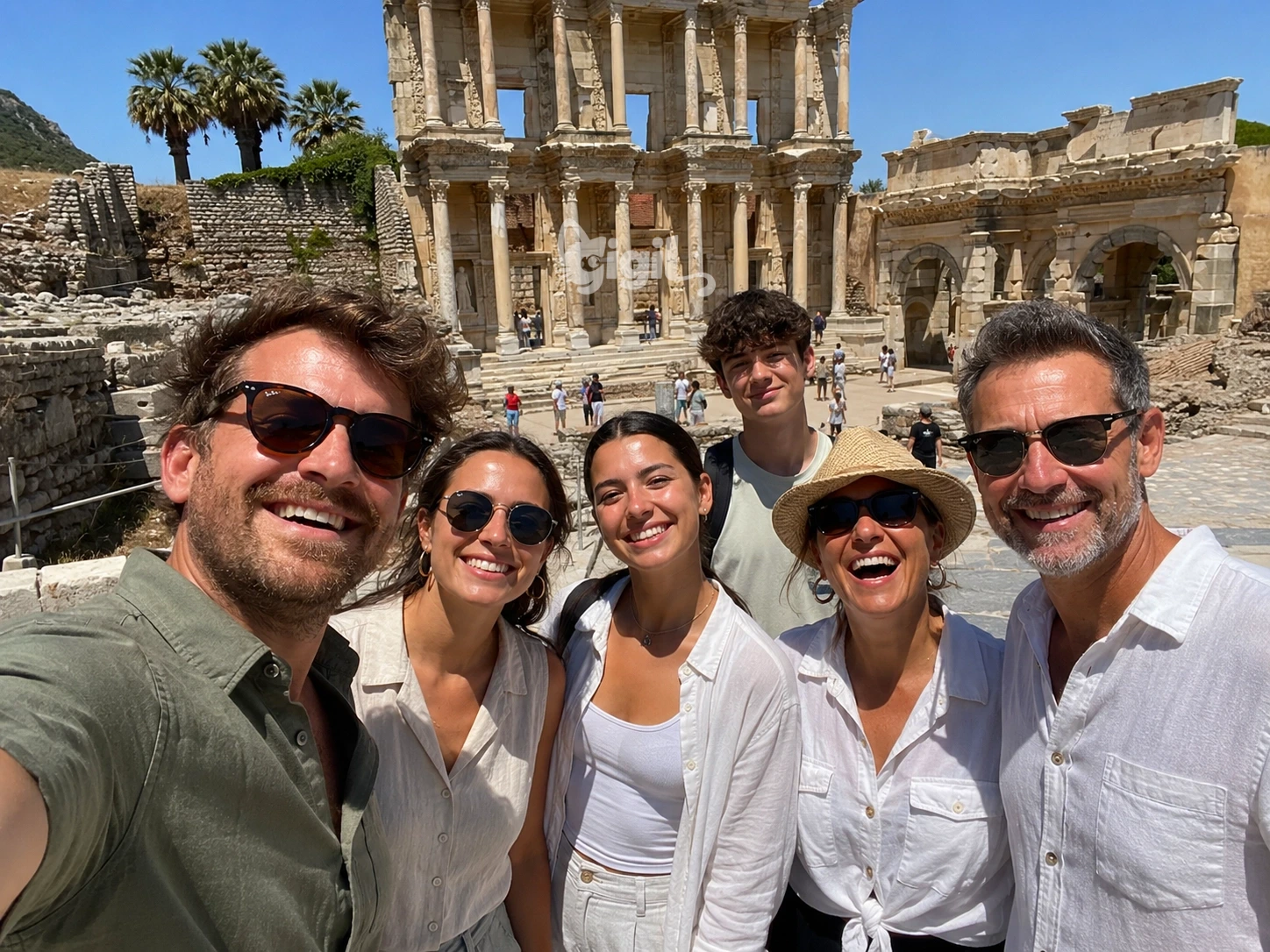
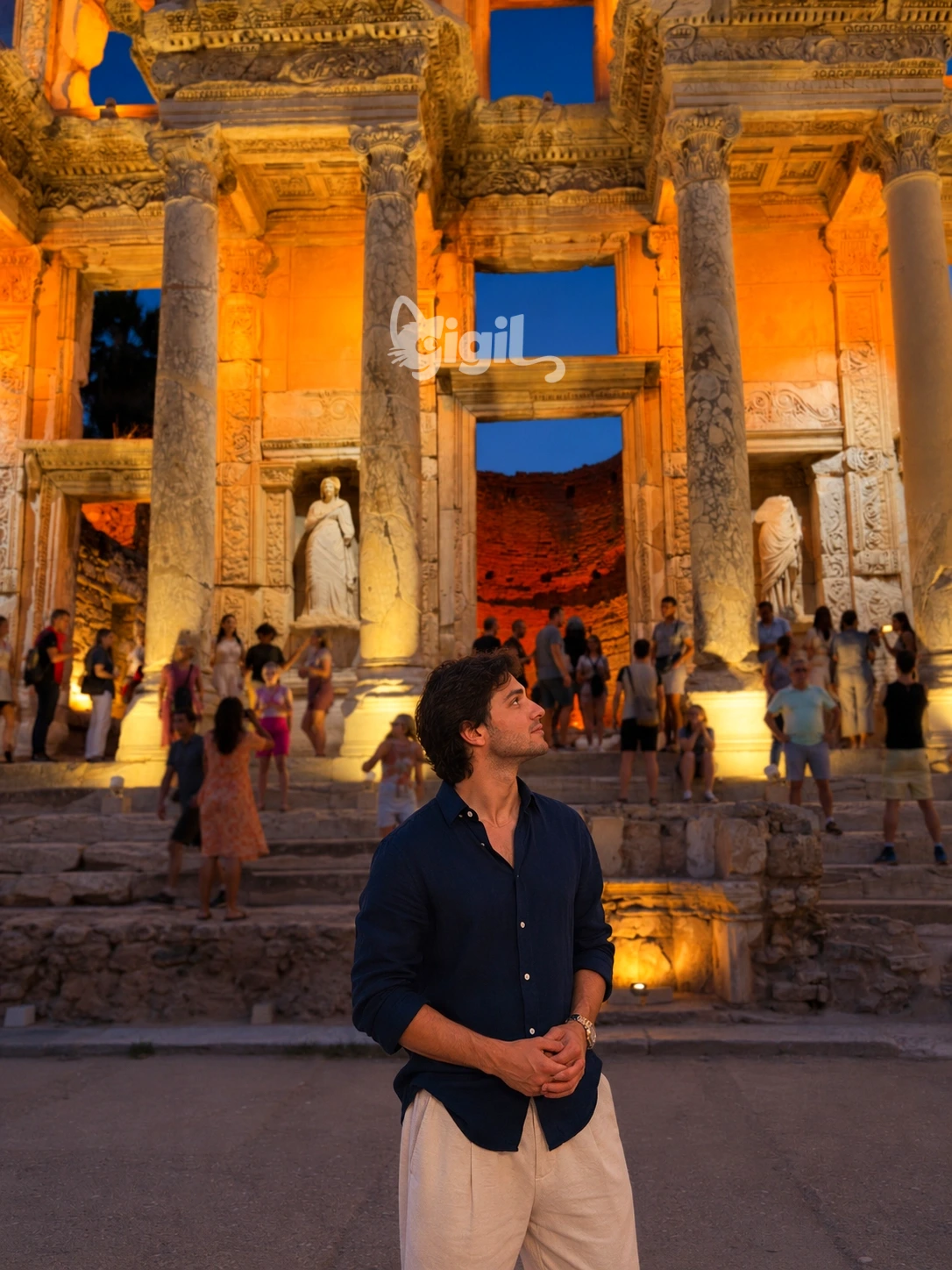

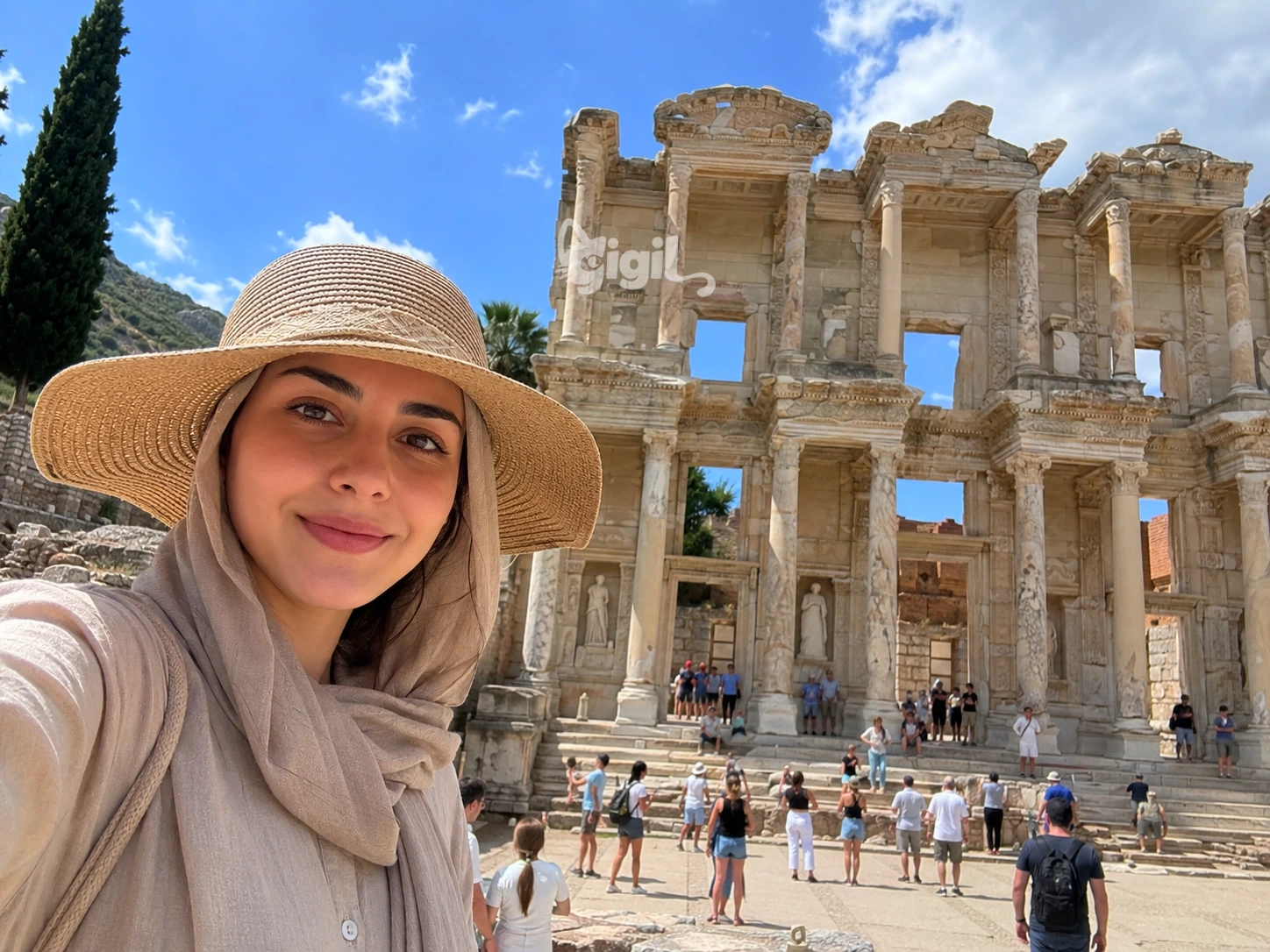

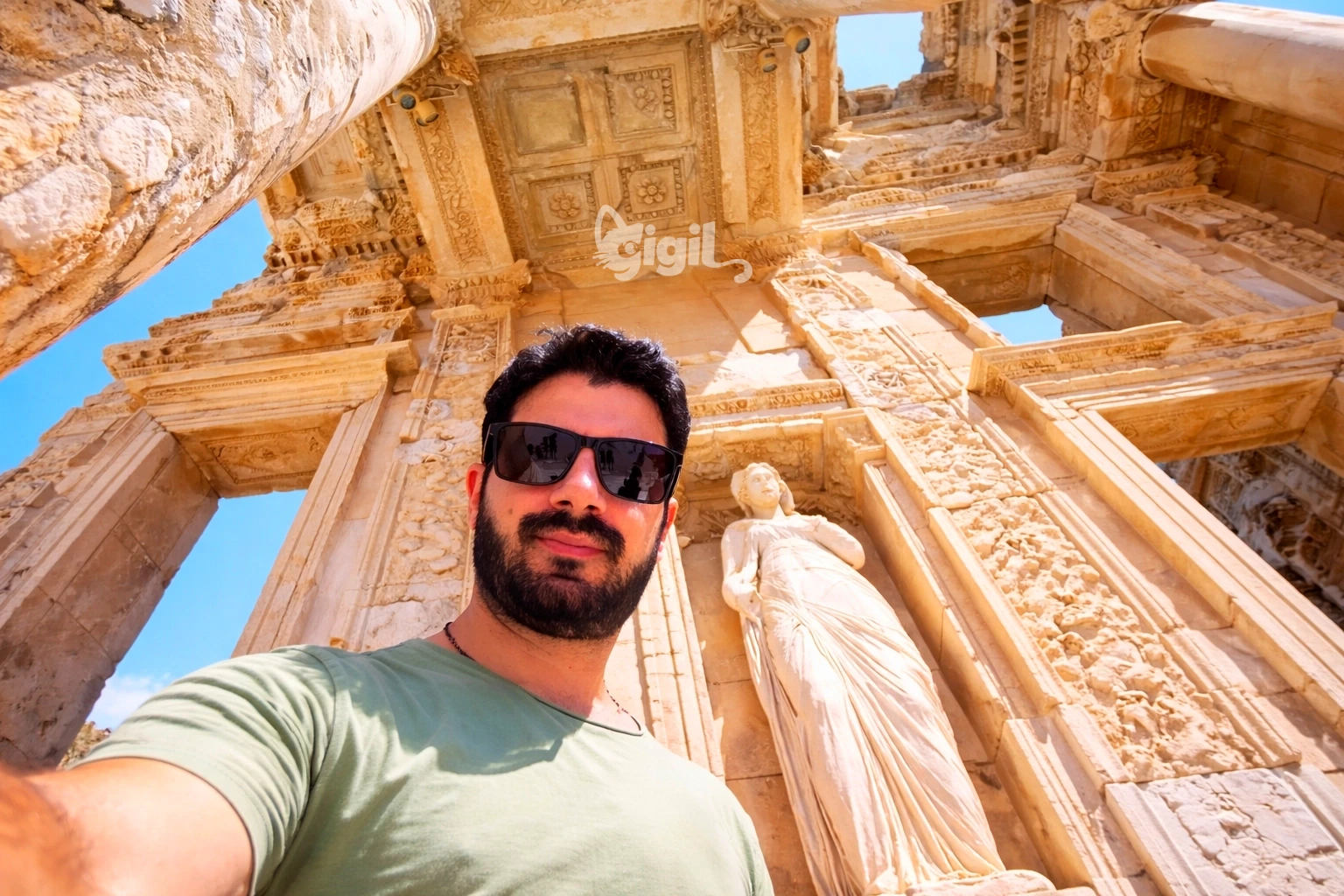
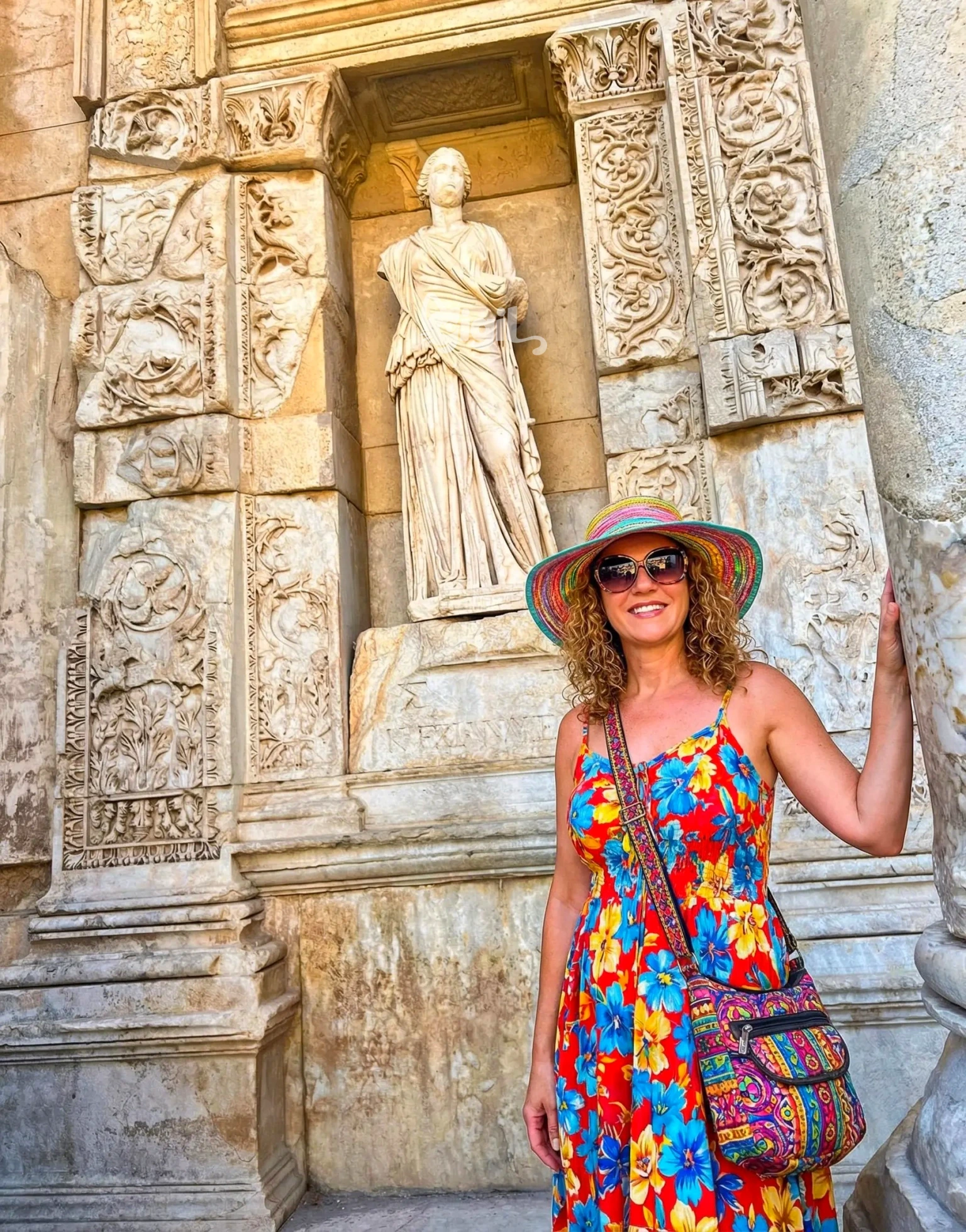

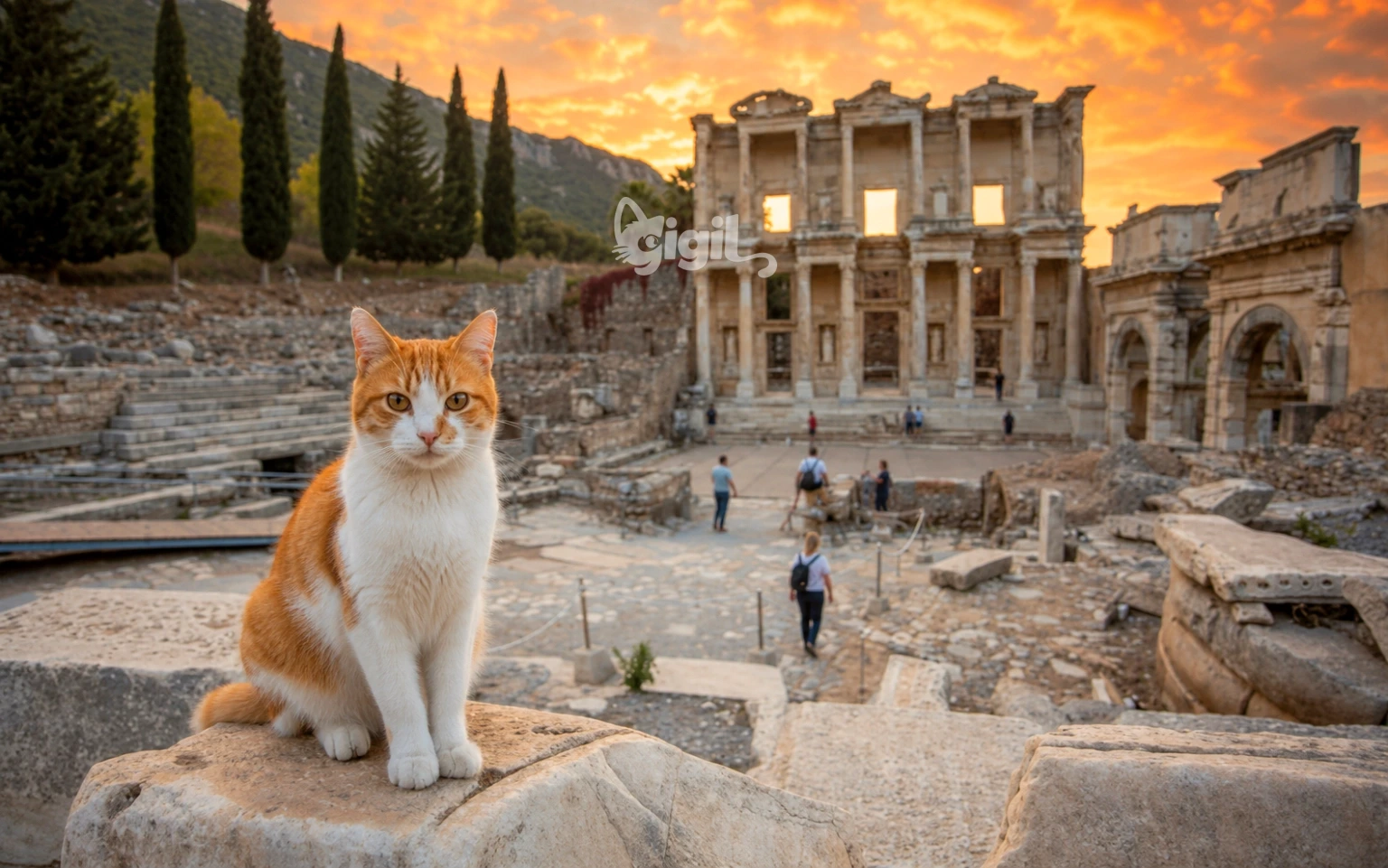
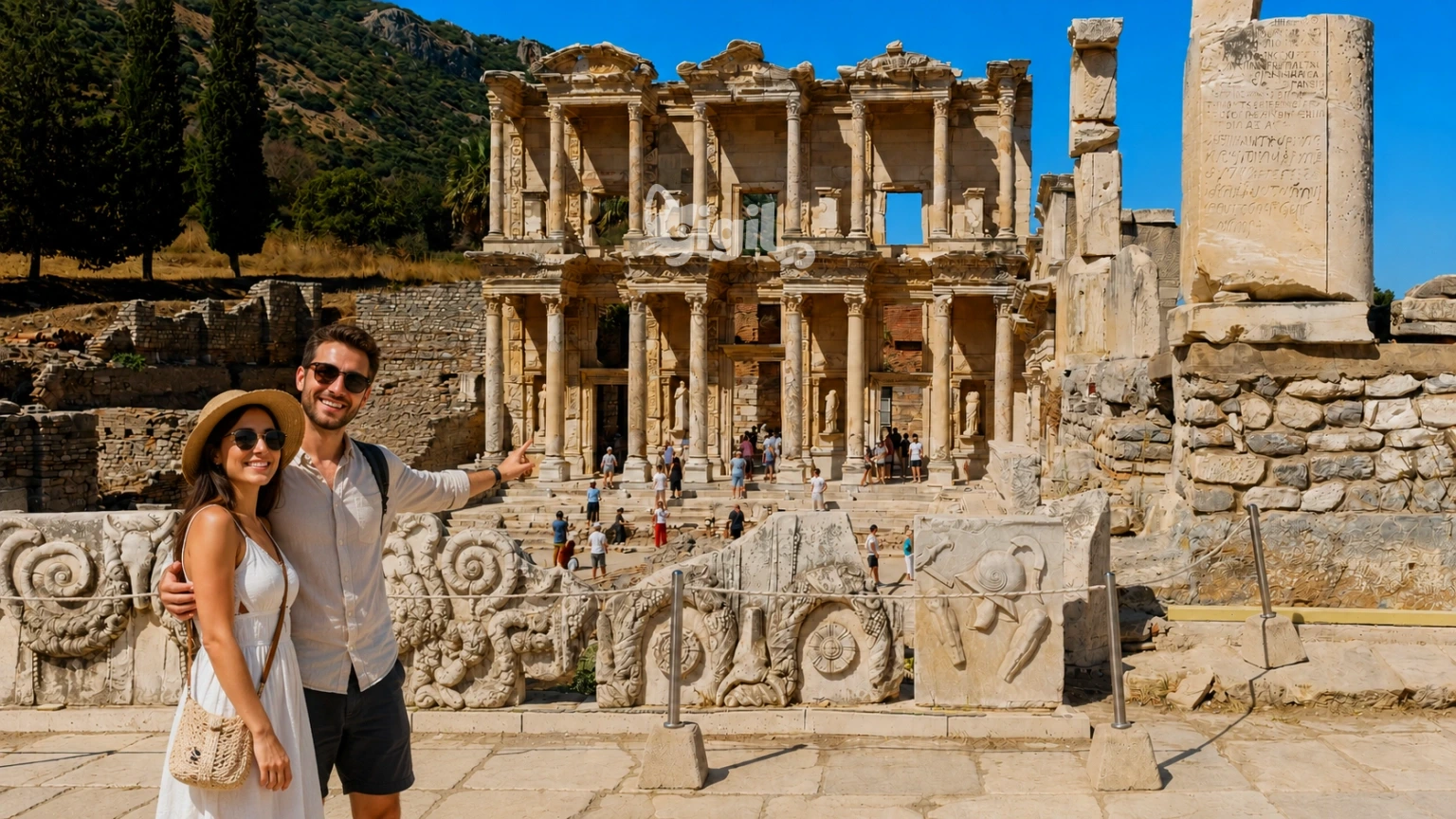
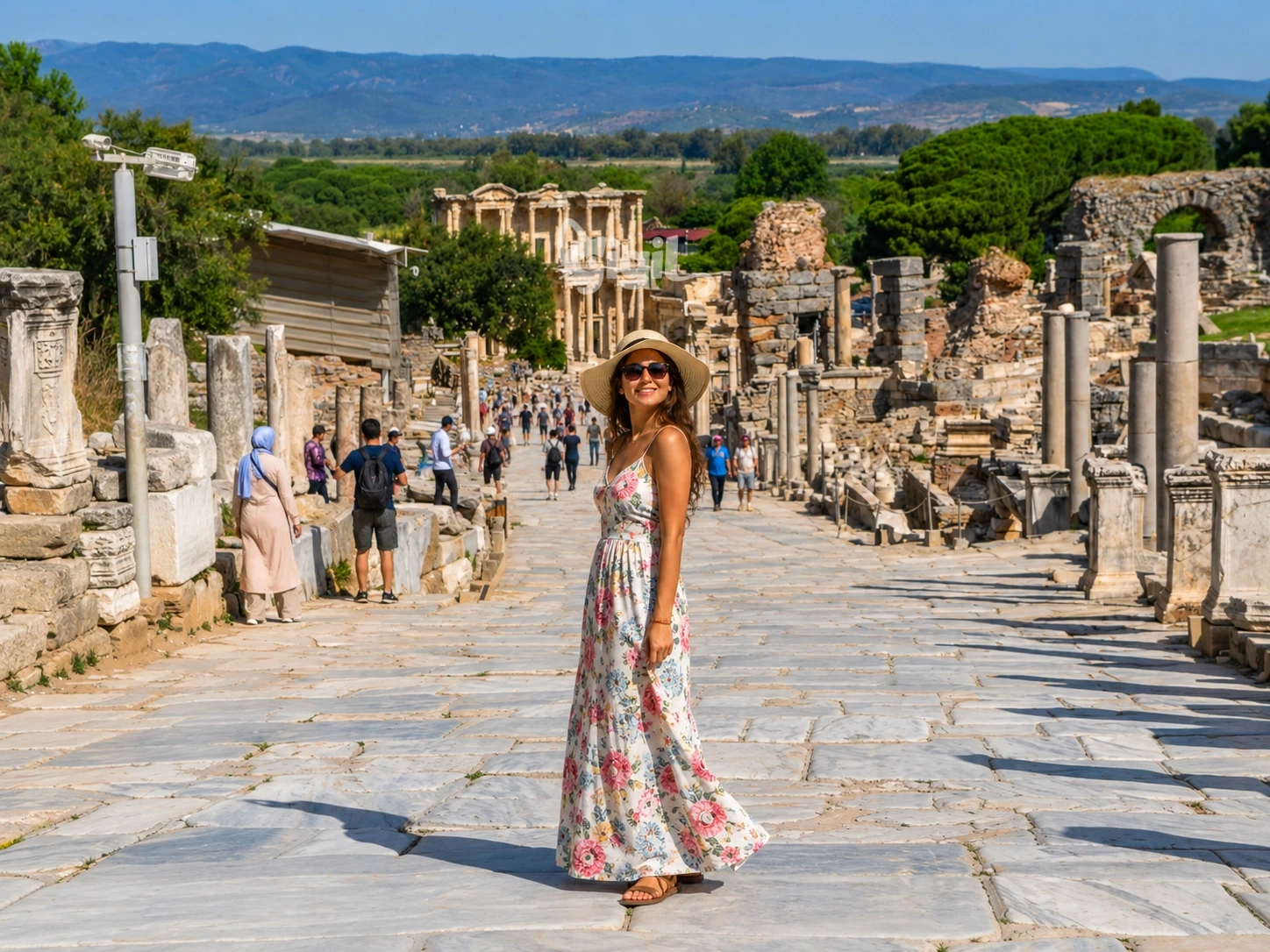
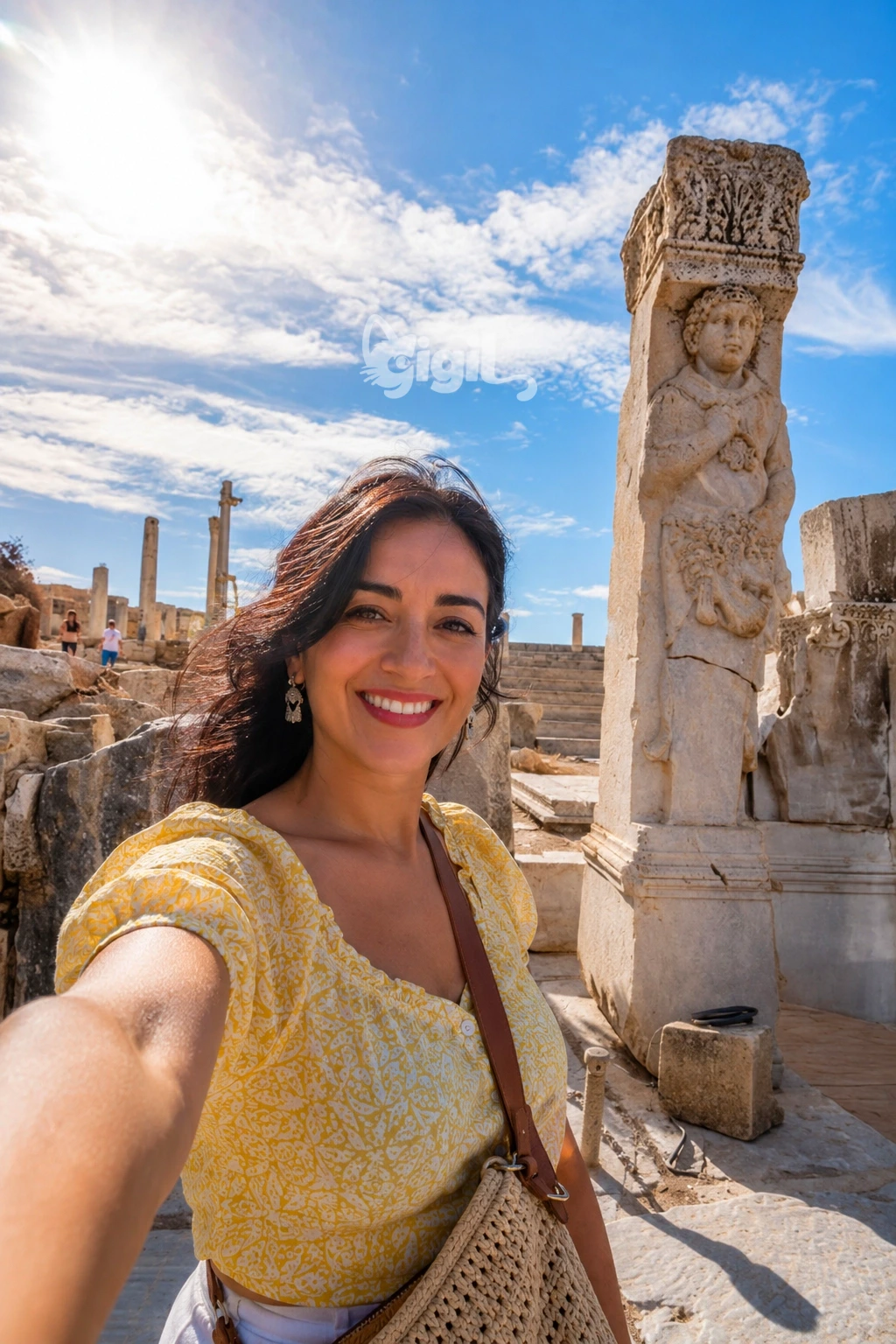
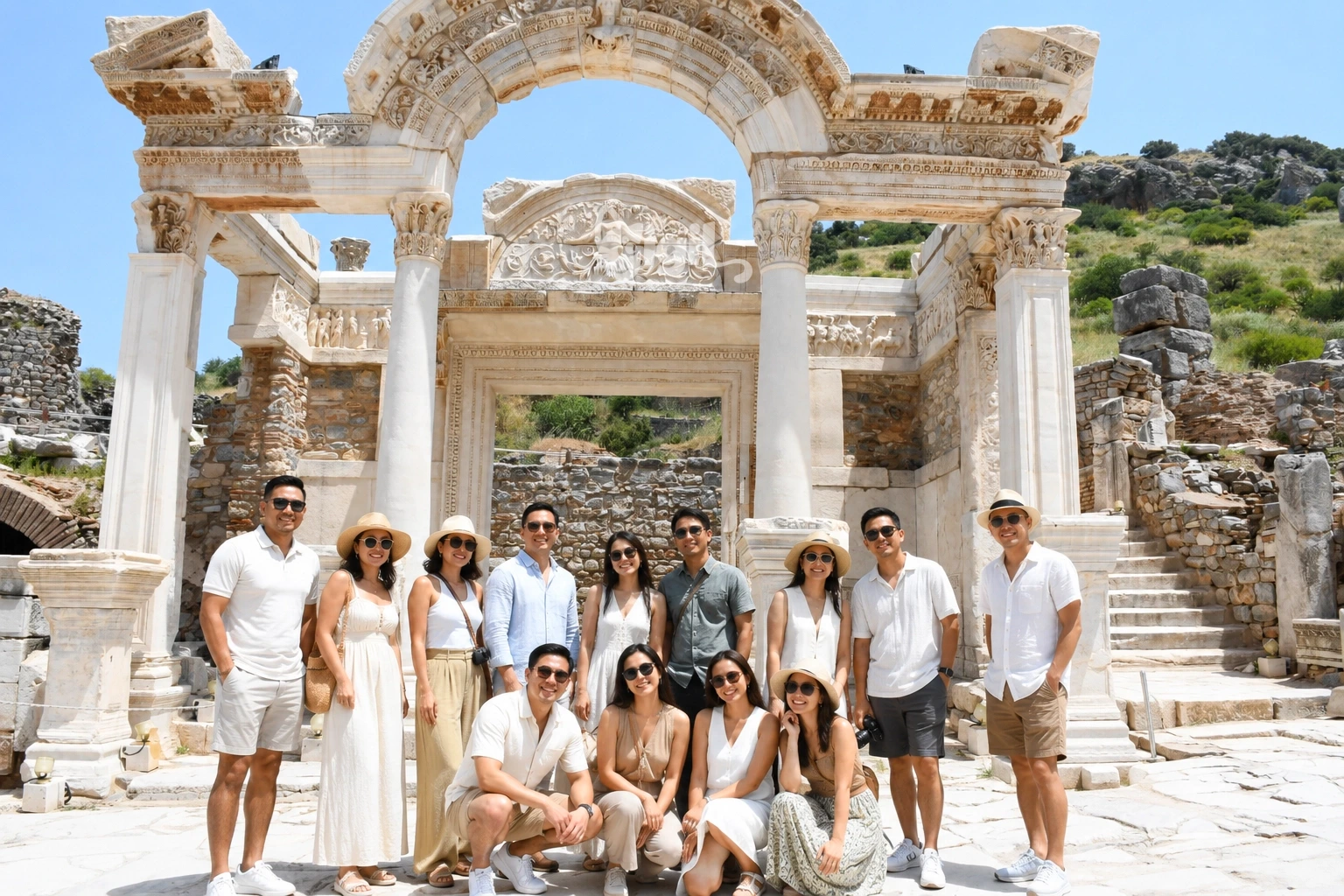



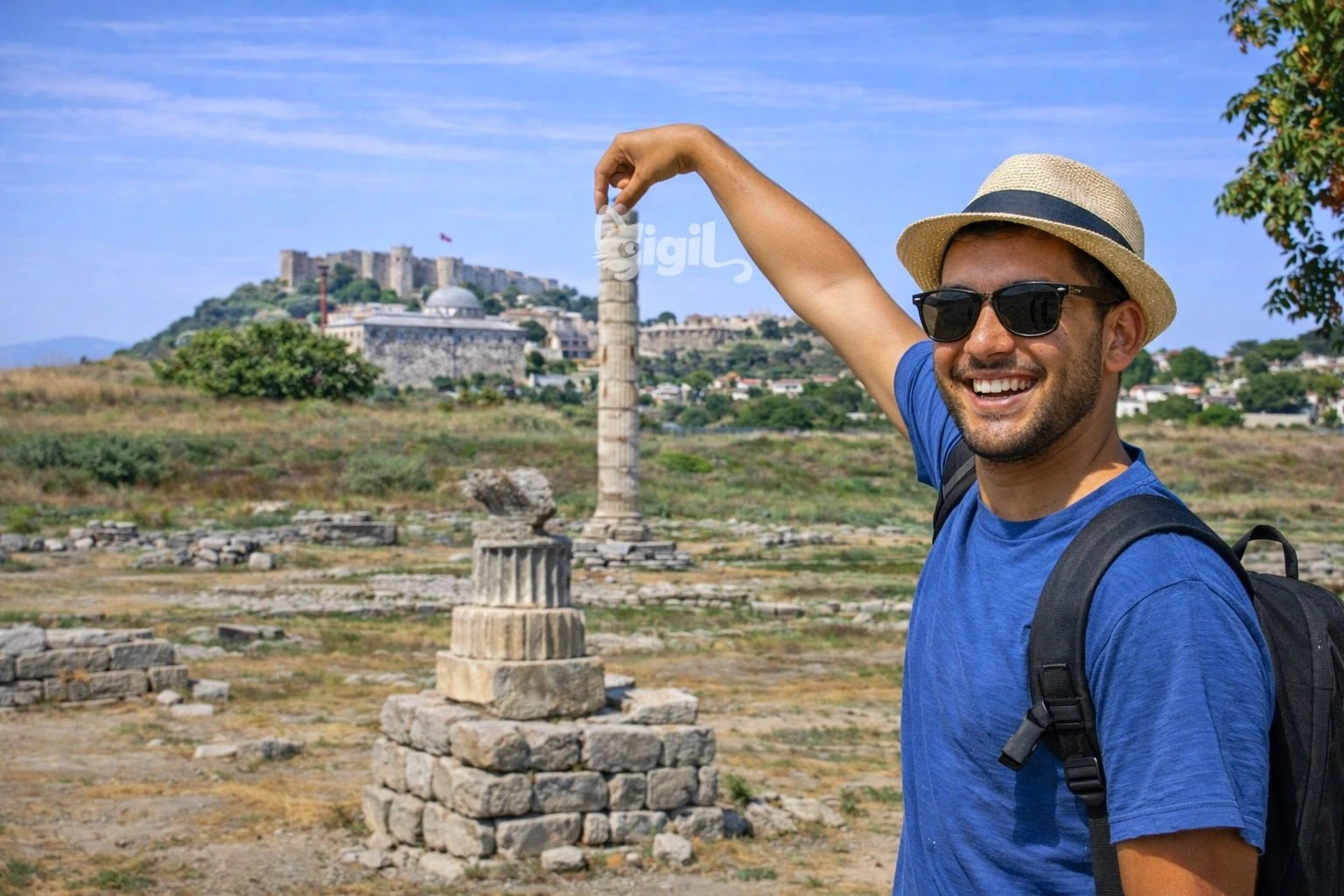

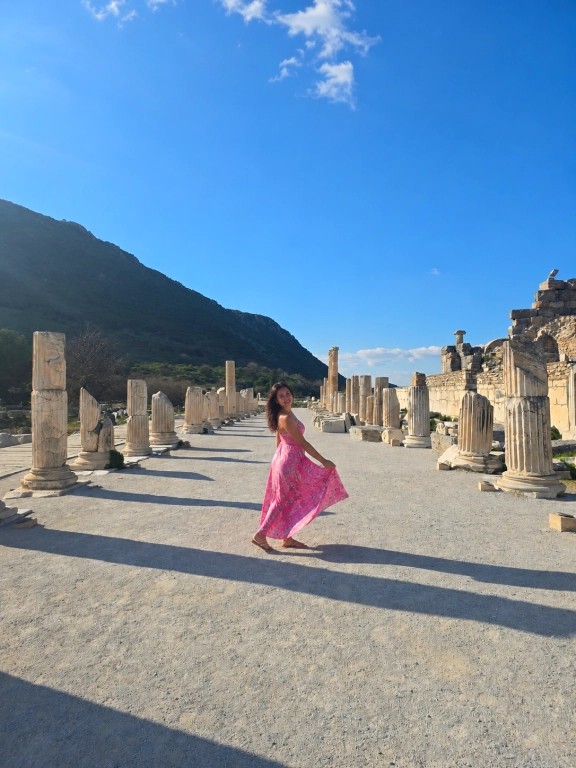

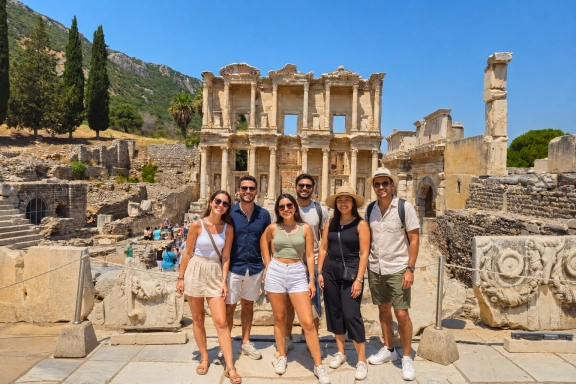
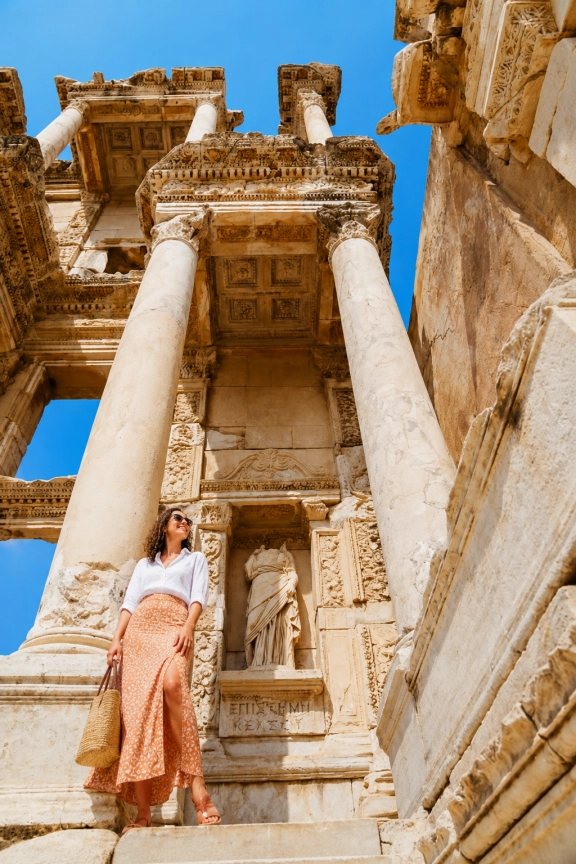
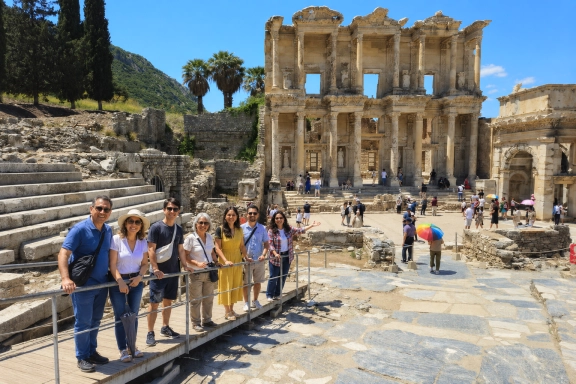
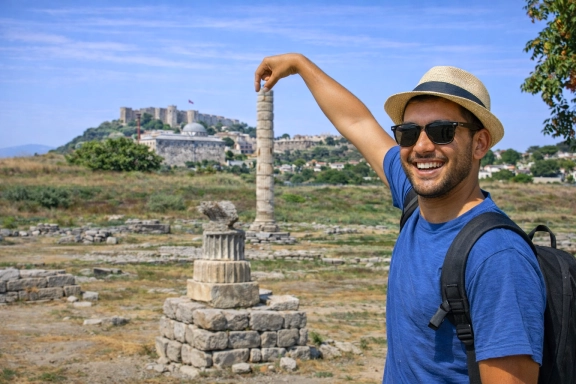

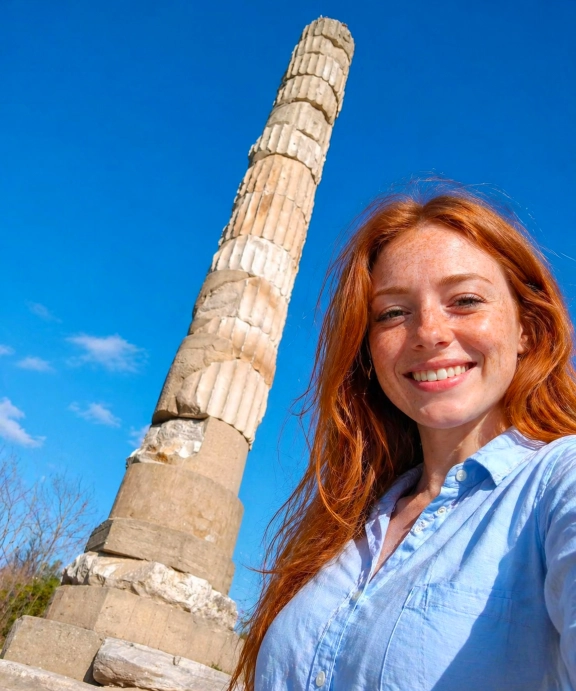

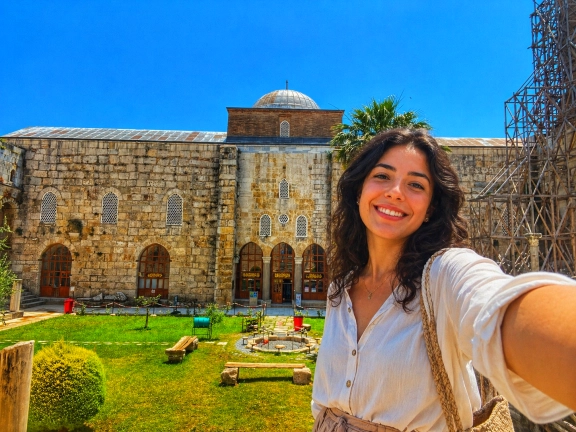
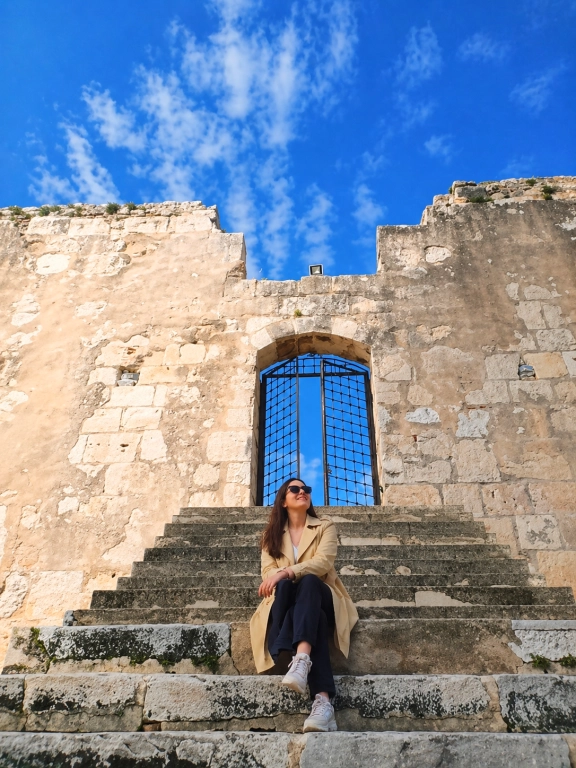



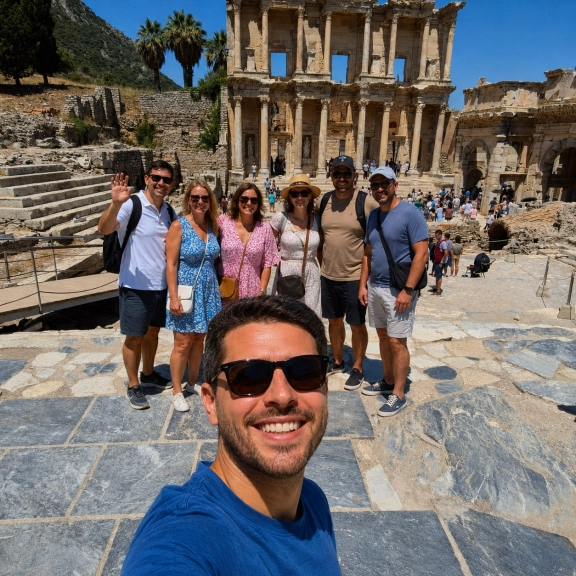
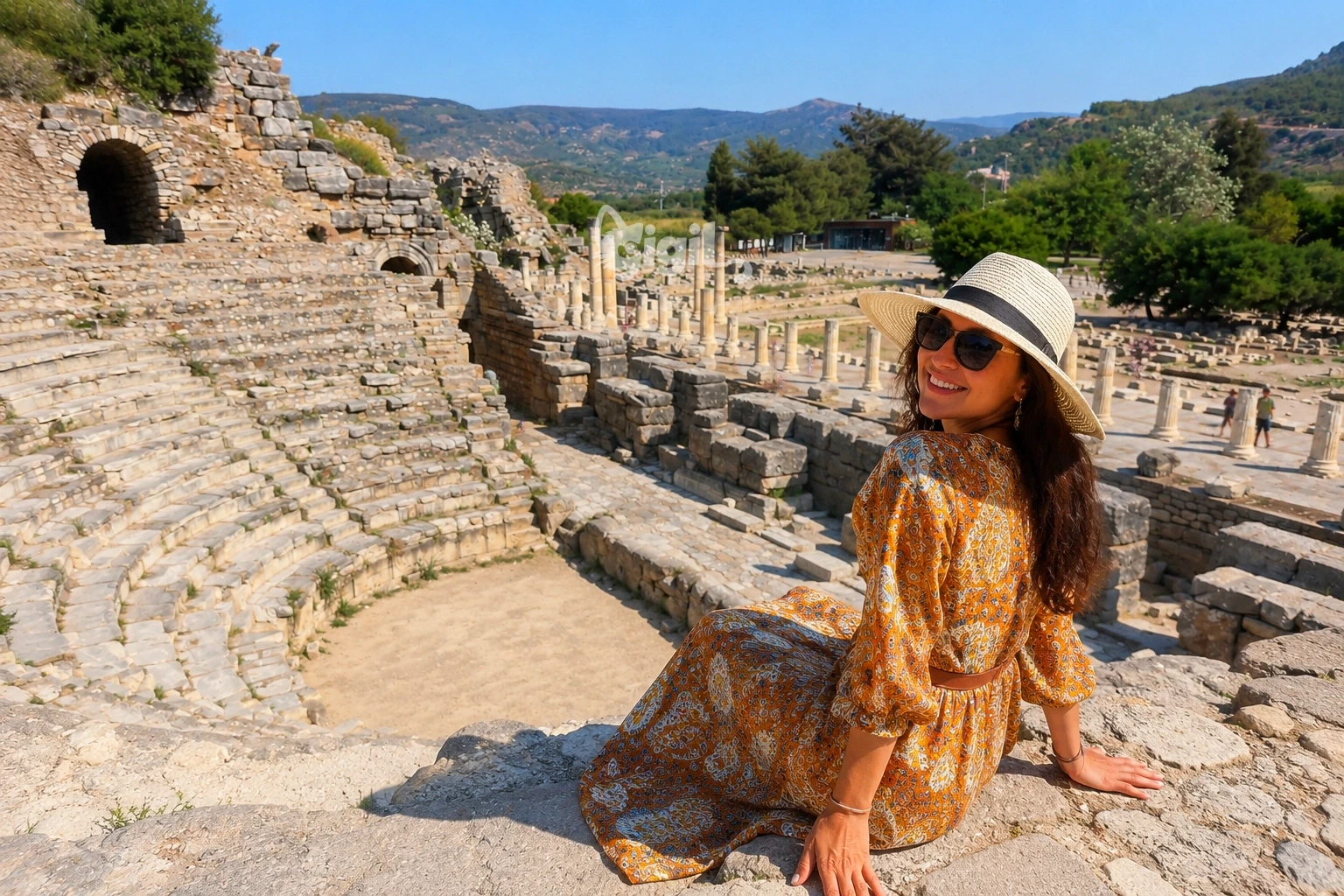
Ephesus Ancient City is the route's central historical experience. Streets, civic spaces, theatre remains, gates, inscriptions and the Library of Celsus reveal the structure of a major Roman city and its public life.
Think of Ephesus as a connected city rather than separate ruins. Its monuments, street lines and former harbor story show how geography, trade, religion and status shaped one of the region's most important ancient centers.
Questions
Why is Ephesus the main ancient site on the route?
Ephesus shows the layout of a major ancient city through streets, civic spaces, theatre remains, inscriptions and monumental architecture.
Which features best explain Ephesus?
The Library of Celsus, theatre, marble streets, gates, agora areas and inscriptions help explain how the city worked and how public life was displayed.
Why was the harbor important for Ephesus?
The harbor supported trade and influence, helping Ephesus become a major city. Natural change later moved the coastline away from the site.
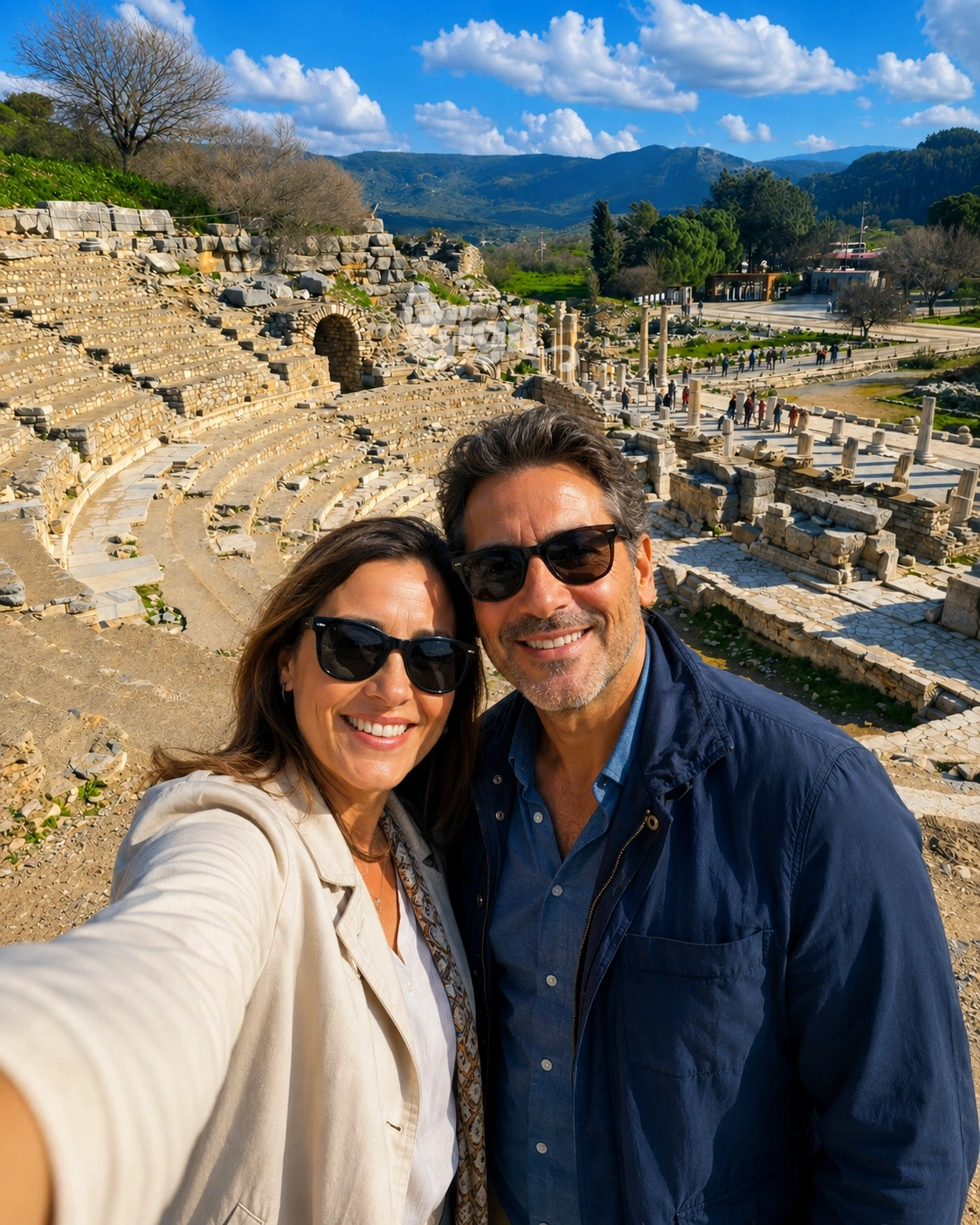
How should restored sections be viewed?
They should be viewed as archaeological interpretation and conservation. They help visitors imagine the city while original remains remain central to the experience.