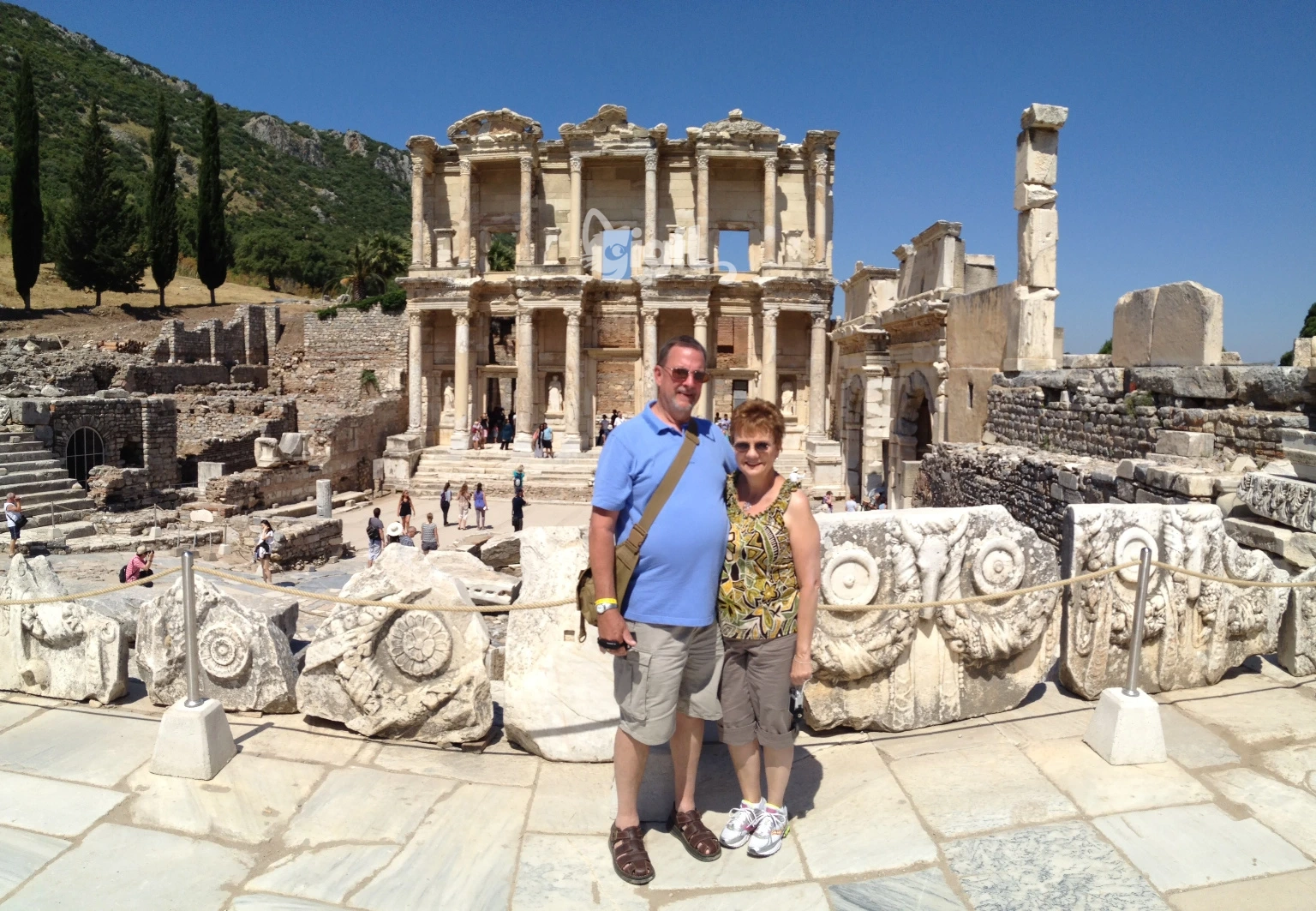
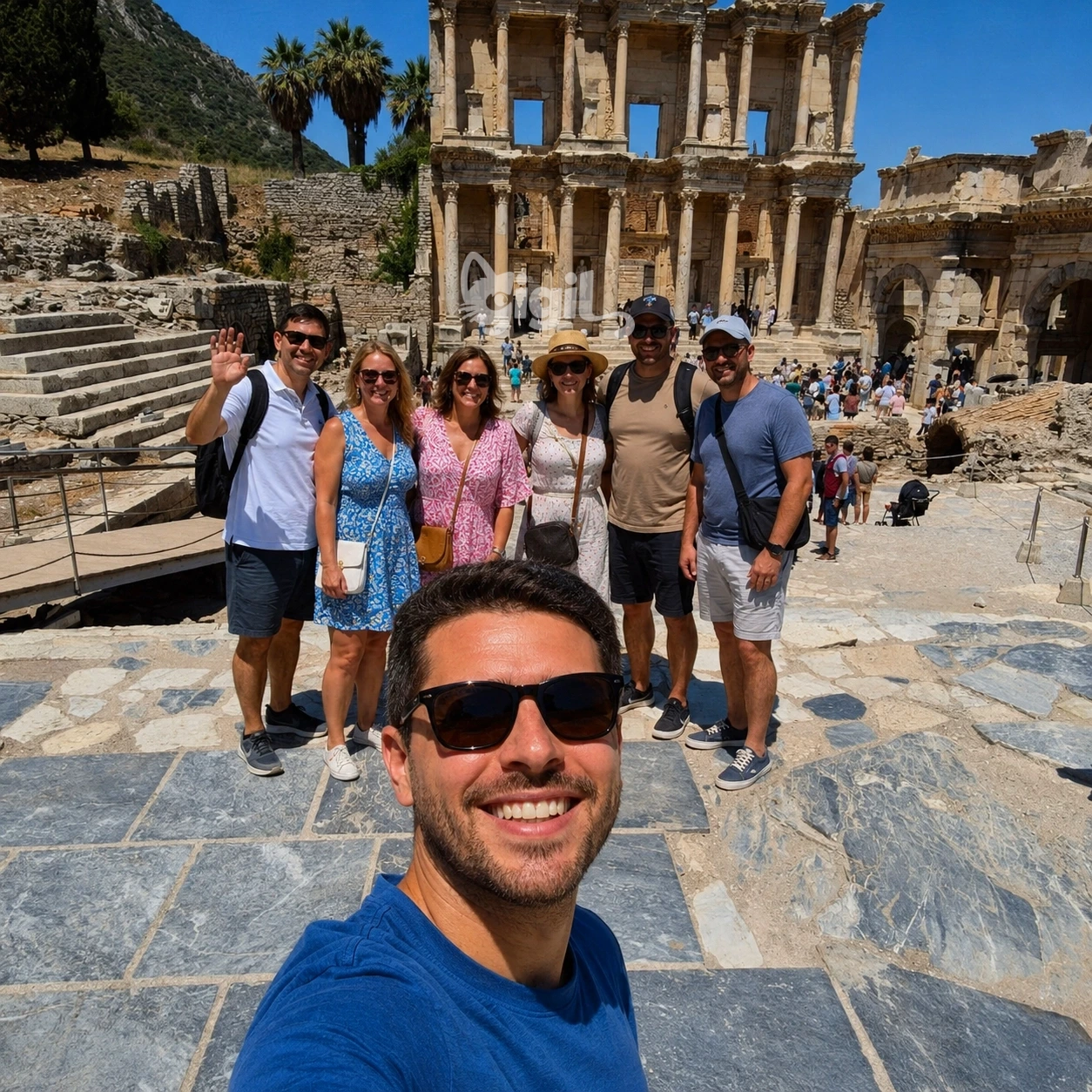
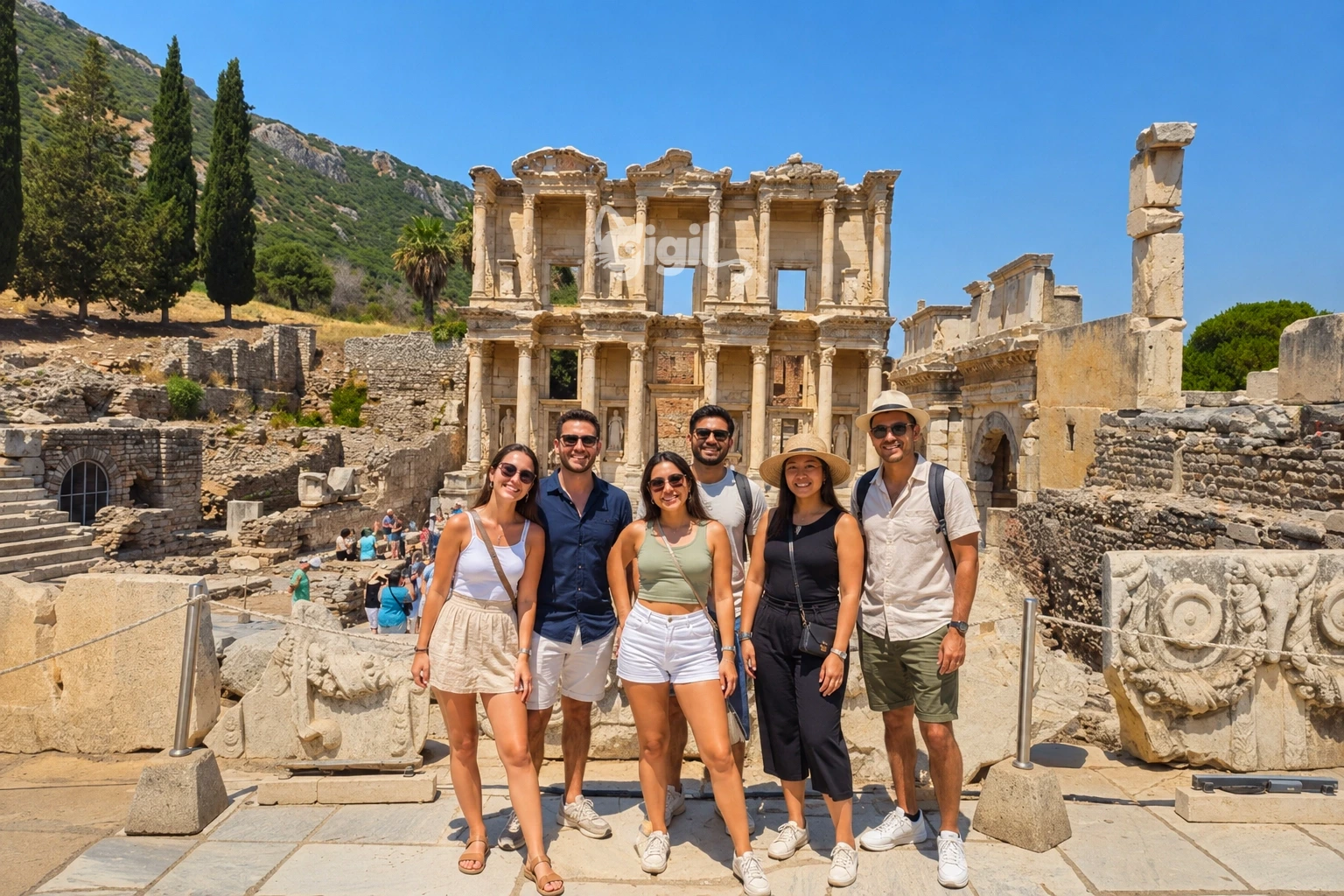
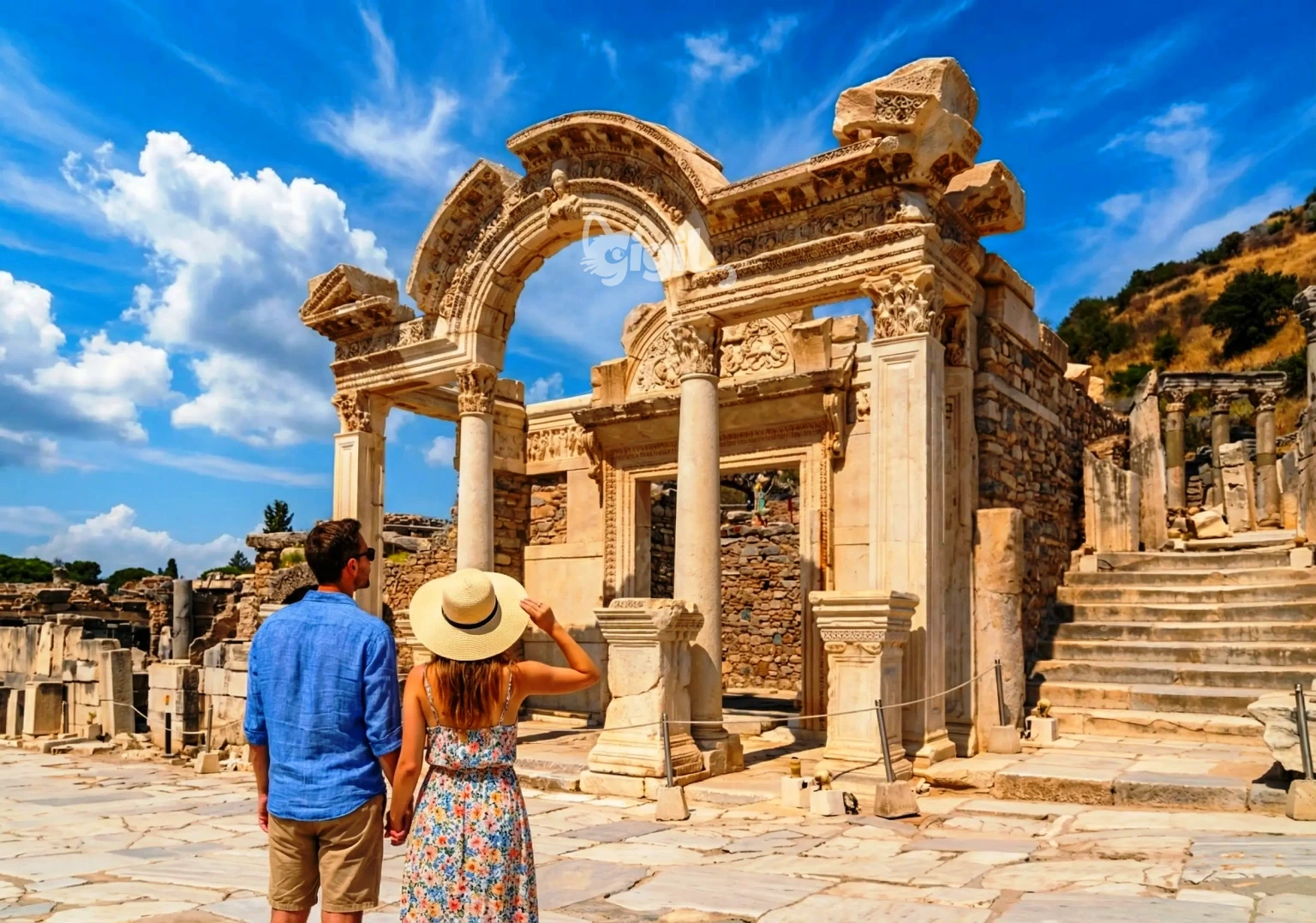
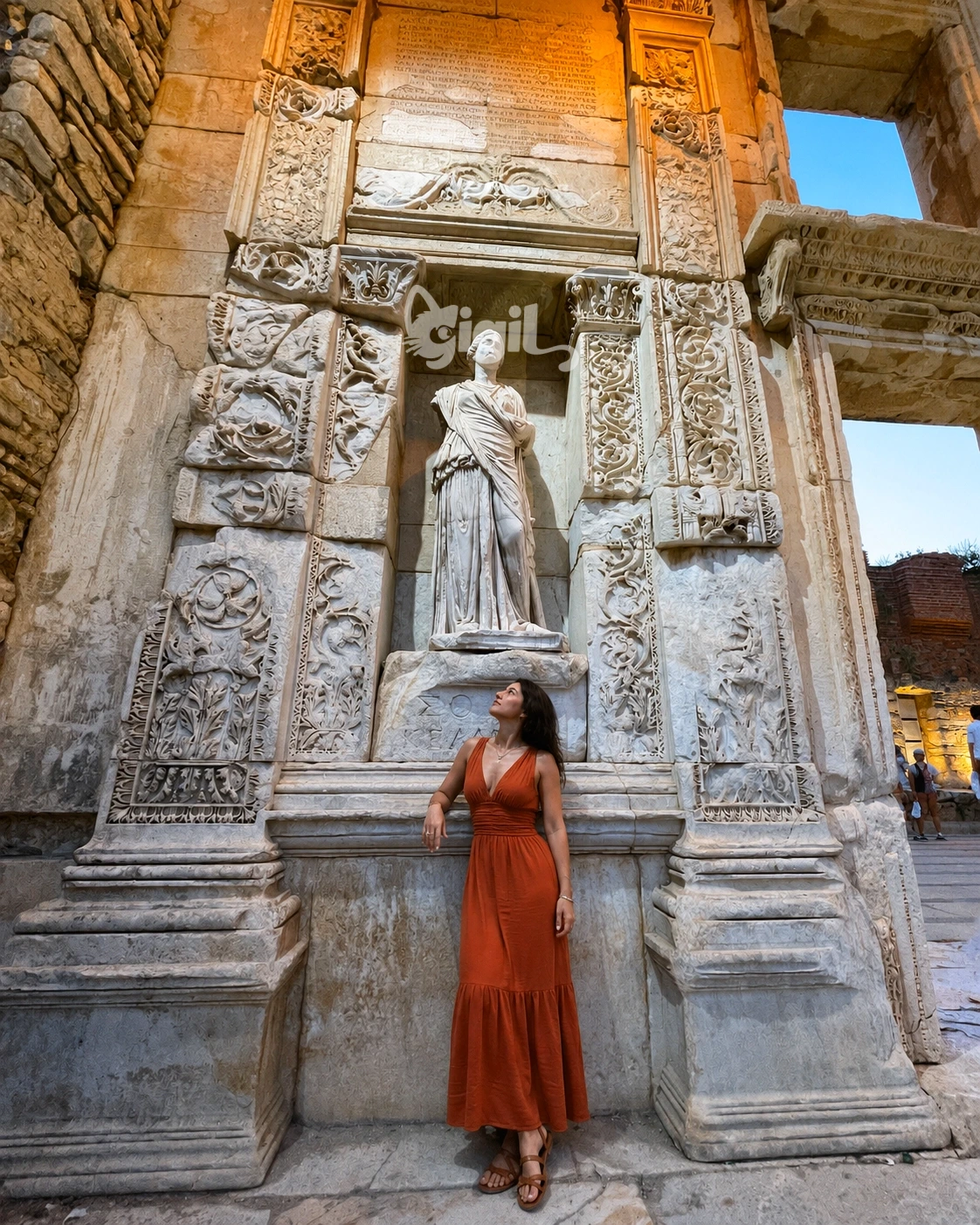
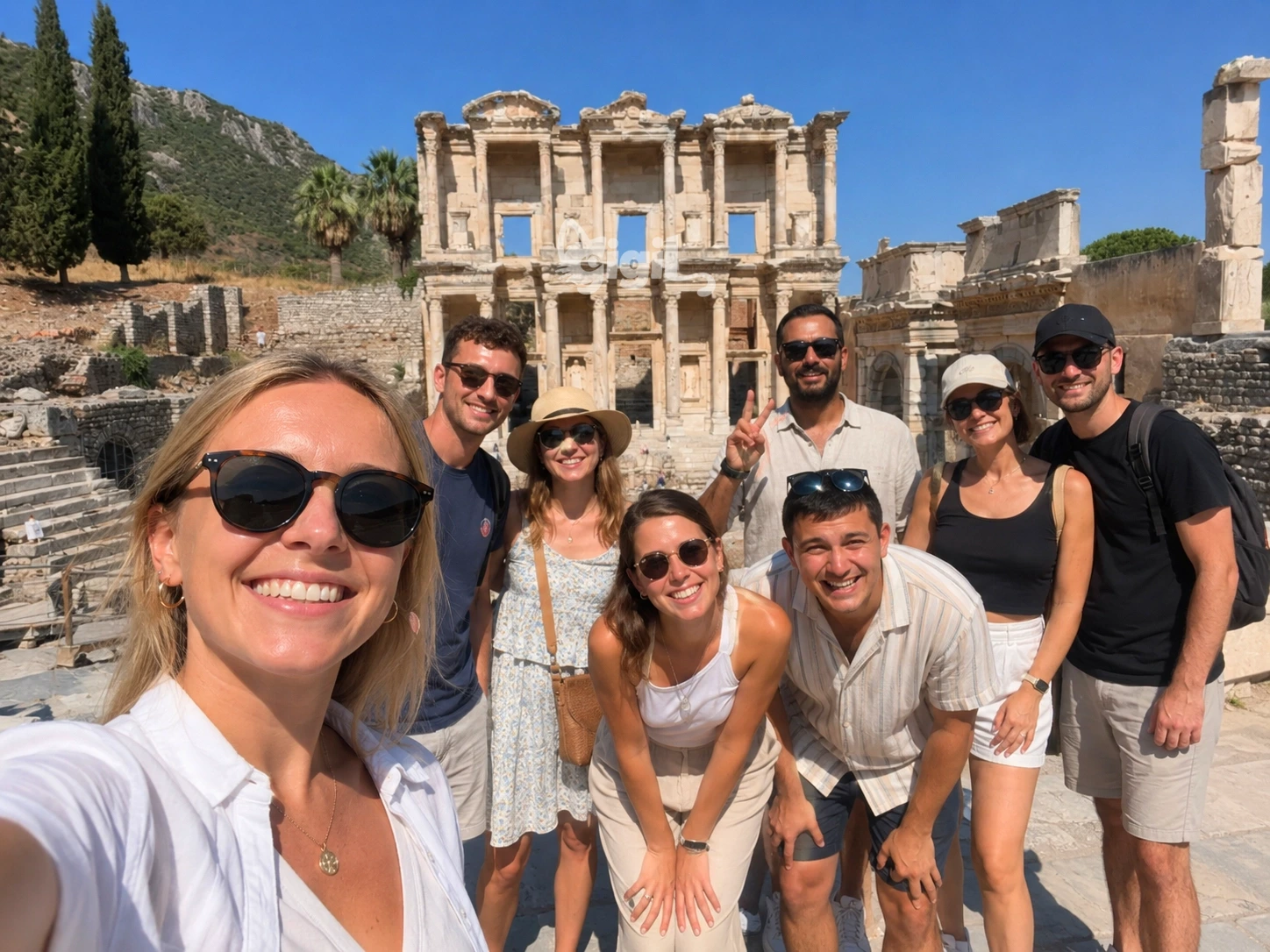
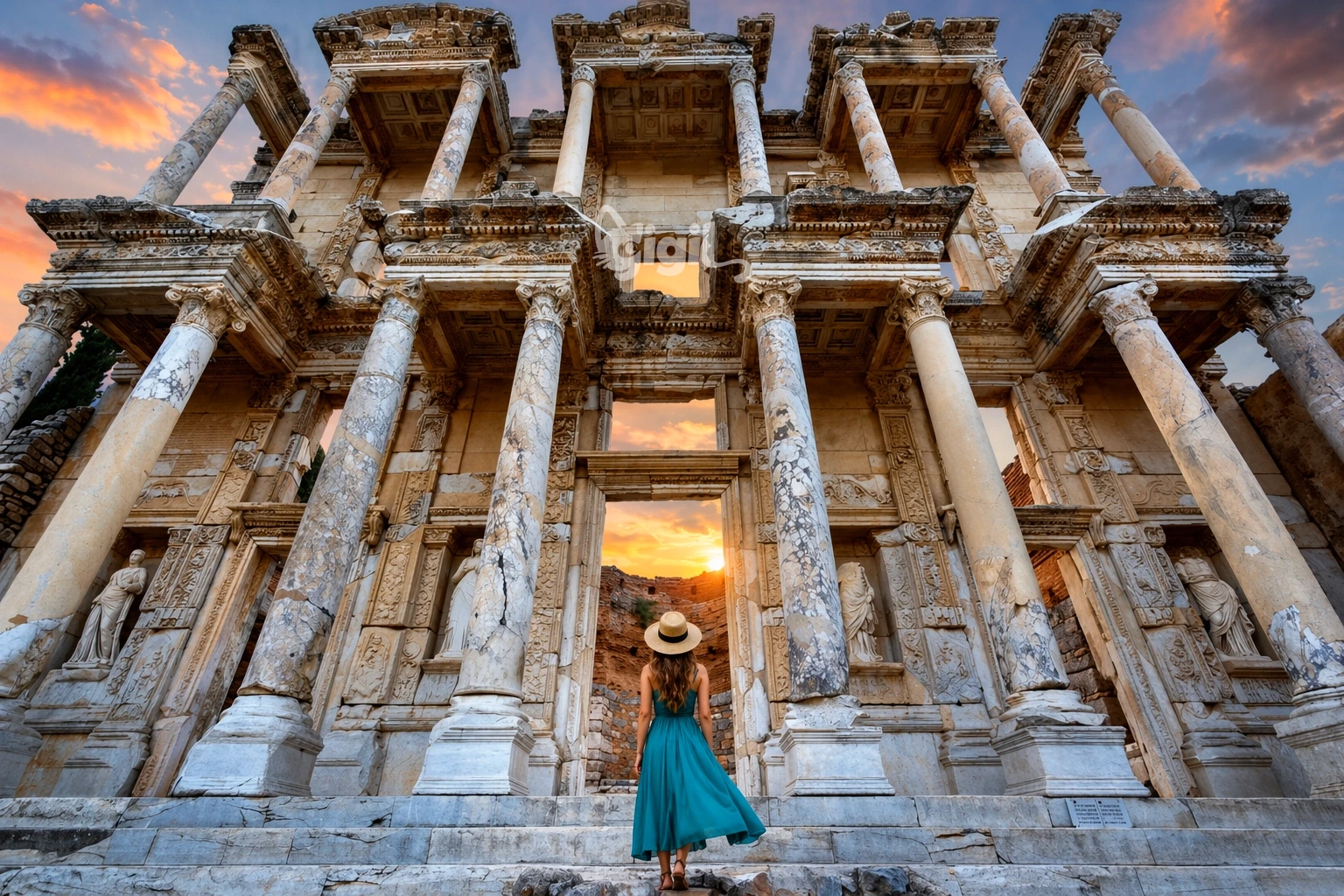
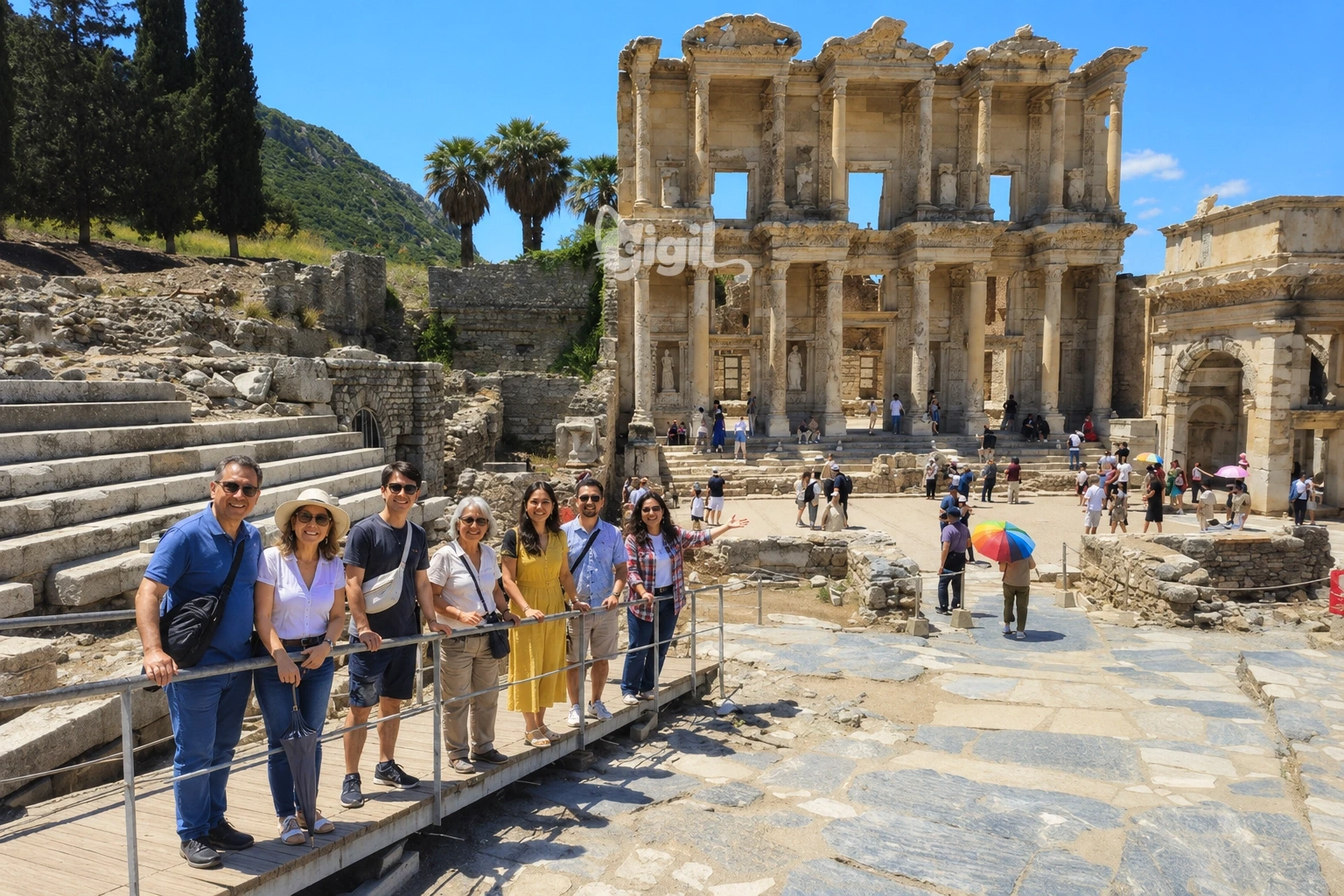
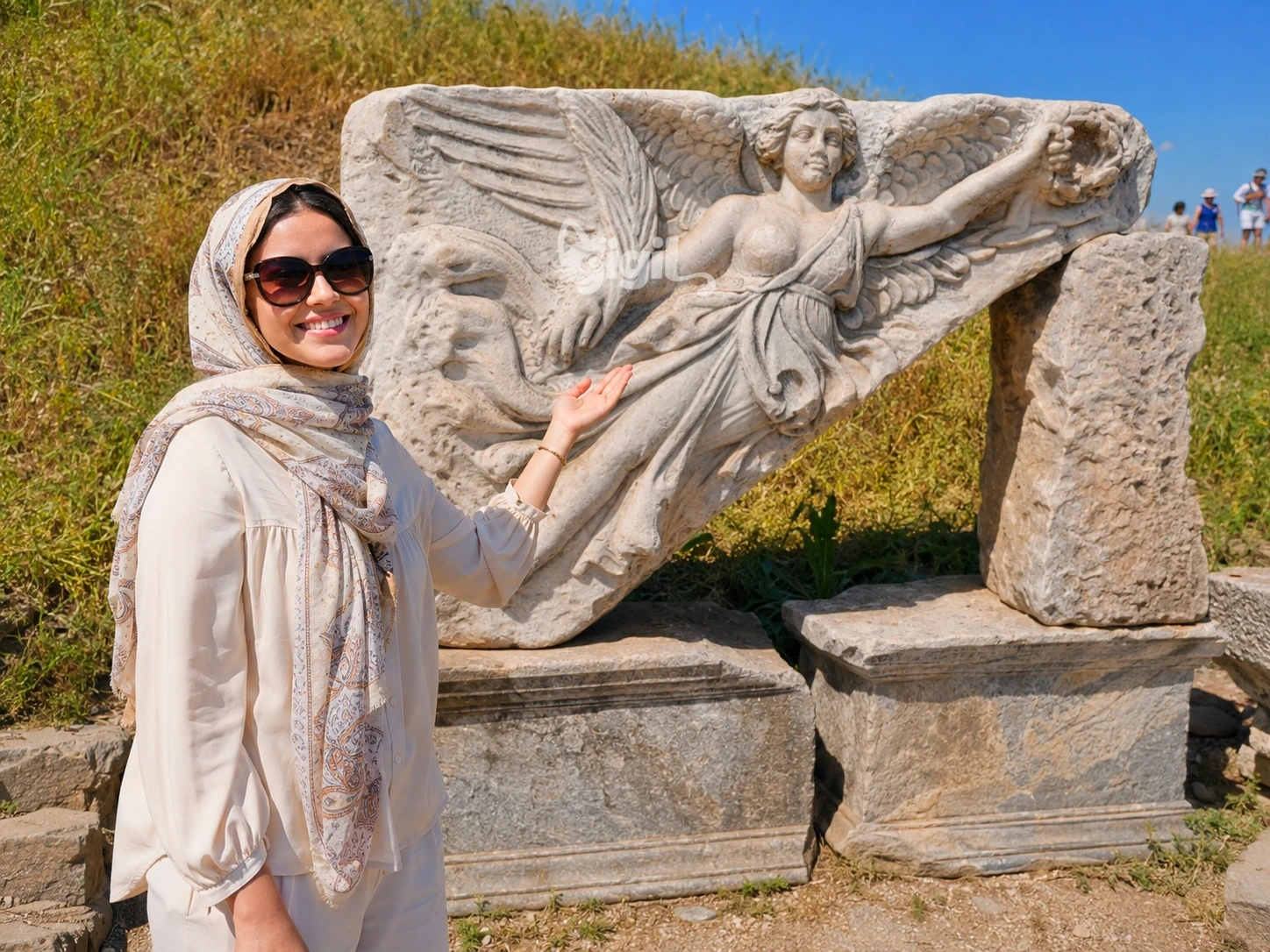
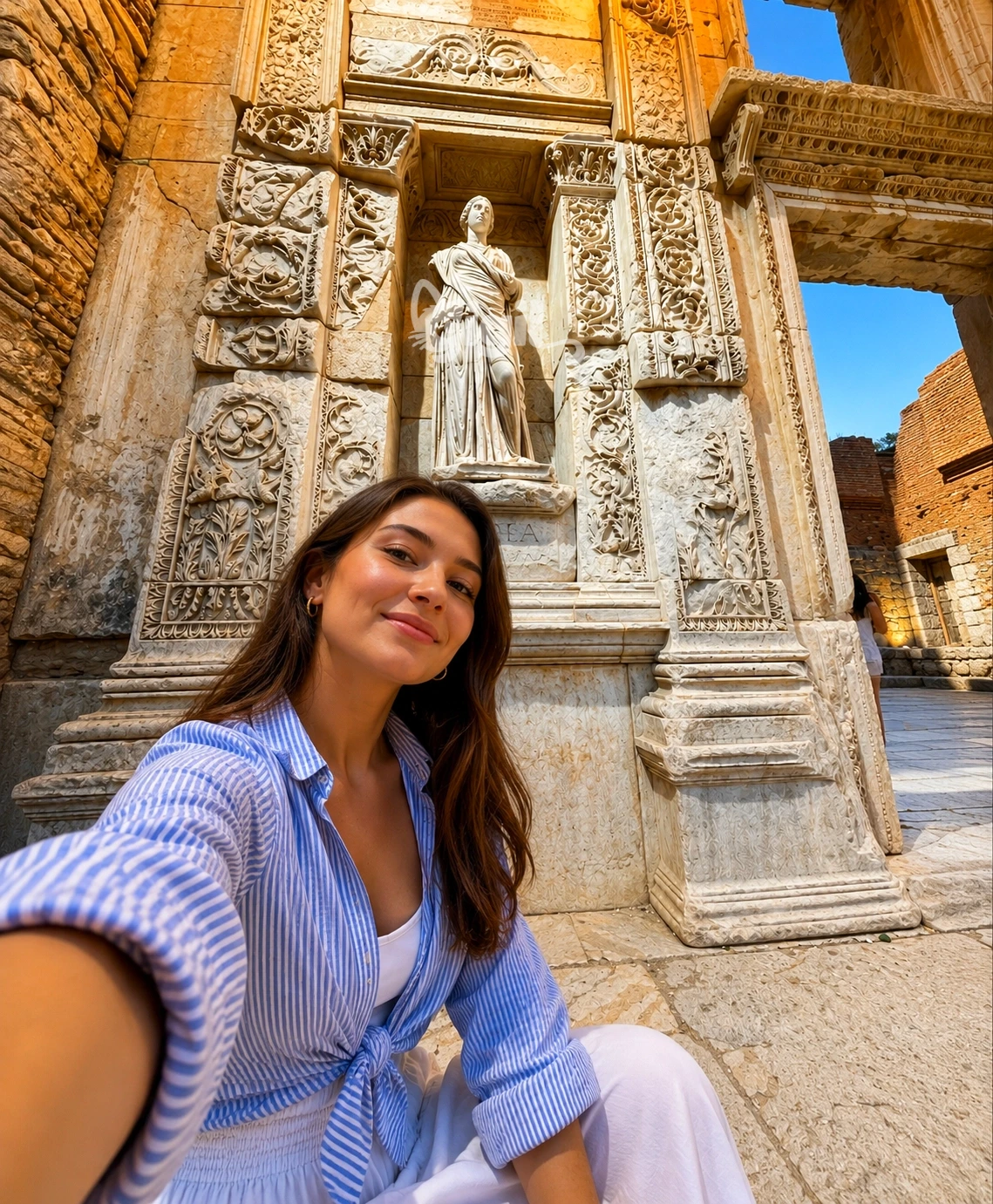
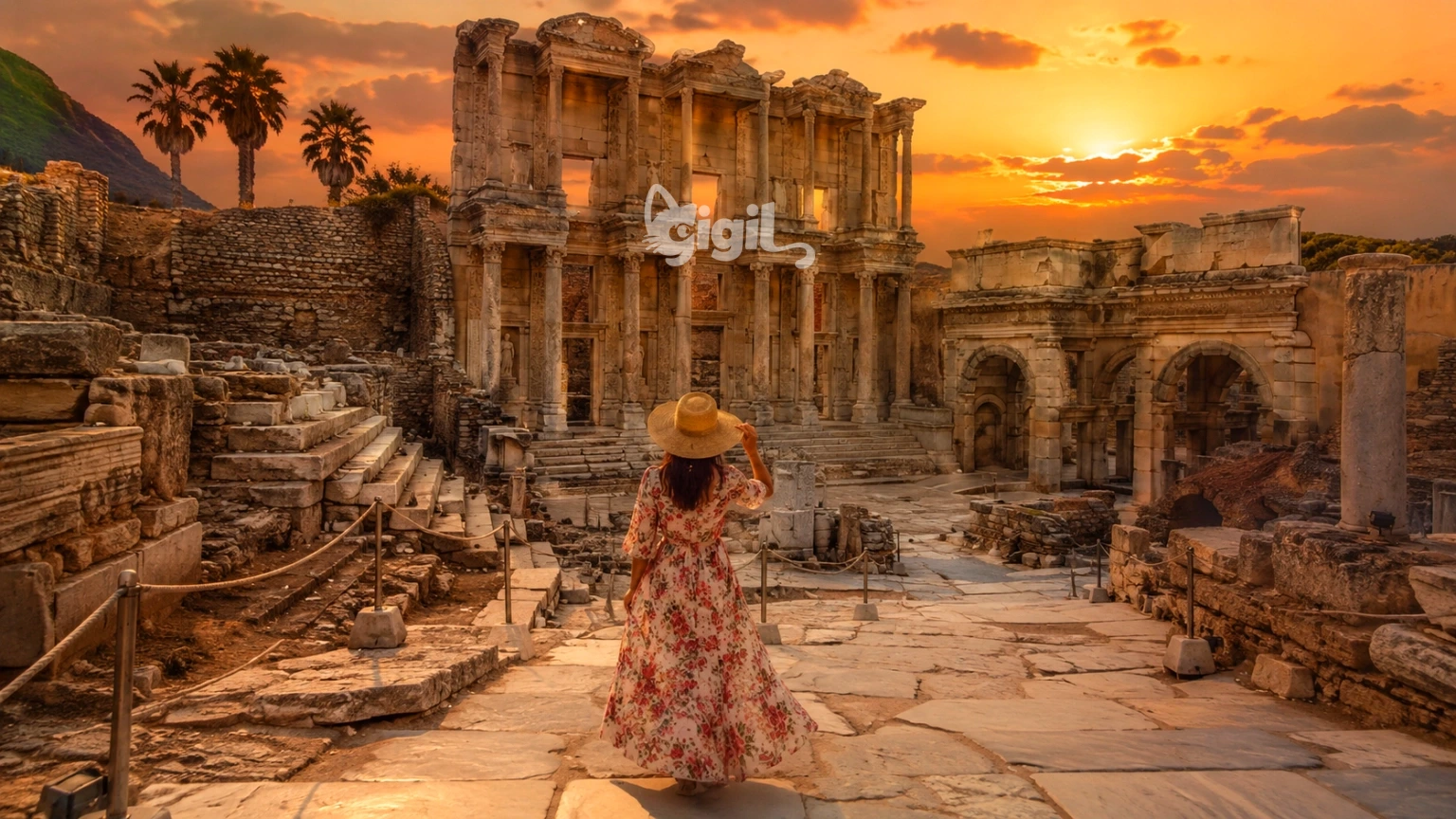
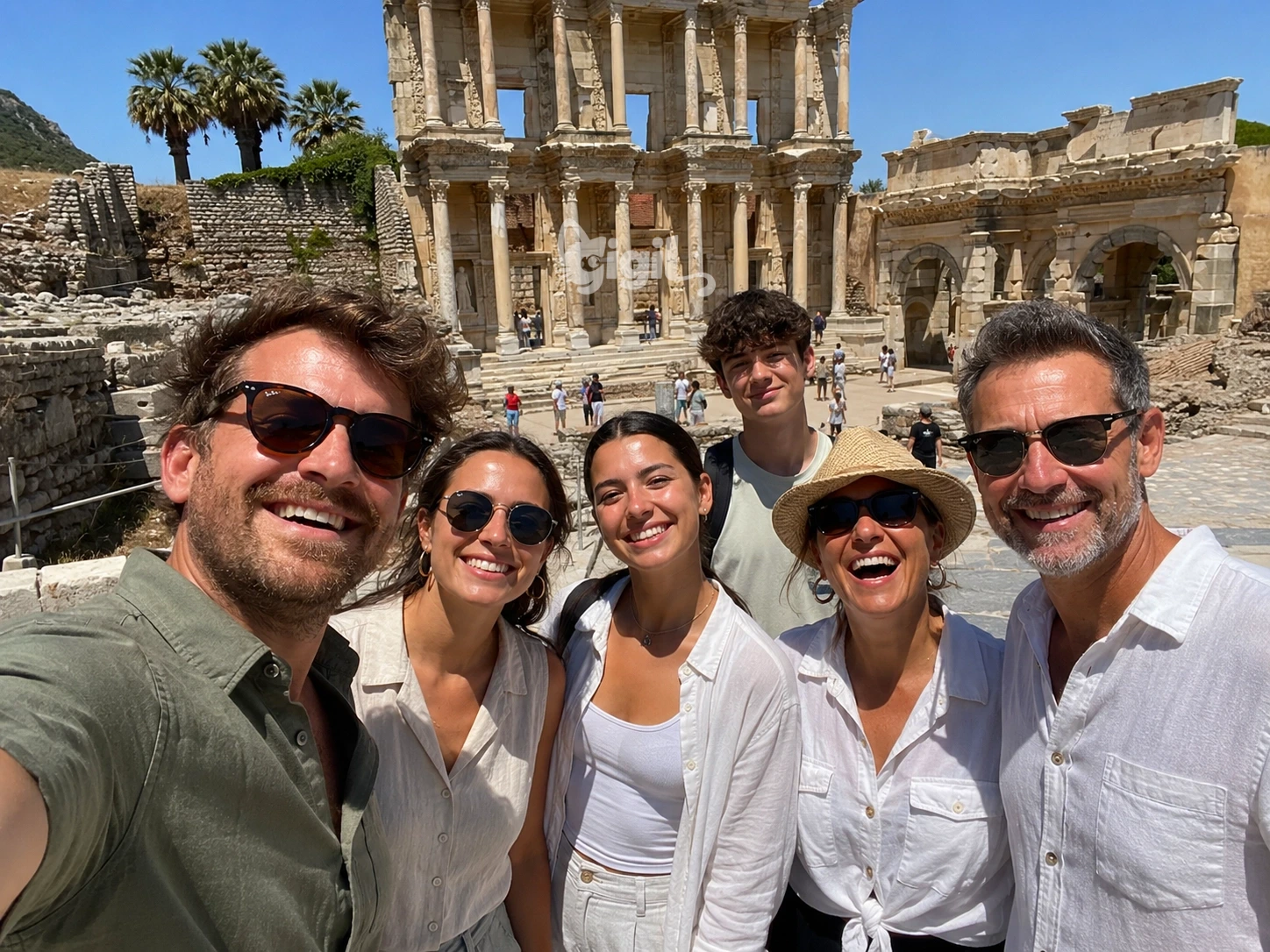
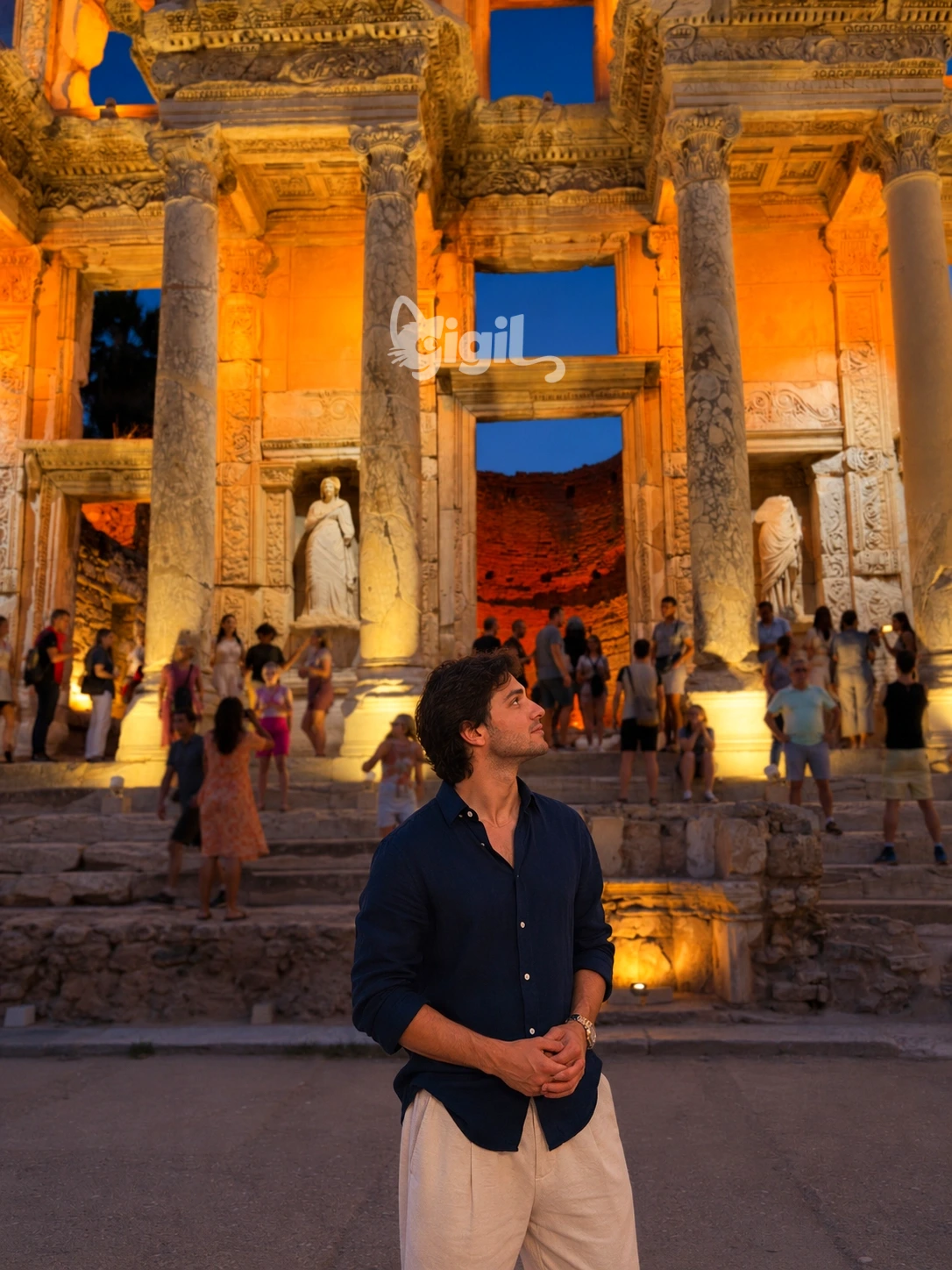
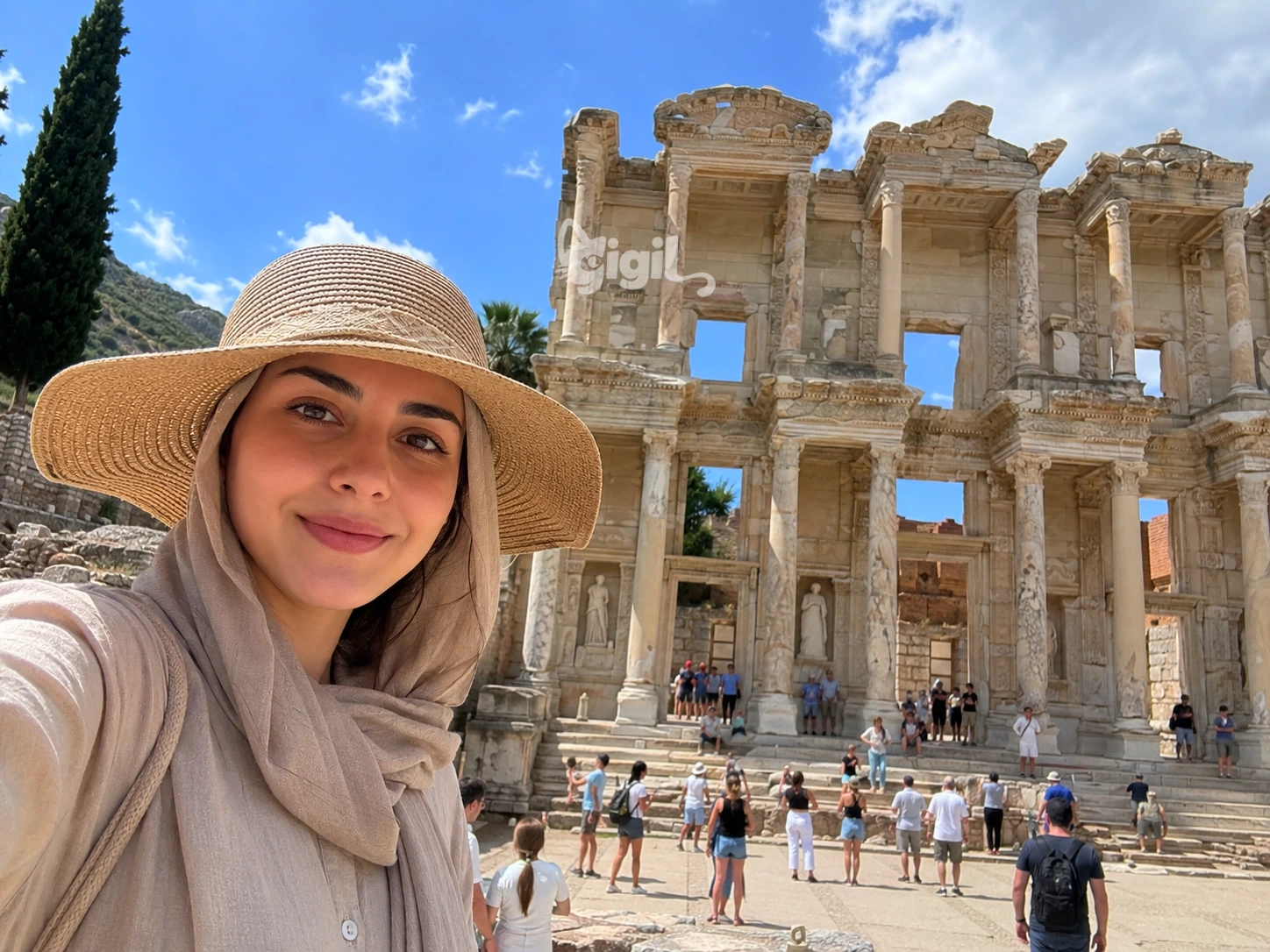
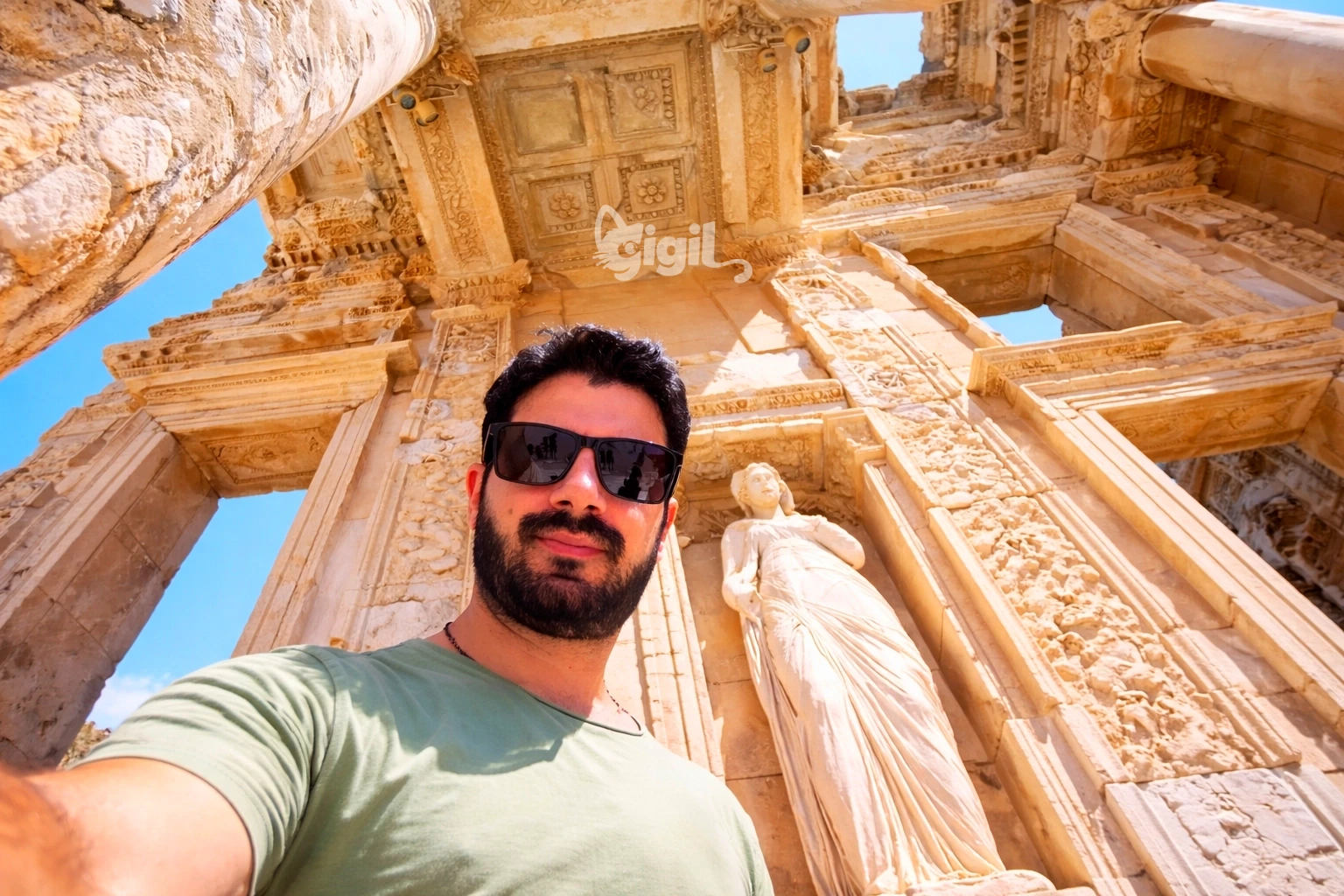
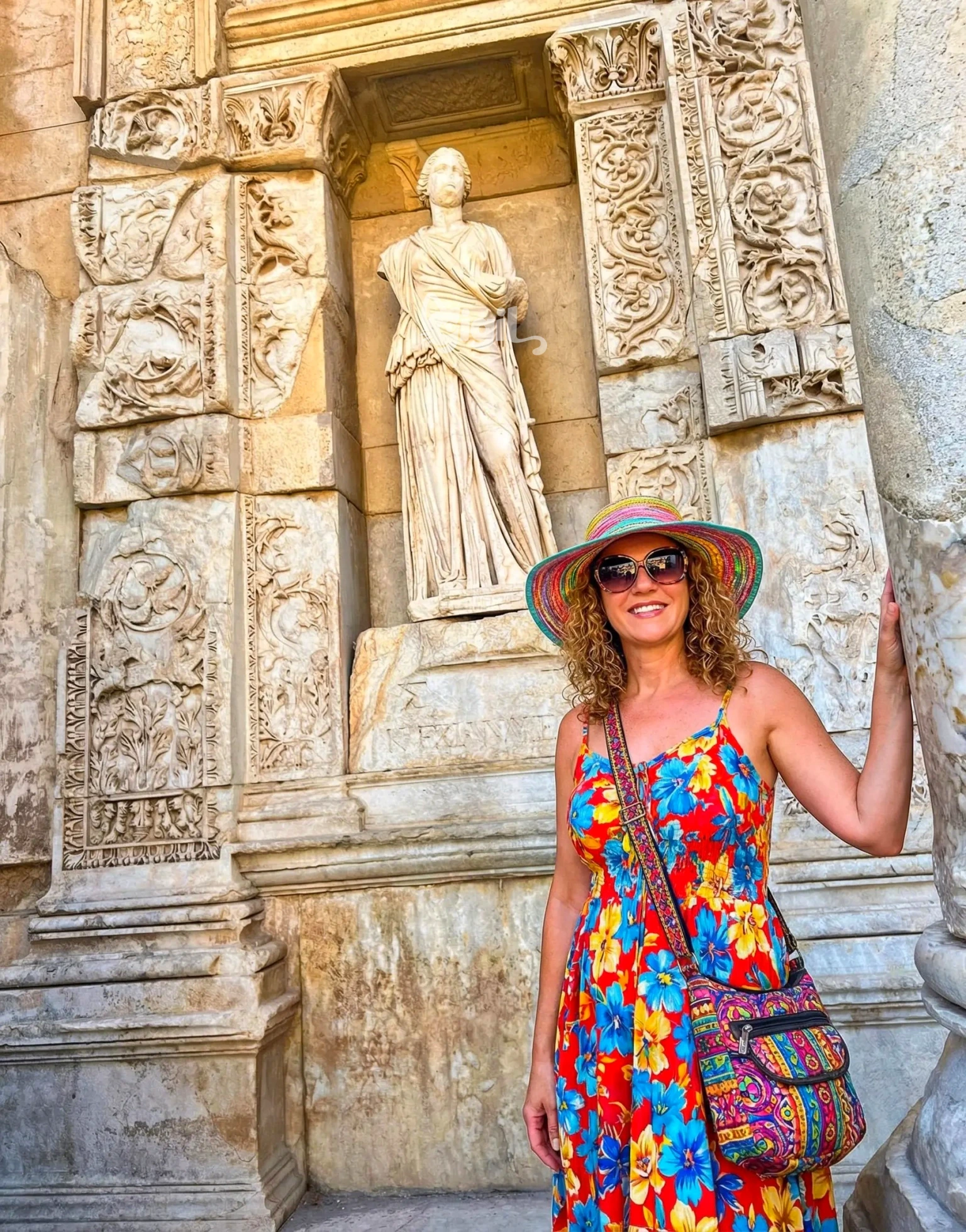
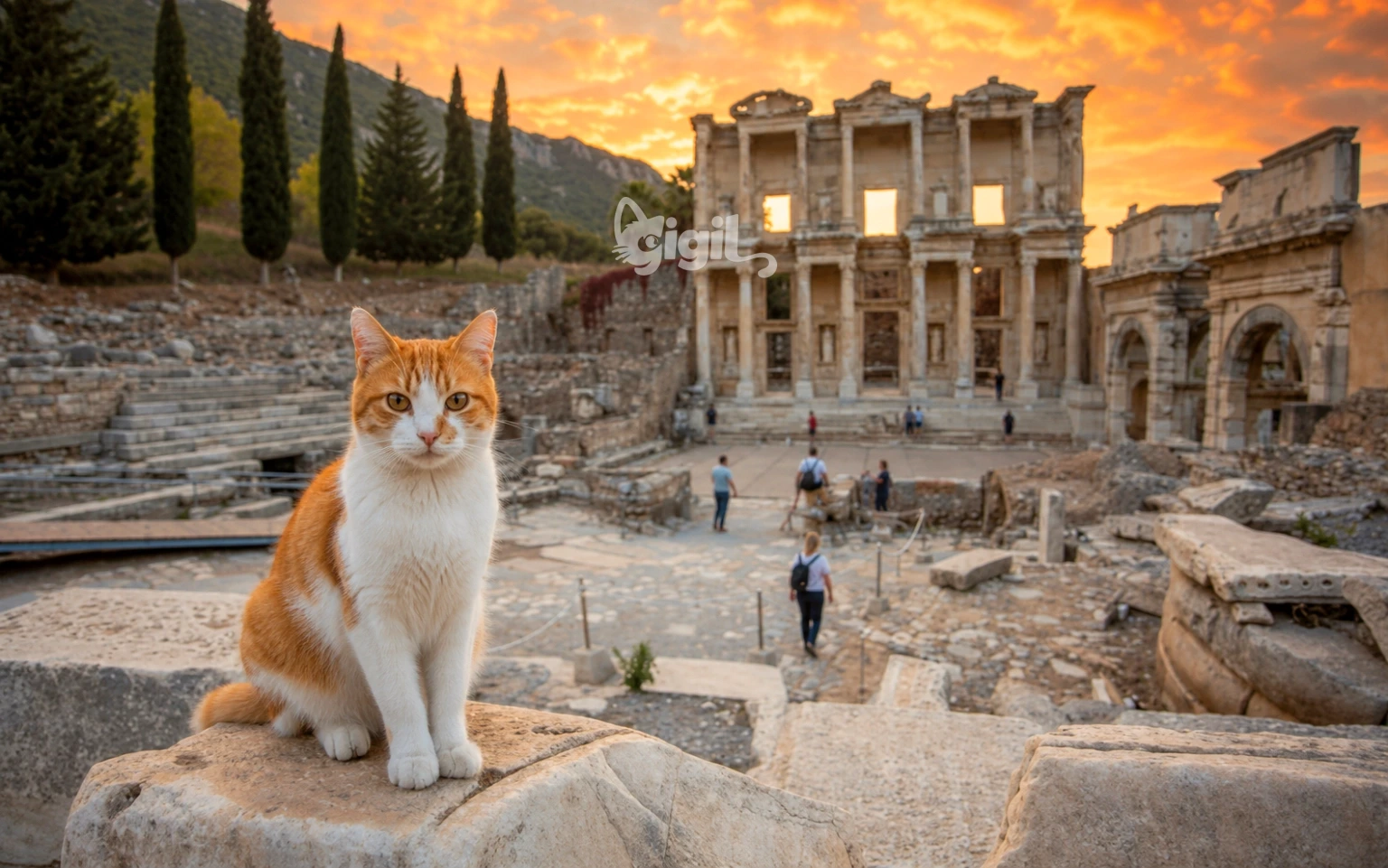
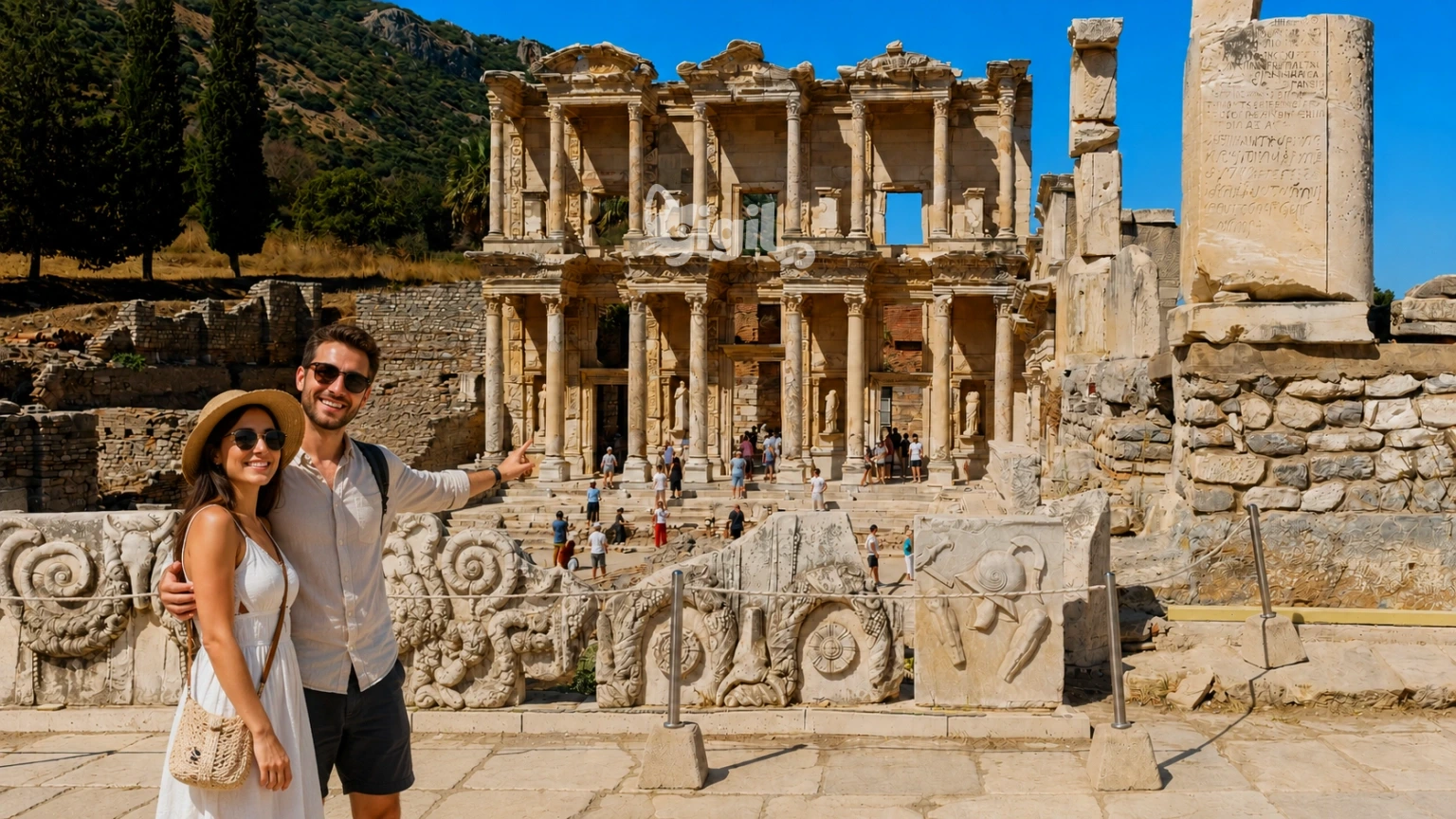
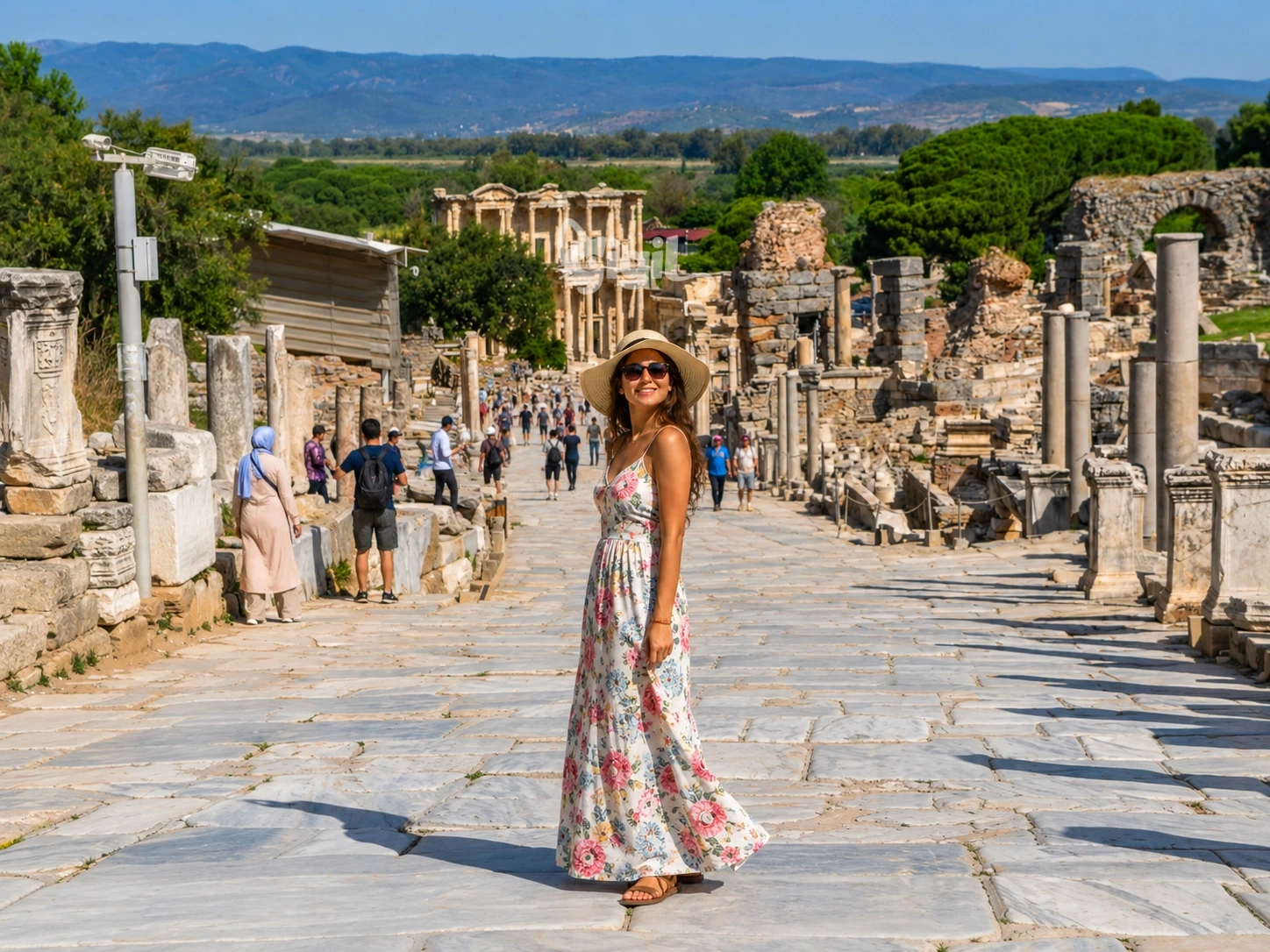
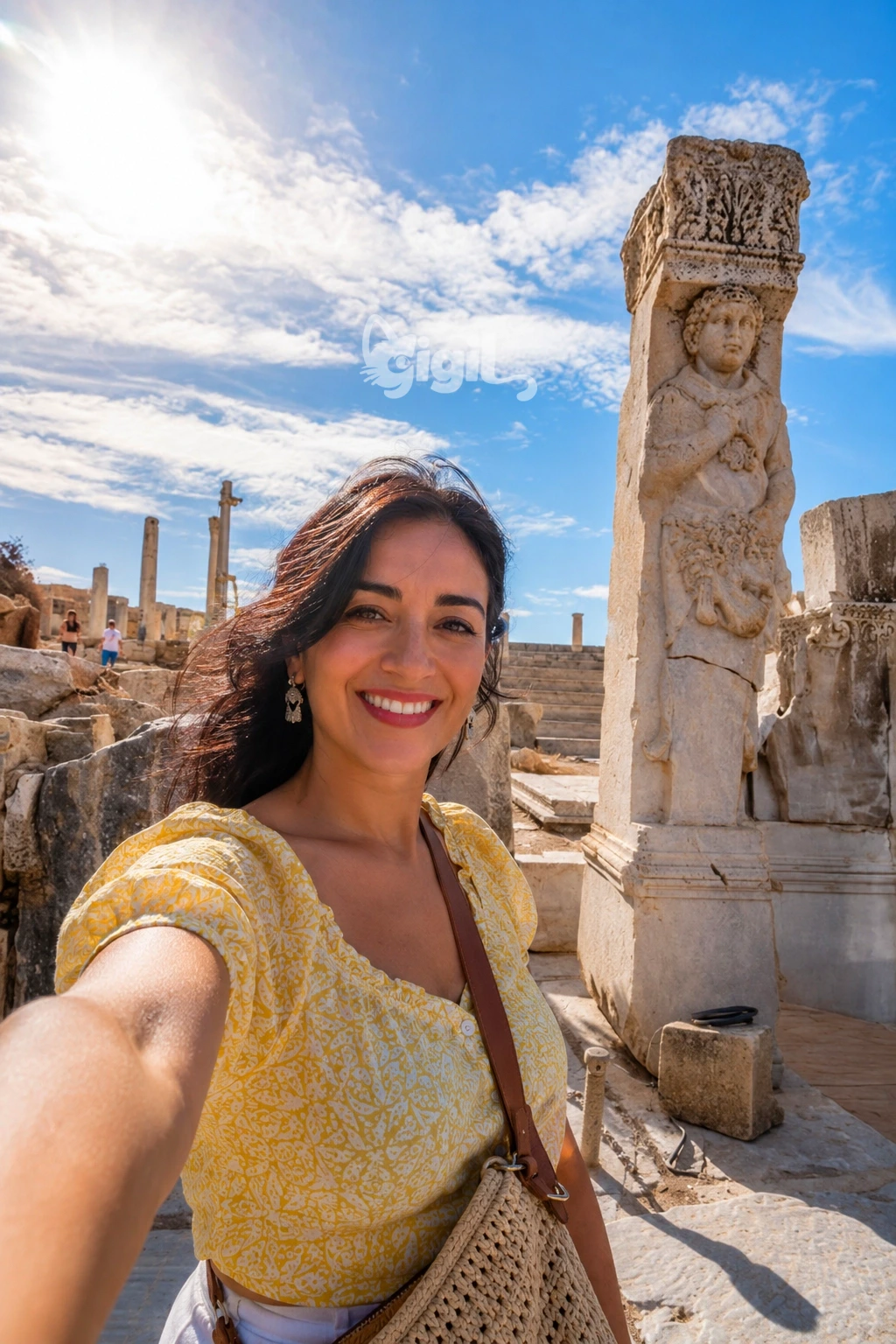
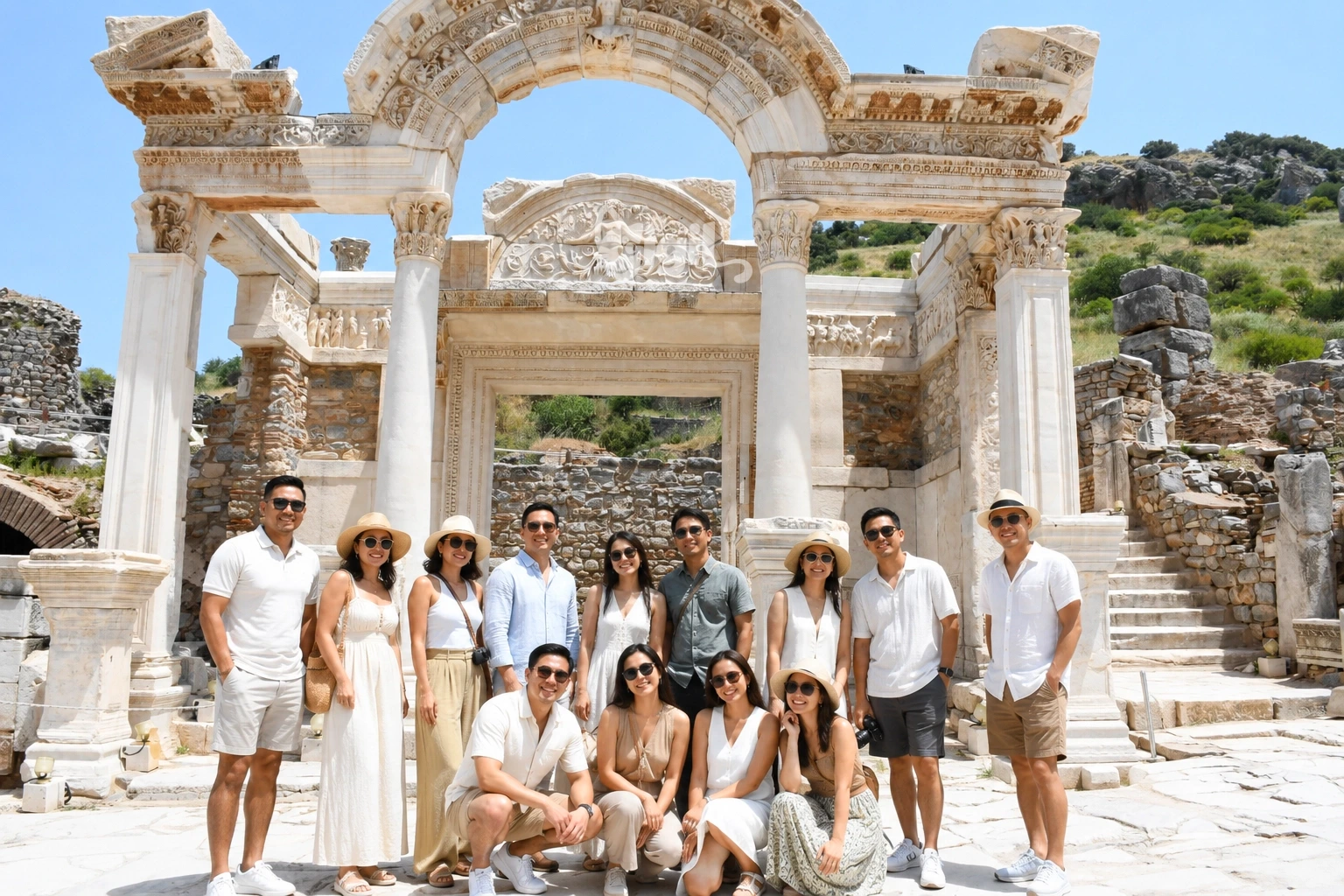
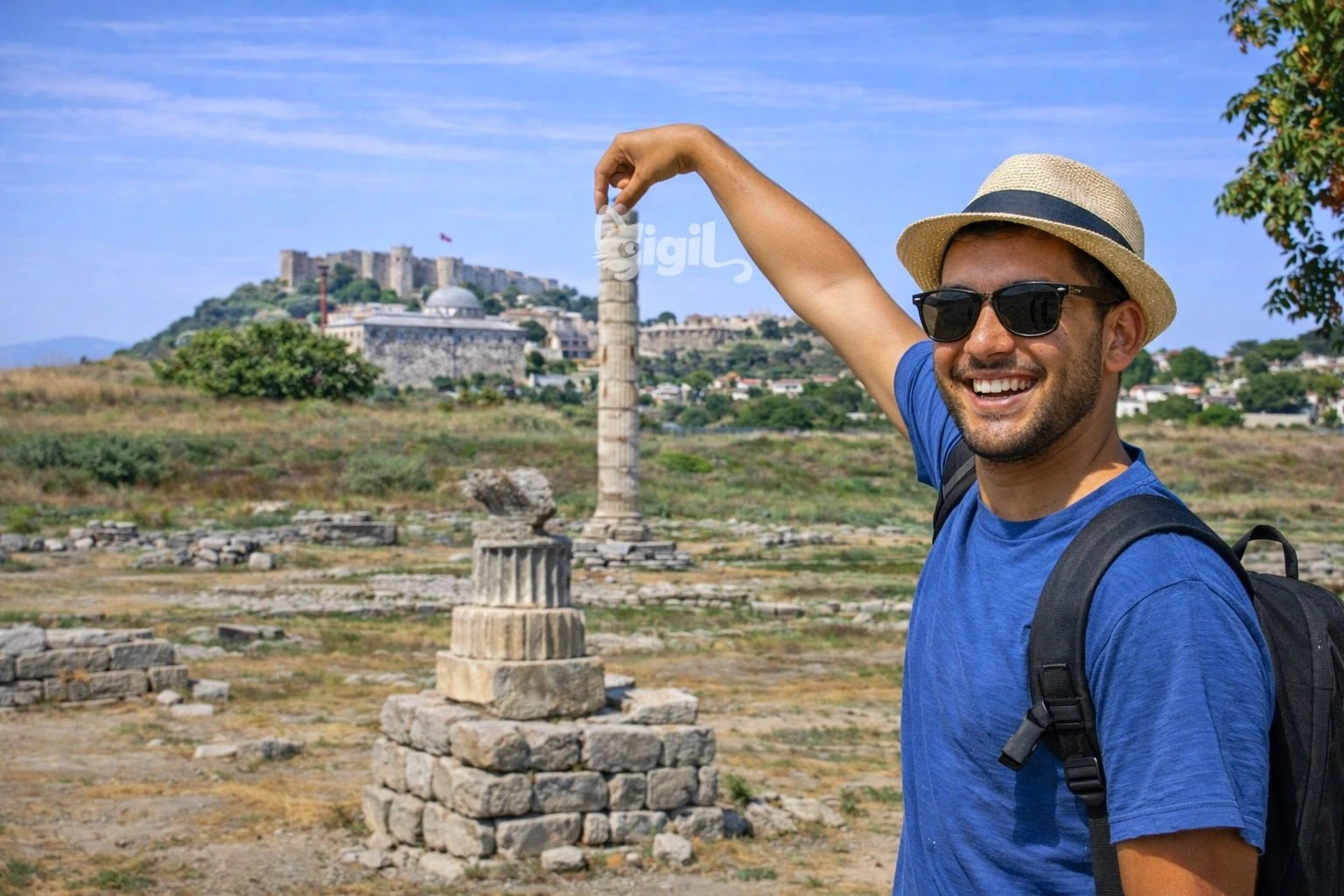
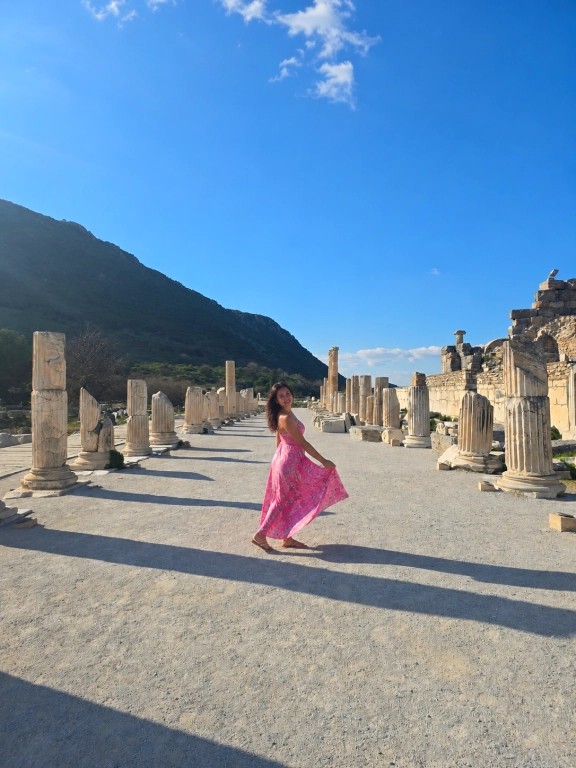
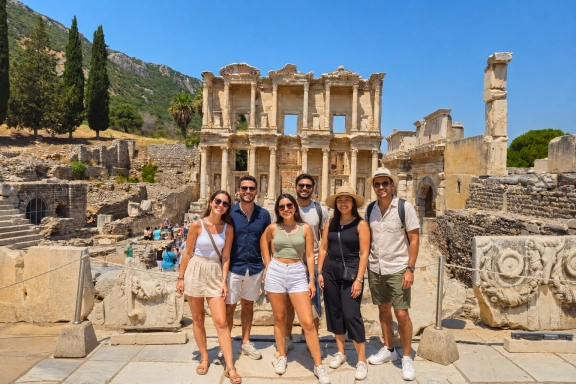
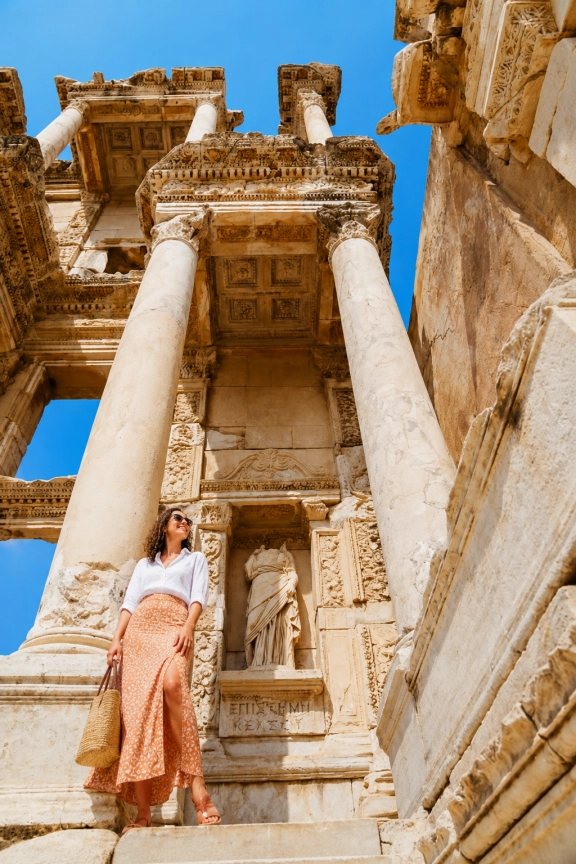
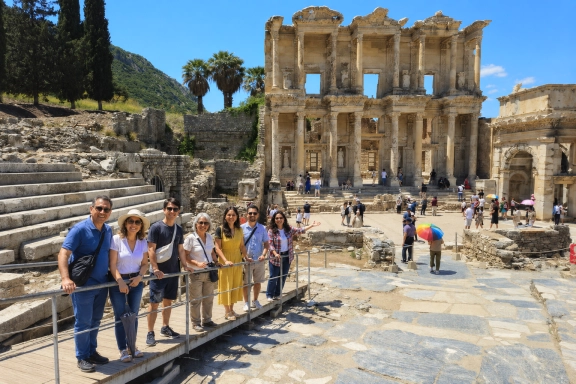
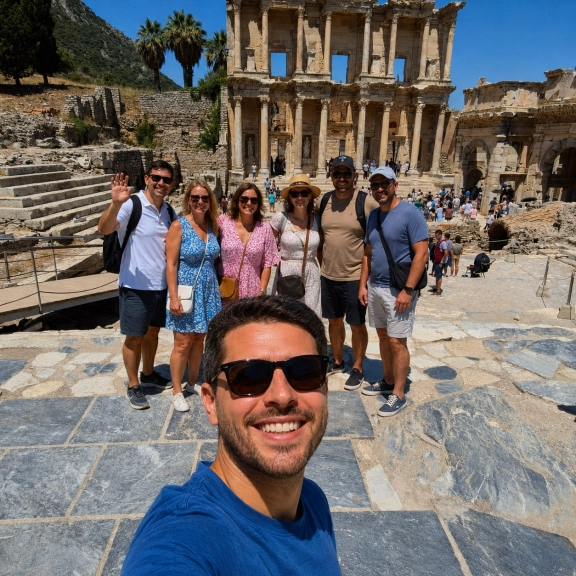
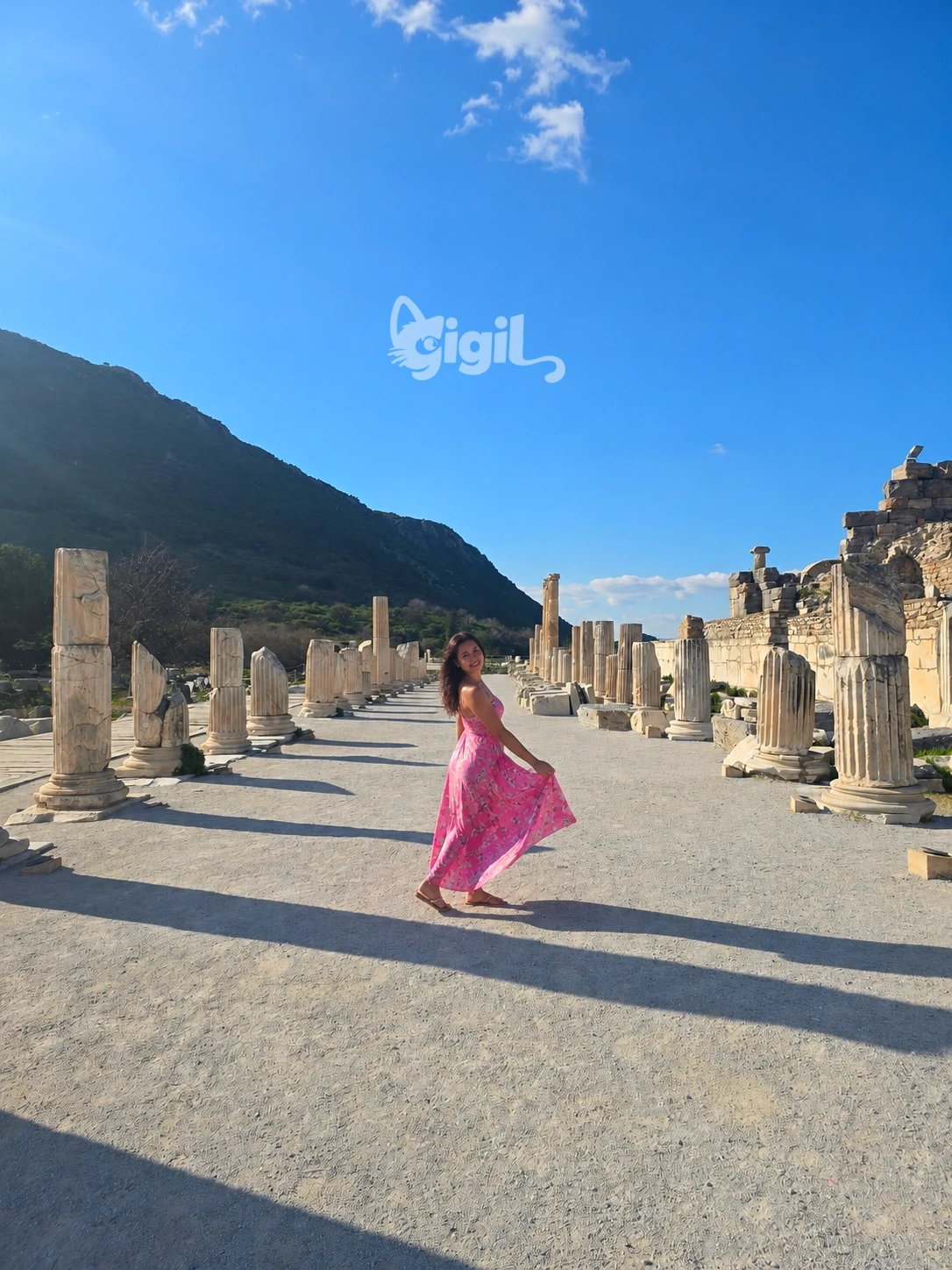
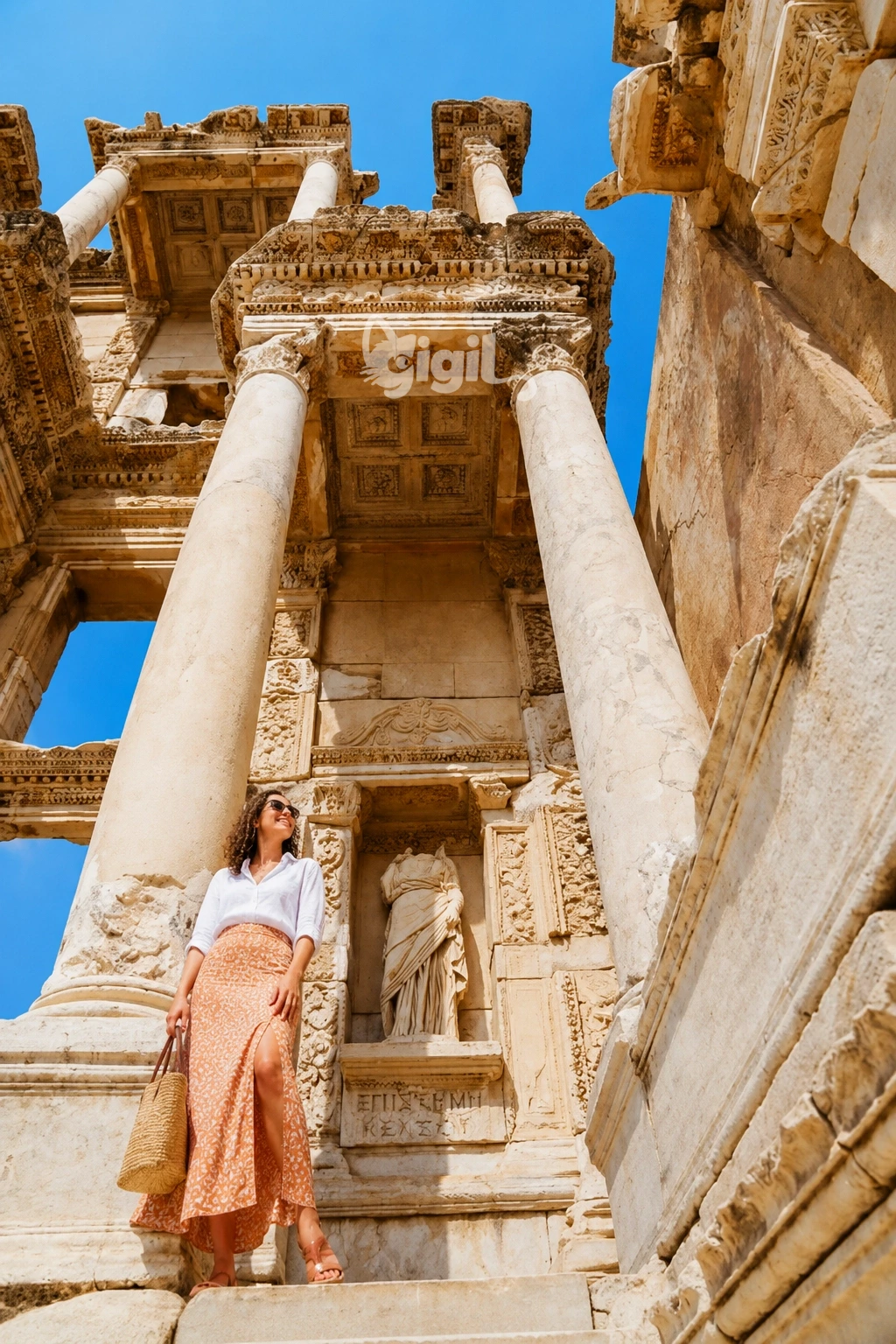
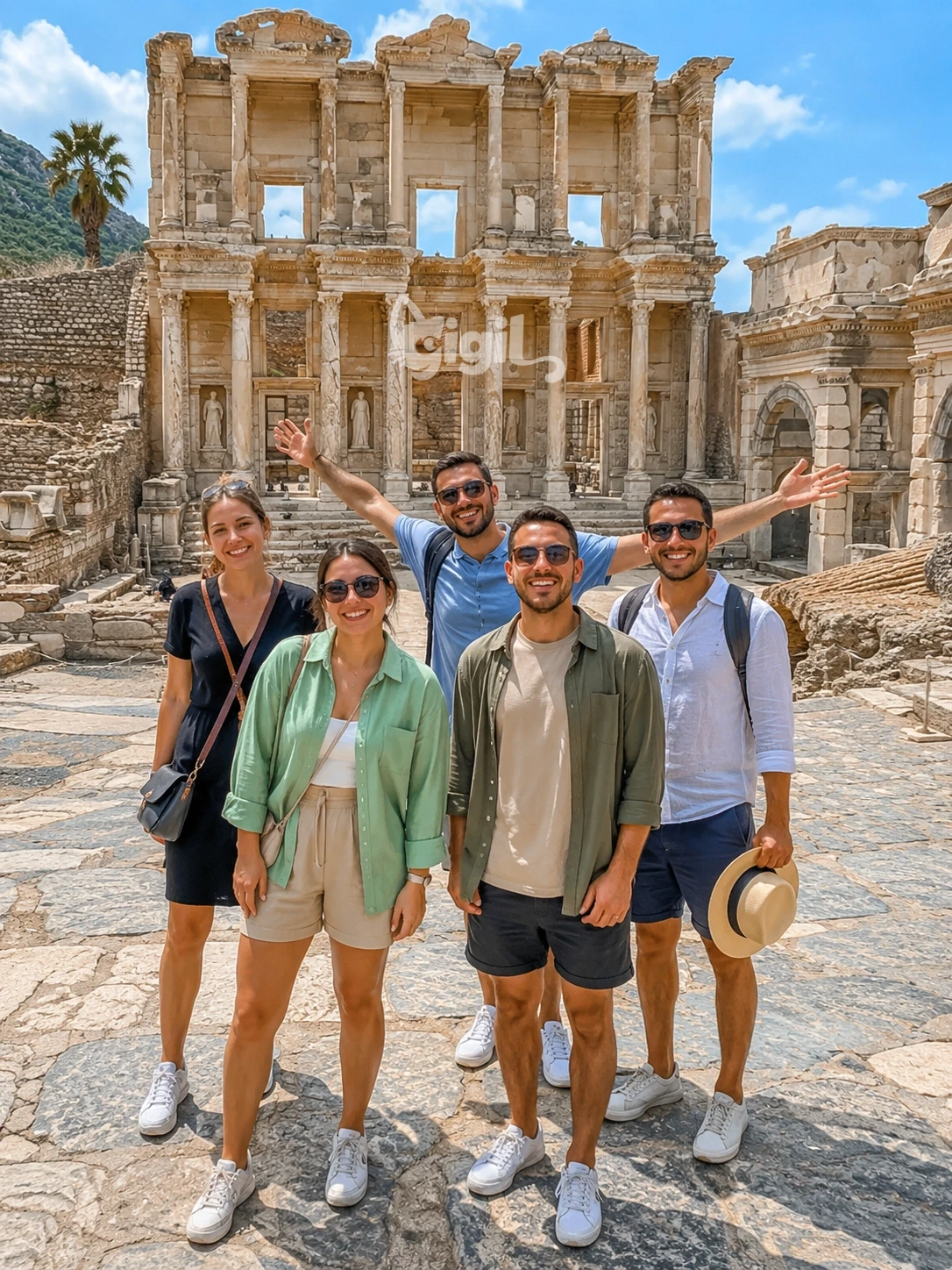
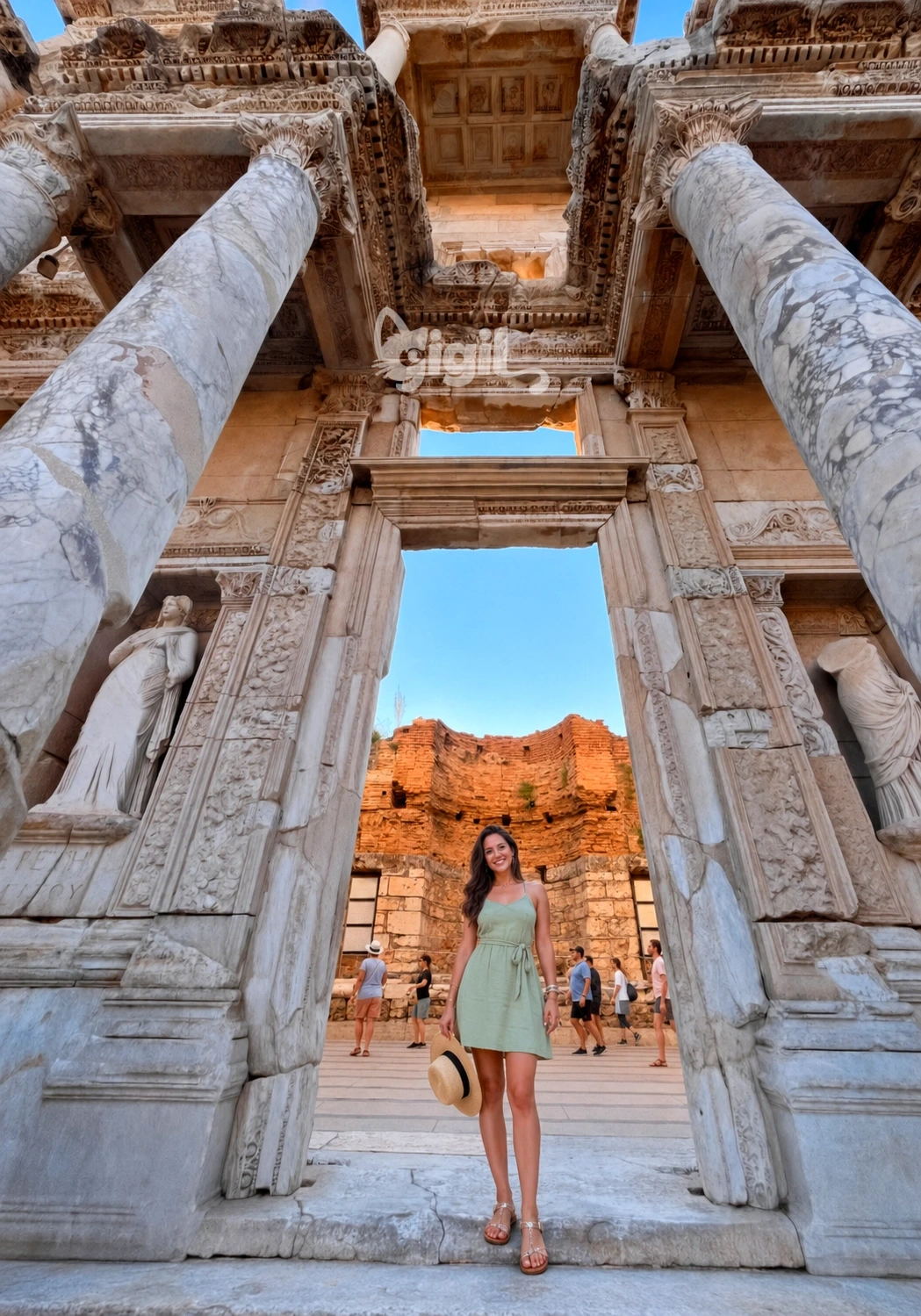
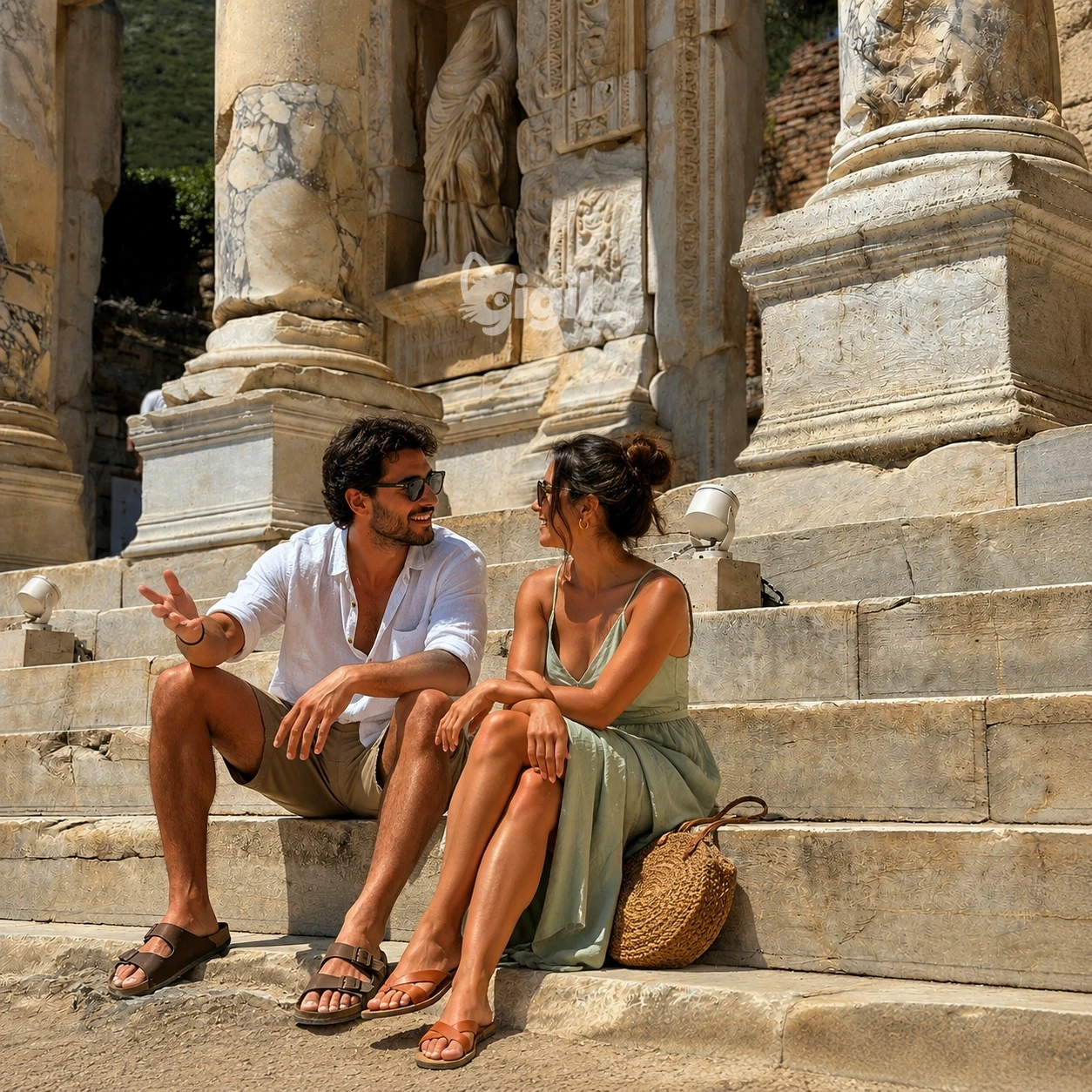
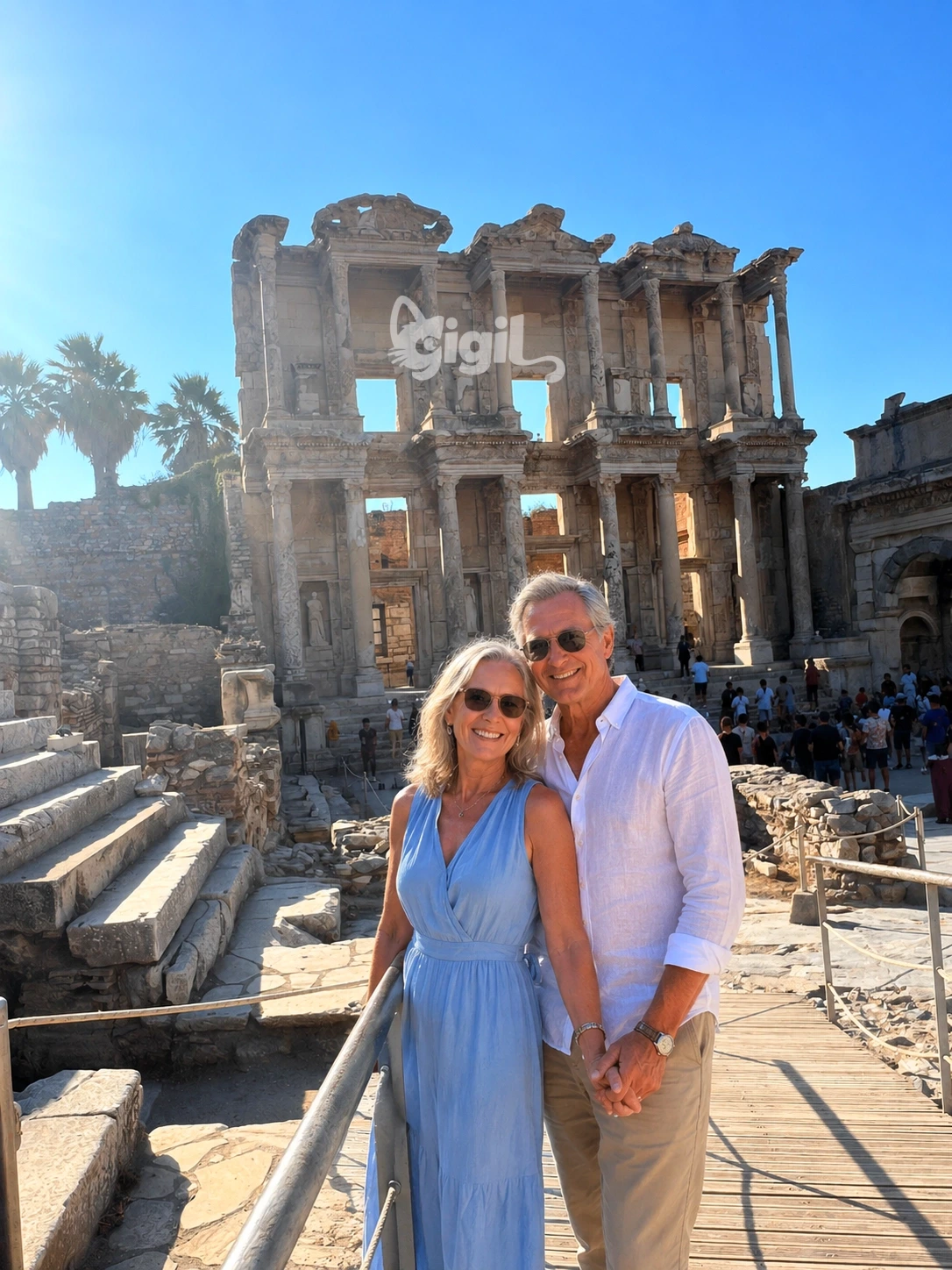
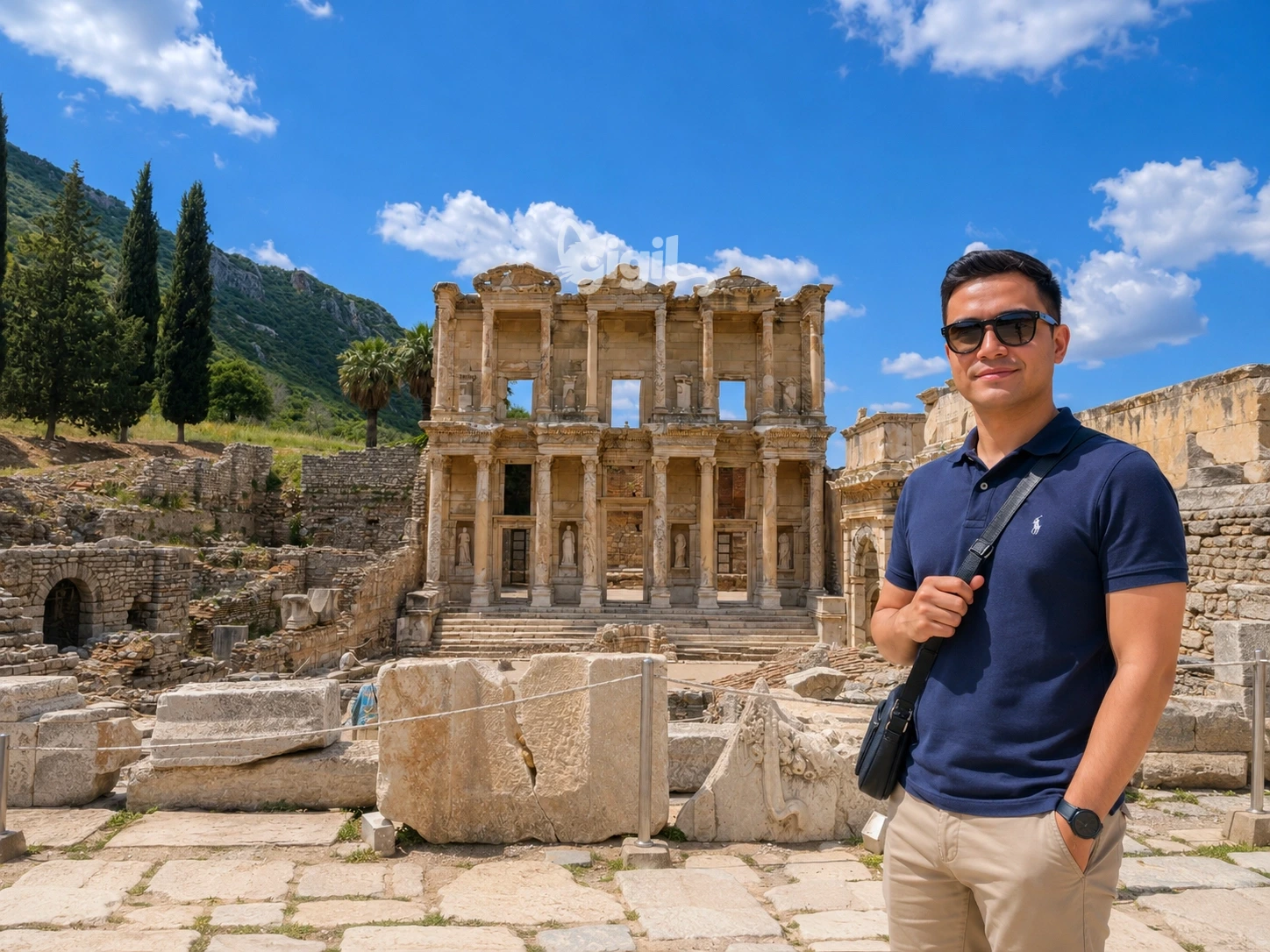
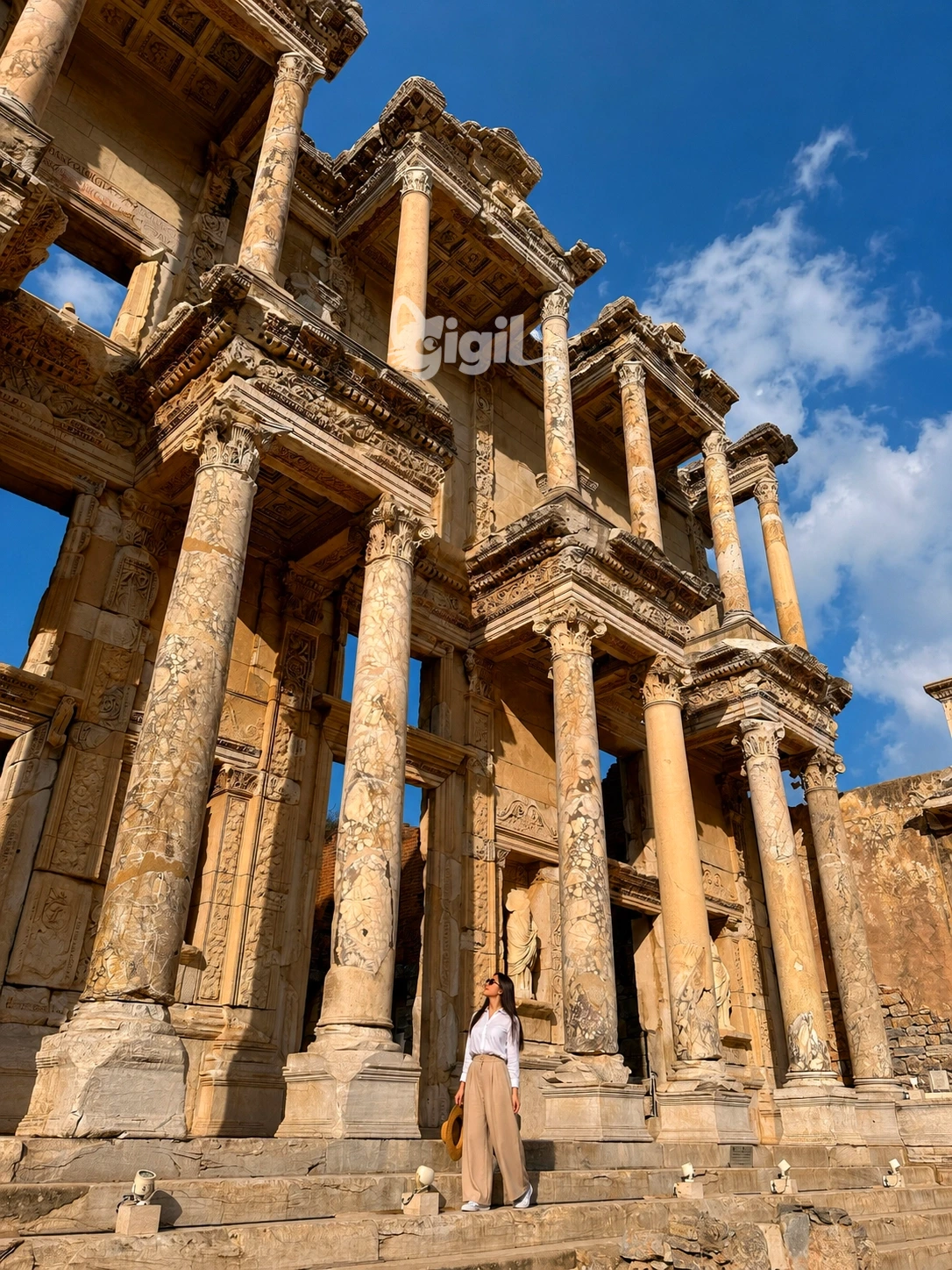
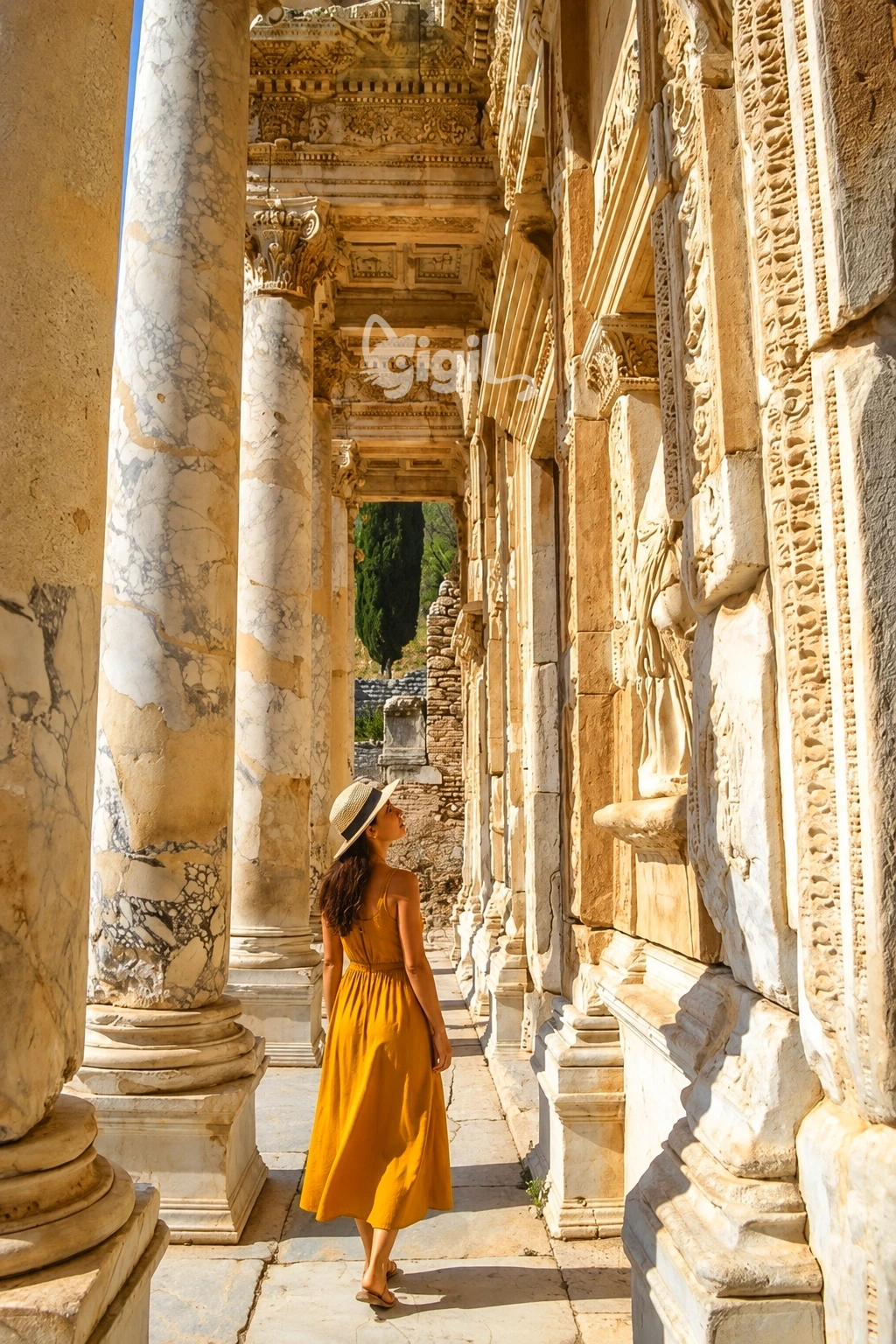
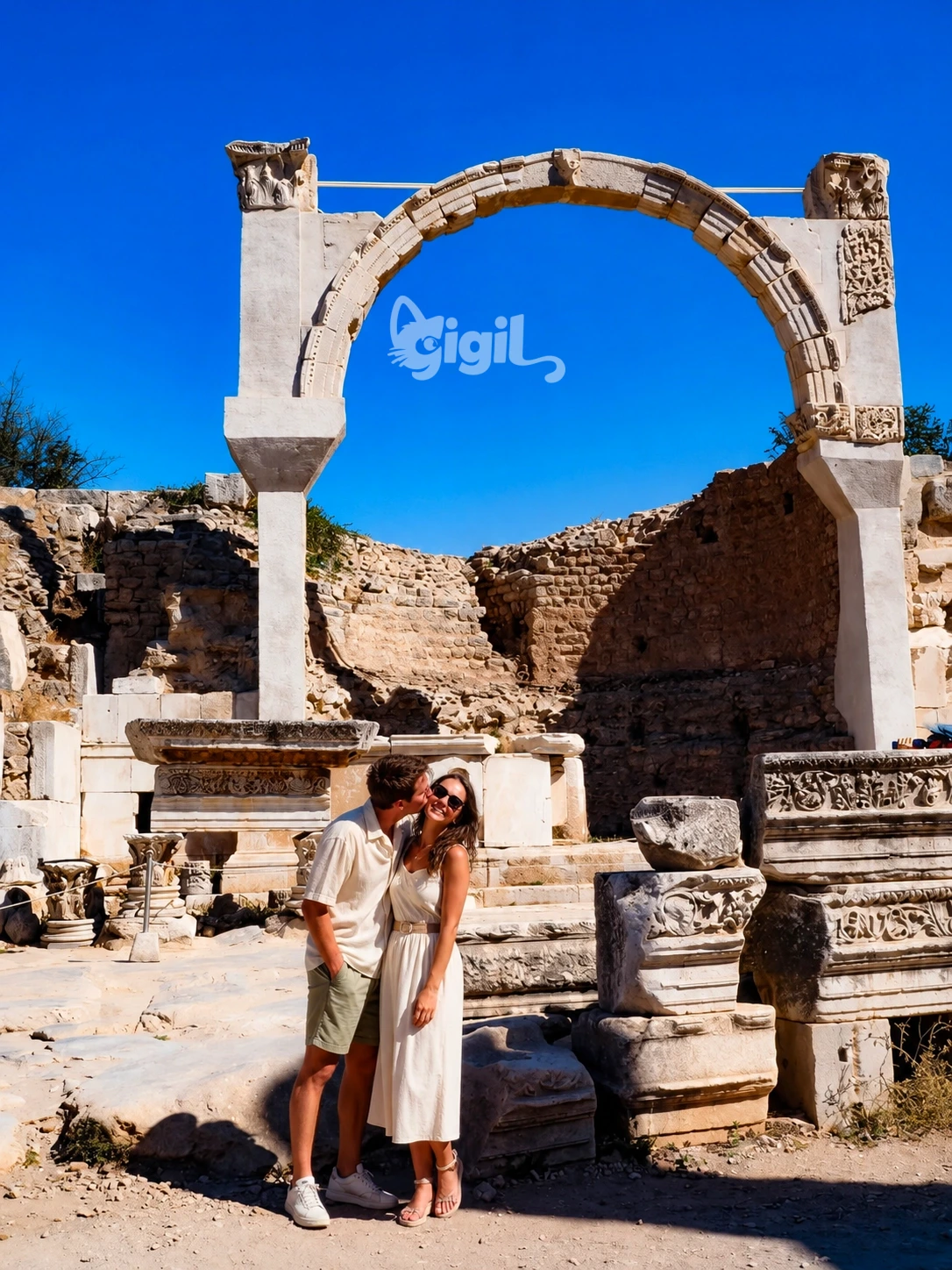
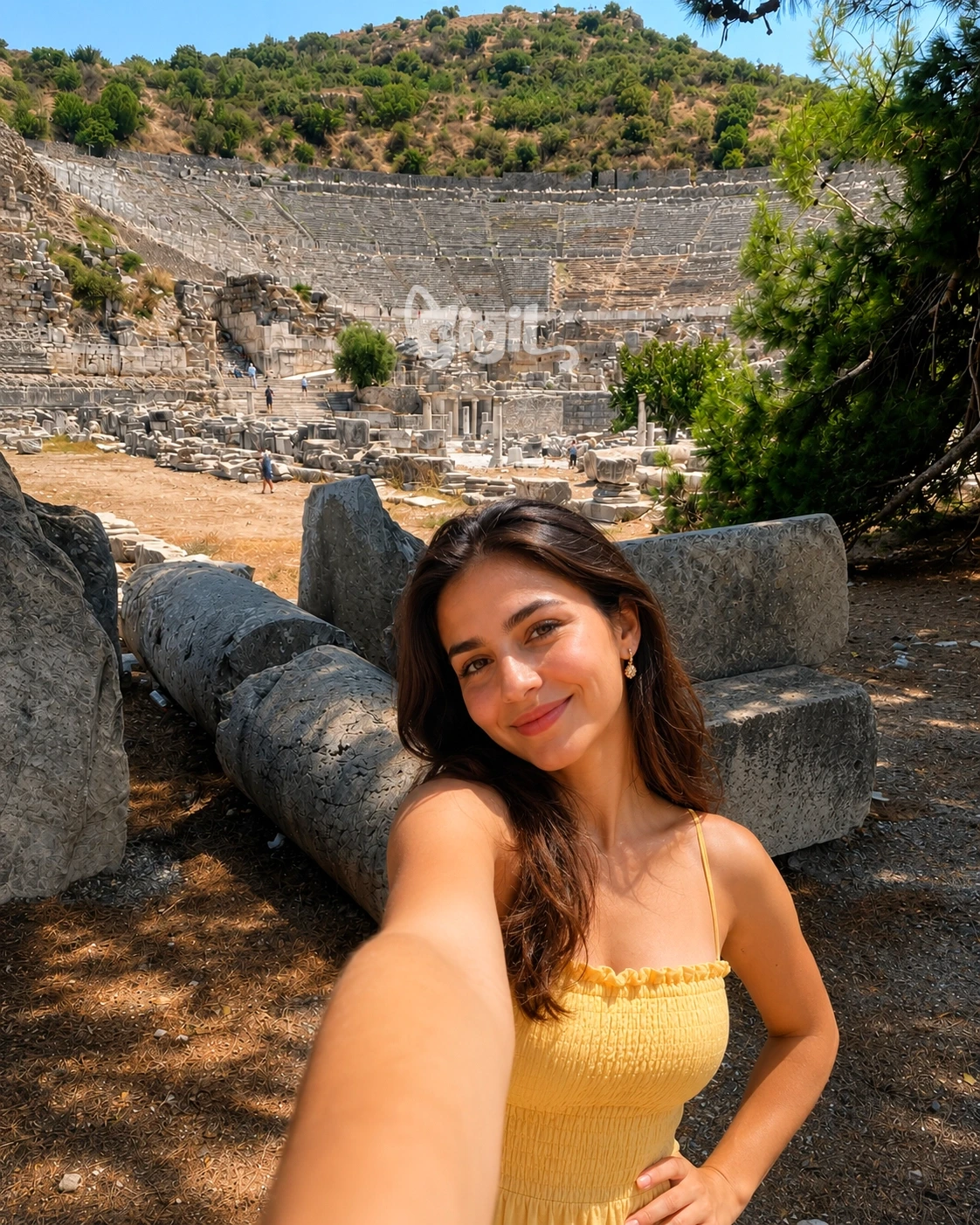
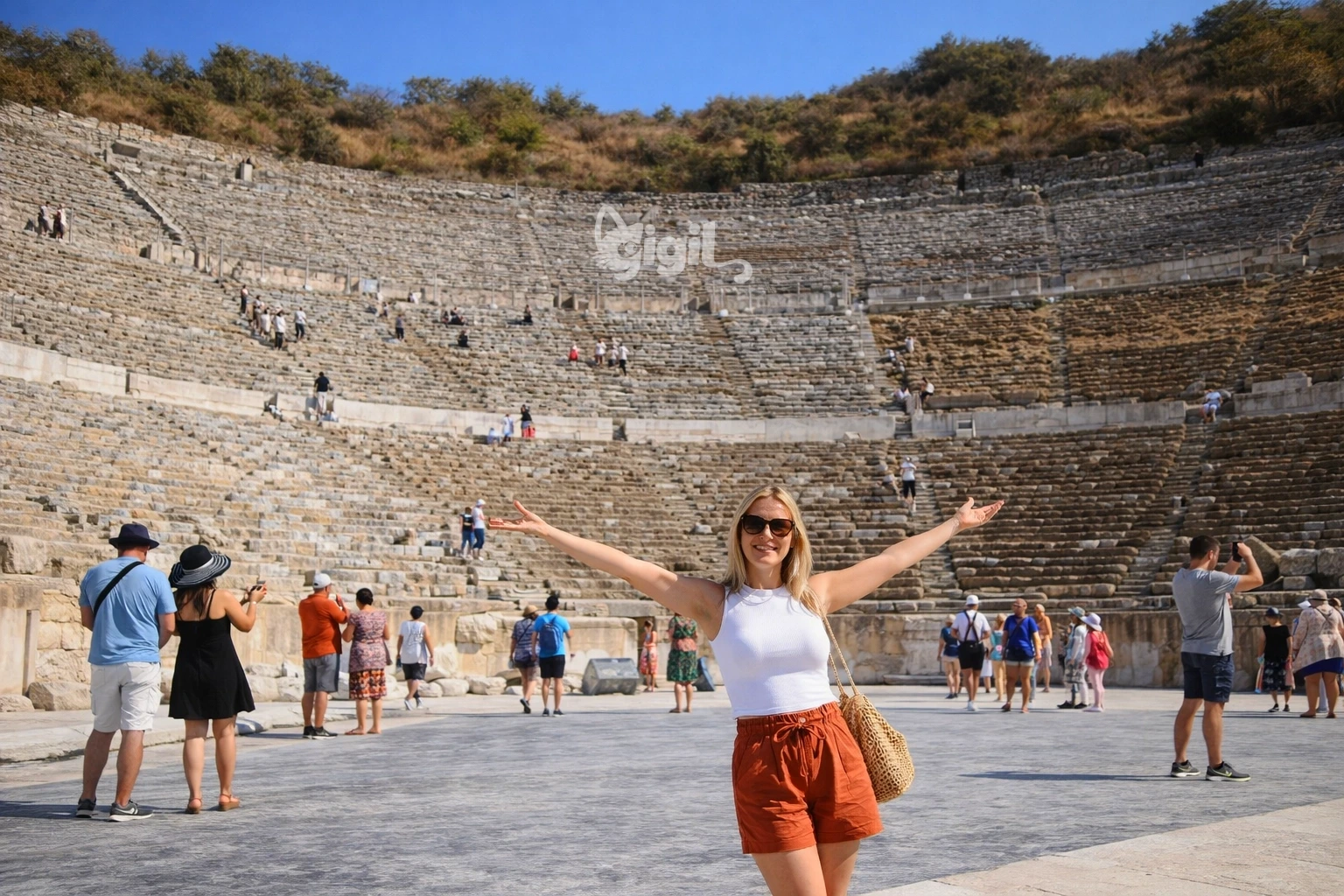
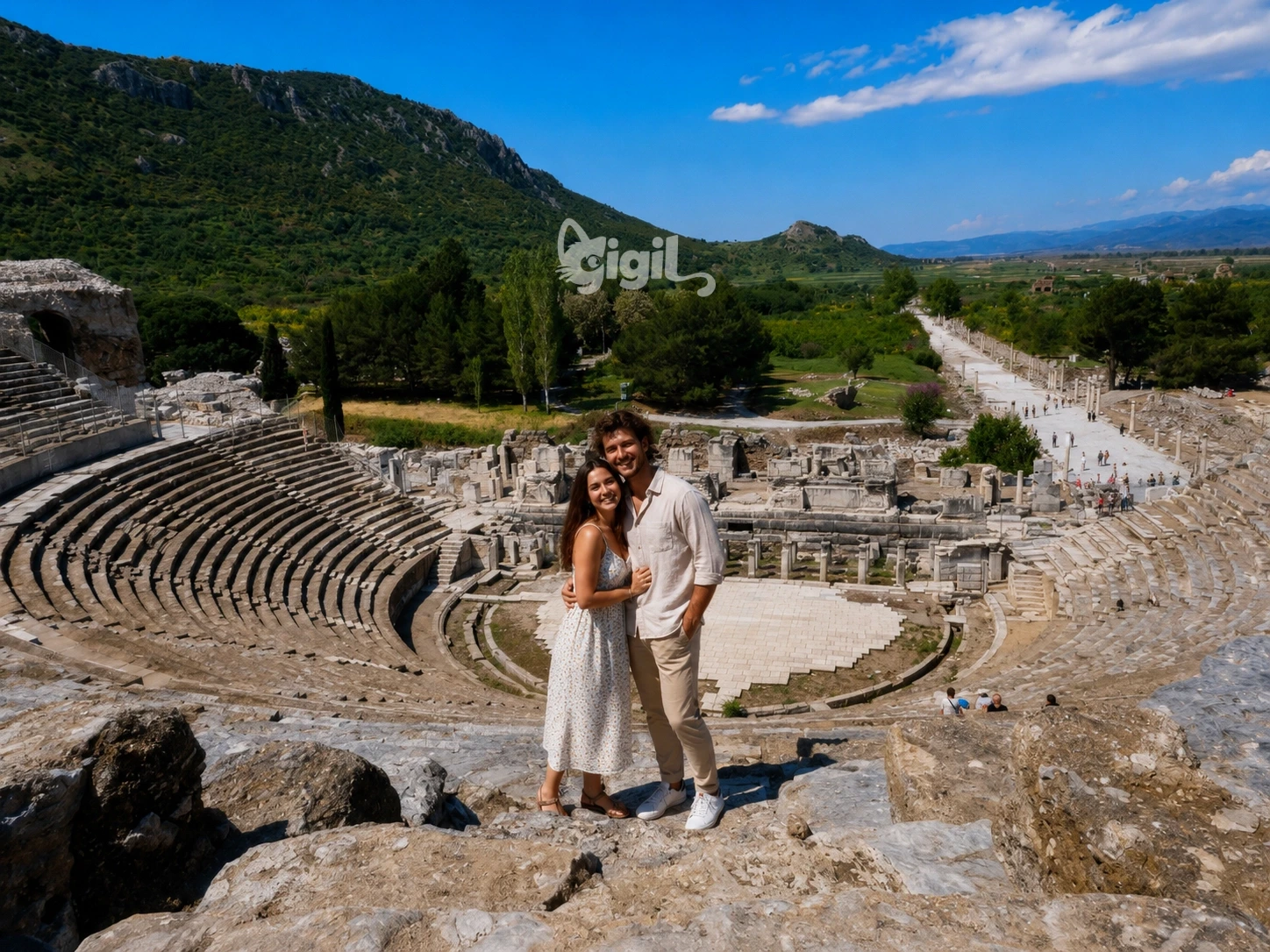
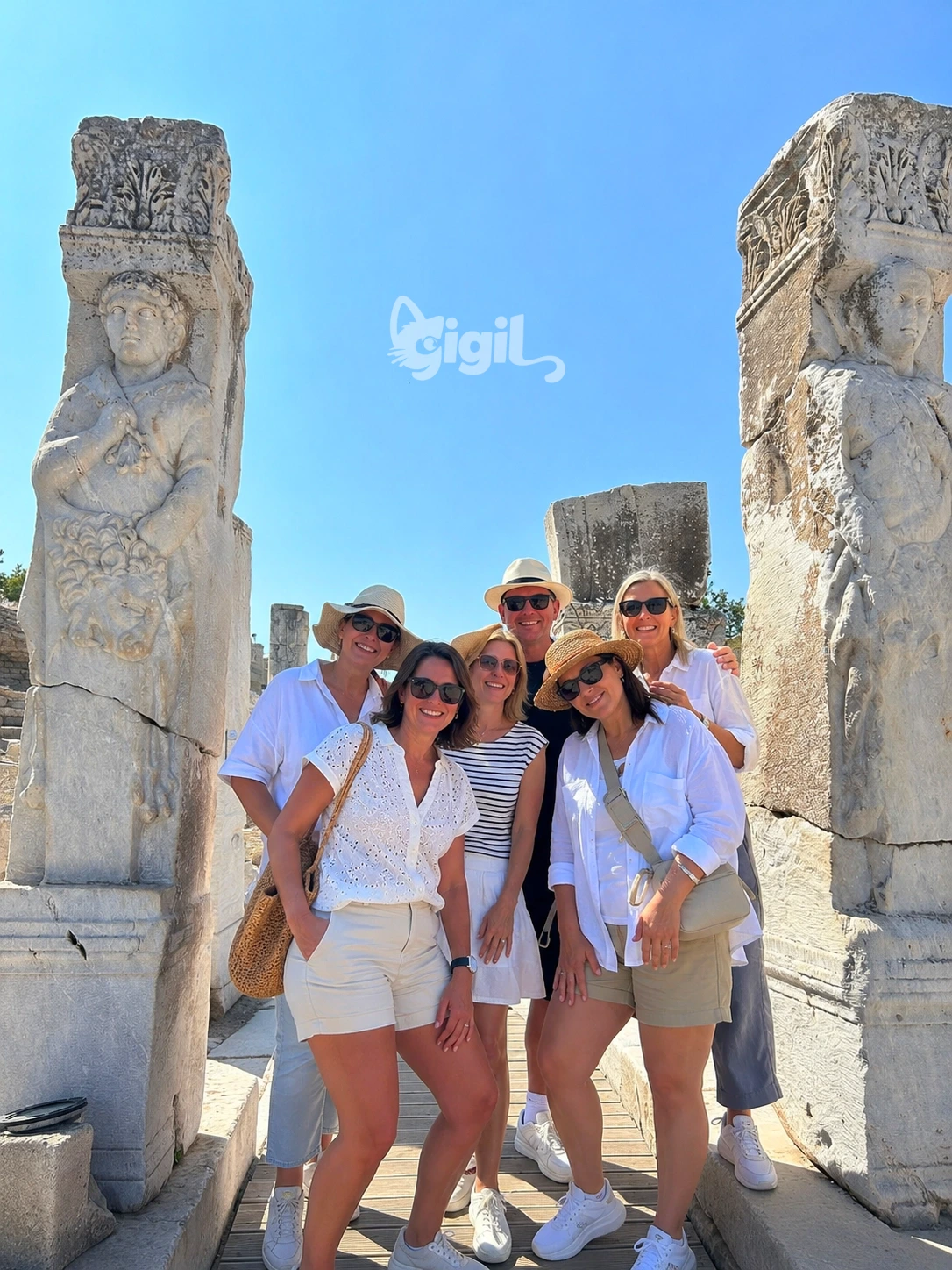
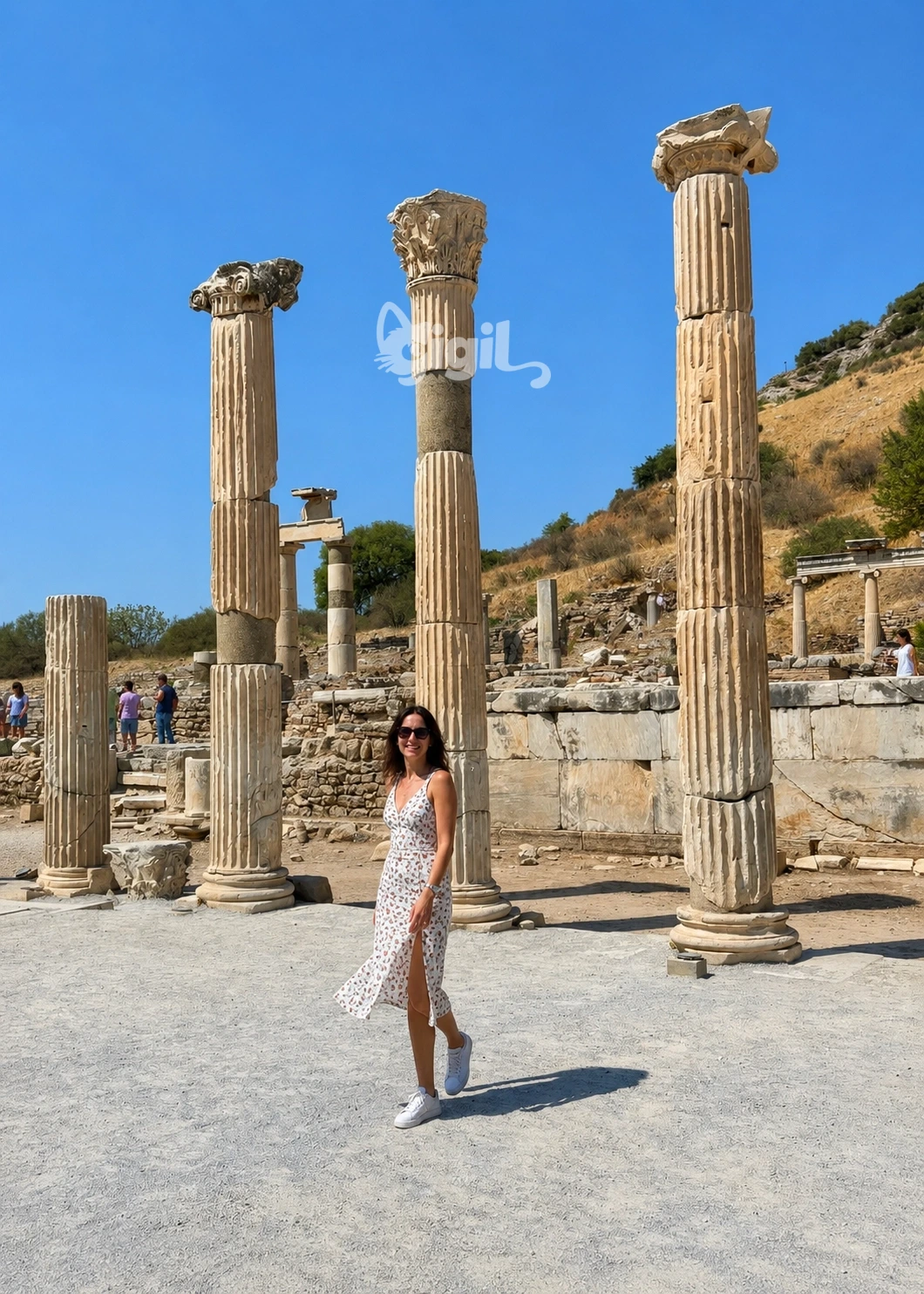
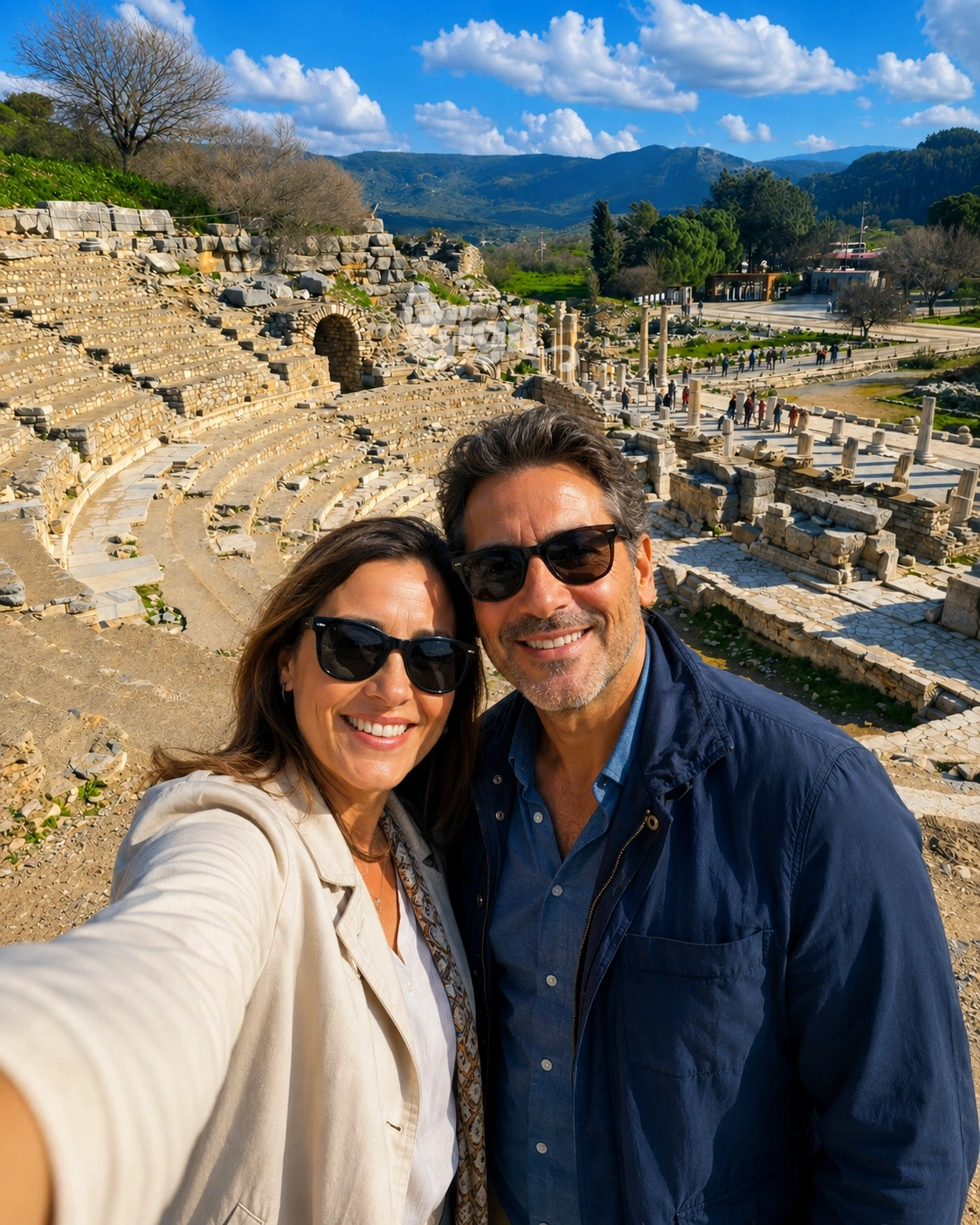
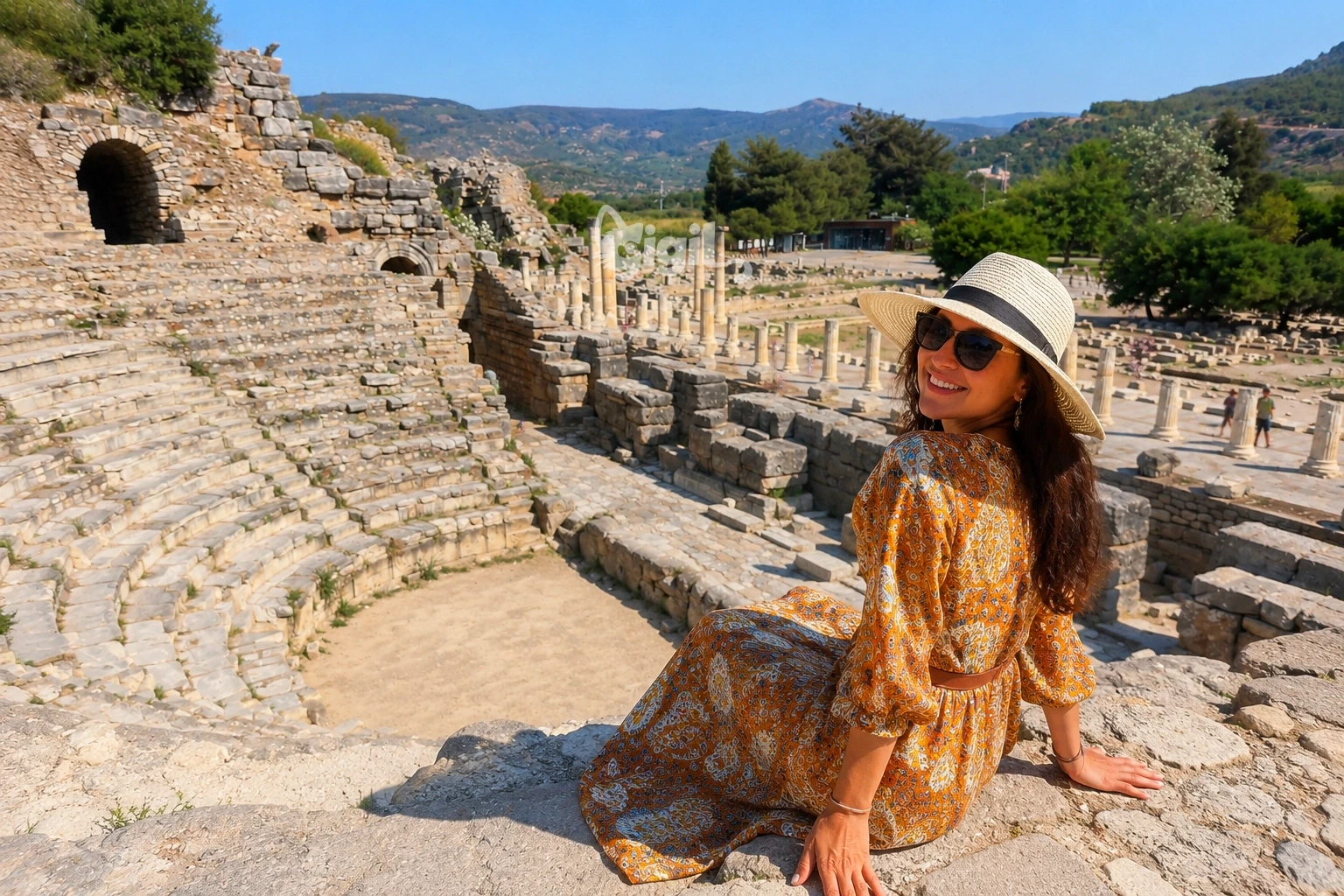
Ephesus Ancient City is the main archaeological experience of the day. Its marble streets, theatre, agora spaces, gateways, inscriptions and Library of Celsus show how an ancient city organized movement, status, public life and worship.
Try to read Ephesus as a city with a plan. The route through the ruins shows relationships between civic buildings, public gathering spaces and monumental architecture, while the former harbor story explains why this inland site once had such regional power.
Questions
What makes Ephesus a complete ancient city experience?
Ephesus combines streets, public buildings, theatre, agora areas, inscriptions and monumental facades, allowing visitors to understand how a city functioned.
Which Ephesus areas are especially important to notice?
The Library of Celsus, theatre, marble streets, gates, agora spaces and inscription details are especially useful for reading the city as a connected plan.
Why did geography matter for Ephesus?
Geography mattered because Ephesus gained power through harbor connections. The coastline changed over time, which explains why the ruins now stand inland.
How should restored areas be understood?
Restored areas support interpretation and help visitors imagine the ancient scale. They should be understood alongside original remains and archaeological conservation.