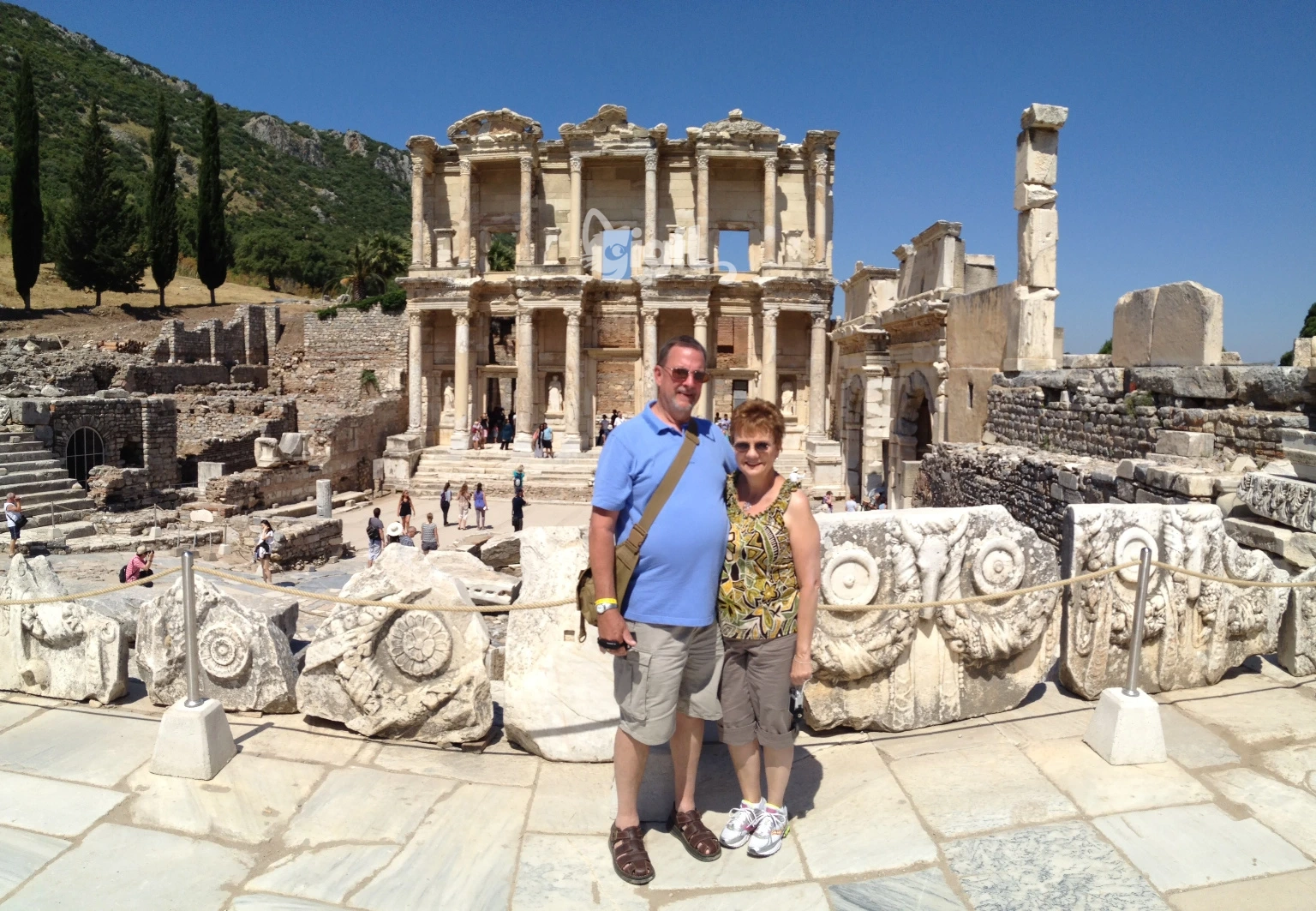
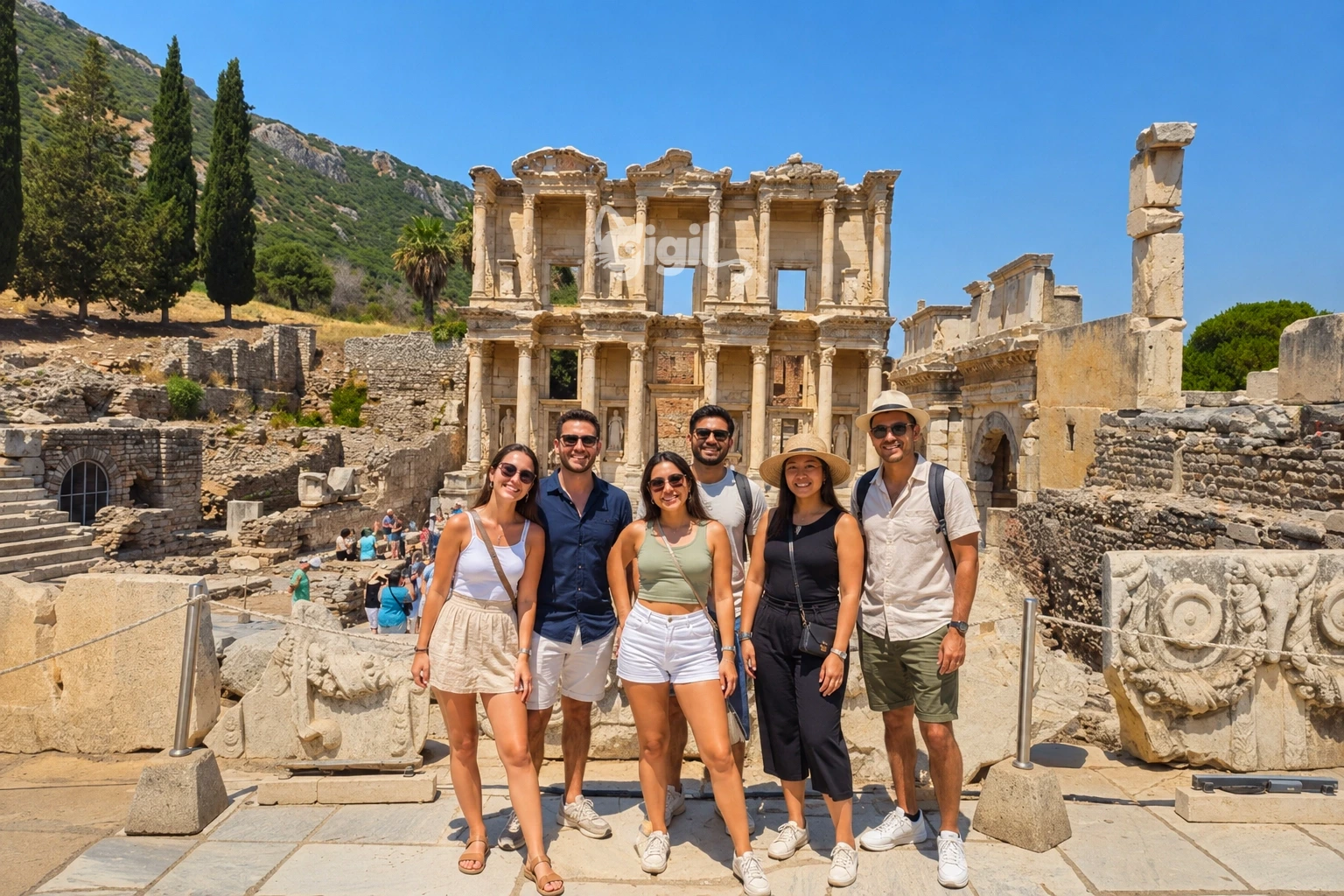
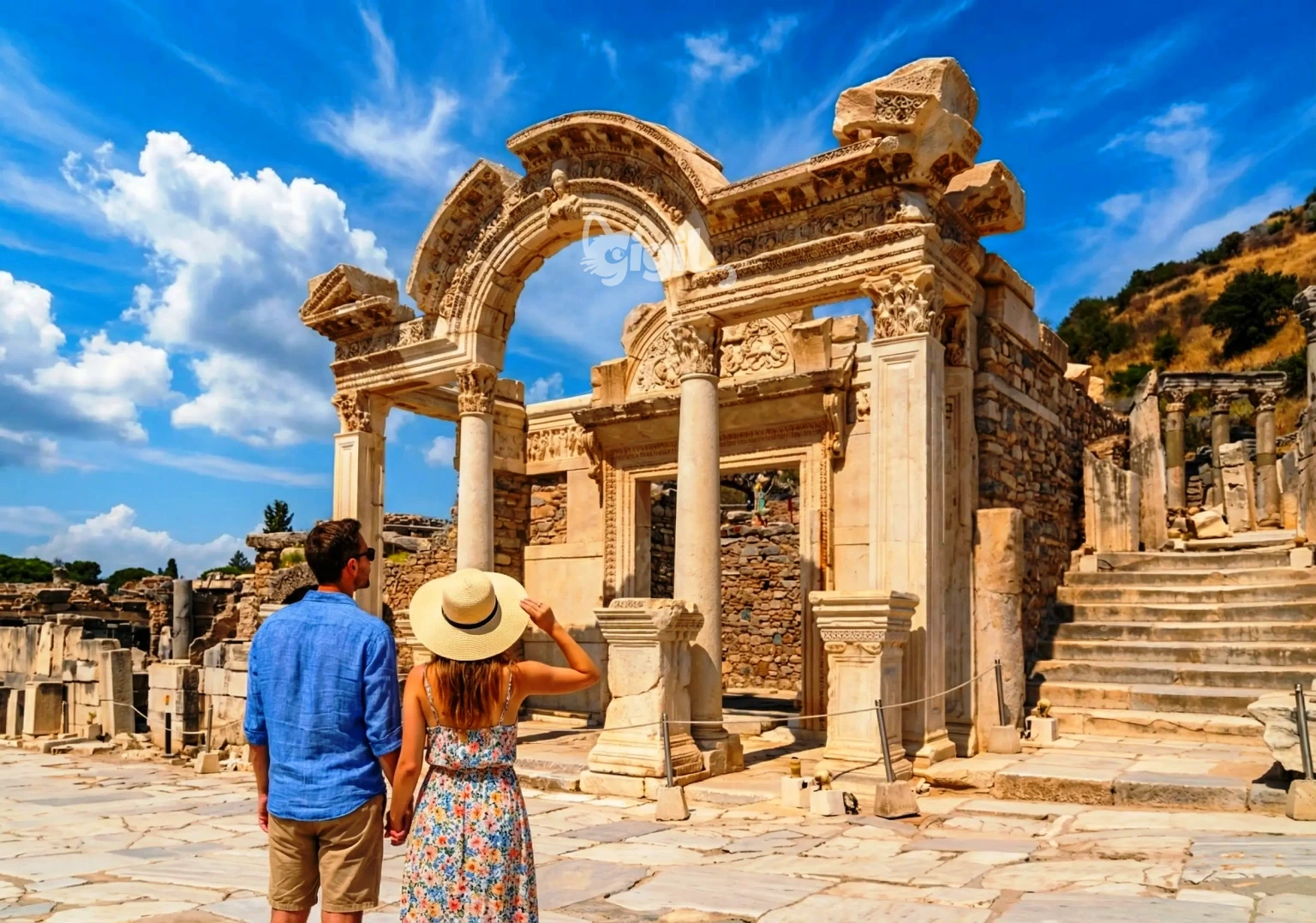
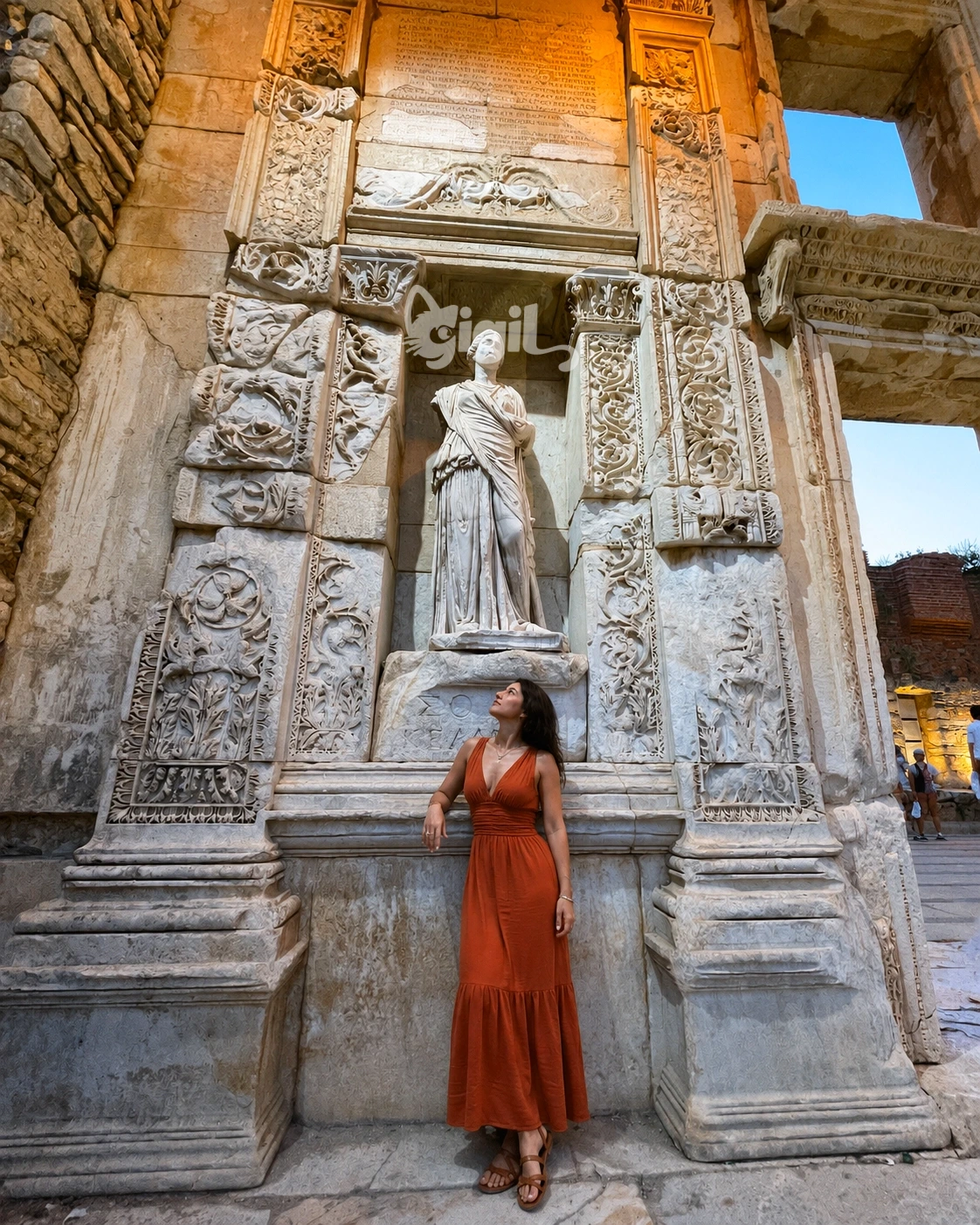
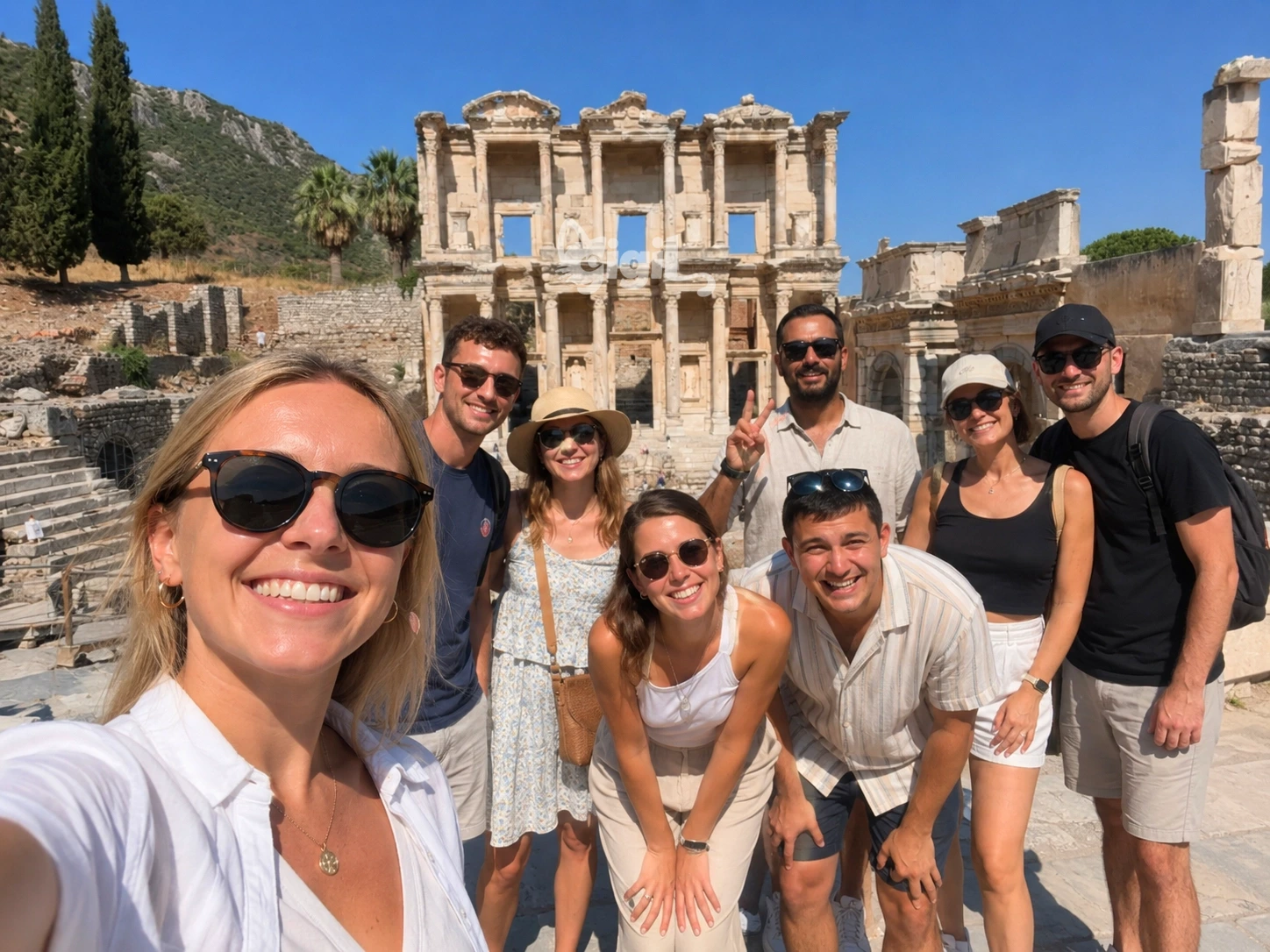
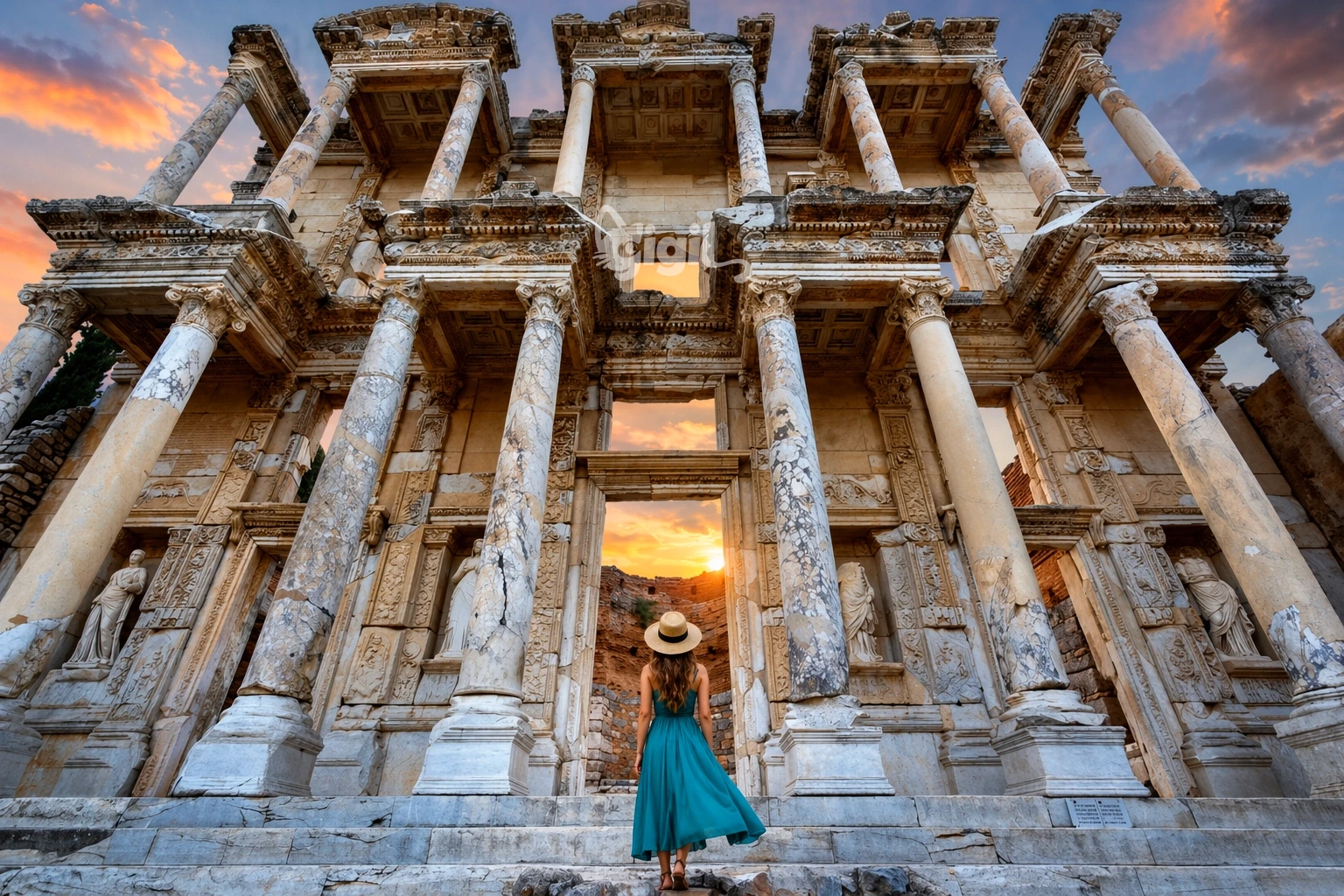
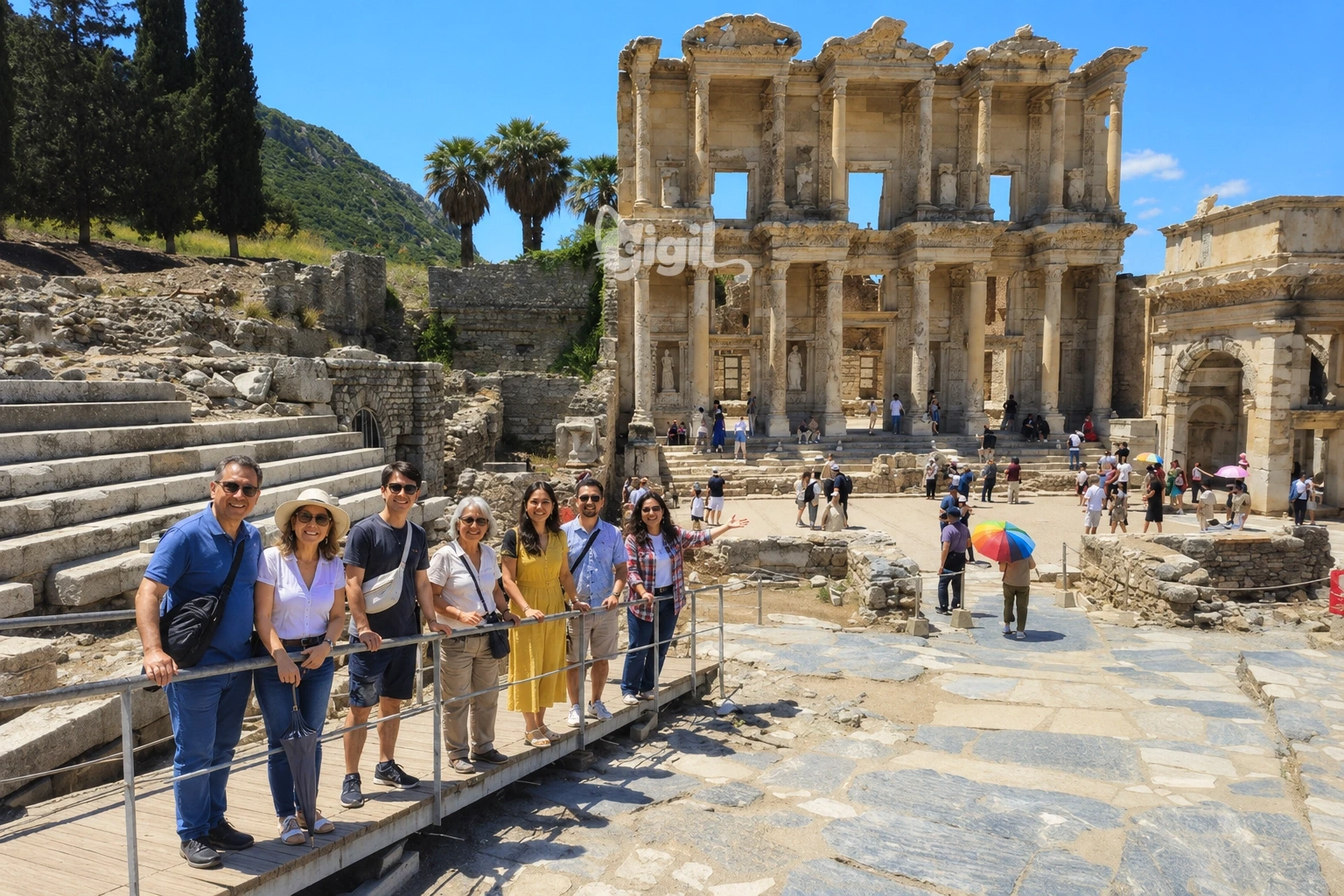
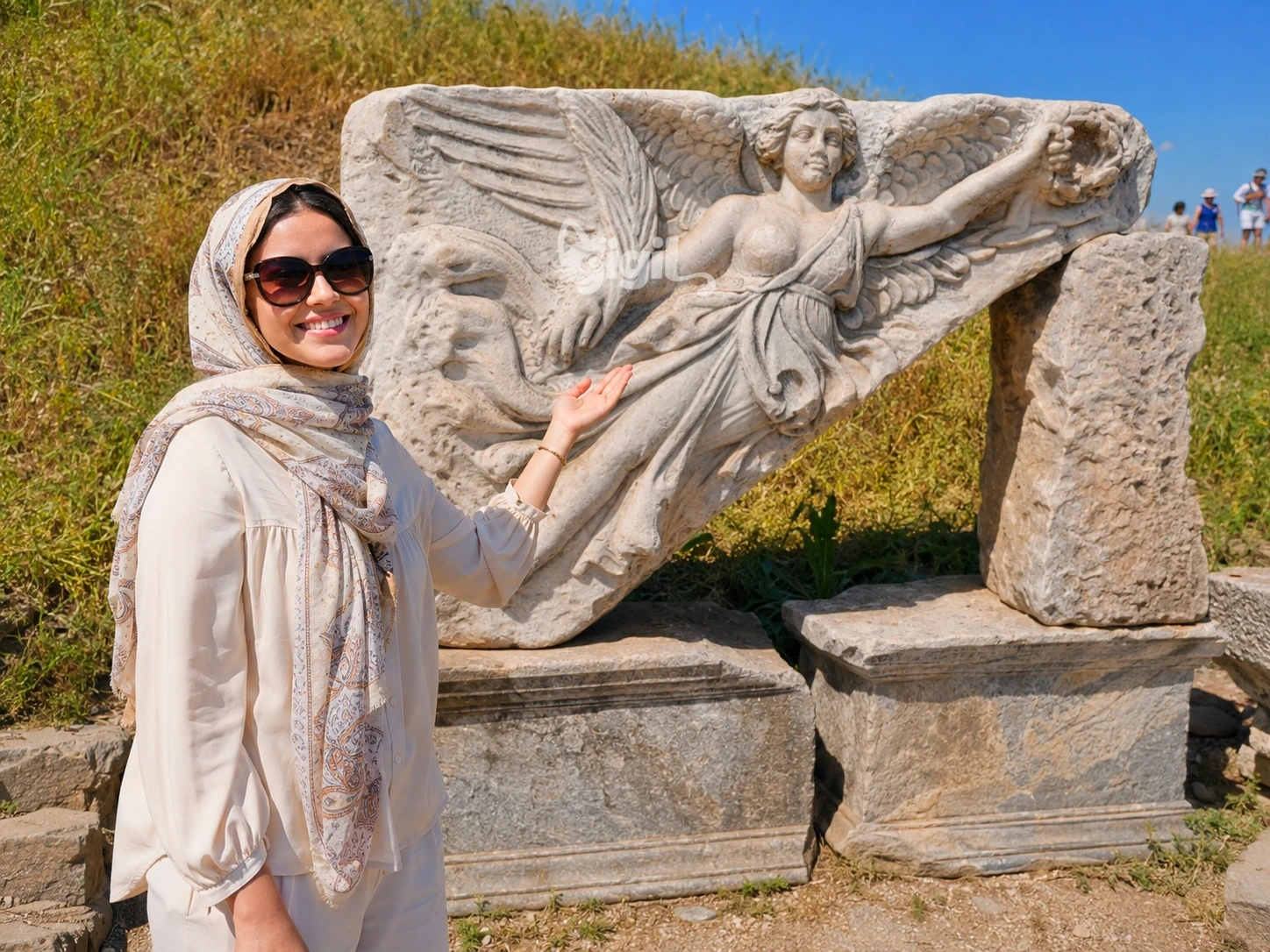
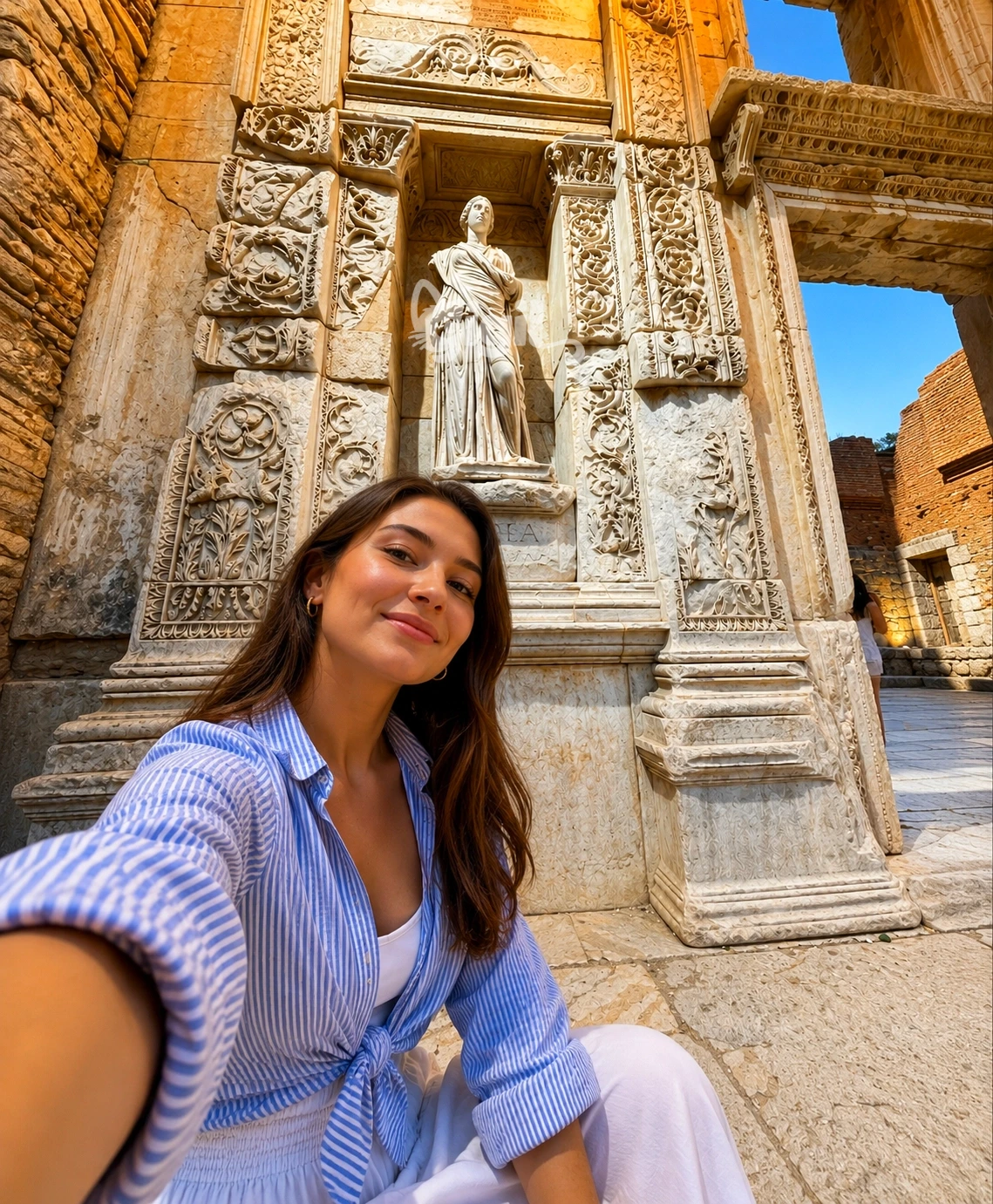
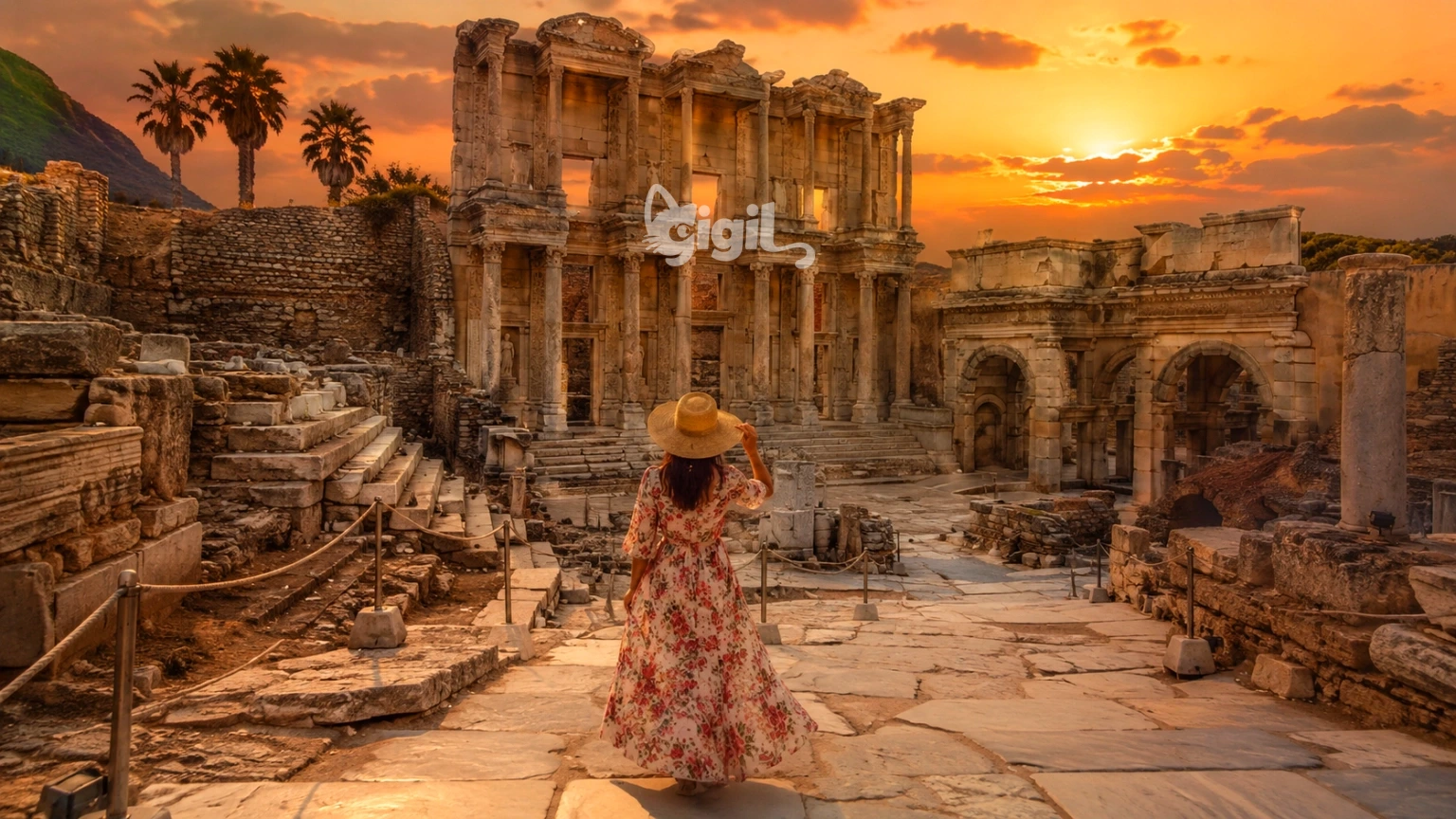
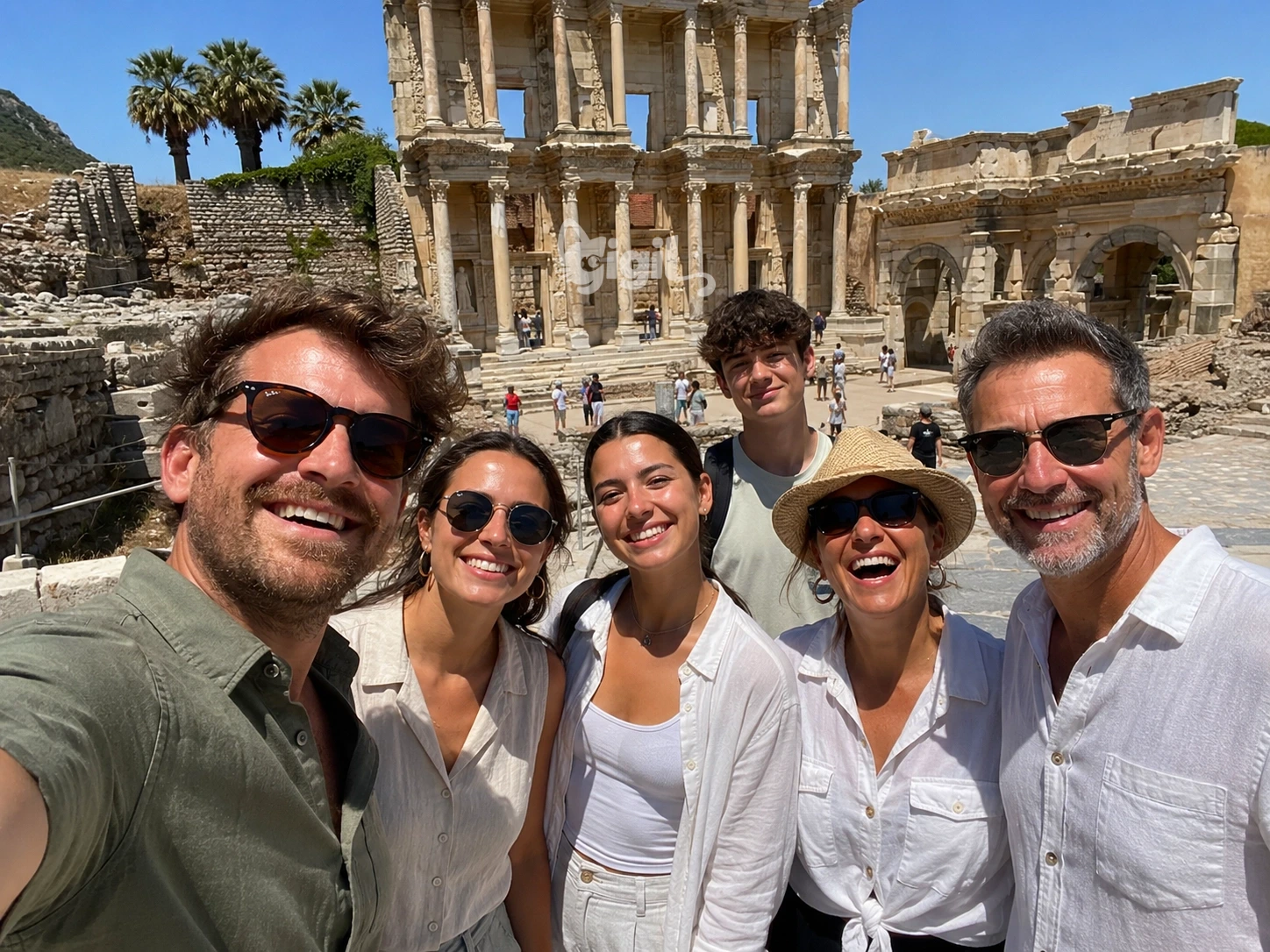
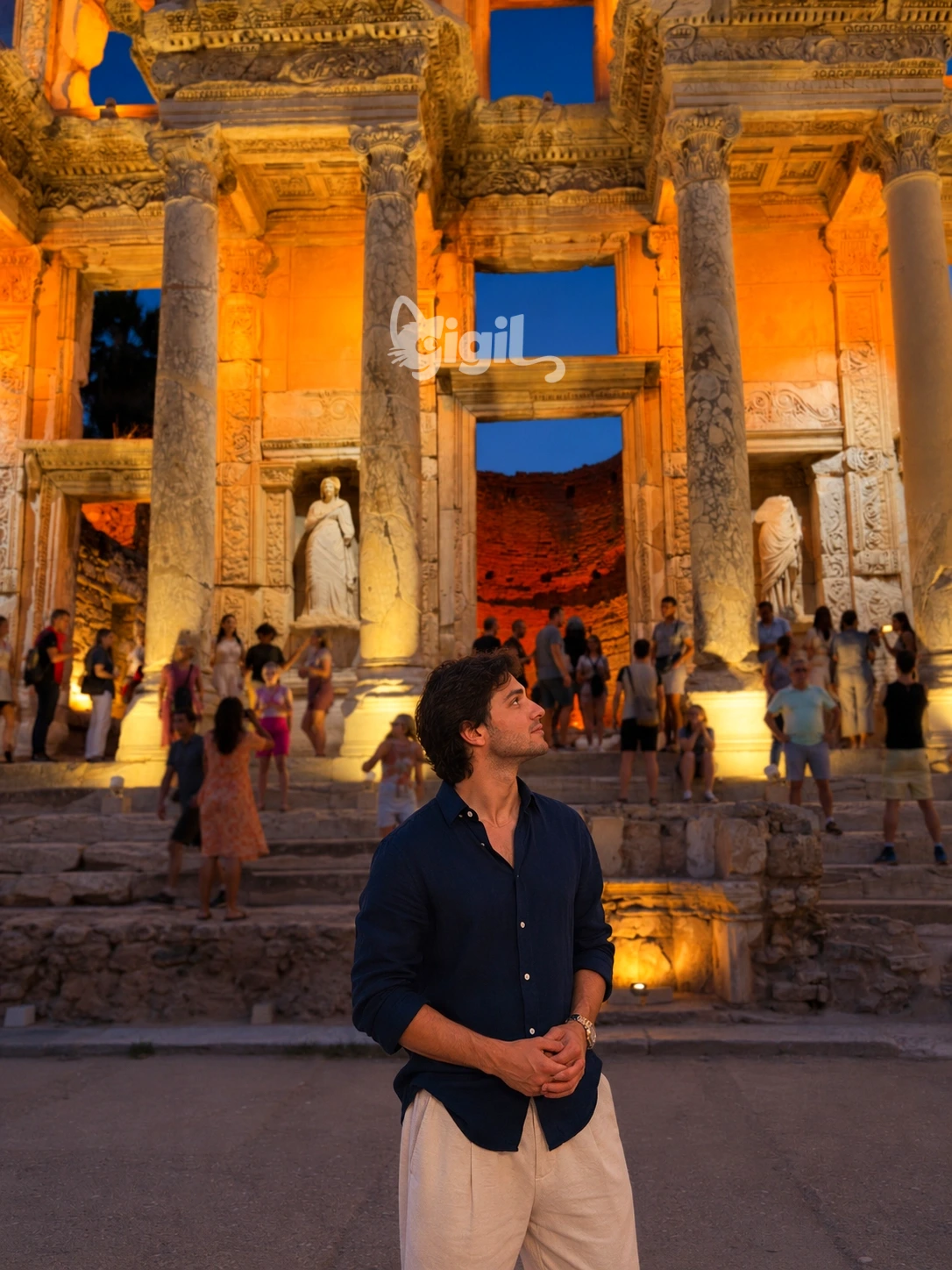
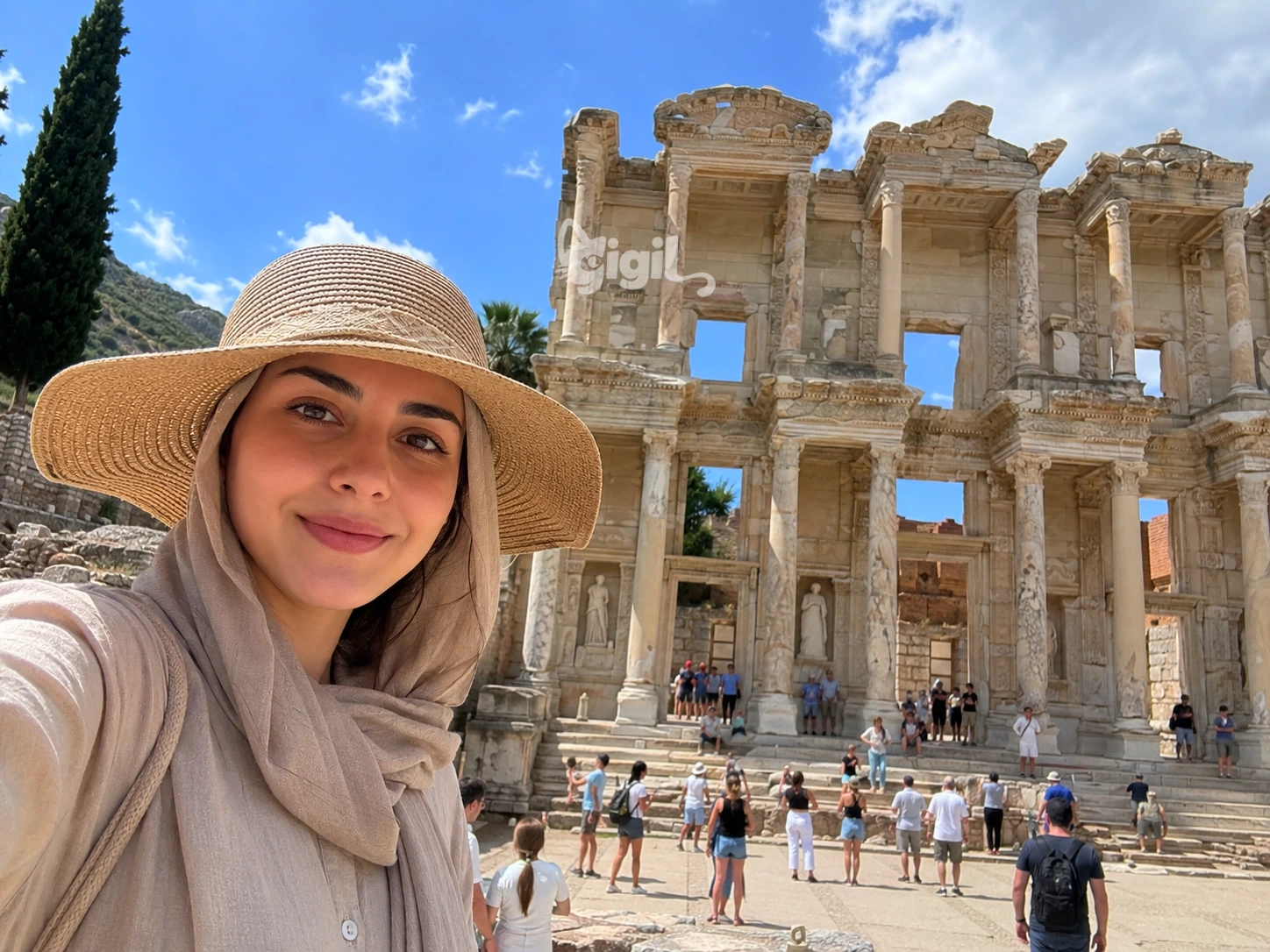
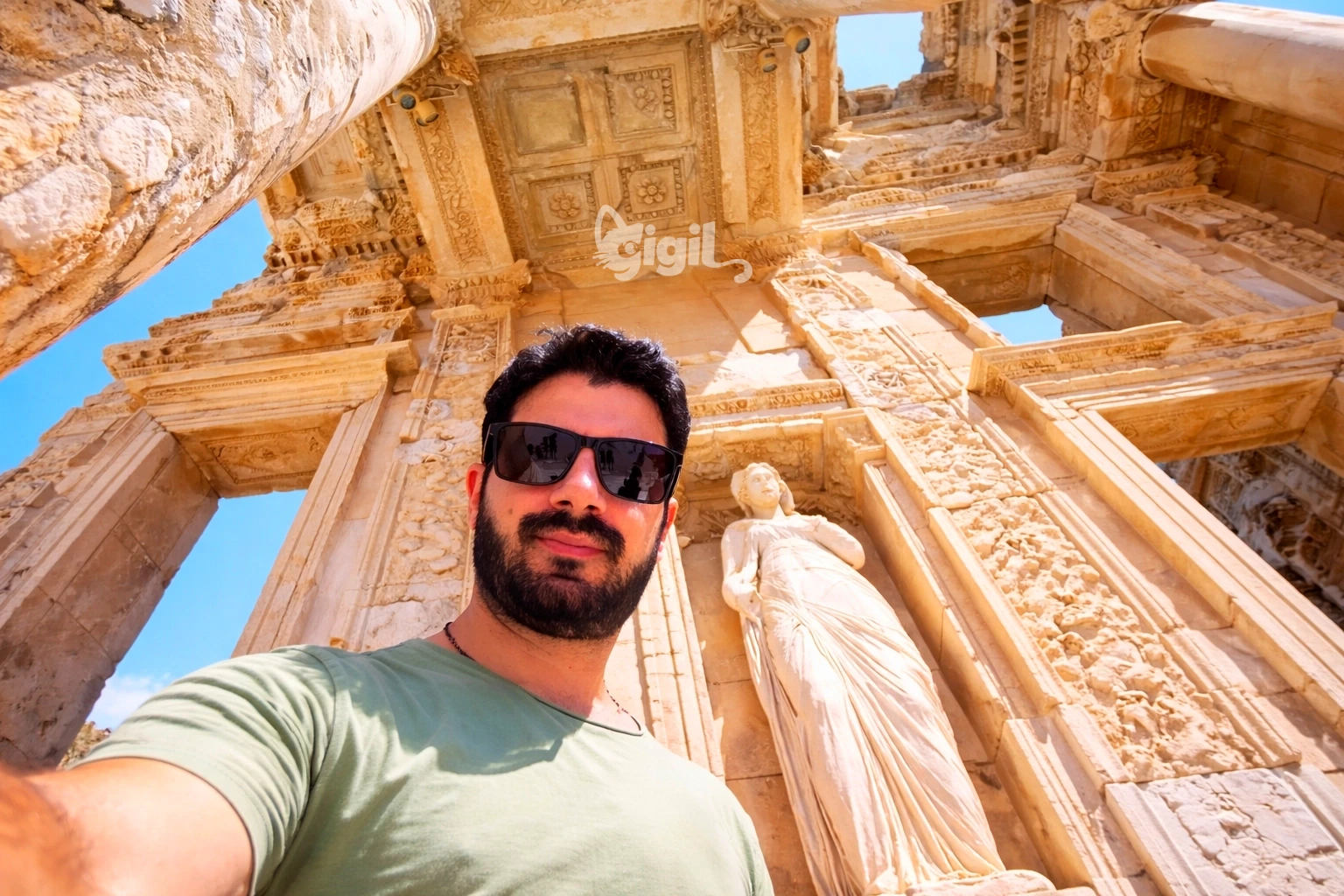
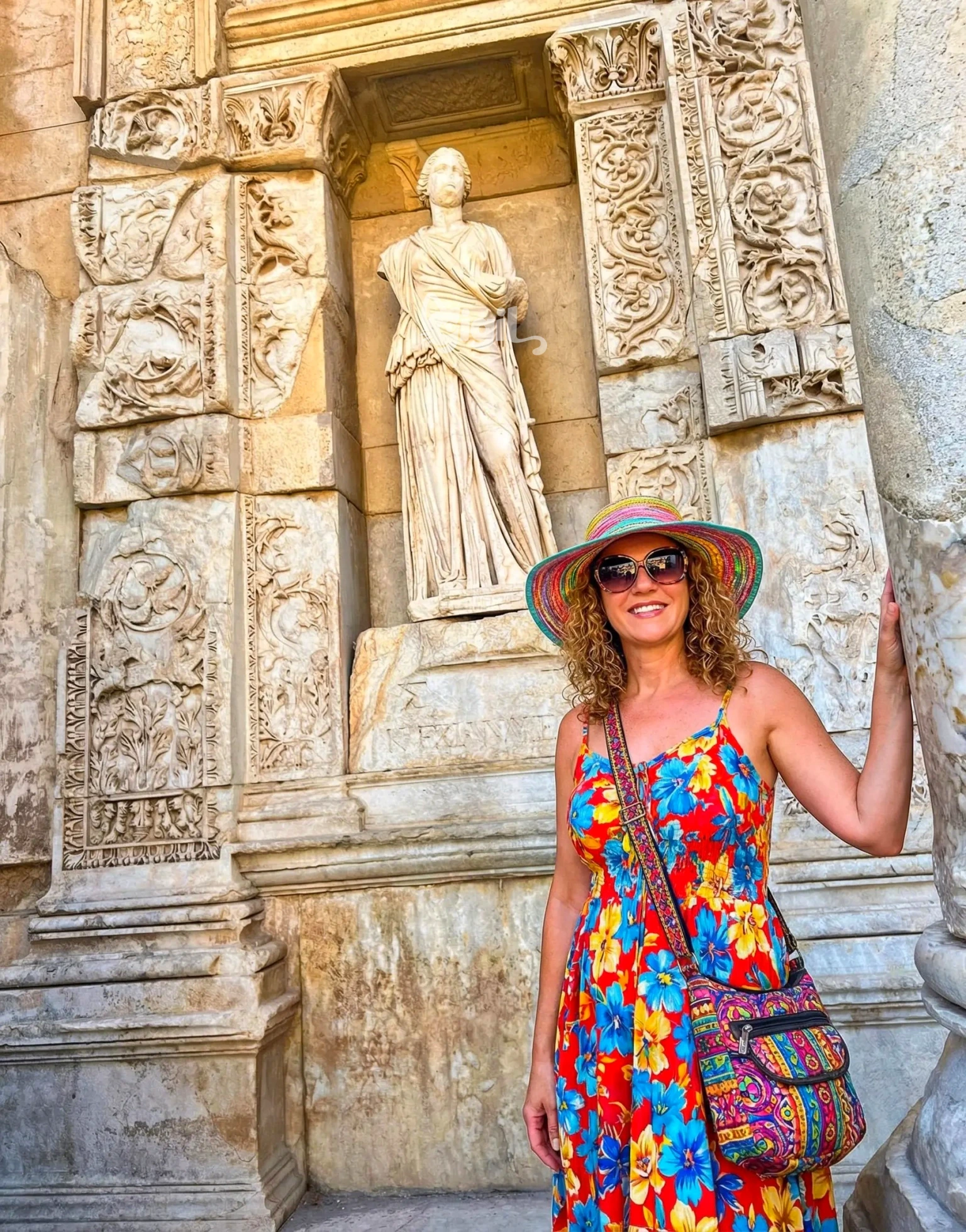
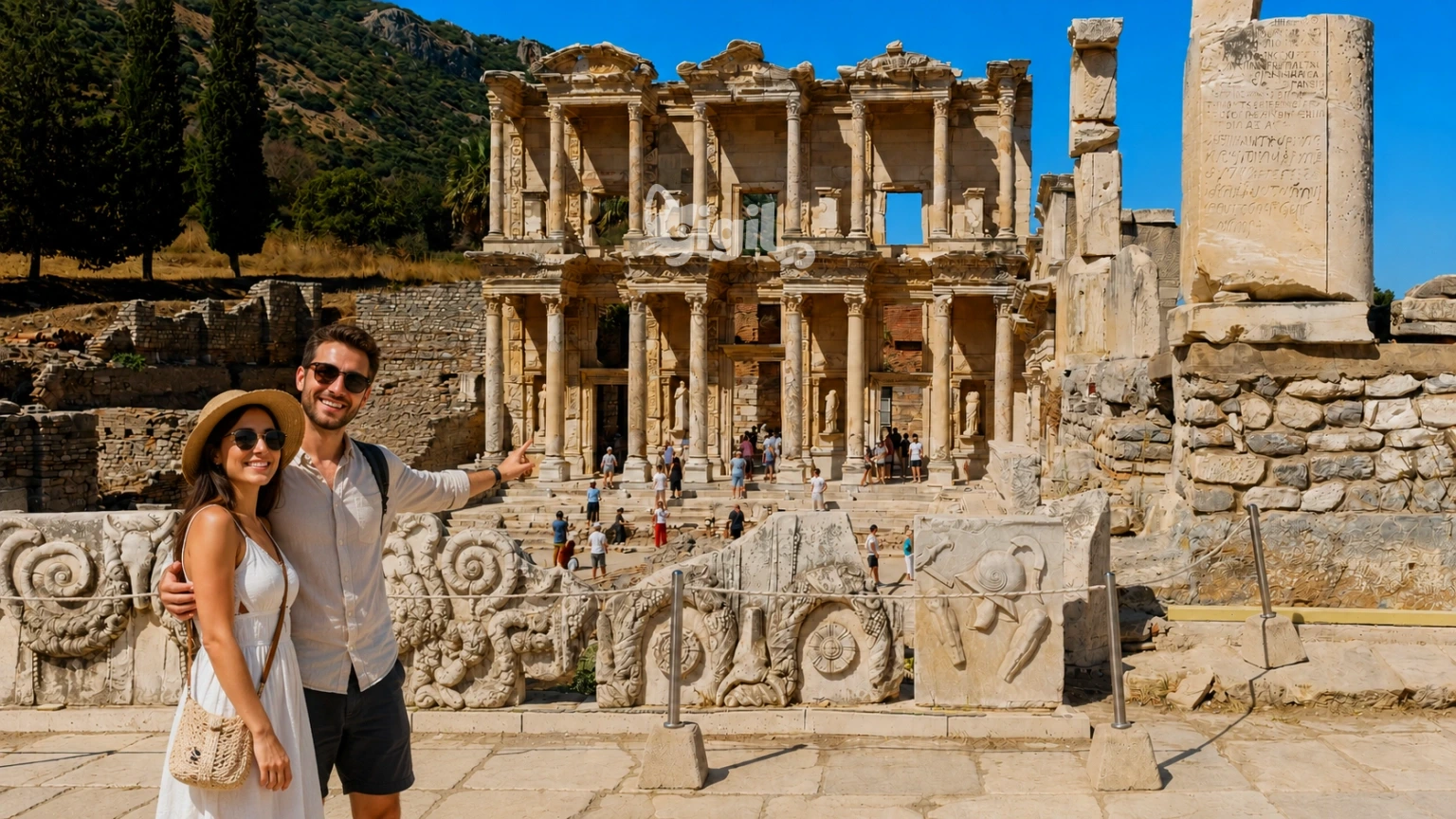
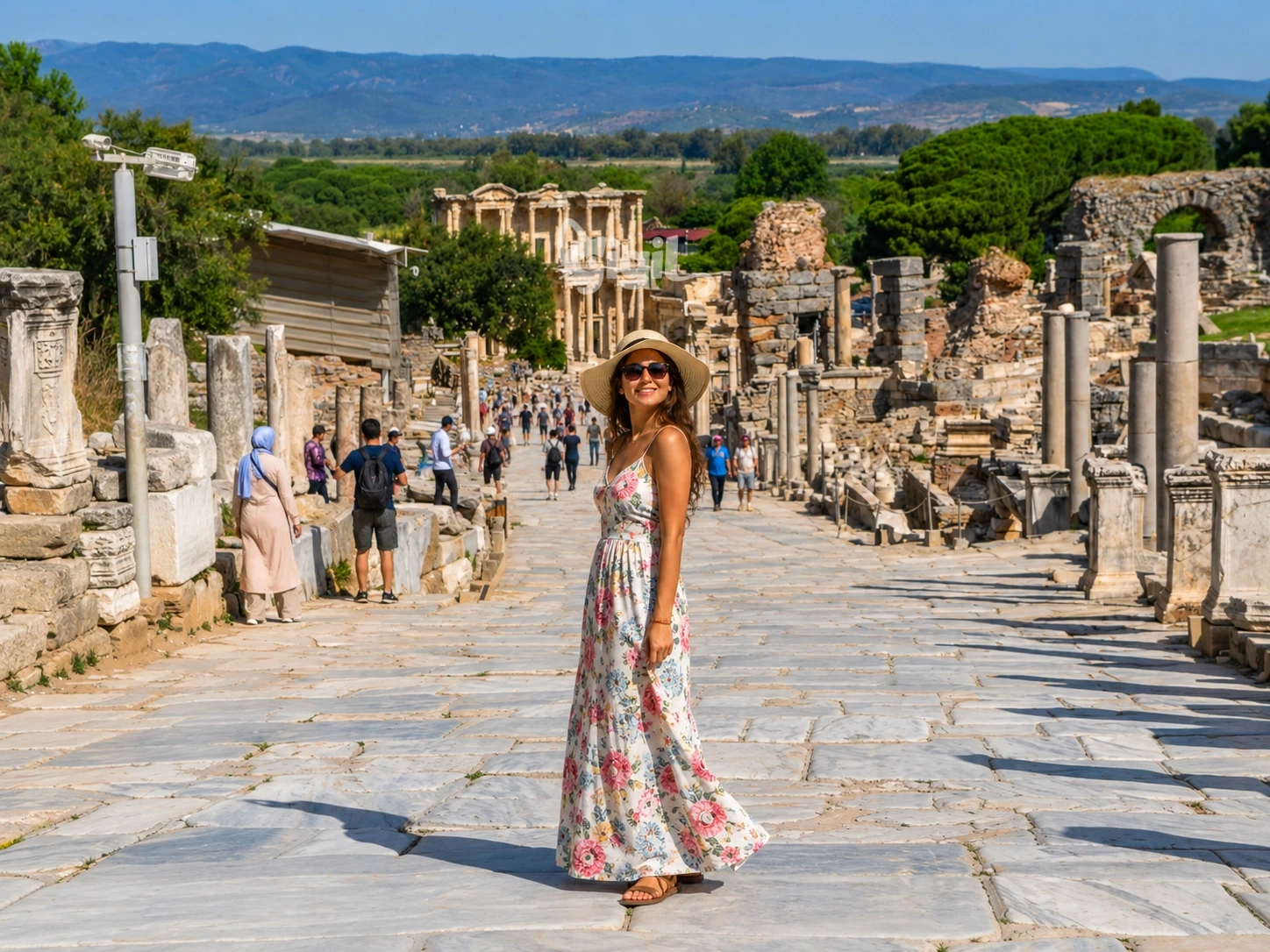
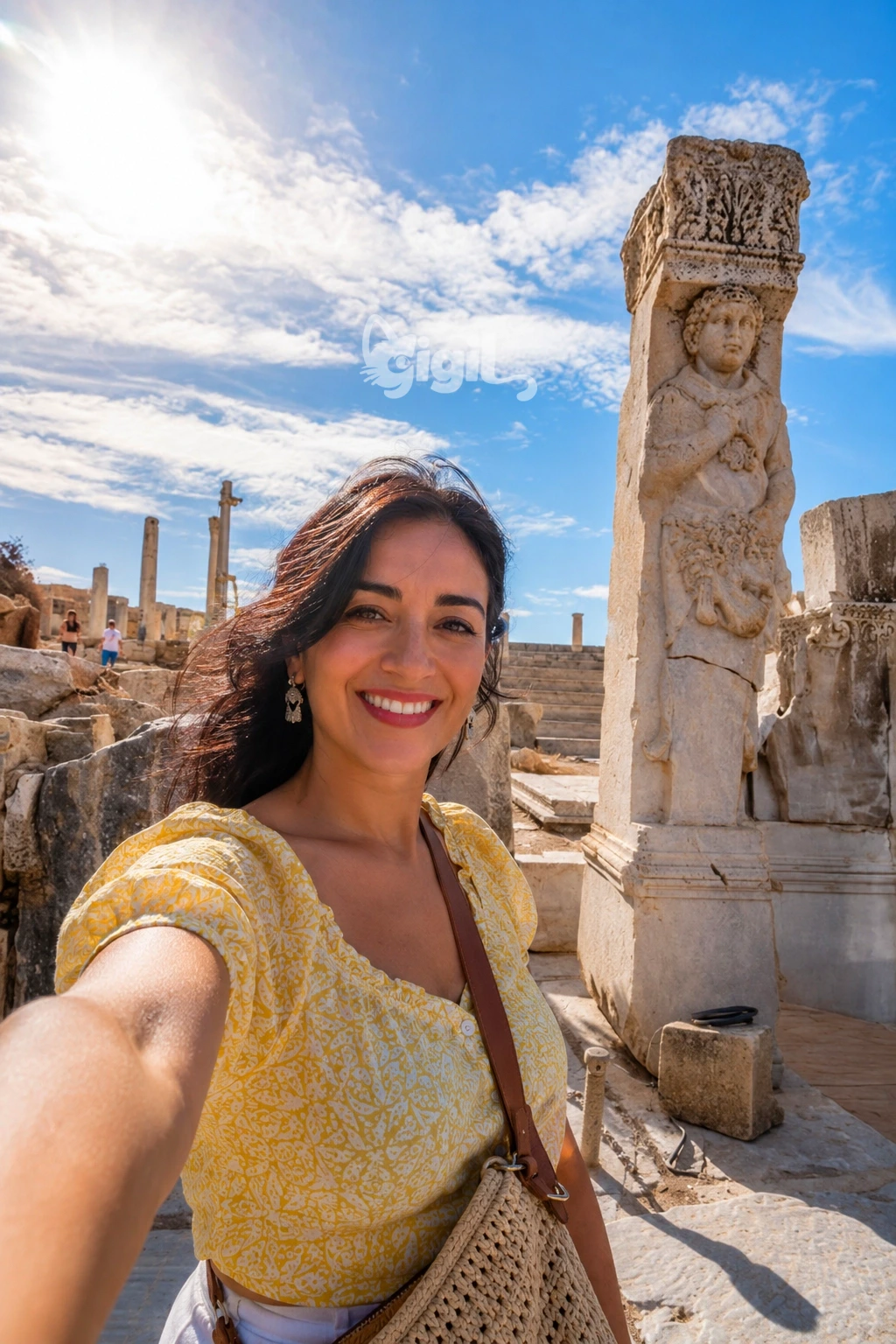
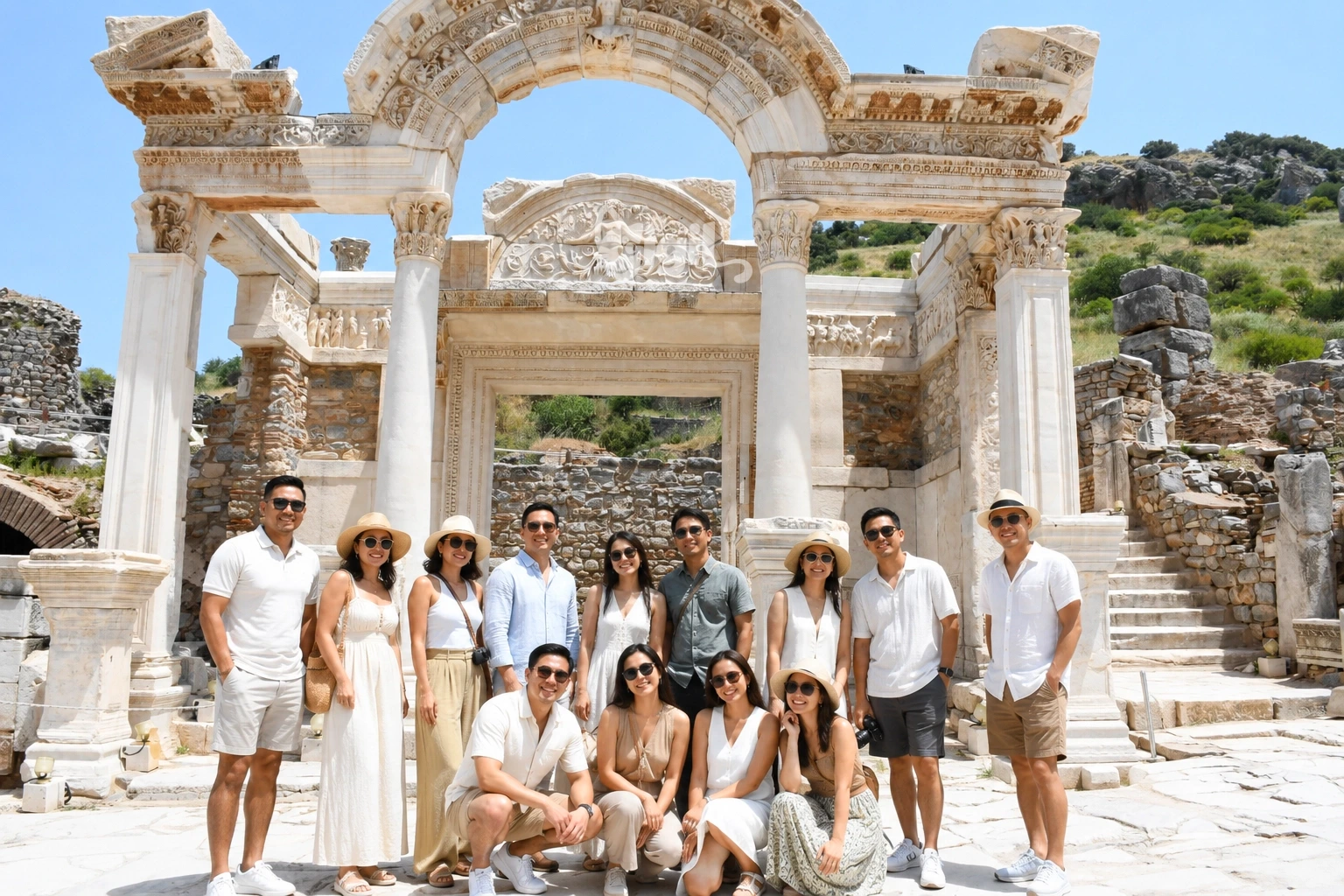
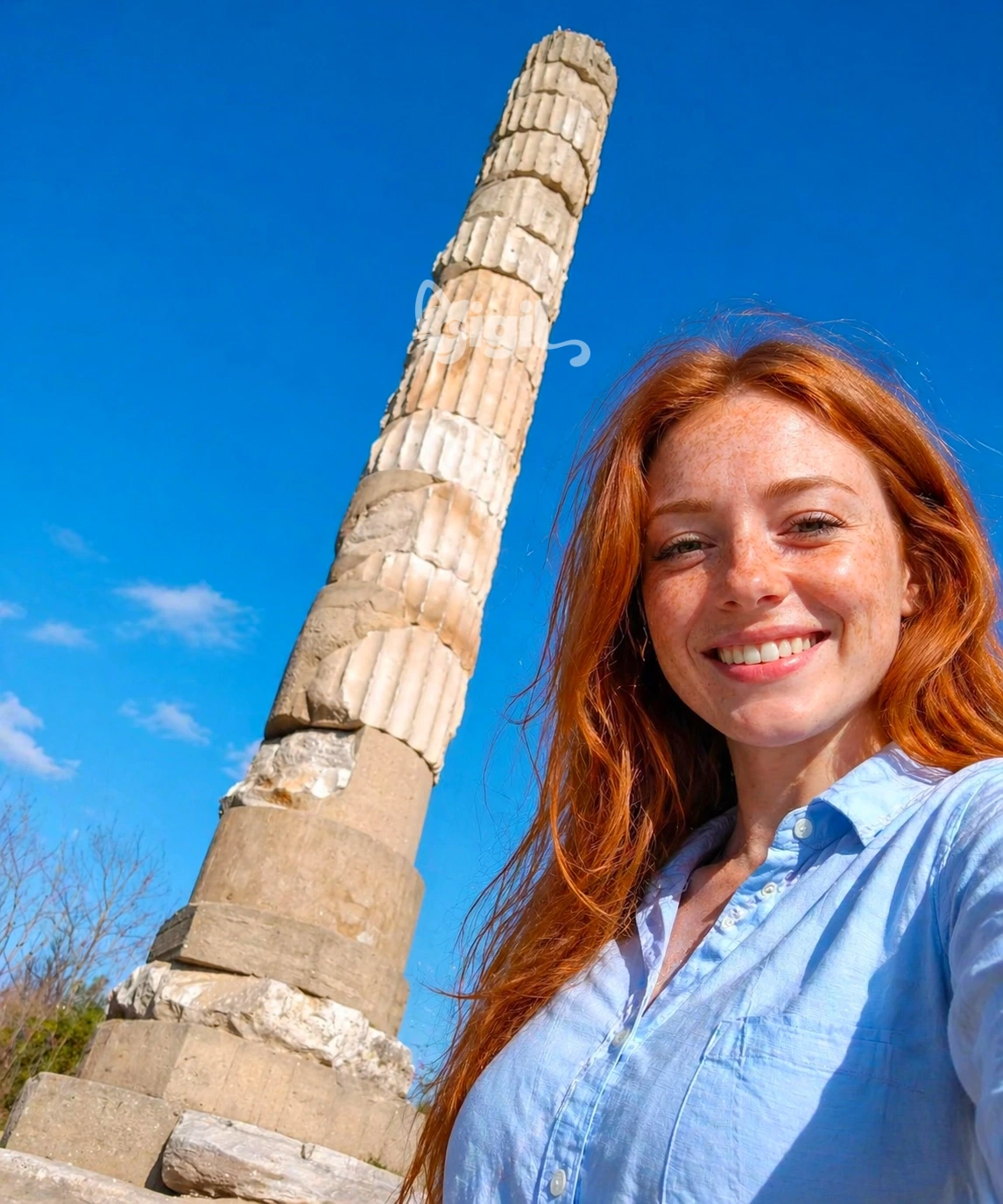
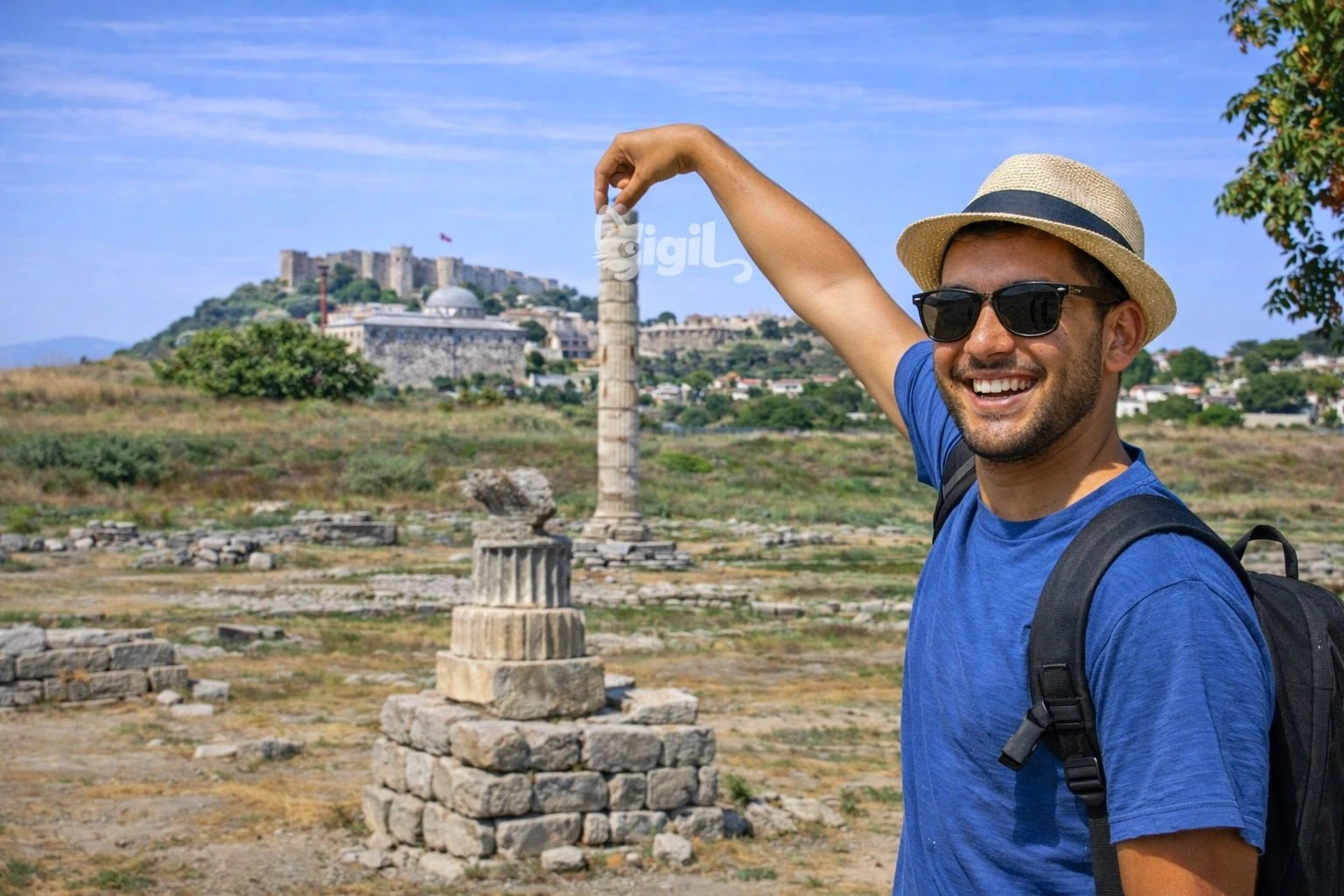
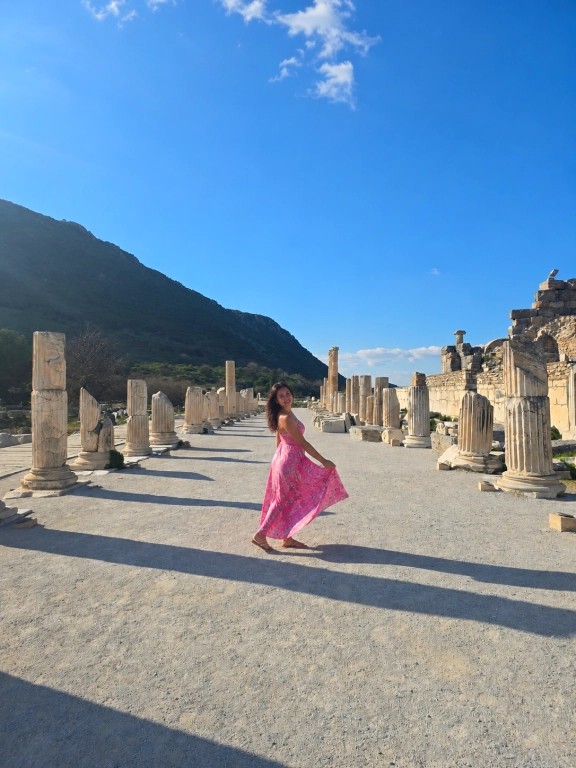
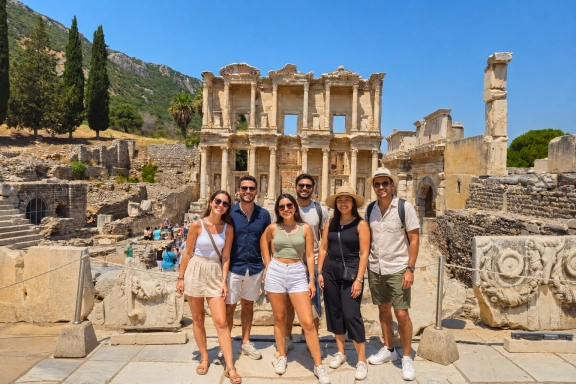
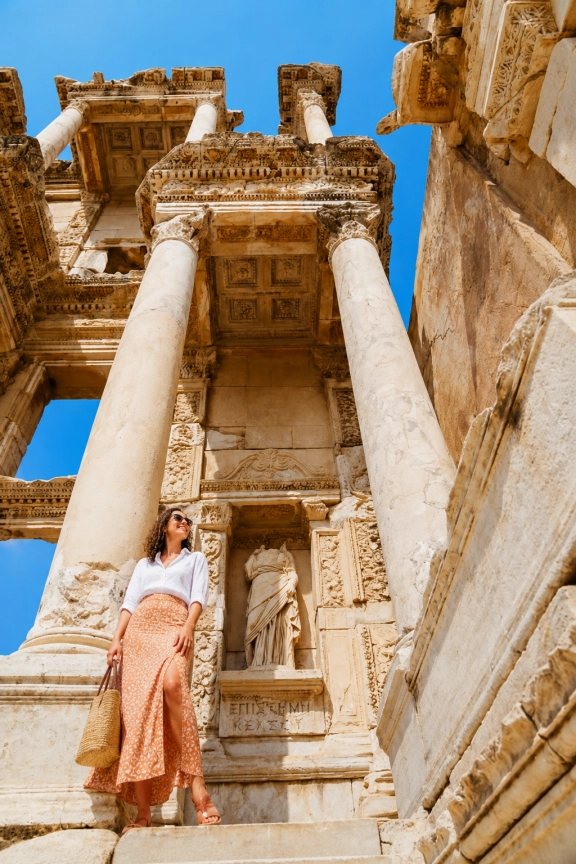
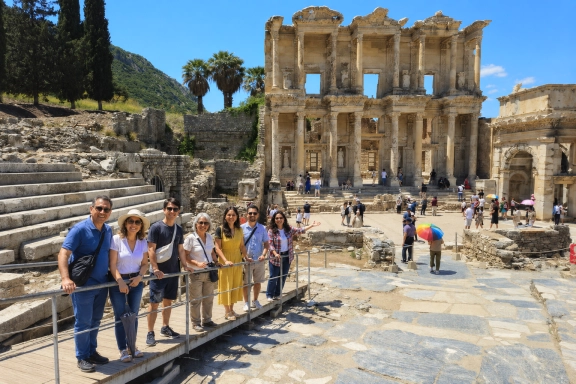
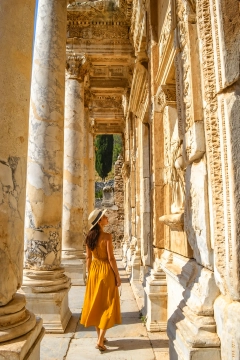
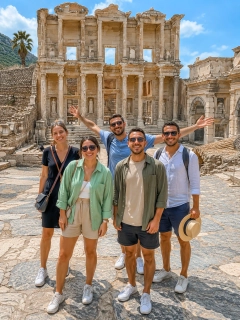
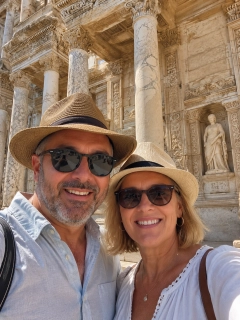
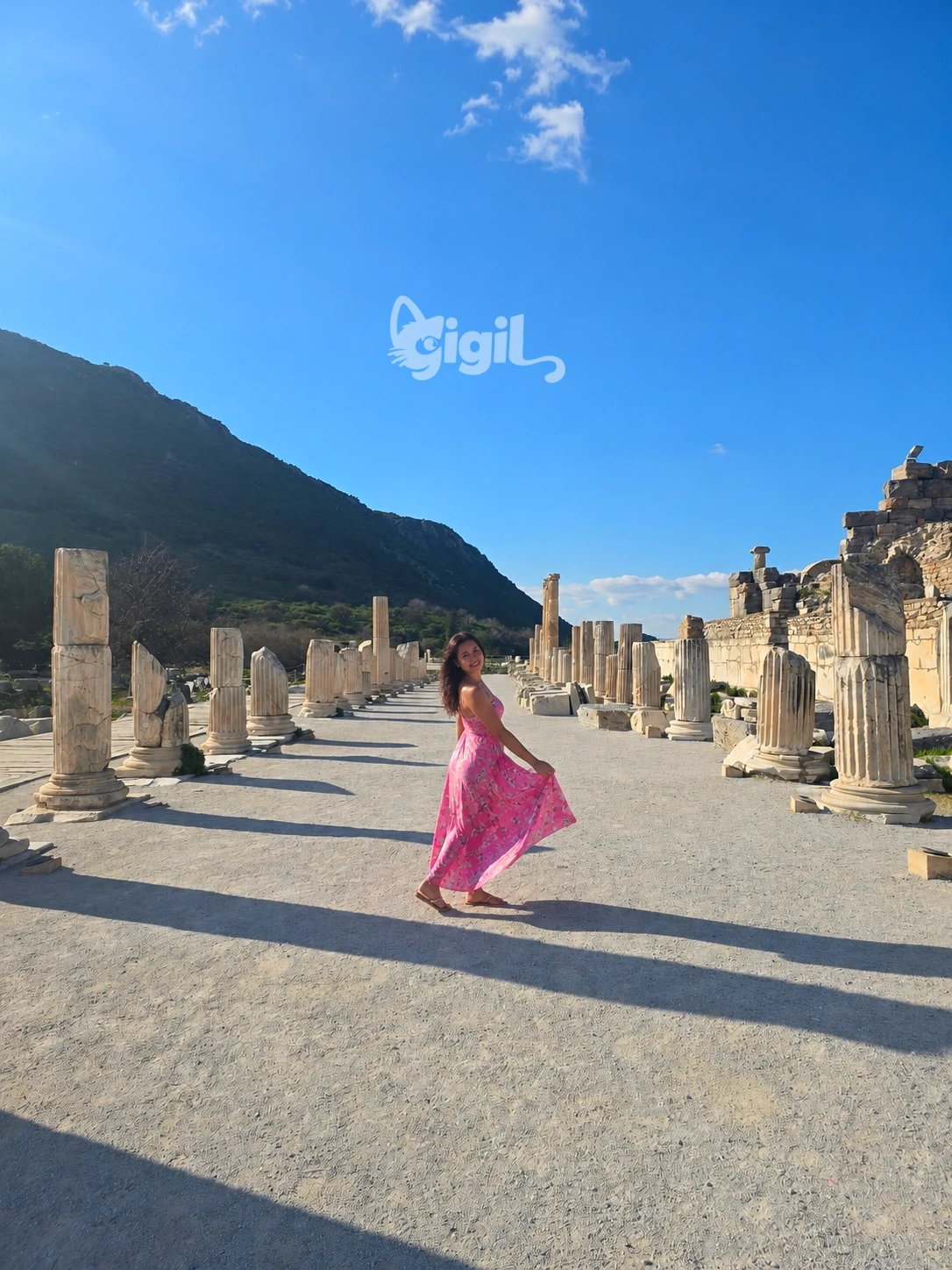
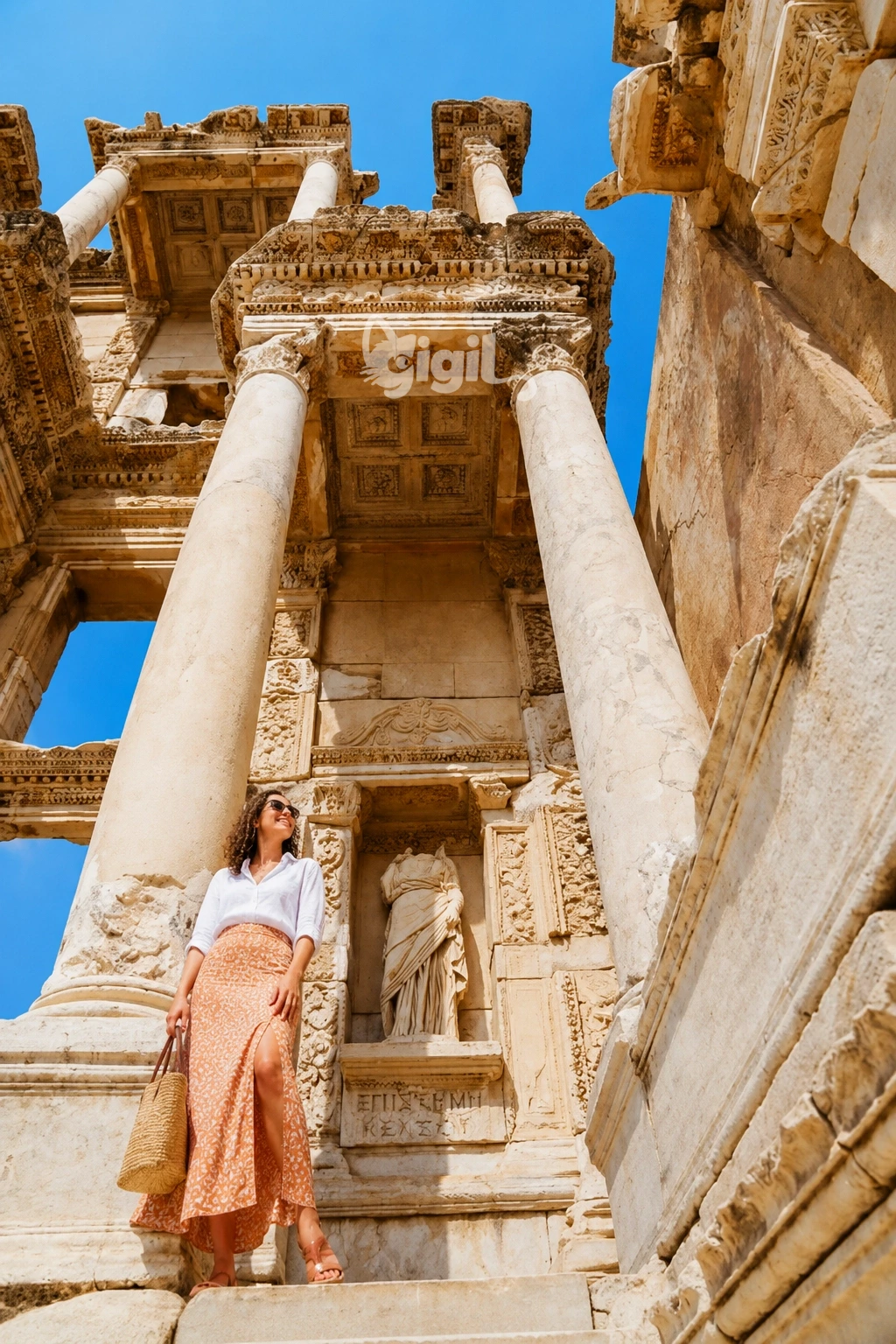
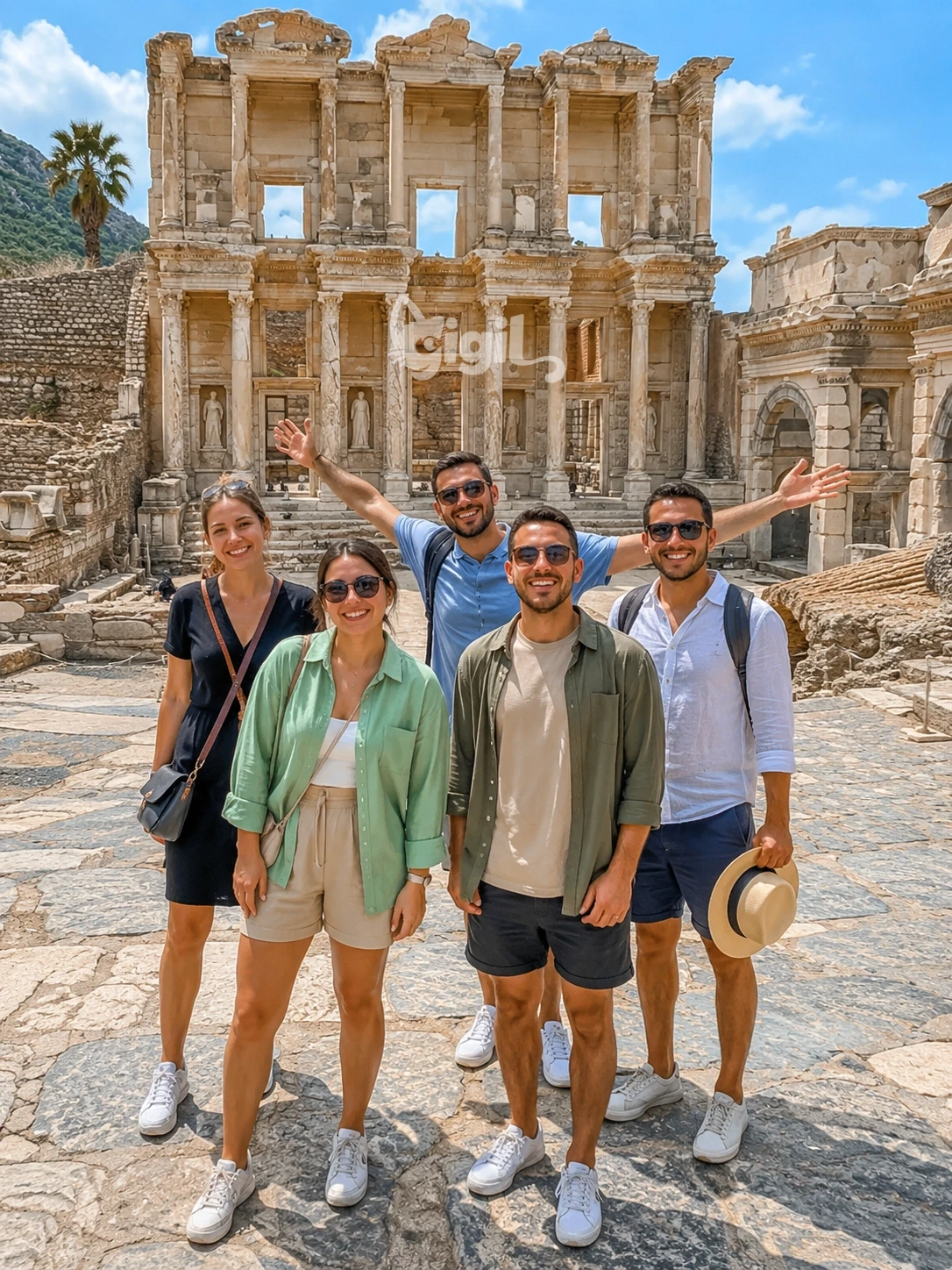
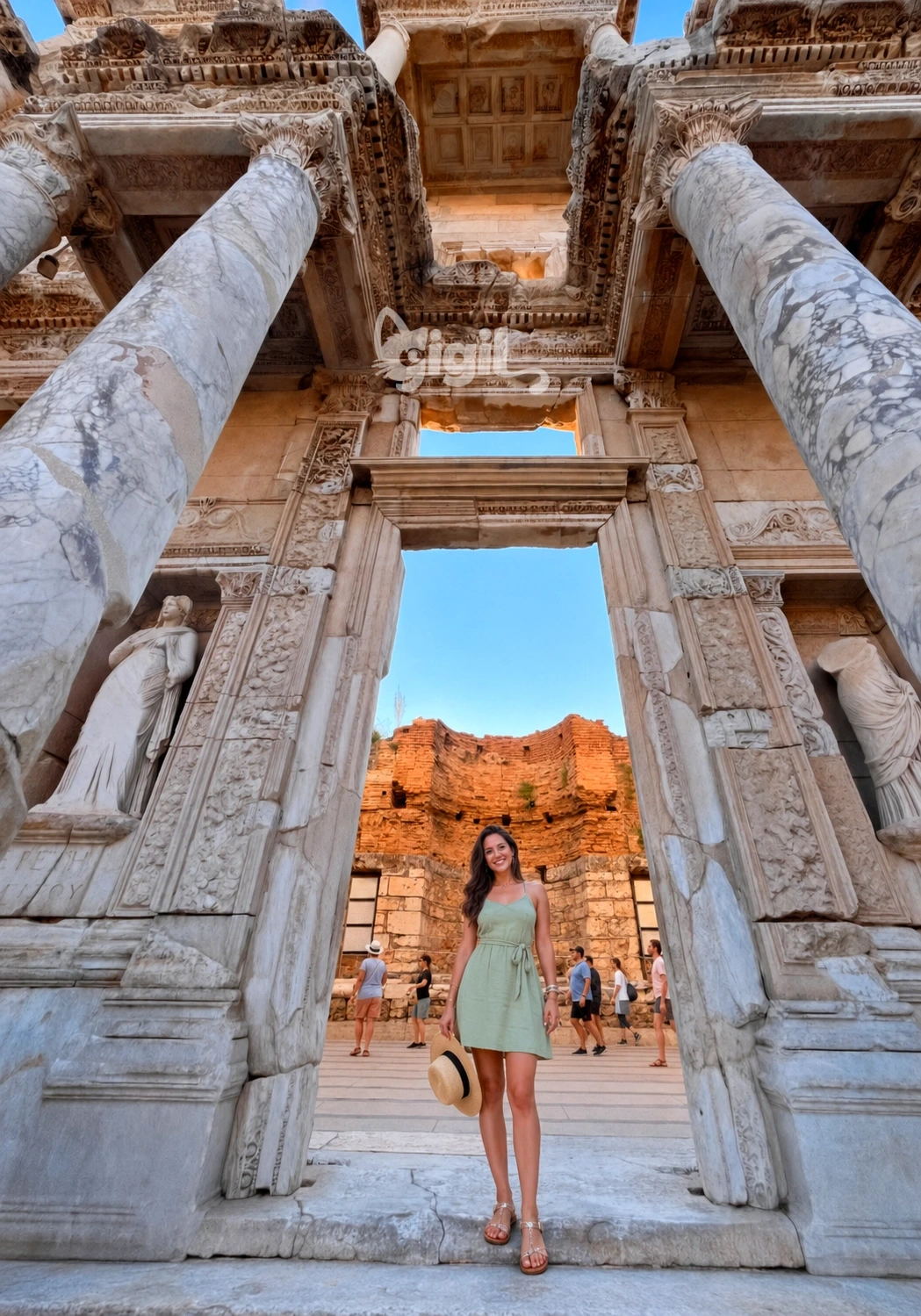
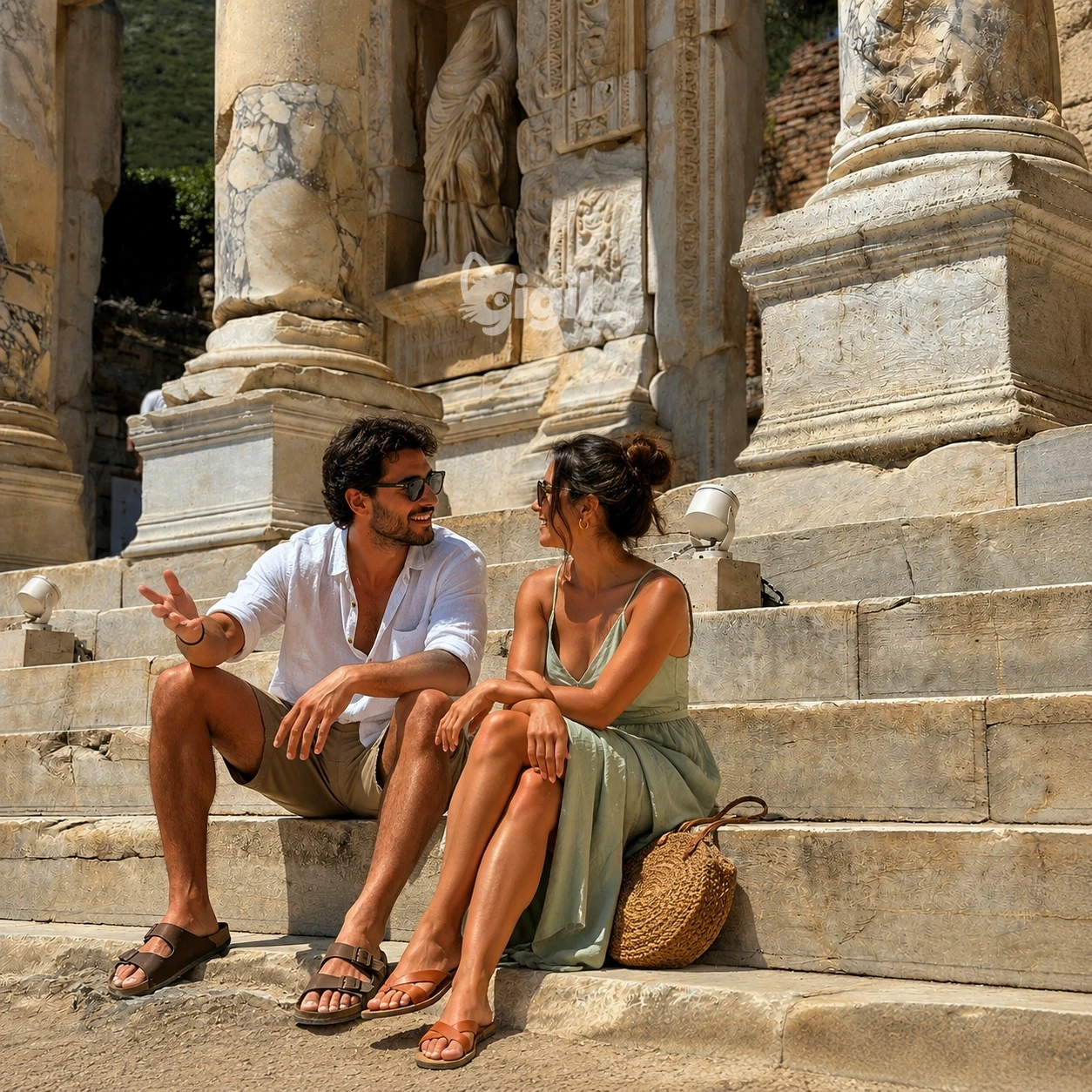
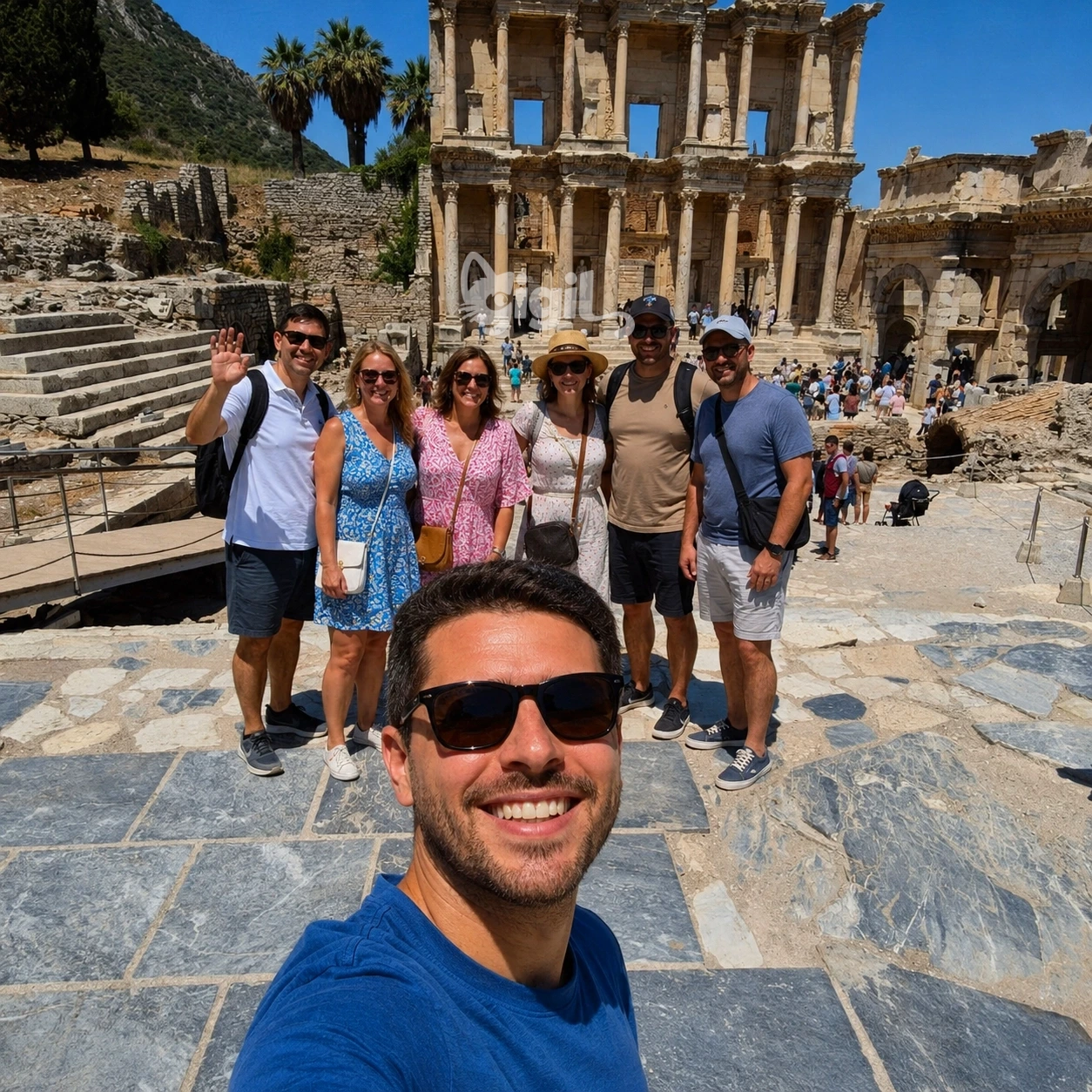
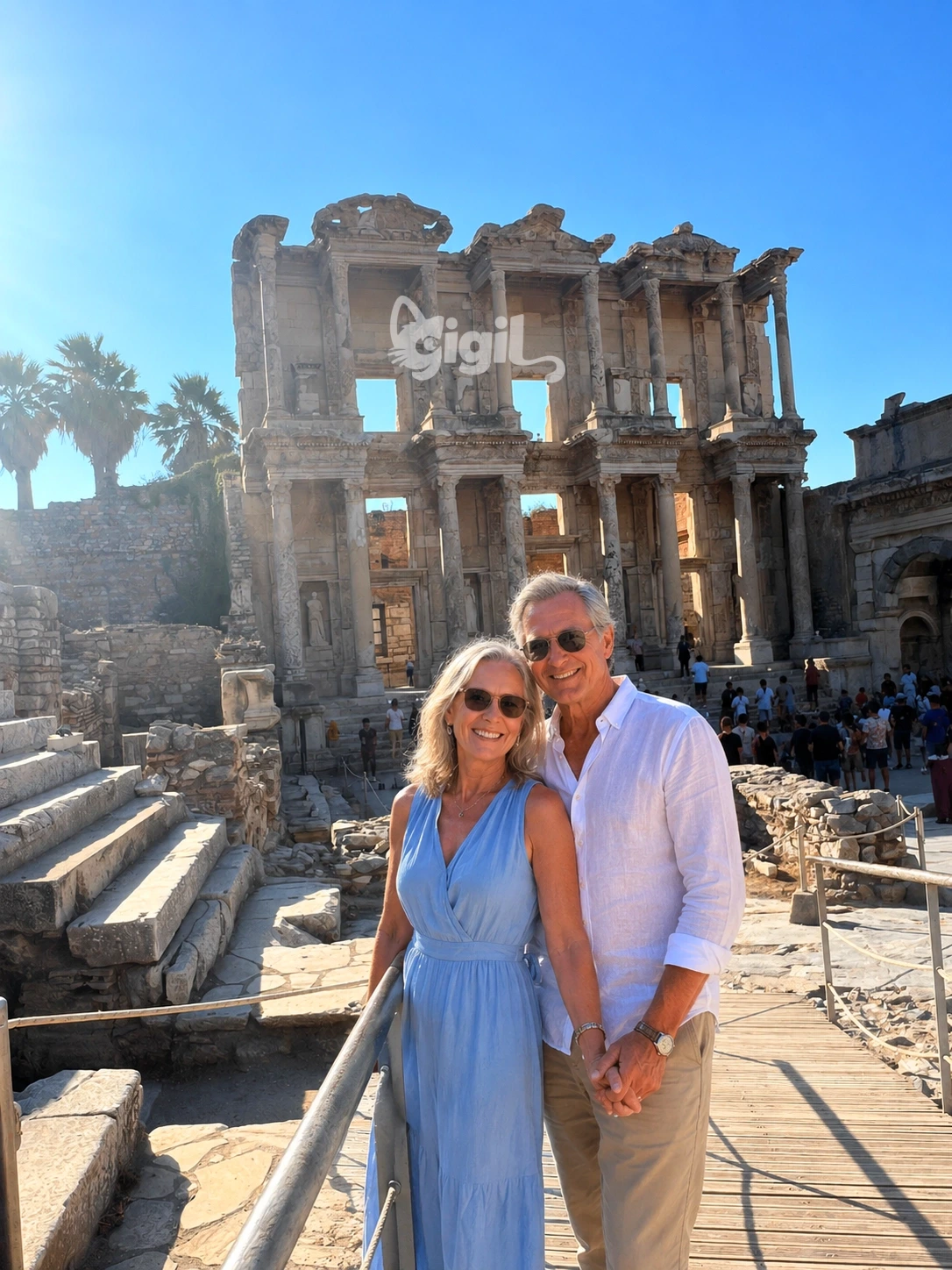
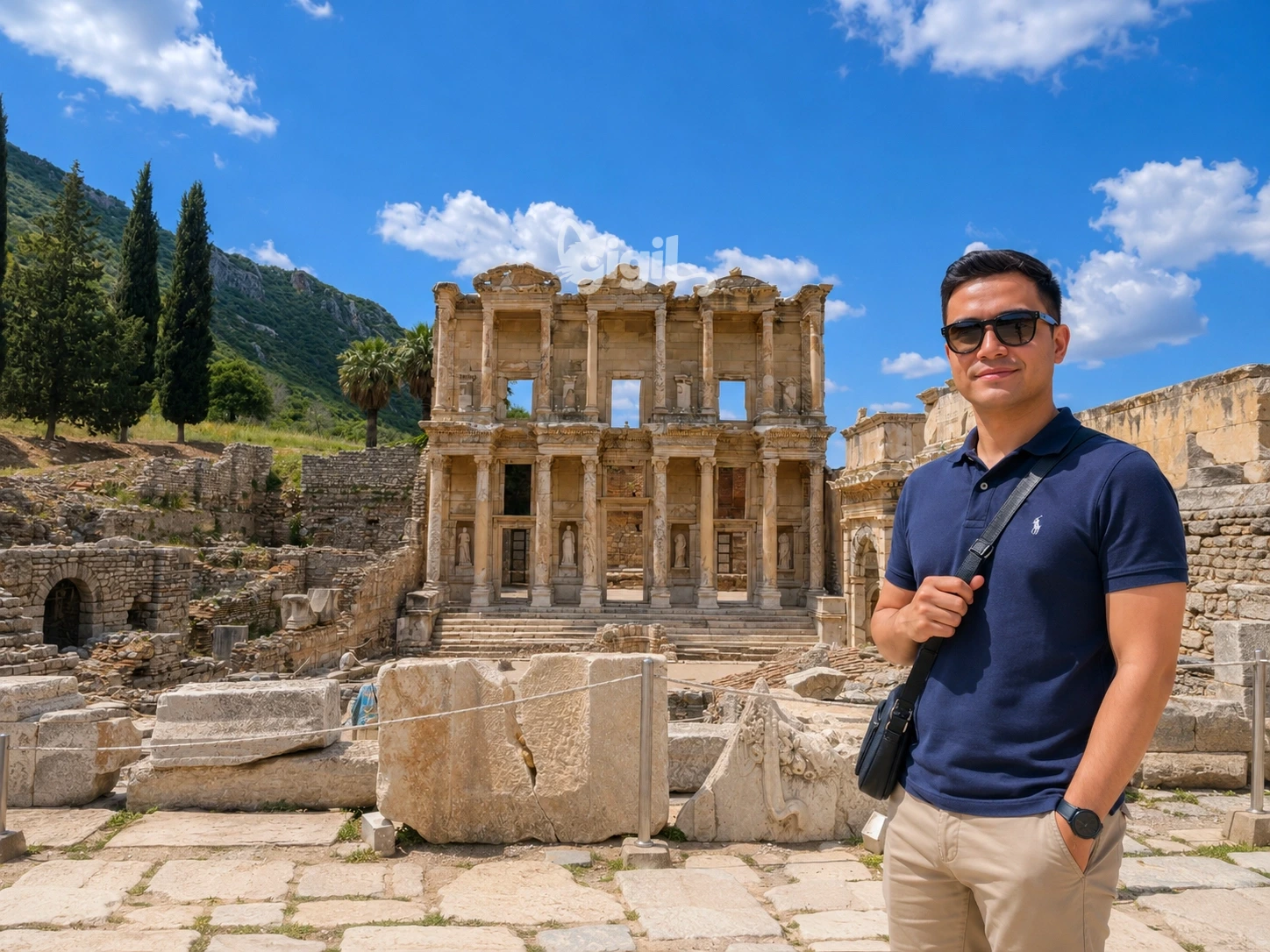
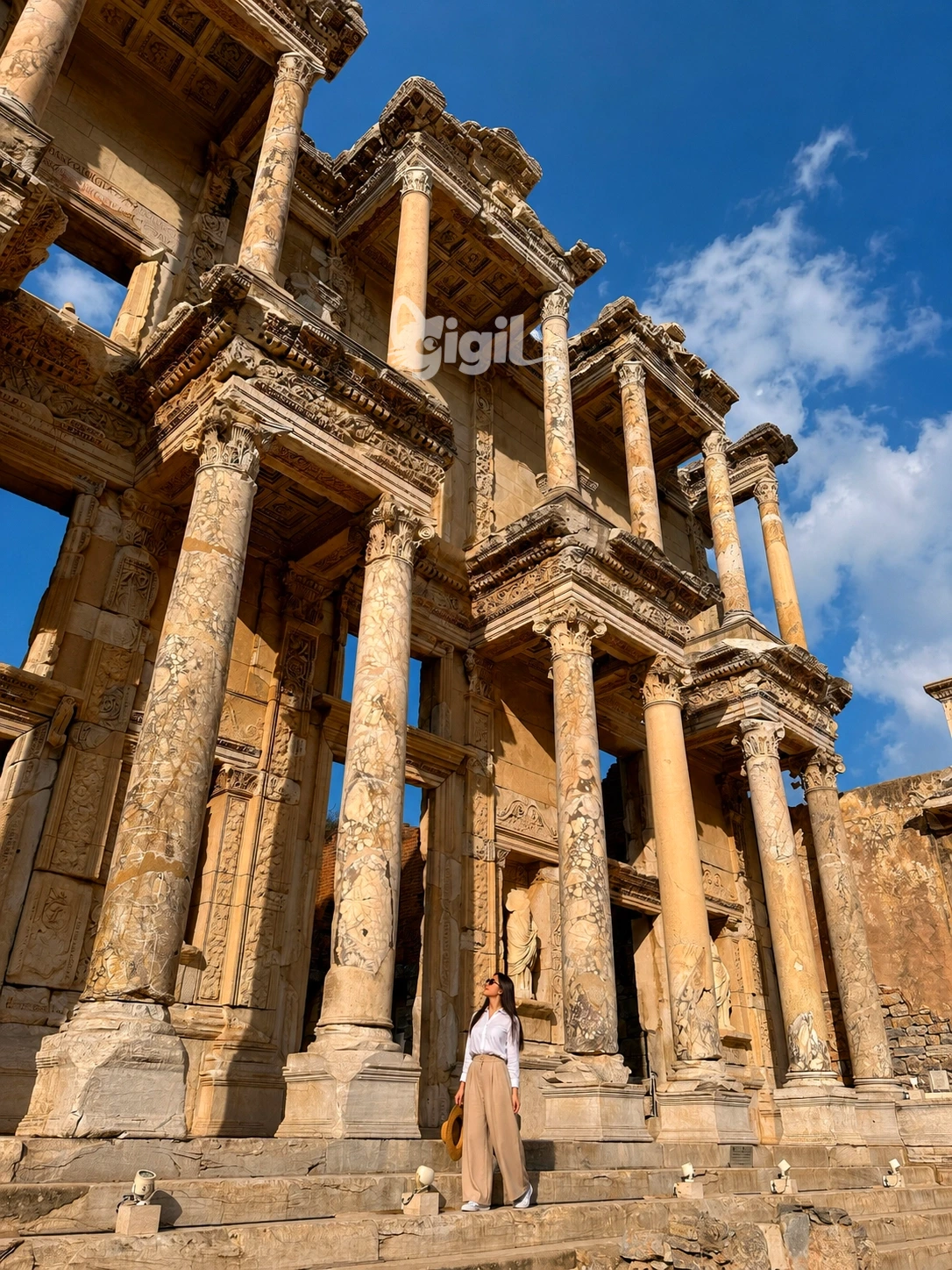
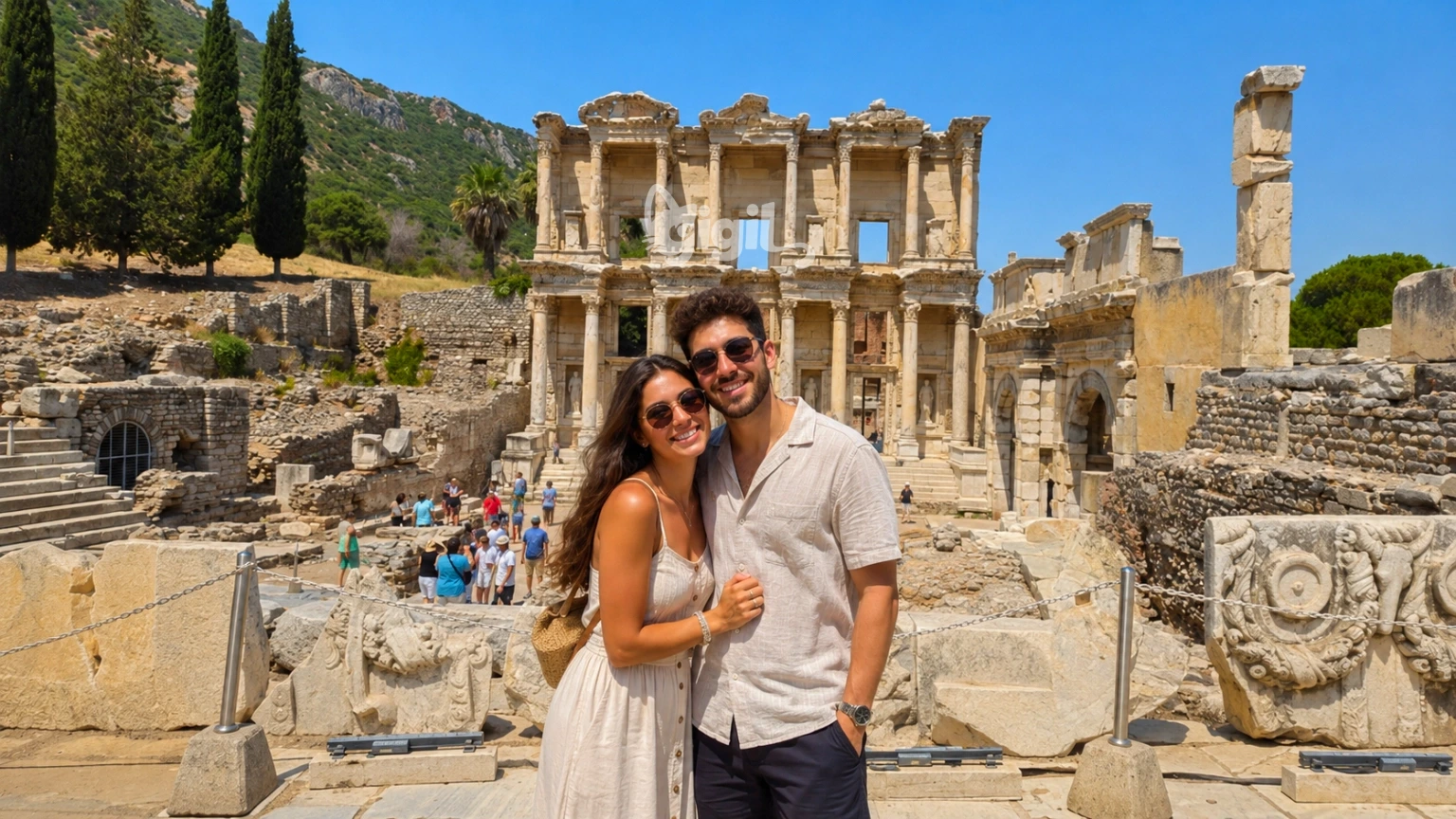
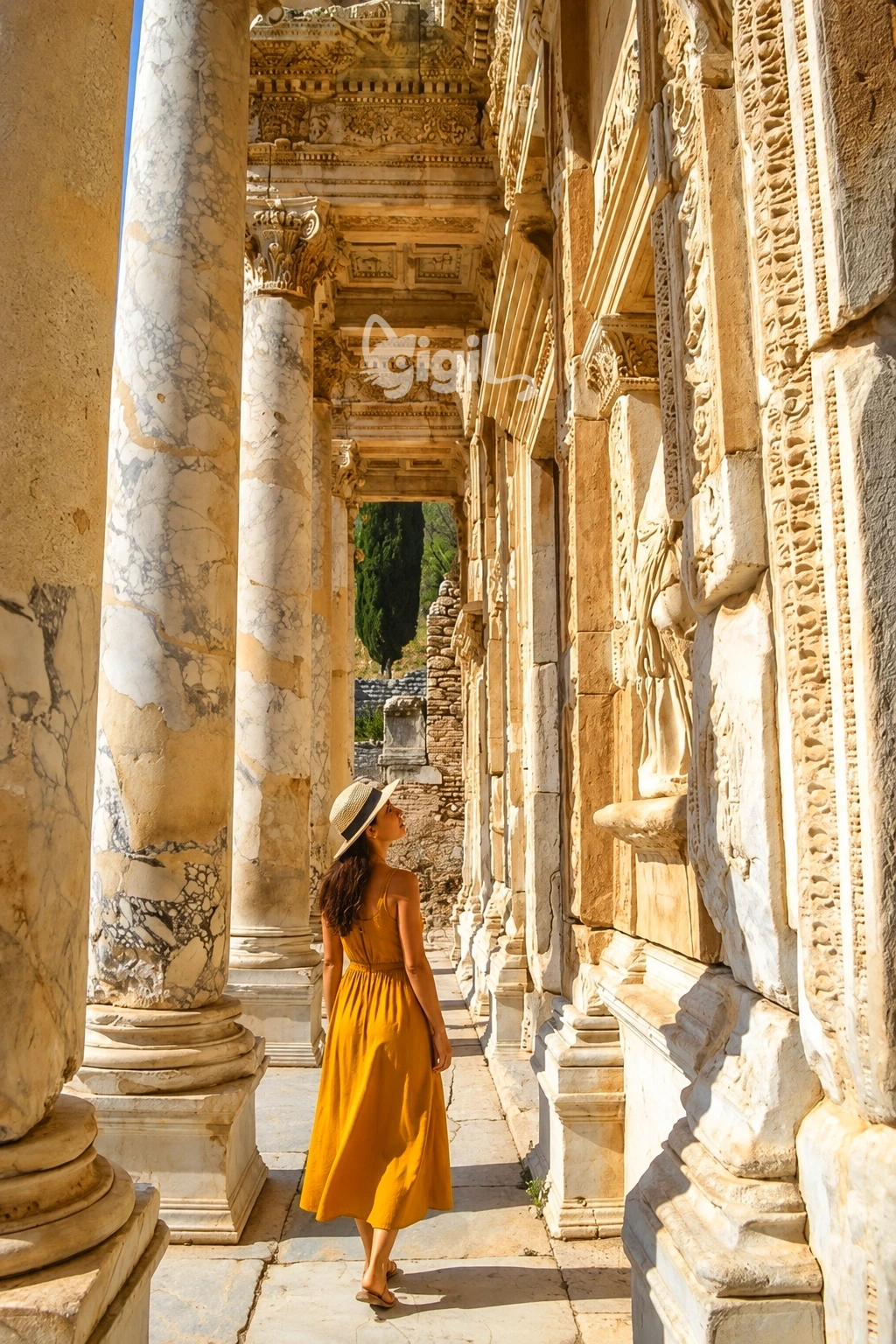
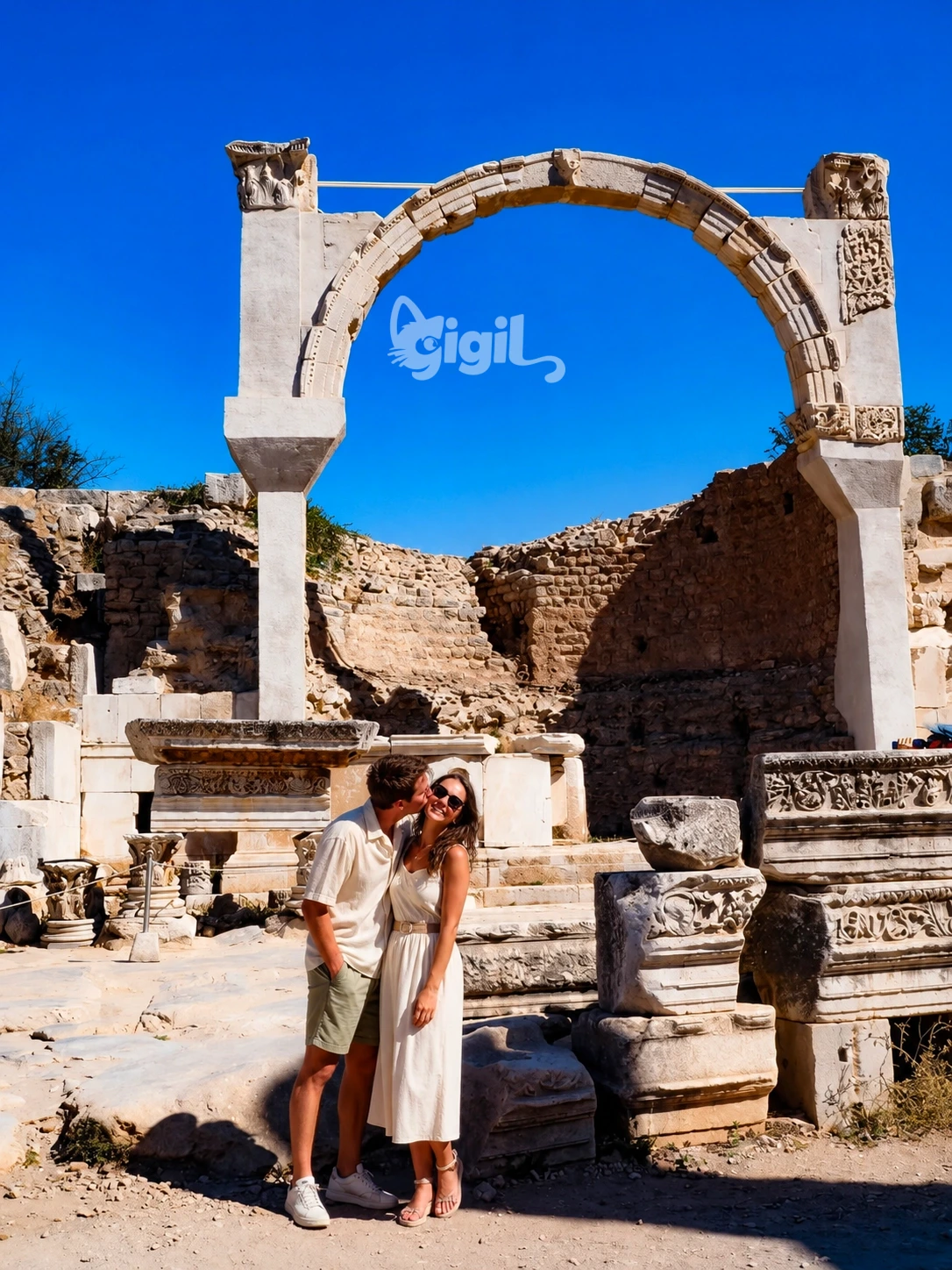
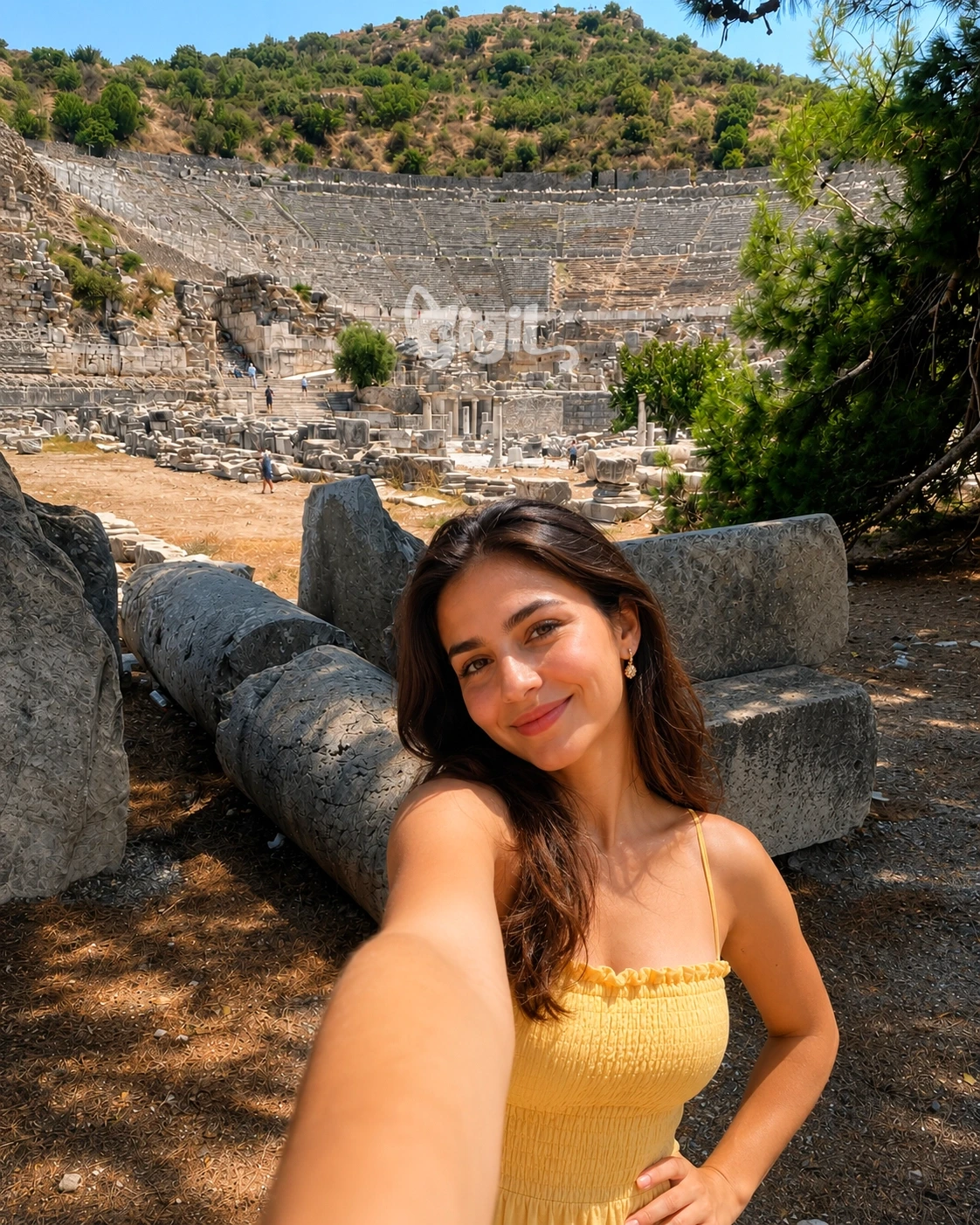
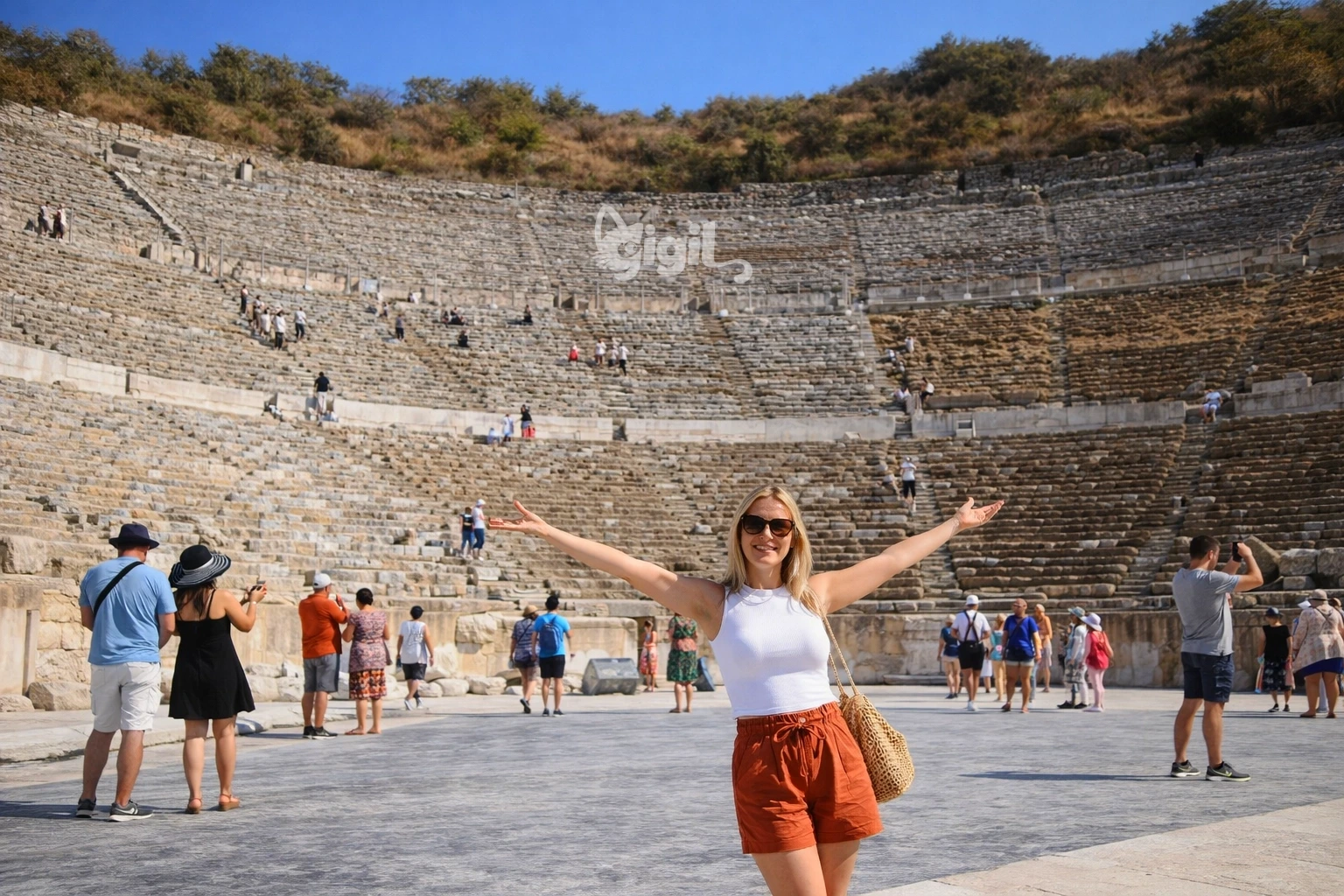
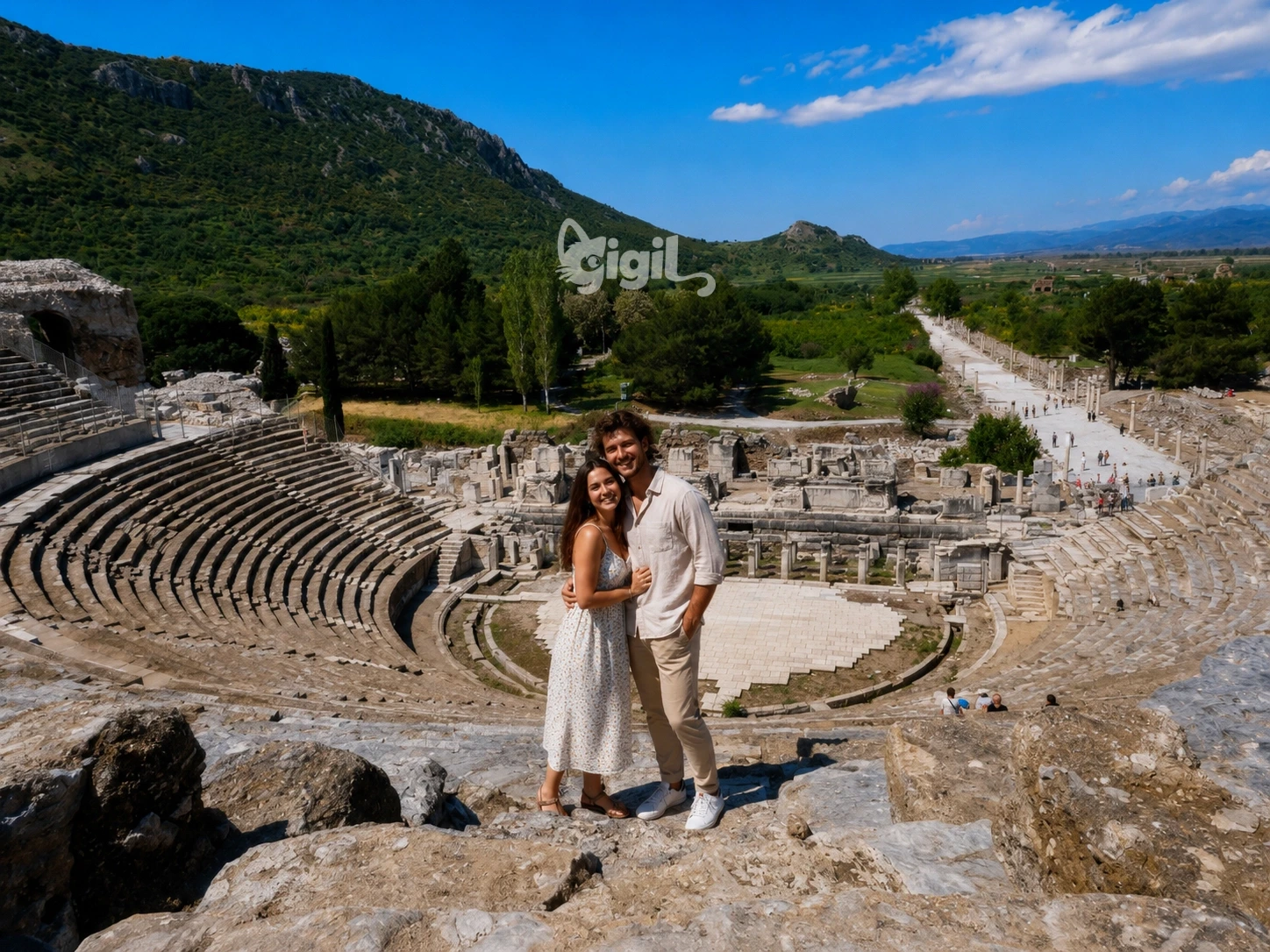
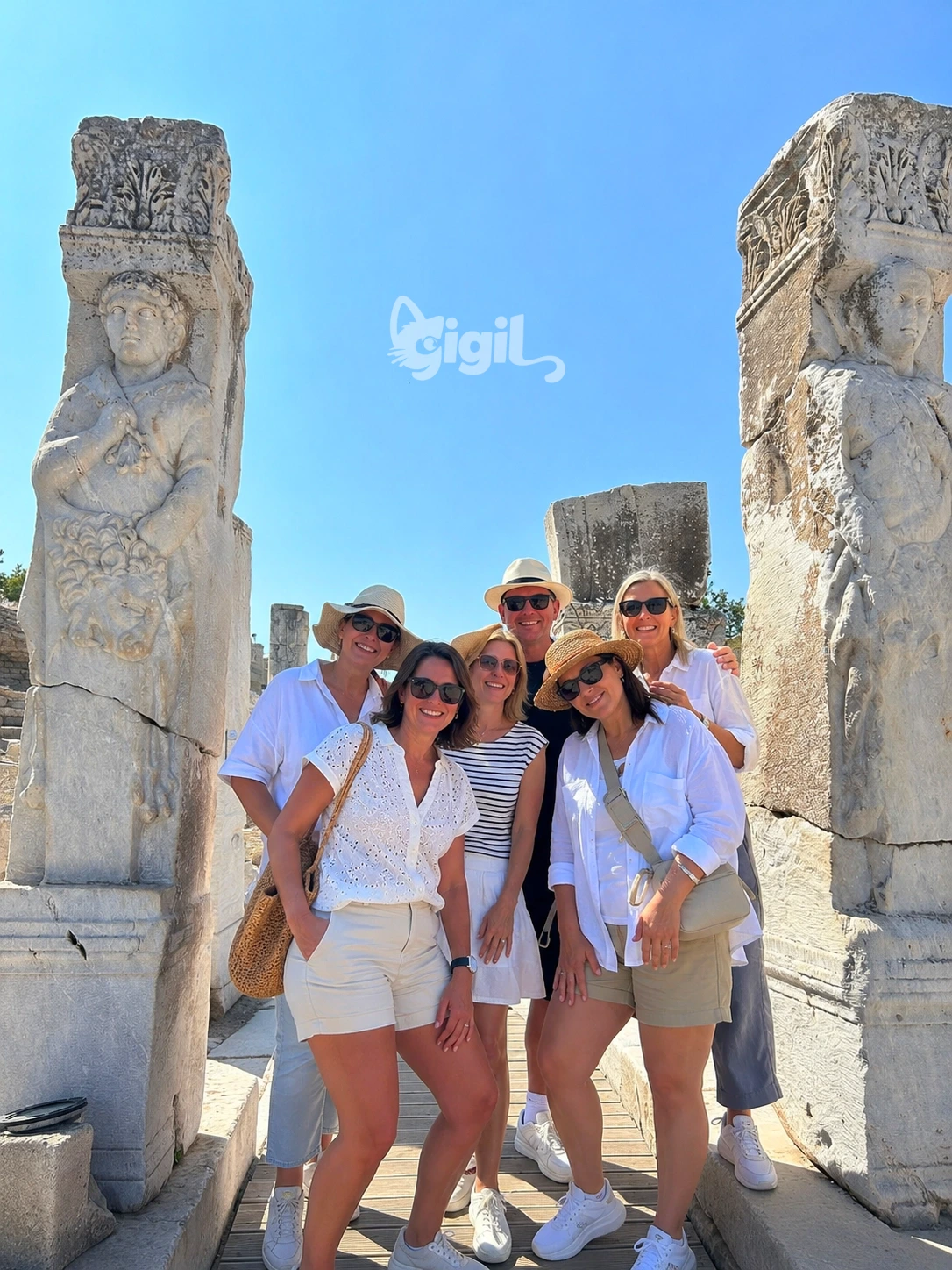
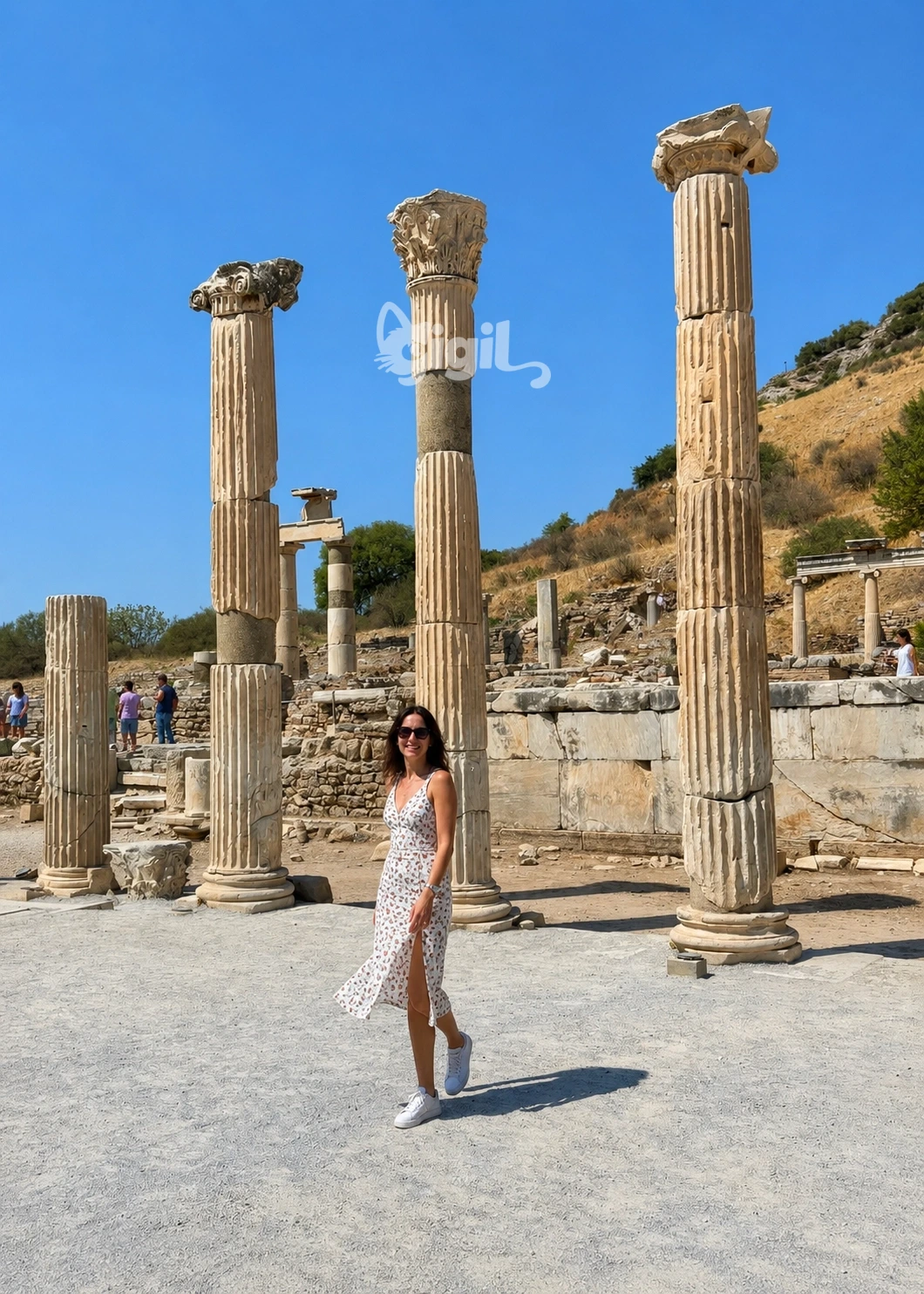
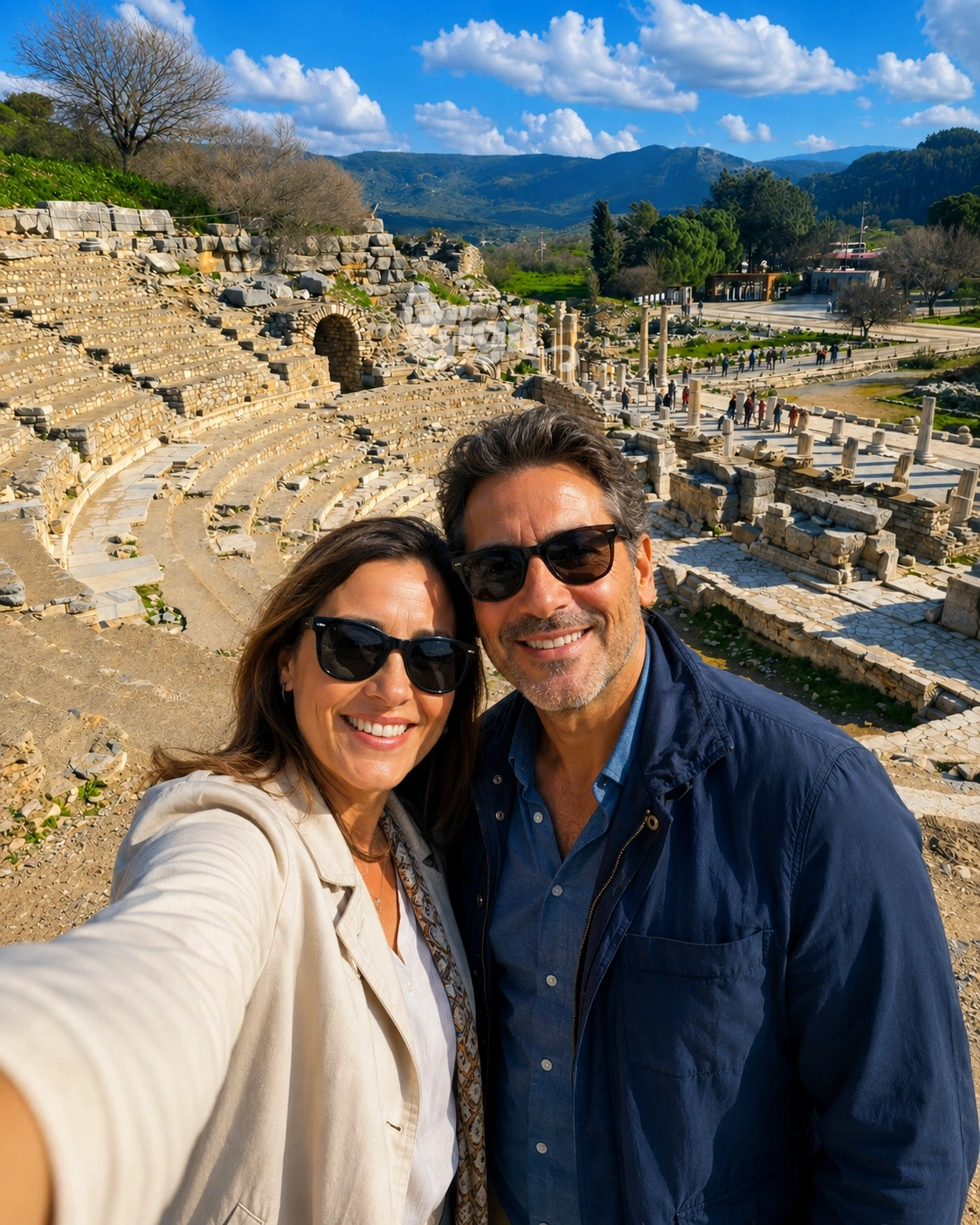
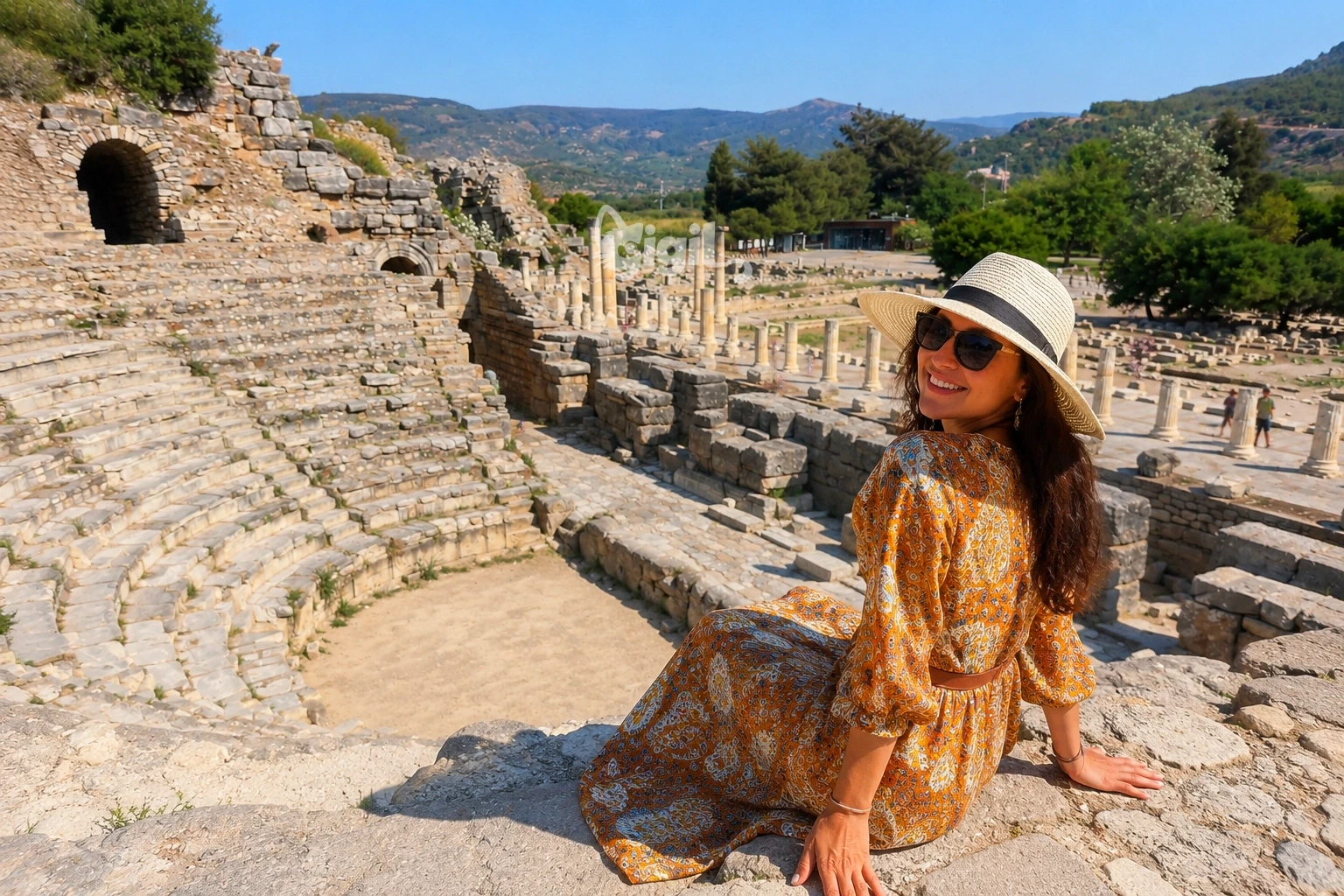
Ephesus Ancient City gives the route its strongest archaeological focus. The city can be understood through its marble streets, agora spaces, theatre, gates, inscriptions, public monuments and the Library of Celsus.
Rather than seeing the site as isolated ruins, follow how the city worked as a connected urban place. Trade, public ceremony, religion, status and changing geography all shaped Ephesus, from its harbor past to the remains visible today.
Questions
What makes Ephesus an essential ancient city visit?
Ephesus preserves the experience of a major ancient city through streets, public monuments, theatre, agora spaces, inscriptions and the Library of Celsus.
Which details should I pay attention to in Ephesus?
Look at how streets connect public spaces, how inscriptions and facades communicate status, and how monuments organize movement through the city.
Why is Ephesus not beside the sea today?
The ancient city was linked to a harbor, but the landscape changed as sediment filled the area over time. This gradually moved the coastline away from the city.
How should I view reconstructed areas in Ephesus?
They should be viewed as part of the archaeological interpretation of the site. Reconstructed and conserved sections help explain the city without replacing the importance of original remains.